

BNB Wolf
231 投稿

BNB Wolf
報告
ユーザーをブロック
Stop chasing hype. Follow what matters 🐺
79 フォロー
199 フォロワー
74 いいね
投稿
すべて
引用
ライブ
·
--
ブリッシュ
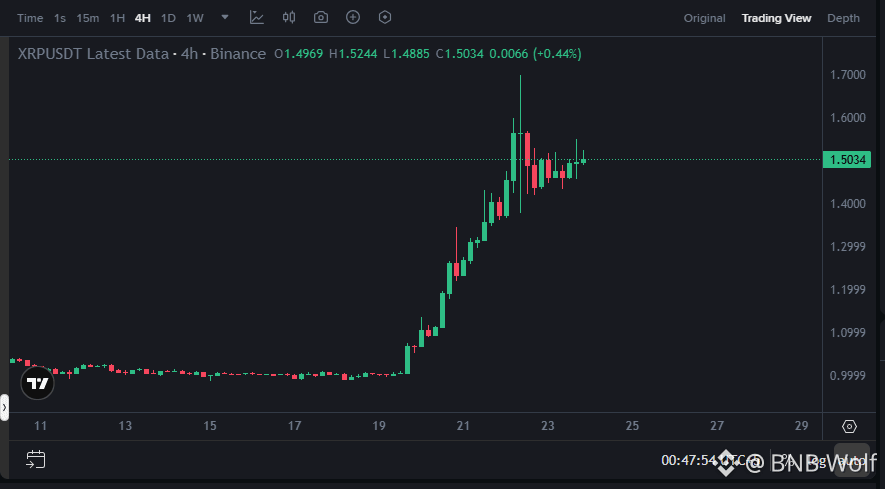
$XRP は、その爆発的な上昇の後でも驚くほど堅調に推移しています。
価格は約 $1.00 から $1.70 へ急騰し、現在は $1.50 付近で推移(レンジ形成)しています。
重要なゾーンは $1.52〜$1.55 です。ここをきれいに4時間足で上抜ければ、直近の高値を再び試す可能性が高まります。
$1.45 が失敗すると、短期的な強気の構造は弱まります。
現時点では、XRP はブレイクアウトを維持しています。次のレンジブレイクが方向性を決めるはずです。
$XRP は、その爆発的な上昇の後でも驚くほど堅調に推移しています。
価格は約 $1.00 から $1.70 へ急騰し、現在は $1.50 付近で推移(レンジ形成)しています。
重要なゾーンは $1.52〜$1.55 です。ここをきれいに4時間足で上抜ければ、直近の高値を再び試す可能性が高まります。
$1.45 が失敗すると、短期的な強気の構造は弱まります。
現時点では、XRP はブレイクアウトを維持しています。次のレンジブレイクが方向性を決めるはずです。
価格は約 $1.00 から $1.70 へ急騰し、現在は $1.50 付近で推移(レンジ形成)しています。
重要なゾーンは $1.52〜$1.55 です。ここをきれいに4時間足で上抜ければ、直近の高値を再び試す可能性が高まります。
$1.45 が失敗すると、短期的な強気の構造は弱まります。
現時点では、XRP はブレイクアウトを維持しています。次のレンジブレイクが方向性を決めるはずです。
34
·
--
ブリッシュ
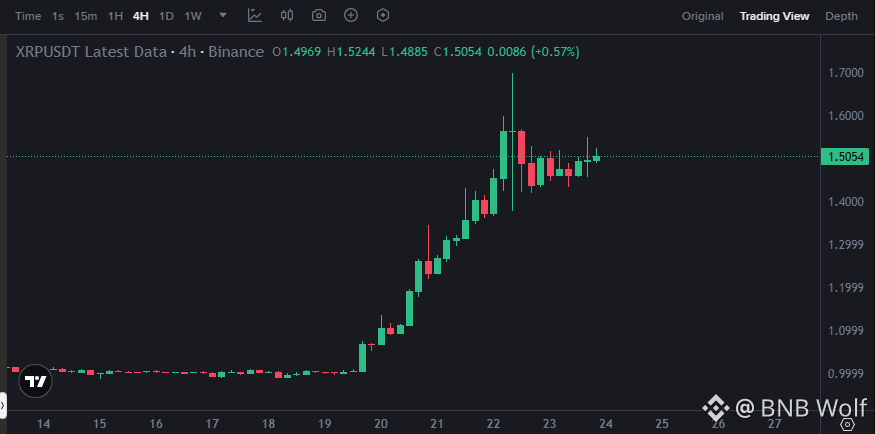
$XRP は約$1.00から$1.70へ爆発的に上昇しましたが、重要なのは今、$1.50付近で価格がどう動いているかです。
スパイクの後、XRPはおよそ$1.45〜$1.52の間でタイトにレンジを形成しています。
$1.52〜$1.55をきれいに4Hで上抜けできれば、買い手が再び主導権を握り、直近の高値を再度狙える展開になり得ます。
もし$1.45が維持できなければ、短期的な強気のセットアップは弱まります。
現時点では、XRPは拡大の後に圧縮しています——この次のブレイクが重要です。
{spot}(XRPUSDT)
$XRP は約$1.00から$1.70へ爆発的に上昇しましたが、重要なのは今、$1.50付近で価格がどう動いているかです。
スパイクの後、XRPはおよそ$1.45〜$1.52の間でタイトにレンジを形成しています。
$1.52〜$1.55をきれいに4Hで上抜けできれば、買い手が再び主導権を握り、直近の高値を再度狙える展開になり得ます。
もし$1.45が維持できなければ、短期的な強気のセットアップは弱まります。
現時点では、XRPは拡大の後に圧縮しています——この次のブレイクが重要です。
スパイクの後、XRPはおよそ$1.45〜$1.52の間でタイトにレンジを形成しています。
$1.52〜$1.55をきれいに4Hで上抜けできれば、買い手が再び主導権を握り、直近の高値を再度狙える展開になり得ます。
もし$1.45が維持できなければ、短期的な強気のセットアップは弱まります。
現時点では、XRPは拡大の後に圧縮しています——この次のブレイクが重要です。
85
·
--
ブリッシュ
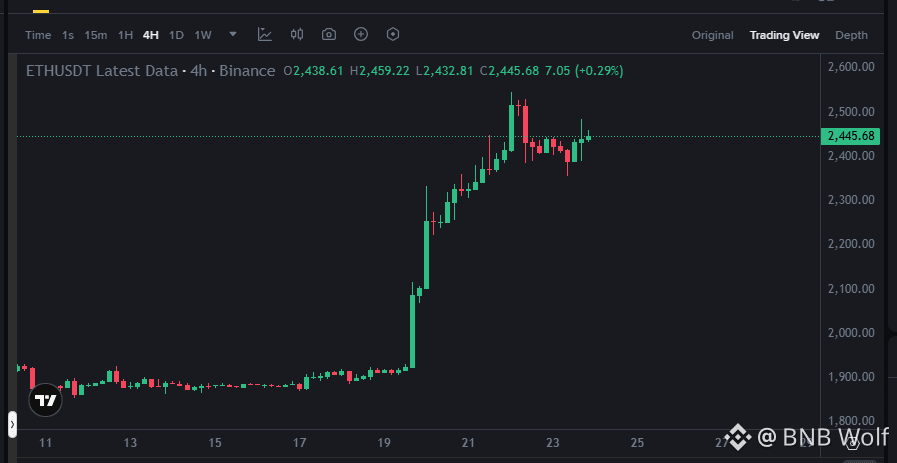
$ETH は、大きな上昇の後に強気が見たい動きをしている:高値近辺で推移している。
価格は約1,900ドルから2,500ドル超まで急騰し、現在は2,445ドル付近で調整(もみ合い)している。
重要なエリアは2,400〜2,420ドル。そこを維持できれば、買い手が2,460ドルに攻め、次に2,500〜2,520ドルの高値を狙える。
2,400ドルを割り込むと、短期のセットアップが弱まり始める。
いまは、ポンプ(急騰)を追いかけるよりも調整が重要だ。
$ETH は、大きな上昇の後に強気が見たい動きをしている:高値近辺で推移している。
価格は約1,900ドルから2,500ドル超まで急騰し、現在は2,445ドル付近で調整(もみ合い)している。
重要なエリアは2,400〜2,420ドル。そこを維持できれば、買い手が2,460ドルに攻め、次に2,500〜2,520ドルの高値を狙える。
2,400ドルを割り込むと、短期のセットアップが弱まり始める。
いまは、ポンプ(急騰)を追いかけるよりも調整が重要だ。
価格は約1,900ドルから2,500ドル超まで急騰し、現在は2,445ドル付近で調整(もみ合い)している。
重要なエリアは2,400〜2,420ドル。そこを維持できれば、買い手が2,460ドルに攻め、次に2,500〜2,520ドルの高値を狙える。
2,400ドルを割り込むと、短期のセットアップが弱まり始める。
いまは、ポンプ(急騰)を追いかけるよりも調整が重要だ。
64
·
--
ブリッシュ
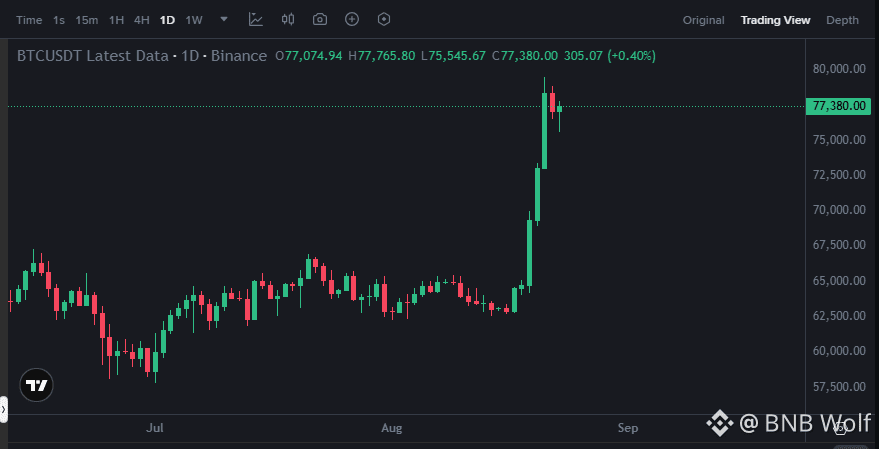
$BTC すでに爆発的な動きは起きた。次のポイントは、買い手がそれを維持できるかどうかだ。
ビットコインは約64Kドルから約79Kドルまで急騰し、現在も約77.3Kドル近辺で踏みとどまっている。
75.5Kドル〜76Kドルが直近のサポート。ここを上回って維持できれば、強気の構造は保たれる。
78Kドル〜80Kドルをきれいに上抜けできれば、さらなる拡大の余地が開く。75.5Kドルを失うと、次に注目すべき水準は72.5Kドル〜73Kドルになる。
これほど急な値動きの後は、FOMOよりも確認(裏付け)が重要だ。
$BTC すでに爆発的な動きは起きた。次のポイントは、買い手がそれを維持できるかどうかだ。
ビットコインは約64Kドルから約79Kドルまで急騰し、現在も約77.3Kドル近辺で踏みとどまっている。
75.5Kドル〜76Kドルが直近のサポート。ここを上回って維持できれば、強気の構造は保たれる。
78Kドル〜80Kドルをきれいに上抜けできれば、さらなる拡大の余地が開く。75.5Kドルを失うと、次に注目すべき水準は72.5Kドル〜73Kドルになる。
これほど急な値動きの後は、FOMOよりも確認(裏付け)が重要だ。
ビットコインは約64Kドルから約79Kドルまで急騰し、現在も約77.3Kドル近辺で踏みとどまっている。
75.5Kドル〜76Kドルが直近のサポート。ここを上回って維持できれば、強気の構造は保たれる。
78Kドル〜80Kドルをきれいに上抜けできれば、さらなる拡大の余地が開く。75.5Kドルを失うと、次に注目すべき水準は72.5Kドル〜73Kドルになる。
これほど急な値動きの後は、FOMOよりも確認(裏付け)が重要だ。
90
·
--
ブリッシュ
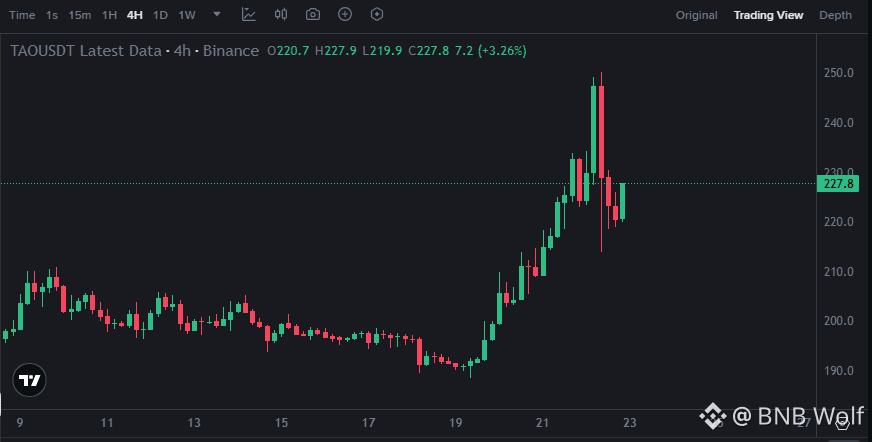
$TAO は、約190ドルから約250ドルへと上昇しましたが、上位からの拒否(リジェクト)によって短期の見通しが変わりました。
現在は約227.8ドル付近まで戻っており、明確な支持が220〜222ドルあたり、抵抗が230〜233ドルあたりにあります。
つまり、このレンジが最重要の攻防ラインです。
もし買い手が4H(4時間足)でクリーンに233ドルを奪回できるなら、次は245〜250ドルに向けたもう一段の上昇を警戒します。
しかし、220ドルが崩れる場合は、現在のリカバリー(反発)が弱く見え始め、次に重要になるのは210〜212ドルです。
より大きな構造は依然として強気ですが、250ドルからのあの鋭いウィック(ヒゲ)を踏まえると、反発を追いかけるよりも、233ドルを上抜けての確認を見たいところです。
$TAO は、約190ドルから約250ドルへと上昇しましたが、上位からの拒否(リジェクト)によって短期の見通しが変わりました。
現在は約227.8ドル付近まで戻っており、明確な支持が220〜222ドルあたり、抵抗が230〜233ドルあたりにあります。
つまり、このレンジが最重要の攻防ラインです。
もし買い手が4H(4時間足)でクリーンに233ドルを奪回できるなら、次は245〜250ドルに向けたもう一段の上昇を警戒します。
しかし、220ドルが崩れる場合は、現在のリカバリー(反発)が弱く見え始め、次に重要になるのは210〜212ドルです。
より大きな構造は依然として強気ですが、250ドルからのあの鋭いウィック(ヒゲ)を踏まえると、反発を追いかけるよりも、233ドルを上抜けての確認を見たいところです。
現在は約227.8ドル付近まで戻っており、明確な支持が220〜222ドルあたり、抵抗が230〜233ドルあたりにあります。
つまり、このレンジが最重要の攻防ラインです。
もし買い手が4H(4時間足)でクリーンに233ドルを奪回できるなら、次は245〜250ドルに向けたもう一段の上昇を警戒します。
しかし、220ドルが崩れる場合は、現在のリカバリー(反発)が弱く見え始め、次に重要になるのは210〜212ドルです。
より大きな構造は依然として強気ですが、250ドルからのあの鋭いウィック(ヒゲ)を踏まえると、反発を追いかけるよりも、233ドルを上抜けての確認を見たいところです。
50
·
--
ブリッシュ
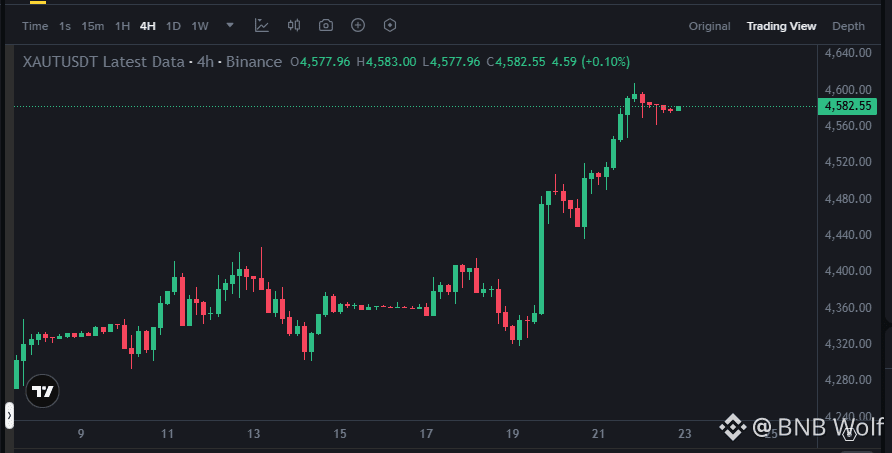
$XAUT は、強い4Hブレイクの後も驚くほど良い状態を保っています。
価格はおよそ$4,320から$4,600付近まで押し上げられたものの、急激に反落する代わりに、直近高値のすぐ下である$4,582付近でいまはレンジして整理しています。
私が最初に注目しているゾーンは$4,560〜$4,570です。
買い手がその領域を守り続ける限り、強気の構造は維持されます。$4,600〜$4,610をクリーンにブレイクして定着できれば、次の継続局面への道が開ける可能性があります。
しかし、$4,560が失われるなら、買い手が次の本格的なチャンスを得る前に、より深い押し戻しとして$4,520方向まで下がることを想定します。
現時点での重要なシグナルはシンプルで、価格は高値近辺で落ち着いており、高値から崩れていないということです。
$XAUT は、強い4Hブレイクの後も驚くほど良い状態を保っています。
価格はおよそ$4,320から$4,600付近まで押し上げられたものの、急激に反落する代わりに、直近高値のすぐ下である$4,582付近でいまはレンジして整理しています。
私が最初に注目しているゾーンは$4,560〜$4,570です。
買い手がその領域を守り続ける限り、強気の構造は維持されます。$4,600〜$4,610をクリーンにブレイクして定着できれば、次の継続局面への道が開ける可能性があります。
しかし、$4,560が失われるなら、買い手が次の本格的なチャンスを得る前に、より深い押し戻しとして$4,520方向まで下がることを想定します。
現時点での重要なシグナルはシンプルで、価格は高値近辺で落ち着いており、高値から崩れていないということです。
価格はおよそ$4,320から$4,600付近まで押し上げられたものの、急激に反落する代わりに、直近高値のすぐ下である$4,582付近でいまはレンジして整理しています。
私が最初に注目しているゾーンは$4,560〜$4,570です。
買い手がその領域を守り続ける限り、強気の構造は維持されます。$4,600〜$4,610をクリーンにブレイクして定着できれば、次の継続局面への道が開ける可能性があります。
しかし、$4,560が失われるなら、買い手が次の本格的なチャンスを得る前に、より深い押し戻しとして$4,520方向まで下がることを想定します。
現時点での重要なシグナルはシンプルで、価格は高値近辺で落ち着いており、高値から崩れていないということです。
40
·
--
ブリッシュ
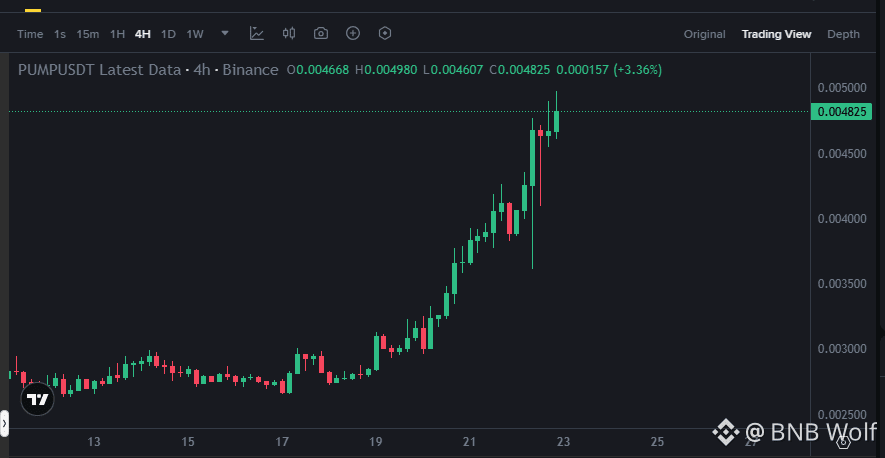
$PUMP は依然として強い4Hの拡大局面にありますが、価格は現在、主要な心理的水準へ直接押し込んでいます。
値動きはおよそ$0.0027〜$0.0028から始まり、$0.0040を超えると急激に加速しました。現在、価格は$0.00482付近で取引されています。
重要な水準は$0.0050です。
買い手が$0.0049〜$0.0050の上で4Hのクリーンなクローズを確保し、それを維持できるなら、ブレイクアウトの構造は保たれ、価格はさらに高い水準を探り続ける可能性があります。
しかしこのように縦に大きく動いた後は、最初のサポートとして$0.00455〜$0.00460を注視しています。ここを失うと、$0.0041〜$0.0042へのより深いリセットが起こりやすくなります。
トレンドははっきりと強気です——ただし$0.0050は、この上昇にまだ燃料があることを買い手が証明する必要がある場所です。
$PUMP は依然として強い4Hの拡大局面にありますが、価格は現在、主要な心理的水準へ直接押し込んでいます。
値動きはおよそ$0.0027〜$0.0028から始まり、$0.0040を超えると急激に加速しました。現在、価格は$0.00482付近で取引されています。
重要な水準は$0.0050です。
買い手が$0.0049〜$0.0050の上で4Hのクリーンなクローズを確保し、それを維持できるなら、ブレイクアウトの構造は保たれ、価格はさらに高い水準を探り続ける可能性があります。
しかしこのように縦に大きく動いた後は、最初のサポートとして$0.00455〜$0.00460を注視しています。ここを失うと、$0.0041〜$0.0042へのより深いリセットが起こりやすくなります。
トレンドははっきりと強気です——ただし$0.0050は、この上昇にまだ燃料があることを買い手が証明する必要がある場所です。
値動きはおよそ$0.0027〜$0.0028から始まり、$0.0040を超えると急激に加速しました。現在、価格は$0.00482付近で取引されています。
重要な水準は$0.0050です。
買い手が$0.0049〜$0.0050の上で4Hのクリーンなクローズを確保し、それを維持できるなら、ブレイクアウトの構造は保たれ、価格はさらに高い水準を探り続ける可能性があります。
しかしこのように縦に大きく動いた後は、最初のサポートとして$0.00455〜$0.00460を注視しています。ここを失うと、$0.0041〜$0.0042へのより深いリセットが起こりやすくなります。
トレンドははっきりと強気です——ただし$0.0050は、この上昇にまだ燃料があることを買い手が証明する必要がある場所です。
49
·
--
ブリッシュ
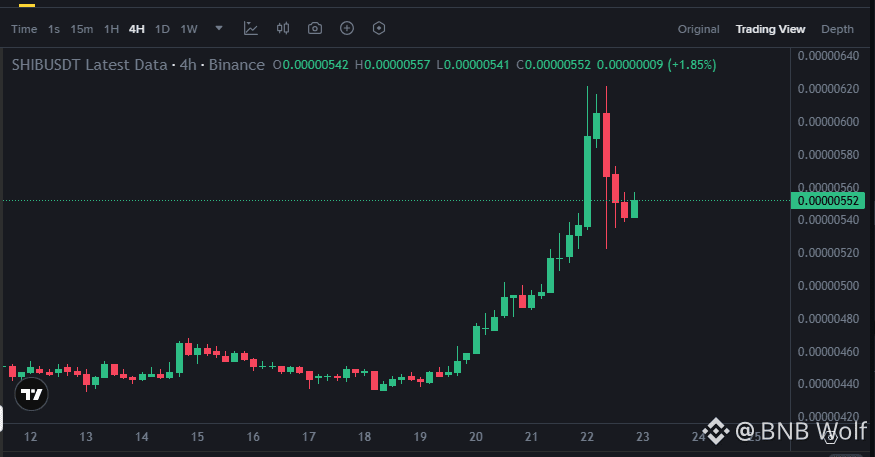
$SHIB たった今、鋭い4Hブレイクアウトが発生しましたが、いま本当のポイントは高値からのリジェクション(拒否反応)です。
価格はおよそ0.0000044ドルから0.0000061ドル超まで上昇した後、売り手が0.0000054ドル付近まで押し戻しました。SHIBは現在、0.00000552ドル前後で安定しようとしています。
私が最初に注目しているゾーンは0.00000535〜0.00000545です。
もし買い手がこれを守り続け、0.00000565〜0.00000570を再び取り戻せるなら、次の0.0000060〜0.00000615に向けた再トライが可能になります。
しかし、0.00000535をきれいに割り込む場合は、ブレイクアウトの勢いが失われ、0.0000050〜0.0000051が再び焦点になります。
トレンドは依然として強気ですが、SHIBはこの押し目がコンソリデーション(もみ合い)であって、ディストリビューション(分配=売り抜け)ではないことを今こそ証明する必要があります。
$SHIB たった今、鋭い4Hブレイクアウトが発生しましたが、いま本当のポイントは高値からのリジェクション(拒否反応)です。
価格はおよそ0.0000044ドルから0.0000061ドル超まで上昇した後、売り手が0.0000054ドル付近まで押し戻しました。SHIBは現在、0.00000552ドル前後で安定しようとしています。
私が最初に注目しているゾーンは0.00000535〜0.00000545です。
もし買い手がこれを守り続け、0.00000565〜0.00000570を再び取り戻せるなら、次の0.0000060〜0.00000615に向けた再トライが可能になります。
しかし、0.00000535をきれいに割り込む場合は、ブレイクアウトの勢いが失われ、0.0000050〜0.0000051が再び焦点になります。
トレンドは依然として強気ですが、SHIBはこの押し目がコンソリデーション(もみ合い)であって、ディストリビューション(分配=売り抜け)ではないことを今こそ証明する必要があります。
価格はおよそ0.0000044ドルから0.0000061ドル超まで上昇した後、売り手が0.0000054ドル付近まで押し戻しました。SHIBは現在、0.00000552ドル前後で安定しようとしています。
私が最初に注目しているゾーンは0.00000535〜0.00000545です。
もし買い手がこれを守り続け、0.00000565〜0.00000570を再び取り戻せるなら、次の0.0000060〜0.00000615に向けた再トライが可能になります。
しかし、0.00000535をきれいに割り込む場合は、ブレイクアウトの勢いが失われ、0.0000050〜0.0000051が再び焦点になります。
トレンドは依然として強気ですが、SHIBはこの押し目がコンソリデーション(もみ合い)であって、ディストリビューション(分配=売り抜け)ではないことを今こそ証明する必要があります。
42
·
--
ブリッシュ
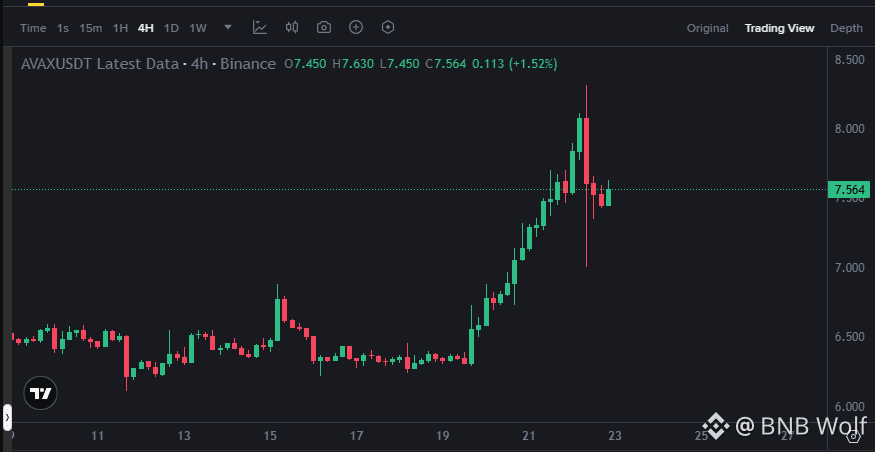
$AVAX は、強い 4H ブレイクアウトの後、最初の重大なリジェクションを受けました。
価格はおよそ $6.30〜$6.40 から $8.00 を超えるまで上昇しましたが、売りが $8.10〜$8.20 付近で強く押し返しました。重要な点は、AVAX が $7.00 に向けて下げた後すぐに反発し、現在はおよそ $7.56 を維持していることです。
私にとって、すぐに注目すべきサポートは $7.40〜$7.50 です。
買い手がこのゾーンを守り $7.80 を奪回できれば、さらに $8.00〜$8.20 の再テストが可能になります。
しかし、$7.40 がクリーンな 4H のクローズで失われるなら、構造が弱まり、$7.00〜$7.10 が再び視野に入ります。
トレンドはまだ強気ですが、そのリジェクションの後、AVAX はここでより高い安値を作れるかどうかを示す必要があります。
$AVAX は、強い 4H ブレイクアウトの後、最初の重大なリジェクションを受けました。
価格はおよそ $6.30〜$6.40 から $8.00 を超えるまで上昇しましたが、売りが $8.10〜$8.20 付近で強く押し返しました。重要な点は、AVAX が $7.00 に向けて下げた後すぐに反発し、現在はおよそ $7.56 を維持していることです。
私にとって、すぐに注目すべきサポートは $7.40〜$7.50 です。
買い手がこのゾーンを守り $7.80 を奪回できれば、さらに $8.00〜$8.20 の再テストが可能になります。
しかし、$7.40 がクリーンな 4H のクローズで失われるなら、構造が弱まり、$7.00〜$7.10 が再び視野に入ります。
トレンドはまだ強気ですが、そのリジェクションの後、AVAX はここでより高い安値を作れるかどうかを示す必要があります。
価格はおよそ $6.30〜$6.40 から $8.00 を超えるまで上昇しましたが、売りが $8.10〜$8.20 付近で強く押し返しました。重要な点は、AVAX が $7.00 に向けて下げた後すぐに反発し、現在はおよそ $7.56 を維持していることです。
私にとって、すぐに注目すべきサポートは $7.40〜$7.50 です。
買い手がこのゾーンを守り $7.80 を奪回できれば、さらに $8.00〜$8.20 の再テストが可能になります。
しかし、$7.40 がクリーンな 4H のクローズで失われるなら、構造が弱まり、$7.00〜$7.10 が再び視野に入ります。
トレンドはまだ強気ですが、そのリジェクションの後、AVAX はここでより高い安値を作れるかどうかを示す必要があります。
33
·
--
ブリッシュ
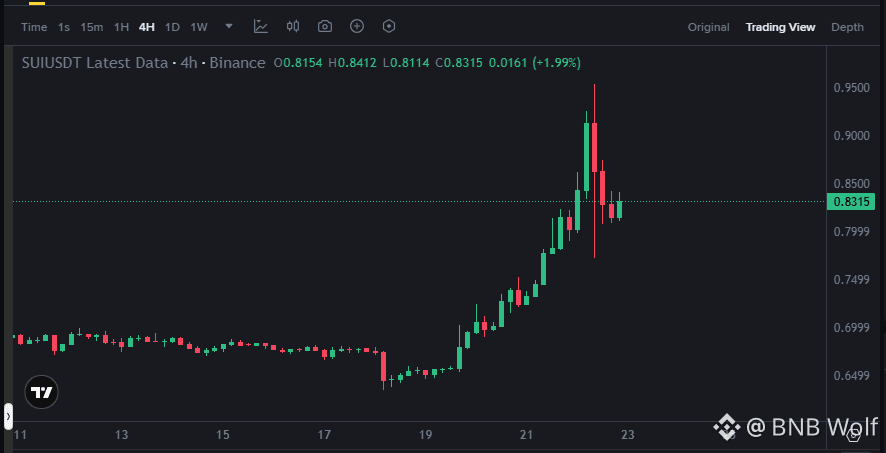
$SUI たった今、約$0.65から$0.90超までの巨大な4H拡大を見せましたが、高値からのリジェクション(拒否反応)も同じくらい強烈でした。
現在価格は$0.83付近で安定化しており、$0.80〜$0.81のゾーンが守るべき重要なエリアです。
買い手がこのサポートを維持し、$0.85〜$0.87を取り返せれば、さらに$0.90〜$0.95へ再度挑戦する可能性が出てきます。
しかし、$0.80のきれいな4H下抜けは、継続のセットアップを弱め、$0.75〜$0.77が再び注目されることになります。
トレンドはまだ強気ですが、このように急激な値動きの後は、ポンプを追うよりも次のより高い安値を待つほうがいいでしょう。
$SUI たった今、約$0.65から$0.90超までの巨大な4H拡大を見せましたが、高値からのリジェクション(拒否反応)も同じくらい強烈でした。
現在価格は$0.83付近で安定化しており、$0.80〜$0.81のゾーンが守るべき重要なエリアです。
買い手がこのサポートを維持し、$0.85〜$0.87を取り返せれば、さらに$0.90〜$0.95へ再度挑戦する可能性が出てきます。
しかし、$0.80のきれいな4H下抜けは、継続のセットアップを弱め、$0.75〜$0.77が再び注目されることになります。
トレンドはまだ強気ですが、このように急激な値動きの後は、ポンプを追うよりも次のより高い安値を待つほうがいいでしょう。
現在価格は$0.83付近で安定化しており、$0.80〜$0.81のゾーンが守るべき重要なエリアです。
買い手がこのサポートを維持し、$0.85〜$0.87を取り返せれば、さらに$0.90〜$0.95へ再度挑戦する可能性が出てきます。
しかし、$0.80のきれいな4H下抜けは、継続のセットアップを弱め、$0.75〜$0.77が再び注目されることになります。
トレンドはまだ強気ですが、このように急激な値動きの後は、ポンプを追うよりも次のより高い安値を待つほうがいいでしょう。
46
·
--
ブリッシュ
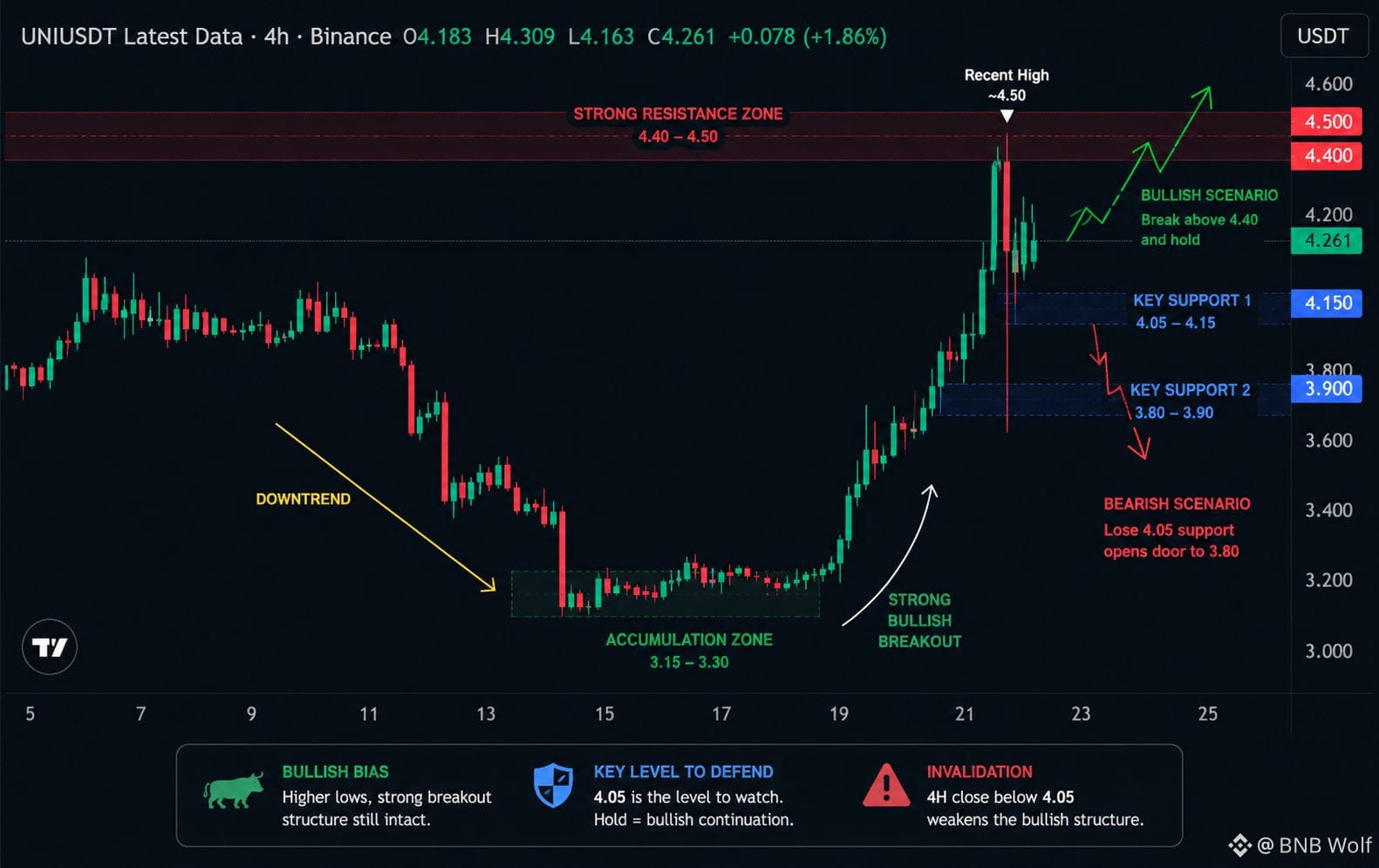
$UNI はすでに大きな回復を達成しました。いまチャートは、重要な1つの局面(バトル)を迎えています。
価格は約$3.20付近から反転し、以前の$4.00〜$4.10のゾーンを取り戻したうえで、$4.45近辺の新たなスイング・ハイまで押し上げられましたが、その後は拒否(リジェクト)されています。
今重要なのは、UNIが依然として前回のブレイクアウト・ゾーンより上の約$4.26を維持していることです。
最初に注目しているサポートは$4.15〜$4.20です。
もし買い手がこのエリアを防衛し、UNIが$4.40〜$4.45を明確に上抜ける4Hブレイクを確保できれば、強気の構造はもう1つの継続シグナルを得ます。
しかし、4Hの終値で$4.00が失われる場合は、これを健全な押し目とは見なさず、より深いリセット(調整)を見込むべきです。
現時点では買い手が主導権を握っていますが、$4.45は彼らが超える必要があるレベルです。
$UNI はすでに大きな回復を達成しました。いまチャートは、重要な1つの局面(バトル)を迎えています。
価格は約$3.20付近から反転し、以前の$4.00〜$4.10のゾーンを取り戻したうえで、$4.45近辺の新たなスイング・ハイまで押し上げられましたが、その後は拒否(リジェクト)されています。
今重要なのは、UNIが依然として前回のブレイクアウト・ゾーンより上の約$4.26を維持していることです。
最初に注目しているサポートは$4.15〜$4.20です。
もし買い手がこのエリアを防衛し、UNIが$4.40〜$4.45を明確に上抜ける4Hブレイクを確保できれば、強気の構造はもう1つの継続シグナルを得ます。
しかし、4Hの終値で$4.00が失われる場合は、これを健全な押し目とは見なさず、より深いリセット(調整)を見込むべきです。
現時点では買い手が主導権を握っていますが、$4.45は彼らが超える必要があるレベルです。
価格は約$3.20付近から反転し、以前の$4.00〜$4.10のゾーンを取り戻したうえで、$4.45近辺の新たなスイング・ハイまで押し上げられましたが、その後は拒否(リジェクト)されています。
今重要なのは、UNIが依然として前回のブレイクアウト・ゾーンより上の約$4.26を維持していることです。
最初に注目しているサポートは$4.15〜$4.20です。
もし買い手がこのエリアを防衛し、UNIが$4.40〜$4.45を明確に上抜ける4Hブレイクを確保できれば、強気の構造はもう1つの継続シグナルを得ます。
しかし、4Hの終値で$4.00が失われる場合は、これを健全な押し目とは見なさず、より深いリセット(調整)を見込むべきです。
現時点では買い手が主導権を握っていますが、$4.45は彼らが超える必要があるレベルです。
15
·
--
ブリッシュ
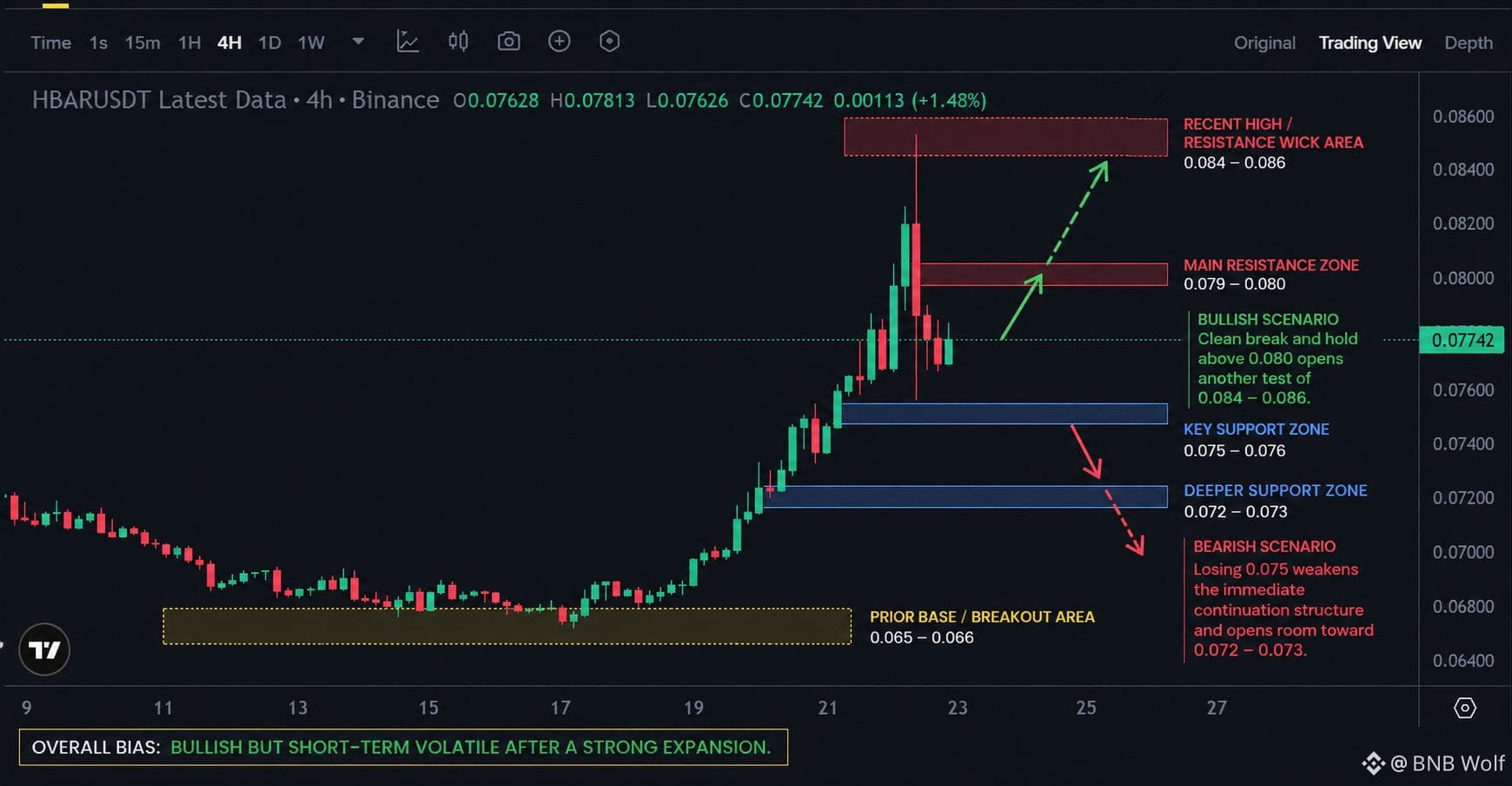
$HBAR just had a violent 4H expansion—and now the real battle is between $0.075 and $0.080.
価格はおよそ$0.065から$0.085を上回るまで上昇しましたが、その急騰は強く跳ね返されました。崩れる代わりに、HBARは現在およそ$0.0774で推移し、安定化を試みています。
$0.075〜$0.076が維持されている限り、強気の構造は保たれています。
$0.079〜$0.080を明確に取り返せれば、$0.084〜$0.086の再テストにつながる可能性があります。
しかしもし$0.075が割れるなら、$0.072〜$0.073に向けたより深い押し目を想定します。
いまのところHBARはまだ強気ですが、買い手にはその拒否(跳ね返り)を吸収できることを示してもらう必要があります。
$HBAR just had a violent 4H expansion—and now the real battle is between $0.075 and $0.080.
価格はおよそ$0.065から$0.085を上回るまで上昇しましたが、その急騰は強く跳ね返されました。崩れる代わりに、HBARは現在およそ$0.0774で推移し、安定化を試みています。
$0.075〜$0.076が維持されている限り、強気の構造は保たれています。
$0.079〜$0.080を明確に取り返せれば、$0.084〜$0.086の再テストにつながる可能性があります。
しかしもし$0.075が割れるなら、$0.072〜$0.073に向けたより深い押し目を想定します。
いまのところHBARはまだ強気ですが、買い手にはその拒否(跳ね返り)を吸収できることを示してもらう必要があります。
価格はおよそ$0.065から$0.085を上回るまで上昇しましたが、その急騰は強く跳ね返されました。崩れる代わりに、HBARは現在およそ$0.0774で推移し、安定化を試みています。
$0.075〜$0.076が維持されている限り、強気の構造は保たれています。
$0.079〜$0.080を明確に取り返せれば、$0.084〜$0.086の再テストにつながる可能性があります。
しかしもし$0.075が割れるなら、$0.072〜$0.073に向けたより深い押し目を想定します。
いまのところHBARはまだ強気ですが、買い手にはその拒否(跳ね返り)を吸収できることを示してもらう必要があります。
36
·
--
ブリッシュ
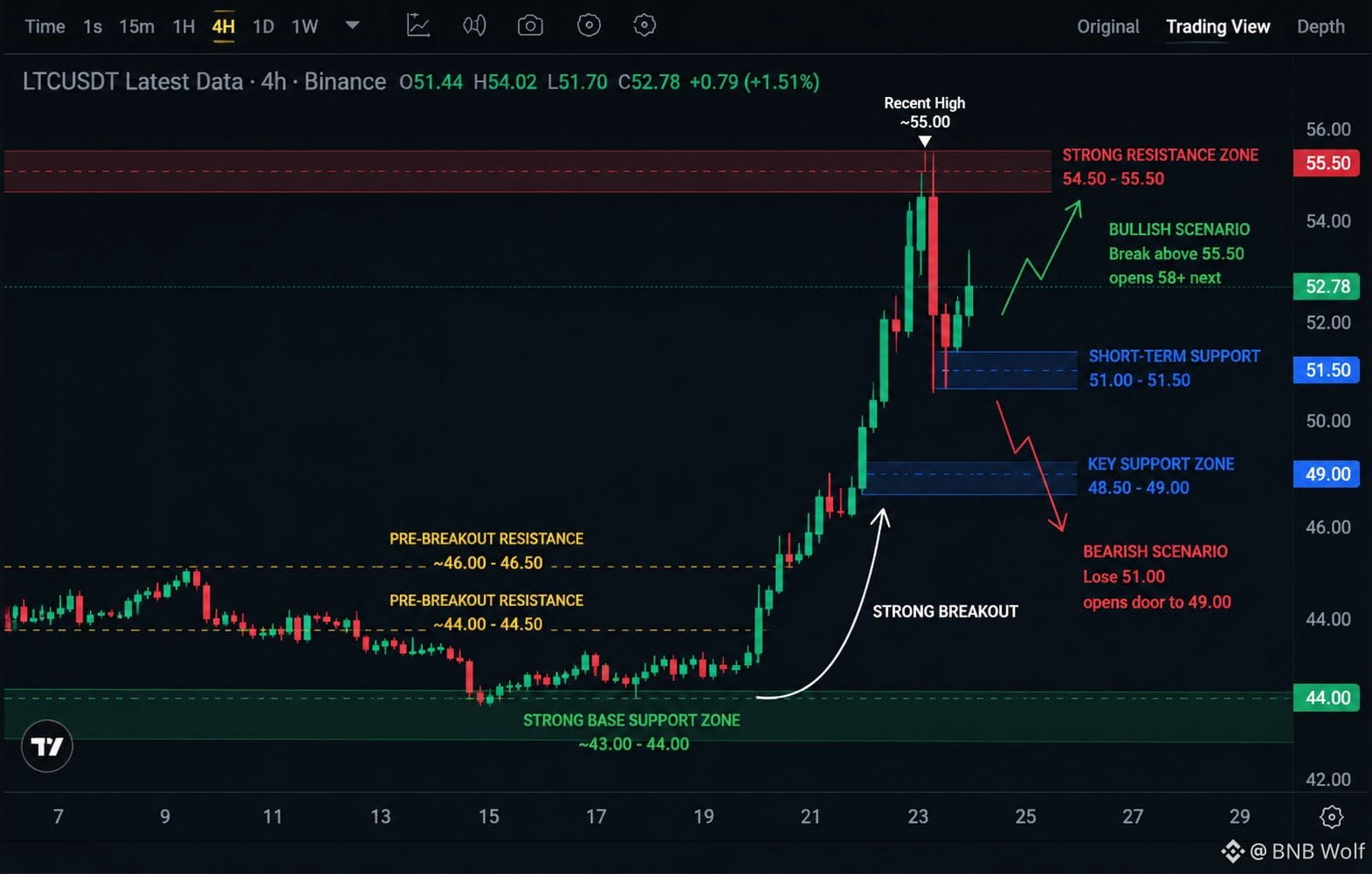
$LTC 直近のほぼ垂直な4Hブレイクアウトの後、ようやく最初の本格的なテストが来ました。
価格は$44〜$45のエリアから約$55まで上昇したものの、強く跳ね返されました。ですが下落は$50〜$51あたりで吸収され、LTCはすでに$52.9近辺まで回復しています。
つまり、重要なサポートは$51〜$51.5です。
買い手がそれを守り続け、$54を取り返せるなら、次は$55〜$55.5の再テストが起こりそうです。
しかし、4Hで明確に$50を割り込むようなら、これは単純な継続セットアップとして扱うのをやめるべきでしょう。ブレイクアウトの勢いが失われることになるからです。
現時点では、トレンドはまだ強気です。重要なポイントは、LTCがこのリジェクション(跳ね返し)をより高い安値へと転換できるかどうかです。
$LTC 直近のほぼ垂直な4Hブレイクアウトの後、ようやく最初の本格的なテストが来ました。
価格は$44〜$45のエリアから約$55まで上昇したものの、強く跳ね返されました。ですが下落は$50〜$51あたりで吸収され、LTCはすでに$52.9近辺まで回復しています。
つまり、重要なサポートは$51〜$51.5です。
買い手がそれを守り続け、$54を取り返せるなら、次は$55〜$55.5の再テストが起こりそうです。
しかし、4Hで明確に$50を割り込むようなら、これは単純な継続セットアップとして扱うのをやめるべきでしょう。ブレイクアウトの勢いが失われることになるからです。
現時点では、トレンドはまだ強気です。重要なポイントは、LTCがこのリジェクション(跳ね返し)をより高い安値へと転換できるかどうかです。
価格は$44〜$45のエリアから約$55まで上昇したものの、強く跳ね返されました。ですが下落は$50〜$51あたりで吸収され、LTCはすでに$52.9近辺まで回復しています。
つまり、重要なサポートは$51〜$51.5です。
買い手がそれを守り続け、$54を取り返せるなら、次は$55〜$55.5の再テストが起こりそうです。
しかし、4Hで明確に$50を割り込むようなら、これは単純な継続セットアップとして扱うのをやめるべきでしょう。ブレイクアウトの勢いが失われることになるからです。
現時点では、トレンドはまだ強気です。重要なポイントは、LTCがこのリジェクション(跳ね返し)をより高い安値へと転換できるかどうかです。
32
·
--
ブリッシュ
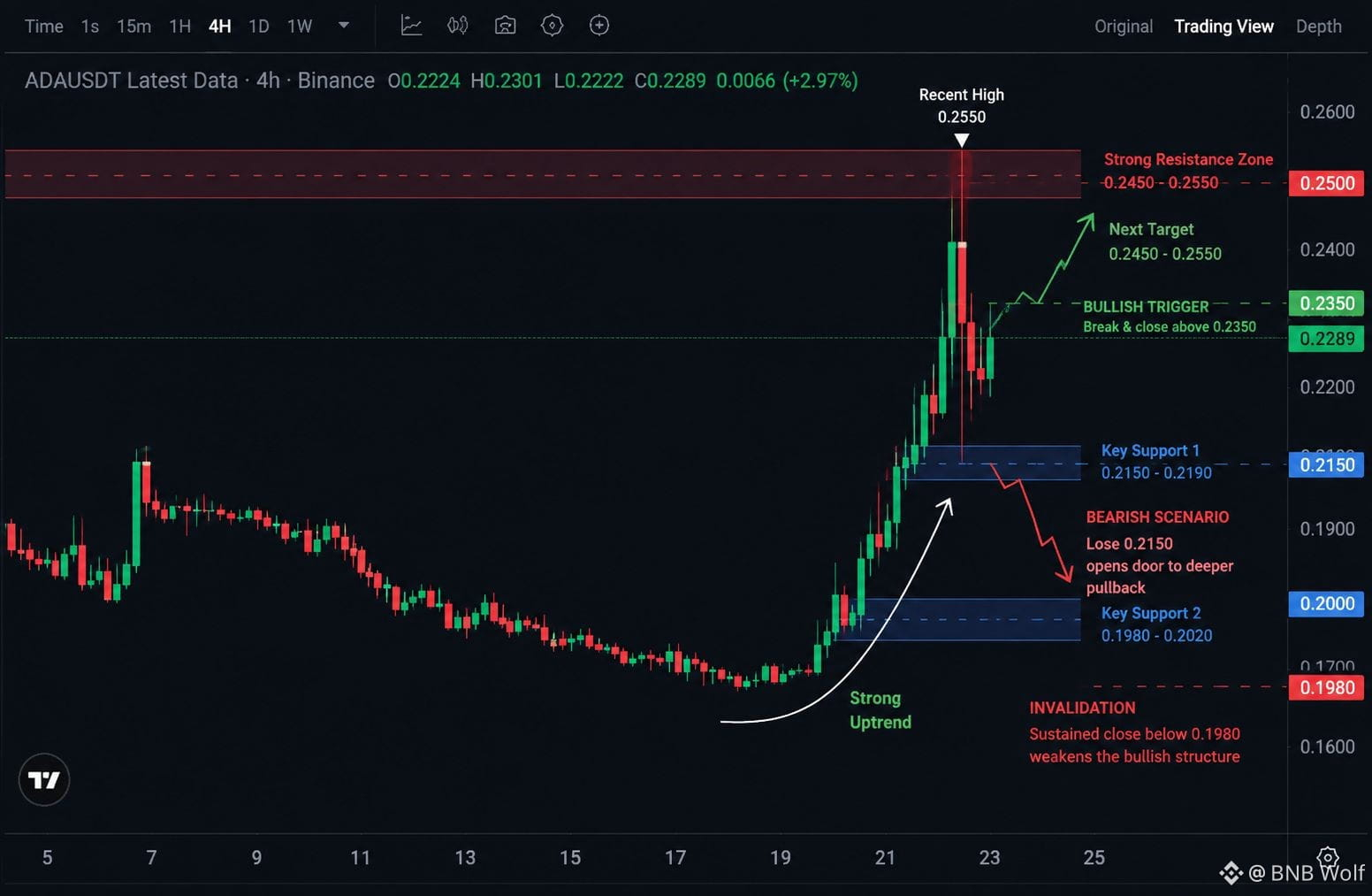
$ADA は、強気派と弱気派の双方に注意すべき理由を与えました。
価格はおよそ $0.174 から $0.25 を超えるまで爆発的に上昇しましたが、$0.25〜$0.258 への上げは強く拒否されました。面白いのは、売り手も同様に主導権を維持できなかったことです。ADA はおよそ $0.21 付近から急反発し、現在は再び $0.229 近辺に戻っています。
そのため、直近の注目は $0.219〜$0.222 が焦点となる押し目のサポート帯です。
買い手がこれを守り続け、ADA が $0.242〜$0.245 を取り返すなら、直近高値への再度の攻撃を警戒します。
しかし、$0.219 がきれいに割れるなら、ポンプ後の構造は弱まり、$0.209〜$0.210 が再び視野に入ってきます。
今のところ、ADA は上側の強い拒否と下側の強い需要の間に位置しています。次の明確なブレイクが、実際に勝ったのがどちら側かを教えてくれるはずです
$ADA は、強気派と弱気派の双方に注意すべき理由を与えました。
価格はおよそ $0.174 から $0.25 を超えるまで爆発的に上昇しましたが、$0.25〜$0.258 への上げは強く拒否されました。面白いのは、売り手も同様に主導権を維持できなかったことです。ADA はおよそ $0.21 付近から急反発し、現在は再び $0.229 近辺に戻っています。
そのため、直近の注目は $0.219〜$0.222 が焦点となる押し目のサポート帯です。
買い手がこれを守り続け、ADA が $0.242〜$0.245 を取り返すなら、直近高値への再度の攻撃を警戒します。
しかし、$0.219 がきれいに割れるなら、ポンプ後の構造は弱まり、$0.209〜$0.210 が再び視野に入ってきます。
今のところ、ADA は上側の強い拒否と下側の強い需要の間に位置しています。次の明確なブレイクが、実際に勝ったのがどちら側かを教えてくれるはずです
価格はおよそ $0.174 から $0.25 を超えるまで爆発的に上昇しましたが、$0.25〜$0.258 への上げは強く拒否されました。面白いのは、売り手も同様に主導権を維持できなかったことです。ADA はおよそ $0.21 付近から急反発し、現在は再び $0.229 近辺に戻っています。
そのため、直近の注目は $0.219〜$0.222 が焦点となる押し目のサポート帯です。
買い手がこれを守り続け、ADA が $0.242〜$0.245 を取り返すなら、直近高値への再度の攻撃を警戒します。
しかし、$0.219 がきれいに割れるなら、ポンプ後の構造は弱まり、$0.209〜$0.210 が再び視野に入ってきます。
今のところ、ADA は上側の強い拒否と下側の強い需要の間に位置しています。次の明確なブレイクが、実際に勝ったのがどちら側かを教えてくれるはずです
71
·
--
ブリッシュ
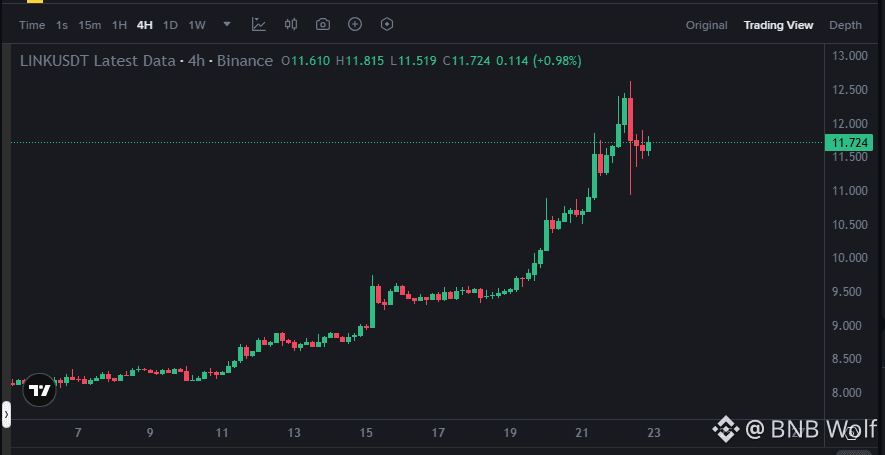
$LINK ようやく、ほぼ途切れることなく4Hで上昇してきた後に本当の抵抗に遭遇しました。
価格はおおよそ$8.10から$12.50の範囲で推移しましたが、$12.4〜$12.5への値動きは強く跳ね返されました。とはいえ注目したのは、その後の値動きです。$11まで下がったところは素早く買い戻され、LINKは約$11.72あたりまで回復しました。
これで、買い手が取り戻す必要がある最初の水準は$12.00です。
それを奪還して上で維持できれば、$12.4〜$12.5の再テストが現実味を帯びます。さらにその高値をブレイクすれば、強気の構造は続きます。
しかし、$11.40〜$11.50が失敗した場合は、市場が$11付近の回復の下ヒゲが本物の需要だったのか、それとも一時的な反発に過ぎなかったのかを確認するようにテストしてくることを想定しています。
トレンドはまだ強気です。今回の上昇の“簡単な部分”はもう終わりかもしれません。
$LINK ようやく、ほぼ途切れることなく4Hで上昇してきた後に本当の抵抗に遭遇しました。
価格はおおよそ$8.10から$12.50の範囲で推移しましたが、$12.4〜$12.5への値動きは強く跳ね返されました。とはいえ注目したのは、その後の値動きです。$11まで下がったところは素早く買い戻され、LINKは約$11.72あたりまで回復しました。
これで、買い手が取り戻す必要がある最初の水準は$12.00です。
それを奪還して上で維持できれば、$12.4〜$12.5の再テストが現実味を帯びます。さらにその高値をブレイクすれば、強気の構造は続きます。
しかし、$11.40〜$11.50が失敗した場合は、市場が$11付近の回復の下ヒゲが本物の需要だったのか、それとも一時的な反発に過ぎなかったのかを確認するようにテストしてくることを想定しています。
トレンドはまだ強気です。今回の上昇の“簡単な部分”はもう終わりかもしれません。
価格はおおよそ$8.10から$12.50の範囲で推移しましたが、$12.4〜$12.5への値動きは強く跳ね返されました。とはいえ注目したのは、その後の値動きです。$11まで下がったところは素早く買い戻され、LINKは約$11.72あたりまで回復しました。
これで、買い手が取り戻す必要がある最初の水準は$12.00です。
それを奪還して上で維持できれば、$12.4〜$12.5の再テストが現実味を帯びます。さらにその高値をブレイクすれば、強気の構造は続きます。
しかし、$11.40〜$11.50が失敗した場合は、市場が$11付近の回復の下ヒゲが本物の需要だったのか、それとも一時的な反発に過ぎなかったのかを確認するようにテストしてくることを想定しています。
トレンドはまだ強気です。今回の上昇の“簡単な部分”はもう終わりかもしれません。
67
·
--
ブリッシュ
$WBTC ちょうど約64Kドルから約79Kドルまで駆け上がった——ただし面白いのは、ラリーの「その後」に何が起きたかです。
値動きが一連の動きを丸ごと取り消す形ではなく、価格は約76K〜77Kドルあたりで推移し、直近の78.5K〜79Kドルの高値のすぐ下で直接的に統合(レンジ形成)しています。
つまり、次の値動きを左右する水準は79Kドルです。
きれいな4Hのブレイクと、その上での受け入れがあれば、拡大(エクスパンション)の構造は維持され、80Kドルが次に意識される明白な心理的水準になるでしょう。
しかしもし76Kドルが崩れるなら、私は強気のセットアップを追いかけません。これは、以前のブレイクアウト領域である約74Kドル付近に向けて、より深いリセットが起きる可能性を高めます。
現時点ではチャートは強気ですが——買い手は、79Kドルをレジスタンスからサポートへ転換できることをまだ証明する必要があります。
$WBTC ちょうど約64Kドルから約79Kドルまで駆け上がった——ただし面白いのは、ラリーの「その後」に何が起きたかです。
値動きが一連の動きを丸ごと取り消す形ではなく、価格は約76K〜77Kドルあたりで推移し、直近の78.5K〜79Kドルの高値のすぐ下で直接的に統合(レンジ形成)しています。
つまり、次の値動きを左右する水準は79Kドルです。
きれいな4Hのブレイクと、その上での受け入れがあれば、拡大(エクスパンション)の構造は維持され、80Kドルが次に意識される明白な心理的水準になるでしょう。
しかしもし76Kドルが崩れるなら、私は強気のセットアップを追いかけません。これは、以前のブレイクアウト領域である約74Kドル付近に向けて、より深いリセットが起きる可能性を高めます。
現時点ではチャートは強気ですが——買い手は、79Kドルをレジスタンスからサポートへ転換できることをまだ証明する必要があります。
値動きが一連の動きを丸ごと取り消す形ではなく、価格は約76K〜77Kドルあたりで推移し、直近の78.5K〜79Kドルの高値のすぐ下で直接的に統合(レンジ形成)しています。
つまり、次の値動きを左右する水準は79Kドルです。
きれいな4Hのブレイクと、その上での受け入れがあれば、拡大(エクスパンション)の構造は維持され、80Kドルが次に意識される明白な心理的水準になるでしょう。
しかしもし76Kドルが崩れるなら、私は強気のセットアップを追いかけません。これは、以前のブレイクアウト領域である約74Kドル付近に向けて、より深いリセットが起きる可能性を高めます。
現時点ではチャートは強気ですが——買い手は、79Kドルをレジスタンスからサポートへ転換できることをまだ証明する必要があります。

74
·
--
ブリッシュ
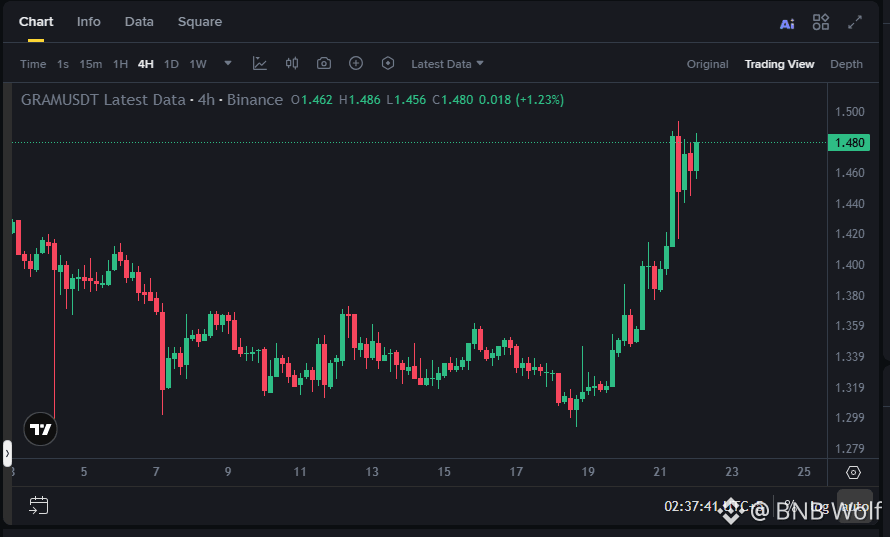
$GRAM は、$1.50 付近で興味深い反応を見せた。
価格は高値圏から鋭く拒否されたが、買い手が一度引き下がった後に戻ってきて、再び $1.48 付近まで押し戻した。
$1.50 を上抜けるクリーンな 4H ブレイクがあれば、強気の構造は生きたまま維持される可能性がある。
ただし $1.45 が失敗するようなら、まずはより深い押し戻しを期待するだろう。
現時点で最も重要なのが $1.50 だ。
$GRAM は、$1.50 付近で興味深い反応を見せた。
価格は高値圏から鋭く拒否されたが、買い手が一度引き下がった後に戻ってきて、再び $1.48 付近まで押し戻した。
$1.50 を上抜けるクリーンな 4H ブレイクがあれば、強気の構造は生きたまま維持される可能性がある。
ただし $1.45 が失敗するようなら、まずはより深い押し戻しを期待するだろう。
現時点で最も重要なのが $1.50 だ。
価格は高値圏から鋭く拒否されたが、買い手が一度引き下がった後に戻ってきて、再び $1.48 付近まで押し戻した。
$1.50 を上抜けるクリーンな 4H ブレイクがあれば、強気の構造は生きたまま維持される可能性がある。
ただし $1.45 が失敗するようなら、まずはより深い押し戻しを期待するだろう。
現時点で最も重要なのが $1.50 だ。
169
·
--
ブリッシュ
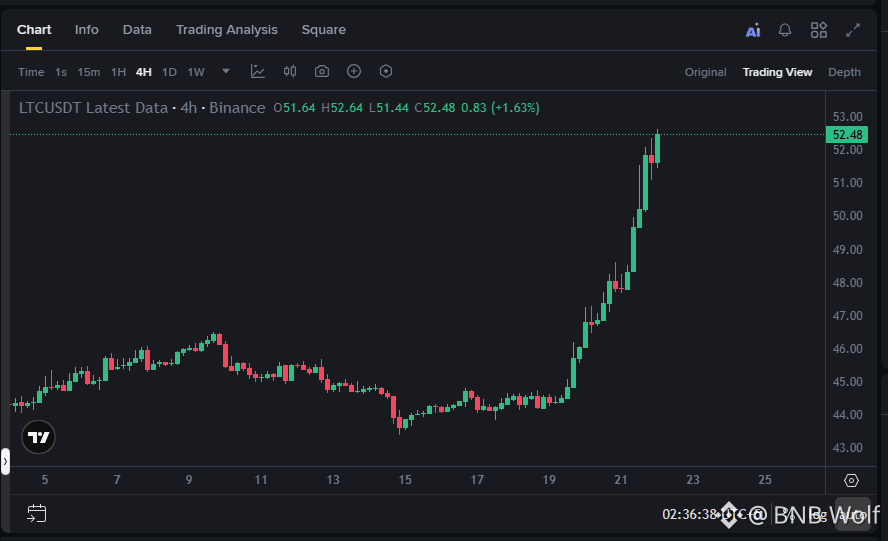
$LTC は、意味のある押し目がほとんどないまま、約44.5ドルから52.5ドルへ急騰しました。
次の重要な試金石は52.6〜53ドルです。
53ドルを明確に上抜ける4H(4時間足)のブレイクがあれば、強気の拡大は継続しうるでしょう。
もし51〜51.5ドルが失敗するなら、まずはより深いリセットを期待します。
いまのところ、LTCは高値圏近辺で依然として強いです
$LTC は、意味のある押し目がほとんどないまま、約44.5ドルから52.5ドルへ急騰しました。
次の重要な試金石は52.6〜53ドルです。
53ドルを明確に上抜ける4H(4時間足)のブレイクがあれば、強気の拡大は継続しうるでしょう。
もし51〜51.5ドルが失敗するなら、まずはより深いリセットを期待します。
いまのところ、LTCは高値圏近辺で依然として強いです
次の重要な試金石は52.6〜53ドルです。
53ドルを明確に上抜ける4H(4時間足)のブレイクがあれば、強気の拡大は継続しうるでしょう。
もし51〜51.5ドルが失敗するなら、まずはより深いリセットを期待します。
いまのところ、LTCは高値圏近辺で依然として強いです
61
·
--
ブリッシュ
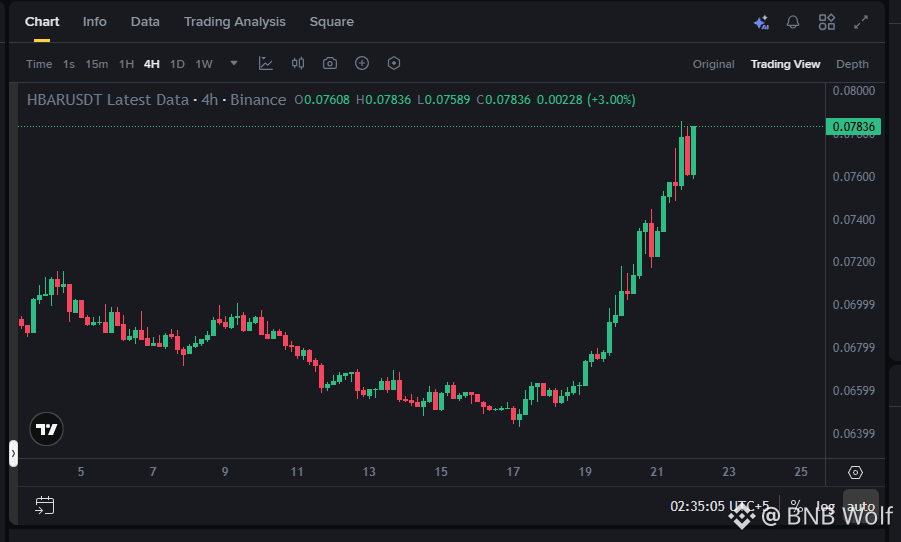
$HBAR は、約$0.0645から$0.0783まで上昇し、きれいな高値更新が続いています。
現在の$0.0785〜$0.0800が重要なゾーンです。
$0.08を明確に上抜ける4Hのブレイクがあれば、強気の拡大が継続する可能性があります。
もし$0.0755〜$0.0760が失敗するなら、まずはより深い押し目を予想します。
現時点では、$0.08が買い手にとってクリアすべき水準です。
$HBAR は、約$0.0645から$0.0783まで上昇し、きれいな高値更新が続いています。
現在の$0.0785〜$0.0800が重要なゾーンです。
$0.08を明確に上抜ける4Hのブレイクがあれば、強気の拡大が継続する可能性があります。
もし$0.0755〜$0.0760が失敗するなら、まずはより深い押し目を予想します。
現時点では、$0.08が買い手にとってクリアすべき水準です。
現在の$0.0785〜$0.0800が重要なゾーンです。
$0.08を明確に上抜ける4Hのブレイクがあれば、強気の拡大が継続する可能性があります。
もし$0.0755〜$0.0760が失敗するなら、まずはより深い押し目を予想します。
現時点では、$0.08が買い手にとってクリアすべき水準です。
58
·
--
ブリッシュ
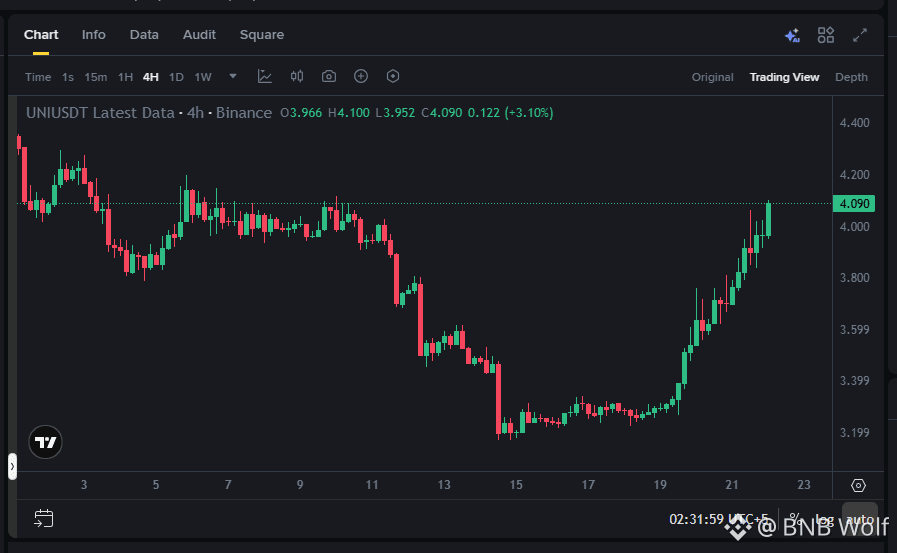
$UNI は、約 3.20 から跳ね返り、主要な 4.10〜4.15 のレジスタンスゾーンまで戻してきました。
ここが今いちばん重要な水準です。
4Hで 4.15 を明確に上抜けしてホールドできれば、買い手が以前のレンジを取り戻していることを確認できるでしょう。
ただし 3.85〜3.95 が失敗するなら、その前により深い押し戻し(プルバック)が起きると見ています。
現時点では、UNI は壁にぶつかっている段階で、まだ突破はしていません。
$UNI は、約 3.20 から跳ね返り、主要な 4.10〜4.15 のレジスタンスゾーンまで戻してきました。
ここが今いちばん重要な水準です。
4Hで 4.15 を明確に上抜けしてホールドできれば、買い手が以前のレンジを取り戻していることを確認できるでしょう。
ただし 3.85〜3.95 が失敗するなら、その前により深い押し戻し(プルバック)が起きると見ています。
現時点では、UNI は壁にぶつかっている段階で、まだ突破はしていません。
ここが今いちばん重要な水準です。
4Hで 4.15 を明確に上抜けしてホールドできれば、買い手が以前のレンジを取り戻していることを確認できるでしょう。
ただし 3.85〜3.95 が失敗するなら、その前により深い押し戻し(プルバック)が起きると見ています。
現時点では、UNI は壁にぶつかっている段階で、まだ突破はしていません。
30
ログインして、さらにコンテンツを読む
厳選トピックで世界の暗号資産トレーダーの仲間入り
⚡️ 暗号資産に関する最新かつ有益な情報が見つかります。
💬 世界最大の暗号資産取引所から信頼されています。
👍 認証を受けたクリエイターから、有益なインサイトを得られます。
メール / 電話番号
トレンドトピック
FedMinutesFocusOnOctoberPause
閲覧回数 80
57人が討論中
#fedminutesfocusonoctoberpause
Fed議事録の発表とその結末:会合が終わる前から、みんなが「今後の展開」を予想済み!🤫
「FOMC議事録の公表まであと6時間近くあるのに、どうしてメディアはもう確定したかのように分析しているの?」と疑問に思う人も多いでしょう。実は、これはFed幹部たちのこれまでの発言を通じた「計算されたリーク」です。ニューヨーク連銀総裁は「急ぐ必要はない」と言い、ダラス連銀総裁は「引き締めと緩和の両方が必要」と主張。インフレの鈍化と雇用の弱まりも合わせて、市場はFedが以前のようなタカ派姿勢ではなく、ひと息つくためにこの10月は利上げを一時停止(pause)すると受け止めています。
トレーダーはどうすればいい?列車に先回りしようとFOMOに駆られないこと。正式な議事録が発表されて、何か予想外の要素があれば、チャートはあっという間に上下両方向へ振れる可能性があります。落ち着いて、シートベルトを締めて!
⚠️ これは金融アドバイスではありません。
紹介コードVINHTOCDO、またはリンクhttps://www.binance.com/register?ref=VINHTOCDOからBinanceに登録すると、特典をすぐに受け取れます!
下の取引ボタンをクリックして応援してください:$BTC
, $ETH
, $SOL
#FOMCMinutes #TinFed #TradFiNews #TheoDõiFOMC #VINHTOCDO
Vinhtocdo
·いいね:1件
·閲覧回数 295
BinanceLaunchesBinanceIntelligence
閲覧回数 860,366
5,300人が討論中
RobinhoodAdds$25MInBitcoinToBalanceSheet
閲覧回数 65
9人が討論中