

GweiToTheSky
2.6k 投稿

GweiToTheSky
報告
ユーザーをブロック
759 フォロー
5.4K+ フォロワー
3.9K+ いいね
投稿
すべて
引用
ライブ
·
--
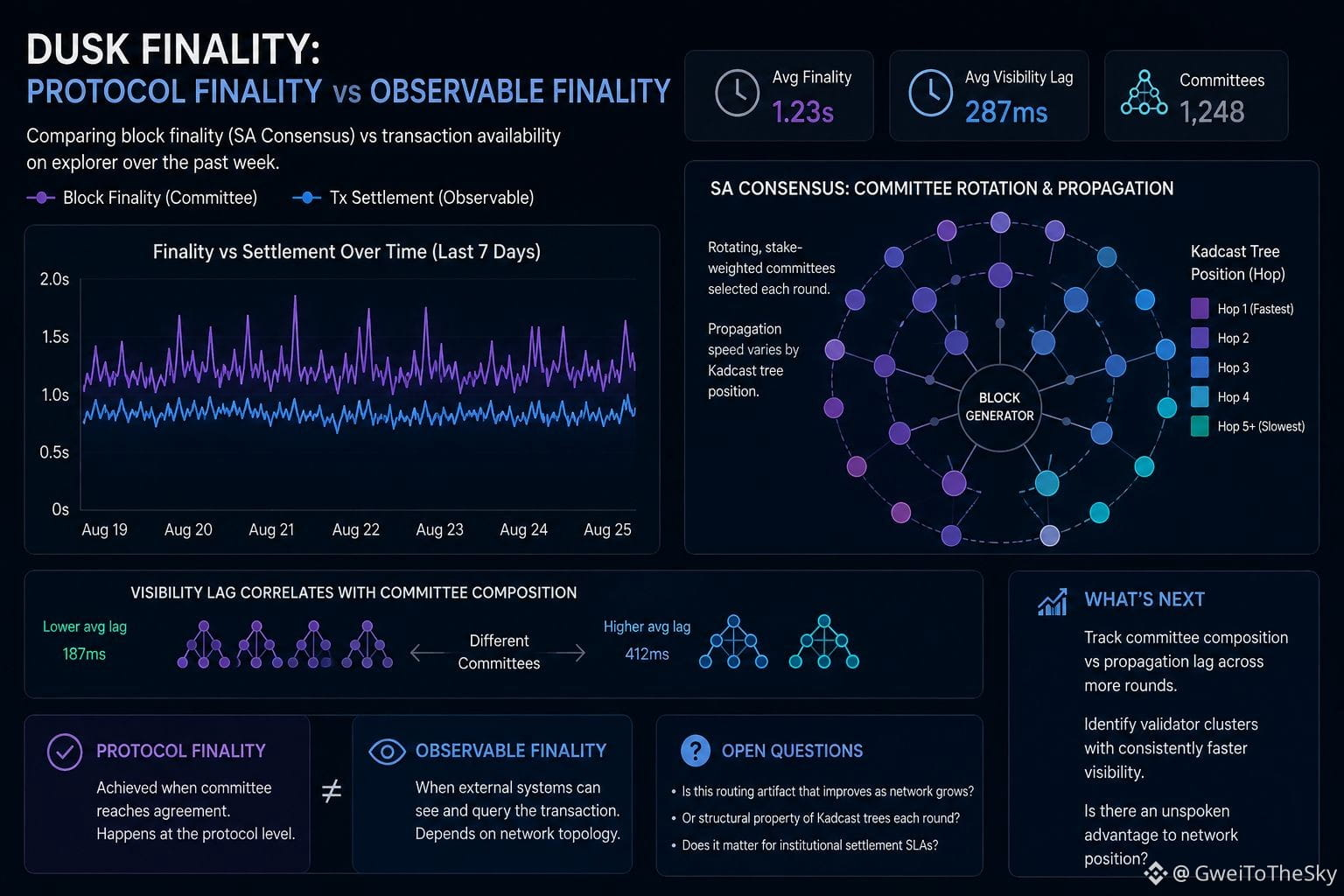
過去1週間、エクスプローラ上で実際の取引決済に対して、@Dusk_Foundation のブロック最終性タイムスタンプを照合しました。最初は、委員会の最終化から、下流ツールで取引がクエリ可能になるまでに見えていた数百ミリ秒程度の小さな遅延は、単なるインデックス遅延だろうと考えていました。ノイズとして処理して、代わりにバリデータ参加率の確認へと移りました。
しかし、そのギャップが一定ではない理由を掘り下げる中で、その差がSA Consensusのもとでそのラウンドに選ばれた委員会メンバーによって相関していることを見つけました。ローテーションされ、出資比率で重み付けされた委員会は、各ラウンドでバリデータをランダムに選ぶだけではなく、Kadcastツリー上の位置に応じて伝播タイミングがわずかに変わります。これは私が読んだどこにも記載がなく、十分に多くのラウンドを横に並べて揃えてみたところ、データとしてはっきり表れてきました。
このことで、私はそれまで「同じもの」として扱っていた2つを分けて考えるようになりました。つまりコンセンサス上の最終性と、観測される最終性です。プロトコルレベルでの最終性は、委員会が合意した瞬間に起きますが、外部システムが目にするものは、その瞬間のネットワークトポロジーに依存します。多くの人は$DUSK を見て「速い最終性」=下流すべてにとって一様に速い、と思い込んでいますが、私が観測しているのはそれとは少し違います。
まだ解明できていないのは、このタイミングのばらつきがインデックス上の都合以上の意味を持つのか、それとも、制度的な決済システムがより厳密で予測可能なウィンドウを期待し始めると、問題として表面化し始めるのか、という点です。これはネットワークが成長するにつれて自己補正されるルーティング上のアーティファクトなのか、それとも各ラウンドでKadcastツリーが形成される仕組みに由来する構造的性質なのか。
今後は、より大きなサンプルにわたって委員会構成と伝播ラグを追跡し、さらに特定のバリデータクラスタが一貫して下流での可視性をより速く生み出すかどうかも確認したいです。そうすれば、それがインセンティブに中立なのか、それともネットワーク位置に起因する、未だオペレーターが織り込んでいない「見えない優位性」があるのかが分かるはずです。
#Dusk
$BTR
{future}(BTRUSDT)
$BMT
{future}(BMTUSDT)
過去1週間、エクスプローラ上で実際の取引決済に対して、@Dusk のブロック最終性タイムスタンプを照合しました。最初は、委員会の最終化から、下流ツールで取引がクエリ可能になるまでに見えていた数百ミリ秒程度の小さな遅延は、単なるインデックス遅延だろうと考えていました。ノイズとして処理して、代わりにバリデータ参加率の確認へと移りました。
しかし、そのギャップが一定ではない理由を掘り下げる中で、その差がSA Consensusのもとでそのラウンドに選ばれた委員会メンバーによって相関していることを見つけました。ローテーションされ、出資比率で重み付けされた委員会は、各ラウンドでバリデータをランダムに選ぶだけではなく、Kadcastツリー上の位置に応じて伝播タイミングがわずかに変わります。これは私が読んだどこにも記載がなく、十分に多くのラウンドを横に並べて揃えてみたところ、データとしてはっきり表れてきました。
このことで、私はそれまで「同じもの」として扱っていた2つを分けて考えるようになりました。つまりコンセンサス上の最終性と、観測される最終性です。プロトコルレベルでの最終性は、委員会が合意した瞬間に起きますが、外部システムが目にするものは、その瞬間のネットワークトポロジーに依存します。多くの人は$DUSK を見て「速い最終性」=下流すべてにとって一様に速い、と思い込んでいますが、私が観測しているのはそれとは少し違います。
まだ解明できていないのは、このタイミングのばらつきがインデックス上の都合以上の意味を持つのか、それとも、制度的な決済システムがより厳密で予測可能なウィンドウを期待し始めると、問題として表面化し始めるのか、という点です。これはネットワークが成長するにつれて自己補正されるルーティング上のアーティファクトなのか、それとも各ラウンドでKadcastツリーが形成される仕組みに由来する構造的性質なのか。
今後は、より大きなサンプルにわたって委員会構成と伝播ラグを追跡し、さらに特定のバリデータクラスタが一貫して下流での可視性をより速く生み出すかどうかも確認したいです。そうすれば、それがインセンティブに中立なのか、それともネットワーク位置に起因する、未だオペレーターが織り込んでいない「見えない優位性」があるのかが分かるはずです。
#Dusk
$BTR
$BMT
しかし、そのギャップが一定ではない理由を掘り下げる中で、その差がSA Consensusのもとでそのラウンドに選ばれた委員会メンバーによって相関していることを見つけました。ローテーションされ、出資比率で重み付けされた委員会は、各ラウンドでバリデータをランダムに選ぶだけではなく、Kadcastツリー上の位置に応じて伝播タイミングがわずかに変わります。これは私が読んだどこにも記載がなく、十分に多くのラウンドを横に並べて揃えてみたところ、データとしてはっきり表れてきました。
このことで、私はそれまで「同じもの」として扱っていた2つを分けて考えるようになりました。つまりコンセンサス上の最終性と、観測される最終性です。プロトコルレベルでの最終性は、委員会が合意した瞬間に起きますが、外部システムが目にするものは、その瞬間のネットワークトポロジーに依存します。多くの人は$DUSK を見て「速い最終性」=下流すべてにとって一様に速い、と思い込んでいますが、私が観測しているのはそれとは少し違います。
まだ解明できていないのは、このタイミングのばらつきがインデックス上の都合以上の意味を持つのか、それとも、制度的な決済システムがより厳密で予測可能なウィンドウを期待し始めると、問題として表面化し始めるのか、という点です。これはネットワークが成長するにつれて自己補正されるルーティング上のアーティファクトなのか、それとも各ラウンドでKadcastツリーが形成される仕組みに由来する構造的性質なのか。
今後は、より大きなサンプルにわたって委員会構成と伝播ラグを追跡し、さらに特定のバリデータクラスタが一貫して下流での可視性をより速く生み出すかどうかも確認したいです。そうすれば、それがインセンティブに中立なのか、それともネットワーク位置に起因する、未だオペレーターが織り込んでいない「見えない優位性」があるのかが分かるはずです。
#Dusk
$BTR
$BMT
3
294
·
--
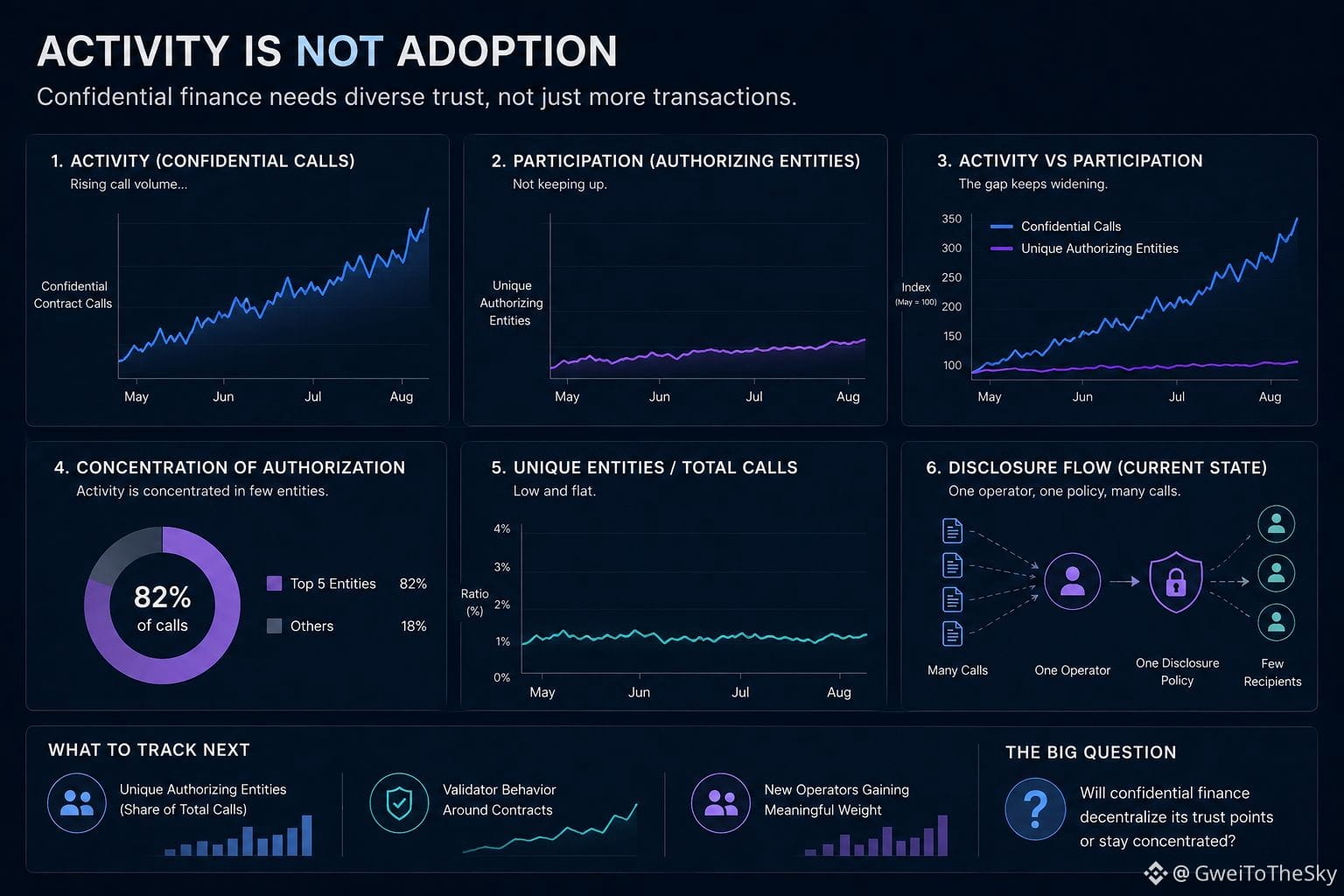
@Dusk_Foundation エクスプローラ・インスタンス。先週のことだ。機密性の高い契約呼び出しのスパイクは新規ユーザーの活動を意味すると考えたのだが、これらの呼び出しの背後にあるウォレット単位の署名は、結局は少数のアドレス・クラスタへと収束していた。
さらに掘り下げると、実際に作業を行っていたのは取引量そのものではなく、その下にある選択的開示レイヤーだと分かった。各呼び出しは同じ開示ポリシーを通してルーティングされていたため、私が見ていた「活動」は、分散的に利用が広がっていく有機的なものではなく、XSCスタイルの契約で認可リクエストを回し続ける一人のオペレーターの挙動に近かった。
この違いによって、ここでの採用に対する見方が変わった。取引件数と認可の多様性は同じシグナルではない。チェーンは呼び出し量の増加を示す一方で、誰に対して何が開示されるかを決める実体の集合が狭いままの場合がある。この「活動」と「参加」の間にある二次的なギャップは、スループットだけをチャートすると見落としやすい。
まだ解決できていないのは、その集中がブートストラップ段階なのか、それとも機密ファイナンスのレールが自然に持つ構造的特徴なのかという点だ。規制下のカウンターパーティは当初、信頼できる開示ポイントを少なくすることを好むかもしれないが、そのインセンティブ設計が時間とともにその集合を広げる方向へ働くのか、あるいは狭いままを静かに報いるのかは分からない。
今後は、総取引量だけでなく、総機密呼び出しに対するユニークな認可主体の割合を追跡したい。また、これらの契約に対する開示リクエストが多様化したときに、バリデータの挙動が変化するかどうかも見ている。さらに、新規オペレーターが参入して実際に意味のある認可ウェイトを得るのか、それとも単にカウントを増やすノイズになるだけなのかも確認したい。
結論は出ないままだ。代わりに、より鋭い問いが残った。プライバシー・バイ・デザイン型のファイナンスは、最終的に信頼ポイントを分散させるのか、それとも構造的に、開示を支配する少数のゲートキーパーを優遇するのか。これまで見てきたデータだけでは、どちらの答えも導けない。
#Dusk
$DUSK
{future}(DUSKUSDT)
$BMT
{future}(BMTUSDT)
$ZRO
{future}(ZROUSDT)
@Dusk エクスプローラ・インスタンス。先週のことだ。機密性の高い契約呼び出しのスパイクは新規ユーザーの活動を意味すると考えたのだが、これらの呼び出しの背後にあるウォレット単位の署名は、結局は少数のアドレス・クラスタへと収束していた。
さらに掘り下げると、実際に作業を行っていたのは取引量そのものではなく、その下にある選択的開示レイヤーだと分かった。各呼び出しは同じ開示ポリシーを通してルーティングされていたため、私が見ていた「活動」は、分散的に利用が広がっていく有機的なものではなく、XSCスタイルの契約で認可リクエストを回し続ける一人のオペレーターの挙動に近かった。
この違いによって、ここでの採用に対する見方が変わった。取引件数と認可の多様性は同じシグナルではない。チェーンは呼び出し量の増加を示す一方で、誰に対して何が開示されるかを決める実体の集合が狭いままの場合がある。この「活動」と「参加」の間にある二次的なギャップは、スループットだけをチャートすると見落としやすい。
まだ解決できていないのは、その集中がブートストラップ段階なのか、それとも機密ファイナンスのレールが自然に持つ構造的特徴なのかという点だ。規制下のカウンターパーティは当初、信頼できる開示ポイントを少なくすることを好むかもしれないが、そのインセンティブ設計が時間とともにその集合を広げる方向へ働くのか、あるいは狭いままを静かに報いるのかは分からない。
今後は、総取引量だけでなく、総機密呼び出しに対するユニークな認可主体の割合を追跡したい。また、これらの契約に対する開示リクエストが多様化したときに、バリデータの挙動が変化するかどうかも見ている。さらに、新規オペレーターが参入して実際に意味のある認可ウェイトを得るのか、それとも単にカウントを増やすノイズになるだけなのかも確認したい。
結論は出ないままだ。代わりに、より鋭い問いが残った。プライバシー・バイ・デザイン型のファイナンスは、最終的に信頼ポイントを分散させるのか、それとも構造的に、開示を支配する少数のゲートキーパーを優遇するのか。これまで見てきたデータだけでは、どちらの答えも導けない。
#Dusk
$DUSK
$BMT
$ZRO
さらに掘り下げると、実際に作業を行っていたのは取引量そのものではなく、その下にある選択的開示レイヤーだと分かった。各呼び出しは同じ開示ポリシーを通してルーティングされていたため、私が見ていた「活動」は、分散的に利用が広がっていく有機的なものではなく、XSCスタイルの契約で認可リクエストを回し続ける一人のオペレーターの挙動に近かった。
この違いによって、ここでの採用に対する見方が変わった。取引件数と認可の多様性は同じシグナルではない。チェーンは呼び出し量の増加を示す一方で、誰に対して何が開示されるかを決める実体の集合が狭いままの場合がある。この「活動」と「参加」の間にある二次的なギャップは、スループットだけをチャートすると見落としやすい。
まだ解決できていないのは、その集中がブートストラップ段階なのか、それとも機密ファイナンスのレールが自然に持つ構造的特徴なのかという点だ。規制下のカウンターパーティは当初、信頼できる開示ポイントを少なくすることを好むかもしれないが、そのインセンティブ設計が時間とともにその集合を広げる方向へ働くのか、あるいは狭いままを静かに報いるのかは分からない。
今後は、総取引量だけでなく、総機密呼び出しに対するユニークな認可主体の割合を追跡したい。また、これらの契約に対する開示リクエストが多様化したときに、バリデータの挙動が変化するかどうかも見ている。さらに、新規オペレーターが参入して実際に意味のある認可ウェイトを得るのか、それとも単にカウントを増やすノイズになるだけなのかも確認したい。
結論は出ないままだ。代わりに、より鋭い問いが残った。プライバシー・バイ・デザイン型のファイナンスは、最終的に信頼ポイントを分散させるのか、それとも構造的に、開示を支配する少数のゲートキーパーを優遇するのか。これまで見てきたデータだけでは、どちらの答えも導けない。
#Dusk
$DUSK
$BMT
$ZRO
4
274
·
--
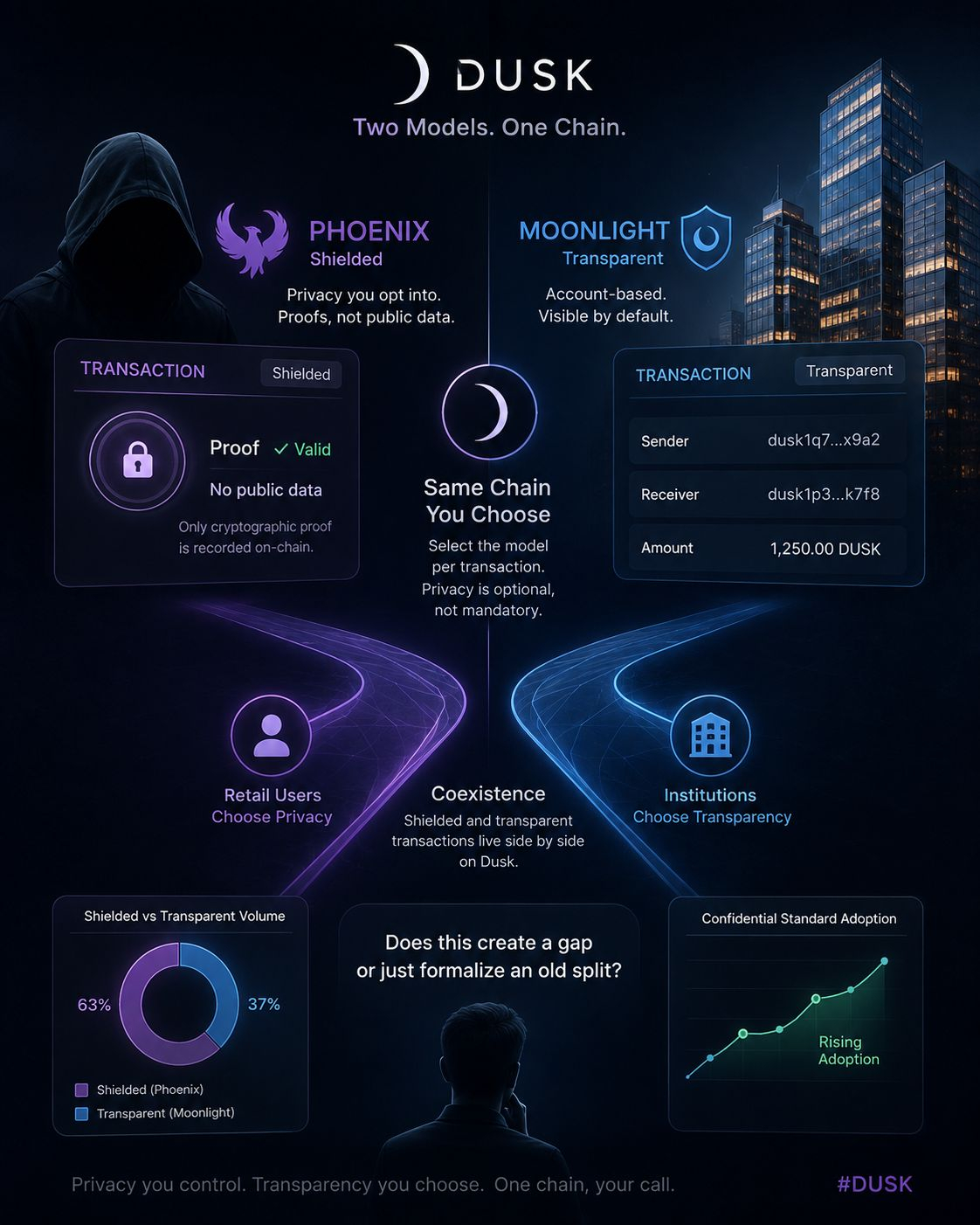
夕暮れの探検家、ある夕方、半分だけ注意を向けていると、何かがおかしいと感じた。いくつかの取引は送信者、受信者、金額が表示される一方で、ただの証明として座っていて、読めるものは何もなかった。最初に思ったのは、探検家が不具合を起こしているのだということ。
ところが違った。ダスクは2つのモデルを並べて動かしている。フェニックス(シールド済み)とムーンライト(透明)。口座ベースだ。誰もあなたを一つに縛り付けない。取引ごとに自分で選ぶんだ。私が見たのはまさにそれだった。
そのとき考え方が切り替わった。私は以前、「プライバシーチェーン」と「デフォルトでプライベート」を同じものとしてまとめていた。でもここでは一致しない。プライバシーは最初から埋め込まれているものではなく、自分で選び取るもの。だから、見えた活動と隠れた活動が共存する。
まだ整理しきれていない。規制されたお金が透明のままで、小売がシールドされるなら、それはギャップを生むのか、それとも昔からあった分断を形式化するだけなのか?
今のところ私は、シールド済みと透明の取引量の比率を見ている。生の数値ではない。それに加えて、デフォルトで透明にするのではなく、どれだけの契約が機密(コンフィデンシャル)標準を採用しているかも。
正直、これがより健全な市場を作るのか、それとも一度も会話しない部屋に流動性を分断するだけなのか、わからない。まだ考え中だ。
@Dusk_Foundation #Dusk
$DUSK
{future}(DUSKUSDT)
$TAC
{future}(TACUSDT)
$ONG
{future}(ONGUSDT)
夕暮れの探検家、ある夕方、半分だけ注意を向けていると、何かがおかしいと感じた。いくつかの取引は送信者、受信者、金額が表示される一方で、ただの証明として座っていて、読めるものは何もなかった。最初に思ったのは、探検家が不具合を起こしているのだということ。
ところが違った。ダスクは2つのモデルを並べて動かしている。フェニックス(シールド済み)とムーンライト(透明)。口座ベースだ。誰もあなたを一つに縛り付けない。取引ごとに自分で選ぶんだ。私が見たのはまさにそれだった。
そのとき考え方が切り替わった。私は以前、「プライバシーチェーン」と「デフォルトでプライベート」を同じものとしてまとめていた。でもここでは一致しない。プライバシーは最初から埋め込まれているものではなく、自分で選び取るもの。だから、見えた活動と隠れた活動が共存する。
まだ整理しきれていない。規制されたお金が透明のままで、小売がシールドされるなら、それはギャップを生むのか、それとも昔からあった分断を形式化するだけなのか?
今のところ私は、シールド済みと透明の取引量の比率を見ている。生の数値ではない。それに加えて、デフォルトで透明にするのではなく、どれだけの契約が機密(コンフィデンシャル)標準を採用しているかも。
正直、これがより健全な市場を作るのか、それとも一度も会話しない部屋に流動性を分断するだけなのか、わからない。まだ考え中だ。
@Dusk #Dusk
$DUSK
$TAC
$ONG
ところが違った。ダスクは2つのモデルを並べて動かしている。フェニックス(シールド済み)とムーンライト(透明)。口座ベースだ。誰もあなたを一つに縛り付けない。取引ごとに自分で選ぶんだ。私が見たのはまさにそれだった。
そのとき考え方が切り替わった。私は以前、「プライバシーチェーン」と「デフォルトでプライベート」を同じものとしてまとめていた。でもここでは一致しない。プライバシーは最初から埋め込まれているものではなく、自分で選び取るもの。だから、見えた活動と隠れた活動が共存する。
まだ整理しきれていない。規制されたお金が透明のままで、小売がシールドされるなら、それはギャップを生むのか、それとも昔からあった分断を形式化するだけなのか?
今のところ私は、シールド済みと透明の取引量の比率を見ている。生の数値ではない。それに加えて、デフォルトで透明にするのではなく、どれだけの契約が機密(コンフィデンシャル)標準を採用しているかも。
正直、これがより健全な市場を作るのか、それとも一度も会話しない部屋に流動性を分断するだけなのか、わからない。まだ考え中だ。
@Dusk #Dusk
$DUSK
$TAC
$ONG
3
5
496
·
--
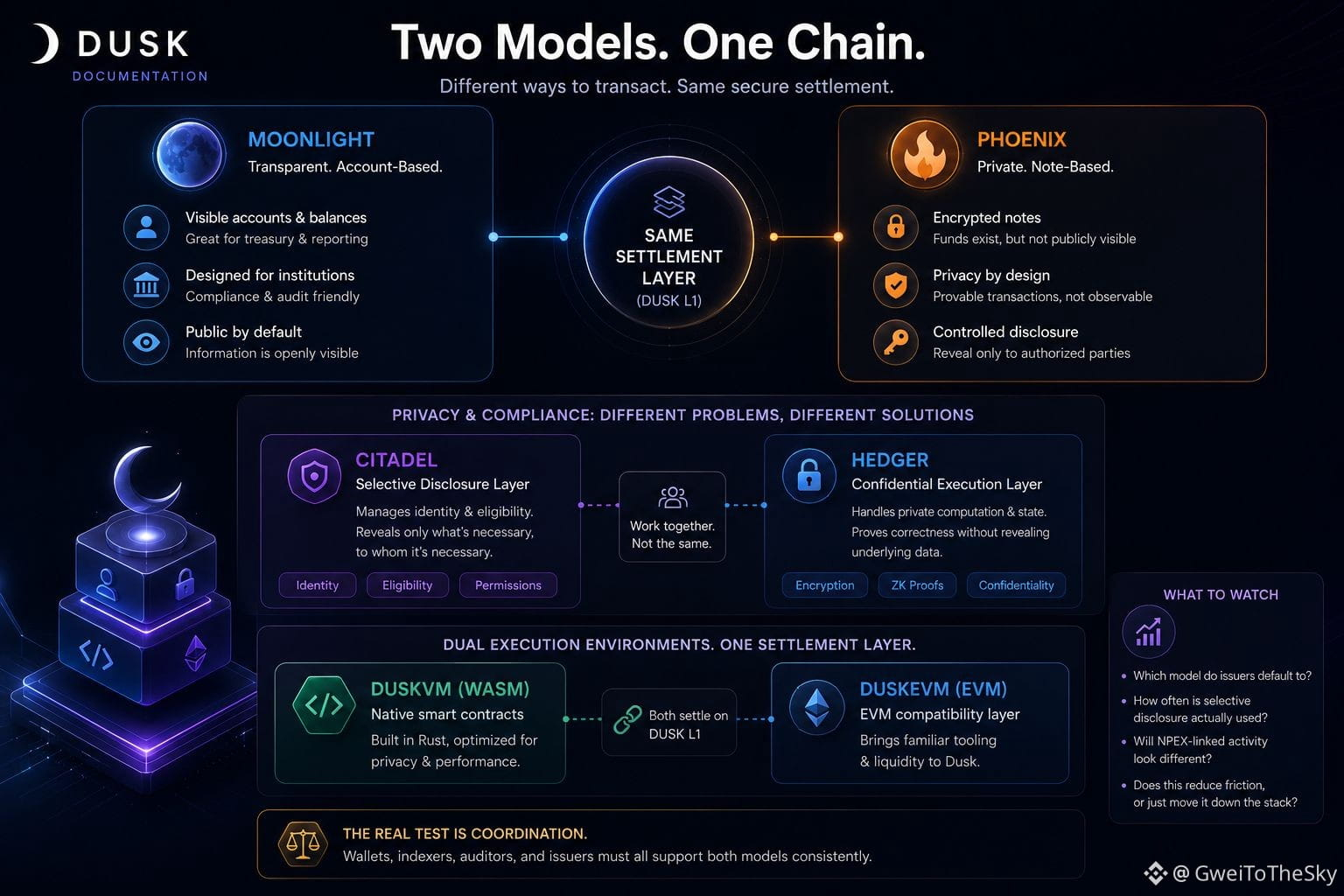
チャートというよりはDuskのドキュメントのほうだと思い、MoonlightとPhoenixは単に2つのウォレットオプション――透明かプライベートか、好みを選ぶだけだ――と考えていました。しかし、その見方は精読すると通用しませんでした。
私の見方が変わったのは、これらが互換的なモードではなく、同じチェーンに決着する別々のトランザクションモデルだと気づいたからです。Moonlightは見える口座台帳のように振る舞い、国庫管理やレポーティングに有用です。Phoenixは資金を暗号化されたノートとして保持し、証明はできるが観測はできません。同じ決済レイヤーで、情報の見え方が2通りあるのです。
この違いは重要です。多くの暗号資産の議論では、プライバシーとコンプライアンスは対立するものとして扱われがちだからです。ここでは設計として分離されています。Citadelはアイデンティティ属性の選択的開示を扱い、HedgerはEVM側での機密実行を扱います。資格を証明して立場(ポジション)を隠すことは、別々の問題であり、別々の解き方になっているのです。
まだ解決できていないのは、調整コストです。デュアルのトランザクションモデルと、デュアルの実行環境(ネイティブのWASMとEVM)を動かすことは、ウォレット、インデクサー、監査役が一貫してサポートするための対応範囲(表面積)を増やします。紙の上ではエレガントでも、実際のツールが均一になるとは限りません。
今後は、実際の発行者がどちらのモデルをデフォルトにしているのか、選択的開示がどれくらいの頻度で呼び出されるのか――単に議論されるだけなのか――また、NPEXに紐づく活動が通常の送金と異なる振る舞いをするのかを観察したいです。
それでも、このアーキテクチャが摩擦を減らすのか、単にスタックのさらに下へ移しているだけなのかは、私にはまだ不明です。
@Dusk_Foundation #Dusk
$DUSK
{future}(DUSKUSDT)
$MORPHO
{future}(MORPHOUSDT)
$TRUMP
{future}(TRUMPUSDT)
チャートというよりはDuskのドキュメントのほうだと思い、MoonlightとPhoenixは単に2つのウォレットオプション――透明かプライベートか、好みを選ぶだけだ――と考えていました。しかし、その見方は精読すると通用しませんでした。
私の見方が変わったのは、これらが互換的なモードではなく、同じチェーンに決着する別々のトランザクションモデルだと気づいたからです。Moonlightは見える口座台帳のように振る舞い、国庫管理やレポーティングに有用です。Phoenixは資金を暗号化されたノートとして保持し、証明はできるが観測はできません。同じ決済レイヤーで、情報の見え方が2通りあるのです。
この違いは重要です。多くの暗号資産の議論では、プライバシーとコンプライアンスは対立するものとして扱われがちだからです。ここでは設計として分離されています。Citadelはアイデンティティ属性の選択的開示を扱い、HedgerはEVM側での機密実行を扱います。資格を証明して立場(ポジション)を隠すことは、別々の問題であり、別々の解き方になっているのです。
まだ解決できていないのは、調整コストです。デュアルのトランザクションモデルと、デュアルの実行環境(ネイティブのWASMとEVM)を動かすことは、ウォレット、インデクサー、監査役が一貫してサポートするための対応範囲(表面積)を増やします。紙の上ではエレガントでも、実際のツールが均一になるとは限りません。
今後は、実際の発行者がどちらのモデルをデフォルトにしているのか、選択的開示がどれくらいの頻度で呼び出されるのか――単に議論されるだけなのか――また、NPEXに紐づく活動が通常の送金と異なる振る舞いをするのかを観察したいです。
それでも、このアーキテクチャが摩擦を減らすのか、単にスタックのさらに下へ移しているだけなのかは、私にはまだ不明です。
@Dusk #Dusk
$DUSK
$MORPHO
$TRUMP
私の見方が変わったのは、これらが互換的なモードではなく、同じチェーンに決着する別々のトランザクションモデルだと気づいたからです。Moonlightは見える口座台帳のように振る舞い、国庫管理やレポーティングに有用です。Phoenixは資金を暗号化されたノートとして保持し、証明はできるが観測はできません。同じ決済レイヤーで、情報の見え方が2通りあるのです。
この違いは重要です。多くの暗号資産の議論では、プライバシーとコンプライアンスは対立するものとして扱われがちだからです。ここでは設計として分離されています。Citadelはアイデンティティ属性の選択的開示を扱い、HedgerはEVM側での機密実行を扱います。資格を証明して立場(ポジション)を隠すことは、別々の問題であり、別々の解き方になっているのです。
まだ解決できていないのは、調整コストです。デュアルのトランザクションモデルと、デュアルの実行環境(ネイティブのWASMとEVM)を動かすことは、ウォレット、インデクサー、監査役が一貫してサポートするための対応範囲(表面積)を増やします。紙の上ではエレガントでも、実際のツールが均一になるとは限りません。
今後は、実際の発行者がどちらのモデルをデフォルトにしているのか、選択的開示がどれくらいの頻度で呼び出されるのか――単に議論されるだけなのか――また、NPEXに紐づく活動が通常の送金と異なる振る舞いをするのかを観察したいです。
それでも、このアーキテクチャが摩擦を減らすのか、単にスタックのさらに下へ移しているだけなのかは、私にはまだ不明です。
@Dusk #Dusk
$DUSK
$MORPHO
$TRUMP
5
6
269
·
--
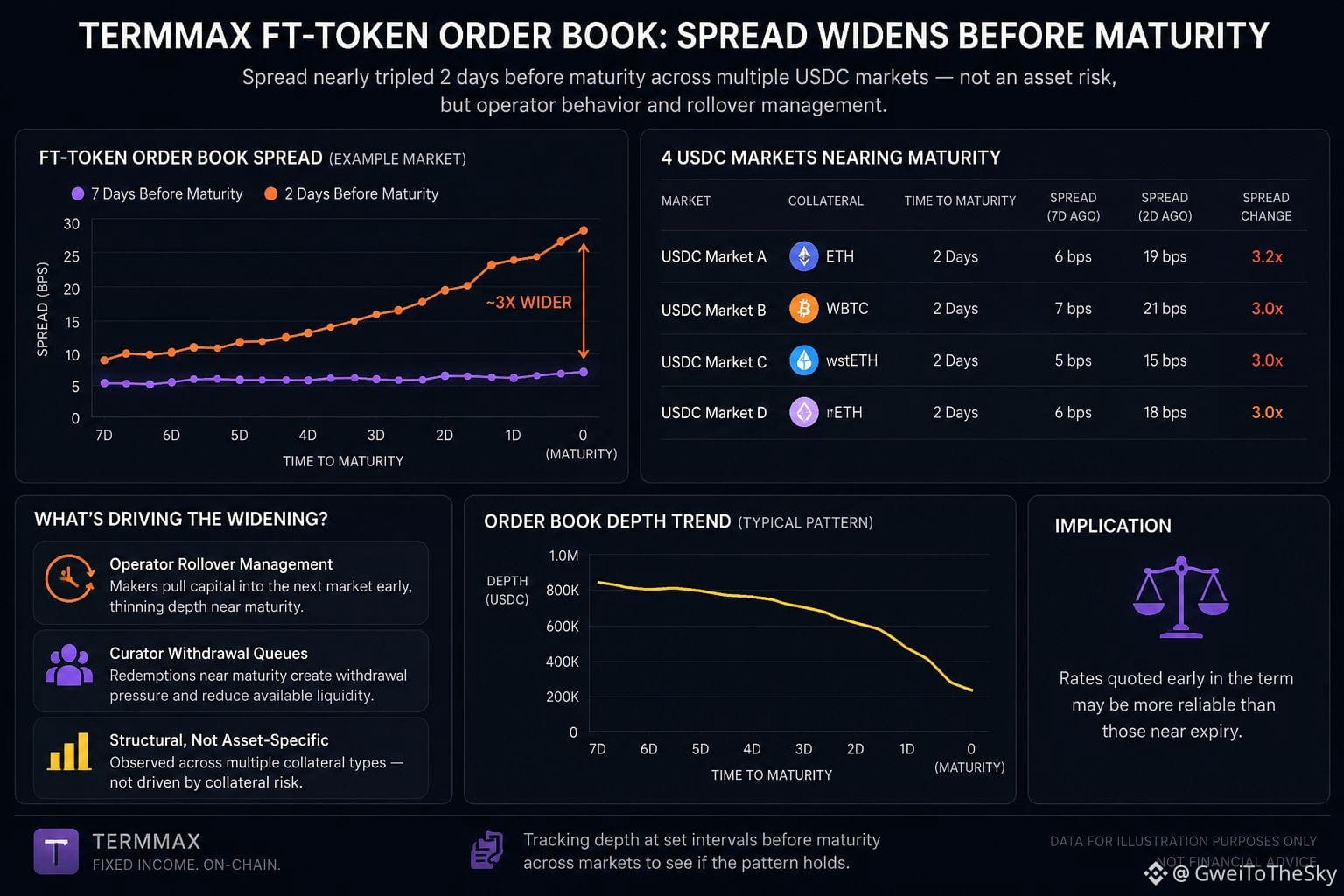
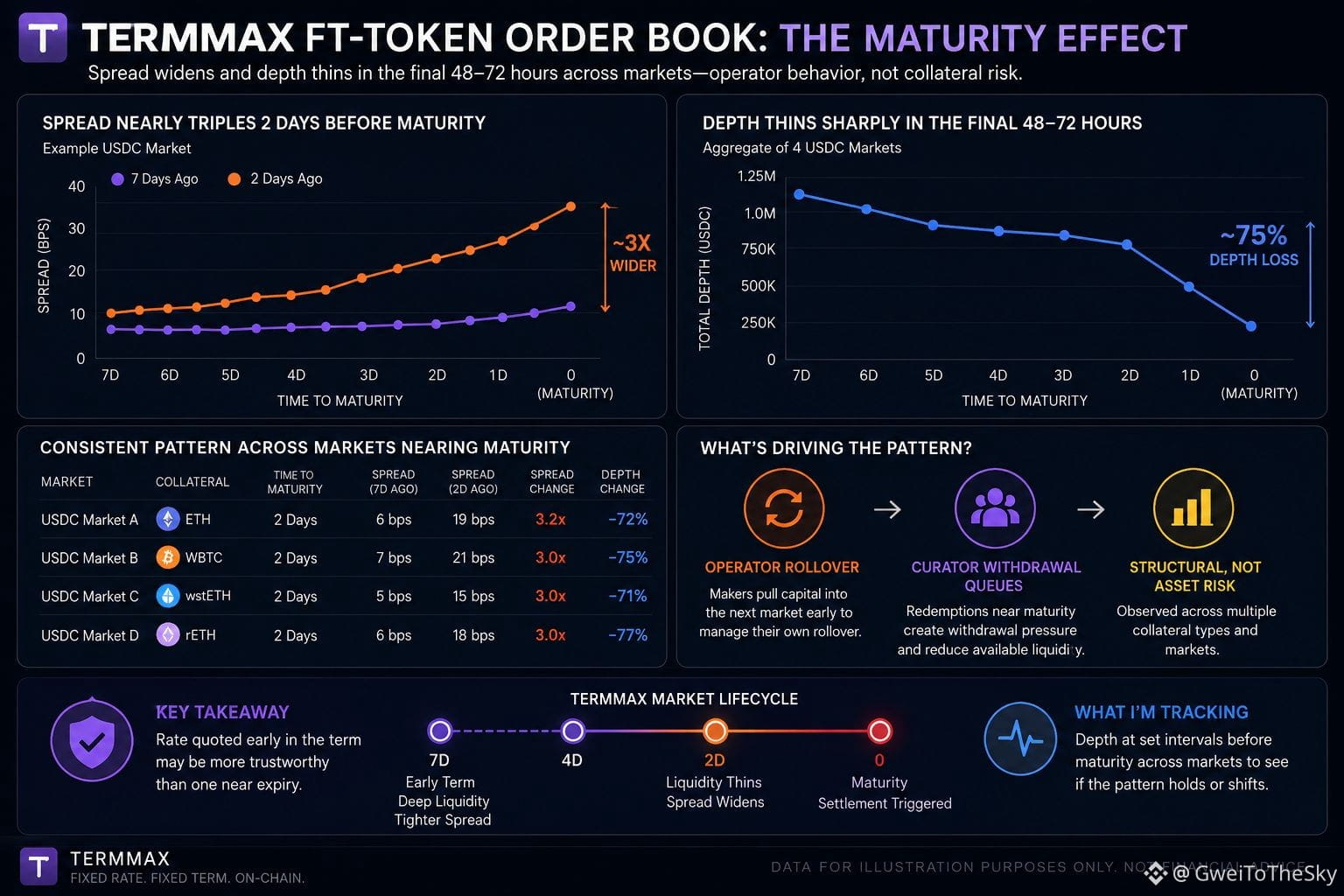
TermMaxのftトークンのオーダーブックを、市場の満期の2日前に見たところ、スプレッドが1週間前からほぼ3倍に広がっているのに気づきました。最初は、担保リスクが織り込まれているのだと思いました。
満期が近づいている米USDC市場をさらに3つ調べたところ、同じパターンが見つかりました。担保の種類にかかわらず、最終48〜72時間で厚み(デプス)が急激に薄くなるのです。これは、資産固有の不安ではないことを示唆していました。
私が考慮していなかったのは、オペレーターの行動でした。固定レートを提示するメイカーは、信用リスクを価格に織り込むだけでなく、自分たちのロールオーバーも管理しています。満期が近づくと、彼らは資本を次の市場へ早めに引き上げ、担保に対する確信を反映するというより、ブックを薄くしてしまうのです。
これが、メイカー同士の連携による行動なのか、それとも並行した利害の一致なのか、または満期が近い段階で償還(リデンプション)を処理するキュレーターの引き下げ待ち行列によって構造化されているのか、まだ判断できません。
私は現在、市場ごとに満期前の一定間隔でデプスを追跡しており、落ち込みが一貫しているのか、あるいは変化するのかを確認しています。
このパターンが当てはまるなら、タームの早い段階で提示されたレートのほうが、満期直前のものより信頼できるかもしれません。誰か気づきましたか?
@termmax #termmax
$GALA
{future}(GALAUSDT)
$BLESS
{future}(BLESSUSDT)
$GPS
{future}(GPSUSDT)
TermMaxのftトークンのオーダーブックを、市場の満期の2日前に見たところ、スプレッドが1週間前からほぼ3倍に広がっているのに気づきました。最初は、担保リスクが織り込まれているのだと思いました。
満期が近づいている米USDC市場をさらに3つ調べたところ、同じパターンが見つかりました。担保の種類にかかわらず、最終48〜72時間で厚み(デプス)が急激に薄くなるのです。これは、資産固有の不安ではないことを示唆していました。
私が考慮していなかったのは、オペレーターの行動でした。固定レートを提示するメイカーは、信用リスクを価格に織り込むだけでなく、自分たちのロールオーバーも管理しています。満期が近づくと、彼らは資本を次の市場へ早めに引き上げ、担保に対する確信を反映するというより、ブックを薄くしてしまうのです。
これが、メイカー同士の連携による行動なのか、それとも並行した利害の一致なのか、または満期が近い段階で償還(リデンプション)を処理するキュレーターの引き下げ待ち行列によって構造化されているのか、まだ判断できません。
私は現在、市場ごとに満期前の一定間隔でデプスを追跡しており、落ち込みが一貫しているのか、あるいは変化するのかを確認しています。
このパターンが当てはまるなら、タームの早い段階で提示されたレートのほうが、満期直前のものより信頼できるかもしれません。誰か気づきましたか?
@TermMax #termmax
$GALA
$BLESS
$GPS
満期が近づいている米USDC市場をさらに3つ調べたところ、同じパターンが見つかりました。担保の種類にかかわらず、最終48〜72時間で厚み(デプス)が急激に薄くなるのです。これは、資産固有の不安ではないことを示唆していました。
私が考慮していなかったのは、オペレーターの行動でした。固定レートを提示するメイカーは、信用リスクを価格に織り込むだけでなく、自分たちのロールオーバーも管理しています。満期が近づくと、彼らは資本を次の市場へ早めに引き上げ、担保に対する確信を反映するというより、ブックを薄くしてしまうのです。
これが、メイカー同士の連携による行動なのか、それとも並行した利害の一致なのか、または満期が近い段階で償還(リデンプション)を処理するキュレーターの引き下げ待ち行列によって構造化されているのか、まだ判断できません。
私は現在、市場ごとに満期前の一定間隔でデプスを追跡しており、落ち込みが一貫しているのか、あるいは変化するのかを確認しています。
このパターンが当てはまるなら、タームの早い段階で提示されたレートのほうが、満期直前のものより信頼できるかもしれません。誰か気づきましたか?
@TermMax #termmax
$GALA
$BLESS
$GPS
3
276
·
--
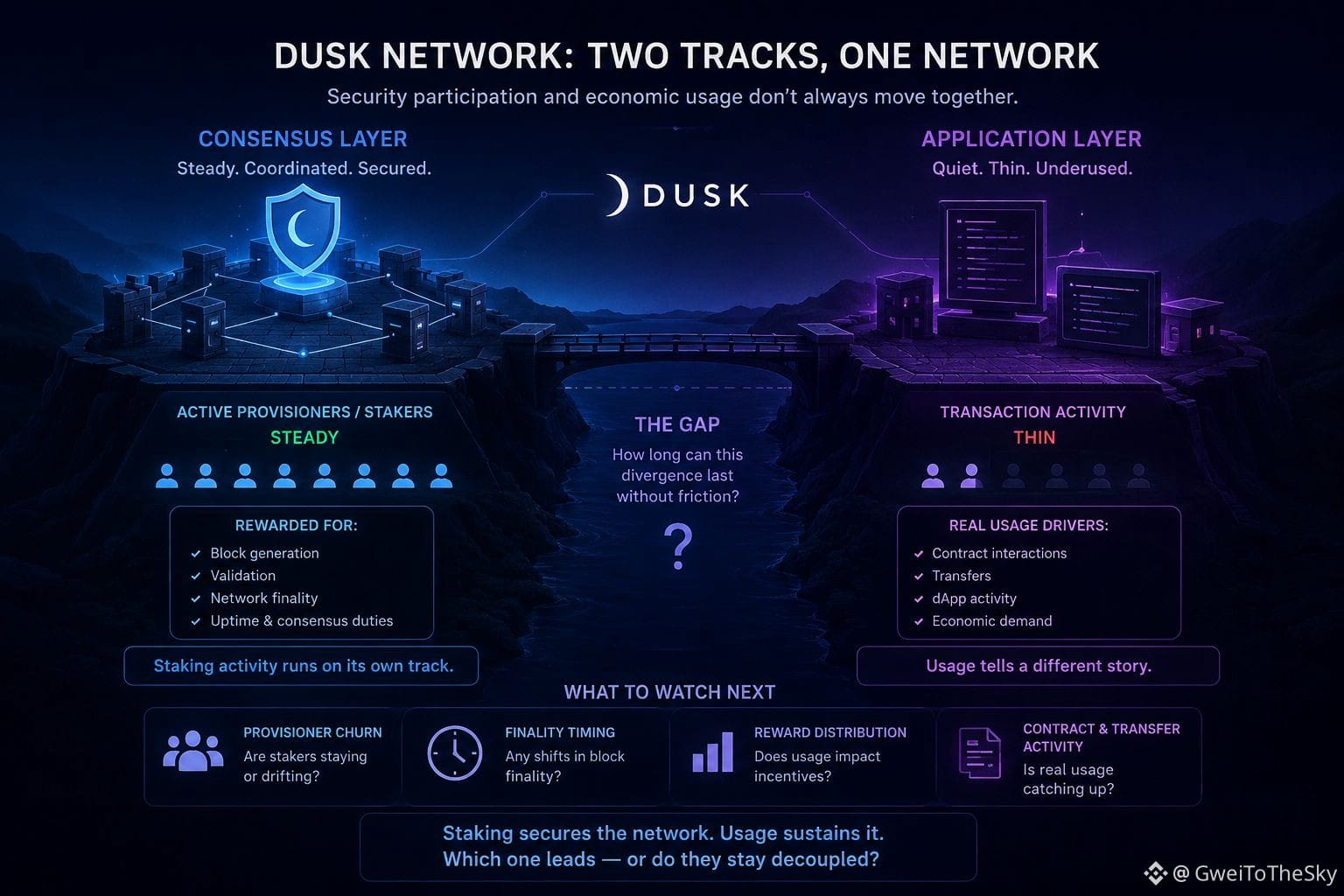
先週、ダスクのエクスプローラーを調べていたときのことです。ネットワーク上でアクティブなプロビジョナー(提供者)がステーキングしている様子は安定していて、ほとんど健康そうに見えました。しかし、その下にある取引件数は薄いままでした。私は、ステークがほとんどアイドル状態で、実際の関与は少なく利回り目的で放置されているのだろうと解釈しました。
さらに掘り下げると、不一致の原因は、ダスクがコンセンサスへの参加と取引の実行を分けていることにありました。プロビジョナーは、ブロック生成と検証における自分の役割に対して、ネットワークの分離された合意プロセスを通じて報酬を得ます。この義務は、ユーザーが取引をしているかどうかに関わらず続きます。つまり、ステーキング活動とネットワーク利用は、ほぼ独立したトラックで動いているように見えます。
この見方が、データの読み方を変えました。私はセキュリティ参加と経済的利用を同一のシグナルとして扱っていましたが、実際にはそれらは明らかに別物です。コンセンサス層ではセキュアで連携が取れているように見えても、アプリケーション層では静かなままということがあり得ます。そして、どちらの数値も単独では相手について多くを語りません。
まだ解消できていないのは、このギャップが摩擦なくどれくらいの期間維持されるのかという点です。プロビジョナーが主に稼働時間とコンセンサス業務に対して補償されるなら、利用がいずれ追いついてこないとインセンティブのバランスが崩れてしまうのでしょうか。それとも、バリデータ参加は、その条件だけでいつまでも安定し続けられるのでしょうか。
今後は、ステーキング総額だけでなく、プロビジョナーチャーンを実際のコントラクトや送金(トランスファー)活動と並行して追いたいです。小規模ステーカーの定着率、ファイナリティ(最終確定)タイミングの変化、利用が動いたときの報酬分配の変化などが、見出しになるステーク数値よりも多くを教えてくれるはずです。
私はまだ、どちらが先に動くのか、ここでも確信がありません。利用が最終的にステーキング行動を引っ張っていくのか、それとも2つは本当にデカップル(切り離されたまま)で推移するのか。その部分に私はずっと引っかかっています。
@Dusk_Foundation #Dusk
$DUSK
{future}(DUSKUSDT)
$ZEC
{future}(ZECUSDT)
$ENA
{future}(ENAUSDT)
先週、ダスクのエクスプローラーを調べていたときのことです。ネットワーク上でアクティブなプロビジョナー(提供者)がステーキングしている様子は安定していて、ほとんど健康そうに見えました。しかし、その下にある取引件数は薄いままでした。私は、ステークがほとんどアイドル状態で、実際の関与は少なく利回り目的で放置されているのだろうと解釈しました。
さらに掘り下げると、不一致の原因は、ダスクがコンセンサスへの参加と取引の実行を分けていることにありました。プロビジョナーは、ブロック生成と検証における自分の役割に対して、ネットワークの分離された合意プロセスを通じて報酬を得ます。この義務は、ユーザーが取引をしているかどうかに関わらず続きます。つまり、ステーキング活動とネットワーク利用は、ほぼ独立したトラックで動いているように見えます。
この見方が、データの読み方を変えました。私はセキュリティ参加と経済的利用を同一のシグナルとして扱っていましたが、実際にはそれらは明らかに別物です。コンセンサス層ではセキュアで連携が取れているように見えても、アプリケーション層では静かなままということがあり得ます。そして、どちらの数値も単独では相手について多くを語りません。
まだ解消できていないのは、このギャップが摩擦なくどれくらいの期間維持されるのかという点です。プロビジョナーが主に稼働時間とコンセンサス業務に対して補償されるなら、利用がいずれ追いついてこないとインセンティブのバランスが崩れてしまうのでしょうか。それとも、バリデータ参加は、その条件だけでいつまでも安定し続けられるのでしょうか。
今後は、ステーキング総額だけでなく、プロビジョナーチャーンを実際のコントラクトや送金(トランスファー)活動と並行して追いたいです。小規模ステーカーの定着率、ファイナリティ(最終確定)タイミングの変化、利用が動いたときの報酬分配の変化などが、見出しになるステーク数値よりも多くを教えてくれるはずです。
私はまだ、どちらが先に動くのか、ここでも確信がありません。利用が最終的にステーキング行動を引っ張っていくのか、それとも2つは本当にデカップル(切り離されたまま)で推移するのか。その部分に私はずっと引っかかっています。
@Dusk #Dusk
$DUSK
$ZEC
$ENA
さらに掘り下げると、不一致の原因は、ダスクがコンセンサスへの参加と取引の実行を分けていることにありました。プロビジョナーは、ブロック生成と検証における自分の役割に対して、ネットワークの分離された合意プロセスを通じて報酬を得ます。この義務は、ユーザーが取引をしているかどうかに関わらず続きます。つまり、ステーキング活動とネットワーク利用は、ほぼ独立したトラックで動いているように見えます。
この見方が、データの読み方を変えました。私はセキュリティ参加と経済的利用を同一のシグナルとして扱っていましたが、実際にはそれらは明らかに別物です。コンセンサス層ではセキュアで連携が取れているように見えても、アプリケーション層では静かなままということがあり得ます。そして、どちらの数値も単独では相手について多くを語りません。
まだ解消できていないのは、このギャップが摩擦なくどれくらいの期間維持されるのかという点です。プロビジョナーが主に稼働時間とコンセンサス業務に対して補償されるなら、利用がいずれ追いついてこないとインセンティブのバランスが崩れてしまうのでしょうか。それとも、バリデータ参加は、その条件だけでいつまでも安定し続けられるのでしょうか。
今後は、ステーキング総額だけでなく、プロビジョナーチャーンを実際のコントラクトや送金(トランスファー)活動と並行して追いたいです。小規模ステーカーの定着率、ファイナリティ(最終確定)タイミングの変化、利用が動いたときの報酬分配の変化などが、見出しになるステーク数値よりも多くを教えてくれるはずです。
私はまだ、どちらが先に動くのか、ここでも確信がありません。利用が最終的にステーキング行動を引っ張っていくのか、それとも2つは本当にデカップル(切り離されたまま)で推移するのか。その部分に私はずっと引っかかっています。
@Dusk #Dusk
$DUSK
$ZEC
$ENA
2
5
480
·
--
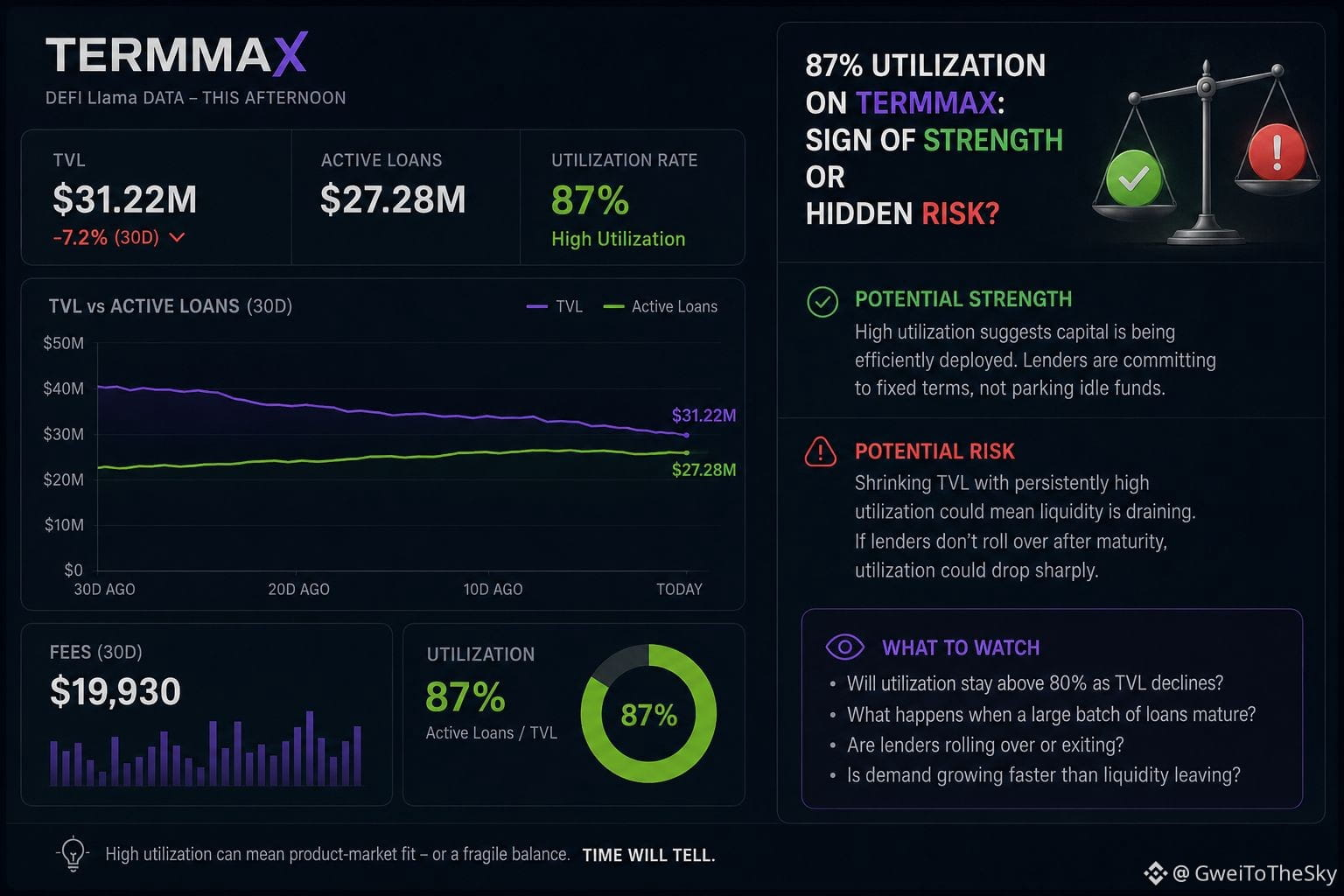
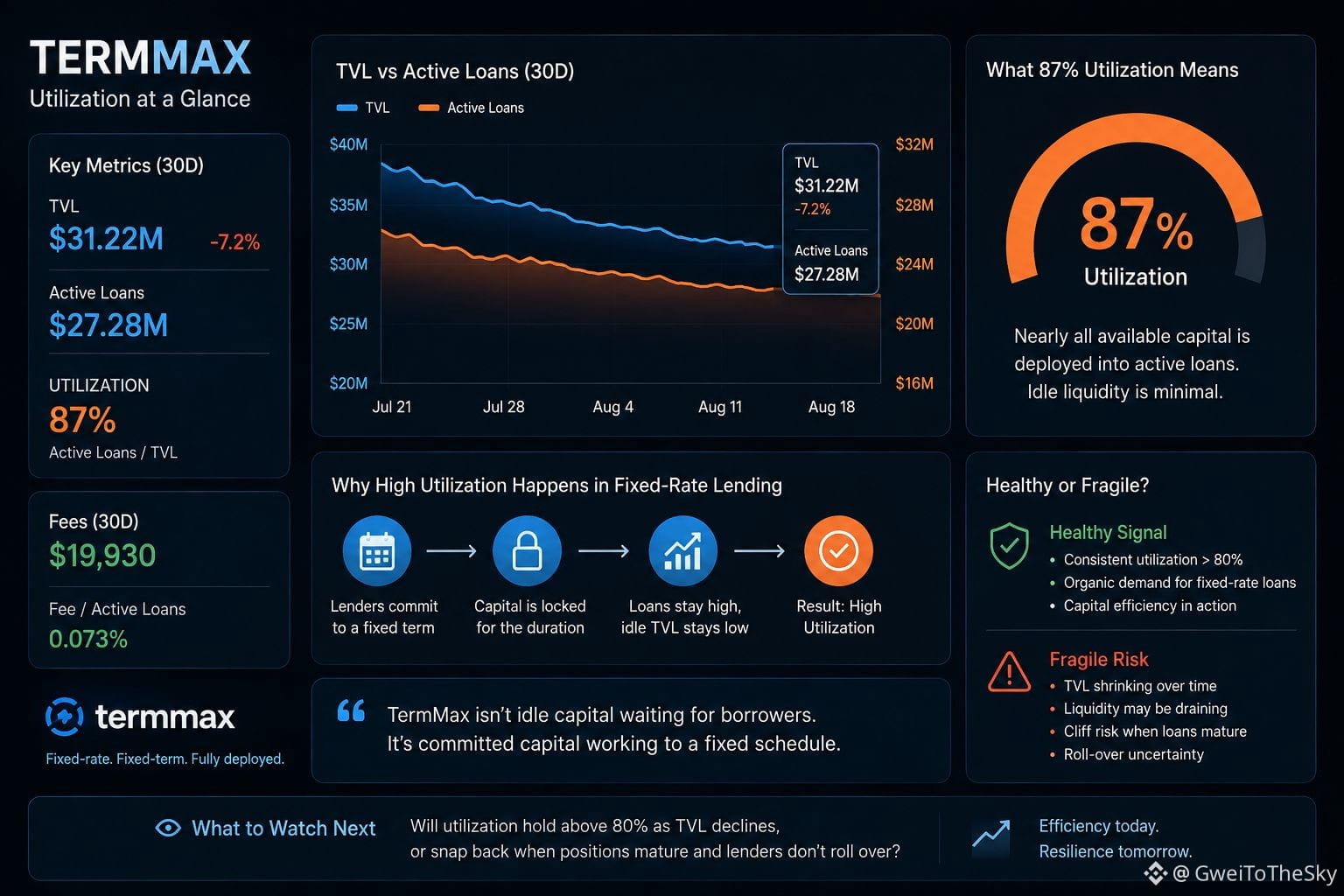
今朝(この午後)TermMaxの数値がDefiLlamaとズレていることに気づきました。TVLは31.22百万ドルで、過去30日で7.2%下落していますが、アクティブなローンは27.28百万ドルです。これはおおよそ87%の利用率です。最初は、チャートを読み間違えたのかと思いました。
そこで手数料と照合しました。30日間で約27百万ドル借り入れているのに、手数料は19,930ドルにしかなっていません。固定金利・満期ベースの貸付市場で、この比率は、担保プールがいかに密に使われているのかに比べると薄く感じました。
でも、見え方が変わりました。TermMaxは、借り手を待っているアイドル状態のプールではなく、常にほぼ全額が運用されている資本に近いのです。固定満期なので、貸し手は利回りを待って資金を駐車しているのではなく、特定の期間にコミットします。そのため、アイドルのTVLは自然に縮みますが、ローンは比例して大きく保たれるのです。
とはいえ、これが健全なのか脆いのかはまだ確信がありません。縮小しているTVL基盤に対して高い利用率が続くのは、効率的な資本を意味する場合もあれば、既存ポジションがまだ満期を迎えていないだけで流動性が静かに流出している可能性もあります。
TVLがさらに減り続ける中で、利用率が80%を超えて維持されるかを見ています。それとも、ポジションが満期を迎えて貸し手がロールしなくなった時点で、利用率が跳ね返るのでしょうか。
TermMaxの87%の利用率は、固定金利貸付における本当のプロダクト・マーケット・フィットのサインなのか、それともまだストレステストされていない縮小プールの症状なのでしょうか。
@termmax #termmax
$ONG
{future}(ONGUSDT)
$BOME
{future}(BOMEUSDT)
$ACE
{future}(ACEUSDT)
今朝(この午後)TermMaxの数値がDefiLlamaとズレていることに気づきました。TVLは31.22百万ドルで、過去30日で7.2%下落していますが、アクティブなローンは27.28百万ドルです。これはおおよそ87%の利用率です。最初は、チャートを読み間違えたのかと思いました。
そこで手数料と照合しました。30日間で約27百万ドル借り入れているのに、手数料は19,930ドルにしかなっていません。固定金利・満期ベースの貸付市場で、この比率は、担保プールがいかに密に使われているのかに比べると薄く感じました。
でも、見え方が変わりました。TermMaxは、借り手を待っているアイドル状態のプールではなく、常にほぼ全額が運用されている資本に近いのです。固定満期なので、貸し手は利回りを待って資金を駐車しているのではなく、特定の期間にコミットします。そのため、アイドルのTVLは自然に縮みますが、ローンは比例して大きく保たれるのです。
とはいえ、これが健全なのか脆いのかはまだ確信がありません。縮小しているTVL基盤に対して高い利用率が続くのは、効率的な資本を意味する場合もあれば、既存ポジションがまだ満期を迎えていないだけで流動性が静かに流出している可能性もあります。
TVLがさらに減り続ける中で、利用率が80%を超えて維持されるかを見ています。それとも、ポジションが満期を迎えて貸し手がロールしなくなった時点で、利用率が跳ね返るのでしょうか。
TermMaxの87%の利用率は、固定金利貸付における本当のプロダクト・マーケット・フィットのサインなのか、それともまだストレステストされていない縮小プールの症状なのでしょうか。
@TermMax #termmax
$ONG
$BOME
$ACE
そこで手数料と照合しました。30日間で約27百万ドル借り入れているのに、手数料は19,930ドルにしかなっていません。固定金利・満期ベースの貸付市場で、この比率は、担保プールがいかに密に使われているのかに比べると薄く感じました。
でも、見え方が変わりました。TermMaxは、借り手を待っているアイドル状態のプールではなく、常にほぼ全額が運用されている資本に近いのです。固定満期なので、貸し手は利回りを待って資金を駐車しているのではなく、特定の期間にコミットします。そのため、アイドルのTVLは自然に縮みますが、ローンは比例して大きく保たれるのです。
とはいえ、これが健全なのか脆いのかはまだ確信がありません。縮小しているTVL基盤に対して高い利用率が続くのは、効率的な資本を意味する場合もあれば、既存ポジションがまだ満期を迎えていないだけで流動性が静かに流出している可能性もあります。
TVLがさらに減り続ける中で、利用率が80%を超えて維持されるかを見ています。それとも、ポジションが満期を迎えて貸し手がロールしなくなった時点で、利用率が跳ね返るのでしょうか。
TermMaxの87%の利用率は、固定金利貸付における本当のプロダクト・マーケット・フィットのサインなのか、それともまだストレステストされていない縮小プールの症状なのでしょうか。
@TermMax #termmax
$ONG
$BOME
$ACE
6
99
·
--
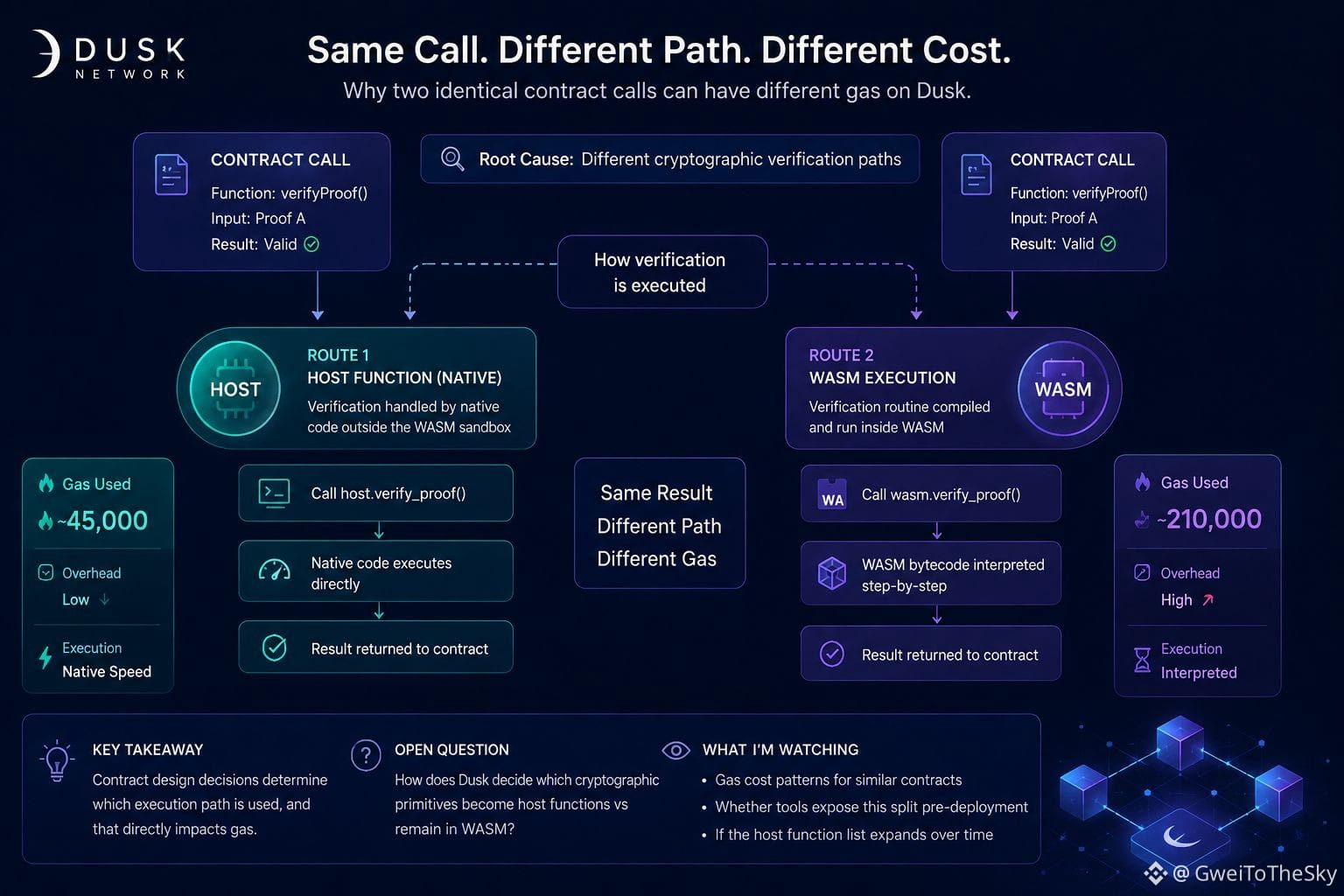
ある夕方、日が暮れてからしばらくして、Duskの探検の途中で、表面上は機能的にまったく同じに見える2つのコントラクトが、ガス消費の痕跡が明らかに違う形で収束していくのを見つけました。最初の私の推測は、片方のほうがより複雑なロジックが書かれているだけだというものでした。でもそれは間違いでした。
さらに掘り下げると、その違いはそれぞれのコントラクトが暗号学的な検証ステップをどう扱うかに起因していました。ある経路では、ホスト関数(ランタイムがWASMサンドボックスの外で直接実行するネイティブコード)がトリガーされ、一方は、WASM内にコンパイルされた検証ルーチンを実行していました。Duskは、ハッシュや証明検証のような特定の操作のためにホスト関数を予約していて、ガスの差は、その分岐の「見えなさ」を表していたのです。
この理解によって、私が「1つのカテゴリ」として扱っていたものが再整理されました。「オンチェーンでの計算」です。私は、サンドボックス内での実行とネイティブ実行を、コストや挙動のスケーリングが同じだかのようにひとまとめにしていました。でも違います。ネイティブ呼び出しはWASM解釈のオーバーヘッドを回避するため、上流でのコントラクト設計の選択が、下流でどの実行経路をトランザクションが通るかを、ひそかに決めてしまうのです。
私が不明なのは、Duskが、将来追加される暗号プリミティブのうち、どれをホスト関数の地位へ昇格させて、どれをWASM内に留めるのかをどう判断しているのかという点です。定められた性能の閾値があるのでしょうか、それとも新しい検証方式が追加されるたびにケースバイケースで評価されるのでしょうか。この曖昧さは、プリミティブのリストが増えるほど重要になってきます。
今後は、論理的に似たコントラクト同士で、ガスコストがどれほど一貫してクラスタリングされるかを見守り、また、開発者向けツールが、デプロイ後ではなく事前にこの実行の分岐を可視化し始めるのかどうかにも注目しています。そこに繰り返しのパターンが見つかれば、それが安定した設計上の「エッジ」なのか、それともコントラクト作成者が避けられない学習コストとして学ばなければならないものなのかが見えてくるはずです。
私はいまだ、この分岐が設計意図として狭いまま維持されるのか、それともプロトコルが成熟するにつれて拡大していくのかは分かりません。また、ネットワーク上のビルダーにとって、どちらの結果が実際により健全なのかも確信が持てていません。@Dusk_Foundation #Dusk
$ACE
{future}(ACEUSDT)
$DUSK
{future}(DUSKUSDT)
$BOME
{future}(BOMEUSDT)
ある夕方、日が暮れてからしばらくして、Duskの探検の途中で、表面上は機能的にまったく同じに見える2つのコントラクトが、ガス消費の痕跡が明らかに違う形で収束していくのを見つけました。最初の私の推測は、片方のほうがより複雑なロジックが書かれているだけだというものでした。でもそれは間違いでした。
さらに掘り下げると、その違いはそれぞれのコントラクトが暗号学的な検証ステップをどう扱うかに起因していました。ある経路では、ホスト関数(ランタイムがWASMサンドボックスの外で直接実行するネイティブコード)がトリガーされ、一方は、WASM内にコンパイルされた検証ルーチンを実行していました。Duskは、ハッシュや証明検証のような特定の操作のためにホスト関数を予約していて、ガスの差は、その分岐の「見えなさ」を表していたのです。
この理解によって、私が「1つのカテゴリ」として扱っていたものが再整理されました。「オンチェーンでの計算」です。私は、サンドボックス内での実行とネイティブ実行を、コストや挙動のスケーリングが同じだかのようにひとまとめにしていました。でも違います。ネイティブ呼び出しはWASM解釈のオーバーヘッドを回避するため、上流でのコントラクト設計の選択が、下流でどの実行経路をトランザクションが通るかを、ひそかに決めてしまうのです。
私が不明なのは、Duskが、将来追加される暗号プリミティブのうち、どれをホスト関数の地位へ昇格させて、どれをWASM内に留めるのかをどう判断しているのかという点です。定められた性能の閾値があるのでしょうか、それとも新しい検証方式が追加されるたびにケースバイケースで評価されるのでしょうか。この曖昧さは、プリミティブのリストが増えるほど重要になってきます。
今後は、論理的に似たコントラクト同士で、ガスコストがどれほど一貫してクラスタリングされるかを見守り、また、開発者向けツールが、デプロイ後ではなく事前にこの実行の分岐を可視化し始めるのかどうかにも注目しています。そこに繰り返しのパターンが見つかれば、それが安定した設計上の「エッジ」なのか、それともコントラクト作成者が避けられない学習コストとして学ばなければならないものなのかが見えてくるはずです。
私はいまだ、この分岐が設計意図として狭いまま維持されるのか、それともプロトコルが成熟するにつれて拡大していくのかは分かりません。また、ネットワーク上のビルダーにとって、どちらの結果が実際により健全なのかも確信が持てていません。@Dusk #Dusk
$ACE
$DUSK
$BOME
さらに掘り下げると、その違いはそれぞれのコントラクトが暗号学的な検証ステップをどう扱うかに起因していました。ある経路では、ホスト関数(ランタイムがWASMサンドボックスの外で直接実行するネイティブコード)がトリガーされ、一方は、WASM内にコンパイルされた検証ルーチンを実行していました。Duskは、ハッシュや証明検証のような特定の操作のためにホスト関数を予約していて、ガスの差は、その分岐の「見えなさ」を表していたのです。
この理解によって、私が「1つのカテゴリ」として扱っていたものが再整理されました。「オンチェーンでの計算」です。私は、サンドボックス内での実行とネイティブ実行を、コストや挙動のスケーリングが同じだかのようにひとまとめにしていました。でも違います。ネイティブ呼び出しはWASM解釈のオーバーヘッドを回避するため、上流でのコントラクト設計の選択が、下流でどの実行経路をトランザクションが通るかを、ひそかに決めてしまうのです。
私が不明なのは、Duskが、将来追加される暗号プリミティブのうち、どれをホスト関数の地位へ昇格させて、どれをWASM内に留めるのかをどう判断しているのかという点です。定められた性能の閾値があるのでしょうか、それとも新しい検証方式が追加されるたびにケースバイケースで評価されるのでしょうか。この曖昧さは、プリミティブのリストが増えるほど重要になってきます。
今後は、論理的に似たコントラクト同士で、ガスコストがどれほど一貫してクラスタリングされるかを見守り、また、開発者向けツールが、デプロイ後ではなく事前にこの実行の分岐を可視化し始めるのかどうかにも注目しています。そこに繰り返しのパターンが見つかれば、それが安定した設計上の「エッジ」なのか、それともコントラクト作成者が避けられない学習コストとして学ばなければならないものなのかが見えてくるはずです。
私はいまだ、この分岐が設計意図として狭いまま維持されるのか、それともプロトコルが成熟するにつれて拡大していくのかは分かりません。また、ネットワーク上のビルダーにとって、どちらの結果が実際により健全なのかも確信が持てていません。@Dusk #Dusk
$ACE
$DUSK
$BOME
1
5
342
·
--
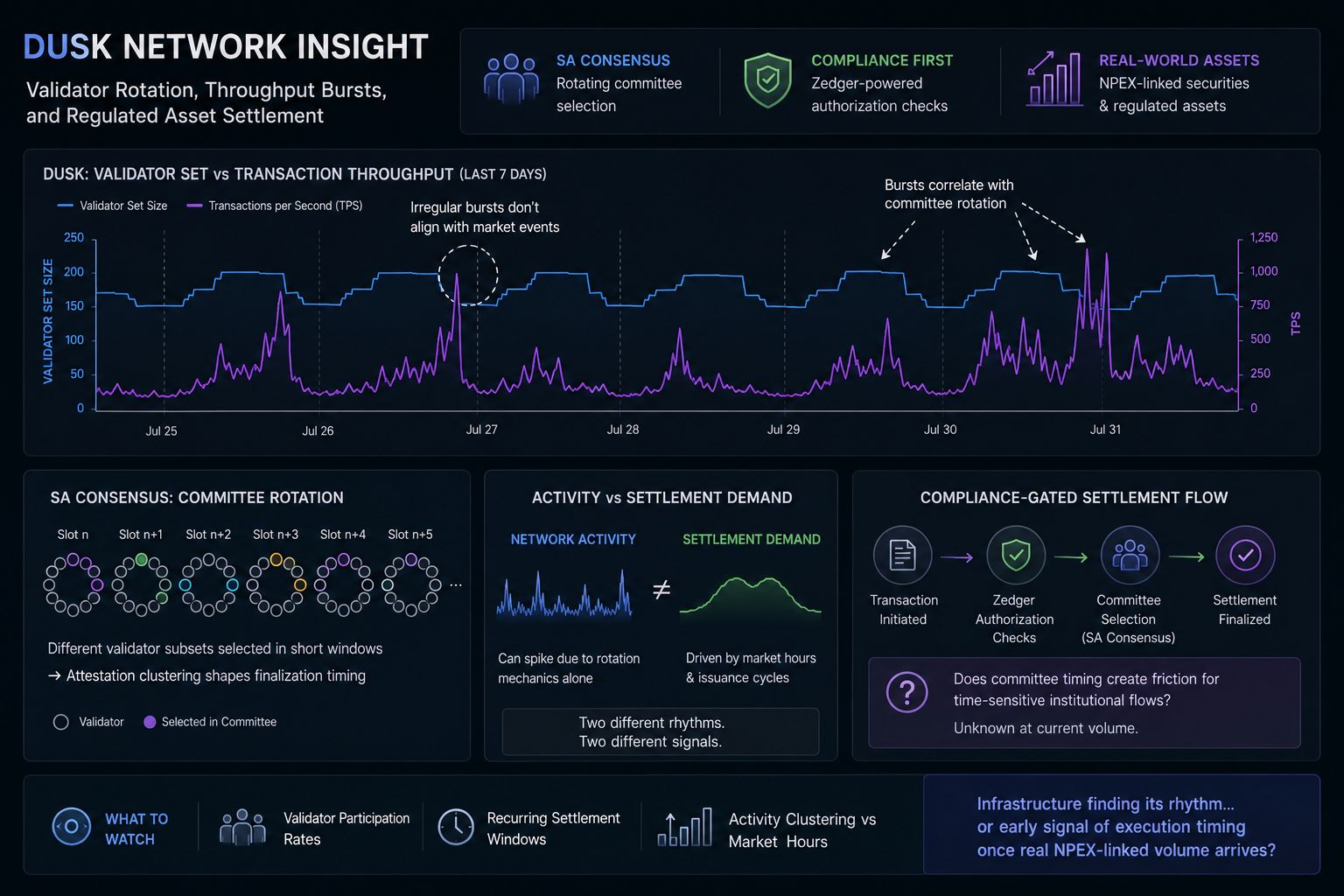
先週、Dusk のコンセンサス・バリデータセットが取引スループットに与えた影響を見て、疑問が残った。規制された資産向けに設計されたネットワークなら、一定でほとんど退屈な活動パターンが見えるはずだと私は思っていた。だが実際には、明確な市場イベントと結びつかない不規則なバースト(急増)が観測された。
掘り下げていくと、そのバーストは SA Consensus に基づく Dusk のコンセンサスが委員会(コミッティ)の選出をどのようにローテーションしているかに起因していると突き止めた。これは単なるランダムなノイズではない。パターンはアテステーション(承認)同士のクラスタリングに近い挙動を示しており、特定のバリデータサブセットが短い時間窓の中でより頻繁に選ばれる。これが、決済負荷の高いアクティビティが実際に最終化されるタイミングを形作っていた。
この違いは、私が最初に思っていた以上に重要だった。私は「ネットワーク活動」と「決済需要」を、基本的に同じシグナルだと見なしていたが違う。バリデータのローテーションといったメカニズムだけでも活動は跳ね上がり得る。一方で、NPEX 起源の資産のような実際の決済需要は、市場の営業時間や発行サイクルに結びついたまったく別のリズムで動く。
まだ解決できていないのは、このローテーション挙動がコンプライアンスによってゲートされた取引、とりわけどのように相互作用するかだ。Zedger ベースの証券では、決済前に特定の認可チェックが必要だとすると、コミッティのタイミングがタイムセンシティブな機関フローに摩擦を生むのだろうか。それとも現在の取扱量ではその摩擦は無視できるのだろうか。現時点では、どちらとも言えるだけのデータが足りない。
今後は、単なる取引件数だけでなく、バリデータの参加率と、繰り返し現れる決済ウィンドウを一緒に追跡したい。規制資産の活動が、市場の営業時間ではなく特定のコミッティ・ローテーションのタイミングに合わせてクラスタリングし始めるなら、それは、機関フローが実際にどれほど生きていて(稼働していて)まだどれほど実験段階なのかを示す手がかりになるはずだ。
そして結局、私はこのローテーションパターンが単にインフラが自らのリズムを見つけただけなのか、それとも NPEX 連携資産からの実ボリュームが流れてきたときに実行タイミングがどう振る舞うかの初期シグナルなのか、気になっている。現時点では、それに答えられないと思っている。
@Dusk_Foundation #Dusk
$DUSK
{future}(DUSKUSDT)
$HEMI
{future}(HEMIUSDT)
$TREE
{future}(TREEUSDT)
先週、Dusk のコンセンサス・バリデータセットが取引スループットに与えた影響を見て、疑問が残った。規制された資産向けに設計されたネットワークなら、一定でほとんど退屈な活動パターンが見えるはずだと私は思っていた。だが実際には、明確な市場イベントと結びつかない不規則なバースト(急増)が観測された。
掘り下げていくと、そのバーストは SA Consensus に基づく Dusk のコンセンサスが委員会(コミッティ)の選出をどのようにローテーションしているかに起因していると突き止めた。これは単なるランダムなノイズではない。パターンはアテステーション(承認)同士のクラスタリングに近い挙動を示しており、特定のバリデータサブセットが短い時間窓の中でより頻繁に選ばれる。これが、決済負荷の高いアクティビティが実際に最終化されるタイミングを形作っていた。
この違いは、私が最初に思っていた以上に重要だった。私は「ネットワーク活動」と「決済需要」を、基本的に同じシグナルだと見なしていたが違う。バリデータのローテーションといったメカニズムだけでも活動は跳ね上がり得る。一方で、NPEX 起源の資産のような実際の決済需要は、市場の営業時間や発行サイクルに結びついたまったく別のリズムで動く。
まだ解決できていないのは、このローテーション挙動がコンプライアンスによってゲートされた取引、とりわけどのように相互作用するかだ。Zedger ベースの証券では、決済前に特定の認可チェックが必要だとすると、コミッティのタイミングがタイムセンシティブな機関フローに摩擦を生むのだろうか。それとも現在の取扱量ではその摩擦は無視できるのだろうか。現時点では、どちらとも言えるだけのデータが足りない。
今後は、単なる取引件数だけでなく、バリデータの参加率と、繰り返し現れる決済ウィンドウを一緒に追跡したい。規制資産の活動が、市場の営業時間ではなく特定のコミッティ・ローテーションのタイミングに合わせてクラスタリングし始めるなら、それは、機関フローが実際にどれほど生きていて(稼働していて)まだどれほど実験段階なのかを示す手がかりになるはずだ。
そして結局、私はこのローテーションパターンが単にインフラが自らのリズムを見つけただけなのか、それとも NPEX 連携資産からの実ボリュームが流れてきたときに実行タイミングがどう振る舞うかの初期シグナルなのか、気になっている。現時点では、それに答えられないと思っている。
@Dusk #Dusk
$DUSK
$HEMI
$TREE
掘り下げていくと、そのバーストは SA Consensus に基づく Dusk のコンセンサスが委員会(コミッティ)の選出をどのようにローテーションしているかに起因していると突き止めた。これは単なるランダムなノイズではない。パターンはアテステーション(承認)同士のクラスタリングに近い挙動を示しており、特定のバリデータサブセットが短い時間窓の中でより頻繁に選ばれる。これが、決済負荷の高いアクティビティが実際に最終化されるタイミングを形作っていた。
この違いは、私が最初に思っていた以上に重要だった。私は「ネットワーク活動」と「決済需要」を、基本的に同じシグナルだと見なしていたが違う。バリデータのローテーションといったメカニズムだけでも活動は跳ね上がり得る。一方で、NPEX 起源の資産のような実際の決済需要は、市場の営業時間や発行サイクルに結びついたまったく別のリズムで動く。
まだ解決できていないのは、このローテーション挙動がコンプライアンスによってゲートされた取引、とりわけどのように相互作用するかだ。Zedger ベースの証券では、決済前に特定の認可チェックが必要だとすると、コミッティのタイミングがタイムセンシティブな機関フローに摩擦を生むのだろうか。それとも現在の取扱量ではその摩擦は無視できるのだろうか。現時点では、どちらとも言えるだけのデータが足りない。
今後は、単なる取引件数だけでなく、バリデータの参加率と、繰り返し現れる決済ウィンドウを一緒に追跡したい。規制資産の活動が、市場の営業時間ではなく特定のコミッティ・ローテーションのタイミングに合わせてクラスタリングし始めるなら、それは、機関フローが実際にどれほど生きていて(稼働していて)まだどれほど実験段階なのかを示す手がかりになるはずだ。
そして結局、私はこのローテーションパターンが単にインフラが自らのリズムを見つけただけなのか、それとも NPEX 連携資産からの実ボリュームが流れてきたときに実行タイミングがどう振る舞うかの初期シグナルなのか、気になっている。現時点では、それに答えられないと思っている。
@Dusk #Dusk
$DUSK
$HEMI
$TREE
2
4
190
·
--
#dusk $DUSK @Dusk_Foundation
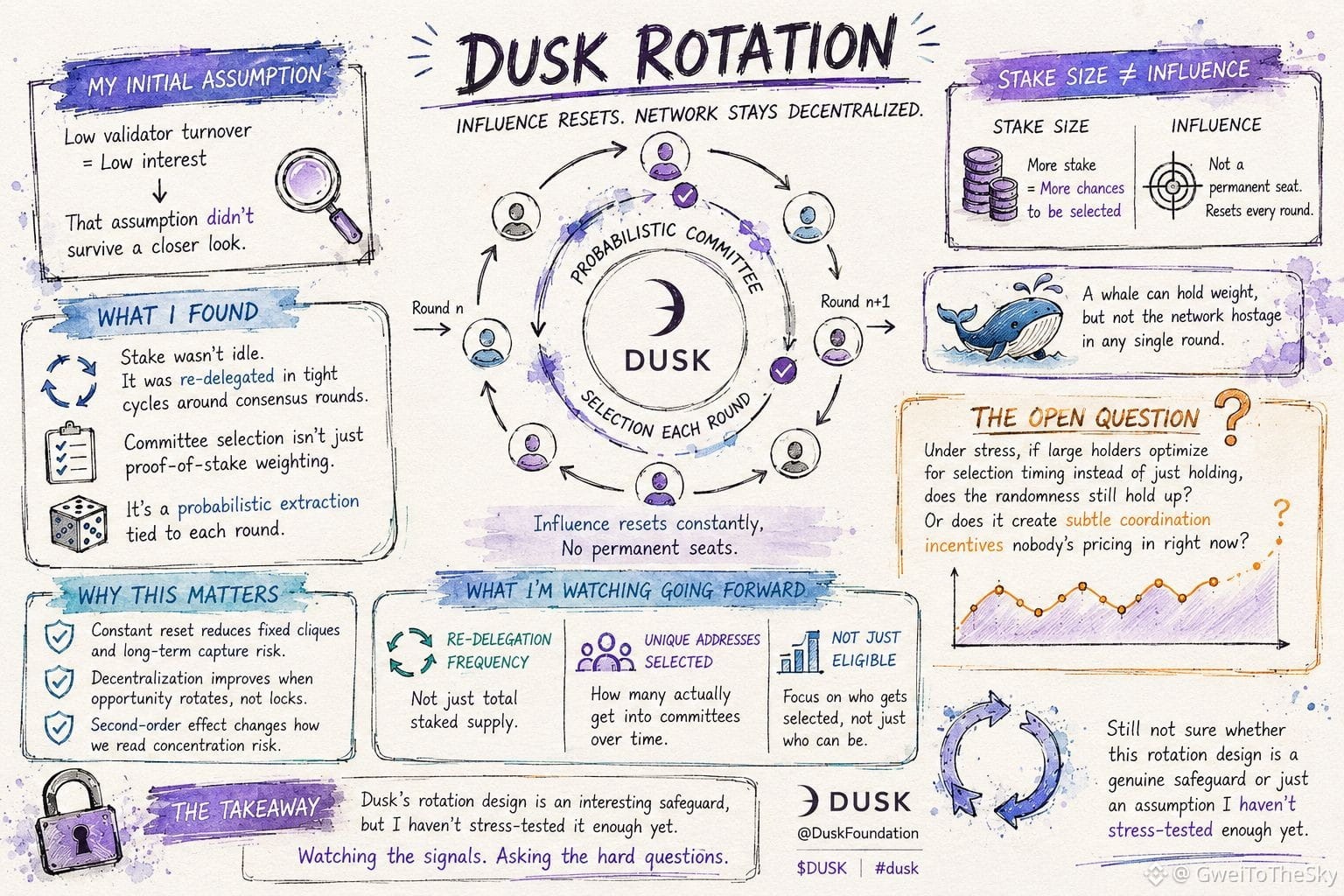
夫がこのトピックを書いて私に「このニュースは、ダスクのダスクホルダーにとって新しくて良いことなの?」と聞いてきました。先週、ダスクのバリデータセットのサイズが、ステーキング参加率に対してどうだったかです。私の最初の仮定は、低い回転率(ターンオーバー)は関心の低さを意味する、というものでした。しかし、その仮定はよく見ていくと成り立ちませんでした。
提供者(プロビジョナー)のローテーションログを確認していると、ステークがアイドル状態で放置されているのではなく、コンセンサスラウンドの周辺でタイトなサイクルを通じて再デリゲートされていました。ここから、ダスクの委員会(コミッティ)選出が実際にどう機能しているのかが見えてきます。単にステークの重み付けだけではなく、各ラウンドに結び付いた確率的な抽出(プロバビリスティック・エクストラクション)であるため、影響は固定のバリデータ集団に蓄積されるのではなく、常にリセットされます。
この違いは、聞こえる以上に重要です。私は「ステークサイズ」と「コンセンサスへの影響(インフルエンス)」を同じ変数のように扱っていましたが、違います。大きなステークは、選ばれるチャンスを増やすだけで、永久の席を保証するものではありません。こうした二次的な効果は、ここでの集中リスクの読み方を変えます。いわゆるクジラ(巨大保有者)は重みを持てても、単一のラウンドでネットワークを人質に取る必要はありません。
まだ解決できていないのは、この仕組みがストレス下でどう振る舞うかです。大口保有者が、単に保有するだけでなく「選ばれるタイミング」を最適化し始めたら、ランダム性はやはり保たれるのか、それとも、今のところ誰も価格に織り込んでいない微妙な協調のインセンティブ(連携を促す動機)を生むのか——そこが分かりません。
今後は、総ステーキング供給量だけでなく、再デリゲートの頻度にも注目します。また、時間の経過とともに、委員会に実際に選ばれている固有のアドレス数がどれくらいか、単に「選出可能(eligible to be)」なだけではなく「実際に選ばれる」方を見ます。
それでも、このローテーション設計が本当に有効なセーフガードなのか、それともまだ十分にストレステストできていない前提にすぎないのか、私はまだ確信が持てていません。$BTW $ACE
#dusk $DUSK @Dusk
夫がこのトピックを書いて私に「このニュースは、ダスクのダスクホルダーにとって新しくて良いことなの?」と聞いてきました。先週、ダスクのバリデータセットのサイズが、ステーキング参加率に対してどうだったかです。私の最初の仮定は、低い回転率(ターンオーバー)は関心の低さを意味する、というものでした。しかし、その仮定はよく見ていくと成り立ちませんでした。
提供者(プロビジョナー)のローテーションログを確認していると、ステークがアイドル状態で放置されているのではなく、コンセンサスラウンドの周辺でタイトなサイクルを通じて再デリゲートされていました。ここから、ダスクの委員会(コミッティ)選出が実際にどう機能しているのかが見えてきます。単にステークの重み付けだけではなく、各ラウンドに結び付いた確率的な抽出(プロバビリスティック・エクストラクション)であるため、影響は固定のバリデータ集団に蓄積されるのではなく、常にリセットされます。
この違いは、聞こえる以上に重要です。私は「ステークサイズ」と「コンセンサスへの影響(インフルエンス)」を同じ変数のように扱っていましたが、違います。大きなステークは、選ばれるチャンスを増やすだけで、永久の席を保証するものではありません。こうした二次的な効果は、ここでの集中リスクの読み方を変えます。いわゆるクジラ(巨大保有者)は重みを持てても、単一のラウンドでネットワークを人質に取る必要はありません。
まだ解決できていないのは、この仕組みがストレス下でどう振る舞うかです。大口保有者が、単に保有するだけでなく「選ばれるタイミング」を最適化し始めたら、ランダム性はやはり保たれるのか、それとも、今のところ誰も価格に織り込んでいない微妙な協調のインセンティブ(連携を促す動機)を生むのか——そこが分かりません。
今後は、総ステーキング供給量だけでなく、再デリゲートの頻度にも注目します。また、時間の経過とともに、委員会に実際に選ばれている固有のアドレス数がどれくらいか、単に「選出可能(eligible to be)」なだけではなく「実際に選ばれる」方を見ます。
それでも、このローテーション設計が本当に有効なセーフガードなのか、それともまだ十分にストレステストできていない前提にすぎないのか、私はまだ確信が持てていません。$BTW $ACE
夫がこのトピックを書いて私に「このニュースは、ダスクのダスクホルダーにとって新しくて良いことなの?」と聞いてきました。先週、ダスクのバリデータセットのサイズが、ステーキング参加率に対してどうだったかです。私の最初の仮定は、低い回転率(ターンオーバー)は関心の低さを意味する、というものでした。しかし、その仮定はよく見ていくと成り立ちませんでした。
提供者(プロビジョナー)のローテーションログを確認していると、ステークがアイドル状態で放置されているのではなく、コンセンサスラウンドの周辺でタイトなサイクルを通じて再デリゲートされていました。ここから、ダスクの委員会(コミッティ)選出が実際にどう機能しているのかが見えてきます。単にステークの重み付けだけではなく、各ラウンドに結び付いた確率的な抽出(プロバビリスティック・エクストラクション)であるため、影響は固定のバリデータ集団に蓄積されるのではなく、常にリセットされます。
この違いは、聞こえる以上に重要です。私は「ステークサイズ」と「コンセンサスへの影響(インフルエンス)」を同じ変数のように扱っていましたが、違います。大きなステークは、選ばれるチャンスを増やすだけで、永久の席を保証するものではありません。こうした二次的な効果は、ここでの集中リスクの読み方を変えます。いわゆるクジラ(巨大保有者)は重みを持てても、単一のラウンドでネットワークを人質に取る必要はありません。
まだ解決できていないのは、この仕組みがストレス下でどう振る舞うかです。大口保有者が、単に保有するだけでなく「選ばれるタイミング」を最適化し始めたら、ランダム性はやはり保たれるのか、それとも、今のところ誰も価格に織り込んでいない微妙な協調のインセンティブ(連携を促す動機)を生むのか——そこが分かりません。
今後は、総ステーキング供給量だけでなく、再デリゲートの頻度にも注目します。また、時間の経過とともに、委員会に実際に選ばれている固有のアドレス数がどれくらいか、単に「選出可能(eligible to be)」なだけではなく「実際に選ばれる」方を見ます。
それでも、このローテーション設計が本当に有効なセーフガードなのか、それともまだ十分にストレステストできていない前提にすぎないのか、私はまだ確信が持てていません。$BTW $ACE
2
2
133
·
--
#Dusk $HEMI $COW $DUSK
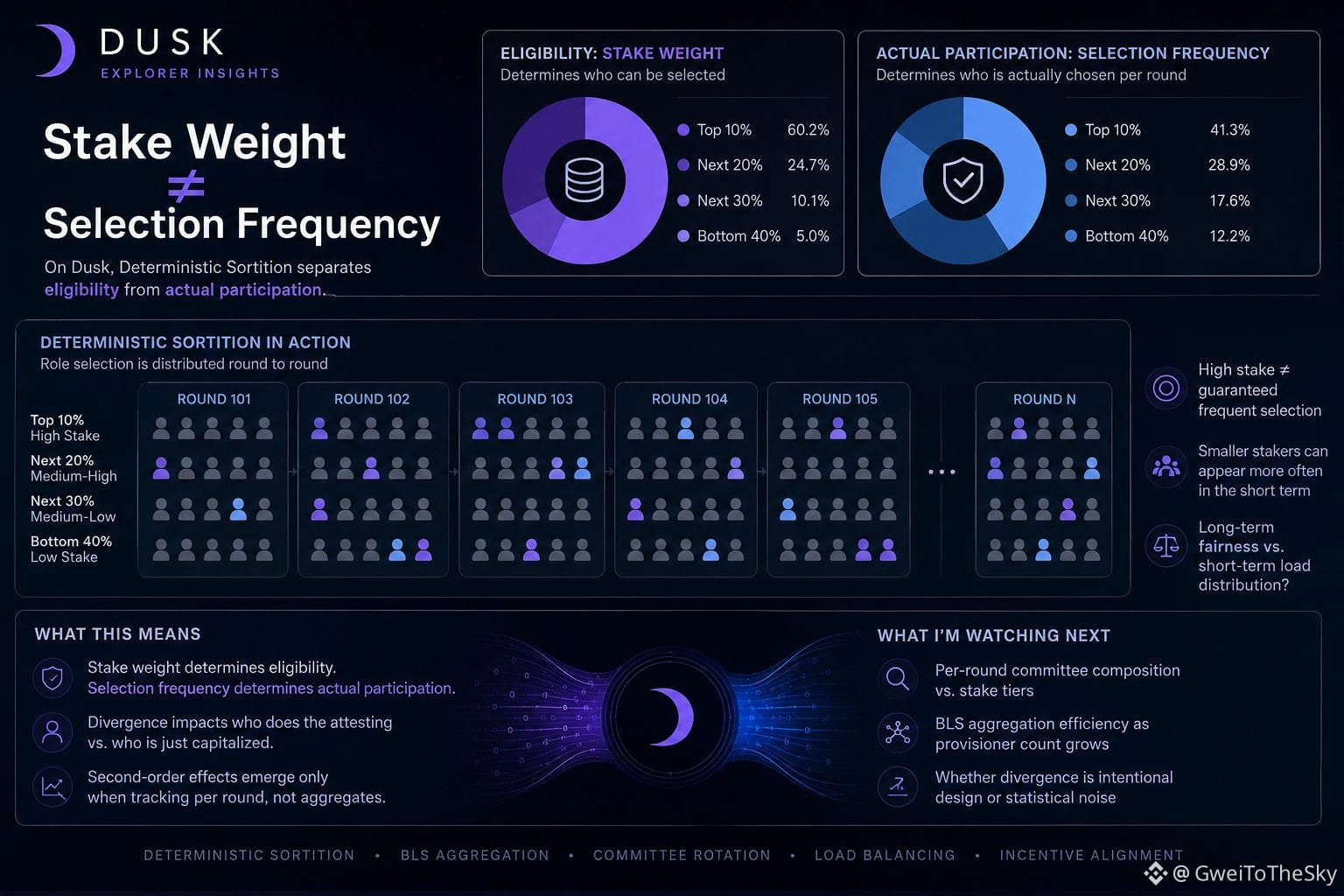
夕暮れの探検家、先週のことだ。ラウンドごとの委員会の入れ替わりは、実際のところ支払われるステーク分布とほぼ同じように推移するのではないかと考えた。というのも、ほとんどのソーティション(抽選)ベースのシステムでは現場運用上そう振る舞うからだ。しかし数字は思った通りに一致しなかった。それがずっと引っかかっていた。
さらに掘り下げると、問題は Deterministic Sortition(決定論的ソーティション)が「ロールの割り当て」と「ステークの重み付け」を別々に扱うことにあると突き止めた。プロビジョナーは大きなステークを持っていても、同じ期間内で、より小さなステーカーよりも検証委員会に入る回数が少なく見えることがあり得る。これは純粋に、ロールの選定がラウンドごとにどのように分配されるかによって決まるからだ。そこでようやく、自分がまったく同じものだと思い込んでいた2つの事柄が、実際にはまったく別物だと気づいた。
ステークの重みは適格性を決める。選定の頻度は実際の参加を決める。多くの人はこれらを同一のシグナルとして扱うが、実際には分岐する。そしてその分岐が、黙って「実際にアテステーション(承認)しているのは誰か」または「ただ資本を用意しているだけなのは誰か」を形づくっている。これは、集計されたステーク比率だけでなく、ラウンドごとに追跡しないと見えてこない第二次的な影響だ。
現時点で解決できていないのは、この分岐が意図的な負荷分散なのか、それともより長いサンプル期間で均される統計的なノイズなのか、という点だ。もし構造的なものなら、より小規模なプロビジョナーが、資本への曝露の大きさが示唆する以上に比例して多くの責任を負っているのではないか、そしてそのことが時間を通じたインセンティブの整合に何を意味するのか、という現実的な問いが生じる。
今後は、ステーク階層に対してラウンドごとの委員会構成を見ていく。単に見出しとしての参加回数だけを見るのではなく、各ラウンドの構成を精査したい。また、プロビジョナーの数が増えるにつれてBLSの集約効率が安定して保たれるかも確認したい。そこが、通常コミュニケーションのオーバーヘッドが効いてくるポイントになるからだ。
現時点では、それが設計上の特徴なのか、あるいは現在のネットワーク規模によるアーティファクトなのか、確かな読みはない。どちらの説明を自分が好むのかすら決めきれていない。
@Dusk_Foundation
#Dusk $HEMI $COW $DUSK
夕暮れの探検家、先週のことだ。ラウンドごとの委員会の入れ替わりは、実際のところ支払われるステーク分布とほぼ同じように推移するのではないかと考えた。というのも、ほとんどのソーティション(抽選)ベースのシステムでは現場運用上そう振る舞うからだ。しかし数字は思った通りに一致しなかった。それがずっと引っかかっていた。
さらに掘り下げると、問題は Deterministic Sortition(決定論的ソーティション)が「ロールの割り当て」と「ステークの重み付け」を別々に扱うことにあると突き止めた。プロビジョナーは大きなステークを持っていても、同じ期間内で、より小さなステーカーよりも検証委員会に入る回数が少なく見えることがあり得る。これは純粋に、ロールの選定がラウンドごとにどのように分配されるかによって決まるからだ。そこでようやく、自分がまったく同じものだと思い込んでいた2つの事柄が、実際にはまったく別物だと気づいた。
ステークの重みは適格性を決める。選定の頻度は実際の参加を決める。多くの人はこれらを同一のシグナルとして扱うが、実際には分岐する。そしてその分岐が、黙って「実際にアテステーション(承認)しているのは誰か」または「ただ資本を用意しているだけなのは誰か」を形づくっている。これは、集計されたステーク比率だけでなく、ラウンドごとに追跡しないと見えてこない第二次的な影響だ。
現時点で解決できていないのは、この分岐が意図的な負荷分散なのか、それともより長いサンプル期間で均される統計的なノイズなのか、という点だ。もし構造的なものなら、より小規模なプロビジョナーが、資本への曝露の大きさが示唆する以上に比例して多くの責任を負っているのではないか、そしてそのことが時間を通じたインセンティブの整合に何を意味するのか、という現実的な問いが生じる。
今後は、ステーク階層に対してラウンドごとの委員会構成を見ていく。単に見出しとしての参加回数だけを見るのではなく、各ラウンドの構成を精査したい。また、プロビジョナーの数が増えるにつれてBLSの集約効率が安定して保たれるかも確認したい。そこが、通常コミュニケーションのオーバーヘッドが効いてくるポイントになるからだ。
現時点では、それが設計上の特徴なのか、あるいは現在のネットワーク規模によるアーティファクトなのか、確かな読みはない。どちらの説明を自分が好むのかすら決めきれていない。
@Dusk
夕暮れの探検家、先週のことだ。ラウンドごとの委員会の入れ替わりは、実際のところ支払われるステーク分布とほぼ同じように推移するのではないかと考えた。というのも、ほとんどのソーティション(抽選)ベースのシステムでは現場運用上そう振る舞うからだ。しかし数字は思った通りに一致しなかった。それがずっと引っかかっていた。
さらに掘り下げると、問題は Deterministic Sortition(決定論的ソーティション)が「ロールの割り当て」と「ステークの重み付け」を別々に扱うことにあると突き止めた。プロビジョナーは大きなステークを持っていても、同じ期間内で、より小さなステーカーよりも検証委員会に入る回数が少なく見えることがあり得る。これは純粋に、ロールの選定がラウンドごとにどのように分配されるかによって決まるからだ。そこでようやく、自分がまったく同じものだと思い込んでいた2つの事柄が、実際にはまったく別物だと気づいた。
ステークの重みは適格性を決める。選定の頻度は実際の参加を決める。多くの人はこれらを同一のシグナルとして扱うが、実際には分岐する。そしてその分岐が、黙って「実際にアテステーション(承認)しているのは誰か」または「ただ資本を用意しているだけなのは誰か」を形づくっている。これは、集計されたステーク比率だけでなく、ラウンドごとに追跡しないと見えてこない第二次的な影響だ。
現時点で解決できていないのは、この分岐が意図的な負荷分散なのか、それともより長いサンプル期間で均される統計的なノイズなのか、という点だ。もし構造的なものなら、より小規模なプロビジョナーが、資本への曝露の大きさが示唆する以上に比例して多くの責任を負っているのではないか、そしてそのことが時間を通じたインセンティブの整合に何を意味するのか、という現実的な問いが生じる。
今後は、ステーク階層に対してラウンドごとの委員会構成を見ていく。単に見出しとしての参加回数だけを見るのではなく、各ラウンドの構成を精査したい。また、プロビジョナーの数が増えるにつれてBLSの集約効率が安定して保たれるかも確認したい。そこが、通常コミュニケーションのオーバーヘッドが効いてくるポイントになるからだ。
現時点では、それが設計上の特徴なのか、あるいは現在のネットワーク規模によるアーティファクトなのか、確かな読みはない。どちらの説明を自分が好むのかすら決めきれていない。
@Dusk
6
4
198
·
--
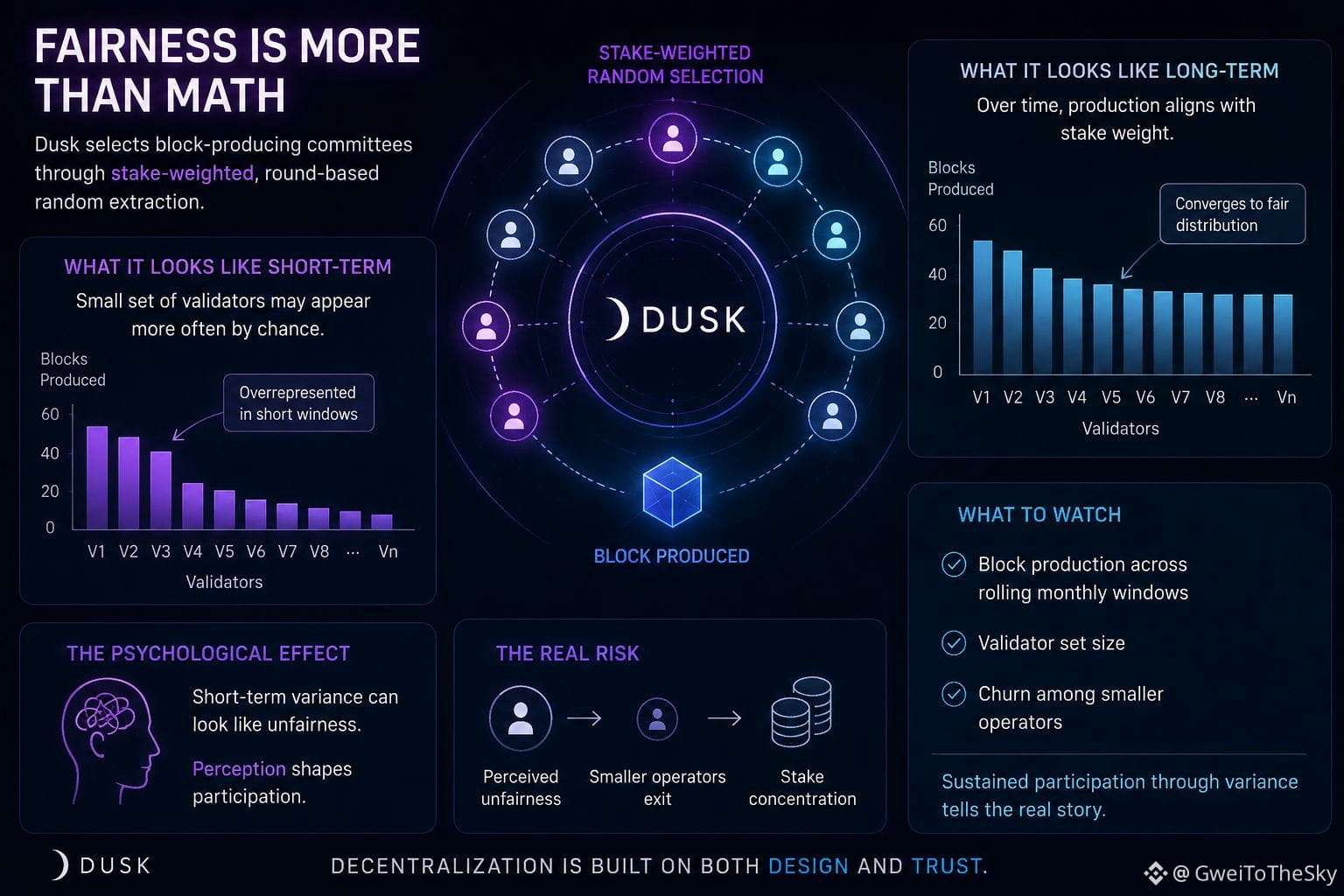
Duskのエクスプローラーで最近のブロック生成データを確認していたところ、同じ少数のバリデーターアドレスが、彼らのステークの持ち分からすると正当化できないほど頻繁に現れていることに気づきました。最初の思い込みは、ページネーションを読み違えているか、古いインデックスに当たっているのではないかというものでした。そこで、より広いブロック範囲にわたってデータを取り直しました。
パターンは維持されており、私は合意メカニズムそのものに踏み込むことになりました。Duskは、固定のローテーションではなく、ステークに重みづけされたラウンドベースの抽出によって、各ラウンドでブロック生成委員会を選出します。狭い期間の中で支配的に見えたものは、特定のオペレーターへの優遇ではなく、委員会が引かれる仕組みに組み込まれたサンプリングの分散だったのです。
この違いは、ここでの公平性の捉え方を大きく変えました。ステークの重みと選出頻度は同じものとして扱われますが、それが長期の観測期間でのみ収束するのです。短期ではランダム性が支配的で、バリデーターが偶然に過大に見えることがあります。見落とされがちな効果として、心理的な側面があります。小規模なオペレーターは短いウィンドウを見てシステムが偏っているように感じるかもしれませんが、長期では数理的にバランスが取れている場合でも起こり得ます。
まだ解決できていないのは、この認識が運用上どのように現れるかです。小規模バリデーターが統計的な収束ではなく短期のウィンドウで公平性を判断するなら、参加を減らしたり、完全に離脱したりする可能性があります。その結果、実際のプロトコル上のバイアスとは無関係な理由でステークが集中することになります。
今後は、日次のスナップショットではなく、ローリングの月次ウィンドウでブロック生成の分布を追跡したいです。あわせて、バリデーターセットの規模や、小規模オペレーター間での入れ替わり(チャーン)も確認します。短期のばらつきが見えていても参加が継続されることが、単一のサンプリング期間よりも多くを教えてくれるはずです。
私は、数学的な公平性だけで十分なのか、それとも公平性の認識が、基盤となる設計と同じくらい分散化を形づくってしまうのかを考え続けています。
@Dusk_Foundation #Dusk
$ACE $VELVET $DUSK
Duskのエクスプローラーで最近のブロック生成データを確認していたところ、同じ少数のバリデーターアドレスが、彼らのステークの持ち分からすると正当化できないほど頻繁に現れていることに気づきました。最初の思い込みは、ページネーションを読み違えているか、古いインデックスに当たっているのではないかというものでした。そこで、より広いブロック範囲にわたってデータを取り直しました。
パターンは維持されており、私は合意メカニズムそのものに踏み込むことになりました。Duskは、固定のローテーションではなく、ステークに重みづけされたラウンドベースの抽出によって、各ラウンドでブロック生成委員会を選出します。狭い期間の中で支配的に見えたものは、特定のオペレーターへの優遇ではなく、委員会が引かれる仕組みに組み込まれたサンプリングの分散だったのです。
この違いは、ここでの公平性の捉え方を大きく変えました。ステークの重みと選出頻度は同じものとして扱われますが、それが長期の観測期間でのみ収束するのです。短期ではランダム性が支配的で、バリデーターが偶然に過大に見えることがあります。見落とされがちな効果として、心理的な側面があります。小規模なオペレーターは短いウィンドウを見てシステムが偏っているように感じるかもしれませんが、長期では数理的にバランスが取れている場合でも起こり得ます。
まだ解決できていないのは、この認識が運用上どのように現れるかです。小規模バリデーターが統計的な収束ではなく短期のウィンドウで公平性を判断するなら、参加を減らしたり、完全に離脱したりする可能性があります。その結果、実際のプロトコル上のバイアスとは無関係な理由でステークが集中することになります。
今後は、日次のスナップショットではなく、ローリングの月次ウィンドウでブロック生成の分布を追跡したいです。あわせて、バリデーターセットの規模や、小規模オペレーター間での入れ替わり(チャーン)も確認します。短期のばらつきが見えていても参加が継続されることが、単一のサンプリング期間よりも多くを教えてくれるはずです。
私は、数学的な公平性だけで十分なのか、それとも公平性の認識が、基盤となる設計と同じくらい分散化を形づくってしまうのかを考え続けています。
@Dusk #Dusk
$ACE $VELVET $DUSK
パターンは維持されており、私は合意メカニズムそのものに踏み込むことになりました。Duskは、固定のローテーションではなく、ステークに重みづけされたラウンドベースの抽出によって、各ラウンドでブロック生成委員会を選出します。狭い期間の中で支配的に見えたものは、特定のオペレーターへの優遇ではなく、委員会が引かれる仕組みに組み込まれたサンプリングの分散だったのです。
この違いは、ここでの公平性の捉え方を大きく変えました。ステークの重みと選出頻度は同じものとして扱われますが、それが長期の観測期間でのみ収束するのです。短期ではランダム性が支配的で、バリデーターが偶然に過大に見えることがあります。見落とされがちな効果として、心理的な側面があります。小規模なオペレーターは短いウィンドウを見てシステムが偏っているように感じるかもしれませんが、長期では数理的にバランスが取れている場合でも起こり得ます。
まだ解決できていないのは、この認識が運用上どのように現れるかです。小規模バリデーターが統計的な収束ではなく短期のウィンドウで公平性を判断するなら、参加を減らしたり、完全に離脱したりする可能性があります。その結果、実際のプロトコル上のバイアスとは無関係な理由でステークが集中することになります。
今後は、日次のスナップショットではなく、ローリングの月次ウィンドウでブロック生成の分布を追跡したいです。あわせて、バリデーターセットの規模や、小規模オペレーター間での入れ替わり(チャーン)も確認します。短期のばらつきが見えていても参加が継続されることが、単一のサンプリング期間よりも多くを教えてくれるはずです。
私は、数学的な公平性だけで十分なのか、それとも公平性の認識が、基盤となる設計と同じくらい分散化を形づくってしまうのかを考え続けています。
@Dusk #Dusk
$ACE $VELVET $DUSK
3
3
310
·
--
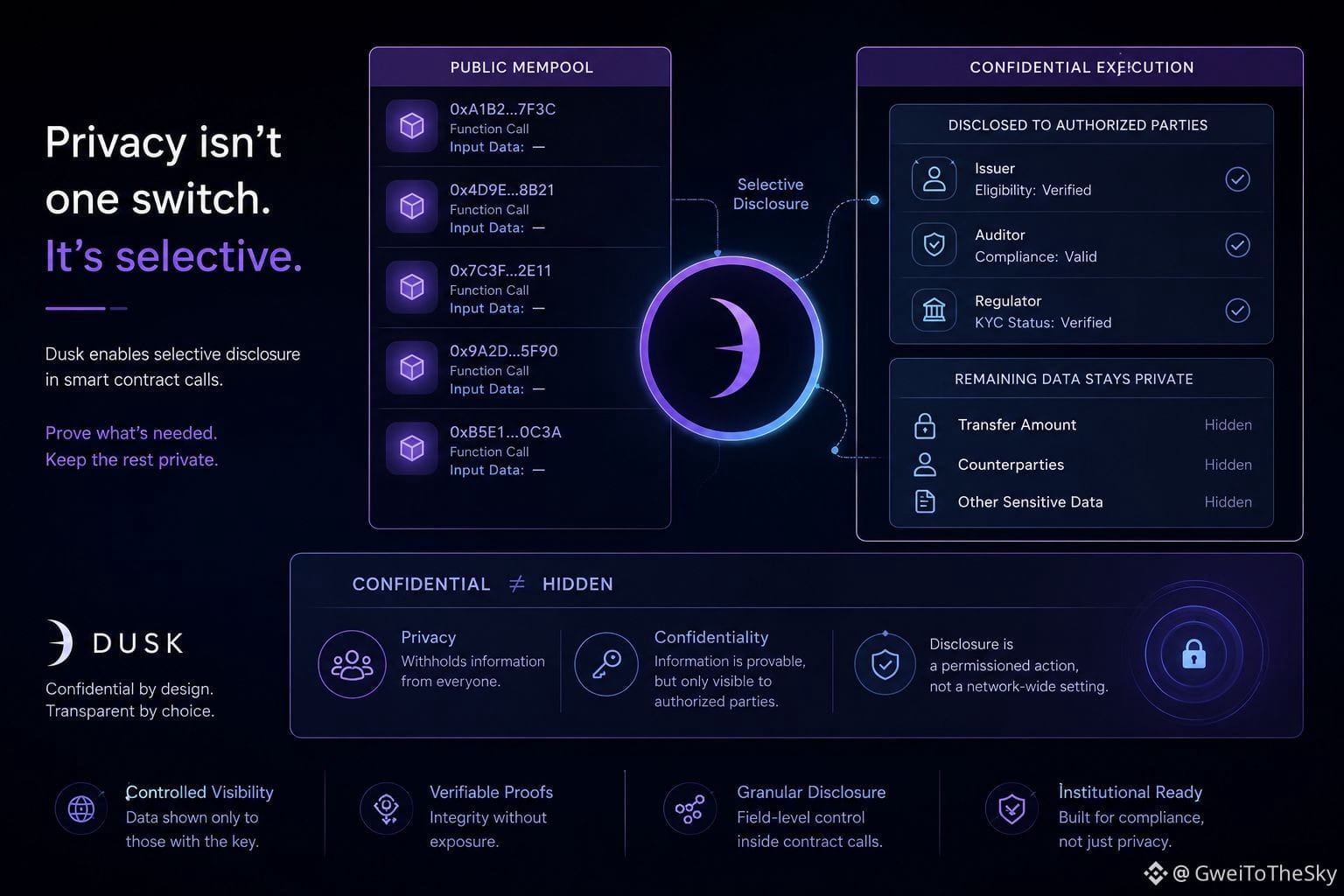
黄昏の秘密契約は、その公開メンプール活動に対して反証する内容になっていた。トランザクションの意味のある割合が、有効な状態遷移を示しているにもかかわらず、ほとんど見える形で入力データが存在しない。最初の仮定は、これは単にこちら側での復号失敗によるノイズであり、あるインデクサーの癖がシールドされたペイロードを空として誤読しているだけだというものだった。
さらに掘り下げると、これは報告層ではなく、実行時における選択的開示がどう振る舞うのかに起因していることが分かった。トランザクションが「完全に公開」か「完全に秘匿」のどちらかになるのではなく、開示ロジックが単一のコントラクト呼び出し内の特定のフィールドに結びつき、指定された当事者に対して適格性やコンプライアンス情報を明らかにしながら、送金額や相手先はそのままにするようだ。これは、オン/オフされる暗号化とは別の仕組みだ。
その結果、私はこれまで一体のものとして扱っていた2つを分けて考える必要が出てきた。プライバシーと機密性である。プライバシーは、すべての人から情報を差し控えることを示す。ここでの機密性は、制御された可視性を意味する。情報は存在し、証明可能だが、正しい認可鍵を持つ者にだけ開示される。二次的な影響は微妙で、開示はネットワーク全体の設定ではなく、許可された行為になる。そのため、実際に情報の流れをコントロールするのが誰になるかが変わる。
現時点で解決できていないのは、この仕組みが実際の機関規模の負荷下でどのようにスケールするかだ。開示権が発行者や監査人にある場合、小さな数の認可された当事者へのソフト依存が生まれるのだろうか。そして、その依存関係は管轄(法域)や資産の種類によって変わるのだろうか。
今後は、認可鍵の発行パターンを追跡したい。開示権限がどれくらいの頻度で実際に行使され、どれくらいが休眠状態のままなのか。さらに、これらの機密呼び出しに関するバリデータの挙動が、取引量が増えても一貫しているのかも見ていきたい。
私はまだ、この認可レイヤーがインフラになるのか、それとも摩擦になるのかが分からない。どちらなのかを見極める価値が十分にあると感じている。
@Dusk_Foundation $DUSK #Dusk
黄昏の秘密契約は、その公開メンプール活動に対して反証する内容になっていた。トランザクションの意味のある割合が、有効な状態遷移を示しているにもかかわらず、ほとんど見える形で入力データが存在しない。最初の仮定は、これは単にこちら側での復号失敗によるノイズであり、あるインデクサーの癖がシールドされたペイロードを空として誤読しているだけだというものだった。
さらに掘り下げると、これは報告層ではなく、実行時における選択的開示がどう振る舞うのかに起因していることが分かった。トランザクションが「完全に公開」か「完全に秘匿」のどちらかになるのではなく、開示ロジックが単一のコントラクト呼び出し内の特定のフィールドに結びつき、指定された当事者に対して適格性やコンプライアンス情報を明らかにしながら、送金額や相手先はそのままにするようだ。これは、オン/オフされる暗号化とは別の仕組みだ。
その結果、私はこれまで一体のものとして扱っていた2つを分けて考える必要が出てきた。プライバシーと機密性である。プライバシーは、すべての人から情報を差し控えることを示す。ここでの機密性は、制御された可視性を意味する。情報は存在し、証明可能だが、正しい認可鍵を持つ者にだけ開示される。二次的な影響は微妙で、開示はネットワーク全体の設定ではなく、許可された行為になる。そのため、実際に情報の流れをコントロールするのが誰になるかが変わる。
現時点で解決できていないのは、この仕組みが実際の機関規模の負荷下でどのようにスケールするかだ。開示権が発行者や監査人にある場合、小さな数の認可された当事者へのソフト依存が生まれるのだろうか。そして、その依存関係は管轄(法域)や資産の種類によって変わるのだろうか。
今後は、認可鍵の発行パターンを追跡したい。開示権限がどれくらいの頻度で実際に行使され、どれくらいが休眠状態のままなのか。さらに、これらの機密呼び出しに関するバリデータの挙動が、取引量が増えても一貫しているのかも見ていきたい。
私はまだ、この認可レイヤーがインフラになるのか、それとも摩擦になるのかが分からない。どちらなのかを見極める価値が十分にあると感じている。
@Dusk $DUSK #Dusk
さらに掘り下げると、これは報告層ではなく、実行時における選択的開示がどう振る舞うのかに起因していることが分かった。トランザクションが「完全に公開」か「完全に秘匿」のどちらかになるのではなく、開示ロジックが単一のコントラクト呼び出し内の特定のフィールドに結びつき、指定された当事者に対して適格性やコンプライアンス情報を明らかにしながら、送金額や相手先はそのままにするようだ。これは、オン/オフされる暗号化とは別の仕組みだ。
その結果、私はこれまで一体のものとして扱っていた2つを分けて考える必要が出てきた。プライバシーと機密性である。プライバシーは、すべての人から情報を差し控えることを示す。ここでの機密性は、制御された可視性を意味する。情報は存在し、証明可能だが、正しい認可鍵を持つ者にだけ開示される。二次的な影響は微妙で、開示はネットワーク全体の設定ではなく、許可された行為になる。そのため、実際に情報の流れをコントロールするのが誰になるかが変わる。
現時点で解決できていないのは、この仕組みが実際の機関規模の負荷下でどのようにスケールするかだ。開示権が発行者や監査人にある場合、小さな数の認可された当事者へのソフト依存が生まれるのだろうか。そして、その依存関係は管轄(法域)や資産の種類によって変わるのだろうか。
今後は、認可鍵の発行パターンを追跡したい。開示権限がどれくらいの頻度で実際に行使され、どれくらいが休眠状態のままなのか。さらに、これらの機密呼び出しに関するバリデータの挙動が、取引量が増えても一貫しているのかも見ていきたい。
私はまだ、この認可レイヤーがインフラになるのか、それとも摩擦になるのかが分からない。どちらなのかを見極める価値が十分にあると感じている。
@Dusk $DUSK #Dusk
3
86
·
--
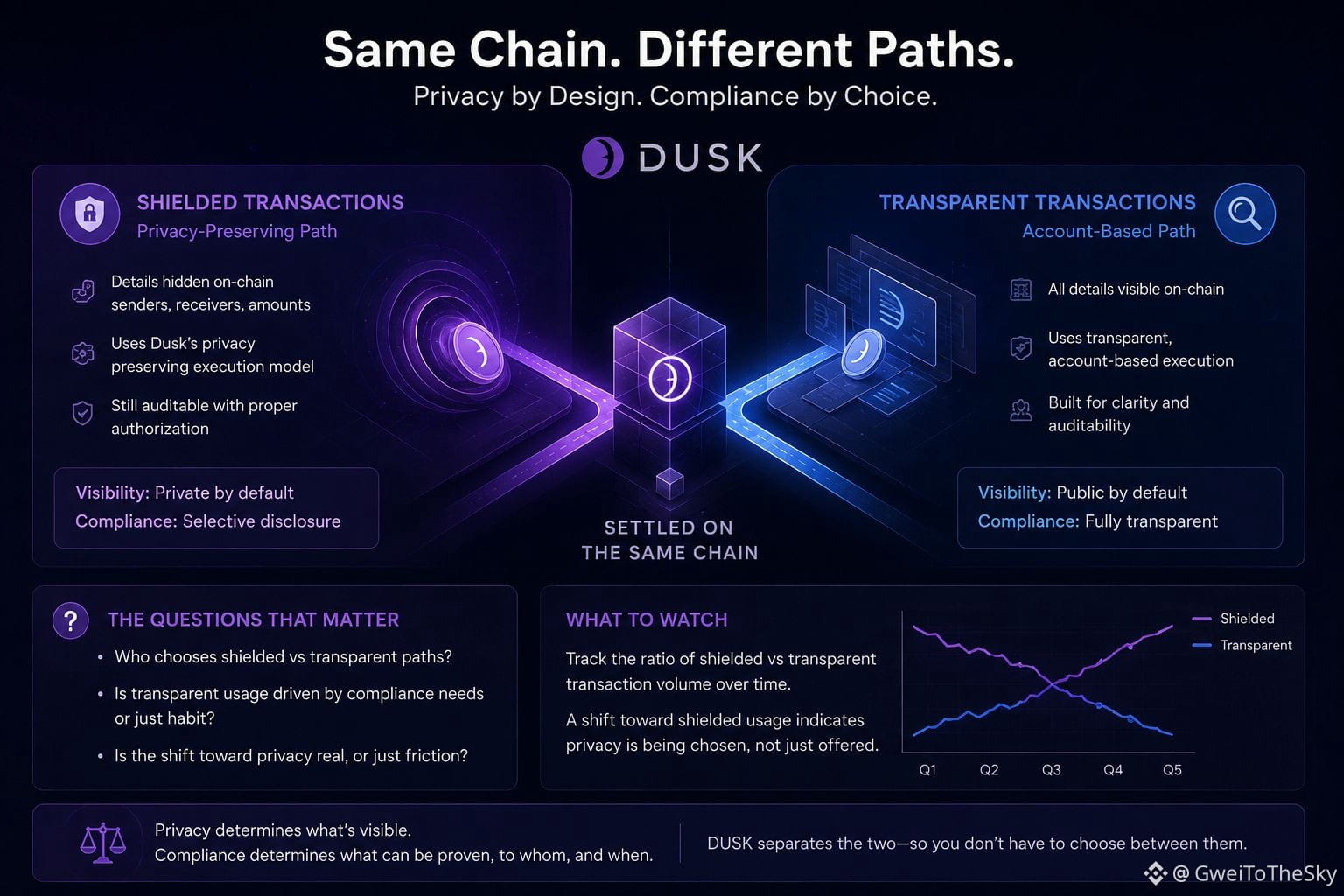
エクスプローラーから取得したDUSK取引の一群における確認時間を比較しているとき、妙な点に気づきました。ネットワーク上のすべての送金は同じ実行経路で決済されるはずなので、時間のばらつきはネットワークの混雑によるものだ、と思い込んでいました。しかしデータを並べ替えてみると、その前提は成り立ちませんでした。
さらに掘り下げると、遅延のパターンはブロック負荷ではなく取引タイプに連動していました。送金の中には、ネットワークが「プライバシーを保護する実行モデル」と呼ぶ経路を通じており、遮蔽(シールド)されたものがありました。一方で、別の口座ベースの経路を使う、完全に透明な送金もあります。どちらも同じチェーンで決済されますが、処理されるロジックは別物で、それが私の見ていたばらつきを説明していました。
この違いは、ネットワークに対する考え方を改めさせました。私は頭の中で、プライバシーとコンプライアンスを同じ特徴だと思っていました。でも違います。プライバシーは、デフォルトでオンチェーン上に何が見えるかを決めます。コンプライアンスは、その後に誰に対して、どのような権限のもとで、何が証明可能かを決めます。適切な開示メカニズムが存在すれば、取引はプライベートでありながら監査可能でもあり得ます。両者を混同すると、その2つ目の層が完全に見えなくなります。
まだ解決できていないのは、実際の運用で透明な経路と遮蔽された経路のどちらを使うのは誰か、そしてなぜかという点です。透明な実行は、クリーンな監査証跡を求めるオペレーターや機関のフローが主に利用しているのでしょうか。それとも、遮蔽オプションを知らないユーザーによる単なる慣習(習慣)なのでしょうか。この分岐は、実際の需要を理解するうえで重要です。
今後は、単なる処理能力ではなく、時間の経過に伴う「遮蔽取引」と「透明取引」の比率を監視したいです。遮蔽の利用比率が上がれば、単に使える状態にあるだけでなく、プライバシーのためのツールが積極的に選ばれていることを示すはずです。
それでも、その比率が本当の嗜好(選好)を反映しているのか、それとも単なる慣性(惰性)なのかはまだ確信がありません。そして、取引量のデータだけではそれを答えられないと思います。@Dusk_Foundation
$DUSK #Dusk
エクスプローラーから取得したDUSK取引の一群における確認時間を比較しているとき、妙な点に気づきました。ネットワーク上のすべての送金は同じ実行経路で決済されるはずなので、時間のばらつきはネットワークの混雑によるものだ、と思い込んでいました。しかしデータを並べ替えてみると、その前提は成り立ちませんでした。
さらに掘り下げると、遅延のパターンはブロック負荷ではなく取引タイプに連動していました。送金の中には、ネットワークが「プライバシーを保護する実行モデル」と呼ぶ経路を通じており、遮蔽(シールド)されたものがありました。一方で、別の口座ベースの経路を使う、完全に透明な送金もあります。どちらも同じチェーンで決済されますが、処理されるロジックは別物で、それが私の見ていたばらつきを説明していました。
この違いは、ネットワークに対する考え方を改めさせました。私は頭の中で、プライバシーとコンプライアンスを同じ特徴だと思っていました。でも違います。プライバシーは、デフォルトでオンチェーン上に何が見えるかを決めます。コンプライアンスは、その後に誰に対して、どのような権限のもとで、何が証明可能かを決めます。適切な開示メカニズムが存在すれば、取引はプライベートでありながら監査可能でもあり得ます。両者を混同すると、その2つ目の層が完全に見えなくなります。
まだ解決できていないのは、実際の運用で透明な経路と遮蔽された経路のどちらを使うのは誰か、そしてなぜかという点です。透明な実行は、クリーンな監査証跡を求めるオペレーターや機関のフローが主に利用しているのでしょうか。それとも、遮蔽オプションを知らないユーザーによる単なる慣習(習慣)なのでしょうか。この分岐は、実際の需要を理解するうえで重要です。
今後は、単なる処理能力ではなく、時間の経過に伴う「遮蔽取引」と「透明取引」の比率を監視したいです。遮蔽の利用比率が上がれば、単に使える状態にあるだけでなく、プライバシーのためのツールが積極的に選ばれていることを示すはずです。
それでも、その比率が本当の嗜好(選好)を反映しているのか、それとも単なる慣性(惰性)なのかはまだ確信がありません。そして、取引量のデータだけではそれを答えられないと思います。@Dusk
$DUSK #Dusk
さらに掘り下げると、遅延のパターンはブロック負荷ではなく取引タイプに連動していました。送金の中には、ネットワークが「プライバシーを保護する実行モデル」と呼ぶ経路を通じており、遮蔽(シールド)されたものがありました。一方で、別の口座ベースの経路を使う、完全に透明な送金もあります。どちらも同じチェーンで決済されますが、処理されるロジックは別物で、それが私の見ていたばらつきを説明していました。
この違いは、ネットワークに対する考え方を改めさせました。私は頭の中で、プライバシーとコンプライアンスを同じ特徴だと思っていました。でも違います。プライバシーは、デフォルトでオンチェーン上に何が見えるかを決めます。コンプライアンスは、その後に誰に対して、どのような権限のもとで、何が証明可能かを決めます。適切な開示メカニズムが存在すれば、取引はプライベートでありながら監査可能でもあり得ます。両者を混同すると、その2つ目の層が完全に見えなくなります。
まだ解決できていないのは、実際の運用で透明な経路と遮蔽された経路のどちらを使うのは誰か、そしてなぜかという点です。透明な実行は、クリーンな監査証跡を求めるオペレーターや機関のフローが主に利用しているのでしょうか。それとも、遮蔽オプションを知らないユーザーによる単なる慣習(習慣)なのでしょうか。この分岐は、実際の需要を理解するうえで重要です。
今後は、単なる処理能力ではなく、時間の経過に伴う「遮蔽取引」と「透明取引」の比率を監視したいです。遮蔽の利用比率が上がれば、単に使える状態にあるだけでなく、プライバシーのためのツールが積極的に選ばれていることを示すはずです。
それでも、その比率が本当の嗜好(選好)を反映しているのか、それとも単なる慣性(惰性)なのかはまだ確信がありません。そして、取引量のデータだけではそれを答えられないと思います。@Dusk
$DUSK #Dusk
1
3
83
·
--
すべての暗号通貨サイクルは、同じ夢を売りつけてくる――今回はついに、信頼の必要がなくなるのだ、と。
「信頼を修正した。」
「セキュリティを修正した。」
「欠けていた層を埋めた。」
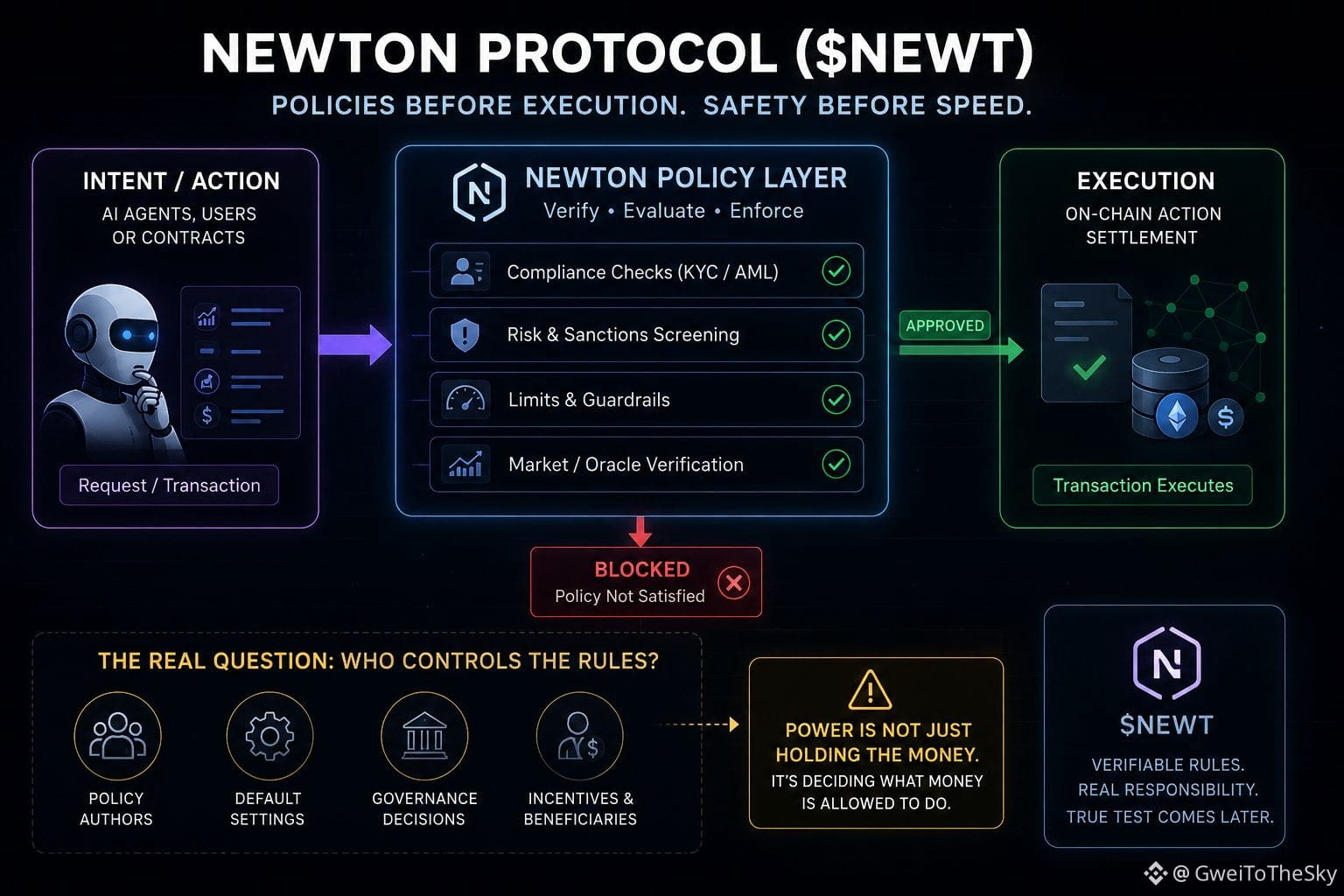
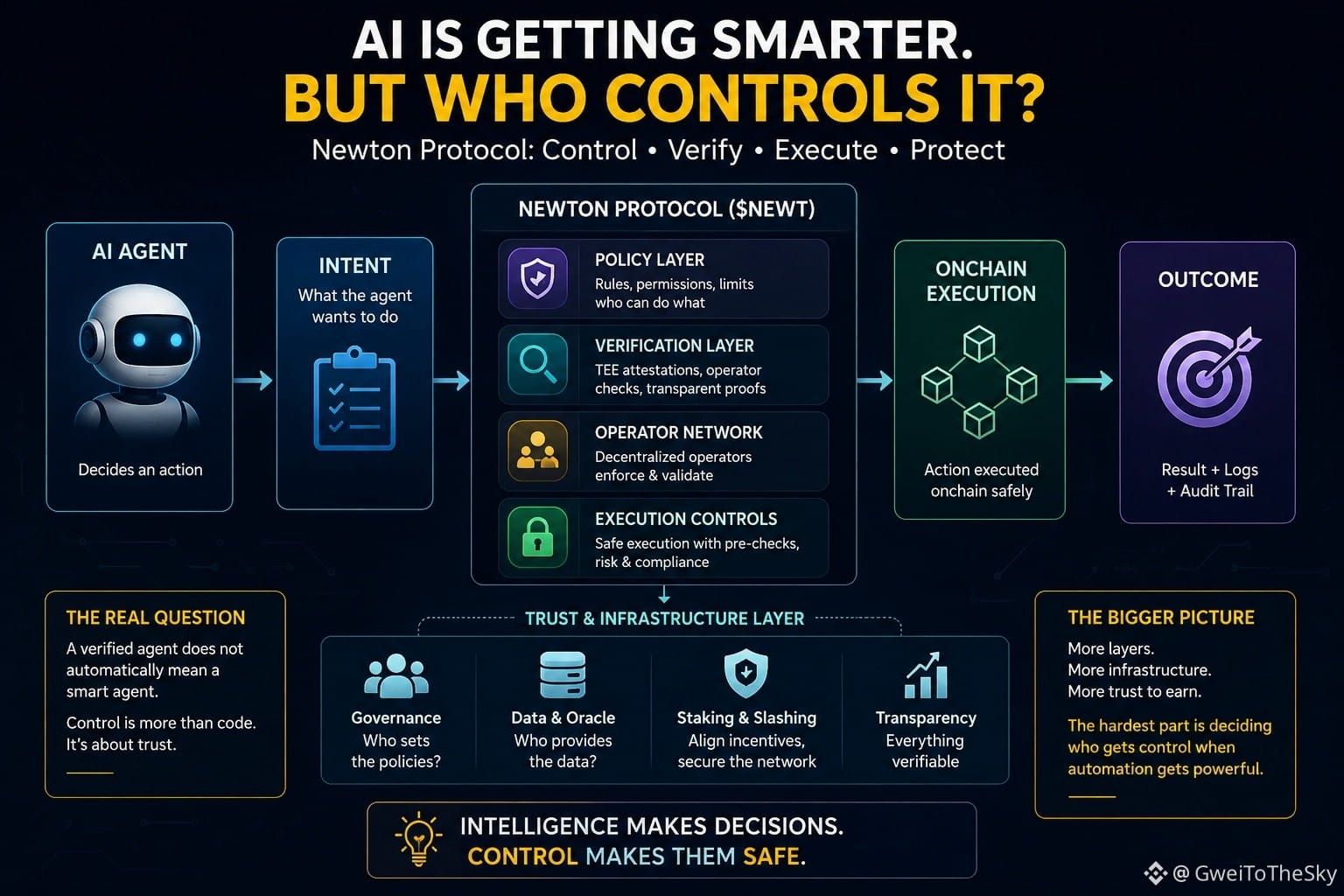
Newton Protocol($NEWT )は、現実の課題を狙っています。AIエージェント、オートメーテッドな金庫、スマートコントラクトが本格的なお金を動かし始めたとき、損害が起きる前に、その行動が正しいルールに従っていることを誰が担保するのか?
その発想は筋が通っています。ハックを待たない。資金が消えた後に失敗を調査しない。実行の前にポリシーを置き、事後に確定する前に危険な操作をブロックする。
きれいな物語。
少なくとも紙の上では。
しかし、話はここからややこしくなります。ルール層を追加することは、新たな依存関係も生み出すのです。誰がこのポリシーを書くのか?誰がデフォルト設定を管理するのか?そもそも「安全」とは何を意味するのかを誰が決めるのか?
なぜなら、最大の権力が「お金を握ること」ではない場合があるから。
お金に「許される行動」を制御すること――それが権力です。
Newtonは、盲目的な信頼から検証可能なルールへ移行することを語っています。そしてそれは、注目に値する方向性です。しかし、技術だけでは人間のインセンティブは消せません。誰かがシステムを設計する。誰かが導入の利益を得る。誰かが、皆が従う基準をコントロールするのです。
Newtの本当の試験は、初期の信奉者がいるベータ期間中に技術が機能するかどうかではありません。
試験はその後に来ます。
本物のお金が入ってくると、インセンティブは衝突し、システムは「別の名前をまとったゲートキーパーにならずに、ユーザーを守れる」ことを証明しなければならない。
@NewtonProtocol #Newt
$TAC $SKL
すべての暗号通貨サイクルは、同じ夢を売りつけてくる――今回はついに、信頼の必要がなくなるのだ、と。
「信頼を修正した。」
「セキュリティを修正した。」
「欠けていた層を埋めた。」
Newton Protocol($NEWT )は、現実の課題を狙っています。AIエージェント、オートメーテッドな金庫、スマートコントラクトが本格的なお金を動かし始めたとき、損害が起きる前に、その行動が正しいルールに従っていることを誰が担保するのか?
その発想は筋が通っています。ハックを待たない。資金が消えた後に失敗を調査しない。実行の前にポリシーを置き、事後に確定する前に危険な操作をブロックする。
きれいな物語。
少なくとも紙の上では。
しかし、話はここからややこしくなります。ルール層を追加することは、新たな依存関係も生み出すのです。誰がこのポリシーを書くのか?誰がデフォルト設定を管理するのか?そもそも「安全」とは何を意味するのかを誰が決めるのか?
なぜなら、最大の権力が「お金を握ること」ではない場合があるから。
お金に「許される行動」を制御すること――それが権力です。
Newtonは、盲目的な信頼から検証可能なルールへ移行することを語っています。そしてそれは、注目に値する方向性です。しかし、技術だけでは人間のインセンティブは消せません。誰かがシステムを設計する。誰かが導入の利益を得る。誰かが、皆が従う基準をコントロールするのです。
Newtの本当の試験は、初期の信奉者がいるベータ期間中に技術が機能するかどうかではありません。
試験はその後に来ます。
本物のお金が入ってくると、インセンティブは衝突し、システムは「別の名前をまとったゲートキーパーにならずに、ユーザーを守れる」ことを証明しなければならない。
@NewtonProtocol #Newt
$TAC $SKL
「信頼を修正した。」
「セキュリティを修正した。」
「欠けていた層を埋めた。」
Newton Protocol($NEWT )は、現実の課題を狙っています。AIエージェント、オートメーテッドな金庫、スマートコントラクトが本格的なお金を動かし始めたとき、損害が起きる前に、その行動が正しいルールに従っていることを誰が担保するのか?
その発想は筋が通っています。ハックを待たない。資金が消えた後に失敗を調査しない。実行の前にポリシーを置き、事後に確定する前に危険な操作をブロックする。
きれいな物語。
少なくとも紙の上では。
しかし、話はここからややこしくなります。ルール層を追加することは、新たな依存関係も生み出すのです。誰がこのポリシーを書くのか?誰がデフォルト設定を管理するのか?そもそも「安全」とは何を意味するのかを誰が決めるのか?
なぜなら、最大の権力が「お金を握ること」ではない場合があるから。
お金に「許される行動」を制御すること――それが権力です。
Newtonは、盲目的な信頼から検証可能なルールへ移行することを語っています。そしてそれは、注目に値する方向性です。しかし、技術だけでは人間のインセンティブは消せません。誰かがシステムを設計する。誰かが導入の利益を得る。誰かが、皆が従う基準をコントロールするのです。
Newtの本当の試験は、初期の信奉者がいるベータ期間中に技術が機能するかどうかではありません。
試験はその後に来ます。
本物のお金が入ってくると、インセンティブは衝突し、システムは「別の名前をまとったゲートキーパーにならずに、ユーザーを守れる」ことを証明しなければならない。
@NewtonProtocol #Newt
$TAC $SKL
3
2
163
·
--
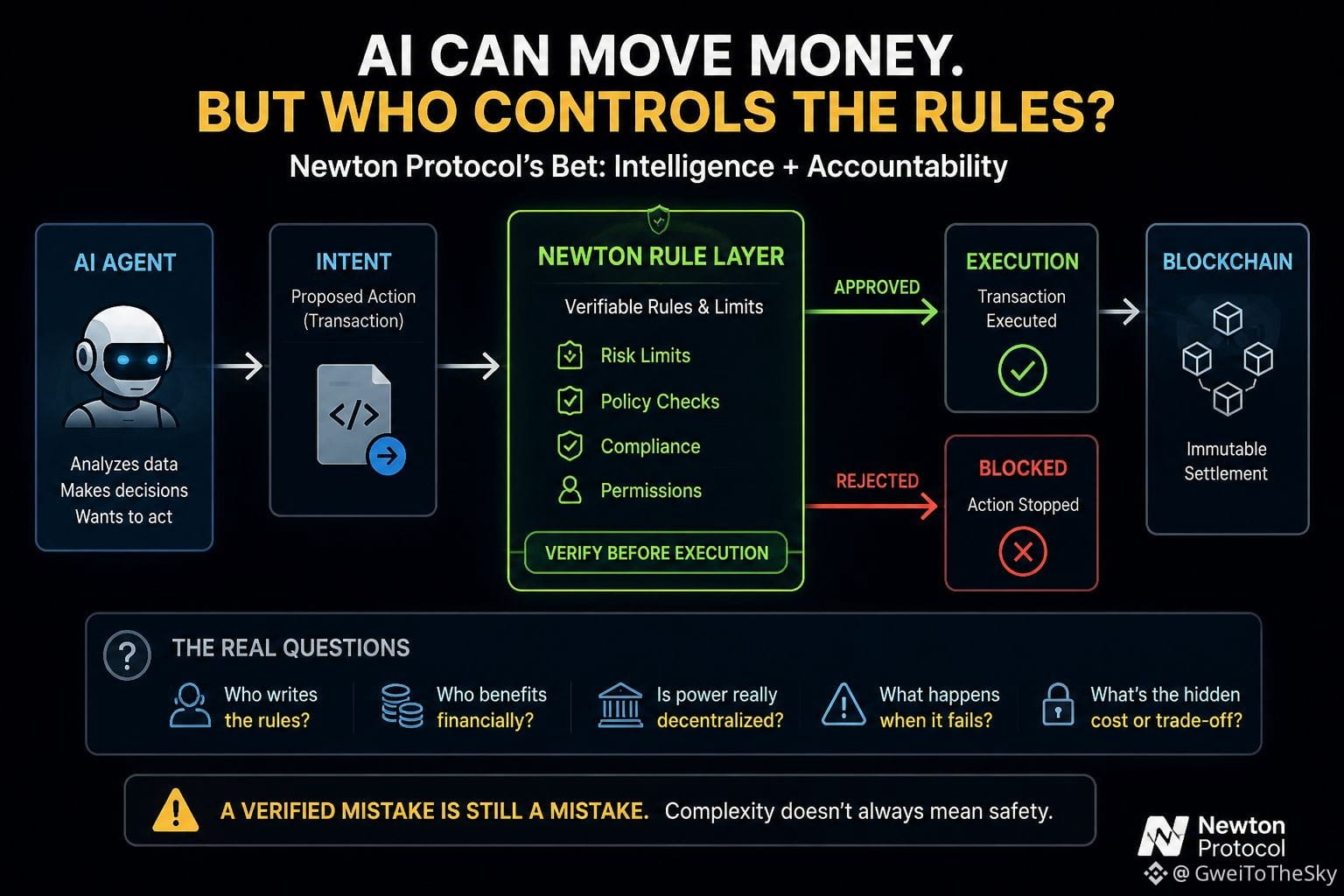
ほら、どのサイクルにも「技術が人間のミスを取り除くだろう」という新しい約束が出てきます。@NewtonProtocol も同じ発想で登場しています。AIエージェントは強力になっていますが、お金を管理できるようになったとしたら、誰がその“ライン”を越えないよう監視するのでしょうか?
ニュートンは、自律的な金融アクションが起こる前に、検証可能なルールと制限を追加することで、現実の問題を解こうとします。目的は、単にAI取引を速くすることではなく、制御されたAIの振る舞いです。
しかし正直に言えば、ルール層を足すことは、信頼すべき別のシステムを増やすことでもあります。より多くの方針、より多くの検証、より多くのインフラ。複雑さを解決しようとして、別の種類の複雑さを生み出すこともあります。
本当の問いは、誰がこれらのルールを管理するのか、そしてこれが標準になったとき誰が得をするのかです。開発者、運用者、インフラ提供者、トークン保有者が価値を得る可能性はありますが、ユーザーは依然として誰かの設計上の選択を信頼している状態です。
分散化は良い響きですが、権力は、誰が方針を作るのか、誰が重要なインフラを管理するのか、そして「安全」とは実際に何を意味するのかを定義する人の周りに、静かに集中することがあります。
さらに、AIが承認されたルールに従っていても、やはりひどい金融判断をしてしまったらどうなるのでしょう?検証済みのミスであっても、ミスはミスです。
ニュートンの最大の課題は、AIが資金を動かせることを証明することではありません。
重要なのは、別の信頼システムを追加することで、リスクを単に見えにくい場所へ移すのではなく、確実にリスクを減らせるのかを証明することです。
#Newt $NEWT
$SENT $SPCX
ほら、どのサイクルにも「技術が人間のミスを取り除くだろう」という新しい約束が出てきます。@NewtonProtocol も同じ発想で登場しています。AIエージェントは強力になっていますが、お金を管理できるようになったとしたら、誰がその“ライン”を越えないよう監視するのでしょうか?
ニュートンは、自律的な金融アクションが起こる前に、検証可能なルールと制限を追加することで、現実の問題を解こうとします。目的は、単にAI取引を速くすることではなく、制御されたAIの振る舞いです。
しかし正直に言えば、ルール層を足すことは、信頼すべき別のシステムを増やすことでもあります。より多くの方針、より多くの検証、より多くのインフラ。複雑さを解決しようとして、別の種類の複雑さを生み出すこともあります。
本当の問いは、誰がこれらのルールを管理するのか、そしてこれが標準になったとき誰が得をするのかです。開発者、運用者、インフラ提供者、トークン保有者が価値を得る可能性はありますが、ユーザーは依然として誰かの設計上の選択を信頼している状態です。
分散化は良い響きですが、権力は、誰が方針を作るのか、誰が重要なインフラを管理するのか、そして「安全」とは実際に何を意味するのかを定義する人の周りに、静かに集中することがあります。
さらに、AIが承認されたルールに従っていても、やはりひどい金融判断をしてしまったらどうなるのでしょう?検証済みのミスであっても、ミスはミスです。
ニュートンの最大の課題は、AIが資金を動かせることを証明することではありません。
重要なのは、別の信頼システムを追加することで、リスクを単に見えにくい場所へ移すのではなく、確実にリスクを減らせるのかを証明することです。
#Newt $NEWT
$SENT $SPCX
ニュートンは、自律的な金融アクションが起こる前に、検証可能なルールと制限を追加することで、現実の問題を解こうとします。目的は、単にAI取引を速くすることではなく、制御されたAIの振る舞いです。
しかし正直に言えば、ルール層を足すことは、信頼すべき別のシステムを増やすことでもあります。より多くの方針、より多くの検証、より多くのインフラ。複雑さを解決しようとして、別の種類の複雑さを生み出すこともあります。
本当の問いは、誰がこれらのルールを管理するのか、そしてこれが標準になったとき誰が得をするのかです。開発者、運用者、インフラ提供者、トークン保有者が価値を得る可能性はありますが、ユーザーは依然として誰かの設計上の選択を信頼している状態です。
分散化は良い響きですが、権力は、誰が方針を作るのか、誰が重要なインフラを管理するのか、そして「安全」とは実際に何を意味するのかを定義する人の周りに、静かに集中することがあります。
さらに、AIが承認されたルールに従っていても、やはりひどい金融判断をしてしまったらどうなるのでしょう?検証済みのミスであっても、ミスはミスです。
ニュートンの最大の課題は、AIが資金を動かせることを証明することではありません。
重要なのは、別の信頼システムを追加することで、リスクを単に見えにくい場所へ移すのではなく、確実にリスクを減らせるのかを証明することです。
#Newt $NEWT
$SENT $SPCX
4
2
218
·
--
記事
ニュートン・プロトコルと、検証と思い込みの境界線プログラム可能な信頼の背後にある静かな問い
ニュートン・プロトコルは、クリプトのより大きな声を約束するからではなく、もっと静かで、より居心地の悪い問いに答えようとしているからこそ、インフラ領域の会話の中でしばらく前から話題になっています。すなわち、自動化されたシステムが本当の価値を動かし始めたとき、私たちは一体何を信頼しているのか?
テクノロジーのサイクルを十分に見てきたので、注目の最初の波はだいたい速度、規模、そして見事なデモに向かうことを知っています。より難しい問いは後からやって来ます。誰がシステムを制御しているのですか?誰が判断を検証しているのですか?技術的にはうまくいっているのに、やはり誤った結果になってしまうときはどうなるのでしょうか?
ニュートン・プロトコルと、検証と思い込みの境界線
プログラム可能な信頼の背後にある静かな問い
ニュートン・プロトコルは、クリプトのより大きな声を約束するからではなく、もっと静かで、より居心地の悪い問いに答えようとしているからこそ、インフラ領域の会話の中でしばらく前から話題になっています。すなわち、自動化されたシステムが本当の価値を動かし始めたとき、私たちは一体何を信頼しているのか?
テクノロジーのサイクルを十分に見てきたので、注目の最初の波はだいたい速度、規模、そして見事なデモに向かうことを知っています。より難しい問いは後からやって来ます。誰がシステムを制御しているのですか?誰が判断を検証しているのですか?技術的にはうまくいっているのに、やはり誤った結果になってしまうときはどうなるのでしょうか?
ニュートン・プロトコルは、クリプトのより大きな声を約束するからではなく、もっと静かで、より居心地の悪い問いに答えようとしているからこそ、インフラ領域の会話の中でしばらく前から話題になっています。すなわち、自動化されたシステムが本当の価値を動かし始めたとき、私たちは一体何を信頼しているのか?
テクノロジーのサイクルを十分に見てきたので、注目の最初の波はだいたい速度、規模、そして見事なデモに向かうことを知っています。より難しい問いは後からやって来ます。誰がシステムを制御しているのですか?誰が判断を検証しているのですか?技術的にはうまくいっているのに、やはり誤った結果になってしまうときはどうなるのでしょうか?
7
3
61
·
--
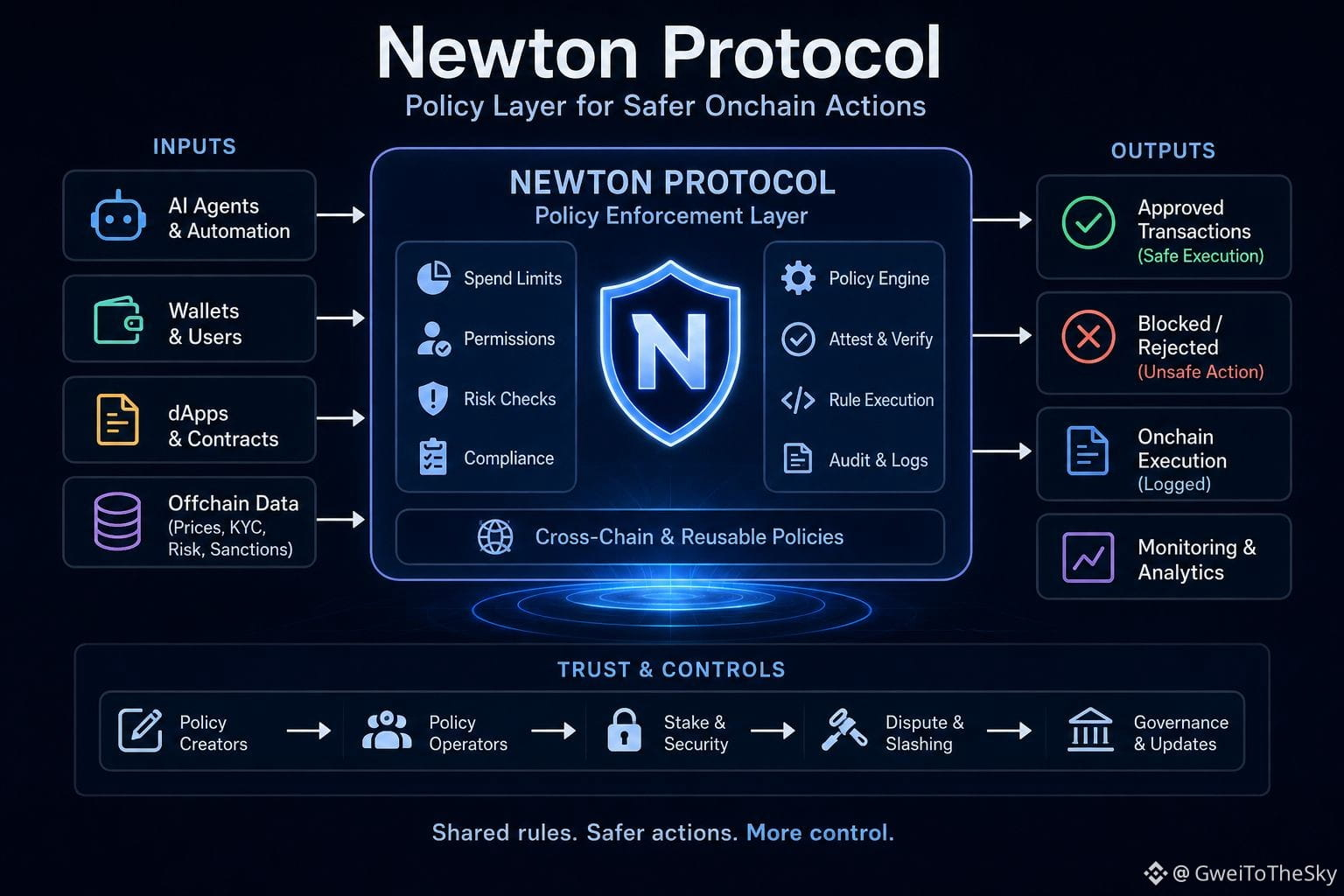
@NewtonProtocol が、通常は無視されがちな暗号の問題に取り組んでいます。資産を移動するのは今や簡単ですが、それらの資産に「何が許可されているか」を制御することは、いまだに厄介です。
紙の上では、再利用可能なポリシーレイヤーは理にかなっています。毎回のアプリが支出上限、権限、承認、リスクルールを作り直す代わりに、Newtonはチェーンをまたいで運べる共有の運用ロジックを目指します。
しかし、サイクルごとに「信頼・セキュリティ・協調を解決する」とうたう新しい“欠けたレイヤー”が登場します。難しいのは、別の保護システムが、また別の依存関係にもなり得ることです。ルールが増えるほど、ミス、誤った前提、または中央集権的な意思決定が隠れてしまう場所も増えます。
本当の問いは……時間の経過とともに、これらのポリシーを誰が管理するのか? いくつかのチーム、テンプレート、オペレーター、またはインフラ提供者がデフォルトの門番になったとしたら、システムは本当によりオープンになるのでしょうか。あるいは、暗号がただ旧来のコントロールポイントを、新しいブランディングで作り直しただけなのでしょうか?
Newtonが成功すれば、開発者、オペレーター、トークン保有者、そしてインフラ関連のプレイヤーが恩恵を受ける可能性があります。しかし、ユーザーは、オートメーションされた権限が失敗したり、ポリシーが破綻したり、誰かが抜け穴を悪用したときのリスクを負います。
マーケティングは、より安全なAI駆動の取引を打ち出しています。不快なトレードオフは、ルールレイヤーそのものを信頼することです。
たぶん未来には、共有されたインテント(意図)基盤が必要です。あるいは、私たちは最終的に、自分自身から守る必要のある別のシステムを作ってしまっているのかもしれません。
#Newt $NEWT $TAC
$EVAA
@NewtonProtocol が、通常は無視されがちな暗号の問題に取り組んでいます。資産を移動するのは今や簡単ですが、それらの資産に「何が許可されているか」を制御することは、いまだに厄介です。
紙の上では、再利用可能なポリシーレイヤーは理にかなっています。毎回のアプリが支出上限、権限、承認、リスクルールを作り直す代わりに、Newtonはチェーンをまたいで運べる共有の運用ロジックを目指します。
しかし、サイクルごとに「信頼・セキュリティ・協調を解決する」とうたう新しい“欠けたレイヤー”が登場します。難しいのは、別の保護システムが、また別の依存関係にもなり得ることです。ルールが増えるほど、ミス、誤った前提、または中央集権的な意思決定が隠れてしまう場所も増えます。
本当の問いは……時間の経過とともに、これらのポリシーを誰が管理するのか? いくつかのチーム、テンプレート、オペレーター、またはインフラ提供者がデフォルトの門番になったとしたら、システムは本当によりオープンになるのでしょうか。あるいは、暗号がただ旧来のコントロールポイントを、新しいブランディングで作り直しただけなのでしょうか?
Newtonが成功すれば、開発者、オペレーター、トークン保有者、そしてインフラ関連のプレイヤーが恩恵を受ける可能性があります。しかし、ユーザーは、オートメーションされた権限が失敗したり、ポリシーが破綻したり、誰かが抜け穴を悪用したときのリスクを負います。
マーケティングは、より安全なAI駆動の取引を打ち出しています。不快なトレードオフは、ルールレイヤーそのものを信頼することです。
たぶん未来には、共有されたインテント(意図)基盤が必要です。あるいは、私たちは最終的に、自分自身から守る必要のある別のシステムを作ってしまっているのかもしれません。
#Newt $NEWT $TAC
$EVAA
紙の上では、再利用可能なポリシーレイヤーは理にかなっています。毎回のアプリが支出上限、権限、承認、リスクルールを作り直す代わりに、Newtonはチェーンをまたいで運べる共有の運用ロジックを目指します。
しかし、サイクルごとに「信頼・セキュリティ・協調を解決する」とうたう新しい“欠けたレイヤー”が登場します。難しいのは、別の保護システムが、また別の依存関係にもなり得ることです。ルールが増えるほど、ミス、誤った前提、または中央集権的な意思決定が隠れてしまう場所も増えます。
本当の問いは……時間の経過とともに、これらのポリシーを誰が管理するのか? いくつかのチーム、テンプレート、オペレーター、またはインフラ提供者がデフォルトの門番になったとしたら、システムは本当によりオープンになるのでしょうか。あるいは、暗号がただ旧来のコントロールポイントを、新しいブランディングで作り直しただけなのでしょうか?
Newtonが成功すれば、開発者、オペレーター、トークン保有者、そしてインフラ関連のプレイヤーが恩恵を受ける可能性があります。しかし、ユーザーは、オートメーションされた権限が失敗したり、ポリシーが破綻したり、誰かが抜け穴を悪用したときのリスクを負います。
マーケティングは、より安全なAI駆動の取引を打ち出しています。不快なトレードオフは、ルールレイヤーそのものを信頼することです。
たぶん未来には、共有されたインテント(意図)基盤が必要です。あるいは、私たちは最終的に、自分自身から守る必要のある別のシステムを作ってしまっているのかもしれません。
#Newt $NEWT $TAC
$EVAA
5
2
462
·
--
ほとんどの人はAIエージェントを見ても、知能しか見ません。
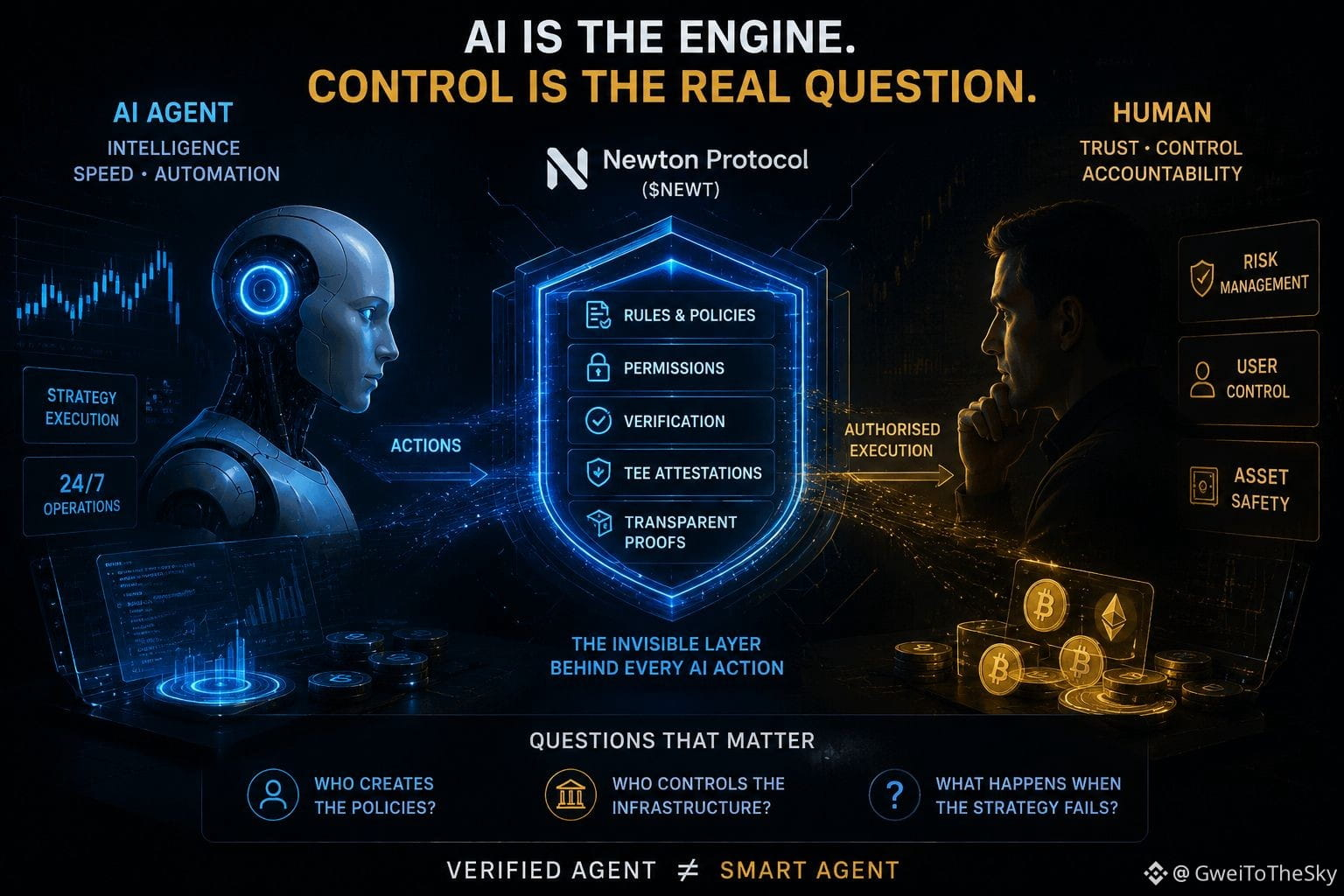
私は、誰もが見落としている部分を見ています。それは「制御」です。
難しいのは、この問いです。AIが実際のお金を動かし始めたとき、私たちは一体誰を本当に信頼するのでしょうか?
新しい技術サイクルが来るたびに、古い問題が消えると約束されます。すると後になって、それは消えたのではなく、別の場所に移されたのだと分かる。
Newton Protocol ($NEWT ) は、現実の課題を解こうとしています。つまり、AIエージェントにルール、権限、検証、そして、制御不能なブラックボックスのように動くのではなく、オンチェーンのアクションを安全に実行するための仕組みを与えることです。
きれいに聞こえます。少なくとも紙の上では。
でも落とし穴はシンプルです。
レイヤーが増えるほど、信頼すべきものも増えます。誰がポリシーを作るのか? 誰が重要なインフラを握るのか? エージェントがルールを完璧に守っていても、その戦略自体が失敗したらどうなる?
検証済みのエージェントだからといって、それが自動的に賢いとは限りません。
現時点でNewtonには、オペレーターネットワーク、TEEのアテステーション、透明な証明といった面白い土台がありますが、より大きな構想である「エージェントのより広い普及」や「マーケットプレイス」は、まだ自分たちが機能することを証明する必要があります。
市場はAIボットを見ています。
私は、それらの背後にある見えないレイヤーを見ています。
なぜなら、歴史が示すのは——最も難しいのは自動化を作ることではない、ということだからです。
自動化が強力になったとき、誰が制御を手にするのかを決めること。
@NewtonProtocol #Newt
$VANRY $BEL
ほとんどの人はAIエージェントを見ても、知能しか見ません。
私は、誰もが見落としている部分を見ています。それは「制御」です。
難しいのは、この問いです。AIが実際のお金を動かし始めたとき、私たちは一体誰を本当に信頼するのでしょうか?
新しい技術サイクルが来るたびに、古い問題が消えると約束されます。すると後になって、それは消えたのではなく、別の場所に移されたのだと分かる。
Newton Protocol ($NEWT ) は、現実の課題を解こうとしています。つまり、AIエージェントにルール、権限、検証、そして、制御不能なブラックボックスのように動くのではなく、オンチェーンのアクションを安全に実行するための仕組みを与えることです。
きれいに聞こえます。少なくとも紙の上では。
でも落とし穴はシンプルです。
レイヤーが増えるほど、信頼すべきものも増えます。誰がポリシーを作るのか? 誰が重要なインフラを握るのか? エージェントがルールを完璧に守っていても、その戦略自体が失敗したらどうなる?
検証済みのエージェントだからといって、それが自動的に賢いとは限りません。
現時点でNewtonには、オペレーターネットワーク、TEEのアテステーション、透明な証明といった面白い土台がありますが、より大きな構想である「エージェントのより広い普及」や「マーケットプレイス」は、まだ自分たちが機能することを証明する必要があります。
市場はAIボットを見ています。
私は、それらの背後にある見えないレイヤーを見ています。
なぜなら、歴史が示すのは——最も難しいのは自動化を作ることではない、ということだからです。
自動化が強力になったとき、誰が制御を手にするのかを決めること。
@NewtonProtocol #Newt
$VANRY $BEL
私は、誰もが見落としている部分を見ています。それは「制御」です。
難しいのは、この問いです。AIが実際のお金を動かし始めたとき、私たちは一体誰を本当に信頼するのでしょうか?
新しい技術サイクルが来るたびに、古い問題が消えると約束されます。すると後になって、それは消えたのではなく、別の場所に移されたのだと分かる。
Newton Protocol ($NEWT ) は、現実の課題を解こうとしています。つまり、AIエージェントにルール、権限、検証、そして、制御不能なブラックボックスのように動くのではなく、オンチェーンのアクションを安全に実行するための仕組みを与えることです。
きれいに聞こえます。少なくとも紙の上では。
でも落とし穴はシンプルです。
レイヤーが増えるほど、信頼すべきものも増えます。誰がポリシーを作るのか? 誰が重要なインフラを握るのか? エージェントがルールを完璧に守っていても、その戦略自体が失敗したらどうなる?
検証済みのエージェントだからといって、それが自動的に賢いとは限りません。
現時点でNewtonには、オペレーターネットワーク、TEEのアテステーション、透明な証明といった面白い土台がありますが、より大きな構想である「エージェントのより広い普及」や「マーケットプレイス」は、まだ自分たちが機能することを証明する必要があります。
市場はAIボットを見ています。
私は、それらの背後にある見えないレイヤーを見ています。
なぜなら、歴史が示すのは——最も難しいのは自動化を作ることではない、ということだからです。
自動化が強力になったとき、誰が制御を手にするのかを決めること。
@NewtonProtocol #Newt
$VANRY $BEL
2
2
171
·
--
記事
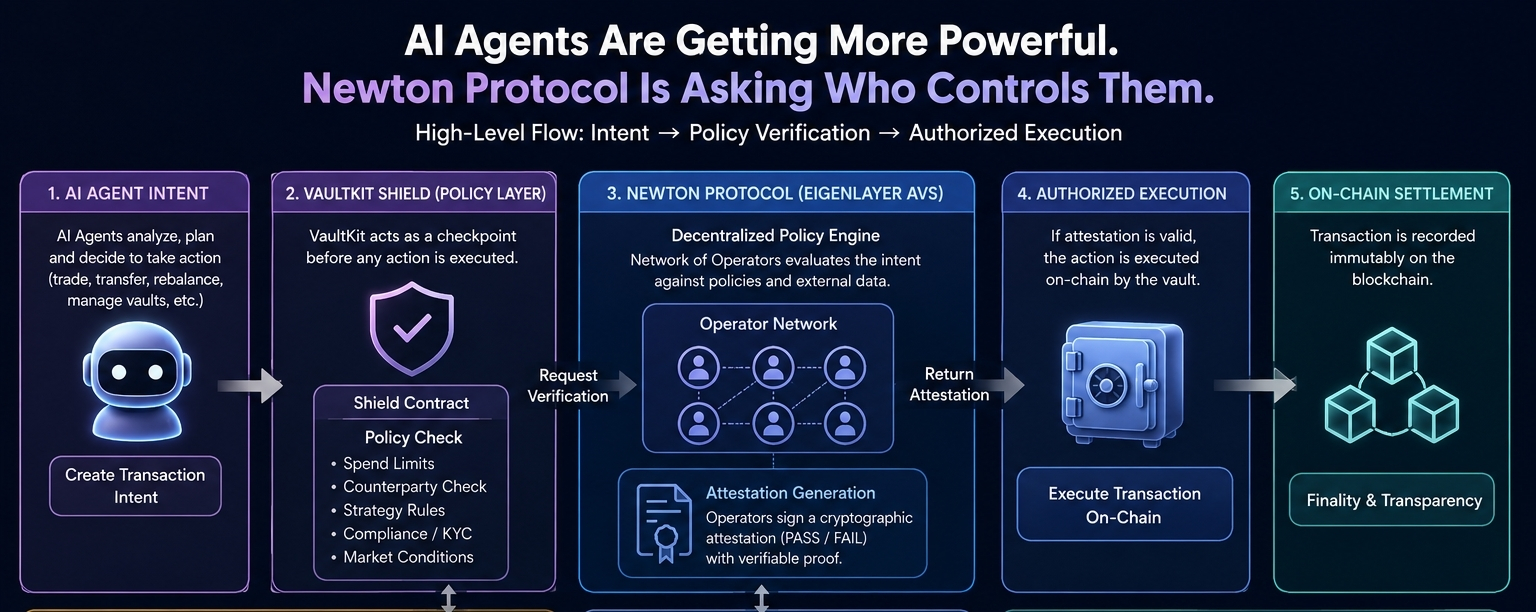
AIエージェントはより強力になっている。ニュートン・プロトコルは「誰がそれらを制御するのか」を問う自律的な金融の背後にある静かなインフラ競争
あらゆる技術のサイクルは、だいたい同じパターンに従う。
まず、誰もが新しいシステムが何をできるのかに注目する。
そのシステムが、常に人間の監督なしで動けるほど十分に強力になったらどうなるのか――やがて皆がそのことを尋ね始める。
その2つ目の問いが、物事を面白くする場所だ。
何年も前から、AIと暗号資産の会話はスピードに焦点を当ててきた。より速いエージェント。より速い取引。より速い実行。情報を分析し、数秒以内に行動できる自律システムだ。
AIエージェントはより強力になっている。ニュートン・プロトコルは「誰がそれらを制御するのか」を問う
自律的な金融の背後にある静かなインフラ競争
あらゆる技術のサイクルは、だいたい同じパターンに従う。
まず、誰もが新しいシステムが何をできるのかに注目する。
そのシステムが、常に人間の監督なしで動けるほど十分に強力になったらどうなるのか――やがて皆がそのことを尋ね始める。
その2つ目の問いが、物事を面白くする場所だ。
何年も前から、AIと暗号資産の会話はスピードに焦点を当ててきた。より速いエージェント。より速い取引。より速い実行。情報を分析し、数秒以内に行動できる自律システムだ。
あらゆる技術のサイクルは、だいたい同じパターンに従う。
まず、誰もが新しいシステムが何をできるのかに注目する。
そのシステムが、常に人間の監督なしで動けるほど十分に強力になったらどうなるのか――やがて皆がそのことを尋ね始める。
その2つ目の問いが、物事を面白くする場所だ。
何年も前から、AIと暗号資産の会話はスピードに焦点を当ててきた。より速いエージェント。より速い取引。より速い実行。情報を分析し、数秒以内に行動できる自律システムだ。
6
4
94
ログインして、さらにコンテンツを読む
厳選トピックで世界の暗号資産トレーダーの仲間入り
⚡️ 暗号資産に関する最新かつ有益な情報が見つかります。
💬 世界最大の暗号資産取引所から信頼されています。
👍 認証を受けたクリエイターから、有益なインサイトを得られます。
メール / 電話番号