

Blvck_Trigger97
396 投稿
Blvck_Trigger97
報告
ユーザーをブロック
128 フォロー
193 フォロワー
611 いいね
投稿
すべて
引用
動画
ライブ
緊急速報:Xはユーザーのタイムライン上で、カスタグを通じて株式市場と暗号資産の取引をライブで開始しました。
Coinbase、Gemini、Kraken、Moomoo、Interactive Brokersが提携先です。
#X #LivestockMarkets #crypto #BinanceSquareFamily
$NVDAB $BTC $ETH
緊急速報:Xはユーザーのタイムライン上で、カスタグを通じて株式市場と暗号資産の取引をライブで開始しました。
Coinbase、Gemini、Kraken、Moomoo、Interactive Brokersが提携先です。
#X #LivestockMarkets #crypto #BinanceSquareFamily
$NVDAB $BTC $ETH
Coinbase、Gemini、Kraken、Moomoo、Interactive Brokersが提携先です。
#X #LivestockMarkets #crypto #BinanceSquareFamily
$NVDAB $BTC $ETH
32
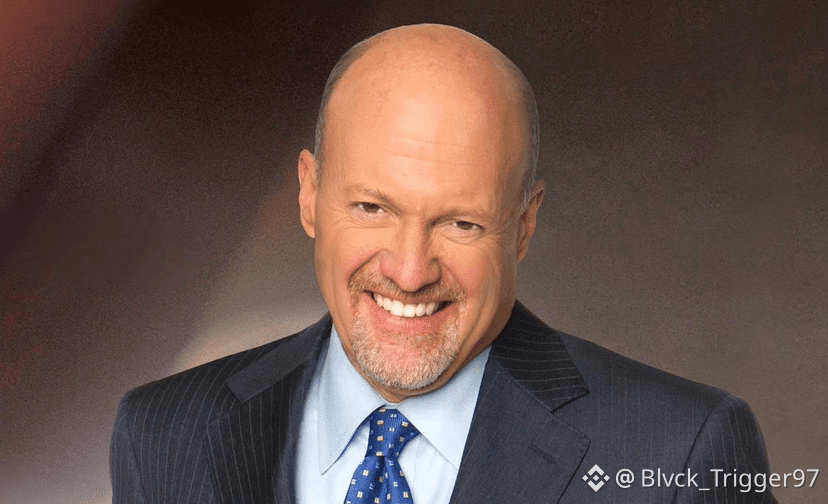
ジム・クレイマーが「売る」と言ってからビットコインは38%上昇している。
2026年8月3日、クレイマーは量子コンピューティングへの懸念を理由に自身のビットコインを売ると述べた。当時、$BTC は約63,000ドルで取引されていた。
その後、87,000ドルまで急騰し、この49日間で24,000ドルの上昇となった。
また、ビットコインはこの期間に時価総額に4750億ドル(4,750,000,000,000ドル)を追加した。
#bitcoin #crypto #Write2Earn #bullish $XRP
$BNB
{future}(XRPUSDT)
{future}(BNBUSDT)
ジム・クレイマーが「売る」と言ってからビットコインは38%上昇している。
2026年8月3日、クレイマーは量子コンピューティングへの懸念を理由に自身のビットコインを売ると述べた。当時、$BTC は約63,000ドルで取引されていた。
その後、87,000ドルまで急騰し、この49日間で24,000ドルの上昇となった。
また、ビットコインはこの期間に時価総額に4750億ドル(4,750,000,000,000ドル)を追加した。
#bitcoin #crypto #Write2Earn #bullish $XRP
$BNB
2026年8月3日、クレイマーは量子コンピューティングへの懸念を理由に自身のビットコインを売ると述べた。当時、$BTC は約63,000ドルで取引されていた。
その後、87,000ドルまで急騰し、この49日間で24,000ドルの上昇となった。
また、ビットコインはこの期間に時価総額に4750億ドル(4,750,000,000,000ドル)を追加した。
#bitcoin #crypto #Write2Earn #bullish $XRP
$BNB
1
72
18で+$353Kだって、まじかよ…信じられない。
でも、俺を考えさせたのは数字じゃない。
“理由”だ。
何に向かって戦っているのかをはっきり理解してると、努力の質が変わる。
だから自分に聞いてみろ…
そもそもお前は、なぜここにいる。 #crypto #memecoin🚀🚀🚀 #bullish
$BNB $BTC $ETH
18で+$353Kだって、まじかよ…信じられない。
でも、俺を考えさせたのは数字じゃない。
“理由”だ。
何に向かって戦っているのかをはっきり理解してると、努力の質が変わる。
だから自分に聞いてみろ…
そもそもお前は、なぜここにいる。 #crypto #memecoin🚀🚀🚀 #bullish
$BNB $BTC $ETH
でも、俺を考えさせたのは数字じゃない。
“理由”だ。
何に向かって戦っているのかをはっきり理解してると、努力の質が変わる。
だから自分に聞いてみろ…
そもそもお前は、なぜここにいる。 #crypto #memecoin🚀🚀🚀 #bullish
$BNB $BTC $ETH
1
124
明瞭法(Clarity Act)の失敗――次は?
悲劇というわけではありません。というのも、今日の利上げを目にする確率がまだ90%ある一方で、市場が期待していたこの好材料が、単に先送りになっただけだからです。
一方で、先にお話しした通り、これは「より低い価格で買う」ための最後のチャンス枠かもしれません。最新データの公表で実際にそうなるのかどうかは誰にも分かりませんが、多くの場合、年末までにレンジを形成し、その範囲内で取引することになるでしょう。
だから、ポジションを持っていないなら、この機会を逃さないでください。さらに今の時点でも、DCA(ドルコスト平均法)で少しずつ買い進めるのは悪くない考えです(万一市場が逆に動いても備えるために)。
そして全体として、歴史を見れば、値段が常に上がり続けることが市場の動きやセッティングにとって必須条件ではありません。レンジさえ形成されれば十分で、その間は市場で活発な動きが進み、プロジェクトのローンチもあり、それに伴って稼ぐチャンスが生まれます。
つまり、Q4はオンチェーンの活動面でも取引面でも「活発な市場」を見込んでおり、スキャルピングを含む取引は、市場環境に関係なく不変です。 #CLARITYAct #MarketImpact
#crypto
$LSK
{future}(LSKUSDT)
$BNB
{future}(BNBUSDT)
$SOL
{future}(SOLUSDT)
明瞭法(Clarity Act)の失敗――次は?
悲劇というわけではありません。というのも、今日の利上げを目にする確率がまだ90%ある一方で、市場が期待していたこの好材料が、単に先送りになっただけだからです。
一方で、先にお話しした通り、これは「より低い価格で買う」ための最後のチャンス枠かもしれません。最新データの公表で実際にそうなるのかどうかは誰にも分かりませんが、多くの場合、年末までにレンジを形成し、その範囲内で取引することになるでしょう。
だから、ポジションを持っていないなら、この機会を逃さないでください。さらに今の時点でも、DCA(ドルコスト平均法)で少しずつ買い進めるのは悪くない考えです(万一市場が逆に動いても備えるために)。
そして全体として、歴史を見れば、値段が常に上がり続けることが市場の動きやセッティングにとって必須条件ではありません。レンジさえ形成されれば十分で、その間は市場で活発な動きが進み、プロジェクトのローンチもあり、それに伴って稼ぐチャンスが生まれます。
つまり、Q4はオンチェーンの活動面でも取引面でも「活発な市場」を見込んでおり、スキャルピングを含む取引は、市場環境に関係なく不変です。 #CLARITYAct #MarketImpact
#crypto
$LSK
$BNB
$SOL
悲劇というわけではありません。というのも、今日の利上げを目にする確率がまだ90%ある一方で、市場が期待していたこの好材料が、単に先送りになっただけだからです。
一方で、先にお話しした通り、これは「より低い価格で買う」ための最後のチャンス枠かもしれません。最新データの公表で実際にそうなるのかどうかは誰にも分かりませんが、多くの場合、年末までにレンジを形成し、その範囲内で取引することになるでしょう。
だから、ポジションを持っていないなら、この機会を逃さないでください。さらに今の時点でも、DCA(ドルコスト平均法)で少しずつ買い進めるのは悪くない考えです(万一市場が逆に動いても備えるために)。
そして全体として、歴史を見れば、値段が常に上がり続けることが市場の動きやセッティングにとって必須条件ではありません。レンジさえ形成されれば十分で、その間は市場で活発な動きが進み、プロジェクトのローンチもあり、それに伴って稼ぐチャンスが生まれます。
つまり、Q4はオンチェーンの活動面でも取引面でも「活発な市場」を見込んでおり、スキャルピングを含む取引は、市場環境に関係なく不変です。 #CLARITYAct #MarketImpact
#crypto
$LSK
$BNB
$SOL
1
4
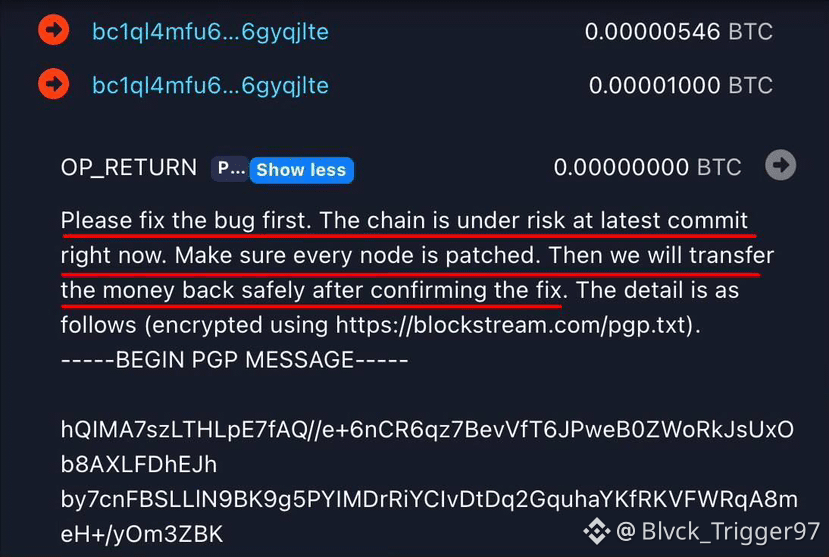
🧠💭4,000ビットコイン相当の3億2,000万ドルがLiquid Networkのハック後に引き出された。
ハッカーは、オンチェーンのビットコイントランザクションを通じてネットワークの保守担当者と連絡を取っており、脆弱性が修正された後に$BTCを返すつもりだという。
#HackerAlert #btc #blockchain
$BNB
{future}(BNBUSDT)
$SOL
{future}(SOLUSDT)
🧠💭4,000ビットコイン相当の3億2,000万ドルがLiquid Networkのハック後に引き出された。
ハッカーは、オンチェーンのビットコイントランザクションを通じてネットワークの保守担当者と連絡を取っており、脆弱性が修正された後に$BTCを返すつもりだという。
#HackerAlert #btc #blockchain
$BNB
$SOL
ハッカーは、オンチェーンのビットコイントランザクションを通じてネットワークの保守担当者と連絡を取っており、脆弱性が修正された後に$BTCを返すつもりだという。
#HackerAlert #btc #blockchain
$BNB
$SOL
1
41
🇸🇬【速報】シンガポールが、ステーブルコイン発行者による利回り(や収益)を保有者へ支払うことを禁止することを提案。
シンガポール金融管理局(MAS)は、常時100%の準備金裏付け、分別保管、ストレステスト、そして強制的な段階的清算(ウィンドダウン)計画を求めています。
ライセンスを持つ発行者のみが、自社のトークンを「MAS規制のステーブルコイン」と呼べます。
米国のGENIUS法案、EUのMiCA、香港、そして日本は、すでに同様のルールを適用しています。
世界最大級の金融拠点のうち5つが、ステーブルコインを投資ではなく「決済手段」として規制しています。
#stablecoin #yield
$BNB
{future}(BNBUSDT)
$ZEC
{future}(ZECUSDT)
$BTC
{future}(BTCUSDT)
🇸🇬【速報】シンガポールが、ステーブルコイン発行者による利回り(や収益)を保有者へ支払うことを禁止することを提案。
シンガポール金融管理局(MAS)は、常時100%の準備金裏付け、分別保管、ストレステスト、そして強制的な段階的清算(ウィンドダウン)計画を求めています。
ライセンスを持つ発行者のみが、自社のトークンを「MAS規制のステーブルコイン」と呼べます。
米国のGENIUS法案、EUのMiCA、香港、そして日本は、すでに同様のルールを適用しています。
世界最大級の金融拠点のうち5つが、ステーブルコインを投資ではなく「決済手段」として規制しています。
#stablecoin #yield
$BNB
$ZEC
$BTC
シンガポール金融管理局(MAS)は、常時100%の準備金裏付け、分別保管、ストレステスト、そして強制的な段階的清算(ウィンドダウン)計画を求めています。
ライセンスを持つ発行者のみが、自社のトークンを「MAS規制のステーブルコイン」と呼べます。
米国のGENIUS法案、EUのMiCA、香港、そして日本は、すでに同様のルールを適用しています。
世界最大級の金融拠点のうち5つが、ステーブルコインを投資ではなく「決済手段」として規制しています。
#stablecoin #yield
$BNB
$ZEC
$BTC
1
70
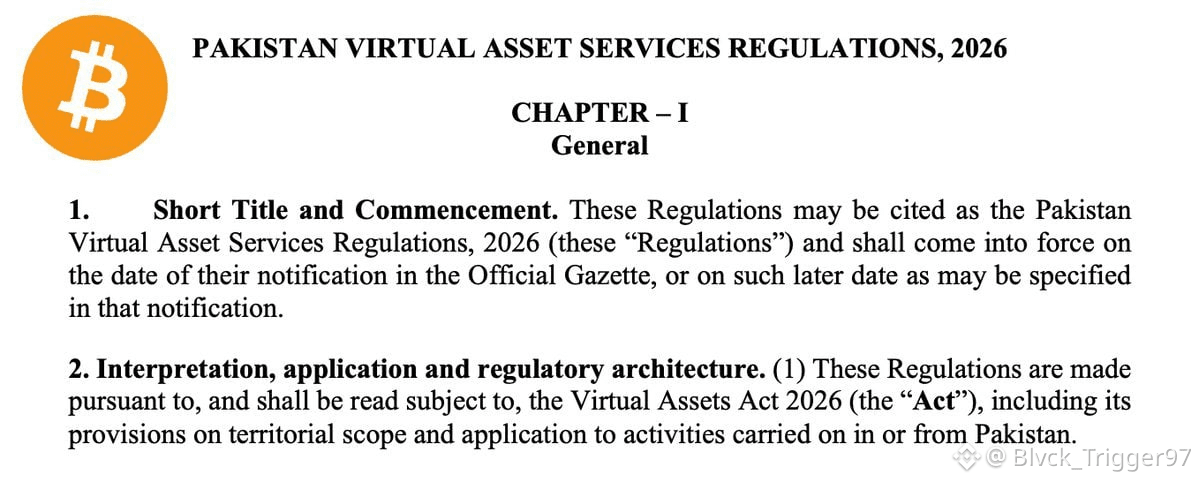
🚀🧨新情報:🇵🇰 パキスタン、ビットコインおよび暗号資産向けの新たな規制枠組みを導入 👀
同国は、「仮想資産を経済に取り込み、消費者を保護し、次世代の土台を築くための『ルール、規制当局、ライセンス枠組み』がある」とPVARA議長が述べています 🚀
#crypto #bitcoin #pakistanicrypto
$BTC
{future}(BTCUSDT)
$BNB
{future}(BNBUSDT)
$ETH
{future}(ETHUSDT)
🚀🧨新情報:🇵🇰 パキスタン、ビットコインおよび暗号資産向けの新たな規制枠組みを導入 👀
同国は、「仮想資産を経済に取り込み、消費者を保護し、次世代の土台を築くための『ルール、規制当局、ライセンス枠組み』がある」とPVARA議長が述べています 🚀
#crypto #bitcoin #pakistanicrypto
$BTC
$BNB
$ETH
同国は、「仮想資産を経済に取り込み、消費者を保護し、次世代の土台を築くための『ルール、規制当局、ライセンス枠組み』がある」とPVARA議長が述べています 🚀
#crypto #bitcoin #pakistanicrypto
$BTC
$BNB
$ETH
1
80
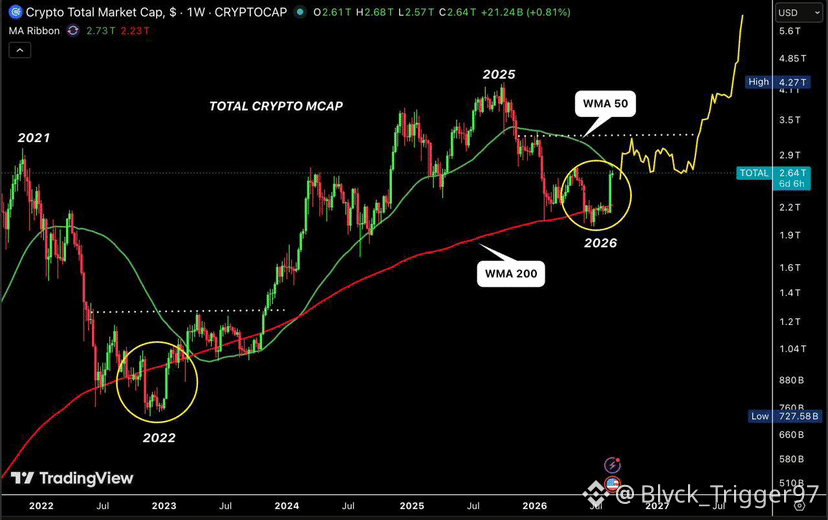
暗号資産の時価総額がたった1週間で4,740億ドル増加—暗号史上最大の記録です。
これは22%の急騰で、2021年2月以来の最大の週足(ローソク)となります。約3か月間の横ばいの調整を経た後に起きました。
今の局面は、2022年の底と似たような形になっています。市場が土台を築いたのち、多年にわたる上昇トレンドが始まりました。
次のレジスタンスはWMA 50で、価格は2.73兆ドルです。この水準を明確に上抜けできれば、3.25兆ドルに向けた道が開ける可能性があります。
2022年には、同様の下地が最終的に大きな数年スパンの上昇局面につながりました。
#crypto #marketcap #bullish #bearish
$BTC
{future}(BTCUSDT)
$BNB
{future}(BNBUSDT)
$ETH
{future}(ETHUSDT)
暗号資産の時価総額がたった1週間で4,740億ドル増加—暗号史上最大の記録です。
これは22%の急騰で、2021年2月以来の最大の週足(ローソク)となります。約3か月間の横ばいの調整を経た後に起きました。
今の局面は、2022年の底と似たような形になっています。市場が土台を築いたのち、多年にわたる上昇トレンドが始まりました。
次のレジスタンスはWMA 50で、価格は2.73兆ドルです。この水準を明確に上抜けできれば、3.25兆ドルに向けた道が開ける可能性があります。
2022年には、同様の下地が最終的に大きな数年スパンの上昇局面につながりました。
#crypto #marketcap #bullish #bearish
$BTC
$BNB
$ETH
これは22%の急騰で、2021年2月以来の最大の週足(ローソク)となります。約3か月間の横ばいの調整を経た後に起きました。
今の局面は、2022年の底と似たような形になっています。市場が土台を築いたのち、多年にわたる上昇トレンドが始まりました。
次のレジスタンスはWMA 50で、価格は2.73兆ドルです。この水準を明確に上抜けできれば、3.25兆ドルに向けた道が開ける可能性があります。
2022年には、同様の下地が最終的に大きな数年スパンの上昇局面につながりました。
#crypto #marketcap #bullish #bearish
$BTC
$BNB
$ETH
2
84
🇺🇸 これはとんでもないことになり得ます:
米国財務省が、自身の資金を使って、約1兆ドルに相当する金額で国債を買い戻す計画を検討していると報じられています。
これは、金融市場に巨額の流動性の大波を注入する可能性があります。💰🌊
株、金、そして暗号資産にとって強気材料になり得ます。📈₿
#UStreasury #Bulish #crypto #stocks
$BNB
{future}(BNBUSDT)
$BTC
{future}(BTCUSDT)
$ETH
{future}(ETHUSDT)
🇺🇸 これはとんでもないことになり得ます:
米国財務省が、自身の資金を使って、約1兆ドルに相当する金額で国債を買い戻す計画を検討していると報じられています。
これは、金融市場に巨額の流動性の大波を注入する可能性があります。💰🌊
株、金、そして暗号資産にとって強気材料になり得ます。📈₿
#UStreasury #Bulish #crypto #stocks
$BNB
$BTC
$ETH
米国財務省が、自身の資金を使って、約1兆ドルに相当する金額で国債を買い戻す計画を検討していると報じられています。
これは、金融市場に巨額の流動性の大波を注入する可能性があります。💰🌊
株、金、そして暗号資産にとって強気材料になり得ます。📈₿
#UStreasury #Bulish #crypto #stocks
$BNB
$BTC
$ETH
1
106
👍 そのうち、億万長者でも1 BTCを買えなくなる
今日は市場レビューはありません。昨日と状況は同じです。では、少し計算してみましょう。
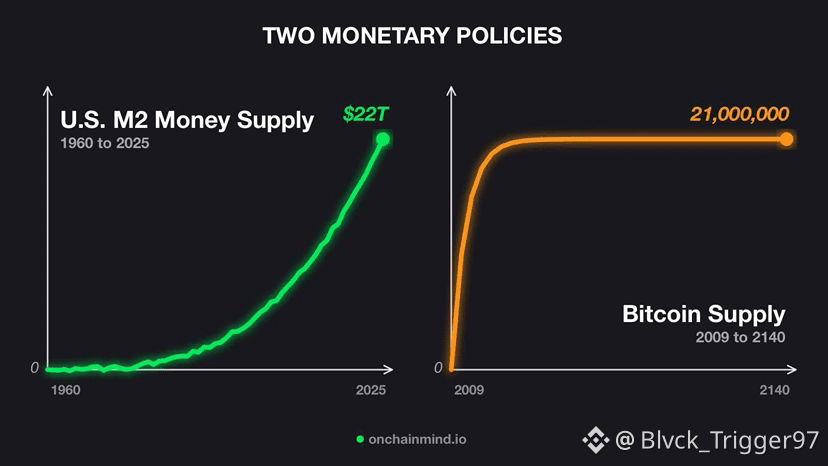
本日までに採掘されたのは、2,007万BTC(総供給の95.6%)。残りは4.4%で、採掘されるのは2140年までです。
しかし実際に流通しているBTCの量は、さらに少ないです。
コインの16.7%は永遠に失われたとされ、5.2%はサトシのウォレットにあります。つまり、供給の約22%は実質的に除外できます。現実には、利用可能なBTCは全体の約75%です。
そして利用可能な供給は、これからも減り続けます。大企業やファンドがどれだけBTCを買い漁っているかを見てください。さらに、失われたりバーンされたりする分も出てきます。
最後に、いちばん面白い部分——増え続けるM2(世界のマネーサプライ)との比較です。経済とインフレは「常に世界のお金が増える」ように構造化されています。
残りはシンプルです。BTCの発行は限られている。マネーサプライは増えていく→その一部がBTCに流れる→価格が上がる。サイクルも、強気相場も、その他の要因も不要です。単なる数学です。
そしていつか、$100万では1 BTCを買うのに足りない時が来ます。そう聞くとおとぎ話に思えるかもしれませんが、BTCが$100の価値だった頃、$10万という価格もまたおとぎ話のように見えました。 #btc #crypto #bnb $BTC $BNB $
{future}(BTCUSDT)
{future}(BNBUSDT)
👍 そのうち、億万長者でも1 BTCを買えなくなる
今日は市場レビューはありません。昨日と状況は同じです。では、少し計算してみましょう。
本日までに採掘されたのは、2,007万BTC(総供給の95.6%)。残りは4.4%で、採掘されるのは2140年までです。
しかし実際に流通しているBTCの量は、さらに少ないです。
コインの16.7%は永遠に失われたとされ、5.2%はサトシのウォレットにあります。つまり、供給の約22%は実質的に除外できます。現実には、利用可能なBTCは全体の約75%です。
そして利用可能な供給は、これからも減り続けます。大企業やファンドがどれだけBTCを買い漁っているかを見てください。さらに、失われたりバーンされたりする分も出てきます。
最後に、いちばん面白い部分——増え続けるM2(世界のマネーサプライ)との比較です。経済とインフレは「常に世界のお金が増える」ように構造化されています。
残りはシンプルです。BTCの発行は限られている。マネーサプライは増えていく→その一部がBTCに流れる→価格が上がる。サイクルも、強気相場も、その他の要因も不要です。単なる数学です。
そしていつか、$100万では1 BTCを買うのに足りない時が来ます。そう聞くとおとぎ話に思えるかもしれませんが、BTCが$100の価値だった頃、$10万という価格もまたおとぎ話のように見えました。 #btc #crypto #bnb $BTC $BNB $
今日は市場レビューはありません。昨日と状況は同じです。では、少し計算してみましょう。
本日までに採掘されたのは、2,007万BTC(総供給の95.6%)。残りは4.4%で、採掘されるのは2140年までです。
しかし実際に流通しているBTCの量は、さらに少ないです。
コインの16.7%は永遠に失われたとされ、5.2%はサトシのウォレットにあります。つまり、供給の約22%は実質的に除外できます。現実には、利用可能なBTCは全体の約75%です。
そして利用可能な供給は、これからも減り続けます。大企業やファンドがどれだけBTCを買い漁っているかを見てください。さらに、失われたりバーンされたりする分も出てきます。
最後に、いちばん面白い部分——増え続けるM2(世界のマネーサプライ)との比較です。経済とインフレは「常に世界のお金が増える」ように構造化されています。
残りはシンプルです。BTCの発行は限られている。マネーサプライは増えていく→その一部がBTCに流れる→価格が上がる。サイクルも、強気相場も、その他の要因も不要です。単なる数学です。
そしていつか、$100万では1 BTCを買うのに足りない時が来ます。そう聞くとおとぎ話に思えるかもしれませんが、BTCが$100の価値だった頃、$10万という価格もまたおとぎ話のように見えました。 #btc #crypto #bnb $BTC $BNB $
2
82
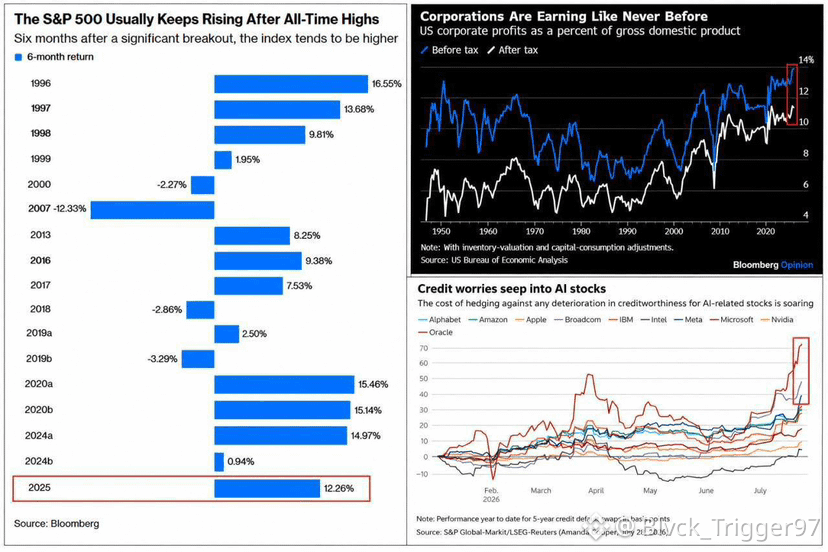
過去30年の間、S&P 500は、17回中13回において過去最高値(ATH)に到達した後も上昇を続け、その後6か月間で平均+6.3%を記録してきました。これはまさに、ウォール街のバンカーたちが予想に織り込んでいる内容です。年末までに7,900〜8,100ポイントになるとの見通しです。
#S&P500 #CorporateInvestment
#forcast
過去30年の間、S&P 500は、17回中13回において過去最高値(ATH)に到達した後も上昇を続け、その後6か月間で平均+6.3%を記録してきました。これはまさに、ウォール街のバンカーたちが予想に織り込んでいる内容です。年末までに7,900〜8,100ポイントになるとの見通しです。
#S&P500 #CorporateInvestment
#forcast
#S&P500 #CorporateInvestment
#forcast
2
79
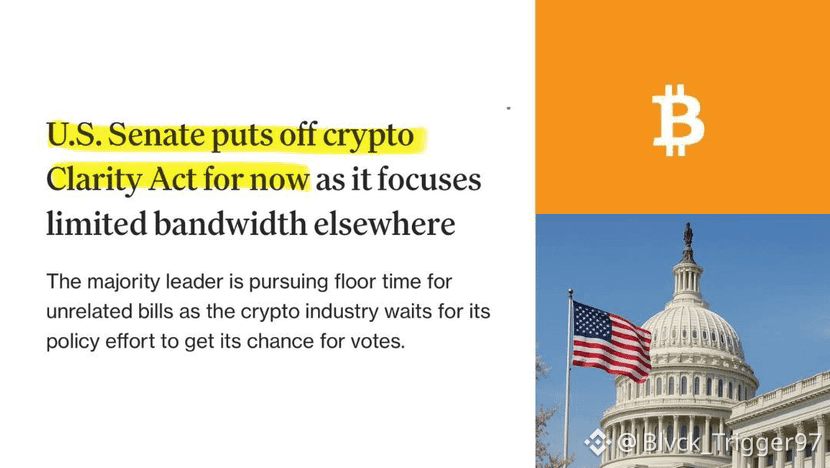
上院議員シンシア・ルミスは、最新の挫折にもかかわらず「明確化法(Clarity Act)のために戦うのをやめない」と述べ、米国の暗号資産(クリプト)関連の法整備のための戦いは「まだ終わっていない」と誓った。
#CLARITYAct #us #crypto $BNB
{future}(BNBUSDT)
$BTC
{future}(BTCUSDT)
$ETH
{future}(ETHUSDT)
上院議員シンシア・ルミスは、最新の挫折にもかかわらず「明確化法(Clarity Act)のために戦うのをやめない」と述べ、米国の暗号資産(クリプト)関連の法整備のための戦いは「まだ終わっていない」と誓った。
#CLARITYAct #us #crypto $BNB
$BTC
$ETH
#CLARITYAct #us #crypto $BNB
$BTC
$ETH

1
88
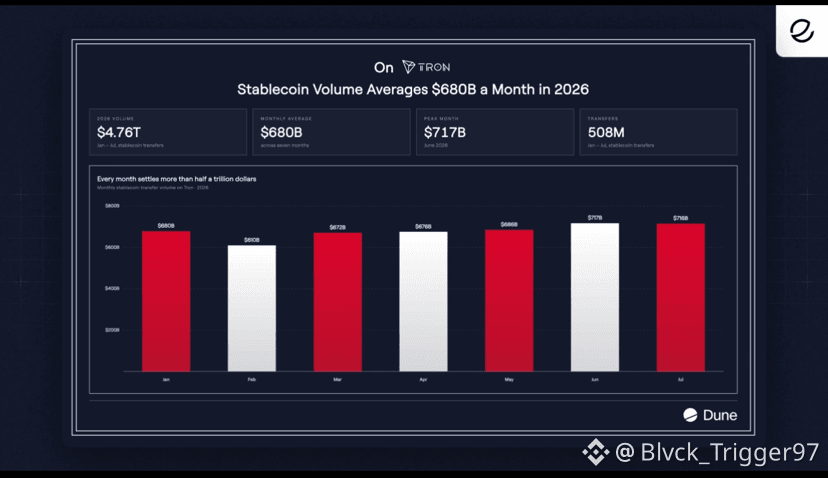
💵 Tronは2026年にステーブルコイン送金で4.76兆ドルの取引を処理
🔗 Tronブロックチェーンは、2026年の最初の7か月間にステーブルコインの取引量として実に4.76兆ドルを記録し、ステーブルコイン・エコシステムにおけるその圧倒的な存在感を裏付けています。
これは、月間の平均送金取引量がおよそ6800億ドルであることを意味し、ネットワークの巨大なオンチェーン活動と、迅速で低コストなステーブルコイン決済への採用が拡大していることを示しています。
これらの数値は、個人ユーザーと機関投資家の双方からの強い需要によって、Tronがステーブルコインの決済における主要なブロックチェーンの一つであることを再確認させます。🚀
#tron #blockchain #Stablecoins #ecosystem $BNB
{future}(BNBUSDT)
$BTC
{future}(BTCUSDT)
$TRON.US
{stock_us}(TRON.US)
💵 Tronは2026年にステーブルコイン送金で4.76兆ドルの取引を処理
🔗 Tronブロックチェーンは、2026年の最初の7か月間にステーブルコインの取引量として実に4.76兆ドルを記録し、ステーブルコイン・エコシステムにおけるその圧倒的な存在感を裏付けています。
これは、月間の平均送金取引量がおよそ6800億ドルであることを意味し、ネットワークの巨大なオンチェーン活動と、迅速で低コストなステーブルコイン決済への採用が拡大していることを示しています。
これらの数値は、個人ユーザーと機関投資家の双方からの強い需要によって、Tronがステーブルコインの決済における主要なブロックチェーンの一つであることを再確認させます。🚀
#tron #blockchain #Stablecoins #ecosystem $BNB
$BTC
$TRON.US
🔗 Tronブロックチェーンは、2026年の最初の7か月間にステーブルコインの取引量として実に4.76兆ドルを記録し、ステーブルコイン・エコシステムにおけるその圧倒的な存在感を裏付けています。
これは、月間の平均送金取引量がおよそ6800億ドルであることを意味し、ネットワークの巨大なオンチェーン活動と、迅速で低コストなステーブルコイン決済への採用が拡大していることを示しています。
これらの数値は、個人ユーザーと機関投資家の双方からの強い需要によって、Tronがステーブルコインの決済における主要なブロックチェーンの一つであることを再確認させます。🚀
#tron #blockchain #Stablecoins #ecosystem $BNB
$BTC
$TRON.US
1
109
ログインして、さらにコンテンツを読む
厳選トピックで世界の暗号資産トレーダーの仲間入り
⚡️ 暗号資産に関する最新かつ有益な情報が見つかります。
💬 世界最大の暗号資産取引所から信頼されています。
👍 認証を受けたクリエイターから、有益なインサイトを得られます。
メール / 電話番号