

Tao Outsider
111 投稿

Tao Outsider
報告
ユーザーをブロック
Learning by executing in the $TAO Bittensor ecosystem.
0 フォロー
2 フォロワー
4 いいね
投稿
·
--
$TAO 1時間足を詳細に解説
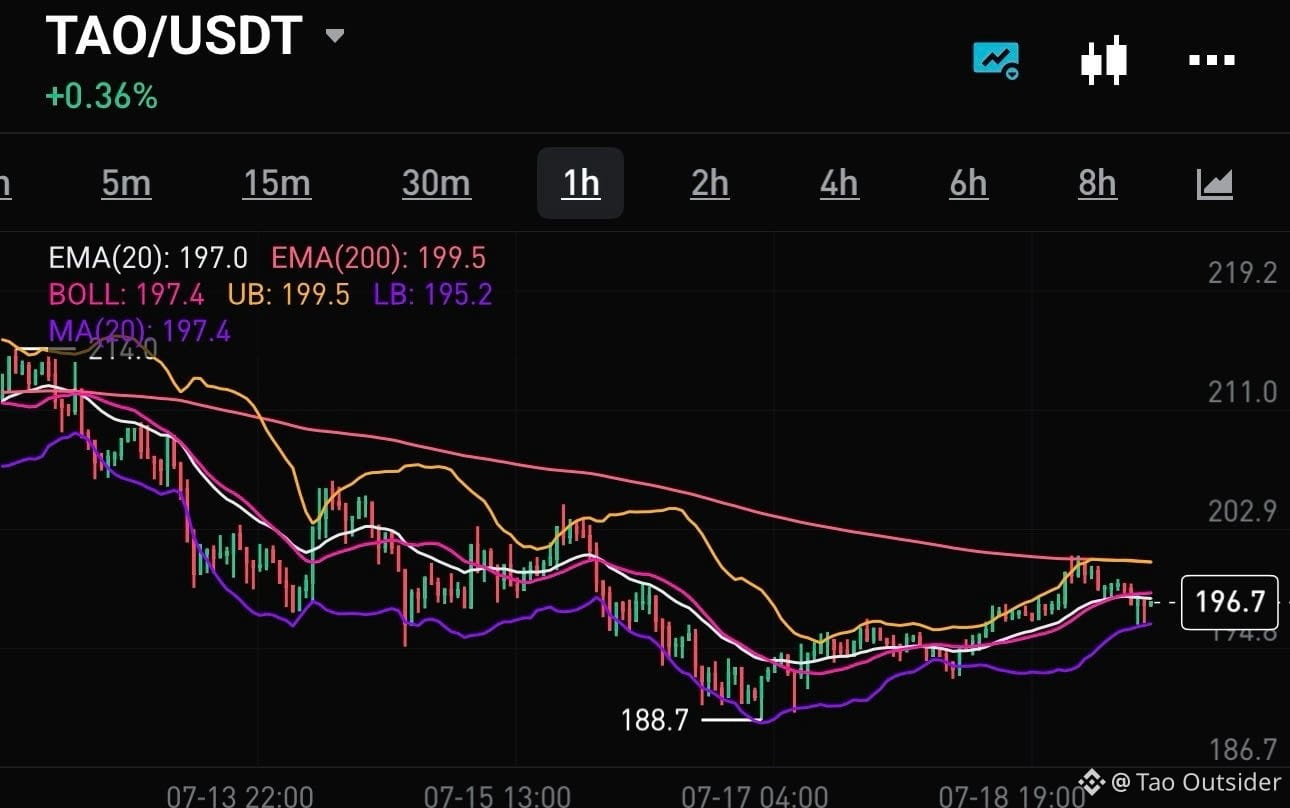
$TAOは$196.4で取引されており、1時間のレンジは圧縮されているうえ、主要な短期移動平均の下にあります。市場は$188.7の直近安値から回復していますが、トレンド転換を確認するために必要な水準をまだ取り戻せていません。
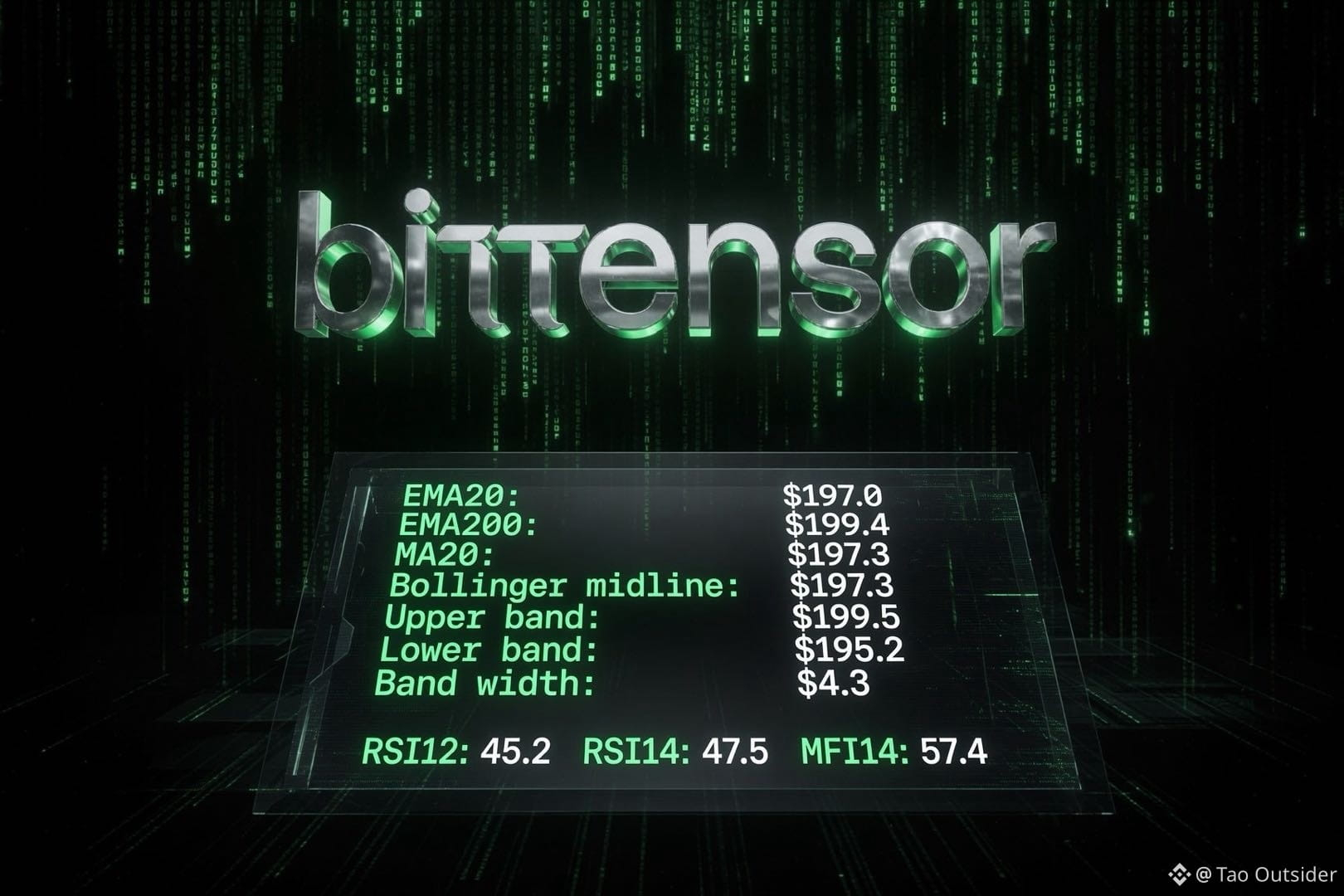
EMA20は$197.0に位置しています。これは短期のトレンドを反映しており、現在は価格がわずかにその下にあるため、直近のレジスタンスとして機能しています。
MA20は$197.3で、ボリンジャーのミッドラインとほぼ同一です。これは局所的な均衡水準です。これを下回っている取引は、市場がやや防御的であることを意味します。
最も重要なダイナミックレベルはEMA200の$199.4です。これをきれいに取り戻し、この平均を上で受け入れることが、1時間足の構造における最初の明確な改善になります。
ボリンジャーバンドも同じ読みを補強します:
ミッドライン:$197.3
上限バンド:$199.5
下限バンド:$195.2
バンド幅:$4.3
バンド幅が狭いことはボラティリティの圧縮を確認します。価格は現在バンドの下半分で推移していますが、下限境界はまだ上回っています。つまり、市場は$195.2のサポートと$199.5のレジスタンスの間に押し込められています。
モメンタムは中立〜やや弱い状態が続いています。
RSI12:45.2
RSI14:47.5
どちらも50を下回っているため、買い手がまだモメンタムを支配できていません。また、買われ過ぎではないため、価格は技術的に売りが尽きる状態にならずとも、さらに下へ動く余地があります。
MFI14は57.4で、お金の流れは弱い価格構造にもかかわらずプラスのままです。資金が強く流出してはいませんが、レジスタンスを破るほどの十分な需要が生まれていません。
現在のマップ:
サポート:$195〜$195.2
主要サポート:$188.7〜$190
最初のレジスタンス:$197〜$197.3
主要な短期レジスタンス:$199.4〜$200
次のレジスタンス:$202.2
最初の改善は$200を上回ったところで訪れます。
より強いレジーム転換には$202を上で受け入れる必要があります。
$195を下回ると、$190の再テストが起きる確率が高まります。
#bittensor
$TAO 1時間足を詳細に解説
$TAOは$196.4で取引されており、1時間のレンジは圧縮されているうえ、主要な短期移動平均の下にあります。市場は$188.7の直近安値から回復していますが、トレンド転換を確認するために必要な水準をまだ取り戻せていません。
EMA20は$197.0に位置しています。これは短期のトレンドを反映しており、現在は価格がわずかにその下にあるため、直近のレジスタンスとして機能しています。
MA20は$197.3で、ボリンジャーのミッドラインとほぼ同一です。これは局所的な均衡水準です。これを下回っている取引は、市場がやや防御的であることを意味します。
最も重要なダイナミックレベルはEMA200の$199.4です。これをきれいに取り戻し、この平均を上で受け入れることが、1時間足の構造における最初の明確な改善になります。
ボリンジャーバンドも同じ読みを補強します:
ミッドライン:$197.3
上限バンド:$199.5
下限バンド:$195.2
バンド幅:$4.3
バンド幅が狭いことはボラティリティの圧縮を確認します。価格は現在バンドの下半分で推移していますが、下限境界はまだ上回っています。つまり、市場は$195.2のサポートと$199.5のレジスタンスの間に押し込められています。
モメンタムは中立〜やや弱い状態が続いています。
RSI12:45.2
RSI14:47.5
どちらも50を下回っているため、買い手がまだモメンタムを支配できていません。また、買われ過ぎではないため、価格は技術的に売りが尽きる状態にならずとも、さらに下へ動く余地があります。
MFI14は57.4で、お金の流れは弱い価格構造にもかかわらずプラスのままです。資金が強く流出してはいませんが、レジスタンスを破るほどの十分な需要が生まれていません。
現在のマップ:
サポート:$195〜$195.2
主要サポート:$188.7〜$190
最初のレジスタンス:$197〜$197.3
主要な短期レジスタンス:$199.4〜$200
次のレジスタンス:$202.2
最初の改善は$200を上回ったところで訪れます。
より強いレジーム転換には$202を上で受け入れる必要があります。
$195を下回ると、$190の再テストが起きる確率が高まります。
#bittensor
$TAOは$196.4で取引されており、1時間のレンジは圧縮されているうえ、主要な短期移動平均の下にあります。市場は$188.7の直近安値から回復していますが、トレンド転換を確認するために必要な水準をまだ取り戻せていません。
EMA20は$197.0に位置しています。これは短期のトレンドを反映しており、現在は価格がわずかにその下にあるため、直近のレジスタンスとして機能しています。
MA20は$197.3で、ボリンジャーのミッドラインとほぼ同一です。これは局所的な均衡水準です。これを下回っている取引は、市場がやや防御的であることを意味します。
最も重要なダイナミックレベルはEMA200の$199.4です。これをきれいに取り戻し、この平均を上で受け入れることが、1時間足の構造における最初の明確な改善になります。
ボリンジャーバンドも同じ読みを補強します:
ミッドライン:$197.3
上限バンド:$199.5
下限バンド:$195.2
バンド幅:$4.3
バンド幅が狭いことはボラティリティの圧縮を確認します。価格は現在バンドの下半分で推移していますが、下限境界はまだ上回っています。つまり、市場は$195.2のサポートと$199.5のレジスタンスの間に押し込められています。
モメンタムは中立〜やや弱い状態が続いています。
RSI12:45.2
RSI14:47.5
どちらも50を下回っているため、買い手がまだモメンタムを支配できていません。また、買われ過ぎではないため、価格は技術的に売りが尽きる状態にならずとも、さらに下へ動く余地があります。
MFI14は57.4で、お金の流れは弱い価格構造にもかかわらずプラスのままです。資金が強く流出してはいませんが、レジスタンスを破るほどの十分な需要が生まれていません。
現在のマップ:
サポート:$195〜$195.2
主要サポート:$188.7〜$190
最初のレジスタンス:$197〜$197.3
主要な短期レジスタンス:$199.4〜$200
次のレジスタンス:$202.2
最初の改善は$200を上回ったところで訪れます。
より強いレジーム転換には$202を上で受け入れる必要があります。
$195を下回ると、$190の再テストが起きる確率が高まります。
#bittensor
84
·
--
ゴールドマン・サックスがAIインフラの重要性を説明したのかもしれない
ゴールドマン・サックスは、2026年から2031年にかけてAIインフラに世界で約7.6兆ドルが投資される見通しだと推計している。計算(compute)、データセンター、そして電力を含む。
この数字は、会話の内容を変える。
新しい産業に何兆ドルもの資金が流れ込むとき、価値はハードウェアだけで止まることはめったにない。
インフラが拡大する。
そしてソフトウェアが続く。
市場が生まれる。
現在、多くの投資家がAIへのエクスポージャーを得ているのは、半導体メーカー、ハイパースケーラー、そして最前線のモデル企業を通じてだ。
次の問いは、資本がいずれ分散型インテリジェンスを調整するインフラに注目し始めるのかどうかだ。
それが、ビットテンサーが築いている市場だ。
すでに128以上のサブネットが、計算、検索、コーディング、バイオロジー、エージェント、アイデンティティ、データ、推論の領域で競い合っている。
もしAIがこの10年で最大級の資本配分テーマのひとつになるなら、インテリジェンスを調整するネットワークは、それを生み出す企業と同じくらい重要になるかもしれない。
チャンスはもう、ただのAIではない。
それはAIの背後にあるインフラだ。
#bittensor #Macro Insights#
ゴールドマン・サックスがAIインフラの重要性を説明したのかもしれない
ゴールドマン・サックスは、2026年から2031年にかけてAIインフラに世界で約7.6兆ドルが投資される見通しだと推計している。計算(compute)、データセンター、そして電力を含む。
この数字は、会話の内容を変える。
新しい産業に何兆ドルもの資金が流れ込むとき、価値はハードウェアだけで止まることはめったにない。
インフラが拡大する。
そしてソフトウェアが続く。
市場が生まれる。
現在、多くの投資家がAIへのエクスポージャーを得ているのは、半導体メーカー、ハイパースケーラー、そして最前線のモデル企業を通じてだ。
次の問いは、資本がいずれ分散型インテリジェンスを調整するインフラに注目し始めるのかどうかだ。
それが、ビットテンサーが築いている市場だ。
すでに128以上のサブネットが、計算、検索、コーディング、バイオロジー、エージェント、アイデンティティ、データ、推論の領域で競い合っている。
もしAIがこの10年で最大級の資本配分テーマのひとつになるなら、インテリジェンスを調整するネットワークは、それを生み出す企業と同じくらい重要になるかもしれない。
チャンスはもう、ただのAIではない。
それはAIの背後にあるインフラだ。
#bittensor #Macro Insights#
ゴールドマン・サックスは、2026年から2031年にかけてAIインフラに世界で約7.6兆ドルが投資される見通しだと推計している。計算(compute)、データセンター、そして電力を含む。
この数字は、会話の内容を変える。
新しい産業に何兆ドルもの資金が流れ込むとき、価値はハードウェアだけで止まることはめったにない。
インフラが拡大する。
そしてソフトウェアが続く。
市場が生まれる。
現在、多くの投資家がAIへのエクスポージャーを得ているのは、半導体メーカー、ハイパースケーラー、そして最前線のモデル企業を通じてだ。
次の問いは、資本がいずれ分散型インテリジェンスを調整するインフラに注目し始めるのかどうかだ。
それが、ビットテンサーが築いている市場だ。
すでに128以上のサブネットが、計算、検索、コーディング、バイオロジー、エージェント、アイデンティティ、データ、推論の領域で競い合っている。
もしAIがこの10年で最大級の資本配分テーマのひとつになるなら、インテリジェンスを調整するネットワークは、それを生み出す企業と同じくらい重要になるかもしれない。
チャンスはもう、ただのAIではない。
それはAIの背後にあるインフラだ。
#bittensor #Macro Insights#
67
·
--
ウォール街はすでにAIを求めています。次の資金配分は分散型になるかもしれません。
ウォール街はもはや人工知能について議論していません。
それを軸にしたポートフォリオを構築しています。
欠けているのは、分散型AIへの規制されたエクスポージャーです。
そのインフラはすでに形になりつつあります。
Grayscaleは、分散型AI向けの専用BittensorトラストであるGTAOを立ち上げ、機関投資家に対して$TAOへの規制されたエクスポージャーを提供するためのETFルートを追求しています。
Yuma Asset Managementは、Yuma Total Market Fundを新たに立ち上げ、投資家に対してTAOと、より広いBittensorサブネット経済にまたがる単一の配分を提供します。
これらのプロダクトは実務的な課題を解決します。
機関投資家は、何十ものウォレット、サブネット、ステーキング戦略を管理したくありません。
彼らが欲しいのは、プロのカストディ、レポーティング、執行を備えた、馴染みのある投資手段です。
重要な変化は、資金そのものではありません。
分散型AIを取り巻く機関向けのレール(基盤)が登場していることです。
ウォール街にはビットコイン向けの商品があります。
イーサリアム向けの商品もあります。
そして今、分散型AI向けの商品を作り始めています。
それによって、その資産を保有できる人が変わります。
#Bittensor #AI
ウォール街はすでにAIを求めています。次の資金配分は分散型になるかもしれません。
ウォール街はもはや人工知能について議論していません。
それを軸にしたポートフォリオを構築しています。
欠けているのは、分散型AIへの規制されたエクスポージャーです。
そのインフラはすでに形になりつつあります。
Grayscaleは、分散型AI向けの専用BittensorトラストであるGTAOを立ち上げ、機関投資家に対して$TAOへの規制されたエクスポージャーを提供するためのETFルートを追求しています。
Yuma Asset Managementは、Yuma Total Market Fundを新たに立ち上げ、投資家に対してTAOと、より広いBittensorサブネット経済にまたがる単一の配分を提供します。
これらのプロダクトは実務的な課題を解決します。
機関投資家は、何十ものウォレット、サブネット、ステーキング戦略を管理したくありません。
彼らが欲しいのは、プロのカストディ、レポーティング、執行を備えた、馴染みのある投資手段です。
重要な変化は、資金そのものではありません。
分散型AIを取り巻く機関向けのレール(基盤)が登場していることです。
ウォール街にはビットコイン向けの商品があります。
イーサリアム向けの商品もあります。
そして今、分散型AI向けの商品を作り始めています。
それによって、その資産を保有できる人が変わります。
#Bittensor #AI
ウォール街はもはや人工知能について議論していません。
それを軸にしたポートフォリオを構築しています。
欠けているのは、分散型AIへの規制されたエクスポージャーです。
そのインフラはすでに形になりつつあります。
Grayscaleは、分散型AI向けの専用BittensorトラストであるGTAOを立ち上げ、機関投資家に対して$TAOへの規制されたエクスポージャーを提供するためのETFルートを追求しています。
Yuma Asset Managementは、Yuma Total Market Fundを新たに立ち上げ、投資家に対してTAOと、より広いBittensorサブネット経済にまたがる単一の配分を提供します。
これらのプロダクトは実務的な課題を解決します。
機関投資家は、何十ものウォレット、サブネット、ステーキング戦略を管理したくありません。
彼らが欲しいのは、プロのカストディ、レポーティング、執行を備えた、馴染みのある投資手段です。
重要な変化は、資金そのものではありません。
分散型AIを取り巻く機関向けのレール(基盤)が登場していることです。
ウォール街にはビットコイン向けの商品があります。
イーサリアム向けの商品もあります。
そして今、分散型AI向けの商品を作り始めています。
それによって、その資産を保有できる人が変わります。
#Bittensor #AI

74
·
--
Root Rebornは、$TAO保有者が本来問い続けるべき疑問を変える
何年もの間、暗号資産の投資家たちは同じ問いをしてきました。
「ネットワークは成長するのか?」
Root Rebornは、それとは違う問いを投げかけます。
「誰が資本をよりうまく配分するのか?」
一見すると、さりげないように聞こえます。
でも、そうではありません。
これまで、Bittensorは毎日、サブネット経済に対して数千TAOを投資し、その見返りとしてアルファを回収していました。そして、そのアルファをすぐに市場へ売却していたのです。
ネットワークは価値を生み出しながら、同時にそれを清算していました。
Root Rebornは、この循環を断ち切ります。
自動売却を強制するのではなく、ネットワークはその判断をRootバリデータに委ねます。バリデータは現在、128のサブネットにまたがって資本を配分するために競い合い、リターンを複利で積み上げ、さらに公に「自分たちが互いに勝てる」ことを証明します。
得点表はシンプルになります。
最も多くのTAOを、自分のステーカーに還元したのは誰か?
それが、誰もが持つインセンティブを変えるのです。
バリデータはブロックを検証するための競争をやめます。
代わりに、より優れたポートフォリオマネージャーになるために競います。
サブネットは、排出(emissions)のためだけに競うのをやめます。
資本のために競います。
TAO保有者は、誰がネットワークを守るのかを選ぶのをやめます。
最も賢く資本を配分してくれる相手を選びます。
だから私は、Root Rebornが重要だと思うのです。
それは供給スケジュールを変えません。
経済性を変えます。
資本が機械的にではなく、賢く配分されるなら、あらゆる生産的な資産はより価値を持つようになります。
この提案が意図したとおりに機能するなら、Bittensorはもはや単に「分散型AIネットワーク」として知られることはありません。
AIのための分散型資本配分者として、知られるようになります。
それは、はるかに大きな発想です。
#TAO #Bittensor #AI Agents 🤖# #AI
Root Rebornは、$TAO保有者が本来問い続けるべき疑問を変える
何年もの間、暗号資産の投資家たちは同じ問いをしてきました。
「ネットワークは成長するのか?」
Root Rebornは、それとは違う問いを投げかけます。
「誰が資本をよりうまく配分するのか?」
一見すると、さりげないように聞こえます。
でも、そうではありません。
これまで、Bittensorは毎日、サブネット経済に対して数千TAOを投資し、その見返りとしてアルファを回収していました。そして、そのアルファをすぐに市場へ売却していたのです。
ネットワークは価値を生み出しながら、同時にそれを清算していました。
Root Rebornは、この循環を断ち切ります。
自動売却を強制するのではなく、ネットワークはその判断をRootバリデータに委ねます。バリデータは現在、128のサブネットにまたがって資本を配分するために競い合い、リターンを複利で積み上げ、さらに公に「自分たちが互いに勝てる」ことを証明します。
得点表はシンプルになります。
最も多くのTAOを、自分のステーカーに還元したのは誰か?
それが、誰もが持つインセンティブを変えるのです。
バリデータはブロックを検証するための競争をやめます。
代わりに、より優れたポートフォリオマネージャーになるために競います。
サブネットは、排出(emissions)のためだけに競うのをやめます。
資本のために競います。
TAO保有者は、誰がネットワークを守るのかを選ぶのをやめます。
最も賢く資本を配分してくれる相手を選びます。
だから私は、Root Rebornが重要だと思うのです。
それは供給スケジュールを変えません。
経済性を変えます。
資本が機械的にではなく、賢く配分されるなら、あらゆる生産的な資産はより価値を持つようになります。
この提案が意図したとおりに機能するなら、Bittensorはもはや単に「分散型AIネットワーク」として知られることはありません。
AIのための分散型資本配分者として、知られるようになります。
それは、はるかに大きな発想です。
#TAO #Bittensor #AI Agents 🤖# #AI
何年もの間、暗号資産の投資家たちは同じ問いをしてきました。
「ネットワークは成長するのか?」
Root Rebornは、それとは違う問いを投げかけます。
「誰が資本をよりうまく配分するのか?」
一見すると、さりげないように聞こえます。
でも、そうではありません。
これまで、Bittensorは毎日、サブネット経済に対して数千TAOを投資し、その見返りとしてアルファを回収していました。そして、そのアルファをすぐに市場へ売却していたのです。
ネットワークは価値を生み出しながら、同時にそれを清算していました。
Root Rebornは、この循環を断ち切ります。
自動売却を強制するのではなく、ネットワークはその判断をRootバリデータに委ねます。バリデータは現在、128のサブネットにまたがって資本を配分するために競い合い、リターンを複利で積み上げ、さらに公に「自分たちが互いに勝てる」ことを証明します。
得点表はシンプルになります。
最も多くのTAOを、自分のステーカーに還元したのは誰か?
それが、誰もが持つインセンティブを変えるのです。
バリデータはブロックを検証するための競争をやめます。
代わりに、より優れたポートフォリオマネージャーになるために競います。
サブネットは、排出(emissions)のためだけに競うのをやめます。
資本のために競います。
TAO保有者は、誰がネットワークを守るのかを選ぶのをやめます。
最も賢く資本を配分してくれる相手を選びます。
だから私は、Root Rebornが重要だと思うのです。
それは供給スケジュールを変えません。
経済性を変えます。
資本が機械的にではなく、賢く配分されるなら、あらゆる生産的な資産はより価値を持つようになります。
この提案が意図したとおりに機能するなら、Bittensorはもはや単に「分散型AIネットワーク」として知られることはありません。
AIのための分散型資本配分者として、知られるようになります。
それは、はるかに大きな発想です。
#TAO #Bittensor #AI Agents 🤖# #AI
90
·
--
$TAO Bittensor - 短期構造は脆い
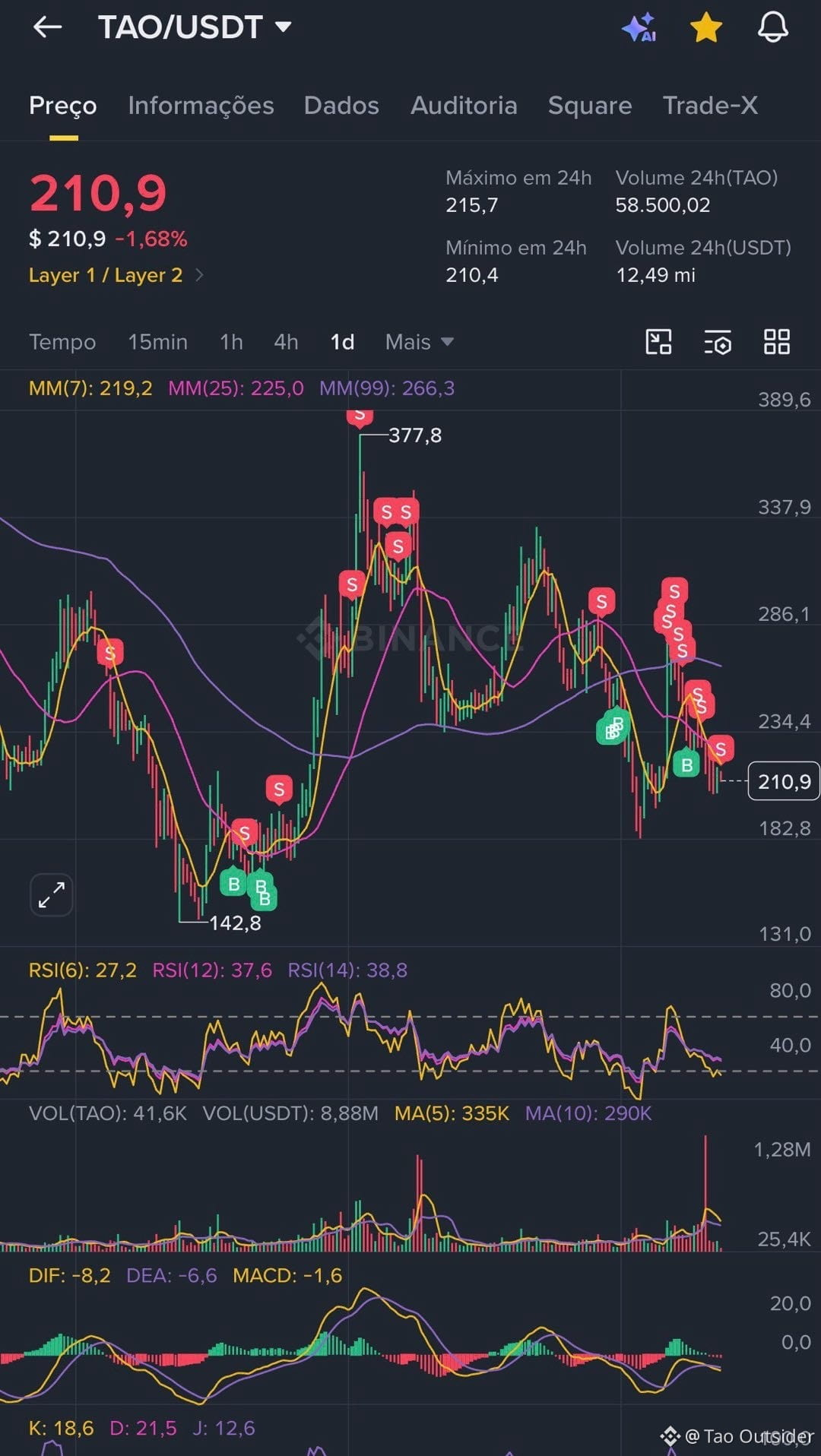
$TAOは1日の終値で約$211付近、当日-1.68%で推移しており、価格は主要な日足移動平均線の下にあります。
テクニカルの状況は崩れてはいないものの、弱いです。
最初の課題はトレンドの圧力です。価格は$219のMA7を下回り、$225のMA25も下回り、さらに$266のMA99からも大きく離れています。つまり、買い手が少なくとも$219〜$225を取り戻すまでは、短期トレンドは依然として弱気です。
モメンタムも同じ見立てを裏付けています。
RSI(6): 27.2
RSI(12): 37.6
RSI(14): 38.8
短期のRSIはすでに売られ過ぎ圏に近く、反発が起きやすい可能性があります。ただしRSI(12)とRSI(14)はまだ弱いため、これはまだ反転の確証ではありません。あくまで反応(反発)の可能性があるゾーンです。
MACDは依然としてマイナスです。
DIF: -8.2
DEA: -6.6
MACD: -1.6
これは、下方向のモメンタムがまだ有効であることを示していますが、もはや完全な加速局面ではありません。
今重要なのは$210です。
買い手が$210を守れば、$TAOは短期的に$219〜$225へ向けたリバウンドを試みることができます。このゾーンを回復できれば、強さの最初の本格的なサインとなり、$234〜$245への動きにつながる可能性があります。
もし$210が失われるなら、次の支持線は$200、さらに大きな下方向のサポートゾーンは$183〜$190です。
現在のマップ:
支持線:$210
次の支持線:$200
主要支持線:$183〜$190
最初のレジスタンス:$219〜$225
次のレジスタンス:$234〜$245
トレンドレジスタンス:$266
私の見立て:
$TAOは反応ゾーンの近くにありますが、買い手が主導権を握ったことを証明する必要があります。
ここからの短期リバウンドは可能です。
真の回復は$225を上抜けてから始まります。
$TAO Bittensor - 短期構造は脆い
$TAOは1日の終値で約$211付近、当日-1.68%で推移しており、価格は主要な日足移動平均線の下にあります。
テクニカルの状況は崩れてはいないものの、弱いです。
最初の課題はトレンドの圧力です。価格は$219のMA7を下回り、$225のMA25も下回り、さらに$266のMA99からも大きく離れています。つまり、買い手が少なくとも$219〜$225を取り戻すまでは、短期トレンドは依然として弱気です。
モメンタムも同じ見立てを裏付けています。
RSI(6): 27.2
RSI(12): 37.6
RSI(14): 38.8
短期のRSIはすでに売られ過ぎ圏に近く、反発が起きやすい可能性があります。ただしRSI(12)とRSI(14)はまだ弱いため、これはまだ反転の確証ではありません。あくまで反応(反発)の可能性があるゾーンです。
MACDは依然としてマイナスです。
DIF: -8.2
DEA: -6.6
MACD: -1.6
これは、下方向のモメンタムがまだ有効であることを示していますが、もはや完全な加速局面ではありません。
今重要なのは$210です。
買い手が$210を守れば、$TAOは短期的に$219〜$225へ向けたリバウンドを試みることができます。このゾーンを回復できれば、強さの最初の本格的なサインとなり、$234〜$245への動きにつながる可能性があります。
もし$210が失われるなら、次の支持線は$200、さらに大きな下方向のサポートゾーンは$183〜$190です。
現在のマップ:
支持線:$210
次の支持線:$200
主要支持線:$183〜$190
最初のレジスタンス:$219〜$225
次のレジスタンス:$234〜$245
トレンドレジスタンス:$266
私の見立て:
$TAOは反応ゾーンの近くにありますが、買い手が主導権を握ったことを証明する必要があります。
ここからの短期リバウンドは可能です。
真の回復は$225を上抜けてから始まります。
$TAOは1日の終値で約$211付近、当日-1.68%で推移しており、価格は主要な日足移動平均線の下にあります。
テクニカルの状況は崩れてはいないものの、弱いです。
最初の課題はトレンドの圧力です。価格は$219のMA7を下回り、$225のMA25も下回り、さらに$266のMA99からも大きく離れています。つまり、買い手が少なくとも$219〜$225を取り戻すまでは、短期トレンドは依然として弱気です。
モメンタムも同じ見立てを裏付けています。
RSI(6): 27.2
RSI(12): 37.6
RSI(14): 38.8
短期のRSIはすでに売られ過ぎ圏に近く、反発が起きやすい可能性があります。ただしRSI(12)とRSI(14)はまだ弱いため、これはまだ反転の確証ではありません。あくまで反応(反発)の可能性があるゾーンです。
MACDは依然としてマイナスです。
DIF: -8.2
DEA: -6.6
MACD: -1.6
これは、下方向のモメンタムがまだ有効であることを示していますが、もはや完全な加速局面ではありません。
今重要なのは$210です。
買い手が$210を守れば、$TAOは短期的に$219〜$225へ向けたリバウンドを試みることができます。このゾーンを回復できれば、強さの最初の本格的なサインとなり、$234〜$245への動きにつながる可能性があります。
もし$210が失われるなら、次の支持線は$200、さらに大きな下方向のサポートゾーンは$183〜$190です。
現在のマップ:
支持線:$210
次の支持線:$200
主要支持線:$183〜$190
最初のレジスタンス:$219〜$225
次のレジスタンス:$234〜$245
トレンドレジスタンス:$266
私の見立て:
$TAOは反応ゾーンの近くにありますが、買い手が主導権を握ったことを証明する必要があります。
ここからの短期リバウンドは可能です。
真の回復は$225を上抜けてから始まります。
90
·
--
$TAO Bittensor は調理中です。
重要なのはこれです:
* Root Reborn:バリデータは、売却を自動的に行うのではなく、サブネット間で利回りを能動的に配分できるようになりました。システムは透明で、オプトインです。何もしなければ、何も変わりません。ステーク。稼ぐ。請求する。繰り返す。
* バリデータの配分戦略が気に入らない? ステークを移してください。市場が決めます。
* 57のサブネットがエミッションを失いました。アクティブマイニングなし。エミッションなし。シンプルです。このプロセスは今後毎週月曜日に実行されます。残っているアクティブなサブネットは、より大きな割合のエミッションを受け取ります。
* インセンティブがアップグレードされました。エミッションは現在、価格とルートの比率に結び付けられています。目標はシンプル:ゲームではなく、価値の創出に報いる。
* 分散化は継続します。完全な分散化はまだ約18か月先です。プールの借り入れやアルファホルダーの権利は、次の主要ステップの一つです。
人々がまだ見誤りがちなことが一つあります:Bittensor は、分散型AIのムーンショットです
$TAO Bittensor は調理中です。
重要なのはこれです:
* Root Reborn:バリデータは、売却を自動的に行うのではなく、サブネット間で利回りを能動的に配分できるようになりました。システムは透明で、オプトインです。何もしなければ、何も変わりません。ステーク。稼ぐ。請求する。繰り返す。
* バリデータの配分戦略が気に入らない? ステークを移してください。市場が決めます。
* 57のサブネットがエミッションを失いました。アクティブマイニングなし。エミッションなし。シンプルです。このプロセスは今後毎週月曜日に実行されます。残っているアクティブなサブネットは、より大きな割合のエミッションを受け取ります。
* インセンティブがアップグレードされました。エミッションは現在、価格とルートの比率に結び付けられています。目標はシンプル:ゲームではなく、価値の創出に報いる。
* 分散化は継続します。完全な分散化はまだ約18か月先です。プールの借り入れやアルファホルダーの権利は、次の主要ステップの一つです。
人々がまだ見誤りがちなことが一つあります:Bittensor は、分散型AIのムーンショットです
重要なのはこれです:
* Root Reborn:バリデータは、売却を自動的に行うのではなく、サブネット間で利回りを能動的に配分できるようになりました。システムは透明で、オプトインです。何もしなければ、何も変わりません。ステーク。稼ぐ。請求する。繰り返す。
* バリデータの配分戦略が気に入らない? ステークを移してください。市場が決めます。
* 57のサブネットがエミッションを失いました。アクティブマイニングなし。エミッションなし。シンプルです。このプロセスは今後毎週月曜日に実行されます。残っているアクティブなサブネットは、より大きな割合のエミッションを受け取ります。
* インセンティブがアップグレードされました。エミッションは現在、価格とルートの比率に結び付けられています。目標はシンプル:ゲームではなく、価値の創出に報いる。
* 分散化は継続します。完全な分散化はまだ約18か月先です。プールの借り入れやアルファホルダーの権利は、次の主要ステップの一つです。
人々がまだ見誤りがちなことが一つあります:Bittensor は、分散型AIのムーンショットです

91
·
--
$TAO Bittensor チャート 4時間足 + 短期の見通し。
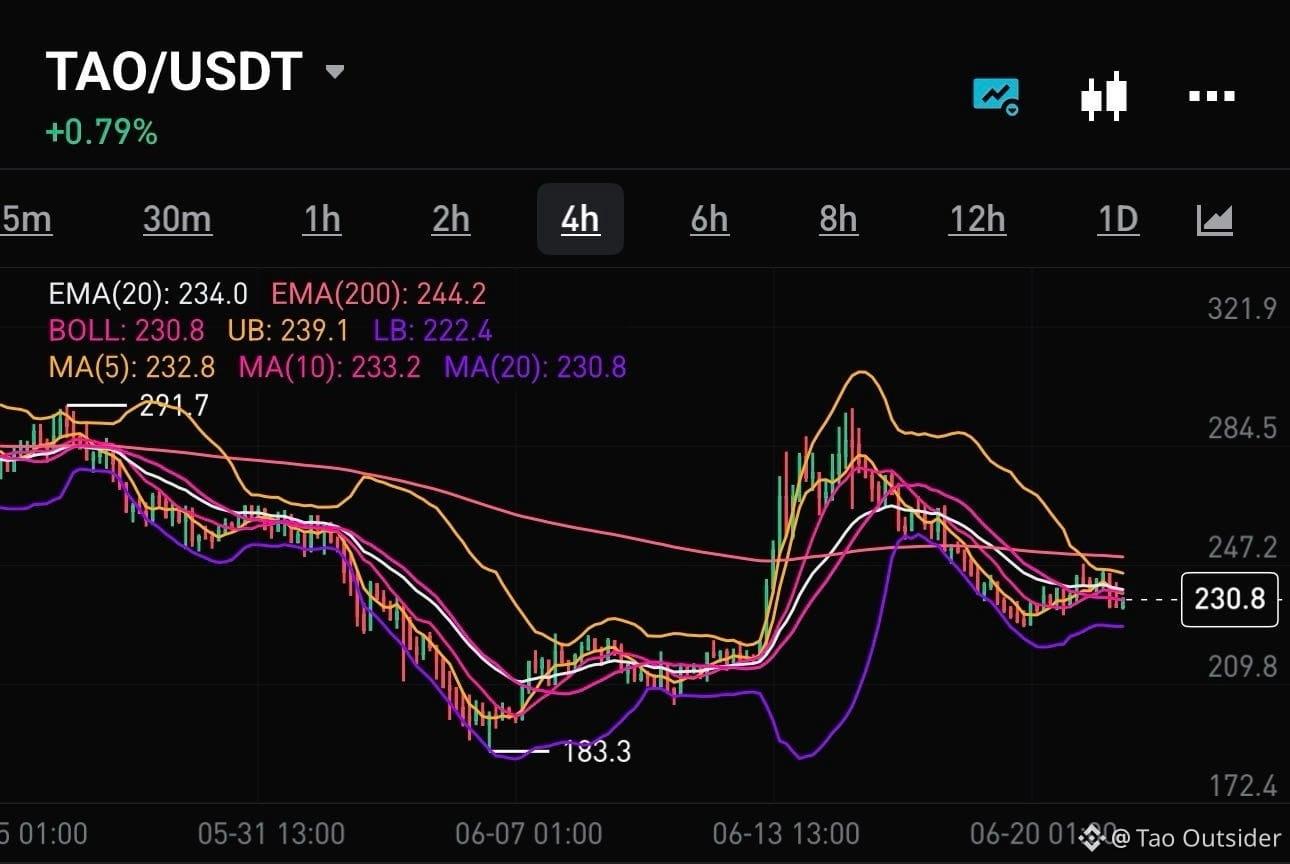
価格は4時間足のEMA20のすぐ上に位置していて、ボリンジャーバンドは圧縮が続いています。でも、そんな指標には誰も興味がありませんよね。皆さんが知りたいのは、上がるのか下がるのか、それだけです。合ってます?
私の基本シナリオ:もう数日、圧縮が続き、その後 $240〜245 を取りにいく試みがある。そうなれば、次の目標は $260 です。
買い手が $240〜245 を取り戻せるなら、市場は $260 への道を開き、さらに直近の高値付近である $280 近辺の再テストの可能性もあります。
もし価格が $225〜230 を割り込むなら……まあ、すでにだいたい $230 付近なので、起きても不思議ではありません。そして、210あたりで出来高と一緒に流動性が増えているのを見ましたが、これは良いサインではありません。
以上です。今日はここまで。良い一週間をお過ごしください。また注目していてください。
$TAO Bittensor チャート 4時間足 + 短期の見通し。
価格は4時間足のEMA20のすぐ上に位置していて、ボリンジャーバンドは圧縮が続いています。でも、そんな指標には誰も興味がありませんよね。皆さんが知りたいのは、上がるのか下がるのか、それだけです。合ってます?
私の基本シナリオ:もう数日、圧縮が続き、その後 $240〜245 を取りにいく試みがある。そうなれば、次の目標は $260 です。
買い手が $240〜245 を取り戻せるなら、市場は $260 への道を開き、さらに直近の高値付近である $280 近辺の再テストの可能性もあります。
もし価格が $225〜230 を割り込むなら……まあ、すでにだいたい $230 付近なので、起きても不思議ではありません。そして、210あたりで出来高と一緒に流動性が増えているのを見ましたが、これは良いサインではありません。
以上です。今日はここまで。良い一週間をお過ごしください。また注目していてください。
価格は4時間足のEMA20のすぐ上に位置していて、ボリンジャーバンドは圧縮が続いています。でも、そんな指標には誰も興味がありませんよね。皆さんが知りたいのは、上がるのか下がるのか、それだけです。合ってます?
私の基本シナリオ:もう数日、圧縮が続き、その後 $240〜245 を取りにいく試みがある。そうなれば、次の目標は $260 です。
買い手が $240〜245 を取り戻せるなら、市場は $260 への道を開き、さらに直近の高値付近である $280 近辺の再テストの可能性もあります。
もし価格が $225〜230 を割り込むなら……まあ、すでにだいたい $230 付近なので、起きても不思議ではありません。そして、210あたりで出来高と一緒に流動性が増えているのを見ましたが、これは良いサインではありません。
以上です。今日はここまで。良い一週間をお過ごしください。また注目していてください。

80
·
--
13か国が、すでに中央集権型AI企業をブロック、制限、停止、制裁、またはその他の形で干渉しています。
そしてリストは増え続けています。中央集権型AIはぐちゃぐちゃです。政府もぐちゃぐちゃです。事実だけを言います。これは主張ではありません。
だからこそ分散型AIが、唯一の現実的な代替案なのです。
現実を見てみましょう:
-中国はOpenAI、Anthropic、Grokをブロックしています。
-ロシアはOpenAI、Anthropic、Grokを制限しています。
-イランはOpenAI、Anthropic、Grokをブロックしています。
-北朝鮮はOpenAI、Anthropic、Grokをブロックしています。
-イタリアはプライバシー上の懸念から、ChatGPTを一時的に禁止しました。
-インドネシア、マレーシア、フィリピンは、露骨な画像生成や同意のないディープフェイクを含む失敗の後、Grokを一時的にブロックしました。
-アメリカは、輸出規制によってAnthropicに対しFable 5とMythos 5へのアクセスを無効化するよう、ついに強制しました。
そして正直に言うと、こうした介入のいくつかは、AI企業がミスをしたことが理由です。
プライバシー面の失敗。
ディープフェイク。
危険な出力。
脆弱なセーフガード。
不適切なロールアウト判断。
中央集権型AIは政府と揉めているだけではありません。自分自身とも揉めています。
さまざまな政府。
さまざまな理由。
さまざまな失敗。
同じ結果。
アクセスが減る。
自由が減る。
支配が増える。
毎年、中央集権型AIは規制当局、各種機関、コンプライアンス部門、そして政治的な意思決定への依存度を高めています。
もはや仮説の議論ではありません。
起きています。いま、まさに。
$TAO Bittensorは、まさにこの世界のために作られました。
知能が、開かれたままで、分散され、無許可で、そしてグローバルであり続けられる世界です。
分散型AIに賛成しない、嫌う、あるいは無視することもできます。けれど、最近起きたことを踏まえると、それが不要だと主張するのはますます難しくなってきています。
$TAO Bittensorは、この問題が存在するからこそあります。完璧ではありませんし、完璧であることを目指しているわけでもありません。でも忘れないでください。代替が必要になったとき、私たちはそこにいます。
13か国が、すでに中央集権型AI企業をブロック、制限、停止、制裁、またはその他の形で干渉しています。
そしてリストは増え続けています。中央集権型AIはぐちゃぐちゃです。政府もぐちゃぐちゃです。事実だけを言います。これは主張ではありません。
だからこそ分散型AIが、唯一の現実的な代替案なのです。
現実を見てみましょう:
-中国はOpenAI、Anthropic、Grokをブロックしています。
-ロシアはOpenAI、Anthropic、Grokを制限しています。
-イランはOpenAI、Anthropic、Grokをブロックしています。
-北朝鮮はOpenAI、Anthropic、Grokをブロックしています。
-イタリアはプライバシー上の懸念から、ChatGPTを一時的に禁止しました。
-インドネシア、マレーシア、フィリピンは、露骨な画像生成や同意のないディープフェイクを含む失敗の後、Grokを一時的にブロックしました。
-アメリカは、輸出規制によってAnthropicに対しFable 5とMythos 5へのアクセスを無効化するよう、ついに強制しました。
そして正直に言うと、こうした介入のいくつかは、AI企業がミスをしたことが理由です。
プライバシー面の失敗。
ディープフェイク。
危険な出力。
脆弱なセーフガード。
不適切なロールアウト判断。
中央集権型AIは政府と揉めているだけではありません。自分自身とも揉めています。
さまざまな政府。
さまざまな理由。
さまざまな失敗。
同じ結果。
アクセスが減る。
自由が減る。
支配が増える。
毎年、中央集権型AIは規制当局、各種機関、コンプライアンス部門、そして政治的な意思決定への依存度を高めています。
もはや仮説の議論ではありません。
起きています。いま、まさに。
$TAO Bittensorは、まさにこの世界のために作られました。
知能が、開かれたままで、分散され、無許可で、そしてグローバルであり続けられる世界です。
分散型AIに賛成しない、嫌う、あるいは無視することもできます。けれど、最近起きたことを踏まえると、それが不要だと主張するのはますます難しくなってきています。
$TAO Bittensorは、この問題が存在するからこそあります。完璧ではありませんし、完璧であることを目指しているわけでもありません。でも忘れないでください。代替が必要になったとき、私たちはそこにいます。
そしてリストは増え続けています。中央集権型AIはぐちゃぐちゃです。政府もぐちゃぐちゃです。事実だけを言います。これは主張ではありません。
だからこそ分散型AIが、唯一の現実的な代替案なのです。
現実を見てみましょう:
-中国はOpenAI、Anthropic、Grokをブロックしています。
-ロシアはOpenAI、Anthropic、Grokを制限しています。
-イランはOpenAI、Anthropic、Grokをブロックしています。
-北朝鮮はOpenAI、Anthropic、Grokをブロックしています。
-イタリアはプライバシー上の懸念から、ChatGPTを一時的に禁止しました。
-インドネシア、マレーシア、フィリピンは、露骨な画像生成や同意のないディープフェイクを含む失敗の後、Grokを一時的にブロックしました。
-アメリカは、輸出規制によってAnthropicに対しFable 5とMythos 5へのアクセスを無効化するよう、ついに強制しました。
そして正直に言うと、こうした介入のいくつかは、AI企業がミスをしたことが理由です。
プライバシー面の失敗。
ディープフェイク。
危険な出力。
脆弱なセーフガード。
不適切なロールアウト判断。
中央集権型AIは政府と揉めているだけではありません。自分自身とも揉めています。
さまざまな政府。
さまざまな理由。
さまざまな失敗。
同じ結果。
アクセスが減る。
自由が減る。
支配が増える。
毎年、中央集権型AIは規制当局、各種機関、コンプライアンス部門、そして政治的な意思決定への依存度を高めています。
もはや仮説の議論ではありません。
起きています。いま、まさに。
$TAO Bittensorは、まさにこの世界のために作られました。
知能が、開かれたままで、分散され、無許可で、そしてグローバルであり続けられる世界です。
分散型AIに賛成しない、嫌う、あるいは無視することもできます。けれど、最近起きたことを踏まえると、それが不要だと主張するのはますます難しくなってきています。
$TAO Bittensorは、この問題が存在するからこそあります。完璧ではありませんし、完璧であることを目指しているわけでもありません。でも忘れないでください。代替が必要になったとき、私たちはそこにいます。
84
·
--
$TAO Bittensorはグローバルに留まる。
より多くの国々が、AIに対する国家または地域レベルの統制を積極的に構築している。
中国はこの動きを強く進めており、国内モデルを用い、外国のシステムに対して厳しい制限を課している。
ロシアも同じ方向へ動いており、技術的主権を優先している。
UAEは、G42やFalconのようなモデルを通じて大規模な投資を行っている。
ヨーロッパは別の、しかし関連した道を歩んでいる。大規模に完全な国内向け基盤モデルを作るのではなく、規制による統制を強め、戦略的自律性を追求している。
方向性は明確だ。AIの領域がより細分化され、異なるモデル、異なるルール、異なるアクセスのレベル、そして「許容されるもの」とされる範囲の異なるバージョンが生まれていく。
ヨーロッパでは、この圧力は全面的な禁止という形では現れないかもしれない。より可能性が高いのは、規制、コンプライアンス要件、そして追加の摩擦として現れることだ。時間の経過とともに、特定のモデルは運用コストがより高くなり、導入が遅くなり、あるいは単純に競争力が落ちていく可能性がある。
政府はそれを「主権」と「安全保障」と呼ぶ。
企業はそれを「コンプライアンス」と「リスク管理」と呼ぶ。
結果は往々にして同じになる。開放性が減り、国境が増え、どのインテリジェンスに誰がアクセスできるかに対する統制が強まる。
ここに、Bittensorが構造的に異なる理由がある。
特定の政府に紐づいておらず、国境を越えて運用するのに規制当局の承認を必要としない。これは、どの単一の法域にも許可を求めることなく機能するように設計された。
政府が主権的なAI戦略を構築し、企業が規制当局と交渉する一方で、Bittensorは作られた目的を引き続き果たしている。
インテリジェンスにインセンティブを与える。インテリジェンスを分配する。
オープンなプロトコルによって、インテリジェンスをグローバルに利用可能にする。世界が国家や規制の線に沿ってさらに分断されるほど、本当に国境のないインテリジェンス・ネットワークの価値は高まる。
ある時点で、分散型AIは、単なる代替手段であることをやめる。設計として真にグローバルであり続ける唯一の層になっていくかもしれない。
$TAO Bittensorはグローバルに留まる。
より多くの国々が、AIに対する国家または地域レベルの統制を積極的に構築している。
中国はこの動きを強く進めており、国内モデルを用い、外国のシステムに対して厳しい制限を課している。
ロシアも同じ方向へ動いており、技術的主権を優先している。
UAEは、G42やFalconのようなモデルを通じて大規模な投資を行っている。
ヨーロッパは別の、しかし関連した道を歩んでいる。大規模に完全な国内向け基盤モデルを作るのではなく、規制による統制を強め、戦略的自律性を追求している。
方向性は明確だ。AIの領域がより細分化され、異なるモデル、異なるルール、異なるアクセスのレベル、そして「許容されるもの」とされる範囲の異なるバージョンが生まれていく。
ヨーロッパでは、この圧力は全面的な禁止という形では現れないかもしれない。より可能性が高いのは、規制、コンプライアンス要件、そして追加の摩擦として現れることだ。時間の経過とともに、特定のモデルは運用コストがより高くなり、導入が遅くなり、あるいは単純に競争力が落ちていく可能性がある。
政府はそれを「主権」と「安全保障」と呼ぶ。
企業はそれを「コンプライアンス」と「リスク管理」と呼ぶ。
結果は往々にして同じになる。開放性が減り、国境が増え、どのインテリジェンスに誰がアクセスできるかに対する統制が強まる。
ここに、Bittensorが構造的に異なる理由がある。
特定の政府に紐づいておらず、国境を越えて運用するのに規制当局の承認を必要としない。これは、どの単一の法域にも許可を求めることなく機能するように設計された。
政府が主権的なAI戦略を構築し、企業が規制当局と交渉する一方で、Bittensorは作られた目的を引き続き果たしている。
インテリジェンスにインセンティブを与える。インテリジェンスを分配する。
オープンなプロトコルによって、インテリジェンスをグローバルに利用可能にする。世界が国家や規制の線に沿ってさらに分断されるほど、本当に国境のないインテリジェンス・ネットワークの価値は高まる。
ある時点で、分散型AIは、単なる代替手段であることをやめる。設計として真にグローバルであり続ける唯一の層になっていくかもしれない。
より多くの国々が、AIに対する国家または地域レベルの統制を積極的に構築している。
中国はこの動きを強く進めており、国内モデルを用い、外国のシステムに対して厳しい制限を課している。
ロシアも同じ方向へ動いており、技術的主権を優先している。
UAEは、G42やFalconのようなモデルを通じて大規模な投資を行っている。
ヨーロッパは別の、しかし関連した道を歩んでいる。大規模に完全な国内向け基盤モデルを作るのではなく、規制による統制を強め、戦略的自律性を追求している。
方向性は明確だ。AIの領域がより細分化され、異なるモデル、異なるルール、異なるアクセスのレベル、そして「許容されるもの」とされる範囲の異なるバージョンが生まれていく。
ヨーロッパでは、この圧力は全面的な禁止という形では現れないかもしれない。より可能性が高いのは、規制、コンプライアンス要件、そして追加の摩擦として現れることだ。時間の経過とともに、特定のモデルは運用コストがより高くなり、導入が遅くなり、あるいは単純に競争力が落ちていく可能性がある。
政府はそれを「主権」と「安全保障」と呼ぶ。
企業はそれを「コンプライアンス」と「リスク管理」と呼ぶ。
結果は往々にして同じになる。開放性が減り、国境が増え、どのインテリジェンスに誰がアクセスできるかに対する統制が強まる。
ここに、Bittensorが構造的に異なる理由がある。
特定の政府に紐づいておらず、国境を越えて運用するのに規制当局の承認を必要としない。これは、どの単一の法域にも許可を求めることなく機能するように設計された。
政府が主権的なAI戦略を構築し、企業が規制当局と交渉する一方で、Bittensorは作られた目的を引き続き果たしている。
インテリジェンスにインセンティブを与える。インテリジェンスを分配する。
オープンなプロトコルによって、インテリジェンスをグローバルに利用可能にする。世界が国家や規制の線に沿ってさらに分断されるほど、本当に国境のないインテリジェンス・ネットワークの価値は高まる。
ある時点で、分散型AIは、単なる代替手段であることをやめる。設計として真にグローバルであり続ける唯一の層になっていくかもしれない。
83
·
--
分散型AIが重要な5つの理由、そしてなぜ$TAOが重要なのか
多くの人は、AIの未来は少数の企業によって支配されると考えています。
しかし、その未来にはリスクがあります。
そして、そのリスクこそが分散型AIが存在する理由です。
1. 知性は単一の所有者であるべきではない
歴史上最も強力な技術が、ますます中央集権化しています。
数社がモデル、計算(コンピュート)、流通、そしてアクセスを支配する世界は、明らかな単一障害点を生みます。
分散型AIは、その力を分散します。
2. インセンティブがイノベーションを動かす
中央集権型AIは従業員を報酬で動機づけます。
分散型AIは貢献者を報酬で動機づけます。
研究者、ビルダー、マイナー、バリデーター、そして開発者は、価値創造に直接参加できます。
それにより、イノベーションの「接点(表面積)」がはるかに大きくなります。
3. 競争がより良い知性を生み出す
クローズドなシステムは内部で最適化します。
オープンな市場は継続的に最適化します。
何千人もの参加者がより良い出力を生み出すために競い合うと、知性の進化はより速くなります。
4. インフラがグローバルにスケールする
AIへの需要は、どの単一企業にも供給しきれないほどの速さで伸びています。
分散型ネットワークなら、コンピュート、モデル、データ、エージェントが世界のどこからでも生まれてきます。
5. 次のAI経済にはネイティブな協調レイヤーが必要だ
モデルだけでは不十分です。
未来には、データ、コンピュート、エージェント、バリデーター、インセンティブの間での協調が求められます。
そこでBittensorが登場します。
$TAOは、別のAIモデルになろうとしているのではありません。
分散型の知性が競い合い、協調し、進化できるための経済レイヤーを構築しているのです。
もしAIが地球上で最大級の産業のひとつになるなら、その知性を調整するネットワークは、モデルそのものと同じくらい重要になるかもしれません。
それが賭けです。
#AI #AI Agents 🤖# #AIとブロックチェーンは相思相愛?# #AIAgent
分散型AIが重要な5つの理由、そしてなぜ$TAOが重要なのか
多くの人は、AIの未来は少数の企業によって支配されると考えています。
しかし、その未来にはリスクがあります。
そして、そのリスクこそが分散型AIが存在する理由です。
1. 知性は単一の所有者であるべきではない
歴史上最も強力な技術が、ますます中央集権化しています。
数社がモデル、計算(コンピュート)、流通、そしてアクセスを支配する世界は、明らかな単一障害点を生みます。
分散型AIは、その力を分散します。
2. インセンティブがイノベーションを動かす
中央集権型AIは従業員を報酬で動機づけます。
分散型AIは貢献者を報酬で動機づけます。
研究者、ビルダー、マイナー、バリデーター、そして開発者は、価値創造に直接参加できます。
それにより、イノベーションの「接点(表面積)」がはるかに大きくなります。
3. 競争がより良い知性を生み出す
クローズドなシステムは内部で最適化します。
オープンな市場は継続的に最適化します。
何千人もの参加者がより良い出力を生み出すために競い合うと、知性の進化はより速くなります。
4. インフラがグローバルにスケールする
AIへの需要は、どの単一企業にも供給しきれないほどの速さで伸びています。
分散型ネットワークなら、コンピュート、モデル、データ、エージェントが世界のどこからでも生まれてきます。
5. 次のAI経済にはネイティブな協調レイヤーが必要だ
モデルだけでは不十分です。
未来には、データ、コンピュート、エージェント、バリデーター、インセンティブの間での協調が求められます。
そこでBittensorが登場します。
$TAOは、別のAIモデルになろうとしているのではありません。
分散型の知性が競い合い、協調し、進化できるための経済レイヤーを構築しているのです。
もしAIが地球上で最大級の産業のひとつになるなら、その知性を調整するネットワークは、モデルそのものと同じくらい重要になるかもしれません。
それが賭けです。
#AI #AI Agents 🤖# #AIとブロックチェーンは相思相愛?# #AIAgent
多くの人は、AIの未来は少数の企業によって支配されると考えています。
しかし、その未来にはリスクがあります。
そして、そのリスクこそが分散型AIが存在する理由です。
1. 知性は単一の所有者であるべきではない
歴史上最も強力な技術が、ますます中央集権化しています。
数社がモデル、計算(コンピュート)、流通、そしてアクセスを支配する世界は、明らかな単一障害点を生みます。
分散型AIは、その力を分散します。
2. インセンティブがイノベーションを動かす
中央集権型AIは従業員を報酬で動機づけます。
分散型AIは貢献者を報酬で動機づけます。
研究者、ビルダー、マイナー、バリデーター、そして開発者は、価値創造に直接参加できます。
それにより、イノベーションの「接点(表面積)」がはるかに大きくなります。
3. 競争がより良い知性を生み出す
クローズドなシステムは内部で最適化します。
オープンな市場は継続的に最適化します。
何千人もの参加者がより良い出力を生み出すために競い合うと、知性の進化はより速くなります。
4. インフラがグローバルにスケールする
AIへの需要は、どの単一企業にも供給しきれないほどの速さで伸びています。
分散型ネットワークなら、コンピュート、モデル、データ、エージェントが世界のどこからでも生まれてきます。
5. 次のAI経済にはネイティブな協調レイヤーが必要だ
モデルだけでは不十分です。
未来には、データ、コンピュート、エージェント、バリデーター、インセンティブの間での協調が求められます。
そこでBittensorが登場します。
$TAOは、別のAIモデルになろうとしているのではありません。
分散型の知性が競い合い、協調し、進化できるための経済レイヤーを構築しているのです。
もしAIが地球上で最大級の産業のひとつになるなら、その知性を調整するネットワークは、モデルそのものと同じくらい重要になるかもしれません。
それが賭けです。
#AI #AI Agents 🤖# #AIとブロックチェーンは相思相愛?# #AIAgent
34
·
--
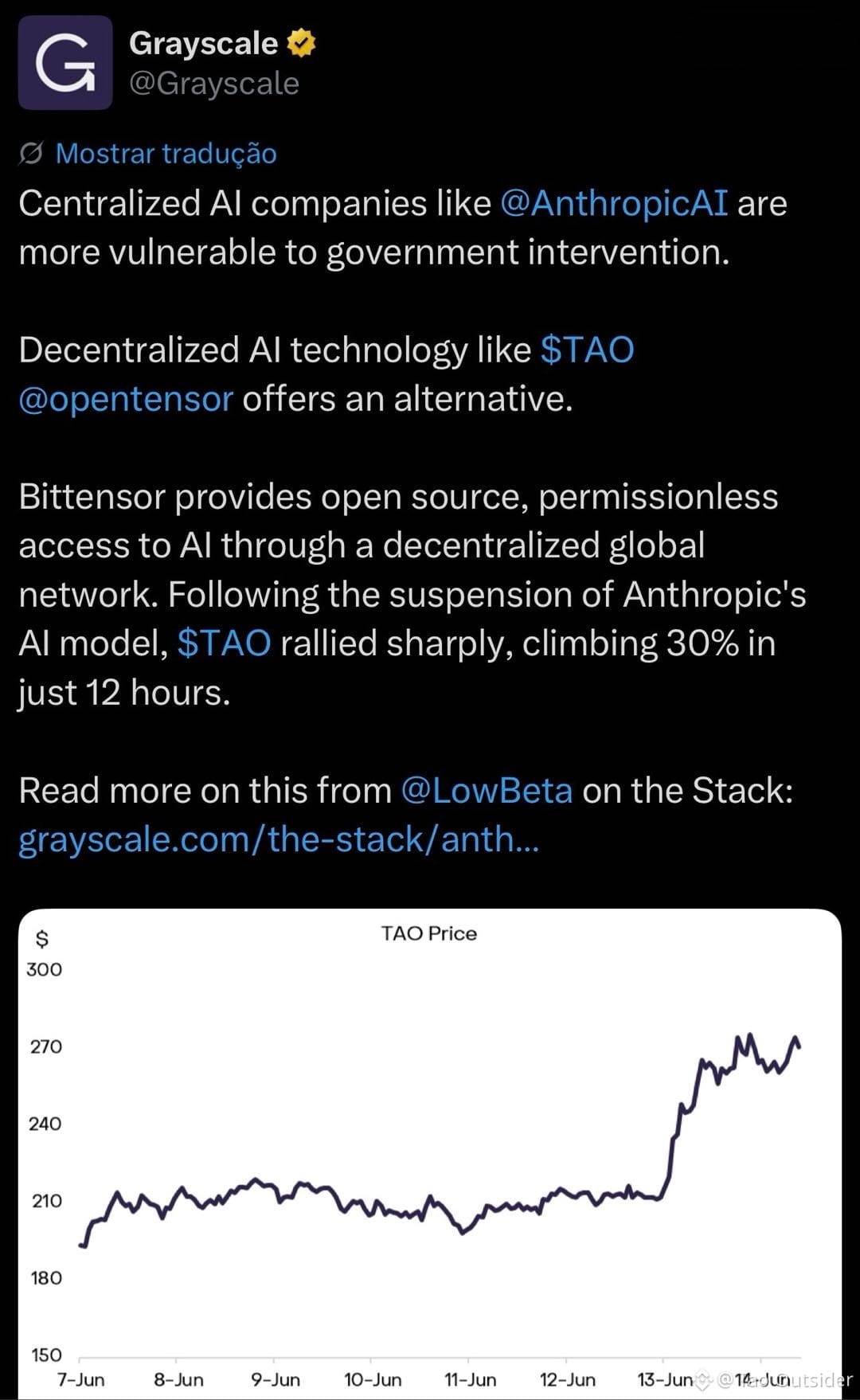
グレースケールは$TAOの論文を1枚のスクリーンショットで説明しました。
最も重要な部分は30%の動きではありません。
それはその背後にある理由です。
Anthropicのモデルは一時的に制限されました。
市場はすぐにシンプルな質問を投げかけ始めました:
AIが少数の中央集権的企業に依存するには重要すぎるとき、何が起こるのでしょうか?
グレースケールの答えは明確です。
分散型AIは、中央集権型AIと競争しているわけではなく、単にコストが安いからです。
それは中央集権的なシステムが単一障害点を生むから存在します。
政府が介入する可能性があります。
企業がアクセスを制限することができます。
政策が一夜にして変わることがあります。
インフラはログイン画面の背後に消えることがあります。
ビッテンソーは異なる仮定のもとに構築されました。
オープンソース。
許可なしアクセス。
グローバルな参加。
中央のゲートキーパーなし。
これが注目に値するのは、グレースケールがもはや$TAOを投機的なAIトークンとして話していないからです。
彼らはそれをインフラとして位置付けています。
それは完全に異なる投資の枠組みです。
インフラは長期的な資本が蓄積される場所です。
アプリケーションは行き来します。
インフラは複利で増えます。
市場の反応は即座にありました。なぜなら、投資家たちは重要なことに気づいたからです:
分散型AIの価値は、中央集権型AIプロバイダーがアクセスが保証されていないことを世界に思い出させるたびに増加します。
30%のラリーはただのモメンタムではありませんでした。
それは市場が代替の価値を再評価したことでした。
そして初めて、いくつかの最大の機関投資家たちがその議論を公然と展開しています。
グレースケールは$TAOの論文を1枚のスクリーンショットで説明しました。
最も重要な部分は30%の動きではありません。
それはその背後にある理由です。
Anthropicのモデルは一時的に制限されました。
市場はすぐにシンプルな質問を投げかけ始めました:
AIが少数の中央集権的企業に依存するには重要すぎるとき、何が起こるのでしょうか?
グレースケールの答えは明確です。
分散型AIは、中央集権型AIと競争しているわけではなく、単にコストが安いからです。
それは中央集権的なシステムが単一障害点を生むから存在します。
政府が介入する可能性があります。
企業がアクセスを制限することができます。
政策が一夜にして変わることがあります。
インフラはログイン画面の背後に消えることがあります。
ビッテンソーは異なる仮定のもとに構築されました。
オープンソース。
許可なしアクセス。
グローバルな参加。
中央のゲートキーパーなし。
これが注目に値するのは、グレースケールがもはや$TAOを投機的なAIトークンとして話していないからです。
彼らはそれをインフラとして位置付けています。
それは完全に異なる投資の枠組みです。
インフラは長期的な資本が蓄積される場所です。
アプリケーションは行き来します。
インフラは複利で増えます。
市場の反応は即座にありました。なぜなら、投資家たちは重要なことに気づいたからです:
分散型AIの価値は、中央集権型AIプロバイダーがアクセスが保証されていないことを世界に思い出させるたびに増加します。
30%のラリーはただのモメンタムではありませんでした。
それは市場が代替の価値を再評価したことでした。
そして初めて、いくつかの最大の機関投資家たちがその議論を公然と展開しています。
最も重要な部分は30%の動きではありません。
それはその背後にある理由です。
Anthropicのモデルは一時的に制限されました。
市場はすぐにシンプルな質問を投げかけ始めました:
AIが少数の中央集権的企業に依存するには重要すぎるとき、何が起こるのでしょうか?
グレースケールの答えは明確です。
分散型AIは、中央集権型AIと競争しているわけではなく、単にコストが安いからです。
それは中央集権的なシステムが単一障害点を生むから存在します。
政府が介入する可能性があります。
企業がアクセスを制限することができます。
政策が一夜にして変わることがあります。
インフラはログイン画面の背後に消えることがあります。
ビッテンソーは異なる仮定のもとに構築されました。
オープンソース。
許可なしアクセス。
グローバルな参加。
中央のゲートキーパーなし。
これが注目に値するのは、グレースケールがもはや$TAOを投機的なAIトークンとして話していないからです。
彼らはそれをインフラとして位置付けています。
それは完全に異なる投資の枠組みです。
インフラは長期的な資本が蓄積される場所です。
アプリケーションは行き来します。
インフラは複利で増えます。
市場の反応は即座にありました。なぜなら、投資家たちは重要なことに気づいたからです:
分散型AIの価値は、中央集権型AIプロバイダーがアクセスが保証されていないことを世界に思い出させるたびに増加します。
30%のラリーはただのモメンタムではありませんでした。
それは市場が代替の価値を再評価したことでした。
そして初めて、いくつかの最大の機関投資家たちがその議論を公然と展開しています。
56
·
--
$TAOは重要な意思決定の分岐点に近づいています
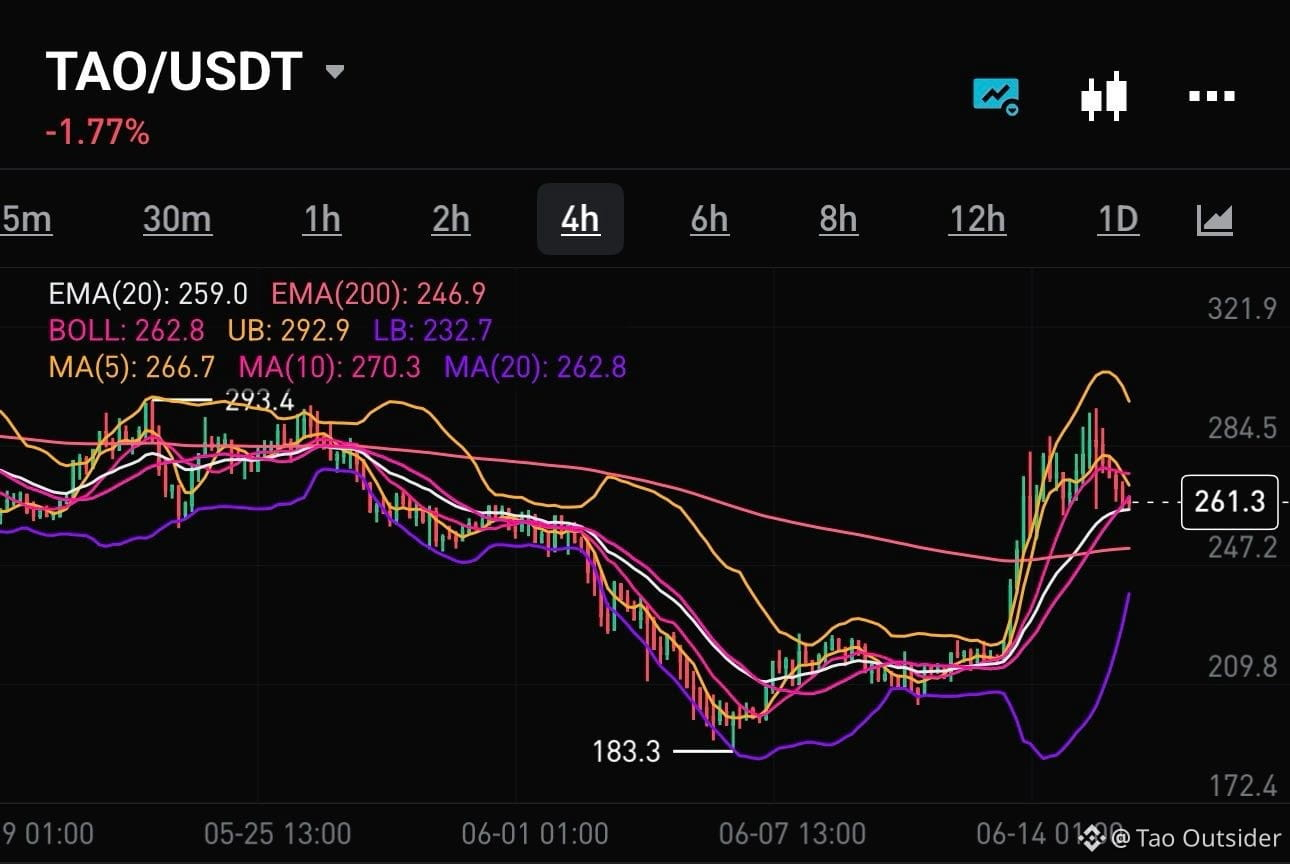
$183から$285への値動きは、2週間もかからずに起きました。
市場がこのペースをリセットなしで維持することは、ほとんどありません。
ここでの問いは、これが安堵のリバウンドだったのか、それともより大きなトレンド転換の始まりなのかという点です。
構造は依然として前向きです。
価格はまだ4時間足のEMA200(約$247)を上回り続けており、さらに、直前の下落トレンドを終わらせたブレイクアウト・ゾーンの上でも維持されています。高値更新ではなくても、より高い安値は保たれています。
$285〜$293付近での拒否(リジェクション)は想定どおりでした。あのエリアはチャート上で最初の主要な供給ゾーンであり、市場はすぐに反応しました。
ここから重要なのは3つの水準です:
$250–255
チャート上で最も重要なサポートです。これが維持される限り、短期トレンドでは買い手が主導権を握ります。
$280–293
市場がさらに上を目指すために奪い返す必要があるレジスタンス・ゾーンです。
$300
誰もが注目している水準です。奪い返しが成功すれば、$330–350が再び視野に入ります。
私の基本シナリオはシンプルです。
$TAOは$250–255の上でしばらく構築し、直近の上昇からの供給を吸収し、その後$300への再トライを行います。
$250を割り込むと、構造が弱まり、注目は再び$230へと戻ります。
当面は、チャートはもはや清算(リクイデーション)の市場のように振る舞っていません。
むしろ、大きなトレンド転換の後に新しいレンジを確立しようとしている市場の動きです。
次に重要なのは下方向ではありません。
買い手が十分な圧力をかけて、もう一度$300に挑めるかどうかです。
タグ: #TAO #Bittensor #AI Agents 🤖#
$TAOは重要な意思決定の分岐点に近づいています
$183から$285への値動きは、2週間もかからずに起きました。
市場がこのペースをリセットなしで維持することは、ほとんどありません。
ここでの問いは、これが安堵のリバウンドだったのか、それともより大きなトレンド転換の始まりなのかという点です。
構造は依然として前向きです。
価格はまだ4時間足のEMA200(約$247)を上回り続けており、さらに、直前の下落トレンドを終わらせたブレイクアウト・ゾーンの上でも維持されています。高値更新ではなくても、より高い安値は保たれています。
$285〜$293付近での拒否(リジェクション)は想定どおりでした。あのエリアはチャート上で最初の主要な供給ゾーンであり、市場はすぐに反応しました。
ここから重要なのは3つの水準です:
$250–255
チャート上で最も重要なサポートです。これが維持される限り、短期トレンドでは買い手が主導権を握ります。
$280–293
市場がさらに上を目指すために奪い返す必要があるレジスタンス・ゾーンです。
$300
誰もが注目している水準です。奪い返しが成功すれば、$330–350が再び視野に入ります。
私の基本シナリオはシンプルです。
$TAOは$250–255の上でしばらく構築し、直近の上昇からの供給を吸収し、その後$300への再トライを行います。
$250を割り込むと、構造が弱まり、注目は再び$230へと戻ります。
当面は、チャートはもはや清算(リクイデーション)の市場のように振る舞っていません。
むしろ、大きなトレンド転換の後に新しいレンジを確立しようとしている市場の動きです。
次に重要なのは下方向ではありません。
買い手が十分な圧力をかけて、もう一度$300に挑めるかどうかです。
タグ: #TAO #Bittensor #AI Agents 🤖#
$183から$285への値動きは、2週間もかからずに起きました。
市場がこのペースをリセットなしで維持することは、ほとんどありません。
ここでの問いは、これが安堵のリバウンドだったのか、それともより大きなトレンド転換の始まりなのかという点です。
構造は依然として前向きです。
価格はまだ4時間足のEMA200(約$247)を上回り続けており、さらに、直前の下落トレンドを終わらせたブレイクアウト・ゾーンの上でも維持されています。高値更新ではなくても、より高い安値は保たれています。
$285〜$293付近での拒否(リジェクション)は想定どおりでした。あのエリアはチャート上で最初の主要な供給ゾーンであり、市場はすぐに反応しました。
ここから重要なのは3つの水準です:
$250–255
チャート上で最も重要なサポートです。これが維持される限り、短期トレンドでは買い手が主導権を握ります。
$280–293
市場がさらに上を目指すために奪い返す必要があるレジスタンス・ゾーンです。
$300
誰もが注目している水準です。奪い返しが成功すれば、$330–350が再び視野に入ります。
私の基本シナリオはシンプルです。
$TAOは$250–255の上でしばらく構築し、直近の上昇からの供給を吸収し、その後$300への再トライを行います。
$250を割り込むと、構造が弱まり、注目は再び$230へと戻ります。
当面は、チャートはもはや清算(リクイデーション)の市場のように振る舞っていません。
むしろ、大きなトレンド転換の後に新しいレンジを確立しようとしている市場の動きです。
次に重要なのは下方向ではありません。
買い手が十分な圧力をかけて、もう一度$300に挑めるかどうかです。
タグ: #TAO #Bittensor #AI Agents 🤖#
77
·
--
$TAO Bittensor Exploit Summit - AIを支配しているのは誰? 現在、ほんの一握りの企業です。
世界最大級の経済のひとつが、モデルの検閲が“理論上のリスク”ではなく現実のものだと証明しました。それは本当に起きています。
だからこそ、Bittensorをめぐる議論は、重要性が増してこそいて、減ってはなりません。Bittensorは、許可を取らずに知能を生み出し、評価し、配布できる世界のために作られました。
Exploit Summit - 難しい問いへの答えを探す、ビルダーたちの集い:
分散型の知能はどうあるべきか? Exploitは、私たちがその方針を決める場です。
モントリオール。9月28日、29日。参加しますか、それともしませんか?
https://exploitsummit.com
正直なところ? Anthropic、OpenAI、そしてGrokにもぜひ来てほしいです。
まだ可能なうちに。
$TAO Bittensor Exploit Summit - AIを支配しているのは誰? 現在、ほんの一握りの企業です。
世界最大級の経済のひとつが、モデルの検閲が“理論上のリスク”ではなく現実のものだと証明しました。それは本当に起きています。
だからこそ、Bittensorをめぐる議論は、重要性が増してこそいて、減ってはなりません。Bittensorは、許可を取らずに知能を生み出し、評価し、配布できる世界のために作られました。
Exploit Summit - 難しい問いへの答えを探す、ビルダーたちの集い:
分散型の知能はどうあるべきか? Exploitは、私たちがその方針を決める場です。
モントリオール。9月28日、29日。参加しますか、それともしませんか?
https://exploitsummit.com
正直なところ? Anthropic、OpenAI、そしてGrokにもぜひ来てほしいです。
まだ可能なうちに。
世界最大級の経済のひとつが、モデルの検閲が“理論上のリスク”ではなく現実のものだと証明しました。それは本当に起きています。
だからこそ、Bittensorをめぐる議論は、重要性が増してこそいて、減ってはなりません。Bittensorは、許可を取らずに知能を生み出し、評価し、配布できる世界のために作られました。
Exploit Summit - 難しい問いへの答えを探す、ビルダーたちの集い:
分散型の知能はどうあるべきか? Exploitは、私たちがその方針を決める場です。
モントリオール。9月28日、29日。参加しますか、それともしませんか?
https://exploitsummit.com
正直なところ? Anthropic、OpenAI、そしてGrokにもぜひ来てほしいです。
まだ可能なうちに。

35
·
--
伝統的金融(TradFi)の資本が、誰もが予想しなかったペースで暗号資産に参入しています。
ビットコインETFは今や数百億ドルを管理しています。
ブラックロック、フィデリティ、フランクリン・テンプルトン、グレイスケールなどが、暗号資産を機関投資家向けの商品に変えました。
同時に、逆方向のフローも起きています。
暗号資産の資本がTradFiへ移動しています。
トークン化された国庫(トレジャリー)が成長しています。
トークン化された株式も、より一般的になりつつあります。
投資家は、暗号資産のレール上にいながら、従来の資産にアクセスできるようになってきています。
TradFiと暗号資産の境界線は、ますます薄くなっています。
それは問題を生みます。
すべてが投資対象になってしまうなら、「ただのトークン」であることは、弱い価値提案になってしまいます。
資本は、より厳しい問いを投げ始めます:
収益はどこから生まれるのか?
ユーザーはどこにいるのか?
何が作られているのか?
どんな課題が解決されているのか?
ここでBittensorが面白くなります。
Bittensorは、単なる別の決済コイン、取引トークン、または価値保存の物語ではありません。
知能のための市場を作ろうとしています。
現在、100以上のアクティブなサブネットが、AIインフラ、エージェント、生物学、コーディング、メモリ、メディア、天気予報、そしてデータ市場などで競い合っています。
TradFiが暗号資産にアクセスする方法を学んでいる一方で、Bittensorは別のものを作ろうとしています:
有用な仕事、知能、インフラが資本をめぐって競い合う経済です。
長期的な問いはシンプルです:
機関がいずれAIに配分するとして、彼らはアプリケーションだけを買うのでしょうか?
それとも、それらを支えるインフラも買うのでしょうか?
それが、今後10年の$TAOにとって最も重要な問いの一つになるかもしれません。
#tradfi #bittensor #AI Agents 🤖#
伝統的金融(TradFi)の資本が、誰もが予想しなかったペースで暗号資産に参入しています。
ビットコインETFは今や数百億ドルを管理しています。
ブラックロック、フィデリティ、フランクリン・テンプルトン、グレイスケールなどが、暗号資産を機関投資家向けの商品に変えました。
同時に、逆方向のフローも起きています。
暗号資産の資本がTradFiへ移動しています。
トークン化された国庫(トレジャリー)が成長しています。
トークン化された株式も、より一般的になりつつあります。
投資家は、暗号資産のレール上にいながら、従来の資産にアクセスできるようになってきています。
TradFiと暗号資産の境界線は、ますます薄くなっています。
それは問題を生みます。
すべてが投資対象になってしまうなら、「ただのトークン」であることは、弱い価値提案になってしまいます。
資本は、より厳しい問いを投げ始めます:
収益はどこから生まれるのか?
ユーザーはどこにいるのか?
何が作られているのか?
どんな課題が解決されているのか?
ここでBittensorが面白くなります。
Bittensorは、単なる別の決済コイン、取引トークン、または価値保存の物語ではありません。
知能のための市場を作ろうとしています。
現在、100以上のアクティブなサブネットが、AIインフラ、エージェント、生物学、コーディング、メモリ、メディア、天気予報、そしてデータ市場などで競い合っています。
TradFiが暗号資産にアクセスする方法を学んでいる一方で、Bittensorは別のものを作ろうとしています:
有用な仕事、知能、インフラが資本をめぐって競い合う経済です。
長期的な問いはシンプルです:
機関がいずれAIに配分するとして、彼らはアプリケーションだけを買うのでしょうか?
それとも、それらを支えるインフラも買うのでしょうか?
それが、今後10年の$TAOにとって最も重要な問いの一つになるかもしれません。
#tradfi #bittensor #AI Agents 🤖#
ビットコインETFは今や数百億ドルを管理しています。
ブラックロック、フィデリティ、フランクリン・テンプルトン、グレイスケールなどが、暗号資産を機関投資家向けの商品に変えました。
同時に、逆方向のフローも起きています。
暗号資産の資本がTradFiへ移動しています。
トークン化された国庫(トレジャリー)が成長しています。
トークン化された株式も、より一般的になりつつあります。
投資家は、暗号資産のレール上にいながら、従来の資産にアクセスできるようになってきています。
TradFiと暗号資産の境界線は、ますます薄くなっています。
それは問題を生みます。
すべてが投資対象になってしまうなら、「ただのトークン」であることは、弱い価値提案になってしまいます。
資本は、より厳しい問いを投げ始めます:
収益はどこから生まれるのか?
ユーザーはどこにいるのか?
何が作られているのか?
どんな課題が解決されているのか?
ここでBittensorが面白くなります。
Bittensorは、単なる別の決済コイン、取引トークン、または価値保存の物語ではありません。
知能のための市場を作ろうとしています。
現在、100以上のアクティブなサブネットが、AIインフラ、エージェント、生物学、コーディング、メモリ、メディア、天気予報、そしてデータ市場などで競い合っています。
TradFiが暗号資産にアクセスする方法を学んでいる一方で、Bittensorは別のものを作ろうとしています:
有用な仕事、知能、インフラが資本をめぐって競い合う経済です。
長期的な問いはシンプルです:
機関がいずれAIに配分するとして、彼らはアプリケーションだけを買うのでしょうか?
それとも、それらを支えるインフラも買うのでしょうか?
それが、今後10年の$TAOにとって最も重要な問いの一つになるかもしれません。
#tradfi #bittensor #AI Agents 🤖#


55
·
--
なぜ$TAOは、これまでで最も重要なフェーズに入ろうとしているのか
市場は価格に注目している。
本当の物語は、別の場所で起きている。
初めて、複数の機関投資家・規制・AI関連の触媒が、同じナラティブの周りに同時に集まってきている。
グレースケールはGTAOを拡大し続けながら、ETFへの道筋も追求している。
ビットワイズは、自社のBittensor関連プロダクトを進めている。
そして分散型AIは、ニッチな暗号資産の物語から、実際に機関が理解できるカテゴリーへと徐々に移行しつつある。
同時に、Bittensorはもはや単なるプロトコルではない。
今日、推論・コーディング・バイオロジー・エージェント・データ・コンピュート・デジタルインテリジェンスの各市場で競い合う、100以上のアクティブなサブネットを受け入れている。
次の問いは、AIが成長するかどうかではない。
問題は、価値がどこに蓄積されるかだ。
AIの支出が世界的に拡大し続けるなら、いずれ資本はアプリケーションを超えてインフラへと目を向けるだろう。
そこでBittensorが位置している。市場はもう一つの重要な事実も忘れている:
$TAOは依然として史上最高値から70%以上下回っている。
新しい普及のマイルストーンに到達する大半の資産は、通常、ピーク時のバリュエーション近辺で取引されながらそうはならない。
それが非対称性を生む。
強気シナリオは明快だ:
AIが支配的な技術ナラティブであり続け、規制されたプロダクトによって機関のアクセスが改善し、サブネットの活動が拡大し続け、そして資本が分散型インテリジェンスを投資可能なカテゴリーとして扱い始める。
その環境では、$250〜300の領域への再上昇が妥当になる。
持続的なAI主導のサイクルが続けば、最終的に、より大幅に高いバリュエーションをめぐる議論が再燃する可能性がある。
弱気シナリオはシンプルなままだ:
AIへの熱が冷め、ビットコインの勢いが失われ、資金の流れが弱まり、市場は長期の調整フェーズに閉じ込められたままになる。
当面の焦点は、分散型AIが機関の資本を大規模に引き付けるほど大きくなるかどうかだ。これは、今後12か月の$TAOにとって、おそらく最も重要な問いの一つになるだろう。
なぜ$TAOは、これまでで最も重要なフェーズに入ろうとしているのか
市場は価格に注目している。
本当の物語は、別の場所で起きている。
初めて、複数の機関投資家・規制・AI関連の触媒が、同じナラティブの周りに同時に集まってきている。
グレースケールはGTAOを拡大し続けながら、ETFへの道筋も追求している。
ビットワイズは、自社のBittensor関連プロダクトを進めている。
そして分散型AIは、ニッチな暗号資産の物語から、実際に機関が理解できるカテゴリーへと徐々に移行しつつある。
同時に、Bittensorはもはや単なるプロトコルではない。
今日、推論・コーディング・バイオロジー・エージェント・データ・コンピュート・デジタルインテリジェンスの各市場で競い合う、100以上のアクティブなサブネットを受け入れている。
次の問いは、AIが成長するかどうかではない。
問題は、価値がどこに蓄積されるかだ。
AIの支出が世界的に拡大し続けるなら、いずれ資本はアプリケーションを超えてインフラへと目を向けるだろう。
そこでBittensorが位置している。市場はもう一つの重要な事実も忘れている:
$TAOは依然として史上最高値から70%以上下回っている。
新しい普及のマイルストーンに到達する大半の資産は、通常、ピーク時のバリュエーション近辺で取引されながらそうはならない。
それが非対称性を生む。
強気シナリオは明快だ:
AIが支配的な技術ナラティブであり続け、規制されたプロダクトによって機関のアクセスが改善し、サブネットの活動が拡大し続け、そして資本が分散型インテリジェンスを投資可能なカテゴリーとして扱い始める。
その環境では、$250〜300の領域への再上昇が妥当になる。
持続的なAI主導のサイクルが続けば、最終的に、より大幅に高いバリュエーションをめぐる議論が再燃する可能性がある。
弱気シナリオはシンプルなままだ:
AIへの熱が冷め、ビットコインの勢いが失われ、資金の流れが弱まり、市場は長期の調整フェーズに閉じ込められたままになる。
当面の焦点は、分散型AIが機関の資本を大規模に引き付けるほど大きくなるかどうかだ。これは、今後12か月の$TAOにとって、おそらく最も重要な問いの一つになるだろう。
市場は価格に注目している。
本当の物語は、別の場所で起きている。
初めて、複数の機関投資家・規制・AI関連の触媒が、同じナラティブの周りに同時に集まってきている。
グレースケールはGTAOを拡大し続けながら、ETFへの道筋も追求している。
ビットワイズは、自社のBittensor関連プロダクトを進めている。
そして分散型AIは、ニッチな暗号資産の物語から、実際に機関が理解できるカテゴリーへと徐々に移行しつつある。
同時に、Bittensorはもはや単なるプロトコルではない。
今日、推論・コーディング・バイオロジー・エージェント・データ・コンピュート・デジタルインテリジェンスの各市場で競い合う、100以上のアクティブなサブネットを受け入れている。
次の問いは、AIが成長するかどうかではない。
問題は、価値がどこに蓄積されるかだ。
AIの支出が世界的に拡大し続けるなら、いずれ資本はアプリケーションを超えてインフラへと目を向けるだろう。
そこでBittensorが位置している。市場はもう一つの重要な事実も忘れている:
$TAOは依然として史上最高値から70%以上下回っている。
新しい普及のマイルストーンに到達する大半の資産は、通常、ピーク時のバリュエーション近辺で取引されながらそうはならない。
それが非対称性を生む。
強気シナリオは明快だ:
AIが支配的な技術ナラティブであり続け、規制されたプロダクトによって機関のアクセスが改善し、サブネットの活動が拡大し続け、そして資本が分散型インテリジェンスを投資可能なカテゴリーとして扱い始める。
その環境では、$250〜300の領域への再上昇が妥当になる。
持続的なAI主導のサイクルが続けば、最終的に、より大幅に高いバリュエーションをめぐる議論が再燃する可能性がある。
弱気シナリオはシンプルなままだ:
AIへの熱が冷め、ビットコインの勢いが失われ、資金の流れが弱まり、市場は長期の調整フェーズに閉じ込められたままになる。
当面の焦点は、分散型AIが機関の資本を大規模に引き付けるほど大きくなるかどうかだ。これは、今後12か月の$TAOにとって、おそらく最も重要な問いの一つになるだろう。

47
ログインして、さらにコンテンツを読む
厳選トピックで世界の暗号資産トレーダーの仲間入り
⚡️ 暗号資産に関する最新かつ有益な情報が見つかります。
💬 世界最大の暗号資産取引所から信頼されています。
👍 認証を受けたクリエイターから、有益なインサイトを得られます。
メール / 電話番号