

BlockViz
391 投稿

BlockViz
報告
ユーザーをブロック
Crypto price and market data visualization and simulation website for traders and macro-focused investors. Visit: X @blockviz_xyz or https://blockviz.xyz
15 フォロー
34 フォロワー
136 いいね
投稿
すべて
引用
·
--
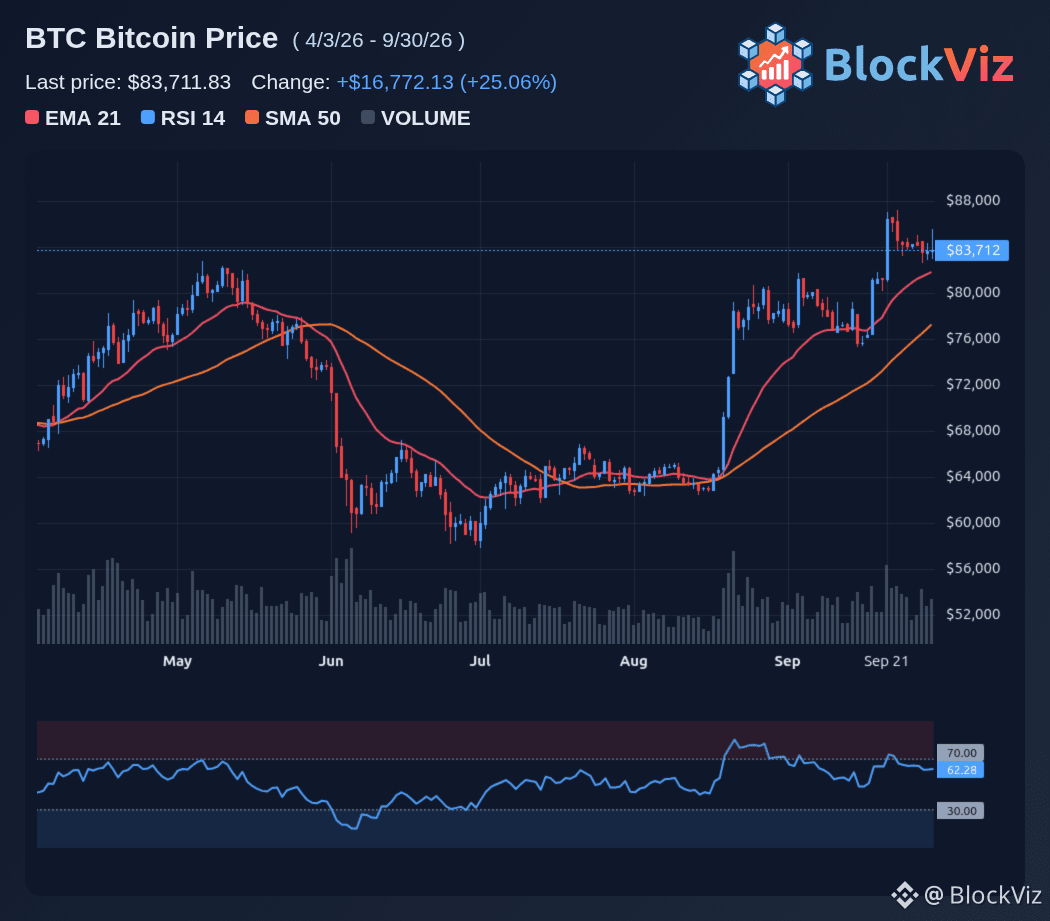
Uptober(アップトーバー)は会話に戻ってきましたが、歴史だけでは今回を信じるには十分ではありません。ビットコインは過去13回の10月のうち10回で値上がり(グリーン)で終えており、平均リターンは約19%、中央値は14%前後です。しかし2025年は7年連続の流れを破り、4%の下落となりました。今年は、高い利回りとオプションの売り圧(ヘッジの過剰)による深刻なマクロの逆風が重なっています。
争点は、季節性(アノマリー)と準備(セットアップ)のどちらに重みがあるかです。BTCは9月に約9%上昇し、8月には約25%上げた後、10月入り時点でおよそ85,000〜87,000にいます。これは珍しい「連続のグリーン」で、多くの場合、強いUptoberの走りに先行してきました。180億ドル規模のオプション期限(オプションの満期)はすでに通過し、今、市場は流動性が90,000〜100,000へ向けた押し上げを支えられるのか、それとも過去最高水準の利確が上昇を制限するのかを見ています。
トレーダーにとっての問いは、Uptoberが“基準レート”なのか“罠”なのかということです。パターンは勝率76.9%ですが、赤い10月が3回ある(2018年と2025年を含む)ことが、季節性は保証ではないと教えてくれます。今年のセットアップは2025年と違っており、BTCは114,000ではなく85,000からスタートしています。さらにETFの資金フローとステーブルコインの流動性が、昨年の“上重心”な構造よりも強い下支え(買い)になっています。
次の足は88,000〜90,000を見て、その後はUptoberの目標として100,000を狙います。90,000を明確に上抜ければ、歴史的な10月の平均上昇率19%に整合します。一方、88,000で失敗すれば、83,000〜85,000への再テストもあり得ます。次のきっかけは、10月の月次ローソク足の始値、ETF流入での追加的な追随、そしてUptober物語が進む中でBTCが85,000を上回って維持できるかどうかです。
$BTC
Uptober(アップトーバー)は会話に戻ってきましたが、歴史だけでは今回を信じるには十分ではありません。ビットコインは過去13回の10月のうち10回で値上がり(グリーン)で終えており、平均リターンは約19%、中央値は14%前後です。しかし2025年は7年連続の流れを破り、4%の下落となりました。今年は、高い利回りとオプションの売り圧(ヘッジの過剰)による深刻なマクロの逆風が重なっています。
争点は、季節性(アノマリー)と準備(セットアップ)のどちらに重みがあるかです。BTCは9月に約9%上昇し、8月には約25%上げた後、10月入り時点でおよそ85,000〜87,000にいます。これは珍しい「連続のグリーン」で、多くの場合、強いUptoberの走りに先行してきました。180億ドル規模のオプション期限(オプションの満期)はすでに通過し、今、市場は流動性が90,000〜100,000へ向けた押し上げを支えられるのか、それとも過去最高水準の利確が上昇を制限するのかを見ています。
トレーダーにとっての問いは、Uptoberが“基準レート”なのか“罠”なのかということです。パターンは勝率76.9%ですが、赤い10月が3回ある(2018年と2025年を含む)ことが、季節性は保証ではないと教えてくれます。今年のセットアップは2025年と違っており、BTCは114,000ではなく85,000からスタートしています。さらにETFの資金フローとステーブルコインの流動性が、昨年の“上重心”な構造よりも強い下支え(買い)になっています。
次の足は88,000〜90,000を見て、その後はUptoberの目標として100,000を狙います。90,000を明確に上抜ければ、歴史的な10月の平均上昇率19%に整合します。一方、88,000で失敗すれば、83,000〜85,000への再テストもあり得ます。次のきっかけは、10月の月次ローソク足の始値、ETF流入での追加的な追随、そしてUptober物語が進む中でBTCが85,000を上回って維持できるかどうかです。
$BTC
争点は、季節性(アノマリー)と準備(セットアップ)のどちらに重みがあるかです。BTCは9月に約9%上昇し、8月には約25%上げた後、10月入り時点でおよそ85,000〜87,000にいます。これは珍しい「連続のグリーン」で、多くの場合、強いUptoberの走りに先行してきました。180億ドル規模のオプション期限(オプションの満期)はすでに通過し、今、市場は流動性が90,000〜100,000へ向けた押し上げを支えられるのか、それとも過去最高水準の利確が上昇を制限するのかを見ています。
トレーダーにとっての問いは、Uptoberが“基準レート”なのか“罠”なのかということです。パターンは勝率76.9%ですが、赤い10月が3回ある(2018年と2025年を含む)ことが、季節性は保証ではないと教えてくれます。今年のセットアップは2025年と違っており、BTCは114,000ではなく85,000からスタートしています。さらにETFの資金フローとステーブルコインの流動性が、昨年の“上重心”な構造よりも強い下支え(買い)になっています。
次の足は88,000〜90,000を見て、その後はUptoberの目標として100,000を狙います。90,000を明確に上抜ければ、歴史的な10月の平均上昇率19%に整合します。一方、88,000で失敗すれば、83,000〜85,000への再テストもあり得ます。次のきっかけは、10月の月次ローソク足の始値、ETF流入での追加的な追随、そしてUptober物語が進む中でBTCが85,000を上回って維持できるかどうかです。
$BTC
78
·
--
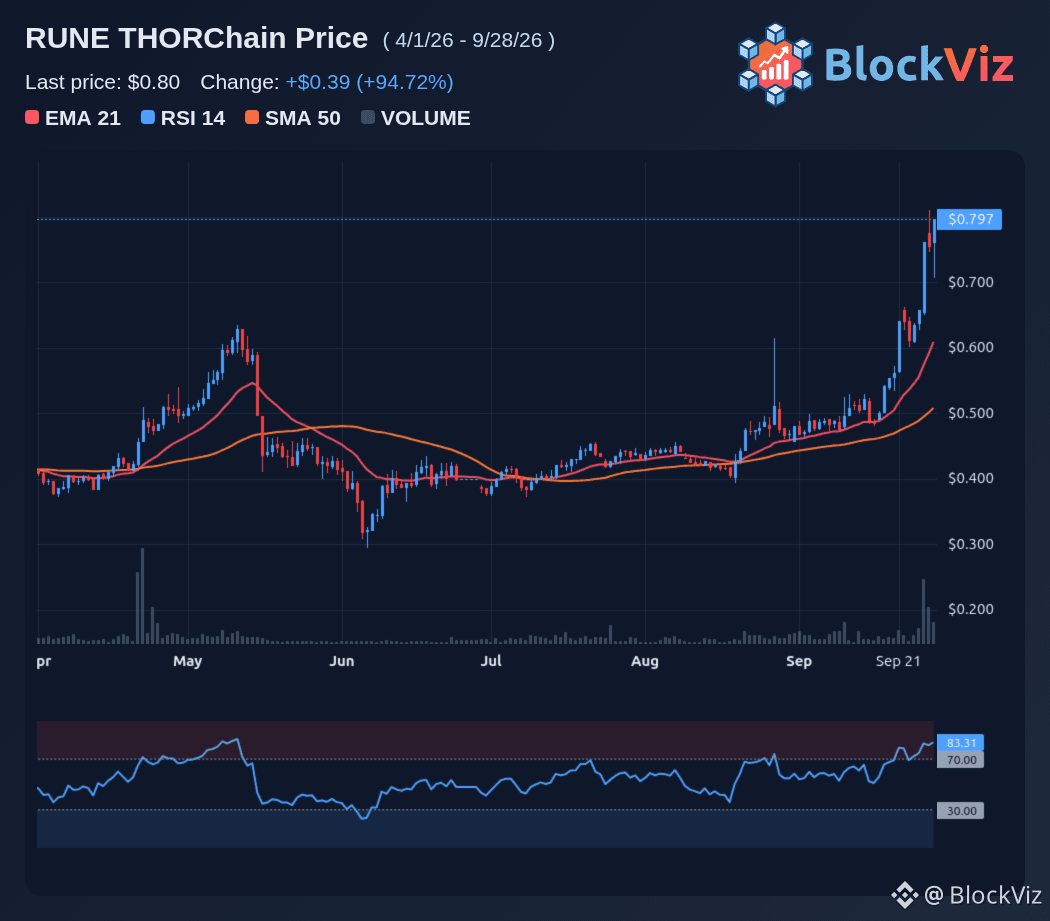
THORChainは、3億8750万ドルのBitgetハックをめぐって“砂に線を引いた”ような対応を取り、暗号資産コミュニティを二分しています。取引所は当該攻撃者に紐づくウォレットをブロックするようプロトコルに求めましたが、THORChainは「ノー」と返答しました。非常停止(エマージェンシー・ハルト)の仕組みがネットワーク全体を守るものであり、個別のアドレスやスワップを凍結するためのものではない、と主張したのです。この姿勢は、暗号の最古の論争を再燃させました――盗まれた資金があなたの“レール”の上を動いているとき、検閲耐性は機能なのか、それともバグなのか?
緊張は現実的です。BitgetのCEOグレイシー・チェンは公の場でTHORChainを批判し、「分散化は設計原則であって、既知の盗難資金の受け皿になっていることを正当化する盾ではない」と述べました。これに対しTHORChainは反論し、2025年2月に管理者キーを廃止していること、そしてバリデータには許可制(permissionless)モデルを損なうことなく単一アドレスをブラックリスト化するスイッチがないことを指摘しました。プロトコルはまた、自身の2026年5月のエクスプロイトにも触れ、そこでネットワークを停止して1070万ドルの損失を封じ込めたものの、その後攻撃者のウォレットをブラックリストにしなかった、と説明しています。
トレーダーにとって今回の材料は、物語(ナラティブ)とフロー(資金の流れ)です。RUNEは24時間で20%以上上昇しています。市場が、検閲を拒むプロトコルに対して“純度プレミアム”のような値付けをしているからです。問題は、この買いが塵が落ち着いた後も維持されるのか、そして他のDeFiのプリミティブも同じ線を辿るのか、という点です。RUNEの直近ブレイクアウト水準を注視し、Bitgetに紐づくフローを停止するようノード運営者が投票する動きがないかも監視してください。そうした兆候があれば、ガバナンス(統治)姿勢の転換を示すサインになります。
次のカタリストは、盗難資金のオンチェーンでの継続的な動きと、THORChainバリデータ側またはBitgetからのさらなる発言です。もしプロトコルが強い姿勢を保てば、検閲耐性ナラティブへ資本がさらに回転していくことが期待されます。逆にバリデータが揺らいだり、選択的な停止を連携して行ったりすれば、純度(ピュリティ)のトレードは素早く反転する可能性があります。重要な水準は、RUNEのブレイクアウトゾーンと、THORChainのクロスチェーン・スワップを通じた3億8750万ドルのハッカー・ウォレットのフローです。
$RUNE
THORChainは、3億8750万ドルのBitgetハックをめぐって“砂に線を引いた”ような対応を取り、暗号資産コミュニティを二分しています。取引所は当該攻撃者に紐づくウォレットをブロックするようプロトコルに求めましたが、THORChainは「ノー」と返答しました。非常停止(エマージェンシー・ハルト)の仕組みがネットワーク全体を守るものであり、個別のアドレスやスワップを凍結するためのものではない、と主張したのです。この姿勢は、暗号の最古の論争を再燃させました――盗まれた資金があなたの“レール”の上を動いているとき、検閲耐性は機能なのか、それともバグなのか?
緊張は現実的です。BitgetのCEOグレイシー・チェンは公の場でTHORChainを批判し、「分散化は設計原則であって、既知の盗難資金の受け皿になっていることを正当化する盾ではない」と述べました。これに対しTHORChainは反論し、2025年2月に管理者キーを廃止していること、そしてバリデータには許可制(permissionless)モデルを損なうことなく単一アドレスをブラックリスト化するスイッチがないことを指摘しました。プロトコルはまた、自身の2026年5月のエクスプロイトにも触れ、そこでネットワークを停止して1070万ドルの損失を封じ込めたものの、その後攻撃者のウォレットをブラックリストにしなかった、と説明しています。
トレーダーにとって今回の材料は、物語(ナラティブ)とフロー(資金の流れ)です。RUNEは24時間で20%以上上昇しています。市場が、検閲を拒むプロトコルに対して“純度プレミアム”のような値付けをしているからです。問題は、この買いが塵が落ち着いた後も維持されるのか、そして他のDeFiのプリミティブも同じ線を辿るのか、という点です。RUNEの直近ブレイクアウト水準を注視し、Bitgetに紐づくフローを停止するようノード運営者が投票する動きがないかも監視してください。そうした兆候があれば、ガバナンス(統治)姿勢の転換を示すサインになります。
次のカタリストは、盗難資金のオンチェーンでの継続的な動きと、THORChainバリデータ側またはBitgetからのさらなる発言です。もしプロトコルが強い姿勢を保てば、検閲耐性ナラティブへ資本がさらに回転していくことが期待されます。逆にバリデータが揺らいだり、選択的な停止を連携して行ったりすれば、純度(ピュリティ)のトレードは素早く反転する可能性があります。重要な水準は、RUNEのブレイクアウトゾーンと、THORChainのクロスチェーン・スワップを通じた3億8750万ドルのハッカー・ウォレットのフローです。
$RUNE
緊張は現実的です。BitgetのCEOグレイシー・チェンは公の場でTHORChainを批判し、「分散化は設計原則であって、既知の盗難資金の受け皿になっていることを正当化する盾ではない」と述べました。これに対しTHORChainは反論し、2025年2月に管理者キーを廃止していること、そしてバリデータには許可制(permissionless)モデルを損なうことなく単一アドレスをブラックリスト化するスイッチがないことを指摘しました。プロトコルはまた、自身の2026年5月のエクスプロイトにも触れ、そこでネットワークを停止して1070万ドルの損失を封じ込めたものの、その後攻撃者のウォレットをブラックリストにしなかった、と説明しています。
トレーダーにとって今回の材料は、物語(ナラティブ)とフロー(資金の流れ)です。RUNEは24時間で20%以上上昇しています。市場が、検閲を拒むプロトコルに対して“純度プレミアム”のような値付けをしているからです。問題は、この買いが塵が落ち着いた後も維持されるのか、そして他のDeFiのプリミティブも同じ線を辿るのか、という点です。RUNEの直近ブレイクアウト水準を注視し、Bitgetに紐づくフローを停止するようノード運営者が投票する動きがないかも監視してください。そうした兆候があれば、ガバナンス(統治)姿勢の転換を示すサインになります。
次のカタリストは、盗難資金のオンチェーンでの継続的な動きと、THORChainバリデータ側またはBitgetからのさらなる発言です。もしプロトコルが強い姿勢を保てば、検閲耐性ナラティブへ資本がさらに回転していくことが期待されます。逆にバリデータが揺らいだり、選択的な停止を連携して行ったりすれば、純度(ピュリティ)のトレードは素早く反転する可能性があります。重要な水準は、RUNEのブレイクアウトゾーンと、THORChainのクロスチェーン・スワップを通じた3億8750万ドルのハッカー・ウォレットのフローです。
$RUNE
79
·
--
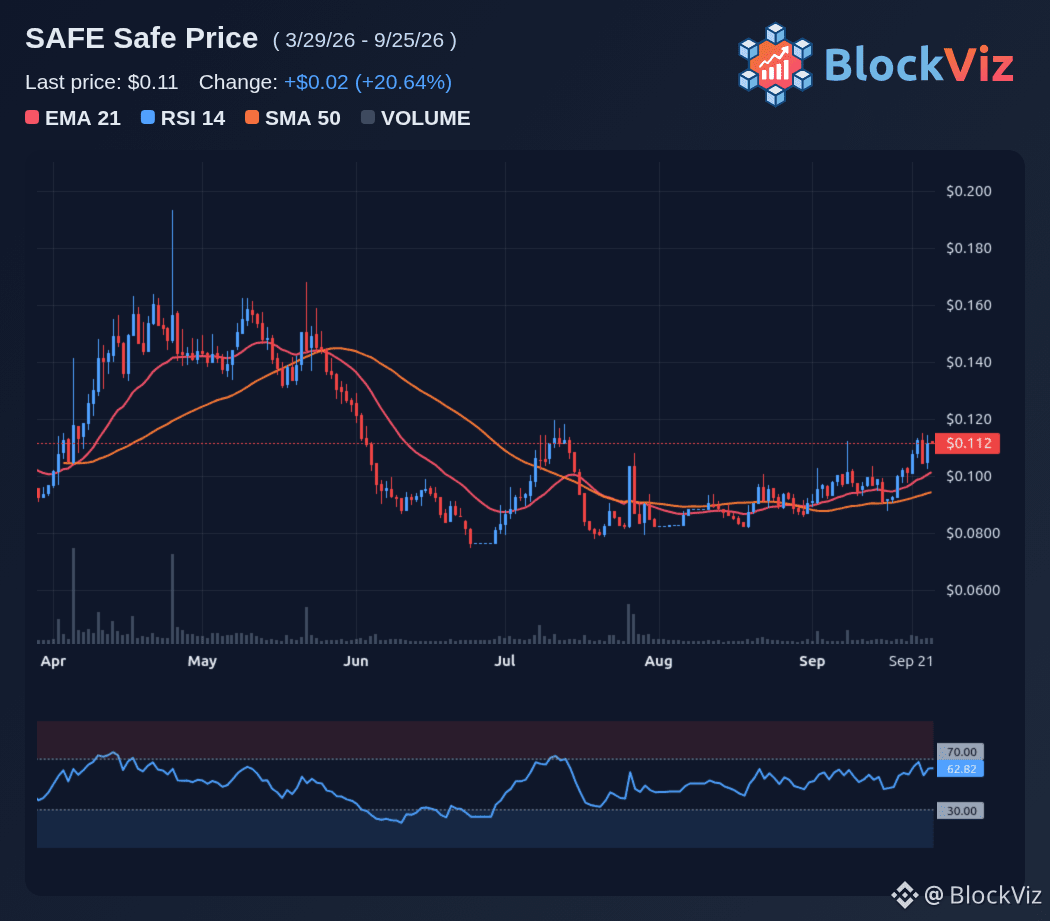
Bitgetは3億5,160万ドルのホットウォレット侵害を確認し出金を停止したと発表しており、市場は当然の疑問を投げかけています。誰がやったのか、どうやって侵入したのか、そして利用者の資産は本当に安全なのか。取引所は最後の点について「はい」とし、全損失をカバーする4億6,400万ドルのユーザー保護基金を根拠に挙げていますが、攻撃の侵入口(攻撃ベクター)は、完全なインシデントレポートが出るまで不明なままです。
緊張があるのは、バックストップ(保険・補填)と、依然として不明な点の間です。Gracy Chen最高経営責任者は、この侵害はBitgetの3層アーキテクチャにおけるホットおよびウォームウォレット層の一部に限定され、コールドウォレットは影響を受けておらず、ユーザー口座残高も正確だと述べました。入金と取引は継続している一方で、出金はセキュリティレビューが完了するまで凍結されています。プラットフォーム上で資金規模が大きい人にとって、これは重要な違いです。というのも、理論上の補償があることは、実際に即時返金が行われることを必ずしも意味しないからです。
トレーダーにとっては、これはリスク管理とフロー(資金の流れ)の問題です。ヘッドラインからの伝播が出るかを見極めるため、BTCは83,000〜85,000近辺を注視し、出金が再開したらBitgetのオン/オフ両面でのステーブルコインのフローをモニターしてください。次の材料(カタリスト)は24時間のインシデントレポートと、攻撃手法に関する更新です。すでに法執行機関やオンチェーンのセキュリティ企業も関与しています。レポートが既知の脆弱性や特定の実行犯を示すなら、市場はそれを素早く織り込みます。情報が曖昧なままなら、出金への不安が残り、競合他社への資金流出が起きる可能性があります。
重要な水準は、BTCの83,000がサポート、そしてBitgetの4億6,400万ドルの保護基金によるカバレッジ比率です。完全な返金と明確な攻撃ベクターを伴うクリーンな解決なら被害は抑えられる一方、レポートの遅延や不備があれば、週末までヘッドラインのリスクが延びるかもしれません。少なくともそれまでは、トレーダーはボラティリティの高まりを前提にし、取引所間で資金規模を分散させておくべきです…
$SAFE
Bitgetは3億5,160万ドルのホットウォレット侵害を確認し出金を停止したと発表しており、市場は当然の疑問を投げかけています。誰がやったのか、どうやって侵入したのか、そして利用者の資産は本当に安全なのか。取引所は最後の点について「はい」とし、全損失をカバーする4億6,400万ドルのユーザー保護基金を根拠に挙げていますが、攻撃の侵入口(攻撃ベクター)は、完全なインシデントレポートが出るまで不明なままです。
緊張があるのは、バックストップ(保険・補填)と、依然として不明な点の間です。Gracy Chen最高経営責任者は、この侵害はBitgetの3層アーキテクチャにおけるホットおよびウォームウォレット層の一部に限定され、コールドウォレットは影響を受けておらず、ユーザー口座残高も正確だと述べました。入金と取引は継続している一方で、出金はセキュリティレビューが完了するまで凍結されています。プラットフォーム上で資金規模が大きい人にとって、これは重要な違いです。というのも、理論上の補償があることは、実際に即時返金が行われることを必ずしも意味しないからです。
トレーダーにとっては、これはリスク管理とフロー(資金の流れ)の問題です。ヘッドラインからの伝播が出るかを見極めるため、BTCは83,000〜85,000近辺を注視し、出金が再開したらBitgetのオン/オフ両面でのステーブルコインのフローをモニターしてください。次の材料(カタリスト)は24時間のインシデントレポートと、攻撃手法に関する更新です。すでに法執行機関やオンチェーンのセキュリティ企業も関与しています。レポートが既知の脆弱性や特定の実行犯を示すなら、市場はそれを素早く織り込みます。情報が曖昧なままなら、出金への不安が残り、競合他社への資金流出が起きる可能性があります。
重要な水準は、BTCの83,000がサポート、そしてBitgetの4億6,400万ドルの保護基金によるカバレッジ比率です。完全な返金と明確な攻撃ベクターを伴うクリーンな解決なら被害は抑えられる一方、レポートの遅延や不備があれば、週末までヘッドラインのリスクが延びるかもしれません。少なくともそれまでは、トレーダーはボラティリティの高まりを前提にし、取引所間で資金規模を分散させておくべきです…
$SAFE
緊張があるのは、バックストップ(保険・補填)と、依然として不明な点の間です。Gracy Chen最高経営責任者は、この侵害はBitgetの3層アーキテクチャにおけるホットおよびウォームウォレット層の一部に限定され、コールドウォレットは影響を受けておらず、ユーザー口座残高も正確だと述べました。入金と取引は継続している一方で、出金はセキュリティレビューが完了するまで凍結されています。プラットフォーム上で資金規模が大きい人にとって、これは重要な違いです。というのも、理論上の補償があることは、実際に即時返金が行われることを必ずしも意味しないからです。
トレーダーにとっては、これはリスク管理とフロー(資金の流れ)の問題です。ヘッドラインからの伝播が出るかを見極めるため、BTCは83,000〜85,000近辺を注視し、出金が再開したらBitgetのオン/オフ両面でのステーブルコインのフローをモニターしてください。次の材料(カタリスト)は24時間のインシデントレポートと、攻撃手法に関する更新です。すでに法執行機関やオンチェーンのセキュリティ企業も関与しています。レポートが既知の脆弱性や特定の実行犯を示すなら、市場はそれを素早く織り込みます。情報が曖昧なままなら、出金への不安が残り、競合他社への資金流出が起きる可能性があります。
重要な水準は、BTCの83,000がサポート、そしてBitgetの4億6,400万ドルの保護基金によるカバレッジ比率です。完全な返金と明確な攻撃ベクターを伴うクリーンな解決なら被害は抑えられる一方、レポートの遅延や不備があれば、週末までヘッドラインのリスクが延びるかもしれません。少なくともそれまでは、トレーダーはボラティリティの高まりを前提にし、取引所間で資金規模を分散させておくべきです…
$SAFE
65
·
--
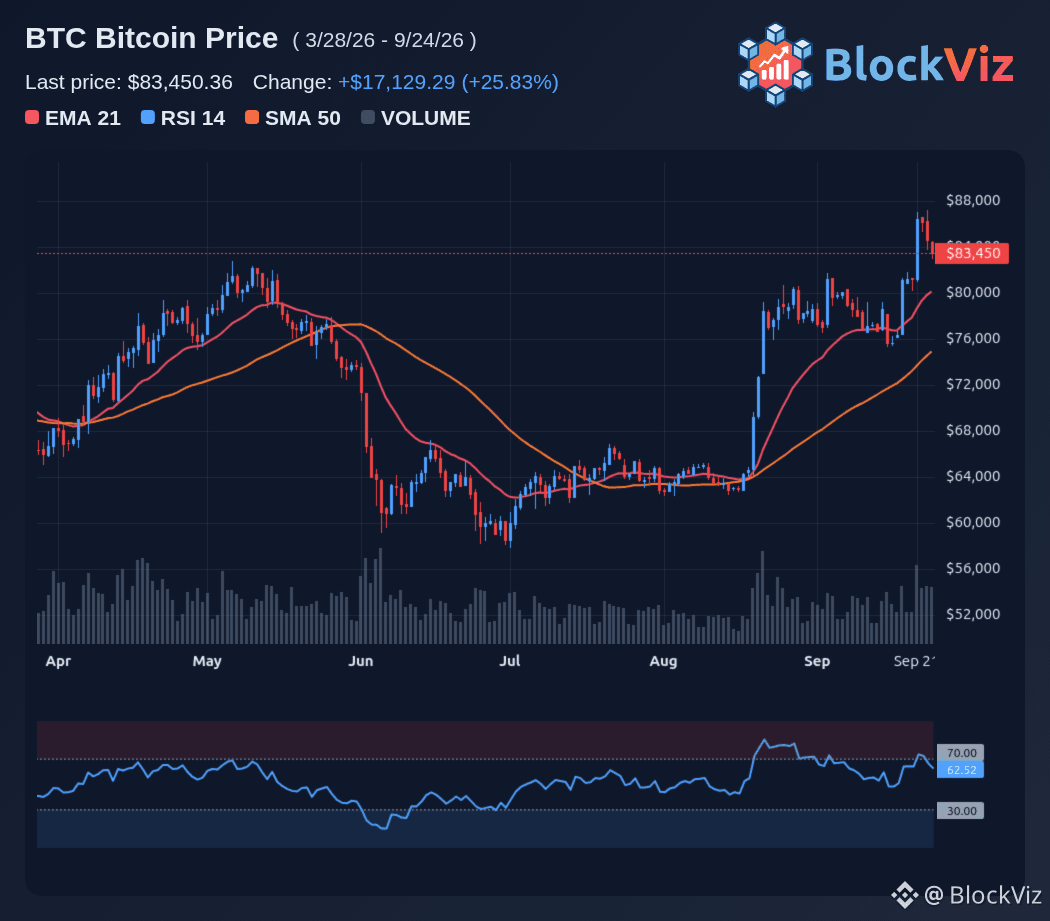
米国債10年利回りが5.12%に到達した。2007年以来の高水準で、ビットコインの強気派にとって厳しい問いを突きつけている。利回りの付かない資産にリスクを取る理由は何だろうか。政府債でリスクフリーの5%を確保できるのに。これが、利回りの急騰によってBTCが85,000台から83,000台へと後退した“いちばん素直な読み”だ。
緊張関係は、マクロの逆風と暗号資産固有の材料のせめぎ合いにある。一方では、利回りの上昇がリスク資産から流動性を奪い、長期の賭けに対する割引率を押し上げ、ドルを強める。もう一方では、ビットコインは83,000を上回って推移しており、約75,000近辺の「マックス・ペイン(最大痛点)」からは14%の上昇を維持している。さらに、7月の安値が約58,000だったことを踏まえると、依然としておよそ33%高い。市場は、リスクフリーの5%と、BTCが88,000〜90,000を突破できれば訪れるかもしれない強気相場のブレイクアウトの可能性を天秤にかけている。
トレーダーにとってシナリオは明確だ。10年利回りを5.12%、そして次の局面では5.15%に注目する。5.15%を上回る動きがあれば、リスク資産への圧力がさらに強まるサインになる。一方で5.00%方向に押し戻されれば、機会費用の逆風が和らぐ。BTCにとっての重要水準は、83,000のサポートと、88,000〜90,000のレジスタンスだ。83,000を下回ってブレイクすれば、80,000、そして75,000へ向かう道が開ける可能性がある。88,000を上回って維持できれば、買い手が強気シナリオを守っていることを示唆する。
次の材料は、金曜の180億ドル規模のオプション満期と、利回りにおける追随の動きだ。10年利回りが5.12%から後退し、BTCが85,000を維持するなら、90,000への道が開ける。逆に、利回りが5.15%に向けて上昇し、BTCが83,000を失うなら、「リスクフリー金利が主役」という物語が支配的になり、暗号資産はより下押しされる。
$BTC
米国債10年利回りが5.12%に到達した。2007年以来の高水準で、ビットコインの強気派にとって厳しい問いを突きつけている。利回りの付かない資産にリスクを取る理由は何だろうか。政府債でリスクフリーの5%を確保できるのに。これが、利回りの急騰によってBTCが85,000台から83,000台へと後退した“いちばん素直な読み”だ。
緊張関係は、マクロの逆風と暗号資産固有の材料のせめぎ合いにある。一方では、利回りの上昇がリスク資産から流動性を奪い、長期の賭けに対する割引率を押し上げ、ドルを強める。もう一方では、ビットコインは83,000を上回って推移しており、約75,000近辺の「マックス・ペイン(最大痛点)」からは14%の上昇を維持している。さらに、7月の安値が約58,000だったことを踏まえると、依然としておよそ33%高い。市場は、リスクフリーの5%と、BTCが88,000〜90,000を突破できれば訪れるかもしれない強気相場のブレイクアウトの可能性を天秤にかけている。
トレーダーにとってシナリオは明確だ。10年利回りを5.12%、そして次の局面では5.15%に注目する。5.15%を上回る動きがあれば、リスク資産への圧力がさらに強まるサインになる。一方で5.00%方向に押し戻されれば、機会費用の逆風が和らぐ。BTCにとっての重要水準は、83,000のサポートと、88,000〜90,000のレジスタンスだ。83,000を下回ってブレイクすれば、80,000、そして75,000へ向かう道が開ける可能性がある。88,000を上回って維持できれば、買い手が強気シナリオを守っていることを示唆する。
次の材料は、金曜の180億ドル規模のオプション満期と、利回りにおける追随の動きだ。10年利回りが5.12%から後退し、BTCが85,000を維持するなら、90,000への道が開ける。逆に、利回りが5.15%に向けて上昇し、BTCが83,000を失うなら、「リスクフリー金利が主役」という物語が支配的になり、暗号資産はより下押しされる。
$BTC
緊張関係は、マクロの逆風と暗号資産固有の材料のせめぎ合いにある。一方では、利回りの上昇がリスク資産から流動性を奪い、長期の賭けに対する割引率を押し上げ、ドルを強める。もう一方では、ビットコインは83,000を上回って推移しており、約75,000近辺の「マックス・ペイン(最大痛点)」からは14%の上昇を維持している。さらに、7月の安値が約58,000だったことを踏まえると、依然としておよそ33%高い。市場は、リスクフリーの5%と、BTCが88,000〜90,000を突破できれば訪れるかもしれない強気相場のブレイクアウトの可能性を天秤にかけている。
トレーダーにとってシナリオは明確だ。10年利回りを5.12%、そして次の局面では5.15%に注目する。5.15%を上回る動きがあれば、リスク資産への圧力がさらに強まるサインになる。一方で5.00%方向に押し戻されれば、機会費用の逆風が和らぐ。BTCにとっての重要水準は、83,000のサポートと、88,000〜90,000のレジスタンスだ。83,000を下回ってブレイクすれば、80,000、そして75,000へ向かう道が開ける可能性がある。88,000を上回って維持できれば、買い手が強気シナリオを守っていることを示唆する。
次の材料は、金曜の180億ドル規模のオプション満期と、利回りにおける追随の動きだ。10年利回りが5.12%から後退し、BTCが85,000を維持するなら、90,000への道が開ける。逆に、利回りが5.15%に向けて上昇し、BTCが83,000を失うなら、「リスクフリー金利が主役」という物語が支配的になり、暗号資産はより下押しされる。
$BTC
82
·
--
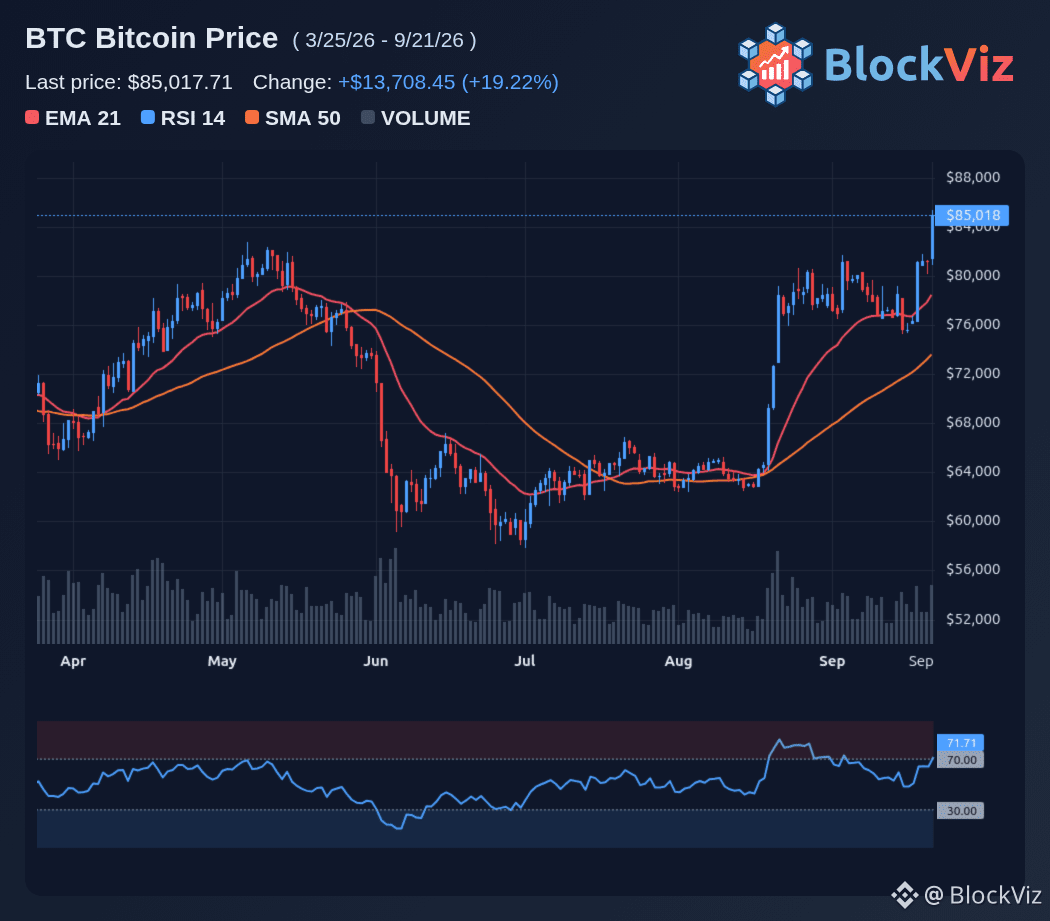
ビットコインは過去45週間で初めて、50週移動平均を上回って週足をクローズしました。これが重要であることを示すのは歴史です。Galaxy Researchは、完了した5つの弱気相場のうち5つ(ただし原文は「4 of 5」との記載)のうち4回では、50W MAの最初の週次での取り戻しがサイクル安値が付いたことを確認していたと指摘しています。これは84%の弱気相場で当てはまったシグナルで、現在はBTCが78,788の平均を上回る81,159で週をクローズしたことで、グリーン点灯となっています。
焦点は、このクローズが強気相場入りと呼べるだけのものなのか、それともさらなる確認が必要なのかです。アナリストは、月足チャートでの下方の高値(ロウアー・ハイ)パターンを崩し、90,000への道を開く重要水準として83,000を注視しています。83,000を上回る持続的な動きがあれば、50W MAを突破した後にBTCが700%〜900%上昇した過去のサイクルと整合します。一方で失敗すれば、78,800の再テスト、さらに74,000まで見込まれ得ます。
トレーダーにとって手順は明確です。80,000の上で維持し、その後83,000を越えるなら、勢いとともに90,000への道が開けます。週足で78,800を下回ってしまえばシグナルは無効化され、74,000〜75,000への下落が起こりそうです。次の材料(カタリスト)は、9月の月足終値と、83,000を上回った後の追随(フォロースルー)で、トレンド転換を確認できるかどうかです。
ブレイクアウトは83,000を、無効化は78,800を見てください。83,000をきれいに突破して維持できれば、強気相場が始まったことを示唆します。78,800を下回る週足終値なら、弱気がまだ終わっていない可能性を示します。50W MAの終値は強いシグナルですが、次に90,000へ進むのか、それともBTCが統合(コンソリデーション)局面にとどまるのかを決めるのは、その後の追随です。
$BTC
ビットコインは過去45週間で初めて、50週移動平均を上回って週足をクローズしました。これが重要であることを示すのは歴史です。Galaxy Researchは、完了した5つの弱気相場のうち5つ(ただし原文は「4 of 5」との記載)のうち4回では、50W MAの最初の週次での取り戻しがサイクル安値が付いたことを確認していたと指摘しています。これは84%の弱気相場で当てはまったシグナルで、現在はBTCが78,788の平均を上回る81,159で週をクローズしたことで、グリーン点灯となっています。
焦点は、このクローズが強気相場入りと呼べるだけのものなのか、それともさらなる確認が必要なのかです。アナリストは、月足チャートでの下方の高値(ロウアー・ハイ)パターンを崩し、90,000への道を開く重要水準として83,000を注視しています。83,000を上回る持続的な動きがあれば、50W MAを突破した後にBTCが700%〜900%上昇した過去のサイクルと整合します。一方で失敗すれば、78,800の再テスト、さらに74,000まで見込まれ得ます。
トレーダーにとって手順は明確です。80,000の上で維持し、その後83,000を越えるなら、勢いとともに90,000への道が開けます。週足で78,800を下回ってしまえばシグナルは無効化され、74,000〜75,000への下落が起こりそうです。次の材料(カタリスト)は、9月の月足終値と、83,000を上回った後の追随(フォロースルー)で、トレンド転換を確認できるかどうかです。
ブレイクアウトは83,000を、無効化は78,800を見てください。83,000をきれいに突破して維持できれば、強気相場が始まったことを示唆します。78,800を下回る週足終値なら、弱気がまだ終わっていない可能性を示します。50W MAの終値は強いシグナルですが、次に90,000へ進むのか、それともBTCが統合(コンソリデーション)局面にとどまるのかを決めるのは、その後の追随です。
$BTC
焦点は、このクローズが強気相場入りと呼べるだけのものなのか、それともさらなる確認が必要なのかです。アナリストは、月足チャートでの下方の高値(ロウアー・ハイ)パターンを崩し、90,000への道を開く重要水準として83,000を注視しています。83,000を上回る持続的な動きがあれば、50W MAを突破した後にBTCが700%〜900%上昇した過去のサイクルと整合します。一方で失敗すれば、78,800の再テスト、さらに74,000まで見込まれ得ます。
トレーダーにとって手順は明確です。80,000の上で維持し、その後83,000を越えるなら、勢いとともに90,000への道が開けます。週足で78,800を下回ってしまえばシグナルは無効化され、74,000〜75,000への下落が起こりそうです。次の材料(カタリスト)は、9月の月足終値と、83,000を上回った後の追随(フォロースルー)で、トレンド転換を確認できるかどうかです。
ブレイクアウトは83,000を、無効化は78,800を見てください。83,000をきれいに突破して維持できれば、強気相場が始まったことを示唆します。78,800を下回る週足終値なら、弱気がまだ終わっていない可能性を示します。50W MAの終値は強いシグナルですが、次に90,000へ進むのか、それともBTCが統合(コンソリデーション)局面にとどまるのかを決めるのは、その後の追随です。
$BTC
72
·
--
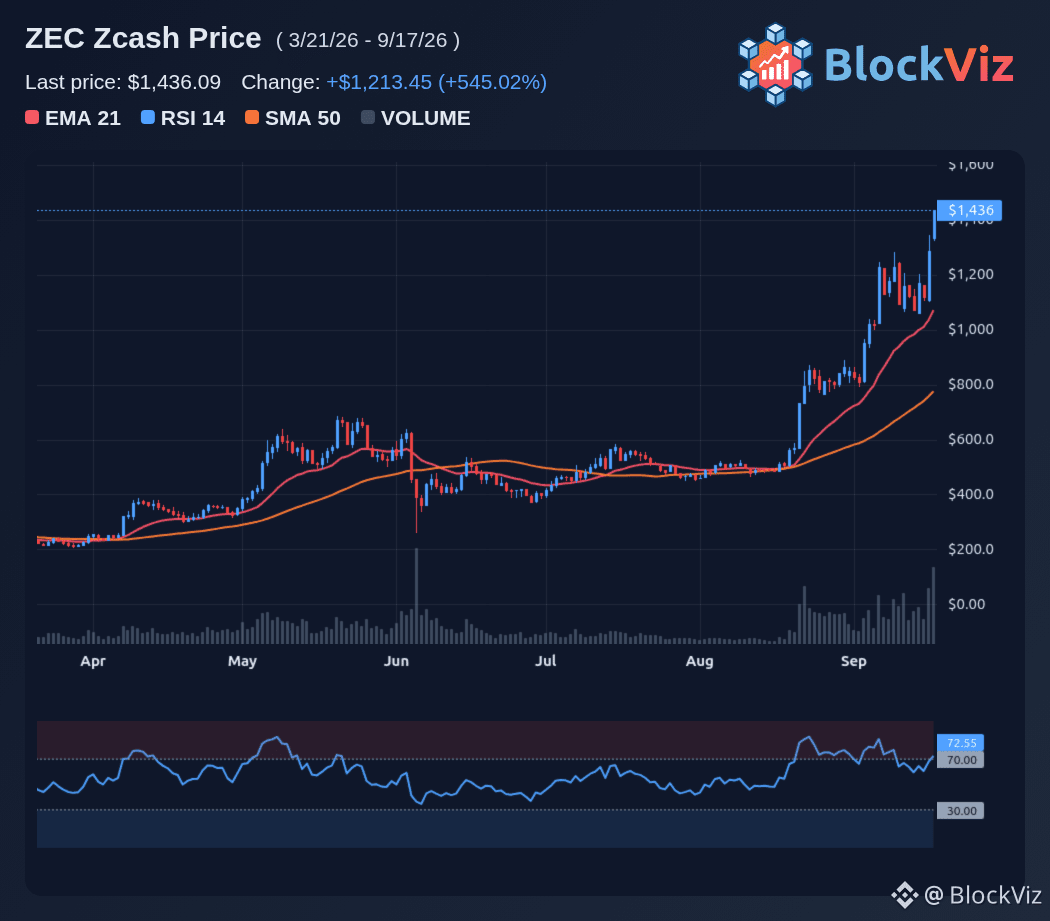
ハッカーはモネロを求め、VCはジーキャッシュ(Zcash)を求める。この分岐は、プライバシー面における現在いちばん明確な読み解きです。リボルト(Revolut)の侵害事件は、300万ドルの身代金要求とともにモネロを再び見出しに押し上げた一方で、ジーキャッシュは機関投資家の資金流入、ETFアクセス、そしてVCのトレジャリー運用の追い風を受けており、ZECは1,400に向かい、時価総額でXMRに対するリードを100億ドル超まで拡大しています。
この緊張感が重要なのは、2つの資産が異なる物語を語り始めているからです。モネロは不正な主体にとってのデフォルトのプライバシー選択で、プロトコル上ですべての取引が秘匿され、閲覧キーのオプションもありません。これにより地下経済での需要は高いままですが、規制対応の取引所からは遠ざかりやすく、クラーケン(Kraken)など他のEUプラットフォームはすでにXMRを、2027年7月のAMLR(アンチ・マネロン規制)禁止に先立って制限しています。対してZcashは、オプションでシールド取引と閲覧キーを提供し、保有者が監査人や規制当局に詳細を開示できる仕組みです。だからこそグレイスケールは米国上場商品の投入が可能であり、Multicoin CapitalやCypherpunkのようなファンドが大きなZECポジションを築いてきたのです。
トレーダーにとっての論点は、プライバシー需要がさらにZECへ回るのか、それともモネロの不正利用の物語と上場廃止圧力が逆張りの仕掛けを生むのか、ということです。ZECは、機関投資家の流入で優位に推移しており、ZCSHプロダクトの最初の2週間で報告された純流入が3,400万を超えたほか、THORChainの統合とSwissBorgの上場による新たな流動性も追い風になっています。XMRは取引所の上場廃止や規制の見出しに対してより敏感ですが、それでもOTCや非KYC(本人確認不要)領域で厚い流動性を確保しています。
次の局面としては、ZECを1,400近辺、次いで1,500近辺で見守り、1,200を下回る失速が起きれば、機関投資家の買いが冷え始めているサインになります。XMRについては、リボルトの見出しが落ち着いた後に重要なサポートを維持できるか、そして2027年のEU期限前に新たな取引所制限が入るかを監視してください。次の触媒は、10月初旬までの両資産のTHORChainボールト(金庫)と、さらに起こり得るVCやコーポレート・トレジャリーによる動きの可能性です……
$ZEC
ハッカーはモネロを求め、VCはジーキャッシュ(Zcash)を求める。この分岐は、プライバシー面における現在いちばん明確な読み解きです。リボルト(Revolut)の侵害事件は、300万ドルの身代金要求とともにモネロを再び見出しに押し上げた一方で、ジーキャッシュは機関投資家の資金流入、ETFアクセス、そしてVCのトレジャリー運用の追い風を受けており、ZECは1,400に向かい、時価総額でXMRに対するリードを100億ドル超まで拡大しています。
この緊張感が重要なのは、2つの資産が異なる物語を語り始めているからです。モネロは不正な主体にとってのデフォルトのプライバシー選択で、プロトコル上ですべての取引が秘匿され、閲覧キーのオプションもありません。これにより地下経済での需要は高いままですが、規制対応の取引所からは遠ざかりやすく、クラーケン(Kraken)など他のEUプラットフォームはすでにXMRを、2027年7月のAMLR(アンチ・マネロン規制)禁止に先立って制限しています。対してZcashは、オプションでシールド取引と閲覧キーを提供し、保有者が監査人や規制当局に詳細を開示できる仕組みです。だからこそグレイスケールは米国上場商品の投入が可能であり、Multicoin CapitalやCypherpunkのようなファンドが大きなZECポジションを築いてきたのです。
トレーダーにとっての論点は、プライバシー需要がさらにZECへ回るのか、それともモネロの不正利用の物語と上場廃止圧力が逆張りの仕掛けを生むのか、ということです。ZECは、機関投資家の流入で優位に推移しており、ZCSHプロダクトの最初の2週間で報告された純流入が3,400万を超えたほか、THORChainの統合とSwissBorgの上場による新たな流動性も追い風になっています。XMRは取引所の上場廃止や規制の見出しに対してより敏感ですが、それでもOTCや非KYC(本人確認不要)領域で厚い流動性を確保しています。
次の局面としては、ZECを1,400近辺、次いで1,500近辺で見守り、1,200を下回る失速が起きれば、機関投資家の買いが冷え始めているサインになります。XMRについては、リボルトの見出しが落ち着いた後に重要なサポートを維持できるか、そして2027年のEU期限前に新たな取引所制限が入るかを監視してください。次の触媒は、10月初旬までの両資産のTHORChainボールト(金庫)と、さらに起こり得るVCやコーポレート・トレジャリーによる動きの可能性です……
$ZEC
この緊張感が重要なのは、2つの資産が異なる物語を語り始めているからです。モネロは不正な主体にとってのデフォルトのプライバシー選択で、プロトコル上ですべての取引が秘匿され、閲覧キーのオプションもありません。これにより地下経済での需要は高いままですが、規制対応の取引所からは遠ざかりやすく、クラーケン(Kraken)など他のEUプラットフォームはすでにXMRを、2027年7月のAMLR(アンチ・マネロン規制)禁止に先立って制限しています。対してZcashは、オプションでシールド取引と閲覧キーを提供し、保有者が監査人や規制当局に詳細を開示できる仕組みです。だからこそグレイスケールは米国上場商品の投入が可能であり、Multicoin CapitalやCypherpunkのようなファンドが大きなZECポジションを築いてきたのです。
トレーダーにとっての論点は、プライバシー需要がさらにZECへ回るのか、それともモネロの不正利用の物語と上場廃止圧力が逆張りの仕掛けを生むのか、ということです。ZECは、機関投資家の流入で優位に推移しており、ZCSHプロダクトの最初の2週間で報告された純流入が3,400万を超えたほか、THORChainの統合とSwissBorgの上場による新たな流動性も追い風になっています。XMRは取引所の上場廃止や規制の見出しに対してより敏感ですが、それでもOTCや非KYC(本人確認不要)領域で厚い流動性を確保しています。
次の局面としては、ZECを1,400近辺、次いで1,500近辺で見守り、1,200を下回る失速が起きれば、機関投資家の買いが冷え始めているサインになります。XMRについては、リボルトの見出しが落ち着いた後に重要なサポートを維持できるか、そして2027年のEU期限前に新たな取引所制限が入るかを監視してください。次の触媒は、10月初旬までの両資産のTHORChainボールト(金庫)と、さらに起こり得るVCやコーポレート・トレジャリーによる動きの可能性です……
$ZEC
78
·
--
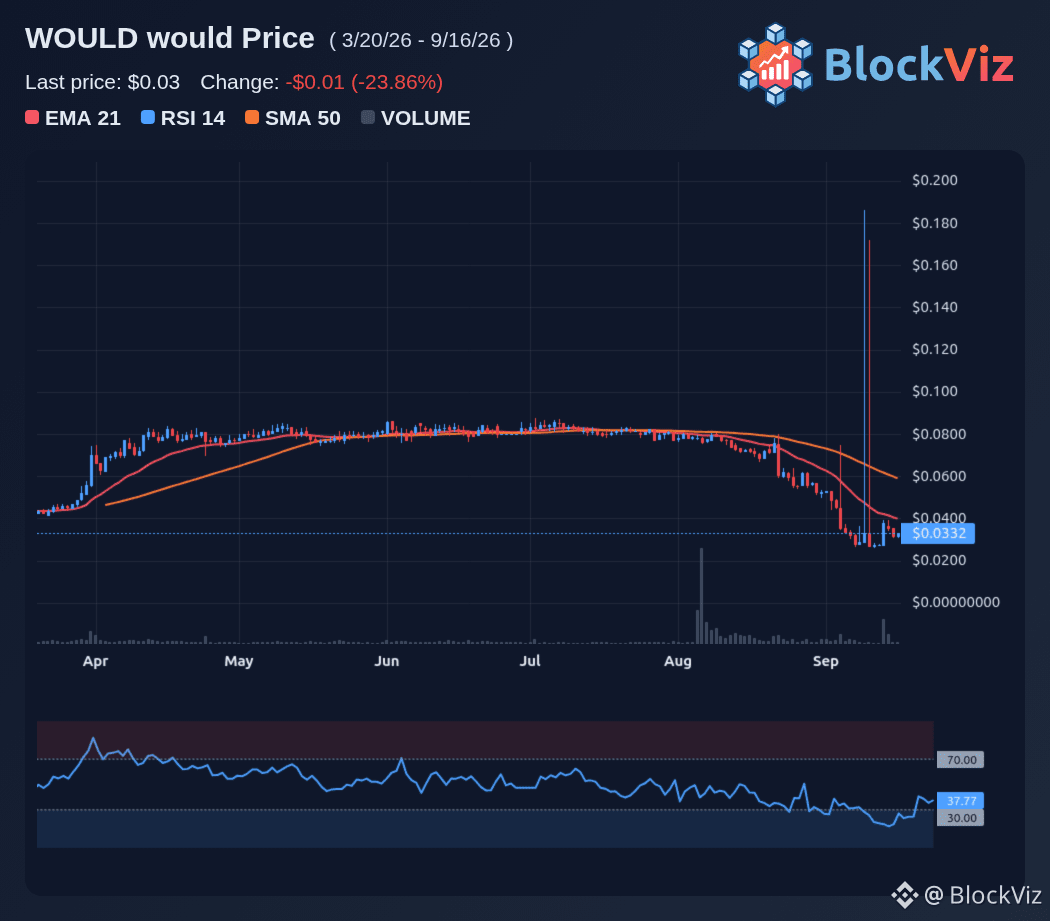
3年ぶりのFRB利上げがいまや最大の焦点になっているが、暗号資産にとっての本当のリスクは利上げそのものではない。市場は、25ベーシスポイントの動きで3.75%〜4.00%へ移る確率を92%〜93%と織り込んでいるため、見出し(利上げ)はほぼ想定どおりだ。BTCを7万5,000〜7万8,000のレンジから動かし得るのは、想定外の据え置き、またはドットプロットと会見のトーンが、織り込みよりもより強硬(ハト派ではない)もしくはより穏健(ハト派)になることだ。
想定外の据え置きは、より大きなサプライズになり得る。そうなればショートが素早く買い戻しを迫られ、ビットコインは78,189を上抜けする可能性がある。さらにXRPやETHも主要なレジスタンスをブレイクするかもしれない。確率は低いが、それがまさに「据え置き」が標準的な利上げよりも強く響く理由だ。よりあり得るシナリオは、利上げを行いつつ市場が、10月または12月に追加の動きが来るかどうかをドットプロットから見極める展開である。
BTCはすでに、Clarity Actが60票のハードルを超えられなかったことを受けて、8万ドル台前半の安値から下落している。そして一時は75,000を割り込み、その後75,500〜75,900付近で落ち着いた。強硬なドットプロット、あるいはガイダンスが出れば、下方向への動きは74,000、さらには70,000にまで広がる可能性がある。中立〜ハト派的な読みなら、BTCが78,000を取り戻し、再び80,000を試しにいく助けになるかもしれない。
トレーダーは、米東部時間午後2時の決定、ドットプロットの見通し、そして同午後2時30分のWarsh氏の会見に注目すべきだ。重要な水準は下方向が74,000、上方向が78,189。74,000を下回って終値で推移すれば強硬な読みが裏付けられる。一方、78,189を上抜けて維持できれば、市場が利上げを「ニュース買い」として扱っていることを示すシグナルになる。
$WOULD
3年ぶりのFRB利上げがいまや最大の焦点になっているが、暗号資産にとっての本当のリスクは利上げそのものではない。市場は、25ベーシスポイントの動きで3.75%〜4.00%へ移る確率を92%〜93%と織り込んでいるため、見出し(利上げ)はほぼ想定どおりだ。BTCを7万5,000〜7万8,000のレンジから動かし得るのは、想定外の据え置き、またはドットプロットと会見のトーンが、織り込みよりもより強硬(ハト派ではない)もしくはより穏健(ハト派)になることだ。
想定外の据え置きは、より大きなサプライズになり得る。そうなればショートが素早く買い戻しを迫られ、ビットコインは78,189を上抜けする可能性がある。さらにXRPやETHも主要なレジスタンスをブレイクするかもしれない。確率は低いが、それがまさに「据え置き」が標準的な利上げよりも強く響く理由だ。よりあり得るシナリオは、利上げを行いつつ市場が、10月または12月に追加の動きが来るかどうかをドットプロットから見極める展開である。
BTCはすでに、Clarity Actが60票のハードルを超えられなかったことを受けて、8万ドル台前半の安値から下落している。そして一時は75,000を割り込み、その後75,500〜75,900付近で落ち着いた。強硬なドットプロット、あるいはガイダンスが出れば、下方向への動きは74,000、さらには70,000にまで広がる可能性がある。中立〜ハト派的な読みなら、BTCが78,000を取り戻し、再び80,000を試しにいく助けになるかもしれない。
トレーダーは、米東部時間午後2時の決定、ドットプロットの見通し、そして同午後2時30分のWarsh氏の会見に注目すべきだ。重要な水準は下方向が74,000、上方向が78,189。74,000を下回って終値で推移すれば強硬な読みが裏付けられる。一方、78,189を上抜けて維持できれば、市場が利上げを「ニュース買い」として扱っていることを示すシグナルになる。
$WOULD
想定外の据え置きは、より大きなサプライズになり得る。そうなればショートが素早く買い戻しを迫られ、ビットコインは78,189を上抜けする可能性がある。さらにXRPやETHも主要なレジスタンスをブレイクするかもしれない。確率は低いが、それがまさに「据え置き」が標準的な利上げよりも強く響く理由だ。よりあり得るシナリオは、利上げを行いつつ市場が、10月または12月に追加の動きが来るかどうかをドットプロットから見極める展開である。
BTCはすでに、Clarity Actが60票のハードルを超えられなかったことを受けて、8万ドル台前半の安値から下落している。そして一時は75,000を割り込み、その後75,500〜75,900付近で落ち着いた。強硬なドットプロット、あるいはガイダンスが出れば、下方向への動きは74,000、さらには70,000にまで広がる可能性がある。中立〜ハト派的な読みなら、BTCが78,000を取り戻し、再び80,000を試しにいく助けになるかもしれない。
トレーダーは、米東部時間午後2時の決定、ドットプロットの見通し、そして同午後2時30分のWarsh氏の会見に注目すべきだ。重要な水準は下方向が74,000、上方向が78,189。74,000を下回って終値で推移すれば強硬な読みが裏付けられる。一方、78,189を上抜けて維持できれば、市場が利上げを「ニュース買い」として扱っていることを示すシグナルになる。
$WOULD
69
·
--
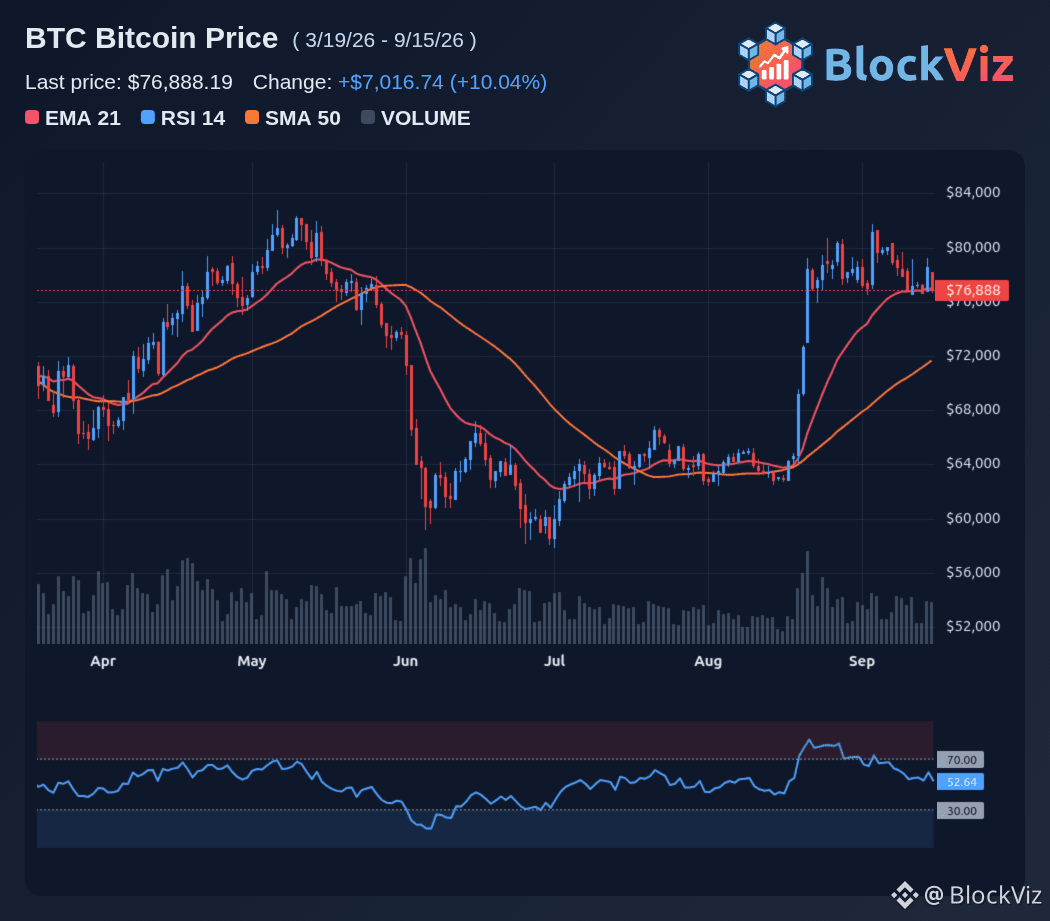
今週は、非常に異なる2つの物語が衝突しています。政策面では、トランプの倫理面での譲歩により「Clarity Act(明確化法)」の成立確率が約32%〜34%に引き上げられ、重要な上院での採決が見えてきました。一方フロー面では、BlackRockのETH関連商品が20営業日連続で純資金流入を記録しており、ETHAとステーキング機能を有するETHBが数億ドル規模を集める一方、BTCのETFは4セッションで約4億6300万ドル流出し、その後一部で反発しています。
この乖離こそが、人々に「ウォール街は静かにETHへ傾いているのか?」と問いかけさせています。イーサリアムETFは先週に約1億9700万ドルを集め、その後月曜にはさらに2億8100万ドルを計上し、最大のシェアをBlackRockが供給しています。対照的にビットコインETFは、2026年の最良の3週間連続流入(ストリーク)を終え、週次では4億6270万ドルの流出となりました。それでもIBITは9月14日に1億6000万ドルの流入を成立させています。
マクロの上書きも重要です。市場は9月16日のFOMCで25ベーシスポイントの利上げが高い確率で実施されると織り込んでおり、これは流動性を引き締める一方で、Clarityがセンチメントを押し上げようとしているまさにそのタイミングでドルを強める可能性があります。BTCはこれまで82,000ドルを複数回拒否されており、7万7000ドル台後半で推移していますが、ETHは決定に向けて相対的な強さを示しています。
トレーダーは、火曜のクローチャ(cloture:議事打ち切り)結果、水曜のFRBの決定、そしてBTCが8万〜8万2000ドルを取り戻せるか、ETHが2,500ドルを上回って維持できるかに注目すべきです。Clarityが前進し、FRBが据え置きなら、BTCもETHもより高い水準にリレート(再評価)が進む可能性があります。Clarityが停滞し、FRBが利上げなら、マクロの逆風が支配的になり得て、ETH-BTCのフロー乖離が、機関投資家が本当にローテーションしているのか、それとも戦術的にポジションを取っているだけなのかを見分ける重要な手掛かりになります。
$BTC
今週は、非常に異なる2つの物語が衝突しています。政策面では、トランプの倫理面での譲歩により「Clarity Act(明確化法)」の成立確率が約32%〜34%に引き上げられ、重要な上院での採決が見えてきました。一方フロー面では、BlackRockのETH関連商品が20営業日連続で純資金流入を記録しており、ETHAとステーキング機能を有するETHBが数億ドル規模を集める一方、BTCのETFは4セッションで約4億6300万ドル流出し、その後一部で反発しています。
この乖離こそが、人々に「ウォール街は静かにETHへ傾いているのか?」と問いかけさせています。イーサリアムETFは先週に約1億9700万ドルを集め、その後月曜にはさらに2億8100万ドルを計上し、最大のシェアをBlackRockが供給しています。対照的にビットコインETFは、2026年の最良の3週間連続流入(ストリーク)を終え、週次では4億6270万ドルの流出となりました。それでもIBITは9月14日に1億6000万ドルの流入を成立させています。
マクロの上書きも重要です。市場は9月16日のFOMCで25ベーシスポイントの利上げが高い確率で実施されると織り込んでおり、これは流動性を引き締める一方で、Clarityがセンチメントを押し上げようとしているまさにそのタイミングでドルを強める可能性があります。BTCはこれまで82,000ドルを複数回拒否されており、7万7000ドル台後半で推移していますが、ETHは決定に向けて相対的な強さを示しています。
トレーダーは、火曜のクローチャ(cloture:議事打ち切り)結果、水曜のFRBの決定、そしてBTCが8万〜8万2000ドルを取り戻せるか、ETHが2,500ドルを上回って維持できるかに注目すべきです。Clarityが前進し、FRBが据え置きなら、BTCもETHもより高い水準にリレート(再評価)が進む可能性があります。Clarityが停滞し、FRBが利上げなら、マクロの逆風が支配的になり得て、ETH-BTCのフロー乖離が、機関投資家が本当にローテーションしているのか、それとも戦術的にポジションを取っているだけなのかを見分ける重要な手掛かりになります。
$BTC
この乖離こそが、人々に「ウォール街は静かにETHへ傾いているのか?」と問いかけさせています。イーサリアムETFは先週に約1億9700万ドルを集め、その後月曜にはさらに2億8100万ドルを計上し、最大のシェアをBlackRockが供給しています。対照的にビットコインETFは、2026年の最良の3週間連続流入(ストリーク)を終え、週次では4億6270万ドルの流出となりました。それでもIBITは9月14日に1億6000万ドルの流入を成立させています。
マクロの上書きも重要です。市場は9月16日のFOMCで25ベーシスポイントの利上げが高い確率で実施されると織り込んでおり、これは流動性を引き締める一方で、Clarityがセンチメントを押し上げようとしているまさにそのタイミングでドルを強める可能性があります。BTCはこれまで82,000ドルを複数回拒否されており、7万7000ドル台後半で推移していますが、ETHは決定に向けて相対的な強さを示しています。
トレーダーは、火曜のクローチャ(cloture:議事打ち切り)結果、水曜のFRBの決定、そしてBTCが8万〜8万2000ドルを取り戻せるか、ETHが2,500ドルを上回って維持できるかに注目すべきです。Clarityが前進し、FRBが据え置きなら、BTCもETHもより高い水準にリレート(再評価)が進む可能性があります。Clarityが停滞し、FRBが利上げなら、マクロの逆風が支配的になり得て、ETH-BTCのフロー乖離が、機関投資家が本当にローテーションしているのか、それとも戦術的にポジションを取っているだけなのかを見分ける重要な手掛かりになります。
$BTC
62
·
--
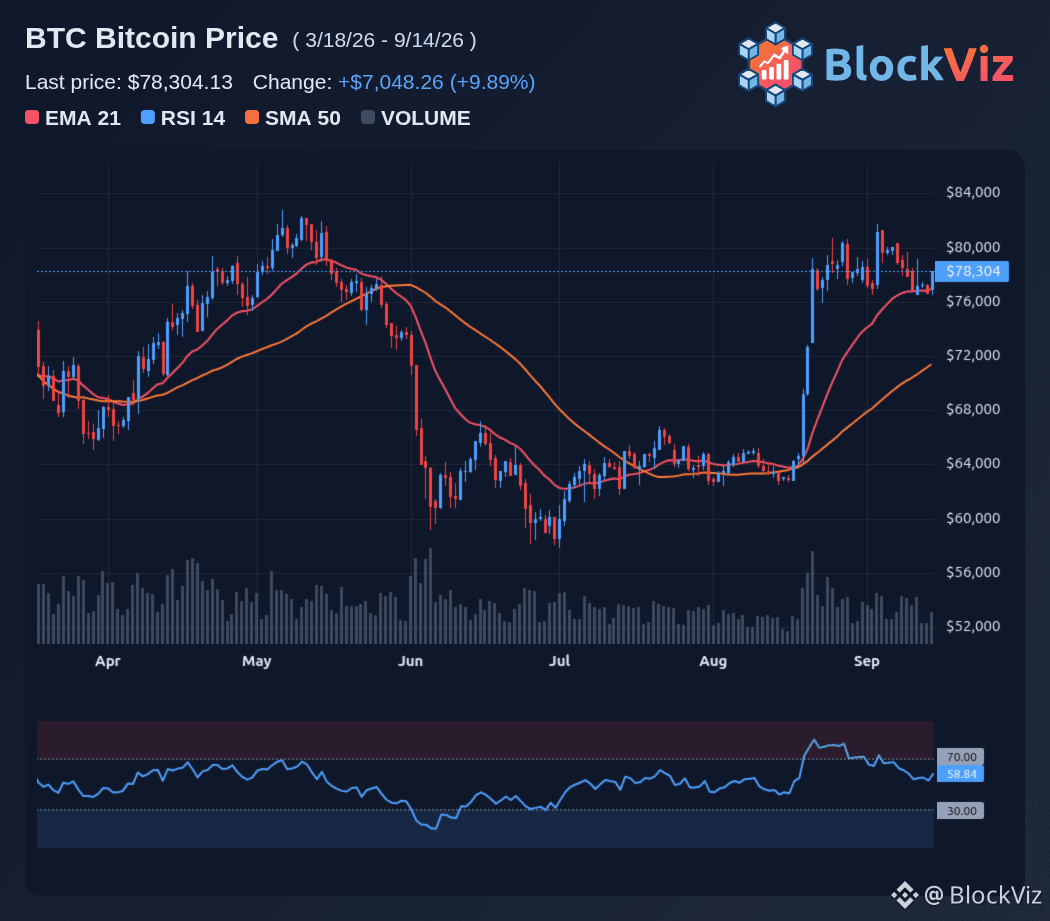
明確化法(クリアリティ法)はここ数カ月で最も大きな追い風を政治面で得たが、依然としてFRB(連邦準備制度)がより大きな影響力を持つ。トランプ大統領が倫理規定に関する譲歩を示したことで、同法案が法律になる確率は予測市場で約32%まで高まり、先週の10代前半から上昇した。火曜日にクローチャー(打ち切り)投票が予定されており、提出者側は討議を前進させるのに必要な60票のハードルをクリアできると見込んでいる。
これが、暗号資産にとっての強気材料だ。明確化法が可決されれば、デジタル・アセットに関する米国初の明確な規制枠組みができ、監督がSECとCFTCに分かれることになり、潜在的に機関投資家の参入がさらに広がる可能性がある。ベルンスタインは、ポジティブなサプライズは織り込まれていないとしている。ビットコインは77,700〜80,000近辺で推移し、XRPはこのニュースで約4%上昇している。
課題はタイミングだ。FRBは9月16日に会合を開くが、これは上院の採決の翌日である。市場は25ベーシスポイントの利上げが高い確率で実施されると織り込んでいる。利上げは流動性を引き締め、ドルを強含ませ、そして、明確化法がセンチメントを押し上げようとしているまさにそのタイミングでリスク資産に圧力をかけることになる。ビットコインはすでに82,000を複数回拒否されており、明確化法が失敗する、または期待外れとなれば、ハト派寄りではないFRBはビットコインを77,300、さらに75,500へ押し戻す可能性がある。
トレーダーは火曜日のクローチャー結果、ならびに水曜日のFRBの決定、そしてFRBが発言する前にBTCが82,283を上回って引けるかどうかに注目すべきだ。明確化法が前進し、FRBが停止(据え置き)や、よりハト派な道筋を示すなら、80,000〜82,000は抵抗線から支持線へと反転する可能性がある。明確化法が足踏みし、FRBが利上げすれば、規制面の進展に関係なく、マクロの逆風が優勢になるかもしれない。
$BTC
明確化法(クリアリティ法)はここ数カ月で最も大きな追い風を政治面で得たが、依然としてFRB(連邦準備制度)がより大きな影響力を持つ。トランプ大統領が倫理規定に関する譲歩を示したことで、同法案が法律になる確率は予測市場で約32%まで高まり、先週の10代前半から上昇した。火曜日にクローチャー(打ち切り)投票が予定されており、提出者側は討議を前進させるのに必要な60票のハードルをクリアできると見込んでいる。
これが、暗号資産にとっての強気材料だ。明確化法が可決されれば、デジタル・アセットに関する米国初の明確な規制枠組みができ、監督がSECとCFTCに分かれることになり、潜在的に機関投資家の参入がさらに広がる可能性がある。ベルンスタインは、ポジティブなサプライズは織り込まれていないとしている。ビットコインは77,700〜80,000近辺で推移し、XRPはこのニュースで約4%上昇している。
課題はタイミングだ。FRBは9月16日に会合を開くが、これは上院の採決の翌日である。市場は25ベーシスポイントの利上げが高い確率で実施されると織り込んでいる。利上げは流動性を引き締め、ドルを強含ませ、そして、明確化法がセンチメントを押し上げようとしているまさにそのタイミングでリスク資産に圧力をかけることになる。ビットコインはすでに82,000を複数回拒否されており、明確化法が失敗する、または期待外れとなれば、ハト派寄りではないFRBはビットコインを77,300、さらに75,500へ押し戻す可能性がある。
トレーダーは火曜日のクローチャー結果、ならびに水曜日のFRBの決定、そしてFRBが発言する前にBTCが82,283を上回って引けるかどうかに注目すべきだ。明確化法が前進し、FRBが停止(据え置き)や、よりハト派な道筋を示すなら、80,000〜82,000は抵抗線から支持線へと反転する可能性がある。明確化法が足踏みし、FRBが利上げすれば、規制面の進展に関係なく、マクロの逆風が優勢になるかもしれない。
$BTC
これが、暗号資産にとっての強気材料だ。明確化法が可決されれば、デジタル・アセットに関する米国初の明確な規制枠組みができ、監督がSECとCFTCに分かれることになり、潜在的に機関投資家の参入がさらに広がる可能性がある。ベルンスタインは、ポジティブなサプライズは織り込まれていないとしている。ビットコインは77,700〜80,000近辺で推移し、XRPはこのニュースで約4%上昇している。
課題はタイミングだ。FRBは9月16日に会合を開くが、これは上院の採決の翌日である。市場は25ベーシスポイントの利上げが高い確率で実施されると織り込んでいる。利上げは流動性を引き締め、ドルを強含ませ、そして、明確化法がセンチメントを押し上げようとしているまさにそのタイミングでリスク資産に圧力をかけることになる。ビットコインはすでに82,000を複数回拒否されており、明確化法が失敗する、または期待外れとなれば、ハト派寄りではないFRBはビットコインを77,300、さらに75,500へ押し戻す可能性がある。
トレーダーは火曜日のクローチャー結果、ならびに水曜日のFRBの決定、そしてFRBが発言する前にBTCが82,283を上回って引けるかどうかに注目すべきだ。明確化法が前進し、FRBが停止(据え置き)や、よりハト派な道筋を示すなら、80,000〜82,000は抵抗線から支持線へと反転する可能性がある。明確化法が足踏みし、FRBが利上げすれば、規制面の進展に関係なく、マクロの逆風が優勢になるかもしれない。
$BTC
78
·
--
ハンター・バイデンは政治的なミーム戦争をオンチェーン実験に変えようとしている。9月9日にBaseでローンチされる総供給10億の1B供給メムコイン「LAPTOP」は、そのトークンの20%をエアドロップに割り当てており、そこにはTRUMPで損をしたウォレットや、彼のSubstack、さらにアンドリュー・キャリハンの「Channel 5」リストの加入者が含まれている。
狙いは明白だ。水中に沈んだTRUMPの買い手(含み損ホルダー)をターゲットにし、「LAPTOP」を相手側の損失で資金が賄われたコインとして見せる。報道によれば、TRUMPで損した受取者向けに約2,000万LAPTOPが確保されており、参加取引所を通じて配布される。残りのエアドロップは初期の加入者へ回る。創業者は30%を6か月間ロックし、さらに政治的・市場的マイルストーンに連動したイベントベースのバーンも用意されている。
デゲン(狂信的トレーダー)の投票は、おそらく論理ではなく陣営で割れるだろう。いま損失が深いTRUMPホルダーには、回復の物語という可能性があるが、そこに対して自分の立場をあざ笑うことを明確に設計したトークンとの関与を求められている。バイデンやクリプトネイティブのデゲンは、巧妙な配布メカニズムだと見るかもしれないが、Substack加入者とアクティブなメムコイン取引者の重なりがどれほどあるかは保証されない。
トレーダーはローンチ時の流動性を注視すべきだ。エアドロップが即座の売り圧力を生むのか、またスナップショットとクレーム期間が近づくにつれてTRUMP自体がどう反応するかを見る必要がある。LAPTOPが強く始まり、さらに維持できれば、Baseのメムコインへ注目と出来高を引きつける可能性がある。すぐに失速するなら、デゲンの資金の流れがどこへ向かうかを変える継続的な動きというより、政治的なパフォーマンスとして記憶されるかもしれない。
$ETH
ハンター・バイデンは政治的なミーム戦争をオンチェーン実験に変えようとしている。9月9日にBaseでローンチされる総供給10億の1B供給メムコイン「LAPTOP」は、そのトークンの20%をエアドロップに割り当てており、そこにはTRUMPで損をしたウォレットや、彼のSubstack、さらにアンドリュー・キャリハンの「Channel 5」リストの加入者が含まれている。
狙いは明白だ。水中に沈んだTRUMPの買い手(含み損ホルダー)をターゲットにし、「LAPTOP」を相手側の損失で資金が賄われたコインとして見せる。報道によれば、TRUMPで損した受取者向けに約2,000万LAPTOPが確保されており、参加取引所を通じて配布される。残りのエアドロップは初期の加入者へ回る。創業者は30%を6か月間ロックし、さらに政治的・市場的マイルストーンに連動したイベントベースのバーンも用意されている。
デゲン(狂信的トレーダー)の投票は、おそらく論理ではなく陣営で割れるだろう。いま損失が深いTRUMPホルダーには、回復の物語という可能性があるが、そこに対して自分の立場をあざ笑うことを明確に設計したトークンとの関与を求められている。バイデンやクリプトネイティブのデゲンは、巧妙な配布メカニズムだと見るかもしれないが、Substack加入者とアクティブなメムコイン取引者の重なりがどれほどあるかは保証されない。
トレーダーはローンチ時の流動性を注視すべきだ。エアドロップが即座の売り圧力を生むのか、またスナップショットとクレーム期間が近づくにつれてTRUMP自体がどう反応するかを見る必要がある。LAPTOPが強く始まり、さらに維持できれば、Baseのメムコインへ注目と出来高を引きつける可能性がある。すぐに失速するなら、デゲンの資金の流れがどこへ向かうかを変える継続的な動きというより、政治的なパフォーマンスとして記憶されるかもしれない。
$ETH
狙いは明白だ。水中に沈んだTRUMPの買い手(含み損ホルダー)をターゲットにし、「LAPTOP」を相手側の損失で資金が賄われたコインとして見せる。報道によれば、TRUMPで損した受取者向けに約2,000万LAPTOPが確保されており、参加取引所を通じて配布される。残りのエアドロップは初期の加入者へ回る。創業者は30%を6か月間ロックし、さらに政治的・市場的マイルストーンに連動したイベントベースのバーンも用意されている。
デゲン(狂信的トレーダー)の投票は、おそらく論理ではなく陣営で割れるだろう。いま損失が深いTRUMPホルダーには、回復の物語という可能性があるが、そこに対して自分の立場をあざ笑うことを明確に設計したトークンとの関与を求められている。バイデンやクリプトネイティブのデゲンは、巧妙な配布メカニズムだと見るかもしれないが、Substack加入者とアクティブなメムコイン取引者の重なりがどれほどあるかは保証されない。
トレーダーはローンチ時の流動性を注視すべきだ。エアドロップが即座の売り圧力を生むのか、またスナップショットとクレーム期間が近づくにつれてTRUMP自体がどう反応するかを見る必要がある。LAPTOPが強く始まり、さらに維持できれば、Baseのメムコインへ注目と出来高を引きつける可能性がある。すぐに失速するなら、デゲンの資金の流れがどこへ向かうかを変える継続的な動きというより、政治的なパフォーマンスとして記憶されるかもしれない。
$ETH

59
·
--
刺激的な発言が再び戻ってきて、市場はすぐに「これで2020年のビットコイン・ラリーを再現できるのか」と問い始めています。ただし今回の状況は違います。2020年には、BTCがまだ約10,000ドルで取引され、導入(普及)には今後数年の猶予がある段階だった中で、新たな財政・金融刺激がシステムに流れ込みました。いまBTCは、強い8月を経て80,000〜82,000付近で揉み合っていますが、時価総額ははるかに大きく、機関投資家の保有比率も高くなっています。
強気の論拠は、「新たな1兆ドル規模の刺激策が出れば、ドルが弱まり、インフレ期待が押し上げられ、投資家が再びハードアセットへ戻る」という点です。ビットコインの金との90日相関が、0.5を超える形で6年ぶりの高水準に到達し、2020年の刺激局面を想起させています。仮に流動性が再び拡大するなら、通貨の価値低下(デバセメント)を狙う取引が、ラリーを90,000やその先の100,000へと延ばす可能性があります。
一方、弱気の見方は「刺激だけでは十分でないかもしれない」というものです。金利見通し、米国債利回り、ドルの影響は依然として重要で、BTCはもはや2020年当時の“小型で値動きが大きい(ハイベータな)資産”ではありません。裏付けを伴わない刺激のヘッドラインは、「ニュース売り」を引き起こす可能性があり、特に価格が82,000〜84,000の上をきれいにブレイクできない場合はそのリスクが高まります。
トレーダーは、BTCがサポートとして80,000を維持できるか、刺激が後押しになって新たなETFへの資金流入とドル安につながるか、そして金とBTCが引き続き同じ方向に動くかを注視すべきです。刺激が継続的な流動性拡大をもたらすなら、100Kが再び射程に入ります。もし上値抵抗で勢いが失われるなら、これは2020年型の再評価というより、別のマクロ的な“思い込み”に過ぎないかもしれません。
$BTC
刺激的な発言が再び戻ってきて、市場はすぐに「これで2020年のビットコイン・ラリーを再現できるのか」と問い始めています。ただし今回の状況は違います。2020年には、BTCがまだ約10,000ドルで取引され、導入(普及)には今後数年の猶予がある段階だった中で、新たな財政・金融刺激がシステムに流れ込みました。いまBTCは、強い8月を経て80,000〜82,000付近で揉み合っていますが、時価総額ははるかに大きく、機関投資家の保有比率も高くなっています。
強気の論拠は、「新たな1兆ドル規模の刺激策が出れば、ドルが弱まり、インフレ期待が押し上げられ、投資家が再びハードアセットへ戻る」という点です。ビットコインの金との90日相関が、0.5を超える形で6年ぶりの高水準に到達し、2020年の刺激局面を想起させています。仮に流動性が再び拡大するなら、通貨の価値低下(デバセメント)を狙う取引が、ラリーを90,000やその先の100,000へと延ばす可能性があります。
一方、弱気の見方は「刺激だけでは十分でないかもしれない」というものです。金利見通し、米国債利回り、ドルの影響は依然として重要で、BTCはもはや2020年当時の“小型で値動きが大きい(ハイベータな)資産”ではありません。裏付けを伴わない刺激のヘッドラインは、「ニュース売り」を引き起こす可能性があり、特に価格が82,000〜84,000の上をきれいにブレイクできない場合はそのリスクが高まります。
トレーダーは、BTCがサポートとして80,000を維持できるか、刺激が後押しになって新たなETFへの資金流入とドル安につながるか、そして金とBTCが引き続き同じ方向に動くかを注視すべきです。刺激が継続的な流動性拡大をもたらすなら、100Kが再び射程に入ります。もし上値抵抗で勢いが失われるなら、これは2020年型の再評価というより、別のマクロ的な“思い込み”に過ぎないかもしれません。
$BTC
強気の論拠は、「新たな1兆ドル規模の刺激策が出れば、ドルが弱まり、インフレ期待が押し上げられ、投資家が再びハードアセットへ戻る」という点です。ビットコインの金との90日相関が、0.5を超える形で6年ぶりの高水準に到達し、2020年の刺激局面を想起させています。仮に流動性が再び拡大するなら、通貨の価値低下(デバセメント)を狙う取引が、ラリーを90,000やその先の100,000へと延ばす可能性があります。
一方、弱気の見方は「刺激だけでは十分でないかもしれない」というものです。金利見通し、米国債利回り、ドルの影響は依然として重要で、BTCはもはや2020年当時の“小型で値動きが大きい(ハイベータな)資産”ではありません。裏付けを伴わない刺激のヘッドラインは、「ニュース売り」を引き起こす可能性があり、特に価格が82,000〜84,000の上をきれいにブレイクできない場合はそのリスクが高まります。
トレーダーは、BTCがサポートとして80,000を維持できるか、刺激が後押しになって新たなETFへの資金流入とドル安につながるか、そして金とBTCが引き続き同じ方向に動くかを注視すべきです。刺激が継続的な流動性拡大をもたらすなら、100Kが再び射程に入ります。もし上値抵抗で勢いが失われるなら、これは2020年型の再評価というより、別のマクロ的な“思い込み”に過ぎないかもしれません。
$BTC

74
·
--
実際にブレイクしているのはZECとXRPですが、より大きな問題は、これが単発の強さなのか、それともアルトシーズンに向けた本格的な最初の押しなのかという点です。
ZECは明確なリーダーで、過去24時間で16%以上上昇し、960〜1,000ドルのゾーンを押し上げています。1,000ドルを上回る日足の終値が出れば、1,200へ向かう道が開けます。一方でサポートは935あたりです。XRPは週間で約10%上昇しており、1.31から高値の1.48近辺へブレイクし、その後は1.45付近で推移しながら(コンソリデーション)しています。1.48を明確に上抜ければ、1.50、さらに1.66が再び視野に入ります。
緊張感があるのは文脈です。ビットコインも80,000を上回って強く、BTCの時価総額優位性は依然として57〜58%近辺です。典型的なアルトシーズンでは通常、BTCが一度足踏みし、優位性が55%かそれ以下へ低下することで、資金がより積極的にアルトへ回り始める必要があります。現状は、幅広い資金のハンドオーバーというより、ZECとXRPの選択的なブレイクに見えます。
アルトシーズンが確認されるには、トレーダーは、BTCが押し戻されたときにZECとXRPが上昇分を維持できるか、BTCの優位性が下がり始めるか、そしてプライバシー系や大型銘柄以外まで含めた値動きの広がり(ブレッドスス)が改善するかを注視すべきです。アルトがBTCが揉み合う間も上回り続けるなら、資金ローテーションの根拠は強まります。次のBTCの下げでこの動きが薄れるなら、それはおそらくレジーム(市場局面)の変化ではなく、戦術的な動きだったということになります。
$XRP
実際にブレイクしているのはZECとXRPですが、より大きな問題は、これが単発の強さなのか、それともアルトシーズンに向けた本格的な最初の押しなのかという点です。
ZECは明確なリーダーで、過去24時間で16%以上上昇し、960〜1,000ドルのゾーンを押し上げています。1,000ドルを上回る日足の終値が出れば、1,200へ向かう道が開けます。一方でサポートは935あたりです。XRPは週間で約10%上昇しており、1.31から高値の1.48近辺へブレイクし、その後は1.45付近で推移しながら(コンソリデーション)しています。1.48を明確に上抜ければ、1.50、さらに1.66が再び視野に入ります。
緊張感があるのは文脈です。ビットコインも80,000を上回って強く、BTCの時価総額優位性は依然として57〜58%近辺です。典型的なアルトシーズンでは通常、BTCが一度足踏みし、優位性が55%かそれ以下へ低下することで、資金がより積極的にアルトへ回り始める必要があります。現状は、幅広い資金のハンドオーバーというより、ZECとXRPの選択的なブレイクに見えます。
アルトシーズンが確認されるには、トレーダーは、BTCが押し戻されたときにZECとXRPが上昇分を維持できるか、BTCの優位性が下がり始めるか、そしてプライバシー系や大型銘柄以外まで含めた値動きの広がり(ブレッドスス)が改善するかを注視すべきです。アルトがBTCが揉み合う間も上回り続けるなら、資金ローテーションの根拠は強まります。次のBTCの下げでこの動きが薄れるなら、それはおそらくレジーム(市場局面)の変化ではなく、戦術的な動きだったということになります。
$XRP
ZECは明確なリーダーで、過去24時間で16%以上上昇し、960〜1,000ドルのゾーンを押し上げています。1,000ドルを上回る日足の終値が出れば、1,200へ向かう道が開けます。一方でサポートは935あたりです。XRPは週間で約10%上昇しており、1.31から高値の1.48近辺へブレイクし、その後は1.45付近で推移しながら(コンソリデーション)しています。1.48を明確に上抜ければ、1.50、さらに1.66が再び視野に入ります。
緊張感があるのは文脈です。ビットコインも80,000を上回って強く、BTCの時価総額優位性は依然として57〜58%近辺です。典型的なアルトシーズンでは通常、BTCが一度足踏みし、優位性が55%かそれ以下へ低下することで、資金がより積極的にアルトへ回り始める必要があります。現状は、幅広い資金のハンドオーバーというより、ZECとXRPの選択的なブレイクに見えます。
アルトシーズンが確認されるには、トレーダーは、BTCが押し戻されたときにZECとXRPが上昇分を維持できるか、BTCの優位性が下がり始めるか、そしてプライバシー系や大型銘柄以外まで含めた値動きの広がり(ブレッドスス)が改善するかを注視すべきです。アルトがBTCが揉み合う間も上回り続けるなら、資金ローテーションの根拠は強まります。次のBTCの下げでこの動きが薄れるなら、それはおそらくレジーム(市場局面)の変化ではなく、戦術的な動きだったということになります。
$XRP

59
·
--
ハンター・バイデンは政治的なミーム戦争をオンチェーンの実験へと変えつつある。9月9日にBaseでローンチされる供給総数10億の1Billion供給ミームコイン「LAPTOP」は、そのトークンの20%をエアドロップに割り当てており、そこにはTRUMPで損を出して負けたウォレットに加えて、彼のSubstackの購読者およびAndrew CallaghanのChannel 5のリストに掲載された人々が含まれる。
狙いは明らかだ。アンダーウォーターのTRUMP保有者をターゲットにし、LAPTOPを“相手側の損失で資金を得たコイン”として位置づける。報道によれば、TRUMPで損をした受け取り手向けに約2000万LAPTOPが確保されており、参加する取引所を通じて配布される一方、残りのエアドロップは初期の購読者へと回る。創業者は6か月間ロックされる形で30%を保有し、さらに政治的および市場の節目に連動したイベントベースのバーン(焼却)も追加で予定されている。
デゲンの投票は、論理ではなく陣営に沿って割れそうだ。現在大きく含み損を抱えるTRUMP保有者には、回復の物語という可能性があるが、自分の立場を嘲笑することを明確に意図して設計されたトークンに参加するよう求められている。バイデンやクリプトネイティブのデゲンたちは、巧妙な配布メカニズムだと見るかもしれないが、Substackの購読者とアクティブなミームコイントレーダーの重なりがどれほどあるかは保証されない。
トレーダーは、ローンチ時の流動性を注視すべきだ。エアドロップが直ちに売り圧力を生むのか、それともTRUMP自体が、スナップショットおよび請求(クレーム)期間の接近にどう反応するのかを見る必要がある。LAPTOPが強く始まり、しっかり維持するなら、Baseのミームコイン全体へ注目と出来高を引き寄せる可能性がある。もしすぐに色褪せるようなら、デゲンの資金の流れがどこに向かうかを長期的に変えるのではなく、政治的なパフォーマンスとして記憶されるかもしれない。
ハンター・バイデンは政治的なミーム戦争をオンチェーンの実験へと変えつつある。9月9日にBaseでローンチされる供給総数10億の1Billion供給ミームコイン「LAPTOP」は、そのトークンの20%をエアドロップに割り当てており、そこにはTRUMPで損を出して負けたウォレットに加えて、彼のSubstackの購読者およびAndrew CallaghanのChannel 5のリストに掲載された人々が含まれる。
狙いは明らかだ。アンダーウォーターのTRUMP保有者をターゲットにし、LAPTOPを“相手側の損失で資金を得たコイン”として位置づける。報道によれば、TRUMPで損をした受け取り手向けに約2000万LAPTOPが確保されており、参加する取引所を通じて配布される一方、残りのエアドロップは初期の購読者へと回る。創業者は6か月間ロックされる形で30%を保有し、さらに政治的および市場の節目に連動したイベントベースのバーン(焼却)も追加で予定されている。
デゲンの投票は、論理ではなく陣営に沿って割れそうだ。現在大きく含み損を抱えるTRUMP保有者には、回復の物語という可能性があるが、自分の立場を嘲笑することを明確に意図して設計されたトークンに参加するよう求められている。バイデンやクリプトネイティブのデゲンたちは、巧妙な配布メカニズムだと見るかもしれないが、Substackの購読者とアクティブなミームコイントレーダーの重なりがどれほどあるかは保証されない。
トレーダーは、ローンチ時の流動性を注視すべきだ。エアドロップが直ちに売り圧力を生むのか、それともTRUMP自体が、スナップショットおよび請求(クレーム)期間の接近にどう反応するのかを見る必要がある。LAPTOPが強く始まり、しっかり維持するなら、Baseのミームコイン全体へ注目と出来高を引き寄せる可能性がある。もしすぐに色褪せるようなら、デゲンの資金の流れがどこに向かうかを長期的に変えるのではなく、政治的なパフォーマンスとして記憶されるかもしれない。
狙いは明らかだ。アンダーウォーターのTRUMP保有者をターゲットにし、LAPTOPを“相手側の損失で資金を得たコイン”として位置づける。報道によれば、TRUMPで損をした受け取り手向けに約2000万LAPTOPが確保されており、参加する取引所を通じて配布される一方、残りのエアドロップは初期の購読者へと回る。創業者は6か月間ロックされる形で30%を保有し、さらに政治的および市場の節目に連動したイベントベースのバーン(焼却)も追加で予定されている。
デゲンの投票は、論理ではなく陣営に沿って割れそうだ。現在大きく含み損を抱えるTRUMP保有者には、回復の物語という可能性があるが、自分の立場を嘲笑することを明確に意図して設計されたトークンに参加するよう求められている。バイデンやクリプトネイティブのデゲンたちは、巧妙な配布メカニズムだと見るかもしれないが、Substackの購読者とアクティブなミームコイントレーダーの重なりがどれほどあるかは保証されない。
トレーダーは、ローンチ時の流動性を注視すべきだ。エアドロップが直ちに売り圧力を生むのか、それともTRUMP自体が、スナップショットおよび請求(クレーム)期間の接近にどう反応するのかを見る必要がある。LAPTOPが強く始まり、しっかり維持するなら、Baseのミームコイン全体へ注目と出来高を引き寄せる可能性がある。もしすぐに色褪せるようなら、デゲンの資金の流れがどこに向かうかを長期的に変えるのではなく、政治的なパフォーマンスとして記憶されるかもしれない。

64
·
--
ビットコインは、最も注目されるテクニカル指標の一つに接近しており、その背景にある歴史は無視しがたいものです。50日移動平均が200日線に迫り、過去に数回しか大きな値動きを生んでいない“ゴールデンクロス”が起こりそうな状況になっています。2012年、2015年、2020年には、このパターンの後に、その翌年までに300%超の上昇がもたらされています。
ただし、100Kが自動的に達成されるという意味ではありません。BTCは8月に強い相場があった後、現在は75,000〜82,000の範囲で値固めしていますが、98,000や100,000へ向かう道を再び開くには、依然として81,500〜84,400の需給ゾーンを決定的に上抜ける必要があります。ゴールデンクロス自体は遅行指標なので、値動きがそれを裏付ける必要があります。
強気のシナリオは、BTCが80,000を上回って維持し、クロスを完了させ、新たなETFの資金流入を引き付けつつ、マクロの圧力が和らぐなら一段と高まります。弱気のリスクは、82,000〜84,400で失速すること。そこから75,000を下回って再び下落し、200日移動平均付近の約72,500を試しに行く展開です。
トレーダーは、50日線と200日線の収束を注視し、ブレイク確認として日足で84,400を上回って終値を付けるかどうか、そして75,000〜76,800のサポートが維持されるかを見ておくべきです。強い出来高と機関投資家のフローを伴ってクロスが形成されれば、100Kは“物語”から現実的な目標へと変わります。もしレジスタンスで強く跳ね返されるなら、このシグナルは別の「ただの出だしに終わる」可能性もあります。
$BTC
ビットコインは、最も注目されるテクニカル指標の一つに接近しており、その背景にある歴史は無視しがたいものです。50日移動平均が200日線に迫り、過去に数回しか大きな値動きを生んでいない“ゴールデンクロス”が起こりそうな状況になっています。2012年、2015年、2020年には、このパターンの後に、その翌年までに300%超の上昇がもたらされています。
ただし、100Kが自動的に達成されるという意味ではありません。BTCは8月に強い相場があった後、現在は75,000〜82,000の範囲で値固めしていますが、98,000や100,000へ向かう道を再び開くには、依然として81,500〜84,400の需給ゾーンを決定的に上抜ける必要があります。ゴールデンクロス自体は遅行指標なので、値動きがそれを裏付ける必要があります。
強気のシナリオは、BTCが80,000を上回って維持し、クロスを完了させ、新たなETFの資金流入を引き付けつつ、マクロの圧力が和らぐなら一段と高まります。弱気のリスクは、82,000〜84,400で失速すること。そこから75,000を下回って再び下落し、200日移動平均付近の約72,500を試しに行く展開です。
トレーダーは、50日線と200日線の収束を注視し、ブレイク確認として日足で84,400を上回って終値を付けるかどうか、そして75,000〜76,800のサポートが維持されるかを見ておくべきです。強い出来高と機関投資家のフローを伴ってクロスが形成されれば、100Kは“物語”から現実的な目標へと変わります。もしレジスタンスで強く跳ね返されるなら、このシグナルは別の「ただの出だしに終わる」可能性もあります。
$BTC
ただし、100Kが自動的に達成されるという意味ではありません。BTCは8月に強い相場があった後、現在は75,000〜82,000の範囲で値固めしていますが、98,000や100,000へ向かう道を再び開くには、依然として81,500〜84,400の需給ゾーンを決定的に上抜ける必要があります。ゴールデンクロス自体は遅行指標なので、値動きがそれを裏付ける必要があります。
強気のシナリオは、BTCが80,000を上回って維持し、クロスを完了させ、新たなETFの資金流入を引き付けつつ、マクロの圧力が和らぐなら一段と高まります。弱気のリスクは、82,000〜84,400で失速すること。そこから75,000を下回って再び下落し、200日移動平均付近の約72,500を試しに行く展開です。
トレーダーは、50日線と200日線の収束を注視し、ブレイク確認として日足で84,400を上回って終値を付けるかどうか、そして75,000〜76,800のサポートが維持されるかを見ておくべきです。強い出来高と機関投資家のフローを伴ってクロスが形成されれば、100Kは“物語”から現実的な目標へと変わります。もしレジスタンスで強く跳ね返されるなら、このシグナルは別の「ただの出だしに終わる」可能性もあります。
$BTC

76
·
--
ドージコインは2026年8月を+19%で終えました。最良の日だけを保有していた場合、リターンは+53.0%まで跳ね上がりますが、それらを逃すと-22.0%に落ち込みます。
これは、その月がなだらかなトレンドの強さというより、少数の突出した取引(セッション)によって押し上げられたことを示しています。最大の上昇日は8/21/26(+18.5%)で、最も厳しかった日は8/28/26(-4.4%)です。
$DOGE
ドージコインは2026年8月を+19%で終えました。最良の日だけを保有していた場合、リターンは+53.0%まで跳ね上がりますが、それらを逃すと-22.0%に落ち込みます。
これは、その月がなだらかなトレンドの強さというより、少数の突出した取引(セッション)によって押し上げられたことを示しています。最大の上昇日は8/21/26(+18.5%)で、最も厳しかった日は8/28/26(-4.4%)です。
$DOGE
これは、その月がなだらかなトレンドの強さというより、少数の突出した取引(セッション)によって押し上げられたことを示しています。最大の上昇日は8/21/26(+18.5%)で、最も厳しかった日は8/28/26(-4.4%)です。
$DOGE

95
·
--
XRPは2026年8月を+30%で終えました。最良の日だけを保有していた場合、リターンは+66.6%まで跳ね上がりますが、それらを逃すと-21.9%に下がります。
これは、その月がスムーズなトレンドの強さではなく、少数の突出した取引日に左右されたことを示しています。最大の上振れ日は8/21/26(+15.0%)、最も厳しい日は8/28/26(-4.9%)
$XRP
XRPは2026年8月を+30%で終えました。最良の日だけを保有していた場合、リターンは+66.6%まで跳ね上がりますが、それらを逃すと-21.9%に下がります。
これは、その月がスムーズなトレンドの強さではなく、少数の突出した取引日に左右されたことを示しています。最大の上振れ日は8/21/26(+15.0%)、最も厳しい日は8/28/26(-4.9%)
$XRP
これは、その月がスムーズなトレンドの強さではなく、少数の突出した取引日に左右されたことを示しています。最大の上振れ日は8/21/26(+15.0%)、最も厳しい日は8/28/26(-4.9%)
$XRP

65
·
--
カルダノの2026年8月は+18%の上昇で、平均日次リターンは0.64%だったが、今月の本当の物語は集中(集中投資)だった。期間全体を持ち続けると、上昇は66.5%まで到達。上位10日を逃すと結果は-29.0%に反転する。これでADAの今月の特徴がはっきりする:上昇はなだらかな右肩上がりではなく、つかの間の急な上振れとして訪れた。最良の日は2026/8/21の+18.0%、最悪の日は2026/8/28の-5.6%で、毎回の値動きをタイミングよく当てようとするよりも、その場に留まることが今月は報われたのだと改めて思い知らされる
$ADA
カルダノの2026年8月は+18%の上昇で、平均日次リターンは0.64%だったが、今月の本当の物語は集中(集中投資)だった。期間全体を持ち続けると、上昇は66.5%まで到達。上位10日を逃すと結果は-29.0%に反転する。これでADAの今月の特徴がはっきりする:上昇はなだらかな右肩上がりではなく、つかの間の急な上振れとして訪れた。最良の日は2026/8/21の+18.0%、最悪の日は2026/8/28の-5.6%で、毎回の値動きをタイミングよく当てようとするよりも、その場に留まることが今月は報われたのだと改めて思い知らされる
$ADA
$ADA

36
·
--
ZECとXRPがブレイクアウトしているものの、それだけで自動的にアルトシーズンが到来したとは限りません。
ZECが主導しており、過去24時間で16%以上上昇し、$960〜$1,000のゾーンに迫っています。日足で$1,000を上抜けて終えられるなら、次に意識されるのは$1,200です。現時点のサポートは$935付近にあります。
XRPも値を戻しており、$1.31から約$1.48まで上昇した後、$1.45前後で落ち着いています。$1.48をきれいに上抜ければ、まず$1.50が焦点となり、その後は勢いが維持されれば$1.66が視野に入ります。
より大きな論点は「広がり(バレース)」です。ビットコインは依然として$80,000を上回って堅調で、BTCの優位性もおよそ57%〜58%と高水準のままです。これは通常、全面的なアルトシーズンの背景にはなりにくい状況です。より幅広い資金のローテーションは、BTCが落ち着いて優位性が55%やそれ以下へとスライドし始めたときに現れやすくなります。
現状は、BTCからの全面的な引き継ぎというより、いくつかの銘柄における選別的な強さに見えます。ZECとXRPが上げを維持しつつ、ビットコインがもみ合い、優位性が薄れていくなら、アルトシーズンのシナリオは強まります。そうでなければ、これは体制転換というより急な戦術的動きだった可能性が高いです。
$XRP
ZECとXRPがブレイクアウトしているものの、それだけで自動的にアルトシーズンが到来したとは限りません。
ZECが主導しており、過去24時間で16%以上上昇し、$960〜$1,000のゾーンに迫っています。日足で$1,000を上抜けて終えられるなら、次に意識されるのは$1,200です。現時点のサポートは$935付近にあります。
XRPも値を戻しており、$1.31から約$1.48まで上昇した後、$1.45前後で落ち着いています。$1.48をきれいに上抜ければ、まず$1.50が焦点となり、その後は勢いが維持されれば$1.66が視野に入ります。
より大きな論点は「広がり(バレース)」です。ビットコインは依然として$80,000を上回って堅調で、BTCの優位性もおよそ57%〜58%と高水準のままです。これは通常、全面的なアルトシーズンの背景にはなりにくい状況です。より幅広い資金のローテーションは、BTCが落ち着いて優位性が55%やそれ以下へとスライドし始めたときに現れやすくなります。
現状は、BTCからの全面的な引き継ぎというより、いくつかの銘柄における選別的な強さに見えます。ZECとXRPが上げを維持しつつ、ビットコインがもみ合い、優位性が薄れていくなら、アルトシーズンのシナリオは強まります。そうでなければ、これは体制転換というより急な戦術的動きだった可能性が高いです。
$XRP
ZECが主導しており、過去24時間で16%以上上昇し、$960〜$1,000のゾーンに迫っています。日足で$1,000を上抜けて終えられるなら、次に意識されるのは$1,200です。現時点のサポートは$935付近にあります。
XRPも値を戻しており、$1.31から約$1.48まで上昇した後、$1.45前後で落ち着いています。$1.48をきれいに上抜ければ、まず$1.50が焦点となり、その後は勢いが維持されれば$1.66が視野に入ります。
より大きな論点は「広がり(バレース)」です。ビットコインは依然として$80,000を上回って堅調で、BTCの優位性もおよそ57%〜58%と高水準のままです。これは通常、全面的なアルトシーズンの背景にはなりにくい状況です。より幅広い資金のローテーションは、BTCが落ち着いて優位性が55%やそれ以下へとスライドし始めたときに現れやすくなります。
現状は、BTCからの全面的な引き継ぎというより、いくつかの銘柄における選別的な強さに見えます。ZECとXRPが上げを維持しつつ、ビットコインがもみ合い、優位性が薄れていくなら、アルトシーズンのシナリオは強まります。そうでなければ、これは体制転換というより急な戦術的動きだった可能性が高いです。
$XRP

56
·
--
ETHは指数化された24時間比較で勝利しましたが、BTCに対してはわずか0.6%差でした。
その僅差がすべてです。ETHは+4.56%で1位、BTCは+3.99%で2位となり、差が本当のブレイクアウトにつながることはありませんでした。どちらも上昇しましたが、互いから大きく引き離すことはありませんでした
$ETH $BTC
ETHは指数化された24時間比較で勝利しましたが、BTCに対してはわずか0.6%差でした。
その僅差がすべてです。ETHは+4.56%で1位、BTCは+3.99%で2位となり、差が本当のブレイクアウトにつながることはありませんでした。どちらも上昇しましたが、互いから大きく引き離すことはありませんでした
$ETH $BTC
その僅差がすべてです。ETHは+4.56%で1位、BTCは+3.99%で2位となり、差が本当のブレイクアウトにつながることはありませんでした。どちらも上昇しましたが、互いから大きく引き離すことはありませんでした
$ETH $BTC

74
·
--
2026年8月はソラナにとって高い速度の月で、全体として+42%を記録し、平均日次リターンは1.2%でした。レンジは、8/28/26の-4.7%から、8/19/26の+10.9%までの範囲でした。注目すべきは、その値動きがいかに集中していたかです。上位10日が+53.7%の(保有のみの)結果を生み、最良の日を逃すと月は-7.8%に転じました。これはゆっくりとした積み上げではありませんでした。最大のバーストが重要だった月です
$SOL
2026年8月はソラナにとって高い速度の月で、全体として+42%を記録し、平均日次リターンは1.2%でした。レンジは、8/28/26の-4.7%から、8/19/26の+10.9%までの範囲でした。注目すべきは、その値動きがいかに集中していたかです。上位10日が+53.7%の(保有のみの)結果を生み、最良の日を逃すと月は-7.8%に転じました。これはゆっくりとした積み上げではありませんでした。最大のバーストが重要だった月です
$SOL
$SOL

28
ログインして、さらにコンテンツを読む
厳選トピックで世界の暗号資産トレーダーの仲間入り
⚡️ 暗号資産に関する最新かつ有益な情報が見つかります。
💬 世界最大の暗号資産取引所から信頼されています。
👍 認証を受けたクリエイターから、有益なインサイトを得られます。
メール / 電話番号