

BlockchainReporter
27.8k 投稿

BlockchainReporter
 厳選トピック確認済+
報告
ユーザーをブロック
The World's Page on Emerging Tech | Cryptocurrencies | Bitcoin | Blockchain | NFT | blockchainreporter.net
2 フォロー
42.0K+ フォロワー
180.1K+ いいね
投稿

記事
翻訳参照
Ritual Launches AI-Native Layer 1 for Autonomous AgentsNew York, United States, October 26th, 2026, Chainwire
Ritual Chain turns AI agents into persistent economic actors that control their own wallets, onchain identity, and private state.
Ritual, a lab for autonomous intelligence founded by former Polychain Capital partners Niraj Pant and Akilesh Potti, has launched Ritual Chain, an EVM-compatible Layer 1. Unlike conventional blockchains built primarily to execute financial transactions, Ritual Chain is designed to support software that can independently use intelligence, control capital, interact with external services, and continue operating without constant human intervention. The network makes AI model access, private computation, and autonomous scheduling native capabilities for EVM applications.
This makes the reason for building a new chain clearer while preserving the technical differentiation.
The most visible demonstration of that combination is long-lived AI agents, the kind designed to operate for months or years rather than a single session. An agent on Ritual Chain persists independently of the machine or operator that created it, controls and spends funds held in its own non-custodial wallet, and can keep sensitive prompts and keys confidential from compute operators through trusted execution environments.
The network launches with integrations to Phala Network, Nous Research, LayerZero and Stargate, following a public testnet that has been live since June and processed over 40 million transactions, both agent- and human-originated. Ritual Chain delivers sub-300 millisecond block times, placing it among the fastest Layer 1 networks in the industry. Ritual Chain includes 15 native precompiles that bring capabilities like LLM inference, web access, and autonomous scheduling directly into the execution layer. The protocol has been audited by Zellic.
Ritual introduces a new execution and verification architecture that allows computationally intensive work to be delegated to specialized nodes and verified by the network, avoiding the replicated execution required by most blockchains. This execute-once, verify-many-times model allows the network to support far larger workloads, including AI inference, without requiring every validator to perform the same computation.
Long Horizon Agents Require Dedicated Blockchain Infrastructure
Most AI agents today live inside a session: they run while a human is watching, on infrastructure someone else controls, with an API key that can be revoked at any time. That is fine for a chatbot. It does not work for an agent meant to manage its own treasury, run a recurring paid service, or coordinate with other agents over long periods. A long-lived agent needs continuity that does not depend on its creator, capital it actually controls, and privacy from the machines it runs on. On Ritual Chain, an agent’s state and identity are held onchain, its scheduled work continues within the permissions and budget it was given, and its sensitive inputs can be processed inside trusted execution environments designed to shield them from node operators.
Continuity is handled at the protocol level. If an agent stops, the chain’s heartbeat mechanism can restart it within the permissions and budget it was given; no keeper network or off-chain cron job is required, and an agent’s state and identity survive beyond its deployer’s involvement. Economic autonomy comes from agent-controlled wallets: an agent controls its own funds, prices its own services, and settles its own transactions without a human signer in the loop. For confidential workloads, trusted execution environments are designed to isolate an agent’s sensitive prompts, keys, and strategy data from the node operators running its compute.
“As we move toward AGI, intelligence is beginning to separate from human agency and enter the economy on its own terms. It can hold assets, make commitments, transact, and persist independently. Once that becomes possible at scale, humans are no longer the only entities capable of forming markets or economic relationships. Ritual provides the infrastructure for those actors to exist and operate on their own,” said Niraj Pant, co-founder of Ritual.
Ritual Chain Launches With Core Infrastructure Partners
Ritual Chain launches with its core infrastructure partners in place. Phala Network provides the GPU-backed trusted execution environments that run Ritual’s confidential inference, so delegated AI work executes on hardware that attests to what it ran. LayerZero serves as the network’s cross-chain messaging layer, with Stargate enabling USDC to move between Ritual Chain and other networks from day one. On the application side, Nous Research is bringing Hermes to Ritual Chain.
Unlike chains that add AI access through external oracles, Ritual Chain makes AI execution part of the protocol. Smart contracts can call a language model, fetch data from the web, run private computation, or schedule their own future execution as directly as they transfer assets. Developers deploy standard EVM contracts and gain those capabilities without new tooling.
Backed by Archetype and Polychain
Ritual has raised more than $30 million from Archetype and Polychain Capital, with advisors including NEAR co-founder Illia Polosukhin, Gauntlet founder Tarun Chitra, and BitMEX co-founder Arthur Hayes. Archetype led the company’s 2023 round.
“Programmable value and programmable intelligence are the two most important technologies since the internet, and Ritual mainnet is where they finally run on the same rails. When we led the round in 2023, a chain that could execute agentic and autonomous work natively did not exist. Today it does,” said Ash Egan, Founder and General Partner of Archetype.
Developers can deploy from day one on external sites hosted at docs.ritualfoundation.org; the network explorer is at explorer.ritualfoundation.org.
About Ritual
Ritual is a lab for autonomous intelligence. Its first network, Ritual Chain, is an EVM-compatible Layer 1 where applications can use AI models, access external services, and carry out private or scheduled work alongside onchain transactions, with delegated computation executed in trusted hardware and verified onchain. Founded in 2023 by former Polychain Capital partners Niraj Pant and Akilesh Potti, Ritual has raised $30M+ from Archetype and Polychain Capital, with a team drawn from Polychain, DeepMind, a16z crypto, Flashbots, and Palantir. ritual.net
Contact
Jody RebakRitualjody@ritual.net
This is a press release / sponsored content. Read our Sponsored Content Policy. This article is not intended as financial advice. Educational purposes only.
Ritual Launches AI-Native Layer 1 for Autonomous Agents
New York, United States, October 26th, 2026, Chainwire
Ritual Chain turns AI agents into persistent economic actors that control their own wallets, onchain identity, and private state.
Ritual, a lab for autonomous intelligence founded by former Polychain Capital partners Niraj Pant and Akilesh Potti, has launched Ritual Chain, an EVM-compatible Layer 1. Unlike conventional blockchains built primarily to execute financial transactions, Ritual Chain is designed to support software that can independently use intelligence, control capital, interact with external services, and continue operating without constant human intervention. The network makes AI model access, private computation, and autonomous scheduling native capabilities for EVM applications.
This makes the reason for building a new chain clearer while preserving the technical differentiation.
The most visible demonstration of that combination is long-lived AI agents, the kind designed to operate for months or years rather than a single session. An agent on Ritual Chain persists independently of the machine or operator that created it, controls and spends funds held in its own non-custodial wallet, and can keep sensitive prompts and keys confidential from compute operators through trusted execution environments.
The network launches with integrations to Phala Network, Nous Research, LayerZero and Stargate, following a public testnet that has been live since June and processed over 40 million transactions, both agent- and human-originated. Ritual Chain delivers sub-300 millisecond block times, placing it among the fastest Layer 1 networks in the industry. Ritual Chain includes 15 native precompiles that bring capabilities like LLM inference, web access, and autonomous scheduling directly into the execution layer. The protocol has been audited by Zellic.
Ritual introduces a new execution and verification architecture that allows computationally intensive work to be delegated to specialized nodes and verified by the network, avoiding the replicated execution required by most blockchains. This execute-once, verify-many-times model allows the network to support far larger workloads, including AI inference, without requiring every validator to perform the same computation.
Long Horizon Agents Require Dedicated Blockchain Infrastructure
Most AI agents today live inside a session: they run while a human is watching, on infrastructure someone else controls, with an API key that can be revoked at any time. That is fine for a chatbot. It does not work for an agent meant to manage its own treasury, run a recurring paid service, or coordinate with other agents over long periods. A long-lived agent needs continuity that does not depend on its creator, capital it actually controls, and privacy from the machines it runs on. On Ritual Chain, an agent’s state and identity are held onchain, its scheduled work continues within the permissions and budget it was given, and its sensitive inputs can be processed inside trusted execution environments designed to shield them from node operators.
Continuity is handled at the protocol level. If an agent stops, the chain’s heartbeat mechanism can restart it within the permissions and budget it was given; no keeper network or off-chain cron job is required, and an agent’s state and identity survive beyond its deployer’s involvement. Economic autonomy comes from agent-controlled wallets: an agent controls its own funds, prices its own services, and settles its own transactions without a human signer in the loop. For confidential workloads, trusted execution environments are designed to isolate an agent’s sensitive prompts, keys, and strategy data from the node operators running its compute.
“As we move toward AGI, intelligence is beginning to separate from human agency and enter the economy on its own terms. It can hold assets, make commitments, transact, and persist independently. Once that becomes possible at scale, humans are no longer the only entities capable of forming markets or economic relationships. Ritual provides the infrastructure for those actors to exist and operate on their own,” said Niraj Pant, co-founder of Ritual.
Ritual Chain Launches With Core Infrastructure Partners
Ritual Chain launches with its core infrastructure partners in place. Phala Network provides the GPU-backed trusted execution environments that run Ritual’s confidential inference, so delegated AI work executes on hardware that attests to what it ran. LayerZero serves as the network’s cross-chain messaging layer, with Stargate enabling USDC to move between Ritual Chain and other networks from day one. On the application side, Nous Research is bringing Hermes to Ritual Chain.
Unlike chains that add AI access through external oracles, Ritual Chain makes AI execution part of the protocol. Smart contracts can call a language model, fetch data from the web, run private computation, or schedule their own future execution as directly as they transfer assets. Developers deploy standard EVM contracts and gain those capabilities without new tooling.
Backed by Archetype and Polychain
Ritual has raised more than $30 million from Archetype and Polychain Capital, with advisors including NEAR co-founder Illia Polosukhin, Gauntlet founder Tarun Chitra, and BitMEX co-founder Arthur Hayes. Archetype led the company’s 2023 round.
“Programmable value and programmable intelligence are the two most important technologies since the internet, and Ritual mainnet is where they finally run on the same rails. When we led the round in 2023, a chain that could execute agentic and autonomous work natively did not exist. Today it does,” said Ash Egan, Founder and General Partner of Archetype.
Developers can deploy from day one on external sites hosted at docs.ritualfoundation.org; the network explorer is at explorer.ritualfoundation.org.
About Ritual
Ritual is a lab for autonomous intelligence. Its first network, Ritual Chain, is an EVM-compatible Layer 1 where applications can use AI models, access external services, and carry out private or scheduled work alongside onchain transactions, with delegated computation executed in trusted hardware and verified onchain. Founded in 2023 by former Polychain Capital partners Niraj Pant and Akilesh Potti, Ritual has raised $30M+ from Archetype and Polychain Capital, with a team drawn from Polychain, DeepMind, a16z crypto, Flashbots, and Palantir. ritual.net
Contact
Jody RebakRitualjody@ritual.net
This is a press release / sponsored content. Read our Sponsored Content Policy. This article is not intended as financial advice. Educational purposes only.
Ritual Chain turns AI agents into persistent economic actors that control their own wallets, onchain identity, and private state.
Ritual, a lab for autonomous intelligence founded by former Polychain Capital partners Niraj Pant and Akilesh Potti, has launched Ritual Chain, an EVM-compatible Layer 1. Unlike conventional blockchains built primarily to execute financial transactions, Ritual Chain is designed to support software that can independently use intelligence, control capital, interact with external services, and continue operating without constant human intervention. The network makes AI model access, private computation, and autonomous scheduling native capabilities for EVM applications.
This makes the reason for building a new chain clearer while preserving the technical differentiation.
The most visible demonstration of that combination is long-lived AI agents, the kind designed to operate for months or years rather than a single session. An agent on Ritual Chain persists independently of the machine or operator that created it, controls and spends funds held in its own non-custodial wallet, and can keep sensitive prompts and keys confidential from compute operators through trusted execution environments.
The network launches with integrations to Phala Network, Nous Research, LayerZero and Stargate, following a public testnet that has been live since June and processed over 40 million transactions, both agent- and human-originated. Ritual Chain delivers sub-300 millisecond block times, placing it among the fastest Layer 1 networks in the industry. Ritual Chain includes 15 native precompiles that bring capabilities like LLM inference, web access, and autonomous scheduling directly into the execution layer. The protocol has been audited by Zellic.
Ritual introduces a new execution and verification architecture that allows computationally intensive work to be delegated to specialized nodes and verified by the network, avoiding the replicated execution required by most blockchains. This execute-once, verify-many-times model allows the network to support far larger workloads, including AI inference, without requiring every validator to perform the same computation.
Long Horizon Agents Require Dedicated Blockchain Infrastructure
Most AI agents today live inside a session: they run while a human is watching, on infrastructure someone else controls, with an API key that can be revoked at any time. That is fine for a chatbot. It does not work for an agent meant to manage its own treasury, run a recurring paid service, or coordinate with other agents over long periods. A long-lived agent needs continuity that does not depend on its creator, capital it actually controls, and privacy from the machines it runs on. On Ritual Chain, an agent’s state and identity are held onchain, its scheduled work continues within the permissions and budget it was given, and its sensitive inputs can be processed inside trusted execution environments designed to shield them from node operators.
Continuity is handled at the protocol level. If an agent stops, the chain’s heartbeat mechanism can restart it within the permissions and budget it was given; no keeper network or off-chain cron job is required, and an agent’s state and identity survive beyond its deployer’s involvement. Economic autonomy comes from agent-controlled wallets: an agent controls its own funds, prices its own services, and settles its own transactions without a human signer in the loop. For confidential workloads, trusted execution environments are designed to isolate an agent’s sensitive prompts, keys, and strategy data from the node operators running its compute.
“As we move toward AGI, intelligence is beginning to separate from human agency and enter the economy on its own terms. It can hold assets, make commitments, transact, and persist independently. Once that becomes possible at scale, humans are no longer the only entities capable of forming markets or economic relationships. Ritual provides the infrastructure for those actors to exist and operate on their own,” said Niraj Pant, co-founder of Ritual.
Ritual Chain Launches With Core Infrastructure Partners
Ritual Chain launches with its core infrastructure partners in place. Phala Network provides the GPU-backed trusted execution environments that run Ritual’s confidential inference, so delegated AI work executes on hardware that attests to what it ran. LayerZero serves as the network’s cross-chain messaging layer, with Stargate enabling USDC to move between Ritual Chain and other networks from day one. On the application side, Nous Research is bringing Hermes to Ritual Chain.
Unlike chains that add AI access through external oracles, Ritual Chain makes AI execution part of the protocol. Smart contracts can call a language model, fetch data from the web, run private computation, or schedule their own future execution as directly as they transfer assets. Developers deploy standard EVM contracts and gain those capabilities without new tooling.
Backed by Archetype and Polychain
Ritual has raised more than $30 million from Archetype and Polychain Capital, with advisors including NEAR co-founder Illia Polosukhin, Gauntlet founder Tarun Chitra, and BitMEX co-founder Arthur Hayes. Archetype led the company’s 2023 round.
“Programmable value and programmable intelligence are the two most important technologies since the internet, and Ritual mainnet is where they finally run on the same rails. When we led the round in 2023, a chain that could execute agentic and autonomous work natively did not exist. Today it does,” said Ash Egan, Founder and General Partner of Archetype.
Developers can deploy from day one on external sites hosted at docs.ritualfoundation.org; the network explorer is at explorer.ritualfoundation.org.
About Ritual
Ritual is a lab for autonomous intelligence. Its first network, Ritual Chain, is an EVM-compatible Layer 1 where applications can use AI models, access external services, and carry out private or scheduled work alongside onchain transactions, with delegated computation executed in trusted hardware and verified onchain. Founded in 2023 by former Polychain Capital partners Niraj Pant and Akilesh Potti, Ritual has raised $30M+ from Archetype and Polychain Capital, with a team drawn from Polychain, DeepMind, a16z crypto, Flashbots, and Palantir. ritual.net
Contact
Jody RebakRitualjody@ritual.net
This is a press release / sponsored content. Read our Sponsored Content Policy. This article is not intended as financial advice. Educational purposes only.
98
記事
Square TechとGOAT Network、韓国でAIエージェントを活用したステーブルコイン決済の推進に向けMOUを締結米国カリフォルニア州サンフランシスコ、オークランド、2026年10月22日、Chainwire
Square Tech、デジタルソリューション(DS)事業の一環として、AIエージェントを活用した決済ソリューションを検討
まずは、Lordsystemと開発中の外国人観光客向けステーブルコイン決済プログラムに、GOAT Networkの技術を統合することに注力
検証可能なオンチェーンID、利用限度額、ユーザーによる承認などの安全対策を提案。韓国の法令・規制の審査を踏まえ、段階的に導入する方針
Square Tech(KOSDAQ:148250)は本日、デジタルソリューション事業の一環として、韓国におけるAIエージェントを活用したステーブルコイン決済サービスの検討を目的に、エージェント型コマース向けのビットコインで保護されたインフラであるGOAT Networkと覚書(MOU)を締結したと発表しました。GOAT Networkの中核インフラを開発するDAC Labsも、技術支援を提供するため本合意に加わりました。
Square TechとGOAT Network、韓国でAIエージェントを活用したステーブルコイン決済の推進に向けMOUを締結
米国カリフォルニア州サンフランシスコ、オークランド、2026年10月22日、Chainwire
Square Tech、デジタルソリューション(DS)事業の一環として、AIエージェントを活用した決済ソリューションを検討
まずは、Lordsystemと開発中の外国人観光客向けステーブルコイン決済プログラムに、GOAT Networkの技術を統合することに注力
検証可能なオンチェーンID、利用限度額、ユーザーによる承認などの安全対策を提案。韓国の法令・規制の審査を踏まえ、段階的に導入する方針
Square Tech(KOSDAQ:148250)は本日、デジタルソリューション事業の一環として、韓国におけるAIエージェントを活用したステーブルコイン決済サービスの検討を目的に、エージェント型コマース向けのビットコインで保護されたインフラであるGOAT Networkと覚書(MOU)を締結したと発表しました。GOAT Networkの中核インフラを開発するDAC Labsも、技術支援を提供するため本合意に加わりました。
Square Tech、デジタルソリューション(DS)事業の一環として、AIエージェントを活用した決済ソリューションを検討
まずは、Lordsystemと開発中の外国人観光客向けステーブルコイン決済プログラムに、GOAT Networkの技術を統合することに注力
検証可能なオンチェーンID、利用限度額、ユーザーによる承認などの安全対策を提案。韓国の法令・規制の審査を踏まえ、段階的に導入する方針
Square Tech(KOSDAQ:148250)は本日、デジタルソリューション事業の一環として、韓国におけるAIエージェントを活用したステーブルコイン決済サービスの検討を目的に、エージェント型コマース向けのビットコインで保護されたインフラであるGOAT Networkと覚書(MOU)を締結したと発表しました。GOAT Networkの中核インフラを開発するDAC Labsも、技術支援を提供するため本合意に加わりました。
341
AEREDIUM、コード作成や資金移動を行うAIエージェントにポリシー上のガードレールを導入デジタル資産インフラ企業のAEREDIUMは10月22日、AIエージェントが行動を起こす前に、その行動を許可するか確認する2つの製品を発表した。「The Chair」はコーディングエージェントを監督する。「MCP Connector」は決済や取引を行うエージェントを管理する。どちらも同社の新しいAIプラットフォームを通じて稼働し、AEREDIUMによると、10月13日に運用を開始した。ポリシーエンジンは、提案されたすべての行動に対し、「承認」「拒否」「人による確認待ち」の3つの結果のいずれかを返す。
今回の発表は、エージェントが文章の下書きから、実際のシステムを操作する段階へと移行するなかで行われた。Coinbaseは7月、法人顧客向けにAIエージェント用の決済インフラを提供開始した。またDecryptの報道によると、4月には、レンタカーソフトウェアのスタートアップ創業者が、コーディングエージェントによって本番データベースとそのバックアップを、わずか9秒のAPI呼び出し1回で削除されたと明かした。Help Net Securityが6月に伝えたところでは、OWASPはプロンプトインジェクションを「エージェント型アプリケーションのトップ10」の10項目のうち6項目に関連づけている。AEREDIUMのCEO、アルバート・ダドン氏は課題を簡潔にこう表現する。「課題は、エージェントの能力を高めることだけではなく、私たちが定めたルールの範囲内で動作するようにすることだ」
AEREDIUM、コード作成や資金移動を行うAIエージェントにポリシー上のガードレールを導入
デジタル資産インフラ企業のAEREDIUMは10月22日、AIエージェントが行動を起こす前に、その行動を許可するか確認する2つの製品を発表した。「The Chair」はコーディングエージェントを監督する。「MCP Connector」は決済や取引を行うエージェントを管理する。どちらも同社の新しいAIプラットフォームを通じて稼働し、AEREDIUMによると、10月13日に運用を開始した。ポリシーエンジンは、提案されたすべての行動に対し、「承認」「拒否」「人による確認待ち」の3つの結果のいずれかを返す。
今回の発表は、エージェントが文章の下書きから、実際のシステムを操作する段階へと移行するなかで行われた。Coinbaseは7月、法人顧客向けにAIエージェント用の決済インフラを提供開始した。またDecryptの報道によると、4月には、レンタカーソフトウェアのスタートアップ創業者が、コーディングエージェントによって本番データベースとそのバックアップを、わずか9秒のAPI呼び出し1回で削除されたと明かした。Help Net Securityが6月に伝えたところでは、OWASPはプロンプトインジェクションを「エージェント型アプリケーションのトップ10」の10項目のうち6項目に関連づけている。AEREDIUMのCEO、アルバート・ダドン氏は課題を簡潔にこう表現する。「課題は、エージェントの能力を高めることだけではなく、私たちが定めたルールの範囲内で動作するようにすることだ」
今回の発表は、エージェントが文章の下書きから、実際のシステムを操作する段階へと移行するなかで行われた。Coinbaseは7月、法人顧客向けにAIエージェント用の決済インフラを提供開始した。またDecryptの報道によると、4月には、レンタカーソフトウェアのスタートアップ創業者が、コーディングエージェントによって本番データベースとそのバックアップを、わずか9秒のAPI呼び出し1回で削除されたと明かした。Help Net Securityが6月に伝えたところでは、OWASPはプロンプトインジェクションを「エージェント型アプリケーションのトップ10」の10項目のうち6項目に関連づけている。AEREDIUMのCEO、アルバート・ダドン氏は課題を簡潔にこう表現する。「課題は、エージェントの能力を高めることだけではなく、私たちが定めたルールの範囲内で動作するようにすることだ」
226
記事
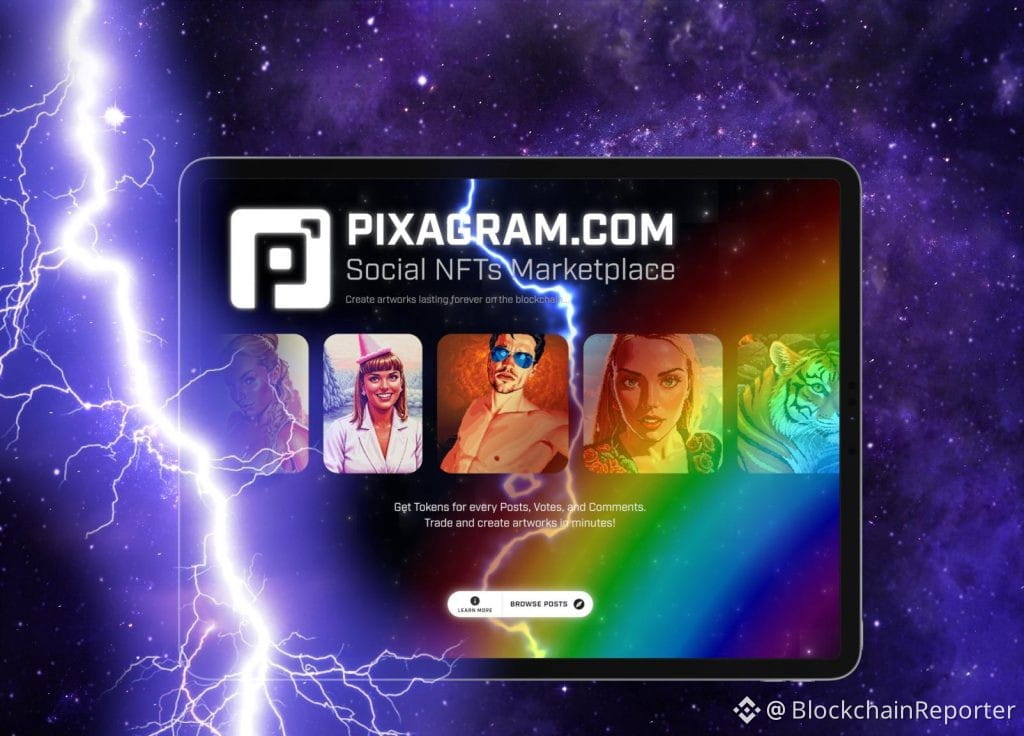
Pixagram、2026年末まで毎日250人の新規ユーザーに無料アカウント作成を提供すると発表パナマ、パナマシティ、2026年10月15日、Chainwire
Pixagramは、2026年末まで毎日最大250人の新規メンバーを対象に、無料でアカウントを作成できることを発表しました。独立したレイヤー1ブロックチェーンであるPixa上に構築されたPixagramは、ヒエラルキーのないソーシャルネットワークです。すべての投稿、投票、コメントが署名付きのオンチェーントランザクションとして記録され、広告はなく、利用開始時に暗号資産を購入する必要もありません。
Pixagramは2026年末まで、毎日最大250人の新規メンバーを対象に、20 PIXAのネットワーク手数料を負担します。新規メンバーはPixagram.comで無料の@usernameを取得し、クリエイター向けのプラットフォーム上のオンチェーンコミュニティに参加できます。
Pixagram、2026年末まで毎日250人の新規ユーザーに無料アカウント作成を提供すると発表
パナマ、パナマシティ、2026年10月15日、Chainwire
Pixagramは、2026年末まで毎日最大250人の新規メンバーを対象に、無料でアカウントを作成できることを発表しました。独立したレイヤー1ブロックチェーンであるPixa上に構築されたPixagramは、ヒエラルキーのないソーシャルネットワークです。すべての投稿、投票、コメントが署名付きのオンチェーントランザクションとして記録され、広告はなく、利用開始時に暗号資産を購入する必要もありません。
Pixagramは2026年末まで、毎日最大250人の新規メンバーを対象に、20 PIXAのネットワーク手数料を負担します。新規メンバーはPixagram.comで無料の@usernameを取得し、クリエイター向けのプラットフォーム上のオンチェーンコミュニティに参加できます。
Pixagramは、2026年末まで毎日最大250人の新規メンバーを対象に、無料でアカウントを作成できることを発表しました。独立したレイヤー1ブロックチェーンであるPixa上に構築されたPixagramは、ヒエラルキーのないソーシャルネットワークです。すべての投稿、投票、コメントが署名付きのオンチェーントランザクションとして記録され、広告はなく、利用開始時に暗号資産を購入する必要もありません。
Pixagramは2026年末まで、毎日最大250人の新規メンバーを対象に、20 PIXAのネットワーク手数料を負担します。新規メンバーはPixagram.comで無料の@usernameを取得し、クリエイター向けのプラットフォーム上のオンチェーンコミュニティに参加できます。
302

記事
国際決済のあり方を一新するために設計された革新的なグローバルプラットフォーム、A7 Internationalをご紹介...ロシア、モスクワ、2026年10月13日、Chainwire
A7 Internationalは、企業や個人がデジタル資産で請求書を支払えるようにし、受取人には通常の銀行振込で送金します。これはA7の国際的な事業展開を反映するとともに、海外顧客が利用できる決済先の地域を拡大するものです。
事業開始から2年で、A7は国際決済市場の主要プレイヤーの一社となりました。ロシア企業の対外経済活動を支援するため2024年に設立された同社は、現在約15,000社にサービスを提供しており、2025年だけで10兆ルーブルを超える取引を処理しました。A7が国内で提供してきたサービスは他国の企業からも関心を集め、海外顧客向けの新商品を開発するきっかけとなりました。
国際決済のあり方を一新するために設計された革新的なグローバルプラットフォーム、A7 Internationalをご紹介...
ロシア、モスクワ、2026年10月13日、Chainwire
A7 Internationalは、企業や個人がデジタル資産で請求書を支払えるようにし、受取人には通常の銀行振込で送金します。これはA7の国際的な事業展開を反映するとともに、海外顧客が利用できる決済先の地域を拡大するものです。
事業開始から2年で、A7は国際決済市場の主要プレイヤーの一社となりました。ロシア企業の対外経済活動を支援するため2024年に設立された同社は、現在約15,000社にサービスを提供しており、2025年だけで10兆ルーブルを超える取引を処理しました。A7が国内で提供してきたサービスは他国の企業からも関心を集め、海外顧客向けの新商品を開発するきっかけとなりました。
A7 Internationalは、企業や個人がデジタル資産で請求書を支払えるようにし、受取人には通常の銀行振込で送金します。これはA7の国際的な事業展開を反映するとともに、海外顧客が利用できる決済先の地域を拡大するものです。
事業開始から2年で、A7は国際決済市場の主要プレイヤーの一社となりました。ロシア企業の対外経済活動を支援するため2024年に設立された同社は、現在約15,000社にサービスを提供しており、2025年だけで10兆ルーブルを超える取引を処理しました。A7が国内で提供してきたサービスは他国の企業からも関心を集め、海外顧客向けの新商品を開発するきっかけとなりました。
1
253

記事
デフォルトでプライバシーを守り、開示は自分で選ぶ:Ricchezza Coin、レイヤー1プライバシーエコシステムのローンチに向け準備中...パナマ、パナマシティ、2026年10月13日、Chainwire
Ricchezza CoinとRicchezza Networkは、2026年第4四半期に予定されているローンチに向けて準備を進めています。長らく2社が主導してきた暗号資産分野に参入するにあたり、Ricchezzaは第3のアプローチにも可能性があると考えています。
独自のプライバシー重視型レイヤー1ブロックチェーンとして構築されるRicchezza Networkは、シンプルな原則を軸に設計されています。デフォルトでプライバシーを守り、開示は自分で選ぶ。
ある企業は、個人間のデジタル取引への需要を確立する一助となりました。もう一方の企業は、ゼロ知識技術と秘匿取引の可能性を示しました。Ricchezzaは、異なる提案を掲げて市場に参入します。取引のプライバシーを保ちながら、ユーザーが望む場合には特定の取引に関する情報を選択的に開示できるよう設計された取引です。Ricchezzaはこれを「選択的監査可能性」と呼んでいます。
デフォルトでプライバシーを守り、開示は自分で選ぶ:Ricchezza Coin、レイヤー1プライバシーエコシステムのローンチに向け準備中...
パナマ、パナマシティ、2026年10月13日、Chainwire
Ricchezza CoinとRicchezza Networkは、2026年第4四半期に予定されているローンチに向けて準備を進めています。長らく2社が主導してきた暗号資産分野に参入するにあたり、Ricchezzaは第3のアプローチにも可能性があると考えています。
独自のプライバシー重視型レイヤー1ブロックチェーンとして構築されるRicchezza Networkは、シンプルな原則を軸に設計されています。デフォルトでプライバシーを守り、開示は自分で選ぶ。
ある企業は、個人間のデジタル取引への需要を確立する一助となりました。もう一方の企業は、ゼロ知識技術と秘匿取引の可能性を示しました。Ricchezzaは、異なる提案を掲げて市場に参入します。取引のプライバシーを保ちながら、ユーザーが望む場合には特定の取引に関する情報を選択的に開示できるよう設計された取引です。Ricchezzaはこれを「選択的監査可能性」と呼んでいます。
Ricchezza CoinとRicchezza Networkは、2026年第4四半期に予定されているローンチに向けて準備を進めています。長らく2社が主導してきた暗号資産分野に参入するにあたり、Ricchezzaは第3のアプローチにも可能性があると考えています。
独自のプライバシー重視型レイヤー1ブロックチェーンとして構築されるRicchezza Networkは、シンプルな原則を軸に設計されています。デフォルトでプライバシーを守り、開示は自分で選ぶ。
ある企業は、個人間のデジタル取引への需要を確立する一助となりました。もう一方の企業は、ゼロ知識技術と秘匿取引の可能性を示しました。Ricchezzaは、異なる提案を掲げて市場に参入します。取引のプライバシーを保ちながら、ユーザーが望む場合には特定の取引に関する情報を選択的に開示できるよう設計された取引です。Ricchezzaはこれを「選択的監査可能性」と呼んでいます。
285
本人確認中
記事
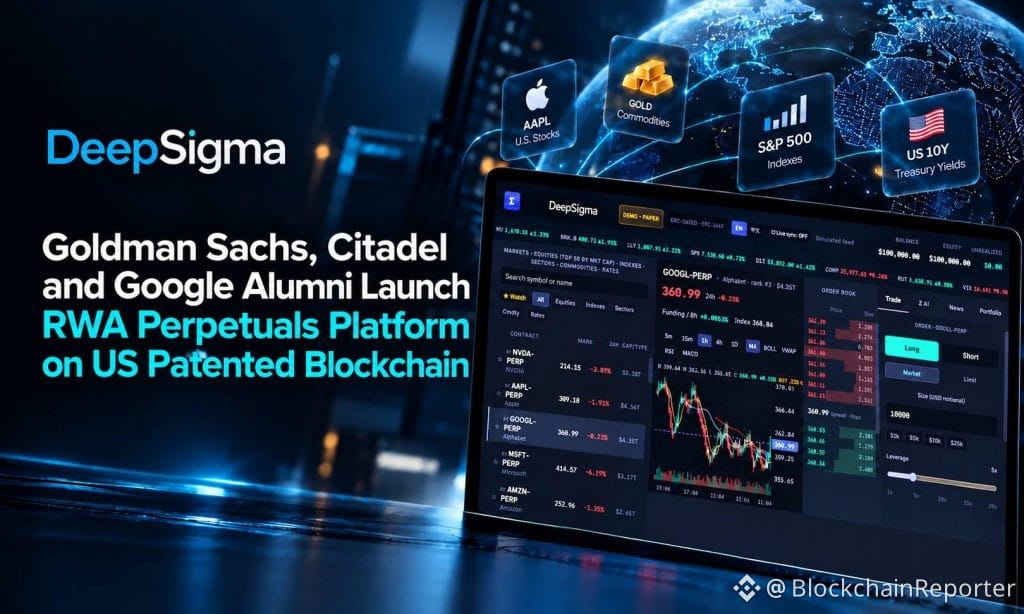
ゴールドマン・サックス、シタデル、Googleの元社員ら、特許取得済みブロックチェーン上でRWAパーペチュアル取引プラットフォームを立ち上げニューヨーク州ニューヨーク、2026年10月13日、Chainwire
現実資産(RWA)を対象とする新たな分散型パーペチュアル先物取引所、DeepSigmaは本日、米国株、指数、コモディティ、セクターETF、米国債利回りにわたる77市場を網羅した、ライブのペーパートレードデモを備えるプラットフォームを発表しました。
Cypheriumブロックチェーンを基盤とするDeepSigmaは、暗号資産分野で急速に成長したパーペチュアル先物モデルを従来の金融市場にもたらすことを目指して構築されています。原資産をトークン化したり、カストディを引き受けたりするのではなく、DeepSigmaのパーペチュアル契約は外部の価格データを通じて対応する現実市場に連動するため、トレーダーは原資産を保有したり受け渡しを受けたりすることなく、ロングまたはショートのポジションを取ることができます。
ゴールドマン・サックス、シタデル、Googleの元社員ら、特許取得済みブロックチェーン上でRWAパーペチュアル取引プラットフォームを立ち上げ
ニューヨーク州ニューヨーク、2026年10月13日、Chainwire
現実資産(RWA)を対象とする新たな分散型パーペチュアル先物取引所、DeepSigmaは本日、米国株、指数、コモディティ、セクターETF、米国債利回りにわたる77市場を網羅した、ライブのペーパートレードデモを備えるプラットフォームを発表しました。
Cypheriumブロックチェーンを基盤とするDeepSigmaは、暗号資産分野で急速に成長したパーペチュアル先物モデルを従来の金融市場にもたらすことを目指して構築されています。原資産をトークン化したり、カストディを引き受けたりするのではなく、DeepSigmaのパーペチュアル契約は外部の価格データを通じて対応する現実市場に連動するため、トレーダーは原資産を保有したり受け渡しを受けたりすることなく、ロングまたはショートのポジションを取ることができます。
現実資産(RWA)を対象とする新たな分散型パーペチュアル先物取引所、DeepSigmaは本日、米国株、指数、コモディティ、セクターETF、米国債利回りにわたる77市場を網羅した、ライブのペーパートレードデモを備えるプラットフォームを発表しました。
Cypheriumブロックチェーンを基盤とするDeepSigmaは、暗号資産分野で急速に成長したパーペチュアル先物モデルを従来の金融市場にもたらすことを目指して構築されています。原資産をトークン化したり、カストディを引き受けたりするのではなく、DeepSigmaのパーペチュアル契約は外部の価格データを通じて対応する現実市場に連動するため、トレーダーは原資産を保有したり受け渡しを受けたりすることなく、ロングまたはショートのポジションを取ることができます。
772

記事
A7、国際決済市場を一新するサービスを発表へロシア、モスクワ、2026年10月12日、Chainwire
10月13日、PSB銀行が設立したロシアの国際決済システムA7は、海外取引先の請求書をUSDTで支払い、必要な通貨で通常のSWIFT銀行送金として資金を受け取れるサービス「A7 International」を発表する予定です。
主な対象は外国貿易事業者ですが、個人も利用できます。手数料は一律0.3%です。
PSB銀行(PJSC)の会長ピョートル・フラトコフ氏とA7のCEOイラン・ショル氏が、10月13日13時13分に新サービスの概要を紹介します。
A7、国際決済市場を一新するサービスを発表へ
ロシア、モスクワ、2026年10月12日、Chainwire
10月13日、PSB銀行が設立したロシアの国際決済システムA7は、海外取引先の請求書をUSDTで支払い、必要な通貨で通常のSWIFT銀行送金として資金を受け取れるサービス「A7 International」を発表する予定です。
主な対象は外国貿易事業者ですが、個人も利用できます。手数料は一律0.3%です。
PSB銀行(PJSC)の会長ピョートル・フラトコフ氏とA7のCEOイラン・ショル氏が、10月13日13時13分に新サービスの概要を紹介します。
10月13日、PSB銀行が設立したロシアの国際決済システムA7は、海外取引先の請求書をUSDTで支払い、必要な通貨で通常のSWIFT銀行送金として資金を受け取れるサービス「A7 International」を発表する予定です。
主な対象は外国貿易事業者ですが、個人も利用できます。手数料は一律0.3%です。
PSB銀行(PJSC)の会長ピョートル・フラトコフ氏とA7のCEOイラン・ショル氏が、10月13日13時13分に新サービスの概要を紹介します。
1
169
本人確認中

記事
DATA NetworkがSuiとWalrusに加わり、AI学習データのサプライチェーンを拡大米国カリフォルニア州パロアルト、2026年10月12日、Chainwire
250 million件を超える検証可能な証明記録を備えた、権利処理済みAI学習データのオンチェーンレジストリ「Trace」が、次世代AIモデルを支えるため、学習データをSuiとWalrusに導入します。
Sui FoundationとThe DATA Foundationは本日、DATA NetworkとそのレジストリであるTraceがSuiのエコシステムに加わることを発表しました。これにより、SuiがAIワークロード向けに構築したインフラ上で、権利処理済みAI学習データを継続的に利用できるようになります。Sui上に完全性証明を記録するデータプラットフォームのWalrusは、DATA Foundationが運営するアプリケーションのデフォルトのストレージレイヤーとなります。また、DATA NetworkはSui上でネイティブに動作するプロトコルへとアップグレードされます。
DATA NetworkがSuiとWalrusに加わり、AI学習データのサプライチェーンを拡大
米国カリフォルニア州パロアルト、2026年10月12日、Chainwire
250 million件を超える検証可能な証明記録を備えた、権利処理済みAI学習データのオンチェーンレジストリ「Trace」が、次世代AIモデルを支えるため、学習データをSuiとWalrusに導入します。
Sui FoundationとThe DATA Foundationは本日、DATA NetworkとそのレジストリであるTraceがSuiのエコシステムに加わることを発表しました。これにより、SuiがAIワークロード向けに構築したインフラ上で、権利処理済みAI学習データを継続的に利用できるようになります。Sui上に完全性証明を記録するデータプラットフォームのWalrusは、DATA Foundationが運営するアプリケーションのデフォルトのストレージレイヤーとなります。また、DATA NetworkはSui上でネイティブに動作するプロトコルへとアップグレードされます。
250 million件を超える検証可能な証明記録を備えた、権利処理済みAI学習データのオンチェーンレジストリ「Trace」が、次世代AIモデルを支えるため、学習データをSuiとWalrusに導入します。
Sui FoundationとThe DATA Foundationは本日、DATA NetworkとそのレジストリであるTraceがSuiのエコシステムに加わることを発表しました。これにより、SuiがAIワークロード向けに構築したインフラ上で、権利処理済みAI学習データを継続的に利用できるようになります。Sui上に完全性証明を記録するデータプラットフォームのWalrusは、DATA Foundationが運営するアプリケーションのデフォルトのストレージレイヤーとなります。また、DATA NetworkはSui上でネイティブに動作するプロトコルへとアップグレードされます。
1
207
記事
ブロックチェーンのセキュリティ:データを守る仕組みと、今なお脆弱な領域ブロックチェーンは、これまでに構築されたデータベースの中でも改ざんが特に難しいものの一つです。それにもかかわらず、Chainalysisによると、攻撃者は2025年に約34億ドル相当の暗号資産を盗みました。この二つの事実がともに成り立つのは、ブロックチェーンのセキュリティが別々の二つのレベルで機能しているからです。暗号技術、コンセンサスルール、そして何千もの独立したノードによって守られた台帳そのものは、最大規模のネットワークで堅牢性を保っています。資金が失われるのは、その周辺です。盗まれた秘密鍵、侵害された署名者、バグのあるスマートコントラクト、そしてクロスチェーンブリッジなどが原因です。大規模なインシデントごとに、どの層で問題が起きたのかを知ることは、現実のリスクを判断する最も手っ取り早い方法です。そこでこのガイドでは、ブロックチェーンのセキュリティの仕組み、実際に成功した攻撃、そしてユーザーにできる対策を解説します。
ブロックチェーンのセキュリティ:データを守る仕組みと、今なお脆弱な領域
ブロックチェーンは、これまでに構築されたデータベースの中でも改ざんが特に難しいものの一つです。それにもかかわらず、Chainalysisによると、攻撃者は2025年に約34億ドル相当の暗号資産を盗みました。この二つの事実がともに成り立つのは、ブロックチェーンのセキュリティが別々の二つのレベルで機能しているからです。暗号技術、コンセンサスルール、そして何千もの独立したノードによって守られた台帳そのものは、最大規模のネットワークで堅牢性を保っています。資金が失われるのは、その周辺です。盗まれた秘密鍵、侵害された署名者、バグのあるスマートコントラクト、そしてクロスチェーンブリッジなどが原因です。大規模なインシデントごとに、どの層で問題が起きたのかを知ることは、現実のリスクを判断する最も手っ取り早い方法です。そこでこのガイドでは、ブロックチェーンのセキュリティの仕組み、実際に成功した攻撃、そしてユーザーにできる対策を解説します。
1
2
2.2k
記事
英国、ロシア制裁回避をめぐり暗号資産取引所Cryptomus、Heleket、TokenSpotに制裁英国は10月8日、ロシアが西側諸国の制裁を回避するために利用している金融ルートを対象とする38の組織・個人への制裁措置の一環として、暗号資産取引所3社と決済プラットフォーム2社に制裁を科した。英国外務・英連邦・開発省(FCDO)は、これらのプラットフォームがモスクワによる制裁回避を支援した疑いがあり、そのうち2社はクレムリンとつながりのあるA7ネットワークの取引を処理していたと、英国の制裁発表で明らかにした。
暗号資産関連の制裁対象には、カナダで登記されたXeltox Enterprises Ltdが所有するCryptomusとHeleket、キルギスの取引所TokenSpot、決済プラットフォームのTsunami PaymentsとProcessing KGが含まれる。対象となった組織のうち3つはキルギスで登記されている。またFCDOは、Processing KGの取締役であるUlan Bukabaev氏にも制裁を科した。
英国、ロシア制裁回避をめぐり暗号資産取引所Cryptomus、Heleket、TokenSpotに制裁
英国は10月8日、ロシアが西側諸国の制裁を回避するために利用している金融ルートを対象とする38の組織・個人への制裁措置の一環として、暗号資産取引所3社と決済プラットフォーム2社に制裁を科した。英国外務・英連邦・開発省(FCDO)は、これらのプラットフォームがモスクワによる制裁回避を支援した疑いがあり、そのうち2社はクレムリンとつながりのあるA7ネットワークの取引を処理していたと、英国の制裁発表で明らかにした。
暗号資産関連の制裁対象には、カナダで登記されたXeltox Enterprises Ltdが所有するCryptomusとHeleket、キルギスの取引所TokenSpot、決済プラットフォームのTsunami PaymentsとProcessing KGが含まれる。対象となった組織のうち3つはキルギスで登記されている。またFCDOは、Processing KGの取締役であるUlan Bukabaev氏にも制裁を科した。
暗号資産関連の制裁対象には、カナダで登記されたXeltox Enterprises Ltdが所有するCryptomusとHeleket、キルギスの取引所TokenSpot、決済プラットフォームのTsunami PaymentsとProcessing KGが含まれる。対象となった組織のうち3つはキルギスで登記されている。またFCDOは、Processing KGの取締役であるUlan Bukabaev氏にも制裁を科した。
1
298
記事
ステーブルコインは静かにビジネス基盤へと移行中、NOWPaymentsのデータが示すエストニア、タリン。2026年10月8日。Chainwire
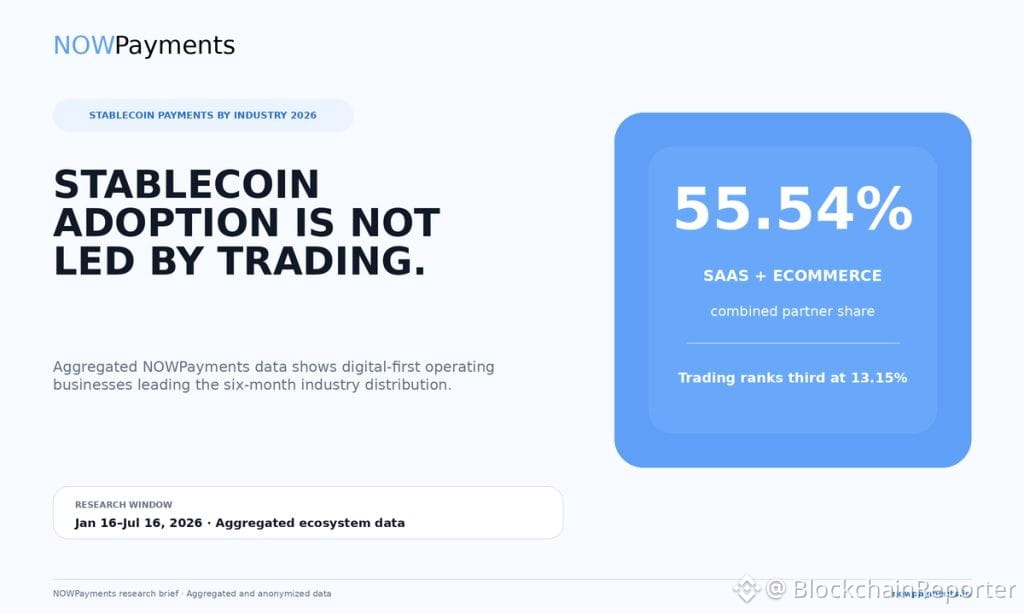
SaaSとECは合計シェアを48.26%から55.54%へ伸ばした一方で、取引(Trading)は14.07%から13.15%へと低下しました。
企業は、誤った問題を中心に据えてステーブルコイン基盤を構築することができます。
誤りは、ステーブルコインを主に「コインとネットワーク」の意思決定として扱うことです。デジタル企業にとっては、請求、チェックアウト(決済)、清算(セトルメント)、支払い(アウトペイ)、照合(リコンサイル)など、より幅広い一連の運用ワークフローをサポートする必要があるかもしれません。
それらのワークフローのうち、どれが最も重要かは、ビジネスモデル次第です。
ステーブルコインは静かにビジネス基盤へと移行中、NOWPaymentsのデータが示す
エストニア、タリン。2026年10月8日。Chainwire
SaaSとECは合計シェアを48.26%から55.54%へ伸ばした一方で、取引(Trading)は14.07%から13.15%へと低下しました。
企業は、誤った問題を中心に据えてステーブルコイン基盤を構築することができます。
誤りは、ステーブルコインを主に「コインとネットワーク」の意思決定として扱うことです。デジタル企業にとっては、請求、チェックアウト(決済)、清算(セトルメント)、支払い(アウトペイ)、照合(リコンサイル)など、より幅広い一連の運用ワークフローをサポートする必要があるかもしれません。
それらのワークフローのうち、どれが最も重要かは、ビジネスモデル次第です。
SaaSとECは合計シェアを48.26%から55.54%へ伸ばした一方で、取引(Trading)は14.07%から13.15%へと低下しました。
企業は、誤った問題を中心に据えてステーブルコイン基盤を構築することができます。
誤りは、ステーブルコインを主に「コインとネットワーク」の意思決定として扱うことです。デジタル企業にとっては、請求、チェックアウト(決済)、清算(セトルメント)、支払い(アウトペイ)、照合(リコンサイル)など、より幅広い一連の運用ワークフローをサポートする必要があるかもしれません。
それらのワークフローのうち、どれが最も重要かは、ビジネスモデル次第です。
79
記事
Travala、BNB Chain&Binance Payと連携したネイティブAI旅行エージェントを発表シンガポール(シンガポール)、2026年10月6日、Chainwire
Travalaは、BNB ChainおよびBinance Payと提携し、Travala上で直接ネイティブAI旅行予約エージェントを立ち上げました。このエージェントにより、旅行者はセットアップ不要で、BNB Smart Chain(BSC)ウォレットのみを使ってホテルを検索し予約できます。
エージェントを利用するには、旅行者は単にTravala上でAI旅行エージェントのウィジェットを開き、USDTで任意のBSCウォレットアドレスをチャージします(ウォレットをユニバーサルAPIキーに変換)。そして、エージェントが提示する選択肢の中から希望するホテルを予約します。
Travala、BNB Chain&Binance Payと連携したネイティブAI旅行エージェントを発表
シンガポール(シンガポール)、2026年10月6日、Chainwire
Travalaは、BNB ChainおよびBinance Payと提携し、Travala上で直接ネイティブAI旅行予約エージェントを立ち上げました。このエージェントにより、旅行者はセットアップ不要で、BNB Smart Chain(BSC)ウォレットのみを使ってホテルを検索し予約できます。
エージェントを利用するには、旅行者は単にTravala上でAI旅行エージェントのウィジェットを開き、USDTで任意のBSCウォレットアドレスをチャージします(ウォレットをユニバーサルAPIキーに変換)。そして、エージェントが提示する選択肢の中から希望するホテルを予約します。
Travalaは、BNB ChainおよびBinance Payと提携し、Travala上で直接ネイティブAI旅行予約エージェントを立ち上げました。このエージェントにより、旅行者はセットアップ不要で、BNB Smart Chain(BSC)ウォレットのみを使ってホテルを検索し予約できます。
エージェントを利用するには、旅行者は単にTravala上でAI旅行エージェントのウィジェットを開き、USDTで任意のBSCウォレットアドレスをチャージします(ウォレットをユニバーサルAPIキーに変換)。そして、エージェントが提示する選択肢の中から希望するホテルを予約します。
1
1.1k

記事
マイクロタスク280万件超:nGRND Gold ProtocolはいかにWeb3のエンゲージメントを再定義しているのか現在Web3で最も議論されているテーマの一つが、受動的な投機から積極的なエンゲージメントへの移行です。しかし、議論とは裏腹に、それを大規模に実現できると実証しているプラットフォームはごくわずかです。そこで登場するのがnGRND Gold Protocolです。日々の参加を経済圏のまさに中心に据えることで、従来のトークン保有者モデルを根本から覆す、革新的なエコシステムです。
創業者David Lucatchをはじめ、イノベーション、オンライン、ゲーム、資源分野で豊富な経験を持つチームが率いるこのプラットフォームは、独自の仕組みとして、カスタムブランドのDynamic Soulbound Token(DSBT)を活用しています。スポーツ予想からAI主導のゲームまで、各プラットフォーム本来の活動を、現実世界で価値をもたらす統合型の報酬エンジンへと変換します。
マイクロタスク280万件超:nGRND Gold ProtocolはいかにWeb3のエンゲージメントを再定義しているのか
現在Web3で最も議論されているテーマの一つが、受動的な投機から積極的なエンゲージメントへの移行です。しかし、議論とは裏腹に、それを大規模に実現できると実証しているプラットフォームはごくわずかです。そこで登場するのがnGRND Gold Protocolです。日々の参加を経済圏のまさに中心に据えることで、従来のトークン保有者モデルを根本から覆す、革新的なエコシステムです。
創業者David Lucatchをはじめ、イノベーション、オンライン、ゲーム、資源分野で豊富な経験を持つチームが率いるこのプラットフォームは、独自の仕組みとして、カスタムブランドのDynamic Soulbound Token(DSBT)を活用しています。スポーツ予想からAI主導のゲームまで、各プラットフォーム本来の活動を、現実世界で価値をもたらす統合型の報酬エンジンへと変換します。
創業者David Lucatchをはじめ、イノベーション、オンライン、ゲーム、資源分野で豊富な経験を持つチームが率いるこのプラットフォームは、独自の仕組みとして、カスタムブランドのDynamic Soulbound Token(DSBT)を活用しています。スポーツ予想からAI主導のゲームまで、各プラットフォーム本来の活動を、現実世界で価値をもたらす統合型の報酬エンジンへと変換します。
212
記事
Yapı Kredi Kripto、Türkiyeでのデジタル資産取引サービスを強化するためIntegralを採用カリフォルニア州パロアルト、2026年10月7日、Chainwire
Integralの機関投資家向け水準のデジタル資産取引テクノロジーは、Türkiyeの新たなデジタル資産規制枠組みの施行に伴い、Yapı Kredi Kriptoによる規制対象の暗号資産サービスを支援します。
通貨テクノロジーの大手プロバイダーであるIntegralは本日、Yapı Kredi KriptoがIntegralのデジタル資産取引テクノロジーを採用したと発表しました。これにより、同グループは、近日開始予定の規制対象デジタル資産事業を通じて暗号資産サービスを提供できるようになります。
Yapı Kredi Kripto、Türkiyeでのデジタル資産取引サービスを強化するためIntegralを採用
カリフォルニア州パロアルト、2026年10月7日、Chainwire
Integralの機関投資家向け水準のデジタル資産取引テクノロジーは、Türkiyeの新たなデジタル資産規制枠組みの施行に伴い、Yapı Kredi Kriptoによる規制対象の暗号資産サービスを支援します。
通貨テクノロジーの大手プロバイダーであるIntegralは本日、Yapı Kredi KriptoがIntegralのデジタル資産取引テクノロジーを採用したと発表しました。これにより、同グループは、近日開始予定の規制対象デジタル資産事業を通じて暗号資産サービスを提供できるようになります。
Integralの機関投資家向け水準のデジタル資産取引テクノロジーは、Türkiyeの新たなデジタル資産規制枠組みの施行に伴い、Yapı Kredi Kriptoによる規制対象の暗号資産サービスを支援します。
通貨テクノロジーの大手プロバイダーであるIntegralは本日、Yapı Kredi KriptoがIntegralのデジタル資産取引テクノロジーを採用したと発表しました。これにより、同グループは、近日開始予定の規制対象デジタル資産事業を通じて暗号資産サービスを提供できるようになります。
219
本人確認中

記事
ASICID、新世代の暗号資産マイナーを発表Chainwire、香港、2026年10月6日
ASICID Inc.は、ビットコイン、ライトコイン、ドージコインのマイニング向けに設計された新しい暗号資産マイニングシステム「IDMINER Series」を発表しました。
このシリーズにはIDMINER HomeRack、IDMINER 2、IDMINER 1が含まれ、構成はビットコインのハッシュレートが1,150 TH/sから9,600 TH/s、ライトコインおよびドージコインのハッシュレートが350 GH/sから3,200 GH/sまでとなっています。
3つのモデルは、個人や自宅でマイニングを行うユーザーから、プロの事業者や大規模運用者まで、さまざまなマイニング環境に対応するよう設計されています。
ASICID、新世代の暗号資産マイナーを発表
Chainwire、香港、2026年10月6日
ASICID Inc.は、ビットコイン、ライトコイン、ドージコインのマイニング向けに設計された新しい暗号資産マイニングシステム「IDMINER Series」を発表しました。
このシリーズにはIDMINER HomeRack、IDMINER 2、IDMINER 1が含まれ、構成はビットコインのハッシュレートが1,150 TH/sから9,600 TH/s、ライトコインおよびドージコインのハッシュレートが350 GH/sから3,200 GH/sまでとなっています。
3つのモデルは、個人や自宅でマイニングを行うユーザーから、プロの事業者や大規模運用者まで、さまざまなマイニング環境に対応するよう設計されています。
ASICID Inc.は、ビットコイン、ライトコイン、ドージコインのマイニング向けに設計された新しい暗号資産マイニングシステム「IDMINER Series」を発表しました。
このシリーズにはIDMINER HomeRack、IDMINER 2、IDMINER 1が含まれ、構成はビットコインのハッシュレートが1,150 TH/sから9,600 TH/s、ライトコインおよびドージコインのハッシュレートが350 GH/sから3,200 GH/sまでとなっています。
3つのモデルは、個人や自宅でマイニングを行うユーザーから、プロの事業者や大規模運用者まで、さまざまなマイニング環境に対応するよう設計されています。
2
738
記事
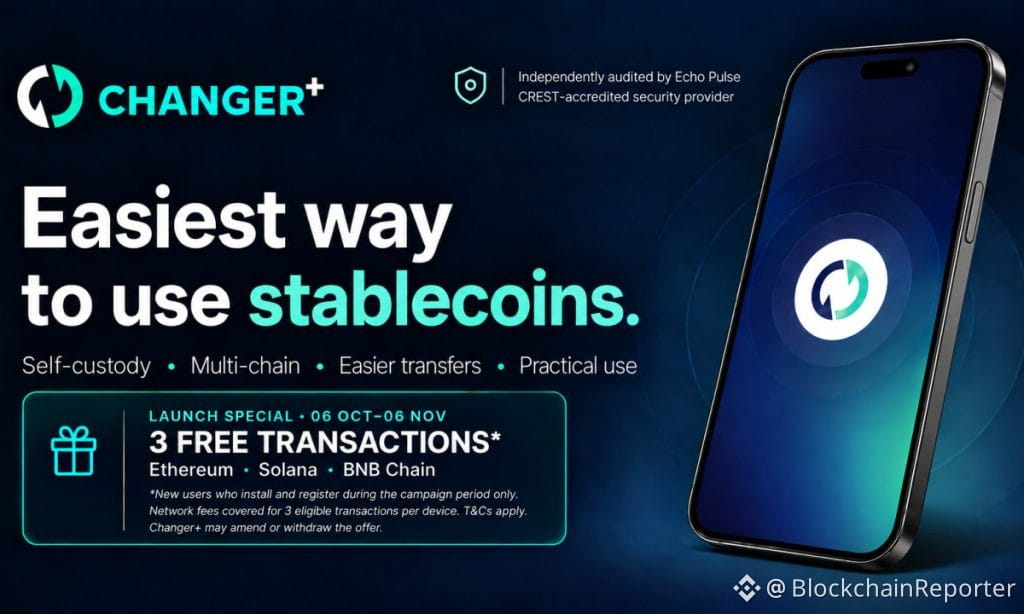
Changer+、ステーブルコインをより使いやすくする、ステーブルコイン特化型の自己管理ウォレットを提供開始シンガポール、2026年10月6日、Chainwire
複数のブロックチェーンに対応したステーブルコインウォレット。より簡単な送金、柔軟なガス代の選択肢、セキュリティ機能、実用的なユースケースを備え、世界で最も使いやすいステーブルコインウォレットを目指します。
Changer+は本日、ステーブルコインの保有、送金、利用をより簡単にするために開発された、自己管理型ステーブルコインウォレットの提供開始を発表しました。
Changer+は、Ethereum、TRON、BNB Chain、Solana上でUSDTやUSDCをはじめとする主要なステーブルコインに対応しており、今後、対応ネットワークとステーブルコインをさらに拡大する予定です。
Changer+、ステーブルコインをより使いやすくする、ステーブルコイン特化型の自己管理ウォレットを提供開始
シンガポール、2026年10月6日、Chainwire
複数のブロックチェーンに対応したステーブルコインウォレット。より簡単な送金、柔軟なガス代の選択肢、セキュリティ機能、実用的なユースケースを備え、世界で最も使いやすいステーブルコインウォレットを目指します。
Changer+は本日、ステーブルコインの保有、送金、利用をより簡単にするために開発された、自己管理型ステーブルコインウォレットの提供開始を発表しました。
Changer+は、Ethereum、TRON、BNB Chain、Solana上でUSDTやUSDCをはじめとする主要なステーブルコインに対応しており、今後、対応ネットワークとステーブルコインをさらに拡大する予定です。
複数のブロックチェーンに対応したステーブルコインウォレット。より簡単な送金、柔軟なガス代の選択肢、セキュリティ機能、実用的なユースケースを備え、世界で最も使いやすいステーブルコインウォレットを目指します。
Changer+は本日、ステーブルコインの保有、送金、利用をより簡単にするために開発された、自己管理型ステーブルコインウォレットの提供開始を発表しました。
Changer+は、Ethereum、TRON、BNB Chain、Solana上でUSDTやUSDCをはじめとする主要なステーブルコインに対応しており、今後、対応ネットワークとステーブルコインをさらに拡大する予定です。
91
記事
Startale Japan、日本初のJPYSC払いデジタル社債を発行日本・東京、2026年10月6日、Chainwire
この画期的な発行により、円建てステーブルコインによる決済が実社会の企業金融に導入され、利息と元本償還の両方がJPYSCで支払われます
Startale Japanは本日、利息と元本償還の両方を円建ての信託型ステーブルコインで支払う、日本1初のデジタル社債「Startale Bond」を発表しました。簡単に言えば、この社債では従来の決済ネットワークではなく、円建てステーブルコインを通じて、償還までの期間を通じて債権者に支払いが行われます。
Startale Japan、日本初のJPYSC払いデジタル社債を発行
日本・東京、2026年10月6日、Chainwire
この画期的な発行により、円建てステーブルコインによる決済が実社会の企業金融に導入され、利息と元本償還の両方がJPYSCで支払われます
Startale Japanは本日、利息と元本償還の両方を円建ての信託型ステーブルコインで支払う、日本1初のデジタル社債「Startale Bond」を発表しました。簡単に言えば、この社債では従来の決済ネットワークではなく、円建てステーブルコインを通じて、償還までの期間を通じて債権者に支払いが行われます。
この画期的な発行により、円建てステーブルコインによる決済が実社会の企業金融に導入され、利息と元本償還の両方がJPYSCで支払われます
Startale Japanは本日、利息と元本償還の両方を円建ての信託型ステーブルコインで支払う、日本1初のデジタル社債「Startale Bond」を発表しました。簡単に言えば、この社債では従来の決済ネットワークではなく、円建てステーブルコインを通じて、償還までの期間を通じて債権者に支払いが行われます。
229

記事
Stockhunt、TOKEN2049 SingaporeでAI搭載の自己管理型DEX「CoinIQ」を発表シンガポール、2026年10月5日、Chainwire
AIを活用した取引・執行ソリューションを開発する金融テクノロジー企業、Stockhunt AI Pte. Ltd.は本日、定量取引戦略やAI支援型取引戦略をより利用しやすくすることを目指した、自己管理型の分散型取引所CoinIQの提供開始を発表しました。
Stockhuntは、2026年10月7~8日に開催されるTOKEN2049 SingaporeでCoinIQを披露します。来場者はブースPB4-28でプラットフォームを体験し、製品のライブデモを見学するとともに、技術、流動性、エコシステムに関する提携の可能性について話し合うことができます。
Stockhunt、TOKEN2049 SingaporeでAI搭載の自己管理型DEX「CoinIQ」を発表
シンガポール、2026年10月5日、Chainwire
AIを活用した取引・執行ソリューションを開発する金融テクノロジー企業、Stockhunt AI Pte. Ltd.は本日、定量取引戦略やAI支援型取引戦略をより利用しやすくすることを目指した、自己管理型の分散型取引所CoinIQの提供開始を発表しました。
Stockhuntは、2026年10月7~8日に開催されるTOKEN2049 SingaporeでCoinIQを披露します。来場者はブースPB4-28でプラットフォームを体験し、製品のライブデモを見学するとともに、技術、流動性、エコシステムに関する提携の可能性について話し合うことができます。
AIを活用した取引・執行ソリューションを開発する金融テクノロジー企業、Stockhunt AI Pte. Ltd.は本日、定量取引戦略やAI支援型取引戦略をより利用しやすくすることを目指した、自己管理型の分散型取引所CoinIQの提供開始を発表しました。
Stockhuntは、2026年10月7~8日に開催されるTOKEN2049 SingaporeでCoinIQを披露します。来場者はブースPB4-28でプラットフォームを体験し、製品のライブデモを見学するとともに、技術、流動性、エコシステムに関する提携の可能性について話し合うことができます。
341

記事
Lowest Fee Bitcoin ATMs Announces Launch of More Than 400 ATMs Nationwide2026年10月1日、米国ネバダ州ラスベガス、Chainwire
最安手数料のビットコインATMが、米国全土で400台超の暗号資産ATMの導入を発表しました。これらの端末では、利用者は現金でビットコイン、イーサリアム、USDT、USDCを、定額5%の手数料で購入できます。利用者はATMを訪れる前に、オンラインで事前登録することも可能です。
最安手数料のビットコインATM(新しい全国規模の低手数料ビットコインATM事業者)が本日、米国全土で400台超のビットコインATMを対象とした初期展開を開始し、初日として同国最大級のビットコインATM事業者の一角に位置付けられています。また、マーケティング部門の仕事の大半を代わりにこなすような名前でも同時に立ち上げました。このブランドは、現金でビットコイン、イーサリアム、USDT、USDCを購入する際に、ビットコインATMの手数料を定額5%で請求し、顧客が確認する前に画面上で手数料と為替レートを表示します。さらに本日現在、初めての顧客に対してはオンライン登録を約2分で可能にし、端末でのオンボーディングを完全にスキップできるようにしています。
Lowest Fee Bitcoin ATMs Announces Launch of More Than 400 ATMs Nationwide
2026年10月1日、米国ネバダ州ラスベガス、Chainwire
最安手数料のビットコインATMが、米国全土で400台超の暗号資産ATMの導入を発表しました。これらの端末では、利用者は現金でビットコイン、イーサリアム、USDT、USDCを、定額5%の手数料で購入できます。利用者はATMを訪れる前に、オンラインで事前登録することも可能です。
最安手数料のビットコインATM(新しい全国規模の低手数料ビットコインATM事業者)が本日、米国全土で400台超のビットコインATMを対象とした初期展開を開始し、初日として同国最大級のビットコインATM事業者の一角に位置付けられています。また、マーケティング部門の仕事の大半を代わりにこなすような名前でも同時に立ち上げました。このブランドは、現金でビットコイン、イーサリアム、USDT、USDCを購入する際に、ビットコインATMの手数料を定額5%で請求し、顧客が確認する前に画面上で手数料と為替レートを表示します。さらに本日現在、初めての顧客に対してはオンライン登録を約2分で可能にし、端末でのオンボーディングを完全にスキップできるようにしています。
最安手数料のビットコインATMが、米国全土で400台超の暗号資産ATMの導入を発表しました。これらの端末では、利用者は現金でビットコイン、イーサリアム、USDT、USDCを、定額5%の手数料で購入できます。利用者はATMを訪れる前に、オンラインで事前登録することも可能です。
最安手数料のビットコインATM(新しい全国規模の低手数料ビットコインATM事業者)が本日、米国全土で400台超のビットコインATMを対象とした初期展開を開始し、初日として同国最大級のビットコインATM事業者の一角に位置付けられています。また、マーケティング部門の仕事の大半を代わりにこなすような名前でも同時に立ち上げました。このブランドは、現金でビットコイン、イーサリアム、USDT、USDCを購入する際に、ビットコインATMの手数料を定額5%で請求し、顧客が確認する前に画面上で手数料と為替レートを表示します。さらに本日現在、初めての顧客に対してはオンライン登録を約2分で可能にし、端末でのオンボーディングを完全にスキップできるようにしています。
1
256
ログインして、さらにコンテンツを読む
厳選トピックで世界の暗号資産トレーダーの仲間入り
⚡️ 暗号資産に関する最新かつ有益な情報が見つかります。
💬 世界最大の暗号資産取引所から信頼されています。
👍 認証を受けたクリエイターから、有益なインサイトを得られます。
メール / 電話番号