Binance Square

Dor JR

Crypto Trader | Forex user | Blockchain technology and Binance Affiliate marketer. AI (Bot) User with only API binding.
62 フォロー
81 フォロワー
75 いいね
2 共有
投稿
PINNED
·
--
南スーダン 🇸🇸 オンライン決済💰 電子システムは南スーダン銀行やその他の金融機関の政府機関のための提唱になっています。
·
--
𝗔 𝗕𝗿𝗶𝘁𝗶𝘀𝗵 𝗕𝗶𝘁𝗰𝗼𝗶𝗻 起業家は、ニューヨーク・タイムズの記事で彼がその創作者として名指しされた後、BBCに対してデジタル通貨の神秘的な発明者ではないと語った。 𝗔𝗱𝗮𝗺 𝗕𝗮𝗰𝗸、著名なビットコイン開発者は、この調査は「確認バイアス」のケースであり、彼は𝗦𝗮𝘁𝗼𝘀𝗵𝗶 𝗡𝗮𝗸𝗮𝗺𝗼𝘁𝗼として知られている人物ではないと述べた。 #𝗕𝗧𝗖 #𝗰𝘂𝗿𝗿𝘂𝗻𝗰𝘆
𝗔 𝗕𝗿𝗶𝘁𝗶𝘀𝗵 𝗕𝗶𝘁𝗰𝗼𝗶𝗻 起業家は、ニューヨーク・タイムズの記事で彼がその創作者として名指しされた後、BBCに対してデジタル通貨の神秘的な発明者ではないと語った。

𝗔𝗱𝗮𝗺 𝗕𝗮𝗰𝗸、著名なビットコイン開発者は、この調査は「確認バイアス」のケースであり、彼は𝗦𝗮𝘁𝗼𝘀𝗵𝗶 𝗡𝗮𝗸𝗮𝗺𝗼𝘁𝗼として知られている人物ではないと述べた。

#𝗕𝗧𝗖
#𝗰𝘂𝗿𝗿𝘂𝗻𝗰𝘆
·
--
親愛なるバイナンスアフリカチームへ、 南スーダンからの挨拶。 私の名前はバンガッチ・ドールで、南スーダンのジュバに拠点を置くバイナンスユーザーでありブロックチェーンの提唱者です。私は、バイナンスを取引や金融アクセスのために頼りにしている南スーダンの多くの暗号通貨ユーザーを代表して書いています。 現在、南スーダンのユーザーは、南スーダンポンド(#SSP )がサポートされている通貨としてリストされていないため、バイナンスP2Pを使用する際に深刻な課題に直面しています。これにより、ユーザーはプラットフォーム内で暗号通貨を売買することが非常に難しくなっています。 私たちは、南スーダンポンド#SSP をバイナンスP2Pシステムに追加することをバイナンスに検討していただくようお願い申し上げます。南スーダンの暗号コミュニティは急速に成長しており、多くの人々が従来の銀行サービスへのアクセスが限られているため、ピアツーピア取引に依存しています。 もしSSPの統合が現時点で技術的に難しい場合、私たちは南スーダンの一般的な取引通貨として#USD を許可することもお勧めします。米ドルは、特にNGO、 humanitarian organizations、民間企業による取引で国内で広く使用されています。 南スーダンのためにSSPを追加するか、USD P2Pアクセスを有効にすることは、金融包摂を大幅に改善し、デジタルイノベーションを支援し、私たちの国の多くの若い起業家やトレーダーを力づけることになります。 私たちは、アフリカ全体での暗号採用を支援するバイナンスのリーダーシップに感謝し、南スーダンもこれらの機会から利益を得られることを願っています。 お時間とご考慮に感謝いたします。 敬具、 バンガッチ・ドール バイナンスユーザー & ブロックチェーン提唱者 南スーダン、ジュバ
親愛なるバイナンスアフリカチームへ、

南スーダンからの挨拶。
私の名前はバンガッチ・ドールで、南スーダンのジュバに拠点を置くバイナンスユーザーでありブロックチェーンの提唱者です。私は、バイナンスを取引や金融アクセスのために頼りにしている南スーダンの多くの暗号通貨ユーザーを代表して書いています。

現在、南スーダンのユーザーは、南スーダンポンド(#SSP )がサポートされている通貨としてリストされていないため、バイナンスP2Pを使用する際に深刻な課題に直面しています。これにより、ユーザーはプラットフォーム内で暗号通貨を売買することが非常に難しくなっています。
私たちは、南スーダンポンド#SSP をバイナンスP2Pシステムに追加することをバイナンスに検討していただくようお願い申し上げます。南スーダンの暗号コミュニティは急速に成長しており、多くの人々が従来の銀行サービスへのアクセスが限られているため、ピアツーピア取引に依存しています。
もしSSPの統合が現時点で技術的に難しい場合、私たちは南スーダンの一般的な取引通貨として#USD を許可することもお勧めします。米ドルは、特にNGO、 humanitarian organizations、民間企業による取引で国内で広く使用されています。

南スーダンのためにSSPを追加するか、USD P2Pアクセスを有効にすることは、金融包摂を大幅に改善し、デジタルイノベーションを支援し、私たちの国の多くの若い起業家やトレーダーを力づけることになります。
私たちは、アフリカ全体での暗号採用を支援するバイナンスのリーダーシップに感謝し、南スーダンもこれらの機会から利益を得られることを願っています。
お時間とご考慮に感謝いたします。
敬具、

バンガッチ・ドール
バイナンスユーザー & ブロックチェーン提唱者
南スーダン、ジュバ
·
--
記事
翻訳参照
P2PLegal Crypto In South Sudan Cryptocurrency in South Sudan: Regulation, Market, and Investment Opportunities South Sudan, the world's youngest nation, faces significant economic and infrastructural challenges, including underdeveloped financial systems and limited regulatory capacity. While cryptocurrencies, decentralized finance (DeFi), and non-fungible tokens (NFTs) are gaining global traction, their potential in South Sudan remains underexplored due to unclear regulations and technological constraints. This document examines the legal status of cryptocurrencies, the regulatory landscape, exchange mechanisms, DeFi and NFT markets, and the opportunities and risks they present for financial inclusion. Is Cryptocurrency Legal in South Sudan South Sudan lacks specific laws or regulations governing cryptocurrencies. Digital currencies are neither explicitly banned nor officially approved, existing in a legal gray area. The Central Bank of South Sudan, the primary financial regulator, has not issued public statements or guidance on cryptocurrencies, unlike neighboring countries such as Kenya and Uganda, which have introduced regulatory measures. Without a legal framework, cryptocurrency users lack consumer protections, and there is no recourse for fraud or disputes. However, the absence of regulation means cryptocurrencies are not technically illegal, fostering limited adoption among tech-savvy individuals and businesses in urban areas like Juba. Regulatory Rules on Cryptocurrency Industry South Sudan’s financial regulatory framework is underdeveloped, focusing primarily on conventional banking and foreign exchange controls under the Banking Act of 2012 and the Foreign Exchange Regulations of 2015. These laws do not address digital assets, leaving cryptocurrencies unregulated. Additionally, there are no anti-money laundering (AML) or combating the financing of terrorism (CFT) regulations specific to cryptocurrencies. This regulatory gap increases the risk of illicit activities and hinders compliance with international standards, deterring reputable global platforms from operating in the country. Exchanges and How to Get Them South Sudan has no local cryptocurrency exchanges, leading users to rely on international platforms like Binance, Coinbase, and Paxful or peer-to-peer (P2P) transactions. Platforms like Paxful are popular in Africa due to their P2P model, allowing users to trade Bitcoin using mobile money or bank transfers, which are prevalent in South Sudan. P2P trading, often conducted via social media or messaging apps like WhatsApp, typically involves Bitcoin or stablecoins like USDT, exchanged for South Sudanese pounds or US dollars through mobile money services like M-Gurush. However, these transactions carry significant risks, including scams, exacerbated by the lack of regulatory oversight. DeFi Market in South Sudan Decentralized finance (DeFi), which offers financial services like lending and trading on blockchain networks, is virtually nonexistent in South Sudan. DeFi requires robust internet connectivity, high digital literacy, and access to cryptocurrencies, all of which are limited in the country. Major DeFi platforms are inaccessible to most South Sudanese due to technical barriers and low cryptocurrency liquidity. However, DeFi’s potential to provide financial services without traditional banking infrastructure could theoretically support microlending or remittances, provided significant investments in internet access and education are made. NFT Market in South Sudan The market for non-fungible tokens (NFTs), unique blockchain-based digital assets, is largely undeveloped in South Sudan. NFT adoption is hindered by low internet penetration (approximately 8%), economic challenges, and the need for cryptocurrency wallets and funds to engage with platforms like OpenSea or Rarible. High blockchain transaction costs, such as Ethereum gas fees, further discourage participation. While NFTs could enable local artists to access global markets, the lack of awareness and infrastructure limits their impact. Cryptocurrencies and Inclusive Finance Cryptocurrencies could address South Sudan’s financial inclusion gap, with approximately 80% of the population lacking access to formal banking. Mobile money services like M-Gurush are popular, and cryptocurrencies could complement these by enabling cross-border remittances and savings in stablecoins, which are less volatile than the South Sudanese pound. For instance, diaspora communities could use Bitcoin or USDT to send funds, bypassing costly traditional remittance services. However, challenges such as unreliable electricity, limited internet access, and low financial literacy impede adoption. Pilot initiatives, like blockchain-based aid delivery by international NGOs, could pave the way for broader use. Problems of Regulatory Uncertainty The absence of cryptocurrency regulation exposes users and businesses to significant risks, including fraud and fund loss, particularly in P2P transactions. Without AML/CFT regulations, South Sudan risks international sanctions if cryptocurrencies are used for illicit purposes. Regulatory uncertainty also deters legitimate businesses, such as exchanges or blockchain startups, stifling economic growth. South Sudan could adopt balanced regulatory approaches from Kenya, which licenses crypto exchanges, or Nigeria, which provides digital asset guidelines, to protect consumers while fostering innovation. List of Useful Resources Central Bank of South Sudan: Official website for financial regulation updates (www.boss.gov.ss).Paxful’s Africa Hub: P2P trading guides for African markets (www.paxful.com).Blockchain for Social Impact Coalition: Information on blockchain’s use for development (www.bsicoalition.org).ITU Digital Trends in Africa: Reports on internet penetration and digital infrastructure (www.itu.int). Table of Key Cryptocurrency Data AspectDetailsInternet Penetration~8% (2024 estimate)Mobile Money Usage~15% of population uses M-Gurush or similar servicesPopular CryptocurrenciesBitcoin (BTC), Tether (USDT)Average P2P Transaction Size$50–$200 (based on regional trends)Blockchain Development HubsNone locally; nearest hubs in Nairobi, Kenya, and Kampala, Uganda Conclusion South Sudan’s cryptocurrency landscape is shaped by regulatory absence, limited infrastructure, and low adoption. While cryptocurrencies, DeFi, and NFTs hold theoretical potential for financial inclusion and economic empowerment, their practical impact is constrained by technological and legal barriers. The lack of regulation creates a high-risk environment for users, with significant fraud and loss risks. To harness cryptocurrencies’ potential, South Sudan must invest in digital infrastructure, financial literacy, and a regulatory framework that balances consumer protection with innovation. Until then, the cryptocurrency market remains a niche, high-risk domain accessible primarily to those with global platform access and P2P networks. #Southsudancrypto #SSP

P2P

Legal Crypto In South Sudan
Cryptocurrency in South Sudan: Regulation, Market, and Investment Opportunities
South Sudan, the world's youngest nation, faces significant economic and infrastructural challenges, including underdeveloped financial systems and limited regulatory capacity. While cryptocurrencies, decentralized finance (DeFi), and non-fungible tokens (NFTs) are gaining global traction, their potential in South Sudan remains underexplored due to unclear regulations and technological constraints. This document examines the legal status of cryptocurrencies, the regulatory landscape, exchange mechanisms, DeFi and NFT markets, and the opportunities and risks they present for financial inclusion.
Is Cryptocurrency Legal in South Sudan
South Sudan lacks specific laws or regulations governing cryptocurrencies. Digital currencies are neither explicitly banned nor officially approved, existing in a legal gray area. The Central Bank of South Sudan, the primary financial regulator, has not issued public statements or guidance on cryptocurrencies, unlike neighboring countries such as Kenya and Uganda, which have introduced regulatory measures. Without a legal framework, cryptocurrency users lack consumer protections, and there is no recourse for fraud or disputes. However, the absence of regulation means cryptocurrencies are not technically illegal, fostering limited adoption among tech-savvy individuals and businesses in urban areas like Juba.
Regulatory Rules on Cryptocurrency Industry
South Sudan’s financial regulatory framework is underdeveloped, focusing primarily on conventional banking and foreign exchange controls under the Banking Act of 2012 and the Foreign Exchange Regulations of 2015. These laws do not address digital assets, leaving cryptocurrencies unregulated. Additionally, there are no anti-money laundering (AML) or combating the financing of terrorism (CFT) regulations specific to cryptocurrencies. This regulatory gap increases the risk of illicit activities and hinders compliance with international standards, deterring reputable global platforms from operating in the country.
Exchanges and How to Get Them
South Sudan has no local cryptocurrency exchanges, leading users to rely on international platforms like Binance, Coinbase, and Paxful or peer-to-peer (P2P) transactions. Platforms like Paxful are popular in Africa due to their P2P model, allowing users to trade Bitcoin using mobile money or bank transfers, which are prevalent in South Sudan. P2P trading, often conducted via social media or messaging apps like WhatsApp, typically involves Bitcoin or stablecoins like USDT, exchanged for South Sudanese pounds or US dollars through mobile money services like M-Gurush. However, these transactions carry significant risks, including scams, exacerbated by the lack of regulatory oversight.
DeFi Market in South Sudan
Decentralized finance (DeFi), which offers financial services like lending and trading on blockchain networks, is virtually nonexistent in South Sudan. DeFi requires robust internet connectivity, high digital literacy, and access to cryptocurrencies, all of which are limited in the country. Major DeFi platforms are inaccessible to most South Sudanese due to technical barriers and low cryptocurrency liquidity. However, DeFi’s potential to provide financial services without traditional banking infrastructure could theoretically support microlending or remittances, provided significant investments in internet access and education are made.
NFT Market in South Sudan
The market for non-fungible tokens (NFTs), unique blockchain-based digital assets, is largely undeveloped in South Sudan. NFT adoption is hindered by low internet penetration (approximately 8%), economic challenges, and the need for cryptocurrency wallets and funds to engage with platforms like OpenSea or Rarible. High blockchain transaction costs, such as Ethereum gas fees, further discourage participation. While NFTs could enable local artists to access global markets, the lack of awareness and infrastructure limits their impact.
Cryptocurrencies and Inclusive Finance
Cryptocurrencies could address South Sudan’s financial inclusion gap, with approximately 80% of the population lacking access to formal banking. Mobile money services like M-Gurush are popular, and cryptocurrencies could complement these by enabling cross-border remittances and savings in stablecoins, which are less volatile than the South Sudanese pound. For instance, diaspora communities could use Bitcoin or USDT to send funds, bypassing costly traditional remittance services. However, challenges such as unreliable electricity, limited internet access, and low financial literacy impede adoption. Pilot initiatives, like blockchain-based aid delivery by international NGOs, could pave the way for broader use.
Problems of Regulatory Uncertainty
The absence of cryptocurrency regulation exposes users and businesses to significant risks, including fraud and fund loss, particularly in P2P transactions. Without AML/CFT regulations, South Sudan risks international sanctions if cryptocurrencies are used for illicit purposes. Regulatory uncertainty also deters legitimate businesses, such as exchanges or blockchain startups, stifling economic growth. South Sudan could adopt balanced regulatory approaches from Kenya, which licenses crypto exchanges, or Nigeria, which provides digital asset guidelines, to protect consumers while fostering innovation.
List of Useful Resources
Central Bank of South Sudan: Official website for financial regulation updates (www.boss.gov.ss).Paxful’s Africa Hub: P2P trading guides for African markets (www.paxful.com).Blockchain for Social Impact Coalition: Information on blockchain’s use for development (www.bsicoalition.org).ITU Digital Trends in Africa: Reports on internet penetration and digital infrastructure (www.itu.int).
Table of Key Cryptocurrency Data
AspectDetailsInternet Penetration~8% (2024 estimate)Mobile Money Usage~15% of population uses M-Gurush or similar servicesPopular CryptocurrenciesBitcoin (BTC), Tether (USDT)Average P2P Transaction Size$50–$200 (based on regional trends)Blockchain Development HubsNone locally; nearest hubs in Nairobi, Kenya, and Kampala, Uganda
Conclusion
South Sudan’s cryptocurrency landscape is shaped by regulatory absence, limited infrastructure, and low adoption. While cryptocurrencies, DeFi, and NFTs hold theoretical potential for financial inclusion and economic empowerment, their practical impact is constrained by technological and legal barriers. The lack of regulation creates a high-risk environment for users, with significant fraud and loss risks. To harness cryptocurrencies’ potential, South Sudan must invest in digital infrastructure, financial literacy, and a regulatory framework that balances consumer protection with innovation. Until then, the cryptocurrency market remains a niche, high-risk domain accessible primarily to those with global platform access and P2P networks.
#Southsudancrypto
#SSP
·
--
720,000 AVNT賞プールのシェアを獲得しよう https://www.binance.com/activity/trading-competition/trading-sprint-challenge-campaign
·
--
暗号取引は、単にできるだけ早く金持ちになりたいというものではありません。 取引を止めることはありません。
暗号取引は、単にできるだけ早く金持ちになりたいというものではありません。

取引を止めることはありません。
·
--
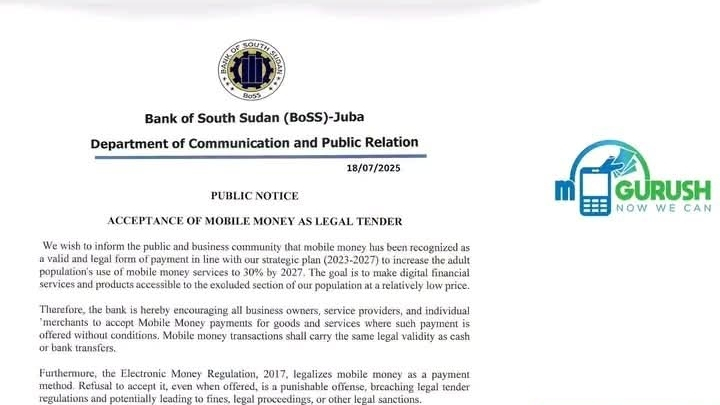
(𝗕𝗢𝗦𝗦) 𝗕𝗮𝗻𝗸 𝗼𝗳 𝗦𝗼𝘂𝘁𝗵 𝗦𝘂𝗱𝗮𝗻 金融包摂と市場開発に関する1日間の政策普及ワークショップが、ジュバにある南スーダン銀行の本部で開催され、ボスの知事であるアディスアベバ・オトウ博士は、デジタルバンキングシステムの実施における共同の努力の必要性を強調しました。 彼は、デジタルバンキングはもはや選択肢ではなく、南スーダンの金融環境を変革し、国内全体の金融包摂を進めるために不可欠であると強調しました。
(𝗕𝗢𝗦𝗦) 𝗕𝗮𝗻𝗸 𝗼𝗳 𝗦𝗼𝘂𝘁𝗵 𝗦𝘂𝗱𝗮𝗻
金融包摂と市場開発に関する1日間の政策普及ワークショップが、ジュバにある南スーダン銀行の本部で開催され、ボスの知事であるアディスアベバ・オトウ博士は、デジタルバンキングシステムの実施における共同の努力の必要性を強調しました。

彼は、デジタルバンキングはもはや選択肢ではなく、南スーダンの金融環境を変革し、国内全体の金融包摂を進めるために不可欠であると強調しました。
·
--
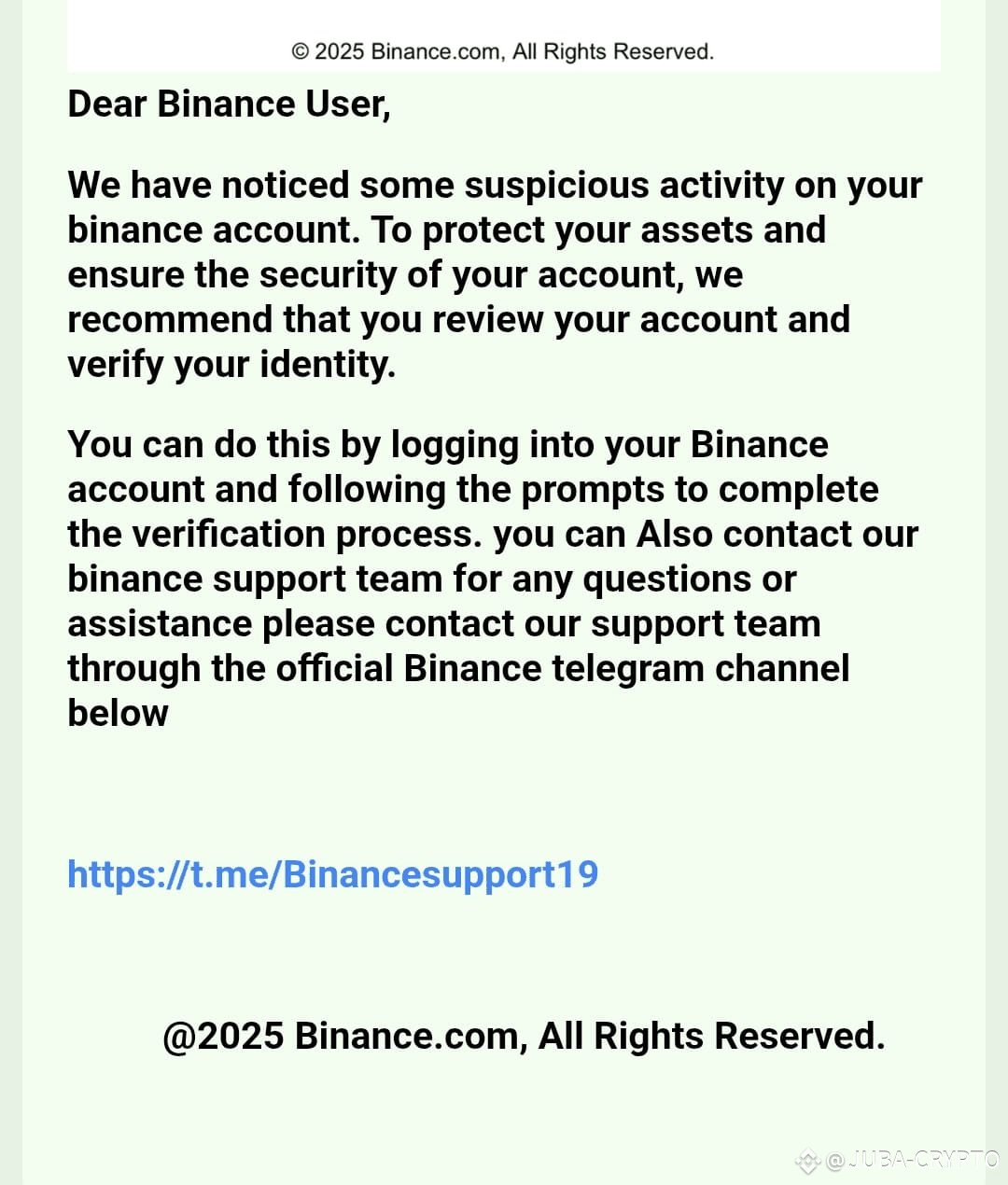
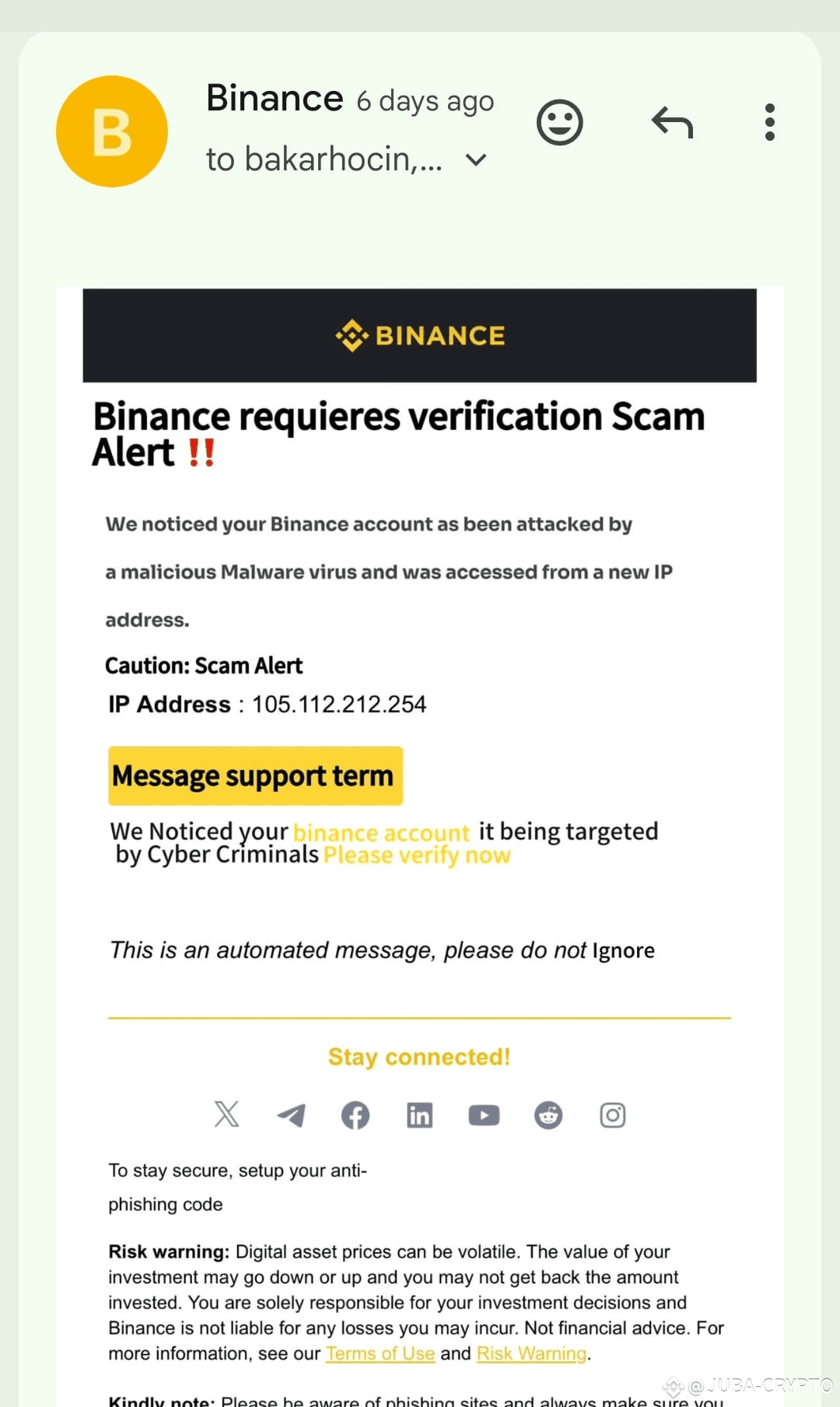
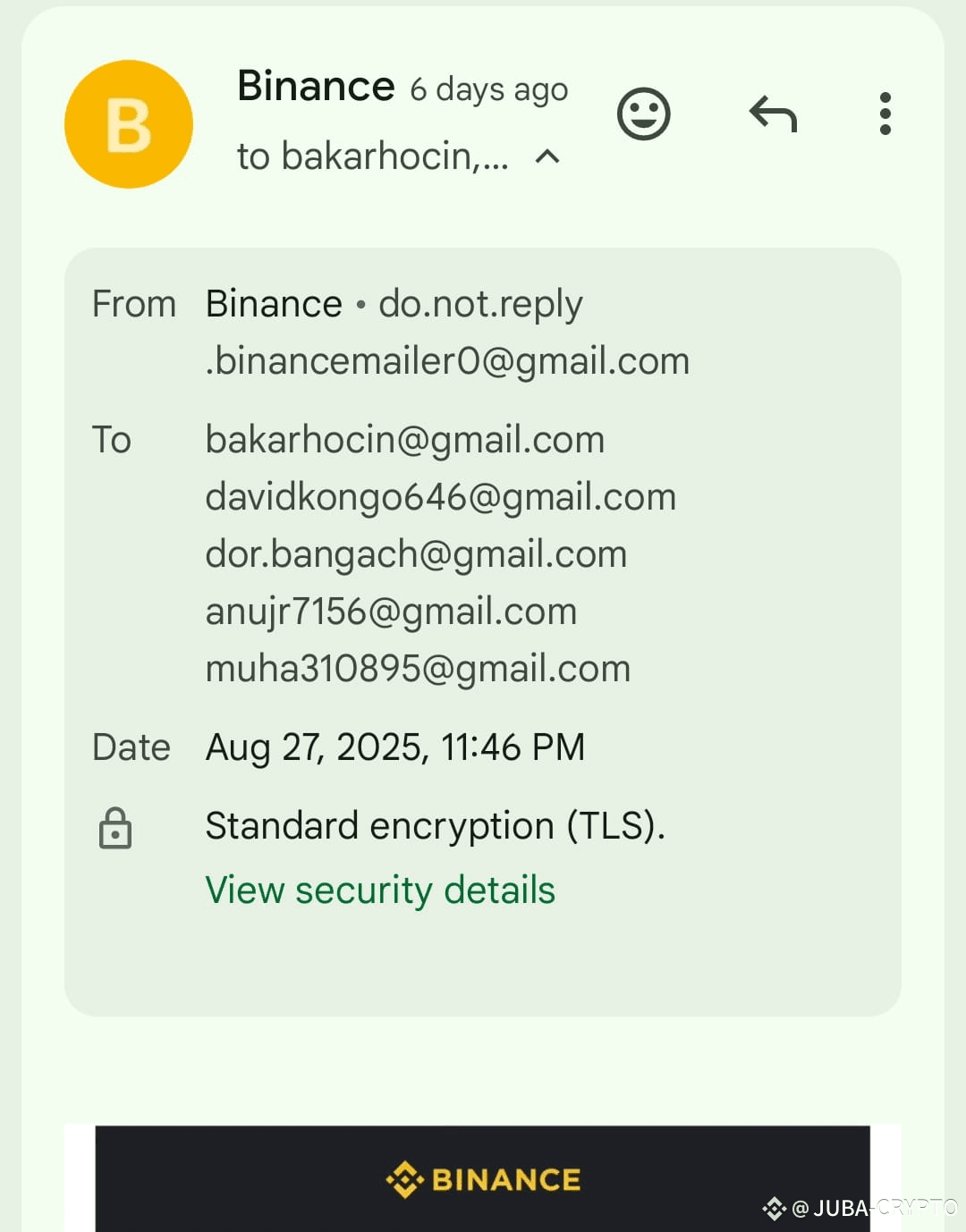
こんにちは、クリプトユーザーの皆さん、特に南スーダンのジュバの皆さん ⚠️ 詐欺師には注意してください! 疑わしいリンクをクリックしないでください。最近、バイナンスのカスタマーサービスやサポートを装った偽のメールに遭遇しました。 ✅ 疑わしいと思われるメールを受け取った場合は、返信しないでください。 代わりに、必ず公式のバイナンスアプリを通じて、またはバイナンスのウェブサイトにログインした後に直接バイナンスカスタマーサービスに連絡してください。 安全を保ち、アカウントを守ってください!
こんにちは、クリプトユーザーの皆さん、特に南スーダンのジュバの皆さん

⚠️ 詐欺師には注意してください! 疑わしいリンクをクリックしないでください。最近、バイナンスのカスタマーサービスやサポートを装った偽のメールに遭遇しました。

✅ 疑わしいと思われるメールを受け取った場合は、返信しないでください。
代わりに、必ず公式のバイナンスアプリを通じて、またはバイナンスのウェブサイトにログインした後に直接バイナンスカスタマーサービスに連絡してください。

安全を保ち、アカウントを守ってください!
·
--
モバイルマネーの利用のためのデジタル化に関する全国キャンペーンが、南スーダンのモバイルマネーサービスプロバイダーMTNジュバによって開始されました🇸🇸 #addssp #MoMoSSP #SSP #southsudan
モバイルマネーの利用のためのデジタル化に関する全国キャンペーンが、南スーダンのモバイルマネーサービスプロバイダーMTNジュバによって開始されました🇸🇸

#addssp #MoMoSSP #SSP #southsudan
·
--
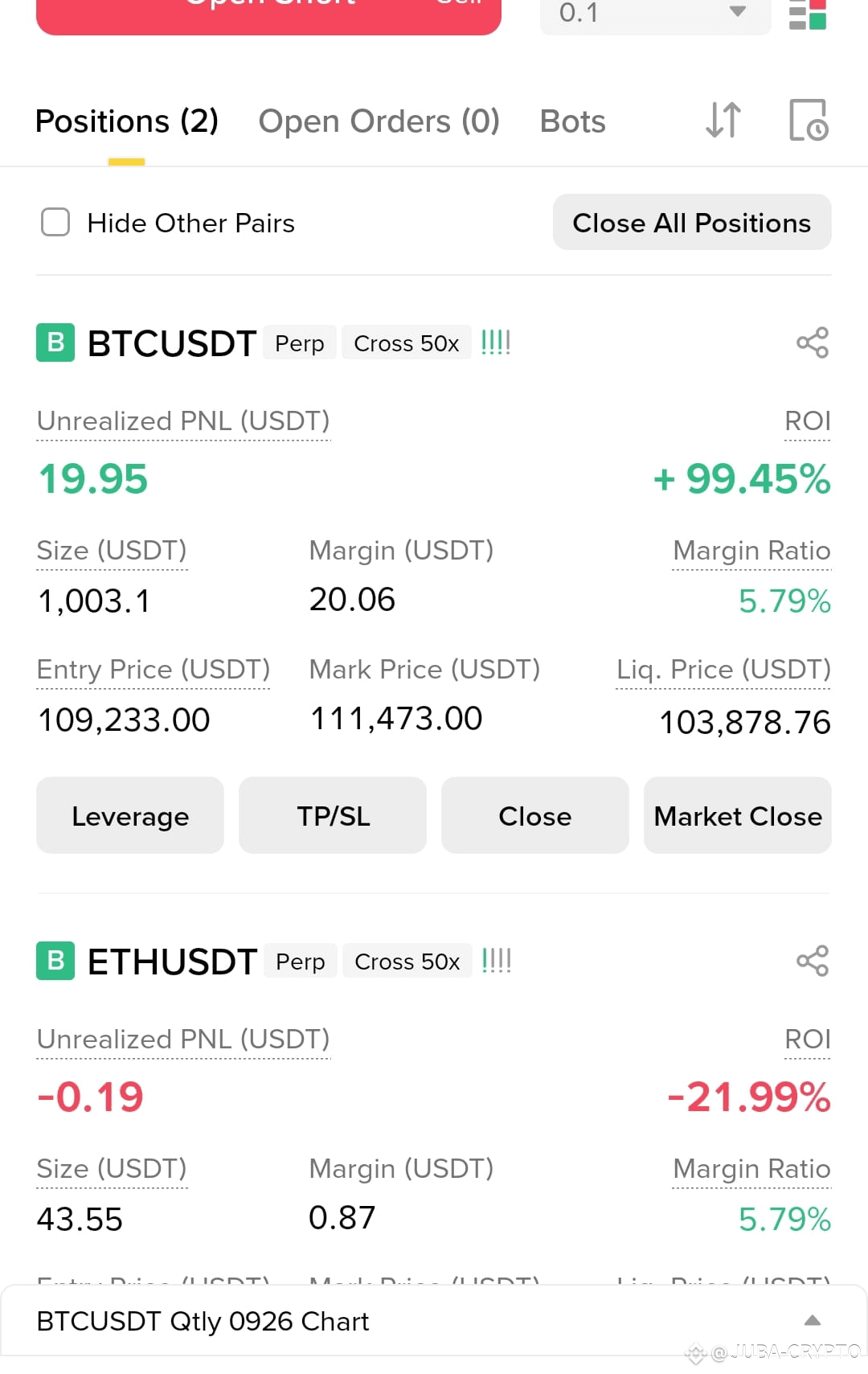
取引を楽しんで、あなたの側に市場が好きな方向に転換するまで心配しないでください。
·
--
経済改革に向けた大胆な一歩、BoSSの知事がデジタルおよび電子決済の重要性についての意識を高めるために敬意を表しました💰。 #Addssp #southsudan
経済改革に向けた大胆な一歩、BoSSの知事がデジタルおよび電子決済の重要性についての意識を高めるために敬意を表しました💰。

#Addssp #southsudan
·
--
南スーダンの主要なネットワークプロバイダーおよびモバイルマネーオペレーター、例えばMTN MoMoは、南スーダン銀行(BoSS)などの政府機関と緊密に連携しています。このパートナーシップは、金融包摂を進め、規制遵守を確保し、全国的に安全で信頼できる電子決済エコシステムを構築する上で重要です。 #Addssp #SSP #MoMoSSP #BoSS #mobilemoney
南スーダンの主要なネットワークプロバイダーおよびモバイルマネーオペレーター、例えばMTN MoMoは、南スーダン銀行(BoSS)などの政府機関と緊密に連携しています。このパートナーシップは、金融包摂を進め、規制遵守を確保し、全国的に安全で信頼できる電子決済エコシステムを構築する上で重要です。

#Addssp #SSP #MoMoSSP #BoSS

#mobilemoney
·
--
ローカルモバイルペイメントは、モバイルマネーと電子マネーがどのように国を助けることができるかについての彼らの経験を表現します。
·
--
ローカルモバイル決済は、モバイルマネーと電子マネーがどのように国を助けることができるかについての経験を表現します。
·
--
南スーダンでの電子マネー決済の全国的な導入を強く支持します。MTN MoMoやZain m-Gurushのようなモバイルマネーサービスは、安全で迅速、かつ透明性のある方法で商品やサービスの支払いを提供し、限られた現金への依存を減らします。デジタル決済を取り入れることで、経済成長を促進し、効率を改善し、私たちの人々を世界経済に繋げることができます。バイナンスは、南スーダンポンド(SSP)をP2Pシステムに追加し、私たちのモバイルマネーネットワークと統合することで、私たちの市民に暗号通貨市場への安全なアクセスを提供することで貢献できると信じています。
·
--
それを手伝っていただけますか?
それを手伝っていただけますか?
Square-Creators-000000001160
·
--
7$ を持っている場合、1日で2ドルから3ドルを稼ぐことができます。

どのようにして7ドルのマージンで毎日2ドルから3USDTを稼いでいるのか。
あなたに教える最高のペアです。

Yala/USDT

TPを0.5以下に設定することで、わずか20分で2ドルから3ドルを稼ぐことができます。

ステップ1

YALA /USDTペアを選択します。

ステップ2

レバレッジを20倍または22倍に設定します。

ステップ3

すべての取引でTPを0.5または0.6に設定します。

待って、待って、お金を稼ぎましょう💰 💰

頑張ってください
さらにコンテンツを探すには、ログインしてください
Binance Squareで世界の暗号資産トレーダーの仲間入り
⚡️ 暗号資産に関する最新かつ有益な情報が見つかります。
💬 世界最大の暗号資産取引所から信頼されています。
👍 認証を受けたクリエイターから、有益なインサイトを得られます。
メール / 電話番号
サイトマップ
Cookieの設定
プラットフォーム利用規約