

eyes of 火
11.4k 投稿

eyes of 火
 厳選トピック確認済+
報告
ユーザーをブロック
取引を発注
高頻度トレーダー
10.6か月
6 フォロー
31.0K+ フォロワー
10.4K+ いいね
投稿
ポートフォリオ
すべて
ライブ
PINNED
·
--

記事
ミクロンは臨界点に:AIメモリ・ブームのその先に何が来るのか?ミクロン・テクノロジー $MU は、AIインフラが半導体業界をどのように変えているかを示す、最も分かりやすい事例の1つになっています。
ただし、同社が次の決算発表に近づくにつれて、より興味深い物語はもはや「AI需要だけ」ではないと思います。
それは、その需要が強いままであり続ける一方で、メモリ業界が次の段階へ移行することになった場合に起こり得ることです。
別のメモリ市場
長年にわたり、メモリ株は、供給過剰による従来のサイクル、価格の下落、生産カット、そして最終的な回復の影響を強く受けてきました。
ミクロンは臨界点に:AIメモリ・ブームのその先に何が来るのか?
ミクロン・テクノロジー $MU は、AIインフラが半導体業界をどのように変えているかを示す、最も分かりやすい事例の1つになっています。
ただし、同社が次の決算発表に近づくにつれて、より興味深い物語はもはや「AI需要だけ」ではないと思います。
それは、その需要が強いままであり続ける一方で、メモリ業界が次の段階へ移行することになった場合に起こり得ることです。
別のメモリ市場
長年にわたり、メモリ株は、供給過剰による従来のサイクル、価格の下落、生産カット、そして最終的な回復の影響を強く受けてきました。
ただし、同社が次の決算発表に近づくにつれて、より興味深い物語はもはや「AI需要だけ」ではないと思います。
それは、その需要が強いままであり続ける一方で、メモリ業界が次の段階へ移行することになった場合に起こり得ることです。
別のメモリ市場
長年にわたり、メモリ株は、供給過剰による従来のサイクル、価格の下落、生産カット、そして最終的な回復の影響を強く受けてきました。
2
4
350
·
--
翻訳参照
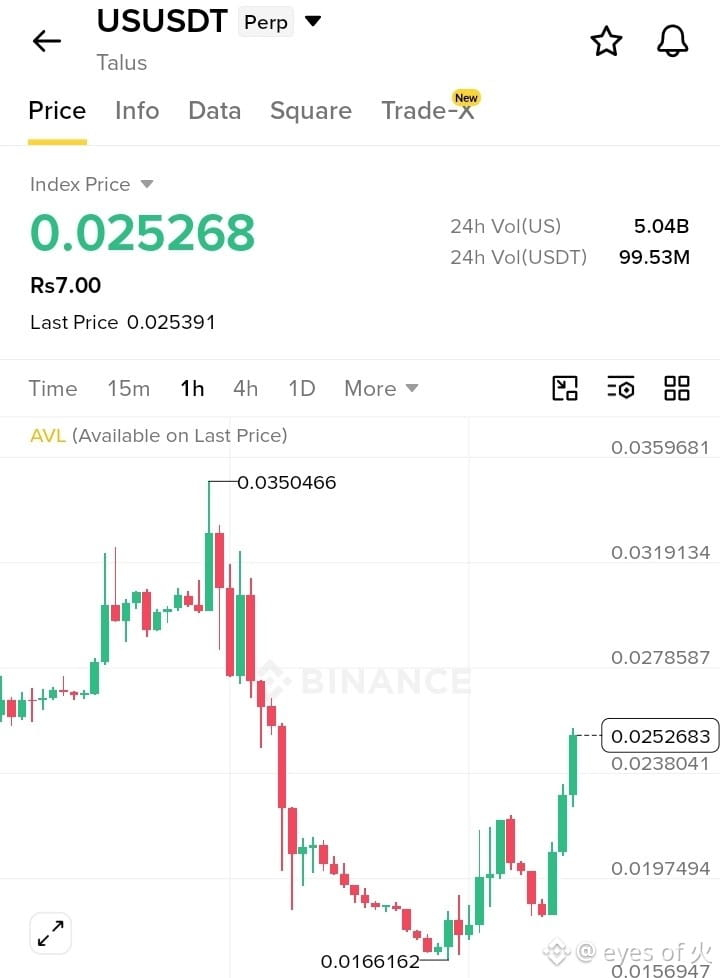
Looking at the 1H chart, Talus ($US USDT) is showing strong recovery. After bottoming near 0.0166, price has bounced hard and is currently trading at 0.025268 (Last: 0.025391).
24h Volume is solid – 5.04B US / 99.53M USDT. The recent green candles and higher lows suggest buyers are stepping in.
I’m going LONG from current levels. Structure looks bullish after the deep correction from 0.035.
Risk managed. Let’s ride this move.
#QNTRises287% #JapanMOFStudyGroupOnTokenizedGovtBonds #UKFCAOpensCryptoFirmAuthorization #USCorePCEEasesTo3%InAugust #AltcoinSeasonIndexHoldsAbove60For5Days
Looking at the 1H chart, Talus ($US USDT) is showing strong recovery. After bottoming near 0.0166, price has bounced hard and is currently trading at 0.025268 (Last: 0.025391).
24h Volume is solid – 5.04B US / 99.53M USDT. The recent green candles and higher lows suggest buyers are stepping in.
I’m going LONG from current levels. Structure looks bullish after the deep correction from 0.035.
Risk managed. Let’s ride this move.
#QNTRises287% #JapanMOFStudyGroupOnTokenizedGovtBonds #UKFCAOpensCryptoFirmAuthorization #USCorePCEEasesTo3%InAugust #AltcoinSeasonIndexHoldsAbove60For5Days
24h Volume is solid – 5.04B US / 99.53M USDT. The recent green candles and higher lows suggest buyers are stepping in.
I’m going LONG from current levels. Structure looks bullish after the deep correction from 0.035.
Risk managed. Let’s ride this move.
#QNTRises287% #JapanMOFStudyGroupOnTokenizedGovtBonds #UKFCAOpensCryptoFirmAuthorization #USCorePCEEasesTo3%InAugust #AltcoinSeasonIndexHoldsAbove60For5Days
1
99
·
--
ブリッシュ
マーケットウォッチ – 2026年9月30日 🚀
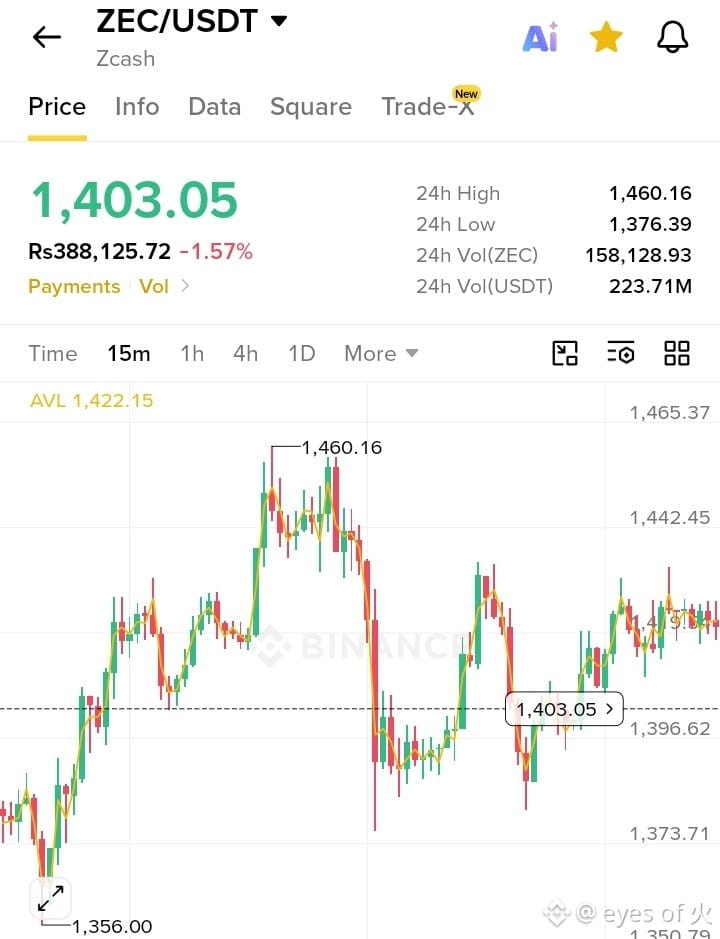
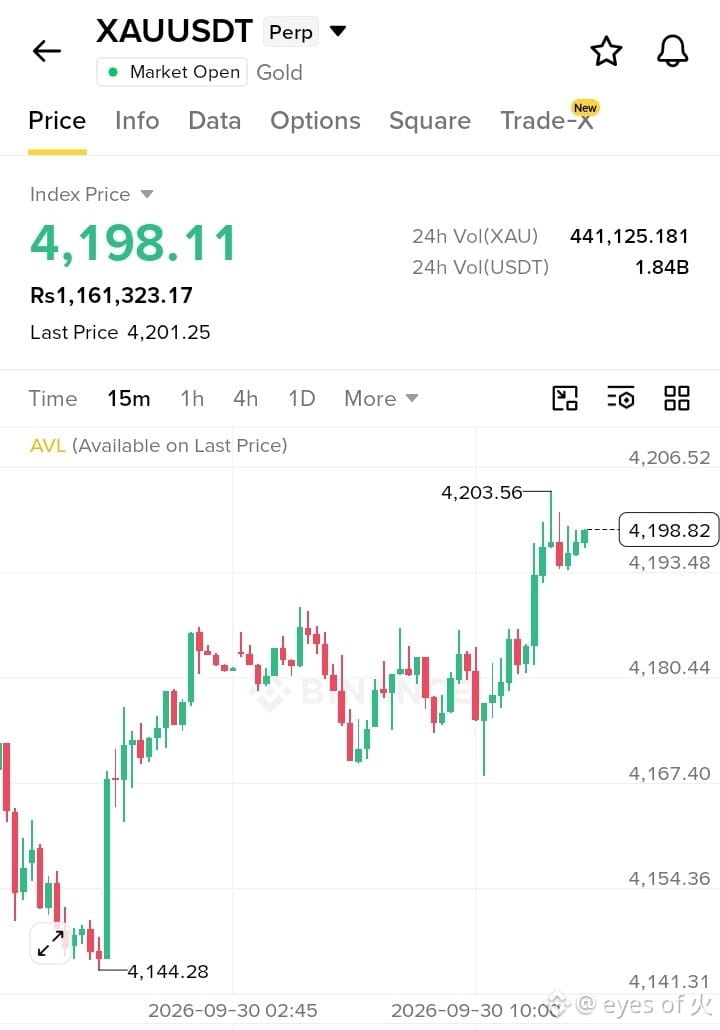
Zcash($ZEC /USDT)は値動きが荒く、$1,460のあたりから下げた後、現在は約$1,403で取引されています。トレーダーは次の動きに向けて重要なサポートとレジスタンスの水準を注視しています。🪙 一方、ゴールド($XAUT USDT)は、日中の下げで$4,144に向かったところから回復した後、$4,198付近で維持しており、買いの関心が再び高まっています。🟡 いずれの市場も、明確なトレンドが見えてくる前に確認が必要です。📈
#QNTRises287% #EarningsSeason #HSBCNamesStablecoinRedCoinForPhasedLaunch #BitgetHotWalletBreachTiedToThirdPartySecurityFlaw #TrumpRejectsAIRulesForVoluntaryAudits
{future}(ZECUSDT)
{future}(XAUTUSDT)
マーケットウォッチ – 2026年9月30日 🚀
Zcash($ZEC /USDT)は値動きが荒く、$1,460のあたりから下げた後、現在は約$1,403で取引されています。トレーダーは次の動きに向けて重要なサポートとレジスタンスの水準を注視しています。🪙 一方、ゴールド($XAUT USDT)は、日中の下げで$4,144に向かったところから回復した後、$4,198付近で維持しており、買いの関心が再び高まっています。🟡 いずれの市場も、明確なトレンドが見えてくる前に確認が必要です。📈
#QNTRises287% #EarningsSeason #HSBCNamesStablecoinRedCoinForPhasedLaunch #BitgetHotWalletBreachTiedToThirdPartySecurityFlaw #TrumpRejectsAIRulesForVoluntaryAudits
Zcash($ZEC /USDT)は値動きが荒く、$1,460のあたりから下げた後、現在は約$1,403で取引されています。トレーダーは次の動きに向けて重要なサポートとレジスタンスの水準を注視しています。🪙 一方、ゴールド($XAUT USDT)は、日中の下げで$4,144に向かったところから回復した後、$4,198付近で維持しており、買いの関心が再び高まっています。🟡 いずれの市場も、明確なトレンドが見えてくる前に確認が必要です。📈
#QNTRises287% #EarningsSeason #HSBCNamesStablecoinRedCoinForPhasedLaunch #BitgetHotWalletBreachTiedToThirdPartySecurityFlaw #TrumpRejectsAIRulesForVoluntaryAudits
143
·
--
ブリッシュ
Binance QNTUSDT パーペチュアル – デイリー・マーケット・アップデート
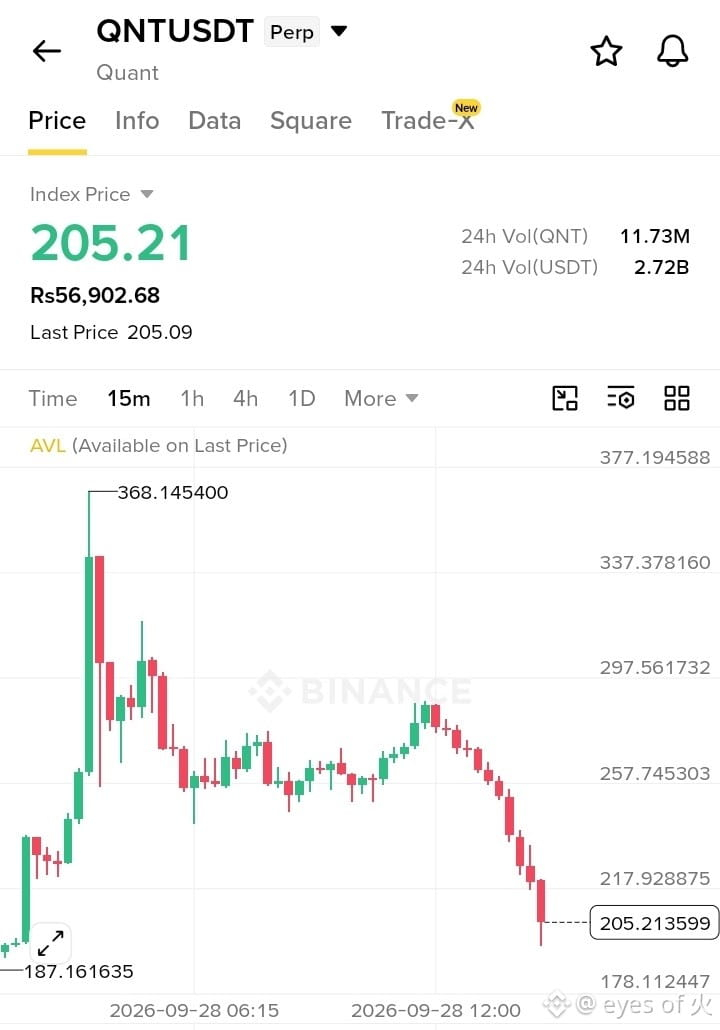
$QNT USDTは約205.21 USDTで取引されており、15分足チャートでは強い短期的な弱気モメンタムが見られます。価格は直近の260〜270の水準から急落しており、現在は205のゾーンをテストしています。MACDは依然としてマイナスで、売り圧力を裏付けています。直近のサポートは200〜205付近にありますが、レジスタンスは218、258、297付近です。エントリーする前に、出来高と次の足の確定を注視してください。サポートを下抜けると下方向のリスクが高まる可能性があり、レジスタンスを上回っての回復は短期的な反転のシグナルとなり得ます。投資助言ではありません。
{future}(QNTUSDT)
#BitgetDetailsSecurityIncidentTimeline #BitwiseFilesFinalNEARSpotETFProspectus #ChinaIndustrialProfitGrowthSlowsFourthMonth #ChinaMayLetAlibabaByteDanceBuyNvidiaChips
Binance QNTUSDT パーペチュアル – デイリー・マーケット・アップデート
$QNT USDTは約205.21 USDTで取引されており、15分足チャートでは強い短期的な弱気モメンタムが見られます。価格は直近の260〜270の水準から急落しており、現在は205のゾーンをテストしています。MACDは依然としてマイナスで、売り圧力を裏付けています。直近のサポートは200〜205付近にありますが、レジスタンスは218、258、297付近です。エントリーする前に、出来高と次の足の確定を注視してください。サポートを下抜けると下方向のリスクが高まる可能性があり、レジスタンスを上回っての回復は短期的な反転のシグナルとなり得ます。投資助言ではありません。
#BitgetDetailsSecurityIncidentTimeline #BitwiseFilesFinalNEARSpotETFProspectus #ChinaIndustrialProfitGrowthSlowsFourthMonth #ChinaMayLetAlibabaByteDanceBuyNvidiaChips
$QNT USDTは約205.21 USDTで取引されており、15分足チャートでは強い短期的な弱気モメンタムが見られます。価格は直近の260〜270の水準から急落しており、現在は205のゾーンをテストしています。MACDは依然としてマイナスで、売り圧力を裏付けています。直近のサポートは200〜205付近にありますが、レジスタンスは218、258、297付近です。エントリーする前に、出来高と次の足の確定を注視してください。サポートを下抜けると下方向のリスクが高まる可能性があり、レジスタンスを上回っての回復は短期的な反転のシグナルとなり得ます。投資助言ではありません。
#BitgetDetailsSecurityIncidentTimeline #BitwiseFilesFinalNEARSpotETFProspectus #ChinaIndustrialProfitGrowthSlowsFourthMonth #ChinaMayLetAlibabaByteDanceBuyNvidiaChips
240
·
--
ブリッシュ
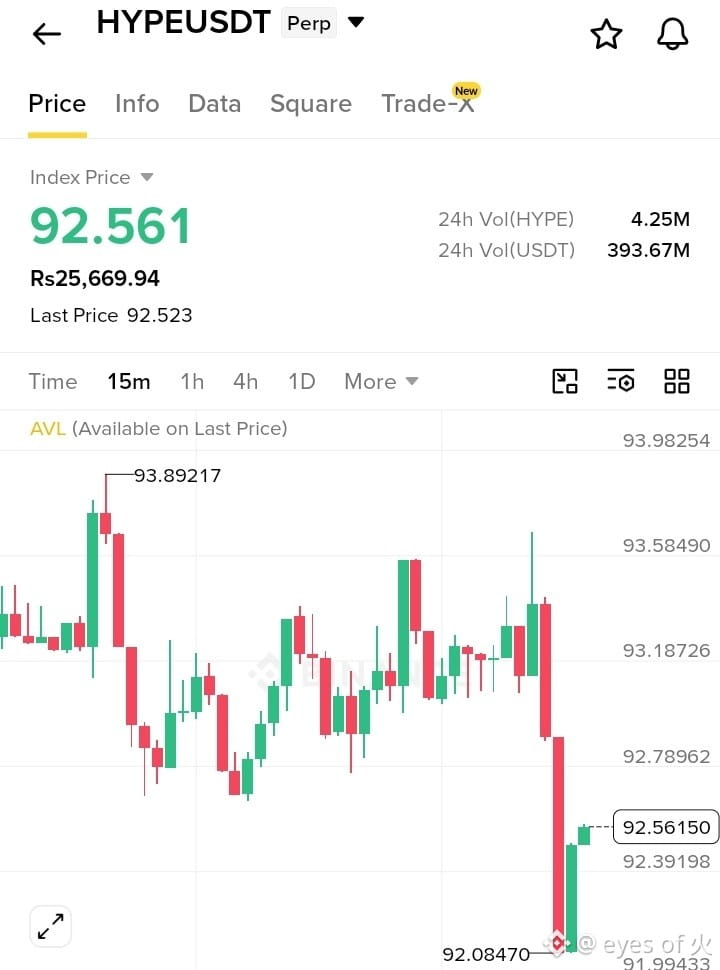
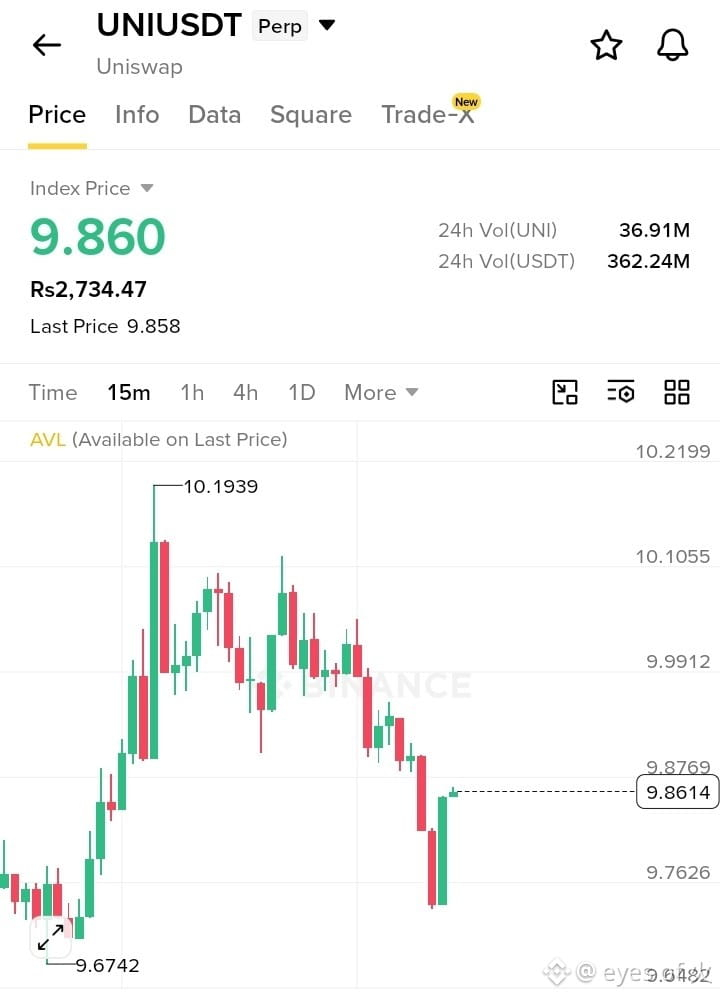
市場はUNIとHYPEの間で明確な乖離を見せています。UNIは直近の下落後、9.85〜9.86のあたりで推移している一方、HYPEはより高い水準からの拒否に遭い、92.5近辺で取引されています。ここで私が注目しているのは、Long $UNI / Short $HYPE のセットアップで、HYPEが圧力下にある間にUNIが再び勢いを取り戻すことを狙います。構造が確認できれば、これは興味深い相対力(リラティブ・ストレングス)の取引になる可能性があります。いつものように、飛びつくのではなく、必ず確認を待ち、リスク管理を行ってください。
#BitwiseFilesFinalNEARSpotETFProspectus #SECSaysTokenBuybacksNotAutoSecurities #CircleTetherFreezeBitgetHackerWallet #TrumpRejectsIranHormuzReopening #StrategyStriveAdd2305BitcoinThisWeek
{future}(HYPEUSDT)
{future}(UNIUSDT)
市場はUNIとHYPEの間で明確な乖離を見せています。UNIは直近の下落後、9.85〜9.86のあたりで推移している一方、HYPEはより高い水準からの拒否に遭い、92.5近辺で取引されています。ここで私が注目しているのは、Long $UNI / Short $HYPE のセットアップで、HYPEが圧力下にある間にUNIが再び勢いを取り戻すことを狙います。構造が確認できれば、これは興味深い相対力(リラティブ・ストレングス)の取引になる可能性があります。いつものように、飛びつくのではなく、必ず確認を待ち、リスク管理を行ってください。
#BitwiseFilesFinalNEARSpotETFProspectus #SECSaysTokenBuybacksNotAutoSecurities #CircleTetherFreezeBitgetHackerWallet #TrumpRejectsIranHormuzReopening #StrategyStriveAdd2305BitcoinThisWeek
#BitwiseFilesFinalNEARSpotETFProspectus #SECSaysTokenBuybacksNotAutoSecurities #CircleTetherFreezeBitgetHackerWallet #TrumpRejectsIranHormuzReopening #StrategyStriveAdd2305BitcoinThisWeek
176
·
--
ブリッシュ
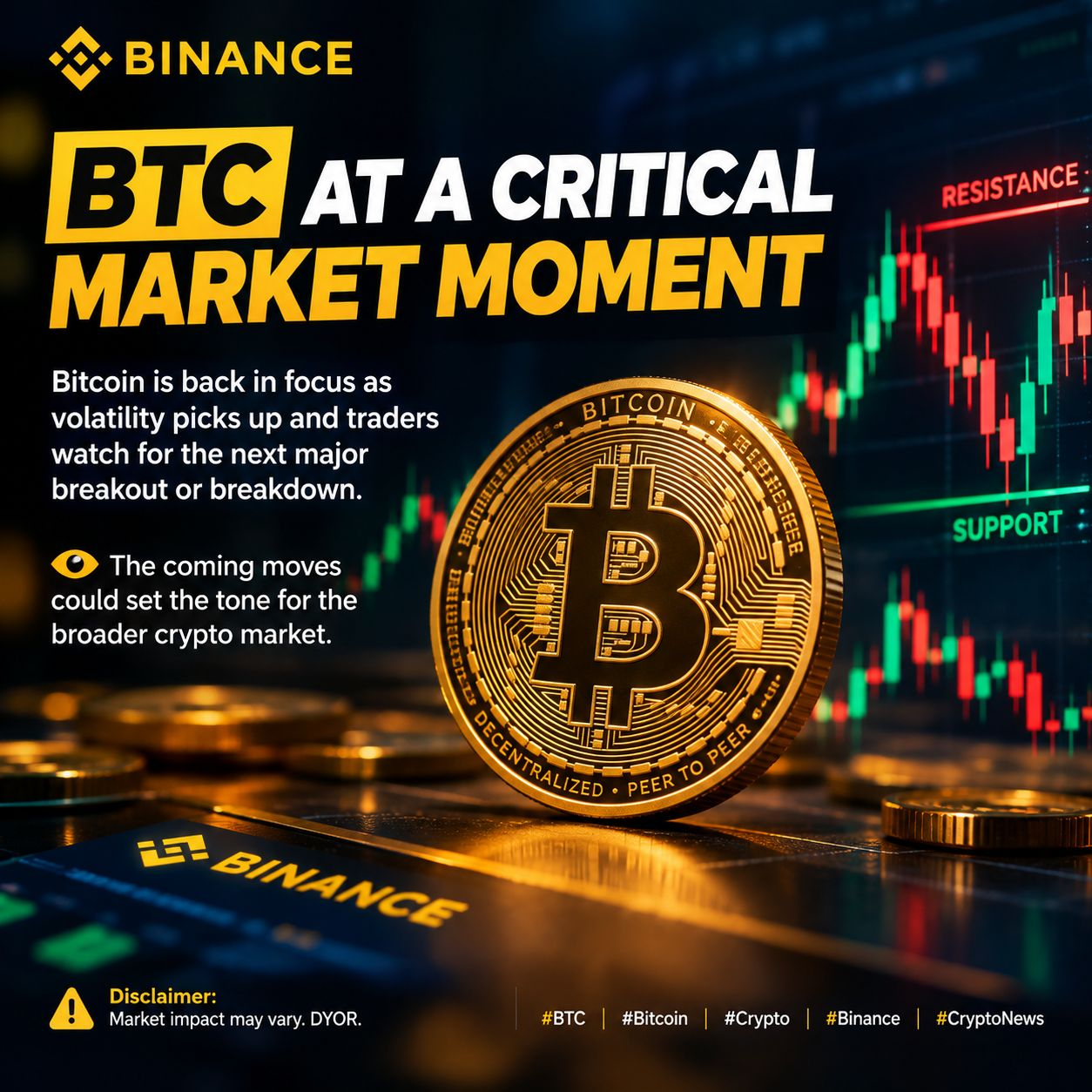
🚨$BTC 危機的な市場局面で
ボラティリティが高まり、トレーダーは次の主要なブレイクアウトまたはブレイクダウンを待ち望む中、ビットコインが再び注目を集めています。📊
これからの動きは、暗号資産全体の市場の方向性を決める可能性があります。👀
⚠️ 免責事項:市場への影響は状況により異なる場合があります。DYOR(自己判断で調査してください)。
#BTC #Bitcoin #Crypto #Binance #CryptoNews
{future}(BTCUSDT)
🚨$BTC 危機的な市場局面で
ボラティリティが高まり、トレーダーは次の主要なブレイクアウトまたはブレイクダウンを待ち望む中、ビットコインが再び注目を集めています。📊
これからの動きは、暗号資産全体の市場の方向性を決める可能性があります。👀
⚠️ 免責事項:市場への影響は状況により異なる場合があります。DYOR(自己判断で調査してください)。
#BTC #Bitcoin #Crypto #Binance #CryptoNews
ボラティリティが高まり、トレーダーは次の主要なブレイクアウトまたはブレイクダウンを待ち望む中、ビットコインが再び注目を集めています。📊
これからの動きは、暗号資産全体の市場の方向性を決める可能性があります。👀
⚠️ 免責事項:市場への影響は状況により異なる場合があります。DYOR(自己判断で調査してください)。
#BTC #Bitcoin #Crypto #Binance #CryptoNews
1
58
·
--
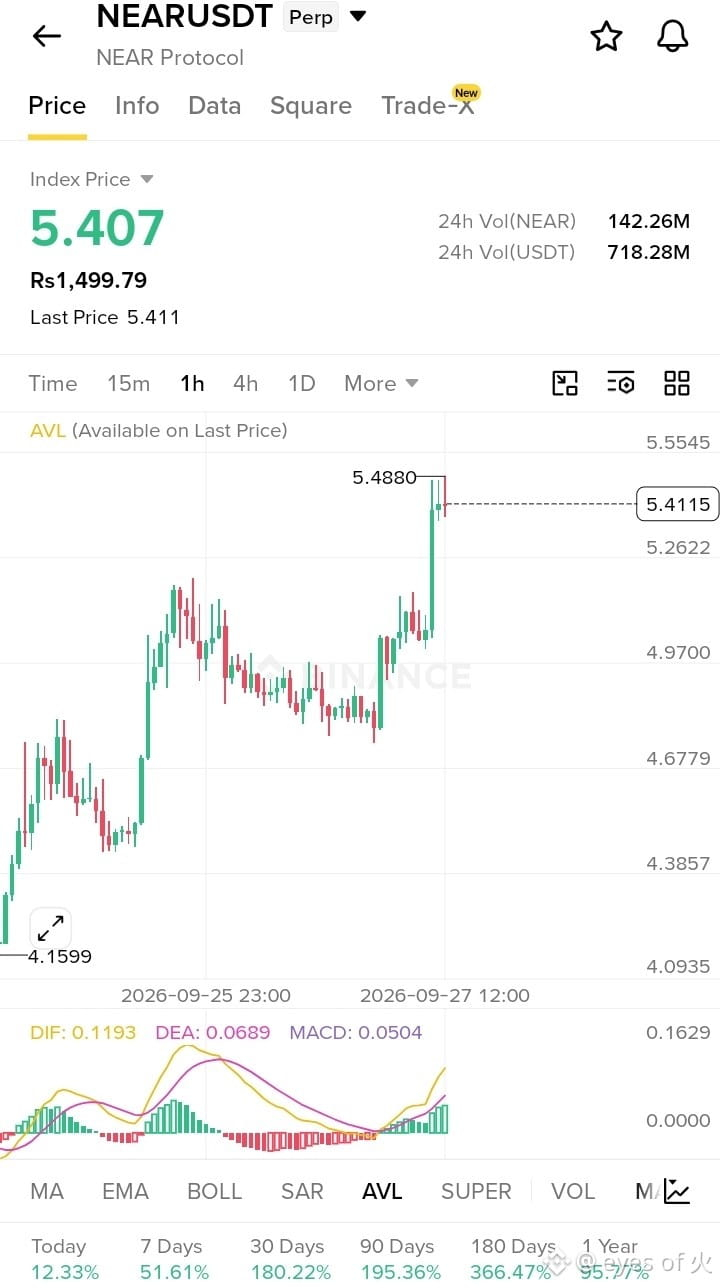
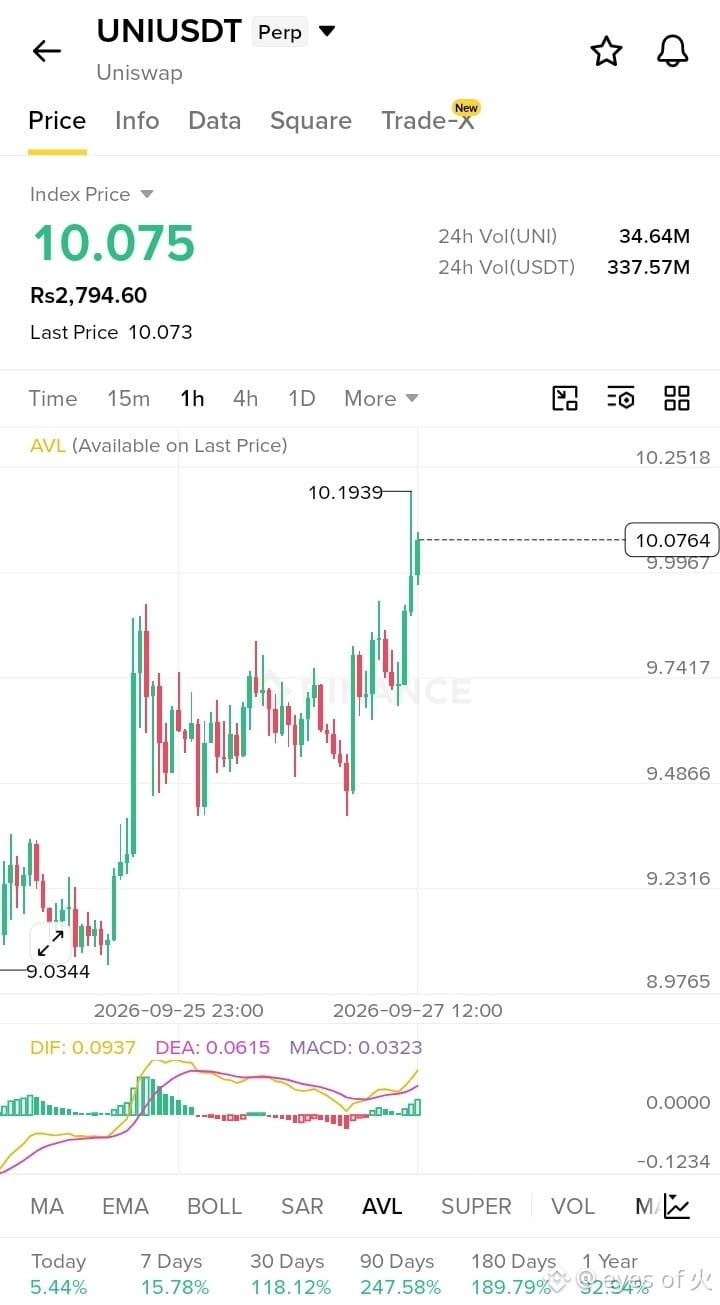
$ZEC $NEAR $UNI 🚀
週末の雰囲気は来たけど、市場は実はずっと眠っていない。👀🔥
この3つのコインをウォッチリストに入れているのは、それぞれに強い物語と可能性があるから。私にとって大事なのはシンプルで、落ち着いて待つこと、リスク管理をすること、そして短期の市場ノイズに判断を左右されないこと。
勢いが続き、市場の追い風があるなら、これらの資産は今後数週間で大きく動く可能性がある。📈
焦らない、必要以上に追いかけない—必要なのは忍耐、リサーチ、そして長期目線。
みんなに良い週末を。そして先にグリーンの足(ローソク)を!❤️🔥
安全第一。集中を忘れずに。DYOR.
$ZEC $NEAR $UNI 🚀
週末の雰囲気は来たけど、市場は実はずっと眠っていない。👀🔥
この3つのコインをウォッチリストに入れているのは、それぞれに強い物語と可能性があるから。私にとって大事なのはシンプルで、落ち着いて待つこと、リスク管理をすること、そして短期の市場ノイズに判断を左右されないこと。
勢いが続き、市場の追い風があるなら、これらの資産は今後数週間で大きく動く可能性がある。📈
焦らない、必要以上に追いかけない—必要なのは忍耐、リサーチ、そして長期目線。
みんなに良い週末を。そして先にグリーンの足(ローソク)を!❤️🔥
安全第一。集中を忘れずに。DYOR.
週末の雰囲気は来たけど、市場は実はずっと眠っていない。👀🔥
この3つのコインをウォッチリストに入れているのは、それぞれに強い物語と可能性があるから。私にとって大事なのはシンプルで、落ち着いて待つこと、リスク管理をすること、そして短期の市場ノイズに判断を左右されないこと。
勢いが続き、市場の追い風があるなら、これらの資産は今後数週間で大きく動く可能性がある。📈
焦らない、必要以上に追いかけない—必要なのは忍耐、リサーチ、そして長期目線。
みんなに良い週末を。そして先にグリーンの足(ローソク)を!❤️🔥
安全第一。集中を忘れずに。DYOR.
1
283
·
--
ブリッシュ
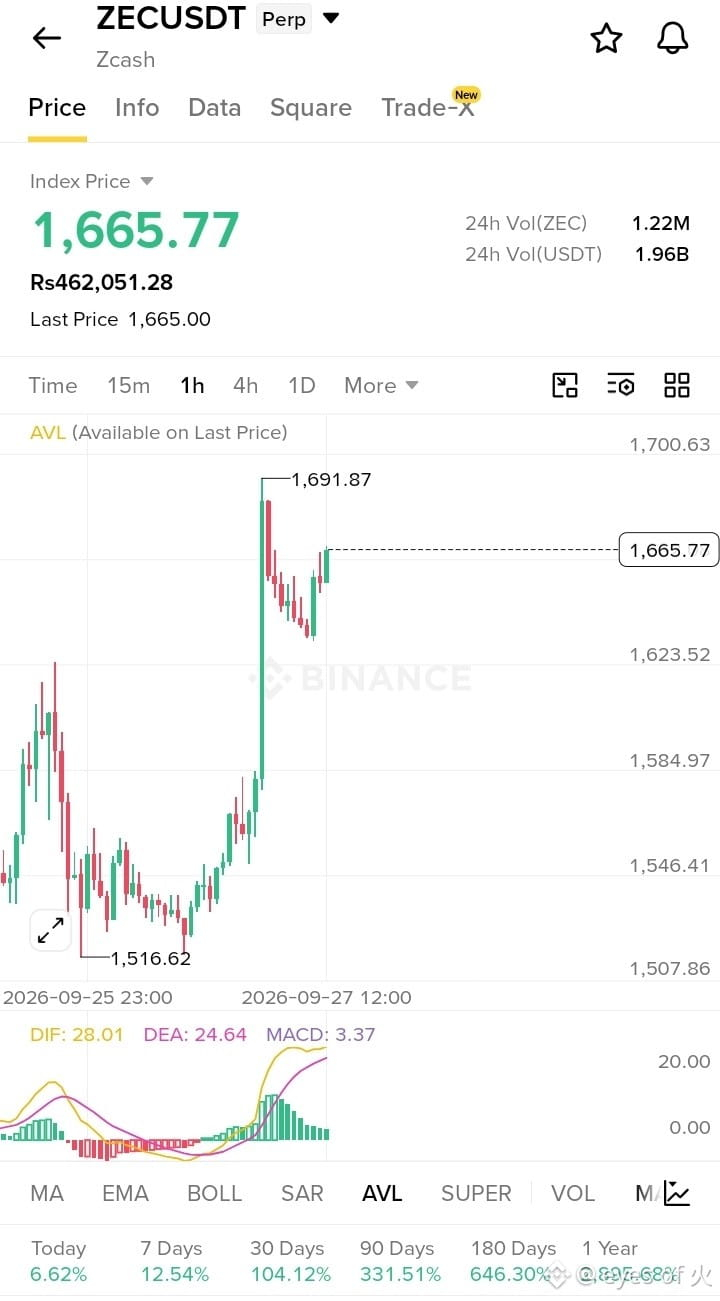
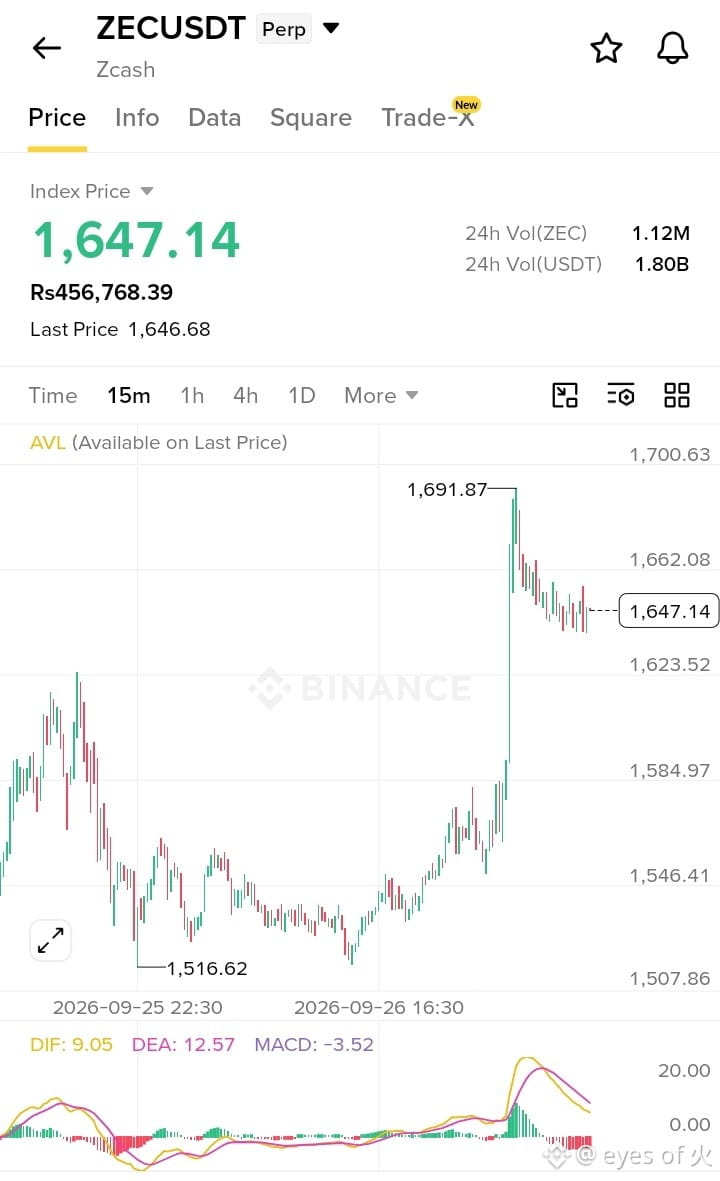
Binance $ZEC USDT パーペチュアル更新:15分足チャートは、約$1,585から高値$1,691.87へ急なブレイクアウトを見せ、その後$1,647付近で調整(もみ合い)しています。指数価格は$1,647.14、直近価格は$1,646.68です。主要なレジスタンスは$1,662および$1,692、サポートは約$1,623および$1,585です。24時間の出来高は1.12M ZECで、約$1.80B相当。MACDは冷却中です:DIF 9.05、DEA 12.57、ヒストグラム -3.52。勢いは依然として高いものの、短期の買い手は次の強気の上昇がさらに発展する前に、サポートを守る必要があります。
#CircleTetherFreezeBitgetHackerWallet #StrategyProposesDailyDividendsForPreferreds #StrategyProposesDailyDividendsForPreferreds #CoinMarketCapCompletesCoinglassAcquisition #CircleMints500MUSDCOnSolana
{spot}(ZECUSDT)
Binance $ZEC USDT パーペチュアル更新:15分足チャートは、約$1,585から高値$1,691.87へ急なブレイクアウトを見せ、その後$1,647付近で調整(もみ合い)しています。指数価格は$1,647.14、直近価格は$1,646.68です。主要なレジスタンスは$1,662および$1,692、サポートは約$1,623および$1,585です。24時間の出来高は1.12M ZECで、約$1.80B相当。MACDは冷却中です:DIF 9.05、DEA 12.57、ヒストグラム -3.52。勢いは依然として高いものの、短期の買い手は次の強気の上昇がさらに発展する前に、サポートを守る必要があります。
#CircleTetherFreezeBitgetHackerWallet #StrategyProposesDailyDividendsForPreferreds #StrategyProposesDailyDividendsForPreferreds #CoinMarketCapCompletesCoinglassAcquisition #CircleMints500MUSDCOnSolana
#CircleTetherFreezeBitgetHackerWallet #StrategyProposesDailyDividendsForPreferreds #StrategyProposesDailyDividendsForPreferreds #CoinMarketCapCompletesCoinglassAcquisition #CircleMints500MUSDCOnSolana
1
301
ログインして、さらにコンテンツを読む
厳選トピックで世界の暗号資産トレーダーの仲間入り
⚡️ 暗号資産に関する最新かつ有益な情報が見つかります。
💬 世界最大の暗号資産取引所から信頼されています。
👍 認証を受けたクリエイターから、有益なインサイトを得られます。
メール / 電話番号
トレンドトピック
BitcoinClears$85200
閲覧回数 15,479
236人が討論中
動きが出て、$BTC はデータがあった直前にあった場所にそのまま立っています。取引における本当の忍耐ってこういうことです。
データは混ざって入ってきましたが、いくつか重要な数字がありました。ADP 非農業部門雇用者数は予想の73Kに対して90Kでした。一方でコアPCEは、予想の0.3%に対して0.2%です。最終的なGDPも予想の1.5%に対して2.2%と強めでした。個人消費は予想の0.8%に対して0.9%でした。同時に、個人所得は予想の0.5%に対して0.2%で未達でした。
BTCは最初に85,600ドルまで急騰しましたが、今は必要なところに戻っています。私は引き続き、82,759ドルと80,000ドルの流動性の低いレンジを見ています。上側の流動性はもう終わって、あとは塵も残っていないからです。
データ発表中にライブセッションを行いました。その中で、市場は83,800ドル→85,600ドル→そして83,000ドル付近へと戻っていくのを見ました。それでも私たちは取引に入りませんでした。
それが忍耐です。
市場に明確な方向性がないときは、無理にエントリーはできません。同じレンジがまだ注目ポイントで、相場がセットアップを提示してくれるまで待ちます。
みなさん、セッションはどうでしたか? それから、尊敬するメンバーの皆さんともっと定期的にセッションをするべきでしょうか。そうすれば、市場について適切に議論できます。
#BitcoinClears$85200 #AltcoinSeasonIndexHoldsAbove60For5Days #USADPAdds90000JobsInSeptember #BitcoinSlipsBelow$84000 #SECToClarifyOnChainFundraisingRules
Crypto_LUX
·いいね:26件
·閲覧回数 22.2k
AltcoinSeasonIndexHoldsAbove60For5Days
閲覧回数 74,940
1,268人が討論中
USADPAdds90000JobsInSeptember
閲覧回数 33,839
703人が討論中