

Zyn_trix
14.6k 投稿

Zyn_trix
 厳選トピック確認済+
報告
ユーザーをブロック
Building wealth, one sat at a time | Sharing my crypto journey...
取引を発注
高頻度トレーダー
1.2年
15 フォロー
39.2K+ フォロワー
38.2K+ いいね
投稿
ポートフォリオ
すべて
引用
ライブ
·
--
ブリッシュ
翻訳参照
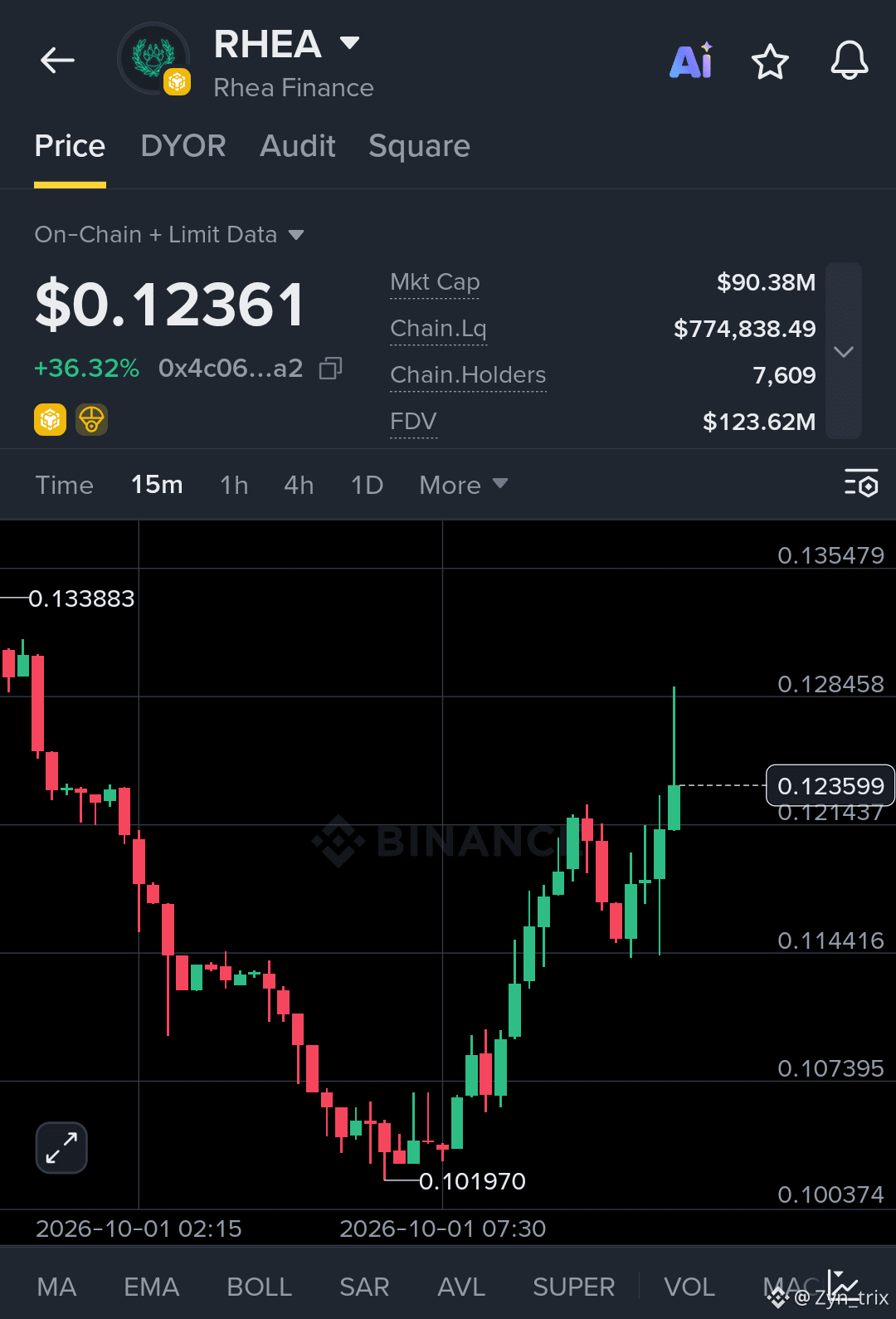
$RHEA — Strong recovery with price pushing back into a key zone.
EP: 0.1220 – 0.1240
TP1: 0.1285
TP2: 0.1338
TP3: 0.1355
SL: 0.1140
24H: +36.32%
MCap: $90.38M
Holders: 7,609
Clean setup. Strong momentum. Manage risk.
Let's go and Trade now $RHEA
{alpha}(560x4c067de26475e1cefee8b8d1f6e2266b33a2372e)
$RHEA — Strong recovery with price pushing back into a key zone.
EP: 0.1220 – 0.1240
TP1: 0.1285
TP2: 0.1338
TP3: 0.1355
SL: 0.1140
24H: +36.32%
MCap: $90.38M
Holders: 7,609
Clean setup. Strong momentum. Manage risk.
Let's go and Trade now $RHEA
EP: 0.1220 – 0.1240
TP1: 0.1285
TP2: 0.1338
TP3: 0.1355
SL: 0.1140
24H: +36.32%
MCap: $90.38M
Holders: 7,609
Clean setup. Strong momentum. Manage risk.
Let's go and Trade now $RHEA
1
28
·
--
ブリッシュ
翻訳参照
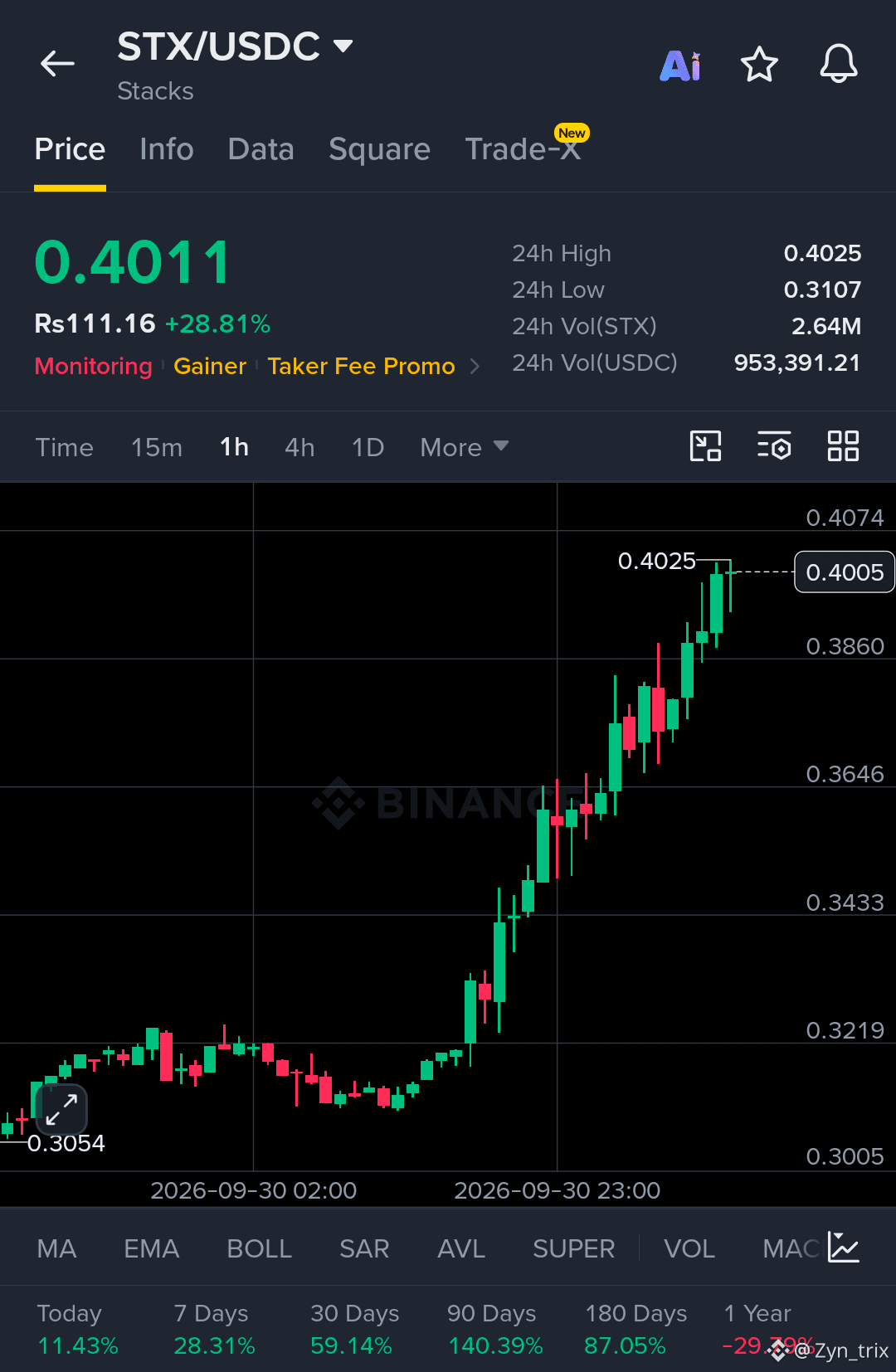
$STX — Momentum is heating up as price holds near the recent high.
EP: 0.395 – 0.402
TP1: 0.415
TP2: 0.430
TP3: 0.450
SL: 0.382
24H: +28.81%
24H High: 0.4025
24H Volume: 953K USDC
Clean setup, strong momentum, tight risk.
Let’s go and Trade now $STX
{spot}(STXUSDT)
#MetaMaskExitsLidoValidatorsAfterSecurityIncident #MicronBeatsEarningsLiftsGuidance #AltcoinSeasonIndexHoldsAbove60For5Days #USCorePCEEasesTo3%InAugust #SECToClarifyOnChainFundraisingRules
$STX — Momentum is heating up as price holds near the recent high.
EP: 0.395 – 0.402
TP1: 0.415
TP2: 0.430
TP3: 0.450
SL: 0.382
24H: +28.81%
24H High: 0.4025
24H Volume: 953K USDC
Clean setup, strong momentum, tight risk.
Let’s go and Trade now $STX
#MetaMaskExitsLidoValidatorsAfterSecurityIncident #MicronBeatsEarningsLiftsGuidance #AltcoinSeasonIndexHoldsAbove60For5Days #USCorePCEEasesTo3%InAugust #SECToClarifyOnChainFundraisingRules
EP: 0.395 – 0.402
TP1: 0.415
TP2: 0.430
TP3: 0.450
SL: 0.382
24H: +28.81%
24H High: 0.4025
24H Volume: 953K USDC
Clean setup, strong momentum, tight risk.
Let’s go and Trade now $STX
#MetaMaskExitsLidoValidatorsAfterSecurityIncident #MicronBeatsEarningsLiftsGuidance #AltcoinSeasonIndexHoldsAbove60For5Days #USCorePCEEasesTo3%InAugust #SECToClarifyOnChainFundraisingRules
1
44
·
--
ブリッシュ
翻訳参照
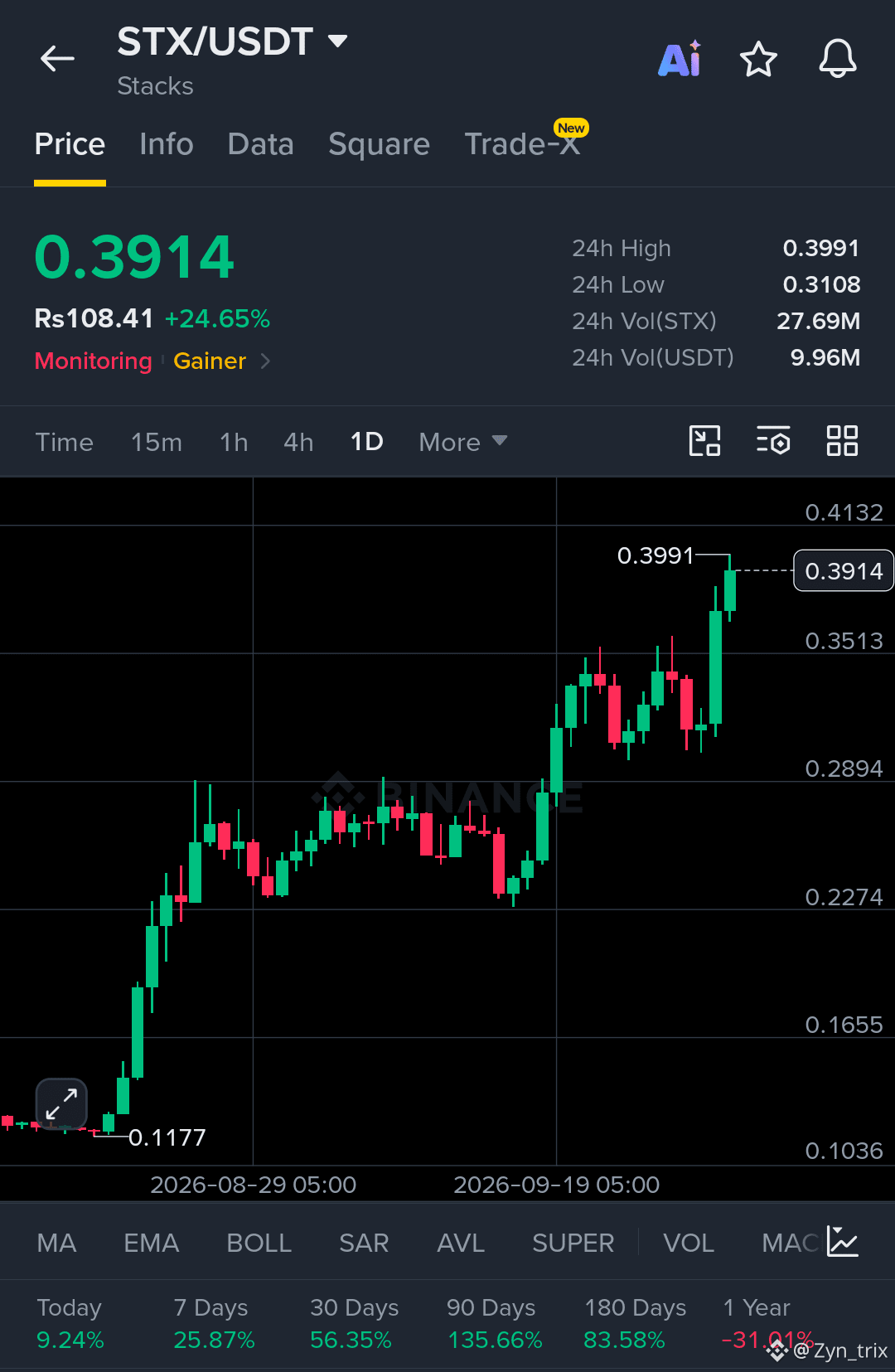
$STX — Stacks is making a serious move, trading around 0.3914 after breaking above the 0.35 area.
Entry: 0.3820 – 0.3920
TP1: 0.3991
TP2: 0.4132
TP3: 0.4500
SL: 0.3513
Key support: 0.3513 / 0.2894
24H High: 0.3991
24H Low: 0.3108
24H Volume: 27.69M STX
24H Volume: $9.96M
The daily chart shows strong momentum, with price pressing close to the 0.3991 high. After such a fast move, keep risk controlled and watch the breakout level carefully.
Let's go and Trade now
{spot}(STXUSDT)
#MicronBeatsEarningsLiftsGuidance #CFTCSubmitsTwoEventContractRulesToWhiteHouse #USADPAdds90000JobsInSeptember #USCorePCEEasesTo3%InAugust #SECToClarifyOnChainFundraisingRules
$STX — Stacks is making a serious move, trading around 0.3914 after breaking above the 0.35 area.
Entry: 0.3820 – 0.3920
TP1: 0.3991
TP2: 0.4132
TP3: 0.4500
SL: 0.3513
Key support: 0.3513 / 0.2894
24H High: 0.3991
24H Low: 0.3108
24H Volume: 27.69M STX
24H Volume: $9.96M
The daily chart shows strong momentum, with price pressing close to the 0.3991 high. After such a fast move, keep risk controlled and watch the breakout level carefully.
Let's go and Trade now
#MicronBeatsEarningsLiftsGuidance #CFTCSubmitsTwoEventContractRulesToWhiteHouse #USADPAdds90000JobsInSeptember #USCorePCEEasesTo3%InAugust #SECToClarifyOnChainFundraisingRules
Entry: 0.3820 – 0.3920
TP1: 0.3991
TP2: 0.4132
TP3: 0.4500
SL: 0.3513
Key support: 0.3513 / 0.2894
24H High: 0.3991
24H Low: 0.3108
24H Volume: 27.69M STX
24H Volume: $9.96M
The daily chart shows strong momentum, with price pressing close to the 0.3991 high. After such a fast move, keep risk controlled and watch the breakout level carefully.
Let's go and Trade now
#MicronBeatsEarningsLiftsGuidance #CFTCSubmitsTwoEventContractRulesToWhiteHouse #USADPAdds90000JobsInSeptember #USCorePCEEasesTo3%InAugust #SECToClarifyOnChainFundraisingRules
42
·
--
ブリッシュ
翻訳参照
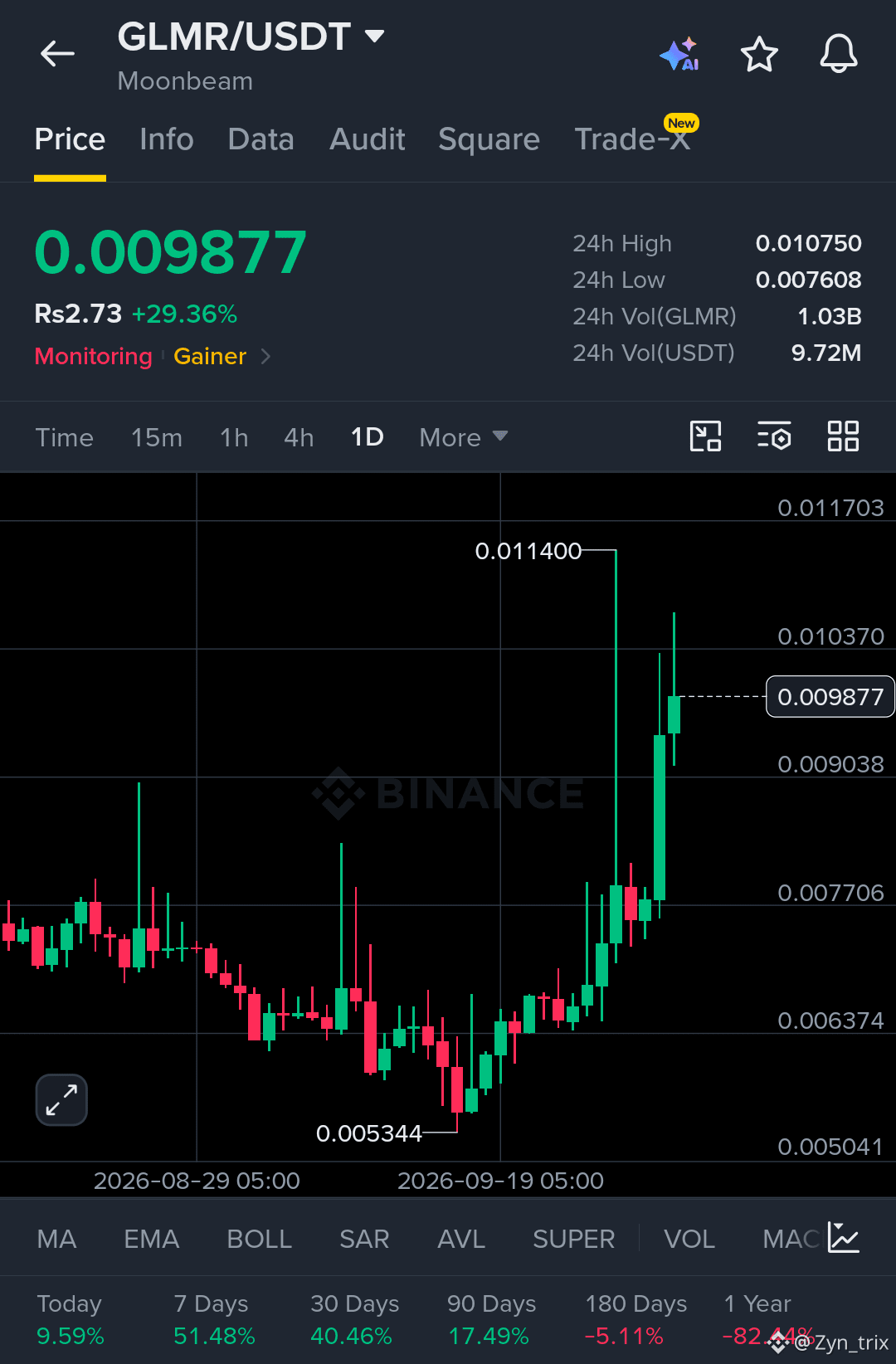
$GLMR — Moonbeam is moving fast, with price now around 0.009877 after a sharp breakout from the 0.0077 area.
Entry: 0.00970 – 0.00990
TP1: 0.01037
TP2: 0.01075
TP3: 0.01140
SL: 0.00903
Key support: 0.00903 / 0.007706
24H High: 0.010750
24H Low: 0.007608
24H Volume: 1.03B GLMR
24H Volume: $9.72M
The daily chart shows strong momentum and a major expansion in price activity. After a move this sharp, manage risk carefully and watch the key levels.
Let's go and Trade now $GLMR
{spot}(GLMRUSDT)
#MicronBeatsEarningsLiftsGuidance #AltcoinSeasonIndexHoldsAbove60For5Days #USCorePCEEasesTo3%InAugust #SECToClarifyOnChainFundraisingRules
$GLMR — Moonbeam is moving fast, with price now around 0.009877 after a sharp breakout from the 0.0077 area.
Entry: 0.00970 – 0.00990
TP1: 0.01037
TP2: 0.01075
TP3: 0.01140
SL: 0.00903
Key support: 0.00903 / 0.007706
24H High: 0.010750
24H Low: 0.007608
24H Volume: 1.03B GLMR
24H Volume: $9.72M
The daily chart shows strong momentum and a major expansion in price activity. After a move this sharp, manage risk carefully and watch the key levels.
Let's go and Trade now $GLMR
#MicronBeatsEarningsLiftsGuidance #AltcoinSeasonIndexHoldsAbove60For5Days #USCorePCEEasesTo3%InAugust #SECToClarifyOnChainFundraisingRules
Entry: 0.00970 – 0.00990
TP1: 0.01037
TP2: 0.01075
TP3: 0.01140
SL: 0.00903
Key support: 0.00903 / 0.007706
24H High: 0.010750
24H Low: 0.007608
24H Volume: 1.03B GLMR
24H Volume: $9.72M
The daily chart shows strong momentum and a major expansion in price activity. After a move this sharp, manage risk carefully and watch the key levels.
Let's go and Trade now $GLMR
#MicronBeatsEarningsLiftsGuidance #AltcoinSeasonIndexHoldsAbove60For5Days #USCorePCEEasesTo3%InAugust #SECToClarifyOnChainFundraisingRules
32
·
--
ブリッシュ
翻訳参照
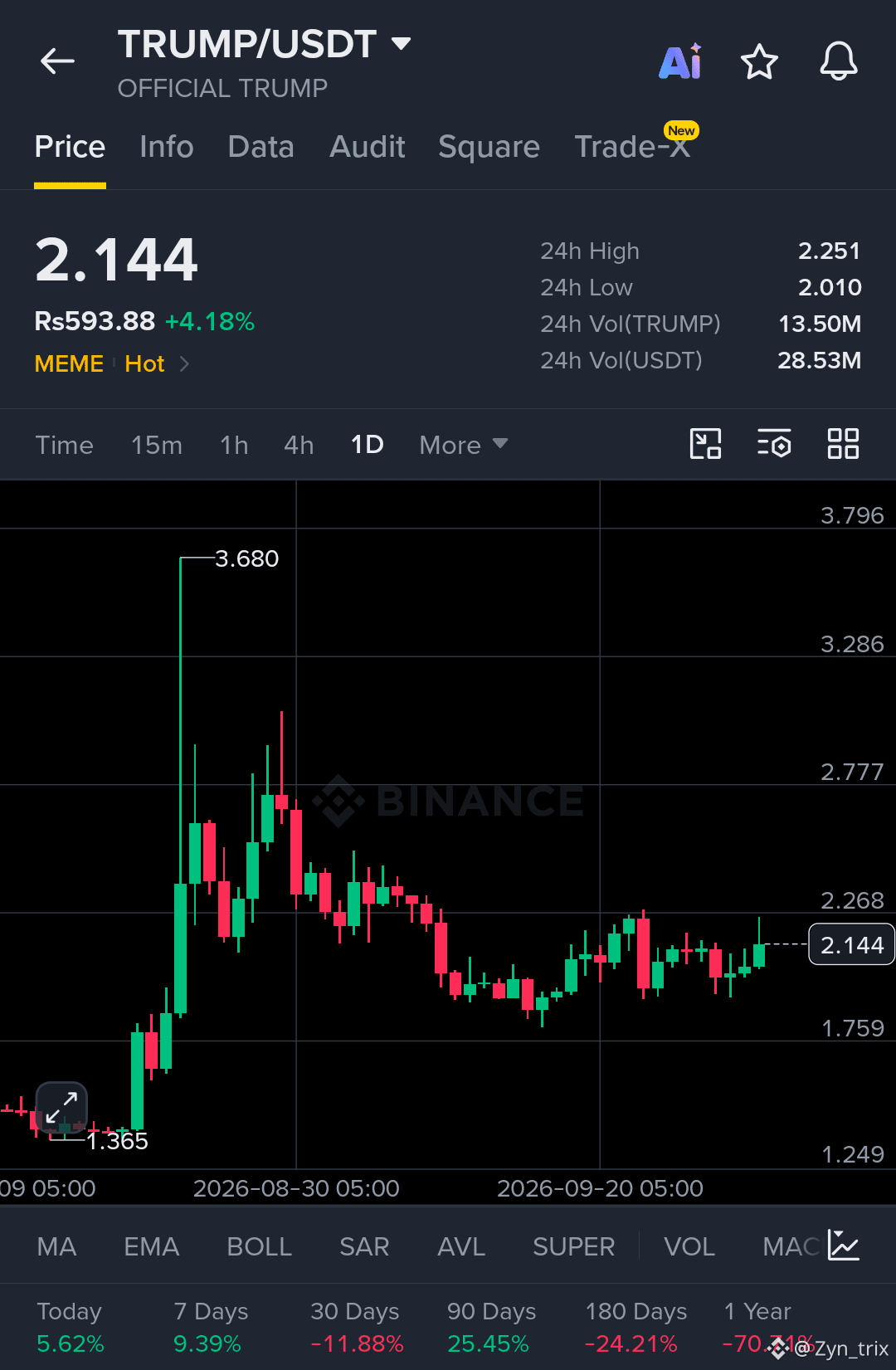
$TRUMP — Official Trump is holding around 2.144 after a strong 24H move, with price consolidating near the 2.14 area.
Entry: 2.120 – 2.150
TP1: 2.268
TP2: 2.500
TP3: 2.777
SL: 2.010
Key support: 2.010 / 1.759
24H High: 2.251
24H Low: 2.010
24H Volume: 13.50M TRUMP
24H Volume: $28.53M
The daily chart is showing a tight consolidation range after the recent recovery. Price is sitting close to a key resistance zone, so level confirmation matters.
Let's go and Trade now $TRUMP
{spot}(TRUMPUSDT)
#MetaMaskExitsLidoValidatorsAfterSecurityIncident #CFTCSubmitsTwoEventContractRulesToWhiteHouse #CFTCSubmitsTwoEventContractRulesToWhiteHouse #USCorePCEEasesTo3%InAugust #SECToClarifyOnChainFundraisingRules
$TRUMP — Official Trump is holding around 2.144 after a strong 24H move, with price consolidating near the 2.14 area.
Entry: 2.120 – 2.150
TP1: 2.268
TP2: 2.500
TP3: 2.777
SL: 2.010
Key support: 2.010 / 1.759
24H High: 2.251
24H Low: 2.010
24H Volume: 13.50M TRUMP
24H Volume: $28.53M
The daily chart is showing a tight consolidation range after the recent recovery. Price is sitting close to a key resistance zone, so level confirmation matters.
Let's go and Trade now $TRUMP
#MetaMaskExitsLidoValidatorsAfterSecurityIncident #CFTCSubmitsTwoEventContractRulesToWhiteHouse #CFTCSubmitsTwoEventContractRulesToWhiteHouse #USCorePCEEasesTo3%InAugust #SECToClarifyOnChainFundraisingRules
Entry: 2.120 – 2.150
TP1: 2.268
TP2: 2.500
TP3: 2.777
SL: 2.010
Key support: 2.010 / 1.759
24H High: 2.251
24H Low: 2.010
24H Volume: 13.50M TRUMP
24H Volume: $28.53M
The daily chart is showing a tight consolidation range after the recent recovery. Price is sitting close to a key resistance zone, so level confirmation matters.
Let's go and Trade now $TRUMP
#MetaMaskExitsLidoValidatorsAfterSecurityIncident #CFTCSubmitsTwoEventContractRulesToWhiteHouse #CFTCSubmitsTwoEventContractRulesToWhiteHouse #USCorePCEEasesTo3%InAugust #SECToClarifyOnChainFundraisingRules
76
·
--
ブリッシュ
翻訳参照
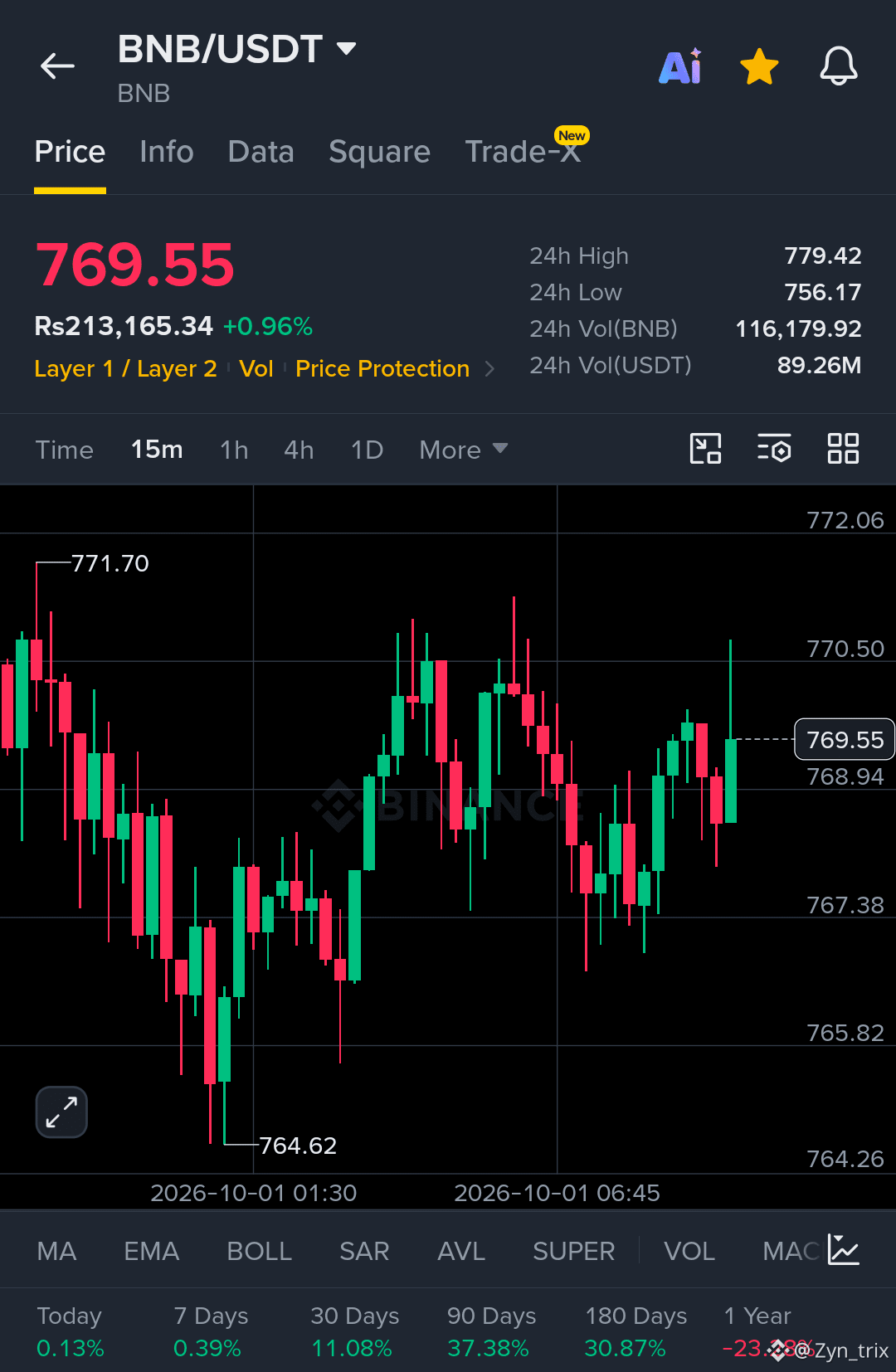
$BNB — BNB is holding firm around 769.55 after bouncing from the 764.62 area.
Entry: 768.90 – 769.60
TP1: 770.50
TP2: 771.70
TP3: 772.06
SL: 767.35
Key support: 768.94 / 767.38
24H High: 779.42
24H Low: 756.17
24H Volume: 116.18K BNB
24H Volume: $89.26M
The 15m chart is showing active price movement around the 769–770 zone. Keep risk controlled and watch the key levels closely.
Let's go and Trade now $BNB
{spot}(BNBUSDT)
#MetaMaskExitsLidoValidatorsAfterSecurityIncident #MicronBeatsEarningsLiftsGuidance #AltcoinSeasonIndexHoldsAbove60For5Days #USADPAdds90000JobsInSeptember #USCorePCEEasesTo3%InAugust
$BNB — BNB is holding firm around 769.55 after bouncing from the 764.62 area.
Entry: 768.90 – 769.60
TP1: 770.50
TP2: 771.70
TP3: 772.06
SL: 767.35
Key support: 768.94 / 767.38
24H High: 779.42
24H Low: 756.17
24H Volume: 116.18K BNB
24H Volume: $89.26M
The 15m chart is showing active price movement around the 769–770 zone. Keep risk controlled and watch the key levels closely.
Let's go and Trade now $BNB
#MetaMaskExitsLidoValidatorsAfterSecurityIncident #MicronBeatsEarningsLiftsGuidance #AltcoinSeasonIndexHoldsAbove60For5Days #USADPAdds90000JobsInSeptember #USCorePCEEasesTo3%InAugust
Entry: 768.90 – 769.60
TP1: 770.50
TP2: 771.70
TP3: 772.06
SL: 767.35
Key support: 768.94 / 767.38
24H High: 779.42
24H Low: 756.17
24H Volume: 116.18K BNB
24H Volume: $89.26M
The 15m chart is showing active price movement around the 769–770 zone. Keep risk controlled and watch the key levels closely.
Let's go and Trade now $BNB
#MetaMaskExitsLidoValidatorsAfterSecurityIncident #MicronBeatsEarningsLiftsGuidance #AltcoinSeasonIndexHoldsAbove60For5Days #USADPAdds90000JobsInSeptember #USCorePCEEasesTo3%InAugust
28
·
--
ブリッシュ
翻訳参照
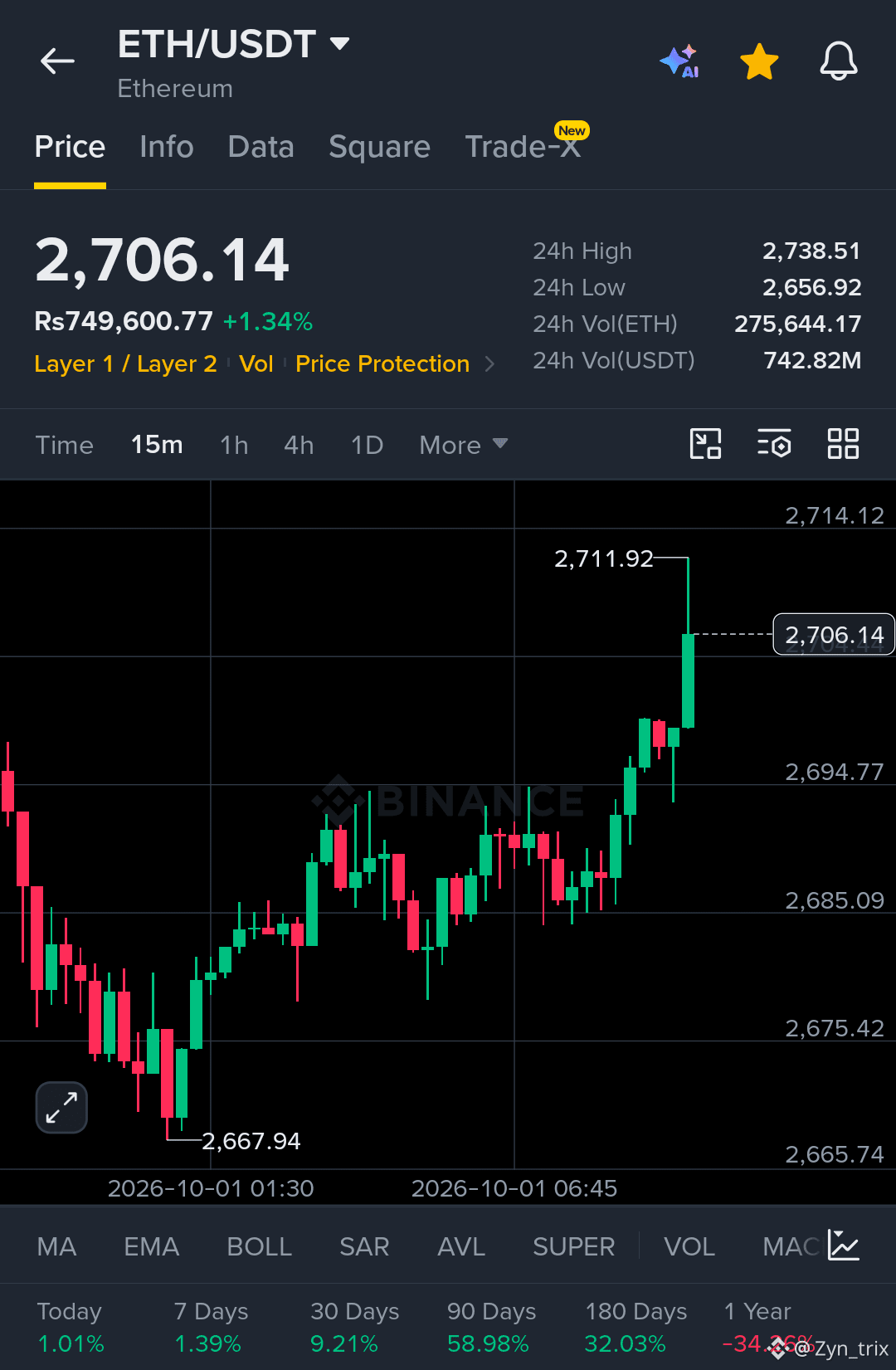
$ETH — Ethereum is showing fresh strength after holding the 2,667.94 area and pushing firmly toward 2,711.92.
Entry: 2,700 – 2,706
TP1: 2,712
TP2: 2,738
TP3: 2,760
SL: 2,685
Key support: 2,694.77 / 2,685.09
24H High: 2,738.51
24H Low: 2,656.92
24H Volume: 275.64K ETH
24H Volume: $742.82M
The latest 15m candles show strong momentum with price pressing into a key resistance area. Keep risk controlled and watch the reaction around these levels.
Let's go and Trade now $ETH
{spot}(ETHUSDT)
#SECToClarifyOnChainFundraisingRules
$ETH — Ethereum is showing fresh strength after holding the 2,667.94 area and pushing firmly toward 2,711.92.
Entry: 2,700 – 2,706
TP1: 2,712
TP2: 2,738
TP3: 2,760
SL: 2,685
Key support: 2,694.77 / 2,685.09
24H High: 2,738.51
24H Low: 2,656.92
24H Volume: 275.64K ETH
24H Volume: $742.82M
The latest 15m candles show strong momentum with price pressing into a key resistance area. Keep risk controlled and watch the reaction around these levels.
Let's go and Trade now $ETH
#SECToClarifyOnChainFundraisingRules
Entry: 2,700 – 2,706
TP1: 2,712
TP2: 2,738
TP3: 2,760
SL: 2,685
Key support: 2,694.77 / 2,685.09
24H High: 2,738.51
24H Low: 2,656.92
24H Volume: 275.64K ETH
24H Volume: $742.82M
The latest 15m candles show strong momentum with price pressing into a key resistance area. Keep risk controlled and watch the reaction around these levels.
Let's go and Trade now $ETH
#SECToClarifyOnChainFundraisingRules
212
·
--
ブリッシュ
翻訳参照
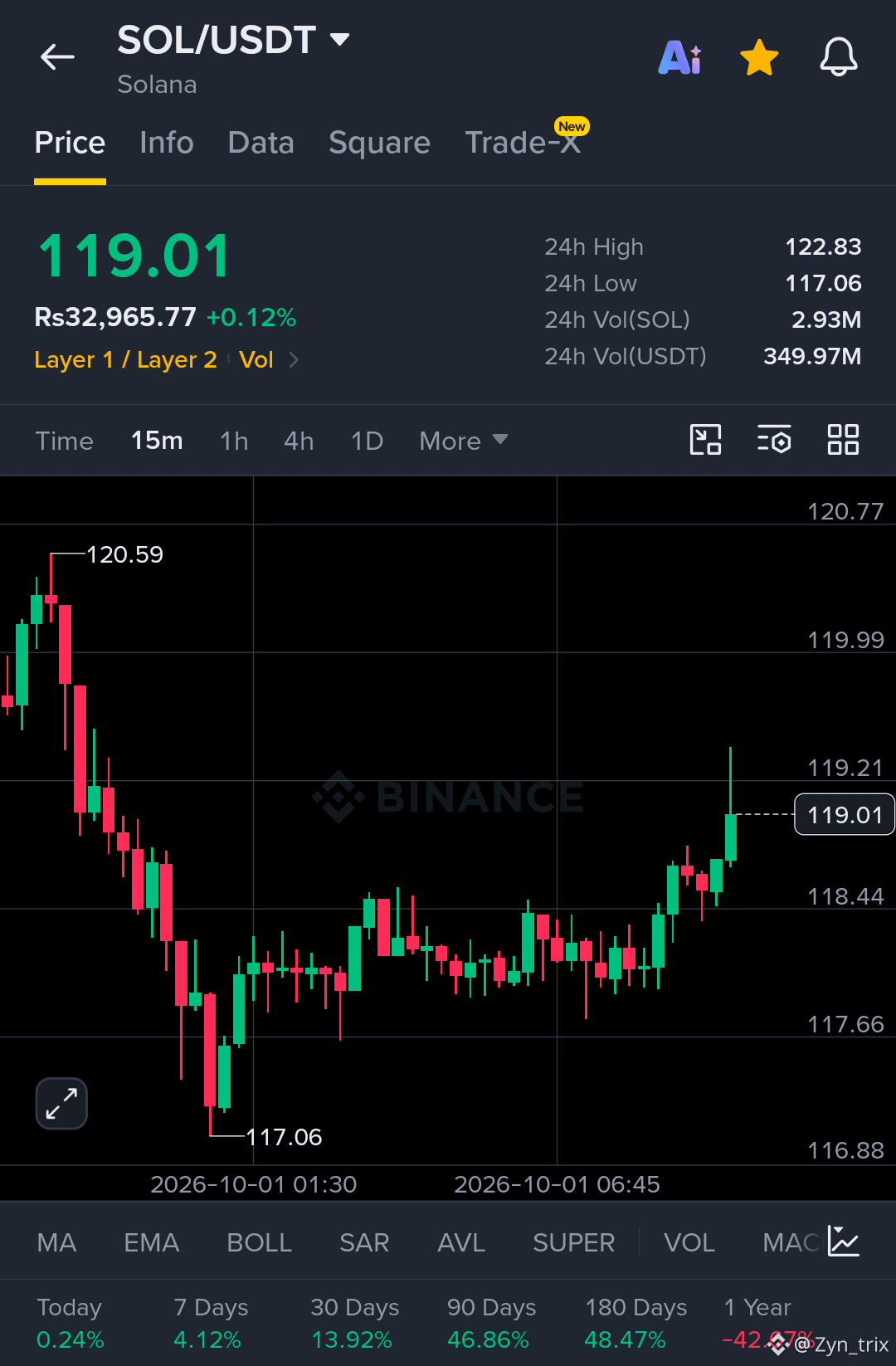
$SOL — Solana is building momentum after holding the 117.06 area and pushing back toward 119.21.
Entry: 118.80 – 119.05
TP1: 119.21
TP2: 119.99
TP3: 120.59
SL: 118.40
Key support: 118.44 / 117.66
24H High: 122.83
24H Low: 117.06
24H Volume: 2.93M SOL
24H Volume: $349.97M
The latest candles show stronger buying activity, with price testing an important resistance zone. Keep risk controlled and watch the levels closely.
Let's go and Trade now $SOL
{spot}(SOLUSDT)
#MetaMaskExitsLidoValidatorsAfterSecurityIncident #MicronBeatsEarningsLiftsGuidance #AltcoinSeasonIndexHoldsAbove60For5Days #USADPAdds90000JobsInSeptember #KospiPostsWorstQuarterSince2020
$SOL — Solana is building momentum after holding the 117.06 area and pushing back toward 119.21.
Entry: 118.80 – 119.05
TP1: 119.21
TP2: 119.99
TP3: 120.59
SL: 118.40
Key support: 118.44 / 117.66
24H High: 122.83
24H Low: 117.06
24H Volume: 2.93M SOL
24H Volume: $349.97M
The latest candles show stronger buying activity, with price testing an important resistance zone. Keep risk controlled and watch the levels closely.
Let's go and Trade now $SOL
#MetaMaskExitsLidoValidatorsAfterSecurityIncident #MicronBeatsEarningsLiftsGuidance #AltcoinSeasonIndexHoldsAbove60For5Days #USADPAdds90000JobsInSeptember #KospiPostsWorstQuarterSince2020
Entry: 118.80 – 119.05
TP1: 119.21
TP2: 119.99
TP3: 120.59
SL: 118.40
Key support: 118.44 / 117.66
24H High: 122.83
24H Low: 117.06
24H Volume: 2.93M SOL
24H Volume: $349.97M
The latest candles show stronger buying activity, with price testing an important resistance zone. Keep risk controlled and watch the levels closely.
Let's go and Trade now $SOL
#MetaMaskExitsLidoValidatorsAfterSecurityIncident #MicronBeatsEarningsLiftsGuidance #AltcoinSeasonIndexHoldsAbove60For5Days #USADPAdds90000JobsInSeptember #KospiPostsWorstQuarterSince2020

42
·
--
ブリッシュ
翻訳参照
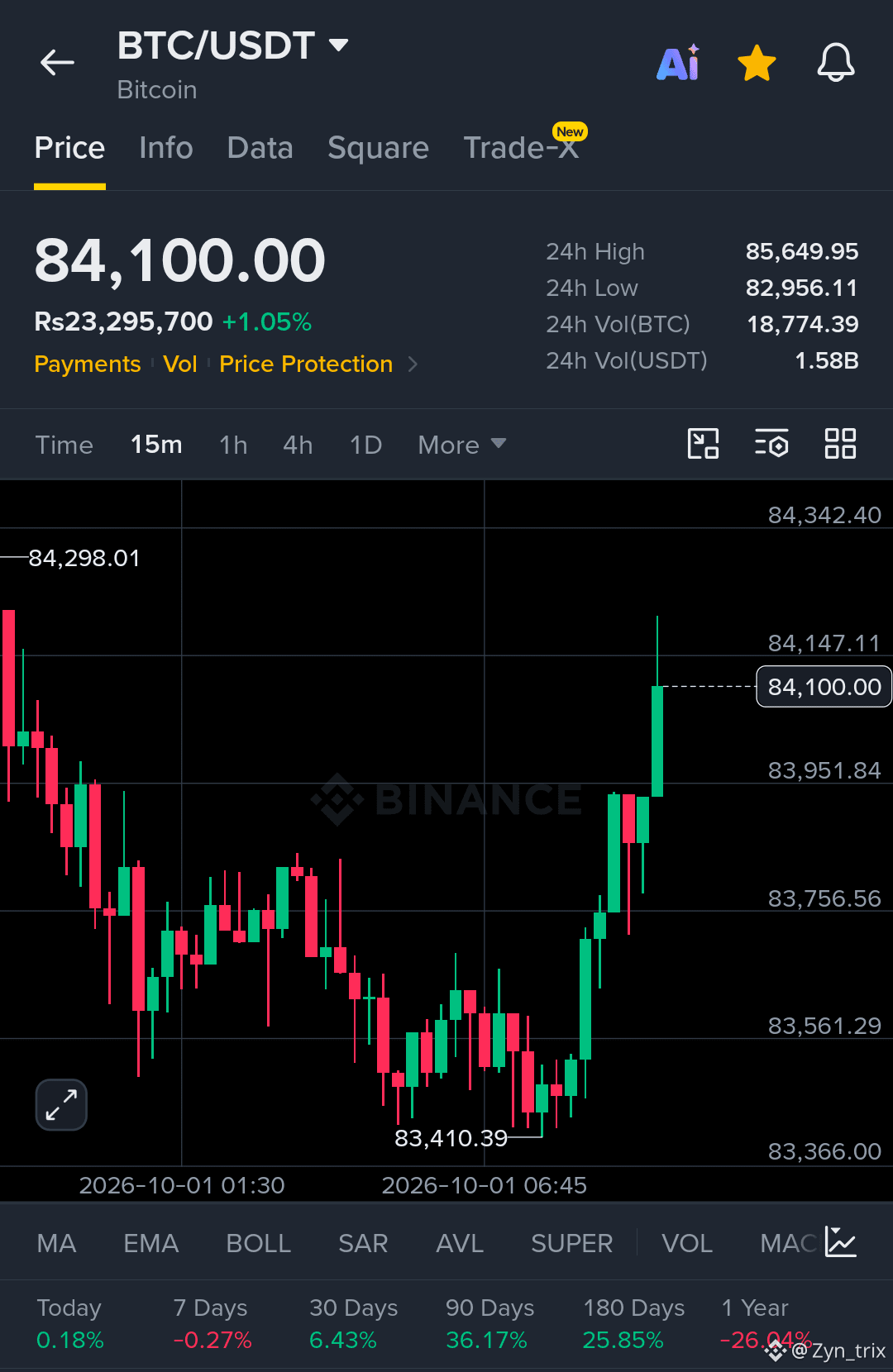
$BTC — Bitcoin is heating up after a strong move from the 83,410 area.
Price is now around 84,100, with momentum pushing into the 84,147–84,342 resistance zone. A clean break and hold above this area could open the way toward the next key levels.
Entry: 83,950 – 84,100
TP1: 84,342
TP2: 85,000
TP3: 85,650
SL: 83,560
Key support: 83,952 / 83,757
24H High: 85,649.95
24H Low: 82,956.11
24H Volume: 18.77K BTC
The setup is moving fast, so risk management matters. Watch the key levels and let price confirm the move.
Let's go and Trade now $BTC
{spot}(BTCUSDT)
#MetaMaskExitsLidoValidatorsAfterSecurityIncident #MicronBeatsEarningsLiftsGuidance #USADPAdds90000JobsInSeptember #USCorePCEEasesTo3%InAugust
$BTC — Bitcoin is heating up after a strong move from the 83,410 area.
Price is now around 84,100, with momentum pushing into the 84,147–84,342 resistance zone. A clean break and hold above this area could open the way toward the next key levels.
Entry: 83,950 – 84,100
TP1: 84,342
TP2: 85,000
TP3: 85,650
SL: 83,560
Key support: 83,952 / 83,757
24H High: 85,649.95
24H Low: 82,956.11
24H Volume: 18.77K BTC
The setup is moving fast, so risk management matters. Watch the key levels and let price confirm the move.
Let's go and Trade now $BTC
#MetaMaskExitsLidoValidatorsAfterSecurityIncident #MicronBeatsEarningsLiftsGuidance #USADPAdds90000JobsInSeptember #USCorePCEEasesTo3%InAugust
Price is now around 84,100, with momentum pushing into the 84,147–84,342 resistance zone. A clean break and hold above this area could open the way toward the next key levels.
Entry: 83,950 – 84,100
TP1: 84,342
TP2: 85,000
TP3: 85,650
SL: 83,560
Key support: 83,952 / 83,757
24H High: 85,649.95
24H Low: 82,956.11
24H Volume: 18.77K BTC
The setup is moving fast, so risk management matters. Watch the key levels and let price confirm the move.
Let's go and Trade now $BTC
#MetaMaskExitsLidoValidatorsAfterSecurityIncident #MicronBeatsEarningsLiftsGuidance #USADPAdds90000JobsInSeptember #USCorePCEEasesTo3%InAugust
39
·
--
ブリッシュ
翻訳参照
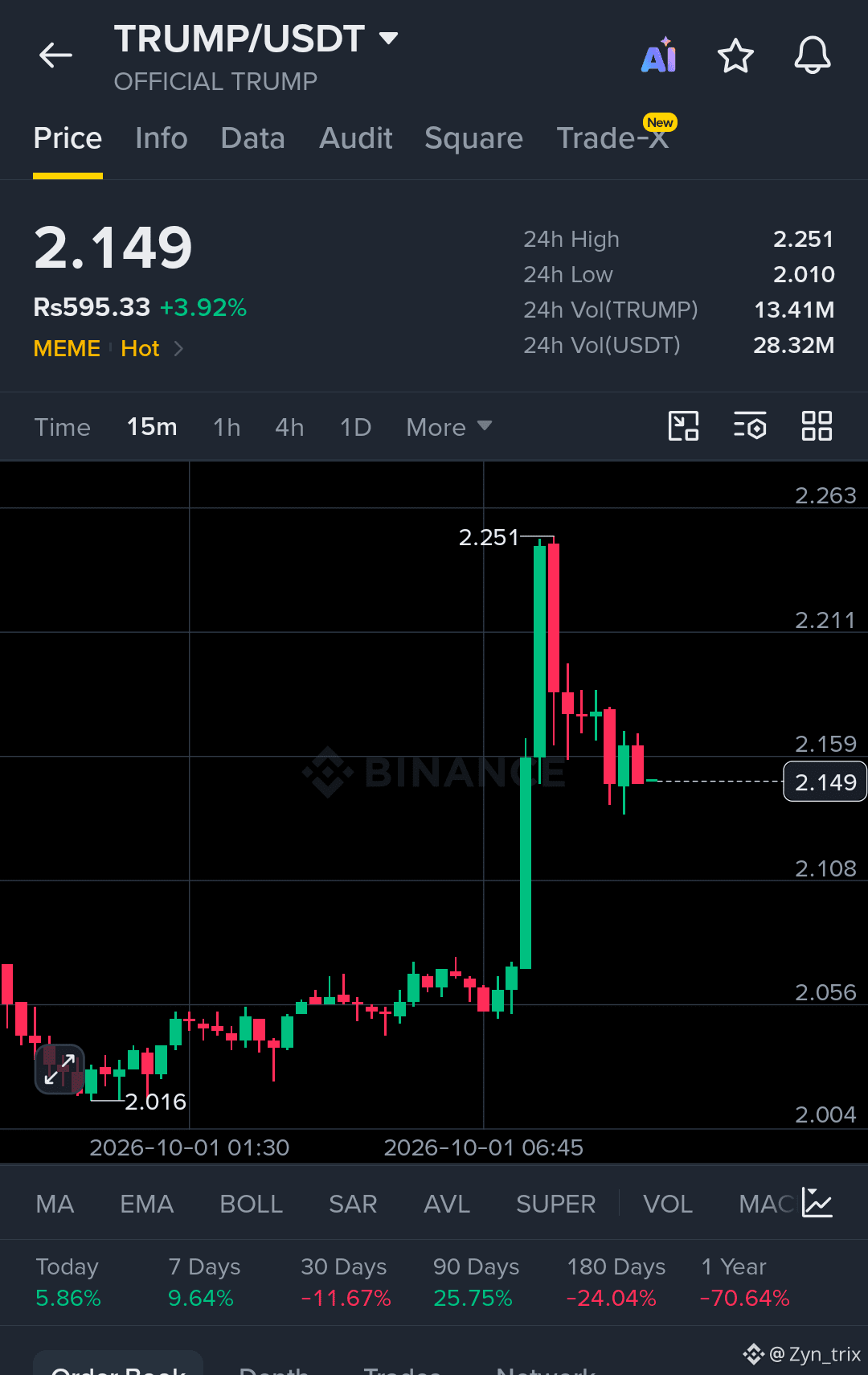
$TRUMP is showing strong momentum after the sharp move from 2.01 toward 2.25.
Current: 2.149
24H High: 2.251
24H Low: 2.010
24H Volume: 28.32M USDT
Key levels: 2.159 / 2.211 / 2.251
Watch the reaction around these levels closely and keep risk managed.
Let's go and Trade now $TRUMP
{spot}(TRUMPUSDT)
#TRUMP
$TRUMP is showing strong momentum after the sharp move from 2.01 toward 2.25.
Current: 2.149
24H High: 2.251
24H Low: 2.010
24H Volume: 28.32M USDT
Key levels: 2.159 / 2.211 / 2.251
Watch the reaction around these levels closely and keep risk managed.
Let's go and Trade now $TRUMP
#TRUMP
Current: 2.149
24H High: 2.251
24H Low: 2.010
24H Volume: 28.32M USDT
Key levels: 2.159 / 2.211 / 2.251
Watch the reaction around these levels closely and keep risk managed.
Let's go and Trade now $TRUMP
#TRUMP
86
·
--
ブリッシュ
翻訳参照
$SOL momentum is building after the imbalance fill — the setup is getting interesting.
Entry: 118.59
TP1: 119.77
TP2: 122.88
TP3: 128.33
SL: 113.72
Stay disciplined, manage risk, and watch the levels closely.
Let’s go and Trade now $SOL
#MicronBeatsEarningsLiftsGuidance #SECToClarifyOnChainFundraisingRules
$SOL momentum is building after the imbalance fill — the setup is getting interesting.
Entry: 118.59
TP1: 119.77
TP2: 122.88
TP3: 128.33
SL: 113.72
Stay disciplined, manage risk, and watch the levels closely.
Let’s go and Trade now $SOL
#MicronBeatsEarningsLiftsGuidance #SECToClarifyOnChainFundraisingRules
Entry: 118.59
TP1: 119.77
TP2: 122.88
TP3: 128.33
SL: 113.72
Stay disciplined, manage risk, and watch the levels closely.
Let’s go and Trade now $SOL
#MicronBeatsEarningsLiftsGuidance #SECToClarifyOnChainFundraisingRules


51
·
--
ブリッシュ
翻訳参照
$XAU USD — A Clean Gold Setup Is Now in Focus
Entry: 4500 – 4497
TP1: 4503
TP2: 4506
TP3: 4509
TP4: 4512
TP5: 4515
TP6: 4518
TP7: 4522
Stop Loss: 4490
Gold is approaching a key trading zone, with the setup offering multiple structured targets. The entry range gives room to manage the position while the targets are clearly mapped across the move.
Keep risk controlled, watch the entry reaction carefully, and manage the position as each target is reached.
Let's go and Trade now XAUUSD
{future}(XAUUSDT)
$XAU USD — A Clean Gold Setup Is Now in Focus
Entry: 4500 – 4497
TP1: 4503
TP2: 4506
TP3: 4509
TP4: 4512
TP5: 4515
TP6: 4518
TP7: 4522
Stop Loss: 4490
Gold is approaching a key trading zone, with the setup offering multiple structured targets. The entry range gives room to manage the position while the targets are clearly mapped across the move.
Keep risk controlled, watch the entry reaction carefully, and manage the position as each target is reached.
Let's go and Trade now XAUUSD
Entry: 4500 – 4497
TP1: 4503
TP2: 4506
TP3: 4509
TP4: 4512
TP5: 4515
TP6: 4518
TP7: 4522
Stop Loss: 4490
Gold is approaching a key trading zone, with the setup offering multiple structured targets. The entry range gives room to manage the position while the targets are clearly mapped across the move.
Keep risk controlled, watch the entry reaction carefully, and manage the position as each target is reached.
Let's go and Trade now XAUUSD

1
728
·
--
ブリッシュ
翻訳参照
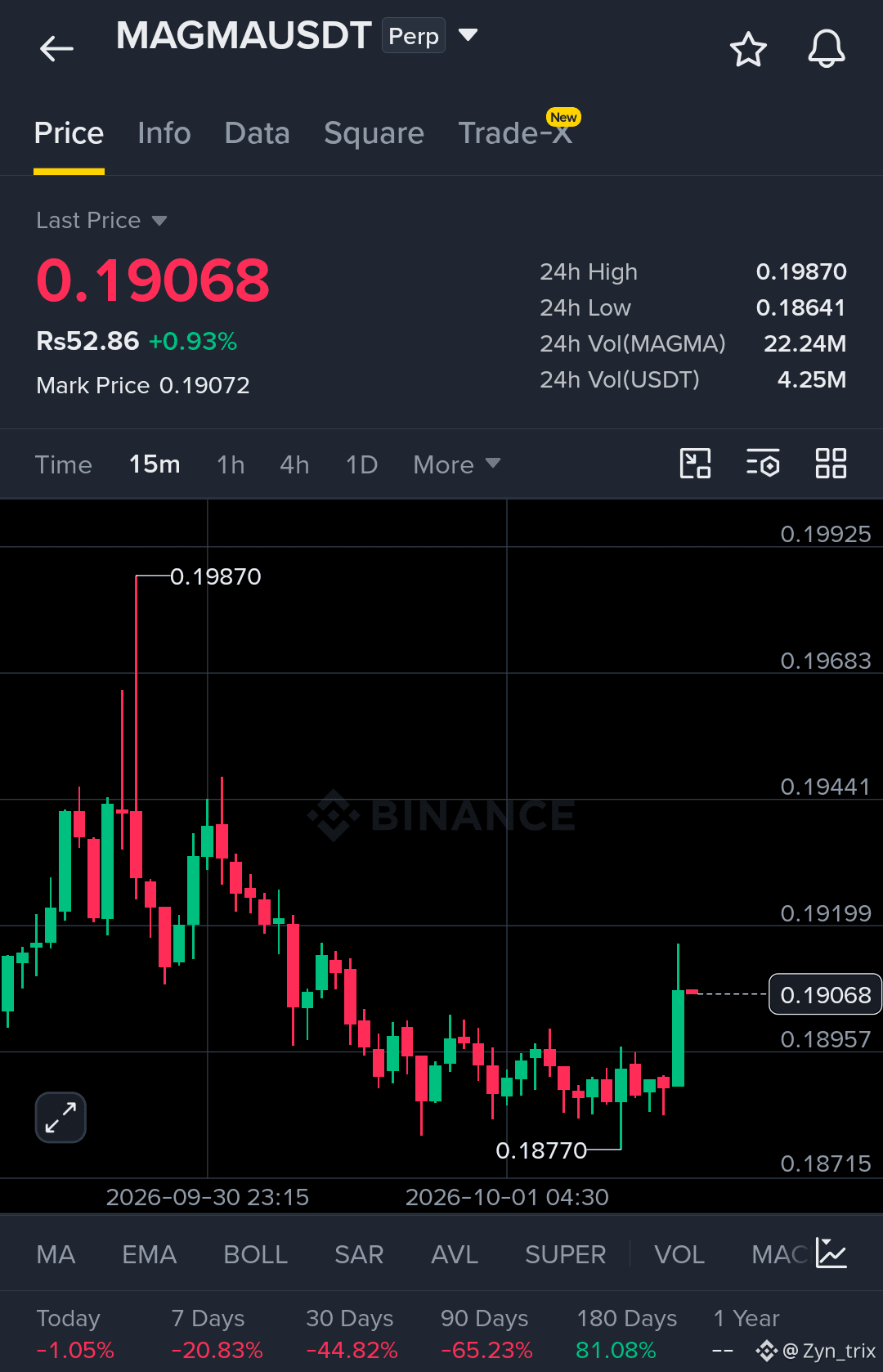
$MAGMA Strong setup forming around the current zone.
Entry: 0.1895 – 0.1908
TP1: 0.1920
TP2: 0.1944
TP3: 0.1987
SL: 0.1875
Key levels are clearly defined. Manage risk and stay disciplined.
Let's go and Trade now $MAGMA
{future}(MAGMAUSDT)
#CFTCSubmitsTwoEventContractRulesToWhiteHouse #AltcoinSeasonIndexHoldsAbove60For5Days #USADPAdds90000JobsInSeptember #USCorePCEEasesTo3%InAugust #UKFCAOpensCryptoFirmAuthorization
$MAGMA Strong setup forming around the current zone.
Entry: 0.1895 – 0.1908
TP1: 0.1920
TP2: 0.1944
TP3: 0.1987
SL: 0.1875
Key levels are clearly defined. Manage risk and stay disciplined.
Let's go and Trade now $MAGMA
#CFTCSubmitsTwoEventContractRulesToWhiteHouse #AltcoinSeasonIndexHoldsAbove60For5Days #USADPAdds90000JobsInSeptember #USCorePCEEasesTo3%InAugust #UKFCAOpensCryptoFirmAuthorization
Entry: 0.1895 – 0.1908
TP1: 0.1920
TP2: 0.1944
TP3: 0.1987
SL: 0.1875
Key levels are clearly defined. Manage risk and stay disciplined.
Let's go and Trade now $MAGMA
#CFTCSubmitsTwoEventContractRulesToWhiteHouse #AltcoinSeasonIndexHoldsAbove60For5Days #USADPAdds90000JobsInSeptember #USCorePCEEasesTo3%InAugust #UKFCAOpensCryptoFirmAuthorization
52
·
--
ブリッシュ
翻訳参照
$BTC The US crypto regulatory landscape is moving — even as Congress struggles to advance the CLARITY Act.
The SEC has already proposed “Regulation Crypto Assets,” including a proposed $5M startup exemption and up to $75M in annual fundraising, subject to disclosure requirements.
Then came the Innovation Exemption for limited on-chain trading of tokenized US stocks.
The message is clear: fundraising, tokenization, and on-chain markets are gradually moving toward defined regulatory frameworks.
Congress may still shape the long-term rules, but the SEC is already laying groundwork.
$ETH $ZEC
$BTC The US crypto regulatory landscape is moving — even as Congress struggles to advance the CLARITY Act.
The SEC has already proposed “Regulation Crypto Assets,” including a proposed $5M startup exemption and up to $75M in annual fundraising, subject to disclosure requirements.
Then came the Innovation Exemption for limited on-chain trading of tokenized US stocks.
The message is clear: fundraising, tokenization, and on-chain markets are gradually moving toward defined regulatory frameworks.
Congress may still shape the long-term rules, but the SEC is already laying groundwork.
$ETH $ZEC
The SEC has already proposed “Regulation Crypto Assets,” including a proposed $5M startup exemption and up to $75M in annual fundraising, subject to disclosure requirements.
Then came the Innovation Exemption for limited on-chain trading of tokenized US stocks.
The message is clear: fundraising, tokenization, and on-chain markets are gradually moving toward defined regulatory frameworks.
Congress may still shape the long-term rules, but the SEC is already laying groundwork.
$ETH $ZEC


160
·
--
ブリッシュ
翻訳参照
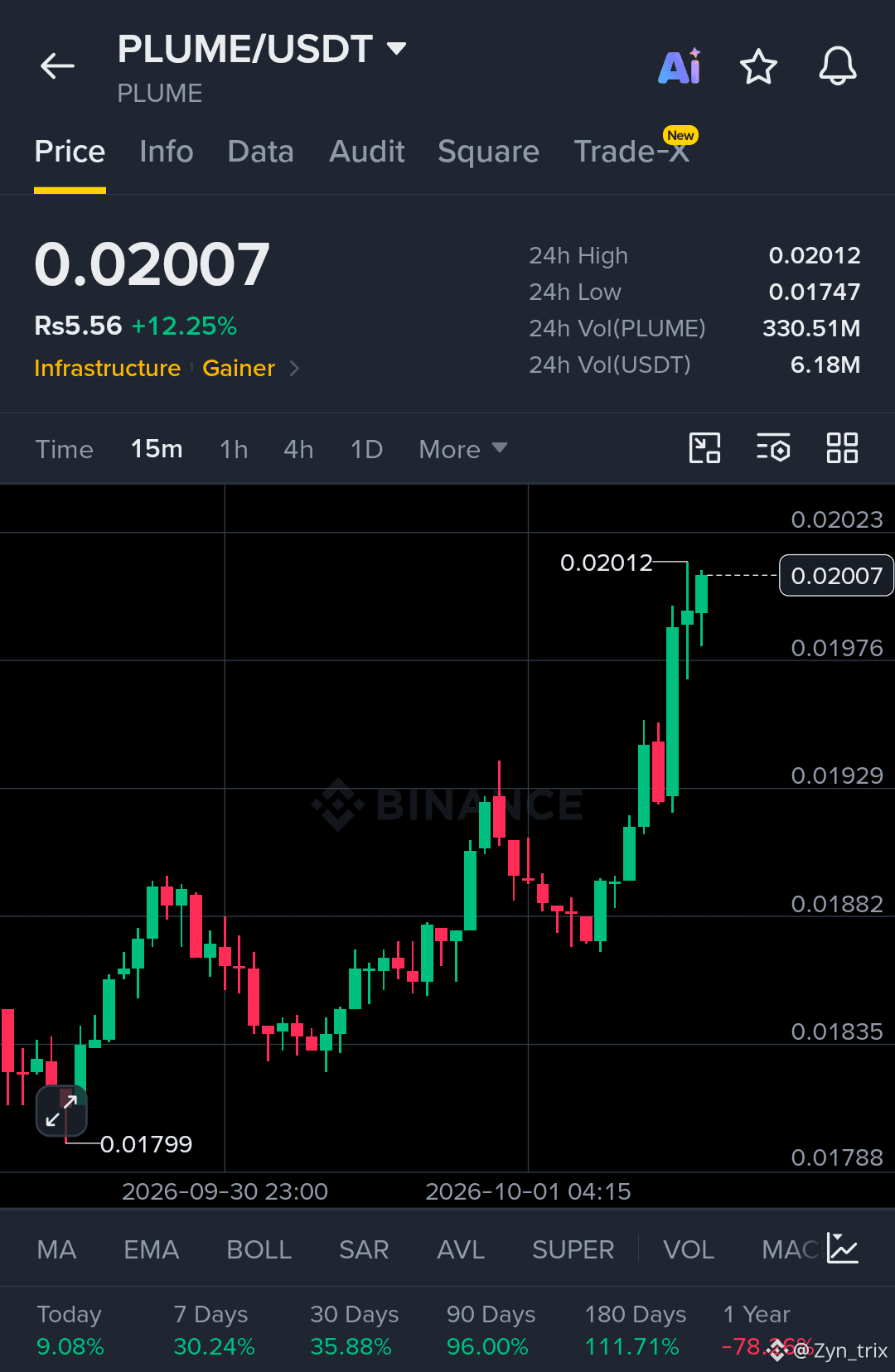
$PLUME — Momentum is heating up fast.
Price: 0.02007
24H Change: +12.25%
24H High: 0.02012
24H Low: 0.01747
24H Volume: 330.51M PLUME
Volume: $6.18M
The 15M chart shows a strong climb from the 0.01799 area, with price now pressing near the 0.02012 high.
Key levels:
0.02012 — recent high
0.02023 — next resistance
0.01929 — key support
0.01882 — deeper support
Entry: 0.01970–0.02000
SL: 0.01920
TP1: 0.02050
TP2: 0.02100
TP3: 0.02150
Today: +9.08%
7 Days: +30.24%
30 Days: +35.88%
90 Days: +96.00%
180 Days: +111.71%
Volume and momentum are keeping PLUME in focus. Watch the 0.02012 area closely.
Let's go and Trade now $PLUME
{spot}(PLUMEUSDT)
#CFTCSubmitsTwoEventContractRulesToWhiteHouse #AltcoinSeasonIndexHoldsAbove60For5Days #USADPAdds90000JobsInSeptember #USCorePCEEasesTo3%InAugust #UKFCAOpensCryptoFirmAuthorization
$PLUME — Momentum is heating up fast.
Price: 0.02007
24H Change: +12.25%
24H High: 0.02012
24H Low: 0.01747
24H Volume: 330.51M PLUME
Volume: $6.18M
The 15M chart shows a strong climb from the 0.01799 area, with price now pressing near the 0.02012 high.
Key levels:
0.02012 — recent high
0.02023 — next resistance
0.01929 — key support
0.01882 — deeper support
Entry: 0.01970–0.02000
SL: 0.01920
TP1: 0.02050
TP2: 0.02100
TP3: 0.02150
Today: +9.08%
7 Days: +30.24%
30 Days: +35.88%
90 Days: +96.00%
180 Days: +111.71%
Volume and momentum are keeping PLUME in focus. Watch the 0.02012 area closely.
Let's go and Trade now $PLUME
#CFTCSubmitsTwoEventContractRulesToWhiteHouse #AltcoinSeasonIndexHoldsAbove60For5Days #USADPAdds90000JobsInSeptember #USCorePCEEasesTo3%InAugust #UKFCAOpensCryptoFirmAuthorization
Price: 0.02007
24H Change: +12.25%
24H High: 0.02012
24H Low: 0.01747
24H Volume: 330.51M PLUME
Volume: $6.18M
The 15M chart shows a strong climb from the 0.01799 area, with price now pressing near the 0.02012 high.
Key levels:
0.02012 — recent high
0.02023 — next resistance
0.01929 — key support
0.01882 — deeper support
Entry: 0.01970–0.02000
SL: 0.01920
TP1: 0.02050
TP2: 0.02100
TP3: 0.02150
Today: +9.08%
7 Days: +30.24%
30 Days: +35.88%
90 Days: +96.00%
180 Days: +111.71%
Volume and momentum are keeping PLUME in focus. Watch the 0.02012 area closely.
Let's go and Trade now $PLUME
#CFTCSubmitsTwoEventContractRulesToWhiteHouse #AltcoinSeasonIndexHoldsAbove60For5Days #USADPAdds90000JobsInSeptember #USCorePCEEasesTo3%InAugust #UKFCAOpensCryptoFirmAuthorization
103
·
--
ブリッシュ
翻訳参照
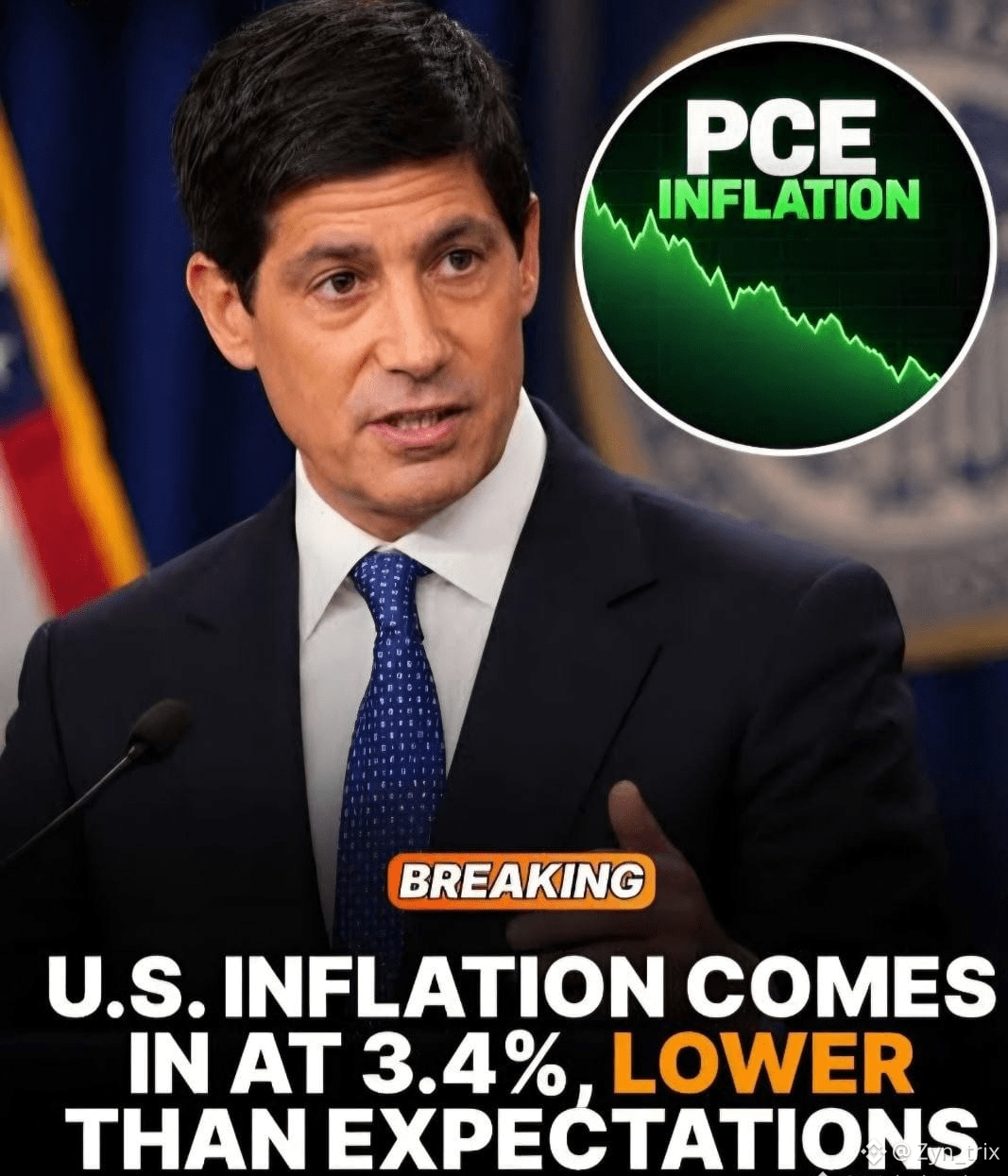
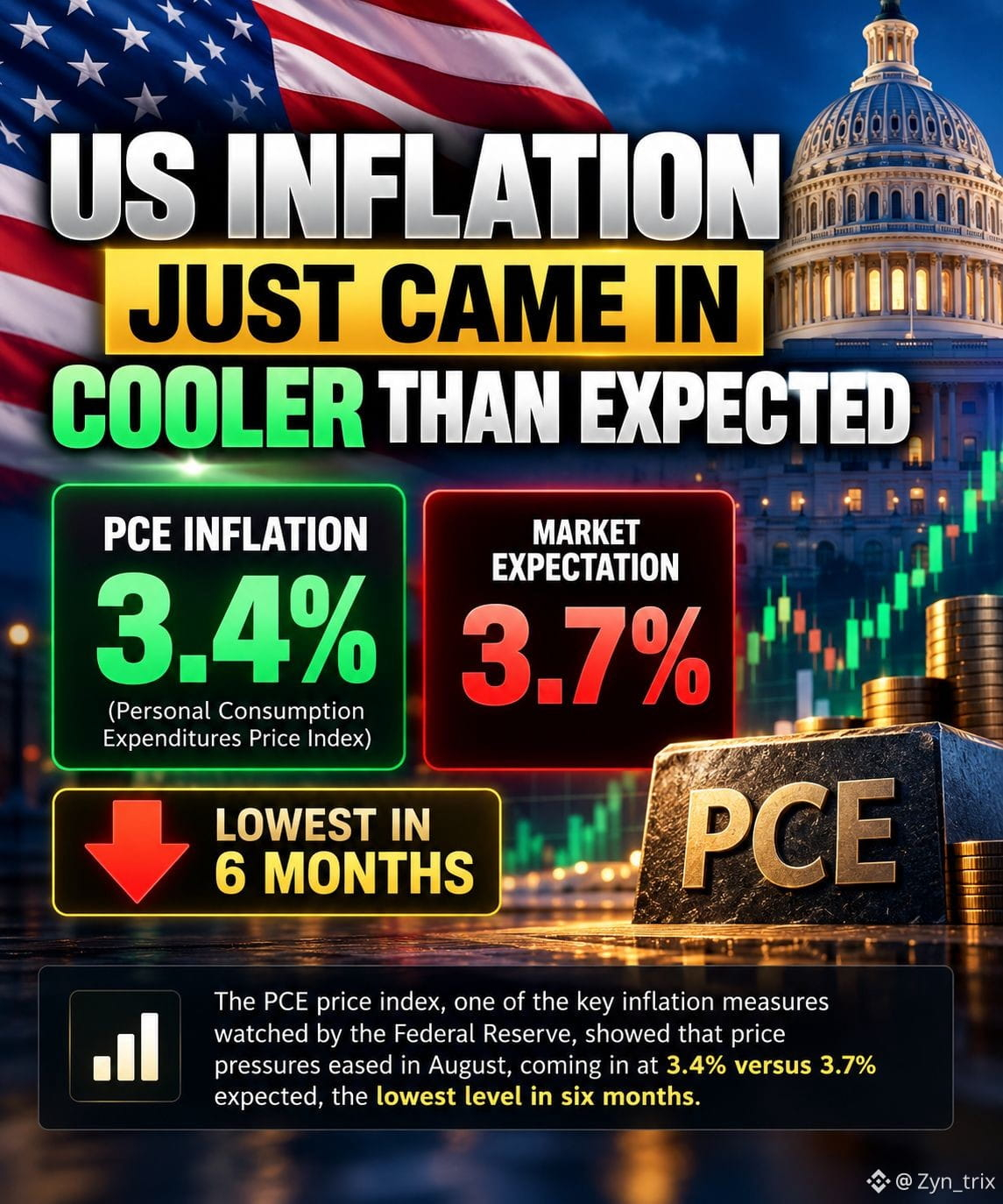
US INFLATION JUST CAME IN COOLER.
PCE: 3.4%
Expected: 3.7%
That’s the lowest level in 6 months.
Cooling inflation could ease pressure on the Fed and keep markets watching rate-cut expectations closely.
Macro just got interesting.
#PCE #Inflation #US
US INFLATION JUST CAME IN COOLER.
PCE: 3.4%
Expected: 3.7%
That’s the lowest level in 6 months.
Cooling inflation could ease pressure on the Fed and keep markets watching rate-cut expectations closely.
Macro just got interesting.
#PCE #Inflation #US
PCE: 3.4%
Expected: 3.7%
That’s the lowest level in 6 months.
Cooling inflation could ease pressure on the Fed and keep markets watching rate-cut expectations closely.
Macro just got interesting.
#PCE #Inflation #US
124
·
--
ブリッシュ
翻訳参照
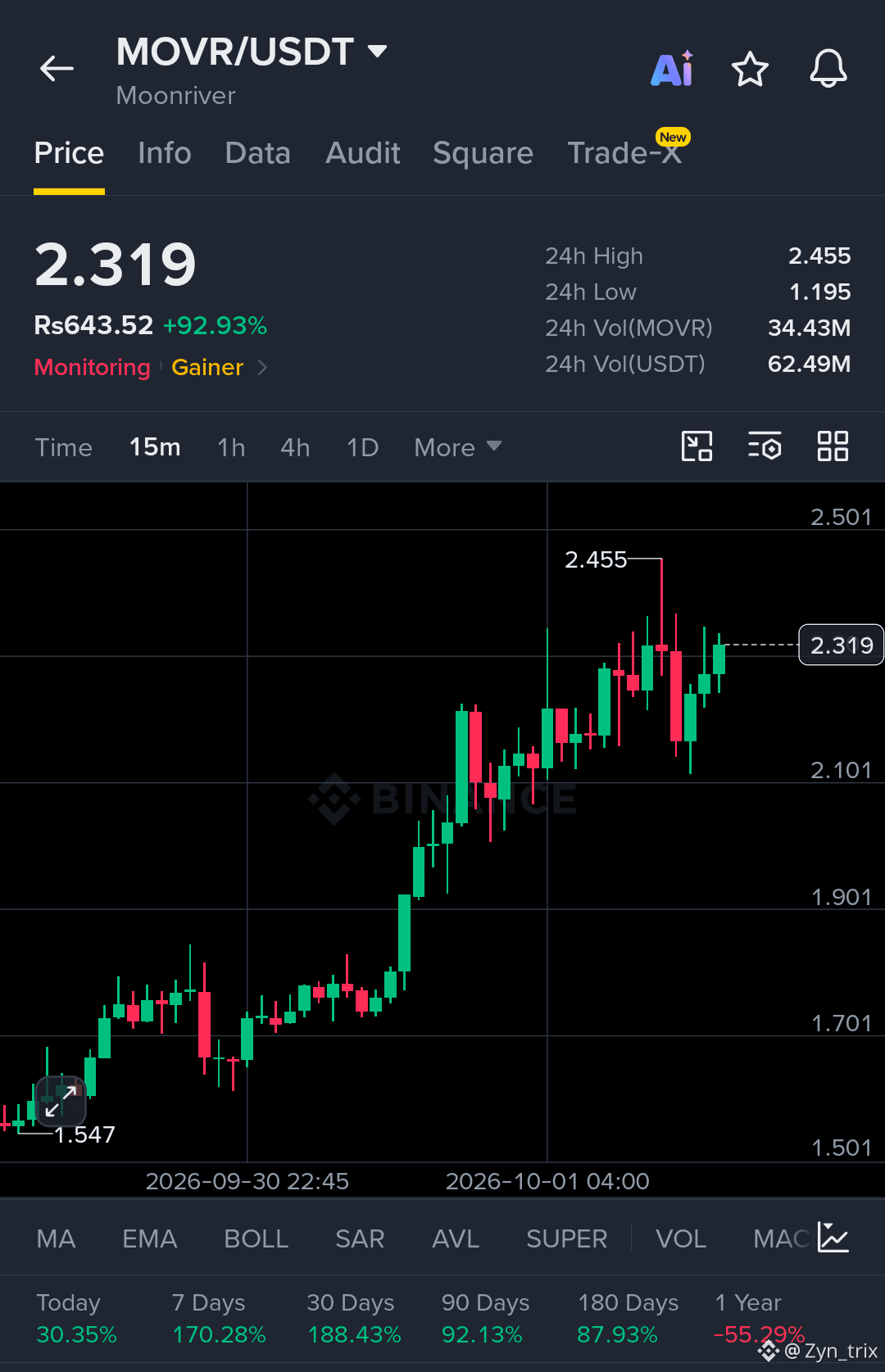
$MOVR — Moonriver is moving fast, and the chart is getting interesting.
Price is currently around 2.319, up 92.93% in 24 hours. The move came with heavy activity, with 34.43M MOVR traded and about $62.49M in 24h volume.
The 15M chart shows a strong recovery from the 1.547 area, followed by a steady climb through 1.70, 1.90 and 2.10 zones.
Now the key area is 2.30–2.45.
24H High: 2.455
24H Low: 1.195
Current Price: 2.319
Important levels:
2.45 — recent high and major resistance
2.30 — current trading zone
2.10 — important nearby support
1.90 — deeper support
1.70 — major previous base
The chart is showing strong momentum, but after such a sharp 24-hour move, volatility can remain high. Watch the 2.30–2.45 area closely for the next major reaction.
Today: +30.35%
7 Days: +170.28%
30 Days: +188.43%
90 Days: +92.13%
180 Days: +87.93%
1 Year: -55.29%
MOVR has clearly returned to the spotlight. Now the real question is whether price can hold the higher levels while volume stays strong.
Trade with a plan. Manage risk and don't chase sudden moves.
Let's go and Trade now $MOVR
{spot}(MOVRUSDT)
#AltcoinSeasonIndexHoldsAbove60For5Days #SECToClarifyOnChainFundraisingRules
$MOVR — Moonriver is moving fast, and the chart is getting interesting.
Price is currently around 2.319, up 92.93% in 24 hours. The move came with heavy activity, with 34.43M MOVR traded and about $62.49M in 24h volume.
The 15M chart shows a strong recovery from the 1.547 area, followed by a steady climb through 1.70, 1.90 and 2.10 zones.
Now the key area is 2.30–2.45.
24H High: 2.455
24H Low: 1.195
Current Price: 2.319
Important levels:
2.45 — recent high and major resistance
2.30 — current trading zone
2.10 — important nearby support
1.90 — deeper support
1.70 — major previous base
The chart is showing strong momentum, but after such a sharp 24-hour move, volatility can remain high. Watch the 2.30–2.45 area closely for the next major reaction.
Today: +30.35%
7 Days: +170.28%
30 Days: +188.43%
90 Days: +92.13%
180 Days: +87.93%
1 Year: -55.29%
MOVR has clearly returned to the spotlight. Now the real question is whether price can hold the higher levels while volume stays strong.
Trade with a plan. Manage risk and don't chase sudden moves.
Let's go and Trade now $MOVR
#AltcoinSeasonIndexHoldsAbove60For5Days #SECToClarifyOnChainFundraisingRules
Price is currently around 2.319, up 92.93% in 24 hours. The move came with heavy activity, with 34.43M MOVR traded and about $62.49M in 24h volume.
The 15M chart shows a strong recovery from the 1.547 area, followed by a steady climb through 1.70, 1.90 and 2.10 zones.
Now the key area is 2.30–2.45.
24H High: 2.455
24H Low: 1.195
Current Price: 2.319
Important levels:
2.45 — recent high and major resistance
2.30 — current trading zone
2.10 — important nearby support
1.90 — deeper support
1.70 — major previous base
The chart is showing strong momentum, but after such a sharp 24-hour move, volatility can remain high. Watch the 2.30–2.45 area closely for the next major reaction.
Today: +30.35%
7 Days: +170.28%
30 Days: +188.43%
90 Days: +92.13%
180 Days: +87.93%
1 Year: -55.29%
MOVR has clearly returned to the spotlight. Now the real question is whether price can hold the higher levels while volume stays strong.
Trade with a plan. Manage risk and don't chase sudden moves.
Let's go and Trade now $MOVR
#AltcoinSeasonIndexHoldsAbove60For5Days #SECToClarifyOnChainFundraisingRules
166
·
--
ブリッシュ
翻訳参照
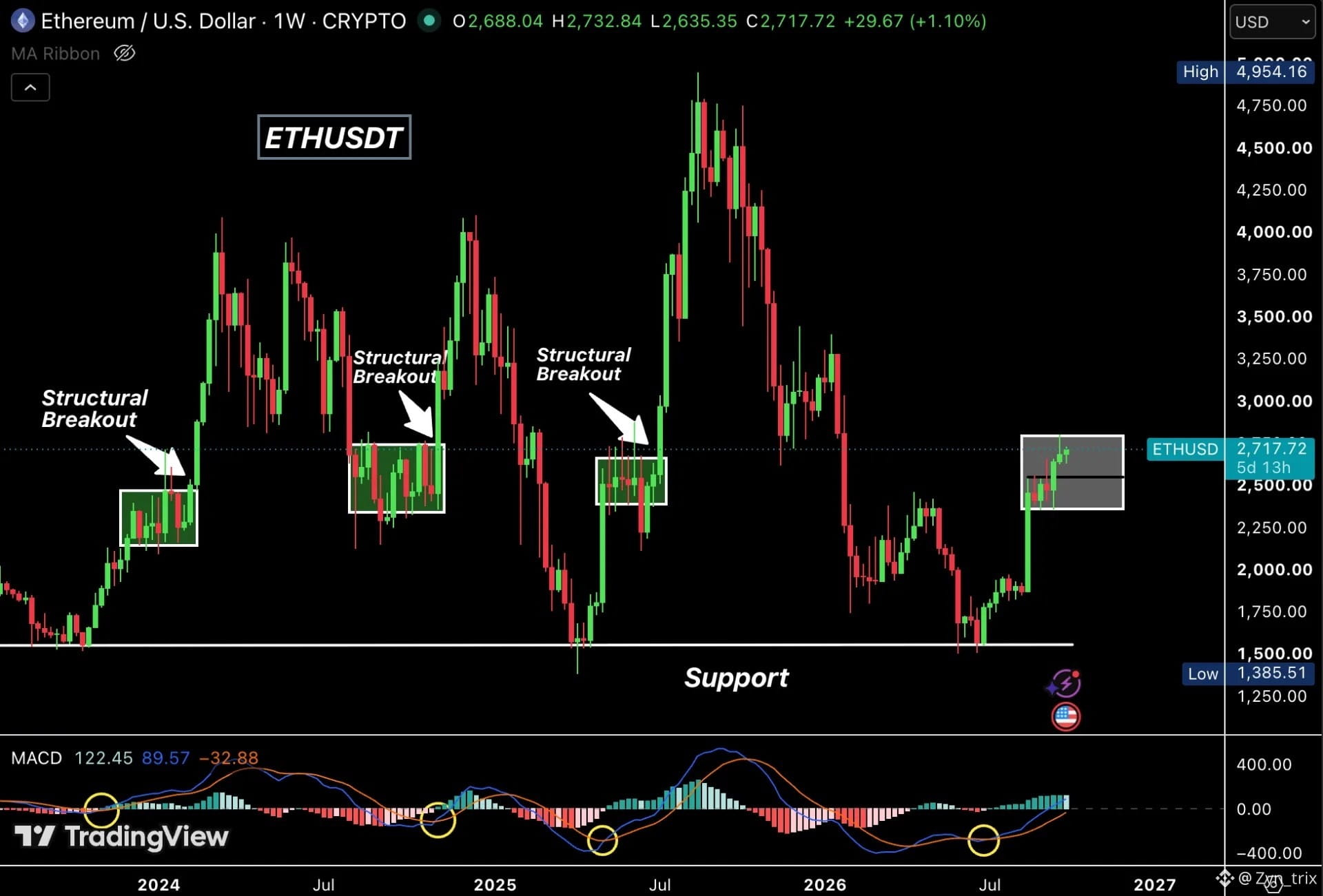
$ETH is setting up for a major move.
ETH held $2,550 and closed the week +1.66%. The key battle remains the $2,300–$2,800 range — a zone that has triggered 3 major weekly breakouts before.
A confirmed break above $2,800 could open $3,600–$4,500.
Support: $2,550 / $2,350
Key catalyst: ISM Thursday
Historically, ISM above 56 has supported strength in ETH and alts.
This range is the one to watch.
#Ethereum
$ETH is setting up for a major move.
ETH held $2,550 and closed the week +1.66%. The key battle remains the $2,300–$2,800 range — a zone that has triggered 3 major weekly breakouts before.
A confirmed break above $2,800 could open $3,600–$4,500.
Support: $2,550 / $2,350
Key catalyst: ISM Thursday
Historically, ISM above 56 has supported strength in ETH and alts.
This range is the one to watch.
#Ethereum
ETH held $2,550 and closed the week +1.66%. The key battle remains the $2,300–$2,800 range — a zone that has triggered 3 major weekly breakouts before.
A confirmed break above $2,800 could open $3,600–$4,500.
Support: $2,550 / $2,350
Key catalyst: ISM Thursday
Historically, ISM above 56 has supported strength in ETH and alts.
This range is the one to watch.
#Ethereum
57
·
--
記事
翻訳参照
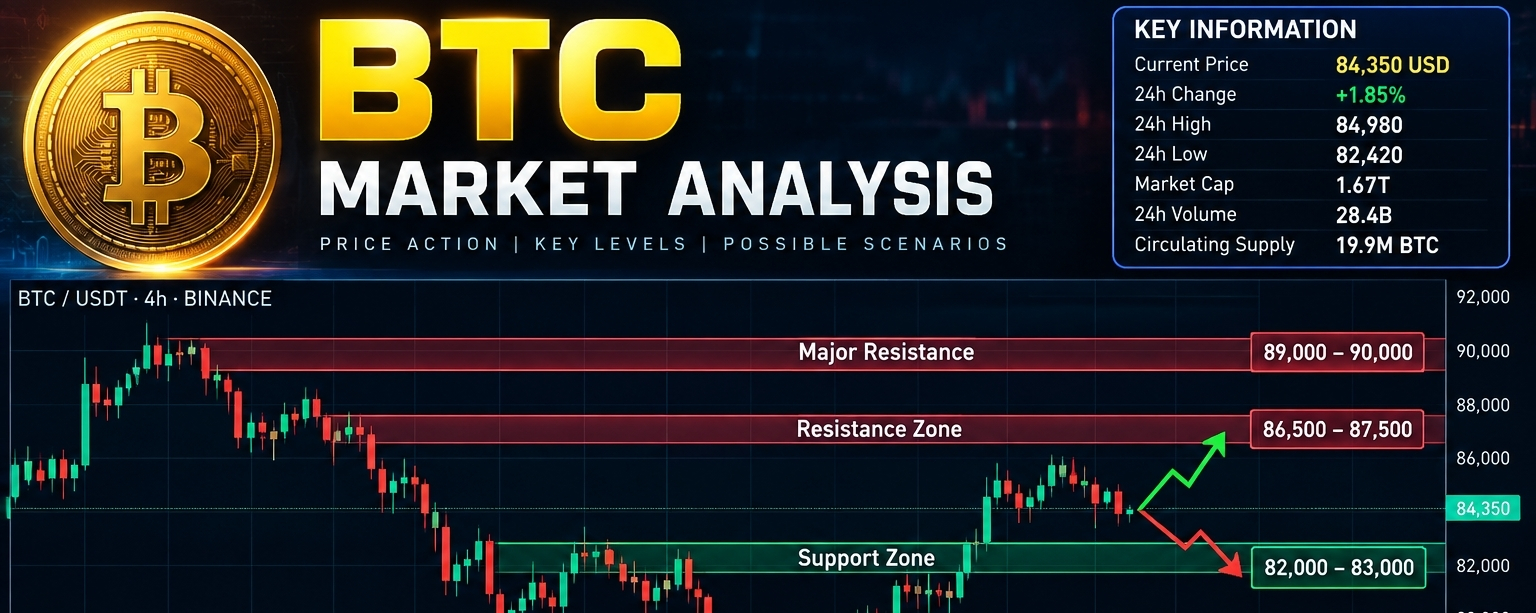
$BTC — Bitcoin is sitting in an interesting area right now.After the recent recovery from the $80K zone, BTC pushed toward the $87K area before cooling back down. The market is now watching whether buyers can keep the recovery structure alive or whether another deeper retest comes first.
One thing that stands out is the return of institutional demand.
U.S. spot Bitcoin ETFs recorded strong inflows during the second half of September, with billions of dollars entering across several sessions. That gives the current market some real support behind the scenes, rather than the move being driven only by short-term retail activity.
But there is another side to the story.
ETF inflows have started slowing from the strongest September sessions, while some demand indicators have weakened. That means Bitcoin still needs confirmation from fresh capital and trading volume before the next major move can be considered established.
Price-wise, the $80K–$81K area remains an important zone to keep on the radar. Above that, $82K–$83K has become a key short-term area, while $84K–$85K is where the market is currently facing an important decision.
The next major reference sits around $87K, where Bitcoin recently struggled to maintain momentum.
Volume will be just as important as price.
When BTC moves with strong volume, the move carries more weight. If price starts moving aggressively while volume fades, traders need to be more careful about chasing the move.
There is also a bigger story developing around institutional adoption. Companies such as Strategy continue adding Bitcoin to their treasury holdings, while spot ETFs have created another channel for traditional investors to gain exposure to BTC.
At the same time, macro conditions remain important. Treasury yields, liquidity, interest-rate expectations and overall risk appetite can all influence Bitcoin's short-term behavior.
So right now, I'm watching four things closely:
Price structure
Trading volume
ETF flows
Liquidity and macro conditions
Bitcoin doesn't need another headline to move. If real demand returns and volume follows, the market can become much more interesting very quickly.
For now, the important thing is confirmation. The $80K–$85K area remains a key part of the current structure, while the $87K region is an important level from the recent move.
BTC remains one of the most closely watched assets in the market, and the next few sessions could tell us a lot about whether this recovery has genuine strength behind it.
Trade with a plan. M
anage risk. Don't chase every candle.
#Bitcoin❗ #BTC
$BTC — Bitcoin is sitting in an interesting area right now
.After the recent recovery from the $80K zone, BTC pushed toward the $87K area before cooling back down. The market is now watching whether buyers can keep the recovery structure alive or whether another deeper retest comes first.
One thing that stands out is the return of institutional demand.
U.S. spot Bitcoin ETFs recorded strong inflows during the second half of September, with billions of dollars entering across several sessions. That gives the current market some real support behind the scenes, rather than the move being driven only by short-term retail activity.
But there is another side to the story.
ETF inflows have started slowing from the strongest September sessions, while some demand indicators have weakened. That means Bitcoin still needs confirmation from fresh capital and trading volume before the next major move can be considered established.
Price-wise, the $80K–$81K area remains an important zone to keep on the radar. Above that, $82K–$83K has become a key short-term area, while $84K–$85K is where the market is currently facing an important decision.
The next major reference sits around $87K, where Bitcoin recently struggled to maintain momentum.
Volume will be just as important as price.
When BTC moves with strong volume, the move carries more weight. If price starts moving aggressively while volume fades, traders need to be more careful about chasing the move.
There is also a bigger story developing around institutional adoption. Companies such as Strategy continue adding Bitcoin to their treasury holdings, while spot ETFs have created another channel for traditional investors to gain exposure to BTC.
At the same time, macro conditions remain important. Treasury yields, liquidity, interest-rate expectations and overall risk appetite can all influence Bitcoin's short-term behavior.
So right now, I'm watching four things closely:
Price structure
Trading volume
ETF flows
Liquidity and macro conditions
Bitcoin doesn't need another headline to move. If real demand returns and volume follows, the market can become much more interesting very quickly.
For now, the important thing is confirmation. The $80K–$85K area remains a key part of the current structure, while the $87K region is an important level from the recent move.
BTC remains one of the most closely watched assets in the market, and the next few sessions could tell us a lot about whether this recovery has genuine strength behind it.
Trade with a plan. M
anage risk. Don't chase every candle.
#Bitcoin❗ #BTC
One thing that stands out is the return of institutional demand.
U.S. spot Bitcoin ETFs recorded strong inflows during the second half of September, with billions of dollars entering across several sessions. That gives the current market some real support behind the scenes, rather than the move being driven only by short-term retail activity.
But there is another side to the story.
ETF inflows have started slowing from the strongest September sessions, while some demand indicators have weakened. That means Bitcoin still needs confirmation from fresh capital and trading volume before the next major move can be considered established.
Price-wise, the $80K–$81K area remains an important zone to keep on the radar. Above that, $82K–$83K has become a key short-term area, while $84K–$85K is where the market is currently facing an important decision.
The next major reference sits around $87K, where Bitcoin recently struggled to maintain momentum.
Volume will be just as important as price.
When BTC moves with strong volume, the move carries more weight. If price starts moving aggressively while volume fades, traders need to be more careful about chasing the move.
There is also a bigger story developing around institutional adoption. Companies such as Strategy continue adding Bitcoin to their treasury holdings, while spot ETFs have created another channel for traditional investors to gain exposure to BTC.
At the same time, macro conditions remain important. Treasury yields, liquidity, interest-rate expectations and overall risk appetite can all influence Bitcoin's short-term behavior.
So right now, I'm watching four things closely:
Price structure
Trading volume
ETF flows
Liquidity and macro conditions
Bitcoin doesn't need another headline to move. If real demand returns and volume follows, the market can become much more interesting very quickly.
For now, the important thing is confirmation. The $80K–$85K area remains a key part of the current structure, while the $87K region is an important level from the recent move.
BTC remains one of the most closely watched assets in the market, and the next few sessions could tell us a lot about whether this recovery has genuine strength behind it.
Trade with a plan. M
anage risk. Don't chase every candle.
#Bitcoin❗ #BTC
56
·
--
ブリッシュ
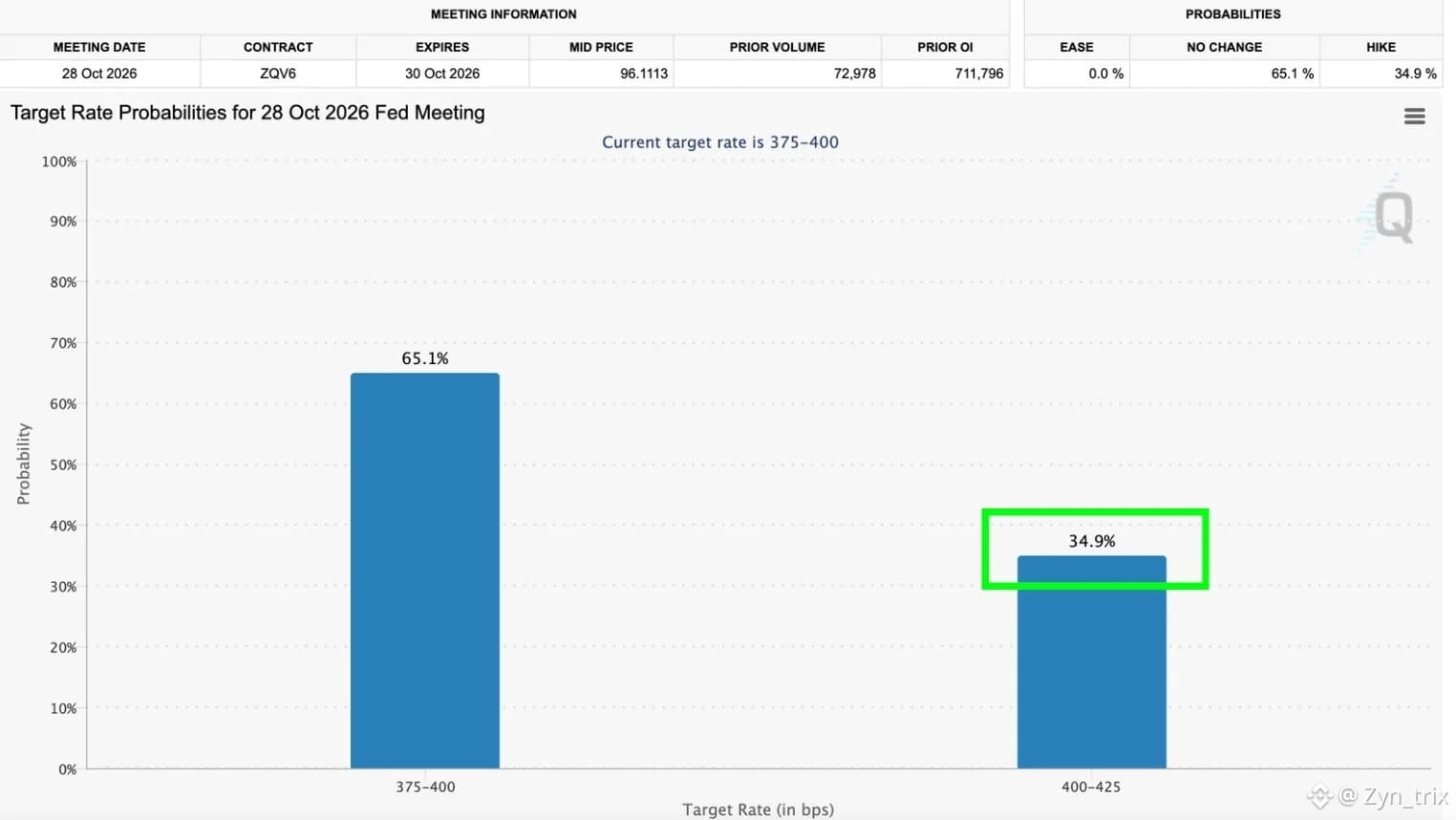
速報: 🇺🇸 利上げの確率が急速に崩れています。
市場は、より弱いインフレ指標とハト派的なFRB(米連邦準備制度)のシグナルを受けて、追加利上げの可能性を大幅に低く見込んでいます。
引き締め圧力が弱まれば、リスク資産や暗号資産に新たな追い風が生まれるかもしれません。
FRBを注視。流動性を注視。次の一手が面白くなる可能性があります
$QNT
{spot}(QNTUSDT)
$LAB
{future}(LABUSDT)
#USA2026
速報: 🇺🇸 利上げの確率が急速に崩れています。
市場は、より弱いインフレ指標とハト派的なFRB(米連邦準備制度)のシグナルを受けて、追加利上げの可能性を大幅に低く見込んでいます。
引き締め圧力が弱まれば、リスク資産や暗号資産に新たな追い風が生まれるかもしれません。
FRBを注視。流動性を注視。次の一手が面白くなる可能性があります
$QNT
$LAB
#USA2026
市場は、より弱いインフレ指標とハト派的なFRB(米連邦準備制度)のシグナルを受けて、追加利上げの可能性を大幅に低く見込んでいます。
引き締め圧力が弱まれば、リスク資産や暗号資産に新たな追い風が生まれるかもしれません。
FRBを注視。流動性を注視。次の一手が面白くなる可能性があります
$QNT
$LAB
#USA2026
631
ログインして、さらにコンテンツを読む
厳選トピックで世界の暗号資産トレーダーの仲間入り
⚡️ 暗号資産に関する最新かつ有益な情報が見つかります。
💬 世界最大の暗号資産取引所から信頼されています。
👍 認証を受けたクリエイターから、有益なインサイトを得られます。
メール / 電話番号
トレンドトピック
MetaMaskExitsLidoValidatorsAfterSecurityIncident
閲覧回数 32,320
627人が討論中
🚨 メタマスク、セキュリティ侵害後にETHバリデータの一部を非カストディアル・ステーキング運用から開始して退出させた
MetaMaskによると、継続中のセキュリティ侵害が同社のインフラの一部に影響し、非カストディアルのステーキング運用で影響を受けたバリデータをプロアクティブに退出させる必要があるとのことです。同社はこれまでのところ、MetaMaskウォレットに対する差し迫った脅威は見つかっていないとしています。
重要なポイントは?
これらのバリデータはLidoのステーキングに紐づいており、退出プロセスによって調査が続く間、一時的にステーキングからETHが外れる可能性があります。Lido関連の報道によれば、完全な退出・引き出し・再入のサイクルには最大で約45日かかる可能性があるとされています。
つまり、市場は次の2点を切り分けるべきです。
ウォレット利用者が「現在、直ちにリスクにさらされている」と告げられているわけではない。
しかし、バリデータのインフラは明らかに緊急退出を引き起こすほど重大だった。
そして、イーサリアム最大級のウォレットブランドの1つが予防措置としてバリデータを引き揚げ始めたとなれば、トレーダーは注意を払います。
セキュリティインシデントは、盗まれた資金がなくても市場を動かし得る。
時には、反応そのものがシグナルです。👀
$ETH $LDO
#metamaskexitslidovalidatorsaftersecurityincident
KimHotbae
·いいね:1件
·閲覧回数 2.6k
MicronBeatsEarningsLiftsGuidance
閲覧回数 22,081
527人が討論中
CFTCSubmitsTwoEventContractRulesToWhiteHouse
閲覧回数 17,501
462人が討論中