

Shahid Hasan 1
31 投稿

Shahid Hasan 1
報告
ユーザーをブロック
🌍 Web3 Enthusiast | Community Manager 🎯 Strategist | Growth & Engagement 🛡 Ambassador & Moderator 📩 DM for Collab 🔗 More details & experience on X: @ShahidHasan866
0 フォロー
2 フォロワー
7 いいね
投稿
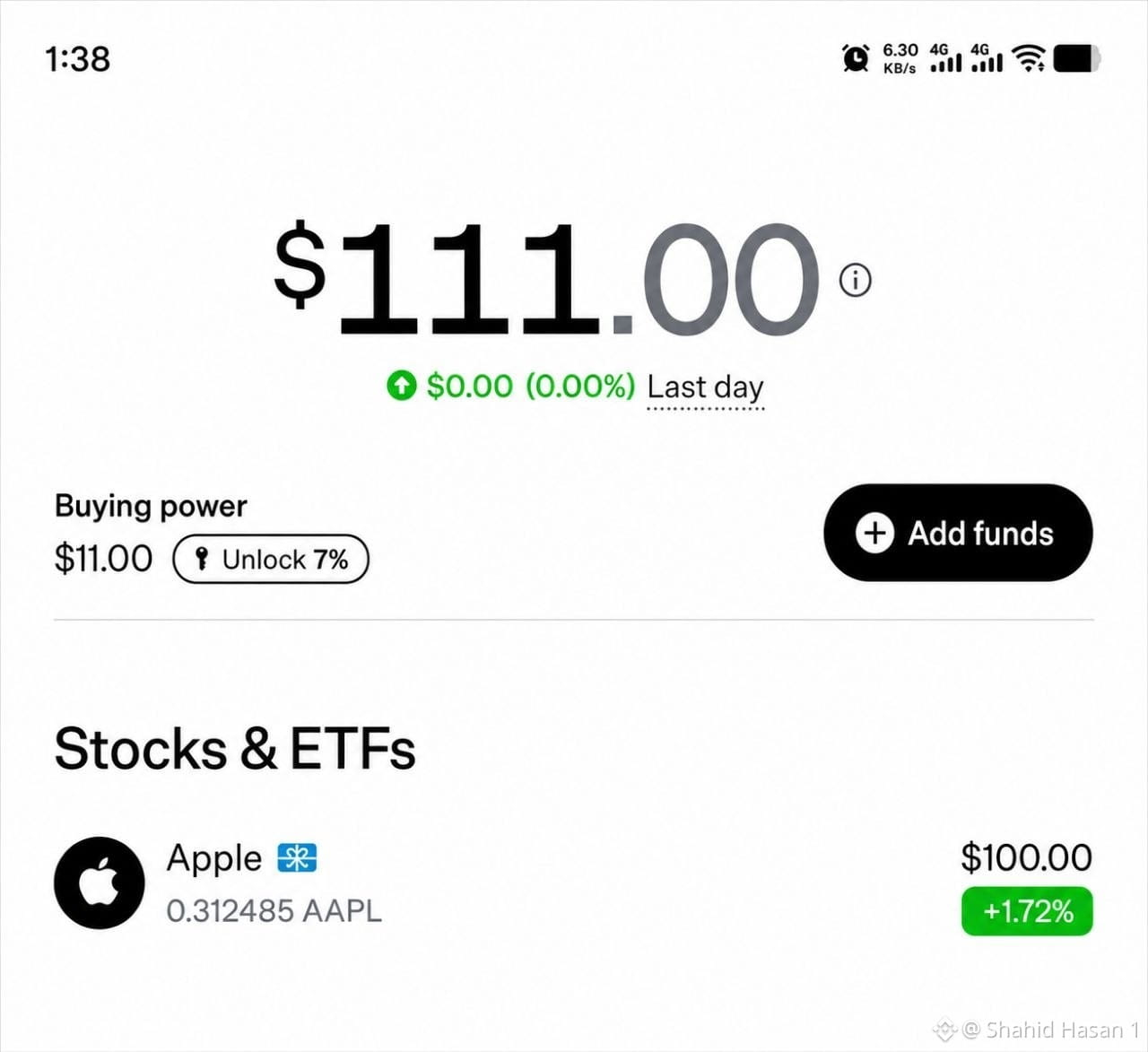
🎁 口座ごとに$100の株式ボーナスを獲得!
Berryは新規ユーザーに$100の株式ボーナスを提供しています 📈
🔗 こちらから登録:
https://berry.app/r/shahid-229c0a225
🎟️ 紹介コード:shahid
📝 受け取り方法:
✅ 登録
✅ KYCを完了
💰 USDTで$10を入金
🎁 $100の株式ボーナスを獲得
📈 対象の株を選ぶ
💸 $10の入金分を出金する
💡 $100ボーナスの仕組みは?
⚠️ $100は直接出金できません。
シミュレーション上の株式ポジションとして使われます。
📈 選んだ株の価格が上昇すれば、ポジションから利益が発生する可能性があり、その利益は払い出しの対象となる場合があります。
📉 株価が下がった場合、利益が得られない可能性があります。
🎁 口座ごとに$100の株式ボーナスを獲得!
Berryは新規ユーザーに$100の株式ボーナスを提供しています 📈
🔗 こちらから登録:
https://berry.app/r/shahid-229c0a225
🎟️ 紹介コード:shahid
📝 受け取り方法:
✅ 登録
✅ KYCを完了
💰 USDTで$10を入金
🎁 $100の株式ボーナスを獲得
📈 対象の株を選ぶ
💸 $10の入金分を出金する
💡 $100ボーナスの仕組みは?
⚠️ $100は直接出金できません。
シミュレーション上の株式ポジションとして使われます。
📈 選んだ株の価格が上昇すれば、ポジションから利益が発生する可能性があり、その利益は払い出しの対象となる場合があります。
📉 株価が下がった場合、利益が得られない可能性があります。
Berryは新規ユーザーに$100の株式ボーナスを提供しています 📈
🔗 こちらから登録:
https://berry.app/r/shahid-229c0a225
🎟️ 紹介コード:shahid
📝 受け取り方法:
✅ 登録
✅ KYCを完了
💰 USDTで$10を入金
🎁 $100の株式ボーナスを獲得
📈 対象の株を選ぶ
💸 $10の入金分を出金する
💡 $100ボーナスの仕組みは?
⚠️ $100は直接出金できません。
シミュレーション上の株式ポジションとして使われます。
📈 選んだ株の価格が上昇すれば、ポジションから利益が発生する可能性があり、その利益は払い出しの対象となる場合があります。
📉 株価が下がった場合、利益が得られない可能性があります。
仮想通貨市場の最も魅力的な点の一つは、大衆がある方向に非常に自信を持つときに、大きな転換点がしばしば現れることです。
現在、多くのトレーダーが$BTCがより低いレベルに戻る可能性についてオープンに話し合っています。恐怖が高まり、センチメントが弱まり、下落ターゲットがソーシャルプラットフォーム全体で一般的になってきています。
しかし、市場は長い間大多数に報酬を与えることは稀です。
これが、逆張り指標がこれほど注目を集める理由です。期待が一方的になると、市場はしばしば反対方向への動きに対して脆弱になります。
だからといって、すべての弱気予測が間違っているわけではありません。
時には大衆が正しいこともあります。
しかし、歴史は、極端な悲観が重要な市場の底近くで頻繁に現れる一方で、極端な楽観が局所的なトップ近くでしばしば現れることを示しています。
センチメントの真の価値は、未来を予測することではなく、トレーダーが今日どのようにポジションを取っているかを明らかにすることです。
もしほとんどの参加者がすでに低価格を期待しているなら、潜在的な売り圧力の大部分がすでに市場に反映されている可能性があります。
これがセンチメントを非常に強力なシグナルにする理由です。
価格が次にどこに行くかを教えてくれるからではなく、期待がどれほど過剰になるかを示しているからです。
$BTCに関しては、現在の議論は50Kが可能かどうかよりも、市場がそれが必ず起こると過信してしまったかどうかに関するものかもしれません。
仮想通貨市場の最も魅力的な点の一つは、大衆がある方向に非常に自信を持つときに、大きな転換点がしばしば現れることです。
現在、多くのトレーダーが$BTCがより低いレベルに戻る可能性についてオープンに話し合っています。恐怖が高まり、センチメントが弱まり、下落ターゲットがソーシャルプラットフォーム全体で一般的になってきています。
しかし、市場は長い間大多数に報酬を与えることは稀です。
これが、逆張り指標がこれほど注目を集める理由です。期待が一方的になると、市場はしばしば反対方向への動きに対して脆弱になります。
だからといって、すべての弱気予測が間違っているわけではありません。
時には大衆が正しいこともあります。
しかし、歴史は、極端な悲観が重要な市場の底近くで頻繁に現れる一方で、極端な楽観が局所的なトップ近くでしばしば現れることを示しています。
センチメントの真の価値は、未来を予測することではなく、トレーダーが今日どのようにポジションを取っているかを明らかにすることです。
もしほとんどの参加者がすでに低価格を期待しているなら、潜在的な売り圧力の大部分がすでに市場に反映されている可能性があります。
これがセンチメントを非常に強力なシグナルにする理由です。
価格が次にどこに行くかを教えてくれるからではなく、期待がどれほど過剰になるかを示しているからです。
$BTCに関しては、現在の議論は50Kが可能かどうかよりも、市場がそれが必ず起こると過信してしまったかどうかに関するものかもしれません。
現在、多くのトレーダーが$BTCがより低いレベルに戻る可能性についてオープンに話し合っています。恐怖が高まり、センチメントが弱まり、下落ターゲットがソーシャルプラットフォーム全体で一般的になってきています。
しかし、市場は長い間大多数に報酬を与えることは稀です。
これが、逆張り指標がこれほど注目を集める理由です。期待が一方的になると、市場はしばしば反対方向への動きに対して脆弱になります。
だからといって、すべての弱気予測が間違っているわけではありません。
時には大衆が正しいこともあります。
しかし、歴史は、極端な悲観が重要な市場の底近くで頻繁に現れる一方で、極端な楽観が局所的なトップ近くでしばしば現れることを示しています。
センチメントの真の価値は、未来を予測することではなく、トレーダーが今日どのようにポジションを取っているかを明らかにすることです。
もしほとんどの参加者がすでに低価格を期待しているなら、潜在的な売り圧力の大部分がすでに市場に反映されている可能性があります。
これがセンチメントを非常に強力なシグナルにする理由です。
価格が次にどこに行くかを教えてくれるからではなく、期待がどれほど過剰になるかを示しているからです。
$BTCに関しては、現在の議論は50Kが可能かどうかよりも、市場がそれが必ず起こると過信してしまったかどうかに関するものかもしれません。
64
$ZECに関する私の見解 → 4年間隠されていたバグが暗号通貨のセキュリティについて何を示すのか?
Zcashにおける長年のバグの発見は、その脆弱性自体だけでなく、報告によれば何年も検出されなかったという事実からも注目を集めています。
特に興味深いのは、AI支援の分析が従来のレビューでは見逃されていた問題を特定するのに役立ったことです。
これはサイバーセキュリティにおける変化の兆しを示しています。
ブロックチェーンシステムがますます複雑になるにつれて、AIは膨大なコードベースを分析し、異常なパターンを検出し、人間のレビューアが見つけるのが難しいかもしれない脆弱性を明らかにするためにますます利用されています。
しかし、バグを見つけたからといって、自動的に大規模な損害が発生したわけではありません。
本当に重要なのは、その脆弱性が積極的に悪用されたかどうか、影響がどれほど深刻だったか、ユーザーの資金やネットワークの整合性が危険にさらされていたかどうかです。
多くの場合、脆弱性の発見は、セキュリティプロセスが失敗しているのではなく、むしろ改善されている証拠です。
$ZECのようなプロジェクトにとって、バグの存在よりも、開示の速さ、パッチの適用、透明性が重要であることが多いです。
この状況が本当に強調しているのは、ブロックチェーンセキュリティの未来です。
会話はもはや脆弱性を見つけることだけではなく、AIがこれまで以上に早く重要なリスクを特定するのを助けることができるかどうか、そしてそれが暗号ネットワークがますます複雑な脅威に対抗する方法を変える可能性があるかどうかについてです。
$ZECに関する私の見解 → 4年間隠されていたバグが暗号通貨のセキュリティについて何を示すのか?
Zcashにおける長年のバグの発見は、その脆弱性自体だけでなく、報告によれば何年も検出されなかったという事実からも注目を集めています。
特に興味深いのは、AI支援の分析が従来のレビューでは見逃されていた問題を特定するのに役立ったことです。
これはサイバーセキュリティにおける変化の兆しを示しています。
ブロックチェーンシステムがますます複雑になるにつれて、AIは膨大なコードベースを分析し、異常なパターンを検出し、人間のレビューアが見つけるのが難しいかもしれない脆弱性を明らかにするためにますます利用されています。
しかし、バグを見つけたからといって、自動的に大規模な損害が発生したわけではありません。
本当に重要なのは、その脆弱性が積極的に悪用されたかどうか、影響がどれほど深刻だったか、ユーザーの資金やネットワークの整合性が危険にさらされていたかどうかです。
多くの場合、脆弱性の発見は、セキュリティプロセスが失敗しているのではなく、むしろ改善されている証拠です。
$ZECのようなプロジェクトにとって、バグの存在よりも、開示の速さ、パッチの適用、透明性が重要であることが多いです。
この状況が本当に強調しているのは、ブロックチェーンセキュリティの未来です。
会話はもはや脆弱性を見つけることだけではなく、AIがこれまで以上に早く重要なリスクを特定するのを助けることができるかどうか、そしてそれが暗号ネットワークがますます複雑な脅威に対抗する方法を変える可能性があるかどうかについてです。
Zcashにおける長年のバグの発見は、その脆弱性自体だけでなく、報告によれば何年も検出されなかったという事実からも注目を集めています。
特に興味深いのは、AI支援の分析が従来のレビューでは見逃されていた問題を特定するのに役立ったことです。
これはサイバーセキュリティにおける変化の兆しを示しています。
ブロックチェーンシステムがますます複雑になるにつれて、AIは膨大なコードベースを分析し、異常なパターンを検出し、人間のレビューアが見つけるのが難しいかもしれない脆弱性を明らかにするためにますます利用されています。
しかし、バグを見つけたからといって、自動的に大規模な損害が発生したわけではありません。
本当に重要なのは、その脆弱性が積極的に悪用されたかどうか、影響がどれほど深刻だったか、ユーザーの資金やネットワークの整合性が危険にさらされていたかどうかです。
多くの場合、脆弱性の発見は、セキュリティプロセスが失敗しているのではなく、むしろ改善されている証拠です。
$ZECのようなプロジェクトにとって、バグの存在よりも、開示の速さ、パッチの適用、透明性が重要であることが多いです。
この状況が本当に強調しているのは、ブロックチェーンセキュリティの未来です。
会話はもはや脆弱性を見つけることだけではなく、AIがこれまで以上に早く重要なリスクを特定するのを助けることができるかどうか、そしてそれが暗号ネットワークがますます複雑な脅威に対抗する方法を変える可能性があるかどうかについてです。
75
ゲーマーの役割は過去10年で大きく進化しました。
プレイヤーはもはや単にゲームに参加するだけではありません。
今日、多くのゲーマーは:
• コンテンツを作成する
• コミュニティを構築する
• プロフェッショナルに競争する
• バーチャル経済に貢献する
• ゲームエコシステムの発展に影響を与える
この進化は興味深い質問を提起します...
インテリジェントゲーミングがユーザーとデジタルワールドの関係をさらにどのように変革する可能性があるのでしょうか?
インテリジェントゲーミングの新しい概念には:
• 永続的なデジタルアイデンティティ
• 時間と共に発展するレピュテーションシステム
• AI駆動のパーソナライズ
• プレイヤーの行動に応じる動的環境
• ゲーミング体験全体を通じたより大きな連続性
このようなエコシステムでは、プレイヤーの歴史、成果、インタラクションが全体的な体験のより意味ある部分になるかもしれません。
ゲームを孤立した環境として見るのではなく、インテリジェントゲーミングは相互接続されたデジタルエコシステム内での長期的な参加のアイデアを探求しています。
@KultGames のようなプロジェクトは、AI、プレイヤーアイデンティティ、接続された体験がゲーミングの未来にどのように貢献するかを検討しています。
これらの技術が進化し続ける中で、ゲーミングにおけるデジタルアイデンティティの概念は、業界にとってますます重要なトピックになるかもしれません。
$0G #KultGames #インテリジェントゲーミング #AIGaming #Web3Gaming #デジタルアイデンティティ
ゲーマーの役割は過去10年で大きく進化しました。
プレイヤーはもはや単にゲームに参加するだけではありません。
今日、多くのゲーマーは:
• コンテンツを作成する
• コミュニティを構築する
• プロフェッショナルに競争する
• バーチャル経済に貢献する
• ゲームエコシステムの発展に影響を与える
この進化は興味深い質問を提起します...
インテリジェントゲーミングがユーザーとデジタルワールドの関係をさらにどのように変革する可能性があるのでしょうか?
インテリジェントゲーミングの新しい概念には:
• 永続的なデジタルアイデンティティ
• 時間と共に発展するレピュテーションシステム
• AI駆動のパーソナライズ
• プレイヤーの行動に応じる動的環境
• ゲーミング体験全体を通じたより大きな連続性
このようなエコシステムでは、プレイヤーの歴史、成果、インタラクションが全体的な体験のより意味ある部分になるかもしれません。
ゲームを孤立した環境として見るのではなく、インテリジェントゲーミングは相互接続されたデジタルエコシステム内での長期的な参加のアイデアを探求しています。
@KultGames のようなプロジェクトは、AI、プレイヤーアイデンティティ、接続された体験がゲーミングの未来にどのように貢献するかを検討しています。
これらの技術が進化し続ける中で、ゲーミングにおけるデジタルアイデンティティの概念は、業界にとってますます重要なトピックになるかもしれません。
$0G #KultGames #インテリジェントゲーミング #AIGaming #Web3Gaming #デジタルアイデンティティ
プレイヤーはもはや単にゲームに参加するだけではありません。
今日、多くのゲーマーは:
• コンテンツを作成する
• コミュニティを構築する
• プロフェッショナルに競争する
• バーチャル経済に貢献する
• ゲームエコシステムの発展に影響を与える
この進化は興味深い質問を提起します...
インテリジェントゲーミングがユーザーとデジタルワールドの関係をさらにどのように変革する可能性があるのでしょうか?
インテリジェントゲーミングの新しい概念には:
• 永続的なデジタルアイデンティティ
• 時間と共に発展するレピュテーションシステム
• AI駆動のパーソナライズ
• プレイヤーの行動に応じる動的環境
• ゲーミング体験全体を通じたより大きな連続性
このようなエコシステムでは、プレイヤーの歴史、成果、インタラクションが全体的な体験のより意味ある部分になるかもしれません。
ゲームを孤立した環境として見るのではなく、インテリジェントゲーミングは相互接続されたデジタルエコシステム内での長期的な参加のアイデアを探求しています。
@KultGames のようなプロジェクトは、AI、プレイヤーアイデンティティ、接続された体験がゲーミングの未来にどのように貢献するかを検討しています。
これらの技術が進化し続ける中で、ゲーミングにおけるデジタルアイデンティティの概念は、業界にとってますます重要なトピックになるかもしれません。
$0G #KultGames #インテリジェントゲーミング #AIGaming #Web3Gaming #デジタルアイデンティティ

85
ほとんどのゲームは孤立した体験として運営されています。
プレイヤーは進行を築き、実績を解除し、ゲーム内アイデンティティを発展させますが、その価値はしばしば単一のタイトルに閉じ込められています。
ゲームエコシステムが進化する中で、相互運用性と接続された体験についての議論が高まっています。
同じエコシステム内でプレイヤーの実績や進行が複数のゲームで認識されたらどうなるでしょうか?
潜在的な利点には以下が含まれるかもしれません:
• 体験を通じた共有実績
• 持続的なプレイヤーの進行
• より強固なデジタルアイデンティティ
• より接続されたゲーム環境
• より大きな長期的なエンゲージメント
各ゲームを別々の目的地として扱うのではなく、接続されたエコシステムは異なる体験間の連続性を創出することを目指しています。
このコンセプトは、個々のゲームからプレイヤーの歴史や成果が時間とともに価値を保持する広範なゲームネットワークへと焦点を移します。
@KultGames のようなプロジェクトは、接続されたゲームエコシステムや持続的なプレイヤー体験に関連するアイデアを探求しています。
ゲーム業界が革新を続ける中で、相互運用性とエコシステムベースのデザインは今後数年の重要なトレンドとなるかもしれません。
$0G #KultGames #Web3Gaming #GamingEcosystem #AIGaming #FutureOfGaming
ほとんどのゲームは孤立した体験として運営されています。
プレイヤーは進行を築き、実績を解除し、ゲーム内アイデンティティを発展させますが、その価値はしばしば単一のタイトルに閉じ込められています。
ゲームエコシステムが進化する中で、相互運用性と接続された体験についての議論が高まっています。
同じエコシステム内でプレイヤーの実績や進行が複数のゲームで認識されたらどうなるでしょうか?
潜在的な利点には以下が含まれるかもしれません:
• 体験を通じた共有実績
• 持続的なプレイヤーの進行
• より強固なデジタルアイデンティティ
• より接続されたゲーム環境
• より大きな長期的なエンゲージメント
各ゲームを別々の目的地として扱うのではなく、接続されたエコシステムは異なる体験間の連続性を創出することを目指しています。
このコンセプトは、個々のゲームからプレイヤーの歴史や成果が時間とともに価値を保持する広範なゲームネットワークへと焦点を移します。
@KultGames のようなプロジェクトは、接続されたゲームエコシステムや持続的なプレイヤー体験に関連するアイデアを探求しています。
ゲーム業界が革新を続ける中で、相互運用性とエコシステムベースのデザインは今後数年の重要なトレンドとなるかもしれません。
$0G #KultGames #Web3Gaming #GamingEcosystem #AIGaming #FutureOfGaming
プレイヤーは進行を築き、実績を解除し、ゲーム内アイデンティティを発展させますが、その価値はしばしば単一のタイトルに閉じ込められています。
ゲームエコシステムが進化する中で、相互運用性と接続された体験についての議論が高まっています。
同じエコシステム内でプレイヤーの実績や進行が複数のゲームで認識されたらどうなるでしょうか?
潜在的な利点には以下が含まれるかもしれません:
• 体験を通じた共有実績
• 持続的なプレイヤーの進行
• より強固なデジタルアイデンティティ
• より接続されたゲーム環境
• より大きな長期的なエンゲージメント
各ゲームを別々の目的地として扱うのではなく、接続されたエコシステムは異なる体験間の連続性を創出することを目指しています。
このコンセプトは、個々のゲームからプレイヤーの歴史や成果が時間とともに価値を保持する広範なゲームネットワークへと焦点を移します。
@KultGames のようなプロジェクトは、接続されたゲームエコシステムや持続的なプレイヤー体験に関連するアイデアを探求しています。
ゲーム業界が革新を続ける中で、相互運用性とエコシステムベースのデザインは今後数年の重要なトレンドとなるかもしれません。
$0G #KultGames #Web3Gaming #GamingEcosystem #AIGaming #FutureOfGaming
63
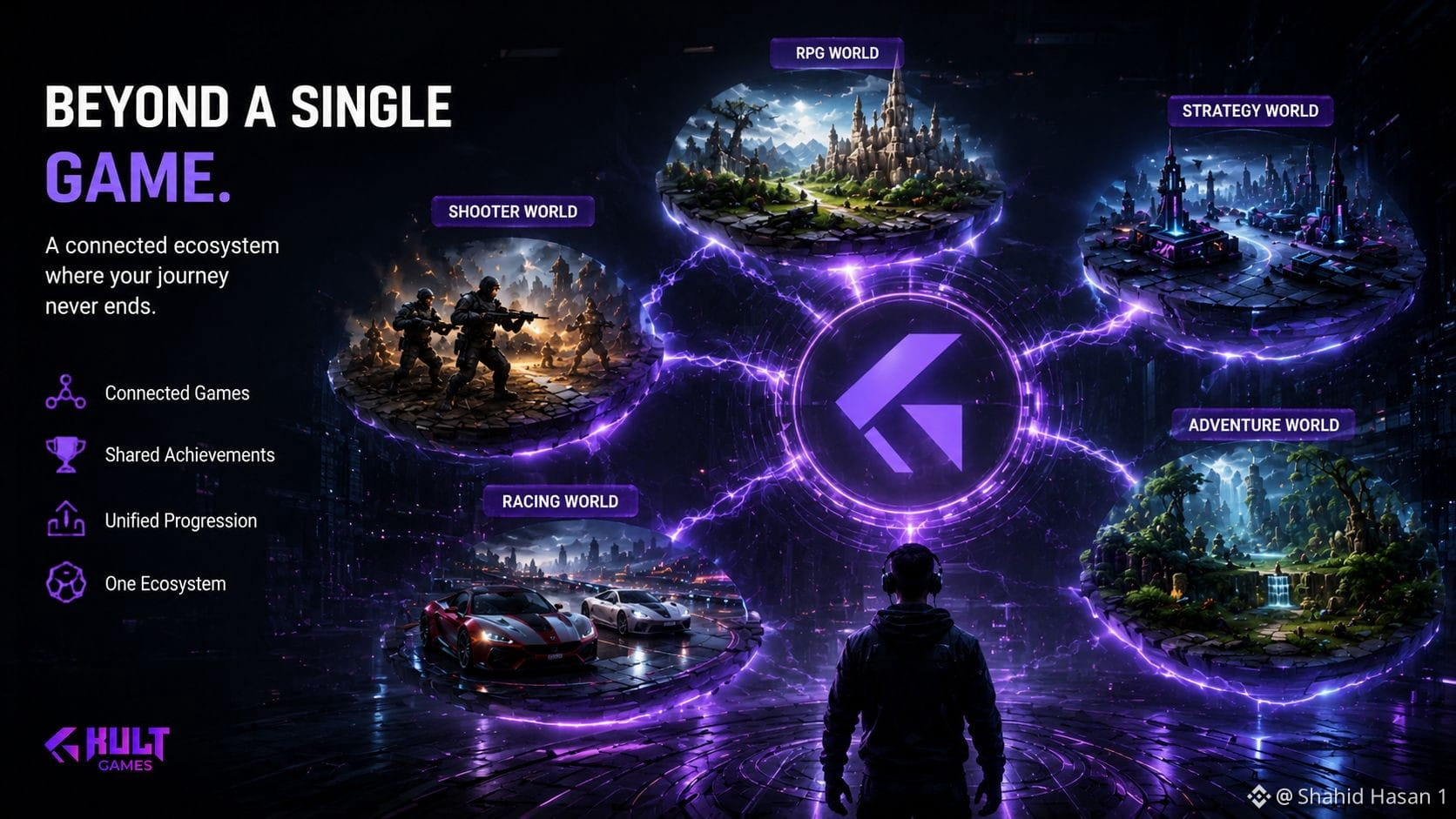
ゲームは年々いくつかの大きな革新を経て進化してきた。
オンラインマルチプレイヤーはプレイヤーの接続性を拡大した。
モバイルゲームはアクセスのしやすさを向上させた。
eスポーツはゲームをグローバルな競技産業に変革した。
今日、もう一つのコンセプトが注目を集めている:インテリジェントゲーム。
そのアイデアは、単にゲームに機能を追加するのではなく、より適応的でパーソナライズされた体験を作り出すことだ。
インテリジェントゲームの潜在的な特徴には以下が含まれる。
• AI駆動のパーソナライズ
• つながったゲームエコシステム
• 経験を超えて進行状況と成果が拡張される
• プレイヤーの行動に影響されるダイナミックなゲームプレイ
プレイヤーの期待が進化し続ける中で、パーソナライズはゲームデザインの重要な要素になるかもしれない。
このトレンドは、静的な体験からより応答的でプレイヤー中心の環境への広範なシフトを強調している。
プロジェクトのような@KultGamesは、インテリジェントゲームや接続されたデジタルエコシステムに関連するコンセプトを探求している。
AI、相互運用性、プレイヤーのアイデンティティが次のゲーム革新のフェーズをどのように形作るかを見るのは興味深いだろう。
$0G #KultGames #インテリジェントゲーム #AIGaming #Web3 #ゲーム
ゲームは年々いくつかの大きな革新を経て進化してきた。
オンラインマルチプレイヤーはプレイヤーの接続性を拡大した。
モバイルゲームはアクセスのしやすさを向上させた。
eスポーツはゲームをグローバルな競技産業に変革した。
今日、もう一つのコンセプトが注目を集めている:インテリジェントゲーム。
そのアイデアは、単にゲームに機能を追加するのではなく、より適応的でパーソナライズされた体験を作り出すことだ。
インテリジェントゲームの潜在的な特徴には以下が含まれる。
• AI駆動のパーソナライズ
• つながったゲームエコシステム
• 経験を超えて進行状況と成果が拡張される
• プレイヤーの行動に影響されるダイナミックなゲームプレイ
プレイヤーの期待が進化し続ける中で、パーソナライズはゲームデザインの重要な要素になるかもしれない。
このトレンドは、静的な体験からより応答的でプレイヤー中心の環境への広範なシフトを強調している。
プロジェクトのような@KultGamesは、インテリジェントゲームや接続されたデジタルエコシステムに関連するコンセプトを探求している。
AI、相互運用性、プレイヤーのアイデンティティが次のゲーム革新のフェーズをどのように形作るかを見るのは興味深いだろう。
$0G #KultGames #インテリジェントゲーム #AIGaming #Web3 #ゲーム
オンラインマルチプレイヤーはプレイヤーの接続性を拡大した。
モバイルゲームはアクセスのしやすさを向上させた。
eスポーツはゲームをグローバルな競技産業に変革した。
今日、もう一つのコンセプトが注目を集めている:インテリジェントゲーム。
そのアイデアは、単にゲームに機能を追加するのではなく、より適応的でパーソナライズされた体験を作り出すことだ。
インテリジェントゲームの潜在的な特徴には以下が含まれる。
• AI駆動のパーソナライズ
• つながったゲームエコシステム
• 経験を超えて進行状況と成果が拡張される
• プレイヤーの行動に影響されるダイナミックなゲームプレイ
プレイヤーの期待が進化し続ける中で、パーソナライズはゲームデザインの重要な要素になるかもしれない。
このトレンドは、静的な体験からより応答的でプレイヤー中心の環境への広範なシフトを強調している。
プロジェクトのような@KultGamesは、インテリジェントゲームや接続されたデジタルエコシステムに関連するコンセプトを探求している。
AI、相互運用性、プレイヤーのアイデンティティが次のゲーム革新のフェーズをどのように形作るかを見るのは興味深いだろう。
$0G #KultGames #インテリジェントゲーム #AIGaming #Web3 #ゲーム

81
人工知能はすでに教育、生産性、コンテンツ作成などの業界を変革しています。
ゲーミングは次に大きな変化を経験するセクターの一つかもしれません。
従来のゲームは通常、固定されたメカニクス、事前定義されたストーリーライン、予測可能な進行システムに基づいて構築されています。
AI駆動のゲームは異なるコンセプトを導入します:
• プレイヤーの行動に適応するゲームプレイ
• 好みに基づいたパーソナライズされた体験
• 時間とともに進化するダイナミックな環境
• 個々の決定によって形作られるユニークなプレイスルー
AI技術が進化し続ける中で、ゲームはこれまで以上に応答性が高く適応的になる可能性があります。
これはプレイヤーのエンゲージメント、パーソナライズ、そして長期的なゲーム体験の未来について興味深い質問を提起します。
すべてのプレイヤーに同じ旅を提供するのではなく、インテリジェントなゲームは、より個別化され進化する体験を作り出すことを目指しています。
@KultGames のようなプロジェクトは、AIとゲームが交差することで新しい形のインタラクティブエンターテイメントを創出する方法を探求しています。
AIが次世代のゲームエコシステムに影響を与え続ける中で、この広範なトレンドは注目に値します。
$0G #KultGames #AIGaming #IntelligentGaming #Web3Gaming #FutureOfGaming
人工知能はすでに教育、生産性、コンテンツ作成などの業界を変革しています。
ゲーミングは次に大きな変化を経験するセクターの一つかもしれません。
従来のゲームは通常、固定されたメカニクス、事前定義されたストーリーライン、予測可能な進行システムに基づいて構築されています。
AI駆動のゲームは異なるコンセプトを導入します:
• プレイヤーの行動に適応するゲームプレイ
• 好みに基づいたパーソナライズされた体験
• 時間とともに進化するダイナミックな環境
• 個々の決定によって形作られるユニークなプレイスルー
AI技術が進化し続ける中で、ゲームはこれまで以上に応答性が高く適応的になる可能性があります。
これはプレイヤーのエンゲージメント、パーソナライズ、そして長期的なゲーム体験の未来について興味深い質問を提起します。
すべてのプレイヤーに同じ旅を提供するのではなく、インテリジェントなゲームは、より個別化され進化する体験を作り出すことを目指しています。
@KultGames のようなプロジェクトは、AIとゲームが交差することで新しい形のインタラクティブエンターテイメントを創出する方法を探求しています。
AIが次世代のゲームエコシステムに影響を与え続ける中で、この広範なトレンドは注目に値します。
$0G #KultGames #AIGaming #IntelligentGaming #Web3Gaming #FutureOfGaming
ゲーミングは次に大きな変化を経験するセクターの一つかもしれません。
従来のゲームは通常、固定されたメカニクス、事前定義されたストーリーライン、予測可能な進行システムに基づいて構築されています。
AI駆動のゲームは異なるコンセプトを導入します:
• プレイヤーの行動に適応するゲームプレイ
• 好みに基づいたパーソナライズされた体験
• 時間とともに進化するダイナミックな環境
• 個々の決定によって形作られるユニークなプレイスルー
AI技術が進化し続ける中で、ゲームはこれまで以上に応答性が高く適応的になる可能性があります。
これはプレイヤーのエンゲージメント、パーソナライズ、そして長期的なゲーム体験の未来について興味深い質問を提起します。
すべてのプレイヤーに同じ旅を提供するのではなく、インテリジェントなゲームは、より個別化され進化する体験を作り出すことを目指しています。
@KultGames のようなプロジェクトは、AIとゲームが交差することで新しい形のインタラクティブエンターテイメントを創出する方法を探求しています。
AIが次世代のゲームエコシステムに影響を与え続ける中で、この広範なトレンドは注目に値します。
$0G #KultGames #AIGaming #IntelligentGaming #Web3Gaming #FutureOfGaming

56
ほとんどの伝統的なゲームは孤立したプレイヤーのアイデンティティを作り出します。
新しいゲームは通常、以下を意味します:
• 新しいアカウント
• 新しいプロフィール
• 進行状況をゼロからスタート
ゲーミングエコシステムが進化するにつれて、興味深い質問が浮かび上がります:
プレイヤーのアイデンティティ、成果、経験が単一のゲームを超えて拡張できるとしたらどうでしょうか?
インテリジェントゲーミングの概念は、次のような可能性を探ります:
• プレイヤーの行動に基づいたAI駆動のパーソナライズ
• 永続的な成果と評判
• 複数のゲーミング環境を横断する接続されたアイデンティティ
各ゲームを別々の体験として扱うのではなく、将来のゲーミングエコシステムはより相互接続され、プレイヤー中心になるかもしれません。
このシフトは、プレイヤーが時間をかけてデジタルアイデンティティを構築し、持続する方法を再定義する可能性があります。
@KultGames のようなプロジェクトは、接続されたゲーミング体験とインテリジェントなプレイヤーアイデンティティに関するアイデアを探求しています。
もはや議論は単にスマートなゲームについてだけではありません。
次世代のデジタルエコシステムにおいて、ゲーミングアイデンティティがどのように進化するかについてもです。
$0G #KultGames #IntelligentGaming #Web3Gaming #AIGaming #GameFi
ほとんどの伝統的なゲームは孤立したプレイヤーのアイデンティティを作り出します。
新しいゲームは通常、以下を意味します:
• 新しいアカウント
• 新しいプロフィール
• 進行状況をゼロからスタート
ゲーミングエコシステムが進化するにつれて、興味深い質問が浮かび上がります:
プレイヤーのアイデンティティ、成果、経験が単一のゲームを超えて拡張できるとしたらどうでしょうか?
インテリジェントゲーミングの概念は、次のような可能性を探ります:
• プレイヤーの行動に基づいたAI駆動のパーソナライズ
• 永続的な成果と評判
• 複数のゲーミング環境を横断する接続されたアイデンティティ
各ゲームを別々の体験として扱うのではなく、将来のゲーミングエコシステムはより相互接続され、プレイヤー中心になるかもしれません。
このシフトは、プレイヤーが時間をかけてデジタルアイデンティティを構築し、持続する方法を再定義する可能性があります。
@KultGames のようなプロジェクトは、接続されたゲーミング体験とインテリジェントなプレイヤーアイデンティティに関するアイデアを探求しています。
もはや議論は単にスマートなゲームについてだけではありません。
次世代のデジタルエコシステムにおいて、ゲーミングアイデンティティがどのように進化するかについてもです。
$0G #KultGames #IntelligentGaming #Web3Gaming #AIGaming #GameFi
新しいゲームは通常、以下を意味します:
• 新しいアカウント
• 新しいプロフィール
• 進行状況をゼロからスタート
ゲーミングエコシステムが進化するにつれて、興味深い質問が浮かび上がります:
プレイヤーのアイデンティティ、成果、経験が単一のゲームを超えて拡張できるとしたらどうでしょうか?
インテリジェントゲーミングの概念は、次のような可能性を探ります:
• プレイヤーの行動に基づいたAI駆動のパーソナライズ
• 永続的な成果と評判
• 複数のゲーミング環境を横断する接続されたアイデンティティ
各ゲームを別々の体験として扱うのではなく、将来のゲーミングエコシステムはより相互接続され、プレイヤー中心になるかもしれません。
このシフトは、プレイヤーが時間をかけてデジタルアイデンティティを構築し、持続する方法を再定義する可能性があります。
@KultGames のようなプロジェクトは、接続されたゲーミング体験とインテリジェントなプレイヤーアイデンティティに関するアイデアを探求しています。
もはや議論は単にスマートなゲームについてだけではありません。
次世代のデジタルエコシステムにおいて、ゲーミングアイデンティティがどのように進化するかについてもです。
$0G #KultGames #IntelligentGaming #Web3Gaming #AIGaming #GameFi

45
ビットコインの保有者の大多数が未実現の損失に陥っているのを見ると、以前のベアマーケットを思い出させるため、恐怖が生まれることが多い。
しかし、マーケットの文脈が重要なんだ。
主要な修正のたびに、保有者の一部が最終的に赤字に移行する。完全なベアマーケットになるかどうかは、その数字ではなく、その後のマーケットの反応によって決まる。
損失が増え始めると、弱い手を持つトレーダーはさらなる下落を避けるために売りに出ることが多い。一方で、長期保有者や機関投資家はキャピテュレーションや潜在的な価値ゾーンを示すサインを待つ傾向がある。
これが恐怖と信念の戦いを生むんだ。
面白いのは、今日のビットコインは2022年とは非常に異なる環境で運用されていることだ。ETFの参加、機関のエクスポージャー、そしてより広範なマーケットの採用が、以前の下落時には存在しなかった新たな需要の源をもたらしている。
それはリスクを排除するわけではないが、マーケットの構造を変えるんだ。
赤の保有者の割合が増えることはストレスの兆候かもしれないが、同時にセンチメントが長期的なファンダメンタルズから乖離する期間を示すこともある。
重要なのは、今日どれだけの保有者が損失を抱えているかではなく、
明日マーケットが信頼を失い続けるかどうかだ。
なぜなら、クリプトでは価格はしばしば先にセンチメントに従い、その後にファンダメンタルズが続くからだ。$BTC
ビットコインの保有者の大多数が未実現の損失に陥っているのを見ると、以前のベアマーケットを思い出させるため、恐怖が生まれることが多い。
しかし、マーケットの文脈が重要なんだ。
主要な修正のたびに、保有者の一部が最終的に赤字に移行する。完全なベアマーケットになるかどうかは、その数字ではなく、その後のマーケットの反応によって決まる。
損失が増え始めると、弱い手を持つトレーダーはさらなる下落を避けるために売りに出ることが多い。一方で、長期保有者や機関投資家はキャピテュレーションや潜在的な価値ゾーンを示すサインを待つ傾向がある。
これが恐怖と信念の戦いを生むんだ。
面白いのは、今日のビットコインは2022年とは非常に異なる環境で運用されていることだ。ETFの参加、機関のエクスポージャー、そしてより広範なマーケットの採用が、以前の下落時には存在しなかった新たな需要の源をもたらしている。
それはリスクを排除するわけではないが、マーケットの構造を変えるんだ。
赤の保有者の割合が増えることはストレスの兆候かもしれないが、同時にセンチメントが長期的なファンダメンタルズから乖離する期間を示すこともある。
重要なのは、今日どれだけの保有者が損失を抱えているかではなく、
明日マーケットが信頼を失い続けるかどうかだ。
なぜなら、クリプトでは価格はしばしば先にセンチメントに従い、その後にファンダメンタルズが続くからだ。$BTC
しかし、マーケットの文脈が重要なんだ。
主要な修正のたびに、保有者の一部が最終的に赤字に移行する。完全なベアマーケットになるかどうかは、その数字ではなく、その後のマーケットの反応によって決まる。
損失が増え始めると、弱い手を持つトレーダーはさらなる下落を避けるために売りに出ることが多い。一方で、長期保有者や機関投資家はキャピテュレーションや潜在的な価値ゾーンを示すサインを待つ傾向がある。
これが恐怖と信念の戦いを生むんだ。
面白いのは、今日のビットコインは2022年とは非常に異なる環境で運用されていることだ。ETFの参加、機関のエクスポージャー、そしてより広範なマーケットの採用が、以前の下落時には存在しなかった新たな需要の源をもたらしている。
それはリスクを排除するわけではないが、マーケットの構造を変えるんだ。
赤の保有者の割合が増えることはストレスの兆候かもしれないが、同時にセンチメントが長期的なファンダメンタルズから乖離する期間を示すこともある。
重要なのは、今日どれだけの保有者が損失を抱えているかではなく、
明日マーケットが信頼を失い続けるかどうかだ。
なぜなら、クリプトでは価格はしばしば先にセンチメントに従い、その後にファンダメンタルズが続くからだ。$BTC
51
ビットコインを複数の市場サイクルを通じてホールドしていることで知られる誰かが売却することに決めた時、市場は自然に注目します。
しかし、興味深いのは売却そのものではなく、そのタイミングです。
多くの投資家は、何年も蓄積した後の売却は信頼の喪失を意味すると考えがちです。実際、大口ホルダーは、長期的な見通しの変化ではなく、流動性のニーズ、ポートフォリオ管理、リスク管理、または戦略的計画に基づいて意思決定を行うことがよくあります。
市場はこれらのヘッドラインに感情的に反応する傾向があり、馴染みのあるナラティブ:買って、ホールドし、決して売らないことに挑戦します。
しかし、成熟した投資家は絶対的に行動することは滅多にありません。
$BTC に強く信じている人でさえ、不確実性の期間中にエクスポージャーを減らしたり、重要な利益の後にポジションをリバランスしたり、将来の機会に備えたりすることを選ぶことがあります。
この状況を特に興味深くしているのは、市場の引き戻しに近い時期に発生したことです。
これは、売却が弱さを予期していたのか、単にボラティリティが増加する前に発生したのかについての憶測を生むことになります。
実際、1つの取引がビットコインのような大きな市場の方向性を定義することはめったにありません。
重要なのは、売却後に市場がどのように反応するかです。
需要が強く、流動性が供給を吸収すれば、そのイベントは脚注となります。もしセンチメントが弱まり、売却圧力が広がるなら、それはより大きなナラティブのシフトの一部になる可能性があります。
最終的に、大口ホルダーはセンチメントに影響を与えることができますが、長期的な市場の方向性は通常、供給、需要、およびエコシステム全体の信頼のバランスによって決まります。
ビットコインを複数の市場サイクルを通じてホールドしていることで知られる誰かが売却することに決めた時、市場は自然に注目します。
しかし、興味深いのは売却そのものではなく、そのタイミングです。
多くの投資家は、何年も蓄積した後の売却は信頼の喪失を意味すると考えがちです。実際、大口ホルダーは、長期的な見通しの変化ではなく、流動性のニーズ、ポートフォリオ管理、リスク管理、または戦略的計画に基づいて意思決定を行うことがよくあります。
市場はこれらのヘッドラインに感情的に反応する傾向があり、馴染みのあるナラティブ:買って、ホールドし、決して売らないことに挑戦します。
しかし、成熟した投資家は絶対的に行動することは滅多にありません。
$BTC に強く信じている人でさえ、不確実性の期間中にエクスポージャーを減らしたり、重要な利益の後にポジションをリバランスしたり、将来の機会に備えたりすることを選ぶことがあります。
この状況を特に興味深くしているのは、市場の引き戻しに近い時期に発生したことです。
これは、売却が弱さを予期していたのか、単にボラティリティが増加する前に発生したのかについての憶測を生むことになります。
実際、1つの取引がビットコインのような大きな市場の方向性を定義することはめったにありません。
重要なのは、売却後に市場がどのように反応するかです。
需要が強く、流動性が供給を吸収すれば、そのイベントは脚注となります。もしセンチメントが弱まり、売却圧力が広がるなら、それはより大きなナラティブのシフトの一部になる可能性があります。
最終的に、大口ホルダーはセンチメントに影響を与えることができますが、長期的な市場の方向性は通常、供給、需要、およびエコシステム全体の信頼のバランスによって決まります。
しかし、興味深いのは売却そのものではなく、そのタイミングです。
多くの投資家は、何年も蓄積した後の売却は信頼の喪失を意味すると考えがちです。実際、大口ホルダーは、長期的な見通しの変化ではなく、流動性のニーズ、ポートフォリオ管理、リスク管理、または戦略的計画に基づいて意思決定を行うことがよくあります。
市場はこれらのヘッドラインに感情的に反応する傾向があり、馴染みのあるナラティブ:買って、ホールドし、決して売らないことに挑戦します。
しかし、成熟した投資家は絶対的に行動することは滅多にありません。
$BTC に強く信じている人でさえ、不確実性の期間中にエクスポージャーを減らしたり、重要な利益の後にポジションをリバランスしたり、将来の機会に備えたりすることを選ぶことがあります。
この状況を特に興味深くしているのは、市場の引き戻しに近い時期に発生したことです。
これは、売却が弱さを予期していたのか、単にボラティリティが増加する前に発生したのかについての憶測を生むことになります。
実際、1つの取引がビットコインのような大きな市場の方向性を定義することはめったにありません。
重要なのは、売却後に市場がどのように反応するかです。
需要が強く、流動性が供給を吸収すれば、そのイベントは脚注となります。もしセンチメントが弱まり、売却圧力が広がるなら、それはより大きなナラティブのシフトの一部になる可能性があります。
最終的に、大口ホルダーはセンチメントに影響を与えることができますが、長期的な市場の方向性は通常、供給、需要、およびエコシステム全体の信頼のバランスによって決まります。
71
私の見解では、$BTC と $SPACEX は、市場が物語主導の資産の新しい時代に突入しているのでしょうか?
SpaceX関連の資産が潜在的なIPOの前に注目を集めるというアイデアは、暗号市場における物語がどれほど早く進化するかを強調しています。
これが興味深いのは、上場そのものだけでなく、イーロン・マスクとマイケル・セイラーのような人物との比較が行われている点です。彼らは、長期的な信念と公的影響力を通じて、物語を市場のモメンタムに変える手助けをしました。
暗号市場では、認識はしばしばファンダメンタルズと同じくらい早く動きます。
強力な個性、テクノロジーブランド、そして投機的資本が組み合わさると、注目がそれらの物語に関連するエコシステムや資産に急速に移動することがあります。
同時に、物語主導のモメンタムは必ずしも持続可能な価値に変わるわけではありません。
市場は、実際の採用やユーティリティが明確になるずっと前から、関連性、ブランディング、そして将来の期待に対して攻撃的に反応することがよくあります。
そのため、この状況は従来の上場イベントのように感じられず、現代市場における物語資本の強さを試すテストのように思えます。
現在のところ、大きなストーリーは「次のセイラー」になるかどうかではなく、公共の信念とブランディングが流動性や投資家行動を形成する上でどれほど影響力を持つようになっているかです。
私の見解では、$BTC と $SPACEX は、市場が物語主導の資産の新しい時代に突入しているのでしょうか?
SpaceX関連の資産が潜在的なIPOの前に注目を集めるというアイデアは、暗号市場における物語がどれほど早く進化するかを強調しています。
これが興味深いのは、上場そのものだけでなく、イーロン・マスクとマイケル・セイラーのような人物との比較が行われている点です。彼らは、長期的な信念と公的影響力を通じて、物語を市場のモメンタムに変える手助けをしました。
暗号市場では、認識はしばしばファンダメンタルズと同じくらい早く動きます。
強力な個性、テクノロジーブランド、そして投機的資本が組み合わさると、注目がそれらの物語に関連するエコシステムや資産に急速に移動することがあります。
同時に、物語主導のモメンタムは必ずしも持続可能な価値に変わるわけではありません。
市場は、実際の採用やユーティリティが明確になるずっと前から、関連性、ブランディング、そして将来の期待に対して攻撃的に反応することがよくあります。
そのため、この状況は従来の上場イベントのように感じられず、現代市場における物語資本の強さを試すテストのように思えます。
現在のところ、大きなストーリーは「次のセイラー」になるかどうかではなく、公共の信念とブランディングが流動性や投資家行動を形成する上でどれほど影響力を持つようになっているかです。
SpaceX関連の資産が潜在的なIPOの前に注目を集めるというアイデアは、暗号市場における物語がどれほど早く進化するかを強調しています。
これが興味深いのは、上場そのものだけでなく、イーロン・マスクとマイケル・セイラーのような人物との比較が行われている点です。彼らは、長期的な信念と公的影響力を通じて、物語を市場のモメンタムに変える手助けをしました。
暗号市場では、認識はしばしばファンダメンタルズと同じくらい早く動きます。
強力な個性、テクノロジーブランド、そして投機的資本が組み合わさると、注目がそれらの物語に関連するエコシステムや資産に急速に移動することがあります。
同時に、物語主導のモメンタムは必ずしも持続可能な価値に変わるわけではありません。
市場は、実際の採用やユーティリティが明確になるずっと前から、関連性、ブランディング、そして将来の期待に対して攻撃的に反応することがよくあります。
そのため、この状況は従来の上場イベントのように感じられず、現代市場における物語資本の強さを試すテストのように思えます。
現在のところ、大きなストーリーは「次のセイラー」になるかどうかではなく、公共の信念とブランディングが流動性や投資家行動を形成する上でどれほど影響力を持つようになっているかです。
1
452
BTCピザデーは通常、ビットコインの歴史に注目が集まりますが、今回はアルトコインにスポットライトが移っているようです。
$BTCが主要なレベル付近で減速する中、市場の一部は高リスク・高ボラティリティのエコシステムにシフトし始めています。そこがトレーダーたちがより強い上昇ポテンシャルを探し始める場所です。
このフェーズを興味深くするのは、異なるアルトコインがまったく異なる理由で動いていることです。
いくつかはエコシステムの成長から勢いを得ています。
他はAIのナラティブ、DeFiの活動、ゲーム、または新たな流動性の流入からです。
しかし、すべてのラリーが持続可能なトレンドに変わるわけではありません。
大抵のサイクルでは、パフォーマンスを持続するアルトコインは、ハイプが消えた後も実際の活動を引き続き引き付けるもので、ユーザー、開発者、流動性、そして継続的なオンチェーングロースが必要です。
現在、市場は「アルトコインが動くかどうか」よりも、どのナラティブが実際に長期的に注意を維持できるかに焦点を当てているようです。
だからこそ、このフェーズが重要になるのです。
ローテーションフェーズは、次の投機の波と潜在的な長期成長がどこで始まるのかを明らかにすることがよくあります。
BTCピザデーは通常、ビットコインの歴史に注目が集まりますが、今回はアルトコインにスポットライトが移っているようです。
$BTCが主要なレベル付近で減速する中、市場の一部は高リスク・高ボラティリティのエコシステムにシフトし始めています。そこがトレーダーたちがより強い上昇ポテンシャルを探し始める場所です。
このフェーズを興味深くするのは、異なるアルトコインがまったく異なる理由で動いていることです。
いくつかはエコシステムの成長から勢いを得ています。
他はAIのナラティブ、DeFiの活動、ゲーム、または新たな流動性の流入からです。
しかし、すべてのラリーが持続可能なトレンドに変わるわけではありません。
大抵のサイクルでは、パフォーマンスを持続するアルトコインは、ハイプが消えた後も実際の活動を引き続き引き付けるもので、ユーザー、開発者、流動性、そして継続的なオンチェーングロースが必要です。
現在、市場は「アルトコインが動くかどうか」よりも、どのナラティブが実際に長期的に注意を維持できるかに焦点を当てているようです。
だからこそ、このフェーズが重要になるのです。
ローテーションフェーズは、次の投機の波と潜在的な長期成長がどこで始まるのかを明らかにすることがよくあります。
$BTCが主要なレベル付近で減速する中、市場の一部は高リスク・高ボラティリティのエコシステムにシフトし始めています。そこがトレーダーたちがより強い上昇ポテンシャルを探し始める場所です。
このフェーズを興味深くするのは、異なるアルトコインがまったく異なる理由で動いていることです。
いくつかはエコシステムの成長から勢いを得ています。
他はAIのナラティブ、DeFiの活動、ゲーム、または新たな流動性の流入からです。
しかし、すべてのラリーが持続可能なトレンドに変わるわけではありません。
大抵のサイクルでは、パフォーマンスを持続するアルトコインは、ハイプが消えた後も実際の活動を引き続き引き付けるもので、ユーザー、開発者、流動性、そして継続的なオンチェーングロースが必要です。
現在、市場は「アルトコインが動くかどうか」よりも、どのナラティブが実際に長期的に注意を維持できるかに焦点を当てているようです。
だからこそ、このフェーズが重要になるのです。
ローテーションフェーズは、次の投機の波と潜在的な長期成長がどこで始まるのかを明らかにすることがよくあります。
74
CLARITY法案は、規制がもはや遠い問題ではなく、市場構造そのものの一部になりつつあるため、複数の暗号エコシステムに注目を集め始めています。これが以前の規制の議論と異なる点は、デジタル資産が実際にどのように分類され、扱われるべきかを定義することに焦点を当てていることです。これは、より明確なルールが機関、取引所、開発者が市場とどのように関わるかを変える可能性があるため、重要です。いくつかのエコシステムにとっては、不確実性を減少させ、長期的な信頼を向上させることができるかもしれません。他のエコシステムにとっては、資本がより持続可能または規制に優しいと見なされるプロジェクトに流れ始めることで競争が激化するかもしれません。同時に、規制は瞬時に勝者を生むことは稀です。市場は通常、まずストーリーを通じて、次に流動性を通じて、最終的には採用を通じて反応します。これが、CLARITY法案のより大きな影響が短期的な価格アクションではなく、時間をかけて主要な暗号エコシステム全体におけるポジショニングを再形成する方法である理由です。結局のところ、規制は単にコンプライアンスに影響を与えるだけではありません。信頼、流動性、長期的な資本がどこに落ち着くかにも影響を与えます。
CLARITY法案は、規制がもはや遠い問題ではなく、市場構造そのものの一部になりつつあるため、複数の暗号エコシステムに注目を集め始めています。これが以前の規制の議論と異なる点は、デジタル資産が実際にどのように分類され、扱われるべきかを定義することに焦点を当てていることです。これは、より明確なルールが機関、取引所、開発者が市場とどのように関わるかを変える可能性があるため、重要です。いくつかのエコシステムにとっては、不確実性を減少させ、長期的な信頼を向上させることができるかもしれません。他のエコシステムにとっては、資本がより持続可能または規制に優しいと見なされるプロジェクトに流れ始めることで競争が激化するかもしれません。同時に、規制は瞬時に勝者を生むことは稀です。市場は通常、まずストーリーを通じて、次に流動性を通じて、最終的には採用を通じて反応します。これが、CLARITY法案のより大きな影響が短期的な価格アクションではなく、時間をかけて主要な暗号エコシステム全体におけるポジショニングを再形成する方法である理由です。結局のところ、規制は単にコンプライアンスに影響を与えるだけではありません。信頼、流動性、長期的な資本がどこに落ち着くかにも影響を与えます。
71
すべてのサイクルで、ビットコインは最終的に市場がほぼ何よりも注視する1つのレベル、200週移動平均に戻ります。
現在、ベアが再び61Kゾーンを指し示しているため、「BTCはどこまで上がるのか?」から「本当の長期サポートはどこから始まるのか?」という会話にシフトしています。
200W MAが重要なのは、その歴史にあります。
前のサイクルでは、このレベルはしばしば主要なリセットゾーンとして機能しました — 技術的にだけでなく、心理的にも。ここがパニックが通常ピークに達し、長期的な買い手が再登場し、市場が価値を再定義し始める場所です。
しかし、$BTCの周囲の構造は今や異なります。
スポットETF、機関投資家のエクスポージャー、そして供給の循環が厳しくなったことで、市場の反応が以前のサイクルとは異なってきました。つまり、200W MAに向かう動きが必ずしも過去のベアマーケットで見られたような同じタイプの崩壊を意味するわけではありません。
代わりに、それは信念のストレステストを表すかもしれません。
価格がそのレベルに近づきながら需要が活発であれば、市場はそれを弱さではなく長期的な価値として解釈する可能性があります。しかし、流動性が枯渇し、マクロ圧力が高まると、サポートゾーンを守るのがはるかに難しくなります。
興味深いのは、主要な市場のボトムはリアルタイムではほとんど安全だと感じられないことです。
そして、それこそが200W MAのようなレベルが重要であり続ける理由です。なぜなら、それらは反転を保証するのではなく、長期的な需要が実際にどれほど強いかを明らかにするからです。
すべてのサイクルで、ビットコインは最終的に市場がほぼ何よりも注視する1つのレベル、200週移動平均に戻ります。
現在、ベアが再び61Kゾーンを指し示しているため、「BTCはどこまで上がるのか?」から「本当の長期サポートはどこから始まるのか?」という会話にシフトしています。
200W MAが重要なのは、その歴史にあります。
前のサイクルでは、このレベルはしばしば主要なリセットゾーンとして機能しました — 技術的にだけでなく、心理的にも。ここがパニックが通常ピークに達し、長期的な買い手が再登場し、市場が価値を再定義し始める場所です。
しかし、$BTCの周囲の構造は今や異なります。
スポットETF、機関投資家のエクスポージャー、そして供給の循環が厳しくなったことで、市場の反応が以前のサイクルとは異なってきました。つまり、200W MAに向かう動きが必ずしも過去のベアマーケットで見られたような同じタイプの崩壊を意味するわけではありません。
代わりに、それは信念のストレステストを表すかもしれません。
価格がそのレベルに近づきながら需要が活発であれば、市場はそれを弱さではなく長期的な価値として解釈する可能性があります。しかし、流動性が枯渇し、マクロ圧力が高まると、サポートゾーンを守るのがはるかに難しくなります。
興味深いのは、主要な市場のボトムはリアルタイムではほとんど安全だと感じられないことです。
そして、それこそが200W MAのようなレベルが重要であり続ける理由です。なぜなら、それらは反転を保証するのではなく、長期的な需要が実際にどれほど強いかを明らかにするからです。
現在、ベアが再び61Kゾーンを指し示しているため、「BTCはどこまで上がるのか?」から「本当の長期サポートはどこから始まるのか?」という会話にシフトしています。
200W MAが重要なのは、その歴史にあります。
前のサイクルでは、このレベルはしばしば主要なリセットゾーンとして機能しました — 技術的にだけでなく、心理的にも。ここがパニックが通常ピークに達し、長期的な買い手が再登場し、市場が価値を再定義し始める場所です。
しかし、$BTCの周囲の構造は今や異なります。
スポットETF、機関投資家のエクスポージャー、そして供給の循環が厳しくなったことで、市場の反応が以前のサイクルとは異なってきました。つまり、200W MAに向かう動きが必ずしも過去のベアマーケットで見られたような同じタイプの崩壊を意味するわけではありません。
代わりに、それは信念のストレステストを表すかもしれません。
価格がそのレベルに近づきながら需要が活発であれば、市場はそれを弱さではなく長期的な価値として解釈する可能性があります。しかし、流動性が枯渇し、マクロ圧力が高まると、サポートゾーンを守るのがはるかに難しくなります。
興味深いのは、主要な市場のボトムはリアルタイムではほとんど安全だと感じられないことです。
そして、それこそが200W MAのようなレベルが重要であり続ける理由です。なぜなら、それらは反転を保証するのではなく、長期的な需要が実際にどれほど強いかを明らかにするからです。
2
468
ビットコインの歴史的な構造は常に注目を集めています。なぜなら、大きなラリーは長い統合と蓄積のフェーズの後にしばしば現れるからです。
現在、一部のアナリストは再び現在の市場行動を過去のサイクルパターンと比較しており、それが最終的に新たな史上最高値につながる可能性があります。
このストーリーを興味深くするのは、単なる価格目標だけではなく、その背後にある確率論です。
歴史的なサイクル行動が繰り返されるなら、ビットコインはまだ一つのサイクルの終わりに近いのではなく、より広い拡大フェーズにいる可能性があります。
とはいえ、サイクル分析は決して完璧ではありません。
マクロ条件、ETFフロー、機関投資家の参加、そしてグローバルな流動性は現在、$BTC に以前のサイクルよりもはるかに影響を与えています。つまり、歴史的なパターンは依然として重要ですが、もはや孤立して機能するわけではありません。
市場は期待に基づいて動くようになっています。
強気な予測が強くなるほど、モメンタムが減速するときに価格アクションはより敏感になります。
それでも、長期的な構造は暗号市場で最も注目されるシグナルの一つであり、大きなブレイクアウトはしばしばセンチメントが混在し、確信が低い時期に始まります。
現在、より大きな疑問は、160Kのようなターゲットが現実的に聞こえるかどうかではなく、$BTC のための別の完全な拡大サイクルを支えることができるかどうかです。
ビットコインの歴史的な構造は常に注目を集めています。なぜなら、大きなラリーは長い統合と蓄積のフェーズの後にしばしば現れるからです。
現在、一部のアナリストは再び現在の市場行動を過去のサイクルパターンと比較しており、それが最終的に新たな史上最高値につながる可能性があります。
このストーリーを興味深くするのは、単なる価格目標だけではなく、その背後にある確率論です。
歴史的なサイクル行動が繰り返されるなら、ビットコインはまだ一つのサイクルの終わりに近いのではなく、より広い拡大フェーズにいる可能性があります。
とはいえ、サイクル分析は決して完璧ではありません。
マクロ条件、ETFフロー、機関投資家の参加、そしてグローバルな流動性は現在、$BTC に以前のサイクルよりもはるかに影響を与えています。つまり、歴史的なパターンは依然として重要ですが、もはや孤立して機能するわけではありません。
市場は期待に基づいて動くようになっています。
強気な予測が強くなるほど、モメンタムが減速するときに価格アクションはより敏感になります。
それでも、長期的な構造は暗号市場で最も注目されるシグナルの一つであり、大きなブレイクアウトはしばしばセンチメントが混在し、確信が低い時期に始まります。
現在、より大きな疑問は、160Kのようなターゲットが現実的に聞こえるかどうかではなく、$BTC のための別の完全な拡大サイクルを支えることができるかどうかです。
現在、一部のアナリストは再び現在の市場行動を過去のサイクルパターンと比較しており、それが最終的に新たな史上最高値につながる可能性があります。
このストーリーを興味深くするのは、単なる価格目標だけではなく、その背後にある確率論です。
歴史的なサイクル行動が繰り返されるなら、ビットコインはまだ一つのサイクルの終わりに近いのではなく、より広い拡大フェーズにいる可能性があります。
とはいえ、サイクル分析は決して完璧ではありません。
マクロ条件、ETFフロー、機関投資家の参加、そしてグローバルな流動性は現在、$BTC に以前のサイクルよりもはるかに影響を与えています。つまり、歴史的なパターンは依然として重要ですが、もはや孤立して機能するわけではありません。
市場は期待に基づいて動くようになっています。
強気な予測が強くなるほど、モメンタムが減速するときに価格アクションはより敏感になります。
それでも、長期的な構造は暗号市場で最も注目されるシグナルの一つであり、大きなブレイクアウトはしばしばセンチメントが混在し、確信が低い時期に始まります。
現在、より大きな疑問は、160Kのようなターゲットが現実的に聞こえるかどうかではなく、$BTC のための別の完全な拡大サイクルを支えることができるかどうかです。
1
2
546
私の見解:$BTC → なぜETFの流出が短期的な価格下落より重要なのか
ビットコインは、1月以来の最大のETF流出波に反応しており、これはただのボラティリティ以上のものを反映しています。それは資本行動の変化を示しています。
ETFの流入は、このサイクルにおける機関投資家のポジショニングを示す最も明確なシグナルの一つになっています。流入が増えると、市場はしばしばそれを長期的な信頼として解釈します。しかし、大きな流出が現れると、センチメントは非常に迅速に変化する可能性があります。
この状況が興味深いのは、価格の弱さがスポットETF商品の資本流出と同時に発生していることです。
それは二つの重要な質問を生み出します:
これは単に強い上昇後の利益確定に過ぎないのか?
それとも機関投資家の需要が減少し始めているのか?
前のフェーズでは、ETFの需要が$BTCの主要なサポート層として機能しました。強い流入は売り圧力を吸収し、不確実な期間中にモメンタムを安定させるのを助けました。
現在、市場は逆のシナリオをテストしています。
流出が続く一方で流動性がタイトなままだと、BTCは重要なレベル付近でより強い圧力に直面する可能性があります。しかし、市場がこれらの流出を主要な崩壊なしに吸収できれば、基礎需要が予想よりも強いことを示すかもしれません。
だからこそ、ETFデータが今非常に重要です。
価格の動きは反応を示し、
ETFの流れは信念を示します。
現在、市場はこれが一時的なリセットなのか、より広範なポジショニングの変化の始まりなのかを注意深く見守っています。
私の見解:$BTC → なぜETFの流出が短期的な価格下落より重要なのか
ビットコインは、1月以来の最大のETF流出波に反応しており、これはただのボラティリティ以上のものを反映しています。それは資本行動の変化を示しています。
ETFの流入は、このサイクルにおける機関投資家のポジショニングを示す最も明確なシグナルの一つになっています。流入が増えると、市場はしばしばそれを長期的な信頼として解釈します。しかし、大きな流出が現れると、センチメントは非常に迅速に変化する可能性があります。
この状況が興味深いのは、価格の弱さがスポットETF商品の資本流出と同時に発生していることです。
それは二つの重要な質問を生み出します:
これは単に強い上昇後の利益確定に過ぎないのか?
それとも機関投資家の需要が減少し始めているのか?
前のフェーズでは、ETFの需要が$BTCの主要なサポート層として機能しました。強い流入は売り圧力を吸収し、不確実な期間中にモメンタムを安定させるのを助けました。
現在、市場は逆のシナリオをテストしています。
流出が続く一方で流動性がタイトなままだと、BTCは重要なレベル付近でより強い圧力に直面する可能性があります。しかし、市場がこれらの流出を主要な崩壊なしに吸収できれば、基礎需要が予想よりも強いことを示すかもしれません。
だからこそ、ETFデータが今非常に重要です。
価格の動きは反応を示し、
ETFの流れは信念を示します。
現在、市場はこれが一時的なリセットなのか、より広範なポジショニングの変化の始まりなのかを注意深く見守っています。
ビットコインは、1月以来の最大のETF流出波に反応しており、これはただのボラティリティ以上のものを反映しています。それは資本行動の変化を示しています。
ETFの流入は、このサイクルにおける機関投資家のポジショニングを示す最も明確なシグナルの一つになっています。流入が増えると、市場はしばしばそれを長期的な信頼として解釈します。しかし、大きな流出が現れると、センチメントは非常に迅速に変化する可能性があります。
この状況が興味深いのは、価格の弱さがスポットETF商品の資本流出と同時に発生していることです。
それは二つの重要な質問を生み出します:
これは単に強い上昇後の利益確定に過ぎないのか?
それとも機関投資家の需要が減少し始めているのか?
前のフェーズでは、ETFの需要が$BTCの主要なサポート層として機能しました。強い流入は売り圧力を吸収し、不確実な期間中にモメンタムを安定させるのを助けました。
現在、市場は逆のシナリオをテストしています。
流出が続く一方で流動性がタイトなままだと、BTCは重要なレベル付近でより強い圧力に直面する可能性があります。しかし、市場がこれらの流出を主要な崩壊なしに吸収できれば、基礎需要が予想よりも強いことを示すかもしれません。
だからこそ、ETFデータが今非常に重要です。
価格の動きは反応を示し、
ETFの流れは信念を示します。
現在、市場はこれが一時的なリセットなのか、より広範なポジショニングの変化の始まりなのかを注意深く見守っています。
1
2
534
私の暗号規制に関する見解 → CLARITY法案がマーケットポジショニングを再構築する可能性 CLARITY法案は、単一のプロジェクトを超えて影響を及ぼすため、その規制に関する議論の中で最も注目されているものの一つになっています。 これまでの執行にのみ焦点を当てたナラティブとは異なり、今回の議論は、分類、構造、そして今後さまざまな暗号資産がどのように扱われるかについてです。 だからこそ、より明確な規制ポジショニングから利益を得る可能性のあるトークンに注目が集まっています。 一部のエコシステムは、機関投資家の信頼が向上することで利益を得るかもしれません。他のエコシステムは、取引所リスティング、流動性アクセス、または長期的な開発に関する不確実性の低減から恩恵を受けるかもしれません。 面白いのは、規制がすべての資産に均等に影響を与えないことです。 強力なインフラ、アクティブなエコシステム、広範な採用を持つ大型ネットワークは、小規模な投機的プロジェクトとは非常に異なる反応を示すかもしれません。同時に、より明確なルールは、資本がよりコンプライアントまたは機関投資家に魅力的と見なされる資産に流れ込むことで、エコシステム間の競争を加速させる可能性もあります。 これにより、規制は単なる法律の話ではなく、市場構造の触媒となるのです。 現在、注目すべき大きなストーリーは、どのトークンが最初にポンプするかではなく、規制の明確さが時間とともに実際に改善された場合、どのエコシステムが最も恩恵を受けるポジションにいるかです。
私の暗号規制に関する見解 → CLARITY法案がマーケットポジショニングを再構築する可能性 CLARITY法案は、単一のプロジェクトを超えて影響を及ぼすため、その規制に関する議論の中で最も注目されているものの一つになっています。 これまでの執行にのみ焦点を当てたナラティブとは異なり、今回の議論は、分類、構造、そして今後さまざまな暗号資産がどのように扱われるかについてです。 だからこそ、より明確な規制ポジショニングから利益を得る可能性のあるトークンに注目が集まっています。 一部のエコシステムは、機関投資家の信頼が向上することで利益を得るかもしれません。他のエコシステムは、取引所リスティング、流動性アクセス、または長期的な開発に関する不確実性の低減から恩恵を受けるかもしれません。 面白いのは、規制がすべての資産に均等に影響を与えないことです。 強力なインフラ、アクティブなエコシステム、広範な採用を持つ大型ネットワークは、小規模な投機的プロジェクトとは非常に異なる反応を示すかもしれません。同時に、より明確なルールは、資本がよりコンプライアントまたは機関投資家に魅力的と見なされる資産に流れ込むことで、エコシステム間の競争を加速させる可能性もあります。 これにより、規制は単なる法律の話ではなく、市場構造の触媒となるのです。 現在、注目すべき大きなストーリーは、どのトークンが最初にポンプするかではなく、規制の明確さが時間とともに実際に改善された場合、どのエコシステムが最も恩恵を受けるポジションにいるかです。
2
1
568
私の見解:$BTC について → 大口ホルダーからの潜在的な売りが本当に市場に影響を与えるのか?
大口のビットコインホルダーが売却の可能性をほのめかすと、市場は迅速に反応しますが、それは必ずしも実際の売り圧力によるものではなく、感情に与える影響によるものです。
大量の $BTC を保有している大手企業は、市場心理に自然に影響を与えます。エクスポージャーを減らすことについての議論さえ、特に機関の行動を注意深く見守る小口投資家の間で不確実性を生むことがあります。
しかし、「売るためのアクセス」と「アクティブな分配」の間には重要な区別があります。
多くの場合、大口ホルダーは市場構造に即座に影響を与えることなく、財務管理、流動性のアクセス、または戦略的ポジショニングのための柔軟性を維持しています。
重要なのは、潜在的な供給が実際に出現した場合、市場がそれを吸収できるかどうかです。
現在、ETFを通じた機関の需要や長期ホルダーが市場圧力のバランスを取る上で重要な役割を果たし続けています。だから、孤立したヘッドラインが必ずしも持続的な下落に繋がるわけではありません。
同時に、供給が少数の手に移るにつれて、集中リスクは現実的なテーマとして残ります。
重要なのは、1人の潜在的な売り手についてではなく、機関の参加が増えるにつれて $BTC の市場がどれだけ強靭になったかです。
私の見解:$BTC について → 大口ホルダーからの潜在的な売りが本当に市場に影響を与えるのか?
大口のビットコインホルダーが売却の可能性をほのめかすと、市場は迅速に反応しますが、それは必ずしも実際の売り圧力によるものではなく、感情に与える影響によるものです。
大量の $BTC を保有している大手企業は、市場心理に自然に影響を与えます。エクスポージャーを減らすことについての議論さえ、特に機関の行動を注意深く見守る小口投資家の間で不確実性を生むことがあります。
しかし、「売るためのアクセス」と「アクティブな分配」の間には重要な区別があります。
多くの場合、大口ホルダーは市場構造に即座に影響を与えることなく、財務管理、流動性のアクセス、または戦略的ポジショニングのための柔軟性を維持しています。
重要なのは、潜在的な供給が実際に出現した場合、市場がそれを吸収できるかどうかです。
現在、ETFを通じた機関の需要や長期ホルダーが市場圧力のバランスを取る上で重要な役割を果たし続けています。だから、孤立したヘッドラインが必ずしも持続的な下落に繋がるわけではありません。
同時に、供給が少数の手に移るにつれて、集中リスクは現実的なテーマとして残ります。
重要なのは、1人の潜在的な売り手についてではなく、機関の参加が増えるにつれて $BTC の市場がどれだけ強靭になったかです。
大口のビットコインホルダーが売却の可能性をほのめかすと、市場は迅速に反応しますが、それは必ずしも実際の売り圧力によるものではなく、感情に与える影響によるものです。
大量の $BTC を保有している大手企業は、市場心理に自然に影響を与えます。エクスポージャーを減らすことについての議論さえ、特に機関の行動を注意深く見守る小口投資家の間で不確実性を生むことがあります。
しかし、「売るためのアクセス」と「アクティブな分配」の間には重要な区別があります。
多くの場合、大口ホルダーは市場構造に即座に影響を与えることなく、財務管理、流動性のアクセス、または戦略的ポジショニングのための柔軟性を維持しています。
重要なのは、潜在的な供給が実際に出現した場合、市場がそれを吸収できるかどうかです。
現在、ETFを通じた機関の需要や長期ホルダーが市場圧力のバランスを取る上で重要な役割を果たし続けています。だから、孤立したヘッドラインが必ずしも持続的な下落に繋がるわけではありません。
同時に、供給が少数の手に移るにつれて、集中リスクは現実的なテーマとして残ります。
重要なのは、1人の潜在的な売り手についてではなく、機関の参加が増えるにつれて $BTC の市場がどれだけ強靭になったかです。
41
私の見解では、$BTC と $ETH → 極端なターゲットが現実的になりつつあるのか?
$BTC が200Kに達し、$ETH が12Kに向かうという予測は、このサイクルが実際にどこまで行くのかについての議論を再燃させています。
一見すると、これらの数字は過剰な攻撃的目標に思えます。しかし、クリプトでは、大きなターゲットは通常、ある核心的な仮定から来ます。それは流動性の拡大です。
マクロ条件が最終的に金利の低下と強い資本流入の回帰にシフトすれば、$BTC と $ETH のような資産は、その機関投資家のポジショニングと市場の支配力のおかげで、最も恩恵を受ける可能性があります。
このサイクルを特別なものにしているのは、すでに存在する機関参加のレベルです。スポットETF、長期的な蓄積、そして伝統的な金融との統合の進展は、これらの資産の見方を前のサイクルとは異なるものに変えました。
同時に、これほど高い期待は市場の感受性も高めます。強いブル市場のナラティブが形成されるほど、モメンタムが鈍るときの反応はよりボラティリティを増す可能性があります。
特に$ETHに関しては、ステーキング、エコシステムの成長、ETFの期待に関するナラティブが、$BTC の後ろではなく並んでそのポジショニングを強化し続けています。
現在、市場は次の二つの力の間で挟まれているようです:短期的なマクロ不確実性と長期的な拡張期待。
次の大きな動きは、ハイプよりも流動性の条件が実際にこれらの大きな予測をサポートし始めるかどうかに依存するかもしれません。
私の見解では、$BTC と $ETH → 極端なターゲットが現実的になりつつあるのか?
$BTC が200Kに達し、$ETH が12Kに向かうという予測は、このサイクルが実際にどこまで行くのかについての議論を再燃させています。
一見すると、これらの数字は過剰な攻撃的目標に思えます。しかし、クリプトでは、大きなターゲットは通常、ある核心的な仮定から来ます。それは流動性の拡大です。
マクロ条件が最終的に金利の低下と強い資本流入の回帰にシフトすれば、$BTC と $ETH のような資産は、その機関投資家のポジショニングと市場の支配力のおかげで、最も恩恵を受ける可能性があります。
このサイクルを特別なものにしているのは、すでに存在する機関参加のレベルです。スポットETF、長期的な蓄積、そして伝統的な金融との統合の進展は、これらの資産の見方を前のサイクルとは異なるものに変えました。
同時に、これほど高い期待は市場の感受性も高めます。強いブル市場のナラティブが形成されるほど、モメンタムが鈍るときの反応はよりボラティリティを増す可能性があります。
特に$ETHに関しては、ステーキング、エコシステムの成長、ETFの期待に関するナラティブが、$BTC の後ろではなく並んでそのポジショニングを強化し続けています。
現在、市場は次の二つの力の間で挟まれているようです:短期的なマクロ不確実性と長期的な拡張期待。
次の大きな動きは、ハイプよりも流動性の条件が実際にこれらの大きな予測をサポートし始めるかどうかに依存するかもしれません。
$BTC が200Kに達し、$ETH が12Kに向かうという予測は、このサイクルが実際にどこまで行くのかについての議論を再燃させています。
一見すると、これらの数字は過剰な攻撃的目標に思えます。しかし、クリプトでは、大きなターゲットは通常、ある核心的な仮定から来ます。それは流動性の拡大です。
マクロ条件が最終的に金利の低下と強い資本流入の回帰にシフトすれば、$BTC と $ETH のような資産は、その機関投資家のポジショニングと市場の支配力のおかげで、最も恩恵を受ける可能性があります。
このサイクルを特別なものにしているのは、すでに存在する機関参加のレベルです。スポットETF、長期的な蓄積、そして伝統的な金融との統合の進展は、これらの資産の見方を前のサイクルとは異なるものに変えました。
同時に、これほど高い期待は市場の感受性も高めます。強いブル市場のナラティブが形成されるほど、モメンタムが鈍るときの反応はよりボラティリティを増す可能性があります。
特に$ETHに関しては、ステーキング、エコシステムの成長、ETFの期待に関するナラティブが、$BTC の後ろではなく並んでそのポジショニングを強化し続けています。
現在、市場は次の二つの力の間で挟まれているようです:短期的なマクロ不確実性と長期的な拡張期待。
次の大きな動きは、ハイプよりも流動性の条件が実際にこれらの大きな予測をサポートし始めるかどうかに依存するかもしれません。
63
L1ローテーションに関する私の見解 → 市場は次のリーダーを探している
BTCが重要なレベル付近で減速する中、資本が再び主要なレイヤー1エコシステムにローテーションし始めています。
$SUI、$SEI、$TON、$APT、$SOL などのプロジェクトが、それぞれ異なる理由で注目を集めています。
$SOL はオンチェーンアクティビティと流動性で引き続き支配的です。
$TON はTelegramを通じて大規模なユーザー露出から恩恵を受けています。
$SUI と $APT はエコシステムの成長とビルダーの活動を通じて関心を集めています。
一方、$SEI はスピードと取引インフラに注力しています。
このフェーズが興味深いのは、市場がもはや一つのナラティブの周りで動いていないことです。資本は異なる強み、異なるコミュニティ、異なるユースケースを提供するエコシステムに広がっています。
しかし、歴史はローテーションだけでは長期的なリーダーは生まれないことを示しています。
ハイプが冷めた後に生き残るチェーンは、通常、開発者や流動性、実際の利用を引き続き惹きつけるものです。市場がスローダウンしている時期でさえも。
現在、これは単なるランダムな投機のようには見えず、市場が次の注目と流動性の波がどこに落ち着くべきかを決めようとしているように見えます。
これらのエコシステム間で資本がどのように流れるかを観察することで、価格アクションだけでは分からない市場の次のフェーズについてもっと明らかになるかもしれません。
L1ローテーションに関する私の見解 → 市場は次のリーダーを探している
BTCが重要なレベル付近で減速する中、資本が再び主要なレイヤー1エコシステムにローテーションし始めています。
$SUI、$SEI、$TON、$APT、$SOL などのプロジェクトが、それぞれ異なる理由で注目を集めています。
$SOL はオンチェーンアクティビティと流動性で引き続き支配的です。
$TON はTelegramを通じて大規模なユーザー露出から恩恵を受けています。
$SUI と $APT はエコシステムの成長とビルダーの活動を通じて関心を集めています。
一方、$SEI はスピードと取引インフラに注力しています。
このフェーズが興味深いのは、市場がもはや一つのナラティブの周りで動いていないことです。資本は異なる強み、異なるコミュニティ、異なるユースケースを提供するエコシステムに広がっています。
しかし、歴史はローテーションだけでは長期的なリーダーは生まれないことを示しています。
ハイプが冷めた後に生き残るチェーンは、通常、開発者や流動性、実際の利用を引き続き惹きつけるものです。市場がスローダウンしている時期でさえも。
現在、これは単なるランダムな投機のようには見えず、市場が次の注目と流動性の波がどこに落ち着くべきかを決めようとしているように見えます。
これらのエコシステム間で資本がどのように流れるかを観察することで、価格アクションだけでは分からない市場の次のフェーズについてもっと明らかになるかもしれません。
BTCが重要なレベル付近で減速する中、資本が再び主要なレイヤー1エコシステムにローテーションし始めています。
$SUI、$SEI、$TON、$APT、$SOL などのプロジェクトが、それぞれ異なる理由で注目を集めています。
$SOL はオンチェーンアクティビティと流動性で引き続き支配的です。
$TON はTelegramを通じて大規模なユーザー露出から恩恵を受けています。
$SUI と $APT はエコシステムの成長とビルダーの活動を通じて関心を集めています。
一方、$SEI はスピードと取引インフラに注力しています。
このフェーズが興味深いのは、市場がもはや一つのナラティブの周りで動いていないことです。資本は異なる強み、異なるコミュニティ、異なるユースケースを提供するエコシステムに広がっています。
しかし、歴史はローテーションだけでは長期的なリーダーは生まれないことを示しています。
ハイプが冷めた後に生き残るチェーンは、通常、開発者や流動性、実際の利用を引き続き惹きつけるものです。市場がスローダウンしている時期でさえも。
現在、これは単なるランダムな投機のようには見えず、市場が次の注目と流動性の波がどこに落ち着くべきかを決めようとしているように見えます。
これらのエコシステム間で資本がどのように流れるかを観察することで、価格アクションだけでは分からない市場の次のフェーズについてもっと明らかになるかもしれません。
73
ログインして、さらにコンテンツを読む
厳選トピックで世界の暗号資産トレーダーの仲間入り
⚡️ 暗号資産に関する最新かつ有益な情報が見つかります。
💬 世界最大の暗号資産取引所から信頼されています。
👍 認証を受けたクリエイターから、有益なインサイトを得られます。
メール / 電話番号