

BitcoinPierre
440 投稿

BitcoinPierre
報告
ユーザーをブロック
0 フォロー
11 フォロワー
42 いいね
投稿
翻訳参照
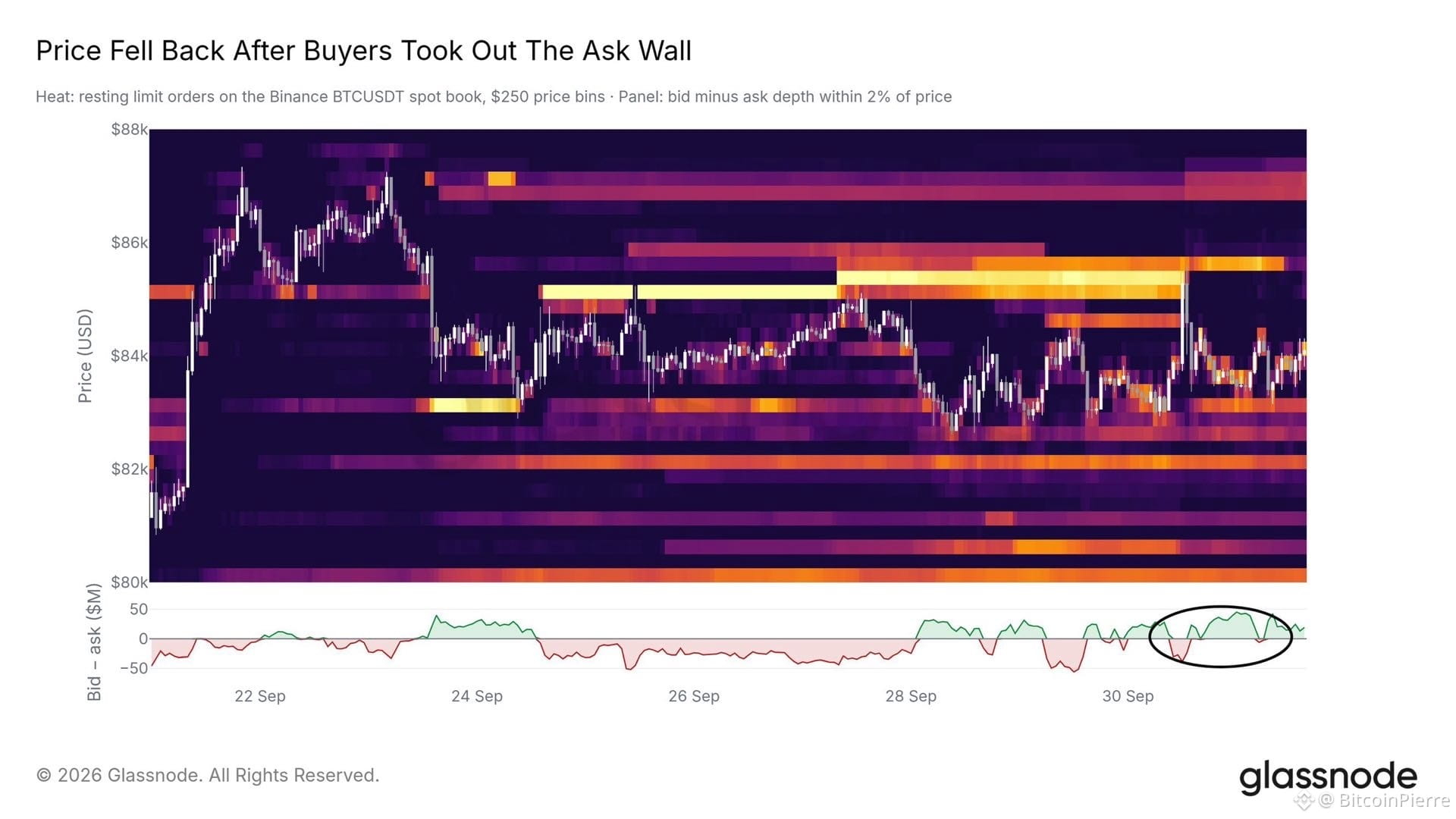
🔥 BITCOIN $85K SELL WALL IS GONE
Bitcoin buyers finally absorbed the major $85,000 sell wall yesterday after nearly a week of failed attempts to break through it.
Now, the remaining ask liquidity above BTC appears to have thinned significantly, removing some of the immediate resistance that was sitting above the market.
That matters because when large sell orders disappear, there is less overhead supply for buyers to absorb. If fresh demand continues coming in, BTC can potentially move through the upper levels much faster.
Of course, thin sell side liquidity can work both ways. It can accelerate upside when buyers are active, but it can also make price more volatile if demand suddenly disappears.
The $85K wall has been cleared. Now the market needs to show whether buyers can take advantage of the thinner liquidity above.
#BTC Price Analysis# #BTC Above 60K# $BTC $ETH
🔥 BITCOIN $85K SELL WALL IS GONE
Bitcoin buyers finally absorbed the major $85,000 sell wall yesterday after nearly a week of failed attempts to break through it.
Now, the remaining ask liquidity above BTC appears to have thinned significantly, removing some of the immediate resistance that was sitting above the market.
That matters because when large sell orders disappear, there is less overhead supply for buyers to absorb. If fresh demand continues coming in, BTC can potentially move through the upper levels much faster.
Of course, thin sell side liquidity can work both ways. It can accelerate upside when buyers are active, but it can also make price more volatile if demand suddenly disappears.
The $85K wall has been cleared. Now the market needs to show whether buyers can take advantage of the thinner liquidity above.
#BTC Price Analysis# #BTC Above 60K# $BTC $ETH
Bitcoin buyers finally absorbed the major $85,000 sell wall yesterday after nearly a week of failed attempts to break through it.
Now, the remaining ask liquidity above BTC appears to have thinned significantly, removing some of the immediate resistance that was sitting above the market.
That matters because when large sell orders disappear, there is less overhead supply for buyers to absorb. If fresh demand continues coming in, BTC can potentially move through the upper levels much faster.
Of course, thin sell side liquidity can work both ways. It can accelerate upside when buyers are active, but it can also make price more volatile if demand suddenly disappears.
The $85K wall has been cleared. Now the market needs to show whether buyers can take advantage of the thinner liquidity above.
#BTC Price Analysis# #BTC Above 60K# $BTC $ETH
翻訳参照
🚨 STABLECOINS COULD BE ENTERING A MASSIVE GROWTH PHASE
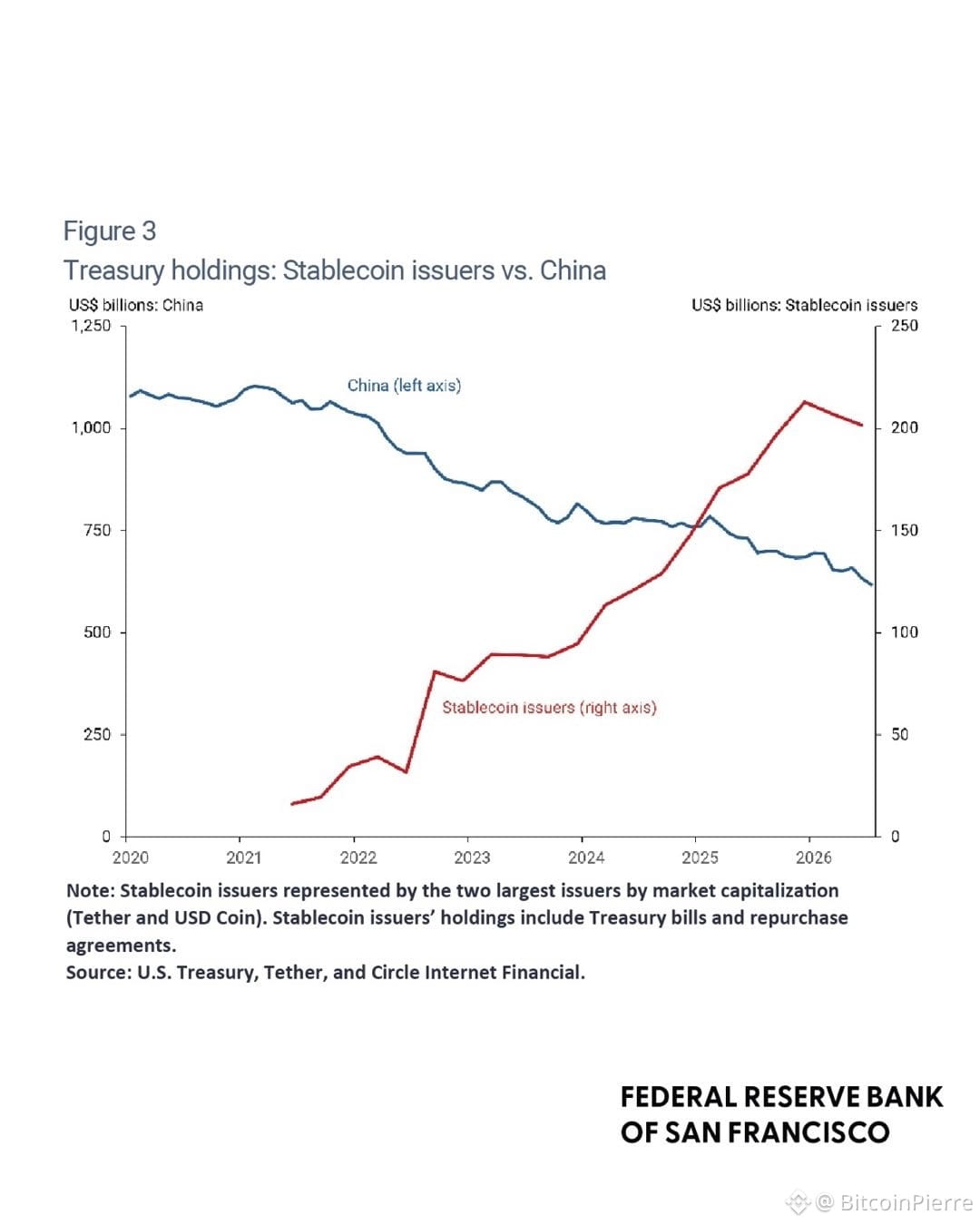
Bitwise CIO Matt Hougan says stablecoins are going “much, much higher,” and new research from the San Francisco Fed gives the sector another reason to pay attention.
Stablecoin issuers have increased their U.S. Treasury holdings by roughly $200B over the past five years, offsetting more than 40% of the decline in China’s Treasury holdings.
The Fed estimates that if the current trend continues, stablecoin issuers could hold around $400B in short-term Treasuries by 2030.
That means stablecoins aren’t just becoming a bigger part of crypto. They’re increasingly becoming a meaningful source of demand for U.S. government debt.
The stablecoin market may be much bigger than a crypto liquidity story.
#BTC Price Analysis# #Macro Insights# $USDC $BTC
🚨 STABLECOINS COULD BE ENTERING A MASSIVE GROWTH PHASE
Bitwise CIO Matt Hougan says stablecoins are going “much, much higher,” and new research from the San Francisco Fed gives the sector another reason to pay attention.
Stablecoin issuers have increased their U.S. Treasury holdings by roughly $200B over the past five years, offsetting more than 40% of the decline in China’s Treasury holdings.
The Fed estimates that if the current trend continues, stablecoin issuers could hold around $400B in short-term Treasuries by 2030.
That means stablecoins aren’t just becoming a bigger part of crypto. They’re increasingly becoming a meaningful source of demand for U.S. government debt.
The stablecoin market may be much bigger than a crypto liquidity story.
#BTC Price Analysis# #Macro Insights# $USDC $BTC
Bitwise CIO Matt Hougan says stablecoins are going “much, much higher,” and new research from the San Francisco Fed gives the sector another reason to pay attention.
Stablecoin issuers have increased their U.S. Treasury holdings by roughly $200B over the past five years, offsetting more than 40% of the decline in China’s Treasury holdings.
The Fed estimates that if the current trend continues, stablecoin issuers could hold around $400B in short-term Treasuries by 2030.
That means stablecoins aren’t just becoming a bigger part of crypto. They’re increasingly becoming a meaningful source of demand for U.S. government debt.
The stablecoin market may be much bigger than a crypto liquidity story.
#BTC Price Analysis# #Macro Insights# $USDC $BTC
2
翻訳参照
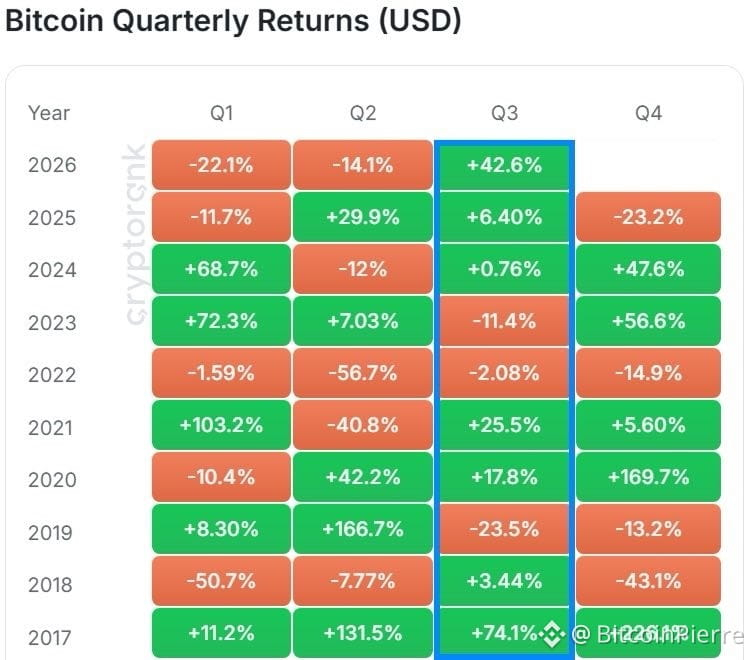
🔥 BITCOIN JUST HAD ITS BEST Q3 SINCE 2017
Bitcoin gained roughly 42.6% in Q3 2026, marking its strongest third quarter performance in nine years.
What makes the move more notable is how much ground BTC had to recover. Bitcoin recorded losses in both Q1 and Q2, putting significant pressure on the market before the third quarter rebound changed the picture.
Q3 effectively became the quarter where Bitcoin regained momentum, with the rally helping erase a large portion of the weakness seen during the first half of the year.
Now the focus shifts to Q4.
After its strongest Q3 since 2017, can Bitcoin carry that momentum into the final quarter of 2026?
#BTC Price Analysis# #Macro Insights# $BTC $ETH
🔥 BITCOIN JUST HAD ITS BEST Q3 SINCE 2017
Bitcoin gained roughly 42.6% in Q3 2026, marking its strongest third quarter performance in nine years.
What makes the move more notable is how much ground BTC had to recover. Bitcoin recorded losses in both Q1 and Q2, putting significant pressure on the market before the third quarter rebound changed the picture.
Q3 effectively became the quarter where Bitcoin regained momentum, with the rally helping erase a large portion of the weakness seen during the first half of the year.
Now the focus shifts to Q4.
After its strongest Q3 since 2017, can Bitcoin carry that momentum into the final quarter of 2026?
#BTC Price Analysis# #Macro Insights# $BTC $ETH
Bitcoin gained roughly 42.6% in Q3 2026, marking its strongest third quarter performance in nine years.
What makes the move more notable is how much ground BTC had to recover. Bitcoin recorded losses in both Q1 and Q2, putting significant pressure on the market before the third quarter rebound changed the picture.
Q3 effectively became the quarter where Bitcoin regained momentum, with the rally helping erase a large portion of the weakness seen during the first half of the year.
Now the focus shifts to Q4.
After its strongest Q3 since 2017, can Bitcoin carry that momentum into the final quarter of 2026?
#BTC Price Analysis# #Macro Insights# $BTC $ETH
73
翻訳参照
🔥 BRAZIL IS PUTTING TRADITIONAL FUND RECORDS ON THE XRP LEDGER
Brazilian financial-market infrastructure operator CSD BR has partnered with Ripple to mirror securities ownership records on the public XRP Ledger, starting with BTG Pactual investment fund shares.
The important part is that this is moving beyond a simple blockchain test. CSD BR’s existing systems will remain the official ownership record, while XRPL provides an additional layer for verification and auditing in near real time.
CSD BR manages more than BRL 22 trillion in registered assets, although that entire amount is not being tokenized on XRPL. The first phase is limited to selected BTG Pactual fund shares.
If the initial rollout works, the partnership plans to explore native issuance and trading of assets onchain, including Brazilian real estate and agribusiness receivables.
Traditional financial infrastructure is starting to use public blockchains as part of the actual system, not just as a proof of concept.
#BTC Price Analysis# #Macro Insights# $XRP $BTC
🔥 BRAZIL IS PUTTING TRADITIONAL FUND RECORDS ON THE XRP LEDGER
Brazilian financial-market infrastructure operator CSD BR has partnered with Ripple to mirror securities ownership records on the public XRP Ledger, starting with BTG Pactual investment fund shares.
The important part is that this is moving beyond a simple blockchain test. CSD BR’s existing systems will remain the official ownership record, while XRPL provides an additional layer for verification and auditing in near real time.
CSD BR manages more than BRL 22 trillion in registered assets, although that entire amount is not being tokenized on XRPL. The first phase is limited to selected BTG Pactual fund shares.
If the initial rollout works, the partnership plans to explore native issuance and trading of assets onchain, including Brazilian real estate and agribusiness receivables.
Traditional financial infrastructure is starting to use public blockchains as part of the actual system, not just as a proof of concept.
#BTC Price Analysis# #Macro Insights# $XRP $BTC
Brazilian financial-market infrastructure operator CSD BR has partnered with Ripple to mirror securities ownership records on the public XRP Ledger, starting with BTG Pactual investment fund shares.
The important part is that this is moving beyond a simple blockchain test. CSD BR’s existing systems will remain the official ownership record, while XRPL provides an additional layer for verification and auditing in near real time.
CSD BR manages more than BRL 22 trillion in registered assets, although that entire amount is not being tokenized on XRPL. The first phase is limited to selected BTG Pactual fund shares.
If the initial rollout works, the partnership plans to explore native issuance and trading of assets onchain, including Brazilian real estate and agribusiness receivables.
Traditional financial infrastructure is starting to use public blockchains as part of the actual system, not just as a proof of concept.
#BTC Price Analysis# #Macro Insights# $XRP $BTC
52
BitwiseのNEAR ETF($NRR)は本日、NYSE Arcaで正式に取引を開始し、米国の投資家が従来型の上場取引商品(ETF)を通じてNEARへのダイレクトなスポット投資にアクセスできるようになりました。
今回のローンチをより興味深くしているのは、ステーキング(保有報酬)コンポーネントです。BitwiseはファンドのNEAR保有分を社内でステークし、ステーキング報酬はファンドのNAV(純資産価格)を通じて株主に帰属する計画です。ETFの管理報酬は0.75%です。
これにより、NEARがビットコインやイーサリアムに続き、米国のETFインフラへのアクセスを得る暗号資産の拡大リストに加わりました。
スポットエクスポージャー+ステーキングを1つの商品に。これで、米国の投資家がNEARに対してどれほどの需要を持っているのか、市場が確認できます。
#BTC Price Analysis# #Macro Insights# $NEAR $BTC
BitwiseのNEAR ETF($NRR)は本日、NYSE Arcaで正式に取引を開始し、米国の投資家が従来型の上場取引商品(ETF)を通じてNEARへのダイレクトなスポット投資にアクセスできるようになりました。
今回のローンチをより興味深くしているのは、ステーキング(保有報酬)コンポーネントです。BitwiseはファンドのNEAR保有分を社内でステークし、ステーキング報酬はファンドのNAV(純資産価格)を通じて株主に帰属する計画です。ETFの管理報酬は0.75%です。
これにより、NEARがビットコインやイーサリアムに続き、米国のETFインフラへのアクセスを得る暗号資産の拡大リストに加わりました。
スポットエクスポージャー+ステーキングを1つの商品に。これで、米国の投資家がNEARに対してどれほどの需要を持っているのか、市場が確認できます。
#BTC Price Analysis# #Macro Insights# $NEAR $BTC
今回のローンチをより興味深くしているのは、ステーキング(保有報酬)コンポーネントです。BitwiseはファンドのNEAR保有分を社内でステークし、ステーキング報酬はファンドのNAV(純資産価格)を通じて株主に帰属する計画です。ETFの管理報酬は0.75%です。
これにより、NEARがビットコインやイーサリアムに続き、米国のETFインフラへのアクセスを得る暗号資産の拡大リストに加わりました。
スポットエクスポージャー+ステーキングを1つの商品に。これで、米国の投資家がNEARに対してどれほどの需要を持っているのか、市場が確認できます。
#BTC Price Analysis# #Macro Insights# $NEAR $BTC

29
🔥 AAVEはトークンバーンの導入が検討されている可能性
Aaveの創設者Stani Kulechovは、Aavenomics 3.0においてトークンバーンの仕組みが検討されていると述べており、Aaveの既存の買い戻しモデルに加えて、恒久的な供給減少がもたらされる可能性があります。
Aaveはすでにプロトコル収益を使ってAAVEを買い戻していますが、それらのトークンはバーンされず、保有されていました。
新しいモデルが進められる場合、買い戻された一部のトークンは、恒久的に流通から取り除かれる可能性があります。
それにより、AAVEの供給ダイナミクスがすぐに再び注目を集めます。
買い戻しだけでもそうですが、買い戻し+バーンはトークノミクスの物語を変えうるものです。
#BTC価格分析# #マクロの洞察# $AAVE $BTC
🔥 AAVEはトークンバーンの導入が検討されている可能性
Aaveの創設者Stani Kulechovは、Aavenomics 3.0においてトークンバーンの仕組みが検討されていると述べており、Aaveの既存の買い戻しモデルに加えて、恒久的な供給減少がもたらされる可能性があります。
Aaveはすでにプロトコル収益を使ってAAVEを買い戻していますが、それらのトークンはバーンされず、保有されていました。
新しいモデルが進められる場合、買い戻された一部のトークンは、恒久的に流通から取り除かれる可能性があります。
それにより、AAVEの供給ダイナミクスがすぐに再び注目を集めます。
買い戻しだけでもそうですが、買い戻し+バーンはトークノミクスの物語を変えうるものです。
#BTC価格分析# #マクロの洞察# $AAVE $BTC
Aaveの創設者Stani Kulechovは、Aavenomics 3.0においてトークンバーンの仕組みが検討されていると述べており、Aaveの既存の買い戻しモデルに加えて、恒久的な供給減少がもたらされる可能性があります。
Aaveはすでにプロトコル収益を使ってAAVEを買い戻していますが、それらのトークンはバーンされず、保有されていました。
新しいモデルが進められる場合、買い戻された一部のトークンは、恒久的に流通から取り除かれる可能性があります。
それにより、AAVEの供給ダイナミクスがすぐに再び注目を集めます。
買い戻しだけでもそうですが、買い戻し+バーンはトークノミクスの物語を変えうるものです。
#BTC価格分析# #マクロの洞察# $AAVE $BTC


45
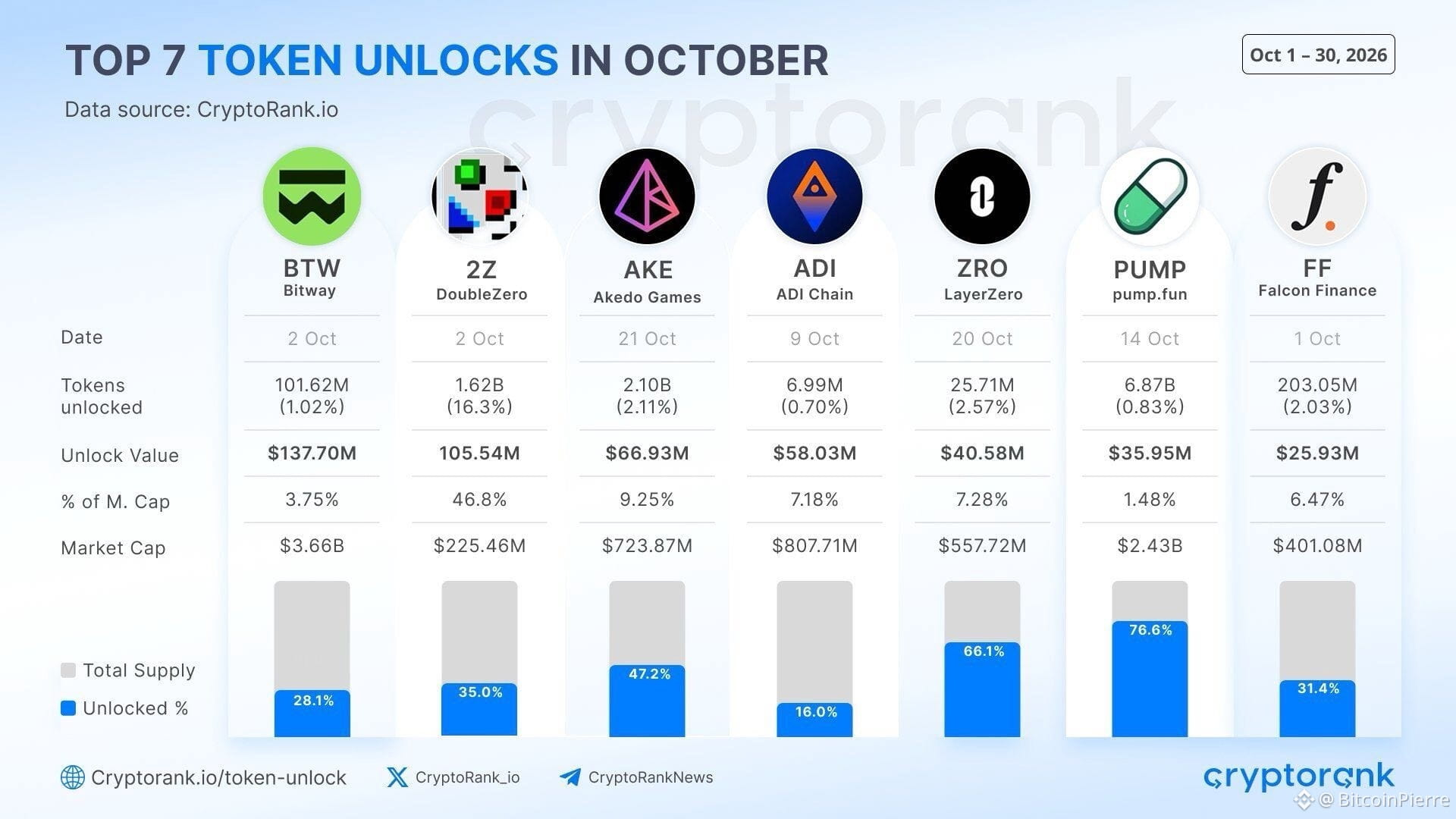
10月に予定されている上位7つのトークンのアンロック分は、概算で約4億7,066万ドルの価値があり、BTWが1億3,770万ドルでトップです。
その他の主要なアンロックには、2Zが1億550万ドル、AKEが6,690万ドル、ADIが5,800万ドルなどが含まれます。
数字は重要です。新たにアンロックされたトークンは、流通供給を増やし、受領者が利益確定を行う場合に追加の売り圧力を生む可能性があります。
ただし、アンロック=自動的な投げ売りとは限りません。実際の影響は、誰がトークンを受け取るのか、市場にどれだけ入ってくるのか、そして需要が新しい供給を吸収できるかどうかに左右されます。
供給が4億7,000万ドル分以上入ってきます。10月は、これらのトークンにとって面白い展開になり得ます。
#BTC Price Analysis# #Altcoin Season# $AAVE
10月に予定されている上位7つのトークンのアンロック分は、概算で約4億7,066万ドルの価値があり、BTWが1億3,770万ドルでトップです。
その他の主要なアンロックには、2Zが1億550万ドル、AKEが6,690万ドル、ADIが5,800万ドルなどが含まれます。
数字は重要です。新たにアンロックされたトークンは、流通供給を増やし、受領者が利益確定を行う場合に追加の売り圧力を生む可能性があります。
ただし、アンロック=自動的な投げ売りとは限りません。実際の影響は、誰がトークンを受け取るのか、市場にどれだけ入ってくるのか、そして需要が新しい供給を吸収できるかどうかに左右されます。
供給が4億7,000万ドル分以上入ってきます。10月は、これらのトークンにとって面白い展開になり得ます。
#BTC Price Analysis# #Altcoin Season# $AAVE
その他の主要なアンロックには、2Zが1億550万ドル、AKEが6,690万ドル、ADIが5,800万ドルなどが含まれます。
数字は重要です。新たにアンロックされたトークンは、流通供給を増やし、受領者が利益確定を行う場合に追加の売り圧力を生む可能性があります。
ただし、アンロック=自動的な投げ売りとは限りません。実際の影響は、誰がトークンを受け取るのか、市場にどれだけ入ってくるのか、そして需要が新しい供給を吸収できるかどうかに左右されます。
供給が4億7,000万ドル分以上入ってきます。10月は、これらのトークンにとって面白い展開になり得ます。
#BTC Price Analysis# #Altcoin Season# $AAVE
120
翻訳参照
Kakao Pay Securities has signed separate agreements with Ondo Finance and Dinari to explore tokenizing South Korean stocks for overseas investors.
The idea is to create a blockchain-based route for international investors to gain exposure to Korean-listed companies, with the partnerships examining custody, token issuance, redemption and shareholder rights.
This is still an exploration, not a commercial launch. The companies will first assess the technical and regulatory requirements before deciding whether to move forward.
But the direction is significant.
Korean equities could be the next traditional asset moving deeper into global onchain markets.
#BTC Price Analysis# #Macro Insights# $ONDO $HBAR
Kakao Pay Securities has signed separate agreements with Ondo Finance and Dinari to explore tokenizing South Korean stocks for overseas investors.
The idea is to create a blockchain-based route for international investors to gain exposure to Korean-listed companies, with the partnerships examining custody, token issuance, redemption and shareholder rights.
This is still an exploration, not a commercial launch. The companies will first assess the technical and regulatory requirements before deciding whether to move forward.
But the direction is significant.
Korean equities could be the next traditional asset moving deeper into global onchain markets.
#BTC Price Analysis# #Macro Insights# $ONDO $HBAR
The idea is to create a blockchain-based route for international investors to gain exposure to Korean-listed companies, with the partnerships examining custody, token issuance, redemption and shareholder rights.
This is still an exploration, not a commercial launch. The companies will first assess the technical and regulatory requirements before deciding whether to move forward.
But the direction is significant.
Korean equities could be the next traditional asset moving deeper into global onchain markets.
#BTC Price Analysis# #Macro Insights# $ONDO $HBAR
65
🔥速報:ビットワイズのリンクETFがさらに前進
SECは、LINKに連動するビットワイズのチェーンリンクETFについて、新たな規制フォームを提出しました。
ティッカーCLNKで取引されるこのファンドは、従来の上場投資商品を通じてLINKへのエクスポージャーを投資家に提供することを目的としています。SECの提出書類では、このファンドがNYSE Arcaでの取引登録されていることが確認されています。
これは、アルトコインを従来の投資市場に取り込む取り組みの中で、もう一つ重要な進展です。
#BTC価格分析# #マクロの洞察# $LINK $HBAR
🔥速報:ビットワイズのリンクETFがさらに前進
SECは、LINKに連動するビットワイズのチェーンリンクETFについて、新たな規制フォームを提出しました。
ティッカーCLNKで取引されるこのファンドは、従来の上場投資商品を通じてLINKへのエクスポージャーを投資家に提供することを目的としています。SECの提出書類では、このファンドがNYSE Arcaでの取引登録されていることが確認されています。
これは、アルトコインを従来の投資市場に取り込む取り組みの中で、もう一つ重要な進展です。
#BTC価格分析# #マクロの洞察# $LINK $HBAR
SECは、LINKに連動するビットワイズのチェーンリンクETFについて、新たな規制フォームを提出しました。
ティッカーCLNKで取引されるこのファンドは、従来の上場投資商品を通じてLINKへのエクスポージャーを投資家に提供することを目的としています。SECの提出書類では、このファンドがNYSE Arcaでの取引登録されていることが確認されています。
これは、アルトコインを従来の投資市場に取り込む取り組みの中で、もう一つ重要な進展です。
#BTC価格分析# #マクロの洞察# $LINK $HBAR
8
🔥 バイナンス上場アルトの87%が強気に転じた
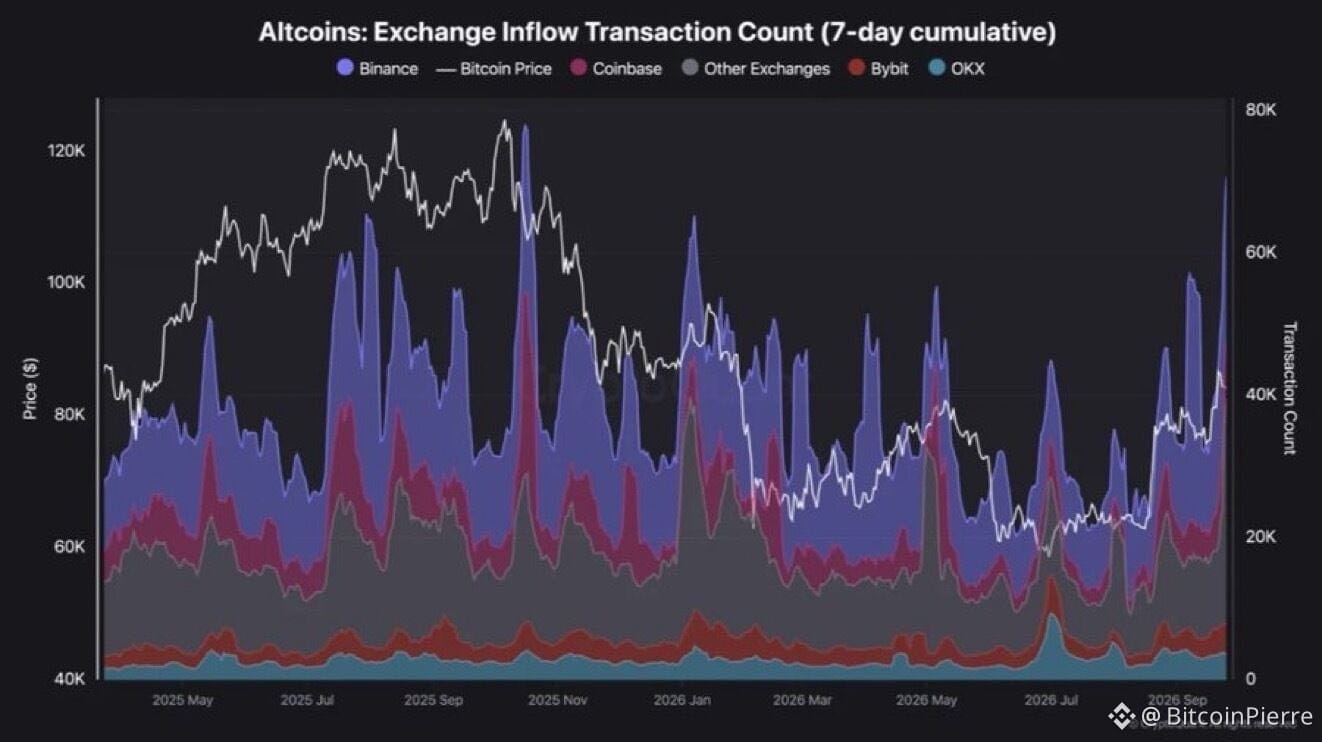
CryptoQuantのアナリストDarkfost氏によると、バイナンスに上場しているアルトコインのうち87%が現在、200日移動平均を上回って取引されています。これは8月の状況から大きな反転で、当時はおよそ80%がその水準を下回っていました。
回復は広範囲に及んでおり、Total2は6月以降で3710億ドル($371B)以上を積み上げていますが、注意点があります。
Darkfost氏は、取引所への入金額の増加や、モメンタム指標の弱まりといった、アルトコインの熱狂(いわゆる“オイフォリア”)の兆しも初期段階で捉えているとのこと。歴史的に、このような広範囲な動きは、維持しにくくなることがあります。
強気が87%。ラリーは本物だが、警告サインもまた本物。
#BTC 価格分析# #マクロ洞察# $BTC $ETH
🔥 バイナンス上場アルトの87%が強気に転じた
CryptoQuantのアナリストDarkfost氏によると、バイナンスに上場しているアルトコインのうち87%が現在、200日移動平均を上回って取引されています。これは8月の状況から大きな反転で、当時はおよそ80%がその水準を下回っていました。
回復は広範囲に及んでおり、Total2は6月以降で3710億ドル($371B)以上を積み上げていますが、注意点があります。
Darkfost氏は、取引所への入金額の増加や、モメンタム指標の弱まりといった、アルトコインの熱狂(いわゆる“オイフォリア”)の兆しも初期段階で捉えているとのこと。歴史的に、このような広範囲な動きは、維持しにくくなることがあります。
強気が87%。ラリーは本物だが、警告サインもまた本物。
#BTC 価格分析# #マクロ洞察# $BTC $ETH
CryptoQuantのアナリストDarkfost氏によると、バイナンスに上場しているアルトコインのうち87%が現在、200日移動平均を上回って取引されています。これは8月の状況から大きな反転で、当時はおよそ80%がその水準を下回っていました。
回復は広範囲に及んでおり、Total2は6月以降で3710億ドル($371B)以上を積み上げていますが、注意点があります。
Darkfost氏は、取引所への入金額の増加や、モメンタム指標の弱まりといった、アルトコインの熱狂(いわゆる“オイフォリア”)の兆しも初期段階で捉えているとのこと。歴史的に、このような広範囲な動きは、維持しにくくなることがあります。
強気が87%。ラリーは本物だが、警告サインもまた本物。
#BTC 価格分析# #マクロ洞察# $BTC $ETH
2
イーサリアム、BNBチェーン、またはBaseからTON DeFiへ流動性を移すユーザーにとって、選択するルートによって、最終的に受け取れるものが変わる可能性があります。
従来のアプローチは、ブリッジでソース資産をロックまたはバーンし、TON上でラップされたJettonを受け取る方法です。これは機能しますが、別の契約に対するエクスポージャーが追加され、ユーザーはラップ表現を管理することになります。
別のモデルもあります。
Omnistonは、リゾルバーとペアになったHTLCを中心に据えたアトミックスワップのアーキテクチャを採用しています。ブリッジを介してラップされたバージョンを移すのではなく、ユーザーはネイティブのTONアセットに直接スワップできます。リゾルバーが目的地のアセットをロックし、一方でソース側のアセットは対応するHTLCによって保全されます。
この違いは、技術的なアーキテクチャの枠を超えて重要です。目的がTON DeFiに入り、すぐにその資産を使うことにある場合、ネイティブの目的地アセットを受け取れることで余計な手順が1つ減ります。
TONに到達した後は、ユーザーはTONの一般的に低い取引コストの恩恵を受けながら、スワップ、流動性プール、その他のDeFiの機会にアクセスできます。
EVMチェーンからTONへ資本を移すすべての人にとって、ルートを理解することは移行することと同じくらい重要です。
クロスチェーン・スワップ: https://app.ston.fi/swap?mode=cross-chain&in=ton%3AUSD%E2%82%AE
#BTC Price Analysis# #Macro Insights# $GRAM $HBAR
イーサリアム、BNBチェーン、またはBaseからTON DeFiへ流動性を移すユーザーにとって、選択するルートによって、最終的に受け取れるものが変わる可能性があります。
従来のアプローチは、ブリッジでソース資産をロックまたはバーンし、TON上でラップされたJettonを受け取る方法です。これは機能しますが、別の契約に対するエクスポージャーが追加され、ユーザーはラップ表現を管理することになります。
別のモデルもあります。
Omnistonは、リゾルバーとペアになったHTLCを中心に据えたアトミックスワップのアーキテクチャを採用しています。ブリッジを介してラップされたバージョンを移すのではなく、ユーザーはネイティブのTONアセットに直接スワップできます。リゾルバーが目的地のアセットをロックし、一方でソース側のアセットは対応するHTLCによって保全されます。
この違いは、技術的なアーキテクチャの枠を超えて重要です。目的がTON DeFiに入り、すぐにその資産を使うことにある場合、ネイティブの目的地アセットを受け取れることで余計な手順が1つ減ります。
TONに到達した後は、ユーザーはTONの一般的に低い取引コストの恩恵を受けながら、スワップ、流動性プール、その他のDeFiの機会にアクセスできます。
EVMチェーンからTONへ資本を移すすべての人にとって、ルートを理解することは移行することと同じくらい重要です。
クロスチェーン・スワップ: https://app.ston.fi/swap?mode=cross-chain&in=ton%3AUSD%E2%82%AE
#BTC Price Analysis# #Macro Insights# $GRAM $HBAR
従来のアプローチは、ブリッジでソース資産をロックまたはバーンし、TON上でラップされたJettonを受け取る方法です。これは機能しますが、別の契約に対するエクスポージャーが追加され、ユーザーはラップ表現を管理することになります。
別のモデルもあります。
Omnistonは、リゾルバーとペアになったHTLCを中心に据えたアトミックスワップのアーキテクチャを採用しています。ブリッジを介してラップされたバージョンを移すのではなく、ユーザーはネイティブのTONアセットに直接スワップできます。リゾルバーが目的地のアセットをロックし、一方でソース側のアセットは対応するHTLCによって保全されます。
この違いは、技術的なアーキテクチャの枠を超えて重要です。目的がTON DeFiに入り、すぐにその資産を使うことにある場合、ネイティブの目的地アセットを受け取れることで余計な手順が1つ減ります。
TONに到達した後は、ユーザーはTONの一般的に低い取引コストの恩恵を受けながら、スワップ、流動性プール、その他のDeFiの機会にアクセスできます。
EVMチェーンからTONへ資本を移すすべての人にとって、ルートを理解することは移行することと同じくらい重要です。
クロスチェーン・スワップ: https://app.ston.fi/swap?mode=cross-chain&in=ton%3AUSD%E2%82%AE
#BTC Price Analysis# #Macro Insights# $GRAM $HBAR
2
🔥 戦略がさらに1,666 BTCを追加で購入
伝えられるところによると、戦略は1,666 BTCを購入し、ビットコイン保有総量を847,666 BTCに引き上げた。
この動きは、ビットコインが中間の80Kドル台で取引され続ける中で行われ、戦略は再び市場の弱さを利用して、すでに非常に大きいBTCポジションを増やした。
847,666 BTCの時点で、戦略はビットコインの最大供給量である2,100万の約4%を支配しており、最大の法人ビットコイン保有者としての地位を強固にしている。
同社の積み上げ(累積)戦略は、暗号資産における最も注目されている企業の賭けの一つであり続けている。
$BTC $ETH #BTC Price Analysis# #Macro Insights#
🔥 戦略がさらに1,666 BTCを追加で購入
伝えられるところによると、戦略は1,666 BTCを購入し、ビットコイン保有総量を847,666 BTCに引き上げた。
この動きは、ビットコインが中間の80Kドル台で取引され続ける中で行われ、戦略は再び市場の弱さを利用して、すでに非常に大きいBTCポジションを増やした。
847,666 BTCの時点で、戦略はビットコインの最大供給量である2,100万の約4%を支配しており、最大の法人ビットコイン保有者としての地位を強固にしている。
同社の積み上げ(累積)戦略は、暗号資産における最も注目されている企業の賭けの一つであり続けている。
$BTC $ETH #BTC Price Analysis# #Macro Insights#
伝えられるところによると、戦略は1,666 BTCを購入し、ビットコイン保有総量を847,666 BTCに引き上げた。
この動きは、ビットコインが中間の80Kドル台で取引され続ける中で行われ、戦略は再び市場の弱さを利用して、すでに非常に大きいBTCポジションを増やした。
847,666 BTCの時点で、戦略はビットコインの最大供給量である2,100万の約4%を支配しており、最大の法人ビットコイン保有者としての地位を強固にしている。
同社の積み上げ(累積)戦略は、暗号資産における最も注目されている企業の賭けの一つであり続けている。
$BTC $ETH #BTC Price Analysis# #Macro Insights#

31
ベテラントレーダーのピーター・ブランドト氏は、XRPのチャートだけでも、同氏が同トークンに賭けることを検討する十分な理由になると述べています。
ブランドト氏の最新チャートは、XRPの長期的な価格構造に焦点を当てており、同氏は、XRPに関心を持つことがその資産への盲目的な忠誠を必要としないことを明確にしています。
また、XRPは大口保有者やスポットETFからの注目も集めており、今回の状況にもう一つの層が加わっています。
#BTC価格分析# #XRP $XRP $BTC
ベテラントレーダーのピーター・ブランドト氏は、XRPのチャートだけでも、同氏が同トークンに賭けることを検討する十分な理由になると述べています。
ブランドト氏の最新チャートは、XRPの長期的な価格構造に焦点を当てており、同氏は、XRPに関心を持つことがその資産への盲目的な忠誠を必要としないことを明確にしています。
また、XRPは大口保有者やスポットETFからの注目も集めており、今回の状況にもう一つの層が加わっています。
#BTC価格分析# #XRP $XRP $BTC
ブランドト氏の最新チャートは、XRPの長期的な価格構造に焦点を当てており、同氏は、XRPに関心を持つことがその資産への盲目的な忠誠を必要としないことを明確にしています。
また、XRPは大口保有者やスポットETFからの注目も集めており、今回の状況にもう一つの層が加わっています。
#BTC価格分析# #XRP $XRP $BTC

29
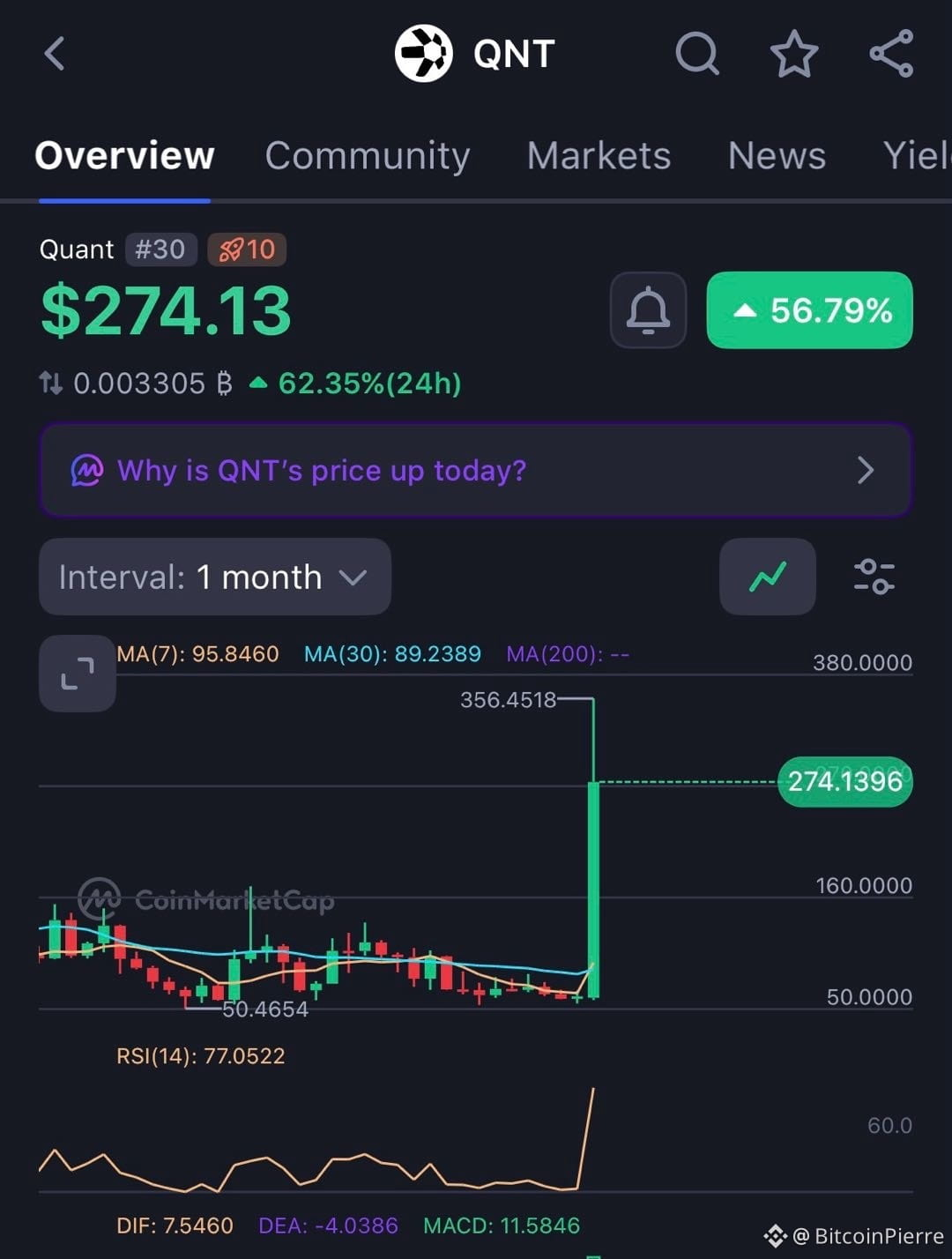
🔥 QNTが絶好調で急騰中
Quant(QNT)はとんでもない勢いで上昇しており、先週はトークンが300%以上急騰し、本日も一時的に$350を超えました。
この動きは、The Clearing HouseがQuantのテクノロジーを同社のOn Chain Money Initiativeに選定したことを受けて起きました。これは、大手金融機関間でのトークン化された預金決済を対象としています。さらに、英国の銀行でもQuantのプラットフォームを使ったライブのトークン化ポンド決済のパイロットが完了しています。
こうした主要な金融インフラに関するヘッドラインと爆発的な勢いが重なり、QNTはトレーダーの監視リストに再び確実に戻ってきました。
しかし、このような激しい値動きの後は、ボラティリティは良くも悪くも振れ得ます。
#BTC価格分析# #マクロ見通し# $QNT $BTC
🔥 QNTが絶好調で急騰中
Quant(QNT)はとんでもない勢いで上昇しており、先週はトークンが300%以上急騰し、本日も一時的に$350を超えました。
この動きは、The Clearing HouseがQuantのテクノロジーを同社のOn Chain Money Initiativeに選定したことを受けて起きました。これは、大手金融機関間でのトークン化された預金決済を対象としています。さらに、英国の銀行でもQuantのプラットフォームを使ったライブのトークン化ポンド決済のパイロットが完了しています。
こうした主要な金融インフラに関するヘッドラインと爆発的な勢いが重なり、QNTはトレーダーの監視リストに再び確実に戻ってきました。
しかし、このような激しい値動きの後は、ボラティリティは良くも悪くも振れ得ます。
#BTC価格分析# #マクロ見通し# $QNT $BTC
Quant(QNT)はとんでもない勢いで上昇しており、先週はトークンが300%以上急騰し、本日も一時的に$350を超えました。
この動きは、The Clearing HouseがQuantのテクノロジーを同社のOn Chain Money Initiativeに選定したことを受けて起きました。これは、大手金融機関間でのトークン化された預金決済を対象としています。さらに、英国の銀行でもQuantのプラットフォームを使ったライブのトークン化ポンド決済のパイロットが完了しています。
こうした主要な金融インフラに関するヘッドラインと爆発的な勢いが重なり、QNTはトレーダーの監視リストに再び確実に戻ってきました。
しかし、このような激しい値動きの後は、ボラティリティは良くも悪くも振れ得ます。
#BTC価格分析# #マクロ見通し# $QNT $BTC
57
🚨 イーサリアムは新たな時代に入る可能性
ヴィタリック・ブテリン氏は、イーサリアムの計画されている2027年のアップグレード「ホゴタ(Hegotá)」が、開発が、はるかに暗号技術中心のアーキテクチャへ移行する前のネットワーク最後の「通常の」フォークになる可能性があると述べています。
ホゴタの後は、ロードマップはますます再帰的STARKs、 自動化された形式的検証、そして量子耐性(クォンタムセーフ)暗号へと重点が移っていきます。
目標は、単にイーサリアムを速くすることにとどまりません。ブテリン氏は、ノードがすべてを自分で再実行するのではなく、証明によって複雑な計算を検証できる「暗号学的なワールドコンピュータ」へとイーサリアムが進化することを思い描いています。
イーサリアムはすでに量子の脅威に備えており、基幹となるポスト量子インフラはおよそ2029年を目標に整備が進められています。
#BTC価格分析# #マクロ・インサイト# $ETH $QNT
🚨 イーサリアムは新たな時代に入る可能性
ヴィタリック・ブテリン氏は、イーサリアムの計画されている2027年のアップグレード「ホゴタ(Hegotá)」が、開発が、はるかに暗号技術中心のアーキテクチャへ移行する前のネットワーク最後の「通常の」フォークになる可能性があると述べています。
ホゴタの後は、ロードマップはますます再帰的STARKs、 自動化された形式的検証、そして量子耐性(クォンタムセーフ)暗号へと重点が移っていきます。
目標は、単にイーサリアムを速くすることにとどまりません。ブテリン氏は、ノードがすべてを自分で再実行するのではなく、証明によって複雑な計算を検証できる「暗号学的なワールドコンピュータ」へとイーサリアムが進化することを思い描いています。
イーサリアムはすでに量子の脅威に備えており、基幹となるポスト量子インフラはおよそ2029年を目標に整備が進められています。
#BTC価格分析# #マクロ・インサイト# $ETH $QNT
ヴィタリック・ブテリン氏は、イーサリアムの計画されている2027年のアップグレード「ホゴタ(Hegotá)」が、開発が、はるかに暗号技術中心のアーキテクチャへ移行する前のネットワーク最後の「通常の」フォークになる可能性があると述べています。
ホゴタの後は、ロードマップはますます再帰的STARKs、 自動化された形式的検証、そして量子耐性(クォンタムセーフ)暗号へと重点が移っていきます。
目標は、単にイーサリアムを速くすることにとどまりません。ブテリン氏は、ノードがすべてを自分で再実行するのではなく、証明によって複雑な計算を検証できる「暗号学的なワールドコンピュータ」へとイーサリアムが進化することを思い描いています。
イーサリアムはすでに量子の脅威に備えており、基幹となるポスト量子インフラはおよそ2029年を目標に整備が進められています。
#BTC価格分析# #マクロ・インサイト# $ETH $QNT

72
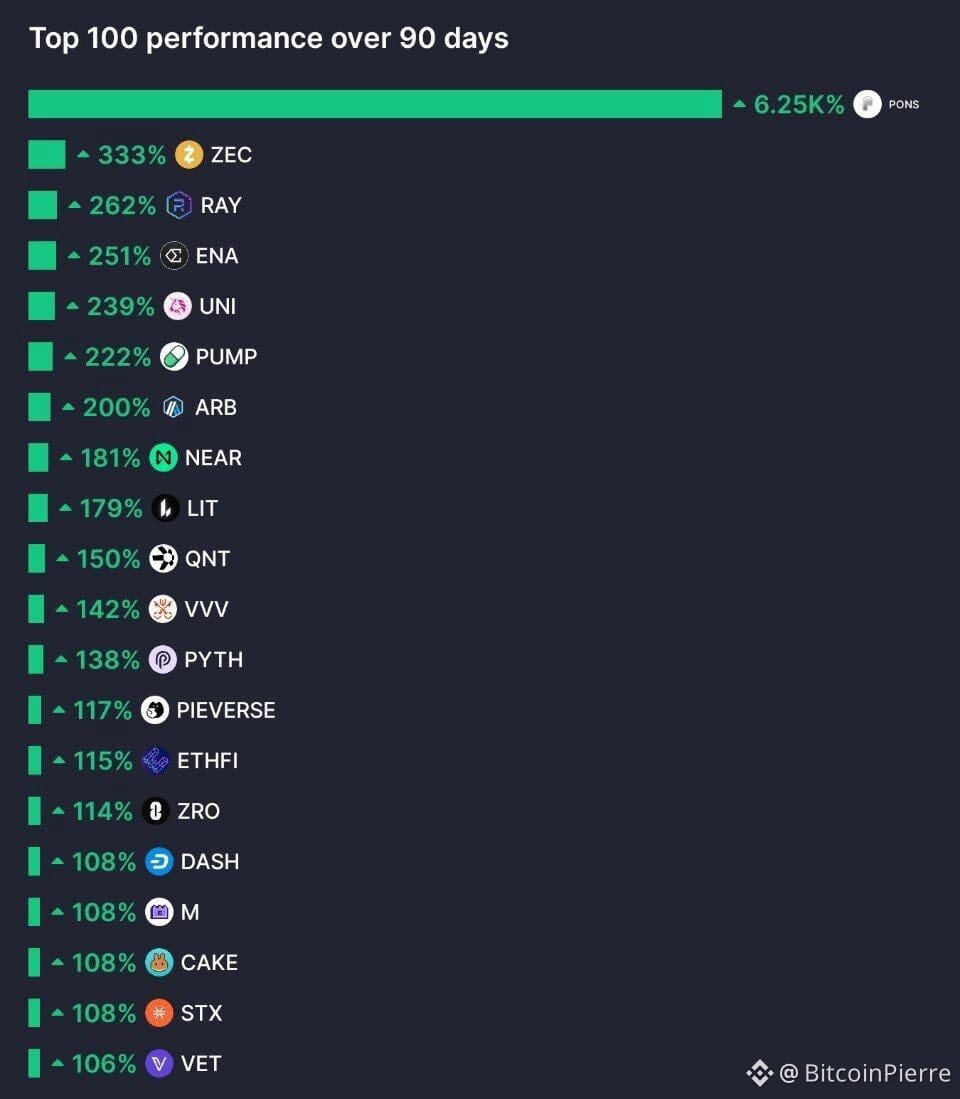
🔥 アルトコインが絶好調に上昇中
上位100のアルトコインのうち、過去90日でマイナスになっているのはわずか9つ。一方で、少なくとも100%上昇しているのは22つです。
これはかなり明確なサインで、その強さが大型の一部のコインだけに限られているわけではありません。アルトコイン市場の幅広い部分が、直近3か月で好調に推移しています。
さらに、現在の市場ローテーションをより分かりやすく捉えることにもつながります。CryptoRankの「アルトコイン・シーズン・インデックス」は上位100のアルトを対象にしており、90日で少なくとも75%がBTCを上回るとアルトシーズンとみなします。
マイナスは9。100%超が22。
本当の疑問は、こうした広がりが今後も続くのか、それとも最も強いアルトコインの値動きがそろそろ過熱し始めているのか、という点です。
#BTC Price Analysis# #Macro Insights# $BTC $ZEC
🔥 アルトコインが絶好調に上昇中
上位100のアルトコインのうち、過去90日でマイナスになっているのはわずか9つ。一方で、少なくとも100%上昇しているのは22つです。
これはかなり明確なサインで、その強さが大型の一部のコインだけに限られているわけではありません。アルトコイン市場の幅広い部分が、直近3か月で好調に推移しています。
さらに、現在の市場ローテーションをより分かりやすく捉えることにもつながります。CryptoRankの「アルトコイン・シーズン・インデックス」は上位100のアルトを対象にしており、90日で少なくとも75%がBTCを上回るとアルトシーズンとみなします。
マイナスは9。100%超が22。
本当の疑問は、こうした広がりが今後も続くのか、それとも最も強いアルトコインの値動きがそろそろ過熱し始めているのか、という点です。
#BTC Price Analysis# #Macro Insights# $BTC $ZEC
上位100のアルトコインのうち、過去90日でマイナスになっているのはわずか9つ。一方で、少なくとも100%上昇しているのは22つです。
これはかなり明確なサインで、その強さが大型の一部のコインだけに限られているわけではありません。アルトコイン市場の幅広い部分が、直近3か月で好調に推移しています。
さらに、現在の市場ローテーションをより分かりやすく捉えることにもつながります。CryptoRankの「アルトコイン・シーズン・インデックス」は上位100のアルトを対象にしており、90日で少なくとも75%がBTCを上回るとアルトシーズンとみなします。
マイナスは9。100%超が22。
本当の疑問は、こうした広がりが今後も続くのか、それとも最も強いアルトコインの値動きがそろそろ過熱し始めているのか、という点です。
#BTC Price Analysis# #Macro Insights# $BTC $ZEC
40
ユーザーは、スワップを処理するインフラ事業者が誰かを気にすることはほとんどありません。彼らが気にするのは、すでに利用しているウォレットやアプリの中で、取引がスムーズに機能するかどうかです。
そのため、OmnistonによるMoonPay Tradeの統合は、TONにとって重要なインフラ開発となります。
MoonPay Tradeは、200以上のチェーンやプロトコルにまたがって、オンチェーンでの実行、決済、資産の変換、そして支払いを行うための統一APIを、開発者や企業に提供します。Omnistonが接続されることで、そのアグリゲーターはインフラ経由で、同一チェーン内のTON取引にアクセスできるようになりました。
これは、TONの資産に対応するMoonPay Tradeのパートナーが、別途TONの流動性インフラを構築しなくても、そうした資産を自社の取引体験に直接取り込める可能性があることを意味します。
これにより、TONには別種の成長ルートが生まれます。TONネイティブのアプリにユーザーが直接訪れることだけに頼るのではなく、その流動性を、より広い暗号資産ユーザー層に向けてすでにサービスを提供しているウォレットやプラットフォームを通じて利用可能にできるのです。
STON.fiにとっても、この統合はインフラをより広いオンチェーンのスタックへさらに深く組み込むことになります。
面白いのは、単なる別の統合ということではありません。ユーザーが、その裏側のインフラについて考える必要なく、TONとやり取りできる場所が増えていることです。
#BTC Price Analysis# #Macro Insights# $GRAM $ZEC
ユーザーは、スワップを処理するインフラ事業者が誰かを気にすることはほとんどありません。彼らが気にするのは、すでに利用しているウォレットやアプリの中で、取引がスムーズに機能するかどうかです。
そのため、OmnistonによるMoonPay Tradeの統合は、TONにとって重要なインフラ開発となります。
MoonPay Tradeは、200以上のチェーンやプロトコルにまたがって、オンチェーンでの実行、決済、資産の変換、そして支払いを行うための統一APIを、開発者や企業に提供します。Omnistonが接続されることで、そのアグリゲーターはインフラ経由で、同一チェーン内のTON取引にアクセスできるようになりました。
これは、TONの資産に対応するMoonPay Tradeのパートナーが、別途TONの流動性インフラを構築しなくても、そうした資産を自社の取引体験に直接取り込める可能性があることを意味します。
これにより、TONには別種の成長ルートが生まれます。TONネイティブのアプリにユーザーが直接訪れることだけに頼るのではなく、その流動性を、より広い暗号資産ユーザー層に向けてすでにサービスを提供しているウォレットやプラットフォームを通じて利用可能にできるのです。
STON.fiにとっても、この統合はインフラをより広いオンチェーンのスタックへさらに深く組み込むことになります。
面白いのは、単なる別の統合ということではありません。ユーザーが、その裏側のインフラについて考える必要なく、TONとやり取りできる場所が増えていることです。
#BTC Price Analysis# #Macro Insights# $GRAM $ZEC
そのため、OmnistonによるMoonPay Tradeの統合は、TONにとって重要なインフラ開発となります。
MoonPay Tradeは、200以上のチェーンやプロトコルにまたがって、オンチェーンでの実行、決済、資産の変換、そして支払いを行うための統一APIを、開発者や企業に提供します。Omnistonが接続されることで、そのアグリゲーターはインフラ経由で、同一チェーン内のTON取引にアクセスできるようになりました。
これは、TONの資産に対応するMoonPay Tradeのパートナーが、別途TONの流動性インフラを構築しなくても、そうした資産を自社の取引体験に直接取り込める可能性があることを意味します。
これにより、TONには別種の成長ルートが生まれます。TONネイティブのアプリにユーザーが直接訪れることだけに頼るのではなく、その流動性を、より広い暗号資産ユーザー層に向けてすでにサービスを提供しているウォレットやプラットフォームを通じて利用可能にできるのです。
STON.fiにとっても、この統合はインフラをより広いオンチェーンのスタックへさらに深く組み込むことになります。
面白いのは、単なる別の統合ということではありません。ユーザーが、その裏側のインフラについて考える必要なく、TONとやり取りできる場所が増えていることです。
#BTC Price Analysis# #Macro Insights# $GRAM $ZEC
108
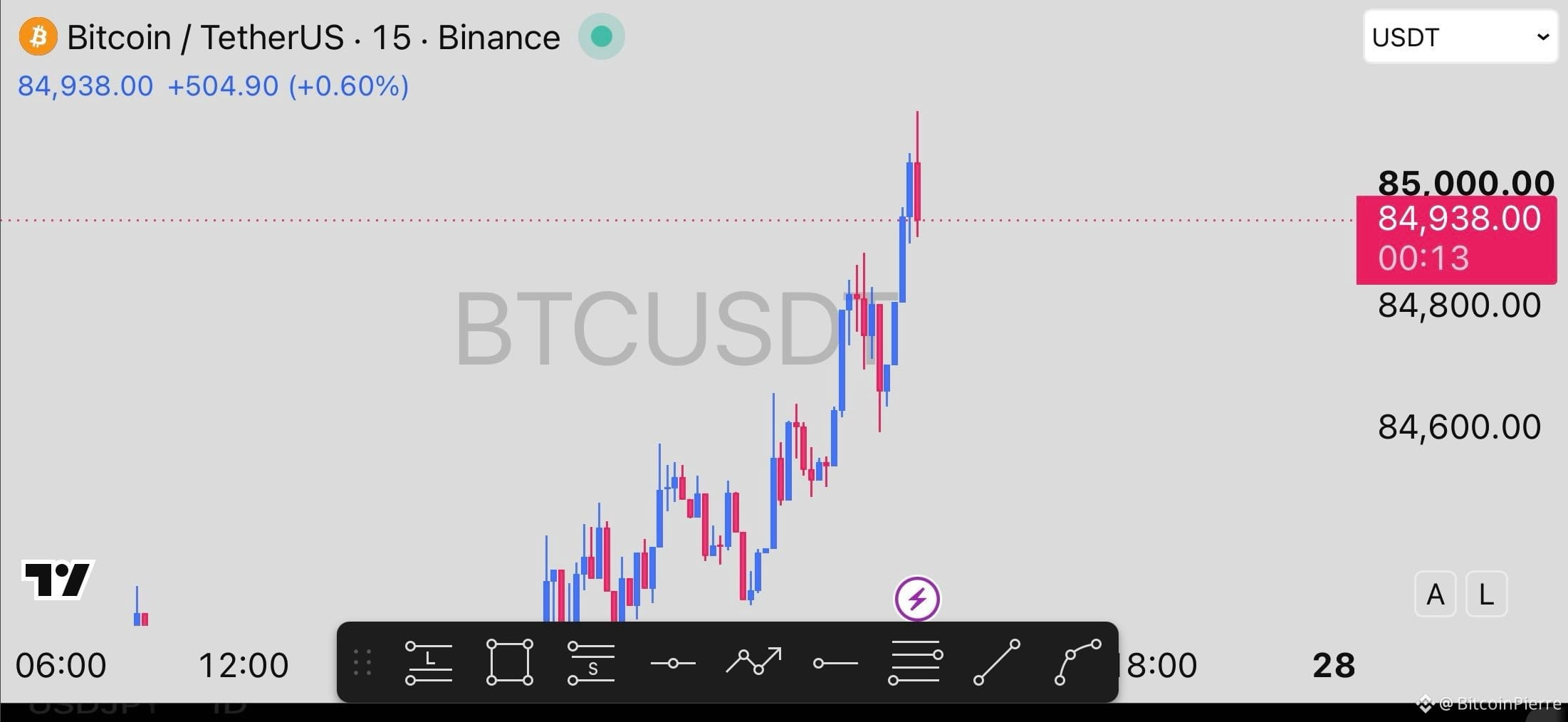
もし今日BTCが$78,300を上抜けて終値を付けるなら、50週移動平均線を上回る週次の連続2回目のクローズとなります。
これは重要です。なぜなら、50週移動平均線は、これまでビットコインの弱気相場(ベア)局面において主要な上限(天井)の役割を果たしてきたからです。Galaxy Researchは、この水準を継続的に上抜けることを、サイクルの底打ちの可能性がある強いシグナルだと説明しています。
しかし、指標は1つだけでは弱気相場が終わったと断定できません。重要なのは、ブレイクアウト後もBTCが移動平均線の上で維持し続けられるかどうかです。
2回目の週次クローズは、深刻な(重大な)テクニカルシグナルになるでしょう。
#BTC 価格分析# #マクロの洞察# $BTC $ETH
もし今日BTCが$78,300を上抜けて終値を付けるなら、50週移動平均線を上回る週次の連続2回目のクローズとなります。
これは重要です。なぜなら、50週移動平均線は、これまでビットコインの弱気相場(ベア)局面において主要な上限(天井)の役割を果たしてきたからです。Galaxy Researchは、この水準を継続的に上抜けることを、サイクルの底打ちの可能性がある強いシグナルだと説明しています。
しかし、指標は1つだけでは弱気相場が終わったと断定できません。重要なのは、ブレイクアウト後もBTCが移動平均線の上で維持し続けられるかどうかです。
2回目の週次クローズは、深刻な(重大な)テクニカルシグナルになるでしょう。
#BTC 価格分析# #マクロの洞察# $BTC $ETH
これは重要です。なぜなら、50週移動平均線は、これまでビットコインの弱気相場(ベア)局面において主要な上限(天井)の役割を果たしてきたからです。Galaxy Researchは、この水準を継続的に上抜けることを、サイクルの底打ちの可能性がある強いシグナルだと説明しています。
しかし、指標は1つだけでは弱気相場が終わったと断定できません。重要なのは、ブレイクアウト後もBTCが移動平均線の上で維持し続けられるかどうかです。
2回目の週次クローズは、深刻な(重大な)テクニカルシグナルになるでしょう。
#BTC 価格分析# #マクロの洞察# $BTC $ETH
50
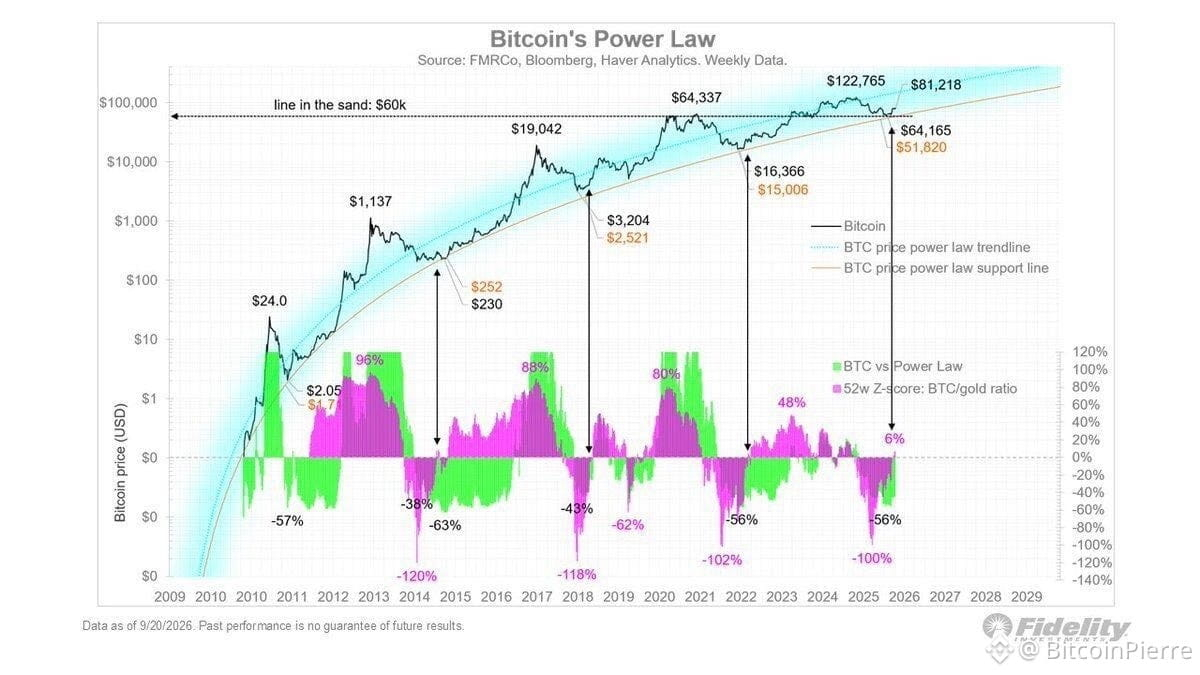
Fidelityのユリエン・ティマー氏は、ビットコインが長期的な重要なサポートと見なす$60Kの水準を維持したことで、新たな循環的な強気相場に入ったと述べています。
同氏のべき乗則モデルでは、2029年までに$300,000に向かう見通しです。
この見解が注目されるのは、ティマー氏が今年序盤、BTCが自身のモデルの下限付近に近づいていた際には、かなり慎重だったためです。
しかし今では、市場構造が変化していると見ています。
もちろん、$300Kはモデルに基づく目標であり、保証された結果ではありません。ビットコインは、回復が持続的な上昇トレンドへ発展できることを、なおも示す必要があります。
$60Kを維持。ティマー氏は、次のサイクルがすでに始まっている可能性もあるとしています。
#BTC Price Analysis# #BTC Above 60K# $BTC $ZEC
Fidelityのユリエン・ティマー氏は、ビットコインが長期的な重要なサポートと見なす$60Kの水準を維持したことで、新たな循環的な強気相場に入ったと述べています。
同氏のべき乗則モデルでは、2029年までに$300,000に向かう見通しです。
この見解が注目されるのは、ティマー氏が今年序盤、BTCが自身のモデルの下限付近に近づいていた際には、かなり慎重だったためです。
しかし今では、市場構造が変化していると見ています。
もちろん、$300Kはモデルに基づく目標であり、保証された結果ではありません。ビットコインは、回復が持続的な上昇トレンドへ発展できることを、なおも示す必要があります。
$60Kを維持。ティマー氏は、次のサイクルがすでに始まっている可能性もあるとしています。
#BTC Price Analysis# #BTC Above 60K# $BTC $ZEC
同氏のべき乗則モデルでは、2029年までに$300,000に向かう見通しです。
この見解が注目されるのは、ティマー氏が今年序盤、BTCが自身のモデルの下限付近に近づいていた際には、かなり慎重だったためです。
しかし今では、市場構造が変化していると見ています。
もちろん、$300Kはモデルに基づく目標であり、保証された結果ではありません。ビットコインは、回復が持続的な上昇トレンドへ発展できることを、なおも示す必要があります。
$60Kを維持。ティマー氏は、次のサイクルがすでに始まっている可能性もあるとしています。
#BTC Price Analysis# #BTC Above 60K# $BTC $ZEC
58
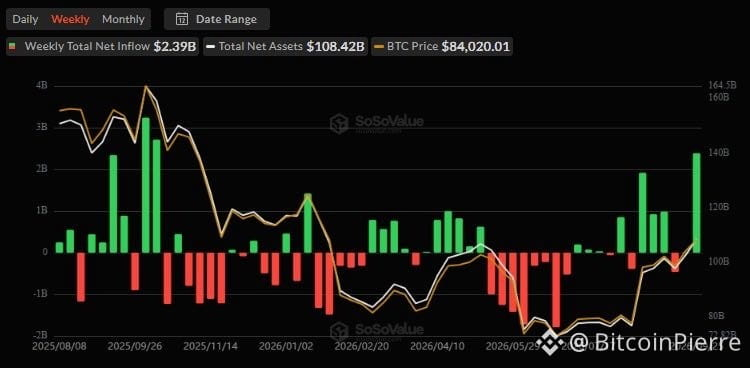
米国のスポット・ビットコインETFは先週、純流入が23.9億ドルに達し、2025年10月以来の最高の週次パフォーマンスとなりました。
5回の取引セッションすべてでプラスのフローが記録され、月曜だけでほぼ10億ドルが投資信託に流入しました。
さらに興味深いのは、より大きな全体像です。今回の流入により、ビットコインETFは2026年のプラス領域に押し戻されました。年初にはおよそ58億ドルの赤字だったためです。
機関投資家の需要が明らかに再び高まっています。
#BTC Price Analysis# #Macro Insights# $BTC $ETH
米国のスポット・ビットコインETFは先週、純流入が23.9億ドルに達し、2025年10月以来の最高の週次パフォーマンスとなりました。
5回の取引セッションすべてでプラスのフローが記録され、月曜だけでほぼ10億ドルが投資信託に流入しました。
さらに興味深いのは、より大きな全体像です。今回の流入により、ビットコインETFは2026年のプラス領域に押し戻されました。年初にはおよそ58億ドルの赤字だったためです。
機関投資家の需要が明らかに再び高まっています。
#BTC Price Analysis# #Macro Insights# $BTC $ETH
5回の取引セッションすべてでプラスのフローが記録され、月曜だけでほぼ10億ドルが投資信託に流入しました。
さらに興味深いのは、より大きな全体像です。今回の流入により、ビットコインETFは2026年のプラス領域に押し戻されました。年初にはおよそ58億ドルの赤字だったためです。
機関投資家の需要が明らかに再び高まっています。
#BTC Price Analysis# #Macro Insights# $BTC $ETH
74
ログインして、さらにコンテンツを読む
厳選トピックで世界の暗号資産トレーダーの仲間入り
⚡️ 暗号資産に関する最新かつ有益な情報が見つかります。
💬 世界最大の暗号資産取引所から信頼されています。
👍 認証を受けたクリエイターから、有益なインサイトを得られます。
メール / 電話番号