
Bitcoin.org
3.1k 投稿

Bitcoin.org
報告
ユーザーをブロック
Bitcoin is an open source censorship-resistant peer-to-peer immutable network. Trackable digital gold. Don't trust; verify. Not your keys; not your coins.
0 フォロー
10.5K+ フォロワー
3.8K+ いいね
投稿
·
--
翻訳参照
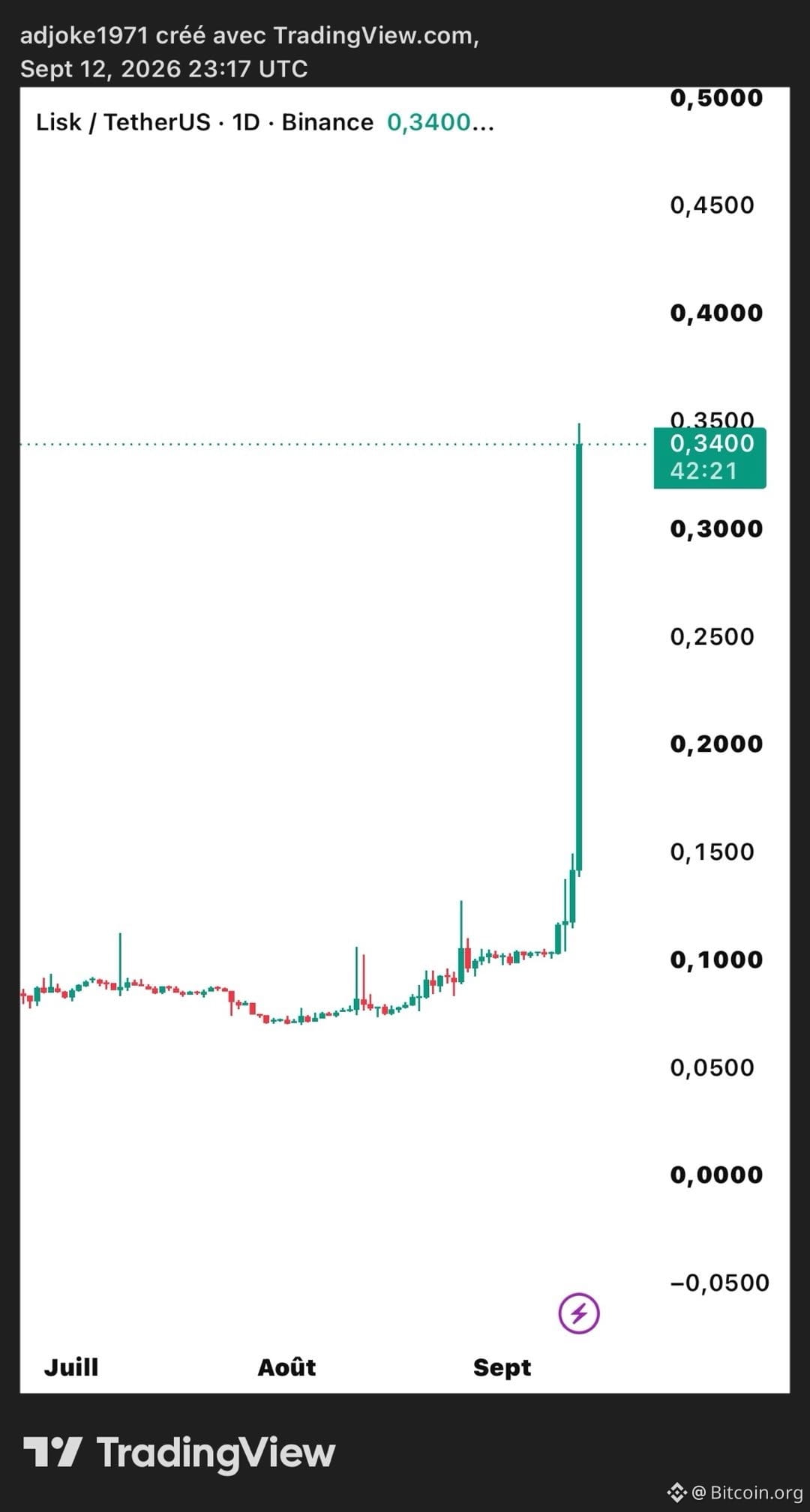
$LSK - Un token peut monter de 100%, 500% ou même davantage sans que cela signifie que son projet vient soudainement de devenir plus intéressant.
C’est probablement le piège ave$LSK en ce moment.
Quand un actif apparaît dans les top gainers, le réflexe naturel est de chercher une raison : nouvelle importante, annonce, partenariat, adoption, changement fondamental…
Mais parfois, il n’y a tout simplement rien de tout ça.
Il y a seulement un actif qui commence à monter, puis des traders qui voient l’accélération, puis davantage de traders qui veulent profiter de l’accélération.
Et à partir de là, le mouvement peut s’autoalimenter pendant un certain temps.
Le problème, c’est que ce genre de dynamique fonctionne dans les deux sens.
La même spéculation qui pousse le prix vers le haut peut rapidement disparaître et transformer les derniers acheteurs en liquidité pour ceux qui prennent leurs profits.
Donc ne confondez pas forcément performance du prix et amélioration des fondamentaux.
Pour $LISK, tant qu’un véritable catalyseur ne vient pas justifier durablement cette hausse, je traiterais personnellement ce mouvement comme une opportunité spéculative à court terme - pas comme une confirmation du bullrun.
Et dans ce genre de marché, savoir prendre ses profits peut être aussi important que savoir entrer.
#Altcoin Season# #Meme Alpha# #BaseIntroduced
$LSK - Un token peut monter de 100%, 500% ou même davantage sans que cela signifie que son projet vient soudainement de devenir plus intéressant.
C’est probablement le piège ave$LSK en ce moment.
Quand un actif apparaît dans les top gainers, le réflexe naturel est de chercher une raison : nouvelle importante, annonce, partenariat, adoption, changement fondamental…
Mais parfois, il n’y a tout simplement rien de tout ça.
Il y a seulement un actif qui commence à monter, puis des traders qui voient l’accélération, puis davantage de traders qui veulent profiter de l’accélération.
Et à partir de là, le mouvement peut s’autoalimenter pendant un certain temps.
Le problème, c’est que ce genre de dynamique fonctionne dans les deux sens.
La même spéculation qui pousse le prix vers le haut peut rapidement disparaître et transformer les derniers acheteurs en liquidité pour ceux qui prennent leurs profits.
Donc ne confondez pas forcément performance du prix et amélioration des fondamentaux.
Pour $LISK, tant qu’un véritable catalyseur ne vient pas justifier durablement cette hausse, je traiterais personnellement ce mouvement comme une opportunité spéculative à court terme - pas comme une confirmation du bullrun.
Et dans ce genre de marché, savoir prendre ses profits peut être aussi important que savoir entrer.
#Altcoin Season# #Meme Alpha# #BaseIntroduced
C’est probablement le piège ave$LSK en ce moment.
Quand un actif apparaît dans les top gainers, le réflexe naturel est de chercher une raison : nouvelle importante, annonce, partenariat, adoption, changement fondamental…
Mais parfois, il n’y a tout simplement rien de tout ça.
Il y a seulement un actif qui commence à monter, puis des traders qui voient l’accélération, puis davantage de traders qui veulent profiter de l’accélération.
Et à partir de là, le mouvement peut s’autoalimenter pendant un certain temps.
Le problème, c’est que ce genre de dynamique fonctionne dans les deux sens.
La même spéculation qui pousse le prix vers le haut peut rapidement disparaître et transformer les derniers acheteurs en liquidité pour ceux qui prennent leurs profits.
Donc ne confondez pas forcément performance du prix et amélioration des fondamentaux.
Pour $LISK, tant qu’un véritable catalyseur ne vient pas justifier durablement cette hausse, je traiterais personnellement ce mouvement comme une opportunité spéculative à court terme - pas comme une confirmation du bullrun.
Et dans ce genre de marché, savoir prendre ses profits peut être aussi important que savoir entrer.
#Altcoin Season# #Meme Alpha# #BaseIntroduced
259
·
--
翻訳参照
La hausse de $LSK attire actuellement l’attention : le token fait partie des principaux gagnants sur les dernières 24 heures, avec une accélération déjà visible depuis hier.
Mais le point intéressant est qu’il n’existe, à première vue, aucun catalyseur fondamental majeur permettant d’expliquer cette performance.
Dans le même temps, le marché dans son ensemble reste relativement calme, avec un Bitcoin qui évolue lui aussi sans mouvement particulièrement explosif.
Cela rend l’hypothèse d’un mouvement directement lié au bullrun moins convaincante.
À mon sens, le comportement actuel de $LISK ressemble davantage aux phases spéculatives de pump observées à plusieurs reprises avant la forte accélération du Bitcoin en août.
Autrement dit, je serais prudent avant d’interpréter cette hausse comme le signe d’un changement structurel ou comme le retour généralisé d’un marché haussier.
Sans catalyseur fondamental identifiable, une partie importante du mouvement peut simplement provenir de la spéculation et de la dynamique de marché à court terme.
Si vous tradez $LISK, prudence donc sur le risque de retournement. Et si vous détenez déjà le token avec une position en profit, cette hausse peut aussi être l’occasion d’envisager une prise de profits plutôt que de supposer que le mouvement va nécessairement se poursuivre.
#Altcoin Season# #Meme Alpha#
La hausse de $LSK attire actuellement l’attention : le token fait partie des principaux gagnants sur les dernières 24 heures, avec une accélération déjà visible depuis hier.
Mais le point intéressant est qu’il n’existe, à première vue, aucun catalyseur fondamental majeur permettant d’expliquer cette performance.
Dans le même temps, le marché dans son ensemble reste relativement calme, avec un Bitcoin qui évolue lui aussi sans mouvement particulièrement explosif.
Cela rend l’hypothèse d’un mouvement directement lié au bullrun moins convaincante.
À mon sens, le comportement actuel de $LISK ressemble davantage aux phases spéculatives de pump observées à plusieurs reprises avant la forte accélération du Bitcoin en août.
Autrement dit, je serais prudent avant d’interpréter cette hausse comme le signe d’un changement structurel ou comme le retour généralisé d’un marché haussier.
Sans catalyseur fondamental identifiable, une partie importante du mouvement peut simplement provenir de la spéculation et de la dynamique de marché à court terme.
Si vous tradez $LISK, prudence donc sur le risque de retournement. Et si vous détenez déjà le token avec une position en profit, cette hausse peut aussi être l’occasion d’envisager une prise de profits plutôt que de supposer que le mouvement va nécessairement se poursuivre.
#Altcoin Season# #Meme Alpha#
Mais le point intéressant est qu’il n’existe, à première vue, aucun catalyseur fondamental majeur permettant d’expliquer cette performance.
Dans le même temps, le marché dans son ensemble reste relativement calme, avec un Bitcoin qui évolue lui aussi sans mouvement particulièrement explosif.
Cela rend l’hypothèse d’un mouvement directement lié au bullrun moins convaincante.
À mon sens, le comportement actuel de $LISK ressemble davantage aux phases spéculatives de pump observées à plusieurs reprises avant la forte accélération du Bitcoin en août.
Autrement dit, je serais prudent avant d’interpréter cette hausse comme le signe d’un changement structurel ou comme le retour généralisé d’un marché haussier.
Sans catalyseur fondamental identifiable, une partie importante du mouvement peut simplement provenir de la spéculation et de la dynamique de marché à court terme.
Si vous tradez $LISK, prudence donc sur le risque de retournement. Et si vous détenez déjà le token avec une position en profit, cette hausse peut aussi être l’occasion d’envisager une prise de profits plutôt que de supposer que le mouvement va nécessairement se poursuivre.
#Altcoin Season# #Meme Alpha#
34
·
--
翻訳参照
Ls hausse de $LSK n’a vraiment pas de catalyseur fondamental majeur permettant d’expliquer cette performance.
Dans le même temps, le marché dans son ensemble reste relativement calme, avec un Bitcoin qui évolue lui aussi sans mouvement particulièrement explosif.
Cela rend l’hypothèse d’un mouvement directement lié au bullrun moins convaincante.
À mon sens, le comportement actuel de$LSK ressemble davantage aux phases spéculatives de pump observées à plusieurs reprises avant la forte accélération du Bitcoin en août.
Autrement dit, je serais prudent avant d’interpréter cette hausse comme le signe d’un changement structurel ou comme le retour généralisé d’un marché haussier.
Sans catalyseur fondamental identifiable, une partie importante du mouvement peut simplement provenir de la spéculation et de la dynamique de marché à court terme.
Si vous trade$LSK , prudence donc sur le risque de retournement. Et si vous détenez déjà le token avec une position en profit, cette hausse peut aussi être l’occasion d’envisager une prise de profits plutôt que de supposer que le mouvement va nécessairement se poursuivre.
#Altcoin Season# #Meme Alpha#
Ls hausse de $LSK n’a vraiment pas de catalyseur fondamental majeur permettant d’expliquer cette performance.
Dans le même temps, le marché dans son ensemble reste relativement calme, avec un Bitcoin qui évolue lui aussi sans mouvement particulièrement explosif.
Cela rend l’hypothèse d’un mouvement directement lié au bullrun moins convaincante.
À mon sens, le comportement actuel de$LSK ressemble davantage aux phases spéculatives de pump observées à plusieurs reprises avant la forte accélération du Bitcoin en août.
Autrement dit, je serais prudent avant d’interpréter cette hausse comme le signe d’un changement structurel ou comme le retour généralisé d’un marché haussier.
Sans catalyseur fondamental identifiable, une partie importante du mouvement peut simplement provenir de la spéculation et de la dynamique de marché à court terme.
Si vous trade$LSK , prudence donc sur le risque de retournement. Et si vous détenez déjà le token avec une position en profit, cette hausse peut aussi être l’occasion d’envisager une prise de profits plutôt que de supposer que le mouvement va nécessairement se poursuivre.
#Altcoin Season# #Meme Alpha#
Dans le même temps, le marché dans son ensemble reste relativement calme, avec un Bitcoin qui évolue lui aussi sans mouvement particulièrement explosif.
Cela rend l’hypothèse d’un mouvement directement lié au bullrun moins convaincante.
À mon sens, le comportement actuel de$LSK ressemble davantage aux phases spéculatives de pump observées à plusieurs reprises avant la forte accélération du Bitcoin en août.
Autrement dit, je serais prudent avant d’interpréter cette hausse comme le signe d’un changement structurel ou comme le retour généralisé d’un marché haussier.
Sans catalyseur fondamental identifiable, une partie importante du mouvement peut simplement provenir de la spéculation et de la dynamique de marché à court terme.
Si vous trade$LSK , prudence donc sur le risque de retournement. Et si vous détenez déjà le token avec une position en profit, cette hausse peut aussi être l’occasion d’envisager une prise de profits plutôt que de supposer que le mouvement va nécessairement se poursuivre.
#Altcoin Season# #Meme Alpha#
73
·
--
翻訳参照
$LSK est actuellement parmi les top gainers, les tokens qui ont le plus fait de hausse sur les dernières 24 heures et même depuis hier.
Mais en vrai, il n’y a pas vraiment d’événement déclencheur fondamental. Pas vraiment.
Et le marché global est plutôt calme. Le Bitcoin est plutôt calme aussi.
Sinon, j’allais dire peut-être que c’est l’effet du bullrun. Mais en fait, c’est justement là où j’ai un doute.
Je pense que ce n’est pas différent des séries de pump and dump qu’il y avait déjà avant même que le Bitcoin ne relance et ne fasse cette hausse spectaculaire du mois d’août.
Donc en gros, c’est plutôt très spéculatif.
Et comme c’était le cas avant la hausse spectaculaire du Bitcoin, je pense que c’est beaucoup plus sur ce point-là que sur le bullrun. C’est beaucoup plus probablement de la spéculation que du bullrun, en fait.
Donc très attention si vous tradez ça.
Et si vous détenez le token, ce serait même peut-être une opportunité de prendre du profit, parce que c’est très probablement, à mon avis, quelque chose qui peut redescendre très bientôt.
#Altcoin Season#
$LSK est actuellement parmi les top gainers, les tokens qui ont le plus fait de hausse sur les dernières 24 heures et même depuis hier.
Mais en vrai, il n’y a pas vraiment d’événement déclencheur fondamental. Pas vraiment.
Et le marché global est plutôt calme. Le Bitcoin est plutôt calme aussi.
Sinon, j’allais dire peut-être que c’est l’effet du bullrun. Mais en fait, c’est justement là où j’ai un doute.
Je pense que ce n’est pas différent des séries de pump and dump qu’il y avait déjà avant même que le Bitcoin ne relance et ne fasse cette hausse spectaculaire du mois d’août.
Donc en gros, c’est plutôt très spéculatif.
Et comme c’était le cas avant la hausse spectaculaire du Bitcoin, je pense que c’est beaucoup plus sur ce point-là que sur le bullrun. C’est beaucoup plus probablement de la spéculation que du bullrun, en fait.
Donc très attention si vous tradez ça.
Et si vous détenez le token, ce serait même peut-être une opportunité de prendre du profit, parce que c’est très probablement, à mon avis, quelque chose qui peut redescendre très bientôt.
#Altcoin Season#
Mais en vrai, il n’y a pas vraiment d’événement déclencheur fondamental. Pas vraiment.
Et le marché global est plutôt calme. Le Bitcoin est plutôt calme aussi.
Sinon, j’allais dire peut-être que c’est l’effet du bullrun. Mais en fait, c’est justement là où j’ai un doute.
Je pense que ce n’est pas différent des séries de pump and dump qu’il y avait déjà avant même que le Bitcoin ne relance et ne fasse cette hausse spectaculaire du mois d’août.
Donc en gros, c’est plutôt très spéculatif.
Et comme c’était le cas avant la hausse spectaculaire du Bitcoin, je pense que c’est beaucoup plus sur ce point-là que sur le bullrun. C’est beaucoup plus probablement de la spéculation que du bullrun, en fait.
Donc très attention si vous tradez ça.
Et si vous détenez le token, ce serait même peut-être une opportunité de prendre du profit, parce que c’est très probablement, à mon avis, quelque chose qui peut redescendre très bientôt.
#Altcoin Season#
116
·
--
いいえ、これは直接的にウォール街が $ETH を $BTC より好む、という意味ではありません。
実際、ポートフォリオ配分の観点では、ビットコインとイーサリアムはどちらも「大型暗号資産」のカテゴリーに直接分類されます。
つまり、それが必ずしもビットコイン、イーサリアムなどの配分に直結するわけではないのです。
そして、配分の面でも、レベルに大きな違いがあるわけではありません。
さらに、これを価格に結び付けて考えると、特に Robinhood の Layer 2 エコシステムとともに、イーサリアムへの需要が急増したことを最小化してしまう可能性もあると思います。
なぜなら、使われているのは常に ETH だからで、ただブリッジ(担保/中継)されているだけです。
それはネイティブの Ethereum から Robinhood へ移された同じ ETH です。
つまり、そちらでミームコイン・エコシステムが爆発しているので、イーサリアムへの需要が増えるのは自然です。
そして、それが価格にも反映され得るのは自然なことです。 👀
#Altcoin Season# #Meme Alpha#
いいえ、これは直接的にウォール街が $ETH を $BTC より好む、という意味ではありません。
実際、ポートフォリオ配分の観点では、ビットコインとイーサリアムはどちらも「大型暗号資産」のカテゴリーに直接分類されます。
つまり、それが必ずしもビットコイン、イーサリアムなどの配分に直結するわけではないのです。
そして、配分の面でも、レベルに大きな違いがあるわけではありません。
さらに、これを価格に結び付けて考えると、特に Robinhood の Layer 2 エコシステムとともに、イーサリアムへの需要が急増したことを最小化してしまう可能性もあると思います。
なぜなら、使われているのは常に ETH だからで、ただブリッジ(担保/中継)されているだけです。
それはネイティブの Ethereum から Robinhood へ移された同じ ETH です。
つまり、そちらでミームコイン・エコシステムが爆発しているので、イーサリアムへの需要が増えるのは自然です。
そして、それが価格にも反映され得るのは自然なことです。 👀
#Altcoin Season# #Meme Alpha#
実際、ポートフォリオ配分の観点では、ビットコインとイーサリアムはどちらも「大型暗号資産」のカテゴリーに直接分類されます。
つまり、それが必ずしもビットコイン、イーサリアムなどの配分に直結するわけではないのです。
そして、配分の面でも、レベルに大きな違いがあるわけではありません。
さらに、これを価格に結び付けて考えると、特に Robinhood の Layer 2 エコシステムとともに、イーサリアムへの需要が急増したことを最小化してしまう可能性もあると思います。
なぜなら、使われているのは常に ETH だからで、ただブリッジ(担保/中継)されているだけです。
それはネイティブの Ethereum から Robinhood へ移された同じ ETH です。
つまり、そちらでミームコイン・エコシステムが爆発しているので、イーサリアムへの需要が増えるのは自然です。
そして、それが価格にも反映され得るのは自然なことです。 👀
#Altcoin Season# #Meme Alpha#
85
·
--
翻訳参照
I wouldn’t interpret the recent Ethereum move as evidence that Wall Street has simply chosen $ETH over $BTC .
The distinction is important.
From a traditional portfolio-allocation perspective, Bitcoin and Ethereum are both generally considered large-cap crypto exposure.
The allocation framework is therefore not necessarily:
BTC vs ETH vs everything else.
It can be closer to:
Large-cap crypto → stablecoins → smaller/high-potential crypto.
So seeing stronger capital flows toward ETH doesn’t automatically mean that institutional investors are abandoning Bitcoin.
There may certainly be a narrative effect pushing financial advisors to allocate more toward ETH, but I think there’s another factor that shouldn’t be underestimated:
actual demand for Ethereum has increased.
The Robinhood Layer 2 ecosystem is a good example.
The ETH used there is still ETH — it’s simply bridged from Ethereum’s native network.
And with the rapid expansion of the memecoin ecosystem on that Layer 2, it’s only logical that additional activity can translate into additional demand for ETH.
So rather than simply saying “Wall Street prefers ETH now,” I think it’s more accurate to look at both sides:
portfolio allocation explains part of the capital flow, while actual ecosystem demand can explain part of the price action.
And those are two very different things.
#BTC Price Analysis# #Macro Insights# #Altcoin Season# #Meme Alpha#
I wouldn’t interpret the recent Ethereum move as evidence that Wall Street has simply chosen $ETH over $BTC .
The distinction is important.
From a traditional portfolio-allocation perspective, Bitcoin and Ethereum are both generally considered large-cap crypto exposure.
The allocation framework is therefore not necessarily:
BTC vs ETH vs everything else.
It can be closer to:
Large-cap crypto → stablecoins → smaller/high-potential crypto.
So seeing stronger capital flows toward ETH doesn’t automatically mean that institutional investors are abandoning Bitcoin.
There may certainly be a narrative effect pushing financial advisors to allocate more toward ETH, but I think there’s another factor that shouldn’t be underestimated:
actual demand for Ethereum has increased.
The Robinhood Layer 2 ecosystem is a good example.
The ETH used there is still ETH — it’s simply bridged from Ethereum’s native network.
And with the rapid expansion of the memecoin ecosystem on that Layer 2, it’s only logical that additional activity can translate into additional demand for ETH.
So rather than simply saying “Wall Street prefers ETH now,” I think it’s more accurate to look at both sides:
portfolio allocation explains part of the capital flow, while actual ecosystem demand can explain part of the price action.
And those are two very different things.
#BTC Price Analysis# #Macro Insights# #Altcoin Season# #Meme Alpha#
The distinction is important.
From a traditional portfolio-allocation perspective, Bitcoin and Ethereum are both generally considered large-cap crypto exposure.
The allocation framework is therefore not necessarily:
BTC vs ETH vs everything else.
It can be closer to:
Large-cap crypto → stablecoins → smaller/high-potential crypto.
So seeing stronger capital flows toward ETH doesn’t automatically mean that institutional investors are abandoning Bitcoin.
There may certainly be a narrative effect pushing financial advisors to allocate more toward ETH, but I think there’s another factor that shouldn’t be underestimated:
actual demand for Ethereum has increased.
The Robinhood Layer 2 ecosystem is a good example.
The ETH used there is still ETH — it’s simply bridged from Ethereum’s native network.
And with the rapid expansion of the memecoin ecosystem on that Layer 2, it’s only logical that additional activity can translate into additional demand for ETH.
So rather than simply saying “Wall Street prefers ETH now,” I think it’s more accurate to look at both sides:
portfolio allocation explains part of the capital flow, while actual ecosystem demand can explain part of the price action.
And those are two very different things.
#BTC Price Analysis# #Macro Insights# #Altcoin Season# #Meme Alpha#

139
·
--
翻訳参照
$LAPTOP This is exactly why I keep saying: don’t buy the narrative, analyze the token.
That’s an extreme example of how quickly hype can create price discovery in a memecoin — and how quickly that liquidity can disappear.
The interesting is the economic structure behind the token.
Airdrops, giveaways, hype, bullposting and community campaigns can generate attention and short-term demand. But the real question is:
What do these mechanisms actually create for the token economically?
That’s where tokenomics matter.
You can have the biggest celebrity promoting a token, but if there’s no mechanism behind the project that creates or captures value for the token, then you’re essentially trading the narrative.
And with memecoins, we already know the game: it’s PVP.
That’s why I was expecting this token to potentially perform even worse than the Trump or Melania tokens.
It took less than a day to show why.
Don’t listen to the speeches. Study what’s behind the token. 👀
$LAPTOP This is exactly why I keep saying: don’t buy the narrative, analyze the token.
That’s an extreme example of how quickly hype can create price discovery in a memecoin — and how quickly that liquidity can disappear.
The interesting is the economic structure behind the token.
Airdrops, giveaways, hype, bullposting and community campaigns can generate attention and short-term demand. But the real question is:
What do these mechanisms actually create for the token economically?
That’s where tokenomics matter.
You can have the biggest celebrity promoting a token, but if there’s no mechanism behind the project that creates or captures value for the token, then you’re essentially trading the narrative.
And with memecoins, we already know the game: it’s PVP.
That’s why I was expecting this token to potentially perform even worse than the Trump or Melania tokens.
It took less than a day to show why.
Don’t listen to the speeches. Study what’s behind the token. 👀
That’s an extreme example of how quickly hype can create price discovery in a memecoin — and how quickly that liquidity can disappear.
The interesting is the economic structure behind the token.
Airdrops, giveaways, hype, bullposting and community campaigns can generate attention and short-term demand. But the real question is:
What do these mechanisms actually create for the token economically?
That’s where tokenomics matter.
You can have the biggest celebrity promoting a token, but if there’s no mechanism behind the project that creates or captures value for the token, then you’re essentially trading the narrative.
And with memecoins, we already know the game: it’s PVP.
That’s why I was expecting this token to potentially perform even worse than the Trump or Melania tokens.
It took less than a day to show why.
Don’t listen to the speeches. Study what’s behind the token. 👀
84
·
--
翻訳参照
I told you to look beyond the speeches. 😂
$LAPTOP
It launched today, pumped all the way to around $400, then completely nuked back toward $1 in roughly an hour.
A full pump and dump before the market even had time to breathe.
And this is exactly the problem with buying a token based on what the people behind it are saying.
Airdrops? Giveaways? Hype? Bullposting?
Cool.
But what does any of that actually bring to the token economically?
That’s the question you need to ask.
Because attention can pump a token, but attention alone doesn’t create sustainable value.
This is why I keep saying tokenomics matter.
Who gets the supply? How is it distributed? What creates demand? What captures value? What happens to the token over time?
If the answer is basically “trust the hype,” you already have your answer.
Memecoins are PVP, so you can trade the hype — but don’t confuse hype with fundamentals.
No matter who is promoting the token, study the tokenomics before you buy.
Celebrity ≠ value.
Narrative ≠ value.
Hype ≠ value.
#Meme Alpha# #BaseIntroduced
I told you to look beyond the speeches. 😂
$LAPTOP
It launched today, pumped all the way to around $400, then completely nuked back toward $1 in roughly an hour.
A full pump and dump before the market even had time to breathe.
And this is exactly the problem with buying a token based on what the people behind it are saying.
Airdrops? Giveaways? Hype? Bullposting?
Cool.
But what does any of that actually bring to the token economically?
That’s the question you need to ask.
Because attention can pump a token, but attention alone doesn’t create sustainable value.
This is why I keep saying tokenomics matter.
Who gets the supply? How is it distributed? What creates demand? What captures value? What happens to the token over time?
If the answer is basically “trust the hype,” you already have your answer.
Memecoins are PVP, so you can trade the hype — but don’t confuse hype with fundamentals.
No matter who is promoting the token, study the tokenomics before you buy.
Celebrity ≠ value.
Narrative ≠ value.
Hype ≠ value.
#Meme Alpha# #BaseIntroduced
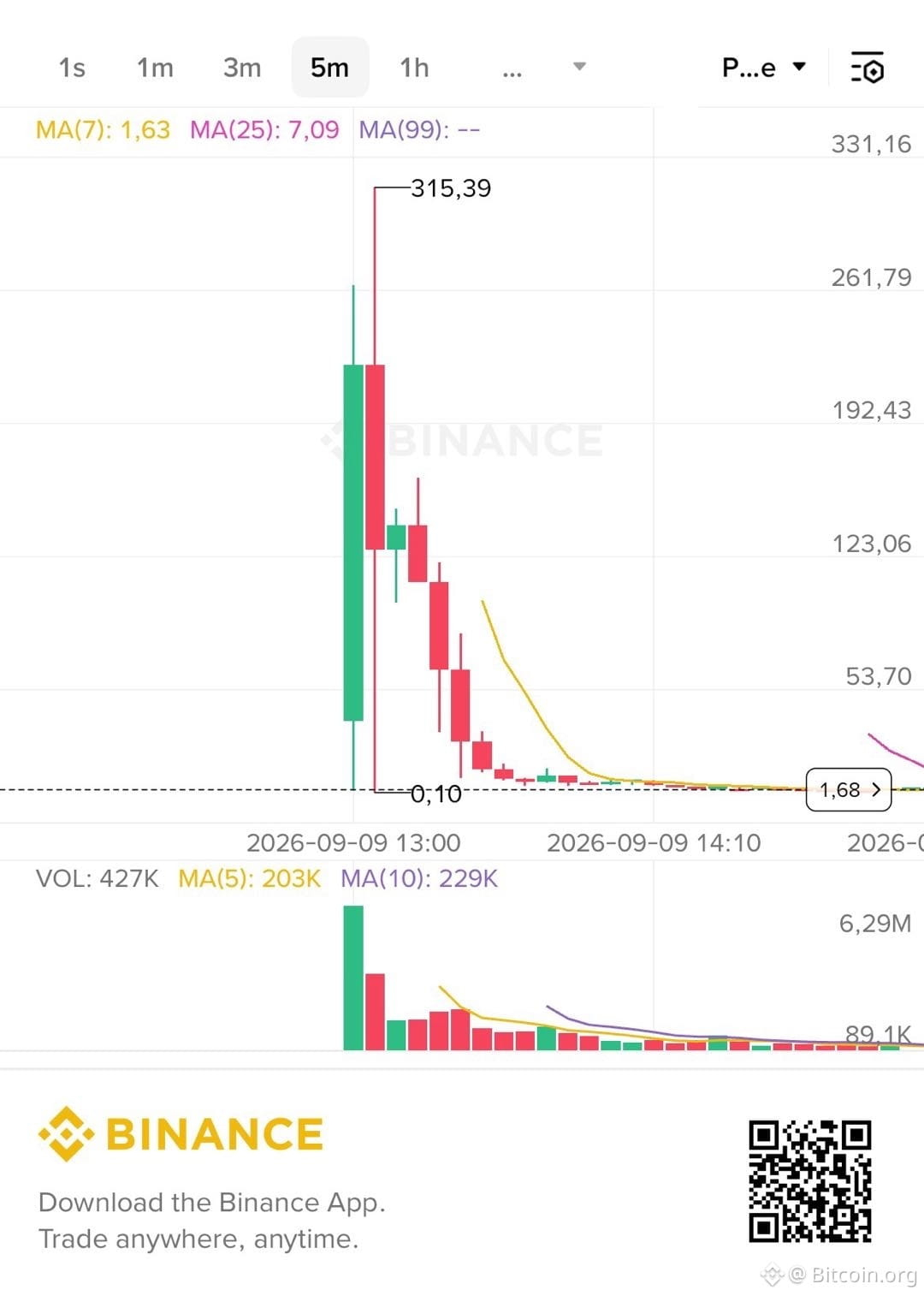
$LAPTOP
It launched today, pumped all the way to around $400, then completely nuked back toward $1 in roughly an hour.
A full pump and dump before the market even had time to breathe.
And this is exactly the problem with buying a token based on what the people behind it are saying.
Airdrops? Giveaways? Hype? Bullposting?
Cool.
But what does any of that actually bring to the token economically?
That’s the question you need to ask.
Because attention can pump a token, but attention alone doesn’t create sustainable value.
This is why I keep saying tokenomics matter.
Who gets the supply? How is it distributed? What creates demand? What captures value? What happens to the token over time?
If the answer is basically “trust the hype,” you already have your answer.
Memecoins are PVP, so you can trade the hype — but don’t confuse hype with fundamentals.
No matter who is promoting the token, study the tokenomics before you buy.
Celebrity ≠ value.
Narrative ≠ value.
Hype ≠ value.
#Meme Alpha# #BaseIntroduced
1
92
·
--
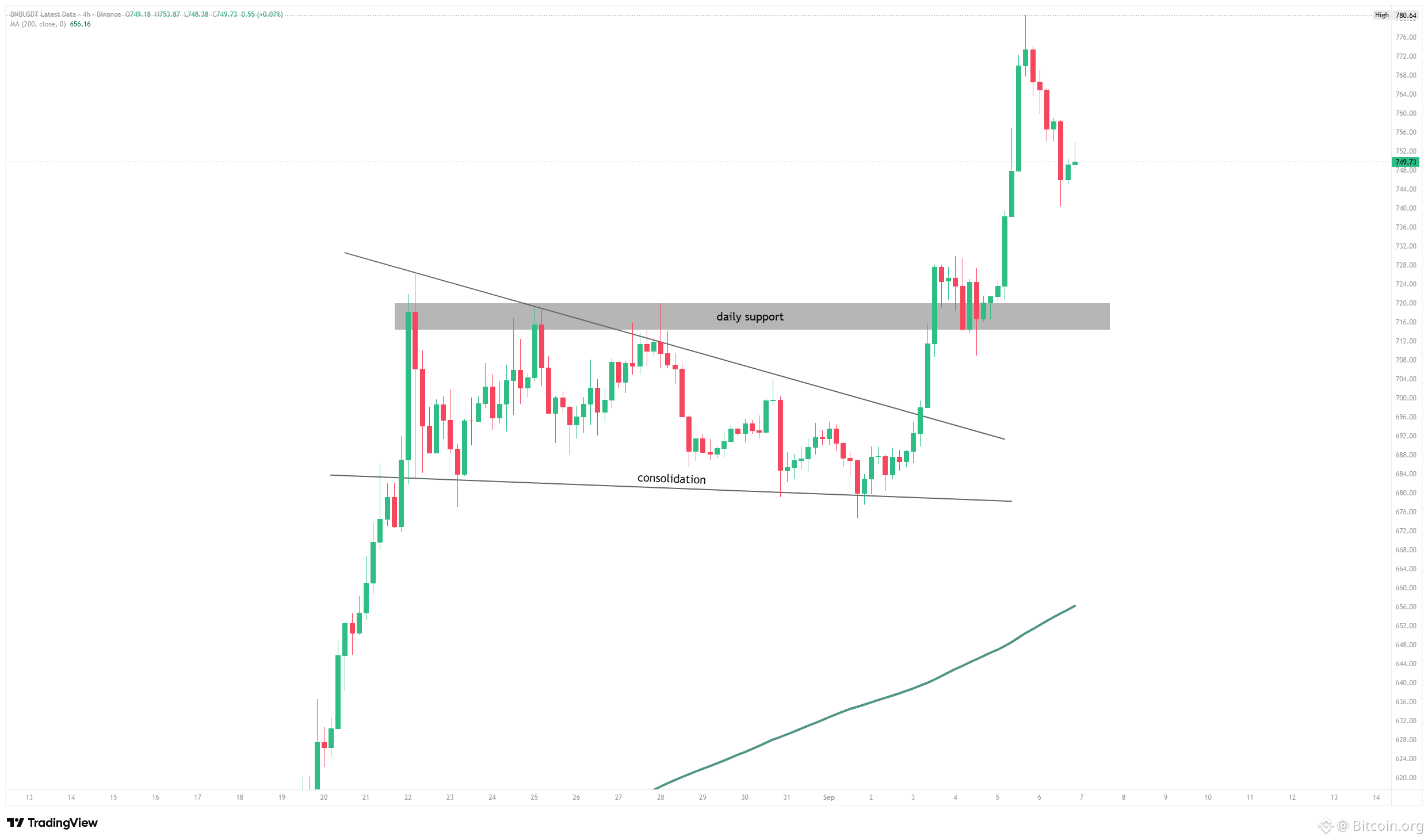
最初、ブレイクアウト後に大きく動くのは$BTC だと思っていました。
しかし、BTCはレジスタンスゾーンの上を維持できず、一方で$BNB はそれを達成して、週末にかけて7%以上上昇しました。
ここで興味深いのは動きの大きさではなく、しばらく同じような動きをしていた2つの資産の間で、価格構造に違いが出ていることです。
私はこれをまだ弱気相場の構造的反転だとは解釈しません。
チャートはまだ構造的に反転していません。
現在の動きは、より広い構造がトレンド転換を完全に確認する前に、強い買い圧力が価格を押し上げているように見えます。
だからこそ、今後数日から数週間でBNBやBTCが減速したり、もみ合いになったり、あるいは小さな調整を経験しても私は驚きません。
今のところモメンタムは明らかに強気ですが、モメンタムと構造的反転は別物です。
だから、まだトレンドしているものを何でも強気で買い漁るのはやめましょう。笑。 #BTC Price Analysis# #Macro Insights#
#BNBChain# #Altcoin Season# #Meme Alpha#
最初、ブレイクアウト後に大きく動くのは$BTC だと思っていました。
しかし、BTCはレジスタンスゾーンの上を維持できず、一方で$BNB はそれを達成して、週末にかけて7%以上上昇しました。
ここで興味深いのは動きの大きさではなく、しばらく同じような動きをしていた2つの資産の間で、価格構造に違いが出ていることです。
私はこれをまだ弱気相場の構造的反転だとは解釈しません。
チャートはまだ構造的に反転していません。
現在の動きは、より広い構造がトレンド転換を完全に確認する前に、強い買い圧力が価格を押し上げているように見えます。
だからこそ、今後数日から数週間でBNBやBTCが減速したり、もみ合いになったり、あるいは小さな調整を経験しても私は驚きません。
今のところモメンタムは明らかに強気ですが、モメンタムと構造的反転は別物です。
だから、まだトレンドしているものを何でも強気で買い漁るのはやめましょう。笑。 #BTC Price Analysis# #Macro Insights#
#BNBChain# #Altcoin Season# #Meme Alpha#
しかし、BTCはレジスタンスゾーンの上を維持できず、一方で$BNB はそれを達成して、週末にかけて7%以上上昇しました。
ここで興味深いのは動きの大きさではなく、しばらく同じような動きをしていた2つの資産の間で、価格構造に違いが出ていることです。
私はこれをまだ弱気相場の構造的反転だとは解釈しません。
チャートはまだ構造的に反転していません。
現在の動きは、より広い構造がトレンド転換を完全に確認する前に、強い買い圧力が価格を押し上げているように見えます。
だからこそ、今後数日から数週間でBNBやBTCが減速したり、もみ合いになったり、あるいは小さな調整を経験しても私は驚きません。
今のところモメンタムは明らかに強気ですが、モメンタムと構造的反転は別物です。
だから、まだトレンドしているものを何でも強気で買い漁るのはやめましょう。笑。 #BTC Price Analysis# #Macro Insights#
#BNBChain# #Altcoin Season# #Meme Alpha#
116
·
--
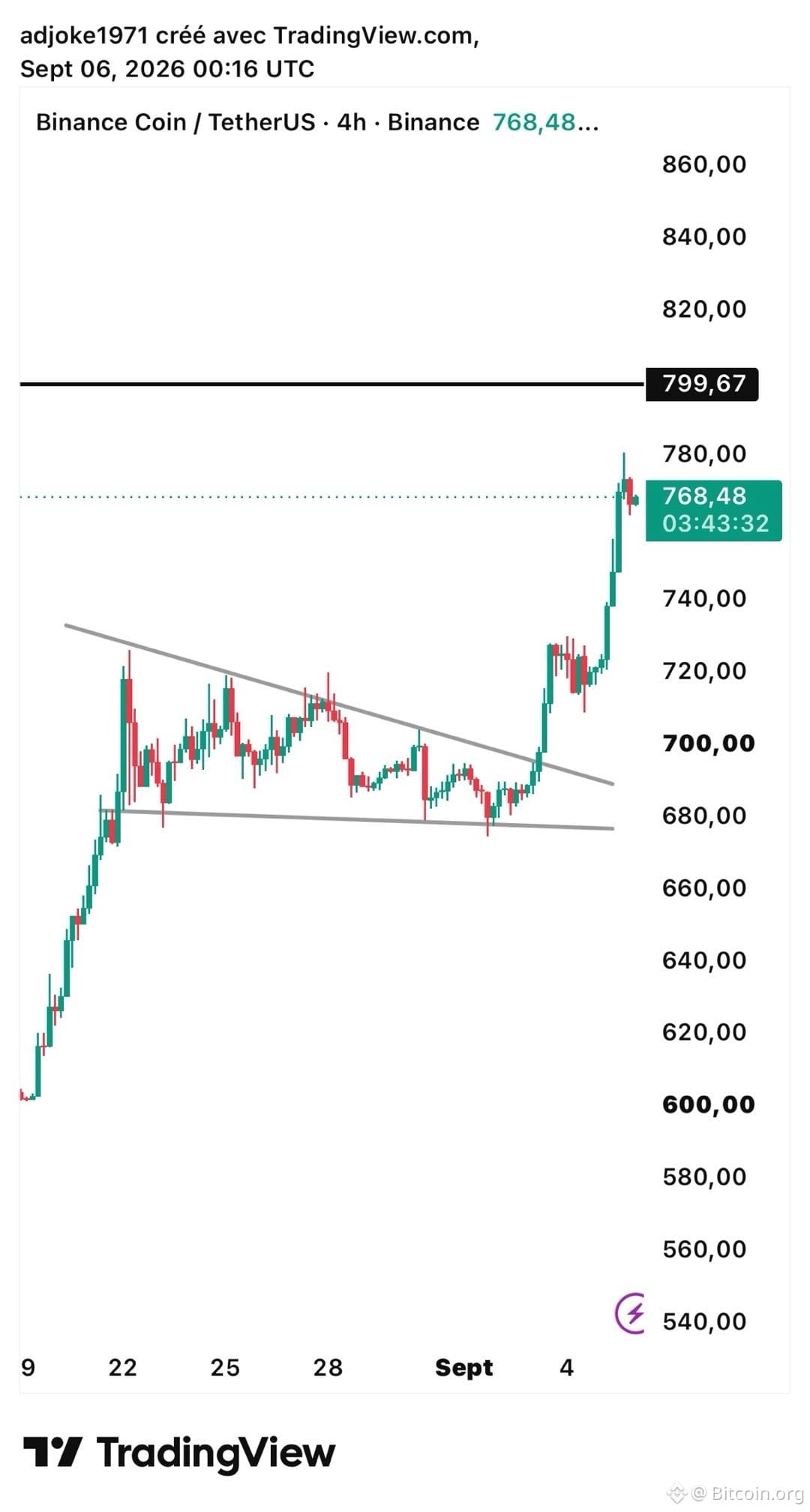
$BNBは本日、7%以上上昇し、暗号資産市場全体を大きくアウトパフォームしました。
要するに、Bitcoinや他の主要な暗号資産を上回り、暗号資産市場全体の勢いを大きく凌駕しています。
この上昇は構造的な支えがあるとはいえ、だからといって弱気相場がすでに完全に反転したという意味ではありません。
構造的には、まだ構成も価格推移も完全には反転していません。
現時点では、この上昇はBNBに対する熱狂と強気の圧力によってかなり支えられているように見えます。
そのため、構造的には、弱気相場の反転を確認するために、たとえ小さくてもまだ調整が入る可能性はあると思います。
ただ、すでにBNBに対する強気の熱気は非常に強いと私は見ています。
#Altcoin Season# #Meme Alpha# #BNBChain#
$BNBは本日、7%以上上昇し、暗号資産市場全体を大きくアウトパフォームしました。
要するに、Bitcoinや他の主要な暗号資産を上回り、暗号資産市場全体の勢いを大きく凌駕しています。
この上昇は構造的な支えがあるとはいえ、だからといって弱気相場がすでに完全に反転したという意味ではありません。
構造的には、まだ構成も価格推移も完全には反転していません。
現時点では、この上昇はBNBに対する熱狂と強気の圧力によってかなり支えられているように見えます。
そのため、構造的には、弱気相場の反転を確認するために、たとえ小さくてもまだ調整が入る可能性はあると思います。
ただ、すでにBNBに対する強気の熱気は非常に強いと私は見ています。
#Altcoin Season# #Meme Alpha# #BNBChain#
要するに、Bitcoinや他の主要な暗号資産を上回り、暗号資産市場全体の勢いを大きく凌駕しています。
この上昇は構造的な支えがあるとはいえ、だからといって弱気相場がすでに完全に反転したという意味ではありません。
構造的には、まだ構成も価格推移も完全には反転していません。
現時点では、この上昇はBNBに対する熱狂と強気の圧力によってかなり支えられているように見えます。
そのため、構造的には、弱気相場の反転を確認するために、たとえ小さくてもまだ調整が入る可能性はあると思います。
ただ、すでにBNBに対する強気の熱気は非常に強いと私は見ています。
#Altcoin Season# #Meme Alpha# #BNBChain#
105
·
--
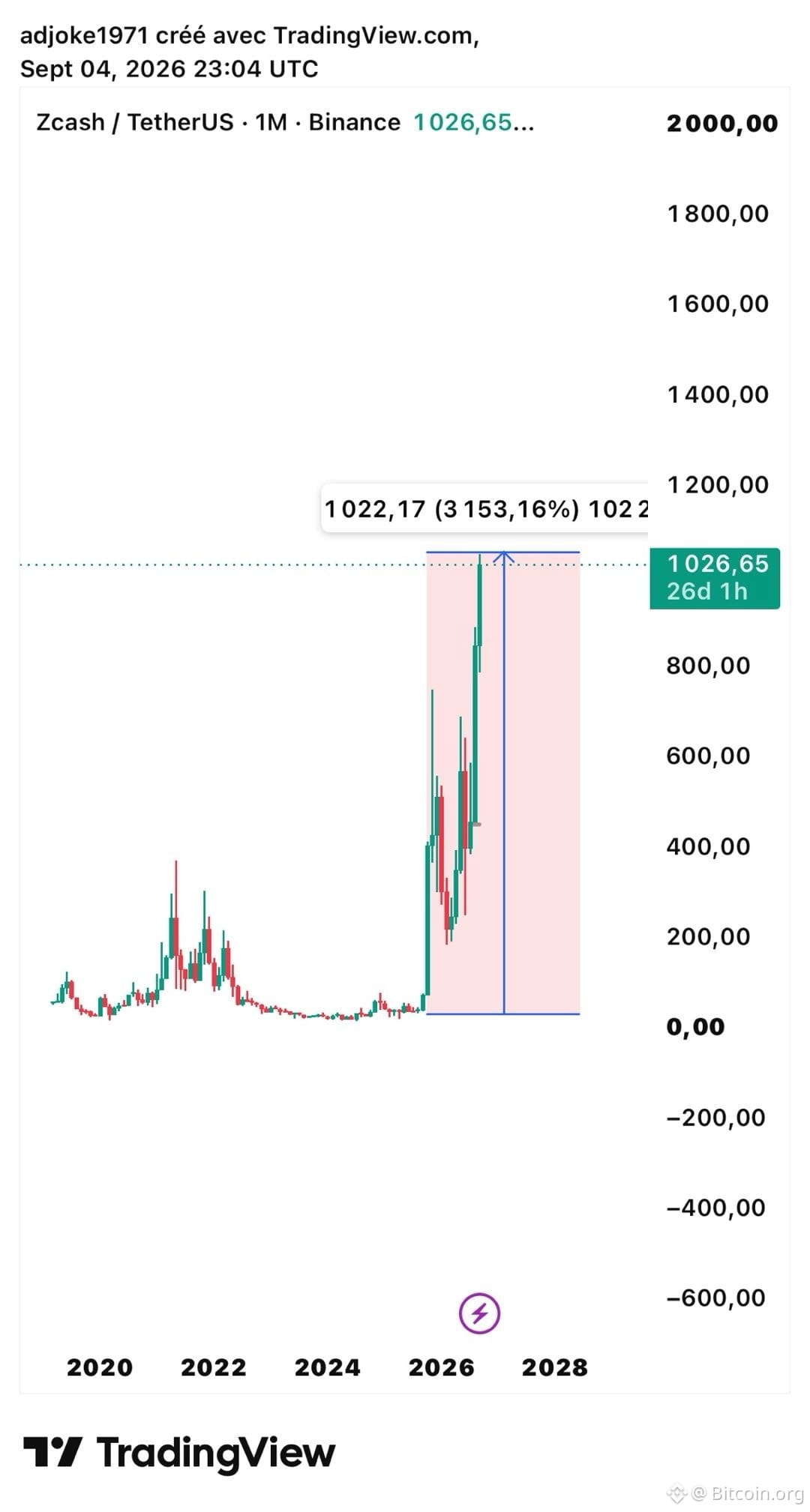
$ZEC について言えば、このトークンは過去12か月で2,300%以上も上昇したという話です。
そしてその12か月は、広い意味では暗号資産市場にとって弱気相場でした。
その期間中、私たちはさまざまな危機局面を経験しました。ウクライナでの戦争、中東での戦争の始まり、トランプのツイートによる市場変動、そして暗号資産全体に大きなボラティリティをもたらしたその他いくつもの出来事です。
それでも、Zcashが+2,300%を達成するのを止めることはできませんでした。
弱気な賭けに対して群集心理が逆風になっているとしても、この上昇の背後にある仕組み、少なくとも価格の値動きそのものは、弱気相場の1年を通して上昇トレンドを維持しただけあって、かなり強いと私は今でも思います。
そして今、強気相場が到来したことで、もう一段の上昇はさらに起こりやすくなるかもしれません。
仮説ではありますが、かなり可能性は高いです。
#Altcoin Season# #Macro Insights#
$ZEC について言えば、このトークンは過去12か月で2,300%以上も上昇したという話です。
そしてその12か月は、広い意味では暗号資産市場にとって弱気相場でした。
その期間中、私たちはさまざまな危機局面を経験しました。ウクライナでの戦争、中東での戦争の始まり、トランプのツイートによる市場変動、そして暗号資産全体に大きなボラティリティをもたらしたその他いくつもの出来事です。
それでも、Zcashが+2,300%を達成するのを止めることはできませんでした。
弱気な賭けに対して群集心理が逆風になっているとしても、この上昇の背後にある仕組み、少なくとも価格の値動きそのものは、弱気相場の1年を通して上昇トレンドを維持しただけあって、かなり強いと私は今でも思います。
そして今、強気相場が到来したことで、もう一段の上昇はさらに起こりやすくなるかもしれません。
仮説ではありますが、かなり可能性は高いです。
#Altcoin Season# #Macro Insights#
そしてその12か月は、広い意味では暗号資産市場にとって弱気相場でした。
その期間中、私たちはさまざまな危機局面を経験しました。ウクライナでの戦争、中東での戦争の始まり、トランプのツイートによる市場変動、そして暗号資産全体に大きなボラティリティをもたらしたその他いくつもの出来事です。
それでも、Zcashが+2,300%を達成するのを止めることはできませんでした。
弱気な賭けに対して群集心理が逆風になっているとしても、この上昇の背後にある仕組み、少なくとも価格の値動きそのものは、弱気相場の1年を通して上昇トレンドを維持しただけあって、かなり強いと私は今でも思います。
そして今、強気相場が到来したことで、もう一段の上昇はさらに起こりやすくなるかもしれません。
仮説ではありますが、かなり可能性は高いです。
#Altcoin Season# #Macro Insights#
222
·
--
$BTC 事実を見てみましょう。
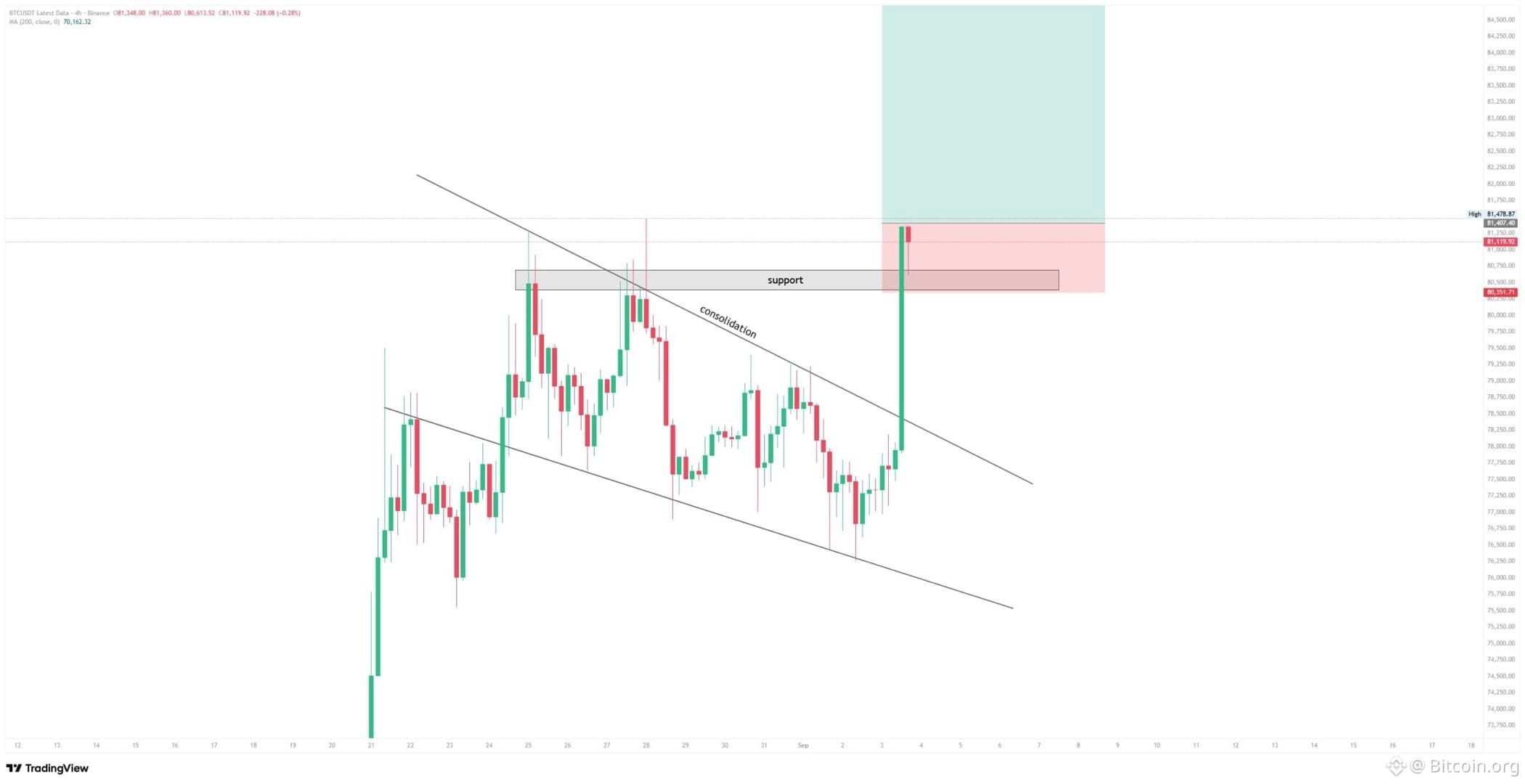
8月にビットコインが約25%動いた後でも、より広い市場構造はまだ変わっていません。構造的には、まだ弱気相場にあります。ただし、強気相場がすでに始まっている可能性を示す確率は、ますます高まっています。
私は前にもここで言いましたが、もしまだ弱気派が主導権を握っているのなら、8月の急騰の次に来るのは、再び強い売り圧力で、BTCが新たな底値に向かう展開だと考えていました。
ホルムズ海峡周辺の攻撃のような大きな地政学的イベントでさえ、私たちが再び下落すると予想していたまさにその瞬間に、ビットコインを3%も下げることはできませんでした。
ニュースが弱気だからといって、ビットコインを空売りしないでください。実際に価格がどう反応するかを見てください。
正直に言うと、BTCを5万ドルで買えると思って自分をだますのはやめましょう。😂
まだ買っていないなら、次の新たな底値を待つのをやめたほうがいいかもしれません。
強気相場は来ています。
免責事項:あくまで私個人の意見です。🙏🏽😂
#BTC Price Analysis# #Macro Insights#
$BTC 事実を見てみましょう。
8月にビットコインが約25%動いた後でも、より広い市場構造はまだ変わっていません。構造的には、まだ弱気相場にあります。ただし、強気相場がすでに始まっている可能性を示す確率は、ますます高まっています。
私は前にもここで言いましたが、もしまだ弱気派が主導権を握っているのなら、8月の急騰の次に来るのは、再び強い売り圧力で、BTCが新たな底値に向かう展開だと考えていました。
ホルムズ海峡周辺の攻撃のような大きな地政学的イベントでさえ、私たちが再び下落すると予想していたまさにその瞬間に、ビットコインを3%も下げることはできませんでした。
ニュースが弱気だからといって、ビットコインを空売りしないでください。実際に価格がどう反応するかを見てください。
正直に言うと、BTCを5万ドルで買えると思って自分をだますのはやめましょう。😂
まだ買っていないなら、次の新たな底値を待つのをやめたほうがいいかもしれません。
強気相場は来ています。
免責事項:あくまで私個人の意見です。🙏🏽😂
#BTC Price Analysis# #Macro Insights#
8月にビットコインが約25%動いた後でも、より広い市場構造はまだ変わっていません。構造的には、まだ弱気相場にあります。ただし、強気相場がすでに始まっている可能性を示す確率は、ますます高まっています。
私は前にもここで言いましたが、もしまだ弱気派が主導権を握っているのなら、8月の急騰の次に来るのは、再び強い売り圧力で、BTCが新たな底値に向かう展開だと考えていました。
ホルムズ海峡周辺の攻撃のような大きな地政学的イベントでさえ、私たちが再び下落すると予想していたまさにその瞬間に、ビットコインを3%も下げることはできませんでした。
ニュースが弱気だからといって、ビットコインを空売りしないでください。実際に価格がどう反応するかを見てください。
正直に言うと、BTCを5万ドルで買えると思って自分をだますのはやめましょう。😂
まだ買っていないなら、次の新たな底値を待つのをやめたほうがいいかもしれません。
強気相場は来ています。
免責事項:あくまで私個人の意見です。🙏🏽😂
#BTC Price Analysis# #Macro Insights#
93
·
--
$BTCはどこにも行かない、というか下方向にはね。
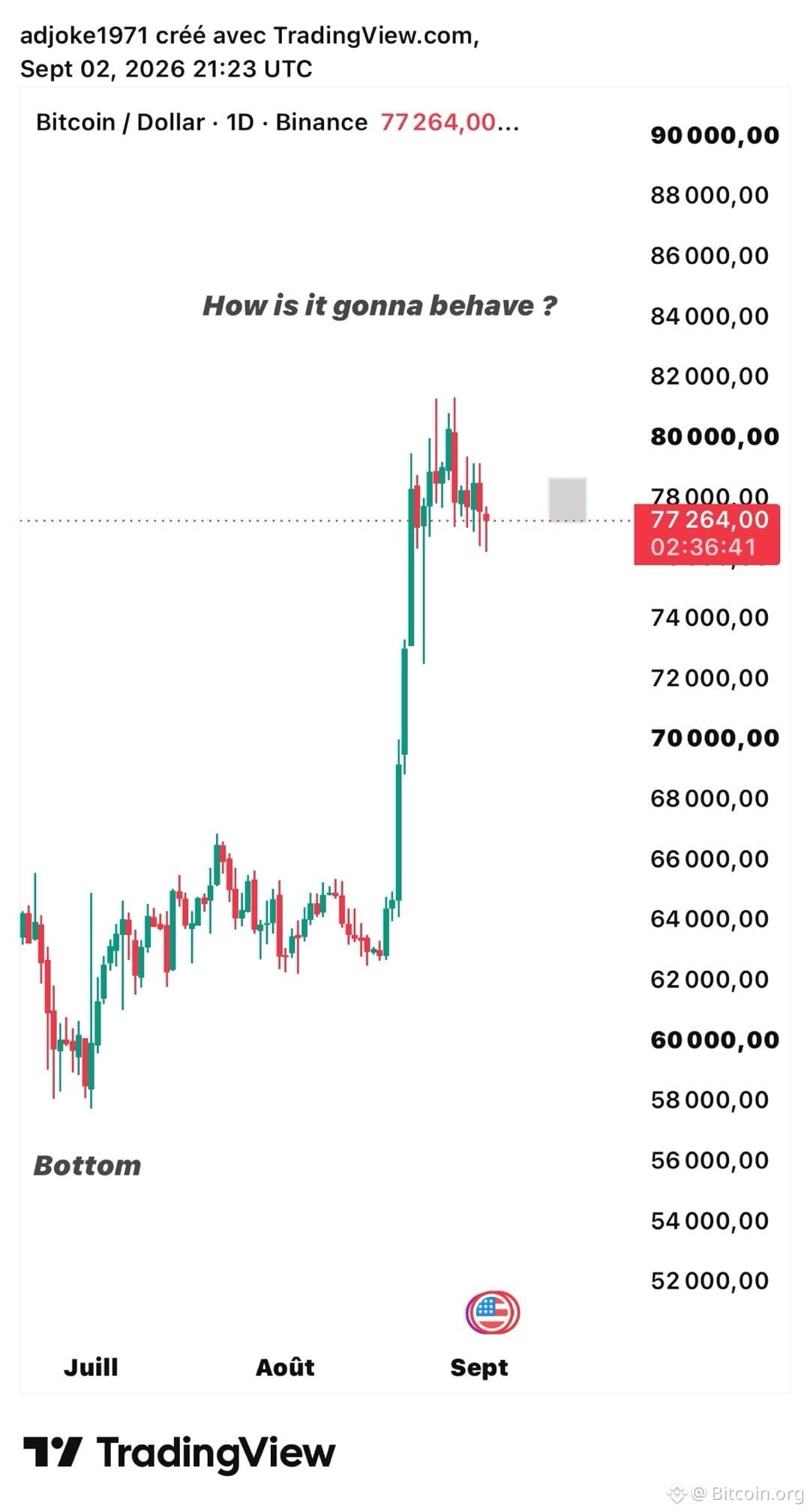
8月に見られた約25%の大きな値動きのあとでも、ベアマーケットはまだ完全に反転していなかった。そもそも強気相場が実際に再開したのかどうか、まだ疑いが残っていたんだ。
私が確認として待っていたのは、その見事な8月の値動きのあとにビットコインがどう反応するか、まさにそこだった。
前回の2つのレンジ(もみ合い)期間に見られたのと同じように、さらに加速した売りが来ることを予想していた。そうなれば価格は新しい安値まで下がる可能性がある。
もしビットコインがそれをやらないなら、つまり私にとっては強気相場はもう始まっている。
そして今、米国とイランの間で起きたばかりのような大きな地政学的な出来事があったとしても、ビットコインは実際には大きく崩れなかった。話としてはせいぜい2〜5%程度の値動きで、先月の約25%の値動きと比べればごく小さい。
だから私にとって、この出来事がビットコイン価格に与えた意味のある影響はほとんどなかった。
強気相場はすでに始まっていると思う。
もちろん、これはあくまで私個人の見解だよ。👀
#BTC Price Analysis# #Macro Insights#
$BTCはどこにも行かない、というか下方向にはね。
8月に見られた約25%の大きな値動きのあとでも、ベアマーケットはまだ完全に反転していなかった。そもそも強気相場が実際に再開したのかどうか、まだ疑いが残っていたんだ。
私が確認として待っていたのは、その見事な8月の値動きのあとにビットコインがどう反応するか、まさにそこだった。
前回の2つのレンジ(もみ合い)期間に見られたのと同じように、さらに加速した売りが来ることを予想していた。そうなれば価格は新しい安値まで下がる可能性がある。
もしビットコインがそれをやらないなら、つまり私にとっては強気相場はもう始まっている。
そして今、米国とイランの間で起きたばかりのような大きな地政学的な出来事があったとしても、ビットコインは実際には大きく崩れなかった。話としてはせいぜい2〜5%程度の値動きで、先月の約25%の値動きと比べればごく小さい。
だから私にとって、この出来事がビットコイン価格に与えた意味のある影響はほとんどなかった。
強気相場はすでに始まっていると思う。
もちろん、これはあくまで私個人の見解だよ。👀
#BTC Price Analysis# #Macro Insights#
8月に見られた約25%の大きな値動きのあとでも、ベアマーケットはまだ完全に反転していなかった。そもそも強気相場が実際に再開したのかどうか、まだ疑いが残っていたんだ。
私が確認として待っていたのは、その見事な8月の値動きのあとにビットコインがどう反応するか、まさにそこだった。
前回の2つのレンジ(もみ合い)期間に見られたのと同じように、さらに加速した売りが来ることを予想していた。そうなれば価格は新しい安値まで下がる可能性がある。
もしビットコインがそれをやらないなら、つまり私にとっては強気相場はもう始まっている。
そして今、米国とイランの間で起きたばかりのような大きな地政学的な出来事があったとしても、ビットコインは実際には大きく崩れなかった。話としてはせいぜい2〜5%程度の値動きで、先月の約25%の値動きと比べればごく小さい。
だから私にとって、この出来事がビットコイン価格に与えた意味のある影響はほとんどなかった。
強気相場はすでに始まっていると思う。
もちろん、これはあくまで私個人の見解だよ。👀
#BTC Price Analysis# #Macro Insights#
110
·
--
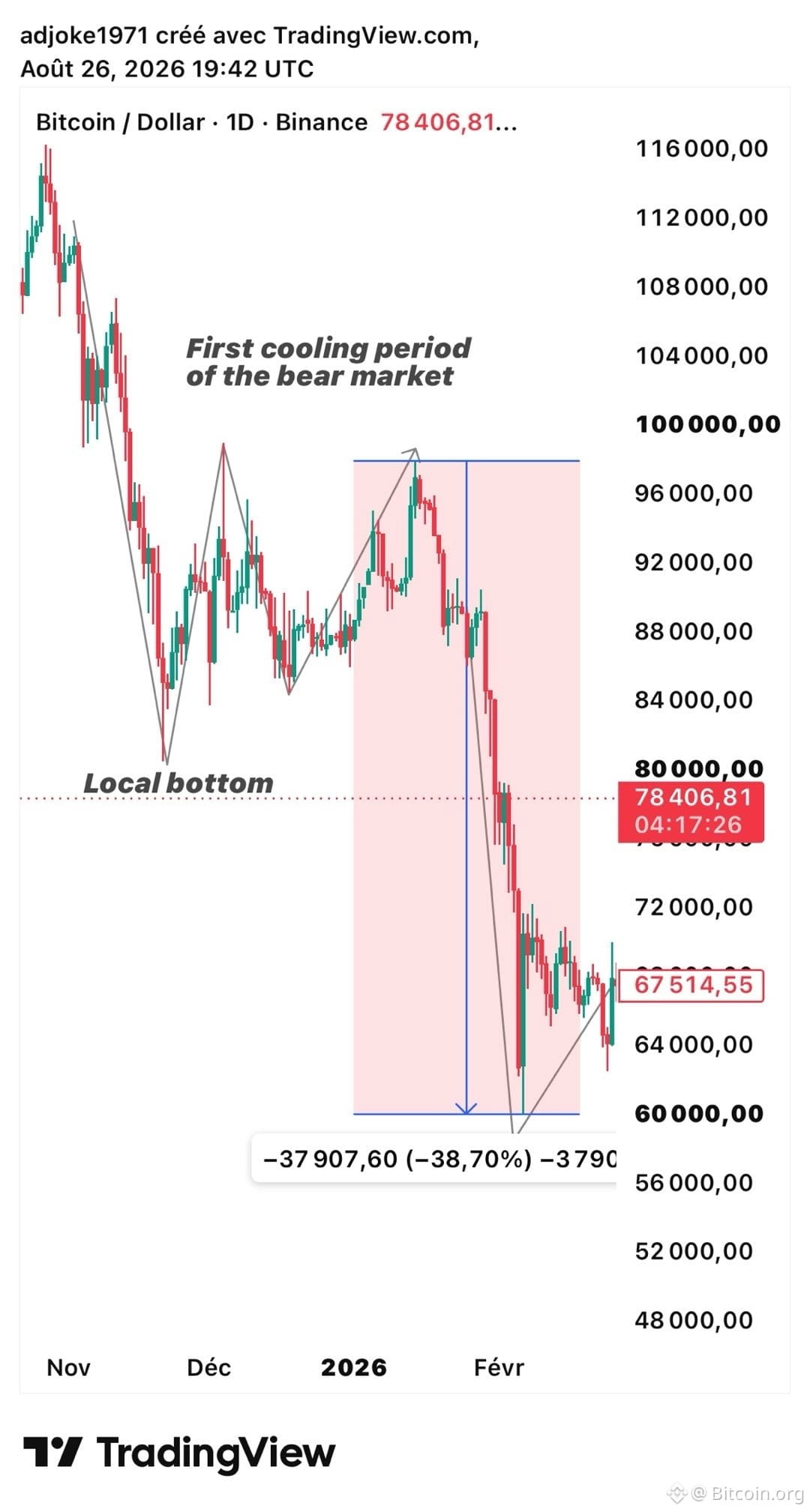
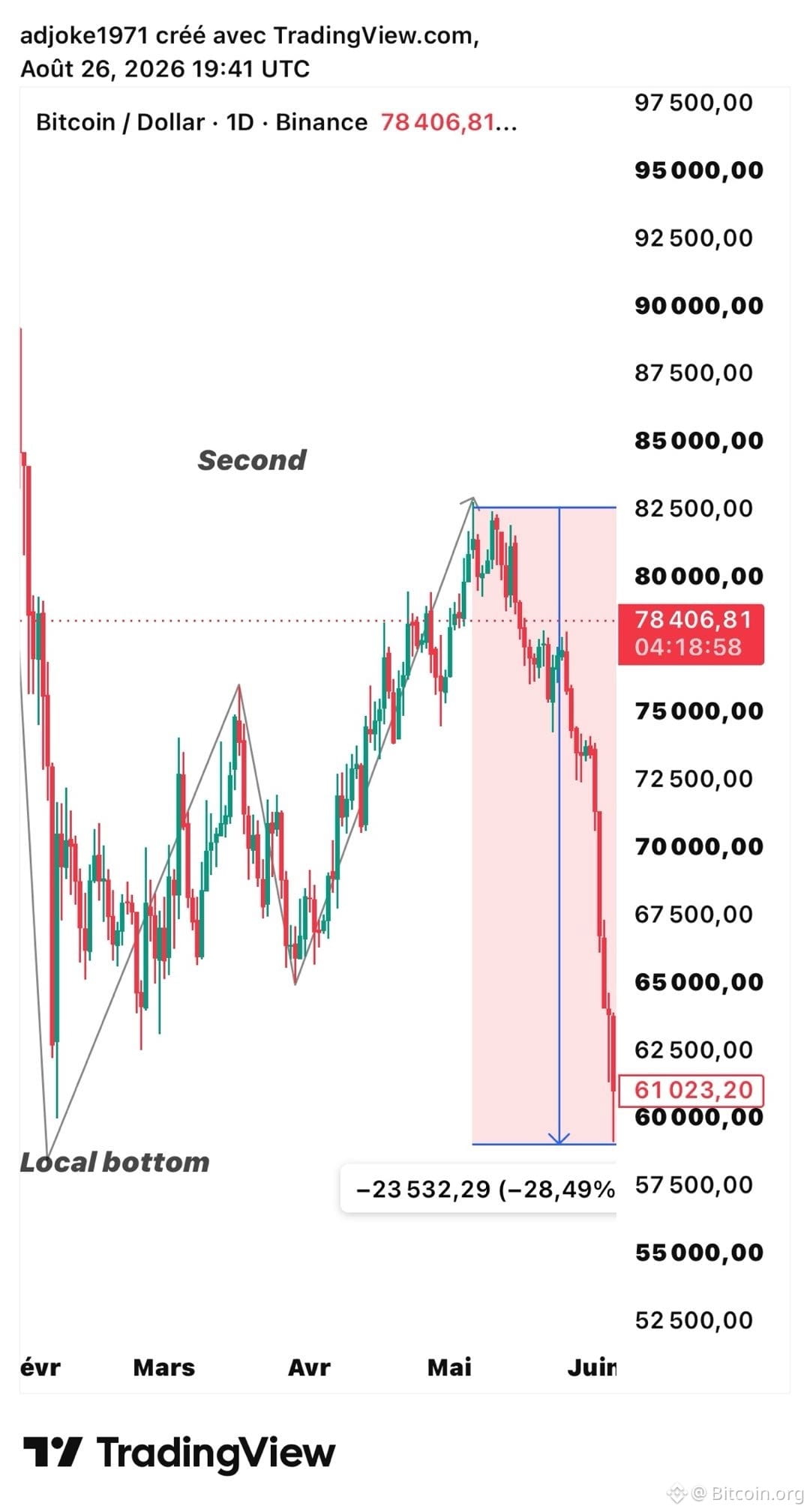
$BTC
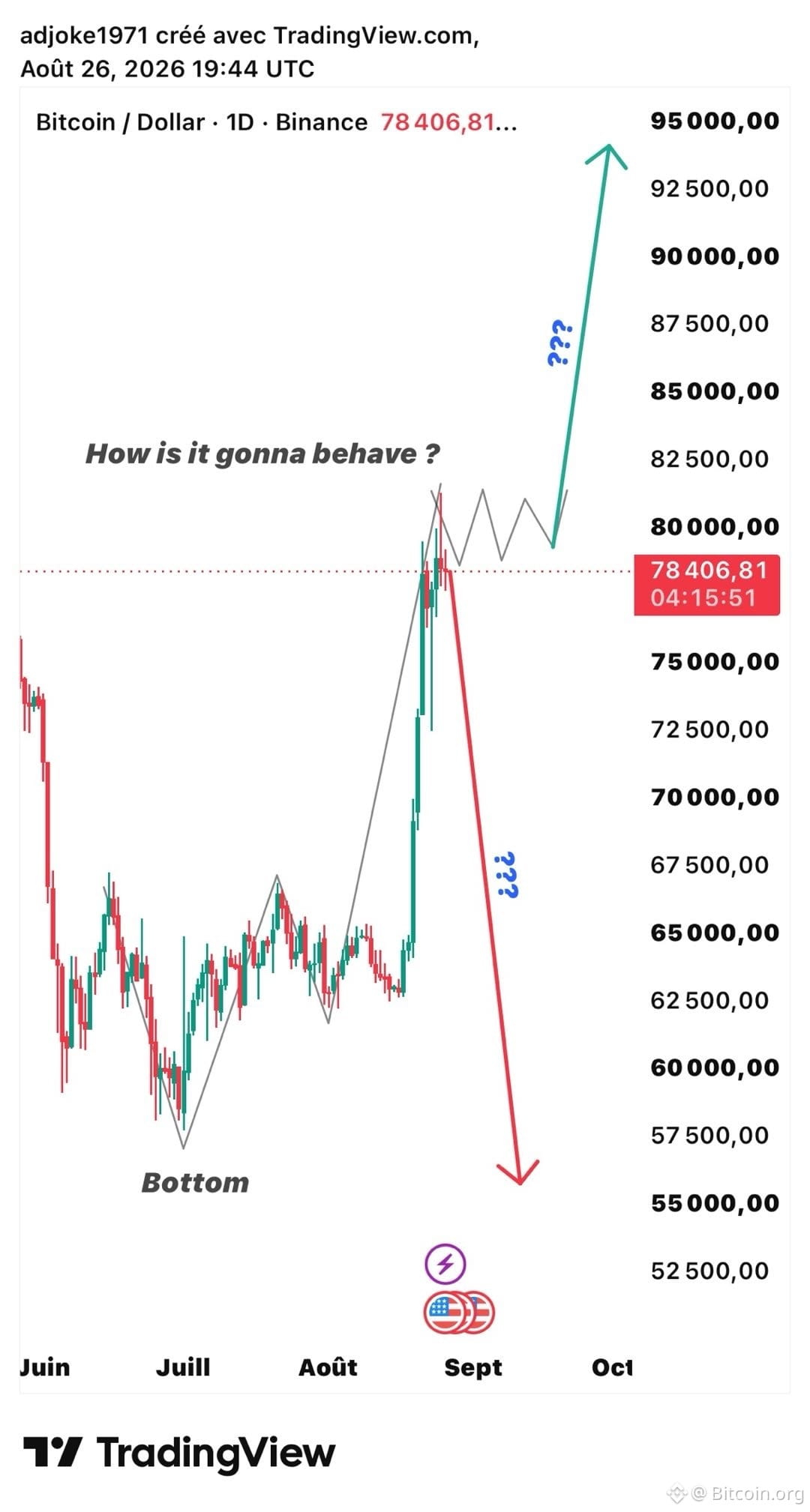
この弱気相場の間、主要な調整局面(コンソリデーション)では、いずれも同様の流れが見られました。まず冷却期間が訪れ、その後に強い下落(ベアリッシュ・インパルス)が再び入るのです。
それは最初の崩れのとき、最初の大きな調整の後、そして直近の回復の後にも見られました。BTCが約$60Kから$83Kまで上昇し、一瞬ブル相場が戻ってくるような印象を与えたものの、その動きが失敗に終わった後です。
今回のセットアップは、重要な点で少し異なります。ビットコインは直近で、週次で20%超の値動きを記録したのです。これは、この弱気相場の期間中においては比較的珍しいことでした。
さらに、より広範な弱気サイクルがそろそろ終盤に近づいている可能性を示す複数の指標とも重なるため、今回の構造はとりわけ興味深いものになっています。
ただし、テクニカル分析が最終的に決め手になるのは価格構造(プライス・ストラクチャー)です。
これまでの値動きは、典型的なトレンドのシーケンスとして解釈できます。インパルス → 調整 → インパルス → 調整。コンソリデーション(調整局面)は調整であり、その後の下落は新たな弱気インパルスを表していました。
重要なのは、今回もそのシーケンスが繰り返されるかどうかです。
そこで私は、この強気のインパルスの後に続く次の値動きを注視しています。もし日足の構造が反転に失敗し、過去のサイクルで見られたのと同等の強い弱気の拡大が確認できなければ、弱気シナリオは大きく弱まることになります。
その時点で、私は個人的に「弱気相場がすでに終わっている」確率を98〜99%と見積もるでしょう。
それまでは、チャートが最終的な審判です。
値動きを追いましょう。
#BTC Price Analysis# #Macro Insights# #Altcoin Season#
$BTC
この弱気相場の間、主要な調整局面(コンソリデーション)では、いずれも同様の流れが見られました。まず冷却期間が訪れ、その後に強い下落(ベアリッシュ・インパルス)が再び入るのです。
それは最初の崩れのとき、最初の大きな調整の後、そして直近の回復の後にも見られました。BTCが約$60Kから$83Kまで上昇し、一瞬ブル相場が戻ってくるような印象を与えたものの、その動きが失敗に終わった後です。
今回のセットアップは、重要な点で少し異なります。ビットコインは直近で、週次で20%超の値動きを記録したのです。これは、この弱気相場の期間中においては比較的珍しいことでした。
さらに、より広範な弱気サイクルがそろそろ終盤に近づいている可能性を示す複数の指標とも重なるため、今回の構造はとりわけ興味深いものになっています。
ただし、テクニカル分析が最終的に決め手になるのは価格構造(プライス・ストラクチャー)です。
これまでの値動きは、典型的なトレンドのシーケンスとして解釈できます。インパルス → 調整 → インパルス → 調整。コンソリデーション(調整局面)は調整であり、その後の下落は新たな弱気インパルスを表していました。
重要なのは、今回もそのシーケンスが繰り返されるかどうかです。
そこで私は、この強気のインパルスの後に続く次の値動きを注視しています。もし日足の構造が反転に失敗し、過去のサイクルで見られたのと同等の強い弱気の拡大が確認できなければ、弱気シナリオは大きく弱まることになります。
その時点で、私は個人的に「弱気相場がすでに終わっている」確率を98〜99%と見積もるでしょう。
それまでは、チャートが最終的な審判です。
値動きを追いましょう。
#BTC Price Analysis# #Macro Insights# #Altcoin Season#
この弱気相場の間、主要な調整局面(コンソリデーション)では、いずれも同様の流れが見られました。まず冷却期間が訪れ、その後に強い下落(ベアリッシュ・インパルス)が再び入るのです。
それは最初の崩れのとき、最初の大きな調整の後、そして直近の回復の後にも見られました。BTCが約$60Kから$83Kまで上昇し、一瞬ブル相場が戻ってくるような印象を与えたものの、その動きが失敗に終わった後です。
今回のセットアップは、重要な点で少し異なります。ビットコインは直近で、週次で20%超の値動きを記録したのです。これは、この弱気相場の期間中においては比較的珍しいことでした。
さらに、より広範な弱気サイクルがそろそろ終盤に近づいている可能性を示す複数の指標とも重なるため、今回の構造はとりわけ興味深いものになっています。
ただし、テクニカル分析が最終的に決め手になるのは価格構造(プライス・ストラクチャー)です。
これまでの値動きは、典型的なトレンドのシーケンスとして解釈できます。インパルス → 調整 → インパルス → 調整。コンソリデーション(調整局面)は調整であり、その後の下落は新たな弱気インパルスを表していました。
重要なのは、今回もそのシーケンスが繰り返されるかどうかです。
そこで私は、この強気のインパルスの後に続く次の値動きを注視しています。もし日足の構造が反転に失敗し、過去のサイクルで見られたのと同等の強い弱気の拡大が確認できなければ、弱気シナリオは大きく弱まることになります。
その時点で、私は個人的に「弱気相場がすでに終わっている」確率を98〜99%と見積もるでしょう。
それまでは、チャートが最終的な審判です。
値動きを追いましょう。
#BTC Price Analysis# #Macro Insights# #Altcoin Season#
196
·
--
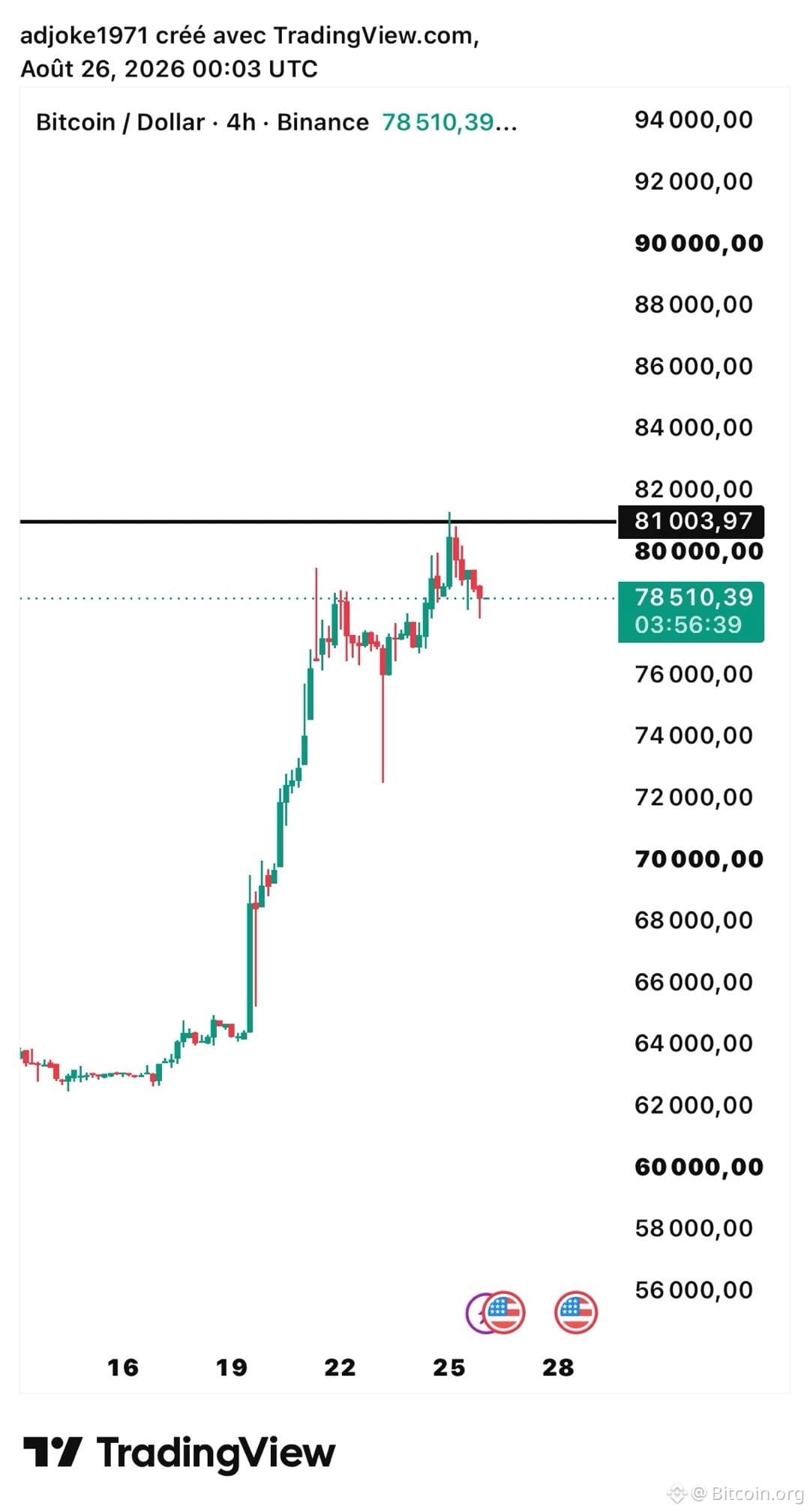
1. まず、現在のビットコインが$81Kからそれほど遠くないことは、それだけで、$50Kに向けたもう一段の動きがすぐに起きることを意味するわけではありません。
とはいえ、私たちが言う「$50Kに向けた動き」って、いったいどんなものなのでしょうか?
現在の底値付近である約$57,000までBTCを押し下げた直近の下げ局面は、新安値(より安い価格)を作る点では、これまでの下げ局面よりもかなり弱いものでした。
直前の主要な安値は約$60Kで、今回の最新の安値は約$57Kです。これは、下方向への拡大が大幅に小さくなっています。
そのため、市場がさらに深く掘り下げて、より低い価格を見つけ続ける力はかなり弱まっています。
そしてベア相場全体で見ても、これほど大きな急騰(大きなポンプ)を目にしたのは今回が初めてです。
私にとっては、それだけで強気相場が始まるかもしれないという、初期の兆候になり得ます。
では、ビットコインが$50Kまで下がることを期待する?
確率は単純にかなり低いです。
これは私個人の見解です。
$BTC #BTC Price Analysis# #Macro Insights#
1. まず、現在のビットコインが$81Kからそれほど遠くないことは、それだけで、$50Kに向けたもう一段の動きがすぐに起きることを意味するわけではありません。
とはいえ、私たちが言う「$50Kに向けた動き」って、いったいどんなものなのでしょうか?
現在の底値付近である約$57,000までBTCを押し下げた直近の下げ局面は、新安値(より安い価格)を作る点では、これまでの下げ局面よりもかなり弱いものでした。
直前の主要な安値は約$60Kで、今回の最新の安値は約$57Kです。これは、下方向への拡大が大幅に小さくなっています。
そのため、市場がさらに深く掘り下げて、より低い価格を見つけ続ける力はかなり弱まっています。
そしてベア相場全体で見ても、これほど大きな急騰(大きなポンプ)を目にしたのは今回が初めてです。
私にとっては、それだけで強気相場が始まるかもしれないという、初期の兆候になり得ます。
では、ビットコインが$50Kまで下がることを期待する?
確率は単純にかなり低いです。
これは私個人の見解です。
$BTC #BTC Price Analysis# #Macro Insights#
とはいえ、私たちが言う「$50Kに向けた動き」って、いったいどんなものなのでしょうか?
現在の底値付近である約$57,000までBTCを押し下げた直近の下げ局面は、新安値(より安い価格)を作る点では、これまでの下げ局面よりもかなり弱いものでした。
直前の主要な安値は約$60Kで、今回の最新の安値は約$57Kです。これは、下方向への拡大が大幅に小さくなっています。
そのため、市場がさらに深く掘り下げて、より低い価格を見つけ続ける力はかなり弱まっています。
そしてベア相場全体で見ても、これほど大きな急騰(大きなポンプ)を目にしたのは今回が初めてです。
私にとっては、それだけで強気相場が始まるかもしれないという、初期の兆候になり得ます。
では、ビットコインが$50Kまで下がることを期待する?
確率は単純にかなり低いです。
これは私個人の見解です。
$BTC #BTC Price Analysis# #Macro Insights#
1
185
·
--
週だけではありません。$ZECは弱気相場の間ずっと完璧でした。弱気相場そのものをまったく経験していないみたいにすら思えます。というのも、大まかに言えばビットコインや主要アルトコインが下落していて、全体の市場が下げ基調だったとしても、ZECは実際には全体的にもっと強気の値動きをしていました。つまり、トークノミクス的に、あるいは活動面において、エコシステムが完全にグローバル市場から切り離されたのかどうかは分かりません。これは現在のすべてのプライバシーコインの中でもトップで、絶対的な機密性に基づいている、あるいは少なくともビットコインの上に重なる中心的な哲学的レイヤーとして、そうした考え方を掲げています。
#Macro Insights# #Altcoin Season# #BTC Price Analysis#
週だけではありません。$ZECは弱気相場の間ずっと完璧でした。弱気相場そのものをまったく経験していないみたいにすら思えます。というのも、大まかに言えばビットコインや主要アルトコインが下落していて、全体の市場が下げ基調だったとしても、ZECは実際には全体的にもっと強気の値動きをしていました。つまり、トークノミクス的に、あるいは活動面において、エコシステムが完全にグローバル市場から切り離されたのかどうかは分かりません。これは現在のすべてのプライバシーコインの中でもトップで、絶対的な機密性に基づいている、あるいは少なくともビットコインの上に重なる中心的な哲学的レイヤーとして、そうした考え方を掲げています。
#Macro Insights# #Altcoin Season# #BTC Price Analysis#
#Macro Insights# #Altcoin Season# #BTC Price Analysis#
232
·
--
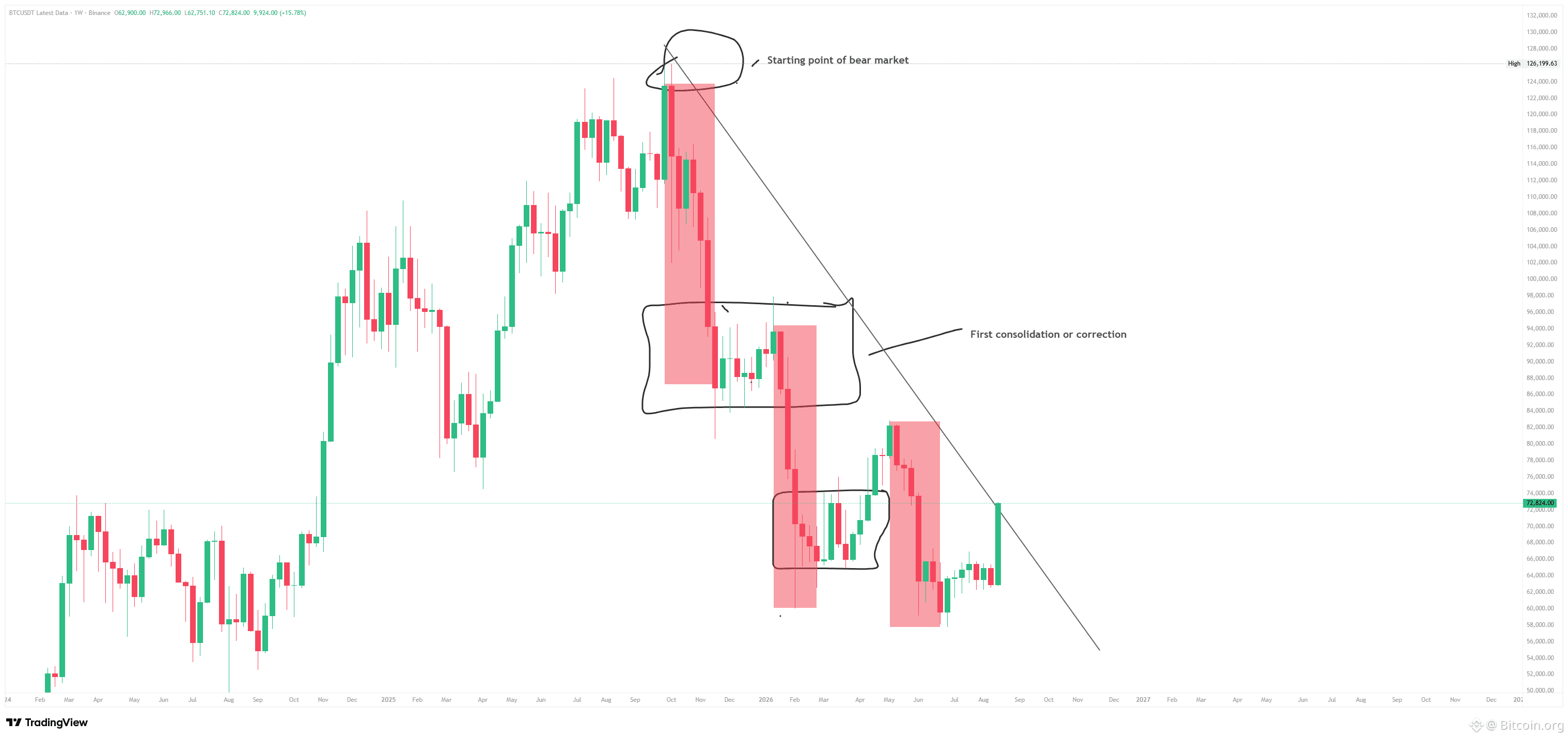
弱気相場の始まり以来、ビットコインの統合フェーズは繰り返し似たパターンに沿って進んできました。つまり、W字型の構造の後に、別の分配フェーズを引き起こした急激な弱気の拡大が来る、というものです。現在の統合は、同様の構造の形成が進んでいるように見え、市場はそのパターンの最終局面に入っている可能性があります。これは私が注目している重要なセグメントです。もし今回の動きが、別の大きな弱気の拡大を生み出せず、代わりに安定化または反転するなら、この弱気相場を通じて見られたパターンに疑問符がつきます。その時点では、より大きな下落トレンドがすでに終わっている可能性は、(確実なら)大きく高まるでしょう。私にとって、これは次のブル相場の始まりを宣言する前に待っている重要な確認の一つです。 $BTC $ETH $BNB #BTC Price Analysis# #Macro Insights# #Altcoin Season#
弱気相場の始まり以来、ビットコインの統合フェーズは繰り返し似たパターンに沿って進んできました。つまり、W字型の構造の後に、別の分配フェーズを引き起こした急激な弱気の拡大が来る、というものです。現在の統合は、同様の構造の形成が進んでいるように見え、市場はそのパターンの最終局面に入っている可能性があります。これは私が注目している重要なセグメントです。もし今回の動きが、別の大きな弱気の拡大を生み出せず、代わりに安定化または反転するなら、この弱気相場を通じて見られたパターンに疑問符がつきます。その時点では、より大きな下落トレンドがすでに終わっている可能性は、(確実なら)大きく高まるでしょう。私にとって、これは次のブル相場の始まりを宣言する前に待っている重要な確認の一つです。 $BTC $ETH $BNB #BTC Price Analysis# #Macro Insights# #Altcoin Season#
234
·
--
理論がどれほど美しくても、実行がすべて同じくらい重要です。
発想は面白く、現在のメガトレンドの一つに触れていますが、注目を集めるだけでは不十分です。
莫大なリターンの約束は確かに好奇心を刺激し、コミュニティがスマートコントラクトに資金をロックして、そもそも本当に価値を保てるかも分からないトークンをファーミングしたくなるかもしれません。
しかし、配布が多いほど、それは強い売り圧力を生むことにもつながります。価格が保たれないまま、印象的なデビューを飾ったプロジェクトはすでにたくさん見てきました。
トークンに投資したい人にとって、特に気になるのはトークンノミクスです。プロジェクトからトークンへ価値を移すことを規定するのは、それだからです。
単なる煽り文句ではない、単なる約束でもない、単なるストーリーでもない。現時点では、そのストーリーはあくまで机上の理論のままです。
$ETH #Altcoin Season#
理論がどれほど美しくても、実行がすべて同じくらい重要です。
発想は面白く、現在のメガトレンドの一つに触れていますが、注目を集めるだけでは不十分です。
莫大なリターンの約束は確かに好奇心を刺激し、コミュニティがスマートコントラクトに資金をロックして、そもそも本当に価値を保てるかも分からないトークンをファーミングしたくなるかもしれません。
しかし、配布が多いほど、それは強い売り圧力を生むことにもつながります。価格が保たれないまま、印象的なデビューを飾ったプロジェクトはすでにたくさん見てきました。
トークンに投資したい人にとって、特に気になるのはトークンノミクスです。プロジェクトからトークンへ価値を移すことを規定するのは、それだからです。
単なる煽り文句ではない、単なる約束でもない、単なるストーリーでもない。現時点では、そのストーリーはあくまで机上の理論のままです。
$ETH #Altcoin Season#
発想は面白く、現在のメガトレンドの一つに触れていますが、注目を集めるだけでは不十分です。
莫大なリターンの約束は確かに好奇心を刺激し、コミュニティがスマートコントラクトに資金をロックして、そもそも本当に価値を保てるかも分からないトークンをファーミングしたくなるかもしれません。
しかし、配布が多いほど、それは強い売り圧力を生むことにもつながります。価格が保たれないまま、印象的なデビューを飾ったプロジェクトはすでにたくさん見てきました。
トークンに投資したい人にとって、特に気になるのはトークンノミクスです。プロジェクトからトークンへ価値を移すことを規定するのは、それだからです。
単なる煽り文句ではない、単なる約束でもない、単なるストーリーでもない。現時点では、そのストーリーはあくまで机上の理論のままです。
$ETH #Altcoin Season#
95
·
--
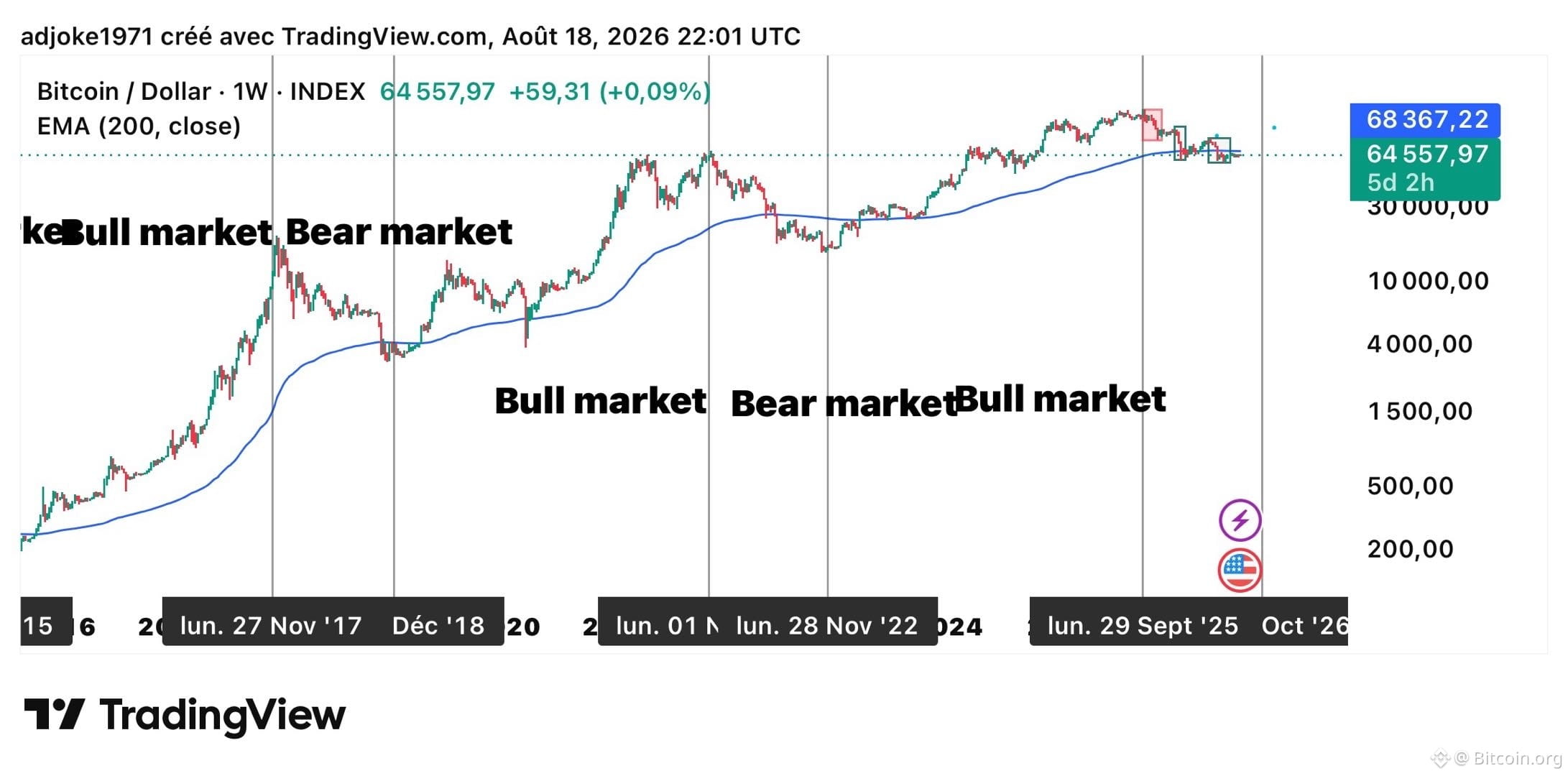
$BTC 、まず解釈すると、200週足を単位とした場合、創設以来、あるいは少なくともTradingViewで利用可能な範囲の変動全体は、おそらく巨大な上昇インパルスになるでしょう。ざっくり言えば、緑のローソク足がきれいに揃っていて、上昇方向が非常に明確です。
現在の値動きについては、歴史的な値動きに基づくアナロジーとして捉えるべきであり、いわゆるサポートやレジスタンスのような、直接的に同じ結論が出ると断定するものではありません。
ここでは、特定の価格水準やキリの良い数値の話をしているわけではありません。話しているのは移動平均です。
つまり、分析には平均のロジックをより組み込む必要があります。
はい、200Wはサポートとして機能し得ます。しかし私の見解では、この平均そのものを絶対的な重要水準としてみなすよりも、その平均の周りで価格がどう振る舞うかを理解するほうが、さらに合理的です。
#BTC Price Analysis# #Macro Insights#
$BTC 、まず解釈すると、200週足を単位とした場合、創設以来、あるいは少なくともTradingViewで利用可能な範囲の変動全体は、おそらく巨大な上昇インパルスになるでしょう。ざっくり言えば、緑のローソク足がきれいに揃っていて、上昇方向が非常に明確です。
現在の値動きについては、歴史的な値動きに基づくアナロジーとして捉えるべきであり、いわゆるサポートやレジスタンスのような、直接的に同じ結論が出ると断定するものではありません。
ここでは、特定の価格水準やキリの良い数値の話をしているわけではありません。話しているのは移動平均です。
つまり、分析には平均のロジックをより組み込む必要があります。
はい、200Wはサポートとして機能し得ます。しかし私の見解では、この平均そのものを絶対的な重要水準としてみなすよりも、その平均の周りで価格がどう振る舞うかを理解するほうが、さらに合理的です。
#BTC Price Analysis# #Macro Insights#
現在の値動きについては、歴史的な値動きに基づくアナロジーとして捉えるべきであり、いわゆるサポートやレジスタンスのような、直接的に同じ結論が出ると断定するものではありません。
ここでは、特定の価格水準やキリの良い数値の話をしているわけではありません。話しているのは移動平均です。
つまり、分析には平均のロジックをより組み込む必要があります。
はい、200Wはサポートとして機能し得ます。しかし私の見解では、この平均そのものを絶対的な重要水準としてみなすよりも、その平均の周りで価格がどう振る舞うかを理解するほうが、さらに合理的です。
#BTC Price Analysis# #Macro Insights#
153
·
--
まず、マーケットがベア・マーケットなので、驚くことは何もありません。したがって、下落局面の月が上昇局面の月より多いのは、まったく正常なことです。
今月、ビットコインがトレンドを反転させる可能性があるかという点については、可能性はあると思いますし、さらに構造的にも非常に起こりやすい(起こり得る)と考えています。
マーケットの下落トレンドはまだ反転していませんが、多くの兆候や指標(ベア・マーケットの歴史的な期間やその他の要因)が、少なくとも私の見立てでは、ベア・サイクルの終わりがますます起こりやすい方向へ収束しています。
私は、すでにボトム(底)が到達している可能性さえあると思います。
もしそうだとすると、たとえ今月btcが完全にトレンドを反転しなかったとしても、少なくとも赤いローソク足が「保ち合い」のローソク足になったり、あるいは比較的ニュートラルになったりすることはあり得ると思います。
そしておそらく来月も、同じロジックに沿う可能性があります。
もちろん、これはあくまで私個人の見解です。
$BTC #BTC Price Analysis# #Macro Insights#
まず、マーケットがベア・マーケットなので、驚くことは何もありません。したがって、下落局面の月が上昇局面の月より多いのは、まったく正常なことです。
今月、ビットコインがトレンドを反転させる可能性があるかという点については、可能性はあると思いますし、さらに構造的にも非常に起こりやすい(起こり得る)と考えています。
マーケットの下落トレンドはまだ反転していませんが、多くの兆候や指標(ベア・マーケットの歴史的な期間やその他の要因)が、少なくとも私の見立てでは、ベア・サイクルの終わりがますます起こりやすい方向へ収束しています。
私は、すでにボトム(底)が到達している可能性さえあると思います。
もしそうだとすると、たとえ今月btcが完全にトレンドを反転しなかったとしても、少なくとも赤いローソク足が「保ち合い」のローソク足になったり、あるいは比較的ニュートラルになったりすることはあり得ると思います。
そしておそらく来月も、同じロジックに沿う可能性があります。
もちろん、これはあくまで私個人の見解です。
$BTC #BTC Price Analysis# #Macro Insights#
今月、ビットコインがトレンドを反転させる可能性があるかという点については、可能性はあると思いますし、さらに構造的にも非常に起こりやすい(起こり得る)と考えています。
マーケットの下落トレンドはまだ反転していませんが、多くの兆候や指標(ベア・マーケットの歴史的な期間やその他の要因)が、少なくとも私の見立てでは、ベア・サイクルの終わりがますます起こりやすい方向へ収束しています。
私は、すでにボトム(底)が到達している可能性さえあると思います。
もしそうだとすると、たとえ今月btcが完全にトレンドを反転しなかったとしても、少なくとも赤いローソク足が「保ち合い」のローソク足になったり、あるいは比較的ニュートラルになったりすることはあり得ると思います。
そしておそらく来月も、同じロジックに沿う可能性があります。
もちろん、これはあくまで私個人の見解です。
$BTC #BTC Price Analysis# #Macro Insights#
122
ログインして、さらにコンテンツを読む
厳選トピックで世界の暗号資産トレーダーの仲間入り
⚡️ 暗号資産に関する最新かつ有益な情報が見つかります。
💬 世界最大の暗号資産取引所から信頼されています。
👍 認証を受けたクリエイターから、有益なインサイトを得られます。
メール / 電話番号
トレンドトピック
BitcoinHoldsAbove$77000
閲覧回数 277
40人が討論中
#anthropicceocallsforaislowdown
🚨 $BTC は $77K を保有 — 市場は BTC と ETH に注目中!🦅
ビットコインは 4H のトレンドラインを尊重しており、強気のセットアップは有効なままです!🎯
📍 エントリー:76,826 – 76,500
🎯 想定目標:76,900 ➔ 77,000 ➔ 77,300
🛑 想定損切り:76,400
⚠️ 厳格ルール:重要な構造が維持されている間のみ、このセットアップは有効です。損切りラインを割り込むと、取引は無効になります。
⚡ ウォッチリスト銘柄:
🪙 $BTC — マクロのボラティリティに備える前に、重要なテクニカル・サポートを尊重!📈
🌐 $ETH — 重要な需要ゾーンの周辺でタイトに推移し、ブレイクアウトの可能性が!📊
レバレッジは慎重に管理し、価格が事前に設定したハンティングゾーンに到達するのを待ちましょう!🛡️🧠
❓ 次の一手は? ここで BTC をロングしますか、それとも下のエントリーを待ちますか?下にプランを投稿してください!👇
免責事項:DYOR(自己調査を) 。投資助言ではありません。
#BitcoinHoldsAbove$77000
#AvalancheIntegratesIntoUAEPassDigitalVault
#AnthropicCEOCallsForAISlowdown
#BrazilCentralBankRaisesVASPCapitalRequirements
Hifza Rubab
·いいね:0件
·閲覧回数 27
FedHikeOddsRiseTo89%
閲覧回数 335
79人が討論中
BitcoinCrosses$78000
閲覧回数 2,425
131人が討論中