

BitcoinKE
3.2k 投稿

BitcoinKE
 厳選トピック確認済+
報告
ユーザーをブロック
BitKE is a leading crypto and Web3 focussed media outlet in Africa publishing daily informative and investment news and content.
1 フォロー
28.3K+ フォロワー
5.0K+ いいね
投稿
すべて
引用
·
--
翻訳参照
STABLECOINS | 22% of Freelancers in Sub-Saharan Africa Already Receive Stablecoin Payouts, Reveal...Workers across sub-Saharan Africa are showing strong demand for stablecoin payouts as
limited banking access,
cash-heavy economies, and
cross-border payment friction
create problems for digital workers, according to Stripe.
REALITY CHECK | Why Cash Still Dominates Many African Economies
A Stripe survey of 2,303 people across 20 emerging markets, including
Kenya,
Nigeria, and
South Africa,
found that
68% of independent workers in sub-Saharan Africa would accept stablecoin payouts, while
22% already receive them.
The survey was conducted in late 2025 among gig workers, contractors, creators, freelancers, and marketplace sellers.
STABLECOINS | Over 50% of Global Freelancers Willing to Accept Stablecoin Payouts, Reveals Latest Stripe Survey
Stripe said 40% of Africa’s population remains unbanked and about 90% of financial transactions are conducted in cash. Against that backdrop, 72% of surveyed workers in sub-Saharan Africa said they already receive payouts through digital wallets while 38% identified receiving payments as their primary use case for stablecoins.
STABLECOINS | VISA is Reportedly Piloting Stablecoin Settlements for Cross-Border Mobile Money Payments in The Congo
The findings point to a payments problem rather than purely a cryptocurrency one.
Across the survey, 35% of workers cited high transaction or currency-conversion fees as their biggest payout problem while 26% cited delays. Stripe said international wires can take one to five business days and cost $15-$50 per transaction compared with stablecoin transfers that can settle nearly instantly at a cost of less than 10 cents, citing McKinsey data.
EXPLAINER | How South African Startup, Funti3r, Earns Recurring $5,000 Monthly Using Blockchain to Power the Future of Global Work
For African workers earning from global platforms, stablecoins can also provide access to dollar-denominated balances without requiring a traditional bank account abroad. But adoption still faces barriers:
40% of workers globally cited fraud or security concerns,
39% said they did not know where to acquire stablecoins safely, and
30% said converting them into local currency was difficult.
Stripe’s survey found relatively high confidence in stablecoins among workers in sub-Saharan Africa with 65% agreeing that they are safe to use. The company said the challenge for platforms is therefore increasingly about making stablecoin payouts simple to receive, convert, and spend rather than requiring workers to navigate crypto infrastructure themselves.
The survey covered Kenya, Nigeria, and South Africa alongside other emerging markets, but its sub-Saharan Africa figures should not be treated as representative of the entire region. Stripe said country samples were approximately 100 respondents and skewed toward digitally literate, internet-connected populations.
PRESS RELEASE | PayPal Brings PYUSD Stablecoin to Users Across 70 Markets Worldwide and Expands Access in Africa
Want to keep up with the latest news on stablecoins adoption?
Join our WhatsApp channel here.
Follow us on X for the latest posts and updates
Join and interact with our Telegram community
_______
STABLECOINS | 22% of Freelancers in Sub-Saharan Africa Already Receive Stablecoin Payouts, Reveal...
Workers across sub-Saharan Africa are showing strong demand for stablecoin payouts as
limited banking access,
cash-heavy economies, and
cross-border payment friction
create problems for digital workers, according to Stripe.
REALITY CHECK | Why Cash Still Dominates Many African Economies
A Stripe survey of 2,303 people across 20 emerging markets, including
Kenya,
Nigeria, and
South Africa,
found that
68% of independent workers in sub-Saharan Africa would accept stablecoin payouts, while
22% already receive them.
The survey was conducted in late 2025 among gig workers, contractors, creators, freelancers, and marketplace sellers.
STABLECOINS | Over 50% of Global Freelancers Willing to Accept Stablecoin Payouts, Reveals Latest Stripe Survey
Stripe said 40% of Africa’s population remains unbanked and about 90% of financial transactions are conducted in cash. Against that backdrop, 72% of surveyed workers in sub-Saharan Africa said they already receive payouts through digital wallets while 38% identified receiving payments as their primary use case for stablecoins.
STABLECOINS | VISA is Reportedly Piloting Stablecoin Settlements for Cross-Border Mobile Money Payments in The Congo
The findings point to a payments problem rather than purely a cryptocurrency one.
Across the survey, 35% of workers cited high transaction or currency-conversion fees as their biggest payout problem while 26% cited delays. Stripe said international wires can take one to five business days and cost $15-$50 per transaction compared with stablecoin transfers that can settle nearly instantly at a cost of less than 10 cents, citing McKinsey data.
EXPLAINER | How South African Startup, Funti3r, Earns Recurring $5,000 Monthly Using Blockchain to Power the Future of Global Work
For African workers earning from global platforms, stablecoins can also provide access to dollar-denominated balances without requiring a traditional bank account abroad. But adoption still faces barriers:
40% of workers globally cited fraud or security concerns,
39% said they did not know where to acquire stablecoins safely, and
30% said converting them into local currency was difficult.
Stripe’s survey found relatively high confidence in stablecoins among workers in sub-Saharan Africa with 65% agreeing that they are safe to use. The company said the challenge for platforms is therefore increasingly about making stablecoin payouts simple to receive, convert, and spend rather than requiring workers to navigate crypto infrastructure themselves.
The survey covered Kenya, Nigeria, and South Africa alongside other emerging markets, but its sub-Saharan Africa figures should not be treated as representative of the entire region. Stripe said country samples were approximately 100 respondents and skewed toward digitally literate, internet-connected populations.
PRESS RELEASE | PayPal Brings PYUSD Stablecoin to Users Across 70 Markets Worldwide and Expands Access in Africa
Want to keep up with the latest news on stablecoins adoption?
Join our WhatsApp channel here.
Follow us on X for the latest posts and updates
Join and interact with our Telegram community
_______
limited banking access,
cash-heavy economies, and
cross-border payment friction
create problems for digital workers, according to Stripe.
REALITY CHECK | Why Cash Still Dominates Many African Economies
A Stripe survey of 2,303 people across 20 emerging markets, including
Kenya,
Nigeria, and
South Africa,
found that
68% of independent workers in sub-Saharan Africa would accept stablecoin payouts, while
22% already receive them.
The survey was conducted in late 2025 among gig workers, contractors, creators, freelancers, and marketplace sellers.
STABLECOINS | Over 50% of Global Freelancers Willing to Accept Stablecoin Payouts, Reveals Latest Stripe Survey
Stripe said 40% of Africa’s population remains unbanked and about 90% of financial transactions are conducted in cash. Against that backdrop, 72% of surveyed workers in sub-Saharan Africa said they already receive payouts through digital wallets while 38% identified receiving payments as their primary use case for stablecoins.
STABLECOINS | VISA is Reportedly Piloting Stablecoin Settlements for Cross-Border Mobile Money Payments in The Congo
The findings point to a payments problem rather than purely a cryptocurrency one.
Across the survey, 35% of workers cited high transaction or currency-conversion fees as their biggest payout problem while 26% cited delays. Stripe said international wires can take one to five business days and cost $15-$50 per transaction compared with stablecoin transfers that can settle nearly instantly at a cost of less than 10 cents, citing McKinsey data.
EXPLAINER | How South African Startup, Funti3r, Earns Recurring $5,000 Monthly Using Blockchain to Power the Future of Global Work
For African workers earning from global platforms, stablecoins can also provide access to dollar-denominated balances without requiring a traditional bank account abroad. But adoption still faces barriers:
40% of workers globally cited fraud or security concerns,
39% said they did not know where to acquire stablecoins safely, and
30% said converting them into local currency was difficult.
Stripe’s survey found relatively high confidence in stablecoins among workers in sub-Saharan Africa with 65% agreeing that they are safe to use. The company said the challenge for platforms is therefore increasingly about making stablecoin payouts simple to receive, convert, and spend rather than requiring workers to navigate crypto infrastructure themselves.
The survey covered Kenya, Nigeria, and South Africa alongside other emerging markets, but its sub-Saharan Africa figures should not be treated as representative of the entire region. Stripe said country samples were approximately 100 respondents and skewed toward digitally literate, internet-connected populations.
PRESS RELEASE | PayPal Brings PYUSD Stablecoin to Users Across 70 Markets Worldwide and Expands Access in Africa
Want to keep up with the latest news on stablecoins adoption?
Join our WhatsApp channel here.
Follow us on X for the latest posts and updates
Join and interact with our Telegram community
_______
2
·
--
翻訳参照
REGULATION | EU Regulators Reportedly Question Binance Over Continued European Operations Despite...European Union (EU) regulators are scrutinizing Binance’s continued access to customers in the bloc after the world’s largest cryptocurrency exchange was required to wind down its business for failing to obtain a licence under the European Union’s Markets in Crypto-Assets (MiCA) regime, according to a report by the Financial Times (FT).
Binance is reportedly relying on a ‘reverse solicitation’ exemption which allows non-EU financial firms to serve customers who independently initiate a relationship with them. European Securities and Markets Authority (ESMA) officials have stressed that the exemption is narrowly defined and should not be used to circumvent MiCA licensing requirements.
REGULATION | Binance Users in Europe Can Now Transfer and Withdraw Crypto Assets Following MiCA License Denial
National regulators, including those in
France,
Germany, and
Greece
are examining Binance’s use of the exemption and have sought information from the exchange. Regulators could impose fines or take further enforcement action if they conclude Binance is operating outside the scope of the exemption.
REGULATION | BitPanda Fined €70,000 in Austria’s First Published MiCA Penalty
Binance told the FT it was working toward MiCA authorisation and complies with applicable requirements in the jurisdictions where it operates. Reuters said it could not immediately verify the FT report while Binance and ESMA did not immediately respond to its requests for comment.
The dispute puts reverse solicitation under MiCA under closer scrutiny as regulators seek to prevent firms without EU-wide authorisation from continuing to serve European customers through exemptions intended for limited, customer-initiated relationships.
INSIGHTS | Why a MiCA Licensing Setback for the World’s Largest Exchange Matters
Stay tuned to BitKE for crypto regulatory developments globally.
Join our WhatsApp channel here.
Follow us on X for the latest posts and updates
Join and interact with our Telegram community
___________
REGULATION | EU Regulators Reportedly Question Binance Over Continued European Operations Despite...
European Union (EU) regulators are scrutinizing Binance’s continued access to customers in the bloc after the world’s largest cryptocurrency exchange was required to wind down its business for failing to obtain a licence under the European Union’s Markets in Crypto-Assets (MiCA) regime, according to a report by the Financial Times (FT).
Binance is reportedly relying on a ‘reverse solicitation’ exemption which allows non-EU financial firms to serve customers who independently initiate a relationship with them. European Securities and Markets Authority (ESMA) officials have stressed that the exemption is narrowly defined and should not be used to circumvent MiCA licensing requirements.
REGULATION | Binance Users in Europe Can Now Transfer and Withdraw Crypto Assets Following MiCA License Denial
National regulators, including those in
France,
Germany, and
Greece
are examining Binance’s use of the exemption and have sought information from the exchange. Regulators could impose fines or take further enforcement action if they conclude Binance is operating outside the scope of the exemption.
REGULATION | BitPanda Fined €70,000 in Austria’s First Published MiCA Penalty
Binance told the FT it was working toward MiCA authorisation and complies with applicable requirements in the jurisdictions where it operates. Reuters said it could not immediately verify the FT report while Binance and ESMA did not immediately respond to its requests for comment.
The dispute puts reverse solicitation under MiCA under closer scrutiny as regulators seek to prevent firms without EU-wide authorisation from continuing to serve European customers through exemptions intended for limited, customer-initiated relationships.
INSIGHTS | Why a MiCA Licensing Setback for the World’s Largest Exchange Matters
Stay tuned to BitKE for crypto regulatory developments globally.
Join our WhatsApp channel here.
Follow us on X for the latest posts and updates
Join and interact with our Telegram community
___________
Binance is reportedly relying on a ‘reverse solicitation’ exemption which allows non-EU financial firms to serve customers who independently initiate a relationship with them. European Securities and Markets Authority (ESMA) officials have stressed that the exemption is narrowly defined and should not be used to circumvent MiCA licensing requirements.
REGULATION | Binance Users in Europe Can Now Transfer and Withdraw Crypto Assets Following MiCA License Denial
National regulators, including those in
France,
Germany, and
Greece
are examining Binance’s use of the exemption and have sought information from the exchange. Regulators could impose fines or take further enforcement action if they conclude Binance is operating outside the scope of the exemption.
REGULATION | BitPanda Fined €70,000 in Austria’s First Published MiCA Penalty
Binance told the FT it was working toward MiCA authorisation and complies with applicable requirements in the jurisdictions where it operates. Reuters said it could not immediately verify the FT report while Binance and ESMA did not immediately respond to its requests for comment.
The dispute puts reverse solicitation under MiCA under closer scrutiny as regulators seek to prevent firms without EU-wide authorisation from continuing to serve European customers through exemptions intended for limited, customer-initiated relationships.
INSIGHTS | Why a MiCA Licensing Setback for the World’s Largest Exchange Matters
Stay tuned to BitKE for crypto regulatory developments globally.
Join our WhatsApp channel here.
Follow us on X for the latest posts and updates
Join and interact with our Telegram community
___________
5
·
--
翻訳参照
CRYPTO CRIME | Crypto Hacks Surpass $700 Million in September Making It Worst Month of 2026 So FarCryptocurrency platforms and users lost about $767 million to hacks, exploits, and phishing attacks in September 2026 making it the costliest month for crypto security incidents so far this year, according to verified data sources.
Using data from 2 blockchain security firms:
CertiK recorded 97 incidents during the month with a value of $768.4 million in losses, while
PeckShield recorded 55 major incidents resulting in $766.5 million in losses over the month.
Two major incidents accounted for more than 90% of the losses.
BitGet lost about $387.5 million in a September 24 2026 attack involving its hot wallets.
MILESTONE | BitGet Says Stolen Funds Nearing $400 Million as Security Breach Unfolds
Blockstream’s Liquid Network suffered an exploit worth about $318.7 million earlier in the month.
CASE STUDY | Bitcoin Settlement Network, Liquid, Hit by Over $300 Million Exploit
CertiK said about $270.6 million of the September 2026 losses was returned or frozen, leaving roughly $495.8 million unrecovered based on its figures.
The September 2026 surge highlights how crypto losses are increasingly tied not only to smart-contract vulnerabilities but also to wallet infrastructure, third-party security systems, and transaction-signing controls.
September 2026’s total was more than three times August 2026’s reported losses of about $215 million, according to CertiK.
CRYPTO CRIME | This Top 20 Crypto Casino Just Lost ~$7 Million in a Crypto Hack
Stay tuned to BitKE for insights into the evolving global crypto space.
Join our WhatsApp channel here.
Follow us on X for the latest posts and updates
Join and interact with our Telegram community
__________
CRYPTO CRIME | Crypto Hacks Surpass $700 Million in September Making It Worst Month of 2026 So Far
Cryptocurrency platforms and users lost about $767 million to hacks, exploits, and phishing attacks in September 2026 making it the costliest month for crypto security incidents so far this year, according to verified data sources.
Using data from 2 blockchain security firms:
CertiK recorded 97 incidents during the month with a value of $768.4 million in losses, while
PeckShield recorded 55 major incidents resulting in $766.5 million in losses over the month.
Two major incidents accounted for more than 90% of the losses.
BitGet lost about $387.5 million in a September 24 2026 attack involving its hot wallets.
MILESTONE | BitGet Says Stolen Funds Nearing $400 Million as Security Breach Unfolds
Blockstream’s Liquid Network suffered an exploit worth about $318.7 million earlier in the month.
CASE STUDY | Bitcoin Settlement Network, Liquid, Hit by Over $300 Million Exploit
CertiK said about $270.6 million of the September 2026 losses was returned or frozen, leaving roughly $495.8 million unrecovered based on its figures.
The September 2026 surge highlights how crypto losses are increasingly tied not only to smart-contract vulnerabilities but also to wallet infrastructure, third-party security systems, and transaction-signing controls.
September 2026’s total was more than three times August 2026’s reported losses of about $215 million, according to CertiK.
CRYPTO CRIME | This Top 20 Crypto Casino Just Lost ~$7 Million in a Crypto Hack
Stay tuned to BitKE for insights into the evolving global crypto space.
Join our WhatsApp channel here.
Follow us on X for the latest posts and updates
Join and interact with our Telegram community
__________
Using data from 2 blockchain security firms:
CertiK recorded 97 incidents during the month with a value of $768.4 million in losses, while
PeckShield recorded 55 major incidents resulting in $766.5 million in losses over the month.
Two major incidents accounted for more than 90% of the losses.
BitGet lost about $387.5 million in a September 24 2026 attack involving its hot wallets.
MILESTONE | BitGet Says Stolen Funds Nearing $400 Million as Security Breach Unfolds
Blockstream’s Liquid Network suffered an exploit worth about $318.7 million earlier in the month.
CASE STUDY | Bitcoin Settlement Network, Liquid, Hit by Over $300 Million Exploit
CertiK said about $270.6 million of the September 2026 losses was returned or frozen, leaving roughly $495.8 million unrecovered based on its figures.
The September 2026 surge highlights how crypto losses are increasingly tied not only to smart-contract vulnerabilities but also to wallet infrastructure, third-party security systems, and transaction-signing controls.
September 2026’s total was more than three times August 2026’s reported losses of about $215 million, according to CertiK.
CRYPTO CRIME | This Top 20 Crypto Casino Just Lost ~$7 Million in a Crypto Hack
Stay tuned to BitKE for insights into the evolving global crypto space.
Join our WhatsApp channel here.
Follow us on X for the latest posts and updates
Join and interact with our Telegram community
__________
70
·
--
本人確認中
機関投資家向け | ラテンアメリカ最大の投資銀行が、投資ファンドの記録をオンチェーンで反映ブラジルの金融市場インフラ運営企業であるCSD BRは、ラテンアメリカ最大の投資銀行であるBTGパクタルが運用する、選定された投資ファンドの所有権の記録をパブリックなXRPレジャー上で開始しました。これは、承認された機関が保有記録をリアルタイムでより簡単に検証できるようにすることを目的としています。
CSD BRは、登録資産として22兆レアル(4兆ドル)超を運用・管理しています。
米国最大の銀行がイーサリアムでオンチェーン・イールド・ファンドを開始
既存のCSD BRデータベースは、登録・カストディ(保管)・決済の公式記録として維持され、一方でXRPレジャーは、ファンドのユニットをトークンとして表す二次的なブロックチェーン記録を保持します。
機関投資家向け | ラテンアメリカ最大の投資銀行が、投資ファンドの記録をオンチェーンで反映
ブラジルの金融市場インフラ運営企業であるCSD BRは、ラテンアメリカ最大の投資銀行であるBTGパクタルが運用する、選定された投資ファンドの所有権の記録をパブリックなXRPレジャー上で開始しました。これは、承認された機関が保有記録をリアルタイムでより簡単に検証できるようにすることを目的としています。
CSD BRは、登録資産として22兆レアル(4兆ドル)超を運用・管理しています。
米国最大の銀行がイーサリアムでオンチェーン・イールド・ファンドを開始
既存のCSD BRデータベースは、登録・カストディ(保管)・決済の公式記録として維持され、一方でXRPレジャーは、ファンドのユニットをトークンとして表す二次的なブロックチェーン記録を保持します。
CSD BRは、登録資産として22兆レアル(4兆ドル)超を運用・管理しています。
米国最大の銀行がイーサリアムでオンチェーン・イールド・ファンドを開始
既存のCSD BRデータベースは、登録・カストディ(保管)・決済の公式記録として維持され、一方でXRPレジャーは、ファンドのユニットをトークンとして表す二次的なブロックチェーン記録を保持します。
3.8k
·
--
現実確認|この予測市場プラットフォーム、わずか4か月で評価額がほぼ2倍に予測市場の取引所カルシー(Kalshi)は、タイガー・グローバル・マネジメントやドラゴニアー・インベストメント・グループを含む新規および既存の投資家から、約10億ドルを調達するための交渉を、すでにかなり進めている。ロイターの報道によれば、関係者が明かしたところでは、企業価値は約400億ドルと評価される見通しだという。
市場分析|この予測市場のバリュエーションは400億ドルに到達—競合よりもコンプライアンスを重視
情報筋によると、セコイア・キャピタルとウェリントン・マネジメントがラウンドを主導する交渉を進めており、今後数週間のうちに決着する見込みだ。提案されている評価額は、2026年5月に10億ドルの資金調達ラウンドでカルシーが獲得した220億ドルから大幅な上昇となる。
現実確認|この予測市場プラットフォーム、わずか4か月で評価額がほぼ2倍に
予測市場の取引所カルシー(Kalshi)は、タイガー・グローバル・マネジメントやドラゴニアー・インベストメント・グループを含む新規および既存の投資家から、約10億ドルを調達するための交渉を、すでにかなり進めている。ロイターの報道によれば、関係者が明かしたところでは、企業価値は約400億ドルと評価される見通しだという。
市場分析|この予測市場のバリュエーションは400億ドルに到達—競合よりもコンプライアンスを重視
情報筋によると、セコイア・キャピタルとウェリントン・マネジメントがラウンドを主導する交渉を進めており、今後数週間のうちに決着する見込みだ。提案されている評価額は、2026年5月に10億ドルの資金調達ラウンドでカルシーが獲得した220億ドルから大幅な上昇となる。
市場分析|この予測市場のバリュエーションは400億ドルに到達—競合よりもコンプライアンスを重視
情報筋によると、セコイア・キャピタルとウェリントン・マネジメントがラウンドを主導する交渉を進めており、今後数週間のうちに決着する見込みだ。提案されている評価額は、2026年5月に10億ドルの資金調達ラウンドでカルシーが獲得した220億ドルから大幅な上昇となる。
1
42
·
--
導入 | 規制対象の欧州ステーブルコイン発行事業者AllUnityがMiCA規制対象のドル・トークンをローンチ欧州のステーブルコイン発行事業者AllUnityは、同社のMiCA規制対象のステーブルコイン提供を拡大する、米ドルペッグ型ステーブルコイン「USDAU」をローンチした。
ユーロ、
スイス・フラン、
スウェーデンクローナ。
USDAUは分別管理されたドル準備金によって1:1で裏付けられており、当初は
Ethereum上で運用される。
Solana上で。
Base上で。
Tempo上で。
Arc上で、
Polygon上で提供される。
同社が発表した。
今回のローンチは、MiCA規制の施行と、最初のスウェーデンクローナ・ステーブルコインであるSEKAUのローンチからわずか3か月後のことだ。
導入 | スウェーデンクローナの最初のステーブルコインが機関向けユースケースで登場
導入 | 規制対象の欧州ステーブルコイン発行事業者AllUnityがMiCA規制対象のドル・トークンをローンチ
欧州のステーブルコイン発行事業者AllUnityは、同社のMiCA規制対象のステーブルコイン提供を拡大する、米ドルペッグ型ステーブルコイン「USDAU」をローンチした。
ユーロ、
スイス・フラン、
スウェーデンクローナ。
USDAUは分別管理されたドル準備金によって1:1で裏付けられており、当初は
Ethereum上で運用される。
Solana上で。
Base上で。
Tempo上で。
Arc上で、
Polygon上で提供される。
同社が発表した。
今回のローンチは、MiCA規制の施行と、最初のスウェーデンクローナ・ステーブルコインであるSEKAUのローンチからわずか3か月後のことだ。
導入 | スウェーデンクローナの最初のステーブルコインが機関向けユースケースで登場
ユーロ、
スイス・フラン、
スウェーデンクローナ。
USDAUは分別管理されたドル準備金によって1:1で裏付けられており、当初は
Ethereum上で運用される。
Solana上で。
Base上で。
Tempo上で。
Arc上で、
Polygon上で提供される。
同社が発表した。
今回のローンチは、MiCA規制の施行と、最初のスウェーデンクローナ・ステーブルコインであるSEKAUのローンチからわずか3か月後のことだ。
導入 | スウェーデンクローナの最初のステーブルコインが機関向けユースケースで登場
14
·
--
STABLECOINS | 日本の主要な決済サービスが今USDTを受け付け開始Binance Payは、対象となる海外の来訪者が、PayPayの決済ネットワークに対応する日本の加盟店でUSDTを最大限利用できるようにし、ステーブルコイン決済を同国最大級のキャッシュレス決済エコシステムの一つへ拡大します。
2026年9月30日に開始された本サービスは、海外のQR決済サービスとPayPayの加盟店をつなぐ相互運用性フレームワークであるHIVEXを使用します。顧客はBinance Payを通じてUSDTで支払う一方、加盟店は引き続き日本円で決済を受けるため、小売業者は暗号資産を取り扱ったり保有したりする必要がありません。
STABLECOINS | 日本の主要な決済サービスが今USDTを受け付け開始
Binance Payは、対象となる海外の来訪者が、PayPayの決済ネットワークに対応する日本の加盟店でUSDTを最大限利用できるようにし、ステーブルコイン決済を同国最大級のキャッシュレス決済エコシステムの一つへ拡大します。
2026年9月30日に開始された本サービスは、海外のQR決済サービスとPayPayの加盟店をつなぐ相互運用性フレームワークであるHIVEXを使用します。顧客はBinance Payを通じてUSDTで支払う一方、加盟店は引き続き日本円で決済を受けるため、小売業者は暗号資産を取り扱ったり保有したりする必要がありません。
2026年9月30日に開始された本サービスは、海外のQR決済サービスとPayPayの加盟店をつなぐ相互運用性フレームワークであるHIVEXを使用します。顧客はBinance Payを通じてUSDTで支払う一方、加盟店は引き続き日本円で決済を受けるため、小売業者は暗号資産を取り扱ったり保有したりする必要がありません。
108
·
--
リアリティチェック|BitGetのハッカーが盗難資金を動かすのにTHORChainを使った理由Bitgetの3億8750万ドル規模の侵害の背後にいる攻撃者に関連するウォレットが、THORChainを通じて約630万ドル相当のイーサ(ether)を75.2ビットコインに換金しました。ネットワークのネイティブなクロスチェーン基盤を利用し、資金を直接イーサリアムとビットコインの間で移動したといいます。
マイルストーン|BitGetは、セキュリティ侵害が進行する中で盗まれた資金が約4億ドルに迫っていると発表
アナリストは、約2,390 ETHを含む27件の成功したスワップを特定しており、その結果得られたビットコインは単一のアドレスに送金されていました。取引は、入出金がブロックされ得る可能性のある中央集権型取引所を使わずに実行されました。
リアリティチェック|BitGetのハッカーが盗難資金を動かすのにTHORChainを使った理由
Bitgetの3億8750万ドル規模の侵害の背後にいる攻撃者に関連するウォレットが、THORChainを通じて約630万ドル相当のイーサ(ether)を75.2ビットコインに換金しました。ネットワークのネイティブなクロスチェーン基盤を利用し、資金を直接イーサリアムとビットコインの間で移動したといいます。
マイルストーン|BitGetは、セキュリティ侵害が進行する中で盗まれた資金が約4億ドルに迫っていると発表
アナリストは、約2,390 ETHを含む27件の成功したスワップを特定しており、その結果得られたビットコインは単一のアドレスに送金されていました。取引は、入出金がブロックされ得る可能性のある中央集権型取引所を使わずに実行されました。
マイルストーン|BitGetは、セキュリティ侵害が進行する中で盗まれた資金が約4億ドルに迫っていると発表
アナリストは、約2,390 ETHを含む27件の成功したスワップを特定しており、その結果得られたビットコインは単一のアドレスに送金されていました。取引は、入出金がブロックされ得る可能性のある中央集権型取引所を使わずに実行されました。
1
456
·
--
REALITY CHECK | Blockchain.comは2026年IPOで5億ドルを目標、2022年の評価額の半分未満Blockchain.comは2026年に米国で初の株式公開(IPO)を目指しており、評価額は40億〜60億ドルとなる見込みで、約5億ドルを調達できる可能性があるとブルームバーグが報じた。これは、暗号資産企業が2022年に獲得した140億ドルの評価額に対する大幅な割引だ。
同社は米国証券取引委員会(SEC)にIPOを「機密扱いで」申請した。ブルームバーグが、関係者の話として報じた。条件は現在も協議中で、申し出の規模を含めて変更される可能性がある。
INSTITUTIONAL | Blockchain.com 「機密扱いで」IPO申請、上場へ
REALITY CHECK | Blockchain.comは2026年IPOで5億ドルを目標、2022年の評価額の半分未満
Blockchain.comは2026年に米国で初の株式公開(IPO)を目指しており、評価額は40億〜60億ドルとなる見込みで、約5億ドルを調達できる可能性があるとブルームバーグが報じた。これは、暗号資産企業が2022年に獲得した140億ドルの評価額に対する大幅な割引だ。
同社は米国証券取引委員会(SEC)にIPOを「機密扱いで」申請した。ブルームバーグが、関係者の話として報じた。条件は現在も協議中で、申し出の規模を含めて変更される可能性がある。
INSTITUTIONAL | Blockchain.com 「機密扱いで」IPO申請、上場へ
同社は米国証券取引委員会(SEC)にIPOを「機密扱いで」申請した。ブルームバーグが、関係者の話として報じた。条件は現在も協議中で、申し出の規模を含めて変更される可能性がある。
INSTITUTIONAL | Blockchain.com 「機密扱いで」IPO申請、上場へ
34
·
--
【意見】個人ウォレットからの決済は、資本規制の規則のもとで国境を越える資金フローを引き起こす…南アフリカの進行中の暗号資産に関する規則が、民間のウォレットからのビットコイン決済が国内取引として扱われるのか、それとも外為規制の要件に該当するのかについて不確実性を生んでいる。マネーバジャーCEOのケアレル・ファン・ウィク氏がそう語った。
ファン・ウィク氏は、南アフリカではすでにビットコインが自己保管型ウォレットを通じて日常の買い物やサービスの支払いに使われており、決済プロバイダーが暗号通貨を現地のランドに換算してローカルの加盟店に支払っていると述べた。
同氏の懸念は、提案されている外為規制の枠組みの下で、非自己保管型ではないウォレットを含む送金を対象とする、南アフリカ準備銀行の「暗号資産マニュアル(案)」にある。
【意見】個人ウォレットからの決済は、資本規制の規則のもとで国境を越える資金フローを引き起こす…
南アフリカの進行中の暗号資産に関する規則が、民間のウォレットからのビットコイン決済が国内取引として扱われるのか、それとも外為規制の要件に該当するのかについて不確実性を生んでいる。マネーバジャーCEOのケアレル・ファン・ウィク氏がそう語った。
ファン・ウィク氏は、南アフリカではすでにビットコインが自己保管型ウォレットを通じて日常の買い物やサービスの支払いに使われており、決済プロバイダーが暗号通貨を現地のランドに換算してローカルの加盟店に支払っていると述べた。
同氏の懸念は、提案されている外為規制の枠組みの下で、非自己保管型ではないウォレットを含む送金を対象とする、南アフリカ準備銀行の「暗号資産マニュアル(案)」にある。
ファン・ウィク氏は、南アフリカではすでにビットコインが自己保管型ウォレットを通じて日常の買い物やサービスの支払いに使われており、決済プロバイダーが暗号通貨を現地のランドに換算してローカルの加盟店に支払っていると述べた。
同氏の懸念は、提案されている外為規制の枠組みの下で、非自己保管型ではないウォレットを含む送金を対象とする、南アフリカ準備銀行の「暗号資産マニュアル(案)」にある。
113
·
--
STABLECOINS | Citiの機関投資家向け顧客はステーブルコインで受け取り、保有し、支払えるようになりましたCitigroupとCoinbaseは提携を拡大し、Citiの機関投資家向け顧客がステーブルコインによる決済を受け付けられるようにしました。これにより、デジタル資産の決済が、従来の法人向け銀行業務により近づきます。
この取り決めにより、CitiのSpring決済プラットフォームを利用する商店は、Coinbaseの決済インフラを通じて、チェックアウト時にステーブルコインを受け付けられるようになります。Coinbaseはデジタル資産を法定通貨に換算し、Citiは資金を決済します。これにより、銀行としての記録(bank of record)を担うCitiが、事業者がステーブルコインを直接保有または管理することなく、ステーブルコインでの受け取りが可能になります。
STABLECOINS | Citiの機関投資家向け顧客はステーブルコインで受け取り、保有し、支払えるようになりました
CitigroupとCoinbaseは提携を拡大し、Citiの機関投資家向け顧客がステーブルコインによる決済を受け付けられるようにしました。これにより、デジタル資産の決済が、従来の法人向け銀行業務により近づきます。
この取り決めにより、CitiのSpring決済プラットフォームを利用する商店は、Coinbaseの決済インフラを通じて、チェックアウト時にステーブルコインを受け付けられるようになります。Coinbaseはデジタル資産を法定通貨に換算し、Citiは資金を決済します。これにより、銀行としての記録(bank of record)を担うCitiが、事業者がステーブルコインを直接保有または管理することなく、ステーブルコインでの受け取りが可能になります。
この取り決めにより、CitiのSpring決済プラットフォームを利用する商店は、Coinbaseの決済インフラを通じて、チェックアウト時にステーブルコインを受け付けられるようになります。Coinbaseはデジタル資産を法定通貨に換算し、Citiは資金を決済します。これにより、銀行としての記録(bank of record)を担うCitiが、事業者がステーブルコインを直接保有または管理することなく、ステーブルコインでの受け取りが可能になります。
1
74
·
--
CBDC | 欧州中央銀行(ECB)がデジタル・ユーロのイノベーション段階を開始し、試験...欧州中央銀行(ECB)は、ユーロシステムが、デジタル・ユーロの可能な導入に向けた準備をより深める中で、デジタル・ユーロの可能性を軸に構築されたアプリケーションの開発とテストを行う企業および組織に向け、新たな公募を開始しました。
この取り組みでは、決済サービス提供事業者、フィンテック企業、加盟店、技術サービス提供事業者、POS(販売時点情報)ベンダー、公共機関、研究機関などが結集します。アプリケーションの受付は2026年11月9日までで、選定参加者は2027年1月に発表される見込みです。
CBDC | 欧州中央銀行(ECB)がデジタル・ユーロのイノベーション段階を開始し、試験...
欧州中央銀行(ECB)は、ユーロシステムが、デジタル・ユーロの可能な導入に向けた準備をより深める中で、デジタル・ユーロの可能性を軸に構築されたアプリケーションの開発とテストを行う企業および組織に向け、新たな公募を開始しました。
この取り組みでは、決済サービス提供事業者、フィンテック企業、加盟店、技術サービス提供事業者、POS(販売時点情報)ベンダー、公共機関、研究機関などが結集します。アプリケーションの受付は2026年11月9日までで、選定参加者は2027年1月に発表される見込みです。
この取り組みでは、決済サービス提供事業者、フィンテック企業、加盟店、技術サービス提供事業者、POS(販売時点情報)ベンダー、公共機関、研究機関などが結集します。アプリケーションの受付は2026年11月9日までで、選定参加者は2027年1月に発表される見込みです。
62
·
--
規制 | ギリシャがBinanceを却下した後、EU MiCA登録に最初の4つの暗号企業を追加ギリシャは、欧州連合の暗号資産規制枠組み「暗号資産に関する市場(MiCA)」に基づき、欧州証券市場監督当局(ESMA)の登録簿に4つの暗号資産サービス提供者が掲載される形で同国がデビューしました。これは、同ブロックの新しいライセンス制度の下で、同国による最初の掲載となります。
これらの企業は、
BCash、
Xenios Blockchain Group、
Capital Wallet Greece、そして
Piraeus Bank。
そのうち3社はギリシャのヘレニック・キャピタル・マーケット委員会(HCMC)の監督下にあり、一方でピレウス銀行は、暗号資産の監督に関する同国の責任分担を反映して、ギリシャ中央銀行の管轄となっています。
規制 | ギリシャがBinanceを却下した後、EU MiCA登録に最初の4つの暗号企業を追加
ギリシャは、欧州連合の暗号資産規制枠組み「暗号資産に関する市場(MiCA)」に基づき、欧州証券市場監督当局(ESMA)の登録簿に4つの暗号資産サービス提供者が掲載される形で同国がデビューしました。これは、同ブロックの新しいライセンス制度の下で、同国による最初の掲載となります。
これらの企業は、
BCash、
Xenios Blockchain Group、
Capital Wallet Greece、そして
Piraeus Bank。
そのうち3社はギリシャのヘレニック・キャピタル・マーケット委員会(HCMC)の監督下にあり、一方でピレウス銀行は、暗号資産の監督に関する同国の責任分担を反映して、ギリシャ中央銀行の管轄となっています。
これらの企業は、
BCash、
Xenios Blockchain Group、
Capital Wallet Greece、そして
Piraeus Bank。
そのうち3社はギリシャのヘレニック・キャピタル・マーケット委員会(HCMC)の監督下にあり、一方でピレウス銀行は、暗号資産の監督に関する同国の責任分担を反映して、ギリシャ中央銀行の管轄となっています。
12
·
--
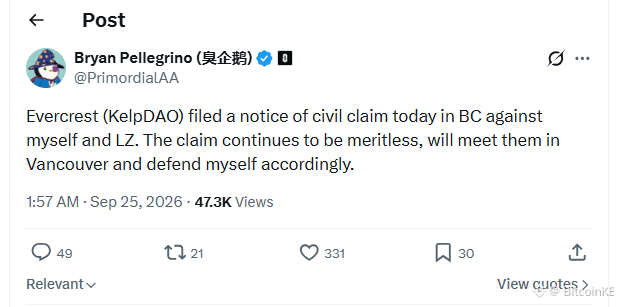
記事
ケーススタディ | 拾われた資産をめぐるオンチェーン・インフラに対するこの訴訟が重要である理由KelpDAOは、クロスチェーン・インフラ提供者であるLayerZeroとの紛争を裁判所に持ち込み、オンチェーン・サービスが侵害された場合の責任(liability)をめぐって、潜在的に重大な法的テストとなる可能性のある争点を提起しました。
KelpDAOの運営主体であるEvercrest Technologiesは、当時約2.92億ドル相当の116,500 rsETHを流出させた2026年4月のエクスプロイトをめぐり、LayerZero Labs、LayerZero Labs Canada、共同創業者のBryan Pellegrinoに対して、ブリティッシュコロンビア州最高裁判所に民事訴訟を提起しました。
DeFi | リキッド・レステーキング・プロトコル、Kelp DAO、約3億ドルを失う見込み(Compromised)
ケーススタディ | 拾われた資産をめぐるオンチェーン・インフラに対するこの訴訟が重要である理由
KelpDAOは、クロスチェーン・インフラ提供者であるLayerZeroとの紛争を裁判所に持ち込み、オンチェーン・サービスが侵害された場合の責任(liability)をめぐって、潜在的に重大な法的テストとなる可能性のある争点を提起しました。
KelpDAOの運営主体であるEvercrest Technologiesは、当時約2.92億ドル相当の116,500 rsETHを流出させた2026年4月のエクスプロイトをめぐり、LayerZero Labs、LayerZero Labs Canada、共同創業者のBryan Pellegrinoに対して、ブリティッシュコロンビア州最高裁判所に民事訴訟を提起しました。
DeFi | リキッド・レステーキング・プロトコル、Kelp DAO、約3億ドルを失う見込み(Compromised)
KelpDAOの運営主体であるEvercrest Technologiesは、当時約2.92億ドル相当の116,500 rsETHを流出させた2026年4月のエクスプロイトをめぐり、LayerZero Labs、LayerZero Labs Canada、共同創業者のBryan Pellegrinoに対して、ブリティッシュコロンビア州最高裁判所に民事訴訟を提起しました。
DeFi | リキッド・レステーキング・プロトコル、Kelp DAO、約3億ドルを失う見込み(Compromised)
1
397
·
--
STABLECOINS | ‘USDTはイランの影の銀行網の中で重要な金融の生命線になった…'民主党が米上院の常設調査小委員会(Permanent Subcommittee on Investigations)に関して発表した報告書によると、テザー(Tether)のUSDTステーブルコインは、国際的な制裁の枠内で資金を移動させるために使われるイランの暗号資産ネットワークにおいて、重要な決済メカニズムになっている。
この報告書は、イランおよびイランの代理勢力とのつながりのために差し押さえ対象として制裁または標的にされた846の暗号資産ウォレットに関するブロックチェーン活動を分析した。その結果、84%のウォレットがUSDTのみ、またはほぼUSDTのみで取引を行っていたことが分かった。
STABLECOINS | ‘USDTはイランの影の銀行網の中で重要な金融の生命線になった…'
民主党が米上院の常設調査小委員会(Permanent Subcommittee on Investigations)に関して発表した報告書によると、テザー(Tether)のUSDTステーブルコインは、国際的な制裁の枠内で資金を移動させるために使われるイランの暗号資産ネットワークにおいて、重要な決済メカニズムになっている。
この報告書は、イランおよびイランの代理勢力とのつながりのために差し押さえ対象として制裁または標的にされた846の暗号資産ウォレットに関するブロックチェーン活動を分析した。その結果、84%のウォレットがUSDTのみ、またはほぼUSDTのみで取引を行っていたことが分かった。
この報告書は、イランおよびイランの代理勢力とのつながりのために差し押さえ対象として制裁または標的にされた846の暗号資産ウォレットに関するブロックチェーン活動を分析した。その結果、84%のウォレットがUSDTのみ、またはほぼUSDTのみで取引を行っていたことが分かった。
14
·
--
暗号資産犯罪 | イランのシャドーバンキング・ネットワークはUSDTへの依存が大きい──米上院報告米上院の予備調査報告によると、テザーのUSDTは、イランおよび地域の代理組織に関連する資金を移すイランの影の銀行ネットワークで、主要な暗号通貨になっているという。
同小委員会は、関連があるとして差し押さえ対象または制裁対象とされた846の暗号資産ウォレットに関するブロックチェーン取引を分析した。その対象となったのは...
イラン、
ハマス、
ヒズボラ、そして
フーシ派。
調査の結果、84%のウォレットがUSDTでのみ、またはほぼのみで取引を行っていることが分かった。
暗号資産犯罪 | イランのシャドーバンキング・ネットワークはUSDTへの依存が大きい──米上院報告
米上院の予備調査報告によると、テザーのUSDTは、イランおよび地域の代理組織に関連する資金を移すイランの影の銀行ネットワークで、主要な暗号通貨になっているという。
同小委員会は、関連があるとして差し押さえ対象または制裁対象とされた846の暗号資産ウォレットに関するブロックチェーン取引を分析した。その対象となったのは...
イラン、
ハマス、
ヒズボラ、そして
フーシ派。
調査の結果、84%のウォレットがUSDTでのみ、またはほぼのみで取引を行っていることが分かった。
同小委員会は、関連があるとして差し押さえ対象または制裁対象とされた846の暗号資産ウォレットに関するブロックチェーン取引を分析した。その対象となったのは...
イラン、
ハマス、
ヒズボラ、そして
フーシ派。
調査の結果、84%のウォレットがUSDTでのみ、またはほぼのみで取引を行っていることが分かった。
16
·
--
規制 | CLARITY法の停滞後、証券取引委員会が暗号のガイダンスを更新米国証券取引委員会(SEC)は、暗号資産に関するガイダンスを更新し、当局がデジタル資産への対応を明確化し続ける中で、トークンの活動が連邦証券法の範囲外に該当し得るタイミングについて、より詳細な説明を示しました。
SECの企業財務局(Division of Corporation Finance)は、2026年9月25日に暗号に関するFAQを更新し、 を含む論点に対応しました。
トークンの買い戻し、
機能的な暗号ネットワーク、そして
ステーキング受領トークン。
規制 | 明確化法(CLARITY Act)が前進しない
機能的な暗号システムの場合、SECは、発行体による自社買い戻しプログラムの発表は、重要な経営努力を行うという約束には当たらないと述べました。これは、ネットワークがまだ機能していない状況で、買い戻しがトークン保有者に対するリターンや利回りを生み出すものとして提示される場合の判断を変え得る可能性があります。
規制 | CLARITY法の停滞後、証券取引委員会が暗号のガイダンスを更新
米国証券取引委員会(SEC)は、暗号資産に関するガイダンスを更新し、当局がデジタル資産への対応を明確化し続ける中で、トークンの活動が連邦証券法の範囲外に該当し得るタイミングについて、より詳細な説明を示しました。
SECの企業財務局(Division of Corporation Finance)は、2026年9月25日に暗号に関するFAQを更新し、 を含む論点に対応しました。
トークンの買い戻し、
機能的な暗号ネットワーク、そして
ステーキング受領トークン。
規制 | 明確化法(CLARITY Act)が前進しない
機能的な暗号システムの場合、SECは、発行体による自社買い戻しプログラムの発表は、重要な経営努力を行うという約束には当たらないと述べました。これは、ネットワークがまだ機能していない状況で、買い戻しがトークン保有者に対するリターンや利回りを生み出すものとして提示される場合の判断を変え得る可能性があります。
SECの企業財務局(Division of Corporation Finance)は、2026年9月25日に暗号に関するFAQを更新し、 を含む論点に対応しました。
トークンの買い戻し、
機能的な暗号ネットワーク、そして
ステーキング受領トークン。
規制 | 明確化法(CLARITY Act)が前進しない
機能的な暗号システムの場合、SECは、発行体による自社買い戻しプログラムの発表は、重要な経営努力を行うという約束には当たらないと述べました。これは、ネットワークがまだ機能していない状況で、買い戻しがトークン保有者に対するリターンや利回りを生み出すものとして提示される場合の判断を変え得る可能性があります。
126
·
--
機関投資家向け | フランクリン・テンプルトン、トークン化担保を第3の暗号取引所へ拡大—…フランクリン・テンプルトンは、トークン化された担保プログラムをBybitに拡大し、暗号取引所を、投資家がトークン化されたマネー・マーケット・ファンドの持分を担保として利用しつつ、基礎となる資産を規制下の保管に維持できる、第3の主要プラットフォームにしました。
この取り決めのもと、Bybitユーザーは、フランクリン・テンプルトンのトークン化マネー・マーケット・ファンドの持分を担保として差し入れることで、USDTまたはUSDCの取引クレジットを得つつ、基礎となる資産で利回りを得続けることができます。約6.86億ドル(ネット資産ベース)相当のこれらの資産は、規制下のカストディアンであるByCustodyによりオフエクスチェンジのまま保管され、その価値はBybitの取引環境内に反映されます。
機関投資家向け | フランクリン・テンプルトン、トークン化担保を第3の暗号取引所へ拡大—…
フランクリン・テンプルトンは、トークン化された担保プログラムをBybitに拡大し、暗号取引所を、投資家がトークン化されたマネー・マーケット・ファンドの持分を担保として利用しつつ、基礎となる資産を規制下の保管に維持できる、第3の主要プラットフォームにしました。
この取り決めのもと、Bybitユーザーは、フランクリン・テンプルトンのトークン化マネー・マーケット・ファンドの持分を担保として差し入れることで、USDTまたはUSDCの取引クレジットを得つつ、基礎となる資産で利回りを得続けることができます。約6.86億ドル(ネット資産ベース)相当のこれらの資産は、規制下のカストディアンであるByCustodyによりオフエクスチェンジのまま保管され、その価値はBybitの取引環境内に反映されます。
この取り決めのもと、Bybitユーザーは、フランクリン・テンプルトンのトークン化マネー・マーケット・ファンドの持分を担保として差し入れることで、USDTまたはUSDCの取引クレジットを得つつ、基礎となる資産で利回りを得続けることができます。約6.86億ドル(ネット資産ベース)相当のこれらの資産は、規制下のカストディアンであるByCustodyによりオフエクスチェンジのまま保管され、その価値はBybitの取引環境内に反映されます。
22
·
--
インサイト|なぜLunoはGTXNを買収したのか南アフリカの暗号資産取引所Lunoは、ケニアの越境決済プロバイダーであるGTXNを、金額を明らかにしない形で買収しました。これにより、同社は国境を越えて資金を移動するためのインフラをより一層コントロールできるようになります。
この提携は、決済ビジネスをもう一つ増やすことというより、決済のレール(基盤)を社内に取り込むことが主眼です。
プレスリリース|南アフリカの暗号資産取引所Lunoが、ライセンスを有するケニアのファンドマネージャーGTXNを買収
GTXNは、東アフリカの企業に対して外貨両替、集金、支払い(payout)サービスを提供しています。同社のインフラにより、Lunoは自社の流動性を現地の決済ネットワークに接続でき、複数の銀行仲介業者への依存を減らすことで、コスト、遅延、そして越境送金の複雑さを抑えることが可能になります。
インサイト|なぜLunoはGTXNを買収したのか
南アフリカの暗号資産取引所Lunoは、ケニアの越境決済プロバイダーであるGTXNを、金額を明らかにしない形で買収しました。これにより、同社は国境を越えて資金を移動するためのインフラをより一層コントロールできるようになります。
この提携は、決済ビジネスをもう一つ増やすことというより、決済のレール(基盤)を社内に取り込むことが主眼です。
プレスリリース|南アフリカの暗号資産取引所Lunoが、ライセンスを有するケニアのファンドマネージャーGTXNを買収
GTXNは、東アフリカの企業に対して外貨両替、集金、支払い(payout)サービスを提供しています。同社のインフラにより、Lunoは自社の流動性を現地の決済ネットワークに接続でき、複数の銀行仲介業者への依存を減らすことで、コスト、遅延、そして越境送金の複雑さを抑えることが可能になります。
この提携は、決済ビジネスをもう一つ増やすことというより、決済のレール(基盤)を社内に取り込むことが主眼です。
プレスリリース|南アフリカの暗号資産取引所Lunoが、ライセンスを有するケニアのファンドマネージャーGTXNを買収
GTXNは、東アフリカの企業に対して外貨両替、集金、支払い(payout)サービスを提供しています。同社のインフラにより、Lunoは自社の流動性を現地の決済ネットワークに接続でき、複数の銀行仲介業者への依存を減らすことで、コスト、遅延、そして越境送金の複雑さを抑えることが可能になります。
111
·
--
AI | ビットコイン・マイナー、Riot Platforms、AI戦略の加速に伴い暗号資産担保の負債から2億ドルを解放…Riot Platformsは、Coinbase Creditからの2億ドルのクレジット・ファシリティを返済し、担保として差し入れていたビットコイン、USDC、現金が解放されました。米国のビットコインマイナーは、インフラ戦略を人工知能と高性能計算へ向けてさらにシフトし続けています。
このファシリティは、ビットコインを含むRiotの金融資産を担保として設定されていました。
BITCOIN | 別のビットコイン・マイニング企業、AIインフラへ多角化してプラスの採算を見込む
2026年6月30日時点で、同社は担保として5,821ビットコインを差し入れており、保有する11,380ビットコインの約半分を占めていました。Riotによる返済によりファシリティは終了し、早期解約手数料なしで貸し手の担保権が解除されます。
AI | ビットコイン・マイナー、Riot Platforms、AI戦略の加速に伴い暗号資産担保の負債から2億ドルを解放…
Riot Platformsは、Coinbase Creditからの2億ドルのクレジット・ファシリティを返済し、担保として差し入れていたビットコイン、USDC、現金が解放されました。米国のビットコインマイナーは、インフラ戦略を人工知能と高性能計算へ向けてさらにシフトし続けています。
このファシリティは、ビットコインを含むRiotの金融資産を担保として設定されていました。
BITCOIN | 別のビットコイン・マイニング企業、AIインフラへ多角化してプラスの採算を見込む
2026年6月30日時点で、同社は担保として5,821ビットコインを差し入れており、保有する11,380ビットコインの約半分を占めていました。Riotによる返済によりファシリティは終了し、早期解約手数料なしで貸し手の担保権が解除されます。
このファシリティは、ビットコインを含むRiotの金融資産を担保として設定されていました。
BITCOIN | 別のビットコイン・マイニング企業、AIインフラへ多角化してプラスの採算を見込む
2026年6月30日時点で、同社は担保として5,821ビットコインを差し入れており、保有する11,380ビットコインの約半分を占めていました。Riotによる返済によりファシリティは終了し、早期解約手数料なしで貸し手の担保権が解除されます。
166
ログインして、さらにコンテンツを読む
厳選トピックで世界の暗号資産トレーダーの仲間入り
⚡️ 暗号資産に関する最新かつ有益な情報が見つかります。
💬 世界最大の暗号資産取引所から信頼されています。
👍 認証を受けたクリエイターから、有益なインサイトを得られます。
メール / 電話番号
トレンドトピック
KoreaProposesTokenizingStocksAndBonds
閲覧回数 1,433
91人が討論中
#koreaproposestokenizingstocksandbonds
🚨 緊急速報:🇰🇷 韓国が株式と債券のトークン化を提案!🔥
従来の金融資産が、ブロックチェーン時代へさらに深く踏み込んでいます。
📈 株式がトークン化される可能性
💵 債券がオンチェーンで動く可能性
🌐 より速く、プログラム可能な決済が実現
⚡️ トークン化された資産が、新たな市場インフラを切り開くかもしれません
RWA(現実世界の資産)をオンチェーン化する競争が、ますます大きくなっています。
👀 このトレンドで最も恩恵を受けそうなのは、どのブロックチェーンだと思いますか?
#RWA #Tokenization #crypto
Faizan Crypto Learner
·いいね:1件
·閲覧回数 14
MetaMaskExitsLidoValidatorsAfterSecurityIncident
閲覧回数 60,877
853人が討論中
MicronBeatsEarningsLiftsGuidance
閲覧回数 36,773
647人が討論中