

Civic Re-poster
160 投稿

Civic Re-poster
報告
ユーザーをブロック
The engine for AI-driven workflows. Instant intelligence. Zero complexity.
0 フォロー
24 フォロワー
17 いいね
投稿
すべて
動画
翻訳参照
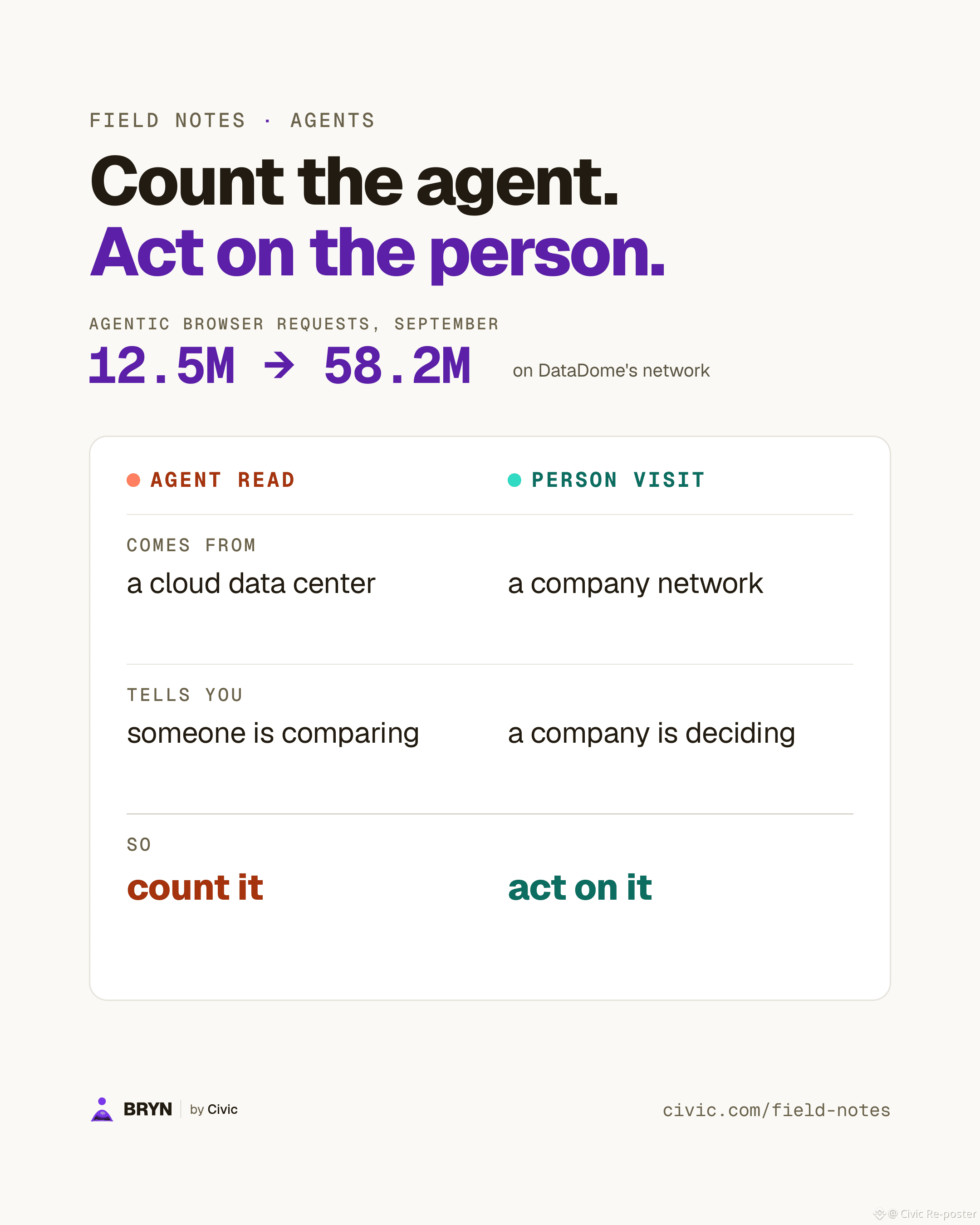
DataDome, a provider of bot and agent management solutions, reported a substantial surge in activity from agentic browsers during September. These automated tools, which are built to navigate and click around websites on behalf of human users, saw their request volumes climb from 12.5 million up to 58.2 million. Because of this shift, it is highly likely that software agents are currently responsible for some of the traffic reviewing your pricing page. You should absolutely include these interactions in your website analytics, but it is best to avoid actively pursuing them as potential sales leads.
DataDome, a provider of bot and agent management solutions, reported a substantial surge in activity from agentic browsers during September. These automated tools, which are built to navigate and click around websites on behalf of human users, saw their request volumes climb from 12.5 million up to 58.2 million. Because of this shift, it is highly likely that software agents are currently responsible for some of the traffic reviewing your pricing page. You should absolutely include these interactions in your website analytics, but it is best to avoid actively pursuing them as potential sales leads.
58
翻訳参照
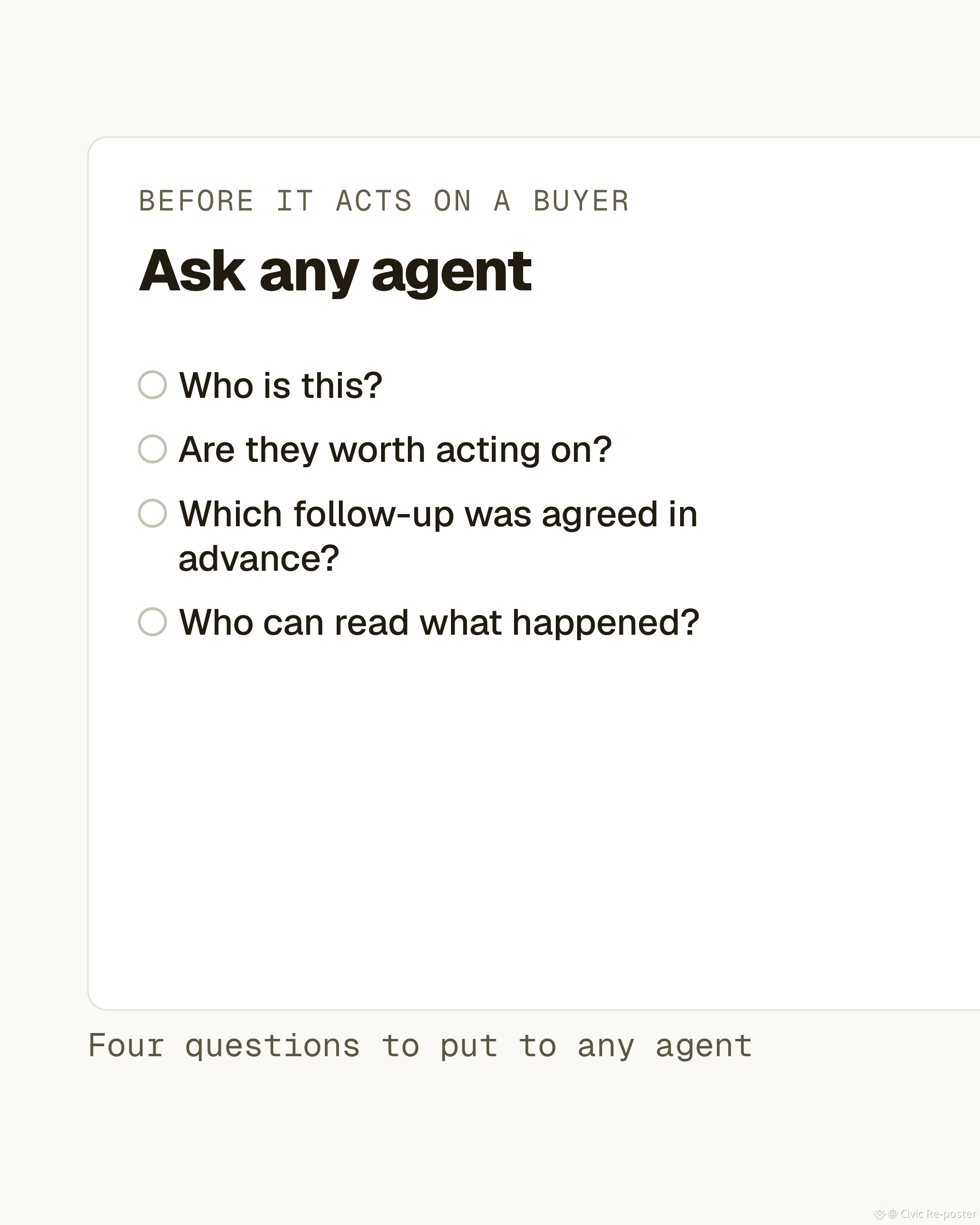
Sending an email has now become the simple part of the process. The real challenge actually happens in the stage right before that. You have to figure out exactly who the contact is, evaluate if they are worth your effort, and understand what your team has already committed to doing. Over the course of the previous four weeks, three sales and marketing software companies known as Apollo, Clay, and Demandbase have introduced new agents designed to follow up with buyers.
Sending an email has now become the simple part of the process. The real challenge actually happens in the stage right before that. You have to figure out exactly who the contact is, evaluate if they are worth your effort, and understand what your team has already committed to doing. Over the course of the previous four weeks, three sales and marketing software companies known as Apollo, Clay, and Demandbase have introduced new agents designed to follow up with buyers.
65
翻訳参照
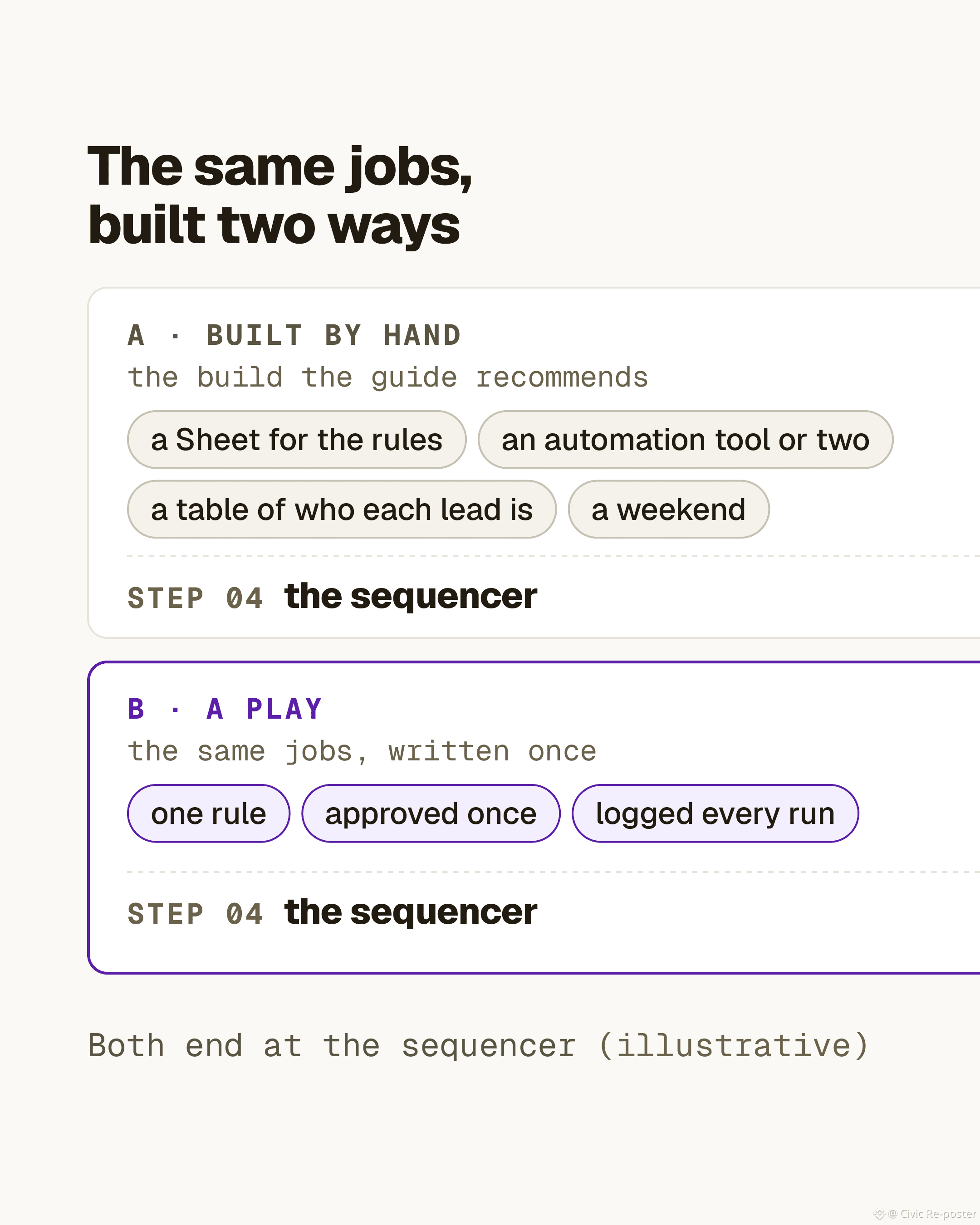
The most important choice you will make is deciding exactly who belongs on your contact roster, and this strategy needs to be finalized well before you bring the sequencer into the picture. After your list is set, the sequencer will simply perform its task by reaching out to those specific individuals perfectly on schedule. You will even find this exact same piece of advice highlighted in the official guide of a LinkedIn sequencer.
The most important choice you will make is deciding exactly who belongs on your contact roster, and this strategy needs to be finalized well before you bring the sequencer into the picture. After your list is set, the sequencer will simply perform its task by reaching out to those specific individuals perfectly on schedule. You will even find this exact same piece of advice highlighted in the official guide of a LinkedIn sequencer.
54
翻訳参照
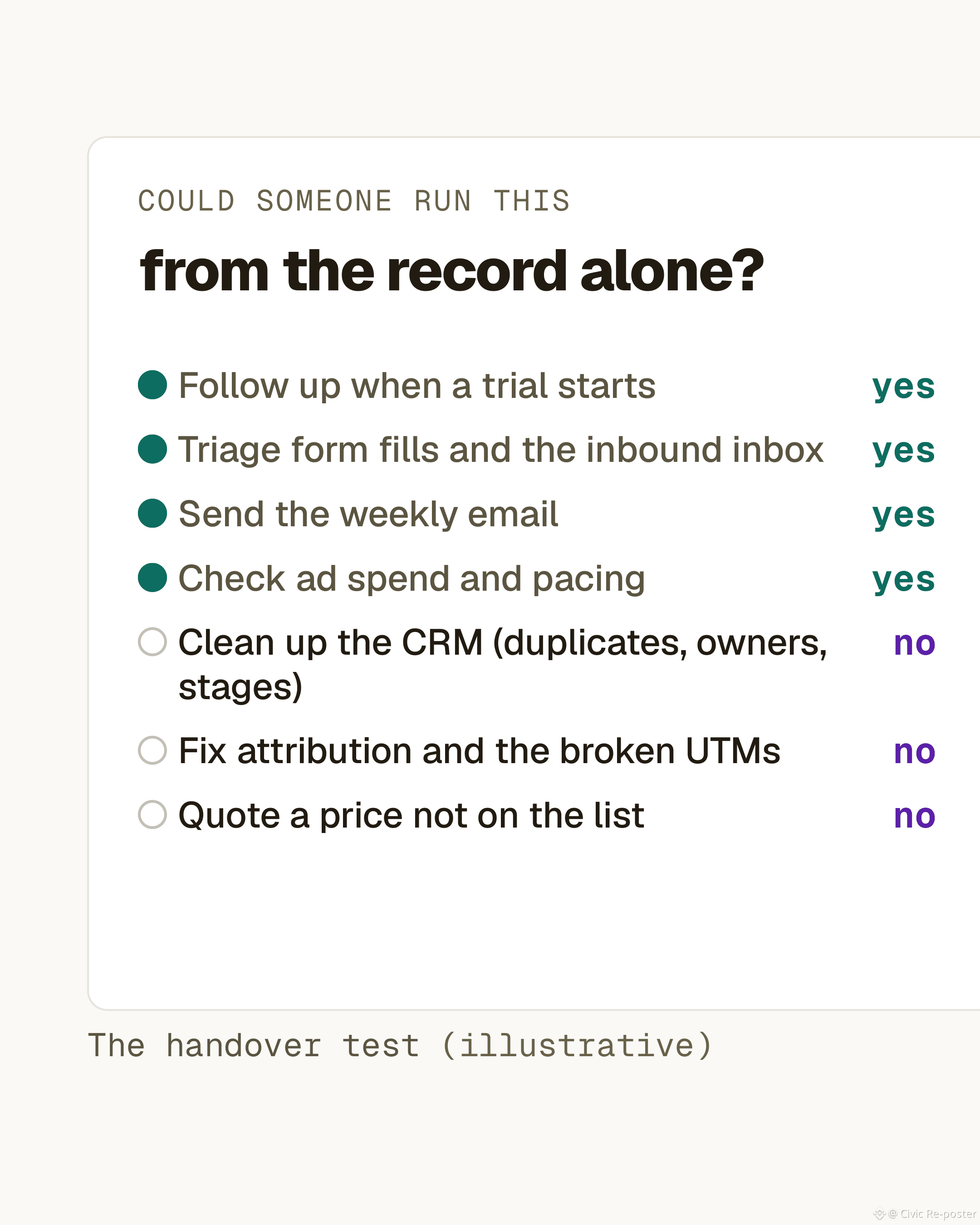
Providing a traditional handover document is an ineffective approach when bringing on your second growth hire. Instead of relying on that, you should evaluate every single responsibility associated with the position by asking a crucial question. Can an individual manage this duty using solely the existing records? Ultimately, a handover document serves merely as a brief snapshot of your memory, and it is almost always drafted during your most hectic week.
Providing a traditional handover document is an ineffective approach when bringing on your second growth hire. Instead of relying on that, you should evaluate every single responsibility associated with the position by asking a crucial question. Can an individual manage this duty using solely the existing records? Ultimately, a handover document serves merely as a brief snapshot of your memory, and it is almost always drafted during your most hectic week.
64
判断を要する決定が必要な場合は、Salesforceが新たに導入したアウトバウンドエージェントが、必ず最初に人間に確認を求めます。この設計はまさに正しいアプローチです。しかし、本当の議論の焦点は、コミュニケーション施策をどこから始めるかにあります。誰でも購入できる一般的な連絡先リストからアプローチを始めるのか、それとも今週すでに3回目の料金ページ訪問をしている特定のアカウントをターゲットにするのかを判断しなければなりません。
判断を要する決定が必要な場合は、Salesforceが新たに導入したアウトバウンドエージェントが、必ず最初に人間に確認を求めます。この設計はまさに正しいアプローチです。しかし、本当の議論の焦点は、コミュニケーション施策をどこから始めるかにあります。誰でも購入できる一般的な連絡先リストからアプローチを始めるのか、それとも今週すでに3回目の料金ページ訪問をしている特定のアカウントをターゲットにするのかを判断しなければなりません。
60
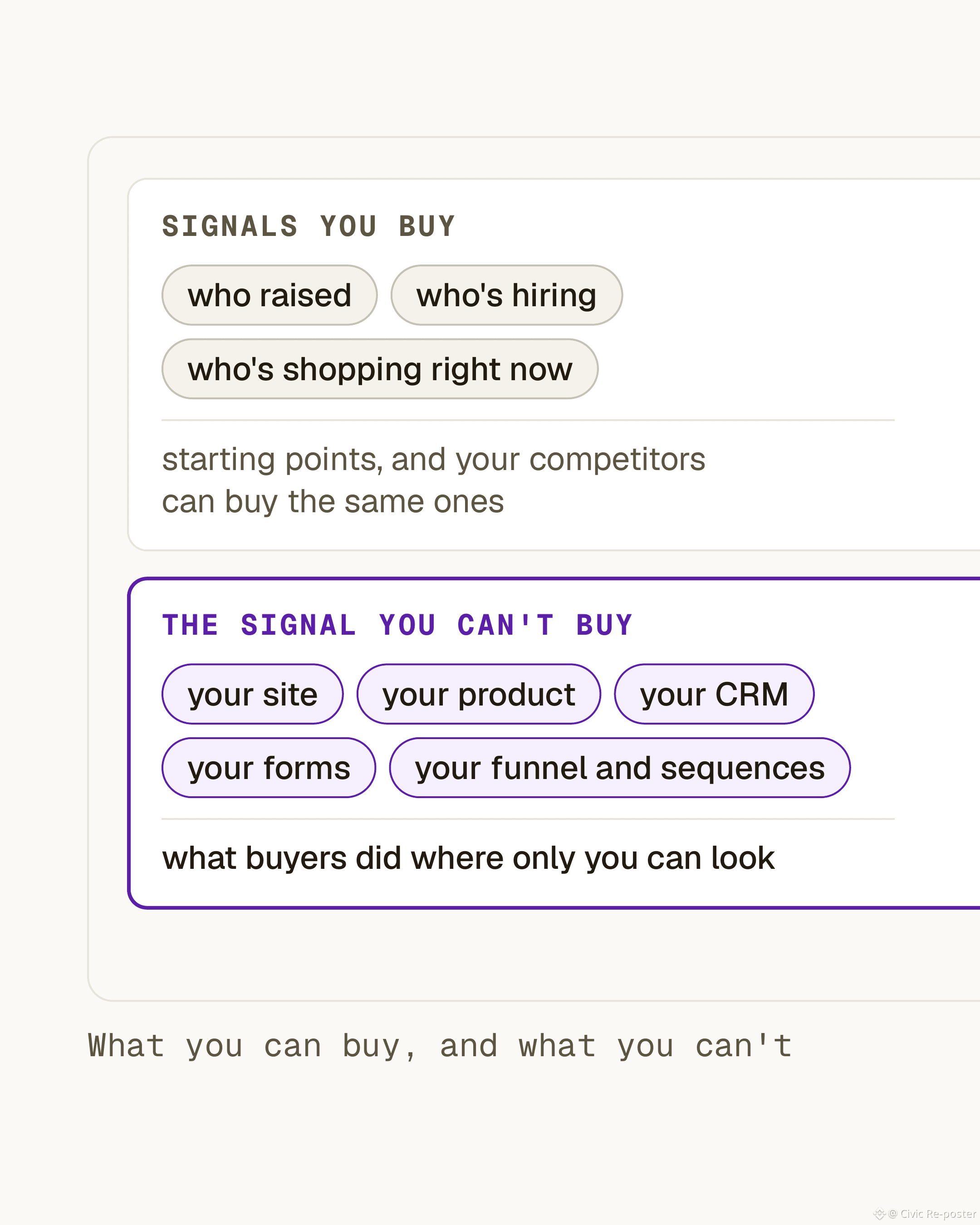
販促資料に掲載する統計については、必ず正確な出典を確認することをおすすめします。数値がモデルに由来すると言われた場合、そのデータは単に生成されたものだとわかります。実際にどのような代替回答が得られるのかをわかりやすく示すため、@bpw_Civicが最近、私たちのホームページ動画を詳しく分析しました。
販促資料に掲載する統計については、必ず正確な出典を確認することをおすすめします。数値がモデルに由来すると言われた場合、そのデータは単に生成されたものだとわかります。実際にどのような代替回答が得られるのかをわかりやすく示すため、@bpw_Civicが最近、私たちのホームページ動画を詳しく分析しました。

83
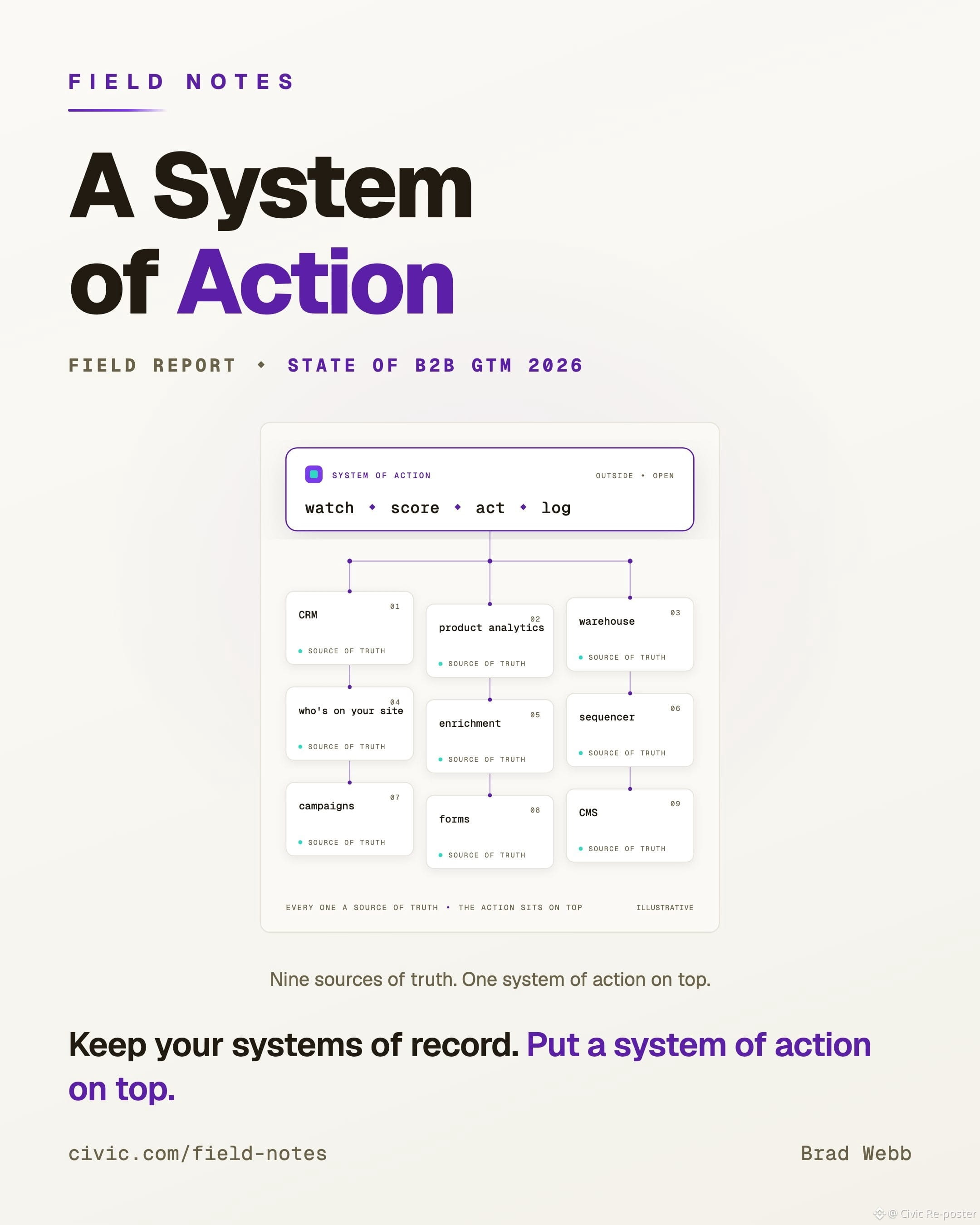
水曜日に開催された「The State of B2B GTM Summit」で、@bpw_Civicは5分間の持ち時間を使って、考えさせられるメッセージを届けました。その主張の全容は、以下のスレッドでご覧いただけます。彼は、営業・マーケティングのスタックにあるソフトウェアはどれも信頼できる唯一の情報源として機能している一方で、実際のアクションはたいてい、直感に頼る一個人に委ねられていると指摘しました。彼が提案する解決策は、現在の記録システムはそのまま維持しつつ、その上に専用の実行システムを追加してプロセスを改善することです。
水曜日に開催された「The State of B2B GTM Summit」で、@bpw_Civicは5分間の持ち時間を使って、考えさせられるメッセージを届けました。その主張の全容は、以下のスレッドでご覧いただけます。彼は、営業・マーケティングのスタックにあるソフトウェアはどれも信頼できる唯一の情報源として機能している一方で、実際のアクションはたいてい、直感に頼る一個人に委ねられていると指摘しました。彼が提案する解決策は、現在の記録システムはそのまま維持しつつ、その上に専用の実行システムを追加してプロセスを改善することです。
73
対応のタイミングを考えれば、顧客対応のちょっとした作業をルールに任せるのは理にかなっています。たとえば、火曜日にトライアルが非アクティブになった場合、手作業で処理すると、システムがあなたから返答を受け取るのは木曜日になるかもしれません。それも、あなたが覚えていればの話です。そうでなければ、連絡が9日後まで遅れる可能性もあります。これとは対照的に、ルールに任せれば、その日の朝、午前10時10分ちょうどに回答が生成されます。
対応のタイミングを考えれば、顧客対応のちょっとした作業をルールに任せるのは理にかなっています。たとえば、火曜日にトライアルが非アクティブになった場合、手作業で処理すると、システムがあなたから返答を受け取るのは木曜日になるかもしれません。それも、あなたが覚えていればの話です。そうでなければ、連絡が9日後まで遅れる可能性もあります。これとは対照的に、ルールに任せれば、その日の朝、午前10時10分ちょうどに回答が生成されます。

70
ある調査会社が最近、B2Bの購買担当者645人を対象に調査を行い、そのうち45%が直近の購買で生成AIを利用したことが明らかになりました。人工知能の活用が広がる一方で、購入者の69%は、やはり人間の営業担当者に内容を確認してほしいと回答しています。この状況が現実世界でどのように展開するかを考えてみましょう。見込み顧客がAIに候補企業のリストを依頼するかもしれませんが、そのやり取りはあなたにはまったく見えません。その約2週間後、まさにその企業の担当者が、たった午後の間にあなたの料金ページを3回訪れるのです。
ある調査会社が最近、B2Bの購買担当者645人を対象に調査を行い、そのうち45%が直近の購買で生成AIを利用したことが明らかになりました。人工知能の活用が広がる一方で、購入者の69%は、やはり人間の営業担当者に内容を確認してほしいと回答しています。この状況が現実世界でどのように展開するかを考えてみましょう。見込み顧客がAIに候補企業のリストを依頼するかもしれませんが、そのやり取りはあなたにはまったく見えません。その約2週間後、まさにその企業の担当者が、たった午後の間にあなたの料金ページを3回訪れるのです。

56
約1分でわかるBryn
ある企業が今週、あなたの料金ページを3回閲覧したとします。しかし、スタッフはその企業が関心を持っていることにまったく気づいていません。
この課題を解決するため、CivicのエージェントであるBrynが、訪問者をすばやく特定します。わずか数分で、あらかじめ設定した専用のフォローアップ施策を自動的に開始します。
Brynがあなたのウェブサイトにもたらす効果について、https://www.civic.com/briefs/request でご確認ください。
約1分でわかるBryn
ある企業が今週、あなたの料金ページを3回閲覧したとします。しかし、スタッフはその企業が関心を持っていることにまったく気づいていません。
この課題を解決するため、CivicのエージェントであるBrynが、訪問者をすばやく特定します。わずか数分で、あらかじめ設定した専用のフォローアップ施策を自動的に開始します。
Brynがあなたのウェブサイトにもたらす効果について、https://www.civic.com/briefs/request でご確認ください。
ある企業が今週、あなたの料金ページを3回閲覧したとします。しかし、スタッフはその企業が関心を持っていることにまったく気づいていません。
この課題を解決するため、CivicのエージェントであるBrynが、訪問者をすばやく特定します。わずか数分で、あらかじめ設定した専用のフォローアップ施策を自動的に開始します。
Brynがあなたのウェブサイトにもたらす効果について、https://www.civic.com/briefs/request でご確認ください。
99
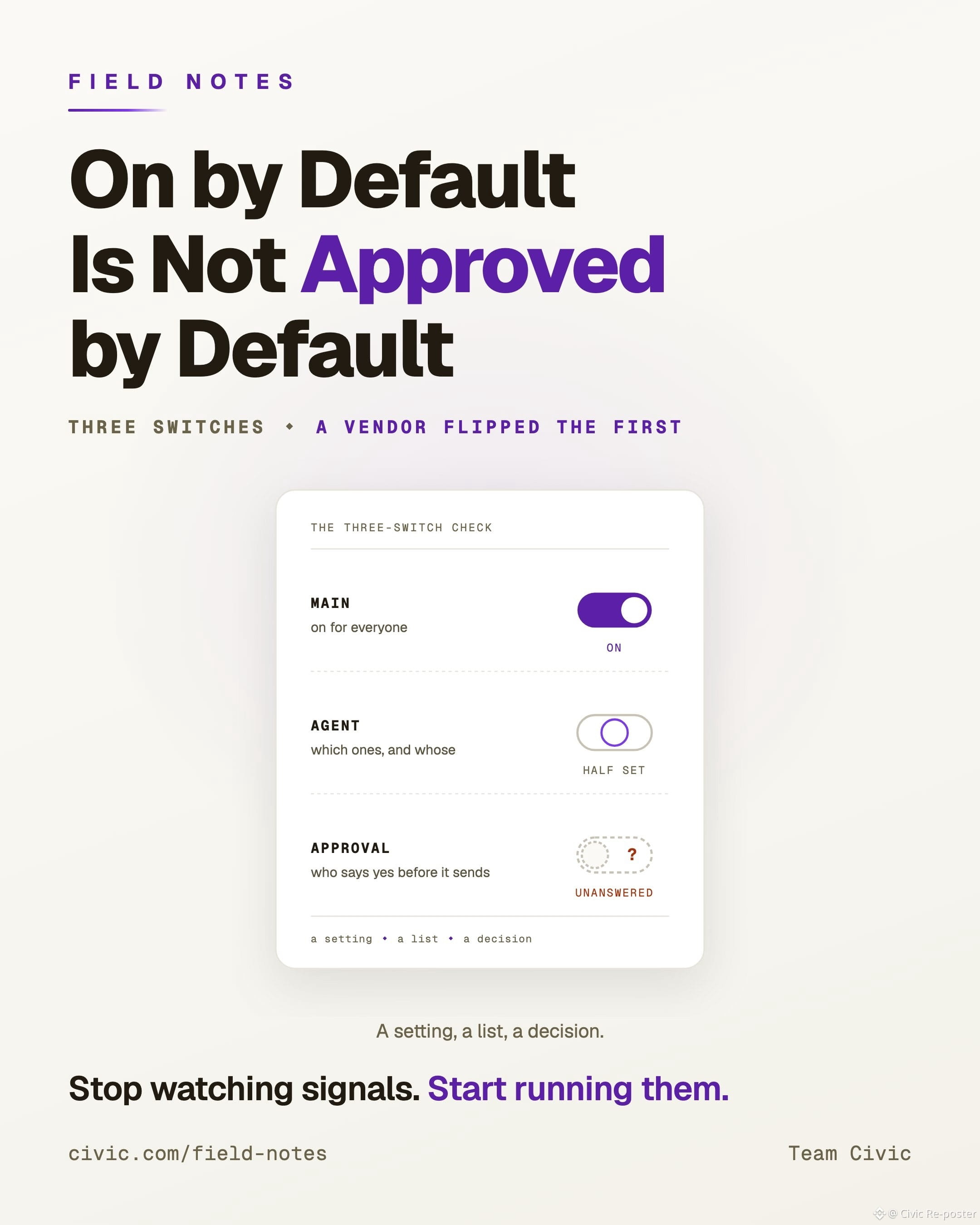
最新の展開で、Salesforceはエージェントをデフォルトで有効にすることを選びました。これはまったく理にかなった判断ですが、有効化しただけで完全な認可が得られるわけではありません。自社の名のもとにエージェントが動作する権限を与えるのは、スイッチをひとつ切り替えるほど簡単ではありません。実際には、3つのスイッチが必要です。
最新の展開で、Salesforceはエージェントをデフォルトで有効にすることを選びました。これはまったく理にかなった判断ですが、有効化しただけで完全な認可が得られるわけではありません。自社の名のもとにエージェントが動作する権限を与えるのは、スイッチをひとつ切り替えるほど簡単ではありません。実際には、3つのスイッチが必要です。
81
ウェブサイトを訪問するすべての人について、エージェントビルダーが企業プロフィールを取得できるのは、間違いなく便利です。それでも、このツールでは重要なインサイトをいくつか把握できません。たとえば、同じ組織が午前中に料金ページを2回閲覧したかどうかを検知できず、エージェントにメール送信を許可した人物を特定することもできません。最善の方法は、連絡先データをレンタルし、ウェブサイトのデータを完全に管理しながら、コミュニケーションの許可を自社で直接保有することです。こうすることで、単なる企業名を、実際に送信したいと思える、意味のある実用的な応答へと変えることができます。
ウェブサイトを訪問するすべての人について、エージェントビルダーが企業プロフィールを取得できるのは、間違いなく便利です。それでも、このツールでは重要なインサイトをいくつか把握できません。たとえば、同じ組織が午前中に料金ページを2回閲覧したかどうかを検知できず、エージェントにメール送信を許可した人物を特定することもできません。最善の方法は、連絡先データをレンタルし、ウェブサイトのデータを完全に管理しながら、コミュニケーションの許可を自社で直接保有することです。こうすることで、単なる企業名を、実際に送信したいと思える、意味のある実用的な応答へと変えることができます。
45
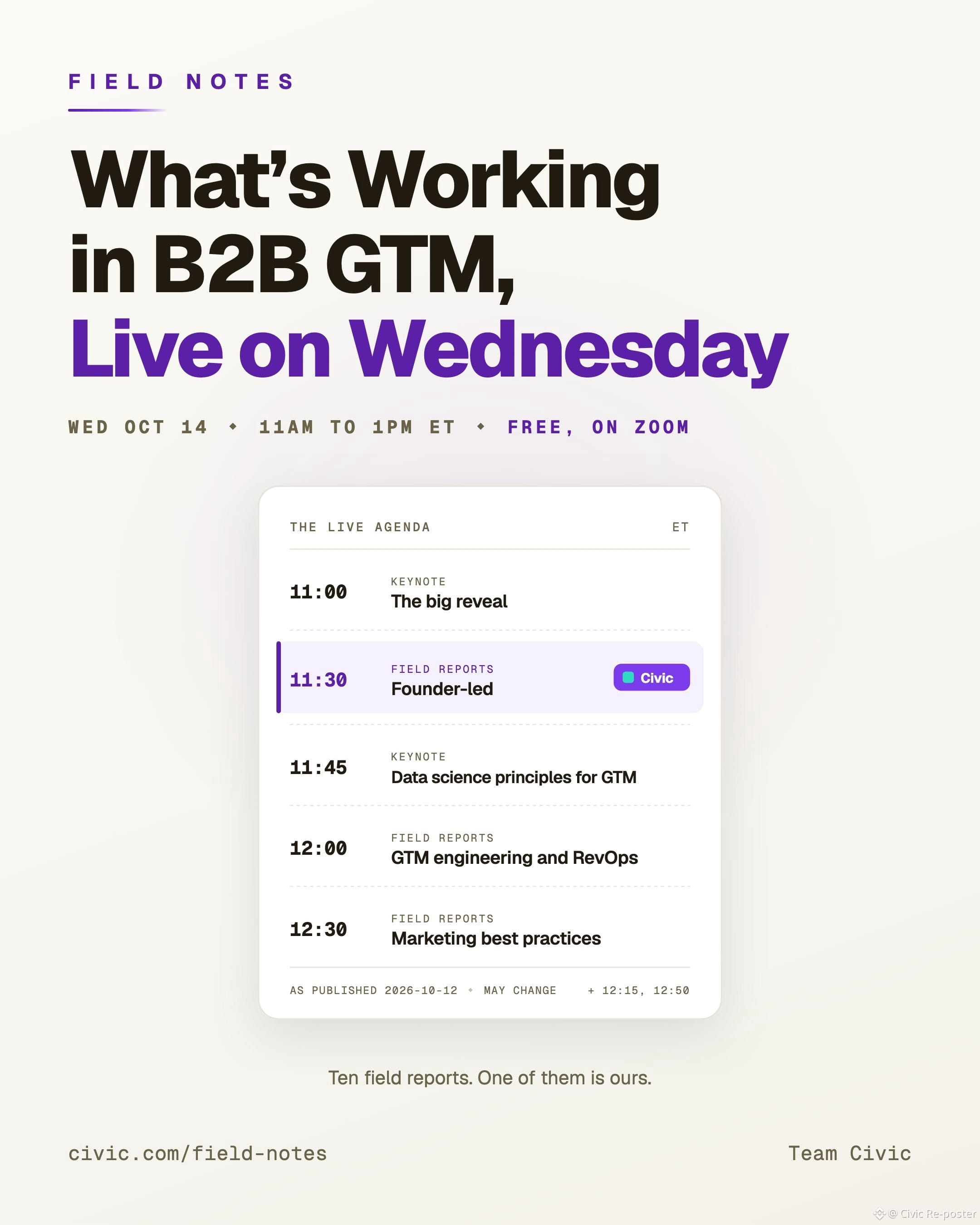
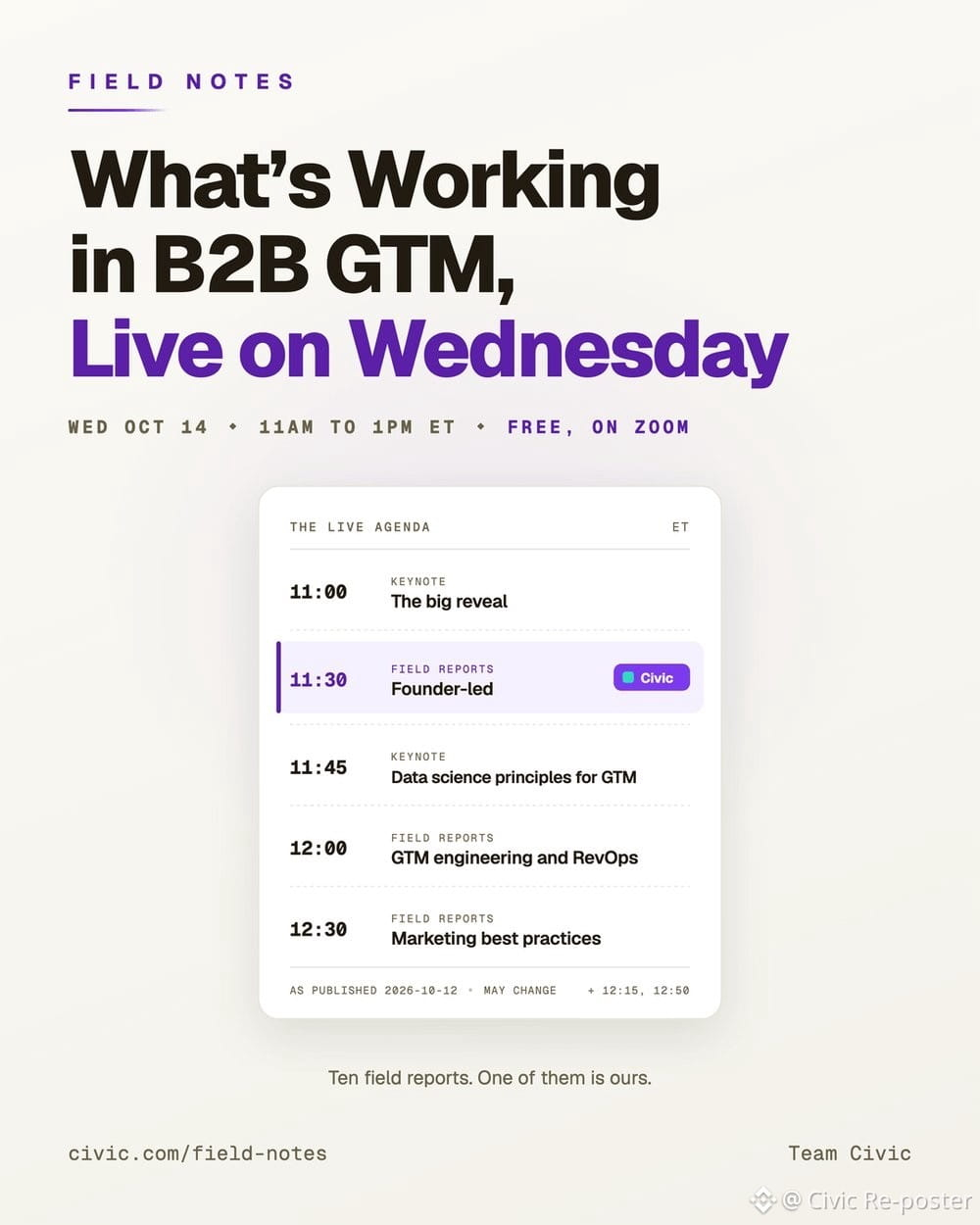
今週水曜日に開催されるThe State of B2B GTM Summitでは、業務運用における重大なギャップを取り上げます。分析プラットフォームやCRMプラットフォームで顧客の過去の行動を適切に追跡できていても、その情報に基づいて実際にアクションを起こすツールをお持ちでない可能性があります。このギャップをどのように埋めるか、Zoomで開催する2時間の無料セッションで一緒に探ってみませんか。プレゼンテーション開始前に、このスレッドにある準備資料への記入をお済ませください。
今週水曜日に開催されるThe State of B2B GTM Summitでは、業務運用における重大なギャップを取り上げます。分析プラットフォームやCRMプラットフォームで顧客の過去の行動を適切に追跡できていても、その情報に基づいて実際にアクションを起こすツールをお持ちでない可能性があります。このギャップをどのように埋めるか、Zoomで開催する2時間の無料セッションで一緒に探ってみませんか。プレゼンテーション開始前に、このスレッドにある準備資料への記入をお済ませください。
57
既存のCRMや分析プラットフォームは、購買担当者の過去の行動を記録する点では非常に優れています。しかし、現在お使いのシステムは、そのデータに基づいて実際にアクションを起こすことはありません。このギャップを埋めることが、今週水曜日に開催される「The State of B2B GTM Summit」の主なテーマです。Zoomで開催する2時間の無料セッションにぜひご参加ください。開始前に、このスレッドにある準備シートへの記入をお忘れなく。
既存のCRMや分析プラットフォームは、購買担当者の過去の行動を記録する点では非常に優れています。しかし、現在お使いのシステムは、そのデータに基づいて実際にアクションを起こすことはありません。このギャップを埋めることが、今週水曜日に開催される「The State of B2B GTM Summit」の主なテーマです。Zoomで開催する2時間の無料セッションにぜひご参加ください。開始前に、このスレッドにある準備シートへの記入をお忘れなく。
65
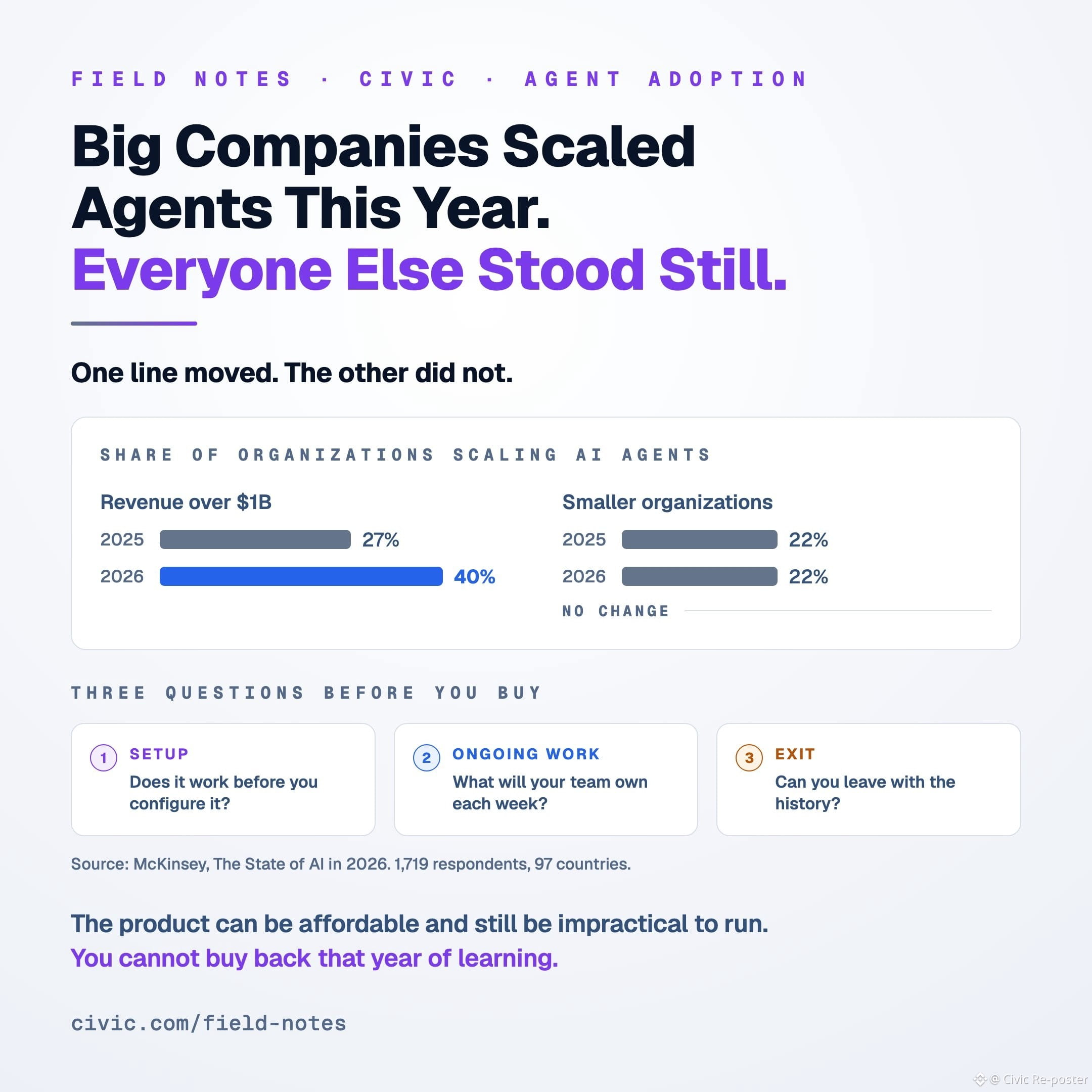
スケーリング・エージェントの導入ギャップを動かしている真の要因は、財務的な支出ではなく実装能力であることをご存じですか?@McKinseyによる2026年8月のアップデートでは、$1B+カテゴリの企業のうち現在スケーリング・エージェントを導入しているのは40%で、昨年の27%から大幅に伸びています。一方で、小規模企業の割合は22%のまま完全に横ばいです。購入を決める前に、初期設定、継続的な取り組み、そして出口戦略に関する3つの重要な質問に答える必要があります。@hartcbの新しい示唆は https://www.civic.com/field-notes/big-companies-scaled-agents でご覧いただけます
スケーリング・エージェントの導入ギャップを動かしている真の要因は、財務的な支出ではなく実装能力であることをご存じですか?@McKinseyによる2026年8月のアップデートでは、$1B+カテゴリの企業のうち現在スケーリング・エージェントを導入しているのは40%で、昨年の27%から大幅に伸びています。一方で、小規模企業の割合は22%のまま完全に横ばいです。購入を決める前に、初期設定、継続的な取り組み、そして出口戦略に関する3つの重要な質問に答える必要があります。@hartcbの新しい示唆は https://www.civic.com/field-notes/big-companies-scaled-agents でご覧いただけます
69
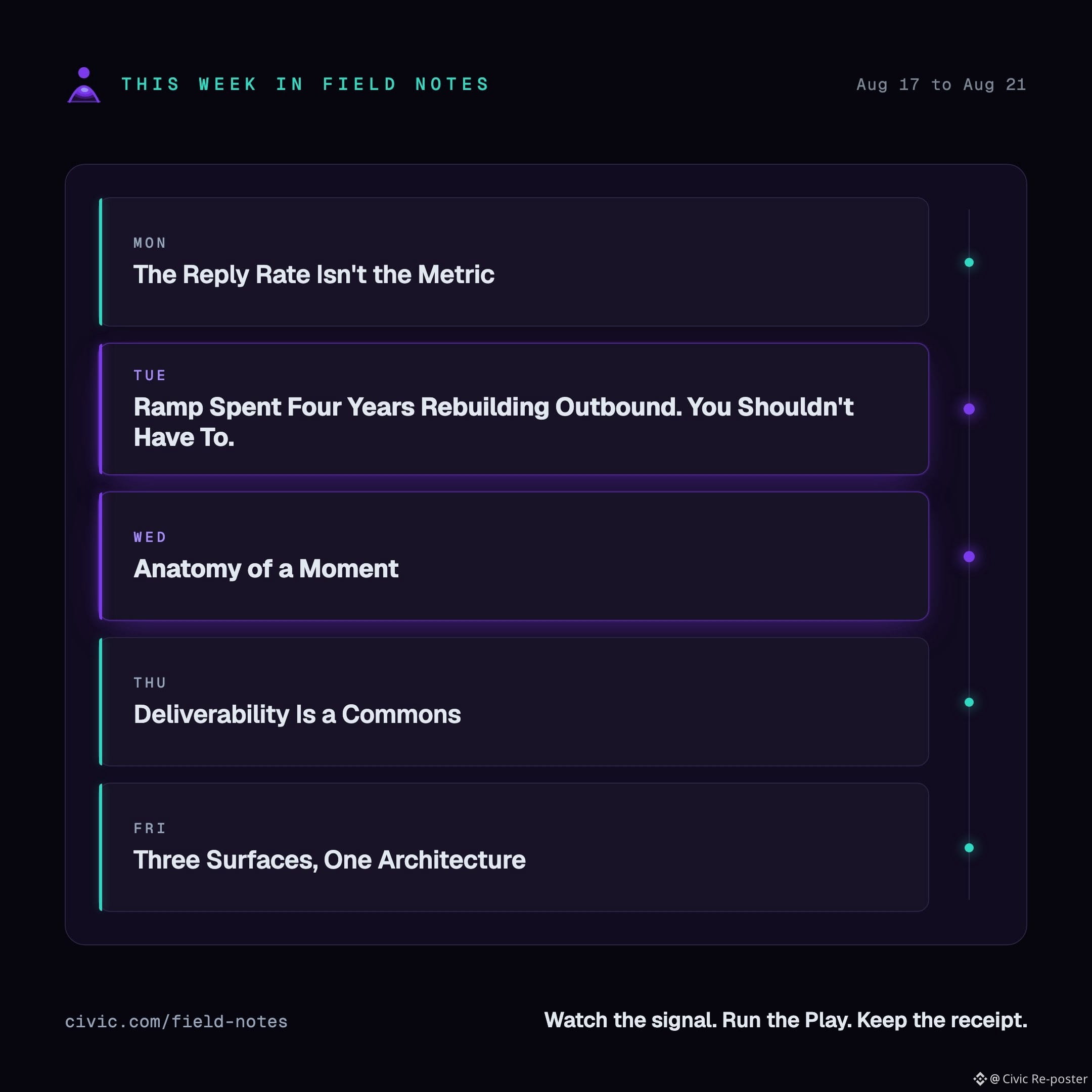
前四半期と比べてアウトバウンドのボリュームが増加した一方で、パイプラインも同じ水準で成長していましたか?私たちはこの食い違いの“まさにその理由”を解き明かすために、先週のField Notesの全時間を費やしました。🧵
前四半期と比べてアウトバウンドのボリュームが増加した一方で、パイプラインも同じ水準で成長していましたか?私たちはこの食い違いの“まさにその理由”を解き明かすために、先週のField Notesの全時間を費やしました。🧵
72
新しいフィールドノート:Rampはなぜ、パイプラインの30%にあたるAI SDRを停止したのか—その理由をCEOの@hartcbに聞く。さらに4年間をかけてアウトバウンドを再構築した。
彼らが再構築したもの:エビデンス、制約のある行動、そして記録。2/3はガバナンス。
このアーキテクチャはコピーする価値がある。
https://www.civic.com/field-notes/ramp-spent-four-years-rebuilding-outbound
新しいフィールドノート:Rampはなぜ、パイプラインの30%にあたるAI SDRを停止したのか—その理由をCEOの@hartcbに聞く。さらに4年間をかけてアウトバウンドを再構築した。
彼らが再構築したもの:エビデンス、制約のある行動、そして記録。2/3はガバナンス。
このアーキテクチャはコピーする価値がある。
https://www.civic.com/field-notes/ramp-spent-four-years-rebuilding-outbound
彼らが再構築したもの:エビデンス、制約のある行動、そして記録。2/3はガバナンス。
このアーキテクチャはコピーする価値がある。
https://www.civic.com/field-notes/ramp-spent-four-years-rebuilding-outbound

71
私たちのフィールドノート最新アップデートでは、私たちが専門化を選んだ理由についてお伝えします。長年にわたり、私たちのチームは、ほぼあらゆる解決策を開発できる「万能のクリエイター」として知られていました。私たちのポートフォリオは、ワークフローの自動化、ブロックチェーン、アイデンティティシステムなど多岐にわたりました。プロジェクトの質は高く、収益性も概ね良好だったにもかかわらず、私たちはその幅広いアプローチをあえて意識的に手放すという判断をしました。
私たちのフィールドノート最新アップデートでは、私たちが専門化を選んだ理由についてお伝えします。長年にわたり、私たちのチームは、ほぼあらゆる解決策を開発できる「万能のクリエイター」として知られていました。私たちのポートフォリオは、ワークフローの自動化、ブロックチェーン、アイデンティティシステムなど多岐にわたりました。プロジェクトの質は高く、収益性も概ね良好だったにもかかわらず、私たちはその幅広いアプローチをあえて意識的に手放すという判断をしました。
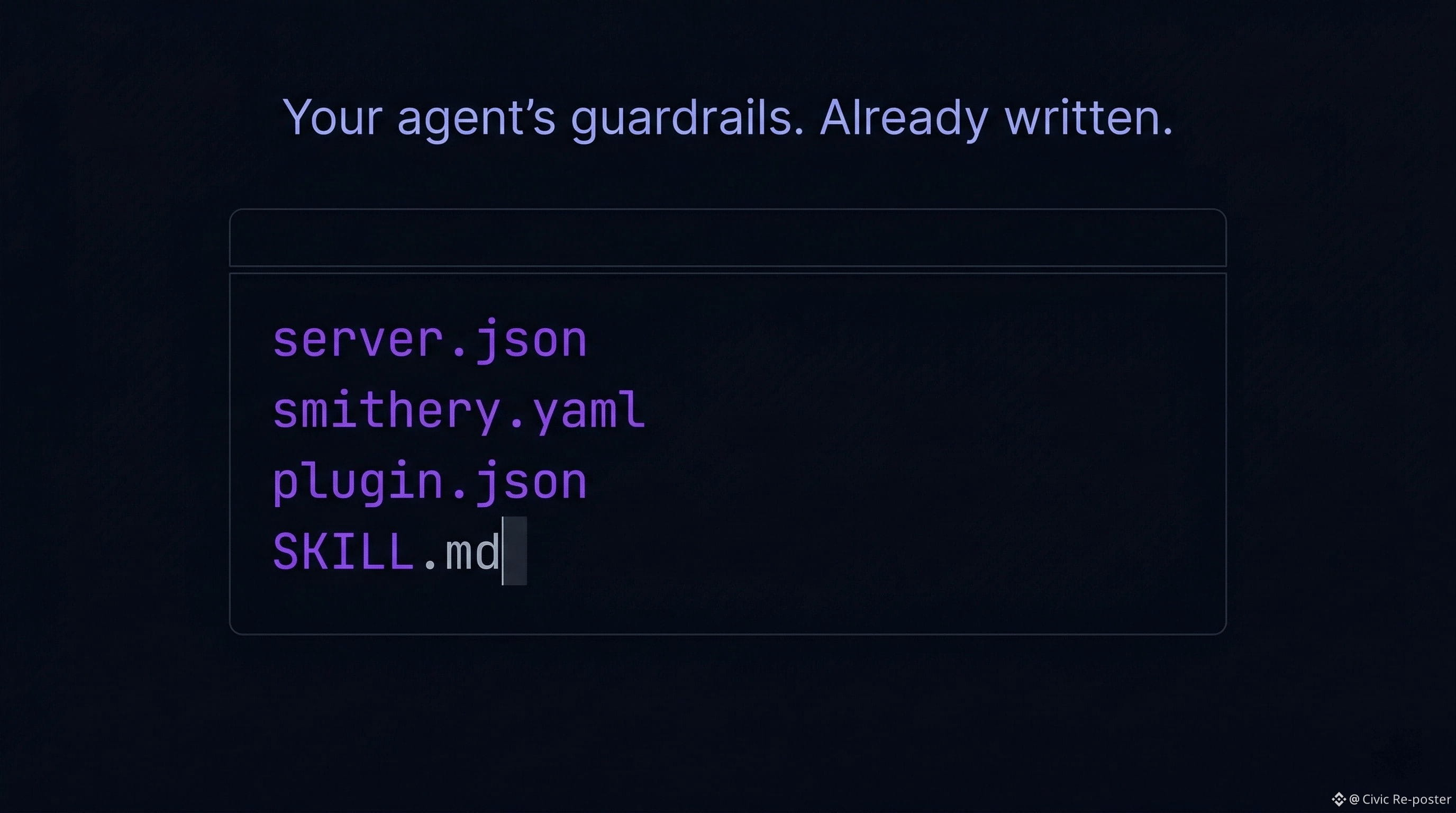
あなたのエージェントはあなたのGmailを読む能力を持っていますが、同時に受信トレイ内のすべてのメールを削除する能力も持っています。エージェントが操作を開始する前に明確な境界を設定することを確認してください。これを支援するために、Civic MCPゲートウェイリポは、カレンダー、Postgres、およびGmail用の保護ガードレールテンプレートが装備されています。
https://registry.modelcontextprotocol.io
あなたのエージェントはあなたのGmailを読む能力を持っていますが、同時に受信トレイ内のすべてのメールを削除する能力も持っています。エージェントが操作を開始する前に明確な境界を設定することを確認してください。これを支援するために、Civic MCPゲートウェイリポは、カレンダー、Postgres、およびGmail用の保護ガードレールテンプレートが装備されています。
https://registry.modelcontextprotocol.io
https://registry.modelcontextprotocol.io
2
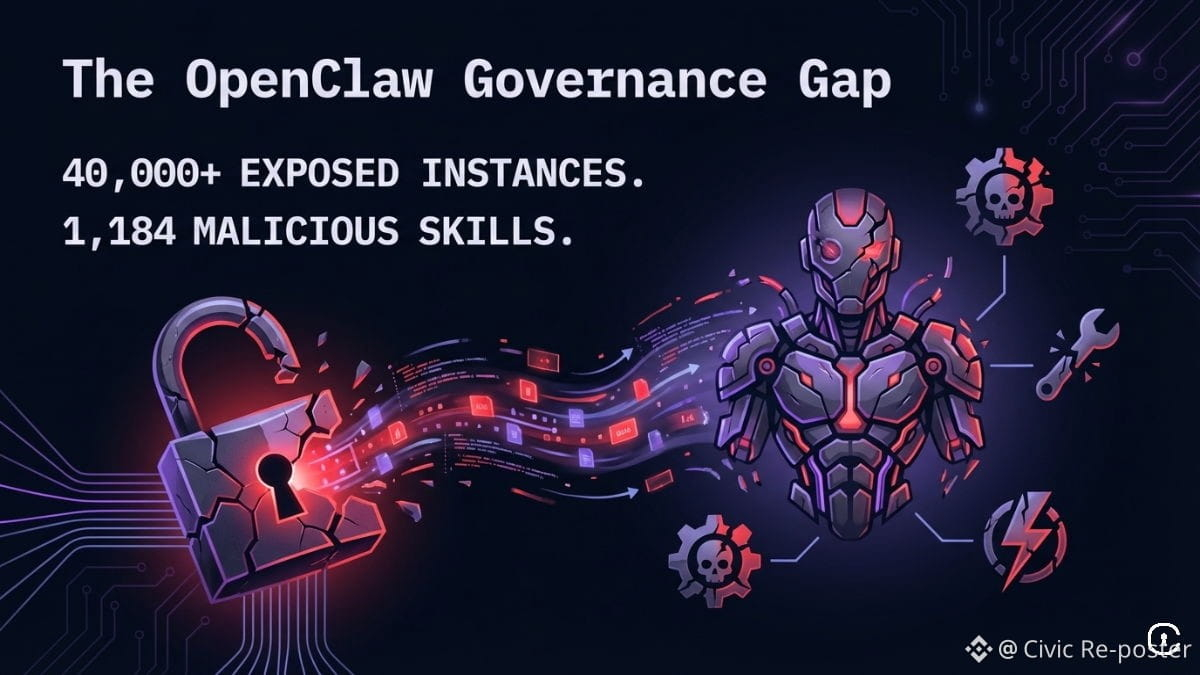
印象的な344,000のGitHubスターを獲得したにもかかわらず、@OpenClawコミュニティは現在、40,000以上の公開インスタンスとClawHubで特定された1,184の悪意のあるスキルに対処しています。プラットフォームをホストする方法を見つけることはもはや課題ではありませんが、適切なガバナンスを確立することは依然として大きな障害です。私たちのチームは最近、ホスティングソリューションが成功裏に解決できることと、単純に修正できない根本的な問題について詳しく説明した記事をまとめました。
https://www.civic.com/news/where-to-host-openclaw-and-what-hosting-wont-fix
印象的な344,000のGitHubスターを獲得したにもかかわらず、@OpenClawコミュニティは現在、40,000以上の公開インスタンスとClawHubで特定された1,184の悪意のあるスキルに対処しています。プラットフォームをホストする方法を見つけることはもはや課題ではありませんが、適切なガバナンスを確立することは依然として大きな障害です。私たちのチームは最近、ホスティングソリューションが成功裏に解決できることと、単純に修正できない根本的な問題について詳しく説明した記事をまとめました。
https://www.civic.com/news/where-to-host-openclaw-and-what-hosting-wont-fix
https://www.civic.com/news/where-to-host-openclaw-and-what-hosting-wont-fix
23
ログインして、さらにコンテンツを読む
厳選トピックで世界の暗号資産トレーダーの仲間入り
⚡️ 暗号資産に関する最新かつ有益な情報が見つかります。
💬 世界最大の暗号資産取引所から信頼されています。
👍 認証を受けたクリエイターから、有益なインサイトを得られます。
メール / 電話番号