
BitBurst_
4.2k 投稿

BitBurst_
報告
ユーザーをブロック
Trading crypto assets $BTC $ETH $SOL - Market analysis Crypto strategist NFA || Trade smarter, not harder ✨
275 フォロー
18.8K+ フォロワー
13.5K+ いいね
投稿
すべて
引用
ライブ
·
--
Web3の未来は、ブロックチェーン技術をよりアクセスしやすく、実用的にするプロジェクトによって形成されます。@GeniusOfficial は、革新的なユーティリティと長期的な価値創造に焦点を当てたエコシステムを構築しています。このプラットフォームがどのように進化し、
$GENIUS がユーザーと開発者のための機会を拡大するのにどのように貢献するのか、非常に楽しみです。
#genius $GENIUS
Web3の未来は、ブロックチェーン技術をよりアクセスしやすく、実用的にするプロジェクトによって形成されます。@GeniusOfficial は、革新的なユーティリティと長期的な価値創造に焦点を当てたエコシステムを構築しています。このプラットフォームがどのように進化し、
$GENIUS がユーザーと開発者のための機会を拡大するのにどのように貢献するのか、非常に楽しみです。
#genius $GENIUS
$GENIUS がユーザーと開発者のための機会を拡大するのにどのように貢献するのか、非常に楽しみです。
#genius $GENIUS
274
·
--
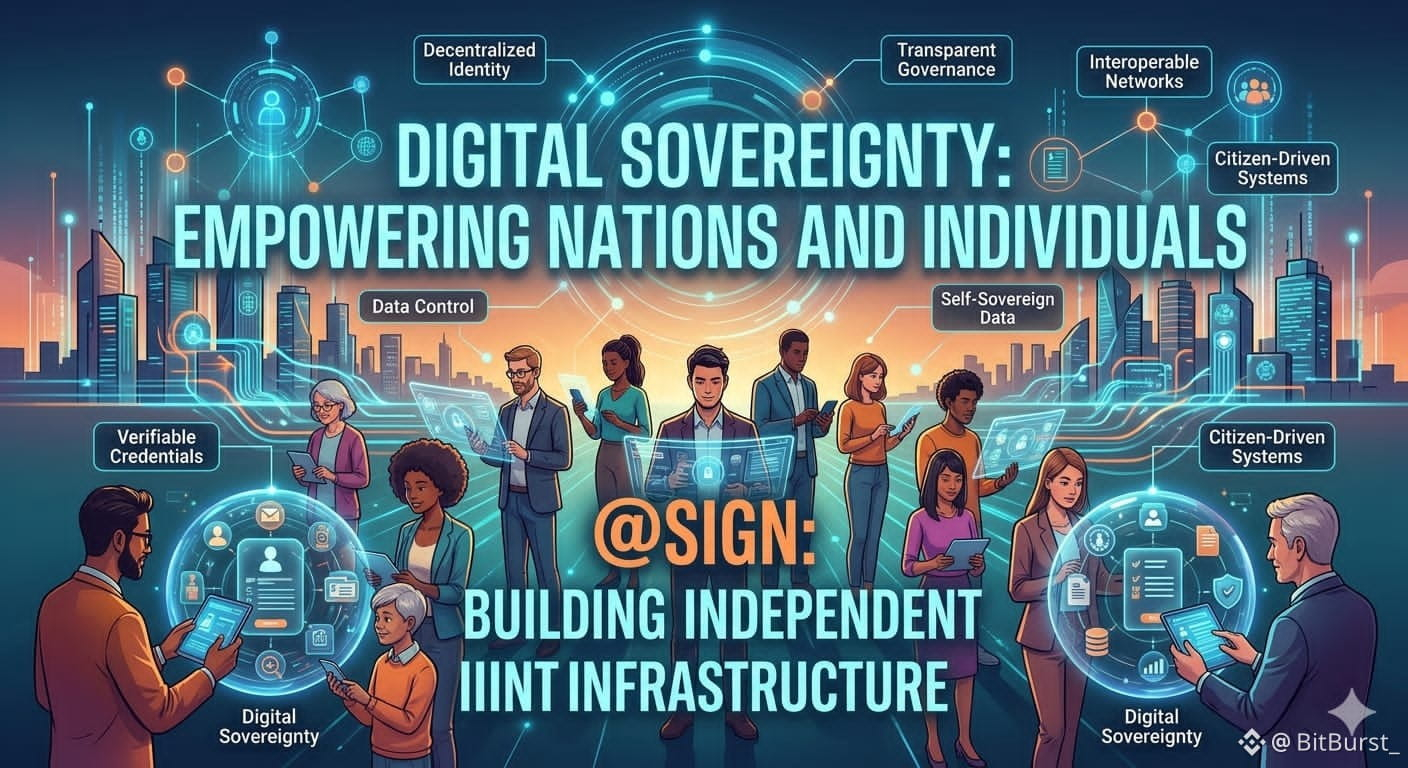
デジタル主権は、データに駆動される世界では不可欠になっています。
@SignOfficial は、国家や個人が中央集権的なシステムに依存することなく、アイデンティティ、データ、ガバナンスを制御できるインフラを構築しています。
検証可能な資格情報から透明なガバナンスまで、$SIGN は投機だけでなく、実際のユーティリティに焦点を当てています。
#SignDigitalSovereignInfra
デジタル主権は、データに駆動される世界では不可欠になっています。
@SignOfficial は、国家や個人が中央集権的なシステムに依存することなく、アイデンティティ、データ、ガバナンスを制御できるインフラを構築しています。
検証可能な資格情報から透明なガバナンスまで、$SIGN は投機だけでなく、実際のユーティリティに焦点を当てています。
#SignDigitalSovereignInfra
@SignOfficial は、国家や個人が中央集権的なシステムに依存することなく、アイデンティティ、データ、ガバナンスを制御できるインフラを構築しています。
検証可能な資格情報から透明なガバナンスまで、$SIGN は投機だけでなく、実際のユーティリティに焦点を当てています。
#SignDigitalSovereignInfra
103
·
--
記事
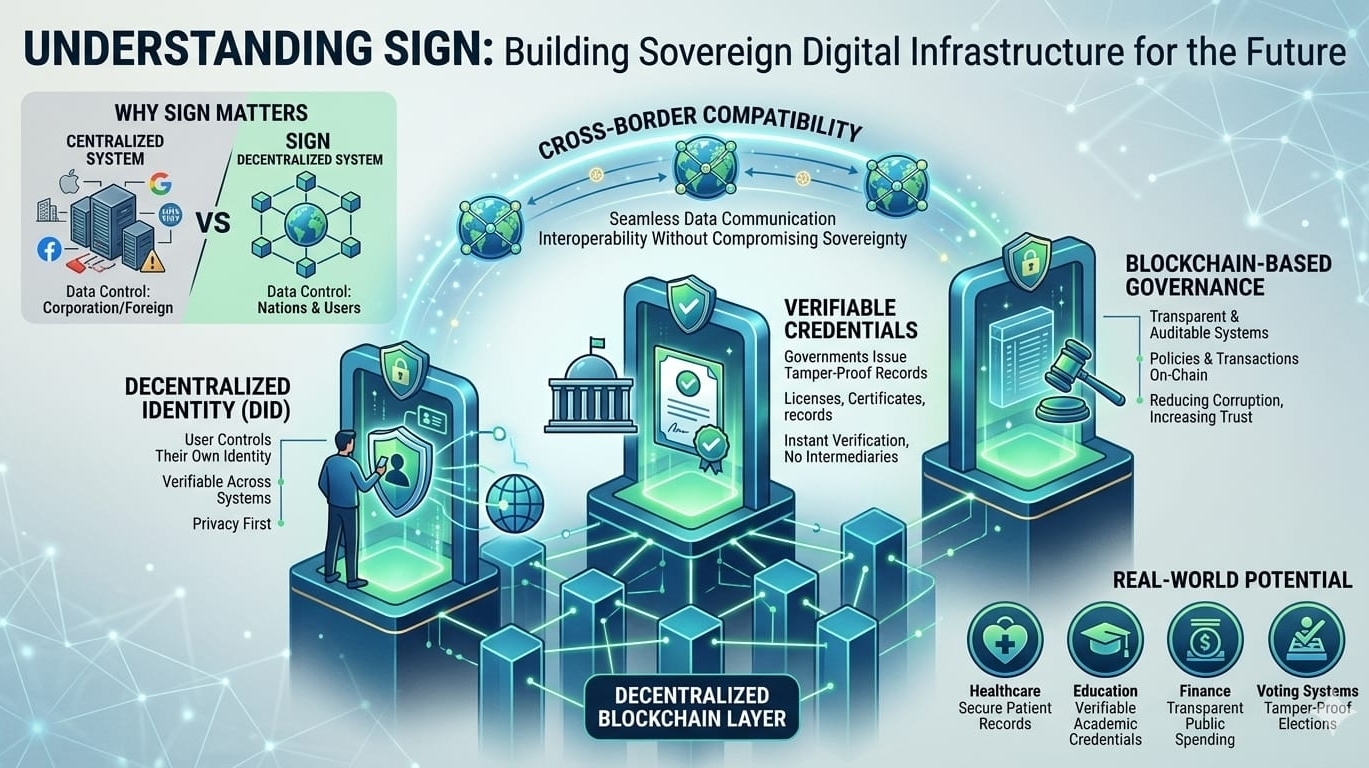
SIGNを理解する:未来のための主権デジタルインフラの構築今日のデジタル世界では、ほとんどの国がアイデンティティ、ガバナンス、金融取引、公共データを管理するために中央集権的なシステムに大きく依存しています。これらのシステムは急速な成長を可能にしましたが、透明性の欠如、サイバー脅威への脆弱性、個人データに対するユーザーの制御の限界という重大な制約も伴います。
これはSIGN(国際的な国家のための主権インフラ)が介入する場所です。
SIGNは、国家、機関、個人が分散型、安全、検証可能なデジタルエコシステム内で運営できるようにするブロックチェーンベースのインフラ層として設計されています。政府を置き換えるのではなく、SIGNはデジタル主権のためのツールを提供することでその能力を強化します。
SIGNを理解する:未来のための主権デジタルインフラの構築
今日のデジタル世界では、ほとんどの国がアイデンティティ、ガバナンス、金融取引、公共データを管理するために中央集権的なシステムに大きく依存しています。これらのシステムは急速な成長を可能にしましたが、透明性の欠如、サイバー脅威への脆弱性、個人データに対するユーザーの制御の限界という重大な制約も伴います。
これはSIGN(国際的な国家のための主権インフラ)が介入する場所です。
SIGNは、国家、機関、個人が分散型、安全、検証可能なデジタルエコシステム内で運営できるようにするブロックチェーンベースのインフラ層として設計されています。政府を置き換えるのではなく、SIGNはデジタル主権のためのツールを提供することでその能力を強化します。
これはSIGN(国際的な国家のための主権インフラ)が介入する場所です。
SIGNは、国家、機関、個人が分散型、安全、検証可能なデジタルエコシステム内で運営できるようにするブロックチェーンベースのインフラ層として設計されています。政府を置き換えるのではなく、SIGNはデジタル主権のためのツールを提供することでその能力を強化します。
2
146
·
--
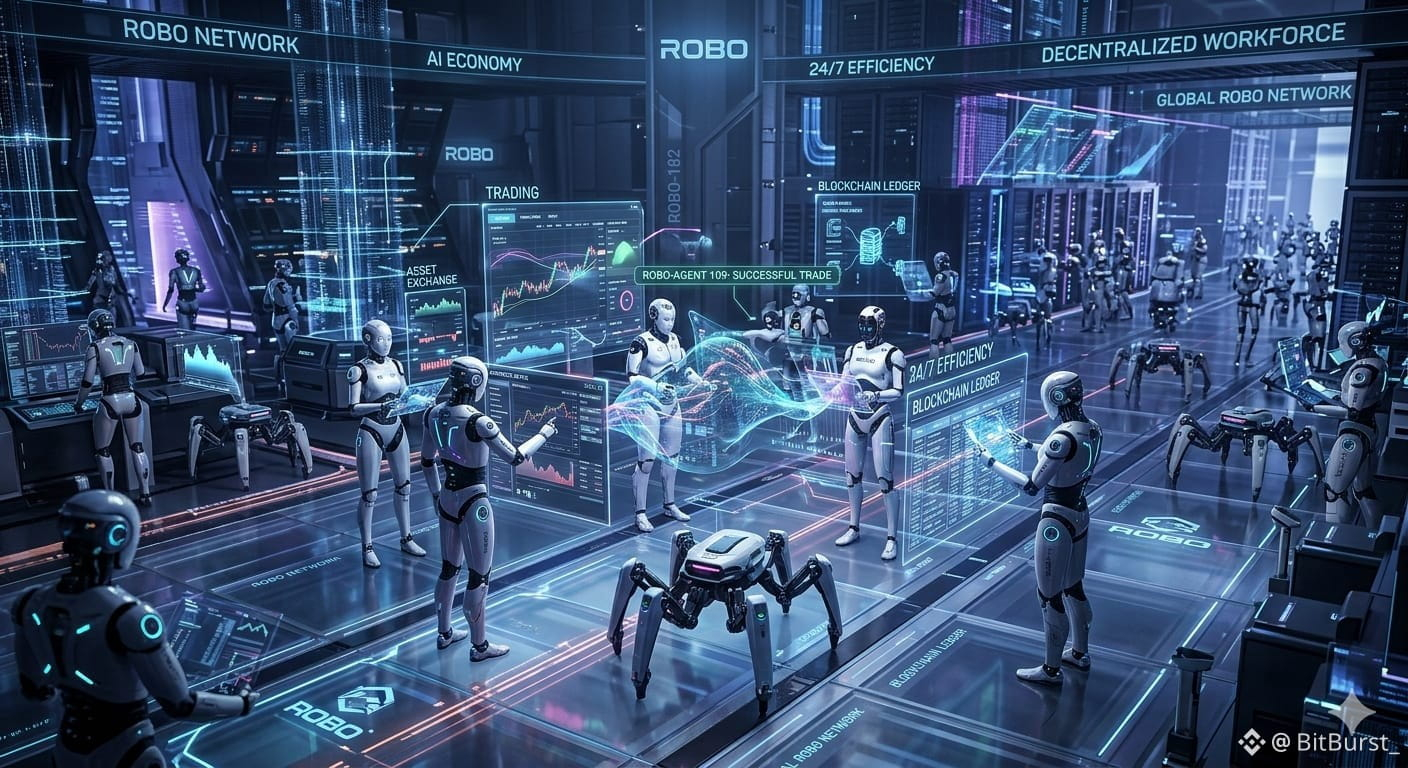
未来の経済は人間だけではなく…自律的になるでしょう 🤖
ROBOは、AI搭載エージェントがブロックチェーン上で独立して稼ぎ、取引し、運営できる世界を紹介しています。
上司はいません。ダウンタイムもありません。ただ純粋な効率です。
私たちはもはやタスクを自動化しているだけではありません—デジタルワーカーを創造しています。
#ROBO @FabricFND $ROBO
未来の経済は人間だけではなく…自律的になるでしょう 🤖
ROBOは、AI搭載エージェントがブロックチェーン上で独立して稼ぎ、取引し、運営できる世界を紹介しています。
上司はいません。ダウンタイムもありません。ただ純粋な効率です。
私たちはもはやタスクを自動化しているだけではありません—デジタルワーカーを創造しています。
#ROBO @Fabric Foundation $ROBO
ROBOは、AI搭載エージェントがブロックチェーン上で独立して稼ぎ、取引し、運営できる世界を紹介しています。
上司はいません。ダウンタイムもありません。ただ純粋な効率です。
私たちはもはやタスクを自動化しているだけではありません—デジタルワーカーを創造しています。
#ROBO @Fabric Foundation $ROBO
1
158
·
--
記事
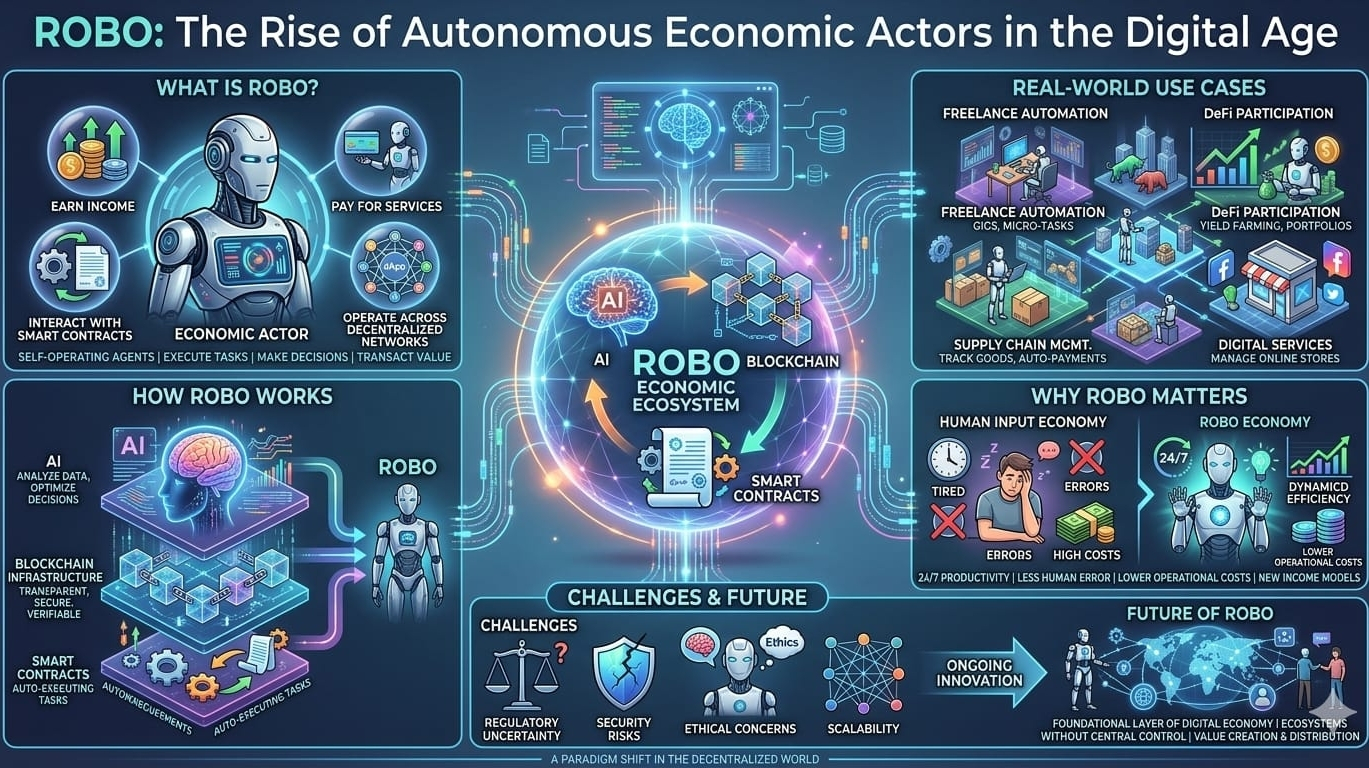
ROBO: デジタル時代における自律的経済主体の台頭世界は静かに技術進化の新しい段階に入ろうとしている—そこでは機械が単なる道具ではなく、経済の参加者となる。 この変革の中心にはROBOがあり、ブロックチェーンとAIによって駆動される自律的な経済主体を中心に構築された概念とエコシステムである。
🤖 ROBOとは何ですか?
ROBOは新しいクラスのデジタルエンティティを表している—自己運営するエージェントであり、人間の介入なしにタスクを実行し、意思決定を行い、価値を取引することができる。 これらのエージェントは、従来の意味でのボットではなく、次のことができる経済的に活動する参加者である:
ROBO: デジタル時代における自律的経済主体の台頭
世界は静かに技術進化の新しい段階に入ろうとしている—そこでは機械が単なる道具ではなく、経済の参加者となる。 この変革の中心にはROBOがあり、ブロックチェーンとAIによって駆動される自律的な経済主体を中心に構築された概念とエコシステムである。
🤖 ROBOとは何ですか?
ROBOは新しいクラスのデジタルエンティティを表している—自己運営するエージェントであり、人間の介入なしにタスクを実行し、意思決定を行い、価値を取引することができる。 これらのエージェントは、従来の意味でのボットではなく、次のことができる経済的に活動する参加者である:
🤖 ROBOとは何ですか?
ROBOは新しいクラスのデジタルエンティティを表している—自己運営するエージェントであり、人間の介入なしにタスクを実行し、意思決定を行い、価値を取引することができる。 これらのエージェントは、従来の意味でのボットではなく、次のことができる経済的に活動する参加者である:
2
164
·
--
ほとんどのレイヤー1は、すべてに1つのトークンを使用します。
それが問題です。
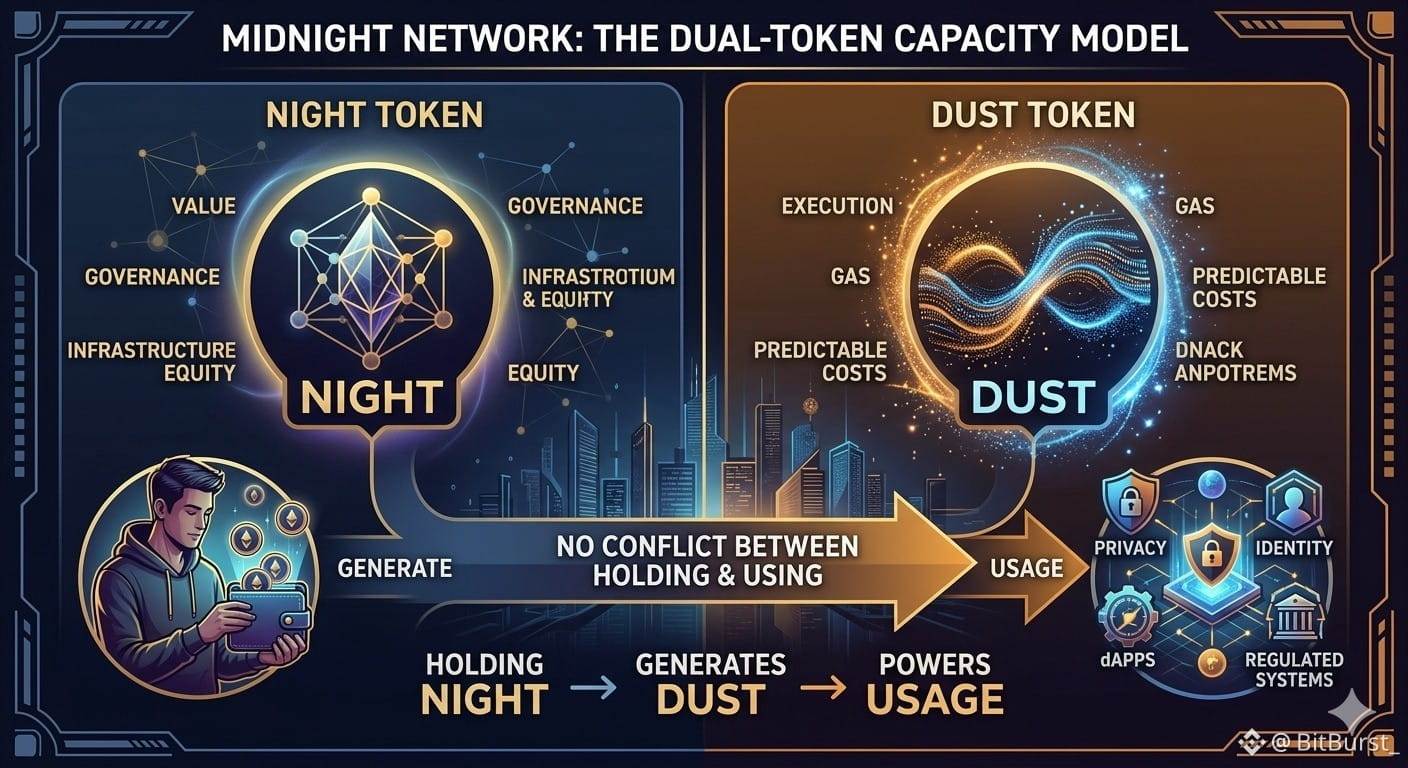
Midnight Networkはこれを分割しました:
• NIGHT = 価値、ガバナンス
• DUST = 実行、ガス
あなたはNIGHTを使いません。
あなたはそれを保持します → それはDUSTを生成します。
つまり:
→ 保持と使用の間に対立はありません
→ 予測可能なコスト
→ 企業にとってより適したものです
これにより、ブロックチェーンは手数料市場からキャパシティシステムに変わります。
しかし、落とし穴があります:
もし人々がNIGHTを保持しなければ → DUSTの供給が減少します → ネットワークが遅くなります。
したがって、全体のモデルは1つのことに依存しています:
実際の使用。
プライバシー、アイデンティティ、規制されたシステムのアプリが実際に立ち上がる場合…
NIGHTは「ただのトークン」ではなくなり、
インフラストラクチャーのエクイティのように振る舞い始めます。
@MidnightNetwork $NIGHT #night
ほとんどのレイヤー1は、すべてに1つのトークンを使用します。
それが問題です。
Midnight Networkはこれを分割しました:
• NIGHT = 価値、ガバナンス
• DUST = 実行、ガス
あなたはNIGHTを使いません。
あなたはそれを保持します → それはDUSTを生成します。
つまり:
→ 保持と使用の間に対立はありません
→ 予測可能なコスト
→ 企業にとってより適したものです
これにより、ブロックチェーンは手数料市場からキャパシティシステムに変わります。
しかし、落とし穴があります:
もし人々がNIGHTを保持しなければ → DUSTの供給が減少します → ネットワークが遅くなります。
したがって、全体のモデルは1つのことに依存しています:
実際の使用。
プライバシー、アイデンティティ、規制されたシステムのアプリが実際に立ち上がる場合…
NIGHTは「ただのトークン」ではなくなり、
インフラストラクチャーのエクイティのように振る舞い始めます。
@MidnightNetwork $NIGHT #night
それが問題です。
Midnight Networkはこれを分割しました:
• NIGHT = 価値、ガバナンス
• DUST = 実行、ガス
あなたはNIGHTを使いません。
あなたはそれを保持します → それはDUSTを生成します。
つまり:
→ 保持と使用の間に対立はありません
→ 予測可能なコスト
→ 企業にとってより適したものです
これにより、ブロックチェーンは手数料市場からキャパシティシステムに変わります。
しかし、落とし穴があります:
もし人々がNIGHTを保持しなければ → DUSTの供給が減少します → ネットワークが遅くなります。
したがって、全体のモデルは1つのことに依存しています:
実際の使用。
プライバシー、アイデンティティ、規制されたシステムのアプリが実際に立ち上がる場合…
NIGHTは「ただのトークン」ではなくなり、
インフラストラクチャーのエクイティのように振る舞い始めます。
@MidnightNetwork $NIGHT #night
2
75
·
--
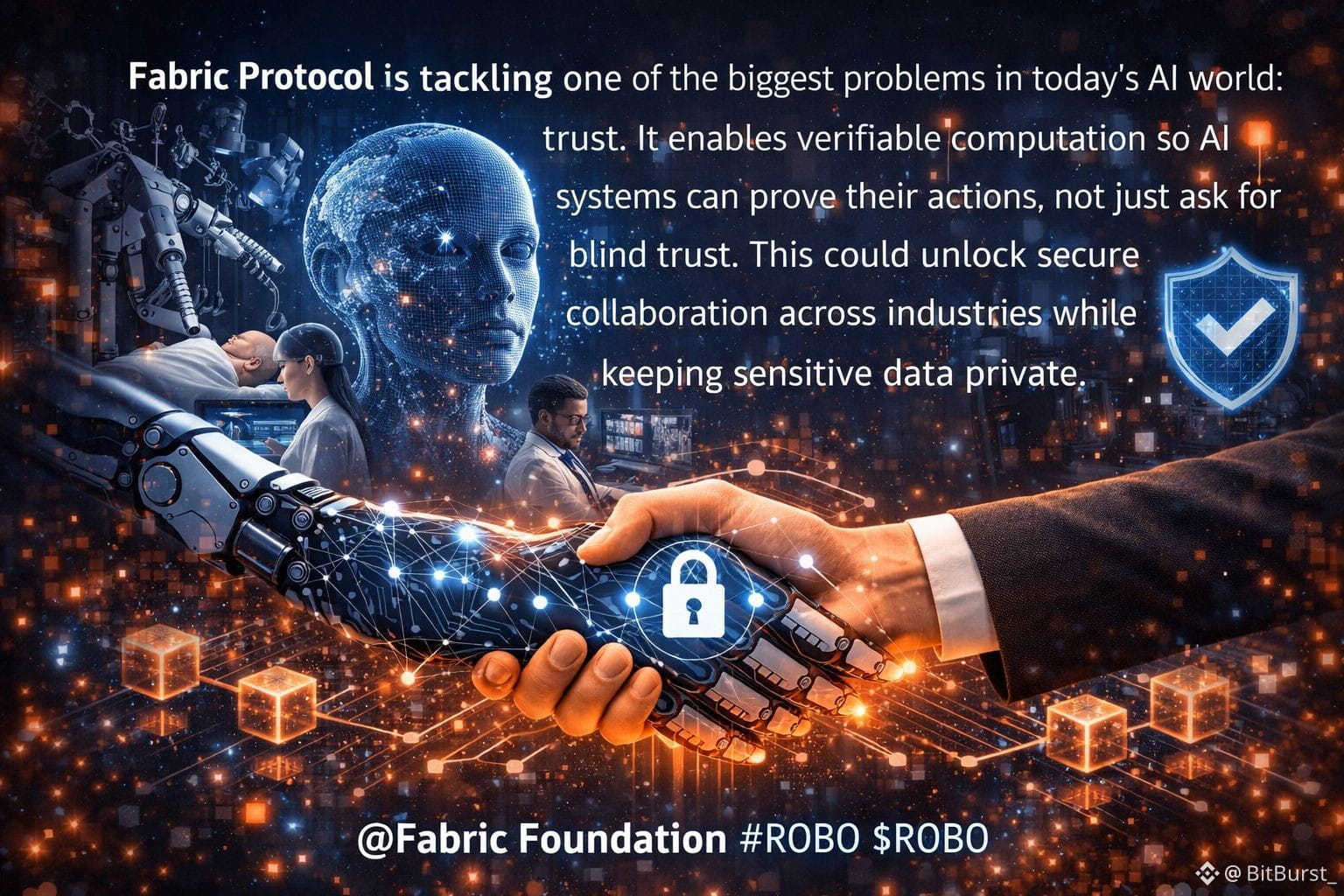
ファブリックプロトコルは、今日のAIの世界における最大の問題の1つである信頼に取り組んでいます。AIシステムがより強力になるにつれて、彼らがどのように意思決定を行い、その決定を検証するかを理解することが重要になっています。ファブリックは、盲目的な信頼に依存するのではなく、システムが自らの行動を証明できるようにする検証可能な計算のアイデアを導入します。
これにより、データプライバシーが不可欠な医療、金融、ロボティクスなどの業界間での安全なコラボレーションが可能になるかもしれません。機密データを共有するのではなく、組織は証明を共有できます。
スケーラビリティや採用といった課題が残る一方で、ビジョンは明確です:AIシステムが共有された信頼できるインフラストラクチャの下で、透明に、安全に、効率的に協力する未来です。
@FabricFND #ROBO $ROBO
ファブリックプロトコルは、今日のAIの世界における最大の問題の1つである信頼に取り組んでいます。AIシステムがより強力になるにつれて、彼らがどのように意思決定を行い、その決定を検証するかを理解することが重要になっています。ファブリックは、盲目的な信頼に依存するのではなく、システムが自らの行動を証明できるようにする検証可能な計算のアイデアを導入します。
これにより、データプライバシーが不可欠な医療、金融、ロボティクスなどの業界間での安全なコラボレーションが可能になるかもしれません。機密データを共有するのではなく、組織は証明を共有できます。
スケーラビリティや採用といった課題が残る一方で、ビジョンは明確です:AIシステムが共有された信頼できるインフラストラクチャの下で、透明に、安全に、効率的に協力する未来です。
@Fabric Foundation #ROBO $ROBO
これにより、データプライバシーが不可欠な医療、金融、ロボティクスなどの業界間での安全なコラボレーションが可能になるかもしれません。機密データを共有するのではなく、組織は証明を共有できます。
スケーラビリティや採用といった課題が残る一方で、ビジョンは明確です:AIシステムが共有された信頼できるインフラストラクチャの下で、透明に、安全に、効率的に協力する未来です。
@Fabric Foundation #ROBO $ROBO
1
68
·
--
記事
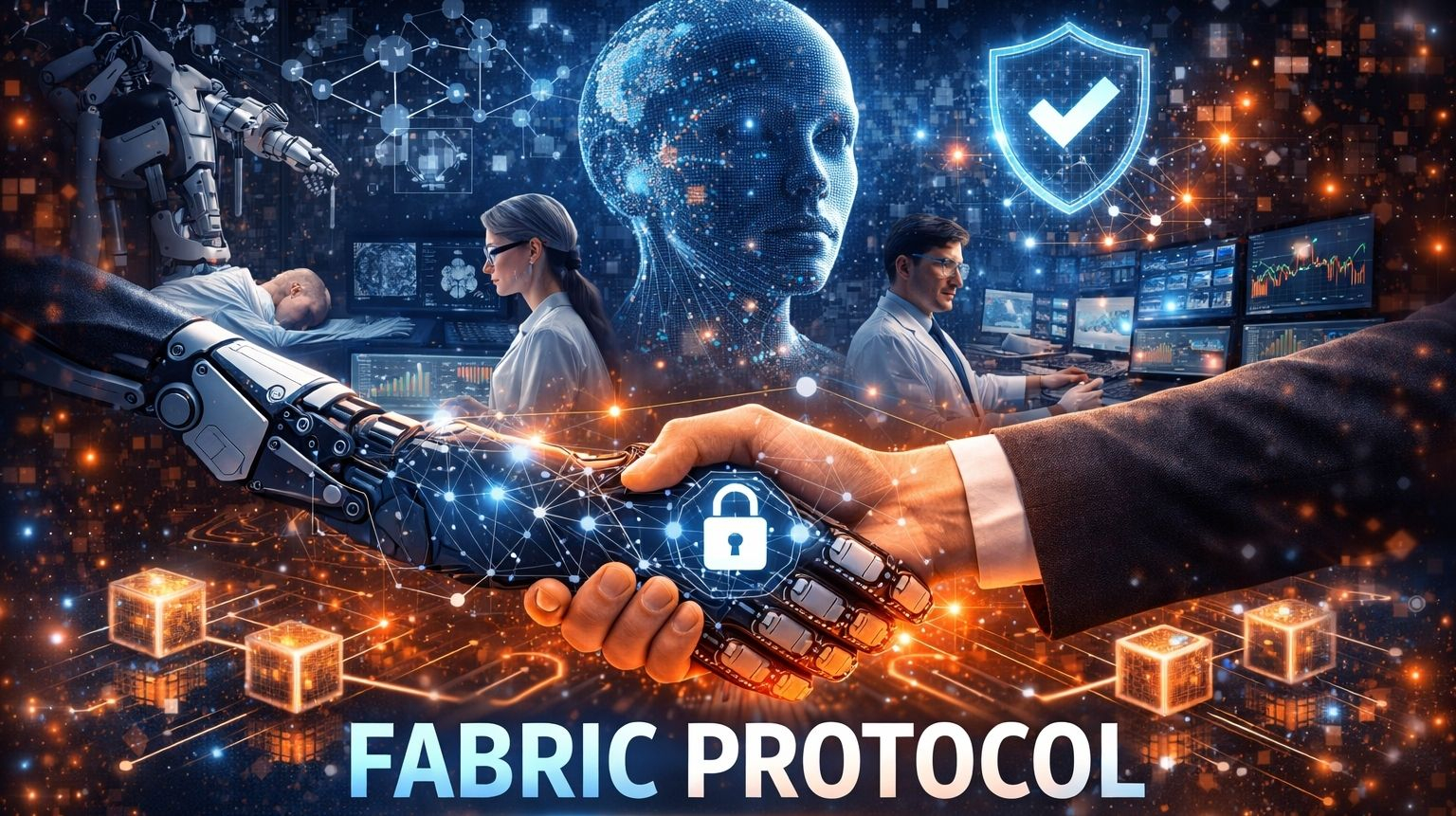
Fabric ProtocolがほとんどのAI + ブロックチェーンプロジェクトよりも実際に重要かもしれない理由AIや暗号通貨のほとんどのプロジェクトは大きなことを約束しますが、Fabric Protocolは知的システムと現実の間の信頼のギャップという、より深いものをターゲットにしているように感じます。
現時点では、AIは完全に信頼するのが難しい方法で動作しています。モデルは見えないデータで訓練され、決定は常に説明可能とは限らず、何かが壊れたときには責任があいまいになります。それは単なる技術的な問題ではなく、特に医療、金融、ロボティクスのような分野では現実の問題になりつつあります。
Fabric ProtocolがほとんどのAI + ブロックチェーンプロジェクトよりも実際に重要かもしれない理由
AIや暗号通貨のほとんどのプロジェクトは大きなことを約束しますが、Fabric Protocolは知的システムと現実の間の信頼のギャップという、より深いものをターゲットにしているように感じます。
現時点では、AIは完全に信頼するのが難しい方法で動作しています。モデルは見えないデータで訓練され、決定は常に説明可能とは限らず、何かが壊れたときには責任があいまいになります。それは単なる技術的な問題ではなく、特に医療、金融、ロボティクスのような分野では現実の問題になりつつあります。
現時点では、AIは完全に信頼するのが難しい方法で動作しています。モデルは見えないデータで訓練され、決定は常に説明可能とは限らず、何かが壊れたときには責任があいまいになります。それは単なる技術的な問題ではなく、特に医療、金融、ロボティクスのような分野では現実の問題になりつつあります。
1
71
·
--
私は以前、暗号の成長 = 価格の動きだと思っていました。
今、私はそれを異なる視点で見ています。
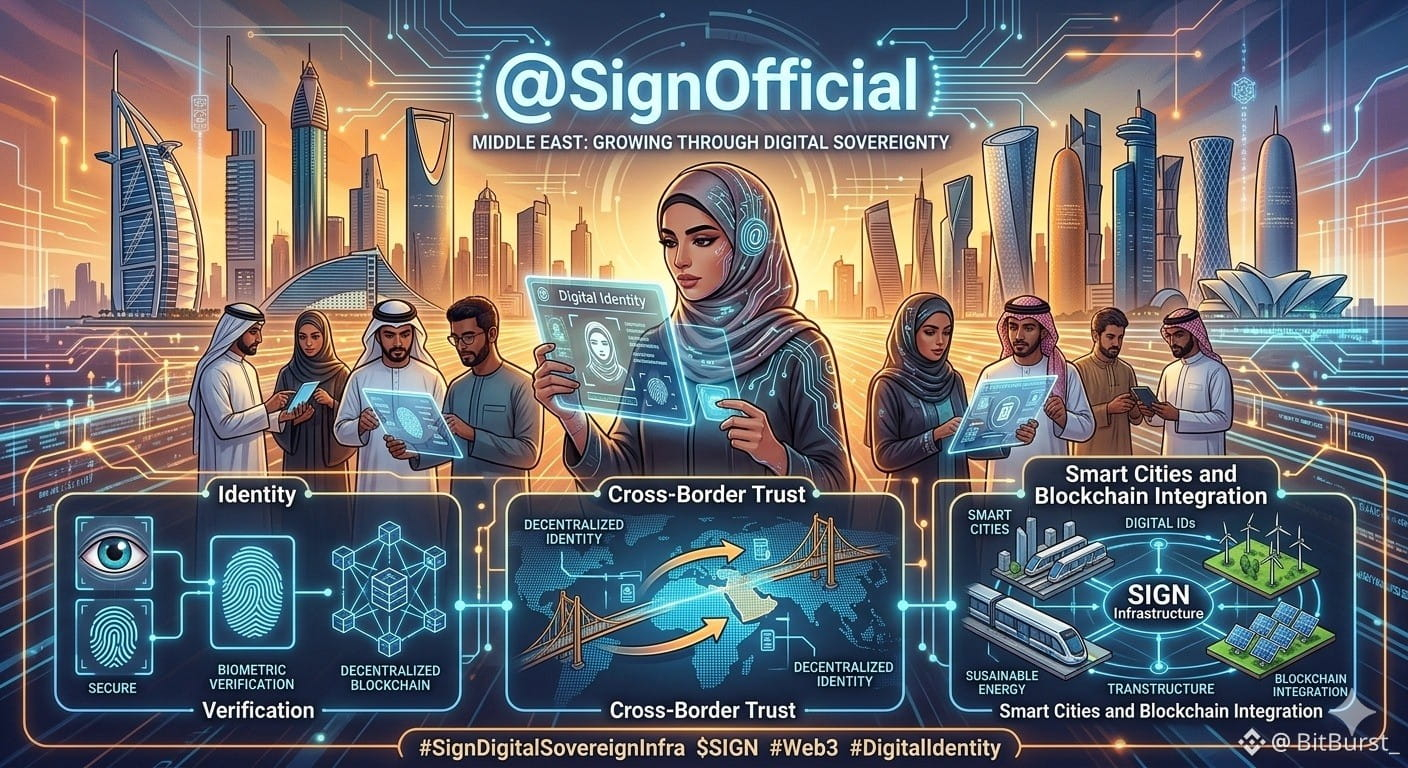
中東は、ハイプを通じて成長しているわけではありません。
デジタル主権を通じて成長しています。
そして、そこから@SignOfficial が意味を持ち始めます 👇
ほとんどの暗号は実際のボトルネックを無視しています:
→ 身元
→ 検証
→ 信頼基盤
これがなければ、採用は停滞します。
SIGNはそれを変えます。
それは可能にします:
✔ 検証可能なデジタル資格
✔ 分散型アイデンティティ
✔ 中間者なしの国を超えた信頼
中央権限はありません。
断片化されたシステムもありません。
実際に機能する1つのレイヤーだけです。
これが重要な理由です:
政府が推進する中:
• スマートシティ
• デジタルID
• ブロックチェーン統合
SIGNのようなインフラは不可欠です - 任意ではありません。
本当のアルファはハイプにはありません。
それは実際に使用されるものにあります。
そしてSIGNはまさにそれを構築しています。
#SignDigitalSovereignInfra $SIGN
私は以前、暗号の成長 = 価格の動きだと思っていました。
今、私はそれを異なる視点で見ています。
中東は、ハイプを通じて成長しているわけではありません。
デジタル主権を通じて成長しています。
そして、そこから@SignOfficial が意味を持ち始めます 👇
ほとんどの暗号は実際のボトルネックを無視しています:
→ 身元
→ 検証
→ 信頼基盤
これがなければ、採用は停滞します。
SIGNはそれを変えます。
それは可能にします:
✔ 検証可能なデジタル資格
✔ 分散型アイデンティティ
✔ 中間者なしの国を超えた信頼
中央権限はありません。
断片化されたシステムもありません。
実際に機能する1つのレイヤーだけです。
これが重要な理由です:
政府が推進する中:
• スマートシティ
• デジタルID
• ブロックチェーン統合
SIGNのようなインフラは不可欠です - 任意ではありません。
本当のアルファはハイプにはありません。
それは実際に使用されるものにあります。
そしてSIGNはまさにそれを構築しています。
#SignDigitalSovereignInfra $SIGN
今、私はそれを異なる視点で見ています。
中東は、ハイプを通じて成長しているわけではありません。
デジタル主権を通じて成長しています。
そして、そこから@SignOfficial が意味を持ち始めます 👇
ほとんどの暗号は実際のボトルネックを無視しています:
→ 身元
→ 検証
→ 信頼基盤
これがなければ、採用は停滞します。
SIGNはそれを変えます。
それは可能にします:
✔ 検証可能なデジタル資格
✔ 分散型アイデンティティ
✔ 中間者なしの国を超えた信頼
中央権限はありません。
断片化されたシステムもありません。
実際に機能する1つのレイヤーだけです。
これが重要な理由です:
政府が推進する中:
• スマートシティ
• デジタルID
• ブロックチェーン統合
SIGNのようなインフラは不可欠です - 任意ではありません。
本当のアルファはハイプにはありません。
それは実際に使用されるものにあります。
そしてSIGNはまさにそれを構築しています。
#SignDigitalSovereignInfra $SIGN
1
96
·
--
記事
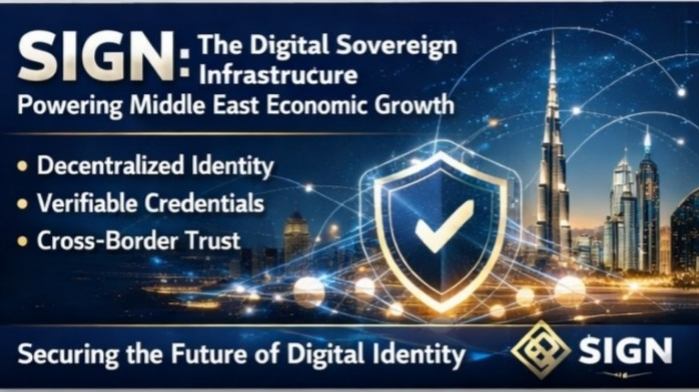
中東経済成長を支えるデジタル主権インフラとしてのSIGN長い間、私は暗号通貨の価値を真に駆動するものを誤解していました。
他の多くの人々と同様に、私はインフラが価格が上昇している限り重要ではないと信じていました。投機はエンジンのように感じられ、採用は最終的に続くものだと思っていました。仮定はシンプルでした:十分な人々が取引を行えば、実世界での使用が後から来るだろう。
しかし、新興地域、特に中東で起こっていることを見て、それに対する視点が完全に変わりました。
そこでは成長がハイプサイクルや短期的なナラティブによって駆動されているわけではありません。
中東経済成長を支えるデジタル主権インフラとしてのSIGN
長い間、私は暗号通貨の価値を真に駆動するものを誤解していました。
他の多くの人々と同様に、私はインフラが価格が上昇している限り重要ではないと信じていました。投機はエンジンのように感じられ、採用は最終的に続くものだと思っていました。仮定はシンプルでした:十分な人々が取引を行えば、実世界での使用が後から来るだろう。
しかし、新興地域、特に中東で起こっていることを見て、それに対する視点が完全に変わりました。
そこでは成長がハイプサイクルや短期的なナラティブによって駆動されているわけではありません。
他の多くの人々と同様に、私はインフラが価格が上昇している限り重要ではないと信じていました。投機はエンジンのように感じられ、採用は最終的に続くものだと思っていました。仮定はシンプルでした:十分な人々が取引を行えば、実世界での使用が後から来るだろう。
しかし、新興地域、特に中東で起こっていることを見て、それに対する視点が完全に変わりました。
そこでは成長がハイプサイクルや短期的なナラティブによって駆動されているわけではありません。
48
·
--
記事
ミッドナイトネットワーク:信頼、アイデンティティ、そして見えないインフラの未来ミッドナイトは、注目を集めようとする単なる暗号プロジェクトではなく、インターネットの次の進化のための基礎的なレイヤーとして自らを位置づけています。ほとんどのプロジェクトがユーザーが直接対話する製品に焦点を当てる中、ミッドナイトはより深いものを構築しています:新しい信頼、プライバシー、アイデンティティのモデルを可能にする、背景で静かに機能するインフラです。
デジタルアイデンティティの再考
今日のインターネットでは、アイデンティティは主に中央集権的なプラットフォームによって管理されています。アプリへのログイン、個人情報の確認、サービスへのアクセスなど、ユーザーは常に機密データを共有することを求められています。これにより、アイデンティティの所有権が断片化され、しばしばユーザーのコントロールを超えたシステムが生まれます。
ミッドナイトネットワーク:信頼、アイデンティティ、そして見えないインフラの未来
ミッドナイトは、注目を集めようとする単なる暗号プロジェクトではなく、インターネットの次の進化のための基礎的なレイヤーとして自らを位置づけています。ほとんどのプロジェクトがユーザーが直接対話する製品に焦点を当てる中、ミッドナイトはより深いものを構築しています:新しい信頼、プライバシー、アイデンティティのモデルを可能にする、背景で静かに機能するインフラです。
デジタルアイデンティティの再考
今日のインターネットでは、アイデンティティは主に中央集権的なプラットフォームによって管理されています。アプリへのログイン、個人情報の確認、サービスへのアクセスなど、ユーザーは常に機密データを共有することを求められています。これにより、アイデンティティの所有権が断片化され、しばしばユーザーのコントロールを超えたシステムが生まれます。
デジタルアイデンティティの再考
今日のインターネットでは、アイデンティティは主に中央集権的なプラットフォームによって管理されています。アプリへのログイン、個人情報の確認、サービスへのアクセスなど、ユーザーは常に機密データを共有することを求められています。これにより、アイデンティティの所有権が断片化され、しばしばユーザーのコントロールを超えたシステムが生まれます。
4
56
·
--
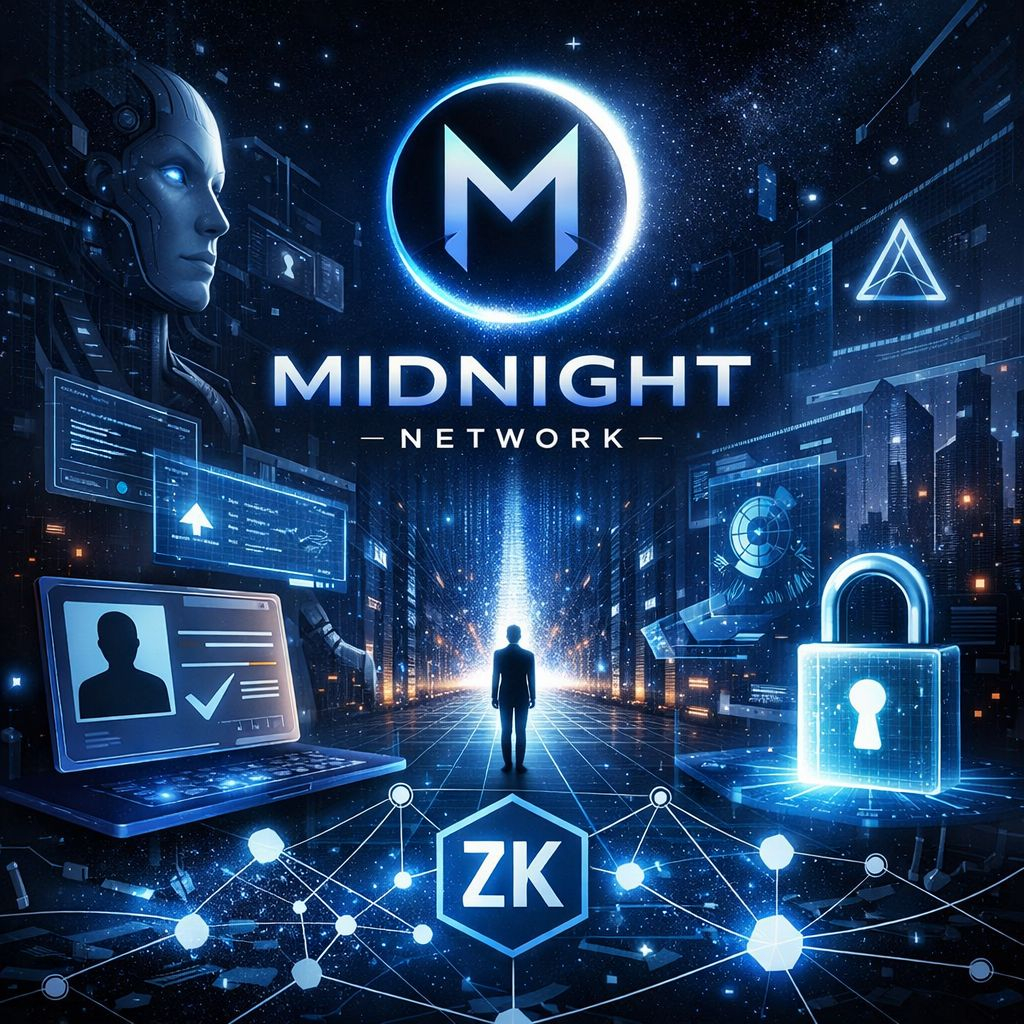
真夜中は単なる製品ではありません。それは、ほとんどの人がそれに依存するまで気付かないインフラの一種です。ZK証明とDIDsはモデルをひっくり返しています。データを露出するのではなく、重要なことを証明し、他は保持します。それは単なるプライバシーではなく、制御です。
そして、AIが私たちについて本当の決定を下し始めるとき、信頼はもはやプラットフォームに依存できません。それは検証可能な真実から来なければなりません。仲介者は不要で、盲目的な信頼も不要です—ただ数学です。
これは、インターネットが許可ベースから証明ベースに進化する方法です。
@MidnightNetwork
$NIGHT #night
真夜中は単なる製品ではありません。それは、ほとんどの人がそれに依存するまで気付かないインフラの一種です。ZK証明とDIDsはモデルをひっくり返しています。データを露出するのではなく、重要なことを証明し、他は保持します。それは単なるプライバシーではなく、制御です。
そして、AIが私たちについて本当の決定を下し始めるとき、信頼はもはやプラットフォームに依存できません。それは検証可能な真実から来なければなりません。仲介者は不要で、盲目的な信頼も不要です—ただ数学です。
これは、インターネットが許可ベースから証明ベースに進化する方法です。
@MidnightNetwork
$NIGHT #night
そして、AIが私たちについて本当の決定を下し始めるとき、信頼はもはやプラットフォームに依存できません。それは検証可能な真実から来なければなりません。仲介者は不要で、盲目的な信頼も不要です—ただ数学です。
これは、インターネットが許可ベースから証明ベースに進化する方法です。
@MidnightNetwork
$NIGHT #night
2
44
·
--
記事
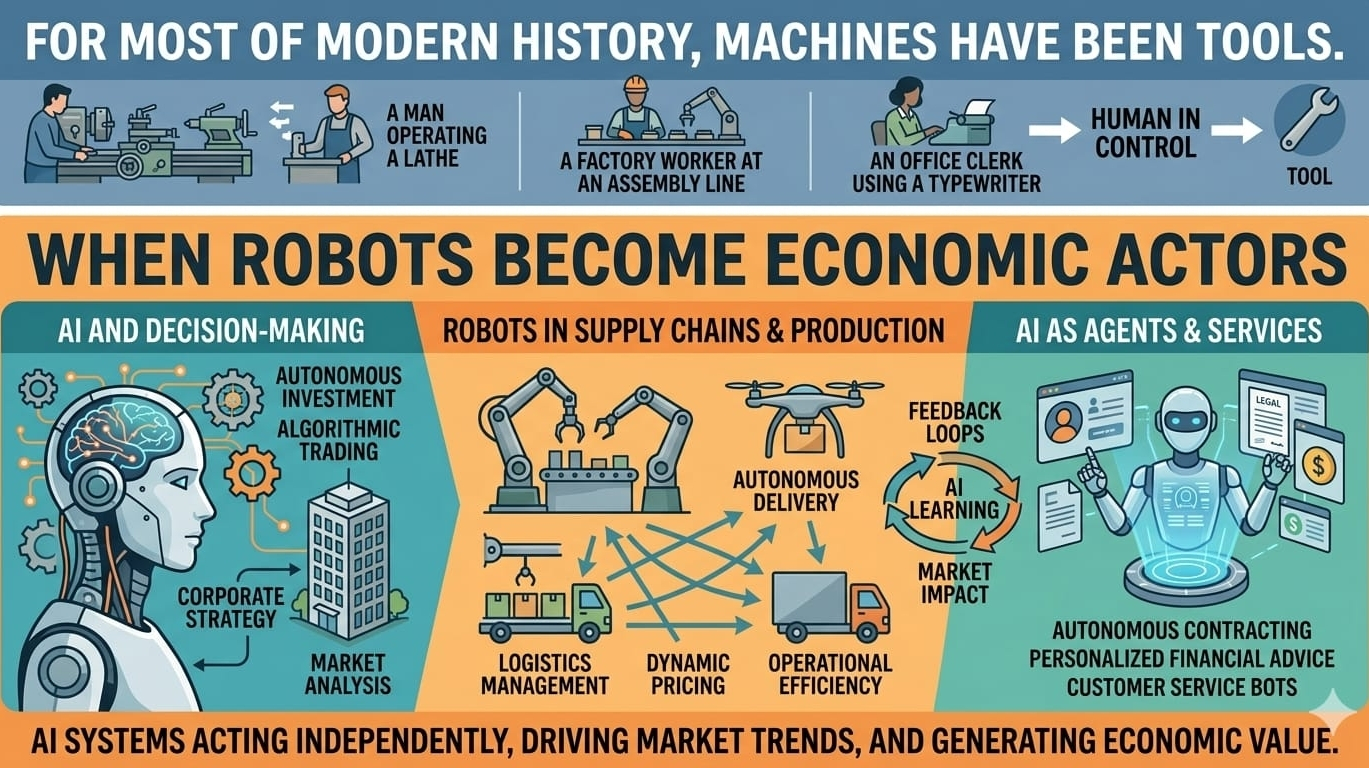
ロボットが経済的な行為者になるとき現代の歴史のほとんどにおいて、機械は道具でした。
彼らは人間の能力を拡張し、生産性を向上させ、手作業の負担を軽減しましたが、常に受動的でした。ロボットは車を組み立てたり、荷物を配達したり、在庫をスキャンしたりできますが、決して自らの行動を所有することはありませんでした。経済に参加することもありませんでした。ただ指示を実行していただけです。
そのモデルは崩れ始めています。
私たちは、ロボットがもはや単なる生産の道具ではなく、独立した経済的な行為者のように見え始める段階に入っています。
ロボットが経済的な行為者になるとき
現代の歴史のほとんどにおいて、機械は道具でした。
彼らは人間の能力を拡張し、生産性を向上させ、手作業の負担を軽減しましたが、常に受動的でした。ロボットは車を組み立てたり、荷物を配達したり、在庫をスキャンしたりできますが、決して自らの行動を所有することはありませんでした。経済に参加することもありませんでした。ただ指示を実行していただけです。
そのモデルは崩れ始めています。
私たちは、ロボットがもはや単なる生産の道具ではなく、独立した経済的な行為者のように見え始める段階に入っています。
彼らは人間の能力を拡張し、生産性を向上させ、手作業の負担を軽減しましたが、常に受動的でした。ロボットは車を組み立てたり、荷物を配達したり、在庫をスキャンしたりできますが、決して自らの行動を所有することはありませんでした。経済に参加することもありませんでした。ただ指示を実行していただけです。
そのモデルは崩れ始めています。
私たちは、ロボットがもはや単なる生産の道具ではなく、独立した経済的な行為者のように見え始める段階に入っています。
4
290
·
--
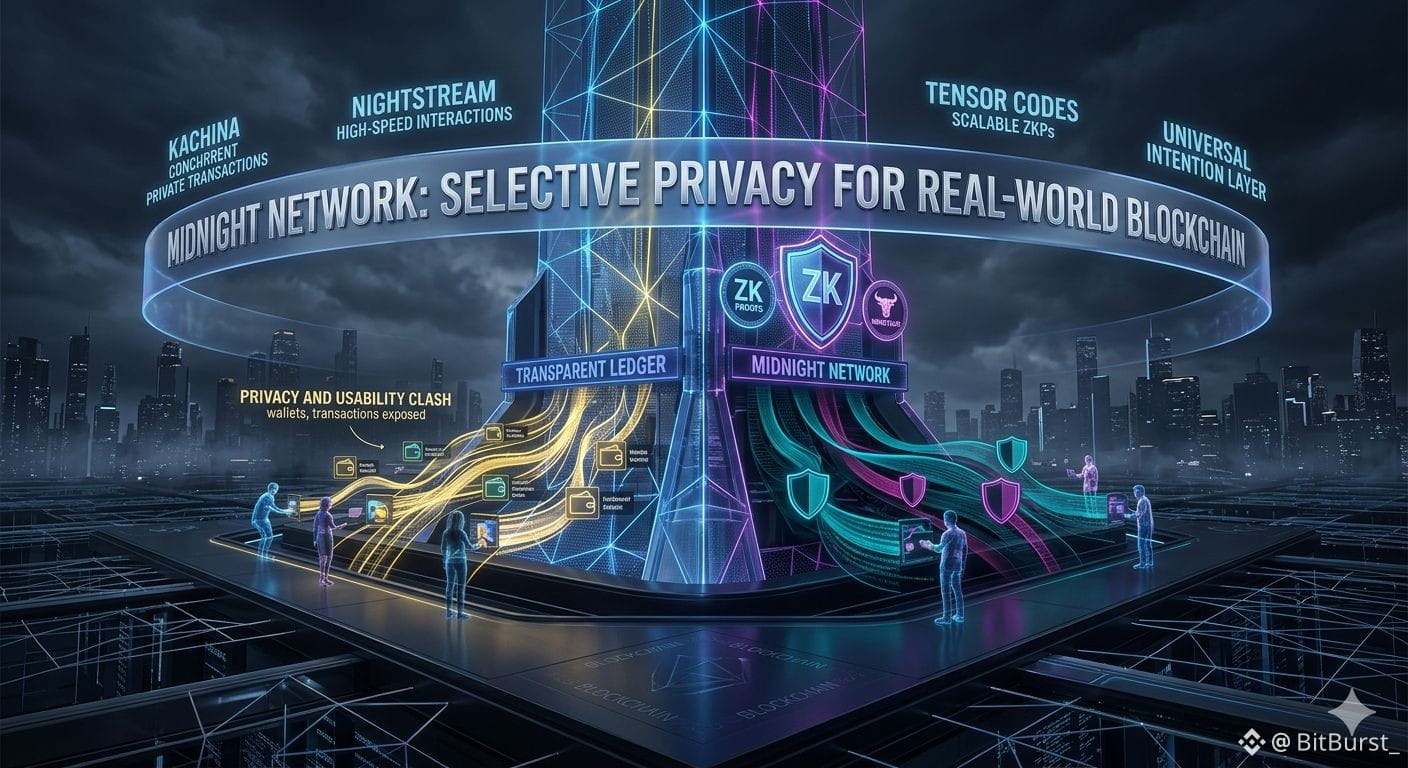
@MidnightNetwork プライバシー革命
ブロックチェーンの最大の強みである透明性は、今や最大の弱点となっています。
公開ウォレットと露出したアイデンティティは、ユーザーを恐れさせ、機関の採用を妨げます。ほとんどのプライベート契約は、大量のトラフィックの下で失敗しますが、ミッドナイトネットワークはルールを書き換えています。
Kachinaを利用して同時にプライベートトランザクションを行い、Nightstreamを使用して超高速の相互作用を実現することで、ミッドナイトは「プライバシー対速度」の逆説を解決します。テンソルコードとミノタウルス合意によって動かされ、実際の世界で機能するスケーラブルなマルチユーザープライバシーを提供します。
これはただの誇大広告ではありません—絶対的な匿名性とグローバルな使いやすさとのギャップを埋めるための必須インフラです。暗号の未来は単なる透明性ではなく、選択的なプライバシーです。
@MidnightNetwork $NIGHT #night
@MidnightNetwork プライバシー革命
ブロックチェーンの最大の強みである透明性は、今や最大の弱点となっています。
公開ウォレットと露出したアイデンティティは、ユーザーを恐れさせ、機関の採用を妨げます。ほとんどのプライベート契約は、大量のトラフィックの下で失敗しますが、ミッドナイトネットワークはルールを書き換えています。
Kachinaを利用して同時にプライベートトランザクションを行い、Nightstreamを使用して超高速の相互作用を実現することで、ミッドナイトは「プライバシー対速度」の逆説を解決します。テンソルコードとミノタウルス合意によって動かされ、実際の世界で機能するスケーラブルなマルチユーザープライバシーを提供します。
これはただの誇大広告ではありません—絶対的な匿名性とグローバルな使いやすさとのギャップを埋めるための必須インフラです。暗号の未来は単なる透明性ではなく、選択的なプライバシーです。
@MidnightNetwork $NIGHT #night
ブロックチェーンの最大の強みである透明性は、今や最大の弱点となっています。
公開ウォレットと露出したアイデンティティは、ユーザーを恐れさせ、機関の採用を妨げます。ほとんどのプライベート契約は、大量のトラフィックの下で失敗しますが、ミッドナイトネットワークはルールを書き換えています。
Kachinaを利用して同時にプライベートトランザクションを行い、Nightstreamを使用して超高速の相互作用を実現することで、ミッドナイトは「プライバシー対速度」の逆説を解決します。テンソルコードとミノタウルス合意によって動かされ、実際の世界で機能するスケーラブルなマルチユーザープライバシーを提供します。
これはただの誇大広告ではありません—絶対的な匿名性とグローバルな使いやすさとのギャップを埋めるための必須インフラです。暗号の未来は単なる透明性ではなく、選択的なプライバシーです。
@MidnightNetwork $NIGHT #night
3
94
·
--
記事
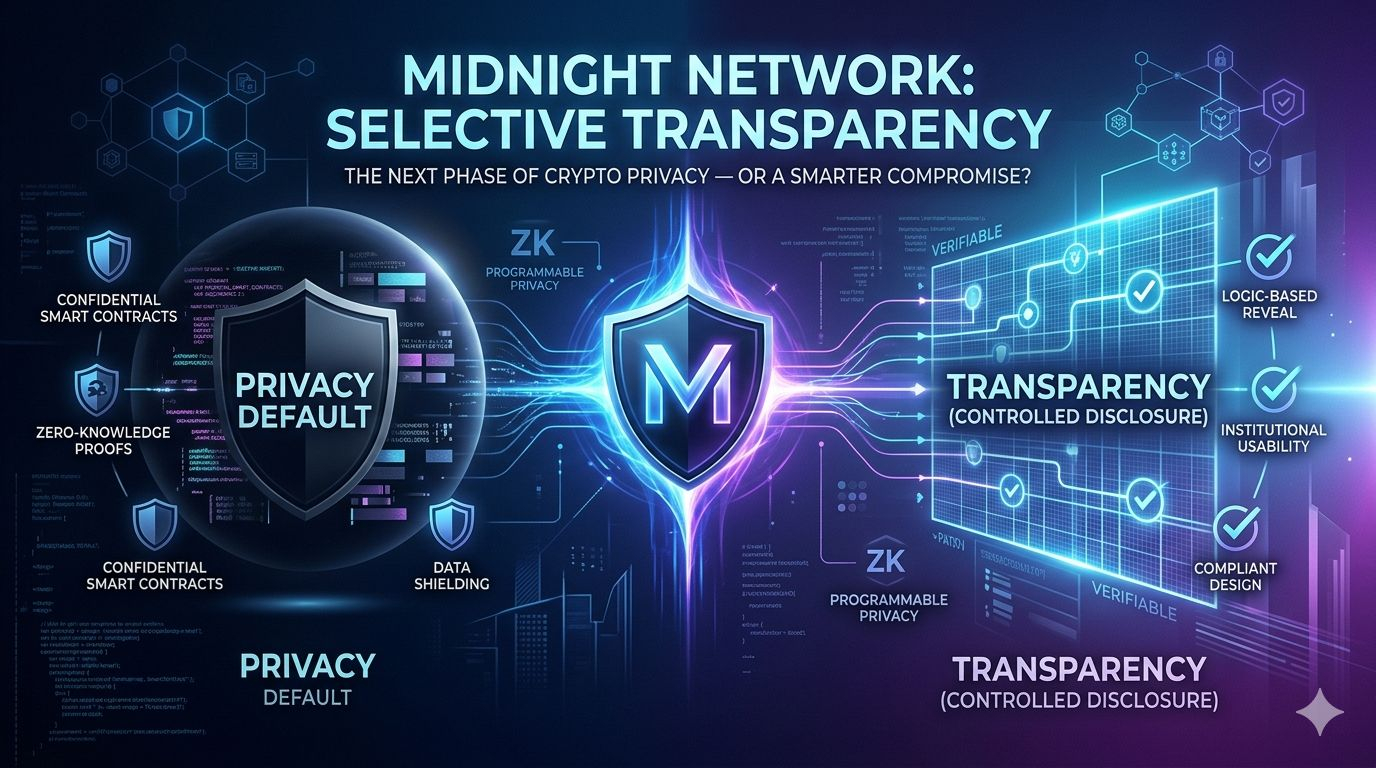
Midnight Network: 暗号プライバシーの次の段階 — それともただの賢い妥協?暗号は、新しいことがもはや十分ではないポイントに達した。
すべてのサイクルは、より良い技術、クリーンなブランディング、そして強力な物語を持つプロジェクトの波をもたらす。しかし、もし十分に長くこの業界にいるなら、一つのことが明らかになる:
ほとんどのアイデアは進化しない — ただ再パッケージされるだけだ。
一見すると、Midnight Networkはただの別のバージョンのように感じるかもしれない。
しかし、もう少し深く見ると、実際には業界が長い間避けてきた何かに取り組もうとしている:
プライバシーと透明性の本当のバランス。
Midnight Network: 暗号プライバシーの次の段階 — それともただの賢い妥協?
暗号は、新しいことがもはや十分ではないポイントに達した。
すべてのサイクルは、より良い技術、クリーンなブランディング、そして強力な物語を持つプロジェクトの波をもたらす。しかし、もし十分に長くこの業界にいるなら、一つのことが明らかになる:
ほとんどのアイデアは進化しない — ただ再パッケージされるだけだ。
一見すると、Midnight Networkはただの別のバージョンのように感じるかもしれない。
しかし、もう少し深く見ると、実際には業界が長い間避けてきた何かに取り組もうとしている:
プライバシーと透明性の本当のバランス。
すべてのサイクルは、より良い技術、クリーンなブランディング、そして強力な物語を持つプロジェクトの波をもたらす。しかし、もし十分に長くこの業界にいるなら、一つのことが明らかになる:
ほとんどのアイデアは進化しない — ただ再パッケージされるだけだ。
一見すると、Midnight Networkはただの別のバージョンのように感じるかもしれない。
しかし、もう少し深く見ると、実際には業界が長い間避けてきた何かに取り組もうとしている:
プライバシーと透明性の本当のバランス。
1
65
·
--
🚨 最新ニュース 🚨
$AIN $BEAT $CFG
🇦🇪 UAEの治安部隊からの報告によれば、最近のドローン攻撃を生き延びた外国人が数人拘束されました 💥
📸 理由は?
彼らは家族にその後の写真を共有したとされています 👨👩👧👦
⚠️ これは危機的状況における情報管理について深刻な疑問を提起します
👀 注意を怠らないで — 完全なストーリーはまだ展開中です...
🚨 最新ニュース 🚨
$AIN $BEAT $CFG
🇦🇪 UAEの治安部隊からの報告によれば、最近のドローン攻撃を生き延びた外国人が数人拘束されました 💥
📸 理由は?
彼らは家族にその後の写真を共有したとされています 👨👩👧👦
⚠️ これは危機的状況における情報管理について深刻な疑問を提起します
👀 注意を怠らないで — 完全なストーリーはまだ展開中です...
$AIN $BEAT $CFG
🇦🇪 UAEの治安部隊からの報告によれば、最近のドローン攻撃を生き延びた外国人が数人拘束されました 💥
📸 理由は?
彼らは家族にその後の写真を共有したとされています 👨👩👧👦
⚠️ これは危機的状況における情報管理について深刻な疑問を提起します
👀 注意を怠らないで — 完全なストーリーはまだ展開中です...

2
59
·
--
記事
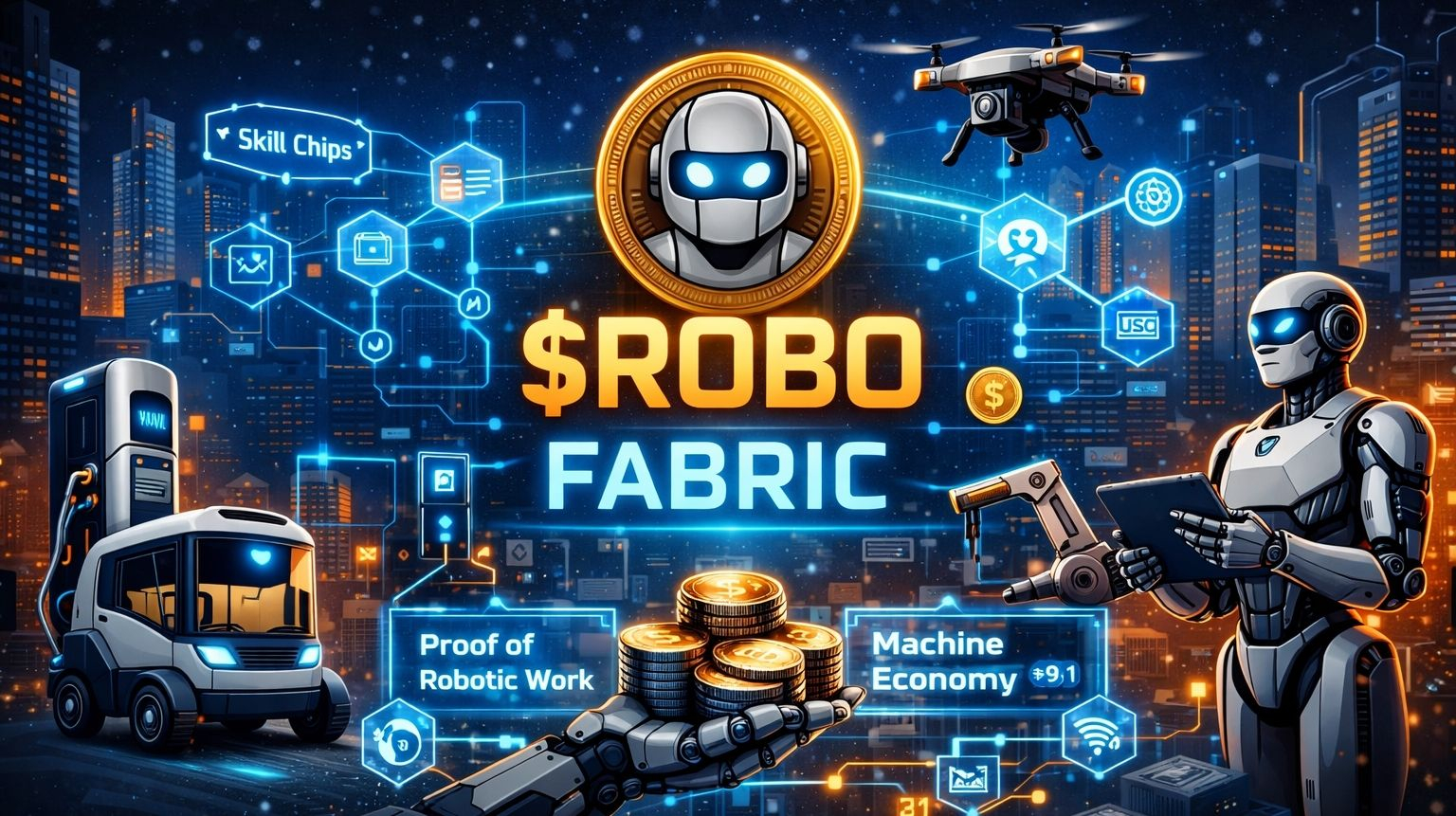
ROBO & Fabric: ロボット経済の未来 🚀🤖次の大きなテクノロジーの変化が単に賢いAIだと思うなら…考え直してください。本当の革命は、ロボットが働くだけでなく、稼ぎ、支払い、人間のように対話できるようにするためのインフラの改善から来るかもしれません。
エンター @FabricFND 。
このプロジェクトをしばらく見てきましたが、正直、驚きました。単なる別の暗号プロトコルではありません。それはロボティックインフラです。誰も気づかない層…それが欠けているまで。
なぜFabricが異なるのか
ロボットに満ちた世界を想像してみてください:
配達ロボットがあなたの食料品を配達します
ROBO & Fabric: ロボット経済の未来 🚀🤖
次の大きなテクノロジーの変化が単に賢いAIだと思うなら…考え直してください。本当の革命は、ロボットが働くだけでなく、稼ぎ、支払い、人間のように対話できるようにするためのインフラの改善から来るかもしれません。
エンター @Fabric Foundation 。
このプロジェクトをしばらく見てきましたが、正直、驚きました。単なる別の暗号プロトコルではありません。それはロボティックインフラです。誰も気づかない層…それが欠けているまで。
なぜFabricが異なるのか
ロボットに満ちた世界を想像してみてください:
配達ロボットがあなたの食料品を配達します
エンター @Fabric Foundation 。
このプロジェクトをしばらく見てきましたが、正直、驚きました。単なる別の暗号プロトコルではありません。それはロボティックインフラです。誰も気づかない層…それが欠けているまで。
なぜFabricが異なるのか
ロボットに満ちた世界を想像してみてください:
配達ロボットがあなたの食料品を配達します
1
4
89
·
--
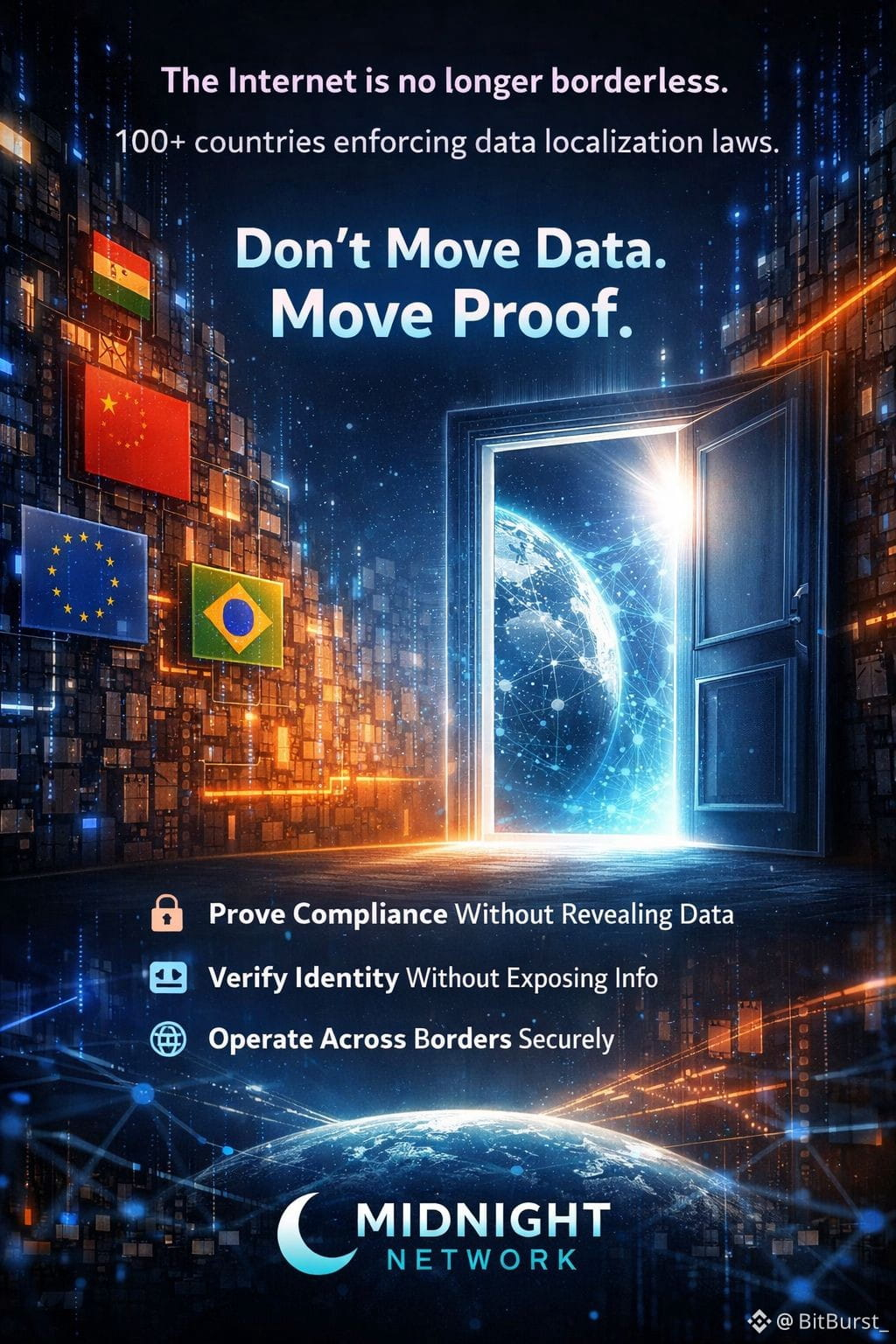
私たちはインターネットが国境を持たないと信じていました。それは急速に変わりつつあります。
100以上の国がデータローカリゼーション法を施行しています。しかし、実際の問題はデータがどこにあるかではなく、企業が敏感な情報を開示することなく国境を越えてコンプライアンスを証明する方法です。
@MidnightNetwork はシンプルなアイデアでこれに取り組んでいます:
👉 データを移動させず、証明を移動させましょう。
ゼロ知識技術を使用することで、企業は基盤データを開示することなくコンプライアンスを証明し、アイデンティティを確認できます。
デグローバリゼーションが続くなら、これは単なる暗号実験ではなく、重要なインフラストラクチャーとなります。
まだ初期段階で、採用は規制当局がZK証明を受け入れるかどうかに依存しています。
しかし、もしうまくいけば、これはグローバルコンプライアンスが実際にどのように機能するかを再構築する可能性があります。🤔
$NIGHT #night
私たちはインターネットが国境を持たないと信じていました。それは急速に変わりつつあります。
100以上の国がデータローカリゼーション法を施行しています。しかし、実際の問題はデータがどこにあるかではなく、企業が敏感な情報を開示することなく国境を越えてコンプライアンスを証明する方法です。
@MidnightNetwork はシンプルなアイデアでこれに取り組んでいます:
👉 データを移動させず、証明を移動させましょう。
ゼロ知識技術を使用することで、企業は基盤データを開示することなくコンプライアンスを証明し、アイデンティティを確認できます。
デグローバリゼーションが続くなら、これは単なる暗号実験ではなく、重要なインフラストラクチャーとなります。
まだ初期段階で、採用は規制当局がZK証明を受け入れるかどうかに依存しています。
しかし、もしうまくいけば、これはグローバルコンプライアンスが実際にどのように機能するかを再構築する可能性があります。🤔
$NIGHT #night
100以上の国がデータローカリゼーション法を施行しています。しかし、実際の問題はデータがどこにあるかではなく、企業が敏感な情報を開示することなく国境を越えてコンプライアンスを証明する方法です。
@MidnightNetwork はシンプルなアイデアでこれに取り組んでいます:
👉 データを移動させず、証明を移動させましょう。
ゼロ知識技術を使用することで、企業は基盤データを開示することなくコンプライアンスを証明し、アイデンティティを確認できます。
デグローバリゼーションが続くなら、これは単なる暗号実験ではなく、重要なインフラストラクチャーとなります。
まだ初期段階で、採用は規制当局がZK証明を受け入れるかどうかに依存しています。
しかし、もしうまくいけば、これはグローバルコンプライアンスが実際にどのように機能するかを再構築する可能性があります。🤔
$NIGHT #night
5
140
·
--
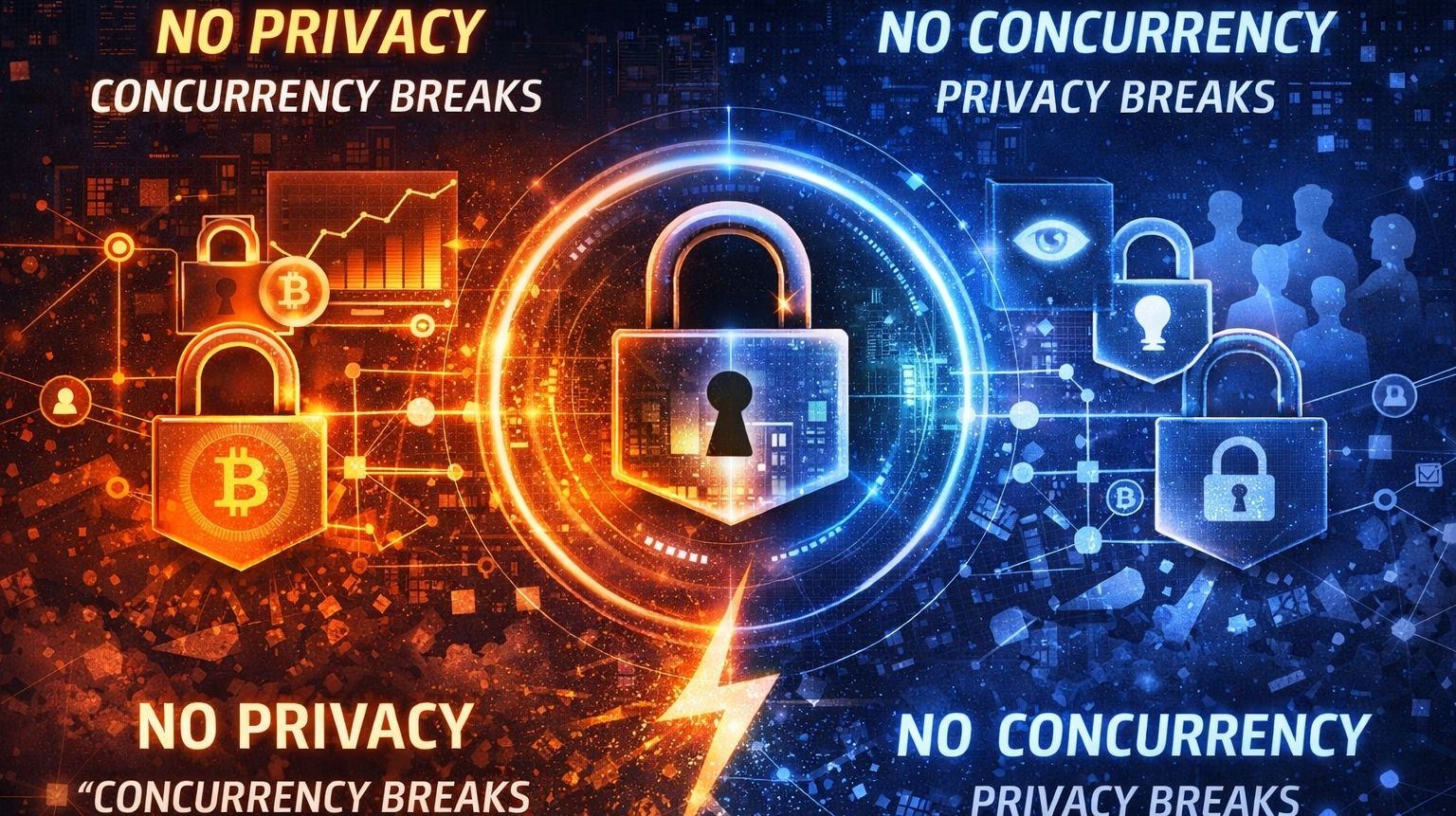
記事
ほとんどのブロックチェーンがまだ解決していないプライバシーの問題ブロックチェーン設計には、私を悩ませる何かがあります。
数年間、この分野は急速に進化してきました—新しいチェーン、新しい物語、新しい約束。しかし、そのすべての背後には、まだ解決されていない問題が一つあります。
私たちはプライバシーを求めています。
表面的なプライバシーではなく、本当の機密性です。あなたのアイデンティティがデフォルトで公開されないようなもの。あなたの財務活動がブロックエクスプローラーを持つ誰にも追跡されないようなもの。ビジネスロジック—特に企業向け—が世界中に公開されないようなものです。
ほとんどのブロックチェーンがまだ解決していないプライバシーの問題
ブロックチェーン設計には、私を悩ませる何かがあります。
数年間、この分野は急速に進化してきました—新しいチェーン、新しい物語、新しい約束。しかし、そのすべての背後には、まだ解決されていない問題が一つあります。
私たちはプライバシーを求めています。
表面的なプライバシーではなく、本当の機密性です。あなたのアイデンティティがデフォルトで公開されないようなもの。あなたの財務活動がブロックエクスプローラーを持つ誰にも追跡されないようなもの。ビジネスロジック—特に企業向け—が世界中に公開されないようなものです。
数年間、この分野は急速に進化してきました—新しいチェーン、新しい物語、新しい約束。しかし、そのすべての背後には、まだ解決されていない問題が一つあります。
私たちはプライバシーを求めています。
表面的なプライバシーではなく、本当の機密性です。あなたのアイデンティティがデフォルトで公開されないようなもの。あなたの財務活動がブロックエクスプローラーを持つ誰にも追跡されないようなもの。ビジネスロジック—特に企業向け—が世界中に公開されないようなものです。
1
6
45
ログインして、さらにコンテンツを読む
厳選トピックで世界の暗号資産トレーダーの仲間入り
⚡️ 暗号資産に関する最新かつ有益な情報が見つかります。
💬 世界最大の暗号資産取引所から信頼されています。
👍 認証を受けたクリエイターから、有益なインサイトを得られます。
メール / 電話番号
トレンドトピック
BTCBreaks80K
閲覧回数 43,348
1,150人が討論中
米連邦準備制度(FED)の爆撃と、$80Kの空白:ビットコインの流動性トラップ 🐋📊
連邦準備制度のマクロ経済ニュースによる騒音の後、相場は熱狂状態。上昇の追い風が一撃で入り、ビットコインは$80,989.99の“ぴったり”の高値を付けた。ニュースに導かれてこの水準で買うのは、数学的なパラシュートなしで宙に飛び込むことだ。
スキャナーの冷徹な数字が明かすのは、臨界的な過熱(オーバーエクステンション):
🔥 クオンティタティブ・イージング(4H):勢いのあるローソク足が重力を突き破った。4時間足のKDJオシレーターは極端な買われ過ぎで燃え上がっており、ライン「J」が100.83の上限をブチ破っている。価格は、構造的な主要サポートであるEMA20から危険なほど乖離しており、そのEMA20は下の$77,270.34に置き去りにされたままだ。
📐 フィボナッチの檻:インパルスの起点である$74,967.97から、$80,989.99の高値までのリトレースを引くと、38.2%のフィボナッチ・レベルが精密に合流する。狙うべき「ターミナルの確認」は?その水準は、1HのSuperTrendのダイナミックなフロアである$78,702.50とまったく一致する。
🩸 短期ドレイン(1H):慣性はすでに割れ始めている。1時間足のKDJでは「J」ラインが87.22まで後退しており、ニュースの燃料が尽きつつあることを確認している。
フリーライターのセットアップ(FOMOゼロ):
$80,748の水準を、3,000ドル以上も離れたEMAで取引することは、リスク管理を完全に破壊する。
🔴 トラップゾーン:現在の天井である“FEDの熱狂”を買うことは、すでに売り分け(ディストリビュート)に使っている機関投資家に流動性をプレゼントすることだ。
🟢 構造的な狩場ゾーン:規律は、平均回帰を待つことを命じる。私たちの数学的な“釣り網”は、フィボナッチ38.2%と1HのSuperTrendが重なる合流地点で展開され、安全なブロックである$78,700台を狙っている。
統計はニュースではなく、後に残る“構造”を動かす。📐
$BTC #BTCBreaks80K
RelatoCriptoPRO
·いいね:2件
·閲覧回数 1.1k
比特币突破8万
閲覧回数 48,602
154人が討論中
BuffettBecomesBerkshireChairmanEmeritus
閲覧回数 8,135
372人が討論中