
Bull Noah
1.8k 投稿

Bull Noah
報告
ユーザーをブロック
Web3 Maximalist | Researcher & Analyst | Exploring the future of decentralized intelligence | Unfiltered Thoughts On-chain & Alpha Insights Crypto Stories
476 フォロー
8.7K フォロワー
927 いいね
投稿
すべて
引用
ライブ
·
--
暗号資産について知っておくべきこと | Day 1:
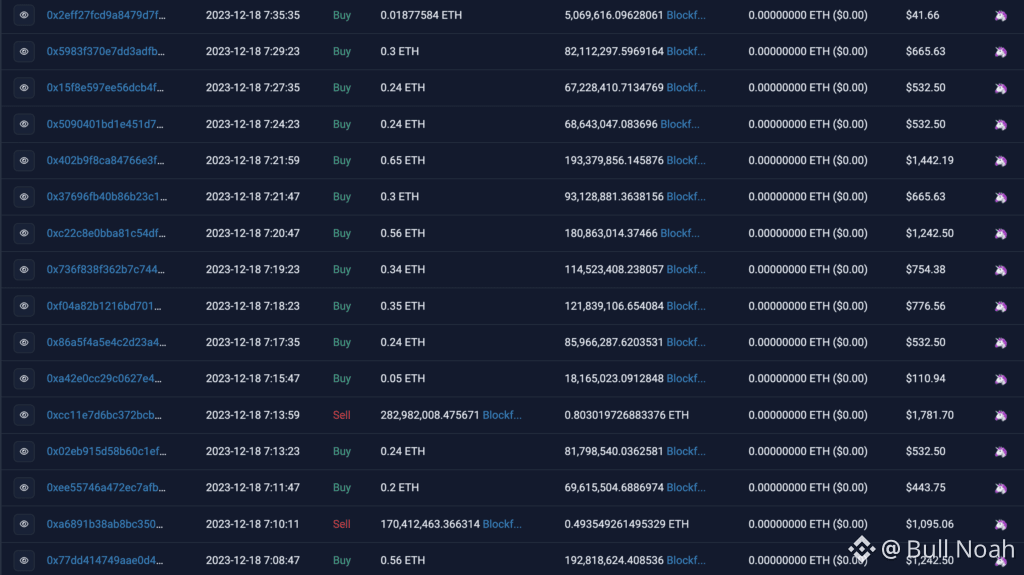
ラグプルは、人工的に作られた需要を軸にしたビジネスモデルです。
2026年上半期、あるトラッカーでは、1,300件以上のイーサリアムのラグプルが記録され、4万2,000人以上の被害者から3,200万ドル以上が奪われました。
やることはシンプルです。話題を作り、流動性を集め、そしてインサイダーが投げ売りしたり、資金を抜いたりします。
購入する前に、誰が供給を保有しているのか、流動性がどこにあるのか、そしてそのコントラクトで何が許可されているのかを確認してください。
見栄えの良いチャートでも、出口(退場)用の流動性になり得ます。
$ETH
暗号資産について知っておくべきこと | Day 1:
ラグプルは、人工的に作られた需要を軸にしたビジネスモデルです。
2026年上半期、あるトラッカーでは、1,300件以上のイーサリアムのラグプルが記録され、4万2,000人以上の被害者から3,200万ドル以上が奪われました。
やることはシンプルです。話題を作り、流動性を集め、そしてインサイダーが投げ売りしたり、資金を抜いたりします。
購入する前に、誰が供給を保有しているのか、流動性がどこにあるのか、そしてそのコントラクトで何が許可されているのかを確認してください。
見栄えの良いチャートでも、出口(退場)用の流動性になり得ます。
$ETH
ラグプルは、人工的に作られた需要を軸にしたビジネスモデルです。
2026年上半期、あるトラッカーでは、1,300件以上のイーサリアムのラグプルが記録され、4万2,000人以上の被害者から3,200万ドル以上が奪われました。
やることはシンプルです。話題を作り、流動性を集め、そしてインサイダーが投げ売りしたり、資金を抜いたりします。
購入する前に、誰が供給を保有しているのか、流動性がどこにあるのか、そしてそのコントラクトで何が許可されているのかを確認してください。
見栄えの良いチャートでも、出口(退場)用の流動性になり得ます。
$ETH
56
·
--
モナドは、初期投資家に対して、ロックされた$MON を11月のアンロックより前に割引で売ることができる最大6,000万ドル($60M)を提示した。
ほぼ全員がそれを断った。
さらにMONは、公開セール価格よりもすでに値下がりしている。
それは初期保有者の実態をよく物語っている。
モナドは、初期投資家に対して、ロックされた$MON を11月のアンロックより前に割引で売ることができる最大6,000万ドル($60M)を提示した。
ほぼ全員がそれを断った。
さらにMONは、公開セール価格よりもすでに値下がりしている。
それは初期保有者の実態をよく物語っている。
ほぼ全員がそれを断った。
さらにMONは、公開セール価格よりもすでに値下がりしている。
それは初期保有者の実態をよく物語っている。

84
·
--
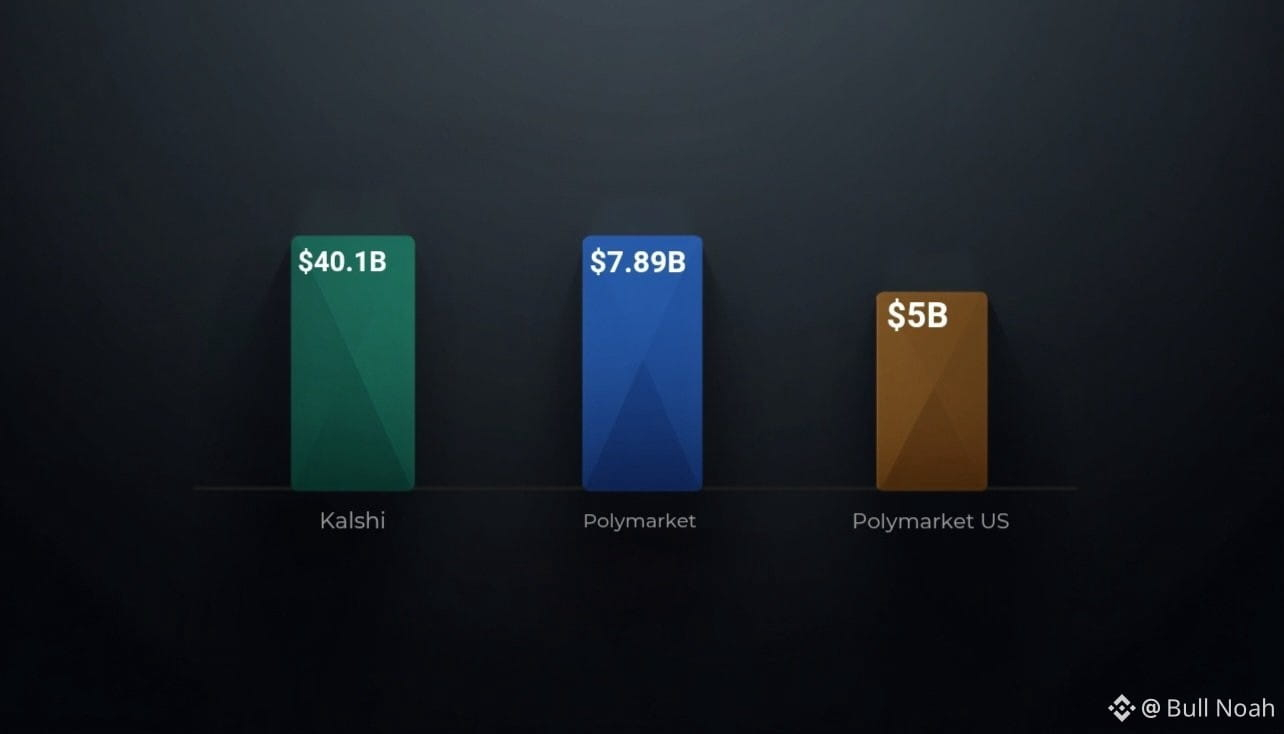
KALSHI は絶対にポリマーケットを粉砕している
7月の予測市場の取引量:
Kalshi: $40.1B
Polymarket: $7.89B
Polymarket US: $5B
Kalshi 単独で、合計取引量の 76% を占めた
正直、ポリマーケットが最大の予測市場だと思っていた
どうやら自分が間違っていたようだ。
KALSHI は絶対にポリマーケットを粉砕している
7月の予測市場の取引量:
Kalshi: $40.1B
Polymarket: $7.89B
Polymarket US: $5B
Kalshi 単独で、合計取引量の 76% を占めた
正直、ポリマーケットが最大の予測市場だと思っていた
どうやら自分が間違っていたようだ。
7月の予測市場の取引量:
Kalshi: $40.1B
Polymarket: $7.89B
Polymarket US: $5B
Kalshi 単独で、合計取引量の 76% を占めた
正直、ポリマーケットが最大の予測市場だと思っていた
どうやら自分が間違っていたようだ。
83
·
--
人々はこれをベア・マーケットの話だと思っているけど、違います。
起きていることを見てください。
取引所が閉鎖されたり、方向転換したりしています。
ビットコム。
クラーケン。
アセンドエックス。
ビットマート。
ビットメックス。
そしてまだまだ他にも。
アーカムはすでにDEXへと動いています。
ビットマートは、明らかにオンチェーンとDEXの未来を押し進めています。
これは価格の話だけではありません。
トレンドで動く業界の問題です。
私たちはすでに、ローンチ前やローンチ後に何百ものサービスが停止しているのを見ています。
多くのところが何百万ドルも調達し、数か月、場合によっては数年にわたってコミュニティを育てていましたが、何かをほとんど、あるいは全く提供することなく、静かに姿を消していきました。
中には公にされているチームもいました。
中にはそうでないチームも。
言い訳はいつも同じです…
「ベア・マーケットだ。」
でも1年後には、新しいブランド、新しいロードマップ、別の資金調達ラウンドを持って戻ってきて、サイクルがまた始まります。
誰かがレッドフラッグを指摘するたびに、コミュニティはこぞってそのプロジェクトを擁護します。
クリプトでは、現実主義はfud(不安・疑念の扇動)と見なされます。
人々は確率よりも奇跡を信じたいのです。
でも奇跡は物語に属するもの。
ビジネスは希望に永遠にしがみつくだけでは生き残れず、実行によって存続します。
人々はこれをベア・マーケットの話だと思っているけど、違います。
起きていることを見てください。
取引所が閉鎖されたり、方向転換したりしています。
ビットコム。
クラーケン。
アセンドエックス。
ビットマート。
ビットメックス。
そしてまだまだ他にも。
アーカムはすでにDEXへと動いています。
ビットマートは、明らかにオンチェーンとDEXの未来を押し進めています。
これは価格の話だけではありません。
トレンドで動く業界の問題です。
私たちはすでに、ローンチ前やローンチ後に何百ものサービスが停止しているのを見ています。
多くのところが何百万ドルも調達し、数か月、場合によっては数年にわたってコミュニティを育てていましたが、何かをほとんど、あるいは全く提供することなく、静かに姿を消していきました。
中には公にされているチームもいました。
中にはそうでないチームも。
言い訳はいつも同じです…
「ベア・マーケットだ。」
でも1年後には、新しいブランド、新しいロードマップ、別の資金調達ラウンドを持って戻ってきて、サイクルがまた始まります。
誰かがレッドフラッグを指摘するたびに、コミュニティはこぞってそのプロジェクトを擁護します。
クリプトでは、現実主義はfud(不安・疑念の扇動)と見なされます。
人々は確率よりも奇跡を信じたいのです。
でも奇跡は物語に属するもの。
ビジネスは希望に永遠にしがみつくだけでは生き残れず、実行によって存続します。
起きていることを見てください。
取引所が閉鎖されたり、方向転換したりしています。
ビットコム。
クラーケン。
アセンドエックス。
ビットマート。
ビットメックス。
そしてまだまだ他にも。
アーカムはすでにDEXへと動いています。
ビットマートは、明らかにオンチェーンとDEXの未来を押し進めています。
これは価格の話だけではありません。
トレンドで動く業界の問題です。
私たちはすでに、ローンチ前やローンチ後に何百ものサービスが停止しているのを見ています。
多くのところが何百万ドルも調達し、数か月、場合によっては数年にわたってコミュニティを育てていましたが、何かをほとんど、あるいは全く提供することなく、静かに姿を消していきました。
中には公にされているチームもいました。
中にはそうでないチームも。
言い訳はいつも同じです…
「ベア・マーケットだ。」
でも1年後には、新しいブランド、新しいロードマップ、別の資金調達ラウンドを持って戻ってきて、サイクルがまた始まります。
誰かがレッドフラッグを指摘するたびに、コミュニティはこぞってそのプロジェクトを擁護します。
クリプトでは、現実主義はfud(不安・疑念の扇動)と見なされます。
人々は確率よりも奇跡を信じたいのです。
でも奇跡は物語に属するもの。
ビジネスは希望に永遠にしがみつくだけでは生き残れず、実行によって存続します。

88
·
--
暗号通貨の人間として、今の時代に株・FX・コモディティが週末に閉まるのがまだ笑える。
もうそんな世界じゃない。
スマホで数タップすれば、ほぼ何でも24時間365日買える。
で、面白いのは?
実際には、市場の動きは止まらない。
再開すると、価格は上にも下にもギャップが空き、誰もが「何もなかったかのように」振る舞う。
しかも、その動きが起きている最中には、人々は反応することすら許されていなかった。
24/7の市場が、2026年にはもっと理にかなっている。
$NVDAB
$BTC
暗号通貨の人間として、今の時代に株・FX・コモディティが週末に閉まるのがまだ笑える。
もうそんな世界じゃない。
スマホで数タップすれば、ほぼ何でも24時間365日買える。
で、面白いのは?
実際には、市場の動きは止まらない。
再開すると、価格は上にも下にもギャップが空き、誰もが「何もなかったかのように」振る舞う。
しかも、その動きが起きている最中には、人々は反応することすら許されていなかった。
24/7の市場が、2026年にはもっと理にかなっている。
$NVDAB
$BTC
もうそんな世界じゃない。
スマホで数タップすれば、ほぼ何でも24時間365日買える。
で、面白いのは?
実際には、市場の動きは止まらない。
再開すると、価格は上にも下にもギャップが空き、誰もが「何もなかったかのように」振る舞う。
しかも、その動きが起きている最中には、人々は反応することすら許されていなかった。
24/7の市場が、2026年にはもっと理にかなっている。
$NVDAB
$BTC
86
·
--
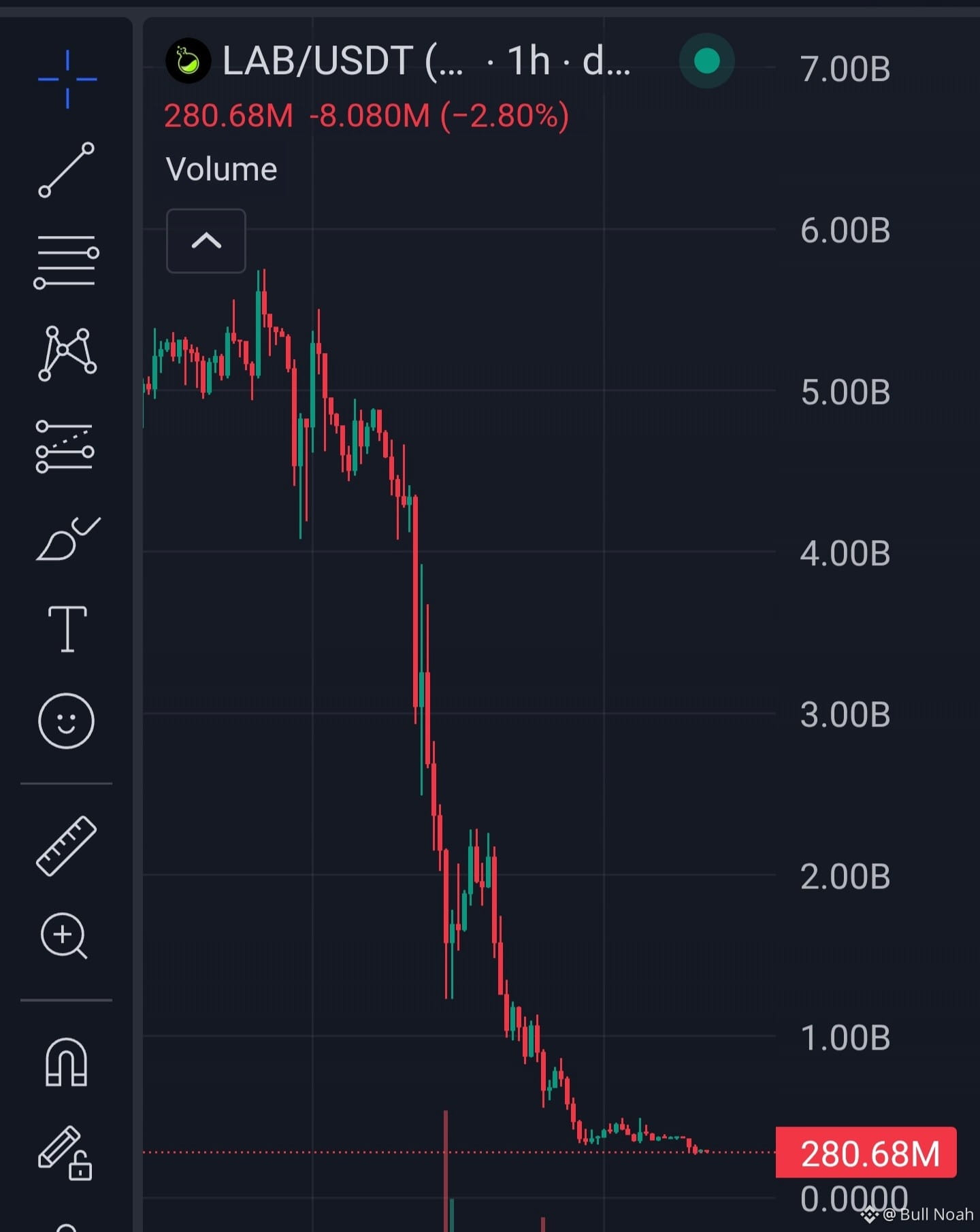
時価総額で6Bドル以上が、$LAB から消えました
もしあなたが$LABを買っていたなら…
寛大なご寄付に感謝します。
市場は、あなたのような人々を評価しています。
時価総額で6Bドル以上が、$LAB から消えました
もしあなたが$LAB を買っていたなら…
寛大なご寄付に感謝します。
市場は、あなたのような人々を評価しています。
もしあなたが$LAB を買っていたなら…
寛大なご寄付に感謝します。
市場は、あなたのような人々を評価しています。
88
·
--
このEtherRockは289 ETHで売れました。
当時、それは約82万ドルでした。
2年後、持ち主は790 ETHで2度出品を試みました。
買い手なし。
今日でも、25 WETHの買い取りオファーが出たままで、約4.4万ドルです。
いちばんクレイジーなのは?
ピーク時でも、買い手は790 ETHに程遠い金額しか提示していませんでした。
NFTをとんでもない価格で出品しているからといって、必ず買うべきとは限りません。
$ETH
このEtherRockは289 ETHで売れました。
当時、それは約82万ドルでした。
2年後、持ち主は790 ETHで2度出品を試みました。
買い手なし。
今日でも、25 WETHの買い取りオファーが出たままで、約4.4万ドルです。
いちばんクレイジーなのは?
ピーク時でも、買い手は790 ETHに程遠い金額しか提示していませんでした。
NFTをとんでもない価格で出品しているからといって、必ず買うべきとは限りません。
$ETH
当時、それは約82万ドルでした。
2年後、持ち主は790 ETHで2度出品を試みました。
買い手なし。
今日でも、25 WETHの買い取りオファーが出たままで、約4.4万ドルです。
いちばんクレイジーなのは?
ピーク時でも、買い手は790 ETHに程遠い金額しか提示していませんでした。
NFTをとんでもない価格で出品しているからといって、必ず買うべきとは限りません。
$ETH

80
·
--
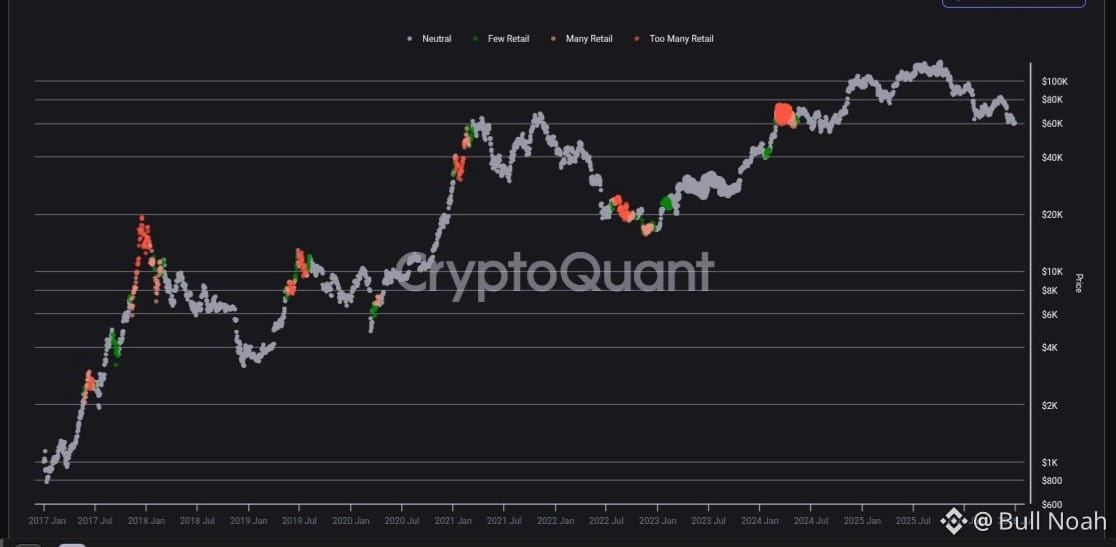
小売へのこだわりって何なの?
誰かがビットコインに100ドル突っ込んだからって、次のブルランが始まると本気で思ってるの?
チャートを見てみて。小売の取引量なんて、マーケットを動かしてる金額に比べればほとんど見えないレベルだよ。
小売って、何のために必要なの?
もっとイグジット・リクイディティ(換金の流動性)が欲しいため?
この界隈は詐欺師、搾取者、ラグプラーがいっぱいだ。だから人々は、なぜ小売が定着しないのか不思議がるんだよ。
$BTC
$ETH
$SOL
小売へのこだわりって何なの?
誰かがビットコインに100ドル突っ込んだからって、次のブルランが始まると本気で思ってるの?
チャートを見てみて。小売の取引量なんて、マーケットを動かしてる金額に比べればほとんど見えないレベルだよ。
小売って、何のために必要なの?
もっとイグジット・リクイディティ(換金の流動性)が欲しいため?
この界隈は詐欺師、搾取者、ラグプラーがいっぱいだ。だから人々は、なぜ小売が定着しないのか不思議がるんだよ。
$BTC
$ETH
$SOL
誰かがビットコインに100ドル突っ込んだからって、次のブルランが始まると本気で思ってるの?
チャートを見てみて。小売の取引量なんて、マーケットを動かしてる金額に比べればほとんど見えないレベルだよ。
小売って、何のために必要なの?
もっとイグジット・リクイディティ(換金の流動性)が欲しいため?
この界隈は詐欺師、搾取者、ラグプラーがいっぱいだ。だから人々は、なぜ小売が定着しないのか不思議がるんだよ。
$BTC
$ETH
$SOL
78
·
--
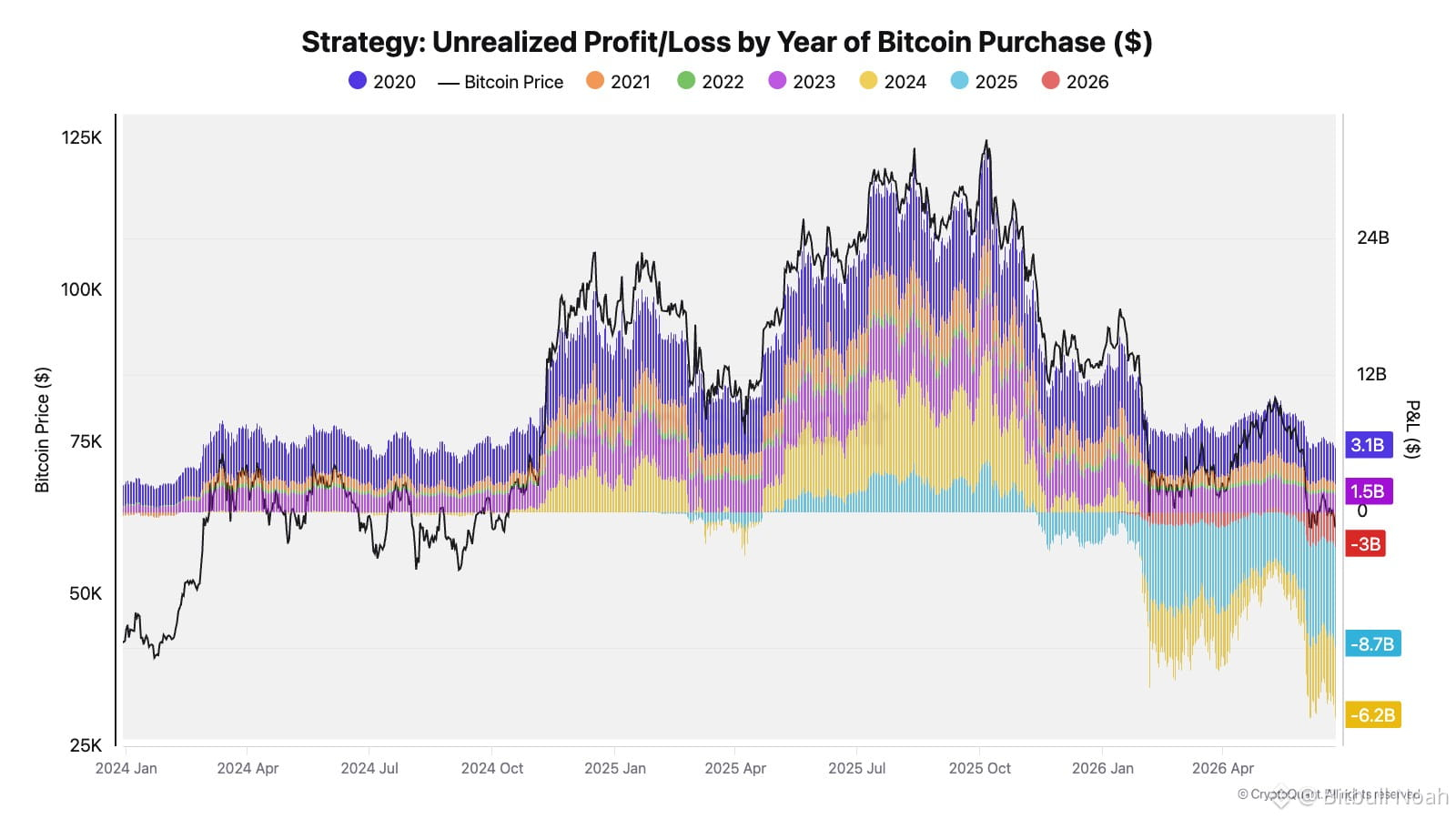
これは、Strategyのモデルにおけるトレードオフです。
彼らが買いを一時停止すれば、流動性が維持され、大きなドローダウンの間により積極的に蓄積できます。
彼らが資本が利用可能になったらいつでも買うなら、プロセスから感情を排除できますが、その代わり価格効率を犠牲にします。
問題は、ビットコインが良い資産かどうかではありません。
問題は、アルゴリズム型のトレジャリー戦略が、市場サイクルを気にすべきか、それとも意図的に無視すべきかです。
$BTC $MSTR
これは、Strategyのモデルにおけるトレードオフです。
彼らが買いを一時停止すれば、流動性が維持され、大きなドローダウンの間により積極的に蓄積できます。
彼らが資本が利用可能になったらいつでも買うなら、プロセスから感情を排除できますが、その代わり価格効率を犠牲にします。
問題は、ビットコインが良い資産かどうかではありません。
問題は、アルゴリズム型のトレジャリー戦略が、市場サイクルを気にすべきか、それとも意図的に無視すべきかです。
$BTC $MSTR
彼らが買いを一時停止すれば、流動性が維持され、大きなドローダウンの間により積極的に蓄積できます。
彼らが資本が利用可能になったらいつでも買うなら、プロセスから感情を排除できますが、その代わり価格効率を犠牲にします。
問題は、ビットコインが良い資産かどうかではありません。
問題は、アルゴリズム型のトレジャリー戦略が、市場サイクルを気にすべきか、それとも意図的に無視すべきかです。
$BTC $MSTR
93
·
--
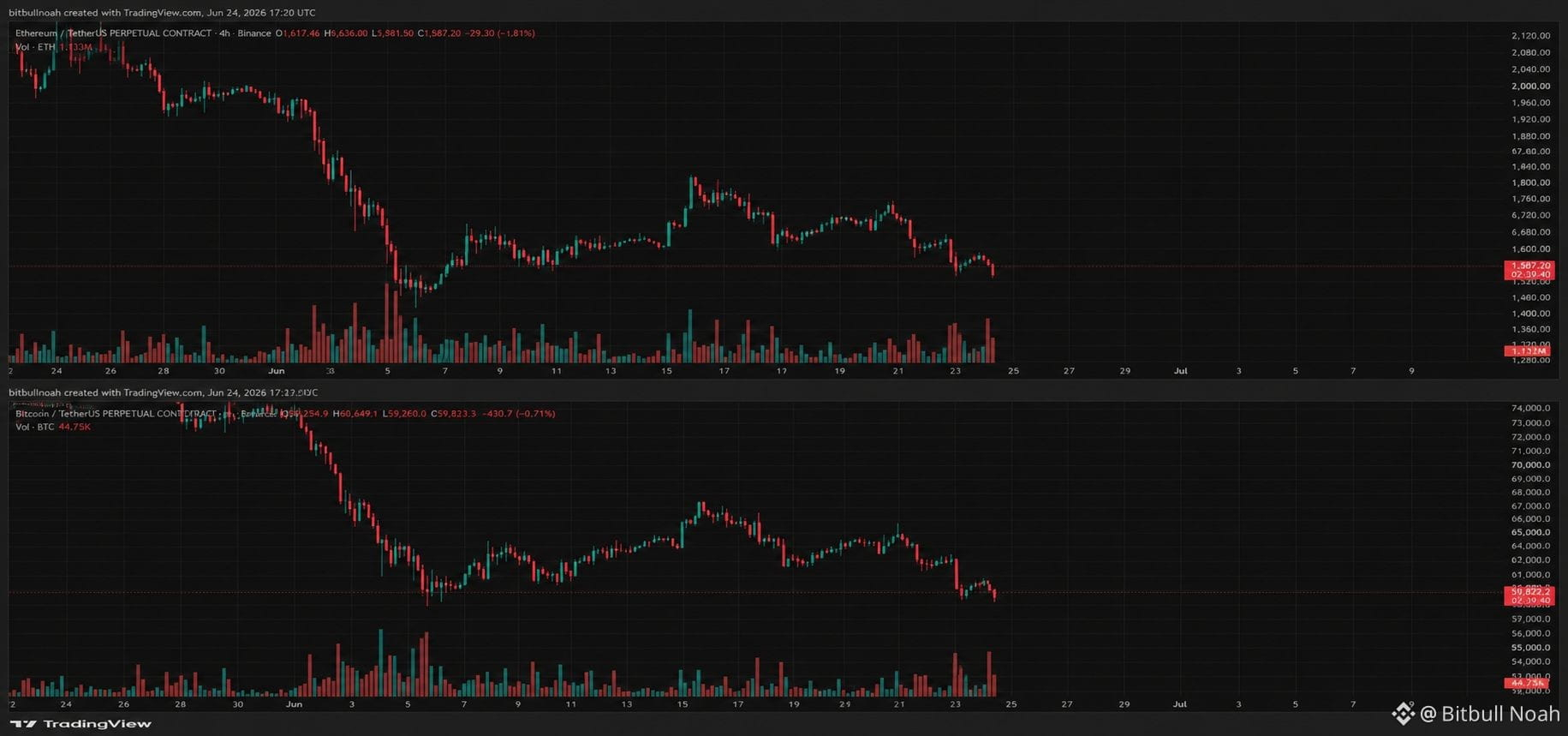
こんなことを言う日が来るなんて思わなかった...
でも $BTC は今日の $ETH より弱く見える。
BTC は重要な水準を失いつつある
こんなことを言う日が来るなんて思わなかった...
でも $BTC は今日の $ETH より弱く見える。
BTC は重要な水準を失いつつある
でも $BTC は今日の $ETH より弱く見える。
BTC は重要な水準を失いつつある
82
·
--
強気相場は始まり、そして終わった。
今はすでに弱気相場のど真ん中。もう2年も経つのに、私は相変わらず独り言をしゃべってる。いいねもゼロだ。
せめて一回くらい同情してみせてよ。
強気相場は始まり、そして終わった。
今はすでに弱気相場のど真ん中。もう2年も経つのに、私は相変わらず独り言をしゃべってる。いいねもゼロだ。
せめて一回くらい同情してみせてよ。
今はすでに弱気相場のど真ん中。もう2年も経つのに、私は相変わらず独り言をしゃべってる。いいねもゼロだ。
せめて一回くらい同情してみせてよ。
16
·
--
私が開くどのチャートも弱気に見える。
どんな下落も、さらに別の下落の準備をしているみたいだ。
今のところ、私たちは完全に終わってる。
間違ってるといいな。
$HYPE
私が開くどのチャートも弱気に見える。
どんな下落も、さらに別の下落の準備をしているみたいだ。
今のところ、私たちは完全に終わってる。
間違ってるといいな。
$HYPE
どんな下落も、さらに別の下落の準備をしているみたいだ。
今のところ、私たちは完全に終わってる。
間違ってるといいな。
$HYPE
1
65
·
--
どのコインも$XRP のレベルには達することはできない。
テクノロジーでは。
採用では。
ホルダーを作ることにおいて。
どのコインも$XRP のレベルには達することはできない。
テクノロジーでは。
採用では。
ホルダーを作ることにおいて。
テクノロジーでは。
採用では。
ホルダーを作ることにおいて。
110
·
--
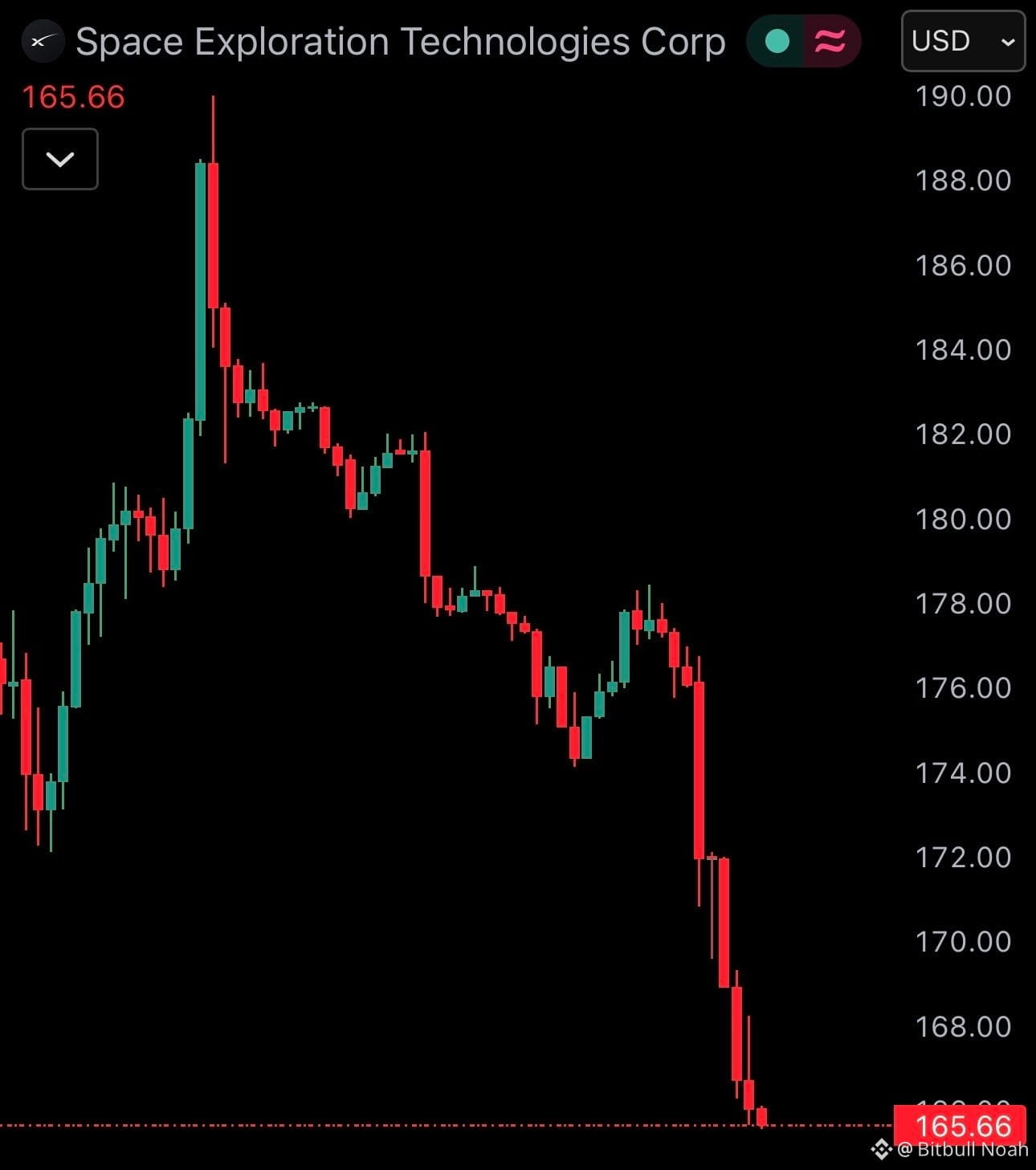
$SPCX down 10.5%。
$250Bが消えた。
昨日は「月へ行く(to the moon)」と言われていた。
今日は「過大評価されている(overvalued)」。
変わったのは価格だけだ。
$SPCX down 10.5%。
$250Bが消えた。
昨日は「月へ行く(to the moon)」と言われていた。
今日は「過大評価されている(overvalued)」。
変わったのは価格だけだ。
$250Bが消えた。
昨日は「月へ行く(to the moon)」と言われていた。
今日は「過大評価されている(overvalued)」。
変わったのは価格だけだ。
80
·
--
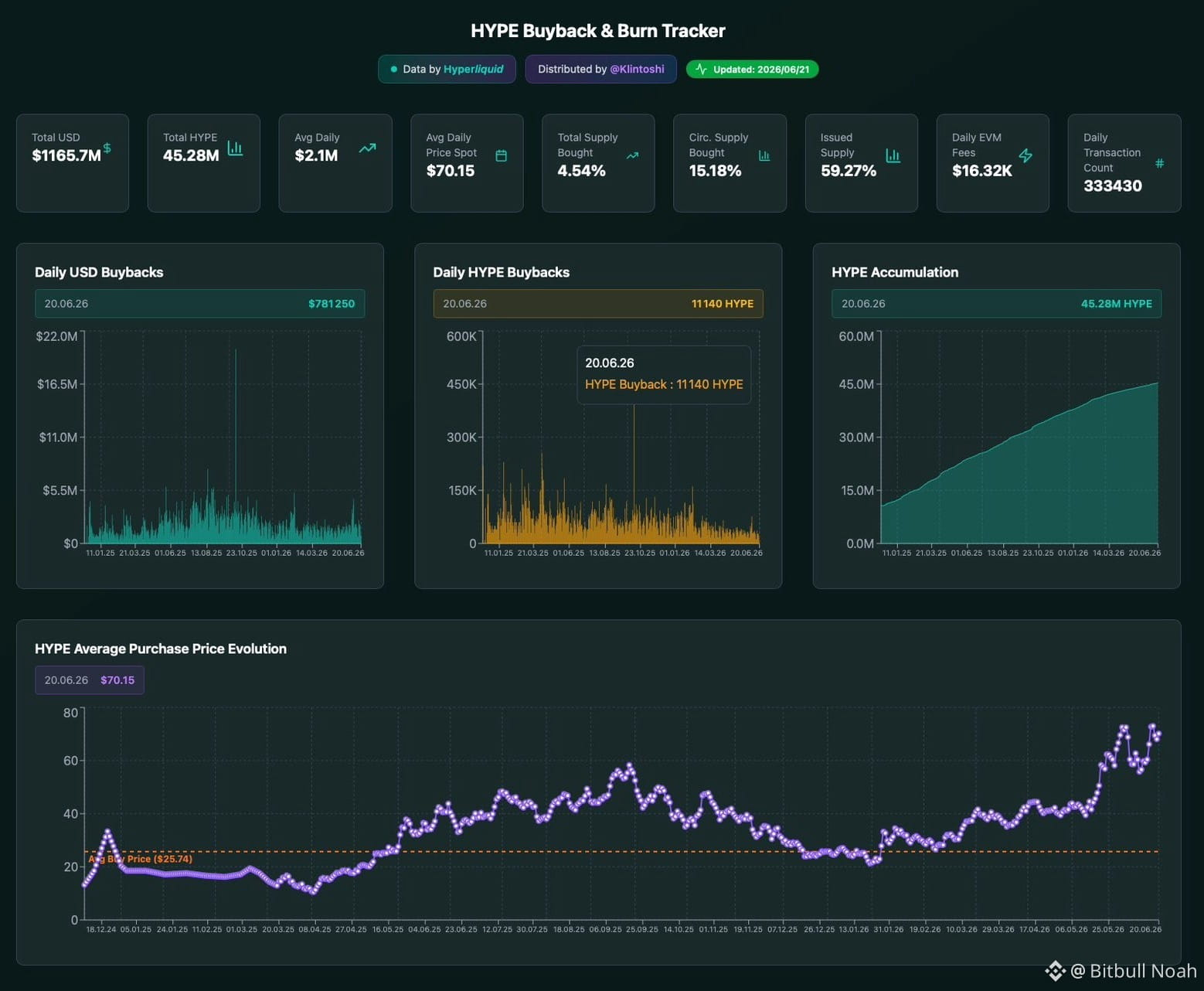
45M+ $HYPE はすでに買い戻し済み。
1億1600万ドル超を費やした。
平均の買い戻し価格:70ドル。
好きでも嫌いでも、数字は無視しづらくなってきている。
45M+ $HYPE はすでに買い戻し済み。
1億1600万ドル超を費やした。
平均の買い戻し価格:70ドル。
好きでも嫌いでも、数字は無視しづらくなってきている。
1億1600万ドル超を費やした。
平均の買い戻し価格:70ドル。
好きでも嫌いでも、数字は無視しづらくなってきている。
74
·
--
みんなが暗号が退屈だと言ってた
正直、そこまで退屈じゃなかったんだよね
でもこの1週間は?
マジでやばい。
もう何も興奮しない。
NFTは数日間楽しませてくれたけど、もうダメだ
退屈さが俺をレバレッジ取引に走らせる。
誰か何かしてくれ、さもなくば全ての利益を市場に寄付しちまうぞ。
みんなが暗号が退屈だと言ってた
正直、そこまで退屈じゃなかったんだよね
でもこの1週間は?
マジでやばい。
もう何も興奮しない。
NFTは数日間楽しませてくれたけど、もうダメだ
退屈さが俺をレバレッジ取引に走らせる。
誰か何かしてくれ、さもなくば全ての利益を市場に寄付しちまうぞ。
正直、そこまで退屈じゃなかったんだよね
でもこの1週間は?
マジでやばい。
もう何も興奮しない。
NFTは数日間楽しませてくれたけど、もうダメだ
退屈さが俺をレバレッジ取引に走らせる。
誰か何かしてくれ、さもなくば全ての利益を市場に寄付しちまうぞ。
100
ログインして、さらにコンテンツを読む
厳選トピックで世界の暗号資産トレーダーの仲間入り
⚡️ 暗号資産に関する最新かつ有益な情報が見つかります。
💬 世界最大の暗号資産取引所から信頼されています。
👍 認証を受けたクリエイターから、有益なインサイトを得られます。
メール / 電話番号
トレンドトピック
BitcoinHoldsAbove$77000
閲覧回数 277
39人が討論中
#anthropicceocallsforaislowdown
🚨 $BTC は $77K を保有 — 市場は BTC と ETH に注目中!🦅
ビットコインは 4H のトレンドラインを尊重しており、強気のセットアップは有効なままです!🎯
📍 エントリー:76,826 – 76,500
🎯 想定目標:76,900 ➔ 77,000 ➔ 77,300
🛑 想定損切り:76,400
⚠️ 厳格ルール:重要な構造が維持されている間のみ、このセットアップは有効です。損切りラインを割り込むと、取引は無効になります。
⚡ ウォッチリスト銘柄:
🪙 $BTC — マクロのボラティリティに備える前に、重要なテクニカル・サポートを尊重!📈
🌐 $ETH — 重要な需要ゾーンの周辺でタイトに推移し、ブレイクアウトの可能性が!📊
レバレッジは慎重に管理し、価格が事前に設定したハンティングゾーンに到達するのを待ちましょう!🛡️🧠
❓ 次の一手は? ここで BTC をロングしますか、それとも下のエントリーを待ちますか?下にプランを投稿してください!👇
免責事項:DYOR(自己調査を) 。投資助言ではありません。
#BitcoinHoldsAbove$77000
#AvalancheIntegratesIntoUAEPassDigitalVault
#AnthropicCEOCallsForAISlowdown
#BrazilCentralBankRaisesVASPCapitalRequirements
Hifza Rubab
·いいね:0件
·閲覧回数 25
FedHikeOddsRiseTo89%
閲覧回数 335
68人が討論中
BitcoinCrosses$78000
閲覧回数 2,425
131人が討論中