

R3N 1
583 投稿

R3N 1
報告
ユーザーをブロック
Web3 & crypto Analyst || Breaking down market moves || token updates daily ➪NFA!!!
0 フォロー
3 フォロワー
3 いいね
投稿
·
--
翻訳参照
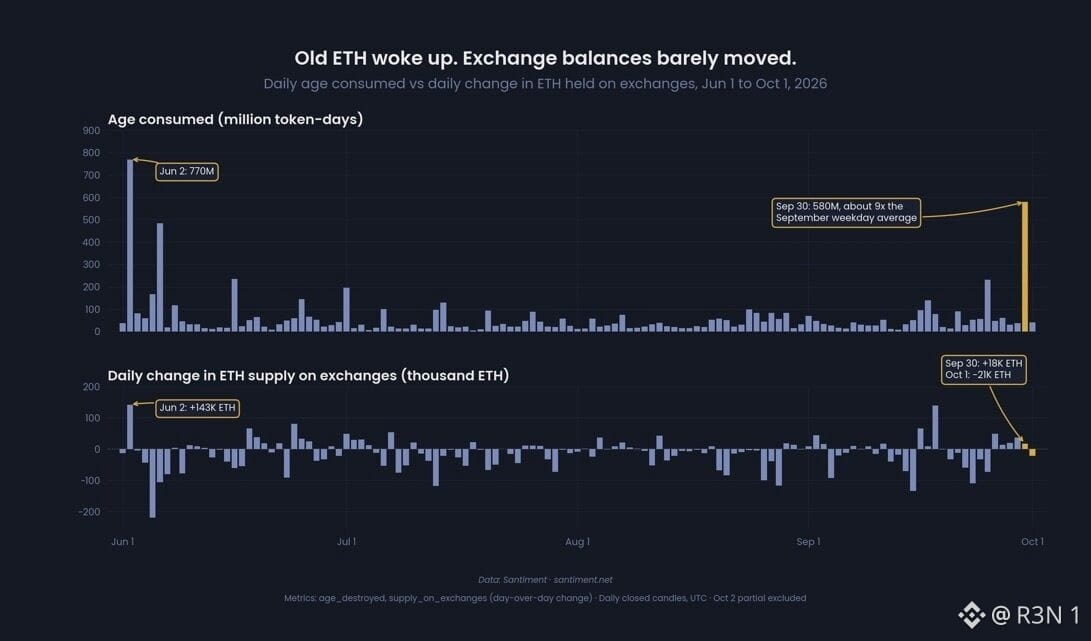
580 million token-days of dormant ETH moved on September 30, roughly 9x the September weekday average, and exchange balances barely budged. That combination is the actual story, old coins waking up without a corresponding dump.
Age consumed measures how long moved coins sat untouched before moving, so a spike this size means a meaningful amount of long-held ETH changed hands in a single day, not routine trading activity. The comparison point matters here, the last similar spike, June 2, saw exchange balances jump more than 140,000 ETH that same day. This time, supply on exchanges rose about 18,000 ETH, then fell roughly 21,000 the next day, essentially flat against the 5.9 million ETH currently sitting on exchanges overall.
What stands out to me is Santiment's own honesty about the limits of this data. They're explicit they can't yet confirm who actually moved these coins, and they note past spikes this size have often turned out to be wallet reshuffling, custodial transfers, consolidation, internal movement, rather than holders actually preparing to sell. That's a meaningfully different interpretation than "dormant whales are about to dump," and the muted exchange balance change actually supports the reshuffling read over the selling read.
This is landing in a specific sentiment backdrop too, Santiment separately flagged ETH's bullish-to-bearish comment ratio at 0.89, its lowest since June 7, so this dormant coin movement is showing up right as broader social sentiment has turned negative, which is worth noting as context, not as evidence the two are causally connected.
The open question isn't whether something happened, 580 million token-days is a real, unusual reading. It's whether the coins that moved actually reach exchanges in the coming days, the same tell Santiment flags in their own framework, because that's what would separate quiet repositioning from the start of real sell pressure.
$ETH #BTC Price Analysis# #Ethereum
580 million token-days of dormant ETH moved on September 30, roughly 9x the September weekday average, and exchange balances barely budged. That combination is the actual story, old coins waking up without a corresponding dump.
Age consumed measures how long moved coins sat untouched before moving, so a spike this size means a meaningful amount of long-held ETH changed hands in a single day, not routine trading activity. The comparison point matters here, the last similar spike, June 2, saw exchange balances jump more than 140,000 ETH that same day. This time, supply on exchanges rose about 18,000 ETH, then fell roughly 21,000 the next day, essentially flat against the 5.9 million ETH currently sitting on exchanges overall.
What stands out to me is Santiment's own honesty about the limits of this data. They're explicit they can't yet confirm who actually moved these coins, and they note past spikes this size have often turned out to be wallet reshuffling, custodial transfers, consolidation, internal movement, rather than holders actually preparing to sell. That's a meaningfully different interpretation than "dormant whales are about to dump," and the muted exchange balance change actually supports the reshuffling read over the selling read.
This is landing in a specific sentiment backdrop too, Santiment separately flagged ETH's bullish-to-bearish comment ratio at 0.89, its lowest since June 7, so this dormant coin movement is showing up right as broader social sentiment has turned negative, which is worth noting as context, not as evidence the two are causally connected.
The open question isn't whether something happened, 580 million token-days is a real, unusual reading. It's whether the coins that moved actually reach exchanges in the coming days, the same tell Santiment flags in their own framework, because that's what would separate quiet repositioning from the start of real sell pressure.
$ETH #BTC Price Analysis# #Ethereum
Age consumed measures how long moved coins sat untouched before moving, so a spike this size means a meaningful amount of long-held ETH changed hands in a single day, not routine trading activity. The comparison point matters here, the last similar spike, June 2, saw exchange balances jump more than 140,000 ETH that same day. This time, supply on exchanges rose about 18,000 ETH, then fell roughly 21,000 the next day, essentially flat against the 5.9 million ETH currently sitting on exchanges overall.
What stands out to me is Santiment's own honesty about the limits of this data. They're explicit they can't yet confirm who actually moved these coins, and they note past spikes this size have often turned out to be wallet reshuffling, custodial transfers, consolidation, internal movement, rather than holders actually preparing to sell. That's a meaningfully different interpretation than "dormant whales are about to dump," and the muted exchange balance change actually supports the reshuffling read over the selling read.
This is landing in a specific sentiment backdrop too, Santiment separately flagged ETH's bullish-to-bearish comment ratio at 0.89, its lowest since June 7, so this dormant coin movement is showing up right as broader social sentiment has turned negative, which is worth noting as context, not as evidence the two are causally connected.
The open question isn't whether something happened, 580 million token-days is a real, unusual reading. It's whether the coins that moved actually reach exchanges in the coming days, the same tell Santiment flags in their own framework, because that's what would separate quiet repositioning from the start of real sell pressure.
$ETH #BTC Price Analysis# #Ethereum
·
--
あのたった一度の取り違え(ミス)が、数週間にわたる論評よりもはるかにFRBの利上げ確率を動かし、10月の利上げ見通しは、スナップショットによっておよそ17〜24%へと押し下げられました。そしてそれは、Citiが12カ月のBTC目標を$113,000に引き上げたのと同じ週に起きています。
ここでCitiが実際に何をしたのか、正確に確認する価値があります。
これは、どこからともなく出てきた新しい強気シグナルではなく、反転(リバーサル)です。Citiは2026年を$143,000で始め、CLARITY法が頓挫したことで3月に$112,000へ切り下げ、さらに7月に$82,000へ引き下げ、その後、$113,000へと再び引き上げました。理由としては、暗号資産の取引活動の強さ、マクロ環境の改善、そして今後1年で暗号資産ETFへの資金流入が50億ドルに達するとの見込みを挙げています。
BTCは$86,885前後で、雇用統計のミスを受けて+2.7%上昇。つまり目標そのものには、約30%の追加上昇が必要で、$113,000であっても、10月2025年の史上最高値である約$126,200からはまだ約10%下にあります。
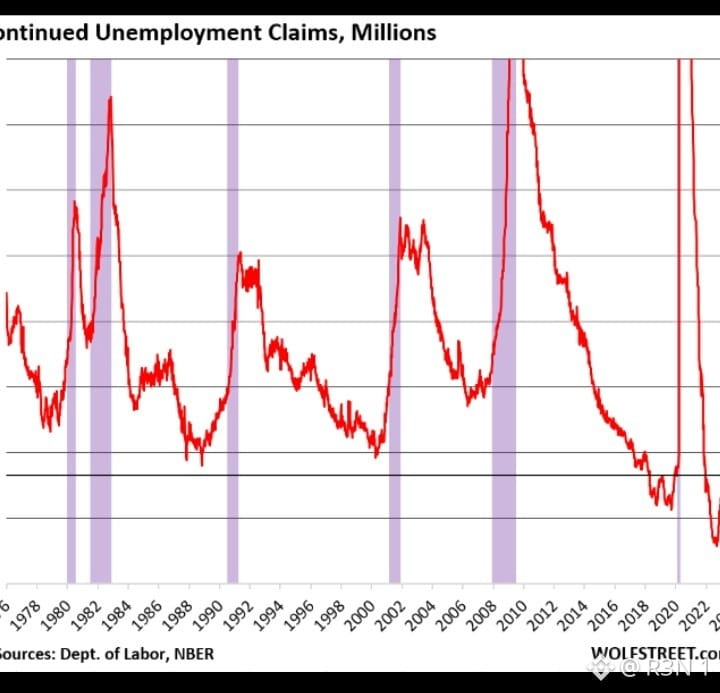
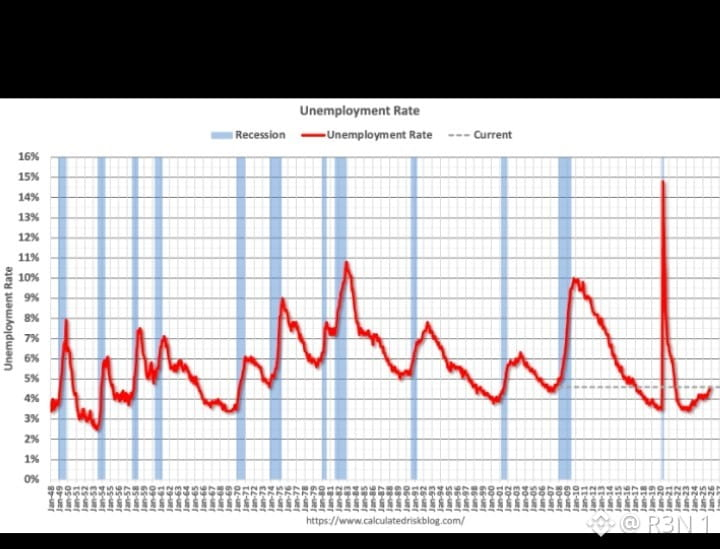
この関連付けの仕組みはシンプルです。雇用データが弱いほど、追加利上げの確率は下がり、それが国債利回りへの圧力を和らげます。すると10年国債利回りは、指標発表後に5.17%へ向かって低下しました。そしてこの組み合わせは歴史的に、リスク資産のポジショニングを下支えしてきました。Citi自身の整理では、$90,000を「本当の最初の試金石」としており、そこを持続的に下抜ければ$100,000が再び視野に入ります。そして$113,000が関連してくるのは、その後です。
率直な見立て:雇用が弱い1件のレポートだけでは、ハト派(利上げ抑制)寄りのFRBが確定するわけではありません。インフレ指標や今後の発表がまだ重要です。また、Citi自身の目標は、今年すでに2度反転しています。いまのマクロの追い風は本物ですが、「12カ月の銀行目標」を短期の値動きマップのように扱うのは、その目標自体がすでにどれだけ動いているかを見落とします。
注目している点:$90,000が実際にブレイクし、定着するかどうかです。ここが決まるのは、$113,000が「現実味のある12カ月の会話」になるのか、それとも紙上だけの反転予測として残るのか、という分岐点だからです。
$BTC #BTC Price Analysis# #Macro Insights# $XAUt
あのたった一度の取り違え(ミス)が、数週間にわたる論評よりもはるかにFRBの利上げ確率を動かし、10月の利上げ見通しは、スナップショットによっておよそ17〜24%へと押し下げられました。そしてそれは、Citiが12カ月のBTC目標を$113,000に引き上げたのと同じ週に起きています。
ここでCitiが実際に何をしたのか、正確に確認する価値があります。
これは、どこからともなく出てきた新しい強気シグナルではなく、反転(リバーサル)です。Citiは2026年を$143,000で始め、CLARITY法が頓挫したことで3月に$112,000へ切り下げ、さらに7月に$82,000へ引き下げ、その後、$113,000へと再び引き上げました。理由としては、暗号資産の取引活動の強さ、マクロ環境の改善、そして今後1年で暗号資産ETFへの資金流入が50億ドルに達するとの見込みを挙げています。
BTCは$86,885前後で、雇用統計のミスを受けて+2.7%上昇。つまり目標そのものには、約30%の追加上昇が必要で、$113,000であっても、10月2025年の史上最高値である約$126,200からはまだ約10%下にあります。
この関連付けの仕組みはシンプルです。雇用データが弱いほど、追加利上げの確率は下がり、それが国債利回りへの圧力を和らげます。すると10年国債利回りは、指標発表後に5.17%へ向かって低下しました。そしてこの組み合わせは歴史的に、リスク資産のポジショニングを下支えしてきました。Citi自身の整理では、$90,000を「本当の最初の試金石」としており、そこを持続的に下抜ければ$100,000が再び視野に入ります。そして$113,000が関連してくるのは、その後です。
率直な見立て:雇用が弱い1件のレポートだけでは、ハト派(利上げ抑制)寄りのFRBが確定するわけではありません。インフレ指標や今後の発表がまだ重要です。また、Citi自身の目標は、今年すでに2度反転しています。いまのマクロの追い風は本物ですが、「12カ月の銀行目標」を短期の値動きマップのように扱うのは、その目標自体がすでにどれだけ動いているかを見落とします。
注目している点:$90,000が実際にブレイクし、定着するかどうかです。ここが決まるのは、$113,000が「現実味のある12カ月の会話」になるのか、それとも紙上だけの反転予測として残るのか、という分岐点だからです。
$BTC #BTC Price Analysis# #Macro Insights# $XAUt
ここでCitiが実際に何をしたのか、正確に確認する価値があります。
これは、どこからともなく出てきた新しい強気シグナルではなく、反転(リバーサル)です。Citiは2026年を$143,000で始め、CLARITY法が頓挫したことで3月に$112,000へ切り下げ、さらに7月に$82,000へ引き下げ、その後、$113,000へと再び引き上げました。理由としては、暗号資産の取引活動の強さ、マクロ環境の改善、そして今後1年で暗号資産ETFへの資金流入が50億ドルに達するとの見込みを挙げています。
BTCは$86,885前後で、雇用統計のミスを受けて+2.7%上昇。つまり目標そのものには、約30%の追加上昇が必要で、$113,000であっても、10月2025年の史上最高値である約$126,200からはまだ約10%下にあります。
この関連付けの仕組みはシンプルです。雇用データが弱いほど、追加利上げの確率は下がり、それが国債利回りへの圧力を和らげます。すると10年国債利回りは、指標発表後に5.17%へ向かって低下しました。そしてこの組み合わせは歴史的に、リスク資産のポジショニングを下支えしてきました。Citi自身の整理では、$90,000を「本当の最初の試金石」としており、そこを持続的に下抜ければ$100,000が再び視野に入ります。そして$113,000が関連してくるのは、その後です。
率直な見立て:雇用が弱い1件のレポートだけでは、ハト派(利上げ抑制)寄りのFRBが確定するわけではありません。インフレ指標や今後の発表がまだ重要です。また、Citi自身の目標は、今年すでに2度反転しています。いまのマクロの追い風は本物ですが、「12カ月の銀行目標」を短期の値動きマップのように扱うのは、その目標自体がすでにどれだけ動いているかを見落とします。
注目している点:$90,000が実際にブレイクし、定着するかどうかです。ここが決まるのは、$113,000が「現実味のある12カ月の会話」になるのか、それとも紙上だけの反転予測として残るのか、という分岐点だからです。
$BTC #BTC Price Analysis# #Macro Insights# $XAUt
27
·
--
Greywick DigitalはLitecoin Foundationとの提携を締結したばかりで、この発表の大半を担っているのが「MOU」と「launch(ローンチ)」の間にあるギャップです。10月1日に締結されたもので、Greywick DigitalとLitecoin Foundationが合意しているのは、出荷済みのプロダクトではなく意向です。複数の媒体が明確にしているのは、「2026年末」という明示された目標以外に、確定したローンチ日程が存在しないという点です。実際に興味深いのはタイムラインではなくメカニズムです。cLTCは準備金裏付けの表象であり、実際のLTCがロックされ、その表象をトークンとしてCanton上で流通させるものです。決済ネットワークとしては、DTCCやGoldman Sachs、BNP Paribasが既に利用しているネットワークが使われています。オンチェーンの準備金検証と継続的なアテステーション(認証)は、この仕組みを、自分たちで生のLTCカストディを触るつもりがない機関にとっても信頼できるものにするためのコンプライアンス層です。ここで、何が実際に条件として左右されているのかを正確に押さえる価値があります。メインネットのローンチには、未完了の3つの事項があります。完了したテストネット検証の実施、準備金に関する開示の公開、そして確定したアテステーションの枠組みです。これらはいずれもまだ確認されていません。つまり、このMOUから実際の稼働プロダクトへ進むための、まさにゲート(足切り)条件になっています。Litecoin Foundationの役割も注目に値します。単にこれを支持しているのではなく、cLTCを今後のLitecoinにおける公式な機関向けバージョンとして指定しているのです。トークンがまだ出荷されていない段階であっても、意向を明確に示す実質的な声明といえます。未解決の論点は、提携が本物かどうかではありません。明らかに本物です。では、cLTCがローンチされた後に、Canton上での機関の需要が実際に現れるのか、それとも「2026年末」という目標が示す以上に、実体化まで時間がかかる採用のためのインフラとして終わってしまうのか——ここが問題です。これは、この種のトークン化資産ブリッジが本質的に抱える、まさにそのリスクそのものです。実際の取引量が確認されるまでは、机上の話に留まる可能性が常にあります。 #BTC Price Analysis# $LTC $CC #Macro Insights#
Greywick DigitalはLitecoin Foundationとの提携を締結したばかりで、この発表の大半を担っているのが「MOU」と「launch(ローンチ)」の間にあるギャップです。10月1日に締結されたもので、Greywick DigitalとLitecoin Foundationが合意しているのは、出荷済みのプロダクトではなく意向です。複数の媒体が明確にしているのは、「2026年末」という明示された目標以外に、確定したローンチ日程が存在しないという点です。実際に興味深いのはタイムラインではなくメカニズムです。cLTCは準備金裏付けの表象であり、実際のLTCがロックされ、その表象をトークンとしてCanton上で流通させるものです。決済ネットワークとしては、DTCCやGoldman Sachs、BNP Paribasが既に利用しているネットワークが使われています。オンチェーンの準備金検証と継続的なアテステーション(認証)は、この仕組みを、自分たちで生のLTCカストディを触るつもりがない機関にとっても信頼できるものにするためのコンプライアンス層です。ここで、何が実際に条件として左右されているのかを正確に押さえる価値があります。メインネットのローンチには、未完了の3つの事項があります。完了したテストネット検証の実施、準備金に関する開示の公開、そして確定したアテステーションの枠組みです。これらはいずれもまだ確認されていません。つまり、このMOUから実際の稼働プロダクトへ進むための、まさにゲート(足切り)条件になっています。Litecoin Foundationの役割も注目に値します。単にこれを支持しているのではなく、cLTCを今後のLitecoinにおける公式な機関向けバージョンとして指定しているのです。トークンがまだ出荷されていない段階であっても、意向を明確に示す実質的な声明といえます。未解決の論点は、提携が本物かどうかではありません。明らかに本物です。では、cLTCがローンチされた後に、Canton上での機関の需要が実際に現れるのか、それとも「2026年末」という目標が示す以上に、実体化まで時間がかかる採用のためのインフラとして終わってしまうのか——ここが問題です。これは、この種のトークン化資産ブリッジが本質的に抱える、まさにそのリスクそのものです。実際の取引量が確認されるまでは、机上の話に留まる可能性が常にあります。 #BTC Price Analysis# $LTC $CC #Macro Insights#
30
·
--
翻訳参照
THORChain's long-planned Zcash integration, alongside Monero, Bittensor, and Dash, has been in development for months. But the timing lands right after THORChain publicly refused Bitget CEO Gracy Chen's request to block addresses linked to the exchange's $387.5 million hack, and separately, hackers from that same breach have already started moving stolen funds into Zcash's shielded pool after NEAR blocked a $50 million swap attempt. A native ZEC route opening on THORChain right now isn't neutral timing, it's opening a new door into the exact privacy tool attackers are already using to go dark. What stands out to me is THORChain's actual defense, because it's more coherent than "we don't care about stolen funds." Their argument is that they're decentralized and permissionless the same way Bitcoin, Ethereum, and BNB Chain are, and they're asking what responsibility those networks carry when stolen funds pass through them too. That's a real question, not just a dodge, though it conveniently ignores that THORChain has selectively halted its own network before, a five-week suspension after a $10.7 million exploit in May. Worth being precise on scale, THORChain's own volume reportedly surged past $1.5 billion as this laundering activity has routed through it, so the ZEC pool is launching onto a network already seeing elevated flow tied to exactly this kind of use case. The open question isn't whether Zcash integration is technically significant for THORChain's roadmap, it clearly is. It's whether "permissionless by design" holds up as a principle once it's demonstrably the mechanism moving stolen funds in real time, or whether node operators eventually vote to intervene the way they did in May. $ZEC #BTC Price Analysis# #Altcoin Season# #Meme Alpha#
THORChain's long-planned Zcash integration, alongside Monero, Bittensor, and Dash, has been in development for months. But the timing lands right after THORChain publicly refused Bitget CEO Gracy Chen's request to block addresses linked to the exchange's $387.5 million hack, and separately, hackers from that same breach have already started moving stolen funds into Zcash's shielded pool after NEAR blocked a $50 million swap attempt. A native ZEC route opening on THORChain right now isn't neutral timing, it's opening a new door into the exact privacy tool attackers are already using to go dark. What stands out to me is THORChain's actual defense, because it's more coherent than "we don't care about stolen funds." Their argument is that they're decentralized and permissionless the same way Bitcoin, Ethereum, and BNB Chain are, and they're asking what responsibility those networks carry when stolen funds pass through them too. That's a real question, not just a dodge, though it conveniently ignores that THORChain has selectively halted its own network before, a five-week suspension after a $10.7 million exploit in May. Worth being precise on scale, THORChain's own volume reportedly surged past $1.5 billion as this laundering activity has routed through it, so the ZEC pool is launching onto a network already seeing elevated flow tied to exactly this kind of use case. The open question isn't whether Zcash integration is technically significant for THORChain's roadmap, it clearly is. It's whether "permissionless by design" holds up as a principle once it's demonstrably the mechanism moving stolen funds in real time, or whether node operators eventually vote to intervene the way they did in May. $ZEC #BTC Price Analysis# #Altcoin Season# #Meme Alpha#

47
·
--
翻訳参照
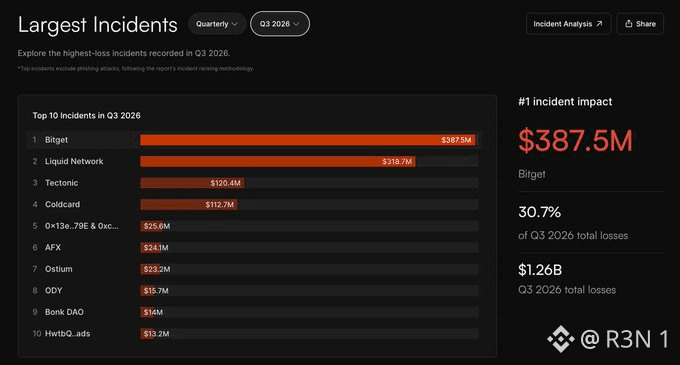
$1.26 billion stolen while Bitcoin posted a 40% quarterly gain. Security losses and asset performance moved in completely opposite directions this quarter. CertiK's numbers are specific. Q3 losses hit $1.26 billion across 247 incidents, up 53.9% from $819.4 million in Q2, itself already a record before this quarter beat it. September alone accounted for $768.5 million, the worst month of 2026, with two incidents, Bitget and Liquid Network, making up 92% of that month's losses alone. What stands out to me is the Bitget number specifically, because it moved. The confirmed total is $387.5 million, up from an initial $351.6 million estimate once investigators traced the full extent of the transfers. Attackers exploited a vulnerability in a third-party security product to obtain internal credentials and forge withdrawal commands, not a smart contract bug, a supply-chain style compromise through trusted tooling. Worth adding the adjusted-loss context most headlines skip. Of September's $768 million, roughly $273 million was frozen or recovered, bringing adjusted losses to $495.3 million for the month. Real money, but less than the gross number once recovery's counted. The detail I find most useful, average losses per incident jumped from roughly $270,000 to $2.4 million, nearly 9x, while reported exposure from one emerging threat type climbed from $10.5 million to $124.2 million. Not more attacks happening, fewer, larger, more sophisticated ones succeeding. The open question isn't whether exchange security needs scrutiny, this quarter settles that. It's whether an industry posting its best prices of the year treats a record loss quarter as a wake-up call, or whether rising prices just mute the urgency again. #BTC Price Analysis# $BTC #Altcoin Season# $XAUt
$1.26 billion stolen while Bitcoin posted a 40% quarterly gain. Security losses and asset performance moved in completely opposite directions this quarter. CertiK's numbers are specific. Q3 losses hit $1.26 billion across 247 incidents, up 53.9% from $819.4 million in Q2, itself already a record before this quarter beat it. September alone accounted for $768.5 million, the worst month of 2026, with two incidents, Bitget and Liquid Network, making up 92% of that month's losses alone. What stands out to me is the Bitget number specifically, because it moved. The confirmed total is $387.5 million, up from an initial $351.6 million estimate once investigators traced the full extent of the transfers. Attackers exploited a vulnerability in a third-party security product to obtain internal credentials and forge withdrawal commands, not a smart contract bug, a supply-chain style compromise through trusted tooling. Worth adding the adjusted-loss context most headlines skip. Of September's $768 million, roughly $273 million was frozen or recovered, bringing adjusted losses to $495.3 million for the month. Real money, but less than the gross number once recovery's counted. The detail I find most useful, average losses per incident jumped from roughly $270,000 to $2.4 million, nearly 9x, while reported exposure from one emerging threat type climbed from $10.5 million to $124.2 million. Not more attacks happening, fewer, larger, more sophisticated ones succeeding. The open question isn't whether exchange security needs scrutiny, this quarter settles that. It's whether an industry posting its best prices of the year treats a record loss quarter as a wake-up call, or whether rising prices just mute the urgency again. #BTC Price Analysis# $BTC #Altcoin Season# $XAUt
57
·
--
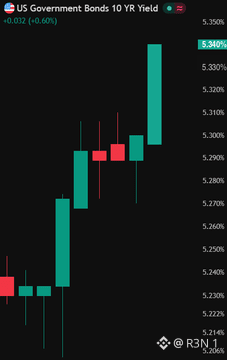
本日、30年固定ローン金利が8%に到達しました。これは予測ではなく、実際の指標としての“実測値”で、過去20年以上で最高水準です。まずその言い方は正しく直すべきで、これから来る話ではなく、すでに“ここに来ている”のです。債券市場の動きは、その裏で起きていることが実際にあり、劇的です。10年国債利回りは日中に5.342%まで上昇し、2007年のピークを上回って、2002年初め以来の最高水準となりました。24年ぶりの高水準です。30年ものは、正確な指標値により5.652%から5.68%の間まで上昇し、2002年6月以来の最高値を更新しました。ロイターによれば、これは世界的ベンチマークの今世紀最大の四半期上昇でした。背景には、粘り強いインフレ、巨額の政府債務の借り入れ、堅調な経済成長が金利見通しを高止まりさせていること、そしてアライアンス・バーンスタインのトレーディングデスクによると、ヘッジファンドやREITsがモーゲージ担保証券(MBS)を保有しつつ、金利上昇で繰上げ返済が鈍りMBSのデュレーションが延びるため、長期国債を大量に売却していることがあります。その結果、他の場所で手当てを迫られ、資金をどこかに回す必要が生じています。補足しておくと、実際の30年固定住宅ローン金利は、Mortgage News Dailyの指標では8%に着地しました。一方で別のMBAデータでは、同じ期間の週における平均契約金利が7.70%だったと示されています。これは、住宅ローン金利の追跡ツールによって、算出方法やタイミングにより数値が大きく異なって見え得ることを思い出させるものです。私の率直な見立てとして、これは誇大宣伝ではない“本物の”数十年スケールの金融市場イベントで、ブルームバーグ、ロイター、そしてCNBCがそれぞれ独立に確認しています。これを住宅ローンに結び付けるメカニズムは単純で、既に確立されています。10年金利が30年の住宅ローン金利を直接的に織り込むため、これは予想外の連鎖ではありません。想定されていた反応だったのです。注目点は、今回の利回り急騰が安定するのか、それとも実際の2007年、もしくは2002年のピーク水準に向けて上昇を続けるのか、そしてそれが住宅の手頃さにどう影響し、さらにQ4に向けて暗号資産の“利回り感応度”がどうなるのかです。$BTC #BTC Price Analysis# #Meme Alpha# $ETH
本日、30年固定ローン金利が8%に到達しました。これは予測ではなく、実際の指標としての“実測値”で、過去20年以上で最高水準です。まずその言い方は正しく直すべきで、これから来る話ではなく、すでに“ここに来ている”のです。債券市場の動きは、その裏で起きていることが実際にあり、劇的です。10年国債利回りは日中に5.342%まで上昇し、2007年のピークを上回って、2002年初め以来の最高水準となりました。24年ぶりの高水準です。30年ものは、正確な指標値により5.652%から5.68%の間まで上昇し、2002年6月以来の最高値を更新しました。ロイターによれば、これは世界的ベンチマークの今世紀最大の四半期上昇でした。背景には、粘り強いインフレ、巨額の政府債務の借り入れ、堅調な経済成長が金利見通しを高止まりさせていること、そしてアライアンス・バーンスタインのトレーディングデスクによると、ヘッジファンドやREITsがモーゲージ担保証券(MBS)を保有しつつ、金利上昇で繰上げ返済が鈍りMBSのデュレーションが延びるため、長期国債を大量に売却していることがあります。その結果、他の場所で手当てを迫られ、資金をどこかに回す必要が生じています。補足しておくと、実際の30年固定住宅ローン金利は、Mortgage News Dailyの指標では8%に着地しました。一方で別のMBAデータでは、同じ期間の週における平均契約金利が7.70%だったと示されています。これは、住宅ローン金利の追跡ツールによって、算出方法やタイミングにより数値が大きく異なって見え得ることを思い出させるものです。私の率直な見立てとして、これは誇大宣伝ではない“本物の”数十年スケールの金融市場イベントで、ブルームバーグ、ロイター、そしてCNBCがそれぞれ独立に確認しています。これを住宅ローンに結び付けるメカニズムは単純で、既に確立されています。10年金利が30年の住宅ローン金利を直接的に織り込むため、これは予想外の連鎖ではありません。想定されていた反応だったのです。注目点は、今回の利回り急騰が安定するのか、それとも実際の2007年、もしくは2002年のピーク水準に向けて上昇を続けるのか、そしてそれが住宅の手頃さにどう影響し、さらにQ4に向けて暗号資産の“利回り感応度”がどうなるのかです。$BTC #BTC Price Analysis# #Meme Alpha# $ETH
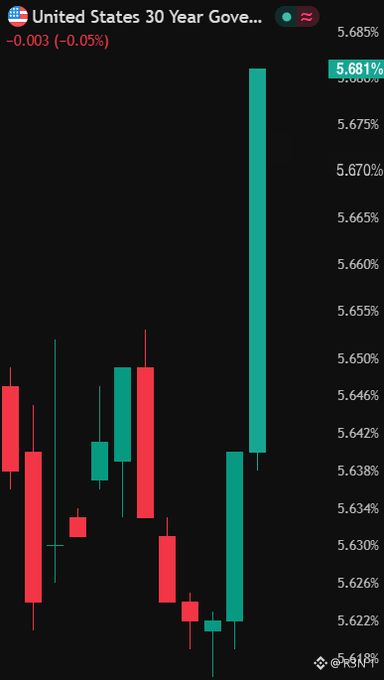
23
·
--
金はビットコインに対してしばらくぶりの最悪の相対的な月となり、6%超下落した一方でBTCはおよそ7%上昇しました。S&Pはほとんど動きませんでした。3つの資産、3つのまったく異なる9月です。サンティメント・インテリジェンスのデータ(10月1日)によると、これは単なる1か月のブリップではなく、より長い局面の一部です。ビットコインは8月18日から9月22日の5週間で36%上昇したのに対し、S&Pは0.8%、金は同期間で1.5%下落しています。その後、9月単月の数値ではBTCは約7%、S&Pは横ばい、金は6%超下落となりました。特に注目すべきは、これがビットコインの通常パターンを破ったことです。9月は歴史的に“上昇の月”ではなく最も弱い月であることが多いのです。サンティメントは、単に勢い(モメンタム)だけでなく、特定の要因の組み合わせがあると指摘しています。米国のスポット・ビットコインETFは9月を通じて数十億ドル規模の資金流入があり、月後半には大口の流入日も含まれています。またストラテジーは、その期間中にさらに1,665 BTCをトレジャリーに追加しました。レジスタンス突破時の買い戻し(トレジャリー・バイバック)やショートスクイーズも、要因として挙げられています。相関の文脈も押さえておく価値があります。別の9月26日の分析では、ビットコインの金との90日相関が9月中旬ごろに6年ぶりの高水準に達していた一方で、9月のリターンでは両者がはっきりと乖離したとされています。これは必ずしも矛盾ではありません。相関は、2つの資産が時間を通じてどれだけ一緒に動くかを測るものであり、ある月においてどちらが上回ったかどうかを問うものではないためです。率直な見立て:これは恣意的な比較ではなく、実際の、きちんと裏付けられた乖離です。複数の独立した媒体が、同じサンティメントの数値を裏取りしています。これが伝統的な相関からの持続的なデカップリングを示すのか、それとも$BTC にとってたまたま非常に強かった1か月なのかは、まだ結論が出ていません。私が注目しているのは、こうしたアウトパフォームが10月まで続くかどうか、そしてこの高い金との相関が再び戻るのか、それとも壊れたままなのかです。#BTC Price Analysis# #Altcoin Season# $XAUt
金はビットコインに対してしばらくぶりの最悪の相対的な月となり、6%超下落した一方でBTCはおよそ7%上昇しました。S&Pはほとんど動きませんでした。3つの資産、3つのまったく異なる9月です。サンティメント・インテリジェンスのデータ(10月1日)によると、これは単なる1か月のブリップではなく、より長い局面の一部です。ビットコインは8月18日から9月22日の5週間で36%上昇したのに対し、S&Pは0.8%、金は同期間で1.5%下落しています。その後、9月単月の数値ではBTCは約7%、S&Pは横ばい、金は6%超下落となりました。特に注目すべきは、これがビットコインの通常パターンを破ったことです。9月は歴史的に“上昇の月”ではなく最も弱い月であることが多いのです。サンティメントは、単に勢い(モメンタム)だけでなく、特定の要因の組み合わせがあると指摘しています。米国のスポット・ビットコインETFは9月を通じて数十億ドル規模の資金流入があり、月後半には大口の流入日も含まれています。またストラテジーは、その期間中にさらに1,665 BTCをトレジャリーに追加しました。レジスタンス突破時の買い戻し(トレジャリー・バイバック)やショートスクイーズも、要因として挙げられています。相関の文脈も押さえておく価値があります。別の9月26日の分析では、ビットコインの金との90日相関が9月中旬ごろに6年ぶりの高水準に達していた一方で、9月のリターンでは両者がはっきりと乖離したとされています。これは必ずしも矛盾ではありません。相関は、2つの資産が時間を通じてどれだけ一緒に動くかを測るものであり、ある月においてどちらが上回ったかどうかを問うものではないためです。率直な見立て:これは恣意的な比較ではなく、実際の、きちんと裏付けられた乖離です。複数の独立した媒体が、同じサンティメントの数値を裏取りしています。これが伝統的な相関からの持続的なデカップリングを示すのか、それとも$BTC にとってたまたま非常に強かった1か月なのかは、まだ結論が出ていません。私が注目しているのは、こうしたアウトパフォームが10月まで続くかどうか、そしてこの高い金との相関が再び戻るのか、それとも壊れたままなのかです。#BTC Price Analysis# #Altcoin Season# $XAUt
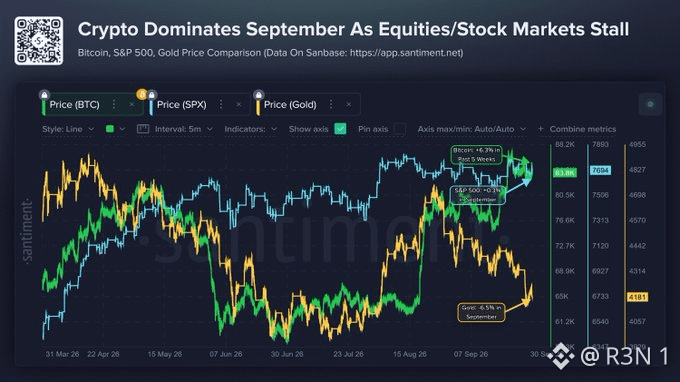
40
·
--
1,000万件のマシン起動による支払いが、ソフトウェアエージェントによって行われます。エージェントは決済時に人間を介さず、API呼び出しやデータの対価を支払います。これは、支払い量について通常XRPLがクレジットされる用途とは、まったく異なる実際のユースケースです。t54のx402ファシリテータは、実作業を担うインフラであり、AIエージェントが通常のHTTPリクエストに沿って保護されたエンドポイントへ$XRPまたはRLUSDで支払えるようにします。APIキーも口座も不要です。ファシリテータは、署名済みの支払いトランザクションを検証し、台帳上で決済します。ネットワークは7月に100万件のエージェント的トランザクションを越え、RippleX自身のエンジニアリングリードも、その時点ですでに10百万件への到達が差し迫っていること、さらに数年以内に1億件が現実的であることを指摘していました。補足すると、累計件数はファシリテータの運営者による自己申告であり、オンチェーンのフィンガープリントで追跡されていますが、第三者による独立した監査はされていません。この周辺エコシステムは、決済レールだけでなく並行して整備が進んでいます。t54のXRPL AI Hubには現在80の稼働中のx402サービスが掲載されています。Mastercardの「Verifiable Intent」標準は7月に統合され、決済前に誰がどの上限の範囲で支払いを許可したのかを証明します。さらにVirtuals Protocolは、エスクローされたジョブと評価者による検証のために、そのAgent Commerce ProtocolをXRPLに導入しました。率直な見立てとして、これは物語ではなく、実際に測定可能なユースケースです。エージェントは確かにオンチェーン上で、実際のボリュームで取引しています。1000万件の目標に向けて意味のある規模で拡大するかは、インフラが存在するかどうかだけでなく、暗号ネイティブのテスト環境外でのエージェント導入がどれほど進むかにかかっています。注目しているのは、取引成長がここから直線的に伸び続けるのか、それとも、掲載されている80のサービスのうちより多くが「集中したテスト活動」ではなく「実際のエージェントのトラフィック」を見始めることで、複利的に加速し始めるのかという点です。$XRP #BTC Price Analysis# #Meme Alpha#
1,000万件のマシン起動による支払いが、ソフトウェアエージェントによって行われます。エージェントは決済時に人間を介さず、API呼び出しやデータの対価を支払います。これは、支払い量について通常XRPLがクレジットされる用途とは、まったく異なる実際のユースケースです。t54のx402ファシリテータは、実作業を担うインフラであり、AIエージェントが通常のHTTPリクエストに沿って保護されたエンドポイントへ$XRPまたはRLUSDで支払えるようにします。APIキーも口座も不要です。ファシリテータは、署名済みの支払いトランザクションを検証し、台帳上で決済します。ネットワークは7月に100万件のエージェント的トランザクションを越え、RippleX自身のエンジニアリングリードも、その時点ですでに10百万件への到達が差し迫っていること、さらに数年以内に1億件が現実的であることを指摘していました。補足すると、累計件数はファシリテータの運営者による自己申告であり、オンチェーンのフィンガープリントで追跡されていますが、第三者による独立した監査はされていません。この周辺エコシステムは、決済レールだけでなく並行して整備が進んでいます。t54のXRPL AI Hubには現在80の稼働中のx402サービスが掲載されています。Mastercardの「Verifiable Intent」標準は7月に統合され、決済前に誰がどの上限の範囲で支払いを許可したのかを証明します。さらにVirtuals Protocolは、エスクローされたジョブと評価者による検証のために、そのAgent Commerce ProtocolをXRPLに導入しました。率直な見立てとして、これは物語ではなく、実際に測定可能なユースケースです。エージェントは確かにオンチェーン上で、実際のボリュームで取引しています。1000万件の目標に向けて意味のある規模で拡大するかは、インフラが存在するかどうかだけでなく、暗号ネイティブのテスト環境外でのエージェント導入がどれほど進むかにかかっています。注目しているのは、取引成長がここから直線的に伸び続けるのか、それとも、掲載されている80のサービスのうちより多くが「集中したテスト活動」ではなく「実際のエージェントのトラフィック」を見始めることで、複利的に加速し始めるのかという点です。$XRP #BTC Price Analysis# #Meme Alpha#

59
·
--
2013年以来13回中10回は10月が上昇し、平均でおよそ19%の伸びです。今どこでも繰り返されているのはこの統計で、内容は正しいのですが、パターンを崩した唯一の年は、それを裏付けた9回よりも示唆に富んでいます。2025年10月は、$BTCが約$119,000近辺で始まり、月初に$126,000を超える高値を更新し、まさに台本どおりの「アップトーバー(Uptober)」が展開されるように見えました。しかし結局、約4%下落で着地しました。2018年以来初めて赤い10月です。原因は米中の貿易紛争の再燃と、記録的な清算(リキディーション)で、季節性パターンそのものの失敗ではありません。歴史的な傾向を上書きしたのは、外部のマクロ・ショックだったのです。ここでの本質は、季節性は「確率」であって「保証」ではないということ。しかも、それが破られるのは、カレンダーとは無関係な何かが介入したときに限って起きてきた、という点です。とはいえ、今年の10月に向けた局面は、昨年とは確かに違います。BTCは2012年以来初めて、3か月連続のグリーン(上昇)を記録しました。8月は約25%上昇し、9月もさらに9%上昇し、8か月ぶりの高値として$87,000を超えました。報道によれば、大口の参加者が最近の96時間の間に約30,269BTCを積み増したとされ、その価値は約25.7億ドル。さらにスポットETFは、10日間で約30億ドルを吸収した(流入した)とのことです。9月がプラスで終わった時点で見れば、直近の5回のケースでも10月の上昇は4回あり、平均は17%弱でした。これはサンプル数が少ないため、別個に決定的だとみなすべきではありません。私の率直な見立てでは、基礎となる(ベースレート)事実は実在し、きちんと裏付けられており、恣意的に都合の良いものだけを切り取ったものではありません。しかし2025年は、「強い季節性の確率」があっても、実在するマクロ・ショックには勝てないことを証明しました。今年の勢いは昨年のセットアップよりも建設的に見えますが、それは「今回はパターンの信頼性がより高い」という別の主張です。注目点はこれです:昨年と同じように、今年の10月に、これに匹敵するマクロの触媒(きっかけ)が現れるかどうか。具体的には、貿易政策、FRBのサプライズなどです。歴史的にこのパターンを崩してきたのは、カレンダーそのものに関する何かではなく、そうした実際の変数だったからです。
2013年以来13回中10回は10月が上昇し、平均でおよそ19%の伸びです。今どこでも繰り返されているのはこの統計で、内容は正しいのですが、パターンを崩した唯一の年は、それを裏付けた9回よりも示唆に富んでいます。2025年10月は、$BTCが約$119,000近辺で始まり、月初に$126,000を超える高値を更新し、まさに台本どおりの「アップトーバー(Uptober)」が展開されるように見えました。しかし結局、約4%下落で着地しました。2018年以来初めて赤い10月です。原因は米中の貿易紛争の再燃と、記録的な清算(リキディーション)で、季節性パターンそのものの失敗ではありません。歴史的な傾向を上書きしたのは、外部のマクロ・ショックだったのです。ここでの本質は、季節性は「確率」であって「保証」ではないということ。しかも、それが破られるのは、カレンダーとは無関係な何かが介入したときに限って起きてきた、という点です。とはいえ、今年の10月に向けた局面は、昨年とは確かに違います。BTCは2012年以来初めて、3か月連続のグリーン(上昇)を記録しました。8月は約25%上昇し、9月もさらに9%上昇し、8か月ぶりの高値として$87,000を超えました。報道によれば、大口の参加者が最近の96時間の間に約30,269BTCを積み増したとされ、その価値は約25.7億ドル。さらにスポットETFは、10日間で約30億ドルを吸収した(流入した)とのことです。9月がプラスで終わった時点で見れば、直近の5回のケースでも10月の上昇は4回あり、平均は17%弱でした。これはサンプル数が少ないため、別個に決定的だとみなすべきではありません。私の率直な見立てでは、基礎となる(ベースレート)事実は実在し、きちんと裏付けられており、恣意的に都合の良いものだけを切り取ったものではありません。しかし2025年は、「強い季節性の確率」があっても、実在するマクロ・ショックには勝てないことを証明しました。今年の勢いは昨年のセットアップよりも建設的に見えますが、それは「今回はパターンの信頼性がより高い」という別の主張です。注目点はこれです:昨年と同じように、今年の10月に、これに匹敵するマクロの触媒(きっかけ)が現れるかどうか。具体的には、貿易政策、FRBのサプライズなどです。歴史的にこのパターンを崩してきたのは、カレンダーそのものに関する何かではなく、そうした実際の変数だったからです。
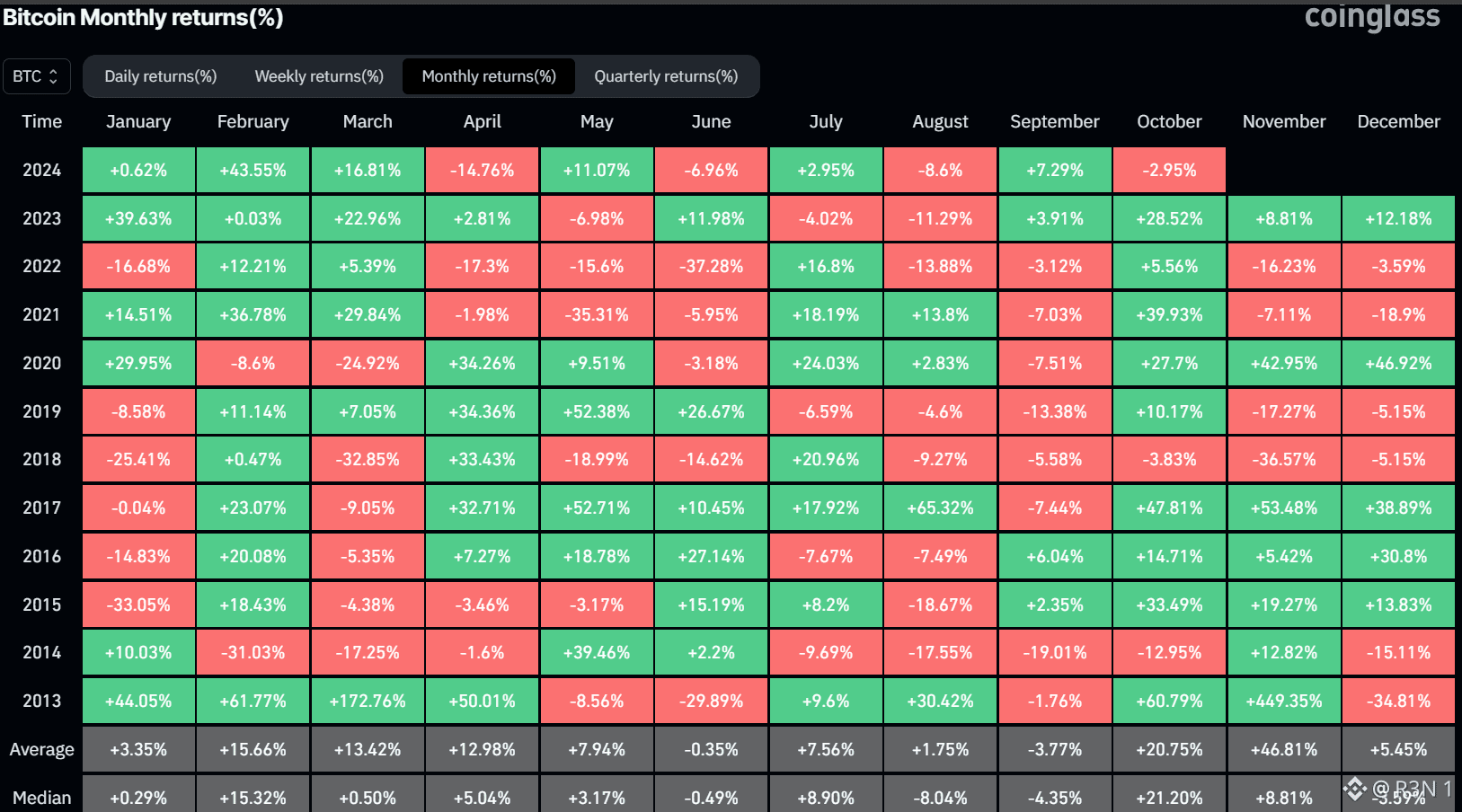
58
·
--
UsePaidのネイティブトークンが38%下落したのは、プロトコルが失敗したからではなく、その下にある決済レールが成功を処理できなかったためです。この違いは、読み方に関わります。
9月27日、UsePaid経由の請求手数料(claimed fees)は154万ドルに急増しました。これは前日の総額のおよそ26倍で、直前の7日間の合計を上回ります。
UsePaidは、Pump.funのトークンローンチからクリエイターフィーを、X Moneyの決済レールを通じて指定されたXアカウントへ直接ルーティングします。そして、この出来高の急増がそのパイプラインを壊しました。プロトコルはまず、受取人あたりの支払いを1日750ドルまでに上限設定し、その後日曜の夜までにX Moneyの送金を完全に停止しました。
私が注目しているのは、この出来高を生み出すメカニズムです。誰でもPump.funでトークンを発行でき、クリエイターフィーをUsePaidに振り向け、受取人(beneficiary)として事実上どんなXアカウントでも名前を付けられます。しかも同意は不要です。UsePaidのダッシュボードでは、ある著名なアカウントを指定したトークンが367件、イーロン・マスクを指定したものが764件あったと報じられています。受取人の中には、それが「金銭的にDDoSされた」状態だと呼ぶ人もいました。この急騰は、そのダイナミクスが加速した結果として下流で起きています。
9月28日までに、UsePaidは請求(claims)用のポータルを出荷し、受取人がX Moneyを完全に迂回して、SOLでのSolanaウォレットへ直接引き出せるようにしました。既存の残高はそのまま維持され、プロトコルによれば手数料は引き続き積み上がっています。これは支払不能(solvency)の問題ではなく、支払い(payout)のボトルネックです。
範囲について正確に言う価値があります。X Money自体は引き続き独立して稼働しています。制限されたのは、より広範なX Moneyの障害ではなく、特にUsePaidの統合部分です。
未解決の問いは、請求ポータルが応急策として機能するかどうかではありません。実際に稼働しており機能しています。問題は、これによってUsePaidが、当初組み込まれていたX Moneyの経路よりも、オンチェーンのSOLによる請求を恒常的に優先する方向へ進むのか、そして、それが「摩擦のない法定通貨(fiat)払い」を売りにしていたプロダクトにとって何を意味するのかです。
$SOL #BTC Price Analysis# #Altcoin Season# $HYPE
UsePaidのネイティブトークンが38%下落したのは、プロトコルが失敗したからではなく、その下にある決済レールが成功を処理できなかったためです。この違いは、読み方に関わります。
9月27日、UsePaid経由の請求手数料(claimed fees)は154万ドルに急増しました。これは前日の総額のおよそ26倍で、直前の7日間の合計を上回ります。
UsePaidは、Pump.funのトークンローンチからクリエイターフィーを、X Moneyの決済レールを通じて指定されたXアカウントへ直接ルーティングします。そして、この出来高の急増がそのパイプラインを壊しました。プロトコルはまず、受取人あたりの支払いを1日750ドルまでに上限設定し、その後日曜の夜までにX Moneyの送金を完全に停止しました。
私が注目しているのは、この出来高を生み出すメカニズムです。誰でもPump.funでトークンを発行でき、クリエイターフィーをUsePaidに振り向け、受取人(beneficiary)として事実上どんなXアカウントでも名前を付けられます。しかも同意は不要です。UsePaidのダッシュボードでは、ある著名なアカウントを指定したトークンが367件、イーロン・マスクを指定したものが764件あったと報じられています。受取人の中には、それが「金銭的にDDoSされた」状態だと呼ぶ人もいました。この急騰は、そのダイナミクスが加速した結果として下流で起きています。
9月28日までに、UsePaidは請求(claims)用のポータルを出荷し、受取人がX Moneyを完全に迂回して、SOLでのSolanaウォレットへ直接引き出せるようにしました。既存の残高はそのまま維持され、プロトコルによれば手数料は引き続き積み上がっています。これは支払不能(solvency)の問題ではなく、支払い(payout)のボトルネックです。
範囲について正確に言う価値があります。X Money自体は引き続き独立して稼働しています。制限されたのは、より広範なX Moneyの障害ではなく、特にUsePaidの統合部分です。
未解決の問いは、請求ポータルが応急策として機能するかどうかではありません。実際に稼働しており機能しています。問題は、これによってUsePaidが、当初組み込まれていたX Moneyの経路よりも、オンチェーンのSOLによる請求を恒常的に優先する方向へ進むのか、そして、それが「摩擦のない法定通貨(fiat)払い」を売りにしていたプロダクトにとって何を意味するのかです。
$SOL #BTC Price Analysis# #Altcoin Season# $HYPE
9月27日、UsePaid経由の請求手数料(claimed fees)は154万ドルに急増しました。これは前日の総額のおよそ26倍で、直前の7日間の合計を上回ります。
UsePaidは、Pump.funのトークンローンチからクリエイターフィーを、X Moneyの決済レールを通じて指定されたXアカウントへ直接ルーティングします。そして、この出来高の急増がそのパイプラインを壊しました。プロトコルはまず、受取人あたりの支払いを1日750ドルまでに上限設定し、その後日曜の夜までにX Moneyの送金を完全に停止しました。
私が注目しているのは、この出来高を生み出すメカニズムです。誰でもPump.funでトークンを発行でき、クリエイターフィーをUsePaidに振り向け、受取人(beneficiary)として事実上どんなXアカウントでも名前を付けられます。しかも同意は不要です。UsePaidのダッシュボードでは、ある著名なアカウントを指定したトークンが367件、イーロン・マスクを指定したものが764件あったと報じられています。受取人の中には、それが「金銭的にDDoSされた」状態だと呼ぶ人もいました。この急騰は、そのダイナミクスが加速した結果として下流で起きています。
9月28日までに、UsePaidは請求(claims)用のポータルを出荷し、受取人がX Moneyを完全に迂回して、SOLでのSolanaウォレットへ直接引き出せるようにしました。既存の残高はそのまま維持され、プロトコルによれば手数料は引き続き積み上がっています。これは支払不能(solvency)の問題ではなく、支払い(payout)のボトルネックです。
範囲について正確に言う価値があります。X Money自体は引き続き独立して稼働しています。制限されたのは、より広範なX Moneyの障害ではなく、特にUsePaidの統合部分です。
未解決の問いは、請求ポータルが応急策として機能するかどうかではありません。実際に稼働しており機能しています。問題は、これによってUsePaidが、当初組み込まれていたX Moneyの経路よりも、オンチェーンのSOLによる請求を恒常的に優先する方向へ進むのか、そして、それが「摩擦のない法定通貨(fiat)払い」を売りにしていたプロダクトにとって何を意味するのかです。
$SOL #BTC Price Analysis# #Altcoin Season# $HYPE


60
·
--
Blockchain.comは直近のサイクルのピーク時に140億ドルを記録しました。現在は40〜60億ドルを目標にしており、そのピークの半分にも満たない水準です。それでも「カムバック物語」だと語っています。この記事を純粋に強気の勢いとして読む前に、このギャップを一度じっくり見ておく価値があります。
Bloombergによると、同社は今年の米国上場でおよそ5億ドルを調達したいとして、見込み投資家に伝えているとのことです。市場環境がそれを求める場合は、より小さい調達額にも応じる余地があるとしています。同社は5月にSECへ機密裏に提出しており、報道によれば、3年連続で調整後の収益性を示してきたとされています。これは単なるナラティブ(物語)ではなく、実際の運営面の詳細です。タイミングはBTCの回復とも一致しており、財務省の買い戻しプログラムが流動性環境を組み替え始めたことを背景に、8月中旬以降およそ30〜33%上昇しています。
このIPOが踏み込む背景については、正直に言うべきです。Gemini、Bullish、eToroは昨年相次いで上場しましたが、その後の結果は決して良くありません。Geminiはデビュー時から80%超下落、BitGoはおよそ60%、eToroは約50%です。直近の暗号資産の上場が残してきた「実際の実績」がこれです。
Blockchain.comは、コアのウォレットや取引所サービスにとどまらず、Ondo Financeを通じたトークン化株式やETFへとプロダクト領域を着実に拡張しているほか、先週には新たなNYSE(ニューヨーク証券取引所)に関する協議も取り沙汰されています。その分散は、BTCの価格に乗るだけではない、投資家向けの提案の“実体”になっています。
私の率直な見立て:収益性のある運営と、実際のプロダクト拡張のストーリーがあることで、これは単なる勢い頼みの上場よりも、より踏み込んだ内容になっています。ただし、今年のIPO後のセクターのパフォーマンスは、現時点のこのバリュエーションレンジが乗り越えるべき本当の逆風であって、市場心理だけでは片付かない問題です。
注目点:Blockchain.comが本当にS-1を提出してバリュエーションを確定させるのか、そしてもしそうなら、Gemini、BitGo、eToroの上場後1年目の動きと比べてどのように取引されるのかです。
$BTC #BTC Price Analysis# $XRP #Meme Alpha#
Blockchain.comは直近のサイクルのピーク時に140億ドルを記録しました。現在は40〜60億ドルを目標にしており、そのピークの半分にも満たない水準です。それでも「カムバック物語」だと語っています。この記事を純粋に強気の勢いとして読む前に、このギャップを一度じっくり見ておく価値があります。
Bloombergによると、同社は今年の米国上場でおよそ5億ドルを調達したいとして、見込み投資家に伝えているとのことです。市場環境がそれを求める場合は、より小さい調達額にも応じる余地があるとしています。同社は5月にSECへ機密裏に提出しており、報道によれば、3年連続で調整後の収益性を示してきたとされています。これは単なるナラティブ(物語)ではなく、実際の運営面の詳細です。タイミングはBTCの回復とも一致しており、財務省の買い戻しプログラムが流動性環境を組み替え始めたことを背景に、8月中旬以降およそ30〜33%上昇しています。
このIPOが踏み込む背景については、正直に言うべきです。Gemini、Bullish、eToroは昨年相次いで上場しましたが、その後の結果は決して良くありません。Geminiはデビュー時から80%超下落、BitGoはおよそ60%、eToroは約50%です。直近の暗号資産の上場が残してきた「実際の実績」がこれです。
Blockchain.comは、コアのウォレットや取引所サービスにとどまらず、Ondo Financeを通じたトークン化株式やETFへとプロダクト領域を着実に拡張しているほか、先週には新たなNYSE(ニューヨーク証券取引所)に関する協議も取り沙汰されています。その分散は、BTCの価格に乗るだけではない、投資家向けの提案の“実体”になっています。
私の率直な見立て:収益性のある運営と、実際のプロダクト拡張のストーリーがあることで、これは単なる勢い頼みの上場よりも、より踏み込んだ内容になっています。ただし、今年のIPO後のセクターのパフォーマンスは、現時点のこのバリュエーションレンジが乗り越えるべき本当の逆風であって、市場心理だけでは片付かない問題です。
注目点:Blockchain.comが本当にS-1を提出してバリュエーションを確定させるのか、そしてもしそうなら、Gemini、BitGo、eToroの上場後1年目の動きと比べてどのように取引されるのかです。
$BTC #BTC Price Analysis# $XRP #Meme Alpha#
Bloombergによると、同社は今年の米国上場でおよそ5億ドルを調達したいとして、見込み投資家に伝えているとのことです。市場環境がそれを求める場合は、より小さい調達額にも応じる余地があるとしています。同社は5月にSECへ機密裏に提出しており、報道によれば、3年連続で調整後の収益性を示してきたとされています。これは単なるナラティブ(物語)ではなく、実際の運営面の詳細です。タイミングはBTCの回復とも一致しており、財務省の買い戻しプログラムが流動性環境を組み替え始めたことを背景に、8月中旬以降およそ30〜33%上昇しています。
このIPOが踏み込む背景については、正直に言うべきです。Gemini、Bullish、eToroは昨年相次いで上場しましたが、その後の結果は決して良くありません。Geminiはデビュー時から80%超下落、BitGoはおよそ60%、eToroは約50%です。直近の暗号資産の上場が残してきた「実際の実績」がこれです。
Blockchain.comは、コアのウォレットや取引所サービスにとどまらず、Ondo Financeを通じたトークン化株式やETFへとプロダクト領域を着実に拡張しているほか、先週には新たなNYSE(ニューヨーク証券取引所)に関する協議も取り沙汰されています。その分散は、BTCの価格に乗るだけではない、投資家向けの提案の“実体”になっています。
私の率直な見立て:収益性のある運営と、実際のプロダクト拡張のストーリーがあることで、これは単なる勢い頼みの上場よりも、より踏み込んだ内容になっています。ただし、今年のIPO後のセクターのパフォーマンスは、現時点のこのバリュエーションレンジが乗り越えるべき本当の逆風であって、市場心理だけでは片付かない問題です。
注目点:Blockchain.comが本当にS-1を提出してバリュエーションを確定させるのか、そしてもしそうなら、Gemini、BitGo、eToroの上場後1年目の動きと比べてどのように取引されるのかです。
$BTC #BTC Price Analysis# $XRP #Meme Alpha#


66
·
--
STONfi DAOは、STONホルダーがプロトコルの方向性を形づくる場所です。これまでに8件の提案が提出され、11,576人のユニークな投票者が参加しています。以下は、投票と提案作成のための完全なプロセスです。DAOにアクセスするには、dao.ston.fi にアクセスするか、app.ston.fi のメインSton.fiナビゲーションにある「DAO」タブをクリックしてください。投票力を得るには、app.ston.fi/stake で ARKENSTON を通じてSTONをステークします。ロックアップ期間は3〜24か月から選択してください。ロックアップが長いほど、ステークしたSTONあたりの投票力は高くなります。ステークしたポジションは、投票ウェイトを表す ARKENSTON のソウルバウンドNFTを発行します。このNFTは譲渡も借入もできません。既存の提案に投票するには、dao.ston.fi でウォレットを接続し、「Proposals」へ移動、「Voting」タブで有効な提案を見つけて投票します。投票力のあるステーク済みSTONポジションであれば、投票に参加できます。提案を作成するには、単一の ARKENSTON NFT で少なくとも273.32の投票力が必要です。このしきい値を下回るステークの場合、提案を作成できませんが、投票は引き続き可能です。提案には最大80文字のタイトルと、Summary(概要)、Motivation(動機)、Details(詳細)を含む説明が必要です。可決に必要な定足数(クォーラム)は25,798の投票力です。投票が開始される前のディスカッション期間は7日間です。GEMSTONはSTONステーキング報酬と並行して獲得されます。ガバナンス参加は、ステーキング対ファーミングの投稿で取り上げた「ステーキングの意思決定」の実務的なアウトプットです。STONfi DAOへアクセス → https://dao.ston.fi $BTC #BTC Price Analysis# #Altcoin Season# $HYPE #Meme Alpha#
STONfi DAOは、STONホルダーがプロトコルの方向性を形づくる場所です。これまでに8件の提案が提出され、11,576人のユニークな投票者が参加しています。以下は、投票と提案作成のための完全なプロセスです。DAOにアクセスするには、dao.ston.fi にアクセスするか、app.ston.fi のメインSton.fiナビゲーションにある「DAO」タブをクリックしてください。投票力を得るには、app.ston.fi/stake で ARKENSTON を通じてSTONをステークします。ロックアップ期間は3〜24か月から選択してください。ロックアップが長いほど、ステークしたSTONあたりの投票力は高くなります。ステークしたポジションは、投票ウェイトを表す ARKENSTON のソウルバウンドNFTを発行します。このNFTは譲渡も借入もできません。既存の提案に投票するには、dao.ston.fi でウォレットを接続し、「Proposals」へ移動、「Voting」タブで有効な提案を見つけて投票します。投票力のあるステーク済みSTONポジションであれば、投票に参加できます。提案を作成するには、単一の ARKENSTON NFT で少なくとも273.32の投票力が必要です。このしきい値を下回るステークの場合、提案を作成できませんが、投票は引き続き可能です。提案には最大80文字のタイトルと、Summary(概要)、Motivation(動機)、Details(詳細)を含む説明が必要です。可決に必要な定足数(クォーラム)は25,798の投票力です。投票が開始される前のディスカッション期間は7日間です。GEMSTONはSTONステーキング報酬と並行して獲得されます。ガバナンス参加は、ステーキング対ファーミングの投稿で取り上げた「ステーキングの意思決定」の実務的なアウトプットです。STONfi DAOへアクセス → https://dao.ston.fi $BTC #BTC Price Analysis# #Altcoin Season# $HYPE #Meme Alpha#
70
·
--
"それはもう単なるブロックチェーンではない。" イーサリアムの共同創設者自身がイーサリアムについて述べた、奇妙な発言であり、その背景にあるエッセイは、短い一言が示す以上に具体的だ。
ブテリン氏の新しい投稿「暗号のワールド・コンピューター」は日曜に公開されており、次の年のアップグレードであるヘゴタ(Hegota)を、イーサリアム最後の「通常の」フォークになる可能性が高いものとして位置づけている。その後は、再帰的STARKs(STARKの再帰化)、自動化されたフォーマル検証、そして量子耐性のある暗号へと移行し、2009年当時にはまだ使うのに十分成熟していなかった暗号ツールを、ブロックチェーン設計と組み合わせたハイブリッドになる、という見立てだ。
私が注目したのは、イーサリアムが「単なる」ブロックチェーンでなくなる理由として、彼が挙げている仕組みだ。FOCIL(fork-choice enforced inclusion lists、フォーク選好に基づくインクルージョン・リストの強制)はヘゴタの機能で、単一のビルダーに頼るのではなく、バリデータの委員会が、ブロックに有効なトランザクションを強制的に取り込ませることを可能にする。ブテリン氏はこれをプライバシーと直接つなげ、「ZK-SNARKに基づくトランザクションは、すでにホワイトペーパーが想定していた“トランザクションは公開される”という前提を打ち破っているが、今後は『はるかに格上の市民(much more first-class citizens)』になる」と述べている。
さらに、ビジョンに実数を添える試みもある。2030年までにスロット時間は4〜8秒、最終性は8〜32秒になる見通しだ。限界についても率直で、ベース層のイーサリアムは、これらをすべて導入したとしても、中央集権的なサーバーのレイテンシに匹敵できる可能性は低い。ただし、その周辺インフラがそのギャップを一部埋めることはできるかもしれない、としている。
補足しておくと、ヘゴタの範囲はまだ確定していない。イーサリアムのロードマップでは、それはGlamsterdamの後、2027年に位置づけられており、このエッセイは、その先に来るものをどう描くか——つまり“固定仕様”ではなく、ブテリン氏による枠組み(フレーミング)だ。
未解決の論点は、この方向性が本当に現実的かどうかではない。FOCILや関連するEIPは、すでに予定されている。問題は、「ハイブリッド・アーキテクチャ」が、規模に応じてプライバシーと性能を同時に実現するのか、それともこの移行がエッセイから実装コードへ進む段階で、どちらかの目標が他方とトレードオフになってしまうのか——そこだ。
#BTC Price Analysis# $ETH #Ethereum
"それはもう単なるブロックチェーンではない。" イーサリアムの共同創設者自身がイーサリアムについて述べた、奇妙な発言であり、その背景にあるエッセイは、短い一言が示す以上に具体的だ。
ブテリン氏の新しい投稿「暗号のワールド・コンピューター」は日曜に公開されており、次の年のアップグレードであるヘゴタ(Hegota)を、イーサリアム最後の「通常の」フォークになる可能性が高いものとして位置づけている。その後は、再帰的STARKs(STARKの再帰化)、自動化されたフォーマル検証、そして量子耐性のある暗号へと移行し、2009年当時にはまだ使うのに十分成熟していなかった暗号ツールを、ブロックチェーン設計と組み合わせたハイブリッドになる、という見立てだ。
私が注目したのは、イーサリアムが「単なる」ブロックチェーンでなくなる理由として、彼が挙げている仕組みだ。FOCIL(fork-choice enforced inclusion lists、フォーク選好に基づくインクルージョン・リストの強制)はヘゴタの機能で、単一のビルダーに頼るのではなく、バリデータの委員会が、ブロックに有効なトランザクションを強制的に取り込ませることを可能にする。ブテリン氏はこれをプライバシーと直接つなげ、「ZK-SNARKに基づくトランザクションは、すでにホワイトペーパーが想定していた“トランザクションは公開される”という前提を打ち破っているが、今後は『はるかに格上の市民(much more first-class citizens)』になる」と述べている。
さらに、ビジョンに実数を添える試みもある。2030年までにスロット時間は4〜8秒、最終性は8〜32秒になる見通しだ。限界についても率直で、ベース層のイーサリアムは、これらをすべて導入したとしても、中央集権的なサーバーのレイテンシに匹敵できる可能性は低い。ただし、その周辺インフラがそのギャップを一部埋めることはできるかもしれない、としている。
補足しておくと、ヘゴタの範囲はまだ確定していない。イーサリアムのロードマップでは、それはGlamsterdamの後、2027年に位置づけられており、このエッセイは、その先に来るものをどう描くか——つまり“固定仕様”ではなく、ブテリン氏による枠組み(フレーミング)だ。
未解決の論点は、この方向性が本当に現実的かどうかではない。FOCILや関連するEIPは、すでに予定されている。問題は、「ハイブリッド・アーキテクチャ」が、規模に応じてプライバシーと性能を同時に実現するのか、それともこの移行がエッセイから実装コードへ進む段階で、どちらかの目標が他方とトレードオフになってしまうのか——そこだ。
#BTC Price Analysis# $ETH #Ethereum
ブテリン氏の新しい投稿「暗号のワールド・コンピューター」は日曜に公開されており、次の年のアップグレードであるヘゴタ(Hegota)を、イーサリアム最後の「通常の」フォークになる可能性が高いものとして位置づけている。その後は、再帰的STARKs(STARKの再帰化)、自動化されたフォーマル検証、そして量子耐性のある暗号へと移行し、2009年当時にはまだ使うのに十分成熟していなかった暗号ツールを、ブロックチェーン設計と組み合わせたハイブリッドになる、という見立てだ。
私が注目したのは、イーサリアムが「単なる」ブロックチェーンでなくなる理由として、彼が挙げている仕組みだ。FOCIL(fork-choice enforced inclusion lists、フォーク選好に基づくインクルージョン・リストの強制)はヘゴタの機能で、単一のビルダーに頼るのではなく、バリデータの委員会が、ブロックに有効なトランザクションを強制的に取り込ませることを可能にする。ブテリン氏はこれをプライバシーと直接つなげ、「ZK-SNARKに基づくトランザクションは、すでにホワイトペーパーが想定していた“トランザクションは公開される”という前提を打ち破っているが、今後は『はるかに格上の市民(much more first-class citizens)』になる」と述べている。
さらに、ビジョンに実数を添える試みもある。2030年までにスロット時間は4〜8秒、最終性は8〜32秒になる見通しだ。限界についても率直で、ベース層のイーサリアムは、これらをすべて導入したとしても、中央集権的なサーバーのレイテンシに匹敵できる可能性は低い。ただし、その周辺インフラがそのギャップを一部埋めることはできるかもしれない、としている。
補足しておくと、ヘゴタの範囲はまだ確定していない。イーサリアムのロードマップでは、それはGlamsterdamの後、2027年に位置づけられており、このエッセイは、その先に来るものをどう描くか——つまり“固定仕様”ではなく、ブテリン氏による枠組み(フレーミング)だ。
未解決の論点は、この方向性が本当に現実的かどうかではない。FOCILや関連するEIPは、すでに予定されている。問題は、「ハイブリッド・アーキテクチャ」が、規模に応じてプライバシーと性能を同時に実現するのか、それともこの移行がエッセイから実装コードへ進む段階で、どちらかの目標が他方とトレードオフになってしまうのか——そこだ。
#BTC Price Analysis# $ETH #Ethereum


2
·
--
Omnistonは史上最高のクロスチェーン・スワップ取引高で$7.5 millionを突破した。今月初めには$3 millionを達成していた。これら2つのマイルストーン間の期間では、取引高は2倍以上になっている。
9月17日から23日の週だけで$1.8 millionを記録し、前週から26%増となった。最も取引が活発だったルートは、週次取引高の78%を占める「BNB Chain → TON」だった。
このルート配分こそが最も興味深いデータだ。BNB ChainからTONへの78%という数字は、実際にどこから需要が生まれているかを示している。BNB Chain上の資本はTONのDeFiレイヤーへのアクセスを求めている——STONfiのプール、ファーミングの機会、xStocks、Telegramネイティブのアプリケーションだ。このルートは机上の話ではない。現時点でネットワーク内で最もアクティブなクロスチェーン経路になっている。
$3Mから$7.5Mへ、わずか1か月で倍増したことは、次の2つのパターンのどちらかを示している。1つ目は、新規性によるローンチ時の急増が起き、その後に平常化するケース。2つ目は、より多くのユーザーがルートを見つけ、実行レイヤーにより多くのプロダクトが統合されるにつれて、取引量が段階的に積み上がっていくケース。前週比26%の成長に加えて史上最高のマイルストーンに到達していることは、後者のパターンを示唆している。
同時に実施されている「One Swap Across Chains」キャンペーンは、クロスチェーン・ルートに対する構造化されたエンゲージメントを促している。実行して学ぶタイプのキャンペーンは、受動的な認知キャンペーンよりも、より持続性のある取引量の行動につながりやすい。参加者は、単に読んだだけではなく実際にスワップを実行しているからだ。
史上最高 $7.5 million。1週間で $1.8 million。BNB Chain → TON で78%。ネットワークは実際に使われている。
クロスチェーン・スワップを試す →https://app.ston.fi/swap?mode=cross-chain
$ZEC #BTC 価格分析# $NEAR #アルトコイン・シーズン#
Omnistonは史上最高のクロスチェーン・スワップ取引高で$7.5 millionを突破した。今月初めには$3 millionを達成していた。これら2つのマイルストーン間の期間では、取引高は2倍以上になっている。
9月17日から23日の週だけで$1.8 millionを記録し、前週から26%増となった。最も取引が活発だったルートは、週次取引高の78%を占める「BNB Chain → TON」だった。
このルート配分こそが最も興味深いデータだ。BNB ChainからTONへの78%という数字は、実際にどこから需要が生まれているかを示している。BNB Chain上の資本はTONのDeFiレイヤーへのアクセスを求めている——STONfiのプール、ファーミングの機会、xStocks、Telegramネイティブのアプリケーションだ。このルートは机上の話ではない。現時点でネットワーク内で最もアクティブなクロスチェーン経路になっている。
$3Mから$7.5Mへ、わずか1か月で倍増したことは、次の2つのパターンのどちらかを示している。1つ目は、新規性によるローンチ時の急増が起き、その後に平常化するケース。2つ目は、より多くのユーザーがルートを見つけ、実行レイヤーにより多くのプロダクトが統合されるにつれて、取引量が段階的に積み上がっていくケース。前週比26%の成長に加えて史上最高のマイルストーンに到達していることは、後者のパターンを示唆している。
同時に実施されている「One Swap Across Chains」キャンペーンは、クロスチェーン・ルートに対する構造化されたエンゲージメントを促している。実行して学ぶタイプのキャンペーンは、受動的な認知キャンペーンよりも、より持続性のある取引量の行動につながりやすい。参加者は、単に読んだだけではなく実際にスワップを実行しているからだ。
史上最高 $7.5 million。1週間で $1.8 million。BNB Chain → TON で78%。ネットワークは実際に使われている。
クロスチェーン・スワップを試す →https://app.ston.fi/swap?mode=cross-chain
$ZEC #BTC 価格分析# $NEAR #アルトコイン・シーズン#
9月17日から23日の週だけで$1.8 millionを記録し、前週から26%増となった。最も取引が活発だったルートは、週次取引高の78%を占める「BNB Chain → TON」だった。
このルート配分こそが最も興味深いデータだ。BNB ChainからTONへの78%という数字は、実際にどこから需要が生まれているかを示している。BNB Chain上の資本はTONのDeFiレイヤーへのアクセスを求めている——STONfiのプール、ファーミングの機会、xStocks、Telegramネイティブのアプリケーションだ。このルートは机上の話ではない。現時点でネットワーク内で最もアクティブなクロスチェーン経路になっている。
$3Mから$7.5Mへ、わずか1か月で倍増したことは、次の2つのパターンのどちらかを示している。1つ目は、新規性によるローンチ時の急増が起き、その後に平常化するケース。2つ目は、より多くのユーザーがルートを見つけ、実行レイヤーにより多くのプロダクトが統合されるにつれて、取引量が段階的に積み上がっていくケース。前週比26%の成長に加えて史上最高のマイルストーンに到達していることは、後者のパターンを示唆している。
同時に実施されている「One Swap Across Chains」キャンペーンは、クロスチェーン・ルートに対する構造化されたエンゲージメントを促している。実行して学ぶタイプのキャンペーンは、受動的な認知キャンペーンよりも、より持続性のある取引量の行動につながりやすい。参加者は、単に読んだだけではなく実際にスワップを実行しているからだ。
史上最高 $7.5 million。1週間で $1.8 million。BNB Chain → TON で78%。ネットワークは実際に使われている。
クロスチェーン・スワップを試す →https://app.ston.fi/swap?mode=cross-chain
$ZEC #BTC 価格分析# $NEAR #アルトコイン・シーズン#
38
·
--
トークン化された株式は、単なる取引可能なラッパーではなく担保になった――そして、その違いこそが見出しの数字以上の「解放ポイント」だ。
Aave V4のEquities Hubは金曜、Base上でローンチされ、7つのCoinbase発行のトークン化株式(Apple、Amazon、Alphabet、Meta、Microsoft、Nvidia、Tesla)をUSDCローンの担保として受け入れる。ユーザーは株式トークンを預け、そこに対してUSDCを借りる。ローンチ時点では担保のみで、現時点ではその株式は借り入れや空売りに使えない。Chainlinkが専用のトークン化株式フィードを通じて価格設定を行い、対象は資格のある非米国ユーザーに限定され、許可された管轄区域に制限される。現時点では米国の一般個人向けには提供されていない。
私が特に注目しているのは、このローンチが意図的に非常に小さいことだ。初期の上限は担保総額で2,900万ドル、USDCの供給で3,200万ドル、USDCの借り入れで2,100万ドル。Aaveの累積預金3.6兆ドルや、全期間のローン1兆ドルと比べると、本当に小規模だ。担保係数は株式ごとに65〜79%。これは控えめなパイロットであり、大規模なローンチではない。トークン化株式が、まだ決着していない規制領域にあることを考えると、筋が通っている。
構成面も重要だ。AaveはHub and Spokeモデルを使い、7つの株式をすべて1つのUSDC市場にプールしつつ、リスクパラメータは資産ごとに隔離しているため、ある1つのトークン化株式で問題が起きても、他へ連鎖して波及しない。
また、これにはすでに並行する動きがある点も挙げられる。Morphoは9月18日に、Coinbaseのトークン化株式の5つについてBase上で独自の貸付市場をローンチしている。つまりAaveはこの発想の先駆けではなく、約1週間のうちに同じ担保カテゴリを採用した2番目の主要な貸付プロトコルだ。
残る問いは、「トークン化株式がDeFiの担保として機能できるか」ではない。これは仕組みが機能することを証明している。問題は、実際の利用データが出てきた時に2,900万ドルの上限が拡大するのか、それとも規制の不確実性によって、ずっとニッチなまま、かつ非米国ユーザー限定で留まるのか、という点だ。
#BTC Price Analysis# $BTC #Meme Alpha#
トークン化された株式は、単なる取引可能なラッパーではなく担保になった――そして、その違いこそが見出しの数字以上の「解放ポイント」だ。
Aave V4のEquities Hubは金曜、Base上でローンチされ、7つのCoinbase発行のトークン化株式(Apple、Amazon、Alphabet、Meta、Microsoft、Nvidia、Tesla)をUSDCローンの担保として受け入れる。ユーザーは株式トークンを預け、そこに対してUSDCを借りる。ローンチ時点では担保のみで、現時点ではその株式は借り入れや空売りに使えない。Chainlinkが専用のトークン化株式フィードを通じて価格設定を行い、対象は資格のある非米国ユーザーに限定され、許可された管轄区域に制限される。現時点では米国の一般個人向けには提供されていない。
私が特に注目しているのは、このローンチが意図的に非常に小さいことだ。初期の上限は担保総額で2,900万ドル、USDCの供給で3,200万ドル、USDCの借り入れで2,100万ドル。Aaveの累積預金3.6兆ドルや、全期間のローン1兆ドルと比べると、本当に小規模だ。担保係数は株式ごとに65〜79%。これは控えめなパイロットであり、大規模なローンチではない。トークン化株式が、まだ決着していない規制領域にあることを考えると、筋が通っている。
構成面も重要だ。AaveはHub and Spokeモデルを使い、7つの株式をすべて1つのUSDC市場にプールしつつ、リスクパラメータは資産ごとに隔離しているため、ある1つのトークン化株式で問題が起きても、他へ連鎖して波及しない。
また、これにはすでに並行する動きがある点も挙げられる。Morphoは9月18日に、Coinbaseのトークン化株式の5つについてBase上で独自の貸付市場をローンチしている。つまりAaveはこの発想の先駆けではなく、約1週間のうちに同じ担保カテゴリを採用した2番目の主要な貸付プロトコルだ。
残る問いは、「トークン化株式がDeFiの担保として機能できるか」ではない。これは仕組みが機能することを証明している。問題は、実際の利用データが出てきた時に2,900万ドルの上限が拡大するのか、それとも規制の不確実性によって、ずっとニッチなまま、かつ非米国ユーザー限定で留まるのか、という点だ。
#BTC Price Analysis# $BTC #Meme Alpha#
Aave V4のEquities Hubは金曜、Base上でローンチされ、7つのCoinbase発行のトークン化株式(Apple、Amazon、Alphabet、Meta、Microsoft、Nvidia、Tesla)をUSDCローンの担保として受け入れる。ユーザーは株式トークンを預け、そこに対してUSDCを借りる。ローンチ時点では担保のみで、現時点ではその株式は借り入れや空売りに使えない。Chainlinkが専用のトークン化株式フィードを通じて価格設定を行い、対象は資格のある非米国ユーザーに限定され、許可された管轄区域に制限される。現時点では米国の一般個人向けには提供されていない。
私が特に注目しているのは、このローンチが意図的に非常に小さいことだ。初期の上限は担保総額で2,900万ドル、USDCの供給で3,200万ドル、USDCの借り入れで2,100万ドル。Aaveの累積預金3.6兆ドルや、全期間のローン1兆ドルと比べると、本当に小規模だ。担保係数は株式ごとに65〜79%。これは控えめなパイロットであり、大規模なローンチではない。トークン化株式が、まだ決着していない規制領域にあることを考えると、筋が通っている。
構成面も重要だ。AaveはHub and Spokeモデルを使い、7つの株式をすべて1つのUSDC市場にプールしつつ、リスクパラメータは資産ごとに隔離しているため、ある1つのトークン化株式で問題が起きても、他へ連鎖して波及しない。
また、これにはすでに並行する動きがある点も挙げられる。Morphoは9月18日に、Coinbaseのトークン化株式の5つについてBase上で独自の貸付市場をローンチしている。つまりAaveはこの発想の先駆けではなく、約1週間のうちに同じ担保カテゴリを採用した2番目の主要な貸付プロトコルだ。
残る問いは、「トークン化株式がDeFiの担保として機能できるか」ではない。これは仕組みが機能することを証明している。問題は、実際の利用データが出てきた時に2,900万ドルの上限が拡大するのか、それとも規制の不確実性によって、ずっとニッチなまま、かつ非米国ユーザー限定で留まるのか、という点だ。
#BTC Price Analysis# $BTC #Meme Alpha#


31
·
--
エネルギー長官クリス・ライトは、日量が1,700万〜1,800万バレルに達するとの主張を別途行った。一方でフォーチュン自身のそれ以前の報道では、とくにライトの計算が疑わしいと指摘されていた。タ ン カ ー ト ラ ッ カ ー ズの共同創業者サミール・マダニは、ライトが複数日分の船から船への移送量を、1日分の合計に積み上げている可能性があると示唆し、「数学魔法(mathemagics)」だと冗談めかした。こうした数字をきめ細かく追う人々の間でも、実際の数値については米国とイランの間だけでなく、見解の相違があるのである。
そもそも「倍増」を引き起こしている要因は、軍事的ブレークスルーというよりもっとありふれたものだ。Tanker Trackersは、その一部を、サウジアラビアが以前は東西パイプライン経由で紅海の港へ迂回していた石油輸送を、ペルシア湾経由へ戻したことだとしている。この迂回が起きたのは、フーシ派とイラクの戦闘員がサウジのインフラを攻撃していたためだった。そうした迂回が止まり、主に新しい米国の軍事能力によるものではない——それがこの数字に実際の働きをしている。
ただし、見出しのバレル数よりも重要なのはコストの内訳だ。軍事プレゼンスそのものの費用は別として、海峡から出ていくたびに1バレルあたり追加で30〜40ドルかかるのは、構造的な税である。あるアナリストの率直な言い方を借りれば、「世界の価格が下がれば、その計算は成り立たない」。WTIは今週、8%下落して92.41ドルになった。これら2つの事実が並んで存在していることこそが、実際の緊張関係だ。すなわち、流量の増加と、価格下落によって高水準のフローを経済的に維持しにくくなる状況がぶつかっているのである。
トランプは、すでにフローが1,300万バレルまで来ているにもかかわらず7日間の停戦を拒否した。おおむね2,000万バレルだった戦前の水準を踏まえれば、現行の戦略は、ワシントンに有利な形で時間と圧力が効くことに賭け、コスト側がその「計算」を崩す前に勝負をつけようとしていることを示している。なお、米国当局でさえ完全な正常化を主張しているわけではない。これは、費用がかかり、争奪されるような条件下での部分的な回復であり、封鎖が実際に破られたことの確認ではない。
$BTC #BTC Price Analysis# #Altcoin Season# $XAUt
エネルギー長官クリス・ライトは、日量が1,700万〜1,800万バレルに達するとの主張を別途行った。一方でフォーチュン自身のそれ以前の報道では、とくにライトの計算が疑わしいと指摘されていた。タ ン カ ー ト ラ ッ カ ー ズの共同創業者サミール・マダニは、ライトが複数日分の船から船への移送量を、1日分の合計に積み上げている可能性があると示唆し、「数学魔法(mathemagics)」だと冗談めかした。こうした数字をきめ細かく追う人々の間でも、実際の数値については米国とイランの間だけでなく、見解の相違があるのである。
そもそも「倍増」を引き起こしている要因は、軍事的ブレークスルーというよりもっとありふれたものだ。Tanker Trackersは、その一部を、サウジアラビアが以前は東西パイプライン経由で紅海の港へ迂回していた石油輸送を、ペルシア湾経由へ戻したことだとしている。この迂回が起きたのは、フーシ派とイラクの戦闘員がサウジのインフラを攻撃していたためだった。そうした迂回が止まり、主に新しい米国の軍事能力によるものではない——それがこの数字に実際の働きをしている。
ただし、見出しのバレル数よりも重要なのはコストの内訳だ。軍事プレゼンスそのものの費用は別として、海峡から出ていくたびに1バレルあたり追加で30〜40ドルかかるのは、構造的な税である。あるアナリストの率直な言い方を借りれば、「世界の価格が下がれば、その計算は成り立たない」。WTIは今週、8%下落して92.41ドルになった。これら2つの事実が並んで存在していることこそが、実際の緊張関係だ。すなわち、流量の増加と、価格下落によって高水準のフローを経済的に維持しにくくなる状況がぶつかっているのである。
トランプは、すでにフローが1,300万バレルまで来ているにもかかわらず7日間の停戦を拒否した。おおむね2,000万バレルだった戦前の水準を踏まえれば、現行の戦略は、ワシントンに有利な形で時間と圧力が効くことに賭け、コスト側がその「計算」を崩す前に勝負をつけようとしていることを示している。なお、米国当局でさえ完全な正常化を主張しているわけではない。これは、費用がかかり、争奪されるような条件下での部分的な回復であり、封鎖が実際に破られたことの確認ではない。
$BTC #BTC Price Analysis# #Altcoin Season# $XAUt
そもそも「倍増」を引き起こしている要因は、軍事的ブレークスルーというよりもっとありふれたものだ。Tanker Trackersは、その一部を、サウジアラビアが以前は東西パイプライン経由で紅海の港へ迂回していた石油輸送を、ペルシア湾経由へ戻したことだとしている。この迂回が起きたのは、フーシ派とイラクの戦闘員がサウジのインフラを攻撃していたためだった。そうした迂回が止まり、主に新しい米国の軍事能力によるものではない——それがこの数字に実際の働きをしている。
ただし、見出しのバレル数よりも重要なのはコストの内訳だ。軍事プレゼンスそのものの費用は別として、海峡から出ていくたびに1バレルあたり追加で30〜40ドルかかるのは、構造的な税である。あるアナリストの率直な言い方を借りれば、「世界の価格が下がれば、その計算は成り立たない」。WTIは今週、8%下落して92.41ドルになった。これら2つの事実が並んで存在していることこそが、実際の緊張関係だ。すなわち、流量の増加と、価格下落によって高水準のフローを経済的に維持しにくくなる状況がぶつかっているのである。
トランプは、すでにフローが1,300万バレルまで来ているにもかかわらず7日間の停戦を拒否した。おおむね2,000万バレルだった戦前の水準を踏まえれば、現行の戦略は、ワシントンに有利な形で時間と圧力が効くことに賭け、コスト側がその「計算」を崩す前に勝負をつけようとしていることを示している。なお、米国当局でさえ完全な正常化を主張しているわけではない。これは、費用がかかり、争奪されるような条件下での部分的な回復であり、封鎖が実際に破られたことの確認ではない。
$BTC #BTC Price Analysis# #Altcoin Season# $XAUt


95
·
--
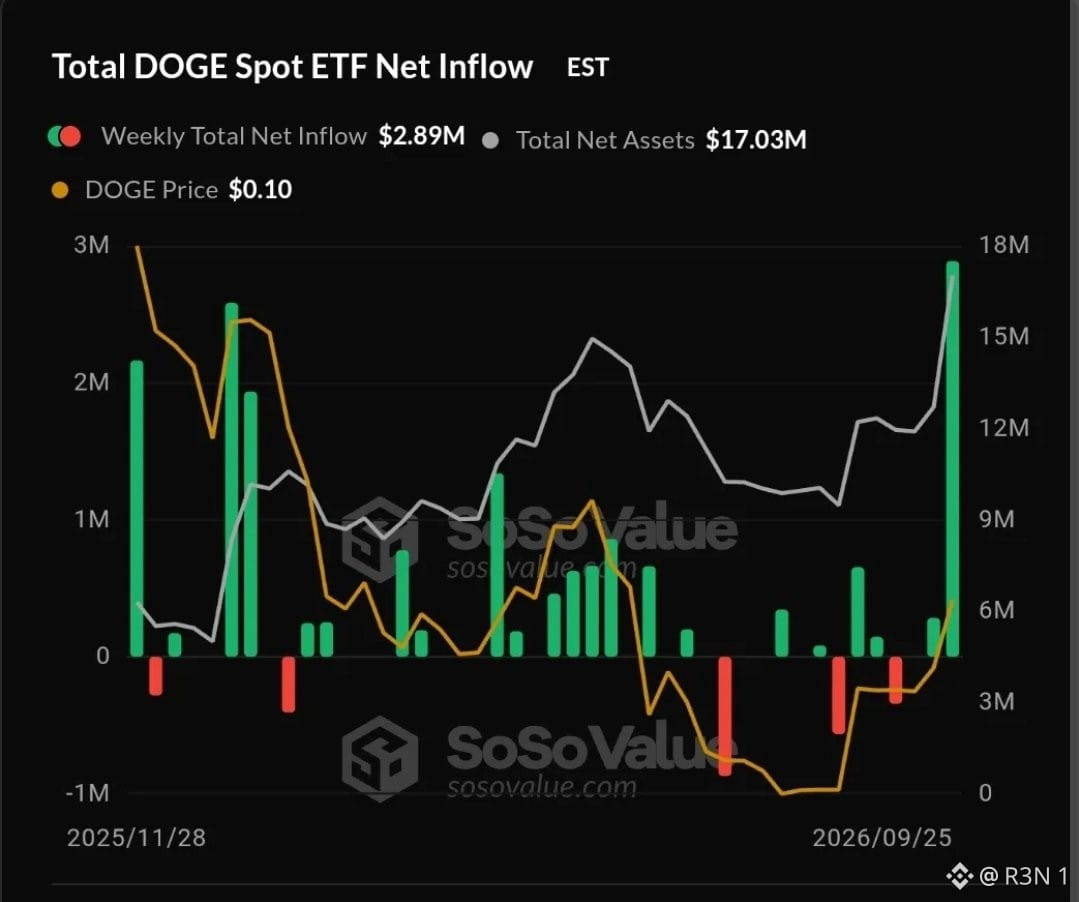
今週、DOGE ETFに2,890万ドル相当が流入—2025年11月のローンチ以来の最高水準だが、この見出しの数字の下にある構成は、「記録的な1週間」を思わせる以上に脆さを物語っている。
流入の大半(3,480万ドル)は、GrayscaleのDogecoin Trust単独によるものだった。21Sharesは同じ週に59.3万ドルの流出を計上し、BitwiseのDOGE ETFは10月14日に完全に停止するため、0だった。つまり、記録を支えているのは1つのファンドであり、プロダクト全体にわたる幅広い需要ではない。さらに、DOGEを追跡する4つのファンドのうち1つは、すでに市場から撤退しつつある。
私が注目するのは、この見出しに並べて語られることがほとんどない比較だ。ドージコインのプロトコルは1日あたり約1,353万枚の新規コインを発行しており、現在の価格では約132万ドルに相当する。
今月の単一日として最も強かったETFの取引日は9月22日の117万ドルだが、これは1日の新規供給に届いていない。新規発行は、ETFがこれまでに経験した中で最高の日を上回っている。これは価格が下落しなければならないという意味ではないし、市場に新規供給が入ってきても、需要を自動的に圧倒するわけではない。しかし、少なくとも現時点では、DOGEの需給バランスにおいて「記録的な流入週」が支配的な力になっているわけではない、ということを示している。
規模感を加えると、DOGE ETFの運用純資産は1,703万ドルで、ドージコインの市場時価総額166億ドルのわずか0.11%にすぎない。これは、記録的な週かどうかに関係なく、依然として絶対的な意味では非常に小さなプロダクトカテゴリだ。
未解決の問いは、機関投資家の関心が高まっているかどうかではない。9月にかけての流入トレンド—大半がゼロから最大2.89百万ドルへという動き—は、確かな方向転換だ。問題は、その関心がGrayscaleに限らず広がりうるか、そして、縮小していくファンド構成によって「記録的な週」が、ますます小さなプールになっていく前に、日々の新規発行による増分を実質的に相殺できるかどうかだ。
$DOGE #BTC Price Analysis# #BNBChain# #BNBChain#
今週、DOGE ETFに2,890万ドル相当が流入—2025年11月のローンチ以来の最高水準だが、この見出しの数字の下にある構成は、「記録的な1週間」を思わせる以上に脆さを物語っている。
流入の大半(3,480万ドル)は、GrayscaleのDogecoin Trust単独によるものだった。21Sharesは同じ週に59.3万ドルの流出を計上し、BitwiseのDOGE ETFは10月14日に完全に停止するため、0だった。つまり、記録を支えているのは1つのファンドであり、プロダクト全体にわたる幅広い需要ではない。さらに、DOGEを追跡する4つのファンドのうち1つは、すでに市場から撤退しつつある。
私が注目するのは、この見出しに並べて語られることがほとんどない比較だ。ドージコインのプロトコルは1日あたり約1,353万枚の新規コインを発行しており、現在の価格では約132万ドルに相当する。
今月の単一日として最も強かったETFの取引日は9月22日の117万ドルだが、これは1日の新規供給に届いていない。新規発行は、ETFがこれまでに経験した中で最高の日を上回っている。これは価格が下落しなければならないという意味ではないし、市場に新規供給が入ってきても、需要を自動的に圧倒するわけではない。しかし、少なくとも現時点では、DOGEの需給バランスにおいて「記録的な流入週」が支配的な力になっているわけではない、ということを示している。
規模感を加えると、DOGE ETFの運用純資産は1,703万ドルで、ドージコインの市場時価総額166億ドルのわずか0.11%にすぎない。これは、記録的な週かどうかに関係なく、依然として絶対的な意味では非常に小さなプロダクトカテゴリだ。
未解決の問いは、機関投資家の関心が高まっているかどうかではない。9月にかけての流入トレンド—大半がゼロから最大2.89百万ドルへという動き—は、確かな方向転換だ。問題は、その関心がGrayscaleに限らず広がりうるか、そして、縮小していくファンド構成によって「記録的な週」が、ますます小さなプールになっていく前に、日々の新規発行による増分を実質的に相殺できるかどうかだ。
$DOGE #BTC Price Analysis# #BNBChain# #BNBChain#
流入の大半(3,480万ドル)は、GrayscaleのDogecoin Trust単独によるものだった。21Sharesは同じ週に59.3万ドルの流出を計上し、BitwiseのDOGE ETFは10月14日に完全に停止するため、0だった。つまり、記録を支えているのは1つのファンドであり、プロダクト全体にわたる幅広い需要ではない。さらに、DOGEを追跡する4つのファンドのうち1つは、すでに市場から撤退しつつある。
私が注目するのは、この見出しに並べて語られることがほとんどない比較だ。ドージコインのプロトコルは1日あたり約1,353万枚の新規コインを発行しており、現在の価格では約132万ドルに相当する。
今月の単一日として最も強かったETFの取引日は9月22日の117万ドルだが、これは1日の新規供給に届いていない。新規発行は、ETFがこれまでに経験した中で最高の日を上回っている。これは価格が下落しなければならないという意味ではないし、市場に新規供給が入ってきても、需要を自動的に圧倒するわけではない。しかし、少なくとも現時点では、DOGEの需給バランスにおいて「記録的な流入週」が支配的な力になっているわけではない、ということを示している。
規模感を加えると、DOGE ETFの運用純資産は1,703万ドルで、ドージコインの市場時価総額166億ドルのわずか0.11%にすぎない。これは、記録的な週かどうかに関係なく、依然として絶対的な意味では非常に小さなプロダクトカテゴリだ。
未解決の問いは、機関投資家の関心が高まっているかどうかではない。9月にかけての流入トレンド—大半がゼロから最大2.89百万ドルへという動き—は、確かな方向転換だ。問題は、その関心がGrayscaleに限らず広がりうるか、そして、縮小していくファンド構成によって「記録的な週」が、ますます小さなプールになっていく前に、日々の新規発行による増分を実質的に相殺できるかどうかだ。
$DOGE #BTC Price Analysis# #BNBChain# #BNBChain#
49
·
--
サークルのSEC提出書類は、バイナンスが普通株クラスAを1,237,011株、1株80.84ドルで買い付け、合計1億ドルをプライベートプレースメントで調達したこと(9月17日にクローズ)を確認しています。これは当日のサークルの市場価格に対して約5%のディスカウントです。同行して締結された5年の商業契約は、2024年11月および2025年8月の既存の取り決めに取って代わるもので、報道によればそれらはより短期間で、支払いの構造が異なるものでした(当時は6,025万ドルの前払い手数料だったのに対し、今回はストレートに株式です)。
私が注目するのはロックアップ構造です。バイナンスは最長2年間、この株を売却・譲渡・ヘッジできない一方で、期間中ずっと完全な議決権を保持します。これは、バイナンスが単に持ち分をひっくり返す(フリップする)だけの動きをしにくくする現実の制約であり、そのうえでサークルの運営について発言権を得るという点は、短期の商業パートナーシップとは意味合いが大きく異なります。
掲げられている重点は新興国、具体的にはサークルの存在感が薄い地域でUSDCの利用を拡大することです。そこでテザーの優位(支配的地位)により直接的に対抗します。サークルは、バイナンスに対し、同社の「モジュラー・スマートコントラクト・ウォレット」基盤を通じて保有されるUSDC残高に連動した月次のインセンティブ手数料を支払うため、バイナンスはUSDCから二つの別々の形で利益を得ることになります。手数料収益と、株式投資そのものです。
ただし規模については正確に言うべきです。1億ドルは確かに大金ですが、少数持分であって、取締役会の支配権を握るようなものではありません。ニュースを受けてサークルの株価は時間外取引で1%超上昇しましたが、反応は控えめで、爆発的なものではありません。
この開かれた疑問は、「関係が深まるかどうか」ではありません。構造的には明らかに深まります。問題は、バイナンスが本当に、テザーがネットワーク効果を固めている新興国でUSDCの採用を意味のある形で押し進めるのか、それとも株式を持つことが、両社が語る流通面での優位につながるかどうかです。
$BNB #BTC 価格分析# $XRP #マクロ・インサイト# #マクロ・インサイト#
サークルのSEC提出書類は、バイナンスが普通株クラスAを1,237,011株、1株80.84ドルで買い付け、合計1億ドルをプライベートプレースメントで調達したこと(9月17日にクローズ)を確認しています。これは当日のサークルの市場価格に対して約5%のディスカウントです。同行して締結された5年の商業契約は、2024年11月および2025年8月の既存の取り決めに取って代わるもので、報道によればそれらはより短期間で、支払いの構造が異なるものでした(当時は6,025万ドルの前払い手数料だったのに対し、今回はストレートに株式です)。
私が注目するのはロックアップ構造です。バイナンスは最長2年間、この株を売却・譲渡・ヘッジできない一方で、期間中ずっと完全な議決権を保持します。これは、バイナンスが単に持ち分をひっくり返す(フリップする)だけの動きをしにくくする現実の制約であり、そのうえでサークルの運営について発言権を得るという点は、短期の商業パートナーシップとは意味合いが大きく異なります。
掲げられている重点は新興国、具体的にはサークルの存在感が薄い地域でUSDCの利用を拡大することです。そこでテザーの優位(支配的地位)により直接的に対抗します。サークルは、バイナンスに対し、同社の「モジュラー・スマートコントラクト・ウォレット」基盤を通じて保有されるUSDC残高に連動した月次のインセンティブ手数料を支払うため、バイナンスはUSDCから二つの別々の形で利益を得ることになります。手数料収益と、株式投資そのものです。
ただし規模については正確に言うべきです。1億ドルは確かに大金ですが、少数持分であって、取締役会の支配権を握るようなものではありません。ニュースを受けてサークルの株価は時間外取引で1%超上昇しましたが、反応は控えめで、爆発的なものではありません。
この開かれた疑問は、「関係が深まるかどうか」ではありません。構造的には明らかに深まります。問題は、バイナンスが本当に、テザーがネットワーク効果を固めている新興国でUSDCの採用を意味のある形で押し進めるのか、それとも株式を持つことが、両社が語る流通面での優位につながるかどうかです。
$BNB #BTC 価格分析# $XRP #マクロ・インサイト# #マクロ・インサイト#
私が注目するのはロックアップ構造です。バイナンスは最長2年間、この株を売却・譲渡・ヘッジできない一方で、期間中ずっと完全な議決権を保持します。これは、バイナンスが単に持ち分をひっくり返す(フリップする)だけの動きをしにくくする現実の制約であり、そのうえでサークルの運営について発言権を得るという点は、短期の商業パートナーシップとは意味合いが大きく異なります。
掲げられている重点は新興国、具体的にはサークルの存在感が薄い地域でUSDCの利用を拡大することです。そこでテザーの優位(支配的地位)により直接的に対抗します。サークルは、バイナンスに対し、同社の「モジュラー・スマートコントラクト・ウォレット」基盤を通じて保有されるUSDC残高に連動した月次のインセンティブ手数料を支払うため、バイナンスはUSDCから二つの別々の形で利益を得ることになります。手数料収益と、株式投資そのものです。
ただし規模については正確に言うべきです。1億ドルは確かに大金ですが、少数持分であって、取締役会の支配権を握るようなものではありません。ニュースを受けてサークルの株価は時間外取引で1%超上昇しましたが、反応は控えめで、爆発的なものではありません。
この開かれた疑問は、「関係が深まるかどうか」ではありません。構造的には明らかに深まります。問題は、バイナンスが本当に、テザーがネットワーク効果を固めている新興国でUSDCの採用を意味のある形で押し進めるのか、それとも株式を持つことが、両社が語る流通面での優位につながるかどうかです。
$BNB #BTC 価格分析# $XRP #マクロ・インサイト# #マクロ・インサイト#


68
·
--
ストラテジーの950 BTC買いは、ストライブの1,355と比べると小さく見えます。ですが、ストラテジーがストライブの全スタックに相当する量の32倍をすでに保有していることに気づくと話は別です。同じ週、同じ価格帯でも、スケールの物語はまったく違います。提出資料によれば、ストラテジーは9月14日から20日の間に平均79,670ドルで950 BTCを購入しました。8月以来の初めての買いとなり、保有総量は平均取得原価75,416ドルで846,000 BTCに達しています。ストライブは、おおよそ同じ期間に79,475ドルで1,355 BTCを購入し、国庫(トレジャリー)を26,355 BTCに引き上げました。全公開企業を合算した1.273百万BTCの数字については独立した確認がないため、検証済みというより「報告されたもの」として扱うべきだと考えています。実際に興味深いのは、この同一のドル範囲が各社に与える影響の違いです。ストラテジーの846,000 BTCは、ビットコインの固定供給21百万のうち4%強に相当します。この規模では、数千万ドル規模の新規買いでも針はほとんど動きません。今週の購入は、ポジションに加えられたのはおよそ0.16%でした。ストライブの1,355 BTCの追加は、自社の開始時点のスタックに対して5.42%に相当し、より小さなベースからの成長で、割合としてははるかに速い伸びです。ストライブの「有効な普通株あたりのBTC」は、8月21日から9月18日の間に14.1%上昇したと報告されています。さらにストラテジーは、この同じ週に同社のSTRC優先株を1億7400万ドル買い戻しました。約2週間の一時停止の後にビットコインの購入を再開しつつ、現金、BTC、優先証券、継続的な分配といった、より複雑なバランスシートを同時に管理しており、資本をめぐる競争が発生しています。率直な見立てとして、この2つの購入を同等のシグナルとして扱うと、本当の物語を見落とします。ストラテジーは成熟したマルチレバーのバランスシートを最適化しており、ストライブはまだ急角度の、よりまっすぐな蓄積(アキュムレーション)カーブの途中です。同じ資産、同じ週でも、資本配分の課題は本質的に異なります。今見ている点:ストラテジーの再開した買いがこのペースで続くのか、それとも買い戻しのために再び止まり、1週間だけの復帰だったのか。#BTC Price Analysis# $BTC #Altcoin Season# #Meme Alpha#
ストラテジーの950 BTC買いは、ストライブの1,355と比べると小さく見えます。ですが、ストラテジーがストライブの全スタックに相当する量の32倍をすでに保有していることに気づくと話は別です。同じ週、同じ価格帯でも、スケールの物語はまったく違います。提出資料によれば、ストラテジーは9月14日から20日の間に平均79,670ドルで950 BTCを購入しました。8月以来の初めての買いとなり、保有総量は平均取得原価75,416ドルで846,000 BTCに達しています。ストライブは、おおよそ同じ期間に79,475ドルで1,355 BTCを購入し、国庫(トレジャリー)を26,355 BTCに引き上げました。全公開企業を合算した1.273百万BTCの数字については独立した確認がないため、検証済みというより「報告されたもの」として扱うべきだと考えています。実際に興味深いのは、この同一のドル範囲が各社に与える影響の違いです。ストラテジーの846,000 BTCは、ビットコインの固定供給21百万のうち4%強に相当します。この規模では、数千万ドル規模の新規買いでも針はほとんど動きません。今週の購入は、ポジションに加えられたのはおよそ0.16%でした。ストライブの1,355 BTCの追加は、自社の開始時点のスタックに対して5.42%に相当し、より小さなベースからの成長で、割合としてははるかに速い伸びです。ストライブの「有効な普通株あたりのBTC」は、8月21日から9月18日の間に14.1%上昇したと報告されています。さらにストラテジーは、この同じ週に同社のSTRC優先株を1億7400万ドル買い戻しました。約2週間の一時停止の後にビットコインの購入を再開しつつ、現金、BTC、優先証券、継続的な分配といった、より複雑なバランスシートを同時に管理しており、資本をめぐる競争が発生しています。率直な見立てとして、この2つの購入を同等のシグナルとして扱うと、本当の物語を見落とします。ストラテジーは成熟したマルチレバーのバランスシートを最適化しており、ストライブはまだ急角度の、よりまっすぐな蓄積(アキュムレーション)カーブの途中です。同じ資産、同じ週でも、資本配分の課題は本質的に異なります。今見ている点:ストラテジーの再開した買いがこのペースで続くのか、それとも買い戻しのために再び止まり、1週間だけの復帰だったのか。#BTC Price Analysis# $BTC #Altcoin Season# #Meme Alpha#


10
·
--
"分散化は、既知の盗難資金の移動を促進するための盾ではない。" これがグレイシー・チェンの実際の発言であり、THORChainが以前にも一度指摘されたパターンへの直接の呼びかけだ。Bitgetは、攻撃者が約3億8,750万ドルを管理下のアドレスへ移したことを確認しており、ZcashとTRONでの送金計上後に、当初の3億5,160万ドルから金額が修正されている。チェンは9月26日に、フラグが立てられたアドレスに対してTHORChainがサービスを拒否するよう公に求めた。そして彼女が挙げた比較は鋭い。昨年のBybitのハック(14.6億ドル)を受け、資金洗浄の過程でTHORChainを通過したとされる盗難資金は約12億ドルにのぼったという。TRM Labsは別途、THORChainを「北朝鮮の最大規模の強奪の洗浄のための“選ばれるブリッジ”」だと指摘しており、同プロトコルが不正行為をブロックすることを一貫して拒んできたと述べている。ここで注目すべきは、THORChain自身の実績だ。今年初めの同社による1,070万ドルのヴォールト(金庫)エクスプロイト後、取引を凍結しなかったため、この要請が別の結果を招くという前例はない。ほかの関係者はより素早く動いたとされ、サークルとテザーは、同じハックに関連するステーブルコインの移動について、9月25日時点で約31.8万ドル近くをすでに凍結していたという。北朝鮮の関与は、チェンによれば「非常に可能性が高い」。既知の北朝鮮のハッキング集団に紐づくVPNサービス関連のIPアドレスに基づくもので、オンチェーン上の重複によって、洗浄用ウォレットが過去のBybitおよびAFX Bridgeの資金の流れとつながっている。私の率直な見立て:これは、単なるPR上のポジショニングではなく、正当な産業の説明責任を問う問題だ。主要ハックで繰り返し“資金洗浄のための最優先ルート”になっており、アドレスが公に知られていても繰り返し行動を拒んできたプロトコルは、本当に精査されるべきガバナンス上の欠陥だ。注目しているのは、THORChainが今回は実際に応答するのか、それともBybitでの前例がそのまま繰り返されるのか、という点。 #BTC価格分析# $BGB #マクロの洞察# $SOL
"分散化は、既知の盗難資金の移動を促進するための盾ではない。" これがグレイシー・チェンの実際の発言であり、THORChainが以前にも一度指摘されたパターンへの直接の呼びかけだ。Bitgetは、攻撃者が約3億8,750万ドルを管理下のアドレスへ移したことを確認しており、ZcashとTRONでの送金計上後に、当初の3億5,160万ドルから金額が修正されている。チェンは9月26日に、フラグが立てられたアドレスに対してTHORChainがサービスを拒否するよう公に求めた。そして彼女が挙げた比較は鋭い。昨年のBybitのハック(14.6億ドル)を受け、資金洗浄の過程でTHORChainを通過したとされる盗難資金は約12億ドルにのぼったという。TRM Labsは別途、THORChainを「北朝鮮の最大規模の強奪の洗浄のための“選ばれるブリッジ”」だと指摘しており、同プロトコルが不正行為をブロックすることを一貫して拒んできたと述べている。ここで注目すべきは、THORChain自身の実績だ。今年初めの同社による1,070万ドルのヴォールト(金庫)エクスプロイト後、取引を凍結しなかったため、この要請が別の結果を招くという前例はない。ほかの関係者はより素早く動いたとされ、サークルとテザーは、同じハックに関連するステーブルコインの移動について、9月25日時点で約31.8万ドル近くをすでに凍結していたという。北朝鮮の関与は、チェンによれば「非常に可能性が高い」。既知の北朝鮮のハッキング集団に紐づくVPNサービス関連のIPアドレスに基づくもので、オンチェーン上の重複によって、洗浄用ウォレットが過去のBybitおよびAFX Bridgeの資金の流れとつながっている。私の率直な見立て:これは、単なるPR上のポジショニングではなく、正当な産業の説明責任を問う問題だ。主要ハックで繰り返し“資金洗浄のための最優先ルート”になっており、アドレスが公に知られていても繰り返し行動を拒んできたプロトコルは、本当に精査されるべきガバナンス上の欠陥だ。注目しているのは、THORChainが今回は実際に応答するのか、それともBybitでの前例がそのまま繰り返されるのか、という点。 #BTC価格分析# $BGB #マクロの洞察# $SOL


31
ログインして、さらにコンテンツを読む
厳選トピックで世界の暗号資産トレーダーの仲間入り
⚡️ 暗号資産に関する最新かつ有益な情報が見つかります。
💬 世界最大の暗号資産取引所から信頼されています。
👍 認証を受けたクリエイターから、有益なインサイトを得られます。
メール / 電話番号