

Shaminem 1
164 投稿
Shaminem 1
報告
ユーザーをブロック
Crypto insights | Market analysis | Real-time updates | Representing top exchanges in the Web3 space.
0 フォロー
5 フォロワー
17 いいね
投稿
·
--
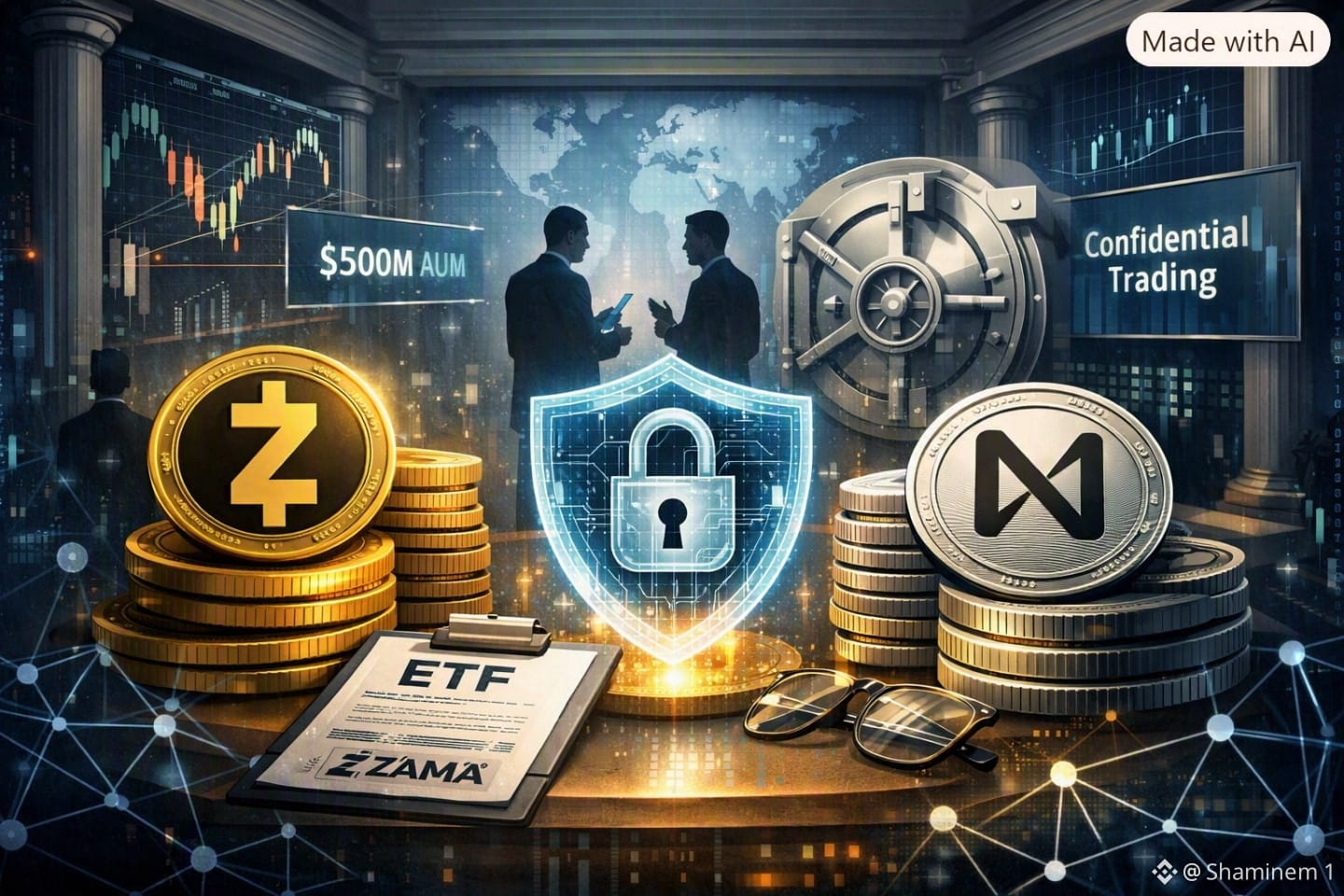
プライバシーはもはやニッチな暗号資産の物語ではなく、今や機関投資家のインフラになっています。そして、$ZEC と #NEAR がその変化を最も見えやすくしている2つの資産です。ZEC は7月に Ironwood の緊急アップグレードを完了し、脆弱性のあった Orchard のシールドプールを引退させ、暗号学的に修正されたバージョンに置き換えました。これで実際のセキュリティ上の懸念が解消されました。さらに NU7 は、約240万 ZEC の投票と 99.9% の支持を得て通過し、ターゲットのブロック時間を 75 秒から 25 秒へ短縮しました。これを、Grayscale の ZCSH ETF が NYSE Arca 上場から2週間で AUM(運用資産残高)5億ドルを突破したことと合わせると、初めて「機関向け商品」のようにプライバシーコインが取引されるようになったのが分かります。ZEC は8月中旬以降で200%超上昇しています。$NEAR は、同じ物語へ別ルートで進みました。Hyperliquid との統合を通じて、既定で無期限先物を機密化し、預け入れを機密シャード経由で行うことで、トレーダーの身元や資金源を隠したまま、取引は Hyperliquid の公開オーダーブック上で実行できます。これは「ゼロから作る」プライバシーではなく、既存の流動性にプライバシーを重ねたものです。NEAR は発表後1週間で80%上昇し、Confidential Intents のTVL(総ロック額)は7,000万ドルを超えました。両者をつなぐのは、フレーミング(捉え方)の転換です。これはもはや規制回避ではありません。機関向けのレールが接続された、オプトイン式の機密性です。ETF、TEEs、そして最初から組み込まれたコンプライアンスを意識したアーキテクチャ。#Zama はこれをさらに進め、FHE(完全準同型暗号)によってスマートコントラクトの機密性へ拡張しています。このスタックの3層目として注目する価値があります。3つのプライバシー関連資産はいずれも Bitget で取引可能です。NFA。DYOR。[link]
プライバシーはもはやニッチな暗号資産の物語ではなく、今や機関投資家のインフラになっています。そして、$ZEC と #NEAR がその変化を最も見えやすくしている2つの資産です。ZEC は7月に Ironwood の緊急アップグレードを完了し、脆弱性のあった Orchard のシールドプールを引退させ、暗号学的に修正されたバージョンに置き換えました。これで実際のセキュリティ上の懸念が解消されました。さらに NU7 は、約240万 ZEC の投票と 99.9% の支持を得て通過し、ターゲットのブロック時間を 75 秒から 25 秒へ短縮しました。これを、Grayscale の ZCSH ETF が NYSE Arca 上場から2週間で AUM(運用資産残高)5億ドルを突破したことと合わせると、初めて「機関向け商品」のようにプライバシーコインが取引されるようになったのが分かります。ZEC は8月中旬以降で200%超上昇しています。$NEAR は、同じ物語へ別ルートで進みました。Hyperliquid との統合を通じて、既定で無期限先物を機密化し、預け入れを機密シャード経由で行うことで、トレーダーの身元や資金源を隠したまま、取引は Hyperliquid の公開オーダーブック上で実行できます。これは「ゼロから作る」プライバシーではなく、既存の流動性にプライバシーを重ねたものです。NEAR は発表後1週間で80%上昇し、Confidential Intents のTVL(総ロック額)は7,000万ドルを超えました。両者をつなぐのは、フレーミング(捉え方)の転換です。これはもはや規制回避ではありません。機関向けのレールが接続された、オプトイン式の機密性です。ETF、TEEs、そして最初から組み込まれたコンプライアンスを意識したアーキテクチャ。#Zama はこれをさらに進め、FHE(完全準同型暗号)によってスマートコントラクトの機密性へ拡張しています。このスタックの3層目として注目する価値があります。3つのプライバシー関連資産はいずれも Bitget で取引可能です。NFA。DYOR。[link]
21
·
--
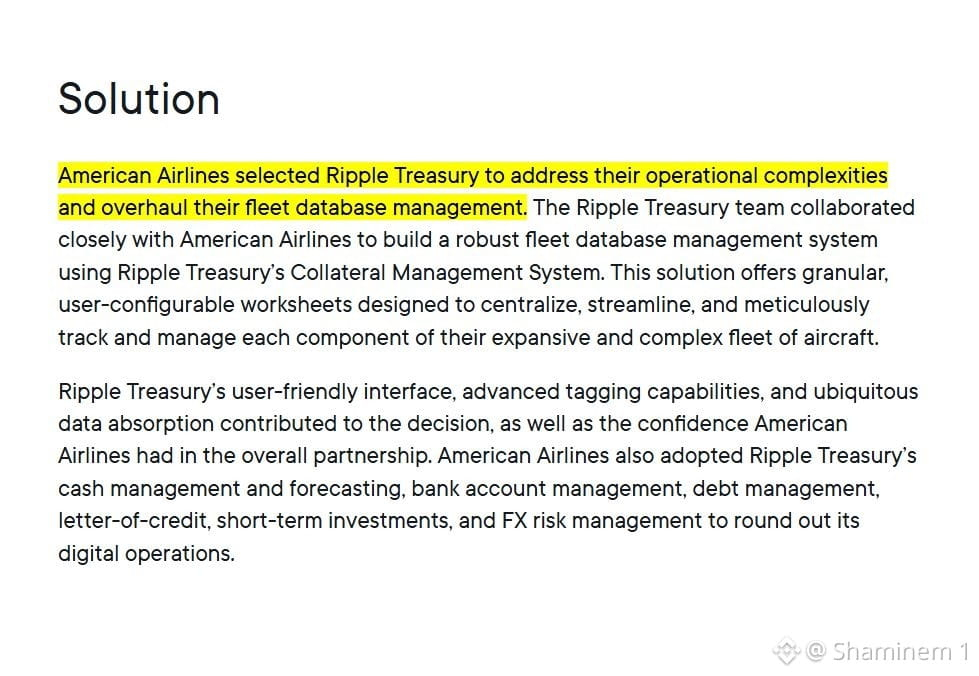
🚨アメリカン航空がリップル(Ripple)を利用中! 米国の航空業界最大手が、#Ripple を使って、フリートデータから現金、負債、FX(外国為替)リスクに至るまで、巨大なグローバル運営を管理するのに役立てています。 リップルは大企業のコーポレートファイナンスにさらに深く組み込まれつつあり、$XRP エコシステムを活用する長期的な機会を見込んでいます。
🚨アメリカン航空がリップル(Ripple)を利用中! 米国の航空業界最大手が、#Ripple を使って、フリートデータから現金、負債、FX(外国為替)リスクに至るまで、巨大なグローバル運営を管理するのに役立てています。 リップルは大企業のコーポレートファイナンスにさらに深く組み込まれつつあり、$XRP エコシステムを活用する長期的な機会を見込んでいます。

35
·
--
🚨韓国銀行がウォンを24時間のグローバル決済へ向けて動かしている。タイミングが興味深い。韓国にはすでにKbankや全北銀行のような銀行経由で@Rippleの巨大な主要リンクがあり、さらにKRW1はBDACS/Woori Bankを通じてAvax上で稼働中だ!ここでは$XRPや$AVAXへの公式な関与は発表されていないが、韓国は明らかに、より速く常時稼働のデジタル・ファイナンスに向けて構築を進めており、この2つが何らかの形で関与していてもおかしくないとは言える!
🚨韓国銀行がウォンを24時間のグローバル決済へ向けて動かしている。タイミングが興味深い。韓国にはすでにKbankや全北銀行のような銀行経由で@Rippleの巨大な主要リンクがあり、さらにKRW1はBDACS/Woori Bankを通じてAvax上で稼働中だ!ここでは$XRPや$AVAXへの公式な関与は発表されていないが、韓国は明らかに、より速く常時稼働のデジタル・ファイナンスに向けて構築を進めており、この2つが何らかの形で関与していてもおかしくないとは言える!

38
·
--
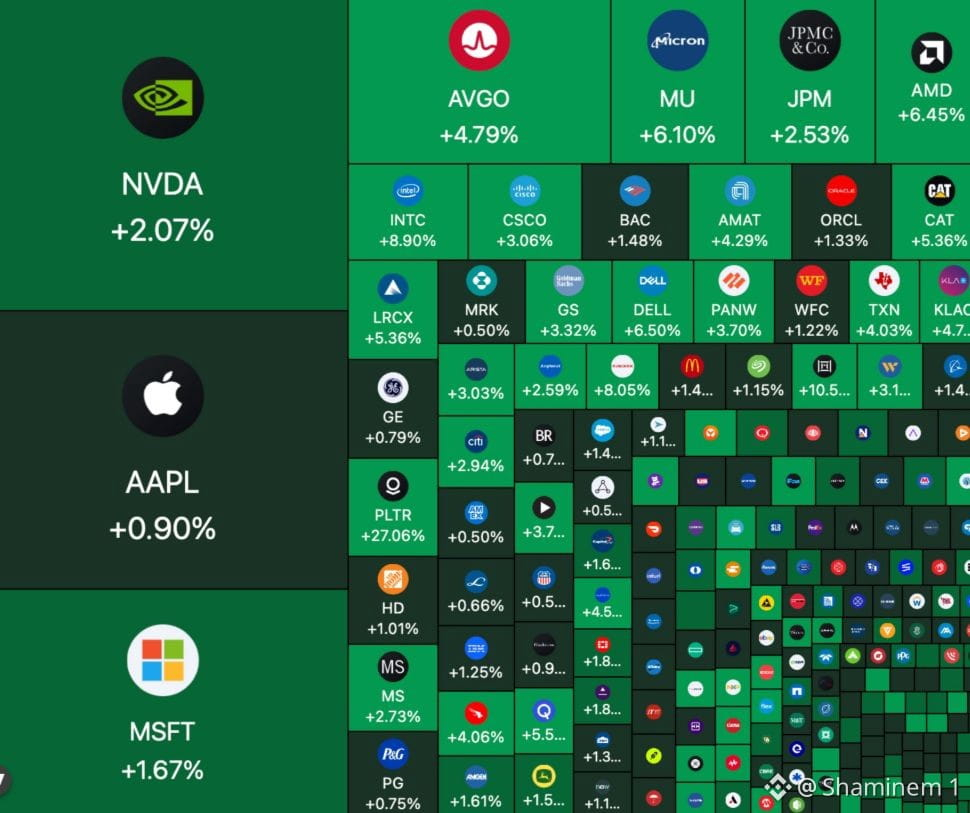
🚨米国の株式市場はオープン直後に5,000億ドル超を追加し、暗号資産も大暴れしています。$MUBARAK リスク志向が市場全体に再び流れ込んでいます。株と暗号資産がこのように同じ方向に動き始めると、資金が再びリスクオンのモードに切り替わっているように見えます。$MU
🚨米国の株式市場はオープン直後に5,000億ドル超を追加し、暗号資産も大暴れしています。$MUBARAK リスク志向が市場全体に再び流れ込んでいます。株と暗号資産がこのように同じ方向に動き始めると、資金が再びリスクオンのモードに切り替わっているように見えます。$MU
67
·
--
🚨北朝鮮のハッカーが、暗号資産およびAIの採用担当者を装って、求人応募者を狙っている。 $SOL WaterPlumは、世界中で3万件以上のデバイスに感染し、少なくとも1,070万ドルを盗んだと報じられている。 暗号資産にとって最大の脅威は、常に市場とは限らない。時には「間違った求人」にクリックすることだ。 $BTC
🚨北朝鮮のハッカーが、暗号資産およびAIの採用担当者を装って、求人応募者を狙っている。 $SOL WaterPlumは、世界中で3万件以上のデバイスに感染し、少なくとも1,070万ドルを盗んだと報じられている。 暗号資産にとって最大の脅威は、常に市場とは限らない。時には「間違った求人」にクリックすることだ。 $BTC

59
·
--
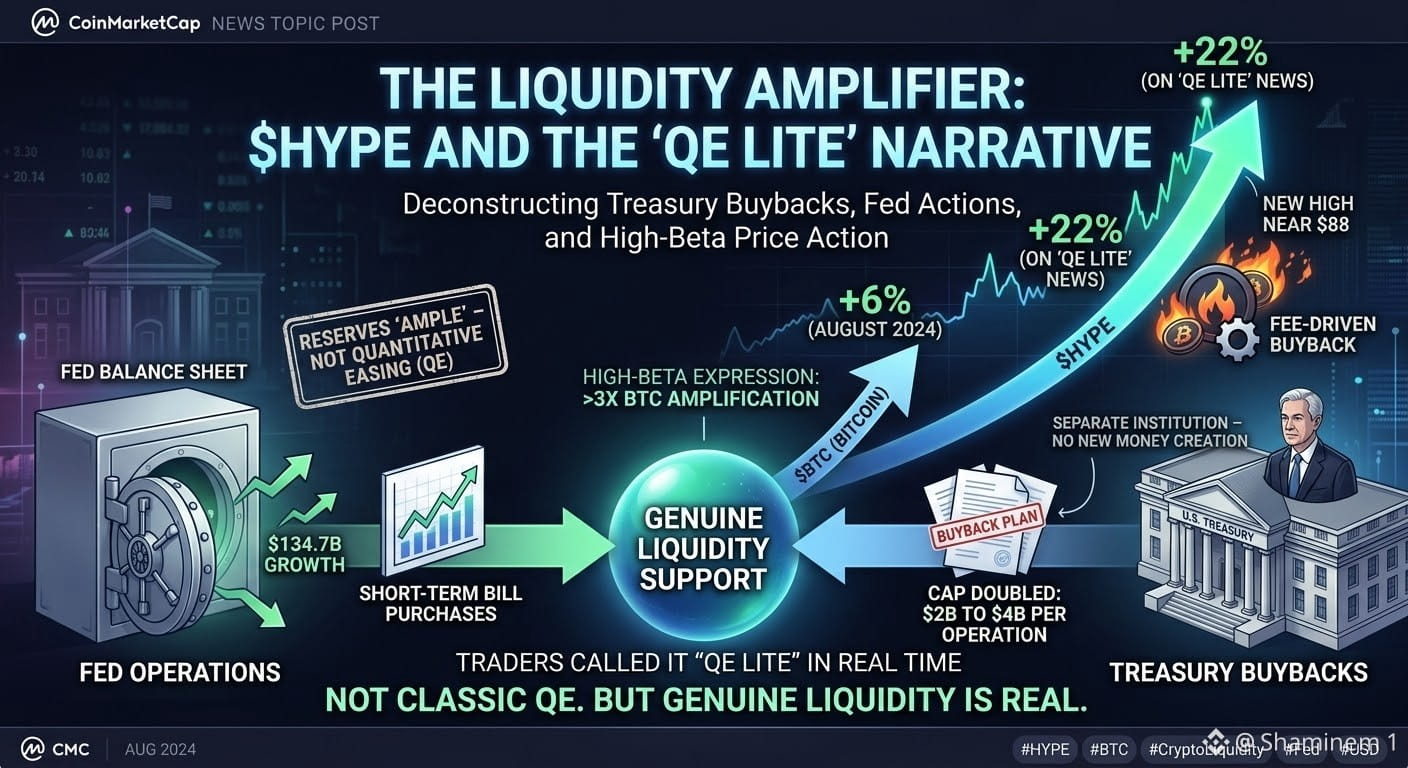
「ステルスQE」は機械的なサポートよりも多くの仕事をしている。実際のQEはFRB専用で、新たな銀行準備預金を作り、条件を緩和するためにバランスシートを拡大する。だが実際に起きているのは、さらにややこしい。FRB当局者のジェファーソンとペルリは、準備預金の運用に関する購入をQEとは完全に切り分けた、と公式に述べており、それは条件緩和のための刺激ではなく、準備預金を「十分に」保つための“配管(plumbing)”だと言う。長めのデュレーションを買うことで条件が実際に緩和されるものではなく、短期の国債(短期ビル)に全て寄っている。見た目(オプティクス)はともかく、その理屈には結局つながってしまう。記者会見も派手な見出しもないのに、バランスシートは直近でおよそ1,347億ドル増のままだ。$BTC はまさにそうした静かな成長に対して急騰した。 $HYPE は、この流動性ストーリーが本物だという最も明確な証拠だ。元々の国庫(トレジャリー)による買い戻しニュースが8月に出たとき、トレーダーたちはその場でそれを「QE Lite(軽量QE)」と呼び、HYPE はその日のうちに22%上昇した。一方ビットコインは6%で、同一のニュースでの値動きは3倍以上だ。今また同じことをやっていて、同じ「FRBの利上げ期待が和らぐ」という追い風の中で、$88 近辺の高値を付けている。この仕組みに対するベータ(値動きの感応度)がそのまま出ている。偶然ではない。大きな原動力はFRBですらない。ベッセントの下で、8月の最初の上昇局面以来、財務省が買い戻しを実行している。1回あたりの上限は、当初の上昇局面で4,000百万ドルまで倍増した。別機関であり、マネーサプライを増やすわけではないが、流動性への影響はラベルとは無関係に現実的だ。だから違う、これは典型的なステルスQEではない。『easing(緩和)』だと言わないまま、合計として本物のサポートを生むような技術的なオペレーションを2つの機関が回しているだけだ。同じ見出しでBTCより3倍も激しく動いている $HYPE が、その最良の証拠だ。
「ステルスQE」は機械的なサポートよりも多くの仕事をしている。実際のQEはFRB専用で、新たな銀行準備預金を作り、条件を緩和するためにバランスシートを拡大する。だが実際に起きているのは、さらにややこしい。FRB当局者のジェファーソンとペルリは、準備預金の運用に関する購入をQEとは完全に切り分けた、と公式に述べており、それは条件緩和のための刺激ではなく、準備預金を「十分に」保つための“配管(plumbing)”だと言う。長めのデュレーションを買うことで条件が実際に緩和されるものではなく、短期の国債(短期ビル)に全て寄っている。見た目(オプティクス)はともかく、その理屈には結局つながってしまう。記者会見も派手な見出しもないのに、バランスシートは直近でおよそ1,347億ドル増のままだ。$BTC はまさにそうした静かな成長に対して急騰した。 $HYPE は、この流動性ストーリーが本物だという最も明確な証拠だ。元々の国庫(トレジャリー)による買い戻しニュースが8月に出たとき、トレーダーたちはその場でそれを「QE Lite(軽量QE)」と呼び、HYPE はその日のうちに22%上昇した。一方ビットコインは6%で、同一のニュースでの値動きは3倍以上だ。今また同じことをやっていて、同じ「FRBの利上げ期待が和らぐ」という追い風の中で、$88 近辺の高値を付けている。この仕組みに対するベータ(値動きの感応度)がそのまま出ている。偶然ではない。大きな原動力はFRBですらない。ベッセントの下で、8月の最初の上昇局面以来、財務省が買い戻しを実行している。1回あたりの上限は、当初の上昇局面で4,000百万ドルまで倍増した。別機関であり、マネーサプライを増やすわけではないが、流動性への影響はラベルとは無関係に現実的だ。だから違う、これは典型的なステルスQEではない。『easing(緩和)』だと言わないまま、合計として本物のサポートを生むような技術的なオペレーションを2つの機関が回しているだけだ。同じ見出しでBTCより3倍も激しく動いている $HYPE が、その最良の証拠だ。
55
·
--
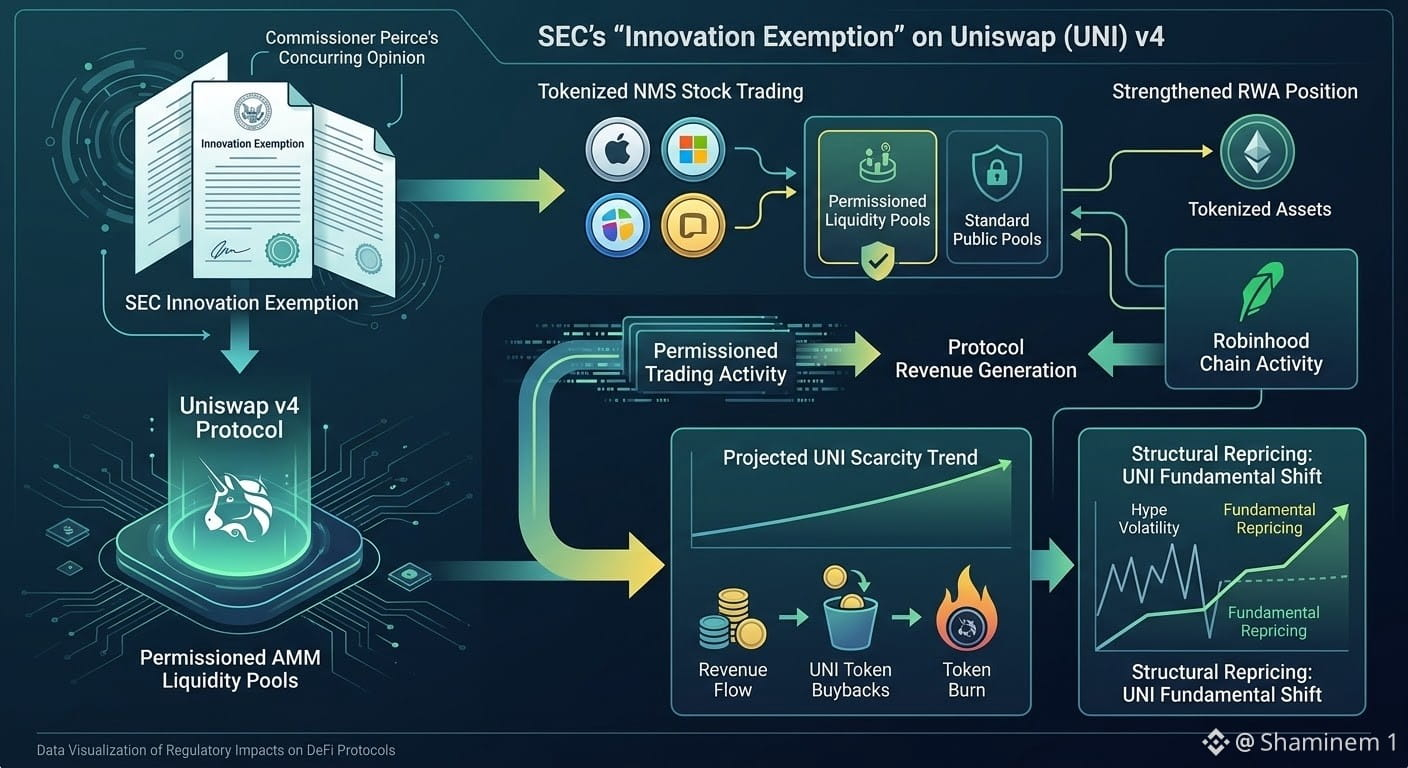
SECはUniswapに実在する規制上の道筋を提示したばかりで、そして$UNIはそれに応じて動いています。9月17日、SECは5年間の「イノベーション免除(Innovation Exemption)」を発行し、トークン化された証券取引施設が、許可制のAMM流動性プールを通じてトークン化されたNMS株を取引できるようにしました。ヘイデン・アダムスは、ピアース委員の同意意見を「命令(order)の中で最も重要な部分」だと呼びました。なぜなら、それがUniswap v4における許可制プールへ免除を直接適用しているからです。これでUniswapは、この枠組みの展開の仕方を形作るコメントレターを提出できる立場になりました。では、私が追ってきた「フィー・スイッチ(fee switch)」の物語にとって、なぜこれが重要なのでしょうか?v4を通じた許可制の取引活動の増加は、直接プロトコル収益につながり、その収益は今、UNIの買い戻しとバーン(償却)に回る形です。Robinhood Chainの活動ももう一つの柱になり、暗号ペアに限らず、トークン化された資産全般におけるUniswapの立ち位置を強化します。UNIは過去24時間で28%上昇、1週間で47%上昇しています。これは煽り(hype)だけによるものではありません。実在する規制の明確さを背景にした構造的な再評価であり、RWAがずっと必要としていたものです。私は、価格の値動きだけでなく、コア論点としてフィー・スイッチの仕組みを用いたブレイクアウト継続のセットアップ目的で、UNIをウォッチリストに入れています。今すぐBitgetで$UNIを取引できます。さらに、参加したい人向けにUni Trading Clubのチャンピオンシップも開催中です。NFA。DYOR。
SECはUniswapに実在する規制上の道筋を提示したばかりで、そして$UNIはそれに応じて動いています。9月17日、SECは5年間の「イノベーション免除(Innovation Exemption)」を発行し、トークン化された証券取引施設が、許可制のAMM流動性プールを通じてトークン化されたNMS株を取引できるようにしました。ヘイデン・アダムスは、ピアース委員の同意意見を「命令(order)の中で最も重要な部分」だと呼びました。なぜなら、それがUniswap v4における許可制プールへ免除を直接適用しているからです。これでUniswapは、この枠組みの展開の仕方を形作るコメントレターを提出できる立場になりました。では、私が追ってきた「フィー・スイッチ(fee switch)」の物語にとって、なぜこれが重要なのでしょうか?v4を通じた許可制の取引活動の増加は、直接プロトコル収益につながり、その収益は今、UNIの買い戻しとバーン(償却)に回る形です。Robinhood Chainの活動ももう一つの柱になり、暗号ペアに限らず、トークン化された資産全般におけるUniswapの立ち位置を強化します。UNIは過去24時間で28%上昇、1週間で47%上昇しています。これは煽り(hype)だけによるものではありません。実在する規制の明確さを背景にした構造的な再評価であり、RWAがずっと必要としていたものです。私は、価格の値動きだけでなく、コア論点としてフィー・スイッチの仕組みを用いたブレイクアウト継続のセットアップ目的で、UNIをウォッチリストに入れています。今すぐBitgetで$UNIを取引できます。さらに、参加したい人向けにUni Trading Clubのチャンピオンシップも開催中です。NFA。DYOR。
75
·
--
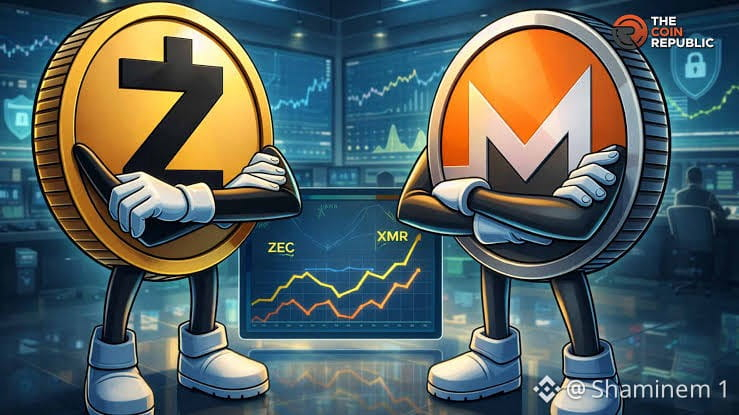
モネロのプライバシーは必須です。すべての取引はデフォルトでリング署名とステルスアドレスを使用するため、ユーザーは考えるかどうかに関係なく同じ匿名性セットに折り込まれてしまいます。それがまさに、身代金(ランサムウェア)の運営者やダークネット市場が $XMR に依存する理由です。忘れてしまうような「間違った設定」はありません。 ジーキャッシュ(Zcash)のプライバシーは任意です。zk-SNARKs に基づいており、より高度な暗号だと言えるかもしれませんが、匿名性セットの強さは、実際にシールド・プールを使っている人の数にしか依存しません。これまでのところ $ZEC の取引の多くは透明なままでした。強い数学、弱い実用的プライバシー——それが率直なトレードオフです。 ただ、私の見解は違っていて、理由があるからこそジーキャッシュに寄っています。どちらがあなたをよりよく隠せるか、という話とは無関係です。 モネロは上場廃止が続いています。2024年にはクラーケンが欧州ユーザー向けに取り扱いを引き上げましたが、この流れは反転していません。ジーキャッシュは依然としてコインベースやロビンフッドで取引されており、SEC でさえ 2025年にそれに関するラウンドテーブルを開催しました。マルチコイン・キャピタルは 5月に実際のポジションを開示しており、それを「資産課税への対策や政府による監視への備え」であって、「犯罪を隠すためではない」と位置づけています。規制された資本へのアクセスこそが真の堀(モート)です。 価格の値動きもそれを裏付けています。モネロは1月に新高値を付け、その後は大きく下落しました。年初来で $797 近辺から、年半ばにはおよそ $343 まで下がったのです。ジーキャッシュの動きはより安定していて、直近では年後半にかけて上昇し続けています。 だから、トレードとしてはジーキャッシュを選ぶべきだ——「そのツール自体」ではなく、モネロの方がより正直なプライバシー・コインだとしてもです。しかし、取引所から外され続けている資産には、成長していくための余地が狭まっていきます。
モネロのプライバシーは必須です。すべての取引はデフォルトでリング署名とステルスアドレスを使用するため、ユーザーは考えるかどうかに関係なく同じ匿名性セットに折り込まれてしまいます。それがまさに、身代金(ランサムウェア)の運営者やダークネット市場が $XMR に依存する理由です。忘れてしまうような「間違った設定」はありません。 ジーキャッシュ(Zcash)のプライバシーは任意です。zk-SNARKs に基づいており、より高度な暗号だと言えるかもしれませんが、匿名性セットの強さは、実際にシールド・プールを使っている人の数にしか依存しません。これまでのところ $ZEC の取引の多くは透明なままでした。強い数学、弱い実用的プライバシー——それが率直なトレードオフです。 ただ、私の見解は違っていて、理由があるからこそジーキャッシュに寄っています。どちらがあなたをよりよく隠せるか、という話とは無関係です。 モネロは上場廃止が続いています。2024年にはクラーケンが欧州ユーザー向けに取り扱いを引き上げましたが、この流れは反転していません。ジーキャッシュは依然としてコインベースやロビンフッドで取引されており、SEC でさえ 2025年にそれに関するラウンドテーブルを開催しました。マルチコイン・キャピタルは 5月に実際のポジションを開示しており、それを「資産課税への対策や政府による監視への備え」であって、「犯罪を隠すためではない」と位置づけています。規制された資本へのアクセスこそが真の堀(モート)です。 価格の値動きもそれを裏付けています。モネロは1月に新高値を付け、その後は大きく下落しました。年初来で $797 近辺から、年半ばにはおよそ $343 まで下がったのです。ジーキャッシュの動きはより安定していて、直近では年後半にかけて上昇し続けています。 だから、トレードとしてはジーキャッシュを選ぶべきだ——「そのツール自体」ではなく、モネロの方がより正直なプライバシー・コインだとしてもです。しかし、取引所から外され続けている資産には、成長していくための余地が狭まっていきます。
78
·
--
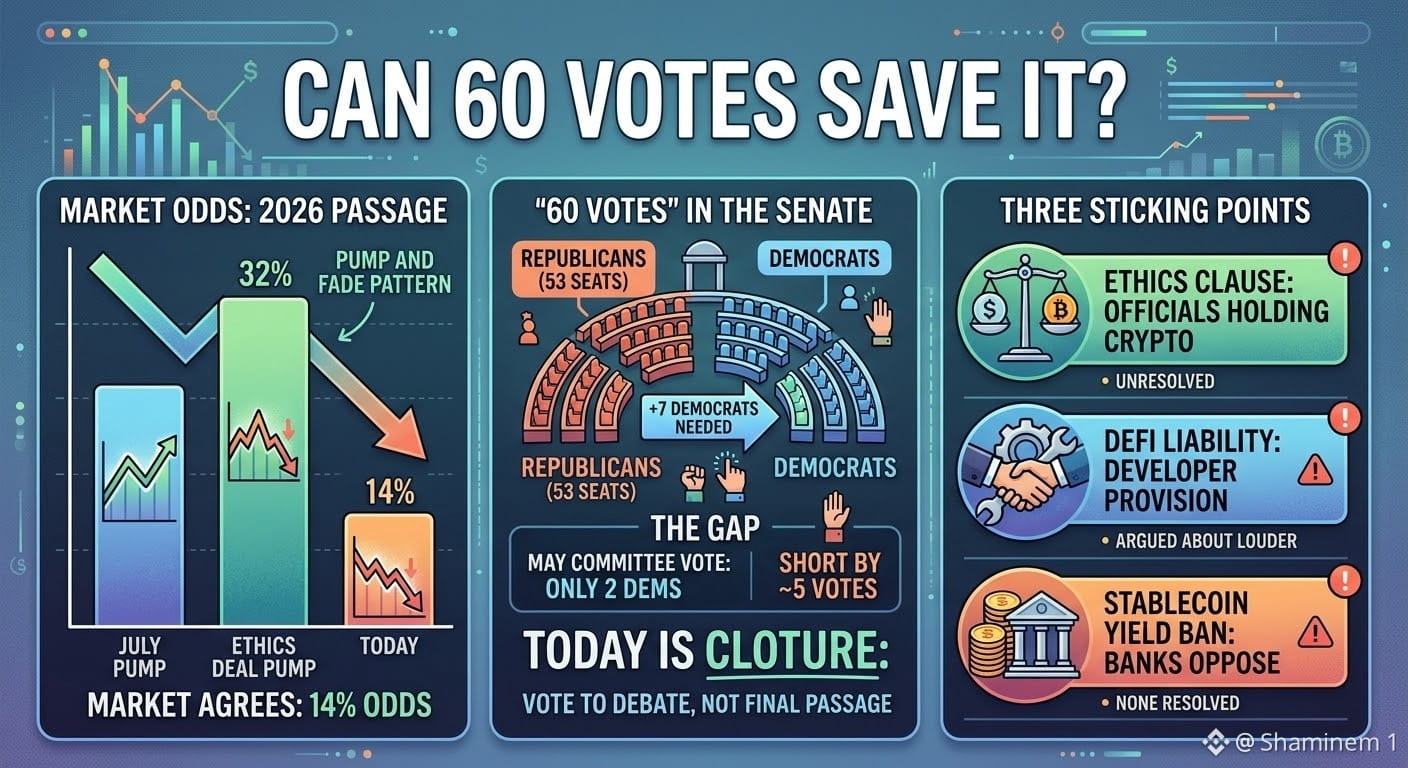
これまで3度目でも“うまくいった”ことはなく、そしてこのシリーズで私が「言っただろ」と言える唯一の投稿がこれです。最初のトランプ倫理取引がオッズを32%まで押し上げたとき、私はこのまさに同じ“急騰”が7月に一度すでに起きていて、その後大きく失速していたと指摘しました。今また同じことが起き、今回の急騰もクラッシュしました。オッズはおよそ30%から、今日までの時点で2026年通年の通過に向けて14%まで下落しています。$BTC 「60票」とは実際に何を意味するのか、引っかかりやすいので説明します。今日の採決は最終の通過ではありません。議案を討議に入れるための手続きであるクローチャー(cloture)です。共和党は上院の議席を53持っているので、そこまで到達するには少なくとも7人の民主党員が寝返る必要があります。5月の委員会での採決では実際に動いたのは2人だけでした。真相は見出しの数字ではなく、連合はおよそ5票足りないということです。今月のどの動きも、その差を埋めていません。 つまずきどころは3つです。 官職者が暗号資産を保有することに関する倫理条項。DeFi開発者の責任に関する条項。そしてステーブルコインの利回りを禁じる規定で、銀行側が望まないものです。これらはいずれも解決されず、ただより大きな声で議論されただけでした。 それでも60票は救えるでしょうか? 計算上はたぶん今日では無理で、市場も同意しており、通年の通過を14%と見込んで価格づけしています。しかしこれは、私がこれまで取り上げた直近2回の急騰とは本当に違います。あれはうわさの取引に対する純粋なセンチメントでした。これは実際のロールコール(記名投票)です。年内で初めて、本当の意味で数えられる検証が行われるわけで、自分で消えていくだけの別の見出しとは違います。$ETH
これまで3度目でも“うまくいった”ことはなく、そしてこのシリーズで私が「言っただろ」と言える唯一の投稿がこれです。最初のトランプ倫理取引がオッズを32%まで押し上げたとき、私はこのまさに同じ“急騰”が7月に一度すでに起きていて、その後大きく失速していたと指摘しました。今また同じことが起き、今回の急騰もクラッシュしました。オッズはおよそ30%から、今日までの時点で2026年通年の通過に向けて14%まで下落しています。$BTC 「60票」とは実際に何を意味するのか、引っかかりやすいので説明します。今日の採決は最終の通過ではありません。議案を討議に入れるための手続きであるクローチャー(cloture)です。共和党は上院の議席を53持っているので、そこまで到達するには少なくとも7人の民主党員が寝返る必要があります。5月の委員会での採決では実際に動いたのは2人だけでした。真相は見出しの数字ではなく、連合はおよそ5票足りないということです。今月のどの動きも、その差を埋めていません。 つまずきどころは3つです。 官職者が暗号資産を保有することに関する倫理条項。DeFi開発者の責任に関する条項。そしてステーブルコインの利回りを禁じる規定で、銀行側が望まないものです。これらはいずれも解決されず、ただより大きな声で議論されただけでした。 それでも60票は救えるでしょうか? 計算上はたぶん今日では無理で、市場も同意しており、通年の通過を14%と見込んで価格づけしています。しかしこれは、私がこれまで取り上げた直近2回の急騰とは本当に違います。あれはうわさの取引に対する純粋なセンチメントでした。これは実際のロールコール(記名投票)です。年内で初めて、本当の意味で数えられる検証が行われるわけで、自分で消えていくだけの別の見出しとは違います。$ETH
64
·
--
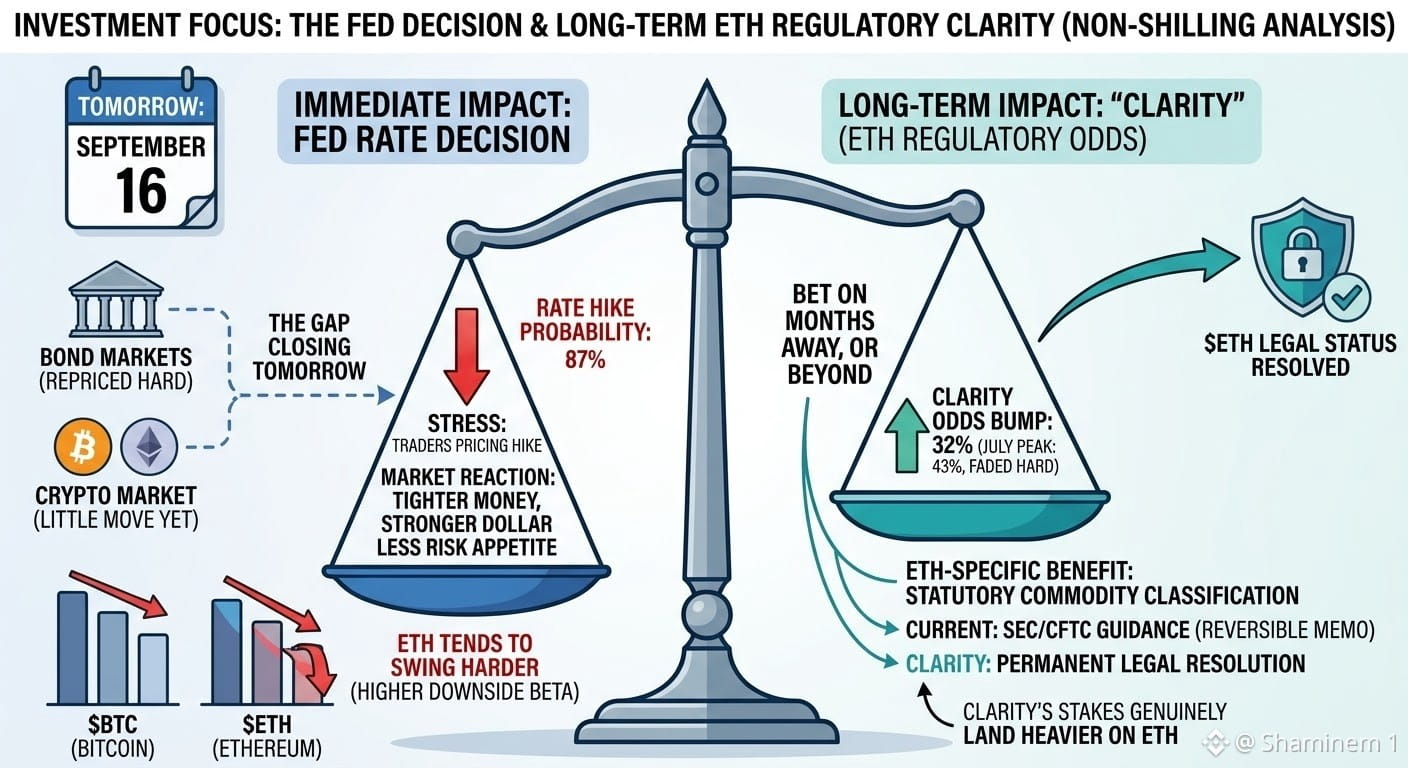
米連邦準備制度(FRB)の決定は9月16日に落ちる見通しで、トレーダーは現在、利上げの87%の確率を織り込んでいます。これは2023年7月以来の利上げです。CLARITYの見通しが32%まで上がるのは事実ですが、実現するかもしれないことへの賭けで、少なくとも数カ月先、今年中に起きるかどうかも定かではありません。私たちは過去にこのまったく同じCLARITYの“映画”を7月にも見ました。トランプの倫理をめぐる類似の合意で、オッズは14%から43%へと数日で跳ね上がったものの、その後は急速に失速し、9月上旬には再び14〜16%へと崩れていきました。今年はまだ、良い見出しがそのまま維持されていません。CLARITYが実現すれば、ついにイーサリアムに合法的な、法令上のコモディティ(商品)分類が与えられます。現状、その地位があるのは#SECと3月からのCFTCの行政ガイダンスだけで、将来のSEC委員長がメモで覆す可能性があります。ビットコインのコモディティとしての地位が疑問視されることは、ほとんどありません。イーサリアムについては、暗号資産規制において長年で最大級の未解決の争点であり、だからこそCLARITYの賭けの重みはBTCよりも$ETHにより深く着地します。もっとも、これは法的な結論で、到着は数カ月先です。FRBの利上げは明日で、同じ経路で両資産に影響します。引き締まったマネー、より強いドル、そしてリスクへの食欲の低下です。ETHは両方向において$BTCより値動きが大きくなりがちで、今回のBTCに対するラリーではBTCが23%の上昇だったのに対し、ETHは約30%伸びました。だから、もし事態が悪化した場合の下方向のベータも同じように効いてきます。債券は利上げを織り込む形で既に大きく再価格付けされていますが、まだBTCもETHも大きくは動いていません。そのギャップは、明日、いずれにせよ埋まります。つまり、いいえ、CLARITYはスピード面でどちらのコインでもFRBに勝てません。重要なのは、ETHにとっては長期的に、そして現時点ではFRBがより両方にとって大きい、という点です。
米連邦準備制度(FRB)の決定は9月16日に落ちる見通しで、トレーダーは現在、利上げの87%の確率を織り込んでいます。これは2023年7月以来の利上げです。CLARITYの見通しが32%まで上がるのは事実ですが、実現するかもしれないことへの賭けで、少なくとも数カ月先、今年中に起きるかどうかも定かではありません。私たちは過去にこのまったく同じCLARITYの“映画”を7月にも見ました。トランプの倫理をめぐる類似の合意で、オッズは14%から43%へと数日で跳ね上がったものの、その後は急速に失速し、9月上旬には再び14〜16%へと崩れていきました。今年はまだ、良い見出しがそのまま維持されていません。CLARITYが実現すれば、ついにイーサリアムに合法的な、法令上のコモディティ(商品)分類が与えられます。現状、その地位があるのは#SECと3月からのCFTCの行政ガイダンスだけで、将来のSEC委員長がメモで覆す可能性があります。ビットコインのコモディティとしての地位が疑問視されることは、ほとんどありません。イーサリアムについては、暗号資産規制において長年で最大級の未解決の争点であり、だからこそCLARITYの賭けの重みはBTCよりも$ETHにより深く着地します。もっとも、これは法的な結論で、到着は数カ月先です。FRBの利上げは明日で、同じ経路で両資産に影響します。引き締まったマネー、より強いドル、そしてリスクへの食欲の低下です。ETHは両方向において$BTCより値動きが大きくなりがちで、今回のBTCに対するラリーではBTCが23%の上昇だったのに対し、ETHは約30%伸びました。だから、もし事態が悪化した場合の下方向のベータも同じように効いてきます。債券は利上げを織り込む形で既に大きく再価格付けされていますが、まだBTCもETHも大きくは動いていません。そのギャップは、明日、いずれにせよ埋まります。つまり、いいえ、CLARITYはスピード面でどちらのコインでもFRBに勝てません。重要なのは、ETHにとっては長期的に、そして現時点ではFRBがより両方にとって大きい、という点です。
31
·
--
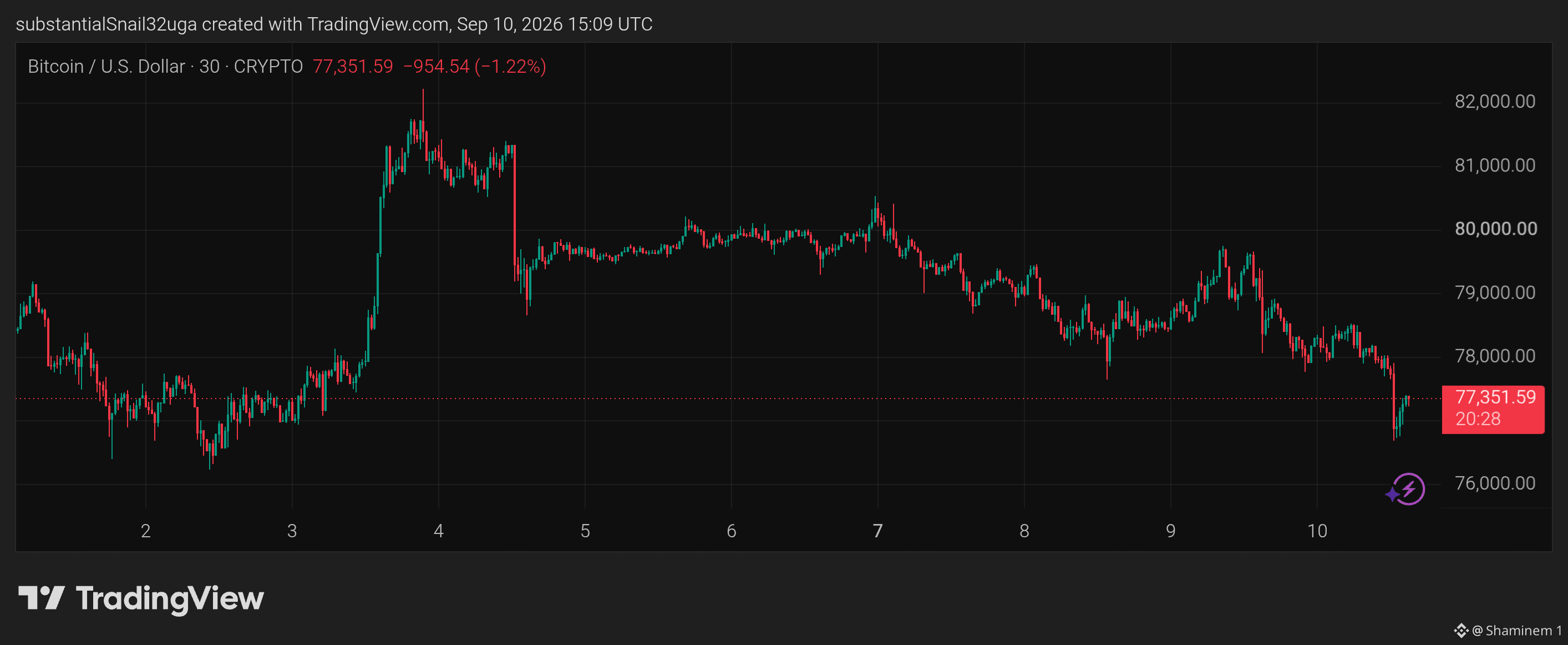
この件にはすでに実世界での答えがあります。トランプの新しい5,000ドルの配当計画は、全ての成人アメリカ人にまで行き渡れば、合計でおよそ1兆ドル規模に達し得るほどの大きさですが、すでに発表済みです。ビットコインの反応は鈍く、横ばいで、78,000ドルの水準を突破することすらできませんでした。テストはすでに実施されたのです。では、なぜ2020年が繰り返されないのか。あのときは、ビットコインには現物ETFがなく、カストディ(保管)が分断されていて、今日の基準から見れば市場規模も本当に小さかったため、個人向けの景気刺激のお金による買いが実際に相場を動かしました。だからこそ、2020年4月に約6,800ドルで1,200ドルを投資していれば、今日では21,000ドル以上になっているのです。$BTC は大幅に割引されており、新たな資金が効くほど市場が薄かった。とはいえ、当時ですら、その効果は過大に語られがちでした。実際にそれを研究したクリーブランド連銀の研究者らは、景気刺激の小切手による永続的な価格上昇はおよそ0.07%だったと見出しており、しかも彼ら自身が「ビットコインの日常的な4.6%という日次の変動幅に比べれば控えめだ」と述べています。「刺激金が2020年の上昇局面を作った」という物語は面白いミームですが、実際の推進要因は、そうした小切手そのものではなく、ビットコインが安く、そして小さかったことです。今日の市場には、そのどちらの条件もありません。市場はETF主導で、機関投資家に支配されており、個別の日のファンドフローの価値が、月にわたって広がる形での刺激策の投入額を上回るほどです。時間をかけて家計に1兆ドルがじわじわ入ってくる——それは、この規模に比べれば誤差のようなものです。だから、いいえ、繰り返されません。そして、市場は発表から数時間以内に、私たちにそれを告げていました。
この件にはすでに実世界での答えがあります。トランプの新しい5,000ドルの配当計画は、全ての成人アメリカ人にまで行き渡れば、合計でおよそ1兆ドル規模に達し得るほどの大きさですが、すでに発表済みです。ビットコインの反応は鈍く、横ばいで、78,000ドルの水準を突破することすらできませんでした。テストはすでに実施されたのです。では、なぜ2020年が繰り返されないのか。あのときは、ビットコインには現物ETFがなく、カストディ(保管)が分断されていて、今日の基準から見れば市場規模も本当に小さかったため、個人向けの景気刺激のお金による買いが実際に相場を動かしました。だからこそ、2020年4月に約6,800ドルで1,200ドルを投資していれば、今日では21,000ドル以上になっているのです。$BTC は大幅に割引されており、新たな資金が効くほど市場が薄かった。とはいえ、当時ですら、その効果は過大に語られがちでした。実際にそれを研究したクリーブランド連銀の研究者らは、景気刺激の小切手による永続的な価格上昇はおよそ0.07%だったと見出しており、しかも彼ら自身が「ビットコインの日常的な4.6%という日次の変動幅に比べれば控えめだ」と述べています。「刺激金が2020年の上昇局面を作った」という物語は面白いミームですが、実際の推進要因は、そうした小切手そのものではなく、ビットコインが安く、そして小さかったことです。今日の市場には、そのどちらの条件もありません。市場はETF主導で、機関投資家に支配されており、個別の日のファンドフローの価値が、月にわたって広がる形での刺激策の投入額を上回るほどです。時間をかけて家計に1兆ドルがじわじわ入ってくる——それは、この規模に比べれば誤差のようなものです。だから、いいえ、繰り返されません。そして、市場は発表から数時間以内に、私たちにそれを告げていました。
362
·
--
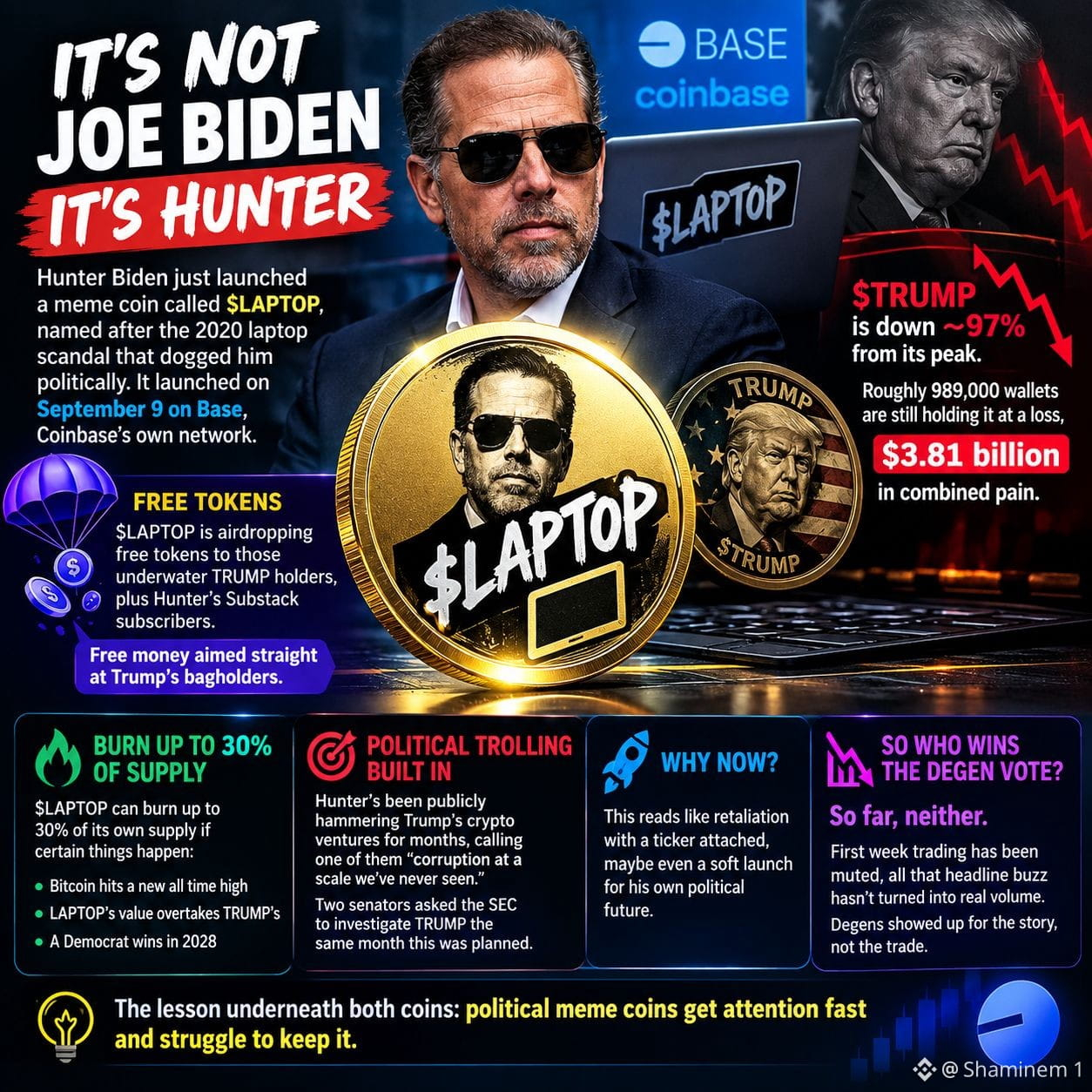
これはジョー・バイデン本人ではありません。バイデンの息子、ハンター・バイデンが、$LAPTOP というミームコインを発表したのです。2020年のノートパソコン疑惑にちなんだ名前で、政治的に彼を悩ませ続けてきた騒動でした。9月9日にBase(コインベース自身のネットワーク)でローンチされました。 実際の仕組みはこうです。2025年1月の #TRUMPOFFICIAL のミームコインは、ピークから約97%下落しています。約989,000のウォレットが損失を抱えたまま保有しており、合計で3.81 billionドルの痛み。LAPTOPは、含み損のあるTRUMPホルダーに対して、さらにハンターのSubstack購読者に対して、無料トークンをエアドロップします。狙いはまっすぐトランプの“袋”を掴んでいる人たちに向けた無料の金。 それだけではありません。LAPTOPは、特定のことが起きれば、自身の供給量の最大30%をバーン(焼却)できるのです。$BTC が史上最高値を更新すること、LAPTOPの価値がTRUMPを上回ること、または2028年に民主党の勝利があること。政治的ないたずらがトークノミクスに直結しています。 なぜ今?ハンターは何か月も前から、トランプの暗号資産ビジネスを公に叩き続けており、その一つを「私たちがこれまで見たことのない規模の腐敗」と呼んだのです。同じ月に、2人の上院議員が #TRUMP をめぐってSECの調査を求めました。これは、株式コード付きの報復に見えます。あるいは、彼自身の政治的な未来に向けた“ソフトローンチ”かもしれません。 ではデジェン(投機家)票で勝つのは誰?これまでのところ、誰も。最初の1週間の取引は控えめで、この見出しの騒ぎが実際の出来高にはつながっていませんでした。デジェンたちは“取引のために”ではなく“物語のために”現れたのです。 2つのコインの下にある教訓はこれ:政治的なミームコインは注目を集めるのは速いが、それを維持するのは難しい。
これはジョー・バイデン本人ではありません。バイデンの息子、ハンター・バイデンが、$LAPTOP というミームコインを発表したのです。2020年のノートパソコン疑惑にちなんだ名前で、政治的に彼を悩ませ続けてきた騒動でした。9月9日にBase(コインベース自身のネットワーク)でローンチされました。 実際の仕組みはこうです。2025年1月の #TRUMPOFFICIAL のミームコインは、ピークから約97%下落しています。約989,000のウォレットが損失を抱えたまま保有しており、合計で3.81 billionドルの痛み。LAPTOPは、含み損のあるTRUMPホルダーに対して、さらにハンターのSubstack購読者に対して、無料トークンをエアドロップします。狙いはまっすぐトランプの“袋”を掴んでいる人たちに向けた無料の金。 それだけではありません。LAPTOPは、特定のことが起きれば、自身の供給量の最大30%をバーン(焼却)できるのです。$BTC が史上最高値を更新すること、LAPTOPの価値がTRUMPを上回ること、または2028年に民主党の勝利があること。政治的ないたずらがトークノミクスに直結しています。 なぜ今?ハンターは何か月も前から、トランプの暗号資産ビジネスを公に叩き続けており、その一つを「私たちがこれまで見たことのない規模の腐敗」と呼んだのです。同じ月に、2人の上院議員が #TRUMP をめぐってSECの調査を求めました。これは、株式コード付きの報復に見えます。あるいは、彼自身の政治的な未来に向けた“ソフトローンチ”かもしれません。 ではデジェン(投機家)票で勝つのは誰?これまでのところ、誰も。最初の1週間の取引は控えめで、この見出しの騒ぎが実際の出来高にはつながっていませんでした。デジェンたちは“取引のために”ではなく“物語のために”現れたのです。 2つのコインの下にある教訓はこれ:政治的なミームコインは注目を集めるのは速いが、それを維持するのは難しい。
47
·
--
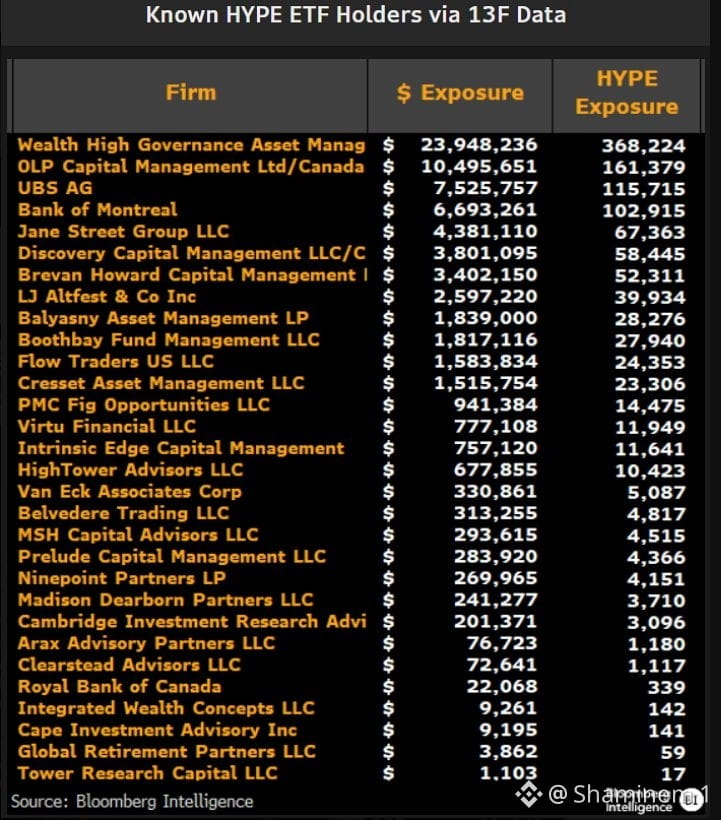
🚨ウォール街がHYPEを買い集めています! 13F提出書類では、UBS、モントリオール銀行、ジェーン・ストリートが、確認済みの$HYPE ETF保有者として挙がっています。#HyperLiquidへの機関投資家のエクスポージャーが、非常に現実味を帯びてきました。
🚨ウォール街がHYPEを買い集めています! 13F提出書類では、UBS、モントリオール銀行、ジェーン・ストリートが、確認済みの$HYPE ETF保有者として挙がっています。#HyperLiquidへの機関投資家のエクスポージャーが、非常に現実味を帯びてきました。
55
·
--
ビットコインはテックというより、より「ゴールド」のように取引されている。$BTCのゴールドとの過去90日間の相関は2020年以来の最高水準に達し、一方でナスダックとの連動は急落した。「デジタル・ゴールド」という物語は、もはやただの物語ではない。市場がそれを織り込み始めている。
ビットコインはテックというより、より「ゴールド」のように取引されている。$BTCのゴールドとの過去90日間の相関は2020年以来の最高水準に達し、一方でナスダックとの連動は急落した。「デジタル・ゴールド」という物語は、もはやただの物語ではない。市場がそれを織り込み始めている。
30
·
--
翻訳参照
🚨North Korea linked hacking group Lazarus is back moving millions in crypto. After the $292M KelpDAO exploit in April linked by LayerZero to Lazarus and the record $1.4B exchange hack in 2025... Arkham now says Lazarus-linked wallets moved another $30M through $HYPE . Are they just laundering old funds… or lining up the next target?
🚨North Korea linked hacking group Lazarus is back moving millions in crypto. After the $292M KelpDAO exploit in April linked by LayerZero to Lazarus and the record $1.4B exchange hack in 2025... Arkham now says Lazarus-linked wallets moved another $30M through $HYPE . Are they just laundering old funds… or lining up the next target?

55
·
--
アメリカン・ビットコインは、バランスシート上に8,300 $BTCと約90,000台のマイナーを抱え、ナスダック上場から1年を迎えました。🇺🇸 わずか1年余りで、世界最大級の公開ビットコイン保有資産の一つを築き上げました。 企業によるビットコインの蓄積は、ますます拡大しています。
アメリカン・ビットコインは、バランスシート上に8,300 $BTCと約90,000台のマイナーを抱え、ナスダック上場から1年を迎えました。🇺🇸 わずか1年余りで、世界最大級の公開ビットコイン保有資産の一つを築き上げました。 企業によるビットコインの蓄積は、ますます拡大しています。
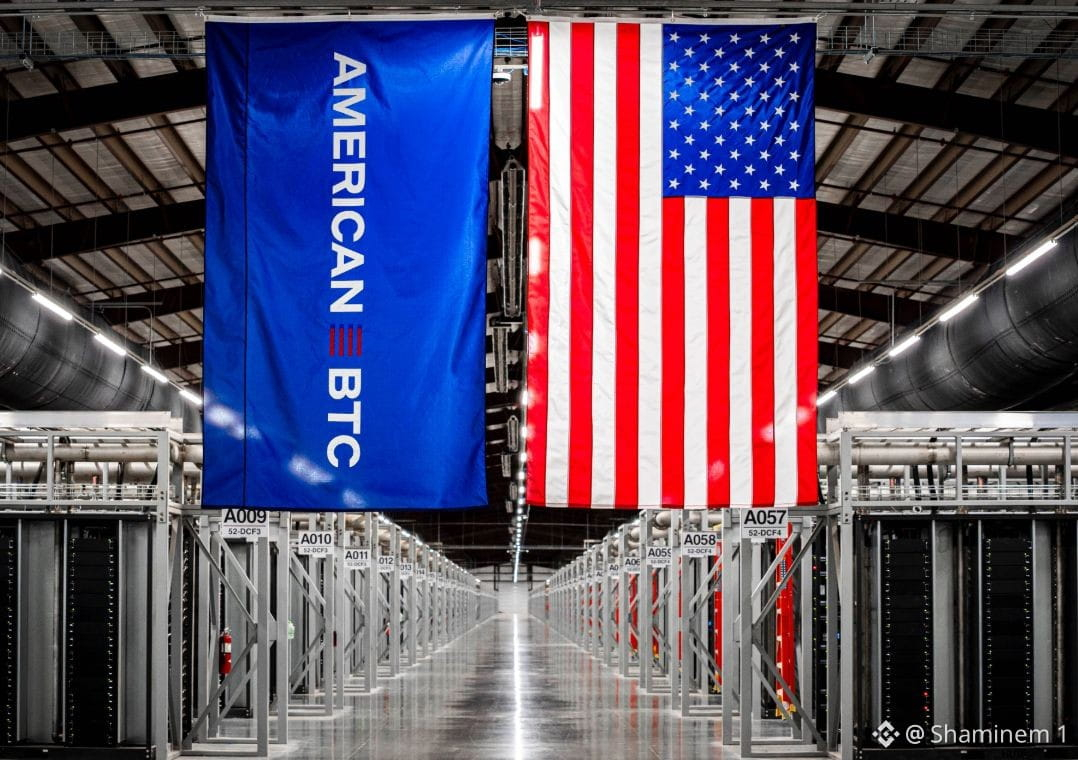
54
·
--
私の答えはNOです。その理由は優位性チャートにあります。実際のアルトシーズンでは、資金がリスク曲線を下へ回転していくにつれて、ビットコインのドミナンスは下がります。ところが今は逆に動いています。BTCドミナンスは8か月ぶりに60%を上回り、66%のサイクル高値を目標にしています。現在、$BTC は1.43%上昇した一方で、$ZEC は8.54%上昇しました。主導しているのは依然としてビットコインで、アルトはときどき短いバーストでそれを上回っているだけです。CoinMarketCapのAltcoin Season Indexもそれを裏付けていて、いまは30代後半から40代前半に位置しており、実際にアルトシーズンを定義する75の約半分です。本当に起きていることは、話題が聞こえるよりもずっと狭いです。$ZEC は、過去1週間でそれ自身のプライバシー・ナラティブとETF申請ニュースによって、単独で約75%上昇しています。市場全体のテーマというわけではありません。$XRP も同じ期間で、それ自身の触媒(材料)により約44%上昇しました。 一方で、他の多くの有力アルトコインは、1桁台の上昇にとどまり、ほとんど何も動いていません。必死に走っているのは名前が少数で、ローテーションではありません。さらに、歴史的に見たときのタイミングの問題もあります。アルトシーズンは新しいビットコインの史上最高値の後に来る傾向があり、下落局面からの戻りではありません。そしてBTCはまだ10月の高値から大きく下の水準です。つまり、これは$ZEC と #XRP がビットコイン主導の市場の中で個別に良い1週間を作っているだけで、アルトシーズン開始の号砲ではありません。アルトシーズンが始まるのは、ドミナンスが実際に下向きに転じるときであって、アルトが2つや3つ強い上昇を見せている間にドミナンスが上がっていくときではありません
私の答えはNOです。その理由は優位性チャートにあります。実際のアルトシーズンでは、資金がリスク曲線を下へ回転していくにつれて、ビットコインのドミナンスは下がります。ところが今は逆に動いています。BTCドミナンスは8か月ぶりに60%を上回り、66%のサイクル高値を目標にしています。現在、$BTC は1.43%上昇した一方で、$ZEC は8.54%上昇しました。主導しているのは依然としてビットコインで、アルトはときどき短いバーストでそれを上回っているだけです。CoinMarketCapのAltcoin Season Indexもそれを裏付けていて、いまは30代後半から40代前半に位置しており、実際にアルトシーズンを定義する75の約半分です。本当に起きていることは、話題が聞こえるよりもずっと狭いです。$ZEC は、過去1週間でそれ自身のプライバシー・ナラティブとETF申請ニュースによって、単独で約75%上昇しています。市場全体のテーマというわけではありません。$XRP も同じ期間で、それ自身の触媒(材料)により約44%上昇しました。 一方で、他の多くの有力アルトコインは、1桁台の上昇にとどまり、ほとんど何も動いていません。必死に走っているのは名前が少数で、ローテーションではありません。さらに、歴史的に見たときのタイミングの問題もあります。アルトシーズンは新しいビットコインの史上最高値の後に来る傾向があり、下落局面からの戻りではありません。そしてBTCはまだ10月の高値から大きく下の水準です。つまり、これは$ZEC と #XRP がビットコイン主導の市場の中で個別に良い1週間を作っているだけで、アルトシーズン開始の号砲ではありません。アルトシーズンが始まるのは、ドミナンスが実際に下向きに転じるときであって、アルトが2つや3つ強い上昇を見せている間にドミナンスが上がっていくときではありません
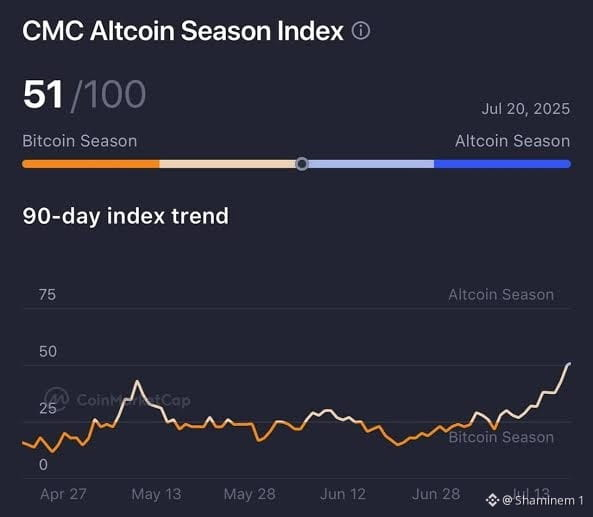
80
·
--
翻訳参照
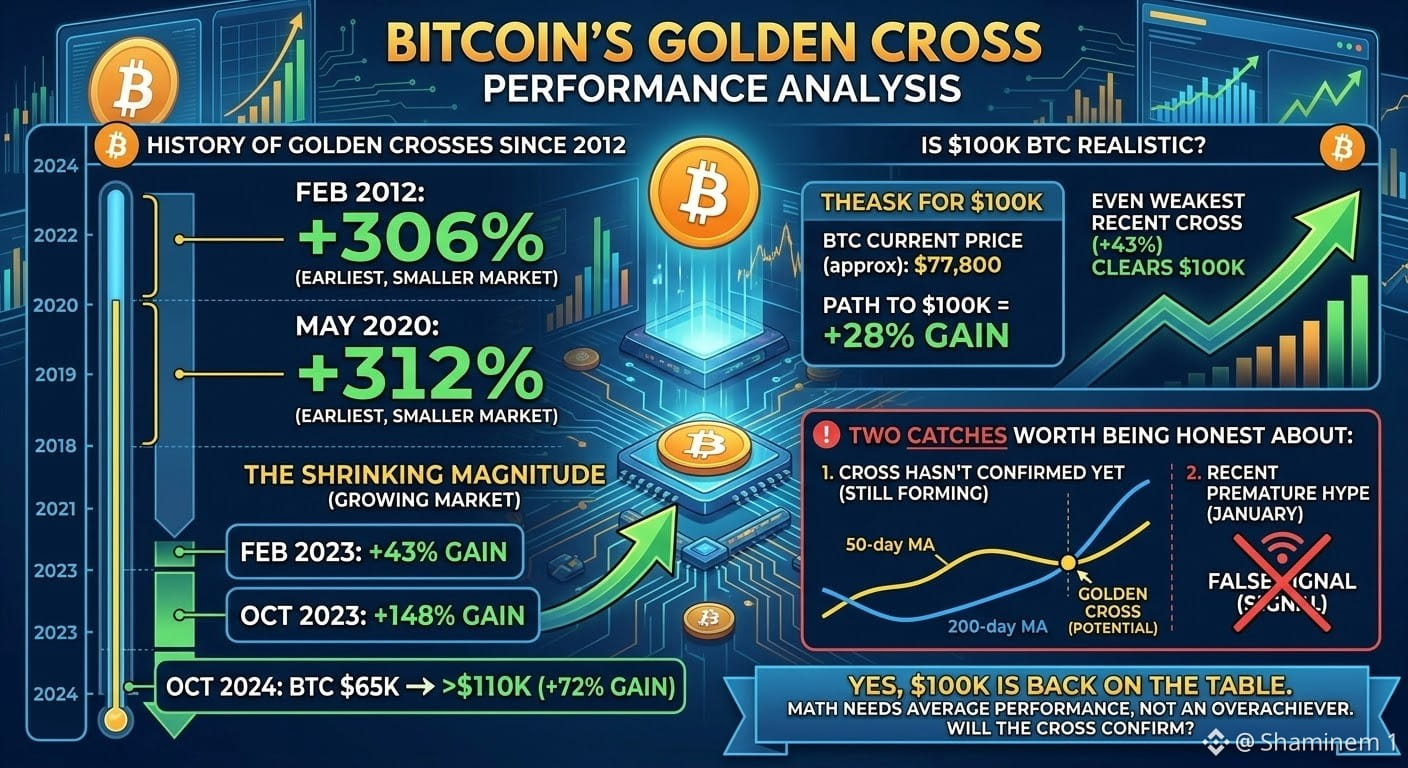
Bitcoin's golden cross, its 50-day average crossing above the 200-day, has fired 12 times since 2012, and only two of those produced anything close to 300%, February 2012 gained 306% over the next year, May 2020 gained 312%, real numbers, not marketing. Here's what the "twice" leaves out though. Those were $BTC 's earliest, smallest years. Every golden cross since has delivered less: 1. February 2023 gained 43% 2. October 2023 gained 148%, 3.October 2024 rode BTC from $65,000 to over $110,000, still a strong 72%, but nowhere near 300%. The signal works, the magnitude has been shrinking as the market's grown up. That actually makes $100K an easier ask, not a harder one. BTC's sat near $77,800 right now, so getting to $100K only needs about 28%. Even the weakest recent cross, the 43% one, would clear that with room to spare. You don't need a repeat of 2012 or 2020 for this to work, you just need an average one. Two catches worth being honest about. This cross hasn't actually confirmed yet, it's still forming. And this exact signal already got prematurely hyped once this year, back in January, when some outlets called a cross using a different average while the real one stayed bearish. Bitcoin's also just spent 277 days without one, among the longest stretches on record. So yes, $100K is back on the table, and the math barely needs a golden cross overachieving to get there. Whether the cross itself actually confirms first is the part still unresolved.
Bitcoin's golden cross, its 50-day average crossing above the 200-day, has fired 12 times since 2012, and only two of those produced anything close to 300%, February 2012 gained 306% over the next year, May 2020 gained 312%, real numbers, not marketing. Here's what the "twice" leaves out though. Those were $BTC 's earliest, smallest years. Every golden cross since has delivered less: 1. February 2023 gained 43% 2. October 2023 gained 148%, 3.October 2024 rode BTC from $65,000 to over $110,000, still a strong 72%, but nowhere near 300%. The signal works, the magnitude has been shrinking as the market's grown up. That actually makes $100K an easier ask, not a harder one. BTC's sat near $77,800 right now, so getting to $100K only needs about 28%. Even the weakest recent cross, the 43% one, would clear that with room to spare. You don't need a repeat of 2012 or 2020 for this to work, you just need an average one. Two catches worth being honest about. This cross hasn't actually confirmed yet, it's still forming. And this exact signal already got prematurely hyped once this year, back in January, when some outlets called a cross using a different average while the real one stayed bearish. Bitcoin's also just spent 277 days without one, among the longest stretches on record. So yes, $100K is back on the table, and the math barely needs a golden cross overachieving to get there. Whether the cross itself actually confirms first is the part still unresolved.
81
·
--
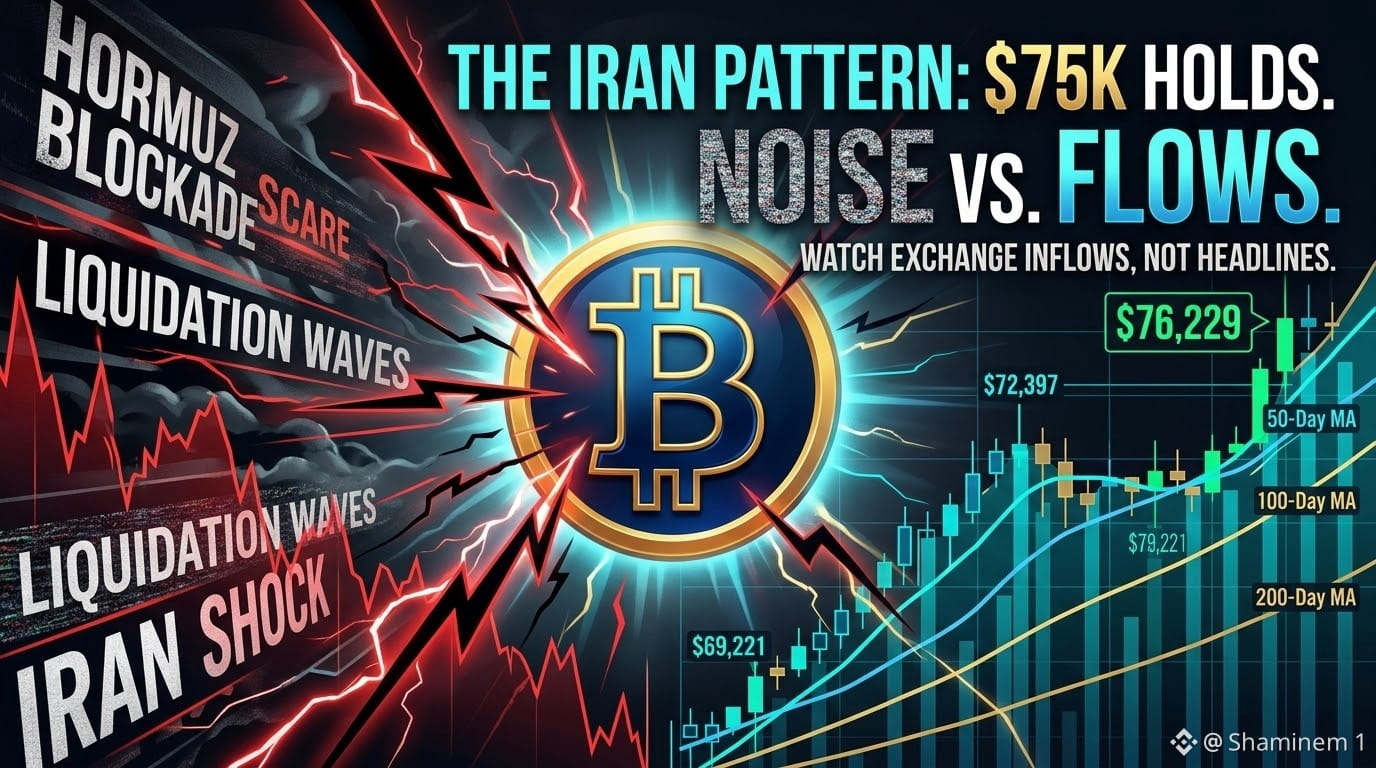
これは、今年のイランをめぐるビットコイン初の「ショック」ではない。そしてこれまでのスコアボードは、明確に一方に傾いている。4月には、ホルムズ海峡の封鎖をめぐる警戒で $BTC が 70,741ドルまで下落したが、同じ取引時間のうちに 75,000ドルへまっすぐ急反発した。7月下旬には、より重い攻撃の波で 286百万ドル相当が清算されても、BTC は 63,900ドル付近でほとんど瞬きをせず、ダウは2.2%下落した。いままた同じことが起きた。火曜日に米国の新たな攻撃が打たれる中、1時間で115百万ドルが消し飛び、付けた安値は 76,229ドルだった。ビットコインは 75,000ドルにすら到達しておらず、まして 70,000ドルには届いていない。実際に名づける価値があるのはこのパターンだ。今年のイラン関連の見出しごとに、鋭い1時間の清算スパイクが生じ、その後数時間以内に安定する。持続的な下落にはつながっていない。技術面がそれを裏づけている。BTC の50日、100日、200日移動平均は、いま 69,221ドルから 72,397ドルの間にひしめいている。70Kに到達することは、キリの良い数字を失うことではなく、年中維持されてきた3本の積み上がったトレンドラインを突破することを意味する。これは見出しに反応する「一過性」の出来事ではなく、構造的な事象だ。では、実際に注目すべきは何か。Wintermute が 5,100 BTC を Binance に送金し、さらに売りの局面でクジラが 41,000 $ETH 以上を取引所に入金した。これほどの取引所への入金は、今後の売りにつながる可能性を示し得る。つまり、地政学的なノイズの下に実際に存在するポジションリスクがある。では 70Kを維持するのか、それとも 70Kを叩くのか?歴史とチャートの両方が示しているのは、75Kが持ちこたえるということだ。もし、さらなる攻撃の「追加ラウンド」以上の、明らかに大きな事態へエスカレートしない限り。本当のサインは見出しではなく、取引所のフローを見ればわかる。 #BTC Price Analysis#
これは、今年のイランをめぐるビットコイン初の「ショック」ではない。そしてこれまでのスコアボードは、明確に一方に傾いている。4月には、ホルムズ海峡の封鎖をめぐる警戒で $BTC が 70,741ドルまで下落したが、同じ取引時間のうちに 75,000ドルへまっすぐ急反発した。7月下旬には、より重い攻撃の波で 286百万ドル相当が清算されても、BTC は 63,900ドル付近でほとんど瞬きをせず、ダウは2.2%下落した。いままた同じことが起きた。火曜日に米国の新たな攻撃が打たれる中、1時間で115百万ドルが消し飛び、付けた安値は 76,229ドルだった。ビットコインは 75,000ドルにすら到達しておらず、まして 70,000ドルには届いていない。実際に名づける価値があるのはこのパターンだ。今年のイラン関連の見出しごとに、鋭い1時間の清算スパイクが生じ、その後数時間以内に安定する。持続的な下落にはつながっていない。技術面がそれを裏づけている。BTC の50日、100日、200日移動平均は、いま 69,221ドルから 72,397ドルの間にひしめいている。70Kに到達することは、キリの良い数字を失うことではなく、年中維持されてきた3本の積み上がったトレンドラインを突破することを意味する。これは見出しに反応する「一過性」の出来事ではなく、構造的な事象だ。では、実際に注目すべきは何か。Wintermute が 5,100 BTC を Binance に送金し、さらに売りの局面でクジラが 41,000 $ETH 以上を取引所に入金した。これほどの取引所への入金は、今後の売りにつながる可能性を示し得る。つまり、地政学的なノイズの下に実際に存在するポジションリスクがある。では 70Kを維持するのか、それとも 70Kを叩くのか?歴史とチャートの両方が示しているのは、75Kが持ちこたえるということだ。もし、さらなる攻撃の「追加ラウンド」以上の、明らかに大きな事態へエスカレートしない限り。本当のサインは見出しではなく、取引所のフローを見ればわかる。 #BTC Price Analysis#
38
·
--
速報:タイのSECは現在、ライセンスを受けた暗号資産企業に対し、自社ホスト型ウォレットの所有権を検証し、すべての送金ごとに取引相手のデータを収集し、記録を5年間保管することを求めています。
施行は2027年2月27日です。 $T
速報:タイのSECは現在、ライセンスを受けた暗号資産企業に対し、自社ホスト型ウォレットの所有権を検証し、すべての送金ごとに取引相手のデータを収集し、記録を5年間保管することを求めています。
施行は2027年2月27日です。 $T
施行は2027年2月27日です。 $T

62
ログインして、さらにコンテンツを読む
厳選トピックで世界の暗号資産トレーダーの仲間入り
⚡️ 暗号資産に関する最新かつ有益な情報が見つかります。
💬 世界最大の暗号資産取引所から信頼されています。
👍 認証を受けたクリエイターから、有益なインサイトを得られます。
メール / 電話番号
トレンドトピック
CerebrasSinksNearly20%OnReportNvidiaToPowerOpenAI
閲覧回数 218
26人が討論中
🚀 クリプト・ローンチ・ウォッチ — 2026年10月3〜9日
注目のコイン:$NIL (NIL)
📅 重要日:2026年10月5日 — NillionがBlacklight L1メインネットのローンチを予定。
🌐 期待されるカタリスト:メインネットのローンチにより、本プロジェクトへの関心が高まる可能性。
📊 市場見通し:価格の方向性は依然として不透明。ローンチが上昇を保証するわけではない。#CerebrasSinksNearly20%OnReportNvidiaToPowerOpenAI #SECProposesCryptoCustodyRules #USStocksCloseHigherOnWeakJobsData #ICBASuesOCCOverCryptoBankCharters
Hayyan Zahid
·いいね:0件
·閲覧回数 19
SECProposesCryptoCustodyRules
閲覧回数 11,716
173人が討論中
SECApproves3xLongCryptoCommodityETPs
閲覧回数 12,950
186人が討論中