
KyMan
710 投稿

KyMan
報告
ユーザーをブロック
7 フォロー
5 フォロワー
296 いいね
投稿
·
--
翻訳参照
𝗪𝗛𝗬 𝗥𝗘𝗟𝗜𝗔𝗕𝗟𝗘 𝗢𝗥𝗔𝗖𝗟𝗘 𝗜𝗡𝗙𝗥𝗔𝗦𝗧𝗥𝗨𝗖𝗧𝗨𝗥𝗘 𝗢𝗨𝗧𝗟𝗔𝗦𝗧𝗦 𝗦𝗛𝗢𝗥𝗧-𝗧𝗘𝗥Most market trends follow a predictable cycle: a new narrative captures attention for a few weeks, drives brief bursts of speculative activity, and fades the moment another distraction arrives.
Mistaking temporary market noise for lasting progress rarely builds sustainable value.
That is why a protocol dedicating its focus to dependable oracle infrastructure—supported by a $1.36 million liquidity base and over $20 million in daily volume—stands out clearly.
𝗪𝗵𝗮𝘁 𝗜𝘁 𝗧𝗮𝗸𝗲𝘀 𝗧𝗼 𝗕𝘂𝗶𝗹𝗱 𝗔 𝗗𝗲𝗽𝗲𝗻𝗱𝗮𝗯𝗹𝗲 𝗗𝗮𝘁𝗮 𝗟𝗮𝘆𝗲𝗿
Building a secure, accurate data feed is not a short-term campaign; it is a multi-year engineering commitment grounded in precision and consistency:
➞ Accurate off-chain data delivery keeps decentralized applications operating smoothly under real market load
➞ $1.36M in liquidity and $20M+ in daily volume reflect steady, ongoing ecosystem participation
➞ Unwavering operational reliability and stable liquidity remain the strongest advantages a protocol can maintain
Consistent engineering → Accurate oracle feeds → Long-term network resilience
𝗥𝗲𝗹𝗶𝗮𝗯𝗶𝗹𝗶𝘁𝘆 𝗜𝘀 𝗧𝗵𝗲 𝗨𝗹𝘁𝗶𝗺𝗮𝘁𝗲 𝗠𝗼𝗮𝘁
When short-term market noise settles, the protocols that endure are the ones solving foundational infrastructure challenges every single day.
Do you think the broader ecosystem currently gives enough recognition to long-term infrastructure builders compared to short-term trends?
@WINkLink_Official @JustinSun
#TRONEcoStar
𝗪𝗛𝗬 𝗥𝗘𝗟𝗜𝗔𝗕𝗟𝗘 𝗢𝗥𝗔𝗖𝗟𝗘 𝗜𝗡𝗙𝗥𝗔𝗦𝗧𝗥𝗨𝗖𝗧𝗨𝗥𝗘 𝗢𝗨𝗧𝗟𝗔𝗦𝗧𝗦 𝗦𝗛𝗢𝗥𝗧-𝗧𝗘𝗥
Most market trends follow a predictable cycle: a new narrative captures attention for a few weeks, drives brief bursts of speculative activity, and fades the moment another distraction arrives.
Mistaking temporary market noise for lasting progress rarely builds sustainable value.
That is why a protocol dedicating its focus to dependable oracle infrastructure—supported by a $1.36 million liquidity base and over $20 million in daily volume—stands out clearly.
𝗪𝗵𝗮𝘁 𝗜𝘁 𝗧𝗮𝗸𝗲𝘀 𝗧𝗼 𝗕𝘂𝗶𝗹𝗱 𝗔 𝗗𝗲𝗽𝗲𝗻𝗱𝗮𝗯𝗹𝗲 𝗗𝗮𝘁𝗮 𝗟𝗮𝘆𝗲𝗿
Building a secure, accurate data feed is not a short-term campaign; it is a multi-year engineering commitment grounded in precision and consistency:
➞ Accurate off-chain data delivery keeps decentralized applications operating smoothly under real market load
➞ $1.36M in liquidity and $20M+ in daily volume reflect steady, ongoing ecosystem participation
➞ Unwavering operational reliability and stable liquidity remain the strongest advantages a protocol can maintain
Consistent engineering → Accurate oracle feeds → Long-term network resilience
𝗥𝗲𝗹𝗶𝗮𝗯𝗶𝗹𝗶𝘁𝘆 𝗜𝘀 𝗧𝗵𝗲 𝗨𝗹𝘁𝗶𝗺𝗮𝘁𝗲 𝗠𝗼𝗮𝘁
When short-term market noise settles, the protocols that endure are the ones solving foundational infrastructure challenges every single day.
Do you think the broader ecosystem currently gives enough recognition to long-term infrastructure builders compared to short-term trends?
@WINkLink_Official @Justin Sun孙宇晨
#TRONEcoStar
41
·
--
翻訳参照
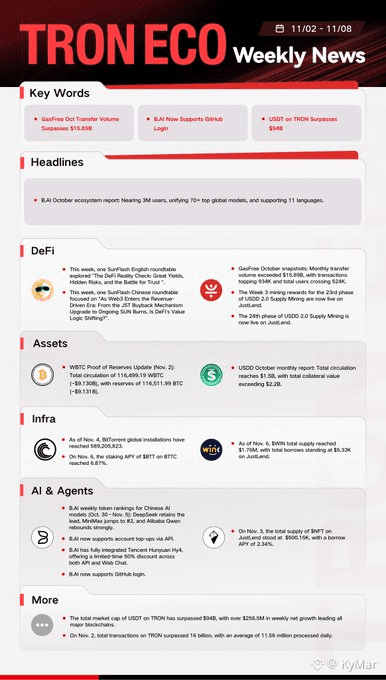
THE POWER OF FIVE HUNDRED MILLION: WHY BITTORENT’S MASSIVE GLOBAL REACH PROVES UTILITY WINS AT SCALE
When people in traditional tech circles talk about massive networks, they usually picture closed-garden corporate giants hoarding billions of users inside rigid, centralized silos. But looking at the cold, hard numbers—hitting a staggering 589 million global installations across the BitTorrent network—tells an entirely different story about scale. This is not about a single company capturing a market; it is about hundreds of millions of independent nodes choosing a distributed way to move information.
Think about what that scale actually represents in the real world. Every single installation is a real participant helping to route traffic, share files, and keep a global peer-to-peer infrastructure alive without relying on a single central server that can be switched off on a whim. It turns network architecture into a democratic choice.
"True digital scale isn't achieved by trapping users inside a corporate app; it happens when millions voluntarily connect to build an unstoppable web together."
We often get distracted by short-term crypto price action and forget the underlying infrastructure that actually powers global data distribution. Mass adoption is already happening quietly in the background, driven by raw utility rather than marketing hype.
Are you surprised by how fast decentralized networks are growing, or did you expect these numbers long ago? Let’s hear your thoughts.
@WINkLink_Official @JustinSun #TRONEcoStar
THE POWER OF FIVE HUNDRED MILLION: WHY BITTORENT’S MASSIVE GLOBAL REACH PROVES UTILITY WINS AT SCALE
When people in traditional tech circles talk about massive networks, they usually picture closed-garden corporate giants hoarding billions of users inside rigid, centralized silos. But looking at the cold, hard numbers—hitting a staggering 589 million global installations across the BitTorrent network—tells an entirely different story about scale. This is not about a single company capturing a market; it is about hundreds of millions of independent nodes choosing a distributed way to move information.
Think about what that scale actually represents in the real world. Every single installation is a real participant helping to route traffic, share files, and keep a global peer-to-peer infrastructure alive without relying on a single central server that can be switched off on a whim. It turns network architecture into a democratic choice.
"True digital scale isn't achieved by trapping users inside a corporate app; it happens when millions voluntarily connect to build an unstoppable web together."
We often get distracted by short-term crypto price action and forget the underlying infrastructure that actually powers global data distribution. Mass adoption is already happening quietly in the background, driven by raw utility rather than marketing hype.
Are you surprised by how fast decentralized networks are growing, or did you expect these numbers long ago? Let’s hear your thoughts.
@WINkLink_Official @Justin Sun孙宇晨 #TRONEcoStar
22
·
--
翻訳参照
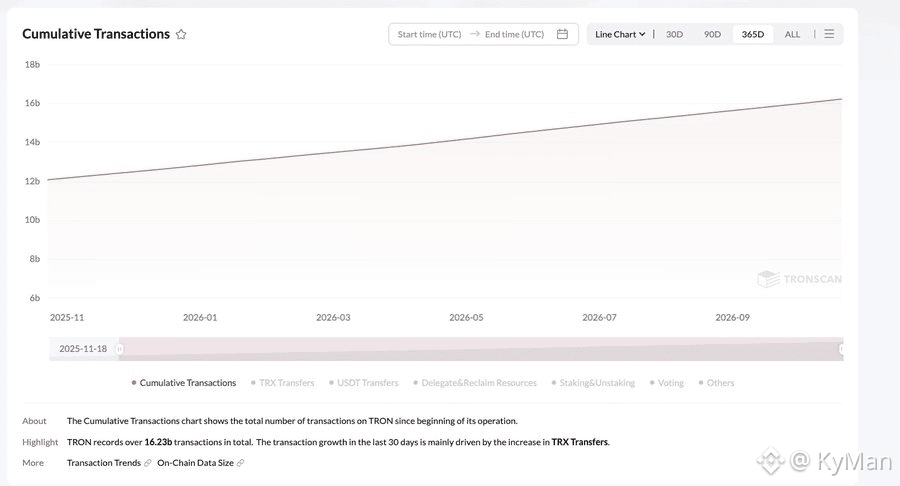
THE PARADOX OF SCALE: HOW ELEVEN MILLION DAILY MICRO-ACTIONS BUILD AN UNSTOPPABLE GLOBAL ECONOMY
People often misunderstand how massive technological revolutions actually happen in the real world. They sit around waiting for a singular, thunderous Hollywood moment—a massive keynote address, a celebrity endorsement, or a sudden overnight miracle that transforms global finance by sunrise. But real, lasting infrastructural shifts never happen that way. They are built quietly, brick by brick, through millions of tiny, unglamorous micro-interactions happening simultaneously across every continent.
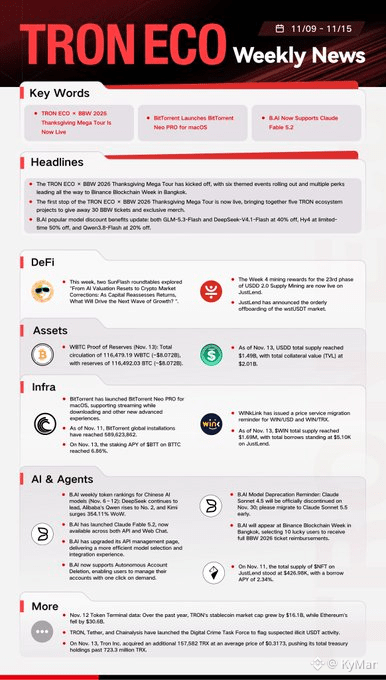
Looking at the monumental milestone of 16 billion total transactions and 11.56 million daily operations on TRON reveals this exact organic phenomenon in action. Each individual transaction might seem small on its own, but when compounded across hundreds of millions of active participants worldwide, it creates an unstoppable network effect. It is decentralized resilience in its purest, most powerful form.
"Mass adoption doesn't arrive with a loud explosion; it marches forward quietly through millions of everyday users transacting on-chain until the old financial world wakes up."
We are actively witnessing the foundation of a new internet get stress-tested and proven in real time by everyday people. That is what sustainable Web3 growth looks like in reality.
What role do you think everyday micro-users play in driving the next massive wave of global blockchain adoption? Let’s discuss your perspective.
@WINkLink_Official @JustinSun #TRONEcoStar
THE PARADOX OF SCALE: HOW ELEVEN MILLION DAILY MICRO-ACTIONS BUILD AN UNSTOPPABLE GLOBAL ECONOMY
People often misunderstand how massive technological revolutions actually happen in the real world. They sit around waiting for a singular, thunderous Hollywood moment—a massive keynote address, a celebrity endorsement, or a sudden overnight miracle that transforms global finance by sunrise. But real, lasting infrastructural shifts never happen that way. They are built quietly, brick by brick, through millions of tiny, unglamorous micro-interactions happening simultaneously across every continent.
Looking at the monumental milestone of 16 billion total transactions and 11.56 million daily operations on TRON reveals this exact organic phenomenon in action. Each individual transaction might seem small on its own, but when compounded across hundreds of millions of active participants worldwide, it creates an unstoppable network effect. It is decentralized resilience in its purest, most powerful form.
"Mass adoption doesn't arrive with a loud explosion; it marches forward quietly through millions of everyday users transacting on-chain until the old financial world wakes up."
We are actively witnessing the foundation of a new internet get stress-tested and proven in real time by everyday people. That is what sustainable Web3 growth looks like in reality.
What role do you think everyday micro-users play in driving the next massive wave of global blockchain adoption? Let’s discuss your perspective.
@WINkLink_Official @Justin Sun孙宇晨 #TRONEcoStar
15
·
--
翻訳参照
THE HUNDRED PERCENT COMMITMENT: WHY ALL-IN REVENUE BUYBACKS SEPARATE REAL PROTOCOLS FROM HYPE TOKENS
Let us talk about how deceptive typical tokenomics can be in the crypto world. Most projects love to throw around fancy words like deflationary and utility, but when you peek behind the curtain, their buyback promises turn out to be tiny fractions of protocol fees or vague corporate pledges that nobody can verify. It is exhausting to watch founders play games with token supply while everyday investors shoulder all the downside risk.
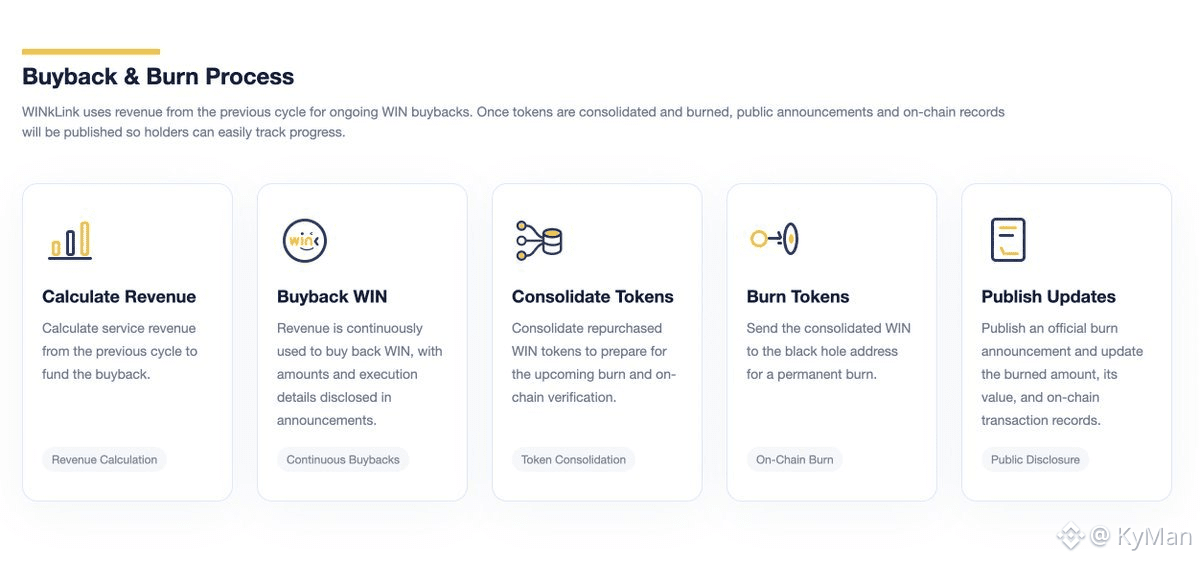
That is why WINkLink taking the absolute hardest, cleanest path possible with its buyback program hits so differently. When you look at step two of the mechanics—where one hundred percent of service revenue from the previous operational cycle is deployed dynamically on the open market to buy back WIN tokens—you realize this is built differently. There are no hidden loopholes, no corporate deductions, and no wishful thinking. Real revenue directly drives real open-market demand based on actual performance.
"True tokenomics integrity isn't measured by clever marketing slogans; it's proven when a project commits one hundred percent of its service revenue directly to token buybacks."
When protocol income completely fuels ongoing open-market repurchases, the economic loop becomes airtight. It rewards users who value transparent engineering over temporary social media hype.
How often do you see projects commit every single cent of service revenue back to their community assets? Let’s talk about standards.
@WINkLink_Official @JustinSun #TRONEcoStar
THE HUNDRED PERCENT COMMITMENT: WHY ALL-IN REVENUE BUYBACKS SEPARATE REAL PROTOCOLS FROM HYPE TOKENS
Let us talk about how deceptive typical tokenomics can be in the crypto world. Most projects love to throw around fancy words like deflationary and utility, but when you peek behind the curtain, their buyback promises turn out to be tiny fractions of protocol fees or vague corporate pledges that nobody can verify. It is exhausting to watch founders play games with token supply while everyday investors shoulder all the downside risk.
That is why WINkLink taking the absolute hardest, cleanest path possible with its buyback program hits so differently. When you look at step two of the mechanics—where one hundred percent of service revenue from the previous operational cycle is deployed dynamically on the open market to buy back WIN tokens—you realize this is built differently. There are no hidden loopholes, no corporate deductions, and no wishful thinking. Real revenue directly drives real open-market demand based on actual performance.
"True tokenomics integrity isn't measured by clever marketing slogans; it's proven when a project commits one hundred percent of its service revenue directly to token buybacks."
When protocol income completely fuels ongoing open-market repurchases, the economic loop becomes airtight. It rewards users who value transparent engineering over temporary social media hype.
How often do you see projects commit every single cent of service revenue back to their community assets? Let’s talk about standards.
@WINkLink_Official @Justin Sun孙宇晨 #TRONEcoStar
20
·
--
翻訳参照
THE QUIET ACCUMULATION: WHY BORING WEEKLY METRICS OFTEN OUTLAST THE LOUDEST CRYPTO HYPE CYCLES
Crypto Twitter is an absolute circus of loud opinions, fake alpha calls, and emotional trading advice shouted by anonymous accounts trying to pump their bags on unsuspecting followers. If you base your financial moves entirely on who is screaming the loudest in your feed every morning, your portfolio is going to suffer. That is why I make it a habit to ignore the noise and look directly at steady, unglamorous weekly updates.
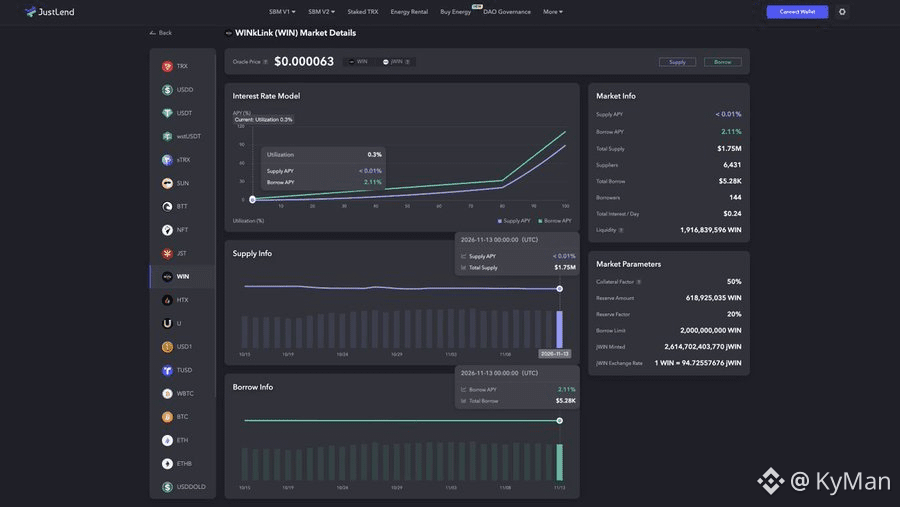
When you review stable market stats like the WIN JustLend update, showing a healthy 1.75M supply and balanced utilization, you realize that real utility does not need viral memes to survive. While speculators chase fleeting social media trends, foundational DeFi protocols keep operating smoothly 24/7, providing reliable financial services to users across the globe without ever needing a spotlight.
"In a market full of emotional noise and manufactured hype, quiet, consistent protocol utility is your only true North Star."
Learning how to appreciate unglamorous infrastructural metrics turns you from an anxious retail trader chasing green candles into a patient, calculating investor who understands long-term value.
How much weight do you put on hard on-chain data versus social media sentiment when making your weekly crypto moves? Let us talk about your approach.
@WINkLink_Official @JustinSun #TRONEcoStar
THE QUIET ACCUMULATION: WHY BORING WEEKLY METRICS OFTEN OUTLAST THE LOUDEST CRYPTO HYPE CYCLES
Crypto Twitter is an absolute circus of loud opinions, fake alpha calls, and emotional trading advice shouted by anonymous accounts trying to pump their bags on unsuspecting followers. If you base your financial moves entirely on who is screaming the loudest in your feed every morning, your portfolio is going to suffer. That is why I make it a habit to ignore the noise and look directly at steady, unglamorous weekly updates.
When you review stable market stats like the WIN JustLend update, showing a healthy 1.75M supply and balanced utilization, you realize that real utility does not need viral memes to survive. While speculators chase fleeting social media trends, foundational DeFi protocols keep operating smoothly 24/7, providing reliable financial services to users across the globe without ever needing a spotlight.
"In a market full of emotional noise and manufactured hype, quiet, consistent protocol utility is your only true North Star."
Learning how to appreciate unglamorous infrastructural metrics turns you from an anxious retail trader chasing green candles into a patient, calculating investor who understands long-term value.
How much weight do you put on hard on-chain data versus social media sentiment when making your weekly crypto moves? Let us talk about your approach.
@WINkLink_Official @Justin Sun孙宇晨 #TRONEcoStar
16
·
--
翻訳参照
THE MARATHON MINDSET: WHY OPERATIONAL RELIABILITY ALWAYS OUTPERFERS HYPE IN THE BATTLE FOR WEB3 SURVIVAL
Let us be brutally honest for a moment about the shelf life of most crypto narratives. A shiny new trend pops up, captures the internet imagination for three weeks, generates billions in speculative volume, and then crashes into total irrelevance as soon as the next shiny distraction appears. It is a dizzying carousel of digital amnesia that punishes anyone who mistakes temporary noise for permanent progress.
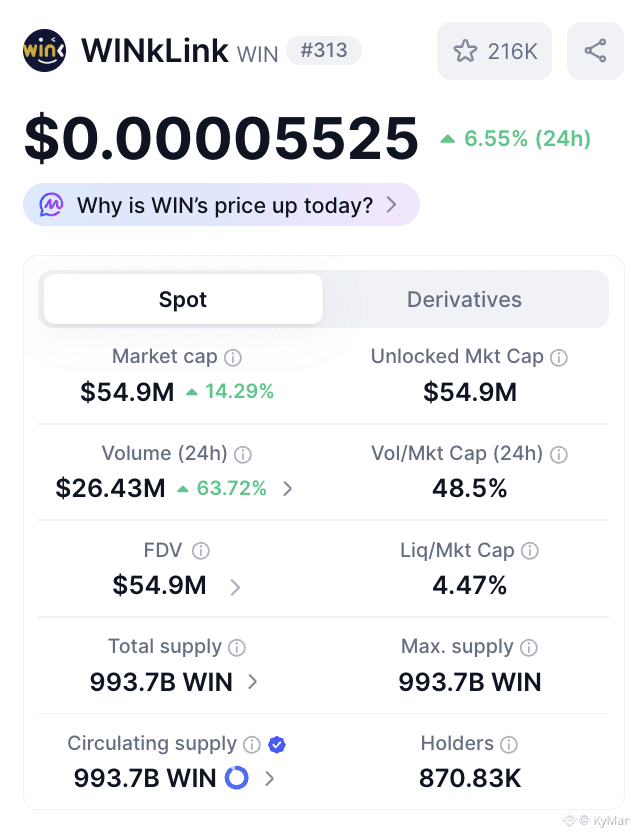
That is why a project committing its energy to long-term oracle reliability—even in the middle of a 63% volume surge and rising market attention—stands out so sharply. Building a secure, tamper-proof data layer is not a quick marketing stunt you check off a list; it is a grueling, multi-year engineering commitment that requires absolute precision, unwavering consistency, and zero tolerance for sloppy code.
"In a market obsessed with overnight riches and viral tweets, unwavering operational reliability is the rarest and most valuable superpower a protocol can possess."
When the speculative dust finally settles and the noise fades away, the networks that survive and dominate are the ones that actually solve hard infrastructure problems. Reliability is the ultimate moat.
Do you think the crypto market currently rewards long-term infrastructure builders enough, or does it still unfairly favor loud hype merchants? Let us debate.
@WINkLink_Official @JustinSun #TRONEcoStar
THE MARATHON MINDSET: WHY OPERATIONAL RELIABILITY ALWAYS OUTPERFERS HYPE IN THE BATTLE FOR WEB3 SURVIVAL
Let us be brutally honest for a moment about the shelf life of most crypto narratives. A shiny new trend pops up, captures the internet imagination for three weeks, generates billions in speculative volume, and then crashes into total irrelevance as soon as the next shiny distraction appears. It is a dizzying carousel of digital amnesia that punishes anyone who mistakes temporary noise for permanent progress.
That is why a project committing its energy to long-term oracle reliability—even in the middle of a 63% volume surge and rising market attention—stands out so sharply. Building a secure, tamper-proof data layer is not a quick marketing stunt you check off a list; it is a grueling, multi-year engineering commitment that requires absolute precision, unwavering consistency, and zero tolerance for sloppy code.
"In a market obsessed with overnight riches and viral tweets, unwavering operational reliability is the rarest and most valuable superpower a protocol can possess."
When the speculative dust finally settles and the noise fades away, the networks that survive and dominate are the ones that actually solve hard infrastructure problems. Reliability is the ultimate moat.
Do you think the crypto market currently rewards long-term infrastructure builders enough, or does it still unfairly favor loud hype merchants? Let us debate.
@WINkLink_Official @Justin Sun孙宇晨 #TRONEcoStar
9
·
--
エコシステムのモザイク:オラクル、準備資産、ステーブルコインの連携が、止められない金融エンジンを生み出す理由
孤立した価格チャートを眺めたり、ソーシャルメディアで感情的な取引アドバイスに耳を傾けたりしてばかりいると、TRONエコシステム全体で展開されている壮大な構想を完全に見失ってしまいます。ブロックチェーンは、単独のトークンや独立したアプリにとどまるものではありません。WINkLinkのような分散型オラクルが小数点以下10桁の精密な価格データを提供し、Wrapped BTCのようなクロスチェーン資産が数十億ドル規模の流動性を支え、USDDのようなアルゴリズム型ステーブルコインが日々の商取引を支える、複雑につながり合ったモザイクなのです。
オラクルの精度向上から準備資産の急成長に伴う節目の達成まで、この巨大な技術スタックを構成するすべての要素が同時に進化すると、ネットワーク全体の相乗効果は天文学的な規模に達します。投機家は短期的な流行を追いかけますが、エンジニアは時計のように正確に機能する統合型エコシステムを築きます。こうしたシームレスな相乗効果こそが、最終的に長期的な世界規模での普及を後押しするのです。
「分散型金融の未来を担うのは、一時的な熱狂を呼ぶ孤立したプロジェクトではありません。オラクル、準備資産、ステーブルコインが一つの完璧なマシンとして機能する、統合型エコシステムなのです。」
全体像を理解すれば、不安に駆られる個人トレーダーから、デジタル経済において持続的な価値がどこにあるのかを理解する、忍耐強く戦略的な参加者へと変わることができます。
個々のトークンチャートだけを見るのではなく、ブロックチェーンエコシステム全体の健全性をどのように評価していますか?ぜひ、あなたの評価方法について議論しましょう。
@WINkLink_Official @JustinSun #TRONEcoStar
エコシステムのモザイク:オラクル、準備資産、ステーブルコインの連携が、止められない金融エンジンを生み出す理由
孤立した価格チャートを眺めたり、ソーシャルメディアで感情的な取引アドバイスに耳を傾けたりしてばかりいると、TRONエコシステム全体で展開されている壮大な構想を完全に見失ってしまいます。ブロックチェーンは、単独のトークンや独立したアプリにとどまるものではありません。WINkLinkのような分散型オラクルが小数点以下10桁の精密な価格データを提供し、Wrapped BTCのようなクロスチェーン資産が数十億ドル規模の流動性を支え、USDDのようなアルゴリズム型ステーブルコインが日々の商取引を支える、複雑につながり合ったモザイクなのです。
オラクルの精度向上から準備資産の急成長に伴う節目の達成まで、この巨大な技術スタックを構成するすべての要素が同時に進化すると、ネットワーク全体の相乗効果は天文学的な規模に達します。投機家は短期的な流行を追いかけますが、エンジニアは時計のように正確に機能する統合型エコシステムを築きます。こうしたシームレスな相乗効果こそが、最終的に長期的な世界規模での普及を後押しするのです。
「分散型金融の未来を担うのは、一時的な熱狂を呼ぶ孤立したプロジェクトではありません。オラクル、準備資産、ステーブルコインが一つの完璧なマシンとして機能する、統合型エコシステムなのです。」
全体像を理解すれば、不安に駆られる個人トレーダーから、デジタル経済において持続的な価値がどこにあるのかを理解する、忍耐強く戦略的な参加者へと変わることができます。
個々のトークンチャートだけを見るのではなく、ブロックチェーンエコシステム全体の健全性をどのように評価していますか?ぜひ、あなたの評価方法について議論しましょう。
@WINkLink_Official @Justin Sun孙宇晨 #TRONEcoStar
23
·
--
世界的な普及は、信頼できるブロックを一つずつ積み重ねて実現する
世界中でブロックチェーンが普及するとは、世界全体が一夜にして切り替わるような、劇的なニュースを想像する人が多いでしょう。
実際には、TRONが日々の実用性を静かに広げながら、着実に162億件のトランザクションと4億1,400万のアカウントを達成していく姿に、より近いものです。
本当の普及を支えるのは、派手な演出ではなく信頼性です。
エコシステムの成長とデータの完全性をつなぐ
より多くの開発者がネットワーク上で高度なツールを展開するにつれ、信頼できるデータへの需要は指数関数的に高まります。
WINkLinkは、TRONのスマートコントラクトが外部情報に直接かつ確実にアクセスできるようにし、その拡大を支援します。
➞ 価格フィード:分散型金融市場を支える
➞ 自動化:繰り返し発生するプロトコル運用を効率化する
➞ AnyAPI:ウェブや企業との幅広い連携を可能にする
信頼は、想定するものではなく、設計するもの
ユーザーが使い続けるのは、最も重要な場面で一貫して機能するネットワークです。
高い処理能力を備えたブロックチェーンの実行環境と、包括的なオラクル基盤を組み合わせることで、ネットワーク上の活動は持続的な世界規模の実用性へとつながります。
ブロックチェーンのエコシステムが現実世界で本当に普及していると確信するには、どの指標が決め手になりますか?
@WINkLink_Official @JustinSun
#TRONEcoStar
世界的な普及は、信頼できるブロックを一つずつ積み重ねて実現する
世界中でブロックチェーンが普及するとは、世界全体が一夜にして切り替わるような、劇的なニュースを想像する人が多いでしょう。
実際には、TRONが日々の実用性を静かに広げながら、着実に162億件のトランザクションと4億1,400万のアカウントを達成していく姿に、より近いものです。
本当の普及を支えるのは、派手な演出ではなく信頼性です。
エコシステムの成長とデータの完全性をつなぐ
より多くの開発者がネットワーク上で高度なツールを展開するにつれ、信頼できるデータへの需要は指数関数的に高まります。
WINkLinkは、TRONのスマートコントラクトが外部情報に直接かつ確実にアクセスできるようにし、その拡大を支援します。
➞ 価格フィード:分散型金融市場を支える
➞ 自動化:繰り返し発生するプロトコル運用を効率化する
➞ AnyAPI:ウェブや企業との幅広い連携を可能にする
信頼は、想定するものではなく、設計するもの
ユーザーが使い続けるのは、最も重要な場面で一貫して機能するネットワークです。
高い処理能力を備えたブロックチェーンの実行環境と、包括的なオラクル基盤を組み合わせることで、ネットワーク上の活動は持続的な世界規模の実用性へとつながります。
ブロックチェーンのエコシステムが現実世界で本当に普及していると確信するには、どの指標が決め手になりますか?
@WINkLink_Official @Justin Sun孙宇晨
#TRONEcoStar
10
·
--
翻訳参照
𝗠𝗜𝗖𝗥𝗢-𝗣𝗥𝗜𝗖𝗘𝗦 𝗗𝗘𝗠𝗔𝗡𝗗 𝗠𝗔𝗖𝗥𝗢-𝗣𝗥𝗘𝗖𝗜𝗦𝗜𝗢𝗡 𝗢𝗡-𝗖𝗛𝗔𝗜𝗡
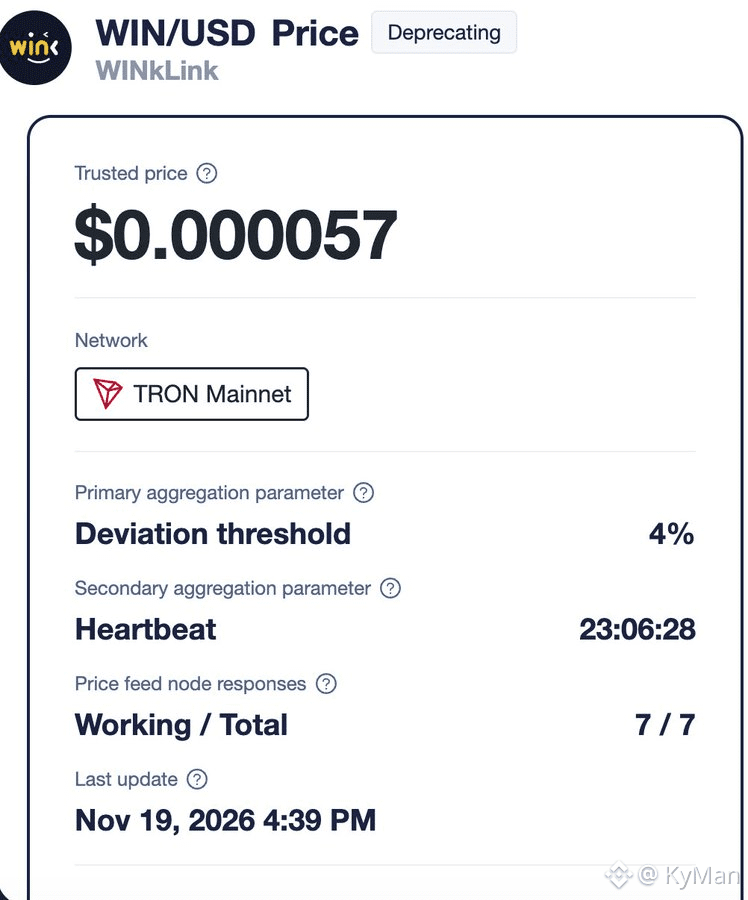
When an asset trades at $0.000057, every single decimal place carries massive mathematical weight.
A tiny rounding error or delayed feed at six-figure decimal levels can distort collateral ratios and wreck automated trading strategies in seconds.
Delivering a trusted price of $0.000057 on TRON Mainnet requires clean aggregation across every participating node.
𝗛𝗼𝘄 𝗪𝗜𝗡𝗸𝗟𝗶𝗻𝗸 𝗧𝘂𝗿𝗻𝘀 𝗥𝗮𝘄 𝗙𝗲𝗲𝗱𝘀 𝗜𝗻𝘁𝗼 𝗧𝗿𝘂𝘀𝘁𝗲𝗱 𝗩𝗮𝗹𝘂𝗲
Behind that simple number sits a multi-layered verification pipeline:
➞ 7/7 active nodes pull and validate off-chain market data independently
➞ A 4% deviation threshold and 23:09:35 heartbeat govern when updates hit the chain
➞ Smart contracts read one unified, tamper-resistant figure at 4:39 PM
Raw exchange quotes → Node aggregation → $0.000057 trusted on-chain price
𝗗𝗮𝘁𝗮 𝗜𝗻𝘁𝗲𝗴𝗿𝗶𝘁𝘆 𝗔𝘁 𝗘𝘃𝗲𝗿𝘆 𝗗𝗲𝗰𝗶𝗺𝗮𝗹
People love talking about big dollar tokens, yet micro-priced assets test oracle precision harder than anything else.
Clean data infrastructure ensures every decimal counts when smart contracts execute on TRON Mainnet.
Have you ever seen a DeFi protocol miscalculate positions because of imprecise or lagging micro-token price feeds?
@WINkLink_Official @JustinSun
#TRONEcoStar
𝗠𝗜𝗖𝗥𝗢-𝗣𝗥𝗜𝗖𝗘𝗦 𝗗𝗘𝗠𝗔𝗡𝗗 𝗠𝗔𝗖𝗥𝗢-𝗣𝗥𝗘𝗖𝗜𝗦𝗜𝗢𝗡 𝗢𝗡-𝗖𝗛𝗔𝗜𝗡
When an asset trades at $0.000057, every single decimal place carries massive mathematical weight.
A tiny rounding error or delayed feed at six-figure decimal levels can distort collateral ratios and wreck automated trading strategies in seconds.
Delivering a trusted price of $0.000057 on TRON Mainnet requires clean aggregation across every participating node.
𝗛𝗼𝘄 𝗪𝗜𝗡𝗸𝗟𝗶𝗻𝗸 𝗧𝘂𝗿𝗻𝘀 𝗥𝗮𝘄 𝗙𝗲𝗲𝗱𝘀 𝗜𝗻𝘁𝗼 𝗧𝗿𝘂𝘀𝘁𝗲𝗱 𝗩𝗮𝗹𝘂𝗲
Behind that simple number sits a multi-layered verification pipeline:
➞ 7/7 active nodes pull and validate off-chain market data independently
➞ A 4% deviation threshold and 23:09:35 heartbeat govern when updates hit the chain
➞ Smart contracts read one unified, tamper-resistant figure at 4:39 PM
Raw exchange quotes → Node aggregation → $0.000057 trusted on-chain price
𝗗𝗮𝘁𝗮 𝗜𝗻𝘁𝗲𝗴𝗿𝗶𝘁𝘆 𝗔𝘁 𝗘𝘃𝗲𝗿𝘆 𝗗𝗲𝗰𝗶𝗺𝗮𝗹
People love talking about big dollar tokens, yet micro-priced assets test oracle precision harder than anything else.
Clean data infrastructure ensures every decimal counts when smart contracts execute on TRON Mainnet.
Have you ever seen a DeFi protocol miscalculate positions because of imprecise or lagging micro-token price feeds?
@WINkLink_Official @Justin Sun孙宇晨
#TRONEcoStar
15
·
--
翻訳参照
𝗧𝗥𝗨𝗦𝗧𝗘𝗗 𝗣𝗥𝗜𝗖𝗘𝗦 𝗔𝗥𝗘 𝗘𝗡𝗚𝗜𝗡𝗘𝗘𝗥𝗘𝗗, 𝗡𝗢𝗧 𝗚𝗨𝗘𝗦𝗦𝗘𝗗
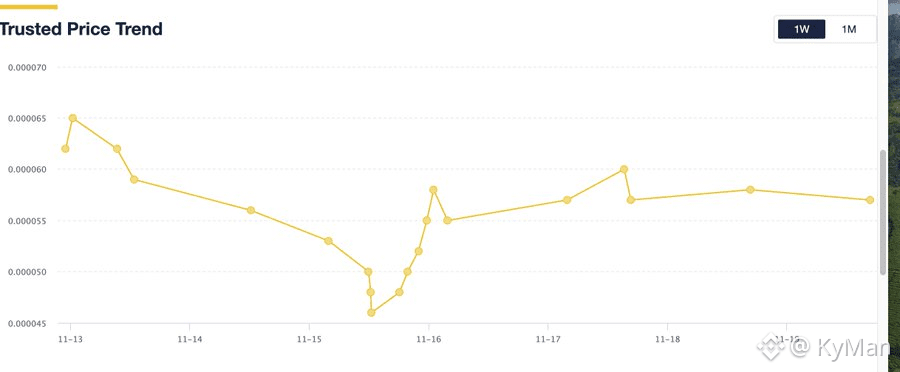
When you glance at a clean line moving from 0.000062 on November 13 to 0.000057 on November 19, it is easy to take that simplicity for granted[cite: 1].
Behind every single yellow dot on that graph sits an entire decentralized network working around the clock to verify off-chain reality[cite: 1].
At micro-price levels around five zeros, accuracy is everything.
𝗪𝗵𝗮𝘁 𝗠𝗮𝗸𝗲𝘀 𝗔 𝗣𝗿𝗶𝗰𝗲 𝗙𝗲𝗲𝗱 𝗧𝗿𝘂𝘀𝘁𝘄𝗼𝗿𝘁𝗵𝘆
WINkLink turns messy multi-exchange trading into one reliable on-chain reference:
➞ Capturing true peaks like 0.000065 and true bottoms like 0.000046 without distortion[cite: 1]
➞ Filtering out fake exchange wicks that could trigger unfair smart contract liquidations
➞ Delivering a consistent baseline through November 18 and 19 for TRON builders[cite: 1]
Raw market chaos → Multi-node validation → Clean Trusted Price Trend
𝗕𝘂𝗶𝗹𝗱𝗶𝗻𝗴 𝗢𝗻 𝗦𝗼𝗹𝗶𝗱 𝗚𝗿𝗼𝘂𝗻𝗱
A chart is only as useful as the integrity of the data feeding it.
Seeing WINkLink maintain seamless accuracy across both steep drops and flat plateaus proves why reliable oracle infrastructure is non-negotiable in Web3.
When you analyze a token chart, do you trust raw exchange candles or validated oracle feeds more?
@WINkLink_Official @JustinSun
#TRONEcoStar
𝗧𝗥𝗨𝗦𝗧𝗘𝗗 𝗣𝗥𝗜𝗖𝗘𝗦 𝗔𝗥𝗘 𝗘𝗡𝗚𝗜𝗡𝗘𝗘𝗥𝗘𝗗, 𝗡𝗢𝗧 𝗚𝗨𝗘𝗦𝗦𝗘𝗗
When you glance at a clean line moving from 0.000062 on November 13 to 0.000057 on November 19, it is easy to take that simplicity for granted[cite: 1].
Behind every single yellow dot on that graph sits an entire decentralized network working around the clock to verify off-chain reality[cite: 1].
At micro-price levels around five zeros, accuracy is everything.
𝗪𝗵𝗮𝘁 𝗠𝗮𝗸𝗲𝘀 𝗔 𝗣𝗿𝗶𝗰𝗲 𝗙𝗲𝗲𝗱 𝗧𝗿𝘂𝘀𝘁𝘄𝗼𝗿𝘁𝗵𝘆
WINkLink turns messy multi-exchange trading into one reliable on-chain reference:
➞ Capturing true peaks like 0.000065 and true bottoms like 0.000046 without distortion[cite: 1]
➞ Filtering out fake exchange wicks that could trigger unfair smart contract liquidations
➞ Delivering a consistent baseline through November 18 and 19 for TRON builders[cite: 1]
Raw market chaos → Multi-node validation → Clean Trusted Price Trend
𝗕𝘂𝗶𝗹𝗱𝗶𝗻𝗴 𝗢𝗻 𝗦𝗼𝗹𝗶𝗱 𝗚𝗿𝗼𝘂𝗻𝗱
A chart is only as useful as the integrity of the data feeding it.
Seeing WINkLink maintain seamless accuracy across both steep drops and flat plateaus proves why reliable oracle infrastructure is non-negotiable in Web3.
When you analyze a token chart, do you trust raw exchange candles or validated oracle feeds more?
@WINkLink_Official @Justin Sun孙宇晨
#TRONEcoStar
16
·
--
翻訳参照
𝗜𝗡𝗗𝗨𝗦𝗧𝗥𝗬 𝗖𝗢𝗢𝗥𝗗𝗜𝗡𝗔𝗧𝗜𝗢𝗡 𝗜𝗡 𝗔𝗖𝗧𝗜𝗢𝗡: 𝗛𝗢𝗪 𝗪𝗘𝗕𝟯 𝗦𝗧𝗥𝗘𝗡𝗚𝗧𝗛𝗘𝗡𝗦 𝗨𝗦𝗘𝗥 𝗣𝗥𝗢𝗧𝗘𝗖𝗧𝗜𝗢𝗡
Web3 builders often discuss decentralization philosophy, yet long-term adoption relies heavily on keeping everyday users safe from online threats.
Rather than waiting on the sidelines, TRON, Tether, and Chainalysis collaborated to launch the Digital Crime Task Force (@DigitalCrimeTF) to enhance ecosystem security.
With Tether having already frozen over $7B linked to illicit activity and AI-driven threats growing 4.5x in scale, proactive industry defense is more important than ever.
𝗪𝗵𝘆 𝗣𝗿𝗼𝗮𝗰𝘁𝗶𝘃𝗲 𝗖𝗼𝗼𝗿𝗱𝗶𝗻𝗮𝘁𝗶𝗼𝗻 𝗠𝗮𝘁𝘁𝗲𝗿𝘀 𝗙𝗼𝗿 𝗧𝗵𝗲 𝗘𝗰𝗼𝘀𝘆𝘀𝘁𝗲𝗺
When major infrastructure providers take active responsibility for network integrity, participants across the space benefit:
➞ On-chain intelligence helps identify and trace irregular USDT flows in real time
➞ Global authorities gain a direct, responsive partner for legitimate investigations
➞ Everyday builders and users operate within a cleaner, more dependable network environment
Industry accountability → Proactive risk mitigation → Stronger ecosystem trust
𝗣𝗿𝗼𝘁𝗲𝗰𝘁𝗶𝗻𝗴 𝗨𝘀𝗲𝗿𝘀 𝗦𝘂𝗽𝗽𝗼𝗿𝘁𝘀 𝗦𝘂𝘀𝘁𝗮𝗶𝗻𝗮𝗯𝗹𝗲 𝗚𝗿𝗼𝘄𝘁𝗵
Open blockchain networks thrive when bad actors face clear deterrence and everyday participants feel confident transacting.
Seeing TRON, Tether, and Chainalysis work together sets a constructive framework for safeguarding digital asset infrastructure at global scale.
Do you think collaborative initiatives like @DigitalCrimeTF are essential for strengthening trust across Web3 ecosystems?
@JustinSun @TRONDAO
#TRONEcoStar
𝗜𝗡𝗗𝗨𝗦𝗧𝗥𝗬 𝗖𝗢𝗢𝗥𝗗𝗜𝗡𝗔𝗧𝗜𝗢𝗡 𝗜𝗡 𝗔𝗖𝗧𝗜𝗢𝗡: 𝗛𝗢𝗪 𝗪𝗘𝗕𝟯 𝗦𝗧𝗥𝗘𝗡𝗚𝗧𝗛𝗘𝗡𝗦 𝗨𝗦𝗘𝗥 𝗣𝗥𝗢𝗧𝗘𝗖𝗧𝗜𝗢𝗡
Web3 builders often discuss decentralization philosophy, yet long-term adoption relies heavily on keeping everyday users safe from online threats.
Rather than waiting on the sidelines, TRON, Tether, and Chainalysis collaborated to launch the Digital Crime Task Force (@DigitalCrimeTF) to enhance ecosystem security.
With Tether having already frozen over $7B linked to illicit activity and AI-driven threats growing 4.5x in scale, proactive industry defense is more important than ever.
𝗪𝗵𝘆 𝗣𝗿𝗼𝗮𝗰𝘁𝗶𝘃𝗲 𝗖𝗼𝗼𝗿𝗱𝗶𝗻𝗮𝘁𝗶𝗼𝗻 𝗠𝗮𝘁𝘁𝗲𝗿𝘀 𝗙𝗼𝗿 𝗧𝗵𝗲 𝗘𝗰𝗼𝘀𝘆𝘀𝘁𝗲𝗺
When major infrastructure providers take active responsibility for network integrity, participants across the space benefit:
➞ On-chain intelligence helps identify and trace irregular USDT flows in real time
➞ Global authorities gain a direct, responsive partner for legitimate investigations
➞ Everyday builders and users operate within a cleaner, more dependable network environment
Industry accountability → Proactive risk mitigation → Stronger ecosystem trust
𝗣𝗿𝗼𝘁𝗲𝗰𝘁𝗶𝗻𝗴 𝗨𝘀𝗲𝗿𝘀 𝗦𝘂𝗽𝗽𝗼𝗿𝘁𝘀 𝗦𝘂𝘀𝘁𝗮𝗶𝗻𝗮𝗯𝗹𝗲 𝗚𝗿𝗼𝘄𝘁𝗵
Open blockchain networks thrive when bad actors face clear deterrence and everyday participants feel confident transacting.
Seeing TRON, Tether, and Chainalysis work together sets a constructive framework for safeguarding digital asset infrastructure at global scale.
Do you think collaborative initiatives like @DigitalCrimeTF are essential for strengthening trust across Web3 ecosystems?
@Justin Sun孙宇晨 @TRON DAO
#TRONEcoStar
4
·
--
翻訳参照
𝗡𝗢 𝗢𝗧𝗛𝗘𝗥 𝗖𝗛𝗔𝗜𝗡 𝗖𝗔𝗠𝗘 𝗖𝗟𝗢𝗦𝗘: 𝗧𝗛𝗘 𝗪𝗘𝗘𝗞𝗟𝗬 𝗕𝗥𝗜𝗗𝗚𝗘 𝗟𝗘𝗔𝗗𝗘𝗥𝗕𝗢𝗔cIn crypto, narratives shift every twenty-four hours, yet cross-chain bridge flows reveal where real money is actually moving behind the scenes.
This week on Allbridge,
once again took the crown with $5.5 million in seven-day volume, leaving every competing network in the rearview mirror.
Even more telling, the average transfer clocked in around $30,000—a clear sign of experienced DeFi participants deploying meaningful liquidity.
𝗪𝗵𝗮𝘁 𝗗𝗿𝗶𝘃𝗲𝘀 𝗥𝗲𝗽𝗲𝗮𝘁 𝗕𝗿𝗶𝗱𝗴𝗲 𝗗𝗼𝗺𝗶𝗻𝗮𝗻𝗰𝗲
Winning a bridge leaderboard once can be a fluke; dominating week after week comes down to structural strength:
➞ Deep, battle-tested USDT reserves ready to move at a moment's notice
➞ Smooth cross-chain user experience that handles $30K transfers without friction
➞ Active multi-chain users who treat TRON as their primary liquidity launchpad
7 days → $5.5M bridged → Undisputed #1 on Allbridge
𝗗𝗮𝘁𝗮 𝗔𝗹𝘄𝗮𝘆𝘀 𝗕𝗲𝗮𝘁𝘀 𝗗𝗲𝗯𝗮𝘁𝗲
You can argue about tech specs on social media all day, or you can look at $5.5 million moving in $30K clips across Allbridge in one week.
Real adoption looks like capital flowing smoothly without fanfare.
What makes you trust a cross-chain bridge with $30,000+ transfers—speed, liquidity depth, or battle-tested uptime?
@JustinSun @TRONDAO
#TRONEcoStar
𝗡𝗢 𝗢𝗧𝗛𝗘𝗥 𝗖𝗛𝗔𝗜𝗡 𝗖𝗔𝗠𝗘 𝗖𝗟𝗢𝗦𝗘: 𝗧𝗛𝗘 𝗪𝗘𝗘𝗞𝗟𝗬 𝗕𝗥𝗜𝗗𝗚𝗘 𝗟𝗘𝗔𝗗𝗘𝗥𝗕𝗢𝗔c
In crypto, narratives shift every twenty-four hours, yet cross-chain bridge flows reveal where real money is actually moving behind the scenes.
This week on Allbridge,
once again took the crown with $5.5 million in seven-day volume, leaving every competing network in the rearview mirror.
Even more telling, the average transfer clocked in around $30,000—a clear sign of experienced DeFi participants deploying meaningful liquidity.
𝗪𝗵𝗮𝘁 𝗗𝗿𝗶𝘃𝗲𝘀 𝗥𝗲𝗽𝗲𝗮𝘁 𝗕𝗿𝗶𝗱𝗴𝗲 𝗗𝗼𝗺𝗶𝗻𝗮𝗻𝗰𝗲
Winning a bridge leaderboard once can be a fluke; dominating week after week comes down to structural strength:
➞ Deep, battle-tested USDT reserves ready to move at a moment's notice
➞ Smooth cross-chain user experience that handles $30K transfers without friction
➞ Active multi-chain users who treat TRON as their primary liquidity launchpad
7 days → $5.5M bridged → Undisputed #1 on Allbridge
𝗗𝗮𝘁𝗮 𝗔𝗹𝘄𝗮𝘆𝘀 𝗕𝗲𝗮𝘁𝘀 𝗗𝗲𝗯𝗮𝘁𝗲
You can argue about tech specs on social media all day, or you can look at $5.5 million moving in $30K clips across Allbridge in one week.
Real adoption looks like capital flowing smoothly without fanfare.
What makes you trust a cross-chain bridge with $30,000+ transfers—speed, liquidity depth, or battle-tested uptime?
@Justin Sun孙宇晨 @TRON DAO
#TRONEcoStar
7
·
--
𝗗𝗘𝗙𝗜 がついに普通のモバイルアプリのように見えるようになった
従来の DeFi を初めて触る人に勧めると、ガス設定、RPC URL、複数のブラウザ拡張機能を目にした瞬間に圧倒されることが多いです。
Aave アプリが Android で早期アクセスを展開し、TRON 上での USDT 直接入金をサポートすることで、分散型金融は標準的なモバイル体験にぐっと近づいています。
ユーザーはスマホを開いて USDT を入金し、最大 7.25% APY の変動金利をロックアップなしで確認できます。深い技術的な設定は必要ありません。
𝗦𝗶𝗺𝗽𝗹𝗲 な UX がより広い普及を支える理由
インフラは、日常のユーザーが長い技術ガイドを読まなくても使いこなせるときに、真の価値を生みます:
➞ 高速で低コストな TRON の取引により、入金と出金がシンプルに保たれる
➞ Android 対応により、世界中のスマートフォン利用者の約 72% に直接届く
➞ 分かりやすくアクセスしやすい UI 設計が、複雑な流動性プールの用語に取って代わる
シンプルなモバイル UI → 高速な TRON USDT レール → アクセスしやすいオンチェーン機能
𝗧𝗵𝗲 𝗕𝗲𝘀𝘁 𝗧𝗲𝗰𝗵 は背景に溶け込む
ほとんどの人はネットワークのパラメータを手動で設定したいわけではありません。モバイルでデジタル資産を管理する、なめらかで便利な方法を好むだけです。
TRON の決済効率と Aave のモバイルインターフェースをつなぐことで、日常のユーザーにとってオンチェーン参加がより簡単になります。
Aave の Android 早期アクセスはもう試しましたか、それとも TRON USDT 連携を注視していますか?
@JustinSun @TRONDAO
#TRONEcoStar
𝗗𝗘𝗙𝗜 がついに普通のモバイルアプリのように見えるようになった
従来の DeFi を初めて触る人に勧めると、ガス設定、RPC URL、複数のブラウザ拡張機能を目にした瞬間に圧倒されることが多いです。
Aave アプリが Android で早期アクセスを展開し、TRON 上での USDT 直接入金をサポートすることで、分散型金融は標準的なモバイル体験にぐっと近づいています。
ユーザーはスマホを開いて USDT を入金し、最大 7.25% APY の変動金利をロックアップなしで確認できます。深い技術的な設定は必要ありません。
𝗦𝗶𝗺𝗽𝗹𝗲 な UX がより広い普及を支える理由
インフラは、日常のユーザーが長い技術ガイドを読まなくても使いこなせるときに、真の価値を生みます:
➞ 高速で低コストな TRON の取引により、入金と出金がシンプルに保たれる
➞ Android 対応により、世界中のスマートフォン利用者の約 72% に直接届く
➞ 分かりやすくアクセスしやすい UI 設計が、複雑な流動性プールの用語に取って代わる
シンプルなモバイル UI → 高速な TRON USDT レール → アクセスしやすいオンチェーン機能
𝗧𝗵𝗲 𝗕𝗲𝘀𝘁 𝗧𝗲𝗰𝗵 は背景に溶け込む
ほとんどの人はネットワークのパラメータを手動で設定したいわけではありません。モバイルでデジタル資産を管理する、なめらかで便利な方法を好むだけです。
TRON の決済効率と Aave のモバイルインターフェースをつなぐことで、日常のユーザーにとってオンチェーン参加がより簡単になります。
Aave の Android 早期アクセスはもう試しましたか、それとも TRON USDT 連携を注視していますか?
@Justin Sun孙宇晨 @TRON DAO
#TRONEcoStar

36
·
--
𝗢𝗡𝗘-𝗧𝗛𝗜𝗥𝗗 𝗢𝗙 𝗧𝗛𝗘 𝗪𝗢𝗥𝗟𝗗'𝗦 𝗗𝗜𝗚𝗜𝗧𝗔𝗟 𝗗𝗢𝗟𝗟𝗔𝗥𝗦 𝗡𝗢𝗪 𝗟𝗜𝗩𝗘 𝗢𝗡 𝗧𝗥cどのブロックチェーンが最もクールなホワイトペーパーを持っているかで議論するのが好きな人は多いですが、実際の普及はいつも1つのシンプルな場所に現れます。つまり、人々が実際にどこにお金を置いているかです。
11月18日の最新DefiLlamaデータによると、
現在、ステーブルコイン供給量937億ドルを保有しており、世界市場全体の33.1%を占めています。
1年前、この数字は794億ドル、26.8%でした。
𝗪𝗵𝗮𝘁 𝗧𝗵𝗶𝗿𝘁𝘆-𝗧𝗵𝗿𝗲𝗲 𝗣𝗲𝗿𝗰𝗲𝗻𝘁 𝗠𝗮𝗿𝗸𝗲𝘁 𝗦𝗵𝗮𝗿𝗲 𝗣𝗿𝗼𝘃𝗲𝘀
𝗢𝗡𝗘-𝗧𝗛𝗜𝗥𝗗 𝗢𝗙 𝗧𝗛𝗘 𝗪𝗢𝗥𝗟𝗗'𝗦 𝗗𝗜𝗚𝗜𝗧𝗔𝗟 𝗗𝗢𝗟𝗟𝗔𝗥𝗦 𝗡𝗢𝗪 𝗟𝗜𝗩𝗘 𝗢𝗡 𝗧𝗥c
どのブロックチェーンが最もクールなホワイトペーパーを持っているかで議論するのが好きな人は多いですが、実際の普及はいつも1つのシンプルな場所に現れます。つまり、人々が実際にどこにお金を置いているかです。
11月18日の最新DefiLlamaデータによると、
現在、ステーブルコイン供給量937億ドルを保有しており、世界市場全体の33.1%を占めています。
1年前、この数字は794億ドル、26.8%でした。
𝗪𝗵𝗮𝘁 𝗧𝗵𝗶𝗿𝘁𝘆-𝗧𝗵𝗿𝗲𝗲 𝗣𝗲𝗿𝗰𝗲𝗻𝘁 𝗠𝗮𝗿𝗸𝗲𝘁 𝗦𝗵𝗮𝗿𝗲 𝗣𝗿𝗼𝘃𝗲𝘀
11月18日の最新DefiLlamaデータによると、
現在、ステーブルコイン供給量937億ドルを保有しており、世界市場全体の33.1%を占めています。
1年前、この数字は794億ドル、26.8%でした。
𝗪𝗵𝗮𝘁 𝗧𝗵𝗶𝗿𝘁𝘆-𝗧𝗵𝗿𝗲𝗲 𝗣𝗲𝗿𝗰𝗲𝗻𝘁 𝗠𝗮𝗿𝗸𝗲𝘁 𝗦𝗵𝗮𝗿𝗲 𝗣𝗿𝗼𝘃𝗲𝘀
9
·
--
𝗧𝗥𝗢𝗡が市場全体の変化の中でいかに底堅さを保ったか
デジタル資産市場全体に流動性が広く流入する急拡大期には、どのネットワークも好調に見えることがあります。
決済レイヤーの真価が問われるのは、市場が後退するときです。過去30日間で、世界のステーブルコイン総供給量は5.4%減少しました。
一方、TRONの供給量は10月19日時点から1.4%以内の変動にとどまり、世界市場シェアは31.7%から33.1%へ上昇しました。
𝗘𝗺𝗲𝗿𝗮𝗹𝗱が一貫した流動性を重視する理由
短期的な流動性は一時的なインセンティブの終了とともに急速に移動することがあります。一方、実用性に支えられた決済ネットワークでは、安定した活動が続きます。
➞ ユーザーは日常の商取引や国際送金のために、TRON上でデジタルドルを保有しています
➞ 流通する9,175億ドル相当のUSDTが、主要な送金経路全体で厚みのある信頼性の高い流動性を支えています
➞ 市場の調整局面は、参加者が日々どの決済インフラに依存しているかを浮き彫りにします
世界の供給量 -5.4% → TRONの供給量は安定 → 市場シェアは33.1%に上昇
𝗧𝗵𝗲 最も明確な指標はレジリエンス
市場全体の活動が落ち着く局面でも、TRONのステーブルコイン基盤は驚くほど安定しています。
この一貫性は、参加者がTRONを実用的な日常決済インフラとして捉えていることを示しています。
あなたにとって、ネットワークの強さをより明確に示す指標はどちらですか。上昇トレンド時の拡大、それとも市場調整時の安定性でしょうか?
@JustinSun @TRONDAO
#TRONEcoStar
𝗧𝗥𝗢𝗡が市場全体の変化の中でいかに底堅さを保ったか
デジタル資産市場全体に流動性が広く流入する急拡大期には、どのネットワークも好調に見えることがあります。
決済レイヤーの真価が問われるのは、市場が後退するときです。過去30日間で、世界のステーブルコイン総供給量は5.4%減少しました。
一方、TRONの供給量は10月19日時点から1.4%以内の変動にとどまり、世界市場シェアは31.7%から33.1%へ上昇しました。
𝗘𝗺𝗲𝗿𝗮𝗹𝗱が一貫した流動性を重視する理由
短期的な流動性は一時的なインセンティブの終了とともに急速に移動することがあります。一方、実用性に支えられた決済ネットワークでは、安定した活動が続きます。
➞ ユーザーは日常の商取引や国際送金のために、TRON上でデジタルドルを保有しています
➞ 流通する9,175億ドル相当のUSDTが、主要な送金経路全体で厚みのある信頼性の高い流動性を支えています
➞ 市場の調整局面は、参加者が日々どの決済インフラに依存しているかを浮き彫りにします
世界の供給量 -5.4% → TRONの供給量は安定 → 市場シェアは33.1%に上昇
𝗧𝗵𝗲 最も明確な指標はレジリエンス
市場全体の活動が落ち着く局面でも、TRONのステーブルコイン基盤は驚くほど安定しています。
この一貫性は、参加者がTRONを実用的な日常決済インフラとして捉えていることを示しています。
あなたにとって、ネットワークの強さをより明確に示す指標はどちらですか。上昇トレンド時の拡大、それとも市場調整時の安定性でしょうか?
@Justin Sun孙宇晨 @TRON DAO
#TRONEcoStar
4
·
--
𝗡𝗜𝗡𝗘𝗧𝗬-𝗢𝗡𝗘 𝗕𝗜𝗟𝗟𝗜𝗢𝗡 𝗜𝗡 𝗨𝗦𝗗𝗧: 𝗧𝗛𝗘 𝗥𝗔𝗜𝗟 𝗧𝗛𝗔𝗧 𝗠𝗢𝗩𝗘𝗦 𝗧𝗛𝗘 𝗪𝗢𝗥cTRONが現在、世界のすべてのステーブルコインの3分の1を担っている理由を理解したいなら、1つの数字を見てください: 917.5億ドル。
それだけのUSDTが
今この瞬間、ネットワーク全体のステーブルコイン総額937億ドルの98%を占めています。
実用的に言えば、TRONは世界最大のデジタルドルのための主要なグローバル高速道路になりました。
𝗛𝗼𝘄 𝗨𝗦𝗗𝗧 𝗢𝗻 𝗧𝗥𝗢𝗡 𝗕𝗲𝗰𝗮𝗺𝗲 𝗘𝘃𝗲𝗿𝘆𝗱𝗮𝘆 𝗠𝗼𝗻𝗲𝘆
大規模な普及は、複雑なスマートコントラクトのようには見えません。手数料で痛い目に遭わずに、素早くドルを送ることのように見えます:
𝗡𝗜𝗡𝗘𝗧𝗬-𝗢𝗡𝗘 𝗕𝗜𝗟𝗟𝗜𝗢𝗡 𝗜𝗡 𝗨𝗦𝗗𝗧: 𝗧𝗛𝗘 𝗥𝗔𝗜𝗟 𝗧𝗛𝗔𝗧 𝗠𝗢𝗩𝗘𝗦 𝗧𝗛𝗘 𝗪𝗢𝗥c
TRONが現在、世界のすべてのステーブルコインの3分の1を担っている理由を理解したいなら、1つの数字を見てください: 917.5億ドル。
それだけのUSDTが
今この瞬間、ネットワーク全体のステーブルコイン総額937億ドルの98%を占めています。
実用的に言えば、TRONは世界最大のデジタルドルのための主要なグローバル高速道路になりました。
𝗛𝗼𝘄 𝗨𝗦𝗗𝗧 𝗢𝗻 𝗧𝗥𝗢𝗡 𝗕𝗲𝗰𝗮𝗺𝗲 𝗘𝘃𝗲𝗿𝘆𝗱𝗮𝘆 𝗠𝗼𝗻𝗲𝘆
大規模な普及は、複雑なスマートコントラクトのようには見えません。手数料で痛い目に遭わずに、素早くドルを送ることのように見えます:
それだけのUSDTが
今この瞬間、ネットワーク全体のステーブルコイン総額937億ドルの98%を占めています。
実用的に言えば、TRONは世界最大のデジタルドルのための主要なグローバル高速道路になりました。
𝗛𝗼𝘄 𝗨𝗦𝗗𝗧 𝗢𝗻 𝗧𝗥𝗢𝗡 𝗕𝗲𝗰𝗮𝗺𝗲 𝗘𝘃𝗲𝗿𝘆𝗱𝗮𝘆 𝗠𝗼𝗻𝗲𝘆
大規模な普及は、複雑なスマートコントラクトのようには見えません。手数料で痛い目に遭わずに、素早くドルを送ることのように見えます:
34
·
--
930億ドルの資産を支えるには、レジリエントなインフラの構築が必要
ブロックチェーンネットワークが937億ドル相当のデジタル資産を支えるようになれば、「素早く動いて、壊してみる」という考え方は、もはや現実的なエンジニアリング手法ではありません。
TRONがあらゆる層を同時に強化している様子を見てみましょう。11月12日にTetherおよびChainalysisと共同でセキュリティ施策を開始し、ネットワークのレジリエンス向上に向けてjava-tron v4.8.3を展開、さらにLuganodesを通じて機関投資家向けのバリデーションを支援しています。
信頼性を伴わない規模の拡大は課題ですが、強固なインフラに支えられた拡大は、持続的なものとなります。
TRONが33%のシェアを強化する方法
世界のステーブルコイン供給量の3分の1を支えるには、エコシステムの健全性、プロトコルコード、バリデーター全体にわたる連携したアップグレードが必要です。
➞ TetherおよびChainalysisとの先を見越したセキュリティ連携により、日常的にUSDTを利用するユーザーの保護を強化
➞ java-tron v4.8.3は、Nileテストネットでの検証と11月30日のメインネットテストを経て、12月下旬のリリースを予定
➞ Canaryのステーク型TRX ETFを支えるLuganodesのようなSOC 2 Type II準拠のバリデーターが、企業基準を満たす
プロトコルのアップグレード+エコシステムのセキュリティ+機関投資家向けバリデーター → 信頼できる937億ドル規模のネットワーク
成熟度はインフラに表れる
信頼できる決済基盤は、安定したプロトコルの更新、セキュリティパートナーシップ、監査済みのバリデーションに多大な投資を行います。
企業も一般ユーザーも、ステーブルコインの送金にTRONを利用しているのは、こうしたエンジニアリングの規律があるからです。
長期的な普及にとって最も重要なアップグレードはどれでしょうか。java-tron v4.8.3のようなプロトコルの更新ですか、それとも企業向けバリデーターの基準ですか?
@TRONDAO @JustinSun
#TRONEcoStar
930億ドルの資産を支えるには、レジリエントなインフラの構築が必要
ブロックチェーンネットワークが937億ドル相当のデジタル資産を支えるようになれば、「素早く動いて、壊してみる」という考え方は、もはや現実的なエンジニアリング手法ではありません。
TRONがあらゆる層を同時に強化している様子を見てみましょう。11月12日にTetherおよびChainalysisと共同でセキュリティ施策を開始し、ネットワークのレジリエンス向上に向けてjava-tron v4.8.3を展開、さらにLuganodesを通じて機関投資家向けのバリデーションを支援しています。
信頼性を伴わない規模の拡大は課題ですが、強固なインフラに支えられた拡大は、持続的なものとなります。
TRONが33%のシェアを強化する方法
世界のステーブルコイン供給量の3分の1を支えるには、エコシステムの健全性、プロトコルコード、バリデーター全体にわたる連携したアップグレードが必要です。
➞ TetherおよびChainalysisとの先を見越したセキュリティ連携により、日常的にUSDTを利用するユーザーの保護を強化
➞ java-tron v4.8.3は、Nileテストネットでの検証と11月30日のメインネットテストを経て、12月下旬のリリースを予定
➞ Canaryのステーク型TRX ETFを支えるLuganodesのようなSOC 2 Type II準拠のバリデーターが、企業基準を満たす
プロトコルのアップグレード+エコシステムのセキュリティ+機関投資家向けバリデーター → 信頼できる937億ドル規模のネットワーク
成熟度はインフラに表れる
信頼できる決済基盤は、安定したプロトコルの更新、セキュリティパートナーシップ、監査済みのバリデーションに多大な投資を行います。
企業も一般ユーザーも、ステーブルコインの送金にTRONを利用しているのは、こうしたエンジニアリングの規律があるからです。
長期的な普及にとって最も重要なアップグレードはどれでしょうか。java-tron v4.8.3のようなプロトコルの更新ですか、それとも企業向けバリデーターの基準ですか?
@TRON DAO @Justin Sun孙宇晨
#TRONEcoStar
49
·
--
日常的な送金から機関投資家向けETFまで:TRON'多くの暗号資産ネットワークは、どちらか一方を選ばざるを得ません。低コストの送金で個人ユーザーにサービスを提供するか、コンプライアンス体制を整えてウォール街の機関投資家を追い求めるかです。
TRONは、両方の領域で静かに存在感を高めています。ステーブルコイン937億ドル分(世界供給量の33.1%)を扱う一方、LuganodesのようなSOC 2 Type II準拠のバリデーターを通じて、CanaryのStaked TRX ETFのような機関投資家向け商品も支えています。
地球上で、草の根のグローバル決済と機関投資家水準のステーキングインフラをこれほど見事につないでいるエコシステムはほとんどありません。
日常的な送金から機関投資家向けETFまで:TRON'
多くの暗号資産ネットワークは、どちらか一方を選ばざるを得ません。低コストの送金で個人ユーザーにサービスを提供するか、コンプライアンス体制を整えてウォール街の機関投資家を追い求めるかです。
TRONは、両方の領域で静かに存在感を高めています。ステーブルコイン937億ドル分(世界供給量の33.1%)を扱う一方、LuganodesのようなSOC 2 Type II準拠のバリデーターを通じて、CanaryのStaked TRX ETFのような機関投資家向け商品も支えています。
地球上で、草の根のグローバル決済と機関投資家水準のステーキングインフラをこれほど見事につないでいるエコシステムはほとんどありません。
TRONは、両方の領域で静かに存在感を高めています。ステーブルコイン937億ドル分(世界供給量の33.1%)を扱う一方、LuganodesのようなSOC 2 Type II準拠のバリデーターを通じて、CanaryのStaked TRX ETFのような機関投資家向け商品も支えています。
地球上で、草の根のグローバル決済と機関投資家水準のステーキングインフラをこれほど見事につないでいるエコシステムはほとんどありません。
56
·
--
日常的な決済から機関投資家向けインフラまで:TRONの二つのエンジン
多くのブロックチェーンネットワークは、単一の道を選ばざるを得ません。高速かつ低コストの送金で日常的なユーザーにサービスを提供するか、企業向けのコンプライアンス体制に専念するかです。
TRONは、両方の分野で着実に前進しています。ステーブルコイン供給高937億ドル(世界全体の33.1%)を支える一方で、LuganodesのようなSOC 2 Type II準拠のバリデーターを通じて、Canaryのステーク済みTRX ETFなどの機関投資家向けの枠組みも支えています。
草の根レベルのグローバルな決済と、エンタープライズ級のステーキングインフラをこれほどシームレスにつなぐエコシステムは、ほとんどありません。
このバランスがエコシステムにもたらすもの
日常的な取引のスピードと機関投資家の基準が結びつくことで、ネットワークの有用性はさらに高まります。
➞ 917.5億ドル相当のUSDTが、数百万のウォレット間でシームレスなグローバル決済を支える
➞ TetherやChainalysisと連携したセキュリティ施策により、エコシステムの健全性が強化される
➞ java-tron v4.8.3がプロトコルの耐障害性を高めるなか、11月30日のメインネットテストが近づいている
草の根のステーブルコイン規模+エンタープライズ水準のバリデーター基準 → 持続可能なグローバルインフラ
優れたネットワークは、すべての人に役立つ
国境を越えて50ドルを送金する人も、機関投資家向けのTRXステーキングに参加する人も、基盤となるネットワークには信頼性が求められます。
世界のステーブルコイン供給高の3分の1を占めていることは、TRONが実用的で日常に根ざした金融インフラへと進化したことを示しています。
TRONの次なる大きな有用性の波を牽引するのは、機関投資家による採用でしょうか。それとも、日常的なステーブルコイン決済でしょうか?
@TRONDAO @JustinSun
#TRONEcoStar
日常的な決済から機関投資家向けインフラまで:TRONの二つのエンジン
多くのブロックチェーンネットワークは、単一の道を選ばざるを得ません。高速かつ低コストの送金で日常的なユーザーにサービスを提供するか、企業向けのコンプライアンス体制に専念するかです。
TRONは、両方の分野で着実に前進しています。ステーブルコイン供給高937億ドル(世界全体の33.1%)を支える一方で、LuganodesのようなSOC 2 Type II準拠のバリデーターを通じて、Canaryのステーク済みTRX ETFなどの機関投資家向けの枠組みも支えています。
草の根レベルのグローバルな決済と、エンタープライズ級のステーキングインフラをこれほどシームレスにつなぐエコシステムは、ほとんどありません。
このバランスがエコシステムにもたらすもの
日常的な取引のスピードと機関投資家の基準が結びつくことで、ネットワークの有用性はさらに高まります。
➞ 917.5億ドル相当のUSDTが、数百万のウォレット間でシームレスなグローバル決済を支える
➞ TetherやChainalysisと連携したセキュリティ施策により、エコシステムの健全性が強化される
➞ java-tron v4.8.3がプロトコルの耐障害性を高めるなか、11月30日のメインネットテストが近づいている
草の根のステーブルコイン規模+エンタープライズ水準のバリデーター基準 → 持続可能なグローバルインフラ
優れたネットワークは、すべての人に役立つ
国境を越えて50ドルを送金する人も、機関投資家向けのTRXステーキングに参加する人も、基盤となるネットワークには信頼性が求められます。
世界のステーブルコイン供給高の3分の1を占めていることは、TRONが実用的で日常に根ざした金融インフラへと進化したことを示しています。
TRONの次なる大きな有用性の波を牽引するのは、機関投資家による採用でしょうか。それとも、日常的なステーブルコイン決済でしょうか?
@TRON DAO @Justin Sun孙宇晨
#TRONEcoStar
82
·
--
数を検証する: 17億1,000万JSTが永久に破壊された
JST買戻し&バーン・プログラムの裏にある数字を、手早く深掘りしてみましょう。
• 完了したバーンラウンド数: 4ラウンド
• 焼却されたJST総量: 1,710,000,000+ トークン
• 総供給に占める破壊割合: 17.29%
• 現在のトークン状況: $JST 時価総額 > $1 Billion
これらの数字は、任意の推測ではありません。公開の台帳に永続的に記録されており、誰でも、いつでも、どこでも検証できます。
プロトコルの収益が直接オープンマーケットの買戻しを動かすことで、トークンの希少性はエコシステムの成功に比例して拡大します。
4ラウンド完了、総供給の17%以上が焼却済み。プログラムは引き続き稼働中です。今日Tronscanでバーンデータを確認してください!
@DeFi_JUST @JustinSun #TRONEcoStar
数を検証する: 17億1,000万JSTが永久に破壊された
JST買戻し&バーン・プログラムの裏にある数字を、手早く深掘りしてみましょう。
• 完了したバーンラウンド数: 4ラウンド
• 焼却されたJST総量: 1,710,000,000+ トークン
• 総供給に占める破壊割合: 17.29%
• 現在のトークン状況: $JST 時価総額 > $1 Billion
これらの数字は、任意の推測ではありません。公開の台帳に永続的に記録されており、誰でも、いつでも、どこでも検証できます。
プロトコルの収益が直接オープンマーケットの買戻しを動かすことで、トークンの希少性はエコシステムの成功に比例して拡大します。
4ラウンド完了、総供給の17%以上が焼却済み。プログラムは引き続き稼働中です。今日Tronscanでバーンデータを確認してください!
@JUST DAO @Justin Sun孙宇晨 #TRONEcoStar

247
ログインして、さらにコンテンツを読む
厳選トピックで世界の暗号資産トレーダーの仲間入り
⚡️ 暗号資産に関する最新かつ有益な情報が見つかります。
💬 世界最大の暗号資産取引所から信頼されています。
👍 認証を受けたクリエイターから、有益なインサイトを得られます。
メール / 電話番号