
Bit Brix
6.4k 投稿

Bit Brix
 厳選トピック確認済+
報告
ユーザーをブロック
Early. Patient. Convicted. Built on-chain...
487 フォロー
30.1K+ フォロワー
10.0K+ いいね
投稿
すべて
ライブ
·
--
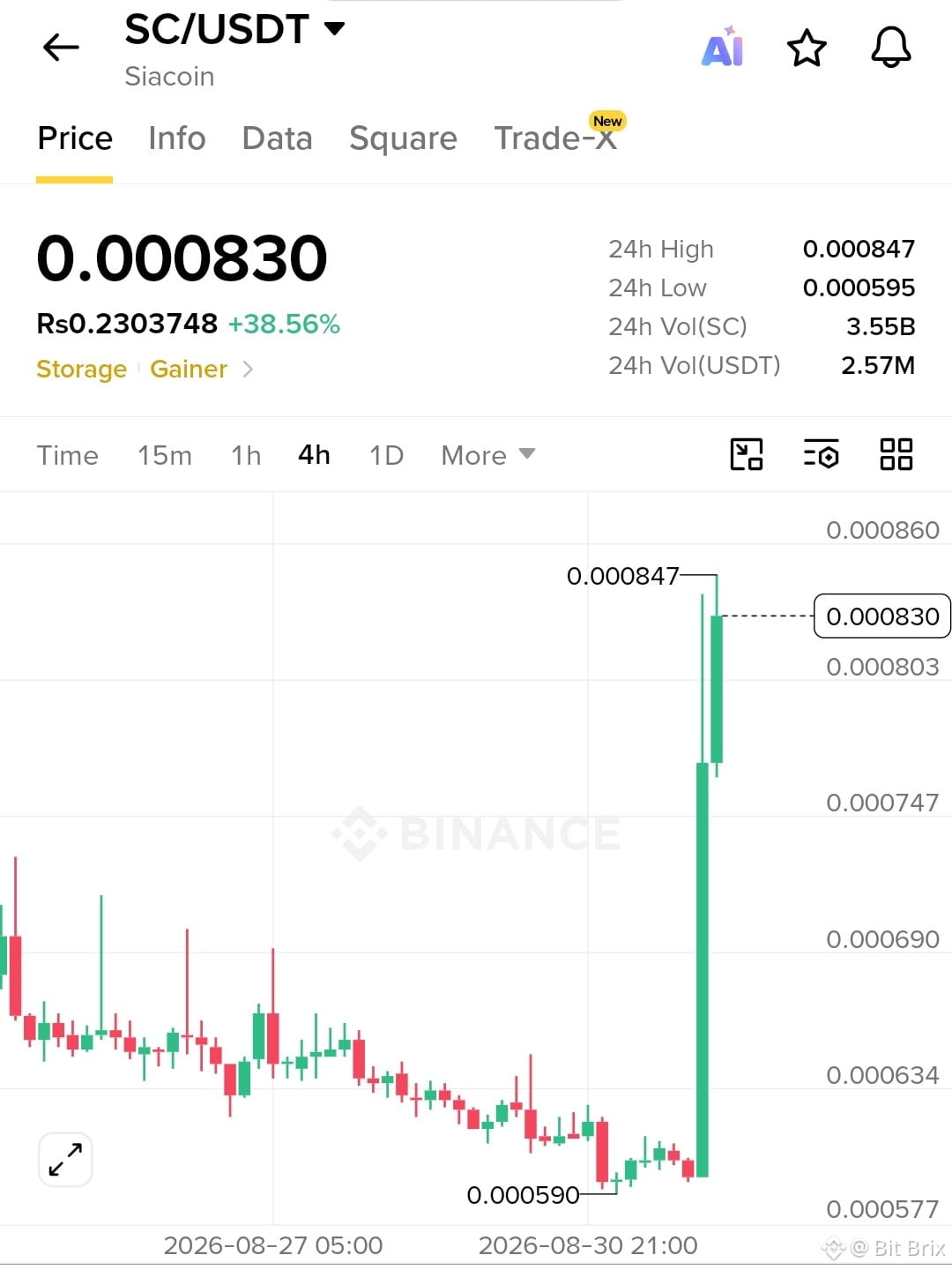
$SC は、0.00059の水準から急激にブレイクした後、強い勢いを見せています。
エントリー: 0.00078〜0.00080
TP: 0.000847 → 0.00090
SL: 0.000745
ローソク足を追いかけないでください。リテストで強さを確認してから実行しましょう。
$SC は、0.00059の水準から急激にブレイクした後、強い勢いを見せています。
エントリー: 0.00078〜0.00080
TP: 0.000847 → 0.00090
SL: 0.000745
ローソク足を追いかけないでください。リテストで強さを確認してから実行しましょう。
エントリー: 0.00078〜0.00080
TP: 0.000847 → 0.00090
SL: 0.000745
ローソク足を追いかけないでください。リテストで強さを確認してから実行しましょう。
1
154
·
--
$KII
{alpha}(560xeec6574eabba52bac3f0277f2cd5ac7e67197886)
— EP 0.050229 | TP 0.0527 / 0.0552 | SL 0.0477
$DOS
{future}(DOSUSDT)
— EP 0.22376 | TP 0.2350 / 0.2460 | SL 0.2125
$QUID
{alpha}(84530x1a44233fae8d50f1aeb3a5d58dd426ff4814cb53)
— EP 0.064961 | TP 0.0682 / 0.0715 | SL 0.0617
赤い相場ですが、これらの水準がだんだん面白くなってきています。
行きましょう $
$KII
— EP 0.050229 | TP 0.0527 / 0.0552 | SL 0.0477
$DOS
— EP 0.22376 | TP 0.2350 / 0.2460 | SL 0.2125
$QUID
— EP 0.064961 | TP 0.0682 / 0.0715 | SL 0.0617
赤い相場ですが、これらの水準がだんだん面白くなってきています。
行きましょう $
— EP 0.050229 | TP 0.0527 / 0.0552 | SL 0.0477
$DOS
— EP 0.22376 | TP 0.2350 / 0.2460 | SL 0.2125
$QUID
— EP 0.064961 | TP 0.0682 / 0.0715 | SL 0.0617
赤い相場ですが、これらの水準がだんだん面白くなってきています。
行きましょう $
$KII
55%
$DOS
35%
$QUID
10%
62 投票 • 投票は終了しました
1
4.8k
·
--
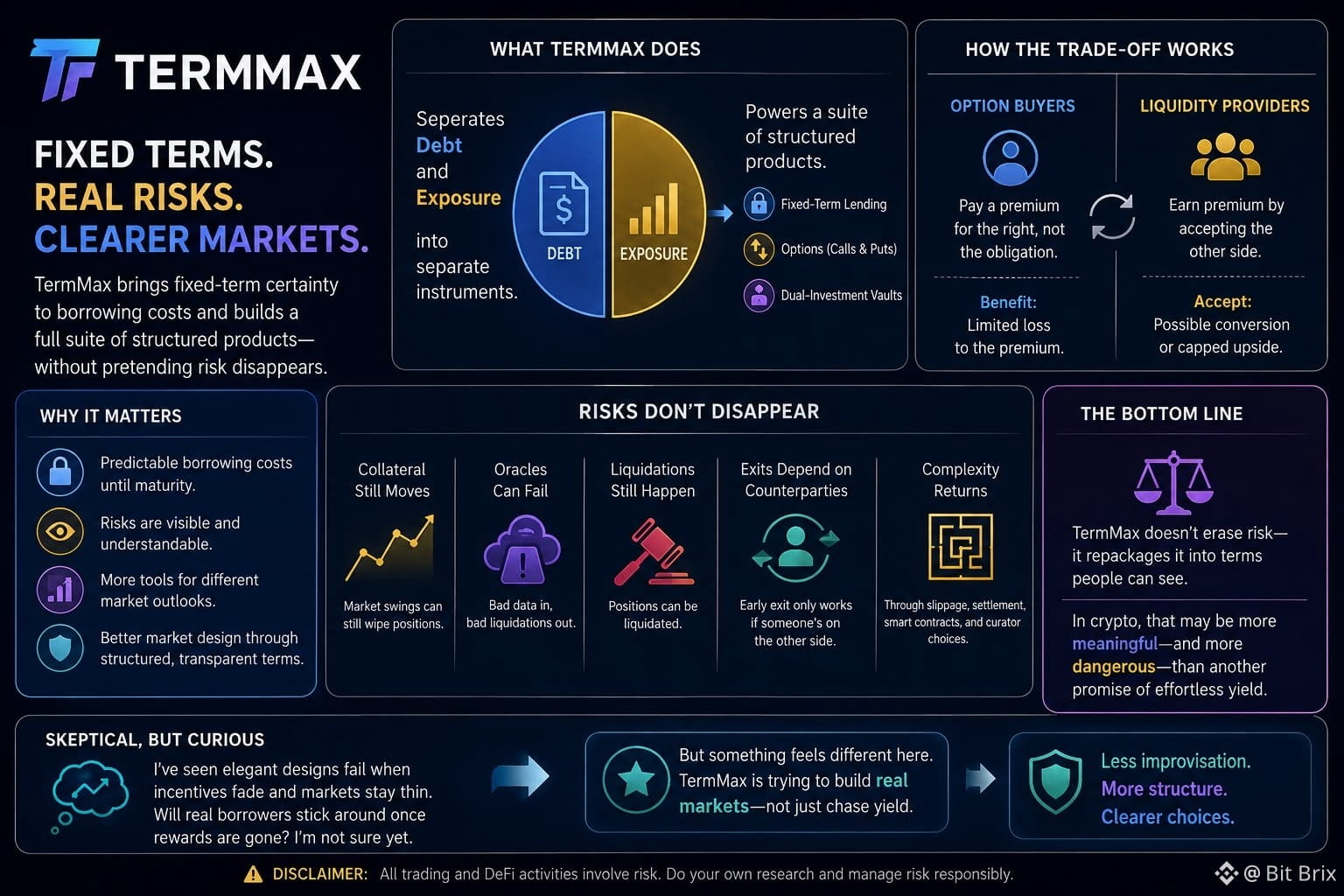
予想していなかった理由でTermMaxに注目してしまっています。これは、暗号資産を「場当たり的」に感じさせないようにしようとしているのです。私は、貸出プロトコルが過去に「確実性」を売りにしているのを見てきましたが、市場が都合の悪い状況になった瞬間、金利やインセンティブ、あるいは流動性が壊れてしまうことがありました。満期まで固定の借入コストは本当に有用です。しかし、それで残りのポジションまで固定になるわけではありません。担保はまだ動きます。オラクルもまだ失敗します。清算もまだ起こります。さらに早期に抜けたい場合、退出が現実のものになるのは、向こう側で待っているカウンターパーティ次第です。
私の注意を引き戻し続けているのは、TermMaxが負債とエクスポージャーを別個のインストゥルメントに分け、その同じ仕組みをコール、プット、そしてデュアル投資型のバルツ(vault)へと押し広げていく点です。オプションの買い手は、損失をプレミアムに限定できます。一方で流動性提供者は、より醜い側の取引を引き受けることで、そのプレミアムを得ます――つまり、下落するトークンへ変換される側になるか、価格が上昇したときのアップサイドを売り渡す側になるかです。このトレードオフは、少なくとも紙の上では、正直に見えます。
私はこれを以前も見ています。洗練されたトークン設計、薄い市場、そして報酬が弱い有機的需要を隠してしまう状況です。固定期間の流動性は細切れになりやすく、さらに複雑さはスリッページ、決済、スマートコントラクト、そしてキュレーターの選択を通じて、戻ってくる癖があります。私はそれを完全には信じきれませんし、インセンティブが消えた後に十分な実需の借り手が残るのか、まだ確信が持てていません。でも、これには何か違う感触があります。TermMaxはリスクが消えるふりはしていません。リスクを、実際に人々が見て理解できる「条件(terms)」へと再パッケージ化しているのです。暗号資産の世界では、それは別の「手間いらずの利回り」という約束よりも、より意味がある――そしてより危険です。
#TermMax @termmax
予想していなかった理由でTermMaxに注目してしまっています。これは、暗号資産を「場当たり的」に感じさせないようにしようとしているのです。私は、貸出プロトコルが過去に「確実性」を売りにしているのを見てきましたが、市場が都合の悪い状況になった瞬間、金利やインセンティブ、あるいは流動性が壊れてしまうことがありました。満期まで固定の借入コストは本当に有用です。しかし、それで残りのポジションまで固定になるわけではありません。担保はまだ動きます。オラクルもまだ失敗します。清算もまだ起こります。さらに早期に抜けたい場合、退出が現実のものになるのは、向こう側で待っているカウンターパーティ次第です。
私の注意を引き戻し続けているのは、TermMaxが負債とエクスポージャーを別個のインストゥルメントに分け、その同じ仕組みをコール、プット、そしてデュアル投資型のバルツ(vault)へと押し広げていく点です。オプションの買い手は、損失をプレミアムに限定できます。一方で流動性提供者は、より醜い側の取引を引き受けることで、そのプレミアムを得ます――つまり、下落するトークンへ変換される側になるか、価格が上昇したときのアップサイドを売り渡す側になるかです。このトレードオフは、少なくとも紙の上では、正直に見えます。
私はこれを以前も見ています。洗練されたトークン設計、薄い市場、そして報酬が弱い有機的需要を隠してしまう状況です。固定期間の流動性は細切れになりやすく、さらに複雑さはスリッページ、決済、スマートコントラクト、そしてキュレーターの選択を通じて、戻ってくる癖があります。私はそれを完全には信じきれませんし、インセンティブが消えた後に十分な実需の借り手が残るのか、まだ確信が持てていません。でも、これには何か違う感触があります。TermMaxはリスクが消えるふりはしていません。リスクを、実際に人々が見て理解できる「条件(terms)」へと再パッケージ化しているのです。暗号資産の世界では、それは別の「手間いらずの利回り」という約束よりも、より意味がある――そしてより危険です。
#TermMax @TermMax
私の注意を引き戻し続けているのは、TermMaxが負債とエクスポージャーを別個のインストゥルメントに分け、その同じ仕組みをコール、プット、そしてデュアル投資型のバルツ(vault)へと押し広げていく点です。オプションの買い手は、損失をプレミアムに限定できます。一方で流動性提供者は、より醜い側の取引を引き受けることで、そのプレミアムを得ます――つまり、下落するトークンへ変換される側になるか、価格が上昇したときのアップサイドを売り渡す側になるかです。このトレードオフは、少なくとも紙の上では、正直に見えます。
私はこれを以前も見ています。洗練されたトークン設計、薄い市場、そして報酬が弱い有機的需要を隠してしまう状況です。固定期間の流動性は細切れになりやすく、さらに複雑さはスリッページ、決済、スマートコントラクト、そしてキュレーターの選択を通じて、戻ってくる癖があります。私はそれを完全には信じきれませんし、インセンティブが消えた後に十分な実需の借り手が残るのか、まだ確信が持てていません。でも、これには何か違う感触があります。TermMaxはリスクが消えるふりはしていません。リスクを、実際に人々が見て理解できる「条件(terms)」へと再パッケージ化しているのです。暗号資産の世界では、それは別の「手間いらずの利回り」という約束よりも、より意味がある――そしてより危険です。
#TermMax @TermMax
167
·
--
ブリッシュ
暗号資産は人々を「大きな約束」に疲れさせてきました。
トークンが多すぎる。
物語(ナラティブ)が多すぎる。
報酬が止まるまで生きているように見えるプロジェクトが多すぎる。
だからこそ、TermMaxは見た目が違います。
完璧ではない。保証もない。ただ、違う。
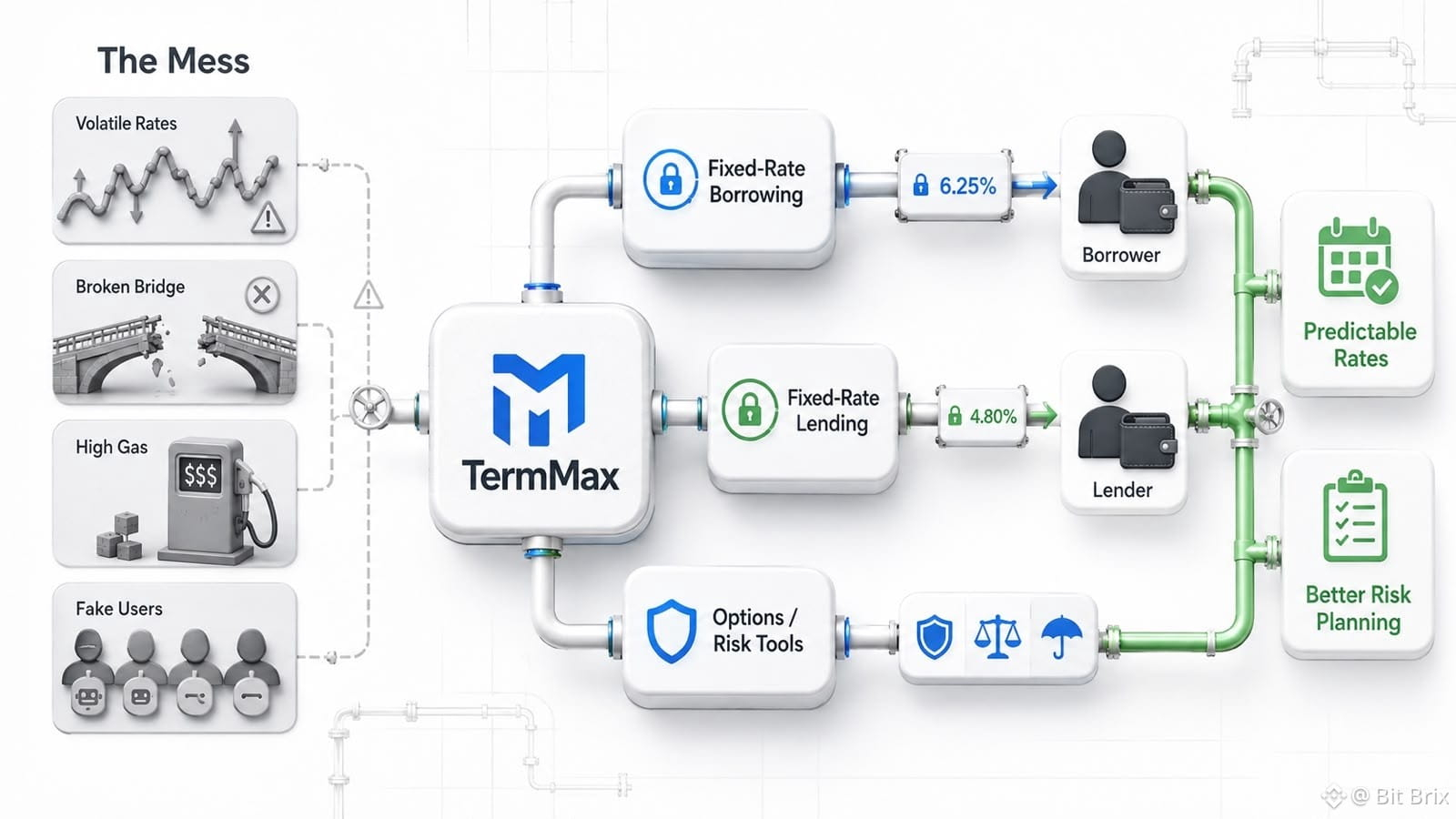
大声で売り込もうとしているわけではありません。固定金利での借り入れ、貸し出し、そしてオプション取引を、動いていない(地味な)DeFiの配管の部分から組み込んでいます。ほとんどの人は、市場がややこしくなるまでそこを無視しがちです。
そして率直に言うと、退屈なのはそのためかもしれません。
借入金利が動きすぎると、ユーザーはそれを感じる。
流動性が消えると、ユーザーはそれを感じる。
リスクがきれいなダッシュボードの下に隠されていると、ユーザーはそれを感じる。
TermMaxはその問題に触れようとしています。
うまくいくかもしれない。
時間がかかるかもしれない。
市場がまだ気にしていないかもしれない。
でも少なくとも、現実的なことに集中しています。裏側でDeFiを、もっと混沌としにくくすることです。
私からの煽りはありません。
ただ、慎重な好奇心。
#termmax @termmax
暗号資産は人々を「大きな約束」に疲れさせてきました。
トークンが多すぎる。
物語(ナラティブ)が多すぎる。
報酬が止まるまで生きているように見えるプロジェクトが多すぎる。
だからこそ、TermMaxは見た目が違います。
完璧ではない。保証もない。ただ、違う。
大声で売り込もうとしているわけではありません。固定金利での借り入れ、貸し出し、そしてオプション取引を、動いていない(地味な)DeFiの配管の部分から組み込んでいます。ほとんどの人は、市場がややこしくなるまでそこを無視しがちです。
そして率直に言うと、退屈なのはそのためかもしれません。
借入金利が動きすぎると、ユーザーはそれを感じる。
流動性が消えると、ユーザーはそれを感じる。
リスクがきれいなダッシュボードの下に隠されていると、ユーザーはそれを感じる。
TermMaxはその問題に触れようとしています。
うまくいくかもしれない。
時間がかかるかもしれない。
市場がまだ気にしていないかもしれない。
でも少なくとも、現実的なことに集中しています。裏側でDeFiを、もっと混沌としにくくすることです。
私からの煽りはありません。
ただ、慎重な好奇心。
#termmax @TermMax
トークンが多すぎる。
物語(ナラティブ)が多すぎる。
報酬が止まるまで生きているように見えるプロジェクトが多すぎる。
だからこそ、TermMaxは見た目が違います。
完璧ではない。保証もない。ただ、違う。
大声で売り込もうとしているわけではありません。固定金利での借り入れ、貸し出し、そしてオプション取引を、動いていない(地味な)DeFiの配管の部分から組み込んでいます。ほとんどの人は、市場がややこしくなるまでそこを無視しがちです。
そして率直に言うと、退屈なのはそのためかもしれません。
借入金利が動きすぎると、ユーザーはそれを感じる。
流動性が消えると、ユーザーはそれを感じる。
リスクがきれいなダッシュボードの下に隠されていると、ユーザーはそれを感じる。
TermMaxはその問題に触れようとしています。
うまくいくかもしれない。
時間がかかるかもしれない。
市場がまだ気にしていないかもしれない。
でも少なくとも、現実的なことに集中しています。裏側でDeFiを、もっと混沌としにくくすることです。
私からの煽りはありません。
ただ、慎重な好奇心。
#termmax @TermMax
2
110
·
--
ブリッシュ
TermMaxは、夢を売ろうとしていないからこそ、どこか違うと感じます。
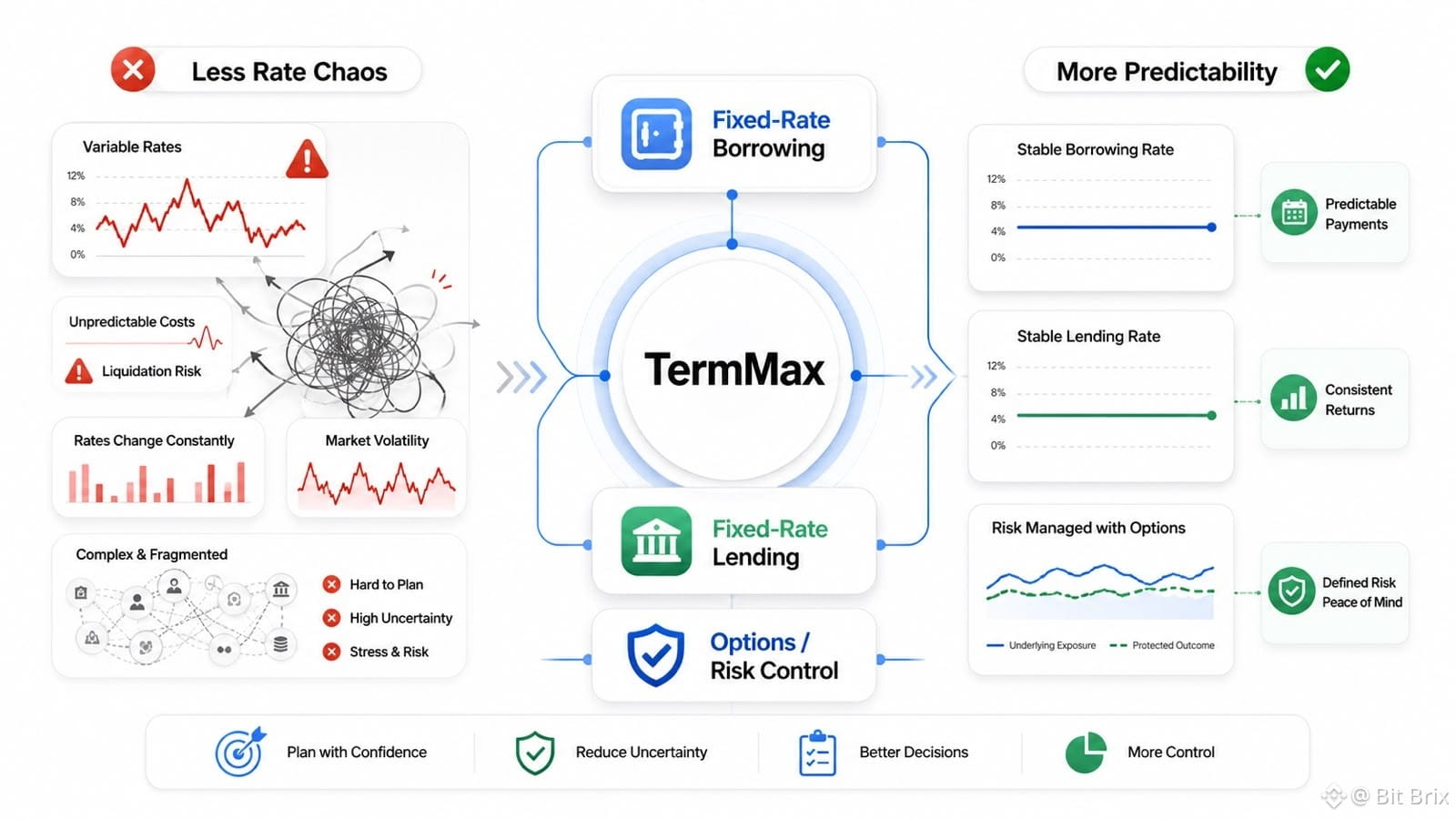
DeFiの裏側にある退屈でごちゃごちゃした部分──借入金利、貸付リスク、オプション、流動性、そして市場が最悪の方向に傾いたときまでユーザーが普段は見過ごしがちな不確実性──に向き合っています。
正直、それこそが注目する価値がある理由です。
DeFiで借りたことがある人なら、そのストレスを知っています。金利は動く。ポジションが居心地悪くなる。ガス代は最悪のタイミングで跳ね上がる。そしてリスクが、突然ものすごく現実味を帯びます。
TermMaxは、固定金利の借入・貸付によって、その一部をより予測可能にしようとしています。
シンプルに聞こえますが、簡単ではありません。
本当のユーザー、本当の流動性、そして、話題づくりのキャンペーンが人を押し上げてくれない状況でも実際に使ってもらえるだけの信頼が必要です。
うまくいくかもしれない。時間がかかるかもしれない。あるいは、市場がそれを無視して、人々が同じ痛みをまた感じるまで待つかもしれません。
でも少なくともTermMaxは、現実の課題を指し示しています。
そして暗号資産の世界では、それだけで私の注意を引きます。
#TermMax @termmax
TermMaxは、夢を売ろうとしていないからこそ、どこか違うと感じます。
DeFiの裏側にある退屈でごちゃごちゃした部分──借入金利、貸付リスク、オプション、流動性、そして市場が最悪の方向に傾いたときまでユーザーが普段は見過ごしがちな不確実性──に向き合っています。
正直、それこそが注目する価値がある理由です。
DeFiで借りたことがある人なら、そのストレスを知っています。金利は動く。ポジションが居心地悪くなる。ガス代は最悪のタイミングで跳ね上がる。そしてリスクが、突然ものすごく現実味を帯びます。
TermMaxは、固定金利の借入・貸付によって、その一部をより予測可能にしようとしています。
シンプルに聞こえますが、簡単ではありません。
本当のユーザー、本当の流動性、そして、話題づくりのキャンペーンが人を押し上げてくれない状況でも実際に使ってもらえるだけの信頼が必要です。
うまくいくかもしれない。時間がかかるかもしれない。あるいは、市場がそれを無視して、人々が同じ痛みをまた感じるまで待つかもしれません。
でも少なくともTermMaxは、現実の課題を指し示しています。
そして暗号資産の世界では、それだけで私の注意を引きます。
#TermMax @TermMax
DeFiの裏側にある退屈でごちゃごちゃした部分──借入金利、貸付リスク、オプション、流動性、そして市場が最悪の方向に傾いたときまでユーザーが普段は見過ごしがちな不確実性──に向き合っています。
正直、それこそが注目する価値がある理由です。
DeFiで借りたことがある人なら、そのストレスを知っています。金利は動く。ポジションが居心地悪くなる。ガス代は最悪のタイミングで跳ね上がる。そしてリスクが、突然ものすごく現実味を帯びます。
TermMaxは、固定金利の借入・貸付によって、その一部をより予測可能にしようとしています。
シンプルに聞こえますが、簡単ではありません。
本当のユーザー、本当の流動性、そして、話題づくりのキャンペーンが人を押し上げてくれない状況でも実際に使ってもらえるだけの信頼が必要です。
うまくいくかもしれない。時間がかかるかもしれない。あるいは、市場がそれを無視して、人々が同じ痛みをまた感じるまで待つかもしれません。
でも少なくともTermMaxは、現実の課題を指し示しています。
そして暗号資産の世界では、それだけで私の注意を引きます。
#TermMax @TermMax
16
15
168
·
--
$KII
{alpha}(560xeec6574eabba52bac3f0277f2cd5ac7e67197886)
6.60%上昇して$0.068412
$DOS
{future}(DOSUSDT)
10.67%下落して$0.22817
$QUID
{alpha}(84530x1a44233fae8d50f1aeb3a5d58dd426ff4814cb53)
1.82%上昇して$0.074666
市場全体でまちまちな動き――モメンタムは強いが、ボラティリティ(変動性)は依然として高い。慎重に取引し、常にDYOR(自分で調べること)してください。
$KII
6.60%上昇して$0.068412
$DOS
10.67%下落して$0.22817
$QUID
1.82%上昇して$0.074666
市場全体でまちまちな動き――モメンタムは強いが、ボラティリティ(変動性)は依然として高い。慎重に取引し、常にDYOR(自分で調べること)してください。
6.60%上昇して$0.068412
$DOS
10.67%下落して$0.22817
$QUID
1.82%上昇して$0.074666
市場全体でまちまちな動き――モメンタムは強いが、ボラティリティ(変動性)は依然として高い。慎重に取引し、常にDYOR(自分で調べること)してください。
$KII
16%
$DOS
74%
$QUID
10%
73 投票 • 投票は終了しました
1
5.2k
·
--
市場での複合的な動き!
$KII
{alpha}(560xeec6574eabba52bac3f0277f2cd5ac7e67197886)
4.78%上昇して0.06744ドル
$QUID
{alpha}(84530x1a44233fae8d50f1aeb3a5d58dd426ff4814cb53)
2.08%上昇して0.07446ドル
$DOS
{future}(DOSUSDT)
9.91%下落して0.22837ドル
モメンタムが高まっていますが、ボラティリティは依然として高いです。慎重に取引し、常にDYOR(自己で調査を)を!
市場での複合的な動き!
$KII
4.78%上昇して0.06744ドル
$QUID
2.08%上昇して0.07446ドル
$DOS
9.91%下落して0.22837ドル
モメンタムが高まっていますが、ボラティリティは依然として高いです。慎重に取引し、常にDYOR(自己で調査を)を!
$KII
4.78%上昇して0.06744ドル
$QUID
2.08%上昇して0.07446ドル
$DOS
9.91%下落して0.22837ドル
モメンタムが高まっていますが、ボラティリティは依然として高いです。慎重に取引し、常にDYOR(自己で調査を)を!
2
534
·
--
正直、すべての暗号資産プロジェクトが「すべてを変える」と言うのにうんざりしている。
トークンが多すぎる。使い回しのナラティブが多すぎる。実在する何かを解決するより注目を追いかけるプロジェクトが多すぎる。
だからバビロンに目が留まった——100倍なんて期待しているわけじゃなくて、この問題は考える価値があるように見えるからだ。
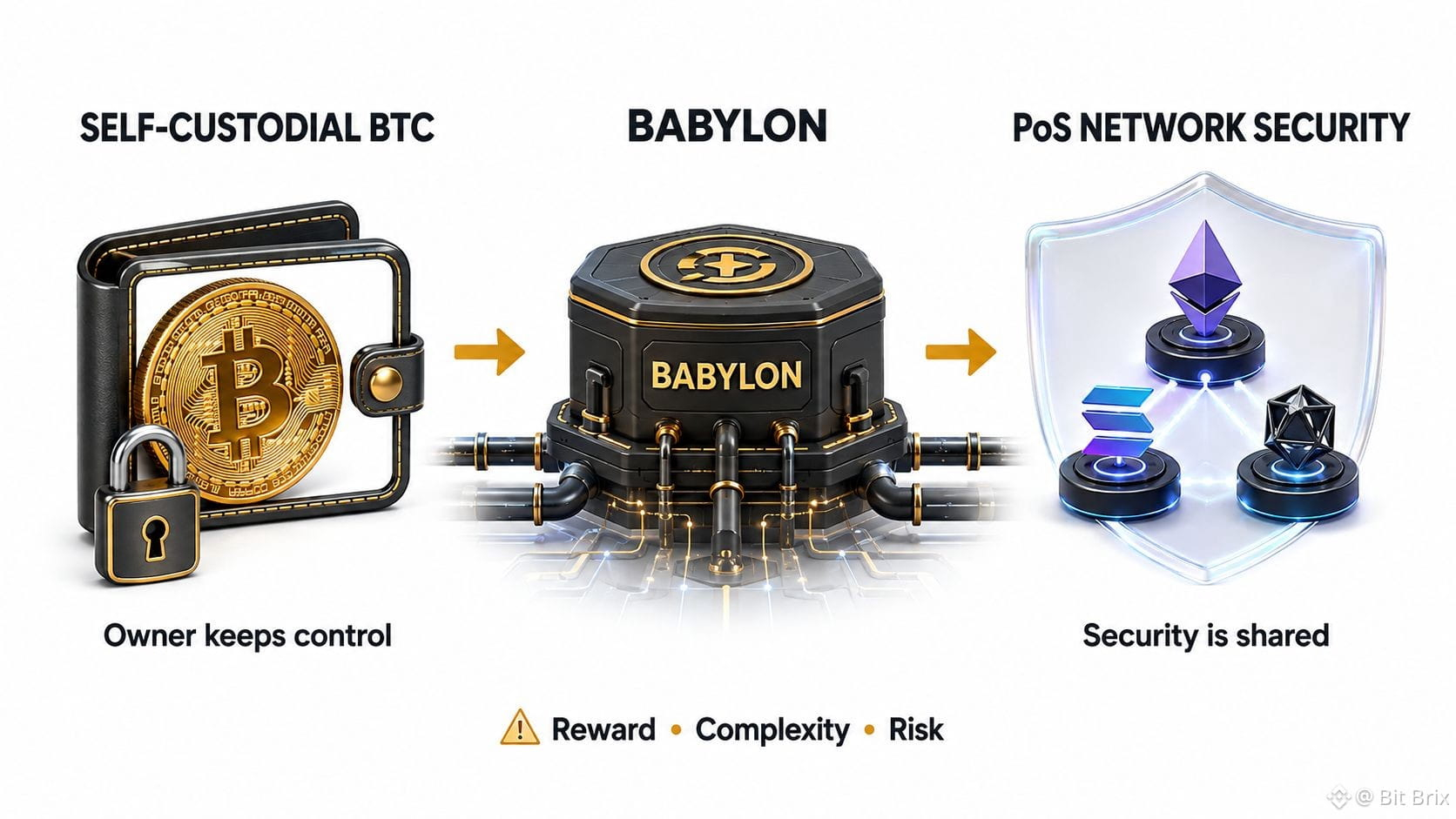
バビロンは、人々がBTCをステークできるようにしつつ、保管(カストディ)を手放さない形を目指している。そして、そのビットコインを使って、プルーフ・オブ・ステーク(PoS)ネットワークのセキュリティ強化に役立てようとしている。
派手じゃない。これはインフラだ。壊れるまで誰も気づかない、配管のようなもの。
それでも疑問はある。
BTC保有者は、報酬のために追加のリスクを受け入れるのか? それとも小規模なネットワークは、本当にビットコイン連動のセキュリティを必要としているのか? そしてもしビットコインが経済的な重みを提供するなら、BABYトークンはどれほど必要なのだろう?
セルフカストディは、別のプラットフォームを信頼するよりは良く聞こえるが、それでリスクがゼロになるわけではない。つながりが増えるほど、何かがうまくいかなくなる「起点」も増える。
報酬が魅力的に見えるとき、そこを見落としがちなんだ。
たぶんバビロンは、役に立つインフラになる。もしかすると、ユーザーは複雑さが見合わないと判断するかもしれない。正直、わからない。
でも少なくとも、物語付きの別のトークンを作ることではなく、現実の問題を解決しようとしている。
その発想は、重要かもしれない。
実行は難しいだろう。
そして市場は、気にしないかもしれない。
少なくとも今のところ、誇大広告よりも慎重な好奇心のほうが正直だと思う。
#baby @babylonlabs_io $BABY
正直、すべての暗号資産プロジェクトが「すべてを変える」と言うのにうんざりしている。
トークンが多すぎる。使い回しのナラティブが多すぎる。実在する何かを解決するより注目を追いかけるプロジェクトが多すぎる。
だからバビロンに目が留まった——100倍なんて期待しているわけじゃなくて、この問題は考える価値があるように見えるからだ。
バビロンは、人々がBTCをステークできるようにしつつ、保管(カストディ)を手放さない形を目指している。そして、そのビットコインを使って、プルーフ・オブ・ステーク(PoS)ネットワークのセキュリティ強化に役立てようとしている。
派手じゃない。これはインフラだ。壊れるまで誰も気づかない、配管のようなもの。
それでも疑問はある。
BTC保有者は、報酬のために追加のリスクを受け入れるのか? それとも小規模なネットワークは、本当にビットコイン連動のセキュリティを必要としているのか? そしてもしビットコインが経済的な重みを提供するなら、BABYトークンはどれほど必要なのだろう?
セルフカストディは、別のプラットフォームを信頼するよりは良く聞こえるが、それでリスクがゼロになるわけではない。つながりが増えるほど、何かがうまくいかなくなる「起点」も増える。
報酬が魅力的に見えるとき、そこを見落としがちなんだ。
たぶんバビロンは、役に立つインフラになる。もしかすると、ユーザーは複雑さが見合わないと判断するかもしれない。正直、わからない。
でも少なくとも、物語付きの別のトークンを作ることではなく、現実の問題を解決しようとしている。
その発想は、重要かもしれない。
実行は難しいだろう。
そして市場は、気にしないかもしれない。
少なくとも今のところ、誇大広告よりも慎重な好奇心のほうが正直だと思う。
#baby @BabylonLabs_io $BABY
トークンが多すぎる。使い回しのナラティブが多すぎる。実在する何かを解決するより注目を追いかけるプロジェクトが多すぎる。
だからバビロンに目が留まった——100倍なんて期待しているわけじゃなくて、この問題は考える価値があるように見えるからだ。
バビロンは、人々がBTCをステークできるようにしつつ、保管(カストディ)を手放さない形を目指している。そして、そのビットコインを使って、プルーフ・オブ・ステーク(PoS)ネットワークのセキュリティ強化に役立てようとしている。
派手じゃない。これはインフラだ。壊れるまで誰も気づかない、配管のようなもの。
それでも疑問はある。
BTC保有者は、報酬のために追加のリスクを受け入れるのか? それとも小規模なネットワークは、本当にビットコイン連動のセキュリティを必要としているのか? そしてもしビットコインが経済的な重みを提供するなら、BABYトークンはどれほど必要なのだろう?
セルフカストディは、別のプラットフォームを信頼するよりは良く聞こえるが、それでリスクがゼロになるわけではない。つながりが増えるほど、何かがうまくいかなくなる「起点」も増える。
報酬が魅力的に見えるとき、そこを見落としがちなんだ。
たぶんバビロンは、役に立つインフラになる。もしかすると、ユーザーは複雑さが見合わないと判断するかもしれない。正直、わからない。
でも少なくとも、物語付きの別のトークンを作ることではなく、現実の問題を解決しようとしている。
その発想は、重要かもしれない。
実行は難しいだろう。
そして市場は、気にしないかもしれない。
少なくとも今のところ、誇大広告よりも慎重な好奇心のほうが正直だと思う。
#baby @BabylonLabs_io $BABY
8
1
116
·
--
バビロンについて少し調べて読んでみたのですが、正直なところ惹きつけられました。
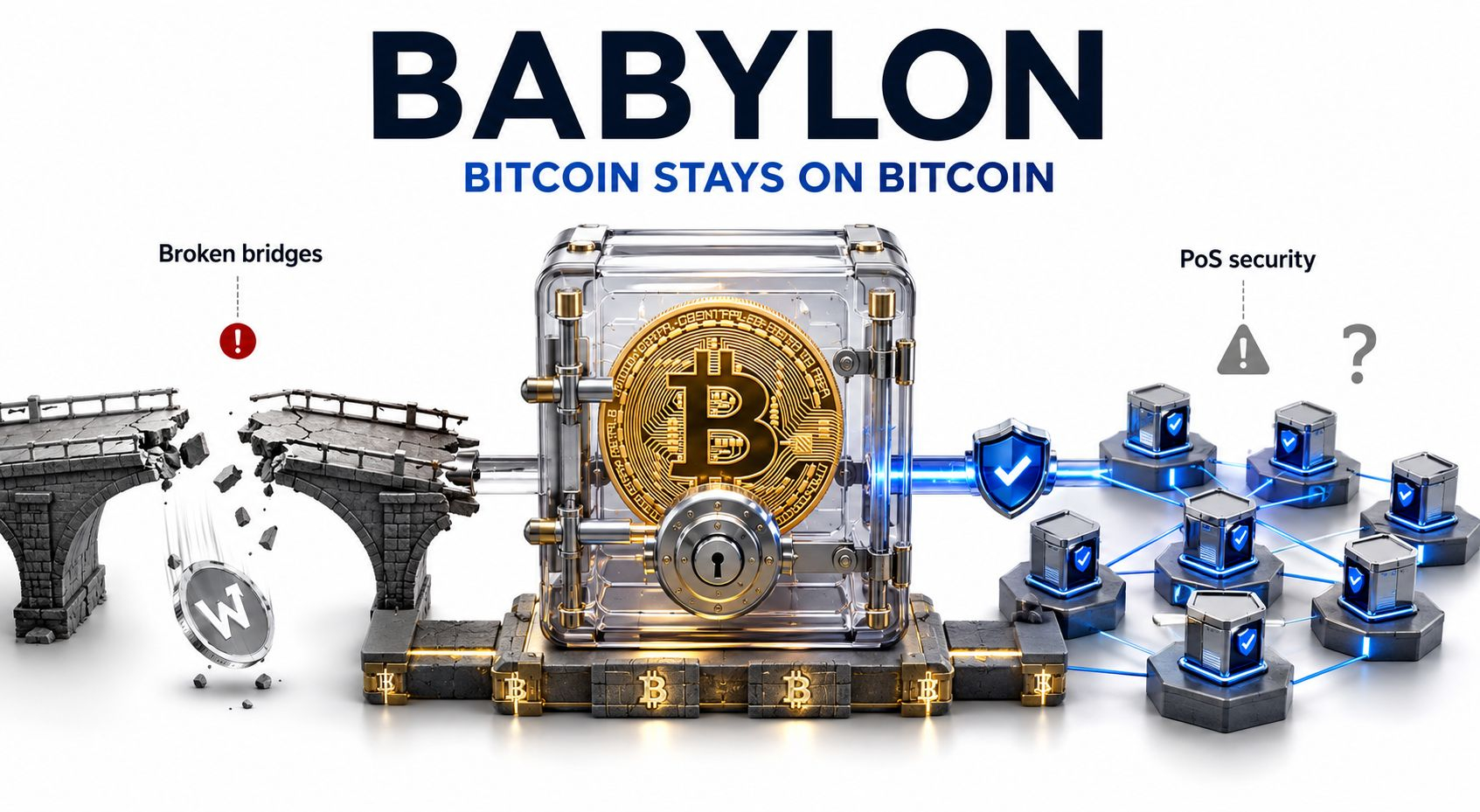
暗号資産はあまりにも多くの壊れた橋、ラップド・アセット、偽のユーザー、そしてインセンティブが止まると消えてしまう報酬システムを私たちに提供してきました。
バビロンは別のことに挑もうとしています。BTCをビットコインから切り離さずに、BTCがプルーフ・オブ・ステーク(PoS)ネットワークのセキュリティに役立つようにするのです。
それが重要です。
すべてのビットコインが利回りを得る必要があるからではありません。むしろ、ウォレットの中でBTCをそのままにしておくことが目的である場合もあります。しかし、ラップやブリッジをせずにビットコインを使えれば、暗号の最も古いリスクのひとつを取り除けるかもしれません。
本当の論点は需要です。
プルーフ・オブ・ステークのチェーンは、本当にビットコインに裏付けられたセキュリティを必要としているのか。そして、それに対して持続可能な形で支払うのか。あるいは、すべてが一時的な報酬やトークン発行に依存することになるのではないでしょうか。
さらにBABYがあります。たぶん、そのトークンはネットワークを動かすのに必要です。あるいは、常により多くのユーティリティを探し求める別のトークンになってしまうのかもしれません。
わかりません。
バビロンは派手ではありません。これは配管設備です——壊れるまで誰も気づかないタイプのもの。
問題は本物です。ただし実行は難しいでしょう。
うまくいくのか、それともだめなのか。
当面は、誇大広告よりも慎重な好奇心のほうが正直だと感じます。
#baby @babylonlabs_io $BABY
バビロンについて少し調べて読んでみたのですが、正直なところ惹きつけられました。
暗号資産はあまりにも多くの壊れた橋、ラップド・アセット、偽のユーザー、そしてインセンティブが止まると消えてしまう報酬システムを私たちに提供してきました。
バビロンは別のことに挑もうとしています。BTCをビットコインから切り離さずに、BTCがプルーフ・オブ・ステーク(PoS)ネットワークのセキュリティに役立つようにするのです。
それが重要です。
すべてのビットコインが利回りを得る必要があるからではありません。むしろ、ウォレットの中でBTCをそのままにしておくことが目的である場合もあります。しかし、ラップやブリッジをせずにビットコインを使えれば、暗号の最も古いリスクのひとつを取り除けるかもしれません。
本当の論点は需要です。
プルーフ・オブ・ステークのチェーンは、本当にビットコインに裏付けられたセキュリティを必要としているのか。そして、それに対して持続可能な形で支払うのか。あるいは、すべてが一時的な報酬やトークン発行に依存することになるのではないでしょうか。
さらにBABYがあります。たぶん、そのトークンはネットワークを動かすのに必要です。あるいは、常により多くのユーティリティを探し求める別のトークンになってしまうのかもしれません。
わかりません。
バビロンは派手ではありません。これは配管設備です——壊れるまで誰も気づかないタイプのもの。
問題は本物です。ただし実行は難しいでしょう。
うまくいくのか、それともだめなのか。
当面は、誇大広告よりも慎重な好奇心のほうが正直だと感じます。
#baby @BabylonLabs_io $BABY
暗号資産はあまりにも多くの壊れた橋、ラップド・アセット、偽のユーザー、そしてインセンティブが止まると消えてしまう報酬システムを私たちに提供してきました。
バビロンは別のことに挑もうとしています。BTCをビットコインから切り離さずに、BTCがプルーフ・オブ・ステーク(PoS)ネットワークのセキュリティに役立つようにするのです。
それが重要です。
すべてのビットコインが利回りを得る必要があるからではありません。むしろ、ウォレットの中でBTCをそのままにしておくことが目的である場合もあります。しかし、ラップやブリッジをせずにビットコインを使えれば、暗号の最も古いリスクのひとつを取り除けるかもしれません。
本当の論点は需要です。
プルーフ・オブ・ステークのチェーンは、本当にビットコインに裏付けられたセキュリティを必要としているのか。そして、それに対して持続可能な形で支払うのか。あるいは、すべてが一時的な報酬やトークン発行に依存することになるのではないでしょうか。
さらにBABYがあります。たぶん、そのトークンはネットワークを動かすのに必要です。あるいは、常により多くのユーティリティを探し求める別のトークンになってしまうのかもしれません。
わかりません。
バビロンは派手ではありません。これは配管設備です——壊れるまで誰も気づかないタイプのもの。
問題は本物です。ただし実行は難しいでしょう。
うまくいくのか、それともだめなのか。
当面は、誇大広告よりも慎重な好奇心のほうが正直だと感じます。
#baby @BabylonLabs_io $BABY
3
152
·
--
ブリッシュ
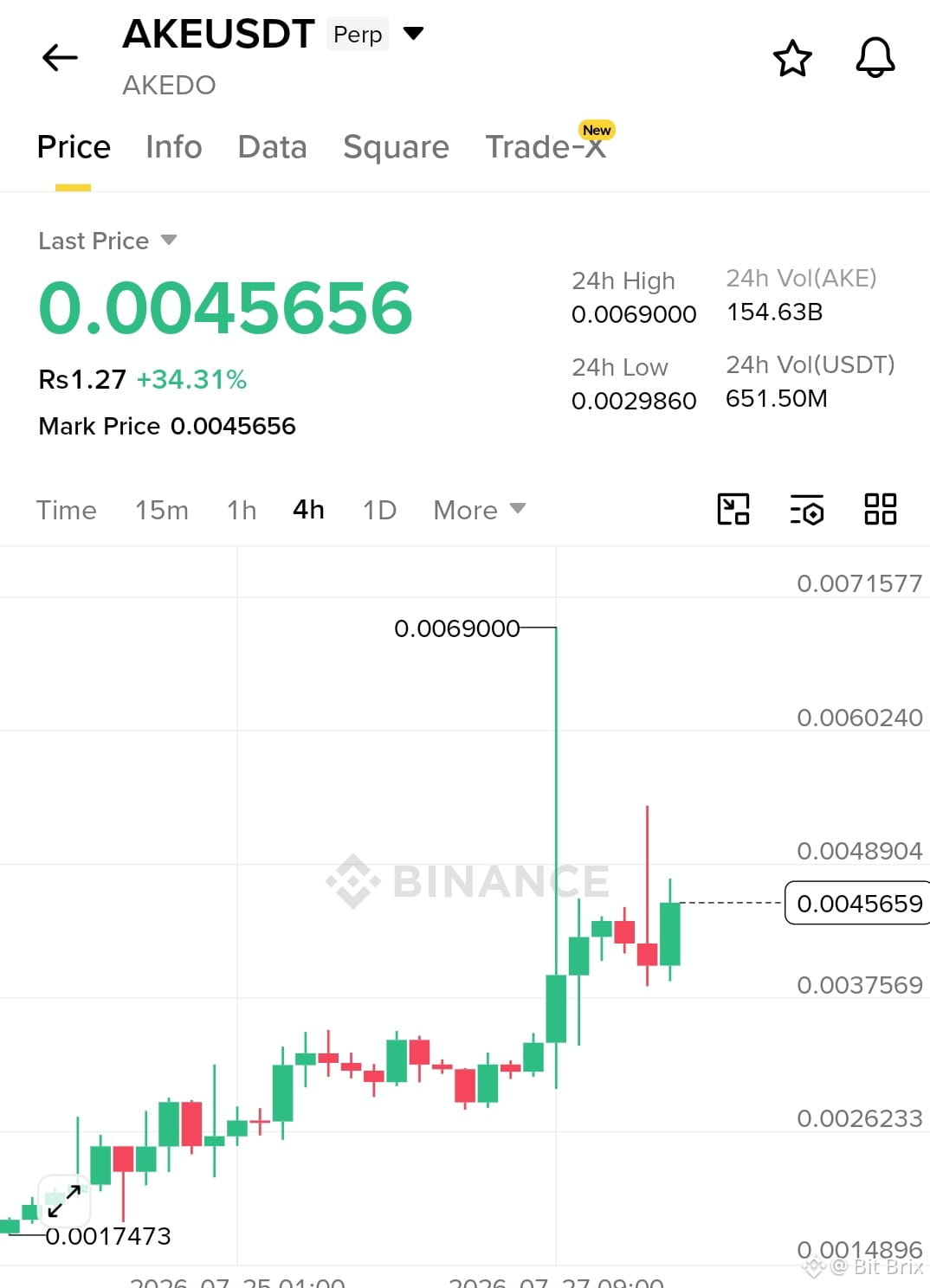
$AKE は強力なブレイクアウトの後、深刻な勢いを増しています。
EP: $0.00435–$0.00455
TP1: $0.00490
TP2: $0.00550
TP3: $0.00620
SL: $0.00375
強気派が必死に押し上げています。ブレイクアウトを維持すれば、次の一段が素早く動く可能性があります。
さあ行こう $AKE
$AKE は強力なブレイクアウトの後、深刻な勢いを増しています。
EP: $0.00435–$0.00455
TP1: $0.00490
TP2: $0.00550
TP3: $0.00620
SL: $0.00375
強気派が必死に押し上げています。ブレイクアウトを維持すれば、次の一段が素早く動く可能性があります。
さあ行こう $AKE
EP: $0.00435–$0.00455
TP1: $0.00490
TP2: $0.00550
TP3: $0.00620
SL: $0.00375
強気派が必死に押し上げています。ブレイクアウトを維持すれば、次の一段が素早く動く可能性があります。
さあ行こう $AKE
284
·
--
ブリッシュ
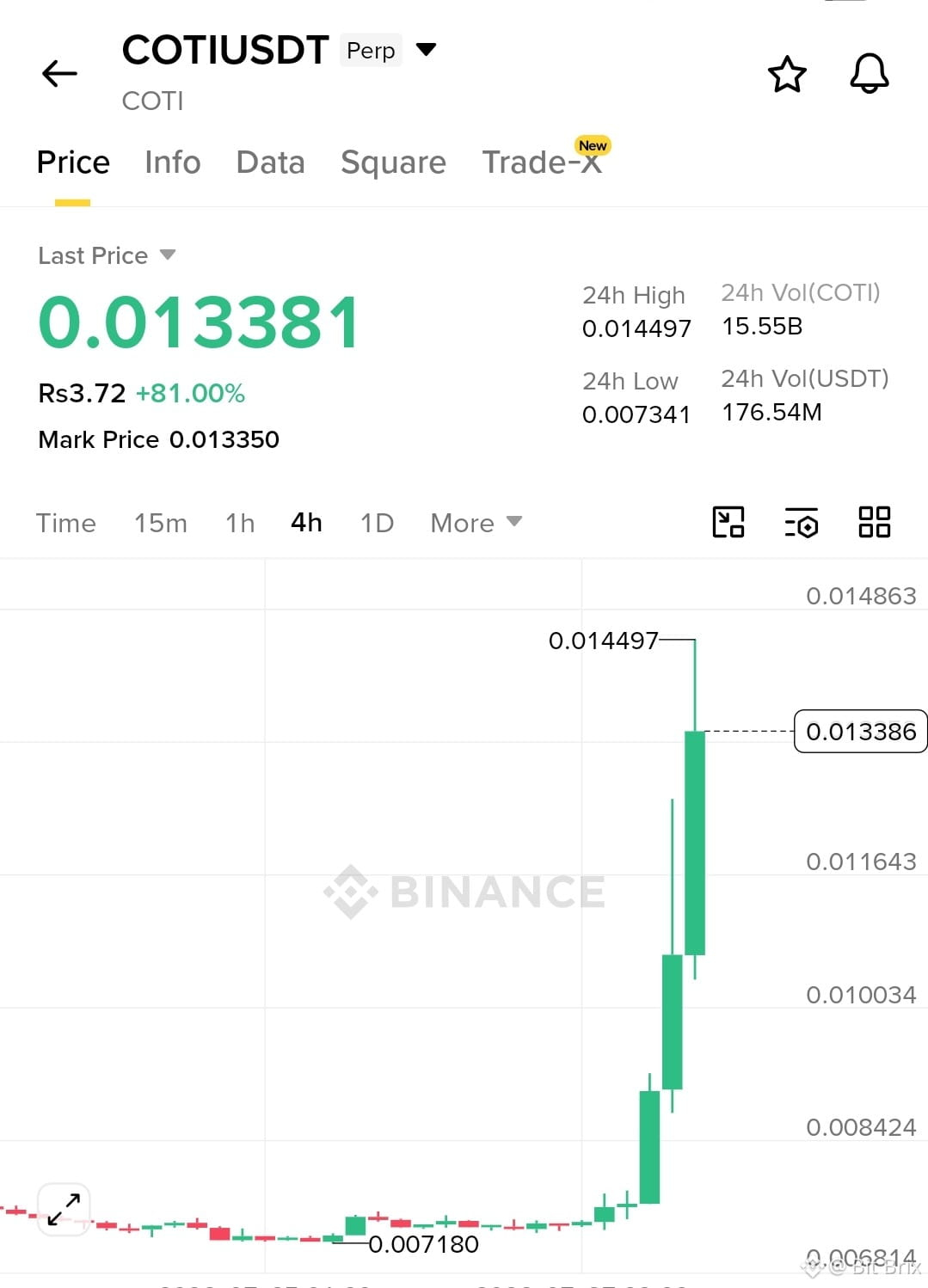
$COTI は81%の急騰の後に爆発的に動いており、出来高が強く、4時間足チャートで強気の勢いが高まっています。
EP: $0.0128–$0.0133
TP1: $0.0145
TP2: $0.0160
TP3: $0.0180
SL: $0.0116
ボラティリティが高いので、リスク管理を慎重に行ってください。
行こう、$COTI
$COTI は81%の急騰の後に爆発的に動いており、出来高が強く、4時間足チャートで強気の勢いが高まっています。
EP: $0.0128–$0.0133
TP1: $0.0145
TP2: $0.0160
TP3: $0.0180
SL: $0.0116
ボラティリティが高いので、リスク管理を慎重に行ってください。
行こう、$COTI
EP: $0.0128–$0.0133
TP1: $0.0145
TP2: $0.0160
TP3: $0.0180
SL: $0.0116
ボラティリティが高いので、リスク管理を慎重に行ってください。
行こう、$COTI
186
·
--
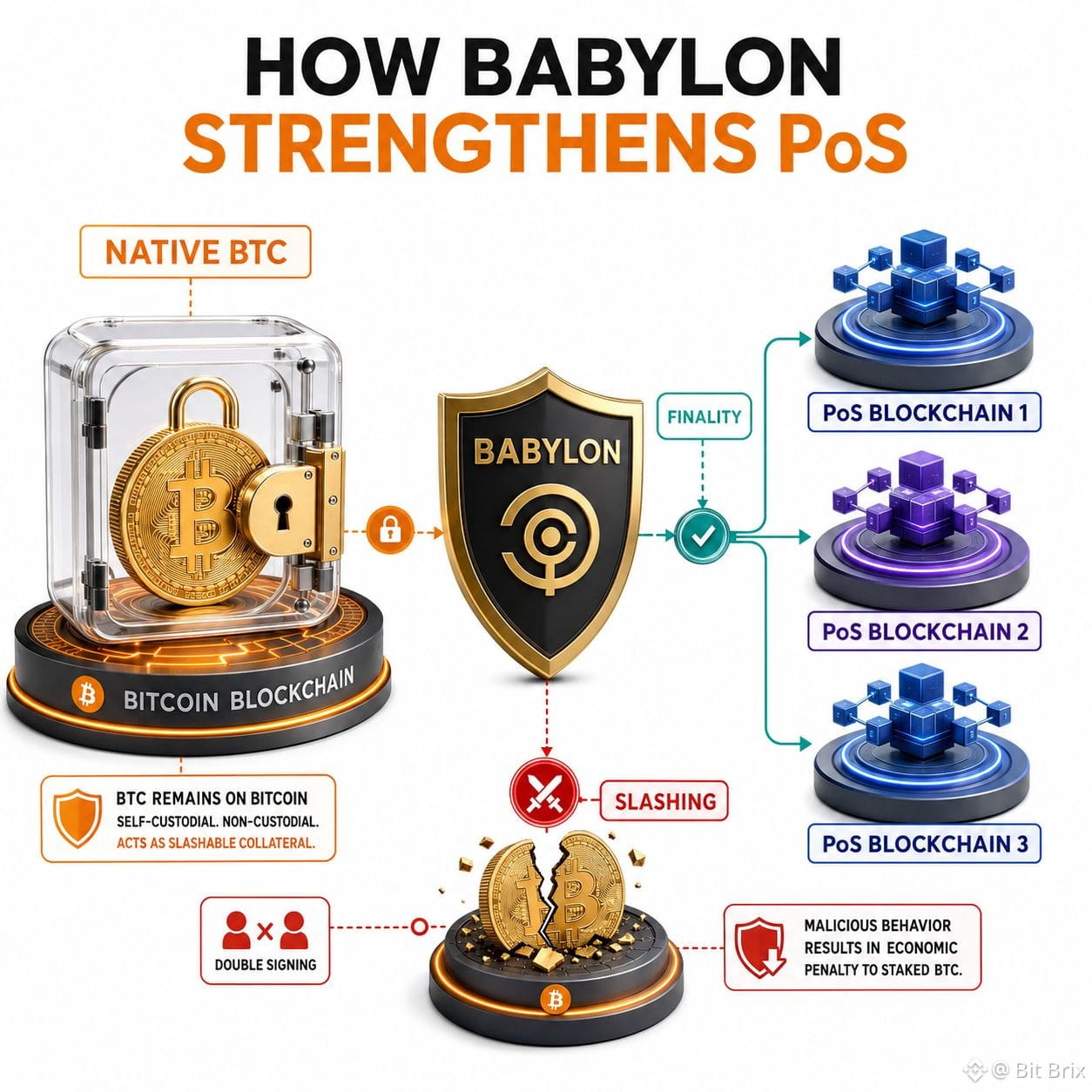
「経済的な安全」という言葉に、私はもう十分長い間クリプトに浸かっているせいか、ほとんど反応しなくなっている。あらゆるPoSチェーンが、だいたいその言い方のバリエーションを掲げている。けれどもトークンが下がると人々の関心は薄れ、みんなが語っていたはずの安全性が、急にずいぶん頼りなく見えてくる。
バビロンは私を少し立ち止まらせてくれた。
発想自体は特別派手ではない。ビットコインは別の「包まれた約束」になるのではなく、そのまま残る。BTCは最終性提供者を裏付け、相反するブロックに署名すればスラッシュされる。さらに、ビットコインのチェックポイントは、古いPoSの履歴をこっそり書き換えることも難しくする。
ただ、私はこのパターンを前にも見てきた。単純な説明は1段落に収まる。実際の仕組みは、共謀者(covenant)の署名者、監視者、鍵の管理、報酬ルール、そして2つのネットワーク間で複数の部品が歩調を合わせ続けることが必要だ。そこでだいたい、きれいなアイデアが、非常に人間的な問題を集め始める。
私は「ビットコインによって担保されている」という言い回しには慎重だ。マイナーはこれらのPoSチェーンを見張っているわけではない。BTCは別の仕組みの中に置かれた担保(コラテラル)だ。その違いは、マーケティングが始まればおそらく見失われることになる。
まだ完全には信用できていない。十分なビットコインが用意される必要がある。最終性提供者が、ただの小さな馴れ合いのクラブになってはならない。スラッシングは、みんながそれを必要とする“醜い瞬間”でも機能しなければならない。テストのときだけ、ではだめだ。
たぶんバビロンは攻撃をもっと高くつくようにする。そこは重要だ。それでも、ガバナンスの不備、需要の弱さ、そして誰も必要としないチェーンを直すことはできない。だからこそ惹かれてはいるが、納得はできていない。
#baby @babylonlabs_io $BABY
「経済的な安全」という言葉に、私はもう十分長い間クリプトに浸かっているせいか、ほとんど反応しなくなっている。あらゆるPoSチェーンが、だいたいその言い方のバリエーションを掲げている。けれどもトークンが下がると人々の関心は薄れ、みんなが語っていたはずの安全性が、急にずいぶん頼りなく見えてくる。
バビロンは私を少し立ち止まらせてくれた。
発想自体は特別派手ではない。ビットコインは別の「包まれた約束」になるのではなく、そのまま残る。BTCは最終性提供者を裏付け、相反するブロックに署名すればスラッシュされる。さらに、ビットコインのチェックポイントは、古いPoSの履歴をこっそり書き換えることも難しくする。
ただ、私はこのパターンを前にも見てきた。単純な説明は1段落に収まる。実際の仕組みは、共謀者(covenant)の署名者、監視者、鍵の管理、報酬ルール、そして2つのネットワーク間で複数の部品が歩調を合わせ続けることが必要だ。そこでだいたい、きれいなアイデアが、非常に人間的な問題を集め始める。
私は「ビットコインによって担保されている」という言い回しには慎重だ。マイナーはこれらのPoSチェーンを見張っているわけではない。BTCは別の仕組みの中に置かれた担保(コラテラル)だ。その違いは、マーケティングが始まればおそらく見失われることになる。
まだ完全には信用できていない。十分なビットコインが用意される必要がある。最終性提供者が、ただの小さな馴れ合いのクラブになってはならない。スラッシングは、みんながそれを必要とする“醜い瞬間”でも機能しなければならない。テストのときだけ、ではだめだ。
たぶんバビロンは攻撃をもっと高くつくようにする。そこは重要だ。それでも、ガバナンスの不備、需要の弱さ、そして誰も必要としないチェーンを直すことはできない。だからこそ惹かれてはいるが、納得はできていない。
#baby @BabylonLabs_io $BABY
バビロンは私を少し立ち止まらせてくれた。
発想自体は特別派手ではない。ビットコインは別の「包まれた約束」になるのではなく、そのまま残る。BTCは最終性提供者を裏付け、相反するブロックに署名すればスラッシュされる。さらに、ビットコインのチェックポイントは、古いPoSの履歴をこっそり書き換えることも難しくする。
ただ、私はこのパターンを前にも見てきた。単純な説明は1段落に収まる。実際の仕組みは、共謀者(covenant)の署名者、監視者、鍵の管理、報酬ルール、そして2つのネットワーク間で複数の部品が歩調を合わせ続けることが必要だ。そこでだいたい、きれいなアイデアが、非常に人間的な問題を集め始める。
私は「ビットコインによって担保されている」という言い回しには慎重だ。マイナーはこれらのPoSチェーンを見張っているわけではない。BTCは別の仕組みの中に置かれた担保(コラテラル)だ。その違いは、マーケティングが始まればおそらく見失われることになる。
まだ完全には信用できていない。十分なビットコインが用意される必要がある。最終性提供者が、ただの小さな馴れ合いのクラブになってはならない。スラッシングは、みんながそれを必要とする“醜い瞬間”でも機能しなければならない。テストのときだけ、ではだめだ。
たぶんバビロンは攻撃をもっと高くつくようにする。そこは重要だ。それでも、ガバナンスの不備、需要の弱さ、そして誰も必要としないチェーンを直すことはできない。だからこそ惹かれてはいるが、納得はできていない。
#baby @BabylonLabs_io $BABY
2
1
126
·
--
ブリッシュ
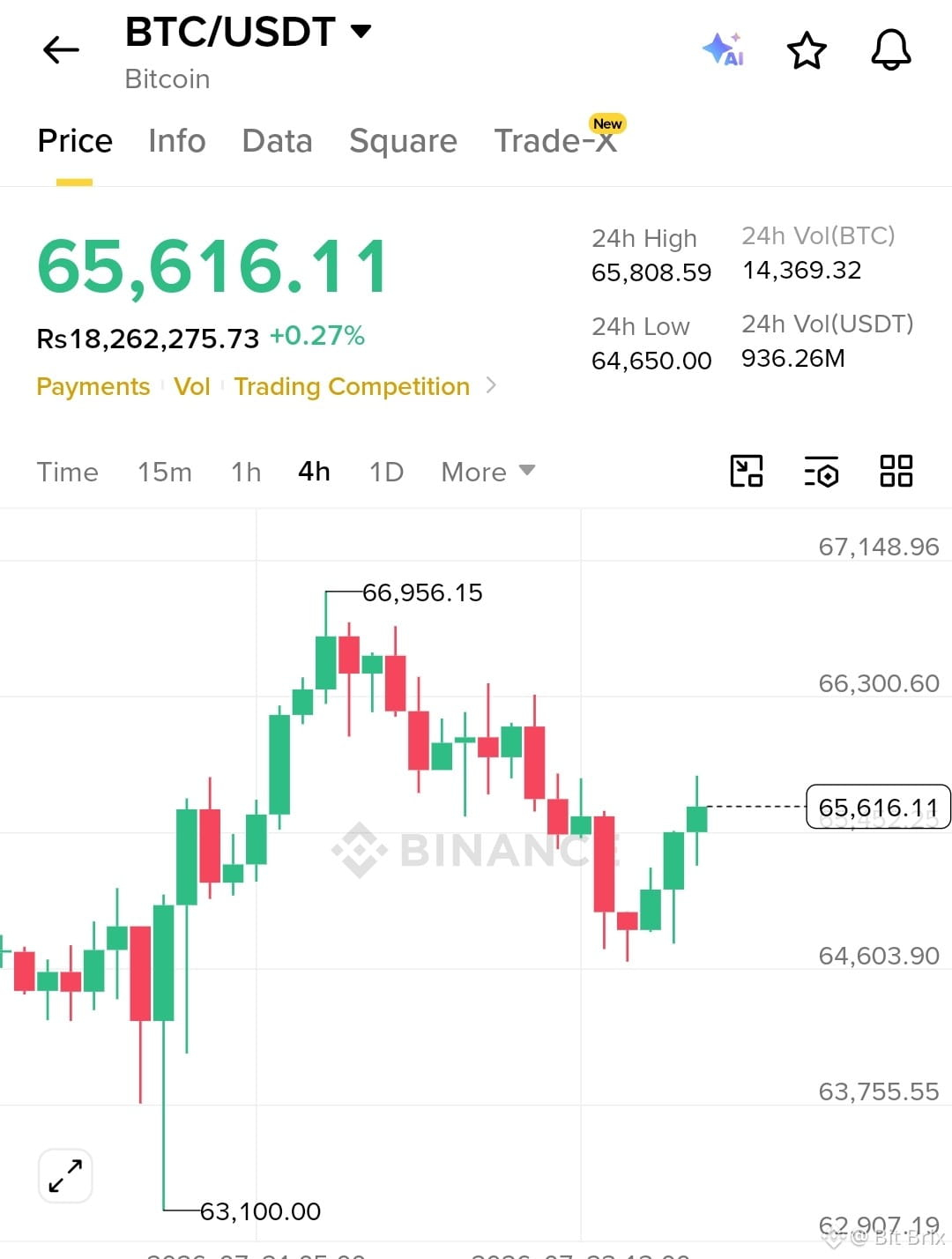
$BTC は激しく跳ね、強気が主導権を握っています。
EP: 65,400〜65,650ドル
TP: 66,300 / 66,950 / 67,500ドル
SL: 64,600ドル
次のブレイクアウトは爆発的かもしれません。さあ、$BTC へ行こう
$BTC は激しく跳ね、強気が主導権を握っています。
EP: 65,400〜65,650ドル
TP: 66,300 / 66,950 / 67,500ドル
SL: 64,600ドル
次のブレイクアウトは爆発的かもしれません。さあ、$BTC へ行こう
EP: 65,400〜65,650ドル
TP: 66,300 / 66,950 / 67,500ドル
SL: 64,600ドル
次のブレイクアウトは爆発的かもしれません。さあ、$BTC へ行こう
69
·
--
ブリッシュ
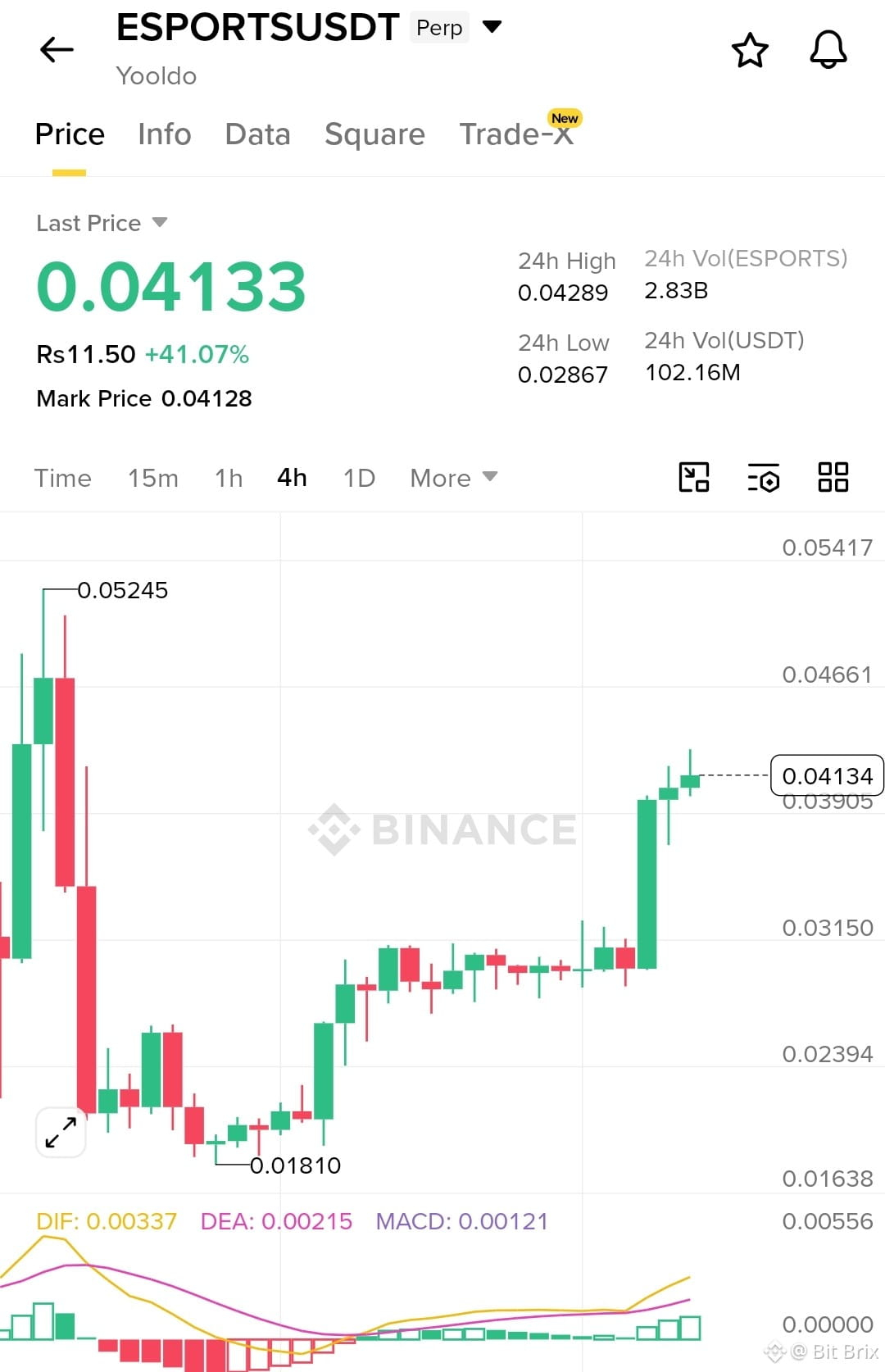
$ESPORTS は強力な4Hブレイクアウトで急上昇しています。
EP: $0.0395–$0.0413
TP: $0.0466 / $0.0524 / $0.0580
SL: $0.0368
勢いが高まっています。さあ、$ESPORTS
$ESPORTS は強力な4Hブレイクアウトで急上昇しています。
EP: $0.0395–$0.0413
TP: $0.0466 / $0.0524 / $0.0580
SL: $0.0368
勢いが高まっています。さあ、$ESPORTS
EP: $0.0395–$0.0413
TP: $0.0466 / $0.0524 / $0.0580
SL: $0.0368
勢いが高まっています。さあ、$ESPORTS
1
103
·
--
ブリッシュ
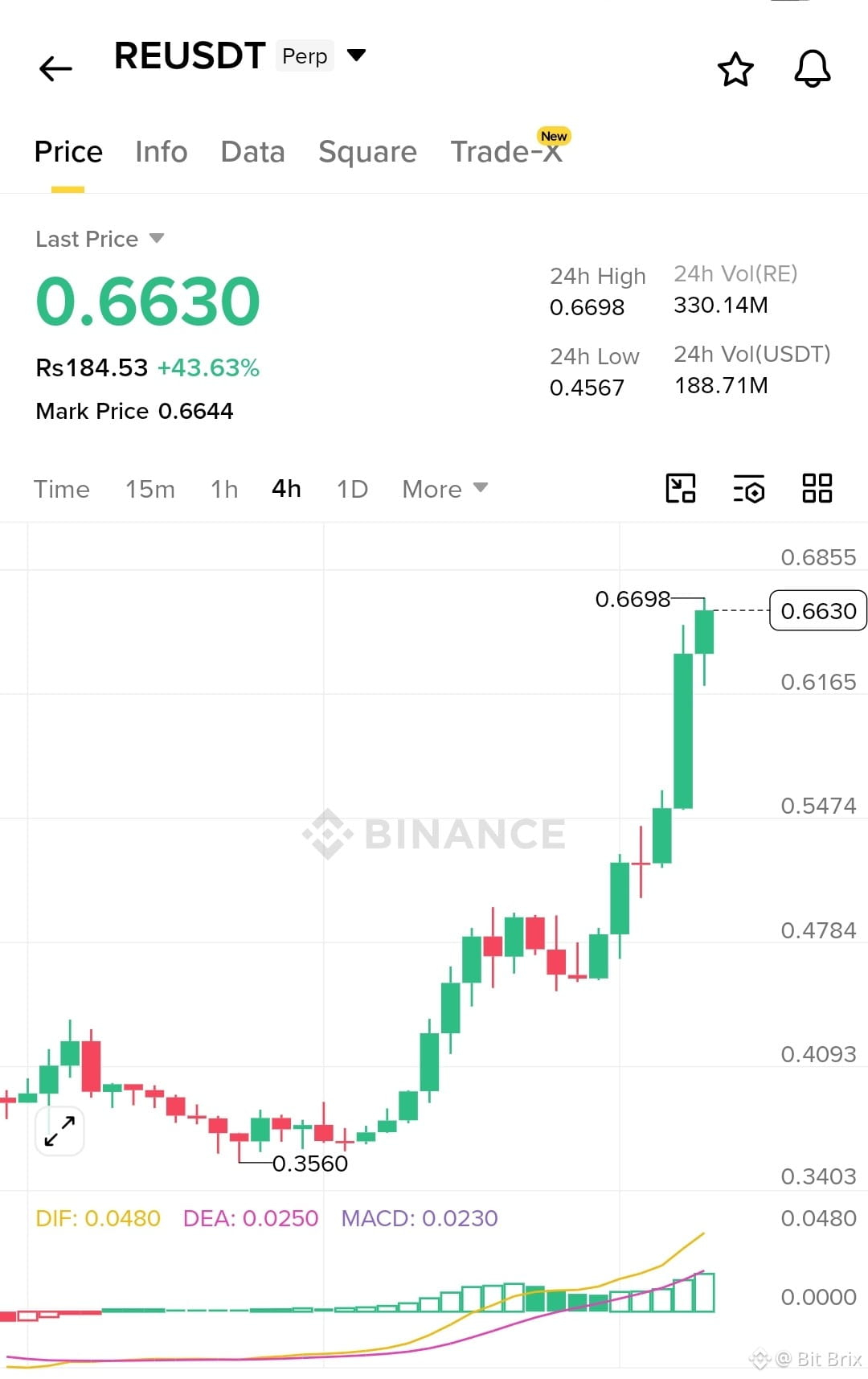
$RE は4時間足チャートで強烈にブレイクアウトしています。
EP: $0.6500–$0.6630
TP: $0.7000 / $0.7400 / $0.7800
SL: $0.6150
勢いが爆発的です—さあ、$RE
$RE は4時間足チャートで強烈にブレイクアウトしています。
EP: $0.6500–$0.6630
TP: $0.7000 / $0.7400 / $0.7800
SL: $0.6150
勢いが爆発的です—さあ、$RE
EP: $0.6500–$0.6630
TP: $0.7000 / $0.7400 / $0.7800
SL: $0.6150
勢いが爆発的です—さあ、$RE
157
·
--
ブリッシュ
EP: 0.00071326
TP: 0.00095000
SL: 0.00062000
AKEは爆発的な勢いでリードしています。強気派が完全に主導権を握っており、次のブレイクアウトはすぐに来る可能性があります。
さあ行こう $AKE
{future}(AKEUSDT)
$ESIM
{alpha}(560x7765a659c5b0cfbfd9fbc2ef2298b75a598f2d2d)
$RAVE
{future}(RAVEUSDT)
EP: 0.00071326
TP: 0.00095000
SL: 0.00062000
AKEは爆発的な勢いでリードしています。強気派が完全に主導権を握っており、次のブレイクアウトはすぐに来る可能性があります。
さあ行こう $AKE
$ESIM
$RAVE
TP: 0.00095000
SL: 0.00062000
AKEは爆発的な勢いでリードしています。強気派が完全に主導権を握っており、次のブレイクアウトはすぐに来る可能性があります。
さあ行こう $AKE
$ESIM
$RAVE
AkE♥️
63%
ESIM💪
14%
RAVE💖
23%
30 投票 • 投票は終了しました
2.3k
·
--
ブリッシュ
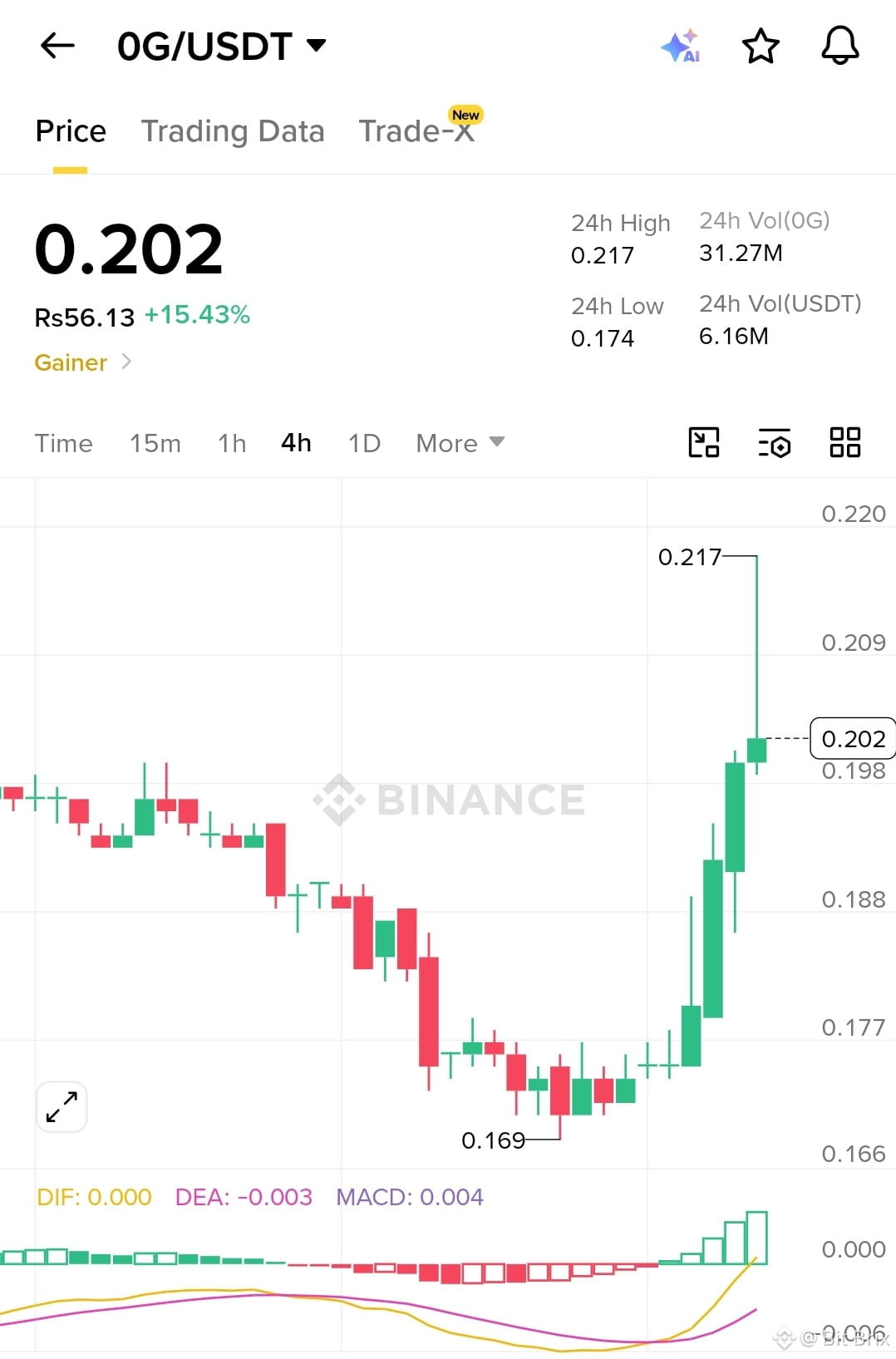
$OG は強い勢いでブレイクアウトしています。ブルが主導権を取り戻しており、次の動きはすぐに来るかもしれません。
EP: 0.2000–0.2030
TP: 0.2170 / 0.2250 / 0.2350
SL: 0.1920
さあ行こう $OG
$OG は強い勢いでブレイクアウトしています。ブルが主導権を取り戻しており、次の動きはすぐに来るかもしれません。
EP: 0.2000–0.2030
TP: 0.2170 / 0.2250 / 0.2350
SL: 0.1920
さあ行こう $OG
EP: 0.2000–0.2030
TP: 0.2170 / 0.2250 / 0.2350
SL: 0.1920
さあ行こう $OG
375
·
--
モメンタムが高まり、買い手が参入しています。
EP: 64,543.36
TP: 66,500.00
SL: 63,500.00
先に強いブレイクアウトの可能性があります。規律を保ち、リスク管理を徹底しましょう。
さあ行こう $BTC
{spot}(BTCUSDT)
$ETH
{spot}(ETHUSDT)
$BNB
{spot}(BNBUSDT)
モメンタムが高まり、買い手が参入しています。
EP: 64,543.36
TP: 66,500.00
SL: 63,500.00
先に強いブレイクアウトの可能性があります。規律を保ち、リスク管理を徹底しましょう。
さあ行こう $BTC
$ETH
$BNB
EP: 64,543.36
TP: 66,500.00
SL: 63,500.00
先に強いブレイクアウトの可能性があります。規律を保ち、リスク管理を徹底しましょう。
さあ行こう $BTC
$ETH
$BNB
60
ログインして、さらにコンテンツを読む
厳選トピックで世界の暗号資産トレーダーの仲間入り
⚡️ 暗号資産に関する最新かつ有益な情報が見つかります。
💬 世界最大の暗号資産取引所から信頼されています。
👍 認証を受けたクリエイターから、有益なインサイトを得られます。
メール / 電話番号
トレンドトピック
BitcoinReboundsTo$79K
閲覧回数 27,179
241人が討論中
🚨 $BTC はさらに上昇しようとしています。
ビットコインは約 $78,804 で取引されており、先ほど $78K の水準を回復したことでおよそ 1.9% 上昇しています。次に注目すべきは、日中の高値である約 $78,905 です。
その水準を明確に上抜けると、$79K〜$80K へ向かう道が開ける可能性があります。もしBTCが跳ね返される場合、サポートは $78,300 あたりにあり、その次は $77,975 です。
強気筋には勢いがありますが、BTC は $78K を上回って維持する必要があります。
#Bitcoin #BTC #CryptoTrading #CryptoMarket #CryptoAnalysis
PulseON
·いいね:21件
·閲覧回数 20.9k
USDCOnChainVolumeTops$100Trillion
閲覧回数 58
9人が討論中
BitcoinSpotETFsNetInflow$160M
閲覧回数 983
59人が討論中