
Pentabase
46 投稿

Pentabase
報告
ユーザーをブロック
Pentabase specializes in end-to-end Web3 consulting, incubation, and marketing/PR, with a strategic focus on Korea and global support for Web3 projects.
0 フォロー
2 フォロワー
2 いいね
投稿
·
--
翻訳参照
Coinbase has renamed its Base App back to Coinbase wallet, just over a year after rebranding the wallet in 2025. When Base App launched, Coinbase positioned it as an “onchain super app” combining social feeds, creator content, mini apps, payments, and trading. However, as the social and creator-focused strategy fell short of expectations, the product gradually shifted toward onchain trading and self-custody. Today, Coinbase Wallet has expanded beyond Base, supporting multiple networks including Solana, Bitcoin, Ethereum, BNB Chain, Monad, and Robinhood Chain. It also offers access to onchain financial products such as perps, prediction markets, and tokenized stocks. The rebrand reflects a broader shift from a Base-centered super app to a multichain onchain financial platform. Importantly, the rebrand does not change how users custody their assets. Coinbase Wallet remains a self-custody wallet, with users maintaining control of their assets. Overall, Coinbase appears to be repositioning Base as blockchain infrastructure and Coinbase Wallet as the gateway to onchain finance. 👀
Coinbase has renamed its Base App back to Coinbase wallet, just over a year after rebranding the wallet in 2025. When Base App launched, Coinbase positioned it as an “onchain super app” combining social feeds, creator content, mini apps, payments, and trading. However, as the social and creator-focused strategy fell short of expectations, the product gradually shifted toward onchain trading and self-custody. Today, Coinbase Wallet has expanded beyond Base, supporting multiple networks including Solana, Bitcoin, Ethereum, BNB Chain, Monad, and Robinhood Chain. It also offers access to onchain financial products such as perps, prediction markets, and tokenized stocks. The rebrand reflects a broader shift from a Base-centered super app to a multichain onchain financial platform. Importantly, the rebrand does not change how users custody their assets. Coinbase Wallet remains a self-custody wallet, with users maintaining control of their assets. Overall, Coinbase appears to be repositioning Base as blockchain infrastructure and Coinbase Wallet as the gateway to onchain finance. 👀

·
--
Pentabase의 클러스터 파트너 TetherMax는 글로벌 확장의 새로운 국면에 진입하며, 한국 배우 윤시윤을 글로벌 앰배서더로 임명했습니다. 이번 결정은 TetherMax가 국제 시장을 대상으로 새로운 글로벌 프로모션과 캠페인을 시작할 준비를 하는 가운데, 보다 폭넓은 브랜드 리브랜딩과 함께 이루어졌습니다. 한국 드라마와 엔터테인먼트 전반에서 폭넓게 활동해온 윤시윤은 디지털 자산 분야를 넘어 TetherMax의 브랜드 인지도를 넓히는 데 핵심적인 역할을 할 예정입니다. 이번 파트너십은 TetherMax가 기존의 정체성을 넘어, 더 쉽고 접근 가능한 동시에 전 세계적으로 널리 인지되는 브랜드로 자리매김하려는 야망을 반영합니다. 리브랜딩과 글로벌 캠페인이 앞서 있는 만큼, TetherMax는 다음 성장 단계에 맞춰 입지를 다지고 있습니다.
Pentabase의 클러스터 파트너 TetherMax는 글로벌 확장의 새로운 국면에 진입하며, 한국 배우 윤시윤을 글로벌 앰배서더로 임명했습니다. 이번 결정은 TetherMax가 국제 시장을 대상으로 새로운 글로벌 프로모션과 캠페인을 시작할 준비를 하는 가운데, 보다 폭넓은 브랜드 리브랜딩과 함께 이루어졌습니다. 한국 드라마와 엔터테인먼트 전반에서 폭넓게 활동해온 윤시윤은 디지털 자산 분야를 넘어 TetherMax의 브랜드 인지도를 넓히는 데 핵심적인 역할을 할 예정입니다. 이번 파트너십은 TetherMax가 기존의 정체성을 넘어, 더 쉽고 접근 가능한 동시에 전 세계적으로 널리 인지되는 브랜드로 자리매김하려는 야망을 반영합니다. 리브랜딩과 글로벌 캠페인이 앞서 있는 만큼, TetherMax는 다음 성장 단계에 맞춰 입지를 다지고 있습니다.

68
·
--
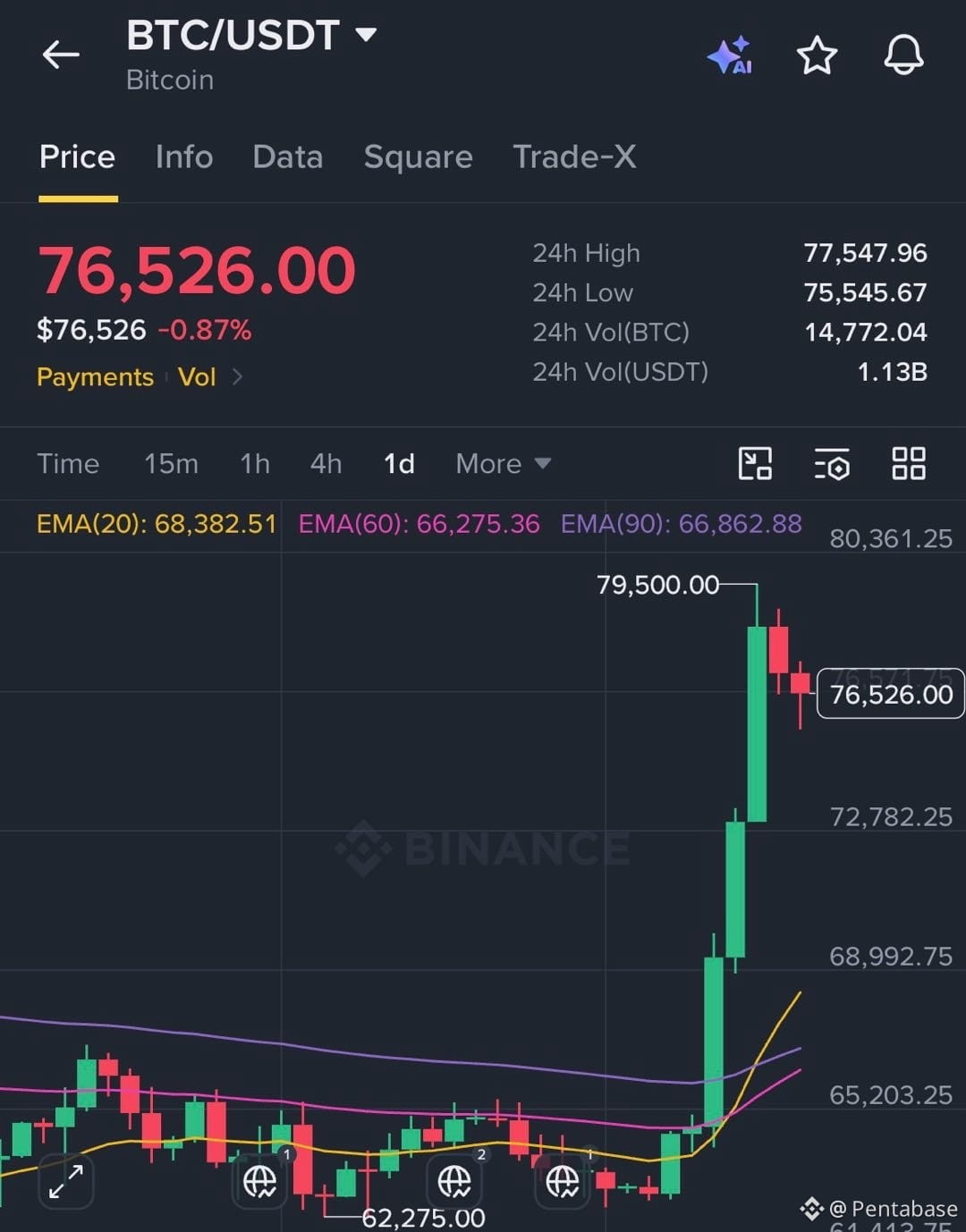
🚨 ビットコインがトランプ氏の発言を受けて7万9000ドルを上抜け
トランプ大統領は、
「かなりの量のビットコインやその他の暗号資産を
直接購入することを米国が検討している」
と述べました。
BTCは強い上昇モメンタムを維持し、
やがて7万9000ドルを突破しました。📈
🇺🇸 米国政府による直接購入の可能性が
市場全体の強い買い期待を後押ししています。
規制 → 保有 → 直接購入
米国の暗号資産へのアプローチは
新たな段階に入っているようです。
🚨 ビットコインがトランプ氏の発言を受けて7万9000ドルを上抜け
トランプ大統領は、
「かなりの量のビットコインやその他の暗号資産を
直接購入することを米国が検討している」
と述べました。
BTCは強い上昇モメンタムを維持し、
やがて7万9000ドルを突破しました。📈
🇺🇸 米国政府による直接購入の可能性が
市場全体の強い買い期待を後押ししています。
規制 → 保有 → 直接購入
米国の暗号資産へのアプローチは
新たな段階に入っているようです。
トランプ大統領は、
「かなりの量のビットコインやその他の暗号資産を
直接購入することを米国が検討している」
と述べました。
BTCは強い上昇モメンタムを維持し、
やがて7万9000ドルを突破しました。📈
🇺🇸 米国政府による直接購入の可能性が
市場全体の強い買い期待を後押ししています。
規制 → 保有 → 直接購入
米国の暗号資産へのアプローチは
新たな段階に入っているようです。
63
·
--
🚨 ビットコインがトランプ氏の発言を受けて79,000ドルを上抜け
トランプ大統領は、米国が
「大規模なビットコインおよび他の暗号資産を直接購入すること」を検討していると述べました。
BTCは力強い上昇モメンタムを維持し、
やがて77,000ドルを突破。 📈
🇺🇸 米国政府による直接購入の可能性が
市場全体の強い買い期待を後押ししています。
規制 → 保有 → 直接購入
米国の暗号資産へのアプローチは
新たな局面に入っているようです。
🚨 ビットコインがトランプ氏の発言を受けて79,000ドルを上抜け
トランプ大統領は、米国が
「大規模なビットコインおよび他の暗号資産を直接購入すること」を検討していると述べました。
BTCは力強い上昇モメンタムを維持し、
やがて77,000ドルを突破。 📈
🇺🇸 米国政府による直接購入の可能性が
市場全体の強い買い期待を後押ししています。
規制 → 保有 → 直接購入
米国の暗号資産へのアプローチは
新たな局面に入っているようです。
トランプ大統領は、米国が
「大規模なビットコインおよび他の暗号資産を直接購入すること」を検討していると述べました。
BTCは力強い上昇モメンタムを維持し、
やがて77,000ドルを突破。 📈
🇺🇸 米国政府による直接購入の可能性が
市場全体の強い買い期待を後押ししています。
規制 → 保有 → 直接購入
米国の暗号資産へのアプローチは
新たな局面に入っているようです。
66
·
--
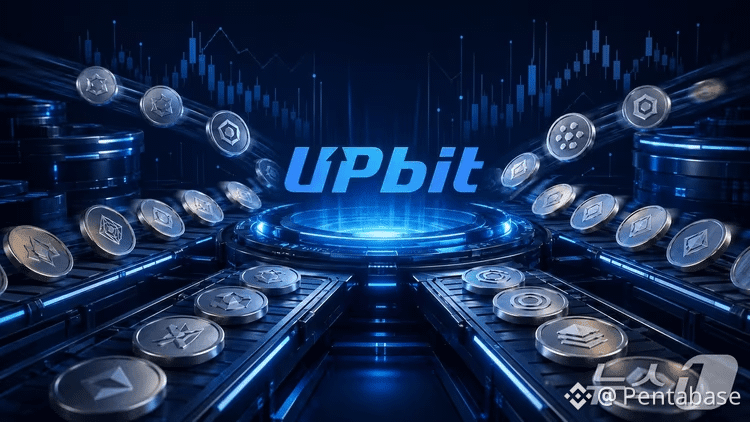
韓国最大の暗号資産取引所であるアップビット(Upbit)は、今年になって新規トークンの上場数を大幅に増やした。2026年1月から7月にかけて、アップビットのKRW市場では58のトークンが新たに上場された。それでも、強気の上場戦略にもかかわらず、暗号資産市場全体の下落局面の中で取引量は引き続き減少している。アップビットの平均日次取引量は、2月のKRW 2.69兆から7月には約KRW 834.90億へと落ち込み、年初からおよそ70%減となった。さらに重要なのは、新規上場の影響が弱まっていることだ。6月15日以前に新規上場したトークンは、初日で中央値42%の上昇を記録し、中央値の取引量はKRW 1420億に達していた。だが6月15日以降は、これらの数値はそれぞれわずか10%とKRW 540億へと急落した。この傾向は、頻繁な上場が、かつてアップビット上場を大きな市場イベントにしていた「希少性」や注目を薄めている可能性を示唆している。長年にわたり、アップビットに上場することはプロジェクトの信頼性を示す強いサインと見なされ、韓国の個人投資家による大きな買いの勢いにつながることも多かった。しかし上場がより頻繁になるにつれ、その上乗せ効果は薄れてきているようだ。📉 上場は増えるが、影響は弱まる。アップビットの戦略は、韓国の暗号資産市場が直面するより広い課題を浮き彫りにしている。すなわち、投資家の流動性が縮小しているときは、単にトークンを追加するだけでは取引活動を取り戻すには不十分になり得るのだ。
韓国最大の暗号資産取引所であるアップビット(Upbit)は、今年になって新規トークンの上場数を大幅に増やした。2026年1月から7月にかけて、アップビットのKRW市場では58のトークンが新たに上場された。それでも、強気の上場戦略にもかかわらず、暗号資産市場全体の下落局面の中で取引量は引き続き減少している。アップビットの平均日次取引量は、2月のKRW 2.69兆から7月には約KRW 834.90億へと落ち込み、年初からおよそ70%減となった。さらに重要なのは、新規上場の影響が弱まっていることだ。6月15日以前に新規上場したトークンは、初日で中央値42%の上昇を記録し、中央値の取引量はKRW 1420億に達していた。だが6月15日以降は、これらの数値はそれぞれわずか10%とKRW 540億へと急落した。この傾向は、頻繁な上場が、かつてアップビット上場を大きな市場イベントにしていた「希少性」や注目を薄めている可能性を示唆している。長年にわたり、アップビットに上場することはプロジェクトの信頼性を示す強いサインと見なされ、韓国の個人投資家による大きな買いの勢いにつながることも多かった。しかし上場がより頻繁になるにつれ、その上乗せ効果は薄れてきているようだ。📉 上場は増えるが、影響は弱まる。アップビットの戦略は、韓国の暗号資産市場が直面するより広い課題を浮き彫りにしている。すなわち、投資家の流動性が縮小しているときは、単にトークンを追加するだけでは取引活動を取り戻すには不十分になり得るのだ。
79
·
--
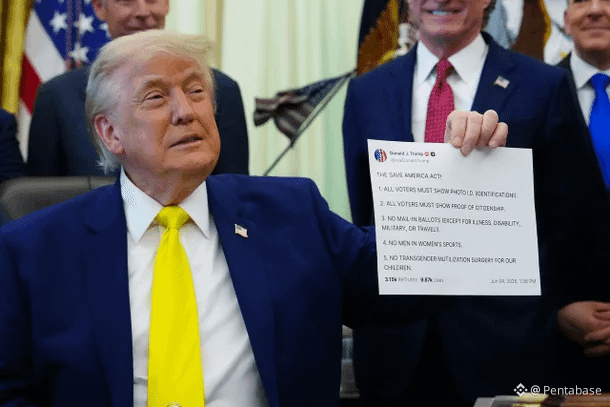
⚠️ トランプ、Truth Social投稿への有料早期アクセスで訴えられる
ドナルド・トランプは、購読者に自身のTruth Social投稿をいち早く見られるようにする有料サービスをめぐり、訴訟の対象になっている。
トランプ・メディアのTruth APIは、トランプやその他の著名アカウントの投稿への早期アクセスに対して、月最大10万ドルを請求している。
論点は、トランプの投稿が株式、原油、暗号資産などの金融市場に直接影響を与え得る点にある。
原告側は、このサービスが、支払う購読者に、市場を動かし得る大統領関連の情報へのより早いアクセスを提供することで、情報の非対称性を生み出していると主張している。
総じて、この訴訟は、情報のスピードそのものが市場価値を帯び得る時代において、次のような疑問が広がっていることを浮き彫りにしている――「公共の情報」と「金融市場」の間で、どこに線を引くべきなのか?👀
⚠️ トランプ、Truth Social投稿への有料早期アクセスで訴えられる
ドナルド・トランプは、購読者に自身のTruth Social投稿をいち早く見られるようにする有料サービスをめぐり、訴訟の対象になっている。
トランプ・メディアのTruth APIは、トランプやその他の著名アカウントの投稿への早期アクセスに対して、月最大10万ドルを請求している。
論点は、トランプの投稿が株式、原油、暗号資産などの金融市場に直接影響を与え得る点にある。
原告側は、このサービスが、支払う購読者に、市場を動かし得る大統領関連の情報へのより早いアクセスを提供することで、情報の非対称性を生み出していると主張している。
総じて、この訴訟は、情報のスピードそのものが市場価値を帯び得る時代において、次のような疑問が広がっていることを浮き彫りにしている――「公共の情報」と「金融市場」の間で、どこに線を引くべきなのか?👀
ドナルド・トランプは、購読者に自身のTruth Social投稿をいち早く見られるようにする有料サービスをめぐり、訴訟の対象になっている。
トランプ・メディアのTruth APIは、トランプやその他の著名アカウントの投稿への早期アクセスに対して、月最大10万ドルを請求している。
論点は、トランプの投稿が株式、原油、暗号資産などの金融市場に直接影響を与え得る点にある。
原告側は、このサービスが、支払う購読者に、市場を動かし得る大統領関連の情報へのより早いアクセスを提供することで、情報の非対称性を生み出していると主張している。
総じて、この訴訟は、情報のスピードそのものが市場価値を帯び得る時代において、次のような疑問が広がっていることを浮き彫りにしている――「公共の情報」と「金融市場」の間で、どこに線を引くべきなのか?👀
72
·
--
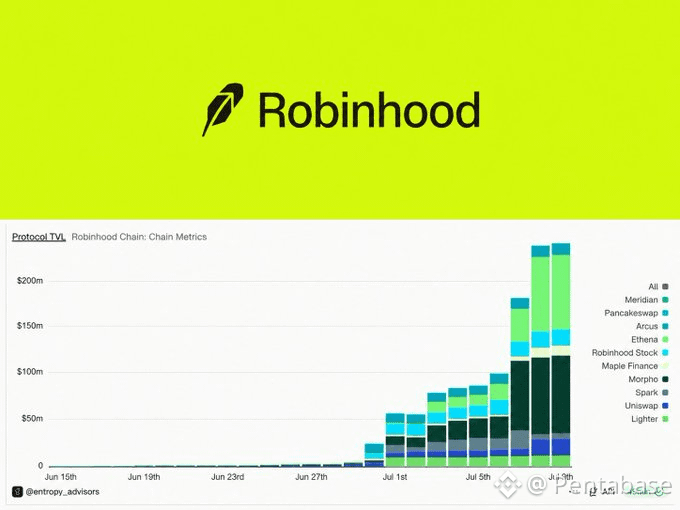
Robinhood ChainのTVL(Total Value Locked:総ロック額)が、Robinhoodの開発中のレイヤー2ネットワークで2億ドル超(約3.2億ドル)に到達しました。📈 Robinhood Chainは、トークン化株式の取引と現実世界資産(RWA)のトークン化を支えるために設計された独自のレイヤー2ネットワークです。 このネットワークはオンチェーンの金融インフラの構築を目指しており、DeFiと従来の金融をつなぐプラットフォームとしてますます注目されています。 6月下旬の時点では、TVLは数百万ドル程度にとどまっていましたが、7月には、DeFiプロトコルからの参加が増えたことを背景に流動性が急速に加速しました。 プロトコルの中では、Morphoが約7,780万ドルのTVLで首位に立ち、続いてEthenaが約5,930万ドルです。 この2つでネットワークの総TVLの64%以上を占め、初期エコシステムにおける主要な流動性の原動力となっています。 全体として、TVLの急増は、Robinhood Chainが重要な流動性を引き付け始め、オンチェーンの金融インフラを中心に活発なDeFiエコシステムを形成しつつあることを示唆しています。👀
Robinhood ChainのTVL(Total Value Locked:総ロック額)が、Robinhoodの開発中のレイヤー2ネットワークで2億ドル超(約3.2億ドル)に到達しました。📈 Robinhood Chainは、トークン化株式の取引と現実世界資産(RWA)のトークン化を支えるために設計された独自のレイヤー2ネットワークです。 このネットワークはオンチェーンの金融インフラの構築を目指しており、DeFiと従来の金融をつなぐプラットフォームとしてますます注目されています。 6月下旬の時点では、TVLは数百万ドル程度にとどまっていましたが、7月には、DeFiプロトコルからの参加が増えたことを背景に流動性が急速に加速しました。 プロトコルの中では、Morphoが約7,780万ドルのTVLで首位に立ち、続いてEthenaが約5,930万ドルです。 この2つでネットワークの総TVLの64%以上を占め、初期エコシステムにおける主要な流動性の原動力となっています。 全体として、TVLの急増は、Robinhood Chainが重要な流動性を引き付け始め、オンチェーンの金融インフラを中心に活発なDeFiエコシステムを形成しつつあることを示唆しています。👀
78
·
--
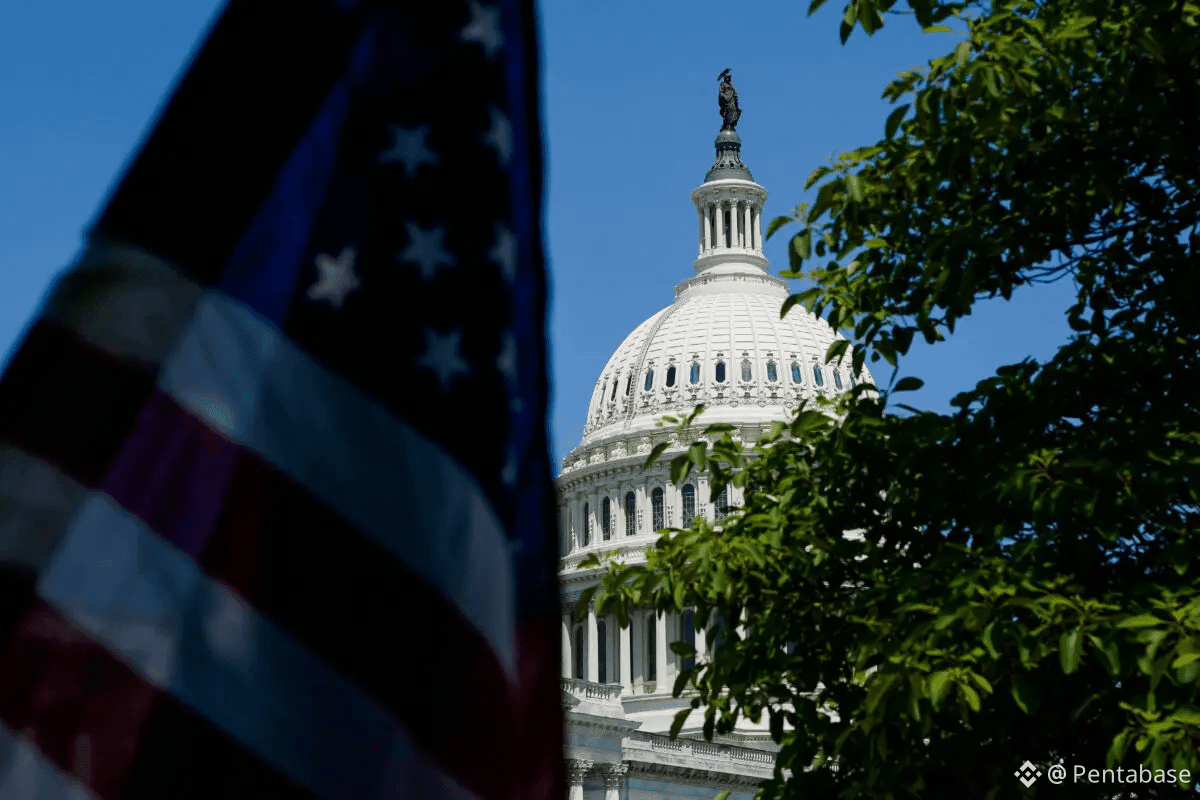
米国の暗号資産市場構造をめぐる最重要の法案の一つであるCLARITY法のタイムラインは、当初の7月上旬の目標から遅れる見通しです。⚖️ 米上院は7月13日に休会から復帰する予定で、その前に法案の本会議での採決が行われる可能性は低いとみられます。 最大の障害は、利益相反に関する懸念が残っている点です。 民主党はトランプ大統領のデジタル資産ビジネス活動に関連する、より強力な倫理規定を求め続けており、可決に必要な追加の賛成票がどれほどになるかは不透明なままです。 市場の見通しも弱まっています。Galaxy Researchは、今年中に法案が可決される確率の推計を75%から60%に引き下げました。一方、Polymarketのような予測市場では、オッズは現在およそ50%とされています。 遅れがあるにもかかわらず、機関投資家のデジタル資産への関心は依然として強いです。BlackRock、Morgan Stanley、Citiの幹部は引き続き、ステーブルコインとトークン化を主要な成長領域として強調しており、多くの人が、最終的にCLARITY法が通れば、米国における規制の明確化とデジタル資産のより広範な機関投資家の採用に向けた次の大きな一歩になると見ています。👀
米国の暗号資産市場構造をめぐる最重要の法案の一つであるCLARITY法のタイムラインは、当初の7月上旬の目標から遅れる見通しです。⚖️ 米上院は7月13日に休会から復帰する予定で、その前に法案の本会議での採決が行われる可能性は低いとみられます。 最大の障害は、利益相反に関する懸念が残っている点です。 民主党はトランプ大統領のデジタル資産ビジネス活動に関連する、より強力な倫理規定を求め続けており、可決に必要な追加の賛成票がどれほどになるかは不透明なままです。 市場の見通しも弱まっています。Galaxy Researchは、今年中に法案が可決される確率の推計を75%から60%に引き下げました。一方、Polymarketのような予測市場では、オッズは現在およそ50%とされています。 遅れがあるにもかかわらず、機関投資家のデジタル資産への関心は依然として強いです。BlackRock、Morgan Stanley、Citiの幹部は引き続き、ステーブルコインとトークン化を主要な成長領域として強調しており、多くの人が、最終的にCLARITY法が通れば、米国における規制の明確化とデジタル資産のより広範な機関投資家の採用に向けた次の大きな一歩になると見ています。👀
58
·
--
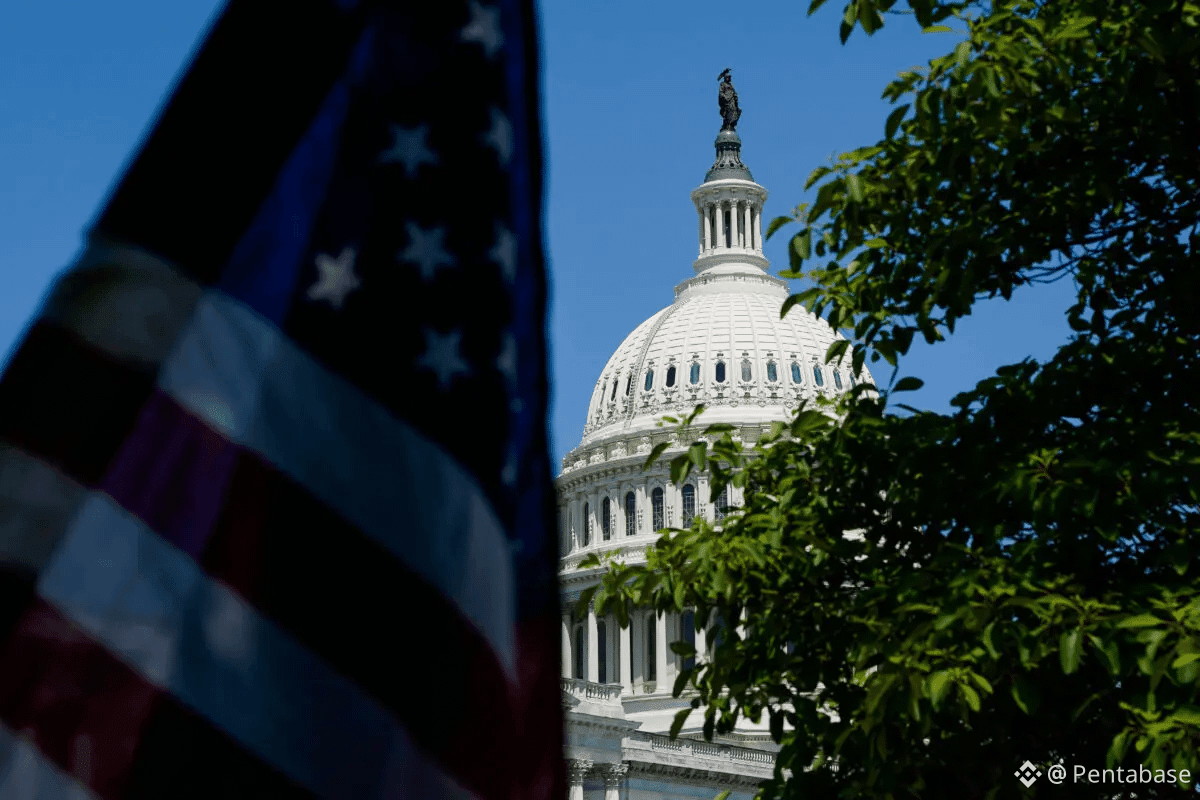
米国の暗号資産市場構造に関する最重要級の法案の一つである**CLARITY法**のスケジュールは、当初の7月上旬の目標よりも遅れる見通しです。⚖️ 米上院は**7月13日**に休会から復帰する予定であり、それ以前に法案の本会議での採決が行われる可能性は低いです。最大のハードルは引き続き**利益相反(コングレッシ・オブ・インタレスト)懸念**です。民主党はトランプ大統領のデジタル資産ビジネス活動に関連する、より強力な倫理規定を求め続けており、可決に必要な追加票の見通しは不透明なままです。市場の見通しも弱まっています。Galaxy Researchは、今年の法案可決の推定確率を**75%から60%**に引き下げました。さらに、Polymarketのような予測市場では、現在のオッズはおよそ**50%**となっています。遅れにもかかわらず、デジタル資産への機関投資家の関心は依然として強いです。BlackRock、Morgan Stanley、Citiの幹部は引き続きステーブルコインとトークン化を主要な成長領域として挙げており、多くの人が、最終的なCLARITY法の可決は、規制の明確化に向けたもう一つの大きな前進であり、米国におけるデジタル資産のより幅広い機関投資家の採用につながるはずだと考えています。👀
米国の暗号資産市場構造に関する最重要級の法案の一つである**CLARITY法**のスケジュールは、当初の7月上旬の目標よりも遅れる見通しです。⚖️ 米上院は**7月13日**に休会から復帰する予定であり、それ以前に法案の本会議での採決が行われる可能性は低いです。最大のハードルは引き続き**利益相反(コングレッシ・オブ・インタレスト)懸念**です。民主党はトランプ大統領のデジタル資産ビジネス活動に関連する、より強力な倫理規定を求め続けており、可決に必要な追加票の見通しは不透明なままです。市場の見通しも弱まっています。Galaxy Researchは、今年の法案可決の推定確率を**75%から60%**に引き下げました。さらに、Polymarketのような予測市場では、現在のオッズはおよそ**50%**となっています。遅れにもかかわらず、デジタル資産への機関投資家の関心は依然として強いです。BlackRock、Morgan Stanley、Citiの幹部は引き続きステーブルコインとトークン化を主要な成長領域として挙げており、多くの人が、最終的なCLARITY法の可決は、規制の明確化に向けたもう一つの大きな前進であり、米国におけるデジタル資産のより幅広い機関投資家の採用につながるはずだと考えています。👀
75
·
--
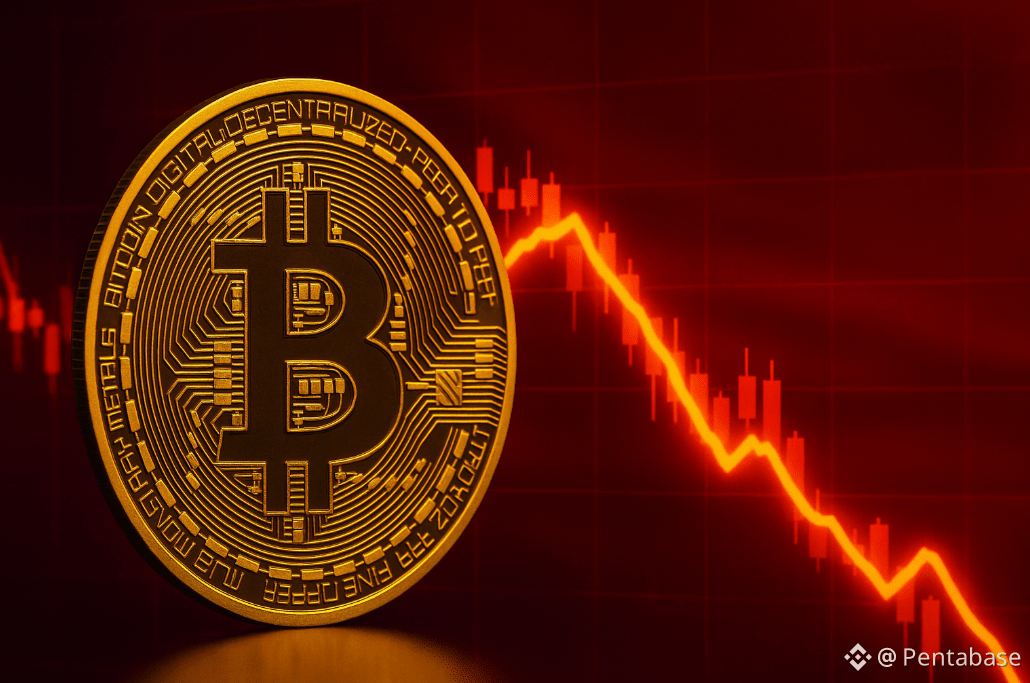
📉 ビットコインは60,000ドルの節目を下回り、2026年前半を弱い調子で終える可能性が高まっている。もしQ1とQ2の両方がマイナス圏で着地すれば、ビットコイン史上で年の最初の2四半期に損失を計上したのは3回目だけということになる。ビットコインは現在、Binanceで約59,000ドルの水準で取引されており、イーサリアムやXRPを含む主要アルトコインも同様に下落している。過去24時間で、ビットコインのポジションは約5,900万ドルが清算され、そのうち約89%がロング・ポジションだった。暗号資産市場全体での清算額は、約1億4,000万ドルに達した。市場アナリストは、この弱さの背景に、AIや半導体株への資金のローテーション、米国のスポット・ビットコインETFからの継続的な資金流出、FRBのタカ派的な金融スタンス、そして強い米ドルがあるとしている。特に、第2四半期は歴史的にビットコインにとって強い時期の一つであるため、今年のパフォーマンスは季節性の傾向からの異例のズレとなっている。慎重な見通しに追い打ちをかけるように、国際決済銀行(BIS)は最近の年次報告で、潜在的なAI投資バブル、根強いインフレ、悪化する財政状況が、世界経済にとっての主要なリスクであると警告した。 👉 AI主導の資金ローテーション、ETFからの資金流出、強いドル、そして引き締め的な金融政策がセンチメントを圧迫する中で、暗号資産市場のボラティリティは高止まりしている。短期的には、マクロ経済の状況と機関投資家の資金フローが、市場の方向性を左右する主要な要因として引き続き注目される見通しだ。
📉 ビットコインは60,000ドルの節目を下回り、2026年前半を弱い調子で終える可能性が高まっている。もしQ1とQ2の両方がマイナス圏で着地すれば、ビットコイン史上で年の最初の2四半期に損失を計上したのは3回目だけということになる。ビットコインは現在、Binanceで約59,000ドルの水準で取引されており、イーサリアムやXRPを含む主要アルトコインも同様に下落している。過去24時間で、ビットコインのポジションは約5,900万ドルが清算され、そのうち約89%がロング・ポジションだった。暗号資産市場全体での清算額は、約1億4,000万ドルに達した。市場アナリストは、この弱さの背景に、AIや半導体株への資金のローテーション、米国のスポット・ビットコインETFからの継続的な資金流出、FRBのタカ派的な金融スタンス、そして強い米ドルがあるとしている。特に、第2四半期は歴史的にビットコインにとって強い時期の一つであるため、今年のパフォーマンスは季節性の傾向からの異例のズレとなっている。慎重な見通しに追い打ちをかけるように、国際決済銀行(BIS)は最近の年次報告で、潜在的なAI投資バブル、根強いインフレ、悪化する財政状況が、世界経済にとっての主要なリスクであると警告した。 👉 AI主導の資金ローテーション、ETFからの資金流出、強いドル、そして引き締め的な金融政策がセンチメントを圧迫する中で、暗号資産市場のボラティリティは高止まりしている。短期的には、マクロ経済の状況と機関投資家の資金フローが、市場の方向性を左右する主要な要因として引き続き注目される見通しだ。
79
·
--
Polymarketは、第三者のサービス提供事業者が侵害されたことで、約300万ドルの損失につながるセキュリティインシデントを被りました。⚠️ 攻撃者は外部ベンダーに侵入し、PolymarketのWebサイトフロントエンドに悪意のあるコードを注入しました。その結果、ごく少数のユーザーから資金が盗まれました。影響を受けたアカウントは15件未満と考えられており、盗まれた資産の大部分は報告によるとpUSDからETHに換金されたものです。Polymarketは、このインシデントはブロックチェーン・プロトコルの脆弱性によるものではなく、外部のサービス提供事業者を狙ったサプライチェーン攻撃によるものだと述べました。脆弱性はすでに修正され、プラットフォームは通常どおり稼働しています。同社はまた、影響を受けたすべてのユーザーが損失分を完全に補償されることも確認しました。全体として、このインシデントは、ユーザー資産の保護はオンチェーンのプロトコルだけでなく、Webフロントエンドやサードパーティのサービス提供事業者のセキュリティにも依存することを示しています。👀
Polymarketは、第三者のサービス提供事業者が侵害されたことで、約300万ドルの損失につながるセキュリティインシデントを被りました。⚠️ 攻撃者は外部ベンダーに侵入し、PolymarketのWebサイトフロントエンドに悪意のあるコードを注入しました。その結果、ごく少数のユーザーから資金が盗まれました。影響を受けたアカウントは15件未満と考えられており、盗まれた資産の大部分は報告によるとpUSDからETHに換金されたものです。Polymarketは、このインシデントはブロックチェーン・プロトコルの脆弱性によるものではなく、外部のサービス提供事業者を狙ったサプライチェーン攻撃によるものだと述べました。脆弱性はすでに修正され、プラットフォームは通常どおり稼働しています。同社はまた、影響を受けたすべてのユーザーが損失分を完全に補償されることも確認しました。全体として、このインシデントは、ユーザー資産の保護はオンチェーンのプロトコルだけでなく、Webフロントエンドやサードパーティのサービス提供事業者のセキュリティにも依存することを示しています。👀

81
·
--
🔐 シークレットネットワーク、 「無限ミント」脆弱性による4 .67百万ドル規模のエクスプロイト被害
プライバシー重視のブロックチェーン「シークレットネットワーク」では、スマートコントラクトの「無限ミント」脆弱性が悪用され、約4 .67百万ドルの損失につながるエクスプロイトが発生しました。
攻撃者は欠陥のあるスマートコントラクトを悪用し、実際の担保を一切提供せずに「Axelarブリッジでラップされた」資産を無限に発行しました。こうして新たに発行されたトークンは、その後、正規の手続きで真正の裏付け資産と交換(償還)されました。根本的な問題は、契約が新しいトークンを発行する前に、入金(送金)元の検証を適切に行えていなかった点です。
攻撃は6月10日に発生しましたが、6月17日になって、クロスチェーン取引が「資金不足」エラーにより排出(ドレイン)された口座で失敗するまで見過ごされていました。
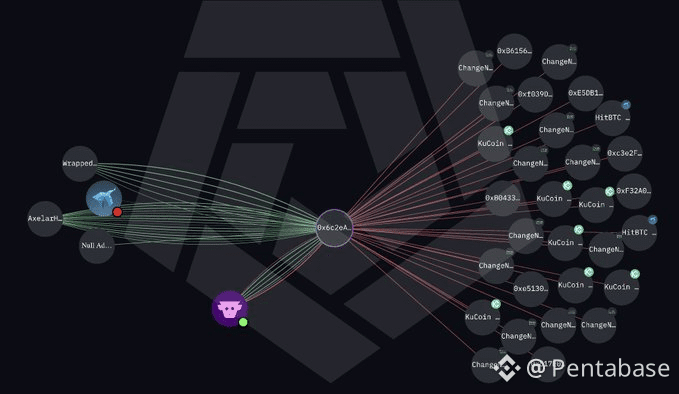
捜査によると、攻撃者は盗んだ資産をイーサリアム・ネットワークへ移し、ETHに換金したうえで、資金をおよそ30のウォレットに分割し、その後、KuCoin、ChangeNOW、HitBTCといった取引所へ送金したとされています。
影響を受けた資産には、saUSDT、saUSDC、saDAI、saWETH、saWBTC、saWBNB、sa stETHといったAxelarラップトトークンが含まれます。シークレットネットワークは保有者に対し、これらの資産の裏付けが損なわれている可能性があり、資金を失う恐れがあると警告しています。
ただしAxelarは、一方で「Axelarネットワーク」も「IBC(Inter-Blockchain Communication)プロトコル」も侵害されていないと明確にしました。脆弱なスマートコントラクトは、Axelarによって開発・デプロイ・維持管理されたものではありません。
👉 今回の事案は、ブリッジ基盤そのものではなく、接続されたスマートコントラクトの欠陥が大きな損失を引き起こし得ることを示しています。クロスチェーン・エコシステムにおけるセキュリティと検証メカニズムの重要性が、改めて浮き彫りになりました。
🔐 シークレットネットワーク、 「無限ミント」脆弱性による4 .67百万ドル規模のエクスプロイト被害
プライバシー重視のブロックチェーン「シークレットネットワーク」では、スマートコントラクトの「無限ミント」脆弱性が悪用され、約4 .67百万ドルの損失につながるエクスプロイトが発生しました。
攻撃者は欠陥のあるスマートコントラクトを悪用し、実際の担保を一切提供せずに「Axelarブリッジでラップされた」資産を無限に発行しました。こうして新たに発行されたトークンは、その後、正規の手続きで真正の裏付け資産と交換(償還)されました。根本的な問題は、契約が新しいトークンを発行する前に、入金(送金)元の検証を適切に行えていなかった点です。
攻撃は6月10日に発生しましたが、6月17日になって、クロスチェーン取引が「資金不足」エラーにより排出(ドレイン)された口座で失敗するまで見過ごされていました。
捜査によると、攻撃者は盗んだ資産をイーサリアム・ネットワークへ移し、ETHに換金したうえで、資金をおよそ30のウォレットに分割し、その後、KuCoin、ChangeNOW、HitBTCといった取引所へ送金したとされています。
影響を受けた資産には、saUSDT、saUSDC、saDAI、saWETH、saWBTC、saWBNB、sa stETHといったAxelarラップトトークンが含まれます。シークレットネットワークは保有者に対し、これらの資産の裏付けが損なわれている可能性があり、資金を失う恐れがあると警告しています。
ただしAxelarは、一方で「Axelarネットワーク」も「IBC(Inter-Blockchain Communication)プロトコル」も侵害されていないと明確にしました。脆弱なスマートコントラクトは、Axelarによって開発・デプロイ・維持管理されたものではありません。
👉 今回の事案は、ブリッジ基盤そのものではなく、接続されたスマートコントラクトの欠陥が大きな損失を引き起こし得ることを示しています。クロスチェーン・エコシステムにおけるセキュリティと検証メカニズムの重要性が、改めて浮き彫りになりました。
プライバシー重視のブロックチェーン「シークレットネットワーク」では、スマートコントラクトの「無限ミント」脆弱性が悪用され、約4 .67百万ドルの損失につながるエクスプロイトが発生しました。
攻撃者は欠陥のあるスマートコントラクトを悪用し、実際の担保を一切提供せずに「Axelarブリッジでラップされた」資産を無限に発行しました。こうして新たに発行されたトークンは、その後、正規の手続きで真正の裏付け資産と交換(償還)されました。根本的な問題は、契約が新しいトークンを発行する前に、入金(送金)元の検証を適切に行えていなかった点です。
攻撃は6月10日に発生しましたが、6月17日になって、クロスチェーン取引が「資金不足」エラーにより排出(ドレイン)された口座で失敗するまで見過ごされていました。
捜査によると、攻撃者は盗んだ資産をイーサリアム・ネットワークへ移し、ETHに換金したうえで、資金をおよそ30のウォレットに分割し、その後、KuCoin、ChangeNOW、HitBTCといった取引所へ送金したとされています。
影響を受けた資産には、saUSDT、saUSDC、saDAI、saWETH、saWBTC、saWBNB、sa stETHといったAxelarラップトトークンが含まれます。シークレットネットワークは保有者に対し、これらの資産の裏付けが損なわれている可能性があり、資金を失う恐れがあると警告しています。
ただしAxelarは、一方で「Axelarネットワーク」も「IBC(Inter-Blockchain Communication)プロトコル」も侵害されていないと明確にしました。脆弱なスマートコントラクトは、Axelarによって開発・デプロイ・維持管理されたものではありません。
👉 今回の事案は、ブリッジ基盤そのものではなく、接続されたスマートコントラクトの欠陥が大きな損失を引き起こし得ることを示しています。クロスチェーン・エコシステムにおけるセキュリティと検証メカニズムの重要性が、改めて浮き彫りになりました。
85
·
--
マイケル・セイラーのビットコイン蓄積マシンで亀裂が見え始めているかもしれません。📉 STRCは、Strategy(MSTR)が発行する変動金利の永久優先株ですが、額面100ドルを下回り、最近は83〜89ドルの範囲で取引されています。市場参加者は、STRCの配当利回りが現在11.5%で、SATAの13.69%に遅れをとっていることから、投資家がより高利回りの代替先へ資金を回していると考えています。同時に、ビットコインがピークから約50%下落したことで、この商品への信頼も弱まっています。STRCは、追加のビットコインを取得するためにStrategyが用いてきた主要な資金調達手段の1つです。株価が100ドルを下回って取引されると、新たな発行によって効率的に資本を調達する同社の能力は大幅に魅力を失います。⚠️ 一部のアナリストは「デス・スパイラル(負の連鎖)」の可能性に懸念を示しています。しかし、LUNAの崩壊とは異なり、STRCには満期日がなく、マージンコールもなく、強制清算の仕組みもないため、構造は根本的に異なります。全体として、STRCのペッグ(連動)が崩れているように見える状況は、システム障害というより、利回りの低下、ビットコインの弱さ、そして代替商品の台頭によって引き起こされる市場の再価格付けイベントに近いようです。ビットコインの値動きと、Strategyが配当率を引き上げる姿勢が、今後投資家が注目する主要な要因になるでしょう。👀
マイケル・セイラーのビットコイン蓄積マシンで亀裂が見え始めているかもしれません。📉 STRCは、Strategy(MSTR)が発行する変動金利の永久優先株ですが、額面100ドルを下回り、最近は83〜89ドルの範囲で取引されています。市場参加者は、STRCの配当利回りが現在11.5%で、SATAの13.69%に遅れをとっていることから、投資家がより高利回りの代替先へ資金を回していると考えています。同時に、ビットコインがピークから約50%下落したことで、この商品への信頼も弱まっています。STRCは、追加のビットコインを取得するためにStrategyが用いてきた主要な資金調達手段の1つです。株価が100ドルを下回って取引されると、新たな発行によって効率的に資本を調達する同社の能力は大幅に魅力を失います。⚠️ 一部のアナリストは「デス・スパイラル(負の連鎖)」の可能性に懸念を示しています。しかし、LUNAの崩壊とは異なり、STRCには満期日がなく、マージンコールもなく、強制清算の仕組みもないため、構造は根本的に異なります。全体として、STRCのペッグ(連動)が崩れているように見える状況は、システム障害というより、利回りの低下、ビットコインの弱さ、そして代替商品の台頭によって引き起こされる市場の再価格付けイベントに近いようです。ビットコインの値動きと、Strategyが配当率を引き上げる姿勢が、今後投資家が注目する主要な要因になるでしょう。👀
90
·
--
ドナルド・トランプは、アメリカとイランの間で平和協定が最終化されたことを発表しました。トランプによると、この取引にはホルムズ海峡の再開が含まれており、通過料は不要で、アメリカの海上封鎖が即座に解除されるとのことです。イランの公式もこの合意を確認し、正式な署名式が6月19日に予定されていると述べました。
合意の下で、両国は相互攻撃を停止し、ホルムズ海峡に関する各自の制限を解除することに合意しました。また、イランの核プログラムに関する交渉を再開することにも原則的に合意しました。さらに、アメリカはイランの海外石油輸出に関連する特定の制裁の緩和を検討する見込みです。
金融市場は即座に反応しました。ブレント原油は発表に続き3%以上下落し、1バレル約84ドルまで落ちました。一方、ウエスト・テキサス・インターミディエイト(WTI)は81ドル近くで取引されています。地政学的緊張の緩和に対する期待がリスク嗜好を高め、オーストラリアドルやユーロはアメリカドルに対して上昇しました。
ビットコインも急騰しました。平和発表から約30分以内に、ビットコインは1,400ドル以上上昇し、約65,400ドルに達しました。クリプト・フィアー&グリード・インデックスも13から18に上昇し、デジタル資産市場の極度の恐怖が和らぎ始めたことを示唆しています。
👉 ホルムズ海峡の再開と停戦合意により短期的な地政学的リスクが緩和された一方で、市場の注目は今後のアメリカ連邦準備制度(Fed)、日本銀行(BOJ)、オーストラリア準備銀行(RBA)などの主要中央銀行からの金融政策決定に移っています。彼らの金利見通しは今後のリスク資産市場の主要なドライバーになると予想されています。
ドナルド・トランプは、アメリカとイランの間で平和協定が最終化されたことを発表しました。トランプによると、この取引にはホルムズ海峡の再開が含まれており、通過料は不要で、アメリカの海上封鎖が即座に解除されるとのことです。イランの公式もこの合意を確認し、正式な署名式が6月19日に予定されていると述べました。
合意の下で、両国は相互攻撃を停止し、ホルムズ海峡に関する各自の制限を解除することに合意しました。また、イランの核プログラムに関する交渉を再開することにも原則的に合意しました。さらに、アメリカはイランの海外石油輸出に関連する特定の制裁の緩和を検討する見込みです。
金融市場は即座に反応しました。ブレント原油は発表に続き3%以上下落し、1バレル約84ドルまで落ちました。一方、ウエスト・テキサス・インターミディエイト(WTI)は81ドル近くで取引されています。地政学的緊張の緩和に対する期待がリスク嗜好を高め、オーストラリアドルやユーロはアメリカドルに対して上昇しました。
ビットコインも急騰しました。平和発表から約30分以内に、ビットコインは1,400ドル以上上昇し、約65,400ドルに達しました。クリプト・フィアー&グリード・インデックスも13から18に上昇し、デジタル資産市場の極度の恐怖が和らぎ始めたことを示唆しています。
👉 ホルムズ海峡の再開と停戦合意により短期的な地政学的リスクが緩和された一方で、市場の注目は今後のアメリカ連邦準備制度(Fed)、日本銀行(BOJ)、オーストラリア準備銀行(RBA)などの主要中央銀行からの金融政策決定に移っています。彼らの金利見通しは今後のリスク資産市場の主要なドライバーになると予想されています。
合意の下で、両国は相互攻撃を停止し、ホルムズ海峡に関する各自の制限を解除することに合意しました。また、イランの核プログラムに関する交渉を再開することにも原則的に合意しました。さらに、アメリカはイランの海外石油輸出に関連する特定の制裁の緩和を検討する見込みです。
金融市場は即座に反応しました。ブレント原油は発表に続き3%以上下落し、1バレル約84ドルまで落ちました。一方、ウエスト・テキサス・インターミディエイト(WTI)は81ドル近くで取引されています。地政学的緊張の緩和に対する期待がリスク嗜好を高め、オーストラリアドルやユーロはアメリカドルに対して上昇しました。
ビットコインも急騰しました。平和発表から約30分以内に、ビットコインは1,400ドル以上上昇し、約65,400ドルに達しました。クリプト・フィアー&グリード・インデックスも13から18に上昇し、デジタル資産市場の極度の恐怖が和らぎ始めたことを示唆しています。
👉 ホルムズ海峡の再開と停戦合意により短期的な地政学的リスクが緩和された一方で、市場の注目は今後のアメリカ連邦準備制度(Fed)、日本銀行(BOJ)、オーストラリア準備銀行(RBA)などの主要中央銀行からの金融政策決定に移っています。彼らの金利見通しは今後のリスク資産市場の主要なドライバーになると予想されています。
5
·
--
スペースXがブロックバスターIPOに備えている中、投資家たちはビットコインや広範な暗号市場への潜在的な影響を注意深く見守っています。🚀 同社は750億ドルの調達を目指しており、推定1.75兆ドルの評価額で、需要は利用可能な株式を大幅に上回っているとのことです。一部のアナリストは、IPOがビットコインに短期的な逆風をもたらす可能性があると考えており、機関投資家や小口投資家の資本が暗号、金、その他のリスク資産から、近年で最も期待されている上場に移行するかもしれません。📉 宇宙技術、スターリンク、xAIなどの主要成長テーマに露出しているため、スペースXはウォール街から大きな注目を集めており、高成長のテクノロジー投資への資本のシフトを加速する可能性があります。同時に、スペースX自体はバランスシートに約18,700 BTCを保有しており、歴史的に見ても主要なIPOはしばしば新しい富を生み出し、それが最終的に暗号市場に戻ってくることが示されています。全体として、スペースXのIPOは一時的に流動性を吸収し、ビットコインのセンチメントに影響を与えるかもしれませんが、多くのアナリストは長期的な影響が最終的にはポジティブになると信じており、新たな資本と機関参加がリスク資産全体に拡大する可能性があると考えています。👀
スペースXがブロックバスターIPOに備えている中、投資家たちはビットコインや広範な暗号市場への潜在的な影響を注意深く見守っています。🚀 同社は750億ドルの調達を目指しており、推定1.75兆ドルの評価額で、需要は利用可能な株式を大幅に上回っているとのことです。一部のアナリストは、IPOがビットコインに短期的な逆風をもたらす可能性があると考えており、機関投資家や小口投資家の資本が暗号、金、その他のリスク資産から、近年で最も期待されている上場に移行するかもしれません。📉 宇宙技術、スターリンク、xAIなどの主要成長テーマに露出しているため、スペースXはウォール街から大きな注目を集めており、高成長のテクノロジー投資への資本のシフトを加速する可能性があります。同時に、スペースX自体はバランスシートに約18,700 BTCを保有しており、歴史的に見ても主要なIPOはしばしば新しい富を生み出し、それが最終的に暗号市場に戻ってくることが示されています。全体として、スペースXのIPOは一時的に流動性を吸収し、ビットコインのセンチメントに影響を与えるかもしれませんが、多くのアナリストは長期的な影響が最終的にはポジティブになると信じており、新たな資本と機関参加がリスク資産全体に拡大する可能性があると考えています。👀
78
·
--
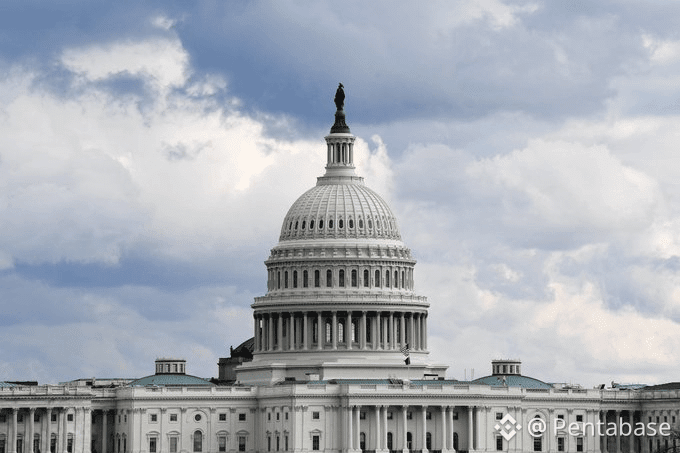
アメリカ合衆国の下院歳入委員会は、デジタル資産税制の枠組みを見直すための7つの議論草案を発表し、今後の公聴会に向けて正式なレビューを開始しました。
これらの草案は、ステーブルコイン、ステーキング、マイニング、一般的な暗号取引の課税基準を扱っています。重要な課題には、小規模取引に対する「デミニミス」免除の導入 — 業界からの長年の要望 — と、マイニングおよびステーキング報酬に対する明確な税処理が含まれています。
暗号業界は、小規模取引に対しても課税や報告を要求することが過度な管理負担を生むと主張しています。その結果、法律制定者は、特定の閾値以下の取引を報告要件から免除することを検討しています。
5月には、デジタル資産PARITY法が正式に導入され、ステーブルコイン取引に対して200ドルの報告免除を提案しました。しかし、この免除はビットコインなどの暗号通貨には適用されません。
いかなる暗号税制も、法律として成立するためには下院と上院の両方で超党派の支持が必要です。一方、上院は予算調整とデジタル資産市場構造法(CLARITY法)を優先しており、税制改革のタイムラインは不透明です。
👉 今後の公聴会は、アメリカがデジタル資産税制においてより明確さをもたらすことができるか、そして小規模取引の免除が最終的に立法として進むかどうかの重要なテストとなるでしょう。
#ステーブルコイン #ビットコイン #CLARITY法
アメリカ合衆国の下院歳入委員会は、デジタル資産税制の枠組みを見直すための7つの議論草案を発表し、今後の公聴会に向けて正式なレビューを開始しました。
これらの草案は、ステーブルコイン、ステーキング、マイニング、一般的な暗号取引の課税基準を扱っています。重要な課題には、小規模取引に対する「デミニミス」免除の導入 — 業界からの長年の要望 — と、マイニングおよびステーキング報酬に対する明確な税処理が含まれています。
暗号業界は、小規模取引に対しても課税や報告を要求することが過度な管理負担を生むと主張しています。その結果、法律制定者は、特定の閾値以下の取引を報告要件から免除することを検討しています。
5月には、デジタル資産PARITY法が正式に導入され、ステーブルコイン取引に対して200ドルの報告免除を提案しました。しかし、この免除はビットコインなどの暗号通貨には適用されません。
いかなる暗号税制も、法律として成立するためには下院と上院の両方で超党派の支持が必要です。一方、上院は予算調整とデジタル資産市場構造法(CLARITY法)を優先しており、税制改革のタイムラインは不透明です。
👉 今後の公聴会は、アメリカがデジタル資産税制においてより明確さをもたらすことができるか、そして小規模取引の免除が最終的に立法として進むかどうかの重要なテストとなるでしょう。
#ステーブルコイン #ビットコイン #CLARITY法
これらの草案は、ステーブルコイン、ステーキング、マイニング、一般的な暗号取引の課税基準を扱っています。重要な課題には、小規模取引に対する「デミニミス」免除の導入 — 業界からの長年の要望 — と、マイニングおよびステーキング報酬に対する明確な税処理が含まれています。
暗号業界は、小規模取引に対しても課税や報告を要求することが過度な管理負担を生むと主張しています。その結果、法律制定者は、特定の閾値以下の取引を報告要件から免除することを検討しています。
5月には、デジタル資産PARITY法が正式に導入され、ステーブルコイン取引に対して200ドルの報告免除を提案しました。しかし、この免除はビットコインなどの暗号通貨には適用されません。
いかなる暗号税制も、法律として成立するためには下院と上院の両方で超党派の支持が必要です。一方、上院は予算調整とデジタル資産市場構造法(CLARITY法)を優先しており、税制改革のタイムラインは不透明です。
👉 今後の公聴会は、アメリカがデジタル資産税制においてより明確さをもたらすことができるか、そして小規模取引の免除が最終的に立法として進むかどうかの重要なテストとなるでしょう。
#ステーブルコイン #ビットコイン #CLARITY法
79
·
--
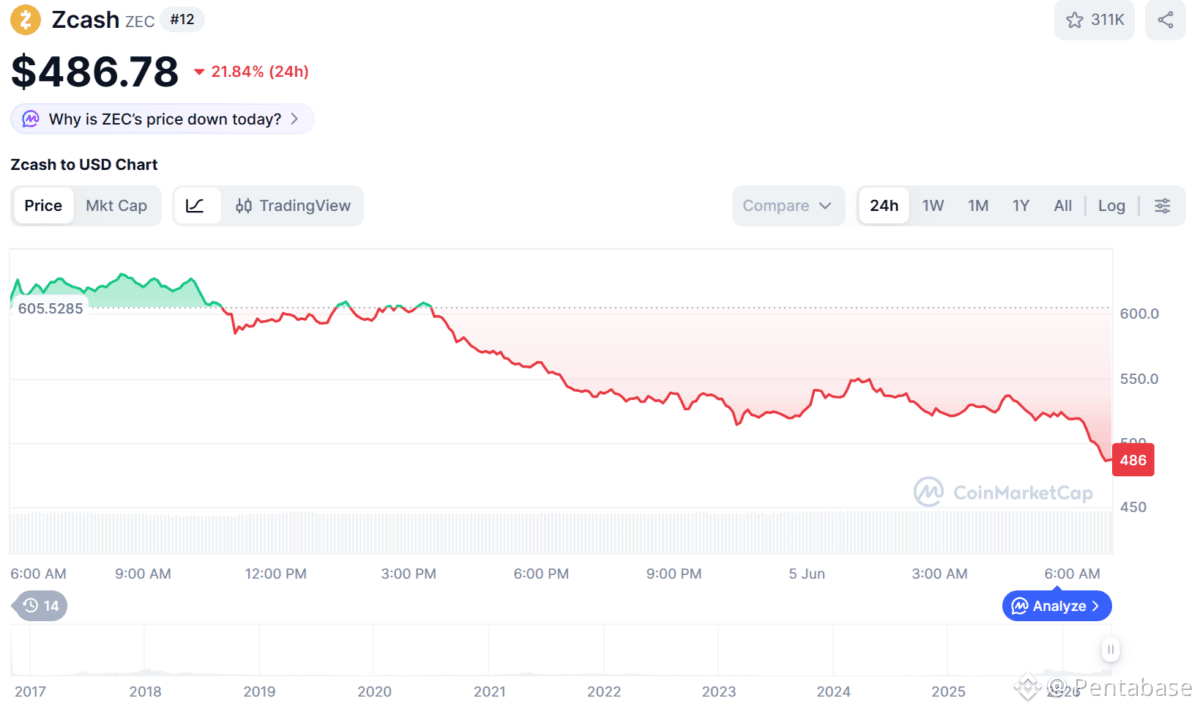
プライバシー重視の暗号資産ジーキャッシュ(ZEC)が、ネットワーク問題への懸念と、最近明らかになったセキュリティ脆弱性を受けて、わずか1日で20%超下落しました。📉 ジーキャッシュ財団は、プロトコルの最新のプライバシー重視型シールドプールであるOrchardで発見された重大な脆弱性に対処するため、緊急のソフトフォークおよびハードフォークのアップグレードを完了したと発表しました。財団によれば、当該脆弱性が悪用された形跡はなく、不正なトークン発行、資産の改ざん、またはプライバシー侵害も検出されていません。とはいえ、アップグレード過程で複数のブロックチェーンエクスプローラーにおいてブロックデータが欠落しているとの報告が、ネットワークの安定性への懸念を招き、市場心理が急激に悪化しました。⚠️ 全体として、今回の売りは実害というよりも、ネットワークの信頼性とアップグレード手順をめぐる不確実性によって引き起こされているようで、暗号資産市場では信頼がいかに急速に失われ得るかを浮き彫りにしています。👀
プライバシー重視の暗号資産ジーキャッシュ(ZEC)が、ネットワーク問題への懸念と、最近明らかになったセキュリティ脆弱性を受けて、わずか1日で20%超下落しました。📉 ジーキャッシュ財団は、プロトコルの最新のプライバシー重視型シールドプールであるOrchardで発見された重大な脆弱性に対処するため、緊急のソフトフォークおよびハードフォークのアップグレードを完了したと発表しました。財団によれば、当該脆弱性が悪用された形跡はなく、不正なトークン発行、資産の改ざん、またはプライバシー侵害も検出されていません。とはいえ、アップグレード過程で複数のブロックチェーンエクスプローラーにおいてブロックデータが欠落しているとの報告が、ネットワークの安定性への懸念を招き、市場心理が急激に悪化しました。⚠️ 全体として、今回の売りは実害というよりも、ネットワークの信頼性とアップグレード手順をめぐる不確実性によって引き起こされているようで、暗号資産市場では信頼がいかに急速に失われ得るかを浮き彫りにしています。👀
67
·
--
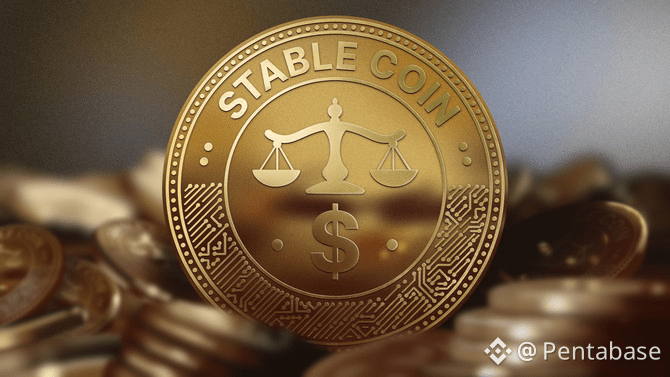
🌍 米国と英国の中央銀行関係者が安定したコインに関して異なる見解を示す
連邦準備制度理事会のクリストファー・ウォラー総裁は、ドルに裏付けられた安定コインの採用が進むことで、米国の金融政策の世界的な影響力が強化される可能性があると述べました。
彼は、国々が支払い及び価値の保存手段としてドル安定コインをますます使用する場合、実質的に米国の金融状況や金利環境に整合することになると説明しました。この意味で、米国の金融政策は国際的にその影響を拡大する可能性があります。ウォラーは安定コインをリスクのある資産ではなく、決済セクターにより大きな競争をもたらすツールとして説明しました。
一方、イングランド銀行の政策立案者メーガン・グリーンは異なる展望を示しました。彼女は、安定コインは今後数年で重要性を失い、最終的にはトークン化された預金に取って代わられる可能性があると示唆しました。
グリーンによれば、中央銀行デジタル通貨(CBDC)、安定コイン、およびトークン化された預金は競争する可能性がありますが、長期的には伝統的な銀行システムとより密接に統合されたトークン化された預金が支配的なモデルとして浮上する可能性が高いです。
この議論は、米国のデジタル資産法にも影響を与えています。特に、安定コインが利回りを提供することが許可されるべきかどうかに関する意見の相違が、CLARITY法案に関する議論の重要な障害点となり、その立法の進展を遅らせています。この法案は上院の銀行委員会を通過しましたが、完全に施行される前に政治的不確実性が残っています。
👉 安定コインがドルの支配を強化するための戦略的ツールとして機能するのか、それともトークン化された預金に overshadow される過渡的なフェーズとなるのかは、中央銀行家や立法者の間で重要な政策論争となっています。
#Stablecoin
🌍 米国と英国の中央銀行関係者が安定したコインに関して異なる見解を示す
連邦準備制度理事会のクリストファー・ウォラー総裁は、ドルに裏付けられた安定コインの採用が進むことで、米国の金融政策の世界的な影響力が強化される可能性があると述べました。
彼は、国々が支払い及び価値の保存手段としてドル安定コインをますます使用する場合、実質的に米国の金融状況や金利環境に整合することになると説明しました。この意味で、米国の金融政策は国際的にその影響を拡大する可能性があります。ウォラーは安定コインをリスクのある資産ではなく、決済セクターにより大きな競争をもたらすツールとして説明しました。
一方、イングランド銀行の政策立案者メーガン・グリーンは異なる展望を示しました。彼女は、安定コインは今後数年で重要性を失い、最終的にはトークン化された預金に取って代わられる可能性があると示唆しました。
グリーンによれば、中央銀行デジタル通貨(CBDC)、安定コイン、およびトークン化された預金は競争する可能性がありますが、長期的には伝統的な銀行システムとより密接に統合されたトークン化された預金が支配的なモデルとして浮上する可能性が高いです。
この議論は、米国のデジタル資産法にも影響を与えています。特に、安定コインが利回りを提供することが許可されるべきかどうかに関する意見の相違が、CLARITY法案に関する議論の重要な障害点となり、その立法の進展を遅らせています。この法案は上院の銀行委員会を通過しましたが、完全に施行される前に政治的不確実性が残っています。
👉 安定コインがドルの支配を強化するための戦略的ツールとして機能するのか、それともトークン化された預金に overshadow される過渡的なフェーズとなるのかは、中央銀行家や立法者の間で重要な政策論争となっています。
#Stablecoin
連邦準備制度理事会のクリストファー・ウォラー総裁は、ドルに裏付けられた安定コインの採用が進むことで、米国の金融政策の世界的な影響力が強化される可能性があると述べました。
彼は、国々が支払い及び価値の保存手段としてドル安定コインをますます使用する場合、実質的に米国の金融状況や金利環境に整合することになると説明しました。この意味で、米国の金融政策は国際的にその影響を拡大する可能性があります。ウォラーは安定コインをリスクのある資産ではなく、決済セクターにより大きな競争をもたらすツールとして説明しました。
一方、イングランド銀行の政策立案者メーガン・グリーンは異なる展望を示しました。彼女は、安定コインは今後数年で重要性を失い、最終的にはトークン化された預金に取って代わられる可能性があると示唆しました。
グリーンによれば、中央銀行デジタル通貨(CBDC)、安定コイン、およびトークン化された預金は競争する可能性がありますが、長期的には伝統的な銀行システムとより密接に統合されたトークン化された預金が支配的なモデルとして浮上する可能性が高いです。
この議論は、米国のデジタル資産法にも影響を与えています。特に、安定コインが利回りを提供することが許可されるべきかどうかに関する意見の相違が、CLARITY法案に関する議論の重要な障害点となり、その立法の進展を遅らせています。この法案は上院の銀行委員会を通過しましたが、完全に施行される前に政治的不確実性が残っています。
👉 安定コインがドルの支配を強化するための戦略的ツールとして機能するのか、それともトークン化された預金に overshadow される過渡的なフェーズとなるのかは、中央銀行家や立法者の間で重要な政策論争となっています。
#Stablecoin
62
·
--
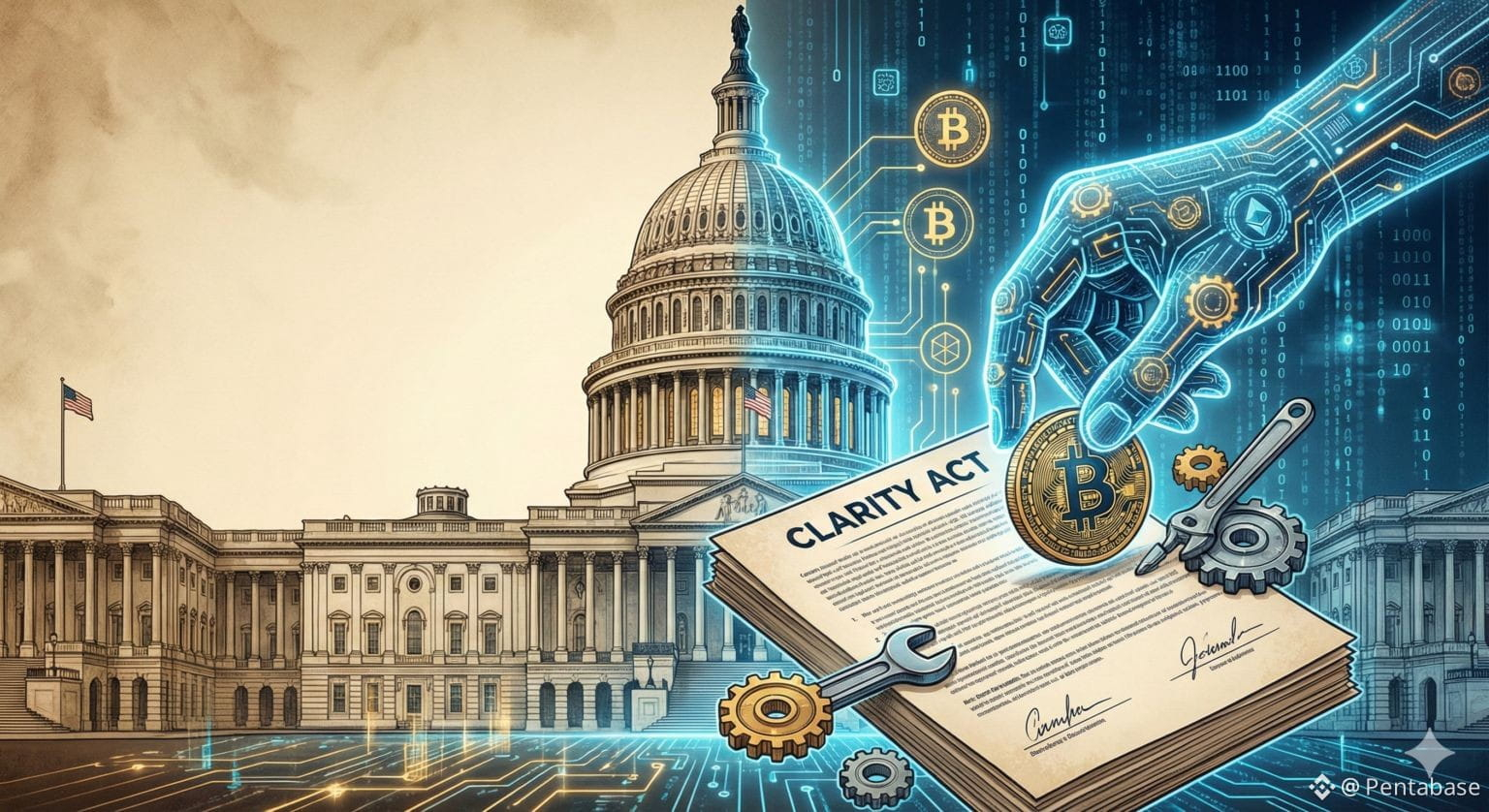
アメリカの暗号業界は、連邦デジタル資産法案を通過させるべく、議会への圧力を強めています。⚖️ アメリカで最大の暗号ロビーグループの一つであるデジタル商工会議所は、法案を支持するメッセージを直接送ることを促すオンラインキャンペーンを開始しました。CLARITY法案は、デジタル資産が証券として分類されるべきか、商品として分類されるべきかの明確なルールを確立し、SECとCFTCの規制役割を定義することを目指しています。この法案は、アメリカの暗号市場における規制の不確実性を減少させるための重要なステップと見なされており、プロ暗号派の政治的影響力も、今後の中間選挙を前に拡大しています。📈 全体として、最新の動きは単なるロビー活動以上のものと解釈されており、アメリカのデジタル資産業界が新しい政治的影響力と機関統合の段階に入っていることを示しています。👀
アメリカの暗号業界は、連邦デジタル資産法案を通過させるべく、議会への圧力を強めています。⚖️ アメリカで最大の暗号ロビーグループの一つであるデジタル商工会議所は、法案を支持するメッセージを直接送ることを促すオンラインキャンペーンを開始しました。CLARITY法案は、デジタル資産が証券として分類されるべきか、商品として分類されるべきかの明確なルールを確立し、SECとCFTCの規制役割を定義することを目指しています。この法案は、アメリカの暗号市場における規制の不確実性を減少させるための重要なステップと見なされており、プロ暗号派の政治的影響力も、今後の中間選挙を前に拡大しています。📈 全体として、最新の動きは単なるロビー活動以上のものと解釈されており、アメリカのデジタル資産業界が新しい政治的影響力と機関統合の段階に入っていることを示しています。👀
84
·
--
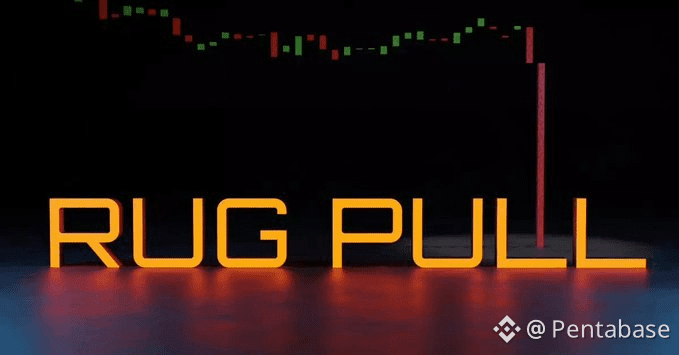
韓国、‘CATFI’を含む最初のDEXメムコインラグプル事件で運営者を起訴 韓国の検察は、ソラナベースのメムコイン「CATFI」に関連するラグプルスキームで運営者を起訴しました。この事件は、仮想資産ユーザー保護法に基づくDEXベースのラグプルに対する国の初の刑事起訴を示しており、当局のより強力な執行姿勢を示唆しています。 検察によると、グループはCATFIを独立プロジェクトのようにソーシャルメディアで宣伝し、トークンの価格を26時間以内に1,000倍以上に押し上げました。彼らはピーク時に保有分をショートし、約4億ウォン(約26万ドル)の不正利益を得たとされています。少なくとも256人の投資家が約9億ウォン(約60万ドル)の損失を被ったとのことです。 CATFIの時価総額は2025年2月に899万ドルにまで急騰しましたが、それ以来99%急落し、約50,000ドルになっています。プロジェクトを宣伝するために使用されたXアカウントも削除されています。 👉 この事件は、DEXベースのメムコインにおける価格操作やラグプルのリスクを強調しており、規制の監視とセクター内での執行措置が強化される可能性が高いことを示唆しています。
韓国、‘CATFI’を含む最初のDEXメムコインラグプル事件で運営者を起訴 韓国の検察は、ソラナベースのメムコイン「CATFI」に関連するラグプルスキームで運営者を起訴しました。この事件は、仮想資産ユーザー保護法に基づくDEXベースのラグプルに対する国の初の刑事起訴を示しており、当局のより強力な執行姿勢を示唆しています。 検察によると、グループはCATFIを独立プロジェクトのようにソーシャルメディアで宣伝し、トークンの価格を26時間以内に1,000倍以上に押し上げました。彼らはピーク時に保有分をショートし、約4億ウォン(約26万ドル)の不正利益を得たとされています。少なくとも256人の投資家が約9億ウォン(約60万ドル)の損失を被ったとのことです。 CATFIの時価総額は2025年2月に899万ドルにまで急騰しましたが、それ以来99%急落し、約50,000ドルになっています。プロジェクトを宣伝するために使用されたXアカウントも削除されています。 👉 この事件は、DEXベースのメムコインにおける価格操作やラグプルのリスクを強調しており、規制の監視とセクター内での執行措置が強化される可能性が高いことを示唆しています。
2
531
ログインして、さらにコンテンツを読む
厳選トピックで世界の暗号資産トレーダーの仲間入り
⚡️ 暗号資産に関する最新かつ有益な情報が見つかります。
💬 世界最大の暗号資産取引所から信頼されています。
👍 認証を受けたクリエイターから、有益なインサイトを得られます。
メール / 電話番号
トレンドトピック
ClarityActFacesProceduralVoteSept15
閲覧回数 9,572
202人が討論中
#clarityactfacesproceduralvotesept15
🚨 透明性法案、9月15日に手続き上の採決が直面 🚨
上院議場は静まり返っているが、暗号資産市場はすでに時計を見ている。9月15日、ある手続き上の採決が、大規模な米国の暗号資産の市場構造に関する法案が前進する機会を得るかどうかを左右する可能性がある。
このCLARITY法案は当日に最終採決に臨むわけではない。上院議員は、上院のハードルを越えるために60票が必要な重要な手続きステップである「審議に進む動議」について投票する見込みだ。
この違いが重要だ。可決されても法案が法律になるわけではないが、その後の上院での検討や協議の扉が開かれることになる。
利害は大きい。今回の立法は、デジタル資産をめぐるより明確なルールを定め、米国の規制当局の責任分担がどのように決まるのかを明らかにすることを目的としている。
最新の630ページに及ぶ改訂版では、特定の非分散型の取引プロトコルに対応する条項も追加されている。一方で、いくつかの政治的・規制上の意見の相違は未解決のままだ。
私見:9月15日は勝利・敗北の日というより、信頼性の試金石として捉えるべきだ。手続き上の障壁をクリアできれば、米国の暗号資産の法整備がより明確な枠組みに向けて進んでいるという信頼感が強まる可能性がある。失敗すれば不確実性が長引くかもしれない。
暗号資産市場にとっては、規制の明確さが機関投資家の参加やビジネス上の意思決定、そして投資家が米国へのエクスポージャーをどのように価格付けするかに影響を与えうる。しかし、期待は法律そのものよりも速く動くことがある。
本当のシグナルは、暗号資産が一晩で明確さを得るかどうかではなく、議員たちがついに十分な合意を築いてプロセスを前に進められるかどうかだ。
9月15日の投票は、米国の暗号資産規制にとって転機になるのか、それとも別の遅れになるのか?
免責事項:この記事は教育目的のみに提供されており、金融アドバイスではありません。ご自身で調査を行い、リスクを慎重に管理してください。
#CryptoRegulation #Bitcoin #GrowWithSAC $SUI $NEAR $BNB
#ClarityActFacesProceduralVoteSept15
Sienna Leo-你真棒-带我走
·いいね:2件
·閲覧回数 1.9k
US2YearYieldRisesTo4.61%
閲覧回数 14,646
321人が討論中
US10YearTreasuryYieldNears5%
閲覧回数 7,555
187人が討論中