

Bin Ishaq 1
125 投稿

Bin Ishaq 1
報告
ユーザーをブロック
Web3 Strategist
0 フォロー
0 フォロワー
1 いいね
投稿
·
--
翻訳参照
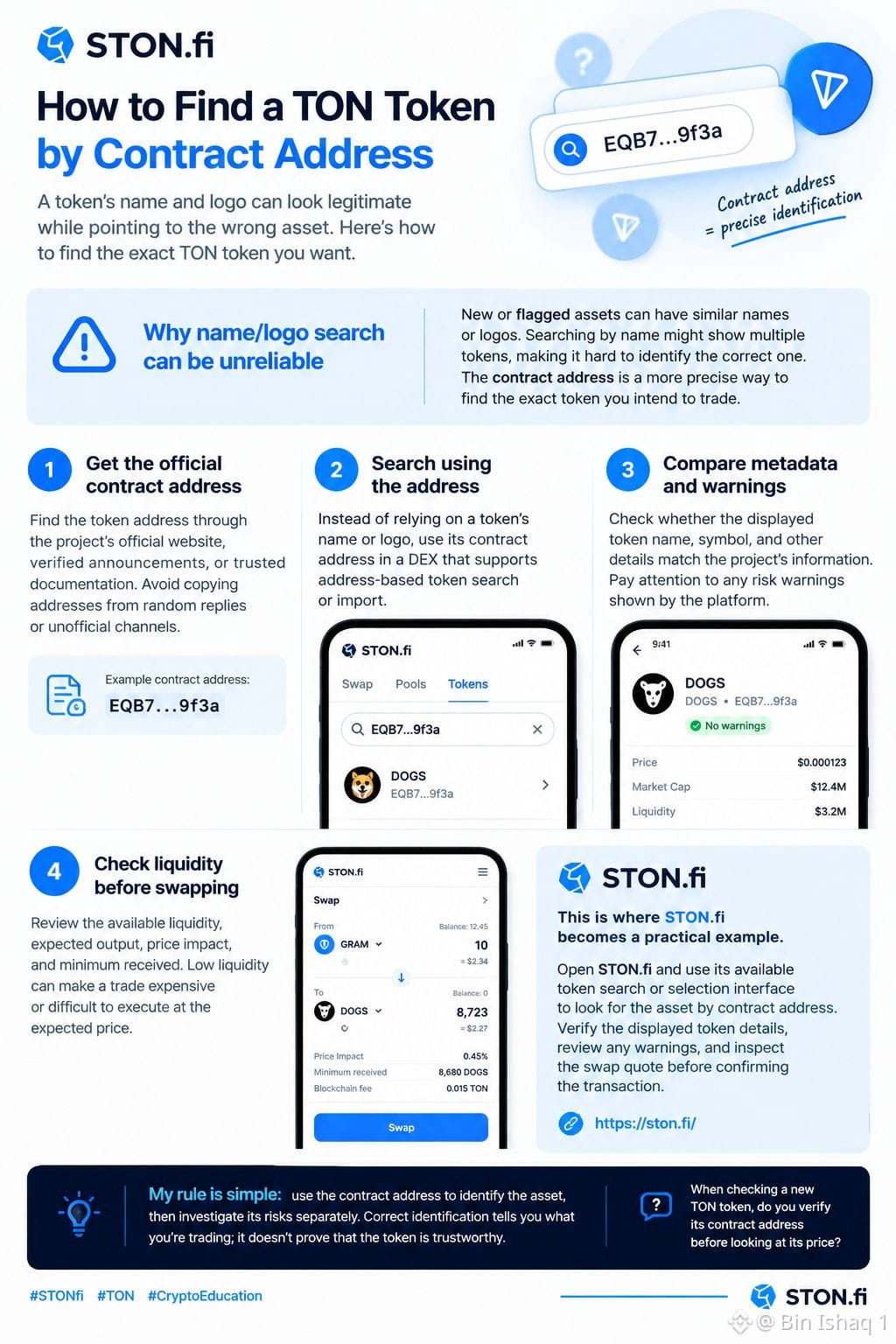
A token’s name and logo can look legitimate while pointing to the wrong asset. Here’s how to find the exact TON token you want. Imagine you want to swap a newly launched jetton on The Open Network (TON). Searching by name might show several tokens with similar names or logos, making it difficult to identify the correct one. The contract address gives you a more precise way to identify the asset. 1. Get the official contract address Find the token address through the project's official website, verified announcements, or trusted documentation. Avoid copying addresses from random replies or unofficial channels. 2. Search using the address Instead of relying on a token's name or logo, use its contract address in a DEX that supports address-based token search or import. This helps you identify the specific asset you intend to trade. 3. Compare metadata and warnings Check whether the displayed token name, symbol, and other available details match the project's information. Pay attention to any risk warnings shown by the platform. Remember, matching metadata or having no warning does not guarantee that a token is safe. 4. Check liquidity before swapping Review the available liquidity, expected output, price impact, and minimum received. Low liquidity can make a trade expensive or difficult to execute at the expected price. Open stonfi and use its available token search or selection interface to look for the asset by contract address. Verify the displayed token details, review any warnings, and inspect the swap quote before confirming the transaction. Explore the platform here: https://stonverse.com/cybersecgame/ My rule is simple: use the contract address to identify the asset, then investigate its risks separately. Correct identification tells you what you're trading; it doesn't prove that the token is trustworthy. When checking a new TON token, do you verify its contract address before looking at its price? $SOL $WLD
A token’s name and logo can look legitimate while pointing to the wrong asset. Here’s how to find the exact TON token you want. Imagine you want to swap a newly launched jetton on The Open Network (TON). Searching by name might show several tokens with similar names or logos, making it difficult to identify the correct one. The contract address gives you a more precise way to identify the asset. 1. Get the official contract address Find the token address through the project's official website, verified announcements, or trusted documentation. Avoid copying addresses from random replies or unofficial channels. 2. Search using the address Instead of relying on a token's name or logo, use its contract address in a DEX that supports address-based token search or import. This helps you identify the specific asset you intend to trade. 3. Compare metadata and warnings Check whether the displayed token name, symbol, and other available details match the project's information. Pay attention to any risk warnings shown by the platform. Remember, matching metadata or having no warning does not guarantee that a token is safe. 4. Check liquidity before swapping Review the available liquidity, expected output, price impact, and minimum received. Low liquidity can make a trade expensive or difficult to execute at the expected price. Open stonfi and use its available token search or selection interface to look for the asset by contract address. Verify the displayed token details, review any warnings, and inspect the swap quote before confirming the transaction. Explore the platform here: https://stonverse.com/cybersecgame/ My rule is simple: use the contract address to identify the asset, then investigate its risks separately. Correct identification tells you what you're trading; it doesn't prove that the token is trustworthy. When checking a new TON token, do you verify its contract address before looking at its price? $SOL $WLD
·
--
翻訳参照
A token can look safe on a DEX and still put your funds at risk. Here’s why. Imagine you find a new token on TON through a decentralized exchange. You check its page, see no warning label, and assume everything is fine. That assumption can be costly. Token labels reflect detected or known risk signals, not every possible threat. 1. Understand what the labels mean DEX safety labels can help identify known issues or suspicious signals associated with a token. However, their usefulness depends on the available data and detection methods. 2. No warning does not mean verified safe A token without a warning may still have malicious features, concentrated ownership, or risks that have not yet been detected. No warning ≠ safety guarantee. 3. Check beyond the interface Before committing funds, investigate four things: - Contract identity: Verify the token's address against official project sources. - Liquidity: Check whether liquidity is sufficient and whether it can be withdrawn unexpectedly. - Project sources: Review the official website, documentation, and credible community channels. - Holder distribution: Where data is available, examine whether a few wallets control a large share of the supply. These checks reduce uncertainty, but none can eliminate every risk. 4. Treat safety labels as one layer of protection STON.fi provides a practical example of how token labels can help users identify potential risks while exploring tokens on TON. Use these labels as an additional signal, not as a substitute for independent research. Always verify the token and understand its risks before swapping. Explore the platform here: https://whatisdex.com/ My rule is simple: a warning deserves attention, but the absence of one deserves no blind trust. Interface checks can only tell you what their available signals reveal. When researching a new token, what do you check first: its contract, liquidity, or holder distribution? $PHA $BTC
A token can look safe on a DEX and still put your funds at risk. Here’s why. Imagine you find a new token on TON through a decentralized exchange. You check its page, see no warning label, and assume everything is fine. That assumption can be costly. Token labels reflect detected or known risk signals, not every possible threat. 1. Understand what the labels mean DEX safety labels can help identify known issues or suspicious signals associated with a token. However, their usefulness depends on the available data and detection methods. 2. No warning does not mean verified safe A token without a warning may still have malicious features, concentrated ownership, or risks that have not yet been detected. No warning ≠ safety guarantee. 3. Check beyond the interface Before committing funds, investigate four things: - Contract identity: Verify the token's address against official project sources. - Liquidity: Check whether liquidity is sufficient and whether it can be withdrawn unexpectedly. - Project sources: Review the official website, documentation, and credible community channels. - Holder distribution: Where data is available, examine whether a few wallets control a large share of the supply. These checks reduce uncertainty, but none can eliminate every risk. 4. Treat safety labels as one layer of protection STON.fi provides a practical example of how token labels can help users identify potential risks while exploring tokens on TON. Use these labels as an additional signal, not as a substitute for independent research. Always verify the token and understand its risks before swapping. Explore the platform here: https://whatisdex.com/ My rule is simple: a warning deserves attention, but the absence of one deserves no blind trust. Interface checks can only tell you what their available signals reveal. When researching a new token, what do you check first: its contract, liquidity, or holder distribution? $PHA $BTC
·
--
ウォレットからGRAMをTONのジェットトンに直接交換するのは簡単です。安全に交換する方法をご紹介します。GRAMを保有していて、The Open Network(TON)上で別のトークンに交換したいとします。GRAMはTONのネイティブ通貨で、ジェットトンはTONブロックチェーン上で発行されるトークンです。どちらも同じエコシステム内で利用できますが、交換するには正しい取引ペアを選び、取引の詳細を確認する必要があります。交換を確定する前に、次の4点を確認しましょう。1. TONウォレットを接続する保有資産に対応した分散型取引所(DEX)を開き、TONウォレットを接続します。正しいウォレットと公式プラットフォームを使用していることを確認してください。2. トークンを選択する入力資産としてGRAMを選び、出力資産として受け取りたいジェットトンを選びます。特に、似た名前やシンボルのトークンが複数ある場合は、交換先のトークンを慎重に確認してください。3. 交換内容を確認する- 価格への影響:取引によってトークンの市場価格がどの程度変動する可能性があるか。- 推定受取額:受け取れるジェットトンのおおよその数量。- 最低受取額:取引のスリッページ設定のもとで、受け入れ可能な最低数量。- ブロックチェーン手数料:取引の処理に必要なネットワーク手数料。4. ウォレットで交換を確定するすべて問題ないことを確認したら、ウォレットで取引を確定し、ブロックチェーンで処理されるのを待ちます。その後、ウォレットを確認し、予定していたジェットトンが届いたことを確かめてください。対応するTONウォレットを接続し、入力資産にGRAM、出力資産に交換先のジェットトンを選び、見積もりを確認して、ウォレットから直接交換を確定できます。プラットフォームはこちら:https://ston.fi/how-to-send-usdt-from-ton-to-base私のルールはシンプルです。トークン名だけを根拠に交換を確定しないこと。資産を確認し、最低受取額をチェックして、ブロックチェーン手数料に必要なTONを十分に確保しておきましょう。トークンを交換するとき、最初に確認するのはどれですか?価格への影響、最低受取額、それとも手数料の合計ですか?$PHA $BTC
ウォレットからGRAMをTONのジェットトンに直接交換するのは簡単です。安全に交換する方法をご紹介します。GRAMを保有していて、The Open Network(TON)上で別のトークンに交換したいとします。GRAMはTONのネイティブ通貨で、ジェットトンはTONブロックチェーン上で発行されるトークンです。どちらも同じエコシステム内で利用できますが、交換するには正しい取引ペアを選び、取引の詳細を確認する必要があります。交換を確定する前に、次の4点を確認しましょう。1. TONウォレットを接続する保有資産に対応した分散型取引所(DEX)を開き、TONウォレットを接続します。正しいウォレットと公式プラットフォームを使用していることを確認してください。2. トークンを選択する入力資産としてGRAMを選び、出力資産として受け取りたいジェットトンを選びます。特に、似た名前やシンボルのトークンが複数ある場合は、交換先のトークンを慎重に確認してください。3. 交換内容を確認する- 価格への影響:取引によってトークンの市場価格がどの程度変動する可能性があるか。- 推定受取額:受け取れるジェットトンのおおよその数量。- 最低受取額:取引のスリッページ設定のもとで、受け入れ可能な最低数量。- ブロックチェーン手数料:取引の処理に必要なネットワーク手数料。4. ウォレットで交換を確定するすべて問題ないことを確認したら、ウォレットで取引を確定し、ブロックチェーンで処理されるのを待ちます。その後、ウォレットを確認し、予定していたジェットトンが届いたことを確かめてください。対応するTONウォレットを接続し、入力資産にGRAM、出力資産に交換先のジェットトンを選び、見積もりを確認して、ウォレットから直接交換を確定できます。プラットフォームはこちら:https://ston.fi/how-to-send-usdt-from-ton-to-base私のルールはシンプルです。トークン名だけを根拠に交換を確定しないこと。資産を確認し、最低受取額をチェックして、ブロックチェーン手数料に必要なTONを十分に確保しておきましょう。トークンを交換するとき、最初に確認するのはどれですか?価格への影響、最低受取額、それとも手数料の合計ですか?$PHA $BTC
35
·
--
TONとEthereumの間でトークンを移動する目的は、余計な手順を管理することではなく、必要な資産を手に入れることです。重要なのは次の点です。
最初は簡単そうに思えます。資金を送金し、手数料を支払い、送金先のアプリケーションを引き続き利用するだけです。しかし、選ぶルートによって、受け取る資産や取引の実行方法が変わります。
ルートを選ぶ前に、確認しておきたい4つのポイントをご紹介します。
1. ブリッジとクロスチェーンスワップ
従来のブリッジはネットワーク間で資産を移動し、ラップトークンを届ける場合があります。一方、クロスチェーンスワップは、連携したプロセスを通じて、送信元の資産を希望する送信先トークンと交換することを目指します。
2. 受け取る資産
すべてのトークンが同じものを表すわけではありません。ウォレットで受け取る資産が意図したものか確認するため、送信先ネットワークとトークンコントラクトを必ず確認しましょう。
3. 取引の決済方法
リゾルバーベースのHTLCは、暗号学的な条件と時間制限を使って、チェーンをまたぐ取引を連携させます。これらの条件によって決済の進行方法が定められ、実行に失敗した場合やタイムアウトした場合の返金手段も確保されます。
4. 総コストと実行条件
確定する前に、受取予定額、手数料、送金先アドレス、返金条件を確認しましょう。手動で行う手順が少なければプロセスは簡単になりますが、利用するルートを理解しておくことは大切です。
Omnistonはリゾルバーを通じて流動性ソースを接続し、対応ネットワーク間のスワップを連携させます。これにより、ユーザーはプロセスの各手順を手動で管理することなく、希望する送信先の資産を利用できます。
ガイドはこちら:https://ston.fi/cross-chain-swap-from-ton-to-ethereum
私のルールはシンプルです。送信先の資産を確認し、受取予定額と総コストを比較し、確定する前に決済条件を理解すること。より簡単なルートも、何を受け取るのかを把握して初めて役に立ちます。
チェーン間で資産を移動するとき、あなたが最も重視するのは何ですか?手順の少なさ、低コスト、それとも分かりやすい決済条件でしょうか?
$PHA $BTC
28
·
--
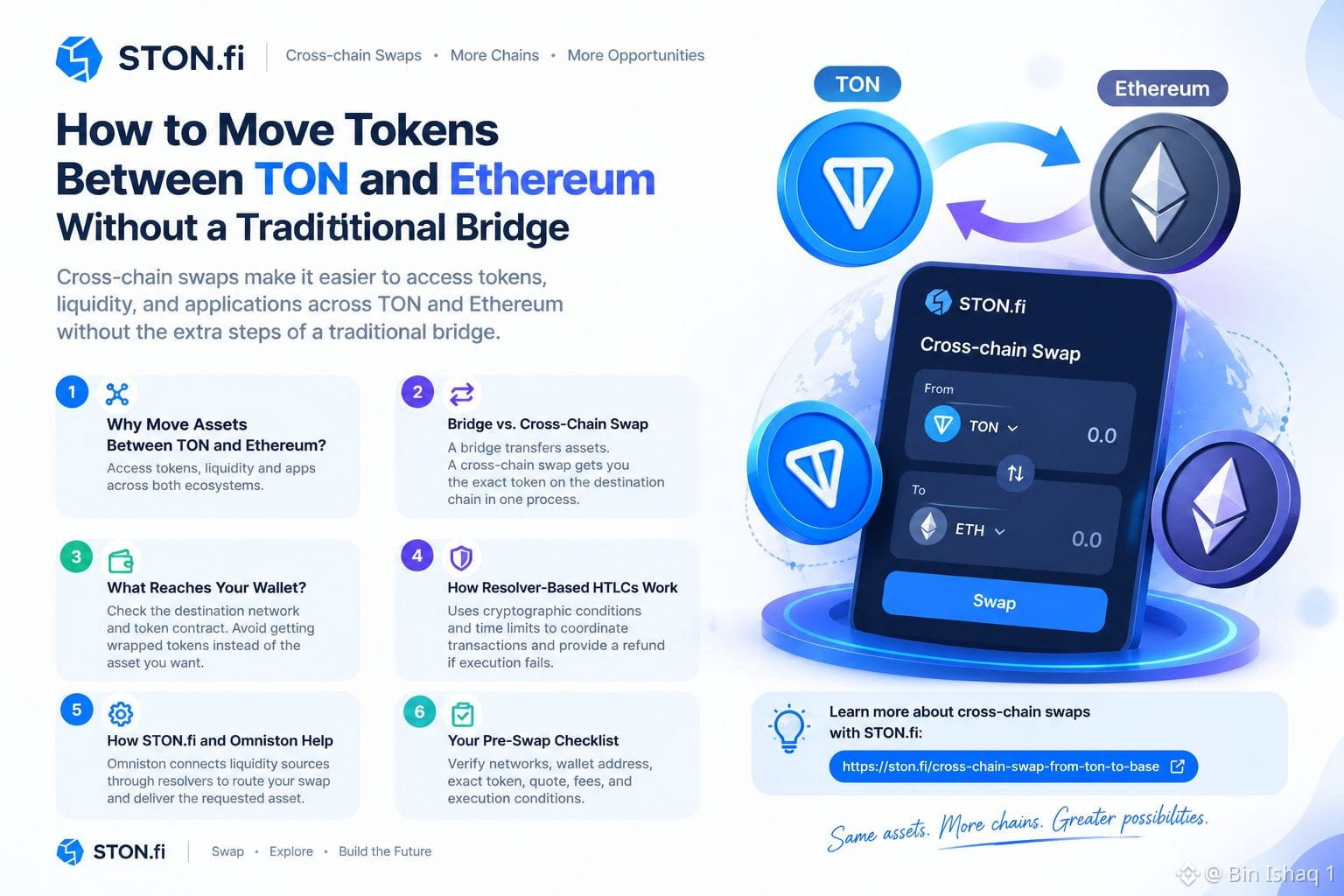
TONとEthereumの間で従来型ブリッジを使わずにトークンを移動する方法 TONとEthereumの間で資産を移動すると、両方のエコシステムでトークン、流動性、アプリケーションを利用できます。クロスチェーンスワップは、従来型ブリッジを別途管理することなく、このプロセスを簡素化することを目指しています。 ブリッジとクロスチェーンスワップの違い 従来型ブリッジはネットワーク間で資産を移転し、その際にラップドトークンを作成することがあります。クロスチェーンスワップは、送信元チェーン上の資産を、送信先チェーンで希望するトークンと交換することを目指しています。 ウォレットに届くのは? ラップドトークンは、別のブロックチェーン上の資産を表します。スワップする前に、実際に受け取りたい資産であることを確認するため、送信先ネットワークとトークンコントラクトを確認してください。 リゾルバー方式のHTLCの仕組み ハッシュタイムロックコントラクト(HTLC)は、暗号学的条件と時間制限を用いて、チェーン間の取引を調整します。実行が成功すると、その条件に従って決済が行われます。失敗した場合やタイムアウトした場合は、この仕組みによって返金が可能になることがあります。 STON.fiとOmnistonの役割 Omnistonはリゾルバーを通じて流動性ソースを接続し、対応ネットワーク間のスワップ調整を支援します。定められた決済条件のもとで実行を調整しながら、ユーザーが希望する送信先資産へと導くことを目指しています。 詳しくは、STON.fiの「クロスチェーンスワップガイド」(https://ston.fi/cross-chain-swap-from-ton-to-base )をご覧ください。 スワップ前のチェックリスト 確認する前に: - 両方のネットワークとウォレットアドレスを確認する。 - 送信先のトークンを正確に確認する。 - 見積もり、予想受取額、手数料を確認する。 - 実行条件と返金条件を理解する。 - 公式リンクを使用し、リカバリーフレーズを安全に保管する。 最後に クロスチェーンスワップを利用すれば、エコシステム間の資産移動を簡素化できます。ただし、確定する前に、送信先の資産、コスト、取引条件を必ず確認してください。 詳しくは「STON.fi」(https://ston.fi/ )をご覧ください。 $ZEC $QNT
TONとEthereumの間で従来型ブリッジを使わずにトークンを移動する方法 TONとEthereumの間で資産を移動すると、両方のエコシステムでトークン、流動性、アプリケーションを利用できます。クロスチェーンスワップは、従来型ブリッジを別途管理することなく、このプロセスを簡素化することを目指しています。 ブリッジとクロスチェーンスワップの違い 従来型ブリッジはネットワーク間で資産を移転し、その際にラップドトークンを作成することがあります。クロスチェーンスワップは、送信元チェーン上の資産を、送信先チェーンで希望するトークンと交換することを目指しています。 ウォレットに届くのは? ラップドトークンは、別のブロックチェーン上の資産を表します。スワップする前に、実際に受け取りたい資産であることを確認するため、送信先ネットワークとトークンコントラクトを確認してください。 リゾルバー方式のHTLCの仕組み ハッシュタイムロックコントラクト(HTLC)は、暗号学的条件と時間制限を用いて、チェーン間の取引を調整します。実行が成功すると、その条件に従って決済が行われます。失敗した場合やタイムアウトした場合は、この仕組みによって返金が可能になることがあります。 STON.fiとOmnistonの役割 Omnistonはリゾルバーを通じて流動性ソースを接続し、対応ネットワーク間のスワップ調整を支援します。定められた決済条件のもとで実行を調整しながら、ユーザーが希望する送信先資産へと導くことを目指しています。 詳しくは、STON.fiの「クロスチェーンスワップガイド」(https://ston.fi/cross-chain-swap-from-ton-to-base )をご覧ください。 スワップ前のチェックリスト 確認する前に: - 両方のネットワークとウォレットアドレスを確認する。 - 送信先のトークンを正確に確認する。 - 見積もり、予想受取額、手数料を確認する。 - 実行条件と返金条件を理解する。 - 公式リンクを使用し、リカバリーフレーズを安全に保管する。 最後に クロスチェーンスワップを利用すれば、エコシステム間の資産移動を簡素化できます。ただし、確定する前に、送信先の資産、コスト、取引条件を必ず確認してください。 詳しくは「STON.fi」(https://ston.fi/ )をご覧ください。 $ZEC $QNT
50
·
--
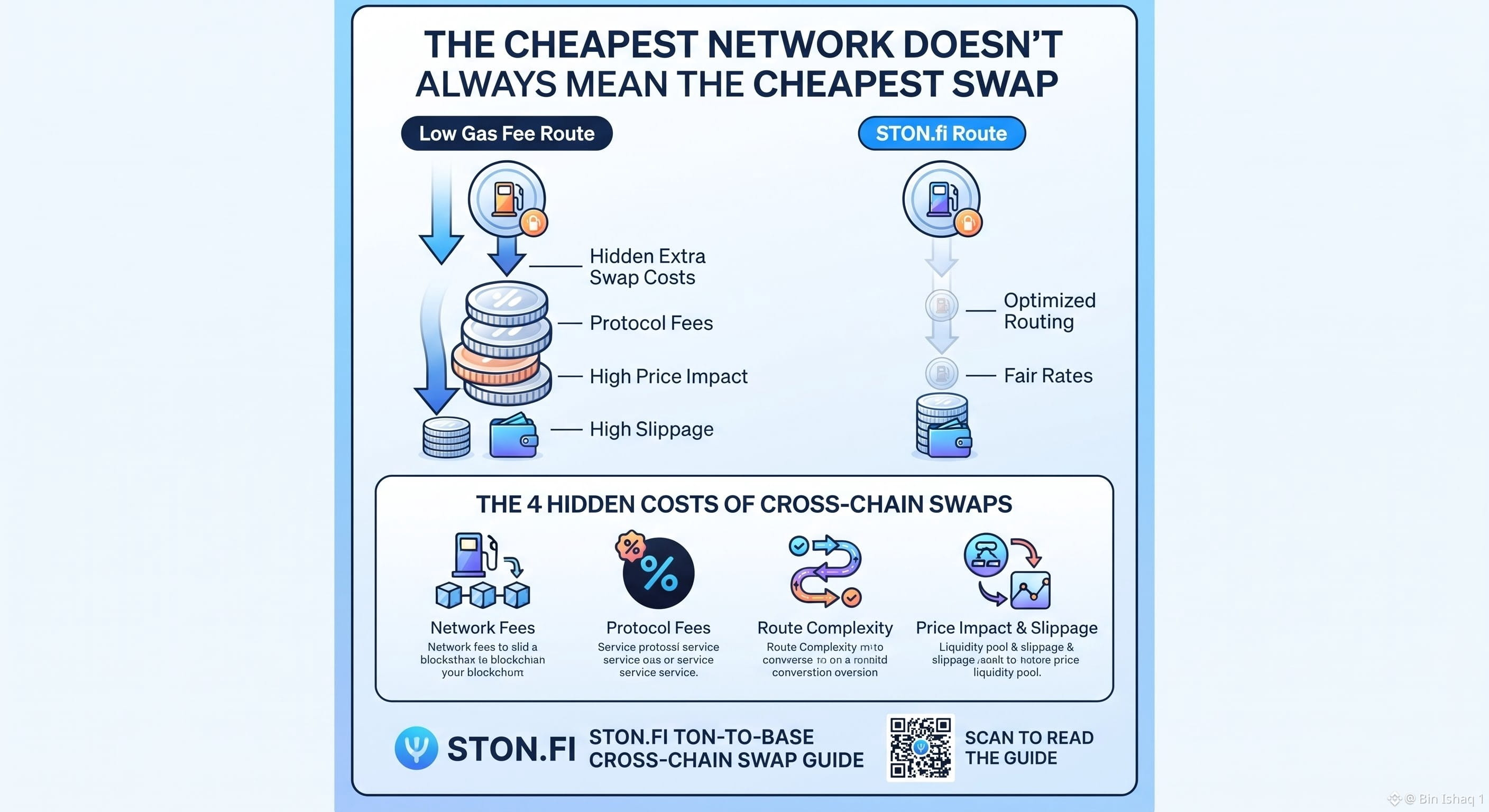
最も安いネットワークが、必ずしも最も安いスワップとは限らない トークンをあるブロックチェーンから別のブロックチェーンへ移すには、ガス代以外にも費用がかかります。本当に知りたいのは、すべての手数料や価格調整を差し引いたあと、実際にいくら自分のウォレットに届くのかということです。 クロスチェーンスワップを確定する前に、私が確認する4つのポイントを紹介します。 1. ネットワーク手数料:トランザクションの処理費用はブロックチェーンごとに異なり、ネットワークの利用状況によって変わります。 2. プロトコル手数料:スワップサービスで手数料がかかる場合があるため、トランザクションの詳細を確認して、何にいくら支払うのかを把握しましょう。 3. ルートの複雑さ:スワップによっては、目的のネットワークに到達するまでに追加のトランザクションやトークン交換が必要となり、総コストが増えることがあります。 4. 価格への影響とスリッページ:流動性が限られていると約定価格に影響することがあります。また、スリッページによって、最終的な結果が当初の想定と異なる場合もあります。 ネットワークが重要なのはなぜでしょうか? ガス代の安いネットワークでも、ルートの流動性が低かったり追加コストがかかったりすれば、スワップ全体の費用は高くなることがあります。重要なのは、個々の手数料だけではなく、最終的に受け取る金額です。 取引を確定する前に、提示された受取額、手数料、予想される価格への影響を比較しましょう。TONやBaseなどのネットワーク間で資産を移動する場合は、特に重要です。 STON.fiのクロスチェーンスワップガイドは、このプロセスを理解するための参考になります。 私の結論:トークンの送金にかかる費用だけに注目しないこと。スワップ全体が完了したあとに、いくら残るかに注目しましょう。 STON.fiの「TONからBaseへのクロスチェーンスワップガイド」(https://ston.fi/cross-chain-swap-from-ton-to-base )は、クロスチェーンスワップの仕組みを理解するための参考になります。 STON.fiでクロスチェーンスワップを試してみましょう: https://ston.fi/ $BTC $XRP
最も安いネットワークが、必ずしも最も安いスワップとは限らない トークンをあるブロックチェーンから別のブロックチェーンへ移すには、ガス代以外にも費用がかかります。本当に知りたいのは、すべての手数料や価格調整を差し引いたあと、実際にいくら自分のウォレットに届くのかということです。 クロスチェーンスワップを確定する前に、私が確認する4つのポイントを紹介します。 1. ネットワーク手数料:トランザクションの処理費用はブロックチェーンごとに異なり、ネットワークの利用状況によって変わります。 2. プロトコル手数料:スワップサービスで手数料がかかる場合があるため、トランザクションの詳細を確認して、何にいくら支払うのかを把握しましょう。 3. ルートの複雑さ:スワップによっては、目的のネットワークに到達するまでに追加のトランザクションやトークン交換が必要となり、総コストが増えることがあります。 4. 価格への影響とスリッページ:流動性が限られていると約定価格に影響することがあります。また、スリッページによって、最終的な結果が当初の想定と異なる場合もあります。 ネットワークが重要なのはなぜでしょうか? ガス代の安いネットワークでも、ルートの流動性が低かったり追加コストがかかったりすれば、スワップ全体の費用は高くなることがあります。重要なのは、個々の手数料だけではなく、最終的に受け取る金額です。 取引を確定する前に、提示された受取額、手数料、予想される価格への影響を比較しましょう。TONやBaseなどのネットワーク間で資産を移動する場合は、特に重要です。 STON.fiのクロスチェーンスワップガイドは、このプロセスを理解するための参考になります。 私の結論:トークンの送金にかかる費用だけに注目しないこと。スワップ全体が完了したあとに、いくら残るかに注目しましょう。 STON.fiの「TONからBaseへのクロスチェーンスワップガイド」(https://ston.fi/cross-chain-swap-from-ton-to-base )は、クロスチェーンスワップの仕組みを理解するための参考になります。 STON.fiでクロスチェーンスワップを試してみましょう: https://ston.fi/ $BTC $XRP
51
·
--
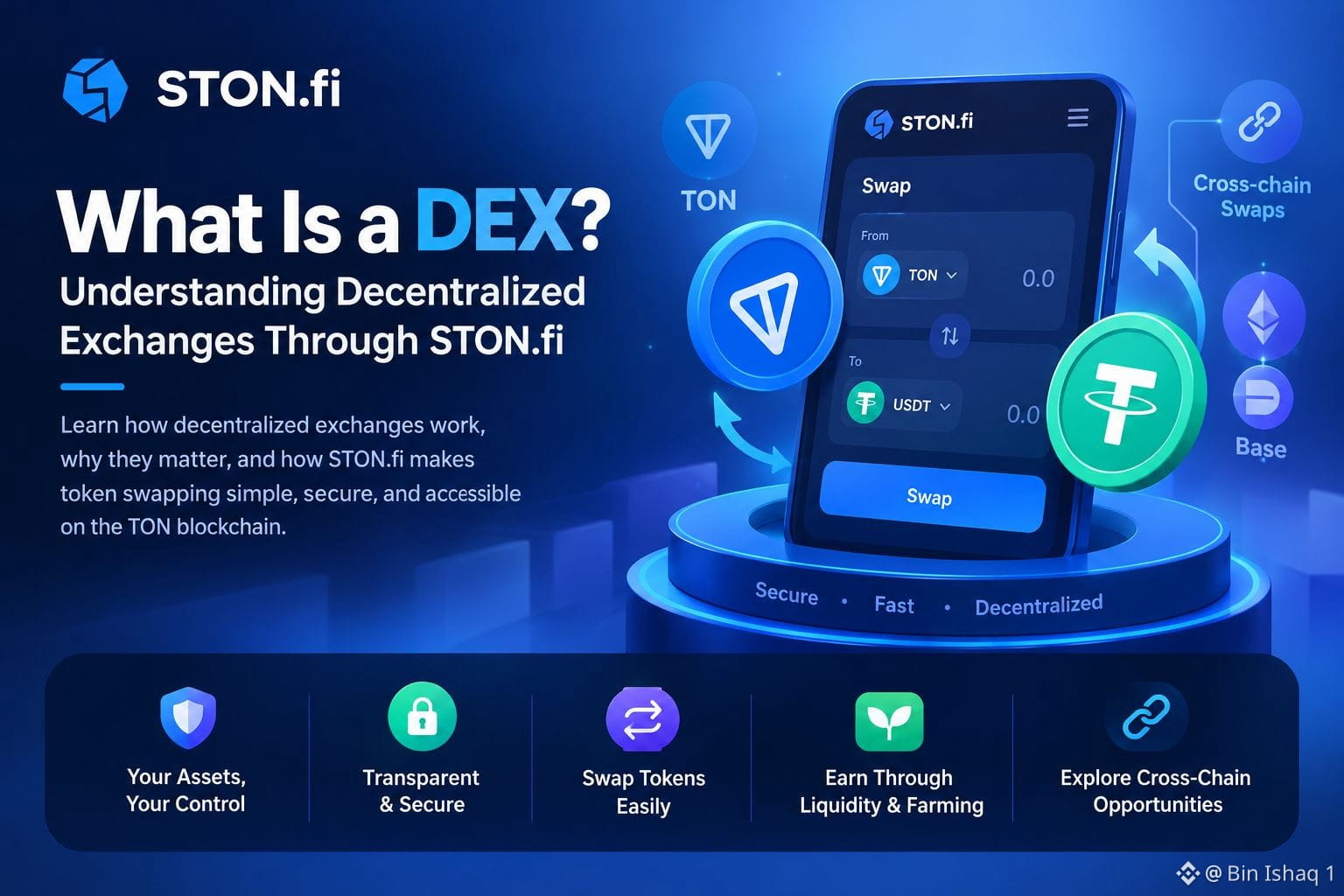
DEXとは?STON.fiを通じて分散型取引所を理解する 分散型取引所(DEX)では、ユーザーは中央集権型取引所に資金を預けることなく、ブロックチェーン上のスマートコントラクトを通じて暗号資産を交換できます。 STON.fi は、The Open Network(TON)上に構築されたDEXで、TONエコシステム内でトークンを手軽に交換できます。 DEXの仕組み 多くのDEXでは、買い手と売り手を直接マッチングする代わりに、自動マーケットメーカー(AMM)と流動性プールを利用します。ユーザーはトークンを選び、交換レートと手数料を確認したうえで、ウォレットからスワップを承認します。 STON.fi とクロスチェーンスワップ STON.fi では、ユーザーはウォレットの秘密鍵を自分で管理したまま、対応するトークンを交換できます。クロスチェーン技術により、対応するブロックチェーンネットワーク間で資産を交換することもできます。 ネットワーク間で資産を移動する方法については、「STON.fi TONからBaseへのクロスチェーンスワップガイド」(https://ston.fi/cross-chain-swap-from-ton-to-base )をご覧ください。 DEXで収益を得ることはできますか? DEXによっては、ユーザーが流動性を提供し、取引手数料やファーミング報酬を得られる場合があります。ただし、インパーマネントロス、スマートコントラクトの脆弱性、トークン価格の変動などのリスクがあります。利益は保証されません。 初心者向けのヒント STON.fi を利用する前に、公式サイトであることを確認し、手数料とスリッページをチェックし、取引内容を確認してください。リカバリーフレーズや秘密鍵は絶対に共有しないでください。 まとめ DEXは中央集権型取引に代わる選択肢を提供します。STON.fi は、TON上でトークンを交換する仕組みを示す例です。資産を預ける前に、その仕組みとリスクを理解することが重要です。 「STON.fi $BTC」でプラットフォームをチェック
DEXとは?STON.fiを通じて分散型取引所を理解する 分散型取引所(DEX)では、ユーザーは中央集権型取引所に資金を預けることなく、ブロックチェーン上のスマートコントラクトを通じて暗号資産を交換できます。 STON.fi は、The Open Network(TON)上に構築されたDEXで、TONエコシステム内でトークンを手軽に交換できます。 DEXの仕組み 多くのDEXでは、買い手と売り手を直接マッチングする代わりに、自動マーケットメーカー(AMM)と流動性プールを利用します。ユーザーはトークンを選び、交換レートと手数料を確認したうえで、ウォレットからスワップを承認します。 STON.fi とクロスチェーンスワップ STON.fi では、ユーザーはウォレットの秘密鍵を自分で管理したまま、対応するトークンを交換できます。クロスチェーン技術により、対応するブロックチェーンネットワーク間で資産を交換することもできます。 ネットワーク間で資産を移動する方法については、「STON.fi TONからBaseへのクロスチェーンスワップガイド」(https://ston.fi/cross-chain-swap-from-ton-to-base )をご覧ください。 DEXで収益を得ることはできますか? DEXによっては、ユーザーが流動性を提供し、取引手数料やファーミング報酬を得られる場合があります。ただし、インパーマネントロス、スマートコントラクトの脆弱性、トークン価格の変動などのリスクがあります。利益は保証されません。 初心者向けのヒント STON.fi を利用する前に、公式サイトであることを確認し、手数料とスリッページをチェックし、取引内容を確認してください。リカバリーフレーズや秘密鍵は絶対に共有しないでください。 まとめ DEXは中央集権型取引に代わる選択肢を提供します。STON.fi は、TON上でトークンを交換する仕組みを示す例です。資産を預ける前に、その仕組みとリスクを理解することが重要です。 「STON.fi $BTC」でプラットフォームをチェック
69
·
--
自己保有ウォレットで信頼できるスワップレイヤーが必要になったらどうなるでしょうか?United Networkは、TONスワップのためにSTON.fiを統合し、ユーザーがウォレット体験の中で直接TONの流動性にアクセスできるようにしています。これは、DeFiインフラが製品の背後で静かに機能し、ユーザーは馴染みのあるインターフェースで操作できることを示す実践的な例です。 United Networkについて United Networkは、カード型のハードウェアウォレットを開発しています。ユーザーはモバイルアプリまたはブラウザでウォレットを管理し、資産はデバイスのEAL6+対応セキュアチップによって保護されます。ウォレットはEthereum、Solana、Bitcoin、TONなど複数のネットワークに対応しています。 統合 この統合により、United Network内でのTONスワップは、ユーザーがウォレット環境から離れる必要なく、STON.fiの流動性インフラを利用できます。これにより、ウォレット体験がSTON.fiの既存のスワップおよび流動性インフラと接続されます。 重要な理由 ウォレット開発者にとっては、既存のDeFiインフラを活用することで、流動性・ルーティング・スワップ実行の各システムを独自に構築する必要を減らせます。ユーザーにとっては、資産を自分自身のウォレットに保持したまま、よりシンプルにオンチェーンでのスワップへ進めるようになります。 開発者の観点 これはまた、STON.fi SDKとOmnistonが、ウォレット、ミニアプリ、その他のTON製品のためのインフラとして機能しうることも示しています。開発者は、その下で確立されたスワップインフラを頼りにしながら、ユーザー体験を構築できます。 インサイト より深いポイントは、インターフェースとインフラの分離です。ウォレットはユーザー体験に集中でき、特殊化されたプロトコルが裏側で流動性とスワップ実行を処理します。このモデルを検討する開発者にとっては、STON.fi SDKとOmnistonのドキュメントが、TONスワップ機能を統合するための出発点になります。 $BTC $PUMP
自己保有ウォレットで信頼できるスワップレイヤーが必要になったらどうなるでしょうか?United Networkは、TONスワップのためにSTON.fiを統合し、ユーザーがウォレット体験の中で直接TONの流動性にアクセスできるようにしています。これは、DeFiインフラが製品の背後で静かに機能し、ユーザーは馴染みのあるインターフェースで操作できることを示す実践的な例です。 United Networkについて United Networkは、カード型のハードウェアウォレットを開発しています。ユーザーはモバイルアプリまたはブラウザでウォレットを管理し、資産はデバイスのEAL6+対応セキュアチップによって保護されます。ウォレットはEthereum、Solana、Bitcoin、TONなど複数のネットワークに対応しています。 統合 この統合により、United Network内でのTONスワップは、ユーザーがウォレット環境から離れる必要なく、STON.fiの流動性インフラを利用できます。これにより、ウォレット体験がSTON.fiの既存のスワップおよび流動性インフラと接続されます。 重要な理由 ウォレット開発者にとっては、既存のDeFiインフラを活用することで、流動性・ルーティング・スワップ実行の各システムを独自に構築する必要を減らせます。ユーザーにとっては、資産を自分自身のウォレットに保持したまま、よりシンプルにオンチェーンでのスワップへ進めるようになります。 開発者の観点 これはまた、STON.fi SDKとOmnistonが、ウォレット、ミニアプリ、その他のTON製品のためのインフラとして機能しうることも示しています。開発者は、その下で確立されたスワップインフラを頼りにしながら、ユーザー体験を構築できます。 インサイト より深いポイントは、インターフェースとインフラの分離です。ウォレットはユーザー体験に集中でき、特殊化されたプロトコルが裏側で流動性とスワップ実行を処理します。このモデルを検討する開発者にとっては、STON.fi SDKとOmnistonのドキュメントが、TONスワップ機能を統合するための出発点になります。 $BTC $PUMP
1
519
·
--
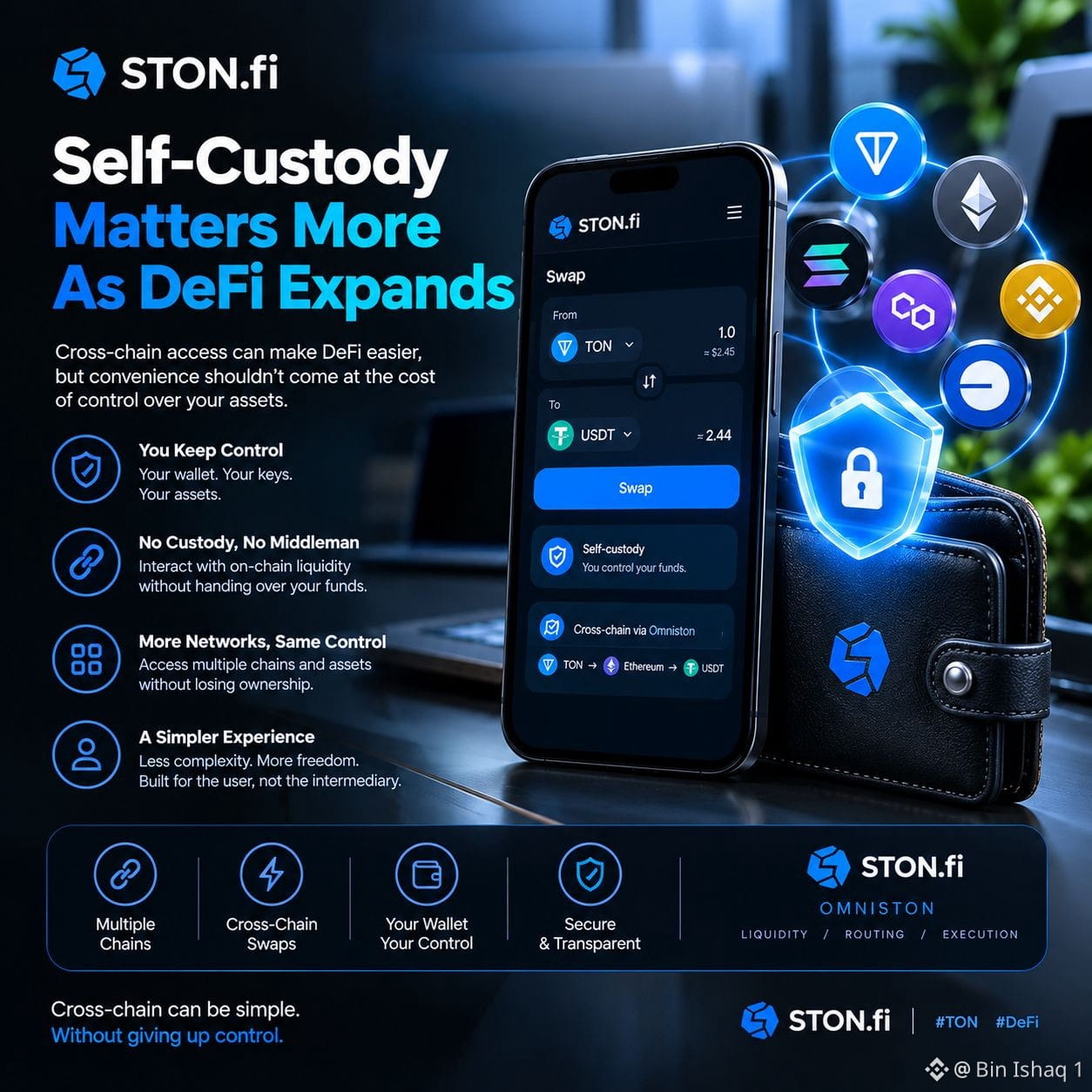
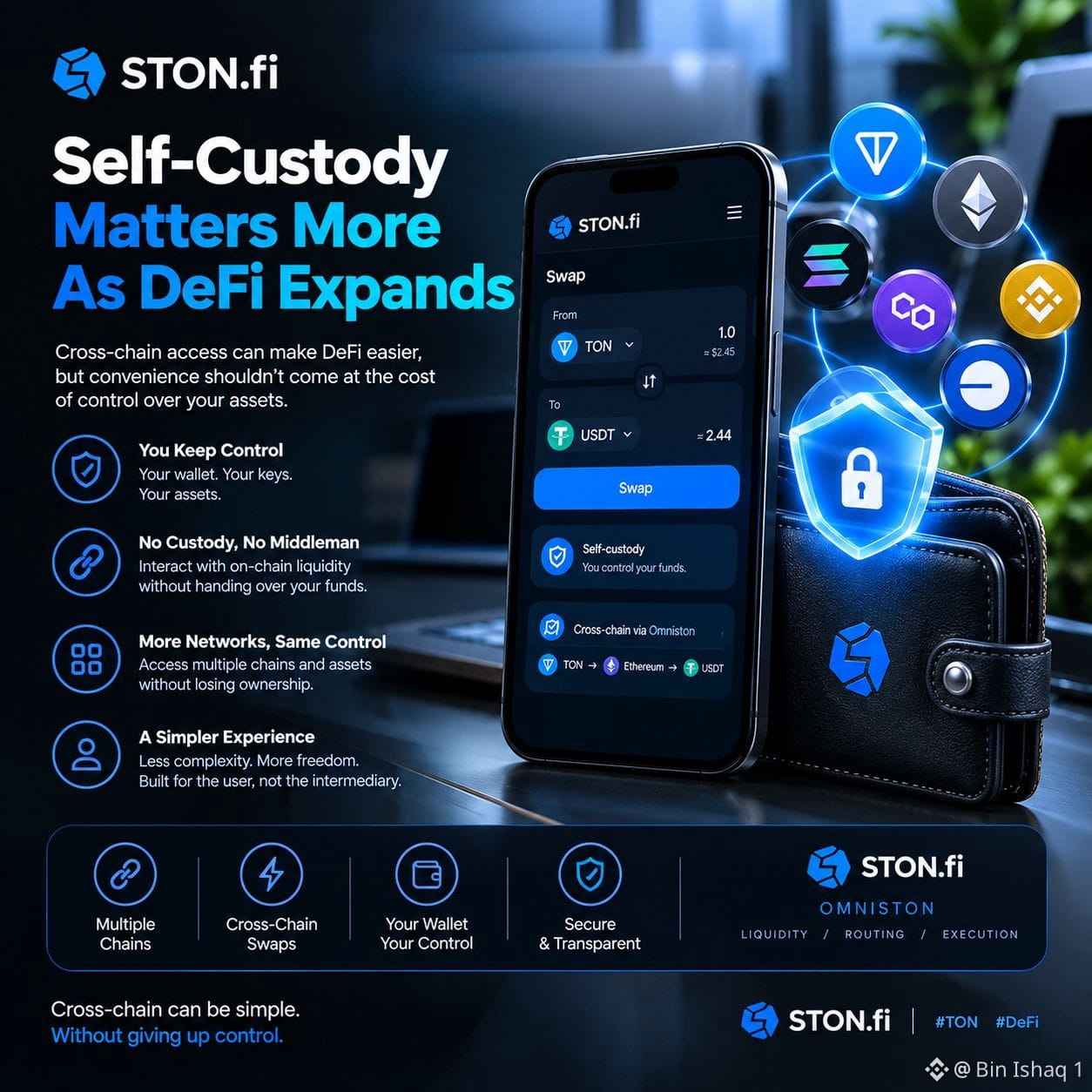
DeFiが拡大するほど、Stonfiの自己保管がより重要になる クロスチェーンのアクセスによりDeFiは利用しやすくなりますが、利便性のために資産のコントロールを手放すべきではありません。自己保管型のモデルでは、ユーザーがウォレットの管理権を保持し、取引はオンチェーンのインフラと連携して行われます。アプリケーションがインターフェースを提供しますが、所有権はユーザーにあります。STON.fiはこの考え方を軸に構築されており、ユーザーは中央集権的な仲介者に資産の保管を委ねることなく、流動性とやり取りしたりスワップを実行したりできます。DeFiがより多くのネットワークへ広がるにつれて、この違いはますます重要になります。よりスムーズな体験は、資金を誰が管理するのかを変えることなく、複雑さを減らすべきです。ユーザーにとって目的はシンプルです。より良いインフラによってDeFiを使いやすくしつつ、DeFiならではの「所有モデル」を維持すること。クロスチェーンのUXは、自己保管を手放さずに向上できます。 $CRV $GRAM
DeFiが拡大するほど、Stonfiの自己保管がより重要になる クロスチェーンのアクセスによりDeFiは利用しやすくなりますが、利便性のために資産のコントロールを手放すべきではありません。自己保管型のモデルでは、ユーザーがウォレットの管理権を保持し、取引はオンチェーンのインフラと連携して行われます。アプリケーションがインターフェースを提供しますが、所有権はユーザーにあります。STON.fiはこの考え方を軸に構築されており、ユーザーは中央集権的な仲介者に資産の保管を委ねることなく、流動性とやり取りしたりスワップを実行したりできます。DeFiがより多くのネットワークへ広がるにつれて、この違いはますます重要になります。よりスムーズな体験は、資金を誰が管理するのかを変えることなく、複雑さを減らすべきです。ユーザーにとって目的はシンプルです。より良いインフラによってDeFiを使いやすくしつつ、DeFiならではの「所有モデル」を維持すること。クロスチェーンのUXは、自己保管を手放さずに向上できます。 $CRV $GRAM
38
·
--
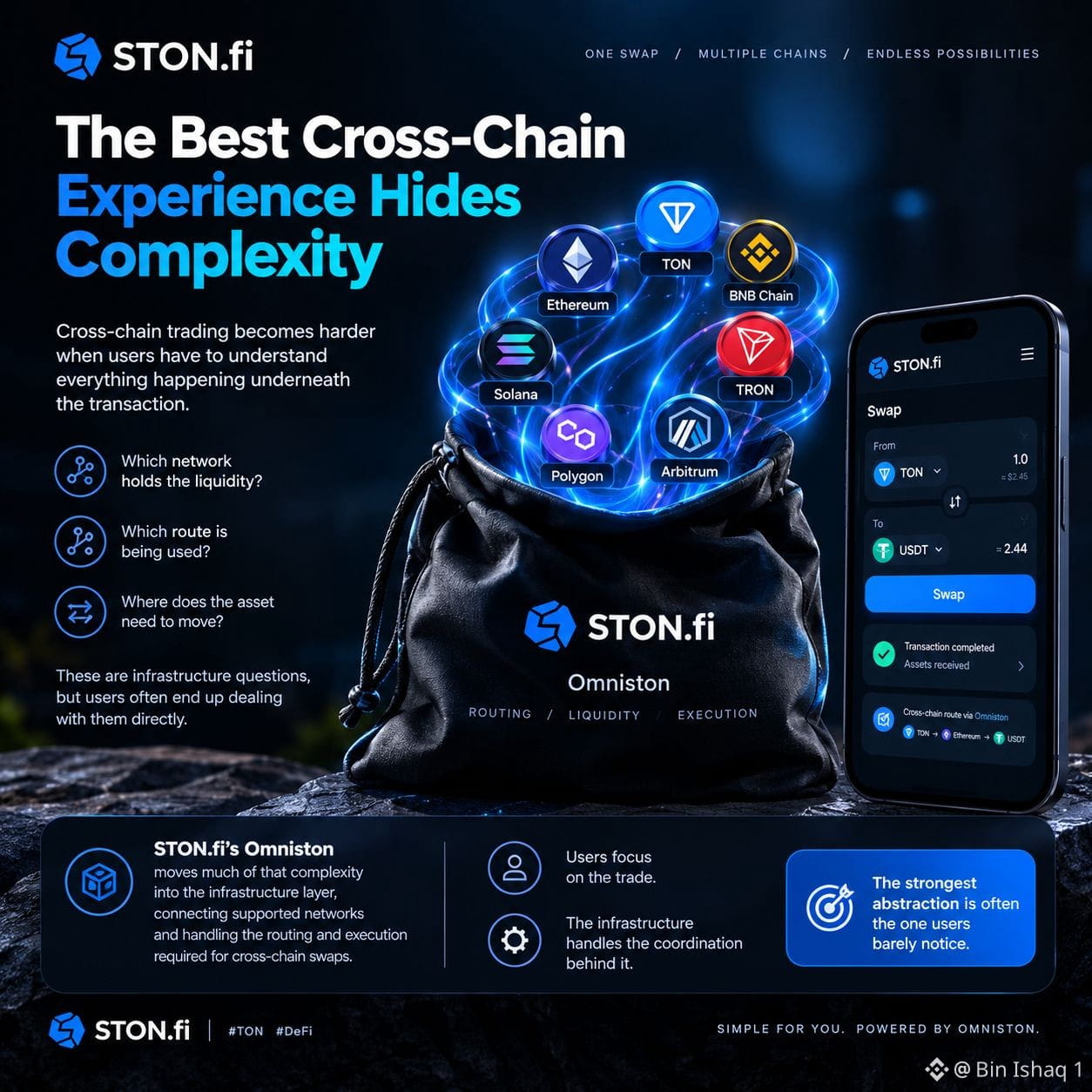
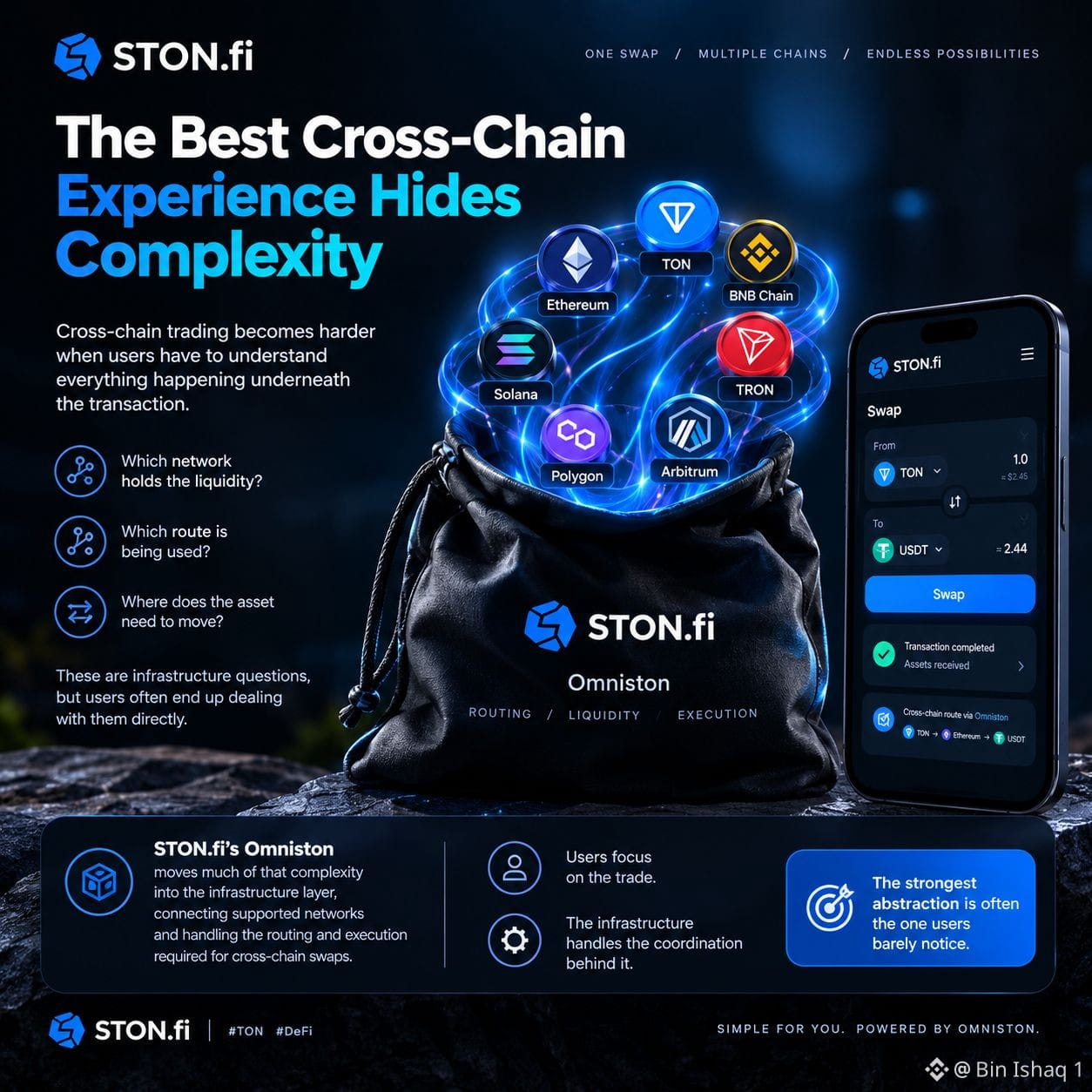
LStonfi 最高のクロスチェーン体験は複雑さを隠す ユーザーが取引の裏側で起きていることを理解する必要があると、クロスチェーン取引は難しくなります。 どのネットワークが流動性を保有しているのか? どのルートが使われているのか? スワップを完了するには、資産はどこで移動する必要があるのか? これらはインフラに関する問いですが、ユーザーが直接対応することになりがちです。 STON.fiのOmnistonは、その複雑さの多くをインフラ層へと移し、対応ネットワークを接続し、クロスチェーン・スワップに必要なルーティングと実行を処理します。 それにより、責任の分担がより明確になります。ユーザーは取引に集中し、インフラがその裏での連携を担います。 ウォレットやDeFiアプリにとって、これはユーザーにすべての技術的ステップを見せることなく、クロスチェーン機能をより簡単に統合できるようにします。 最も強力な抽象化は、ユーザーがほとんど気付かないものが多いのです。 $QNT $BTC
LStonfi 最高のクロスチェーン体験は複雑さを隠す ユーザーが取引の裏側で起きていることを理解する必要があると、クロスチェーン取引は難しくなります。 どのネットワークが流動性を保有しているのか? どのルートが使われているのか? スワップを完了するには、資産はどこで移動する必要があるのか? これらはインフラに関する問いですが、ユーザーが直接対応することになりがちです。 STON.fiのOmnistonは、その複雑さの多くをインフラ層へと移し、対応ネットワークを接続し、クロスチェーン・スワップに必要なルーティングと実行を処理します。 それにより、責任の分担がより明確になります。ユーザーは取引に集中し、インフラがその裏での連携を担います。 ウォレットやDeFiアプリにとって、これはユーザーにすべての技術的ステップを見せることなく、クロスチェーン機能をより簡単に統合できるようにします。 最も強力な抽象化は、ユーザーがほとんど気付かないものが多いのです。 $QNT $BTC
45
·
--
Stonfi 最高のクロスチェーン体験は複雑さを隠す ユーザーが取引の下で起きていることをすべて理解する必要があると、クロスチェーン取引は難しくなります。 どのネットワークに流動性があるのか? どのルートが使用されているのか? スワップが完了するまでに、アセットはどこへ移動する必要があるのか? これらはインフラの問題ですが、ユーザーは結局それらを直接扱うことになりがちです。 STON.fiのOmnistonは、その複雑さの多くをインフラ層へ移し、対応ネットワークを接続し、クロスチェーン・スワップに必要なルーティングと実行を処理します。 それにより、責任の分担がより明確になります。ユーザーは取引に集中し、インフラがその裏側のコーディネーションを担うのです。 ウォレットやDeFiアプリにとって、すべての技術的ステップをユーザーに見せることなく、クロスチェーン機能をより簡単に統合できるようになります。 最も強力な抽象化とは、多くの場合、ユーザーがほとんど気づかないものです。 $LINK $BTC
Stonfi 最高のクロスチェーン体験は複雑さを隠す ユーザーが取引の下で起きていることをすべて理解する必要があると、クロスチェーン取引は難しくなります。 どのネットワークに流動性があるのか? どのルートが使用されているのか? スワップが完了するまでに、アセットはどこへ移動する必要があるのか? これらはインフラの問題ですが、ユーザーは結局それらを直接扱うことになりがちです。 STON.fiのOmnistonは、その複雑さの多くをインフラ層へ移し、対応ネットワークを接続し、クロスチェーン・スワップに必要なルーティングと実行を処理します。 それにより、責任の分担がより明確になります。ユーザーは取引に集中し、インフラがその裏側のコーディネーションを担うのです。 ウォレットやDeFiアプリにとって、すべての技術的ステップをユーザーに見せることなく、クロスチェーン機能をより簡単に統合できるようになります。 最も強力な抽象化とは、多くの場合、ユーザーがほとんど気づかないものです。 $LINK $BTC
95
·
--
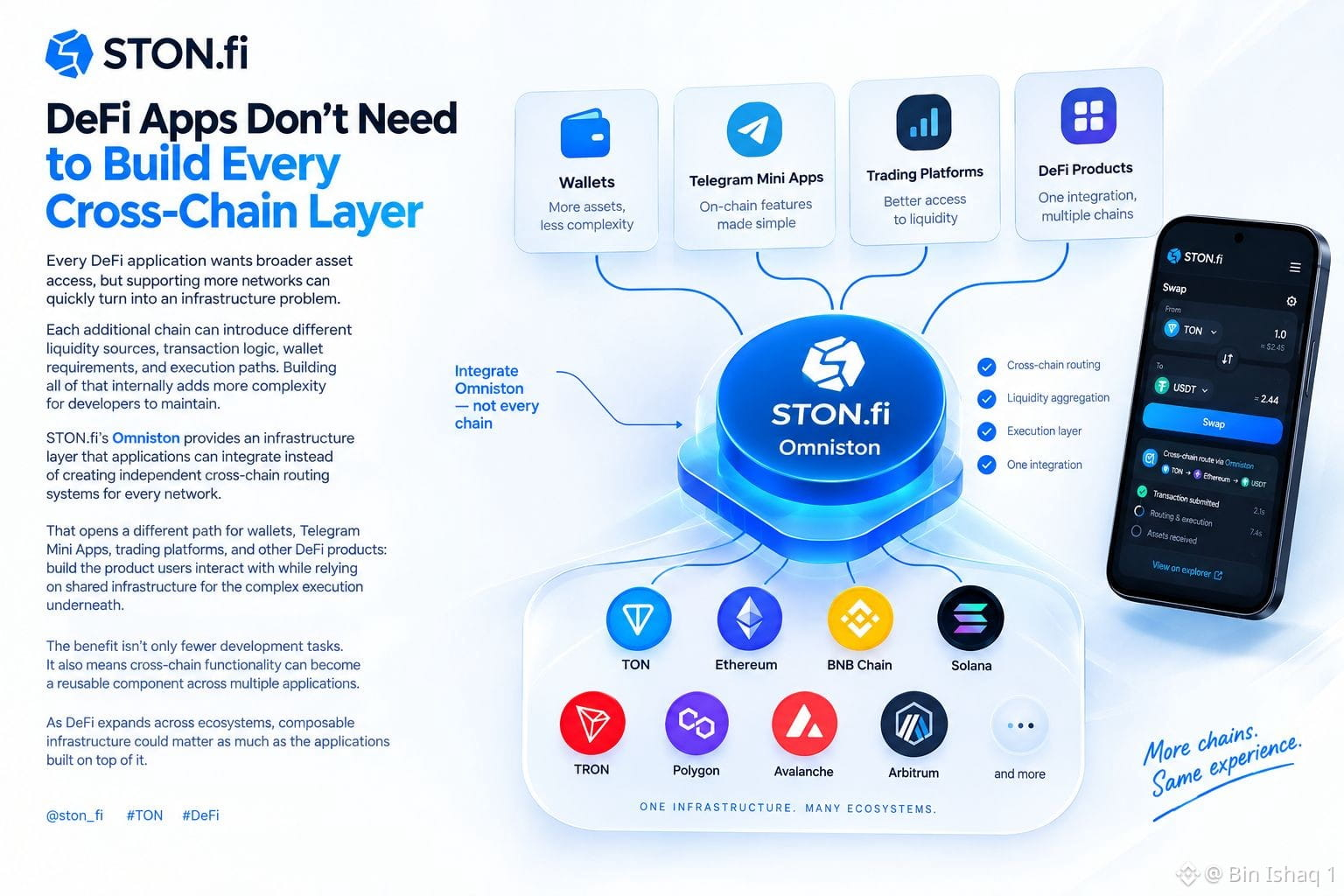
StonfiのDeFiアプリは、すべてのクロスチェーン・レイヤーを構築する必要はありません。 すべてのDeFiアプリはより広い資産アクセスを求めますが、より多くのネットワークをサポートしようとすると、すぐにインフラの問題に発展しかねません。 追加するチェーンごとに、異なる流動性ソース、取引ロジック、ウォレット要件、実行パスが生まれます。 それらをすべて社内で構築すると、開発者が保守すべき複雑さが増してしまいます。 STON.fiのOmnistonは、すべてのネットワーク向けに個別のクロスチェーン・ルーティング・システムを作るのではなく、アプリが統合できるインフラ層を提供します。 これにより、ウォレット、Telegramミニアプリ、取引プラットフォーム、その他のDeFiプロダクトに対して別の道筋が開かれます。つまり、ユーザーが利用するプロダクトを構築しつつ、複雑な実行の土台は共有インフラに依存できるのです。 そのメリットは開発タスクが減ることだけではありません。 さらに、クロスチェーン機能を複数のアプリ間で再利用可能なコンポーネントにできるという点でも重要です。 DeFiがエコシステムをまたいで拡大していく中で、そこに組み込まれるアプリと同じくらい、合成可能なインフラが価値を持つ可能性があります。 $QNT $XRP
StonfiのDeFiアプリは、すべてのクロスチェーン・レイヤーを構築する必要はありません。 すべてのDeFiアプリはより広い資産アクセスを求めますが、より多くのネットワークをサポートしようとすると、すぐにインフラの問題に発展しかねません。 追加するチェーンごとに、異なる流動性ソース、取引ロジック、ウォレット要件、実行パスが生まれます。 それらをすべて社内で構築すると、開発者が保守すべき複雑さが増してしまいます。 STON.fiのOmnistonは、すべてのネットワーク向けに個別のクロスチェーン・ルーティング・システムを作るのではなく、アプリが統合できるインフラ層を提供します。 これにより、ウォレット、Telegramミニアプリ、取引プラットフォーム、その他のDeFiプロダクトに対して別の道筋が開かれます。つまり、ユーザーが利用するプロダクトを構築しつつ、複雑な実行の土台は共有インフラに依存できるのです。 そのメリットは開発タスクが減ることだけではありません。 さらに、クロスチェーン機能を複数のアプリ間で再利用可能なコンポーネントにできるという点でも重要です。 DeFiがエコシステムをまたいで拡大していく中で、そこに組み込まれるアプリと同じくらい、合成可能なインフラが価値を持つ可能性があります。 $QNT $XRP
34
·
--
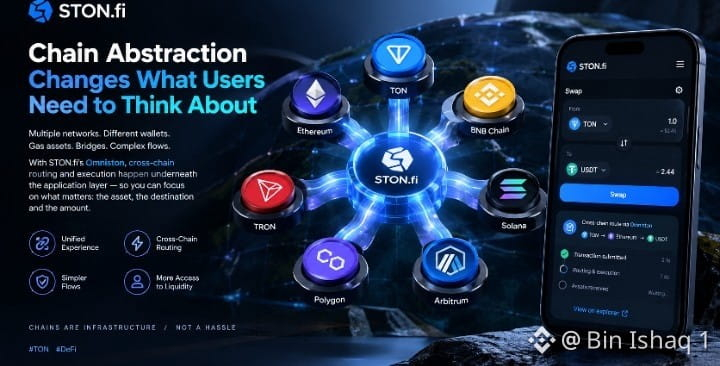
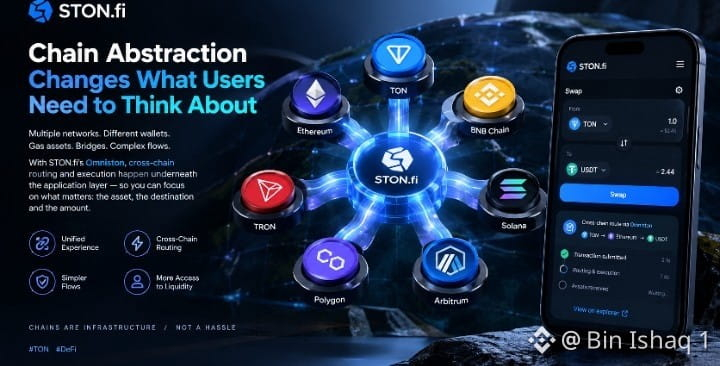
ストンフィ・チェーン抽象化が、ユーザーに求められる思考を変える。 複数のネットワークを使うことは、多くの場合、異なるウォレット、ガス資産、ブリッジ、そしてトランザクションの流れを管理することを意味します。チェーン抽象化は、別のアプローチを採ります。基盤となるネットワークは分けたままにしつつ、ユーザー体験はより一体化したものに感じられるようにするのです。 STON.fi の「Omniston」は、このモデルのもとでアプリケーション層の下側でクロスチェーンのルーティングと実行を取り扱うことで対応しています。ユーザーは、すべての手順を手作業で調整する代わりに、欲しい資産、行き先、そして数量に集中できます。ウォレットやDeFiアプリケーションにとっては、これによりもう一つの利点も生まれます。すべてのクロスチェーン操作を個別のワークフローに変えることなく、ネットワークをまたいだ資産や流動性へのアクセスをユーザーに提供できるのです。より深い変化は、チェーンが「ユーザーが常に管理しなければならないもの」ではなく「インフラ」になることです。流動性やアプリケーションがエコシステムをまたいで広がっていくほど、その調整負担を軽減することは、DeFiのUXにおいてますます重要になります。 $BTC $QNT
ストンフィ・チェーン抽象化が、ユーザーに求められる思考を変える。 複数のネットワークを使うことは、多くの場合、異なるウォレット、ガス資産、ブリッジ、そしてトランザクションの流れを管理することを意味します。チェーン抽象化は、別のアプローチを採ります。基盤となるネットワークは分けたままにしつつ、ユーザー体験はより一体化したものに感じられるようにするのです。 STON.fi の「Omniston」は、このモデルのもとでアプリケーション層の下側でクロスチェーンのルーティングと実行を取り扱うことで対応しています。ユーザーは、すべての手順を手作業で調整する代わりに、欲しい資産、行き先、そして数量に集中できます。ウォレットやDeFiアプリケーションにとっては、これによりもう一つの利点も生まれます。すべてのクロスチェーン操作を個別のワークフローに変えることなく、ネットワークをまたいだ資産や流動性へのアクセスをユーザーに提供できるのです。より深い変化は、チェーンが「ユーザーが常に管理しなければならないもの」ではなく「インフラ」になることです。流動性やアプリケーションがエコシステムをまたいで広がっていくほど、その調整負担を軽減することは、DeFiのUXにおいてますます重要になります。 $BTC $QNT
53
·
--
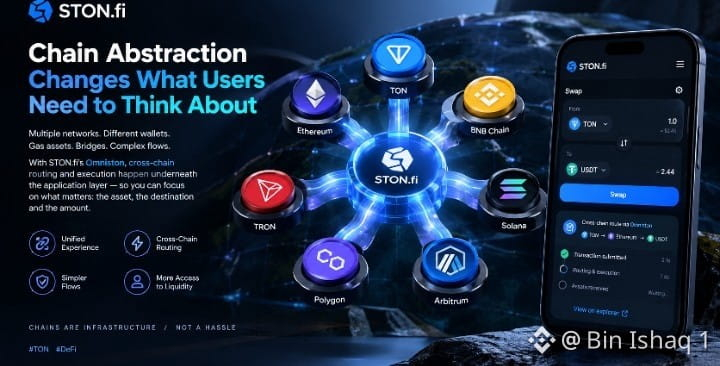
ストンフィのチェーン抽象化は、ユーザーが考えるべきことを変える 複数のネットワークを使うことは、多くの場合、異なるウォレット、ガス資産、ブリッジ、そして取引フローを管理することを意味します。 チェーン抽象化は別のアプローチを取ります。基盤となるネットワークは分けたままにしつつ、ユーザー体験はより統一されたものに感じられるようにします。 STON.fi の Omniston は、このモデルにおいて、アプリケーション層の下でクロスチェーンのルーティングと実行を担うことで適合しています。ユーザーは、すべての手順を手作業で調整するのではなく、欲しい資産、送信先、そして数量に集中できます。 ウォレットや DeFi アプリケーションにとっては、これによりもう一つの利点も生まれます。すべてのクロスチェーン操作を別個のワークフローに変えることなく、複数ネットワークにまたがる資産や流動性へのアクセスをユーザーに提供できるのです。 より大きな変化は、チェーンが「ユーザーが常に管理しなければならないもの」ではなく、インフラになる点です。エコシステムをまたいで流動性やアプリケーションが広がるほど、その協調(調整)の負担を減らすことは DeFi の UX においてますます重要になります。 $QNT $PUMP
ストンフィのチェーン抽象化は、ユーザーが考えるべきことを変える 複数のネットワークを使うことは、多くの場合、異なるウォレット、ガス資産、ブリッジ、そして取引フローを管理することを意味します。 チェーン抽象化は別のアプローチを取ります。基盤となるネットワークは分けたままにしつつ、ユーザー体験はより統一されたものに感じられるようにします。 STON.fi の Omniston は、このモデルにおいて、アプリケーション層の下でクロスチェーンのルーティングと実行を担うことで適合しています。ユーザーは、すべての手順を手作業で調整するのではなく、欲しい資産、送信先、そして数量に集中できます。 ウォレットや DeFi アプリケーションにとっては、これによりもう一つの利点も生まれます。すべてのクロスチェーン操作を別個のワークフローに変えることなく、複数ネットワークにまたがる資産や流動性へのアクセスをユーザーに提供できるのです。 より大きな変化は、チェーンが「ユーザーが常に管理しなければならないもの」ではなく、インフラになる点です。エコシステムをまたいで流動性やアプリケーションが広がるほど、その協調(調整)の負担を減らすことは DeFi の UX においてますます重要になります。 $QNT $PUMP
79
·
--
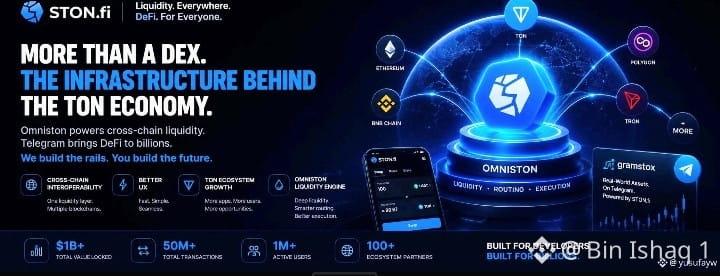
Stonfi ルーティングが本当の DeFi インフラになりつつある 流動性は数十のプールやネットワークにまたがって存在し得ますが、ユーザーにはそれにアクセスするための効率的な経路が必要です。 そのため、ルーティングは取引体験の中核となります。 流動性が利用可能であることと、それを実際に効率よく到達できることの違いは、実行(execution)レイヤーにあります。 STON.fi の Omniston は、そのレイヤーを中心に構築されており、サポートされているネットワーク間で流動性をつなぎ、アプリケーションのインターフェースの背後でクロスチェーン スワップのためのルートを見つけ出します。 これは、ウォレットや DeFi アプリの役割も変えます。 サポートする各ネットワークごとに別々のルーティング システムを構築するのではなく、アプリケーションは、内側にあるより多くの複雑さを処理するインフラを統合できます。 DeFi がより断片化していく中で、流動性だけでは実行体験の質は決まりません。 アクセス、ルーティング、決済(settlement)が同じくらい重要になっています。 $BTC $XRP
Stonfi ルーティングが本当の DeFi インフラになりつつある 流動性は数十のプールやネットワークにまたがって存在し得ますが、ユーザーにはそれにアクセスするための効率的な経路が必要です。 そのため、ルーティングは取引体験の中核となります。 流動性が利用可能であることと、それを実際に効率よく到達できることの違いは、実行(execution)レイヤーにあります。 STON.fi の Omniston は、そのレイヤーを中心に構築されており、サポートされているネットワーク間で流動性をつなぎ、アプリケーションのインターフェースの背後でクロスチェーン スワップのためのルートを見つけ出します。 これは、ウォレットや DeFi アプリの役割も変えます。 サポートする各ネットワークごとに別々のルーティング システムを構築するのではなく、アプリケーションは、内側にあるより多くの複雑さを処理するインフラを統合できます。 DeFi がより断片化していく中で、流動性だけでは実行体験の質は決まりません。 アクセス、ルーティング、決済(settlement)が同じくらい重要になっています。 $BTC $XRP
40
·
--
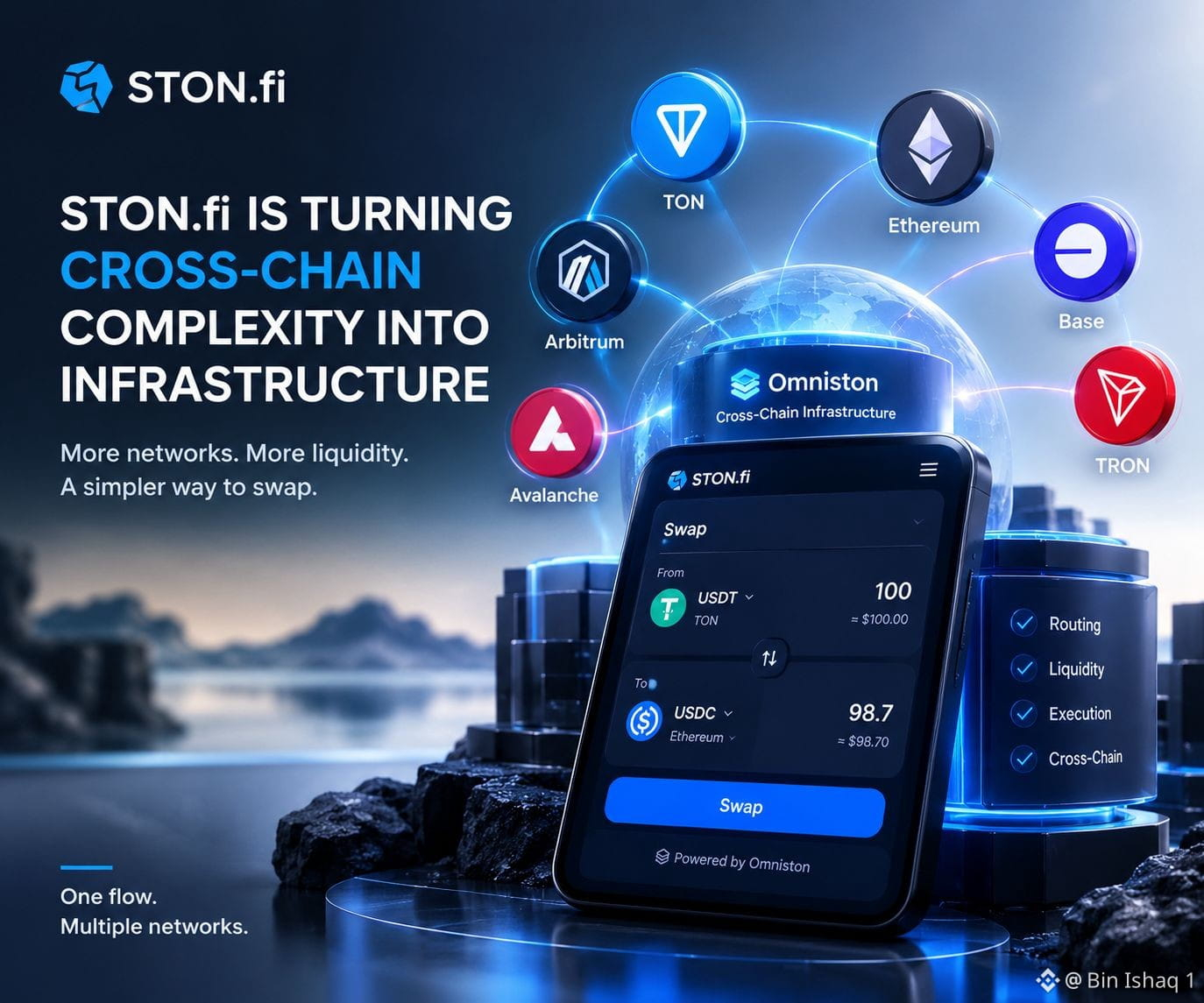
Stonfi 「スワップ」 をクリックしても、その体験は終わらない DeFiの注目は価格と「スワップ」ボタンに集まりがちです。 しかし、そのクリックの後の体験も重要です。 送信されたかどうか、どのルートが使われているか、受け取るべき内容は何か、そして資産が実際に目的地に到達したのかを把握する必要があります。 STON.fi は、スワップ体験を単なるトークン選択以上のものとして構築しています。 取引の裏側にあるインフラはルーティングと実行を担当し、インターフェースは何が起きているのかを理解するために必要な情報をユーザーに提供します。 これは、スワップが複数の流動性ソースやネットワークをまたぐ場合には、さらに重要になります。 パーツが多いほど、ユーザーが何が起きているのかを見られなければ混乱の余地も増えます。 優れたDeFiインターフェースは、ユーザーに「取引が成功したのか」を推測させるべきではありません。 確認してから資産が届くまでの間、実行内容が理解できる必要があります。 これは、オンチェーントレーディングを成熟したものにするための重要な要素です。つまり、スワップを可能にするだけでなく、取引全体を追いやすくすることです。 $GRAM $QNT
Stonfi 「スワップ」 をクリックしても、その体験は終わらない DeFiの注目は価格と「スワップ」ボタンに集まりがちです。 しかし、そのクリックの後の体験も重要です。 送信されたかどうか、どのルートが使われているか、受け取るべき内容は何か、そして資産が実際に目的地に到達したのかを把握する必要があります。 STON.fi は、スワップ体験を単なるトークン選択以上のものとして構築しています。 取引の裏側にあるインフラはルーティングと実行を担当し、インターフェースは何が起きているのかを理解するために必要な情報をユーザーに提供します。 これは、スワップが複数の流動性ソースやネットワークをまたぐ場合には、さらに重要になります。 パーツが多いほど、ユーザーが何が起きているのかを見られなければ混乱の余地も増えます。 優れたDeFiインターフェースは、ユーザーに「取引が成功したのか」を推測させるべきではありません。 確認してから資産が届くまでの間、実行内容が理解できる必要があります。 これは、オンチェーントレーディングを成熟したものにするための重要な要素です。つまり、スワップを可能にするだけでなく、取引全体を追いやすくすることです。 $GRAM $QNT
40
·
--
Stonfi ステーキングが“声”になるとき STONfi のガバナンスは、トークンを保有するだけにとどまりません。STON をステーキングすると、DAO における投票権を表す ARKENSTON を受け取れます。 その投票権は、提案への参加、変更内容の議論、そしてプロトコルの開発、報酬、統合、優先事項の方向性を決める意思決定への投票に利用できます。 このプロセスはオンチェーンで行われるよう設計されています。提案は投票の前にディスカッション期間を経て、結果は公開されます。また、承認された提案は実装へと進められます。 注目すべきは、ステーキングとガバナンスが結びついている点です。STON はウォレットに眠らせておくだけのものではありません。ステーキングすることで、プロトコルがどのように進化していくかに関わる役割を得られます。 DeFi プロトコルにおいては、生態系が成長するほどガバナンスの重要性が増します。統合の増加、流動性、ビルダー、ユーザーが増えることで、透明性のあるプロセスを必要とする意思決定がさらに増えていきます。 そこで STON.fi DAO は、生態系のもう一つのレイヤーになります。スワップはユーティリティを提供し、流動性はマーケットを支え、ガバナンスによってステーカーは次に来るものについて発言できるようになります。 $QNT $GRAM
Stonfi ステーキングが“声”になるとき STONfi のガバナンスは、トークンを保有するだけにとどまりません。STON をステーキングすると、DAO における投票権を表す ARKENSTON を受け取れます。 その投票権は、提案への参加、変更内容の議論、そしてプロトコルの開発、報酬、統合、優先事項の方向性を決める意思決定への投票に利用できます。 このプロセスはオンチェーンで行われるよう設計されています。提案は投票の前にディスカッション期間を経て、結果は公開されます。また、承認された提案は実装へと進められます。 注目すべきは、ステーキングとガバナンスが結びついている点です。STON はウォレットに眠らせておくだけのものではありません。ステーキングすることで、プロトコルがどのように進化していくかに関わる役割を得られます。 DeFi プロトコルにおいては、生態系が成長するほどガバナンスの重要性が増します。統合の増加、流動性、ビルダー、ユーザーが増えることで、透明性のあるプロセスを必要とする意思決定がさらに増えていきます。 そこで STON.fi DAO は、生態系のもう一つのレイヤーになります。スワップはユーティリティを提供し、流動性はマーケットを支え、ガバナンスによってステーカーは次に来るものについて発言できるようになります。 $QNT $GRAM
34
·
--
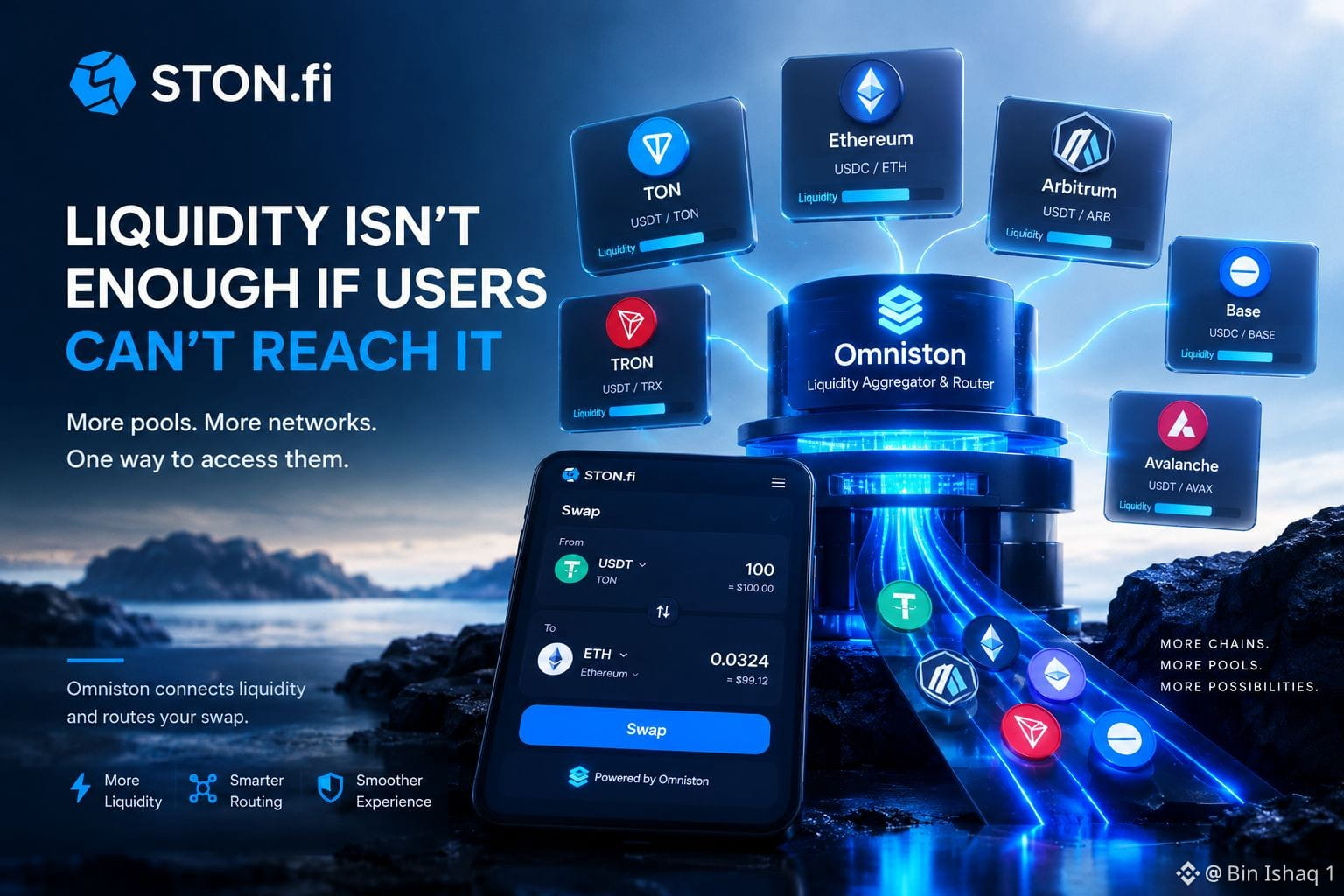
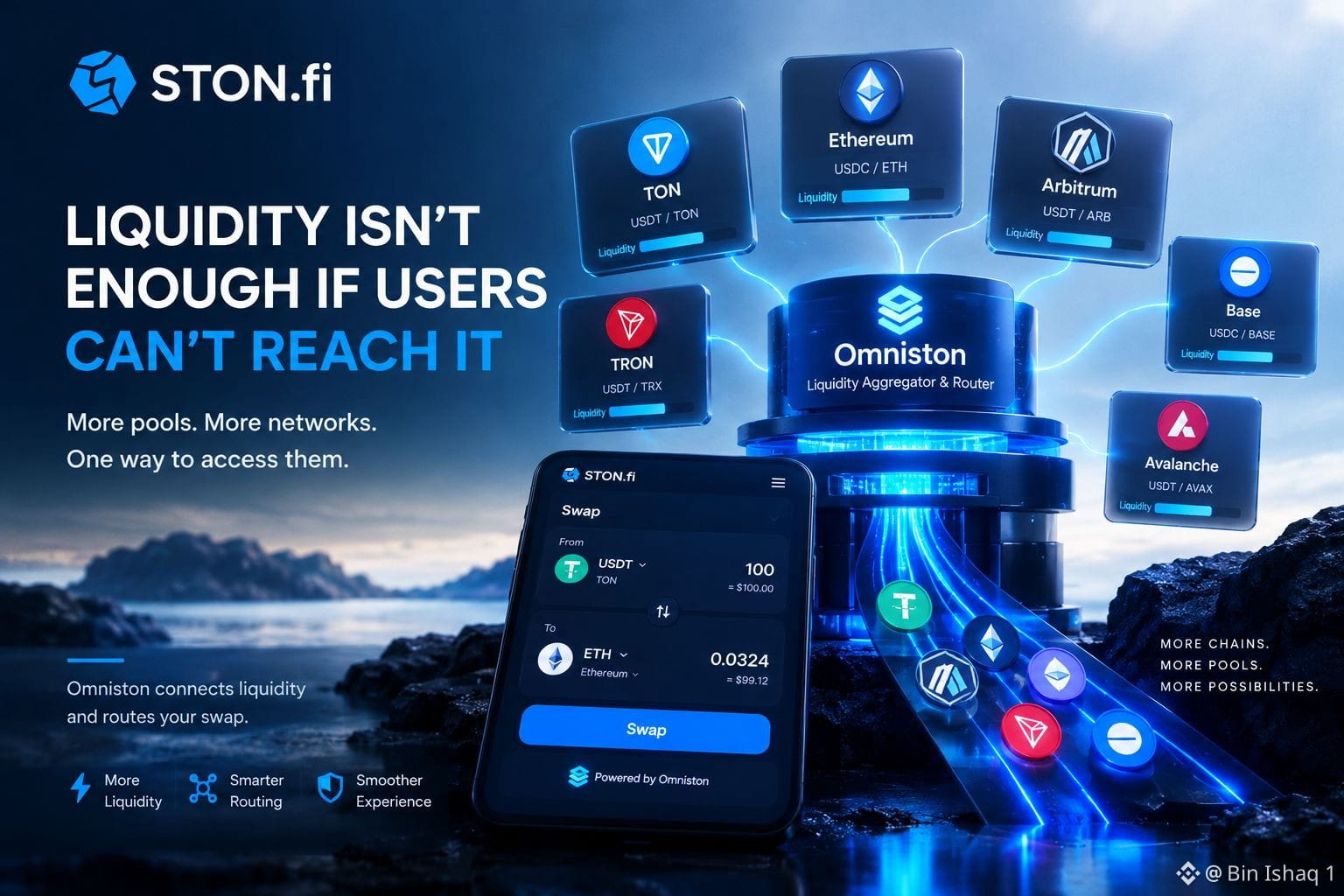
流動性だけでは不十分です。ユーザーが到達できなければ DeFiプロトコルは複数のプールに流動性を分散して保有していることができますが、それが自動的に誰にとってもその流動性が有用になるわけではありません。課題はアクセス性です。ユーザーは、スワップのたびに、複数のプールを比較したり、ネットワークを切り替えたり、ルートを探したりして、最良の実行(エクセキューション)がどこから得られるのかを突き止める必要がないべきです。 STON.fi は、利用可能な市場をまたいで流動性とスワップのルートをつなぐインフラによってこの問題に取り組みます。Omniston はインターフェースの下で動作するため、アプリケーションは、その背後にある複雑さをすべて公開することなく、ユーザーにより多くの流動性へのアクセスを提供できます。 重要な区別があります。流動性はリソースであり、ルーティングがそのリソースを利用可能にするものです。より多くのウォレット、Telegramアプリ、DeFiプロダクトがこのインフラを統合していけば、各アプリが独自のルーティングシステムを構築しなくても、流動性に到達しやすくなります。 DeFiにおいては、それは次の競争が「誰がより多くの流動性を持っているか」だけでなく、「その流動性をどれだけ効率的にアクセスできるか」にもなる可能性があることを意味します。 $XRP $BANK
流動性だけでは不十分です。ユーザーが到達できなければ DeFiプロトコルは複数のプールに流動性を分散して保有していることができますが、それが自動的に誰にとってもその流動性が有用になるわけではありません。課題はアクセス性です。ユーザーは、スワップのたびに、複数のプールを比較したり、ネットワークを切り替えたり、ルートを探したりして、最良の実行(エクセキューション)がどこから得られるのかを突き止める必要がないべきです。 STON.fi は、利用可能な市場をまたいで流動性とスワップのルートをつなぐインフラによってこの問題に取り組みます。Omniston はインターフェースの下で動作するため、アプリケーションは、その背後にある複雑さをすべて公開することなく、ユーザーにより多くの流動性へのアクセスを提供できます。 重要な区別があります。流動性はリソースであり、ルーティングがそのリソースを利用可能にするものです。より多くのウォレット、Telegramアプリ、DeFiプロダクトがこのインフラを統合していけば、各アプリが独自のルーティングシステムを構築しなくても、流動性に到達しやすくなります。 DeFiにおいては、それは次の競争が「誰がより多くの流動性を持っているか」だけでなく、「その流動性をどれだけ効率的にアクセスできるか」にもなる可能性があることを意味します。 $XRP $BANK
74
·
--
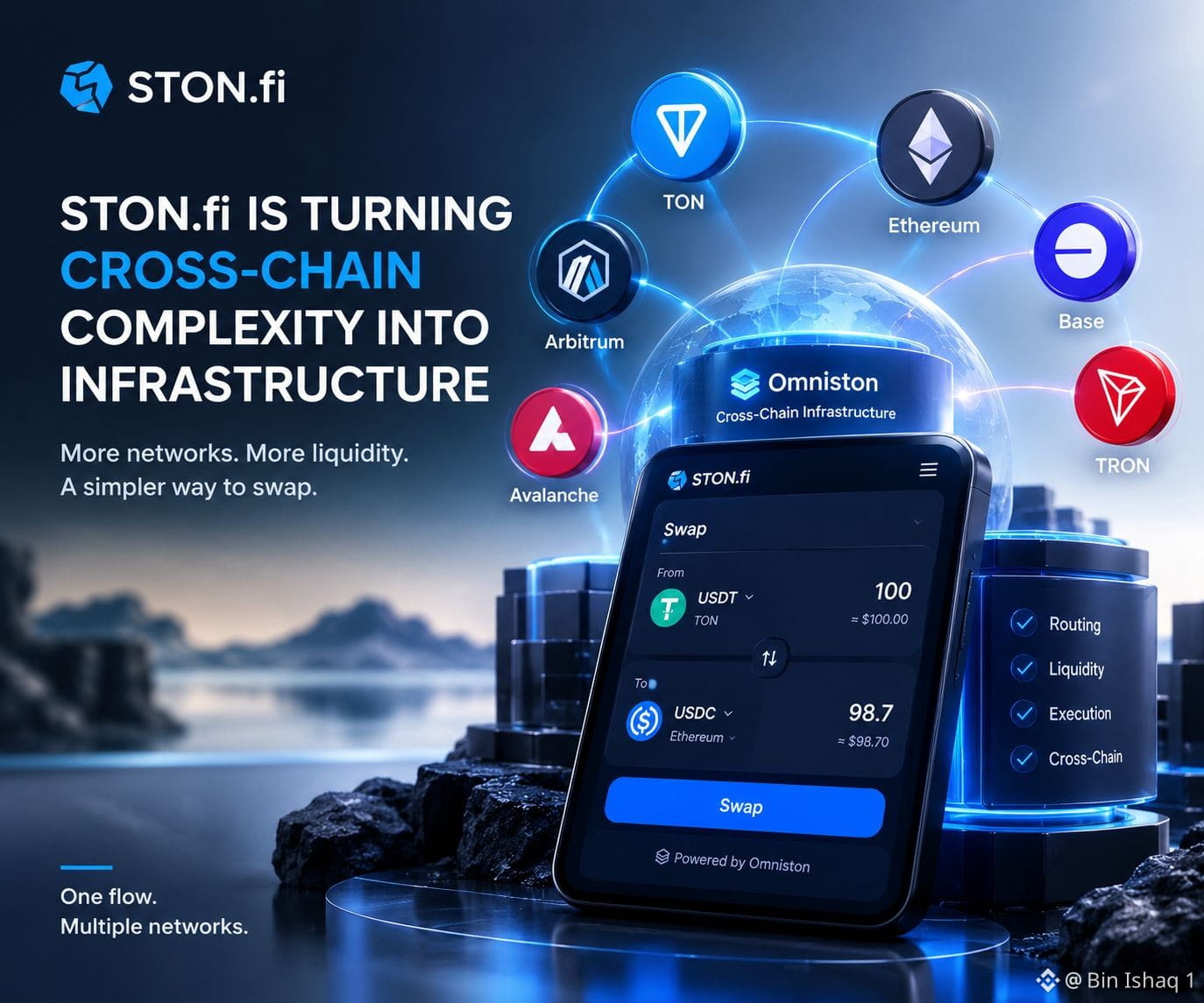
STONfi はクロスチェーンの複雑さをインフラへ変える ユーザーが取引のあらゆる部分を自分で管理しなければならないと、クロスチェーンのスワップは難しくなります。 ネットワークが異なれば、流動性の出所、ガス要件、ウォレット、実行パスも異なります。 扱うチェーンが増えるほど、ユーザーが行うべき判断も増えていきます。 STON.fi の Omniston は、その複雑さの多くをスワップの裏側で担い、流動性をつなぎながらルートを管理し、ユーザーにとっての体験をよりシンプルに保ちます。 それは、クロスチェーン・インフラがどのように機能し得るかにおける重要な転換をもたらします。 目的は、ユーザーにもっとインフラを理解させることではありません。 目的は、より良いインフラが、ユーザーにより少ない注意を求めるようにすることです。 DeFi アプリケーションにとっては、それにより役立つ統合レイヤーも生まれます。 ウォレット、Telegram アプリ、その他のプロダクトは、すべてのルートを個別に構築しなくても、クロスチェーン機能にアクセスできます。 エコシステム間で流動性がますます断片化していく中で、それらの流動性プールをつなぐインフラは、プール自体と同じくらい重要になっていくかもしれません。 $ONDO $LINK
STONfi はクロスチェーンの複雑さをインフラへ変える ユーザーが取引のあらゆる部分を自分で管理しなければならないと、クロスチェーンのスワップは難しくなります。 ネットワークが異なれば、流動性の出所、ガス要件、ウォレット、実行パスも異なります。 扱うチェーンが増えるほど、ユーザーが行うべき判断も増えていきます。 STON.fi の Omniston は、その複雑さの多くをスワップの裏側で担い、流動性をつなぎながらルートを管理し、ユーザーにとっての体験をよりシンプルに保ちます。 それは、クロスチェーン・インフラがどのように機能し得るかにおける重要な転換をもたらします。 目的は、ユーザーにもっとインフラを理解させることではありません。 目的は、より良いインフラが、ユーザーにより少ない注意を求めるようにすることです。 DeFi アプリケーションにとっては、それにより役立つ統合レイヤーも生まれます。 ウォレット、Telegram アプリ、その他のプロダクトは、すべてのルートを個別に構築しなくても、クロスチェーン機能にアクセスできます。 エコシステム間で流動性がますます断片化していく中で、それらの流動性プールをつなぐインフラは、プール自体と同じくらい重要になっていくかもしれません。 $ONDO $LINK
68
·
--
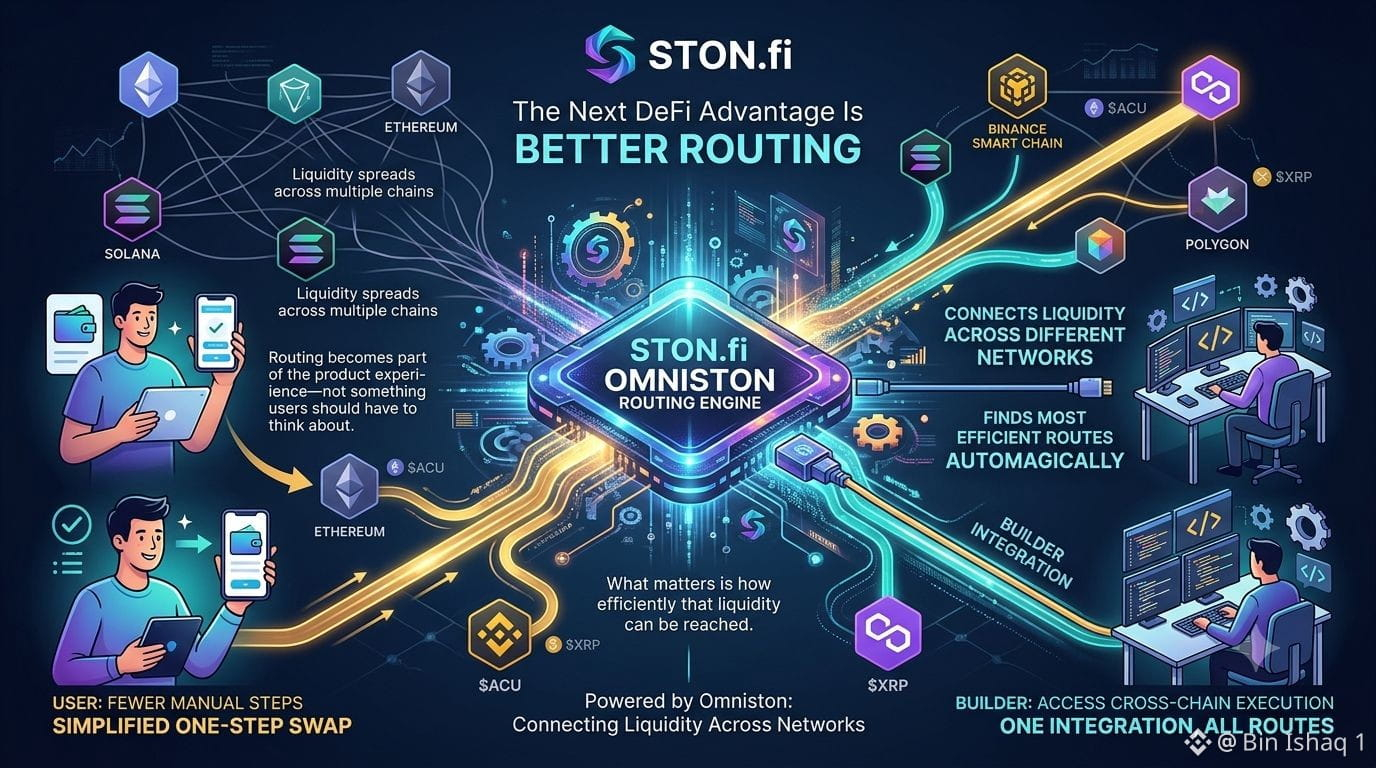
次のDeFiの優位性は、より優れたルーティングです。流動性があるだけでは、より良いスワップができるとは限りません。重要なのは、その流動性にどれだけ効率よく到達できるかです。STON.fi の Omniston は、異なるネットワーク間で流動性を接続し、ユーザー自身がすべての手順を管理することなくクロスチェーン・スワップを実行できるルートを見つけることで、この課題に取り組みます。これによりDEXの役割が変わります。1つのエコシステム内の流動性だけを競うのではなく、インフラが複数のチェーンにまたがる流動性へのゲートウェイになり得るのです。ユーザーにとって違いはシンプルで、手作業のステップが減ること。ビルダーにとっては、個別にすべてのルートを構築・保守する必要なく、クロスチェーン実行へのアクセスが得られることです。より多くのネットワークやアプリケーションが接続されるにつれて、ルーティングはユーザーが考えるべきものではなく、プロダクト体験の一部になります。 $ACU $XRP
次のDeFiの優位性は、より優れたルーティングです。流動性があるだけでは、より良いスワップができるとは限りません。重要なのは、その流動性にどれだけ効率よく到達できるかです。STON.fi の Omniston は、異なるネットワーク間で流動性を接続し、ユーザー自身がすべての手順を管理することなくクロスチェーン・スワップを実行できるルートを見つけることで、この課題に取り組みます。これによりDEXの役割が変わります。1つのエコシステム内の流動性だけを競うのではなく、インフラが複数のチェーンにまたがる流動性へのゲートウェイになり得るのです。ユーザーにとって違いはシンプルで、手作業のステップが減ること。ビルダーにとっては、個別にすべてのルートを構築・保守する必要なく、クロスチェーン実行へのアクセスが得られることです。より多くのネットワークやアプリケーションが接続されるにつれて、ルーティングはユーザーが考えるべきものではなく、プロダクト体験の一部になります。 $ACU $XRP
61
ログインして、さらにコンテンツを読む
厳選トピックで世界の暗号資産トレーダーの仲間入り
⚡️ 暗号資産に関する最新かつ有益な情報が見つかります。
💬 世界最大の暗号資産取引所から信頼されています。
👍 認証を受けたクリエイターから、有益なインサイトを得られます。
メール / 電話番号