

NBDIEU 1
47 投稿

NBDIEU 1
報告
ユーザーをブロック
Content Creator. Inner Circle Kaito
0 フォロー
2 フォロワー
11 いいね
投稿
·
--
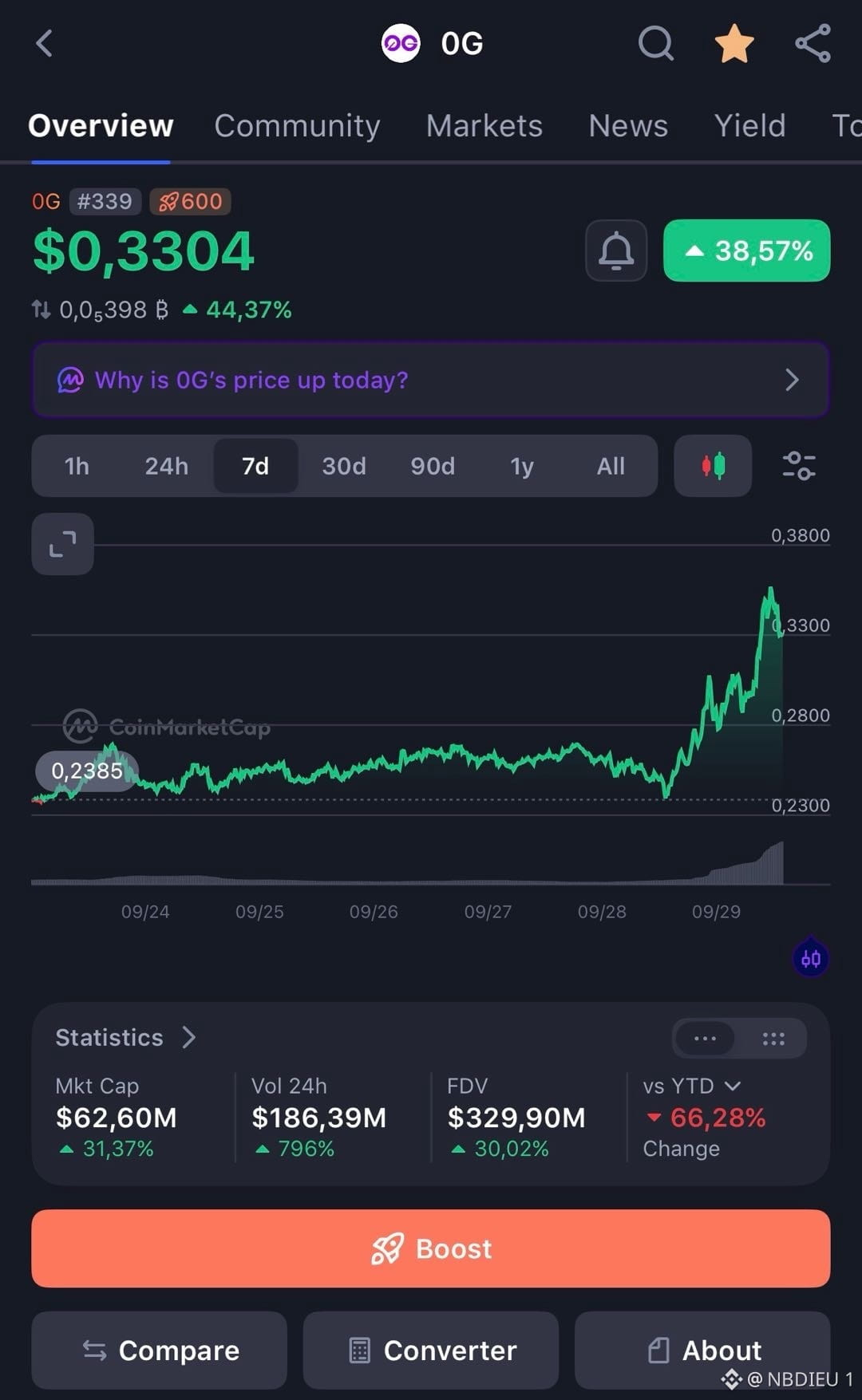
$0GはInfinite AI(iAI)が稼働するのに合わせて勢いよく動いています。
トークンは現在約$0.33で、本日+38%。24時間の出来高は約$186Mまで急増しており、これは約+800%です。
きっかけは、0Gの新しいCompute FinanceプロダクトであるiAIのローンチです。ユーザーは0Gをステークし、a0Gを受け取り、iAIをミントして、それをステークすることで、0GのAIプロダクト全体で利用できるコンピュートクレジットを獲得できます。
初期のパラメータでは、ステークされた各iAIは1日あたり1.271のコンピュートクレジットを受け取るよう設計されており、対応サービスでの使用価値は$1以上とされています。
これは従来型のステーキングからの興味深い転換です。より多くのトークンを単に獲得するのではなく、ステーキングが“使えるAIコンピュート”に直接結び付けられています。
数字も面白くなってきています。時価総額は約$62.6M、FDVは約$330M、そして24時間の出来高は約$186Mまで急騰しました。
大きな論点は、iAIがAIの物語(ナラティブ)を0Gエコシステムへの実際の需要へと変えられるかどうかです。
免責事項:情報提供のみを目的とした個人的見解です。金融または投資助言ではありません。
$0GはInfinite AI(iAI)が稼働するのに合わせて勢いよく動いています。
トークンは現在約$0.33で、本日+38%。24時間の出来高は約$186Mまで急増しており、これは約+800%です。
きっかけは、0Gの新しいCompute FinanceプロダクトであるiAIのローンチです。ユーザーは0Gをステークし、a0Gを受け取り、iAIをミントして、それをステークすることで、0GのAIプロダクト全体で利用できるコンピュートクレジットを獲得できます。
初期のパラメータでは、ステークされた各iAIは1日あたり1.271のコンピュートクレジットを受け取るよう設計されており、対応サービスでの使用価値は$1以上とされています。
これは従来型のステーキングからの興味深い転換です。より多くのトークンを単に獲得するのではなく、ステーキングが“使えるAIコンピュート”に直接結び付けられています。
数字も面白くなってきています。時価総額は約$62.6M、FDVは約$330M、そして24時間の出来高は約$186Mまで急騰しました。
大きな論点は、iAIがAIの物語(ナラティブ)を0Gエコシステムへの実際の需要へと変えられるかどうかです。
免責事項:情報提供のみを目的とした個人的見解です。金融または投資助言ではありません。
トークンは現在約$0.33で、本日+38%。24時間の出来高は約$186Mまで急増しており、これは約+800%です。
きっかけは、0Gの新しいCompute FinanceプロダクトであるiAIのローンチです。ユーザーは0Gをステークし、a0Gを受け取り、iAIをミントして、それをステークすることで、0GのAIプロダクト全体で利用できるコンピュートクレジットを獲得できます。
初期のパラメータでは、ステークされた各iAIは1日あたり1.271のコンピュートクレジットを受け取るよう設計されており、対応サービスでの使用価値は$1以上とされています。
これは従来型のステーキングからの興味深い転換です。より多くのトークンを単に獲得するのではなく、ステーキングが“使えるAIコンピュート”に直接結び付けられています。
数字も面白くなってきています。時価総額は約$62.6M、FDVは約$330M、そして24時間の出来高は約$186Mまで急騰しました。
大きな論点は、iAIがAIの物語(ナラティブ)を0Gエコシステムへの実際の需要へと変えられるかどうかです。
免責事項:情報提供のみを目的とした個人的見解です。金融または投資助言ではありません。
71
·
--
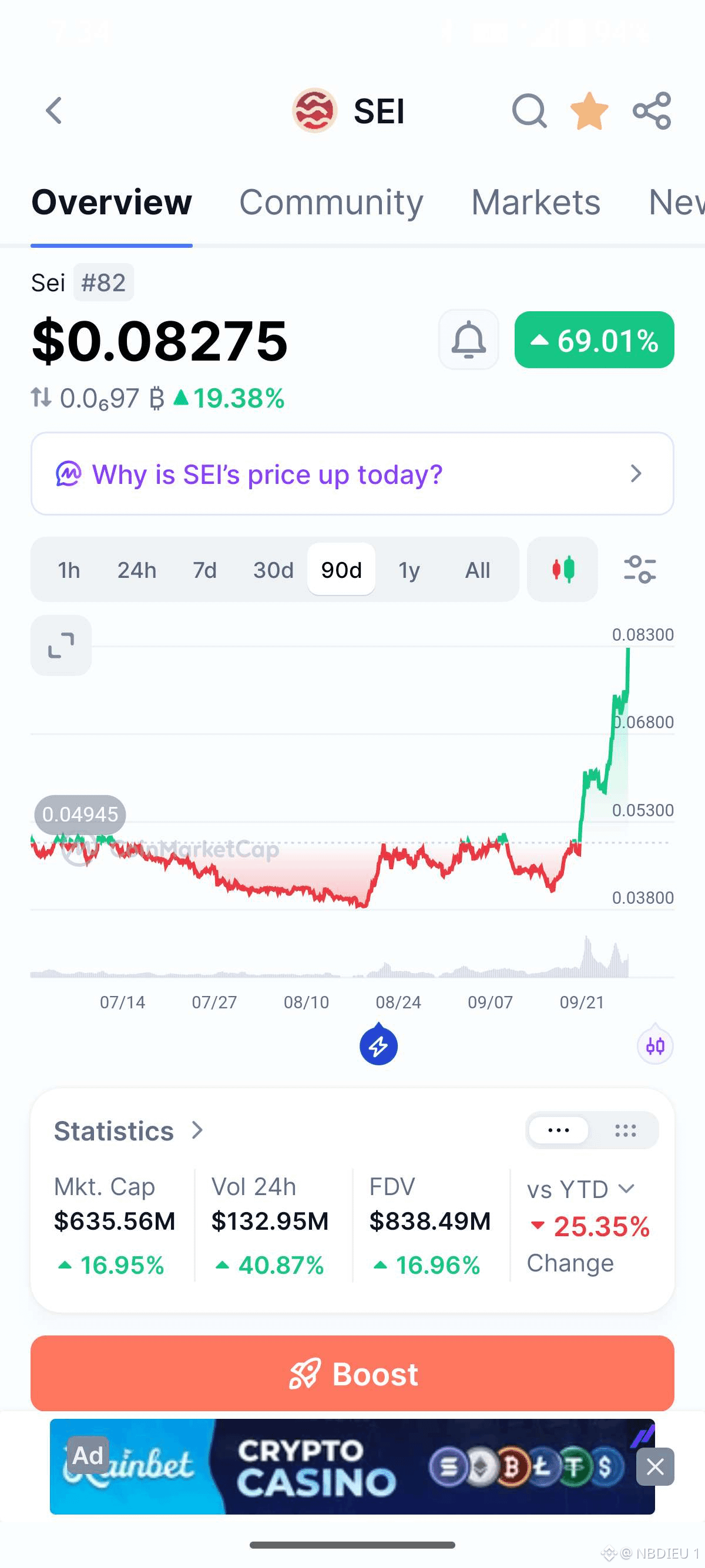
$SEIは過去90日で約69%上昇し、最新の値動きでおおよそ$0.083まで押し上げられました。
この上昇は、Staked SEI ETF(ステーク型SEI ETF)の物語から始まりました。Canary CapitalがS-1を更新し、ファンドのSEI保有の約90%をステーキングすることを提案したのです。提出書類はまだ予備的な段階ですが、市場は明らかに、ステーキング利回りと組み合わせた機関投資家向けのSEIエクスポージャーの可能性に反応しました。
@SeiNetwork
その後、Gigaのアップグレードがさらに追い風となりました。
最近のテストでは63,000 TPSに到達したと報じられており、またHermesのコンセンサスでは最終確定が68msだったことで、市場はSeiのインフラに関する見通しを再評価するもう一つの理由を得ました。
数字がますます面白くなってきています。時価総額は約$636M、24時間取引高は$133M、FDVは約$838Mです。
つまり、この上昇はもはや単なる市場ベータ(市場連動)だけには見えません。
注目はETFへの期待が牽引しており、Gigaはこの値動きの背景にあるファンダメンタルな物語を提供しています。
次の論点は、Seiがこの勢いを持続的なエコシステム成長と利用へとつなげられるかどうかです。
免責事項:情報提供のみを目的とした個人的見解です。金融または投資助言ではありません。
$SEIは過去90日で約69%上昇し、最新の値動きでおおよそ$0.083まで押し上げられました。
この上昇は、Staked SEI ETF(ステーク型SEI ETF)の物語から始まりました。Canary CapitalがS-1を更新し、ファンドのSEI保有の約90%をステーキングすることを提案したのです。提出書類はまだ予備的な段階ですが、市場は明らかに、ステーキング利回りと組み合わせた機関投資家向けのSEIエクスポージャーの可能性に反応しました。
@SeiNetwork
その後、Gigaのアップグレードがさらに追い風となりました。
最近のテストでは63,000 TPSに到達したと報じられており、またHermesのコンセンサスでは最終確定が68msだったことで、市場はSeiのインフラに関する見通しを再評価するもう一つの理由を得ました。
数字がますます面白くなってきています。時価総額は約$636M、24時間取引高は$133M、FDVは約$838Mです。
つまり、この上昇はもはや単なる市場ベータ(市場連動)だけには見えません。
注目はETFへの期待が牽引しており、Gigaはこの値動きの背景にあるファンダメンタルな物語を提供しています。
次の論点は、Seiがこの勢いを持続的なエコシステム成長と利用へとつなげられるかどうかです。
免責事項:情報提供のみを目的とした個人的見解です。金融または投資助言ではありません。
この上昇は、Staked SEI ETF(ステーク型SEI ETF)の物語から始まりました。Canary CapitalがS-1を更新し、ファンドのSEI保有の約90%をステーキングすることを提案したのです。提出書類はまだ予備的な段階ですが、市場は明らかに、ステーキング利回りと組み合わせた機関投資家向けのSEIエクスポージャーの可能性に反応しました。
@SeiNetwork
その後、Gigaのアップグレードがさらに追い風となりました。
最近のテストでは63,000 TPSに到達したと報じられており、またHermesのコンセンサスでは最終確定が68msだったことで、市場はSeiのインフラに関する見通しを再評価するもう一つの理由を得ました。
数字がますます面白くなってきています。時価総額は約$636M、24時間取引高は$133M、FDVは約$838Mです。
つまり、この上昇はもはや単なる市場ベータ(市場連動)だけには見えません。
注目はETFへの期待が牽引しており、Gigaはこの値動きの背景にあるファンダメンタルな物語を提供しています。
次の論点は、Seiがこの勢いを持続的なエコシステム成長と利用へとつなげられるかどうかです。
免責事項:情報提供のみを目的とした個人的見解です。金融または投資助言ではありません。
96
·
--
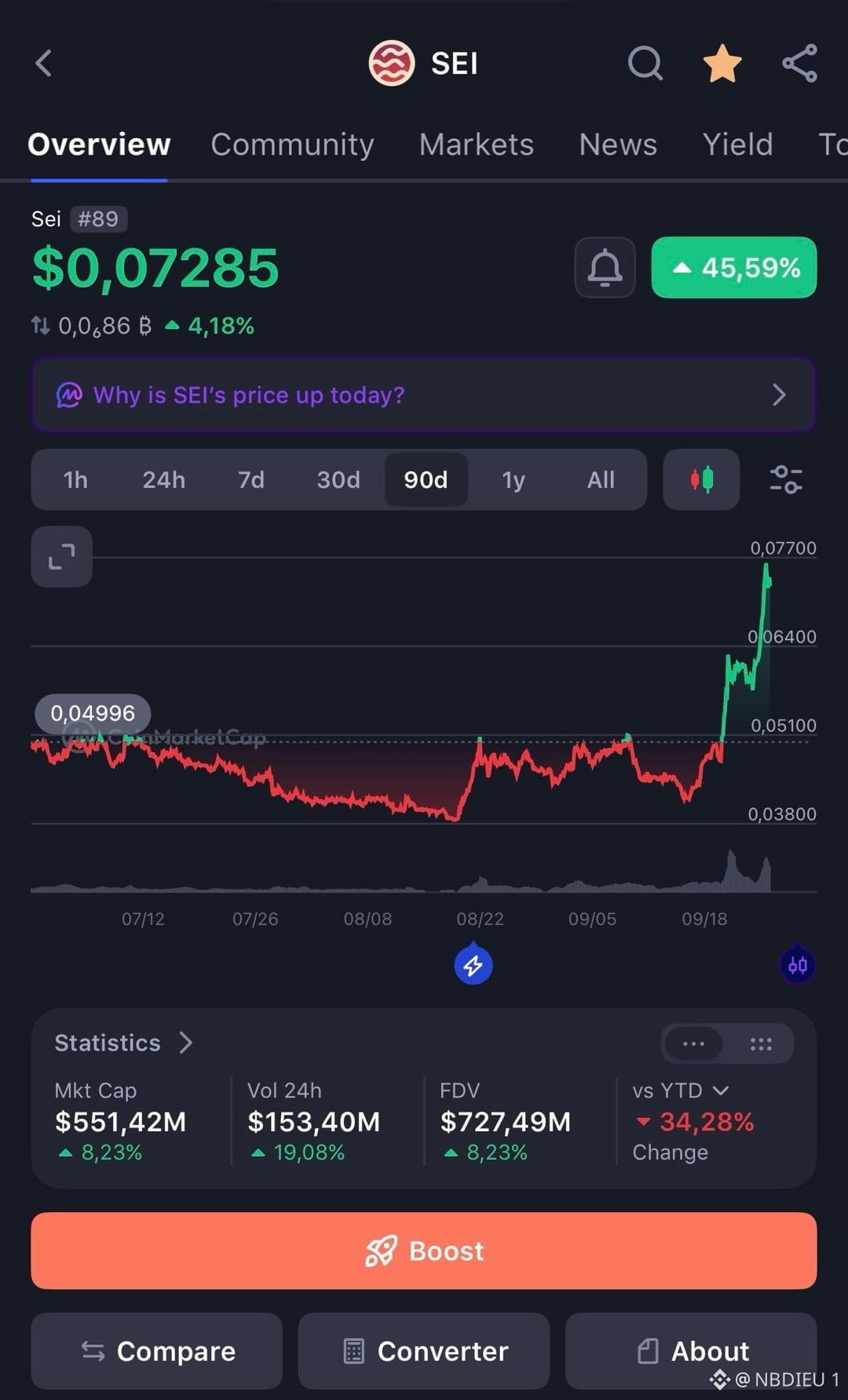
$SEIはついに、市場が再びセイの主張を信じ始めている兆候を見せています
価格は9月中旬の約$0.04から$0.07を超える水準へ動き、24時間の出来高も急拡大しました。
しかし、注目すべきは価格だけではありません。
センチメントが戻ってきています。マインドシェアは24時間で15%以上上昇し、センチメントも強いプラスに転じています。
同時に、Sei Gigaはロードマップの段階から、実際のネットワーク・アップグレードへ進んでいます。
AresとEidosはすでにメインネットへの到達を始めており、HermesはGigaの高性能トレーディング・アーキテクチャに向けた次の大きなステップです。
エコシステムも次のフェーズに向けて準備を進めています。
Clovisは、テストネット上でクロスチェーンの貸付インフラを構築したのち、メインネットのウェイトリストを公開しました。
SaphyreはWebテストネット上でPerpsを準備しており、新しい取引プロダクトをMonacoと接続しました。
これが重要なのは、Gigaがその性能を実際に活用できるアプリケーションを必要としているからです。
これまでの「Seiは高TPSを約束している」という物語から、「Seiはインフラをアップグレードしており、取引およびDeFiのプロダクトがそれを使えるよう準備が進んでいる」という流れへと変わってきています。
最近のETFのきっかけ(触媒)によって、SEIへの注目が再び集まりました。
ただ、より大きな物語は、センチメントの再燃、Gigaの進展、そしてエコシステムがさらなる取引活動に備えていることの組み合わせかもしれません。
免責事項:情報提供のみを目的とした個人的な見解です。金融または投資助言ではありません。
$SEIはついに、市場が再びセイの主張を信じ始めている兆候を見せています
価格は9月中旬の約$0.04から$0.07を超える水準へ動き、24時間の出来高も急拡大しました。
しかし、注目すべきは価格だけではありません。
センチメントが戻ってきています。マインドシェアは24時間で15%以上上昇し、センチメントも強いプラスに転じています。
同時に、Sei Gigaはロードマップの段階から、実際のネットワーク・アップグレードへ進んでいます。
AresとEidosはすでにメインネットへの到達を始めており、HermesはGigaの高性能トレーディング・アーキテクチャに向けた次の大きなステップです。
エコシステムも次のフェーズに向けて準備を進めています。
Clovisは、テストネット上でクロスチェーンの貸付インフラを構築したのち、メインネットのウェイトリストを公開しました。
SaphyreはWebテストネット上でPerpsを準備しており、新しい取引プロダクトをMonacoと接続しました。
これが重要なのは、Gigaがその性能を実際に活用できるアプリケーションを必要としているからです。
これまでの「Seiは高TPSを約束している」という物語から、「Seiはインフラをアップグレードしており、取引およびDeFiのプロダクトがそれを使えるよう準備が進んでいる」という流れへと変わってきています。
最近のETFのきっかけ(触媒)によって、SEIへの注目が再び集まりました。
ただ、より大きな物語は、センチメントの再燃、Gigaの進展、そしてエコシステムがさらなる取引活動に備えていることの組み合わせかもしれません。
免責事項:情報提供のみを目的とした個人的な見解です。金融または投資助言ではありません。
価格は9月中旬の約$0.04から$0.07を超える水準へ動き、24時間の出来高も急拡大しました。
しかし、注目すべきは価格だけではありません。
センチメントが戻ってきています。マインドシェアは24時間で15%以上上昇し、センチメントも強いプラスに転じています。
同時に、Sei Gigaはロードマップの段階から、実際のネットワーク・アップグレードへ進んでいます。
AresとEidosはすでにメインネットへの到達を始めており、HermesはGigaの高性能トレーディング・アーキテクチャに向けた次の大きなステップです。
エコシステムも次のフェーズに向けて準備を進めています。
Clovisは、テストネット上でクロスチェーンの貸付インフラを構築したのち、メインネットのウェイトリストを公開しました。
SaphyreはWebテストネット上でPerpsを準備しており、新しい取引プロダクトをMonacoと接続しました。
これが重要なのは、Gigaがその性能を実際に活用できるアプリケーションを必要としているからです。
これまでの「Seiは高TPSを約束している」という物語から、「Seiはインフラをアップグレードしており、取引およびDeFiのプロダクトがそれを使えるよう準備が進んでいる」という流れへと変わってきています。
最近のETFのきっかけ(触媒)によって、SEIへの注目が再び集まりました。
ただ、より大きな物語は、センチメントの再燃、Gigaの進展、そしてエコシステムがさらなる取引活動に備えていることの組み合わせかもしれません。
免責事項:情報提供のみを目的とした個人的な見解です。金融または投資助言ではありません。
57
·
--
本人確認中
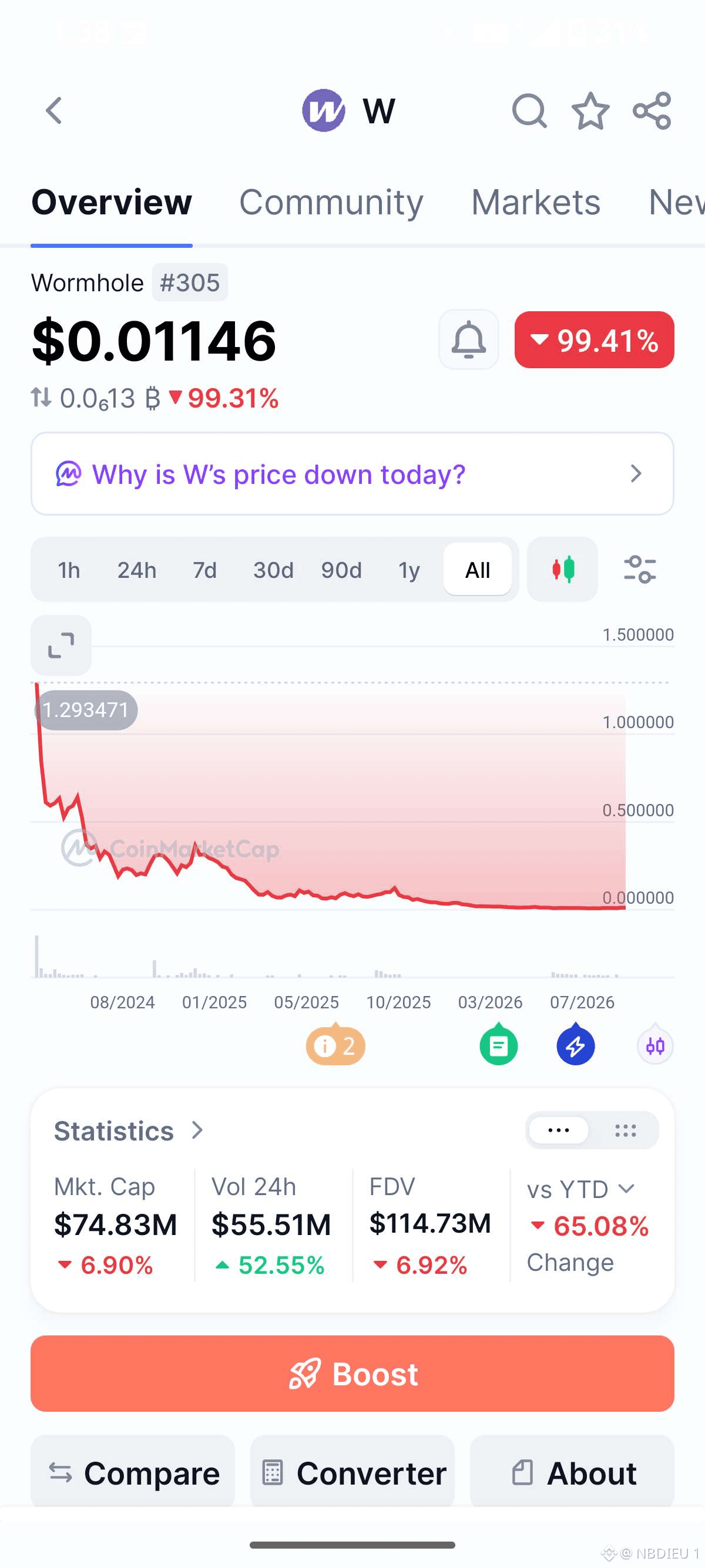
$Wは、強力な暗号資産プロジェクトであってもトークンが脆弱になり得ることを示す、最も残酷な例の一つです。
Wormholeは主要なクロスチェーン・メッセージングのプロトコルですが、そのトークンは史上最高値から99%超下落しています。
$0.0115前後の価格で、Wの時価総額は約$75M、FDVは約$115M、24時間の出来高は約$55Mです。
では、Wは実際に何のために使われているのでしょうか?
現在の主なユーティリティはガバナンスとステーキングです。Wホルダーはガバナンスに参加するためにステークでき、W 2.0では基礎利回り4%を目標としています。
W 2.0には新たなインフレがありません。供給上限は10Bで、現在はおよそ6.5Bが流通しています。
さらにW 2.0では、プロトコルの収益とエコシステムの価値をWの購入・ロックに振り向けるよう設計されたWormhole Reserveも導入されました。
有望に見えますが、市場はトークンが実際にどれだけの価値を取り込めるのかを明確に疑問視しています。
最大の問題は供給です。最大供給量の約35%がいまだ流通しておらず、将来のアンロックが重しとして残っています。
暗号資産の中でもより知名度の高い相互運用性プロジェクトのトークンが、ピークから100倍超も下で取引されている──それは強いプロトコルが必ずしも強いトークンを生み出すとは限らない、という残酷な警鐘です。
免責事項:情報提供のみを目的とした個人的見解です。金融または投資助言ではありません。
$Wは、強力な暗号資産プロジェクトであってもトークンが脆弱になり得ることを示す、最も残酷な例の一つです。
Wormholeは主要なクロスチェーン・メッセージングのプロトコルですが、そのトークンは史上最高値から99%超下落しています。
$0.0115前後の価格で、Wの時価総額は約$75M、FDVは約$115M、24時間の出来高は約$55Mです。
では、Wは実際に何のために使われているのでしょうか?
現在の主なユーティリティはガバナンスとステーキングです。Wホルダーはガバナンスに参加するためにステークでき、W 2.0では基礎利回り4%を目標としています。
W 2.0には新たなインフレがありません。供給上限は10Bで、現在はおよそ6.5Bが流通しています。
さらにW 2.0では、プロトコルの収益とエコシステムの価値をWの購入・ロックに振り向けるよう設計されたWormhole Reserveも導入されました。
有望に見えますが、市場はトークンが実際にどれだけの価値を取り込めるのかを明確に疑問視しています。
最大の問題は供給です。最大供給量の約35%がいまだ流通しておらず、将来のアンロックが重しとして残っています。
暗号資産の中でもより知名度の高い相互運用性プロジェクトのトークンが、ピークから100倍超も下で取引されている──それは強いプロトコルが必ずしも強いトークンを生み出すとは限らない、という残酷な警鐘です。
免責事項:情報提供のみを目的とした個人的見解です。金融または投資助言ではありません。
Wormholeは主要なクロスチェーン・メッセージングのプロトコルですが、そのトークンは史上最高値から99%超下落しています。
$0.0115前後の価格で、Wの時価総額は約$75M、FDVは約$115M、24時間の出来高は約$55Mです。
では、Wは実際に何のために使われているのでしょうか?
現在の主なユーティリティはガバナンスとステーキングです。Wホルダーはガバナンスに参加するためにステークでき、W 2.0では基礎利回り4%を目標としています。
W 2.0には新たなインフレがありません。供給上限は10Bで、現在はおよそ6.5Bが流通しています。
さらにW 2.0では、プロトコルの収益とエコシステムの価値をWの購入・ロックに振り向けるよう設計されたWormhole Reserveも導入されました。
有望に見えますが、市場はトークンが実際にどれだけの価値を取り込めるのかを明確に疑問視しています。
最大の問題は供給です。最大供給量の約35%がいまだ流通しておらず、将来のアンロックが重しとして残っています。
暗号資産の中でもより知名度の高い相互運用性プロジェクトのトークンが、ピークから100倍超も下で取引されている──それは強いプロトコルが必ずしも強いトークンを生み出すとは限らない、という残酷な警鐘です。
免責事項:情報提供のみを目的とした個人的見解です。金融または投資助言ではありません。
1
776
·
--
$CETUSは、Sui DeFiエコシステムの重要な構成要素のひとつであり続けています。
2025年の大規模なエクスプロイトにもかかわらず、CetusはSuiの取引と流動性において依然として大きな役割を維持しています。
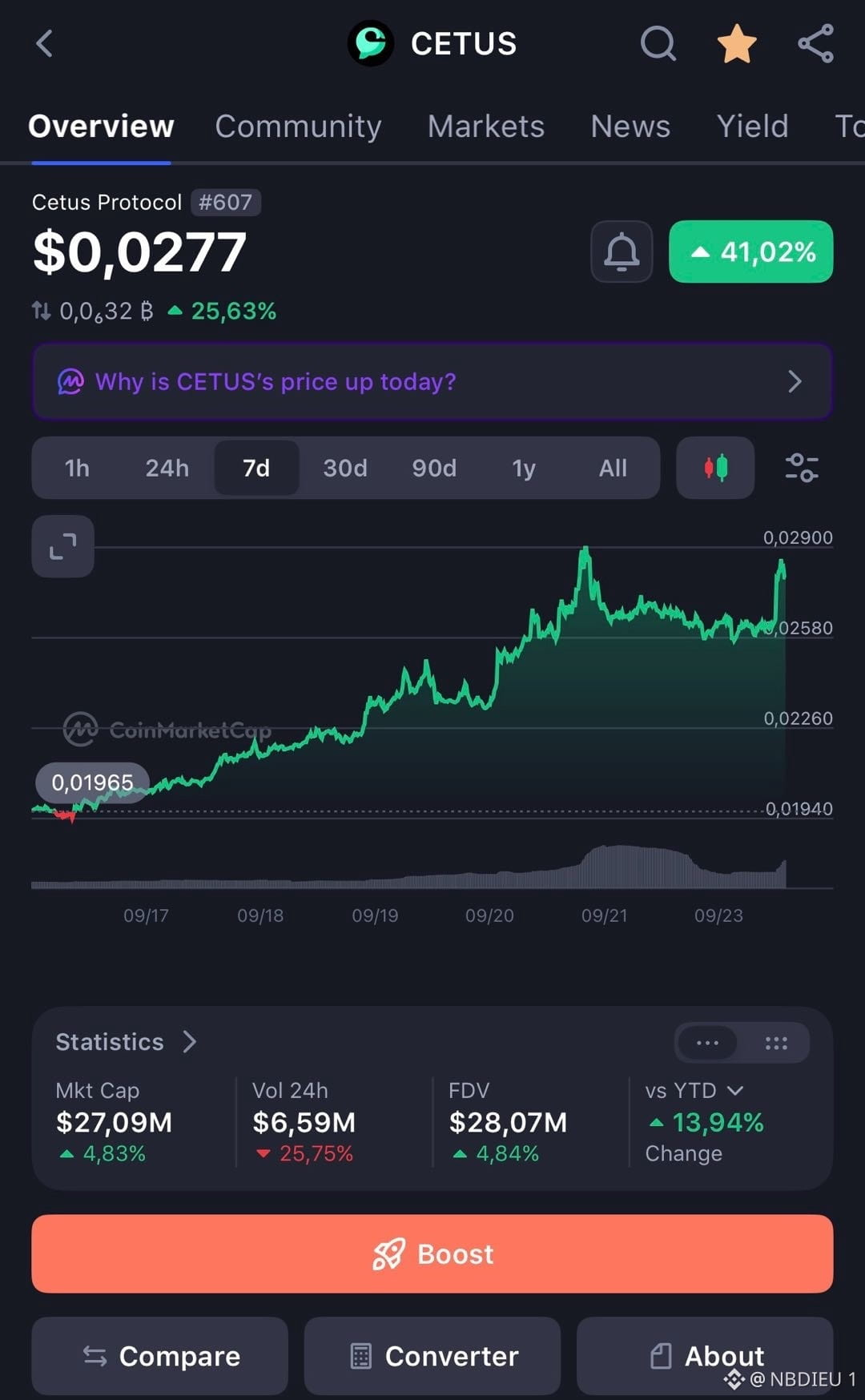
9月には、Cetusは30日DEXボリュームで約$390Mを処理しており、SuiのDEX総ボリュームのほぼ30%を占めていました。
そして今、別のカタリストが到来しました。
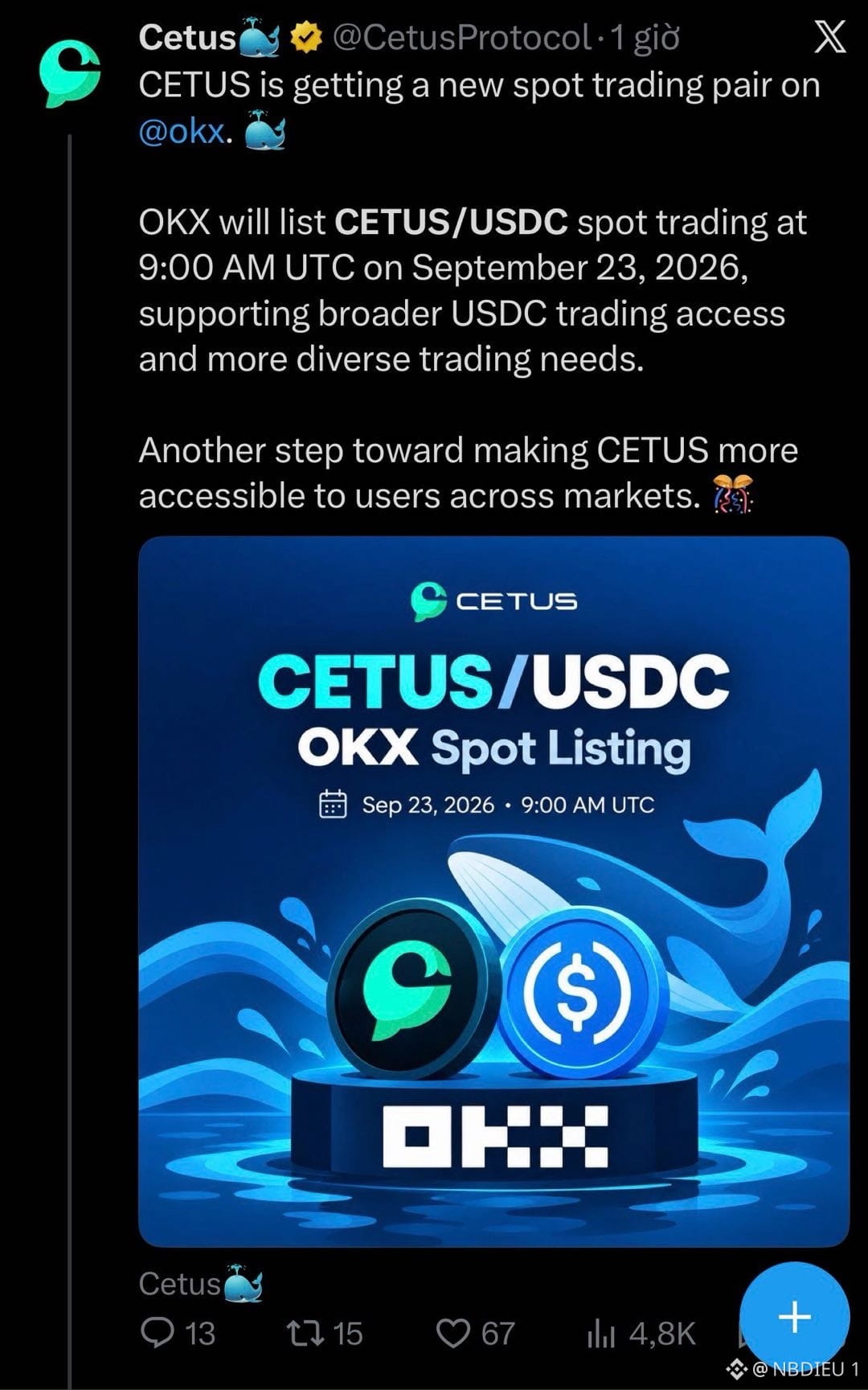
OKXがCETUS/USDCの現物取引を追加することで、このトークンはより大規模な中央集権型取引所の利用者層に届くようになります。
市場はニュースの早い段階から織り込みを始めました。CETUSは9月17日時点の約$0.021から、OKXの市場が開く前にすでに約$0.026へと動き、日次出来高も急激に増加しました。
興味深いのは、上場が行われるタイミングで、Cetusが引き続きSui DeFiにおいて大きなポジションを維持している点です。
より中央集権的な流動性が、アクセス性や取引ボリュームの向上につながる可能性があります。一方で、Cetusの既存のオンチェーン活動は、基盤となるエコシステムのユースケースを提供しています。
重要な問いは、OKX上場によってこの短期的な勢いが、持続的な流動性と利用へとつながるかどうかです。
Cetusは過去最高値からはまだかなり遠いものの、Sui DeFiにおけるその役割は依然として重要です。
免責事項:情報提供のみを目的とした個人的見解です。金融または投資助言ではありません。
#DEX #Listing #OKX #sui
$CETUSは、Sui DeFiエコシステムの重要な構成要素のひとつであり続けています。
2025年の大規模なエクスプロイトにもかかわらず、CetusはSuiの取引と流動性において依然として大きな役割を維持しています。
9月には、Cetusは30日DEXボリュームで約$390Mを処理しており、SuiのDEX総ボリュームのほぼ30%を占めていました。
そして今、別のカタリストが到来しました。
OKXがCETUS/USDCの現物取引を追加することで、このトークンはより大規模な中央集権型取引所の利用者層に届くようになります。
市場はニュースの早い段階から織り込みを始めました。CETUSは9月17日時点の約$0.021から、OKXの市場が開く前にすでに約$0.026へと動き、日次出来高も急激に増加しました。
興味深いのは、上場が行われるタイミングで、Cetusが引き続きSui DeFiにおいて大きなポジションを維持している点です。
より中央集権的な流動性が、アクセス性や取引ボリュームの向上につながる可能性があります。一方で、Cetusの既存のオンチェーン活動は、基盤となるエコシステムのユースケースを提供しています。
重要な問いは、OKX上場によってこの短期的な勢いが、持続的な流動性と利用へとつながるかどうかです。
Cetusは過去最高値からはまだかなり遠いものの、Sui DeFiにおけるその役割は依然として重要です。
免責事項:情報提供のみを目的とした個人的見解です。金融または投資助言ではありません。
#DEX #Listing #OKX #sui
2025年の大規模なエクスプロイトにもかかわらず、CetusはSuiの取引と流動性において依然として大きな役割を維持しています。
9月には、Cetusは30日DEXボリュームで約$390Mを処理しており、SuiのDEX総ボリュームのほぼ30%を占めていました。
そして今、別のカタリストが到来しました。
OKXがCETUS/USDCの現物取引を追加することで、このトークンはより大規模な中央集権型取引所の利用者層に届くようになります。
市場はニュースの早い段階から織り込みを始めました。CETUSは9月17日時点の約$0.021から、OKXの市場が開く前にすでに約$0.026へと動き、日次出来高も急激に増加しました。
興味深いのは、上場が行われるタイミングで、Cetusが引き続きSui DeFiにおいて大きなポジションを維持している点です。
より中央集権的な流動性が、アクセス性や取引ボリュームの向上につながる可能性があります。一方で、Cetusの既存のオンチェーン活動は、基盤となるエコシステムのユースケースを提供しています。
重要な問いは、OKX上場によってこの短期的な勢いが、持続的な流動性と利用へとつながるかどうかです。
Cetusは過去最高値からはまだかなり遠いものの、Sui DeFiにおけるその役割は依然として重要です。
免責事項:情報提供のみを目的とした個人的見解です。金融または投資助言ではありません。
#DEX #Listing #OKX #sui
71
·
--
バックパックの役割がソラナ・エコシステムの中で拡大するにつれ、$BPはいっそう面白くなってきています
バックパックはウォレットと取引所から始まりましたが、今ははるかに大きなものを構築しています。つまり、取引、自己保管、トークン化された株式、そして伝統的な有価証券をつなぐ暗号資産ネイティブの金融プラットフォームです。
今回の拡大は特に興味深いです。
バックパック・セキュリティーズは、実在の米国株とETFをオンチェーン化し、トークン化された有価証券がソラナ上で24時間365日取引できるようにしています。さらに、ユニファイド・ポートフォリオ・マージンも導入され、対象となる株式・ETFの保有分を取引の担保として利用できるようになりました。
規模が見え始めています。バックパックによれば、最初の6つのトークン化有価証券は初月に取引高$1.5Bを生み出したとのことです。
これは潜在的なフライホイール(好循環)につながります:
より多くの資産 → より活発な取引 → より多くのユーザー → より大きな流動性 → より強固なバックパックのエコシステム。
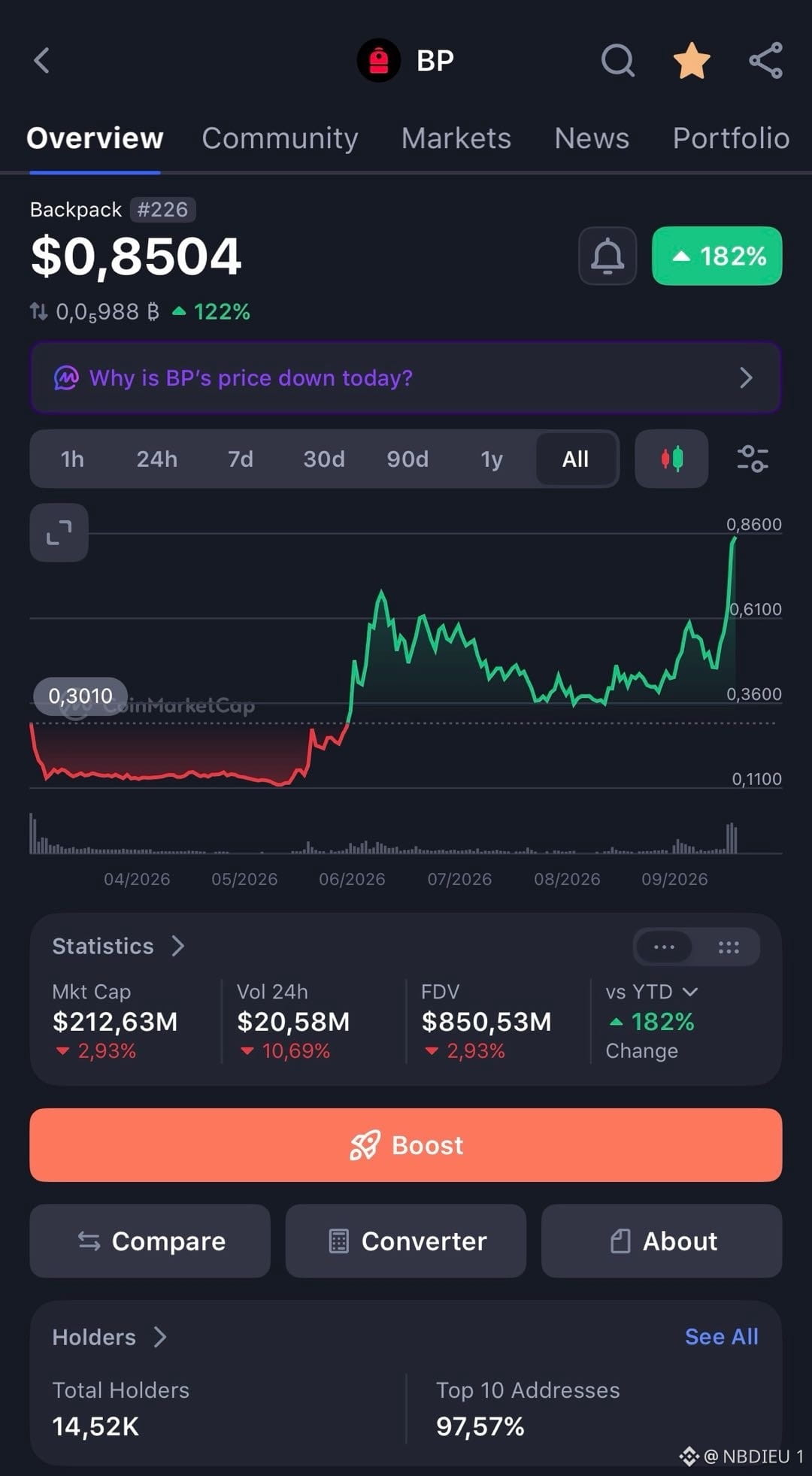
最近の値動きは、この注目の高まりを反映しているようです。BPはおよそ$0.85で、時価総額は約$212.5M、FDVは約$850M、24時間の出来高は約$22.4Mです。また、最近では$0.99近辺で新たなATHも更新しました。
重要な問いは、バックパックがこの拡大する金融インフラをBPにとって持続可能な価値へと転換できるかどうかです。
現時点では、バックパック自体の成長が、BPの投資論の重要な一部になりつつあります。
免責事項:情報提供のみを目的とした個人的見解であり、金融・投資助言ではありません。
#Backpack #Solana #DeFi
バックパックの役割がソラナ・エコシステムの中で拡大するにつれ、$BPはいっそう面白くなってきています
バックパックはウォレットと取引所から始まりましたが、今ははるかに大きなものを構築しています。つまり、取引、自己保管、トークン化された株式、そして伝統的な有価証券をつなぐ暗号資産ネイティブの金融プラットフォームです。
今回の拡大は特に興味深いです。
バックパック・セキュリティーズは、実在の米国株とETFをオンチェーン化し、トークン化された有価証券がソラナ上で24時間365日取引できるようにしています。さらに、ユニファイド・ポートフォリオ・マージンも導入され、対象となる株式・ETFの保有分を取引の担保として利用できるようになりました。
規模が見え始めています。バックパックによれば、最初の6つのトークン化有価証券は初月に取引高$1.5Bを生み出したとのことです。
これは潜在的なフライホイール(好循環)につながります:
より多くの資産 → より活発な取引 → より多くのユーザー → より大きな流動性 → より強固なバックパックのエコシステム。
最近の値動きは、この注目の高まりを反映しているようです。BPはおよそ$0.85で、時価総額は約$212.5M、FDVは約$850M、24時間の出来高は約$22.4Mです。また、最近では$0.99近辺で新たなATHも更新しました。
重要な問いは、バックパックがこの拡大する金融インフラをBPにとって持続可能な価値へと転換できるかどうかです。
現時点では、バックパック自体の成長が、BPの投資論の重要な一部になりつつあります。
免責事項:情報提供のみを目的とした個人的見解であり、金融・投資助言ではありません。
#Backpack #Solana #DeFi
バックパックはウォレットと取引所から始まりましたが、今ははるかに大きなものを構築しています。つまり、取引、自己保管、トークン化された株式、そして伝統的な有価証券をつなぐ暗号資産ネイティブの金融プラットフォームです。
今回の拡大は特に興味深いです。
バックパック・セキュリティーズは、実在の米国株とETFをオンチェーン化し、トークン化された有価証券がソラナ上で24時間365日取引できるようにしています。さらに、ユニファイド・ポートフォリオ・マージンも導入され、対象となる株式・ETFの保有分を取引の担保として利用できるようになりました。
規模が見え始めています。バックパックによれば、最初の6つのトークン化有価証券は初月に取引高$1.5Bを生み出したとのことです。
これは潜在的なフライホイール(好循環)につながります:
より多くの資産 → より活発な取引 → より多くのユーザー → より大きな流動性 → より強固なバックパックのエコシステム。
最近の値動きは、この注目の高まりを反映しているようです。BPはおよそ$0.85で、時価総額は約$212.5M、FDVは約$850M、24時間の出来高は約$22.4Mです。また、最近では$0.99近辺で新たなATHも更新しました。
重要な問いは、バックパックがこの拡大する金融インフラをBPにとって持続可能な価値へと転換できるかどうかです。
現時点では、バックパック自体の成長が、BPの投資論の重要な一部になりつつあります。
免責事項:情報提供のみを目的とした個人的見解であり、金融・投資助言ではありません。
#Backpack #Solana #DeFi
43
·
--
本人確認中
$NEARは暗号資産市場のリラリーに“乗っている”だけではありません。
確かに、より広い市場の追い風があります。ビットコインや主要アルトコインが上昇し、小型銘柄が加速するための流動性とリスク選好が生まれています。
しかしNEARは市場を大きく上回っており、その背景にはいくつかのエコシステム要因があります。
最大のものは、NEAR Intentsと、その機密(コンフィデンシャル)な取引インフラの急速な拡大です。
Hyperliquidによって実現されたConfidential Perpetualsが、最近near.comで稼働を開始しました。一方でConfidential TVLは$70Mを超え、さらに上昇を続けています。
同時に、NEAR Intentsは累計取引高が$30Bに近づいており、プロトコルは数百万ドル規模の手数料と収益を生み出しています。
これは重要です。なぜなら、物語が「もう一つのL1」から、クロスチェーン実行、プライベート取引、AI駆動のトランザクションへと移っているからです。
さらに、NEAR@3.33のインセンティブ・プログラムがあり、もう一つ注目を呼び込んでいます。
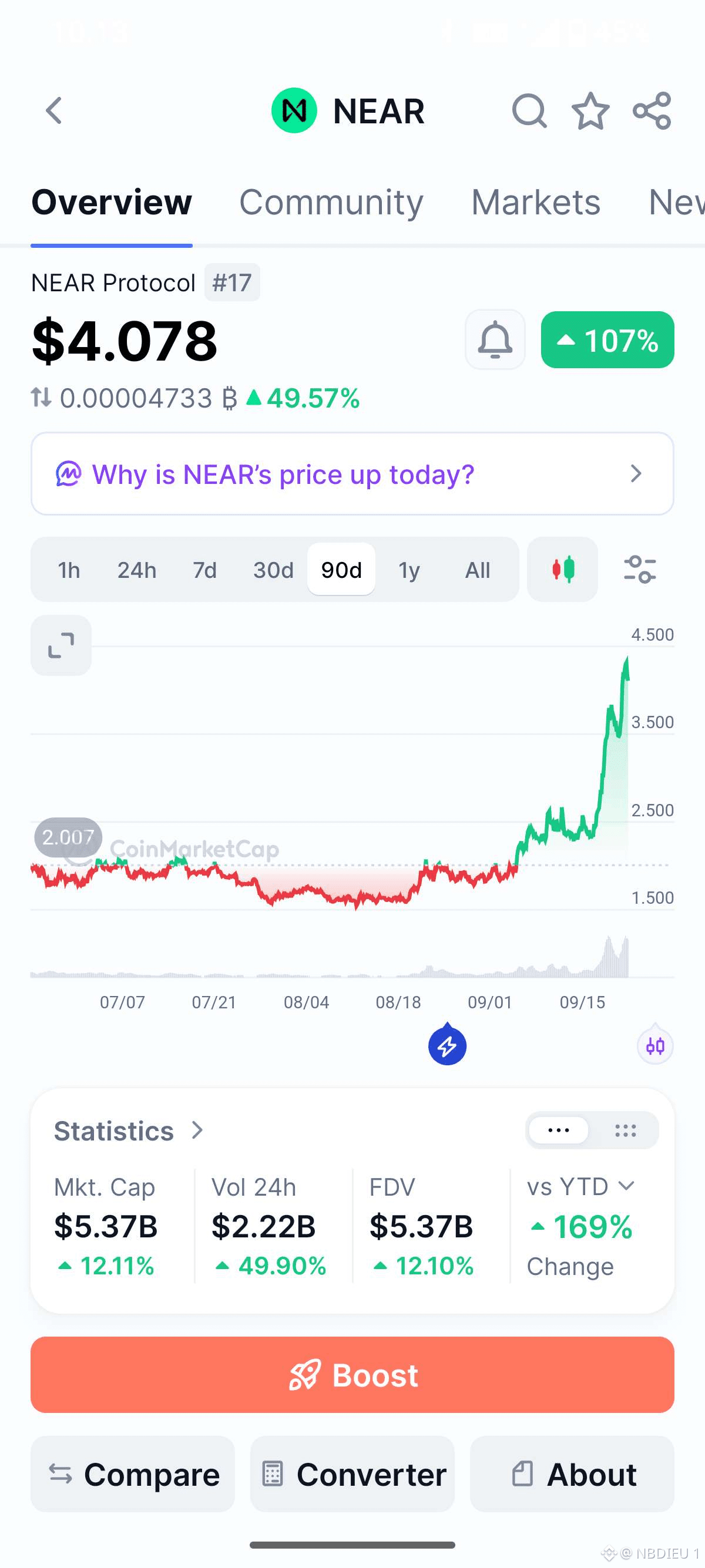
私の見立てでは、今回の上昇は、市場全体のベータと、NEAR固有の勢いの組み合わせです。
市場が扉を開けたのは事実ですが、エコシステムの要因が、NEARに対して不釣り合いな注目を集めるのに役立っています。
免責事項:個人的な見解であり、情報提供のみを目的としています。金融または投資助言ではありません。
$NEARは暗号資産市場のリラリーに“乗っている”だけではありません。
確かに、より広い市場の追い風があります。ビットコインや主要アルトコインが上昇し、小型銘柄が加速するための流動性とリスク選好が生まれています。
しかしNEARは市場を大きく上回っており、その背景にはいくつかのエコシステム要因があります。
最大のものは、NEAR Intentsと、その機密(コンフィデンシャル)な取引インフラの急速な拡大です。
Hyperliquidによって実現されたConfidential Perpetualsが、最近near.comで稼働を開始しました。一方でConfidential TVLは$70Mを超え、さらに上昇を続けています。
同時に、NEAR Intentsは累計取引高が$30Bに近づいており、プロトコルは数百万ドル規模の手数料と収益を生み出しています。
これは重要です。なぜなら、物語が「もう一つのL1」から、クロスチェーン実行、プライベート取引、AI駆動のトランザクションへと移っているからです。
さらに、NEAR@3.33のインセンティブ・プログラムがあり、もう一つ注目を呼び込んでいます。
私の見立てでは、今回の上昇は、市場全体のベータと、NEAR固有の勢いの組み合わせです。
市場が扉を開けたのは事実ですが、エコシステムの要因が、NEARに対して不釣り合いな注目を集めるのに役立っています。
免責事項:個人的な見解であり、情報提供のみを目的としています。金融または投資助言ではありません。
確かに、より広い市場の追い風があります。ビットコインや主要アルトコインが上昇し、小型銘柄が加速するための流動性とリスク選好が生まれています。
しかしNEARは市場を大きく上回っており、その背景にはいくつかのエコシステム要因があります。
最大のものは、NEAR Intentsと、その機密(コンフィデンシャル)な取引インフラの急速な拡大です。
Hyperliquidによって実現されたConfidential Perpetualsが、最近near.comで稼働を開始しました。一方でConfidential TVLは$70Mを超え、さらに上昇を続けています。
同時に、NEAR Intentsは累計取引高が$30Bに近づいており、プロトコルは数百万ドル規模の手数料と収益を生み出しています。
これは重要です。なぜなら、物語が「もう一つのL1」から、クロスチェーン実行、プライベート取引、AI駆動のトランザクションへと移っているからです。
さらに、NEAR@3.33のインセンティブ・プログラムがあり、もう一つ注目を呼び込んでいます。
私の見立てでは、今回の上昇は、市場全体のベータと、NEAR固有の勢いの組み合わせです。
市場が扉を開けたのは事実ですが、エコシステムの要因が、NEARに対して不釣り合いな注目を集めるのに役立っています。
免責事項:個人的な見解であり、情報提供のみを目的としています。金融または投資助言ではありません。
1
1
1.6k
·
--
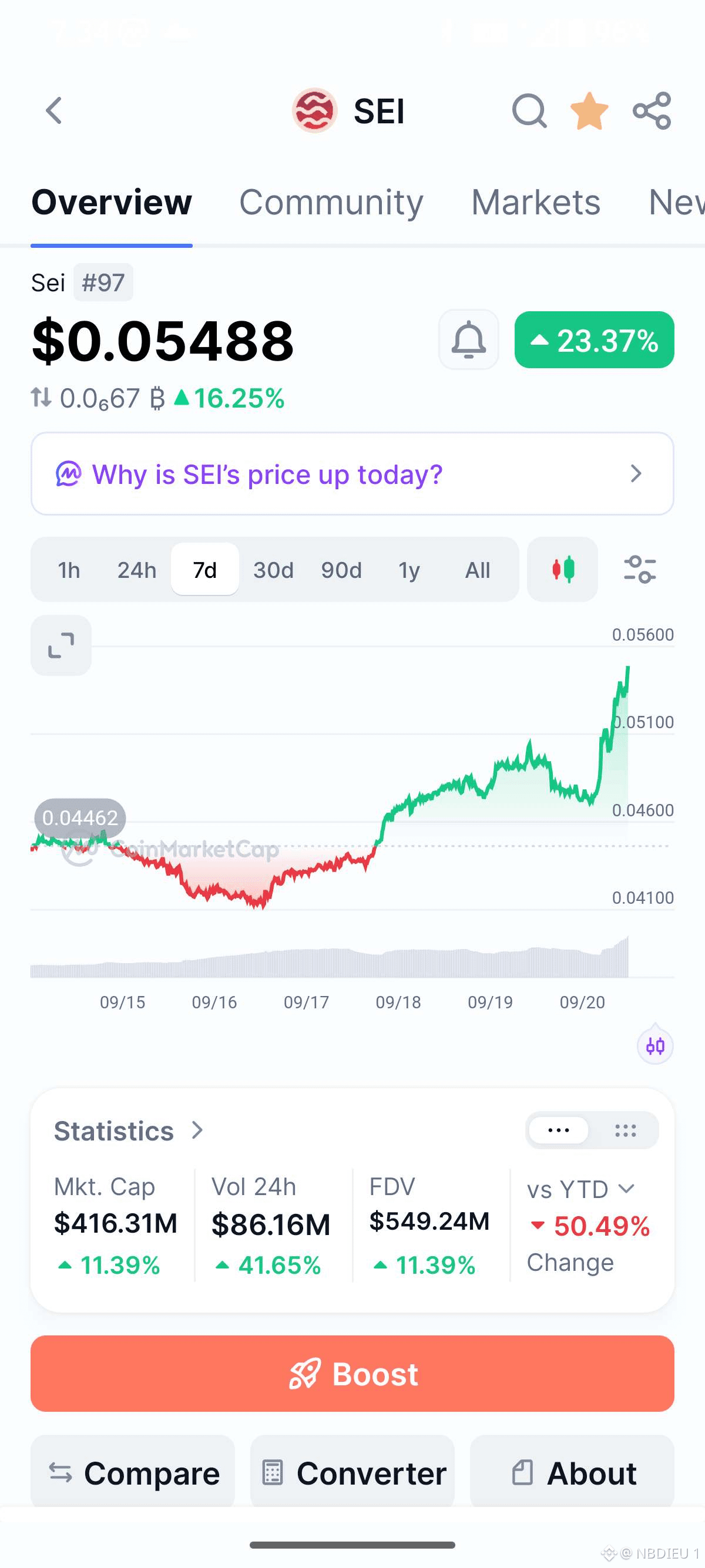
$SEIは、大きなETFのアップデートの後に目覚めようとしています。
Canary Capitalは、Staked SEI ETFについて、提案されているETFがスポットトークンを保有し、その保有の大部分をステーキングする内容で、第2回目の修正(Amendment No. 2)を提出しました。
最新の提出資料では、ETFは約90%をステーキングする見込みであり、BitGoが唯一のカストディアン(受託保管者)として務めると述べています。
市場の反応は素早いものでした。
トークンは現在、$0.055前後で、23%を超える上昇となっており、24時間の出来高は$86Mを超えるまで急増しています。
これは、Seiへの機関投資家のアクセスに向けたもう一つの重要な一歩であると同時に、ステーキングの利回りをETFの構造に組み込むことにもつながります。
ETFはまだ承認されていませんが、更新された提出資料により、構造がより具体的になってきていることが分かります。
長い間価格が弱い動きが続いた後、Seiはついに再び本格的な勢いを取り戻しています。
#Sei #Crypto #ETF
免責事項:本記事は情報提供のみを目的とした個人的見解です。投資または金融に関する助言ではありません。
$SEIは、大きなETFのアップデートの後に目覚めようとしています。
Canary Capitalは、Staked SEI ETFについて、提案されているETFがスポットトークンを保有し、その保有の大部分をステーキングする内容で、第2回目の修正(Amendment No. 2)を提出しました。
最新の提出資料では、ETFは約90%をステーキングする見込みであり、BitGoが唯一のカストディアン(受託保管者)として務めると述べています。
市場の反応は素早いものでした。
トークンは現在、$0.055前後で、23%を超える上昇となっており、24時間の出来高は$86Mを超えるまで急増しています。
これは、Seiへの機関投資家のアクセスに向けたもう一つの重要な一歩であると同時に、ステーキングの利回りをETFの構造に組み込むことにもつながります。
ETFはまだ承認されていませんが、更新された提出資料により、構造がより具体的になってきていることが分かります。
長い間価格が弱い動きが続いた後、Seiはついに再び本格的な勢いを取り戻しています。
#Sei #Crypto #ETF
免責事項:本記事は情報提供のみを目的とした個人的見解です。投資または金融に関する助言ではありません。
Canary Capitalは、Staked SEI ETFについて、提案されているETFがスポットトークンを保有し、その保有の大部分をステーキングする内容で、第2回目の修正(Amendment No. 2)を提出しました。
最新の提出資料では、ETFは約90%をステーキングする見込みであり、BitGoが唯一のカストディアン(受託保管者)として務めると述べています。
市場の反応は素早いものでした。
トークンは現在、$0.055前後で、23%を超える上昇となっており、24時間の出来高は$86Mを超えるまで急増しています。
これは、Seiへの機関投資家のアクセスに向けたもう一つの重要な一歩であると同時に、ステーキングの利回りをETFの構造に組み込むことにもつながります。
ETFはまだ承認されていませんが、更新された提出資料により、構造がより具体的になってきていることが分かります。
長い間価格が弱い動きが続いた後、Seiはついに再び本格的な勢いを取り戻しています。
#Sei #Crypto #ETF
免責事項:本記事は情報提供のみを目的とした個人的見解です。投資または金融に関する助言ではありません。
47
·
--
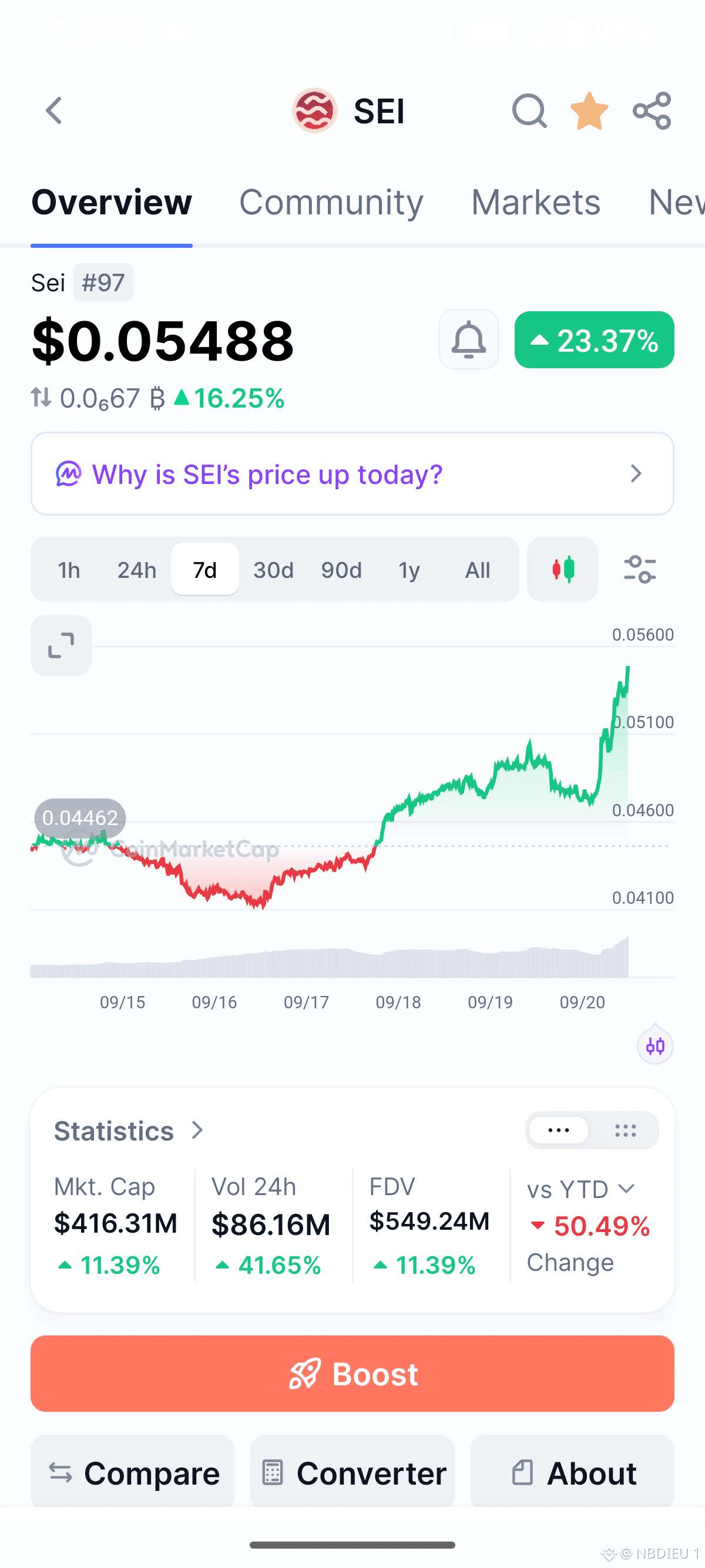
$SEI は大規模な ETF のアップデートの後に目を覚ましています。
Canary Capital は、ステークされた SEI ETF について、提案された ETF が $SEI の現物を保有し、その保有の大部分をステーキングする内容の「第 2 回目の修正(Amendment No. 2)」を提出しました。
最新の提出資料では、ETF が SEI の約 90% をステークする見込みであり、BitGo が唯一のカストディアン(保管業者)を務めるとされています。
市場の反応は素早いものでした。
$SEI は現在 0.055 ドル前後で、23% 以上上昇しており、24時間の出来高は 86M ドル超まで急増しています。
これは、SEI への機関投資家のアクセスにとってもう一つ重要な一歩であると同時に、ステーキング利回りを ETF の構造に組み込むことにもつながります。
ETF はまだ承認されていませんが、更新された提出資料により、構造がより具体的になってきていることが示されています。
長い間弱い値動きが続いた後、$SEI はついに再び本格的な勢いを取り戻しました。
$SEI #Sei #Crypto #ETF
免責事項:本記事は情報提供のみを目的とした個人的見解であり、投資または金融に関する助言ではありません。
$SEI は大規模な ETF のアップデートの後に目を覚ましています。
Canary Capital は、ステークされた SEI ETF について、提案された ETF が $SEI の現物を保有し、その保有の大部分をステーキングする内容の「第 2 回目の修正(Amendment No. 2)」を提出しました。
最新の提出資料では、ETF が SEI の約 90% をステークする見込みであり、BitGo が唯一のカストディアン(保管業者)を務めるとされています。
市場の反応は素早いものでした。
$SEI は現在 0.055 ドル前後で、23% 以上上昇しており、24時間の出来高は 86M ドル超まで急増しています。
これは、SEI への機関投資家のアクセスにとってもう一つ重要な一歩であると同時に、ステーキング利回りを ETF の構造に組み込むことにもつながります。
ETF はまだ承認されていませんが、更新された提出資料により、構造がより具体的になってきていることが示されています。
長い間弱い値動きが続いた後、$SEI はついに再び本格的な勢いを取り戻しました。
$SEI #Sei #Crypto #ETF
免責事項:本記事は情報提供のみを目的とした個人的見解であり、投資または金融に関する助言ではありません。
Canary Capital は、ステークされた SEI ETF について、提案された ETF が $SEI の現物を保有し、その保有の大部分をステーキングする内容の「第 2 回目の修正(Amendment No. 2)」を提出しました。
最新の提出資料では、ETF が SEI の約 90% をステークする見込みであり、BitGo が唯一のカストディアン(保管業者)を務めるとされています。
市場の反応は素早いものでした。
$SEI は現在 0.055 ドル前後で、23% 以上上昇しており、24時間の出来高は 86M ドル超まで急増しています。
これは、SEI への機関投資家のアクセスにとってもう一つ重要な一歩であると同時に、ステーキング利回りを ETF の構造に組み込むことにもつながります。
ETF はまだ承認されていませんが、更新された提出資料により、構造がより具体的になってきていることが示されています。
長い間弱い値動きが続いた後、$SEI はついに再び本格的な勢いを取り戻しました。
$SEI #Sei #Crypto #ETF
免責事項:本記事は情報提供のみを目的とした個人的見解であり、投資または金融に関する助言ではありません。
78
·
--
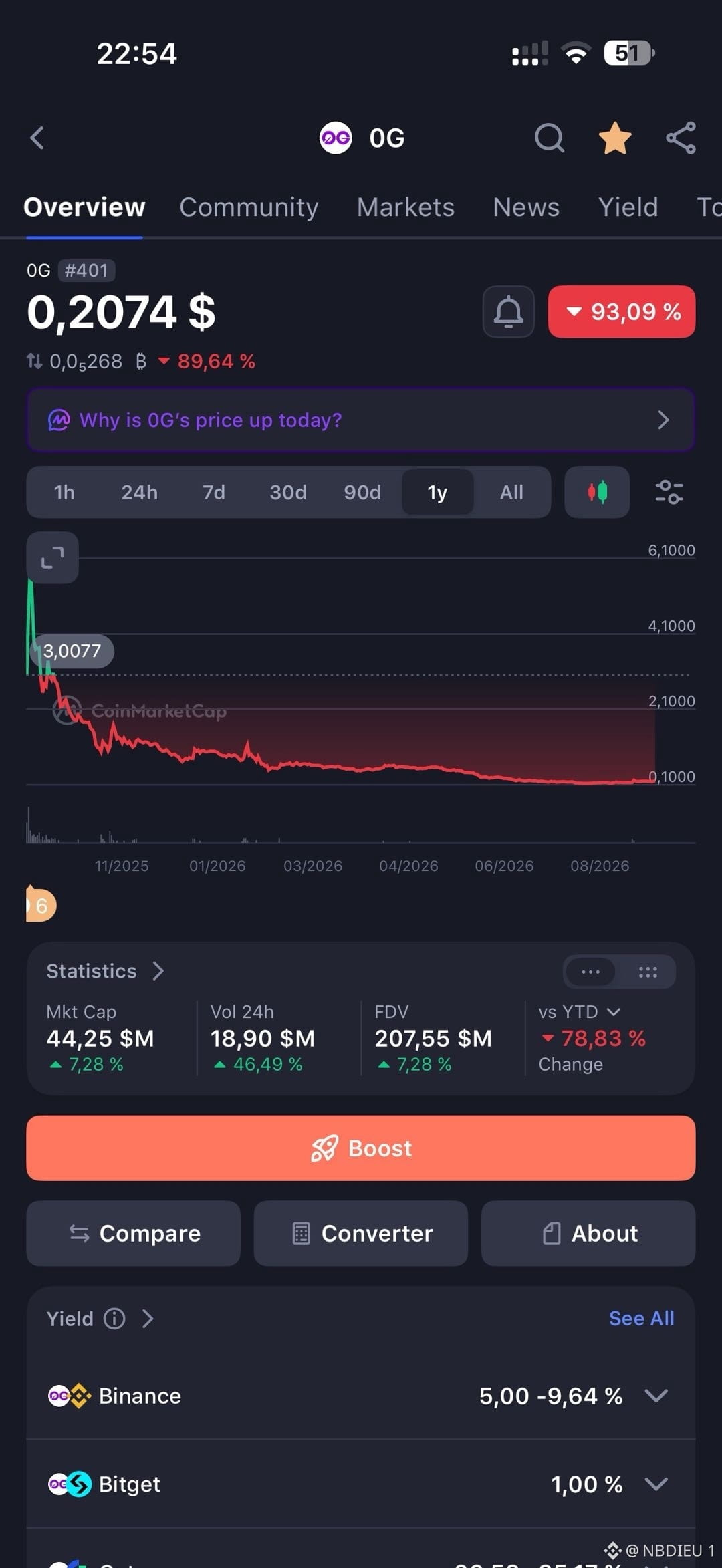
$0G は保有するのにより痛みを伴うAIトークンの一つでしたが、そのエコシステムは別の物語を語っています。
$0G は現在約 $0.21 で、市場規模はおよそ $44M。にもかかわらず、年初来で 78% 以上下落しています。
価格の弱い動きにもかかわらず、0G は AI インフラの拡大を続けています。
エコシステムは現在、AI エージェント、分散型コンピューティング、ストレージ、DeFi、そして AI ネイティブのアプリケーションをカバーし、350+ のプロジェクトにまたがる 400+ の統合を備えています。
最近の動きには、0G 上で動作する新たなフロンティアAIモデル、ERC-8004 のトラストレス・エージェント標準への対応、そして 0G Private Computer の継続的な成長が含まれます。
また、Apollo Accelerator や ETHGlobal のような取り組みを通じて、エコシステムは開発者を惹きつけています。そこでは多数のプロジェクトが 0G 上で構築されてきました。
ここで興味深いズレが生まれています。
トークンは大きく再評価(再価格付け)された一方で、開発とエコシステム活動は拡大し続けているのです。
$0G にとって本当の問いは、この成長するAIエコシステムが、やがて持続可能なネットワーク利用や、意味のあるトークン価値へとつながるかどうかです。
当面の間、$0G は注目に値するAIインフラのプロジェクトの一つであり続けます。
$0G #0G #DeAI #AI #Crypto
免責事項:本稿は情報提供のみを目的とした個人的見解であり、金融または投資助言ではありません。
$0G は保有するのにより痛みを伴うAIトークンの一つでしたが、そのエコシステムは別の物語を語っています。
$0G は現在約 $0.21 で、市場規模はおよそ $44M。にもかかわらず、年初来で 78% 以上下落しています。
価格の弱い動きにもかかわらず、0G は AI インフラの拡大を続けています。
エコシステムは現在、AI エージェント、分散型コンピューティング、ストレージ、DeFi、そして AI ネイティブのアプリケーションをカバーし、350+ のプロジェクトにまたがる 400+ の統合を備えています。
最近の動きには、0G 上で動作する新たなフロンティアAIモデル、ERC-8004 のトラストレス・エージェント標準への対応、そして 0G Private Computer の継続的な成長が含まれます。
また、Apollo Accelerator や ETHGlobal のような取り組みを通じて、エコシステムは開発者を惹きつけています。そこでは多数のプロジェクトが 0G 上で構築されてきました。
ここで興味深いズレが生まれています。
トークンは大きく再評価(再価格付け)された一方で、開発とエコシステム活動は拡大し続けているのです。
$0G にとって本当の問いは、この成長するAIエコシステムが、やがて持続可能なネットワーク利用や、意味のあるトークン価値へとつながるかどうかです。
当面の間、$0G は注目に値するAIインフラのプロジェクトの一つであり続けます。
$0G #0G #DeAI #AI #Crypto
免責事項:本稿は情報提供のみを目的とした個人的見解であり、金融または投資助言ではありません。
$0G は現在約 $0.21 で、市場規模はおよそ $44M。にもかかわらず、年初来で 78% 以上下落しています。
価格の弱い動きにもかかわらず、0G は AI インフラの拡大を続けています。
エコシステムは現在、AI エージェント、分散型コンピューティング、ストレージ、DeFi、そして AI ネイティブのアプリケーションをカバーし、350+ のプロジェクトにまたがる 400+ の統合を備えています。
最近の動きには、0G 上で動作する新たなフロンティアAIモデル、ERC-8004 のトラストレス・エージェント標準への対応、そして 0G Private Computer の継続的な成長が含まれます。
また、Apollo Accelerator や ETHGlobal のような取り組みを通じて、エコシステムは開発者を惹きつけています。そこでは多数のプロジェクトが 0G 上で構築されてきました。
ここで興味深いズレが生まれています。
トークンは大きく再評価(再価格付け)された一方で、開発とエコシステム活動は拡大し続けているのです。
$0G にとって本当の問いは、この成長するAIエコシステムが、やがて持続可能なネットワーク利用や、意味のあるトークン価値へとつながるかどうかです。
当面の間、$0G は注目に値するAIインフラのプロジェクトの一つであり続けます。
$0G #0G #DeAI #AI #Crypto
免責事項:本稿は情報提供のみを目的とした個人的見解であり、金融または投資助言ではありません。
75
·
--
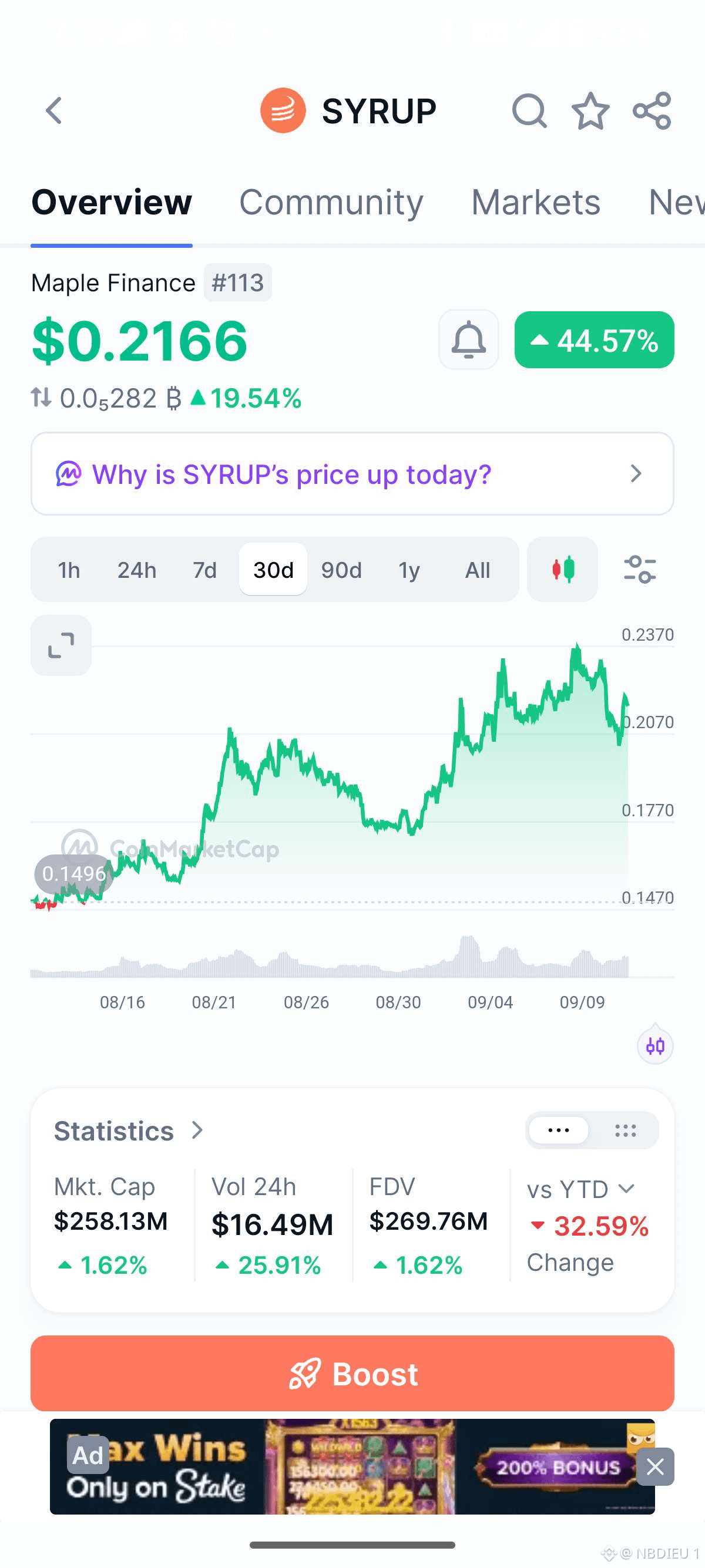
$SYRUPは私が注目しているRWAトークンの一つです。
Maple Financeは、RWAの物語に対して異なるアプローチを取っています。従来の資産を単にトークン化するのではなく、オンチェーン上の機関投資家向け信用市場を構築しているのです。
Mapleは現在、AUM(運用資産残高)が4.8Bドル超で、syrupUSDC、syrupUSDT、syrupUSDGなどのプロダクトによって、機関投資家向け融資から生み出される利回りへのアクセスをユーザーに提供しています。
より面白いのは、プロトコルの収益とトークンのつながりです。
2026年に、ルールベースの買い戻しメカニズムが導入され、プロトコル収益の一部がSYRUPのリパーチェス(買い戻し)に連動する形になりました。
同時にMapleは、格付け証券、資産担保証券化、バイストレードなどの領域へ融資戦略を拡大しています。
つまり、論点は「RWAが成長している」以上のものになってきています。
それは、機関投資家向けクレジットが持続可能なオンチェーン事業になり得るのか、そして $SYRUPがその成長の一部を取り込めるのか――という点です。
これは私が特に注目しているRWAプロジェクトの一つです。
$SYRUP #MapleFinance #RWA #DeFi
免責事項:情報提供のみを目的とした個人的見解であり、金融・投資助言ではありません。
$SYRUPは私が注目しているRWAトークンの一つです。
Maple Financeは、RWAの物語に対して異なるアプローチを取っています。従来の資産を単にトークン化するのではなく、オンチェーン上の機関投資家向け信用市場を構築しているのです。
Mapleは現在、AUM(運用資産残高)が4.8Bドル超で、syrupUSDC、syrupUSDT、syrupUSDGなどのプロダクトによって、機関投資家向け融資から生み出される利回りへのアクセスをユーザーに提供しています。
より面白いのは、プロトコルの収益とトークンのつながりです。
2026年に、ルールベースの買い戻しメカニズムが導入され、プロトコル収益の一部がSYRUPのリパーチェス(買い戻し)に連動する形になりました。
同時にMapleは、格付け証券、資産担保証券化、バイストレードなどの領域へ融資戦略を拡大しています。
つまり、論点は「RWAが成長している」以上のものになってきています。
それは、機関投資家向けクレジットが持続可能なオンチェーン事業になり得るのか、そして $SYRUPがその成長の一部を取り込めるのか――という点です。
これは私が特に注目しているRWAプロジェクトの一つです。
$SYRUP #MapleFinance #RWA #DeFi
免責事項:情報提供のみを目的とした個人的見解であり、金融・投資助言ではありません。
Maple Financeは、RWAの物語に対して異なるアプローチを取っています。従来の資産を単にトークン化するのではなく、オンチェーン上の機関投資家向け信用市場を構築しているのです。
Mapleは現在、AUM(運用資産残高)が4.8Bドル超で、syrupUSDC、syrupUSDT、syrupUSDGなどのプロダクトによって、機関投資家向け融資から生み出される利回りへのアクセスをユーザーに提供しています。
より面白いのは、プロトコルの収益とトークンのつながりです。
2026年に、ルールベースの買い戻しメカニズムが導入され、プロトコル収益の一部がSYRUPのリパーチェス(買い戻し)に連動する形になりました。
同時にMapleは、格付け証券、資産担保証券化、バイストレードなどの領域へ融資戦略を拡大しています。
つまり、論点は「RWAが成長している」以上のものになってきています。
それは、機関投資家向けクレジットが持続可能なオンチェーン事業になり得るのか、そして $SYRUPがその成長の一部を取り込めるのか――という点です。
これは私が特に注目しているRWAプロジェクトの一つです。
$SYRUP #MapleFinance #RWA #DeFi
免責事項:情報提供のみを目的とした個人的見解であり、金融・投資助言ではありません。
3
·
--
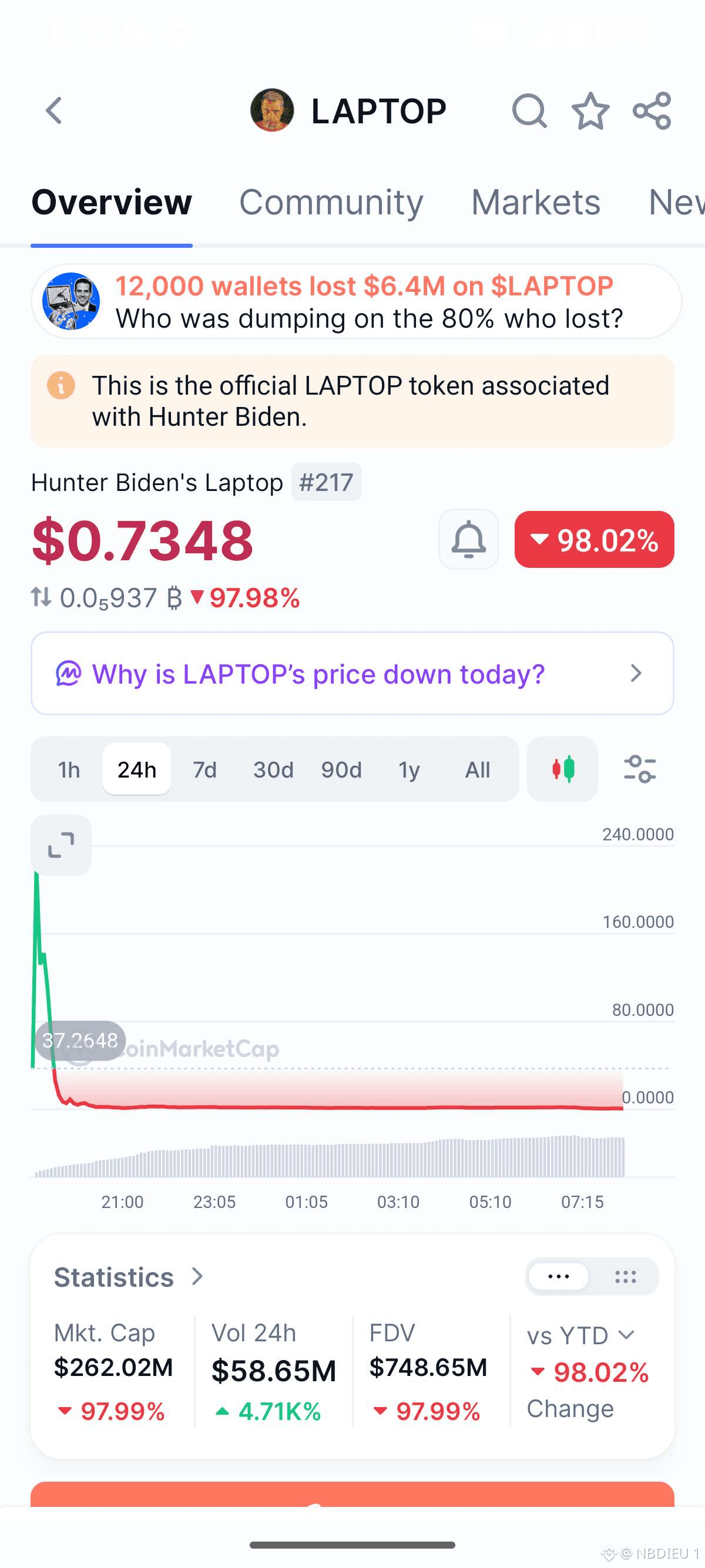
$LAPTOP は、仮想通貨が政治をメムのカジノに変えてしまったときに何が起きるのか、その完璧な例かもしれません。
ハンター・バイデンによって立ち上げられたメムコインで、部分的には $TRUMP への“反応”として位置づけられ、さらにエアドロップで一部の $TRUMP 陣営の敗者を狙ったとも言われています。
結果は?
大きな初動の急騰のあと、容赦ない崩落。報道によれば、約12,000のウォレットが損失を被り、取引した人の約80%が含み損の状態に終わったとのことです。
仮想通貨には本当に変なユーモアのセンスがあります。
まず、トランプ一家が政治的なメムコインを立ち上げました。
次に、バイデン一家がそれぞれのバージョンを出してきた。
そしてなぜか、一般の投資家はそれでも今回は違うと信じることが期待されている。
本当の“アルファ”はメムを買うことではないのかもしれません。
見るべきは、誰がイグジット・リクイディティを手にするかです。
$LAPTOP $TRUMP #MemeCoin #Crypto
$LAPTOP は、仮想通貨が政治をメムのカジノに変えてしまったときに何が起きるのか、その完璧な例かもしれません。
ハンター・バイデンによって立ち上げられたメムコインで、部分的には $TRUMP への“反応”として位置づけられ、さらにエアドロップで一部の $TRUMP 陣営の敗者を狙ったとも言われています。
結果は?
大きな初動の急騰のあと、容赦ない崩落。報道によれば、約12,000のウォレットが損失を被り、取引した人の約80%が含み損の状態に終わったとのことです。
仮想通貨には本当に変なユーモアのセンスがあります。
まず、トランプ一家が政治的なメムコインを立ち上げました。
次に、バイデン一家がそれぞれのバージョンを出してきた。
そしてなぜか、一般の投資家はそれでも今回は違うと信じることが期待されている。
本当の“アルファ”はメムを買うことではないのかもしれません。
見るべきは、誰がイグジット・リクイディティを手にするかです。
$LAPTOP $TRUMP #MemeCoin #Crypto
ハンター・バイデンによって立ち上げられたメムコインで、部分的には $TRUMP への“反応”として位置づけられ、さらにエアドロップで一部の $TRUMP 陣営の敗者を狙ったとも言われています。
結果は?
大きな初動の急騰のあと、容赦ない崩落。報道によれば、約12,000のウォレットが損失を被り、取引した人の約80%が含み損の状態に終わったとのことです。
仮想通貨には本当に変なユーモアのセンスがあります。
まず、トランプ一家が政治的なメムコインを立ち上げました。
次に、バイデン一家がそれぞれのバージョンを出してきた。
そしてなぜか、一般の投資家はそれでも今回は違うと信じることが期待されている。
本当の“アルファ”はメムを買うことではないのかもしれません。
見るべきは、誰がイグジット・リクイディティを手にするかです。
$LAPTOP $TRUMP #MemeCoin #Crypto
53
·
--
$ONDOはRWA(現実世界資産)セクターで最大級の知名度を持つ名前の1つです。
Ondo Financeは、米国債、利回りを生む商品、株式、ETFなど、伝統的な金融資産をオンチェーン化するためのインフラを構築しています。
より大きなチャンスは、単に資産をトークン化することだけではありません。DeFiの中でこれらの資産を“使える”状態にすること、つまり流動性があり、組み合わせ可能で、オンチェーン上で利用可能にすることです。
USDYはその良い例で、短期の米国債を主な裏付けとして、ドル建ての利回りを暗号資産エコシステムに持ち込みます。
一方で、$ONDOは引き続きOndoエコシステムのガバナンストークンです。
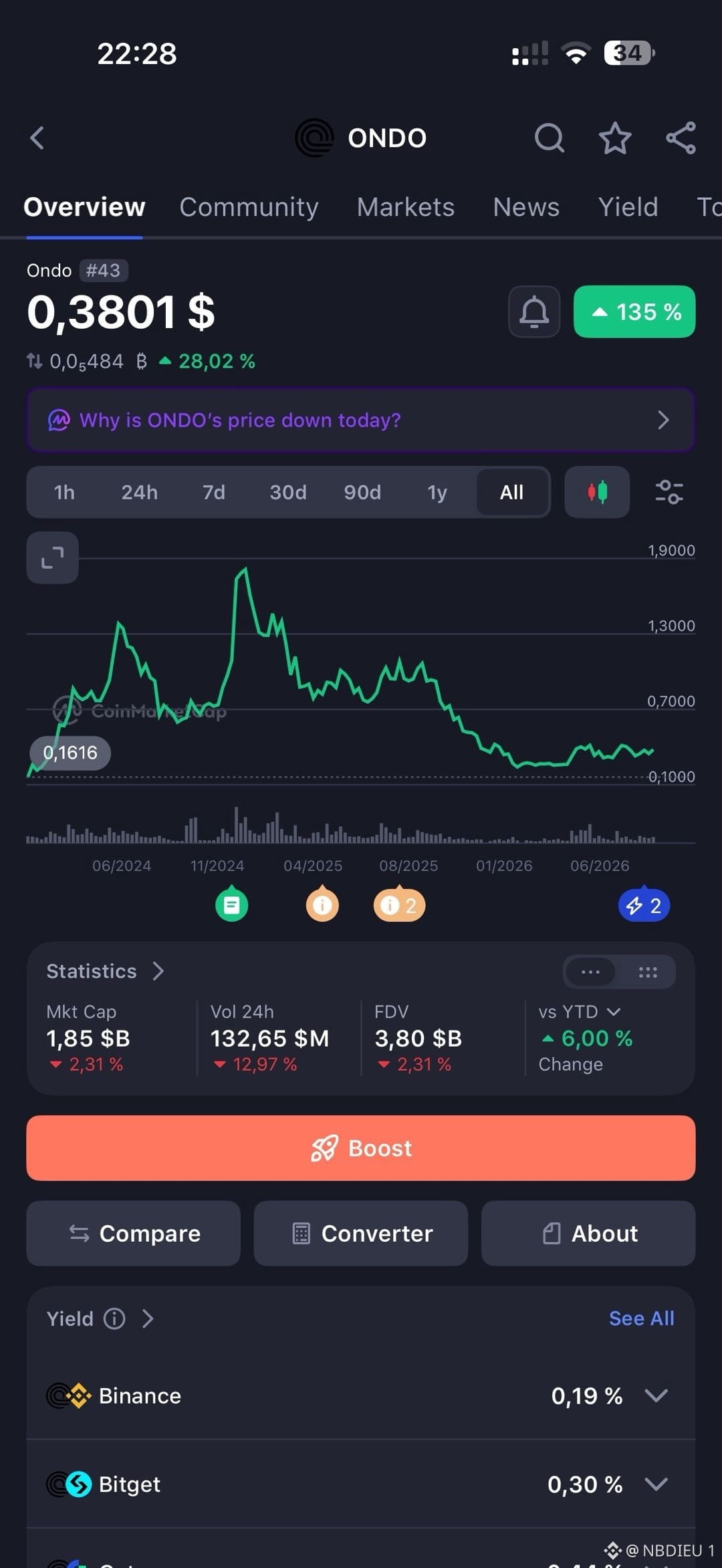
約$0.38で時価総額はおよそ$1.85B。とはいえ、$ONDOは依然として過去最高値には大きく届いていません。しかしRWAのストーリーは今も拡大を続けており、Ondoは伝統的金融と暗号のちょうど交差点に位置しています。
私が興味を持つのは、Ondoがトークン化された現実世界資産の成長を、自社エコシステムにとって持続可能な価値へと変えられるかどうかです。
RWAはまだ初期段階です。
$ONDO #Ondo #RWA #DeFi
免責事項:個人的な見解であり、情報提供のみを目的としています。金融または投資助言ではありません。
$ONDOはRWA(現実世界資産)セクターで最大級の知名度を持つ名前の1つです。
Ondo Financeは、米国債、利回りを生む商品、株式、ETFなど、伝統的な金融資産をオンチェーン化するためのインフラを構築しています。
より大きなチャンスは、単に資産をトークン化することだけではありません。DeFiの中でこれらの資産を“使える”状態にすること、つまり流動性があり、組み合わせ可能で、オンチェーン上で利用可能にすることです。
USDYはその良い例で、短期の米国債を主な裏付けとして、ドル建ての利回りを暗号資産エコシステムに持ち込みます。
一方で、$ONDOは引き続きOndoエコシステムのガバナンストークンです。
約$0.38で時価総額はおよそ$1.85B。とはいえ、$ONDOは依然として過去最高値には大きく届いていません。しかしRWAのストーリーは今も拡大を続けており、Ondoは伝統的金融と暗号のちょうど交差点に位置しています。
私が興味を持つのは、Ondoがトークン化された現実世界資産の成長を、自社エコシステムにとって持続可能な価値へと変えられるかどうかです。
RWAはまだ初期段階です。
$ONDO #Ondo #RWA #DeFi
免責事項:個人的な見解であり、情報提供のみを目的としています。金融または投資助言ではありません。
Ondo Financeは、米国債、利回りを生む商品、株式、ETFなど、伝統的な金融資産をオンチェーン化するためのインフラを構築しています。
より大きなチャンスは、単に資産をトークン化することだけではありません。DeFiの中でこれらの資産を“使える”状態にすること、つまり流動性があり、組み合わせ可能で、オンチェーン上で利用可能にすることです。
USDYはその良い例で、短期の米国債を主な裏付けとして、ドル建ての利回りを暗号資産エコシステムに持ち込みます。
一方で、$ONDOは引き続きOndoエコシステムのガバナンストークンです。
約$0.38で時価総額はおよそ$1.85B。とはいえ、$ONDOは依然として過去最高値には大きく届いていません。しかしRWAのストーリーは今も拡大を続けており、Ondoは伝統的金融と暗号のちょうど交差点に位置しています。
私が興味を持つのは、Ondoがトークン化された現実世界資産の成長を、自社エコシステムにとって持続可能な価値へと変えられるかどうかです。
RWAはまだ初期段階です。
$ONDO #Ondo #RWA #DeFi
免責事項:個人的な見解であり、情報提供のみを目的としています。金融または投資助言ではありません。
80
·
--
$CETUSは多くの経験をしてきました。
Suiにおける主要なDeFiプロトコルの一つとして、Cetusはエコシステムの初期の成長で大きな役割を果たしました。しかし、2025年5月の$223Mのエクスプロイトが、大きな転機となりました。
プロトコルは生き残り、セキュリティにより強い重点を置いて再ローンチされ、その後も開発を続けました。ですが、$CETUSは市場の信頼が損なわれたことから、完全には回復できていません。
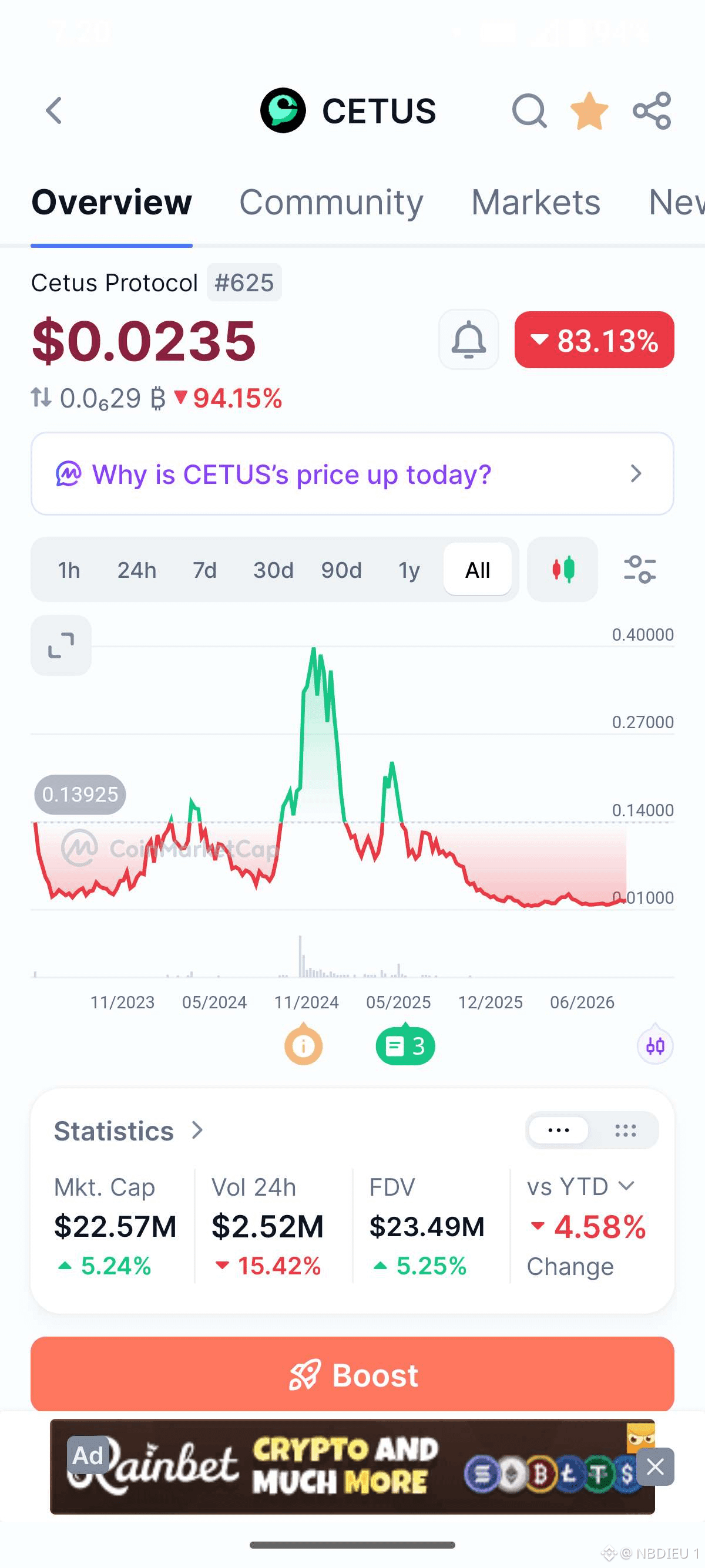
現在、$CETUSはおよそ$0.0235で取引されており、市場規模はわずか約$22.6M。さらにATH(過去最高値)からは94%以上も下回っています。
この価格が語る物語は、プロトコルそのものとはまったく異なります。
もはや「Cetusはハックを生き延びたのか?」という問いではありません。生き延びました。
より大きな問題は、CetusがSuiのDeFiにおける地位を取り戻すために、十分な信頼、流動性、そして利用を再構築できるかどうかです。
つらい歴史ですが、もしかすると面白いカムバックの物語になるかもしれません。
$CETUS #Cetus #Sui #DeFi
$CETUSは多くの経験をしてきました。
Suiにおける主要なDeFiプロトコルの一つとして、Cetusはエコシステムの初期の成長で大きな役割を果たしました。しかし、2025年5月の$223Mのエクスプロイトが、大きな転機となりました。
プロトコルは生き残り、セキュリティにより強い重点を置いて再ローンチされ、その後も開発を続けました。ですが、$CETUSは市場の信頼が損なわれたことから、完全には回復できていません。
現在、$CETUSはおよそ$0.0235で取引されており、市場規模はわずか約$22.6M。さらにATH(過去最高値)からは94%以上も下回っています。
この価格が語る物語は、プロトコルそのものとはまったく異なります。
もはや「Cetusはハックを生き延びたのか?」という問いではありません。生き延びました。
より大きな問題は、CetusがSuiのDeFiにおける地位を取り戻すために、十分な信頼、流動性、そして利用を再構築できるかどうかです。
つらい歴史ですが、もしかすると面白いカムバックの物語になるかもしれません。
$CETUS #Cetus #Sui #DeFi
Suiにおける主要なDeFiプロトコルの一つとして、Cetusはエコシステムの初期の成長で大きな役割を果たしました。しかし、2025年5月の$223Mのエクスプロイトが、大きな転機となりました。
プロトコルは生き残り、セキュリティにより強い重点を置いて再ローンチされ、その後も開発を続けました。ですが、$CETUSは市場の信頼が損なわれたことから、完全には回復できていません。
現在、$CETUSはおよそ$0.0235で取引されており、市場規模はわずか約$22.6M。さらにATH(過去最高値)からは94%以上も下回っています。
この価格が語る物語は、プロトコルそのものとはまったく異なります。
もはや「Cetusはハックを生き延びたのか?」という問いではありません。生き延びました。
より大きな問題は、CetusがSuiのDeFiにおける地位を取り戻すために、十分な信頼、流動性、そして利用を再構築できるかどうかです。
つらい歴史ですが、もしかすると面白いカムバックの物語になるかもしれません。
$CETUS #Cetus #Sui #DeFi
83
·
--
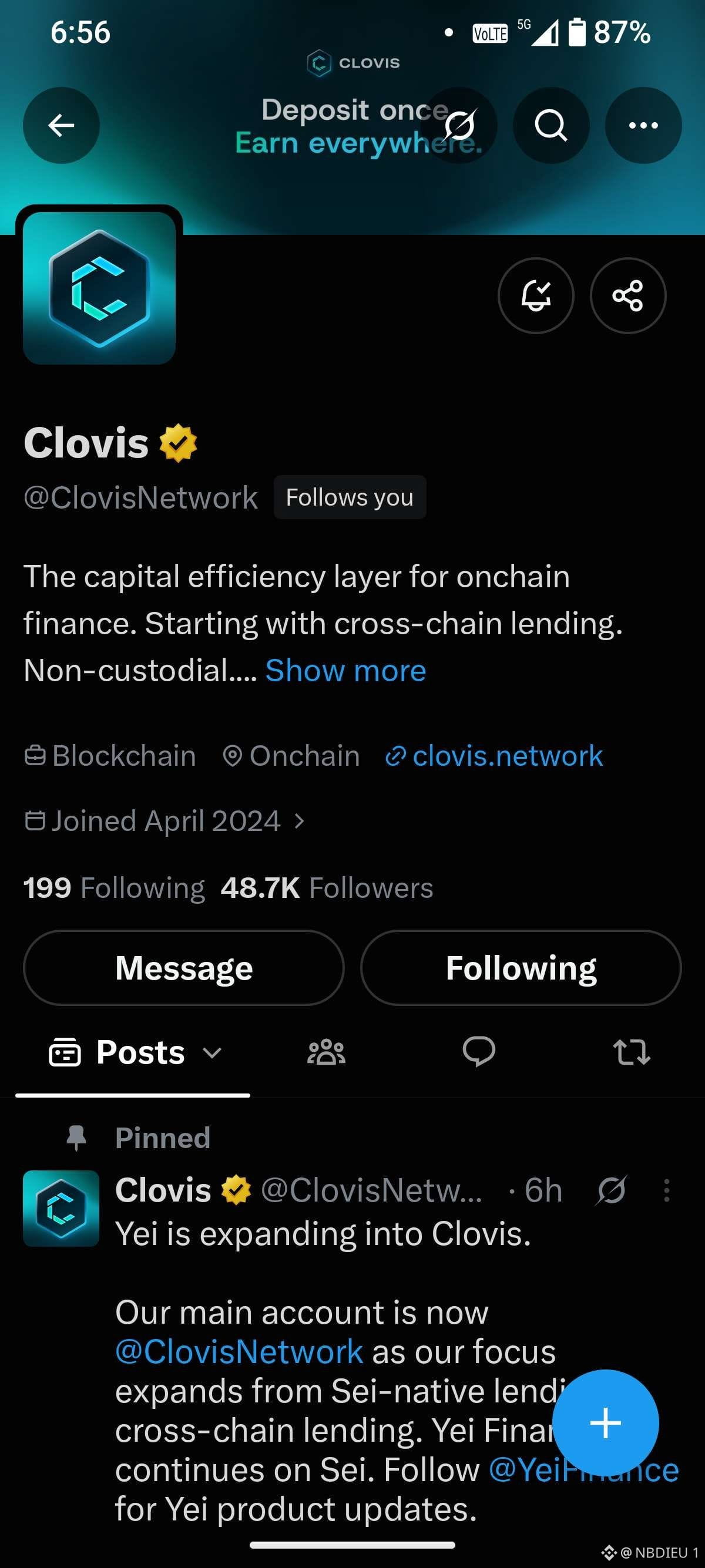
YeiはClovisへと生まれ変わります。
これは単なるリブランディングではありません。チームにとって、より広い方向性を示すものです。
Yei Financeは、Seiネイティブの貸付に重点を置いて始まりました。現在は、クロスチェーンの貸付と資本効率へとビジョンを広げており、Clovisが主要なエコシステムおよびアカウントになります。
Yei Financeは引き続きSei上で展開し、Clovisは複数のチェーンにまたがる流動性の接続に注力します。
ClovisのテストネットはすでにEthereum、Base、Sei、BNB Chain全体で稼働しており、次のシンプルな考え方を軸に構築されています。
1つのチェーンに預ける。資金を自分で移動させることなく、ネットワーク全体で運用し、借り入れる。
同じチーム。より大きなビジョン。
$CLO
YeiはClovisへと生まれ変わります。
これは単なるリブランディングではありません。チームにとって、より広い方向性を示すものです。
Yei Financeは、Seiネイティブの貸付に重点を置いて始まりました。現在は、クロスチェーンの貸付と資本効率へとビジョンを広げており、Clovisが主要なエコシステムおよびアカウントになります。
Yei Financeは引き続きSei上で展開し、Clovisは複数のチェーンにまたがる流動性の接続に注力します。
ClovisのテストネットはすでにEthereum、Base、Sei、BNB Chain全体で稼働しており、次のシンプルな考え方を軸に構築されています。
1つのチェーンに預ける。資金を自分で移動させることなく、ネットワーク全体で運用し、借り入れる。
同じチーム。より大きなビジョン。
$CLO
これは単なるリブランディングではありません。チームにとって、より広い方向性を示すものです。
Yei Financeは、Seiネイティブの貸付に重点を置いて始まりました。現在は、クロスチェーンの貸付と資本効率へとビジョンを広げており、Clovisが主要なエコシステムおよびアカウントになります。
Yei Financeは引き続きSei上で展開し、Clovisは複数のチェーンにまたがる流動性の接続に注力します。
ClovisのテストネットはすでにEthereum、Base、Sei、BNB Chain全体で稼働しており、次のシンプルな考え方を軸に構築されています。
1つのチェーンに預ける。資金を自分で移動させることなく、ネットワーク全体で運用し、借り入れる。
同じチーム。より大きなビジョン。
$CLO
·
--
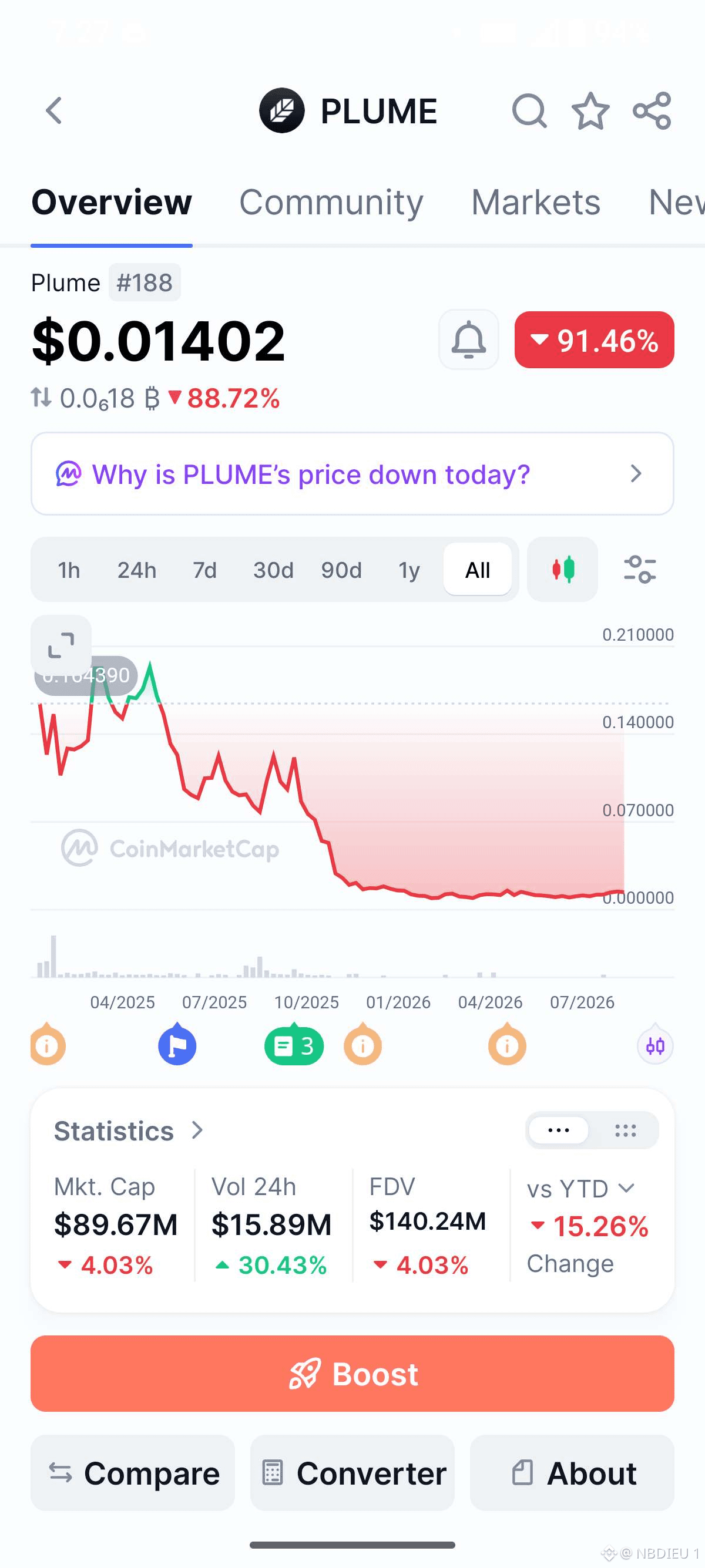
$PLUMEはATHから91%以上下落しており、時価総額は現在1億ドルを下回っています。
そのチャートはかなり痛々しいですが、Plumeの背後にあるRWAのテーマは依然として興味深いです。
Plumeは、Real-World AssetsとRWAfiに特化したブロックチェーンを構築しており、トークン化された資産をオンチェーンにもたらし、貸付、取引、利回り、その他の金融アプリケーションを通じてDeFi全体で利用できるようにすることを目指しています。
これは重要です。なぜなら、RWAの次の段階は単に資産をトークン化することではないかもしれないからです。より大きな機会は、それらの資産をオンチェーン上で生産的にし、流動的にし、組み合わせ可能にすることです。
トークン価格は、$PLUMEに対する市場の信頼が大きく失われたことを明確に示しています。しかし、91%の下落は、市場が現在、はるかに低い期待を織り込んでいることも意味します。
問題は、Plumeが拡大するRWAエコシステムを実際の利用とネットワークにとって意味のある価値へと変えられるかどうかです。
安いからといって、自動的に割安とは限りません。
それでも、$PLUMEは間違いなく注目に値するRWAトークンの一つです。
#RWA #token
$PLUMEはATHから91%以上下落しており、時価総額は現在1億ドルを下回っています。
そのチャートはかなり痛々しいですが、Plumeの背後にあるRWAのテーマは依然として興味深いです。
Plumeは、Real-World AssetsとRWAfiに特化したブロックチェーンを構築しており、トークン化された資産をオンチェーンにもたらし、貸付、取引、利回り、その他の金融アプリケーションを通じてDeFi全体で利用できるようにすることを目指しています。
これは重要です。なぜなら、RWAの次の段階は単に資産をトークン化することではないかもしれないからです。より大きな機会は、それらの資産をオンチェーン上で生産的にし、流動的にし、組み合わせ可能にすることです。
トークン価格は、$PLUMEに対する市場の信頼が大きく失われたことを明確に示しています。しかし、91%の下落は、市場が現在、はるかに低い期待を織り込んでいることも意味します。
問題は、Plumeが拡大するRWAエコシステムを実際の利用とネットワークにとって意味のある価値へと変えられるかどうかです。
安いからといって、自動的に割安とは限りません。
それでも、$PLUMEは間違いなく注目に値するRWAトークンの一つです。
#RWA #token
そのチャートはかなり痛々しいですが、Plumeの背後にあるRWAのテーマは依然として興味深いです。
Plumeは、Real-World AssetsとRWAfiに特化したブロックチェーンを構築しており、トークン化された資産をオンチェーンにもたらし、貸付、取引、利回り、その他の金融アプリケーションを通じてDeFi全体で利用できるようにすることを目指しています。
これは重要です。なぜなら、RWAの次の段階は単に資産をトークン化することではないかもしれないからです。より大きな機会は、それらの資産をオンチェーン上で生産的にし、流動的にし、組み合わせ可能にすることです。
トークン価格は、$PLUMEに対する市場の信頼が大きく失われたことを明確に示しています。しかし、91%の下落は、市場が現在、はるかに低い期待を織り込んでいることも意味します。
問題は、Plumeが拡大するRWAエコシステムを実際の利用とネットワークにとって意味のある価値へと変えられるかどうかです。
安いからといって、自動的に割安とは限りません。
それでも、$PLUMEは間違いなく注目に値するRWAトークンの一つです。
#RWA #token
1
1
72
·
--
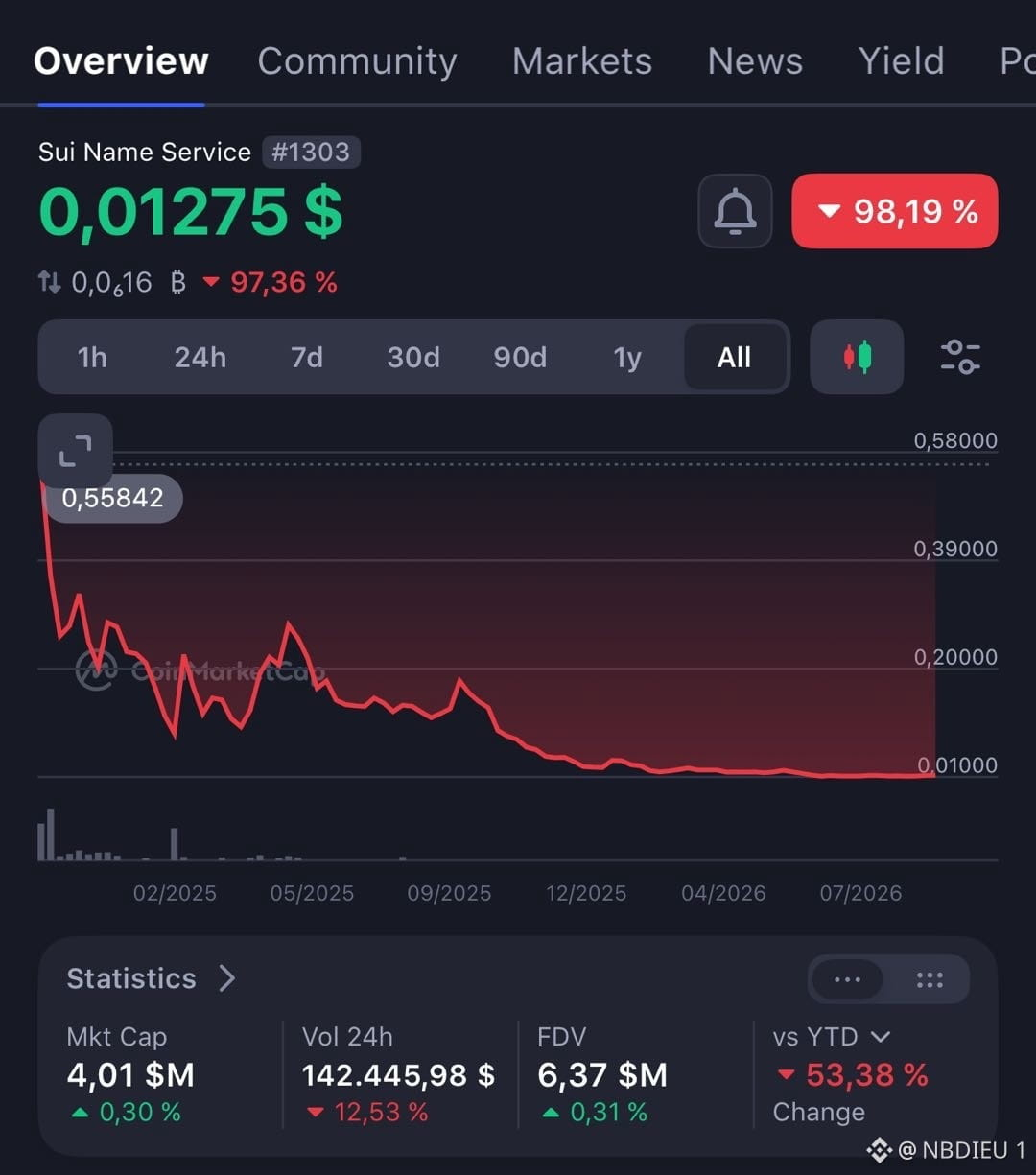
$NS - Sui Name Serviceの裏にあるトークンは、ATHから97%以上下落しています。
本日約$0.013の水準で、時価総額はわずか数百万ドルにすぎません。
そして、ここから話は面白くなります。
SuiNSは単なるランダムなSuiプロジェクトではありません。Suiエコシステムにおける中核的なネーミングおよびアイデンティティ層であり、$NSはガバナンスと割引された名前購入のために設計されています。
しかし、問題は明白です:
良いプロダクト ≠ 強いトークン需要。
$NSの総供給量は5億枚で、その28%がコア貢献者と初期支援者に割り当てられています。チームと投資家のトークンは時間をかけてロック解除され、一方でMysten Labsには独自の4年間のロック解除スケジュールがあります。
その一方で、このトークンはガバナンスやSuiNS関連のユーティリティ以外での需要がまだ比較的限定的です。
では、どうしてここまで来たのでしょうか?
Suiエコシステムは成長しても、$NSはその成長をうまく取り込めずにいます。
本当に重要な প্রশ্নは、SuiNSに有用なプロダクトがあるかどうかではありません。
SuiNSが$NSに十分な需要を生み出せるかどうかです。
時価総額がわずか数百万ドルである今、この状況が変われば上昇余地は非常に大きいかもしれません。
しかしそれまでは、$NSは強いプロダクトを持ちながらトークン価値の取り込みが弱い、興味深い事例として残り続けます。
$NSは、Suiエコシステムで最も見落とされているマイクロキャップの一つなのでしょうか?👀
NFA
$NS - Sui Name Serviceの裏にあるトークンは、ATHから97%以上下落しています。
本日約$0.013の水準で、時価総額はわずか数百万ドルにすぎません。
そして、ここから話は面白くなります。
SuiNSは単なるランダムなSuiプロジェクトではありません。Suiエコシステムにおける中核的なネーミングおよびアイデンティティ層であり、$NSはガバナンスと割引された名前購入のために設計されています。
しかし、問題は明白です:
良いプロダクト ≠ 強いトークン需要。
$NSの総供給量は5億枚で、その28%がコア貢献者と初期支援者に割り当てられています。チームと投資家のトークンは時間をかけてロック解除され、一方でMysten Labsには独自の4年間のロック解除スケジュールがあります。
その一方で、このトークンはガバナンスやSuiNS関連のユーティリティ以外での需要がまだ比較的限定的です。
では、どうしてここまで来たのでしょうか?
Suiエコシステムは成長しても、$NSはその成長をうまく取り込めずにいます。
本当に重要な প্রশ্নは、SuiNSに有用なプロダクトがあるかどうかではありません。
SuiNSが$NSに十分な需要を生み出せるかどうかです。
時価総額がわずか数百万ドルである今、この状況が変われば上昇余地は非常に大きいかもしれません。
しかしそれまでは、$NSは強いプロダクトを持ちながらトークン価値の取り込みが弱い、興味深い事例として残り続けます。
$NSは、Suiエコシステムで最も見落とされているマイクロキャップの一つなのでしょうか?👀
NFA
本日約$0.013の水準で、時価総額はわずか数百万ドルにすぎません。
そして、ここから話は面白くなります。
SuiNSは単なるランダムなSuiプロジェクトではありません。Suiエコシステムにおける中核的なネーミングおよびアイデンティティ層であり、$NSはガバナンスと割引された名前購入のために設計されています。
しかし、問題は明白です:
良いプロダクト ≠ 強いトークン需要。
$NSの総供給量は5億枚で、その28%がコア貢献者と初期支援者に割り当てられています。チームと投資家のトークンは時間をかけてロック解除され、一方でMysten Labsには独自の4年間のロック解除スケジュールがあります。
その一方で、このトークンはガバナンスやSuiNS関連のユーティリティ以外での需要がまだ比較的限定的です。
では、どうしてここまで来たのでしょうか?
Suiエコシステムは成長しても、$NSはその成長をうまく取り込めずにいます。
本当に重要な প্রশ্নは、SuiNSに有用なプロダクトがあるかどうかではありません。
SuiNSが$NSに十分な需要を生み出せるかどうかです。
時価総額がわずか数百万ドルである今、この状況が変われば上昇余地は非常に大きいかもしれません。
しかしそれまでは、$NSは強いプロダクトを持ちながらトークン価値の取り込みが弱い、興味深い事例として残り続けます。
$NSは、Suiエコシステムで最も見落とされているマイクロキャップの一つなのでしょうか?👀
NFA
73
·
--
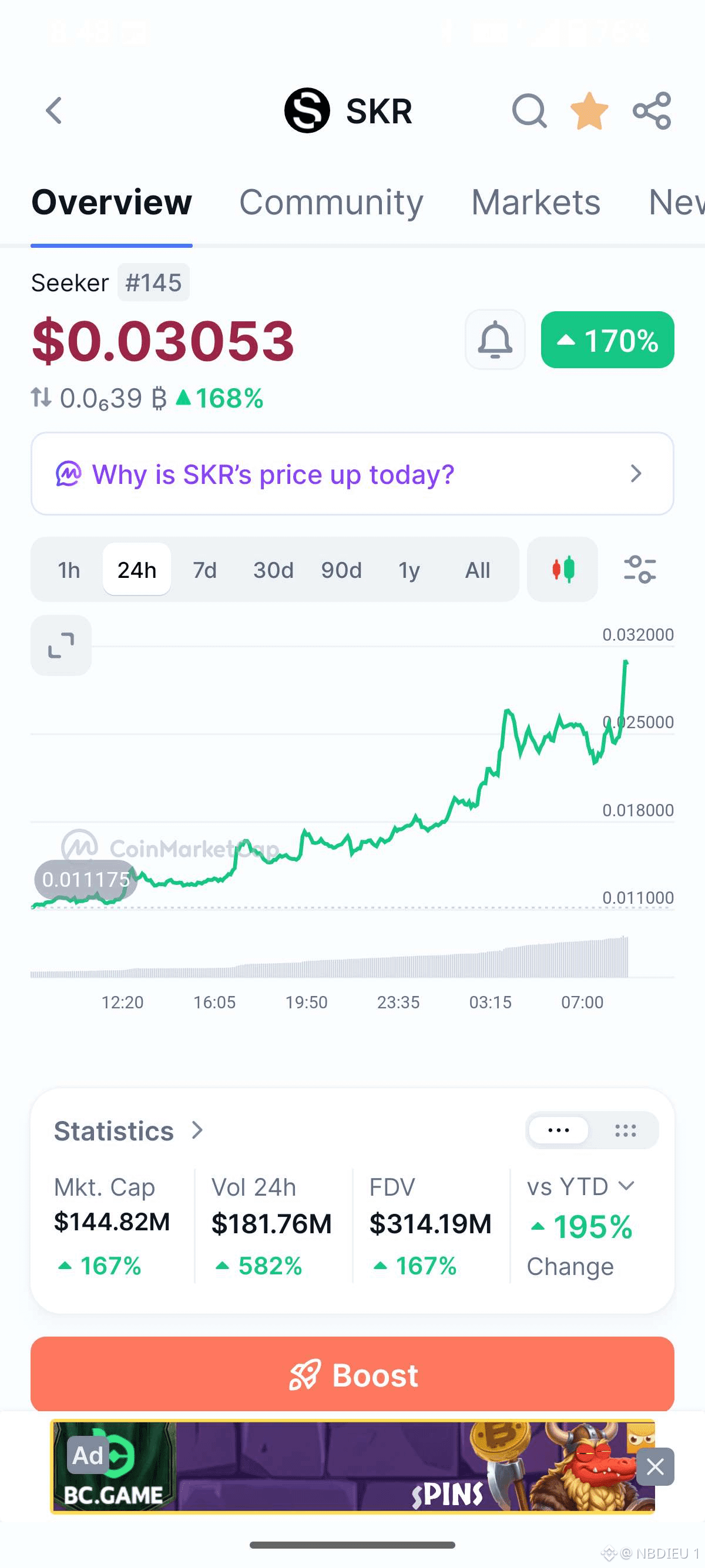
$SKRが目覚めつつある。 🚀
SeekerはちょうどSummerキャンペーンを終え、市場は強く反応している。
SKRは大きく上昇しており、最終的なSeeker Summer Round 4の報酬が請求可能になったことで、24時間出来高が急増している。
これまでの報酬ラウンドを経てより多くのユーザーをSeekerエコシステムに呼び込んできた流れを受け、Round 4の参加者には30M $SKRが割り当てられた。
しかし、より大きな話題は採用拡大だ。
Seeker Summerでは、新しいアプリ、クエスト、バッジ、そしてオンチェーン活動がSeeker体験に直接もたらされた。今、Season 2はすでに進行中だ。
その結果は?
より多くの注目。
より多くのユーザー。
より多くの流動性。
そして突然、$SKRが再びトレーダーのレーダーに戻ってきた。
この動きはすでに非常に大きいため、ボラティリティは今後も高いままである可能性が高い。
本当の問題は、この勢いがSeekerエコシステムへの持続的な需要に変わるかどうかだ。
$SKRはついに、待ち望んでいた注目を集め始めているのかもしれない。 👀
NFA
$SKRが目覚めつつある。 🚀
SeekerはちょうどSummerキャンペーンを終え、市場は強く反応している。
SKRは大きく上昇しており、最終的なSeeker Summer Round 4の報酬が請求可能になったことで、24時間出来高が急増している。
これまでの報酬ラウンドを経てより多くのユーザーをSeekerエコシステムに呼び込んできた流れを受け、Round 4の参加者には30M $SKRが割り当てられた。
しかし、より大きな話題は採用拡大だ。
Seeker Summerでは、新しいアプリ、クエスト、バッジ、そしてオンチェーン活動がSeeker体験に直接もたらされた。今、Season 2はすでに進行中だ。
その結果は?
より多くの注目。
より多くのユーザー。
より多くの流動性。
そして突然、$SKRが再びトレーダーのレーダーに戻ってきた。
この動きはすでに非常に大きいため、ボラティリティは今後も高いままである可能性が高い。
本当の問題は、この勢いがSeekerエコシステムへの持続的な需要に変わるかどうかだ。
$SKRはついに、待ち望んでいた注目を集め始めているのかもしれない。 👀
NFA
SeekerはちょうどSummerキャンペーンを終え、市場は強く反応している。
SKRは大きく上昇しており、最終的なSeeker Summer Round 4の報酬が請求可能になったことで、24時間出来高が急増している。
これまでの報酬ラウンドを経てより多くのユーザーをSeekerエコシステムに呼び込んできた流れを受け、Round 4の参加者には30M $SKRが割り当てられた。
しかし、より大きな話題は採用拡大だ。
Seeker Summerでは、新しいアプリ、クエスト、バッジ、そしてオンチェーン活動がSeeker体験に直接もたらされた。今、Season 2はすでに進行中だ。
その結果は?
より多くの注目。
より多くのユーザー。
より多くの流動性。
そして突然、$SKRが再びトレーダーのレーダーに戻ってきた。
この動きはすでに非常に大きいため、ボラティリティは今後も高いままである可能性が高い。
本当の問題は、この勢いがSeekerエコシステムへの持続的な需要に変わるかどうかだ。
$SKRはついに、待ち望んでいた注目を集め始めているのかもしれない。 👀
NFA
79
·
--
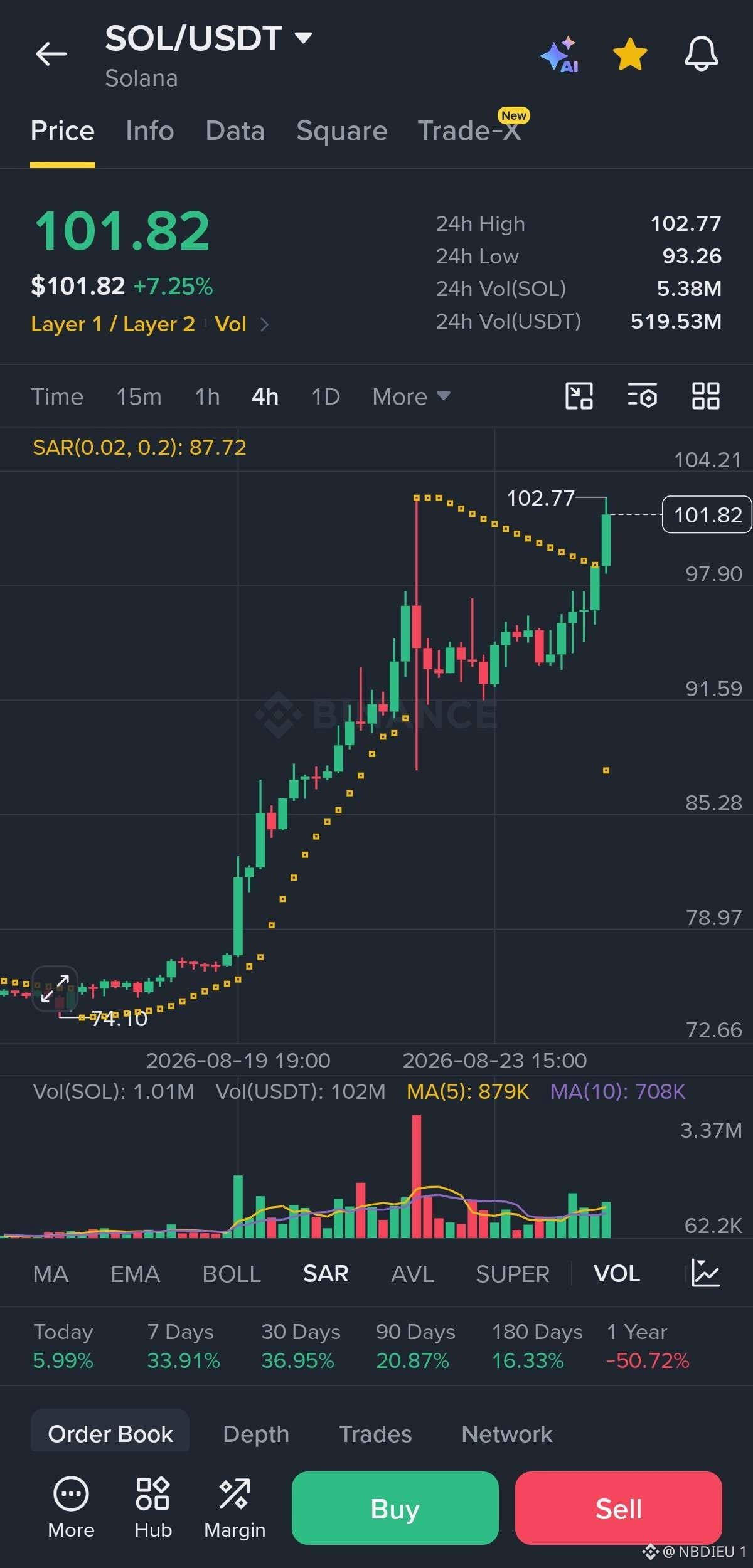
$SOL が再び注目を集めています。
ほんの数週間前、SOL は約 $75 でした。
今では $102 まで上昇し、約 36% の上げです。
チャートは強い勢い、切り上がる高値、そして増加する出来高を示しています。
もし SOL が $98–100 のエリアを維持できれば、新たな ATH に向かう道はさらにずっと面白く見えてきます。
$SOL の巻き返しシーズン? 👀
$SOL が再び注目を集めています。
ほんの数週間前、SOL は約 $75 でした。
今では $102 まで上昇し、約 36% の上げです。
チャートは強い勢い、切り上がる高値、そして増加する出来高を示しています。
もし SOL が $98–100 のエリアを維持できれば、新たな ATH に向かう道はさらにずっと面白く見えてきます。
$SOL の巻き返しシーズン? 👀
ほんの数週間前、SOL は約 $75 でした。
今では $102 まで上昇し、約 36% の上げです。
チャートは強い勢い、切り上がる高値、そして増加する出来高を示しています。
もし SOL が $98–100 のエリアを維持できれば、新たな ATH に向かう道はさらにずっと面白く見えてきます。
$SOL の巻き返しシーズン? 👀
73
·
--
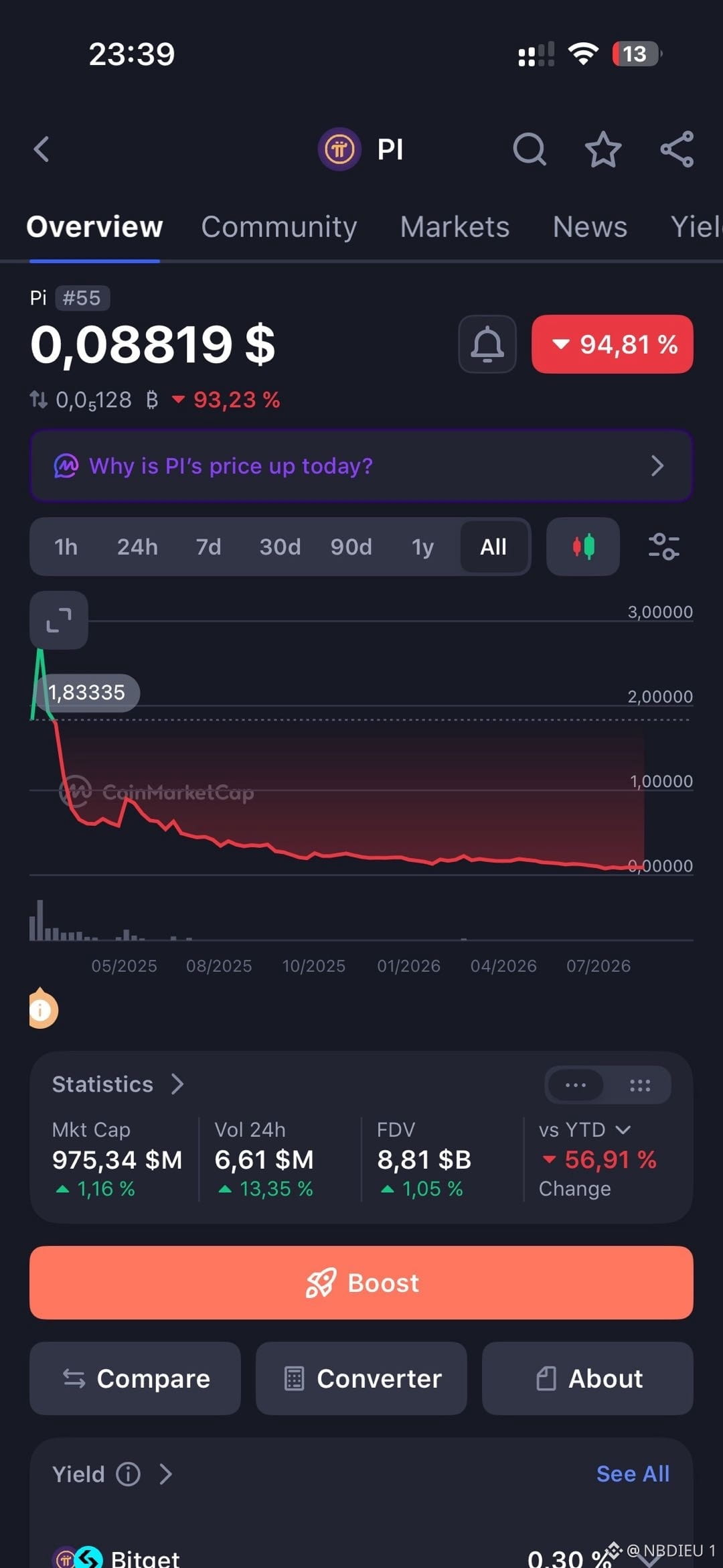
$PI:史上最大の暗号資産詐欺か、それとも信念に盲目にされたコミュニティか?
今日は$PIのチャートを見ると、その問いをせずにはいられません。
$PIは現在$0.088前後で取引されており、ATHからは94%以上下落しています。それでも時価総額は依然として約$1Bに近い一方で、FDVは約$8.8Bです。
このギャップこそが、Piにとって最大級の懸念のひとつである、トークン供給量をめぐる問題を示しています。
とはいえ、Piは「何もない」プロジェクトではありません。
自前のブロックチェーン、メインネット、ウォレット、そして巨大なコミュニティを持っています。エコシステムは開発を続けており、ネットワークもまだ構築の最中です。
しかし、ここからが面白くなるところです:
🔴 巨大なコミュニティがあるからといって、トークンに対する実需が自動的に生まれるわけではありません。
🔴 $PIの長期的な価値は、実際のユーティリティ(実用性)、取引、そして経済活動を通じて証明される必要があります。
🔴 最大供給量が100B $PIである以上、今後の流通入りする供給がどのように増えていくのかは、引き続き重要な注目点です。
🔴 供給が増え続ける一方で、オーガニック需要が同じペースで成長しないなら、売り圧力は依然として深刻な問題になり得ます。
そして、これが最大の問いにつながります:
巨大で、なおかつ非常に忠誠心の高いPiコミュニティをこの方程式から取り除いたとして、エコシステム自体は$PIに十分なオーガニック需要を生み出せるのでしょうか?
YESなら→ 今日の評価額は、いずれ非常に割安に見えてくる可能性があります。
NOなら→ $PIは単に、コミュニティの信念によって支えられているだけかもしれません。
史上最大の暗号資産詐欺?
それとも、暗号資産史上でも屈指の大規模な社会実験のひとつ?
答えは、いずれ市場が教えてくれるでしょう。
$PI
$PI:史上最大の暗号資産詐欺か、それとも信念に盲目にされたコミュニティか?
今日は$PIのチャートを見ると、その問いをせずにはいられません。
$PIは現在$0.088前後で取引されており、ATHからは94%以上下落しています。それでも時価総額は依然として約$1Bに近い一方で、FDVは約$8.8Bです。
このギャップこそが、Piにとって最大級の懸念のひとつである、トークン供給量をめぐる問題を示しています。
とはいえ、Piは「何もない」プロジェクトではありません。
自前のブロックチェーン、メインネット、ウォレット、そして巨大なコミュニティを持っています。エコシステムは開発を続けており、ネットワークもまだ構築の最中です。
しかし、ここからが面白くなるところです:
🔴 巨大なコミュニティがあるからといって、トークンに対する実需が自動的に生まれるわけではありません。
🔴 $PIの長期的な価値は、実際のユーティリティ(実用性)、取引、そして経済活動を通じて証明される必要があります。
🔴 最大供給量が100B $PIである以上、今後の流通入りする供給がどのように増えていくのかは、引き続き重要な注目点です。
🔴 供給が増え続ける一方で、オーガニック需要が同じペースで成長しないなら、売り圧力は依然として深刻な問題になり得ます。
そして、これが最大の問いにつながります:
巨大で、なおかつ非常に忠誠心の高いPiコミュニティをこの方程式から取り除いたとして、エコシステム自体は$PIに十分なオーガニック需要を生み出せるのでしょうか?
YESなら→ 今日の評価額は、いずれ非常に割安に見えてくる可能性があります。
NOなら→ $PIは単に、コミュニティの信念によって支えられているだけかもしれません。
史上最大の暗号資産詐欺?
それとも、暗号資産史上でも屈指の大規模な社会実験のひとつ?
答えは、いずれ市場が教えてくれるでしょう。
$PI
今日は$PIのチャートを見ると、その問いをせずにはいられません。
$PIは現在$0.088前後で取引されており、ATHからは94%以上下落しています。それでも時価総額は依然として約$1Bに近い一方で、FDVは約$8.8Bです。
このギャップこそが、Piにとって最大級の懸念のひとつである、トークン供給量をめぐる問題を示しています。
とはいえ、Piは「何もない」プロジェクトではありません。
自前のブロックチェーン、メインネット、ウォレット、そして巨大なコミュニティを持っています。エコシステムは開発を続けており、ネットワークもまだ構築の最中です。
しかし、ここからが面白くなるところです:
🔴 巨大なコミュニティがあるからといって、トークンに対する実需が自動的に生まれるわけではありません。
🔴 $PIの長期的な価値は、実際のユーティリティ(実用性)、取引、そして経済活動を通じて証明される必要があります。
🔴 最大供給量が100B $PIである以上、今後の流通入りする供給がどのように増えていくのかは、引き続き重要な注目点です。
🔴 供給が増え続ける一方で、オーガニック需要が同じペースで成長しないなら、売り圧力は依然として深刻な問題になり得ます。
そして、これが最大の問いにつながります:
巨大で、なおかつ非常に忠誠心の高いPiコミュニティをこの方程式から取り除いたとして、エコシステム自体は$PIに十分なオーガニック需要を生み出せるのでしょうか?
YESなら→ 今日の評価額は、いずれ非常に割安に見えてくる可能性があります。
NOなら→ $PIは単に、コミュニティの信念によって支えられているだけかもしれません。
史上最大の暗号資産詐欺?
それとも、暗号資産史上でも屈指の大規模な社会実験のひとつ?
答えは、いずれ市場が教えてくれるでしょう。
$PI
62
ログインして、さらにコンテンツを読む
厳選トピックで世界の暗号資産トレーダーの仲間入り
⚡️ 暗号資産に関する最新かつ有益な情報が見つかります。
💬 世界最大の暗号資産取引所から信頼されています。
👍 認証を受けたクリエイターから、有益なインサイトを得られます。
メール / 電話番号
トレンドトピック
KoreaProposesTokenizingStocksAndBonds
閲覧回数 592
68人が討論中
#koreaproposestokenizingstocksandbonds
🚨 緊急速報:🇰🇷 韓国が株式と債券のトークン化を提案!🔥
従来の金融資産が、ブロックチェーン時代へさらに深く踏み込んでいます。
📈 株式がトークン化される可能性
💵 債券がオンチェーンで動く可能性
🌐 より速く、プログラム可能な決済が実現
⚡️ トークン化された資産が、新たな市場インフラを切り開くかもしれません
RWA(現実世界の資産)をオンチェーン化する競争が、ますます大きくなっています。
👀 このトレンドで最も恩恵を受けそうなのは、どのブロックチェーンだと思いますか?
#RWA #Tokenization #crypto
Faizan Crypto Learner
·いいね:0件
·閲覧回数 11
MetaMaskExitsLidoValidatorsAfterSecurityIncident
閲覧回数 56,085
834人が討論中
MicronBeatsEarningsLiftsGuidance
閲覧回数 35,434
630人が討論中