

MeeCrypt
150 投稿

MeeCrypt
報告
ユーザーをブロック
Crypto Trader | Influencer | Exploring Web3
0 フォロー
1 フォロワー
3 いいね
投稿
·
--
$FLT
雲の請求書を見て、「結局自分は何に対して支払っているのだろう?」と思ったことはありませんか?
特にAIチームにとって、計算(コンピュート)は最大級の継続的なコストの1つになり得ます。そして問題が、常にもっとインフラが必要というわけではありません。単に、それにアクセスするためのプレミアム価格を払っているだけの場合もあるのです。
@Fluence は、分散型のプロバイダーネットワークからのコンピュートとワークロードを結びつけることで、別のアプローチを取っています。従来のクラウドモデルに全面的に依存すること以外の選択肢を開発者に提供する、という考え方です。
計算負荷の高いワークロードでは、そのコンピュートをどこから調達するかにより多くの選択肢があることが、インフラコストに関する柔軟性につながる可能性があります。
私にとって興味深いのは、「分散型クラウド」それ自体だけではありません。
通常の選択肢に付随してくる価格体系を自動的に受け入れることなく、必要なコンピュートを手に入れられる可能性です。
#DePIN #AI #Web3
$FLT
雲の請求書を見て、「結局自分は何に対して支払っているのだろう?」と思ったことはありませんか?
特にAIチームにとって、計算(コンピュート)は最大級の継続的なコストの1つになり得ます。そして問題が、常にもっとインフラが必要というわけではありません。単に、それにアクセスするためのプレミアム価格を払っているだけの場合もあるのです。
@Fluence は、分散型のプロバイダーネットワークからのコンピュートとワークロードを結びつけることで、別のアプローチを取っています。従来のクラウドモデルに全面的に依存すること以外の選択肢を開発者に提供する、という考え方です。
計算負荷の高いワークロードでは、そのコンピュートをどこから調達するかにより多くの選択肢があることが、インフラコストに関する柔軟性につながる可能性があります。
私にとって興味深いのは、「分散型クラウド」それ自体だけではありません。
通常の選択肢に付随してくる価格体系を自動的に受け入れることなく、必要なコンピュートを手に入れられる可能性です。
#DePIN #AI #Web3
雲の請求書を見て、「結局自分は何に対して支払っているのだろう?」と思ったことはありませんか?
特にAIチームにとって、計算(コンピュート)は最大級の継続的なコストの1つになり得ます。そして問題が、常にもっとインフラが必要というわけではありません。単に、それにアクセスするためのプレミアム価格を払っているだけの場合もあるのです。
@Fluence は、分散型のプロバイダーネットワークからのコンピュートとワークロードを結びつけることで、別のアプローチを取っています。従来のクラウドモデルに全面的に依存すること以外の選択肢を開発者に提供する、という考え方です。
計算負荷の高いワークロードでは、そのコンピュートをどこから調達するかにより多くの選択肢があることが、インフラコストに関する柔軟性につながる可能性があります。
私にとって興味深いのは、「分散型クラウド」それ自体だけではありません。
通常の選択肢に付随してくる価格体系を自動的に受け入れることなく、必要なコンピュートを手に入れられる可能性です。
#DePIN #AI #Web3

4
·
--
翻訳参照
I saw a tweet asking: “If $BTC disappeared tomorrow, what would replace it?”
Most of the replies pointed to $ETH and other major tokens.
But I’d throw $FLT into the conversation.
AI is becoming one of the biggest drivers of demand for compute, and that makes decentralized infrastructure increasingly interesting to me.
In a recent AMA, Fluence co-founder Evgeny Ponomarev talked about Fluence’s vision of building an alternative to the big centralized cloud providers, starting with AI and moving toward a more decentralized compute layer.
I’m not saying FLT replaces Bitcoin.
I’m saying that if AI continues reshaping the digital economy, the infrastructure powering it deserves more.
#Fluence #AI #DePIN
I saw a tweet asking: “If $BTC disappeared tomorrow, what would replace it?”
Most of the replies pointed to $ETH and other major tokens.
But I’d throw $FLT into the conversation.
AI is becoming one of the biggest drivers of demand for compute, and that makes decentralized infrastructure increasingly interesting to me.
In a recent AMA, Fluence co-founder Evgeny Ponomarev talked about Fluence’s vision of building an alternative to the big centralized cloud providers, starting with AI and moving toward a more decentralized compute layer.
I’m not saying FLT replaces Bitcoin.
I’m saying that if AI continues reshaping the digital economy, the infrastructure powering it deserves more.
#Fluence #AI #DePIN
Most of the replies pointed to $ETH and other major tokens.
But I’d throw $FLT into the conversation.
AI is becoming one of the biggest drivers of demand for compute, and that makes decentralized infrastructure increasingly interesting to me.
In a recent AMA, Fluence co-founder Evgeny Ponomarev talked about Fluence’s vision of building an alternative to the big centralized cloud providers, starting with AI and moving toward a more decentralized compute layer.
I’m not saying FLT replaces Bitcoin.
I’m saying that if AI continues reshaping the digital economy, the infrastructure powering it deserves more.
#Fluence #AI #DePIN

28
·
--
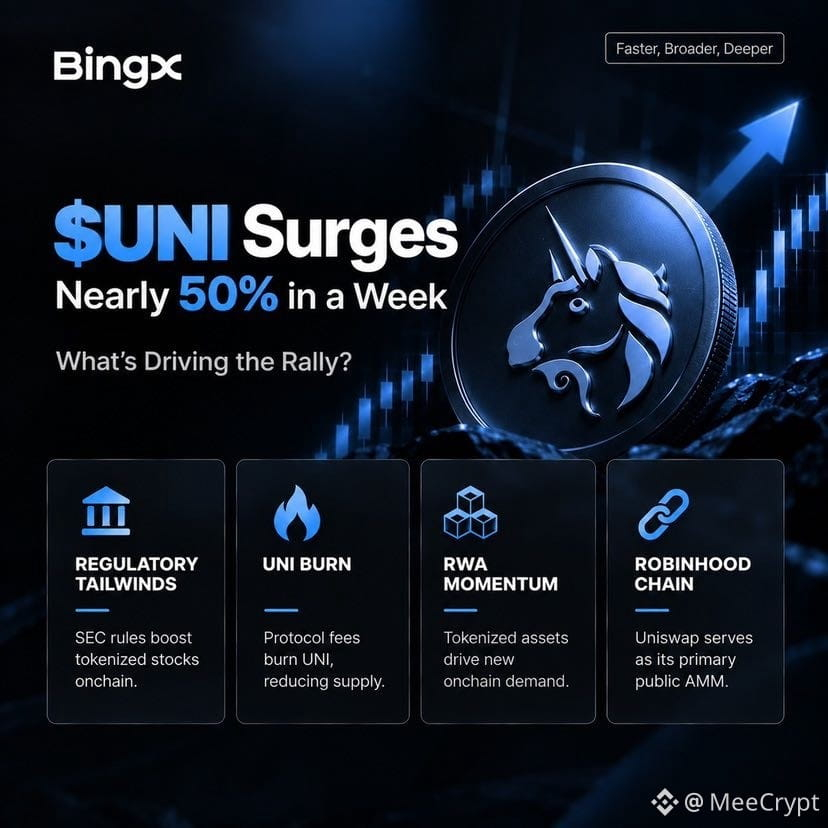
$UNIは確実にスポットライトに戻ってきました。
観察者の視点から見ると、このラリーで面白いのは単なる価格変動だけではありません。
Uniswapのプロトコル手数料システムは、活動とUNIのバーンを結びつけており、一方でRobinhood ChainはUniswapの取引活動における重要な供給源になっています。
UNIがすでに大きく上昇している今、次に注目すべきは、ボリュームや基盤となるプロトコル活動が、勢いだけではなくその上昇を支え続けているかどうかです。
#UNI #DeFi
$UNIは確実にスポットライトに戻ってきました。
観察者の視点から見ると、このラリーで面白いのは単なる価格変動だけではありません。
Uniswapのプロトコル手数料システムは、活動とUNIのバーンを結びつけており、一方でRobinhood ChainはUniswapの取引活動における重要な供給源になっています。
UNIがすでに大きく上昇している今、次に注目すべきは、ボリュームや基盤となるプロトコル活動が、勢いだけではなくその上昇を支え続けているかどうかです。
#UNI #DeFi
観察者の視点から見ると、このラリーで面白いのは単なる価格変動だけではありません。
Uniswapのプロトコル手数料システムは、活動とUNIのバーンを結びつけており、一方でRobinhood ChainはUniswapの取引活動における重要な供給源になっています。
UNIがすでに大きく上昇している今、次に注目すべきは、ボリュームや基盤となるプロトコル活動が、勢いだけではなくその上昇を支え続けているかどうかです。
#UNI #DeFi
·
--
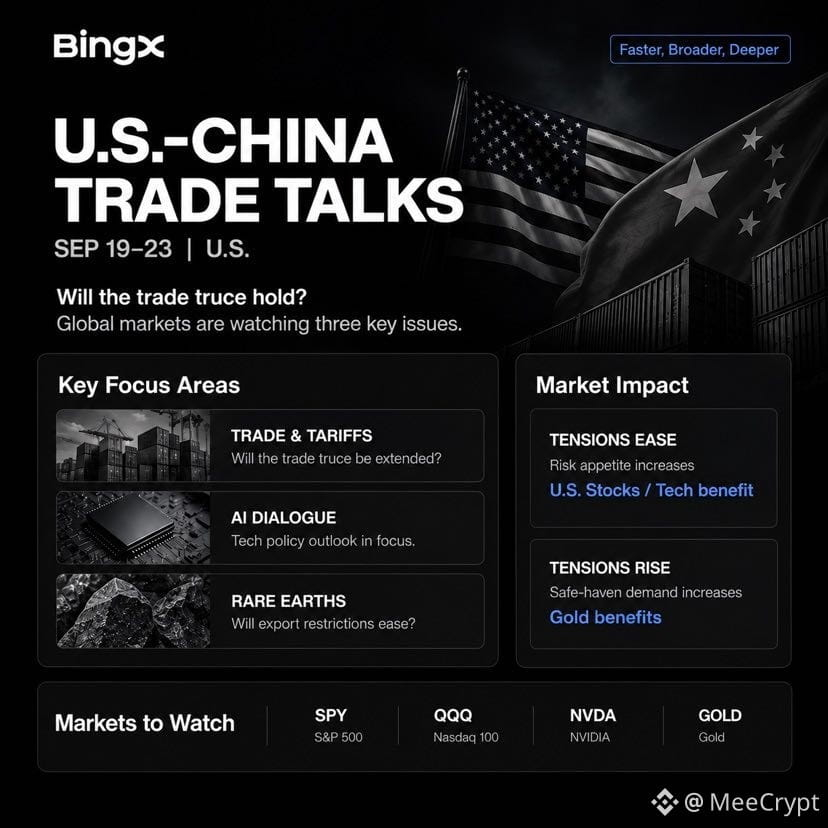
スコット・ベッセントと劉鶴の間で行われた最新の米中協議が、トランプ—習近平首脳会談が見込まれる前に、貿易、AI、そしてレアアースを再び焦点に引き戻している。AIのインシデント通知メカニズム案も含まれる。
市場については、BingXで次の重なりを見ている。すなわち、リスク心理に対する関税、テック/半導体向けのAI政策、そして戦略産業にとってのレアアースだ。
そのため、$SPY、$QQQ、$NVDA、そして金をウォッチリストに入れている。いまのところ、市場は見出しよりも、具体的な政策変更が得られるかどうかに関心が向いているようだ。
#ChinaUSTrade
スコット・ベッセントと劉鶴の間で行われた最新の米中協議が、トランプ—習近平首脳会談が見込まれる前に、貿易、AI、そしてレアアースを再び焦点に引き戻している。AIのインシデント通知メカニズム案も含まれる。
市場については、BingXで次の重なりを見ている。すなわち、リスク心理に対する関税、テック/半導体向けのAI政策、そして戦略産業にとってのレアアースだ。
そのため、$SPY、$QQQ、$NVDA、そして金をウォッチリストに入れている。いまのところ、市場は見出しよりも、具体的な政策変更が得られるかどうかに関心が向いているようだ。
#ChinaUSTrade
市場については、BingXで次の重なりを見ている。すなわち、リスク心理に対する関税、テック/半導体向けのAI政策、そして戦略産業にとってのレアアースだ。
そのため、$SPY、$QQQ、$NVDA、そして金をウォッチリストに入れている。いまのところ、市場は見出しよりも、具体的な政策変更が得られるかどうかに関心が向いているようだ。
#ChinaUSTrade
138
·
--
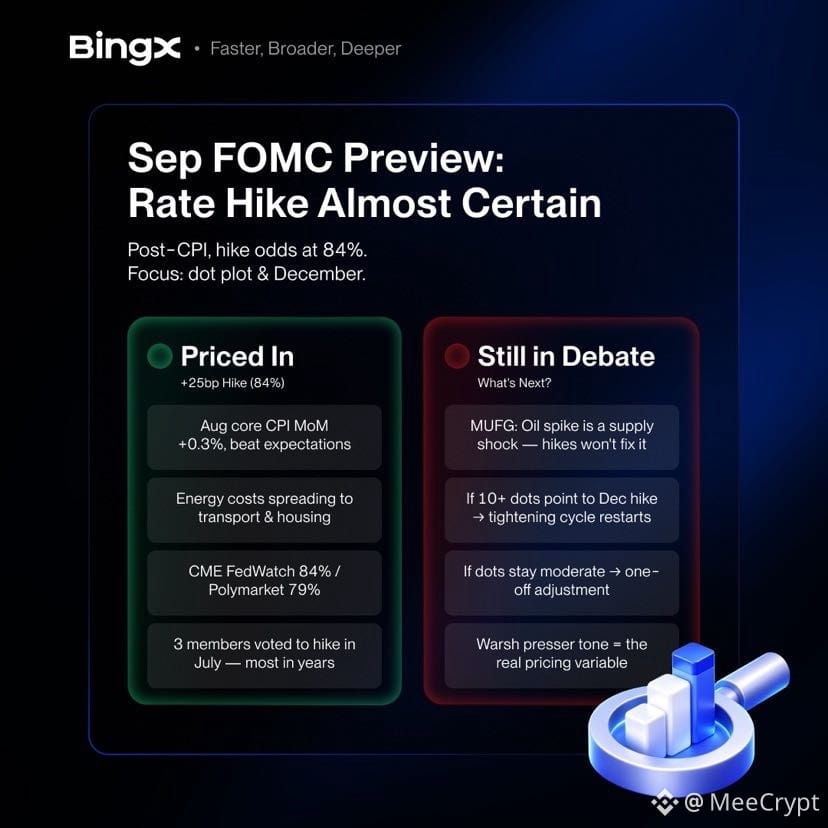
9月のFOMC決定が出ましたが、すでに次回に影響しうる要因へと関心が移っています。
FRBは9月15〜16日の会合で、フェデラルファンド(FF)金利の誘導目標レンジを25bp引き上げ、3.75%〜4.00%としました。最新の見通しでは、中央値である2026年末の水準は約4.1%です。
今よりも重要なのは、今後のデータのほうのようです。
インフレは政策見通しの中心のままですが、エネルギー価格や供給の混乱が状況を複雑にする可能性があります。
その結果、今後注目すべきは、雇用データ、インフレの公表、原油価格、そして今後のFRBのコミュニケーションといった点になります。
暗号資産やその他のリスク資産にとって、興味深いのはもう利上げそのものではなく、データが追加の動きに関する市場の予想を変え続ける場合に、市場がどう反応するかかもしれません。
BingXの価格を見ていきます
#FOMC
9月のFOMC決定が出ましたが、すでに次回に影響しうる要因へと関心が移っています。
FRBは9月15〜16日の会合で、フェデラルファンド(FF)金利の誘導目標レンジを25bp引き上げ、3.75%〜4.00%としました。最新の見通しでは、中央値である2026年末の水準は約4.1%です。
今よりも重要なのは、今後のデータのほうのようです。
インフレは政策見通しの中心のままですが、エネルギー価格や供給の混乱が状況を複雑にする可能性があります。
その結果、今後注目すべきは、雇用データ、インフレの公表、原油価格、そして今後のFRBのコミュニケーションといった点になります。
暗号資産やその他のリスク資産にとって、興味深いのはもう利上げそのものではなく、データが追加の動きに関する市場の予想を変え続ける場合に、市場がどう反応するかかもしれません。
BingXの価格を見ていきます
#FOMC
FRBは9月15〜16日の会合で、フェデラルファンド(FF)金利の誘導目標レンジを25bp引き上げ、3.75%〜4.00%としました。最新の見通しでは、中央値である2026年末の水準は約4.1%です。
今よりも重要なのは、今後のデータのほうのようです。
インフレは政策見通しの中心のままですが、エネルギー価格や供給の混乱が状況を複雑にする可能性があります。
その結果、今後注目すべきは、雇用データ、インフレの公表、原油価格、そして今後のFRBのコミュニケーションといった点になります。
暗号資産やその他のリスク資産にとって、興味深いのはもう利上げそのものではなく、データが追加の動きに関する市場の予想を変え続ける場合に、市場がどう反応するかかもしれません。
BingXの価格を見ていきます
#FOMC
·
--
翻訳参照
$FLT
@Fluence is DePIN at its finest.
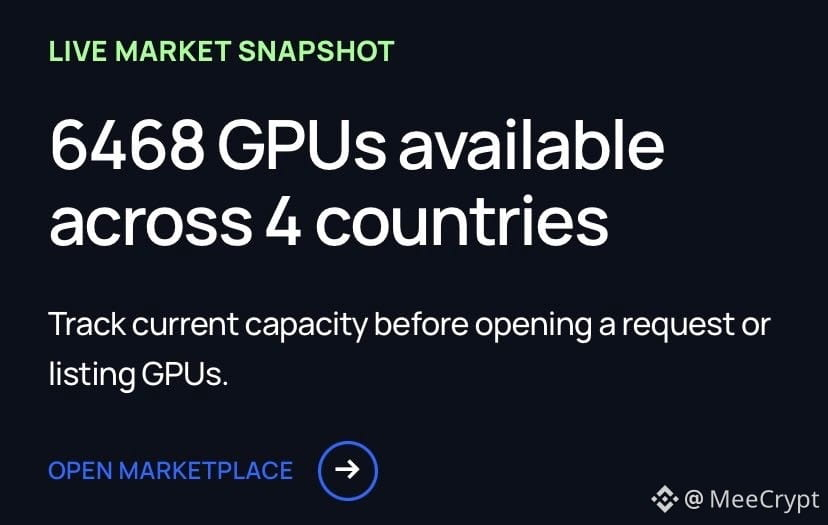
With 6,468 GPUs currently available across 4 countries, the marketplace is already giving users a live view of distributed compute capacity.
The marketplace lets buyers browse available compute, publish a specific request, and compare what different providers are offering.
https://auctions.fluence.network/
Providers can do the opposite by listing their available capacity and putting it in front of qualified demand. What makes this useful is the amount of information attached to a bid.
An accepted offer records the price, SLA, rental window, and bid history, giving both sides a clearer picture of what they are actually agreeing to. I also like that browsing comes before signing up. You can review the marketplace first, while posting, bidding, listing capacity, or signing a contract goes through marketplace review.
That creates a more structured process for something that can otherwise be surprisingly difficult: finding the right GPU capacity at the right time and under terms that actually fit the workload.
With thousands of GPUs becoming visible across different locations, this feels less like a simple GPU directory and more like infrastructure becoming easier to discover and transact.
#Fluence #DePIN #AI #GPU
$FLT
@Fluence is DePIN at its finest.
With 6,468 GPUs currently available across 4 countries, the marketplace is already giving users a live view of distributed compute capacity.
The marketplace lets buyers browse available compute, publish a specific request, and compare what different providers are offering.
https://auctions.fluence.network/
Providers can do the opposite by listing their available capacity and putting it in front of qualified demand. What makes this useful is the amount of information attached to a bid.
An accepted offer records the price, SLA, rental window, and bid history, giving both sides a clearer picture of what they are actually agreeing to. I also like that browsing comes before signing up. You can review the marketplace first, while posting, bidding, listing capacity, or signing a contract goes through marketplace review.
That creates a more structured process for something that can otherwise be surprisingly difficult: finding the right GPU capacity at the right time and under terms that actually fit the workload.
With thousands of GPUs becoming visible across different locations, this feels less like a simple GPU directory and more like infrastructure becoming easier to discover and transact.
#Fluence #DePIN #AI #GPU
@Fluence is DePIN at its finest.
With 6,468 GPUs currently available across 4 countries, the marketplace is already giving users a live view of distributed compute capacity.
The marketplace lets buyers browse available compute, publish a specific request, and compare what different providers are offering.
https://auctions.fluence.network/
Providers can do the opposite by listing their available capacity and putting it in front of qualified demand. What makes this useful is the amount of information attached to a bid.
An accepted offer records the price, SLA, rental window, and bid history, giving both sides a clearer picture of what they are actually agreeing to. I also like that browsing comes before signing up. You can review the marketplace first, while posting, bidding, listing capacity, or signing a contract goes through marketplace review.
That creates a more structured process for something that can otherwise be surprisingly difficult: finding the right GPU capacity at the right time and under terms that actually fit the workload.
With thousands of GPUs becoming visible across different locations, this feels less like a simple GPU directory and more like infrastructure becoming easier to discover and transact.
#Fluence #DePIN #AI #GPU
36
·
--
$FLT
@Fluenceは、オークションを使って利用可能なインフラを実際の需要とつなぐことで、GPUコンピュート市場を次のレベルへ引き上げています。
順オークションおよび逆オークションにより、リアルタイムの価格発見が可能になり、固定価格に全面的に依存するのではなく、買い手とデータセンターが供給と需要の変化に応じて対応できるようになります。 しかしGPUインフラの話になると、価格だけが考慮すべき要素であるべきではありません。
可用性、ファブリック、SLA、MTTRも同じくらい重要です。必要なときに必要なキャパシティが利用できない、ネットワークがワークロードに適していない、あるいはダウンタイムの解決に時間がかかりすぎるのであれば、より低い価格に意味はほとんどありません。
また、データセンターが資格のある需要により直接的に到達するための価値もあります。未使用のキャパシティがアイドル状態で放置される代わりに、利用可能なインフラを、コンピュートを積極的に探している組織とマッチングできます。
予約済みGPUクラスターのためのグローバル・プラットフォームに向けたFluenceの取り組みは、このより大きな変化の流れに合致しています。透明性のある価格発見、インフラレベルの仕様、そして需要への直接アクセスの組み合わせにより、コンピュート需要が増え続ける中でもGPU市場をより効率的にできる可能性があります。
大きな問いはもはや、「どれだけのGPUキャパシティが存在するか」だけではありません。 そのキャパシティを、どれだけ効率よく見つけ、価格を決め、そして活用できるのかです。
#Fluence #Web3 #DePIN
$FLT
@Fluenceは、オークションを使って利用可能なインフラを実際の需要とつなぐことで、GPUコンピュート市場を次のレベルへ引き上げています。
順オークションおよび逆オークションにより、リアルタイムの価格発見が可能になり、固定価格に全面的に依存するのではなく、買い手とデータセンターが供給と需要の変化に応じて対応できるようになります。 しかしGPUインフラの話になると、価格だけが考慮すべき要素であるべきではありません。
可用性、ファブリック、SLA、MTTRも同じくらい重要です。必要なときに必要なキャパシティが利用できない、ネットワークがワークロードに適していない、あるいはダウンタイムの解決に時間がかかりすぎるのであれば、より低い価格に意味はほとんどありません。
また、データセンターが資格のある需要により直接的に到達するための価値もあります。未使用のキャパシティがアイドル状態で放置される代わりに、利用可能なインフラを、コンピュートを積極的に探している組織とマッチングできます。
予約済みGPUクラスターのためのグローバル・プラットフォームに向けたFluenceの取り組みは、このより大きな変化の流れに合致しています。透明性のある価格発見、インフラレベルの仕様、そして需要への直接アクセスの組み合わせにより、コンピュート需要が増え続ける中でもGPU市場をより効率的にできる可能性があります。
大きな問いはもはや、「どれだけのGPUキャパシティが存在するか」だけではありません。 そのキャパシティを、どれだけ効率よく見つけ、価格を決め、そして活用できるのかです。
#Fluence #Web3 #DePIN
@Fluenceは、オークションを使って利用可能なインフラを実際の需要とつなぐことで、GPUコンピュート市場を次のレベルへ引き上げています。
順オークションおよび逆オークションにより、リアルタイムの価格発見が可能になり、固定価格に全面的に依存するのではなく、買い手とデータセンターが供給と需要の変化に応じて対応できるようになります。 しかしGPUインフラの話になると、価格だけが考慮すべき要素であるべきではありません。
可用性、ファブリック、SLA、MTTRも同じくらい重要です。必要なときに必要なキャパシティが利用できない、ネットワークがワークロードに適していない、あるいはダウンタイムの解決に時間がかかりすぎるのであれば、より低い価格に意味はほとんどありません。
また、データセンターが資格のある需要により直接的に到達するための価値もあります。未使用のキャパシティがアイドル状態で放置される代わりに、利用可能なインフラを、コンピュートを積極的に探している組織とマッチングできます。
予約済みGPUクラスターのためのグローバル・プラットフォームに向けたFluenceの取り組みは、このより大きな変化の流れに合致しています。透明性のある価格発見、インフラレベルの仕様、そして需要への直接アクセスの組み合わせにより、コンピュート需要が増え続ける中でもGPU市場をより効率的にできる可能性があります。
大きな問いはもはや、「どれだけのGPUキャパシティが存在するか」だけではありません。 そのキャパシティを、どれだけ効率よく見つけ、価格を決め、そして活用できるのかです。
#Fluence #Web3 #DePIN

65
·
--
翻訳参照
$FLT
Reliable compute is what AI will need more of and then there’s @Fluence making compute more flexible.
AI agents are becoming more complex. Instead of making one request and stopping, they can call tools, access information, run tasks, and make several decisions before completing a job.
That means even small slowdowns along the way can add up. What looks like a minor delay in one step can become a noticeable delay by the time the entire task is finished.
That’s where I can see Fluence’s dedicated CPU compute coming in handy
For workloads that need stable performance, having more predictable compute capacity could help reduce the impact of shared-resource slowdowns.
I think this could become increasingly important as AI agents move into production and handle more demanding workloads.
The bigger opportunity for Fluence, in my view, is showing that decentralized compute can deliver not only competitive pricing, but also the reliability developers need for real-world AI applications.
#Fluence #AI #DePIN
$FLT
Reliable compute is what AI will need more of and then there’s @Fluence making compute more flexible.
AI agents are becoming more complex. Instead of making one request and stopping, they can call tools, access information, run tasks, and make several decisions before completing a job.
That means even small slowdowns along the way can add up. What looks like a minor delay in one step can become a noticeable delay by the time the entire task is finished.
That’s where I can see Fluence’s dedicated CPU compute coming in handy
For workloads that need stable performance, having more predictable compute capacity could help reduce the impact of shared-resource slowdowns.
I think this could become increasingly important as AI agents move into production and handle more demanding workloads.
The bigger opportunity for Fluence, in my view, is showing that decentralized compute can deliver not only competitive pricing, but also the reliability developers need for real-world AI applications.
#Fluence #AI #DePIN
Reliable compute is what AI will need more of and then there’s @Fluence making compute more flexible.
AI agents are becoming more complex. Instead of making one request and stopping, they can call tools, access information, run tasks, and make several decisions before completing a job.
That means even small slowdowns along the way can add up. What looks like a minor delay in one step can become a noticeable delay by the time the entire task is finished.
That’s where I can see Fluence’s dedicated CPU compute coming in handy
For workloads that need stable performance, having more predictable compute capacity could help reduce the impact of shared-resource slowdowns.
I think this could become increasingly important as AI agents move into production and handle more demanding workloads.
The bigger opportunity for Fluence, in my view, is showing that decentralized compute can deliver not only competitive pricing, but also the reliability developers need for real-world AI applications.
#Fluence #AI #DePIN

35
·
--
$FLT
@Fluence VPCの稼働開始は、私にとって単なる別のインフラ更新以上の意味があります。
プライベートネットワーク上でデータベース、API、ワーカー、その他のサービスを実行できるようになれば、実際のワークロードを扱う開発者やチームにとって、Fluenceはより魅力的になる可能性があります。
VPCが時間の経過とともにより多くのデプロイやネットワーク利用につながるなら、それはFluenceのインフラに対する需要の増加を意味し、ひいてはFLTの基礎的な要因を強化することにつながり得ます。
ただ、VPCローンチ単体がすぐに価格の急騰(ブレイクアウト)を引き起こすとは私は見ていません。特に、FLTがまだ比較的出来高の低い状態で取引されている場合はなおさらです。とはいえ、これが利用の拡大、売上の増加、導入の進展というより大きなトレンドの一部になっていくのであれば、中長期的にFLTの価格アクションにとって前向きな追い風(触媒)になる可能性があると思います。
私が注目すべき重要なポイントは、新しいインフラ機能が本当に、より多くのユーザー、より多くのワークロード、そしてより多くの収益につながるかどうかです。
#DePIN #AI #Web3
$FLT
@Fluence VPCの稼働開始は、私にとって単なる別のインフラ更新以上の意味があります。
プライベートネットワーク上でデータベース、API、ワーカー、その他のサービスを実行できるようになれば、実際のワークロードを扱う開発者やチームにとって、Fluenceはより魅力的になる可能性があります。
VPCが時間の経過とともにより多くのデプロイやネットワーク利用につながるなら、それはFluenceのインフラに対する需要の増加を意味し、ひいてはFLTの基礎的な要因を強化することにつながり得ます。
ただ、VPCローンチ単体がすぐに価格の急騰(ブレイクアウト)を引き起こすとは私は見ていません。特に、FLTがまだ比較的出来高の低い状態で取引されている場合はなおさらです。とはいえ、これが利用の拡大、売上の増加、導入の進展というより大きなトレンドの一部になっていくのであれば、中長期的にFLTの価格アクションにとって前向きな追い風(触媒)になる可能性があると思います。
私が注目すべき重要なポイントは、新しいインフラ機能が本当に、より多くのユーザー、より多くのワークロード、そしてより多くの収益につながるかどうかです。
#DePIN #AI #Web3
@Fluence VPCの稼働開始は、私にとって単なる別のインフラ更新以上の意味があります。
プライベートネットワーク上でデータベース、API、ワーカー、その他のサービスを実行できるようになれば、実際のワークロードを扱う開発者やチームにとって、Fluenceはより魅力的になる可能性があります。
VPCが時間の経過とともにより多くのデプロイやネットワーク利用につながるなら、それはFluenceのインフラに対する需要の増加を意味し、ひいてはFLTの基礎的な要因を強化することにつながり得ます。
ただ、VPCローンチ単体がすぐに価格の急騰(ブレイクアウト)を引き起こすとは私は見ていません。特に、FLTがまだ比較的出来高の低い状態で取引されている場合はなおさらです。とはいえ、これが利用の拡大、売上の増加、導入の進展というより大きなトレンドの一部になっていくのであれば、中長期的にFLTの価格アクションにとって前向きな追い風(触媒)になる可能性があると思います。
私が注目すべき重要なポイントは、新しいインフラ機能が本当に、より多くのユーザー、より多くのワークロード、そしてより多くの収益につながるかどうかです。
#DePIN #AI #Web3

64
·
--
ワンアセット・チャレンジが面白いのは、分散による安心感がなくなるからです。
$BTCが多くの人にとって明白な選択肢に見えるとしても、金、指数、株式、コモディティが加わることで判断は単純ではなくなります。
本当の試練は確信です。あなたなら、12か月間実際に何を持ち続けますか?
あなたのONEは何ですか?
ワンアセット・チャレンジが面白いのは、分散による安心感がなくなるからです。
$BTCが多くの人にとって明白な選択肢に見えるとしても、金、指数、株式、コモディティが加わることで判断は単純ではなくなります。
本当の試練は確信です。あなたなら、12か月間実際に何を持ち続けますか?
あなたのONEは何ですか?
$BTCが多くの人にとって明白な選択肢に見えるとしても、金、指数、株式、コモディティが加わることで判断は単純ではなくなります。
本当の試練は確信です。あなたなら、12か月間実際に何を持ち続けますか?
あなたのONEは何ですか?

47
·
--
$FLT
@Fluenceは、バイオロジーから医薬品へ至るより速い道筋を見つけることを目指すAGIを開発する顧客を支援するために、さらに$5.5Mのコンピュート契約を獲得した。
ここで重要なのは、単に$5.5Mという数字そのものではない。
この契約が示しているのは、コンピュート需要が高まっているということだ。
AIのワークロードがより複雑になるにつれ、GPUへのアクセスがますますボトルネックになり得る。適切なタイミングで適切なハードウェアを用意することは、AIシステムを構築し、規模を拡大するうえで重要な要素になりつつある。
従来型の集中型インフラだけに頼るのではなく、Fluenceは分散型コンピュートを中心としたマーケットプレイスを構築しており、ワークロードをGPU提供者と結びつけている。
同社のGPUオークションでは、提供者同士がワークロードを競い合う。これにより、利用可能なコンピュートへアクセスするための、市場原理に基づく方法が生まれる。
つまり、見出しではしばしば「誰が最大のGPUクラスタを作っているか」に焦点が当たるが、実は別の重要な問いがある。
すでに存在するコンピュート能力を、どうすればより有効に活用できるのか?
$5.5Mのコンピュート契約は、柔軟なGPUインフラへの需要が現実になりつつあることを示す一つのサインだ。
AI経済は、さらにはるかに多くのコンピュートを必要とする。そのコンピュートがどのように配分され、どのように活用されるのかを見るのが面白いところになるだろう。
#DePIN #AI #Web3
$FLT
@Fluenceは、バイオロジーから医薬品へ至るより速い道筋を見つけることを目指すAGIを開発する顧客を支援するために、さらに$5.5Mのコンピュート契約を獲得した。
ここで重要なのは、単に$5.5Mという数字そのものではない。
この契約が示しているのは、コンピュート需要が高まっているということだ。
AIのワークロードがより複雑になるにつれ、GPUへのアクセスがますますボトルネックになり得る。適切なタイミングで適切なハードウェアを用意することは、AIシステムを構築し、規模を拡大するうえで重要な要素になりつつある。
従来型の集中型インフラだけに頼るのではなく、Fluenceは分散型コンピュートを中心としたマーケットプレイスを構築しており、ワークロードをGPU提供者と結びつけている。
同社のGPUオークションでは、提供者同士がワークロードを競い合う。これにより、利用可能なコンピュートへアクセスするための、市場原理に基づく方法が生まれる。
つまり、見出しではしばしば「誰が最大のGPUクラスタを作っているか」に焦点が当たるが、実は別の重要な問いがある。
すでに存在するコンピュート能力を、どうすればより有効に活用できるのか?
$5.5Mのコンピュート契約は、柔軟なGPUインフラへの需要が現実になりつつあることを示す一つのサインだ。
AI経済は、さらにはるかに多くのコンピュートを必要とする。そのコンピュートがどのように配分され、どのように活用されるのかを見るのが面白いところになるだろう。
#DePIN #AI #Web3
@Fluenceは、バイオロジーから医薬品へ至るより速い道筋を見つけることを目指すAGIを開発する顧客を支援するために、さらに$5.5Mのコンピュート契約を獲得した。
ここで重要なのは、単に$5.5Mという数字そのものではない。
この契約が示しているのは、コンピュート需要が高まっているということだ。
AIのワークロードがより複雑になるにつれ、GPUへのアクセスがますますボトルネックになり得る。適切なタイミングで適切なハードウェアを用意することは、AIシステムを構築し、規模を拡大するうえで重要な要素になりつつある。
従来型の集中型インフラだけに頼るのではなく、Fluenceは分散型コンピュートを中心としたマーケットプレイスを構築しており、ワークロードをGPU提供者と結びつけている。
同社のGPUオークションでは、提供者同士がワークロードを競い合う。これにより、利用可能なコンピュートへアクセスするための、市場原理に基づく方法が生まれる。
つまり、見出しではしばしば「誰が最大のGPUクラスタを作っているか」に焦点が当たるが、実は別の重要な問いがある。
すでに存在するコンピュート能力を、どうすればより有効に活用できるのか?
$5.5Mのコンピュート契約は、柔軟なGPUインフラへの需要が現実になりつつあることを示す一つのサインだ。
AI経済は、さらにはるかに多くのコンピュートを必要とする。そのコンピュートがどのように配分され、どのように活用されるのかを見るのが面白いところになるだろう。
#DePIN #AI #Web3

63
·
--
$FLT
GPUがいくつ生産されているかに注目しがちですが、より興味深い問いは「その計算能力のうち、実際にどれだけが使われているのか?」です。
すべてのGPUが24/7でフル稼働しているわけではありません。ハードウェアは、ワークロードの合間にアイドル状態になることもあれば、十分に活用されないままの状態で留まることもあります。また、他の利用者が簡単に使えるような形にないインフラの中に閉じ込められている場合もあります。
それによって、別の種類の機会が生まれます。
毎回、計算能力をゼロから作るべきものとして扱うのではなく、分散型インフラがあれば、既存の処理能力と、それを必要とするワークロードを結びつけることができます。
だからこそ、私は@Fluenceに興味を持っています。
大きな狙いは、単に「より多くのGPU」ではありません。利用可能なリソースがアイドル状態のまま放置されるのではなく、実際に稼働に回せる可能性がある、より柔軟な計算(コンピュート)マーケットプレイスを作ることです。
AI需要が今後も伸び続けるなら、勝ち組は最強のハードウェアを生産する企業だけとは限りません。
既存の計算能力を、よりアクセスしやすく、効率的で、有用なものにする方法を見出すネットワークもまた勝ち組になるかもしれません。
GPU経済の次のフェーズは、より多くのハードウェアを買うことよりも、アイドル状態のハードウェアを稼働させることに重点が置かれるかもしれません。
#DePIN #Web3 #AI
$FLT
GPUがいくつ生産されているかに注目しがちですが、より興味深い問いは「その計算能力のうち、実際にどれだけが使われているのか?」です。
すべてのGPUが24/7でフル稼働しているわけではありません。ハードウェアは、ワークロードの合間にアイドル状態になることもあれば、十分に活用されないままの状態で留まることもあります。また、他の利用者が簡単に使えるような形にないインフラの中に閉じ込められている場合もあります。
それによって、別の種類の機会が生まれます。
毎回、計算能力をゼロから作るべきものとして扱うのではなく、分散型インフラがあれば、既存の処理能力と、それを必要とするワークロードを結びつけることができます。
だからこそ、私は@Fluenceに興味を持っています。
大きな狙いは、単に「より多くのGPU」ではありません。利用可能なリソースがアイドル状態のまま放置されるのではなく、実際に稼働に回せる可能性がある、より柔軟な計算(コンピュート)マーケットプレイスを作ることです。
AI需要が今後も伸び続けるなら、勝ち組は最強のハードウェアを生産する企業だけとは限りません。
既存の計算能力を、よりアクセスしやすく、効率的で、有用なものにする方法を見出すネットワークもまた勝ち組になるかもしれません。
GPU経済の次のフェーズは、より多くのハードウェアを買うことよりも、アイドル状態のハードウェアを稼働させることに重点が置かれるかもしれません。
#DePIN #Web3 #AI
GPUがいくつ生産されているかに注目しがちですが、より興味深い問いは「その計算能力のうち、実際にどれだけが使われているのか?」です。
すべてのGPUが24/7でフル稼働しているわけではありません。ハードウェアは、ワークロードの合間にアイドル状態になることもあれば、十分に活用されないままの状態で留まることもあります。また、他の利用者が簡単に使えるような形にないインフラの中に閉じ込められている場合もあります。
それによって、別の種類の機会が生まれます。
毎回、計算能力をゼロから作るべきものとして扱うのではなく、分散型インフラがあれば、既存の処理能力と、それを必要とするワークロードを結びつけることができます。
だからこそ、私は@Fluenceに興味を持っています。
大きな狙いは、単に「より多くのGPU」ではありません。利用可能なリソースがアイドル状態のまま放置されるのではなく、実際に稼働に回せる可能性がある、より柔軟な計算(コンピュート)マーケットプレイスを作ることです。
AI需要が今後も伸び続けるなら、勝ち組は最強のハードウェアを生産する企業だけとは限りません。
既存の計算能力を、よりアクセスしやすく、効率的で、有用なものにする方法を見出すネットワークもまた勝ち組になるかもしれません。
GPU経済の次のフェーズは、より多くのハードウェアを買うことよりも、アイドル状態のハードウェアを稼働させることに重点が置かれるかもしれません。
#DePIN #Web3 #AI

68
·
--
$FLT
1つのベンチマークで優位なGPUが、特定のワークロードに最適とは限りません。
だからこそ、私はAIのインフラ側の領域にますます惹かれています。
@Fluence GPU Cluster Auctions は、この問題に逆の視点から取り組みます。つまり「そのワークロードは実際に何を必要としているのか」、そして「提供側はそれに対して何を提供できるのか」という点です。
購入者はGPUの要件を指定し、容量、価格、地域、そして利用可能性などの要素に基づいて競合する入札を比較できます。
AIのワークロードがより高度になっていくにつれ、「最速のGPUはどれ?」と単純に尋ねるだけでは不適切かもしれません。
より良い問いは、こうです。
「そのワークロードに対して、適切な価格で求める性能を出せるのはどのGPUか?」
これが、Fluence がGPU市場を面白くしているポイントです。
#DePIN #AI #Web3
$FLT
1つのベンチマークで優位なGPUが、特定のワークロードに最適とは限りません。
だからこそ、私はAIのインフラ側の領域にますます惹かれています。
@Fluence GPU Cluster Auctions は、この問題に逆の視点から取り組みます。つまり「そのワークロードは実際に何を必要としているのか」、そして「提供側はそれに対して何を提供できるのか」という点です。
購入者はGPUの要件を指定し、容量、価格、地域、そして利用可能性などの要素に基づいて競合する入札を比較できます。
AIのワークロードがより高度になっていくにつれ、「最速のGPUはどれ?」と単純に尋ねるだけでは不適切かもしれません。
より良い問いは、こうです。
「そのワークロードに対して、適切な価格で求める性能を出せるのはどのGPUか?」
これが、Fluence がGPU市場を面白くしているポイントです。
#DePIN #AI #Web3
1つのベンチマークで優位なGPUが、特定のワークロードに最適とは限りません。
だからこそ、私はAIのインフラ側の領域にますます惹かれています。
@Fluence GPU Cluster Auctions は、この問題に逆の視点から取り組みます。つまり「そのワークロードは実際に何を必要としているのか」、そして「提供側はそれに対して何を提供できるのか」という点です。
購入者はGPUの要件を指定し、容量、価格、地域、そして利用可能性などの要素に基づいて競合する入札を比較できます。
AIのワークロードがより高度になっていくにつれ、「最速のGPUはどれ?」と単純に尋ねるだけでは不適切かもしれません。
より良い問いは、こうです。
「そのワークロードに対して、適切な価格で求める性能を出せるのはどのGPUか?」
これが、Fluence がGPU市場を面白くしているポイントです。
#DePIN #AI #Web3

63
·
--
$FLT
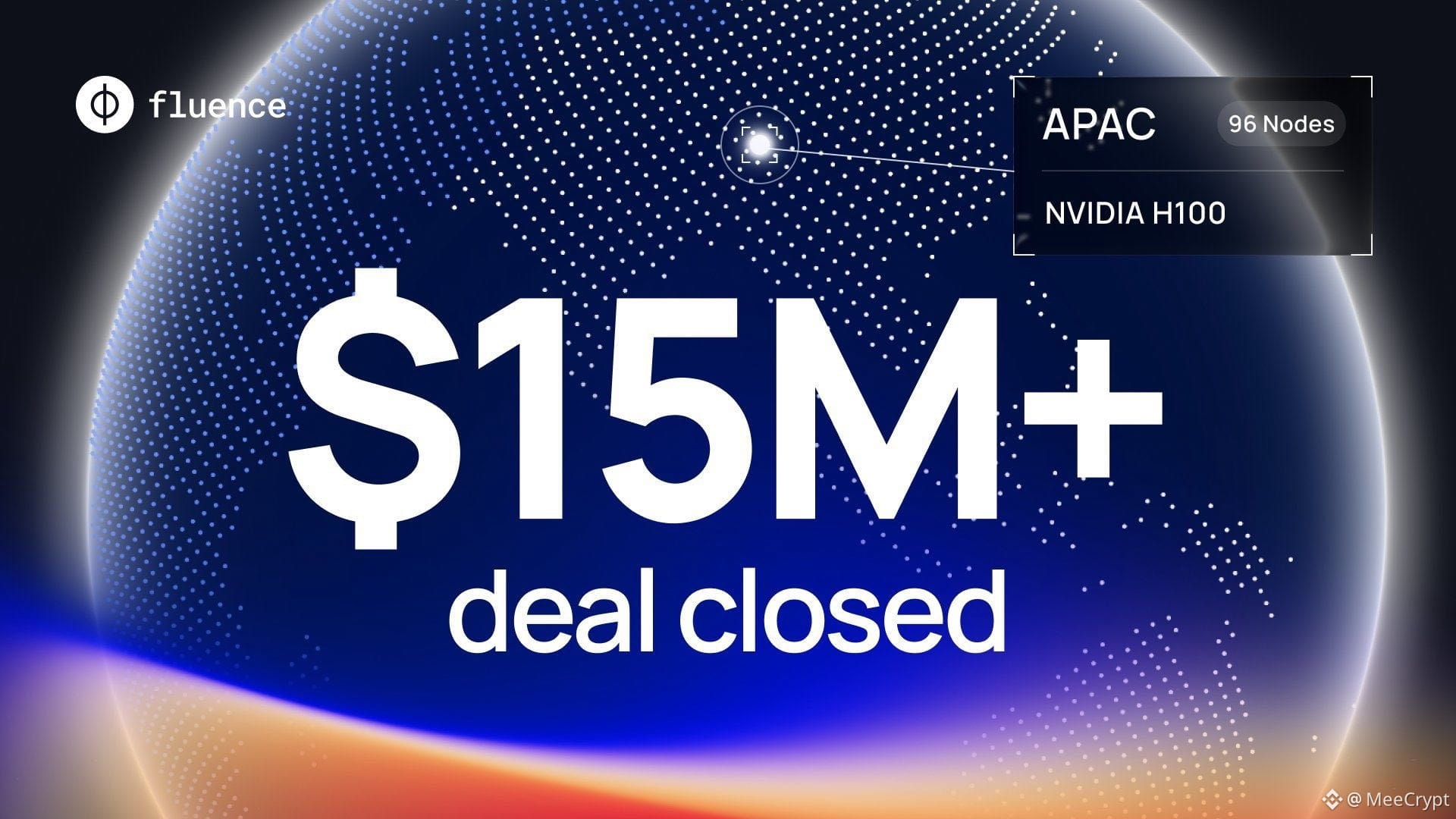
@Fluence GPU AUCTIONS さらに別の $15.4M+ のディールを確保
Fluenceは、GPUオークションを通じて$15.4M+の容量を確保するなど、主要なGPUディールでもう一度夏の締めくくりを迎えています。
この案件はアジアにおける96のH100ノードを対象としており、現在はAI推論およびモデル学習のためにFluence上で本番稼働へ移行しています。
注目すべきは、競り(入札)を通じて流れている需要の規模です。GPU購入者は利用可能な容量に対して競争できます。一方、提供者はマーケットプレイスによって自社のインフラを稼働させる場を得られます。
高額な取引がプラットフォームを通じて増えていく中で、Fluenceは、よりオープンな価格発見プロセスによってGPUインフラを需要と結びつけられることを示しています。
#flt #DePIN #Web3
$FLT
@Fluence GPU AUCTIONS さらに別の $15.4M+ のディールを確保
Fluenceは、GPUオークションを通じて$15.4M+の容量を確保するなど、主要なGPUディールでもう一度夏の締めくくりを迎えています。
この案件はアジアにおける96のH100ノードを対象としており、現在はAI推論およびモデル学習のためにFluence上で本番稼働へ移行しています。
注目すべきは、競り(入札)を通じて流れている需要の規模です。GPU購入者は利用可能な容量に対して競争できます。一方、提供者はマーケットプレイスによって自社のインフラを稼働させる場を得られます。
高額な取引がプラットフォームを通じて増えていく中で、Fluenceは、よりオープンな価格発見プロセスによってGPUインフラを需要と結びつけられることを示しています。
#flt #DePIN #Web3
@Fluence GPU AUCTIONS さらに別の $15.4M+ のディールを確保
Fluenceは、GPUオークションを通じて$15.4M+の容量を確保するなど、主要なGPUディールでもう一度夏の締めくくりを迎えています。
この案件はアジアにおける96のH100ノードを対象としており、現在はAI推論およびモデル学習のためにFluence上で本番稼働へ移行しています。
注目すべきは、競り(入札)を通じて流れている需要の規模です。GPU購入者は利用可能な容量に対して競争できます。一方、提供者はマーケットプレイスによって自社のインフラを稼働させる場を得られます。
高額な取引がプラットフォームを通じて増えていく中で、Fluenceは、よりオープンな価格発見プロセスによってGPUインフラを需要と結びつけられることを示しています。
#flt #DePIN #Web3
76
·
--
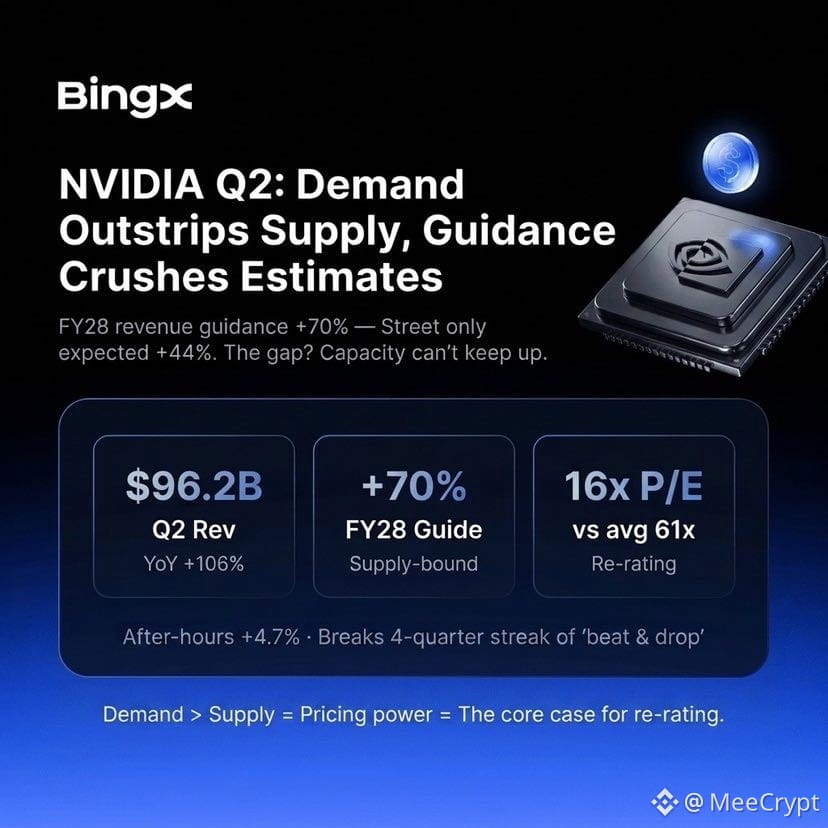
$NVDAは第2四半期の売上高で$96.2Bを報告し、前年比で106%増となった一方、ガイダンスはウォール街の約44%増という予想に対して、およそ70%の成長にとどまりました。
より大きなポイントは、需要と供給のギャップが引き続き続いていることです。供給能力は依然として追いつくのに苦戦しており、より高い投入コストにもかかわらずNVIDIAは価格決定力を維持しています。
またNVDAは時間外で4.7%上昇し、強い決算発表の後に下落していた最近のパターンを破りました。
興味深いのは、市場がその楽観を維持できるかどうかです。
AI需要は明らかに依然として強い。BingXでNVDAをチェックしています。
https://bingx.com/en/tradfi/perpetual/NVDA-USDT
$NVDAは第2四半期の売上高で$96.2Bを報告し、前年比で106%増となった一方、ガイダンスはウォール街の約44%増という予想に対して、およそ70%の成長にとどまりました。
より大きなポイントは、需要と供給のギャップが引き続き続いていることです。供給能力は依然として追いつくのに苦戦しており、より高い投入コストにもかかわらずNVIDIAは価格決定力を維持しています。
またNVDAは時間外で4.7%上昇し、強い決算発表の後に下落していた最近のパターンを破りました。
興味深いのは、市場がその楽観を維持できるかどうかです。
AI需要は明らかに依然として強い。BingXでNVDAをチェックしています。
https://bingx.com/en/tradfi/perpetual/NVDA-USDT
より大きなポイントは、需要と供給のギャップが引き続き続いていることです。供給能力は依然として追いつくのに苦戦しており、より高い投入コストにもかかわらずNVIDIAは価格決定力を維持しています。
またNVDAは時間外で4.7%上昇し、強い決算発表の後に下落していた最近のパターンを破りました。
興味深いのは、市場がその楽観を維持できるかどうかです。
AI需要は明らかに依然として強い。BingXでNVDAをチェックしています。
https://bingx.com/en/tradfi/perpetual/NVDA-USDT
29
·
--
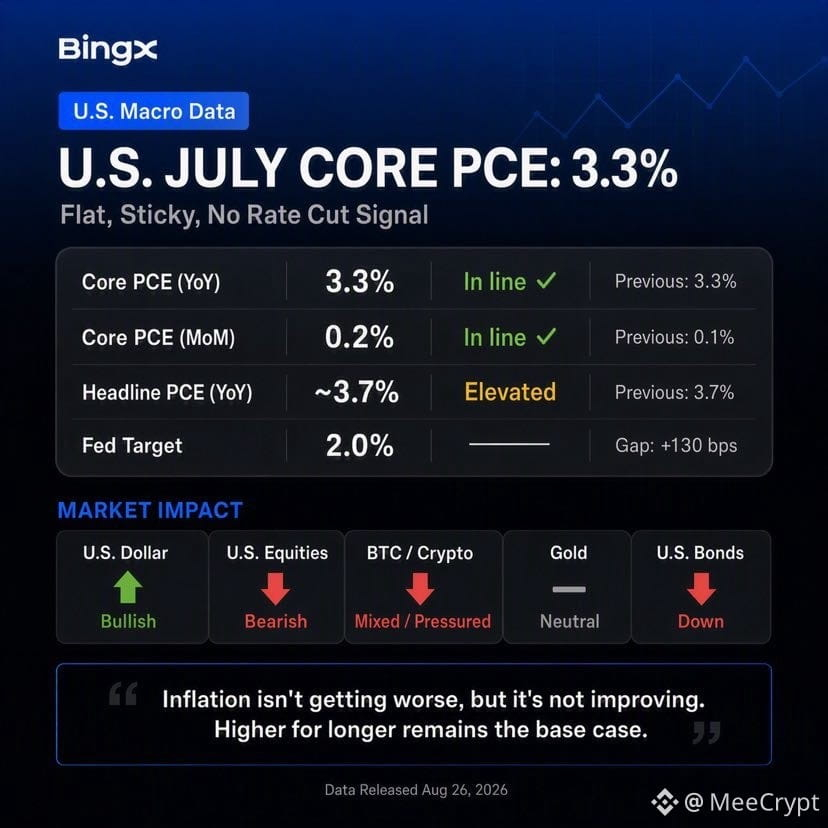
米国の7月のコアPCEは前年比3.3%で3か月連続で横ばいとなり、月次のコアPCEは0.2%上昇した。
ヘッドラインPCEは依然として約3.7%で、FRBの2%のインフレ目標と比較すると高い水準だ。
データは大きな悪化を示していないが、基調インフレが急速に冷え込んでいることを裏づける材料も多くない。
そのため市場は、これまでと同じ疑問を量り続けている。金利はあとどれくらいの期間、制限的な水準にとどまる必要があるのか。
ドルは注目すべき主要市場の1つであり、株式、BTC、そして債券も、期待が変わることで反応する可能性がある。
観察者の視点では、いま重要なのはヘッドラインの数字そのものより、粘着的なインフレに対して市場がどう反応するかだ。
$DXY / USDT は、ドルの反応を追うトレーダー向けにBingXで利用可能だ。
米国の7月のコアPCEは前年比3.3%で3か月連続で横ばいとなり、月次のコアPCEは0.2%上昇した。
ヘッドラインPCEは依然として約3.7%で、FRBの2%のインフレ目標と比較すると高い水準だ。
データは大きな悪化を示していないが、基調インフレが急速に冷え込んでいることを裏づける材料も多くない。
そのため市場は、これまでと同じ疑問を量り続けている。金利はあとどれくらいの期間、制限的な水準にとどまる必要があるのか。
ドルは注目すべき主要市場の1つであり、株式、BTC、そして債券も、期待が変わることで反応する可能性がある。
観察者の視点では、いま重要なのはヘッドラインの数字そのものより、粘着的なインフレに対して市場がどう反応するかだ。
$DXY / USDT は、ドルの反応を追うトレーダー向けにBingXで利用可能だ。
ヘッドラインPCEは依然として約3.7%で、FRBの2%のインフレ目標と比較すると高い水準だ。
データは大きな悪化を示していないが、基調インフレが急速に冷え込んでいることを裏づける材料も多くない。
そのため市場は、これまでと同じ疑問を量り続けている。金利はあとどれくらいの期間、制限的な水準にとどまる必要があるのか。
ドルは注目すべき主要市場の1つであり、株式、BTC、そして債券も、期待が変わることで反応する可能性がある。
観察者の視点では、いま重要なのはヘッドラインの数字そのものより、粘着的なインフレに対して市場がどう反応するかだ。
$DXY / USDT は、ドルの反応を追うトレーダー向けにBingXで利用可能だ。
47
·
--
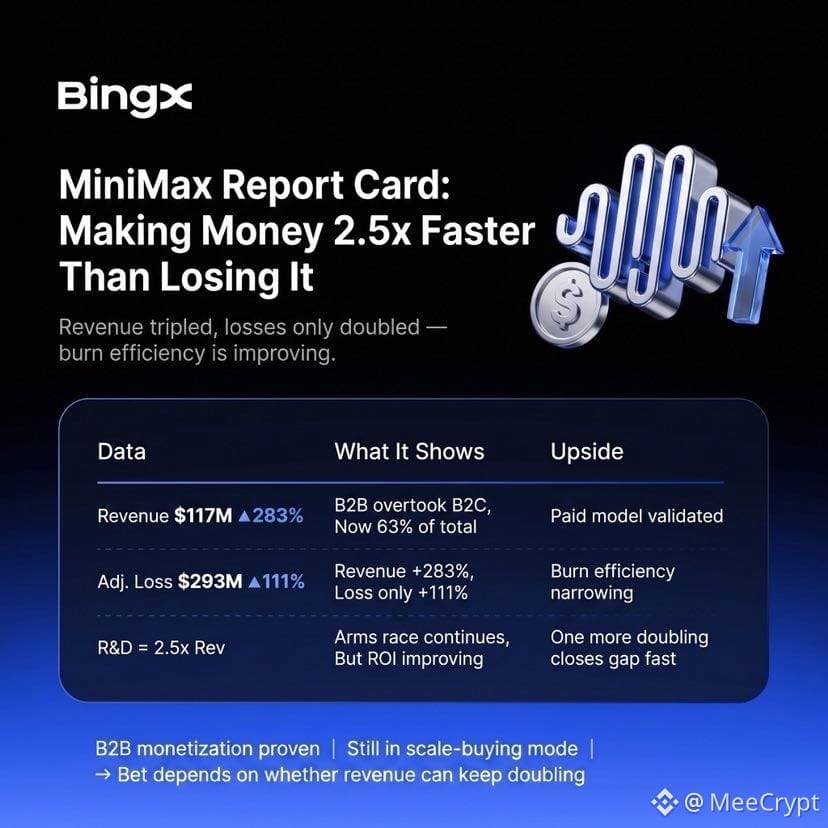
$MINIMAXは、2026年上半期(H1)の売上高として1億1,660万ドルを計上し、前年同期比で283.1%の増加を記録したと報告しました。
最大の変化は、エンタープライズおよびオープン・プラットフォーム事業から来ています。同事業は703.1%成長した後、7,390万ドルを生み出しました。このセグメントは現在、総売上の63.4%を占めています。
収益性にもいくつかの前向きな兆しがあります。売上総利益は464.8%増の2,080万ドルとなり、売上総利益率は12.1%から17.9%へ改善しました。
しかし同社は依然として積極的に支出しています。
調整後の純損失は2億9,300万ドルに達し、研究開発(R&D)費用は2億9,690万ドルまで増加しました。
つまり、このレポートが描き出すのは興味深い状況です。AI開発への非常に大きな投資がある一方で、トップラインの成長も非常に強いというものです。
数字は印象的ですが、市場の反応は最終的に、投資家がこの支出を将来の成長への投資だと捉えるのか、それともコスト負担の増大だと見なすのかに左右される可能性があります。
その反応を追うトレーダー向けに、BingXではMINIMAX-USDTのパーペチュアル取引が利用可能です。
$MINIMAXは、2026年上半期(H1)の売上高として1億1,660万ドルを計上し、前年同期比で283.1%の増加を記録したと報告しました。
最大の変化は、エンタープライズおよびオープン・プラットフォーム事業から来ています。同事業は703.1%成長した後、7,390万ドルを生み出しました。このセグメントは現在、総売上の63.4%を占めています。
収益性にもいくつかの前向きな兆しがあります。売上総利益は464.8%増の2,080万ドルとなり、売上総利益率は12.1%から17.9%へ改善しました。
しかし同社は依然として積極的に支出しています。
調整後の純損失は2億9,300万ドルに達し、研究開発(R&D)費用は2億9,690万ドルまで増加しました。
つまり、このレポートが描き出すのは興味深い状況です。AI開発への非常に大きな投資がある一方で、トップラインの成長も非常に強いというものです。
数字は印象的ですが、市場の反応は最終的に、投資家がこの支出を将来の成長への投資だと捉えるのか、それともコスト負担の増大だと見なすのかに左右される可能性があります。
その反応を追うトレーダー向けに、BingXではMINIMAX-USDTのパーペチュアル取引が利用可能です。
最大の変化は、エンタープライズおよびオープン・プラットフォーム事業から来ています。同事業は703.1%成長した後、7,390万ドルを生み出しました。このセグメントは現在、総売上の63.4%を占めています。
収益性にもいくつかの前向きな兆しがあります。売上総利益は464.8%増の2,080万ドルとなり、売上総利益率は12.1%から17.9%へ改善しました。
しかし同社は依然として積極的に支出しています。
調整後の純損失は2億9,300万ドルに達し、研究開発(R&D)費用は2億9,690万ドルまで増加しました。
つまり、このレポートが描き出すのは興味深い状況です。AI開発への非常に大きな投資がある一方で、トップラインの成長も非常に強いというものです。
数字は印象的ですが、市場の反応は最終的に、投資家がこの支出を将来の成長への投資だと捉えるのか、それともコスト負担の増大だと見なすのかに左右される可能性があります。
その反応を追うトレーダー向けに、BingXではMINIMAX-USDTのパーペチュアル取引が利用可能です。
60
·
--
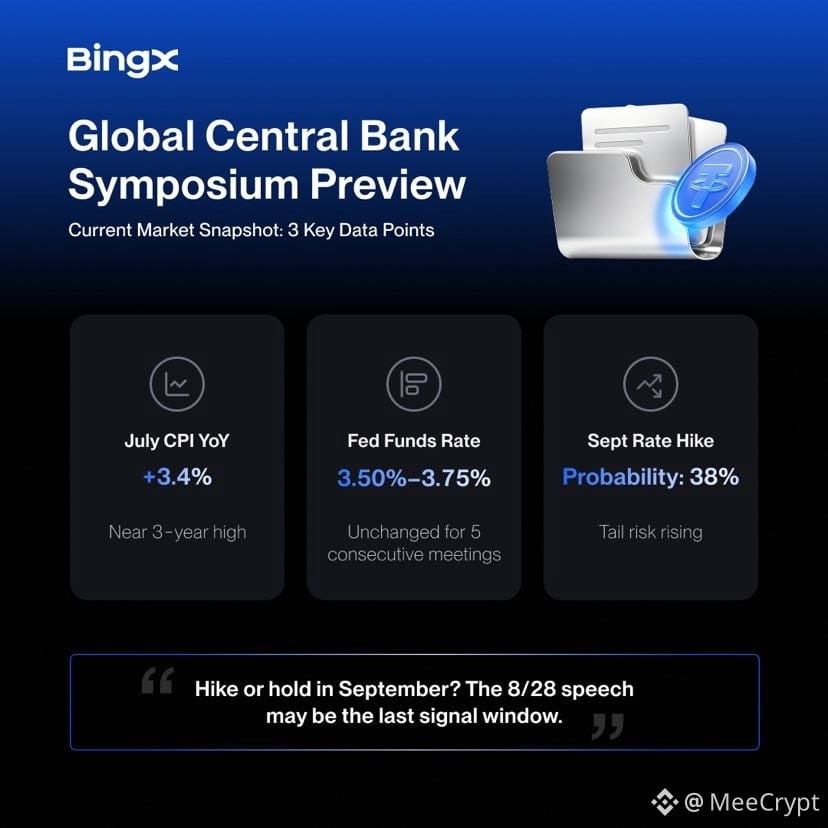
ジャクソンホール:市場の反応はスピーチ以上に重要かもしれない
ジャクソンホールが、再び中央銀行の政策にスポットライトを当てています。
7月のCPIは3.4%、FF金利は3.50%〜3.75%で、マーケットは次の政策転換がどのような内容になり得るのか、いまだ見極めようとしている状況です。
注目すべきは、市場をまたいだ反応の可能性です。
強硬なメッセージならドルと米国債利回りが押し上げられる一方、より柔らかなトーンならリスク資産に余裕が生まれるかもしれません。
観察者の立場から言えば、FRBの発言を一語一句予測することにこだわりすぎる必要はないでしょう。
より良いシグナルは、マーケットの反応かもしれません。
もしドルと利回りが急変するなら、株式、コモディティ、そして仮想通貨がすぐに反応する可能性があります。
だからこそ、大きなマクロイベントの際はクリプトだけでなくTradFiも注視する価値があります。BingXは、トレーダーに伝統的な市場へのアクセスを提供しており、さまざまな資産クラスにまたがる反応を追いやすくしています。
本当の問いはシンプルです:
FRBは市場の期待を動かすのか、それとも市場はそれを軽く受け流すのか?
#JacksonHole
ジャクソンホール:市場の反応はスピーチ以上に重要かもしれない
ジャクソンホールが、再び中央銀行の政策にスポットライトを当てています。
7月のCPIは3.4%、FF金利は3.50%〜3.75%で、マーケットは次の政策転換がどのような内容になり得るのか、いまだ見極めようとしている状況です。
注目すべきは、市場をまたいだ反応の可能性です。
強硬なメッセージならドルと米国債利回りが押し上げられる一方、より柔らかなトーンならリスク資産に余裕が生まれるかもしれません。
観察者の立場から言えば、FRBの発言を一語一句予測することにこだわりすぎる必要はないでしょう。
より良いシグナルは、マーケットの反応かもしれません。
もしドルと利回りが急変するなら、株式、コモディティ、そして仮想通貨がすぐに反応する可能性があります。
だからこそ、大きなマクロイベントの際はクリプトだけでなくTradFiも注視する価値があります。BingXは、トレーダーに伝統的な市場へのアクセスを提供しており、さまざまな資産クラスにまたがる反応を追いやすくしています。
本当の問いはシンプルです:
FRBは市場の期待を動かすのか、それとも市場はそれを軽く受け流すのか?
#JacksonHole
ジャクソンホールが、再び中央銀行の政策にスポットライトを当てています。
7月のCPIは3.4%、FF金利は3.50%〜3.75%で、マーケットは次の政策転換がどのような内容になり得るのか、いまだ見極めようとしている状況です。
注目すべきは、市場をまたいだ反応の可能性です。
強硬なメッセージならドルと米国債利回りが押し上げられる一方、より柔らかなトーンならリスク資産に余裕が生まれるかもしれません。
観察者の立場から言えば、FRBの発言を一語一句予測することにこだわりすぎる必要はないでしょう。
より良いシグナルは、マーケットの反応かもしれません。
もしドルと利回りが急変するなら、株式、コモディティ、そして仮想通貨がすぐに反応する可能性があります。
だからこそ、大きなマクロイベントの際はクリプトだけでなくTradFiも注視する価値があります。BingXは、トレーダーに伝統的な市場へのアクセスを提供しており、さまざまな資産クラスにまたがる反応を追いやすくしています。
本当の問いはシンプルです:
FRBは市場の期待を動かすのか、それとも市場はそれを軽く受け流すのか?
#JacksonHole
64
·
--
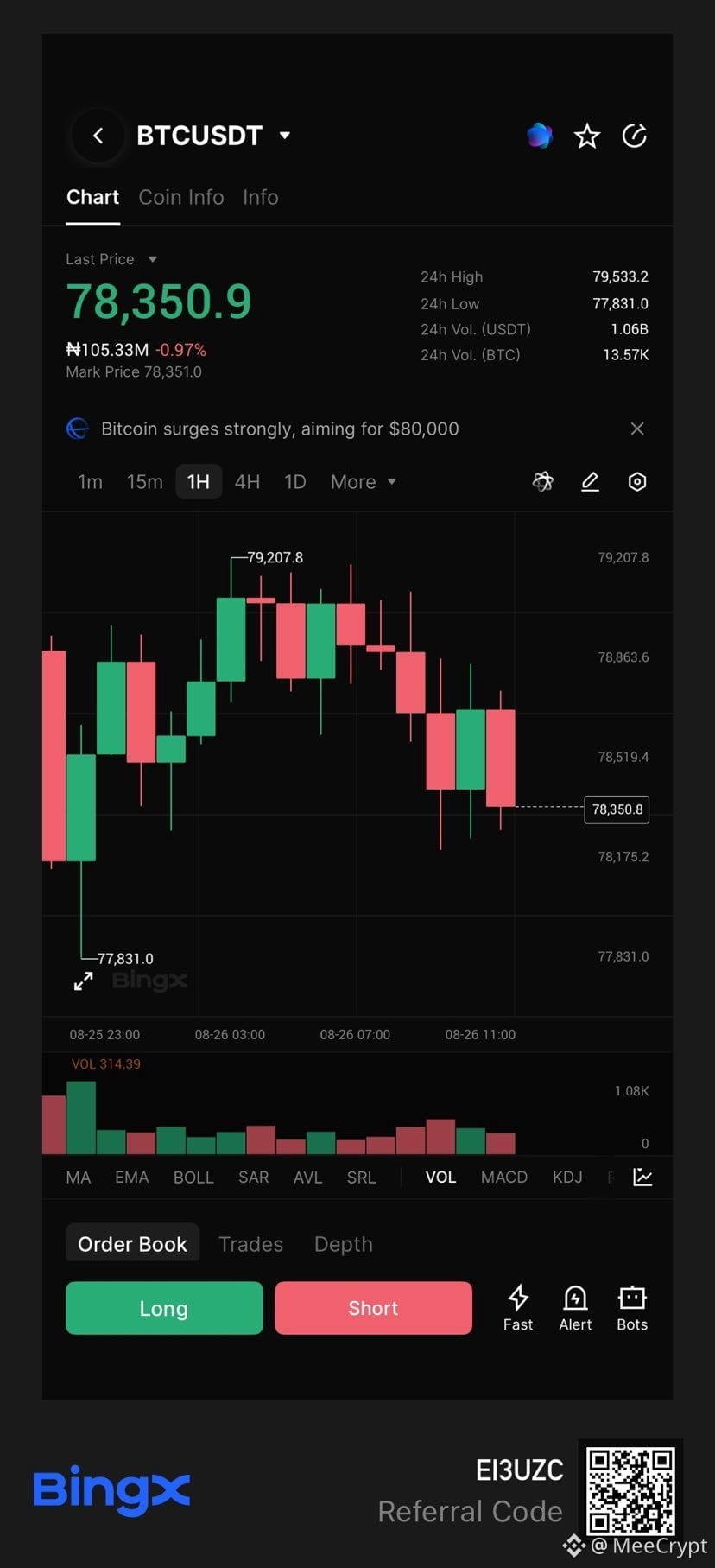
多くのトレーダーは、買いに入る前に$BTCが$50K〜$55Kを再訪するのを待っていました。
しかし代わりに、BTCは$57Kあたりで下支えを見つけ、8月25日に$81,257まで上昇しました。これは約43%の値動きです。
興味深いのは、単なる急騰だけではありません。ETFへの資金流入、ショートの買い戻し、そしてマクロ環境の追い風が、投資家心理の転換にも寄与しているのです。
それでも、$57Kがこのサイクルの底だったことを証明するものではありません。ただ、この回復の後では、再び$50Kへの即時の下落が起きることは、以前ほど確実ではなくなっています。
$57Kが底だったのでしょうか、それともまだ新安値を待っていますか?
多くのトレーダーは、買いに入る前に$BTCが$50K〜$55Kを再訪するのを待っていました。
しかし代わりに、BTCは$57Kあたりで下支えを見つけ、8月25日に$81,257まで上昇しました。これは約43%の値動きです。
興味深いのは、単なる急騰だけではありません。ETFへの資金流入、ショートの買い戻し、そしてマクロ環境の追い風が、投資家心理の転換にも寄与しているのです。
それでも、$57Kがこのサイクルの底だったことを証明するものではありません。ただ、この回復の後では、再び$50Kへの即時の下落が起きることは、以前ほど確実ではなくなっています。
$57Kが底だったのでしょうか、それともまだ新安値を待っていますか?
しかし代わりに、BTCは$57Kあたりで下支えを見つけ、8月25日に$81,257まで上昇しました。これは約43%の値動きです。
興味深いのは、単なる急騰だけではありません。ETFへの資金流入、ショートの買い戻し、そしてマクロ環境の追い風が、投資家心理の転換にも寄与しているのです。
それでも、$57Kがこのサイクルの底だったことを証明するものではありません。ただ、この回復の後では、再び$50Kへの即時の下落が起きることは、以前ほど確実ではなくなっています。
$57Kが底だったのでしょうか、それともまだ新安値を待っていますか?
53
·
--
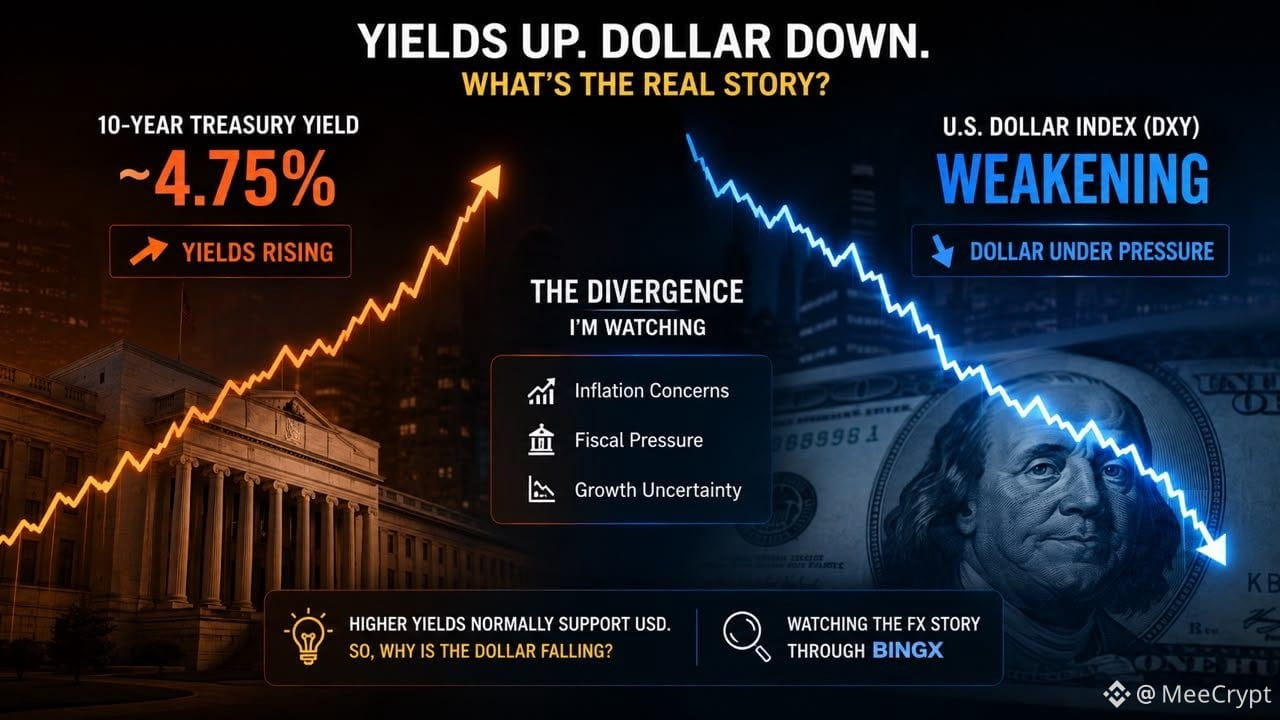
米国10年国債利回りが4.75%に向けて上昇している局面は、通常ドルにとってプラスのシグナルとなります。
利回りが高いと米国資産の魅力が増し、結果としてUSD(米ドル)への需要が高まる可能性があります。
しかし、今回はその教科書どおりの関係が当てはまっていません。
長期国債利回りが上昇しているにもかかわらず、ドルは依然として売り圧力の下にあります。そこでより興味深い疑問が浮かびます。市場は利回りそのものよりも、インフレ、財政上の懸念、そして米国の成長見通しにより注目しているのでしょうか?
観察者の視点では、国債利回りとドルのズレこそが本質的なストーリーです。
さらに、FXトレーダーにとっては、通常の「FRB(米連邦準備制度)の利上げ・据え置き」といった語り口のほかに、別のマクロ変数を監視する材料にもなります。
普段は暗号資産(クリプト)に注目しているトレーダーにとっては、ここがマルチアセットの側面で面白くなるポイントです。BingXなら、暗号資産に加えて、FXやその他の伝統的金融(TradFi)市場にもアクセスできるため、同じプラットフォームのまま「ドルの物語」を追いかけられます。
今の重要な問いは、ドルが最終的により高い利回りに追いつくのか、それとも、より高い利回りが実はUSDにとって必ずしも強気を示していない何かをシグナルしているのか、ということです。
米国10年国債利回りが4.75%に向けて上昇している局面は、通常ドルにとってプラスのシグナルとなります。
利回りが高いと米国資産の魅力が増し、結果としてUSD(米ドル)への需要が高まる可能性があります。
しかし、今回はその教科書どおりの関係が当てはまっていません。
長期国債利回りが上昇しているにもかかわらず、ドルは依然として売り圧力の下にあります。そこでより興味深い疑問が浮かびます。市場は利回りそのものよりも、インフレ、財政上の懸念、そして米国の成長見通しにより注目しているのでしょうか?
観察者の視点では、国債利回りとドルのズレこそが本質的なストーリーです。
さらに、FXトレーダーにとっては、通常の「FRB(米連邦準備制度)の利上げ・据え置き」といった語り口のほかに、別のマクロ変数を監視する材料にもなります。
普段は暗号資産(クリプト)に注目しているトレーダーにとっては、ここがマルチアセットの側面で面白くなるポイントです。BingXなら、暗号資産に加えて、FXやその他の伝統的金融(TradFi)市場にもアクセスできるため、同じプラットフォームのまま「ドルの物語」を追いかけられます。
今の重要な問いは、ドルが最終的により高い利回りに追いつくのか、それとも、より高い利回りが実はUSDにとって必ずしも強気を示していない何かをシグナルしているのか、ということです。
利回りが高いと米国資産の魅力が増し、結果としてUSD(米ドル)への需要が高まる可能性があります。
しかし、今回はその教科書どおりの関係が当てはまっていません。
長期国債利回りが上昇しているにもかかわらず、ドルは依然として売り圧力の下にあります。そこでより興味深い疑問が浮かびます。市場は利回りそのものよりも、インフレ、財政上の懸念、そして米国の成長見通しにより注目しているのでしょうか?
観察者の視点では、国債利回りとドルのズレこそが本質的なストーリーです。
さらに、FXトレーダーにとっては、通常の「FRB(米連邦準備制度)の利上げ・据え置き」といった語り口のほかに、別のマクロ変数を監視する材料にもなります。
普段は暗号資産(クリプト)に注目しているトレーダーにとっては、ここがマルチアセットの側面で面白くなるポイントです。BingXなら、暗号資産に加えて、FXやその他の伝統的金融(TradFi)市場にもアクセスできるため、同じプラットフォームのまま「ドルの物語」を追いかけられます。
今の重要な問いは、ドルが最終的により高い利回りに追いつくのか、それとも、より高い利回りが実はUSDにとって必ずしも強気を示していない何かをシグナルしているのか、ということです。
75
ログインして、さらにコンテンツを読む
厳選トピックで世界の暗号資産トレーダーの仲間入り
⚡️ 暗号資産に関する最新かつ有益な情報が見つかります。
💬 世界最大の暗号資産取引所から信頼されています。
👍 認証を受けたクリエイターから、有益なインサイトを得られます。
メール / 電話番号