
Maxine P.
485 投稿

Maxine P.
報告
ユーザーをブロック
Top-ranked female contributor on CoinMarketCap. 🏆 Decoding Web3 infrastructure & institutional trends. Strategy over stereotypes. Logic over labels.
0 フォロー
50 フォロワー
92 いいね
投稿
·
--
翻訳参照
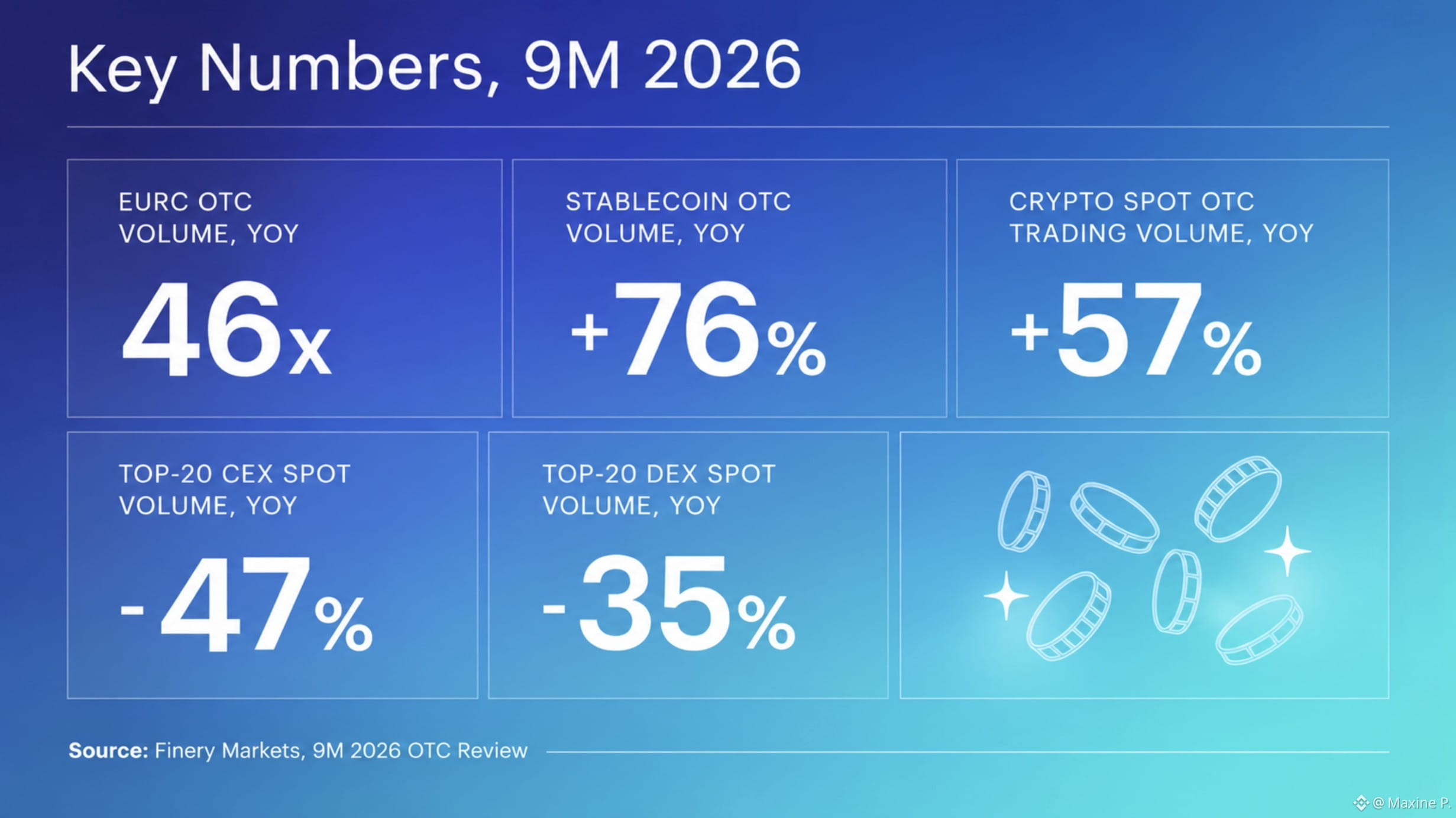
📌 When Does Loyalty Beat a Better OTC Quote? OTC trading has picked up pace in 2026: in Q1, spot OTC volume on Finery Markets grew 43% YoY, and the number of transactions jumped 160%. Trading activity is becoming much more transaction-heavy, but have you ever wondered how do companies organize their recurring $BTC trades? 📊 From an execution strategy perspective, there are 2 approaches: concentrating volume with one OTC desk for better terms or getting competing quotes from several providers. Let's see how they compare: 🔹 One Primary Desk Concentrate activity around one desk allows companies to build a consistent trading relationship and negotiate pricing based on their regular transaction volumes. It also simplifies operations, as the team works with the same counterparty for execution and settlement. WhiteBIT OTC, for example, combines flexible volume-based pricing with deep liquidity, real-time quotes and dedicated 24/7 support: https://institutional.whitebit.com/otc?utm_source=coinmarketcap&utm_medium=otc_maxine&utm_campaign=post 🔹 Several Competing Desks Working with several desks allows companies to compare quotes, negotiate better $BTC prices and access alternative liquidity when needed. However, spreading volume across providers may also mean losing access to better negotiated terms. So what influences the decision? ✅ Trading frequency, volumes, execution costs and negotiated terms all play a role. Companies with consistent, high trading volumes may benefit more from working with one primary desk, while those with varying trade sizes might prefer several providers. A 3-month comparison of quotes and actual costs can help companies understand which approach works better for their needs. Disclaimer: This is not financial or investment advice. DYOR before making any decisions. Use at your own risk. #Macro Insights# #BTC Price Analysis# #OTC
📌 When Does Loyalty Beat a Better OTC Quote? OTC trading has picked up pace in 2026: in Q1, spot OTC volume on Finery Markets grew 43% YoY, and the number of transactions jumped 160%. Trading activity is becoming much more transaction-heavy, but have you ever wondered how do companies organize their recurring $BTC trades? 📊 From an execution strategy perspective, there are 2 approaches: concentrating volume with one OTC desk for better terms or getting competing quotes from several providers. Let's see how they compare: 🔹 One Primary Desk Concentrate activity around one desk allows companies to build a consistent trading relationship and negotiate pricing based on their regular transaction volumes. It also simplifies operations, as the team works with the same counterparty for execution and settlement. WhiteBIT OTC, for example, combines flexible volume-based pricing with deep liquidity, real-time quotes and dedicated 24/7 support: https://institutional.whitebit.com/otc?utm_source=coinmarketcap&utm_medium=otc_maxine&utm_campaign=post 🔹 Several Competing Desks Working with several desks allows companies to compare quotes, negotiate better $BTC prices and access alternative liquidity when needed. However, spreading volume across providers may also mean losing access to better negotiated terms. So what influences the decision? ✅ Trading frequency, volumes, execution costs and negotiated terms all play a role. Companies with consistent, high trading volumes may benefit more from working with one primary desk, while those with varying trade sizes might prefer several providers. A 3-month comparison of quotes and actual costs can help companies understand which approach works better for their needs. Disclaimer: This is not financial or investment advice. DYOR before making any decisions. Use at your own risk. #Macro Insights# #BTC Price Analysis# #OTC
45
·
--
翻訳参照
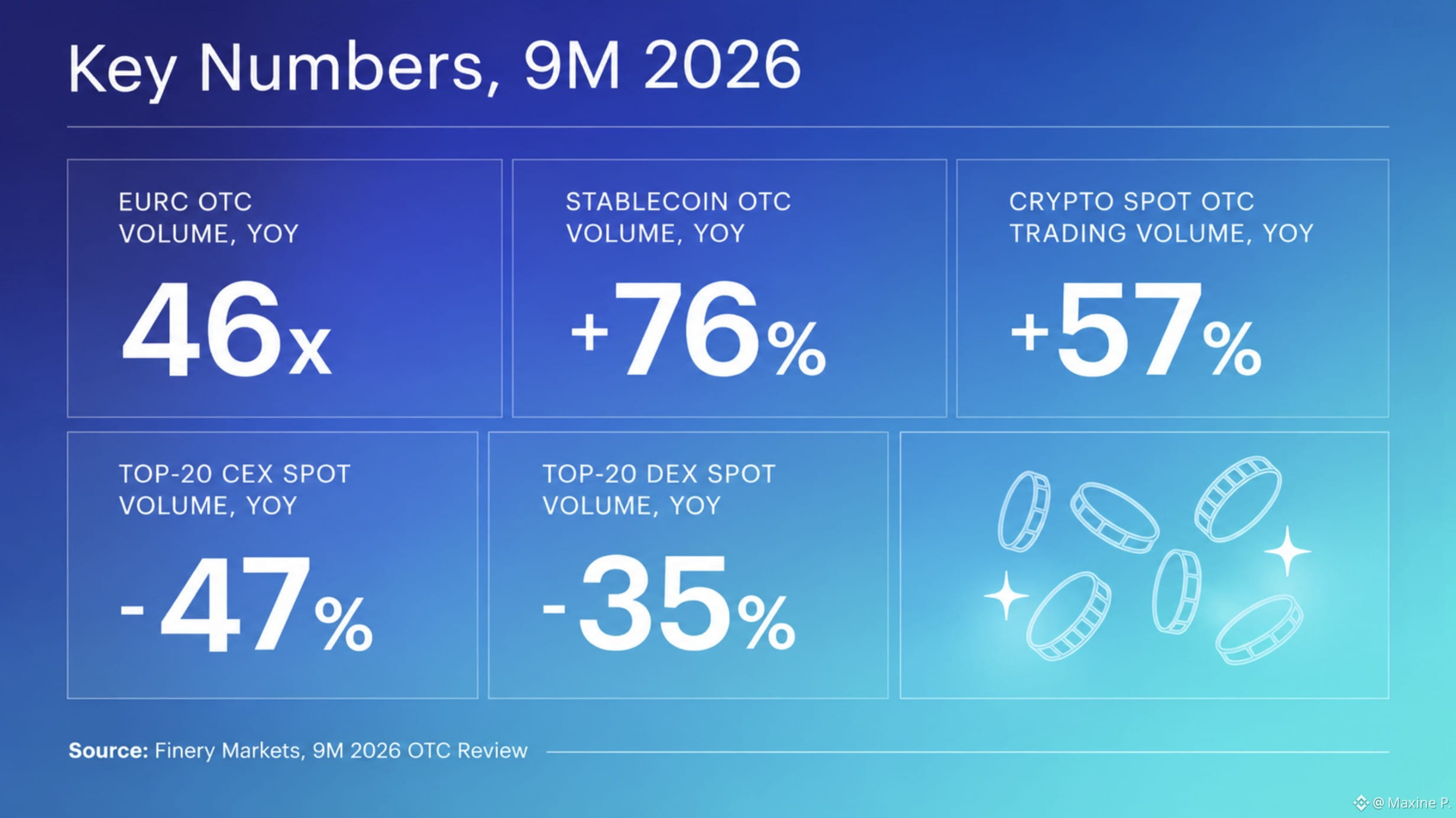
📌 When Does Loyalty Beat a Better OTC Quote? OTC trading has picked up pace in 2026. In Q1, spot OTC volume on Finery Markets grew 43% YoY, while the number of transactions jumped 160%. Trading activity is becoming much more transaction-heavy, making the way OTC trades are executed especially interesting. But how do companies organize these recurring trades? 📊 From an execution strategy perspective, there are 2 approaches: concentrating volume with one OTC desk for better terms or getting competing quotes from several providers. Let's see how they compare: 🔹 One Primary Desk Concentrate activity around one desk allows companies to build a consistent trading relationship and negotiate pricing based on their regular transaction volumes. It also simplifies operations, as the team works with the same counterparty for execution and settlement. WhiteBIT OTC, for example, combines flexible volume-based pricing with deep liquidity, real-time quotes and dedicated 24/7 support: https://institutional.whitebit.com/otc?utm_source=coinmarketcap&utm_medium=otc_maxine&utm_campaign=post 🔹 Several Competing Desks Working with several desks allows companies to compare quotes, negotiate better prices and access alternative liquidity when needed. However, spreading volume across providers may also mean losing access to better negotiated terms. So what influences the decision? ✅ Trading frequency, volumes, execution costs and negotiated terms all play a role. Companies with consistent, high trading volumes may benefit more from working with one primary desk, while those with varying trade sizes might prefer several providers. A 3-month comparison of quotes and actual costs can help companies understand which approach works better for their needs. Disclaimer: This is not financial or investment advice. DYOR before making any decisions. Use at your own risk. #BTC Price Analysis# #Bitcoin Price Prediction: What is Bitcoins next move?#
📌 When Does Loyalty Beat a Better OTC Quote? OTC trading has picked up pace in 2026. In Q1, spot OTC volume on Finery Markets grew 43% YoY, while the number of transactions jumped 160%. Trading activity is becoming much more transaction-heavy, making the way OTC trades are executed especially interesting. But how do companies organize these recurring trades? 📊 From an execution strategy perspective, there are 2 approaches: concentrating volume with one OTC desk for better terms or getting competing quotes from several providers. Let's see how they compare: 🔹 One Primary Desk Concentrate activity around one desk allows companies to build a consistent trading relationship and negotiate pricing based on their regular transaction volumes. It also simplifies operations, as the team works with the same counterparty for execution and settlement. WhiteBIT OTC, for example, combines flexible volume-based pricing with deep liquidity, real-time quotes and dedicated 24/7 support: https://institutional.whitebit.com/otc?utm_source=coinmarketcap&utm_medium=otc_maxine&utm_campaign=post 🔹 Several Competing Desks Working with several desks allows companies to compare quotes, negotiate better prices and access alternative liquidity when needed. However, spreading volume across providers may also mean losing access to better negotiated terms. So what influences the decision? ✅ Trading frequency, volumes, execution costs and negotiated terms all play a role. Companies with consistent, high trading volumes may benefit more from working with one primary desk, while those with varying trade sizes might prefer several providers. A 3-month comparison of quotes and actual costs can help companies understand which approach works better for their needs. Disclaimer: This is not financial or investment advice. DYOR before making any decisions. Use at your own risk. #BTC Price Analysis# #Bitcoin Price Prediction: What is Bitcoins next move?#
38
·
--
翻訳参照
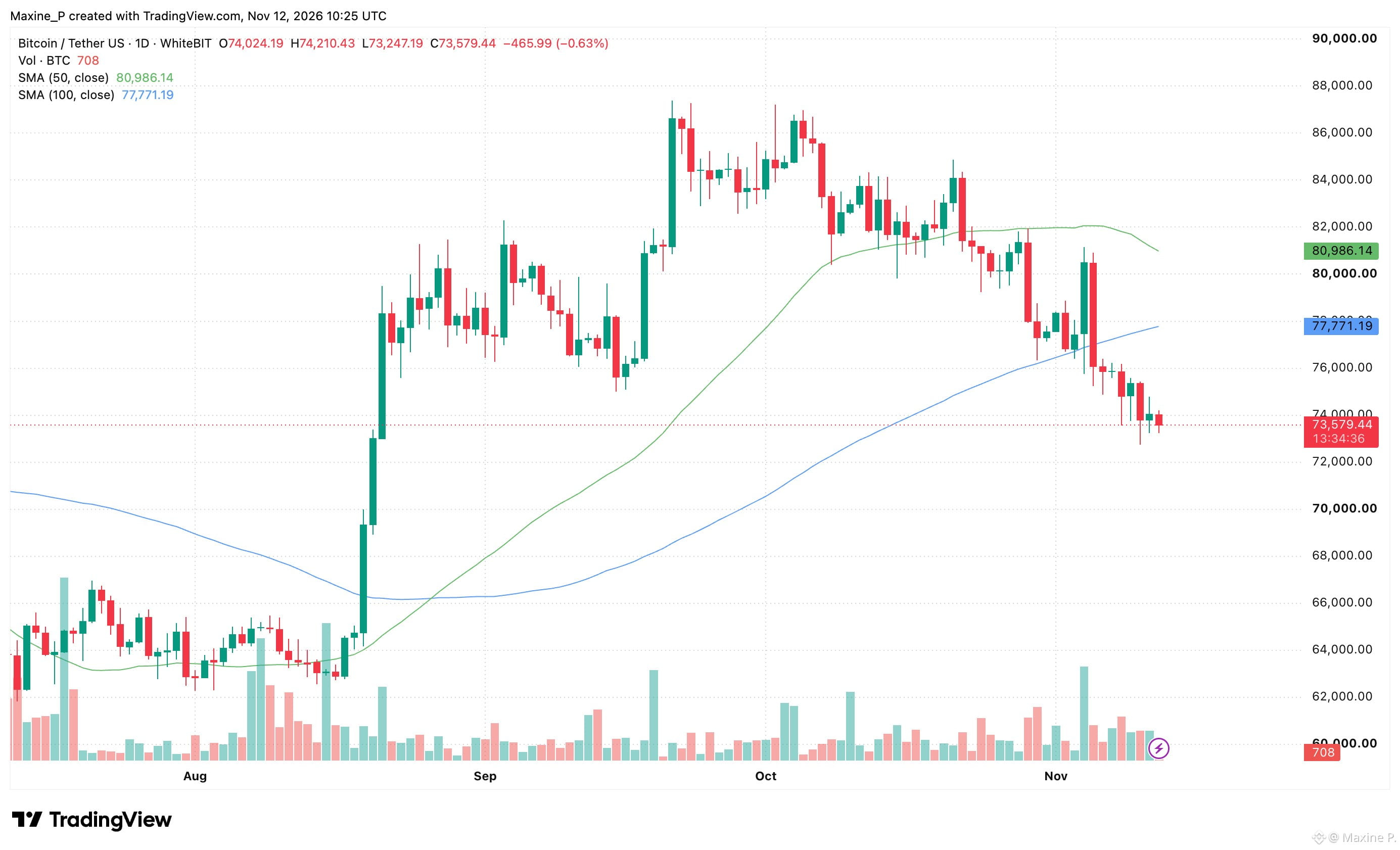
👀 Adam Back Says the Bitcoin Bull Run Is Just Getting Started $1 million for $BTC by 2028. That's the personal bet Adam Back, Blockstream CEO and one of Bitcoin's early pioneers, discussed during CNBC's Closing Bell on November 11. Despite the recent sell-off, he believes we're still in the early stages of a bull market cycle. Let's look at where Bitcoin stands today: 📉 Price: ~$73,600 📉 Below ATH: ~42% 😨 Fear & Greed Index: 28/100 So where does his optimism come from? 📌 Back points to Bitcoin's rising 200-week moving average, now around $67K, and the next wave of institutional adoption. He believes much of the potential demand from pension funds, insurers, and professionally managed portfolios has yet to arrive. And that's an interesting point: while everyone is focused on short-term price moves and ETF outflows, longer-term institutional adoption could be building in the background. Of course, $1 million is an ambitious target, not a guaranteed outcome. 💬 Is it too early to talk about the next $BTC bull run, or are we overlooking the bigger picture? #BTC Price Analysis# #Bitcoin Price Prediction: What is Bitcoins next move?#
👀 Adam Back Says the Bitcoin Bull Run Is Just Getting Started $1 million for $BTC by 2028. That's the personal bet Adam Back, Blockstream CEO and one of Bitcoin's early pioneers, discussed during CNBC's Closing Bell on November 11. Despite the recent sell-off, he believes we're still in the early stages of a bull market cycle. Let's look at where Bitcoin stands today: 📉 Price: ~$73,600 📉 Below ATH: ~42% 😨 Fear & Greed Index: 28/100 So where does his optimism come from? 📌 Back points to Bitcoin's rising 200-week moving average, now around $67K, and the next wave of institutional adoption. He believes much of the potential demand from pension funds, insurers, and professionally managed portfolios has yet to arrive. And that's an interesting point: while everyone is focused on short-term price moves and ETF outflows, longer-term institutional adoption could be building in the background. Of course, $1 million is an ambitious target, not a guaranteed outcome. 💬 Is it too early to talk about the next $BTC bull run, or are we overlooking the bigger picture? #BTC Price Analysis# #Bitcoin Price Prediction: What is Bitcoins next move?#

59
·
--
翻訳参照
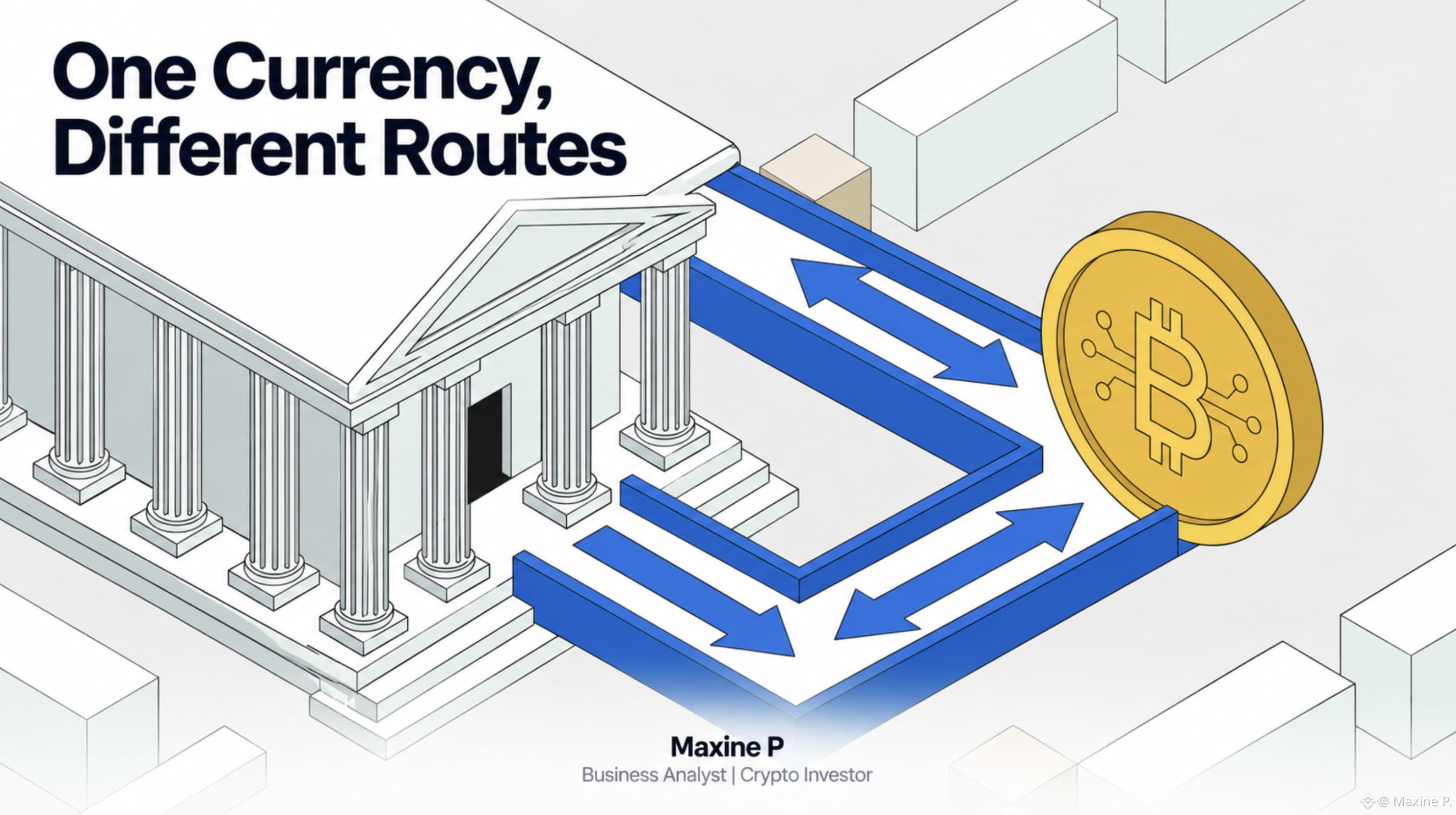
💵 For international businesses, SWIFT has long been part of the standard infrastructure for moving US dollars between banks. But what happens when a company also regularly operates with digital assets like $BTC or $ETH ? For these businesses, things get a little more complicated. SWIFT is still part of the process, but now there's another layer to consider: how to convert crypto into USD, move it through the banking system, and make the same journey in reverse. And that brings up a few more questions: - Where is the company’s USD actually held? - Which SWIFT route does its bank use? - Where does crypto ↔ USD conversion happen? - What does the full round trip cost? - Can the money return to the same bank just as easily? I decided to explore these questions in more detail in my new Medium article: https://medium.com/coinmonks/how-universal-is-swift-really-looking-at-it-through-the-crypto-business-lens-1cfedf358cdb There, I wanted to go beyond the basics and explore how international crypto businesses connect USD, SWIFT and banking infrastructure - and why geography and provider architecture make such a difference. #Macro Insights# #BTC Price Analysis# #Fintech
💵 For international businesses, SWIFT has long been part of the standard infrastructure for moving US dollars between banks. But what happens when a company also regularly operates with digital assets like $BTC or $ETH ? For these businesses, things get a little more complicated. SWIFT is still part of the process, but now there's another layer to consider: how to convert crypto into USD, move it through the banking system, and make the same journey in reverse. And that brings up a few more questions: - Where is the company’s USD actually held? - Which SWIFT route does its bank use? - Where does crypto ↔ USD conversion happen? - What does the full round trip cost? - Can the money return to the same bank just as easily? I decided to explore these questions in more detail in my new Medium article: https://medium.com/coinmonks/how-universal-is-swift-really-looking-at-it-through-the-crypto-business-lens-1cfedf358cdb There, I wanted to go beyond the basics and explore how international crypto businesses connect USD, SWIFT and banking infrastructure - and why geography and provider architecture make such a difference. #Macro Insights# #BTC Price Analysis# #Fintech
36
·
--
💀 LedgerのCEO「いずれ誰もがハッキングされる」明るい話ですね?😅 ハードウェアの$BTCウォレットを販売する会社のCEOから聞く言葉としては、意外ですよね!でも、Pascal Gauthierの言うことにも一理あります。最近のBloombergのインタビューで、完璧なセキュリティは存在せず、AIによってサイバー攻撃がより速く、より巧妙になっていると警告しました。数字がそのことをよく物語っています。📊 Microsoftの「2025年デジタル防衛レポート」によると、AIで自動化されたフィッシングメールのクリック率は54%で、一般的なフィッシング攻撃の12%と比べて4.5倍に達しました!皮肉なことに、AIはサイバーセキュリティチームが監視を自動化し、不審な動きを検知して、脅威により迅速に対応するのにも役立っています。つまり、AIによって作業の一部が減る一方で、新たな課題もたくさん生まれています。デジタル資産を何十億ドル分も扱う暗号資産関連企業にとって、セキュリティを最新の状態に保つことは、ますます重要になっています……💬 ここにサイバーセキュリティの専門家はいますか?AIのおかげで仕事は楽になりましたか、それとも大変になりましたか?あるいはその両方でしょうか? #AI #Ledger #マクロインサイト#
💀 LedgerのCEO「いずれ誰もがハッキングされる」明るい話ですね?😅 ハードウェアの$BTCウォレットを販売する会社のCEOから聞く言葉としては、意外ですよね!でも、Pascal Gauthierの言うことにも一理あります。最近のBloombergのインタビューで、完璧なセキュリティは存在せず、AIによってサイバー攻撃がより速く、より巧妙になっていると警告しました。数字がそのことをよく物語っています。📊 Microsoftの「2025年デジタル防衛レポート」によると、AIで自動化されたフィッシングメールのクリック率は54%で、一般的なフィッシング攻撃の12%と比べて4.5倍に達しました!皮肉なことに、AIはサイバーセキュリティチームが監視を自動化し、不審な動きを検知して、脅威により迅速に対応するのにも役立っています。つまり、AIによって作業の一部が減る一方で、新たな課題もたくさん生まれています。デジタル資産を何十億ドル分も扱う暗号資産関連企業にとって、セキュリティを最新の状態に保つことは、ますます重要になっています……💬 ここにサイバーセキュリティの専門家はいますか?AIのおかげで仕事は楽になりましたか、それとも大変になりましたか?あるいはその両方でしょうか? #AI #Ledger #マクロインサイト#
61
·
--
🫧「AIバブル」はついに崩壊するのか?圧力を受ける3銘柄
マイケル・バリーがNVIDIAやPalantirへの空売りを始めたときのことを覚えていますか?あるいは、Citadelのケン・グリフィンが、AIはほぼ間違いなくバブルだと警告したときのことは?
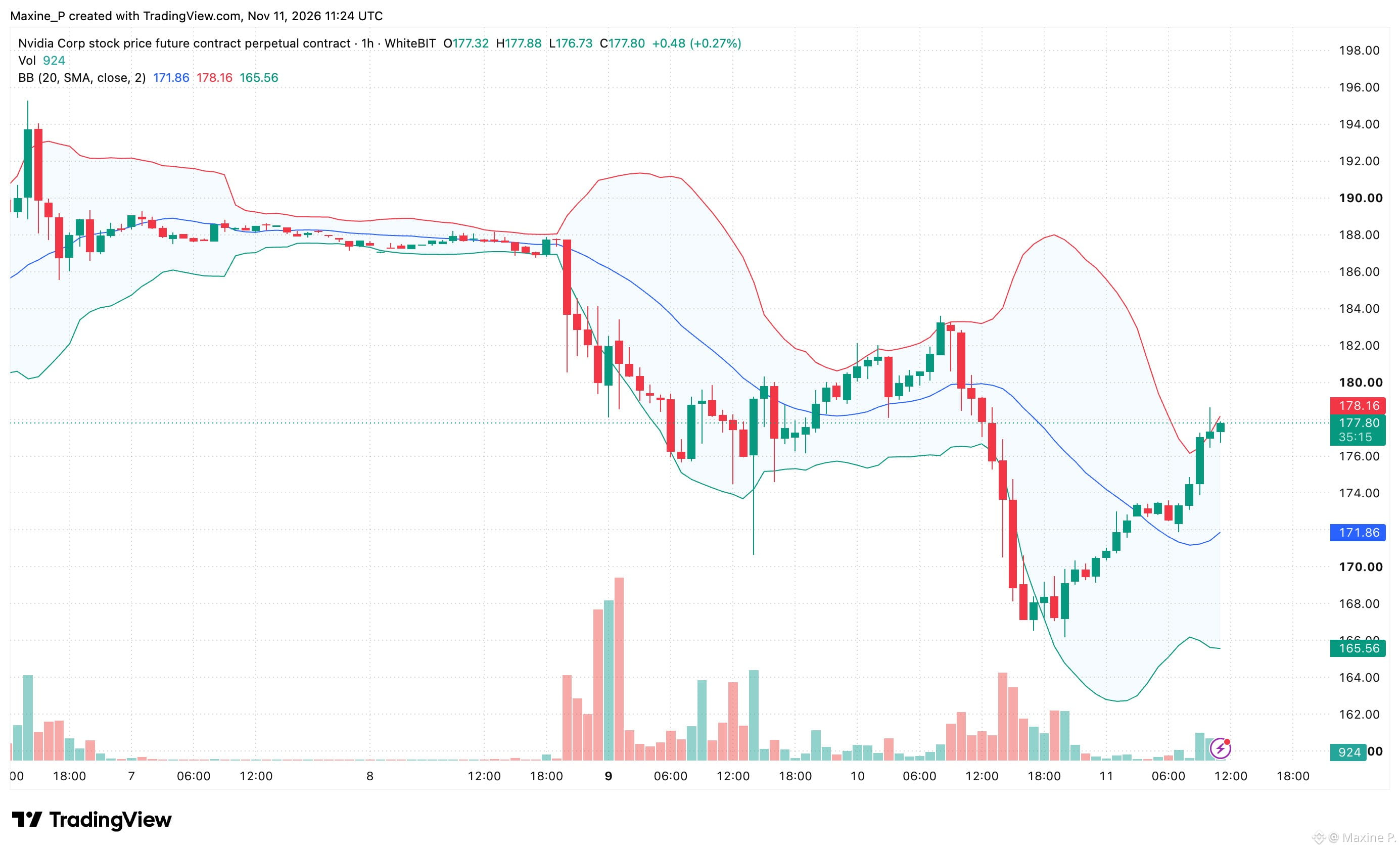
📊 ここ数日で、こうした警告を改めて振り返る理由がさらに増えました……11月5日だけでも、AI関連支出や今後のデータセンター建設への懸念が強まるなか、ナスダックは5.5%急落し、調整局面入りしました。
そして、代表的な銘柄のいくつかが大きな打撃を受けました。
▪️ AMD(-17.3%)。半導体メーカーのAMDは、11月5日に最も大幅な下落を記録した銘柄の一つです。半導体株を支えてきたAIインフラへの巨額投資が、今後も同じペースで続くのか、投資家の疑問は高まっています。
▪️ $NVDA(-9.3%)。11月5日の売りに続き、CEOのジェンスン・フアンが関わる独立調査や株主訴訟をめぐって、さらなる論争が起きました。一方、NVDAのテクニカル面も弱含み、かつてのサポートがレジスタンスに転じています。Crypto Andyの最新のTradingView分析は、かなり現実的に見えます:https://www.tradingview.com/chart/NVDAUSDT.P/5sadJQxP-Is-the-Next-NVDA-Bounce-Into-183-Worth-Shorting/
▪️ CoreWeave(-9.8%)。AIクラウドプロバイダーの同社も、11月5日の売りに巻き込まれました。半導体メーカーとは異なり、最大の弱点はデータセンターの容量拡大に必要な莫大な資金調達です。特に需要や建設が減速すれば、そのリスクは大きくなります。
正直なところ、こうした動きが重なったタイミングには少し不自然さを感じます。政治的不確実性、AI関連支出への疑念の高まり、企業をめぐる新たな論争が、わずか数日のうちに一気に重なりました🤔
偶然かどうかはさておき、市場が消化すべき材料は急に増えました。ところで、$BTCはこうした状況のなかでもかなり堅調です🔥
💭 どう思いますか?これは大規模なAI調整の始まりでしょうか。それとも、押し目買いのチャンスでしょうか? #マクロ分析# #NVIDIA #BTC価格分析# #AI

74
·
--
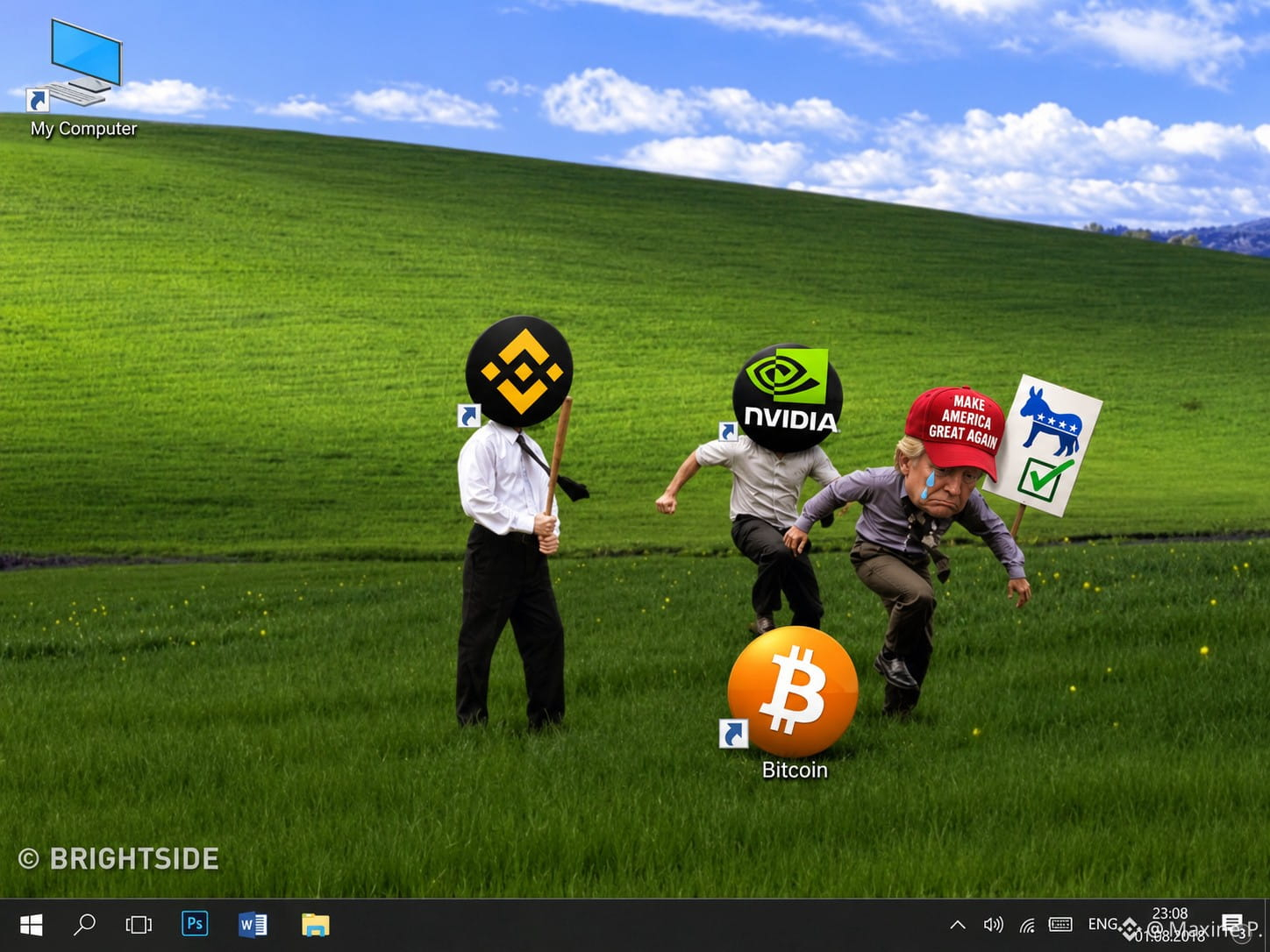
🟢 暗号資産の明るいニュースまとめ:見逃していたかもしれない4つの進展 11月、主要金融機関がデジタル資産への関与を拡大するなど、暗号資産業界にいくつかの前向きな動きがありました。知っておきたい4つをご紹介します。 🔹 1. NYSEがAvalancheを選定 - $AVAX ニューヨーク証券取引所は、24時間365日利用可能なトークン化証券プラットフォームの計画において、清算・決済を支える基盤としてAvalancheを選びました。このプロジェクトにはまだ規制当局の承認が必要ですが、ウォール街のブロックチェーンインフラにとって大きな一歩です。 🔹 2. Charles Schwabが3つの暗号資産を追加 Schwab Cryptoを通じて、顧客は$BTCやETHに加えて、SOL、AVAX、LINKを取引できるようになりました。米国最大級の証券会社のひとつを通じて、5種類のデジタル資産を直接利用できます。 🔹 3. PNC銀行がUSDCの受け入れを開始 Coinbaseとともに、PNCは対象となる法人顧客がUSDCでの支払いを受け取れる試験運用を開始しました。受け取ったUSDCは銀行口座内で自動的にドルに換算されます。 🔹 4. Coinbaseが連邦政府の信託会社認可を取得 通貨監督庁(OCC)はCoinbase National Trust Companyに最終承認を与え、連邦政府の監督下でデジタル資産のカストディ業務を拡大できるようになりました。 つまり、ハッキングや価格下落がニュースの見出しを占める一方で、こうした動きは見過ごされがちです……でも、次の暗号資産ラリーへの土台になるかもしれません 👀 #マクロ分析# #BTC価格分析#
🟢 暗号資産の明るいニュースまとめ:見逃していたかもしれない4つの進展 11月、主要金融機関がデジタル資産への関与を拡大するなど、暗号資産業界にいくつかの前向きな動きがありました。知っておきたい4つをご紹介します。 🔹 1. NYSEがAvalancheを選定 - $AVAX ニューヨーク証券取引所は、24時間365日利用可能なトークン化証券プラットフォームの計画において、清算・決済を支える基盤としてAvalancheを選びました。このプロジェクトにはまだ規制当局の承認が必要ですが、ウォール街のブロックチェーンインフラにとって大きな一歩です。 🔹 2. Charles Schwabが3つの暗号資産を追加 Schwab Cryptoを通じて、顧客は$BTCやETHに加えて、SOL、AVAX、LINKを取引できるようになりました。米国最大級の証券会社のひとつを通じて、5種類のデジタル資産を直接利用できます。 🔹 3. PNC銀行がUSDCの受け入れを開始 Coinbaseとともに、PNCは対象となる法人顧客がUSDCでの支払いを受け取れる試験運用を開始しました。受け取ったUSDCは銀行口座内で自動的にドルに換算されます。 🔹 4. Coinbaseが連邦政府の信託会社認可を取得 通貨監督庁(OCC)はCoinbase National Trust Companyに最終承認を与え、連邦政府の監督下でデジタル資産のカストディ業務を拡大できるようになりました。 つまり、ハッキングや価格下落がニュースの見出しを占める一方で、こうした動きは見過ごされがちです……でも、次の暗号資産ラリーへの土台になるかもしれません 👀 #マクロ分析# #BTC価格分析#
60
·
--
翻訳参照
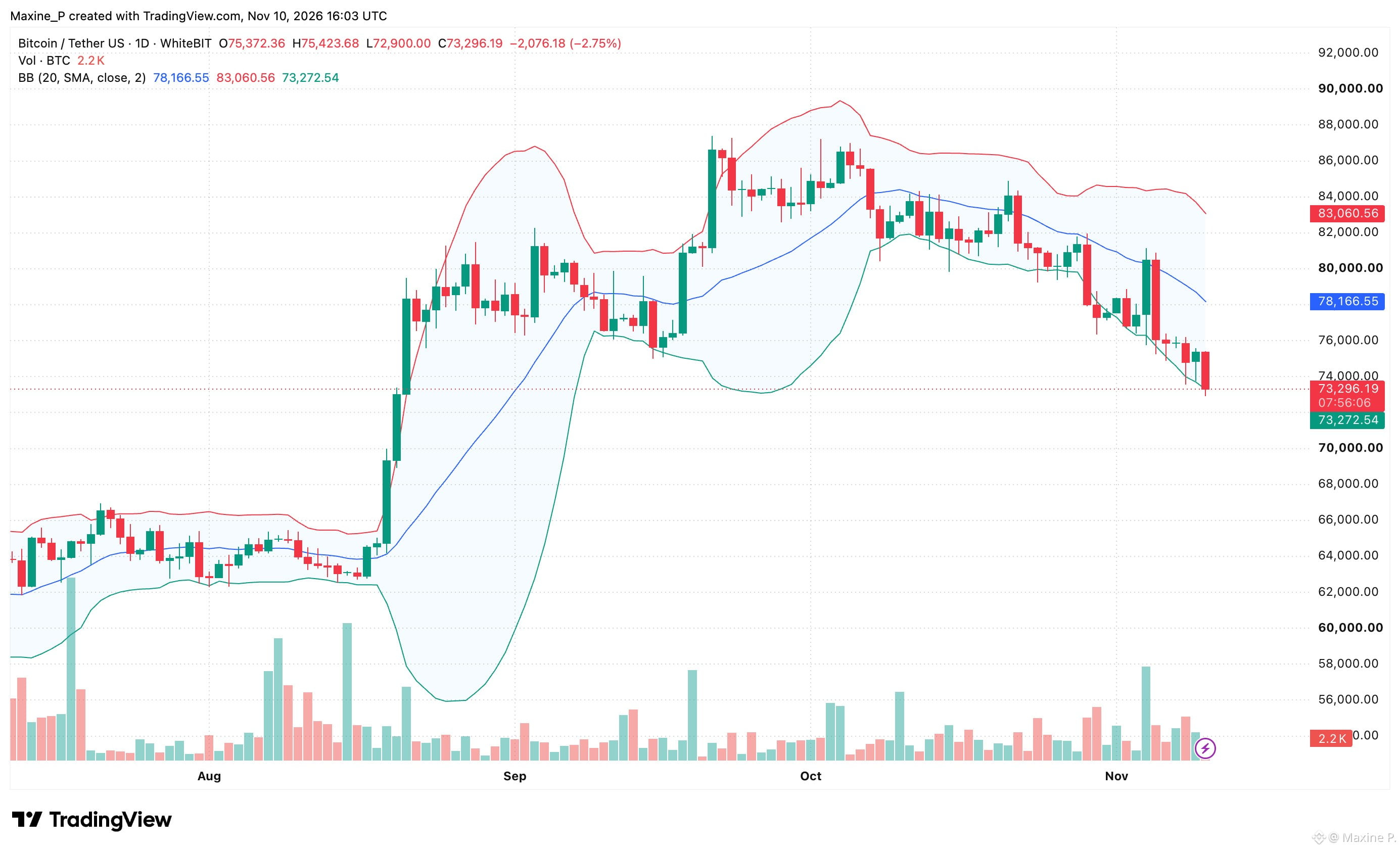
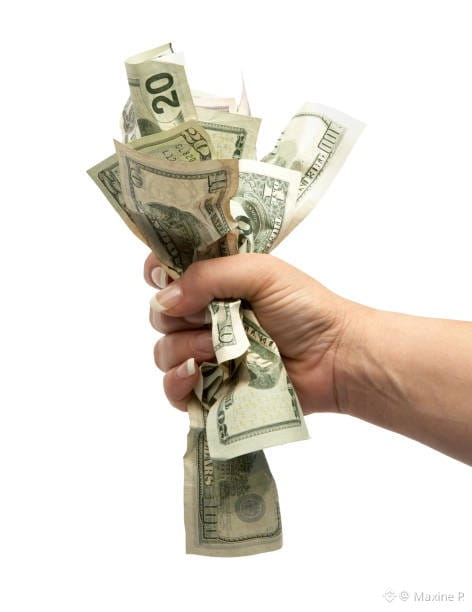
🇺🇸 US Inflation Slowed, but Still Came In Above Expectations. What About $BTC ? September's +0.6% monthly CPI increase eased in October, but not as much as markets expected: 📊 Headline CPI: +0.4% vs. +0.3% expected 📊 Core CPI: +0.3% vs. +0.2% expected Core inflation, which excludes food and energy, has now remained at +0.3% for 3 consecutive months. Why does this matter for $BTC ? Higher-than-expected inflation gives the Federal Reserve more reason to keep interest rates elevated or raise them further. And higher borrowing costs generally make investors less willing to take on risk. 📉 Bitcoin dropped toward $73,500 shortly after the release. There's another detail worth watching: Fed Governor Christopher Waller said a 50-basis-point rate hike should be considered if core inflation reached 0.3% or higher. Today's report met that threshold, although no decision has been made. The Fed meets on December 8-9, just one day before the next CPI report. #BTC Price Analysis# #Bitcoin Price Prediction: What is Bitcoins next move?#
🇺🇸 US Inflation Slowed, but Still Came In Above Expectations. What About $BTC ? September's +0.6% monthly CPI increase eased in October, but not as much as markets expected: 📊 Headline CPI: +0.4% vs. +0.3% expected 📊 Core CPI: +0.3% vs. +0.2% expected Core inflation, which excludes food and energy, has now remained at +0.3% for 3 consecutive months. Why does this matter for $BTC ? Higher-than-expected inflation gives the Federal Reserve more reason to keep interest rates elevated or raise them further. And higher borrowing costs generally make investors less willing to take on risk. 📉 Bitcoin dropped toward $73,500 shortly after the release. There's another detail worth watching: Fed Governor Christopher Waller said a 50-basis-point rate hike should be considered if core inflation reached 0.3% or higher. Today's report met that threshold, although no decision has been made. The Fed meets on December 8-9, just one day before the next CPI report. #BTC Price Analysis# #Bitcoin Price Prediction: What is Bitcoins next move?#
67
·
--
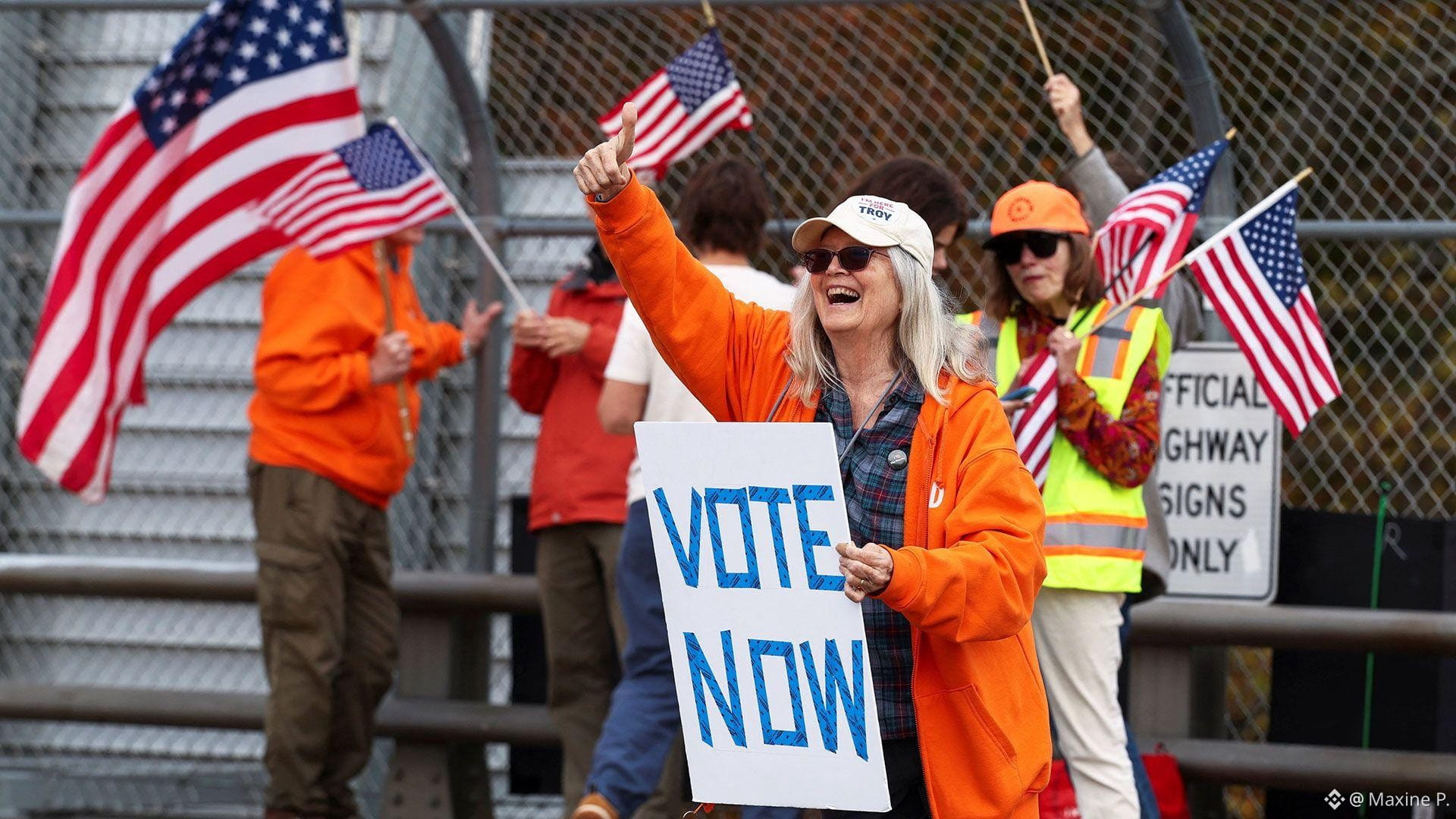
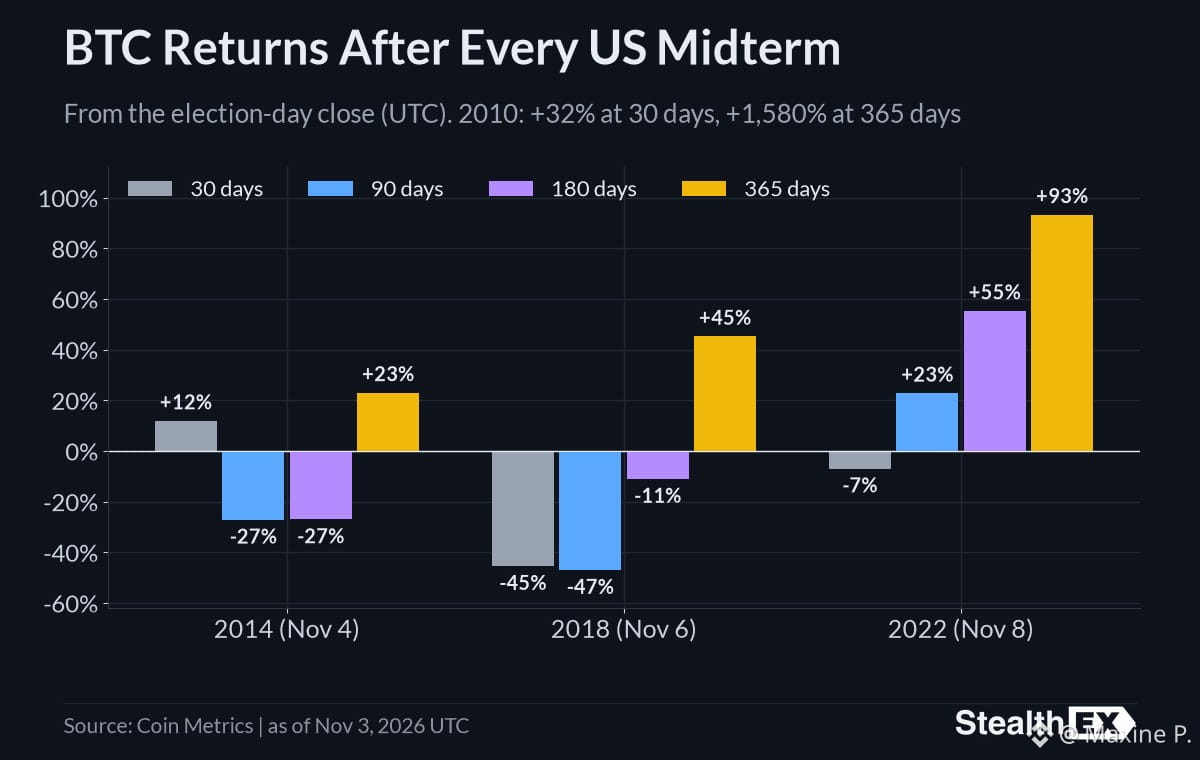
🇺🇸 米中間選挙:新議会、新たな暗号資産論争 ロイターによると、2026年の米中間選挙では、100を超える選挙で1億7,600万ドルが投じられました。これは、暗号資産関連の政治団体が、主に選挙広告を通じて、議会候補者の支持または反対に費やした金額です。 そして、ついに結果が判明しました。民主党が上下両院の主導権を握り、ワシントンの勢力図が変わりました。 では、2つの政党は$BTCなどの暗号資産について、どのような立場を取っているのでしょうか? 🔴 共和党は、2025年に下院を通過したCLARITY法案を含め、暗号資産市場の明確なルールづくりを推進してきました。 🔵 民主党も暗号資産関連法案を支持してきましたが、消費者保護や政治的な利益相反をめぐる意見の違いが、交渉を難しくしています。 🤝 Coinbase、Ripple、a16zなどの暗号資産企業は、両党にまたがる政治的な取り組みを支援してきました。 今後はどうなるのでしょうか? GENIUS法はすでに、ステーブルコインに関する連邦政府の枠組みを確立しています。一方、より広範なCLARITY法案は、9月に上院で行われた手続き上の採決が否決された後、停滞したままです。 新議会は2027年1月に発足する予定で、米国の暗号資産規制の今後を大きく変える可能性があります。 追伸:過去を見ると、$BTCは直近3回の米中間選挙後、それぞれ12カ月間でプラスのリターンを記録しています! 📈 2014年:+23% 📈 2018年:+45% 📈 2022年:+93% 2026年も、選挙後の上昇相場が4回連続となるのでしょうか? 👀 #暗号資産 #米中間選挙 #ビットコイン #暗号資産規制
🇺🇸 米中間選挙:新議会、新たな暗号資産論争 ロイターによると、2026年の米中間選挙では、100を超える選挙で1億7,600万ドルが投じられました。これは、暗号資産関連の政治団体が、主に選挙広告を通じて、議会候補者の支持または反対に費やした金額です。 そして、ついに結果が判明しました。民主党が上下両院の主導権を握り、ワシントンの勢力図が変わりました。 では、2つの政党は$BTCなどの暗号資産について、どのような立場を取っているのでしょうか? 🔴 共和党は、2025年に下院を通過したCLARITY法案を含め、暗号資産市場の明確なルールづくりを推進してきました。 🔵 民主党も暗号資産関連法案を支持してきましたが、消費者保護や政治的な利益相反をめぐる意見の違いが、交渉を難しくしています。 🤝 Coinbase、Ripple、a16zなどの暗号資産企業は、両党にまたがる政治的な取り組みを支援してきました。 今後はどうなるのでしょうか? GENIUS法はすでに、ステーブルコインに関する連邦政府の枠組みを確立しています。一方、より広範なCLARITY法案は、9月に上院で行われた手続き上の採決が否決された後、停滞したままです。 新議会は2027年1月に発足する予定で、米国の暗号資産規制の今後を大きく変える可能性があります。 追伸:過去を見ると、$BTCは直近3回の米中間選挙後、それぞれ12カ月間でプラスのリターンを記録しています! 📈 2014年:+23% 📈 2018年:+45% 📈 2022年:+93% 2026年も、選挙後の上昇相場が4回連続となるのでしょうか? 👀 #暗号資産 #米中間選挙 #ビットコイン #暗号資産規制
56
·
--
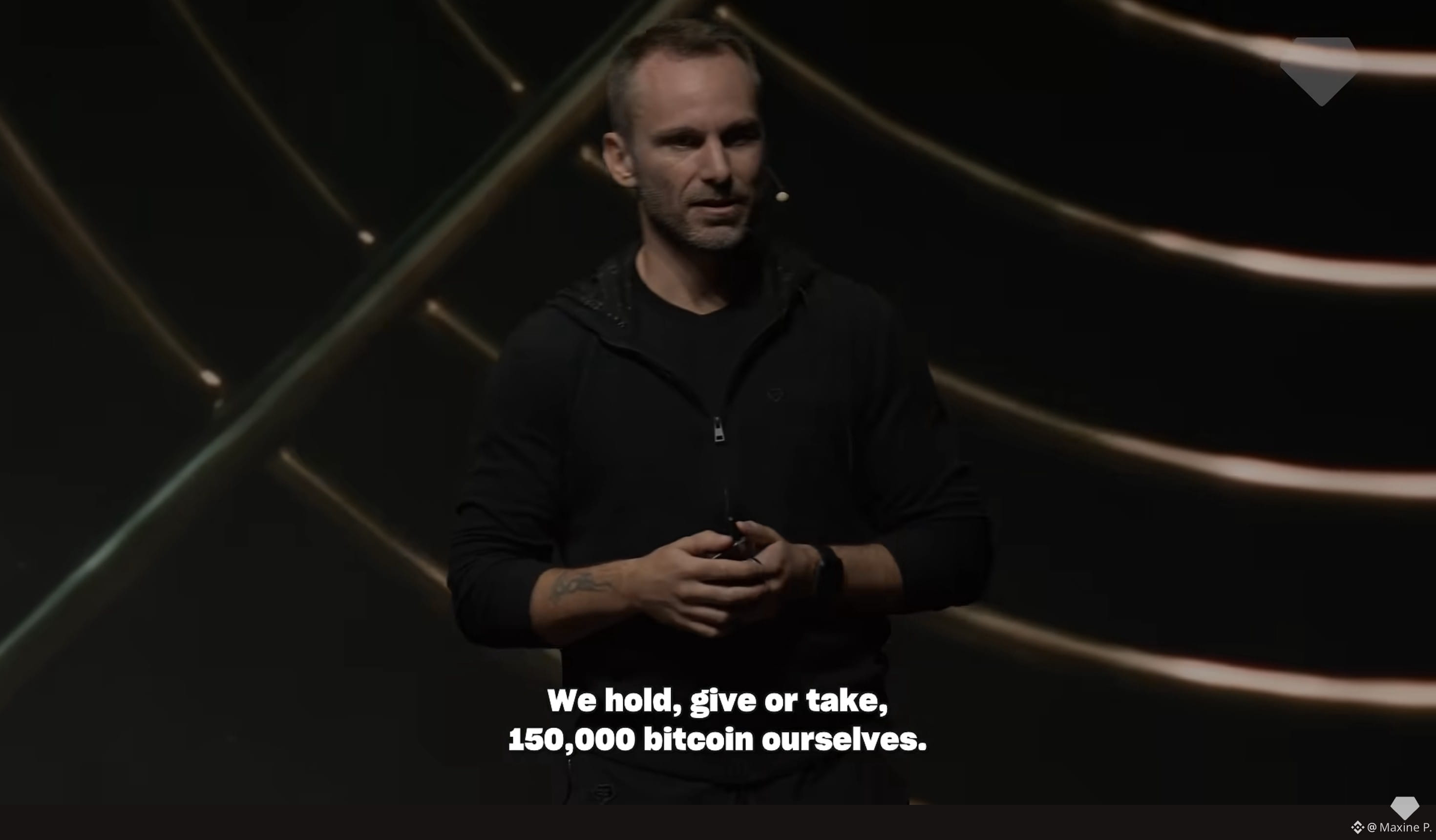
🟢 Tetherは現在、約150,000 $BTCを保有しています。CEOのPaolo Ardoino氏が今日、ルガーノで開催されたPlan ₿ Forumでその数字を明らかにしました。現在の価格で換算すると、その保有分は115億ドル以上の価値があります。 📌 そのペースは驚異的です。今年初め、Tetherは保有量を96,000〜100,000 BTCと報告していたため、同社は2026年だけで数万BTCを追加したことになります 📈 どのような仕組みなのでしょうか? 2023年5月以降、Tetherは四半期利益の最大15%をビットコインに投資しています。$USDTを裏付ける準備金は別に管理され、その大半は米国債で、約1,324億ドル相当です。 それに加えて、Tetherは安全余裕として79億5,000万ドルの超過準備金を確保しています。そのため、ビットコインが急落しても影響を受けるのは同社の利益であり、各USDTを裏付けるドルではありません 🛡 その結果、珍しい構図が生まれています。暗号資産で最も利用されているステーブルコインを運営する同社が、今や企業としても最大級のビットコイン保有者の一つになったのです。約848,500 BTCを保有するStrategyだけが、大きく上回っています 🟠 #BTC価格分析# #Tether #マクロ分析#
🟢 Tetherは現在、約150,000 $BTCを保有しています。CEOのPaolo Ardoino氏が今日、ルガーノで開催されたPlan ₿ Forumでその数字を明らかにしました。現在の価格で換算すると、その保有分は115億ドル以上の価値があります。 📌 そのペースは驚異的です。今年初め、Tetherは保有量を96,000〜100,000 BTCと報告していたため、同社は2026年だけで数万BTCを追加したことになります 📈 どのような仕組みなのでしょうか? 2023年5月以降、Tetherは四半期利益の最大15%をビットコインに投資しています。$USDTを裏付ける準備金は別に管理され、その大半は米国債で、約1,324億ドル相当です。 それに加えて、Tetherは安全余裕として79億5,000万ドルの超過準備金を確保しています。そのため、ビットコインが急落しても影響を受けるのは同社の利益であり、各USDTを裏付けるドルではありません 🛡 その結果、珍しい構図が生まれています。暗号資産で最も利用されているステーブルコインを運営する同社が、今や企業としても最大級のビットコイン保有者の一つになったのです。約848,500 BTCを保有するStrategyだけが、大きく上回っています 🟠 #BTC価格分析# #Tether #マクロ分析#
52
·
--
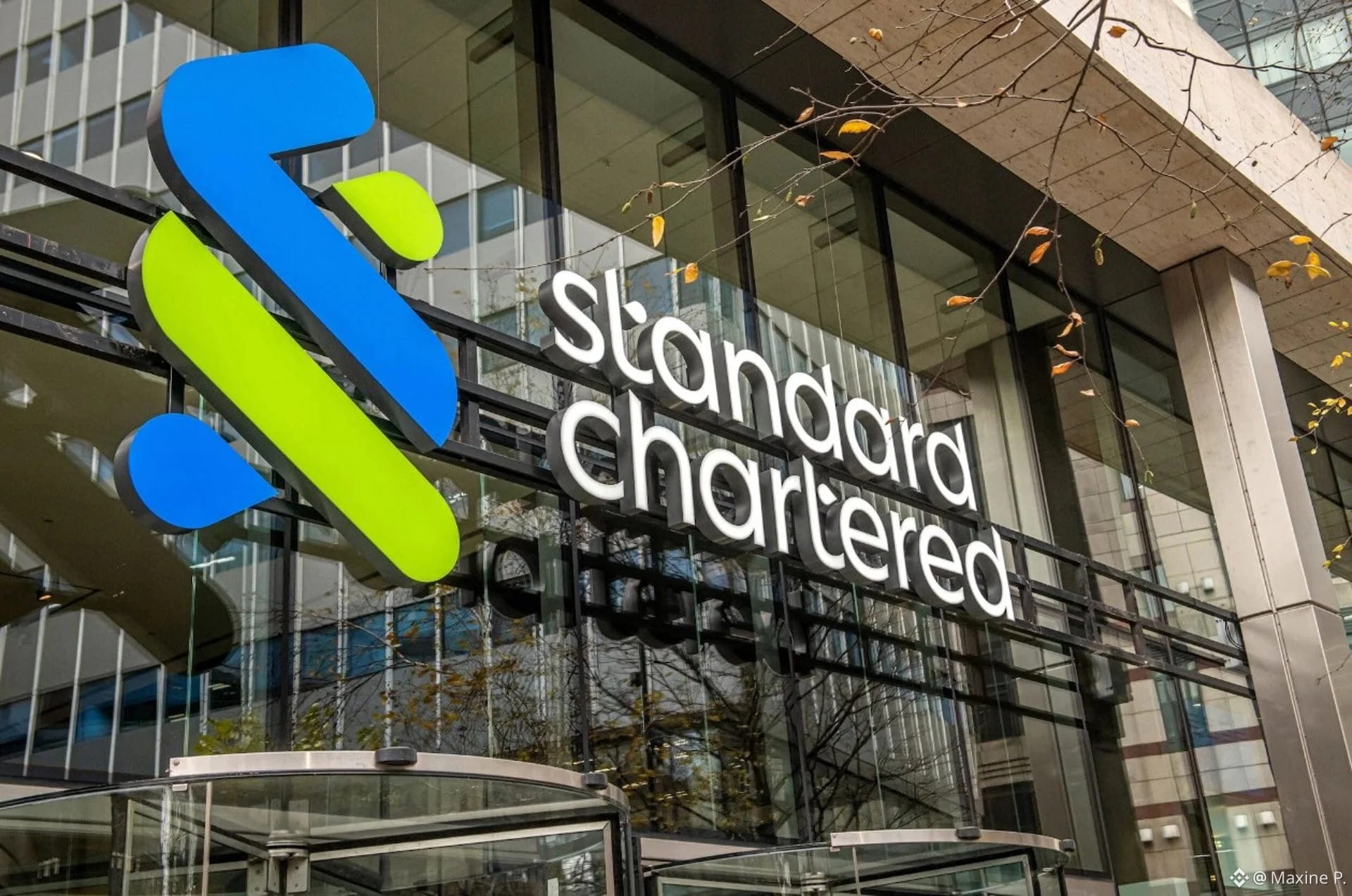
🏦 スタンダードチャータード銀行、銀行預金を24時間365日利用可能なブロックチェーンのレールに乗せる 通常、銀行が閉まると企業の資金移動も止まります。スタンダードチャータード銀行はこの状況を変えようとしています。香港でトークン化預金の提供を開始し、法人顧客が参加銀行間で24時間いつでも送金できるようになりました。 ⚡ 仕組みは? 資金は通常の銀行預金のまま、ブロックチェーンを使って移動します。銀行間の決済は中央銀行マネーで行われます。 香港が最初の市場となったのは、すでにインフラが整っているためです。香港金融管理局(HKMA)のEnsembleTXネットワークは現在、12行とその他20社を接続し、24時間365日の決済に対応しています。スタンダードチャータード銀行は商用提供を開始する前から、香港でトークン化預金の実証実験も行っていました 🇭🇰 これは、より広範な暗号資産戦略にも合致しています。 - スタンダードチャータード銀行はすでにUAEで、機関投資家向けに$BTCとETHの現物取引を提供しています。 - シンガポールでデジタル資産のカストディ事業を拡大しています。 - さらに、Zodia Custodyの買収に合意しています。 つまり今、同じ金融機関が2つの並行するレールを構築しています。一方は暗号資産サービス、もう一方はトークン化された従来型銀行サービスです。 #マクロインサイト# #トークン化 #StandardChartered
🏦 スタンダードチャータード銀行、銀行預金を24時間365日利用可能なブロックチェーンのレールに乗せる 通常、銀行が閉まると企業の資金移動も止まります。スタンダードチャータード銀行はこの状況を変えようとしています。香港でトークン化預金の提供を開始し、法人顧客が参加銀行間で24時間いつでも送金できるようになりました。 ⚡ 仕組みは? 資金は通常の銀行預金のまま、ブロックチェーンを使って移動します。銀行間の決済は中央銀行マネーで行われます。 香港が最初の市場となったのは、すでにインフラが整っているためです。香港金融管理局(HKMA)のEnsembleTXネットワークは現在、12行とその他20社を接続し、24時間365日の決済に対応しています。スタンダードチャータード銀行は商用提供を開始する前から、香港でトークン化預金の実証実験も行っていました 🇭🇰 これは、より広範な暗号資産戦略にも合致しています。 - スタンダードチャータード銀行はすでにUAEで、機関投資家向けに$BTCとETHの現物取引を提供しています。 - シンガポールでデジタル資産のカストディ事業を拡大しています。 - さらに、Zodia Custodyの買収に合意しています。 つまり今、同じ金融機関が2つの並行するレールを構築しています。一方は暗号資産サービス、もう一方はトークン化された従来型銀行サービスです。 #マクロインサイト# #トークン化 #StandardChartered
70
·
--
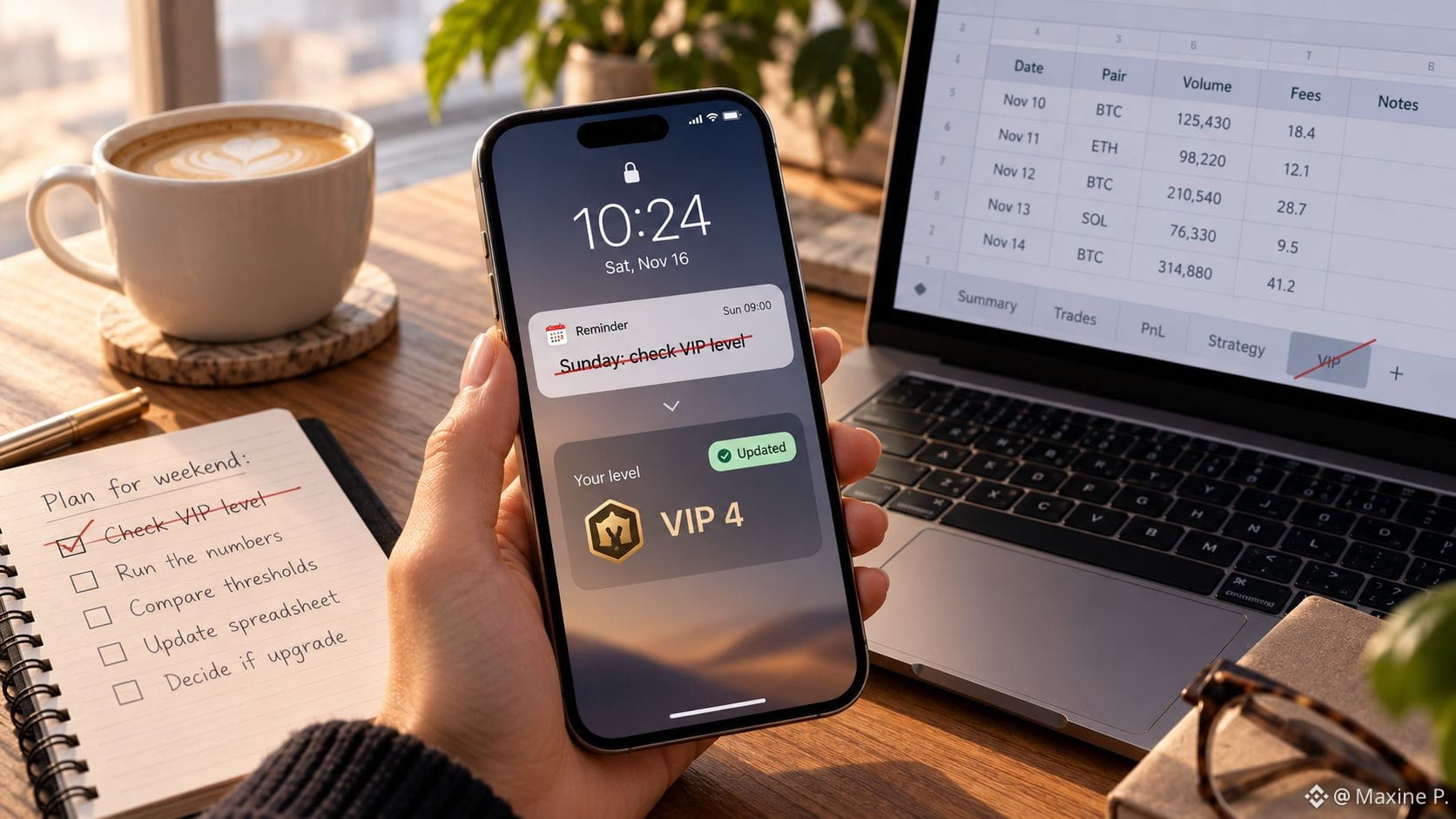
日曜日に数字を確認するつもりでした。でも土曜日に先を越されました 私は、誰にも頼まれていないことまで表計算シートで管理するタイプのトレーダーです。以前はVIPレベルもそのひとつでした。毎月、取引量を集計して条件と照らし合わせ、アップグレードを目指すべきか考えていました🥲 ところがある週、$BTC が数時間おきに大きく上下し、いつもよりずっと多く取引しました。金曜日には次のレベルに近づいていると分かりましたが、画面を見るのに疲れていたので、日曜日に数字を確認して整理するようリマインダーを設定しました。 土曜日の朝、ポジションを決済するためにログインしたところ、アカウントにはすでに新しいレベルが表示されていました。WhiteBIT VIPプログラムでは、条件を達成するとアップグレードが自動的に適用され、24時間以内にステータスが更新されます。 https://bit.ly/4dQqdwW 要するに、申請も確認も必要ありませんでした。開こうと思っていた表計算シートも、結局は無用でした。 実用面でのメリットは、やはりタイミングです。上位レベルの割引は、確認して申請する時間を見つけてからではなく、取引を活発に続けている間に適用され始めました。時間と労力を何より大切にする私にとって、どちらも費やさずに結果を得られたことは、レベルそのもの以上に価値がありました。 数週間後、自動で更新される数字を監視する必要はないと思い、表計算シートからVIPのタブを削除しました👀 免責事項:これは金融または投資に関する助言ではありません。判断を下す前に、ご自身で調査してください。ご自身の責任でご利用ください。#BTC価格分析# #ビットコイン価格予測:ビットコインの次の動きは?#
日曜日に数字を確認するつもりでした。でも土曜日に先を越されました 私は、誰にも頼まれていないことまで表計算シートで管理するタイプのトレーダーです。以前はVIPレベルもそのひとつでした。毎月、取引量を集計して条件と照らし合わせ、アップグレードを目指すべきか考えていました🥲 ところがある週、$BTC が数時間おきに大きく上下し、いつもよりずっと多く取引しました。金曜日には次のレベルに近づいていると分かりましたが、画面を見るのに疲れていたので、日曜日に数字を確認して整理するようリマインダーを設定しました。 土曜日の朝、ポジションを決済するためにログインしたところ、アカウントにはすでに新しいレベルが表示されていました。WhiteBIT VIPプログラムでは、条件を達成するとアップグレードが自動的に適用され、24時間以内にステータスが更新されます。 https://bit.ly/4dQqdwW 要するに、申請も確認も必要ありませんでした。開こうと思っていた表計算シートも、結局は無用でした。 実用面でのメリットは、やはりタイミングです。上位レベルの割引は、確認して申請する時間を見つけてからではなく、取引を活発に続けている間に適用され始めました。時間と労力を何より大切にする私にとって、どちらも費やさずに結果を得られたことは、レベルそのもの以上に価値がありました。 数週間後、自動で更新される数字を監視する必要はないと思い、表計算シートからVIPのタブを削除しました👀 免責事項:これは金融または投資に関する助言ではありません。判断を下す前に、ご自身で調査してください。ご自身の責任でご利用ください。#BTC価格分析# #ビットコイン価格予測:ビットコインの次の動きは?#
1
1
·
--
🔥 デジタル・ミニマリズムのためのヴィタリック・ブテリンの3つのルール 📵 スマホを100日間機内モードにしただけで、ヴィタリック・ブテリンはその実験を習慣に変えることができました。$ETHの共同創設者である彼は、デジタル・ミニマリズムについての新しいエッセイを公開しました。つまり、アプリやウェブサイト、アルゴリズムに使い方を決めさせるのではなく、意識的にテクノロジーを使うということです。 特に興味深かったのは、次の3つです。 📌 1. スマホ:デフォルトで機内モード ヴィタリックは、ほとんどの時間、モバイルデータ通信をオフにして、代わりにWi-Fiを使っています。理由はプライバシーの保護と、気が散るのを減らすことです。スマホを携帯電話の基地局に接続すると、常に位置情報が明らかになってしまいます。また、彼はGrapheneOSを使い、位置情報へのアクセスを許可するアプリもごくわずかにしています。 いつでも便利というわけではありません。実験中は一部のSMS認証コードを受け取れず、シンガポールではGrabの利用にも苦労したそうです。 📌 2. 暗号資産:ウェブサイトを信頼しすぎない ENSの一部の更新やプライベート決済には、一般的な暗号資産関連のウェブサイトではなく、コマンドラインツールを使うようになりました。 彼の主張はシンプルです。ウェブアプリを開くたびに、そのコードを再びダウンロードし、サーバーが侵害されていないと信頼することになります。ローカルのツールなら、代わりに一度だけ中身を確認してインストールできます。今ではAIのおかげで、Bashを知らなくてもこうしたツールをずっと簡単に使えるようになりました。 📌 3. ソーシャルメディア:Xは使い続け、アルゴリズムは取り除く ヴィタリックは今もXに投稿していますが、主にFirefly(X、Bluesky、Farcaster、Lensをまとめて使えるサービス)を通じて投稿しています。彼によると、いちばん意外だったのは、いつものXのインターフェースから離れただけで気分が良くなったことだそうです 🤔 つまり、彼の主な考えはデジタルとの関わりを減らすことではなく、デジタルの雑音を一層取り除いて、本当にそれがなくて困るのか確かめることです…… 💭 この中で、現実的に試してみたいのはどれですか? #マクロインサイト# #イーサリアム #アルトコインシーズン#
🔥 デジタル・ミニマリズムのためのヴィタリック・ブテリンの3つのルール 📵 スマホを100日間機内モードにしただけで、ヴィタリック・ブテリンはその実験を習慣に変えることができました。$ETHの共同創設者である彼は、デジタル・ミニマリズムについての新しいエッセイを公開しました。つまり、アプリやウェブサイト、アルゴリズムに使い方を決めさせるのではなく、意識的にテクノロジーを使うということです。 特に興味深かったのは、次の3つです。 📌 1. スマホ:デフォルトで機内モード ヴィタリックは、ほとんどの時間、モバイルデータ通信をオフにして、代わりにWi-Fiを使っています。理由はプライバシーの保護と、気が散るのを減らすことです。スマホを携帯電話の基地局に接続すると、常に位置情報が明らかになってしまいます。また、彼はGrapheneOSを使い、位置情報へのアクセスを許可するアプリもごくわずかにしています。 いつでも便利というわけではありません。実験中は一部のSMS認証コードを受け取れず、シンガポールではGrabの利用にも苦労したそうです。 📌 2. 暗号資産:ウェブサイトを信頼しすぎない ENSの一部の更新やプライベート決済には、一般的な暗号資産関連のウェブサイトではなく、コマンドラインツールを使うようになりました。 彼の主張はシンプルです。ウェブアプリを開くたびに、そのコードを再びダウンロードし、サーバーが侵害されていないと信頼することになります。ローカルのツールなら、代わりに一度だけ中身を確認してインストールできます。今ではAIのおかげで、Bashを知らなくてもこうしたツールをずっと簡単に使えるようになりました。 📌 3. ソーシャルメディア:Xは使い続け、アルゴリズムは取り除く ヴィタリックは今もXに投稿していますが、主にFirefly(X、Bluesky、Farcaster、Lensをまとめて使えるサービス)を通じて投稿しています。彼によると、いちばん意外だったのは、いつものXのインターフェースから離れただけで気分が良くなったことだそうです 🤔 つまり、彼の主な考えはデジタルとの関わりを減らすことではなく、デジタルの雑音を一層取り除いて、本当にそれがなくて困るのか確かめることです…… 💭 この中で、現実的に試してみたいのはどれですか? #マクロインサイト# #イーサリアム #アルトコインシーズン#

53
·
--
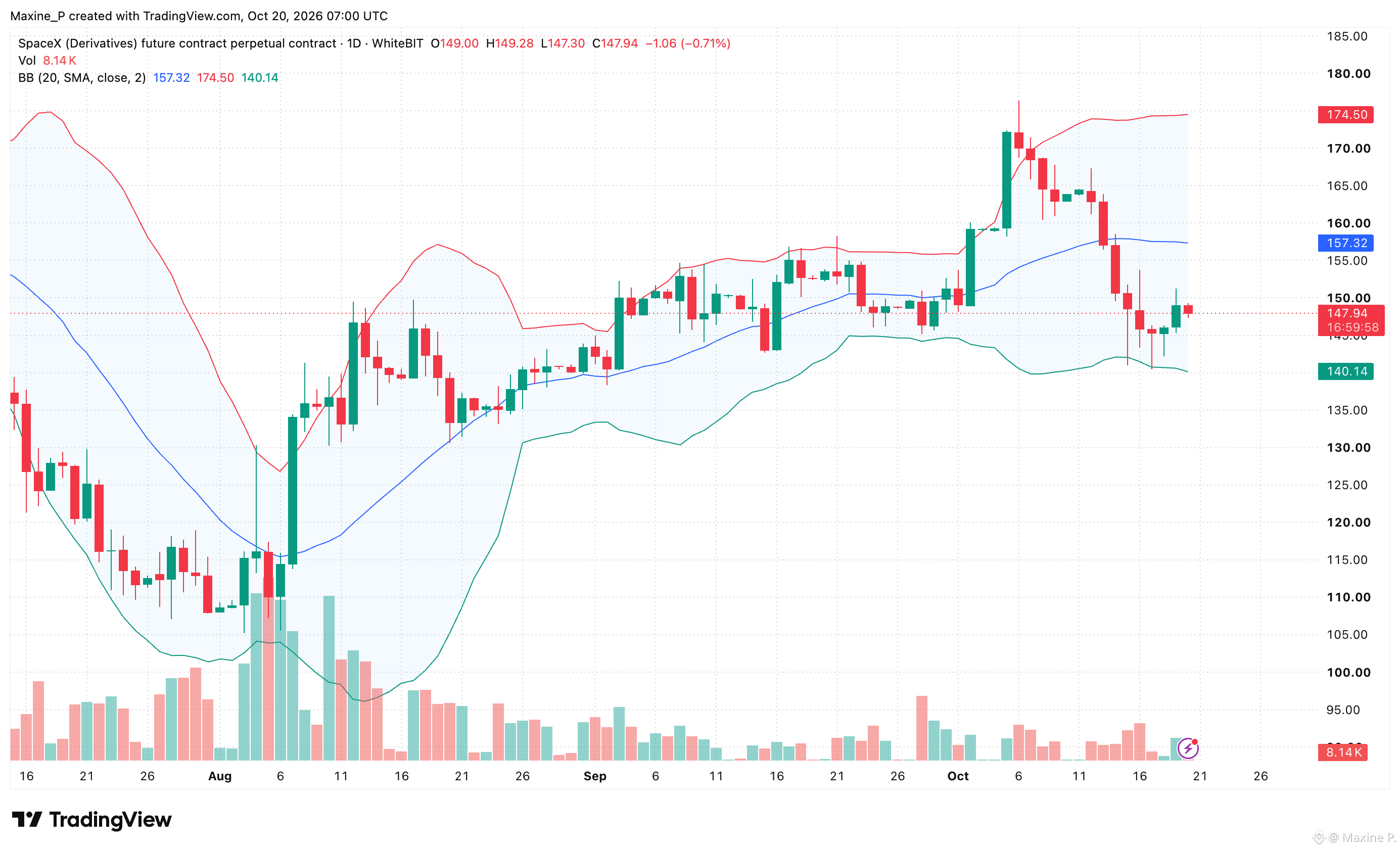
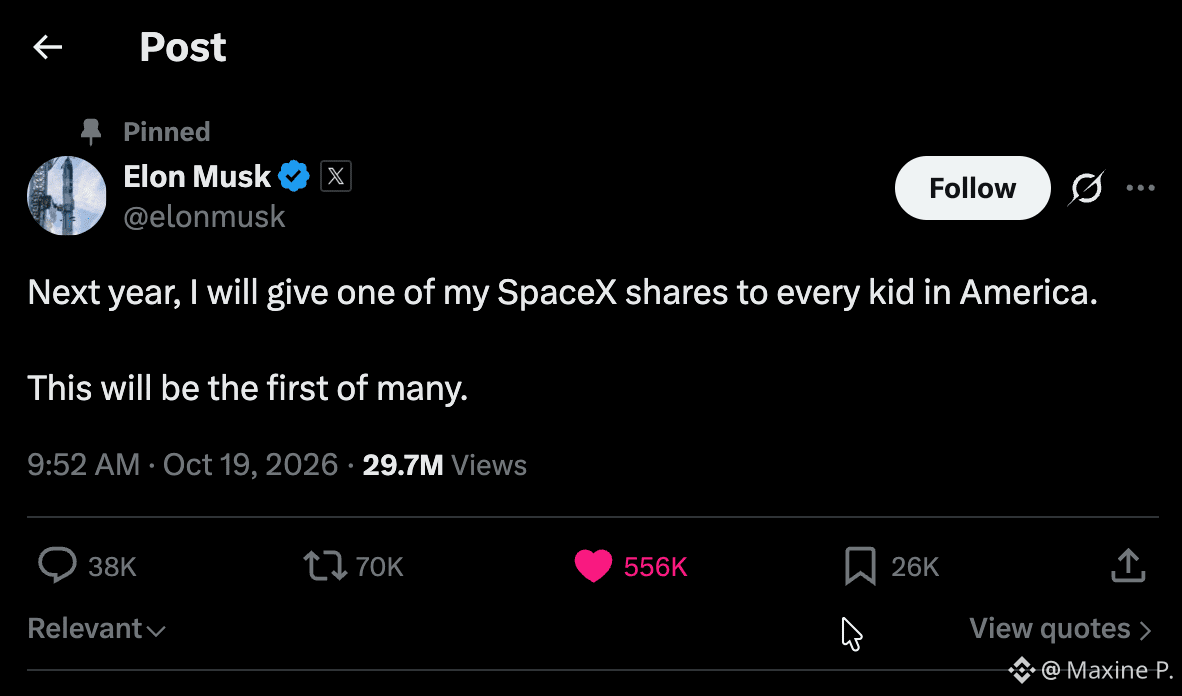
🐥 イーロン・マスク、米国の子ども全員にSpaceX株を1株ずつ贈る意向 2027年に約7,200万人の子どもが、それぞれ$SPCXを1株受け取る可能性があります。1株約146ドルとすると、マスクの約束は100億ドルを超える価値になります。 💭 Anthropicが株式の5%を公益基金に拠出すると発表した後、マスクはXでこの構想を発表しました。マスクは、株式を一般の人々に直接贈るほうがいいと述べ、SpaceX株の配布は「数ある計画の第一弾」になると付け加えました。 具体的な仕組みはまだ明らかになっていませんが、すでに実現につながる可能性のある方法があります。米国で新設された子ども向け投資口座では株式の寄付を受け付けることができ、SpaceXの社長グウィン・ショットウェルは、すでに200万人以上の子どもを対象に、3億2,000万ドル相当を超えるSpaceX株の寄付を約束しています... 📌 マスクはこうした構想を、AIによって将来的に豊かさや所得が大幅に増える可能性があるという、より広い見解とも結びつけています。つまり、これは一度きりの贈り物というより、繰り返し実施したいと考えている取り組みのようです。 さて、子どもの最初の投資先は、SPCXと$BTCのどちら? 🚀 #マクロ分析# #SpaceX #ビットコイン
🐥 イーロン・マスク、米国の子ども全員にSpaceX株を1株ずつ贈る意向 2027年に約7,200万人の子どもが、それぞれ$SPCXを1株受け取る可能性があります。1株約146ドルとすると、マスクの約束は100億ドルを超える価値になります。 💭 Anthropicが株式の5%を公益基金に拠出すると発表した後、マスクはXでこの構想を発表しました。マスクは、株式を一般の人々に直接贈るほうがいいと述べ、SpaceX株の配布は「数ある計画の第一弾」になると付け加えました。 具体的な仕組みはまだ明らかになっていませんが、すでに実現につながる可能性のある方法があります。米国で新設された子ども向け投資口座では株式の寄付を受け付けることができ、SpaceXの社長グウィン・ショットウェルは、すでに200万人以上の子どもを対象に、3億2,000万ドル相当を超えるSpaceX株の寄付を約束しています... 📌 マスクはこうした構想を、AIによって将来的に豊かさや所得が大幅に増える可能性があるという、より広い見解とも結びつけています。つまり、これは一度きりの贈り物というより、繰り返し実施したいと考えている取り組みのようです。 さて、子どもの最初の投資先は、SPCXと$BTCのどちら? 🚀 #マクロ分析# #SpaceX #ビットコイン
71
·
--
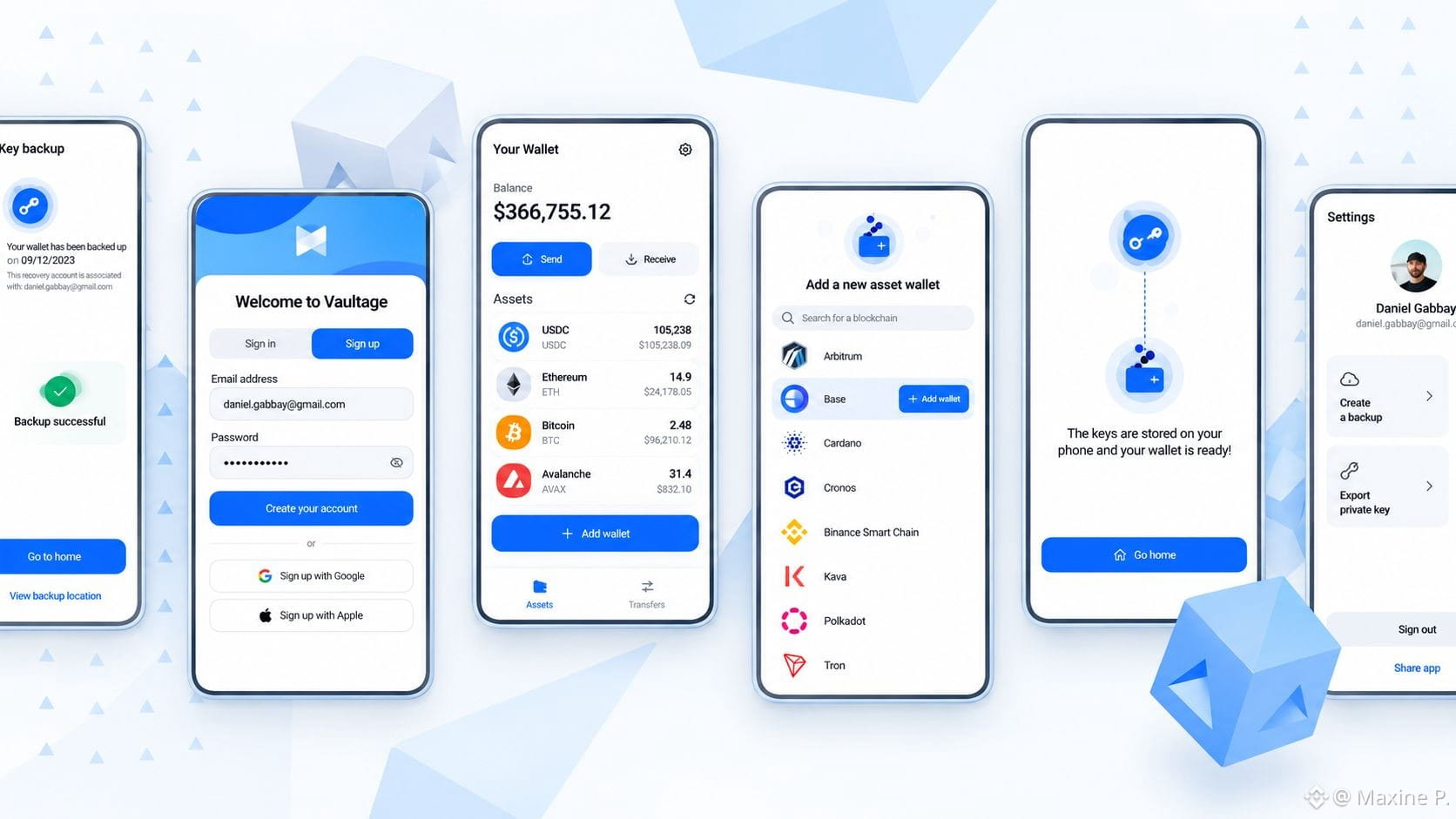
📌 ウォレット統合のたった1つのミスが、何か月もの開発を無駄にすることも 暗号資産 $BTC ウォレットをゼロから構築すれば、企業はインフラをより細かく管理できます。しかしその一方で、アドレスの検証から秘密鍵の管理まで、あらゆる技術的な詳細に責任を負うことになります。 ウォレットのロジックにたった1つミスがあるだけで、取引の失敗、資金へのアクセス不能、高額な復旧作業につながる可能性があります。顧客資産を扱うプラットフォームにとって、その影響は技術的な保守の範囲にとどまりません。 では、信頼できるウォレットインフラには何が必要でしょうか? ✅ 鍵管理:安全な保管と取引の承認 ✅ 取引管理:承認ポリシー、モニタリング、運用監督 ✅ マルチチェーン対応:複数のブロックチェーンネットワークにまたがる資産の管理 ✅ 拡張性:基幹インフラを再構築せずに、増加する取引量に対応 Fireblocks Wallets-as-a-Serviceのようなプロバイダーは、MPCベースのウォレットインフラ、取引ポリシー、150以上のブロックチェーンへの対応を提供しています: https://www.fireblocks.com/products/wallets-as-a-service?utm_source=coinmarketcap&utm_medium=maxine_waaas&utm_campaign=post 企業にとって、この判断は開発コストだけの問題ではありません。どのインフラ関連の責任を社内に残し、どの業務を専門プロバイダーに任せるのが適切かという問題です。 これは金融または投資に関する助言ではありません。判断を下す前に、ご自身で十分に調査してください。ご自身の責任でご利用ください。#BTC価格分析# #ビットコイン価格予測:ビットコインの次の動きは?#
📌 ウォレット統合のたった1つのミスが、何か月もの開発を無駄にすることも 暗号資産 $BTC ウォレットをゼロから構築すれば、企業はインフラをより細かく管理できます。しかしその一方で、アドレスの検証から秘密鍵の管理まで、あらゆる技術的な詳細に責任を負うことになります。 ウォレットのロジックにたった1つミスがあるだけで、取引の失敗、資金へのアクセス不能、高額な復旧作業につながる可能性があります。顧客資産を扱うプラットフォームにとって、その影響は技術的な保守の範囲にとどまりません。 では、信頼できるウォレットインフラには何が必要でしょうか? ✅ 鍵管理:安全な保管と取引の承認 ✅ 取引管理:承認ポリシー、モニタリング、運用監督 ✅ マルチチェーン対応:複数のブロックチェーンネットワークにまたがる資産の管理 ✅ 拡張性:基幹インフラを再構築せずに、増加する取引量に対応 Fireblocks Wallets-as-a-Serviceのようなプロバイダーは、MPCベースのウォレットインフラ、取引ポリシー、150以上のブロックチェーンへの対応を提供しています: https://www.fireblocks.com/products/wallets-as-a-service?utm_source=coinmarketcap&utm_medium=maxine_waaas&utm_campaign=post 企業にとって、この判断は開発コストだけの問題ではありません。どのインフラ関連の責任を社内に残し、どの業務を専門プロバイダーに任せるのが適切かという問題です。 これは金融または投資に関する助言ではありません。判断を下す前に、ご自身で十分に調査してください。ご自身の責任でご利用ください。#BTC価格分析# #ビットコイン価格予測:ビットコインの次の動きは?#
1
62
·
--
🌏 VisaとMesh、1億7,500万の加盟店で暗号資産を使えるようにすることを目指す サービスはまだすべての地域で利用できるわけではなく、対応ウォレットや資産についても今後発表される予定です。しかし、目指す方向は明確です。別個の暗号資産決済システムを構築するのではなく、既存の決済ネットワークを通じて、$BTCやステーブルコインの残高を使えるようにすることです 💳❌ 決済時にはMeshが暗号資産側の処理を担い、加盟店には通常のVisa決済として入金されます。つまり、店舗側で新しい端末や暗号資産専用のインフラを導入する必要はありません。 🌠 暗号資産決済の次の段階に備えていますか? #マクロインサイト# #ステーブルコイン #Visa
🌏 VisaとMesh、1億7,500万の加盟店で暗号資産を使えるようにすることを目指す サービスはまだすべての地域で利用できるわけではなく、対応ウォレットや資産についても今後発表される予定です。しかし、目指す方向は明確です。別個の暗号資産決済システムを構築するのではなく、既存の決済ネットワークを通じて、$BTCやステーブルコインの残高を使えるようにすることです 💳❌ 決済時にはMeshが暗号資産側の処理を担い、加盟店には通常のVisa決済として入金されます。つまり、店舗側で新しい端末や暗号資産専用のインフラを導入する必要はありません。 🌠 暗号資産決済の次の段階に備えていますか? #マクロインサイト# #ステーブルコイン #Visa
74
·
--
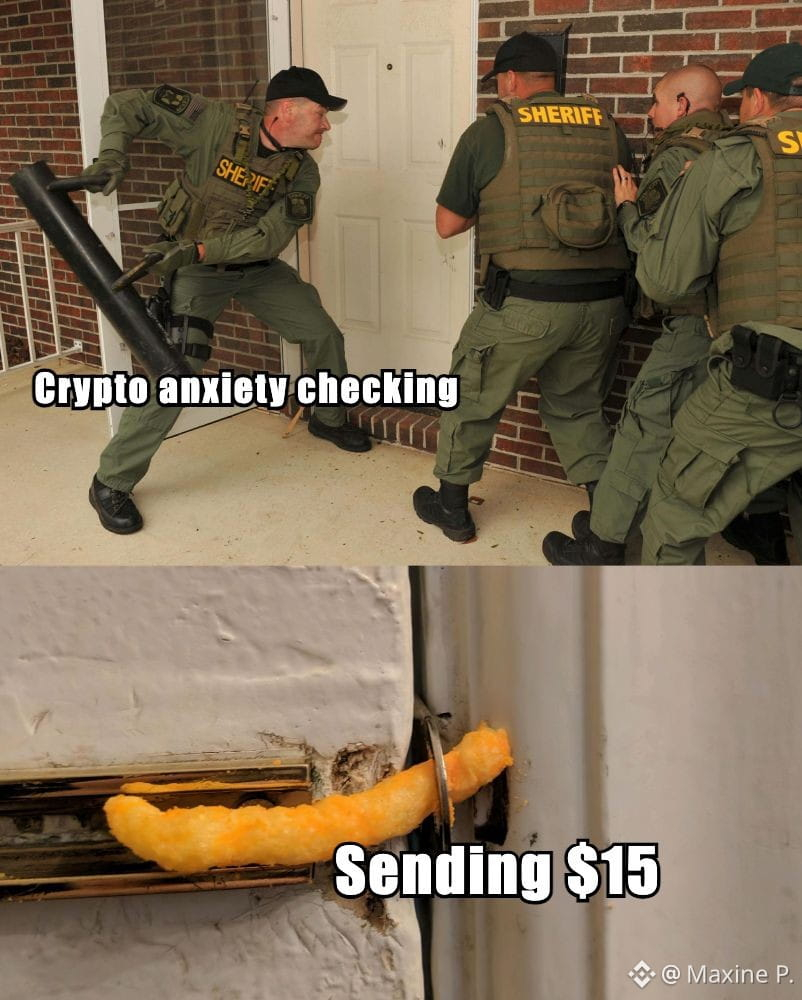
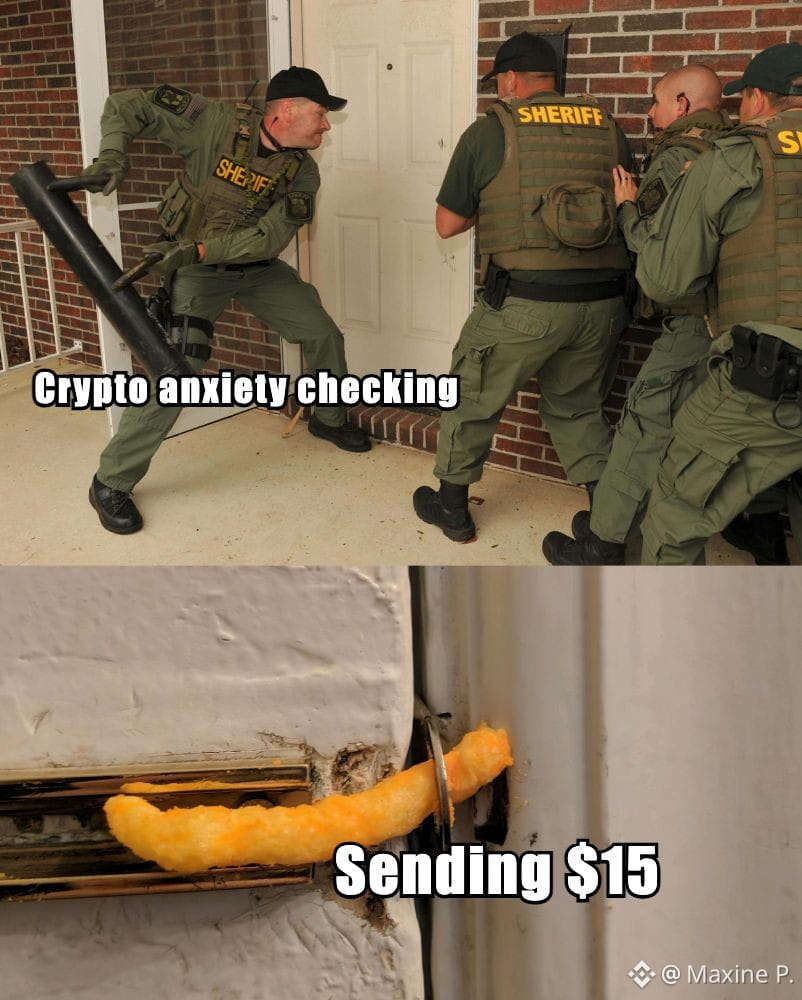
🫠 TRC-20とERC-20、同じものだよね?その思い込みで600 USDTを失った話――「送信」を押すたびに今でも手のひらに汗をかく理由。4年前、NFTマーケットプレイスでパートタイムの仕事に就いた。NFTブームの真っただ中で、ついに夢がかなったと思った。夢のような仕事、世界中にいるチーム、給与は$USDT。みんなに自慢して回っていた。 初月を終えたあと、経理からウォレットアドレスとネットワークを聞かれた。ネットワークが何なのか、まったくわからなかった。TRC-20、ERC-20……同じものだよね?? 経理は送金してくれた。資金は希望どおりの場所に届いた。だからその後1か月、私はすっかり落ち込んでいた。🥲 以前は暗号資産の$BTCを送金するとき、いつも同じ手順で念入りに確認していた。 🔹最初の4文字 🔹最後の4文字 🔹ネットワーク 🔹もう一度、今度はゆっくり全部 そして先週、同僚にランチ代の15 USDTを返してもらうことになり、ウォレットアドレスを送った。ネットワーク名は大文字で入力し、最後の4文字を復唱してもらった😅 返事はこうだった。「なんでそんなこと全部してるの?僕たち二人ともWhiteBITを使ってるんだから、ニックネームを送ってよ。」そういえば、QuickSendを使ったことがなかった。 bit.ly/4hOzdUe それで送ってみた。数秒後、15ドルがメイン残高に入っていた。手数料なし。外部への送金は今でも必ず三重に確認している。でも、二人ともWhiteBITを使っているなら、ニックネームを聞くことにする。 ❗免責事項:これは金融または投資に関するアドバイスではありません。ご自身で調査してください。ご自身の責任でご利用ください。#BTC価格分析# #ビットコイン価格予測:ビットコインの次の動きは?#
🫠 TRC-20とERC-20、同じものだよね?その思い込みで600 USDTを失った話――「送信」を押すたびに今でも手のひらに汗をかく理由。4年前、NFTマーケットプレイスでパートタイムの仕事に就いた。NFTブームの真っただ中で、ついに夢がかなったと思った。夢のような仕事、世界中にいるチーム、給与は$USDT。みんなに自慢して回っていた。 初月を終えたあと、経理からウォレットアドレスとネットワークを聞かれた。ネットワークが何なのか、まったくわからなかった。TRC-20、ERC-20……同じものだよね?? 経理は送金してくれた。資金は希望どおりの場所に届いた。だからその後1か月、私はすっかり落ち込んでいた。🥲 以前は暗号資産の$BTCを送金するとき、いつも同じ手順で念入りに確認していた。 🔹最初の4文字 🔹最後の4文字 🔹ネットワーク 🔹もう一度、今度はゆっくり全部 そして先週、同僚にランチ代の15 USDTを返してもらうことになり、ウォレットアドレスを送った。ネットワーク名は大文字で入力し、最後の4文字を復唱してもらった😅 返事はこうだった。「なんでそんなこと全部してるの?僕たち二人ともWhiteBITを使ってるんだから、ニックネームを送ってよ。」そういえば、QuickSendを使ったことがなかった。 bit.ly/4hOzdUe それで送ってみた。数秒後、15ドルがメイン残高に入っていた。手数料なし。外部への送金は今でも必ず三重に確認している。でも、二人ともWhiteBITを使っているなら、ニックネームを聞くことにする。 ❗免責事項:これは金融または投資に関するアドバイスではありません。ご自身で調査してください。ご自身の責任でご利用ください。#BTC価格分析# #ビットコイン価格予測:ビットコインの次の動きは?#
61
·
--
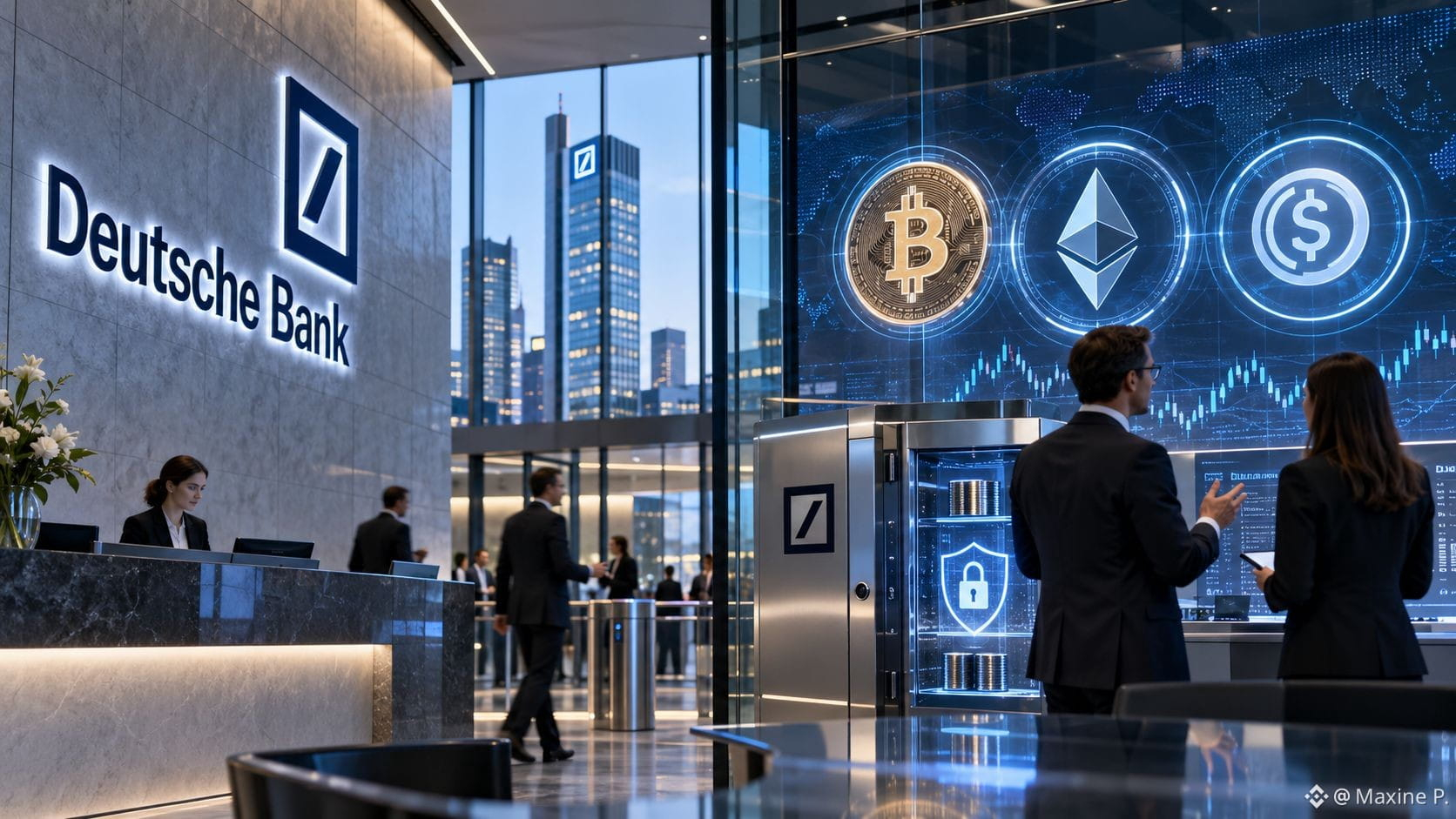
🏦 ドイツ銀行、暗号資産カストディの開始を準備(アジアにも注目) ドイツ銀行のローンチ対象リストには、すでに5つの資産が含まれています:$BTC、$ETH、USDC、EURC、EURAU。同銀行はドイツで暗号資産カストディの開始を準備しており、2027年にはアジアの金融センターへサービスを拡大する計画だと報じられています 🌏 📌 このサービスは個人投資家ではなく、機関投資家や法人向けに設計されています。ドイツ銀行がウォレットと秘密鍵を管理し、顧客は独自のカストディ基盤を構築することなく、資産を保有して第三者へ送金できます。 タイミングも興味深いところです。ドイツ銀行は2028年までに法人銀行部門で年間8%の成長を目指しており、デジタル資産は今や、別個の実験ではなく、その事業拡大の一部になりつつあります。 暗号資産カストディは銀行サービスになりつつあります。ついに? 💡 #マクロの洞察# #暗号資産
🏦 ドイツ銀行、暗号資産カストディの開始を準備(アジアにも注目) ドイツ銀行のローンチ対象リストには、すでに5つの資産が含まれています:$BTC、$ETH、USDC、EURC、EURAU。同銀行はドイツで暗号資産カストディの開始を準備しており、2027年にはアジアの金融センターへサービスを拡大する計画だと報じられています 🌏 📌 このサービスは個人投資家ではなく、機関投資家や法人向けに設計されています。ドイツ銀行がウォレットと秘密鍵を管理し、顧客は独自のカストディ基盤を構築することなく、資産を保有して第三者へ送金できます。 タイミングも興味深いところです。ドイツ銀行は2028年までに法人銀行部門で年間8%の成長を目指しており、デジタル資産は今や、別個の実験ではなく、その事業拡大の一部になりつつあります。 暗号資産カストディは銀行サービスになりつつあります。ついに? 💡 #マクロの洞察# #暗号資産
1
8
·
--
🫠 TRC-20もERC-20も同じでしょ?その思い込みで600 USDTを失った話 —「送信」を押すたびに今でも手に汗を握る理由。4年前、NFTマーケットプレイスでアルバイトを始めた。NFTブームの真っ只中で、ついに夢がかなったと思った。憧れの仕事、世界中にいるチーム、給料は$USDT。もう周りに言いふらしていた。 1か月目が終わった頃、経理からウォレットアドレスとネットワークを聞かれた。ネットワークが何を意味するのか、まったく分からなかった。TRC-20もERC-20も……同じでしょ?? 経理は送金してくれた。資金は私が指定したとおりの場所に届いた。それで私は、次の1か月をどん底の気分で過ごした。🥲 以前は仮想通貨の$BTC送金にものすごく神経質で、いつも同じ手順を踏んでいた。🔹 最初の4文字 🔹 最後の4文字 🔹 ネットワーク 🔹 もう一度、今度はもっとゆっくり確認 だから先週、同僚がランチ代の15 USDTを返してくれることになったとき、ウォレットアドレスを送った。そしてネットワーク名を全部大文字で入力し、最後の4文字を声に出して読み返してもらった😅 彼の返事はこうだった。「なんでそんなことしてるの?二人ともWhiteBITを使ってるんだから、ニックネームを送ればいいだけだよ」そういえば、QuickSendを使ったことがなかった。 https://bit.ly/4hOzdUe それで送ってみた。数秒後には、15ドルがメイン残高に入っていた。手数料もなし。外部への送金は今でも3回確認する。でも二人ともWhiteBITを使っているなら、ニックネームを聞くことにしている。 ❗️免責事項:これは金融または投資に関するアドバイスではありません。ご自身で調査してください。ご利用は自己責任でお願いします。 #BTC価格分析# #ビットコイン価格予測:ビットコインの次の動きは?#
🫠 TRC-20もERC-20も同じでしょ?その思い込みで600 USDTを失った話 —「送信」を押すたびに今でも手に汗を握る理由。4年前、NFTマーケットプレイスでアルバイトを始めた。NFTブームの真っ只中で、ついに夢がかなったと思った。憧れの仕事、世界中にいるチーム、給料は$USDT。もう周りに言いふらしていた。 1か月目が終わった頃、経理からウォレットアドレスとネットワークを聞かれた。ネットワークが何を意味するのか、まったく分からなかった。TRC-20もERC-20も……同じでしょ?? 経理は送金してくれた。資金は私が指定したとおりの場所に届いた。それで私は、次の1か月をどん底の気分で過ごした。🥲 以前は仮想通貨の$BTC送金にものすごく神経質で、いつも同じ手順を踏んでいた。🔹 最初の4文字 🔹 最後の4文字 🔹 ネットワーク 🔹 もう一度、今度はもっとゆっくり確認 だから先週、同僚がランチ代の15 USDTを返してくれることになったとき、ウォレットアドレスを送った。そしてネットワーク名を全部大文字で入力し、最後の4文字を声に出して読み返してもらった😅 彼の返事はこうだった。「なんでそんなことしてるの?二人ともWhiteBITを使ってるんだから、ニックネームを送ればいいだけだよ」そういえば、QuickSendを使ったことがなかった。 https://bit.ly/4hOzdUe それで送ってみた。数秒後には、15ドルがメイン残高に入っていた。手数料もなし。外部への送金は今でも3回確認する。でも二人ともWhiteBITを使っているなら、ニックネームを聞くことにしている。 ❗️免責事項:これは金融または投資に関するアドバイスではありません。ご自身で調査してください。ご利用は自己責任でお願いします。 #BTC価格分析# #ビットコイン価格予測:ビットコインの次の動きは?#
1
·
--
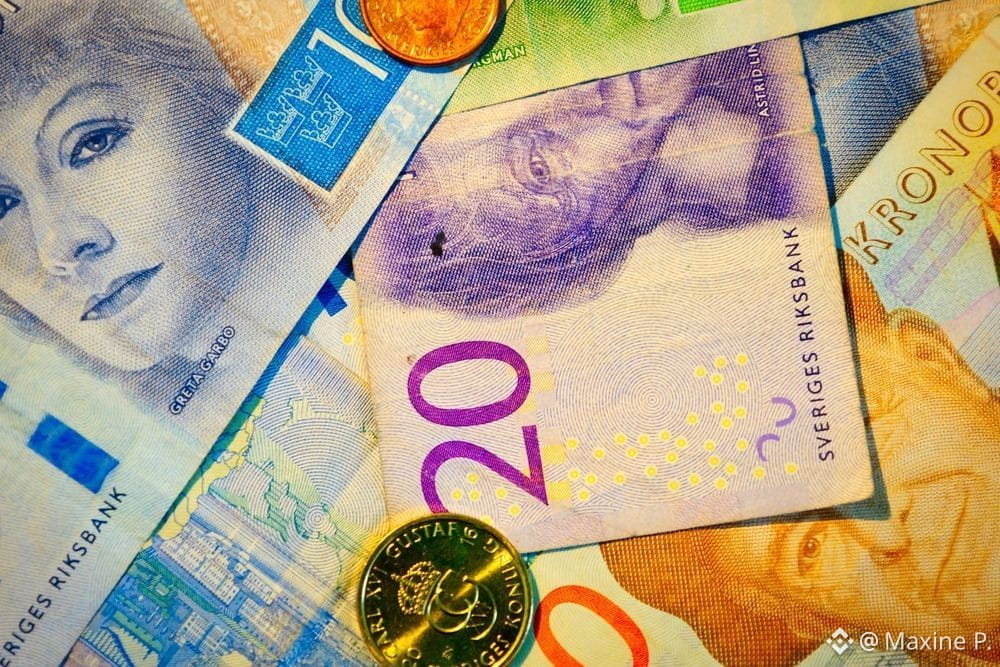
🇸🇪 スウェーデン、デジタル・クローナを再検討へ ステーブルコイン市場の99.5%は依然としてドル建てです。デジタルユーロが2027年のパイロット運用に向けて進むなか、スウェーデンはデジタル・クローナがやはり必要なのか、改めて検討しています。 リクスバンクは発行を決定していませんが、スウェーデンに法的基盤を整えるよう求めています(承認後、インフラ整備には少なくとも5年かかる可能性があることも一因です)。 これは、デジタルマネーを金融システムにどう組み込むべきか、スウェーデンがより広い視点で検討するなかで起きています。議員らは、戦略的な$BTC準備金について調査する案も提案しています。 🔎 ここには興味深い北欧の対比があります: → スウェーデン:デジタル・クローナの議論を再開 → ノルウェー:現時点ではCBDCは不要としつつ、トークン化の進展を見据えて研究を継続 ノルゲス銀行 背景には、隣国からの圧力もあります。デジタルユーロは2027年のパイロット運用に向けて進んでおり、初回発行は2029年となる可能性があります。スウェーデンではeクローナの導入時期はまだ決まっていませんが、欧州の決済インフラが発展するなかで取り残されないよう、法的基盤を整えておきたいとリクスバンクは述べています 🇪🇺 #マクロ分析# #BTC価格分析#
🇸🇪 スウェーデン、デジタル・クローナを再検討へ ステーブルコイン市場の99.5%は依然としてドル建てです。デジタルユーロが2027年のパイロット運用に向けて進むなか、スウェーデンはデジタル・クローナがやはり必要なのか、改めて検討しています。 リクスバンクは発行を決定していませんが、スウェーデンに法的基盤を整えるよう求めています(承認後、インフラ整備には少なくとも5年かかる可能性があることも一因です)。 これは、デジタルマネーを金融システムにどう組み込むべきか、スウェーデンがより広い視点で検討するなかで起きています。議員らは、戦略的な$BTC準備金について調査する案も提案しています。 🔎 ここには興味深い北欧の対比があります: → スウェーデン:デジタル・クローナの議論を再開 → ノルウェー:現時点ではCBDCは不要としつつ、トークン化の進展を見据えて研究を継続 ノルゲス銀行 背景には、隣国からの圧力もあります。デジタルユーロは2027年のパイロット運用に向けて進んでおり、初回発行は2029年となる可能性があります。スウェーデンではeクローナの導入時期はまだ決まっていませんが、欧州の決済インフラが発展するなかで取り残されないよう、法的基盤を整えておきたいとリクスバンクは述べています 🇪🇺 #マクロ分析# #BTC価格分析#
5
ログインして、さらにコンテンツを読む
厳選トピックで世界の暗号資産トレーダーの仲間入り
⚡️ 暗号資産に関する最新かつ有益な情報が見つかります。
💬 世界最大の暗号資産取引所から信頼されています。
👍 認証を受けたクリエイターから、有益なインサイトを得られます。
メール / 電話番号