

BELLA BIT
16.8k 投稿

BELLA BIT
 厳選トピック確認済+
報告
ユーザーをブロック
Posts are personal opinions
取引を発注
高頻度トレーダー
2年
1.8K+ フォロー
31.3K+ フォロワー
41.6K+ いいね
投稿
ポートフォリオ
すべて
引用
ライブ
·
--
翻訳参照
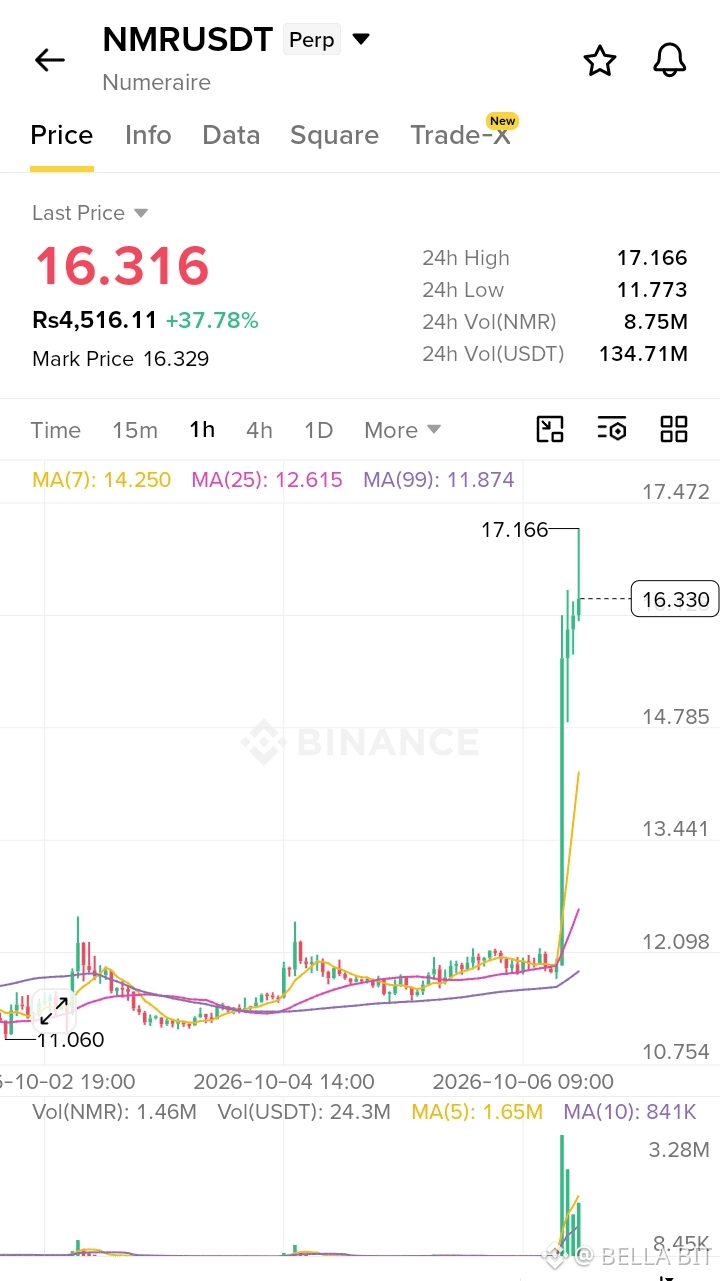
🚀 $NMR — Called It Early, Now Above $16!
At the beginning of the month, I highlighted that $9 support was the key level keeping the bullish structure intact. NMR was around $10.75 at the time, and now it has surged above $16, delivering nearly a 50% move.
The breakout remains strong, and momentum is still active. As long as the structure holds, I’m maintaining my bullish outlook.
📈 Higher levels could still be ahead.
Trade $NMR with discipline. NFA.
{future}(NMRUSDT)
#nmrusdt
#NMR
#BinanceLaunchesBinanceIntelligence
#EvernorthXRPTreasuryCompletesSPACMerger
#ETHUp70%InQ3ButLiquidityFalls
🚀 $NMR — Called It Early, Now Above $16!
At the beginning of the month, I highlighted that $9 support was the key level keeping the bullish structure intact. NMR was around $10.75 at the time, and now it has surged above $16, delivering nearly a 50% move.
The breakout remains strong, and momentum is still active. As long as the structure holds, I’m maintaining my bullish outlook.
📈 Higher levels could still be ahead.
Trade $NMR with discipline. NFA.
#nmrusdt
#NMR
#BinanceLaunchesBinanceIntelligence
#EvernorthXRPTreasuryCompletesSPACMerger
#ETHUp70%InQ3ButLiquidityFalls
At the beginning of the month, I highlighted that $9 support was the key level keeping the bullish structure intact. NMR was around $10.75 at the time, and now it has surged above $16, delivering nearly a 50% move.
The breakout remains strong, and momentum is still active. As long as the structure holds, I’m maintaining my bullish outlook.
📈 Higher levels could still be ahead.
Trade $NMR with discipline. NFA.
#nmrusdt
#NMR
#BinanceLaunchesBinanceIntelligence
#EvernorthXRPTreasuryCompletesSPACMerger
#ETHUp70%InQ3ButLiquidityFalls
78
·
--
翻訳参照
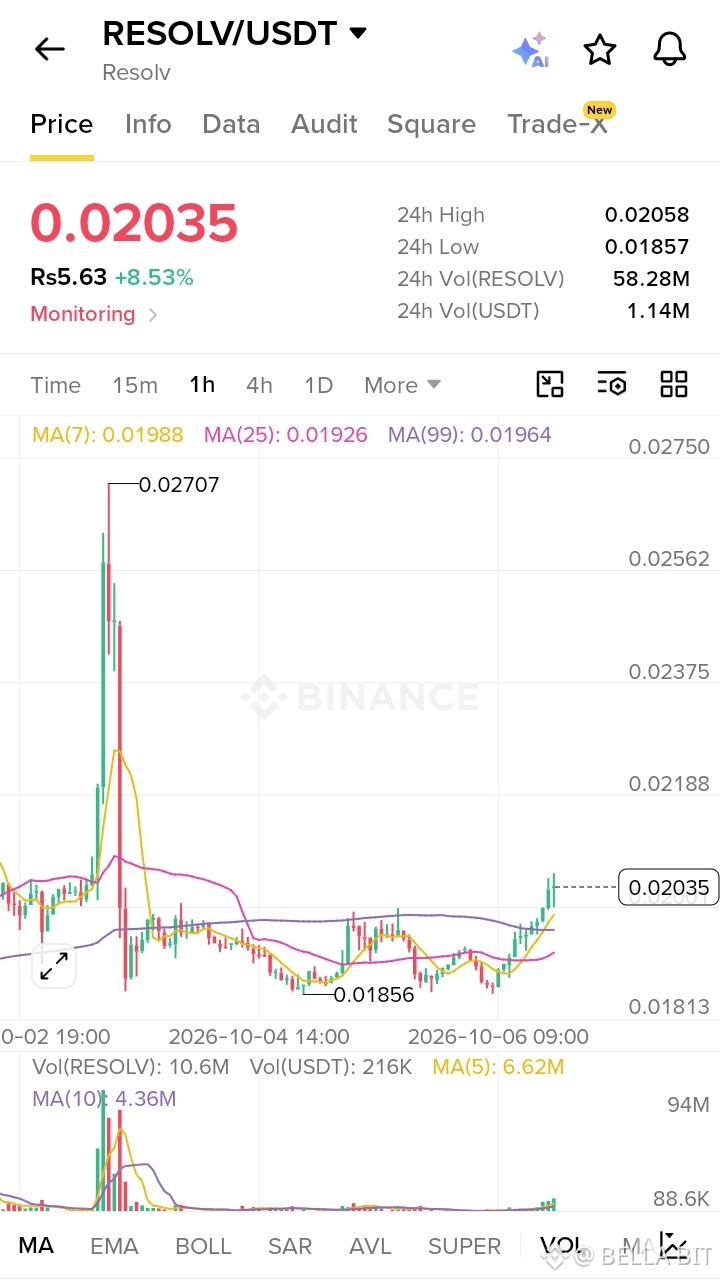
🚀 $RESOLV — Breakout Long Setup
$RESOLV has successfully broken above the $0.02000 level with strong momentum, signaling potential for further upside continuation. Traders can watch the current zone for a long opportunity.
📍 Entry: $0.02000 – $0.02042
🎯 Targets: $0.02070 / $0.02100 / $0.02150
🛑 Stop Loss: $0.01955
Trade with proper risk management and avoid overexposure.
{spot}(RESOLVUSDT)
#Resolv
#resolvusdt
#BinanceLaunchesBinanceIntelligence
#EvernorthXRPTreasuryCompletesSPACMerger
#ETHUp70%InQ3ButLiquidityFalls
🚀 $RESOLV — Breakout Long Setup
$RESOLV has successfully broken above the $0.02000 level with strong momentum, signaling potential for further upside continuation. Traders can watch the current zone for a long opportunity.
📍 Entry: $0.02000 – $0.02042
🎯 Targets: $0.02070 / $0.02100 / $0.02150
🛑 Stop Loss: $0.01955
Trade with proper risk management and avoid overexposure.
#Resolv
#resolvusdt
#BinanceLaunchesBinanceIntelligence
#EvernorthXRPTreasuryCompletesSPACMerger
#ETHUp70%InQ3ButLiquidityFalls
$RESOLV has successfully broken above the $0.02000 level with strong momentum, signaling potential for further upside continuation. Traders can watch the current zone for a long opportunity.
📍 Entry: $0.02000 – $0.02042
🎯 Targets: $0.02070 / $0.02100 / $0.02150
🛑 Stop Loss: $0.01955
Trade with proper risk management and avoid overexposure.
#Resolv
#resolvusdt
#BinanceLaunchesBinanceIntelligence
#EvernorthXRPTreasuryCompletesSPACMerger
#ETHUp70%InQ3ButLiquidityFalls
367
·
--
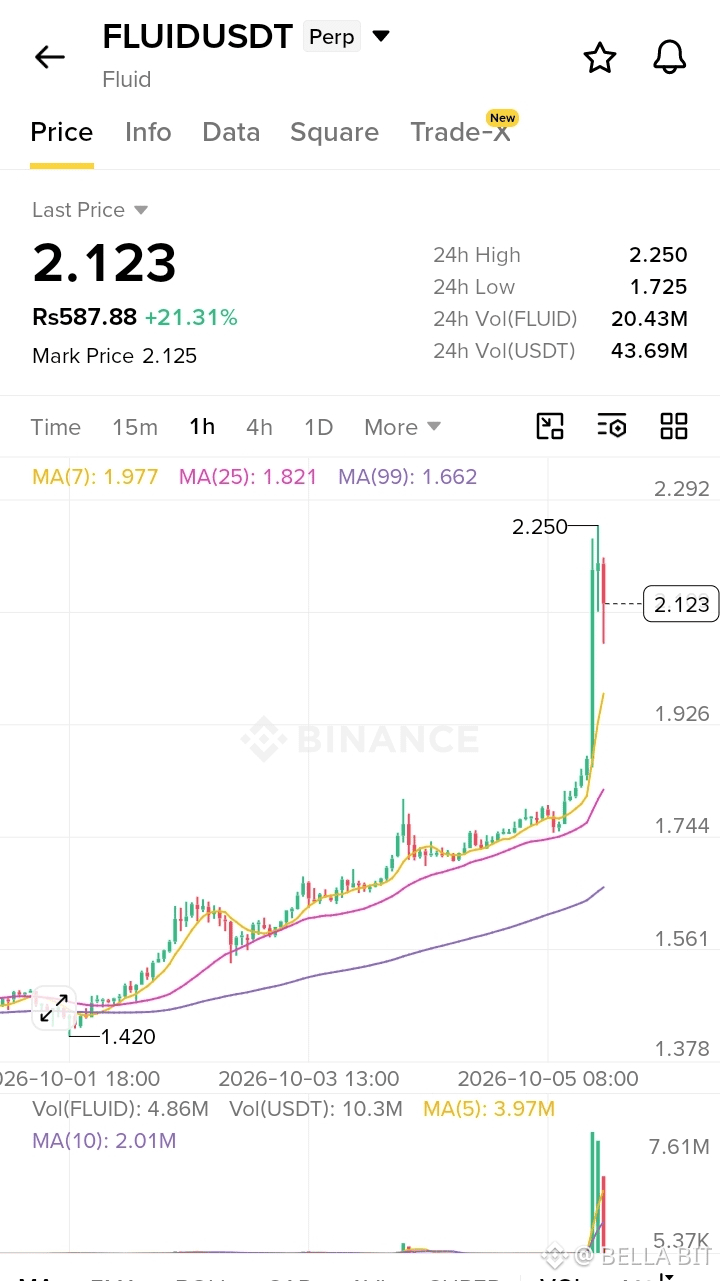
🚀 $FLUID 大幅ブレイクアウト — ただし価格は上昇しすぎ!
$FLUID は1.70~1.80ドルのゾーンから急騰し、2.23ドル付近の新たな直近高値に迫りました。モメンタムは依然として非常に強気ですが、この垂直上昇の後を追うのはリスクが高まります。
📍 現在価格:約2.21ドル
🔴 レジスタンス:2.23~2.26ドル
🟢 サポート:2.10~2.12ドル
🎯 リテストゾーン:1.95~2.00ドル
🚀 目標価格:2.25ドル → 2.35~2.40ドル
2.23ドルを明確に上抜ければ、さらなる上昇につながる可能性があります。モメンタムが落ち着いた場合は、2.10ドル、あるいは2.00ドル付近までの押し戻しが、次の上昇局面に向けた健全なリテストとなる可能性があります。
{future}(FLUIDUSDT)
#FLUIDUSDT
#fluid
#ETHUp70%InQ3ButLiquidityFalls
#EthStakingExitQueueHits2026High
🚀 $FLUID 大幅ブレイクアウト — ただし価格は上昇しすぎ!
$FLUID は1.70~1.80ドルのゾーンから急騰し、2.23ドル付近の新たな直近高値に迫りました。モメンタムは依然として非常に強気ですが、この垂直上昇の後を追うのはリスクが高まります。
📍 現在価格:約2.21ドル
🔴 レジスタンス:2.23~2.26ドル
🟢 サポート:2.10~2.12ドル
🎯 リテストゾーン:1.95~2.00ドル
🚀 目標価格:2.25ドル → 2.35~2.40ドル
2.23ドルを明確に上抜ければ、さらなる上昇につながる可能性があります。モメンタムが落ち着いた場合は、2.10ドル、あるいは2.00ドル付近までの押し戻しが、次の上昇局面に向けた健全なリテストとなる可能性があります。
#FLUIDUSDT
#fluid
#ETHUp70%InQ3ButLiquidityFalls
#EthStakingExitQueueHits2026High
$FLUID は1.70~1.80ドルのゾーンから急騰し、2.23ドル付近の新たな直近高値に迫りました。モメンタムは依然として非常に強気ですが、この垂直上昇の後を追うのはリスクが高まります。
📍 現在価格:約2.21ドル
🔴 レジスタンス:2.23~2.26ドル
🟢 サポート:2.10~2.12ドル
🎯 リテストゾーン:1.95~2.00ドル
🚀 目標価格:2.25ドル → 2.35~2.40ドル
2.23ドルを明確に上抜ければ、さらなる上昇につながる可能性があります。モメンタムが落ち着いた場合は、2.10ドル、あるいは2.00ドル付近までの押し戻しが、次の上昇局面に向けた健全なリテストとなる可能性があります。
#FLUIDUSDT
#fluid
#ETHUp70%InQ3ButLiquidityFalls
#EthStakingExitQueueHits2026High
220
·
--
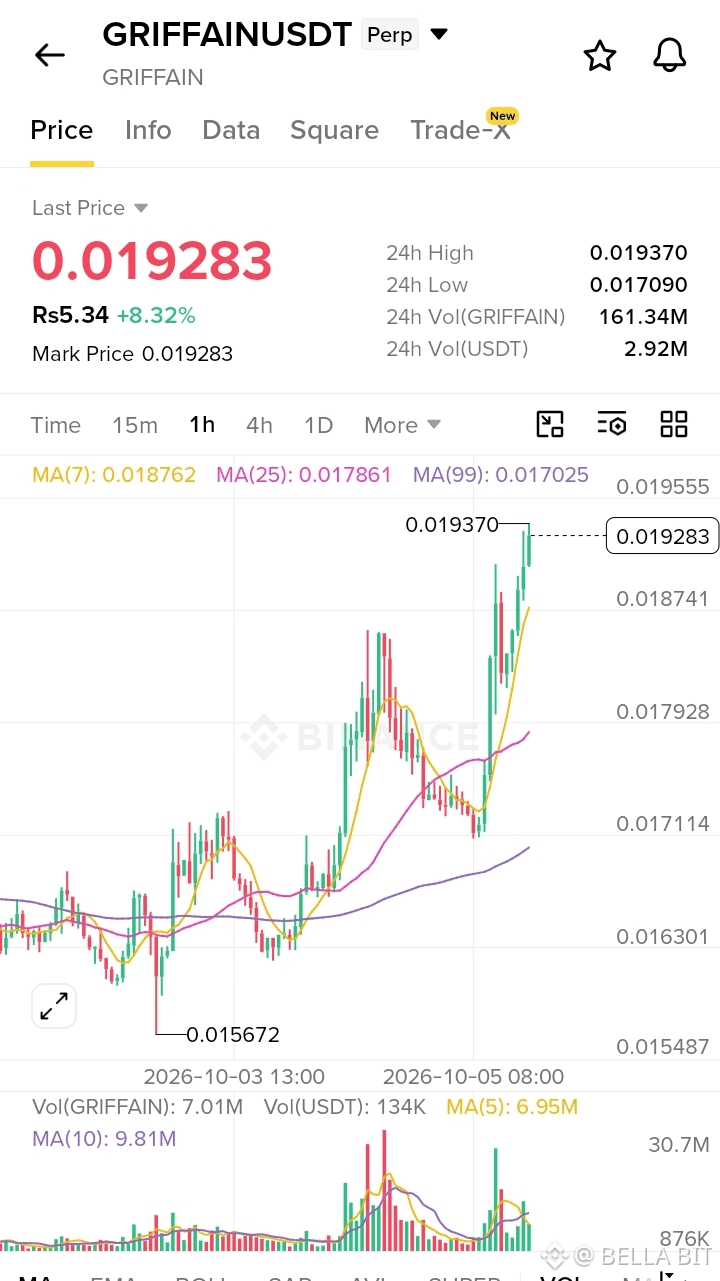
🚀 $GRIFFAIN は力強い上昇モメンタムを示しており、重要なブレイクアウトゾーンに近づいています!
📍 エントリー:$0.0188 – $0.0192
🎯 TP1:$0.0195 | TP2:$0.0200 | TP3:$0.0206
🛑 SL:$0.0182
ブレイクアウトの確認を待ち、リスクを慎重に管理してください。
#GRIFFAIN🔥🔥🔥
#GRIFFANUSDT
#ETHUp70%InQ3ButLiquidityFalls
#EthStakingExitQueueHits2026High
#FedOctoberHoldOdds82.3%
{future}(GRIFFAINUSDT)
🚀 $GRIFFAIN は力強い上昇モメンタムを示しており、重要なブレイクアウトゾーンに近づいています!
📍 エントリー:$0.0188 – $0.0192
🎯 TP1:$0.0195 | TP2:$0.0200 | TP3:$0.0206
🛑 SL:$0.0182
ブレイクアウトの確認を待ち、リスクを慎重に管理してください。
#GRIFFAIN🔥🔥🔥
#GRIFFANUSDT
#ETHUp70%InQ3ButLiquidityFalls
#EthStakingExitQueueHits2026High
#FedOctoberHoldOdds82.3%
📍 エントリー:$0.0188 – $0.0192
🎯 TP1:$0.0195 | TP2:$0.0200 | TP3:$0.0206
🛑 SL:$0.0182
ブレイクアウトの確認を待ち、リスクを慎重に管理してください。
#GRIFFAIN🔥🔥🔥
#GRIFFANUSDT
#ETHUp70%InQ3ButLiquidityFalls
#EthStakingExitQueueHits2026High
#FedOctoberHoldOdds82.3%
441
·
--
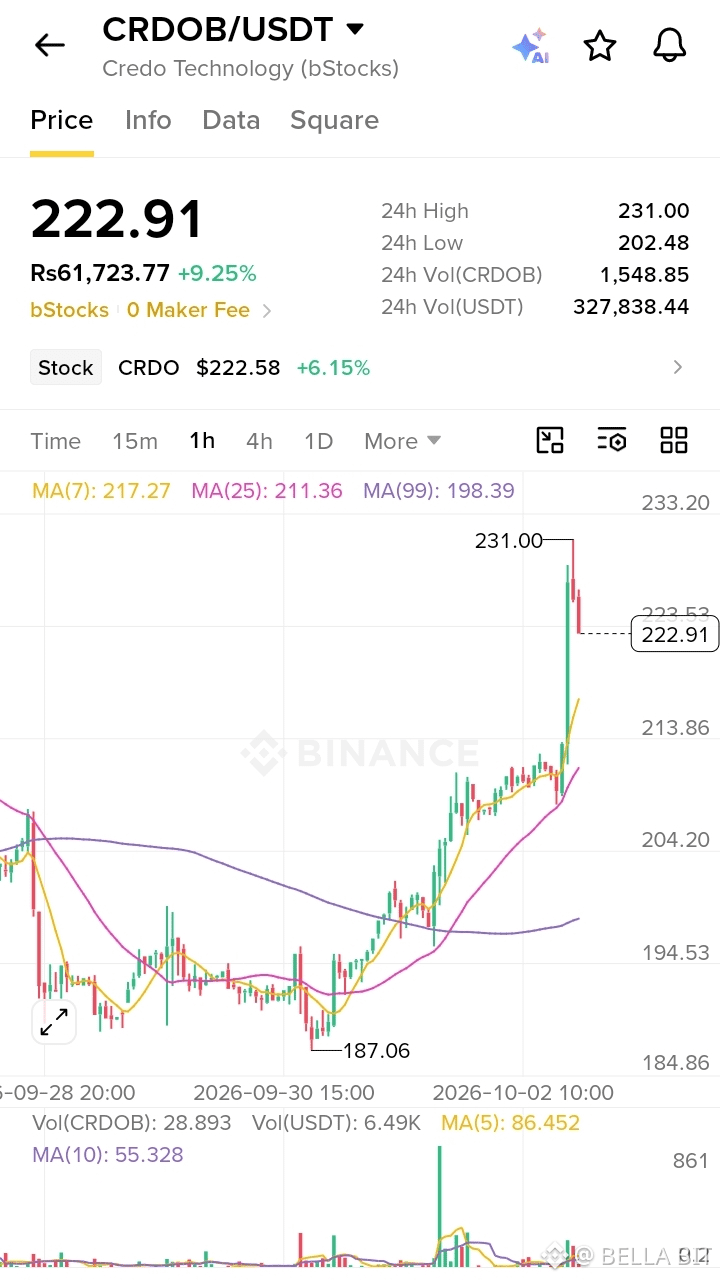
⚠️$CRDOB REJECTING AFTER SHARP MOVE HIGHER
$CRDOB は、直近の急な上昇の後に反落(拒否)されており、下方向の圧力が出始めています。
🔻 ショートエントリー: $223.90–$225.00
🎯 TP1: $220.00 | TP2: $217.00 | TP3: $214.26
🛑 SL: $231.19
レジスタンス帯を注意深く監視し、リスクを慎重に管理してください
{spot}(CRDOBUSDT)
#CRDOUSDT
#NFPWatch #BitcoinFundingRateTriplesTo10%
#USSeptemberPayrollsAdd29KUnemploymentRises4.2%
⚠️$CRDOB REJECTING AFTER SHARP MOVE HIGHER
$CRDOB は、直近の急な上昇の後に反落(拒否)されており、下方向の圧力が出始めています。
🔻 ショートエントリー: $223.90–$225.00
🎯 TP1: $220.00 | TP2: $217.00 | TP3: $214.26
🛑 SL: $231.19
レジスタンス帯を注意深く監視し、リスクを慎重に管理してください
#CRDOUSDT
#NFPWatch #BitcoinFundingRateTriplesTo10%
#USSeptemberPayrollsAdd29KUnemploymentRises4.2%
$CRDOB は、直近の急な上昇の後に反落(拒否)されており、下方向の圧力が出始めています。
🔻 ショートエントリー: $223.90–$225.00
🎯 TP1: $220.00 | TP2: $217.00 | TP3: $214.26
🛑 SL: $231.19
レジスタンス帯を注意深く監視し、リスクを慎重に管理してください
#CRDOUSDT
#NFPWatch #BitcoinFundingRateTriplesTo10%
#USSeptemberPayrollsAdd29KUnemploymentRises4.2%
1
130
·
--
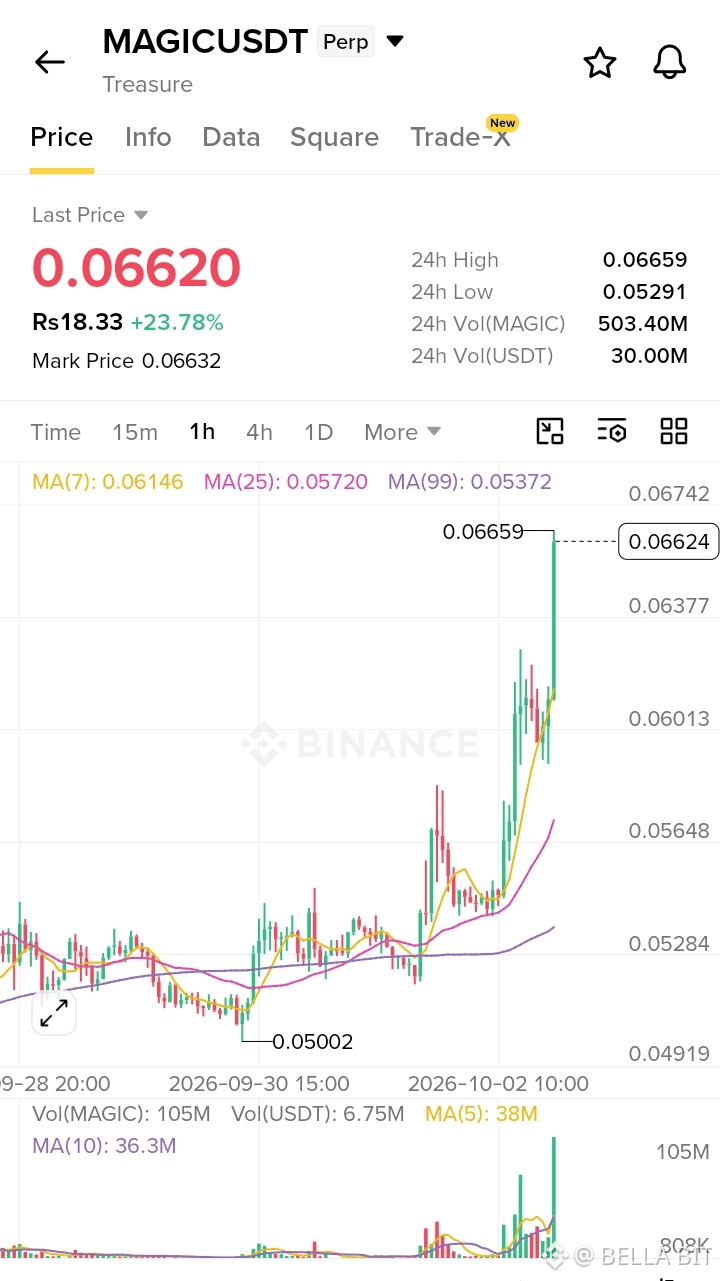
🚀 $MAGIC ブレイクアウト確認… 強気の勢いが維持
$MAGIC は、約$0.0500前後から$0.0648まで急騰し、買い手が優勢のまま24時間で+23.72%の上昇。
📈 直近の高値: $0.06482
💰 現在値: 約$0.0644
価格がブレイクアウト・ゾーンを上回って維持できれば、$0.065超えが見えてきて、次の上昇局面の扉が開く可能性があります。
{future}(MAGICUSDT)
#magicusdt
#MAGIC
#NFPWatch
#XRPPostsFirstThreeGreenMonthsInQ3
#MAGIC/USDT
🚀 $MAGIC ブレイクアウト確認… 強気の勢いが維持
$MAGIC は、約$0.0500前後から$0.0648まで急騰し、買い手が優勢のまま24時間で+23.72%の上昇。
📈 直近の高値: $0.06482
💰 現在値: 約$0.0644
価格がブレイクアウト・ゾーンを上回って維持できれば、$0.065超えが見えてきて、次の上昇局面の扉が開く可能性があります。
#magicusdt
#MAGIC
#NFPWatch
#XRPPostsFirstThreeGreenMonthsInQ3
#MAGIC/USDT
$MAGIC は、約$0.0500前後から$0.0648まで急騰し、買い手が優勢のまま24時間で+23.72%の上昇。
📈 直近の高値: $0.06482
💰 現在値: 約$0.0644
価格がブレイクアウト・ゾーンを上回って維持できれば、$0.065超えが見えてきて、次の上昇局面の扉が開く可能性があります。
#magicusdt
#MAGIC
#NFPWatch
#XRPPostsFirstThreeGreenMonthsInQ3
#MAGIC/USDT
1
303
·
--
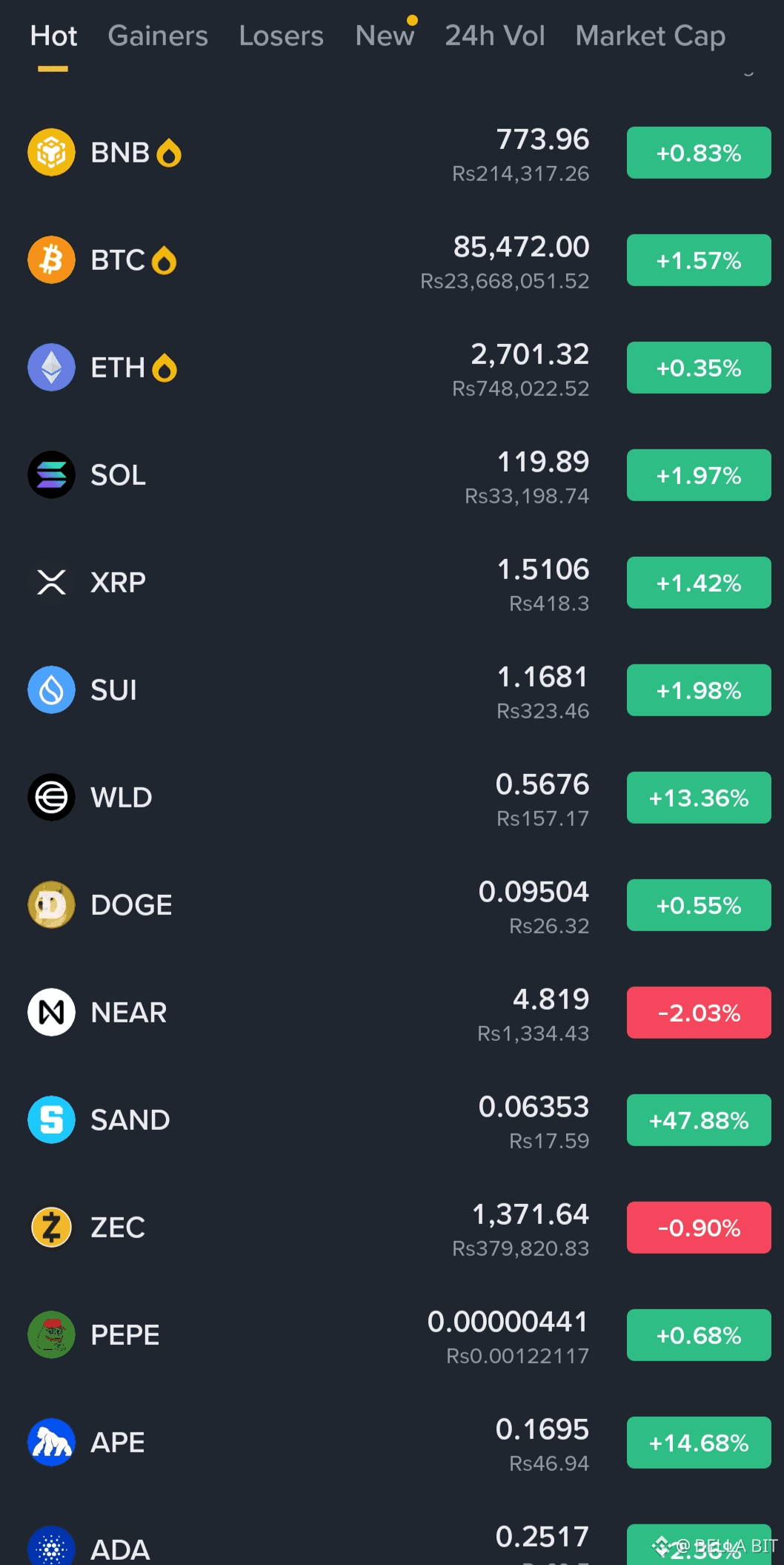
🔥 HOT COINS REJECTED AGAIN… RETEST PHASE RETURNS
予想通り、市場は力強く回復しましたが、重要なレジスタンス帯付近で再び拒否(リジェクト)に遭いました。
$BTC , $ETH , $SOL , #XRP などの注目銘柄は、レジスタンスをテストした後に押し戻されており、再テストと調整局面が再び注目されています。
レジスタンスを明確にブレイクするまで、拒否リスクは残ります。現時点では、市場は下のサポートと上のレジスタンスの間でレンジ推移のままです。
#NFPWatch
#ALTCOİNS
#ZcashFalls21%FromSeptemberPeak
#BitcoinFundingRateTriplesTo10%
🔥 HOT COINS REJECTED AGAIN… RETEST PHASE RETURNS
予想通り、市場は力強く回復しましたが、重要なレジスタンス帯付近で再び拒否(リジェクト)に遭いました。
$BTC , $ETH , $SOL , #XRP などの注目銘柄は、レジスタンスをテストした後に押し戻されており、再テストと調整局面が再び注目されています。
レジスタンスを明確にブレイクするまで、拒否リスクは残ります。現時点では、市場は下のサポートと上のレジスタンスの間でレンジ推移のままです。
#NFPWatch
#ALTCOİNS
#ZcashFalls21%FromSeptemberPeak
#BitcoinFundingRateTriplesTo10%
予想通り、市場は力強く回復しましたが、重要なレジスタンス帯付近で再び拒否(リジェクト)に遭いました。
$BTC , $ETH , $SOL , #XRP などの注目銘柄は、レジスタンスをテストした後に押し戻されており、再テストと調整局面が再び注目されています。
レジスタンスを明確にブレイクするまで、拒否リスクは残ります。現時点では、市場は下のサポートと上のレジスタンスの間でレンジ推移のままです。
#NFPWatch
#ALTCOİNS
#ZcashFalls21%FromSeptemberPeak
#BitcoinFundingRateTriplesTo10%
112
·
--
翻訳参照
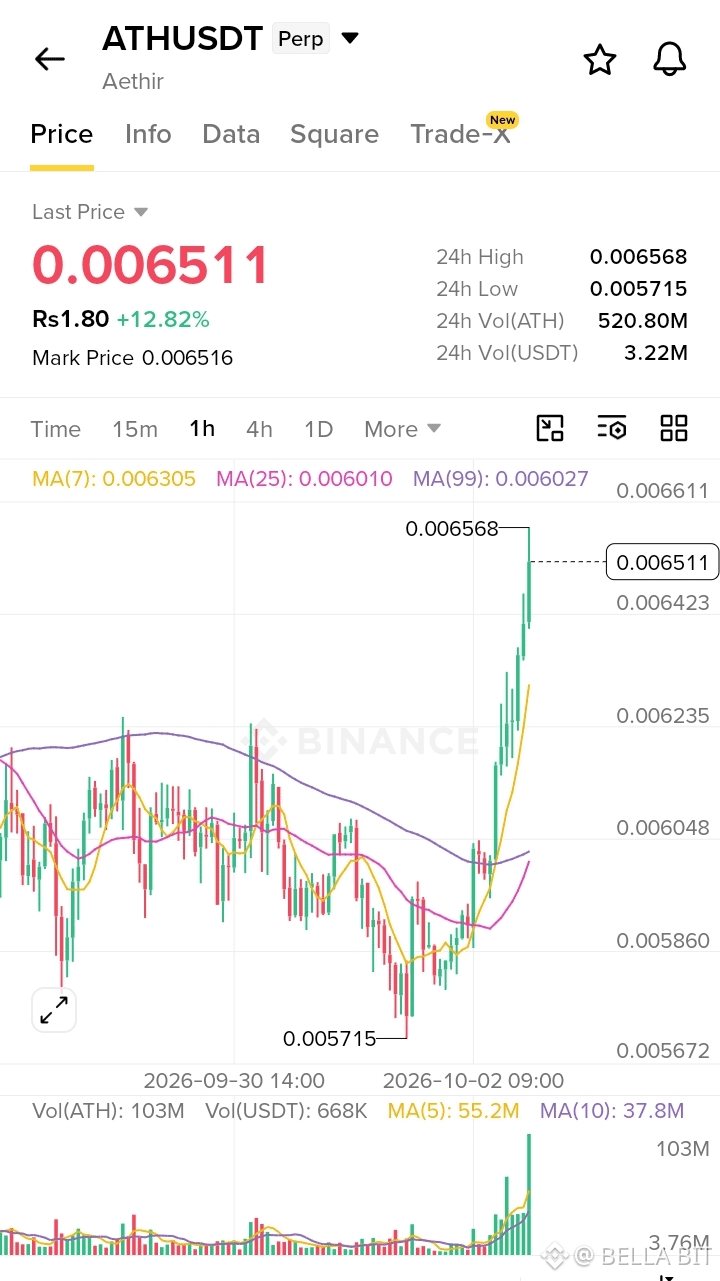
🚀 $ATH BREAKOUT — BULLS PUSHING HIGHER!
$ATH is showing strong bullish momentum after breaking into fresh short-term highs.
📌 Entry: $0.00638 – $0.00648
🎯 TP1: $0.00660
🎯 TP2: $0.00675
🎯 TP3: $0.00690
🛑 SL: $0.00618
Manage risk carefully after the sharp move and avoid chasing. NFA.
{future}(ATHUSDT)
#ATHusdt
#ATH
#NFPWatch
#BitcoinFundingRateTriplesTo10%
#ZcashFalls21%FromSeptemberPeak
🚀 $ATH BREAKOUT — BULLS PUSHING HIGHER!
$ATH is showing strong bullish momentum after breaking into fresh short-term highs.
📌 Entry: $0.00638 – $0.00648
🎯 TP1: $0.00660
🎯 TP2: $0.00675
🎯 TP3: $0.00690
🛑 SL: $0.00618
Manage risk carefully after the sharp move and avoid chasing. NFA.
#ATHusdt
#ATH
#NFPWatch
#BitcoinFundingRateTriplesTo10%
#ZcashFalls21%FromSeptemberPeak
$ATH is showing strong bullish momentum after breaking into fresh short-term highs.
📌 Entry: $0.00638 – $0.00648
🎯 TP1: $0.00660
🎯 TP2: $0.00675
🎯 TP3: $0.00690
🛑 SL: $0.00618
Manage risk carefully after the sharp move and avoid chasing. NFA.
#ATHusdt
#ATH
#NFPWatch
#BitcoinFundingRateTriplesTo10%
#ZcashFalls21%FromSeptemberPeak
1
94
·
--
🚀 $ATH ブレイクアウト — 強気がさらに押し上げ中!
$ATH は、短期の新たな高値へブレイクした後、強い強気モメンタムを見せています。
📌 エントリー:$0.00638 – $0.00648
🎯 TP1:$0.00660
🎯 TP2:$0.00675
🎯 TP3:$0.00690
🛑 SL:$0.00618
急な値動きの後はリスク管理を慎重に行い、追いかけないでください。
{future}(ATHUSDT)
#ATHusdt
#ATH
#NFPWatch
#BitcoinFundingRateTriplesTo10%
🚀 $ATH ブレイクアウト — 強気がさらに押し上げ中!
$ATH は、短期の新たな高値へブレイクした後、強い強気モメンタムを見せています。
📌 エントリー:$0.00638 – $0.00648
🎯 TP1:$0.00660
🎯 TP2:$0.00675
🎯 TP3:$0.00690
🛑 SL:$0.00618
急な値動きの後はリスク管理を慎重に行い、追いかけないでください。
#ATHusdt
#ATH
#NFPWatch
#BitcoinFundingRateTriplesTo10%
$ATH は、短期の新たな高値へブレイクした後、強い強気モメンタムを見せています。
📌 エントリー:$0.00638 – $0.00648
🎯 TP1:$0.00660
🎯 TP2:$0.00675
🎯 TP3:$0.00690
🛑 SL:$0.00618
急な値動きの後はリスク管理を慎重に行い、追いかけないでください。
#ATHusdt
#ATH
#NFPWatch
#BitcoinFundingRateTriplesTo10%
387
·
--
🚀 $ATH ブレイクアウト — 強気勢がさらに上昇中!
$ATH は、短期の高値を更新し、強い上昇モメンタムを示しています。
📌 エントリー:$0.00638 – $0.00648
🎯 利確目標1:$0.00660
🎯 利確目標2:$0.00675
🎯 利確目標3:$0.00690
🛑 損切り:$0.00618
急騰後は慎重にリスクを管理し、高値追いは避けてください。
{future}(ATHUSDT)
#ATHusdt
#ATH
#NFPWatch
#BitcoinFundingRateTriplesTo10%
🚀 $ATH ブレイクアウト — 強気勢がさらに上昇中!
$ATH は、短期の高値を更新し、強い上昇モメンタムを示しています。
📌 エントリー:$0.00638 – $0.00648
🎯 利確目標1:$0.00660
🎯 利確目標2:$0.00675
🎯 利確目標3:$0.00690
🛑 損切り:$0.00618
急騰後は慎重にリスクを管理し、高値追いは避けてください。
#ATHusdt
#ATH
#NFPWatch
#BitcoinFundingRateTriplesTo10%
$ATH は、短期の高値を更新し、強い上昇モメンタムを示しています。
📌 エントリー:$0.00638 – $0.00648
🎯 利確目標1:$0.00660
🎯 利確目標2:$0.00675
🎯 利確目標3:$0.00690
🛑 損切り:$0.00618
急騰後は慎重にリスクを管理し、高値追いは避けてください。
#ATHusdt
#ATH
#NFPWatch
#BitcoinFundingRateTriplesTo10%
258
·
--
🚀 $MEGA BREAKOUT SETUP
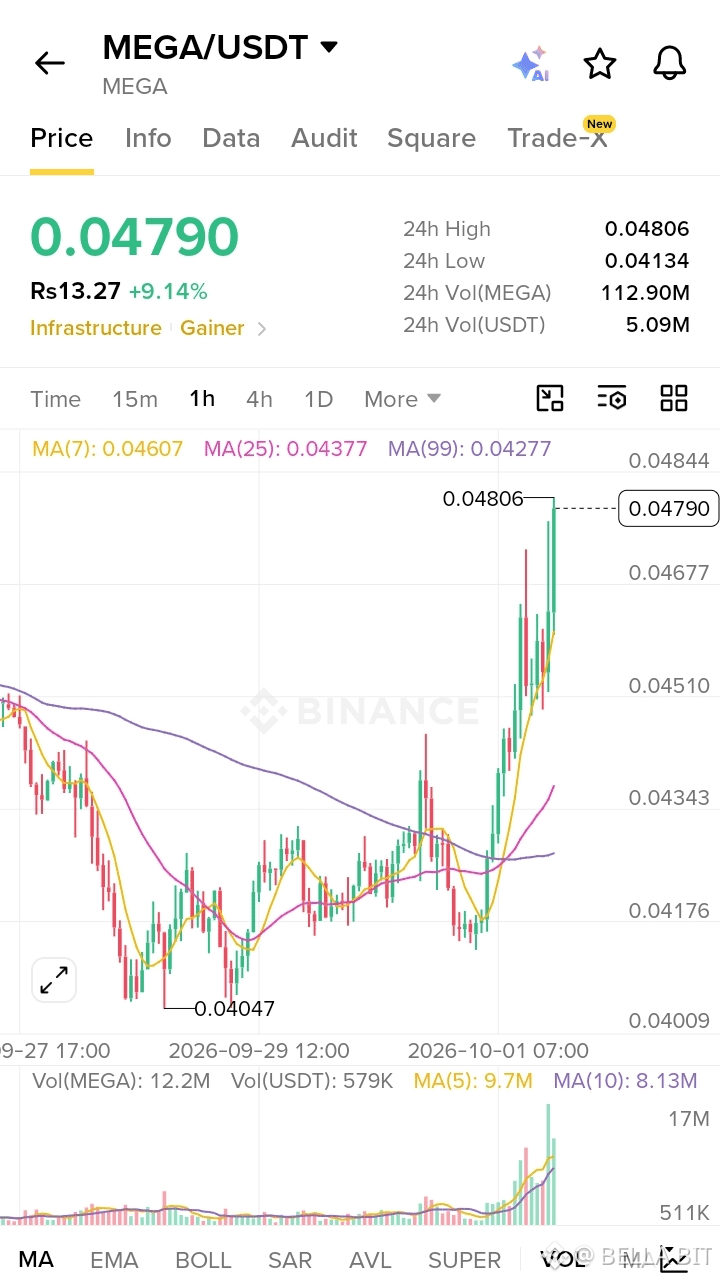
$MEGA は強いブレイクアウトの後、新たな高値へ押し上げています。$0.0470を上回った状態を維持できれば、$0.0500およびそれ以上のさらなる上昇を後押しする可能性があります。
Entry: $0.0470–$0.0478
TP1: $0.0488
TP2: $0.0500
TP3: $0.0520
SL: $0.0454
適切なリスク管理で取引してください。NFA.$MEGA
{spot}(MEGAUSDT)
#Mega
#MEGAUSDT
#USWeeklyJoblessClaimsFallTo197000
#AltcoinSeasonIndexHoldsAbove60For5Days
#AltcoinSeasonIndexHoldsAbove60For5Days
🚀 $MEGA BREAKOUT SETUP
$MEGA は強いブレイクアウトの後、新たな高値へ押し上げています。$0.0470を上回った状態を維持できれば、$0.0500およびそれ以上のさらなる上昇を後押しする可能性があります。
Entry: $0.0470–$0.0478
TP1: $0.0488
TP2: $0.0500
TP3: $0.0520
SL: $0.0454
適切なリスク管理で取引してください。NFA.$MEGA
#Mega
#MEGAUSDT
#USWeeklyJoblessClaimsFallTo197000
#AltcoinSeasonIndexHoldsAbove60For5Days
#AltcoinSeasonIndexHoldsAbove60For5Days
$MEGA は強いブレイクアウトの後、新たな高値へ押し上げています。$0.0470を上回った状態を維持できれば、$0.0500およびそれ以上のさらなる上昇を後押しする可能性があります。
Entry: $0.0470–$0.0478
TP1: $0.0488
TP2: $0.0500
TP3: $0.0520
SL: $0.0454
適切なリスク管理で取引してください。NFA.$MEGA
#Mega
#MEGAUSDT
#USWeeklyJoblessClaimsFallTo197000
#AltcoinSeasonIndexHoldsAbove60For5Days
#AltcoinSeasonIndexHoldsAbove60For5Days
424
·
--
アルトコインは依然として圧力下にあり—注目はサポート 📉
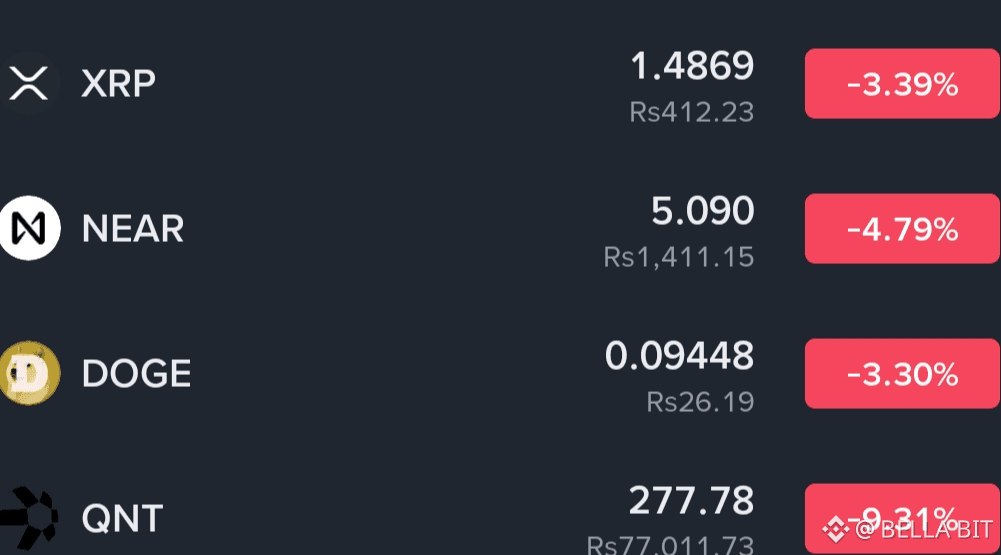
アルトコインは再び売り圧力に直面しており、
$XRP -3.39%、
$NEAR -4.79%、
$DOGE -3.30%、
そして
$QNT -9.31%。
多くは依然として重要なサポート・ゾーンの上で推移しており、現時点では構造は維持されています。サポートからの強い反応があればリバウンドにつながる可能性がありますが、サポートを割り込むとさらなる下落を招くかもしれません。
ひとまず:追いかけるのは避け、サポートを注意深く観察し、確認を待ちましょう。
#QNT/USDT
#Xrp🔥🔥
#NEAR🚀🚀🚀
#DOGE
#USADPAdds90000JobsInSeptember
アルトコインは依然として圧力下にあり—注目はサポート 📉
アルトコインは再び売り圧力に直面しており、
$XRP -3.39%、
$NEAR -4.79%、
$DOGE -3.30%、
そして
$QNT -9.31%。
多くは依然として重要なサポート・ゾーンの上で推移しており、現時点では構造は維持されています。サポートからの強い反応があればリバウンドにつながる可能性がありますが、サポートを割り込むとさらなる下落を招くかもしれません。
ひとまず:追いかけるのは避け、サポートを注意深く観察し、確認を待ちましょう。
#QNT/USDT
#Xrp🔥🔥
#NEAR🚀🚀🚀
#DOGE
#USADPAdds90000JobsInSeptember
アルトコインは再び売り圧力に直面しており、
$XRP -3.39%、
$NEAR -4.79%、
$DOGE -3.30%、
そして
$QNT -9.31%。
多くは依然として重要なサポート・ゾーンの上で推移しており、現時点では構造は維持されています。サポートからの強い反応があればリバウンドにつながる可能性がありますが、サポートを割り込むとさらなる下落を招くかもしれません。
ひとまず:追いかけるのは避け、サポートを注意深く観察し、確認を待ちましょう。
#QNT/USDT
#Xrp🔥🔥
#NEAR🚀🚀🚀
#DOGE
#USADPAdds90000JobsInSeptember
1
1.5k
·
--
🚀 $RIVER は強気の継続の兆しを見せています。
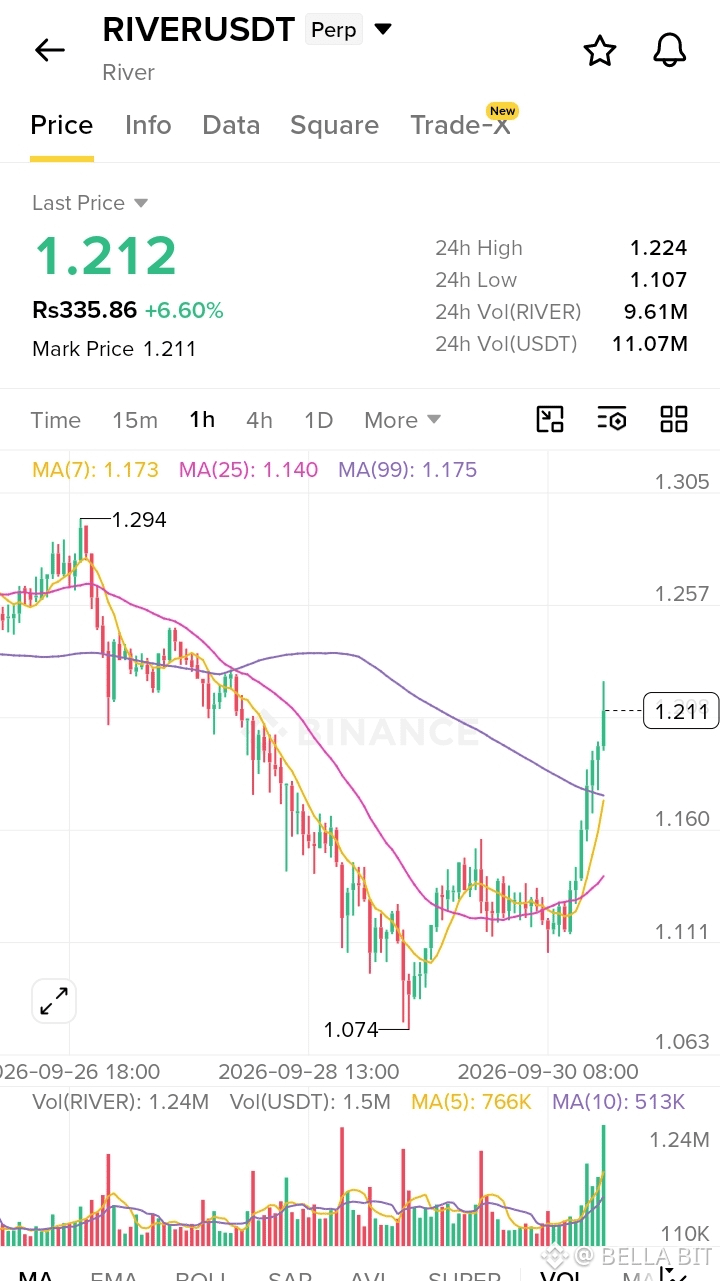
価格は重要な $1.01 のサポートと蓄積ゾーンの上で推移しており、長引いた調整の後に買い手が徐々に戻ってきています。
$1.57 を上抜けできれば、より高いレジスタンス水準に向けた上昇モメンタムが強いことを確認する可能性があります。
📈 ロング設定
エントリー: $1.15–$1.22
TP1: $1.57
TP2: $2.29
最終目標: $3.00
SL: $0.60
RIVER が主要なサポート構造を維持している限り、回復のセットアップは維持されます。
NFA — リスクを慎重に管理してください。
{future}(RIVERUSDT)
#RİVER
#RIVERUSDT
🚀 $RIVER は強気の継続の兆しを見せています。
価格は重要な $1.01 のサポートと蓄積ゾーンの上で推移しており、長引いた調整の後に買い手が徐々に戻ってきています。
$1.57 を上抜けできれば、より高いレジスタンス水準に向けた上昇モメンタムが強いことを確認する可能性があります。
📈 ロング設定
エントリー: $1.15–$1.22
TP1: $1.57
TP2: $2.29
最終目標: $3.00
SL: $0.60
RIVER が主要なサポート構造を維持している限り、回復のセットアップは維持されます。
NFA — リスクを慎重に管理してください。
#RİVER
#RIVERUSDT
価格は重要な $1.01 のサポートと蓄積ゾーンの上で推移しており、長引いた調整の後に買い手が徐々に戻ってきています。
$1.57 を上抜けできれば、より高いレジスタンス水準に向けた上昇モメンタムが強いことを確認する可能性があります。
📈 ロング設定
エントリー: $1.15–$1.22
TP1: $1.57
TP2: $2.29
最終目標: $3.00
SL: $0.60
RIVER が主要なサポート構造を維持している限り、回復のセットアップは維持されます。
NFA — リスクを慎重に管理してください。
#RİVER
#RIVERUSDT
1
633
·
--
🔥 トップコインがサポートに回帰 — 次は反発?
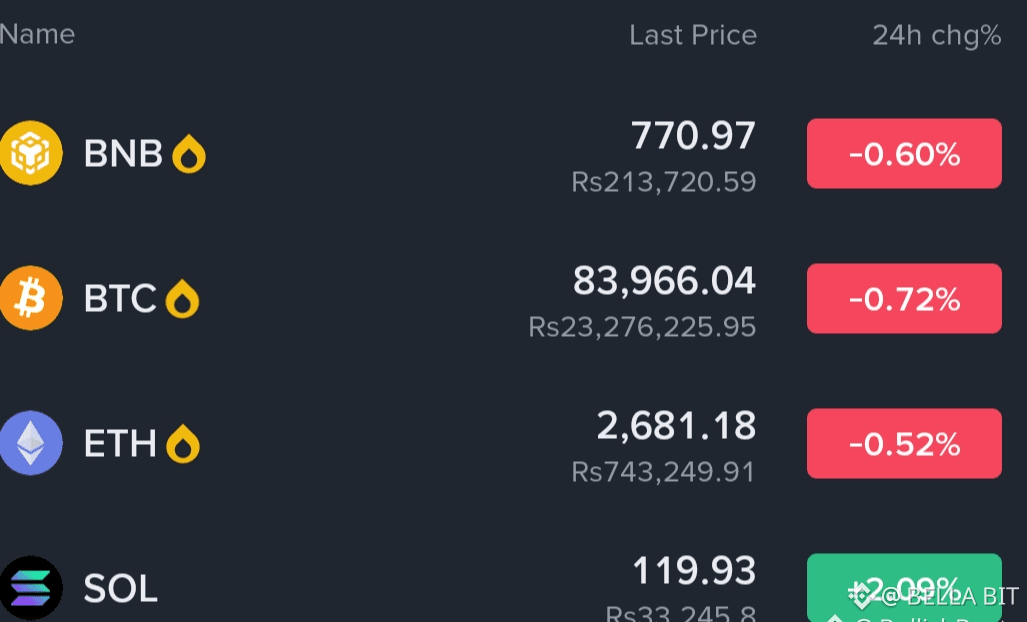
市場には再び圧力がかかっており、$BTC は約84Kドル、$ETH は約2,681ドル、$SOL は約120ドル付近でより強く推移しています。
重要なサポートゾーンが再びテストされています。買い手がこれらの水準を守れば、別のリカバリー(反発)を試みる動きが発生する可能性があります。
ひとまずサポートが鍵です。下抜けすると、新たな売り圧力が強まるかもしれません。📉
#bitcoin
#ETH🔥🔥🔥🔥🔥🔥
#sol
#QNTRises39%
#CoinMarketCapCompletesCoinglassAcquisition
🔥 トップコインがサポートに回帰 — 次は反発?
市場には再び圧力がかかっており、$BTC は約84Kドル、$ETH は約2,681ドル、$SOL は約120ドル付近でより強く推移しています。
重要なサポートゾーンが再びテストされています。買い手がこれらの水準を守れば、別のリカバリー(反発)を試みる動きが発生する可能性があります。
ひとまずサポートが鍵です。下抜けすると、新たな売り圧力が強まるかもしれません。📉
#bitcoin
#ETH🔥🔥🔥🔥🔥🔥
#sol
#QNTRises39%
#CoinMarketCapCompletesCoinglassAcquisition
市場には再び圧力がかかっており、$BTC は約84Kドル、$ETH は約2,681ドル、$SOL は約120ドル付近でより強く推移しています。
重要なサポートゾーンが再びテストされています。買い手がこれらの水準を守れば、別のリカバリー(反発)を試みる動きが発生する可能性があります。
ひとまずサポートが鍵です。下抜けすると、新たな売り圧力が強まるかもしれません。📉
#bitcoin
#ETH🔥🔥🔥🔥🔥🔥
#sol
#QNTRises39%
#CoinMarketCapCompletesCoinglassAcquisition
198
·
--
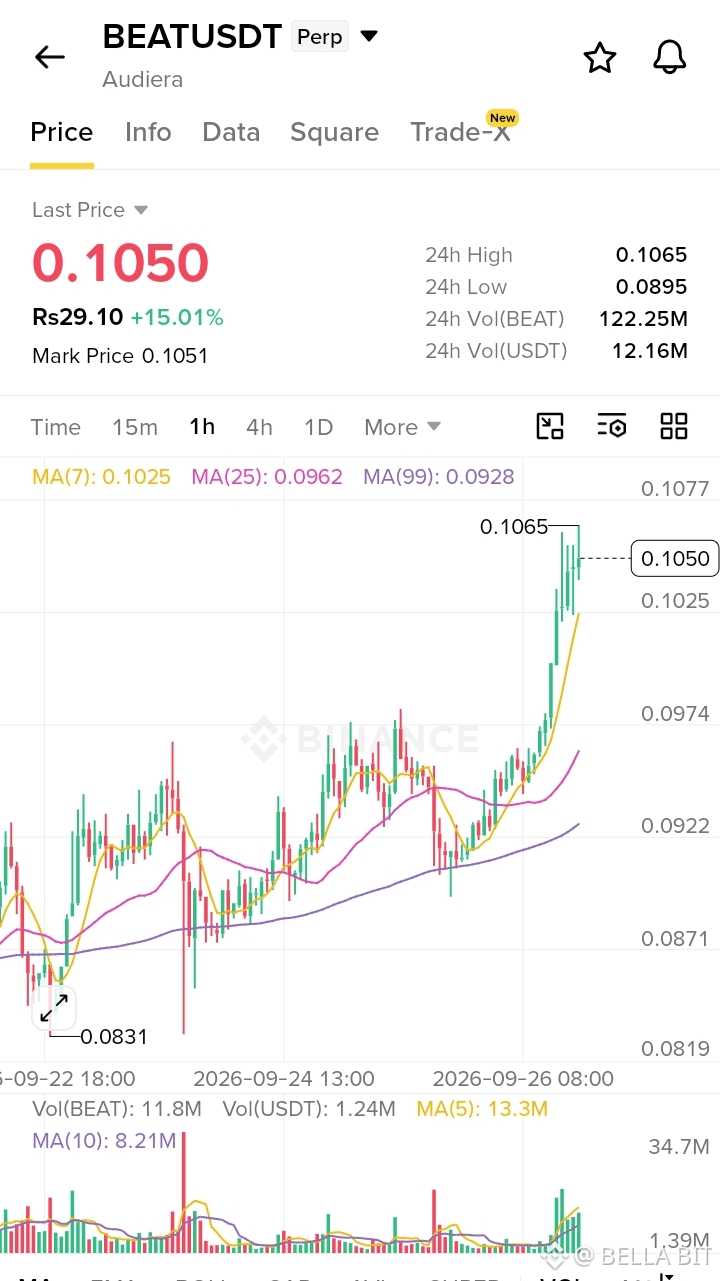
🔥 $BEAT ロングのセットアップ
$BEAT は強い拡大の後、加熱していますが、ポンプ追いかけはリスクを高める可能性があります。コントロールされたエントリーを待ち、FOMO(見逃し不安)を避けましょう。
📈 エントリー: $0.1020 – $0.1050
🎯 ターゲット: $0.1080 / $0.1120 / $0.1180
🛑 SL: $0.0980
適切なリスク管理で取引を行いましょう。
{future}(BEATUSDT)
#beat
#BEATUSDT
#CircleMints500MUSDCOnSolana
#PolymarketBankFailureBetsDrawFDICConcern
🔥 $BEAT ロングのセットアップ
$BEAT は強い拡大の後、加熱していますが、ポンプ追いかけはリスクを高める可能性があります。コントロールされたエントリーを待ち、FOMO(見逃し不安)を避けましょう。
📈 エントリー: $0.1020 – $0.1050
🎯 ターゲット: $0.1080 / $0.1120 / $0.1180
🛑 SL: $0.0980
適切なリスク管理で取引を行いましょう。
#beat
#BEATUSDT
#CircleMints500MUSDCOnSolana
#PolymarketBankFailureBetsDrawFDICConcern
$BEAT は強い拡大の後、加熱していますが、ポンプ追いかけはリスクを高める可能性があります。コントロールされたエントリーを待ち、FOMO(見逃し不安)を避けましょう。
📈 エントリー: $0.1020 – $0.1050
🎯 ターゲット: $0.1080 / $0.1120 / $0.1180
🛑 SL: $0.0980
適切なリスク管理で取引を行いましょう。
#beat
#BEATUSDT
#CircleMints500MUSDCOnSolana
#PolymarketBankFailureBetsDrawFDICConcern
713
·
--
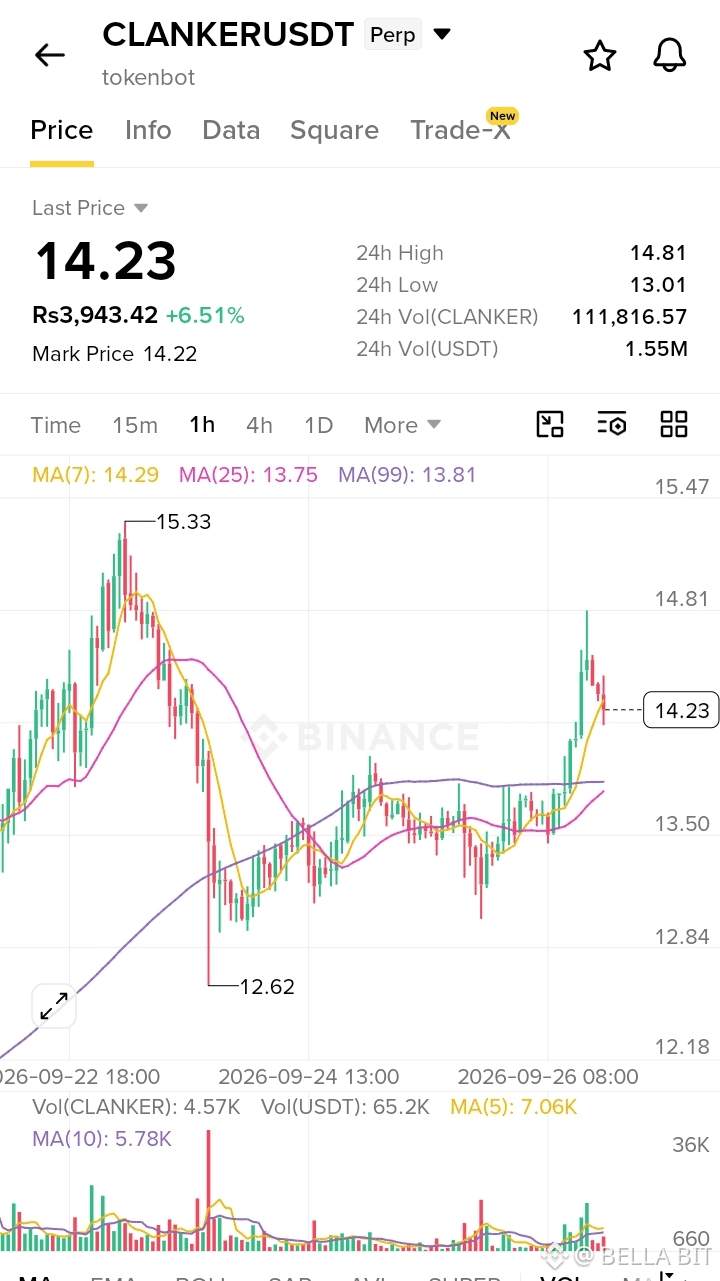
🚨 $CLANKER ショート セットアップ
$CLANKER は鋭いポンプの後に明確な拒否反応を示しており、下落方向のモメンタムの可能性を示唆しています。
🔻 エントリー:$14.26 – $14.30
🎯 TP:$14.05 / $13.82 / $13.64
🛑 SL:$14.60
適切なリスク管理を行い、過度なレバレッジは避けてください。NFA。
{future}(CLANKERUSDT)
#CLANKERUSDT
#Clanker
#CircleMints500MUSDCOnSolana
#PolymarketBankFailureBetsDrawFDICConcern
#BlackRockBuildsTokenizedPortfoliosForOndo
🚨 $CLANKER ショート セットアップ
$CLANKER は鋭いポンプの後に明確な拒否反応を示しており、下落方向のモメンタムの可能性を示唆しています。
🔻 エントリー:$14.26 – $14.30
🎯 TP:$14.05 / $13.82 / $13.64
🛑 SL:$14.60
適切なリスク管理を行い、過度なレバレッジは避けてください。NFA。
#CLANKERUSDT
#Clanker
#CircleMints500MUSDCOnSolana
#PolymarketBankFailureBetsDrawFDICConcern
#BlackRockBuildsTokenizedPortfoliosForOndo
$CLANKER は鋭いポンプの後に明確な拒否反応を示しており、下落方向のモメンタムの可能性を示唆しています。
🔻 エントリー:$14.26 – $14.30
🎯 TP:$14.05 / $13.82 / $13.64
🛑 SL:$14.60
適切なリスク管理を行い、過度なレバレッジは避けてください。NFA。
#CLANKERUSDT
#Clanker
#CircleMints500MUSDCOnSolana
#PolymarketBankFailureBetsDrawFDICConcern
#BlackRockBuildsTokenizedPortfoliosForOndo
744
·
--
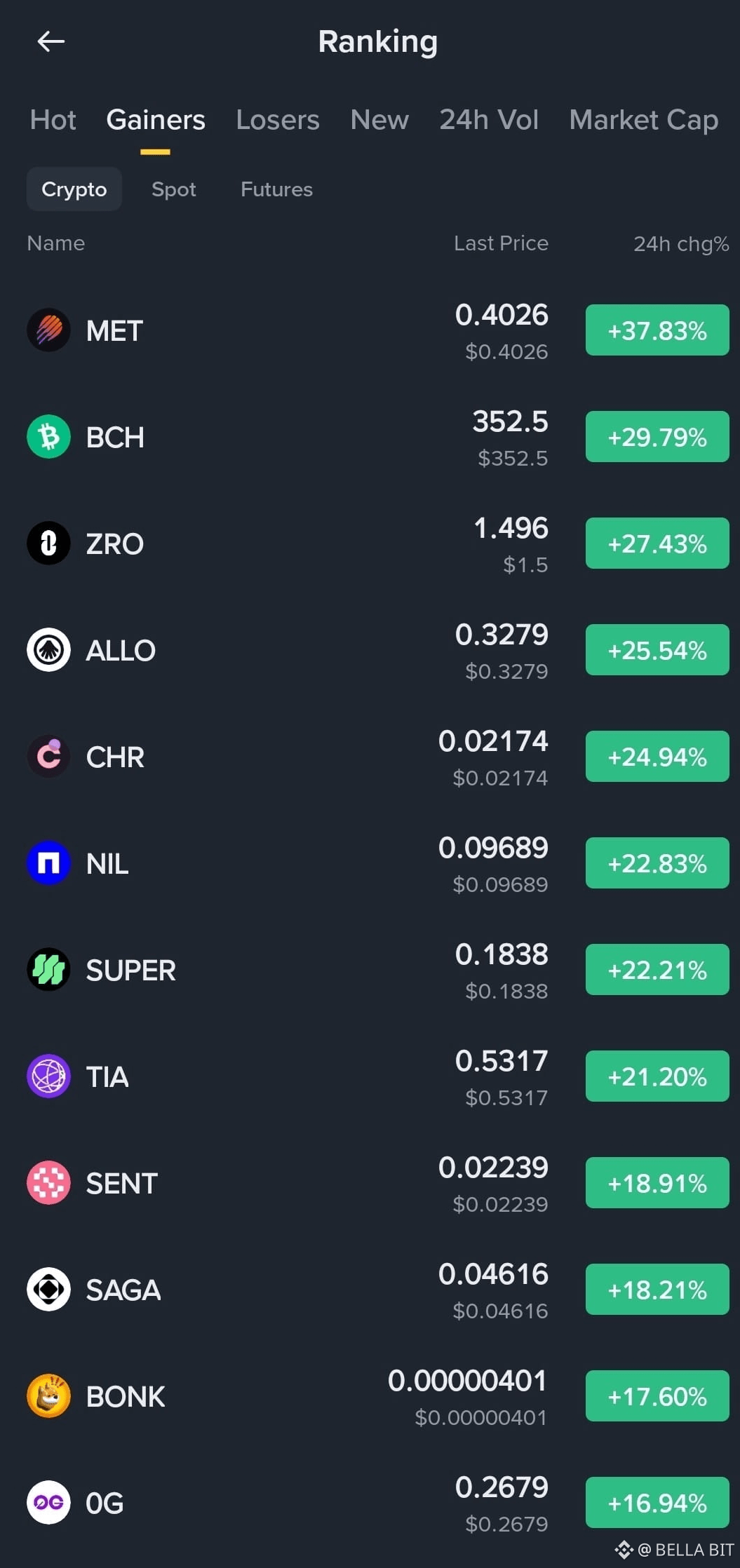
🔥 順位表が加速中!
本日の上昇銘柄の上位は、明確な勢いを見せています:
🚀 $MET — +37.83% | $0.4026
💥 $BCH — +29.79% | $352.5
📈 $ZRO — +27.43% | $1.496
🔥 #ALLO — +25.54% | $0.3279
⚡ #CHR — +24.94% | $0.02174
5銘柄すべてに勢いがありますが、このような急激な値動きの後は、闇雲に追いかけずに。エントリーする前に、きれいな押し目か確認の動きを見届けましょう。
👀 次の動きで注目しているのはどれ?
#ALTCOİNS
#AIStocksWhatNext
#21SharesLaunchesEuropesFirstZcashETP
🔥 順位表が加速中!
本日の上昇銘柄の上位は、明確な勢いを見せています:
🚀 $MET — +37.83% | $0.4026
💥 $BCH — +29.79% | $352.5
📈 $ZRO — +27.43% | $1.496
🔥 #ALLO — +25.54% | $0.3279
⚡ #CHR — +24.94% | $0.02174
5銘柄すべてに勢いがありますが、このような急激な値動きの後は、闇雲に追いかけずに。エントリーする前に、きれいな押し目か確認の動きを見届けましょう。
👀 次の動きで注目しているのはどれ?
#ALTCOİNS
#AIStocksWhatNext
#21SharesLaunchesEuropesFirstZcashETP
本日の上昇銘柄の上位は、明確な勢いを見せています:
🚀 $MET — +37.83% | $0.4026
💥 $BCH — +29.79% | $352.5
📈 $ZRO — +27.43% | $1.496
🔥 #ALLO — +25.54% | $0.3279
⚡ #CHR — +24.94% | $0.02174
5銘柄すべてに勢いがありますが、このような急激な値動きの後は、闇雲に追いかけずに。エントリーする前に、きれいな押し目か確認の動きを見届けましょう。
👀 次の動きで注目しているのはどれ?
#ALTCOİNS
#AIStocksWhatNext
#21SharesLaunchesEuropesFirstZcashETP
2
164
·
--
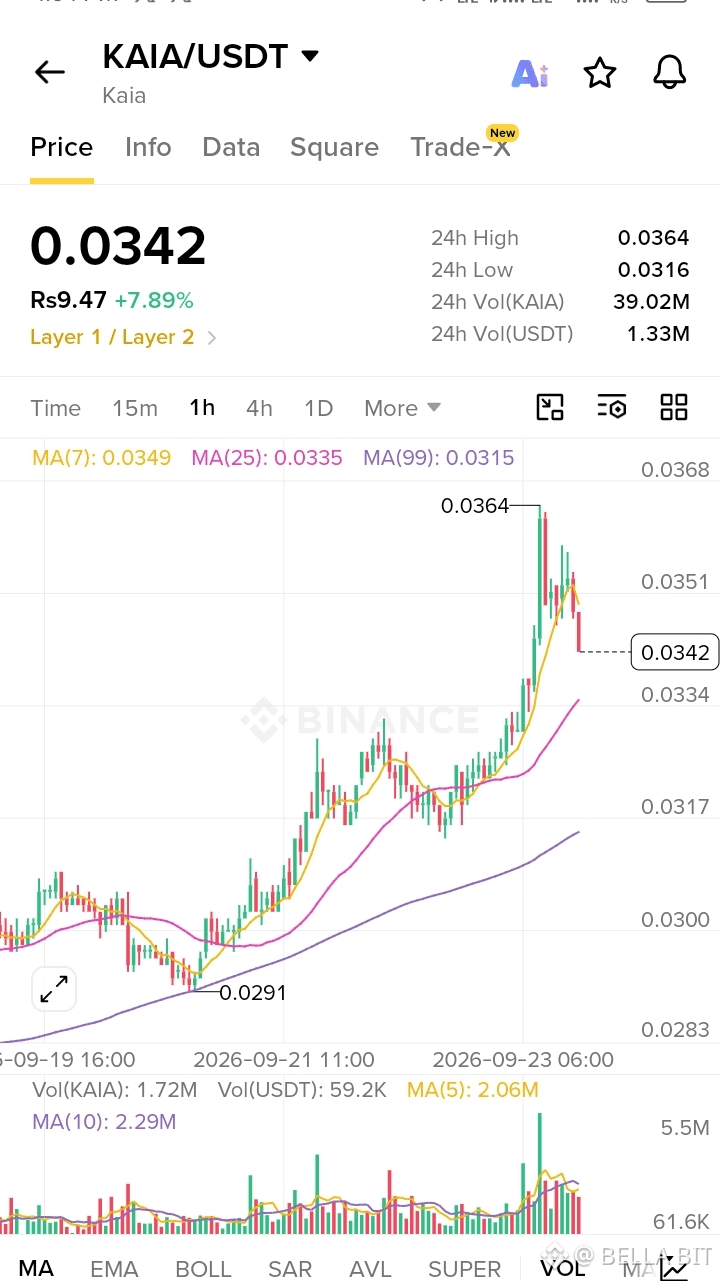
⚠️ $KAIA ショートセットアップ — ベアリッシュ・モメンタム
$KAIA は $0.036 ゾーン付近で強いリジェクションを受けたのち、急激に後退しており、売り手の勢いが増しています。
🔻 エントリー: $0.0343〜$0.0346
🎯 ターゲット: $0.0338 / $0.0332 / $0.0325
🛑 SL: $0.0352
エントリーゾーンを下回る持続的な動きがあれば、記載されたターゲットに向けてより深い調整が起こり得ます。
$KAIA でトレード📉
{spot}(KAIAUSDT)
#Kaia
#KAIAUSDT
#AIStocksWhatNext
#21SharesLaunchesEuropesFirstZcashETP
#CardanoJoinsX402PaymentStandard
⚠️ $KAIA ショートセットアップ — ベアリッシュ・モメンタム
$KAIA は $0.036 ゾーン付近で強いリジェクションを受けたのち、急激に後退しており、売り手の勢いが増しています。
🔻 エントリー: $0.0343〜$0.0346
🎯 ターゲット: $0.0338 / $0.0332 / $0.0325
🛑 SL: $0.0352
エントリーゾーンを下回る持続的な動きがあれば、記載されたターゲットに向けてより深い調整が起こり得ます。
$KAIA でトレード📉
#Kaia
#KAIAUSDT
#AIStocksWhatNext
#21SharesLaunchesEuropesFirstZcashETP
#CardanoJoinsX402PaymentStandard
$KAIA は $0.036 ゾーン付近で強いリジェクションを受けたのち、急激に後退しており、売り手の勢いが増しています。
🔻 エントリー: $0.0343〜$0.0346
🎯 ターゲット: $0.0338 / $0.0332 / $0.0325
🛑 SL: $0.0352
エントリーゾーンを下回る持続的な動きがあれば、記載されたターゲットに向けてより深い調整が起こり得ます。
$KAIA でトレード📉
#Kaia
#KAIAUSDT
#AIStocksWhatNext
#21SharesLaunchesEuropesFirstZcashETP
#CardanoJoinsX402PaymentStandard
1
295
·
--
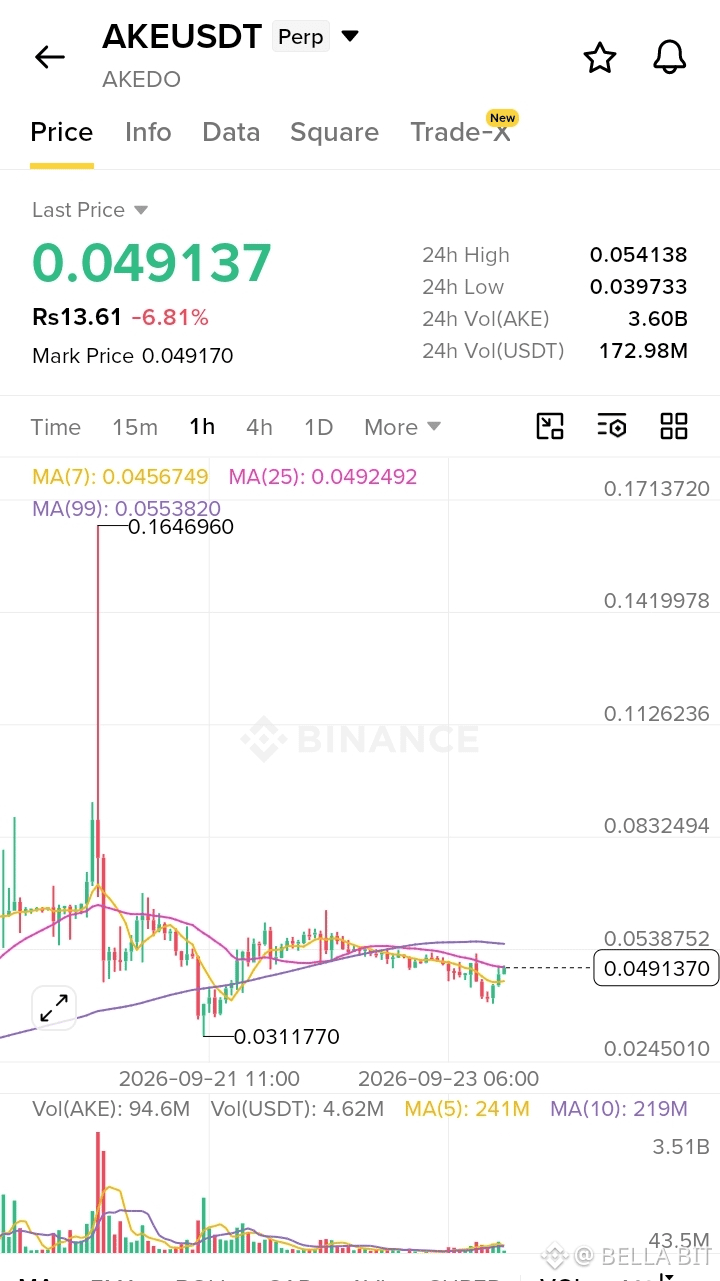
🚀 $AKE ロング・セットアップ — 次の目標 $0.060
AKEは蓄積ゾーンからのリカバリーの強さを見せており、ブルが主導権の奪還を試みています。
🎯 エントリー: $0.040–$0.044
TP1: $0.048
TP2: $0.053
TP3: $0.060
🔥 拡張ターゲット: $0.070
🛑 SL: $0.030
$0.048を上回る確定ブレイクが起これば、$AKE を$0.060へ、さらに高値の可能性もあります。$0.032のサポートが失われると、このセットアップは弱まります。
$AKE で取引📈
{future}(AKEUSDT)
#AKEUSDT
#AIStocksWhatNext
#21SharesLaunchesEuropesFirstZcashETP
#CardanoJoinsX402PaymentStandard
#AKE
🚀 $AKE ロング・セットアップ — 次の目標 $0.060
AKEは蓄積ゾーンからのリカバリーの強さを見せており、ブルが主導権の奪還を試みています。
🎯 エントリー: $0.040–$0.044
TP1: $0.048
TP2: $0.053
TP3: $0.060
🔥 拡張ターゲット: $0.070
🛑 SL: $0.030
$0.048を上回る確定ブレイクが起これば、$AKE を$0.060へ、さらに高値の可能性もあります。$0.032のサポートが失われると、このセットアップは弱まります。
$AKE で取引📈
#AKEUSDT
#AIStocksWhatNext
#21SharesLaunchesEuropesFirstZcashETP
#CardanoJoinsX402PaymentStandard
#AKE
AKEは蓄積ゾーンからのリカバリーの強さを見せており、ブルが主導権の奪還を試みています。
🎯 エントリー: $0.040–$0.044
TP1: $0.048
TP2: $0.053
TP3: $0.060
🔥 拡張ターゲット: $0.070
🛑 SL: $0.030
$0.048を上回る確定ブレイクが起これば、$AKE を$0.060へ、さらに高値の可能性もあります。$0.032のサポートが失われると、このセットアップは弱まります。
$AKE で取引📈
#AKEUSDT
#AIStocksWhatNext
#21SharesLaunchesEuropesFirstZcashETP
#CardanoJoinsX402PaymentStandard
#AKE
117
ログインして、さらにコンテンツを読む
厳選トピックで世界の暗号資産トレーダーの仲間入り
⚡️ 暗号資産に関する最新かつ有益な情報が見つかります。
💬 世界最大の暗号資産取引所から信頼されています。
👍 認証を受けたクリエイターから、有益なインサイトを得られます。
メール / 電話番号
トレンドトピック
BinanceLaunchesBinanceIntelligence
閲覧回数 377,863
2,987人が討論中
#binancelaunchesbinanceintelligence 🚨🚨🚨🚨🚨🚨🚨🚨🚨🚨🚨🚨🚨🚨🚨🚨 ✅BINANCEがついにAI時代へ!
Binanceは、金融情報をより理解しやすく、活用しやすくするために設計された、AI搭載の新しいレイヤー「Binance Intelligence」を正式に発表しました。
提供開始される機能はこちらです:
🤖 Binance AI
市場情報をパーソナライズし、市況の要約、スマートアラート、ポートフォリオ分析などを提供する無料のAIアシスタントです。
⚡ Binance AI Pro
自然言語で入力したアイデアを編集可能な取引ワークフローに変換できる、高度な金融特化型AIです。ペーパートレードや自動執行機能も、今後提供される予定です。
🧠 Binance Agent OS
AIエージェントをBinanceの市場データ、取引、ウォレット、オンチェーン機能に接続する開発者向けプラットフォームです。
注目すべきポイントは?
Binanceは、これまで主にプロ向けだったAI搭載の金融ツールを、一般ユーザーにも直接使えるようにしようとしています。
これにより、トレーダーが市場を調査し、ポートフォリオを管理し、戦略を立てる方法が変わるかもしれません。
🔥 AI+金融は、今や大きなトレンドになりつつあります。
AIは暗号資産トレーダーにとって欠かせないツールになると思いますか?
$BTC $XRP $ZEC
ご自身で調査してください。投資助言ではありません。
#Binance #BinanceIntelligence #BinanceAI #Crypto #AI
owhggwiohsjowve
·いいね:12件
·閲覧回数 18.6k
BitcoinTargets2026OpenAt$87570
閲覧回数 2,076
68人が討論中
BitcoinRejectedAt$87KThirdTime
閲覧回数 2,141
58人が討論中