

MASAB ⁰⁰⁷-国王
4k 投稿

MASAB ⁰⁰⁷-国王
 厳選トピック確認済+
報告
ユーザーをブロック
Trader | 🔗 Blockchain Believer | 🌍 Exploring the Future of Finance | Turning Ideas into Assets | Always Learning, Always Growing✨ | x:@masab0077
取引を発注
高頻度トレーダー
2.8年
1.6K+ フォロー
30.3K+ フォロワー
9.9K+ いいね
投稿
ポートフォリオ
すべて
引用
ライブ
·
--
本人確認中
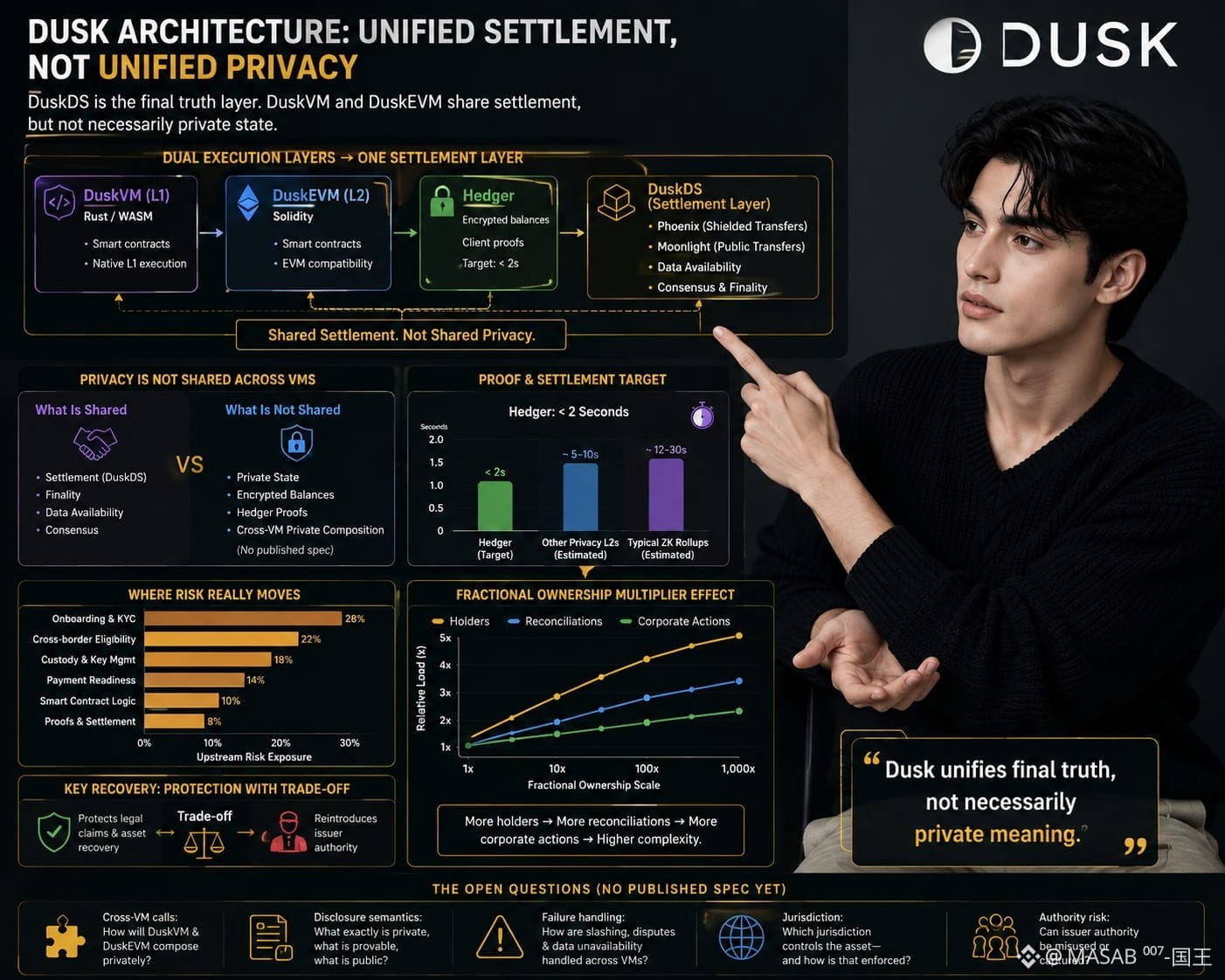
チャートは横ばいだったので、私はDuskのアーキテクチャノートを開き直しました。「privacy」が繰り返し目につきました。まるでDuskDS、DuskVM、DuskEVMがひとつの機密状態を共有しているかのように。
DuskVMはL1上でRust/WASMを動かし、DuskEVMはSolidityを動かします。そこにHedgerが暗号化された残高と、2秒未満を目標とするクライアント証明を追加します。どちらもDuskDSを通じて決済されます。Phoenixはシールド付きのトランスファー、Moonlightは公開トランスファーです。さらにデータ可用性、コンセンサス、ファイナリティも含まれます。それでも、共有決済が共有プライバシーとは限りません。私は、DuskVMのコントラクトがHedgerの状態を機密に組み合わせることを示す、公開された仕様を見つけられませんでした。
Duskは最終的な真実を統一しますが、必ずしも私的な意味まで統一するわけではありません。
RWAでは、機関には機密のポジションと検証可能な所有権が必要です。小売の残高を隠しても、それはビジネスのワークフローを隠していることにはなりません。より速い証明と決済は、オンボーディング、越境の適格性、カストディ、支払い準備へとリスクを上流に移し替えることができます。開発者は、Solidity、機密状態、そしてコンプライアンスのロジックを引き続き突き合わせ(リコンサイル)ます。
持分の分割は、保有者数、突き合わせ(リコンサイル)、そしてコーポレートアクションを増やします。鍵の喪失からの復旧能力は法的請求を保護しますが、発行体の権限を再導入することにもなります。暗号は、どの法域が資産を支配するのか—あるいはその権限が賢明に行動するのか—を決めることはできません。
これはDusk固有の話ではありません。クロスVM呼び出しまで、開示のセマンティクスと失敗時の取り扱いが文書化されない限り、「統一されたプライバシー」は公開されている保証を追い越してしまいます。チャートは横ばいのままですが、そのフレーズは違います。
@Dusk_Foundation $DUSK #dusk
{future}(DUSKUSDT)
チャートは横ばいだったので、私はDuskのアーキテクチャノートを開き直しました。「privacy」が繰り返し目につきました。まるでDuskDS、DuskVM、DuskEVMがひとつの機密状態を共有しているかのように。
DuskVMはL1上でRust/WASMを動かし、DuskEVMはSolidityを動かします。そこにHedgerが暗号化された残高と、2秒未満を目標とするクライアント証明を追加します。どちらもDuskDSを通じて決済されます。Phoenixはシールド付きのトランスファー、Moonlightは公開トランスファーです。さらにデータ可用性、コンセンサス、ファイナリティも含まれます。それでも、共有決済が共有プライバシーとは限りません。私は、DuskVMのコントラクトがHedgerの状態を機密に組み合わせることを示す、公開された仕様を見つけられませんでした。
Duskは最終的な真実を統一しますが、必ずしも私的な意味まで統一するわけではありません。
RWAでは、機関には機密のポジションと検証可能な所有権が必要です。小売の残高を隠しても、それはビジネスのワークフローを隠していることにはなりません。より速い証明と決済は、オンボーディング、越境の適格性、カストディ、支払い準備へとリスクを上流に移し替えることができます。開発者は、Solidity、機密状態、そしてコンプライアンスのロジックを引き続き突き合わせ(リコンサイル)ます。
持分の分割は、保有者数、突き合わせ(リコンサイル)、そしてコーポレートアクションを増やします。鍵の喪失からの復旧能力は法的請求を保護しますが、発行体の権限を再導入することにもなります。暗号は、どの法域が資産を支配するのか—あるいはその権限が賢明に行動するのか—を決めることはできません。
これはDusk固有の話ではありません。クロスVM呼び出しまで、開示のセマンティクスと失敗時の取り扱いが文書化されない限り、「統一されたプライバシー」は公開されている保証を追い越してしまいます。チャートは横ばいのままですが、そのフレーズは違います。
@Dusk $DUSK #dusk
DuskVMはL1上でRust/WASMを動かし、DuskEVMはSolidityを動かします。そこにHedgerが暗号化された残高と、2秒未満を目標とするクライアント証明を追加します。どちらもDuskDSを通じて決済されます。Phoenixはシールド付きのトランスファー、Moonlightは公開トランスファーです。さらにデータ可用性、コンセンサス、ファイナリティも含まれます。それでも、共有決済が共有プライバシーとは限りません。私は、DuskVMのコントラクトがHedgerの状態を機密に組み合わせることを示す、公開された仕様を見つけられませんでした。
Duskは最終的な真実を統一しますが、必ずしも私的な意味まで統一するわけではありません。
RWAでは、機関には機密のポジションと検証可能な所有権が必要です。小売の残高を隠しても、それはビジネスのワークフローを隠していることにはなりません。より速い証明と決済は、オンボーディング、越境の適格性、カストディ、支払い準備へとリスクを上流に移し替えることができます。開発者は、Solidity、機密状態、そしてコンプライアンスのロジックを引き続き突き合わせ(リコンサイル)ます。
持分の分割は、保有者数、突き合わせ(リコンサイル)、そしてコーポレートアクションを増やします。鍵の喪失からの復旧能力は法的請求を保護しますが、発行体の権限を再導入することにもなります。暗号は、どの法域が資産を支配するのか—あるいはその権限が賢明に行動するのか—を決めることはできません。
これはDusk固有の話ではありません。クロスVM呼び出しまで、開示のセマンティクスと失敗時の取り扱いが文書化されない限り、「統一されたプライバシー」は公開されている保証を追い越してしまいます。チャートは横ばいのままですが、そのフレーズは違います。
@Dusk $DUSK #dusk
6
10
30.2k
·
--
本人確認中
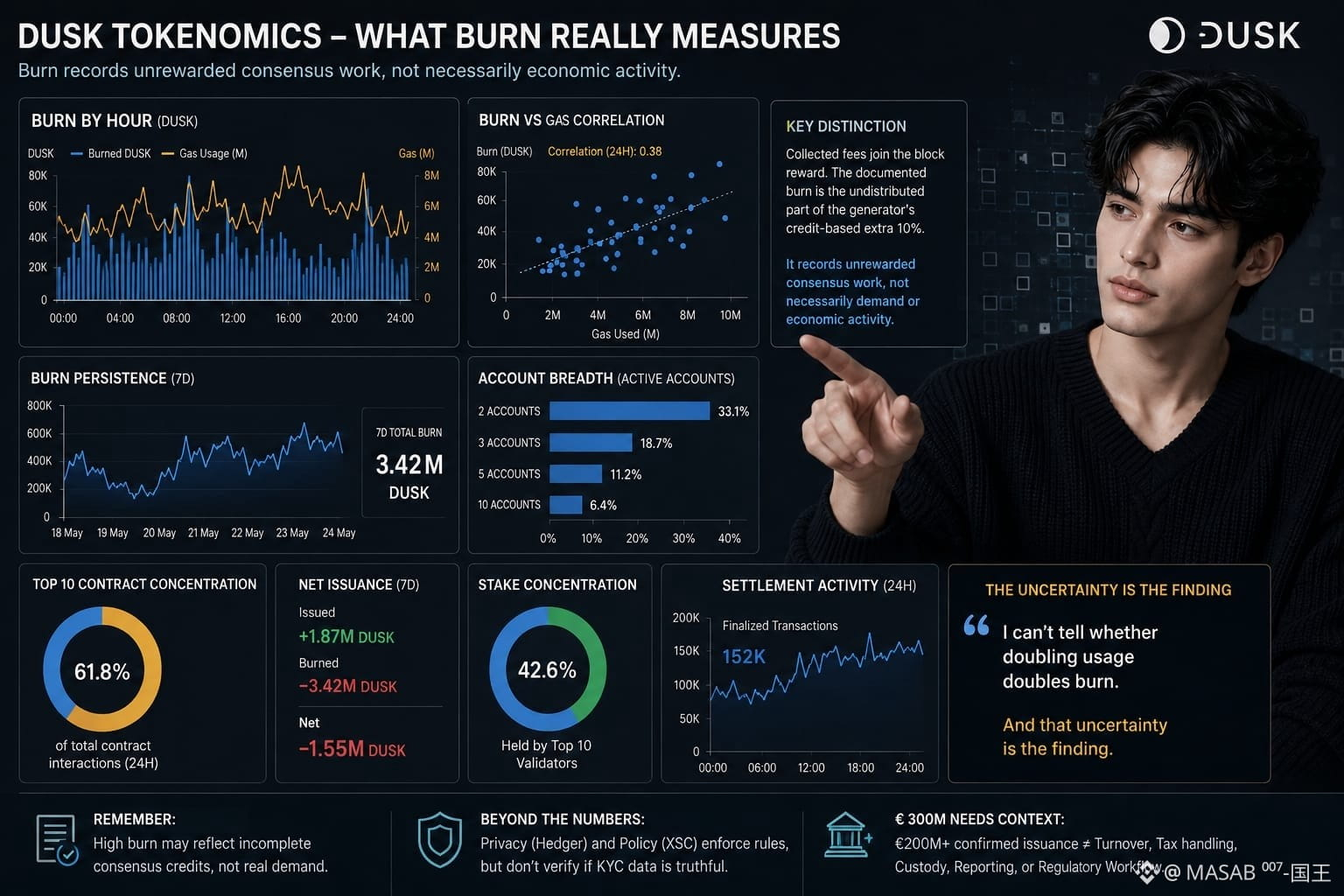
チャートが横ばいだったので、Duskのトークノミクスページを開いて「時間ごとのバーン(焼却)」を把握しようとしました。忙しいブロック、高いガス、より多くのユーザーがいれば、より多くのDUSKが焼却されるはずだと仮定しました。けれど、何かが噛み合いませんでした。
手数料はDUSKで支払われますが、回収された手数料はブロック報酬に合算されます。文書化されているバーンは、ジェネレーターのクレジット制の追加10%に由来する、未配布部分です。1ブロック、エポック、コントラクト、あるいは100万ガスあたりのバーンでは需要を自動的に測れません。バーンが多いことは、コンセンサスクレジットが未完了であることを示している可能性があります。
それは、必ずしも経済活動を意味するのではなく、未報酬のコンセンサス作業を記録しています。
この違いが、ずっと頭から離れませんでした。2.1億(210M+)以上のステークはコンセンサスを守れますが、資格(クレデンシャル)の正確さやアプリケーションロジックまでは保証しません。Hedgerは値を秘匿しつつ計算の実行を証明できますし、XSCは送金ポリシーを強制できますが、KYCデータが真実であることはどちらも証明できません。不合格(リジェクト)でも、適格性の手がかりが漏れるかもしれません。
€3億(300M)規模でもラベリングが必要です。Duskは2025年にNPEXの€3億AUMを引用していましたが、現在のサイトでは€2億+の確認済み発行となっています。どちらも、回転率、ウォレットの換金、課税対応、保管(カストディ)、レポーティング、突合(リコンシリエーション)、そして「4つの規制機能」が1つのワークフローとして機能しているかどうかは測れません。
私のダッシュボードには、バーンの持続性、ガス/手数料の相関、2/3/5/10コントラクトの口座の広がり、上位10件の集中度、純発行量、ステーク集中、そして決済活動が必要です。グラフはまだ開いたままです。使用量を2倍にしたらバーンも2倍になるのか、その不確実性こそが今回の発見です。@Dusk_Foundation $DUSK #dusk
{future}(DUSKUSDT)
チャートが横ばいだったので、Duskのトークノミクスページを開いて「時間ごとのバーン(焼却)」を把握しようとしました。忙しいブロック、高いガス、より多くのユーザーがいれば、より多くのDUSKが焼却されるはずだと仮定しました。けれど、何かが噛み合いませんでした。
手数料はDUSKで支払われますが、回収された手数料はブロック報酬に合算されます。文書化されているバーンは、ジェネレーターのクレジット制の追加10%に由来する、未配布部分です。1ブロック、エポック、コントラクト、あるいは100万ガスあたりのバーンでは需要を自動的に測れません。バーンが多いことは、コンセンサスクレジットが未完了であることを示している可能性があります。
それは、必ずしも経済活動を意味するのではなく、未報酬のコンセンサス作業を記録しています。
この違いが、ずっと頭から離れませんでした。2.1億(210M+)以上のステークはコンセンサスを守れますが、資格(クレデンシャル)の正確さやアプリケーションロジックまでは保証しません。Hedgerは値を秘匿しつつ計算の実行を証明できますし、XSCは送金ポリシーを強制できますが、KYCデータが真実であることはどちらも証明できません。不合格(リジェクト)でも、適格性の手がかりが漏れるかもしれません。
€3億(300M)規模でもラベリングが必要です。Duskは2025年にNPEXの€3億AUMを引用していましたが、現在のサイトでは€2億+の確認済み発行となっています。どちらも、回転率、ウォレットの換金、課税対応、保管(カストディ)、レポーティング、突合(リコンシリエーション)、そして「4つの規制機能」が1つのワークフローとして機能しているかどうかは測れません。
私のダッシュボードには、バーンの持続性、ガス/手数料の相関、2/3/5/10コントラクトの口座の広がり、上位10件の集中度、純発行量、ステーク集中、そして決済活動が必要です。グラフはまだ開いたままです。使用量を2倍にしたらバーンも2倍になるのか、その不確実性こそが今回の発見です。@Dusk $DUSK #dusk
手数料はDUSKで支払われますが、回収された手数料はブロック報酬に合算されます。文書化されているバーンは、ジェネレーターのクレジット制の追加10%に由来する、未配布部分です。1ブロック、エポック、コントラクト、あるいは100万ガスあたりのバーンでは需要を自動的に測れません。バーンが多いことは、コンセンサスクレジットが未完了であることを示している可能性があります。
それは、必ずしも経済活動を意味するのではなく、未報酬のコンセンサス作業を記録しています。
この違いが、ずっと頭から離れませんでした。2.1億(210M+)以上のステークはコンセンサスを守れますが、資格(クレデンシャル)の正確さやアプリケーションロジックまでは保証しません。Hedgerは値を秘匿しつつ計算の実行を証明できますし、XSCは送金ポリシーを強制できますが、KYCデータが真実であることはどちらも証明できません。不合格(リジェクト)でも、適格性の手がかりが漏れるかもしれません。
€3億(300M)規模でもラベリングが必要です。Duskは2025年にNPEXの€3億AUMを引用していましたが、現在のサイトでは€2億+の確認済み発行となっています。どちらも、回転率、ウォレットの換金、課税対応、保管(カストディ)、レポーティング、突合(リコンシリエーション)、そして「4つの規制機能」が1つのワークフローとして機能しているかどうかは測れません。
私のダッシュボードには、バーンの持続性、ガス/手数料の相関、2/3/5/10コントラクトの口座の広がり、上位10件の集中度、純発行量、ステーク集中、そして決済活動が必要です。グラフはまだ開いたままです。使用量を2倍にしたらバーンも2倍になるのか、その不確実性こそが今回の発見です。@Dusk $DUSK #dusk
8
14
11.6k
·
--
昨日、横ばいの相場の中で、デフレの証拠としてDUSKのバーンが語られているのを何度も見ました。私はその主張にしばらく付き合いました。ですが、何かが噛み合っていませんでした。
Duskのダッシュボードは、日次・週次・月次の排出量とバーンを比較し、その後、バーンをウォレット、アプリケーション、エポック、ブロックごとに帰属付ける必要があります。もし単一のコントラクト、あるいはごく少数のブロックが支配的なら、総量は広範な需要とは別の意味を持ちます。
バーンは、需要が分散したことや持続性があることを証明するのではなく、供給が取り除かれたことを証明します。
その価値は、ステーキング報酬の隣、アクティブ・ステーク、プロビジョナー報酬、エポックの手数料密度、アクティビティの加速、ステークされたDUSK 100万あたりのバーン、純供給の増加と並べて確認されます。これらは、セキュリティの発行が活動によって相殺されているのか、また高いステーキングが供給圧力を強めるのか弱めるのかを示します。
ただし、その仕組みにはまだストレステストが必要です。アクティブアカウントが50%増えたら、あるいはコントラクト呼び出しが2倍になったら、取引とガスは2倍になりますか? アクティビティが2×、5×、10×になったとき、最初に動くのはどれでしょう: 取引あたりのガス、手数料、メンプールのサイズ、ブロックの密度、あるいはDuskEVMのP95のインクルージョン時間?
私は、ユーザーから社会的成長、取引所の深さ、クロスチェーンのカバレッジ、発表されたアセットを切り分けます。加えて、ユーザーのほかに、アプリケーションの流動性、確定した決済、そして実際の発行も切り分けます。
相場は依然として横ばいです。バーンの見出しは不完全に見えます。
@Dusk_Foundation $DUSK #dusk
{future}(DUSKUSDT)
昨日、横ばいの相場の中で、デフレの証拠としてDUSKのバーンが語られているのを何度も見ました。私はその主張にしばらく付き合いました。ですが、何かが噛み合っていませんでした。
Duskのダッシュボードは、日次・週次・月次の排出量とバーンを比較し、その後、バーンをウォレット、アプリケーション、エポック、ブロックごとに帰属付ける必要があります。もし単一のコントラクト、あるいはごく少数のブロックが支配的なら、総量は広範な需要とは別の意味を持ちます。
バーンは、需要が分散したことや持続性があることを証明するのではなく、供給が取り除かれたことを証明します。
その価値は、ステーキング報酬の隣、アクティブ・ステーク、プロビジョナー報酬、エポックの手数料密度、アクティビティの加速、ステークされたDUSK 100万あたりのバーン、純供給の増加と並べて確認されます。これらは、セキュリティの発行が活動によって相殺されているのか、また高いステーキングが供給圧力を強めるのか弱めるのかを示します。
ただし、その仕組みにはまだストレステストが必要です。アクティブアカウントが50%増えたら、あるいはコントラクト呼び出しが2倍になったら、取引とガスは2倍になりますか? アクティビティが2×、5×、10×になったとき、最初に動くのはどれでしょう: 取引あたりのガス、手数料、メンプールのサイズ、ブロックの密度、あるいはDuskEVMのP95のインクルージョン時間?
私は、ユーザーから社会的成長、取引所の深さ、クロスチェーンのカバレッジ、発表されたアセットを切り分けます。加えて、ユーザーのほかに、アプリケーションの流動性、確定した決済、そして実際の発行も切り分けます。
相場は依然として横ばいです。バーンの見出しは不完全に見えます。
@Dusk $DUSK #dusk
Duskのダッシュボードは、日次・週次・月次の排出量とバーンを比較し、その後、バーンをウォレット、アプリケーション、エポック、ブロックごとに帰属付ける必要があります。もし単一のコントラクト、あるいはごく少数のブロックが支配的なら、総量は広範な需要とは別の意味を持ちます。
バーンは、需要が分散したことや持続性があることを証明するのではなく、供給が取り除かれたことを証明します。
その価値は、ステーキング報酬の隣、アクティブ・ステーク、プロビジョナー報酬、エポックの手数料密度、アクティビティの加速、ステークされたDUSK 100万あたりのバーン、純供給の増加と並べて確認されます。これらは、セキュリティの発行が活動によって相殺されているのか、また高いステーキングが供給圧力を強めるのか弱めるのかを示します。
ただし、その仕組みにはまだストレステストが必要です。アクティブアカウントが50%増えたら、あるいはコントラクト呼び出しが2倍になったら、取引とガスは2倍になりますか? アクティビティが2×、5×、10×になったとき、最初に動くのはどれでしょう: 取引あたりのガス、手数料、メンプールのサイズ、ブロックの密度、あるいはDuskEVMのP95のインクルージョン時間?
私は、ユーザーから社会的成長、取引所の深さ、クロスチェーンのカバレッジ、発表されたアセットを切り分けます。加えて、ユーザーのほかに、アプリケーションの流動性、確定した決済、そして実際の発行も切り分けます。
相場は依然として横ばいです。バーンの見出しは不完全に見えます。
@Dusk $DUSK #dusk

15
20
10.3k
·
--
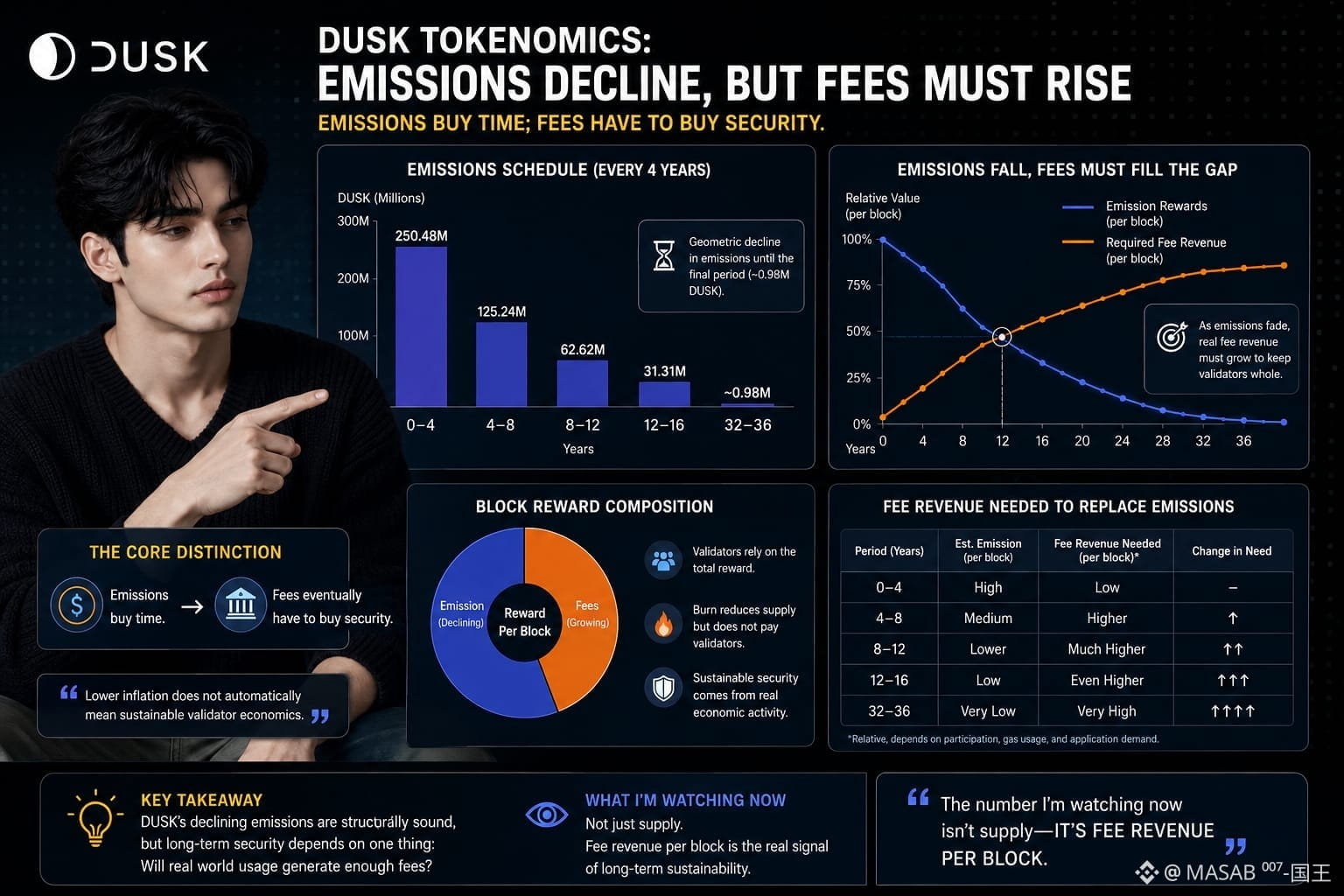
今夜、Duskのトークノミクス資料を見直していると、ある数字がずっと引き戻してきました。最初の4年間は250.48M DUSK、その後は125.24M、62.62M、31.31Mと続き、最後の4年期間はおよそ0.98Mまで落ち込む予定です。
見出しとしての解釈は簡単です。排出が減る、……インフレが下がる、希少性が改善する。
しかし、それはセキュリティの問いではありません。
Duskのブロック報酬は、新たに発行されるDUSKと取引手数料を組み合わせています。発行が幾何級数的に薄れていくと、ネットワークは次第に、減っていく補助(サブシディ)を失うバリデータを補うために、実際に手数料を支払う活動が必要になります。
排出(emissions)は猶予を買います。しかし最終的には、セキュリティを買うのは手数料です。
この違いは重要です。インフレが低いことが、バリデータ経済が持続可能であることを自動的に意味するわけではないからです。報酬プールが小さくても、ガス(gas)や決済(settlement)、アプリケーションの活動が十分に伸びて、その分を補えている場合に限って安心できます。さらにバーン(焼却)が状況をややこしくします。未配分の報酬を燃やすことで供給が減る可能性はありますが、合意形成(コンセンサス)を確保するオペレーターの運用資金を直接は生みません。
私は、Duskのスケジュールが欠陥だと言っているわけではありません。減っていく補助は構造的に理解できます。ただ、排出がごくわずかになった後、将来の機関による利用が十分な手数料を生み出せるのかは、まだ判断できないのです。
トークノミクスのタブはまだ開いたままです。今私が注目しているのは、供給ではありません。ブロックあたりの手数料収入です。
@Dusk_Foundation $DUSK #dusk
{future}(DUSKUSDT)
今夜、Duskのトークノミクス資料を見直していると、ある数字がずっと引き戻してきました。最初の4年間は250.48M DUSK、その後は125.24M、62.62M、31.31Mと続き、最後の4年期間はおよそ0.98Mまで落ち込む予定です。
見出しとしての解釈は簡単です。排出が減る、……インフレが下がる、希少性が改善する。
しかし、それはセキュリティの問いではありません。
Duskのブロック報酬は、新たに発行されるDUSKと取引手数料を組み合わせています。発行が幾何級数的に薄れていくと、ネットワークは次第に、減っていく補助(サブシディ)を失うバリデータを補うために、実際に手数料を支払う活動が必要になります。
排出(emissions)は猶予を買います。しかし最終的には、セキュリティを買うのは手数料です。
この違いは重要です。インフレが低いことが、バリデータ経済が持続可能であることを自動的に意味するわけではないからです。報酬プールが小さくても、ガス(gas)や決済(settlement)、アプリケーションの活動が十分に伸びて、その分を補えている場合に限って安心できます。さらにバーン(焼却)が状況をややこしくします。未配分の報酬を燃やすことで供給が減る可能性はありますが、合意形成(コンセンサス)を確保するオペレーターの運用資金を直接は生みません。
私は、Duskのスケジュールが欠陥だと言っているわけではありません。減っていく補助は構造的に理解できます。ただ、排出がごくわずかになった後、将来の機関による利用が十分な手数料を生み出せるのかは、まだ判断できないのです。
トークノミクスのタブはまだ開いたままです。今私が注目しているのは、供給ではありません。ブロックあたりの手数料収入です。
@Dusk $DUSK #dusk
見出しとしての解釈は簡単です。排出が減る、……インフレが下がる、希少性が改善する。
しかし、それはセキュリティの問いではありません。
Duskのブロック報酬は、新たに発行されるDUSKと取引手数料を組み合わせています。発行が幾何級数的に薄れていくと、ネットワークは次第に、減っていく補助(サブシディ)を失うバリデータを補うために、実際に手数料を支払う活動が必要になります。
排出(emissions)は猶予を買います。しかし最終的には、セキュリティを買うのは手数料です。
この違いは重要です。インフレが低いことが、バリデータ経済が持続可能であることを自動的に意味するわけではないからです。報酬プールが小さくても、ガス(gas)や決済(settlement)、アプリケーションの活動が十分に伸びて、その分を補えている場合に限って安心できます。さらにバーン(焼却)が状況をややこしくします。未配分の報酬を燃やすことで供給が減る可能性はありますが、合意形成(コンセンサス)を確保するオペレーターの運用資金を直接は生みません。
私は、Duskのスケジュールが欠陥だと言っているわけではありません。減っていく補助は構造的に理解できます。ただ、排出がごくわずかになった後、将来の機関による利用が十分な手数料を生み出せるのかは、まだ判断できないのです。
トークノミクスのタブはまだ開いたままです。今私が注目しているのは、供給ではありません。ブロックあたりの手数料収入です。
@Dusk $DUSK #dusk
15
17
13.7k
·
--
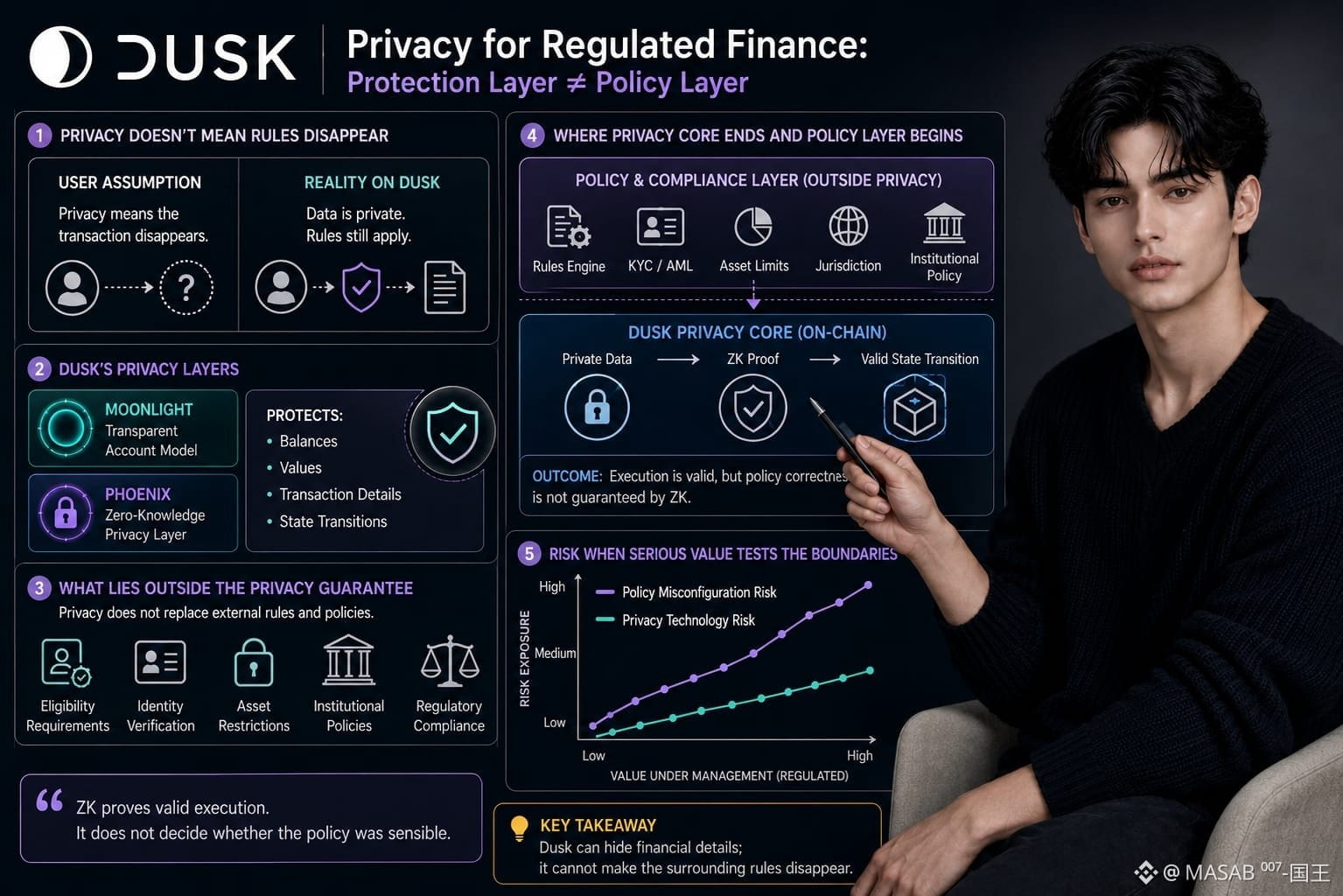
今日は取引が静かだったので、私はDuskのドキュメントを再び開きました……「規制された金融のためのプライバシー」というフレーズをずっと見かけていて、それが気になったので、さらに詳しく調べることにしました。
最初は、プライバシーとは取引そのものが単に一般の目から消えることを意味しているのだと思いました。
しかしDuskはそれよりも奥が深い。
Moonlightは透明な台帳モデルを提供し、Phoenixはゼロ知識技術を使って取引の値や残高を機密のままにします……重要なのは、プライバシーが自動的に取引を取り巻くすべてのコンプライアンス規則を消し去るわけではないという点です。
Duskは金融の詳細を隠せますが、周辺のルールまで消滅させることはできません。
その違いは、最初はほとんど言葉のニュアンスのように見えました。ですが違います。
暗号学的な層は、機密の取引データを保護し、有効な状態遷移を検証できます。しかし、適格性、身元の要件、資産の制限、そして機関の方針は、そのプライバシー保証の外で定義されたルールに依存する可能性があります。
たとえば、技術的要件はすべて満たしている認可された投資家がいても、設定が不十分なポリシーの下で動いているとします。ZK証明は有効な実行であることを確認できます。しかし、そのポリシー自体が妥当だったかどうかを判断することはできません。
それは、Duskに限った問題ではありません。
本当に難しい問いは、深刻な規制対象の価値がその境界線を試し始めたときに何が起こるのかです。
私のドキュメントのタブはまだ開いたままです。いま「プライバシー」という言葉は、今朝感じていたよりずっと狭い意味に思えてきました。
@Dusk_Foundation $DUSK #dusk
{future}(DUSKUSDT)
今日は取引が静かだったので、私はDuskのドキュメントを再び開きました……「規制された金融のためのプライバシー」というフレーズをずっと見かけていて、それが気になったので、さらに詳しく調べることにしました。
最初は、プライバシーとは取引そのものが単に一般の目から消えることを意味しているのだと思いました。
しかしDuskはそれよりも奥が深い。
Moonlightは透明な台帳モデルを提供し、Phoenixはゼロ知識技術を使って取引の値や残高を機密のままにします……重要なのは、プライバシーが自動的に取引を取り巻くすべてのコンプライアンス規則を消し去るわけではないという点です。
Duskは金融の詳細を隠せますが、周辺のルールまで消滅させることはできません。
その違いは、最初はほとんど言葉のニュアンスのように見えました。ですが違います。
暗号学的な層は、機密の取引データを保護し、有効な状態遷移を検証できます。しかし、適格性、身元の要件、資産の制限、そして機関の方針は、そのプライバシー保証の外で定義されたルールに依存する可能性があります。
たとえば、技術的要件はすべて満たしている認可された投資家がいても、設定が不十分なポリシーの下で動いているとします。ZK証明は有効な実行であることを確認できます。しかし、そのポリシー自体が妥当だったかどうかを判断することはできません。
それは、Duskに限った問題ではありません。
本当に難しい問いは、深刻な規制対象の価値がその境界線を試し始めたときに何が起こるのかです。
私のドキュメントのタブはまだ開いたままです。いま「プライバシー」という言葉は、今朝感じていたよりずっと狭い意味に思えてきました。
@Dusk $DUSK #dusk
最初は、プライバシーとは取引そのものが単に一般の目から消えることを意味しているのだと思いました。
しかしDuskはそれよりも奥が深い。
Moonlightは透明な台帳モデルを提供し、Phoenixはゼロ知識技術を使って取引の値や残高を機密のままにします……重要なのは、プライバシーが自動的に取引を取り巻くすべてのコンプライアンス規則を消し去るわけではないという点です。
Duskは金融の詳細を隠せますが、周辺のルールまで消滅させることはできません。
その違いは、最初はほとんど言葉のニュアンスのように見えました。ですが違います。
暗号学的な層は、機密の取引データを保護し、有効な状態遷移を検証できます。しかし、適格性、身元の要件、資産の制限、そして機関の方針は、そのプライバシー保証の外で定義されたルールに依存する可能性があります。
たとえば、技術的要件はすべて満たしている認可された投資家がいても、設定が不十分なポリシーの下で動いているとします。ZK証明は有効な実行であることを確認できます。しかし、そのポリシー自体が妥当だったかどうかを判断することはできません。
それは、Duskに限った問題ではありません。
本当に難しい問いは、深刻な規制対象の価値がその境界線を試し始めたときに何が起こるのかです。
私のドキュメントのタブはまだ開いたままです。いま「プライバシー」という言葉は、今朝感じていたよりずっと狭い意味に思えてきました。
@Dusk $DUSK #dusk
26
28
13.1k
·
--
一部該当
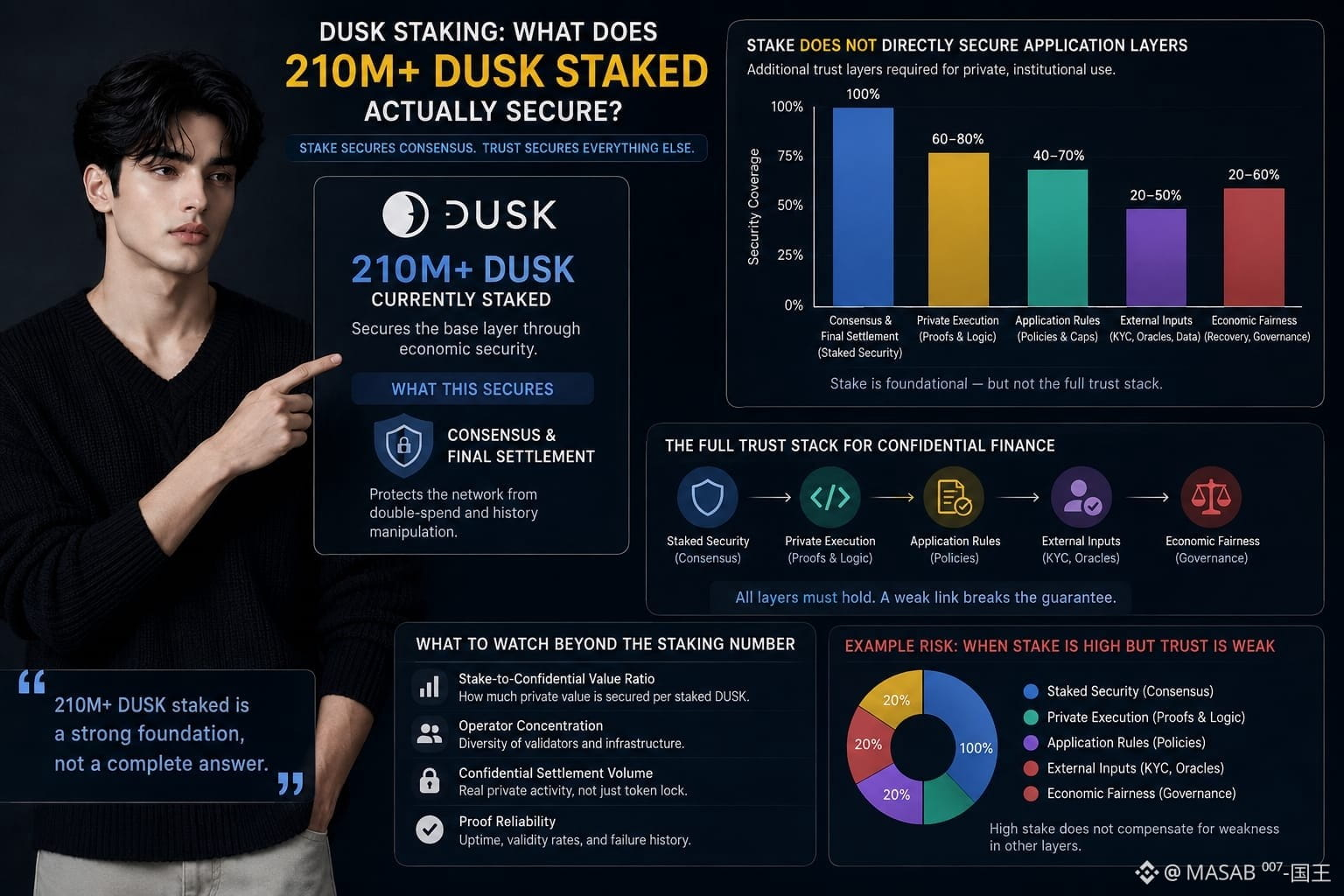
市場が静かなとき、Duskのステーキング数を見直していて、210M+ DUSKのステークは安心できるように見え続けました。そこで私は、その数が実際に何を確保しているのかを尋ねました。
直感的な読み取りはシンプルです。ステークが多いほど、機密性のある金融アプリケーションはより安全になります。ですが保証の範囲はより狭いものです。アクティブなステークは、基盤レイヤーでのコンセンサスと最終決済を保護します。プライベートなコントラクトは、正しい証明ロジック、健全なアプリケーションのルール、さらに規制対象の資産では、適格性データのような信頼できる外部入力にも依存します。
その違いは重要です。
Duskは、基礎となるポジションを公開せずに、プライベート状態を検証可能にできます。これは本当に役立ちます。ですが、有効な証明は、KYCプロバイダーが不正確なデータを渡したのか、ポリシーが誤った保有上限をエンコードしたのか、許可されたリカバリーアクションが経済的に妥当だったのか、を判定できません。
つまり、210Mのステークはセキュリティの1つの層を測っているのであって、機関としての信頼スタック全体を測っているわけではありません。
最初はそれが細かすぎる(ペダンティックだ)と感じました。でも違います。もしプライベートなアプリケーションが、重大な現実の価値を担保するのであれば、私はステークを、機密決済価値、オペレーターの集中度、そして証明の信頼性との相対で見たいです。
ステーキングタブはまだ開いています。いまの数字は、答えというより、答えの始まりのように感じられます。@Dusk_Foundation $DUSK #dusk
{future}(DUSKUSDT)
市場が静かなとき、Duskのステーキング数を見直していて、210M+ DUSKのステークは安心できるように見え続けました。そこで私は、その数が実際に何を確保しているのかを尋ねました。
直感的な読み取りはシンプルです。ステークが多いほど、機密性のある金融アプリケーションはより安全になります。ですが保証の範囲はより狭いものです。アクティブなステークは、基盤レイヤーでのコンセンサスと最終決済を保護します。プライベートなコントラクトは、正しい証明ロジック、健全なアプリケーションのルール、さらに規制対象の資産では、適格性データのような信頼できる外部入力にも依存します。
その違いは重要です。
Duskは、基礎となるポジションを公開せずに、プライベート状態を検証可能にできます。これは本当に役立ちます。ですが、有効な証明は、KYCプロバイダーが不正確なデータを渡したのか、ポリシーが誤った保有上限をエンコードしたのか、許可されたリカバリーアクションが経済的に妥当だったのか、を判定できません。
つまり、210Mのステークはセキュリティの1つの層を測っているのであって、機関としての信頼スタック全体を測っているわけではありません。
最初はそれが細かすぎる(ペダンティックだ)と感じました。でも違います。もしプライベートなアプリケーションが、重大な現実の価値を担保するのであれば、私はステークを、機密決済価値、オペレーターの集中度、そして証明の信頼性との相対で見たいです。
ステーキングタブはまだ開いています。いまの数字は、答えというより、答えの始まりのように感じられます。@Dusk $DUSK #dusk
直感的な読み取りはシンプルです。ステークが多いほど、機密性のある金融アプリケーションはより安全になります。ですが保証の範囲はより狭いものです。アクティブなステークは、基盤レイヤーでのコンセンサスと最終決済を保護します。プライベートなコントラクトは、正しい証明ロジック、健全なアプリケーションのルール、さらに規制対象の資産では、適格性データのような信頼できる外部入力にも依存します。
その違いは重要です。
Duskは、基礎となるポジションを公開せずに、プライベート状態を検証可能にできます。これは本当に役立ちます。ですが、有効な証明は、KYCプロバイダーが不正確なデータを渡したのか、ポリシーが誤った保有上限をエンコードしたのか、許可されたリカバリーアクションが経済的に妥当だったのか、を判定できません。
つまり、210Mのステークはセキュリティの1つの層を測っているのであって、機関としての信頼スタック全体を測っているわけではありません。
最初はそれが細かすぎる(ペダンティックだ)と感じました。でも違います。もしプライベートなアプリケーションが、重大な現実の価値を担保するのであれば、私はステークを、機密決済価値、オペレーターの集中度、そして証明の信頼性との相対で見たいです。
ステーキングタブはまだ開いています。いまの数字は、答えというより、答えの始まりのように感じられます。@Dusk $DUSK #dusk
30
22
32k
·
--
本人確認中
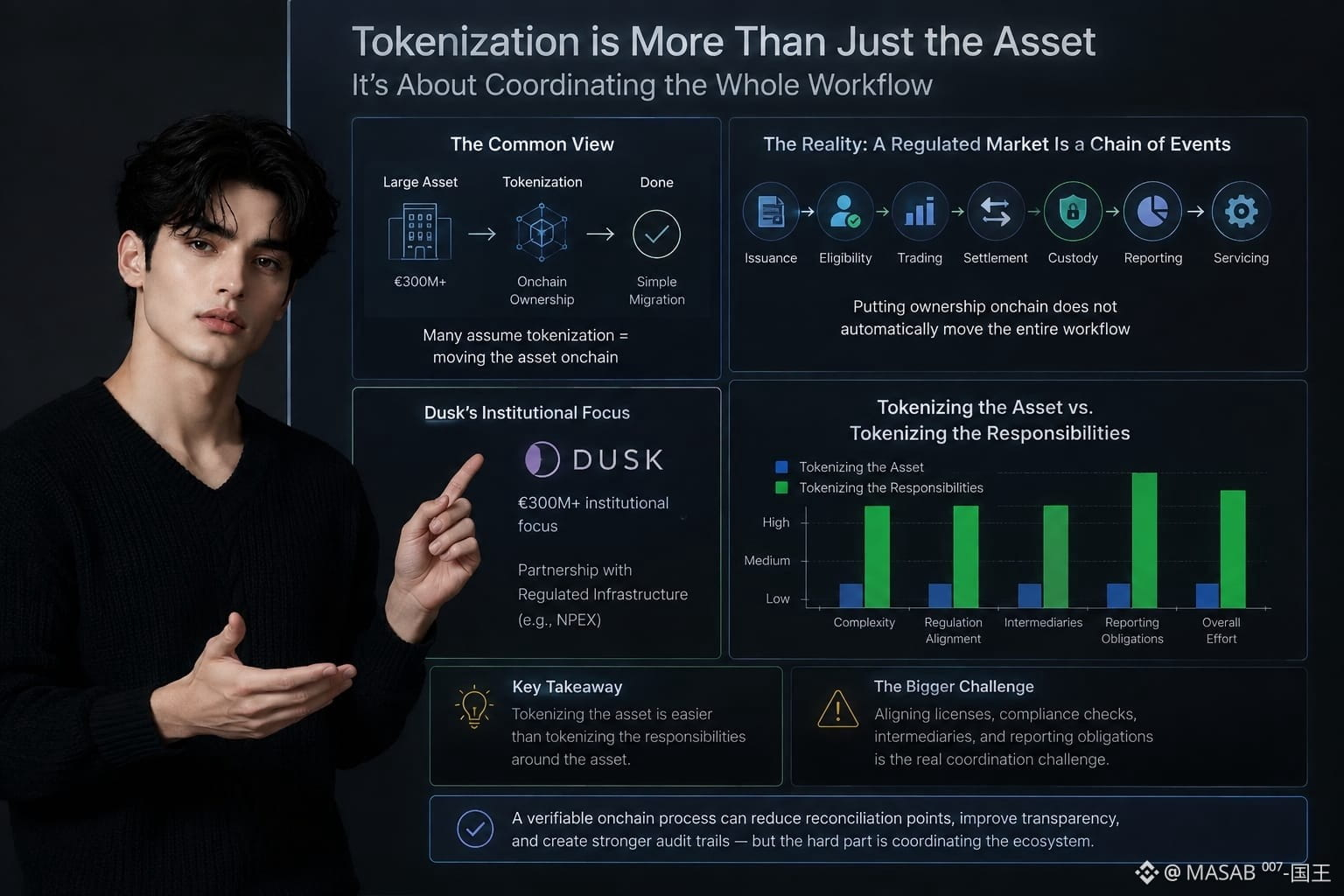
昨夜、トークン化に関する議論をスクロールしていると、ずっと同じ考えが目につきました。大規模な資産をオンチェーンで移すことは、主に技術的な移行の問題だ、というものです。それはもっともに聞こえたのですが、Duskが掲げる3億ユーロ超(€300M+)の機関投資家向けの重点を詳しく見てみると、何かが噛み合いませんでした。
資産そのものは、あくまで一部分にすぎません。規制された市場とは、一連の出来事の連鎖です。発行、適格性、取引、決済、保管、報告、サービシング。所有権の記録をオンチェーンに載せただけでは、ワークフロー全体が自動的に動くわけではありません。
一般の読者なら、トークン化とは従来の仕組みをブロックチェーンの取引で置き換えることだと考えがちです。しかし、DuskがNPEXのような規制インフラと結びついていることからは、別の課題が浮かび上がります。資産の周辺にある機能を調整することです。
私が繰り返し立ち返っているのは、この違いです。
「資産をトークン化する方が、資産を取り巻く責任をトークン化するより簡単だ。」
これでDuskの価値が下がるわけではありません。検証可能なオンチェーンのプロセスは、照合作業のポイントを減らし、透明性を高め、より強固な監査トレイルにつながり得ます。
ただ、難しいのは実はブロックチェーンの層そのものではないのでは、と考えました。むしろ大きな課題は、ライセンス、コンプライアンス・チェック、仲介者、そして報告義務を整合させることなのかもしれません。
市場がまだその調整の問題を十分に測れているかは分かりません。ドキュメントのタブはまだ画面に開いたままで、いま私は「オンチェーン資産」を少し違う見方で捉えています。
@Dusk_Foundation $DUSK #dusk
{future}(DUSKUSDT)
昨夜、トークン化に関する議論をスクロールしていると、ずっと同じ考えが目につきました。大規模な資産をオンチェーンで移すことは、主に技術的な移行の問題だ、というものです。それはもっともに聞こえたのですが、Duskが掲げる3億ユーロ超(€300M+)の機関投資家向けの重点を詳しく見てみると、何かが噛み合いませんでした。
資産そのものは、あくまで一部分にすぎません。規制された市場とは、一連の出来事の連鎖です。発行、適格性、取引、決済、保管、報告、サービシング。所有権の記録をオンチェーンに載せただけでは、ワークフロー全体が自動的に動くわけではありません。
一般の読者なら、トークン化とは従来の仕組みをブロックチェーンの取引で置き換えることだと考えがちです。しかし、DuskがNPEXのような規制インフラと結びついていることからは、別の課題が浮かび上がります。資産の周辺にある機能を調整することです。
私が繰り返し立ち返っているのは、この違いです。
「資産をトークン化する方が、資産を取り巻く責任をトークン化するより簡単だ。」
これでDuskの価値が下がるわけではありません。検証可能なオンチェーンのプロセスは、照合作業のポイントを減らし、透明性を高め、より強固な監査トレイルにつながり得ます。
ただ、難しいのは実はブロックチェーンの層そのものではないのでは、と考えました。むしろ大きな課題は、ライセンス、コンプライアンス・チェック、仲介者、そして報告義務を整合させることなのかもしれません。
市場がまだその調整の問題を十分に測れているかは分かりません。ドキュメントのタブはまだ画面に開いたままで、いま私は「オンチェーン資産」を少し違う見方で捉えています。
@Dusk $DUSK #dusk
資産そのものは、あくまで一部分にすぎません。規制された市場とは、一連の出来事の連鎖です。発行、適格性、取引、決済、保管、報告、サービシング。所有権の記録をオンチェーンに載せただけでは、ワークフロー全体が自動的に動くわけではありません。
一般の読者なら、トークン化とは従来の仕組みをブロックチェーンの取引で置き換えることだと考えがちです。しかし、DuskがNPEXのような規制インフラと結びついていることからは、別の課題が浮かび上がります。資産の周辺にある機能を調整することです。
私が繰り返し立ち返っているのは、この違いです。
「資産をトークン化する方が、資産を取り巻く責任をトークン化するより簡単だ。」
これでDuskの価値が下がるわけではありません。検証可能なオンチェーンのプロセスは、照合作業のポイントを減らし、透明性を高め、より強固な監査トレイルにつながり得ます。
ただ、難しいのは実はブロックチェーンの層そのものではないのでは、と考えました。むしろ大きな課題は、ライセンス、コンプライアンス・チェック、仲介者、そして報告義務を整合させることなのかもしれません。
市場がまだその調整の問題を十分に測れているかは分かりません。ドキュメントのタブはまだ画面に開いたままで、いま私は「オンチェーン資産」を少し違う見方で捉えています。
@Dusk $DUSK #dusk
19
16
24.4k
·
--
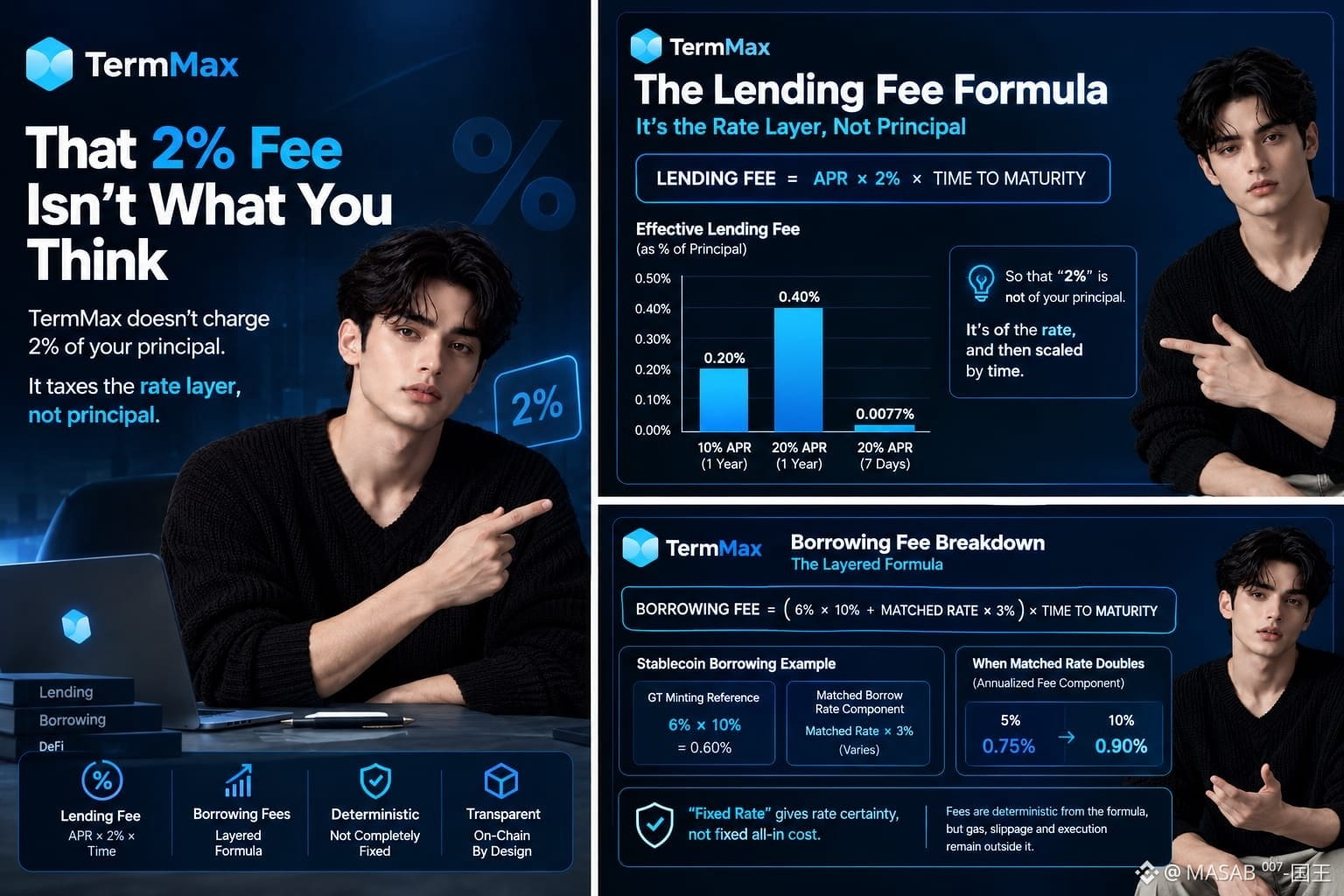
市場が落ち着いている間にTermMaxの手数料ページを見直していたところ、ある1行がずっと目に留まりました。利息(貸付)手数料が2%というものです。最初の反応は単純で、「元本の2%は高い」という印象でした。
そこで実際に計算式を確認してみました。TermMaxが請求しているのは、それではありません。
貸付手数料率は「APR × 2% × 満期までの期間」です。APRが10%で1年の場合、実効手数料は貸付額の0.20%になります。APRが20%なら0.40%。さらに、APRが20%の7日間のローンでは、元本の約0.0077%にとどまります。
この違いは重要です。
TermMaxは、見出しのパーセンテージに対して元本そのものではなく「レート層」を課税します。
借入はさらに階層化されています。ステーブルコインの場合、記載されている計算式は「6%のGTミント参照レート × 10%」と「対応する借入レート × 3%」を組み合わせ、両方を満期でスケールします。対応レートが5%から10%に倍になると、時間スケール前の年換算の手数料構成要素は0.75%から0.90%へ上がります。
つまり「固定レート」は、全て込みのコストを固定するという意味ではなく、レートの確実性を与えるだけです。手数料は計算式から決定的に算出できますが、ガス代、スリッページ、実行に関わるコストはその外側にあります。
タブはまだ開いたままです。あの2%が、今はまったく別のものに見えます。
#termmax @termmax
市場が落ち着いている間にTermMaxの手数料ページを見直していたところ、ある1行がずっと目に留まりました。利息(貸付)手数料が2%というものです。最初の反応は単純で、「元本の2%は高い」という印象でした。
そこで実際に計算式を確認してみました。TermMaxが請求しているのは、それではありません。
貸付手数料率は「APR × 2% × 満期までの期間」です。APRが10%で1年の場合、実効手数料は貸付額の0.20%になります。APRが20%なら0.40%。さらに、APRが20%の7日間のローンでは、元本の約0.0077%にとどまります。
この違いは重要です。
TermMaxは、見出しのパーセンテージに対して元本そのものではなく「レート層」を課税します。
借入はさらに階層化されています。ステーブルコインの場合、記載されている計算式は「6%のGTミント参照レート × 10%」と「対応する借入レート × 3%」を組み合わせ、両方を満期でスケールします。対応レートが5%から10%に倍になると、時間スケール前の年換算の手数料構成要素は0.75%から0.90%へ上がります。
つまり「固定レート」は、全て込みのコストを固定するという意味ではなく、レートの確実性を与えるだけです。手数料は計算式から決定的に算出できますが、ガス代、スリッページ、実行に関わるコストはその外側にあります。
タブはまだ開いたままです。あの2%が、今はまったく別のものに見えます。
#termmax @TermMax
そこで実際に計算式を確認してみました。TermMaxが請求しているのは、それではありません。
貸付手数料率は「APR × 2% × 満期までの期間」です。APRが10%で1年の場合、実効手数料は貸付額の0.20%になります。APRが20%なら0.40%。さらに、APRが20%の7日間のローンでは、元本の約0.0077%にとどまります。
この違いは重要です。
TermMaxは、見出しのパーセンテージに対して元本そのものではなく「レート層」を課税します。
借入はさらに階層化されています。ステーブルコインの場合、記載されている計算式は「6%のGTミント参照レート × 10%」と「対応する借入レート × 3%」を組み合わせ、両方を満期でスケールします。対応レートが5%から10%に倍になると、時間スケール前の年換算の手数料構成要素は0.75%から0.90%へ上がります。
つまり「固定レート」は、全て込みのコストを固定するという意味ではなく、レートの確実性を与えるだけです。手数料は計算式から決定的に算出できますが、ガス代、スリッページ、実行に関わるコストはその外側にあります。
タブはまだ開いたままです。あの2%が、今はまったく別のものに見えます。
#termmax @TermMax
1
8
9.4k
·
--
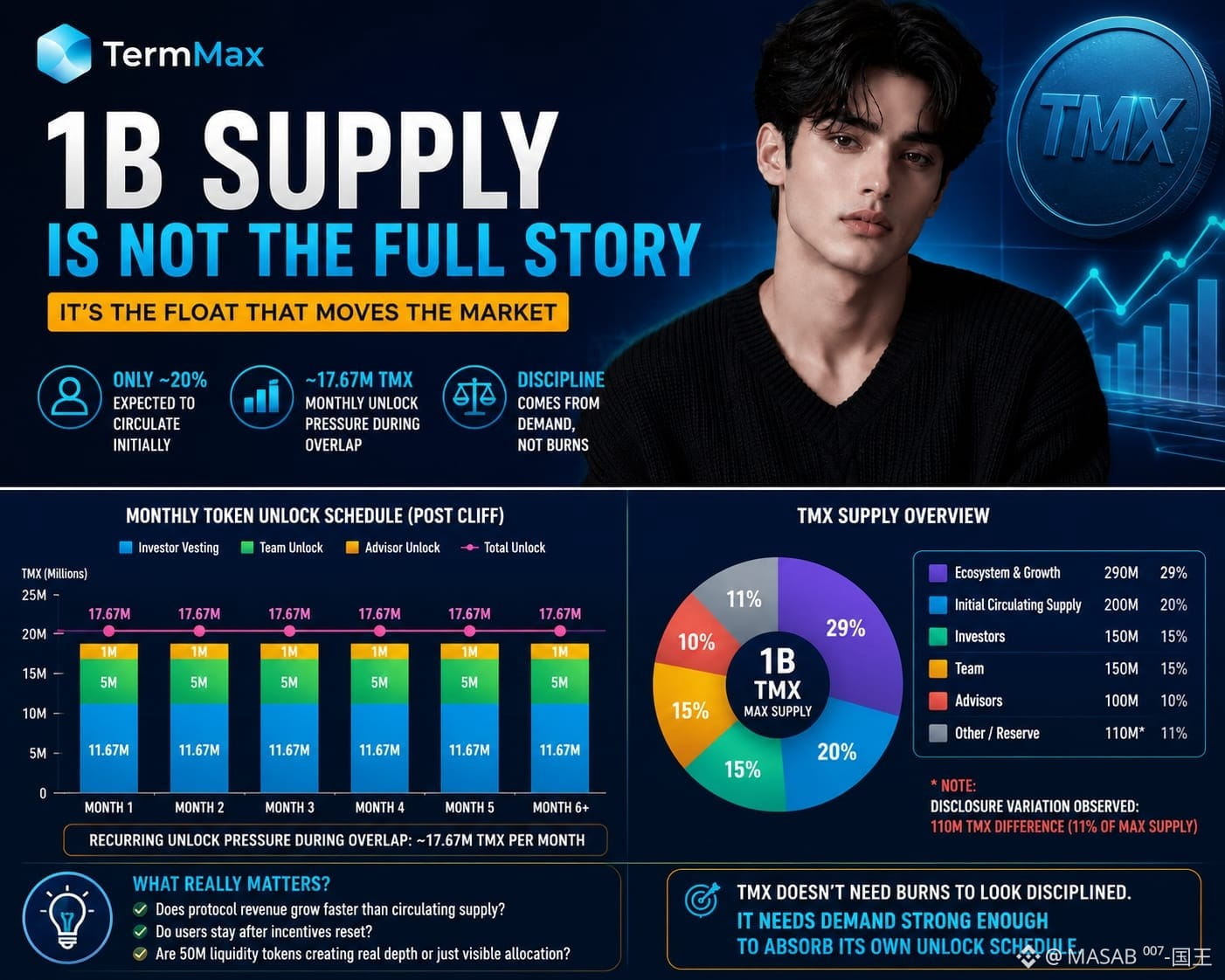
TMXの「1B固定供給」が、最初に流通する見込みは約20%程度だと気づいた瞬間、私は完全に切り捨てました。
最大供給はクリーンな数字です。フロートは行動(実際の動き)に関わるものです。
次に重要なのは、そのフロートがどれだけ速く拡大するかです。投資家のベスティングだけでも、クリフ後に月あたり約11.67M TMXを追加し得ます。チームのアンロックがさらに5M、アドバイザーがもう1Mです。オーバーラップ期間を考えると、継続的な月次フローはおよそ17.67M TMXになります。
これは自動的に弱気(ベア)ではありません。ベスティングは正常です。エコシステムへの配分も正常です。
ただし「配分」と「流通」は別であり、29%のエコシステム配分は、これらのトークンがどれだけ効率よく継続的なユーザーやマッチする取引量、そして流動性の厚みを生み出しているのかは、私には十分に伝わりません。
ここでTermMaxが試されると思います。
プロトコルの収益は、流通供給よりも速く伸びますか? シーズンがリセットされた後も、インセンティブ重視のユーザーは残り続けますか? 50Mの流動性トークンは本当の市場の深さを作っているのか、それとも主に見かけ上の配分に過ぎないのか。
私はまた、ドキュメントの変更も監視し続けています。110M-TMXの開示差分は、最大供給の11%です。これは単なる書式のノイズではありません。
TMXは、トークンバーンを入れて初めて規律があるように見える必要はありません。
必要なのは、自身のアンロック予定を吸収できるだけ十分に需要が伸びることです。#termmax @termmax
TMXの「1B固定供給」が、最初に流通する見込みは約20%程度だと気づいた瞬間、私は完全に切り捨てました。
最大供給はクリーンな数字です。フロートは行動(実際の動き)に関わるものです。
次に重要なのは、そのフロートがどれだけ速く拡大するかです。投資家のベスティングだけでも、クリフ後に月あたり約11.67M TMXを追加し得ます。チームのアンロックがさらに5M、アドバイザーがもう1Mです。オーバーラップ期間を考えると、継続的な月次フローはおよそ17.67M TMXになります。
これは自動的に弱気(ベア)ではありません。ベスティングは正常です。エコシステムへの配分も正常です。
ただし「配分」と「流通」は別であり、29%のエコシステム配分は、これらのトークンがどれだけ効率よく継続的なユーザーやマッチする取引量、そして流動性の厚みを生み出しているのかは、私には十分に伝わりません。
ここでTermMaxが試されると思います。
プロトコルの収益は、流通供給よりも速く伸びますか? シーズンがリセットされた後も、インセンティブ重視のユーザーは残り続けますか? 50Mの流動性トークンは本当の市場の深さを作っているのか、それとも主に見かけ上の配分に過ぎないのか。
私はまた、ドキュメントの変更も監視し続けています。110M-TMXの開示差分は、最大供給の11%です。これは単なる書式のノイズではありません。
TMXは、トークンバーンを入れて初めて規律があるように見える必要はありません。
必要なのは、自身のアンロック予定を吸収できるだけ十分に需要が伸びることです。#termmax @TermMax
最大供給はクリーンな数字です。フロートは行動(実際の動き)に関わるものです。
次に重要なのは、そのフロートがどれだけ速く拡大するかです。投資家のベスティングだけでも、クリフ後に月あたり約11.67M TMXを追加し得ます。チームのアンロックがさらに5M、アドバイザーがもう1Mです。オーバーラップ期間を考えると、継続的な月次フローはおよそ17.67M TMXになります。
これは自動的に弱気(ベア)ではありません。ベスティングは正常です。エコシステムへの配分も正常です。
ただし「配分」と「流通」は別であり、29%のエコシステム配分は、これらのトークンがどれだけ効率よく継続的なユーザーやマッチする取引量、そして流動性の厚みを生み出しているのかは、私には十分に伝わりません。
ここでTermMaxが試されると思います。
プロトコルの収益は、流通供給よりも速く伸びますか? シーズンがリセットされた後も、インセンティブ重視のユーザーは残り続けますか? 50Mの流動性トークンは本当の市場の深さを作っているのか、それとも主に見かけ上の配分に過ぎないのか。
私はまた、ドキュメントの変更も監視し続けています。110M-TMXの開示差分は、最大供給の11%です。これは単なる書式のノイズではありません。
TMXは、トークンバーンを入れて初めて規律があるように見える必要はありません。
必要なのは、自身のアンロック予定を吸収できるだけ十分に需要が伸びることです。#termmax @TermMax
18
20
7.9k
·
--
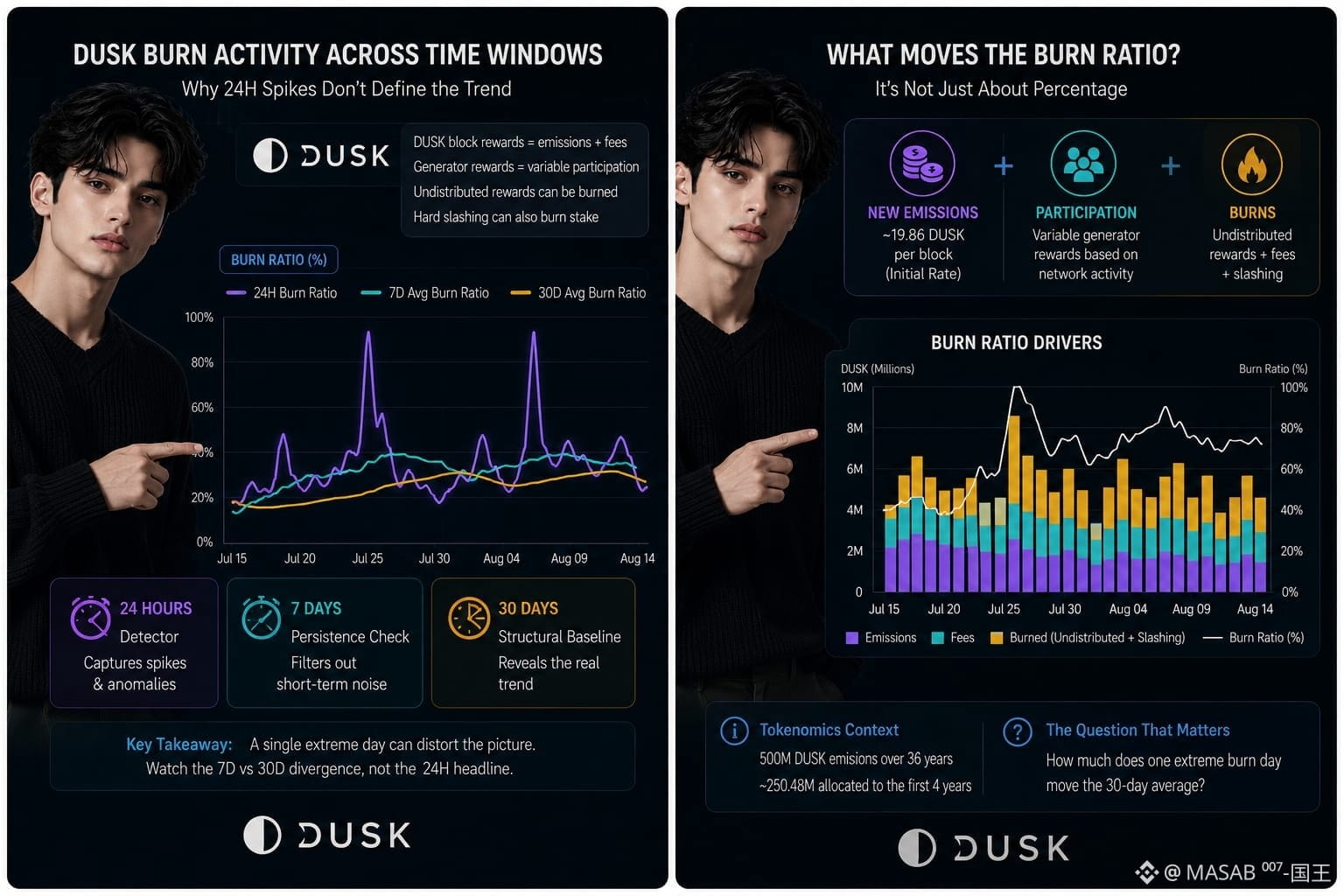
DUSKのバーン(焼却)アクティビティがさまざまな期間の窓でどのように見えるかを比較していて、ずっと気になっていたことがある。つまり、劇的な24時間のバーン比率は、基礎にあるトークン・エコノミーについてほとんど語れない、という点だ。
理由は機械的なものだ……。DUSKのブロック報酬は、新たに発行されるトークンと取引手数料を組み合わせたものだが、ジェネレーター報酬には変動する参加成分が含まれる。さらに、未配分の部分はバーンされ得る。強いスラッシング(罰則)でも、ステークがバーンされる。
そのため、日次の数値は「単なるデフレ」を測っているだけではなく、ネットワークの挙動の一部を表している。……もし数時間の間で参加が急に変わるなら、バーン比率は、長く続くトレンドを表さないまま跳ね上がり得る。
規模も重要だ。現在のトークノミクス目標は、36年間にわたって5億DUSKのエミッションであり、そのうち最初の4年間に約2億5008万DUSKが割り当てられている。初期のエミッション率は、1ブロックあたりおよそ19.86 DUSKだ。
だから私は、24時間を検出器として、7日を持続性の確認として、30日を構造的なベースラインとして扱う。
しかし、割合だけでは、その変化が「報酬が減った」のか「バーンが増えた」のか、それとも両方なのかが隠れてしまう。
居心地の悪い問いはこうだ:この極端なバーンが1日起きたとき、30日平均はどれくらい動くのか?
この7日と30日の乖離が、次に注目すべき数値だ。
@Dusk_Foundation $DUSK #dusk
{future}(DUSKUSDT)
DUSKのバーン(焼却)アクティビティがさまざまな期間の窓でどのように見えるかを比較していて、ずっと気になっていたことがある。つまり、劇的な24時間のバーン比率は、基礎にあるトークン・エコノミーについてほとんど語れない、という点だ。
理由は機械的なものだ……。DUSKのブロック報酬は、新たに発行されるトークンと取引手数料を組み合わせたものだが、ジェネレーター報酬には変動する参加成分が含まれる。さらに、未配分の部分はバーンされ得る。強いスラッシング(罰則)でも、ステークがバーンされる。
そのため、日次の数値は「単なるデフレ」を測っているだけではなく、ネットワークの挙動の一部を表している。……もし数時間の間で参加が急に変わるなら、バーン比率は、長く続くトレンドを表さないまま跳ね上がり得る。
規模も重要だ。現在のトークノミクス目標は、36年間にわたって5億DUSKのエミッションであり、そのうち最初の4年間に約2億5008万DUSKが割り当てられている。初期のエミッション率は、1ブロックあたりおよそ19.86 DUSKだ。
だから私は、24時間を検出器として、7日を持続性の確認として、30日を構造的なベースラインとして扱う。
しかし、割合だけでは、その変化が「報酬が減った」のか「バーンが増えた」のか、それとも両方なのかが隠れてしまう。
居心地の悪い問いはこうだ:この極端なバーンが1日起きたとき、30日平均はどれくらい動くのか?
この7日と30日の乖離が、次に注目すべき数値だ。
@Dusk $DUSK #dusk
理由は機械的なものだ……。DUSKのブロック報酬は、新たに発行されるトークンと取引手数料を組み合わせたものだが、ジェネレーター報酬には変動する参加成分が含まれる。さらに、未配分の部分はバーンされ得る。強いスラッシング(罰則)でも、ステークがバーンされる。
そのため、日次の数値は「単なるデフレ」を測っているだけではなく、ネットワークの挙動の一部を表している。……もし数時間の間で参加が急に変わるなら、バーン比率は、長く続くトレンドを表さないまま跳ね上がり得る。
規模も重要だ。現在のトークノミクス目標は、36年間にわたって5億DUSKのエミッションであり、そのうち最初の4年間に約2億5008万DUSKが割り当てられている。初期のエミッション率は、1ブロックあたりおよそ19.86 DUSKだ。
だから私は、24時間を検出器として、7日を持続性の確認として、30日を構造的なベースラインとして扱う。
しかし、割合だけでは、その変化が「報酬が減った」のか「バーンが増えた」のか、それとも両方なのかが隠れてしまう。
居心地の悪い問いはこうだ:この極端なバーンが1日起きたとき、30日平均はどれくらい動くのか?
この7日と30日の乖離が、次に注目すべき数値だ。
@Dusk $DUSK #dusk
31
21
21.8k
·
--
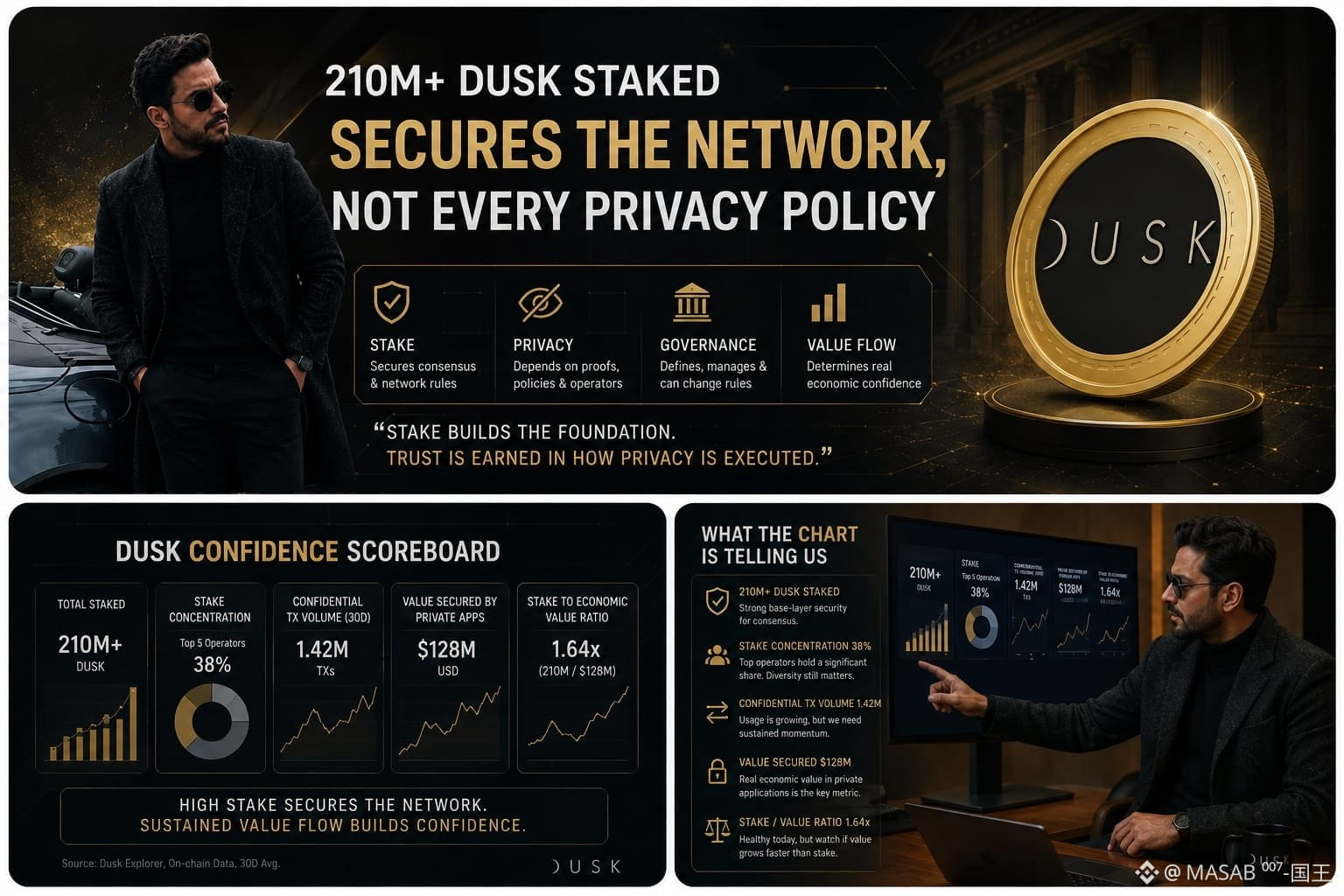
今夜は市場が静かだったので、私はDuskの資料を開き直し、ただ一つの数字を見つめ続けました。210M+ DUSKがステークされている、と。
それを「機密性のある金融アプリケーションは安全だ」と読むのは魅力的です。ですが、何かが噛み合いません。ベース層の経済的セキュリティと、プライバシー実行の確信は、自動的に同じものにはなりません。
ステークはコンセンサスを守れますが、機密アプリケーションは依然として、プライバシープルーフ、開示ポリシー、オペレーター、ガバナンス、そしてそれらを通じて実際にどれだけの価値が流れるのかに依存します。
そこで私は、別のスコアボードのことを考え始めました。ステークの集中度、オペレーターの集中度、機密トランザクションの取扱量、プライベートなアプリケーションによって担保される価値、そしてステーク対経済的価値の比率です。
私が何度も立ち返ってしまう違いはこうです:**ステークはネットワークのルールを担保しますが、それ以上に積み上げられたあらゆるプライバシーポリシーを自動的に検証するわけではありません。**
だからといって、Duskのプライバシーモデルが弱いということにはなりません。選択的開示は本当に有用になり得ます。例えば投資家は、所有権、会場の適格性、規制当局に対しては、必要とされるコンプライアンス証拠だけを示せるかもしれません。
しかし、その開示ルールを決めるのは誰でしょう?誰がそれを変更できるのでしょう?緊急時に、認可されたオブザーバーはどれほど迅速に証拠を入手できるのでしょう?
私はまだ、210M+ がステークされていることが、高い価値を扱う機密市場に十分な確信をもたらすのか分かっていません。
グラフはまだ静かなままです。その問いは持ち越します。
@Dusk_Foundation $DUSK #dusk
{future}(DUSKUSDT)
今夜は市場が静かだったので、私はDuskの資料を開き直し、ただ一つの数字を見つめ続けました。210M+ DUSKがステークされている、と。
それを「機密性のある金融アプリケーションは安全だ」と読むのは魅力的です。ですが、何かが噛み合いません。ベース層の経済的セキュリティと、プライバシー実行の確信は、自動的に同じものにはなりません。
ステークはコンセンサスを守れますが、機密アプリケーションは依然として、プライバシープルーフ、開示ポリシー、オペレーター、ガバナンス、そしてそれらを通じて実際にどれだけの価値が流れるのかに依存します。
そこで私は、別のスコアボードのことを考え始めました。ステークの集中度、オペレーターの集中度、機密トランザクションの取扱量、プライベートなアプリケーションによって担保される価値、そしてステーク対経済的価値の比率です。
私が何度も立ち返ってしまう違いはこうです:**ステークはネットワークのルールを担保しますが、それ以上に積み上げられたあらゆるプライバシーポリシーを自動的に検証するわけではありません。**
だからといって、Duskのプライバシーモデルが弱いということにはなりません。選択的開示は本当に有用になり得ます。例えば投資家は、所有権、会場の適格性、規制当局に対しては、必要とされるコンプライアンス証拠だけを示せるかもしれません。
しかし、その開示ルールを決めるのは誰でしょう?誰がそれを変更できるのでしょう?緊急時に、認可されたオブザーバーはどれほど迅速に証拠を入手できるのでしょう?
私はまだ、210M+ がステークされていることが、高い価値を扱う機密市場に十分な確信をもたらすのか分かっていません。
グラフはまだ静かなままです。その問いは持ち越します。
@Dusk $DUSK #dusk
それを「機密性のある金融アプリケーションは安全だ」と読むのは魅力的です。ですが、何かが噛み合いません。ベース層の経済的セキュリティと、プライバシー実行の確信は、自動的に同じものにはなりません。
ステークはコンセンサスを守れますが、機密アプリケーションは依然として、プライバシープルーフ、開示ポリシー、オペレーター、ガバナンス、そしてそれらを通じて実際にどれだけの価値が流れるのかに依存します。
そこで私は、別のスコアボードのことを考え始めました。ステークの集中度、オペレーターの集中度、機密トランザクションの取扱量、プライベートなアプリケーションによって担保される価値、そしてステーク対経済的価値の比率です。
私が何度も立ち返ってしまう違いはこうです:**ステークはネットワークのルールを担保しますが、それ以上に積み上げられたあらゆるプライバシーポリシーを自動的に検証するわけではありません。**
だからといって、Duskのプライバシーモデルが弱いということにはなりません。選択的開示は本当に有用になり得ます。例えば投資家は、所有権、会場の適格性、規制当局に対しては、必要とされるコンプライアンス証拠だけを示せるかもしれません。
しかし、その開示ルールを決めるのは誰でしょう?誰がそれを変更できるのでしょう?緊急時に、認可されたオブザーバーはどれほど迅速に証拠を入手できるのでしょう?
私はまだ、210M+ がステークされていることが、高い価値を扱う機密市場に十分な確信をもたらすのか分かっていません。
グラフはまだ静かなままです。その問いは持ち越します。
@Dusk $DUSK #dusk
35
30
11.1k
·
--
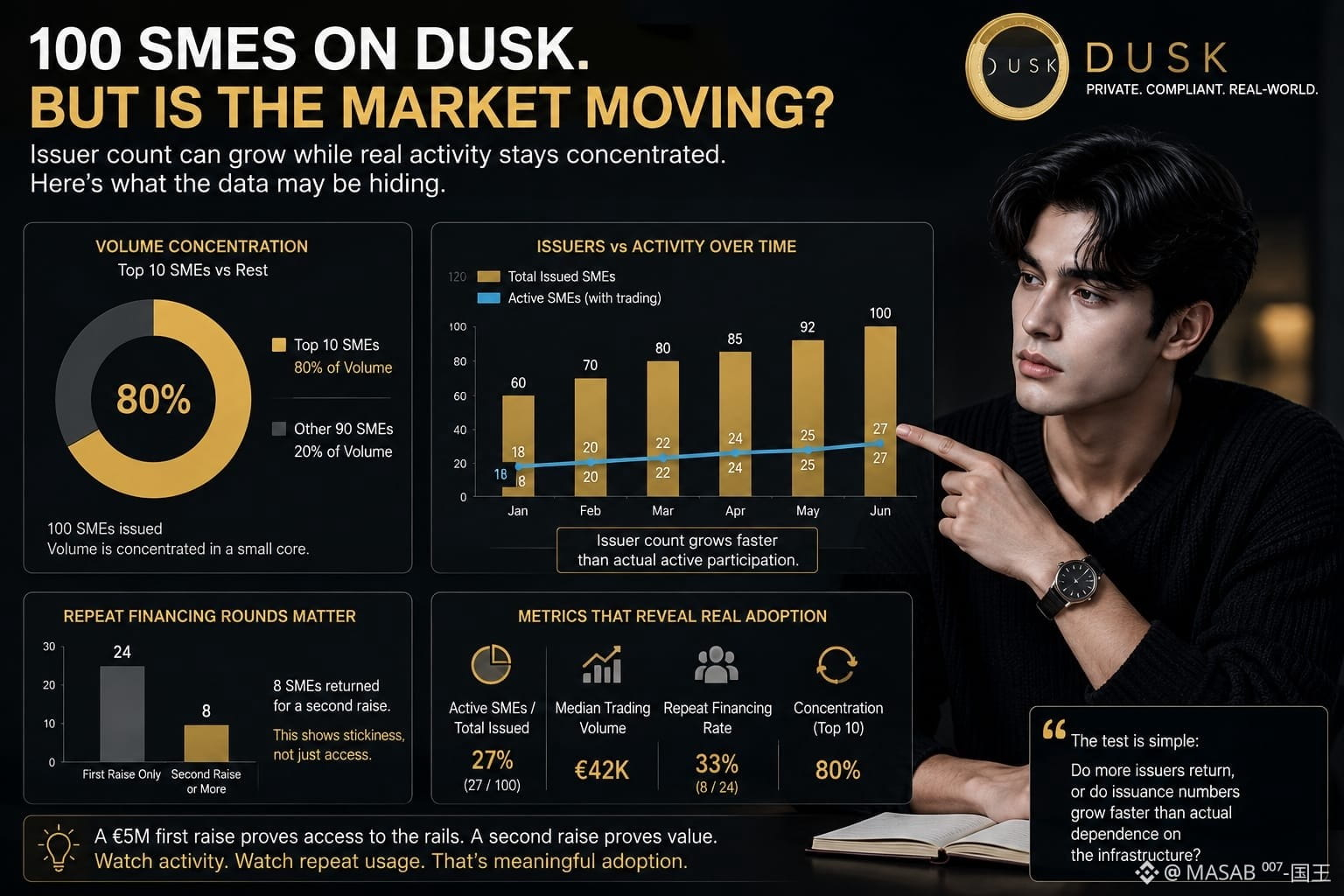
DUSKのSMEストーリーの発行体数を見るとき、ずっと気になっていることがあります。実際にその下の市場がほとんど動いていないのに、発行体数が増えて見えることがあるのです。
たとえば、DUSKにトークン化されたSMEが100あるとします。しかし上位10社が全取引量の80%を生み出している。書類上は、100の発行体が幅広い導入を示しているように見えます。ところが実際には、投資家の注目、流動性、そして継続的な取引(リピート活動)が、非常に小さな中核に集中しているだけかもしれません。
だから私は、見出しの「発行数」よりも、アクティブなSME/発行済みSMEの比率、中間(メディアン)の取引量、そしてリピートでの資金調達ラウンドをより注意深く見ます。
€5Mの最初の調達は、その企業がレールにアクセスできることを証明します。次の調達は別物です。これは、発行体がDUSKのオーナーシップ管理、移転の統制、投資家のワークフローに十分な価値を見出して、また戻ってきたことを示唆します。
ここで活動量と、意味のある導入が分かれます。
SMEがDUSKを必要とするのは、日々のセカンダリー取引というより、プログラマブルな株主構成を維持するためかもしれません。それは重要です。しかし、オンチェーンの登録簿をオフチェーンの法的記録と常に突き合わせ(整合)しなければならないのだとしたら、運用上の優位性はすぐに縮む可能性があります。
私がまだ見続けているテストはシンプルです。より多くの発行体が戻ってくるのか、それとも発行数の伸びが、インフラへの実際の依存度の増加より速いのか?
@Dusk_Foundation #dusk $DUSK
{future}(DUSKUSDT)
DUSKのSMEストーリーの発行体数を見るとき、ずっと気になっていることがあります。実際にその下の市場がほとんど動いていないのに、発行体数が増えて見えることがあるのです。
たとえば、DUSKにトークン化されたSMEが100あるとします。しかし上位10社が全取引量の80%を生み出している。書類上は、100の発行体が幅広い導入を示しているように見えます。ところが実際には、投資家の注目、流動性、そして継続的な取引(リピート活動)が、非常に小さな中核に集中しているだけかもしれません。
だから私は、見出しの「発行数」よりも、アクティブなSME/発行済みSMEの比率、中間(メディアン)の取引量、そしてリピートでの資金調達ラウンドをより注意深く見ます。
€5Mの最初の調達は、その企業がレールにアクセスできることを証明します。次の調達は別物です。これは、発行体がDUSKのオーナーシップ管理、移転の統制、投資家のワークフローに十分な価値を見出して、また戻ってきたことを示唆します。
ここで活動量と、意味のある導入が分かれます。
SMEがDUSKを必要とするのは、日々のセカンダリー取引というより、プログラマブルな株主構成を維持するためかもしれません。それは重要です。しかし、オンチェーンの登録簿をオフチェーンの法的記録と常に突き合わせ(整合)しなければならないのだとしたら、運用上の優位性はすぐに縮む可能性があります。
私がまだ見続けているテストはシンプルです。より多くの発行体が戻ってくるのか、それとも発行数の伸びが、インフラへの実際の依存度の増加より速いのか?
@Dusk #dusk $DUSK
たとえば、DUSKにトークン化されたSMEが100あるとします。しかし上位10社が全取引量の80%を生み出している。書類上は、100の発行体が幅広い導入を示しているように見えます。ところが実際には、投資家の注目、流動性、そして継続的な取引(リピート活動)が、非常に小さな中核に集中しているだけかもしれません。
だから私は、見出しの「発行数」よりも、アクティブなSME/発行済みSMEの比率、中間(メディアン)の取引量、そしてリピートでの資金調達ラウンドをより注意深く見ます。
€5Mの最初の調達は、その企業がレールにアクセスできることを証明します。次の調達は別物です。これは、発行体がDUSKのオーナーシップ管理、移転の統制、投資家のワークフローに十分な価値を見出して、また戻ってきたことを示唆します。
ここで活動量と、意味のある導入が分かれます。
SMEがDUSKを必要とするのは、日々のセカンダリー取引というより、プログラマブルな株主構成を維持するためかもしれません。それは重要です。しかし、オンチェーンの登録簿をオフチェーンの法的記録と常に突き合わせ(整合)しなければならないのだとしたら、運用上の優位性はすぐに縮む可能性があります。
私がまだ見続けているテストはシンプルです。より多くの発行体が戻ってくるのか、それとも発行数の伸びが、インフラへの実際の依存度の増加より速いのか?
@Dusk #dusk $DUSK
48
42
12.7k
·
--
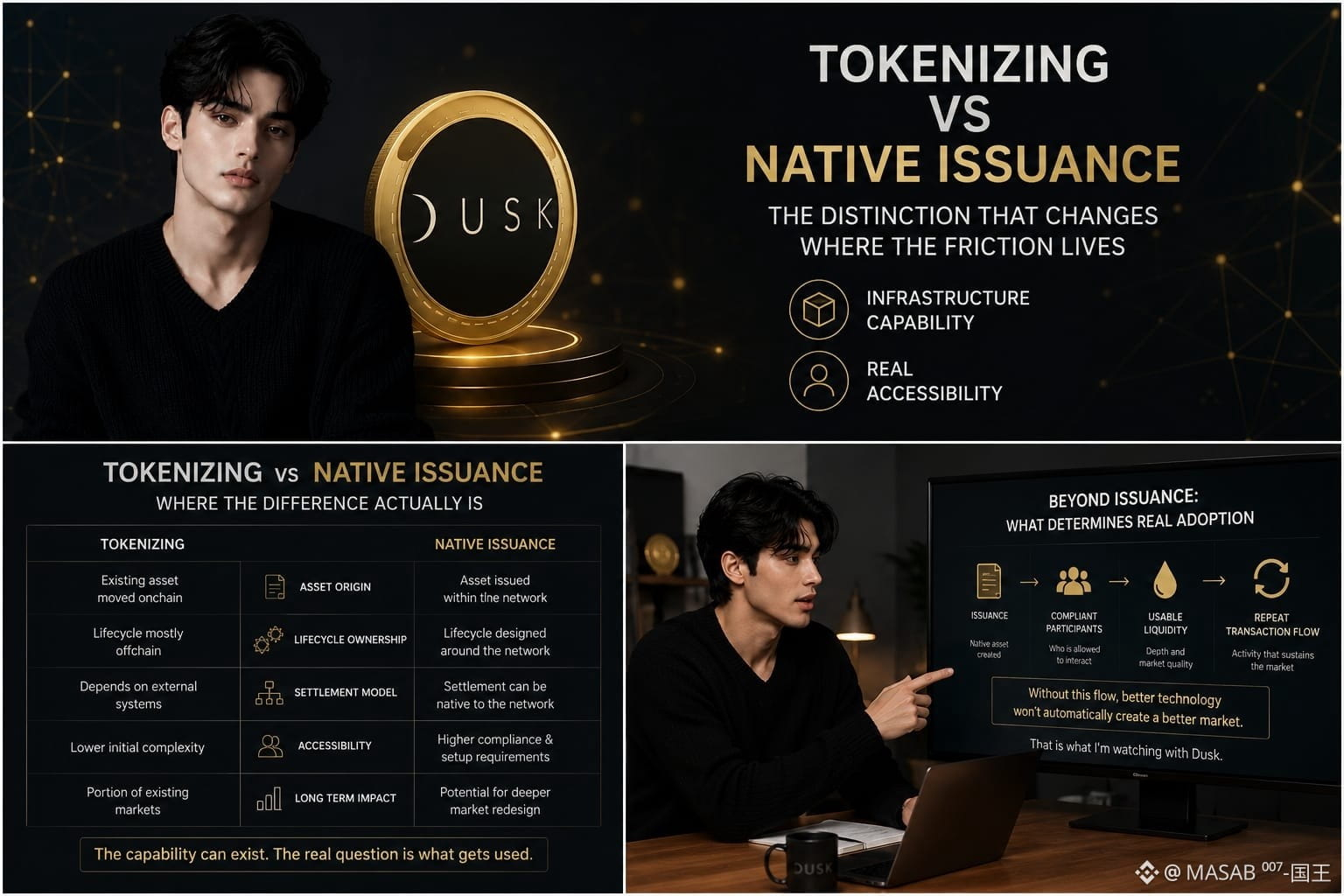
私は、DuskのRWA設計において繰り返し立ち返ってしまう区別があることに気づいた。つまり、トークンはオンチェーン上に存在し得る一方で、資産の実際のライフサイクルは別の場所でまだ生きている、という点だ。
それは、聞こえるよりもずっと重要だ。トークン化によってブロックチェーンは流通やプログラマビリティを改善できるが、発行、カストディ、決済、サービシング、そして記録は、なお別のシステムと照合が必要になる場合がある。Duskのネイティブ発行モデルは、より狭い意味では、そこにより野心的だ。資産そのものを台帳の周りで作成・管理できるため、それらの引き渡し(ハンドオフ)は1つの調整された環境の中で起こり得る。
しかし、見えないレイヤーはトークンではない。調整(コーディネーション)だ。
Duskは、規制された有価証券が単純にパブリックなブロックチェーン上のオブジェクトになるわけではないため、決済、アクセス制御、プライバシー、そして選択的開示を組み合わせている。誰かが、資産に関する適格性、許可、報告、そして法的な枠組みを定義しなければならない。Duskはインフラを提供できるが、認可、流動性、または機関投資家の参加を“製造”することはできない。
だから私は、実際の比較を「技術的能力」と「実際のアクセス可能性」として見る。ネイティブ発行を支えるネットワークは、それを機関が実際に使うと証明するネットワークとは別物だ。
居心地の悪い部分はアダプション(採用)だ。発行体や取引の場が重要なライフサイクルのステップを他の場所に残し続けるなら、ネイティブ発行は“意味のある市場インフラ”ではなく、建築上の能力になる。
それこそが、私はまだ見守っている点だ。
@Dusk_Foundation $DUSK #dusk
{future}(DUSKUSDT)
私は、DuskのRWA設計において繰り返し立ち返ってしまう区別があることに気づいた。つまり、トークンはオンチェーン上に存在し得る一方で、資産の実際のライフサイクルは別の場所でまだ生きている、という点だ。
それは、聞こえるよりもずっと重要だ。トークン化によってブロックチェーンは流通やプログラマビリティを改善できるが、発行、カストディ、決済、サービシング、そして記録は、なお別のシステムと照合が必要になる場合がある。Duskのネイティブ発行モデルは、より狭い意味では、そこにより野心的だ。資産そのものを台帳の周りで作成・管理できるため、それらの引き渡し(ハンドオフ)は1つの調整された環境の中で起こり得る。
しかし、見えないレイヤーはトークンではない。調整(コーディネーション)だ。
Duskは、規制された有価証券が単純にパブリックなブロックチェーン上のオブジェクトになるわけではないため、決済、アクセス制御、プライバシー、そして選択的開示を組み合わせている。誰かが、資産に関する適格性、許可、報告、そして法的な枠組みを定義しなければならない。Duskはインフラを提供できるが、認可、流動性、または機関投資家の参加を“製造”することはできない。
だから私は、実際の比較を「技術的能力」と「実際のアクセス可能性」として見る。ネイティブ発行を支えるネットワークは、それを機関が実際に使うと証明するネットワークとは別物だ。
居心地の悪い部分はアダプション(採用)だ。発行体や取引の場が重要なライフサイクルのステップを他の場所に残し続けるなら、ネイティブ発行は“意味のある市場インフラ”ではなく、建築上の能力になる。
それこそが、私はまだ見守っている点だ。
@Dusk $DUSK #dusk
それは、聞こえるよりもずっと重要だ。トークン化によってブロックチェーンは流通やプログラマビリティを改善できるが、発行、カストディ、決済、サービシング、そして記録は、なお別のシステムと照合が必要になる場合がある。Duskのネイティブ発行モデルは、より狭い意味では、そこにより野心的だ。資産そのものを台帳の周りで作成・管理できるため、それらの引き渡し(ハンドオフ)は1つの調整された環境の中で起こり得る。
しかし、見えないレイヤーはトークンではない。調整(コーディネーション)だ。
Duskは、規制された有価証券が単純にパブリックなブロックチェーン上のオブジェクトになるわけではないため、決済、アクセス制御、プライバシー、そして選択的開示を組み合わせている。誰かが、資産に関する適格性、許可、報告、そして法的な枠組みを定義しなければならない。Duskはインフラを提供できるが、認可、流動性、または機関投資家の参加を“製造”することはできない。
だから私は、実際の比較を「技術的能力」と「実際のアクセス可能性」として見る。ネイティブ発行を支えるネットワークは、それを機関が実際に使うと証明するネットワークとは別物だ。
居心地の悪い部分はアダプション(採用)だ。発行体や取引の場が重要なライフサイクルのステップを他の場所に残し続けるなら、ネイティブ発行は“意味のある市場インフラ”ではなく、建築上の能力になる。
それこそが、私はまだ見守っている点だ。
@Dusk $DUSK #dusk
40
30
10.3k
·
--
本人確認中
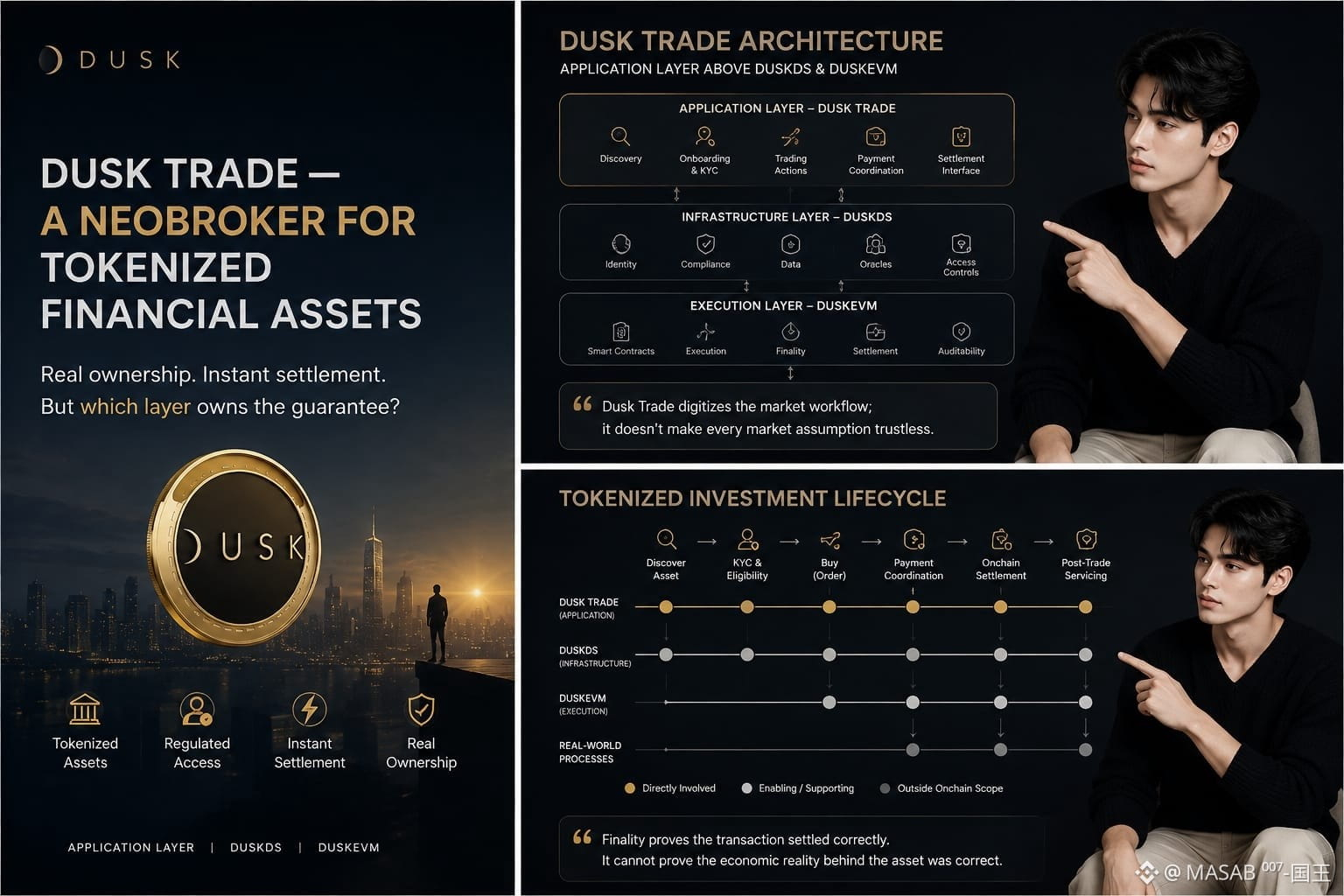
昨夜、Dusk Tradeをスクロールしていたら、市場が異様に静かでした。同じフレーズばかり目にしました。「トークン化された資産」「実質的な所有」「即時決済」です。すると「neobroker」が表示を止めさせ、インターフェースの下を見せてくれました。
直感的な前提はシンプルです。Dusk TradeでETF、MMF、または債券を購入すれば、投資のライフサイクル全体がブロックチェーンネイティブになる、というものです。
しかし、どこかが噛み合いませんでした。
Dusk TradeはDuskEVM上のアプリケーションレイヤーです。ユーザーをトークン化された金融資産と取引ワークフローに接続し、基盤となるインフラは実行と決済を担います。それは意味のあることですが、あらゆる金融上の前提を無信頼(trustless)にすることとは同じではありません。
取引を保護するのであって、資産の背後にあるすべての前提を守るわけではないのです。
この違いは重要です。決定論的な決済は、認可された取引が正しく処理されたことを証明できます。しかしそれ単体では、現実世界の資産を取り巻くあらゆるオフチェーンの記録、適格性の判断、開示、評価、または管理(サービシング)プロセスが正しいことまでは証明できません。
最初は、その違いは主に技術的なものだと思いました。でも違います。
上流のデータソースが間違っていれば、ブロックチェーンは間違った経済的現実を、忠実に決済してしまう可能性があります。
これはDusk固有の問題ではありません。トークン化された金融は、従来の市場からこうした境界条件を受け継いでいます。
本当の試金石は、機関投資家の価値が、より弱い層を攻撃するインセンティブを生むときに訪れます。
私は、その境界が継続的な圧力のもとでどう振る舞うのかをまだ考えています。そこが、私が注視する部分です。@Dusk_Foundation $DUSK #dusk
{future}(DUSKUSDT)
昨夜、Dusk Tradeをスクロールしていたら、市場が異様に静かでした。同じフレーズばかり目にしました。「トークン化された資産」「実質的な所有」「即時決済」です。すると「neobroker」が表示を止めさせ、インターフェースの下を見せてくれました。
直感的な前提はシンプルです。Dusk TradeでETF、MMF、または債券を購入すれば、投資のライフサイクル全体がブロックチェーンネイティブになる、というものです。
しかし、どこかが噛み合いませんでした。
Dusk TradeはDuskEVM上のアプリケーションレイヤーです。ユーザーをトークン化された金融資産と取引ワークフローに接続し、基盤となるインフラは実行と決済を担います。それは意味のあることですが、あらゆる金融上の前提を無信頼(trustless)にすることとは同じではありません。
取引を保護するのであって、資産の背後にあるすべての前提を守るわけではないのです。
この違いは重要です。決定論的な決済は、認可された取引が正しく処理されたことを証明できます。しかしそれ単体では、現実世界の資産を取り巻くあらゆるオフチェーンの記録、適格性の判断、開示、評価、または管理(サービシング)プロセスが正しいことまでは証明できません。
最初は、その違いは主に技術的なものだと思いました。でも違います。
上流のデータソースが間違っていれば、ブロックチェーンは間違った経済的現実を、忠実に決済してしまう可能性があります。
これはDusk固有の問題ではありません。トークン化された金融は、従来の市場からこうした境界条件を受け継いでいます。
本当の試金石は、機関投資家の価値が、より弱い層を攻撃するインセンティブを生むときに訪れます。
私は、その境界が継続的な圧力のもとでどう振る舞うのかをまだ考えています。そこが、私が注視する部分です。@Dusk $DUSK #dusk
直感的な前提はシンプルです。Dusk TradeでETF、MMF、または債券を購入すれば、投資のライフサイクル全体がブロックチェーンネイティブになる、というものです。
しかし、どこかが噛み合いませんでした。
Dusk TradeはDuskEVM上のアプリケーションレイヤーです。ユーザーをトークン化された金融資産と取引ワークフローに接続し、基盤となるインフラは実行と決済を担います。それは意味のあることですが、あらゆる金融上の前提を無信頼(trustless)にすることとは同じではありません。
取引を保護するのであって、資産の背後にあるすべての前提を守るわけではないのです。
この違いは重要です。決定論的な決済は、認可された取引が正しく処理されたことを証明できます。しかしそれ単体では、現実世界の資産を取り巻くあらゆるオフチェーンの記録、適格性の判断、開示、評価、または管理(サービシング)プロセスが正しいことまでは証明できません。
最初は、その違いは主に技術的なものだと思いました。でも違います。
上流のデータソースが間違っていれば、ブロックチェーンは間違った経済的現実を、忠実に決済してしまう可能性があります。
これはDusk固有の問題ではありません。トークン化された金融は、従来の市場からこうした境界条件を受け継いでいます。
本当の試金石は、機関投資家の価値が、より弱い層を攻撃するインセンティブを生むときに訪れます。
私は、その境界が継続的な圧力のもとでどう振る舞うのかをまだ考えています。そこが、私が注視する部分です。@Dusk $DUSK #dusk
40
33
7.4k
·
--
本人確認中
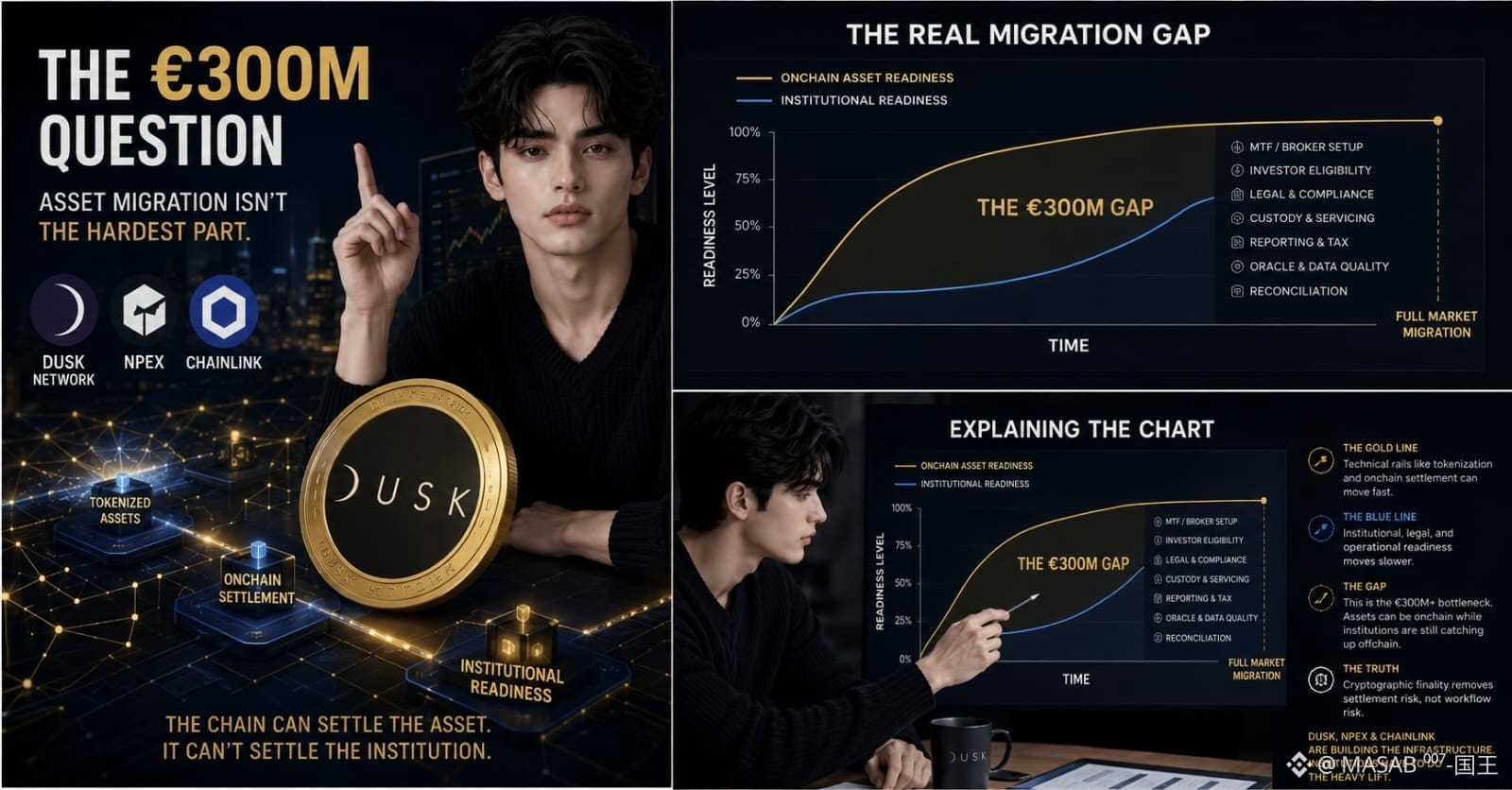
昨夜遅くにDuskのドキュメントを確認していて、何度も同じ数字に行きつきました。€300M+です。資産移行の問題のように聞こえます。でもNPEXを見て、もっと難しい移行とは資産の周りにあるあらゆるものなのではないかと思い直しました。
DuskとNPEXは、オンチェーンでの規制対象となる発行、取引、決済を目指しています。一方、Chainlinkは、クロスチェーンの接続性とマーケットデータのためにCCIP、DataLink、Data Streamsを追加します。
直感的な前提は単純です。証券がトークン化されたら、市場はもう動き出している、と。
でも、それは成り立つのでしょうか。
資産はオンチェーンにあっても、オンボーディング、投資家の適格性、法務審査、カストディ、レポーティング、サービシング、そして運用上の統制は、決済レイヤーの外にある機関プロセスにまだ依存しています。
チェーンは資産を決済できても、機関側の準備状況までは決済できません。
最初は、その区別が些末なものに感じられました。ですが、動く部品を数えてみると、MTF、ブローカー、ECSP、そしてNPEX周辺で言及されている今後のDLT-TSSの機能まで出てきました。
そこに、オラクルの鮮度、コンプライアンスのチェックポイント、照合、そして外部データへの依存を加えます。
もし価格が古い状態で到着しても、決定論的な決済はそれでもなお、完全に決定論的であり得ます。
不快なのはここです。暗号学的な最終性は、決済の不確実性を取り除けても、市場のワークフローにおける不確実性を取り除くわけではないのです。
私はDuskが本当のボトルネックに取り組んでいると思います。ですが、€300Mが、それを承認し、サービシングし、監督する責任を負う組織よりも速く移行できるのかは、まだ分かりません。
私のチャートはまだ開いています。ドキュメントも同様です。{future}(DUSKUSDT)
@Dusk_Foundation $DUSK #dusk
昨夜遅くにDuskのドキュメントを確認していて、何度も同じ数字に行きつきました。€300M+です。資産移行の問題のように聞こえます。でもNPEXを見て、もっと難しい移行とは資産の周りにあるあらゆるものなのではないかと思い直しました。
DuskとNPEXは、オンチェーンでの規制対象となる発行、取引、決済を目指しています。一方、Chainlinkは、クロスチェーンの接続性とマーケットデータのためにCCIP、DataLink、Data Streamsを追加します。
直感的な前提は単純です。証券がトークン化されたら、市場はもう動き出している、と。
でも、それは成り立つのでしょうか。
資産はオンチェーンにあっても、オンボーディング、投資家の適格性、法務審査、カストディ、レポーティング、サービシング、そして運用上の統制は、決済レイヤーの外にある機関プロセスにまだ依存しています。
チェーンは資産を決済できても、機関側の準備状況までは決済できません。
最初は、その区別が些末なものに感じられました。ですが、動く部品を数えてみると、MTF、ブローカー、ECSP、そしてNPEX周辺で言及されている今後のDLT-TSSの機能まで出てきました。
そこに、オラクルの鮮度、コンプライアンスのチェックポイント、照合、そして外部データへの依存を加えます。
もし価格が古い状態で到着しても、決定論的な決済はそれでもなお、完全に決定論的であり得ます。
不快なのはここです。暗号学的な最終性は、決済の不確実性を取り除けても、市場のワークフローにおける不確実性を取り除くわけではないのです。
私はDuskが本当のボトルネックに取り組んでいると思います。ですが、€300Mが、それを承認し、サービシングし、監督する責任を負う組織よりも速く移行できるのかは、まだ分かりません。
私のチャートはまだ開いています。ドキュメントも同様です。
@Dusk $DUSK #dusk
DuskとNPEXは、オンチェーンでの規制対象となる発行、取引、決済を目指しています。一方、Chainlinkは、クロスチェーンの接続性とマーケットデータのためにCCIP、DataLink、Data Streamsを追加します。
直感的な前提は単純です。証券がトークン化されたら、市場はもう動き出している、と。
でも、それは成り立つのでしょうか。
資産はオンチェーンにあっても、オンボーディング、投資家の適格性、法務審査、カストディ、レポーティング、サービシング、そして運用上の統制は、決済レイヤーの外にある機関プロセスにまだ依存しています。
チェーンは資産を決済できても、機関側の準備状況までは決済できません。
最初は、その区別が些末なものに感じられました。ですが、動く部品を数えてみると、MTF、ブローカー、ECSP、そしてNPEX周辺で言及されている今後のDLT-TSSの機能まで出てきました。
そこに、オラクルの鮮度、コンプライアンスのチェックポイント、照合、そして外部データへの依存を加えます。
もし価格が古い状態で到着しても、決定論的な決済はそれでもなお、完全に決定論的であり得ます。
不快なのはここです。暗号学的な最終性は、決済の不確実性を取り除けても、市場のワークフローにおける不確実性を取り除くわけではないのです。
私はDuskが本当のボトルネックに取り組んでいると思います。ですが、€300Mが、それを承認し、サービシングし、監督する責任を負う組織よりも速く移行できるのかは、まだ分かりません。
私のチャートはまだ開いています。ドキュメントも同様です。
@Dusk $DUSK #dusk
42
25
9k
·
--
今夜は市場が静かだったので、チャートではなく DuskEVM の資料を読み返すことになった。「confidential EVM workflows(機密のEVMワークフロー)」という文言が何度も目に入って、最初は、EVMそのものが何らかの形で、金融活動をエンドツーエンドで非公開にできるのだと受け取ってしまった。
そこで実際に仕組みを腰を据えて見てみた。
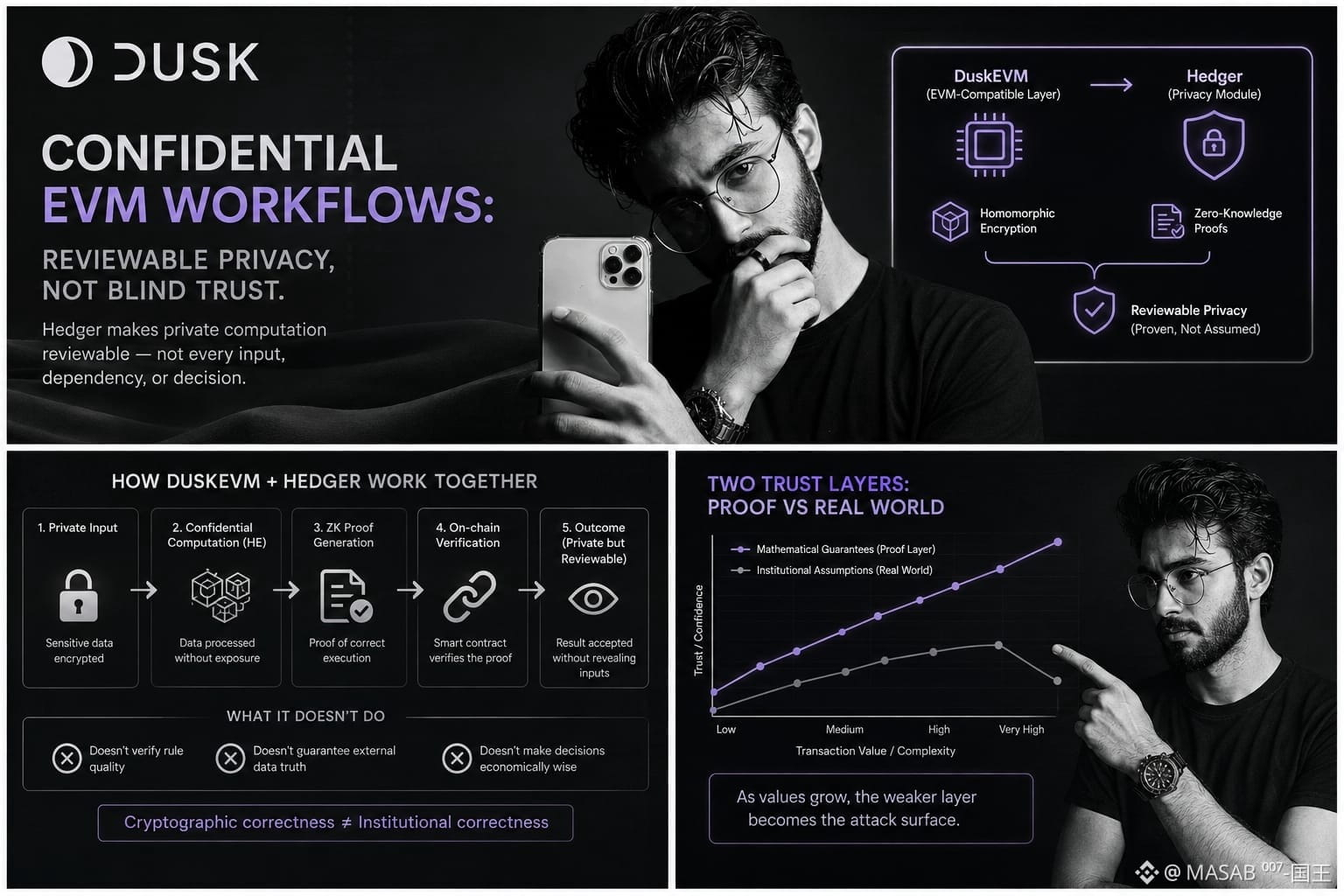
DuskEVM は、Solidity 開発者が Dusk へ馴染みのある道で入っていけるようにする、EVM 互換のアプリケーション層だ。面白いのは、Hedger というプライバシーモジュールで、同型暗号とゼロ知識証明を用いて、レビュー可能なプライバシーを実現している。
見落としがちだと思う違いは、これだ。Hedger は、プライベートな計算をレビュー可能にできる。しかし、すべての入力や依存関係、あるいは組織上の判断そのものを、必ずしも本質的に信頼できるものにするわけではない。
それでも重要だ。同型暗号は、保護されたデータを基になる値を開示せずに処理できるようにし、ZK 証明は計算や妥当性についての証拠を提示できる。規制された金融においては、この組み合わせの価値は明白だ。監査可能性を捨てずに、開示を抑えられる。
でも当初は、この違いが杓子定規に聞こえてしまった。
違う。暗号学的な正しさと、組織としての正しさは別の信頼モデルだ。証明は、ある操作が定義されたルールに従ったことを示せる。しかし、そのルールが筋の良いものだったのか、外部データソースが真実を伝えていたのか、あるいは認可された金融上の判断が経済的に賢明だったのかまでは分からない。
ブランディングが、それらの層を実際以上に近いものに見せてしまうことがある。
私は、これが DuskEVM に固有だと言っているわけではない。たいていの真剣な金融インフラは、数学的な保証と、証明の境界外にある前提を組み合わせている。
本当の問いは、取引の値が大きくなって、誰かがより弱い層を攻撃できるほどになったら何が起きるのか、だ。
正直なところ、アーキテクチャだけではそれに答えられない。
ドキュメントのタブはまだ開いている。たぶん明日も読み返す。というのも「confidential(機密)」という言葉が、今では私にこう問いかけてくるからだ——機密なのは誰に対してで、何について証明されるのか?
@Dusk_Foundation $DUSK #dusk
{future}(DUSKUSDT)
今夜は市場が静かだったので、チャートではなく DuskEVM の資料を読み返すことになった。「confidential EVM workflows(機密のEVMワークフロー)」という文言が何度も目に入って、最初は、EVMそのものが何らかの形で、金融活動をエンドツーエンドで非公開にできるのだと受け取ってしまった。
そこで実際に仕組みを腰を据えて見てみた。
DuskEVM は、Solidity 開発者が Dusk へ馴染みのある道で入っていけるようにする、EVM 互換のアプリケーション層だ。面白いのは、Hedger というプライバシーモジュールで、同型暗号とゼロ知識証明を用いて、レビュー可能なプライバシーを実現している。
見落としがちだと思う違いは、これだ。Hedger は、プライベートな計算をレビュー可能にできる。しかし、すべての入力や依存関係、あるいは組織上の判断そのものを、必ずしも本質的に信頼できるものにするわけではない。
それでも重要だ。同型暗号は、保護されたデータを基になる値を開示せずに処理できるようにし、ZK 証明は計算や妥当性についての証拠を提示できる。規制された金融においては、この組み合わせの価値は明白だ。監査可能性を捨てずに、開示を抑えられる。
でも当初は、この違いが杓子定規に聞こえてしまった。
違う。暗号学的な正しさと、組織としての正しさは別の信頼モデルだ。証明は、ある操作が定義されたルールに従ったことを示せる。しかし、そのルールが筋の良いものだったのか、外部データソースが真実を伝えていたのか、あるいは認可された金融上の判断が経済的に賢明だったのかまでは分からない。
ブランディングが、それらの層を実際以上に近いものに見せてしまうことがある。
私は、これが DuskEVM に固有だと言っているわけではない。たいていの真剣な金融インフラは、数学的な保証と、証明の境界外にある前提を組み合わせている。
本当の問いは、取引の値が大きくなって、誰かがより弱い層を攻撃できるほどになったら何が起きるのか、だ。
正直なところ、アーキテクチャだけではそれに答えられない。
ドキュメントのタブはまだ開いている。たぶん明日も読み返す。というのも「confidential(機密)」という言葉が、今では私にこう問いかけてくるからだ——機密なのは誰に対してで、何について証明されるのか?
@Dusk $DUSK #dusk
そこで実際に仕組みを腰を据えて見てみた。
DuskEVM は、Solidity 開発者が Dusk へ馴染みのある道で入っていけるようにする、EVM 互換のアプリケーション層だ。面白いのは、Hedger というプライバシーモジュールで、同型暗号とゼロ知識証明を用いて、レビュー可能なプライバシーを実現している。
見落としがちだと思う違いは、これだ。Hedger は、プライベートな計算をレビュー可能にできる。しかし、すべての入力や依存関係、あるいは組織上の判断そのものを、必ずしも本質的に信頼できるものにするわけではない。
それでも重要だ。同型暗号は、保護されたデータを基になる値を開示せずに処理できるようにし、ZK 証明は計算や妥当性についての証拠を提示できる。規制された金融においては、この組み合わせの価値は明白だ。監査可能性を捨てずに、開示を抑えられる。
でも当初は、この違いが杓子定規に聞こえてしまった。
違う。暗号学的な正しさと、組織としての正しさは別の信頼モデルだ。証明は、ある操作が定義されたルールに従ったことを示せる。しかし、そのルールが筋の良いものだったのか、外部データソースが真実を伝えていたのか、あるいは認可された金融上の判断が経済的に賢明だったのかまでは分からない。
ブランディングが、それらの層を実際以上に近いものに見せてしまうことがある。
私は、これが DuskEVM に固有だと言っているわけではない。たいていの真剣な金融インフラは、数学的な保証と、証明の境界外にある前提を組み合わせている。
本当の問いは、取引の値が大きくなって、誰かがより弱い層を攻撃できるほどになったら何が起きるのか、だ。
正直なところ、アーキテクチャだけではそれに答えられない。
ドキュメントのタブはまだ開いている。たぶん明日も読み返す。というのも「confidential(機密)」という言葉が、今では私にこう問いかけてくるからだ——機密なのは誰に対してで、何について証明されるのか?
@Dusk $DUSK #dusk
30
31
5.3k
·
--
本人確認中
火災報知機は壁にあって、安心感を与えるように見えます。誰が押してよいのか、相手が利用可能かどうか、あるいは誤って最初に触れてしまった人がいた場合に何が起きるのか——そういうことは、めったに考えません。
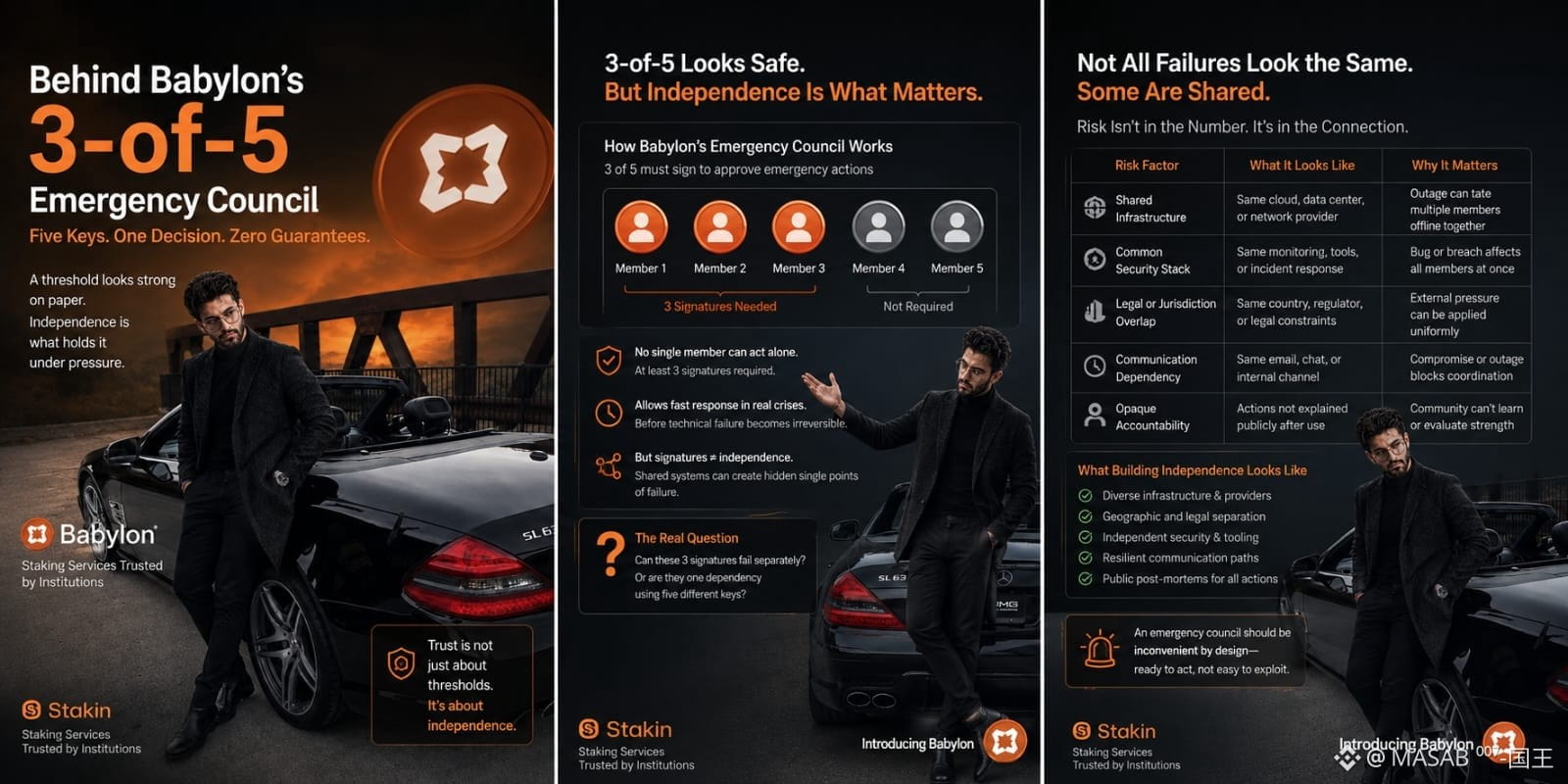
私はそこから、バビロンの「3-of-5」緊急評議会について考え始めました。数字は一見もっともに聞こえます。単独のメンバーがひとりで行動できない一方で、技術的な不具合が不可逆になる前に、3人なら対応できます。紙の上では、BABYはスピードと抑制の両方を得ています。
しかし閾値が数えているのは署名だけです。独立性は測れません。
評議会の3人のメンバーが別々の鍵を持っていても、同じクラウド・プロバイダー、セキュリティ会社、法域、あるいは社内の通信チャネルに依存している可能性があります。平常時には、そのつながりは見えません。圧力がかかったとき、それが5人のはずの意思決定者を、ひとつの業務単位に変えてしまうことがあります。共通の障害が介入を妨げるかもしれません。共通の妥協が、それを承認してしまうかもしれないのです。
多くの人は、3つの署名が1つより安全かどうかで評議会を判断します。私が難しいと感じるのは、そうした3つの署名が、それぞれ別々に失敗しうるのかという点です。バビロンは、警告なしにメンバーがオフラインになることを試験しましたか? 緊急行動は、その後に公に説明されますか? コミュニティは、BABYの危機対応レイヤーが強くなっているのか、それとも使いやすくなっているだけなのかを見て判断できますか?
緊急評議会は、厄介に感じられるべきです。待つことが危険になる前に行動できるだけの備えを持ちながら、証明を要求するほどに遅い——そのバランスが重要です。
私はバビロンに緊急スイッチがあることを心配していません。5つの鍵が、5つの本当に独立した防衛なのか——それとも、5つの別名をまとった1つの意思決定なのかを見ています。
@babylonlabs_io #baby $BABY
火災報知機は壁にあって、安心感を与えるように見えます。誰が押してよいのか、相手が利用可能かどうか、あるいは誤って最初に触れてしまった人がいた場合に何が起きるのか——そういうことは、めったに考えません。
私はそこから、バビロンの「3-of-5」緊急評議会について考え始めました。数字は一見もっともに聞こえます。単独のメンバーがひとりで行動できない一方で、技術的な不具合が不可逆になる前に、3人なら対応できます。紙の上では、BABYはスピードと抑制の両方を得ています。
しかし閾値が数えているのは署名だけです。独立性は測れません。
評議会の3人のメンバーが別々の鍵を持っていても、同じクラウド・プロバイダー、セキュリティ会社、法域、あるいは社内の通信チャネルに依存している可能性があります。平常時には、そのつながりは見えません。圧力がかかったとき、それが5人のはずの意思決定者を、ひとつの業務単位に変えてしまうことがあります。共通の障害が介入を妨げるかもしれません。共通の妥協が、それを承認してしまうかもしれないのです。
多くの人は、3つの署名が1つより安全かどうかで評議会を判断します。私が難しいと感じるのは、そうした3つの署名が、それぞれ別々に失敗しうるのかという点です。バビロンは、警告なしにメンバーがオフラインになることを試験しましたか? 緊急行動は、その後に公に説明されますか? コミュニティは、BABYの危機対応レイヤーが強くなっているのか、それとも使いやすくなっているだけなのかを見て判断できますか?
緊急評議会は、厄介に感じられるべきです。待つことが危険になる前に行動できるだけの備えを持ちながら、証明を要求するほどに遅い——そのバランスが重要です。
私はバビロンに緊急スイッチがあることを心配していません。5つの鍵が、5つの本当に独立した防衛なのか——それとも、5つの別名をまとった1つの意思決定なのかを見ています。
@BabylonLabs_io #baby $BABY
私はそこから、バビロンの「3-of-5」緊急評議会について考え始めました。数字は一見もっともに聞こえます。単独のメンバーがひとりで行動できない一方で、技術的な不具合が不可逆になる前に、3人なら対応できます。紙の上では、BABYはスピードと抑制の両方を得ています。
しかし閾値が数えているのは署名だけです。独立性は測れません。
評議会の3人のメンバーが別々の鍵を持っていても、同じクラウド・プロバイダー、セキュリティ会社、法域、あるいは社内の通信チャネルに依存している可能性があります。平常時には、そのつながりは見えません。圧力がかかったとき、それが5人のはずの意思決定者を、ひとつの業務単位に変えてしまうことがあります。共通の障害が介入を妨げるかもしれません。共通の妥協が、それを承認してしまうかもしれないのです。
多くの人は、3つの署名が1つより安全かどうかで評議会を判断します。私が難しいと感じるのは、そうした3つの署名が、それぞれ別々に失敗しうるのかという点です。バビロンは、警告なしにメンバーがオフラインになることを試験しましたか? 緊急行動は、その後に公に説明されますか? コミュニティは、BABYの危機対応レイヤーが強くなっているのか、それとも使いやすくなっているだけなのかを見て判断できますか?
緊急評議会は、厄介に感じられるべきです。待つことが危険になる前に行動できるだけの備えを持ちながら、証明を要求するほどに遅い——そのバランスが重要です。
私はバビロンに緊急スイッチがあることを心配していません。5つの鍵が、5つの本当に独立した防衛なのか——それとも、5つの別名をまとった1つの意思決定なのかを見ています。
@BabylonLabs_io #baby $BABY
12
11
4.7k
ログインして、さらにコンテンツを読む
厳選トピックで世界の暗号資産トレーダーの仲間入り
⚡️ 暗号資産に関する最新かつ有益な情報が見つかります。
💬 世界最大の暗号資産取引所から信頼されています。
👍 認証を受けたクリエイターから、有益なインサイトを得られます。
メール / 電話番号