

BarbieQueen_DXC
13.3k 投稿

BarbieQueen_DXC
報告
ユーザーをブロック
opportunity creator crypto trader Day trader ✨ creator pad web3 Binance sequar X @FatimaNaaz56837 BTC lover ✅promoter.
4.5K+ フォロー
13.4K+ フォロワー
9.9K+ いいね
投稿
ポートフォリオ
すべて
引用
動画
ライブ
PINNED
·
--
弱気相場
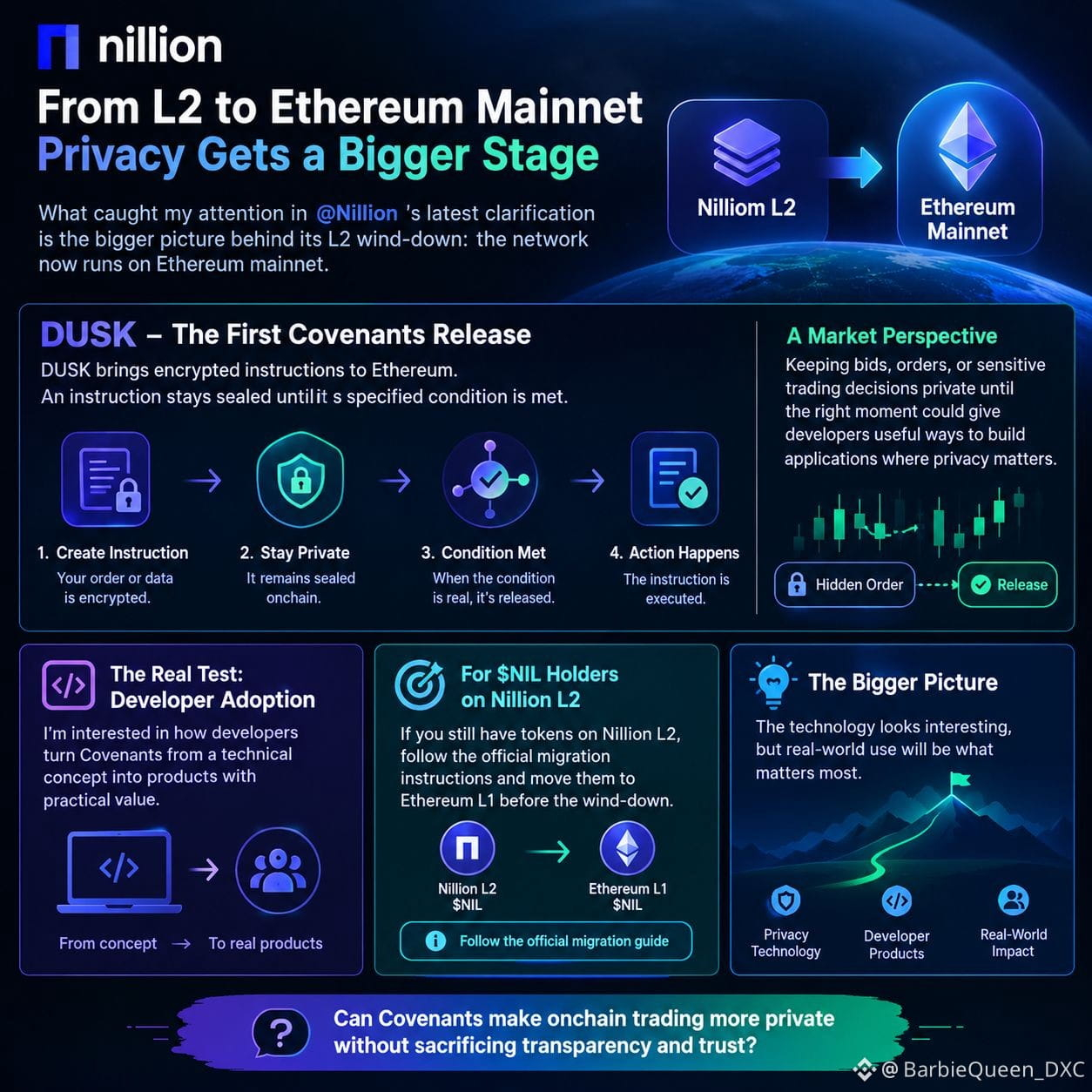
#nil $NIL @nillionnetwork 私が@nillionnetwork 最新の説明で注目しているのは、L2の終了措置の背後にある、より大きな変化です。ネットワークは現在、Ethereumメインネット上で稼働しています。
Covenantsの最初のリリースであるDUSKは、有用なアイデアを導入します。定義された条件が満たされるまで非公開のまま保たれる、暗号化された指示です。
市場の観点からは、興味深い可能性が開かれるかもしれません。入札や注文、機密性の高い取引判断を、適切なタイミングまで隠しておくことを想像してみてください。プライバシーが重要となるアプリケーションを構築する、新たな方法を開発者に提供できるでしょう。
とはいえ、本当の試金石は普及です。開発者がCovenantsを技術的な概念から、実用的な価値を持つ製品へとどう転換するのか、注目しています。
Nillion L2の$NIL 保有者にとっても、大切な注意点があります。まだトークンを保有している場合は、公式の移行手順に従い、終了措置の前にEthereum L1へ移してください。
この技術は興味深いものですが、最も重要なのは現実世界での活用です。
#nil $NIL @Nillion 私が@Nillion 最新の説明で注目しているのは、L2の終了措置の背後にある、より大きな変化です。ネットワークは現在、Ethereumメインネット上で稼働しています。
Covenantsの最初のリリースであるDUSKは、有用なアイデアを導入します。定義された条件が満たされるまで非公開のまま保たれる、暗号化された指示です。
市場の観点からは、興味深い可能性が開かれるかもしれません。入札や注文、機密性の高い取引判断を、適切なタイミングまで隠しておくことを想像してみてください。プライバシーが重要となるアプリケーションを構築する、新たな方法を開発者に提供できるでしょう。
とはいえ、本当の試金石は普及です。開発者がCovenantsを技術的な概念から、実用的な価値を持つ製品へとどう転換するのか、注目しています。
Nillion L2の$NIL 保有者にとっても、大切な注意点があります。まだトークンを保有している場合は、公式の移行手順に従い、終了措置の前にEthereum L1へ移してください。
この技術は興味深いものですが、最も重要なのは現実世界での活用です。
Covenantsの最初のリリースであるDUSKは、有用なアイデアを導入します。定義された条件が満たされるまで非公開のまま保たれる、暗号化された指示です。
市場の観点からは、興味深い可能性が開かれるかもしれません。入札や注文、機密性の高い取引判断を、適切なタイミングまで隠しておくことを想像してみてください。プライバシーが重要となるアプリケーションを構築する、新たな方法を開発者に提供できるでしょう。
とはいえ、本当の試金石は普及です。開発者がCovenantsを技術的な概念から、実用的な価値を持つ製品へとどう転換するのか、注目しています。
Nillion L2の$NIL 保有者にとっても、大切な注意点があります。まだトークンを保有している場合は、公式の移行手順に従い、終了措置の前にEthereum L1へ移してください。
この技術は興味深いものですが、最も重要なのは現実世界での活用です。
1
102
PINNED
·
--
弱気相場
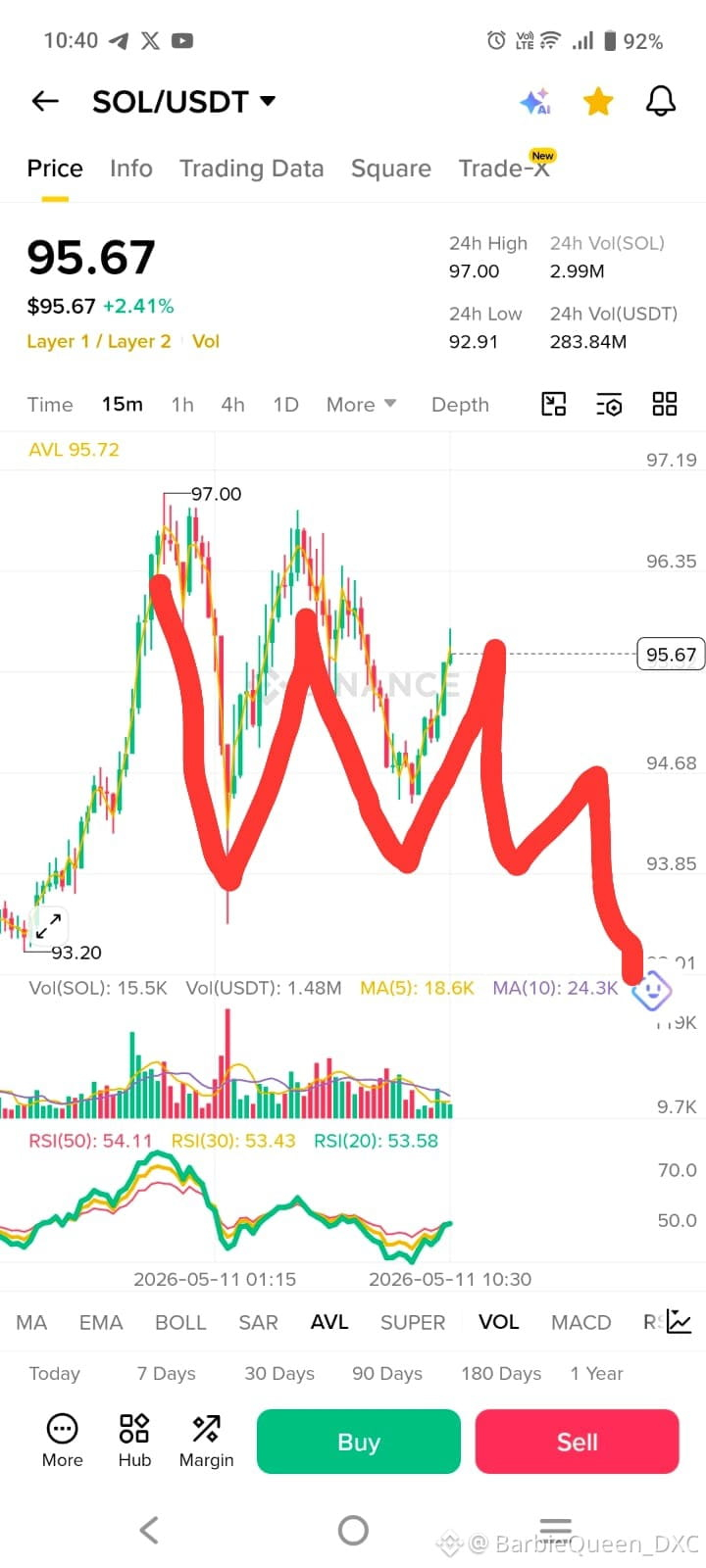
$SOL SOL/USDTの15分足チャートは、$97.00のレジスタンスで明確なリジェクションを示しています。高いレベルを維持できなかった後、価格はベアリッシュな構造を形成し、$93.20のサポートフロアに向かっています。
テクニカル指標:
RSI:54に向かってドロップ中で、ブル市場の勢いが薄れていることを示唆。
MACD:売りボリュームの増加に伴い、ベアリッシュなクロスオーバーの可能性を示しています。
構造:下値高が売り手のコントロールを示唆。
トレードセットアップ:
エントリー:$95.60 – $96.10
ターゲット:$94.50 | $93.30
ストップロス:$97.20
現在のトレンドはプルバックを好む傾向があります。価格がサポートゾーンに近づくにつれて厳格なリスク管理を確保してください。
$SOL
#solana #cryptotrading #TechnicalAnalysis
$SOL SOL/USDTの15分足チャートは、$97.00のレジスタンスで明確なリジェクションを示しています。高いレベルを維持できなかった後、価格はベアリッシュな構造を形成し、$93.20のサポートフロアに向かっています。
テクニカル指標:
RSI:54に向かってドロップ中で、ブル市場の勢いが薄れていることを示唆。
MACD:売りボリュームの増加に伴い、ベアリッシュなクロスオーバーの可能性を示しています。
構造:下値高が売り手のコントロールを示唆。
トレードセットアップ:
エントリー:$95.60 – $96.10
ターゲット:$94.50 | $93.30
ストップロス:$97.20
現在のトレンドはプルバックを好む傾向があります。価格がサポートゾーンに近づくにつれて厳格なリスク管理を確保してください。
$SOL
#solana #cryptotrading #TechnicalAnalysis
テクニカル指標:
RSI:54に向かってドロップ中で、ブル市場の勢いが薄れていることを示唆。
MACD:売りボリュームの増加に伴い、ベアリッシュなクロスオーバーの可能性を示しています。
構造:下値高が売り手のコントロールを示唆。
トレードセットアップ:
エントリー:$95.60 – $96.10
ターゲット:$94.50 | $93.30
ストップロス:$97.20
現在のトレンドはプルバックを好む傾向があります。価格がサポートゾーンに近づくにつれて厳格なリスク管理を確保してください。
$SOL
#solana #cryptotrading #TechnicalAnalysis
9
143
·
--
ブリッシュ
翻訳参照
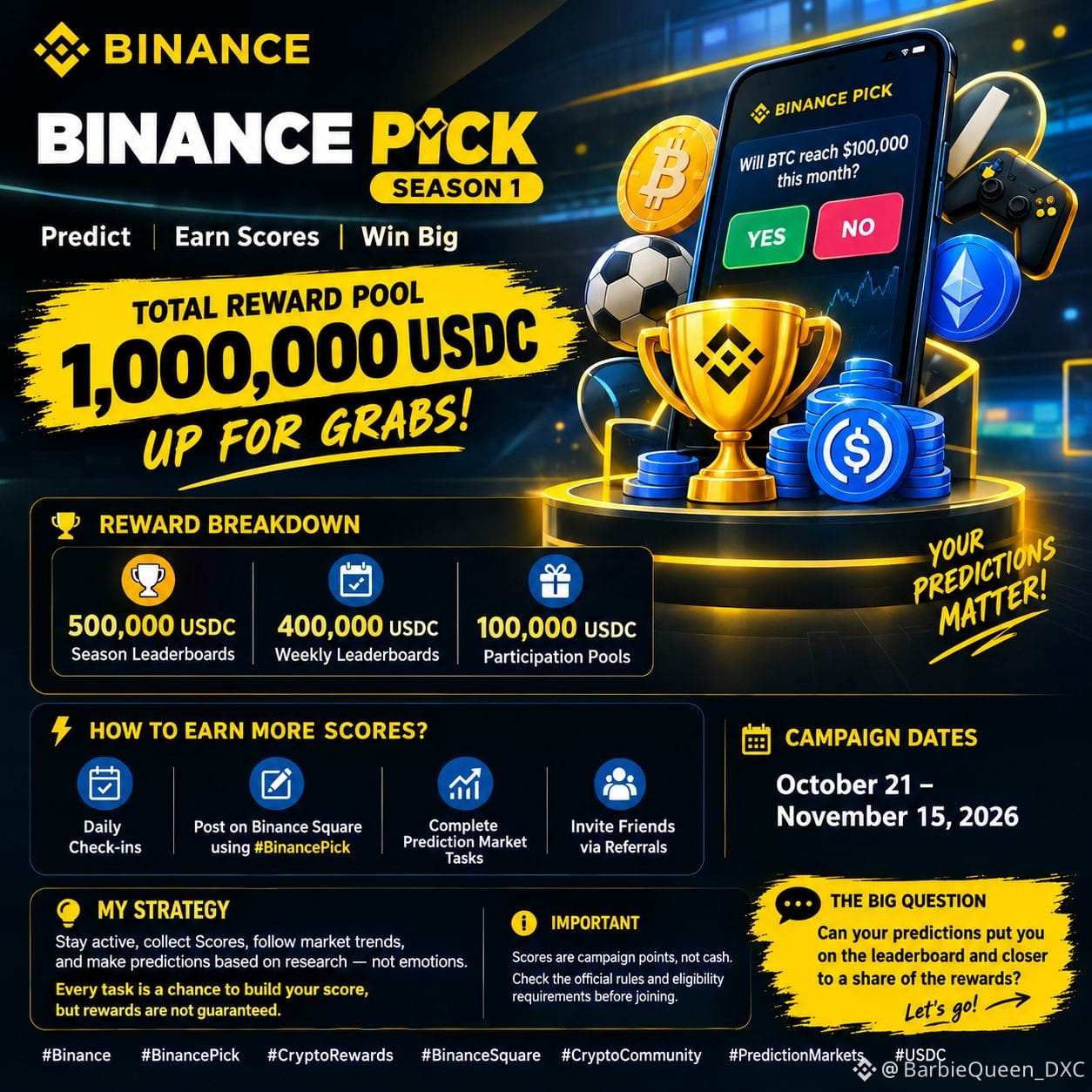
🎯🔥 1,000,000 USDC UP FOR GRABS! Are You Ready?
🚀 #BinancePick Season 1 is LIVE, and the opportunity to compete for rewards is here!
💰 A reward pool of up to 1,000,000 USDC! 💰
🏆 Here’s how the rewards are divided:
🥇 500,000 USDC, Season Leaderboards
📅 400,000 USDC, Weekly Leaderboards
🎁 100,000 USDC, Participation Pools
🔥 How to Earn More Scores?
✅ Complete daily check ins
✅ Post on Binance Square using #BinancePick
✅ Participate in YES or NO prediction markets
✅ Complete available campaign tasks
✅ Invite friends through referrals
📆 Campaign Dates: October 21 to November 15, 2026
💡 My game plan: Stay active, collect Scores, follow market trends, and make predictions based on research, not emotions. Every task is a chance to build your campaign score, but rewards are not guaranteed.
⚠️ Remember, Scores are campaign points, not cash. Check the official rules and eligibility requirements before joining.
🎯 The big question is:
Can your predictions put you on the leaderboard and closer to a share of the rewards? 👀
🔥 Who's joining the challenge? Let's make this season count!
#CryptoRewards #binanceSequre
#CryptoCommunity #USDC
🎯🔥 1,000,000 USDC UP FOR GRABS! Are You Ready?
🚀 #BinancePick Season 1 is LIVE, and the opportunity to compete for rewards is here!
💰 A reward pool of up to 1,000,000 USDC! 💰
🏆 Here’s how the rewards are divided:
🥇 500,000 USDC, Season Leaderboards
📅 400,000 USDC, Weekly Leaderboards
🎁 100,000 USDC, Participation Pools
🔥 How to Earn More Scores?
✅ Complete daily check ins
✅ Post on Binance Square using #BinancePick
✅ Participate in YES or NO prediction markets
✅ Complete available campaign tasks
✅ Invite friends through referrals
📆 Campaign Dates: October 21 to November 15, 2026
💡 My game plan: Stay active, collect Scores, follow market trends, and make predictions based on research, not emotions. Every task is a chance to build your campaign score, but rewards are not guaranteed.
⚠️ Remember, Scores are campaign points, not cash. Check the official rules and eligibility requirements before joining.
🎯 The big question is:
Can your predictions put you on the leaderboard and closer to a share of the rewards? 👀
🔥 Who's joining the challenge? Let's make this season count!
#CryptoRewards #binanceSequre
#CryptoCommunity #USDC
🚀 #BinancePick Season 1 is LIVE, and the opportunity to compete for rewards is here!
💰 A reward pool of up to 1,000,000 USDC! 💰
🏆 Here’s how the rewards are divided:
🥇 500,000 USDC, Season Leaderboards
📅 400,000 USDC, Weekly Leaderboards
🎁 100,000 USDC, Participation Pools
🔥 How to Earn More Scores?
✅ Complete daily check ins
✅ Post on Binance Square using #BinancePick
✅ Participate in YES or NO prediction markets
✅ Complete available campaign tasks
✅ Invite friends through referrals
📆 Campaign Dates: October 21 to November 15, 2026
💡 My game plan: Stay active, collect Scores, follow market trends, and make predictions based on research, not emotions. Every task is a chance to build your campaign score, but rewards are not guaranteed.
⚠️ Remember, Scores are campaign points, not cash. Check the official rules and eligibility requirements before joining.
🎯 The big question is:
Can your predictions put you on the leaderboard and closer to a share of the rewards? 👀
🔥 Who's joining the challenge? Let's make this season count!
#CryptoRewards #binanceSequre
#CryptoCommunity #USDC
2
151
·
--
ブリッシュ
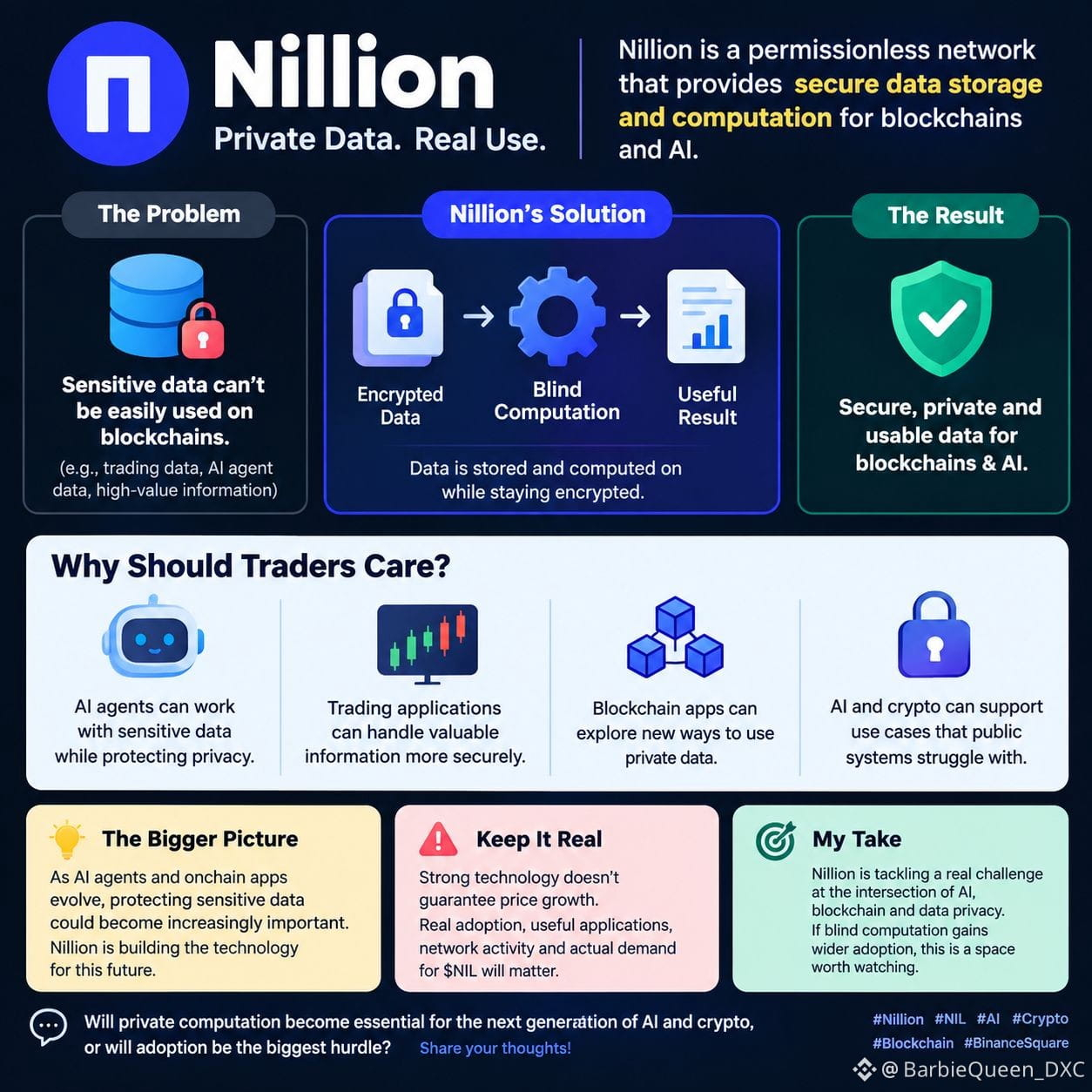
🔐 AIがあなたのデータを公開せずに利用できるとしたら?
それこそが、@nillionnetwork が解決しようとしている課題です。
ブロックチェーンは透明性をもたらしますが、取引戦略、ユーザーデータ、AIエージェントのデータなどの機密情報にはプライバシーが必要です。
そこで注目したいのが$NIL です。👇
🧠 NILLIONとは?
Nillionは、安全なデータ保存と計算を可能にするために設計された、パーミッションレスなネットワークです。
その中核となるコンセプトは「ブラインド計算」です。基盤となる情報を公開することなく、データを処理できます。
📊 トレーダーが注目すべき理由は?
こんな未来を想像してみてください。
🔹 AIエージェントがプライバシーを守りながら機密データを扱える。
🔹 取引アプリケーションが貴重な情報をより安全に扱える。
🔹 ブロックチェーンアプリケーションが、プライベートデータを活用する新しい方法を探れる。
🔹 AIと暗号資産が、公開データシステムでは対応が難しい用途を支えられる。
🚀 さらに大きな視点で見ると
AIエージェントやオンチェーンアプリケーションの進化に伴い、機密データの保護はますます重要になる可能性があります。
Nillionは、この課題に取り組む技術を開発しています。
ただし、現実的な視点も忘れずに。👇
⚠️ 優れた技術が、トークン価格の上昇を保証するわけではありません。
実際の普及、実用的なアプリケーション、ネットワークの活動状況、そして$NIL への実際の需要が、注目すべき重要な要素となります。
💡 私の見解
Nillionは、AI、ブロックチェーン、データプライバシーが交わる領域にある、現実的な課題に取り組んでいます。
ブラインド計算が広く普及するなら、注目に値する分野です。
みなさんはどう思いますか?👀
プライベート計算は次世代のAIや暗号資産に欠かせないものになるでしょうか?それとも、普及こそが最大のハードルになるでしょうか?
👇 ぜひ意見を聞かせてください。
#NIL #AI #Crypto #Blockchain #BinanceSquare
🔐 AIがあなたのデータを公開せずに利用できるとしたら?
それこそが、@Nillion が解決しようとしている課題です。
ブロックチェーンは透明性をもたらしますが、取引戦略、ユーザーデータ、AIエージェントのデータなどの機密情報にはプライバシーが必要です。
そこで注目したいのが$NIL です。👇
🧠 NILLIONとは?
Nillionは、安全なデータ保存と計算を可能にするために設計された、パーミッションレスなネットワークです。
その中核となるコンセプトは「ブラインド計算」です。基盤となる情報を公開することなく、データを処理できます。
📊 トレーダーが注目すべき理由は?
こんな未来を想像してみてください。
🔹 AIエージェントがプライバシーを守りながら機密データを扱える。
🔹 取引アプリケーションが貴重な情報をより安全に扱える。
🔹 ブロックチェーンアプリケーションが、プライベートデータを活用する新しい方法を探れる。
🔹 AIと暗号資産が、公開データシステムでは対応が難しい用途を支えられる。
🚀 さらに大きな視点で見ると
AIエージェントやオンチェーンアプリケーションの進化に伴い、機密データの保護はますます重要になる可能性があります。
Nillionは、この課題に取り組む技術を開発しています。
ただし、現実的な視点も忘れずに。👇
⚠️ 優れた技術が、トークン価格の上昇を保証するわけではありません。
実際の普及、実用的なアプリケーション、ネットワークの活動状況、そして$NIL への実際の需要が、注目すべき重要な要素となります。
💡 私の見解
Nillionは、AI、ブロックチェーン、データプライバシーが交わる領域にある、現実的な課題に取り組んでいます。
ブラインド計算が広く普及するなら、注目に値する分野です。
みなさんはどう思いますか?👀
プライベート計算は次世代のAIや暗号資産に欠かせないものになるでしょうか?それとも、普及こそが最大のハードルになるでしょうか?
👇 ぜひ意見を聞かせてください。
#NIL #AI #Crypto #Blockchain #BinanceSquare
それこそが、@Nillion が解決しようとしている課題です。
ブロックチェーンは透明性をもたらしますが、取引戦略、ユーザーデータ、AIエージェントのデータなどの機密情報にはプライバシーが必要です。
そこで注目したいのが$NIL です。👇
🧠 NILLIONとは?
Nillionは、安全なデータ保存と計算を可能にするために設計された、パーミッションレスなネットワークです。
その中核となるコンセプトは「ブラインド計算」です。基盤となる情報を公開することなく、データを処理できます。
📊 トレーダーが注目すべき理由は?
こんな未来を想像してみてください。
🔹 AIエージェントがプライバシーを守りながら機密データを扱える。
🔹 取引アプリケーションが貴重な情報をより安全に扱える。
🔹 ブロックチェーンアプリケーションが、プライベートデータを活用する新しい方法を探れる。
🔹 AIと暗号資産が、公開データシステムでは対応が難しい用途を支えられる。
🚀 さらに大きな視点で見ると
AIエージェントやオンチェーンアプリケーションの進化に伴い、機密データの保護はますます重要になる可能性があります。
Nillionは、この課題に取り組む技術を開発しています。
ただし、現実的な視点も忘れずに。👇
⚠️ 優れた技術が、トークン価格の上昇を保証するわけではありません。
実際の普及、実用的なアプリケーション、ネットワークの活動状況、そして$NIL への実際の需要が、注目すべき重要な要素となります。
💡 私の見解
Nillionは、AI、ブロックチェーン、データプライバシーが交わる領域にある、現実的な課題に取り組んでいます。
ブラインド計算が広く普及するなら、注目に値する分野です。
みなさんはどう思いますか?👀
プライベート計算は次世代のAIや暗号資産に欠かせないものになるでしょうか?それとも、普及こそが最大のハードルになるでしょうか?
👇 ぜひ意見を聞かせてください。
#NIL #AI #Crypto #Blockchain #BinanceSquare
2
259
·
--
弱気相場
データを一切さらすことなく利用できるとしたら?👀
それが@nillionnetwork の背景にある考え方であり、短期的な価格変動だけでなく$NIL にも注目すべき理由です。
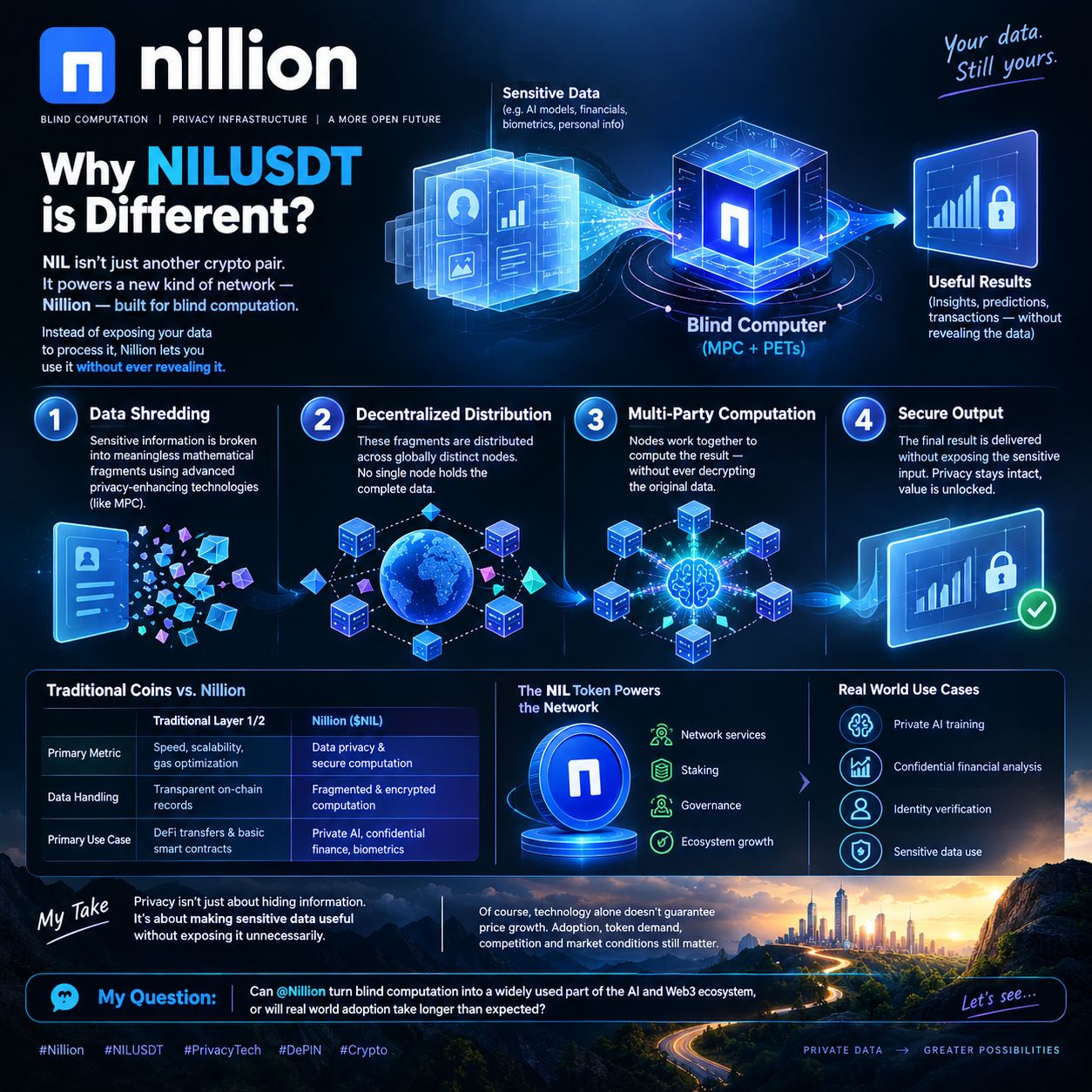
多くのブロックチェーンプロジェクトは、取引速度、スケーラビリティ、手数料の低さを競っています。Nillionが取り組むのは、別の課題です。プライバシーを保ちながら、機密データを処理するにはどうすればよいのでしょうか?
🔐 1. ブラインド・コンピューティング
マルチパーティ計算(MPC)などのプライバシー強化技術を活用することで、Nillionは元の情報を特定の一者に開示することなく、保護されたデータ上で計算を行えます。
🧩 2. データの分割
単一の中央データベースに依存する代わりに、Nillionでは機密情報を保護された複数の断片に分け、複数のノードに分散できます。これにより、ネットワークの一部が侵害された場合でも、データ全体が漏えいするリスクを抑えられます。
🤖 3. 実社会での可能性
機密性を保ったAIのトレーニング、プライベートな金融分析、本人確認、そして機密情報を明かさずに利用する必要があるアプリケーションを想像してみてください。こうした分野では、プライバシーを支えるインフラの重要性がますます高まる可能性があります。
💰 4. $NIL が重要な理由
NILトークンは、ネットワークサービスの支払いをはじめ、プロトコルに関連するさまざまな機能を含むネットワーク経済を支えています。長期的な価値は、実際の利用状況、サービスへの需要、そしてネットワークがどれだけ成長するかに左右されます。
私が注目しているのは、プライバシーとは単に情報を隠すことではないという点です。機密データを不必要にさらすことなく、役立てられるようにすることなのです。
もちろん、優れた技術だけで価格上昇が保証されるわけではありません。普及状況、トークン需要、競争、そして市場環境も依然として重要です。
私からの質問です。@nillionnetwork はブラインド・コンピューティングをAIやWeb3のエコシステムで広く使われる技術にできるでしょうか?それとも、実社会での普及には予想以上に時間がかかるのでしょうか?
#Nillion #NILUSDT #Crypto #PrivacyTech #DePIN
データを一切さらすことなく利用できるとしたら?👀
それが@Nillion の背景にある考え方であり、短期的な価格変動だけでなく$NIL にも注目すべき理由です。
多くのブロックチェーンプロジェクトは、取引速度、スケーラビリティ、手数料の低さを競っています。Nillionが取り組むのは、別の課題です。プライバシーを保ちながら、機密データを処理するにはどうすればよいのでしょうか?
🔐 1. ブラインド・コンピューティング
マルチパーティ計算(MPC)などのプライバシー強化技術を活用することで、Nillionは元の情報を特定の一者に開示することなく、保護されたデータ上で計算を行えます。
🧩 2. データの分割
単一の中央データベースに依存する代わりに、Nillionでは機密情報を保護された複数の断片に分け、複数のノードに分散できます。これにより、ネットワークの一部が侵害された場合でも、データ全体が漏えいするリスクを抑えられます。
🤖 3. 実社会での可能性
機密性を保ったAIのトレーニング、プライベートな金融分析、本人確認、そして機密情報を明かさずに利用する必要があるアプリケーションを想像してみてください。こうした分野では、プライバシーを支えるインフラの重要性がますます高まる可能性があります。
💰 4. $NIL が重要な理由
NILトークンは、ネットワークサービスの支払いをはじめ、プロトコルに関連するさまざまな機能を含むネットワーク経済を支えています。長期的な価値は、実際の利用状況、サービスへの需要、そしてネットワークがどれだけ成長するかに左右されます。
私が注目しているのは、プライバシーとは単に情報を隠すことではないという点です。機密データを不必要にさらすことなく、役立てられるようにすることなのです。
もちろん、優れた技術だけで価格上昇が保証されるわけではありません。普及状況、トークン需要、競争、そして市場環境も依然として重要です。
私からの質問です。@Nillion はブラインド・コンピューティングをAIやWeb3のエコシステムで広く使われる技術にできるでしょうか?それとも、実社会での普及には予想以上に時間がかかるのでしょうか?
#Nillion #NILUSDT #Crypto #PrivacyTech #DePIN
それが@Nillion の背景にある考え方であり、短期的な価格変動だけでなく$NIL にも注目すべき理由です。
多くのブロックチェーンプロジェクトは、取引速度、スケーラビリティ、手数料の低さを競っています。Nillionが取り組むのは、別の課題です。プライバシーを保ちながら、機密データを処理するにはどうすればよいのでしょうか?
🔐 1. ブラインド・コンピューティング
マルチパーティ計算(MPC)などのプライバシー強化技術を活用することで、Nillionは元の情報を特定の一者に開示することなく、保護されたデータ上で計算を行えます。
🧩 2. データの分割
単一の中央データベースに依存する代わりに、Nillionでは機密情報を保護された複数の断片に分け、複数のノードに分散できます。これにより、ネットワークの一部が侵害された場合でも、データ全体が漏えいするリスクを抑えられます。
🤖 3. 実社会での可能性
機密性を保ったAIのトレーニング、プライベートな金融分析、本人確認、そして機密情報を明かさずに利用する必要があるアプリケーションを想像してみてください。こうした分野では、プライバシーを支えるインフラの重要性がますます高まる可能性があります。
💰 4. $NIL が重要な理由
NILトークンは、ネットワークサービスの支払いをはじめ、プロトコルに関連するさまざまな機能を含むネットワーク経済を支えています。長期的な価値は、実際の利用状況、サービスへの需要、そしてネットワークがどれだけ成長するかに左右されます。
私が注目しているのは、プライバシーとは単に情報を隠すことではないという点です。機密データを不必要にさらすことなく、役立てられるようにすることなのです。
もちろん、優れた技術だけで価格上昇が保証されるわけではありません。普及状況、トークン需要、競争、そして市場環境も依然として重要です。
私からの質問です。@Nillion はブラインド・コンピューティングをAIやWeb3のエコシステムで広く使われる技術にできるでしょうか?それとも、実社会での普及には予想以上に時間がかかるのでしょうか?
#Nillion #NILUSDT #Crypto #PrivacyTech #DePIN
153
·
--
ブリッシュ
本人確認中
🚨 $NIL : Nillionのプライバシー技術は市場再浮上に向けて準備万端か?
次の暗号資産のチャンスが、AIをより強力にするだけでなく、よりプライベートにすることから生まれるとしたらどうだろう? 👀
だからこそ @nillionnetwork は注目に値する。
🔍 基本ストーリー
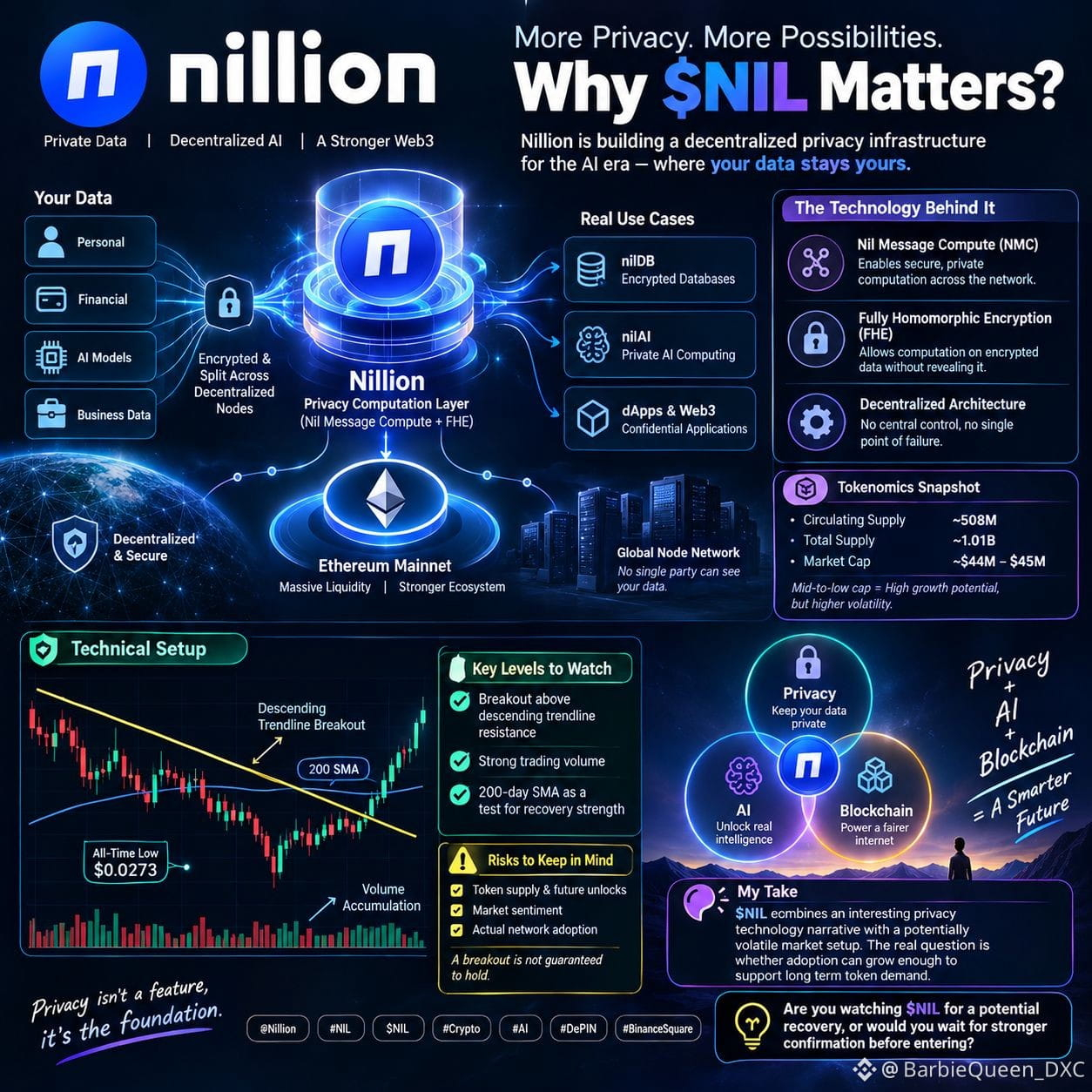
Nillionは、基盤となる情報を開示せずにアプリケーションが機密データを保存・処理できることを目指す、プライバシー重視のインフラを構築している。その技術は、分散型AI、暗号化データ保存、機密計算において有意義なユースケースを持つ可能性がある。
⚙️ 注目される理由
🔹 プライバシーとAIの融合: Nillionは、機密データを明かさずに活用できるように取り組んでいる。
🔹 実用性: nilDBやnilAIのような製品は、プライベートなデータ保存やAI関連アプリケーションを支えることを目指している。
🔹 Ethereumとのつながり: 進化するEthereumとの統合は、プライバシー重視のアプリケーションをより広いブロックチェーン・エコシステムにつなぐ助けになる可能性がある。
📊 テクニカル設定
報告上の安値である約$0.0273付近に達した後、トレンド反転の兆しを探すトレーダーの注目を集めている。
注目すべき重要なポイントは以下の通り:
📈 下降トレンドラインの抵抗を上抜けた状態が持続するか。
📊 上昇モメンタムを支える強い取引量。
🎯 回復の強さを試す可能性のある200日SMA。
⚠️ リスク要因
ブレイクアウトが維持される保証はない。トークン供給、今後のロック解除、市场心理、実際のネットワーク採用はいずれも価格に影響しうる。上昇には、単なる期待ではなく確認が必要だ。
私の見方: $NIL は、興味深いプライバシー技術の物語と、ボラティリティの高い市場環境を組み合わせている。真の焦点は、採用が長期的なトークン需要を支えるのに十分なほど成長できるかどうかだ。
👀 NILの回復の可能性を注視している? それとも、参入前により強い確認を待つ?
#Nillion #NIL #Crypto #DePIN #BinanceSquareTalks
🚨 $NIL : Nillionのプライバシー技術は市場再浮上に向けて準備万端か?
次の暗号資産のチャンスが、AIをより強力にするだけでなく、よりプライベートにすることから生まれるとしたらどうだろう? 👀
だからこそ @Nillion は注目に値する。
🔍 基本ストーリー
Nillionは、基盤となる情報を開示せずにアプリケーションが機密データを保存・処理できることを目指す、プライバシー重視のインフラを構築している。その技術は、分散型AI、暗号化データ保存、機密計算において有意義なユースケースを持つ可能性がある。
⚙️ 注目される理由
🔹 プライバシーとAIの融合: Nillionは、機密データを明かさずに活用できるように取り組んでいる。
🔹 実用性: nilDBやnilAIのような製品は、プライベートなデータ保存やAI関連アプリケーションを支えることを目指している。
🔹 Ethereumとのつながり: 進化するEthereumとの統合は、プライバシー重視のアプリケーションをより広いブロックチェーン・エコシステムにつなぐ助けになる可能性がある。
📊 テクニカル設定
報告上の安値である約$0.0273付近に達した後、トレンド反転の兆しを探すトレーダーの注目を集めている。
注目すべき重要なポイントは以下の通り:
📈 下降トレンドラインの抵抗を上抜けた状態が持続するか。
📊 上昇モメンタムを支える強い取引量。
🎯 回復の強さを試す可能性のある200日SMA。
⚠️ リスク要因
ブレイクアウトが維持される保証はない。トークン供給、今後のロック解除、市场心理、実際のネットワーク採用はいずれも価格に影響しうる。上昇には、単なる期待ではなく確認が必要だ。
私の見方: $NIL は、興味深いプライバシー技術の物語と、ボラティリティの高い市場環境を組み合わせている。真の焦点は、採用が長期的なトークン需要を支えるのに十分なほど成長できるかどうかだ。
👀 NILの回復の可能性を注視している? それとも、参入前により強い確認を待つ?
#Nillion #NIL #Crypto #DePIN #BinanceSquareTalks
次の暗号資産のチャンスが、AIをより強力にするだけでなく、よりプライベートにすることから生まれるとしたらどうだろう? 👀
だからこそ @Nillion は注目に値する。
🔍 基本ストーリー
Nillionは、基盤となる情報を開示せずにアプリケーションが機密データを保存・処理できることを目指す、プライバシー重視のインフラを構築している。その技術は、分散型AI、暗号化データ保存、機密計算において有意義なユースケースを持つ可能性がある。
⚙️ 注目される理由
🔹 プライバシーとAIの融合: Nillionは、機密データを明かさずに活用できるように取り組んでいる。
🔹 実用性: nilDBやnilAIのような製品は、プライベートなデータ保存やAI関連アプリケーションを支えることを目指している。
🔹 Ethereumとのつながり: 進化するEthereumとの統合は、プライバシー重視のアプリケーションをより広いブロックチェーン・エコシステムにつなぐ助けになる可能性がある。
📊 テクニカル設定
報告上の安値である約$0.0273付近に達した後、トレンド反転の兆しを探すトレーダーの注目を集めている。
注目すべき重要なポイントは以下の通り:
📈 下降トレンドラインの抵抗を上抜けた状態が持続するか。
📊 上昇モメンタムを支える強い取引量。
🎯 回復の強さを試す可能性のある200日SMA。
⚠️ リスク要因
ブレイクアウトが維持される保証はない。トークン供給、今後のロック解除、市场心理、実際のネットワーク採用はいずれも価格に影響しうる。上昇には、単なる期待ではなく確認が必要だ。
私の見方: $NIL は、興味深いプライバシー技術の物語と、ボラティリティの高い市場環境を組み合わせている。真の焦点は、採用が長期的なトークン需要を支えるのに十分なほど成長できるかどうかだ。
👀 NILの回復の可能性を注視している? それとも、参入前により強い確認を待つ?
#Nillion #NIL #Crypto #DePIN #BinanceSquareTalks
2
3
1.7k
記事
ブロックチェーンがあなたのデータを一度も見ることなく利用できるとしたら? 👀🔐多くの暗号資産ネットワークは、速度、スケーラビリティ、低い取引手数料を競い合っています。しかし、@nillionnetwork ネットワークは別の課題に取り組んでいます。機密データを公開せずに計算するには、どうすればよいのでしょうか?
それが$NIL 注目に値する理由です。👇
🔹 単なるブロックチェーンではない:Nillionは調整と支払いにnilChainを使用し、Petnetはプライバシーを重視した計算インフラを提供します。
🔹 ブラインド計算:従来の透明性の高い処理だけに頼るのではなく、Nillionは基盤となる情報を明かさずに、アプリケーションが保護されたデータを使って動作できるようにすることを目指しています。
ブロックチェーンがあなたのデータを一度も見ることなく利用できるとしたら? 👀🔐
多くの暗号資産ネットワークは、速度、スケーラビリティ、低い取引手数料を競い合っています。しかし、@Nillion ネットワークは別の課題に取り組んでいます。機密データを公開せずに計算するには、どうすればよいのでしょうか?
それが$NIL 注目に値する理由です。👇
🔹 単なるブロックチェーンではない:Nillionは調整と支払いにnilChainを使用し、Petnetはプライバシーを重視した計算インフラを提供します。
🔹 ブラインド計算:従来の透明性の高い処理だけに頼るのではなく、Nillionは基盤となる情報を明かさずに、アプリケーションが保護されたデータを使って動作できるようにすることを目指しています。
それが$NIL 注目に値する理由です。👇
🔹 単なるブロックチェーンではない:Nillionは調整と支払いにnilChainを使用し、Petnetはプライバシーを重視した計算インフラを提供します。
🔹 ブラインド計算:従来の透明性の高い処理だけに頼るのではなく、Nillionは基盤となる情報を明かさずに、アプリケーションが保護されたデータを使って動作できるようにすることを目指しています。
1
137
·
--
弱気相場
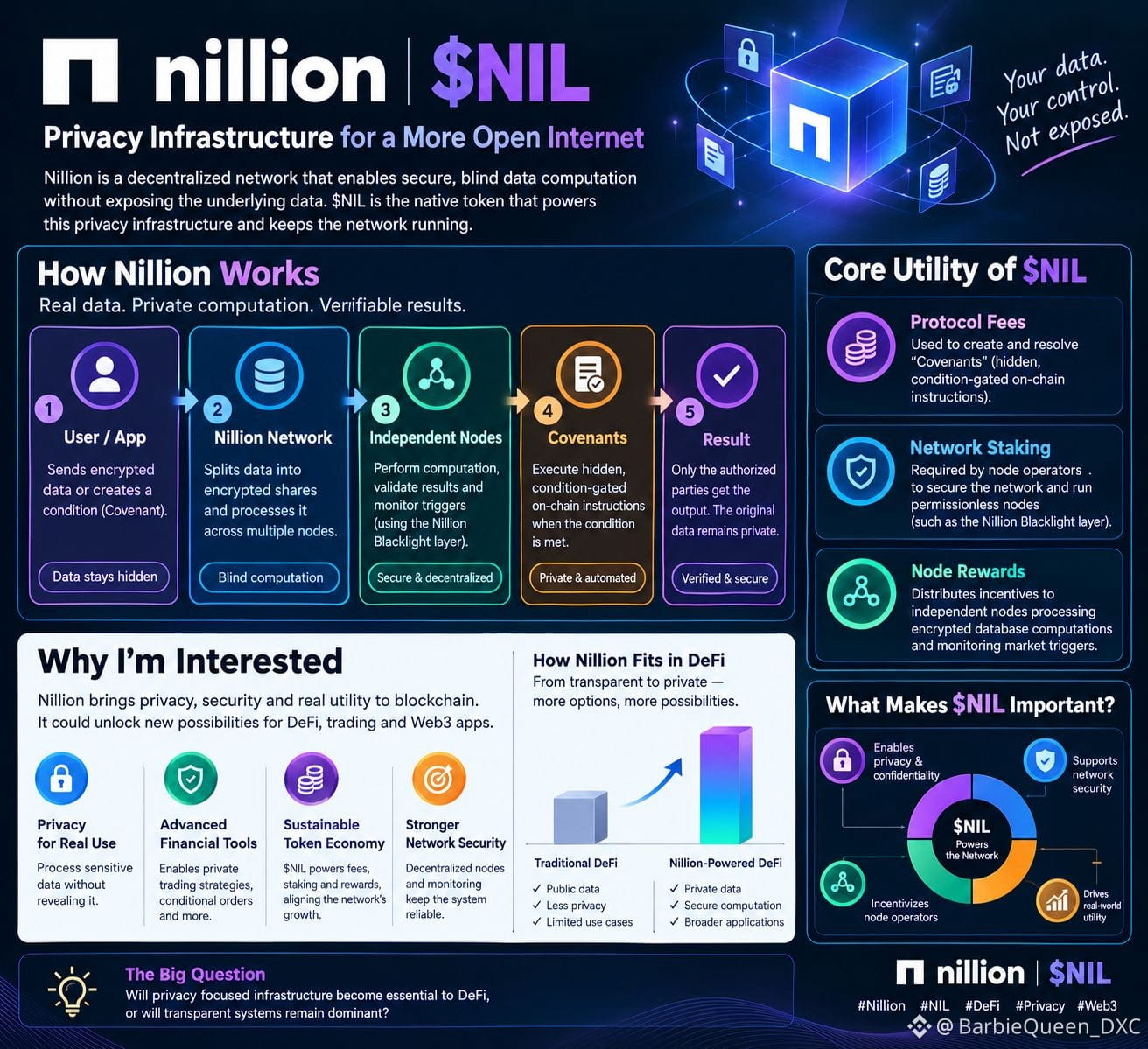
@nillionnetwork と$NIL に注目する理由 👀🔐
暗号資産におけるプライバシーの重要性が高まっており、@Nillionに注目している主な理由の一つです。
多くのブロックチェーンネットワークではデータが公開されますが、実際の取引や金融アプリケーションでは、その逆が必要になることもあります。機密情報をさらすことなく、情報を処理する必要があるのです。
そこで、Nillionに興味を持ちました。
🔹 プライベート計算:元の情報を明かすことなく、機密データを処理できます。
🔹 コベナンツ:特定の条件が満たされたときに実行される、暗号化された指示を作成できます。これにより、プライバシーを重視した取引ツールに新たな可能性が生まれるかもしれません。
🔹 ネットワークステーキング:$NIL はネットワークの経済モデルを支え、ノード運営者のインセンティブを一致させるのに役立ちます。
🔹 ノード報酬:独立したノードは、ネットワークサービスや計算処理への貢献に応じてインセンティブを得られます。
私が最も関心を持っているのは、プライバシーと実際の市場活動が結びつく可能性です。取引戦略、条件付き注文、あるいは機密情報を扱いながら、あらゆる詳細を公開せずに機能する金融アプリケーションを想像してみてください。
もちろん、普及状況、ネットワークの活動、トークン需要、そして実際の有用性によって、これがどれほど意義のあるものになるかが決まります。優れた技術だけで、トークン価格の上昇が保証されるわけではありません。
プライバシーは暗号資産の次の段階で重要な要素になる可能性があり、$NIL はそのエコシステムにおいて役割を担っているため、@nillionnetwork に注目しています。
私の疑問はシンプルです。プライバシー重視のインフラはDeFiに不可欠なものになるのでしょうか。それとも、透明性の高いシステムが引き続き主流であり続けるのでしょうか?
#Nillion #NIL #CryptoNewss #DeFi: #privacy.
@Nillion と$NIL に注目する理由 👀🔐
暗号資産におけるプライバシーの重要性が高まっており、@Nillionに注目している主な理由の一つです。
多くのブロックチェーンネットワークではデータが公開されますが、実際の取引や金融アプリケーションでは、その逆が必要になることもあります。機密情報をさらすことなく、情報を処理する必要があるのです。
そこで、Nillionに興味を持ちました。
🔹 プライベート計算:元の情報を明かすことなく、機密データを処理できます。
🔹 コベナンツ:特定の条件が満たされたときに実行される、暗号化された指示を作成できます。これにより、プライバシーを重視した取引ツールに新たな可能性が生まれるかもしれません。
🔹 ネットワークステーキング:$NIL はネットワークの経済モデルを支え、ノード運営者のインセンティブを一致させるのに役立ちます。
🔹 ノード報酬:独立したノードは、ネットワークサービスや計算処理への貢献に応じてインセンティブを得られます。
私が最も関心を持っているのは、プライバシーと実際の市場活動が結びつく可能性です。取引戦略、条件付き注文、あるいは機密情報を扱いながら、あらゆる詳細を公開せずに機能する金融アプリケーションを想像してみてください。
もちろん、普及状況、ネットワークの活動、トークン需要、そして実際の有用性によって、これがどれほど意義のあるものになるかが決まります。優れた技術だけで、トークン価格の上昇が保証されるわけではありません。
プライバシーは暗号資産の次の段階で重要な要素になる可能性があり、$NIL はそのエコシステムにおいて役割を担っているため、@Nillion に注目しています。
私の疑問はシンプルです。プライバシー重視のインフラはDeFiに不可欠なものになるのでしょうか。それとも、透明性の高いシステムが引き続き主流であり続けるのでしょうか?
#Nillion #NIL #CryptoNewss #DeFi: #privacy.
暗号資産におけるプライバシーの重要性が高まっており、@Nillionに注目している主な理由の一つです。
多くのブロックチェーンネットワークではデータが公開されますが、実際の取引や金融アプリケーションでは、その逆が必要になることもあります。機密情報をさらすことなく、情報を処理する必要があるのです。
そこで、Nillionに興味を持ちました。
🔹 プライベート計算:元の情報を明かすことなく、機密データを処理できます。
🔹 コベナンツ:特定の条件が満たされたときに実行される、暗号化された指示を作成できます。これにより、プライバシーを重視した取引ツールに新たな可能性が生まれるかもしれません。
🔹 ネットワークステーキング:$NIL はネットワークの経済モデルを支え、ノード運営者のインセンティブを一致させるのに役立ちます。
🔹 ノード報酬:独立したノードは、ネットワークサービスや計算処理への貢献に応じてインセンティブを得られます。
私が最も関心を持っているのは、プライバシーと実際の市場活動が結びつく可能性です。取引戦略、条件付き注文、あるいは機密情報を扱いながら、あらゆる詳細を公開せずに機能する金融アプリケーションを想像してみてください。
もちろん、普及状況、ネットワークの活動、トークン需要、そして実際の有用性によって、これがどれほど意義のあるものになるかが決まります。優れた技術だけで、トークン価格の上昇が保証されるわけではありません。
プライバシーは暗号資産の次の段階で重要な要素になる可能性があり、$NIL はそのエコシステムにおいて役割を担っているため、@Nillion に注目しています。
私の疑問はシンプルです。プライバシー重視のインフラはDeFiに不可欠なものになるのでしょうか。それとも、透明性の高いシステムが引き続き主流であり続けるのでしょうか?
#Nillion #NIL #CryptoNewss #DeFi: #privacy.
2
235
·
--
弱気相場
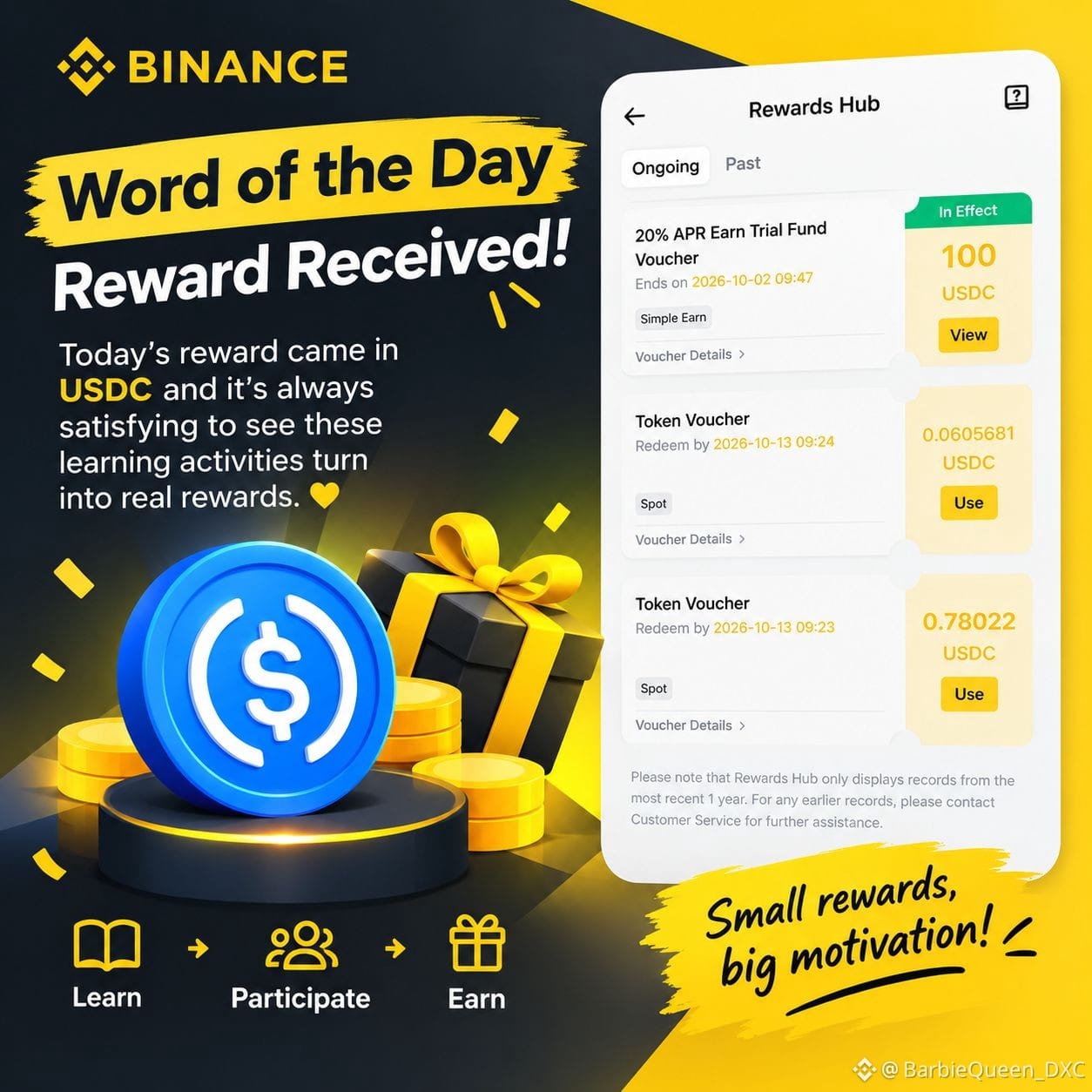
🎉 今日の単語の報酬を獲得しました!🎉
Binanceから、またちょっとうれしい成果が届きました!💰✨
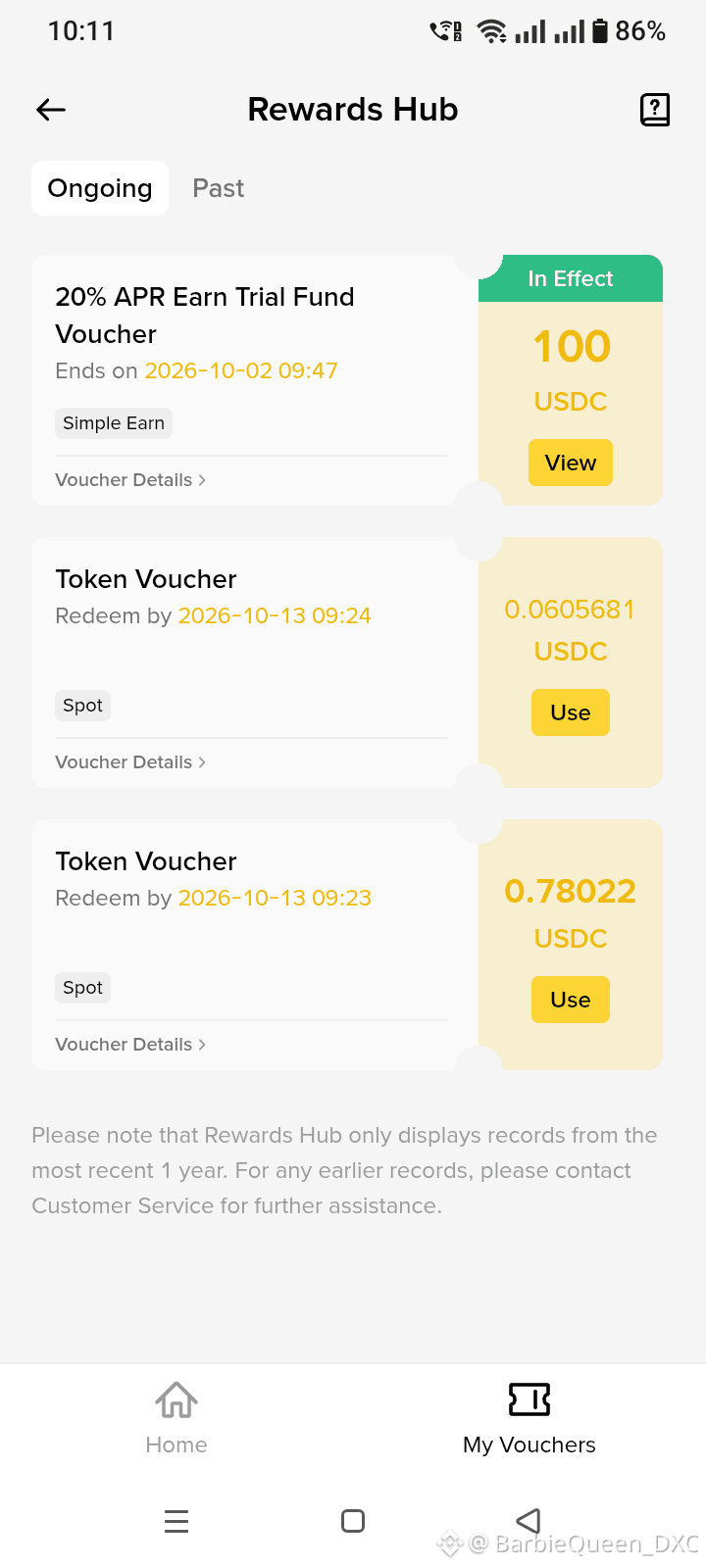
今日の報酬はUSDCでした。こうした学習アクティビティが実際の報酬につながるのを見ると、いつもうれしくなります。
少しずつ報酬を獲得し、継続して参加しながら学んでいきましょう。🚀
💵 報酬:USDC
🎁 今日の単語の報酬を獲得
📚 学ぶ → 参加する → 獲得する
小さな報酬も、積み重なれば大きな成果に!🔥
#BİNANCE #USDC✅ #WORDOFTHEDAY✅ #BinanceRewards #CryptoRewards
{future}(BNBUSDT)
🎉 今日の単語の報酬を獲得しました!🎉
Binanceから、またちょっとうれしい成果が届きました!💰✨
今日の報酬はUSDCでした。こうした学習アクティビティが実際の報酬につながるのを見ると、いつもうれしくなります。
少しずつ報酬を獲得し、継続して参加しながら学んでいきましょう。🚀
💵 報酬:USDC
🎁 今日の単語の報酬を獲得
📚 学ぶ → 参加する → 獲得する
小さな報酬も、積み重なれば大きな成果に!🔥
#BİNANCE #USDC✅ #WORDOFTHEDAY✅ #BinanceRewards #CryptoRewards
Binanceから、またちょっとうれしい成果が届きました!💰✨
今日の報酬はUSDCでした。こうした学習アクティビティが実際の報酬につながるのを見ると、いつもうれしくなります。
少しずつ報酬を獲得し、継続して参加しながら学んでいきましょう。🚀
💵 報酬:USDC
🎁 今日の単語の報酬を獲得
📚 学ぶ → 参加する → 獲得する
小さな報酬も、積み重なれば大きな成果に!🔥
#BİNANCE #USDC✅ #WORDOFTHEDAY✅ #BinanceRewards #CryptoRewards
34
·
--
ブリッシュ
市場分析とエンゲージメント
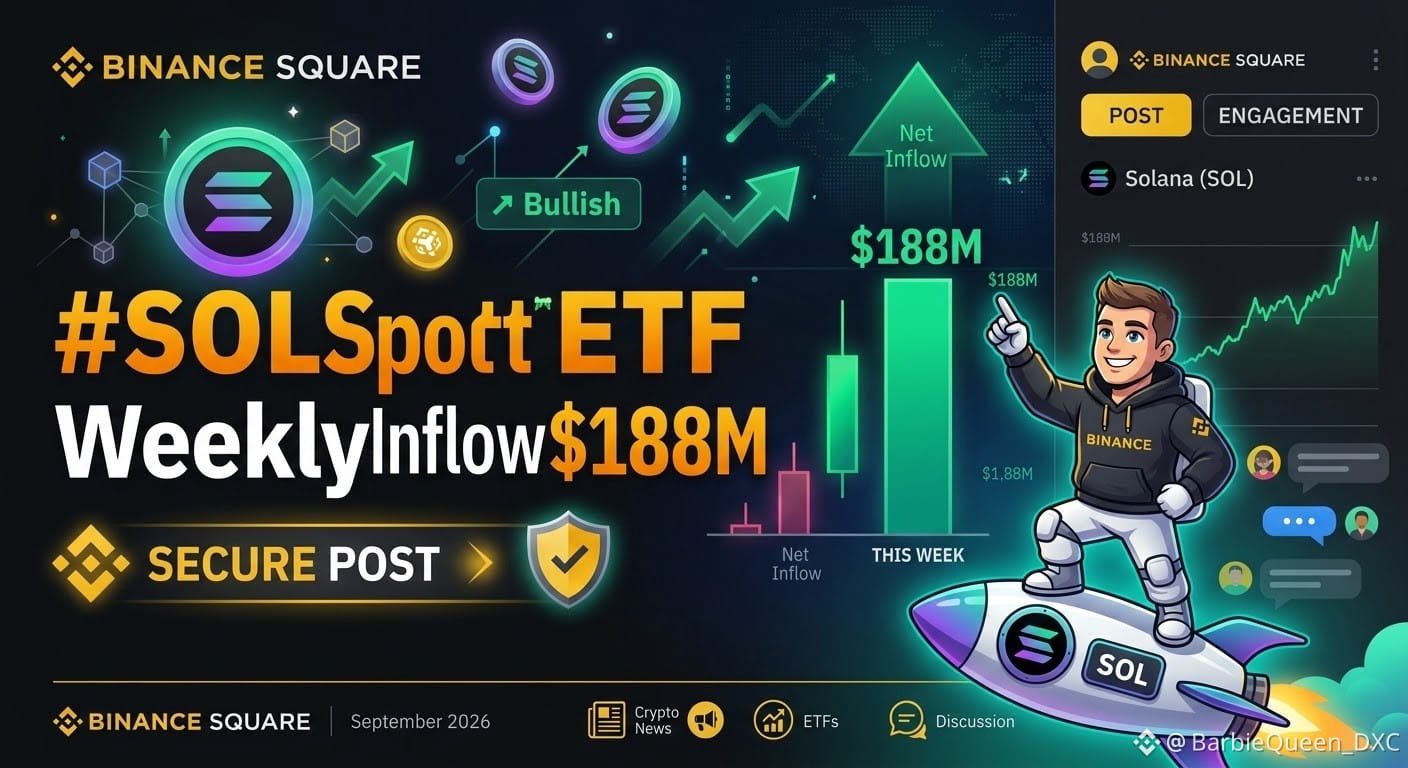
見出し:🚀 米国のSOL現物ETF、週間流入額が1億8,800万ドルに!
Solanaに対する機関投資家の意欲は衰えていません。SoSoValueの最新データによると、米国のSolana現物ETFには今週、純流入額で1億8,800万ドルが集まりました!
これが重要な理由:
1️⃣ 機関投資家の後押し:賢明な投資家は、規制された従来型金融のルートを通じて、引き続き$SOLを買い増しています。
2️⃣ 市場の強さ:週間流入額の大きさが、市場全体の変動時にも安定した資金面の支えとなります。
3️⃣ 供給の吸収:現物ETFによる継続的な買いが取引所で利用できる流動性を減らし、市場の供給を引き締めます。
💡 コミュニティへの質問:
現在の水準で$SOLを保有・買い増ししていますか?それとも、より明確な上昇の兆しを待っていますか?コメントで目標価格を教えてください!👇
#Solana #SolanaStrong #CryptoNews🔒📰🚫 #BinanceSquareFamily #ETFs
{spot}(SOLUSDT)
市場分析とエンゲージメント
見出し:🚀 米国のSOL現物ETF、週間流入額が1億8,800万ドルに!
Solanaに対する機関投資家の意欲は衰えていません。SoSoValueの最新データによると、米国のSolana現物ETFには今週、純流入額で1億8,800万ドルが集まりました!
これが重要な理由:
1️⃣ 機関投資家の後押し:賢明な投資家は、規制された従来型金融のルートを通じて、引き続き$SOLを買い増しています。
2️⃣ 市場の強さ:週間流入額の大きさが、市場全体の変動時にも安定した資金面の支えとなります。
3️⃣ 供給の吸収:現物ETFによる継続的な買いが取引所で利用できる流動性を減らし、市場の供給を引き締めます。
💡 コミュニティへの質問:
現在の水準で$SOLを保有・買い増ししていますか?それとも、より明確な上昇の兆しを待っていますか?コメントで目標価格を教えてください!👇
#Solana #SolanaStrong #CryptoNews🔒📰🚫 #BinanceSquareFamily #ETFs
見出し:🚀 米国のSOL現物ETF、週間流入額が1億8,800万ドルに!
Solanaに対する機関投資家の意欲は衰えていません。SoSoValueの最新データによると、米国のSolana現物ETFには今週、純流入額で1億8,800万ドルが集まりました!
これが重要な理由:
1️⃣ 機関投資家の後押し:賢明な投資家は、規制された従来型金融のルートを通じて、引き続き$SOLを買い増しています。
2️⃣ 市場の強さ:週間流入額の大きさが、市場全体の変動時にも安定した資金面の支えとなります。
3️⃣ 供給の吸収:現物ETFによる継続的な買いが取引所で利用できる流動性を減らし、市場の供給を引き締めます。
💡 コミュニティへの質問:
現在の水準で$SOLを保有・買い増ししていますか?それとも、より明確な上昇の兆しを待っていますか?コメントで目標価格を教えてください!👇
#Solana #SolanaStrong #CryptoNews🔒📰🚫 #BinanceSquareFamily #ETFs
109

·
--
弱気相場
{spot}(BTCUSDT)
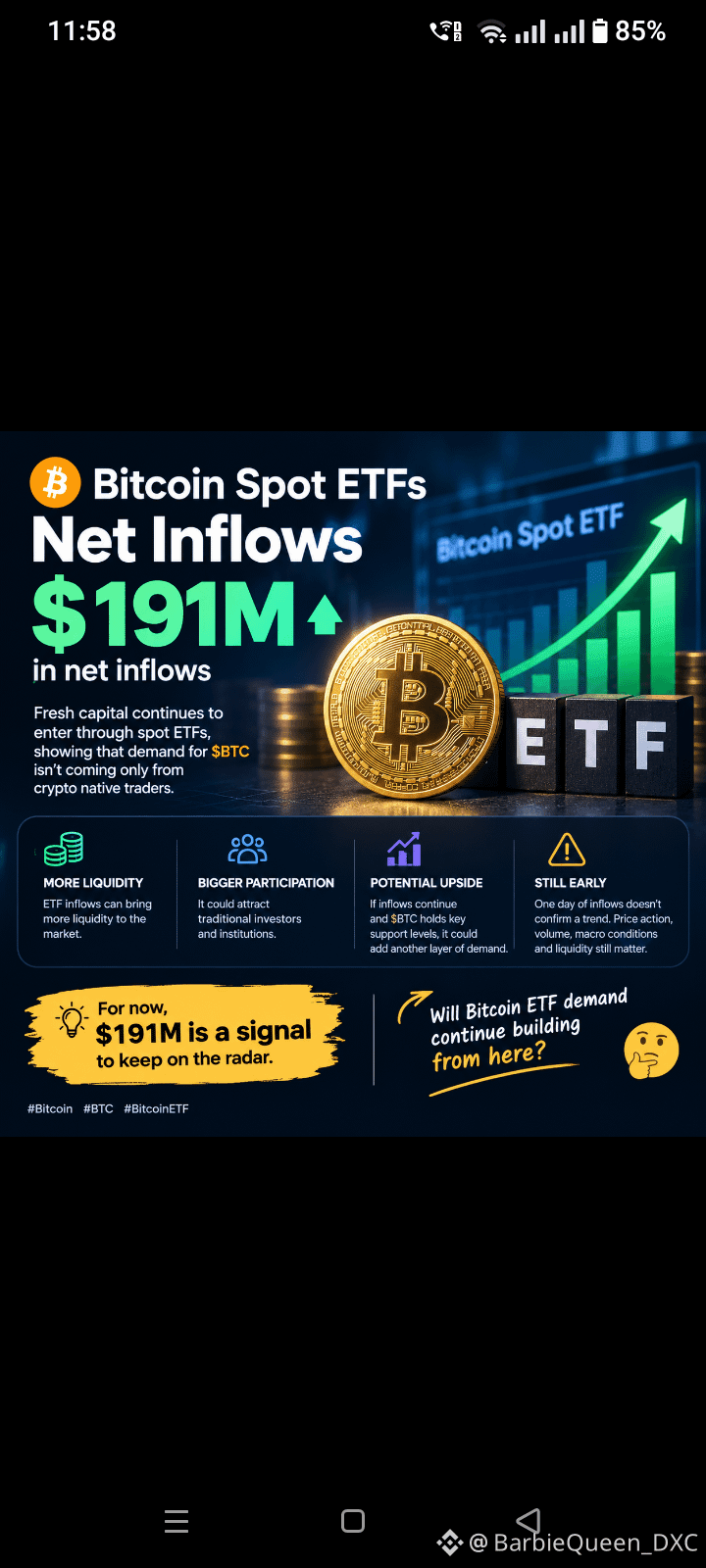
🚨 ビットコインの現物ETFが純流入 $191M を記録。💰
これは注目に値します。
現物ETFを通じて新たな資金が流入し続けており、$BTCへの需要が暗号ネイティブのトレーダーだけから来ているのではないことを示しています。
面白いのは次に何が起きるかです。
強いETFの流入が続き、ビットコインが重要なサポート水準を維持するなら、市場にもう一段の需要が上乗せされる可能性があります。ただし、流入が1日あっただけではトレンドは確定しません。値動き、出来高、そしてより広範な流動性は依然として重要です。
現時点で、$191Mは監視しておくべきシグナルです。👀
この先、ビットコインETFへの需要はさらに積み上がっていくのでしょうか?
#bitcoin #BTC #BitcoinETFs
🚨 ビットコインの現物ETFが純流入 $191M を記録。💰
これは注目に値します。
現物ETFを通じて新たな資金が流入し続けており、$BTCへの需要が暗号ネイティブのトレーダーだけから来ているのではないことを示しています。
面白いのは次に何が起きるかです。
強いETFの流入が続き、ビットコインが重要なサポート水準を維持するなら、市場にもう一段の需要が上乗せされる可能性があります。ただし、流入が1日あっただけではトレンドは確定しません。値動き、出来高、そしてより広範な流動性は依然として重要です。
現時点で、$191Mは監視しておくべきシグナルです。👀
この先、ビットコインETFへの需要はさらに積み上がっていくのでしょうか?
#bitcoin #BTC #BitcoinETFs
これは注目に値します。
現物ETFを通じて新たな資金が流入し続けており、$BTCへの需要が暗号ネイティブのトレーダーだけから来ているのではないことを示しています。
面白いのは次に何が起きるかです。
強いETFの流入が続き、ビットコインが重要なサポート水準を維持するなら、市場にもう一段の需要が上乗せされる可能性があります。ただし、流入が1日あっただけではトレンドは確定しません。値動き、出来高、そしてより広範な流動性は依然として重要です。
現時点で、$191Mは監視しておくべきシグナルです。👀
この先、ビットコインETFへの需要はさらに積み上がっていくのでしょうか?
#bitcoin #BTC #BitcoinETFs
100





·
--
弱気相場
#baby $BABY @babylonlabs_io
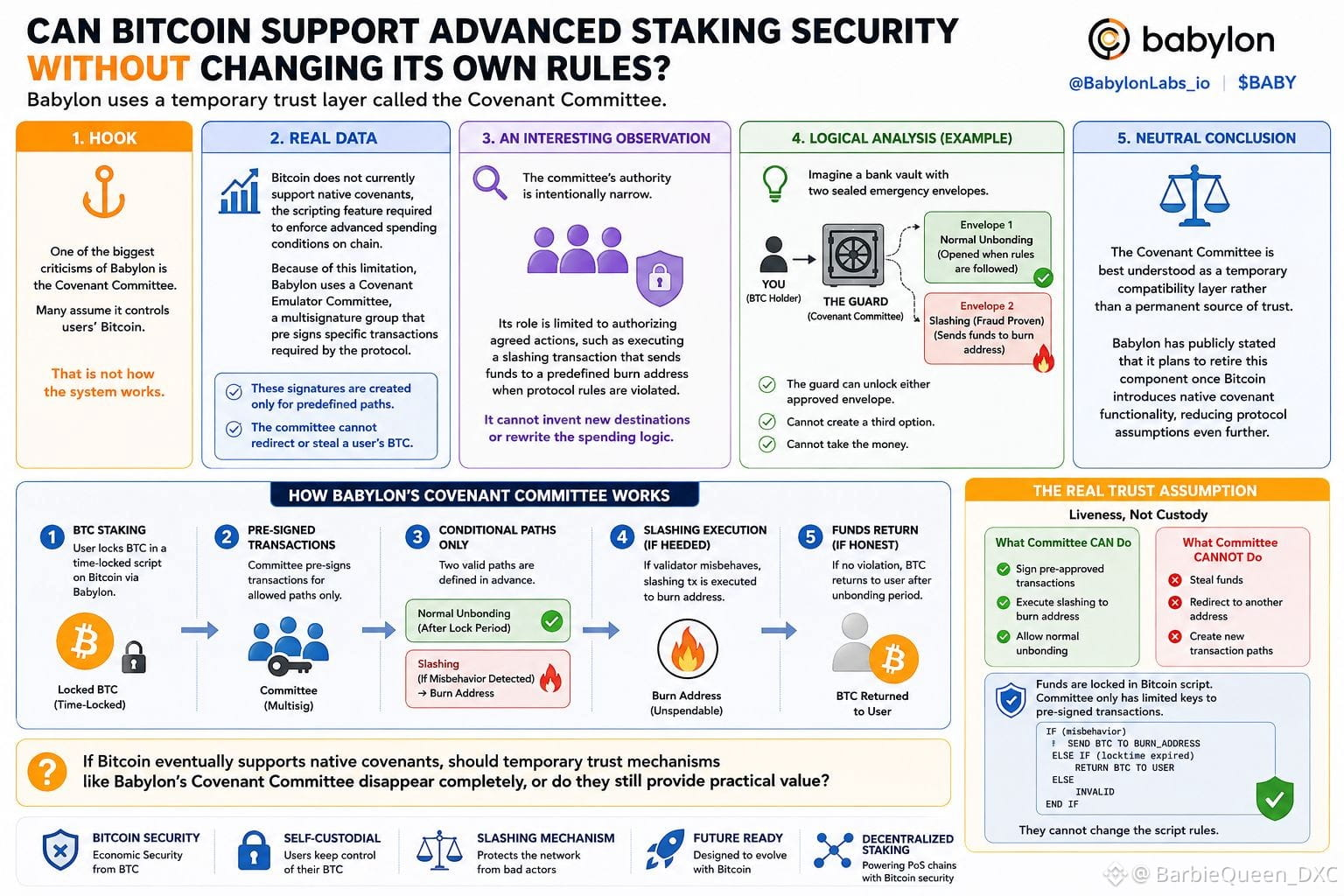
❓ビットコインは、自分自身のルールを変えずに高度なステーキングのセキュリティを支えられるのか?それとも一時的な信頼のレイヤーが必要なのか?
答えは、@babylonlabs_io が構築しているものの中心にあります。
🧩 フック
バビロンへの最大級の批判の1つは「コヴナント・コミッティ(誓約委員会)」です。多くの人が、これがユーザーのビットコインを支配していると想定しています。しかし、システムの仕組みはそうではありません。
📊 実データ
ビットコインは現在、ネイティブ・コヴナント(コヴナント)をサポートしていません。これは、手数料などの高度な支出条件を、チェーン上で直接強制するために必要なスクリプト機能です。
この制限のため、バビロンは「コヴナント・エミュレーター・コミッティ」を使います。これは、プロトコルで必要となる特定のトランザクションを事前署名するマルチシグのグループです。
重要なのは、これらの署名が事前に定義されたトランザクション経路に対してのみ作成されるという点です。委員会はユーザーのBTCを転用したり盗んだりすることはできません。
🔍 興味深い観察
委員会の権限は、意図的に狭いものです。
その役割は、たとえばプロトコル上のルールが破られたときに、あらかじめ定義されたバーンアドレスへ送金するスラッシング・トランザクションを実行するなど、合意された行為を承認することに限られています。
新しい行き先を作り出したり、支出ロジックを書き換えたりすることはできません。
⚙️ 論理分析
2つの封印された緊急用封筒がある銀行の金庫を想像してください。
1つの封筒は、所有者が通常どおり引き出したときにのみ開きます。
もう1つは、詐欺が立証されたときにのみ開きます。
警備員は、承認されたどちらかの封筒なら開けられますが、3つ目の選択肢を作ったり、お金を持ち去ったりはできません。
バビロンも同じ原則に従います。真の信頼前提は「保管(custody)」ではなく「稼働性(liveness)」です。理論上、委員会はアンボンド(解除)リクエストを遅らせたり、検閲したりする可能性はあります。
しかし、ビットコインを没収したり、好きに使ったりすることはできません。
この設計は、バビロンが恒久的な仲介者を望んでいるからではなく、今日のビットコインにネイティブ・コヴナントが欠けているために存在します。
📌 中立的な結論
コヴナント・コミッティは、恒久的な「信頼の源」ではなく、一時的な互換性レイヤーとして理解するのが最も適切です。
バビロンは、ビットコインがネイティブ・コヴナント機能を導入したら、このコンポーネントを削除する計画であることを公に述べています。これにより、プロトコル前提のさらなる低減が期待されます。
@babylonlabs_io $BABY
#baby $BABY @BabylonLabs_io
❓ビットコインは、自分自身のルールを変えずに高度なステーキングのセキュリティを支えられるのか?それとも一時的な信頼のレイヤーが必要なのか?
答えは、@BabylonLabs_io が構築しているものの中心にあります。
🧩 フック
バビロンへの最大級の批判の1つは「コヴナント・コミッティ(誓約委員会)」です。多くの人が、これがユーザーのビットコインを支配していると想定しています。しかし、システムの仕組みはそうではありません。
📊 実データ
ビットコインは現在、ネイティブ・コヴナント(コヴナント)をサポートしていません。これは、手数料などの高度な支出条件を、チェーン上で直接強制するために必要なスクリプト機能です。
この制限のため、バビロンは「コヴナント・エミュレーター・コミッティ」を使います。これは、プロトコルで必要となる特定のトランザクションを事前署名するマルチシグのグループです。
重要なのは、これらの署名が事前に定義されたトランザクション経路に対してのみ作成されるという点です。委員会はユーザーのBTCを転用したり盗んだりすることはできません。
🔍 興味深い観察
委員会の権限は、意図的に狭いものです。
その役割は、たとえばプロトコル上のルールが破られたときに、あらかじめ定義されたバーンアドレスへ送金するスラッシング・トランザクションを実行するなど、合意された行為を承認することに限られています。
新しい行き先を作り出したり、支出ロジックを書き換えたりすることはできません。
⚙️ 論理分析
2つの封印された緊急用封筒がある銀行の金庫を想像してください。
1つの封筒は、所有者が通常どおり引き出したときにのみ開きます。
もう1つは、詐欺が立証されたときにのみ開きます。
警備員は、承認されたどちらかの封筒なら開けられますが、3つ目の選択肢を作ったり、お金を持ち去ったりはできません。
バビロンも同じ原則に従います。真の信頼前提は「保管(custody)」ではなく「稼働性(liveness)」です。理論上、委員会はアンボンド(解除)リクエストを遅らせたり、検閲したりする可能性はあります。
しかし、ビットコインを没収したり、好きに使ったりすることはできません。
この設計は、バビロンが恒久的な仲介者を望んでいるからではなく、今日のビットコインにネイティブ・コヴナントが欠けているために存在します。
📌 中立的な結論
コヴナント・コミッティは、恒久的な「信頼の源」ではなく、一時的な互換性レイヤーとして理解するのが最も適切です。
バビロンは、ビットコインがネイティブ・コヴナント機能を導入したら、このコンポーネントを削除する計画であることを公に述べています。これにより、プロトコル前提のさらなる低減が期待されます。
@BabylonLabs_io $BABY
❓ビットコインは、自分自身のルールを変えずに高度なステーキングのセキュリティを支えられるのか?それとも一時的な信頼のレイヤーが必要なのか?
答えは、@BabylonLabs_io が構築しているものの中心にあります。
🧩 フック
バビロンへの最大級の批判の1つは「コヴナント・コミッティ(誓約委員会)」です。多くの人が、これがユーザーのビットコインを支配していると想定しています。しかし、システムの仕組みはそうではありません。
📊 実データ
ビットコインは現在、ネイティブ・コヴナント(コヴナント)をサポートしていません。これは、手数料などの高度な支出条件を、チェーン上で直接強制するために必要なスクリプト機能です。
この制限のため、バビロンは「コヴナント・エミュレーター・コミッティ」を使います。これは、プロトコルで必要となる特定のトランザクションを事前署名するマルチシグのグループです。
重要なのは、これらの署名が事前に定義されたトランザクション経路に対してのみ作成されるという点です。委員会はユーザーのBTCを転用したり盗んだりすることはできません。
🔍 興味深い観察
委員会の権限は、意図的に狭いものです。
その役割は、たとえばプロトコル上のルールが破られたときに、あらかじめ定義されたバーンアドレスへ送金するスラッシング・トランザクションを実行するなど、合意された行為を承認することに限られています。
新しい行き先を作り出したり、支出ロジックを書き換えたりすることはできません。
⚙️ 論理分析
2つの封印された緊急用封筒がある銀行の金庫を想像してください。
1つの封筒は、所有者が通常どおり引き出したときにのみ開きます。
もう1つは、詐欺が立証されたときにのみ開きます。
警備員は、承認されたどちらかの封筒なら開けられますが、3つ目の選択肢を作ったり、お金を持ち去ったりはできません。
バビロンも同じ原則に従います。真の信頼前提は「保管(custody)」ではなく「稼働性(liveness)」です。理論上、委員会はアンボンド(解除)リクエストを遅らせたり、検閲したりする可能性はあります。
しかし、ビットコインを没収したり、好きに使ったりすることはできません。
この設計は、バビロンが恒久的な仲介者を望んでいるからではなく、今日のビットコインにネイティブ・コヴナントが欠けているために存在します。
📌 中立的な結論
コヴナント・コミッティは、恒久的な「信頼の源」ではなく、一時的な互換性レイヤーとして理解するのが最も適切です。
バビロンは、ビットコインがネイティブ・コヴナント機能を導入したら、このコンポーネントを削除する計画であることを公に述べています。これにより、プロトコル前提のさらなる低減が期待されます。
@BabylonLabs_io $BABY
2
1
126
ログインして、さらにコンテンツを読む
厳選トピックで世界の暗号資産トレーダーの仲間入り
⚡️ 暗号資産に関する最新かつ有益な情報が見つかります。
💬 世界最大の暗号資産取引所から信頼されています。
👍 認証を受けたクリエイターから、有益なインサイトを得られます。
メール / 電話番号