

Lady Bee 1
49 投稿

Lady Bee 1
報告
ユーザーをブロック
0 フォロー
0 フォロワー
1 いいね
投稿
·
--
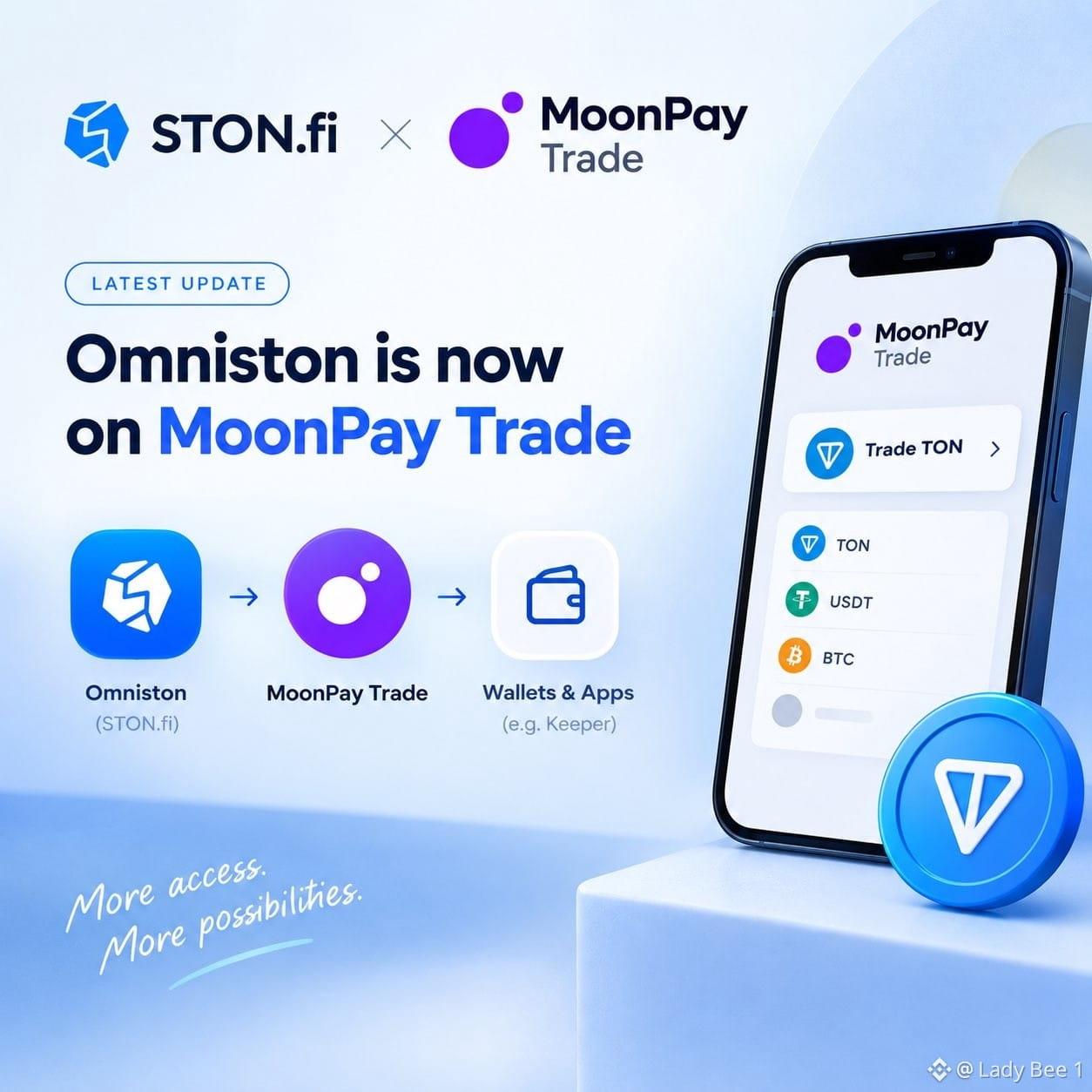
あなたのウォレットが、流動性がどこから来ているかを考えなくても $TON へのアクセスをあなたに提供できるとしたら?
それこそが、STON.fi が MoonPay Trade と行った最新の統合が興味深い理由です。
Omniston は現在 MoonPay Trade に統合されており、この統合を通じてウォレットやアプリが TON 取引インフラにアクセスできるようになりました。
重要なのは、単なる提携そのものではありません。
その裏で起きていることです。
ウォレットは、TON の流動性やルーティング用インフラをゼロから自分で構築しなくても、TON 取引を提供できる可能性があります。
ユーザーは、取引したいものを選びます。
Omniston が、その複雑な実行を裏側で取り扱います。
そのため Omniston は、STON.fi 上の単なるスワップ機能以上の存在になります。
他のアプリが利用できるインフラとして、TON 取引をユーザーにより近づけていくことにつながります。
そして今、より大きな問いがあります。
これらの統合によって、オンチェーン上でどれほど $TON のアクティビティが実際に増えるのか?
それを私は注視していきます。
#STONfi #DeFi #MarketAnalysis #BTC
あなたのウォレットが、流動性がどこから来ているかを考えなくても $TON へのアクセスをあなたに提供できるとしたら?
それこそが、STON.fi が MoonPay Trade と行った最新の統合が興味深い理由です。
Omniston は現在 MoonPay Trade に統合されており、この統合を通じてウォレットやアプリが TON 取引インフラにアクセスできるようになりました。
重要なのは、単なる提携そのものではありません。
その裏で起きていることです。
ウォレットは、TON の流動性やルーティング用インフラをゼロから自分で構築しなくても、TON 取引を提供できる可能性があります。
ユーザーは、取引したいものを選びます。
Omniston が、その複雑な実行を裏側で取り扱います。
そのため Omniston は、STON.fi 上の単なるスワップ機能以上の存在になります。
他のアプリが利用できるインフラとして、TON 取引をユーザーにより近づけていくことにつながります。
そして今、より大きな問いがあります。
これらの統合によって、オンチェーン上でどれほど $TON のアクティビティが実際に増えるのか?
それを私は注視していきます。
#STONfi #DeFi #MarketAnalysis #BTC
それこそが、STON.fi が MoonPay Trade と行った最新の統合が興味深い理由です。
Omniston は現在 MoonPay Trade に統合されており、この統合を通じてウォレットやアプリが TON 取引インフラにアクセスできるようになりました。
重要なのは、単なる提携そのものではありません。
その裏で起きていることです。
ウォレットは、TON の流動性やルーティング用インフラをゼロから自分で構築しなくても、TON 取引を提供できる可能性があります。
ユーザーは、取引したいものを選びます。
Omniston が、その複雑な実行を裏側で取り扱います。
そのため Omniston は、STON.fi 上の単なるスワップ機能以上の存在になります。
他のアプリが利用できるインフラとして、TON 取引をユーザーにより近づけていくことにつながります。
そして今、より大きな問いがあります。
これらの統合によって、オンチェーン上でどれほど $TON のアクティビティが実際に増えるのか?
それを私は注視していきます。
#STONfi #DeFi #MarketAnalysis #BTC
56
·
--
USDTはUSDTですよね?
でも裏側を見ると話が変わります。
$TRXの$USDTと、$TONのUSDTは同じティッカーを共有していますが、別々のネットワークネイティブ資産です。そのため、それらの間の移動は単なるトークン送金ではなく、クロスチェーンのスワップです。
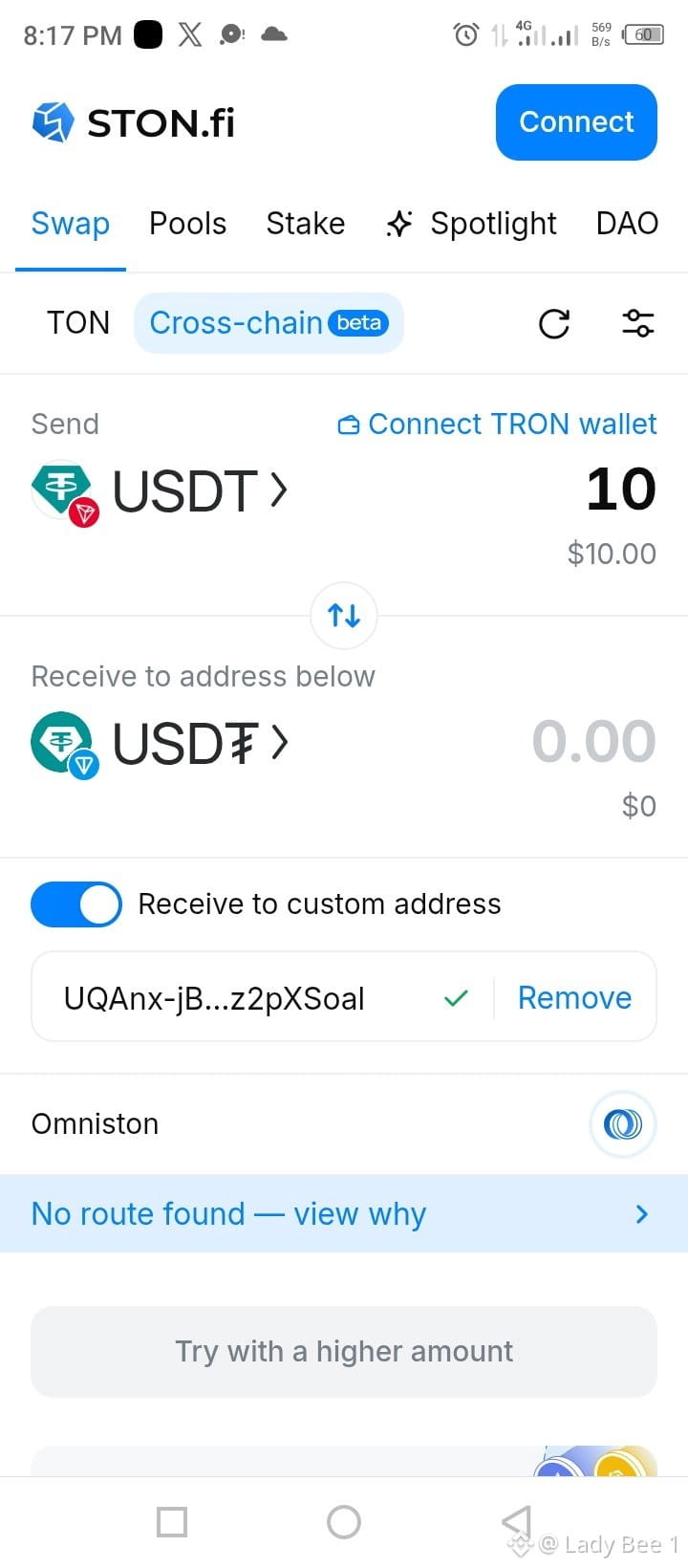
@ston_fiでTRON → TONのUSDTスワップを3つの異なる金額で試しました:
► 10 USDT:ルートが見つかりませんでした
► 25 USDT:見積もりは出ましたが、実行はブロックされました
► 200 USDT:見積もりは改善しましたが、それでもブロックされました
一見すると、失敗したスワップのように見えるかもしれません。
しかし、もっと面白い示唆があります。
金額が重要です。
クロスチェーンの流動性は固定ではありません。
10 USDTでは経済的に成立しないルートでも、より高い金額では利用可能になることがあります。流動性、ソルバーの経済性、手数料、そして取引規模に応じて実行条件が変わり得るからです。
さらに、見積もりが存在しても、それが必ず実行できることを意味するとは限りません。
重要な違いはここです:
見積もり ≠ 計画どおりの確実な実行。
クロスチェーンのアグリゲーターは潜在的なルートを見つけられますが、そのルートが清算(決済)に必要な条件を満たしている必要があります。
だから、表示されている価格だけを確認しても不十分です。
ネットワークをまたいでスワップする際に、本当に評価しているのは次の3点です:
1. ルートの利用可能性
2つの資産の間に経路を見つけられるか?
2. 実行の経済性
利用可能な流動性とルートに対して、取引サイズは妥当か?
3. 決済条件
そのルートは、現在の条件下で実際に実行できるか?
私の小さなテストは、クロスチェーン・スワップが単純に
USDTを送って→USDTを受け取る
だけではないことを思い出させてくれました。
その下では、完全な実行レイヤーが動いています。
そして入力する金額によって、そのレイヤーが実際に提供できる内容が変わり得ます。
#STONfi #BTC #Macro
USDTはUSDTですよね?
でも裏側を見ると話が変わります。
$TRXの$USDTと、$TONのUSDTは同じティッカーを共有していますが、別々のネットワークネイティブ資産です。そのため、それらの間の移動は単なるトークン送金ではなく、クロスチェーンのスワップです。
@ston_fiでTRON → TONのUSDTスワップを3つの異なる金額で試しました:
► 10 USDT:ルートが見つかりませんでした
► 25 USDT:見積もりは出ましたが、実行はブロックされました
► 200 USDT:見積もりは改善しましたが、それでもブロックされました
一見すると、失敗したスワップのように見えるかもしれません。
しかし、もっと面白い示唆があります。
金額が重要です。
クロスチェーンの流動性は固定ではありません。
10 USDTでは経済的に成立しないルートでも、より高い金額では利用可能になることがあります。流動性、ソルバーの経済性、手数料、そして取引規模に応じて実行条件が変わり得るからです。
さらに、見積もりが存在しても、それが必ず実行できることを意味するとは限りません。
重要な違いはここです:
見積もり ≠ 計画どおりの確実な実行。
クロスチェーンのアグリゲーターは潜在的なルートを見つけられますが、そのルートが清算(決済)に必要な条件を満たしている必要があります。
だから、表示されている価格だけを確認しても不十分です。
ネットワークをまたいでスワップする際に、本当に評価しているのは次の3点です:
1. ルートの利用可能性
2つの資産の間に経路を見つけられるか?
2. 実行の経済性
利用可能な流動性とルートに対して、取引サイズは妥当か?
3. 決済条件
そのルートは、現在の条件下で実際に実行できるか?
私の小さなテストは、クロスチェーン・スワップが単純に
USDTを送って→USDTを受け取る
だけではないことを思い出させてくれました。
その下では、完全な実行レイヤーが動いています。
そして入力する金額によって、そのレイヤーが実際に提供できる内容が変わり得ます。
#STONfi #BTC #Macro
でも裏側を見ると話が変わります。
$TRXの$USDTと、$TONのUSDTは同じティッカーを共有していますが、別々のネットワークネイティブ資産です。そのため、それらの間の移動は単なるトークン送金ではなく、クロスチェーンのスワップです。
@ston_fiでTRON → TONのUSDTスワップを3つの異なる金額で試しました:
► 10 USDT:ルートが見つかりませんでした
► 25 USDT:見積もりは出ましたが、実行はブロックされました
► 200 USDT:見積もりは改善しましたが、それでもブロックされました
一見すると、失敗したスワップのように見えるかもしれません。
しかし、もっと面白い示唆があります。
金額が重要です。
クロスチェーンの流動性は固定ではありません。
10 USDTでは経済的に成立しないルートでも、より高い金額では利用可能になることがあります。流動性、ソルバーの経済性、手数料、そして取引規模に応じて実行条件が変わり得るからです。
さらに、見積もりが存在しても、それが必ず実行できることを意味するとは限りません。
重要な違いはここです:
見積もり ≠ 計画どおりの確実な実行。
クロスチェーンのアグリゲーターは潜在的なルートを見つけられますが、そのルートが清算(決済)に必要な条件を満たしている必要があります。
だから、表示されている価格だけを確認しても不十分です。
ネットワークをまたいでスワップする際に、本当に評価しているのは次の3点です:
1. ルートの利用可能性
2つの資産の間に経路を見つけられるか?
2. 実行の経済性
利用可能な流動性とルートに対して、取引サイズは妥当か?
3. 決済条件
そのルートは、現在の条件下で実際に実行できるか?
私の小さなテストは、クロスチェーン・スワップが単純に
USDTを送って→USDTを受け取る
だけではないことを思い出させてくれました。
その下では、完全な実行レイヤーが動いています。
そして入力する金額によって、そのレイヤーが実際に提供できる内容が変わり得ます。
#STONfi #BTC #Macro
71
·
--
🌐 ArcがSTON.fiのクロスチェーン・ネットワークに参加
別のネットワークが、STON.fiのクロスチェーン基盤に接続されました。
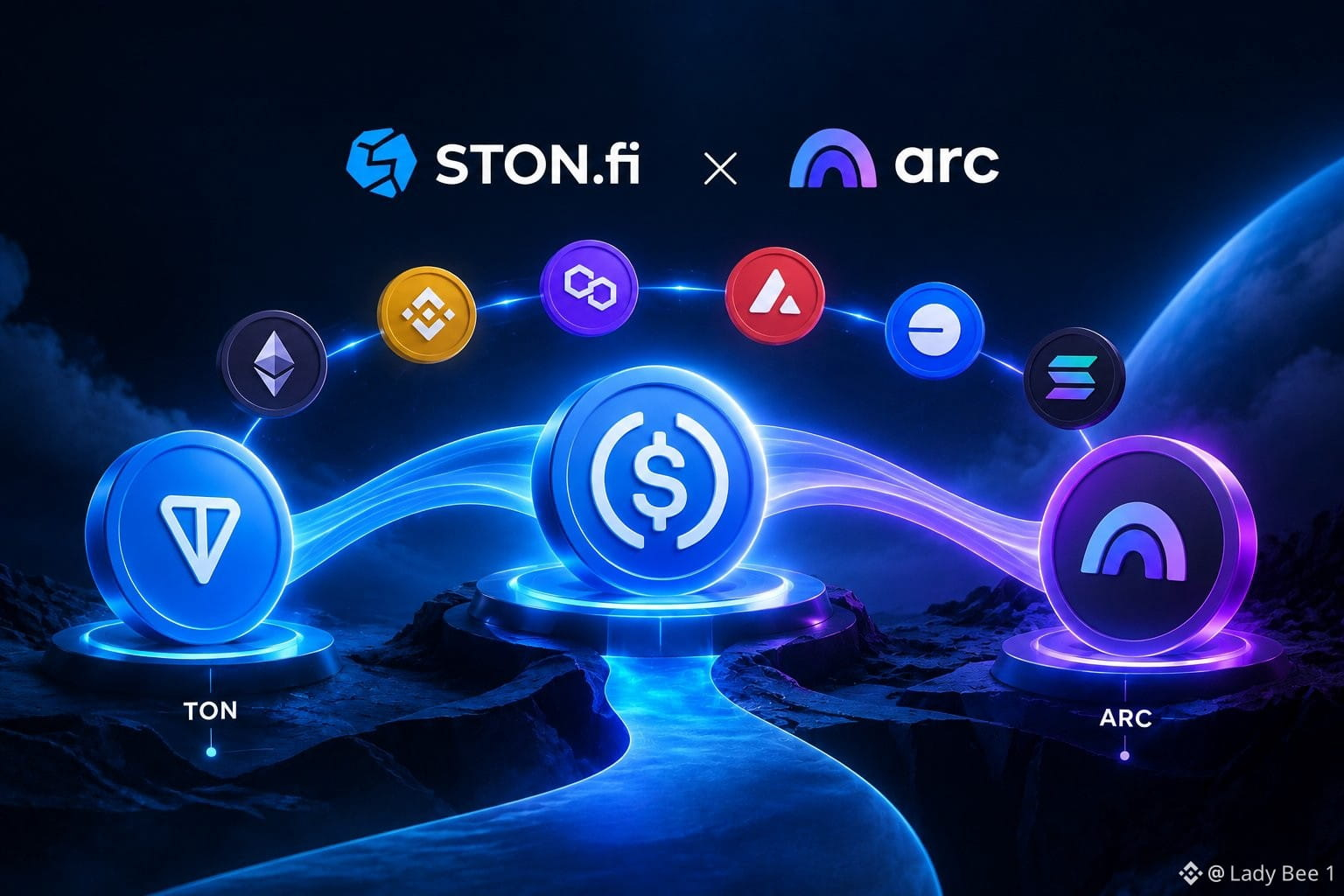
ArcはSTON.fiで稼働中です。
$ARC は、ステーブルコインをベースにした金融活動のために設計された、EVM互換のレイヤー1であり、ネイティブのガストークンとしてUSDCが使用されます。
Arc対応により、ユーザーはSTON.fiのクロスチェーン・インターフェースを通じて、Arc、TON、そして他の接続ネットワーク間でサポートされるUSDC流動性をスワップできます。
注目すべきは、その“裏側”で起きることです。
Omnistonがクロスチェーン実行を担います。
Omnistonは、異なるブロックチェーン間で見積もりと決済を調整する、リゾルバーベースの実行レイヤーとしてSTON.fiによって構築されました。クロスチェーンのモデルでは、資産のラップ表現を単にネットワーク間で移動するだけではなく、原子的な決済のためにペアのHashed Timelock Contracts(HTLC)を用います。
つまり、ユーザー体験はシンプルに保てます:
持っているものを選ぶ → 欲しいものを選ぶ → ルートはインフラに任せる。
Arcが加わったことで、STON.fiのクロスチェーン・ネットワークは、$GRAM 、$ETH m、$BNB Chain、Base、Avalanche、Arbitrum、Polygon、TRON、Robinhood Chain、X Layer、そしてArcを含む複数のエコシステムにまたがるようになりました。
DeFiユーザーにとって大きなテーマは、流動性の断片化です。
資産はさまざまなネットワークに分散しており、一方でユーザーが求める機会は別の場所に存在することがあります。
それらのエコシステムをつなぐことで、摩擦の1層を減らせます。
⚠️ Arcのトランザクションは、STON.fiが提供したロールアウト詳細に基づき、現在は1トランザクションあたり初期$1,000の上限が適用されます。
いつも通り、スワップする前に、サポートされている資産、制限、ルートを確認してください。
🔗 STON.fi Cross-Chain Swを試す
#STONfi #Arc #BTC Price Analysis# #Macro Insights#
🌐 ArcがSTON.fiのクロスチェーン・ネットワークに参加
別のネットワークが、STON.fiのクロスチェーン基盤に接続されました。
ArcはSTON.fiで稼働中です。
$ARC は、ステーブルコインをベースにした金融活動のために設計された、EVM互換のレイヤー1であり、ネイティブのガストークンとしてUSDCが使用されます。
Arc対応により、ユーザーはSTON.fiのクロスチェーン・インターフェースを通じて、Arc、TON、そして他の接続ネットワーク間でサポートされるUSDC流動性をスワップできます。
注目すべきは、その“裏側”で起きることです。
Omnistonがクロスチェーン実行を担います。
Omnistonは、異なるブロックチェーン間で見積もりと決済を調整する、リゾルバーベースの実行レイヤーとしてSTON.fiによって構築されました。クロスチェーンのモデルでは、資産のラップ表現を単にネットワーク間で移動するだけではなく、原子的な決済のためにペアのHashed Timelock Contracts(HTLC)を用います。
つまり、ユーザー体験はシンプルに保てます:
持っているものを選ぶ → 欲しいものを選ぶ → ルートはインフラに任せる。
Arcが加わったことで、STON.fiのクロスチェーン・ネットワークは、$GRAM 、$ETH m、$BNB Chain、Base、Avalanche、Arbitrum、Polygon、TRON、Robinhood Chain、X Layer、そしてArcを含む複数のエコシステムにまたがるようになりました。
DeFiユーザーにとって大きなテーマは、流動性の断片化です。
資産はさまざまなネットワークに分散しており、一方でユーザーが求める機会は別の場所に存在することがあります。
それらのエコシステムをつなぐことで、摩擦の1層を減らせます。
⚠️ Arcのトランザクションは、STON.fiが提供したロールアウト詳細に基づき、現在は1トランザクションあたり初期$1,000の上限が適用されます。
いつも通り、スワップする前に、サポートされている資産、制限、ルートを確認してください。
🔗 STON.fi Cross-Chain Swを試す
#STONfi #Arc #BTC Price Analysis# #Macro Insights#
別のネットワークが、STON.fiのクロスチェーン基盤に接続されました。
ArcはSTON.fiで稼働中です。
$ARC は、ステーブルコインをベースにした金融活動のために設計された、EVM互換のレイヤー1であり、ネイティブのガストークンとしてUSDCが使用されます。
Arc対応により、ユーザーはSTON.fiのクロスチェーン・インターフェースを通じて、Arc、TON、そして他の接続ネットワーク間でサポートされるUSDC流動性をスワップできます。
注目すべきは、その“裏側”で起きることです。
Omnistonがクロスチェーン実行を担います。
Omnistonは、異なるブロックチェーン間で見積もりと決済を調整する、リゾルバーベースの実行レイヤーとしてSTON.fiによって構築されました。クロスチェーンのモデルでは、資産のラップ表現を単にネットワーク間で移動するだけではなく、原子的な決済のためにペアのHashed Timelock Contracts(HTLC)を用います。
つまり、ユーザー体験はシンプルに保てます:
持っているものを選ぶ → 欲しいものを選ぶ → ルートはインフラに任せる。
Arcが加わったことで、STON.fiのクロスチェーン・ネットワークは、$GRAM 、$ETH m、$BNB Chain、Base、Avalanche、Arbitrum、Polygon、TRON、Robinhood Chain、X Layer、そしてArcを含む複数のエコシステムにまたがるようになりました。
DeFiユーザーにとって大きなテーマは、流動性の断片化です。
資産はさまざまなネットワークに分散しており、一方でユーザーが求める機会は別の場所に存在することがあります。
それらのエコシステムをつなぐことで、摩擦の1層を減らせます。
⚠️ Arcのトランザクションは、STON.fiが提供したロールアウト詳細に基づき、現在は1トランザクションあたり初期$1,000の上限が適用されます。
いつも通り、スワップする前に、サポートされている資産、制限、ルートを確認してください。
🔗 STON.fi Cross-Chain Swを試す
#STONfi #Arc #BTC Price Analysis# #Macro Insights#
65
·
--
🚀 1日で$150K:Omnistonが新たなマイルストーンを達成
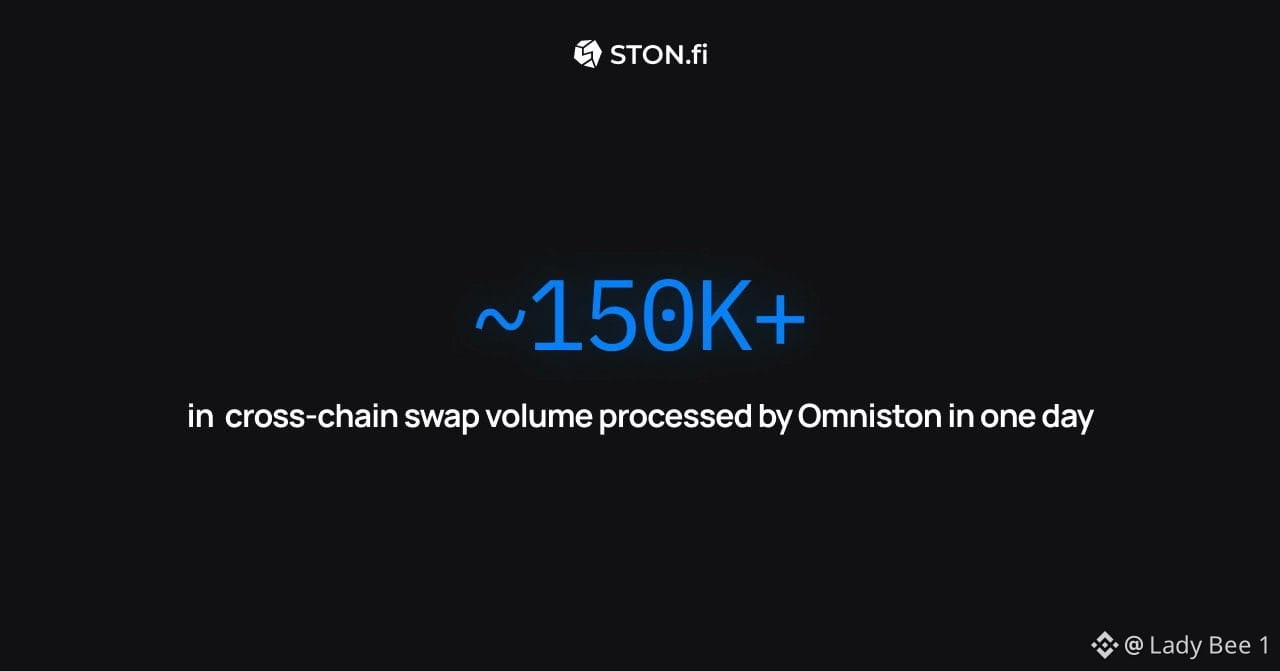
8月25日、STON.fiのクロスチェーン実行レイヤーであるOmnistonは、1日で約$150Kのスワップ出来高を処理しました。
$150Kは、暗号資産全体の市場規模と比べると小さく見えるかもしれません。
しかし、より興味深いのはその出来高が示すものです。
暗号資産の流動性は、いまもチェーンごとに分断されたままです。
$USDTはあるネットワークに存在し、$USDCは別のネットワークに置かれている一方で、あなたが求めるDeFiの機会は別の場所にあるかもしれません。
流動性はそこにあります。
それを効率よく動かすことが課題です。
そこでOmnistonが登場します。
ユーザーが複雑な複数チェーン、ブリッジ、流動性ルートを自分でたどる必要はありません。Omnistonは、インターフェースの下でクロスチェーンのスワップを調整するよう設計されています。
ユーザーは持っているものを選びます。
そして、欲しいものを選びます。
インフラがクロスチェーンの実行を担います。
そして今、測定可能な活動が見えてきています。
日次出来高$150Kは、ユーザーが実際にシステムとやり取りしていることを意味します。
スワップが行われています。
ルートが使われています。
流動性がエコシステム間を移動しています。
この利用が重要なのは、実際の稼働によって、需要がどこにあるのか、そしてインフラがどこを改善できるのかを理解するためのデータが生まれるからです。
とはいえ、このマイルストーンはあくまで目線の置き方が大事です。
$150Kは、クロスチェーンDeFiが解決されたことを意味しません。
それは、インフラが実際に使われているということです。
本当の試金石は次に起きることです:
Omnistonは出来高を伸ばし続けられるのか?
より深い流動性を引き付けられるのか?
クロスチェーンのスワップをますますシームレスにできるのか?
注目すべきポイントはそこです。 #STONfi #USDT #BTC
🚀 1日で$150K:Omnistonが新たなマイルストーンを達成
8月25日、STON.fiのクロスチェーン実行レイヤーであるOmnistonは、1日で約$150Kのスワップ出来高を処理しました。
$150Kは、暗号資産全体の市場規模と比べると小さく見えるかもしれません。
しかし、より興味深いのはその出来高が示すものです。
暗号資産の流動性は、いまもチェーンごとに分断されたままです。
$USDTはあるネットワークに存在し、$USDCは別のネットワークに置かれている一方で、あなたが求めるDeFiの機会は別の場所にあるかもしれません。
流動性はそこにあります。
それを効率よく動かすことが課題です。
そこでOmnistonが登場します。
ユーザーが複雑な複数チェーン、ブリッジ、流動性ルートを自分でたどる必要はありません。Omnistonは、インターフェースの下でクロスチェーンのスワップを調整するよう設計されています。
ユーザーは持っているものを選びます。
そして、欲しいものを選びます。
インフラがクロスチェーンの実行を担います。
そして今、測定可能な活動が見えてきています。
日次出来高$150Kは、ユーザーが実際にシステムとやり取りしていることを意味します。
スワップが行われています。
ルートが使われています。
流動性がエコシステム間を移動しています。
この利用が重要なのは、実際の稼働によって、需要がどこにあるのか、そしてインフラがどこを改善できるのかを理解するためのデータが生まれるからです。
とはいえ、このマイルストーンはあくまで目線の置き方が大事です。
$150Kは、クロスチェーンDeFiが解決されたことを意味しません。
それは、インフラが実際に使われているということです。
本当の試金石は次に起きることです:
Omnistonは出来高を伸ばし続けられるのか?
より深い流動性を引き付けられるのか?
クロスチェーンのスワップをますますシームレスにできるのか?
注目すべきポイントはそこです。 #STONfi #USDT #BTC
8月25日、STON.fiのクロスチェーン実行レイヤーであるOmnistonは、1日で約$150Kのスワップ出来高を処理しました。
$150Kは、暗号資産全体の市場規模と比べると小さく見えるかもしれません。
しかし、より興味深いのはその出来高が示すものです。
暗号資産の流動性は、いまもチェーンごとに分断されたままです。
$USDTはあるネットワークに存在し、$USDCは別のネットワークに置かれている一方で、あなたが求めるDeFiの機会は別の場所にあるかもしれません。
流動性はそこにあります。
それを効率よく動かすことが課題です。
そこでOmnistonが登場します。
ユーザーが複雑な複数チェーン、ブリッジ、流動性ルートを自分でたどる必要はありません。Omnistonは、インターフェースの下でクロスチェーンのスワップを調整するよう設計されています。
ユーザーは持っているものを選びます。
そして、欲しいものを選びます。
インフラがクロスチェーンの実行を担います。
そして今、測定可能な活動が見えてきています。
日次出来高$150Kは、ユーザーが実際にシステムとやり取りしていることを意味します。
スワップが行われています。
ルートが使われています。
流動性がエコシステム間を移動しています。
この利用が重要なのは、実際の稼働によって、需要がどこにあるのか、そしてインフラがどこを改善できるのかを理解するためのデータが生まれるからです。
とはいえ、このマイルストーンはあくまで目線の置き方が大事です。
$150Kは、クロスチェーンDeFiが解決されたことを意味しません。
それは、インフラが実際に使われているということです。
本当の試金石は次に起きることです:
Omnistonは出来高を伸ばし続けられるのか?
より深い流動性を引き付けられるのか?
クロスチェーンのスワップをますますシームレスにできるのか?
注目すべきポイントはそこです。 #STONfi #USDT #BTC
85
·
--
Hyperliquidの先物(Perps)はWenLongとOmnistonを通じてTelegramに登場
Telegramを通じて、恒久先物(パーペチュアル・フューチャーズ)がより手軽に利用できるようになっています。WenLongがHyperliquidの取引をアプリに取り込み、Omnistonがチェーンをまたぐ資産移動を担当します。
仕組みは以下の通りです:
WenLongにより、Telegram上から$GRAM に保有されている資産を使って、レバレッジのかかった恒久先物にアクセスできます。
裏側では、Omnistonがクロスチェーンのスワップを処理し、TON上のUSDTをArbitrum上の$USDC に変換した上で、その資金をHyperliquidへの入金に向けてルーティングします。
注目すべきは、この抽象化です。ユーザーはチェーンをまたぐ手順を手作業で管理する必要がありません。インフラがその部分を担い、アプリは取引体験に集中できます。
これは、クロスチェーン・インフラが複雑なブロックチェーン操作を、通常のアプリのフローのように感じさせ得ることを示しています。
Telegramが暗号資産の主要な入口としてさらに重要になっていく中で、このような連携は、マルチチェーン取引を日常のユーザーにとってより身近なものにする可能性があります。
いつも通りですが、サードパーティのアプリケーションにはそれぞれ独自のリスクがあるため、操作する前に各自で調べてください。 #STONfi #TON ecosystem, here to discover the latest projects# #BTC
Hyperliquidの先物(Perps)はWenLongとOmnistonを通じてTelegramに登場
Telegramを通じて、恒久先物(パーペチュアル・フューチャーズ)がより手軽に利用できるようになっています。WenLongがHyperliquidの取引をアプリに取り込み、Omnistonがチェーンをまたぐ資産移動を担当します。
仕組みは以下の通りです:
WenLongにより、Telegram上から$GRAM に保有されている資産を使って、レバレッジのかかった恒久先物にアクセスできます。
裏側では、Omnistonがクロスチェーンのスワップを処理し、TON上のUSDTをArbitrum上の$USDC に変換した上で、その資金をHyperliquidへの入金に向けてルーティングします。
注目すべきは、この抽象化です。ユーザーはチェーンをまたぐ手順を手作業で管理する必要がありません。インフラがその部分を担い、アプリは取引体験に集中できます。
これは、クロスチェーン・インフラが複雑なブロックチェーン操作を、通常のアプリのフローのように感じさせ得ることを示しています。
Telegramが暗号資産の主要な入口としてさらに重要になっていく中で、このような連携は、マルチチェーン取引を日常のユーザーにとってより身近なものにする可能性があります。
いつも通りですが、サードパーティのアプリケーションにはそれぞれ独自のリスクがあるため、操作する前に各自で調べてください。 #STONfi #TON ecosystem, here to discover the latest projects# #BTC
Telegramを通じて、恒久先物(パーペチュアル・フューチャーズ)がより手軽に利用できるようになっています。WenLongがHyperliquidの取引をアプリに取り込み、Omnistonがチェーンをまたぐ資産移動を担当します。
仕組みは以下の通りです:
WenLongにより、Telegram上から$GRAM に保有されている資産を使って、レバレッジのかかった恒久先物にアクセスできます。
裏側では、Omnistonがクロスチェーンのスワップを処理し、TON上のUSDTをArbitrum上の$USDC に変換した上で、その資金をHyperliquidへの入金に向けてルーティングします。
注目すべきは、この抽象化です。ユーザーはチェーンをまたぐ手順を手作業で管理する必要がありません。インフラがその部分を担い、アプリは取引体験に集中できます。
これは、クロスチェーン・インフラが複雑なブロックチェーン操作を、通常のアプリのフローのように感じさせ得ることを示しています。
Telegramが暗号資産の主要な入口としてさらに重要になっていく中で、このような連携は、マルチチェーン取引を日常のユーザーにとってより身近なものにする可能性があります。
いつも通りですが、サードパーティのアプリケーションにはそれぞれ独自のリスクがあるため、操作する前に各自で調べてください。 #STONfi #TON ecosystem, here to discover the latest projects# #BTC
45
·
--
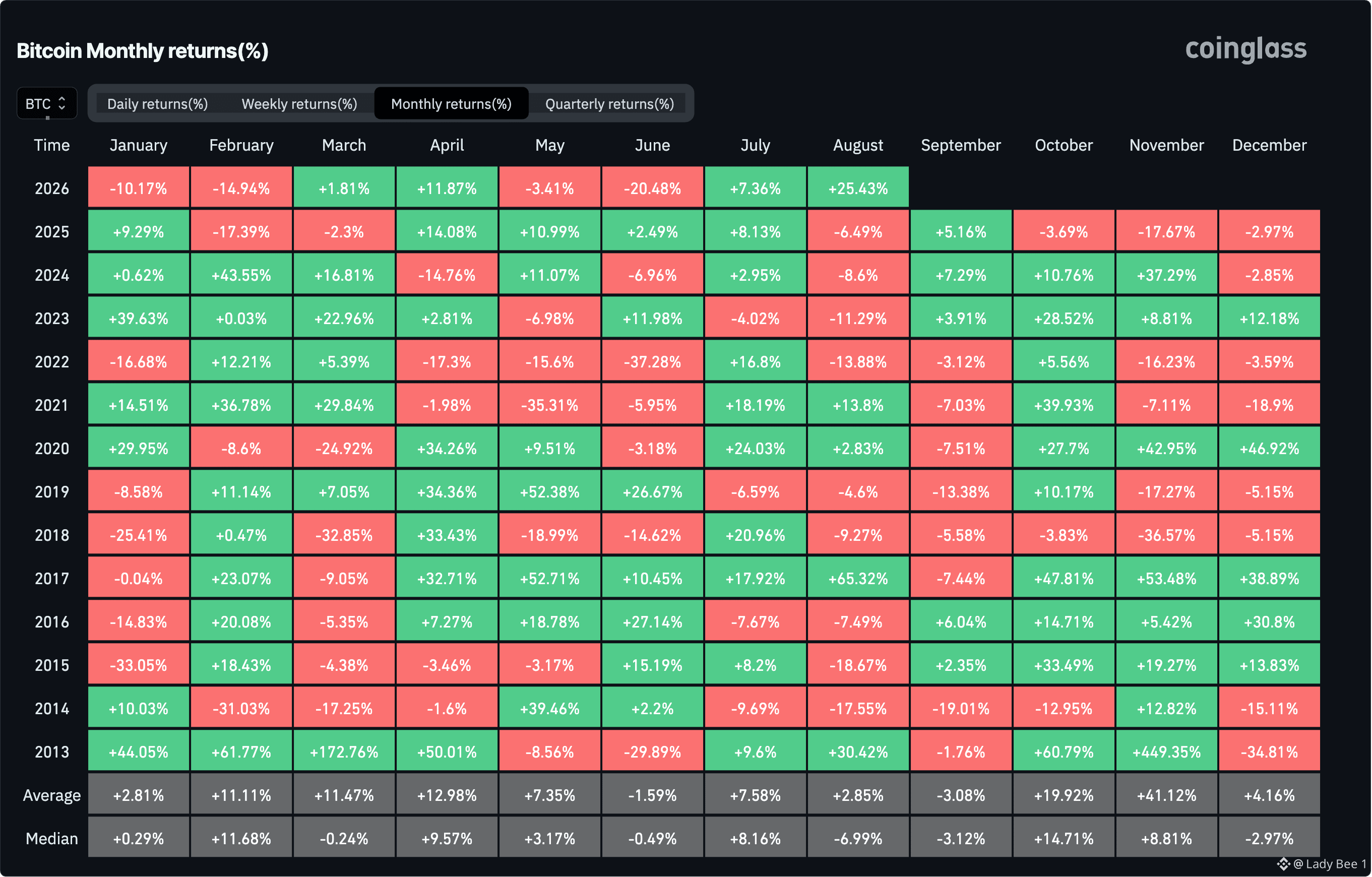
$BTC ラリー後、最初の重大なテストを乗り切りました。
いよいよ重要な局面です。
ビットコインは約$77Kですが、$77.5Kから$80Kのゾーンは依然として重要なレジスタンス領域です。
次の値動きが、多くを物語るかもしれません。
BTCが$80Kを上抜けし、その水準を維持できるなら、買い手の強さが再び戻ってきたサインになる可能性があります。
もし売り手がこの動きを拒否するなら、$74Kから$76Kが注目すべき重要な領域になります。このゾーンを維持できれば、より大きな強気の構造は保たれたままになります。
とりあえず、私はこれを見ています:
ブレイクアウトか、それとも拒否か?
あなたは何を見ていますか?
$BTC ラリー後、最初の重大なテストを乗り切りました。
いよいよ重要な局面です。
ビットコインは約$77Kですが、$77.5Kから$80Kのゾーンは依然として重要なレジスタンス領域です。
次の値動きが、多くを物語るかもしれません。
BTCが$80Kを上抜けし、その水準を維持できるなら、買い手の強さが再び戻ってきたサインになる可能性があります。
もし売り手がこの動きを拒否するなら、$74Kから$76Kが注目すべき重要な領域になります。このゾーンを維持できれば、より大きな強気の構造は保たれたままになります。
とりあえず、私はこれを見ています:
ブレイクアウトか、それとも拒否か?
あなたは何を見ていますか?
いよいよ重要な局面です。
ビットコインは約$77Kですが、$77.5Kから$80Kのゾーンは依然として重要なレジスタンス領域です。
次の値動きが、多くを物語るかもしれません。
BTCが$80Kを上抜けし、その水準を維持できるなら、買い手の強さが再び戻ってきたサインになる可能性があります。
もし売り手がこの動きを拒否するなら、$74Kから$76Kが注目すべき重要な領域になります。このゾーンを維持できれば、より大きな強気の構造は保たれたままになります。
とりあえず、私はこれを見ています:
ブレイクアウトか、それとも拒否か?
あなたは何を見ていますか?
55
·
--
🗿 STON.fi 週間まとめ
今週のデータは、TON DeFiにおける活動の全体像をより明確に示しています。
STON.fiは$GRAMにおけるDEXスワップ出来高の約78%を処理し、週次のスワップ出来高は$12.3Mに達しました。TVLは$25.3Mで、流動性提供者は約$19,734を獲得しています。
クロスチェーンのスワップもさらに柔軟になり、ユーザーはスワップした資産を別の宛先アドレスへ直接送れるようになりました。
7月のStonbassadorsプログラムでは、481人のコントリビューターに対して12,554 $STON が配布され、コミュニティによる調査や教育コンテンツの存在感が高まっていることを示しています。
流動性面では、アクティブなファームのAPRは、ペアによって現在13%〜65%の範囲です。
全体としてシンプルです。TONのDeFi活動は、取引、流動性、クロスチェーン基盤、そしてコミュニティ参加の各領域で引き続き発展しています。 #STONfi #BTC 価格分析# #BTC
🗿 STON.fi 週間まとめ
今週のデータは、TON DeFiにおける活動の全体像をより明確に示しています。
STON.fiは$GRAMにおけるDEXスワップ出来高の約78%を処理し、週次のスワップ出来高は$12.3Mに達しました。TVLは$25.3Mで、流動性提供者は約$19,734を獲得しています。
クロスチェーンのスワップもさらに柔軟になり、ユーザーはスワップした資産を別の宛先アドレスへ直接送れるようになりました。
7月のStonbassadorsプログラムでは、481人のコントリビューターに対して12,554 $STON が配布され、コミュニティによる調査や教育コンテンツの存在感が高まっていることを示しています。
流動性面では、アクティブなファームのAPRは、ペアによって現在13%〜65%の範囲です。
全体としてシンプルです。TONのDeFi活動は、取引、流動性、クロスチェーン基盤、そしてコミュニティ参加の各領域で引き続き発展しています。 #STONfi #BTC 価格分析# #BTC
今週のデータは、TON DeFiにおける活動の全体像をより明確に示しています。
STON.fiは$GRAMにおけるDEXスワップ出来高の約78%を処理し、週次のスワップ出来高は$12.3Mに達しました。TVLは$25.3Mで、流動性提供者は約$19,734を獲得しています。
クロスチェーンのスワップもさらに柔軟になり、ユーザーはスワップした資産を別の宛先アドレスへ直接送れるようになりました。
7月のStonbassadorsプログラムでは、481人のコントリビューターに対して12,554 $STON が配布され、コミュニティによる調査や教育コンテンツの存在感が高まっていることを示しています。
流動性面では、アクティブなファームのAPRは、ペアによって現在13%〜65%の範囲です。
全体としてシンプルです。TONのDeFi活動は、取引、流動性、クロスチェーン基盤、そしてコミュニティ参加の各領域で引き続き発展しています。 #STONfi #BTC 価格分析# #BTC

82
·
--
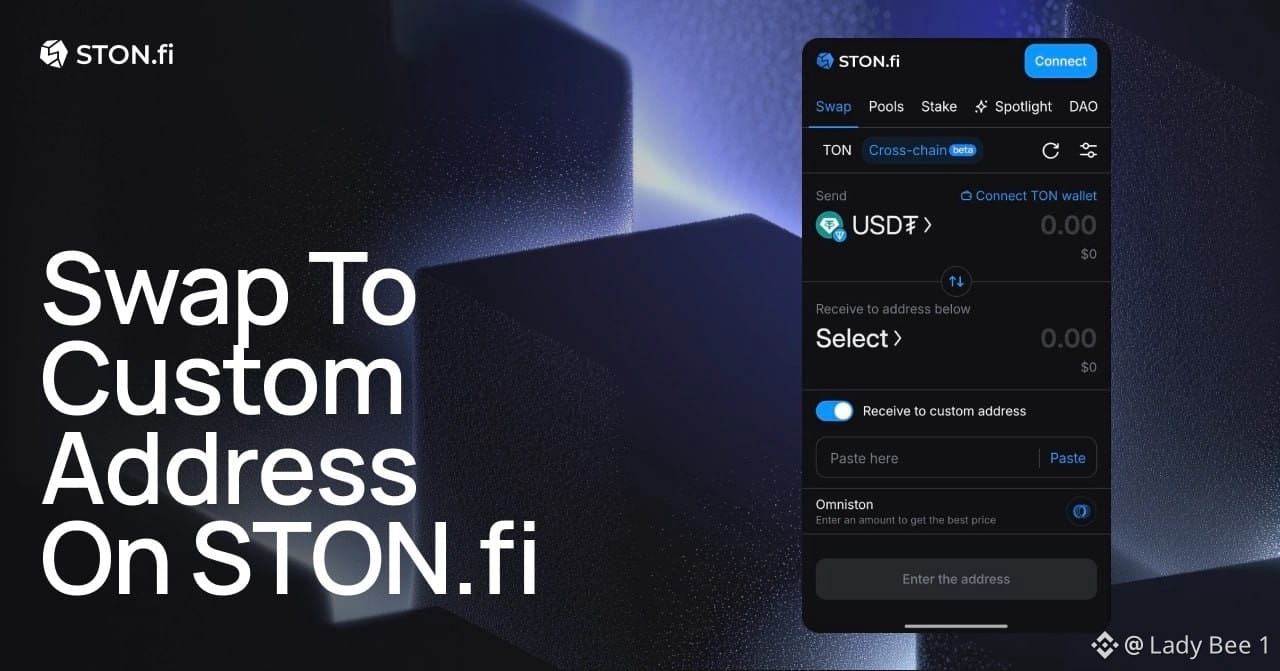
📬 STON.fiでのクロスチェーンスワップが、さらに柔軟になりました
クロスチェーンスワップは、両方のチェーンにそれぞれウォレットを接続しなくても完了できるようになりました。
STON.fiの「カスタムアドレス」オプションを使えば、スワップ元のウォレットを接続するだけでOKです。送信先は、受け取り用ウォレットアドレスを貼り付けるだけで、スワップされたトークンがそこへ直接送られます。
仕組みは以下の通りです:
1️⃣ スワップ元チェーンのウォレットを接続
2️⃣ トークンと送信先チェーンを選択
3️⃣ 「カスタムアドレスで受け取る」をオン
4️⃣ 送信先ウォレットアドレスを貼り付け
5️⃣ スワップを確認
この機能は、STON.fiのクロスチェーン流動性・スワップ基盤であるOmnistonによって支えられています。
💎 対応アセットには以下が含まれます:
• $USDT($TON)および $TRX($TRX)
• USDT & USDC(Ethereum、BNB Chain、Base、Avalanche)
• USDT0 & USDC(Arbitrum)
• PUSD & $USDC(Polygon)
• USDG($HOOD Chain)
気になるポイントは?
STON.fiに接続されていないウォレットへ、受け取ったアセットを送信できます。
たとえば、あるウォレットからスワップしつつ、受け取ったトークンを別のアドレスへ振り向けたい場合に便利です。
⚠️ 確認する前に、必ず送信先アドレスとネットワークを検証してください。誤ったアドレス、または未対応の送信先では、資金の永久的な喪失につながる可能性があります。
DYOR(自己調査)し、スワップ前に現在対応しているアセットとルートを確認してください。
#STONfi #Macro #ROBINHOOD #Altcoin Season#
📬 STON.fiでのクロスチェーンスワップが、さらに柔軟になりました
クロスチェーンスワップは、両方のチェーンにそれぞれウォレットを接続しなくても完了できるようになりました。
STON.fiの「カスタムアドレス」オプションを使えば、スワップ元のウォレットを接続するだけでOKです。送信先は、受け取り用ウォレットアドレスを貼り付けるだけで、スワップされたトークンがそこへ直接送られます。
仕組みは以下の通りです:
1️⃣ スワップ元チェーンのウォレットを接続
2️⃣ トークンと送信先チェーンを選択
3️⃣ 「カスタムアドレスで受け取る」をオン
4️⃣ 送信先ウォレットアドレスを貼り付け
5️⃣ スワップを確認
この機能は、STON.fiのクロスチェーン流動性・スワップ基盤であるOmnistonによって支えられています。
💎 対応アセットには以下が含まれます:
• $USDT($TON)および $TRX($TRX)
• USDT & USDC(Ethereum、BNB Chain、Base、Avalanche)
• USDT0 & USDC(Arbitrum)
• PUSD & $USDC(Polygon)
• USDG($HOOD Chain)
気になるポイントは?
STON.fiに接続されていないウォレットへ、受け取ったアセットを送信できます。
たとえば、あるウォレットからスワップしつつ、受け取ったトークンを別のアドレスへ振り向けたい場合に便利です。
⚠️ 確認する前に、必ず送信先アドレスとネットワークを検証してください。誤ったアドレス、または未対応の送信先では、資金の永久的な喪失につながる可能性があります。
DYOR(自己調査)し、スワップ前に現在対応しているアセットとルートを確認してください。
#STONfi #Macro #ROBINHOOD #Altcoin Season#
クロスチェーンスワップは、両方のチェーンにそれぞれウォレットを接続しなくても完了できるようになりました。
STON.fiの「カスタムアドレス」オプションを使えば、スワップ元のウォレットを接続するだけでOKです。送信先は、受け取り用ウォレットアドレスを貼り付けるだけで、スワップされたトークンがそこへ直接送られます。
仕組みは以下の通りです:
1️⃣ スワップ元チェーンのウォレットを接続
2️⃣ トークンと送信先チェーンを選択
3️⃣ 「カスタムアドレスで受け取る」をオン
4️⃣ 送信先ウォレットアドレスを貼り付け
5️⃣ スワップを確認
この機能は、STON.fiのクロスチェーン流動性・スワップ基盤であるOmnistonによって支えられています。
💎 対応アセットには以下が含まれます:
• $USDT($TON)および $TRX($TRX)
• USDT & USDC(Ethereum、BNB Chain、Base、Avalanche)
• USDT0 & USDC(Arbitrum)
• PUSD & $USDC(Polygon)
• USDG($HOOD Chain)
気になるポイントは?
STON.fiに接続されていないウォレットへ、受け取ったアセットを送信できます。
たとえば、あるウォレットからスワップしつつ、受け取ったトークンを別のアドレスへ振り向けたい場合に便利です。
⚠️ 確認する前に、必ず送信先アドレスとネットワークを検証してください。誤ったアドレス、または未対応の送信先では、資金の永久的な喪失につながる可能性があります。
DYOR(自己調査)し、スワップ前に現在対応しているアセットとルートを確認してください。
#STONfi #Macro #ROBINHOOD #Altcoin Season#
71
·
--
🚀 STON.fi、STON/USDt V2 の Boost Farm APR を延長
STON.fi は Boost Farm APR キャンペーンを延長し、STON ステーカーが $STON / $USDT V2 プールでのファーミング報酬を増やすための時間をさらに確保できるようになりました。
ブーストの仕組みは以下のとおりです:
• 500+ STON をステーク → 最大 1.5× のファーム APR
• 1,000+ STON をステーク → 最大 2× のファーム APR
• 対象の STON/USDt V2 プールでファーミング
• ブースト分はエアドロップで STON により配分
• 最大対象流動性:参加者あたり $10,000
重要な点:ステーキングだけでは不十分です。
資格を得るには、STON.fi アプリで STON をステークするだけでなく、対象の STON/USDt V2 プールを積極的にファーミングする必要があります。ブーストは、キャンペーン期間中にあなたのステークおよびファーミングポジションが対象条件を満たしている間、有効です。
📅 キャンペーン期間:
8月1日 – 8月31日
🎁 ブースト報酬の配分:
9月10日までに、キャンペーンルールに従って実施。
これは、ステークしたトークンに対して $STON 保有者に別のユーティリティを提供しつつ、STON/USDt V2 市場への流動性提供にも貢献できるということです。
ただし、ブースト APR は流動性提供に伴うリスク(イールドの変動損失や、市場環境の変化など)を取り除くものではありません。
ステークまたは流動性提供の前に DYOR を行ってください。
📖 完全な仕組みおよび適格性ルールは、公式の STON.fi ガイドをご覧ください:
"STON.fi Boost Farm APR Guide" (https://reference-url-citation.invalid/2)
#STONfi #BTC #Macro
🚀 STON.fi、STON/USDt V2 の Boost Farm APR を延長
STON.fi は Boost Farm APR キャンペーンを延長し、STON ステーカーが $STON / $USDT V2 プールでのファーミング報酬を増やすための時間をさらに確保できるようになりました。
ブーストの仕組みは以下のとおりです:
• 500+ STON をステーク → 最大 1.5× のファーム APR
• 1,000+ STON をステーク → 最大 2× のファーム APR
• 対象の STON/USDt V2 プールでファーミング
• ブースト分はエアドロップで STON により配分
• 最大対象流動性:参加者あたり $10,000
重要な点:ステーキングだけでは不十分です。
資格を得るには、STON.fi アプリで STON をステークするだけでなく、対象の STON/USDt V2 プールを積極的にファーミングする必要があります。ブーストは、キャンペーン期間中にあなたのステークおよびファーミングポジションが対象条件を満たしている間、有効です。
📅 キャンペーン期間:
8月1日 – 8月31日
🎁 ブースト報酬の配分:
9月10日までに、キャンペーンルールに従って実施。
これは、ステークしたトークンに対して $STON 保有者に別のユーティリティを提供しつつ、STON/USDt V2 市場への流動性提供にも貢献できるということです。
ただし、ブースト APR は流動性提供に伴うリスク(イールドの変動損失や、市場環境の変化など)を取り除くものではありません。
ステークまたは流動性提供の前に DYOR を行ってください。
📖 完全な仕組みおよび適格性ルールは、公式の STON.fi ガイドをご覧ください:
"STON.fi Boost Farm APR Guide" (https://reference-url-citation.invalid/2)
#STONfi #BTC #Macro
STON.fi は Boost Farm APR キャンペーンを延長し、STON ステーカーが $STON / $USDT V2 プールでのファーミング報酬を増やすための時間をさらに確保できるようになりました。
ブーストの仕組みは以下のとおりです:
• 500+ STON をステーク → 最大 1.5× のファーム APR
• 1,000+ STON をステーク → 最大 2× のファーム APR
• 対象の STON/USDt V2 プールでファーミング
• ブースト分はエアドロップで STON により配分
• 最大対象流動性:参加者あたり $10,000
重要な点:ステーキングだけでは不十分です。
資格を得るには、STON.fi アプリで STON をステークするだけでなく、対象の STON/USDt V2 プールを積極的にファーミングする必要があります。ブーストは、キャンペーン期間中にあなたのステークおよびファーミングポジションが対象条件を満たしている間、有効です。
📅 キャンペーン期間:
8月1日 – 8月31日
🎁 ブースト報酬の配分:
9月10日までに、キャンペーンルールに従って実施。
これは、ステークしたトークンに対して $STON 保有者に別のユーティリティを提供しつつ、STON/USDt V2 市場への流動性提供にも貢献できるということです。
ただし、ブースト APR は流動性提供に伴うリスク(イールドの変動損失や、市場環境の変化など)を取り除くものではありません。
ステークまたは流動性提供の前に DYOR を行ってください。
📖 完全な仕組みおよび適格性ルールは、公式の STON.fi ガイドをご覧ください:
"STON.fi Boost Farm APR Guide" (https://reference-url-citation.invalid/2)
#STONfi #BTC #Macro
3
·
--
$ETH 、$BNBチェーン、またはBaseから$GRAMの流動性を移すことが、より簡単になっています。
しかし、まだ重要な質問が1つあります:
どのルートを選ぶべきでしょうか?
よくあるアプローチは2つです。
1️⃣ ブリッジ
あなたの資産は送信元チェーンでロックされ、TON上でラップされたJettonが発行されます。
2️⃣ Omnistonによるアトミックスワップ
ラップされた表現を受け取る代わりに、STON.fiのクロスチェーン実行レイヤーであるOmnistonは、ペアのHashed Timelock Contracts(HTLC)を用いて、ネイティブのTONアセットへスワップを可能にします。
どちらの方法でも機能します。
ただし、目的地チェーンでの体験が異なります。
TON DeFiに移動して、到着した資産をすぐに使いたいユーザーにとっては、アトミックスワップのルートの方が、よりスムーズな体験を提供できる場合があります。
なぜなら?
⚡ 従来型のブリッジ待機期間がない
クロスチェーンのスワップは、従来のロック&ミント型ブリッジモデルに頼らず、アトミックスワップの仕組みで決済されます。
📊 価格への影響は確定時に固定
長いブリッジ手続きの後に最終結果を知るのではなく、トランザクションを確定する前にスワップ条件を把握できます。
ここで、クロスチェーン基盤は単にネットワーク間でトークンを移すだけの存在ではなくなります。
流動性が、どこに着地しても「ネイティブに感じられる」ようにすることが本質になります。
そしてそれが、STON.fiのエコシステム内でOmnistonが果たす役割として設計されている理由です。
#STON #TON #Crypto #DeFi
$ETH 、$BNBチェーン、またはBaseから$GRAMの流動性を移すことが、より簡単になっています。
しかし、まだ重要な質問が1つあります:
どのルートを選ぶべきでしょうか?
よくあるアプローチは2つです。
1️⃣ ブリッジ
あなたの資産は送信元チェーンでロックされ、TON上でラップされたJettonが発行されます。
2️⃣ Omnistonによるアトミックスワップ
ラップされた表現を受け取る代わりに、STON.fiのクロスチェーン実行レイヤーであるOmnistonは、ペアのHashed Timelock Contracts(HTLC)を用いて、ネイティブのTONアセットへスワップを可能にします。
どちらの方法でも機能します。
ただし、目的地チェーンでの体験が異なります。
TON DeFiに移動して、到着した資産をすぐに使いたいユーザーにとっては、アトミックスワップのルートの方が、よりスムーズな体験を提供できる場合があります。
なぜなら?
⚡ 従来型のブリッジ待機期間がない
クロスチェーンのスワップは、従来のロック&ミント型ブリッジモデルに頼らず、アトミックスワップの仕組みで決済されます。
📊 価格への影響は確定時に固定
長いブリッジ手続きの後に最終結果を知るのではなく、トランザクションを確定する前にスワップ条件を把握できます。
ここで、クロスチェーン基盤は単にネットワーク間でトークンを移すだけの存在ではなくなります。
流動性が、どこに着地しても「ネイティブに感じられる」ようにすることが本質になります。
そしてそれが、STON.fiのエコシステム内でOmnistonが果たす役割として設計されている理由です。
#STON #TON #Crypto #DeFi
しかし、まだ重要な質問が1つあります:
どのルートを選ぶべきでしょうか?
よくあるアプローチは2つです。
1️⃣ ブリッジ
あなたの資産は送信元チェーンでロックされ、TON上でラップされたJettonが発行されます。
2️⃣ Omnistonによるアトミックスワップ
ラップされた表現を受け取る代わりに、STON.fiのクロスチェーン実行レイヤーであるOmnistonは、ペアのHashed Timelock Contracts(HTLC)を用いて、ネイティブのTONアセットへスワップを可能にします。
どちらの方法でも機能します。
ただし、目的地チェーンでの体験が異なります。
TON DeFiに移動して、到着した資産をすぐに使いたいユーザーにとっては、アトミックスワップのルートの方が、よりスムーズな体験を提供できる場合があります。
なぜなら?
⚡ 従来型のブリッジ待機期間がない
クロスチェーンのスワップは、従来のロック&ミント型ブリッジモデルに頼らず、アトミックスワップの仕組みで決済されます。
📊 価格への影響は確定時に固定
長いブリッジ手続きの後に最終結果を知るのではなく、トランザクションを確定する前にスワップ条件を把握できます。
ここで、クロスチェーン基盤は単にネットワーク間でトークンを移すだけの存在ではなくなります。
流動性が、どこに着地しても「ネイティブに感じられる」ようにすることが本質になります。
そしてそれが、STON.fiのエコシステム内でOmnistonが果たす役割として設計されている理由です。
#STON #TON #Crypto #DeFi
53
·
--
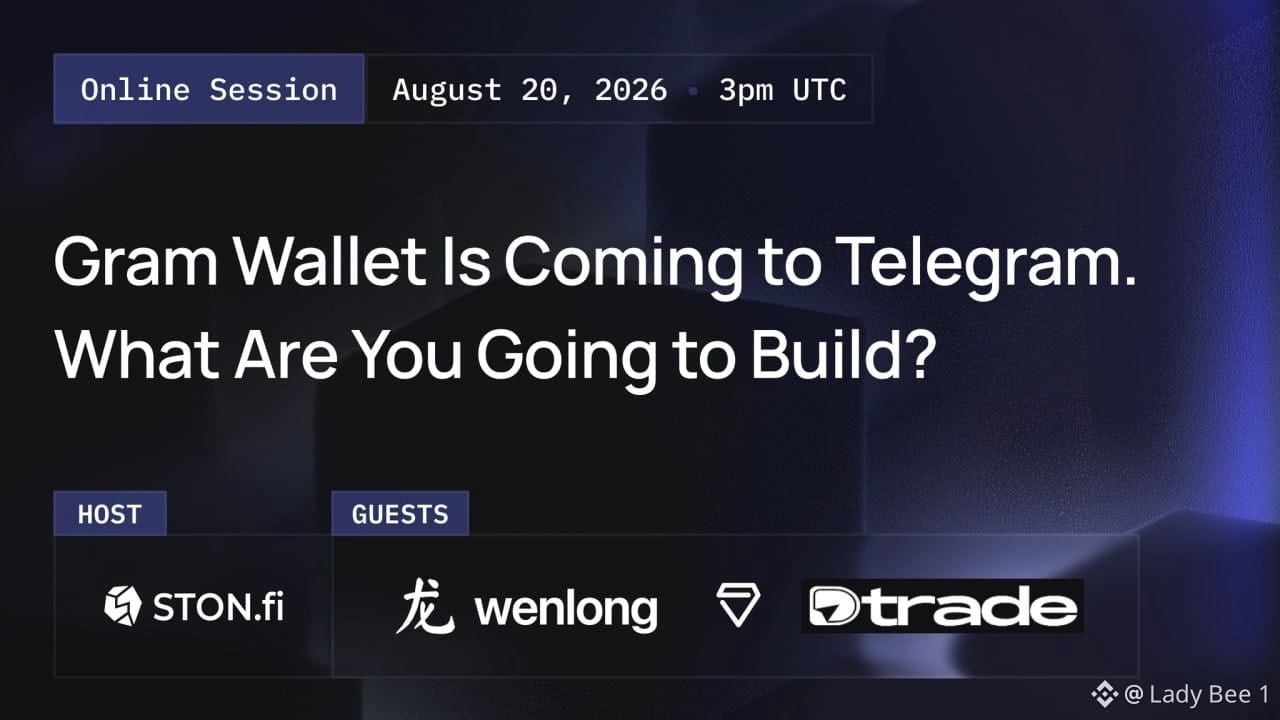
🗿 TelegramのGram Walletが登場へ。ビルダーは何を作る?
まもなく予定されている非カストディ型のGram Walletのローンチにより、Telegramネイティブの暗号資産が新たなフェーズに入る可能性があります。
しかし、より大きな疑問は——
実際に人々はその周りに何を作るのか?
8月20日、STON.fiがビルダーとコミュニティを集め、Telegramネイティブの暗号資産プロダクトの未来についてのライブディスカッションを開催します。
📅 8月20日
⏰ 15:00 UTC
このディスカッションでは、以下を扱います:
• WenLong、Gram Store、DTradeが構築しているもの
• ユーザーが現在どのようにTelegramネイティブのプロダクトとやり取りしているか
• ビルダーがGram Walletローンチに期待すること
• この新たに生まれつつあるエコシステムを、STON.fiのインフラがどう支えられるか
さらに、ライブのコミュニティ投票も実施。結果は会話の一部になります。
🎁 そして、最後まで参加した人へのご褒美もあります。
スピーカーが質問します。8月21日15:00 UTCまでに、Xの公式イベント投稿に回答を投稿してください。150 STONを共有するチャンスがあります:
• 最優秀回答 1名 → 70 $STON
• 抽選で2名 → 40 $STON(各1名)
面白いのは、ウォレットそのものだけではありません。
何百万人ものTelegramユーザーが暗号資産インフラとよりネイティブにやり取りできるようになった後に、何が作られるのか——そこにあります。
カレンダーに記入しておいてください。
📅 8月20日・15:00 UTC
#STONfi i #TON #Macro Insights# #BTC
🗿 TelegramのGram Walletが登場へ。ビルダーは何を作る?
まもなく予定されている非カストディ型のGram Walletのローンチにより、Telegramネイティブの暗号資産が新たなフェーズに入る可能性があります。
しかし、より大きな疑問は——
実際に人々はその周りに何を作るのか?
8月20日、STON.fiがビルダーとコミュニティを集め、Telegramネイティブの暗号資産プロダクトの未来についてのライブディスカッションを開催します。
📅 8月20日
⏰ 15:00 UTC
このディスカッションでは、以下を扱います:
• WenLong、Gram Store、DTradeが構築しているもの
• ユーザーが現在どのようにTelegramネイティブのプロダクトとやり取りしているか
• ビルダーがGram Walletローンチに期待すること
• この新たに生まれつつあるエコシステムを、STON.fiのインフラがどう支えられるか
さらに、ライブのコミュニティ投票も実施。結果は会話の一部になります。
🎁 そして、最後まで参加した人へのご褒美もあります。
スピーカーが質問します。8月21日15:00 UTCまでに、Xの公式イベント投稿に回答を投稿してください。150 STONを共有するチャンスがあります:
• 最優秀回答 1名 → 70 $STON
• 抽選で2名 → 40 $STON(各1名)
面白いのは、ウォレットそのものだけではありません。
何百万人ものTelegramユーザーが暗号資産インフラとよりネイティブにやり取りできるようになった後に、何が作られるのか——そこにあります。
カレンダーに記入しておいてください。
📅 8月20日・15:00 UTC
#STONfi i #TON #Macro Insights# #BTC
まもなく予定されている非カストディ型のGram Walletのローンチにより、Telegramネイティブの暗号資産が新たなフェーズに入る可能性があります。
しかし、より大きな疑問は——
実際に人々はその周りに何を作るのか?
8月20日、STON.fiがビルダーとコミュニティを集め、Telegramネイティブの暗号資産プロダクトの未来についてのライブディスカッションを開催します。
📅 8月20日
⏰ 15:00 UTC
このディスカッションでは、以下を扱います:
• WenLong、Gram Store、DTradeが構築しているもの
• ユーザーが現在どのようにTelegramネイティブのプロダクトとやり取りしているか
• ビルダーがGram Walletローンチに期待すること
• この新たに生まれつつあるエコシステムを、STON.fiのインフラがどう支えられるか
さらに、ライブのコミュニティ投票も実施。結果は会話の一部になります。
🎁 そして、最後まで参加した人へのご褒美もあります。
スピーカーが質問します。8月21日15:00 UTCまでに、Xの公式イベント投稿に回答を投稿してください。150 STONを共有するチャンスがあります:
• 最優秀回答 1名 → 70 $STON
• 抽選で2名 → 40 $STON(各1名)
面白いのは、ウォレットそのものだけではありません。
何百万人ものTelegramユーザーが暗号資産インフラとよりネイティブにやり取りできるようになった後に、何が作られるのか——そこにあります。
カレンダーに記入しておいてください。
📅 8月20日・15:00 UTC
#STONfi i #TON #Macro Insights# #BTC
73
·
--
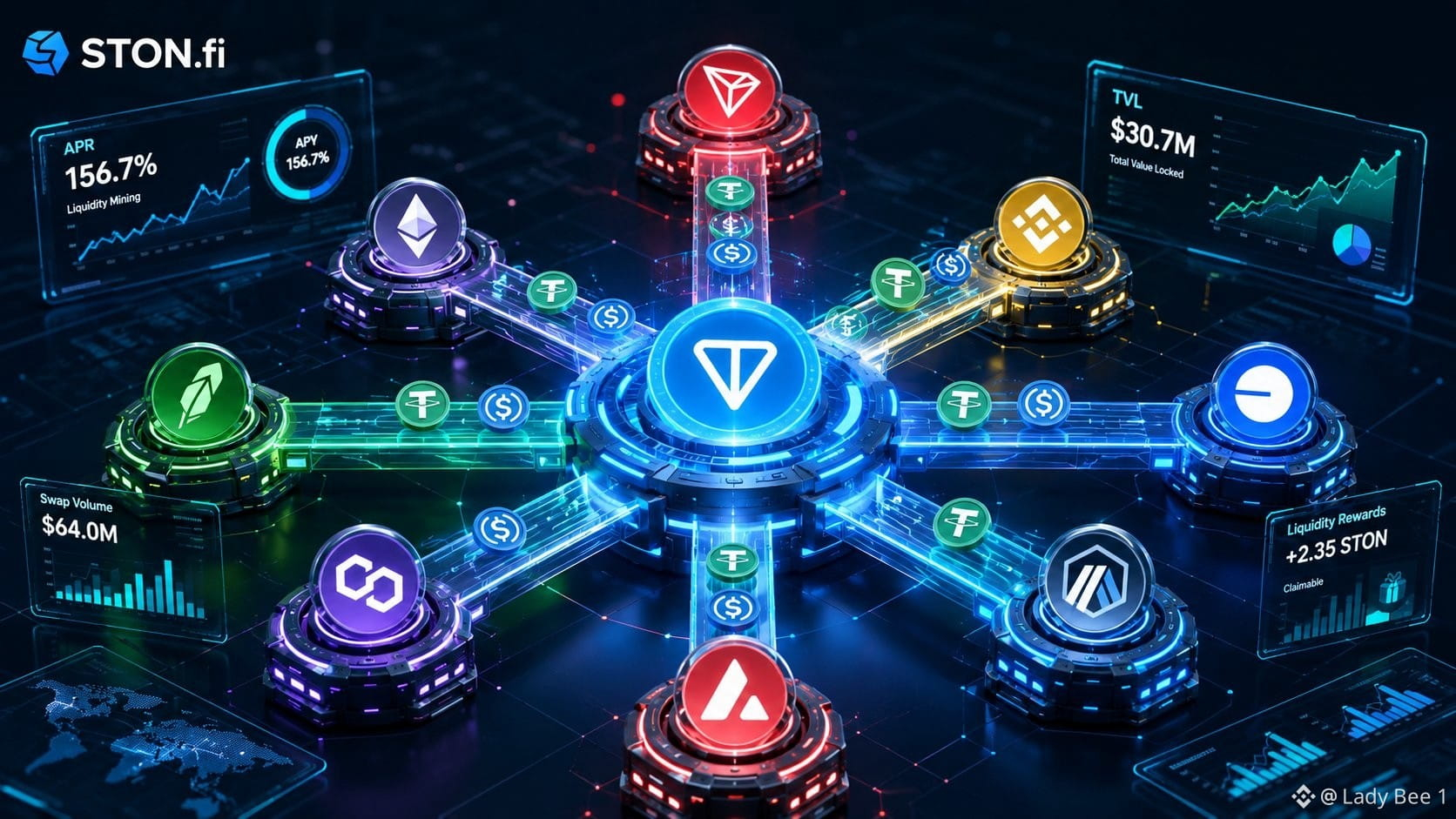
STON.fiはTRON統合でクロスチェーンの到達範囲を拡大
STON.fiはOmnistonを通じて$TRXのクロスチェーン・スワップに対応し、ユーザーが対応するステーブルコインを$GRAM、TRON、主要なEVMネットワーク間で単一の自己管理型トランザクション内で送金できるようにしました。これにより、個別のブリッジや複数のアプリケーションが不要になります。
統合に加えて、同プラットフォームはDeFi体験を強化するための新しいツールをいくつか導入しました。内容は以下の通りです:
- APR/APY計算機
- 不採算(インパーマネント・ロス)計算機
- デイリープール更新
週間のオンチェーン・ハイライト:
- スワップ出来高で14.6M TON
- 総ロック価値(TVL)で18.1M TON
- 流動性提供者(LP)報酬として33,382 TONを配分
最新の更新は、ブロックチェーン・エコシステム間での相互運用性を拡大しつつ、アクセス性を高め、ユーザー体験を効率化することで、STON.fiがクロスチェーンDeFiをよりシンプルにすることに引き続き注力していることを反映しています。
#STONfi i #TON #TRON #Macro Insights#
STON.fiはTRON統合でクロスチェーンの到達範囲を拡大
STON.fiはOmnistonを通じて$TRXのクロスチェーン・スワップに対応し、ユーザーが対応するステーブルコインを$GRAM、TRON、主要なEVMネットワーク間で単一の自己管理型トランザクション内で送金できるようにしました。これにより、個別のブリッジや複数のアプリケーションが不要になります。
統合に加えて、同プラットフォームはDeFi体験を強化するための新しいツールをいくつか導入しました。内容は以下の通りです:
- APR/APY計算機
- 不採算(インパーマネント・ロス)計算機
- デイリープール更新
週間のオンチェーン・ハイライト:
- スワップ出来高で14.6M TON
- 総ロック価値(TVL)で18.1M TON
- 流動性提供者(LP)報酬として33,382 TONを配分
最新の更新は、ブロックチェーン・エコシステム間での相互運用性を拡大しつつ、アクセス性を高め、ユーザー体験を効率化することで、STON.fiがクロスチェーンDeFiをよりシンプルにすることに引き続き注力していることを反映しています。
#STONfi i #TON #TRON #Macro Insights#
STON.fiはOmnistonを通じて$TRXのクロスチェーン・スワップに対応し、ユーザーが対応するステーブルコインを$GRAM、TRON、主要なEVMネットワーク間で単一の自己管理型トランザクション内で送金できるようにしました。これにより、個別のブリッジや複数のアプリケーションが不要になります。
統合に加えて、同プラットフォームはDeFi体験を強化するための新しいツールをいくつか導入しました。内容は以下の通りです:
- APR/APY計算機
- 不採算(インパーマネント・ロス)計算機
- デイリープール更新
週間のオンチェーン・ハイライト:
- スワップ出来高で14.6M TON
- 総ロック価値(TVL)で18.1M TON
- 流動性提供者(LP)報酬として33,382 TONを配分
最新の更新は、ブロックチェーン・エコシステム間での相互運用性を拡大しつつ、アクセス性を高め、ユーザー体験を効率化することで、STON.fiがクロスチェーンDeFiをよりシンプルにすることに引き続き注力していることを反映しています。
#STONfi i #TON #TRON #Macro Insights#
71
·
--
> 6日前、$BTC については月末までに$70K〜$72Kのレンジを目標に、$2.5Bのブル・コール・スプレッドが仕込まれていました。
今日では、「ビットコインへのクジラの賭けが$5Bに膨らんだ」となっています。
ただし落とし穴は?その$5Bは新規資金や現物BTCの$5Bではなく、オプションの建玉(open interest)を指しています。
内訳の大部分には、元々のブル・コール・スプレッドが含まれています。これは$70Kのコールを買い、$72Kのコールを売る戦略で、コストを抑えつつ、上振れ(利益)には上限を設けます。
これは強気のポジションですが、ビットコインに対する無制限の賭けではありません。
大口ウォレットの積み増しに関する報道は興味深いものの、それが当該保有者がオプションを保有していることや、両データセットが同じ投資家を表していることの証明にはなりません。
ビットコインは$70Kに到達する可能性があります。しかし建玉は現物の流入ではなく、ノショナル(想定元本)は新規マネーではなく、ストライク価格は予測ではありません。
時には、市場の物語が、取引そのものよりも速く育つことがあります。
#Bitcoin #Crypto #Options #MarketNarratives
> 6日前、$BTC については月末までに$70K〜$72Kのレンジを目標に、$2.5Bのブル・コール・スプレッドが仕込まれていました。
今日では、「ビットコインへのクジラの賭けが$5Bに膨らんだ」となっています。
ただし落とし穴は?その$5Bは新規資金や現物BTCの$5Bではなく、オプションの建玉(open interest)を指しています。
内訳の大部分には、元々のブル・コール・スプレッドが含まれています。これは$70Kのコールを買い、$72Kのコールを売る戦略で、コストを抑えつつ、上振れ(利益)には上限を設けます。
これは強気のポジションですが、ビットコインに対する無制限の賭けではありません。
大口ウォレットの積み増しに関する報道は興味深いものの、それが当該保有者がオプションを保有していることや、両データセットが同じ投資家を表していることの証明にはなりません。
ビットコインは$70Kに到達する可能性があります。しかし建玉は現物の流入ではなく、ノショナル(想定元本)は新規マネーではなく、ストライク価格は予測ではありません。
時には、市場の物語が、取引そのものよりも速く育つことがあります。
#Bitcoin #Crypto #Options #MarketNarratives
今日では、「ビットコインへのクジラの賭けが$5Bに膨らんだ」となっています。
ただし落とし穴は?その$5Bは新規資金や現物BTCの$5Bではなく、オプションの建玉(open interest)を指しています。
内訳の大部分には、元々のブル・コール・スプレッドが含まれています。これは$70Kのコールを買い、$72Kのコールを売る戦略で、コストを抑えつつ、上振れ(利益)には上限を設けます。
これは強気のポジションですが、ビットコインに対する無制限の賭けではありません。
大口ウォレットの積み増しに関する報道は興味深いものの、それが当該保有者がオプションを保有していることや、両データセットが同じ投資家を表していることの証明にはなりません。
ビットコインは$70Kに到達する可能性があります。しかし建玉は現物の流入ではなく、ノショナル(想定元本)は新規マネーではなく、ストライク価格は予測ではありません。
時には、市場の物語が、取引そのものよりも速く育つことがあります。
#Bitcoin #Crypto #Options #MarketNarratives
42
·
--
より良いDeFiの意思決定は、最高のAPRを追いかけるだけではなく、数字を理解することから始まります。
$STON は、資金を投じる前に流動性の機会を評価するのに役立つ3つの実用的なツールを提供します。
まずAPR Calculatorです。預け入れ額、年利率、投資期間を入力することで、単利および複利の両方のシナリオに基づく潜在的なリターンを見積もれます。これは、異なる前提を比較し、変数を変えることで予測される結果がどう影響を受けるかを理解するための実践的な方法です。
次に、STON.fi Pools Updates のTelegramチャンネルです。プールを手作業で確認する代わりに、APRでランク付けされた上位プールの毎日のスナップショットを受け取ることができ、時間の経過に伴う変化を追いやすくなります。
3つ目のツールは、インパーマネント・ロス(IL)Calculatorです。インパーマネント・ロスは流動性提供者にとって最重要のリスクの一つであるため、この計算機は、トークン価格の変化が、資産を単に保有し続ける場合と比べて、あなたのポジションにどのような影響を与える可能性があるかを見積もるのに役立ちます。
これらのツールは調査を支援するために設計されており、それに代わるものではありません。ここで示される見積もりは教育目的のためのものであり、保証されたリターンや実際の結果として扱わないでください。潜在的な報酬を理解し、プールのパフォーマンスを監視し、リスクを総合的に評価することで、より情報に基づいたDeFiの意思決定につながります。 #STONfi #BTC Price Analysis# #Crypto
より良いDeFiの意思決定は、最高のAPRを追いかけるだけではなく、数字を理解することから始まります。
$STON は、資金を投じる前に流動性の機会を評価するのに役立つ3つの実用的なツールを提供します。
まずAPR Calculatorです。預け入れ額、年利率、投資期間を入力することで、単利および複利の両方のシナリオに基づく潜在的なリターンを見積もれます。これは、異なる前提を比較し、変数を変えることで予測される結果がどう影響を受けるかを理解するための実践的な方法です。
次に、STON.fi Pools Updates のTelegramチャンネルです。プールを手作業で確認する代わりに、APRでランク付けされた上位プールの毎日のスナップショットを受け取ることができ、時間の経過に伴う変化を追いやすくなります。
3つ目のツールは、インパーマネント・ロス(IL)Calculatorです。インパーマネント・ロスは流動性提供者にとって最重要のリスクの一つであるため、この計算機は、トークン価格の変化が、資産を単に保有し続ける場合と比べて、あなたのポジションにどのような影響を与える可能性があるかを見積もるのに役立ちます。
これらのツールは調査を支援するために設計されており、それに代わるものではありません。ここで示される見積もりは教育目的のためのものであり、保証されたリターンや実際の結果として扱わないでください。潜在的な報酬を理解し、プールのパフォーマンスを監視し、リスクを総合的に評価することで、より情報に基づいたDeFiの意思決定につながります。 #STONfi #BTC Price Analysis# #Crypto
$STON は、資金を投じる前に流動性の機会を評価するのに役立つ3つの実用的なツールを提供します。
まずAPR Calculatorです。預け入れ額、年利率、投資期間を入力することで、単利および複利の両方のシナリオに基づく潜在的なリターンを見積もれます。これは、異なる前提を比較し、変数を変えることで予測される結果がどう影響を受けるかを理解するための実践的な方法です。
次に、STON.fi Pools Updates のTelegramチャンネルです。プールを手作業で確認する代わりに、APRでランク付けされた上位プールの毎日のスナップショットを受け取ることができ、時間の経過に伴う変化を追いやすくなります。
3つ目のツールは、インパーマネント・ロス(IL)Calculatorです。インパーマネント・ロスは流動性提供者にとって最重要のリスクの一つであるため、この計算機は、トークン価格の変化が、資産を単に保有し続ける場合と比べて、あなたのポジションにどのような影響を与える可能性があるかを見積もるのに役立ちます。
これらのツールは調査を支援するために設計されており、それに代わるものではありません。ここで示される見積もりは教育目的のためのものであり、保証されたリターンや実際の結果として扱わないでください。潜在的な報酬を理解し、プールのパフォーマンスを監視し、リスクを総合的に評価することで、より情報に基づいたDeFiの意思決定につながります。 #STONfi #BTC Price Analysis# #Crypto
41
·
--
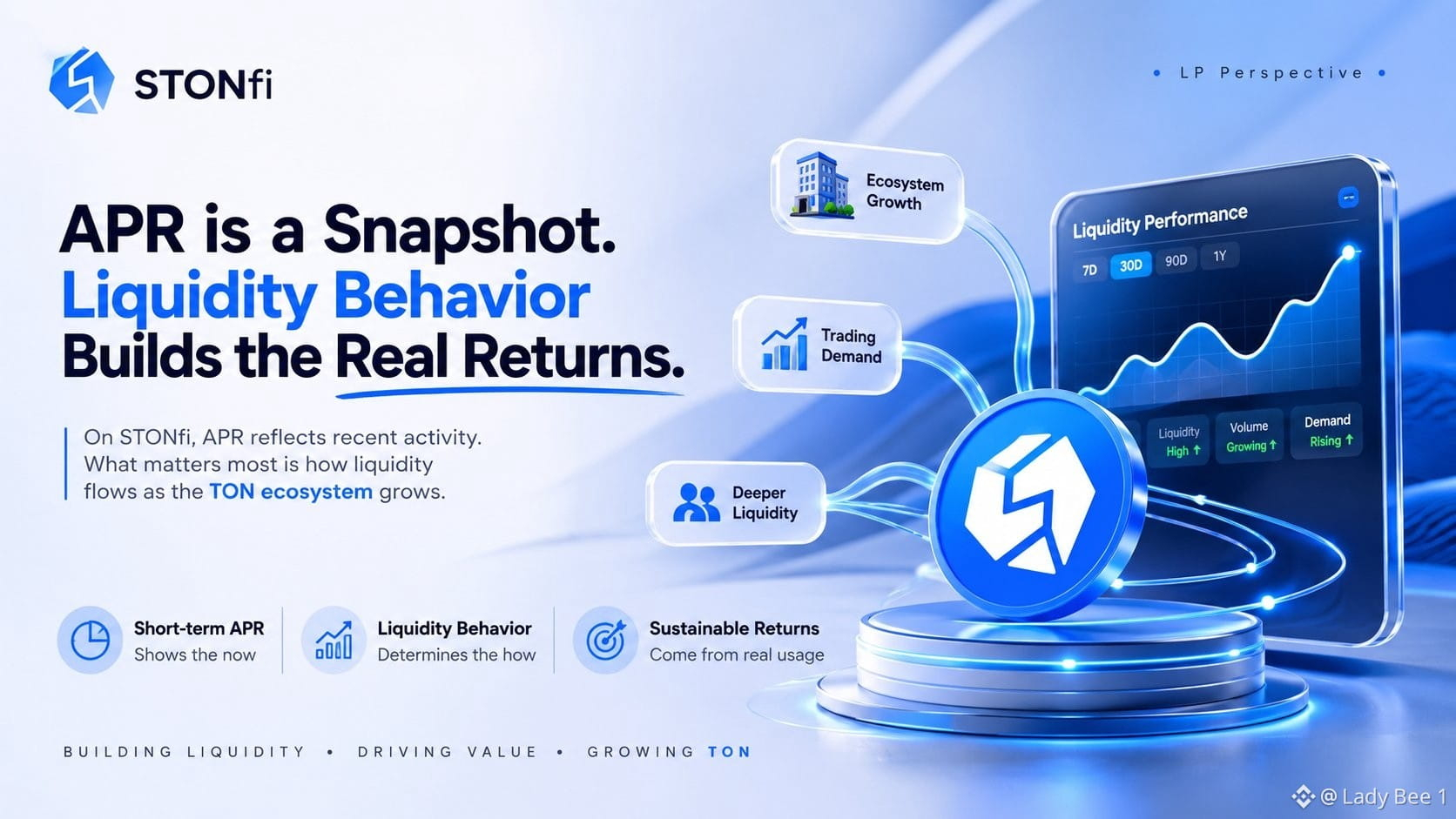
多くの人はAPRを保証されたリターンのように扱いますが、流動性プールの仕組みはそうではありません。$STON のAPRは、将来の収益を約束するものではなく、直近の取引活動のスナップショットにすぎません。長期的なリターンを形づくるのは、取引量、流動性プールにおけるあなたの持分、そして時間の経過とともにTONエコシステムがどう進化していくかです。
STONfi上で行われるすべてのスワップは取引手数料を生み、その一部が流動性提供者(LP)に配分されます。つまり、LPのリターンはトークンのインセンティブだけに頼るのではなく、実際の取引活動によって左右されます。導入が進み、オンチェーン活動が増えていくほど、持続可能な取引量はますます重要な要因になります。
また、あなたの収益はプールの保有割合にも依存します。たとえば、LPトークンの2%を保有している場合、通常はプールが生み出した手数料の約2%を受け取ります。ただし、その持分は、新たな流動性が流入したり、既存の流動性が流出したりすることで変化します。そのため、APRと同じくらい資本の流れを注意深く監視することが重要です。
さらに理解しておくとよい点として、STONfiはLP手数料を毎回の取引後に配分するのではなく、プール内に保持します。これにより、時間の経過とともにLPトークンの価値が高まり、結果として自動的な複利効果が生まれます。
もちろん、リターンにはリスクも伴います。インパーマネントロスは、基礎となる資産を単に保有するだけの場合に比べてパフォーマンスを低下させることがあります。特に価格変動が大きい局面ではその影響が顕著になります。だからこそ、経験のある流動性提供者はAPRだけに注目するのではなく、取引量、流動性の厚み、価格の挙動、そしてより広いエコシステムの成長を総合的に評価します。
要点はシンプルです。APRは単なるデータの一つにすぎません。LPのパフォーマンスをより良く理解するには、取引活動、持分(所有割合)、手数料の創出、そして関連するリスクを見ていく必要があります。$GRAM で流動性提供を検討しているなら、STONfiの開発者ドキュメントは、判断を行う前にプロトコルの仕組みを学ぶための有用なリソースです。#STONfi #Macro #TON ecosystem, here to discover the latest projects#
多くの人はAPRを保証されたリターンのように扱いますが、流動性プールの仕組みはそうではありません。$STON のAPRは、将来の収益を約束するものではなく、直近の取引活動のスナップショットにすぎません。長期的なリターンを形づくるのは、取引量、流動性プールにおけるあなたの持分、そして時間の経過とともにTONエコシステムがどう進化していくかです。
STONfi上で行われるすべてのスワップは取引手数料を生み、その一部が流動性提供者(LP)に配分されます。つまり、LPのリターンはトークンのインセンティブだけに頼るのではなく、実際の取引活動によって左右されます。導入が進み、オンチェーン活動が増えていくほど、持続可能な取引量はますます重要な要因になります。
また、あなたの収益はプールの保有割合にも依存します。たとえば、LPトークンの2%を保有している場合、通常はプールが生み出した手数料の約2%を受け取ります。ただし、その持分は、新たな流動性が流入したり、既存の流動性が流出したりすることで変化します。そのため、APRと同じくらい資本の流れを注意深く監視することが重要です。
さらに理解しておくとよい点として、STONfiはLP手数料を毎回の取引後に配分するのではなく、プール内に保持します。これにより、時間の経過とともにLPトークンの価値が高まり、結果として自動的な複利効果が生まれます。
もちろん、リターンにはリスクも伴います。インパーマネントロスは、基礎となる資産を単に保有するだけの場合に比べてパフォーマンスを低下させることがあります。特に価格変動が大きい局面ではその影響が顕著になります。だからこそ、経験のある流動性提供者はAPRだけに注目するのではなく、取引量、流動性の厚み、価格の挙動、そしてより広いエコシステムの成長を総合的に評価します。
要点はシンプルです。APRは単なるデータの一つにすぎません。LPのパフォーマンスをより良く理解するには、取引活動、持分(所有割合)、手数料の創出、そして関連するリスクを見ていく必要があります。$GRAM で流動性提供を検討しているなら、STONfiの開発者ドキュメントは、判断を行う前にプロトコルの仕組みを学ぶための有用なリソースです。#STONfi #Macro #TON ecosystem, here to discover the latest projects#
STONfi上で行われるすべてのスワップは取引手数料を生み、その一部が流動性提供者(LP)に配分されます。つまり、LPのリターンはトークンのインセンティブだけに頼るのではなく、実際の取引活動によって左右されます。導入が進み、オンチェーン活動が増えていくほど、持続可能な取引量はますます重要な要因になります。
また、あなたの収益はプールの保有割合にも依存します。たとえば、LPトークンの2%を保有している場合、通常はプールが生み出した手数料の約2%を受け取ります。ただし、その持分は、新たな流動性が流入したり、既存の流動性が流出したりすることで変化します。そのため、APRと同じくらい資本の流れを注意深く監視することが重要です。
さらに理解しておくとよい点として、STONfiはLP手数料を毎回の取引後に配分するのではなく、プール内に保持します。これにより、時間の経過とともにLPトークンの価値が高まり、結果として自動的な複利効果が生まれます。
もちろん、リターンにはリスクも伴います。インパーマネントロスは、基礎となる資産を単に保有するだけの場合に比べてパフォーマンスを低下させることがあります。特に価格変動が大きい局面ではその影響が顕著になります。だからこそ、経験のある流動性提供者はAPRだけに注目するのではなく、取引量、流動性の厚み、価格の挙動、そしてより広いエコシステムの成長を総合的に評価します。
要点はシンプルです。APRは単なるデータの一つにすぎません。LPのパフォーマンスをより良く理解するには、取引活動、持分(所有割合)、手数料の創出、そして関連するリスクを見ていく必要があります。$GRAM で流動性提供を検討しているなら、STONfiの開発者ドキュメントは、判断を行う前にプロトコルの仕組みを学ぶための有用なリソースです。#STONfi #Macro #TON ecosystem, here to discover the latest projects#
42
·
--
STON.fiはTRONの追加により、クロスチェーン・スワップ機能を拡張し、統一された自己管理型インターフェースを通じて、最大級のステーブルコイン・エコシステムの1つと$GRAMを接続しました。
この統合により、ユーザーはサポートされているステーブルコインをTON、$TRX、イーサリアム、$BNBチェーン、Base、Avalanche、Arbitrum、Polygon、Robinhoodチェーン間でスワップできます。STON.fiによると、クロスチェーン実行はOmnistonによって支えられており、確認前に最終受取額を表示しながら、見積もり(quote)から決済(settlement)までの取引を調整します。
ほとんどの取引は15〜40秒以内に完了する見込みですが、現在は初期ロールアウト期間として、1回のスワップあたり$1,000の一時的な取引制限を適用しています。
このローンチは、ブロックチェーンの相互運用性を高め、複数のネットワーク間でのステーブルコイン送金を簡素化し続けるSTON.fiの取り組みを反映しています。いつものとおり、DeFiプロトコルやデジタル資産に関与する前に、ユーザー自身で調査を行ってください。 #STONfi #Macro Insights# #BNB
STON.fiはTRONの追加により、クロスチェーン・スワップ機能を拡張し、統一された自己管理型インターフェースを通じて、最大級のステーブルコイン・エコシステムの1つと$GRAMを接続しました。
この統合により、ユーザーはサポートされているステーブルコインをTON、$TRX、イーサリアム、$BNBチェーン、Base、Avalanche、Arbitrum、Polygon、Robinhoodチェーン間でスワップできます。STON.fiによると、クロスチェーン実行はOmnistonによって支えられており、確認前に最終受取額を表示しながら、見積もり(quote)から決済(settlement)までの取引を調整します。
ほとんどの取引は15〜40秒以内に完了する見込みですが、現在は初期ロールアウト期間として、1回のスワップあたり$1,000の一時的な取引制限を適用しています。
このローンチは、ブロックチェーンの相互運用性を高め、複数のネットワーク間でのステーブルコイン送金を簡素化し続けるSTON.fiの取り組みを反映しています。いつものとおり、DeFiプロトコルやデジタル資産に関与する前に、ユーザー自身で調査を行ってください。 #STONfi #Macro Insights# #BNB
この統合により、ユーザーはサポートされているステーブルコインをTON、$TRX、イーサリアム、$BNBチェーン、Base、Avalanche、Arbitrum、Polygon、Robinhoodチェーン間でスワップできます。STON.fiによると、クロスチェーン実行はOmnistonによって支えられており、確認前に最終受取額を表示しながら、見積もり(quote)から決済(settlement)までの取引を調整します。
ほとんどの取引は15〜40秒以内に完了する見込みですが、現在は初期ロールアウト期間として、1回のスワップあたり$1,000の一時的な取引制限を適用しています。
このローンチは、ブロックチェーンの相互運用性を高め、複数のネットワーク間でのステーブルコイン送金を簡素化し続けるSTON.fiの取り組みを反映しています。いつものとおり、DeFiプロトコルやデジタル資産に関与する前に、ユーザー自身で調査を行ってください。 #STONfi #Macro Insights# #BNB
79
·
--
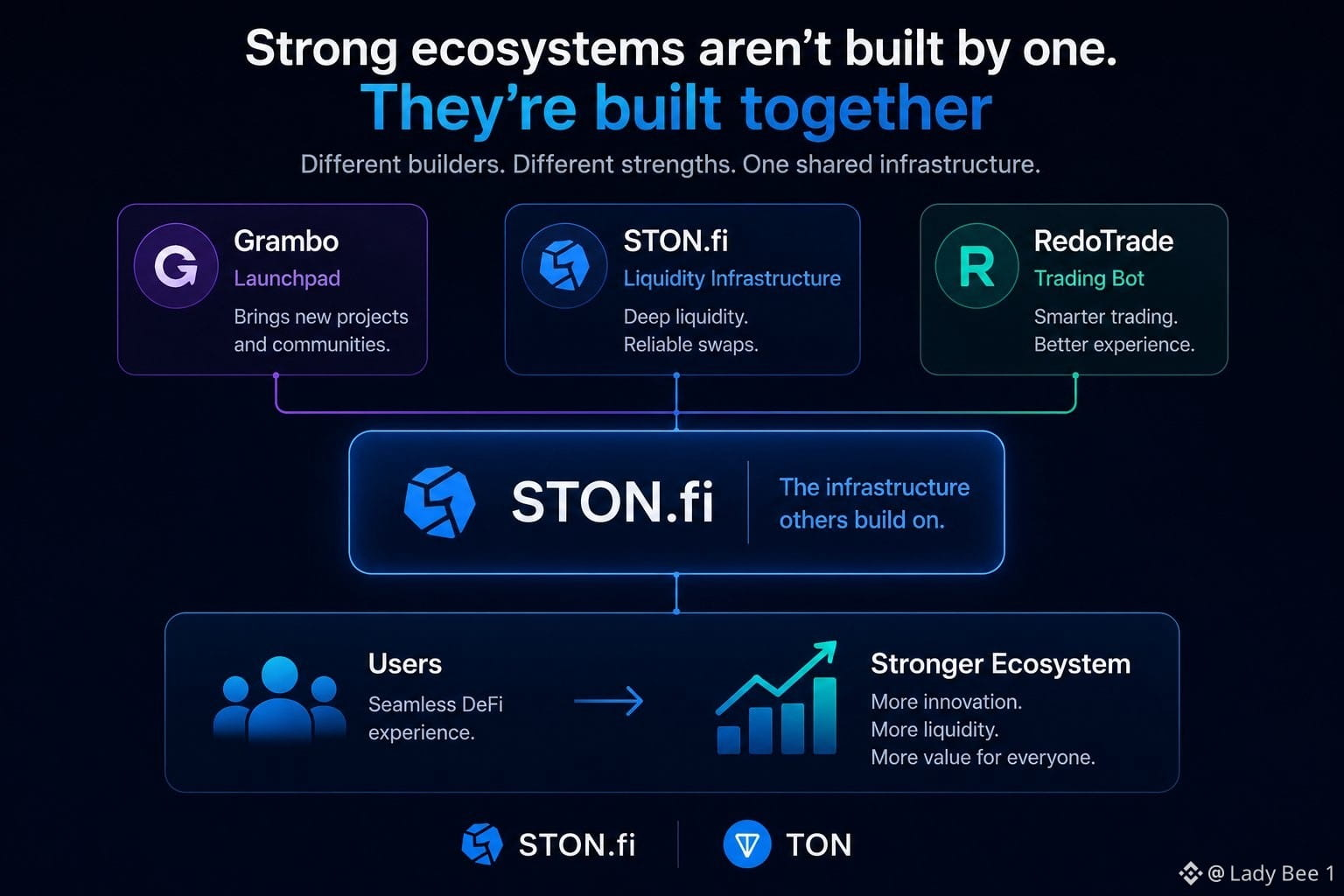
ブロックチェーン・エコシステムの成長が、単一のアプリケーションによってもたらされることは、まれです。むしろ、複数のプロトコルやサービスが連携し、より完成されたユーザー体験を生み出すことで進むことが多いのです。$GRAM エコシステム内では、Grambo や RedoTrade といったプロジェクトが、プロダクトを支えるために STON.fi のインフラを統合してきました。こうした統合は、共通の流動性や取引インフラが、開発者が独自の機能を構築することに集中しつつ、よりつながりのあるエコシステムに貢献する助けになることを示しています。さらに多くのアプリケーションが共通インフラを活用するにつれて、コラボレーションがイノベーションの重要な推進力となり、TON DeFi 分野全体でアクセシビリティ、流動性、そして機能性を向上させる可能性があります。いつも通り、ユーザーは、いかなるプロトコルやデジタル資産とやり取りする前にも、自分自身で調査を行ってください。 #Gram #Stonfi #Crypto
ブロックチェーン・エコシステムの成長が、単一のアプリケーションによってもたらされることは、まれです。むしろ、複数のプロトコルやサービスが連携し、より完成されたユーザー体験を生み出すことで進むことが多いのです。$GRAM エコシステム内では、Grambo や RedoTrade といったプロジェクトが、プロダクトを支えるために STON.fi のインフラを統合してきました。こうした統合は、共通の流動性や取引インフラが、開発者が独自の機能を構築することに集中しつつ、よりつながりのあるエコシステムに貢献する助けになることを示しています。さらに多くのアプリケーションが共通インフラを活用するにつれて、コラボレーションがイノベーションの重要な推進力となり、TON DeFi 分野全体でアクセシビリティ、流動性、そして機能性を向上させる可能性があります。いつも通り、ユーザーは、いかなるプロトコルやデジタル資産とやり取りする前にも、自分自身で調査を行ってください。 #Gram #Stonfi #Crypto
76
·
--
STON.fiは、Robinhood Chainをサポートすることでクロスチェーン・スワップ機能を拡張し、$GRAM ユーザーが新たにローンチされたEVM互換のレイヤー2ネットワーク上で利用可能な資産にアクセスできるようにしました。
この統合により、TON、Robinhood Chain、Ethereum、$BNB Chain、Base、Avalanche、Arbitrum、Polygonを含む複数のブロックチェーンネットワーク間で、サポートされているステーブルコイン同士のスワップが可能になります。STON.fiによると、クロスチェーンの実行はOmnistonが担っており、クォートから決済までの取引を調整し、確認前に最終受取額を表示します。
Robinhood Chainは、オンチェーンの金融アプリケーションを支えるよう設計されている一方、USDGはブロックチェーン上の決済と流動性のための米ドル連動型ステーブルコインとして機能します。
ローンチ時、STON.fiはRobinhood Chain上でのクロスチェーン・スワップ取引が、一時的に1取引あたり$1,000に上限があると述べました。この統合は、ブロックチェーン・エコシステム間での資産移転の相互運用性を高め、手間を簡素化するためのさらなる一歩となっています。
いつも通り、ユーザーはDeFiプロトコルやデジタル資産とやり取りする前に、自身で調査を行うようにしてください。 #Gram #Robinhood #Macro Insights#
STON.fiは、Robinhood Chainをサポートすることでクロスチェーン・スワップ機能を拡張し、$GRAM ユーザーが新たにローンチされたEVM互換のレイヤー2ネットワーク上で利用可能な資産にアクセスできるようにしました。
この統合により、TON、Robinhood Chain、Ethereum、$BNB Chain、Base、Avalanche、Arbitrum、Polygonを含む複数のブロックチェーンネットワーク間で、サポートされているステーブルコイン同士のスワップが可能になります。STON.fiによると、クロスチェーンの実行はOmnistonが担っており、クォートから決済までの取引を調整し、確認前に最終受取額を表示します。
Robinhood Chainは、オンチェーンの金融アプリケーションを支えるよう設計されている一方、USDGはブロックチェーン上の決済と流動性のための米ドル連動型ステーブルコインとして機能します。
ローンチ時、STON.fiはRobinhood Chain上でのクロスチェーン・スワップ取引が、一時的に1取引あたり$1,000に上限があると述べました。この統合は、ブロックチェーン・エコシステム間での資産移転の相互運用性を高め、手間を簡素化するためのさらなる一歩となっています。
いつも通り、ユーザーはDeFiプロトコルやデジタル資産とやり取りする前に、自身で調査を行うようにしてください。 #Gram #Robinhood #Macro Insights#
この統合により、TON、Robinhood Chain、Ethereum、$BNB Chain、Base、Avalanche、Arbitrum、Polygonを含む複数のブロックチェーンネットワーク間で、サポートされているステーブルコイン同士のスワップが可能になります。STON.fiによると、クロスチェーンの実行はOmnistonが担っており、クォートから決済までの取引を調整し、確認前に最終受取額を表示します。
Robinhood Chainは、オンチェーンの金融アプリケーションを支えるよう設計されている一方、USDGはブロックチェーン上の決済と流動性のための米ドル連動型ステーブルコインとして機能します。
ローンチ時、STON.fiはRobinhood Chain上でのクロスチェーン・スワップ取引が、一時的に1取引あたり$1,000に上限があると述べました。この統合は、ブロックチェーン・エコシステム間での資産移転の相互運用性を高め、手間を簡素化するためのさらなる一歩となっています。
いつも通り、ユーザーはDeFiプロトコルやデジタル資産とやり取りする前に、自身で調査を行うようにしてください。 #Gram #Robinhood #Macro Insights#
66
·
--
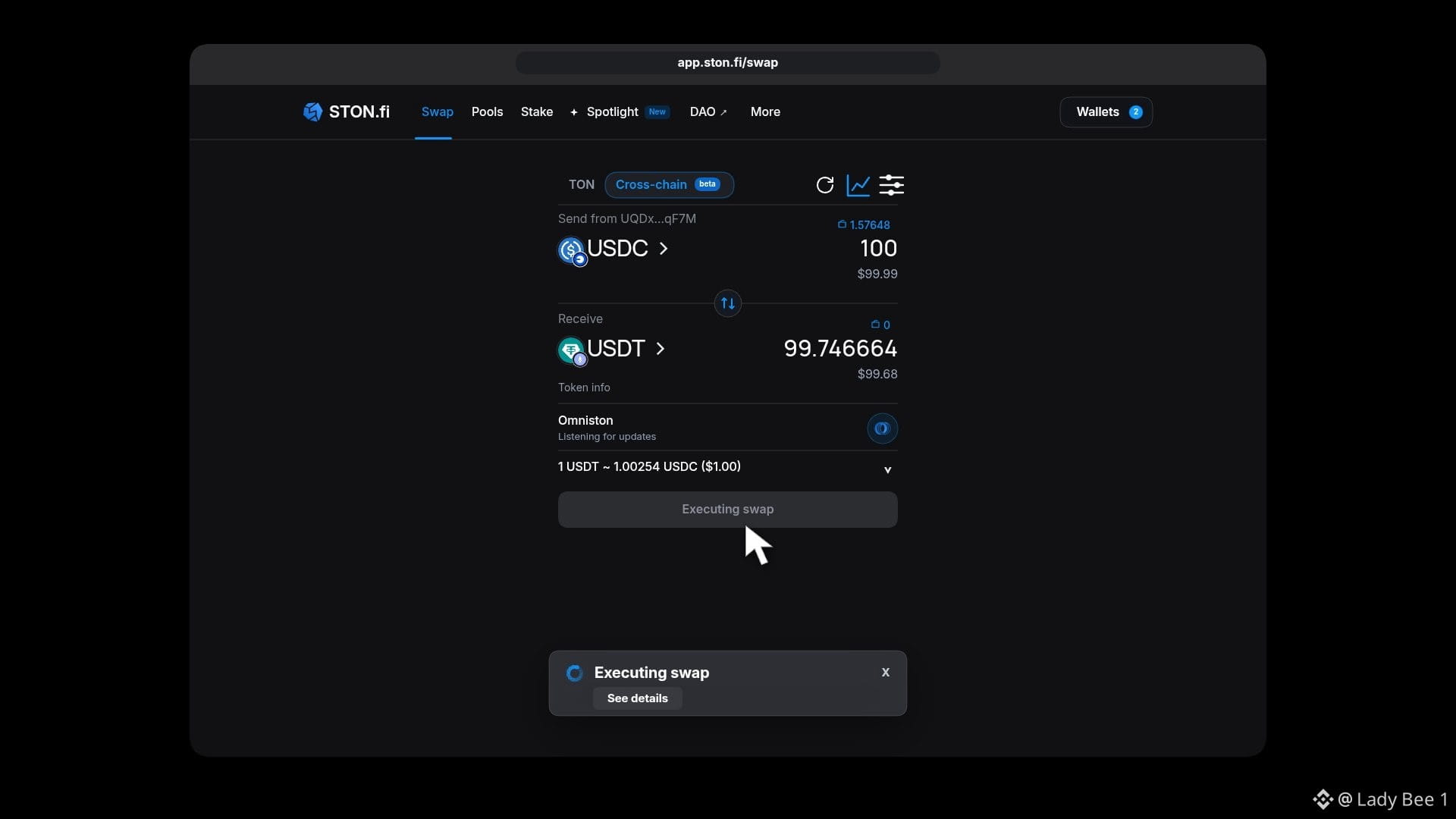
最近、$STONの新しいクロスチェーン・スワップ機能をテストして、従来のブリッジングと比較した際の体験の違いを確認しました。
テストでは、STON.fiのdAppを通じて、$BASE上の$USDCを$ETH上の$USDTへ直接スワップしました。複数のプラットフォームを使ったり、ブリッジを設定したり、複数の取引を管理したりする代わりに、すべてのプロセスを1つのインターフェースで完了させました。
この機能は、STON.fiのクロスチェーン実行レイヤーであるOmnistonによって支えられており、確認の前に見積り金額を提示しながらスワップを調整します。体験はシンプルで、ブロックチェーン間で資産を移動する際に通常つきまとう複雑さの多くが取り除かれていました。
クロスチェーン・スワップが$GRAM 、Ethereum、Base、BNB Chain、Polygonで利用可能になったことで、STON.fiはマルチチェーン対応を拡大し、ユーザーが資産移転をより利用しやすくしています。
いつも通り、ユーザーはDeFiプロトコルとやり取りする前に、自身で調査し、リスクを理解するようにしてください。#TONエコシステム、最新のプロジェクトを発見する場所# #STONFI #Crypto
最近、$STONの新しいクロスチェーン・スワップ機能をテストして、従来のブリッジングと比較した際の体験の違いを確認しました。
テストでは、STON.fiのdAppを通じて、$BASE上の$USDCを$ETH上の$USDTへ直接スワップしました。複数のプラットフォームを使ったり、ブリッジを設定したり、複数の取引を管理したりする代わりに、すべてのプロセスを1つのインターフェースで完了させました。
この機能は、STON.fiのクロスチェーン実行レイヤーであるOmnistonによって支えられており、確認の前に見積り金額を提示しながらスワップを調整します。体験はシンプルで、ブロックチェーン間で資産を移動する際に通常つきまとう複雑さの多くが取り除かれていました。
クロスチェーン・スワップが$GRAM 、Ethereum、Base、BNB Chain、Polygonで利用可能になったことで、STON.fiはマルチチェーン対応を拡大し、ユーザーが資産移転をより利用しやすくしています。
いつも通り、ユーザーはDeFiプロトコルとやり取りする前に、自身で調査し、リスクを理解するようにしてください。#TONエコシステム、最新のプロジェクトを発見する場所# #STONFI #Crypto
テストでは、STON.fiのdAppを通じて、$BASE上の$USDCを$ETH上の$USDTへ直接スワップしました。複数のプラットフォームを使ったり、ブリッジを設定したり、複数の取引を管理したりする代わりに、すべてのプロセスを1つのインターフェースで完了させました。
この機能は、STON.fiのクロスチェーン実行レイヤーであるOmnistonによって支えられており、確認の前に見積り金額を提示しながらスワップを調整します。体験はシンプルで、ブロックチェーン間で資産を移動する際に通常つきまとう複雑さの多くが取り除かれていました。
クロスチェーン・スワップが$GRAM 、Ethereum、Base、BNB Chain、Polygonで利用可能になったことで、STON.fiはマルチチェーン対応を拡大し、ユーザーが資産移転をより利用しやすくしています。
いつも通り、ユーザーはDeFiプロトコルとやり取りする前に、自身で調査し、リスクを理解するようにしてください。#TONエコシステム、最新のプロジェクトを発見する場所# #STONFI #Crypto
54
ログインして、さらにコンテンツを読む
厳選トピックで世界の暗号資産トレーダーの仲間入り
⚡️ 暗号資産に関する最新かつ有益な情報が見つかります。
💬 世界最大の暗号資産取引所から信頼されています。
👍 認証を受けたクリエイターから、有益なインサイトを得られます。
メール / 電話番号
トレンドトピック
FedMinutesFocusOnOctoberPause
閲覧回数 285,527
1,742人が討論中
🚨 警戒レベル引き上げ ‼️ 次の1時間は無闇に取引しないでください 🚨
皆さん、FOMC議事要旨の発表まで1時間を切りました。
今日すでに大きなボラティリティが見られたことを考えると、発表直前に誰にも無謀な高レバレッジポジションを取ってほしくありません。
私が注目している大きな反応は、ゴールド(XAU)、シルバー(XAG)、BTC、ETHです。さらにSOLのような銘柄や、レバレッジの高い時価総額が中小規模のアルトコインは、BTCの値動きを増幅させる可能性があります。
今夜は特にゴールドとシルバーに注意が必要です。市場はすでに米ドルと米国債利回りに反応しており、両方の貴金属はFRB議事要旨の発表を前に大きな圧力を受けています。
簡単に言うと、
📉タカ派的なFOMC議事要旨 → 米ドル・利回りが上昇する可能性 → BTC、暗号資産、ゴールド、シルバーに下押し圧力
📈ハト派的なFOMC議事要旨 → 米ドル・利回りが落ち着く可能性 → BTC、ゴールド、シルバー、リスク資産が大きく反発する可能性があります。
そして、最初のローソク足が罠になることもあるので忘れないでください。一度急騰してすぐに急落し、両方向で清算が起きてから、本当の方向性が見えてくることもあります。
今はポジションを守り、不要なレバレッジを減らし、最初の値動きにFOMOで飛び乗らないようにしてください。
今夜はまず$XAU 、$XAG 、$BTC を注視しています。これらの動きを見れば、市場がFRBの発表をどう受け止めているか、すぐに分かるでしょう。
時間どおりに皆さんに最新情報をお知らせします。
@Panda Traders をフォローして、今すぐ通知をオンにしてください。
#FedMinutesFocusOnOctoberPause
Panda Traders
·いいね:21件
·閲覧回数 4.8k
IMFGrantsWaiverForElSalvadorBitcoinBreach
閲覧回数 1,670
81人が討論中
BinanceLaunchesBinanceIntelligence
閲覧回数 1.2M
6,872人が討論中