

AZ__
8.4k 投稿

AZ__
 厳選トピック確認済+
Data Over Narratives | On-Chain Intelligence | Mechanism & Market Structure Research |
X: @Asif_MAHGZ
超高頻度トレーダー
1.7年
446 フォロー
43.5K+ フォロワー
20.9K+ いいね
投稿
すべて
引用
動画
ライブ


💊 Drug discovery
0%
📈 Finance & trading
75%
🧪 Materials science
25%
4 投票 • 投票は終了しました
⚡ Power & energy shortages
0%
🖥️ Chips & memory shortages
33%
👷 Skilled worker shortages
67%
3 投票 • 投票は終了しました
1. 💸 Large transfers
0%
2. 🔐 Actions beyond limits
0%
3. ⚖️ High-risk actions
100%
1 投票 • 投票は終了しました


🛢️ Greenland’s resource boom
12%
💻 Microsoft’s cost review
24%
🧠 AI chip demand surge
52%
⚡ Nvidia speeds up market data
12%
25 投票 • 投票は終了しました
🚀 EPS beats estimates
54%
💰 Revenue up 19% YoY
17%
📉 Inflows miss estimates
17%
🤖 Tech revenue hits $588M
12%
24 投票 • 投票は終了しました

CryptoFlix
·
--
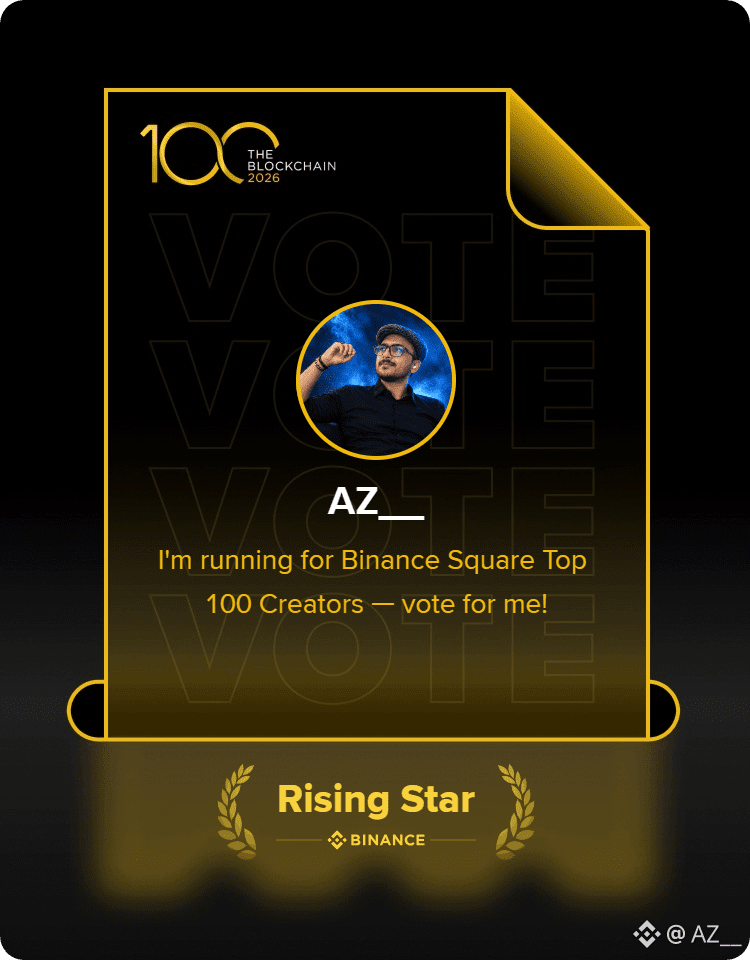
@@AZ__ をBinanceの「年間コンテンツクリエイター – ライジングスター」にノミネートするのを応援しましょう!
ノミネーションフォームの記入方法:
1~2. どちらの質問にも「いいえ」を選択してください。
3. 誰をノミネートしますか?
入力:AZ__
または
Binance Squareのユーザー名:AzAs_
4. 候補者のソーシャルメディアプロフィール:
@Asif_MAHGZ
5. ノミネーションの部門:
年間コンテンツクリエイター – ライジングスター
6. このクリエイターをノミネートする理由を教えてください。
AZ__について、ご自身の理由や実際に経験したことを記入してください。過去1年間にわたるBinance Squareへの毎日の投稿、市場分析、Binanceの機能やキャンペーンに関するガイダンス、パキスタン時間の午後11時頃に定期開催されるコミュニティのライブセッションなどに触れてもかまいません。
本人から直接サポートを受けたことがある場合は、何があったのか、また、そのガイダンスがどのように役立ったのかを説明してください。活動の例として、役に立った投稿やライブ配信の録画へのリンクを追加してください。
7~8. トレーダーのライブ取引記録:
これらの質問は「年間最優秀トレーダー」向けです。フォームで空欄のままにできる場合は、記入しないでください。
9. 候補者の連絡先情報:
「Xプロフィールリンク」を選択して入力してください
@Asif_MAHGZ
10. どのようにお呼びすればよいですか?
ご自身の名前を入力してください。
11. ご自身の連絡先情報:
ご自身のメールアドレスまたはソーシャルメディアプロフィールを入力するか、「開示しない」を選択してください。
12. ほかにお知らせいただくことはありますか?
任意:コミュニティへのサポートの具体例をもうひとつ追加するか、あなたにとって彼の貢献が価値あるものである理由を説明してください。
コミュニティやAsif Bhaiとのご自身の経験に基づき、ご自身の言葉で、誠実なノミネーションを1件送信してください。
@AZ__ を応援してくださり、ありがとうございます!
ノミネーションフォームの記入方法:
1~2. どちらの質問にも「いいえ」を選択してください。
3. 誰をノミネートしますか?
入力:AZ__
または
Binance Squareのユーザー名:AzAs_
4. 候補者のソーシャルメディアプロフィール:
@Asif_MAHGZ
5. ノミネーションの部門:
年間コンテンツクリエイター – ライジングスター
6. このクリエイターをノミネートする理由を教えてください。
AZ__について、ご自身の理由や実際に経験したことを記入してください。過去1年間にわたるBinance Squareへの毎日の投稿、市場分析、Binanceの機能やキャンペーンに関するガイダンス、パキスタン時間の午後11時頃に定期開催されるコミュニティのライブセッションなどに触れてもかまいません。
本人から直接サポートを受けたことがある場合は、何があったのか、また、そのガイダンスがどのように役立ったのかを説明してください。活動の例として、役に立った投稿やライブ配信の録画へのリンクを追加してください。
7~8. トレーダーのライブ取引記録:
これらの質問は「年間最優秀トレーダー」向けです。フォームで空欄のままにできる場合は、記入しないでください。
9. 候補者の連絡先情報:
「Xプロフィールリンク」を選択して入力してください
@Asif_MAHGZ
10. どのようにお呼びすればよいですか?
ご自身の名前を入力してください。
11. ご自身の連絡先情報:
ご自身のメールアドレスまたはソーシャルメディアプロフィールを入力するか、「開示しない」を選択してください。
12. ほかにお知らせいただくことはありますか?
任意:コミュニティへのサポートの具体例をもうひとつ追加するか、あなたにとって彼の貢献が価値あるものである理由を説明してください。
コミュニティやAsif Bhaiとのご自身の経験に基づき、ご自身の言葉で、誠実なノミネーションを1件送信してください。
@AZ__ を応援してくださり、ありがとうございます!
ログインして、さらにコンテンツを読む