

Ayush-NXT
4.3k 投稿
Ayush-NXT
UNKNOWN X:- @Ayush_2025_p
取引を発注

BNBホルダー
超高頻度トレーダー
2年
97 フォロー
21.1K+ フォロワー
9.5K+ いいね
投稿
ポートフォリオ
すべて
引用
ライブ
PINNED
PINNED
Ayush-NXT
·
--
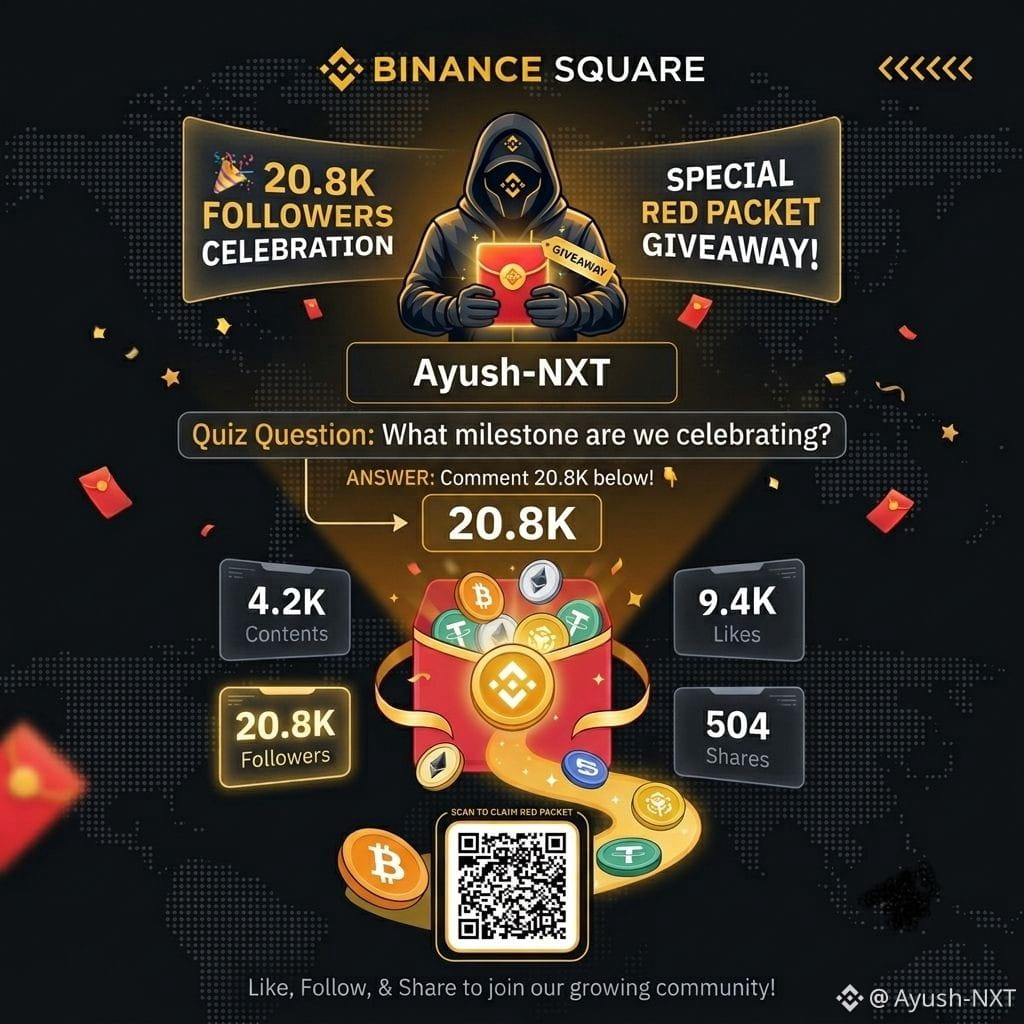
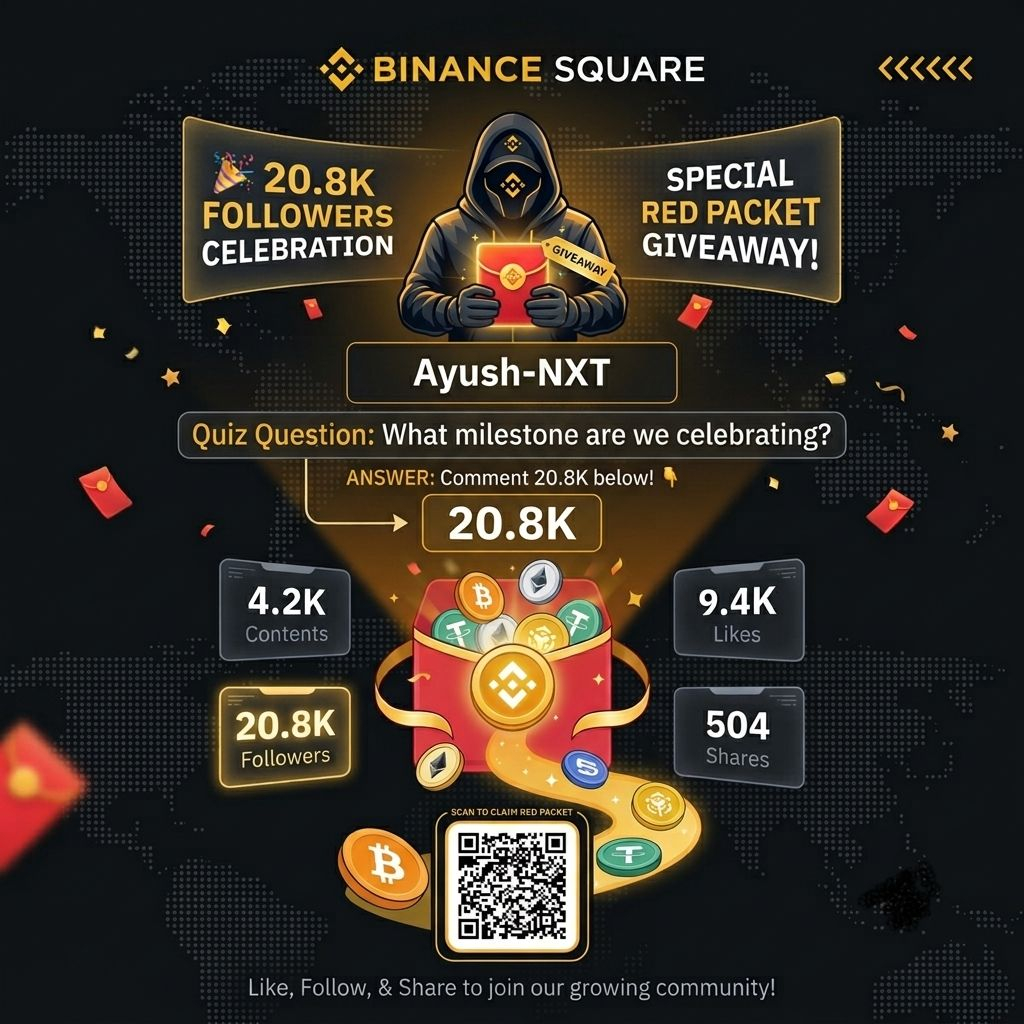
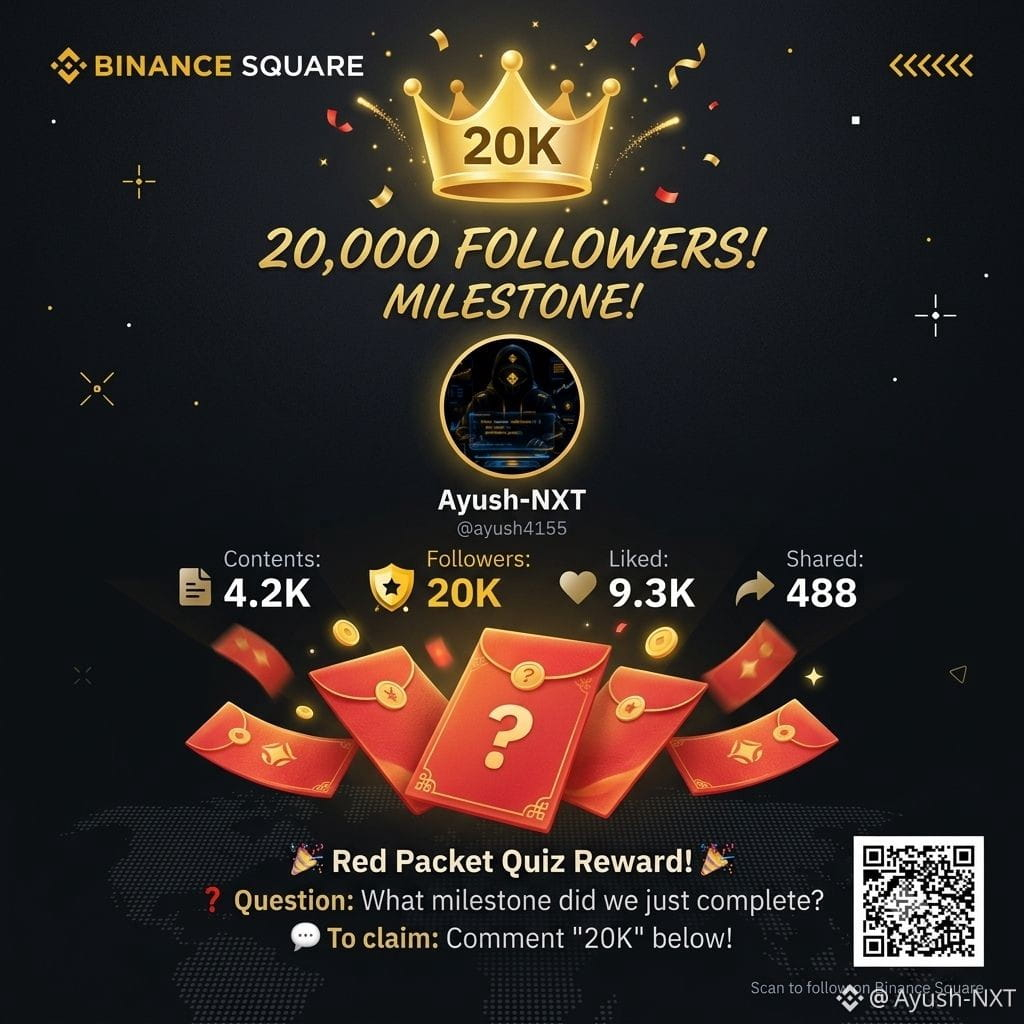
ブリッシュ🚀 特別なレッドパケットのプレゼント企画が今すぐ開催中! 🎁✨
このコミュニティの一員として、常に積極的に参加し支えてくれている皆さんに心から感謝します! 💛 私たちのBinance Squareファミリーは急速に成長していて、この勢いが生まれているのは、あなたの素晴らしいサポート、エンゲージメント、そして信頼があってこそです。 📈🔥
この旅への本気の感謝の気持ちとして、皆さんのためにこの投稿内で「新しいレッドパケット・クイズ」を用意しました! 🧧👇
🎁 報酬の受け取り方:
1️⃣ クイズに答える:今日はプロフィールで何の節目を祝っているのでしょうか?
2️⃣ 下にコメント:コメント欄に「20.8K」と入力するだけ!
3️⃣ レッドパケットを受け取る:投稿から直接、暗号資産の報酬を受け取ってください!
⚡ プールがなくなる前に、すぐに受け取るのを忘れずに! 🎯
$0G
#Ayush4155
#DevTeasers
このコミュニティの一員として、常に積極的に参加し支えてくれている皆さんに心から感謝します! 💛 私たちのBinance Squareファミリーは急速に成長していて、この勢いが生まれているのは、あなたの素晴らしいサポート、エンゲージメント、そして信頼があってこそです。 📈🔥
この旅への本気の感謝の気持ちとして、皆さんのためにこの投稿内で「新しいレッドパケット・クイズ」を用意しました! 🧧👇
🎁 報酬の受け取り方:
1️⃣ クイズに答える:今日はプロフィールで何の節目を祝っているのでしょうか?
2️⃣ 下にコメント:コメント欄に「20.8K」と入力するだけ!
3️⃣ レッドパケットを受け取る:投稿から直接、暗号資産の報酬を受け取ってください!
⚡ プールがなくなる前に、すぐに受け取るのを忘れずに! 🎯
$0G
#Ayush4155
#DevTeasers
翻訳参照

Z O N E P R I M E
·
--
ブリッシュ🔥 ZONE PRIME からの無料 BNB アラート! 🎁✨
サポートしてくれる最高の Binance ファミリーのみんなに心から感謝!今日はあなたたちに無料の BNB レッドパケットをシェアします。💛
📌 参加ルール:
✅ ZONE PRIME をフォロー
✅ いいね&リポスト
✅ レッドパケットを受け取る!🧧
受け取ったら、コメントに「BNB」を入力してください!👇🚀
#BinanceSquare #BNB #GIVEAWAY #ZONEPRIME #Crypto
サポートしてくれる最高の Binance ファミリーのみんなに心から感謝!今日はあなたたちに無料の BNB レッドパケットをシェアします。💛
📌 参加ルール:
✅ ZONE PRIME をフォロー
✅ いいね&リポスト
✅ レッドパケットを受け取る!🧧
受け取ったら、コメントに「BNB」を入力してください!👇🚀
#BinanceSquare #BNB #GIVEAWAY #ZONEPRIME #Crypto

翻訳参照


ETHcryptohub
·
--
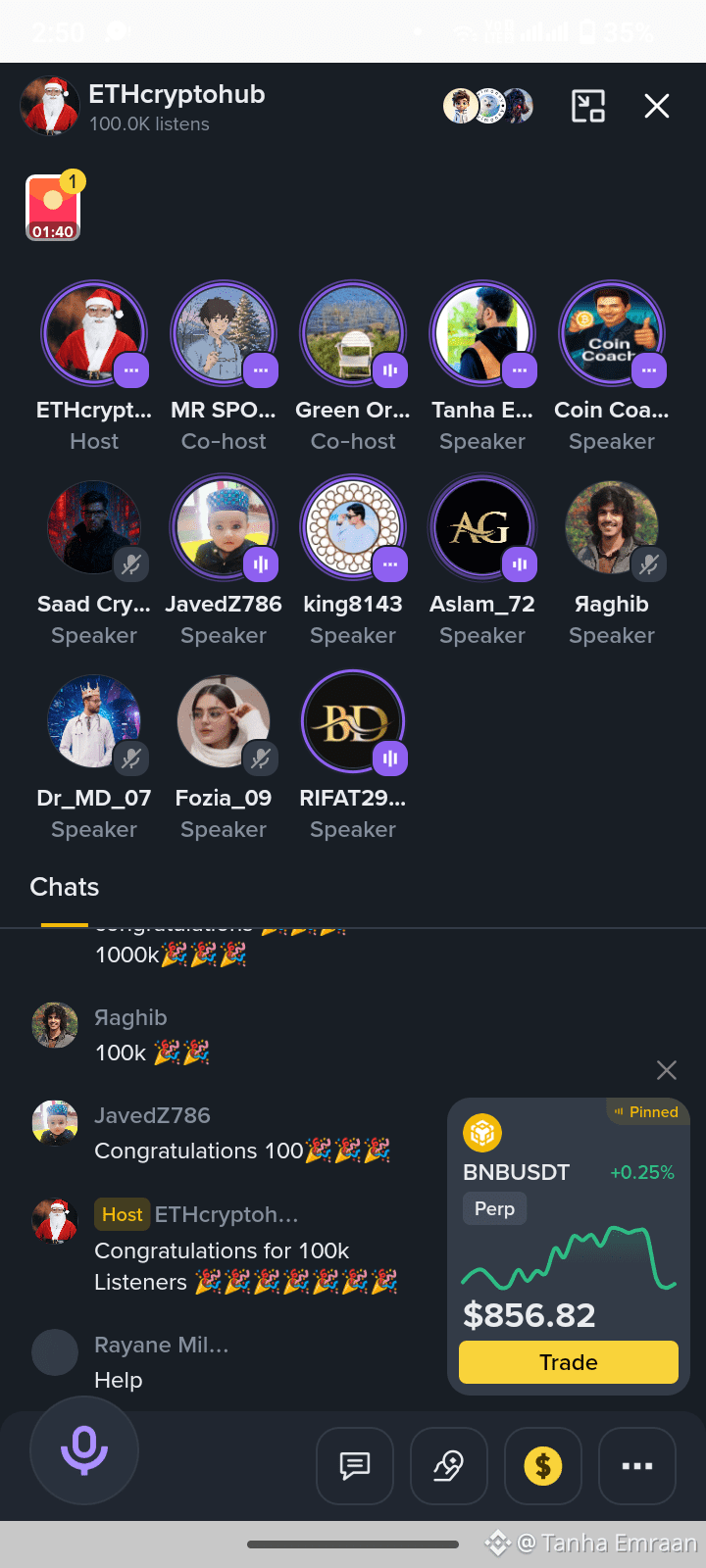
みんなが恋しいよ ❤️❤️❤️❤️ 💖💖💖💖
会いましょう 😉
無料のプレゼントを受け取って 🎁🎁💝💝
#Ethcryptohub
会いましょう 😉
無料のプレゼントを受け取って 🎁🎁💝💝
#Ethcryptohub
翻訳参照

NAJAF_加密 143
·
--
‼️$DOGE 🧧 報酬はこちら ‼️
$DOGE 🧧 の報酬を、より大きな感謝の気持ちとしてコミュニティに共有します。
✨ 報酬を受け取って楽しんでください! ✨
受け取ってください。報われます
@DOGE_ $DOGE #DOGE
$DOGE 🧧 の報酬を、より大きな感謝の気持ちとしてコミュニティに共有します。
✨ 報酬を受け取って楽しんでください! ✨
受け取ってください。報われます
@DOGE_ $DOGE #DOGE
翻訳参照

美琳 Měi Lín
·
--
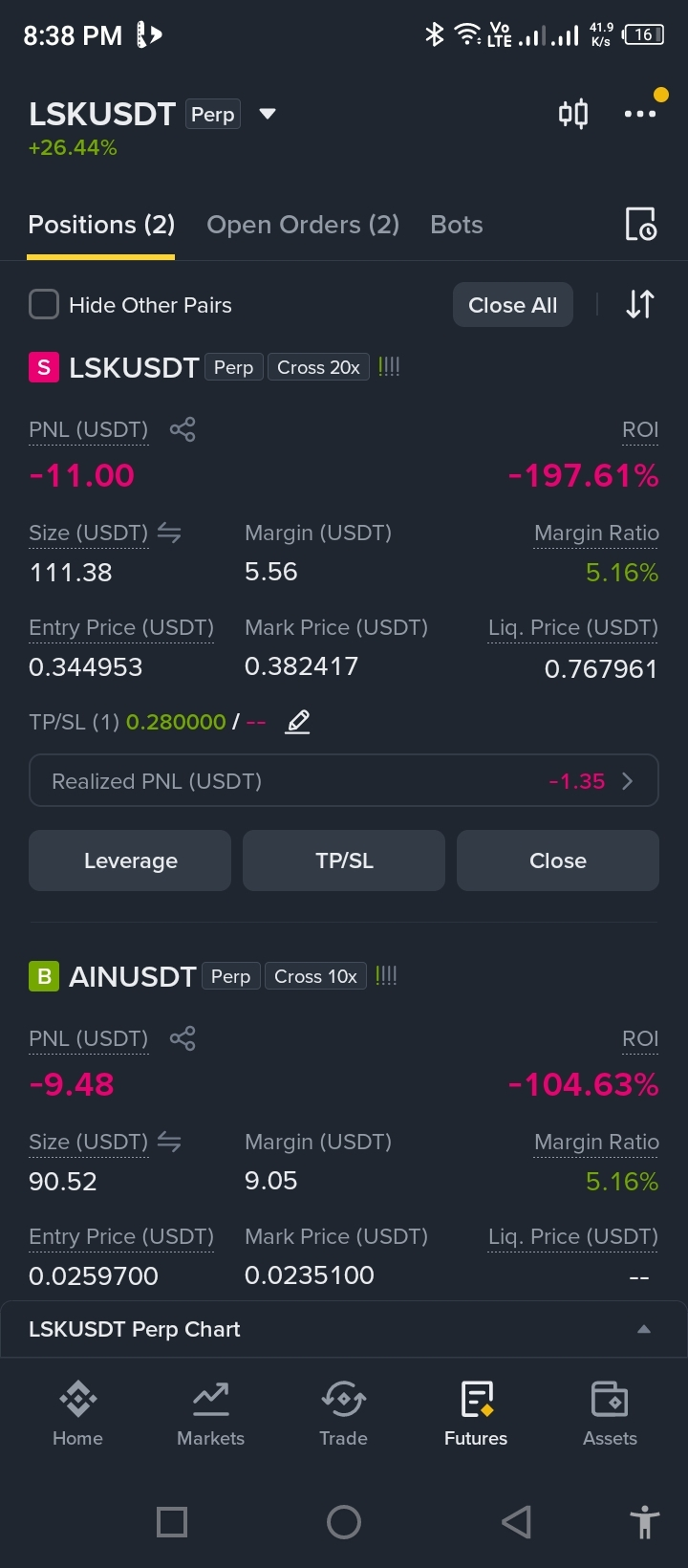
🥺🥺🥺言葉なし
翻訳参照

Malik Adnan 007
·
--
お得なコイン DOTUSDT

翻訳参照

Sara_ k
·
--
$NVDA.US $AAPL.US
.
claim 🎁🧧🧧👈
.
claim 2 🧧🧧🧧🧧🧧👈
.
$SENTIS
.
claim 🎁🧧🧧👈
.
claim 2 🧧🧧🧧🧧🧧👈
.
$SENTIS

翻訳参照

Syco 疯子
·
--
🌹 ねえみんな おはよう🌞 🎁🧧
取引では、どんな下げもチャンスで、どんな上げも学び。賢くトレードして、規律を保って、
継続が動きを利益に変えてくれます。
今日のあなたへのプレゼント 🎁🎁
@Syco 疯子 $BNB
取引では、どんな下げもチャンスで、どんな上げも学び。賢くトレードして、規律を保って、
継続が動きを利益に変えてくれます。
今日のあなたへのプレゼント 🎁🎁
@Syco 疯子 $BNB
翻訳参照

E L E X A
·
--
🚨 ただいま配信中 🚨
見るだけは簡単…でも勝者は行動する 👀
🎁 無料で $USDT が欲しい?
💬 コメント 888
❤️ いいね
🔁 シェア
➕ フォロー
⏳ チャンスを逃さないでください — 定員に限りがあります!
下に「888」を書いて今すぐ参加 🚀
#Crypto #USDT #Giveaway
見るだけは簡単…でも勝者は行動する 👀
🎁 無料で $USDT が欲しい?
💬 コメント 888
❤️ いいね
🔁 シェア
➕ フォロー
⏳ チャンスを逃さないでください — 定員に限りがあります!
下に「888」を書いて今すぐ参加 🚀
#Crypto #USDT #Giveaway

翻訳参照

VeronX143
·
--
🧧 暗号ファミリーのみんなへ ちょっとしたサプライズ ❤️
今日は予想なし。
今日はシグナルなし。
ただ、赤い封筒の中に小さなサプライズが隠れてるだけ 👀🎁
あなたの中には、この投稿を遅れて開く人もいて…
そして、ちょうどいいタイミングでそれを掴める人もいるはず 😏🧧
以上。これだけです。 ❤️
幸運を祈ってるよ、パンダたち 🐼🍀
$ZEC $LSK $BR
今日は予想なし。
今日はシグナルなし。
ただ、赤い封筒の中に小さなサプライズが隠れてるだけ 👀🎁
あなたの中には、この投稿を遅れて開く人もいて…
そして、ちょうどいいタイミングでそれを掴める人もいるはず 😏🧧
以上。これだけです。 ❤️
幸運を祈ってるよ、パンダたち 🐼🍀
$ZEC $LSK $BR

翻訳参照

N-Y-X
·
--
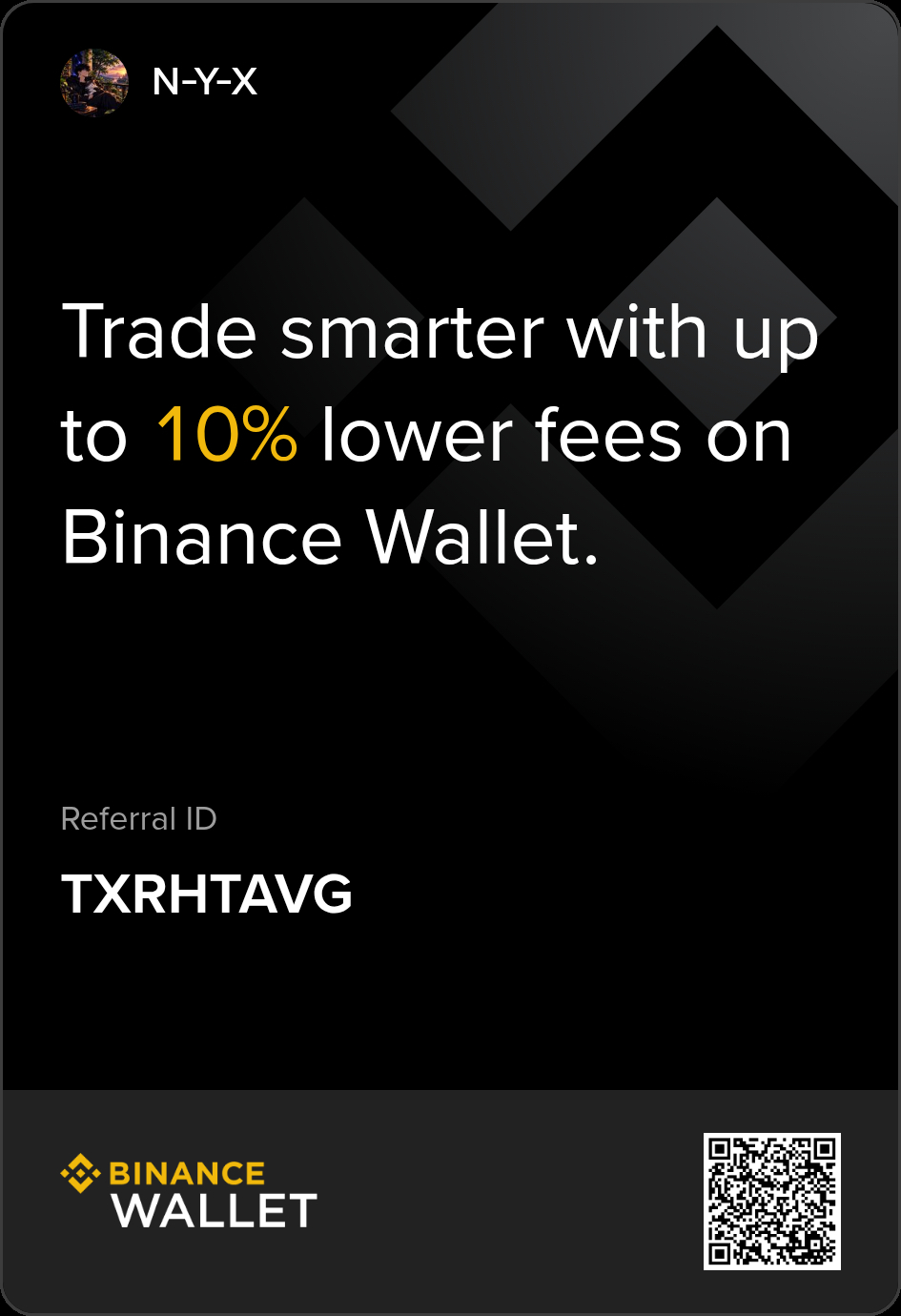
$QNT で参加する 👇
https://web3.binance.com/m/referral?ref=TXRHTAVG
取引手数料10%オフ 👈📴👉 クリックまたは参加
https://web3.binance.com/m/referral?ref=TXRHTAVG
取引手数料10%オフ 👈📴👉 クリックまたは参加
翻訳参照

分析师尤斯1688
·
--
ボーナスをもらう方法。🧧

翻訳参照
引用されたコンテンツは削除されました
翻訳参照

Flora Firdos
·
--
💸 $USDT IS ここにいます! 🎁🔥
コミュニティの中からラッキーな1人にUSDTを少しプレゼント! 👀💚
💬 コメント 999
❤️ この投稿にいいね
🔄 リポスト&共有
➕ フォロー
手順を完了すれば参加完了! 🚀
今日の$USDT Palaを受け取るのは誰? 👀💰
みんな頑張って! 🍀✨
コミュニティの中からラッキーな1人にUSDTを少しプレゼント! 👀💚
💬 コメント 999
❤️ この投稿にいいね
🔄 リポスト&共有
➕ フォロー
手順を完了すれば参加完了! 🚀
今日の$USDT Palaを受け取るのは誰? 👀💰
みんな頑張って! 🍀✨
翻訳参照

ENTRY HUNTER⁷⁸⁹
·
--
ブリッシュ$SOL REDPACKETS FOR ALL!!
Buy the Dip👀
REPOST for More!!!
$BTW
$ALICE
Buy the Dip👀
REPOST for More!!!
$BTW
$ALICE
翻訳参照
ETHcryptohub
·
--
みんなが恋しいよ ❤️❤️❤️❤️ 💖💖💖💖
会いましょう 😉
無料のプレゼントを受け取って 🎁🎁💝💝
#Ethcryptohub
会いましょう 😉
無料のプレゼントを受け取って 🎁🎁💝💝
#Ethcryptohub
ログインして、さらにコンテンツを読む