

Abhinaav
31 投稿

Abhinaav
報告
ユーザーをブロック
6 フォロー
26 フォロワー
40 いいね
投稿
·
--
#BinancePickAndWin
Binance Pick & Win は通常、予想形式のキャンペーンで、ユーザーが結果を選び、選択が正しければ報酬を獲得できます。上場情報、市場のイベント、またはプロモーションの周りでエンゲージメントを高めることを目的としています。報酬はさまざまで、トークンのバウチャー、ボーナス、またはその他のキャンペーン賞品が含まれることがあります。
参加するには、通常は Binance アプリまたはウェブサイトにアクセスし、該当するキャンペーンページを開いて、締切までに予想を選び、イベント終了後に結果を待ちます。参加資格、報酬ルール、清算(決済)のタイミングは、キャンペーンごとの条件によって異なります。
私のヒント:キャンペーンのルールは必ず注意深く読みましょう。特に、エントリー期間、参加資格要件、報酬の配布日、地域制限などに注目してください。必要なら、最新の公式「Binance Pick & Win」告知を見つけるお手伝いもできます。
#BinancePickAndWin
Binance Pick & Win は通常、予想形式のキャンペーンで、ユーザーが結果を選び、選択が正しければ報酬を獲得できます。上場情報、市場のイベント、またはプロモーションの周りでエンゲージメントを高めることを目的としています。報酬はさまざまで、トークンのバウチャー、ボーナス、またはその他のキャンペーン賞品が含まれることがあります。
参加するには、通常は Binance アプリまたはウェブサイトにアクセスし、該当するキャンペーンページを開いて、締切までに予想を選び、イベント終了後に結果を待ちます。参加資格、報酬ルール、清算(決済)のタイミングは、キャンペーンごとの条件によって異なります。
私のヒント:キャンペーンのルールは必ず注意深く読みましょう。特に、エントリー期間、参加資格要件、報酬の配布日、地域制限などに注目してください。必要なら、最新の公式「Binance Pick & Win」告知を見つけるお手伝いもできます。
Binance Pick & Win は通常、予想形式のキャンペーンで、ユーザーが結果を選び、選択が正しければ報酬を獲得できます。上場情報、市場のイベント、またはプロモーションの周りでエンゲージメントを高めることを目的としています。報酬はさまざまで、トークンのバウチャー、ボーナス、またはその他のキャンペーン賞品が含まれることがあります。
参加するには、通常は Binance アプリまたはウェブサイトにアクセスし、該当するキャンペーンページを開いて、締切までに予想を選び、イベント終了後に結果を待ちます。参加資格、報酬ルール、清算(決済)のタイミングは、キャンペーンごとの条件によって異なります。
私のヒント:キャンペーンのルールは必ず注意深く読みましょう。特に、エントリー期間、参加資格要件、報酬の配布日、地域制限などに注目してください。必要なら、最新の公式「Binance Pick & Win」告知を見つけるお手伝いもできます。
94
·
--
ブリッシュ
#BinancePickAndWin
Bitcoin再テストでレジスタンスを突破($64400)Bitcoin $60K $70Kのレンジをレンジ内でヒット。307日間のコンソリデーション
#BinancePickAndWin
Bitcoin再テストでレジスタンスを突破($64400)Bitcoin $60K $70Kのレンジをレンジ内でヒット。307日間のコンソリデーション
Bitcoin再テストでレジスタンスを突破($64400)Bitcoin $60K $70Kのレンジをレンジ内でヒット。307日間のコンソリデーション
73
·
--
ブリッシュ
#BinancePickAndWin
Binance Pick & Winは、通常ユーザーが結果を選び、選択が正しければ報酬を獲得できる「予想型」のキャンペーンです。上場情報、マーケットイベント、またはプロモーションに関する関心やエンゲージメントを高めることを目的としています。報酬はさまざまで、トークンのバウチャー、ボーナス、その他のキャンペーン賞品が含まれることがよくあります。
参加するには、ユーザーは通常Binanceアプリまたはウェブサイトにアクセスし、該当するキャンペーンページを開いて、締切までに自分の予想を選び、イベント終了後に結果を確認します。参加資格、報酬ルール、精算(決済)のタイミングは、キャンペーンの具体的な条件によって異なります。
私のおすすめ:キャンペーンのルールを必ずよく読んでください。特に、応募期間、参加資格要件、報酬の配布日、地域の制限に注目してください。必要なら、最新の公式「Binance Pick & Win」告知を探すお手伝いもできます。
{spot}(NVDABUSDT)
#BinancePickAndWin
Binance Pick & Winは、通常ユーザーが結果を選び、選択が正しければ報酬を獲得できる「予想型」のキャンペーンです。上場情報、マーケットイベント、またはプロモーションに関する関心やエンゲージメントを高めることを目的としています。報酬はさまざまで、トークンのバウチャー、ボーナス、その他のキャンペーン賞品が含まれることがよくあります。
参加するには、ユーザーは通常Binanceアプリまたはウェブサイトにアクセスし、該当するキャンペーンページを開いて、締切までに自分の予想を選び、イベント終了後に結果を確認します。参加資格、報酬ルール、精算(決済)のタイミングは、キャンペーンの具体的な条件によって異なります。
私のおすすめ:キャンペーンのルールを必ずよく読んでください。特に、応募期間、参加資格要件、報酬の配布日、地域の制限に注目してください。必要なら、最新の公式「Binance Pick & Win」告知を探すお手伝いもできます。
Binance Pick & Winは、通常ユーザーが結果を選び、選択が正しければ報酬を獲得できる「予想型」のキャンペーンです。上場情報、マーケットイベント、またはプロモーションに関する関心やエンゲージメントを高めることを目的としています。報酬はさまざまで、トークンのバウチャー、ボーナス、その他のキャンペーン賞品が含まれることがよくあります。
参加するには、ユーザーは通常Binanceアプリまたはウェブサイトにアクセスし、該当するキャンペーンページを開いて、締切までに自分の予想を選び、イベント終了後に結果を確認します。参加資格、報酬ルール、精算(決済)のタイミングは、キャンペーンの具体的な条件によって異なります。
私のおすすめ:キャンペーンのルールを必ずよく読んでください。特に、応募期間、参加資格要件、報酬の配布日、地域の制限に注目してください。必要なら、最新の公式「Binance Pick & Win」告知を探すお手伝いもできます。
119
·
--
#BinancePickAndWin
Binance Pick & Win は、Binance の現在の 2026 フットボールチャレンジのキャンペーンのようです。毎日試合の予想を行い、簡単なタスクを完了して報酬ボックスをアンロックし、総額 $4,000,000 の賞金プールを共有できます。公式ページ/告知に記載されている報酬には、バウチャー、グッズ、試合チケット、ミステリーボックス、トークン報酬が含まれます。(binance.com)
公式のイベントページは、「2026 Football Challenge | Pick & Win Daily Rewards」という Binance 上のアクティビティです。公式発表では、キャンペーンは現在実施中であり、毎日のサッカー予想と連動しているとされています。(binance.com)
次のいずれでもお手伝いできます:
仕組みの要約
報酬とルールの確認
正確な実施期間の特定
Binance アプリで参加する方法の説明
お住まいの地域で利用可能かの確認
.
#BinancePickAndWin
Binance Pick & Win は、Binance の現在の 2026 フットボールチャレンジのキャンペーンのようです。毎日試合の予想を行い、簡単なタスクを完了して報酬ボックスをアンロックし、総額 $4,000,000 の賞金プールを共有できます。公式ページ/告知に記載されている報酬には、バウチャー、グッズ、試合チケット、ミステリーボックス、トークン報酬が含まれます。(binance.com)
公式のイベントページは、「2026 Football Challenge | Pick & Win Daily Rewards」という Binance 上のアクティビティです。公式発表では、キャンペーンは現在実施中であり、毎日のサッカー予想と連動しているとされています。(binance.com)
次のいずれでもお手伝いできます:
仕組みの要約
報酬とルールの確認
正確な実施期間の特定
Binance アプリで参加する方法の説明
お住まいの地域で利用可能かの確認
.
Binance Pick & Win は、Binance の現在の 2026 フットボールチャレンジのキャンペーンのようです。毎日試合の予想を行い、簡単なタスクを完了して報酬ボックスをアンロックし、総額 $4,000,000 の賞金プールを共有できます。公式ページ/告知に記載されている報酬には、バウチャー、グッズ、試合チケット、ミステリーボックス、トークン報酬が含まれます。(binance.com)
公式のイベントページは、「2026 Football Challenge | Pick & Win Daily Rewards」という Binance 上のアクティビティです。公式発表では、キャンペーンは現在実施中であり、毎日のサッカー予想と連動しているとされています。(binance.com)
次のいずれでもお手伝いできます:
仕組みの要約
報酬とルールの確認
正確な実施期間の特定
Binance アプリで参加する方法の説明
お住まいの地域で利用可能かの確認
.
101
·
--
#BitcoinFalls44%FromJanuaryPeak
BTCは現在$61,739.05で取引されています。これは、直近24時間で約1.17%の上昇で、$61,026.65での開始を基準としています。本日のレンジは$61,004.00〜$62,200.00です。
クイック読み:
短期のムード:やや強気
24時間高値での拒否:価格が$62.2Kに一度到達してから反落したため、この水準は短期的なレジスタンスと見られます
最も近いサポート:およそ$61.0K
BTCが$62.2Kを奪還すれば:モメンタムが強まる可能性
$61.0Kを下抜ければ:短期的な下押し圧力が高まるかもしれません
シンプルなトレードのセットアップ
初心者向けのBTCトレンド分析
#BitcoinFalls44%FromJanuaryPeak
BTCは現在$61,739.05で取引されています。これは、直近24時間で約1.17%の上昇で、$61,026.65での開始を基準としています。本日のレンジは$61,004.00〜$62,200.00です。
クイック読み:
短期のムード:やや強気
24時間高値での拒否:価格が$62.2Kに一度到達してから反落したため、この水準は短期的なレジスタンスと見られます
最も近いサポート:およそ$61.0K
BTCが$62.2Kを奪還すれば:モメンタムが強まる可能性
$61.0Kを下抜ければ:短期的な下押し圧力が高まるかもしれません
シンプルなトレードのセットアップ
初心者向けのBTCトレンド分析
BTCは現在$61,739.05で取引されています。これは、直近24時間で約1.17%の上昇で、$61,026.65での開始を基準としています。本日のレンジは$61,004.00〜$62,200.00です。
クイック読み:
短期のムード:やや強気
24時間高値での拒否:価格が$62.2Kに一度到達してから反落したため、この水準は短期的なレジスタンスと見られます
最も近いサポート:およそ$61.0K
BTCが$62.2Kを奪還すれば:モメンタムが強まる可能性
$61.0Kを下抜ければ:短期的な下押し圧力が高まるかもしれません
シンプルなトレードのセットアップ
初心者向けのBTCトレンド分析
64
·
--
#BinancePickAndWin
ここで、私が最速でお手伝いできる方法:
現在の「Pick & Win」キャンペーンの詳細が知りたい場合は、「Pick & Winの告知を確認」と言ってください。
進行中のBinanceのプロモ/報酬について知りたい場合は、最新のアクティビティ投稿を表示できます。
BinanceでPick & Winに参加する方法を知りたい場合は、アプリでの通常の手順をご案内します。
私が見つけた最新のBinanceアクティビティ/ニュースはこちら:
Binanceの株式が教えてくれる違い:参加して、報酬として500 USDC相当をシェア!
Binance Alpha取引コンペ:Solstice(SLX)を取引して、報酬200Kドル相当をシェア
Binance クリエイター・チャレンジ:商品を試し、コンテンツを作成し、最大215,000ドル相当の報酬をシェア!
Binance Earn Yieldアリーナ:今週の新しい期間限定オファーで最大35% APRを獲得!
よければ、今すぐ:
「Pick & Win」をピンポイントで検索するか、または
最新のBinance報酬キャンペーンを表示できます。
#BinancePickAndWin
ここで、私が最速でお手伝いできる方法:
現在の「Pick & Win」キャンペーンの詳細が知りたい場合は、「Pick & Winの告知を確認」と言ってください。
進行中のBinanceのプロモ/報酬について知りたい場合は、最新のアクティビティ投稿を表示できます。
BinanceでPick & Winに参加する方法を知りたい場合は、アプリでの通常の手順をご案内します。
私が見つけた最新のBinanceアクティビティ/ニュースはこちら:
Binanceの株式が教えてくれる違い:参加して、報酬として500 USDC相当をシェア!
Binance Alpha取引コンペ:Solstice(SLX)を取引して、報酬200Kドル相当をシェア
Binance クリエイター・チャレンジ:商品を試し、コンテンツを作成し、最大215,000ドル相当の報酬をシェア!
Binance Earn Yieldアリーナ:今週の新しい期間限定オファーで最大35% APRを獲得!
よければ、今すぐ:
「Pick & Win」をピンポイントで検索するか、または
最新のBinance報酬キャンペーンを表示できます。
ここで、私が最速でお手伝いできる方法:
現在の「Pick & Win」キャンペーンの詳細が知りたい場合は、「Pick & Winの告知を確認」と言ってください。
進行中のBinanceのプロモ/報酬について知りたい場合は、最新のアクティビティ投稿を表示できます。
BinanceでPick & Winに参加する方法を知りたい場合は、アプリでの通常の手順をご案内します。
私が見つけた最新のBinanceアクティビティ/ニュースはこちら:
Binanceの株式が教えてくれる違い:参加して、報酬として500 USDC相当をシェア!
Binance Alpha取引コンペ:Solstice(SLX)を取引して、報酬200Kドル相当をシェア
Binance クリエイター・チャレンジ:商品を試し、コンテンツを作成し、最大215,000ドル相当の報酬をシェア!
Binance Earn Yieldアリーナ:今週の新しい期間限定オファーで最大35% APRを獲得!
よければ、今すぐ:
「Pick & Win」をピンポイントで検索するか、または
最新のBinance報酬キャンペーンを表示できます。
102
·
--
ブリッシュ
#BinancePickAndWin
BinanceのBig and Winキャンペーンは、暗号資産ファンの取引活動とプラットフォームへの関与に対して報いる、高リスクな大型キャンペーンです。参加者は通常、現物取引、証拠金取引、または友人の紹介といった特定のタスクを完了することで、大規模な賞金プール、限定トークンのエアドロップ、豪華な特典などを獲得します。日替わりのラッキードローやダイナミックなランキングを通じて取引体験をゲーム化することで、Binanceはユーザーのエンゲージメントを効果的に高め、市場の流動性も押し上げています。これは、楽しく始めたい初心者トレーダーと、リターンを最大化する経験豊富な投資家とのギャップを埋める役割を果たします。最終的にこの取り組みは、戦略的な取引が大きな金融チャンスに直結する、ワクワクするスピード感ある環境を提供することで、Binanceのエコシステムへの忠誠心を強化します
#BinancePickAndWin
BinanceのBig and Winキャンペーンは、暗号資産ファンの取引活動とプラットフォームへの関与に対して報いる、高リスクな大型キャンペーンです。参加者は通常、現物取引、証拠金取引、または友人の紹介といった特定のタスクを完了することで、大規模な賞金プール、限定トークンのエアドロップ、豪華な特典などを獲得します。日替わりのラッキードローやダイナミックなランキングを通じて取引体験をゲーム化することで、Binanceはユーザーのエンゲージメントを効果的に高め、市場の流動性も押し上げています。これは、楽しく始めたい初心者トレーダーと、リターンを最大化する経験豊富な投資家とのギャップを埋める役割を果たします。最終的にこの取り組みは、戦略的な取引が大きな金融チャンスに直結する、ワクワクするスピード感ある環境を提供することで、Binanceのエコシステムへの忠誠心を強化します
BinanceのBig and Winキャンペーンは、暗号資産ファンの取引活動とプラットフォームへの関与に対して報いる、高リスクな大型キャンペーンです。参加者は通常、現物取引、証拠金取引、または友人の紹介といった特定のタスクを完了することで、大規模な賞金プール、限定トークンのエアドロップ、豪華な特典などを獲得します。日替わりのラッキードローやダイナミックなランキングを通じて取引体験をゲーム化することで、Binanceはユーザーのエンゲージメントを効果的に高め、市場の流動性も押し上げています。これは、楽しく始めたい初心者トレーダーと、リターンを最大化する経験豊富な投資家とのギャップを埋める役割を果たします。最終的にこの取り組みは、戦略的な取引が大きな金融チャンスに直結する、ワクワクするスピード感ある環境を提供することで、Binanceのエコシステムへの忠誠心を強化します
82
·
--
弱気相場
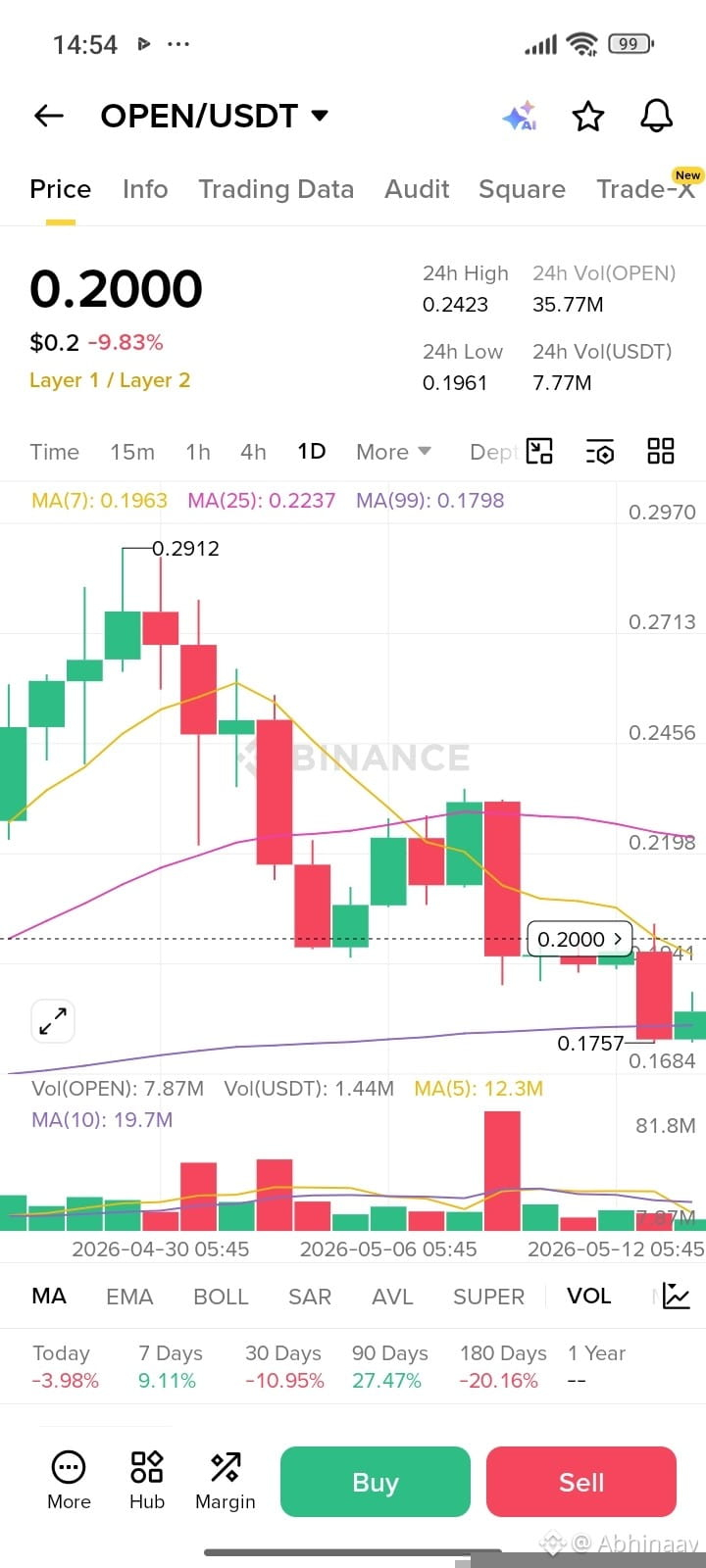
この画像は、BinanceモバイルアプリにおけるOPEN/USDT取引ペアの暗号通貨のキャンドルスティックチャートを表示しています。資産の現在の価格は0.2000 USDTで、日々の価格は9.83%の減少を示しています。メインチャートの下には、オーダーブックの内訳が市場のセンチメントを視覚化しており、64.46%の買い注文(ビッド)と35.54%の売り注文(アスク)を示しています。#open #OpenLedaer $OPEN
{spot}(OPENUSDT)
この画像は、BinanceモバイルアプリにおけるOPEN/USDT取引ペアの暗号通貨のキャンドルスティックチャートを表示しています。資産の現在の価格は0.2000 USDTで、日々の価格は9.83%の減少を示しています。メインチャートの下には、オーダーブックの内訳が市場のセンチメントを視覚化しており、64.46%の買い注文(ビッド)と35.54%の売り注文(アスク)を示しています。#open #OpenLedaer $OPEN
128
·
--
弱気相場
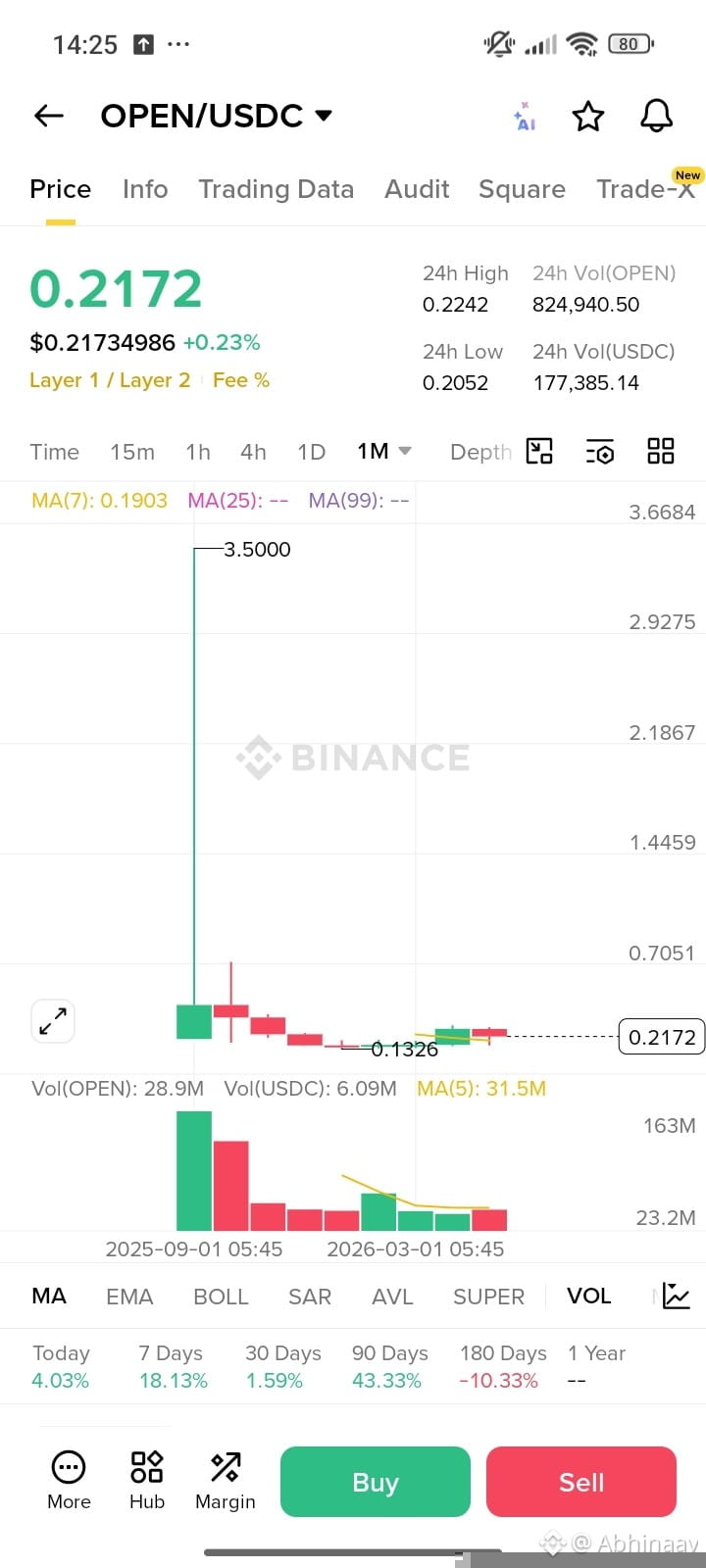
これはバイナンスのモバイルアプリ上での暗号通貨取引インターフェースのスクリーンショットで、特にOPEN/USDCのトレーディングペアを表示しています。現在、資産は0.2172で取引されており、日々の微増は0.23%です。画面には月間のキャンドルスティックチャートが表示されており、初期の価格スパイクが3.5000に達した後、長期間の統合が続いています。#open #OpenLeaderCoin #openLedager
これはバイナンスのモバイルアプリ上での暗号通貨取引インターフェースのスクリーンショットで、特にOPEN/USDCのトレーディングペアを表示しています。現在、資産は0.2172で取引されており、日々の微増は0.23%です。画面には月間のキャンドルスティックチャートが表示されており、初期の価格スパイクが3.5000に達した後、長期間の統合が続いています。#open #OpenLeaderCoin #openLedager
114
·
--
#openledger $OPEN OpenLedger (OPEN)は、特化した人工知能(AI)向けのブロックチェーンプロトコルです。データと流動性のレイヤーとして機能し、AIモデル、データネットワーク、デジタルエージェントをホスト、トレーニング、デプロイ、マネタイズするために明示的に設計されています。
このプロジェクトは2025年末にメインネットとユーティリティトークンを立ち上げました。ここでは、その仕組み、技術、OPENコインの役割について詳細に説明します。
1. コア目的とユースケース
従来のAI開発は高度に中央集権的で、データパイプラインとモデルのトレーニングを制御するテックジャイアンツによって支配されています。OpenLedgerは、コミュニティが所有するデータを集約して特化したAIモデルをトレーニングする透明なインフラを確立することで、このエコシステムを分散化することを目指しています。
データセットのアップロードから実際のモデルのトレーニングや推論の追跡に至るまで、すべてのマイルストーンはチェーン上に記録され、データ提供者への検証可能な帰属と公正な財政的報酬が保証されます。
2. 主要なアーキテクチャと特徴
OpenLedgerは、ブロックチェーン技術と機械学習を同期させるために、いくつかのコアメカニズムに依存しています:
EVM互換性:OpenLedgerはEthereum仮想マシン(EVM)と完全に互換性があるように構築されています。これにより、開発者はトークンを簡単にブリッジし、分散型金融(DeFi)プラットフォームとやり取りし、既存のEthereumウォレットやスマートコントラクトを統合できます。
3. OPENトークンの役割
OPENトークンは、OpenLedgerエコシステムのネイティブユーティリティおよびガバナンス資産として機能します。その主な機能は以下の通りです:
ネットワークガス料金:ネットワーク上のトランザクション計算コストの支払いに使用されます。
4. トークノミクスと市場コンテキスト
総供給/最大供給:
#openledger $OPEN OpenLedger (OPEN)は、特化した人工知能(AI)向けのブロックチェーンプロトコルです。データと流動性のレイヤーとして機能し、AIモデル、データネットワーク、デジタルエージェントをホスト、トレーニング、デプロイ、マネタイズするために明示的に設計されています。
このプロジェクトは2025年末にメインネットとユーティリティトークンを立ち上げました。ここでは、その仕組み、技術、OPENコインの役割について詳細に説明します。
1. コア目的とユースケース
従来のAI開発は高度に中央集権的で、データパイプラインとモデルのトレーニングを制御するテックジャイアンツによって支配されています。OpenLedgerは、コミュニティが所有するデータを集約して特化したAIモデルをトレーニングする透明なインフラを確立することで、このエコシステムを分散化することを目指しています。
データセットのアップロードから実際のモデルのトレーニングや推論の追跡に至るまで、すべてのマイルストーンはチェーン上に記録され、データ提供者への検証可能な帰属と公正な財政的報酬が保証されます。
2. 主要なアーキテクチャと特徴
OpenLedgerは、ブロックチェーン技術と機械学習を同期させるために、いくつかのコアメカニズムに依存しています:
EVM互換性:OpenLedgerはEthereum仮想マシン(EVM)と完全に互換性があるように構築されています。これにより、開発者はトークンを簡単にブリッジし、分散型金融(DeFi)プラットフォームとやり取りし、既存のEthereumウォレットやスマートコントラクトを統合できます。
3. OPENトークンの役割
OPENトークンは、OpenLedgerエコシステムのネイティブユーティリティおよびガバナンス資産として機能します。その主な機能は以下の通りです:
ネットワークガス料金:ネットワーク上のトランザクション計算コストの支払いに使用されます。
4. トークノミクスと市場コンテキスト
総供給/最大供給:
このプロジェクトは2025年末にメインネットとユーティリティトークンを立ち上げました。ここでは、その仕組み、技術、OPENコインの役割について詳細に説明します。
1. コア目的とユースケース
従来のAI開発は高度に中央集権的で、データパイプラインとモデルのトレーニングを制御するテックジャイアンツによって支配されています。OpenLedgerは、コミュニティが所有するデータを集約して特化したAIモデルをトレーニングする透明なインフラを確立することで、このエコシステムを分散化することを目指しています。
データセットのアップロードから実際のモデルのトレーニングや推論の追跡に至るまで、すべてのマイルストーンはチェーン上に記録され、データ提供者への検証可能な帰属と公正な財政的報酬が保証されます。
2. 主要なアーキテクチャと特徴
OpenLedgerは、ブロックチェーン技術と機械学習を同期させるために、いくつかのコアメカニズムに依存しています:
EVM互換性:OpenLedgerはEthereum仮想マシン(EVM)と完全に互換性があるように構築されています。これにより、開発者はトークンを簡単にブリッジし、分散型金融(DeFi)プラットフォームとやり取りし、既存のEthereumウォレットやスマートコントラクトを統合できます。
3. OPENトークンの役割
OPENトークンは、OpenLedgerエコシステムのネイティブユーティリティおよびガバナンス資産として機能します。その主な機能は以下の通りです:
ネットワークガス料金:ネットワーク上のトランザクション計算コストの支払いに使用されます。
4. トークノミクスと市場コンテキスト
総供給/最大供給:
76
·
--
弱気相場
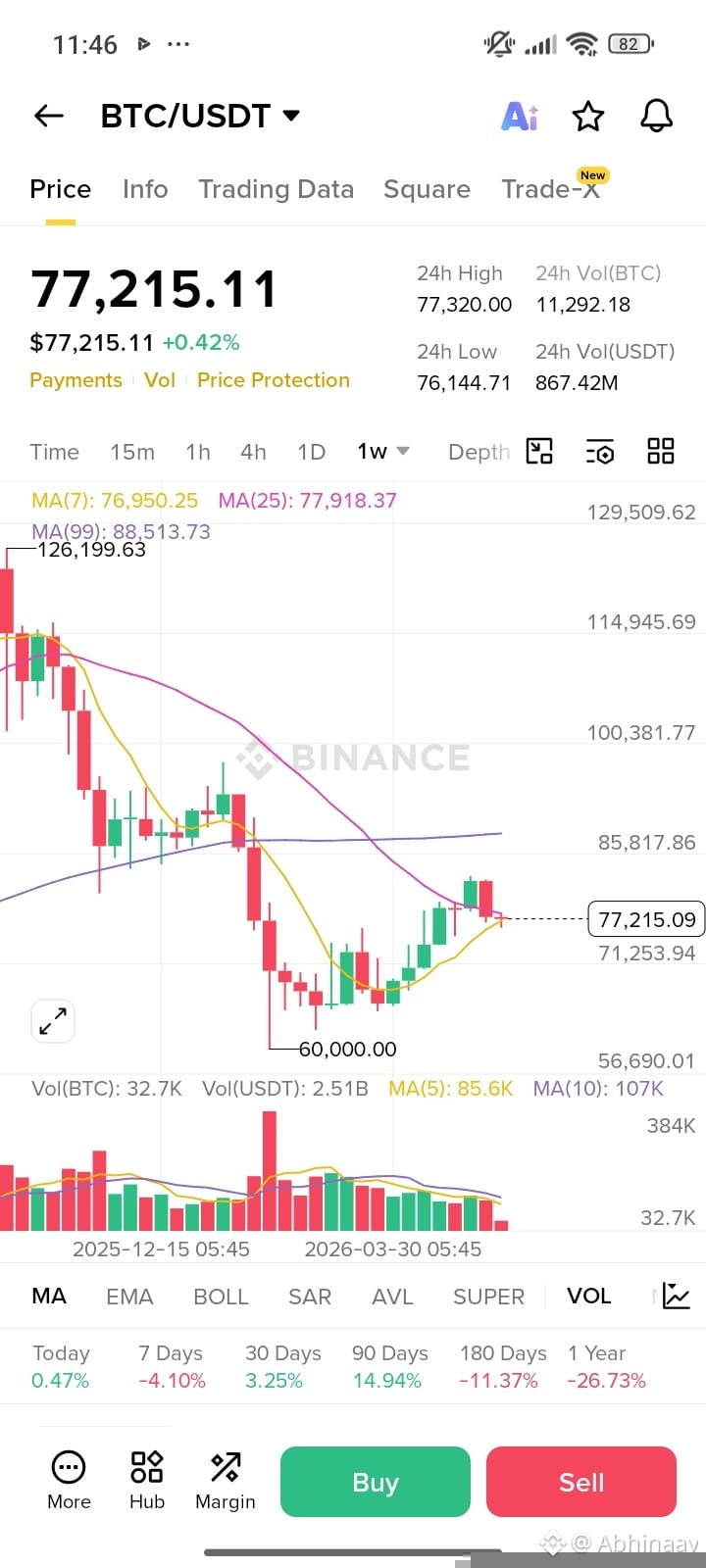
$BTC この画像は、BinanceモバイルアプリでのBTC/USDT(ビットコインからテザー)取引ペアの暗号通貨のキャンドルスティック価格チャートを表示しています。
スクリーンショットの時点で、ビットコインは77,208.15で取引されており、24時間でわずか0.39%の増加を示しています。
チャートは1週間(1w)の時間枠に設定されており、歴史的なピーク97,924.49と最近の安値60,000.00を捉えています。
メインチャートエリアには、3本の移動平均(MA)ラインがアクティブです:MA(7)は黄色、MA(25)はピンク、MA(99)は紫です。
下部セクションには取引量データとパフォーマンス指標が表示されており、ビットコインは過去90日で14.92%成長していますが、過去1年で26.73%下落しています。$BTC #bitcoin #ByCoin2024 #cryptouniverseofficial #BTC☀️
$BTC この画像は、BinanceモバイルアプリでのBTC/USDT(ビットコインからテザー)取引ペアの暗号通貨のキャンドルスティック価格チャートを表示しています。
スクリーンショットの時点で、ビットコインは77,208.15で取引されており、24時間でわずか0.39%の増加を示しています。
チャートは1週間(1w)の時間枠に設定されており、歴史的なピーク97,924.49と最近の安値60,000.00を捉えています。
メインチャートエリアには、3本の移動平均(MA)ラインがアクティブです:MA(7)は黄色、MA(25)はピンク、MA(99)は紫です。
下部セクションには取引量データとパフォーマンス指標が表示されており、ビットコインは過去90日で14.92%成長していますが、過去1年で26.73%下落しています。$BTC #bitcoin #ByCoin2024 #cryptouniverseofficial #BTC☀️
スクリーンショットの時点で、ビットコインは77,208.15で取引されており、24時間でわずか0.39%の増加を示しています。
チャートは1週間(1w)の時間枠に設定されており、歴史的なピーク97,924.49と最近の安値60,000.00を捉えています。
メインチャートエリアには、3本の移動平均(MA)ラインがアクティブです:MA(7)は黄色、MA(25)はピンク、MA(99)は紫です。
下部セクションには取引量データとパフォーマンス指標が表示されており、ビットコインは過去90日で14.92%成長していますが、過去1年で26.73%下落しています。$BTC #bitcoin #ByCoin2024 #cryptouniverseofficial #BTC☀️
2
136
·
--
弱気相場
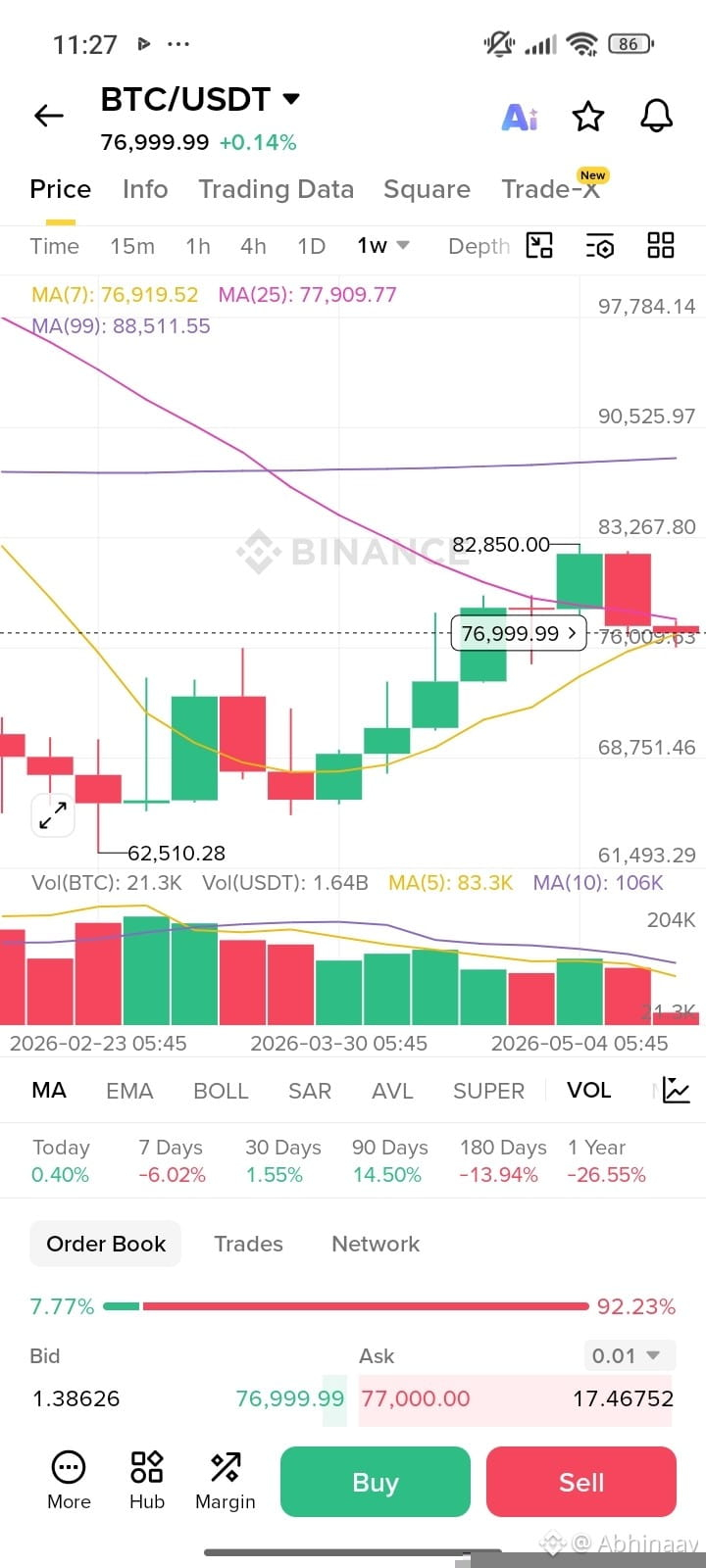
現在のマーケット状況:
ビットコイン (BTC) は最近下落を経験しており、価格は24時間以内に77,800ドルの高値から76,051ドルの安値まで移動しました。これは、売り手が$77Kゾーンを維持できなかった後に価格を押し下げているという投稿の観察と一致します。
重要なサポートとボラティリティ:
$75K–$76Kエリアは重要なサポートゾーンとして強調されています。最近の価格アクションでは、76,051ドル近くの安値が見られ、BTCがこのサポートをテストしていることを示しています。価格が76,051ドルと77,800ドルの間で揺れ動くため、市場は依然としてボラタイルです。#BTC #BTC🔥🔥🔥🔥🔥 $BTC
{spot}(BTCUSDT)
現在のマーケット状況:
ビットコイン (BTC) は最近下落を経験しており、価格は24時間以内に77,800ドルの高値から76,051ドルの安値まで移動しました。これは、売り手が$77Kゾーンを維持できなかった後に価格を押し下げているという投稿の観察と一致します。
重要なサポートとボラティリティ:
$75K–$76Kエリアは重要なサポートゾーンとして強調されています。最近の価格アクションでは、76,051ドル近くの安値が見られ、BTCがこのサポートをテストしていることを示しています。価格が76,051ドルと77,800ドルの間で揺れ動くため、市場は依然としてボラタイルです。#BTC #BTC🔥🔥🔥🔥🔥 $BTC
ビットコイン (BTC) は最近下落を経験しており、価格は24時間以内に77,800ドルの高値から76,051ドルの安値まで移動しました。これは、売り手が$77Kゾーンを維持できなかった後に価格を押し下げているという投稿の観察と一致します。
重要なサポートとボラティリティ:
$75K–$76Kエリアは重要なサポートゾーンとして強調されています。最近の価格アクションでは、76,051ドル近くの安値が見られ、BTCがこのサポートをテストしていることを示しています。価格が76,051ドルと77,800ドルの間で揺れ動くため、市場は依然としてボラタイルです。#BTC #BTC🔥🔥🔥🔥🔥 $BTC
80
·
--
$BTC ユーザー情報: Nycy_wolfによって投稿され、彼は「弱気」のセンチメントタグを持っています。
コンテンツ: このユーザーは、BTCが79k–80kゾーンを再テストすることを予測しています。彼らはこれが彼らの最終DCA(ドルコスト平均法)ゾーンであると述べており、検証エリアを破るまで「完全な確信」を持ってトレードを保持する予定です。
エンゲージメント: この投稿は、#BTCSurpasses$80Kというハッシュタグを含み、36件のコメント、8件のシェア、および132件のいいねを受けています。
画像2: BTC/USDTトレーディングチャート
これは、BinanceアプリでのBTC/USDTペアのテクニカル分析のスクリーンショットです。
現在の価格: ビットコインは81,559.87で取引されており、+1.90%の増加を示しています。
24時間範囲: 24時間の高値は81,712.32で、安値は79,619.33です。
チャートの詳細:
ビューは1週間(1w)のタイムフレームに設定されています。
歴史的なピークが表示されており、高値は126,199.63、安値は49,000.00です。
移動平均(MA): MA(7)は74,053.18、MA(25)は78,792.99、MA(99)は88,217.34です。
パフォーマンス: 価格は過去30日間で21.12%増加していますが、過去180日間で21.48%減少しています。#USAndIranTradeShotInTheStraitOfHormuz AaveFightsCourt-ordered$73METHFreeze#WLFSuesJustinSun #LayerZeroCEOAdmitsProtocolFailures BTCSurpasses$80KTrumpThreatensRenewedStrikesIfIran'Misbehaves'DuringCeasefire#TrumpUnveilsPlanToEscortHormuzShips #LayerZeroCEOAdmitsProtocolFailures
$BTC ユーザー情報: Nycy_wolfによって投稿され、彼は「弱気」のセンチメントタグを持っています。
コンテンツ: このユーザーは、BTCが79k–80kゾーンを再テストすることを予測しています。彼らはこれが彼らの最終DCA(ドルコスト平均法)ゾーンであると述べており、検証エリアを破るまで「完全な確信」を持ってトレードを保持する予定です。
エンゲージメント: この投稿は、#BTCSurpasses$80Kというハッシュタグを含み、36件のコメント、8件のシェア、および132件のいいねを受けています。
画像2: BTC/USDTトレーディングチャート
これは、BinanceアプリでのBTC/USDTペアのテクニカル分析のスクリーンショットです。
現在の価格: ビットコインは81,559.87で取引されており、+1.90%の増加を示しています。
24時間範囲: 24時間の高値は81,712.32で、安値は79,619.33です。
チャートの詳細:
ビューは1週間(1w)のタイムフレームに設定されています。
歴史的なピークが表示されており、高値は126,199.63、安値は49,000.00です。
移動平均(MA): MA(7)は74,053.18、MA(25)は78,792.99、MA(99)は88,217.34です。
パフォーマンス: 価格は過去30日間で21.12%増加していますが、過去180日間で21.48%減少しています。#USAndIranTradeShotInTheStraitOfHormuz AaveFightsCourt-ordered$73METHFreeze#WLFSuesJustinSun #LayerZeroCEOAdmitsProtocolFailures BTCSurpasses$80KTrumpThreatensRenewedStrikesIfIran'Misbehaves'DuringCeasefire#TrumpUnveilsPlanToEscortHormuzShips #LayerZeroCEOAdmitsProtocolFailures
コンテンツ: このユーザーは、BTCが79k–80kゾーンを再テストすることを予測しています。彼らはこれが彼らの最終DCA(ドルコスト平均法)ゾーンであると述べており、検証エリアを破るまで「完全な確信」を持ってトレードを保持する予定です。
エンゲージメント: この投稿は、#BTCSurpasses$80Kというハッシュタグを含み、36件のコメント、8件のシェア、および132件のいいねを受けています。
画像2: BTC/USDTトレーディングチャート
これは、BinanceアプリでのBTC/USDTペアのテクニカル分析のスクリーンショットです。
現在の価格: ビットコインは81,559.87で取引されており、+1.90%の増加を示しています。
24時間範囲: 24時間の高値は81,712.32で、安値は79,619.33です。
チャートの詳細:
ビューは1週間(1w)のタイムフレームに設定されています。
歴史的なピークが表示されており、高値は126,199.63、安値は49,000.00です。
移動平均(MA): MA(7)は74,053.18、MA(25)は78,792.99、MA(99)は88,217.34です。
パフォーマンス: 価格は過去30日間で21.12%増加していますが、過去180日間で21.48%減少しています。#USAndIranTradeShotInTheStraitOfHormuz AaveFightsCourt-ordered$73METHFreeze#WLFSuesJustinSun #LayerZeroCEOAdmitsProtocolFailures BTCSurpasses$80KTrumpThreatensRenewedStrikesIfIran'Misbehaves'DuringCeasefire#TrumpUnveilsPlanToEscortHormuzShips #LayerZeroCEOAdmitsProtocolFailures
81
·
--
取引金融市場では、AI取引システムは高度なアルゴリズムを使用して、さまざまなソースからの膨大なデータを分析します。これらのシステムは情報を処理し、市場のトレンドを予測し、リアルタイムで意思決定を行います。機械学習モデルを活用することで、AIトレーダーは取引の機会を特定し、迅速に取引を実行し、しばしば人間のトレーダーを上回ることを目指します。
このプロセスは高頻度取引を可能にし、意思決定に複数の要因を組み込むことができます。AI取引は、データ分析の質と速度に大きく依存して、
取引
金融市場では、AI取引システムは高度なアルゴリズムを使用して、さまざまなソースからの膨大なデータを分析します。これらのシステムは情報を処理し、市場のトレンドを予測し、リアルタイムで意思決定を行います。機械学習モデルを活用することで、AIトレーダーは取引の機会を特定し、迅速に取引を実行し、しばしば人間のトレーダーを上回ることを目指します。
このプロセスは高頻度取引を可能にし、意思決定に複数の要因を組み込むことができます。AI取引は、データ分析の質と速度に大きく依存して、
このプロセスは高頻度取引を可能にし、意思決定に複数の要因を組み込むことができます。AI取引は、データ分析の質と速度に大きく依存して、
1
28
·
--
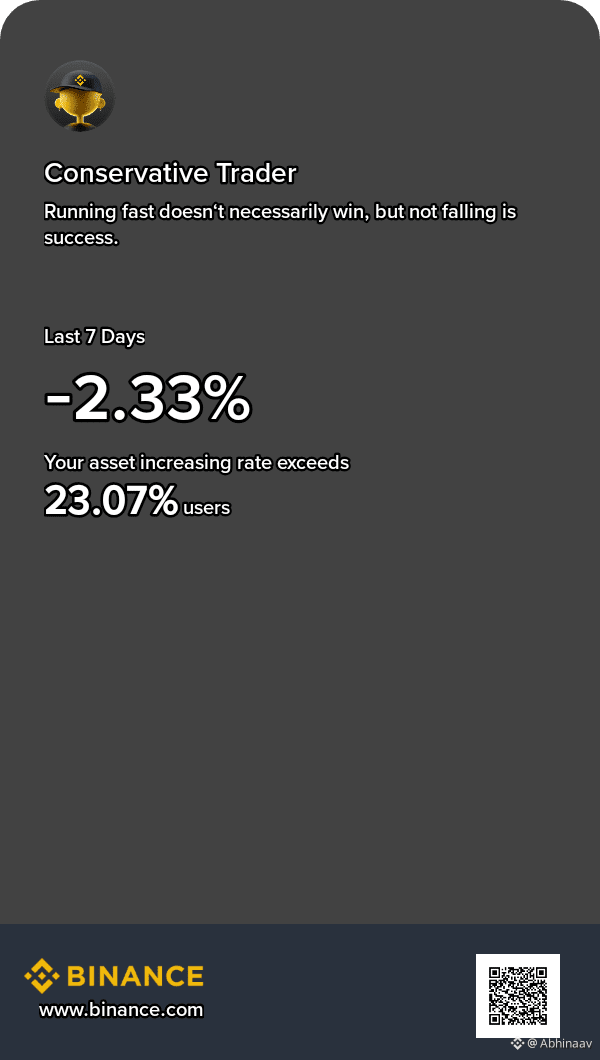
$BTC #TrumpSeeksQuickEndToIranWar 7-日次リターン: トレーダーは現在、先週比で-2.33%の損失を出しています。
相対ランキング: わずかな損失にもかかわらず、彼らの資産成長率は他のユーザーの23.07%を上回っています。これは、この期間中により広範な市場がさらに下落していた可能性があること、または他の多くのトレーダーがより大きな損失を被ったことを示唆しています。
$BTC #TrumpSeeksQuickEndToIranWar 7-日次リターン: トレーダーは現在、先週比で-2.33%の損失を出しています。
相対ランキング: わずかな損失にもかかわらず、彼らの資産成長率は他のユーザーの23.07%を上回っています。これは、この期間中により広範な市場がさらに下落していた可能性があること、または他の多くのトレーダーがより大きな損失を被ったことを示唆しています。
相対ランキング: わずかな損失にもかかわらず、彼らの資産成長率は他のユーザーの23.07%を上回っています。これは、この期間中により広範な市場がさらに下落していた可能性があること、または他の多くのトレーダーがより大きな損失を被ったことを示唆しています。
14
310
ログインして、さらにコンテンツを読む
厳選トピックで世界の暗号資産トレーダーの仲間入り
⚡️ 暗号資産に関する最新かつ有益な情報が見つかります。
💬 世界最大の暗号資産取引所から信頼されています。
👍 認証を受けたクリエイターから、有益なインサイトを得られます。
メール / 電話番号
トレンドトピック
BinanceLaunchesBinanceIntelligence
閲覧回数 334,753
2,777人が討論中
#BinanceLaunchesBinanceIntelligence
AI革命がデジタル取引の世界に到来
Binanceは、ユーザーの日々の取引体験の中核にAIツールを統合する画期的な一歩として、新たなインテリジェントエコシステム「Binance Intelligence」の提供開始を正式に発表しました。この取り組みは、金融市場における知識のギャップを埋め、初心者からプロまで、プログラミングの知識がなくても自然言語でデータを分析し、取引戦略を設計できるようにすることを目指しています。
Binance Intelligenceを支える3つの柱
新しいエコシステムは、ユーザーと開発者のあらゆるニーズに応えるために設計された、3つの主要なプロダクトで構成されています。
Binance AI(誰でも無料で利用可能):
分散した市場シグナル(チャート、ニュース、オンチェーンデータ、経済指標)を、単一の統合インターフェースに集約します。
暗号資産と世界市場を網羅した市場概要(Market Brief)を、音声とテキストで4時間ごとに自動配信します。
Binance AI Pro(戦略の構築向け):
取引のアイデアを簡単な言葉で入力すると、AIがそれを視覚的なワークフロー(フローチャート)に変換します。
実際の資金で取引を行う前に戦略をテストできる、ペーパートレード機能を提供します。
#BinanceLaunchesBinanceIntelligence
#BinanceSquareFamily #AI
Redouanecrypto
·いいね:8件
·閲覧回数 7.9k
BitcoinTargets2026OpenAt$87570
閲覧回数 1,258
56人が討論中
BitcoinRejectedAt$87KThirdTime
閲覧回数 1,551
49人が討論中