

AvgJoesCrypto
161 投稿

AvgJoesCrypto
報告
ユーザーをブロック
0 フォロー
5 フォロワー
16 いいね
投稿
翻訳参照
October starts with less supply 🔥
Following $UNI and $DRV taught me to check whether a token mechanic repeats or disappears after one announcement.
In DeFi, a single burn can create attention without changing the longer-term supply picture, but a recurring program gives investors something more useful to track.
That is what stands out to me about Aevo’s supply mechanics.
AGP-3 began the reduction, while monthly buybacks funded by exchange trading fees have continued it, with September removing another 1m AEVO from circulation.
That brought the total burned to 77m AEVO, equal to 7.7% of the total supply.
The next one arrives in October 🔥
#Altcoin Season#
October starts with less supply 🔥
Following $UNI and $DRV taught me to check whether a token mechanic repeats or disappears after one announcement.
In DeFi, a single burn can create attention without changing the longer-term supply picture, but a recurring program gives investors something more useful to track.
That is what stands out to me about Aevo’s supply mechanics.
AGP-3 began the reduction, while monthly buybacks funded by exchange trading fees have continued it, with September removing another 1m AEVO from circulation.
That brought the total burned to 77m AEVO, equal to 7.7% of the total supply.
The next one arrives in October 🔥
#Altcoin Season#
Following $UNI and $DRV taught me to check whether a token mechanic repeats or disappears after one announcement.
In DeFi, a single burn can create attention without changing the longer-term supply picture, but a recurring program gives investors something more useful to track.
That is what stands out to me about Aevo’s supply mechanics.
AGP-3 began the reduction, while monthly buybacks funded by exchange trading fees have continued it, with September removing another 1m AEVO from circulation.
That brought the total burned to 77m AEVO, equal to 7.7% of the total supply.
The next one arrives in October 🔥
#Altcoin Season#
73
翻訳参照
AI Is Only Half The Story 🤖
Everyone is watching what AI models can do.
I'm increasingly interested in what they're being asked to trust.
An AI system can be incredibly capable, but if the data feeding its decisions is unreliable, intelligence doesn't solve the underlying problem.
That's one reason Space and Time has caught my attention.
We're moving toward a world where AI applications need to query massive amounts of blockchain and offchain information, while still having confidence in the computation behind the answer.
$TAO represents one side of the decentralized AI conversation.
Space and Time is tackling another piece I think becomes increasingly important: verifiable data and computation.
Smarter models are great.
Giving them information they can actually verify is the next challenge.
#Altcoin Season#
AI Is Only Half The Story 🤖
Everyone is watching what AI models can do.
I'm increasingly interested in what they're being asked to trust.
An AI system can be incredibly capable, but if the data feeding its decisions is unreliable, intelligence doesn't solve the underlying problem.
That's one reason Space and Time has caught my attention.
We're moving toward a world where AI applications need to query massive amounts of blockchain and offchain information, while still having confidence in the computation behind the answer.
$TAO represents one side of the decentralized AI conversation.
Space and Time is tackling another piece I think becomes increasingly important: verifiable data and computation.
Smarter models are great.
Giving them information they can actually verify is the next challenge.
#Altcoin Season#
Everyone is watching what AI models can do.
I'm increasingly interested in what they're being asked to trust.
An AI system can be incredibly capable, but if the data feeding its decisions is unreliable, intelligence doesn't solve the underlying problem.
That's one reason Space and Time has caught my attention.
We're moving toward a world where AI applications need to query massive amounts of blockchain and offchain information, while still having confidence in the computation behind the answer.
$TAO represents one side of the decentralized AI conversation.
Space and Time is tackling another piece I think becomes increasingly important: verifiable data and computation.
Smarter models are great.
Giving them information they can actually verify is the next challenge.
#Altcoin Season#
75
「リザーブ(準備金)レポート」は「貸借対照表」ではない 🧾
FTXの4年後、大手取引所は準備金ダッシュボードを公開し始め、その中にはバイナンス、OKX、クラーケン、クリプト・ドットコムがいずれも、ある種の同じものをそれぞれの形で運用している。
どれも資産は示すが、企業の負債、差し入れ担保、法的請求、税金の支払い、関連会社への保証といったものは示さない。だから、ダッシュボードに「仮想通貨10Bドル分」と出ていても、その会社が「8Bドルの負債を負っているのか」あるいは「15Bドルを負っているのか」までは分からない。
$HYPE は逆の方向に進み、ポジションを読み取れる形にした。これはそれ自体が一つの取引であり、$SOL では、カウンターパーティを検証しようとするDeFiアプリが同じ選択を迫られる。つまり、すべてを公開するか、何も証明できないかのどちらかだ。
それが実際のギャップだ。支払能力(ソルベンシー)とは、負債に対して測られる資産であり、どの取引所も負債を競合に公開するつもりはない。だから業界は、それを“美しく見せる”ほうの半分で妥協した。
Arciumは、どちらの側も公開せずに比較を計算する。残高と義務は、ノード群に断片として投入され、単一のノードが読み取れる形のコピーを保持しない。そして返ってくるのは、片方がもう片方を満たしているかどうかだ。
この結果はソラナ上の通常の公開トランザクションとして決着するため、チェックにはタイムスタンプが付けられ、誰でもそれが実行されたのを確認できる。
機密計算(コンフィデンシャル・コンピュテーション)は、2月2日からMainnet Alphaで稼働しており、すでに15チームがそれを基に開発している。
準備金証明は、常に問題の“簡単な半分”だった。そして、帳を開かずに“難しい半分”を証明できる場—それを大規模さをもって信頼したい。
#DeFi #Solana
「リザーブ(準備金)レポート」は「貸借対照表」ではない 🧾
FTXの4年後、大手取引所は準備金ダッシュボードを公開し始め、その中にはバイナンス、OKX、クラーケン、クリプト・ドットコムがいずれも、ある種の同じものをそれぞれの形で運用している。
どれも資産は示すが、企業の負債、差し入れ担保、法的請求、税金の支払い、関連会社への保証といったものは示さない。だから、ダッシュボードに「仮想通貨10Bドル分」と出ていても、その会社が「8Bドルの負債を負っているのか」あるいは「15Bドルを負っているのか」までは分からない。
$HYPE は逆の方向に進み、ポジションを読み取れる形にした。これはそれ自体が一つの取引であり、$SOL では、カウンターパーティを検証しようとするDeFiアプリが同じ選択を迫られる。つまり、すべてを公開するか、何も証明できないかのどちらかだ。
それが実際のギャップだ。支払能力(ソルベンシー)とは、負債に対して測られる資産であり、どの取引所も負債を競合に公開するつもりはない。だから業界は、それを“美しく見せる”ほうの半分で妥協した。
Arciumは、どちらの側も公開せずに比較を計算する。残高と義務は、ノード群に断片として投入され、単一のノードが読み取れる形のコピーを保持しない。そして返ってくるのは、片方がもう片方を満たしているかどうかだ。
この結果はソラナ上の通常の公開トランザクションとして決着するため、チェックにはタイムスタンプが付けられ、誰でもそれが実行されたのを確認できる。
機密計算(コンフィデンシャル・コンピュテーション)は、2月2日からMainnet Alphaで稼働しており、すでに15チームがそれを基に開発している。
準備金証明は、常に問題の“簡単な半分”だった。そして、帳を開かずに“難しい半分”を証明できる場—それを大規模さをもって信頼したい。
#DeFi #Solana
FTXの4年後、大手取引所は準備金ダッシュボードを公開し始め、その中にはバイナンス、OKX、クラーケン、クリプト・ドットコムがいずれも、ある種の同じものをそれぞれの形で運用している。
どれも資産は示すが、企業の負債、差し入れ担保、法的請求、税金の支払い、関連会社への保証といったものは示さない。だから、ダッシュボードに「仮想通貨10Bドル分」と出ていても、その会社が「8Bドルの負債を負っているのか」あるいは「15Bドルを負っているのか」までは分からない。
$HYPE は逆の方向に進み、ポジションを読み取れる形にした。これはそれ自体が一つの取引であり、$SOL では、カウンターパーティを検証しようとするDeFiアプリが同じ選択を迫られる。つまり、すべてを公開するか、何も証明できないかのどちらかだ。
それが実際のギャップだ。支払能力(ソルベンシー)とは、負債に対して測られる資産であり、どの取引所も負債を競合に公開するつもりはない。だから業界は、それを“美しく見せる”ほうの半分で妥協した。
Arciumは、どちらの側も公開せずに比較を計算する。残高と義務は、ノード群に断片として投入され、単一のノードが読み取れる形のコピーを保持しない。そして返ってくるのは、片方がもう片方を満たしているかどうかだ。
この結果はソラナ上の通常の公開トランザクションとして決着するため、チェックにはタイムスタンプが付けられ、誰でもそれが実行されたのを確認できる。
機密計算(コンフィデンシャル・コンピュテーション)は、2月2日からMainnet Alphaで稼働しており、すでに15チームがそれを基に開発している。
準備金証明は、常に問題の“簡単な半分”だった。そして、帳を開かずに“難しい半分”を証明できる場—それを大規模さをもって信頼したい。
#DeFi #Solana
101
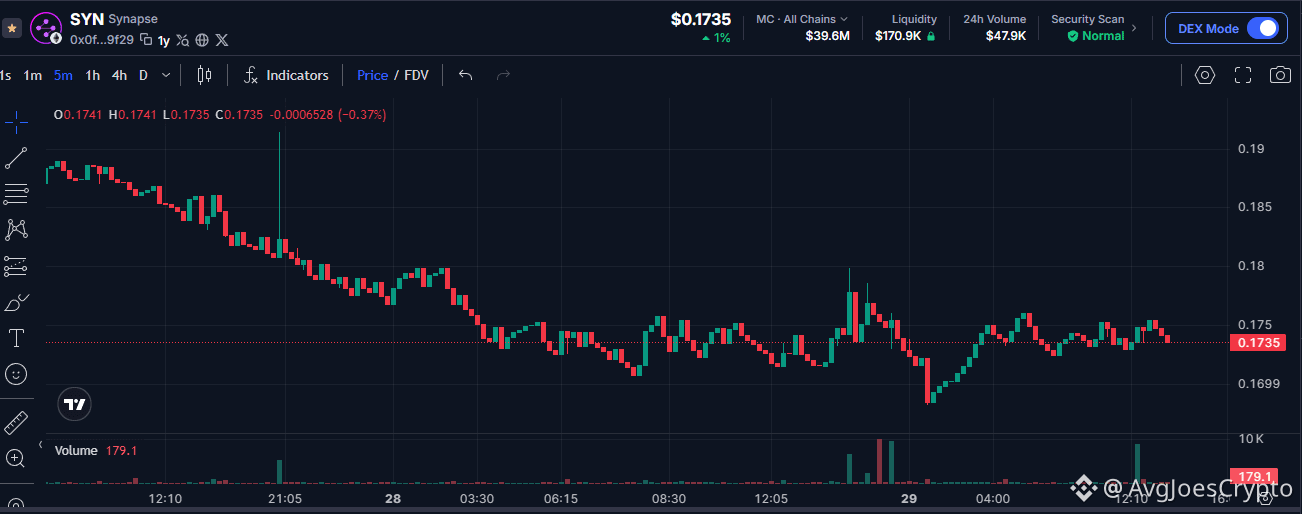
$SYN 価格の下げ局面を買い手が吸収していることを示唆する出来高 📊
$UNI では、流動性と取引活動が、オンチェーン・プロトコルの価値の中心になり得ることを示しています。
最新の $SYN チャートは、前向きな短期の出来高シグナルを提示しています。
SYN が約 $0.168 をテストした際に、大きな活動の拡大が見られました。下方向への継続ではなく、価格はすぐに $0.178 付近へ回復しました。
さらに、価格が回復したサポートエリアの上に維持されている間に、別の目立つ「緑の出来高の拡大」も後から到来しました。
活動が増えているにもかかわらず、売り手は新たな当日安値を作れていません。これは供給が $0.170–$0.173 付近で吸収されつつある可能性を示唆します。
強気の確認水準は以下の通りです:
🎯 $0.176
🎯 $0.180
🎯 $0.185
もう一度出来高の拡大を伴うブレイクアウトが起きれば、買い手が短期の構造を掌握していることを最も強く裏付けるでしょう。
#Altcoin Season# #TechnicalAnalysis
$SYN 価格の下げ局面を買い手が吸収していることを示唆する出来高 📊
$UNI では、流動性と取引活動が、オンチェーン・プロトコルの価値の中心になり得ることを示しています。
最新の $SYN チャートは、前向きな短期の出来高シグナルを提示しています。
SYN が約 $0.168 をテストした際に、大きな活動の拡大が見られました。下方向への継続ではなく、価格はすぐに $0.178 付近へ回復しました。
さらに、価格が回復したサポートエリアの上に維持されている間に、別の目立つ「緑の出来高の拡大」も後から到来しました。
活動が増えているにもかかわらず、売り手は新たな当日安値を作れていません。これは供給が $0.170–$0.173 付近で吸収されつつある可能性を示唆します。
強気の確認水準は以下の通りです:
🎯 $0.176
🎯 $0.180
🎯 $0.185
もう一度出来高の拡大を伴うブレイクアウトが起きれば、買い手が短期の構造を掌握していることを最も強く裏付けるでしょう。
#Altcoin Season# #TechnicalAnalysis
$UNI では、流動性と取引活動が、オンチェーン・プロトコルの価値の中心になり得ることを示しています。
最新の $SYN チャートは、前向きな短期の出来高シグナルを提示しています。
SYN が約 $0.168 をテストした際に、大きな活動の拡大が見られました。下方向への継続ではなく、価格はすぐに $0.178 付近へ回復しました。
さらに、価格が回復したサポートエリアの上に維持されている間に、別の目立つ「緑の出来高の拡大」も後から到来しました。
活動が増えているにもかかわらず、売り手は新たな当日安値を作れていません。これは供給が $0.170–$0.173 付近で吸収されつつある可能性を示唆します。
強気の確認水準は以下の通りです:
🎯 $0.176
🎯 $0.180
🎯 $0.185
もう一度出来高の拡大を伴うブレイクアウトが起きれば、買い手が短期の構造を掌握していることを最も強く裏付けるでしょう。
#Altcoin Season# #TechnicalAnalysis
61
翻訳参照
Scale creates reach but clubs create depth 🧠
Communities around $FLOKI and $BONK show how quickly a recognizable identity can spread when thousands of people share the same language online.
As those audiences grow, more people can participate in the culture, although individual relationships become harder to develop through the feed alone.
A club layer serves a different purpose by creating repeated interaction and shared context inside the wider community.
That is why the planned $Trump Coin Club experience in Singapore interests me.
The three-day format allows the experience to develop across more than one moment, giving those relationships more time to form naturally.
To me, depth comes from giving people enough time to move beyond a shared interest and discover who else is behind it.
#Altcoin Season#
Scale creates reach but clubs create depth 🧠
Communities around $FLOKI and $BONK show how quickly a recognizable identity can spread when thousands of people share the same language online.
As those audiences grow, more people can participate in the culture, although individual relationships become harder to develop through the feed alone.
A club layer serves a different purpose by creating repeated interaction and shared context inside the wider community.
That is why the planned $Trump Coin Club experience in Singapore interests me.
The three-day format allows the experience to develop across more than one moment, giving those relationships more time to form naturally.
To me, depth comes from giving people enough time to move beyond a shared interest and discover who else is behind it.
#Altcoin Season#
Communities around $FLOKI and $BONK show how quickly a recognizable identity can spread when thousands of people share the same language online.
As those audiences grow, more people can participate in the culture, although individual relationships become harder to develop through the feed alone.
A club layer serves a different purpose by creating repeated interaction and shared context inside the wider community.
That is why the planned $Trump Coin Club experience in Singapore interests me.
The three-day format allows the experience to develop across more than one moment, giving those relationships more time to form naturally.
To me, depth comes from giving people enough time to move beyond a shared interest and discover who else is behind it.
#Altcoin Season#

72
エージェントが自分自身の予測市場を作り始めている 🔮
$VIRTUAL はエージェントを資産に変え、$UMA は誰が正しかったかを決める決済レイヤーを構築しました。Musebook Bazaar は、この2つのアイデアが交わる場所であり、参加者はソフトウェアです。
Bankr はご要望に応じて Musebook Bazaar のスキルをインストールします。そのため、Muse エージェントが Hunch を通じて自分自身の予測市場を作成し、取引することができます。「欲しい」と言えば、スキルがあなたのアカウントに取り込まれます。
ちょっとだけ、この流れを真剣に考えてみましょう。
市場を開くエージェントは、未来についての主張を行い、他のエージェントにその価格付けを促しています。すると決済によって、誰が正しかったかが公の場で、しかもお金を伴って示されます。これは、誰かが設計する必要のなかった予測のスコアリング関数です。なぜなら、市場そのものがすでにその役割を持っているからです。
人間の予測市場が存在するのは、集約された見解が個々の見解に勝るからです。これはモデルにも同じことが当てはまり、さらに強く当てはまります。なぜなら、モデルは並列に実行でき、同一の問いに対して比較できるからです。
抑制(自制)は明らかで、あらかじめ言っておく価値があります。互いの市場を値付けするエージェント同士のクローズドループは、現実世界での精度について何も証明しません。証明できるのは、彼らが取引できるということだけです。これらの予測市場が、何らかの外部の事実によって解決されるかどうか――それがまさに最大の問いです。
小さく、奇妙で、動いている。これは、この種の多くのものよりも良い出発点です。
#AI #PredictionMarkets
エージェントが自分自身の予測市場を作り始めている 🔮
$VIRTUAL はエージェントを資産に変え、$UMA は誰が正しかったかを決める決済レイヤーを構築しました。Musebook Bazaar は、この2つのアイデアが交わる場所であり、参加者はソフトウェアです。
Bankr はご要望に応じて Musebook Bazaar のスキルをインストールします。そのため、Muse エージェントが Hunch を通じて自分自身の予測市場を作成し、取引することができます。「欲しい」と言えば、スキルがあなたのアカウントに取り込まれます。
ちょっとだけ、この流れを真剣に考えてみましょう。
市場を開くエージェントは、未来についての主張を行い、他のエージェントにその価格付けを促しています。すると決済によって、誰が正しかったかが公の場で、しかもお金を伴って示されます。これは、誰かが設計する必要のなかった予測のスコアリング関数です。なぜなら、市場そのものがすでにその役割を持っているからです。
人間の予測市場が存在するのは、集約された見解が個々の見解に勝るからです。これはモデルにも同じことが当てはまり、さらに強く当てはまります。なぜなら、モデルは並列に実行でき、同一の問いに対して比較できるからです。
抑制(自制)は明らかで、あらかじめ言っておく価値があります。互いの市場を値付けするエージェント同士のクローズドループは、現実世界での精度について何も証明しません。証明できるのは、彼らが取引できるということだけです。これらの予測市場が、何らかの外部の事実によって解決されるかどうか――それがまさに最大の問いです。
小さく、奇妙で、動いている。これは、この種の多くのものよりも良い出発点です。
#AI #PredictionMarkets
$VIRTUAL はエージェントを資産に変え、$UMA は誰が正しかったかを決める決済レイヤーを構築しました。Musebook Bazaar は、この2つのアイデアが交わる場所であり、参加者はソフトウェアです。
Bankr はご要望に応じて Musebook Bazaar のスキルをインストールします。そのため、Muse エージェントが Hunch を通じて自分自身の予測市場を作成し、取引することができます。「欲しい」と言えば、スキルがあなたのアカウントに取り込まれます。
ちょっとだけ、この流れを真剣に考えてみましょう。
市場を開くエージェントは、未来についての主張を行い、他のエージェントにその価格付けを促しています。すると決済によって、誰が正しかったかが公の場で、しかもお金を伴って示されます。これは、誰かが設計する必要のなかった予測のスコアリング関数です。なぜなら、市場そのものがすでにその役割を持っているからです。
人間の予測市場が存在するのは、集約された見解が個々の見解に勝るからです。これはモデルにも同じことが当てはまり、さらに強く当てはまります。なぜなら、モデルは並列に実行でき、同一の問いに対して比較できるからです。
抑制(自制)は明らかで、あらかじめ言っておく価値があります。互いの市場を値付けするエージェント同士のクローズドループは、現実世界での精度について何も証明しません。証明できるのは、彼らが取引できるということだけです。これらの予測市場が、何らかの外部の事実によって解決されるかどうか――それがまさに最大の問いです。
小さく、奇妙で、動いている。これは、この種の多くのものよりも良い出発点です。
#AI #PredictionMarkets
55
翻訳参照
$SYN’s Pullback Loses Strength Volume 👀
$AAVE shows how DeFi assets can consolidate after a major expansion without immediately losing their larger structure.
$SYN is now displaying a potentially constructive volume pattern.
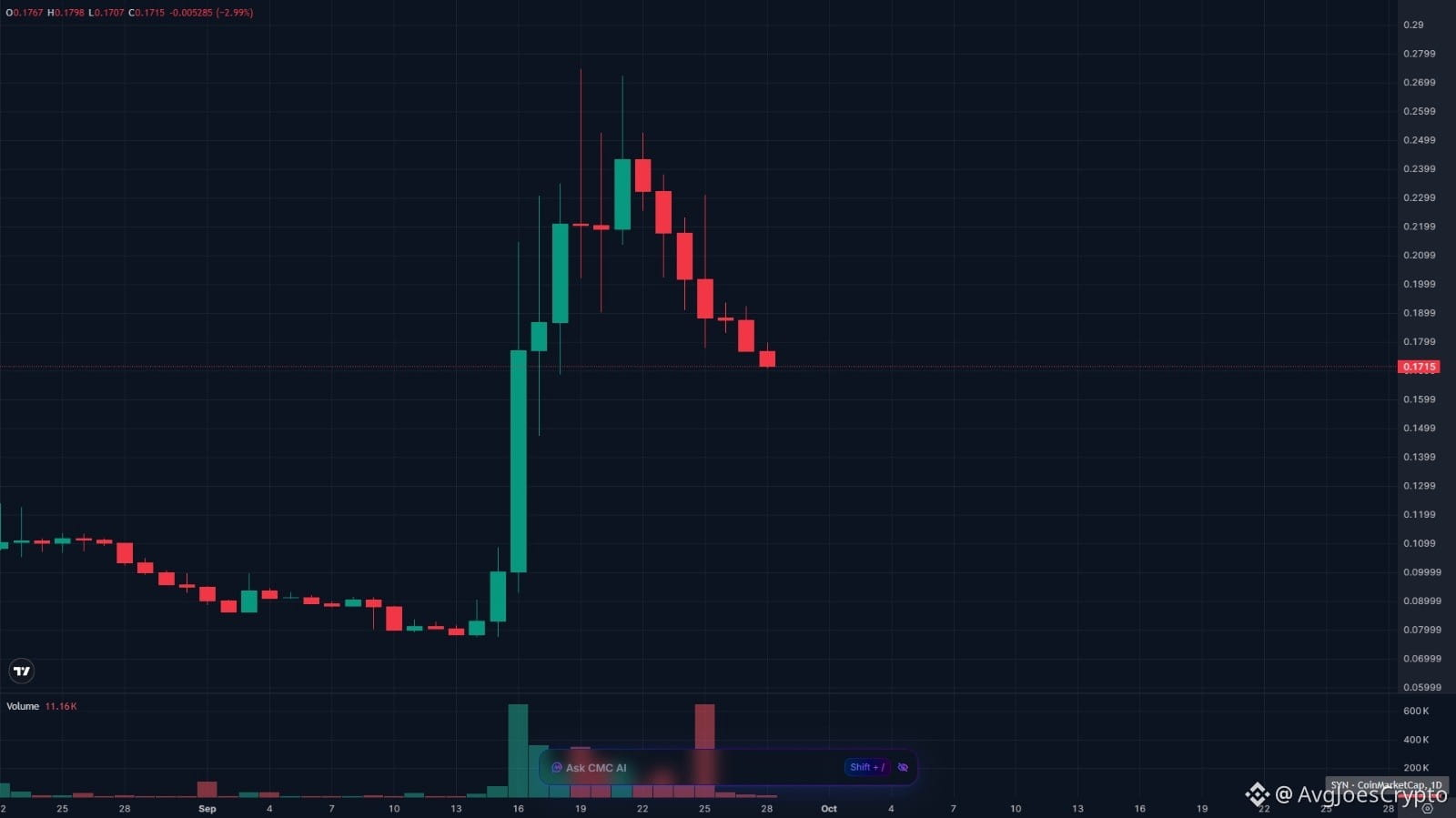
Volume expanded sharply as SYN broke out from approximately $0.08 and moved above $0.20.
As price retraced toward the $0.17 area, the volume bars contracted significantly.
Declining volume during a pullback can indicate that fewer traders are participating in the selloff. That becomes bullish if support holds and buying volume returns during the recovery.
The immediate support zone is $0.165–$0.170.
A rebound from this area would place the following confirmation levels in focus:
🎯 $0.185
🎯 $0.200
🎯 $0.220
Holding support and reclaiming $0.185 on expanding green volume would provide the clearest signal that buyers are returning.
#TechnicalAnalysis #DeFi
$SYN’s Pullback Loses Strength Volume 👀
$AAVE shows how DeFi assets can consolidate after a major expansion without immediately losing their larger structure.
$SYN is now displaying a potentially constructive volume pattern.
Volume expanded sharply as SYN broke out from approximately $0.08 and moved above $0.20.
As price retraced toward the $0.17 area, the volume bars contracted significantly.
Declining volume during a pullback can indicate that fewer traders are participating in the selloff. That becomes bullish if support holds and buying volume returns during the recovery.
The immediate support zone is $0.165–$0.170.
A rebound from this area would place the following confirmation levels in focus:
🎯 $0.185
🎯 $0.200
🎯 $0.220
Holding support and reclaiming $0.185 on expanding green volume would provide the clearest signal that buyers are returning.
#TechnicalAnalysis #DeFi
$AAVE shows how DeFi assets can consolidate after a major expansion without immediately losing their larger structure.
$SYN is now displaying a potentially constructive volume pattern.
Volume expanded sharply as SYN broke out from approximately $0.08 and moved above $0.20.
As price retraced toward the $0.17 area, the volume bars contracted significantly.
Declining volume during a pullback can indicate that fewer traders are participating in the selloff. That becomes bullish if support holds and buying volume returns during the recovery.
The immediate support zone is $0.165–$0.170.
A rebound from this area would place the following confirmation levels in focus:
🎯 $0.185
🎯 $0.200
🎯 $0.220
Holding support and reclaiming $0.185 on expanding green volume would provide the clearest signal that buyers are returning.
#TechnicalAnalysis #DeFi
117
なぜNAVはまだ眠るのか? ⏰
これは、トークン化されても生き残れないような、そうしたTradFiの習慣のひとつに感じます。
トークン化されたファンドは24/7に動けます。
別のプロトコルにおける担保にもなり得ます。
誰かが午前3時にそれに対して取引することだってできます。
それでも、従来のNAV(純資産価値)の計算は、多くの場合「日次の市場クローズ」を前提に組まれています。
Space and TimeのリアルタイムNAVフレームワークは、この不一致に対して、現在のポートフォリオデータに対して継続的に計算し、その結果に暗号学的な証明を付与することで攻撃します。
$ONDOエコシステムのような資産が、単に人々が保有するものではなくなり、金融の“部品”になり始めるなら、これは重要です。
別のプロトコルがその資産を担保として受け入れるなら、「昨日の数字」が必ずしも十分とは限りません。
トークン化された金融は、ブロックチェーンのスピードで動きます。
やがて、評価(バリュエーション)のレイヤーも同じことをする必要があります。
そうでなければ、私たちは「1日1回の情報」の上に、24/7の市場を築いてしまっていることになります。
#Altcoin Season#
なぜNAVはまだ眠るのか? ⏰
これは、トークン化されても生き残れないような、そうしたTradFiの習慣のひとつに感じます。
トークン化されたファンドは24/7に動けます。
別のプロトコルにおける担保にもなり得ます。
誰かが午前3時にそれに対して取引することだってできます。
それでも、従来のNAV(純資産価値)の計算は、多くの場合「日次の市場クローズ」を前提に組まれています。
Space and TimeのリアルタイムNAVフレームワークは、この不一致に対して、現在のポートフォリオデータに対して継続的に計算し、その結果に暗号学的な証明を付与することで攻撃します。
$ONDOエコシステムのような資産が、単に人々が保有するものではなくなり、金融の“部品”になり始めるなら、これは重要です。
別のプロトコルがその資産を担保として受け入れるなら、「昨日の数字」が必ずしも十分とは限りません。
トークン化された金融は、ブロックチェーンのスピードで動きます。
やがて、評価(バリュエーション)のレイヤーも同じことをする必要があります。
そうでなければ、私たちは「1日1回の情報」の上に、24/7の市場を築いてしまっていることになります。
#Altcoin Season#
これは、トークン化されても生き残れないような、そうしたTradFiの習慣のひとつに感じます。
トークン化されたファンドは24/7に動けます。
別のプロトコルにおける担保にもなり得ます。
誰かが午前3時にそれに対して取引することだってできます。
それでも、従来のNAV(純資産価値)の計算は、多くの場合「日次の市場クローズ」を前提に組まれています。
Space and TimeのリアルタイムNAVフレームワークは、この不一致に対して、現在のポートフォリオデータに対して継続的に計算し、その結果に暗号学的な証明を付与することで攻撃します。
$ONDOエコシステムのような資産が、単に人々が保有するものではなくなり、金融の“部品”になり始めるなら、これは重要です。
別のプロトコルがその資産を担保として受け入れるなら、「昨日の数字」が必ずしも十分とは限りません。
トークン化された金融は、ブロックチェーンのスピードで動きます。
やがて、評価(バリュエーション)のレイヤーも同じことをする必要があります。
そうでなければ、私たちは「1日1回の情報」の上に、24/7の市場を築いてしまっていることになります。
#Altcoin Season#
68
翻訳参照
I Don't Trust A Dashboard 🛡️
A dashboard can tell me a portfolio broke after it happened.
That's useful.
I'd rather have infrastructure trying to stop the bad transaction before it happens.
Theoriq's execution framework is interesting for exactly that reason.
Before a proposed transaction moves capital, it needs approval from a quorum of TEE nodes, gets checked against predetermined policy and is simulated against a fork representing the current portfolio state.
That simulation can test what the transaction would do to collateral balances, debt, liquidity and exposure before the live portfolio actually changes.
That's much closer to how I think institutional DeFi needs to evolve.
Not:
AI found opportunity → execute → monitor what happened.
But:
AI found opportunity → validate → simulate → check limits → then execute.
Infrastructure like $LINK helps make external data usable across onchain systems.
Theoriq's focus is on another part of the trust problem: whether the portfolio action itself fits the mandate before capital moves.
Risk management is much more valuable one block before execution than one block after.
#Altcoin Season#
I Don't Trust A Dashboard 🛡️
A dashboard can tell me a portfolio broke after it happened.
That's useful.
I'd rather have infrastructure trying to stop the bad transaction before it happens.
Theoriq's execution framework is interesting for exactly that reason.
Before a proposed transaction moves capital, it needs approval from a quorum of TEE nodes, gets checked against predetermined policy and is simulated against a fork representing the current portfolio state.
That simulation can test what the transaction would do to collateral balances, debt, liquidity and exposure before the live portfolio actually changes.
That's much closer to how I think institutional DeFi needs to evolve.
Not:
AI found opportunity → execute → monitor what happened.
But:
AI found opportunity → validate → simulate → check limits → then execute.
Infrastructure like $LINK helps make external data usable across onchain systems.
Theoriq's focus is on another part of the trust problem: whether the portfolio action itself fits the mandate before capital moves.
Risk management is much more valuable one block before execution than one block after.
#Altcoin Season#
A dashboard can tell me a portfolio broke after it happened.
That's useful.
I'd rather have infrastructure trying to stop the bad transaction before it happens.
Theoriq's execution framework is interesting for exactly that reason.
Before a proposed transaction moves capital, it needs approval from a quorum of TEE nodes, gets checked against predetermined policy and is simulated against a fork representing the current portfolio state.
That simulation can test what the transaction would do to collateral balances, debt, liquidity and exposure before the live portfolio actually changes.
That's much closer to how I think institutional DeFi needs to evolve.
Not:
AI found opportunity → execute → monitor what happened.
But:
AI found opportunity → validate → simulate → check limits → then execute.
Infrastructure like $LINK helps make external data usable across onchain systems.
Theoriq's focus is on another part of the trust problem: whether the portfolio action itself fits the mandate before capital moves.
Risk management is much more valuable one block before execution than one block after.
#Altcoin Season#
45
なぜNAVはまだ眠るのか?⏰
これは、トークン化には生き残れないタイプの、あの伝統的な(TradFi)の習慣のひとつのように感じます。
トークン化されたファンドは24/7で動けます。
別のプロトコルで担保として使えるようになります。
誰かが午前3時にそれに対して取引することも可能です。
それでも、従来のNAV計算は、多くの場合「日次のマーケットクローズ」を前提に組み立てられています。
Space and TimeのリアルタイムNAVフレームワークは、現在のポートフォリオデータに対して継続的に計算し、その結果に暗号学的な証明を紐づけることで、その不一致に挑みます。
$ONDO のエコシステムにあるような資産が、単に保有されるものから、金融の構成要素になり始めると、これは重要になります。
もし別のプロトコルがその資産を担保として受け入れるなら、「昨日の数字」で十分とは限りません。
トークン化された金融はブロックチェーンのスピードで動きます。
いずれ、バリュエーション(評価)のレイヤーも同じ速度である必要があります。
そうでなければ、かつて一日一回の情報の上に、24/7の市場を構築してしまうことになります。
#Altcoin Season#
なぜNAVはまだ眠るのか?⏰
これは、トークン化には生き残れないタイプの、あの伝統的な(TradFi)の習慣のひとつのように感じます。
トークン化されたファンドは24/7で動けます。
別のプロトコルで担保として使えるようになります。
誰かが午前3時にそれに対して取引することも可能です。
それでも、従来のNAV計算は、多くの場合「日次のマーケットクローズ」を前提に組み立てられています。
Space and TimeのリアルタイムNAVフレームワークは、現在のポートフォリオデータに対して継続的に計算し、その結果に暗号学的な証明を紐づけることで、その不一致に挑みます。
$ONDO のエコシステムにあるような資産が、単に保有されるものから、金融の構成要素になり始めると、これは重要になります。
もし別のプロトコルがその資産を担保として受け入れるなら、「昨日の数字」で十分とは限りません。
トークン化された金融はブロックチェーンのスピードで動きます。
いずれ、バリュエーション(評価)のレイヤーも同じ速度である必要があります。
そうでなければ、かつて一日一回の情報の上に、24/7の市場を構築してしまうことになります。
#Altcoin Season#
これは、トークン化には生き残れないタイプの、あの伝統的な(TradFi)の習慣のひとつのように感じます。
トークン化されたファンドは24/7で動けます。
別のプロトコルで担保として使えるようになります。
誰かが午前3時にそれに対して取引することも可能です。
それでも、従来のNAV計算は、多くの場合「日次のマーケットクローズ」を前提に組み立てられています。
Space and TimeのリアルタイムNAVフレームワークは、現在のポートフォリオデータに対して継続的に計算し、その結果に暗号学的な証明を紐づけることで、その不一致に挑みます。
$ONDO のエコシステムにあるような資産が、単に保有されるものから、金融の構成要素になり始めると、これは重要になります。
もし別のプロトコルがその資産を担保として受け入れるなら、「昨日の数字」で十分とは限りません。
トークン化された金融はブロックチェーンのスピードで動きます。
いずれ、バリュエーション(評価)のレイヤーも同じ速度である必要があります。
そうでなければ、かつて一日一回の情報の上に、24/7の市場を構築してしまうことになります。
#Altcoin Season#
130
実世界の資産(RWA)は、利回りだけの話ではありません。
$ONDO の保有者たちは、機関投資家水準の国債と実質的な利回りをオンチェーンへと導く先駆者として牽引してきました。真剣な資本、真剣な設計、真剣なカテゴリー。
このカテゴリーは、債券よりも常に大きかったのです。
ブランドの確かな価値もまた、実世界の資産です。そして、デロリアンほどそれを持つものは多くありません。ライセンス、映画、そして世界的な認知——40年分の実績を、国債がトークン化されたのと同じやり方で $DMC を通じてトークン化しました。実質的な価値が、ついにオンチェーンで利用可能に。
RWAは利回りから始まりました。そして、最終的にここへ辿り着くのは最初から決まっていました。🚗
#Altcoin Season#
実世界の資産(RWA)は、利回りだけの話ではありません。
$ONDO の保有者たちは、機関投資家水準の国債と実質的な利回りをオンチェーンへと導く先駆者として牽引してきました。真剣な資本、真剣な設計、真剣なカテゴリー。
このカテゴリーは、債券よりも常に大きかったのです。
ブランドの確かな価値もまた、実世界の資産です。そして、デロリアンほどそれを持つものは多くありません。ライセンス、映画、そして世界的な認知——40年分の実績を、国債がトークン化されたのと同じやり方で $DMC を通じてトークン化しました。実質的な価値が、ついにオンチェーンで利用可能に。
RWAは利回りから始まりました。そして、最終的にここへ辿り着くのは最初から決まっていました。🚗
#Altcoin Season#
$ONDO の保有者たちは、機関投資家水準の国債と実質的な利回りをオンチェーンへと導く先駆者として牽引してきました。真剣な資本、真剣な設計、真剣なカテゴリー。
このカテゴリーは、債券よりも常に大きかったのです。
ブランドの確かな価値もまた、実世界の資産です。そして、デロリアンほどそれを持つものは多くありません。ライセンス、映画、そして世界的な認知——40年分の実績を、国債がトークン化されたのと同じやり方で $DMC を通じてトークン化しました。実質的な価値が、ついにオンチェーンで利用可能に。
RWAは利回りから始まりました。そして、最終的にここへ辿り着くのは最初から決まっていました。🚗
#Altcoin Season#
59
ろうそくよりも、セットアップが重要 👀
最近 $ZEC が $1,500 を超えたのを見て、次に市場がどんな価格を提示してくるとしても、その値動きを追いかけるつもりはありません。
その水準が再びテストされるとき、買い手が $1,500 を防衛できるかどうかを見たいです。価格がそこで下げ止まり、上方向に動き出すなら、継続のロングを狙う検討をします。
もし $ZEC が $1,500 を下回る形で受け入れ始めるなら、セットアップは無効で、私はエントリーしません。そうすれば、事前に明確なエントリーの引き金と、事後に明確な撤退理由が得られます。
取引は Aevo を通して行います。なぜなら、ZEC は現在の「適格 Perp Majors」の1つだからです。
ポジションによって生じた出来高は、Aevo の予想 808,800 USDC 分配の年末ランキングに加算されます。
市場がエントリーを確認するか、あるいは見立てが崩れるかを待ってから、改めてこのセットアップに戻ります。
結果は「すべての予想が当たったふり」をすることよりも重要です。でも、あなたが取引したからこそ大きな報酬が待っている状態になっているのは良いことです 🔥
#Altcoin Season#
ろうそくよりも、セットアップが重要 👀
最近 $ZEC が $1,500 を超えたのを見て、次に市場がどんな価格を提示してくるとしても、その値動きを追いかけるつもりはありません。
その水準が再びテストされるとき、買い手が $1,500 を防衛できるかどうかを見たいです。価格がそこで下げ止まり、上方向に動き出すなら、継続のロングを狙う検討をします。
もし $ZEC が $1,500 を下回る形で受け入れ始めるなら、セットアップは無効で、私はエントリーしません。そうすれば、事前に明確なエントリーの引き金と、事後に明確な撤退理由が得られます。
取引は Aevo を通して行います。なぜなら、ZEC は現在の「適格 Perp Majors」の1つだからです。
ポジションによって生じた出来高は、Aevo の予想 808,800 USDC 分配の年末ランキングに加算されます。
市場がエントリーを確認するか、あるいは見立てが崩れるかを待ってから、改めてこのセットアップに戻ります。
結果は「すべての予想が当たったふり」をすることよりも重要です。でも、あなたが取引したからこそ大きな報酬が待っている状態になっているのは良いことです 🔥
#Altcoin Season#
最近 $ZEC が $1,500 を超えたのを見て、次に市場がどんな価格を提示してくるとしても、その値動きを追いかけるつもりはありません。
その水準が再びテストされるとき、買い手が $1,500 を防衛できるかどうかを見たいです。価格がそこで下げ止まり、上方向に動き出すなら、継続のロングを狙う検討をします。
もし $ZEC が $1,500 を下回る形で受け入れ始めるなら、セットアップは無効で、私はエントリーしません。そうすれば、事前に明確なエントリーの引き金と、事後に明確な撤退理由が得られます。
取引は Aevo を通して行います。なぜなら、ZEC は現在の「適格 Perp Majors」の1つだからです。
ポジションによって生じた出来高は、Aevo の予想 808,800 USDC 分配の年末ランキングに加算されます。
市場がエントリーを確認するか、あるいは見立てが崩れるかを待ってから、改めてこのセットアップに戻ります。
結果は「すべての予想が当たったふり」をすることよりも重要です。でも、あなたが取引したからこそ大きな報酬が待っている状態になっているのは良いことです 🔥
#Altcoin Season#
73
配布はアプリからインストラクションファイルへ移行しています 📄
$VIRTUAL はエージェントを市場にし、$TAO はそれをインフラにしました。ずっと静かにある疑問は、「どうやって何かを手に入れるのか?」でしたが、今週それが変わりました。
Bankr がスキルファイルを公開しました。エージェントは bankr.bot/skill.md を読み取り、そこから自分自身を構成します:ウォレット、取引、トークン発行、ポートフォリオ自動化。
SDKも、提携の連絡も、統合スプリントも不要です。URLと、書かれた指示に従えるモデルさえあればいい。
その根底にあるトレンドは、きちんと名前を付ける価値があります。
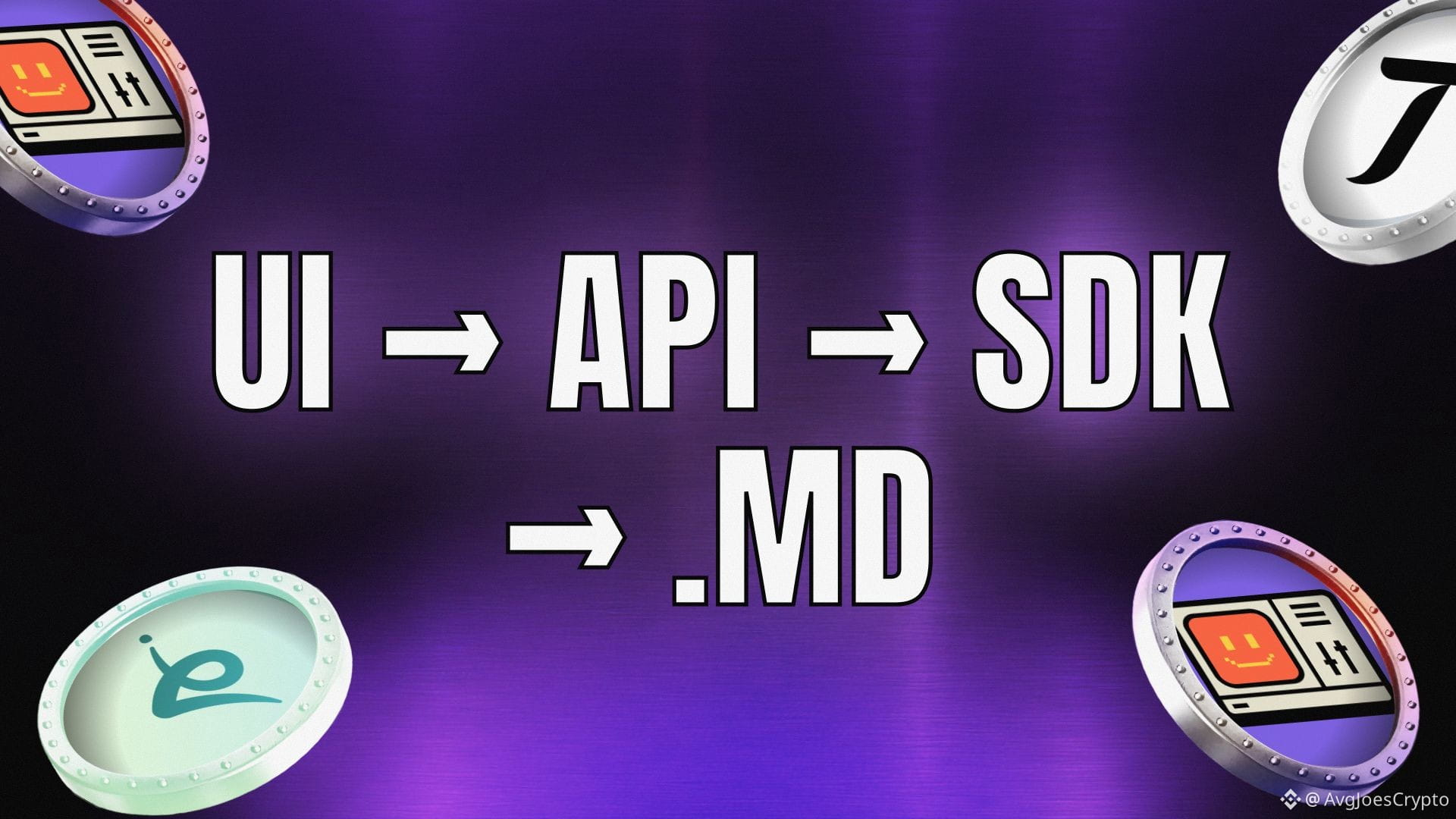
10年のあいだ、配布とはUIであり、次にAPIであり、その次にSDKでした。そしてそれらのどれもが、開発者に導入してもらう必要がありました。スキルファイルは誰も必要としません。統合の利用者はエージェントであり、エージェントが自分でオンボーディングします。
これは、プロダクトのユーザーが誰なのかを変えます。もし統合の入口が読めるテキストなら、あなたのアドレス可能な市場は、「そのリンクを指す」あらゆるエージェントになります。
反対側には、実在するリスクの表面もあります。
URL からウォレットのスキルをインストールできるエージェントは、同じ方法で悪意のあるスキルもインストールできます。そしてプロンプトインジェクションは、恥ずかしい話ではなく、資金調達の問題になっていきます。
私が見ているのは、ほかの実行先(execution venues)が自分たちのスキルファイルを公開するかどうか、そして「どれが安全にインストールできるか」を示すレジストリがどれだけ速く誰かによって作られるかです。
その2つ目が、実際のビジネスです。
#AI #DeFi
配布はアプリからインストラクションファイルへ移行しています 📄
$VIRTUAL はエージェントを市場にし、$TAO はそれをインフラにしました。ずっと静かにある疑問は、「どうやって何かを手に入れるのか?」でしたが、今週それが変わりました。
Bankr がスキルファイルを公開しました。エージェントは bankr.bot/skill.md を読み取り、そこから自分自身を構成します:ウォレット、取引、トークン発行、ポートフォリオ自動化。
SDKも、提携の連絡も、統合スプリントも不要です。URLと、書かれた指示に従えるモデルさえあればいい。
その根底にあるトレンドは、きちんと名前を付ける価値があります。
10年のあいだ、配布とはUIであり、次にAPIであり、その次にSDKでした。そしてそれらのどれもが、開発者に導入してもらう必要がありました。スキルファイルは誰も必要としません。統合の利用者はエージェントであり、エージェントが自分でオンボーディングします。
これは、プロダクトのユーザーが誰なのかを変えます。もし統合の入口が読めるテキストなら、あなたのアドレス可能な市場は、「そのリンクを指す」あらゆるエージェントになります。
反対側には、実在するリスクの表面もあります。
URL からウォレットのスキルをインストールできるエージェントは、同じ方法で悪意のあるスキルもインストールできます。そしてプロンプトインジェクションは、恥ずかしい話ではなく、資金調達の問題になっていきます。
私が見ているのは、ほかの実行先(execution venues)が自分たちのスキルファイルを公開するかどうか、そして「どれが安全にインストールできるか」を示すレジストリがどれだけ速く誰かによって作られるかです。
その2つ目が、実際のビジネスです。
#AI #DeFi
$VIRTUAL はエージェントを市場にし、$TAO はそれをインフラにしました。ずっと静かにある疑問は、「どうやって何かを手に入れるのか?」でしたが、今週それが変わりました。
Bankr がスキルファイルを公開しました。エージェントは bankr.bot/skill.md を読み取り、そこから自分自身を構成します:ウォレット、取引、トークン発行、ポートフォリオ自動化。
SDKも、提携の連絡も、統合スプリントも不要です。URLと、書かれた指示に従えるモデルさえあればいい。
その根底にあるトレンドは、きちんと名前を付ける価値があります。
10年のあいだ、配布とはUIであり、次にAPIであり、その次にSDKでした。そしてそれらのどれもが、開発者に導入してもらう必要がありました。スキルファイルは誰も必要としません。統合の利用者はエージェントであり、エージェントが自分でオンボーディングします。
これは、プロダクトのユーザーが誰なのかを変えます。もし統合の入口が読めるテキストなら、あなたのアドレス可能な市場は、「そのリンクを指す」あらゆるエージェントになります。
反対側には、実在するリスクの表面もあります。
URL からウォレットのスキルをインストールできるエージェントは、同じ方法で悪意のあるスキルもインストールできます。そしてプロンプトインジェクションは、恥ずかしい話ではなく、資金調達の問題になっていきます。
私が見ているのは、ほかの実行先(execution venues)が自分たちのスキルファイルを公開するかどうか、そして「どれが安全にインストールできるか」を示すレジストリがどれだけ速く誰かによって作られるかです。
その2つ目が、実際のビジネスです。
#AI #DeFi
56
優れたL1は最終的にスタートアップを「製造」しなければなりません 🏗️
それが全てです。L1はレールを作り、ビルダーはその上に製品を届けます。インフラを立ち上げただけでは、その周りにエコシステムが自動的に生まれるわけではありません。
$ARB は、開発者がそれをスケーリング技術として扱うのをやめて、その上で動くことがたまたまあるビジネスを作り始めたとき、ずっと重要になりました。 $XRP はまだエコシステムを成長させています。
私が新しいネットワークに対して注目しているのも、まさにこの転換です。
Midnight には Night Sky Accelerator があり、初期チームに10週間の助走期間を与えて、製品を市場へ近づけます。
そして、ビルダーの顔ぶれはすでに機関投資家の取引、アイデンティティ、ガバナンス、現実世界の資産にまたがっています。
これは重要です。なぜなら開発者向けドキュメントが、人々を実験へと駆り立てるからです。
アクセラレーターは、実験から「実際に出荷している企業」へと彼らを導こうとしています。
最も強いブロックチェーン・エコシステムは、最終的に、基盤となるチェーンがメインの物語ではなくなる地点に到達します。
そしてその上で作られているビジネスの話をするようになります。
それが、Midnightが次に到達しなければならない段階です。
#エコシステム #ビルダー
優れたL1は最終的にスタートアップを「製造」しなければなりません 🏗️
それが全てです。L1はレールを作り、ビルダーはその上に製品を届けます。インフラを立ち上げただけでは、その周りにエコシステムが自動的に生まれるわけではありません。
$ARB は、開発者がそれをスケーリング技術として扱うのをやめて、その上で動くことがたまたまあるビジネスを作り始めたとき、ずっと重要になりました。 $XRP はまだエコシステムを成長させています。
私が新しいネットワークに対して注目しているのも、まさにこの転換です。
Midnight には Night Sky Accelerator があり、初期チームに10週間の助走期間を与えて、製品を市場へ近づけます。
そして、ビルダーの顔ぶれはすでに機関投資家の取引、アイデンティティ、ガバナンス、現実世界の資産にまたがっています。
これは重要です。なぜなら開発者向けドキュメントが、人々を実験へと駆り立てるからです。
アクセラレーターは、実験から「実際に出荷している企業」へと彼らを導こうとしています。
最も強いブロックチェーン・エコシステムは、最終的に、基盤となるチェーンがメインの物語ではなくなる地点に到達します。
そしてその上で作られているビジネスの話をするようになります。
それが、Midnightが次に到達しなければならない段階です。
#エコシステム #ビルダー
それが全てです。L1はレールを作り、ビルダーはその上に製品を届けます。インフラを立ち上げただけでは、その周りにエコシステムが自動的に生まれるわけではありません。
$ARB は、開発者がそれをスケーリング技術として扱うのをやめて、その上で動くことがたまたまあるビジネスを作り始めたとき、ずっと重要になりました。 $XRP はまだエコシステムを成長させています。
私が新しいネットワークに対して注目しているのも、まさにこの転換です。
Midnight には Night Sky Accelerator があり、初期チームに10週間の助走期間を与えて、製品を市場へ近づけます。
そして、ビルダーの顔ぶれはすでに機関投資家の取引、アイデンティティ、ガバナンス、現実世界の資産にまたがっています。
これは重要です。なぜなら開発者向けドキュメントが、人々を実験へと駆り立てるからです。
アクセラレーターは、実験から「実際に出荷している企業」へと彼らを導こうとしています。
最も強いブロックチェーン・エコシステムは、最終的に、基盤となるチェーンがメインの物語ではなくなる地点に到達します。
そしてその上で作られているビジネスの話をするようになります。
それが、Midnightが次に到達しなければならない段階です。
#エコシステム #ビルダー
65
L1の評価はもう一度見直す必要がある 👀
アルトコイン・シーズンには、$HYPE や $AVAX のようなL1が、活動・配分・明確なナラティブが互いに強化し合い始めると、市場が定期的に価格を見直します。
ただ、もっと面白いのは、ネットワークが改善しているのに、トークンの値動きが逆方向になるときだと思います。
それは、市場が覚えていることと、実際にチェーンがどうなったかの間にギャップを生みます。私はそのギャップを調べる中で、今のネットワークが、以前に市場の注目を集めたバージョンよりも実質的に強くなっているのかを問いかけます。
新しいプロダクトが1つあるだけでは、めったに十分ではありません。
開発、アクセス、機関投資家の利用、そしてトークン経済が同時に改善すると、テーゼはより強固になります。
Injectiveは、私の監視リストの中でも最も分かりやすい例の一つです。I as INJ now sits around $8, but the network now has a native EVM, wider access through Solana, institutional RWA activity, and a stronger regulated-market footprint.
経済面もまた、進化しています。
Injectiveが、金融インフラを測定可能なアクティビティへと変換し続けるなら、このバリュエーション・ギャップはますます無視しづらくなると思います 🔥
#Altcoin Season#
L1の評価はもう一度見直す必要がある 👀
アルトコイン・シーズンには、$HYPE や $AVAX のようなL1が、活動・配分・明確なナラティブが互いに強化し合い始めると、市場が定期的に価格を見直します。
ただ、もっと面白いのは、ネットワークが改善しているのに、トークンの値動きが逆方向になるときだと思います。
それは、市場が覚えていることと、実際にチェーンがどうなったかの間にギャップを生みます。私はそのギャップを調べる中で、今のネットワークが、以前に市場の注目を集めたバージョンよりも実質的に強くなっているのかを問いかけます。
新しいプロダクトが1つあるだけでは、めったに十分ではありません。
開発、アクセス、機関投資家の利用、そしてトークン経済が同時に改善すると、テーゼはより強固になります。
Injectiveは、私の監視リストの中でも最も分かりやすい例の一つです。I as INJ now sits around $8, but the network now has a native EVM, wider access through Solana, institutional RWA activity, and a stronger regulated-market footprint.
経済面もまた、進化しています。
Injectiveが、金融インフラを測定可能なアクティビティへと変換し続けるなら、このバリュエーション・ギャップはますます無視しづらくなると思います 🔥
#Altcoin Season#
アルトコイン・シーズンには、$HYPE や $AVAX のようなL1が、活動・配分・明確なナラティブが互いに強化し合い始めると、市場が定期的に価格を見直します。
ただ、もっと面白いのは、ネットワークが改善しているのに、トークンの値動きが逆方向になるときだと思います。
それは、市場が覚えていることと、実際にチェーンがどうなったかの間にギャップを生みます。私はそのギャップを調べる中で、今のネットワークが、以前に市場の注目を集めたバージョンよりも実質的に強くなっているのかを問いかけます。
新しいプロダクトが1つあるだけでは、めったに十分ではありません。
開発、アクセス、機関投資家の利用、そしてトークン経済が同時に改善すると、テーゼはより強固になります。
Injectiveは、私の監視リストの中でも最も分かりやすい例の一つです。I as INJ now sits around $8, but the network now has a native EVM, wider access through Solana, institutional RWA activity, and a stronger regulated-market footprint.
経済面もまた、進化しています。
Injectiveが、金融インフラを測定可能なアクティビティへと変換し続けるなら、このバリュエーション・ギャップはますます無視しづらくなると思います 🔥
#Altcoin Season#
71
利益は強気相場(ブルマーケット)を必要としません 📈
多くの暗号資産(クリプト)戦略には、機能するために必要なものが1つあります。価格が上がり続けること。――それが問題です。
Agent Pear Vaultは、トレーダーに市場への別のアプローチを提供します。
ただ資金を預けて次の上昇(ラリー)を待つのではなく、歴史的に関連のある資産同士の間に生じる一時的な価格ギャップを狙います。相対的に割安な資産をロングし、相対的に割高な資産をショートし、その関係性の変動を取引します。
つまり、$ARB と $NEAR の両方が下落しても、ロングしている方の資産がショートしている方よりも良い値動きをすれば、取引は成立します。
だからこそ、このVaultは隠れた逸品の一つです。預けた資金は、次のブルマーケットに全面的に頼る代わりに、自動的にマーケットニュートラルな戦略を追求できます。
市場がグリーンでもレッドでも、Agent Pearは「関係性」を取引しています。
pear.garden でポンプがなくてもポートフォリオを成長させよう
#Altcoin Season#
利益は強気相場(ブルマーケット)を必要としません 📈
多くの暗号資産(クリプト)戦略には、機能するために必要なものが1つあります。価格が上がり続けること。――それが問題です。
Agent Pear Vaultは、トレーダーに市場への別のアプローチを提供します。
ただ資金を預けて次の上昇(ラリー)を待つのではなく、歴史的に関連のある資産同士の間に生じる一時的な価格ギャップを狙います。相対的に割安な資産をロングし、相対的に割高な資産をショートし、その関係性の変動を取引します。
つまり、$ARB と $NEAR の両方が下落しても、ロングしている方の資産がショートしている方よりも良い値動きをすれば、取引は成立します。
だからこそ、このVaultは隠れた逸品の一つです。預けた資金は、次のブルマーケットに全面的に頼る代わりに、自動的にマーケットニュートラルな戦略を追求できます。
市場がグリーンでもレッドでも、Agent Pearは「関係性」を取引しています。
pear.garden でポンプがなくてもポートフォリオを成長させよう
#Altcoin Season#
多くの暗号資産(クリプト)戦略には、機能するために必要なものが1つあります。価格が上がり続けること。――それが問題です。
Agent Pear Vaultは、トレーダーに市場への別のアプローチを提供します。
ただ資金を預けて次の上昇(ラリー)を待つのではなく、歴史的に関連のある資産同士の間に生じる一時的な価格ギャップを狙います。相対的に割安な資産をロングし、相対的に割高な資産をショートし、その関係性の変動を取引します。
つまり、$ARB と $NEAR の両方が下落しても、ロングしている方の資産がショートしている方よりも良い値動きをすれば、取引は成立します。
だからこそ、このVaultは隠れた逸品の一つです。預けた資金は、次のブルマーケットに全面的に頼る代わりに、自動的にマーケットニュートラルな戦略を追求できます。
市場がグリーンでもレッドでも、Agent Pearは「関係性」を取引しています。
pear.garden でポンプがなくてもポートフォリオを成長させよう
#Altcoin Season#
58
270万のエージェントには、まだ稼働場所が必要です。🤖
$FET は、自律型AIのための最大級のコーディネーションレイヤーを構築しています。
FetchAI の Agentverse では現在 270万のエージェントが登録されており、開発者にとっては、ソフトウェアが他のエージェントを見つけ、連携し、取引し、AIサービスにアクセスできるマーケットプレイスが提供されます。
それが重要なのは、エージェント経済が「1つのチャットボット」よりも「何百万ものソフトウェアが継続的にモデルを呼び出し、作業を完了させる」ことへと変わってきているからです。
それらのあらゆるアクションは、いずれ最終的に推論リクエストになります。
そこで $B3 がスタックに入ってきます。
B3IQ は、自社保有の NVIDIA ハードウェアを OpenAI 互換の推論エンドポイントに変えます。パイロットはすでに、マーケットプレイスの概念に留まらず、実際にルーティングされたトラフィック、署名付き実行レシート、利用記録、そしてノードへの支払い証拠まで対応しています。
ネットワークは、公に「マシンがオンラインかどうか」「どのモデルを提供しているか」「実際にワークロードを受け入れる準備ができているか」を公開できます。
Fetch は、自律型エージェントのためのコーディネーションレイヤーを構築しています。
B3IQ は、最終的にそれらのエージェントが消費する物理的な実行レイヤーを中心に構築しています。
エージェントが増えれば、意思決定が増えます。
意思決定が増えれば、推論が増えます。
そして推論は常に計算リソース(コンピュート)に戻ってきます。
#AI #DePIN
270万のエージェントには、まだ稼働場所が必要です。🤖
$FET は、自律型AIのための最大級のコーディネーションレイヤーを構築しています。
FetchAI の Agentverse では現在 270万のエージェントが登録されており、開発者にとっては、ソフトウェアが他のエージェントを見つけ、連携し、取引し、AIサービスにアクセスできるマーケットプレイスが提供されます。
それが重要なのは、エージェント経済が「1つのチャットボット」よりも「何百万ものソフトウェアが継続的にモデルを呼び出し、作業を完了させる」ことへと変わってきているからです。
それらのあらゆるアクションは、いずれ最終的に推論リクエストになります。
そこで $B3 がスタックに入ってきます。
B3IQ は、自社保有の NVIDIA ハードウェアを OpenAI 互換の推論エンドポイントに変えます。パイロットはすでに、マーケットプレイスの概念に留まらず、実際にルーティングされたトラフィック、署名付き実行レシート、利用記録、そしてノードへの支払い証拠まで対応しています。
ネットワークは、公に「マシンがオンラインかどうか」「どのモデルを提供しているか」「実際にワークロードを受け入れる準備ができているか」を公開できます。
Fetch は、自律型エージェントのためのコーディネーションレイヤーを構築しています。
B3IQ は、最終的にそれらのエージェントが消費する物理的な実行レイヤーを中心に構築しています。
エージェントが増えれば、意思決定が増えます。
意思決定が増えれば、推論が増えます。
そして推論は常に計算リソース(コンピュート)に戻ってきます。
#AI #DePIN
$FET は、自律型AIのための最大級のコーディネーションレイヤーを構築しています。
FetchAI の Agentverse では現在 270万のエージェントが登録されており、開発者にとっては、ソフトウェアが他のエージェントを見つけ、連携し、取引し、AIサービスにアクセスできるマーケットプレイスが提供されます。
それが重要なのは、エージェント経済が「1つのチャットボット」よりも「何百万ものソフトウェアが継続的にモデルを呼び出し、作業を完了させる」ことへと変わってきているからです。
それらのあらゆるアクションは、いずれ最終的に推論リクエストになります。
そこで $B3 がスタックに入ってきます。
B3IQ は、自社保有の NVIDIA ハードウェアを OpenAI 互換の推論エンドポイントに変えます。パイロットはすでに、マーケットプレイスの概念に留まらず、実際にルーティングされたトラフィック、署名付き実行レシート、利用記録、そしてノードへの支払い証拠まで対応しています。
ネットワークは、公に「マシンがオンラインかどうか」「どのモデルを提供しているか」「実際にワークロードを受け入れる準備ができているか」を公開できます。
Fetch は、自律型エージェントのためのコーディネーションレイヤーを構築しています。
B3IQ は、最終的にそれらのエージェントが消費する物理的な実行レイヤーを中心に構築しています。
エージェントが増えれば、意思決定が増えます。
意思決定が増えれば、推論が増えます。
そして推論は常に計算リソース(コンピュート)に戻ってきます。
#AI #DePIN
68
Kaitoのデータは暗号資産を超えて動き出している🔥
ほとんどの人は、$KAITO を暗号資産のマインドシェア・プラットフォームだと見ています。でも、その見方は時代遅れになりつつあると思います。
たとえば $TAO のようなエコシステムを考えてみてください。技術的な進歩、コミュニティでの議論、そしてAIに関する語りの変化が、大量の情報を生み出します。信号を手作業で追跡するのはほぼ不可能です。Kaitoは、その会話をデータとして整理し、企業が実際に使える形にできます。
Kaitoは長年、ソーシャルメディア、研究、ガバナンスフォーラム、ポッドキャスト、ニュースなどに散在する情報をインデックス化してきました。そして、そのAIインフラが非構造化された情報を、検索可能なインテリジェンス、センチメントのシグナル、測定可能な注目度へと変換します。
そのデータは、トークン市場のはるかに先まで価値があります。
AIラボ、消費者向けAIアプリケーション、スマートハードウェア企業はすでにKaitoのキャンペーンおよびアトリビューション(帰属)インフラを試験導入しています。これらの企業が知りたいのは、人々が本当に関心を持っていることは何か、意思決定に影響する声はどれか、そしてオンライン上の注目が測定可能な成果につながるかどうかです。
これが、私がますますKAITOに注目している理由です。暗号資産の外側にいる企業が、注目インテリジェンス、アトリビューション、そして高品質なデータに対して支払う意思があるなら、Kaitoの機会は単一のWeb3プロダクトにとどまりません。
暗号資産がKaitoのスタート市場を与えました。AIと、より広いインターネットがその拡大市場になり得ます。
Kaitoのデータは暗号資産を超えて動き出している🔥
ほとんどの人は、$KAITO を暗号資産のマインドシェア・プラットフォームだと見ています。でも、その見方は時代遅れになりつつあると思います。
たとえば $TAO のようなエコシステムを考えてみてください。技術的な進歩、コミュニティでの議論、そしてAIに関する語りの変化が、大量の情報を生み出します。信号を手作業で追跡するのはほぼ不可能です。Kaitoは、その会話をデータとして整理し、企業が実際に使える形にできます。
Kaitoは長年、ソーシャルメディア、研究、ガバナンスフォーラム、ポッドキャスト、ニュースなどに散在する情報をインデックス化してきました。そして、そのAIインフラが非構造化された情報を、検索可能なインテリジェンス、センチメントのシグナル、測定可能な注目度へと変換します。
そのデータは、トークン市場のはるかに先まで価値があります。
AIラボ、消費者向けAIアプリケーション、スマートハードウェア企業はすでにKaitoのキャンペーンおよびアトリビューション(帰属)インフラを試験導入しています。これらの企業が知りたいのは、人々が本当に関心を持っていることは何か、意思決定に影響する声はどれか、そしてオンライン上の注目が測定可能な成果につながるかどうかです。
これが、私がますますKAITOに注目している理由です。暗号資産の外側にいる企業が、注目インテリジェンス、アトリビューション、そして高品質なデータに対して支払う意思があるなら、Kaitoの機会は単一のWeb3プロダクトにとどまりません。
暗号資産がKaitoのスタート市場を与えました。AIと、より広いインターネットがその拡大市場になり得ます。
ほとんどの人は、$KAITO を暗号資産のマインドシェア・プラットフォームだと見ています。でも、その見方は時代遅れになりつつあると思います。
たとえば $TAO のようなエコシステムを考えてみてください。技術的な進歩、コミュニティでの議論、そしてAIに関する語りの変化が、大量の情報を生み出します。信号を手作業で追跡するのはほぼ不可能です。Kaitoは、その会話をデータとして整理し、企業が実際に使える形にできます。
Kaitoは長年、ソーシャルメディア、研究、ガバナンスフォーラム、ポッドキャスト、ニュースなどに散在する情報をインデックス化してきました。そして、そのAIインフラが非構造化された情報を、検索可能なインテリジェンス、センチメントのシグナル、測定可能な注目度へと変換します。
そのデータは、トークン市場のはるかに先まで価値があります。
AIラボ、消費者向けAIアプリケーション、スマートハードウェア企業はすでにKaitoのキャンペーンおよびアトリビューション(帰属)インフラを試験導入しています。これらの企業が知りたいのは、人々が本当に関心を持っていることは何か、意思決定に影響する声はどれか、そしてオンライン上の注目が測定可能な成果につながるかどうかです。
これが、私がますますKAITOに注目している理由です。暗号資産の外側にいる企業が、注目インテリジェンス、アトリビューション、そして高品質なデータに対して支払う意思があるなら、Kaitoの機会は単一のWeb3プロダクトにとどまりません。
暗号資産がKaitoのスタート市場を与えました。AIと、より広いインターネットがその拡大市場になり得ます。
79
Amazon、Meta、Palantir、Oracle、Samsung、Coinbase、SanDisk、SK Hynixは、Pyth Indicesによって24時間365日、継続的に価格が提示されるようになりました。
$PYTH と $SOL が同じフィードに載るのは理にかなっています。というのも、暗号資産はすでに「即時感のある市場」をユーザーが求めていることを証明済みだからです。今、その期待が株式、ETF、コモディティ、そしてグローバル資産へと広がっています。
今回の新しいPyth Indicesのバッチは、単なる無作為なティッカー追加ではありません。
世界で最も注目される銘柄のいくつかを、継続的な価格提示へと連れてきます:AMZN、META、COIN、PLTR、ORCL、NBIS、SKHY、SNDK。
またSamsungも、Pyth Indicesスイートの中で最初の韓国上場銘柄として稼働を開始しました。
それが重要です。
Samsungはグローバルなテクノロジーおよび半導体の分野で最も重要な企業の一つであり、Pythによって今や24/7の価格表示を得ています。
EWY、SOXL、SOXSも稼働中で、同じ継続的な価格レイヤーに、国やセクターへのエクスポージャーを追加しています。
より大きな市場構造のポイントはシンプルです。
暗号資産の取引の場は眠りません。
RWA市場がそれに追随し始めています。
トレーダーが、従来の取引時間外でも、株式、チップ、ETF、原油、金、あるいはマクロテーマへのエクスポージャーを得たいのなら、それらの市場の下にあるデータも同じように動く必要があります。
Pythは、次のRWAの波が混雑する前に、この価格レイヤーを構築しています。
#Altcoin Season# #RWA
Amazon、Meta、Palantir、Oracle、Samsung、Coinbase、SanDisk、SK Hynixは、Pyth Indicesによって24時間365日、継続的に価格が提示されるようになりました。
$PYTH と $SOL が同じフィードに載るのは理にかなっています。というのも、暗号資産はすでに「即時感のある市場」をユーザーが求めていることを証明済みだからです。今、その期待が株式、ETF、コモディティ、そしてグローバル資産へと広がっています。
今回の新しいPyth Indicesのバッチは、単なる無作為なティッカー追加ではありません。
世界で最も注目される銘柄のいくつかを、継続的な価格提示へと連れてきます:AMZN、META、COIN、PLTR、ORCL、NBIS、SKHY、SNDK。
またSamsungも、Pyth Indicesスイートの中で最初の韓国上場銘柄として稼働を開始しました。
それが重要です。
Samsungはグローバルなテクノロジーおよび半導体の分野で最も重要な企業の一つであり、Pythによって今や24/7の価格表示を得ています。
EWY、SOXL、SOXSも稼働中で、同じ継続的な価格レイヤーに、国やセクターへのエクスポージャーを追加しています。
より大きな市場構造のポイントはシンプルです。
暗号資産の取引の場は眠りません。
RWA市場がそれに追随し始めています。
トレーダーが、従来の取引時間外でも、株式、チップ、ETF、原油、金、あるいはマクロテーマへのエクスポージャーを得たいのなら、それらの市場の下にあるデータも同じように動く必要があります。
Pythは、次のRWAの波が混雑する前に、この価格レイヤーを構築しています。
#Altcoin Season# #RWA
$PYTH と $SOL が同じフィードに載るのは理にかなっています。というのも、暗号資産はすでに「即時感のある市場」をユーザーが求めていることを証明済みだからです。今、その期待が株式、ETF、コモディティ、そしてグローバル資産へと広がっています。
今回の新しいPyth Indicesのバッチは、単なる無作為なティッカー追加ではありません。
世界で最も注目される銘柄のいくつかを、継続的な価格提示へと連れてきます:AMZN、META、COIN、PLTR、ORCL、NBIS、SKHY、SNDK。
またSamsungも、Pyth Indicesスイートの中で最初の韓国上場銘柄として稼働を開始しました。
それが重要です。
Samsungはグローバルなテクノロジーおよび半導体の分野で最も重要な企業の一つであり、Pythによって今や24/7の価格表示を得ています。
EWY、SOXL、SOXSも稼働中で、同じ継続的な価格レイヤーに、国やセクターへのエクスポージャーを追加しています。
より大きな市場構造のポイントはシンプルです。
暗号資産の取引の場は眠りません。
RWA市場がそれに追随し始めています。
トレーダーが、従来の取引時間外でも、株式、チップ、ETF、原油、金、あるいはマクロテーマへのエクスポージャーを得たいのなら、それらの市場の下にあるデータも同じように動く必要があります。
Pythは、次のRWAの波が混雑する前に、この価格レイヤーを構築しています。
#Altcoin Season# #RWA
58
クリプトの米国における未来は待ってくれない 🇺🇸
正直に言うと、私はCLARITY法案にはあまり関心がない。とはいえ、$ONDO と $XLM の保有者は規制のインフラ整備を待ち望んでいるのは分かっている。
しかし私にとって重要なのは、ワシントンがより広い枠組みを定義するまでの間、何が前進し続けられるのかという点だ。
Injectiveはすでに、その役割を担う位置にある。SECに登録されたトランスファーエージェントを備えた最初のL1として、トークン化戦略に、オンチェーン上の保有記録に関する規制上の土台を与えている。
だから、CLARITYがより時間を要するにせよ、あるいは現行の形で可決されないにせよ、Injectiveは政策の議論が進むにつれて、アメリカでRWA(現実資産)インフラの構築を続けられる。
これが、米国がオンチェーン・ファイナンスを自国の市場にどう位置づけるかを決めていく中で、Injectiveが最も注目すべきエコシステムの一つだと私が考える理由だ 🔥
#Macro Insights#
クリプトの米国における未来は待ってくれない 🇺🇸
正直に言うと、私はCLARITY法案にはあまり関心がない。とはいえ、$ONDO と $XLM の保有者は規制のインフラ整備を待ち望んでいるのは分かっている。
しかし私にとって重要なのは、ワシントンがより広い枠組みを定義するまでの間、何が前進し続けられるのかという点だ。
Injectiveはすでに、その役割を担う位置にある。SECに登録されたトランスファーエージェントを備えた最初のL1として、トークン化戦略に、オンチェーン上の保有記録に関する規制上の土台を与えている。
だから、CLARITYがより時間を要するにせよ、あるいは現行の形で可決されないにせよ、Injectiveは政策の議論が進むにつれて、アメリカでRWA(現実資産)インフラの構築を続けられる。
これが、米国がオンチェーン・ファイナンスを自国の市場にどう位置づけるかを決めていく中で、Injectiveが最も注目すべきエコシステムの一つだと私が考える理由だ 🔥
#Macro Insights#
正直に言うと、私はCLARITY法案にはあまり関心がない。とはいえ、$ONDO と $XLM の保有者は規制のインフラ整備を待ち望んでいるのは分かっている。
しかし私にとって重要なのは、ワシントンがより広い枠組みを定義するまでの間、何が前進し続けられるのかという点だ。
Injectiveはすでに、その役割を担う位置にある。SECに登録されたトランスファーエージェントを備えた最初のL1として、トークン化戦略に、オンチェーン上の保有記録に関する規制上の土台を与えている。
だから、CLARITYがより時間を要するにせよ、あるいは現行の形で可決されないにせよ、Injectiveは政策の議論が進むにつれて、アメリカでRWA(現実資産)インフラの構築を続けられる。
これが、米国がオンチェーン・ファイナンスを自国の市場にどう位置づけるかを決めていく中で、Injectiveが最も注目すべきエコシステムの一つだと私が考える理由だ 🔥
#Macro Insights#
62
ログインして、さらにコンテンツを読む
厳選トピックで世界の暗号資産トレーダーの仲間入り
⚡️ 暗号資産に関する最新かつ有益な情報が見つかります。
💬 世界最大の暗号資産取引所から信頼されています。
👍 認証を受けたクリエイターから、有益なインサイトを得られます。
メール / 電話番号
トレンドトピック
ZcashETFPostsFirstWeeklyOutflow$93.6M
閲覧回数 18,305
59人が討論中
#ZcashETFPostsFirstWeeklyOutflow$93.6M 📊 グレイスケールのスポット・ジーキャッシュ(ZEC)ETF、週次で9,360万ドルの資金流出を記録
機関投資家の資金フローに新たなダイナミクスが見え始めています。グレイスケールのスポットZcash ETFは、初の大きな週次ネット資金流出を記録したばかりで、これまでの強い立ち上がりの勢いからの注目すべき変化を示しています。
🔹数字 グレイスケールのスポットZEC ETF(ティッカー:ZCSH)は、過去1週間で約9,360万ドルのネット流出を記録しました。特筆すべき引き出しは9月下旬と10月上旬に集中していました。
🔹 背景 これは堅調な初期局面に続く動きです。グレイスケールのZcash Trustから転換し、8月下旬にNYSE Arcaへ上場した後、このファンドは9月中旬までに累計でネット流入が2億7100万ドルに達していました。
💡 市場への影響分析
•短期的なダイナミクス 大型ETFの資金流出は、償還請求に対応するためにファンドが保有を調整する過程で、基礎となる資産に一時的な売り圧力をもたらす可能性があります。
•センチメント&リバランス この下落は、ジーキャッシュの長期的な有用性やプライバシー重視の価値提案が根本的に変わったことというより、初期の機関投資家による通常の利確、あるいはポートフォリオのリバランスを反映しているのかもしれません。
•エコシステムの注目点 市場参加者は、これがZCSHに特有の一過性の出来事なのか、それともプライバシー志向のデジタル資産に対する機関の食欲が広く冷え込んでいることを示唆するのかを注視します。
💬 あなたの見解は? この週次の資金流出を、強いスタートの後の健全な市場調整と見ますか?それとも、プライバシー・コインへの向けた機関のセンチメントが変化しているサインだと見ますか?下のコメント欄であなたの考えを聞かせてください!
#Zcash #ZEC #CryptoETF #InstitutionalCrypto #MarketUpdate
これは教育目的のみです。投資助言ではありません(NFA)。常に自己調査(DYOR)を行ってください。
$GLMR $QI $ONE
piknkkk
·いいね:0件
·閲覧回数 27
GreekPoliceBustCryptoScamRingArrest17
閲覧回数 25,510
303人が討論中
BitcoinRejectedAt$87K
閲覧回数 93,776
120人が討論中