

Jojo Crypto 1
160 投稿

Jojo Crypto 1
報告
ユーザーをブロック
🚀 Ambassadeur Web3 & Superfan Crypto 🏆 📢 Community Builder | 📖 Crypto Writer
0 フォロー
1 フォロワー
3 いいね
投稿
翻訳参照
BitMine keeps stacking ETH. The company bought another 15,112 $ETH over the past week, bringing its holdings to 6,016,414 ETH roughly 4.9% of Ethereum’s total supply. That’s an enormous position for a single public company. And BitMine isn’t just holding it: more than 5 million ETH is currently staked. If BitMine keeps accumulating, how significant could 5%+ of ETH supply become for the market? #ETH #Ethereum
BitMine keeps stacking ETH. The company bought another 15,112 $ETH over the past week, bringing its holdings to 6,016,414 ETH roughly 4.9% of Ethereum’s total supply. That’s an enormous position for a single public company. And BitMine isn’t just holding it: more than 5 million ETH is currently staked. If BitMine keeps accumulating, how significant could 5%+ of ETH supply become for the market? #ETH #Ethereum
58
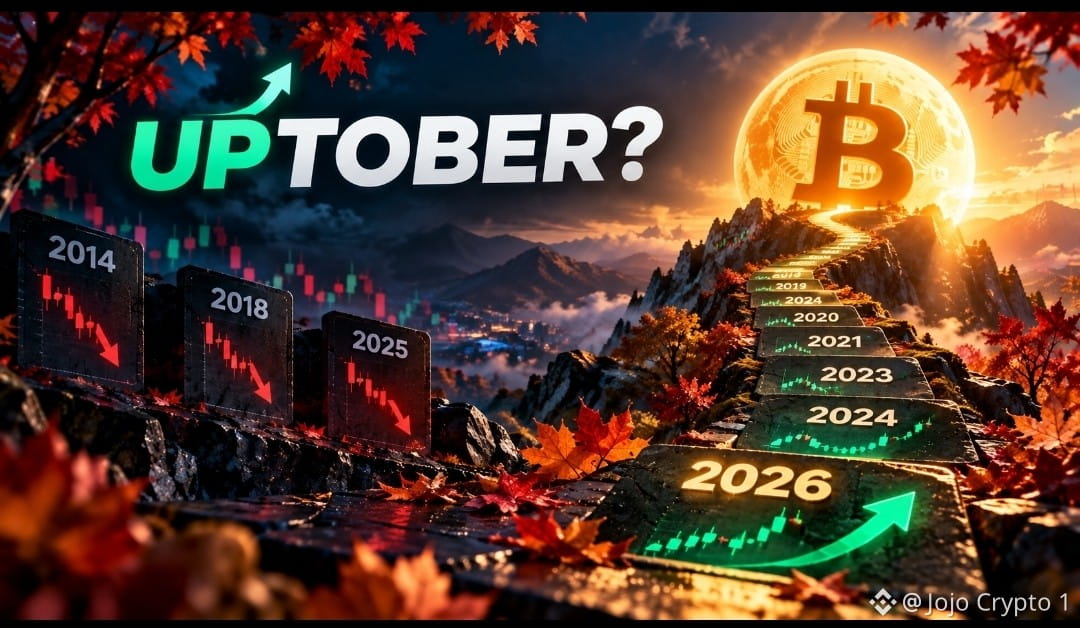
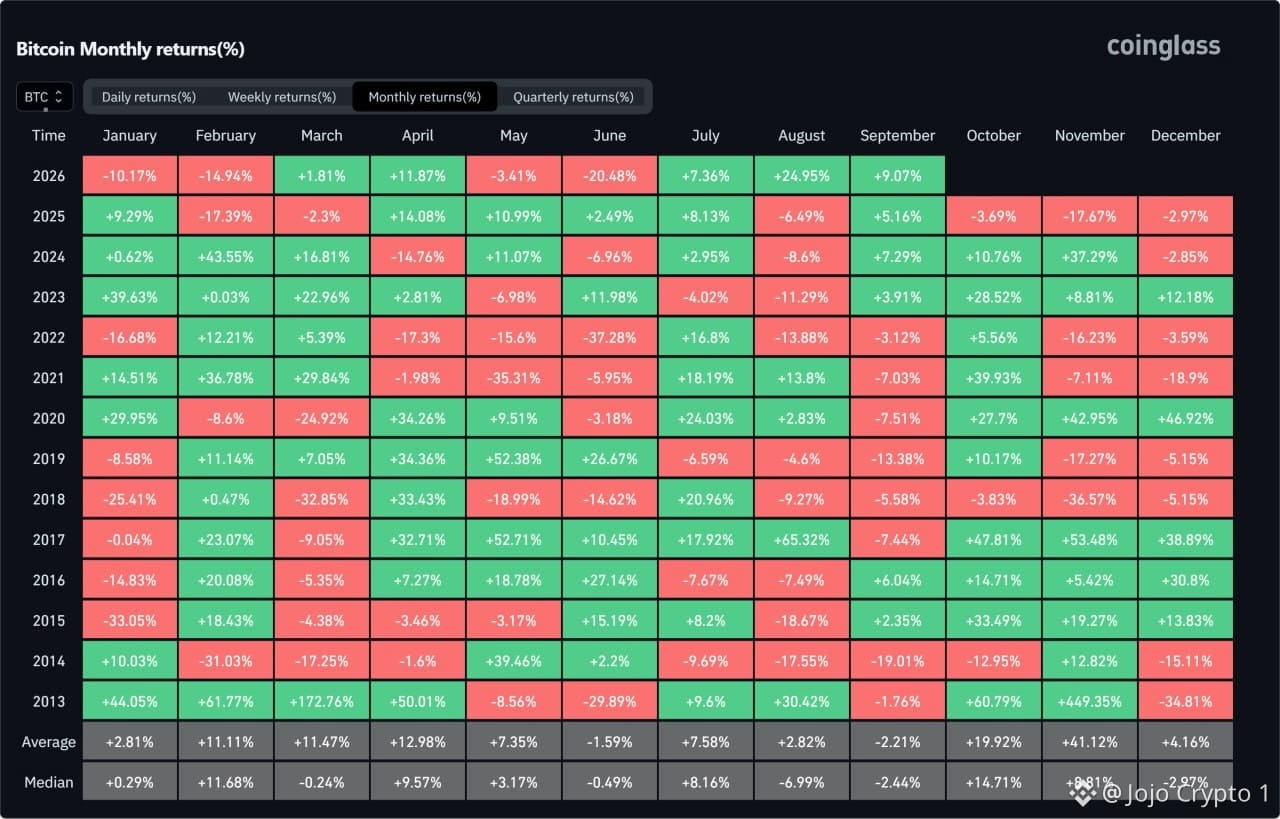
「アップトーバー(Uptober)」は有用なシグナルですが、それだけを根拠に信じるには十分ではないと思います。$BTC は歴史的に10月が強く、2013年以降13年のうち10年で終値がプラス(グリーン)となり、中央値のリターンは+10.8%でした。 しかし2025年は、過去のパターンが崩れる可能性があるという重要なリマインダーになりました。ビットコインは昨年10月に$126Kを超える新高値(ATH)を更新したにもかかわらず、その月は赤字で終わり、6年にわたるグリーン記録を断ち切りました。 そのため、私自身は「アップトーバー」にどれほどの重みを本当に与えるべきなのか疑問に思っています。 サンプル自体も比較的小さいです。13回の10月では、季節性を“ルール”のように扱うには不十分です。 私にとってより興味深いのは、過去のサイクルと比べて流動性、マクロ環境、ポジショニングが異なる中で、10月の季節性がまだ機能しているのかどうかです。 アップトーバーは繰り返し現れる市場シグナルなのでしょうか、それともトレーダーが期待するだけのパターンなのでしょうか? #BTC #BTC Price Analysis# #Macro Insights# #Altcoin Season#
「アップトーバー(Uptober)」は有用なシグナルですが、それだけを根拠に信じるには十分ではないと思います。$BTC は歴史的に10月が強く、2013年以降13年のうち10年で終値がプラス(グリーン)となり、中央値のリターンは+10.8%でした。 しかし2025年は、過去のパターンが崩れる可能性があるという重要なリマインダーになりました。ビットコインは昨年10月に$126Kを超える新高値(ATH)を更新したにもかかわらず、その月は赤字で終わり、6年にわたるグリーン記録を断ち切りました。 そのため、私自身は「アップトーバー」にどれほどの重みを本当に与えるべきなのか疑問に思っています。 サンプル自体も比較的小さいです。13回の10月では、季節性を“ルール”のように扱うには不十分です。 私にとってより興味深いのは、過去のサイクルと比べて流動性、マクロ環境、ポジショニングが異なる中で、10月の季節性がまだ機能しているのかどうかです。 アップトーバーは繰り返し現れる市場シグナルなのでしょうか、それともトレーダーが期待するだけのパターンなのでしょうか? #BTC #BTC Price Analysis# #Macro Insights# #Altcoin Season#
54
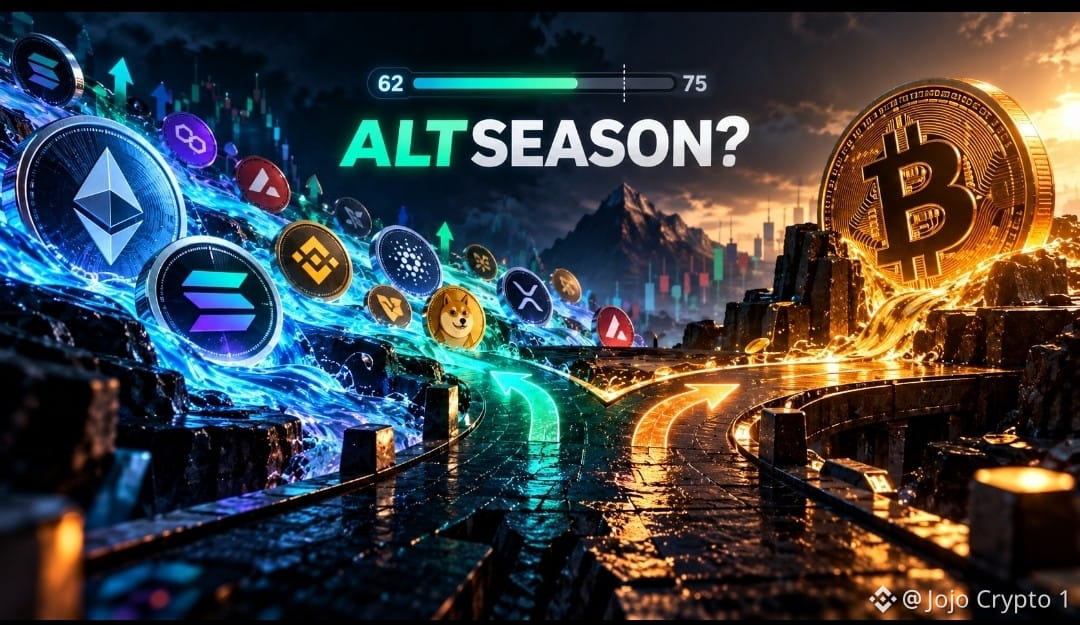
「出来高が4倍」だからといって、すぐにアルトシーズンとは限りません。アルトコインのスポット出来高は現在、ビットコインのほぼ4倍まで上昇しています。一方で、CMCのアルトコイン・シーズン指数は先月の約33から62へと上がりました。これは資金のローテーションを示しているように見えますが、落とし穴があります。62は、CMCがアルトシーズンの確認に使う75という閾値にはまだ届いていません。また、$BTCのドミナンスは依然として約59%のままです。そこで、考えられる読みは2つあります。🔄 ローテーション:トレーダーがようやくより深いアルトへ資金を移し始めている。⚠️ 分配:その巨大な出来高は、後追いで入ってきた買い手がいる一方で、既存保有者が利益確定している可能性もあります。今後数週間で、それがどちらなのかが分かるかもしれません。あなたの見立てでは、これはアルトシーズンの始まりでしょうか?それとも、次のBTCの動きに備えた流動性準備なのでしょうか?#BTC #BTC Price Analysis# #Macro Insights# #Altcoin Season#
「出来高が4倍」だからといって、すぐにアルトシーズンとは限りません。アルトコインのスポット出来高は現在、ビットコインのほぼ4倍まで上昇しています。一方で、CMCのアルトコイン・シーズン指数は先月の約33から62へと上がりました。これは資金のローテーションを示しているように見えますが、落とし穴があります。62は、CMCがアルトシーズンの確認に使う75という閾値にはまだ届いていません。また、$BTCのドミナンスは依然として約59%のままです。そこで、考えられる読みは2つあります。🔄 ローテーション:トレーダーがようやくより深いアルトへ資金を移し始めている。⚠️ 分配:その巨大な出来高は、後追いで入ってきた買い手がいる一方で、既存保有者が利益確定している可能性もあります。今後数週間で、それがどちらなのかが分かるかもしれません。あなたの見立てでは、これはアルトシーズンの始まりでしょうか?それとも、次のBTCの動きに備えた流動性準備なのでしょうか?#BTC #BTC Price Analysis# #Macro Insights# #Altcoin Season#
73
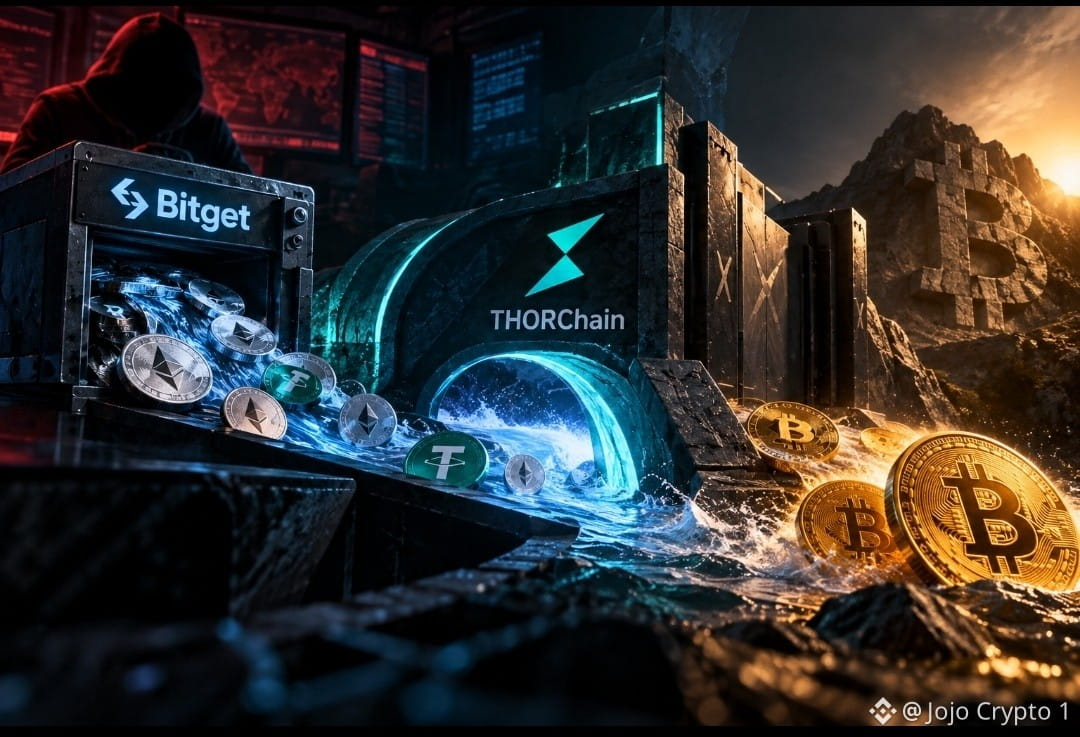
分散化の議論が本当に面白くなるのはここからです。THORChainは、$388MのBitgetハックに関連付けられたアドレスのブロックを拒否しました。その直後、およそ$6.3Mの盗まれた$ETHが、プロトコルを通じて75.2 $BTCにスワップされました。そしてここが、私はTHORChainの立場に対する最も強い主張があるところだと見ています。ビットコイン自体は許可不要(パーミッションレス)です。もしBTCアドレスが盗難済みとして公にフラグ付けされても、ビットコインはその取引を自動的に拒否しません。 しかしTHORChainはビットコインではありません。バリデーターには緊急時のコントロールがあり、ネットワークを停止できるため、この比較ははるかに複雑になります。 では、その線引きはどこにあるべきなのでしょうか? 分散化が「許可不要のアクセス」を意味するなら、ハックに明確につながる資金であっても、プロトコルが誰がスワップできるかを決める権利を本当に持つべきなのでしょうか? #BTC #ETH #Macro Insights#
分散化の議論が本当に面白くなるのはここからです。THORChainは、$388MのBitgetハックに関連付けられたアドレスのブロックを拒否しました。その直後、およそ$6.3Mの盗まれた$ETHが、プロトコルを通じて75.2 $BTCにスワップされました。そしてここが、私はTHORChainの立場に対する最も強い主張があるところだと見ています。ビットコイン自体は許可不要(パーミッションレス)です。もしBTCアドレスが盗難済みとして公にフラグ付けされても、ビットコインはその取引を自動的に拒否しません。 しかしTHORChainはビットコインではありません。バリデーターには緊急時のコントロールがあり、ネットワークを停止できるため、この比較ははるかに複雑になります。 では、その線引きはどこにあるべきなのでしょうか? 分散化が「許可不要のアクセス」を意味するなら、ハックに明確につながる資金であっても、プロトコルが誰がスワップできるかを決める権利を本当に持つべきなのでしょうか? #BTC #ETH #Macro Insights#
48
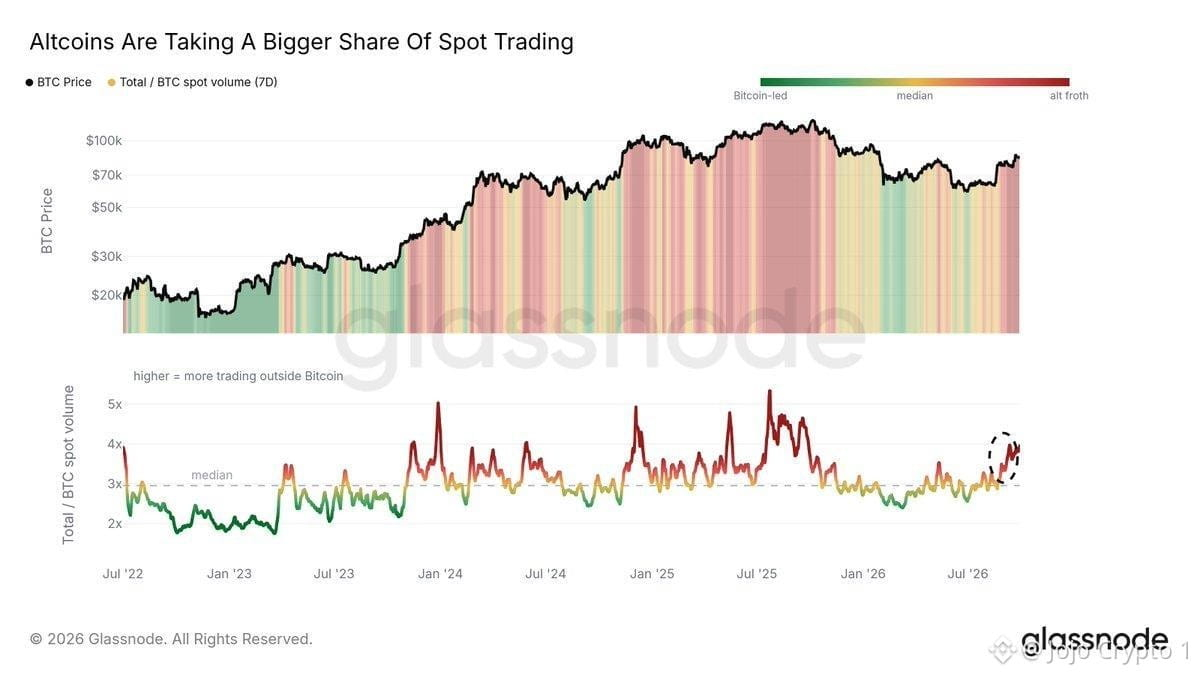
アルトコインが突如として現物取引高を支配し始めています。アルトコインの現物取引高は現在、ビットコインの約4倍にまで迫っており、約1年で最高の比率です。しかし、興味深い警告もあります。Glassnodeは、アルトコインの活動が急増した類似のケースが、過去にはローカルの$BTCトップ付近で現れていたと指摘しています。これは本格的なアルトシーズンの始まりなのでしょうか、それともビットコインの上昇ラリーが過熱しつつあるサインなのでしょうか?あなたは、$BTCの次に何が起きると思いますか? #BTC #BTC 価格分析# #マクロの洞察#
アルトコインが突如として現物取引高を支配し始めています。アルトコインの現物取引高は現在、ビットコインの約4倍にまで迫っており、約1年で最高の比率です。しかし、興味深い警告もあります。Glassnodeは、アルトコインの活動が急増した類似のケースが、過去にはローカルの$BTCトップ付近で現れていたと指摘しています。これは本格的なアルトシーズンの始まりなのでしょうか、それともビットコインの上昇ラリーが過熱しつつあるサインなのでしょうか?あなたは、$BTCの次に何が起きると思いますか? #BTC #BTC 価格分析# #マクロの洞察#
49
USDTはワシントンで深刻な監視に直面している。米上院の調査では、イラン関連の制裁対象ウォレット846件のうち84%が、テザーの$USDTを専ら、またはほぼ専ら使用していたことが判明した。テザーは今年、イラン関連のUSDTとして約5億5000万ドルを凍結したと述べており、議論のもう一方の側面も浮き彫りにしている。つまり、公的ブロックチェーンならこれらの資金を追跡可能にし、凍結も可能にできるのだ。ではUSDTにとって重大なリスクなのか、それともブロックチェーンの透明性が実際に機能している証拠なのか? #USDT
USDTはワシントンで深刻な監視に直面している。米上院の調査では、イラン関連の制裁対象ウォレット846件のうち84%が、テザーの$USDTを専ら、またはほぼ専ら使用していたことが判明した。テザーは今年、イラン関連のUSDTとして約5億5000万ドルを凍結したと述べており、議論のもう一方の側面も浮き彫りにしている。つまり、公的ブロックチェーンならこれらの資金を追跡可能にし、凍結も可能にできるのだ。ではUSDTにとって重大なリスクなのか、それともブロックチェーンの透明性が実際に機能している証拠なのか? #USDT
70
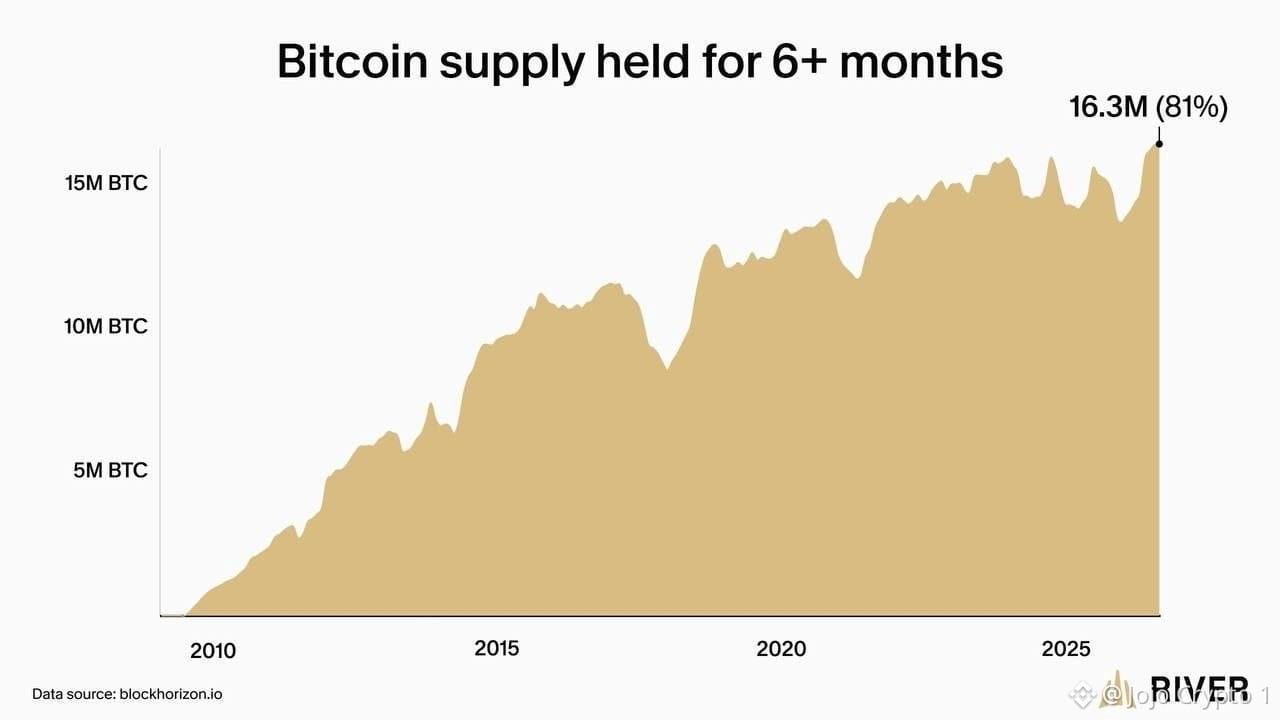
ビットコイン保有者はほとんど動いていません。最近のオンチェーンデータによると、$BTC の供給の約81%は少なくとも6か月間まったく移動していません。つまり、市場が上昇しているにもかかわらず、かなりの割合のビットコインが未使用のまま放置されているということです。供給が積極的に流通していないと、需要が高まったときに流動性がよりタイトになる可能性があります。あなたはこれを、BTC保有者が次の大きな動きに備えているサインだと考えますか? #BTC #BTC Price Analysis# #Macro Insights#
ビットコイン保有者はほとんど動いていません。最近のオンチェーンデータによると、$BTC の供給の約81%は少なくとも6か月間まったく移動していません。つまり、市場が上昇しているにもかかわらず、かなりの割合のビットコインが未使用のまま放置されているということです。供給が積極的に流通していないと、需要が高まったときに流動性がよりタイトになる可能性があります。あなたはこれを、BTC保有者が次の大きな動きに備えているサインだと考えますか? #BTC #BTC Price Analysis# #Macro Insights#
71
すでにHYPEはチェック済みですか? Binanceが本日、スポット取引で$HYPEの上場を発表し、perp DEX分野で最も大きな名前の一つを、より大規模なスポット市場へと引き上げています。 いま大きな疑問はこれです:このBinanceの上場でHYPEはさらに上がると思いますか?それとも、期待(hype)はすでに織り込まれていますか? 🔥 #HYPE
すでにHYPEはチェック済みですか? Binanceが本日、スポット取引で$HYPEの上場を発表し、perp DEX分野で最も大きな名前の一つを、より大規模なスポット市場へと引き上げています。 いま大きな疑問はこれです:このBinanceの上場でHYPEはさらに上がると思いますか?それとも、期待(hype)はすでに織り込まれていますか? 🔥 #HYPE
84
機関投資家マネーが、$BTC だけでなく幅広く流入しています。9月22日にはスポット型クリプトETFが純流入額約9.64億ドルを記録しました。BTCが$714.75Mで先行した一方、$ETHは$162.31Mを集め、さらにZEC、SOL、$XRP も大きな資金を呼び込みました。注目すべきは、XRP ETFが$20.02Mを流入させたことで、これは9月の中で最大の日次流入となります。これは、資金がアルトコインのより深い領域へ回転している兆しなのでしょうか? #BTC #ETH #マクロ・インサイト# #アルトコイン・シーズン#
機関投資家マネーが、$BTC だけでなく幅広く流入しています。9月22日にはスポット型クリプトETFが純流入額約9.64億ドルを記録しました。BTCが$714.75Mで先行した一方、$ETHは$162.31Mを集め、さらにZEC、SOL、$XRP も大きな資金を呼び込みました。注目すべきは、XRP ETFが$20.02Mを流入させたことで、これは9月の中で最大の日次流入となります。これは、資金がアルトコインのより深い領域へ回転している兆しなのでしょうか? #BTC #ETH #マクロ・インサイト# #アルトコイン・シーズン#
69
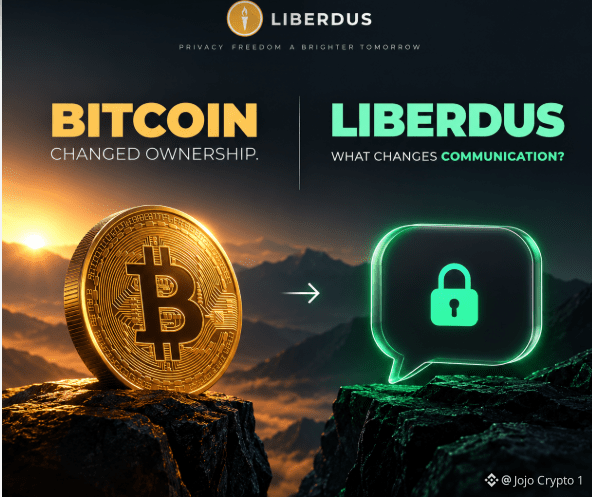
暗号は「お金を持つのに銀行は必要ない」と教えてくれました。$BTCは、デジタル上の所有がどうあるべきかを変えました。銀行の許可を求めずに価値を保持できます。伝統的な仲介者に頼らずに、それを移動できます。ですが、まだ奇妙な矛盾があります。私たちは仲介者なしで自分のお金をコントロールできるのに…それでも、私たちの会話の多くは依然として中央集権的なプラットフォームに依存しています。あなたのメッセージ。あなたの身元。あなたの連絡先。あなたのデジタル上の関係。次の一歩は、単に価値を移す別の方法ではないのかもしれません。オンラインでの「価値」「アイデンティティ」「情報」の伝え方を変えることなのかもしれません。それが、@Liberdusが注目に値する理由です。ビットコインは所有を変えました。では、コミュニケーションは何が変えるのでしょう? #BTC #マクロの洞察# #BTC価格分析#
暗号は「お金を持つのに銀行は必要ない」と教えてくれました。$BTCは、デジタル上の所有がどうあるべきかを変えました。銀行の許可を求めずに価値を保持できます。伝統的な仲介者に頼らずに、それを移動できます。ですが、まだ奇妙な矛盾があります。私たちは仲介者なしで自分のお金をコントロールできるのに…それでも、私たちの会話の多くは依然として中央集権的なプラットフォームに依存しています。あなたのメッセージ。あなたの身元。あなたの連絡先。あなたのデジタル上の関係。次の一歩は、単に価値を移す別の方法ではないのかもしれません。オンラインでの「価値」「アイデンティティ」「情報」の伝え方を変えることなのかもしれません。それが、@Liberdusが注目に値する理由です。ビットコインは所有を変えました。では、コミュニケーションは何が変えるのでしょう? #BTC #マクロの洞察# #BTC価格分析#
37
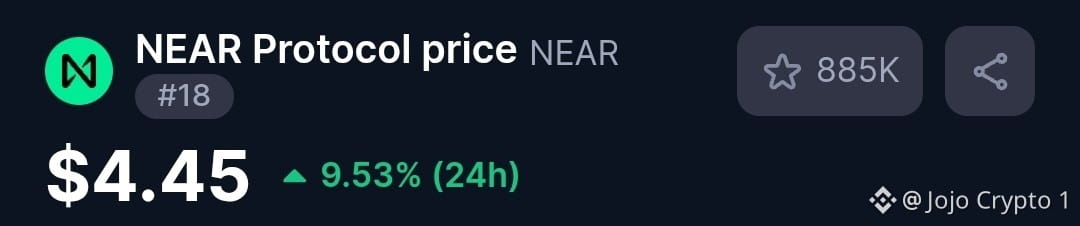
現時点では、XRPとNEARのほうがDOGEやBCHよりも説得力があるように見えます。DOGEは爆発的に伸びていますが、今日の値動きの大部分は大規模なショートスクイーズによるものです。一方でBCHは、より広い市場の動きに沿う形で動いています。 $XRP は、10週間連続でスポットETFフローがプラスという状況が伴っているので、より興味深いです。また、$NEAR はこの広範な値動きの前から、すでに強い相対モメンタムを示していました。 だからといって、どちらの上昇も今後の継続が保証されるわけではありません。しかし、勢いを潜在的により強いトレンドと切り分ける必要があるなら、私が最も注目しているのはXRPとNEARです。あなたは、どの上昇の土台が最も強いと思いますか:XRP、DOGE、BCH、NEAR? #XRP #NEAR #Altcoin Season# #Macro Insights#
現時点では、XRPとNEARのほうがDOGEやBCHよりも説得力があるように見えます。DOGEは爆発的に伸びていますが、今日の値動きの大部分は大規模なショートスクイーズによるものです。一方でBCHは、より広い市場の動きに沿う形で動いています。 $XRP は、10週間連続でスポットETFフローがプラスという状況が伴っているので、より興味深いです。また、$NEAR はこの広範な値動きの前から、すでに強い相対モメンタムを示していました。 だからといって、どちらの上昇も今後の継続が保証されるわけではありません。しかし、勢いを潜在的により強いトレンドと切り分ける必要があるなら、私が最も注目しているのはXRPとNEARです。あなたは、どの上昇の土台が最も強いと思いますか:XRP、DOGE、BCH、NEAR? #XRP #NEAR #Altcoin Season# #Macro Insights#

39
ビットコインは9月の歴史に反しています。$BTC は現在、9月に+9.07%と上昇している一方で、過去の9月の平均は約-2.21%です。これは、通常の季節性パターンから大きくかけ離れています。とはいえ、月はまだ終わっていません。あなたは、この上昇を維持して9月をプラスで終えられると思いますか?#BTC #BTC 価格分析# #アルトコイン・シーズン# #マクロ視点#
ビットコインは9月の歴史に反しています。$BTC は現在、9月に+9.07%と上昇している一方で、過去の9月の平均は約-2.21%です。これは、通常の季節性パターンから大きくかけ離れています。とはいえ、月はまだ終わっていません。あなたは、この上昇を維持して9月をプラスで終えられると思いますか?#BTC #BTC 価格分析# #アルトコイン・シーズン# #マクロ視点#
51
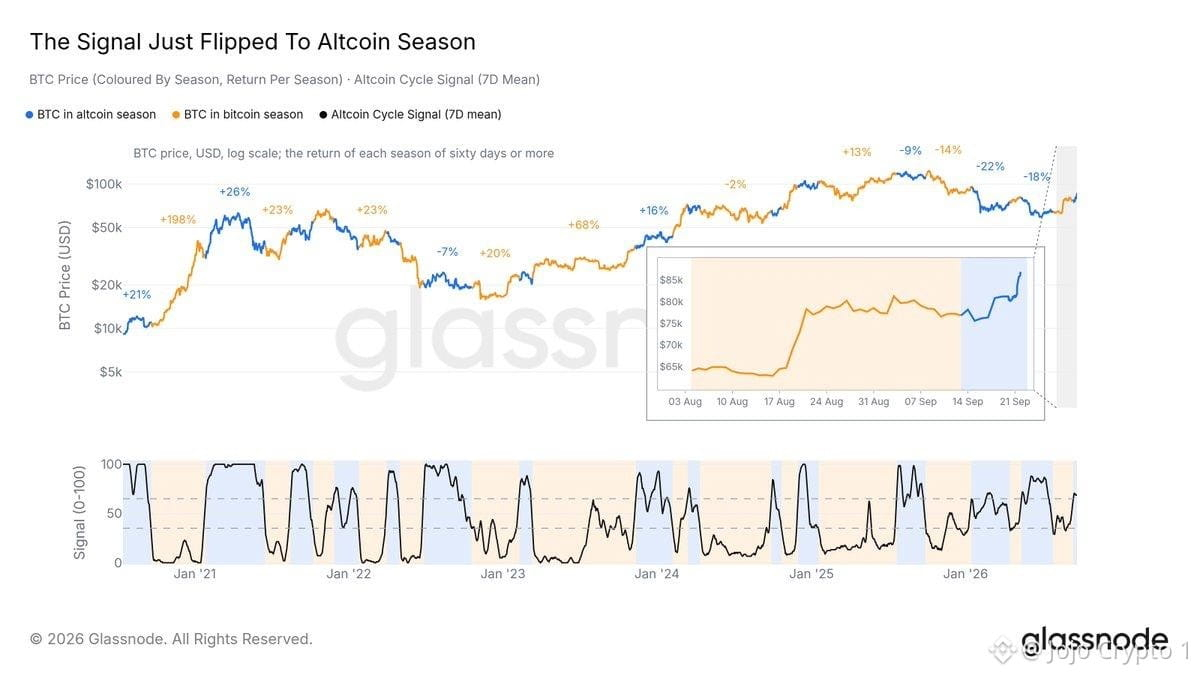
アルトコイン・シーズンはついに到来したかもしれない Glassnodeの「アルトコイン・サイクル・シグナル」が、ビットコイン・シーズンからアルトコイン・シーズンへ反転しました。今日のラリーが$BTCの枠を越えて広がり始めているのです。 これは興味深いです。前回のラリーは主にビットコイン主導だったからです。今回は、アルトコインも参加しています。 ただし注意点があります。さまざまな指標がまだ完全に一致していないのです。たとえばCoinMarketCap自身の「アルトコイン・シーズン・インデックス」は、別の手法を用いています。 これは本当の「アルトシーズン」の始まりなのか、それとも単なる短期的なローテーションにすぎないのか? #BTC Price Analysis# #Altcoin Season# #Macro Insights#
アルトコイン・シーズンはついに到来したかもしれない Glassnodeの「アルトコイン・サイクル・シグナル」が、ビットコイン・シーズンからアルトコイン・シーズンへ反転しました。今日のラリーが$BTCの枠を越えて広がり始めているのです。 これは興味深いです。前回のラリーは主にビットコイン主導だったからです。今回は、アルトコインも参加しています。 ただし注意点があります。さまざまな指標がまだ完全に一致していないのです。たとえばCoinMarketCap自身の「アルトコイン・シーズン・インデックス」は、別の手法を用いています。 これは本当の「アルトシーズン」の始まりなのか、それとも単なる短期的なローテーションにすぎないのか? #BTC Price Analysis# #Altcoin Season# #Macro Insights#
76
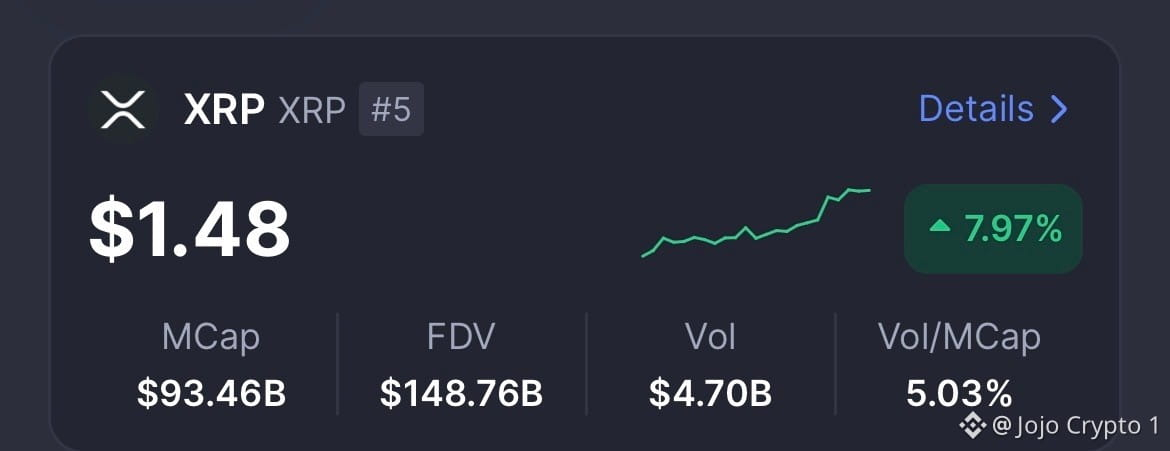
XRPが力強く復活しつつあります $XRP は現在約$1.48で、過去24時間で8%弱上昇しています。 $1.40の水準を維持した後、XRPは再び直近の高値に向けて押し上げています。 次の疑問はシンプルです:XRPは$1.50を上抜けて勢いを維持できるでしょうか? #XRP #Ripple
XRPが力強く復活しつつあります $XRP は現在約$1.48で、過去24時間で8%弱上昇しています。 $1.40の水準を維持した後、XRPは再び直近の高値に向けて押し上げています。 次の疑問はシンプルです:XRPは$1.50を上抜けて勢いを維持できるでしょうか? #XRP #Ripple
1
115
ストラテジーはさらに別の950 BTCを購入した。同社は1 BTCあたり平均79,670ドルで75.7Mドルを支出し、保有量を846,000 BTCまで引き上げた。さらに、$BTCが現在約85.3Kドルのため、その保有分は現在およそ71.5Bドルの価値になっている。BTCが上昇する中、ストラテジーは積み増しを続けている。🟠 このビットコイン財務(トレジャリー)はどれくらい大きくなり得るのか?#BTC #BTC 価格分析# #マクロ洞察#
ストラテジーはさらに別の950 BTCを購入した。同社は1 BTCあたり平均79,670ドルで75.7Mドルを支出し、保有量を846,000 BTCまで引き上げた。さらに、$BTCが現在約85.3Kドルのため、その保有分は現在およそ71.5Bドルの価値になっている。BTCが上昇する中、ストラテジーは積み増しを続けている。🟠 このビットコイン財務(トレジャリー)はどれくらい大きくなり得るのか?#BTC #BTC 価格分析# #マクロ洞察#
71
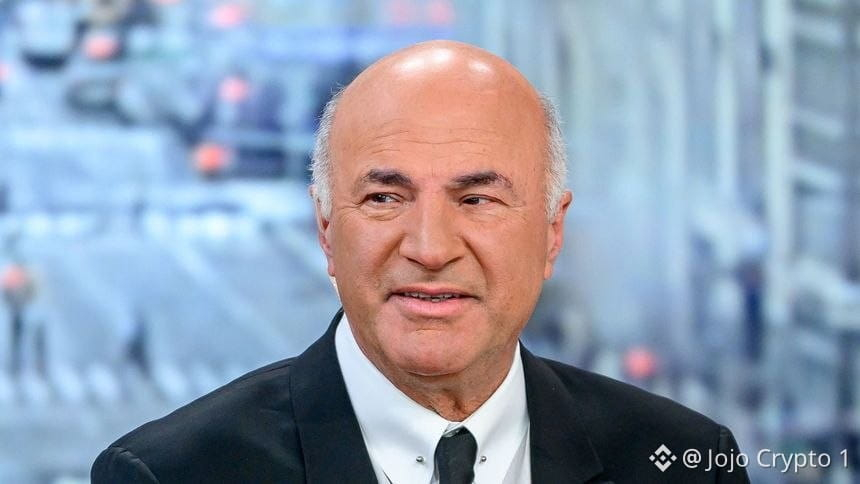
「1Mビットコイン?」ケビン・オリーレアリーには“落とし穴”があると語る。 ケビン・オリーレアリーは$BTCが100万ドルに到達し得ると考えているが、業界は量子コンピューティングによる潜在的な脅威に取り組む必要があると指摘している。 現時点で量子コンピューターはビットコインを破れないが、長期的なリスクは議論の余地が残っている。 量子セキュリティはビットコインの次の大きな課題になるのだろうか? #BTC #BTC 価格分析# #マクロの洞察#
「1Mビットコイン?」ケビン・オリーレアリーには“落とし穴”があると語る。 ケビン・オリーレアリーは$BTCが100万ドルに到達し得ると考えているが、業界は量子コンピューティングによる潜在的な脅威に取り組む必要があると指摘している。 現時点で量子コンピューターはビットコインを破れないが、長期的なリスクは議論の余地が残っている。 量子セキュリティはビットコインの次の大きな課題になるのだろうか? #BTC #BTC 価格分析# #マクロの洞察#
69
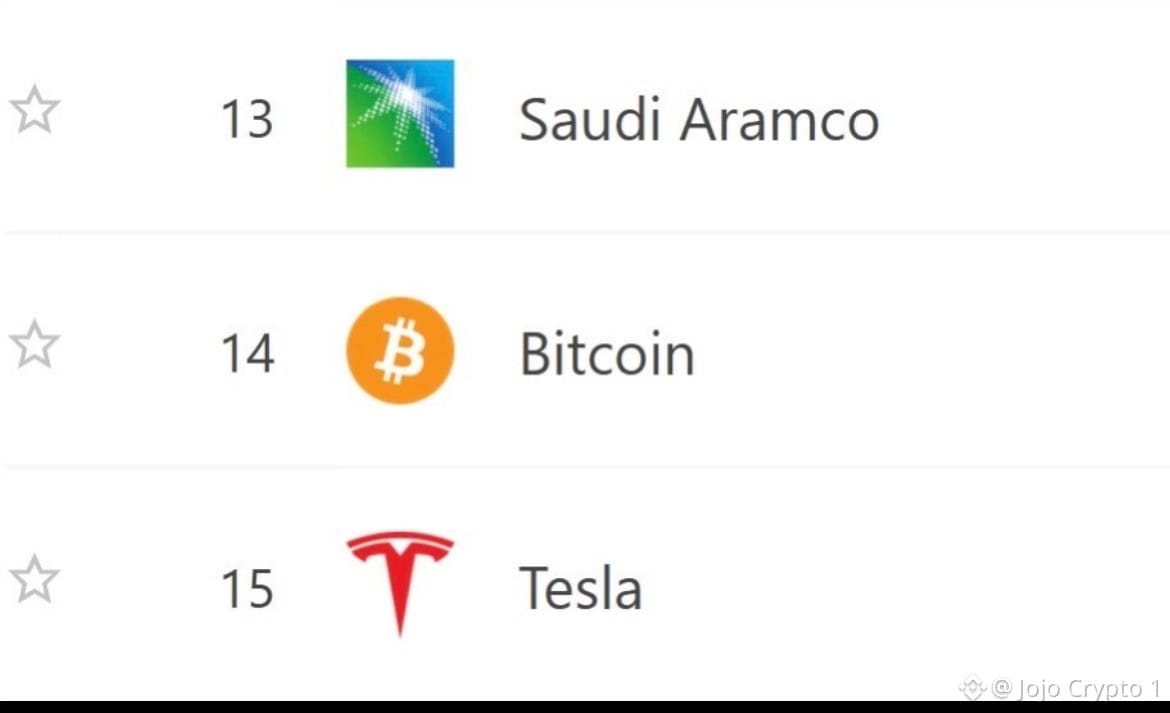
ビットコインが時価総額でまたテスラを逆転しました。$BTC は 80Kドル超まで値を戻し、時価総額はおよそ 1.63Tドルにまで達しています。テスラは約 1.44Tドルの水準で、ビットコインはその差でおよそ 190Bドルリードしています。 ただし重要なポイントがあります。これは 2026年に BTC とテスラが入れ替わったのが初めてではないということです。ビットコインは24時間365日取引されますが、テスラの評価額は最新の株式市場の終値に基づくため、このランキングはすぐに変わり得ます。それでも、世界でもっとも認知度の高い企業の1つよりビットコインの価値が上回っているのを見るのは、この資産がここまでどれほど成長してきたかを強く思い知らされます。 今の問いは「ビットコインはテスラを逆転できるか?」だけではありません。 それはもう逆転しています。では $BTC はそのポジションを維持できるのでしょうか? 👀 #BTC #BTC Price Analysis# #Macro Insights#
ビットコインが時価総額でまたテスラを逆転しました。$BTC は 80Kドル超まで値を戻し、時価総額はおよそ 1.63Tドルにまで達しています。テスラは約 1.44Tドルの水準で、ビットコインはその差でおよそ 190Bドルリードしています。 ただし重要なポイントがあります。これは 2026年に BTC とテスラが入れ替わったのが初めてではないということです。ビットコインは24時間365日取引されますが、テスラの評価額は最新の株式市場の終値に基づくため、このランキングはすぐに変わり得ます。それでも、世界でもっとも認知度の高い企業の1つよりビットコインの価値が上回っているのを見るのは、この資産がここまでどれほど成長してきたかを強く思い知らされます。 今の問いは「ビットコインはテスラを逆転できるか?」だけではありません。 それはもう逆転しています。では $BTC はそのポジションを維持できるのでしょうか? 👀 #BTC #BTC Price Analysis# #Macro Insights#
56
ハッカーは$XMRを望み、VCは$ZECを望む。そして今、誰もが「どちらが暗号通貨のプライバシーの未来を象徴しているのか」を議論しています。 しかし、私たちは問いを狭めすぎているのかもしれません。 XMRもZECも、金融のプライバシーに対して異なる方向からアプローチしています。 それでも、あなたがプライベートにしたいのは金融取引だけではありません。 自分の身元。会話。誰があなたに到達できるのか。何を共有するのか。 そこでLiberdusのようなプロジェクトが面白くなってきます。 次のプライバシー論争は、「取引をどう隠すか」だけではないかもしれません。 「オンラインで人々がコミュニケーションする方法をどう見直すか」かもしれないのです。 XMR → プライベートなお金 ZEC → シールドされたお金 LIB → プライバシー重視のコミュニケーション もしかすると、プライバシー領域はプライバシーコイン以上に広がっているのかもしれません。 あなたはどう思いますか?
ハッカーは$XMRを望み、VCは$ZECを望む。そして今、誰もが「どちらが暗号通貨のプライバシーの未来を象徴しているのか」を議論しています。 しかし、私たちは問いを狭めすぎているのかもしれません。 XMRもZECも、金融のプライバシーに対して異なる方向からアプローチしています。 それでも、あなたがプライベートにしたいのは金融取引だけではありません。 自分の身元。会話。誰があなたに到達できるのか。何を共有するのか。 そこでLiberdusのようなプロジェクトが面白くなってきます。 次のプライバシー論争は、「取引をどう隠すか」だけではないかもしれません。 「オンラインで人々がコミュニケーションする方法をどう見直すか」かもしれないのです。 XMR → プライベートなお金 ZEC → シールドされたお金 LIB → プライバシー重視のコミュニケーション もしかすると、プライバシー領域はプライバシーコイン以上に広がっているのかもしれません。 あなたはどう思いますか?

54
🚨 6,000 $XMR . 300万ドル。680人のRevolut顧客。 最新のRevolut侵害事件の話が、さらに別の展開を迎えました。犯行声明を出しているハッカーは、身代金として6,000 Monero($XMR)を要求しており、身代金が支払われなければ盗み出した顧客データを売ると脅しています。暗号にとって特に興味深いのは、彼らが支払い方法として何を選んだかです。$XMR は金融のプライバシーを中心に設計されており、いまそれがまったく別の議論の中心にあります。ランサムウェア、盗まれた身元情報、そして機微な情報の価値です。 しかし、ここにはより大きな疑問があります。 問題が「収集したデータの後にどう守るか」だけにあるとしたらどうでしょう? さらに踏み込んで、そもそも個人データをプラットフォームにどれだけ収集させる必要があるのかを見直すべきだとしたら? そこで、@Liberdus のようなプロジェクトが注目されます。 アイデンティティを大量の個人情報の巨大データベースとして扱う代わりに、Liberdus は分散型アイデンティティとコミュニケーションを軸にしたモデルを探っています。 別の問題。別のアーキテクチャ。同じ根本的な問いです。デジタル・アイデンティティのうち、私たちは実際にどれだけ手放すべきなのでしょうか。 $XMR は、金融のプライバシーがなぜ重要かを示しています。Liberdus は、支払いの先にあるプライバシーがどのように見えるのかを探っています。 #XMR #Monero
🚨 6,000 $XMR . 300万ドル。680人のRevolut顧客。 最新のRevolut侵害事件の話が、さらに別の展開を迎えました。犯行声明を出しているハッカーは、身代金として6,000 Monero($XMR)を要求しており、身代金が支払われなければ盗み出した顧客データを売ると脅しています。暗号にとって特に興味深いのは、彼らが支払い方法として何を選んだかです。$XMR は金融のプライバシーを中心に設計されており、いまそれがまったく別の議論の中心にあります。ランサムウェア、盗まれた身元情報、そして機微な情報の価値です。 しかし、ここにはより大きな疑問があります。 問題が「収集したデータの後にどう守るか」だけにあるとしたらどうでしょう? さらに踏み込んで、そもそも個人データをプラットフォームにどれだけ収集させる必要があるのかを見直すべきだとしたら? そこで、@Liberdus のようなプロジェクトが注目されます。 アイデンティティを大量の個人情報の巨大データベースとして扱う代わりに、Liberdus は分散型アイデンティティとコミュニケーションを軸にしたモデルを探っています。 別の問題。別のアーキテクチャ。同じ根本的な問いです。デジタル・アイデンティティのうち、私たちは実際にどれだけ手放すべきなのでしょうか。 $XMR は、金融のプライバシーがなぜ重要かを示しています。Liberdus は、支払いの先にあるプライバシーがどのように見えるのかを探っています。 #XMR #Monero


74
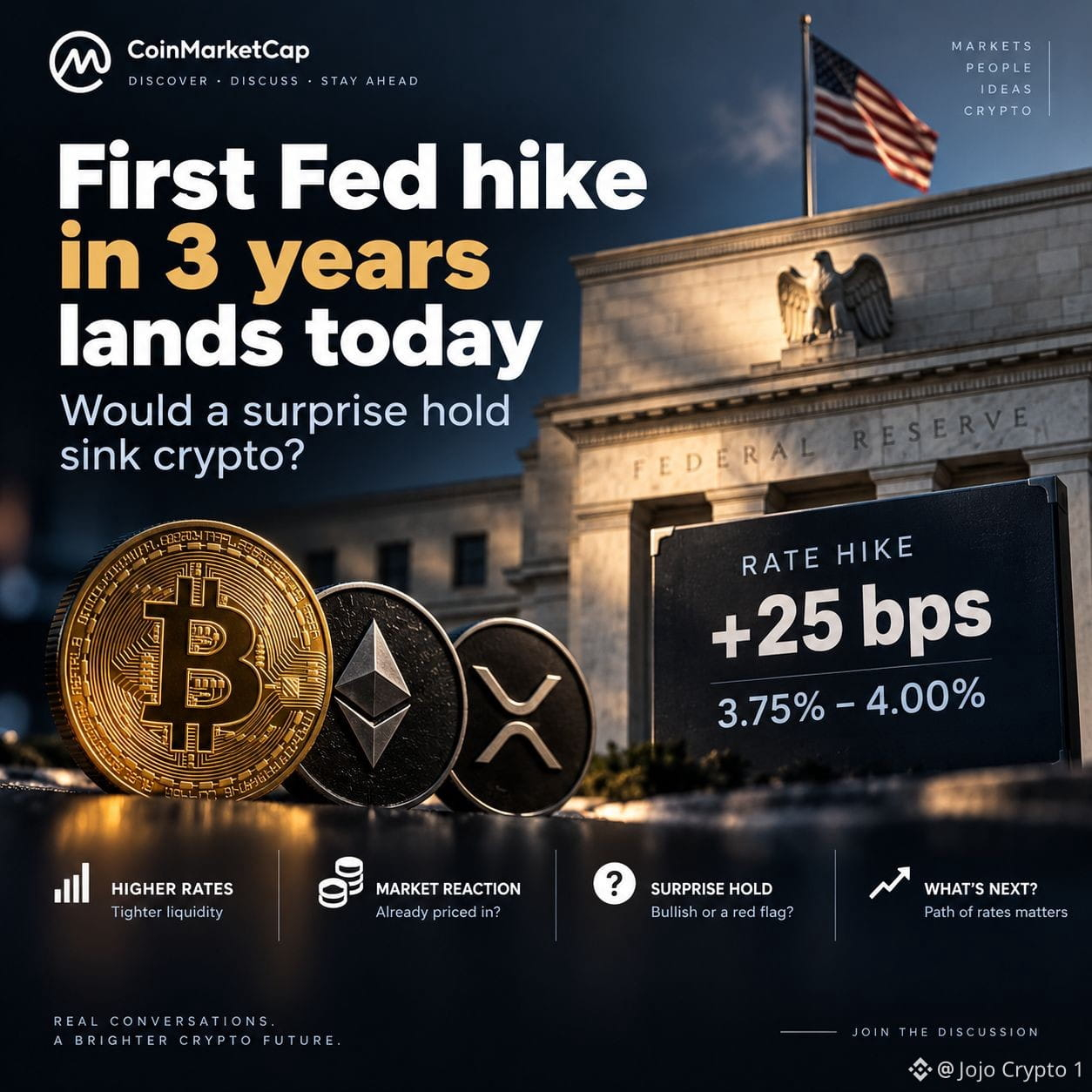
米連邦準備制度理事会(FRB)は市場予想どおり25bp(0.25%)利上げし、3.75%〜4.00%としました。決定は全会一致でした。そしてそれがポイントです。サプライズの利上げであれば、リスク資産に衝撃を与えた可能性があります。しかし今回の動きは概ね織り込み済みで、決定前に市場は25bpの追加利上げに対しておよそ93%の確率を付けていました。$BTCは当初、比較的狭いレンジで約75K〜76.5Kの間にとどまりました。一方で#XRPは、決定後の早い時間帯では24時間で実際に約2%上昇していました。では、サプライズでの据え置きはどうなったでしょうか?それは強気の流動性シグナルとして解釈されるかもしれませんが、別の疑問も生み得ます――なぜFRBは、予想されていたほど積極的にインフレと戦わないことを、突然決めたのか?だからこそ、利上げの決定“だけ”では物語の全てではありません。FRBの見通しは、少なくとも今年あと1回の利上げを示しており、つまり暗号資産にとっての大きな議論は、この1回の決定そのものではなく、金利の道筋についてになってきます。市場は、多くの暗号資産投資家が考えていたよりも高金利に対して準備ができていたのでしょうか?
米連邦準備制度理事会(FRB)は市場予想どおり25bp(0.25%)利上げし、3.75%〜4.00%としました。決定は全会一致でした。そしてそれがポイントです。サプライズの利上げであれば、リスク資産に衝撃を与えた可能性があります。しかし今回の動きは概ね織り込み済みで、決定前に市場は25bpの追加利上げに対しておよそ93%の確率を付けていました。$BTCは当初、比較的狭いレンジで約75K〜76.5Kの間にとどまりました。一方で#XRPは、決定後の早い時間帯では24時間で実際に約2%上昇していました。では、サプライズでの据え置きはどうなったでしょうか?それは強気の流動性シグナルとして解釈されるかもしれませんが、別の疑問も生み得ます――なぜFRBは、予想されていたほど積極的にインフレと戦わないことを、突然決めたのか?だからこそ、利上げの決定“だけ”では物語の全てではありません。FRBの見通しは、少なくとも今年あと1回の利上げを示しており、つまり暗号資産にとっての大きな議論は、この1回の決定そのものではなく、金利の道筋についてになってきます。市場は、多くの暗号資産投資家が考えていたよりも高金利に対して準備ができていたのでしょうか?
35
ログインして、さらにコンテンツを読む
厳選トピックで世界の暗号資産トレーダーの仲間入り
⚡️ 暗号資産に関する最新かつ有益な情報が見つかります。
💬 世界最大の暗号資産取引所から信頼されています。
👍 認証を受けたクリエイターから、有益なインサイトを得られます。
メール / 電話番号