

ASMA_加密143
3k 投稿

ASMA_加密143
報告
ユーザーをブロック
专注加密、空投与交易机会 🚀
高頻度トレーダー
2年
2.3K+ フォロー
4.7K+ フォロワー
4.6K+ いいね
投稿
すべて
引用
ライブ
·
--
キムと一緒にライブに参加しよう
キムと一緒にライブに参加しよう


KIM_加密 143
·
--
[終了] 🎙️ ようこそ!Everyone Join Kim_crypto143 Live/Discuss on Crypto&Tradingへ
リスナー数:2.3k人
69
·
--
✅✅✅
✅✅✅
KIM_加密 143
·
--
ブリッシュBTCが$50K〜$60Kのゾーンに下落する可能性はあるのか?という問いなら、それは起こり得る弱気シナリオですが、$77K〜$78K付近からはるかに深い調整が必要になります。最近の分析では、重要な下値のサポートゾーンとしておおよそ$70K、そして$62K〜$65Kが挙げられています。したがって、$50K〜$60Kへ向かうには、これらのサポートが失われることが必要になりそうです。
以下は、バイナンス・スクエア風の自然なギブアウェイ投稿です:
---
🎁 次のBTCの動き — $50K〜$60K?
あなたはどう思いますか。👀
ビットコインは現在およそ$77K〜$78K付近にありますが、大きな疑問はこれです。次に何が起きるのか?
私の個人的な見解では、重要なサポートゾーンをBTCが失うと、さらに深い下落(深い調整)が見えてくる可能性があります。まずは$60Kを注視していて、より極端な弱気シナリオでは、$50K〜$55Kが狙えるターゲットになるかもしれません。
でも、反対側もあります…
BTCが主要なサポートを維持して、$80K〜$82Kのレジスタンスエリアを再び上抜けるなら、弱気の前提は完全に変わり得ます。現在の市場分析では、強い上昇モメンタムを確認する重要な水準として$81.7Kが見られているようです。
ではコミュニティの皆さんに聞きたいです:
👇 あなたのBTC予想は?
🔴 $50K〜$60K — 深い調整
🟡 $60K〜$70K — 健全な押し目
🟢 $80K〜$90K+ — 強気のブレイクアウト 🚀
🎁 GIVEAWAY
コメント欄に、BTCのターゲットと理由を書いてください。
❤️ いいね
💬 予想をコメント
🔁 シェア/リポスト
👥 BTC市場の議論をもっと見るためにフォロー
面白い予想のいくつかを選んで、サプライズのクリプト報酬をお送りします 🎁
次のローソクは誰にも分かりません。誰が当てるか見てみましょう。👀🔥
DYOR(自己判断で)。投資助言ではありません。
#BTC #Bitcoin #Crypto143family #BitcoinPrediction #kim_crypto143 $BTC
$ETH
$BNB
Freedom of financial self-defense
以下は、バイナンス・スクエア風の自然なギブアウェイ投稿です:
---
🎁 次のBTCの動き — $50K〜$60K?
あなたはどう思いますか。👀
ビットコインは現在およそ$77K〜$78K付近にありますが、大きな疑問はこれです。次に何が起きるのか?
私の個人的な見解では、重要なサポートゾーンをBTCが失うと、さらに深い下落(深い調整)が見えてくる可能性があります。まずは$60Kを注視していて、より極端な弱気シナリオでは、$50K〜$55Kが狙えるターゲットになるかもしれません。
でも、反対側もあります…
BTCが主要なサポートを維持して、$80K〜$82Kのレジスタンスエリアを再び上抜けるなら、弱気の前提は完全に変わり得ます。現在の市場分析では、強い上昇モメンタムを確認する重要な水準として$81.7Kが見られているようです。
ではコミュニティの皆さんに聞きたいです:
👇 あなたのBTC予想は?
🔴 $50K〜$60K — 深い調整
🟡 $60K〜$70K — 健全な押し目
🟢 $80K〜$90K+ — 強気のブレイクアウト 🚀
🎁 GIVEAWAY
コメント欄に、BTCのターゲットと理由を書いてください。
❤️ いいね
💬 予想をコメント
🔁 シェア/リポスト
👥 BTC市場の議論をもっと見るためにフォロー
面白い予想のいくつかを選んで、サプライズのクリプト報酬をお送りします 🎁
次のローソクは誰にも分かりません。誰が当てるか見てみましょう。👀🔥
DYOR(自己判断で)。投資助言ではありません。
#BTC #Bitcoin #Crypto143family #BitcoinPrediction #kim_crypto143 $BTC
$ETH
$BNB
Freedom of financial self-defense

41
·
--
キムと一緒にライブに参加しよう
キムと一緒にライブに参加しよう
KIM_加密 143
·
--
[終了] 🎙️ こんにちは友達、Kimの暗号資産ファミリーのクラブに参加しよう。暗号資産関連について話し合おう
リスナー数:2.7k人
155
·
--
キムと一緒にライブに参加しよう
キムと一緒にライブに参加しよう
KIM_加密 143
·
--
[リプレイ] 🎙️ 今日の市場の状況について話し合い、そして明日の市場に何が起こるのかを考えましょう。
04 時間 49 分 44 秒 · リスナー数:1.5k人
1
159
·
--
進む
進む

Night King Official
·
--
🚨 GIVEAWAY LIVE! 🎁
3,000枚のレッドパケットがもらえるチャンス! 🔥
✅ フォロー
🔁 リポスト
💬 「666」とコメント
🎁 報酬を受け取る
準備はできてる? 👀
3,000枚のレッドパケットがもらえるチャンス! 🔥
✅ フォロー
🔁 リポスト
💬 「666」とコメント
🎁 報酬を受け取る
準備はできてる? 👀

1
152
·
--
弱気相場
#dusk $DUSK @Dusk_Foundation 私は、バリデータがどのように合意に到達するかが興味深いポイントだと期待して、Duskのコンセンサス設計に踏み込みました。
しかし、そこで見つけたのは、Duskが公然と指摘している問題でした。つまり、同一ラウンド内では、将来のブロック生成者が予測可能になり得るということです。
それは奇妙なインセンティブを生みます。後のイテレーションで選ばれたプロビジョナーは、理論上、ブロック報酬を獲得できることを期待して、より前のイテレーションが失敗することを選好できてしまいます。
Duskの答えは単に「バリデータを信頼せよ」ではありません。
プロトコルは、投票者への報酬を追加し、ジェネレータ報酬の一部を既知の投票を含めることに条件付けし、次のイテレーションのジェネレータが投票しないようにし、さらにイテレーション数を制限します。これらの仕組みは、そのインセンティブを減らすために特別に設計されています。
報酬構造もまた興味深いです。文書化された設計では、80%がブロック生成者、10%が投票委員会、10%がDuskに配分されます。
私の注意を引いたのはパーセンテージではありません。
「コンセンサスのセキュリティもまた、インセンティブ設計の問題である」という発想です。
ブロックチェーンのセキュリティが暗号技術からどれほど生まれ、正直な振る舞いを経済的に合理的にすることからどれほど生まれるのでしょうか?
{spot}(DUSKUSDT)
コンセンサスのセキュリティにとって、より重要なのは何でしょうか?
#dusk $DUSK @Dusk 私は、バリデータがどのように合意に到達するかが興味深いポイントだと期待して、Duskのコンセンサス設計に踏み込みました。
しかし、そこで見つけたのは、Duskが公然と指摘している問題でした。つまり、同一ラウンド内では、将来のブロック生成者が予測可能になり得るということです。
それは奇妙なインセンティブを生みます。後のイテレーションで選ばれたプロビジョナーは、理論上、ブロック報酬を獲得できることを期待して、より前のイテレーションが失敗することを選好できてしまいます。
Duskの答えは単に「バリデータを信頼せよ」ではありません。
プロトコルは、投票者への報酬を追加し、ジェネレータ報酬の一部を既知の投票を含めることに条件付けし、次のイテレーションのジェネレータが投票しないようにし、さらにイテレーション数を制限します。これらの仕組みは、そのインセンティブを減らすために特別に設計されています。
報酬構造もまた興味深いです。文書化された設計では、80%がブロック生成者、10%が投票委員会、10%がDuskに配分されます。
私の注意を引いたのはパーセンテージではありません。
「コンセンサスのセキュリティもまた、インセンティブ設計の問題である」という発想です。
ブロックチェーンのセキュリティが暗号技術からどれほど生まれ、正直な振る舞いを経済的に合理的にすることからどれほど生まれるのでしょうか?
コンセンサスのセキュリティにとって、より重要なのは何でしょうか?
しかし、そこで見つけたのは、Duskが公然と指摘している問題でした。つまり、同一ラウンド内では、将来のブロック生成者が予測可能になり得るということです。
それは奇妙なインセンティブを生みます。後のイテレーションで選ばれたプロビジョナーは、理論上、ブロック報酬を獲得できることを期待して、より前のイテレーションが失敗することを選好できてしまいます。
Duskの答えは単に「バリデータを信頼せよ」ではありません。
プロトコルは、投票者への報酬を追加し、ジェネレータ報酬の一部を既知の投票を含めることに条件付けし、次のイテレーションのジェネレータが投票しないようにし、さらにイテレーション数を制限します。これらの仕組みは、そのインセンティブを減らすために特別に設計されています。
報酬構造もまた興味深いです。文書化された設計では、80%がブロック生成者、10%が投票委員会、10%がDuskに配分されます。
私の注意を引いたのはパーセンテージではありません。
「コンセンサスのセキュリティもまた、インセンティブ設計の問題である」という発想です。
ブロックチェーンのセキュリティが暗号技術からどれほど生まれ、正直な振る舞いを経済的に合理的にすることからどれほど生まれるのでしょうか?
コンセンサスのセキュリティにとって、より重要なのは何でしょうか?
A. Cryptography
50%
B. Economic incentives
0%
C. Both equally
50%
D. Depends on the design
0%
2 投票 • 投票は終了しました
2
108
·
--
ブリッシュ
#dusk $DUSK @Dusk_Foundation 機関としてのブロックチェーン導入に関して、気になる疑問があります。すべての市場参加者が機微な金融活動を見られる状況で、透明性は本当に役に立つのでしょうか?
そこで@Dusk_Foundation は、異なるアーキテクチャのアプローチを採用しています。設計として「公開が必要なもの」と「機密のままにすべきもの」を分離します。Moonlightは透明なアカウントのフローを扱い、Phoenixはゼロ知識証明を用いたシールドトランザクションにより、基礎となる取引データを公開することなく妥当性を検証できるようにしています。
興味深いのは「プライバシー」だけではありません。重要なのは、管理された開示を伴うプライバシーです。Duskの現行ドキュメントでは、これを規制対象資産、アクセス制御、レポーティング、そして選択的開示という文脈で明確に位置づけています。
私の強気な解釈では、このアーキテクチャは、トークン化された市場がコンプライアンスを手放さずに、真に機密性を必要とする場合にこそ意味を持つかもしれません。
ただし技術だけでは半分にすぎません。実際の機関が、Dusk上で十分な経済活動を生み出せるのかが、価値を左右するでしょう。
$DUSK #dusk
Duskの次の成長フェーズで最も重要なのは何ですか?
{spot}(DUSKUSDT)
#dusk $DUSK @Dusk 機関としてのブロックチェーン導入に関して、気になる疑問があります。すべての市場参加者が機微な金融活動を見られる状況で、透明性は本当に役に立つのでしょうか?
そこで@Dusk は、異なるアーキテクチャのアプローチを採用しています。設計として「公開が必要なもの」と「機密のままにすべきもの」を分離します。Moonlightは透明なアカウントのフローを扱い、Phoenixはゼロ知識証明を用いたシールドトランザクションにより、基礎となる取引データを公開することなく妥当性を検証できるようにしています。
興味深いのは「プライバシー」だけではありません。重要なのは、管理された開示を伴うプライバシーです。Duskの現行ドキュメントでは、これを規制対象資産、アクセス制御、レポーティング、そして選択的開示という文脈で明確に位置づけています。
私の強気な解釈では、このアーキテクチャは、トークン化された市場がコンプライアンスを手放さずに、真に機密性を必要とする場合にこそ意味を持つかもしれません。
ただし技術だけでは半分にすぎません。実際の機関が、Dusk上で十分な経済活動を生み出せるのかが、価値を左右するでしょう。
$DUSK #dusk
Duskの次の成長フェーズで最も重要なのは何ですか?
そこで@Dusk は、異なるアーキテクチャのアプローチを採用しています。設計として「公開が必要なもの」と「機密のままにすべきもの」を分離します。Moonlightは透明なアカウントのフローを扱い、Phoenixはゼロ知識証明を用いたシールドトランザクションにより、基礎となる取引データを公開することなく妥当性を検証できるようにしています。
興味深いのは「プライバシー」だけではありません。重要なのは、管理された開示を伴うプライバシーです。Duskの現行ドキュメントでは、これを規制対象資産、アクセス制御、レポーティング、そして選択的開示という文脈で明確に位置づけています。
私の強気な解釈では、このアーキテクチャは、トークン化された市場がコンプライアンスを手放さずに、真に機密性を必要とする場合にこそ意味を持つかもしれません。
ただし技術だけでは半分にすぎません。実際の機関が、Dusk上で十分な経済活動を生み出せるのかが、価値を左右するでしょう。
$DUSK #dusk
Duskの次の成長フェーズで最も重要なのは何ですか?
Privacy + compliance
50%
RWA adoption
25%
Developer activity
25%
Liquidity + users
0%
4 投票 • 投票は終了しました
2
258
·
--
#dusk $DUSK @Dusk_Foundation
以前は、ブロックチェーンの仮想マシンとは、スマートコントラクトが「実行される」場所にすぎないと思っていました。さらにDuskを深掘りすることで、その見方が変わりました。
PiecrustはDuskのWASM仮想マシンとして構築されており、「piecrust」がコントラクトの実行を担当し、「piecrust-uplink」がコントラクトの作成や運用のための開発者向けレイヤーを提供します。面白いのは、VMの名前ではありません。重要なのは、その設計上の選択です。つまり、WASMとRustを用いて、Duskスマートコントラクトのための制御された実行環境を作っている点です。
今日、Duskのドキュメントでは、この実行経路はDuskVMと説明されています。Wasmtimeランタイムをベースにしつつ、Duskの実行モデルに合わせたカスタム対応が組み込まれています。DuskのL1上でRust/WASMコントラクトを直接実行し、さらにDuskのトランザクションモデル、アセット、プライバシー、あるいはゼロ知識機能に直接アクセスが必要なアプリケーションも含まれます。
この違いは重要です。
Duskは今、開発者に2つの異なる道を提示しています。ネイティブなL1機能を必要とするRust/WASMアプリケーション向けのDuskVMと、SolidityおよびEthereum互換のツールチェーン向けのDuskEVMです。
そのため、私はもはやVMを単なる技術コンポーネントだとは見ていません。Duskがネイティブに対応できるアプリの種類は何か、という意思決定の一部になっているのです。
私が注目しているのは、この二重の実行モデルによって、エコシステムを理解しにくくすることなく、開発者に柔軟性をもたらせるのかどうかです。
@Dusk_Foundation $DUSK
#dusk $DUSK @Dusk
以前は、ブロックチェーンの仮想マシンとは、スマートコントラクトが「実行される」場所にすぎないと思っていました。さらにDuskを深掘りすることで、その見方が変わりました。
PiecrustはDuskのWASM仮想マシンとして構築されており、「piecrust」がコントラクトの実行を担当し、「piecrust-uplink」がコントラクトの作成や運用のための開発者向けレイヤーを提供します。面白いのは、VMの名前ではありません。重要なのは、その設計上の選択です。つまり、WASMとRustを用いて、Duskスマートコントラクトのための制御された実行環境を作っている点です。
今日、Duskのドキュメントでは、この実行経路はDuskVMと説明されています。Wasmtimeランタイムをベースにしつつ、Duskの実行モデルに合わせたカスタム対応が組み込まれています。DuskのL1上でRust/WASMコントラクトを直接実行し、さらにDuskのトランザクションモデル、アセット、プライバシー、あるいはゼロ知識機能に直接アクセスが必要なアプリケーションも含まれます。
この違いは重要です。
Duskは今、開発者に2つの異なる道を提示しています。ネイティブなL1機能を必要とするRust/WASMアプリケーション向けのDuskVMと、SolidityおよびEthereum互換のツールチェーン向けのDuskEVMです。
そのため、私はもはやVMを単なる技術コンポーネントだとは見ていません。Duskがネイティブに対応できるアプリの種類は何か、という意思決定の一部になっているのです。
私が注目しているのは、この二重の実行モデルによって、エコシステムを理解しにくくすることなく、開発者に柔軟性をもたらせるのかどうかです。
@Dusk $DUSK
以前は、ブロックチェーンの仮想マシンとは、スマートコントラクトが「実行される」場所にすぎないと思っていました。さらにDuskを深掘りすることで、その見方が変わりました。
PiecrustはDuskのWASM仮想マシンとして構築されており、「piecrust」がコントラクトの実行を担当し、「piecrust-uplink」がコントラクトの作成や運用のための開発者向けレイヤーを提供します。面白いのは、VMの名前ではありません。重要なのは、その設計上の選択です。つまり、WASMとRustを用いて、Duskスマートコントラクトのための制御された実行環境を作っている点です。
今日、Duskのドキュメントでは、この実行経路はDuskVMと説明されています。Wasmtimeランタイムをベースにしつつ、Duskの実行モデルに合わせたカスタム対応が組み込まれています。DuskのL1上でRust/WASMコントラクトを直接実行し、さらにDuskのトランザクションモデル、アセット、プライバシー、あるいはゼロ知識機能に直接アクセスが必要なアプリケーションも含まれます。
この違いは重要です。
Duskは今、開発者に2つの異なる道を提示しています。ネイティブなL1機能を必要とするRust/WASMアプリケーション向けのDuskVMと、SolidityおよびEthereum互換のツールチェーン向けのDuskEVMです。
そのため、私はもはやVMを単なる技術コンポーネントだとは見ていません。Duskがネイティブに対応できるアプリの種類は何か、という意思決定の一部になっているのです。
私が注目しているのは、この二重の実行モデルによって、エコシステムを理解しにくくすることなく、開発者に柔軟性をもたらせるのかどうかです。
@Dusk $DUSK
2
129
·
--
UNDER THE HOOD: なぜDUSKは通常のゴシップではなくKADCASTを使うのか
ネットワーク層は、ブロックチェーンが混雑するまでは無視しがちです。
DUSKは、Kademliaの原則を基に構築された構造化P2PプロトコルであるKadcastを使用しています。すべてのメッセージを多数の隣接ノードへランダムに押し込む代わりに、KadcastはXOR距離と構造化ルーティングを用いてピアを整理し、冗長な伝送を抑えながら、選択された経路を通じてメッセージが広がるようにします。DUSKは、このアプローチは帯域使用量を削減し、レイテンシをより予測可能にするために設計されていると述べています。
これは重要です。金融インフラに必要なのはスピードだけではありません。参加が増えても、ネットワーク挙動が予測可能なままであることが必要です。DUSKの更新されたホワイトペーパーでは、一般的なゴシッププロトコルに比べて帯域を25〜50%削減できると報告されており、またKadcastはBlaize Securityの監査も受けています。
しかし、構造化された伝播は別の課題も生みます。ピアが失敗したり、消失したり、予期しない振る舞いをしたりした場合のレジリエンスです。
DUSKが実際の金融活動に向けて規模を拡大する中で、Kadcastはその効率性と予測可能性を維持できるのでしょうか?
@Dusk_Foundation $DUSK #dusk
{spot}(DUSKUSDT)
UNDER THE HOOD: なぜDUSKは通常のゴシップではなくKADCASTを使うのか
ネットワーク層は、ブロックチェーンが混雑するまでは無視しがちです。
DUSKは、Kademliaの原則を基に構築された構造化P2PプロトコルであるKadcastを使用しています。すべてのメッセージを多数の隣接ノードへランダムに押し込む代わりに、KadcastはXOR距離と構造化ルーティングを用いてピアを整理し、冗長な伝送を抑えながら、選択された経路を通じてメッセージが広がるようにします。DUSKは、このアプローチは帯域使用量を削減し、レイテンシをより予測可能にするために設計されていると述べています。
これは重要です。金融インフラに必要なのはスピードだけではありません。参加が増えても、ネットワーク挙動が予測可能なままであることが必要です。DUSKの更新されたホワイトペーパーでは、一般的なゴシッププロトコルに比べて帯域を25〜50%削減できると報告されており、またKadcastはBlaize Securityの監査も受けています。
しかし、構造化された伝播は別の課題も生みます。ピアが失敗したり、消失したり、予期しない振る舞いをしたりした場合のレジリエンスです。
DUSKが実際の金融活動に向けて規模を拡大する中で、Kadcastはその効率性と予測可能性を維持できるのでしょうか?
@Dusk $DUSK #dusk
ネットワーク層は、ブロックチェーンが混雑するまでは無視しがちです。
DUSKは、Kademliaの原則を基に構築された構造化P2PプロトコルであるKadcastを使用しています。すべてのメッセージを多数の隣接ノードへランダムに押し込む代わりに、KadcastはXOR距離と構造化ルーティングを用いてピアを整理し、冗長な伝送を抑えながら、選択された経路を通じてメッセージが広がるようにします。DUSKは、このアプローチは帯域使用量を削減し、レイテンシをより予測可能にするために設計されていると述べています。
これは重要です。金融インフラに必要なのはスピードだけではありません。参加が増えても、ネットワーク挙動が予測可能なままであることが必要です。DUSKの更新されたホワイトペーパーでは、一般的なゴシッププロトコルに比べて帯域を25〜50%削減できると報告されており、またKadcastはBlaize Securityの監査も受けています。
しかし、構造化された伝播は別の課題も生みます。ピアが失敗したり、消失したり、予期しない振る舞いをしたりした場合のレジリエンスです。
DUSKが実際の金融活動に向けて規模を拡大する中で、Kadcastはその効率性と予測可能性を維持できるのでしょうか?
@Dusk $DUSK #dusk
Bullish
100%
Bearish
0%
1 投票 • 投票は終了しました
2
148
·
--
木村と一緒にライブに参加しよう
木村と一緒にライブに参加しよう
KIM_加密 143
·
--
[リプレイ] 🎙️ すべては時間次第です..... これがあなたの時間です...
05 時間 59 分 58 秒 · リスナー数:2.9k人
228
·
--
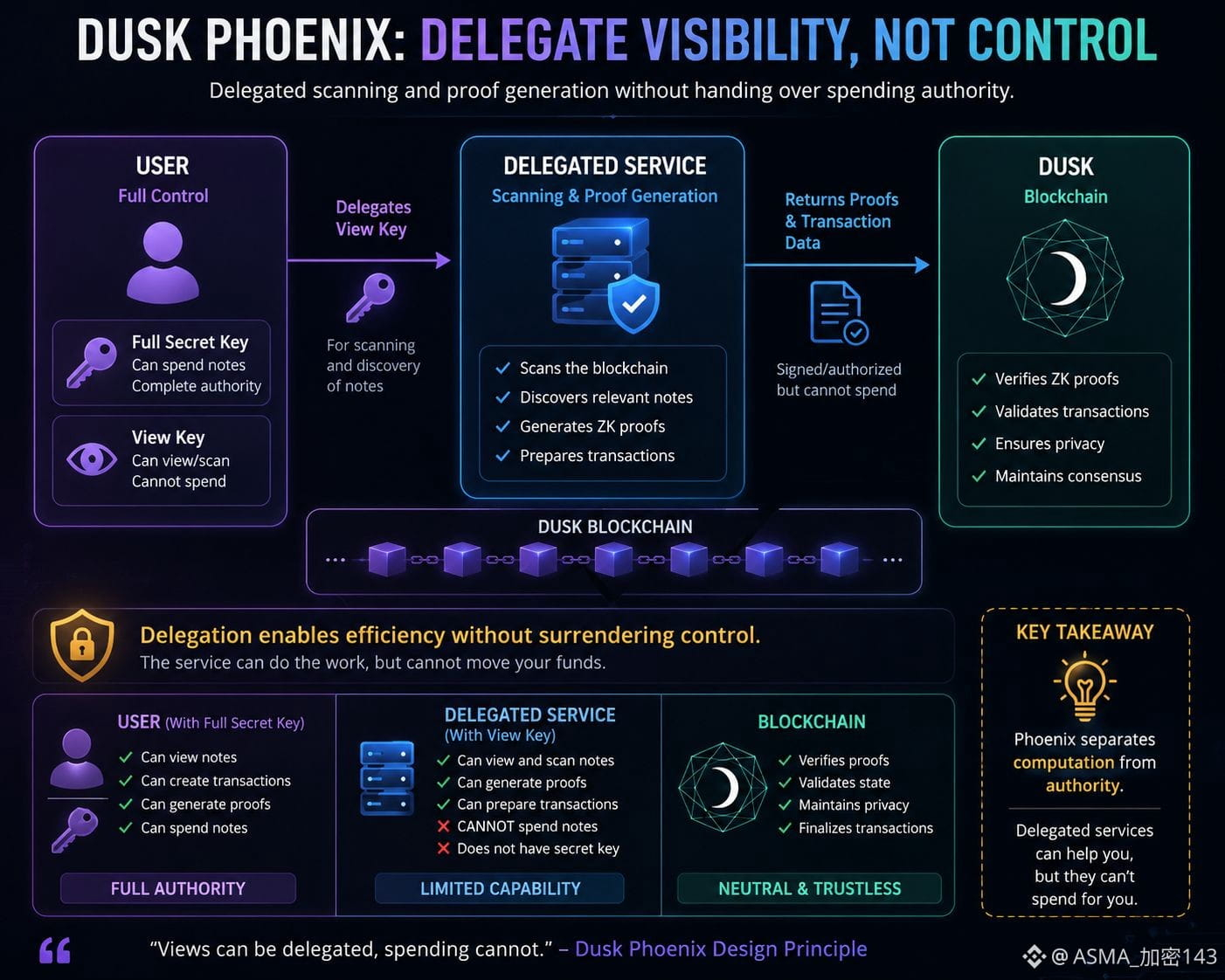
私は、Duskのフェニックス設計におけるある区別を見落としかけていて、それがトランザクションの委任についての考え方を変えました。
最初の前提は単純でした。第三者がプライベートなトランザクションを手伝うなら、より可視性が増えることは、より支配権が増えることも意味するはずだ、と。
しかしホワイトペーパーは、ずっと明確な線引きをしています。フェニックスでは、ユーザーはビューキーを使ってネットワークスキャンを委任できますが、委任された側はユーザーの完全な秘密鍵を持っていないため、そのノートを使って消費(支払い)することはできません。また、ZK証明の生成は、署名を通じて委任できても、トランザクションの整合性を損なわないとも述べています。
それが私の注意を引いたのは、アーキテクチャが計算と権限を分離しているからです。サービスは高コストな処理を実行できても、実際にノートを消費できるかどうかは、完全な秘密鍵に結びついたままです。ノートの秘密自体も、ビューキーだけではなく、完全な鍵ペアを必要とします。
しかし、ここで別のシステム上の問いが生まれます。
委任されたサービスが資金を使うことに対して、セキュリティ境界がより強固になる可能性はありますが、ユーザーは今度は、どの能力(キャパビリティ)をどのサービスに対して公開するかを管理しなければなりません。委任レイヤーが侵害されたり、設計が不十分だったりすれば、直接は支払いできなくても、運用上やプライバシー上の問題を引き起こし得ます。
@Dusk_Foundation $DUSK #dusk
{spot}(DUSKUSDT)
この分離は本当に攻撃対象領域を最小化しているのか、それとも、最も難しいセキュリティ問題を単に、キャパビリティ管理と運用上の信頼へ移しているだけなのか?
私は、Duskのフェニックス設計におけるある区別を見落としかけていて、それがトランザクションの委任についての考え方を変えました。
最初の前提は単純でした。第三者がプライベートなトランザクションを手伝うなら、より可視性が増えることは、より支配権が増えることも意味するはずだ、と。
しかしホワイトペーパーは、ずっと明確な線引きをしています。フェニックスでは、ユーザーはビューキーを使ってネットワークスキャンを委任できますが、委任された側はユーザーの完全な秘密鍵を持っていないため、そのノートを使って消費(支払い)することはできません。また、ZK証明の生成は、署名を通じて委任できても、トランザクションの整合性を損なわないとも述べています。
それが私の注意を引いたのは、アーキテクチャが計算と権限を分離しているからです。サービスは高コストな処理を実行できても、実際にノートを消費できるかどうかは、完全な秘密鍵に結びついたままです。ノートの秘密自体も、ビューキーだけではなく、完全な鍵ペアを必要とします。
しかし、ここで別のシステム上の問いが生まれます。
委任されたサービスが資金を使うことに対して、セキュリティ境界がより強固になる可能性はありますが、ユーザーは今度は、どの能力(キャパビリティ)をどのサービスに対して公開するかを管理しなければなりません。委任レイヤーが侵害されたり、設計が不十分だったりすれば、直接は支払いできなくても、運用上やプライバシー上の問題を引き起こし得ます。
@Dusk $DUSK #dusk
この分離は本当に攻撃対象領域を最小化しているのか、それとも、最も難しいセキュリティ問題を単に、キャパビリティ管理と運用上の信頼へ移しているだけなのか?
最初の前提は単純でした。第三者がプライベートなトランザクションを手伝うなら、より可視性が増えることは、より支配権が増えることも意味するはずだ、と。
しかしホワイトペーパーは、ずっと明確な線引きをしています。フェニックスでは、ユーザーはビューキーを使ってネットワークスキャンを委任できますが、委任された側はユーザーの完全な秘密鍵を持っていないため、そのノートを使って消費(支払い)することはできません。また、ZK証明の生成は、署名を通じて委任できても、トランザクションの整合性を損なわないとも述べています。
それが私の注意を引いたのは、アーキテクチャが計算と権限を分離しているからです。サービスは高コストな処理を実行できても、実際にノートを消費できるかどうかは、完全な秘密鍵に結びついたままです。ノートの秘密自体も、ビューキーだけではなく、完全な鍵ペアを必要とします。
しかし、ここで別のシステム上の問いが生まれます。
委任されたサービスが資金を使うことに対して、セキュリティ境界がより強固になる可能性はありますが、ユーザーは今度は、どの能力(キャパビリティ)をどのサービスに対して公開するかを管理しなければなりません。委任レイヤーが侵害されたり、設計が不十分だったりすれば、直接は支払いできなくても、運用上やプライバシー上の問題を引き起こし得ます。
@Dusk $DUSK #dusk
この分離は本当に攻撃対象領域を最小化しているのか、それとも、最も難しいセキュリティ問題を単に、キャパビリティ管理と運用上の信頼へ移しているだけなのか?
2
138
·
--
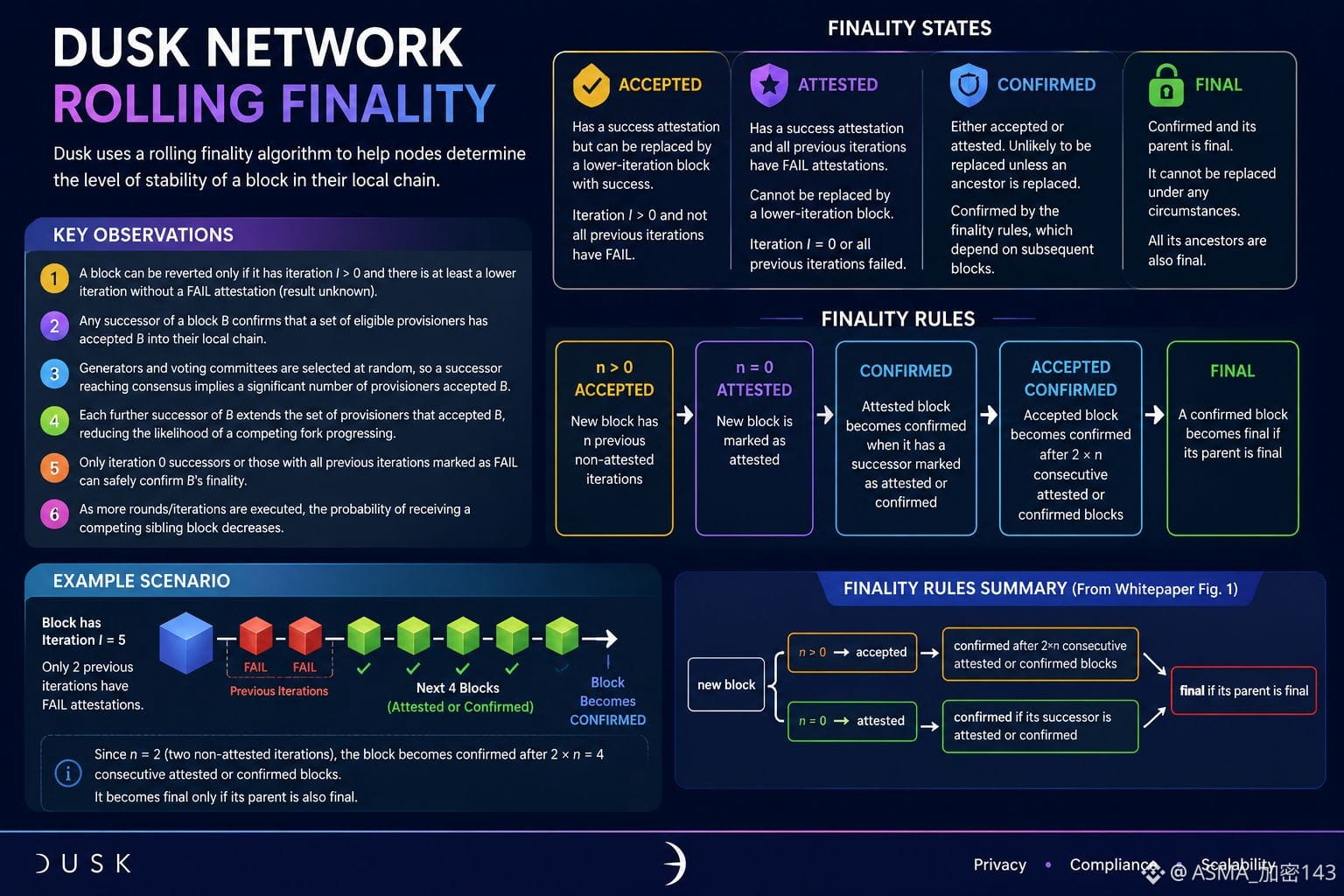
私はDuskの転がる最終性(finality)のルールをさらに深く掘り下げ、「最終性」についての考え方を変える一つの詳細に気づいた。
ブロックは、成功したアテステーション(attestation)を受け取った瞬間にただちに単純に最終だ、というわけではない。Duskは、受理済み(accepted)、アテステーション済み(attested)、確認済み(confirmed)、最終(final)という状態を区別している。
受理済みのブロックは、より低いイテレーションのブロックに置き換えられうる。一方、アテステーション済みのブロックは置き換えられない。
面白いのは、後続ブロックがどのように確信を強めていくかだ。受理済みのブロックは、2×n に相当する連続したアテステーション済みまたは確認済みのブロックの後で初めて確認済みになる。ここでnは、過去の「アテステーションされていない」イテレーションを表す。
そして最終性は、その親(parent)がすでに最終であることに依存する。
つまり、@Dusk_Foundation と$DUSK にとってのより深い問いは、単に「最終性はどれくらい速いのか?」ではない。
それは、「ブロックがこれらの中間状態を通過する間、アプリケーションはどのようにリスクを価格設定すべきか?」である。
金融インフラにとっては、この違いは見出しの最終性数値よりも重要になりうる。
Duskの「受理済み → 確認済み → 最終」という進行に基づいて、アプリケーションをどう設計するだろうか?
{spot}(DUSKUSDT)
#dusk
私はDuskの転がる最終性(finality)のルールをさらに深く掘り下げ、「最終性」についての考え方を変える一つの詳細に気づいた。
ブロックは、成功したアテステーション(attestation)を受け取った瞬間にただちに単純に最終だ、というわけではない。Duskは、受理済み(accepted)、アテステーション済み(attested)、確認済み(confirmed)、最終(final)という状態を区別している。
受理済みのブロックは、より低いイテレーションのブロックに置き換えられうる。一方、アテステーション済みのブロックは置き換えられない。
面白いのは、後続ブロックがどのように確信を強めていくかだ。受理済みのブロックは、2×n に相当する連続したアテステーション済みまたは確認済みのブロックの後で初めて確認済みになる。ここでnは、過去の「アテステーションされていない」イテレーションを表す。
そして最終性は、その親(parent)がすでに最終であることに依存する。
つまり、@Dusk と$DUSK にとってのより深い問いは、単に「最終性はどれくらい速いのか?」ではない。
それは、「ブロックがこれらの中間状態を通過する間、アプリケーションはどのようにリスクを価格設定すべきか?」である。
金融インフラにとっては、この違いは見出しの最終性数値よりも重要になりうる。
Duskの「受理済み → 確認済み → 最終」という進行に基づいて、アプリケーションをどう設計するだろうか?
#dusk
ブロックは、成功したアテステーション(attestation)を受け取った瞬間にただちに単純に最終だ、というわけではない。Duskは、受理済み(accepted)、アテステーション済み(attested)、確認済み(confirmed)、最終(final)という状態を区別している。
受理済みのブロックは、より低いイテレーションのブロックに置き換えられうる。一方、アテステーション済みのブロックは置き換えられない。
面白いのは、後続ブロックがどのように確信を強めていくかだ。受理済みのブロックは、2×n に相当する連続したアテステーション済みまたは確認済みのブロックの後で初めて確認済みになる。ここでnは、過去の「アテステーションされていない」イテレーションを表す。
そして最終性は、その親(parent)がすでに最終であることに依存する。
つまり、@Dusk と$DUSK にとってのより深い問いは、単に「最終性はどれくらい速いのか?」ではない。
それは、「ブロックがこれらの中間状態を通過する間、アプリケーションはどのようにリスクを価格設定すべきか?」である。
金融インフラにとっては、この違いは見出しの最終性数値よりも重要になりうる。
Duskの「受理済み → 確認済み → 最終」という進行に基づいて、アプリケーションをどう設計するだろうか?
#dusk
1
3
188

·
--
#dusk $DUSK @Dusk_Foundation
すべてがうまくいっているときに何が起きるのか、という話題を多くのブロックチェーンはよくします。ですが、失敗のケースのほうがより示唆的だと思います。
Duskには、私がこれまで気づかなかった細かな点があります。供給者(provisioners)が利用できない、または孤立している場合、16回の失敗したイテレーションの後に、そのコンセンサスは緊急モードへ移行できます。単に処理を止めるのではなく、プロトコルはイテレーションを開き続け、候補ブロックがクォーラムに到達するまで繰り返します。
それでもネットワークが回復できない場合、多数のステークを保有する供給者は緊急ブロックを要求できます。このブロックには取引は含まれません。代わりに、進行を再開するための新しい検証可能なシードが載っています。
興味深いのは、この設計がもつトレードオフです。緊急モードはネットワークを動かし続けられますが、設計は並行した回復試行がフォークの可能性を高めうることを明確に認めています。
つまり、真の問いは「ブロックチェーンが通常状態を扱えるかどうか」ではありません。
「生き残る(staying alive)」ことが止まることより危険になるまで、どれほどの回復リスクをコンセンサス・プロトコルは許容すべきでしょうか?
{spot}(DUSKUSDT)
重大なネットワーク障害の間に、より重要なのは何でしょうか?
#dusk $DUSK @Dusk
すべてがうまくいっているときに何が起きるのか、という話題を多くのブロックチェーンはよくします。ですが、失敗のケースのほうがより示唆的だと思います。
Duskには、私がこれまで気づかなかった細かな点があります。供給者(provisioners)が利用できない、または孤立している場合、16回の失敗したイテレーションの後に、そのコンセンサスは緊急モードへ移行できます。単に処理を止めるのではなく、プロトコルはイテレーションを開き続け、候補ブロックがクォーラムに到達するまで繰り返します。
それでもネットワークが回復できない場合、多数のステークを保有する供給者は緊急ブロックを要求できます。このブロックには取引は含まれません。代わりに、進行を再開するための新しい検証可能なシードが載っています。
興味深いのは、この設計がもつトレードオフです。緊急モードはネットワークを動かし続けられますが、設計は並行した回復試行がフォークの可能性を高めうることを明確に認めています。
つまり、真の問いは「ブロックチェーンが通常状態を扱えるかどうか」ではありません。
「生き残る(staying alive)」ことが止まることより危険になるまで、どれほどの回復リスクをコンセンサス・プロトコルは許容すべきでしょうか?
重大なネットワーク障害の間に、より重要なのは何でしょうか?
すべてがうまくいっているときに何が起きるのか、という話題を多くのブロックチェーンはよくします。ですが、失敗のケースのほうがより示唆的だと思います。
Duskには、私がこれまで気づかなかった細かな点があります。供給者(provisioners)が利用できない、または孤立している場合、16回の失敗したイテレーションの後に、そのコンセンサスは緊急モードへ移行できます。単に処理を止めるのではなく、プロトコルはイテレーションを開き続け、候補ブロックがクォーラムに到達するまで繰り返します。
それでもネットワークが回復できない場合、多数のステークを保有する供給者は緊急ブロックを要求できます。このブロックには取引は含まれません。代わりに、進行を再開するための新しい検証可能なシードが載っています。
興味深いのは、この設計がもつトレードオフです。緊急モードはネットワークを動かし続けられますが、設計は並行した回復試行がフォークの可能性を高めうることを明確に認めています。
つまり、真の問いは「ブロックチェーンが通常状態を扱えるかどうか」ではありません。
「生き残る(staying alive)」ことが止まることより危険になるまで、どれほどの回復リスクをコンセンサス・プロトコルは許容すべきでしょうか?
重大なネットワーク障害の間に、より重要なのは何でしょうか?
Keep recovering
0%
Stop and protect consistency
100%
1 投票 • 投票は終了しました
2
6
113

·
--
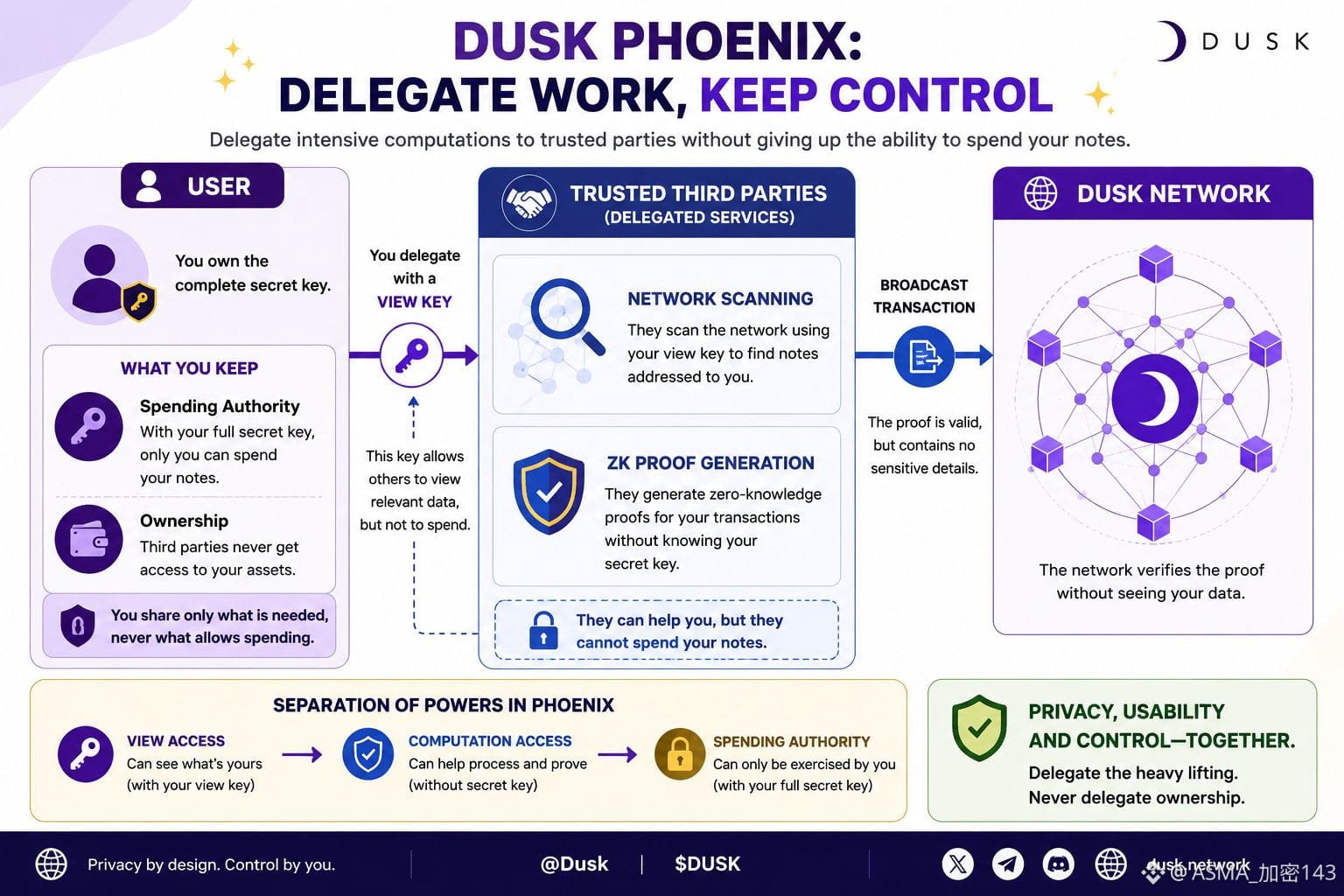
私は、ブロックチェーン上のプライバシーとは「ユーザー自身がすべてを扱う必要がある」という意味だと思っていました。しかし、DuskのPhoenixモデルにある一つの詳細によって、その考えが変わりました。@Dusk_Foundation は、表示キーを使ってあなた宛てのトランザクションをネットワーク上でスキャンすることや、さらにはZK証明を生成することまで含めて、集中的な計算を信頼できる第三者に委任できるようにします。それでも委任された当事者は、あなたの完全な秘密鍵を持っていないため、ノートを支払う(消費する)ことはできません。分離されているこの仕組みは、最初に思うよりもずっと面白いものです。これは、プライベートなブロックチェーン活動が、必ずしも各ユーザーがすべての高コストな計算をローカルで実行しなければならないことを意味するとは限らないことを示唆しています。重い作業は委任しつつ、資産を使う権限はあなたの管理下に保てます。金融アプリケーションでは、使いやすさとプライバシーの両方が重要です。この違いは、これらのシステムが暗号の専門家ではない人々に提供されなければならないとき、重要になりうるでしょう。私が残された疑問はこうです。プライベートな取引において安全な委任を信頼しますか、それともすべての計算を自分の管理下に置いておきたいですか? $DUSK #dusk
{spot}(DUSKUSDT)
$EDEN
{spot}(EDENUSDT)
$RED
{spot}(REDUSDT)
私は、ブロックチェーン上のプライバシーとは「ユーザー自身がすべてを扱う必要がある」という意味だと思っていました。しかし、DuskのPhoenixモデルにある一つの詳細によって、その考えが変わりました。@Dusk は、表示キーを使ってあなた宛てのトランザクションをネットワーク上でスキャンすることや、さらにはZK証明を生成することまで含めて、集中的な計算を信頼できる第三者に委任できるようにします。それでも委任された当事者は、あなたの完全な秘密鍵を持っていないため、ノートを支払う(消費する)ことはできません。分離されているこの仕組みは、最初に思うよりもずっと面白いものです。これは、プライベートなブロックチェーン活動が、必ずしも各ユーザーがすべての高コストな計算をローカルで実行しなければならないことを意味するとは限らないことを示唆しています。重い作業は委任しつつ、資産を使う権限はあなたの管理下に保てます。金融アプリケーションでは、使いやすさとプライバシーの両方が重要です。この違いは、これらのシステムが暗号の専門家ではない人々に提供されなければならないとき、重要になりうるでしょう。私が残された疑問はこうです。プライベートな取引において安全な委任を信頼しますか、それともすべての計算を自分の管理下に置いておきたいですか? $DUSK #dusk
$EDEN
$RED
$EDEN
$RED
4
4
214
·
--
#dusk $DUSK @Dusk_Foundation
私は以前、ブロックチェーンのプライバシーとは単に取引データを隠すことだと思っていました。
Duskをより深く学ぶほど、この問題がいかに面白いものかが見えてきました。つまり、金融取引は検証可能でありながら、プライベートに保つことはできるのか?
そこで私の注意を引いたのがPhoenixです。秘匿モードでは、Duskはゼロ知識証明を用いるため、ネットワークは基礎となる取引の詳細を直接確認することなく、所有権、残高の整合性、手数料の支払い、二重支払い防止を検証できます。
金融市場において、この違いは重要です。完全に透明な台帳は、機密性の高いポジションや取引の詳細をさらけ出す可能性があります。しかし、完全な秘匿は監査や規制の面で問題を生みます。
Duskは、その中間点を目指しています。取引の裏側にあるすべてを必ずしも公開せずとも、ルールが守られたことを証明するのです。
それで、私は$DUSK について考え方を変えました。
より大きな問いは、このモデルが現実の金融市場の規模と複雑さにおいて機能し得るのか、ということです。
{spot}(DUSKUSDT)
機関投資家によるブロックチェーン採用にとって、より重要なのは何でしょうか?
#dusk $DUSK @Dusk
私は以前、ブロックチェーンのプライバシーとは単に取引データを隠すことだと思っていました。
Duskをより深く学ぶほど、この問題がいかに面白いものかが見えてきました。つまり、金融取引は検証可能でありながら、プライベートに保つことはできるのか?
そこで私の注意を引いたのがPhoenixです。秘匿モードでは、Duskはゼロ知識証明を用いるため、ネットワークは基礎となる取引の詳細を直接確認することなく、所有権、残高の整合性、手数料の支払い、二重支払い防止を検証できます。
金融市場において、この違いは重要です。完全に透明な台帳は、機密性の高いポジションや取引の詳細をさらけ出す可能性があります。しかし、完全な秘匿は監査や規制の面で問題を生みます。
Duskは、その中間点を目指しています。取引の裏側にあるすべてを必ずしも公開せずとも、ルールが守られたことを証明するのです。
それで、私は$DUSK について考え方を変えました。
より大きな問いは、このモデルが現実の金融市場の規模と複雑さにおいて機能し得るのか、ということです。
機関投資家によるブロックチェーン採用にとって、より重要なのは何でしょうか?
私は以前、ブロックチェーンのプライバシーとは単に取引データを隠すことだと思っていました。
Duskをより深く学ぶほど、この問題がいかに面白いものかが見えてきました。つまり、金融取引は検証可能でありながら、プライベートに保つことはできるのか?
そこで私の注意を引いたのがPhoenixです。秘匿モードでは、Duskはゼロ知識証明を用いるため、ネットワークは基礎となる取引の詳細を直接確認することなく、所有権、残高の整合性、手数料の支払い、二重支払い防止を検証できます。
金融市場において、この違いは重要です。完全に透明な台帳は、機密性の高いポジションや取引の詳細をさらけ出す可能性があります。しかし、完全な秘匿は監査や規制の面で問題を生みます。
Duskは、その中間点を目指しています。取引の裏側にあるすべてを必ずしも公開せずとも、ルールが守られたことを証明するのです。
それで、私は$DUSK について考え方を変えました。
より大きな問いは、このモデルが現実の金融市場の規模と複雑さにおいて機能し得るのか、ということです。
機関投資家によるブロックチェーン採用にとって、より重要なのは何でしょうか?
Privacy with verifiability
100%
Full transparency
0%
1 投票 • 投票は終了しました
4
127
·
--
#dusk $DUSK @Dusk_Foundation
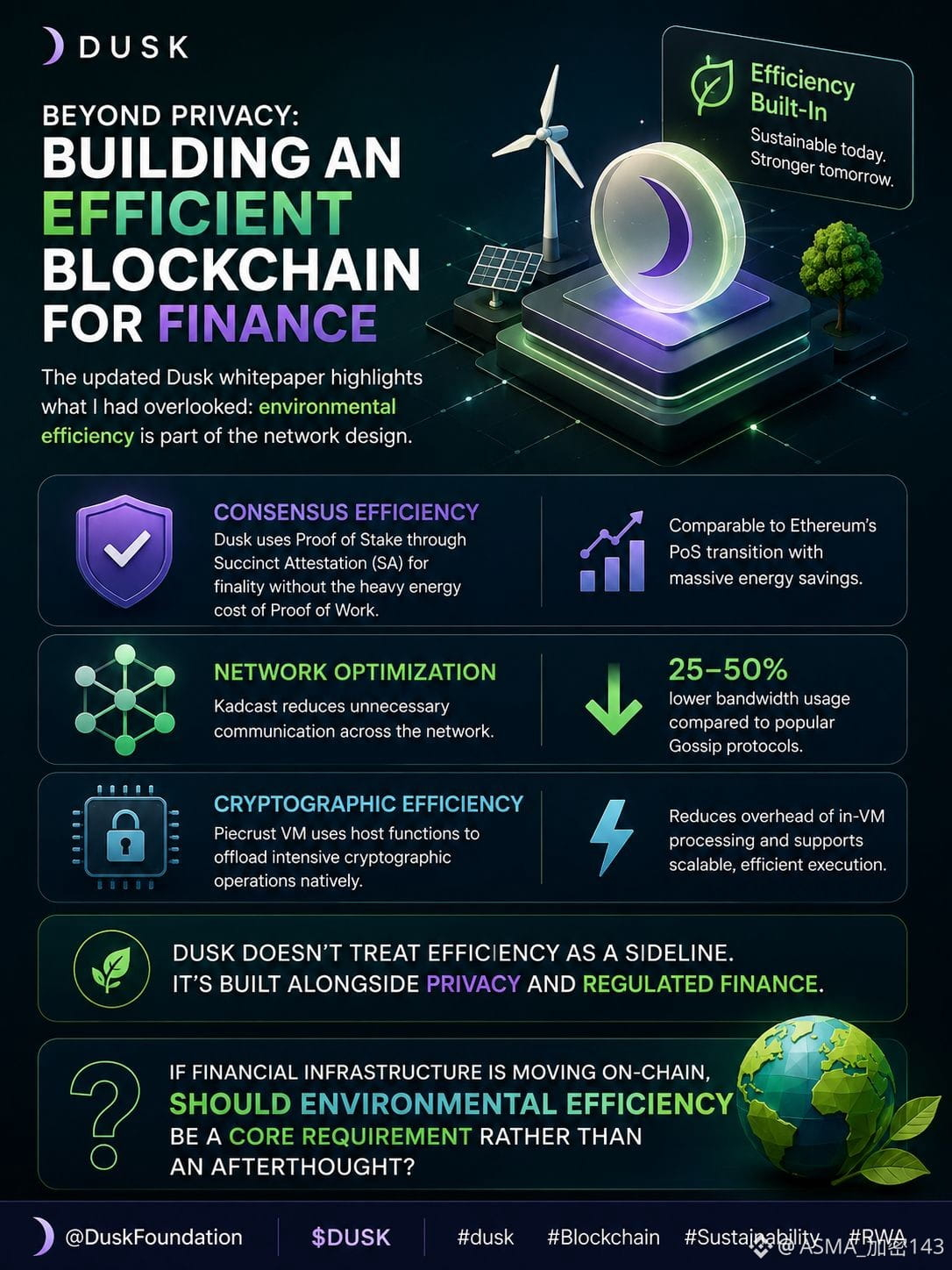
以前は、プライバシー志向のブロックチェーンは主に取引の詳細を隠すことが目的だと思っていました。Duskは、より大きなインフラの問題に目を向けさせてくれました。
更新されたDuskホワイトペーパーは、私が見落としていた点を強調しています。つまり、環境効率はネットワーク設計の一部だということです。DuskはSuccinct AttestationによるProof of Stakeを採用し、Kadcastは不要なネットワーク通信を減らすよう設計されています。
ホワイトペーパーでは、Kadcastは一般的なGossipプロトコルと比べて約25〜50%低い帯域使用量であると引用しています。これは重要です。ブロックチェーンの効率は、取引速度だけの話ではありません。コンセンサス、通信、暗号処理の負荷も、ネットワーク全体でどのようにリソースが使われるかに影響します。
私の関心を引いたのは、@Duskが効率をプライバシーや規制された金融と並ぶものとして扱い、完全に別の論点として切り離していないことです。
金融インフラがオンチェーンへ移行しているなら、環境効率は後回しではなく中核要件として考えるべきではないでしょうか?
{spot}(DUSKUSDT)
{spot}(HEMIUSDT)
{spot}(CHIPUSDT)
#dusk $DUSK @Dusk
以前は、プライバシー志向のブロックチェーンは主に取引の詳細を隠すことが目的だと思っていました。Duskは、より大きなインフラの問題に目を向けさせてくれました。
更新されたDuskホワイトペーパーは、私が見落としていた点を強調しています。つまり、環境効率はネットワーク設計の一部だということです。DuskはSuccinct AttestationによるProof of Stakeを採用し、Kadcastは不要なネットワーク通信を減らすよう設計されています。
ホワイトペーパーでは、Kadcastは一般的なGossipプロトコルと比べて約25〜50%低い帯域使用量であると引用しています。これは重要です。ブロックチェーンの効率は、取引速度だけの話ではありません。コンセンサス、通信、暗号処理の負荷も、ネットワーク全体でどのようにリソースが使われるかに影響します。
私の関心を引いたのは、@Duskが効率をプライバシーや規制された金融と並ぶものとして扱い、完全に別の論点として切り離していないことです。
金融インフラがオンチェーンへ移行しているなら、環境効率は後回しではなく中核要件として考えるべきではないでしょうか?
以前は、プライバシー志向のブロックチェーンは主に取引の詳細を隠すことが目的だと思っていました。Duskは、より大きなインフラの問題に目を向けさせてくれました。
更新されたDuskホワイトペーパーは、私が見落としていた点を強調しています。つまり、環境効率はネットワーク設計の一部だということです。DuskはSuccinct AttestationによるProof of Stakeを採用し、Kadcastは不要なネットワーク通信を減らすよう設計されています。
ホワイトペーパーでは、Kadcastは一般的なGossipプロトコルと比べて約25〜50%低い帯域使用量であると引用しています。これは重要です。ブロックチェーンの効率は、取引速度だけの話ではありません。コンセンサス、通信、暗号処理の負荷も、ネットワーク全体でどのようにリソースが使われるかに影響します。
私の関心を引いたのは、@Duskが効率をプライバシーや規制された金融と並ぶものとして扱い、完全に別の論点として切り離していないことです。
金融インフラがオンチェーンへ移行しているなら、環境効率は後回しではなく中核要件として考えるべきではないでしょうか?
4
112
·
--
ブリッシュ
本人確認中
#dusk $DUSK @Dusk_Foundation
金融のために構築されたブロックチェーンでも、開発者が構築しやすいことがまだ必要です。
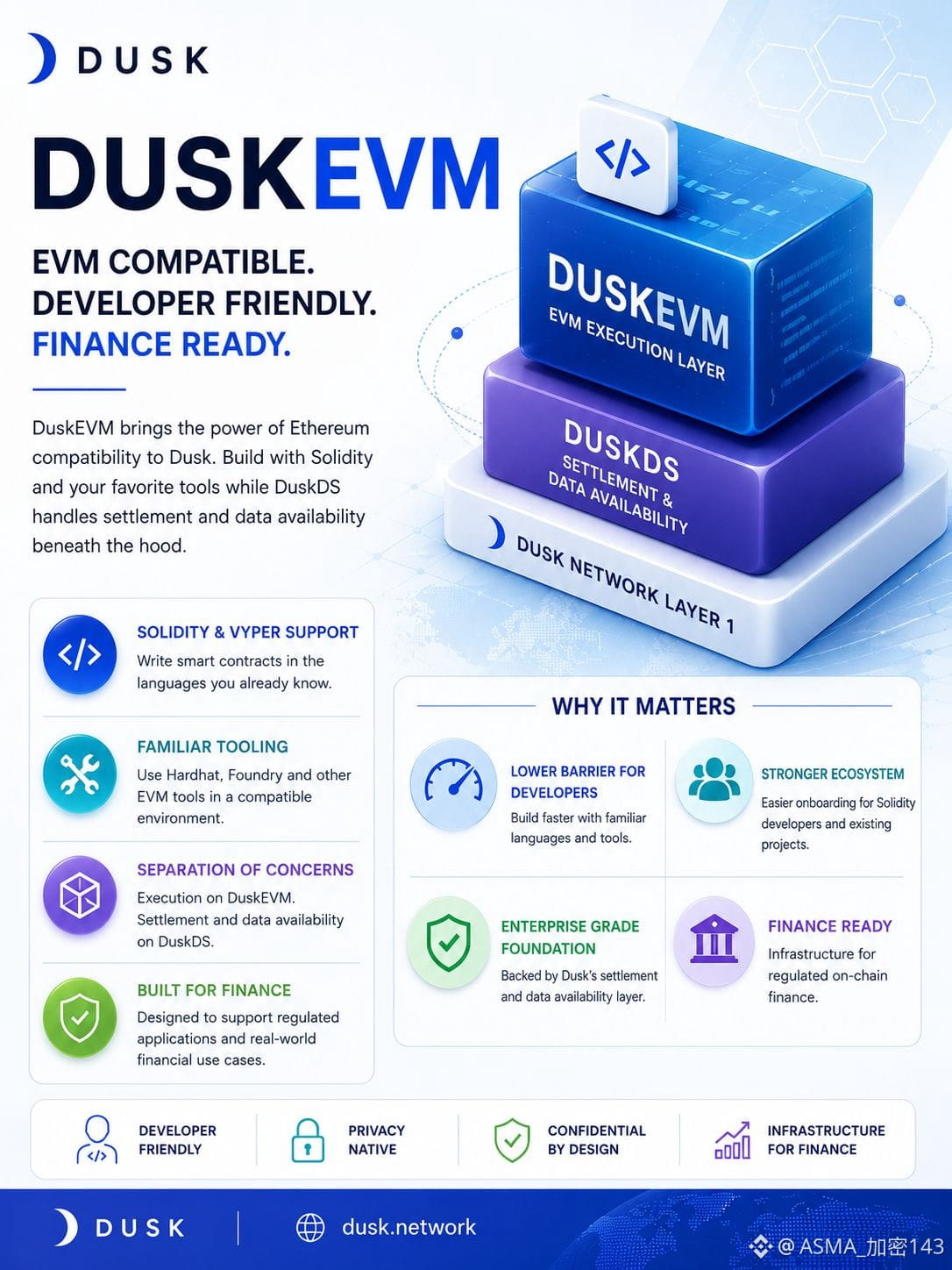
そこでDuskEVMが面白くなります。@Dusk_Foundation は、開発者がSolidityとHardhatやFoundryのような馴染みのあるツールを使えるEVM実行環境を提供し、一方でDuskDSがその下で決済とデータ可用性を担います。
つまり、ゼロからまったく馴染みのないスマートコントラクトのスタックを学ぶ代わりに、既に理解している環境で作業できます。
金融アプリケーションでは、開発者レイヤーが重要です。なぜなら、インフラはチームが実際にその上でアプリケーションを作り、デプロイし、運用できて初めて役に立つからです。
Duskのアーキテクチャは、決済から実行を分離し、Duskの決済基盤の下で動きながら、開発者にEVM互換の道筋を提供します。
{spot}(DUSKUSDT)
{spot}(COWUSDT)
{spot}(WALUSDT)
#dusk $DUSK @Dusk
金融のために構築されたブロックチェーンでも、開発者が構築しやすいことがまだ必要です。
そこでDuskEVMが面白くなります。@Dusk は、開発者がSolidityとHardhatやFoundryのような馴染みのあるツールを使えるEVM実行環境を提供し、一方でDuskDSがその下で決済とデータ可用性を担います。
つまり、ゼロからまったく馴染みのないスマートコントラクトのスタックを学ぶ代わりに、既に理解している環境で作業できます。
金融アプリケーションでは、開発者レイヤーが重要です。なぜなら、インフラはチームが実際にその上でアプリケーションを作り、デプロイし、運用できて初めて役に立つからです。
Duskのアーキテクチャは、決済から実行を分離し、Duskの決済基盤の下で動きながら、開発者にEVM互換の道筋を提供します。
金融のために構築されたブロックチェーンでも、開発者が構築しやすいことがまだ必要です。
そこでDuskEVMが面白くなります。@Dusk は、開発者がSolidityとHardhatやFoundryのような馴染みのあるツールを使えるEVM実行環境を提供し、一方でDuskDSがその下で決済とデータ可用性を担います。
つまり、ゼロからまったく馴染みのないスマートコントラクトのスタックを学ぶ代わりに、既に理解している環境で作業できます。
金融アプリケーションでは、開発者レイヤーが重要です。なぜなら、インフラはチームが実際にその上でアプリケーションを作り、デプロイし、運用できて初めて役に立つからです。
Duskのアーキテクチャは、決済から実行を分離し、Duskの決済基盤の下で動きながら、開発者にEVM互換の道筋を提供します。
6
4
797
ログインして、さらにコンテンツを読む
厳選トピックで世界の暗号資産トレーダーの仲間入り
⚡️ 暗号資産に関する最新かつ有益な情報が見つかります。
💬 世界最大の暗号資産取引所から信頼されています。
👍 認証を受けたクリエイターから、有益なインサイトを得られます。
メール / 電話番号
トレンドトピック
ZcashETFPostsFirstWeeklyOutflow$93.6M
閲覧回数 37,654
123人が討論中
#ZcashETFPostsFirstWeeklyOutflow$93.6M
🚨🚨🚨🚨🚨🚨🚨🚨🚨🚨🚨🚨🚨🚨✅ 🚨 ZCASH ETFの資金フローが初めてマイナスに転じる!📉
$ZEC は、機関投資家の資金フローに大きな変化が起きているようで、Zcashの投資商品は8月のローンチ以来初めてとなる週次のネット・アウトフローを記録しました。
ファンドフローのデータによると、直近の週は約$93.6MがZcash商品から引き出され、同時にZECの値動きも大きく冷え込みました。
📊 何が起きた?
• 週次のZcash ETFのアウトフロー:$93.6M
• 9月30日のデイリー・アウトフロー:$30.25M
• ZCSHはこれまで1週間で約$98.2Mを集めていた
• ZECは約$1,300で取引中
• 最近の高値:約$1,690
• 週次の下落:およそ17%超
🔍 注目すべき水準
🟢 サポート:$1,280〜$1,300
🔴 レジスタンス:$1,450〜$1,500
重要なポイントは、$1,300のあたりが維持されて、新たな買い手を引きつけられるかどうかです。
機関投資家のフローも同様に重要です。安定したプラスの流入が戻れば、信頼の再燃を示唆する一方、アウトフローが続けば$ZEC への圧力が続く可能性があります。
👀 これはZECの大幅な上昇(急騰)の後の単なる利益確定なのか、それとも買い手が戻ってくる前に、さらに深い押しが見られるのでしょうか?
下にあなたの見解をシェアしてください。👇
#Zcash #ZEC #ZcashETF #Crypto
#analysis
owhggwiohsjowve
·いいね:0件
·閲覧回数 172
GreekPoliceBustCryptoScamRingArrest17
閲覧回数 85,205
734人が討論中
BitcoinRejectedAt$87K
閲覧回数 126,735
181人が討論中