

Imaobong 1
900 投稿

Imaobong 1
報告
ユーザーをブロック
I’m a Web3 Content Creator.. Breaking down blockchain, macro & market moves in simple terms. News meets on-chain insights
0 フォロー
184 フォロワー
293 いいね
投稿
·
--
$USDT
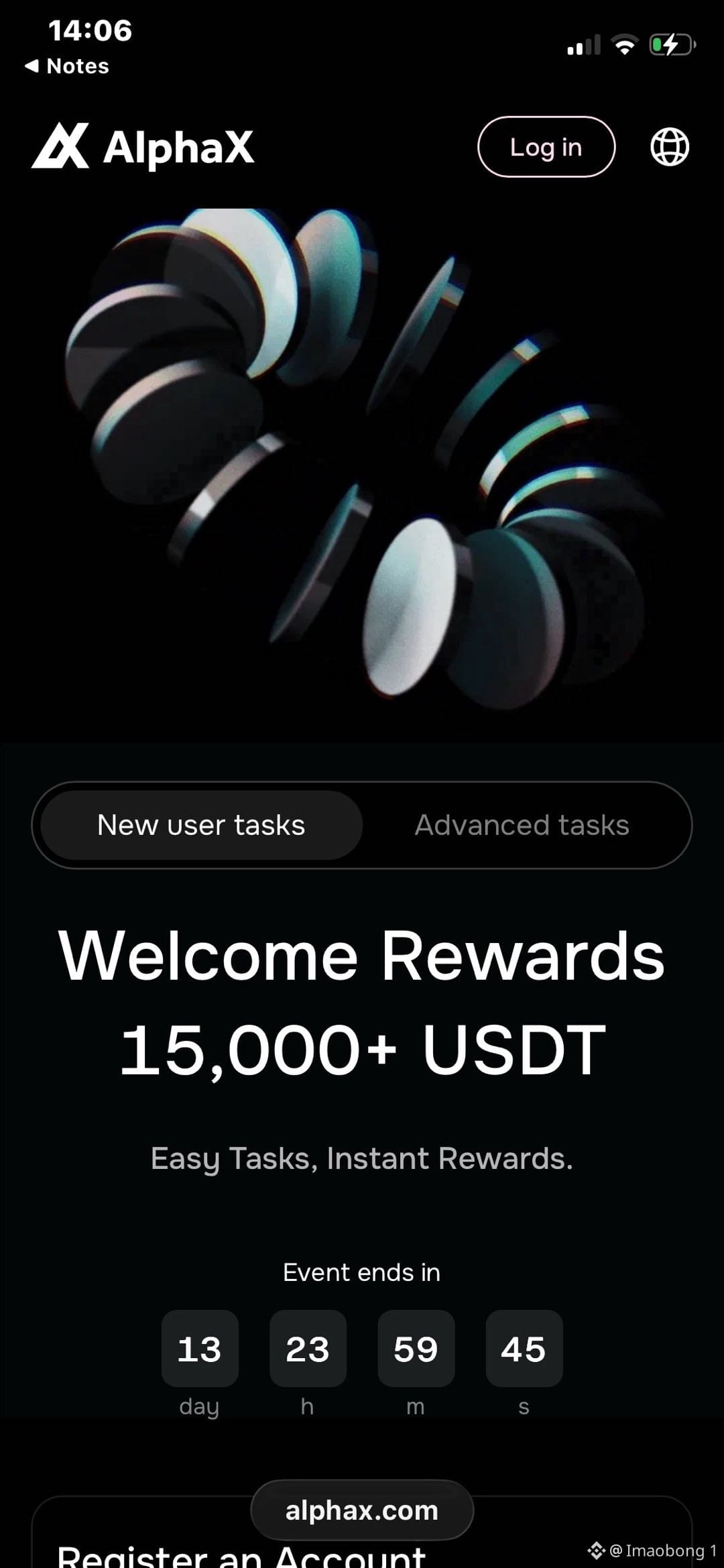
AlphaXの「ウェルカム&デイリーボーナスキャンペーン」を見つけて、ぜひ共有したいと思いました。
新規ユーザーは、登録後14日以内に対象タスクを完了することで、$15,000のウェルカムボーナスの一部を受け取ることができます。さらに、アクティブトレーダー向けに24時間ごとに更新される$20,000のデイリーギブアウェイもあります。
特に目を引いたのは、取引利益が1 USDTを超えるトレーダーは、デイリーランキングに参加して、1日あたり最大3,000 USDTの報酬を競うことができる点です。複数の複雑な条件を求めるキャンペーンと比べると、形式はシンプルです。
すでに取引している方は、自分が対象になるか確認してみる価値があるかもしれません。
🔗 https://www.alphax.com/en-us/activity/reward-center
#AlphaX #CryptoTrading #DailyRewards
$USDT
AlphaXの「ウェルカム&デイリーボーナスキャンペーン」を見つけて、ぜひ共有したいと思いました。
新規ユーザーは、登録後14日以内に対象タスクを完了することで、$15,000のウェルカムボーナスの一部を受け取ることができます。さらに、アクティブトレーダー向けに24時間ごとに更新される$20,000のデイリーギブアウェイもあります。
特に目を引いたのは、取引利益が1 USDTを超えるトレーダーは、デイリーランキングに参加して、1日あたり最大3,000 USDTの報酬を競うことができる点です。複数の複雑な条件を求めるキャンペーンと比べると、形式はシンプルです。
すでに取引している方は、自分が対象になるか確認してみる価値があるかもしれません。
🔗 https://www.alphax.com/en-us/activity/reward-center
#AlphaX #CryptoTrading #DailyRewards
AlphaXの「ウェルカム&デイリーボーナスキャンペーン」を見つけて、ぜひ共有したいと思いました。
新規ユーザーは、登録後14日以内に対象タスクを完了することで、$15,000のウェルカムボーナスの一部を受け取ることができます。さらに、アクティブトレーダー向けに24時間ごとに更新される$20,000のデイリーギブアウェイもあります。
特に目を引いたのは、取引利益が1 USDTを超えるトレーダーは、デイリーランキングに参加して、1日あたり最大3,000 USDTの報酬を競うことができる点です。複数の複雑な条件を求めるキャンペーンと比べると、形式はシンプルです。
すでに取引している方は、自分が対象になるか確認してみる価値があるかもしれません。
🔗 https://www.alphax.com/en-us/activity/reward-center
#AlphaX #CryptoTrading #DailyRewards
70
·
--
$BTC
今回はピーター・シフが正しいとしたら? 👀
彼はまたしても、長期保有者の油断と、サポート水準が崩れた場合に起こりうるパニック売りのリスクを挙げながら、ビットコインが20,000ドルを下回ってクラッシュする可能性を警告しています。
しかし面白いのは、BTCが最近下落したにもかかわらず、機関投資家の需要は依然として強いという点。そして予測市場では、今年のサブ20,000ドルBTCの確率は現時点で非常に低いと見られています。
シフは10年以上にわたって同様の弱気予想をしてきたため、多くのトレーダーは納得していません。それでも暗号資産では、議論の両面を考える価値があるのが通常です。
あなたは、BTCが再び20kドルに到達すると考えますか? それとも、その章はすでに終わっているのでしょうか? 🤔
#BTC #Bitcoin #Crypto #PeterSchiff #BingX
この記事は質問で締めくくられており、CMCでのエンゲージメントをより多く引き出す傾向があります。
$BTC
今回はピーター・シフが正しいとしたら? 👀
彼はまたしても、長期保有者の油断と、サポート水準が崩れた場合に起こりうるパニック売りのリスクを挙げながら、ビットコインが20,000ドルを下回ってクラッシュする可能性を警告しています。
しかし面白いのは、BTCが最近下落したにもかかわらず、機関投資家の需要は依然として強いという点。そして予測市場では、今年のサブ20,000ドルBTCの確率は現時点で非常に低いと見られています。
シフは10年以上にわたって同様の弱気予想をしてきたため、多くのトレーダーは納得していません。それでも暗号資産では、議論の両面を考える価値があるのが通常です。
あなたは、BTCが再び20kドルに到達すると考えますか? それとも、その章はすでに終わっているのでしょうか? 🤔
#BTC #Bitcoin #Crypto #PeterSchiff #BingX
この記事は質問で締めくくられており、CMCでのエンゲージメントをより多く引き出す傾向があります。
今回はピーター・シフが正しいとしたら? 👀
彼はまたしても、長期保有者の油断と、サポート水準が崩れた場合に起こりうるパニック売りのリスクを挙げながら、ビットコインが20,000ドルを下回ってクラッシュする可能性を警告しています。
しかし面白いのは、BTCが最近下落したにもかかわらず、機関投資家の需要は依然として強いという点。そして予測市場では、今年のサブ20,000ドルBTCの確率は現時点で非常に低いと見られています。
シフは10年以上にわたって同様の弱気予想をしてきたため、多くのトレーダーは納得していません。それでも暗号資産では、議論の両面を考える価値があるのが通常です。
あなたは、BTCが再び20kドルに到達すると考えますか? それとも、その章はすでに終わっているのでしょうか? 🤔
#BTC #Bitcoin #Crypto #PeterSchiff #BingX
この記事は質問で締めくくられており、CMCでのエンゲージメントをより多く引き出す傾向があります。
82
·
--
$BTC
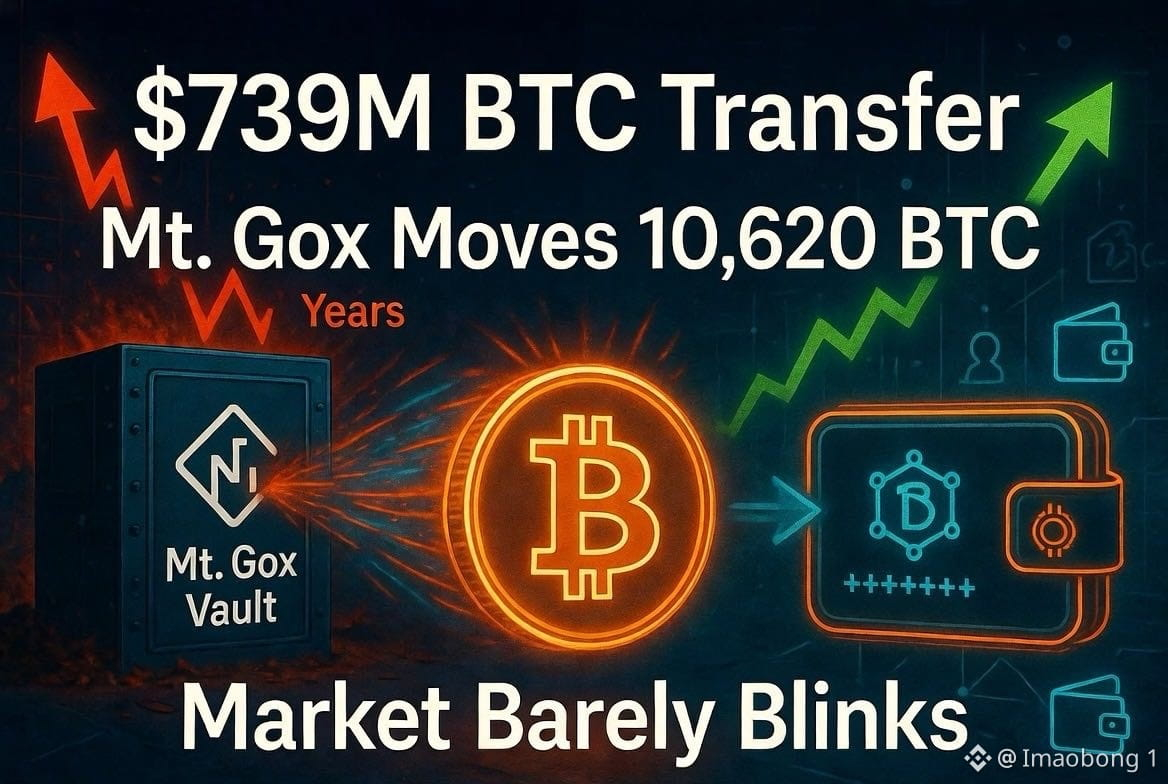
$739百万ドル相当のビットコインが移動した…が、ほとんど誰もパニックにならなかった。
Mt. Goxに関連付けられたウォレットが、コールドストレージから新しいアドレスと既知のホットウォレットへ10,620 BTCを送金した。これは、取引所にとって約2か月ぶりとなる初めての大きなオンチェーン移動となる。
ほんの数年前なら、こうしたニュースは市場を混乱に陥れるようなものだった。では今は? ビットコインはほとんど反応していない。
この移動は、Mt. Goxの継続中の債権者返済プロセスの一部であるようだ。管財人の小林信明氏は最近、必要な手続きを完了するための時間をより多くの申し立て人に与えるべく、返済期限を2026年10月31日まで延長した。
送金が行われたにもかかわらず、Mt. Goxは依然としておよそ34,500 BTCを保有しており、その価値は約24億ドルにのぼる。
現時点では、オンチェーントラッカーはこの取引を、直ちに売りのシグナルというより通常のウォレット管理として扱っている。
真の物語は?
市場の反応。過去には7億3,900万ドル($739M)相当のBTC移動が恐怖を引き起こしていた。だが今、ビットコインのトレーダーは“移動そのもの”よりも“次に何が起きるか”により注目しているようだ。
#Bitcoin #BTC #CryptoNews #BingX
$BTC
$739百万ドル相当のビットコインが移動した…が、ほとんど誰もパニックにならなかった。
Mt. Goxに関連付けられたウォレットが、コールドストレージから新しいアドレスと既知のホットウォレットへ10,620 BTCを送金した。これは、取引所にとって約2か月ぶりとなる初めての大きなオンチェーン移動となる。
ほんの数年前なら、こうしたニュースは市場を混乱に陥れるようなものだった。では今は? ビットコインはほとんど反応していない。
この移動は、Mt. Goxの継続中の債権者返済プロセスの一部であるようだ。管財人の小林信明氏は最近、必要な手続きを完了するための時間をより多くの申し立て人に与えるべく、返済期限を2026年10月31日まで延長した。
送金が行われたにもかかわらず、Mt. Goxは依然としておよそ34,500 BTCを保有しており、その価値は約24億ドルにのぼる。
現時点では、オンチェーントラッカーはこの取引を、直ちに売りのシグナルというより通常のウォレット管理として扱っている。
真の物語は?
市場の反応。過去には7億3,900万ドル($739M)相当のBTC移動が恐怖を引き起こしていた。だが今、ビットコインのトレーダーは“移動そのもの”よりも“次に何が起きるか”により注目しているようだ。
#Bitcoin #BTC #CryptoNews #BingX
$739百万ドル相当のビットコインが移動した…が、ほとんど誰もパニックにならなかった。
Mt. Goxに関連付けられたウォレットが、コールドストレージから新しいアドレスと既知のホットウォレットへ10,620 BTCを送金した。これは、取引所にとって約2か月ぶりとなる初めての大きなオンチェーン移動となる。
ほんの数年前なら、こうしたニュースは市場を混乱に陥れるようなものだった。では今は? ビットコインはほとんど反応していない。
この移動は、Mt. Goxの継続中の債権者返済プロセスの一部であるようだ。管財人の小林信明氏は最近、必要な手続きを完了するための時間をより多くの申し立て人に与えるべく、返済期限を2026年10月31日まで延長した。
送金が行われたにもかかわらず、Mt. Goxは依然としておよそ34,500 BTCを保有しており、その価値は約24億ドルにのぼる。
現時点では、オンチェーントラッカーはこの取引を、直ちに売りのシグナルというより通常のウォレット管理として扱っている。
真の物語は?
市場の反応。過去には7億3,900万ドル($739M)相当のBTC移動が恐怖を引き起こしていた。だが今、ビットコインのトレーダーは“移動そのもの”よりも“次に何が起きるか”により注目しているようだ。
#Bitcoin #BTC #CryptoNews #BingX
69
·
--
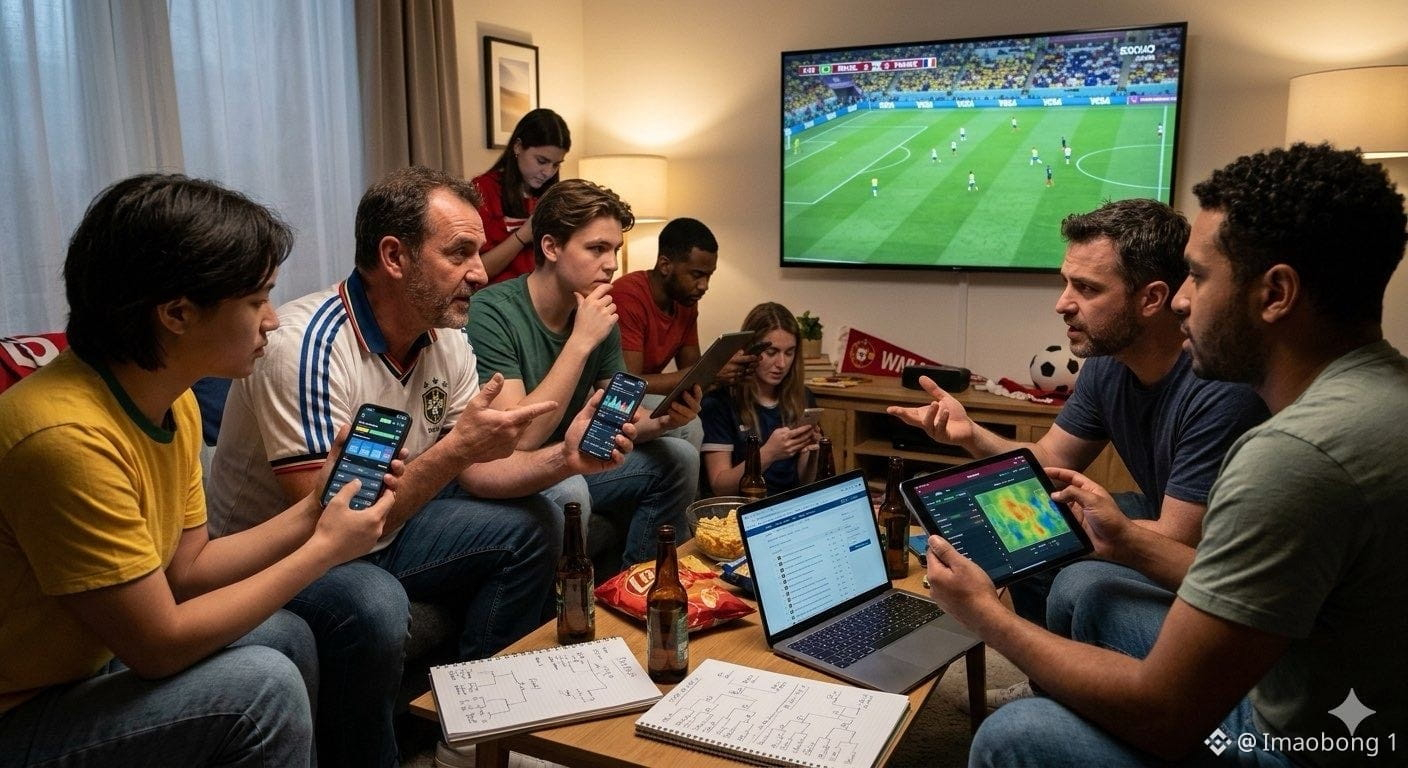
ワールドカップが人々に奇妙な影響を与える 😭
1か月の間、誰もが突然フットボール解説者になる。
おじさんには予想がある。
となりの人にも予想がある。
それに、今年は一度もサッカーを観ていないはずのあの友だちでさえ、どうやら大会の勝者が誰か分かっているらしい 😭
でも、面白いことに気づいた。
スポーツファンは、もう試合を観るだけじゃない。
結果を予想している。
確率を議論している。
得点王レースをめぐって言い合っている。
PK戦が始まる前から、勝敗を言い当てようとしている。
ファンでいることと、参加することの境界線が曖昧になってきている。
正直、それも分かる。
インターネットは、私たちに「消費する」だけでなく「あらゆるものと関わる」ことを教えてきた。
だから今、世界最大級のスポーツイベントは、リアルタイムの予測エコシステムに変わりつつあって、人々が自分の知識を他の誰かのそれとぶつけて試している。
興味深いのは、最近では専門家の意見よりも、群衆の予測を信じるファンがいることだ。
だからこそ、スポーツや政治、仮想通貨、そして大きな世界的イベントを中心に、予測市場やイベント取引が伸び続けているのかもしれない。
BingX EventXのようなプラットフォームがこの流れを取り込んでいるのを見るのは興味深い。
ワールドカップは、もはやただ観るものではない。
参加するものになってきている。
スポーツ好きのあり方が、完全に変わっていくのは私だけだと思う?
これはプロモーションではなく、未回答の観察で終わるので、コメントのきっかけになるはず。
#football
ワールドカップが人々に奇妙な影響を与える 😭
1か月の間、誰もが突然フットボール解説者になる。
おじさんには予想がある。
となりの人にも予想がある。
それに、今年は一度もサッカーを観ていないはずのあの友だちでさえ、どうやら大会の勝者が誰か分かっているらしい 😭
でも、面白いことに気づいた。
スポーツファンは、もう試合を観るだけじゃない。
結果を予想している。
確率を議論している。
得点王レースをめぐって言い合っている。
PK戦が始まる前から、勝敗を言い当てようとしている。
ファンでいることと、参加することの境界線が曖昧になってきている。
正直、それも分かる。
インターネットは、私たちに「消費する」だけでなく「あらゆるものと関わる」ことを教えてきた。
だから今、世界最大級のスポーツイベントは、リアルタイムの予測エコシステムに変わりつつあって、人々が自分の知識を他の誰かのそれとぶつけて試している。
興味深いのは、最近では専門家の意見よりも、群衆の予測を信じるファンがいることだ。
だからこそ、スポーツや政治、仮想通貨、そして大きな世界的イベントを中心に、予測市場やイベント取引が伸び続けているのかもしれない。
BingX EventXのようなプラットフォームがこの流れを取り込んでいるのを見るのは興味深い。
ワールドカップは、もはやただ観るものではない。
参加するものになってきている。
スポーツ好きのあり方が、完全に変わっていくのは私だけだと思う?
これはプロモーションではなく、未回答の観察で終わるので、コメントのきっかけになるはず。
#football
1か月の間、誰もが突然フットボール解説者になる。
おじさんには予想がある。
となりの人にも予想がある。
それに、今年は一度もサッカーを観ていないはずのあの友だちでさえ、どうやら大会の勝者が誰か分かっているらしい 😭
でも、面白いことに気づいた。
スポーツファンは、もう試合を観るだけじゃない。
結果を予想している。
確率を議論している。
得点王レースをめぐって言い合っている。
PK戦が始まる前から、勝敗を言い当てようとしている。
ファンでいることと、参加することの境界線が曖昧になってきている。
正直、それも分かる。
インターネットは、私たちに「消費する」だけでなく「あらゆるものと関わる」ことを教えてきた。
だから今、世界最大級のスポーツイベントは、リアルタイムの予測エコシステムに変わりつつあって、人々が自分の知識を他の誰かのそれとぶつけて試している。
興味深いのは、最近では専門家の意見よりも、群衆の予測を信じるファンがいることだ。
だからこそ、スポーツや政治、仮想通貨、そして大きな世界的イベントを中心に、予測市場やイベント取引が伸び続けているのかもしれない。
BingX EventXのようなプラットフォームがこの流れを取り込んでいるのを見るのは興味深い。
ワールドカップは、もはやただ観るものではない。
参加するものになってきている。
スポーツ好きのあり方が、完全に変わっていくのは私だけだと思う?
これはプロモーションではなく、未回答の観察で終わるので、コメントのきっかけになるはず。
#football
112
·
--
$TON
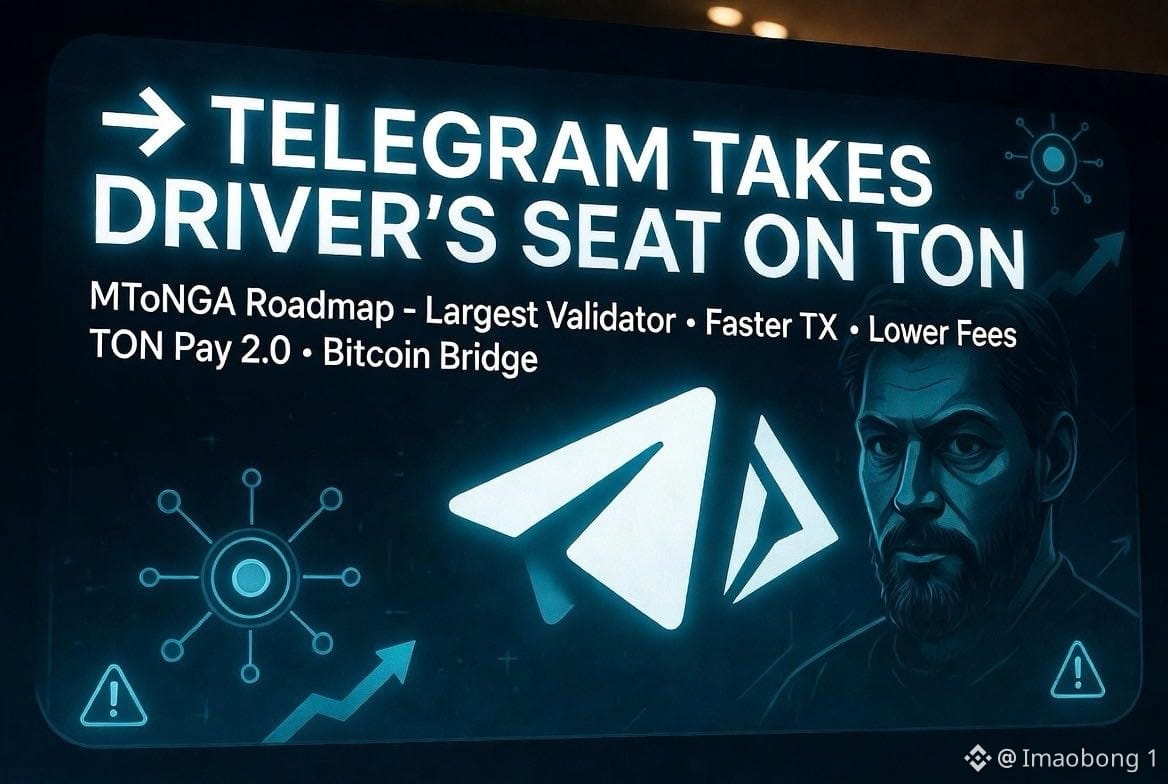
🚨 テレグラムがTONで過去最大の動きをしました。
パベル・ドゥロフは、テレグラムが最大のバリデーターとなり、新しいMTONGAロードマップの下で「オープン・ネットワーク」の主要な管理者の座を引き継ぐと述べています。
翻訳は? 👇
テレグラムは、もはやTONを“支援するだけ”ではありません…
運転席を奪いに来ています。
ロードマップには以下が含まれます:
⚡ より高速なトランザクション
💰 低い手数料
🛠️ 新しい開発者向けツール
💳 TON Pay 2.0
₿ ビットコインとのブリッジ
投資家は素早く反応し、市場が「テレグラムの巨大なユーザーベースがネットワークの主要な成長エンジンになり得る」という将来像を織り込むと、TONはより高値へ動きました。
しかし、もう一つの側面があります。
テレグラムがTONにより深く組み込まれるほど、分散化をめぐる疑問や、ドゥロフ氏の法的・規制上の課題がネットワークに与える影響への懸念が増えていきます。
大きなチャンス。
より大きな影響力。
より高い賭け。
TONの次の章は、これまでで最も重要なものになるかもしれません。
#Telegram #TON #bingX
$TON
🚨 テレグラムがTONで過去最大の動きをしました。
パベル・ドゥロフは、テレグラムが最大のバリデーターとなり、新しいMTONGAロードマップの下で「オープン・ネットワーク」の主要な管理者の座を引き継ぐと述べています。
翻訳は? 👇
テレグラムは、もはやTONを“支援するだけ”ではありません…
運転席を奪いに来ています。
ロードマップには以下が含まれます:
⚡ より高速なトランザクション
💰 低い手数料
🛠️ 新しい開発者向けツール
💳 TON Pay 2.0
₿ ビットコインとのブリッジ
投資家は素早く反応し、市場が「テレグラムの巨大なユーザーベースがネットワークの主要な成長エンジンになり得る」という将来像を織り込むと、TONはより高値へ動きました。
しかし、もう一つの側面があります。
テレグラムがTONにより深く組み込まれるほど、分散化をめぐる疑問や、ドゥロフ氏の法的・規制上の課題がネットワークに与える影響への懸念が増えていきます。
大きなチャンス。
より大きな影響力。
より高い賭け。
TONの次の章は、これまでで最も重要なものになるかもしれません。
#Telegram #TON #bingX
🚨 テレグラムがTONで過去最大の動きをしました。
パベル・ドゥロフは、テレグラムが最大のバリデーターとなり、新しいMTONGAロードマップの下で「オープン・ネットワーク」の主要な管理者の座を引き継ぐと述べています。
翻訳は? 👇
テレグラムは、もはやTONを“支援するだけ”ではありません…
運転席を奪いに来ています。
ロードマップには以下が含まれます:
⚡ より高速なトランザクション
💰 低い手数料
🛠️ 新しい開発者向けツール
💳 TON Pay 2.0
₿ ビットコインとのブリッジ
投資家は素早く反応し、市場が「テレグラムの巨大なユーザーベースがネットワークの主要な成長エンジンになり得る」という将来像を織り込むと、TONはより高値へ動きました。
しかし、もう一つの側面があります。
テレグラムがTONにより深く組み込まれるほど、分散化をめぐる疑問や、ドゥロフ氏の法的・規制上の課題がネットワークに与える影響への懸念が増えていきます。
大きなチャンス。
より大きな影響力。
より高い賭け。
TONの次の章は、これまでで最も重要なものになるかもしれません。
#Telegram #TON #bingX
68
·
--
$BTC
ステーブルコインが、いま世界でもっとも強力な金融プロダクトのひとつになりつつあります 👀
ステーブルコインの市場規模は現在、過去最高の3,220億ドルに到達しました──報道によれば、95カ国の外貨準備高よりも大きいとのこと。
正直、それ考えるとヤバいです 😭
「暗号資産の取引ツール」として始まったものが、今では次の用途に使われています:
• 国境を越えた送金
• DeFiの決済
• 不安定な経済での貯蓄
• 即時のグローバル送金
そして多くの地域で、人々は自国通貨よりもドル建てのステーブルコインを信頼し始めています。
でも同時に、規制当局も強い懸念を抱くようになっています。
なぜなら、資金がステーブルコインで瞬時に動かせるなら、政府が資金の流れ、資本規制、そして金融の監視をコントロールするのがはるかに難しくなるからです。
ステーブルコインが、ゆっくりと“暗号資産のニッチ”から…
実際のグローバルな金融インフラへ進化している感じがします。
そして正直、今のところ大半の人が、この数年でこの変化がどれほど巨大になる可能性があるのか、理解できていないと思います。
#Stablecoin #Crypto #Blockchain #BingX
$BTC
ステーブルコインが、いま世界でもっとも強力な金融プロダクトのひとつになりつつあります 👀
ステーブルコインの市場規模は現在、過去最高の3,220億ドルに到達しました──報道によれば、95カ国の外貨準備高よりも大きいとのこと。
正直、それ考えるとヤバいです 😭
「暗号資産の取引ツール」として始まったものが、今では次の用途に使われています:
• 国境を越えた送金
• DeFiの決済
• 不安定な経済での貯蓄
• 即時のグローバル送金
そして多くの地域で、人々は自国通貨よりもドル建てのステーブルコインを信頼し始めています。
でも同時に、規制当局も強い懸念を抱くようになっています。
なぜなら、資金がステーブルコインで瞬時に動かせるなら、政府が資金の流れ、資本規制、そして金融の監視をコントロールするのがはるかに難しくなるからです。
ステーブルコインが、ゆっくりと“暗号資産のニッチ”から…
実際のグローバルな金融インフラへ進化している感じがします。
そして正直、今のところ大半の人が、この数年でこの変化がどれほど巨大になる可能性があるのか、理解できていないと思います。
#Stablecoin #Crypto #Blockchain #BingX
ステーブルコインが、いま世界でもっとも強力な金融プロダクトのひとつになりつつあります 👀
ステーブルコインの市場規模は現在、過去最高の3,220億ドルに到達しました──報道によれば、95カ国の外貨準備高よりも大きいとのこと。
正直、それ考えるとヤバいです 😭
「暗号資産の取引ツール」として始まったものが、今では次の用途に使われています:
• 国境を越えた送金
• DeFiの決済
• 不安定な経済での貯蓄
• 即時のグローバル送金
そして多くの地域で、人々は自国通貨よりもドル建てのステーブルコインを信頼し始めています。
でも同時に、規制当局も強い懸念を抱くようになっています。
なぜなら、資金がステーブルコインで瞬時に動かせるなら、政府が資金の流れ、資本規制、そして金融の監視をコントロールするのがはるかに難しくなるからです。
ステーブルコインが、ゆっくりと“暗号資産のニッチ”から…
実際のグローバルな金融インフラへ進化している感じがします。
そして正直、今のところ大半の人が、この数年でこの変化がどれほど巨大になる可能性があるのか、理解できていないと思います。
#Stablecoin #Crypto #Blockchain #BingX
64
·
--
$BTC
ビットコインは、ETFの流出が続き、機関投資家の市場に対する信頼に疑問を投げかけているため、よりリスクの高いフェーズに入っているかもしれません👀
この議論をさらに興味深くしたのは、メルテム・デミロルスの現物ビットコインETFに関する見解でした。
彼女は、ETFがビットコインをもっと便利にするわけではなく、むしろクリプトが従来の金融インフラに統合されるのを加速させると主張しました。
言い換えれば:
ビットコインは元々、システムに対する代替手段として位置付けられていましたが…
ウォール街は今や、人々がそれとどのように関わるかを再形成しているのかもしれません。
同時に、彼女は多くの人が見落としがちなことを指摘しました:
グローバルサウスの一部では、ビットコインやステーブルコインがすでに現実の状況で貯蓄、支払い、国境を越えた送金に使用されています。
したがって、この議論は価格の動きだけでは収まりません。
ビットコインは進化しているのか:
• 分散型の通貨ツール?
• ウォール街の金融商品?
• それとも両方の要素を同時に持っているのか?🤔
ETFの時代は明らかにBTCに関するストーリーを変えており、機関のフローは無視し難くなっています。
#ビットコイン #BTC #BingX #クリプト
$BTC
ビットコインは、ETFの流出が続き、機関投資家の市場に対する信頼に疑問を投げかけているため、よりリスクの高いフェーズに入っているかもしれません👀
この議論をさらに興味深くしたのは、メルテム・デミロルスの現物ビットコインETFに関する見解でした。
彼女は、ETFがビットコインをもっと便利にするわけではなく、むしろクリプトが従来の金融インフラに統合されるのを加速させると主張しました。
言い換えれば:
ビットコインは元々、システムに対する代替手段として位置付けられていましたが…
ウォール街は今や、人々がそれとどのように関わるかを再形成しているのかもしれません。
同時に、彼女は多くの人が見落としがちなことを指摘しました:
グローバルサウスの一部では、ビットコインやステーブルコインがすでに現実の状況で貯蓄、支払い、国境を越えた送金に使用されています。
したがって、この議論は価格の動きだけでは収まりません。
ビットコインは進化しているのか:
• 分散型の通貨ツール?
• ウォール街の金融商品?
• それとも両方の要素を同時に持っているのか?🤔
ETFの時代は明らかにBTCに関するストーリーを変えており、機関のフローは無視し難くなっています。
#ビットコイン #BTC #BingX #クリプト
ビットコインは、ETFの流出が続き、機関投資家の市場に対する信頼に疑問を投げかけているため、よりリスクの高いフェーズに入っているかもしれません👀
この議論をさらに興味深くしたのは、メルテム・デミロルスの現物ビットコインETFに関する見解でした。
彼女は、ETFがビットコインをもっと便利にするわけではなく、むしろクリプトが従来の金融インフラに統合されるのを加速させると主張しました。
言い換えれば:
ビットコインは元々、システムに対する代替手段として位置付けられていましたが…
ウォール街は今や、人々がそれとどのように関わるかを再形成しているのかもしれません。
同時に、彼女は多くの人が見落としがちなことを指摘しました:
グローバルサウスの一部では、ビットコインやステーブルコインがすでに現実の状況で貯蓄、支払い、国境を越えた送金に使用されています。
したがって、この議論は価格の動きだけでは収まりません。
ビットコインは進化しているのか:
• 分散型の通貨ツール?
• ウォール街の金融商品?
• それとも両方の要素を同時に持っているのか?🤔
ETFの時代は明らかにBTCに関するストーリーを変えており、機関のフローは無視し難くなっています。
#ビットコイン #BTC #BingX #クリプト
73
·
--
$BTC
機関投資家によるビットコイン採用の大きな動き👀
Nasdaq PHLXが、CME CFビットコインリアルタイムインデックスに連動した現金決済ビットコインインデックスオプションQBTCを上場するための条件付きSEC承認を受けました。
注目すべきは、これらの契約が以下のような特徴を持つことです:
• アメリカドルで決済される
• 通常のブローカー口座を通じてアクセス可能
• 契約ごとに1 BTCを表す
• 小規模な機関や小口投資家にとって、ヘッジングやボラティリティ取引がより手軽になる
これは、伝統的な金融がビットコインを規制された市場により深く統合するためのもう一歩のように感じます。
CFTCの承認はまだ待機中ですが、方向性は無視できなくなっています。
暗号市場と伝統的金融の境界線はますます薄くなっています。
#Nasdaq #Bitcoin #BingX #SEC
$BTC
機関投資家によるビットコイン採用の大きな動き👀
Nasdaq PHLXが、CME CFビットコインリアルタイムインデックスに連動した現金決済ビットコインインデックスオプションQBTCを上場するための条件付きSEC承認を受けました。
注目すべきは、これらの契約が以下のような特徴を持つことです:
• アメリカドルで決済される
• 通常のブローカー口座を通じてアクセス可能
• 契約ごとに1 BTCを表す
• 小規模な機関や小口投資家にとって、ヘッジングやボラティリティ取引がより手軽になる
これは、伝統的な金融がビットコインを規制された市場により深く統合するためのもう一歩のように感じます。
CFTCの承認はまだ待機中ですが、方向性は無視できなくなっています。
暗号市場と伝統的金融の境界線はますます薄くなっています。
#Nasdaq #Bitcoin #BingX #SEC
機関投資家によるビットコイン採用の大きな動き👀
Nasdaq PHLXが、CME CFビットコインリアルタイムインデックスに連動した現金決済ビットコインインデックスオプションQBTCを上場するための条件付きSEC承認を受けました。
注目すべきは、これらの契約が以下のような特徴を持つことです:
• アメリカドルで決済される
• 通常のブローカー口座を通じてアクセス可能
• 契約ごとに1 BTCを表す
• 小規模な機関や小口投資家にとって、ヘッジングやボラティリティ取引がより手軽になる
これは、伝統的な金融がビットコインを規制された市場により深く統合するためのもう一歩のように感じます。
CFTCの承認はまだ待機中ですが、方向性は無視できなくなっています。
暗号市場と伝統的金融の境界線はますます薄くなっています。
#Nasdaq #Bitcoin #BingX #SEC
70
·
--
$NVDAon
NVIDIAが記録的な$235.75でクローズ、時価総額$5.7兆を突破
この急騰によりNVIDIAは$5.7兆を超え、Amazon、Microsoft、Alphabet、Metaなどの巨人からのAIチップの需要が急増する中、世界で最も価値のある企業となりました。今年のAI関連支出は$7100億を計画しています。アナリストは、5月20日に終了する会計年度の第1四半期に$788億の収益を予測しており、前年同期比で77%の増加です。トレーダーたちは新たな高値とオプションベットを祝っていますが、懐疑的な声もあり、テクニカルな抵抗やバブルの懸念が指摘されています。しかし、ショートスクイーズからのモメンタムがこのラリーを生かし続けています。
#NVIDIA #BingX
$NVDAon
NVIDIAが記録的な$235.75でクローズ、時価総額$5.7兆を突破
この急騰によりNVIDIAは$5.7兆を超え、Amazon、Microsoft、Alphabet、Metaなどの巨人からのAIチップの需要が急増する中、世界で最も価値のある企業となりました。今年のAI関連支出は$7100億を計画しています。アナリストは、5月20日に終了する会計年度の第1四半期に$788億の収益を予測しており、前年同期比で77%の増加です。トレーダーたちは新たな高値とオプションベットを祝っていますが、懐疑的な声もあり、テクニカルな抵抗やバブルの懸念が指摘されています。しかし、ショートスクイーズからのモメンタムがこのラリーを生かし続けています。
#NVIDIA #BingX
NVIDIAが記録的な$235.75でクローズ、時価総額$5.7兆を突破
この急騰によりNVIDIAは$5.7兆を超え、Amazon、Microsoft、Alphabet、Metaなどの巨人からのAIチップの需要が急増する中、世界で最も価値のある企業となりました。今年のAI関連支出は$7100億を計画しています。アナリストは、5月20日に終了する会計年度の第1四半期に$788億の収益を予測しており、前年同期比で77%の増加です。トレーダーたちは新たな高値とオプションベットを祝っていますが、懐疑的な声もあり、テクニカルな抵抗やバブルの懸念が指摘されています。しかし、ショートスクイーズからのモメンタムがこのラリーを生かし続けています。
#NVIDIA #BingX
76
·
--
$NVDAon
NVIDIAが235.75ドルの記録的なクローズを達成し、570兆ドルの時価総額を超えた
この急騰により、NVIDIAは570兆ドルを超え、Amazon、Microsoft、Alphabet、Metaといった巨人からのAIチップに対する需要が高まる中で、世界で最も価値のある企業となった。今年、彼らは7100億ドルのAI投資を計画している。アナリストは、5月20日に終了する会計年度の第一四半期の収益を788億ドルと予測しており、前年比で77%の増加を見込んでいる。トレーダーたちが新たな高値やオプションベットを祝う一方で、懐疑論者はテクニカルな抵抗やバブルの懸念を指摘しているが、ショートスクイーズからのモメンタムがラリーを維持している。
#NVIDIA #BingX #crypto
$NVDAon
NVIDIAが235.75ドルの記録的なクローズを達成し、570兆ドルの時価総額を超えた
この急騰により、NVIDIAは570兆ドルを超え、Amazon、Microsoft、Alphabet、Metaといった巨人からのAIチップに対する需要が高まる中で、世界で最も価値のある企業となった。今年、彼らは7100億ドルのAI投資を計画している。アナリストは、5月20日に終了する会計年度の第一四半期の収益を788億ドルと予測しており、前年比で77%の増加を見込んでいる。トレーダーたちが新たな高値やオプションベットを祝う一方で、懐疑論者はテクニカルな抵抗やバブルの懸念を指摘しているが、ショートスクイーズからのモメンタムがラリーを維持している。
#NVIDIA #BingX #crypto
NVIDIAが235.75ドルの記録的なクローズを達成し、570兆ドルの時価総額を超えた
この急騰により、NVIDIAは570兆ドルを超え、Amazon、Microsoft、Alphabet、Metaといった巨人からのAIチップに対する需要が高まる中で、世界で最も価値のある企業となった。今年、彼らは7100億ドルのAI投資を計画している。アナリストは、5月20日に終了する会計年度の第一四半期の収益を788億ドルと予測しており、前年比で77%の増加を見込んでいる。トレーダーたちが新たな高値やオプションベットを祝う一方で、懐疑論者はテクニカルな抵抗やバブルの懸念を指摘しているが、ショートスクイーズからのモメンタムがラリーを維持している。
#NVIDIA #BingX #crypto
104
·
--
$SOL
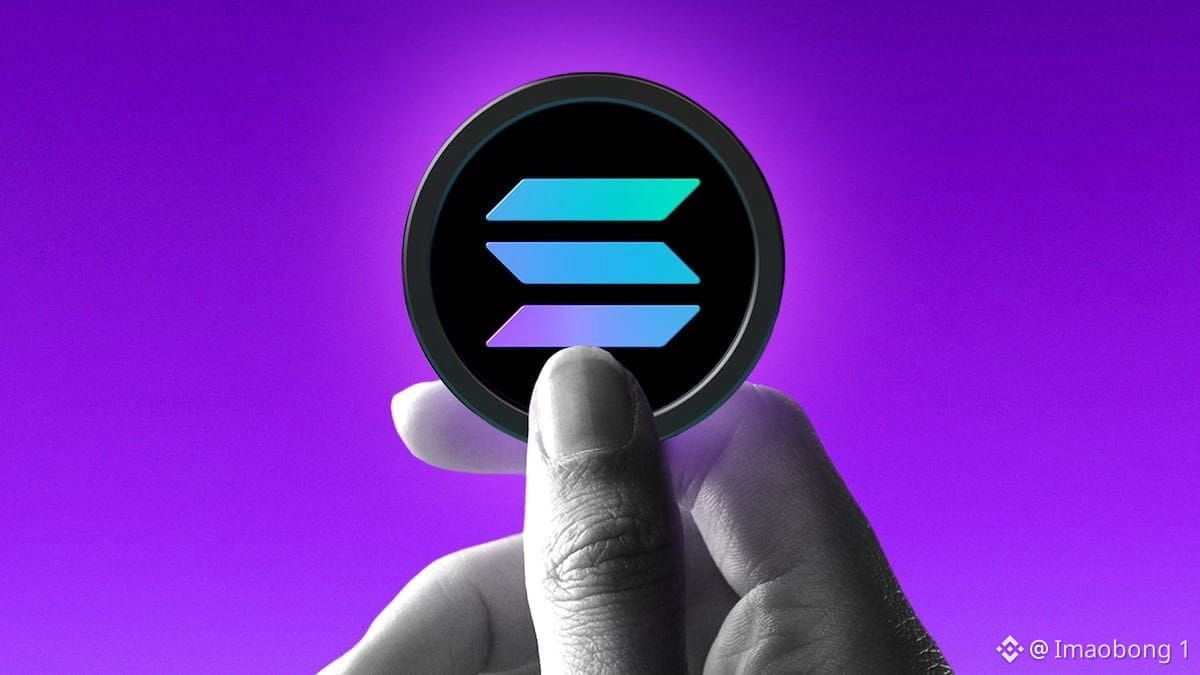
Solana Twitterがやるべきことをやったね😅
「Solana Edition」とされる時計のレンダーがオンラインで流れ始めた — Solanaのシグネチャーグラデーションカラーを取り入れたデザインは、アイコニックなAudemars Piguet Royal Oakから強くインスパイアを受けている。
キャプションなし。
説明なし。
ただの雰囲気…と瞬時のカオス。
この投稿は、クリプトコミュニティで大規模な憶測を呼び起こし、人々はその時計とハードウェアウォレットを組み合わせるジョークを言ったり、その概念を元にメムコインを立ち上げたりしている。一つの関連トークンは、単にそのハイプから$600Kの時価総額を超えたと報じられている。
これが興味深いのは、クリプトが徐々に文化やラグジュアリーな美学に深く溶け込んでいっていること — もはや金融だけではないってこと。
はっきり言っておくと:
SwatchとAudemars Piguetは、5月16日にカラフルな「Royal Pop」コラボレーションを発表することを確認したが、現在のところSolana自体に関与する正式なパートナーシップは確認されていない。
それでも…もしSolanaテーマの時計が本当に実現したら、クリプトTwitterは間違いなくパニックになるだろうね😅
#Solana #CryptoCulture #Web3 #BingX
$SOL
Solana Twitterがやるべきことをやったね😅
「Solana Edition」とされる時計のレンダーがオンラインで流れ始めた — Solanaのシグネチャーグラデーションカラーを取り入れたデザインは、アイコニックなAudemars Piguet Royal Oakから強くインスパイアを受けている。
キャプションなし。
説明なし。
ただの雰囲気…と瞬時のカオス。
この投稿は、クリプトコミュニティで大規模な憶測を呼び起こし、人々はその時計とハードウェアウォレットを組み合わせるジョークを言ったり、その概念を元にメムコインを立ち上げたりしている。一つの関連トークンは、単にそのハイプから$600Kの時価総額を超えたと報じられている。
これが興味深いのは、クリプトが徐々に文化やラグジュアリーな美学に深く溶け込んでいっていること — もはや金融だけではないってこと。
はっきり言っておくと:
SwatchとAudemars Piguetは、5月16日にカラフルな「Royal Pop」コラボレーションを発表することを確認したが、現在のところSolana自体に関与する正式なパートナーシップは確認されていない。
それでも…もしSolanaテーマの時計が本当に実現したら、クリプトTwitterは間違いなくパニックになるだろうね😅
#Solana #CryptoCulture #Web3 #BingX
Solana Twitterがやるべきことをやったね😅
「Solana Edition」とされる時計のレンダーがオンラインで流れ始めた — Solanaのシグネチャーグラデーションカラーを取り入れたデザインは、アイコニックなAudemars Piguet Royal Oakから強くインスパイアを受けている。
キャプションなし。
説明なし。
ただの雰囲気…と瞬時のカオス。
この投稿は、クリプトコミュニティで大規模な憶測を呼び起こし、人々はその時計とハードウェアウォレットを組み合わせるジョークを言ったり、その概念を元にメムコインを立ち上げたりしている。一つの関連トークンは、単にそのハイプから$600Kの時価総額を超えたと報じられている。
これが興味深いのは、クリプトが徐々に文化やラグジュアリーな美学に深く溶け込んでいっていること — もはや金融だけではないってこと。
はっきり言っておくと:
SwatchとAudemars Piguetは、5月16日にカラフルな「Royal Pop」コラボレーションを発表することを確認したが、現在のところSolana自体に関与する正式なパートナーシップは確認されていない。
それでも…もしSolanaテーマの時計が本当に実現したら、クリプトTwitterは間違いなくパニックになるだろうね😅
#Solana #CryptoCulture #Web3 #BingX
2
3
1.3k
·
--
$KOSPI
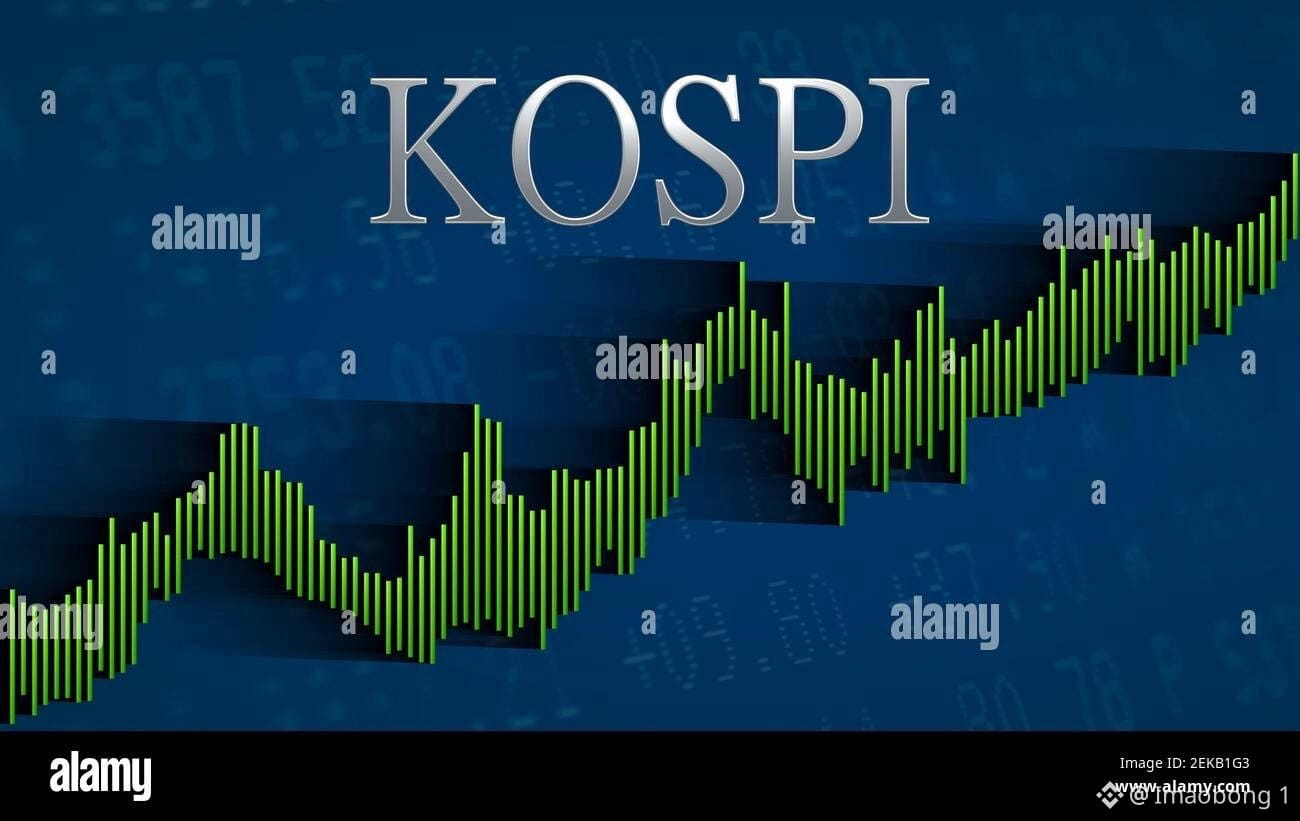
アジア市場は今、熱い🔥
韓国のKOSPIは7,700を突破し、4%近く上昇。AI駆動の半導体需要が爆発的に増加しています。日本のNikkeiも新たな記録的高値で始まりました。
最大の勝者は?
📈 サムスン電子が新高値を記録
📈 SK hynixが8%急騰
📈 韓国の半導体輸出は2026年第1四半期に前年同期比139%増加したとのこと
正直、このAIブームはもはや暗号通貨やテクノロジーの話ではなく、国家の株式市場全体に影響を与えています。
グローバル資本がAIインフラ、チップ、データセンターに関連するものに流れ続けるのを見るのは興味深いです。
「AIエクスポージャー」が独自のマクロトレードの物語になりつつあるように感じます。
私たちはまだAI市場サイクルの初期段階にいるのでしょうか?👀
#KOSPI #AI #Semiconductors #Stocks #Crypto #Investing
$KOSPI
アジア市場は今、熱い🔥
韓国のKOSPIは7,700を突破し、4%近く上昇。AI駆動の半導体需要が爆発的に増加しています。日本のNikkeiも新たな記録的高値で始まりました。
最大の勝者は?
📈 サムスン電子が新高値を記録
📈 SK hynixが8%急騰
📈 韓国の半導体輸出は2026年第1四半期に前年同期比139%増加したとのこと
正直、このAIブームはもはや暗号通貨やテクノロジーの話ではなく、国家の株式市場全体に影響を与えています。
グローバル資本がAIインフラ、チップ、データセンターに関連するものに流れ続けるのを見るのは興味深いです。
「AIエクスポージャー」が独自のマクロトレードの物語になりつつあるように感じます。
私たちはまだAI市場サイクルの初期段階にいるのでしょうか?👀
#KOSPI #AI #Semiconductors #Stocks #Crypto #Investing
アジア市場は今、熱い🔥
韓国のKOSPIは7,700を突破し、4%近く上昇。AI駆動の半導体需要が爆発的に増加しています。日本のNikkeiも新たな記録的高値で始まりました。
最大の勝者は?
📈 サムスン電子が新高値を記録
📈 SK hynixが8%急騰
📈 韓国の半導体輸出は2026年第1四半期に前年同期比139%増加したとのこと
正直、このAIブームはもはや暗号通貨やテクノロジーの話ではなく、国家の株式市場全体に影響を与えています。
グローバル資本がAIインフラ、チップ、データセンターに関連するものに流れ続けるのを見るのは興味深いです。
「AIエクスポージャー」が独自のマクロトレードの物語になりつつあるように感じます。
私たちはまだAI市場サイクルの初期段階にいるのでしょうか?👀
#KOSPI #AI #Semiconductors #Stocks #Crypto #Investing
63
·
--
$SUI
$SUIは本格的なモメンタムを取り戻し始めている👀
SUIは1週間で40%以上急騰し、10期間SMAを上回りました。現在、トレーダーたちはトレンド反転の可能性を注視しています。ベテラントレーダーのピーター・ブラントは、最近の動きを「主要なボトム」と表現し、確認レベルが約$1.35になる可能性を指摘しています。
同時に、ナスダック上場のSui Group Holdings(SUIG)が108.7M SUIをステーキングしました。これは総供給の約2.7%で、流通流動性を大幅に減少させています。
もう一つの大きな展開:Suiはネイティブな機密トランザクションを導入する計画をしており、ナイジェリアのフィンテック企業Pagaがネットワークと提携してトークン化された資産を立ち上げる予定です。
過去の$223MのCetusプロトコルのエクスプロイトといった課題にもかかわらず、Suiエコシステムは攻撃的に前進しているようです。
ETH、SOL、XRPが統合状態にある中、SUIは静かに大きなブレイクアウトの準備をしているのでしょうか?👀
#SUI #BingX #Crypto
$SUI
$SUIは本格的なモメンタムを取り戻し始めている👀
SUIは1週間で40%以上急騰し、10期間SMAを上回りました。現在、トレーダーたちはトレンド反転の可能性を注視しています。ベテラントレーダーのピーター・ブラントは、最近の動きを「主要なボトム」と表現し、確認レベルが約$1.35になる可能性を指摘しています。
同時に、ナスダック上場のSui Group Holdings(SUIG)が108.7M SUIをステーキングしました。これは総供給の約2.7%で、流通流動性を大幅に減少させています。
もう一つの大きな展開:Suiはネイティブな機密トランザクションを導入する計画をしており、ナイジェリアのフィンテック企業Pagaがネットワークと提携してトークン化された資産を立ち上げる予定です。
過去の$223MのCetusプロトコルのエクスプロイトといった課題にもかかわらず、Suiエコシステムは攻撃的に前進しているようです。
ETH、SOL、XRPが統合状態にある中、SUIは静かに大きなブレイクアウトの準備をしているのでしょうか?👀
#SUI #BingX #Crypto
$SUIは本格的なモメンタムを取り戻し始めている👀
SUIは1週間で40%以上急騰し、10期間SMAを上回りました。現在、トレーダーたちはトレンド反転の可能性を注視しています。ベテラントレーダーのピーター・ブラントは、最近の動きを「主要なボトム」と表現し、確認レベルが約$1.35になる可能性を指摘しています。
同時に、ナスダック上場のSui Group Holdings(SUIG)が108.7M SUIをステーキングしました。これは総供給の約2.7%で、流通流動性を大幅に減少させています。
もう一つの大きな展開:Suiはネイティブな機密トランザクションを導入する計画をしており、ナイジェリアのフィンテック企業Pagaがネットワークと提携してトークン化された資産を立ち上げる予定です。
過去の$223MのCetusプロトコルのエクスプロイトといった課題にもかかわらず、Suiエコシステムは攻撃的に前進しているようです。
ETH、SOL、XRPが統合状態にある中、SUIは静かに大きなブレイクアウトの準備をしているのでしょうか?👀
#SUI #BingX #Crypto
76
·
--
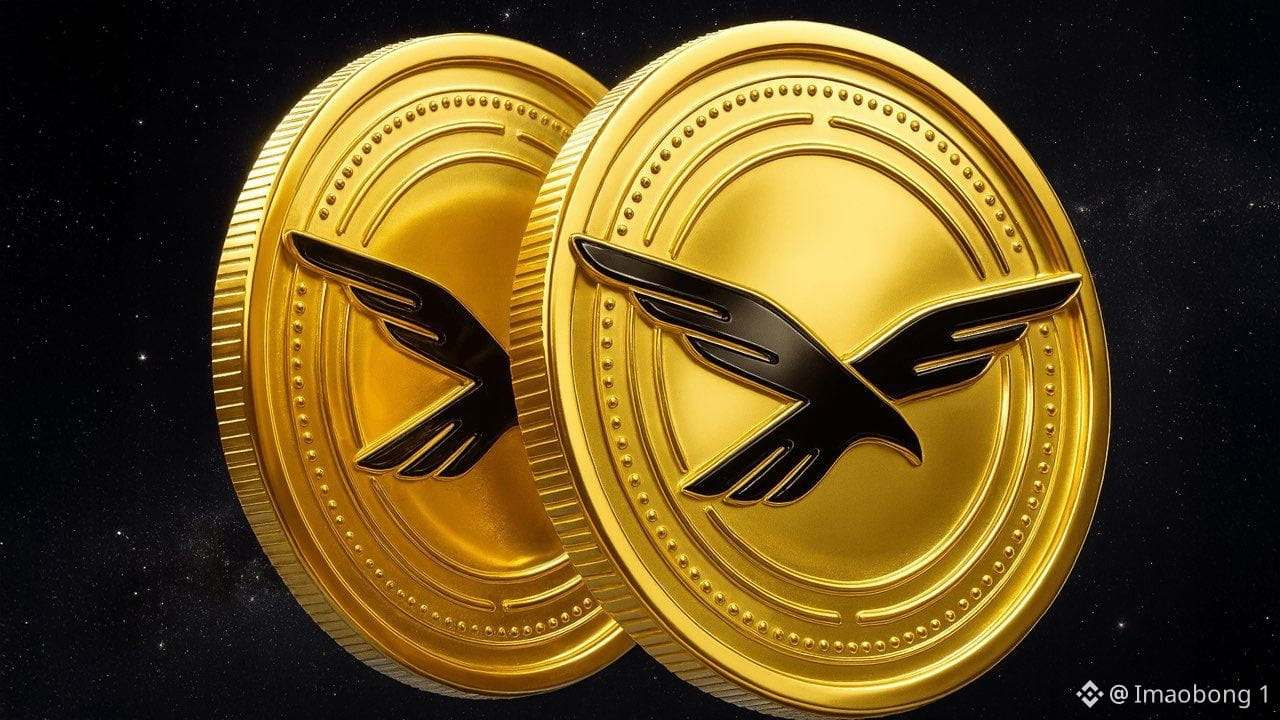
$WLFI
暗号通貨は本当に金融、政治、リアリティTVの一部になってしまいました。
今、ジャスティン・サンとワールド・リバティ・ファイナンシャル(WLFI)との間で、完全に法廷闘争が展開されています。これはトランプに関連するDeFiプロジェクトです。
WLFIはフロリダで名誉毀損訴訟を提起し、トロンの創設者がインフルエンサーやボット、偽のナarrティブを利用してプロジェクトを傷つけ、トークン価格を暴落させるキャンペーンを共謀していたと非難しています。
これは何も突然起こったことではありません。
緊張は、WLFIが昨年、サンのトークン数億枚を凍結した後に始まったと言われています。これは不正行為の主張に基づいています。サンは後に、自らの詐欺訴訟で反撃しました。
この時点で、これはもはや「暗号ツイッターのドラマ」ではありません…
名声、影響力、そして巨額のお金が絡む深刻な法廷闘争に発展しています。
さらに興味深いのは?
市場は即座に反応しました。
WLFIは訴訟のニュースが報じられた後、ほぼ12%も急騰したとのことです。
それだけで、暗号がいかにナarrティブ主導であるかを物語っています。
時には価格がファンダメンタルズよりも…
注目、ヘッドライン、そして公の認識に左右されることもあります。
正直なところ、こういった状況は暗号が単なる技術を超えて進化していることを思い出させてくれます。
政治、メディアの影響、法制度、そして主要なパーソナリティ間の権力闘争と深く結びついてきています。
BingXのようなプラットフォームは、これらのナarrティブがリアルタイムで展開されるのを簡単に見ることを可能にしますが、こういった瞬間は感情が一晩でどれほど予測不可能になるかを示しています。
この時点で、最大の疑問は誰が誰を最初に訴えたかではありません…
それは、塵が収まった時に誰がナarrティブをコントロールするのかということです。
#bingX #crypto #WLFI
$WLFI
暗号通貨は本当に金融、政治、リアリティTVの一部になってしまいました。
今、ジャスティン・サンとワールド・リバティ・ファイナンシャル(WLFI)との間で、完全に法廷闘争が展開されています。これはトランプに関連するDeFiプロジェクトです。
WLFIはフロリダで名誉毀損訴訟を提起し、トロンの創設者がインフルエンサーやボット、偽のナarrティブを利用してプロジェクトを傷つけ、トークン価格を暴落させるキャンペーンを共謀していたと非難しています。
これは何も突然起こったことではありません。
緊張は、WLFIが昨年、サンのトークン数億枚を凍結した後に始まったと言われています。これは不正行為の主張に基づいています。サンは後に、自らの詐欺訴訟で反撃しました。
この時点で、これはもはや「暗号ツイッターのドラマ」ではありません…
名声、影響力、そして巨額のお金が絡む深刻な法廷闘争に発展しています。
さらに興味深いのは?
市場は即座に反応しました。
WLFIは訴訟のニュースが報じられた後、ほぼ12%も急騰したとのことです。
それだけで、暗号がいかにナarrティブ主導であるかを物語っています。
時には価格がファンダメンタルズよりも…
注目、ヘッドライン、そして公の認識に左右されることもあります。
正直なところ、こういった状況は暗号が単なる技術を超えて進化していることを思い出させてくれます。
政治、メディアの影響、法制度、そして主要なパーソナリティ間の権力闘争と深く結びついてきています。
BingXのようなプラットフォームは、これらのナarrティブがリアルタイムで展開されるのを簡単に見ることを可能にしますが、こういった瞬間は感情が一晩でどれほど予測不可能になるかを示しています。
この時点で、最大の疑問は誰が誰を最初に訴えたかではありません…
それは、塵が収まった時に誰がナarrティブをコントロールするのかということです。
#bingX #crypto #WLFI
暗号通貨は本当に金融、政治、リアリティTVの一部になってしまいました。
今、ジャスティン・サンとワールド・リバティ・ファイナンシャル(WLFI)との間で、完全に法廷闘争が展開されています。これはトランプに関連するDeFiプロジェクトです。
WLFIはフロリダで名誉毀損訴訟を提起し、トロンの創設者がインフルエンサーやボット、偽のナarrティブを利用してプロジェクトを傷つけ、トークン価格を暴落させるキャンペーンを共謀していたと非難しています。
これは何も突然起こったことではありません。
緊張は、WLFIが昨年、サンのトークン数億枚を凍結した後に始まったと言われています。これは不正行為の主張に基づいています。サンは後に、自らの詐欺訴訟で反撃しました。
この時点で、これはもはや「暗号ツイッターのドラマ」ではありません…
名声、影響力、そして巨額のお金が絡む深刻な法廷闘争に発展しています。
さらに興味深いのは?
市場は即座に反応しました。
WLFIは訴訟のニュースが報じられた後、ほぼ12%も急騰したとのことです。
それだけで、暗号がいかにナarrティブ主導であるかを物語っています。
時には価格がファンダメンタルズよりも…
注目、ヘッドライン、そして公の認識に左右されることもあります。
正直なところ、こういった状況は暗号が単なる技術を超えて進化していることを思い出させてくれます。
政治、メディアの影響、法制度、そして主要なパーソナリティ間の権力闘争と深く結びついてきています。
BingXのようなプラットフォームは、これらのナarrティブがリアルタイムで展開されるのを簡単に見ることを可能にしますが、こういった瞬間は感情が一晩でどれほど予測不可能になるかを示しています。
この時点で、最大の疑問は誰が誰を最初に訴えたかではありません…
それは、塵が収まった時に誰がナarrティブをコントロールするのかということです。
#bingX #crypto #WLFI
60
·
--
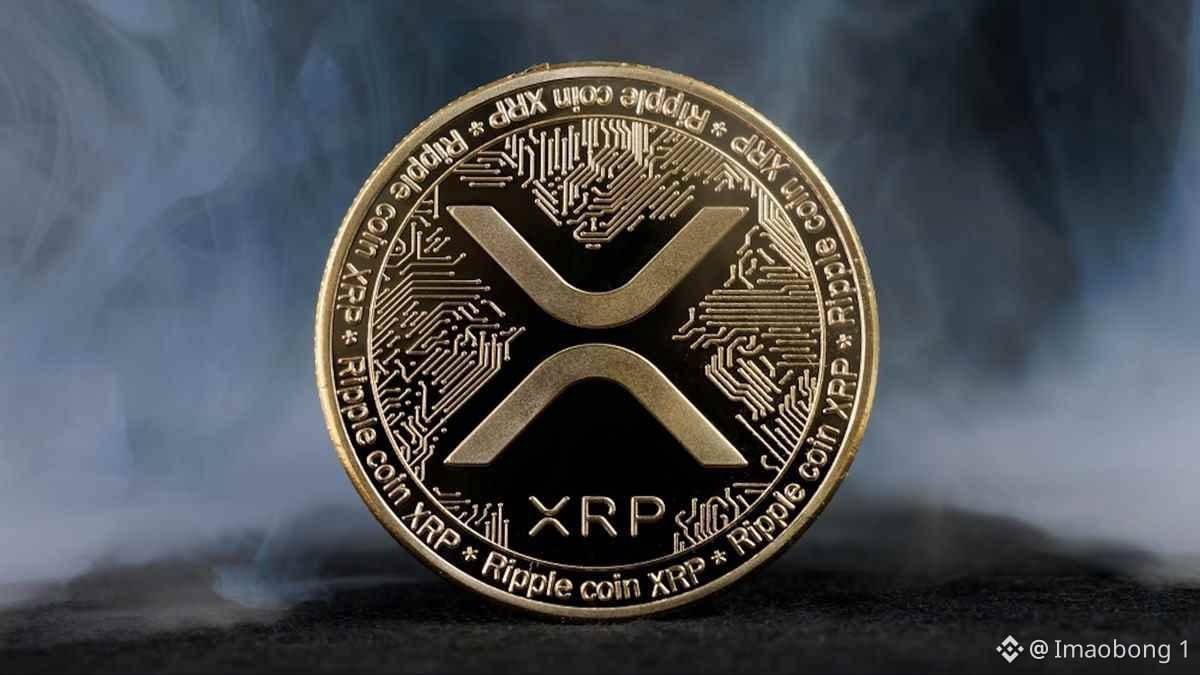
$XRP
デビッド・シュワルツが、暗号界の多くの人が密かに信じていることを言ったが、めったに声に出さないことを言った:
この市場はまだ一世代に一度の富の機会かもしれない。
正直なところ…XRPレジャーの創設に関わった人からそれを聞くのは特別な意味を持つ。
さらに興味深いのは、彼が大きなブレイクアウトの前に約$1.05でイーサリアムをショートしたことを認めたことだ。そのレベルから何千ドルにもなるETHを見守ることを想像してみてほしい。
それだけでも、この市場のタイミングがどれほど難しいかを示している — インサイダーでさえも。
しかし、彼は心の平穏のためにほとんどの暗号へのエクスポージャーを減らしたにもかかわらず、報告によればまだ100万XRP以上を保持している。
それは多くを語っている。
盲目的な楽観主義ではない。
「すぐに金持ちになる」エネルギーでもない。
ただ長期的な確信とリスク意識のミックスだ。
私はそのバランスが多くの人が暗号で見落としているものだと思う。
人々はどちらか:
• 感情的に全てを賭ける
• または恐れから完全に傍観する
その間に、最大のチャンスは通常、両方の上昇とリスクを理解している人々に属する。
私たちが認めようと認めまいと、暗号はまだ多くの分野で初期段階にある:
トークン化、グローバルな支払い、AI統合、予測市場、デジタルアイデンティティ、ステーブルコイン…
業界は「コインを買う」ことを超えて拡大し続けている。
今の大きな疑問は:
このサイクルは前のサイクルのように別の世代の富を創出するのだろうか?
多くの人が最大の利益はすでに消えたと思っている。
しかし、人々はビットコインが$1Kに達したときも同じことを言った…
次に$10K…
次に$50K。
歴史は暗号では完全に繰り返されない。
しかし、確実に韻を踏んでいる。
$XRP
デビッド・シュワルツが、暗号界の多くの人が密かに信じていることを言ったが、めったに声に出さないことを言った:
この市場はまだ一世代に一度の富の機会かもしれない。
正直なところ…XRPレジャーの創設に関わった人からそれを聞くのは特別な意味を持つ。
さらに興味深いのは、彼が大きなブレイクアウトの前に約$1.05でイーサリアムをショートしたことを認めたことだ。そのレベルから何千ドルにもなるETHを見守ることを想像してみてほしい。
それだけでも、この市場のタイミングがどれほど難しいかを示している — インサイダーでさえも。
しかし、彼は心の平穏のためにほとんどの暗号へのエクスポージャーを減らしたにもかかわらず、報告によればまだ100万XRP以上を保持している。
それは多くを語っている。
盲目的な楽観主義ではない。
「すぐに金持ちになる」エネルギーでもない。
ただ長期的な確信とリスク意識のミックスだ。
私はそのバランスが多くの人が暗号で見落としているものだと思う。
人々はどちらか:
• 感情的に全てを賭ける
• または恐れから完全に傍観する
その間に、最大のチャンスは通常、両方の上昇とリスクを理解している人々に属する。
私たちが認めようと認めまいと、暗号はまだ多くの分野で初期段階にある:
トークン化、グローバルな支払い、AI統合、予測市場、デジタルアイデンティティ、ステーブルコイン…
業界は「コインを買う」ことを超えて拡大し続けている。
今の大きな疑問は:
このサイクルは前のサイクルのように別の世代の富を創出するのだろうか?
多くの人が最大の利益はすでに消えたと思っている。
しかし、人々はビットコインが$1Kに達したときも同じことを言った…
次に$10K…
次に$50K。
歴史は暗号では完全に繰り返されない。
しかし、確実に韻を踏んでいる。
デビッド・シュワルツが、暗号界の多くの人が密かに信じていることを言ったが、めったに声に出さないことを言った:
この市場はまだ一世代に一度の富の機会かもしれない。
正直なところ…XRPレジャーの創設に関わった人からそれを聞くのは特別な意味を持つ。
さらに興味深いのは、彼が大きなブレイクアウトの前に約$1.05でイーサリアムをショートしたことを認めたことだ。そのレベルから何千ドルにもなるETHを見守ることを想像してみてほしい。
それだけでも、この市場のタイミングがどれほど難しいかを示している — インサイダーでさえも。
しかし、彼は心の平穏のためにほとんどの暗号へのエクスポージャーを減らしたにもかかわらず、報告によればまだ100万XRP以上を保持している。
それは多くを語っている。
盲目的な楽観主義ではない。
「すぐに金持ちになる」エネルギーでもない。
ただ長期的な確信とリスク意識のミックスだ。
私はそのバランスが多くの人が暗号で見落としているものだと思う。
人々はどちらか:
• 感情的に全てを賭ける
• または恐れから完全に傍観する
その間に、最大のチャンスは通常、両方の上昇とリスクを理解している人々に属する。
私たちが認めようと認めまいと、暗号はまだ多くの分野で初期段階にある:
トークン化、グローバルな支払い、AI統合、予測市場、デジタルアイデンティティ、ステーブルコイン…
業界は「コインを買う」ことを超えて拡大し続けている。
今の大きな疑問は:
このサイクルは前のサイクルのように別の世代の富を創出するのだろうか?
多くの人が最大の利益はすでに消えたと思っている。
しかし、人々はビットコインが$1Kに達したときも同じことを言った…
次に$10K…
次に$50K。
歴史は暗号では完全に繰り返されない。
しかし、確実に韻を踏んでいる。
79
·
--
$BTC
4月は2026年で見た中で最も強いシグナルの1つを届けてくれました。スポットビットコインETFは1か月で$2.44Bを引き寄せ、ETFの総資産は$100Bを超えました — これはリテールのハイプではなく、持続的な機関投資家のポジショニングです。
同時に、ビットコインは$78K付近で推移しており、Strategyのような大口ホルダーがまだ積極的に蓄積しているとの報告があります(現在の価格水準に近い平均コストで80万BTC以上)。そのようなポジショニングは通常、1つのことを示しています:彼らは短期的な転売を狙っているわけではありません。
また、マクロ的な視点も高まっています — 新しい連邦準備制度のリーダーシップがより速い利下げに傾く可能性があるとの期待です。これが実現すれば、流動性が増加し…歴史的に見て、それはBTCのようなリスク資産に有利に働く傾向があります。
一方で、いつものサイクル行動も見られます:
ビットコインとETFに資本が流入する一方で、ミームトークンのプレセール(例:Pepeto)などの投機的なプレイが再び注目を集めています — 高いAPY、大きな約束、そして「今後の上場」。
この対比は重要です。
一方は機関の確信。
もう一方は投機的なモメンタム。
両者は同じ市場に存在しますが、リスクのレベルは異なります。
今のところ、本当の質問は「BTCはブルなのか?」だけではありません。
それは賢いお金が実際にどこにポジショニングしているのか…そしてハイプがどこで再び忍び寄ってきているのかです。
$BTC
4月は2026年で見た中で最も強いシグナルの1つを届けてくれました。スポットビットコインETFは1か月で$2.44Bを引き寄せ、ETFの総資産は$100Bを超えました — これはリテールのハイプではなく、持続的な機関投資家のポジショニングです。
同時に、ビットコインは$78K付近で推移しており、Strategyのような大口ホルダーがまだ積極的に蓄積しているとの報告があります(現在の価格水準に近い平均コストで80万BTC以上)。そのようなポジショニングは通常、1つのことを示しています:彼らは短期的な転売を狙っているわけではありません。
また、マクロ的な視点も高まっています — 新しい連邦準備制度のリーダーシップがより速い利下げに傾く可能性があるとの期待です。これが実現すれば、流動性が増加し…歴史的に見て、それはBTCのようなリスク資産に有利に働く傾向があります。
一方で、いつものサイクル行動も見られます:
ビットコインとETFに資本が流入する一方で、ミームトークンのプレセール(例:Pepeto)などの投機的なプレイが再び注目を集めています — 高いAPY、大きな約束、そして「今後の上場」。
この対比は重要です。
一方は機関の確信。
もう一方は投機的なモメンタム。
両者は同じ市場に存在しますが、リスクのレベルは異なります。
今のところ、本当の質問は「BTCはブルなのか?」だけではありません。
それは賢いお金が実際にどこにポジショニングしているのか…そしてハイプがどこで再び忍び寄ってきているのかです。
4月は2026年で見た中で最も強いシグナルの1つを届けてくれました。スポットビットコインETFは1か月で$2.44Bを引き寄せ、ETFの総資産は$100Bを超えました — これはリテールのハイプではなく、持続的な機関投資家のポジショニングです。
同時に、ビットコインは$78K付近で推移しており、Strategyのような大口ホルダーがまだ積極的に蓄積しているとの報告があります(現在の価格水準に近い平均コストで80万BTC以上)。そのようなポジショニングは通常、1つのことを示しています:彼らは短期的な転売を狙っているわけではありません。
また、マクロ的な視点も高まっています — 新しい連邦準備制度のリーダーシップがより速い利下げに傾く可能性があるとの期待です。これが実現すれば、流動性が増加し…歴史的に見て、それはBTCのようなリスク資産に有利に働く傾向があります。
一方で、いつものサイクル行動も見られます:
ビットコインとETFに資本が流入する一方で、ミームトークンのプレセール(例:Pepeto)などの投機的なプレイが再び注目を集めています — 高いAPY、大きな約束、そして「今後の上場」。
この対比は重要です。
一方は機関の確信。
もう一方は投機的なモメンタム。
両者は同じ市場に存在しますが、リスクのレベルは異なります。
今のところ、本当の質問は「BTCはブルなのか?」だけではありません。
それは賢いお金が実際にどこにポジショニングしているのか…そしてハイプがどこで再び忍び寄ってきているのかです。
81
ログインして、さらにコンテンツを読む
厳選トピックで世界の暗号資産トレーダーの仲間入り
⚡️ 暗号資産に関する最新かつ有益な情報が見つかります。
💬 世界最大の暗号資産取引所から信頼されています。
👍 認証を受けたクリエイターから、有益なインサイトを得られます。
メール / 電話番号
トレンドトピック
BinanceLaunchesBinanceIntelligence
閲覧回数 430,542
3,165人が討論中
#BinanceLaunchesBinanceIntelligence
⚡ AIと暗号資産取引が融合:Binance Intelligenceが稼働開始!⚡
Binanceの新しいAIスイートで、取引が大きく進化しました:
1️⃣ Binance AI:パーソナライズされた市場ダッシュボードと、4時間ごとのマクロ市場音声ブリーフィング。
2️⃣ Binance AI Pro:自然な言葉で指示するだけで、自動売買戦略を構築・実行。
3️⃣ Binance Agent OS:自律型金融AIエージェント向けの開発者フレームワーク。
戦略を説明 ➔ ペーパーテスト ➔ 24時間365日実行。
AIを活用して、次の取引戦略を作っていますか?ぜひ下のコメント欄で教えてください!👇
#BinanceLaunchesBinanceIntelligence #BinanceSquare #CryptoAI #Trading $EDEN
Hazi BNB
·いいね:1件
·閲覧回数 954
BitcoinTargets2026OpenAt$87570
閲覧回数 2,721
81人が討論中
BitcoinRejectedAt$87KThirdTime
閲覧回数 2,627
66人が討論中