
Aylin 美玲
359 投稿

Aylin 美玲
報告
ユーザーをブロック
Square creator | Web3 | blockchain & DeFi explorer | and NFT | enthusiast shaping the future of digital innovation
225 フォロー
1.0K+ フォロワー
207 いいね
投稿
すべて
引用
動画
ライブ
PINNED
·
--
ブリッシュ
$DUSK 121.2 USDT(30日間の取引)
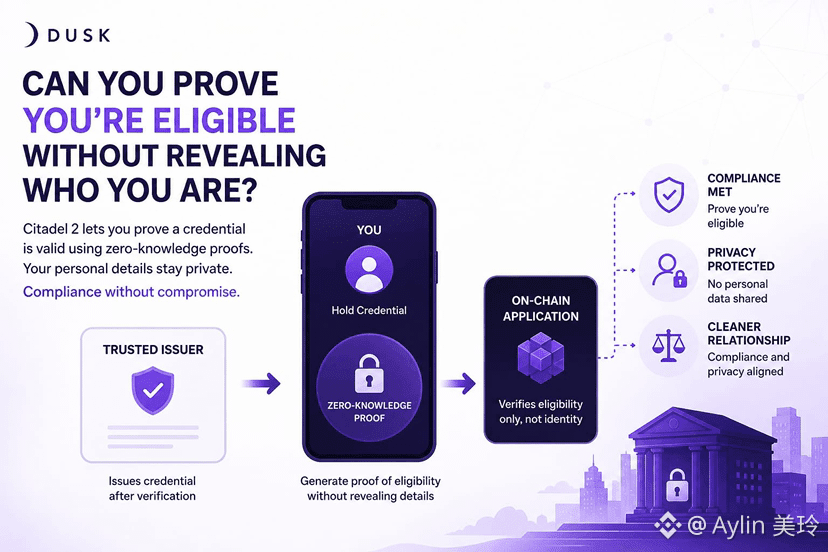
自分が有資格者であることを証明できますか?でも、あなたが誰かは明かさずに?
規制のある金融の一部では、ブロックチェーンが少しやりにくくしてしまう領域があります。つまり、「あなたが何かを行う権限を持っている」ことを証明しつつ、自己についてのすべてをさらけ出さないことです。シタデル2は別のアプローチを取ります。
利用者は、信頼できる提供者が発行した資格情報(クレデンシャル)を保有し、その後、その資格情報が有効であることを示すゼロ知識証明を生成できます。実際の個人情報や、使用する特定の資格情報がオンチェーン上で公開される必要はありません。
私は、こうした仕組みのほうが、別のプライバシー機能の発表よりも興味深いと思います。
たとえば、必要なチェックに合格したことを相手に知ってもらう必要があるアプリを想像してください。でも、そのアプリが台帳にあなたの完全な身元を保持する現実的な理由はありません。
それこそが、コンプライアンスとプライバシーのよりすっきりした関係です。
難しいのは、いまのところ導入(採用)です。
実際の金融ワークフローで使われ始めたとき、機関は本当にこの方法で適格性を証明することを好むのでしょうか?
#dusk $DUSK @Dusk_Foundation $EDEN $ONG
{future}(ONGUSDT)
{future}(EDENUSDT)
自分が有資格者であることを証明できますか?でも、あなたが誰かは明かさずに?
規制のある金融の一部では、ブロックチェーンが少しやりにくくしてしまう領域があります。つまり、「あなたが何かを行う権限を持っている」ことを証明しつつ、自己についてのすべてをさらけ出さないことです。シタデル2は別のアプローチを取ります。
利用者は、信頼できる提供者が発行した資格情報(クレデンシャル)を保有し、その後、その資格情報が有効であることを示すゼロ知識証明を生成できます。実際の個人情報や、使用する特定の資格情報がオンチェーン上で公開される必要はありません。
私は、こうした仕組みのほうが、別のプライバシー機能の発表よりも興味深いと思います。
たとえば、必要なチェックに合格したことを相手に知ってもらう必要があるアプリを想像してください。でも、そのアプリが台帳にあなたの完全な身元を保持する現実的な理由はありません。
それこそが、コンプライアンスとプライバシーのよりすっきりした関係です。
難しいのは、いまのところ導入(採用)です。
実際の金融ワークフローで使われ始めたとき、機関は本当にこの方法で適格性を証明することを好むのでしょうか?
#dusk $DUSK @Dusk $EDEN $ONG
規制のある金融の一部では、ブロックチェーンが少しやりにくくしてしまう領域があります。つまり、「あなたが何かを行う権限を持っている」ことを証明しつつ、自己についてのすべてをさらけ出さないことです。シタデル2は別のアプローチを取ります。
利用者は、信頼できる提供者が発行した資格情報(クレデンシャル)を保有し、その後、その資格情報が有効であることを示すゼロ知識証明を生成できます。実際の個人情報や、使用する特定の資格情報がオンチェーン上で公開される必要はありません。
私は、こうした仕組みのほうが、別のプライバシー機能の発表よりも興味深いと思います。
たとえば、必要なチェックに合格したことを相手に知ってもらう必要があるアプリを想像してください。でも、そのアプリが台帳にあなたの完全な身元を保持する現実的な理由はありません。
それこそが、コンプライアンスとプライバシーのよりすっきりした関係です。
難しいのは、いまのところ導入(採用)です。
実際の金融ワークフローで使われ始めたとき、機関は本当にこの方法で適格性を証明することを好むのでしょうか?
#dusk $DUSK @Dusk $EDEN $ONG
1
1
1
289
PINNED
·
--
ブリッシュ
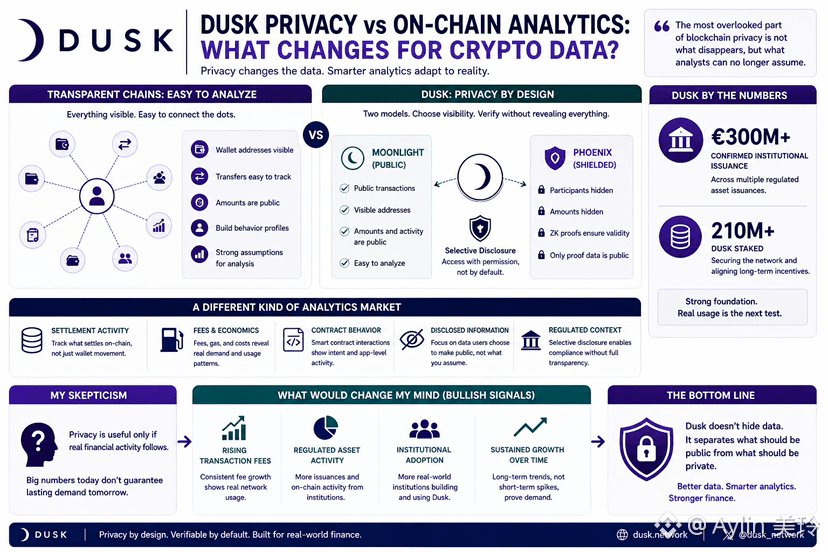
黄昏のプライバシー対 オンチェーン分析。暗号データは何が変わる?
ブロックチェーンのプライバシーで最も見落とされがちな点は、「何が消えるのか」ではなく、「アナリストがもはや前提にできなくなること」です。透明なチェーンでは、ウォレットアドレス、送金、金額が、市場分析の生データになり得ます。Duskは、Moonlightの公開トランザクションとPhoenixの秘匿トランスファーによって、そのモデルを分離します。参加者や送金された価値は隠したままにでき、同時に暗号学的データによる検証は可能です。
これにより、別種の分析市場が生まれます。すべてのウォレット移動を追跡するのではなく、研究者は、決済の活動、手数料、コントラクトの振る舞い、そしてユーザーが意図的に開示した情報により注目する必要が出てくるかもしれません。Duskの現在のアーキテクチャは、プライバシーを完全な不可視として扱うのではなく、公的取引と機密取引のモデルを選択的開示と組み合わせています。
私の懐疑的な見方はシンプルです。プライバシーは、実際の金融活動がそれに続く場合にのみ有用です。Duskは現在、確認済みの機関による発行が€3億(3,000万ではなく€300 million)超、また2100万DUSK以上がステークされていると報告していますが、これらの数字だけでは、需要が持続することは証明できません。
取引手数料、規制された資産の活動、そして独立した機関利用が同時に伸び続けるなら、より強気になれるでしょう。利用が薄いままなら、プライバシーだけでは私を納得させられません。
#dusk @Dusk_Foundation $DUSK $ONG $HOLO
{future}(DUSKUSDT)
{future}(HOLOUSDT)
{future}(ONGUSDT)
黄昏のプライバシー対 オンチェーン分析。暗号データは何が変わる?
ブロックチェーンのプライバシーで最も見落とされがちな点は、「何が消えるのか」ではなく、「アナリストがもはや前提にできなくなること」です。透明なチェーンでは、ウォレットアドレス、送金、金額が、市場分析の生データになり得ます。Duskは、Moonlightの公開トランザクションとPhoenixの秘匿トランスファーによって、そのモデルを分離します。参加者や送金された価値は隠したままにでき、同時に暗号学的データによる検証は可能です。
これにより、別種の分析市場が生まれます。すべてのウォレット移動を追跡するのではなく、研究者は、決済の活動、手数料、コントラクトの振る舞い、そしてユーザーが意図的に開示した情報により注目する必要が出てくるかもしれません。Duskの現在のアーキテクチャは、プライバシーを完全な不可視として扱うのではなく、公的取引と機密取引のモデルを選択的開示と組み合わせています。
私の懐疑的な見方はシンプルです。プライバシーは、実際の金融活動がそれに続く場合にのみ有用です。Duskは現在、確認済みの機関による発行が€3億(3,000万ではなく€300 million)超、また2100万DUSK以上がステークされていると報告していますが、これらの数字だけでは、需要が持続することは証明できません。
取引手数料、規制された資産の活動、そして独立した機関利用が同時に伸び続けるなら、より強気になれるでしょう。利用が薄いままなら、プライバシーだけでは私を納得させられません。
#dusk @Dusk $DUSK $ONG $HOLO
ブロックチェーンのプライバシーで最も見落とされがちな点は、「何が消えるのか」ではなく、「アナリストがもはや前提にできなくなること」です。透明なチェーンでは、ウォレットアドレス、送金、金額が、市場分析の生データになり得ます。Duskは、Moonlightの公開トランザクションとPhoenixの秘匿トランスファーによって、そのモデルを分離します。参加者や送金された価値は隠したままにでき、同時に暗号学的データによる検証は可能です。
これにより、別種の分析市場が生まれます。すべてのウォレット移動を追跡するのではなく、研究者は、決済の活動、手数料、コントラクトの振る舞い、そしてユーザーが意図的に開示した情報により注目する必要が出てくるかもしれません。Duskの現在のアーキテクチャは、プライバシーを完全な不可視として扱うのではなく、公的取引と機密取引のモデルを選択的開示と組み合わせています。
私の懐疑的な見方はシンプルです。プライバシーは、実際の金融活動がそれに続く場合にのみ有用です。Duskは現在、確認済みの機関による発行が€3億(3,000万ではなく€300 million)超、また2100万DUSK以上がステークされていると報告していますが、これらの数字だけでは、需要が持続することは証明できません。
取引手数料、規制された資産の活動、そして独立した機関利用が同時に伸び続けるなら、より強気になれるでしょう。利用が薄いままなら、プライバシーだけでは私を納得させられません。
#dusk @Dusk $DUSK $ONG $HOLO
204
·
--
ブリッシュ
Aylin 美玲
·
--
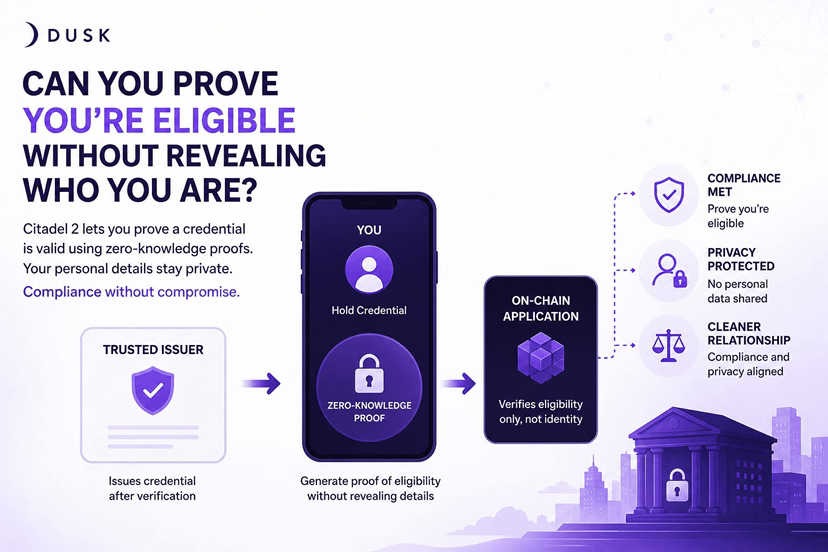
ブリッシュ自分が有資格者であることを証明できますか?でも、あなたが誰かは明かさずに?
規制のある金融の一部では、ブロックチェーンが少しやりにくくしてしまう領域があります。つまり、「あなたが何かを行う権限を持っている」ことを証明しつつ、自己についてのすべてをさらけ出さないことです。シタデル2は別のアプローチを取ります。
利用者は、信頼できる提供者が発行した資格情報(クレデンシャル)を保有し、その後、その資格情報が有効であることを示すゼロ知識証明を生成できます。実際の個人情報や、使用する特定の資格情報がオンチェーン上で公開される必要はありません。
私は、こうした仕組みのほうが、別のプライバシー機能の発表よりも興味深いと思います。
たとえば、必要なチェックに合格したことを相手に知ってもらう必要があるアプリを想像してください。でも、そのアプリが台帳にあなたの完全な身元を保持する現実的な理由はありません。
それこそが、コンプライアンスとプライバシーのよりすっきりした関係です。
難しいのは、いまのところ導入(採用)です。
実際の金融ワークフローで使われ始めたとき、機関は本当にこの方法で適格性を証明することを好むのでしょうか?
#dusk $DUSK @Dusk $EDEN $ONG
規制のある金融の一部では、ブロックチェーンが少しやりにくくしてしまう領域があります。つまり、「あなたが何かを行う権限を持っている」ことを証明しつつ、自己についてのすべてをさらけ出さないことです。シタデル2は別のアプローチを取ります。
利用者は、信頼できる提供者が発行した資格情報(クレデンシャル)を保有し、その後、その資格情報が有効であることを示すゼロ知識証明を生成できます。実際の個人情報や、使用する特定の資格情報がオンチェーン上で公開される必要はありません。
私は、こうした仕組みのほうが、別のプライバシー機能の発表よりも興味深いと思います。
たとえば、必要なチェックに合格したことを相手に知ってもらう必要があるアプリを想像してください。でも、そのアプリが台帳にあなたの完全な身元を保持する現実的な理由はありません。
それこそが、コンプライアンスとプライバシーのよりすっきりした関係です。
難しいのは、いまのところ導入(採用)です。
実際の金融ワークフローで使われ始めたとき、機関は本当にこの方法で適格性を証明することを好むのでしょうか?
#dusk $DUSK @Dusk $EDEN $ONG
1
75
·
--
ブリッシュ
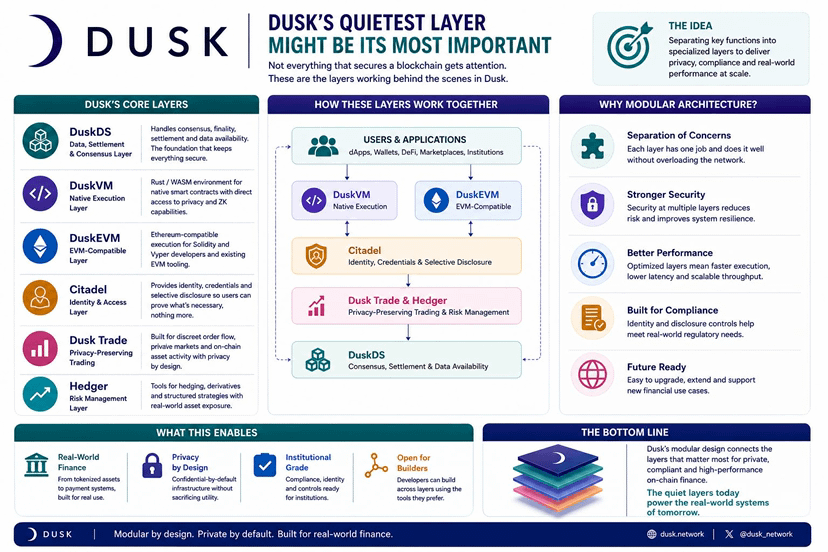
#dusk @Dusk_Foundation 最も静かなレイヤーこそ、最も重要かもしれない。
多くの人はブロックチェーンを見るとき、見えるものから始めます。
ウォレット。アプリ。トークン。取引。
私はもっと下の階層を見始めました。
Duskは、巨大な1つの実行レイヤーではなく、モジュール式のシステムとして設計されています。DuskDSはコンセンサス、決済、データ可用性を担当します。DuskVMはL1上でRust/WASMのコントラクトを直接実行し、DuskEVMはEthereum互換の実行環境を提供します。Citadelはアイデンティティと、選択的開示のプリミティブを追加します。
しかし、それだけでは最も分かりやすい見出しになりません。
でも、そこからDuskがどのように設計されているかが見えてきます。
すべてを1つのレイヤーに押し込めるのではなく、役割ごとに分けているんです。
要件が複雑な場合、とりわけ決済、実行、アイデンティティ、そしてプライバシーが必ずしも同じニーズを持たない、金融アプリケーションでは有用になり得ます。
もちろん、モジュール構成が自動的に優れているわけではありません。うまく連携して動く必要のある可動部が増えるだけでもあります。
だから、私はそこを見ます。
どのコンポーネントが注目を集めるかではありません。
Duskを実際の用途で使うとき、こうした“より静かな”部品たちが本当にうまく一緒に機能するかどうかを見ます。
$DUSK $PROM $TUT
{future}(DUSKUSDT)
{future}(TUTUSDT)
{future}(PROMUSDT)
#dusk @Dusk 最も静かなレイヤーこそ、最も重要かもしれない。
多くの人はブロックチェーンを見るとき、見えるものから始めます。
ウォレット。アプリ。トークン。取引。
私はもっと下の階層を見始めました。
Duskは、巨大な1つの実行レイヤーではなく、モジュール式のシステムとして設計されています。DuskDSはコンセンサス、決済、データ可用性を担当します。DuskVMはL1上でRust/WASMのコントラクトを直接実行し、DuskEVMはEthereum互換の実行環境を提供します。Citadelはアイデンティティと、選択的開示のプリミティブを追加します。
しかし、それだけでは最も分かりやすい見出しになりません。
でも、そこからDuskがどのように設計されているかが見えてきます。
すべてを1つのレイヤーに押し込めるのではなく、役割ごとに分けているんです。
要件が複雑な場合、とりわけ決済、実行、アイデンティティ、そしてプライバシーが必ずしも同じニーズを持たない、金融アプリケーションでは有用になり得ます。
もちろん、モジュール構成が自動的に優れているわけではありません。うまく連携して動く必要のある可動部が増えるだけでもあります。
だから、私はそこを見ます。
どのコンポーネントが注目を集めるかではありません。
Duskを実際の用途で使うとき、こうした“より静かな”部品たちが本当にうまく一緒に機能するかどうかを見ます。
$DUSK $PROM $TUT
多くの人はブロックチェーンを見るとき、見えるものから始めます。
ウォレット。アプリ。トークン。取引。
私はもっと下の階層を見始めました。
Duskは、巨大な1つの実行レイヤーではなく、モジュール式のシステムとして設計されています。DuskDSはコンセンサス、決済、データ可用性を担当します。DuskVMはL1上でRust/WASMのコントラクトを直接実行し、DuskEVMはEthereum互換の実行環境を提供します。Citadelはアイデンティティと、選択的開示のプリミティブを追加します。
しかし、それだけでは最も分かりやすい見出しになりません。
でも、そこからDuskがどのように設計されているかが見えてきます。
すべてを1つのレイヤーに押し込めるのではなく、役割ごとに分けているんです。
要件が複雑な場合、とりわけ決済、実行、アイデンティティ、そしてプライバシーが必ずしも同じニーズを持たない、金融アプリケーションでは有用になり得ます。
もちろん、モジュール構成が自動的に優れているわけではありません。うまく連携して動く必要のある可動部が増えるだけでもあります。
だから、私はそこを見ます。
どのコンポーネントが注目を集めるかではありません。
Duskを実際の用途で使うとき、こうした“より静かな”部品たちが本当にうまく一緒に機能するかどうかを見ます。
$DUSK $PROM $TUT
1
150
·
--
ブリッシュ
🚨 米国–カナダの通商協議が急展開…
取引はほぼ手の届くところまで来たように見えたのに…そしてすべてが崩れ去った。👀
🇺🇸 報道によると、米国はカナダ製品約200億ドル相当への50%関税を先に進めたとされます。
🇨🇦 カナダは、9月8日から「ドル・フォー・ドル」の対抗措置で対応する用意があるとしています。
これは政治的な見出しにとどまらないかもしれません:
📈 輸入コストの上昇
🛒 新たなインフレ圧力
🏭 サプライチェーンの不確実性
💰 リスク資産全体での変動の増大
そして、ここからが暗号資産的に面白いところです。👇
貿易摩擦が激化すると、市場は瞬く間に「リスクオン」から「リスクオフ」に切り替わることがあります。ビットコインやアルトコインは、投資家が世界の成長、インフレ、流動性を見直す中で、急反応する可能性があります。
🔥 貿易戦争2.0か、それとも一時的な市場ノイズか?
今後の数手は、BTCと暗号資産全体の市場にとって重要になり得ます。
👀 もう一つの大規模な関税バトルに向かうのか——それとも市場が単にショックを吸収するのか?
#USCanadaTradeTalksCollapseCanadaVowsRetaliation #CryptoNews #Write2Earn
$BTC
$TRUMP
$SANTOS
{future}(TRUMPUSDT)
{future}(BTCUSDT)
{future}(SANTOSUSDT)
🚨 米国–カナダの通商協議が急展開…
取引はほぼ手の届くところまで来たように見えたのに…そしてすべてが崩れ去った。👀
🇺🇸 報道によると、米国はカナダ製品約200億ドル相当への50%関税を先に進めたとされます。
🇨🇦 カナダは、9月8日から「ドル・フォー・ドル」の対抗措置で対応する用意があるとしています。
これは政治的な見出しにとどまらないかもしれません:
📈 輸入コストの上昇
🛒 新たなインフレ圧力
🏭 サプライチェーンの不確実性
💰 リスク資産全体での変動の増大
そして、ここからが暗号資産的に面白いところです。👇
貿易摩擦が激化すると、市場は瞬く間に「リスクオン」から「リスクオフ」に切り替わることがあります。ビットコインやアルトコインは、投資家が世界の成長、インフレ、流動性を見直す中で、急反応する可能性があります。
🔥 貿易戦争2.0か、それとも一時的な市場ノイズか?
今後の数手は、BTCと暗号資産全体の市場にとって重要になり得ます。
👀 もう一つの大規模な関税バトルに向かうのか——それとも市場が単にショックを吸収するのか?
#USCanadaTradeTalksCollapseCanadaVowsRetaliation #CryptoNews #Write2Earn
$BTC
$TRUMP
$SANTOS
取引はほぼ手の届くところまで来たように見えたのに…そしてすべてが崩れ去った。👀
🇺🇸 報道によると、米国はカナダ製品約200億ドル相当への50%関税を先に進めたとされます。
🇨🇦 カナダは、9月8日から「ドル・フォー・ドル」の対抗措置で対応する用意があるとしています。
これは政治的な見出しにとどまらないかもしれません:
📈 輸入コストの上昇
🛒 新たなインフレ圧力
🏭 サプライチェーンの不確実性
💰 リスク資産全体での変動の増大
そして、ここからが暗号資産的に面白いところです。👇
貿易摩擦が激化すると、市場は瞬く間に「リスクオン」から「リスクオフ」に切り替わることがあります。ビットコインやアルトコインは、投資家が世界の成長、インフレ、流動性を見直す中で、急反応する可能性があります。
🔥 貿易戦争2.0か、それとも一時的な市場ノイズか?
今後の数手は、BTCと暗号資産全体の市場にとって重要になり得ます。
👀 もう一つの大規模な関税バトルに向かうのか——それとも市場が単にショックを吸収するのか?
#USCanadaTradeTalksCollapseCanadaVowsRetaliation #CryptoNews #Write2Earn
$BTC
$TRUMP
$SANTOS
410
·
--
ブリッシュ
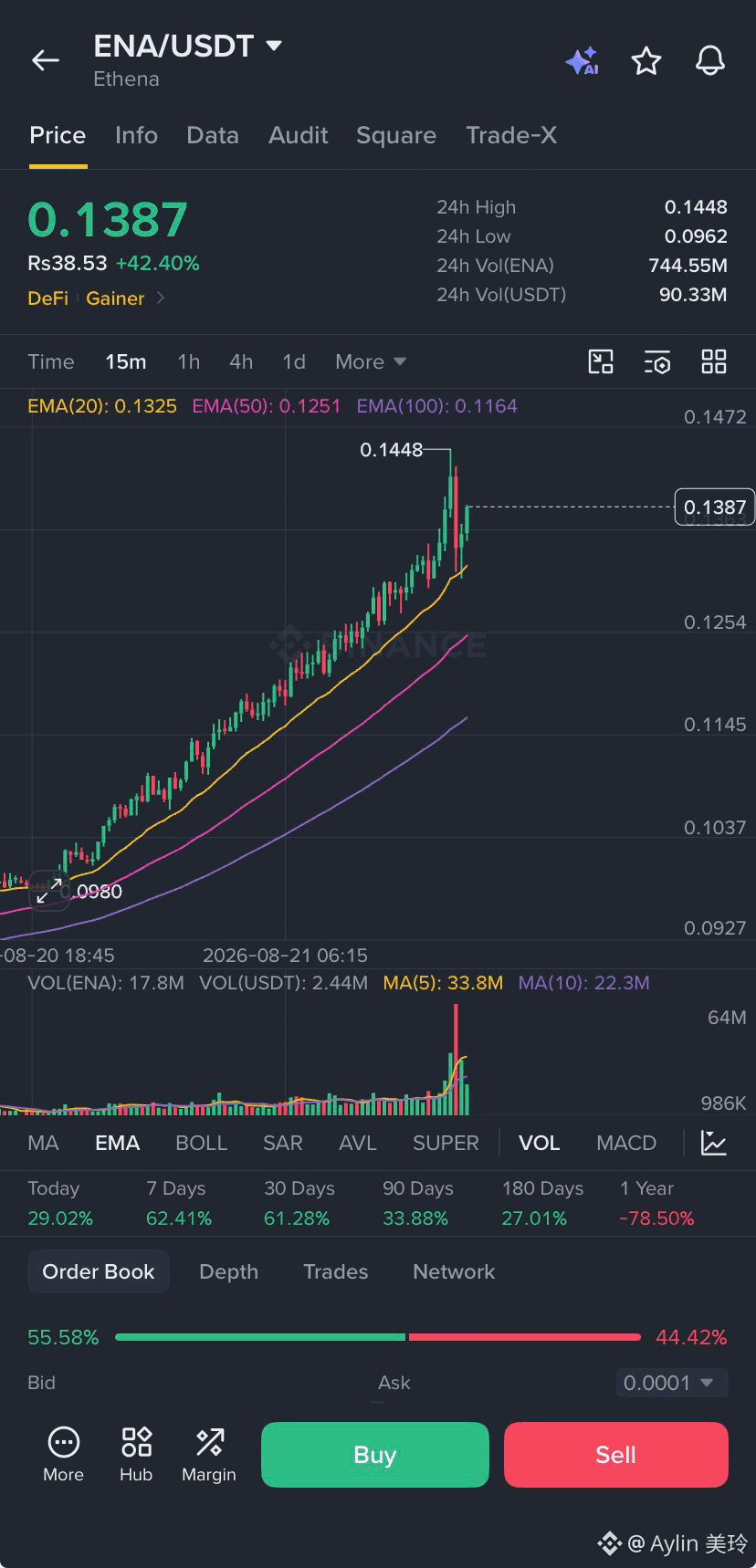
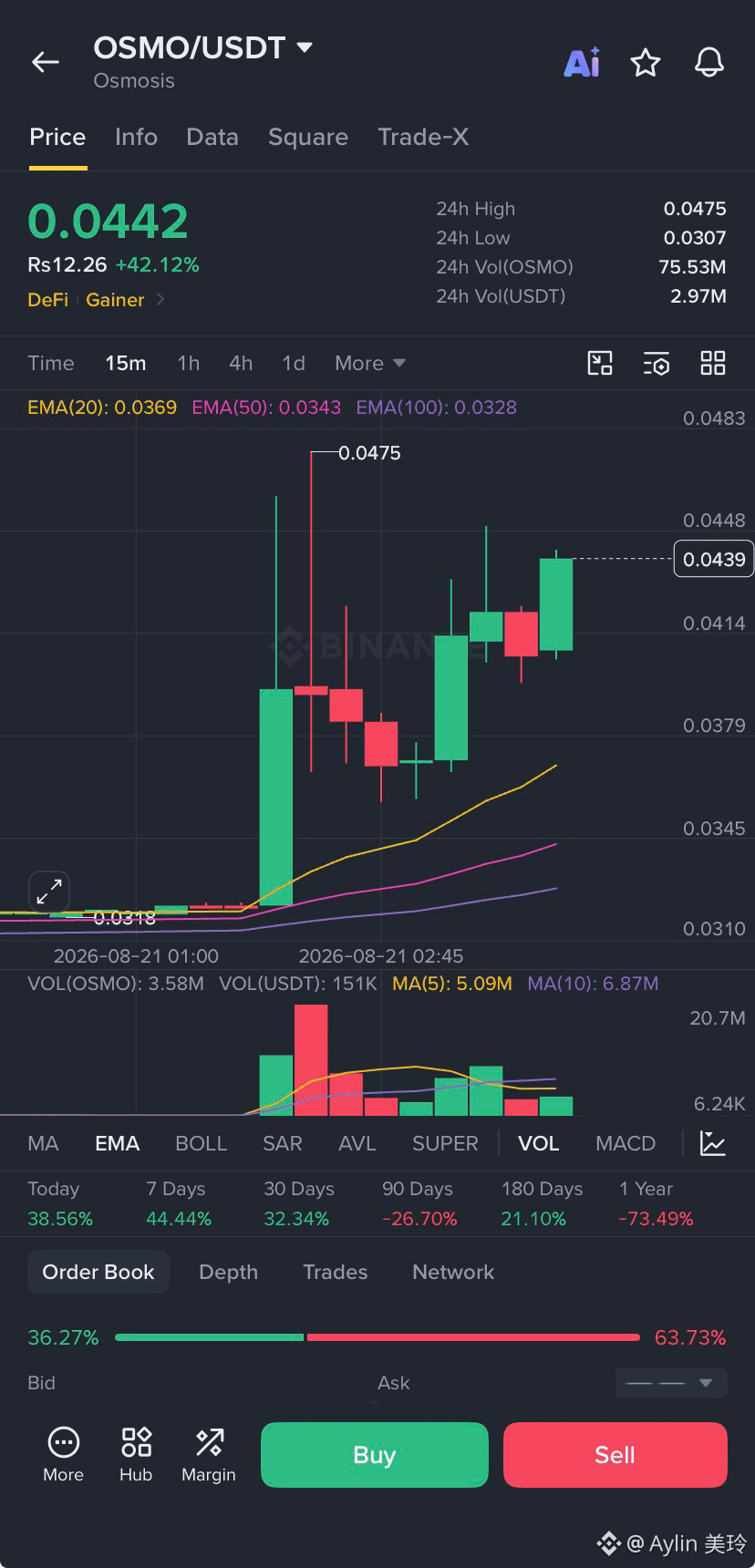
🚨 暗号資産の勢いが加速しているが、より大きな話は特定の1トークンだけではない。
同時に複数の銘柄で強い買い圧力が見られている:
🔥 $TUT +51%
⚡ $ZRO +24%
🚀 $ENA +23%
💥 PUMP +23%
📈 UAI +18%
🟢 STX +16%
🔥 FF +14%
複数のセクターが一緒に動き始めると、市場全体でのより広い「リスクオン」ムードを示すことがある。
ただし覚えておいてほしいのは、急激なポンプには急な利益確定も付き物だということ。今後数セッションの動きは、すでに出たローソク足以上に重要になる。
👀 PUMP と ENA は、出来高と勢いが高い状態を維持できるかを見ておく価値がある——グリーンのローソク足が次の上昇を保証するからではない。
グリーン相場はワクワクする。
でも、スマートなエントリー、ポジション調整、そして忍耐がさらに重要だ。📊
煽りではなく、セットアップを取引しよう。⚠️
{future}(ZROUSDT)
{future}(ENAUSDT)
{future}(TUTUSDT)
🚨 暗号資産の勢いが加速しているが、より大きな話は特定の1トークンだけではない。
同時に複数の銘柄で強い買い圧力が見られている:
🔥 $TUT +51%
⚡ $ZRO +24%
🚀 $ENA +23%
💥 PUMP +23%
📈 UAI +18%
🟢 STX +16%
🔥 FF +14%
複数のセクターが一緒に動き始めると、市場全体でのより広い「リスクオン」ムードを示すことがある。
ただし覚えておいてほしいのは、急激なポンプには急な利益確定も付き物だということ。今後数セッションの動きは、すでに出たローソク足以上に重要になる。
👀 PUMP と ENA は、出来高と勢いが高い状態を維持できるかを見ておく価値がある——グリーンのローソク足が次の上昇を保証するからではない。
グリーン相場はワクワクする。
でも、スマートなエントリー、ポジション調整、そして忍耐がさらに重要だ。📊
煽りではなく、セットアップを取引しよう。⚠️
同時に複数の銘柄で強い買い圧力が見られている:
🔥 $TUT +51%
⚡ $ZRO +24%
🚀 $ENA +23%
💥 PUMP +23%
📈 UAI +18%
🟢 STX +16%
🔥 FF +14%
複数のセクターが一緒に動き始めると、市場全体でのより広い「リスクオン」ムードを示すことがある。
ただし覚えておいてほしいのは、急激なポンプには急な利益確定も付き物だということ。今後数セッションの動きは、すでに出たローソク足以上に重要になる。
👀 PUMP と ENA は、出来高と勢いが高い状態を維持できるかを見ておく価値がある——グリーンのローソク足が次の上昇を保証するからではない。
グリーン相場はワクワクする。
でも、スマートなエントリー、ポジション調整、そして忍耐がさらに重要だ。📊
煽りではなく、セットアップを取引しよう。⚠️
Tut
17%
Zro
4%
Ena
79%
24 投票 • 投票は終了しました
1k
·
--
ブリッシュ
確認済み
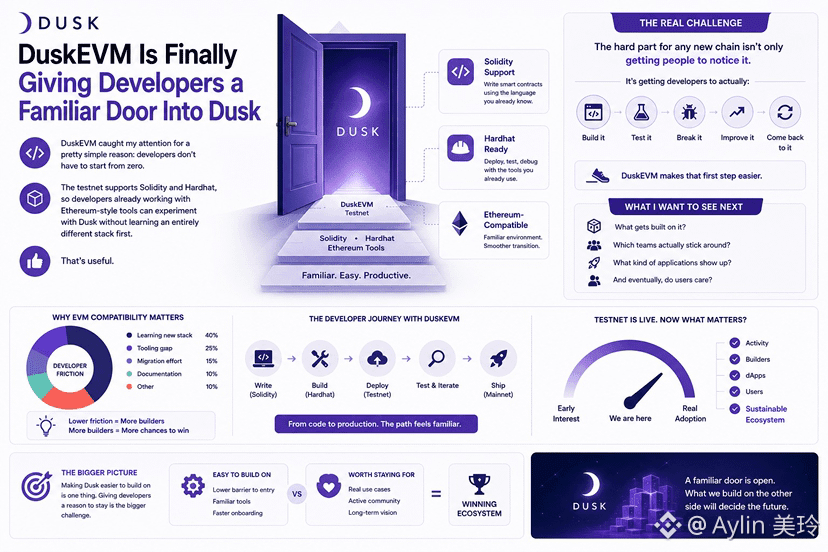
@Dusk_Foundation DuskEVM はついに、開発者にとって馴染みのある「入り口」を Dusk に提供し始めました。
DuskEVM が私の目を引いた理由は、いたってシンプルです。開発者はゼロから始める必要がないのです。
テストネットは Solidity と Hardhat に対応しているので、すでに Ethereum スタイルのツールを使っている開発者は、最初からまったく別の開発スタックを学ばずに、Dusk を試せます。
それは大きな利点です。
新しいチェーンで一番大変なのは、注目を集めることだけではありません。実際に何かを作り、テストし、壊し、改善し、そのうえでまた戻ってきてもらうことです。
DuskEVM は、その最初の一歩をより簡単にします。
ただし、テストネットが稼働したからといって仕事が終わったとは言いません。
これから何が作られるのかを見たいのです。
実際に残り続けるのはどのチームでしょうか?
どんなアプリケーションが登場するのでしょうか?
そして、最終的にユーザーはそれを気にするのでしょうか?
Dusk で作りやすくすることは一つのことです。開発者が留まり続ける理由を与えることが、より大きな課題です。
$DUSK #dusk $TUT $ZEC
@Dusk DuskEVM はついに、開発者にとって馴染みのある「入り口」を Dusk に提供し始めました。
DuskEVM が私の目を引いた理由は、いたってシンプルです。開発者はゼロから始める必要がないのです。
テストネットは Solidity と Hardhat に対応しているので、すでに Ethereum スタイルのツールを使っている開発者は、最初からまったく別の開発スタックを学ばずに、Dusk を試せます。
それは大きな利点です。
新しいチェーンで一番大変なのは、注目を集めることだけではありません。実際に何かを作り、テストし、壊し、改善し、そのうえでまた戻ってきてもらうことです。
DuskEVM は、その最初の一歩をより簡単にします。
ただし、テストネットが稼働したからといって仕事が終わったとは言いません。
これから何が作られるのかを見たいのです。
実際に残り続けるのはどのチームでしょうか?
どんなアプリケーションが登場するのでしょうか?
そして、最終的にユーザーはそれを気にするのでしょうか?
Dusk で作りやすくすることは一つのことです。開発者が留まり続ける理由を与えることが、より大きな課題です。
$DUSK #dusk $TUT $ZEC
DuskEVM が私の目を引いた理由は、いたってシンプルです。開発者はゼロから始める必要がないのです。
テストネットは Solidity と Hardhat に対応しているので、すでに Ethereum スタイルのツールを使っている開発者は、最初からまったく別の開発スタックを学ばずに、Dusk を試せます。
それは大きな利点です。
新しいチェーンで一番大変なのは、注目を集めることだけではありません。実際に何かを作り、テストし、壊し、改善し、そのうえでまた戻ってきてもらうことです。
DuskEVM は、その最初の一歩をより簡単にします。
ただし、テストネットが稼働したからといって仕事が終わったとは言いません。
これから何が作られるのかを見たいのです。
実際に残り続けるのはどのチームでしょうか?
どんなアプリケーションが登場するのでしょうか?
そして、最終的にユーザーはそれを気にするのでしょうか?
Dusk で作りやすくすることは一つのことです。開発者が留まり続ける理由を与えることが、より大きな課題です。
$DUSK #dusk $TUT $ZEC
5
2
585
·
--
ブリッシュ
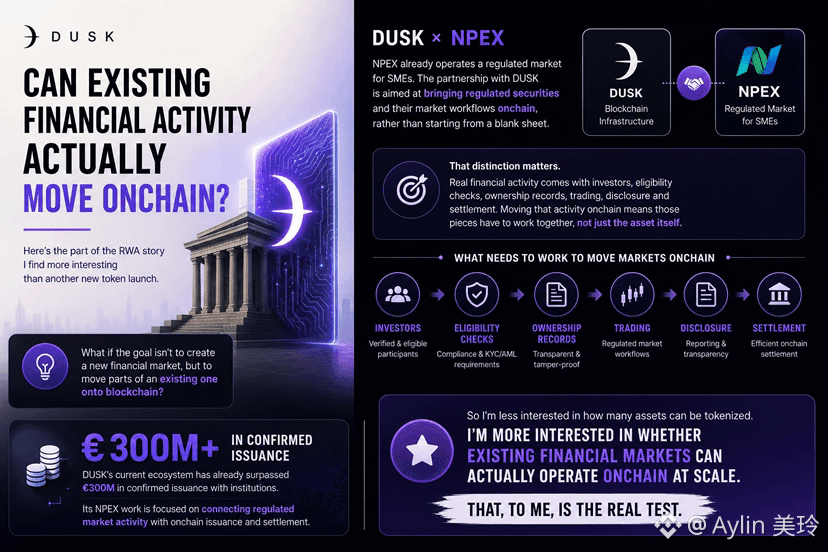
既存の金融活動は本当にオンチェーンへ移行できるのか?
RWA(現実資産)の物語の中で、私は新しいトークン発行よりもこの部分のほうが興味深いと思います。
目標が新しい金融市場を作ることではなく、既存の市場の一部をブロックチェーンに移すことであるならどうでしょうか?
そこで、DUSKがNPEXと取り組んでいることが面白くなります。
NPEXはすでに中小企業(SME)のための規制された市場を運営しています。DUSKとの提携は、新たに白紙から始めるのではなく、規制された有価証券とその市場のワークフローをオンチェーンへ持ち込むことを目指しています。
この違いは重要です。
実際の金融活動には、投資家、適格性の確認、所有権の記録、取引、開示、そして決済が伴います。そうした活動をオンチェーンへ移すということは、そのパーツが資産そのものだけでなく互いに連携して機能する必要があるということです。
DUSKは、現在のエコシステムが機関投資家との「確定発行」で既に3億ユーロ超に到達していると述べています。一方で、NPEXの取り組みは、規制された市場での活動を、オンチェーンでの発行および決済につなぐことに焦点を当てています。
だから私は、トークン化できる資産の数にあまり関心がありません。
関心があるのは、既存の金融市場が本当に大規模にオンチェーン上で運営できるかどうかです。
それこそが、私にとっての本当の試験です。
#dusk @Dusk_Foundation $DUSK $TRUMP
{future}(TRUMPUSDT)
{future}(DUSKUSDT)
既存の金融活動は本当にオンチェーンへ移行できるのか?
RWA(現実資産)の物語の中で、私は新しいトークン発行よりもこの部分のほうが興味深いと思います。
目標が新しい金融市場を作ることではなく、既存の市場の一部をブロックチェーンに移すことであるならどうでしょうか?
そこで、DUSKがNPEXと取り組んでいることが面白くなります。
NPEXはすでに中小企業(SME)のための規制された市場を運営しています。DUSKとの提携は、新たに白紙から始めるのではなく、規制された有価証券とその市場のワークフローをオンチェーンへ持ち込むことを目指しています。
この違いは重要です。
実際の金融活動には、投資家、適格性の確認、所有権の記録、取引、開示、そして決済が伴います。そうした活動をオンチェーンへ移すということは、そのパーツが資産そのものだけでなく互いに連携して機能する必要があるということです。
DUSKは、現在のエコシステムが機関投資家との「確定発行」で既に3億ユーロ超に到達していると述べています。一方で、NPEXの取り組みは、規制された市場での活動を、オンチェーンでの発行および決済につなぐことに焦点を当てています。
だから私は、トークン化できる資産の数にあまり関心がありません。
関心があるのは、既存の金融市場が本当に大規模にオンチェーン上で運営できるかどうかです。
それこそが、私にとっての本当の試験です。
#dusk @Dusk $DUSK $TRUMP
RWA(現実資産)の物語の中で、私は新しいトークン発行よりもこの部分のほうが興味深いと思います。
目標が新しい金融市場を作ることではなく、既存の市場の一部をブロックチェーンに移すことであるならどうでしょうか?
そこで、DUSKがNPEXと取り組んでいることが面白くなります。
NPEXはすでに中小企業(SME)のための規制された市場を運営しています。DUSKとの提携は、新たに白紙から始めるのではなく、規制された有価証券とその市場のワークフローをオンチェーンへ持ち込むことを目指しています。
この違いは重要です。
実際の金融活動には、投資家、適格性の確認、所有権の記録、取引、開示、そして決済が伴います。そうした活動をオンチェーンへ移すということは、そのパーツが資産そのものだけでなく互いに連携して機能する必要があるということです。
DUSKは、現在のエコシステムが機関投資家との「確定発行」で既に3億ユーロ超に到達していると述べています。一方で、NPEXの取り組みは、規制された市場での活動を、オンチェーンでの発行および決済につなぐことに焦点を当てています。
だから私は、トークン化できる資産の数にあまり関心がありません。
関心があるのは、既存の金融市場が本当に大規模にオンチェーン上で運営できるかどうかです。
それこそが、私にとっての本当の試験です。
#dusk @Dusk $DUSK $TRUMP
179
·
--
ブリッシュ
#GoldReboundsNearly5%
金が急上昇中です。🔥📈
金はたった5日で+4.7%跳ね上がり、約$4,588/ozまで急伸——トレーダーたちが注視しています。
ドル安、米国債の懸念の高まり、そして安全資産への資金シフトが、このブレイクアウトを後押ししています。さらにUBSが$5,400を見ていることで、強気派は明らかに引いていません。
トレーダーの実践手順 👇
1️⃣ 縦に伸びる強烈な緑の足にFOMOしない。
2️⃣ マクロ転換のサインとしてDXYと米国債利回りを監視。
3️⃣ ビットコイン& $PAXG も要チェック——金の上昇が続くなら、デジタルゴールドが勢いを掴む可能性があります。
🚀 金のブレイクアウトか、それとも急騰の天井か?
波に乗っていますか?それとも押し目を待っていますか?
※投資助言ではありません。自己調査(DYOR)を。
$PAXG
{future}(PAXGUSDT)
#GoldReboundsNearly5%
金が急上昇中です。🔥📈
金はたった5日で+4.7%跳ね上がり、約$4,588/ozまで急伸——トレーダーたちが注視しています。
ドル安、米国債の懸念の高まり、そして安全資産への資金シフトが、このブレイクアウトを後押ししています。さらにUBSが$5,400を見ていることで、強気派は明らかに引いていません。
トレーダーの実践手順 👇
1️⃣ 縦に伸びる強烈な緑の足にFOMOしない。
2️⃣ マクロ転換のサインとしてDXYと米国債利回りを監視。
3️⃣ ビットコイン& $PAXG も要チェック——金の上昇が続くなら、デジタルゴールドが勢いを掴む可能性があります。
🚀 金のブレイクアウトか、それとも急騰の天井か?
波に乗っていますか?それとも押し目を待っていますか?
※投資助言ではありません。自己調査(DYOR)を。
$PAXG
金が急上昇中です。🔥📈
金はたった5日で+4.7%跳ね上がり、約$4,588/ozまで急伸——トレーダーたちが注視しています。
ドル安、米国債の懸念の高まり、そして安全資産への資金シフトが、このブレイクアウトを後押ししています。さらにUBSが$5,400を見ていることで、強気派は明らかに引いていません。
トレーダーの実践手順 👇
1️⃣ 縦に伸びる強烈な緑の足にFOMOしない。
2️⃣ マクロ転換のサインとしてDXYと米国債利回りを監視。
3️⃣ ビットコイン& $PAXG も要チェック——金の上昇が続くなら、デジタルゴールドが勢いを掴む可能性があります。
🚀 金のブレイクアウトか、それとも急騰の天井か?
波に乗っていますか?それとも押し目を待っていますか?
※投資助言ではありません。自己調査(DYOR)を。
$PAXG

161
·
--
ブリッシュ
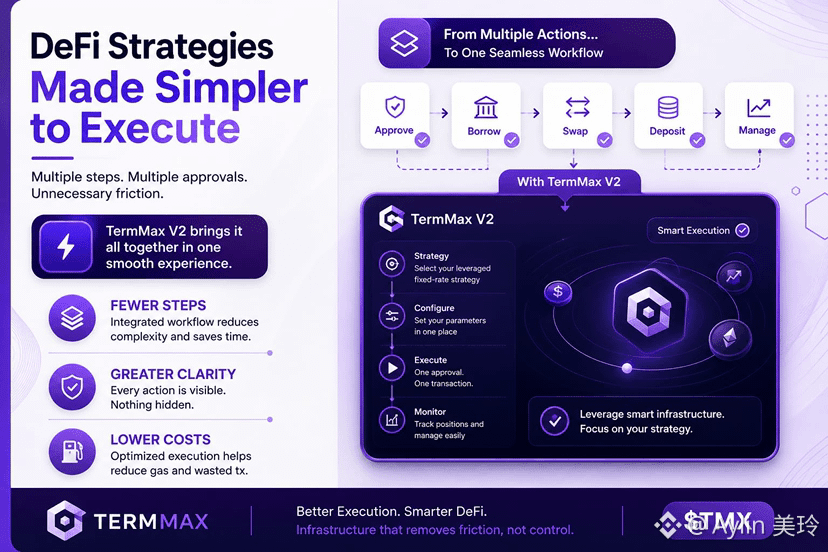
DeFiは強力になり得ますが、時にはユーザー体験のせいでシンプルな戦略が不必要に複雑に感じられることがあります。
資産の承認、借り入れ、スワップ、再度の入金が必要になり、その間に複数の取引を把握し続ける必要も出てきます。手順が増えるほど、時間がかかり、ガスも増え、さらに何かがうまくいかない可能性が生まれます。
だからこそ、@termmax V2の実行面に注目しました。
そのアーキテクチャは、レバレッジ戦略のための複数のアクションを、より連携されたワークフローとしてまとめます。面白い点は、単にクリック数を減らすことだけではありません。背後のアクションをユーザーに見える形に保ちながら、プロセスを追いやすくすることです。
もちろん、よりシンプルな実行があれば戦略が無リスクになるわけではありません。レバレッジには、やはり慎重なリスク管理が必要です。
しかし、より良いインフラは不必要な摩擦を減らすべきで、増やしてはいけません。
DeFiがより多くの人に使いやすくなるなら、実行の設計が、今日よく評価されている以上に重要になると思います。
#TermMax $ENA
{future}(ENAUSDT)
DeFiは強力になり得ますが、時にはユーザー体験のせいでシンプルな戦略が不必要に複雑に感じられることがあります。
資産の承認、借り入れ、スワップ、再度の入金が必要になり、その間に複数の取引を把握し続ける必要も出てきます。手順が増えるほど、時間がかかり、ガスも増え、さらに何かがうまくいかない可能性が生まれます。
だからこそ、@TermMax V2の実行面に注目しました。
そのアーキテクチャは、レバレッジ戦略のための複数のアクションを、より連携されたワークフローとしてまとめます。面白い点は、単にクリック数を減らすことだけではありません。背後のアクションをユーザーに見える形に保ちながら、プロセスを追いやすくすることです。
もちろん、よりシンプルな実行があれば戦略が無リスクになるわけではありません。レバレッジには、やはり慎重なリスク管理が必要です。
しかし、より良いインフラは不必要な摩擦を減らすべきで、増やしてはいけません。
DeFiがより多くの人に使いやすくなるなら、実行の設計が、今日よく評価されている以上に重要になると思います。
#TermMax $ENA
資産の承認、借り入れ、スワップ、再度の入金が必要になり、その間に複数の取引を把握し続ける必要も出てきます。手順が増えるほど、時間がかかり、ガスも増え、さらに何かがうまくいかない可能性が生まれます。
だからこそ、@TermMax V2の実行面に注目しました。
そのアーキテクチャは、レバレッジ戦略のための複数のアクションを、より連携されたワークフローとしてまとめます。面白い点は、単にクリック数を減らすことだけではありません。背後のアクションをユーザーに見える形に保ちながら、プロセスを追いやすくすることです。
もちろん、よりシンプルな実行があれば戦略が無リスクになるわけではありません。レバレッジには、やはり慎重なリスク管理が必要です。
しかし、より良いインフラは不必要な摩擦を減らすべきで、増やしてはいけません。
DeFiがより多くの人に使いやすくなるなら、実行の設計が、今日よく評価されている以上に重要になると思います。
#TermMax $ENA
90
·
--
ブリッシュ
なぜ、1つのチェーンで理論上は実行と決済の両方を担えるのに、金融ブロックチェーンは実行(execution)と決済(settlement)を分離する必要があるのか、ずっと考え続けています。その答えは「制御(control)」です。
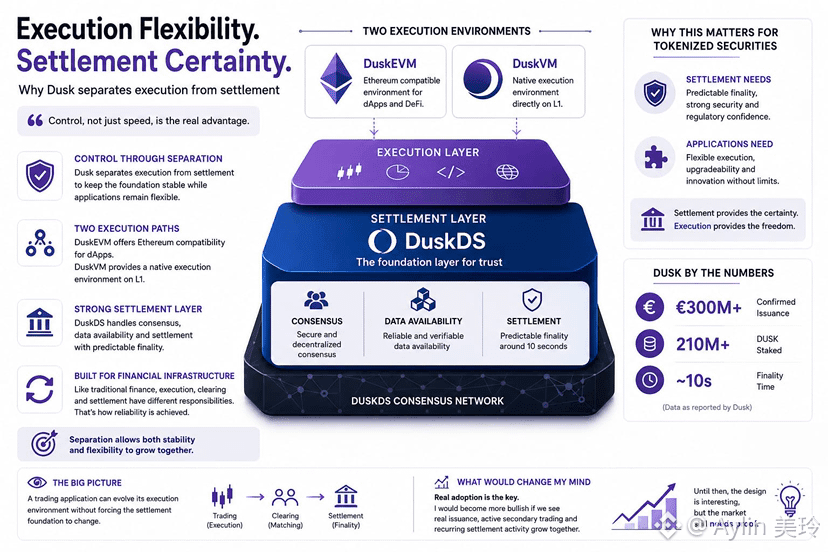
Duskのアーキテクチャでは、実行処理に関わるデータ可用性やコンセンサス、決済を担う下層としてDuskDSを配置し、アプリケーション向けのEthereum互換環境を提供するのがDuskEVMです。さらにDuskVMは、L1上で直接別の実行経路を提供します。
重要なのは、スピードだけではないと思います。専門化(specialization)です。取引アプリケーションは、決済の基盤をそれに合わせて変更させることなく、自らの実行環境を切り替えられます。これは、取引の清算(trading clearing)と決済(settlement)が別の責任を持つ、従来の金融インフラに似ています。
これはトークン化された証券において特に意味を持ちうるでしょう。決済には予測可能なファイナリティが必要ですが、アプリケーションには柔軟性が必要だからです。Duskは現在、確認済みの発行が€300M超、ファイナリティは約10秒で、ステークされているDUSKは約210Mだと報告しています。
それでも、アーキテクチャは採用に直結しません。本当に発行済みトークンの二次取引や、継続的な決済活動が、共に伸びてくるなら、私はさらに強気になれるでしょう。それまでは、この設計は興味深いものの、市場にはまだ証明が必要です。
#dusk @Dusk_Foundation $DUSK $BB
{future}(DUSKUSDT)
{future}(BBUSDT)
なぜ、1つのチェーンで理論上は実行と決済の両方を担えるのに、金融ブロックチェーンは実行(execution)と決済(settlement)を分離する必要があるのか、ずっと考え続けています。その答えは「制御(control)」です。
Duskのアーキテクチャでは、実行処理に関わるデータ可用性やコンセンサス、決済を担う下層としてDuskDSを配置し、アプリケーション向けのEthereum互換環境を提供するのがDuskEVMです。さらにDuskVMは、L1上で直接別の実行経路を提供します。
重要なのは、スピードだけではないと思います。専門化(specialization)です。取引アプリケーションは、決済の基盤をそれに合わせて変更させることなく、自らの実行環境を切り替えられます。これは、取引の清算(trading clearing)と決済(settlement)が別の責任を持つ、従来の金融インフラに似ています。
これはトークン化された証券において特に意味を持ちうるでしょう。決済には予測可能なファイナリティが必要ですが、アプリケーションには柔軟性が必要だからです。Duskは現在、確認済みの発行が€300M超、ファイナリティは約10秒で、ステークされているDUSKは約210Mだと報告しています。
それでも、アーキテクチャは採用に直結しません。本当に発行済みトークンの二次取引や、継続的な決済活動が、共に伸びてくるなら、私はさらに強気になれるでしょう。それまでは、この設計は興味深いものの、市場にはまだ証明が必要です。
#dusk @Dusk $DUSK $BB
Duskのアーキテクチャでは、実行処理に関わるデータ可用性やコンセンサス、決済を担う下層としてDuskDSを配置し、アプリケーション向けのEthereum互換環境を提供するのがDuskEVMです。さらにDuskVMは、L1上で直接別の実行経路を提供します。
重要なのは、スピードだけではないと思います。専門化(specialization)です。取引アプリケーションは、決済の基盤をそれに合わせて変更させることなく、自らの実行環境を切り替えられます。これは、取引の清算(trading clearing)と決済(settlement)が別の責任を持つ、従来の金融インフラに似ています。
これはトークン化された証券において特に意味を持ちうるでしょう。決済には予測可能なファイナリティが必要ですが、アプリケーションには柔軟性が必要だからです。Duskは現在、確認済みの発行が€300M超、ファイナリティは約10秒で、ステークされているDUSKは約210Mだと報告しています。
それでも、アーキテクチャは採用に直結しません。本当に発行済みトークンの二次取引や、継続的な決済活動が、共に伸びてくるなら、私はさらに強気になれるでしょう。それまでは、この設計は興味深いものの、市場にはまだ証明が必要です。
#dusk @Dusk $DUSK $BB
2
2
177
·
--
ブリッシュ
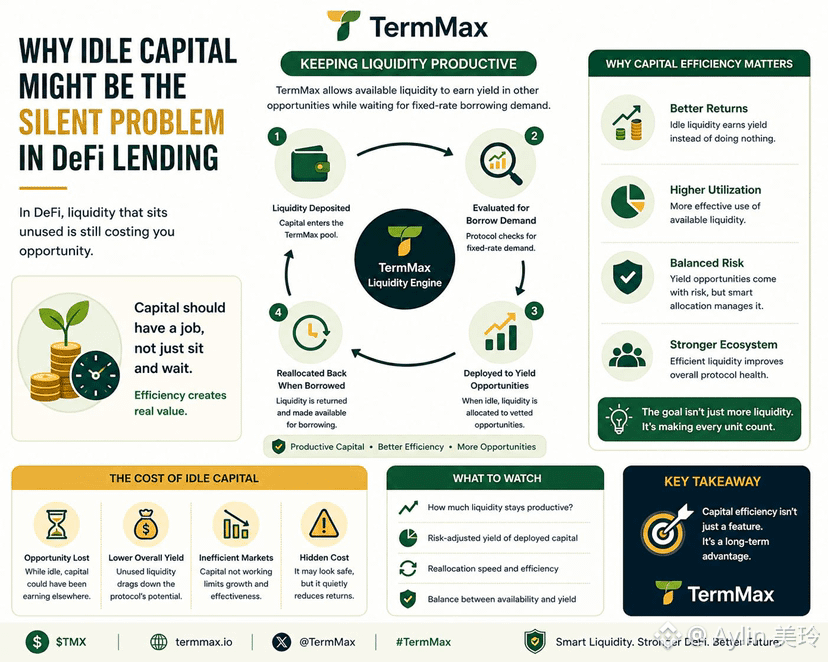
注目されていないかもしれないDeFiの課題があります:誰もそれを使っていないとき、流動性はどうなるのか?
傍観されている資金は無害に見えるかもしれませんが、貸し手の観点では、使われていない流動性は依然として機会コストになります。
だからこそ、@termmax の資本効率の側面に注目する価値があると感じています。その設計により、プロトコルが固定金利の借入需要を待っている間でも、利用可能な流動性が他の利回り機会と連携できるようになっています。
ここでの大きな考え方はかなりシンプルです。理想的には、流動性には仕事があるべきだということです。
もちろん、資金を別の戦略に移すことには独自のリスクも伴うため、効率性はリスク管理を犠牲にしてまで追求すべきではありません。しかし、単なる「預けて待つ」モデルを超えて考えるプロトコルを見るのは好ましいことです。
TermMax が、利回り・利用可能性・リスクのバランスを健全に保ちながら流動性を生産的に維持できるなら、それは長期的な価値提案の重要な一部になり得ます。
私にとって興味深い指標は、単にどれだけの流動性がプロトコルに流入するかだけではありません。実際にその流動性がどれほど効率よく使われているかです。
$RE @termmax #TermMax
{future}(REUSDT)
注目されていないかもしれないDeFiの課題があります:誰もそれを使っていないとき、流動性はどうなるのか?
傍観されている資金は無害に見えるかもしれませんが、貸し手の観点では、使われていない流動性は依然として機会コストになります。
だからこそ、@TermMax の資本効率の側面に注目する価値があると感じています。その設計により、プロトコルが固定金利の借入需要を待っている間でも、利用可能な流動性が他の利回り機会と連携できるようになっています。
ここでの大きな考え方はかなりシンプルです。理想的には、流動性には仕事があるべきだということです。
もちろん、資金を別の戦略に移すことには独自のリスクも伴うため、効率性はリスク管理を犠牲にしてまで追求すべきではありません。しかし、単なる「預けて待つ」モデルを超えて考えるプロトコルを見るのは好ましいことです。
TermMax が、利回り・利用可能性・リスクのバランスを健全に保ちながら流動性を生産的に維持できるなら、それは長期的な価値提案の重要な一部になり得ます。
私にとって興味深い指標は、単にどれだけの流動性がプロトコルに流入するかだけではありません。実際にその流動性がどれほど効率よく使われているかです。
$RE @TermMax #TermMax
傍観されている資金は無害に見えるかもしれませんが、貸し手の観点では、使われていない流動性は依然として機会コストになります。
だからこそ、@TermMax の資本効率の側面に注目する価値があると感じています。その設計により、プロトコルが固定金利の借入需要を待っている間でも、利用可能な流動性が他の利回り機会と連携できるようになっています。
ここでの大きな考え方はかなりシンプルです。理想的には、流動性には仕事があるべきだということです。
もちろん、資金を別の戦略に移すことには独自のリスクも伴うため、効率性はリスク管理を犠牲にしてまで追求すべきではありません。しかし、単なる「預けて待つ」モデルを超えて考えるプロトコルを見るのは好ましいことです。
TermMax が、利回り・利用可能性・リスクのバランスを健全に保ちながら流動性を生産的に維持できるなら、それは長期的な価値提案の重要な一部になり得ます。
私にとって興味深い指標は、単にどれだけの流動性がプロトコルに流入するかだけではありません。実際にその流動性がどれほど効率よく使われているかです。
$RE @TermMax #TermMax
7
7
229
·
--
ブリッシュ
ああもう…バイナンスに取引しに来たのに、どういうわけか$RE & $TRUMP があのポンプで注目をさらってしまった😂🔥
取引が一気にプラスになって、DUSKのことをすっかり忘れてた😭💰
で、いまは研究と考えを持って@Dusk_Foundation に戻ってきたよ。🐕🚀
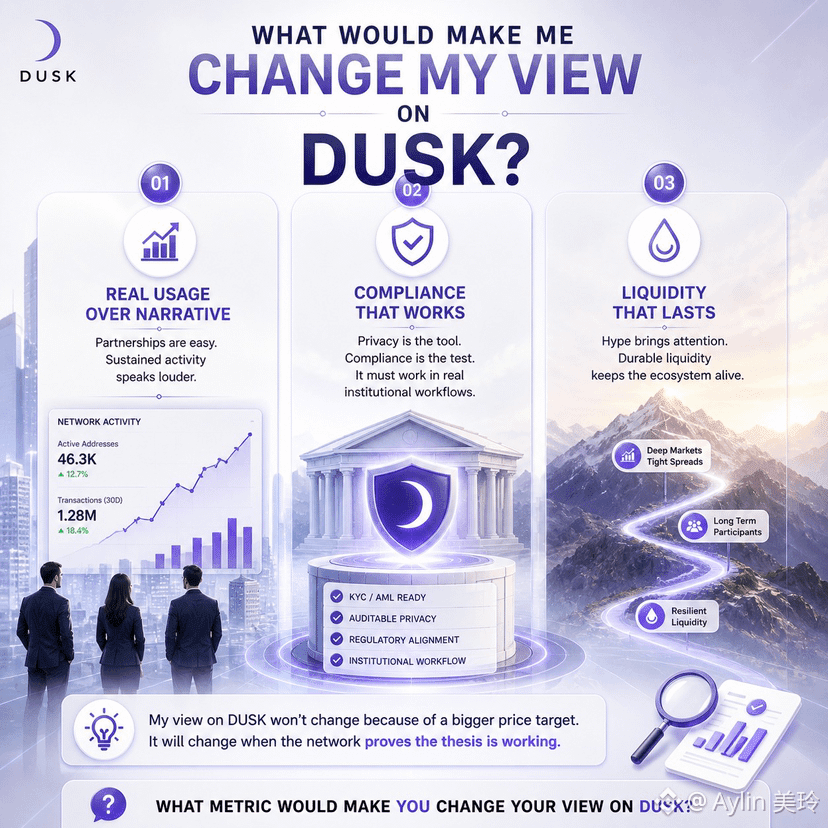
DUSKの見方を変えるとしたら、何が起きるとき?
強気になるのは、全部が有望に見えている時は簡単。
でも難しいのは、「考え直す」原因になり得る証拠を決めること。
DUSKについては、3つを見る。
まず、ナラティブよりも実際の利用実績。提携や発表は面白いけど、継続的な活動こそが、もっと多くのことを教えてくれる。
次に、コンプライアンスが“理論”ではなく“実用”になるか。DUSKは規制された金融市場を目指しているから、本当のテストは、プライバシーとコンプライアンスの仕組みが実際の機関の業務フローで機能するかどうか。
そして3つ目は、流動性が“持続する”か。トークンはキャンペーン中に注目を集められるけど、長く続く流動性には、留まる理由のある参加者が必要。
これらは、どれも一晩で起きない。
だからこそ、毎回の強気見出しに反応するより、測定可能な進捗を追いたい。
誰かがより大きい価格目標を投稿しても、DUSKの見方は変わらない。
その理屈が機能しているという“根拠”が、基盤となるネットワークから出てきたら変わる。
#dusk $DUSK
{future}(DUSKUSDT)
DUSKの見方を変えるとしたら、どんな指標を見たい?
ああもう…バイナンスに取引しに来たのに、どういうわけか$RE & $TRUMP があのポンプで注目をさらってしまった😂🔥
取引が一気にプラスになって、DUSKのことをすっかり忘れてた😭💰
で、いまは研究と考えを持って@Dusk に戻ってきたよ。🐕🚀
DUSKの見方を変えるとしたら、何が起きるとき?
強気になるのは、全部が有望に見えている時は簡単。
でも難しいのは、「考え直す」原因になり得る証拠を決めること。
DUSKについては、3つを見る。
まず、ナラティブよりも実際の利用実績。提携や発表は面白いけど、継続的な活動こそが、もっと多くのことを教えてくれる。
次に、コンプライアンスが“理論”ではなく“実用”になるか。DUSKは規制された金融市場を目指しているから、本当のテストは、プライバシーとコンプライアンスの仕組みが実際の機関の業務フローで機能するかどうか。
そして3つ目は、流動性が“持続する”か。トークンはキャンペーン中に注目を集められるけど、長く続く流動性には、留まる理由のある参加者が必要。
これらは、どれも一晩で起きない。
だからこそ、毎回の強気見出しに反応するより、測定可能な進捗を追いたい。
誰かがより大きい価格目標を投稿しても、DUSKの見方は変わらない。
その理屈が機能しているという“根拠”が、基盤となるネットワークから出てきたら変わる。
#dusk $DUSK
DUSKの見方を変えるとしたら、どんな指標を見たい?
取引が一気にプラスになって、DUSKのことをすっかり忘れてた😭💰
で、いまは研究と考えを持って@Dusk に戻ってきたよ。🐕🚀
DUSKの見方を変えるとしたら、何が起きるとき?
強気になるのは、全部が有望に見えている時は簡単。
でも難しいのは、「考え直す」原因になり得る証拠を決めること。
DUSKについては、3つを見る。
まず、ナラティブよりも実際の利用実績。提携や発表は面白いけど、継続的な活動こそが、もっと多くのことを教えてくれる。
次に、コンプライアンスが“理論”ではなく“実用”になるか。DUSKは規制された金融市場を目指しているから、本当のテストは、プライバシーとコンプライアンスの仕組みが実際の機関の業務フローで機能するかどうか。
そして3つ目は、流動性が“持続する”か。トークンはキャンペーン中に注目を集められるけど、長く続く流動性には、留まる理由のある参加者が必要。
これらは、どれも一晩で起きない。
だからこそ、毎回の強気見出しに反応するより、測定可能な進捗を追いたい。
誰かがより大きい価格目標を投稿しても、DUSKの見方は変わらない。
その理屈が機能しているという“根拠”が、基盤となるネットワークから出てきたら変わる。
#dusk $DUSK
DUSKの見方を変えるとしたら、どんな指標を見たい?
12
12
241
·
--
ブリッシュ
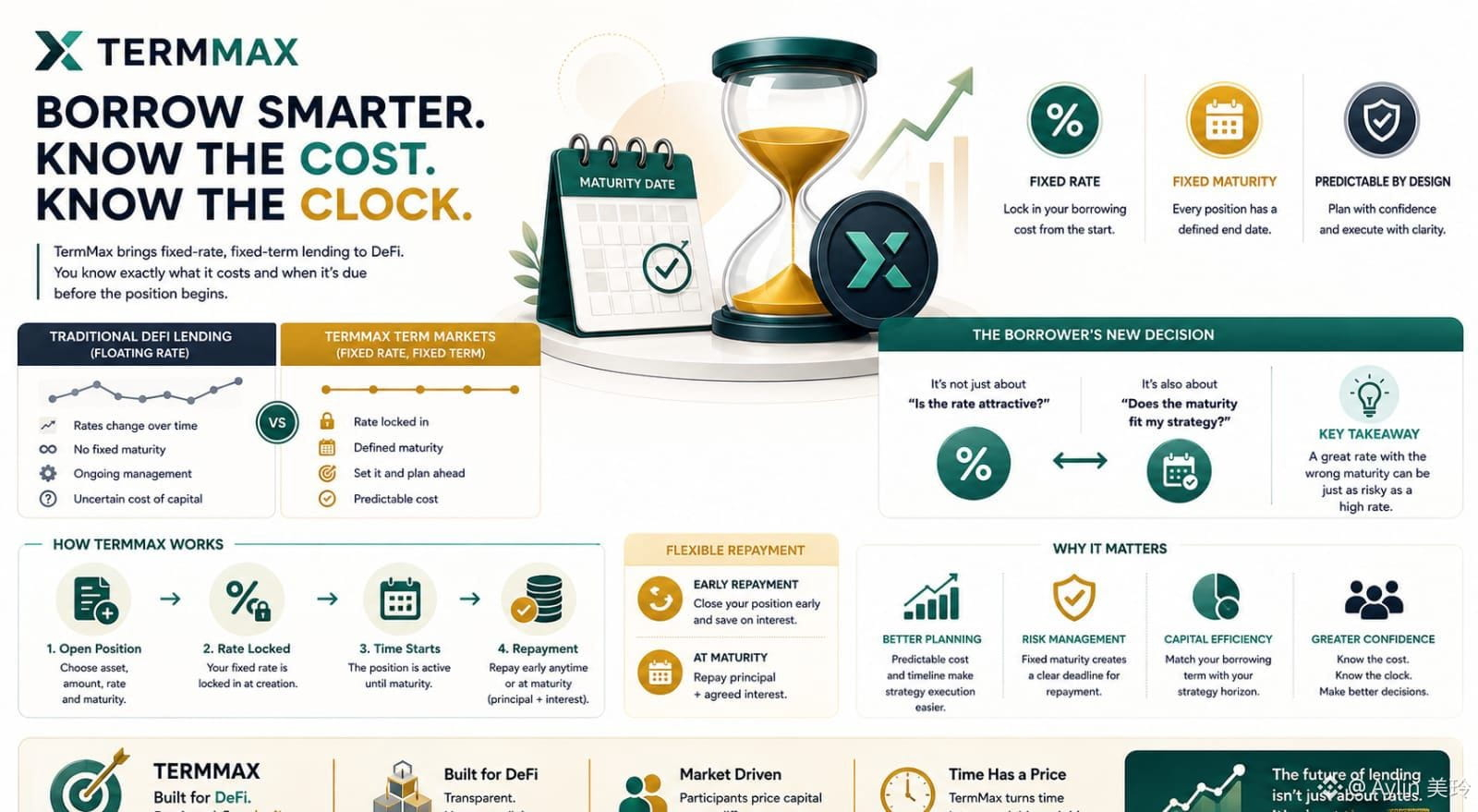
TermMaxは、借り方を少し違う視点で考えさせてくれました。面白いのは金利だけではありません。ポジションに満期が定義されているという事実です。
多くのDeFiレンディング市場では、借り手はポジションをオープンのまま維持しつつ、担保を継続的に管理し、借入コストを変更し続けられます。TermMaxは固定金利・固定期間の市場という別のアプローチを採用しており、ポジションが作成された時点でコストと満期が分かります。
それによって、借り手の判断が変わります。
金利が魅力的に見えるかどうかを尋ねるだけでなく、同じくらい重要な別の問いがあります。それは、満期が実際に戦略に合っているかどうかです。
予測可能な借入コストは計画を立てやすくしますが、固定満期は返済に明確な締切も生みます。TermMaxでは早期返済が可能であり、満期での返済には元本に加えて合意された利息が必要です。
私にとって、この点がモデルを面白くしている理由です。
単に固定金利で借りられるかどうかの話ではありません。ポジションが始まる前に、コストと時間の両方が分かることが重要なのです。
#TermMax @termmax
$HEMI
{future}(HEMIUSDT)
TermMaxは、借り方を少し違う視点で考えさせてくれました。面白いのは金利だけではありません。ポジションに満期が定義されているという事実です。
多くのDeFiレンディング市場では、借り手はポジションをオープンのまま維持しつつ、担保を継続的に管理し、借入コストを変更し続けられます。TermMaxは固定金利・固定期間の市場という別のアプローチを採用しており、ポジションが作成された時点でコストと満期が分かります。
それによって、借り手の判断が変わります。
金利が魅力的に見えるかどうかを尋ねるだけでなく、同じくらい重要な別の問いがあります。それは、満期が実際に戦略に合っているかどうかです。
予測可能な借入コストは計画を立てやすくしますが、固定満期は返済に明確な締切も生みます。TermMaxでは早期返済が可能であり、満期での返済には元本に加えて合意された利息が必要です。
私にとって、この点がモデルを面白くしている理由です。
単に固定金利で借りられるかどうかの話ではありません。ポジションが始まる前に、コストと時間の両方が分かることが重要なのです。
#TermMax @TermMax
$HEMI
多くのDeFiレンディング市場では、借り手はポジションをオープンのまま維持しつつ、担保を継続的に管理し、借入コストを変更し続けられます。TermMaxは固定金利・固定期間の市場という別のアプローチを採用しており、ポジションが作成された時点でコストと満期が分かります。
それによって、借り手の判断が変わります。
金利が魅力的に見えるかどうかを尋ねるだけでなく、同じくらい重要な別の問いがあります。それは、満期が実際に戦略に合っているかどうかです。
予測可能な借入コストは計画を立てやすくしますが、固定満期は返済に明確な締切も生みます。TermMaxでは早期返済が可能であり、満期での返済には元本に加えて合意された利息が必要です。
私にとって、この点がモデルを面白くしている理由です。
単に固定金利で借りられるかどうかの話ではありません。ポジションが始まる前に、コストと時間の両方が分かることが重要なのです。
#TermMax @TermMax
$HEMI
1
2
164
·
--
ブリッシュ
#dusk $DUSK @Dusk_Foundation DUSKのステーキング・モデルで面白いのは、今日の報酬そのものではないかもしれません。問題は、放出(emissions)が縮小し続けるときに何が起きるかです。
Duskのトークン・モデルは、長期の放出曲線を前提に設計されています。ネットワークは36年間で5億DUSKを放出し、その放出率は4年ごとに50%ずつ引き下げられる計画です。しかし、ブロック報酬は新規トークンだけで賄われるわけではありません。取引手数料も、報酬構造に含まれます。
そこで生まれるのは、DUSKのステーキングが今日魅力的かどうかを問うことよりも、もっと興味深い疑問だと思います。
ネットワークが、生成されたばかりの放出ではなく、実際の活動にますます依存しなければならなくなったら、どうなるのでしょうか?
初期段階では、放出がネットワークのセキュリティを立ち上げる助けになります。しかし時間が経つにつれて、経済性は次第に「人々が実際にネットワークを使っていて、手数料を生み出しているのか」という点により注目が集まっていきます。
だからこそ、採用(adoption)は、見出しだけのステーキング数よりも重要になります。
もしDuskが最終的に、意味のある規制市場での活動を取り扱えるようになれば、取引需要はセキュリティ経済の中でますます重要な要素になっていく可能性があります。
ただし、それはまだ仮説であって、実証された結果ではありません。
私が注目するべき指標は、単に「どれだけDUSKがステークされているか」だけではありません。
それは、現実のネットワーク利用が、最終的に報酬モデルに影響を与えるほど十分に強くなるかどうかです。
{future}(DUSKUSDT)
#dusk $DUSK @Dusk DUSKのステーキング・モデルで面白いのは、今日の報酬そのものではないかもしれません。問題は、放出(emissions)が縮小し続けるときに何が起きるかです。
Duskのトークン・モデルは、長期の放出曲線を前提に設計されています。ネットワークは36年間で5億DUSKを放出し、その放出率は4年ごとに50%ずつ引き下げられる計画です。しかし、ブロック報酬は新規トークンだけで賄われるわけではありません。取引手数料も、報酬構造に含まれます。
そこで生まれるのは、DUSKのステーキングが今日魅力的かどうかを問うことよりも、もっと興味深い疑問だと思います。
ネットワークが、生成されたばかりの放出ではなく、実際の活動にますます依存しなければならなくなったら、どうなるのでしょうか?
初期段階では、放出がネットワークのセキュリティを立ち上げる助けになります。しかし時間が経つにつれて、経済性は次第に「人々が実際にネットワークを使っていて、手数料を生み出しているのか」という点により注目が集まっていきます。
だからこそ、採用(adoption)は、見出しだけのステーキング数よりも重要になります。
もしDuskが最終的に、意味のある規制市場での活動を取り扱えるようになれば、取引需要はセキュリティ経済の中でますます重要な要素になっていく可能性があります。
ただし、それはまだ仮説であって、実証された結果ではありません。
私が注目するべき指標は、単に「どれだけDUSKがステークされているか」だけではありません。
それは、現実のネットワーク利用が、最終的に報酬モデルに影響を与えるほど十分に強くなるかどうかです。
Duskのトークン・モデルは、長期の放出曲線を前提に設計されています。ネットワークは36年間で5億DUSKを放出し、その放出率は4年ごとに50%ずつ引き下げられる計画です。しかし、ブロック報酬は新規トークンだけで賄われるわけではありません。取引手数料も、報酬構造に含まれます。
そこで生まれるのは、DUSKのステーキングが今日魅力的かどうかを問うことよりも、もっと興味深い疑問だと思います。
ネットワークが、生成されたばかりの放出ではなく、実際の活動にますます依存しなければならなくなったら、どうなるのでしょうか?
初期段階では、放出がネットワークのセキュリティを立ち上げる助けになります。しかし時間が経つにつれて、経済性は次第に「人々が実際にネットワークを使っていて、手数料を生み出しているのか」という点により注目が集まっていきます。
だからこそ、採用(adoption)は、見出しだけのステーキング数よりも重要になります。
もしDuskが最終的に、意味のある規制市場での活動を取り扱えるようになれば、取引需要はセキュリティ経済の中でますます重要な要素になっていく可能性があります。
ただし、それはまだ仮説であって、実証された結果ではありません。
私が注目するべき指標は、単に「どれだけDUSKがステークされているか」だけではありません。
それは、現実のネットワーク利用が、最終的に報酬モデルに影響を与えるほど十分に強くなるかどうかです。
Staking Meets Adoption 🧐
0%
Beyond Staking Rewards 🙊
0%
Emissions Meet Adoption 🤔
0%
0 投票 • 投票は終了しました
6
4
77
·
--
ブリッシュ
$ALPINE は$0.39近辺で強さを維持しており、買い手がこの水準を守り続けています。勢いが増せば、次の強気の動きにつながるブレイクアウトが見られるかもしれません。
ロングのセットアップ 🎯
TP1: $0.43
TP2: $0.48
TP3: $0.54
$ALPINE 🚀
{future}(ALPINEUSDT)
$ALPINE は$0.39近辺で強さを維持しており、買い手がこの水準を守り続けています。勢いが増せば、次の強気の動きにつながるブレイクアウトが見られるかもしれません。
ロングのセットアップ 🎯
TP1: $0.43
TP2: $0.48
TP3: $0.54
$ALPINE 🚀
ロングのセットアップ 🎯
TP1: $0.43
TP2: $0.48
TP3: $0.54
$ALPINE 🚀
1
19
·
--
ブリッシュ
🌋 有名どころが一息ついている間にブレイクアウト・ウォッチリスト。3つのアルトコインが本気の動きを見せています——$ACE、$CLO、$CYS。 👀
📈 $ACE : +31.56% → $0.22250 🚀
📈 $CLO : +25.28% → $0.14532 💫
📈 $CYS : +14.88% → $0.5242 ⚡
今はまずACEが明らかに先行、CLOがすぐ後を追い、CYSはより落ち着いたペースで動いています。
この勢いが続けば、上値目標はなかなか面白い:
🔥 ACE → $0.50
💥 CLO → $0.30
⚡ CYS → $1.00
でも本当の疑問はこれです。ここから最も強いチャートはどれで、最初に勢いを失いそうなのはどれか? 👇
あなたの推しをコメントして、理由も教えてください。 🗳️
⚠️ 金融助言ではありません。DYOR(自己調査)。
#altcoins #crypto #cryptotrading #MarketWatch #Write2Earn
{future}(CYSUSDT)
{future}(CLOUSDT)
{future}(ACEUSDT)
🌋 有名どころが一息ついている間にブレイクアウト・ウォッチリスト。3つのアルトコインが本気の動きを見せています——$ACE 、$CLO 、$CYS 。 👀
📈 $ACE : +31.56% → $0.22250 🚀
📈 $CLO : +25.28% → $0.14532 💫
📈 $CYS : +14.88% → $0.5242 ⚡
今はまずACEが明らかに先行、CLOがすぐ後を追い、CYSはより落ち着いたペースで動いています。
この勢いが続けば、上値目標はなかなか面白い:
🔥 ACE → $0.50
💥 CLO → $0.30
⚡ CYS → $1.00
でも本当の疑問はこれです。ここから最も強いチャートはどれで、最初に勢いを失いそうなのはどれか? 👇
あなたの推しをコメントして、理由も教えてください。 🗳️
⚠️ 金融助言ではありません。DYOR(自己調査)。
#altcoins #crypto #cryptotrading #MarketWatch #Write2Earn
📈 $ACE : +31.56% → $0.22250 🚀
📈 $CLO : +25.28% → $0.14532 💫
📈 $CYS : +14.88% → $0.5242 ⚡
今はまずACEが明らかに先行、CLOがすぐ後を追い、CYSはより落ち着いたペースで動いています。
この勢いが続けば、上値目標はなかなか面白い:
🔥 ACE → $0.50
💥 CLO → $0.30
⚡ CYS → $1.00
でも本当の疑問はこれです。ここから最も強いチャートはどれで、最初に勢いを失いそうなのはどれか? 👇
あなたの推しをコメントして、理由も教えてください。 🗳️
⚠️ 金融助言ではありません。DYOR(自己調査)。
#altcoins #crypto #cryptotrading #MarketWatch #Write2Earn
CYS
74%
CLO
2%
ACE
24%
59 投票 • 投票は終了しました
2
2.2k
·
--
ブリッシュ
米国は、サムスンやSKハイニックスのような大手が国内ですでに大規模な投資計画を進めている一方で、韓国に対して「米国内でのメモリーチップ製造を優先するよう」求めていると報じられています。
これは小さな変化ではありません。
政府が戦略産業を異なる方向へ引っ張り始めると、サプライチェーンやチップ価格、そして関連株はすぐに値動きが荒くなる可能性があります。👀
そして暗号資産トレーダーは? リスクオンの市場全体の動きにも注目すべきです。
🔥 今日の上昇銘柄。
🥇 $RED — +23%
🥈 $EDEN — +18%
🥉 $HEMI — +16%
これらの動きは、地政学やマクロの不確実性が高い中でも、資金が選別されたアルトコインへ強力にローテーションしていることを示しています。
より大きな疑問は次の点です:
この半導体をめぐる緊張が、世界の市場全体にもう一段のボラティリティの波をもたらすのか、それとも市場は単に軽く受け流すのか?
レバレッジはコントロールを。資本を守る。ヘッドラインではなく、セットアップを取引しましょう。📊
※金融アドバイスではありません。
米国は、サムスンやSKハイニックスのような大手が国内ですでに大規模な投資計画を進めている一方で、韓国に対して「米国内でのメモリーチップ製造を優先するよう」求めていると報じられています。
これは小さな変化ではありません。
政府が戦略産業を異なる方向へ引っ張り始めると、サプライチェーンやチップ価格、そして関連株はすぐに値動きが荒くなる可能性があります。👀
そして暗号資産トレーダーは? リスクオンの市場全体の動きにも注目すべきです。
🔥 今日の上昇銘柄。
🥇 $RED — +23%
🥈 $EDEN — +18%
🥉 $HEMI — +16%
これらの動きは、地政学やマクロの不確実性が高い中でも、資金が選別されたアルトコインへ強力にローテーションしていることを示しています。
より大きな疑問は次の点です:
この半導体をめぐる緊張が、世界の市場全体にもう一段のボラティリティの波をもたらすのか、それとも市場は単に軽く受け流すのか?
レバレッジはコントロールを。資本を守る。ヘッドラインではなく、セットアップを取引しましょう。📊
※金融アドバイスではありません。
これは小さな変化ではありません。
政府が戦略産業を異なる方向へ引っ張り始めると、サプライチェーンやチップ価格、そして関連株はすぐに値動きが荒くなる可能性があります。👀
そして暗号資産トレーダーは? リスクオンの市場全体の動きにも注目すべきです。
🔥 今日の上昇銘柄。
🥇 $RED — +23%
🥈 $EDEN — +18%
🥉 $HEMI — +16%
これらの動きは、地政学やマクロの不確実性が高い中でも、資金が選別されたアルトコインへ強力にローテーションしていることを示しています。
より大きな疑問は次の点です:
この半導体をめぐる緊張が、世界の市場全体にもう一段のボラティリティの波をもたらすのか、それとも市場は単に軽く受け流すのか?
レバレッジはコントロールを。資本を守る。ヘッドラインではなく、セットアップを取引しましょう。📊
※金融アドバイスではありません。
Bullish 💚
0%
Bearish ❤️
0%
0 投票 • 投票は終了しました
13
ログインして、さらにコンテンツを読む
厳選トピックで世界の暗号資産トレーダーの仲間入り
⚡️ 暗号資産に関する最新かつ有益な情報が見つかります。
💬 世界最大の暗号資産取引所から信頼されています。
👍 認証を受けたクリエイターから、有益なインサイトを得られます。
メール / 電話番号
トレンドトピック
US2YearYieldRisesTo4.61%
閲覧回数 1,779
91人が討論中
#US2YearYieldRisesTo4.61%
🇺🇸 米国の2年国債利回りが4.61%まで上昇
📈 2年国債利回りが4.61%に上昇したことは、米国の短期金利市場での圧力が高まっていることを示します。
暗号資産(クリプト)とリスク資産への影響:
🔹 利回り上昇 → 金融条件の引き締まり
🔹 より強い利回りは米ドルを支える可能性
🔹 利回りが上がり続けると、リスク志向が弱まるかもしれません
🔹 BTCやアルトコインは短期的にボラティリティが高まる可能性
🔹 今後のFRBのシグナルや米国の経済指標が注目されます
⚠️ 注目の重要水準:米国の2年利回りがさらに上昇し続ける場合、クリプトの強気派は重要なサポート水準を守る必要があるかもしれません。
📊 貿易(トレード)は賢く。利回り、ドル、BTCを同時に見ましょう。
#CryptocurrencyWealth #btc走勢 #lReserve #USTreasury
Crypto_Anyalsis508
·いいね:0件
·閲覧回数 14
US10YearTreasuryYieldNears5%
閲覧回数 1,317
56人が討論中
CryptoLiquidations$674MIn24H
閲覧回数 4,029
52人が討論中