

blixnovax
27 投稿

blixnovax
報告
ユーザーをブロック
取引を発注
超高頻度トレーダー
1.8年
10 フォロー
57 フォロワー
100 いいね
投稿
ポートフォリオ
すべて
動画
·
--
ブリッシュ
翻訳参照
Bitcoin Surges Past $80,000 in Strong Breakout Move
$BTC
Bitcoin has delivered a decisive breakthrough above the $80,000 level after days of consistent gains. The cryptocurrency spiked to $81,299 before settling around $80,458—a movement characterized by robust bullish momentum rather than a tentative probe.
This breakout carries significant technical strength, supported by well-defined order blocks and fair value gap (FVG) zones that are now serving as structural support. The conviction behind this move signals a meaningful shift in market dynamics.
The Narrative Shift: $80,000 has transitioned from a resistance barrier into a critical support level—and potentially a springboard for further upside. This reframing of a previously contested price level is a hallmark of strong institutional accumulation and sustained buying pressure.
What's Next: The question now is whether Bitcoin can extend higher from here. While further upside remains possible, traders should remain vigilant. Any sharp rejection from current levels or failure to hold above $80,000 could trigger a bearish reversal—a scenario that would invalidate the current bullish structure and test lower support zones.
The market has spoken, but volatility remains. The next move will reveal whether this is a sustained rally or merely a leg in a larger consolidation.#BTC
Bitcoin Surges Past $80,000 in Strong Breakout Move
$BTC
Bitcoin has delivered a decisive breakthrough above the $80,000 level after days of consistent gains. The cryptocurrency spiked to $81,299 before settling around $80,458—a movement characterized by robust bullish momentum rather than a tentative probe.
This breakout carries significant technical strength, supported by well-defined order blocks and fair value gap (FVG) zones that are now serving as structural support. The conviction behind this move signals a meaningful shift in market dynamics.
The Narrative Shift: $80,000 has transitioned from a resistance barrier into a critical support level—and potentially a springboard for further upside. This reframing of a previously contested price level is a hallmark of strong institutional accumulation and sustained buying pressure.
What's Next: The question now is whether Bitcoin can extend higher from here. While further upside remains possible, traders should remain vigilant. Any sharp rejection from current levels or failure to hold above $80,000 could trigger a bearish reversal—a scenario that would invalidate the current bullish structure and test lower support zones.
The market has spoken, but volatility remains. The next move will reveal whether this is a sustained rally or merely a leg in a larger consolidation.#BTC
$BTC
Bitcoin has delivered a decisive breakthrough above the $80,000 level after days of consistent gains. The cryptocurrency spiked to $81,299 before settling around $80,458—a movement characterized by robust bullish momentum rather than a tentative probe.
This breakout carries significant technical strength, supported by well-defined order blocks and fair value gap (FVG) zones that are now serving as structural support. The conviction behind this move signals a meaningful shift in market dynamics.
The Narrative Shift: $80,000 has transitioned from a resistance barrier into a critical support level—and potentially a springboard for further upside. This reframing of a previously contested price level is a hallmark of strong institutional accumulation and sustained buying pressure.
What's Next: The question now is whether Bitcoin can extend higher from here. While further upside remains possible, traders should remain vigilant. Any sharp rejection from current levels or failure to hold above $80,000 could trigger a bearish reversal—a scenario that would invalidate the current bullish structure and test lower support zones.
The market has spoken, but volatility remains. The next move will reveal whether this is a sustained rally or merely a leg in a larger consolidation.#BTC
114
·
--
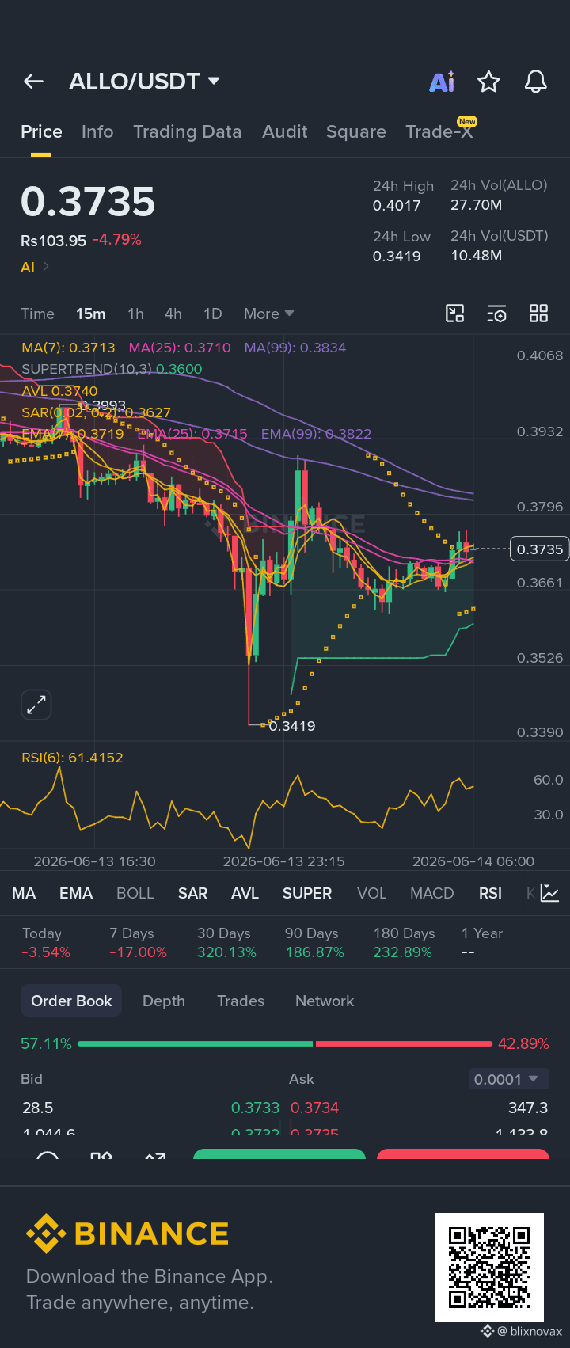
#ALLOは、強力なメインネット・ベータのローンチ基本要因にもかかわらず、大規模な投げ売りによるキャピタリュレーションと流出により、過去24時間で6.9%下落しました。
#ALLOは、強力なメインネット・ベータのローンチ基本要因にもかかわらず、大規模な投げ売りによるキャピタリュレーションと流出により、過去24時間で6.9%下落しました。
1
·
--
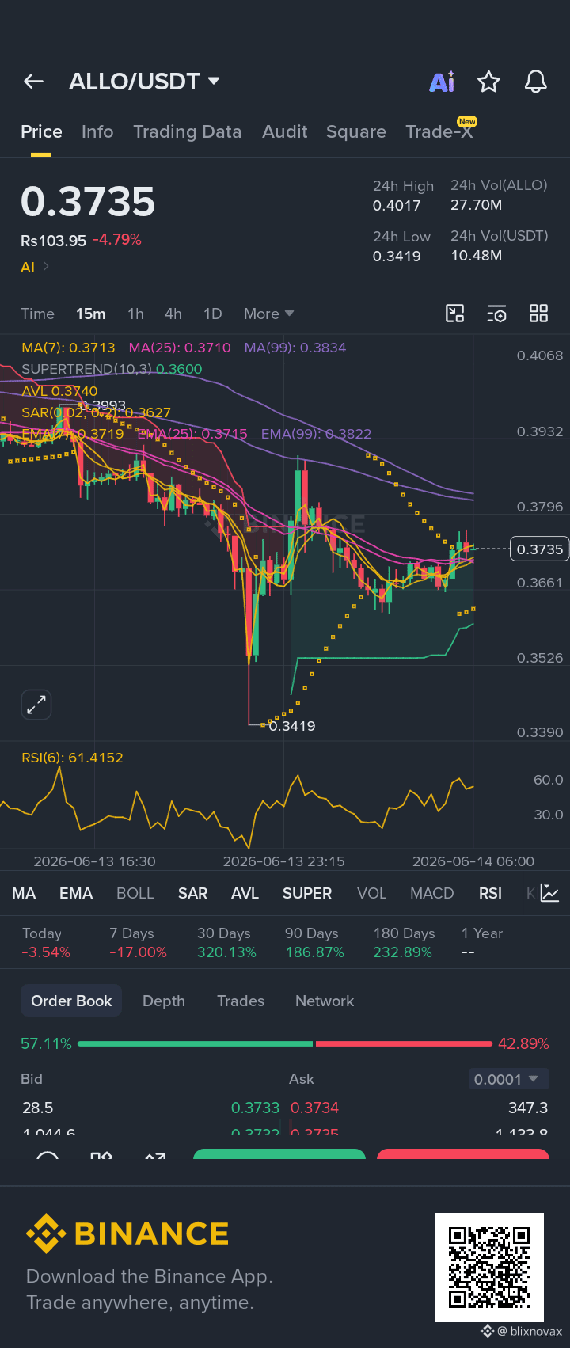
#ALLOは、強力なメインネットベータローンチのファンダメンタルズにもかかわらず、重いキャピタリゼーションの売りと資金流出により、24時間で6.9%下落しました。
#ALLOは、強力なメインネットベータローンチのファンダメンタルズにもかかわらず、重いキャピタリゼーションの売りと資金流出により、24時間で6.9%下落しました。
335
·
--
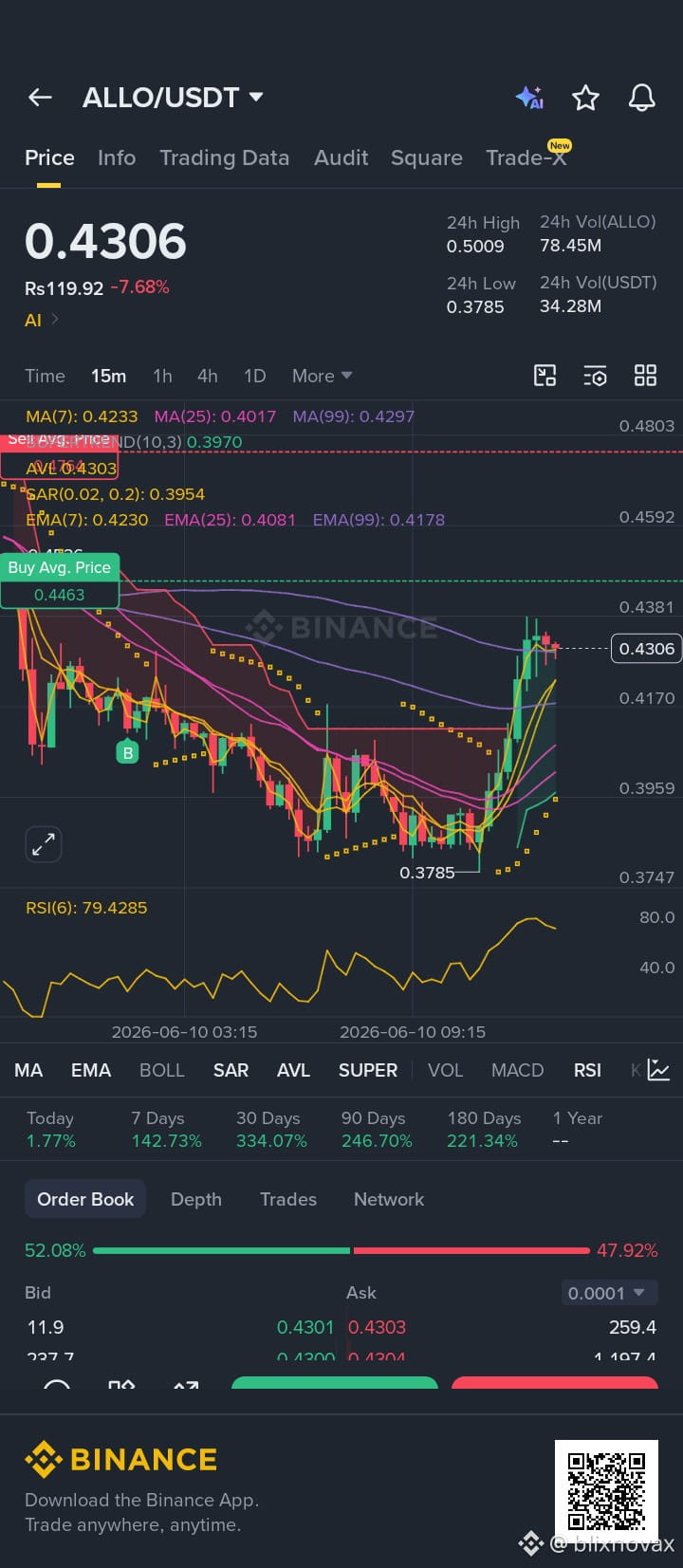
#ALLO Bounces 14% From Daily Low But RSI Screams Overbought
ALLO/USDTはバイナンスで$0.3785から$0.4306まで急回復しましたが、RSI(6)は79.42に達しており、深いオーバーボート領域に入っています。スーパートレンドは$0.3970に位置しています。売却平均価格が$0.4803であるため、さらなる上昇の前にクールダウンまたは拒否が起こる可能性が高いです。
#ALLO Bounces 14% From Daily Low But RSI Screams Overbought
ALLO/USDTはバイナンスで$0.3785から$0.4306まで急回復しましたが、RSI(6)は79.42に達しており、深いオーバーボート領域に入っています。スーパートレンドは$0.3970に位置しています。売却平均価格が$0.4803であるため、さらなる上昇の前にクールダウンまたは拒否が起こる可能性が高いです。
ALLO/USDTはバイナンスで$0.3785から$0.4306まで急回復しましたが、RSI(6)は79.42に達しており、深いオーバーボート領域に入っています。スーパートレンドは$0.3970に位置しています。売却平均価格が$0.4803であるため、さらなる上昇の前にクールダウンまたは拒否が起こる可能性が高いです。
275
·
--
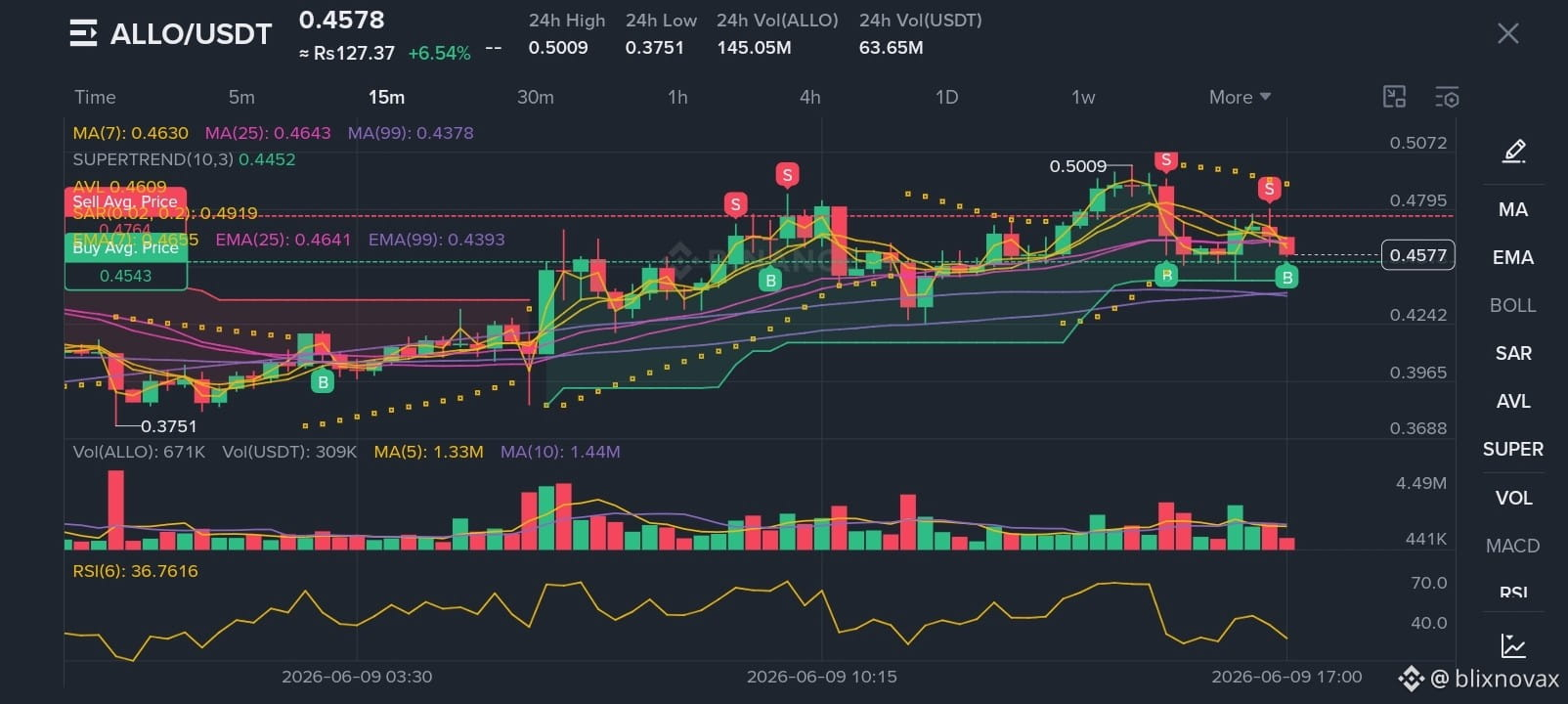
ALLO/USDT 取引:$0.4578、6.54%上昇 — しかし売りシグナルが警告点滅
ALLOトークンは本日$0.5009まで急騰したものの、現在は押し戻されています。15分足チャートでは複数の売りシグナルが出ており、RSIは36.76まで低下、さらに出来高の弱まりが短期的な弱気圧力を示唆。サポートは$0.4452が重要で、この水準を割り込むとさらなる損失につながる可能性があります。
ALLO/USDT 取引:$0.4578、6.54%上昇 — しかし売りシグナルが警告点滅
ALLOトークンは本日$0.5009まで急騰したものの、現在は押し戻されています。15分足チャートでは複数の売りシグナルが出ており、RSIは36.76まで低下、さらに出来高の弱まりが短期的な弱気圧力を示唆。サポートは$0.4452が重要で、この水準を割り込むとさらなる損失につながる可能性があります。
ALLOトークンは本日$0.5009まで急騰したものの、現在は押し戻されています。15分足チャートでは複数の売りシグナルが出ており、RSIは36.76まで低下、さらに出来高の弱まりが短期的な弱気圧力を示唆。サポートは$0.4452が重要で、この水準を割り込むとさらなる損失につながる可能性があります。
247
·
--
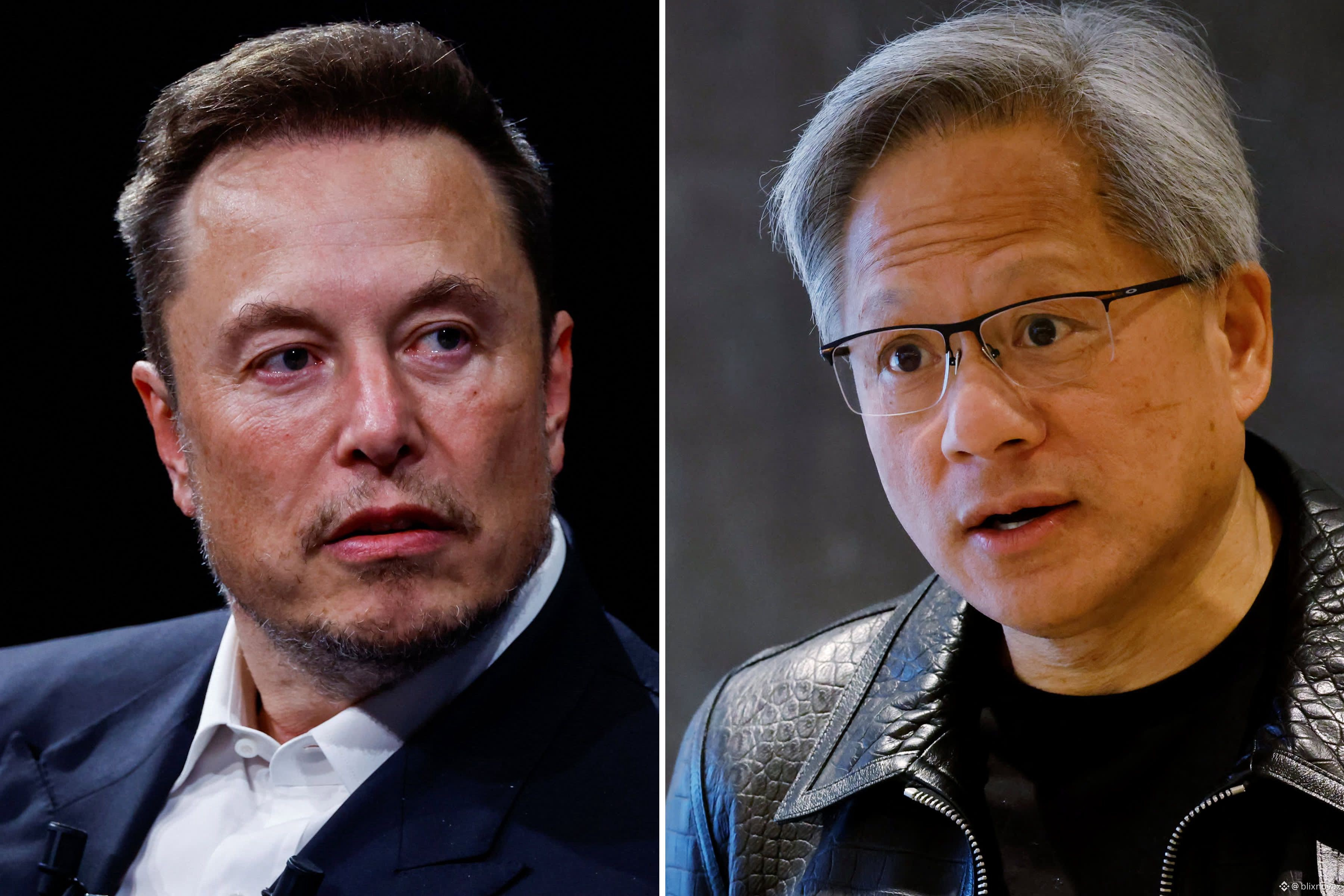
🚨 ブレイキングニュース: $NVDA $TSLA
テック界の2大巨頭が、世界市場に大規模な投機を引き起こした。
ホワイトハウスのスポークスマンによると、NVIDIAのCEOジェンセン・ファンとテスラのCEOイーロン・マスクがエアフォースワンで北京に向かっているとのこと。👀🇺🇸🇨🇳
これは単なるビジネス出張以上のものだ。
タイミングはこれ以上重要にはなりえない。現在、世界はAIの支配権、半導体のコントロール、EVの拡大、そして国際貿易の影響力を巡る激しい戦いの真っ只中にいる。NVIDIAとテスラのリーダーが、こうした重要な地政学的瞬間に関与しているのを目の当たりにして、ウォール街の注目を一気に集めた。
NVIDIAはAI革命の中心にあり、テスラはEV、ロボティクス、および自律技術の革新をリードし続けている。中国は両社にとって最も重要な市場の一つでもある。
さて、投機が始まる:
• 新しいテクノロジーパートナーシップが形成されるのか?
• AIとチップの制限は緩和されるのか?
• 米中貿易関係は改善するのか?
• バックグラウンドで大きな経済シフトが始まっているのか?
市場は注意深く見守っている。なぜなら、こうした瞬間は一晩で全セクターを動かす可能性があるからだ。AI株、半導体企業、EVメーカー、そして暗号市場まで、北京から発信されるシグナルに反応している。
一つの会議。一つの発表。一つの合意。
それが全世界の市場に衝撃を与えるのに必要な全てかもしれない。🌍📈
{future}(TSLAUSDT)
{future}(NVDAUSDT)
🚨 ブレイキングニュース: $NVDA $TSLA
テック界の2大巨頭が、世界市場に大規模な投機を引き起こした。
ホワイトハウスのスポークスマンによると、NVIDIAのCEOジェンセン・ファンとテスラのCEOイーロン・マスクがエアフォースワンで北京に向かっているとのこと。👀🇺🇸🇨🇳
これは単なるビジネス出張以上のものだ。
タイミングはこれ以上重要にはなりえない。現在、世界はAIの支配権、半導体のコントロール、EVの拡大、そして国際貿易の影響力を巡る激しい戦いの真っ只中にいる。NVIDIAとテスラのリーダーが、こうした重要な地政学的瞬間に関与しているのを目の当たりにして、ウォール街の注目を一気に集めた。
NVIDIAはAI革命の中心にあり、テスラはEV、ロボティクス、および自律技術の革新をリードし続けている。中国は両社にとって最も重要な市場の一つでもある。
さて、投機が始まる:
• 新しいテクノロジーパートナーシップが形成されるのか?
• AIとチップの制限は緩和されるのか?
• 米中貿易関係は改善するのか?
• バックグラウンドで大きな経済シフトが始まっているのか?
市場は注意深く見守っている。なぜなら、こうした瞬間は一晩で全セクターを動かす可能性があるからだ。AI株、半導体企業、EVメーカー、そして暗号市場まで、北京から発信されるシグナルに反応している。
一つの会議。一つの発表。一つの合意。
それが全世界の市場に衝撃を与えるのに必要な全てかもしれない。🌍📈
テック界の2大巨頭が、世界市場に大規模な投機を引き起こした。
ホワイトハウスのスポークスマンによると、NVIDIAのCEOジェンセン・ファンとテスラのCEOイーロン・マスクがエアフォースワンで北京に向かっているとのこと。👀🇺🇸🇨🇳
これは単なるビジネス出張以上のものだ。
タイミングはこれ以上重要にはなりえない。現在、世界はAIの支配権、半導体のコントロール、EVの拡大、そして国際貿易の影響力を巡る激しい戦いの真っ只中にいる。NVIDIAとテスラのリーダーが、こうした重要な地政学的瞬間に関与しているのを目の当たりにして、ウォール街の注目を一気に集めた。
NVIDIAはAI革命の中心にあり、テスラはEV、ロボティクス、および自律技術の革新をリードし続けている。中国は両社にとって最も重要な市場の一つでもある。
さて、投機が始まる:
• 新しいテクノロジーパートナーシップが形成されるのか?
• AIとチップの制限は緩和されるのか?
• 米中貿易関係は改善するのか?
• バックグラウンドで大きな経済シフトが始まっているのか?
市場は注意深く見守っている。なぜなら、こうした瞬間は一晩で全セクターを動かす可能性があるからだ。AI株、半導体企業、EVメーカー、そして暗号市場まで、北京から発信されるシグナルに反応している。
一つの会議。一つの発表。一つの合意。
それが全世界の市場に衝撃を与えるのに必要な全てかもしれない。🌍📈
81
·
--
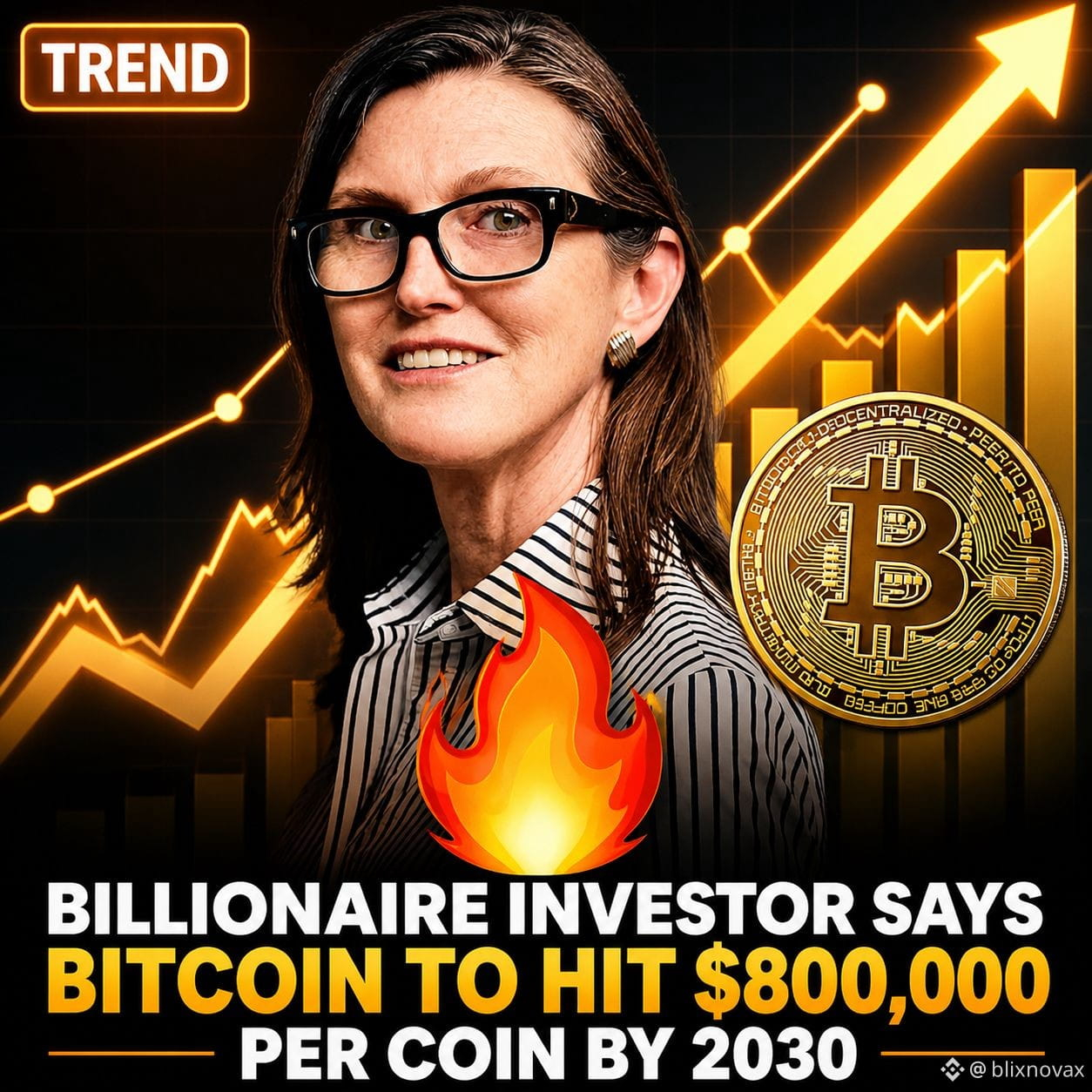
かつてビットコインが$10,000になると予測した女性が、さらに大胆な予測を立てました。
ARKインベストの「Big Ideas 2026」レポートによれば、ビットコインの時価総額は2030年までに$16兆に急増する可能性があり、1コインあたりの価格は約$800,000に達する可能性があります。同社は、この急騰が機関投資家によるETFの採用の増加、企業がビットコインをバランスシートに追加すること、さらには政府レベルでの購入によって促進されると考えています。
ARKによれば、ビットコインは新しい機関投資家クラスの主要な資産として浮上しています。全体の暗号市場は$28兆に拡大すると予測されており、ビットコインがその約70%を占めるとしています。
キャシー・ウッドは以前にも正確な予測をしており、今後4年間がこの予測が本当であるかどうかを見極める注目の時期です。
#BTC $BTC
{spot}(BTCUSDT)
$BNB
{spot}(BNBUSDT)
#Bitcoin
かつてビットコインが$10,000になると予測した女性が、さらに大胆な予測を立てました。
ARKインベストの「Big Ideas 2026」レポートによれば、ビットコインの時価総額は2030年までに$16兆に急増する可能性があり、1コインあたりの価格は約$800,000に達する可能性があります。同社は、この急騰が機関投資家によるETFの採用の増加、企業がビットコインをバランスシートに追加すること、さらには政府レベルでの購入によって促進されると考えています。
ARKによれば、ビットコインは新しい機関投資家クラスの主要な資産として浮上しています。全体の暗号市場は$28兆に拡大すると予測されており、ビットコインがその約70%を占めるとしています。
キャシー・ウッドは以前にも正確な予測をしており、今後4年間がこの予測が本当であるかどうかを見極める注目の時期です。
#BTC $BTC
$BNB
#Bitcoin
ARKインベストの「Big Ideas 2026」レポートによれば、ビットコインの時価総額は2030年までに$16兆に急増する可能性があり、1コインあたりの価格は約$800,000に達する可能性があります。同社は、この急騰が機関投資家によるETFの採用の増加、企業がビットコインをバランスシートに追加すること、さらには政府レベルでの購入によって促進されると考えています。
ARKによれば、ビットコインは新しい機関投資家クラスの主要な資産として浮上しています。全体の暗号市場は$28兆に拡大すると予測されており、ビットコインがその約70%を占めるとしています。
キャシー・ウッドは以前にも正確な予測をしており、今後4年間がこの予測が本当であるかどうかを見極める注目の時期です。
#BTC $BTC
$BNB
#Bitcoin
65
·
--
アメリカの兵士、疲れた目をした若い女性が、驚きと疲れを込めて静かにささやく:"私たちはこの戦争を望んでいなかった... それは決して私たちの選択ではなかった。私たちはとても疲れている。私が望むのは家に帰ることだけ。私は戦争を望んでいない… 私はただ平和が欲しい。"
アメリカの兵士、疲れた目をした若い女性が、驚きと疲れを込めて静かにささやく:"私たちはこの戦争を望んでいなかった... それは決して私たちの選択ではなかった。私たちはとても疲れている。私が望むのは家に帰ることだけ。私は戦争を望んでいない… 私はただ平和が欲しい。"
15
·
--
🚨 確認されていない主張がイラン作戦におけるアメリカの航空機の損失後に浮上
イランのメディアは、アメリカの兵士の頭蓋骨—具体的には人間の遺骸—が最近の救助ミッション後にアメリカの航空機の残骸の中で発見されたという物議を醸す主張を広め始めました。
この段階では、これらの報告は確認されていません。主要な国際ニュース媒体はこの主張を確認しておらず、墜落現場での人間の遺骸の特定を支持する信頼できる証拠はありません。
確認されているのは、2機のアメリカのMC-130J航空機が高リスクの作戦中に失われたことです。また、ミッションに関与したヘリコプターが敵の火力に直面したことも報告されており、状況の厳しさとワシントンとテヘランの間の緊張の高まりを浮き彫りにしています。
独立した検証がないため、広まっている主張には注意が必要です。戦闘状況では誤情報が迅速に広がる可能性があります。焦点は、ミッションに関連するより広範な確認された展開とその地政学的な影響にあります。$BTC
{spot}(BTCUSDT)
#BreakingNews #GlobalTensions #DefenseUpdate
🚨 確認されていない主張がイラン作戦におけるアメリカの航空機の損失後に浮上
イランのメディアは、アメリカの兵士の頭蓋骨—具体的には人間の遺骸—が最近の救助ミッション後にアメリカの航空機の残骸の中で発見されたという物議を醸す主張を広め始めました。
この段階では、これらの報告は確認されていません。主要な国際ニュース媒体はこの主張を確認しておらず、墜落現場での人間の遺骸の特定を支持する信頼できる証拠はありません。
確認されているのは、2機のアメリカのMC-130J航空機が高リスクの作戦中に失われたことです。また、ミッションに関与したヘリコプターが敵の火力に直面したことも報告されており、状況の厳しさとワシントンとテヘランの間の緊張の高まりを浮き彫りにしています。
独立した検証がないため、広まっている主張には注意が必要です。戦闘状況では誤情報が迅速に広がる可能性があります。焦点は、ミッションに関連するより広範な確認された展開とその地政学的な影響にあります。$BTC
#BreakingNews #GlobalTensions #DefenseUpdate
イランのメディアは、アメリカの兵士の頭蓋骨—具体的には人間の遺骸—が最近の救助ミッション後にアメリカの航空機の残骸の中で発見されたという物議を醸す主張を広め始めました。
この段階では、これらの報告は確認されていません。主要な国際ニュース媒体はこの主張を確認しておらず、墜落現場での人間の遺骸の特定を支持する信頼できる証拠はありません。
確認されているのは、2機のアメリカのMC-130J航空機が高リスクの作戦中に失われたことです。また、ミッションに関与したヘリコプターが敵の火力に直面したことも報告されており、状況の厳しさとワシントンとテヘランの間の緊張の高まりを浮き彫りにしています。
独立した検証がないため、広まっている主張には注意が必要です。戦闘状況では誤情報が迅速に広がる可能性があります。焦点は、ミッションに関連するより広範な確認された展開とその地政学的な影響にあります。$BTC
#BreakingNews #GlobalTensions #DefenseUpdate

149
·
--
🚨 ブレイキング: 最新のF-15墜落に関するイランのニュースでは、アメリカの戦闘機がイランの領土上空で撃墜され、アメリカの特殊部隊による高リスクの救出ミッションが引き起こされました。両方の乗組員は、険しい地形での激しい作戦の後、最終的に発見され、安全に救出されました。
この劇的な事件は、地域の緊張の高まりと敵の後方での救出ミッションを実施する際の課題を浮き彫りにしています。
#BreakingNews #F15Crash #Irannews #USMilitary #航空
🚨 ブレイキング: 最新のF-15墜落に関するイランのニュースでは、アメリカの戦闘機がイランの領土上空で撃墜され、アメリカの特殊部隊による高リスクの救出ミッションが引き起こされました。両方の乗組員は、険しい地形での激しい作戦の後、最終的に発見され、安全に救出されました。
この劇的な事件は、地域の緊張の高まりと敵の後方での救出ミッションを実施する際の課題を浮き彫りにしています。
#BreakingNews #F15Crash #Irannews #USMilitary #航空
この劇的な事件は、地域の緊張の高まりと敵の後方での救出ミッションを実施する際の課題を浮き彫りにしています。
#BreakingNews #F15Crash #Irannews #USMilitary #航空

99
·
--
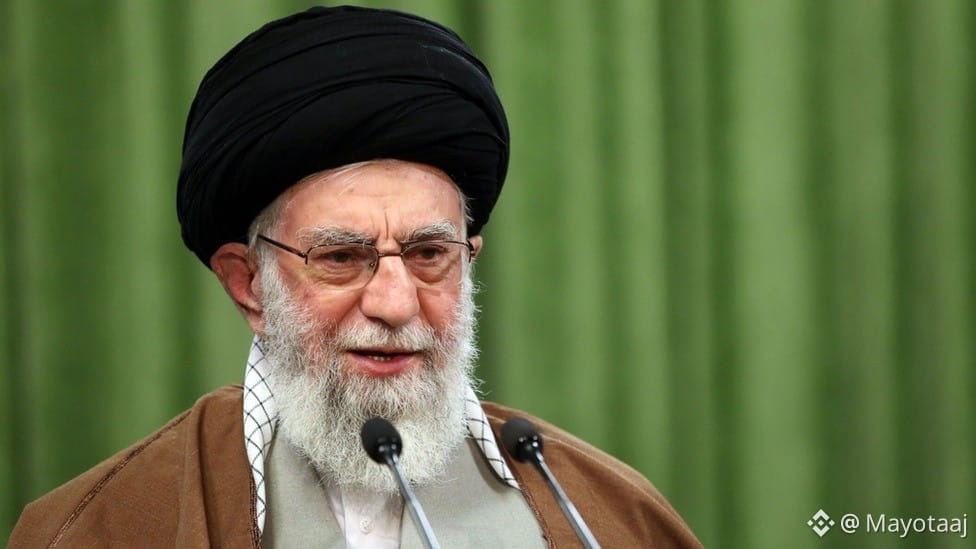
最高指導者は、イラン革命防衛隊(IRGC)最高評議会に完全な統治権を委譲しました。これは日常的な行政手続きではなく、イランの権力構造における根本的な変化を表しています。
これが実際に意味すること:
1) 象徴的な委譲ではなく、完全な権限
これは一時的な行政権限ではなく、完全な意思決定権の移譲です。IRGCは、最高指導者との直接の相談や宗教的ファトワの必要なしに、最高レベルでのエスカレーションを含む主要な軍事的および戦略的決定を行う権限を持っています。これは、イランの伝統的な統治枠組みからの大きな逸脱を示しています。
2) ハメネイ後のシナリオに備える
この動きは、突然の混乱に対してシステムを効果的に安定させます。最高指導者の死や暗殺の場合、権力の空白は生じません。IRGCは直ちに権限を引き継ぎ、継続性を維持し、新しい指導者が任命されるまで移行を管理します。
3) 精神的に正当化された軍事支配への移行
イランは、軍事・安全保障機関が事実上の支配権を持ち、宗教的な正当性に支えられる段階に入っています。IRGCはもはや単なる武装勢力ではなく、戦時中の中央統治機関となっています。これは、イスラエル、地域の影響、または核問題などの問題について妥協する可能性を大幅に減少させます。
4) 存在的圧力下での先制的な動き
このタイミングは、最高指導者の命に対する信頼できる脅威を示しています。この委譲は、内部の不安定さを無力化し、突然の指導者のギャップを利用しようとする改革派や市民派の派閥を防ぐために設計されているようです。
5) イスラエルとアメリカへの直接的な信号
メッセージは明確です:最高指導者を排除することはイランを弱体化させるのではなく、最も強硬で軍事化された派閥に権力を移転させることになります。指導者の首を切ることがイランの戦略的軌道を停止させるという仮定は明示的に拒否されています。$BTC $ETH $BNB
{spot}(BTCUSDT)
{spot}(ETHUSDT)
{spot}(XRPUSDT)
最高指導者は、イラン革命防衛隊(IRGC)最高評議会に完全な統治権を委譲しました。これは日常的な行政手続きではなく、イランの権力構造における根本的な変化を表しています。
これが実際に意味すること:
1) 象徴的な委譲ではなく、完全な権限
これは一時的な行政権限ではなく、完全な意思決定権の移譲です。IRGCは、最高指導者との直接の相談や宗教的ファトワの必要なしに、最高レベルでのエスカレーションを含む主要な軍事的および戦略的決定を行う権限を持っています。これは、イランの伝統的な統治枠組みからの大きな逸脱を示しています。
2) ハメネイ後のシナリオに備える
この動きは、突然の混乱に対してシステムを効果的に安定させます。最高指導者の死や暗殺の場合、権力の空白は生じません。IRGCは直ちに権限を引き継ぎ、継続性を維持し、新しい指導者が任命されるまで移行を管理します。
3) 精神的に正当化された軍事支配への移行
イランは、軍事・安全保障機関が事実上の支配権を持ち、宗教的な正当性に支えられる段階に入っています。IRGCはもはや単なる武装勢力ではなく、戦時中の中央統治機関となっています。これは、イスラエル、地域の影響、または核問題などの問題について妥協する可能性を大幅に減少させます。
4) 存在的圧力下での先制的な動き
このタイミングは、最高指導者の命に対する信頼できる脅威を示しています。この委譲は、内部の不安定さを無力化し、突然の指導者のギャップを利用しようとする改革派や市民派の派閥を防ぐために設計されているようです。
5) イスラエルとアメリカへの直接的な信号
メッセージは明確です:最高指導者を排除することはイランを弱体化させるのではなく、最も強硬で軍事化された派閥に権力を移転させることになります。指導者の首を切ることがイランの戦略的軌道を停止させるという仮定は明示的に拒否されています。$BTC $ETH $BNB
これが実際に意味すること:
1) 象徴的な委譲ではなく、完全な権限
これは一時的な行政権限ではなく、完全な意思決定権の移譲です。IRGCは、最高指導者との直接の相談や宗教的ファトワの必要なしに、最高レベルでのエスカレーションを含む主要な軍事的および戦略的決定を行う権限を持っています。これは、イランの伝統的な統治枠組みからの大きな逸脱を示しています。
2) ハメネイ後のシナリオに備える
この動きは、突然の混乱に対してシステムを効果的に安定させます。最高指導者の死や暗殺の場合、権力の空白は生じません。IRGCは直ちに権限を引き継ぎ、継続性を維持し、新しい指導者が任命されるまで移行を管理します。
3) 精神的に正当化された軍事支配への移行
イランは、軍事・安全保障機関が事実上の支配権を持ち、宗教的な正当性に支えられる段階に入っています。IRGCはもはや単なる武装勢力ではなく、戦時中の中央統治機関となっています。これは、イスラエル、地域の影響、または核問題などの問題について妥協する可能性を大幅に減少させます。
4) 存在的圧力下での先制的な動き
このタイミングは、最高指導者の命に対する信頼できる脅威を示しています。この委譲は、内部の不安定さを無力化し、突然の指導者のギャップを利用しようとする改革派や市民派の派閥を防ぐために設計されているようです。
5) イスラエルとアメリカへの直接的な信号
メッセージは明確です:最高指導者を排除することはイランを弱体化させるのではなく、最も強硬で軍事化された派閥に権力を移転させることになります。指導者の首を切ることがイランの戦略的軌道を停止させるという仮定は明示的に拒否されています。$BTC $ETH $BNB
1
94
·
--
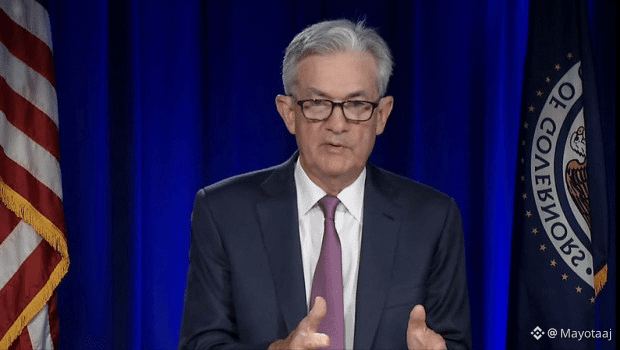
💥 最新情報:
Kalshiのトレーダーは、連邦準備制度が3月に金利を維持する確率を90%と見積もっています。
$RAD
$SENT $ACA
{spot}(SENTUSDT)
{spot}(ACAUSDT)
{spot}(RADUSDT)
💥 最新情報:
Kalshiのトレーダーは、連邦準備制度が3月に金利を維持する確率を90%と見積もっています。
$RAD
$SENT $ACA
Kalshiのトレーダーは、連邦準備制度が3月に金利を維持する確率を90%と見積もっています。
$RAD
$SENT $ACA
753
·
--
$XRP 暗号資産に関する富についての会話はしばしば誤解を招くものであり、XRPも例外ではありません。多くの人が、所有権が狭く集中しているか、価格の動きだけが市場のダイナミクスを定義すると考えています。実際には、XRPの分配はより複雑なストーリーを語っており、単なる価格の動きではなく流動性に焦点を当てており、需要が急増した際に市場がどのように反応するかを明らかにします。
KKaponは最近、この重要な違いを強調し、コミュニティに対して表面的な仮定を超えて実際のXRP所有権の数字を検証するよう促しました。彼らの分析は、集中に関する広く持たれている信念に挑戦しており、流動性分配を理解することが価格変動を追跡するよりもはるかに洞察に満ちていることを示しています。
👉XRP所有権の理解
一般的な認識に反して、XRPの所有権はわずかなエリートによって支配されているわけではありません。データは、上位10%の保有者がわずか2,307 XRPから始まり、上位5%が8,000 XRP、上位1%が約48,087 XRPから始まることを示しています。これらの数字は、XRPがウォレット全体で驚くほど広く分配されていることを示しており、単一の参加者の影響を希薄化し、多くの人が期待するよりもダイナミックな流動性の風景を創出します。
一般的な認識に反して、XRPの所有権はわずかなエリートによって支配されているわけではありません。データは、上位10%の保有者がわずか2,307 XRPから始まり、上位5%が8,000 XRP、上位1%が約48,087 XRPから始まることを示しています。これらの数字は、XRPがウォレット全体で驚くほど広く分配されていることを示しており、単一の参加者の影響を希薄化し、多くの人が期待するよりもダイナミックな流動性の風景を創出します。
$XRP 暗号資産に関する富についての会話はしばしば誤解を招くものであり、XRPも例外ではありません。多くの人が、所有権が狭く集中しているか、価格の動きだけが市場のダイナミクスを定義すると考えています。実際には、XRPの分配はより複雑なストーリーを語っており、単なる価格の動きではなく流動性に焦点を当てており、需要が急増した際に市場がどのように反応するかを明らかにします。
KKaponは最近、この重要な違いを強調し、コミュニティに対して表面的な仮定を超えて実際のXRP所有権の数字を検証するよう促しました。彼らの分析は、集中に関する広く持たれている信念に挑戦しており、流動性分配を理解することが価格変動を追跡するよりもはるかに洞察に満ちていることを示しています。
👉XRP所有権の理解
一般的な認識に反して、XRPの所有権はわずかなエリートによって支配されているわけではありません。データは、上位10%の保有者がわずか2,307 XRPから始まり、上位5%が8,000 XRP、上位1%が約48,087 XRPから始まることを示しています。これらの数字は、XRPがウォレット全体で驚くほど広く分配されていることを示しており、単一の参加者の影響を希薄化し、多くの人が期待するよりもダイナミックな流動性の風景を創出します。
一般的な認識に反して、XRPの所有権はわずかなエリートによって支配されているわけではありません。データは、上位10%の保有者がわずか2,307 XRPから始まり、上位5%が8,000 XRP、上位1%が約48,087 XRPから始まることを示しています。これらの数字は、XRPがウォレット全体で驚くほど広く分配されていることを示しており、単一の参加者の影響を希薄化し、多くの人が期待するよりもダイナミックな流動性の風景を創出します。
KKaponは最近、この重要な違いを強調し、コミュニティに対して表面的な仮定を超えて実際のXRP所有権の数字を検証するよう促しました。彼らの分析は、集中に関する広く持たれている信念に挑戦しており、流動性分配を理解することが価格変動を追跡するよりもはるかに洞察に満ちていることを示しています。
👉XRP所有権の理解
一般的な認識に反して、XRPの所有権はわずかなエリートによって支配されているわけではありません。データは、上位10%の保有者がわずか2,307 XRPから始まり、上位5%が8,000 XRP、上位1%が約48,087 XRPから始まることを示しています。これらの数字は、XRPがウォレット全体で驚くほど広く分配されていることを示しており、単一の参加者の影響を希薄化し、多くの人が期待するよりもダイナミックな流動性の風景を創出します。
一般的な認識に反して、XRPの所有権はわずかなエリートによって支配されているわけではありません。データは、上位10%の保有者がわずか2,307 XRPから始まり、上位5%が8,000 XRP、上位1%が約48,087 XRPから始まることを示しています。これらの数字は、XRPがウォレット全体で驚くほど広く分配されていることを示しており、単一の参加者の影響を希薄化し、多くの人が期待するよりもダイナミックな流動性の風景を創出します。
6
·
--
バイナンス市場分析: BTC、アルトコイン & 今日の取引シグナル🚨 $BTC 分析 | 次の動きのアラート 📈
ビットコインは今日、重圧の下にあり、6%下落して$84,000の安値を記録しています。今週初めに重要な心理的な$90,000のレベルを維持できなかった後、ベアが主導権を握り、価格を5週間の安値に押し下げました。
総暗号資産市場の時価総額は約$1.8Tの近くにありますが、マクロの不確実性と新たな関税の脅威がリスク志向を抑え続ける中で、感情は明らかに「信念」から「不安」へと移行しました。
🔍 クイックテクニカルブレイクダウン
• 短期的な構造は弱気に転じました
バイナンス市場分析: BTC、アルトコイン & 今日の取引シグナル
🚨 $BTC 分析 | 次の動きのアラート 📈
ビットコインは今日、重圧の下にあり、6%下落して$84,000の安値を記録しています。今週初めに重要な心理的な$90,000のレベルを維持できなかった後、ベアが主導権を握り、価格を5週間の安値に押し下げました。
総暗号資産市場の時価総額は約$1.8Tの近くにありますが、マクロの不確実性と新たな関税の脅威がリスク志向を抑え続ける中で、感情は明らかに「信念」から「不安」へと移行しました。
🔍 クイックテクニカルブレイクダウン
• 短期的な構造は弱気に転じました
ビットコインは今日、重圧の下にあり、6%下落して$84,000の安値を記録しています。今週初めに重要な心理的な$90,000のレベルを維持できなかった後、ベアが主導権を握り、価格を5週間の安値に押し下げました。
総暗号資産市場の時価総額は約$1.8Tの近くにありますが、マクロの不確実性と新たな関税の脅威がリスク志向を抑え続ける中で、感情は明らかに「信念」から「不安」へと移行しました。
🔍 クイックテクニカルブレイクダウン
• 短期的な構造は弱気に転じました
1
19
·
--
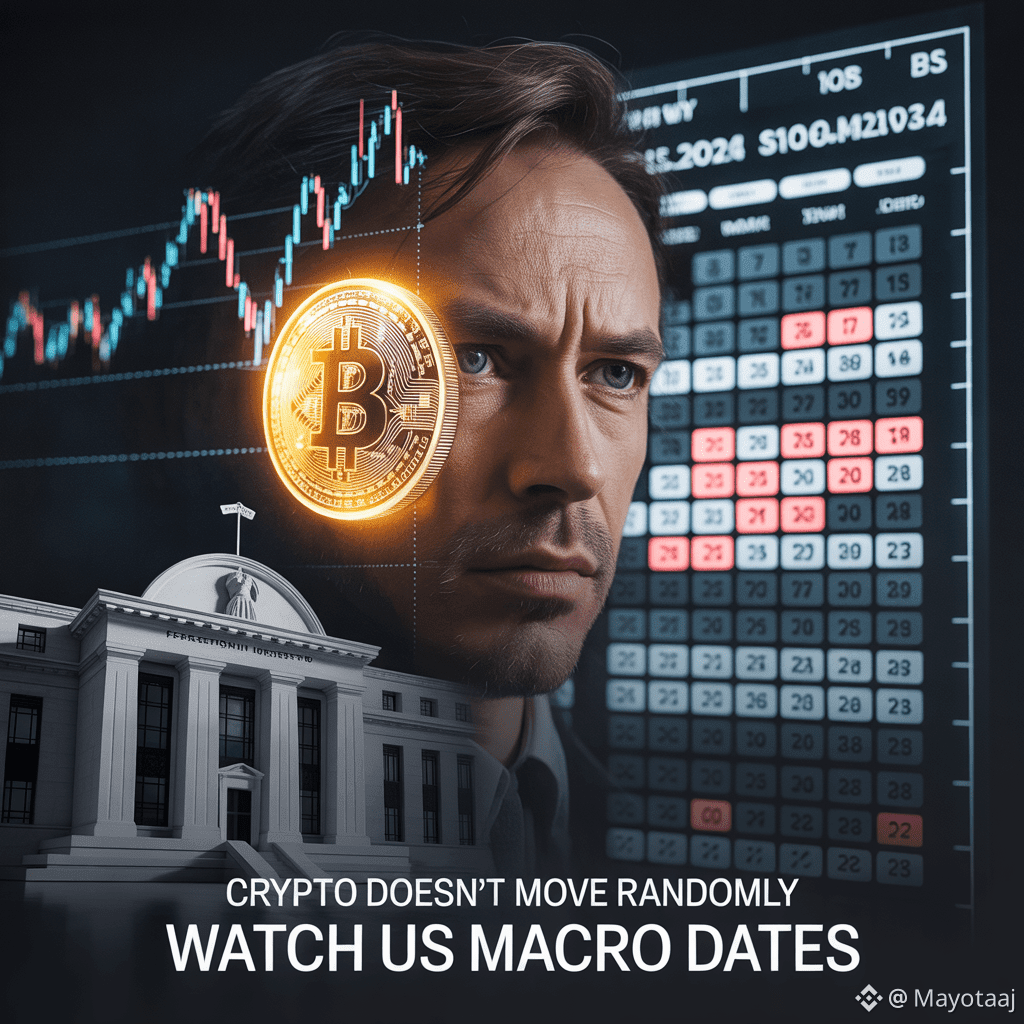
⚠️ 暗号通貨を取引する場合、これらの米国の日付を無視することはできません
1月と2月に暗号通貨を取引している場合は、これを明確に理解してください:
チャートだけではあなたを守れません。
米国のマクロデータは流動性、ボラティリティ、および方向を制御します。
ほとんどの偽のポンプ、罠、そして本当のトレンドはこれらのイベントの周りで生まれます。
👉 1月 — ポジショニング月
🔹 米国雇用報告(非農業部門雇用者数) — 2026年1月9日
1月の初めにトーンが設定されます。
• 強い雇用 → 強いドル → 暗号通貨への圧力
• 弱い雇用 → 短期的な救済反発
🔹 米国CPI(インフレデータ) — 2026年1月13日
今月の最大のトリガー。
CPIは金利引き下げが近づいているか、さらに先に押し出されるかを決定します。
暗号通貨はここで迅速かつ激しく反応します。
🔹 FRB政策の文脈(重要)
1月だからといって特別な「1月FOMC」はありません。
実際のFRB会議は2026年1月27日–28日です。
市場はこの決定の前に1月のほとんどをポジショニングに費やすため、価格の動きは混沌としているように感じます:
• ゆっくりしたポンプ
• 突然のダンプ
• いたるところに偽の自信
👉 2月 — 確認月
🔹 米国雇用報告(1月データ) — 2026年2月6日
これは1月のポジショニング後の最初の本当の現実チェックです。
トレンドはここで生き残るか消えるかです。
🔹 米国CPI(1月のインフレ) — 2026年2月11日
1月の動きが論理的か純粋なノイズかを確認します。
🔹 FOMC議事録の発表 — 2026年2月18日
金利の決定ではありませんが、それでも強力です。
よりタカ派的またはハト派的なトーンは暗号通貨を大きく動かす可能性があります。
🤔 これが重要な理由
• 暗号通貨はランダムに動きません
• 流動性の期待が価格を動かします
• 雇用、インフレ、FRBが流動性を制御します
これらの日付を無視すると、実際には予測可能だった動きに「操作」を非難し続けることになります。
まずデータを見てください。
次にチャートを見てください。
感情は最後です。
考え続けてください。
$BTC $ETH $RIVER
#CPIWatch #USJobsData #FOMCMeeting
⚠️ 暗号通貨を取引する場合、これらの米国の日付を無視することはできません
1月と2月に暗号通貨を取引している場合は、これを明確に理解してください:
チャートだけではあなたを守れません。
米国のマクロデータは流動性、ボラティリティ、および方向を制御します。
ほとんどの偽のポンプ、罠、そして本当のトレンドはこれらのイベントの周りで生まれます。
👉 1月 — ポジショニング月
🔹 米国雇用報告(非農業部門雇用者数) — 2026年1月9日
1月の初めにトーンが設定されます。
• 強い雇用 → 強いドル → 暗号通貨への圧力
• 弱い雇用 → 短期的な救済反発
🔹 米国CPI(インフレデータ) — 2026年1月13日
今月の最大のトリガー。
CPIは金利引き下げが近づいているか、さらに先に押し出されるかを決定します。
暗号通貨はここで迅速かつ激しく反応します。
🔹 FRB政策の文脈(重要)
1月だからといって特別な「1月FOMC」はありません。
実際のFRB会議は2026年1月27日–28日です。
市場はこの決定の前に1月のほとんどをポジショニングに費やすため、価格の動きは混沌としているように感じます:
• ゆっくりしたポンプ
• 突然のダンプ
• いたるところに偽の自信
👉 2月 — 確認月
🔹 米国雇用報告(1月データ) — 2026年2月6日
これは1月のポジショニング後の最初の本当の現実チェックです。
トレンドはここで生き残るか消えるかです。
🔹 米国CPI(1月のインフレ) — 2026年2月11日
1月の動きが論理的か純粋なノイズかを確認します。
🔹 FOMC議事録の発表 — 2026年2月18日
金利の決定ではありませんが、それでも強力です。
よりタカ派的またはハト派的なトーンは暗号通貨を大きく動かす可能性があります。
🤔 これが重要な理由
• 暗号通貨はランダムに動きません
• 流動性の期待が価格を動かします
• 雇用、インフレ、FRBが流動性を制御します
これらの日付を無視すると、実際には予測可能だった動きに「操作」を非難し続けることになります。
まずデータを見てください。
次にチャートを見てください。
感情は最後です。
考え続けてください。
$BTC $ETH $RIVER
#CPIWatch #USJobsData #FOMCMeeting
1月と2月に暗号通貨を取引している場合は、これを明確に理解してください:
チャートだけではあなたを守れません。
米国のマクロデータは流動性、ボラティリティ、および方向を制御します。
ほとんどの偽のポンプ、罠、そして本当のトレンドはこれらのイベントの周りで生まれます。
👉 1月 — ポジショニング月
🔹 米国雇用報告(非農業部門雇用者数) — 2026年1月9日
1月の初めにトーンが設定されます。
• 強い雇用 → 強いドル → 暗号通貨への圧力
• 弱い雇用 → 短期的な救済反発
🔹 米国CPI(インフレデータ) — 2026年1月13日
今月の最大のトリガー。
CPIは金利引き下げが近づいているか、さらに先に押し出されるかを決定します。
暗号通貨はここで迅速かつ激しく反応します。
🔹 FRB政策の文脈(重要)
1月だからといって特別な「1月FOMC」はありません。
実際のFRB会議は2026年1月27日–28日です。
市場はこの決定の前に1月のほとんどをポジショニングに費やすため、価格の動きは混沌としているように感じます:
• ゆっくりしたポンプ
• 突然のダンプ
• いたるところに偽の自信
👉 2月 — 確認月
🔹 米国雇用報告(1月データ) — 2026年2月6日
これは1月のポジショニング後の最初の本当の現実チェックです。
トレンドはここで生き残るか消えるかです。
🔹 米国CPI(1月のインフレ) — 2026年2月11日
1月の動きが論理的か純粋なノイズかを確認します。
🔹 FOMC議事録の発表 — 2026年2月18日
金利の決定ではありませんが、それでも強力です。
よりタカ派的またはハト派的なトーンは暗号通貨を大きく動かす可能性があります。
🤔 これが重要な理由
• 暗号通貨はランダムに動きません
• 流動性の期待が価格を動かします
• 雇用、インフレ、FRBが流動性を制御します
これらの日付を無視すると、実際には予測可能だった動きに「操作」を非難し続けることになります。
まずデータを見てください。
次にチャートを見てください。
感情は最後です。
考え続けてください。
$BTC $ETH $RIVER
#CPIWatch #USJobsData #FOMCMeeting
1
845
·
--
🚀 $GIGGLE が $300 に?! ⁉️🔥
💀💀 私はもっと #GIGGLE を買うためにすべてを売りました — なぜなら、$500 にまっすぐ向かっているという強い確認を得たからです 🥂
📈 恐れなし。疑いなし。
💎 $GIGGLE を買い続けてください 🚀🔥
このサイトを訪れてください arhamrahim.shop
🚀 $GIGGLE が $300 に?! ⁉️🔥
💀💀 私はもっと #GIGGLE を買うためにすべてを売りました — なぜなら、$500 にまっすぐ向かっているという強い確認を得たからです 🥂
📈 恐れなし。疑いなし。
💎 $GIGGLE を買い続けてください 🚀🔥
このサイトを訪れてください arhamrahim.shop
💀💀 私はもっと #GIGGLE を買うためにすべてを売りました — なぜなら、$500 にまっすぐ向かっているという強い確認を得たからです 🥂
📈 恐れなし。疑いなし。
💎 $GIGGLE を買い続けてください 🚀🔥
このサイトを訪れてください arhamrahim.shop

183
·
--
金の検証が難しくなっています。専門家でさえ騙される可能性があります。現代の偽造品は完璧に見え、標準テストに合格し、タングステンのような材料で希釈されることがあります。真の確実性は、切断、溶融、またはラボ分析の後にのみ得られることが多く、すでに損傷が生じている場合があります。
ビットコインは異なります。
誰でも、どこでも、ビットコインを絶対的な確信を持って確認できます—瞬時に、信頼、許可、または仲介者なしで。表面的なテストはありません。ラボもありません。「切り開く」こともありません。ネットワーク自体が真実を強制します。
金は信頼、専門知識、および物理的検査に依存しています。
金の検証が難しくなっています。
専門家でさえ騙される可能性があります。現代の偽造品は完璧に見え、標準テストに合格し、タングステンのような材料で希釈されることがあります。真の確実性は、切断、溶融、またはラボ分析の後にのみ得られることが多く、すでに損傷が生じている場合があります。
ビットコインは異なります。
誰でも、どこでも、ビットコインを絶対的な確信を持って確認できます—瞬時に、信頼、許可、または仲介者なしで。表面的なテストはありません。ラボもありません。「切り開く」こともありません。ネットワーク自体が真実を強制します。
金は信頼、専門知識、および物理的検査に依存しています。
ビットコインは異なります。
誰でも、どこでも、ビットコインを絶対的な確信を持って確認できます—瞬時に、信頼、許可、または仲介者なしで。表面的なテストはありません。ラボもありません。「切り開く」こともありません。ネットワーク自体が真実を強制します。
金は信頼、専門知識、および物理的検査に依存しています。
86
·
--
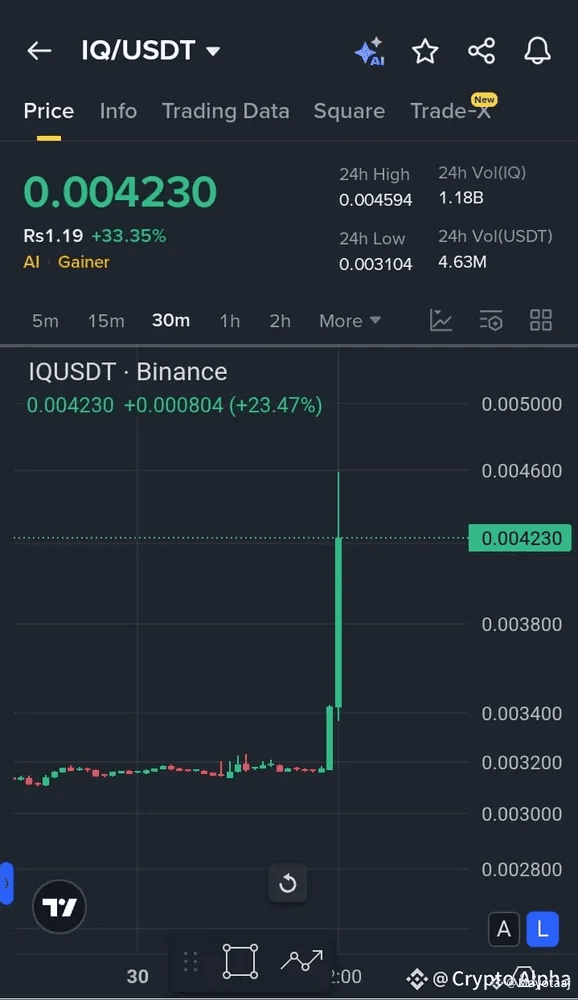
IQマーケットアップデート(30分チャート)
IQは急激な30%の上昇を見せ、0.0031の範囲から0.0045以上に上昇しました。しかし、最新のキャンドルは長い上ひげで閉じ、強い売り圧力と高いレベルでの利益確定を反映しています。これはトレーダーが注意深く監視すべき重要な抵抗ゾーンを示しています。
トレードセットアップ
エントリーゾーン: 0.00410 – 0.00425
ターゲット1: 0.00450
ターゲット2: 0.00480
ターゲット3: 0.00500
ストップロス: 0.00395
テクニカルアウトルック
この急上昇は明確な強気のモメンタムを示していますが、上での拒絶は活発なベアを示しています。価格が0.0041以上を維持する限り、買い手は0.0045以上に向けてもう一段の上昇を試みるかもしれません。しかし、このサポートを下回ると、0.0040またはそれ以下のレベルへのプルバックが引き起こされる可能性があります。
IQマーケットアップデート(30分チャート)
IQは急激な30%の上昇を見せ、0.0031の範囲から0.0045以上に上昇しました。しかし、最新のキャンドルは長い上ひげで閉じ、強い売り圧力と高いレベルでの利益確定を反映しています。これはトレーダーが注意深く監視すべき重要な抵抗ゾーンを示しています。
トレードセットアップ
エントリーゾーン: 0.00410 – 0.00425
ターゲット1: 0.00450
ターゲット2: 0.00480
ターゲット3: 0.00500
ストップロス: 0.00395
テクニカルアウトルック
この急上昇は明確な強気のモメンタムを示していますが、上での拒絶は活発なベアを示しています。価格が0.0041以上を維持する限り、買い手は0.0045以上に向けてもう一段の上昇を試みるかもしれません。しかし、このサポートを下回ると、0.0040またはそれ以下のレベルへのプルバックが引き起こされる可能性があります。
IQは急激な30%の上昇を見せ、0.0031の範囲から0.0045以上に上昇しました。しかし、最新のキャンドルは長い上ひげで閉じ、強い売り圧力と高いレベルでの利益確定を反映しています。これはトレーダーが注意深く監視すべき重要な抵抗ゾーンを示しています。
トレードセットアップ
エントリーゾーン: 0.00410 – 0.00425
ターゲット1: 0.00450
ターゲット2: 0.00480
ターゲット3: 0.00500
ストップロス: 0.00395
テクニカルアウトルック
この急上昇は明確な強気のモメンタムを示していますが、上での拒絶は活発なベアを示しています。価格が0.0041以上を維持する限り、買い手は0.0045以上に向けてもう一段の上昇を試みるかもしれません。しかし、このサポートを下回ると、0.0040またはそれ以下のレベルへのプルバックが引き起こされる可能性があります。
208
·
--
米国政府の shutdown は非常に可能性が高いと見られている - 暗号通貨への重要な影響
予測市場が10月1日までに米国政府のshutdownの83%の確率を示しているため、トレーダーは世界の市場における重要な波及効果に備えています。暗号通貨セクターへの影響は二重です:
規制の遅延:ビットコインETFの承認やSECおよびCFTCからの重要な規制措置を含む重要なプロセスは、延期される可能性が高いです。
市場データのブラックアウト:連邦政府の運営の停止は、重要な経済データ(例:雇用報告、CPI)の停止を意味し、民間データへの依存が高まり、市場のボラティリティを増幅させる可能性があります。
異なる資産のパフォーマンス:ビットコインは政治的不安定に対するヘッジとして強化される可能性がありますが、アルトコインは流動性の引き締めと規制の明確化の遅れから圧力を受ける可能性があります。
歴史的文脈:2018-19年のshutdownは35日間続き、経済に110億ドルの損失をもたらしました。現在のETFの保留と持続的なインフレ懸念の背景を考慮すると、今回の市場の反応はより顕著になる可能性があります。
バイナンストレーダーの考察:高いボラティリティと急激な価格変動に備えてください。相対的な耐久性のためにビットコインを監視し、アルトコインには注意を払いましょう。
$BTC $ETH $BNB
{spot}(BTCUSDT)
{future}(ETHUSDT)
{spot}(BNBUSDT)
米国政府の shutdown は非常に可能性が高いと見られている - 暗号通貨への重要な影響
予測市場が10月1日までに米国政府のshutdownの83%の確率を示しているため、トレーダーは世界の市場における重要な波及効果に備えています。暗号通貨セクターへの影響は二重です:
規制の遅延:ビットコインETFの承認やSECおよびCFTCからの重要な規制措置を含む重要なプロセスは、延期される可能性が高いです。
市場データのブラックアウト:連邦政府の運営の停止は、重要な経済データ(例:雇用報告、CPI)の停止を意味し、民間データへの依存が高まり、市場のボラティリティを増幅させる可能性があります。
異なる資産のパフォーマンス:ビットコインは政治的不安定に対するヘッジとして強化される可能性がありますが、アルトコインは流動性の引き締めと規制の明確化の遅れから圧力を受ける可能性があります。
歴史的文脈:2018-19年のshutdownは35日間続き、経済に110億ドルの損失をもたらしました。現在のETFの保留と持続的なインフレ懸念の背景を考慮すると、今回の市場の反応はより顕著になる可能性があります。
バイナンストレーダーの考察:高いボラティリティと急激な価格変動に備えてください。相対的な耐久性のためにビットコインを監視し、アルトコインには注意を払いましょう。
$BTC $ETH $BNB
予測市場が10月1日までに米国政府のshutdownの83%の確率を示しているため、トレーダーは世界の市場における重要な波及効果に備えています。暗号通貨セクターへの影響は二重です:
規制の遅延:ビットコインETFの承認やSECおよびCFTCからの重要な規制措置を含む重要なプロセスは、延期される可能性が高いです。
市場データのブラックアウト:連邦政府の運営の停止は、重要な経済データ(例:雇用報告、CPI)の停止を意味し、民間データへの依存が高まり、市場のボラティリティを増幅させる可能性があります。
異なる資産のパフォーマンス:ビットコインは政治的不安定に対するヘッジとして強化される可能性がありますが、アルトコインは流動性の引き締めと規制の明確化の遅れから圧力を受ける可能性があります。
歴史的文脈:2018-19年のshutdownは35日間続き、経済に110億ドルの損失をもたらしました。現在のETFの保留と持続的なインフレ懸念の背景を考慮すると、今回の市場の反応はより顕著になる可能性があります。
バイナンストレーダーの考察:高いボラティリティと急激な価格変動に備えてください。相対的な耐久性のためにビットコインを監視し、アルトコインには注意を払いましょう。
$BTC $ETH $BNB

1
8
11.2k
ログインして、さらにコンテンツを読む
厳選トピックで世界の暗号資産トレーダーの仲間入り
⚡️ 暗号資産に関する最新かつ有益な情報が見つかります。
💬 世界最大の暗号資産取引所から信頼されています。
👍 認証を受けたクリエイターから、有益なインサイトを得られます。
メール / 電話番号
トレンドトピック
US10YearYieldNears5.3%
閲覧回数 188
25人が討論中
#US10YearYieldNears5.3%
📊 債券利回りが複数年の高値を更新!
米10年国債利回りが5.3%に近づくことで、世界の金融市場で大きな注目材料になっています。利回りの上昇は、インフレ、経済成長、政府の借入に関する見通しが変化していることを反映しています。
🌍 今回の状況が特に興味深いのは、暗号資産(クリプト)のセンチメントへの影響です。債券利回りが高まると、リスクの高い資産への需要が減る可能性がある一方で、継続的な機関投資家の関心がクリプト市場に一定の支えを提供するかもしれません。
₿ 重要な問いはこうです。伝統的な金融市場で借入コストが上昇する中で、ビットコインはその強さを維持できるのか?
💡 ときには、市場が発する最大のサインはクリプト市場の外側からもたらされます。
#Bitcoin #CryptoMarket #US10YearYield #TreasuryYields #BTC $BTC
PALASH5
·いいね:0件
·閲覧回数 306
BitcoinETFsTake$6.34BillionInQ3
閲覧回数 33
7人が討論中
KoreaProposesTokenizingStocksAndBonds
閲覧回数 21,360
311人が討論中