

CryptoHarmony
148 投稿

CryptoHarmony
報告
ユーザーをブロック
Crypto knight breaking down everyday update for users|UIUX designer| web3 girl👩💻| No fluff, just clarity
0 フォロー
90 フォロワー
75 いいね
投稿
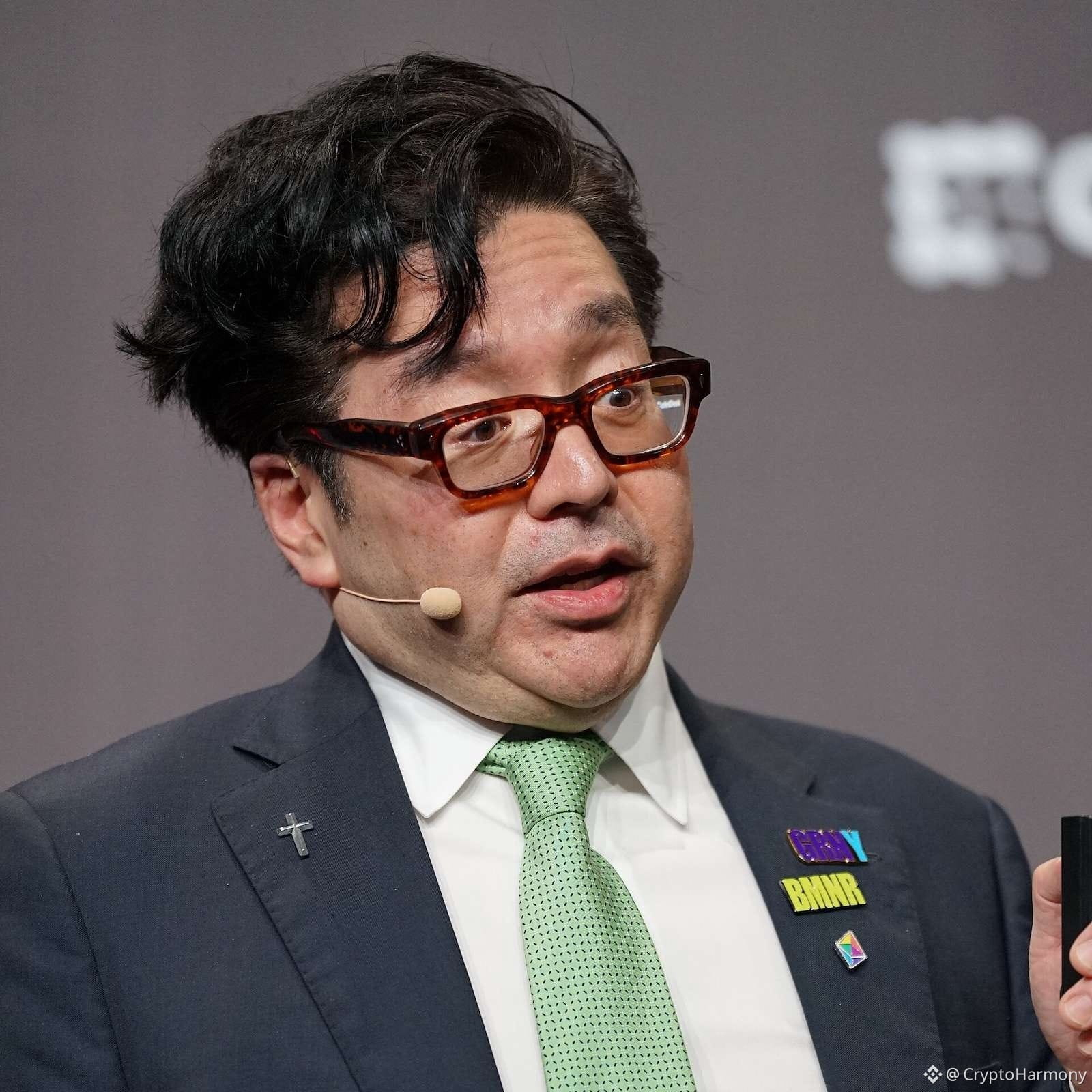
トム・リーは新たなイーサリアム高値を予測
トム・リーはCoinageに対し、イーサリアムは今年「間違いなく」史上最高値を更新できる可能性があり、短期目標として3,000ドルを挙げ、さらに「5,000ドルを大きく上回る」水準が続くかもしれないと述べた。
この見通しは、投資家が市場環境の変化や、機関投資家の関心の再燃の中で$ETHを引き続き注視していることを背景としている。
#BTC価格分析# #マクロ見通し# #Ethereum
トム・リーは新たなイーサリアム高値を予測
トム・リーはCoinageに対し、イーサリアムは今年「間違いなく」史上最高値を更新できる可能性があり、短期目標として3,000ドルを挙げ、さらに「5,000ドルを大きく上回る」水準が続くかもしれないと述べた。
この見通しは、投資家が市場環境の変化や、機関投資家の関心の再燃の中で$ETHを引き続き注視していることを背景としている。
#BTC価格分析# #マクロ見通し# #Ethereum
トム・リーはCoinageに対し、イーサリアムは今年「間違いなく」史上最高値を更新できる可能性があり、短期目標として3,000ドルを挙げ、さらに「5,000ドルを大きく上回る」水準が続くかもしれないと述べた。
この見通しは、投資家が市場環境の変化や、機関投資家の関心の再燃の中で$ETHを引き続き注視していることを背景としている。
#BTC価格分析# #マクロ見通し# #Ethereum

71
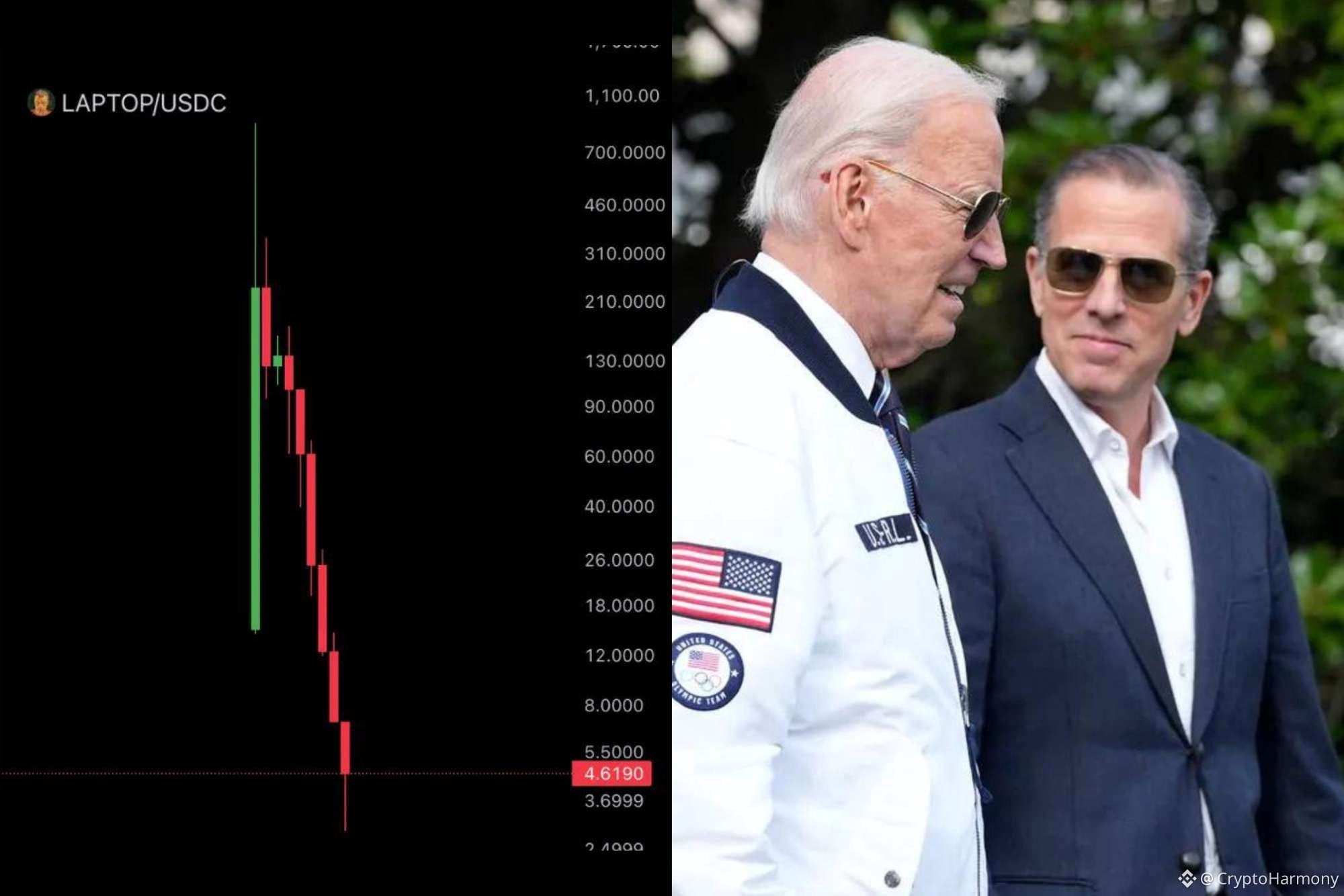
ハンター・バイデンのメメコイン「$LAPTOP」が発売から数分で98%急落してクラッシュ。
#laptop #Macro Insights# #Meme Alpha#
ハンター・バイデンのメメコイン「$LAPTOP」が発売から数分で98%急落してクラッシュ。
#laptop #Macro Insights# #Meme Alpha#
#laptop #Macro Insights# #Meme Alpha#
52
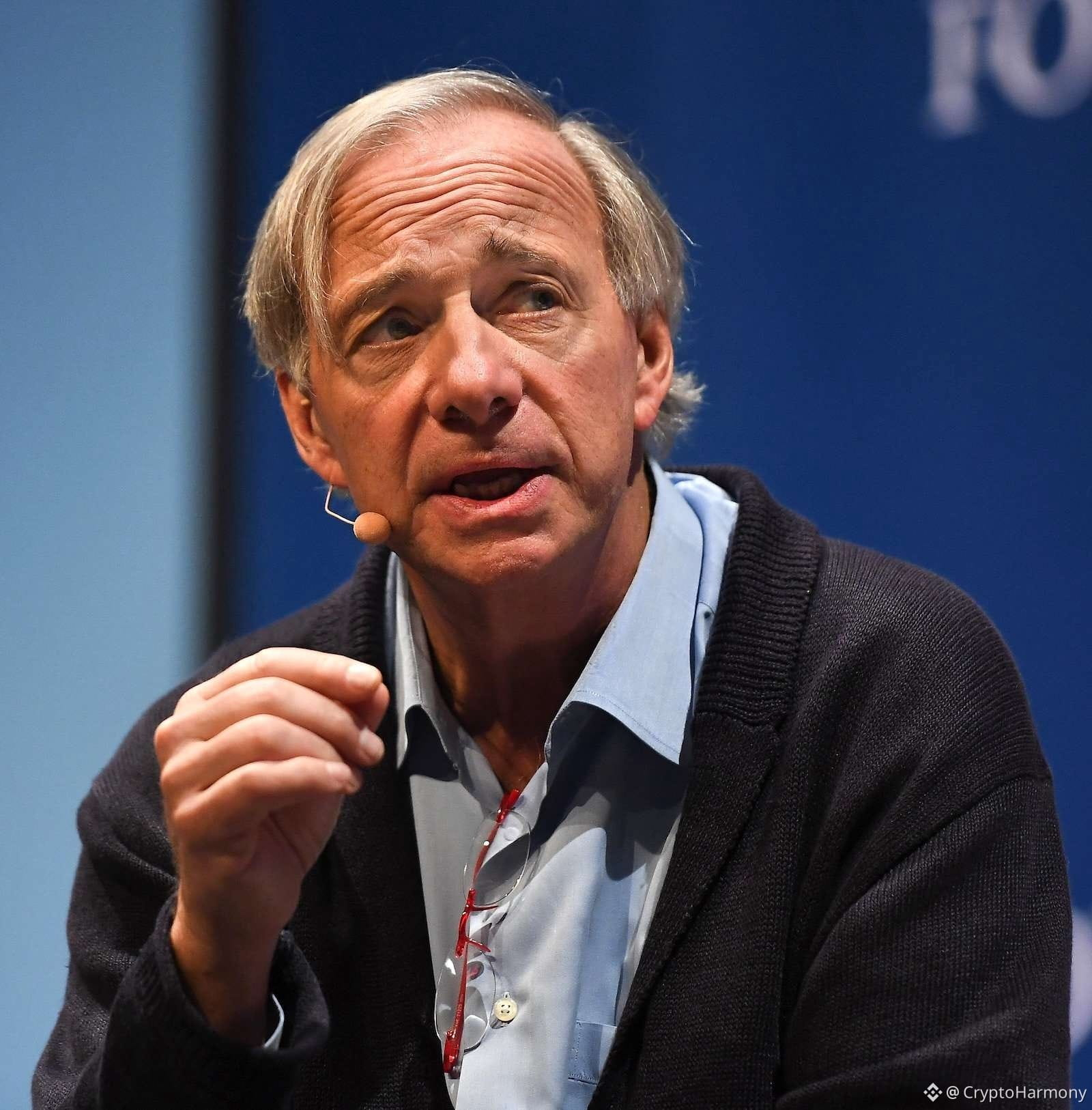
レイ・ダリオ、マネーの刷り増しに対するヘッジとしてビットコインを追加。
億万長者の投資家レイ・ダリオは、ビットコインを自身のポートフォリオの約1%保有していると述べており、金と並ぶ「印刷できないお金」の一形態として見ている。
ダリオの配分は、通貨の価値下落やインフレのリスクに対する防御を求める従来の投資家の間で、ビットコインへの受け入れが高まっていることを示している。
#マクロ洞察# #BTC価格分析# #ビットコイン $BTC
レイ・ダリオ、マネーの刷り増しに対するヘッジとしてビットコインを追加。
億万長者の投資家レイ・ダリオは、ビットコインを自身のポートフォリオの約1%保有していると述べており、金と並ぶ「印刷できないお金」の一形態として見ている。
ダリオの配分は、通貨の価値下落やインフレのリスクに対する防御を求める従来の投資家の間で、ビットコインへの受け入れが高まっていることを示している。
#マクロ洞察# #BTC価格分析# #ビットコイン $BTC
億万長者の投資家レイ・ダリオは、ビットコインを自身のポートフォリオの約1%保有していると述べており、金と並ぶ「印刷できないお金」の一形態として見ている。
ダリオの配分は、通貨の価値下落やインフレのリスクに対する防御を求める従来の投資家の間で、ビットコインへの受け入れが高まっていることを示している。
#マクロ洞察# #BTC価格分析# #ビットコイン $BTC
29
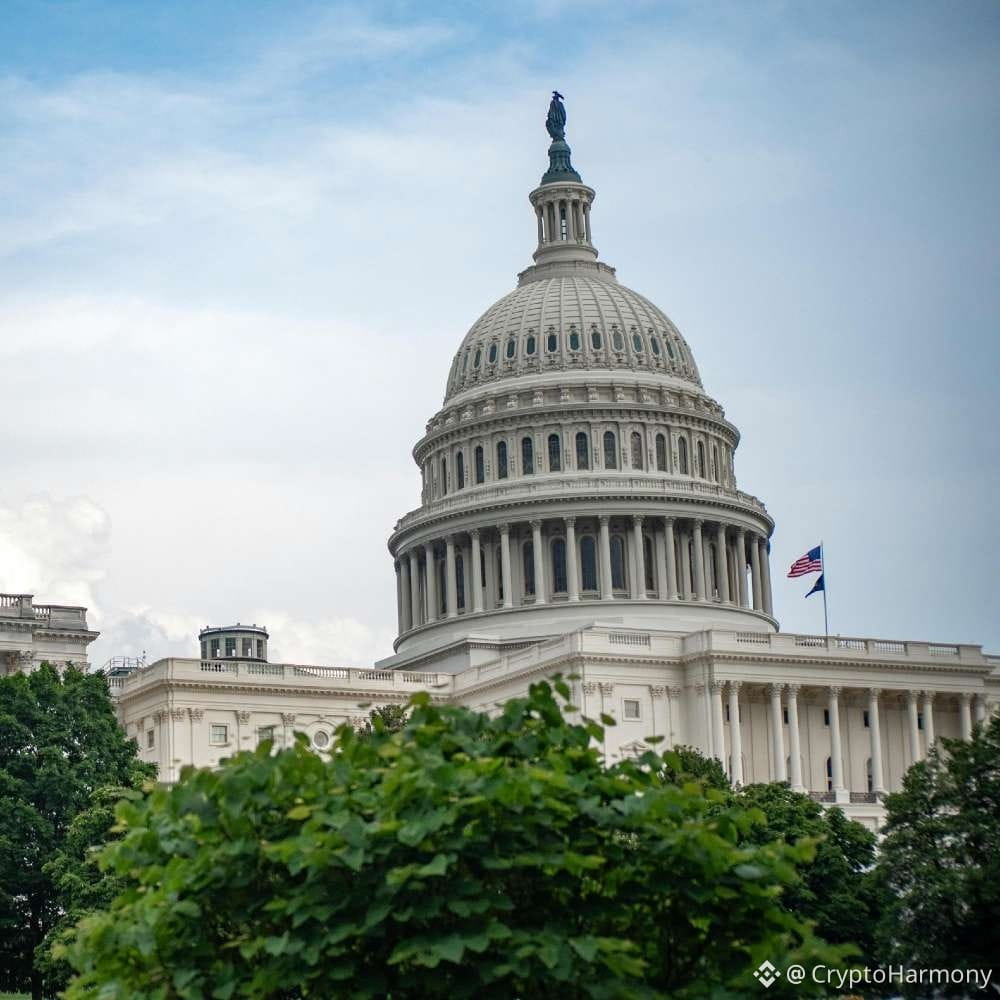
ルミス上院議員、CLARITY法を擁護。
シンシア・ルミス上院議員は、CLARITY法の反対者を批判し、抵抗が正当なデジタル資産のイノベーションを支援するのではなく、不正行為を保護し得ると主張した。
彼女は、明確な暗号資産規制が業界を強化し、責任ある成長を促し、法的枠組みの中で活動する企業や利用者を保護するのに役立つと強調した。
#Macro Insights# #CLARITYAct #BTC Price Analysis# $BTC
ルミス上院議員、CLARITY法を擁護。
シンシア・ルミス上院議員は、CLARITY法の反対者を批判し、抵抗が正当なデジタル資産のイノベーションを支援するのではなく、不正行為を保護し得ると主張した。
彼女は、明確な暗号資産規制が業界を強化し、責任ある成長を促し、法的枠組みの中で活動する企業や利用者を保護するのに役立つと強調した。
#Macro Insights# #CLARITYAct #BTC Price Analysis# $BTC
シンシア・ルミス上院議員は、CLARITY法の反対者を批判し、抵抗が正当なデジタル資産のイノベーションを支援するのではなく、不正行為を保護し得ると主張した。
彼女は、明確な暗号資産規制が業界を強化し、責任ある成長を促し、法的枠組みの中で活動する企業や利用者を保護するのに役立つと強調した。
#Macro Insights# #CLARITYAct #BTC Price Analysis# $BTC

46
ブータンのゲレフフ・シティがビットコインのトレジャリー運用に3iQを起用
ブータンの「ゲレフフ・マインドフルネス・シティ」は、カナダのデジタル・アセット運用会社3iQを任命し、$BTCのトレジャリーの一部を管理させる。今回の動きは、機関や政府後援の取り組みによる、プロフェッショナルな暗号資産運用の導入が広がっていることを示している。
この提携は、ビットコインが戦略的準備資産としての信頼を高めていることを反映しており、より多くの組織がデジタル資産の保有を管理・最適化する方法を検討している。
#マクロ・インサイト# #BTC価格分析# #Bhutan
ブータンのゲレフフ・シティがビットコインのトレジャリー運用に3iQを起用
ブータンの「ゲレフフ・マインドフルネス・シティ」は、カナダのデジタル・アセット運用会社3iQを任命し、$BTCのトレジャリーの一部を管理させる。今回の動きは、機関や政府後援の取り組みによる、プロフェッショナルな暗号資産運用の導入が広がっていることを示している。
この提携は、ビットコインが戦略的準備資産としての信頼を高めていることを反映しており、より多くの組織がデジタル資産の保有を管理・最適化する方法を検討している。
#マクロ・インサイト# #BTC価格分析# #Bhutan
ブータンの「ゲレフフ・マインドフルネス・シティ」は、カナダのデジタル・アセット運用会社3iQを任命し、$BTCのトレジャリーの一部を管理させる。今回の動きは、機関や政府後援の取り組みによる、プロフェッショナルな暗号資産運用の導入が広がっていることを示している。
この提携は、ビットコインが戦略的準備資産としての信頼を高めていることを反映しており、より多くの組織がデジタル資産の保有を管理・最適化する方法を検討している。
#マクロ・インサイト# #BTC価格分析# #Bhutan

65
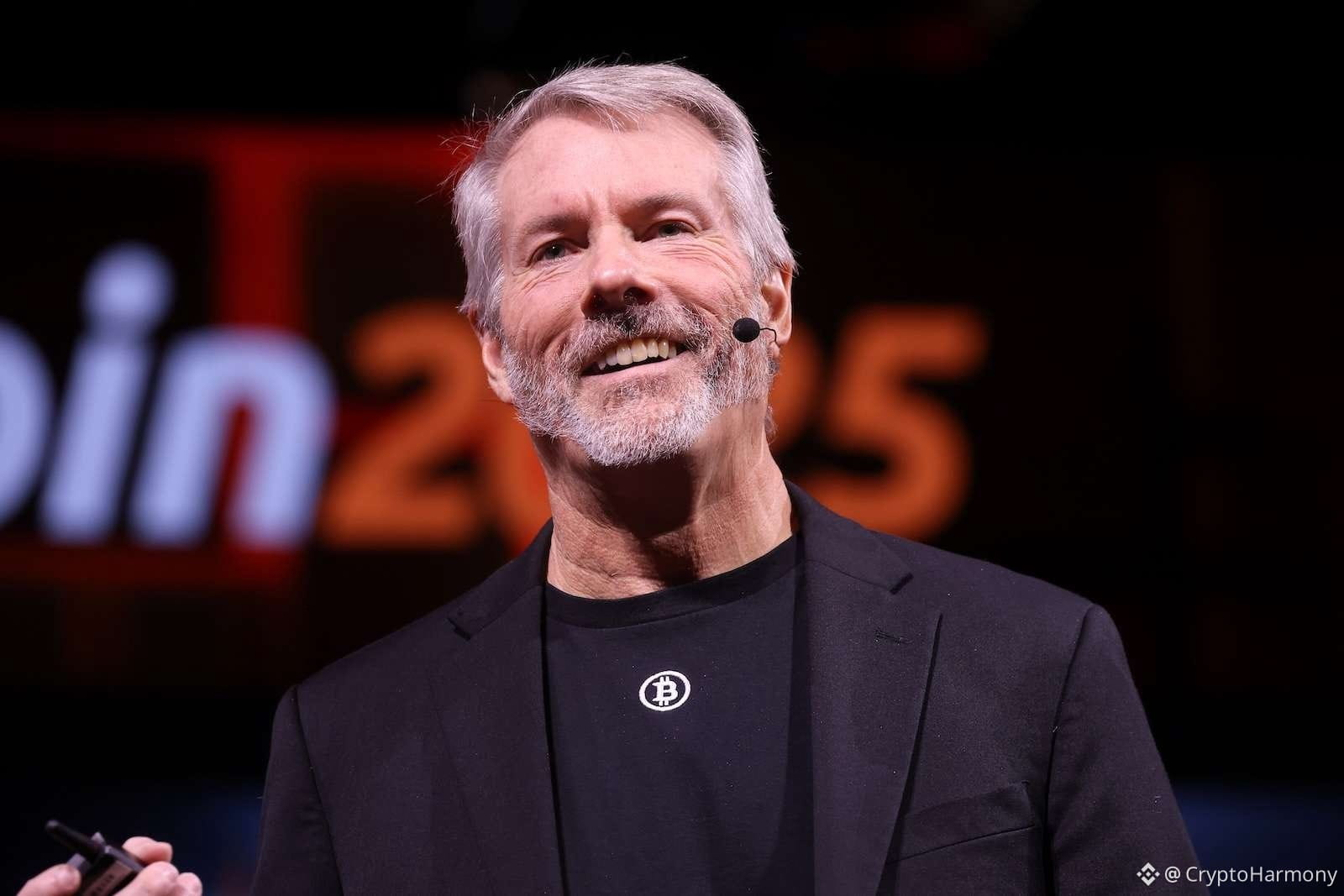
マイケル・セイラーがストラテジーの野心的な目標を掲げる。
マイケル・セイラーは、ストラテジーの長期的な野心は時価総額において「世界最大の企業」になることだと述べています。このビジョンは、同社の攻めの姿勢のあるビットコイン重視の戦略と、主要な金融資産としての $BTC への信念を反映しています。
セイラーの発言は、ビットコイン・トレジャリー(保有)方針の拡大へのストラテジーの取り組みを強調していますが、世界最高の時価総額を達成するには前例のない成長と、市場の信頼の継続が必要になるでしょう。
#マクロ・インサイト# #BTC価格分析# #MichaelSaylor
マイケル・セイラーがストラテジーの野心的な目標を掲げる。
マイケル・セイラーは、ストラテジーの長期的な野心は時価総額において「世界最大の企業」になることだと述べています。このビジョンは、同社の攻めの姿勢のあるビットコイン重視の戦略と、主要な金融資産としての $BTC への信念を反映しています。
セイラーの発言は、ビットコイン・トレジャリー(保有)方針の拡大へのストラテジーの取り組みを強調していますが、世界最高の時価総額を達成するには前例のない成長と、市場の信頼の継続が必要になるでしょう。
#マクロ・インサイト# #BTC価格分析# #MichaelSaylor
マイケル・セイラーは、ストラテジーの長期的な野心は時価総額において「世界最大の企業」になることだと述べています。このビジョンは、同社の攻めの姿勢のあるビットコイン重視の戦略と、主要な金融資産としての $BTC への信念を反映しています。
セイラーの発言は、ビットコイン・トレジャリー(保有)方針の拡大へのストラテジーの取り組みを強調していますが、世界最高の時価総額を達成するには前例のない成長と、市場の信頼の継続が必要になるでしょう。
#マクロ・インサイト# #BTC価格分析# #MichaelSaylor
72
【速報】戦略、ビットコインのマネタイズ・プログラムを開始
マイケル・セイラー率いるストラテジーが、ビットコインのマネタイズ・プログラムを立ち上げました。同社は、運営資金を賄うために同社の保有する $BTC の一部を売却できるようになります。この動きは、最もよく知られたビットコイントレジャリー企業の1つにおける資本戦略の注目すべき転換を示しています。
同社は流動性を維持しつつ、依然として大きなビットコイン保有残高を保つことを目指しており、バランスシート管理により柔軟なアプローチを取る意思がうかがえます。市場参加者は、センチメントやBTCの供給ダイナミクスへの潜在的な影響を注意深く見守っています。
#BTC Price Analysis# #MichaelSaylor #Bitcoin
【速報】戦略、ビットコインのマネタイズ・プログラムを開始
マイケル・セイラー率いるストラテジーが、ビットコインのマネタイズ・プログラムを立ち上げました。同社は、運営資金を賄うために同社の保有する $BTC の一部を売却できるようになります。この動きは、最もよく知られたビットコイントレジャリー企業の1つにおける資本戦略の注目すべき転換を示しています。
同社は流動性を維持しつつ、依然として大きなビットコイン保有残高を保つことを目指しており、バランスシート管理により柔軟なアプローチを取る意思がうかがえます。市場参加者は、センチメントやBTCの供給ダイナミクスへの潜在的な影響を注意深く見守っています。
#BTC Price Analysis# #MichaelSaylor #Bitcoin
マイケル・セイラー率いるストラテジーが、ビットコインのマネタイズ・プログラムを立ち上げました。同社は、運営資金を賄うために同社の保有する $BTC の一部を売却できるようになります。この動きは、最もよく知られたビットコイントレジャリー企業の1つにおける資本戦略の注目すべき転換を示しています。
同社は流動性を維持しつつ、依然として大きなビットコイン保有残高を保つことを目指しており、バランスシート管理により柔軟なアプローチを取る意思がうかがえます。市場参加者は、センチメントやBTCの供給ダイナミクスへの潜在的な影響を注意深く見守っています。
#BTC Price Analysis# #MichaelSaylor #Bitcoin

66
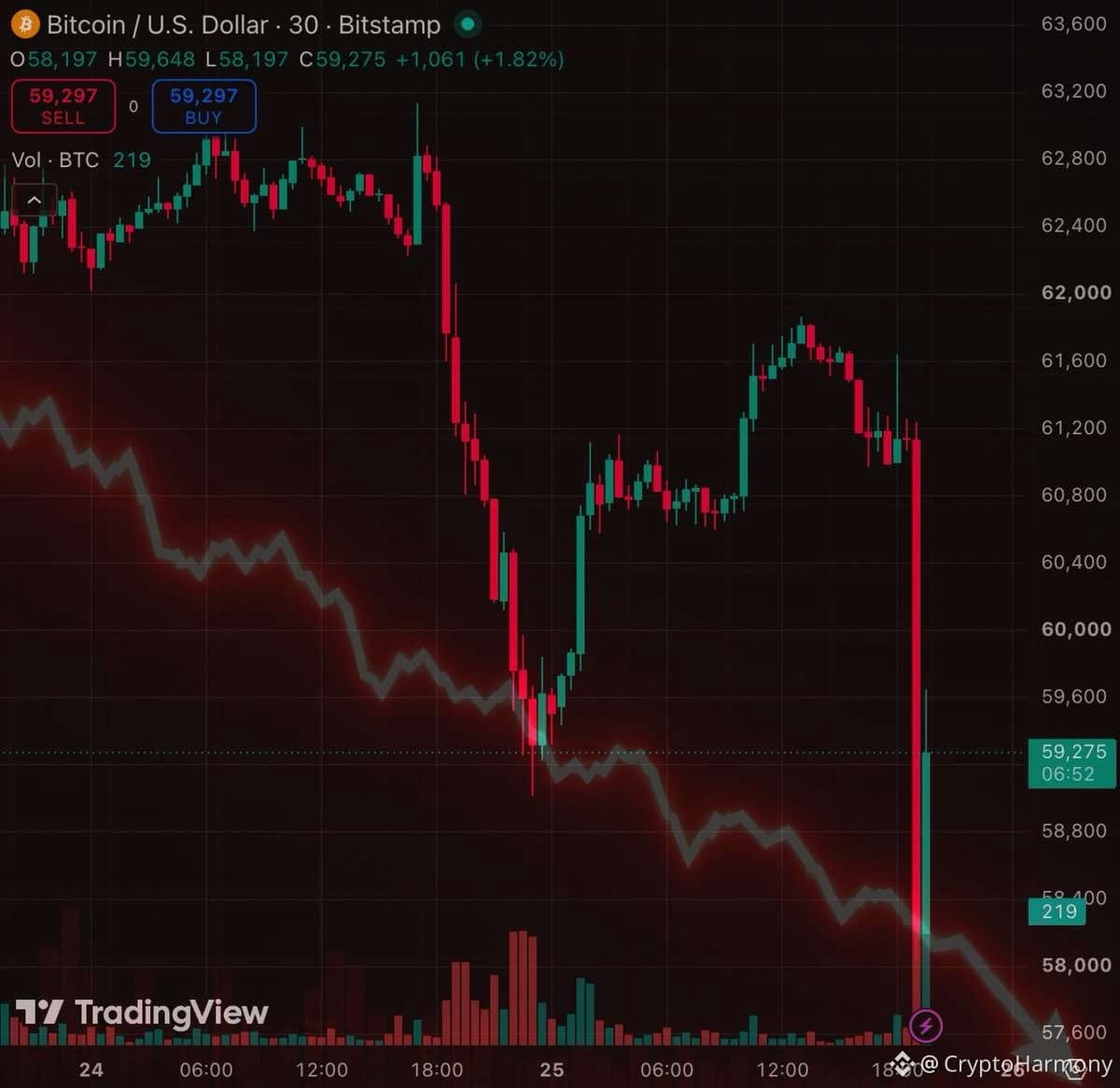
緊急速報:ビットコイン($BTC)が58,000ドル台に到達。約20か月ぶりの安値
過去60分で暗号資産市場から5億ドル超が清算
#BTC価格分析# #マクロの洞察# #アルトコイン・シーズン#
緊急速報:ビットコイン($BTC)が58,000ドル台に到達。約20か月ぶりの安値
過去60分で暗号資産市場から5億ドル超が清算
#BTC価格分析# #マクロの洞察# #アルトコイン・シーズン#
過去60分で暗号資産市場から5億ドル超が清算
#BTC価格分析# #マクロの洞察# #アルトコイン・シーズン#
98
より明確な内訳はこちら:
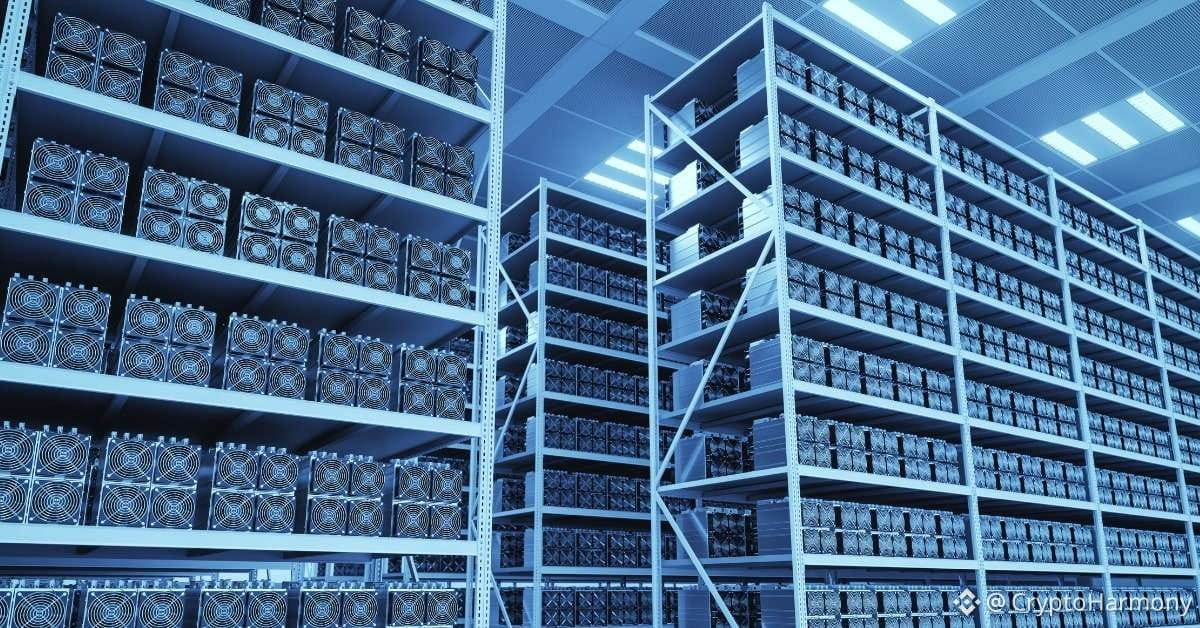
ビットコインの生産コスト(約78Kドル)。これはモデルに基づく推計で、以下を含みます:
○ 電力コストの世界平均
○ 採掘(マイニング)用ハードウェアの効率
○ ネットワーク難易度(時間とともに調整されます)
○ 運用コスト(冷却、インフラ、メンテナンス)
つまり、これは個人のマイニングコストではなく、業界全体の平均を“ブレンドした”ものです。
現在価格(約63Kドル)。もしBTCがこの推定コストを下回っている場合、非効率なマイナーは損失で稼働していることになります。利益を保てるのは最も効率の良いマイナーだけです。マイナーには、保有分(リザーブ)を売るか、マイニング機を停止する圧力が高まります
重要なニュアンス:
一部のマイナーは、はるかに低いコスト(例:30Kドル~50Kドル)でBTCを生産できるかもしれません
一方で、電力コストや規模によっては、78Kドルを上回ることもあります
78Kドルの数字は、BTCあたりの“普遍的な”コストというより、合算された損益分岐点です
全体としての意味:価格が推定生産コストを数か月にわたって下回ると、しばしば以下につながります:
○ マイナーのストレス
○ ハッシュレートの低下(※一時的な場合も)
○ 起こり得る「投げ売り(キャピテュレーション)フェーズ」
しかし歴史的には、その後に市場が再調整(リバランス)されることもあります
#BTC Price Analysis# #Macro Insights# $BTC
より明確な内訳はこちら:
ビットコインの生産コスト(約78Kドル)。これはモデルに基づく推計で、以下を含みます:
○ 電力コストの世界平均
○ 採掘(マイニング)用ハードウェアの効率
○ ネットワーク難易度(時間とともに調整されます)
○ 運用コスト(冷却、インフラ、メンテナンス)
つまり、これは個人のマイニングコストではなく、業界全体の平均を“ブレンドした”ものです。
現在価格(約63Kドル)。もしBTCがこの推定コストを下回っている場合、非効率なマイナーは損失で稼働していることになります。利益を保てるのは最も効率の良いマイナーだけです。マイナーには、保有分(リザーブ)を売るか、マイニング機を停止する圧力が高まります
重要なニュアンス:
一部のマイナーは、はるかに低いコスト(例:30Kドル~50Kドル)でBTCを生産できるかもしれません
一方で、電力コストや規模によっては、78Kドルを上回ることもあります
78Kドルの数字は、BTCあたりの“普遍的な”コストというより、合算された損益分岐点です
全体としての意味:価格が推定生産コストを数か月にわたって下回ると、しばしば以下につながります:
○ マイナーのストレス
○ ハッシュレートの低下(※一時的な場合も)
○ 起こり得る「投げ売り(キャピテュレーション)フェーズ」
しかし歴史的には、その後に市場が再調整(リバランス)されることもあります
#BTC Price Analysis# #Macro Insights# $BTC
ビットコインの生産コスト(約78Kドル)。これはモデルに基づく推計で、以下を含みます:
○ 電力コストの世界平均
○ 採掘(マイニング)用ハードウェアの効率
○ ネットワーク難易度(時間とともに調整されます)
○ 運用コスト(冷却、インフラ、メンテナンス)
つまり、これは個人のマイニングコストではなく、業界全体の平均を“ブレンドした”ものです。
現在価格(約63Kドル)。もしBTCがこの推定コストを下回っている場合、非効率なマイナーは損失で稼働していることになります。利益を保てるのは最も効率の良いマイナーだけです。マイナーには、保有分(リザーブ)を売るか、マイニング機を停止する圧力が高まります
重要なニュアンス:
一部のマイナーは、はるかに低いコスト(例:30Kドル~50Kドル)でBTCを生産できるかもしれません
一方で、電力コストや規模によっては、78Kドルを上回ることもあります
78Kドルの数字は、BTCあたりの“普遍的な”コストというより、合算された損益分岐点です
全体としての意味:価格が推定生産コストを数か月にわたって下回ると、しばしば以下につながります:
○ マイナーのストレス
○ ハッシュレートの低下(※一時的な場合も)
○ 起こり得る「投げ売り(キャピテュレーション)フェーズ」
しかし歴史的には、その後に市場が再調整(リバランス)されることもあります
#BTC Price Analysis# #Macro Insights# $BTC
58
5か月間、ビットコインが推定生産コストを下回る—JPMorgan
JPMorganのアナリストは、 $BTC が5か月連続で、推定生産コストである約78,000ドルを下回って取引されていると報告している。この継続的な乖離は、市場価格が平均的な採掘の損益分岐点を下回り続けることで、マイナー(採掘者)に圧力がかかっている可能性を示唆している。
この傾向は、採掘セクターにおけるストレスが続いていることを浮き彫りにする。つまり、 $BTC が生産コストを長期間下回って取引されると、収益性は縮小する。アナリストは、この断絶がマイナーの降伏( capitulation )につながるのか、それとも時間の経過とともに価格が反転する可能性があるのかを注視している。
#JPMorgan #Macro Insights# #BTC Price Analysis#
5か月間、ビットコインが推定生産コストを下回る—JPMorgan
JPMorganのアナリストは、 $BTC が5か月連続で、推定生産コストである約78,000ドルを下回って取引されていると報告している。この継続的な乖離は、市場価格が平均的な採掘の損益分岐点を下回り続けることで、マイナー(採掘者)に圧力がかかっている可能性を示唆している。
この傾向は、採掘セクターにおけるストレスが続いていることを浮き彫りにする。つまり、 $BTC が生産コストを長期間下回って取引されると、収益性は縮小する。アナリストは、この断絶がマイナーの降伏( capitulation )につながるのか、それとも時間の経過とともに価格が反転する可能性があるのかを注視している。
#JPMorgan #Macro Insights# #BTC Price Analysis#
JPMorganのアナリストは、 $BTC が5か月連続で、推定生産コストである約78,000ドルを下回って取引されていると報告している。この継続的な乖離は、市場価格が平均的な採掘の損益分岐点を下回り続けることで、マイナー(採掘者)に圧力がかかっている可能性を示唆している。
この傾向は、採掘セクターにおけるストレスが続いていることを浮き彫りにする。つまり、 $BTC が生産コストを長期間下回って取引されると、収益性は縮小する。アナリストは、この断絶がマイナーの降伏( capitulation )につながるのか、それとも時間の経過とともに価格が反転する可能性があるのかを注視している。
#JPMorgan #Macro Insights# #BTC Price Analysis#
82
ビットコイン・マイナーは降伏(キャピテュレーション)リスクに直面。
#ビットコイン・マイナーのMeticが警鐘を鳴らしている。マイナーの利益率が5%を下回り、潜在的な「キャピテュレーション(降伏)」についての議論が広がっている。明確な弱気相場の底が見えない中、一部のマイナーは運営コストを賄うために資産を清算せざるを得ない可能性がある。
マイニング分野は圧力を受けており、アナリストは、低い利益率が長引けば、より大規模な投げ売り(シェイクアウト)を引き起こし、 $BTC の価格ダイナミクスに影響する恐れがあると警告している。市場がこうした課題を乗り越える中で、マイナーの収益性は今後数カ月間におけるビットコインの行方を左右する重要な要素であり続けるだろう。
#BTC価格分析# #マクロ洞察# #アルトコイン・シーズン#
ビットコイン・マイナーは降伏(キャピテュレーション)リスクに直面。
#ビットコイン・マイナーのMeticが警鐘を鳴らしている。マイナーの利益率が5%を下回り、潜在的な「キャピテュレーション(降伏)」についての議論が広がっている。明確な弱気相場の底が見えない中、一部のマイナーは運営コストを賄うために資産を清算せざるを得ない可能性がある。
マイニング分野は圧力を受けており、アナリストは、低い利益率が長引けば、より大規模な投げ売り(シェイクアウト)を引き起こし、 $BTC の価格ダイナミクスに影響する恐れがあると警告している。市場がこうした課題を乗り越える中で、マイナーの収益性は今後数カ月間におけるビットコインの行方を左右する重要な要素であり続けるだろう。
#BTC価格分析# #マクロ洞察# #アルトコイン・シーズン#
#ビットコイン・マイナーのMeticが警鐘を鳴らしている。マイナーの利益率が5%を下回り、潜在的な「キャピテュレーション(降伏)」についての議論が広がっている。明確な弱気相場の底が見えない中、一部のマイナーは運営コストを賄うために資産を清算せざるを得ない可能性がある。
マイニング分野は圧力を受けており、アナリストは、低い利益率が長引けば、より大規模な投げ売り(シェイクアウト)を引き起こし、 $BTC の価格ダイナミクスに影響する恐れがあると警告している。市場がこうした課題を乗り越える中で、マイナーの収益性は今後数カ月間におけるビットコインの行方を左右する重要な要素であり続けるだろう。
#BTC価格分析# #マクロ洞察# #アルトコイン・シーズン#

47
ビットコイン、ETFからの資金流出を背景に圧力
スポット・ビットコインETFから19億ドルが流出したことで、ビットコインは重要な試練に直面しており、6万ドルのサポート水準を上回る水準が危険にさらされています。
最近の流出は、テック株が不安定な動きを見せる一方で、$BTCがヘッジとしての信頼を失いつつあることを示唆しています。
アナリストは、ビットコインがこの売り圧力に耐えられるかどうかを慎重に見ています。今後数日が重要な局面となるでしょう。伝統的な市場と暗号資産の値動きの相互作用が、ビットコインが足場を取り戻せるのか、あるいはさらなる下落に直面して、安全資産としての役割が試されるのかを左右する可能性があります。
#BTC 価格分析# #マクロ見通し# #アルトコイン・シーズン#
ビットコイン、ETFからの資金流出を背景に圧力
スポット・ビットコインETFから19億ドルが流出したことで、ビットコインは重要な試練に直面しており、6万ドルのサポート水準を上回る水準が危険にさらされています。
最近の流出は、テック株が不安定な動きを見せる一方で、$BTCがヘッジとしての信頼を失いつつあることを示唆しています。
アナリストは、ビットコインがこの売り圧力に耐えられるかどうかを慎重に見ています。今後数日が重要な局面となるでしょう。伝統的な市場と暗号資産の値動きの相互作用が、ビットコインが足場を取り戻せるのか、あるいはさらなる下落に直面して、安全資産としての役割が試されるのかを左右する可能性があります。
#BTC 価格分析# #マクロ見通し# #アルトコイン・シーズン#
スポット・ビットコインETFから19億ドルが流出したことで、ビットコインは重要な試練に直面しており、6万ドルのサポート水準を上回る水準が危険にさらされています。
最近の流出は、テック株が不安定な動きを見せる一方で、$BTCがヘッジとしての信頼を失いつつあることを示唆しています。
アナリストは、ビットコインがこの売り圧力に耐えられるかどうかを慎重に見ています。今後数日が重要な局面となるでしょう。伝統的な市場と暗号資産の値動きの相互作用が、ビットコインが足場を取り戻せるのか、あるいはさらなる下落に直面して、安全資産としての役割が試されるのかを左右する可能性があります。
#BTC 価格分析# #マクロ見通し# #アルトコイン・シーズン#
60
SPCXがSpaceXのIPOを前に急上昇。
主要な市場参加者がSpaceXの今後のIPOにリンクした合成資産SPCXに2200万ドルのロングポジションを持ち込んだ。この影響でSPCXの価格は30%のプレミアムに達し、投資家の興奮と期待が高まっている。
しかし、熱気が高まる中で、歴史的なトレンドは慎重さを示唆している。高評価でデビューするIPOは、初期の盛り上がりが薄れるにつれてボラティリティに直面することが多い。投資家はSPCXを注意深く監視しており、伝統的な金融と暗号資産の交差点が広がっていることを示しており、強気のセンチメントの中での冷静な戦略の重要性を強調している。
#マクロインサイト# #BTC価格分析# #SpaceX $BTC
SPCXがSpaceXのIPOを前に急上昇。
主要な市場参加者がSpaceXの今後のIPOにリンクした合成資産SPCXに2200万ドルのロングポジションを持ち込んだ。この影響でSPCXの価格は30%のプレミアムに達し、投資家の興奮と期待が高まっている。
しかし、熱気が高まる中で、歴史的なトレンドは慎重さを示唆している。高評価でデビューするIPOは、初期の盛り上がりが薄れるにつれてボラティリティに直面することが多い。投資家はSPCXを注意深く監視しており、伝統的な金融と暗号資産の交差点が広がっていることを示しており、強気のセンチメントの中での冷静な戦略の重要性を強調している。
#マクロインサイト# #BTC価格分析# #SpaceX $BTC
主要な市場参加者がSpaceXの今後のIPOにリンクした合成資産SPCXに2200万ドルのロングポジションを持ち込んだ。この影響でSPCXの価格は30%のプレミアムに達し、投資家の興奮と期待が高まっている。
しかし、熱気が高まる中で、歴史的なトレンドは慎重さを示唆している。高評価でデビューするIPOは、初期の盛り上がりが薄れるにつれてボラティリティに直面することが多い。投資家はSPCXを注意深く監視しており、伝統的な金融と暗号資産の交差点が広がっていることを示しており、強気のセンチメントの中での冷静な戦略の重要性を強調している。
#マクロインサイト# #BTC価格分析# #SpaceX $BTC
73
個人投資家がビットコイン市場の主要なドライバーであり続ける。
Swan BitcoinのCEOであるコリー・クリップステン氏は、 $BTCの市場ダイナミクスを形作るうえで小口(リテール)投資家のセンチメントが引き続き影響力を持っていることを強調した。機関投資家の関心が高まっている一方で、保有は分散されたままであり、ブラックロックのような企業がこの領域を支配しているという前提に反論している。
クリップステン氏の発言は、日常の投資家の重要性を際立たせている。投資家の行動やセンチメントは、価格の動きに大きく影響し得る。 $BTCが機関投資の進展とともに進化する中で、リテール参加は市場の健全性と回復力を示す重要な指標として残り続け、暗号資産コミュニティに対して、草の根が依然として大きな影響力を持っていることを思い起こさせる。
#BTC価格分析# #マクロの洞察# #アルトコイン・シーズン#
個人投資家がビットコイン市場の主要なドライバーであり続ける。
Swan BitcoinのCEOであるコリー・クリップステン氏は、 $BTCの市場ダイナミクスを形作るうえで小口(リテール)投資家のセンチメントが引き続き影響力を持っていることを強調した。機関投資家の関心が高まっている一方で、保有は分散されたままであり、ブラックロックのような企業がこの領域を支配しているという前提に反論している。
クリップステン氏の発言は、日常の投資家の重要性を際立たせている。投資家の行動やセンチメントは、価格の動きに大きく影響し得る。 $BTCが機関投資の進展とともに進化する中で、リテール参加は市場の健全性と回復力を示す重要な指標として残り続け、暗号資産コミュニティに対して、草の根が依然として大きな影響力を持っていることを思い起こさせる。
#BTC価格分析# #マクロの洞察# #アルトコイン・シーズン#
Swan BitcoinのCEOであるコリー・クリップステン氏は、 $BTCの市場ダイナミクスを形作るうえで小口(リテール)投資家のセンチメントが引き続き影響力を持っていることを強調した。機関投資家の関心が高まっている一方で、保有は分散されたままであり、ブラックロックのような企業がこの領域を支配しているという前提に反論している。
クリップステン氏の発言は、日常の投資家の重要性を際立たせている。投資家の行動やセンチメントは、価格の動きに大きく影響し得る。 $BTCが機関投資の進展とともに進化する中で、リテール参加は市場の健全性と回復力を示す重要な指標として残り続け、暗号資産コミュニティに対して、草の根が依然として大きな影響力を持っていることを思い起こさせる。
#BTC価格分析# #マクロの洞察# #アルトコイン・シーズン#

33
ビットコインが重要なサポートから反発、$78K–$101Kを視野に。
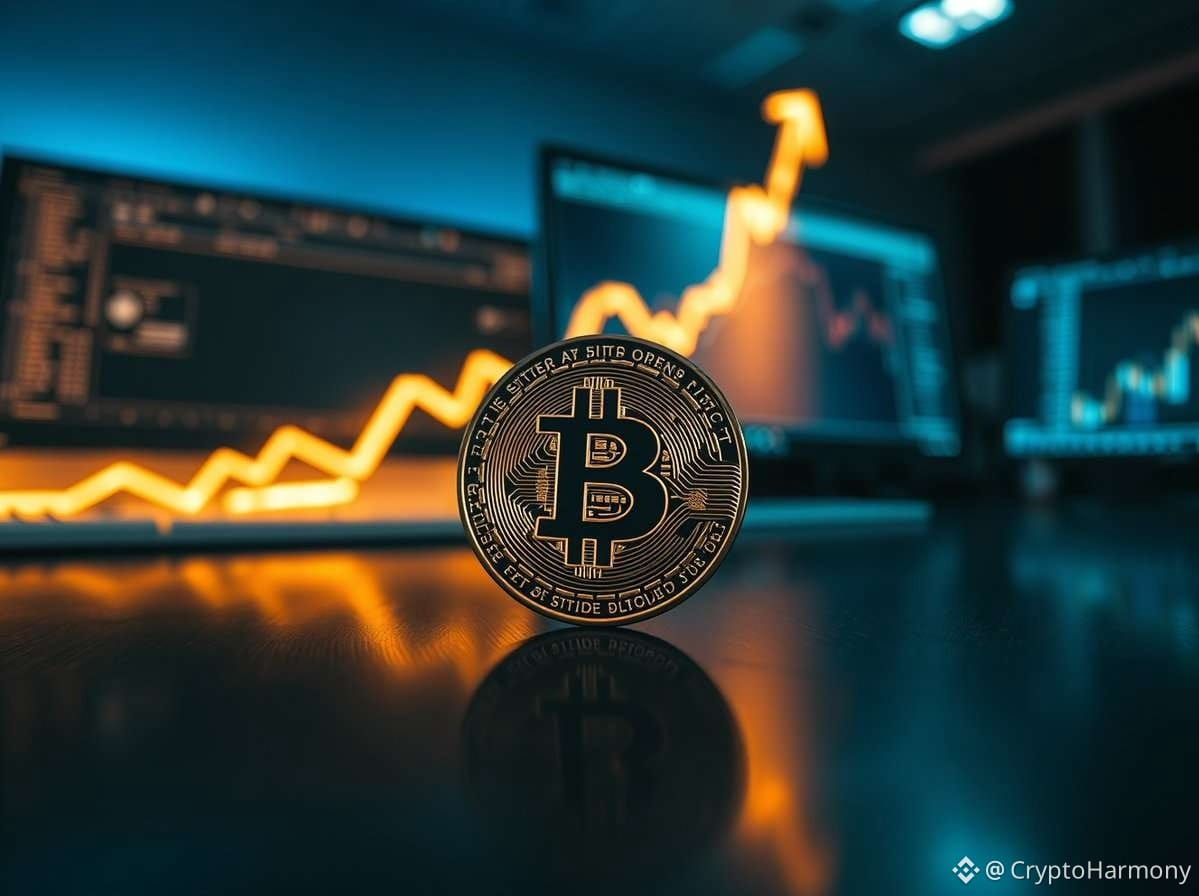
$BTCは、クリティカルなホルダーのコストベースレベルから反発することでレジリエンスを示し、投資家の間に楽観的なムードを醸成しています。アナリストは、短期的なターゲットとして$78,000を強調しており、過去のトレンドは#BTCが$101,000に到達する可能性のあるベストケースシナリオを示唆しています。
強力なサポートは、この閾値を守ろうとするホルダーからの堅実な需要を示しており、さらなる上昇のための潜在的なモメンタムを示唆しています。ビットコインが市場のボラティリティや規制の監視を乗り越える中、これらのレベルを維持できるかどうかは、より広範な暗号エコシステムに対する信頼の重要な指標となるでしょう。
#マクロインサイト# #BTC価格分析#
ビットコインが重要なサポートから反発、$78K–$101Kを視野に。
$BTCは、クリティカルなホルダーのコストベースレベルから反発することでレジリエンスを示し、投資家の間に楽観的なムードを醸成しています。アナリストは、短期的なターゲットとして$78,000を強調しており、過去のトレンドは#BTCが$101,000に到達する可能性のあるベストケースシナリオを示唆しています。
強力なサポートは、この閾値を守ろうとするホルダーからの堅実な需要を示しており、さらなる上昇のための潜在的なモメンタムを示唆しています。ビットコインが市場のボラティリティや規制の監視を乗り越える中、これらのレベルを維持できるかどうかは、より広範な暗号エコシステムに対する信頼の重要な指標となるでしょう。
#マクロインサイト# #BTC価格分析#
$BTCは、クリティカルなホルダーのコストベースレベルから反発することでレジリエンスを示し、投資家の間に楽観的なムードを醸成しています。アナリストは、短期的なターゲットとして$78,000を強調しており、過去のトレンドは#BTCが$101,000に到達する可能性のあるベストケースシナリオを示唆しています。
強力なサポートは、この閾値を守ろうとするホルダーからの堅実な需要を示しており、さらなる上昇のための潜在的なモメンタムを示唆しています。ビットコインが市場のボラティリティや規制の監視を乗り越える中、これらのレベルを維持できるかどうかは、より広範な暗号エコシステムに対する信頼の重要な指標となるでしょう。
#マクロインサイト# #BTC価格分析#
32
ホワイトハットハッカーが香港コインの欠陥スマートコントラクトから200万ドルを回収
ホワイトハットハッカーが、2016年のICO以来欠陥のあるスマートコントラクトに閉じ込められた200万ドルを香港コインのクリエイターたちのために回収しました。欠陥のある管理機能を悪用することで、ハッカーは長い間失われていた投資家の資金の返金を可能にし、ブロックチェーン開発におけるセキュリティの重要性を再確認させました。
この回収は10年近く前の投資を救うだけでなく、デジタル資産を守る倫理的ハッカーの役割を浮き彫りにしています。香港コインにとって、これは信頼を回復し、進化する暗号エコシステムにおける強固なスマートコントラクト監査の必要性を強化するための重要なステップです。
#BTC価格分析# #マクロインサイト# #CMCクエスト:報酬を得る# $ETH
ホワイトハットハッカーが香港コインの欠陥スマートコントラクトから200万ドルを回収
ホワイトハットハッカーが、2016年のICO以来欠陥のあるスマートコントラクトに閉じ込められた200万ドルを香港コインのクリエイターたちのために回収しました。欠陥のある管理機能を悪用することで、ハッカーは長い間失われていた投資家の資金の返金を可能にし、ブロックチェーン開発におけるセキュリティの重要性を再確認させました。
この回収は10年近く前の投資を救うだけでなく、デジタル資産を守る倫理的ハッカーの役割を浮き彫りにしています。香港コインにとって、これは信頼を回復し、進化する暗号エコシステムにおける強固なスマートコントラクト監査の必要性を強化するための重要なステップです。
#BTC価格分析# #マクロインサイト# #CMCクエスト:報酬を得る# $ETH
ホワイトハットハッカーが、2016年のICO以来欠陥のあるスマートコントラクトに閉じ込められた200万ドルを香港コインのクリエイターたちのために回収しました。欠陥のある管理機能を悪用することで、ハッカーは長い間失われていた投資家の資金の返金を可能にし、ブロックチェーン開発におけるセキュリティの重要性を再確認させました。
この回収は10年近く前の投資を救うだけでなく、デジタル資産を守る倫理的ハッカーの役割を浮き彫りにしています。香港コインにとって、これは信頼を回復し、進化する暗号エコシステムにおける強固なスマートコントラクト監査の必要性を強化するための重要なステップです。
#BTC価格分析# #マクロインサイト# #CMCクエスト:報酬を得る# $ETH

45
ビットコインは戦略の再購入の可能性に伴い、機関投資家からのサポートを受ける準備が整っています。
戦略の共同創設者マイケル・セイラーは、$BTCの購入に戻る可能性について示唆し、この資産を「より良く機能している」と表現しましたが、$BTCは3.5%以上の下落を伴うダウン月を迎えています。再度の取得のタイミングは不明ですが、セイラーの発言はビットコインの長期的な見通しに対する機関の信頼が続いていることを示唆しています。
戦略の再参入は、市場のセンチメントや価格の安定性に影響を与える可能性があり、特に現在のボラティリティの中で注目されています。投資家やアナリストは、同社の行動が$BTCに対するより広範な機関投資の関心を示す指標となる可能性があるため、注意深く見守っています。今後数週間の価格の軌道を形作るかもしれません。
#BTC価格分析# #マクロインサイト# #マイケルセイラー
ビットコインは戦略の再購入の可能性に伴い、機関投資家からのサポートを受ける準備が整っています。
戦略の共同創設者マイケル・セイラーは、$BTCの購入に戻る可能性について示唆し、この資産を「より良く機能している」と表現しましたが、$BTCは3.5%以上の下落を伴うダウン月を迎えています。再度の取得のタイミングは不明ですが、セイラーの発言はビットコインの長期的な見通しに対する機関の信頼が続いていることを示唆しています。
戦略の再参入は、市場のセンチメントや価格の安定性に影響を与える可能性があり、特に現在のボラティリティの中で注目されています。投資家やアナリストは、同社の行動が$BTCに対するより広範な機関投資の関心を示す指標となる可能性があるため、注意深く見守っています。今後数週間の価格の軌道を形作るかもしれません。
#BTC価格分析# #マクロインサイト# #マイケルセイラー
戦略の共同創設者マイケル・セイラーは、$BTCの購入に戻る可能性について示唆し、この資産を「より良く機能している」と表現しましたが、$BTCは3.5%以上の下落を伴うダウン月を迎えています。再度の取得のタイミングは不明ですが、セイラーの発言はビットコインの長期的な見通しに対する機関の信頼が続いていることを示唆しています。
戦略の再参入は、市場のセンチメントや価格の安定性に影響を与える可能性があり、特に現在のボラティリティの中で注目されています。投資家やアナリストは、同社の行動が$BTCに対するより広範な機関投資の関心を示す指標となる可能性があるため、注意深く見守っています。今後数週間の価格の軌道を形作るかもしれません。
#BTC価格分析# #マクロインサイト# #マイケルセイラー

71
📈 ビットコインが2026年の「偏ったポジティブ」センチメントを記録し、SNSは強気な雰囲気で盛り上がっています。
Santimentは歴史を指摘:楽観的なスパイクは短期的なプルバックの前兆であることが多いです。強気なムードは強いですが、注意が必要です。市場の修正が待っているかもしれません。
#マクロインサイト# #BTC価格分析# #ビットコイン $BTC
📈 ビットコインが2026年の「偏ったポジティブ」センチメントを記録し、SNSは強気な雰囲気で盛り上がっています。
Santimentは歴史を指摘:楽観的なスパイクは短期的なプルバックの前兆であることが多いです。強気なムードは強いですが、注意が必要です。市場の修正が待っているかもしれません。
#マクロインサイト# #BTC価格分析# #ビットコイン $BTC
Santimentは歴史を指摘:楽観的なスパイクは短期的なプルバックの前兆であることが多いです。強気なムードは強いですが、注意が必要です。市場の修正が待っているかもしれません。
#マクロインサイト# #BTC価格分析# #ビットコイン $BTC
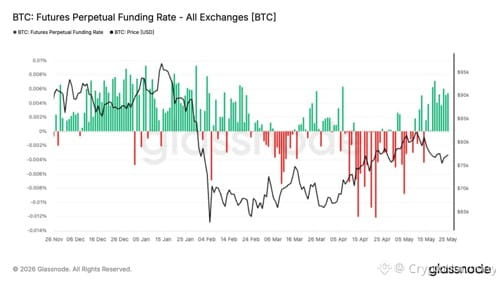
82
#ビットコイン トレーディングが「公正価値」以下で反発の憶測を引き起こす。
$BTCの現在の価格は、2026年5月28日のレポートによると、アナリストが考える「公正価値」よりもかなり低いままです。この評価は、$BTCのバリュエーションをグローバルな流動性のトレンドや金の比率との歴史的相関に結びつけており、暗号通貨は「期待されるレベルに対して大幅に下回っている」と示唆しています。
このギャップは、市場の状況が改善されれば急激な反発の可能性を高めます。この状況は、ビットコインの継続的なボラティリティと、投資家の戦略や暗号エコシステムへの広範な影響を浮き彫りにしています。市場参加者は動向を注意深く監視し、いかなるシフトも$BTCの軌道や金融の風景におけるその役割にとって重要な瞬間を意味する可能性があります。
#BTC価格分析# #マクロインサイト#
#ビットコイン トレーディングが「公正価値」以下で反発の憶測を引き起こす。
$BTCの現在の価格は、2026年5月28日のレポートによると、アナリストが考える「公正価値」よりもかなり低いままです。この評価は、$BTCのバリュエーションをグローバルな流動性のトレンドや金の比率との歴史的相関に結びつけており、暗号通貨は「期待されるレベルに対して大幅に下回っている」と示唆しています。
このギャップは、市場の状況が改善されれば急激な反発の可能性を高めます。この状況は、ビットコインの継続的なボラティリティと、投資家の戦略や暗号エコシステムへの広範な影響を浮き彫りにしています。市場参加者は動向を注意深く監視し、いかなるシフトも$BTCの軌道や金融の風景におけるその役割にとって重要な瞬間を意味する可能性があります。
#BTC価格分析# #マクロインサイト#
$BTCの現在の価格は、2026年5月28日のレポートによると、アナリストが考える「公正価値」よりもかなり低いままです。この評価は、$BTCのバリュエーションをグローバルな流動性のトレンドや金の比率との歴史的相関に結びつけており、暗号通貨は「期待されるレベルに対して大幅に下回っている」と示唆しています。
このギャップは、市場の状況が改善されれば急激な反発の可能性を高めます。この状況は、ビットコインの継続的なボラティリティと、投資家の戦略や暗号エコシステムへの広範な影響を浮き彫りにしています。市場参加者は動向を注意深く監視し、いかなるシフトも$BTCの軌道や金融の風景におけるその役割にとって重要な瞬間を意味する可能性があります。
#BTC価格分析# #マクロインサイト#
10
デビッド・ホフマンが $ETH を売却、安定した評価の見通しの中で。
著名なイーサリアム支持者であるデビッド・ホフマンは、$ETH の保有分の一部を売却し、「イーサリアムは自分にふさわしい $ETH の価格を得た」と述べており、この資産が上方修正または下方修正されることはないと予想しています。彼の発言は、変化する市場環境の中でイーサリアムの現在の評価に満足していることを反映しています。
イーサリアムコミュニティで尊敬される人物として、ホフマンの決定は投資家のセンチメントを浮き彫りにし、$ETH の短期的な動向についての疑問を提起しています。多くの人々がイーサリアムの長期的な可能性に楽観的である一方で、彼の視点はこの暗号通貨の資産クラスとしての価値を評価する際の微妙な考慮事項を強調しています。
#BTC価格分析# #マクロインサイト# #イーサリアム
デビッド・ホフマンが $ETH を売却、安定した評価の見通しの中で。
著名なイーサリアム支持者であるデビッド・ホフマンは、$ETH の保有分の一部を売却し、「イーサリアムは自分にふさわしい $ETH の価格を得た」と述べており、この資産が上方修正または下方修正されることはないと予想しています。彼の発言は、変化する市場環境の中でイーサリアムの現在の評価に満足していることを反映しています。
イーサリアムコミュニティで尊敬される人物として、ホフマンの決定は投資家のセンチメントを浮き彫りにし、$ETH の短期的な動向についての疑問を提起しています。多くの人々がイーサリアムの長期的な可能性に楽観的である一方で、彼の視点はこの暗号通貨の資産クラスとしての価値を評価する際の微妙な考慮事項を強調しています。
#BTC価格分析# #マクロインサイト# #イーサリアム
著名なイーサリアム支持者であるデビッド・ホフマンは、$ETH の保有分の一部を売却し、「イーサリアムは自分にふさわしい $ETH の価格を得た」と述べており、この資産が上方修正または下方修正されることはないと予想しています。彼の発言は、変化する市場環境の中でイーサリアムの現在の評価に満足していることを反映しています。
イーサリアムコミュニティで尊敬される人物として、ホフマンの決定は投資家のセンチメントを浮き彫りにし、$ETH の短期的な動向についての疑問を提起しています。多くの人々がイーサリアムの長期的な可能性に楽観的である一方で、彼の視点はこの暗号通貨の資産クラスとしての価値を評価する際の微妙な考慮事項を強調しています。
#BTC価格分析# #マクロインサイト# #イーサリアム

11
ログインして、さらにコンテンツを読む
厳選トピックで世界の暗号資産トレーダーの仲間入り
⚡️ 暗号資産に関する最新かつ有益な情報が見つかります。
💬 世界最大の暗号資産取引所から信頼されています。
👍 認証を受けたクリエイターから、有益なインサイトを得られます。
メール / 電話番号
トレンドトピック
FedMinutesFocusOnOctoberPause
閲覧回数 182,686
1,342人が討論中
🚨 警戒レベル引き上げ ‼️ 次の1時間は無闇に取引しないでください 🚨
皆さん、FOMC議事要旨の発表まで1時間を切りました。
今日すでに大きなボラティリティが見られたことを考えると、発表直前に誰にも無謀な高レバレッジポジションを取ってほしくありません。
私が注目している大きな反応は、ゴールド(XAU)、シルバー(XAG)、BTC、ETHです。さらにSOLのような銘柄や、レバレッジの高い時価総額が中小規模のアルトコインは、BTCの値動きを増幅させる可能性があります。
今夜は特にゴールドとシルバーに注意が必要です。市場はすでに米ドルと米国債利回りに反応しており、両方の貴金属はFRB議事要旨の発表を前に大きな圧力を受けています。
簡単に言うと、
📉タカ派的なFOMC議事要旨 → 米ドル・利回りが上昇する可能性 → BTC、暗号資産、ゴールド、シルバーに下押し圧力
📈ハト派的なFOMC議事要旨 → 米ドル・利回りが落ち着く可能性 → BTC、ゴールド、シルバー、リスク資産が大きく反発する可能性があります。
そして、最初のローソク足が罠になることもあるので忘れないでください。一度急騰してすぐに急落し、両方向で清算が起きてから、本当の方向性が見えてくることもあります。
今はポジションを守り、不要なレバレッジを減らし、最初の値動きにFOMOで飛び乗らないようにしてください。
今夜はまず$XAU 、$XAG 、$BTC を注視しています。これらの動きを見れば、市場がFRBの発表をどう受け止めているか、すぐに分かるでしょう。
時間どおりに皆さんに最新情報をお知らせします。
@Panda Traders をフォローして、今すぐ通知をオンにしてください。
#FedMinutesFocusOnOctoberPause
Panda Traders
·いいね:19件
·閲覧回数 4.1k
BinanceLaunchesBinanceIntelligence
閲覧回数 1.1M
6,544人が討論中
EvernorthDelaysNasdaqDebutToOct12
閲覧回数 15,439
310人が討論中