

Erica 1
149 投稿

Erica 1
報告
ユーザーをブロック
Binance KOL | Crypto Analyst | #BTC Holder | #SOL and #ETH
0 フォロー
6 フォロワー
13 いいね
投稿
·
--
オフラインでの認知度が、現実の競争になりつつある🔥
$SOLや$HYPEをめぐるコミュニティはオンラインの会話を席巻していますが、カンファレンスシーズンを見ると、注目を集める場は現実世界にも広がっています。
タイムラインで目に留まることと、さまざまな都市やステージ、サイドイベントで何度も見かけるコミュニティになることは別です。
最近の$Trump Coin Clubの活動では、KBWやTOKEN2049での基調講演に加え、ソウルとシンガポールでのプライベートイベントも実施されました。
何度も姿を見せることが重要なのは、場が変わるたびに、コミュニティが異なる社会的な文脈で紹介されるからです。
カンファレンスでClubの存在を知り、その週に開催される周辺イベントを通じて、Clubへの理解を深める人もいるでしょう。
私は、コミュニティがさまざまな場でイベント全体の話題に加わることで、オフラインでの認知度が高まると考えています。
次の注目争いは、アプリを閉じたあとに起きるのかもしれません👀
#マクロ分析#
オフラインでの認知度が、現実の競争になりつつある🔥
$SOLや$HYPEをめぐるコミュニティはオンラインの会話を席巻していますが、カンファレンスシーズンを見ると、注目を集める場は現実世界にも広がっています。
タイムラインで目に留まることと、さまざまな都市やステージ、サイドイベントで何度も見かけるコミュニティになることは別です。
最近の$Trump Coin Clubの活動では、KBWやTOKEN2049での基調講演に加え、ソウルとシンガポールでのプライベートイベントも実施されました。
何度も姿を見せることが重要なのは、場が変わるたびに、コミュニティが異なる社会的な文脈で紹介されるからです。
カンファレンスでClubの存在を知り、その週に開催される周辺イベントを通じて、Clubへの理解を深める人もいるでしょう。
私は、コミュニティがさまざまな場でイベント全体の話題に加わることで、オフラインでの認知度が高まると考えています。
次の注目争いは、アプリを閉じたあとに起きるのかもしれません👀
#マクロ分析#
$SOLや$HYPEをめぐるコミュニティはオンラインの会話を席巻していますが、カンファレンスシーズンを見ると、注目を集める場は現実世界にも広がっています。
タイムラインで目に留まることと、さまざまな都市やステージ、サイドイベントで何度も見かけるコミュニティになることは別です。
最近の$Trump Coin Clubの活動では、KBWやTOKEN2049での基調講演に加え、ソウルとシンガポールでのプライベートイベントも実施されました。
何度も姿を見せることが重要なのは、場が変わるたびに、コミュニティが異なる社会的な文脈で紹介されるからです。
カンファレンスでClubの存在を知り、その週に開催される周辺イベントを通じて、Clubへの理解を深める人もいるでしょう。
私は、コミュニティがさまざまな場でイベント全体の話題に加わることで、オフラインでの認知度が高まると考えています。
次の注目争いは、アプリを閉じたあとに起きるのかもしれません👀
#マクロ分析#

84
·
--
トークンローンチは、もっと働きやすい資金調達ラウンド 💼
$VIRTUAL はエージェントについてそう主張し、$BNKR はその土台となる仕組みを構築した。多くの人が見落としているのは、この仕組みは資料を用意したチームだけでなく、誰でも利用できるという点だ。
トークンをローンチすると、そこで生まれる取引から手数料が発生する。そのスワップ手数料の大半はプラットフォームではなく、クリエイターに還元される。
他の選択肢と比べると、これは風変わりで興味深い仕組みだ。
資金調達には、株式を手放し、自分をすでに知っている人を見つけ、成功率の低いプロセスに何カ月も費やす必要がある。助成金なら申請と審査委員会が待っている。収益を得るには、まずプロダクトが必要だ。
ローンチは、注目という運転資金を生み出す。注目は、初期プロジェクトがほかの何よりも先に手にしていることの多い、唯一の資源だ。それが健全かどうかは、その資金で何を作るかに全面的にかかっている。
明らかな但し書きには、強く留意する必要がある。手数料には取引量が必要で、取引量には存在する理由が必要だ。そして、ほとんどのローンチは最初の1週間を過ぎると、そのどちらも生み出せない。これは生き残ったものだけが目立つという問題を抱えた資金調達の仕組みであり、タダでお金が手に入るものと受け取るべきではない。
自ら生み出した市場から、誰かの許可を求めることなく開発資金を調達できるクリエイターは、まったく新しい参加者のカテゴリーだ。
#DeFi #AI
トークンローンチは、もっと働きやすい資金調達ラウンド 💼
$VIRTUAL はエージェントについてそう主張し、$BNKR はその土台となる仕組みを構築した。多くの人が見落としているのは、この仕組みは資料を用意したチームだけでなく、誰でも利用できるという点だ。
トークンをローンチすると、そこで生まれる取引から手数料が発生する。そのスワップ手数料の大半はプラットフォームではなく、クリエイターに還元される。
他の選択肢と比べると、これは風変わりで興味深い仕組みだ。
資金調達には、株式を手放し、自分をすでに知っている人を見つけ、成功率の低いプロセスに何カ月も費やす必要がある。助成金なら申請と審査委員会が待っている。収益を得るには、まずプロダクトが必要だ。
ローンチは、注目という運転資金を生み出す。注目は、初期プロジェクトがほかの何よりも先に手にしていることの多い、唯一の資源だ。それが健全かどうかは、その資金で何を作るかに全面的にかかっている。
明らかな但し書きには、強く留意する必要がある。手数料には取引量が必要で、取引量には存在する理由が必要だ。そして、ほとんどのローンチは最初の1週間を過ぎると、そのどちらも生み出せない。これは生き残ったものだけが目立つという問題を抱えた資金調達の仕組みであり、タダでお金が手に入るものと受け取るべきではない。
自ら生み出した市場から、誰かの許可を求めることなく開発資金を調達できるクリエイターは、まったく新しい参加者のカテゴリーだ。
#DeFi #AI
$VIRTUAL はエージェントについてそう主張し、$BNKR はその土台となる仕組みを構築した。多くの人が見落としているのは、この仕組みは資料を用意したチームだけでなく、誰でも利用できるという点だ。
トークンをローンチすると、そこで生まれる取引から手数料が発生する。そのスワップ手数料の大半はプラットフォームではなく、クリエイターに還元される。
他の選択肢と比べると、これは風変わりで興味深い仕組みだ。
資金調達には、株式を手放し、自分をすでに知っている人を見つけ、成功率の低いプロセスに何カ月も費やす必要がある。助成金なら申請と審査委員会が待っている。収益を得るには、まずプロダクトが必要だ。
ローンチは、注目という運転資金を生み出す。注目は、初期プロジェクトがほかの何よりも先に手にしていることの多い、唯一の資源だ。それが健全かどうかは、その資金で何を作るかに全面的にかかっている。
明らかな但し書きには、強く留意する必要がある。手数料には取引量が必要で、取引量には存在する理由が必要だ。そして、ほとんどのローンチは最初の1週間を過ぎると、そのどちらも生み出せない。これは生き残ったものだけが目立つという問題を抱えた資金調達の仕組みであり、タダでお金が手に入るものと受け取るべきではない。
自ら生み出した市場から、誰かの許可を求めることなく開発資金を調達できるクリエイターは、まったく新しい参加者のカテゴリーだ。
#DeFi #AI
65
·
--
カスタムバスケットが+24.07%上昇! :chart_with_upwards_trend: ときには、のんびりしたトレーダーがコツや裏技をすべて知っていることもあります。最近、$DRVとPRLがPear Protocolに追加され、トップトレーダーたちはすぐに新しい戦略を実践し始めました。 私がフォローしている2人のトレーダーが、$HYPEとPRLを組み合わせたカスタムバスケットを作成。ワンクリックでそのバスケットに参加できるんです。手間をほとんどかけずに、すでに+24.07%の上昇です。 そのトレーダーを信頼しているなら、Pear Protocolの新機能を使えば、取引をとても簡単にフォローできます。 まだ確信が持てなくても、Agent PearというAIトレーダーに、センチメントや定量データに基づいて取引の設定を分析してもらってから、判断できます。 いつも調査に時間をかけたり、チャートに張り付いたりできるとは限りません。他のトレーダーの戦略を参考にし、AI分析を活用して評価できれば、市場の動向を把握し続けるのがずっと簡単になります。 pear.garden/trade #アルトコインシーズン#
カスタムバスケットが+24.07%上昇! :chart_with_upwards_trend: ときには、のんびりしたトレーダーがコツや裏技をすべて知っていることもあります。最近、$DRVとPRLがPear Protocolに追加され、トップトレーダーたちはすぐに新しい戦略を実践し始めました。 私がフォローしている2人のトレーダーが、$HYPEとPRLを組み合わせたカスタムバスケットを作成。ワンクリックでそのバスケットに参加できるんです。手間をほとんどかけずに、すでに+24.07%の上昇です。 そのトレーダーを信頼しているなら、Pear Protocolの新機能を使えば、取引をとても簡単にフォローできます。 まだ確信が持てなくても、Agent PearというAIトレーダーに、センチメントや定量データに基づいて取引の設定を分析してもらってから、判断できます。 いつも調査に時間をかけたり、チャートに張り付いたりできるとは限りません。他のトレーダーの戦略を参考にし、AI分析を活用して評価できれば、市場の動向を把握し続けるのがずっと簡単になります。 pear.garden/trade #アルトコインシーズン#
·
--
トークン化株式が報酬として活用され始めています 👀
市場では通常、$STONK をめぐる物語や、$HYPE で注目を集める株式の無期限先物を通じてトークン化株式が語られますが、こうした議論の大半はアクセスのしやすさや取引量に焦点を当てています。
次のステップは、トークン化株式をコミュニティが参加する理由を生み出す配布ツールとして活用することだと思います。
株式はすでに一般ユーザーにも馴染みがあるため、従来型の市場と暗号資産ネイティブな報酬システムをつなぐ架け橋として興味深い存在です。
Injective は Stockdrop を通じて、このモデルを試しています。
最初の Stockdrop 報酬は、対象となる Community BuyBack の参加者に届きました。プログラムは10月を通じて継続します。
配分が保証されているわけではありませんが、この仕組みはコミュニティの参加、定期的な INJ のバーン、そして RWA 報酬をひとつのプログラム内で結びつけています。
トークン化株式に、誰もが取引できるだけの市場を超えた実用性を持たせる、賢い方法だと思います 🔥
#アルトコインシーズン#
トークン化株式が報酬として活用され始めています 👀
市場では通常、$STONK をめぐる物語や、$HYPE で注目を集める株式の無期限先物を通じてトークン化株式が語られますが、こうした議論の大半はアクセスのしやすさや取引量に焦点を当てています。
次のステップは、トークン化株式をコミュニティが参加する理由を生み出す配布ツールとして活用することだと思います。
株式はすでに一般ユーザーにも馴染みがあるため、従来型の市場と暗号資産ネイティブな報酬システムをつなぐ架け橋として興味深い存在です。
Injective は Stockdrop を通じて、このモデルを試しています。
最初の Stockdrop 報酬は、対象となる Community BuyBack の参加者に届きました。プログラムは10月を通じて継続します。
配分が保証されているわけではありませんが、この仕組みはコミュニティの参加、定期的な INJ のバーン、そして RWA 報酬をひとつのプログラム内で結びつけています。
トークン化株式に、誰もが取引できるだけの市場を超えた実用性を持たせる、賢い方法だと思います 🔥
#アルトコインシーズン#
市場では通常、$STONK をめぐる物語や、$HYPE で注目を集める株式の無期限先物を通じてトークン化株式が語られますが、こうした議論の大半はアクセスのしやすさや取引量に焦点を当てています。
次のステップは、トークン化株式をコミュニティが参加する理由を生み出す配布ツールとして活用することだと思います。
株式はすでに一般ユーザーにも馴染みがあるため、従来型の市場と暗号資産ネイティブな報酬システムをつなぐ架け橋として興味深い存在です。
Injective は Stockdrop を通じて、このモデルを試しています。
最初の Stockdrop 報酬は、対象となる Community BuyBack の参加者に届きました。プログラムは10月を通じて継続します。
配分が保証されているわけではありませんが、この仕組みはコミュニティの参加、定期的な INJ のバーン、そして RWA 報酬をひとつのプログラム内で結びつけています。
トークン化株式に、誰もが取引できるだけの市場を超えた実用性を持たせる、賢い方法だと思います 🔥
#アルトコインシーズン#
68
·
--
翻訳参照
Destinations Become Community Shorthand Over Time 🌏
Communities around $PEPE and $WIF show how a single reference can carry meaning that outsiders may not immediately understand, and while online culture creates this shorthand through shared jokes and recurring images, I do think IRL communities create it through places.
Once a group shares an experience in one city, the destination can become a name for that entire chapter.
The $Trump Coin Club for example now has New York and Singapore in its completed 2026 event history.
The Singapore experience concluded after its October 9 to 11 window, while approved recaps will eventually shape how that weekend is remembered in greater detail.
The destination already gives the Club another completed chapter its community can reference.
With a gala dinner planned next, the calendar continues adding new settings to the same story.
#Altcoin Season#
Destinations Become Community Shorthand Over Time 🌏
Communities around $PEPE and $WIF show how a single reference can carry meaning that outsiders may not immediately understand, and while online culture creates this shorthand through shared jokes and recurring images, I do think IRL communities create it through places.
Once a group shares an experience in one city, the destination can become a name for that entire chapter.
The $Trump Coin Club for example now has New York and Singapore in its completed 2026 event history.
The Singapore experience concluded after its October 9 to 11 window, while approved recaps will eventually shape how that weekend is remembered in greater detail.
The destination already gives the Club another completed chapter its community can reference.
With a gala dinner planned next, the calendar continues adding new settings to the same story.
#Altcoin Season#
Communities around $PEPE and $WIF show how a single reference can carry meaning that outsiders may not immediately understand, and while online culture creates this shorthand through shared jokes and recurring images, I do think IRL communities create it through places.
Once a group shares an experience in one city, the destination can become a name for that entire chapter.
The $Trump Coin Club for example now has New York and Singapore in its completed 2026 event history.
The Singapore experience concluded after its October 9 to 11 window, while approved recaps will eventually shape how that weekend is remembered in greater detail.
The destination already gives the Club another completed chapter its community can reference.
With a gala dinner planned next, the calendar continues adding new settings to the same story.
#Altcoin Season#

52
·
--
次の100倍プライバシー銘柄? 🔐
AI投資はこれまで、GPUとモデルが中心でした。
しかし、AIインフラに数十億ドルが流れ込むなか、新たなテーマが浮上しています。
プライバシーと所有権です。
$VVV はすでに、その前半に取り組んでいます。
Veniceは、標準的なプライベート推論と、ハードウェア検証済みの暗号化実行を分けています。
最も強力なプライバシーモードでは、プロンプトはあなたのデバイス上で暗号化され、検証済みハードウェアの内部でのみ復号されます。
では、その処理を行うGPUを実際に所有しているのは誰でしょうか?
そこで登場するのが $B3 です。
B3IQを通じて、顧客は専用のNVIDIAマシンを所有し、B3がホスティングと運用を担います。
ルールはシンプルです。
• APIキーでアクセスできるのは、アカウントが所有するGPUのみ。
• 利用可能なGPUがない場合、リクエストは第三者に回されず、失敗します。
• Earn Modeのマシンは、プライベートな推論環境から完全に切り離されます。
ここで、その可能性を考えてみてください。
銀行、ヘッジファンド、企業がAIの利用をやめることはありません。必要性はさらに高まり、その多くで機密情報が扱われることになります。
ここで、夢の試算をしてみましょう。
どちらのプロジェクトも、AI市場全体を獲得する必要はありません。
企業需要のほんの一部が、プライベート推論や顧客所有のGPUへ移るだけでも、巨大なチャンスになり得ます。
兆ドル規模のAIテーマに対する、異なる2つのアプローチ。
そして、プライベートAIはまだ始まったばかりかもしれません。
#アルトコインシーズン#
次の100倍プライバシー銘柄? 🔐
AI投資はこれまで、GPUとモデルが中心でした。
しかし、AIインフラに数十億ドルが流れ込むなか、新たなテーマが浮上しています。
プライバシーと所有権です。
$VVV はすでに、その前半に取り組んでいます。
Veniceは、標準的なプライベート推論と、ハードウェア検証済みの暗号化実行を分けています。
最も強力なプライバシーモードでは、プロンプトはあなたのデバイス上で暗号化され、検証済みハードウェアの内部でのみ復号されます。
では、その処理を行うGPUを実際に所有しているのは誰でしょうか?
そこで登場するのが $B3 です。
B3IQを通じて、顧客は専用のNVIDIAマシンを所有し、B3がホスティングと運用を担います。
ルールはシンプルです。
• APIキーでアクセスできるのは、アカウントが所有するGPUのみ。
• 利用可能なGPUがない場合、リクエストは第三者に回されず、失敗します。
• Earn Modeのマシンは、プライベートな推論環境から完全に切り離されます。
ここで、その可能性を考えてみてください。
銀行、ヘッジファンド、企業がAIの利用をやめることはありません。必要性はさらに高まり、その多くで機密情報が扱われることになります。
ここで、夢の試算をしてみましょう。
どちらのプロジェクトも、AI市場全体を獲得する必要はありません。
企業需要のほんの一部が、プライベート推論や顧客所有のGPUへ移るだけでも、巨大なチャンスになり得ます。
兆ドル規模のAIテーマに対する、異なる2つのアプローチ。
そして、プライベートAIはまだ始まったばかりかもしれません。
#アルトコインシーズン#
AI投資はこれまで、GPUとモデルが中心でした。
しかし、AIインフラに数十億ドルが流れ込むなか、新たなテーマが浮上しています。
プライバシーと所有権です。
$VVV はすでに、その前半に取り組んでいます。
Veniceは、標準的なプライベート推論と、ハードウェア検証済みの暗号化実行を分けています。
最も強力なプライバシーモードでは、プロンプトはあなたのデバイス上で暗号化され、検証済みハードウェアの内部でのみ復号されます。
では、その処理を行うGPUを実際に所有しているのは誰でしょうか?
そこで登場するのが $B3 です。
B3IQを通じて、顧客は専用のNVIDIAマシンを所有し、B3がホスティングと運用を担います。
ルールはシンプルです。
• APIキーでアクセスできるのは、アカウントが所有するGPUのみ。
• 利用可能なGPUがない場合、リクエストは第三者に回されず、失敗します。
• Earn Modeのマシンは、プライベートな推論環境から完全に切り離されます。
ここで、その可能性を考えてみてください。
銀行、ヘッジファンド、企業がAIの利用をやめることはありません。必要性はさらに高まり、その多くで機密情報が扱われることになります。
ここで、夢の試算をしてみましょう。
どちらのプロジェクトも、AI市場全体を獲得する必要はありません。
企業需要のほんの一部が、プライベート推論や顧客所有のGPUへ移るだけでも、巨大なチャンスになり得ます。
兆ドル規模のAIテーマに対する、異なる2つのアプローチ。
そして、プライベートAIはまだ始まったばかりかもしれません。
#アルトコインシーズン#
62
·
--
あなたのスマホから決して離れないモデル 📱
$ZEC はプライバシーをひとつのカテゴリーにし、$ICP は実行場所も設計上の選択であると示しました。Bankrの創業者は今、モデルをデバイス上で動かすバージョンに取り組んでいます。
会話がローカルにとどまるよう、匿名化したエージェントのセッションを使って小型モデルを学習させる計画だと説明しています。
これはリリース済みの機能ではなく、あくまで公表された計画として受け止めましょう。実際、そのとおりです。興味深いのは、その背景にある考え方です。
お金を管理するエージェントは、チャットアシスタントが読まない情報を読み取ります。残高、保有ポジション、意図、何をいつしようとしているかという一連の流れ。これはプロフィールであり、入力欄に一文を打ち込むときに自分が渡していると多くの人が思っている以上に、個人を明らかにするものです。
クラウドで推論すれば、その一連の情報はデバイスの外へ出ていきます。プライベートな実行環境なら、情報がさらされる範囲を狭められます。ローカルモデルなら、処理できる範囲に限り、デバイスの外へ送る必要そのものがなくなります。
その代わり、能力には限界があります。デバイス上で動く小型モデルは最先端のモデルには及ばないため、現実的な設計は、日常的な処理はローカルで、難しい質問はリモートで行い、その振り分けは自動で決めるというものです。
そうなると、これを提供する人にぜひ尋ねたいことがあります。何が外部に送られ、誰がそれを決め、後からその内容を確認できるのでしょうか。
いずれにせよ、目指す方向は正しい。多くのエージェント製品で最もプライバシーが守られていないのは、ブロックチェーンではありません。会話です。
#AI #プライバシー
あなたのスマホから決して離れないモデル 📱
$ZEC はプライバシーをひとつのカテゴリーにし、$ICP は実行場所も設計上の選択であると示しました。Bankrの創業者は今、モデルをデバイス上で動かすバージョンに取り組んでいます。
会話がローカルにとどまるよう、匿名化したエージェントのセッションを使って小型モデルを学習させる計画だと説明しています。
これはリリース済みの機能ではなく、あくまで公表された計画として受け止めましょう。実際、そのとおりです。興味深いのは、その背景にある考え方です。
お金を管理するエージェントは、チャットアシスタントが読まない情報を読み取ります。残高、保有ポジション、意図、何をいつしようとしているかという一連の流れ。これはプロフィールであり、入力欄に一文を打ち込むときに自分が渡していると多くの人が思っている以上に、個人を明らかにするものです。
クラウドで推論すれば、その一連の情報はデバイスの外へ出ていきます。プライベートな実行環境なら、情報がさらされる範囲を狭められます。ローカルモデルなら、処理できる範囲に限り、デバイスの外へ送る必要そのものがなくなります。
その代わり、能力には限界があります。デバイス上で動く小型モデルは最先端のモデルには及ばないため、現実的な設計は、日常的な処理はローカルで、難しい質問はリモートで行い、その振り分けは自動で決めるというものです。
そうなると、これを提供する人にぜひ尋ねたいことがあります。何が外部に送られ、誰がそれを決め、後からその内容を確認できるのでしょうか。
いずれにせよ、目指す方向は正しい。多くのエージェント製品で最もプライバシーが守られていないのは、ブロックチェーンではありません。会話です。
#AI #プライバシー
$ZEC はプライバシーをひとつのカテゴリーにし、$ICP は実行場所も設計上の選択であると示しました。Bankrの創業者は今、モデルをデバイス上で動かすバージョンに取り組んでいます。
会話がローカルにとどまるよう、匿名化したエージェントのセッションを使って小型モデルを学習させる計画だと説明しています。
これはリリース済みの機能ではなく、あくまで公表された計画として受け止めましょう。実際、そのとおりです。興味深いのは、その背景にある考え方です。
お金を管理するエージェントは、チャットアシスタントが読まない情報を読み取ります。残高、保有ポジション、意図、何をいつしようとしているかという一連の流れ。これはプロフィールであり、入力欄に一文を打ち込むときに自分が渡していると多くの人が思っている以上に、個人を明らかにするものです。
クラウドで推論すれば、その一連の情報はデバイスの外へ出ていきます。プライベートな実行環境なら、情報がさらされる範囲を狭められます。ローカルモデルなら、処理できる範囲に限り、デバイスの外へ送る必要そのものがなくなります。
その代わり、能力には限界があります。デバイス上で動く小型モデルは最先端のモデルには及ばないため、現実的な設計は、日常的な処理はローカルで、難しい質問はリモートで行い、その振り分けは自動で決めるというものです。
そうなると、これを提供する人にぜひ尋ねたいことがあります。何が外部に送られ、誰がそれを決め、後からその内容を確認できるのでしょうか。
いずれにせよ、目指す方向は正しい。多くのエージェント製品で最もプライバシーが守られていないのは、ブロックチェーンではありません。会話です。
#AI #プライバシー
65
·
--
$PUMP エアドロップは来る? 💊
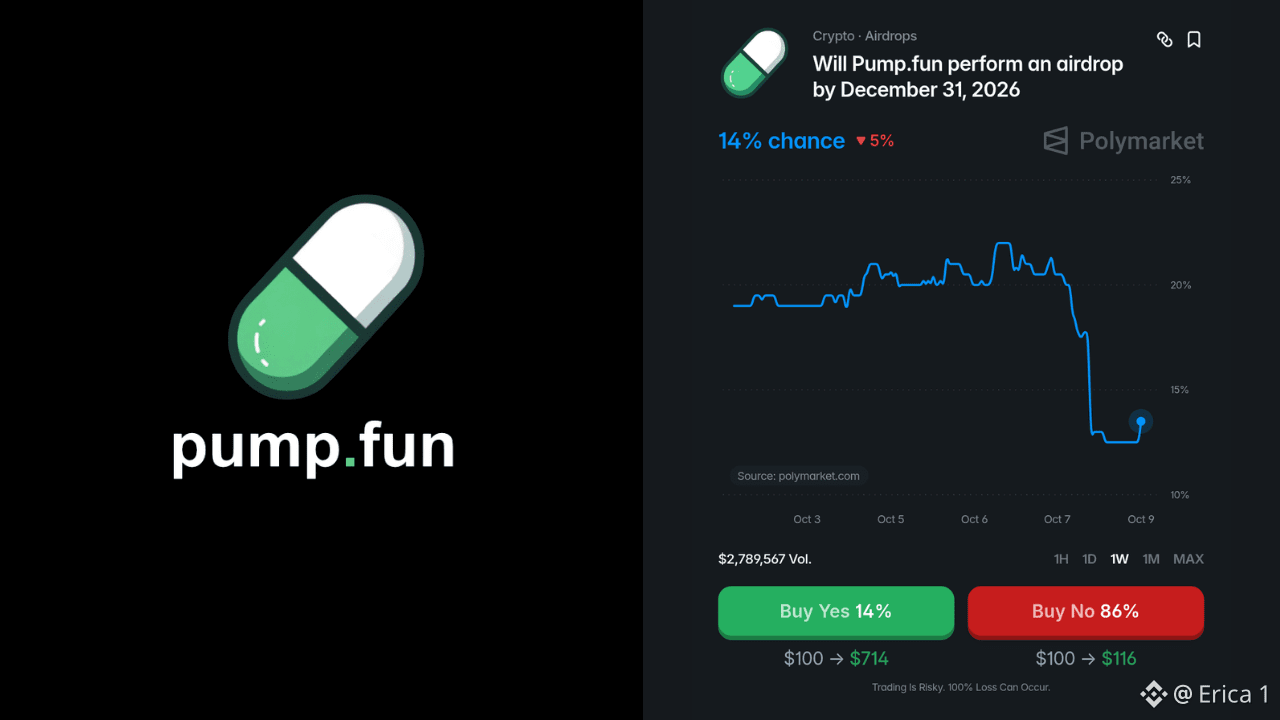
YESは14%。NOは86%。取引高は約280万ドルに達しています。
Polymarketのトレーダーは、Pump Funが12月31日までにエアドロップを実施することに、あまり自信を持っていないようです。
その確率はこの1週間で5ポイント下落しており、期待が冷めつつあることを示しています。
では、数字を見てみましょう。
💊 YESを14%で購入 → 100ドルが約714ドルになる可能性があります。
❌ NOを86%で購入 → 100ドルが約116ドルになる可能性があります。
潜在的な払い戻し額には大きな差があります。
ミームコイン界隈でPump Funがこれほど注目を集めていることを考えると、エアドロップに関する信頼できる発表があれば、この市場が大きく反応しても不思議ではありません。
私が興味深いと思うのは、ここです。
必ずしもエアドロップが実施される必要はありません。
憶測が強まり、YESのオッズが14%から28%に上がれば、すでに保有しているYESポジションの市場価値はおよそ2倍になる可能性があります。
つまり、実際に分配が行われる前に、ポジションを手仕舞いできる可能性があるということです。
トークンのローンチをめぐるトレーダーの投機に似ていますが、Polymarketでは代わりに特定のイベントが起きる確率を取引できます。
Pump Funがミームコイントレーダーの注目を集め続けるなか、期待の動向を見守っています。
こうした確率を取引できる可能性は、Solanaのミームコイン界隈全体を追っている人にとって、別の視点をもたらしてくれます。
年末までのエアドロップに賭けますか?
#アルトコインシーズン#
$PUMP エアドロップは来る? 💊
YESは14%。NOは86%。取引高は約280万ドルに達しています。
Polymarketのトレーダーは、Pump Funが12月31日までにエアドロップを実施することに、あまり自信を持っていないようです。
その確率はこの1週間で5ポイント下落しており、期待が冷めつつあることを示しています。
では、数字を見てみましょう。
💊 YESを14%で購入 → 100ドルが約714ドルになる可能性があります。
❌ NOを86%で購入 → 100ドルが約116ドルになる可能性があります。
潜在的な払い戻し額には大きな差があります。
ミームコイン界隈でPump Funがこれほど注目を集めていることを考えると、エアドロップに関する信頼できる発表があれば、この市場が大きく反応しても不思議ではありません。
私が興味深いと思うのは、ここです。
必ずしもエアドロップが実施される必要はありません。
憶測が強まり、YESのオッズが14%から28%に上がれば、すでに保有しているYESポジションの市場価値はおよそ2倍になる可能性があります。
つまり、実際に分配が行われる前に、ポジションを手仕舞いできる可能性があるということです。
トークンのローンチをめぐるトレーダーの投機に似ていますが、Polymarketでは代わりに特定のイベントが起きる確率を取引できます。
Pump Funがミームコイントレーダーの注目を集め続けるなか、期待の動向を見守っています。
こうした確率を取引できる可能性は、Solanaのミームコイン界隈全体を追っている人にとって、別の視点をもたらしてくれます。
年末までのエアドロップに賭けますか?
#アルトコインシーズン#
YESは14%。NOは86%。取引高は約280万ドルに達しています。
Polymarketのトレーダーは、Pump Funが12月31日までにエアドロップを実施することに、あまり自信を持っていないようです。
その確率はこの1週間で5ポイント下落しており、期待が冷めつつあることを示しています。
では、数字を見てみましょう。
💊 YESを14%で購入 → 100ドルが約714ドルになる可能性があります。
❌ NOを86%で購入 → 100ドルが約116ドルになる可能性があります。
潜在的な払い戻し額には大きな差があります。
ミームコイン界隈でPump Funがこれほど注目を集めていることを考えると、エアドロップに関する信頼できる発表があれば、この市場が大きく反応しても不思議ではありません。
私が興味深いと思うのは、ここです。
必ずしもエアドロップが実施される必要はありません。
憶測が強まり、YESのオッズが14%から28%に上がれば、すでに保有しているYESポジションの市場価値はおよそ2倍になる可能性があります。
つまり、実際に分配が行われる前に、ポジションを手仕舞いできる可能性があるということです。
トークンのローンチをめぐるトレーダーの投機に似ていますが、Polymarketでは代わりに特定のイベントが起きる確率を取引できます。
Pump Funがミームコイントレーダーの注目を集め続けるなか、期待の動向を見守っています。
こうした確率を取引できる可能性は、Solanaのミームコイン界隈全体を追っている人にとって、別の視点をもたらしてくれます。
年末までのエアドロップに賭けますか?
#アルトコインシーズン#
68
·
--
本人確認中
翻訳参照
$PYTH has 276 paying accounts, $11.49M ARR, and 100% product funds to PYTH 🔥
$SOL holders have seen enough infrastructure cycles to know the difference between “ecosystem potential” and actual demand, and that is the lens I would use for Pyth after this Q3 update.
Pyth is not asking the market to believe customers might show up someday.
The business already has 276 paying accounts, $11.49M in active ARR, and 86% quarter-over-quarter growth. Pyth Pro alone reached $9.68M ARR, while Pyth Indices reached $1.81M by the end of September.
Then the DAO added the part that makes the update much more relevant for $PYTH holders.
Under the 100% Rule, every dollar the DAO receives from Pyth products now goes into PYTH bought on the open market.
That is the line I would keep repeating until the market understands it.
Pyth is growing as a market-data business, and the product-linked funds received by the DAO now have a direct route into PYTH accumulation instead of sitting as a vague treasury detail.
The broader context makes it stronger: Q3 RWA perps did $2.09T in volume, 94.1% ran on Pyth-powered venues, Nasdaq Basic is available through the Pyth Data Marketplace, and Kalshi, Coinbase and Polymarket are already using Pyth across real-world market products.
I think the old oracle label is too small now.
$PYTH looks more like a revenue-backed market-data infrastructure story where the token mechanism finally became easier for investors to understand.
#Altcoin Season# #SOL
$PYTH has 276 paying accounts, $11.49M ARR, and 100% product funds to PYTH 🔥
$SOL holders have seen enough infrastructure cycles to know the difference between “ecosystem potential” and actual demand, and that is the lens I would use for Pyth after this Q3 update.
Pyth is not asking the market to believe customers might show up someday.
The business already has 276 paying accounts, $11.49M in active ARR, and 86% quarter-over-quarter growth. Pyth Pro alone reached $9.68M ARR, while Pyth Indices reached $1.81M by the end of September.
Then the DAO added the part that makes the update much more relevant for $PYTH holders.
Under the 100% Rule, every dollar the DAO receives from Pyth products now goes into PYTH bought on the open market.
That is the line I would keep repeating until the market understands it.
Pyth is growing as a market-data business, and the product-linked funds received by the DAO now have a direct route into PYTH accumulation instead of sitting as a vague treasury detail.
The broader context makes it stronger: Q3 RWA perps did $2.09T in volume, 94.1% ran on Pyth-powered venues, Nasdaq Basic is available through the Pyth Data Marketplace, and Kalshi, Coinbase and Polymarket are already using Pyth across real-world market products.
I think the old oracle label is too small now.
$PYTH looks more like a revenue-backed market-data infrastructure story where the token mechanism finally became easier for investors to understand.
#Altcoin Season# #SOL
$SOL holders have seen enough infrastructure cycles to know the difference between “ecosystem potential” and actual demand, and that is the lens I would use for Pyth after this Q3 update.
Pyth is not asking the market to believe customers might show up someday.
The business already has 276 paying accounts, $11.49M in active ARR, and 86% quarter-over-quarter growth. Pyth Pro alone reached $9.68M ARR, while Pyth Indices reached $1.81M by the end of September.
Then the DAO added the part that makes the update much more relevant for $PYTH holders.
Under the 100% Rule, every dollar the DAO receives from Pyth products now goes into PYTH bought on the open market.
That is the line I would keep repeating until the market understands it.
Pyth is growing as a market-data business, and the product-linked funds received by the DAO now have a direct route into PYTH accumulation instead of sitting as a vague treasury detail.
The broader context makes it stronger: Q3 RWA perps did $2.09T in volume, 94.1% ran on Pyth-powered venues, Nasdaq Basic is available through the Pyth Data Marketplace, and Kalshi, Coinbase and Polymarket are already using Pyth across real-world market products.
I think the old oracle label is too small now.
$PYTH looks more like a revenue-backed market-data infrastructure story where the token mechanism finally became easier for investors to understand.
#Altcoin Season# #SOL
61
·
--
誰にもひそかに停止できない手数料分配 📜
$INJ 保有者なら、収益の仕組みがポリシーページではなくプロトコルに組み込まれていることの意味がわかるはずです。$BNKR は、Arbitrum と Arc のローンチ層で同じ考え方を試しています。
そこで実験的な機能が2つあります。トークンを保有者に直接ベスティングできるほか、ローンチ時の手数料の一部または全部を保有者に分配できます。支払いはクオートトークン、ベーストークン、またはその両方で行えます。
重要なのは実装の詳細です。どちらの機能もスマートコントラクトのレベルで組み込まれています。
この違いによって、その上に何かを構築できるかどうかが決まります。
プラットフォームのポリシーとは、運営者が維持する約束です。ロードマップ上の判断で変更される可能性があり、運営者を信頼せずに第三者がそれを検証することはできません。一方、コントラクトレベルの保証なら直接読み取って連携でき、発行者とまったく関係のないアプリケーションもそれを信頼して利用できます。
手数料分配プロダクトに必要なのは、まさにこの仕組みです。来四半期には変更されるかもしれないルールを前提に、ダッシュボードやインデックス、ストラクチャード・ポジションを構築する人はいません。
対象範囲を明確にしておきます。現時点ではArbitrumとArcのみで、チームは実験的な機能と説明しています。機能が実装されれば、BaseとRobinhood Chainにも展開する可能性があるとされています。
私が注目したいのは、この機能を使うローンチの数ではありません。第三者がこれらのフィールドを読み取り、それに依存する何かを実際にリリースするかどうかです。
コントラクトレベルの設計が真価を発揮するのは、その下流で誰かが実際に利用したときだけです。
#DeFi #Arbitrum
誰にもひそかに停止できない手数料分配 📜
$INJ 保有者なら、収益の仕組みがポリシーページではなくプロトコルに組み込まれていることの意味がわかるはずです。$BNKR は、Arbitrum と Arc のローンチ層で同じ考え方を試しています。
そこで実験的な機能が2つあります。トークンを保有者に直接ベスティングできるほか、ローンチ時の手数料の一部または全部を保有者に分配できます。支払いはクオートトークン、ベーストークン、またはその両方で行えます。
重要なのは実装の詳細です。どちらの機能もスマートコントラクトのレベルで組み込まれています。
この違いによって、その上に何かを構築できるかどうかが決まります。
プラットフォームのポリシーとは、運営者が維持する約束です。ロードマップ上の判断で変更される可能性があり、運営者を信頼せずに第三者がそれを検証することはできません。一方、コントラクトレベルの保証なら直接読み取って連携でき、発行者とまったく関係のないアプリケーションもそれを信頼して利用できます。
手数料分配プロダクトに必要なのは、まさにこの仕組みです。来四半期には変更されるかもしれないルールを前提に、ダッシュボードやインデックス、ストラクチャード・ポジションを構築する人はいません。
対象範囲を明確にしておきます。現時点ではArbitrumとArcのみで、チームは実験的な機能と説明しています。機能が実装されれば、BaseとRobinhood Chainにも展開する可能性があるとされています。
私が注目したいのは、この機能を使うローンチの数ではありません。第三者がこれらのフィールドを読み取り、それに依存する何かを実際にリリースするかどうかです。
コントラクトレベルの設計が真価を発揮するのは、その下流で誰かが実際に利用したときだけです。
#DeFi #Arbitrum
$INJ 保有者なら、収益の仕組みがポリシーページではなくプロトコルに組み込まれていることの意味がわかるはずです。$BNKR は、Arbitrum と Arc のローンチ層で同じ考え方を試しています。
そこで実験的な機能が2つあります。トークンを保有者に直接ベスティングできるほか、ローンチ時の手数料の一部または全部を保有者に分配できます。支払いはクオートトークン、ベーストークン、またはその両方で行えます。
重要なのは実装の詳細です。どちらの機能もスマートコントラクトのレベルで組み込まれています。
この違いによって、その上に何かを構築できるかどうかが決まります。
プラットフォームのポリシーとは、運営者が維持する約束です。ロードマップ上の判断で変更される可能性があり、運営者を信頼せずに第三者がそれを検証することはできません。一方、コントラクトレベルの保証なら直接読み取って連携でき、発行者とまったく関係のないアプリケーションもそれを信頼して利用できます。
手数料分配プロダクトに必要なのは、まさにこの仕組みです。来四半期には変更されるかもしれないルールを前提に、ダッシュボードやインデックス、ストラクチャード・ポジションを構築する人はいません。
対象範囲を明確にしておきます。現時点ではArbitrumとArcのみで、チームは実験的な機能と説明しています。機能が実装されれば、BaseとRobinhood Chainにも展開する可能性があるとされています。
私が注目したいのは、この機能を使うローンチの数ではありません。第三者がこれらのフィールドを読み取り、それに依存する何かを実際にリリースするかどうかです。
コントラクトレベルの設計が真価を発揮するのは、その下流で誰かが実際に利用したときだけです。
#DeFi #Arbitrum
73
·
--
暗号資産ガバナンスには大きな問題がある👇
$UNIのようなプロトコルは、トークンの保有を投票権へと変えました。$VFYにとって見過ごされているチャンスは、投票結果への信頼性を損なうことなく、投票のプライバシーが必要になったときに何ができるかという点です。
多くのオンチェーンガバナンスでは、投票者、ウォレット、そして投票内容が永久に公開されます。
この可視性によって、社会的な圧力や報復、さらには大口ウォレットの投票をまねる行為が誘発される可能性があります。
非公開投票でこうした情報露出の問題を解決するには、参加者が選挙の正当性を引き続き検証できなければなりません。
Veravoteは実用的なモデルを提供しています。
その投票アプリケーションは、以下を確認できるゼロ知識証明を生成します。
• 投票者に投票資格があったこと
• 投票が重複していないこと
• 最終集計が提出された投票と一致していること
本人情報と個々の投票内容は非公開のままです。
zkVerifyは、参加者に投票プラットフォーム独自の判定を信頼するよう求めるのではなく、投票と集計の証明を独立して検証します。
投票資格のある人を選んだり、投票のプライバシーを確保したり、結果を決定したりするものではありません。
アプリケーションが生成した暗号学的証拠を検証します。
これらの証明が専門の検証ネットワークに提出される際に、VFYが使用されます。
非公開で監査可能な投票には、DAOをはるかに超える可能性があると思います。企業、大学、オンラインコミュニティはいずれも、機密性と信頼できる結果の両立という同じ課題に直面しています。
VeravoteはすでにzkVerifyを統合しており、こうした幅広いユースケースを具体的なものにしています。
#アルトコインシーズン#
暗号資産ガバナンスには大きな問題がある👇
$UNIのようなプロトコルは、トークンの保有を投票権へと変えました。$VFYにとって見過ごされているチャンスは、投票結果への信頼性を損なうことなく、投票のプライバシーが必要になったときに何ができるかという点です。
多くのオンチェーンガバナンスでは、投票者、ウォレット、そして投票内容が永久に公開されます。
この可視性によって、社会的な圧力や報復、さらには大口ウォレットの投票をまねる行為が誘発される可能性があります。
非公開投票でこうした情報露出の問題を解決するには、参加者が選挙の正当性を引き続き検証できなければなりません。
Veravoteは実用的なモデルを提供しています。
その投票アプリケーションは、以下を確認できるゼロ知識証明を生成します。
• 投票者に投票資格があったこと
• 投票が重複していないこと
• 最終集計が提出された投票と一致していること
本人情報と個々の投票内容は非公開のままです。
zkVerifyは、参加者に投票プラットフォーム独自の判定を信頼するよう求めるのではなく、投票と集計の証明を独立して検証します。
投票資格のある人を選んだり、投票のプライバシーを確保したり、結果を決定したりするものではありません。
アプリケーションが生成した暗号学的証拠を検証します。
これらの証明が専門の検証ネットワークに提出される際に、VFYが使用されます。
非公開で監査可能な投票には、DAOをはるかに超える可能性があると思います。企業、大学、オンラインコミュニティはいずれも、機密性と信頼できる結果の両立という同じ課題に直面しています。
VeravoteはすでにzkVerifyを統合しており、こうした幅広いユースケースを具体的なものにしています。
#アルトコインシーズン#
$UNIのようなプロトコルは、トークンの保有を投票権へと変えました。$VFYにとって見過ごされているチャンスは、投票結果への信頼性を損なうことなく、投票のプライバシーが必要になったときに何ができるかという点です。
多くのオンチェーンガバナンスでは、投票者、ウォレット、そして投票内容が永久に公開されます。
この可視性によって、社会的な圧力や報復、さらには大口ウォレットの投票をまねる行為が誘発される可能性があります。
非公開投票でこうした情報露出の問題を解決するには、参加者が選挙の正当性を引き続き検証できなければなりません。
Veravoteは実用的なモデルを提供しています。
その投票アプリケーションは、以下を確認できるゼロ知識証明を生成します。
• 投票者に投票資格があったこと
• 投票が重複していないこと
• 最終集計が提出された投票と一致していること
本人情報と個々の投票内容は非公開のままです。
zkVerifyは、参加者に投票プラットフォーム独自の判定を信頼するよう求めるのではなく、投票と集計の証明を独立して検証します。
投票資格のある人を選んだり、投票のプライバシーを確保したり、結果を決定したりするものではありません。
アプリケーションが生成した暗号学的証拠を検証します。
これらの証明が専門の検証ネットワークに提出される際に、VFYが使用されます。
非公開で監査可能な投票には、DAOをはるかに超える可能性があると思います。企業、大学、オンラインコミュニティはいずれも、機密性と信頼できる結果の両立という同じ課題に直面しています。
VeravoteはすでにzkVerifyを統合しており、こうした幅広いユースケースを具体的なものにしています。
#アルトコインシーズン#
62
·
--
RWAの建玉は126.1億ドルに達し、PythのARRは86%成長 📊
$HBARと$XLMのコミュニティは、ほとんどの暗号資産コミュニティよりも現実世界の金融インフラをよく理解しています。だから、ここで重要なのは出来高だけではありません。トレーダーがRWA無期限先物市場で、どれだけのエクスポージャーを維持する意思があるかです。
9月のRWA無期限先物の出来高は8月から減少しましたが、1日あたりの平均建玉は12%増加し、9月30日には過去最高の126.1億ドルに達しました。
つまり、市場では単に取引が行われて、そのまま消えていったわけではありません。
トレーダーは月を通じて、より多くのポジションを保有し続けました。そのため、こうした市場を支える価格決定レイヤーが、いっそう重要になります。
ここでPythの第3四半期の発表と結びつけてみましょう。
Pythは第3四半期をARR 1,149万ドルで終え、第2四半期から86%成長しました。またDAOは「100%ルール」を承認しました。このルールでは、Pythのプロダクトから得た収益の全額が、公開市場でのPYTH購入に充てられます。
だからこそ、過去最高の建玉を単なる付随的な数字とは見ていません。
トレーダーが株式、金、原油、指数の無期限先物で、より大きなエクスポージャーを保有しているなら、証拠金、資金調達率、清算ロジック、リスクエンジンは、いずれも信頼できる参照価格により大きく依存するようになります。
まさにPythが目指しているのは、そうした領域です。
私の見方では、Pythの収益成長とRWAの建玉トレンドは、互いを強め合っています。一方は事業が拡大していることを示し、もう一方はPythがサービスを提供する市場が、より厚みを増し、本格化していることを示しています。
「100%ルール」により、この組み合わせはPYTH保有者にとって、さらに重要になります。プロダクトの成長が、公開市場での買い集めへと、より明確につながるようになったからです。
#アルトコインシーズン# #RWA
RWAの建玉は126.1億ドルに達し、PythのARRは86%成長 📊
$HBARと$XLMのコミュニティは、ほとんどの暗号資産コミュニティよりも現実世界の金融インフラをよく理解しています。だから、ここで重要なのは出来高だけではありません。トレーダーがRWA無期限先物市場で、どれだけのエクスポージャーを維持する意思があるかです。
9月のRWA無期限先物の出来高は8月から減少しましたが、1日あたりの平均建玉は12%増加し、9月30日には過去最高の126.1億ドルに達しました。
つまり、市場では単に取引が行われて、そのまま消えていったわけではありません。
トレーダーは月を通じて、より多くのポジションを保有し続けました。そのため、こうした市場を支える価格決定レイヤーが、いっそう重要になります。
ここでPythの第3四半期の発表と結びつけてみましょう。
Pythは第3四半期をARR 1,149万ドルで終え、第2四半期から86%成長しました。またDAOは「100%ルール」を承認しました。このルールでは、Pythのプロダクトから得た収益の全額が、公開市場でのPYTH購入に充てられます。
だからこそ、過去最高の建玉を単なる付随的な数字とは見ていません。
トレーダーが株式、金、原油、指数の無期限先物で、より大きなエクスポージャーを保有しているなら、証拠金、資金調達率、清算ロジック、リスクエンジンは、いずれも信頼できる参照価格により大きく依存するようになります。
まさにPythが目指しているのは、そうした領域です。
私の見方では、Pythの収益成長とRWAの建玉トレンドは、互いを強め合っています。一方は事業が拡大していることを示し、もう一方はPythがサービスを提供する市場が、より厚みを増し、本格化していることを示しています。
「100%ルール」により、この組み合わせはPYTH保有者にとって、さらに重要になります。プロダクトの成長が、公開市場での買い集めへと、より明確につながるようになったからです。
#アルトコインシーズン# #RWA
$HBARと$XLMのコミュニティは、ほとんどの暗号資産コミュニティよりも現実世界の金融インフラをよく理解しています。だから、ここで重要なのは出来高だけではありません。トレーダーがRWA無期限先物市場で、どれだけのエクスポージャーを維持する意思があるかです。
9月のRWA無期限先物の出来高は8月から減少しましたが、1日あたりの平均建玉は12%増加し、9月30日には過去最高の126.1億ドルに達しました。
つまり、市場では単に取引が行われて、そのまま消えていったわけではありません。
トレーダーは月を通じて、より多くのポジションを保有し続けました。そのため、こうした市場を支える価格決定レイヤーが、いっそう重要になります。
ここでPythの第3四半期の発表と結びつけてみましょう。
Pythは第3四半期をARR 1,149万ドルで終え、第2四半期から86%成長しました。またDAOは「100%ルール」を承認しました。このルールでは、Pythのプロダクトから得た収益の全額が、公開市場でのPYTH購入に充てられます。
だからこそ、過去最高の建玉を単なる付随的な数字とは見ていません。
トレーダーが株式、金、原油、指数の無期限先物で、より大きなエクスポージャーを保有しているなら、証拠金、資金調達率、清算ロジック、リスクエンジンは、いずれも信頼できる参照価格により大きく依存するようになります。
まさにPythが目指しているのは、そうした領域です。
私の見方では、Pythの収益成長とRWAの建玉トレンドは、互いを強め合っています。一方は事業が拡大していることを示し、もう一方はPythがサービスを提供する市場が、より厚みを増し、本格化していることを示しています。
「100%ルール」により、この組み合わせはPYTH保有者にとって、さらに重要になります。プロダクトの成長が、公開市場での買い集めへと、より明確につながるようになったからです。
#アルトコインシーズン# #RWA
46
·
--
クリックする前に、必要なステップを数えてみよう 📱
$SOLユーザーが、見覚えのあるプロジェクトを見つけます。
ページを開きます。
ここからが大切です。
それが何なのかを理解し、使い慣れたツールで探索できるでしょうか?
判断が一つ増えるたびに、より多くの注意が必要になります。
Solana上でDeLoreanのDMCを利用できることは、既存ユーザーが慣れ親しんだエコシステムから始められるということです。
これは有効な流通戦略です。
これからは、ブランド、説明、そしてプロダクト体験が一体となって機能する必要があります。
これが、プロダクトの視点からIPの可能性を捉える方法です。
アルトコインシーズンが、最初の訪問を生み出すかもしれません。
わかりやすい体験があれば、その訪問がさらに深いつながりへと発展する可能性が高まります。
好奇心が長く続かないときこそ、小さな工夫が大切です。
#アルトコインシーズン#
クリックする前に、必要なステップを数えてみよう 📱
$SOLユーザーが、見覚えのあるプロジェクトを見つけます。
ページを開きます。
ここからが大切です。
それが何なのかを理解し、使い慣れたツールで探索できるでしょうか?
判断が一つ増えるたびに、より多くの注意が必要になります。
Solana上でDeLoreanのDMCを利用できることは、既存ユーザーが慣れ親しんだエコシステムから始められるということです。
これは有効な流通戦略です。
これからは、ブランド、説明、そしてプロダクト体験が一体となって機能する必要があります。
これが、プロダクトの視点からIPの可能性を捉える方法です。
アルトコインシーズンが、最初の訪問を生み出すかもしれません。
わかりやすい体験があれば、その訪問がさらに深いつながりへと発展する可能性が高まります。
好奇心が長く続かないときこそ、小さな工夫が大切です。
#アルトコインシーズン#
$SOLユーザーが、見覚えのあるプロジェクトを見つけます。
ページを開きます。
ここからが大切です。
それが何なのかを理解し、使い慣れたツールで探索できるでしょうか?
判断が一つ増えるたびに、より多くの注意が必要になります。
Solana上でDeLoreanのDMCを利用できることは、既存ユーザーが慣れ親しんだエコシステムから始められるということです。
これは有効な流通戦略です。
これからは、ブランド、説明、そしてプロダクト体験が一体となって機能する必要があります。
これが、プロダクトの視点からIPの可能性を捉える方法です。
アルトコインシーズンが、最初の訪問を生み出すかもしれません。
わかりやすい体験があれば、その訪問がさらに深いつながりへと発展する可能性が高まります。
好奇心が長く続かないときこそ、小さな工夫が大切です。
#アルトコインシーズン#
75
·
--
プライバシーは、暗号の中で最も過小評価されている物語のひとつかもしれません 🌙
$ZEC は、ゼロ知識によるプライバシーが取引レベルで機能し得ることを証明しました。$NIGHT は、そのアイデアをさらに一歩進め、アプリケーションレベルでプライバシーを“プログラマブル”にしています。
聞こえる以上に大きな違いです。
ほとんどのブロックチェーンでは、開発者には実質的に2つの選択肢しかありません。情報を公開するか、隠すか。
ミッドナイトは、アプリケーションに別の選択肢を与えます。つまり、「何を非公開にすべきか」「何を公開にすべきか」「何を証明するだけでよいか」を正確に決められるのです。
つまり、アプリケーションは次のことを検証できます。
→ ユーザーが担保要件を満たしている
→ 機関がコンプライアンス規則を順守している
→ ウォレットが適格性条件を満たしている
これらの事実の背後にあるすべてのプライベート情報を、公開することなく。
ここで私は、プライバシーの物語が飛躍的に大きくなると考えています。
次世代のプライバシー・インフラは、単に取引を隠すことだけを目指すものではありません。
機密情報を、永久にオンチェーンへ書き込むことなく、アプリケーションが利用できるようにすることです。
プライバシーが次の波の暗号アプリケーションにおけるコアとなるプリミティブになれば、ミッドナイトはその主張に直接取り組んでいます。
#Privacy #DeFi
プライバシーは、暗号の中で最も過小評価されている物語のひとつかもしれません 🌙
$ZEC は、ゼロ知識によるプライバシーが取引レベルで機能し得ることを証明しました。$NIGHT は、そのアイデアをさらに一歩進め、アプリケーションレベルでプライバシーを“プログラマブル”にしています。
聞こえる以上に大きな違いです。
ほとんどのブロックチェーンでは、開発者には実質的に2つの選択肢しかありません。情報を公開するか、隠すか。
ミッドナイトは、アプリケーションに別の選択肢を与えます。つまり、「何を非公開にすべきか」「何を公開にすべきか」「何を証明するだけでよいか」を正確に決められるのです。
つまり、アプリケーションは次のことを検証できます。
→ ユーザーが担保要件を満たしている
→ 機関がコンプライアンス規則を順守している
→ ウォレットが適格性条件を満たしている
これらの事実の背後にあるすべてのプライベート情報を、公開することなく。
ここで私は、プライバシーの物語が飛躍的に大きくなると考えています。
次世代のプライバシー・インフラは、単に取引を隠すことだけを目指すものではありません。
機密情報を、永久にオンチェーンへ書き込むことなく、アプリケーションが利用できるようにすることです。
プライバシーが次の波の暗号アプリケーションにおけるコアとなるプリミティブになれば、ミッドナイトはその主張に直接取り組んでいます。
#Privacy #DeFi
$ZEC は、ゼロ知識によるプライバシーが取引レベルで機能し得ることを証明しました。$NIGHT は、そのアイデアをさらに一歩進め、アプリケーションレベルでプライバシーを“プログラマブル”にしています。
聞こえる以上に大きな違いです。
ほとんどのブロックチェーンでは、開発者には実質的に2つの選択肢しかありません。情報を公開するか、隠すか。
ミッドナイトは、アプリケーションに別の選択肢を与えます。つまり、「何を非公開にすべきか」「何を公開にすべきか」「何を証明するだけでよいか」を正確に決められるのです。
つまり、アプリケーションは次のことを検証できます。
→ ユーザーが担保要件を満たしている
→ 機関がコンプライアンス規則を順守している
→ ウォレットが適格性条件を満たしている
これらの事実の背後にあるすべてのプライベート情報を、公開することなく。
ここで私は、プライバシーの物語が飛躍的に大きくなると考えています。
次世代のプライバシー・インフラは、単に取引を隠すことだけを目指すものではありません。
機密情報を、永久にオンチェーンへ書き込むことなく、アプリケーションが利用できるようにすることです。
プライバシーが次の波の暗号アプリケーションにおけるコアとなるプリミティブになれば、ミッドナイトはその主張に直接取り組んでいます。
#Privacy #DeFi
119
·
--
$SUI なんと41百万TPSをたたき出した 🤯
Suiが「インターネット規模の活動のために作られた」と主張したとき、人々は笑っていました。
しかし $SUI は、彼らが笑い飛ばせないはるかに厳しい数字を突きつけたのです。
ライブのBasecamp実験では、表示上はおよそ41百万件の実効トランザクション/秒に達したと報じられています。
これまでのSuiの記録は6,086,766 TPSでした。
つまり、今日の表示結果は、たった3か月前に打ち立てられた記録のほぼ7倍ということになります。
CertiKは最終的な監査済み数値をまだ確認する必要があり、テストではプログラマブル・トンネルを使用しており、最終的にはSuiに戻って精算されます。
これは過小評価してはいけません!
しかも、こうした能力を“公開の場で”、独立した観察のもとで実演してみせたことにも大きな意味があります。
多くのLayer 1の性能主張は、一般のユーザーが決して読まない技術文書の中に埋もれがちです。
SuiはパフォーマンスをBasecampステージ上の最大の見せ場へと変えました。
真の強気材料は、この実績が生み出す“余力”が、機械のスピードで行われる活動を軸にしたアプリケーションにとってどれほど大きいかという点です。
AIエージェントは、人間が到底できない頻度で取引を行います。
もしCertiKが41百万に近い実効TPSの数字を確認するなら、Suiはブロックチェーンの性能に関する会話を、まったく新しい領域へと押し広げたことになります。
私は、このことがエージェント型経済におけるネットワークの立ち位置にとって意味するものに、かなり強気です。
#DeFi #AI
$SUI なんと41百万TPSをたたき出した 🤯
Suiが「インターネット規模の活動のために作られた」と主張したとき、人々は笑っていました。
しかし $SUI は、彼らが笑い飛ばせないはるかに厳しい数字を突きつけたのです。
ライブのBasecamp実験では、表示上はおよそ41百万件の実効トランザクション/秒に達したと報じられています。
これまでのSuiの記録は6,086,766 TPSでした。
つまり、今日の表示結果は、たった3か月前に打ち立てられた記録のほぼ7倍ということになります。
CertiKは最終的な監査済み数値をまだ確認する必要があり、テストではプログラマブル・トンネルを使用しており、最終的にはSuiに戻って精算されます。
これは過小評価してはいけません!
しかも、こうした能力を“公開の場で”、独立した観察のもとで実演してみせたことにも大きな意味があります。
多くのLayer 1の性能主張は、一般のユーザーが決して読まない技術文書の中に埋もれがちです。
SuiはパフォーマンスをBasecampステージ上の最大の見せ場へと変えました。
真の強気材料は、この実績が生み出す“余力”が、機械のスピードで行われる活動を軸にしたアプリケーションにとってどれほど大きいかという点です。
AIエージェントは、人間が到底できない頻度で取引を行います。
もしCertiKが41百万に近い実効TPSの数字を確認するなら、Suiはブロックチェーンの性能に関する会話を、まったく新しい領域へと押し広げたことになります。
私は、このことがエージェント型経済におけるネットワークの立ち位置にとって意味するものに、かなり強気です。
#DeFi #AI
Suiが「インターネット規模の活動のために作られた」と主張したとき、人々は笑っていました。
しかし $SUI は、彼らが笑い飛ばせないはるかに厳しい数字を突きつけたのです。
ライブのBasecamp実験では、表示上はおよそ41百万件の実効トランザクション/秒に達したと報じられています。
これまでのSuiの記録は6,086,766 TPSでした。
つまり、今日の表示結果は、たった3か月前に打ち立てられた記録のほぼ7倍ということになります。
CertiKは最終的な監査済み数値をまだ確認する必要があり、テストではプログラマブル・トンネルを使用しており、最終的にはSuiに戻って精算されます。
これは過小評価してはいけません!
しかも、こうした能力を“公開の場で”、独立した観察のもとで実演してみせたことにも大きな意味があります。
多くのLayer 1の性能主張は、一般のユーザーが決して読まない技術文書の中に埋もれがちです。
SuiはパフォーマンスをBasecampステージ上の最大の見せ場へと変えました。
真の強気材料は、この実績が生み出す“余力”が、機械のスピードで行われる活動を軸にしたアプリケーションにとってどれほど大きいかという点です。
AIエージェントは、人間が到底できない頻度で取引を行います。
もしCertiKが41百万に近い実効TPSの数字を確認するなら、Suiはブロックチェーンの性能に関する会話を、まったく新しい領域へと押し広げたことになります。
私は、このことがエージェント型経済におけるネットワークの立ち位置にとって意味するものに、かなり強気です。
#DeFi #AI
81
·
--
戦略の良し悪しは、実行力で決まる ⚙️
専門トレーダーに資金を運用してもらうだけでも価値はありますが、自動化ツール一式と利益に連動するインフラで彼らを支えることこそ、多くのトレーダーには手の届かないプロならではの強みです。
Pear Vaultのマネージャーは、Pearが高度なロング/ショート戦略向けに構築したものと同じ自動取引インフラを利用できます。
たとえば、あるマネージャーが$LINKと$ZECの間に投資機会を見つけたとします。
2つの資産のペアを組み、ベータやボラティリティに応じて各サイドのポジションサイズを決め、両資産の関係性に基づいて損切りラインや利益確定目標を設定し、その関係性の変化に応じてポジションを体系的にリバランスできます。
さらに、バックテスト、資金調達分析、トリガー注文、TWAP、段階的な執行、比率に基づくトレーリングストップも利用できます。
つまり、高度なロング/ショート戦略を支えるポジションサイズの決定、執行、モニタリング、調整の多くを、手作業ではなくシステムで行えるということです。
預け入れが実質的に商品のすべて、というボールトを数多く見てきました。ここで魅力を感じるのは、実際に資金を運用する人たちを支えるインフラが整備されていることです。
運用を実行するためのツールを備えた専門家。そして、預け入れた人たちに新たな利益をもたらすことを軸に設計されたパフォーマンス報酬。
Vaults.pear.garden
#アルトコインシーズン#
戦略の良し悪しは、実行力で決まる ⚙️
専門トレーダーに資金を運用してもらうだけでも価値はありますが、自動化ツール一式と利益に連動するインフラで彼らを支えることこそ、多くのトレーダーには手の届かないプロならではの強みです。
Pear Vaultのマネージャーは、Pearが高度なロング/ショート戦略向けに構築したものと同じ自動取引インフラを利用できます。
たとえば、あるマネージャーが$LINKと$ZECの間に投資機会を見つけたとします。
2つの資産のペアを組み、ベータやボラティリティに応じて各サイドのポジションサイズを決め、両資産の関係性に基づいて損切りラインや利益確定目標を設定し、その関係性の変化に応じてポジションを体系的にリバランスできます。
さらに、バックテスト、資金調達分析、トリガー注文、TWAP、段階的な執行、比率に基づくトレーリングストップも利用できます。
つまり、高度なロング/ショート戦略を支えるポジションサイズの決定、執行、モニタリング、調整の多くを、手作業ではなくシステムで行えるということです。
預け入れが実質的に商品のすべて、というボールトを数多く見てきました。ここで魅力を感じるのは、実際に資金を運用する人たちを支えるインフラが整備されていることです。
運用を実行するためのツールを備えた専門家。そして、預け入れた人たちに新たな利益をもたらすことを軸に設計されたパフォーマンス報酬。
Vaults.pear.garden
#アルトコインシーズン#
専門トレーダーに資金を運用してもらうだけでも価値はありますが、自動化ツール一式と利益に連動するインフラで彼らを支えることこそ、多くのトレーダーには手の届かないプロならではの強みです。
Pear Vaultのマネージャーは、Pearが高度なロング/ショート戦略向けに構築したものと同じ自動取引インフラを利用できます。
たとえば、あるマネージャーが$LINKと$ZECの間に投資機会を見つけたとします。
2つの資産のペアを組み、ベータやボラティリティに応じて各サイドのポジションサイズを決め、両資産の関係性に基づいて損切りラインや利益確定目標を設定し、その関係性の変化に応じてポジションを体系的にリバランスできます。
さらに、バックテスト、資金調達分析、トリガー注文、TWAP、段階的な執行、比率に基づくトレーリングストップも利用できます。
つまり、高度なロング/ショート戦略を支えるポジションサイズの決定、執行、モニタリング、調整の多くを、手作業ではなくシステムで行えるということです。
預け入れが実質的に商品のすべて、というボールトを数多く見てきました。ここで魅力を感じるのは、実際に資金を運用する人たちを支えるインフラが整備されていることです。
運用を実行するためのツールを備えた専門家。そして、預け入れた人たちに新たな利益をもたらすことを軸に設計されたパフォーマンス報酬。
Vaults.pear.garden
#アルトコインシーズン#
76
·
--
供給量の10%以上が市場の外に🔥
$SUIと$AVAXを追って学んだのは、恒久的に供給から除かれたトークンと、一時的にロックされているトークンを区別すること。
バーンはトークンを永久に取り除きます。
ステーキングはトークンを一時的に流通から外しますが、ロック期間が終われば再び流通する可能性があります。
仕組みが異なるため、その違いを説明せずにまとめて扱うと、誤解を招くことがあります。
現在、AevoではAGP-3と毎月の買い戻しプログラムを通じて、7,700万AEVOが恒久的にバーンされています。
さらに、2,600万AEVO超がステーキングの各ティアでロックされています。
合計すると、現在、1億300万AEVO超が流動性のある市場から外れています。
これは当初の供給量の10%超です。すごい!⚡️
#アルトコインシーズン#
供給量の10%以上が市場の外に🔥
$SUIと$AVAXを追って学んだのは、恒久的に供給から除かれたトークンと、一時的にロックされているトークンを区別すること。
バーンはトークンを永久に取り除きます。
ステーキングはトークンを一時的に流通から外しますが、ロック期間が終われば再び流通する可能性があります。
仕組みが異なるため、その違いを説明せずにまとめて扱うと、誤解を招くことがあります。
現在、AevoではAGP-3と毎月の買い戻しプログラムを通じて、7,700万AEVOが恒久的にバーンされています。
さらに、2,600万AEVO超がステーキングの各ティアでロックされています。
合計すると、現在、1億300万AEVO超が流動性のある市場から外れています。
これは当初の供給量の10%超です。すごい!⚡️
#アルトコインシーズン#
$SUIと$AVAXを追って学んだのは、恒久的に供給から除かれたトークンと、一時的にロックされているトークンを区別すること。
バーンはトークンを永久に取り除きます。
ステーキングはトークンを一時的に流通から外しますが、ロック期間が終われば再び流通する可能性があります。
仕組みが異なるため、その違いを説明せずにまとめて扱うと、誤解を招くことがあります。
現在、AevoではAGP-3と毎月の買い戻しプログラムを通じて、7,700万AEVOが恒久的にバーンされています。
さらに、2,600万AEVO超がステーキングの各ティアでロックされています。
合計すると、現在、1億300万AEVO超が流動性のある市場から外れています。
これは当初の供給量の10%超です。すごい!⚡️
#アルトコインシーズン#
43
·
--
これが“あっ!”という瞬間 💡
正しく処理できたかを確認するために、必ずしも計算をやり直す必要はありません。
それが、私にとってSpaceとTimeの理解がパチッとつながった考え方です。
ブロックチェーンの履歴と外部データセットを含む巨大なSQLクエリを想像してみてください。
すべての作業負荷をスマートコントラクトに押し込むのではなく:
1️⃣ 計算を実行
2️⃣ 暗号学的な証明を生成
3️⃣ 證明を検証
4️⃣ 結果を使用
SQLの証明(Proof of SQL)が、そのモデルを可能にします。
そして、$RENDER のような分散型計算ネットワークが計算の行われる場所について会話を動かしていく中で、同じくらい面白い別の問いが生まれます:
出力をどう検証するのか?
どこでも計算できる。
信頼は、盲目的に従う必要はありません。
#Altcoin Season#
これが“あっ!”という瞬間 💡
正しく処理できたかを確認するために、必ずしも計算をやり直す必要はありません。
それが、私にとってSpaceとTimeの理解がパチッとつながった考え方です。
ブロックチェーンの履歴と外部データセットを含む巨大なSQLクエリを想像してみてください。
すべての作業負荷をスマートコントラクトに押し込むのではなく:
1️⃣ 計算を実行
2️⃣ 暗号学的な証明を生成
3️⃣ 證明を検証
4️⃣ 結果を使用
SQLの証明(Proof of SQL)が、そのモデルを可能にします。
そして、$RENDER のような分散型計算ネットワークが計算の行われる場所について会話を動かしていく中で、同じくらい面白い別の問いが生まれます:
出力をどう検証するのか?
どこでも計算できる。
信頼は、盲目的に従う必要はありません。
#Altcoin Season#
正しく処理できたかを確認するために、必ずしも計算をやり直す必要はありません。
それが、私にとってSpaceとTimeの理解がパチッとつながった考え方です。
ブロックチェーンの履歴と外部データセットを含む巨大なSQLクエリを想像してみてください。
すべての作業負荷をスマートコントラクトに押し込むのではなく:
1️⃣ 計算を実行
2️⃣ 暗号学的な証明を生成
3️⃣ 證明を検証
4️⃣ 結果を使用
SQLの証明(Proof of SQL)が、そのモデルを可能にします。
そして、$RENDER のような分散型計算ネットワークが計算の行われる場所について会話を動かしていく中で、同じくらい面白い別の問いが生まれます:
出力をどう検証するのか?
どこでも計算できる。
信頼は、盲目的に従う必要はありません。
#Altcoin Season#
47
·
--
🎯を外すスナップショット型エアドロップ:支払われたウォレットが残らない“Pay Wallets”
ほとんどのトークン配布はスナップショットの日付を設定し、その日に保有していた人は、その後戻ってこなくても支払われます。
そしてその代償は後から明らかになります。支払われたウォレットには、そこにいる理由がなくなるからです。
このパターンが特に目立つのが $SOL で、ローンチによって“スナップショットに合わせて出現し、翌朝には消える”一群のウォレットが訓練されてしまっています。
しかも母数が大きい。なぜなら $JUP は、最低10ドルから無ガスのスワップを回せるようになったからで、まさにそれが、どのスナップショットでも計測されるウォレット層のベースになります。
だからこれは設計ミスというより、時点を1つだけ指定して支払うことの、当然の帰結なんです。
ある日付で残高を持っていることが勝負のすべてになります。計測しているのは、その日付の残高だけだからです。
Arciumは逆のやり方で配分を設計しました。1回のスナップショットではなく、月次の波で実施したのです。
つまり、承認されたエコシステムへの貢献がクレジットを生み、そのクレジットが波ごとにARXの助成へ変換されます。
さらにシビル(なりすまし)フィルタリングも手動で行うため、ボットファームや搾取目的のウォレットは“数える”のではなく“除外”されます。
その結果、ある月に行った貢献は、後の月においても換金(変換)され得ます。これは「火曜日にその場にいる」こととは全く異なるインセンティブです。
僕が良いと思うのは、運用は高コストなのに、それでも実行した点です。
手動レビューはスケールしません。だからこそ、ほとんど誰もそれをやろうとしません。
チームはこれまでに $7.5M 以上をネットワーク上で調達しており、ネットワーク自体もSolana上で2月2日から稼働しています。4,000ノード以上、30以上のアプリがあります。
DeFiは3年かけて単発の支払いで忠誠心を買おうとしてきましたが、僕は“参加のために1回払う”プロジェクトよりも、“貢献のために何度も払い続ける”プロジェクトを見ていたいです。
#DeFi #Airdrop
🎯を外すスナップショット型エアドロップ:支払われたウォレットが残らない“Pay Wallets”
ほとんどのトークン配布はスナップショットの日付を設定し、その日に保有していた人は、その後戻ってこなくても支払われます。
そしてその代償は後から明らかになります。支払われたウォレットには、そこにいる理由がなくなるからです。
このパターンが特に目立つのが $SOL で、ローンチによって“スナップショットに合わせて出現し、翌朝には消える”一群のウォレットが訓練されてしまっています。
しかも母数が大きい。なぜなら $JUP は、最低10ドルから無ガスのスワップを回せるようになったからで、まさにそれが、どのスナップショットでも計測されるウォレット層のベースになります。
だからこれは設計ミスというより、時点を1つだけ指定して支払うことの、当然の帰結なんです。
ある日付で残高を持っていることが勝負のすべてになります。計測しているのは、その日付の残高だけだからです。
Arciumは逆のやり方で配分を設計しました。1回のスナップショットではなく、月次の波で実施したのです。
つまり、承認されたエコシステムへの貢献がクレジットを生み、そのクレジットが波ごとにARXの助成へ変換されます。
さらにシビル(なりすまし)フィルタリングも手動で行うため、ボットファームや搾取目的のウォレットは“数える”のではなく“除外”されます。
その結果、ある月に行った貢献は、後の月においても換金(変換)され得ます。これは「火曜日にその場にいる」こととは全く異なるインセンティブです。
僕が良いと思うのは、運用は高コストなのに、それでも実行した点です。
手動レビューはスケールしません。だからこそ、ほとんど誰もそれをやろうとしません。
チームはこれまでに $7.5M 以上をネットワーク上で調達しており、ネットワーク自体もSolana上で2月2日から稼働しています。4,000ノード以上、30以上のアプリがあります。
DeFiは3年かけて単発の支払いで忠誠心を買おうとしてきましたが、僕は“参加のために1回払う”プロジェクトよりも、“貢献のために何度も払い続ける”プロジェクトを見ていたいです。
#DeFi #Airdrop
ほとんどのトークン配布はスナップショットの日付を設定し、その日に保有していた人は、その後戻ってこなくても支払われます。
そしてその代償は後から明らかになります。支払われたウォレットには、そこにいる理由がなくなるからです。
このパターンが特に目立つのが $SOL で、ローンチによって“スナップショットに合わせて出現し、翌朝には消える”一群のウォレットが訓練されてしまっています。
しかも母数が大きい。なぜなら $JUP は、最低10ドルから無ガスのスワップを回せるようになったからで、まさにそれが、どのスナップショットでも計測されるウォレット層のベースになります。
だからこれは設計ミスというより、時点を1つだけ指定して支払うことの、当然の帰結なんです。
ある日付で残高を持っていることが勝負のすべてになります。計測しているのは、その日付の残高だけだからです。
Arciumは逆のやり方で配分を設計しました。1回のスナップショットではなく、月次の波で実施したのです。
つまり、承認されたエコシステムへの貢献がクレジットを生み、そのクレジットが波ごとにARXの助成へ変換されます。
さらにシビル(なりすまし)フィルタリングも手動で行うため、ボットファームや搾取目的のウォレットは“数える”のではなく“除外”されます。
その結果、ある月に行った貢献は、後の月においても換金(変換)され得ます。これは「火曜日にその場にいる」こととは全く異なるインセンティブです。
僕が良いと思うのは、運用は高コストなのに、それでも実行した点です。
手動レビューはスケールしません。だからこそ、ほとんど誰もそれをやろうとしません。
チームはこれまでに $7.5M 以上をネットワーク上で調達しており、ネットワーク自体もSolana上で2月2日から稼働しています。4,000ノード以上、30以上のアプリがあります。
DeFiは3年かけて単発の支払いで忠誠心を買おうとしてきましたが、僕は“参加のために1回払う”プロジェクトよりも、“貢献のために何度も払い続ける”プロジェクトを見ていたいです。
#DeFi #Airdrop
62
·
--
また50ETHでCryptoPunks?👀
今回はあえて逆を行きます。
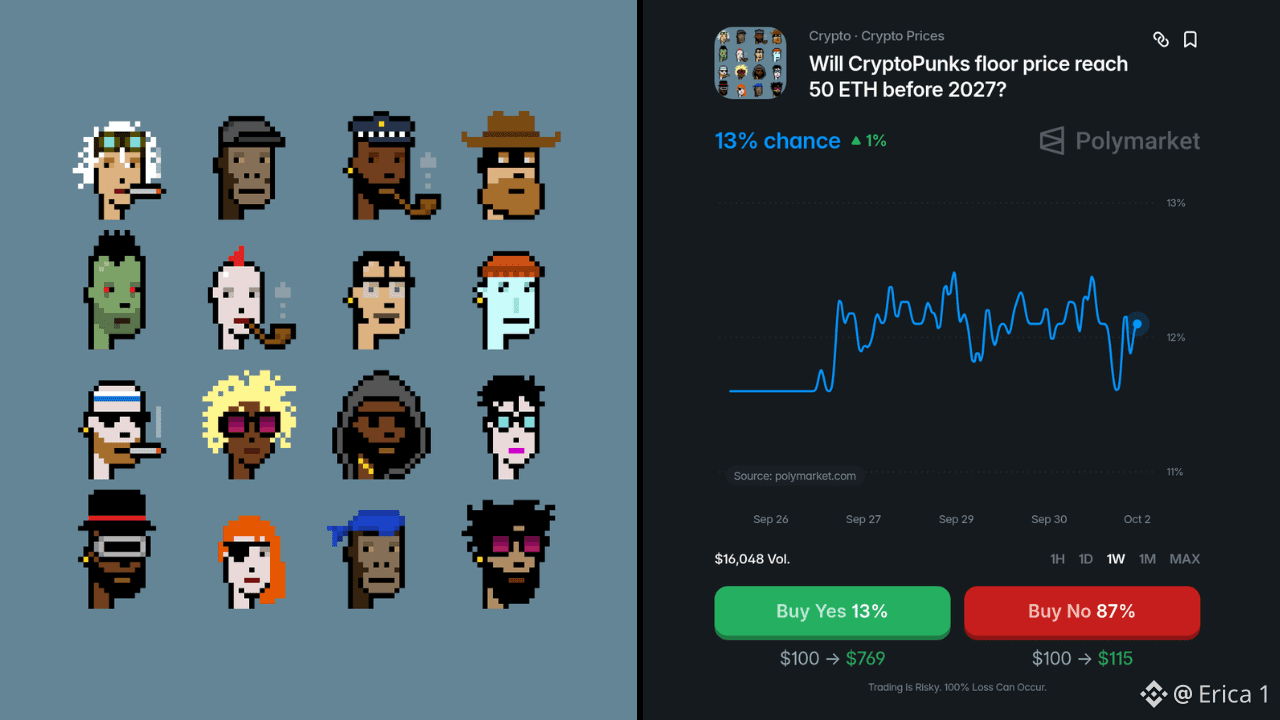
現時点でポリマーケットのトレーダーのうち、2027年より前にCryptoPunksのフロアが50ETHに到達すると見ているのは13%だけです。でも、その低い確率こそが、私にとってYESが面白い理由です。
NFTは過去にも、流動性と注目がセクターに戻ると、心理がいかに早く立て直されるかを示してきました。だからといって、全力のNFTマニアである必要はありません。この13%が上方向に見直され始めれば、最終結果が確定する前から私のポジションの価値が高まります。
スクリーンショットでは、正しい決着に至った場合、最大のグロス支払いである$769に対して、$100を私の側に置いています。
そこが、ポリマーケットの中で人が見落としているポイントだと思います。
50ETHでパンクを買うわけじゃありません。市場がそこに到達するかどうかについて、もっと小さな規模で賭けているだけです。
そして、ただ持ち続けるだけではなく、$HYPE を何かに使いたいなら、これはまったく別のタイプの取引になります。
#Altcoin Season#
また50ETHでCryptoPunks?👀
今回はあえて逆を行きます。
現時点でポリマーケットのトレーダーのうち、2027年より前にCryptoPunksのフロアが50ETHに到達すると見ているのは13%だけです。でも、その低い確率こそが、私にとってYESが面白い理由です。
NFTは過去にも、流動性と注目がセクターに戻ると、心理がいかに早く立て直されるかを示してきました。だからといって、全力のNFTマニアである必要はありません。この13%が上方向に見直され始めれば、最終結果が確定する前から私のポジションの価値が高まります。
スクリーンショットでは、正しい決着に至った場合、最大のグロス支払いである$769に対して、$100を私の側に置いています。
そこが、ポリマーケットの中で人が見落としているポイントだと思います。
50ETHでパンクを買うわけじゃありません。市場がそこに到達するかどうかについて、もっと小さな規模で賭けているだけです。
そして、ただ持ち続けるだけではなく、$HYPE を何かに使いたいなら、これはまったく別のタイプの取引になります。
#Altcoin Season#
今回はあえて逆を行きます。
現時点でポリマーケットのトレーダーのうち、2027年より前にCryptoPunksのフロアが50ETHに到達すると見ているのは13%だけです。でも、その低い確率こそが、私にとってYESが面白い理由です。
NFTは過去にも、流動性と注目がセクターに戻ると、心理がいかに早く立て直されるかを示してきました。だからといって、全力のNFTマニアである必要はありません。この13%が上方向に見直され始めれば、最終結果が確定する前から私のポジションの価値が高まります。
スクリーンショットでは、正しい決着に至った場合、最大のグロス支払いである$769に対して、$100を私の側に置いています。
そこが、ポリマーケットの中で人が見落としているポイントだと思います。
50ETHでパンクを買うわけじゃありません。市場がそこに到達するかどうかについて、もっと小さな規模で賭けているだけです。
そして、ただ持ち続けるだけではなく、$HYPE を何かに使いたいなら、これはまったく別のタイプの取引になります。
#Altcoin Season#
69
ログインして、さらにコンテンツを読む
厳選トピックで世界の暗号資産トレーダーの仲間入り
⚡️ 暗号資産に関する最新かつ有益な情報が見つかります。
💬 世界最大の暗号資産取引所から信頼されています。
👍 認証を受けたクリエイターから、有益なインサイトを得られます。
メール / 電話番号