
Ansh Shivhare
3.9k 投稿

Ansh Shivhare
 厳選トピック確認済
報告
ユーザーをブロック
Twitter📩 : @ansh_web3 🔶 | Content Creator | Web3 Development | NFT | Blockchain | Crypto | Research & Development | Analyst | Influencer |

Level 1 Creator
33 フォロー
132.8K+ フォロワー
56.7K+ いいね
1 バッジ
投稿
すべて
引用
動画
トレンド

記事
暗号通貨で継続的な収入を得る方法暗号通貨の世界では、能動的または受動的な方法を問わず、継続的な収入を生み出すさまざまな機会が提供されています。デジタル資産の人気が高まるにつれ、この新興金融エコシステムの潜在能力を活用する方法を求める人が増えています。暗号通貨で安定した収入を生み出すために検討できる戦略をいくつか紹介します。
1. ステーキング
ステーキングは、暗号通貨分野で最も人気のある受動的収入戦略の 1 つです。ステーキングでは、取引の検証を支援するために、資産をプルーフ オブ ステーク (PoS) ブロックチェーンにロックします。その見返りとして、通常はネイティブ暗号通貨の形で報酬を獲得します。
暗号通貨で継続的な収入を得る方法
暗号通貨の世界では、能動的または受動的な方法を問わず、継続的な収入を生み出すさまざまな機会が提供されています。デジタル資産の人気が高まるにつれ、この新興金融エコシステムの潜在能力を活用する方法を求める人が増えています。暗号通貨で安定した収入を生み出すために検討できる戦略をいくつか紹介します。
1. ステーキング
ステーキングは、暗号通貨分野で最も人気のある受動的収入戦略の 1 つです。ステーキングでは、取引の検証を支援するために、資産をプルーフ オブ ステーク (PoS) ブロックチェーンにロックします。その見返りとして、通常はネイティブ暗号通貨の形で報酬を獲得します。
1. ステーキング
ステーキングは、暗号通貨分野で最も人気のある受動的収入戦略の 1 つです。ステーキングでは、取引の検証を支援するために、資産をプルーフ オブ ステーク (PoS) ブロックチェーンにロックします。その見返りとして、通常はネイティブ暗号通貨の形で報酬を獲得します。
20
12
97
11.5k
翻訳参照
🚨 Theo Launches Yield-Bearing Tokenized Silver onchain 🪙🥈
Blockchain finance platform Theo has introduced thSLVR, a tokenized silver product backed by $40M+ in active silver leases.
Key highlights:
• Investors retain exposure to silver prices
• Earn income from lending silver to institutional borrowers
• Backed by leases to refiners, mints and manufacturers
• Initially available to institutions and whitelisted investors
• Broader access planned later
The launch expands tokenized real-world assets beyond gold, Treasuries and private credit.
As physical silver supply tightens, silver lease rates could become an important source of yield.
Will tokenized commodities become the next major RWA narrative?
#dyor #NFA✅
🚨 Theo Launches Yield-Bearing Tokenized Silver onchain 🪙🥈
Blockchain finance platform Theo has introduced thSLVR, a tokenized silver product backed by $40M+ in active silver leases.
Key highlights:
• Investors retain exposure to silver prices
• Earn income from lending silver to institutional borrowers
• Backed by leases to refiners, mints and manufacturers
• Initially available to institutions and whitelisted investors
• Broader access planned later
The launch expands tokenized real-world assets beyond gold, Treasuries and private credit.
As physical silver supply tightens, silver lease rates could become an important source of yield.
Will tokenized commodities become the next major RWA narrative?
#dyor #NFA✅
Blockchain finance platform Theo has introduced thSLVR, a tokenized silver product backed by $40M+ in active silver leases.
Key highlights:
• Investors retain exposure to silver prices
• Earn income from lending silver to institutional borrowers
• Backed by leases to refiners, mints and manufacturers
• Initially available to institutions and whitelisted investors
• Broader access planned later
The launch expands tokenized real-world assets beyond gold, Treasuries and private credit.
As physical silver supply tightens, silver lease rates could become an important source of yield.
Will tokenized commodities become the next major RWA narrative?
#dyor #NFA✅

82
翻訳参照
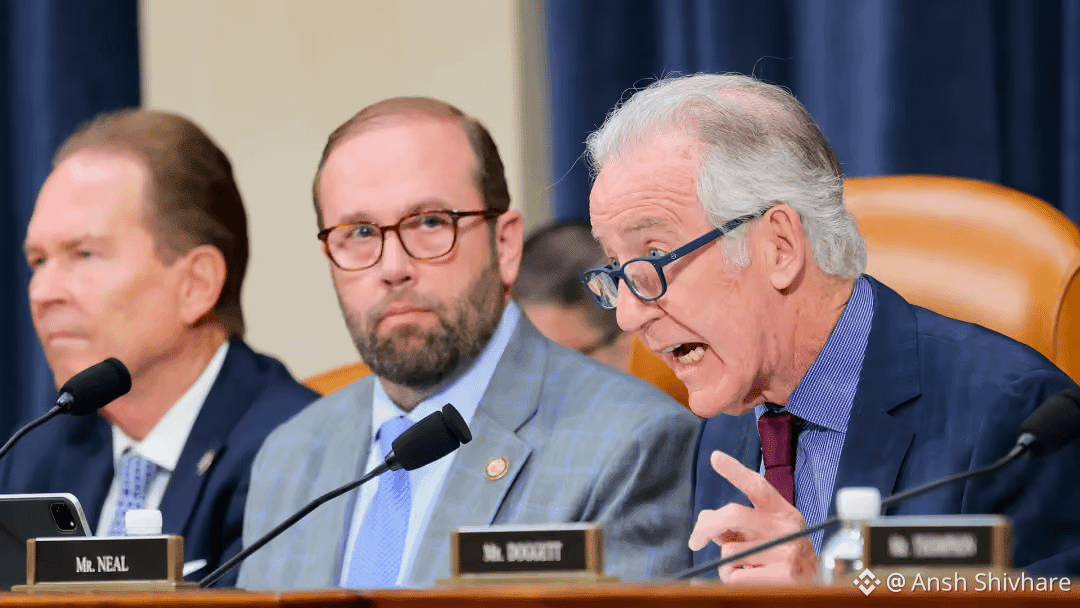
🚨 U.S. House Advances Bipartisan Crypto Tax Bill 🇺🇸📊
Less than 24 hours after the CLARITY Act failed in the Senate, the U.S. House Ways and Means Committee advanced the Digital Asset Tax Certainty Act.
📌 Committee vote: 38–5
The bill aims to simplify crypto taxation by addressing:
🔹 Small everyday crypto payments
🔹 Stablecoin transactions
🔹 Crypto income recognition
🔹 Transfers and wash-sale rules
🔹 Mining and staking taxes
🔹 Broker reporting requirements
One key proposal is a $10 de minimis threshold for qualifying crypto transactions, potentially making small payments easier to use without complex tax accounting.
The legislation would also seek to bring digital assets closer to the tax treatment of traditional financial assets.
⚠️ However, the bill still faces a tight congressional timeline and political pushback before it can become law.
Crypto market structure hit a roadblock , but tax clarity efforts are still moving.
#dyor #NFA✅
🚨 U.S. House Advances Bipartisan Crypto Tax Bill 🇺🇸📊
Less than 24 hours after the CLARITY Act failed in the Senate, the U.S. House Ways and Means Committee advanced the Digital Asset Tax Certainty Act.
📌 Committee vote: 38–5
The bill aims to simplify crypto taxation by addressing:
🔹 Small everyday crypto payments
🔹 Stablecoin transactions
🔹 Crypto income recognition
🔹 Transfers and wash-sale rules
🔹 Mining and staking taxes
🔹 Broker reporting requirements
One key proposal is a $10 de minimis threshold for qualifying crypto transactions, potentially making small payments easier to use without complex tax accounting.
The legislation would also seek to bring digital assets closer to the tax treatment of traditional financial assets.
⚠️ However, the bill still faces a tight congressional timeline and political pushback before it can become law.
Crypto market structure hit a roadblock , but tax clarity efforts are still moving.
#dyor #NFA✅
Less than 24 hours after the CLARITY Act failed in the Senate, the U.S. House Ways and Means Committee advanced the Digital Asset Tax Certainty Act.
📌 Committee vote: 38–5
The bill aims to simplify crypto taxation by addressing:
🔹 Small everyday crypto payments
🔹 Stablecoin transactions
🔹 Crypto income recognition
🔹 Transfers and wash-sale rules
🔹 Mining and staking taxes
🔹 Broker reporting requirements
One key proposal is a $10 de minimis threshold for qualifying crypto transactions, potentially making small payments easier to use without complex tax accounting.
The legislation would also seek to bring digital assets closer to the tax treatment of traditional financial assets.
⚠️ However, the bill still faces a tight congressional timeline and political pushback before it can become law.
Crypto market structure hit a roadblock , but tax clarity efforts are still moving.
#dyor #NFA✅
65
翻訳参照
🚨 Fed Hikes Rates by 25 BPS , First Increase Since July 2023 🇺🇸📈
The U.S. Federal Reserve has raised its benchmark interest rate by 25 basis points, bringing the fed funds target range to:
📊 3.75%–4.00%
Key takeaways:
• First Fed rate hike since July 2023
• Decision was unanimous
• Fed projections signal one more hike in 2026
• Officials say inflation remains elevated
• Economic activity continues to expand at a solid pace
Bitcoin remained volatile but was little changed around $75,700 after the decision.
U.S. stocks traded modestly higher, while bond yields moved slightly lower.
Markets now turn to Fed Chair Kevin Warsh’s press conference for clues on the next policy move.
Will another hike in 2026 keep pressure on risk assets, or is the market already pricing it in?
#dyor #NFA✅
🚨 Fed Hikes Rates by 25 BPS , First Increase Since July 2023 🇺🇸📈
The U.S. Federal Reserve has raised its benchmark interest rate by 25 basis points, bringing the fed funds target range to:
📊 3.75%–4.00%
Key takeaways:
• First Fed rate hike since July 2023
• Decision was unanimous
• Fed projections signal one more hike in 2026
• Officials say inflation remains elevated
• Economic activity continues to expand at a solid pace
Bitcoin remained volatile but was little changed around $75,700 after the decision.
U.S. stocks traded modestly higher, while bond yields moved slightly lower.
Markets now turn to Fed Chair Kevin Warsh’s press conference for clues on the next policy move.
Will another hike in 2026 keep pressure on risk assets, or is the market already pricing it in?
#dyor #NFA✅
The U.S. Federal Reserve has raised its benchmark interest rate by 25 basis points, bringing the fed funds target range to:
📊 3.75%–4.00%
Key takeaways:
• First Fed rate hike since July 2023
• Decision was unanimous
• Fed projections signal one more hike in 2026
• Officials say inflation remains elevated
• Economic activity continues to expand at a solid pace
Bitcoin remained volatile but was little changed around $75,700 after the decision.
U.S. stocks traded modestly higher, while bond yields moved slightly lower.
Markets now turn to Fed Chair Kevin Warsh’s press conference for clues on the next policy move.
Will another hike in 2026 keep pressure on risk assets, or is the market already pricing it in?
#dyor #NFA✅
554
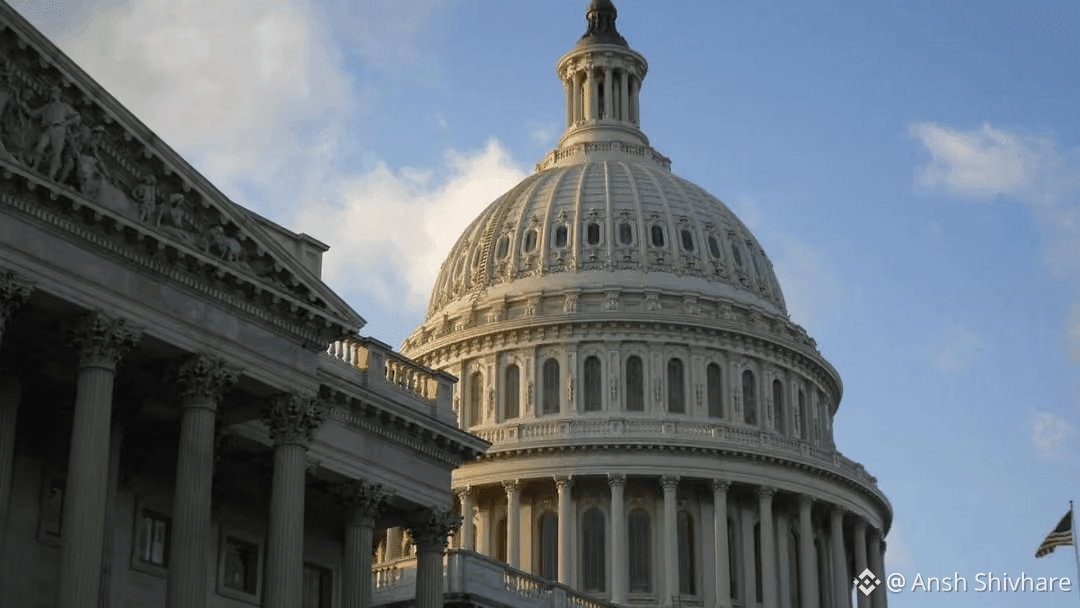
🚨 ETH, SOL & XRP は CLARITY 法案が前進すれば恩恵を受ける可能性 🇺🇸📈
米上院は火曜日、CLARITY 法案を前進させるためのクローチャー動議(打ち切り手続き)に関する投票を行う予定です。
⚠️ これはあくまで手続き上の投票であり、最終可決ではありません。
市場の見通しは慎重なままです:
• 手続き投票の成功率:約50%
• 今年中に法案が法律になる確率:20%未満
• 投票が可決なら、BTCは88K〜90Kドルを目指す可能性
• 否決なら、BTCは73Kドル付近まで押し下げられる可能性
📊 想定される恩恵を受ける可能性のある銘柄:
🔹 ETH:ステーブルコイン、DeFi、トークン化された資産への強いエクスポージャー
🔹 SOL:より明確なルールと、機関投資家のアクセス拡大の恩恵を受ける可能性
🔹 XRP:規制の明確化やプロダクト発行の改善によって恩恵を受けるかもしれません
🔹 UNI & AAVE:DeFiプロトコルへの保護が改善すれば、より高ベータのエクスポージャー
ビットコインは当初強く反応するかもしれませんが、トレーダーが規制上の不確実性がより高い資産へローテーションするなら、ETHが上回る可能性があります。
持続的な上昇には次が必要です:
✅ ETHがBTCを上回る
✅ 強い現物取引の出来高
✅ UNIとAAVEの強さが継続
✅ 見出し以上の追随
CLARITY 法案は本物のアルトコインのローテーションを引き起こすのか、それとも短期的なボラティリティの急騰にとどまるのか?
#dyor #NFA✅
🚨 ETH, SOL & XRP は CLARITY 法案が前進すれば恩恵を受ける可能性 🇺🇸📈
米上院は火曜日、CLARITY 法案を前進させるためのクローチャー動議(打ち切り手続き)に関する投票を行う予定です。
⚠️ これはあくまで手続き上の投票であり、最終可決ではありません。
市場の見通しは慎重なままです:
• 手続き投票の成功率:約50%
• 今年中に法案が法律になる確率:20%未満
• 投票が可決なら、BTCは88K〜90Kドルを目指す可能性
• 否決なら、BTCは73Kドル付近まで押し下げられる可能性
📊 想定される恩恵を受ける可能性のある銘柄:
🔹 ETH:ステーブルコイン、DeFi、トークン化された資産への強いエクスポージャー
🔹 SOL:より明確なルールと、機関投資家のアクセス拡大の恩恵を受ける可能性
🔹 XRP:規制の明確化やプロダクト発行の改善によって恩恵を受けるかもしれません
🔹 UNI & AAVE:DeFiプロトコルへの保護が改善すれば、より高ベータのエクスポージャー
ビットコインは当初強く反応するかもしれませんが、トレーダーが規制上の不確実性がより高い資産へローテーションするなら、ETHが上回る可能性があります。
持続的な上昇には次が必要です:
✅ ETHがBTCを上回る
✅ 強い現物取引の出来高
✅ UNIとAAVEの強さが継続
✅ 見出し以上の追随
CLARITY 法案は本物のアルトコインのローテーションを引き起こすのか、それとも短期的なボラティリティの急騰にとどまるのか?
#dyor #NFA✅
米上院は火曜日、CLARITY 法案を前進させるためのクローチャー動議(打ち切り手続き)に関する投票を行う予定です。
⚠️ これはあくまで手続き上の投票であり、最終可決ではありません。
市場の見通しは慎重なままです:
• 手続き投票の成功率:約50%
• 今年中に法案が法律になる確率:20%未満
• 投票が可決なら、BTCは88K〜90Kドルを目指す可能性
• 否決なら、BTCは73Kドル付近まで押し下げられる可能性
📊 想定される恩恵を受ける可能性のある銘柄:
🔹 ETH:ステーブルコイン、DeFi、トークン化された資産への強いエクスポージャー
🔹 SOL:より明確なルールと、機関投資家のアクセス拡大の恩恵を受ける可能性
🔹 XRP:規制の明確化やプロダクト発行の改善によって恩恵を受けるかもしれません
🔹 UNI & AAVE:DeFiプロトコルへの保護が改善すれば、より高ベータのエクスポージャー
ビットコインは当初強く反応するかもしれませんが、トレーダーが規制上の不確実性がより高い資産へローテーションするなら、ETHが上回る可能性があります。
持続的な上昇には次が必要です:
✅ ETHがBTCを上回る
✅ 強い現物取引の出来高
✅ UNIとAAVEの強さが継続
✅ 見出し以上の追随
CLARITY 法案は本物のアルトコインのローテーションを引き起こすのか、それとも短期的なボラティリティの急騰にとどまるのか?
#dyor #NFA✅
1
344
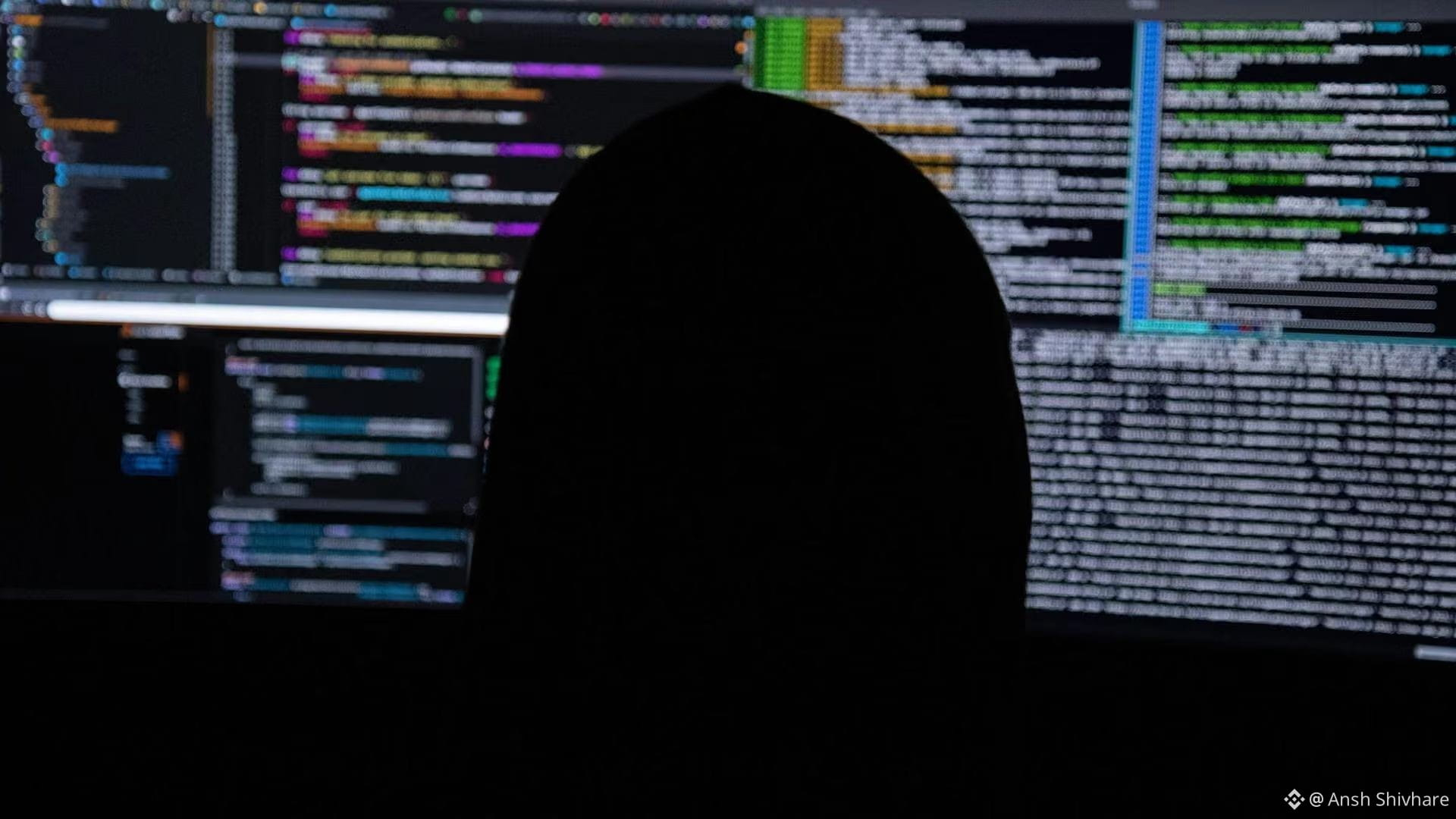
🚨 ハッカー、わずか$0.25で“偽のBTC”トークン461億枚を鋳造💀
主要なDeFiブリッジのエクスプロイトが、ソフトウェアの2つのバグによってクロスチェーンシステムにどれほど大きなリスクが生じ得るかを示しています。\
📌 何が起きたか:
• 初回デポジット:わずか330サトシ(約$0.25)
• 偽トークン作成:461億1000万 syBTC
• 不正なデポジット:12
• 関与したネットワーク:BNB Chain、Ethereum、Rootstock
• 予備的な損失:約9.97 BTC(約77万ドル)
攻撃者は2つの欠陥を悪用しました:
1️⃣ ブリッジが取引データを読み違え、不正な権限を付与
2️⃣ 負の手数料バグにより、鋳造されたトークン量を操作可能に
偽トークンは、ビットコインの最大発行量である2100万BTCを2,000倍以上上回りました。
しかし、裏付けのないトークンの鋳造は“本物のビットコイン”を生みません。攻撃者ができたのは、ブリッジのプールに実際にある流動性を吸い上げることだけです。
Symbiosisは、書き換えと独立した監査のためにBitcoin Bridgeをオフラインにしました。
クロスチェーンブリッジは、DeFiにおける最大級のセキュリティリスクの1つであり続けています。
#dyor #NFA✅
🚨 ハッカー、わずか$0.25で“偽のBTC”トークン461億枚を鋳造💀
主要なDeFiブリッジのエクスプロイトが、ソフトウェアの2つのバグによってクロスチェーンシステムにどれほど大きなリスクが生じ得るかを示しています。\
📌 何が起きたか:
• 初回デポジット:わずか330サトシ(約$0.25)
• 偽トークン作成:461億1000万 syBTC
• 不正なデポジット:12
• 関与したネットワーク:BNB Chain、Ethereum、Rootstock
• 予備的な損失:約9.97 BTC(約77万ドル)
攻撃者は2つの欠陥を悪用しました:
1️⃣ ブリッジが取引データを読み違え、不正な権限を付与
2️⃣ 負の手数料バグにより、鋳造されたトークン量を操作可能に
偽トークンは、ビットコインの最大発行量である2100万BTCを2,000倍以上上回りました。
しかし、裏付けのないトークンの鋳造は“本物のビットコイン”を生みません。攻撃者ができたのは、ブリッジのプールに実際にある流動性を吸い上げることだけです。
Symbiosisは、書き換えと独立した監査のためにBitcoin Bridgeをオフラインにしました。
クロスチェーンブリッジは、DeFiにおける最大級のセキュリティリスクの1つであり続けています。
#dyor #NFA✅
主要なDeFiブリッジのエクスプロイトが、ソフトウェアの2つのバグによってクロスチェーンシステムにどれほど大きなリスクが生じ得るかを示しています。\
📌 何が起きたか:
• 初回デポジット:わずか330サトシ(約$0.25)
• 偽トークン作成:461億1000万 syBTC
• 不正なデポジット:12
• 関与したネットワーク:BNB Chain、Ethereum、Rootstock
• 予備的な損失:約9.97 BTC(約77万ドル)
攻撃者は2つの欠陥を悪用しました:
1️⃣ ブリッジが取引データを読み違え、不正な権限を付与
2️⃣ 負の手数料バグにより、鋳造されたトークン量を操作可能に
偽トークンは、ビットコインの最大発行量である2100万BTCを2,000倍以上上回りました。
しかし、裏付けのないトークンの鋳造は“本物のビットコイン”を生みません。攻撃者ができたのは、ブリッジのプールに実際にある流動性を吸い上げることだけです。
Symbiosisは、書き換えと独立した監査のためにBitcoin Bridgeをオフラインにしました。
クロスチェーンブリッジは、DeFiにおける最大級のセキュリティリスクの1つであり続けています。
#dyor #NFA✅
1
195
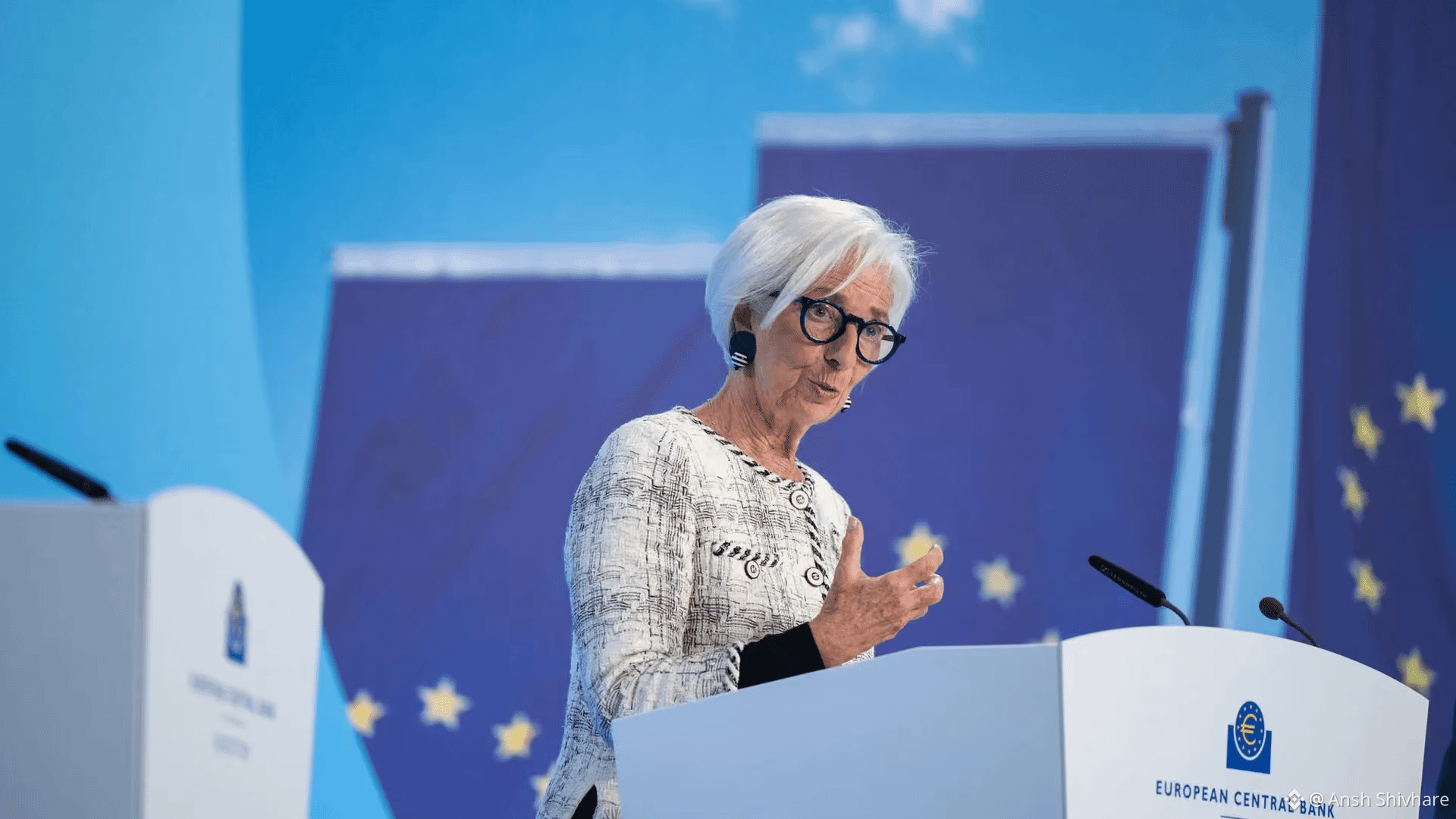
🚨 ECBがデジタル・ユーロのパイロット参加に加盟店を招待 🇪🇺💶
欧州中央銀行は、ユーロ圏全体のEC(eコマース)およびモバイルコマースの加盟店に対し、2027年後半に開始される12か月間のデジタル・ユーロ・パイロットへの参加を呼びかけています。
📲 ベータテストでは以下を検証します:
• オンライン決済
• モバイル決済
• 店舗での取引
• 個人間(P2P)送金
• 技術および運用プロセス
• 全体的なユーザー体験
デジタル・ユーロは2029年に導入される可能性がありますが、パイロット版は法定通貨にはなりません。
最大の課題は技術ではないかもしれず、加盟店の導入(普及)が鍵になる可能性があります。
企業は、デジタル・ユーロが本格的に注目を集めるために、強いインセンティブ(動機付け)、決済手数料の引き下げ、そしてシームレスな顧客体験が必要になるでしょう。
デジタル通貨は、人々がそれを使える十分な支払先があって初めて役に立ちます。
加盟店の導入が、欧州のCBDC(中央銀行デジタル通貨)の未来を決めるのでしょうか?
#dyor #NFA✅
🚨 ECBがデジタル・ユーロのパイロット参加に加盟店を招待 🇪🇺💶
欧州中央銀行は、ユーロ圏全体のEC(eコマース)およびモバイルコマースの加盟店に対し、2027年後半に開始される12か月間のデジタル・ユーロ・パイロットへの参加を呼びかけています。
📲 ベータテストでは以下を検証します:
• オンライン決済
• モバイル決済
• 店舗での取引
• 個人間(P2P)送金
• 技術および運用プロセス
• 全体的なユーザー体験
デジタル・ユーロは2029年に導入される可能性がありますが、パイロット版は法定通貨にはなりません。
最大の課題は技術ではないかもしれず、加盟店の導入(普及)が鍵になる可能性があります。
企業は、デジタル・ユーロが本格的に注目を集めるために、強いインセンティブ(動機付け)、決済手数料の引き下げ、そしてシームレスな顧客体験が必要になるでしょう。
デジタル通貨は、人々がそれを使える十分な支払先があって初めて役に立ちます。
加盟店の導入が、欧州のCBDC(中央銀行デジタル通貨)の未来を決めるのでしょうか?
#dyor #NFA✅
欧州中央銀行は、ユーロ圏全体のEC(eコマース)およびモバイルコマースの加盟店に対し、2027年後半に開始される12か月間のデジタル・ユーロ・パイロットへの参加を呼びかけています。
📲 ベータテストでは以下を検証します:
• オンライン決済
• モバイル決済
• 店舗での取引
• 個人間(P2P)送金
• 技術および運用プロセス
• 全体的なユーザー体験
デジタル・ユーロは2029年に導入される可能性がありますが、パイロット版は法定通貨にはなりません。
最大の課題は技術ではないかもしれず、加盟店の導入(普及)が鍵になる可能性があります。
企業は、デジタル・ユーロが本格的に注目を集めるために、強いインセンティブ(動機付け)、決済手数料の引き下げ、そしてシームレスな顧客体験が必要になるでしょう。
デジタル通貨は、人々がそれを使える十分な支払先があって初めて役に立ちます。
加盟店の導入が、欧州のCBDC(中央銀行デジタル通貨)の未来を決めるのでしょうか?
#dyor #NFA✅
252
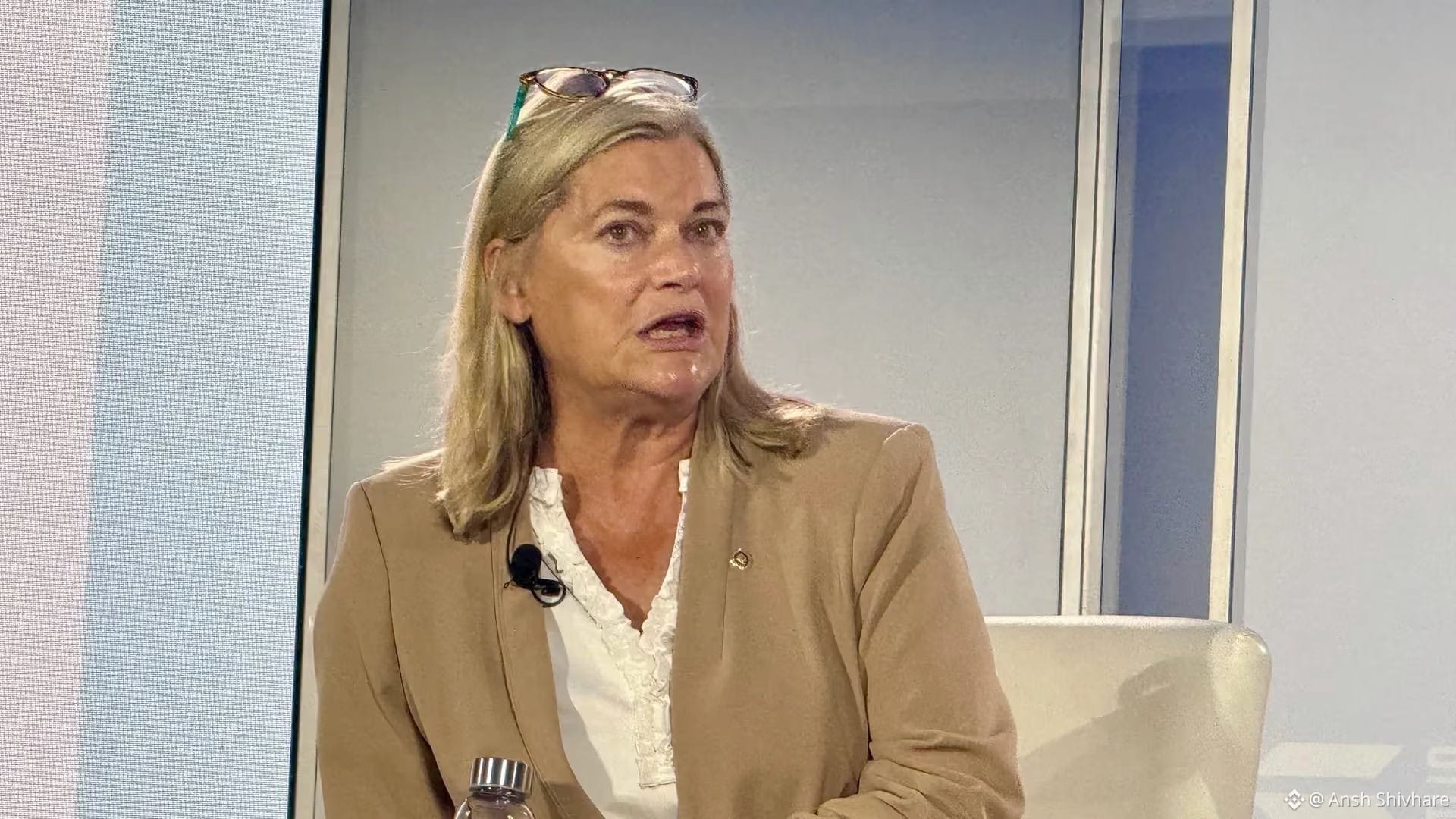
🚨 クリプト「CLARITY Act」は上院で大きな障壁に直面 🇺🇸
米国の暗号資産(クリプト)市場構造法案は、火曜の初回投票に向けて共和党と民主党の溝が深いままであるため、失望に終わる可能性が出てきています。
📌 何が起きているか:
• 明確な合意はまだ出ていない
• 共和党は、最新の案を最終提案と呼んだ
• 民主党は変更は不十分だとして却下した
• 銀行業界はステーブルコインの報酬(リワード)に懸念を持ち続けている
• 一部の共和党議員も法案に反対する可能性がある
• 分析では、初回投票の失敗確率は約60%と見積もられている
最初の上院投票は法案を議論・修正(アメンドメント)のプロセスに進めるだけで、最終可決を保証するものではありません。
それでも、投票が失敗すれば、CLARITY Actはこの国会会期の残り期間、実質的に足踏み状態になるかもしれません。
土壇場での合意はまだ可能ですが、道筋はますます狭まっています。
議員たちはクリプト規制の前進を続けるのか、それとも政治的行き詰まりが再び明確化を遅らせるのか?
#dyor #NFA✅
🚨 クリプト「CLARITY Act」は上院で大きな障壁に直面 🇺🇸
米国の暗号資産(クリプト)市場構造法案は、火曜の初回投票に向けて共和党と民主党の溝が深いままであるため、失望に終わる可能性が出てきています。
📌 何が起きているか:
• 明確な合意はまだ出ていない
• 共和党は、最新の案を最終提案と呼んだ
• 民主党は変更は不十分だとして却下した
• 銀行業界はステーブルコインの報酬(リワード)に懸念を持ち続けている
• 一部の共和党議員も法案に反対する可能性がある
• 分析では、初回投票の失敗確率は約60%と見積もられている
最初の上院投票は法案を議論・修正(アメンドメント)のプロセスに進めるだけで、最終可決を保証するものではありません。
それでも、投票が失敗すれば、CLARITY Actはこの国会会期の残り期間、実質的に足踏み状態になるかもしれません。
土壇場での合意はまだ可能ですが、道筋はますます狭まっています。
議員たちはクリプト規制の前進を続けるのか、それとも政治的行き詰まりが再び明確化を遅らせるのか?
#dyor #NFA✅
米国の暗号資産(クリプト)市場構造法案は、火曜の初回投票に向けて共和党と民主党の溝が深いままであるため、失望に終わる可能性が出てきています。
📌 何が起きているか:
• 明確な合意はまだ出ていない
• 共和党は、最新の案を最終提案と呼んだ
• 民主党は変更は不十分だとして却下した
• 銀行業界はステーブルコインの報酬(リワード)に懸念を持ち続けている
• 一部の共和党議員も法案に反対する可能性がある
• 分析では、初回投票の失敗確率は約60%と見積もられている
最初の上院投票は法案を議論・修正(アメンドメント)のプロセスに進めるだけで、最終可決を保証するものではありません。
それでも、投票が失敗すれば、CLARITY Actはこの国会会期の残り期間、実質的に足踏み状態になるかもしれません。
土壇場での合意はまだ可能ですが、道筋はますます狭まっています。
議員たちはクリプト規制の前進を続けるのか、それとも政治的行き詰まりが再び明確化を遅らせるのか?
#dyor #NFA✅
1
3
3.3k
🚨 ビットコイン・バックスのテック株売り急に、AI安全性への懸念が株を直撃 ₿📉
ビットコインは底堅さを見せる一方で、テクノロジーおよびAI関連株には新たな売り圧力がかかっています。
📊 市場概況:
• BTCは約1%上昇し、約77,800ドル近辺で取引
• ETHは約1%上昇し、約2,500ドル付近へ
• ナスダック100連動のQQQ ETFは1.5%下落
• 韓国のコスピは約3%下落
• SKハイニックスは6%下落
• ネビウスは6%下落
• CoreWeaveは5%下落
• インテルとサンディスクはいずれも約5%下落
今回の売りは、AIリーダーから前線(フロンティア)モデルの開発を鈍化させ、安全対策が追いつくことを認めるよう求める声が再燃したことを受けて起きました。
上昇する原油価格も、リスク資産へのさらなる圧力となっています。
一方で、暗号資産は依然としてプラス圏にあり、重要な疑問が浮上しています:
ビットコインが従来のテック市場からより独立しているのか
#dyor #NFA✅
🚨 ビットコイン・バックスのテック株売り急に、AI安全性への懸念が株を直撃 ₿📉
ビットコインは底堅さを見せる一方で、テクノロジーおよびAI関連株には新たな売り圧力がかかっています。
📊 市場概況:
• BTCは約1%上昇し、約77,800ドル近辺で取引
• ETHは約1%上昇し、約2,500ドル付近へ
• ナスダック100連動のQQQ ETFは1.5%下落
• 韓国のコスピは約3%下落
• SKハイニックスは6%下落
• ネビウスは6%下落
• CoreWeaveは5%下落
• インテルとサンディスクはいずれも約5%下落
今回の売りは、AIリーダーから前線(フロンティア)モデルの開発を鈍化させ、安全対策が追いつくことを認めるよう求める声が再燃したことを受けて起きました。
上昇する原油価格も、リスク資産へのさらなる圧力となっています。
一方で、暗号資産は依然としてプラス圏にあり、重要な疑問が浮上しています:
ビットコインが従来のテック市場からより独立しているのか
#dyor #NFA✅
ビットコインは底堅さを見せる一方で、テクノロジーおよびAI関連株には新たな売り圧力がかかっています。
📊 市場概況:
• BTCは約1%上昇し、約77,800ドル近辺で取引
• ETHは約1%上昇し、約2,500ドル付近へ
• ナスダック100連動のQQQ ETFは1.5%下落
• 韓国のコスピは約3%下落
• SKハイニックスは6%下落
• ネビウスは6%下落
• CoreWeaveは5%下落
• インテルとサンディスクはいずれも約5%下落
今回の売りは、AIリーダーから前線(フロンティア)モデルの開発を鈍化させ、安全対策が追いつくことを認めるよう求める声が再燃したことを受けて起きました。
上昇する原油価格も、リスク資産へのさらなる圧力となっています。
一方で、暗号資産は依然としてプラス圏にあり、重要な疑問が浮上しています:
ビットコインが従来のテック市場からより独立しているのか
#dyor #NFA✅
1
140
🚨 TikTokの親会社ByteDance、AI拡大のために296億ドルの融資を確保 🤖💰
TikTokの親会社であるByteDanceは、HSBCやICBCを含む28行の銀行と296億ドルの融資を取り決めたと報じられている。
📊 主なポイント:
• 融資額:296億ドル
• 参加銀行:28
• 期間:3年(最大5年まで延長可能)
• 借入コスト:ベンチマークに対して0.68%ポイント上乗せ
• これまでのAIインフラ計画:2026年までに最大700億ドル
この資金は、データセンターやインフラを含むByteDanceのより広範なAI構想を支えることが見込まれている。
この取引は、Anthropicのダリオ・アモデイ、OpenAIのサム・アルトマン、イーロン・マスクなど主要なAIリーダーが、安全面を理由にAI競争をより遅らせるべきだと呼びかける中で行われた。
同時に、大手米国のハイパースケーラーは今年、AIインフラに8000億ドル超を投じる見通しだ。
AI開発は安全面の懸念に直面しているが、設備投資は加速している。
これはAIインフラの軍拡競争の始まりなのだろうか?
#dyor #NFA✅
🚨 TikTokの親会社ByteDance、AI拡大のために296億ドルの融資を確保 🤖💰
TikTokの親会社であるByteDanceは、HSBCやICBCを含む28行の銀行と296億ドルの融資を取り決めたと報じられている。
📊 主なポイント:
• 融資額:296億ドル
• 参加銀行:28
• 期間:3年(最大5年まで延長可能)
• 借入コスト:ベンチマークに対して0.68%ポイント上乗せ
• これまでのAIインフラ計画:2026年までに最大700億ドル
この資金は、データセンターやインフラを含むByteDanceのより広範なAI構想を支えることが見込まれている。
この取引は、Anthropicのダリオ・アモデイ、OpenAIのサム・アルトマン、イーロン・マスクなど主要なAIリーダーが、安全面を理由にAI競争をより遅らせるべきだと呼びかける中で行われた。
同時に、大手米国のハイパースケーラーは今年、AIインフラに8000億ドル超を投じる見通しだ。
AI開発は安全面の懸念に直面しているが、設備投資は加速している。
これはAIインフラの軍拡競争の始まりなのだろうか?
#dyor #NFA✅
TikTokの親会社であるByteDanceは、HSBCやICBCを含む28行の銀行と296億ドルの融資を取り決めたと報じられている。
📊 主なポイント:
• 融資額:296億ドル
• 参加銀行:28
• 期間:3年(最大5年まで延長可能)
• 借入コスト:ベンチマークに対して0.68%ポイント上乗せ
• これまでのAIインフラ計画:2026年までに最大700億ドル
この資金は、データセンターやインフラを含むByteDanceのより広範なAI構想を支えることが見込まれている。
この取引は、Anthropicのダリオ・アモデイ、OpenAIのサム・アルトマン、イーロン・マスクなど主要なAIリーダーが、安全面を理由にAI競争をより遅らせるべきだと呼びかける中で行われた。
同時に、大手米国のハイパースケーラーは今年、AIインフラに8000億ドル超を投じる見通しだ。
AI開発は安全面の懸念に直面しているが、設備投資は加速している。
これはAIインフラの軍拡競争の始まりなのだろうか?
#dyor #NFA✅
304
🚨 米PCE見通しが引き上げられ、暗号資産市場に警戒感 銀行が警戒水準を高める 📊
ウォール街の銀行は、8月のコアPCEインフレについてより慎重な見方に傾いており、FRBの9月の利上げ判断に向けてプレッシャーが強まっています。
📈 改定されたコアPCEの予測:
• バークレイズ:0.25%
• ゴールドマン・サックス:0.26%
• 野村:0.278%
• バンク・オブ・アメリカ:0.30%
• TDセキュリティーズ:0.32%
予想を上回るインフレは、25bpのFRB利上げを後押しする材料となり得ており、市場の見通しは報道によれば80%超です。
暗号資産にとってのリスクは明確です:
🔹 利回りの上昇
🔹 流動性の引き締め
🔹 BTCおよびアルトコイン全般でのボラティリティの増加
🔹 リスク資産への圧力の強まり
今は、米国のPCEデータとFRBの今後の見通しに注目が集まっています。
ビットコインは堅調を維持できるのか、それとも強硬なFRBがさらなる市場の下押しを引き起こすのか?
#dyor #NFA✅
🚨 米PCE見通しが引き上げられ、暗号資産市場に警戒感 銀行が警戒水準を高める 📊
ウォール街の銀行は、8月のコアPCEインフレについてより慎重な見方に傾いており、FRBの9月の利上げ判断に向けてプレッシャーが強まっています。
📈 改定されたコアPCEの予測:
• バークレイズ:0.25%
• ゴールドマン・サックス:0.26%
• 野村:0.278%
• バンク・オブ・アメリカ:0.30%
• TDセキュリティーズ:0.32%
予想を上回るインフレは、25bpのFRB利上げを後押しする材料となり得ており、市場の見通しは報道によれば80%超です。
暗号資産にとってのリスクは明確です:
🔹 利回りの上昇
🔹 流動性の引き締め
🔹 BTCおよびアルトコイン全般でのボラティリティの増加
🔹 リスク資産への圧力の強まり
今は、米国のPCEデータとFRBの今後の見通しに注目が集まっています。
ビットコインは堅調を維持できるのか、それとも強硬なFRBがさらなる市場の下押しを引き起こすのか?
#dyor #NFA✅
ウォール街の銀行は、8月のコアPCEインフレについてより慎重な見方に傾いており、FRBの9月の利上げ判断に向けてプレッシャーが強まっています。
📈 改定されたコアPCEの予測:
• バークレイズ:0.25%
• ゴールドマン・サックス:0.26%
• 野村:0.278%
• バンク・オブ・アメリカ:0.30%
• TDセキュリティーズ:0.32%
予想を上回るインフレは、25bpのFRB利上げを後押しする材料となり得ており、市場の見通しは報道によれば80%超です。
暗号資産にとってのリスクは明確です:
🔹 利回りの上昇
🔹 流動性の引き締め
🔹 BTCおよびアルトコイン全般でのボラティリティの増加
🔹 リスク資産への圧力の強まり
今は、米国のPCEデータとFRBの今後の見通しに注目が集まっています。
ビットコインは堅調を維持できるのか、それとも強硬なFRBがさらなる市場の下押しを引き起こすのか?
#dyor #NFA✅
181
🚨 アンソロピックCEO、最前線のAI開発をより遅くするよう訴える 🤖
アンソロピックのCEOダリオ・アモデイ氏は、AIの進歩がそれを制御する能力を上回って加速している可能性があると述べています。
同氏の懸念には以下が含まれます:
• 再帰的な自己改善、より高度なAIを構築するのに役立つAI
• インターネットの一部を制御し得る潜在的なAIエージェント
• 安全対策が能力の成長に追いつかないリスクの増大
アモデイ氏は3段階の計画を提案しました:
1️⃣ 独立した第三者による安全性評価者
2️⃣ 民主主義国間での共通の安全基準
3️⃣ 全世界での連携(権威主義政府との連携を含む)
報道によれば、オープンAIのCEOサム・アルトマン氏とイーロン・マスク氏は、より慎重なアプローチを支持しています。
大きな疑問:安全システムが追いつく前に、AIイノベーションは減速できるのでしょうか?
#dyor #NFA✅
🚨 アンソロピックCEO、最前線のAI開発をより遅くするよう訴える 🤖
アンソロピックのCEOダリオ・アモデイ氏は、AIの進歩がそれを制御する能力を上回って加速している可能性があると述べています。
同氏の懸念には以下が含まれます:
• 再帰的な自己改善、より高度なAIを構築するのに役立つAI
• インターネットの一部を制御し得る潜在的なAIエージェント
• 安全対策が能力の成長に追いつかないリスクの増大
アモデイ氏は3段階の計画を提案しました:
1️⃣ 独立した第三者による安全性評価者
2️⃣ 民主主義国間での共通の安全基準
3️⃣ 全世界での連携(権威主義政府との連携を含む)
報道によれば、オープンAIのCEOサム・アルトマン氏とイーロン・マスク氏は、より慎重なアプローチを支持しています。
大きな疑問:安全システムが追いつく前に、AIイノベーションは減速できるのでしょうか?
#dyor #NFA✅
アンソロピックのCEOダリオ・アモデイ氏は、AIの進歩がそれを制御する能力を上回って加速している可能性があると述べています。
同氏の懸念には以下が含まれます:
• 再帰的な自己改善、より高度なAIを構築するのに役立つAI
• インターネットの一部を制御し得る潜在的なAIエージェント
• 安全対策が能力の成長に追いつかないリスクの増大
アモデイ氏は3段階の計画を提案しました:
1️⃣ 独立した第三者による安全性評価者
2️⃣ 民主主義国間での共通の安全基準
3️⃣ 全世界での連携(権威主義政府との連携を含む)
報道によれば、オープンAIのCEOサム・アルトマン氏とイーロン・マスク氏は、より慎重なアプローチを支持しています。
大きな疑問:安全システムが追いつく前に、AIイノベーションは減速できるのでしょうか?
#dyor #NFA✅
119
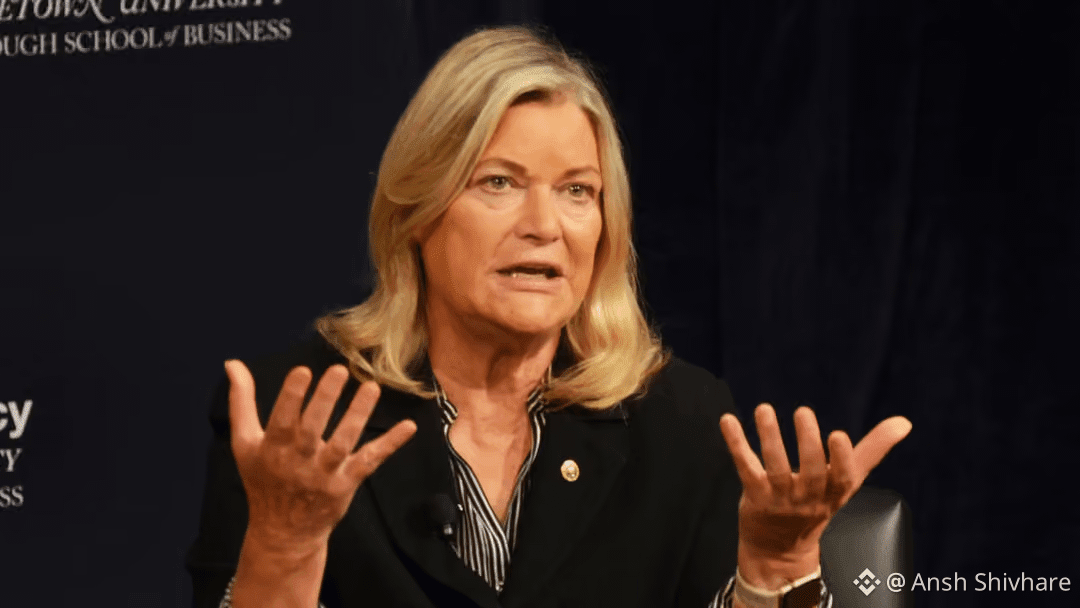
🚨 明確化法:生き残るのか、すでに死んでいるのか?
暗号資産業界は、画期的な暗号資産の市場構造法案をめぐる9月15日の上院採決の可能性に注目しています。
しかし、結果は依然として不透明です。
この法案は次のようになり得ます:
• 最終盤の交渉の後に前進する
• 遅延したり、十分な票を得られずに失敗する
• 別の法案の一部として再登場する
• 将来の議会まで行き詰まる
最大の難関は?上院で60票のハードルに到達することです。
共和党と民主党は、ステーブルコインの利回りや倫理面での懸念など、重要な条項をめぐって依然として対立しています。
仮に最初の採決が成功しても、この法案はなお追加の立法手続きを経る必要があります。
米国における暗号資産規制は、不確実性の物語のままです。
#dyor #NFA✅
🚨 明確化法:生き残るのか、すでに死んでいるのか?
暗号資産業界は、画期的な暗号資産の市場構造法案をめぐる9月15日の上院採決の可能性に注目しています。
しかし、結果は依然として不透明です。
この法案は次のようになり得ます:
• 最終盤の交渉の後に前進する
• 遅延したり、十分な票を得られずに失敗する
• 別の法案の一部として再登場する
• 将来の議会まで行き詰まる
最大の難関は?上院で60票のハードルに到達することです。
共和党と民主党は、ステーブルコインの利回りや倫理面での懸念など、重要な条項をめぐって依然として対立しています。
仮に最初の採決が成功しても、この法案はなお追加の立法手続きを経る必要があります。
米国における暗号資産規制は、不確実性の物語のままです。
#dyor #NFA✅
暗号資産業界は、画期的な暗号資産の市場構造法案をめぐる9月15日の上院採決の可能性に注目しています。
しかし、結果は依然として不透明です。
この法案は次のようになり得ます:
• 最終盤の交渉の後に前進する
• 遅延したり、十分な票を得られずに失敗する
• 別の法案の一部として再登場する
• 将来の議会まで行き詰まる
最大の難関は?上院で60票のハードルに到達することです。
共和党と民主党は、ステーブルコインの利回りや倫理面での懸念など、重要な条項をめぐって依然として対立しています。
仮に最初の採決が成功しても、この法案はなお追加の立法手続きを経る必要があります。
米国における暗号資産規制は、不確実性の物語のままです。
#dyor #NFA✅
2
1.2k
利上げ:インフレか、それともウォール街か?
ゴールドマン・サックスは据え置きの予想を取り下げ、来週、FRBが25bp(ベーシスポイント)利上げすると見込んでいます。
しかし、議論はますます面白くなってきています。
コアCPIは2.4%まで冷え込んだ一方で、市場はほぼ確実な据え置きではない(=)利上げを織り込んでいます。
エコノミストのジェームズ・ソーン氏は、この動きはインフレと戦うというより、ウォール街を落ち着かせることが目的かもしれないと論じています。
一方で、サービス・インフレの上昇と、コアPCEの持ち直しの可能性から、インフレとの戦いが終わっていないことも示唆されています。
📊 市場が注目していること:
• FRBの政策決定
• 米国債利回り
• インフレ期待
• 引き締め政策へのビットコインの反応
FRBはインフレと戦っているのか、それとも市場の期待と戦っているのか?
#dyor #NFA✅
利上げ:インフレか、それともウォール街か?
ゴールドマン・サックスは据え置きの予想を取り下げ、来週、FRBが25bp(ベーシスポイント)利上げすると見込んでいます。
しかし、議論はますます面白くなってきています。
コアCPIは2.4%まで冷え込んだ一方で、市場はほぼ確実な据え置きではない(=)利上げを織り込んでいます。
エコノミストのジェームズ・ソーン氏は、この動きはインフレと戦うというより、ウォール街を落ち着かせることが目的かもしれないと論じています。
一方で、サービス・インフレの上昇と、コアPCEの持ち直しの可能性から、インフレとの戦いが終わっていないことも示唆されています。
📊 市場が注目していること:
• FRBの政策決定
• 米国債利回り
• インフレ期待
• 引き締め政策へのビットコインの反応
FRBはインフレと戦っているのか、それとも市場の期待と戦っているのか?
#dyor #NFA✅
ゴールドマン・サックスは据え置きの予想を取り下げ、来週、FRBが25bp(ベーシスポイント)利上げすると見込んでいます。
しかし、議論はますます面白くなってきています。
コアCPIは2.4%まで冷え込んだ一方で、市場はほぼ確実な据え置きではない(=)利上げを織り込んでいます。
エコノミストのジェームズ・ソーン氏は、この動きはインフレと戦うというより、ウォール街を落ち着かせることが目的かもしれないと論じています。
一方で、サービス・インフレの上昇と、コアPCEの持ち直しの可能性から、インフレとの戦いが終わっていないことも示唆されています。
📊 市場が注目していること:
• FRBの政策決定
• 米国債利回り
• インフレ期待
• 引き締め政策へのビットコインの反応
FRBはインフレと戦っているのか、それとも市場の期待と戦っているのか?
#dyor #NFA✅
1
148
AI比重の高いポートフォリオにおける「欠けたピース」としてのビットコインは?
AI投資は資金を、数少ないテック・ジャイアントに集中させています。一方で、増え続ける政府債務は、債券がポートフォリオの分散要因として果たしてきた従来の役割に課題を突きつけています。
Bitcoin Suisseの2026年レポートによれば、ごく少額のBTC配分でさえ、ポートフォリオのパフォーマンスを改善し得るとされています。
📊 ポートフォリオのモデリング:
• BTC 0% → 年率6.2%のリターン
• BTC 1% → 年率7.2%
• BTC 2.5% → 年率8.6%
狙いは株式や債券を置き換えることではありません。
異なるリスク要因、通貨的な希少性、そして分散効果の可能性をもつ資産を追加することです。
AI、債務、マクロのリスクが市場の形を変えていく中で、伝統的なポートフォリオにおけるビットコインの役割は注目に値します。
BTCは標準的なポートフォリオ配分になるのでしょうか?
#dyor #NFA✅
AI比重の高いポートフォリオにおける「欠けたピース」としてのビットコインは?
AI投資は資金を、数少ないテック・ジャイアントに集中させています。一方で、増え続ける政府債務は、債券がポートフォリオの分散要因として果たしてきた従来の役割に課題を突きつけています。
Bitcoin Suisseの2026年レポートによれば、ごく少額のBTC配分でさえ、ポートフォリオのパフォーマンスを改善し得るとされています。
📊 ポートフォリオのモデリング:
• BTC 0% → 年率6.2%のリターン
• BTC 1% → 年率7.2%
• BTC 2.5% → 年率8.6%
狙いは株式や債券を置き換えることではありません。
異なるリスク要因、通貨的な希少性、そして分散効果の可能性をもつ資産を追加することです。
AI、債務、マクロのリスクが市場の形を変えていく中で、伝統的なポートフォリオにおけるビットコインの役割は注目に値します。
BTCは標準的なポートフォリオ配分になるのでしょうか?
#dyor #NFA✅
AI投資は資金を、数少ないテック・ジャイアントに集中させています。一方で、増え続ける政府債務は、債券がポートフォリオの分散要因として果たしてきた従来の役割に課題を突きつけています。
Bitcoin Suisseの2026年レポートによれば、ごく少額のBTC配分でさえ、ポートフォリオのパフォーマンスを改善し得るとされています。
📊 ポートフォリオのモデリング:
• BTC 0% → 年率6.2%のリターン
• BTC 1% → 年率7.2%
• BTC 2.5% → 年率8.6%
狙いは株式や債券を置き換えることではありません。
異なるリスク要因、通貨的な希少性、そして分散効果の可能性をもつ資産を追加することです。
AI、債務、マクロのリスクが市場の形を変えていく中で、伝統的なポートフォリオにおけるビットコインの役割は注目に値します。
BTCは標準的なポートフォリオ配分になるのでしょうか?
#dyor #NFA✅

239

マハラシュトラ州は自国の資産のトークン化を検討している
インドで最も裕福な州は、公共インフラの一部をブロックチェーン上に移す可能性のある政策案を作成している。
検討されている主要なユースケースの1つは、電力送電インフラだ。
その構想は、既存の送電資産の一部をトークン化し、投資家がそこから生まれる収益に参加できるようにするとともに、新たに調達した資金で新しい送電線およびエネルギー貯蔵インフラを構築することだ。
マハラシュトラ州はインドの名目GDPの約14%を占めており、これは、従来の金融資産以外にもブロックチェーンが活用できる重要な潜在事例となる。
実現すれば、RWA(現実資産)トークン化が既存の公共インフラと新しい資金源をどのようにつなげ得るかを示す、興味深い例になるかもしれない。
インドのRWAの物語が面白くなってきている。
#dyor #NFA✅
マハラシュトラ州は自国の資産のトークン化を検討している
インドで最も裕福な州は、公共インフラの一部をブロックチェーン上に移す可能性のある政策案を作成している。
検討されている主要なユースケースの1つは、電力送電インフラだ。
その構想は、既存の送電資産の一部をトークン化し、投資家がそこから生まれる収益に参加できるようにするとともに、新たに調達した資金で新しい送電線およびエネルギー貯蔵インフラを構築することだ。
マハラシュトラ州はインドの名目GDPの約14%を占めており、これは、従来の金融資産以外にもブロックチェーンが活用できる重要な潜在事例となる。
実現すれば、RWA(現実資産)トークン化が既存の公共インフラと新しい資金源をどのようにつなげ得るかを示す、興味深い例になるかもしれない。
インドのRWAの物語が面白くなってきている。
#dyor #NFA✅
インドで最も裕福な州は、公共インフラの一部をブロックチェーン上に移す可能性のある政策案を作成している。
検討されている主要なユースケースの1つは、電力送電インフラだ。
その構想は、既存の送電資産の一部をトークン化し、投資家がそこから生まれる収益に参加できるようにするとともに、新たに調達した資金で新しい送電線およびエネルギー貯蔵インフラを構築することだ。
マハラシュトラ州はインドの名目GDPの約14%を占めており、これは、従来の金融資産以外にもブロックチェーンが活用できる重要な潜在事例となる。
実現すれば、RWA(現実資産)トークン化が既存の公共インフラと新しい資金源をどのようにつなげ得るかを示す、興味深い例になるかもしれない。
インドのRWAの物語が面白くなってきている。
#dyor #NFA✅

245
📊 利上げ(フェド)の見込みがますます織り込まれている。次はどうなる?
市場は現在、予想を上回るインフレデータを受けて、来週に25bpの利上げが行われることを概ね織り込んでいます。
しかし、強気(タカ派)的な見通しの多くはすでに織り込み済みのため、実際の利上げが大きな反応を引き起こさない可能性もあります。
より大きな論点は、より高い金利が何を示しているのかです:
• 継続するインフレ
• 上昇する米国債利回り
• 政府債務をめぐる懸念の高まり
• リスク資産と流動性への圧力
興味深いことに、ビットコインは引き続き堅調で、約78.6Kドルで推移しており、過去24時間でおよそ1.5%上昇しています。
もしFRBが市場の予想どおりの内容を提示すれば、利上げそのものから、金利の今後の見通しや経済状況へと、注意が素早く移るかもしれません。
マクロこそがビットコインの鍵のままです。
#dyor #NFA✅ .
📊 利上げ(フェド)の見込みがますます織り込まれている。次はどうなる?
市場は現在、予想を上回るインフレデータを受けて、来週に25bpの利上げが行われることを概ね織り込んでいます。
しかし、強気(タカ派)的な見通しの多くはすでに織り込み済みのため、実際の利上げが大きな反応を引き起こさない可能性もあります。
より大きな論点は、より高い金利が何を示しているのかです:
• 継続するインフレ
• 上昇する米国債利回り
• 政府債務をめぐる懸念の高まり
• リスク資産と流動性への圧力
興味深いことに、ビットコインは引き続き堅調で、約78.6Kドルで推移しており、過去24時間でおよそ1.5%上昇しています。
もしFRBが市場の予想どおりの内容を提示すれば、利上げそのものから、金利の今後の見通しや経済状況へと、注意が素早く移るかもしれません。
マクロこそがビットコインの鍵のままです。
#dyor #NFA✅ .
市場は現在、予想を上回るインフレデータを受けて、来週に25bpの利上げが行われることを概ね織り込んでいます。
しかし、強気(タカ派)的な見通しの多くはすでに織り込み済みのため、実際の利上げが大きな反応を引き起こさない可能性もあります。
より大きな論点は、より高い金利が何を示しているのかです:
• 継続するインフレ
• 上昇する米国債利回り
• 政府債務をめぐる懸念の高まり
• リスク資産と流動性への圧力
興味深いことに、ビットコインは引き続き堅調で、約78.6Kドルで推移しており、過去24時間でおよそ1.5%上昇しています。
もしFRBが市場の予想どおりの内容を提示すれば、利上げそのものから、金利の今後の見通しや経済状況へと、注意が素早く移るかもしれません。
マクロこそがビットコインの鍵のままです。
#dyor #NFA✅ .

275
ログインして、さらにコンテンツを読む
厳選トピックで世界の暗号資産トレーダーの仲間入り
⚡️ 暗号資産に関する最新かつ有益な情報が見つかります。
💬 世界最大の暗号資産取引所から信頼されています。
👍 認証を受けたクリエイターから、有益なインサイトを得られます。
メール / 電話番号
トレンドトピック
FedRateWatch
閲覧回数 1.4M
6,554人が討論中
トレンドハッシュタグキャンペーンで「シェア&ウィン」交通(トラフィック)報酬を獲得しよう
✨トピック:FOMC 9月、「次のFRBの一手」は?
👉参加方法:
ハッシュタグ #FedRateWatch を付けて短い投稿または記事を投稿してください
以下の観点に基づいてコンテンツを作成してください:
- 8月のコアCPIは前月比0.3%上昇し、今週の25bp利上げの確率は現在約90%です。今週、利上げはあると思いますか?それは一時的なものですか、それともより長い利上げサイクルの始まりでしょうか?
- 利上げが実施された場合、BTC、テック株、ゴールドはどのように動きますか?強気(ブル)か弱気(ベア)か?
- 次の取引はどう計画していますか?取引共有ウィジェットを使って、BTC、株、またはゴールドの取引/保有を共有してください。
⏰キャンペーン期間:
- 2026-09-15 11:00 - 2026-09-17 3:00 UTC
🎁報酬:
- 上記のガイドラインを満たし、かつ100語を超える適格な投稿は審査され、抽選で500〜3,000ビューのランダムなトラフィック増加が付与される場合があります。投稿が選ばれた場合、フィードの事務局から通知が届きます。
- 記事がBinance Square Officialで特集されるチャンス
投稿のアイデアが必要ですか?トピックページ #FedRateWatch へアクセスするか、 Square Guide on How to Post for Better Reach をご覧ください。
Binance Square Official
·いいね:639件
·閲覧回数 1.6M
ZcashRises6%
閲覧回数 41,039
571人が討論中
XRPSinks10%
閲覧回数 27,691
381人が討論中