

Bullish_Storm
6.2k 投稿

Bullish_Storm
報告
ユーザーをブロック
取引を発注
超高頻度トレーダー
4.7か月
871 フォロー
16.1K+ フォロワー
6.3K+ いいね
投稿
ポートフォリオ
すべて
ライブ
翻訳参照
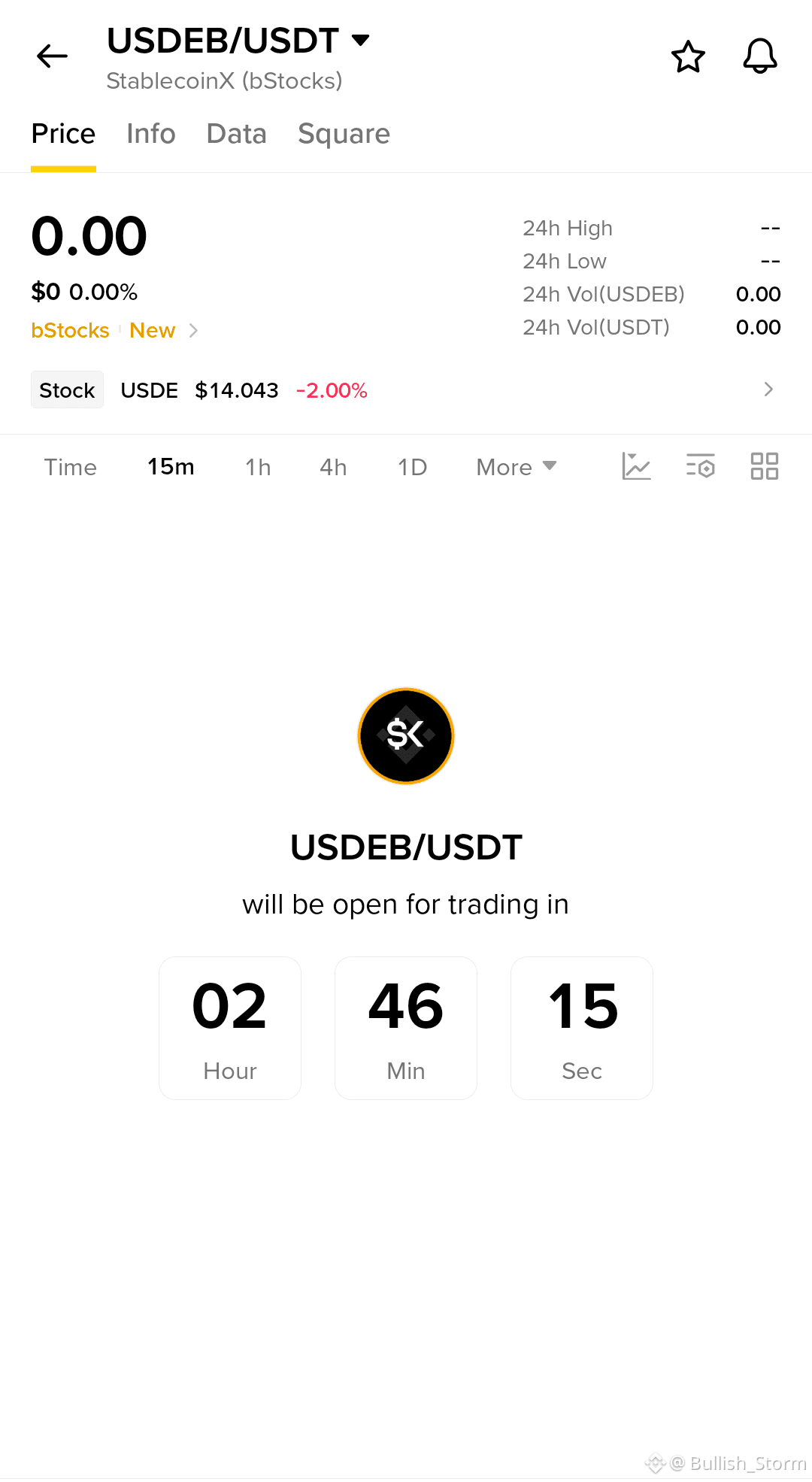
🚨🔥 $USDEB /USDT — THE COUNTDOWN IS ON! 🔥🚨
⏳ ONLY ~2 HOURS 46 MINUTES LEFT!
Something big is approaching for $USDEB 👀⚡
The chart is currently showing 0.00 because trading has not opened yet, but the exchange is already displaying the official countdown for the USDEB/USDT market.
💥 TRADING OPENS SOON — STAY ALERT!
This is the kind of setup where the first minutes after launch can become extremely volatile. Liquidity, spread, buying pressure and early market orders could create wild price swings in either direction. 📈📉
🔥 WATCH THESE MOMENTS: • ⏰ Countdown reaches ZERO
• 🚀 Trading officially opens
• 📊 First candles reveal market direction
• 💰 Volume starts entering
• 🐋 Early buyers/sellers reveal their intentions
• ⚡ Breakout or rejection could happen FAST
⚠️ DON'T FOMO INTO THE FIRST CANDLE!
A strong opening pump can quickly turn into a sharp pullback if early buyers take profit. On the other hand, strong volume + sustained buying pressure could signal that the market is accepting higher prices.
🎯 GAME PLAN: Wait for the market to open → watch the first reaction → identify the initial range → wait for confirmation → then consider an entry.
🚨 $USDEB IS NOW ON THE WATCHLIST!
The countdown is running.
The market is getting ready.
The real battle starts when trading opens. 🔥🔥🔥
ARE YOU WATCHING THIS LAUNCH? 👀🚀
{spot}(USDEBUSDT)
#BinanceLaunchesBinanceIntelligence
#IglooShutsDownAbstractBlockchain #StrategyMarketCapSurpassesRumble #SECApproves3XBitcoinETF
🚨🔥 $USDEB /USDT — THE COUNTDOWN IS ON! 🔥🚨
⏳ ONLY ~2 HOURS 46 MINUTES LEFT!
Something big is approaching for $USDEB 👀⚡
The chart is currently showing 0.00 because trading has not opened yet, but the exchange is already displaying the official countdown for the USDEB/USDT market.
💥 TRADING OPENS SOON — STAY ALERT!
This is the kind of setup where the first minutes after launch can become extremely volatile. Liquidity, spread, buying pressure and early market orders could create wild price swings in either direction. 📈📉
🔥 WATCH THESE MOMENTS: • ⏰ Countdown reaches ZERO
• 🚀 Trading officially opens
• 📊 First candles reveal market direction
• 💰 Volume starts entering
• 🐋 Early buyers/sellers reveal their intentions
• ⚡ Breakout or rejection could happen FAST
⚠️ DON'T FOMO INTO THE FIRST CANDLE!
A strong opening pump can quickly turn into a sharp pullback if early buyers take profit. On the other hand, strong volume + sustained buying pressure could signal that the market is accepting higher prices.
🎯 GAME PLAN: Wait for the market to open → watch the first reaction → identify the initial range → wait for confirmation → then consider an entry.
🚨 $USDEB IS NOW ON THE WATCHLIST!
The countdown is running.
The market is getting ready.
The real battle starts when trading opens. 🔥🔥🔥
ARE YOU WATCHING THIS LAUNCH? 👀🚀
#BinanceLaunchesBinanceIntelligence
#IglooShutsDownAbstractBlockchain #StrategyMarketCapSurpassesRumble #SECApproves3XBitcoinETF
⏳ ONLY ~2 HOURS 46 MINUTES LEFT!
Something big is approaching for $USDEB 👀⚡
The chart is currently showing 0.00 because trading has not opened yet, but the exchange is already displaying the official countdown for the USDEB/USDT market.
💥 TRADING OPENS SOON — STAY ALERT!
This is the kind of setup where the first minutes after launch can become extremely volatile. Liquidity, spread, buying pressure and early market orders could create wild price swings in either direction. 📈📉
🔥 WATCH THESE MOMENTS: • ⏰ Countdown reaches ZERO
• 🚀 Trading officially opens
• 📊 First candles reveal market direction
• 💰 Volume starts entering
• 🐋 Early buyers/sellers reveal their intentions
• ⚡ Breakout or rejection could happen FAST
⚠️ DON'T FOMO INTO THE FIRST CANDLE!
A strong opening pump can quickly turn into a sharp pullback if early buyers take profit. On the other hand, strong volume + sustained buying pressure could signal that the market is accepting higher prices.
🎯 GAME PLAN: Wait for the market to open → watch the first reaction → identify the initial range → wait for confirmation → then consider an entry.
🚨 $USDEB IS NOW ON THE WATCHLIST!
The countdown is running.
The market is getting ready.
The real battle starts when trading opens. 🔥🔥🔥
ARE YOU WATCHING THIS LAUNCH? 👀🚀
#BinanceLaunchesBinanceIntelligence
#IglooShutsDownAbstractBlockchain #StrategyMarketCapSurpassesRumble #SECApproves3XBitcoinETF
123
翻訳参照
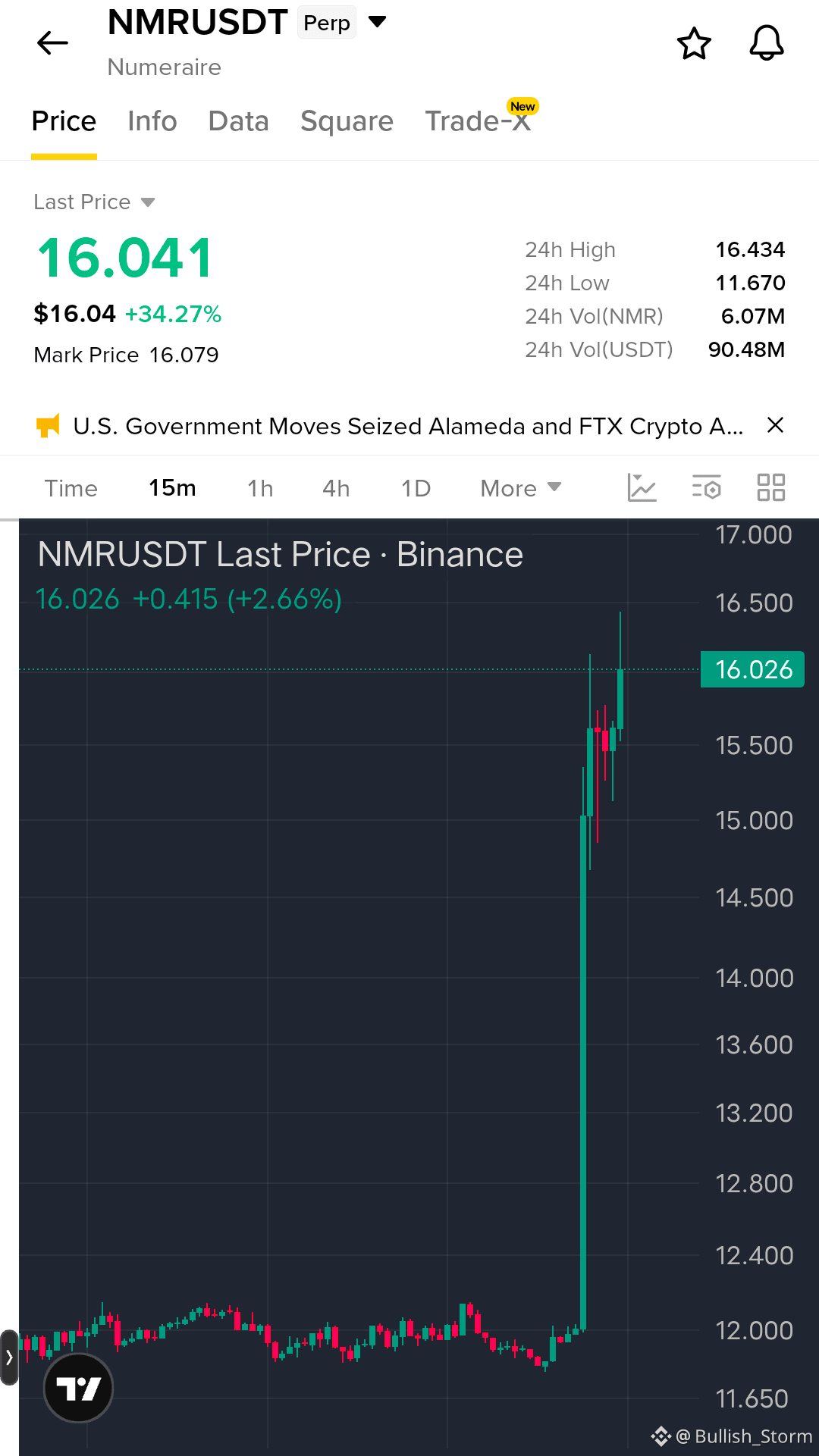
🚨 $NMR is heating up — buyers are stepping in and momentum looks strong.
I’m watching the long setup closely from the current zone:
📍 Entry: $15.2 – $16.2
🛑 SL: $14.4
🎯 TP: $16.8 → $17.9
Don’t rush blindly—manage your risk and keep an eye on price action.
$NMR LONG 🚀
{future}(NMRUSDT)
#EthStakingExitQueueHits2026High #Nikkei225Jumps2.5%ToThreeMonthHigh #BinanceLaunchesBinanceIntelligence #DriftHackVictimsBeginClaims
🚨 $NMR is heating up — buyers are stepping in and momentum looks strong.
I’m watching the long setup closely from the current zone:
📍 Entry: $15.2 – $16.2
🛑 SL: $14.4
🎯 TP: $16.8 → $17.9
Don’t rush blindly—manage your risk and keep an eye on price action.
$NMR LONG 🚀
#EthStakingExitQueueHits2026High #Nikkei225Jumps2.5%ToThreeMonthHigh #BinanceLaunchesBinanceIntelligence #DriftHackVictimsBeginClaims
I’m watching the long setup closely from the current zone:
📍 Entry: $15.2 – $16.2
🛑 SL: $14.4
🎯 TP: $16.8 → $17.9
Don’t rush blindly—manage your risk and keep an eye on price action.
$NMR LONG 🚀
#EthStakingExitQueueHits2026High #Nikkei225Jumps2.5%ToThreeMonthHigh #BinanceLaunchesBinanceIntelligence #DriftHackVictimsBeginClaims
219
翻訳参照
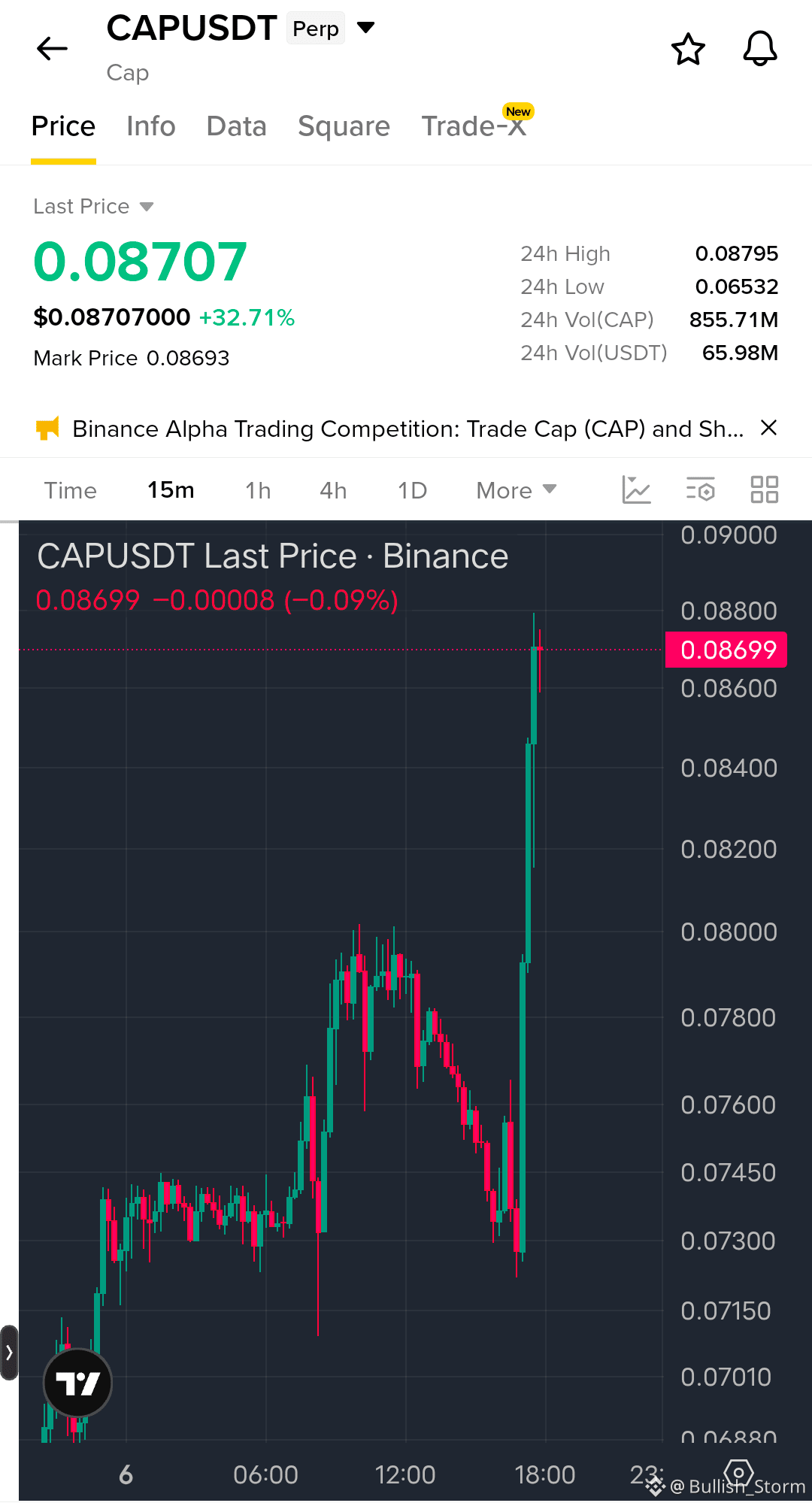
🚨#CAP /USDT — BULLISH MOMENTUM ALERT 🚨
CAP is pushing above resistance with strong buying momentum, signaling potential continuation to the upside. 📈🔥
🟢 LONG SETUP
Entry Zone: $0.0850 – $0.0872
🎯 Take Profit Levels
TP1: $0.0900
TP2: $0.0940
TP3: $0.0980
🛡️ Stop Loss: $0.0815
Stay disciplined, manage your risk, and watch the price action around the entry zone. ⚡
{future}(CAPUSDT)
#Nikkei225Jumps2.5%ToThreeMonthHigh #ETHUp70%InQ3ButLiquidityFalls #EvernorthXRPTreasuryCompletesSPACMerger #BinanceLaunchesBinanceIntelligence
$RLC
{future}(RLCUSDT)
$BR
{future}(BRUSDT)
🚨#CAP /USDT — BULLISH MOMENTUM ALERT 🚨
CAP is pushing above resistance with strong buying momentum, signaling potential continuation to the upside. 📈🔥
🟢 LONG SETUP
Entry Zone: $0.0850 – $0.0872
🎯 Take Profit Levels
TP1: $0.0900
TP2: $0.0940
TP3: $0.0980
🛡️ Stop Loss: $0.0815
Stay disciplined, manage your risk, and watch the price action around the entry zone. ⚡
#Nikkei225Jumps2.5%ToThreeMonthHigh #ETHUp70%InQ3ButLiquidityFalls #EvernorthXRPTreasuryCompletesSPACMerger #BinanceLaunchesBinanceIntelligence
$RLC
$BR
CAP is pushing above resistance with strong buying momentum, signaling potential continuation to the upside. 📈🔥
🟢 LONG SETUP
Entry Zone: $0.0850 – $0.0872
🎯 Take Profit Levels
TP1: $0.0900
TP2: $0.0940
TP3: $0.0980
🛡️ Stop Loss: $0.0815
Stay disciplined, manage your risk, and watch the price action around the entry zone. ⚡
#Nikkei225Jumps2.5%ToThreeMonthHigh #ETHUp70%InQ3ButLiquidityFalls #EvernorthXRPTreasuryCompletesSPACMerger #BinanceLaunchesBinanceIntelligence
$RLC
$BR
861
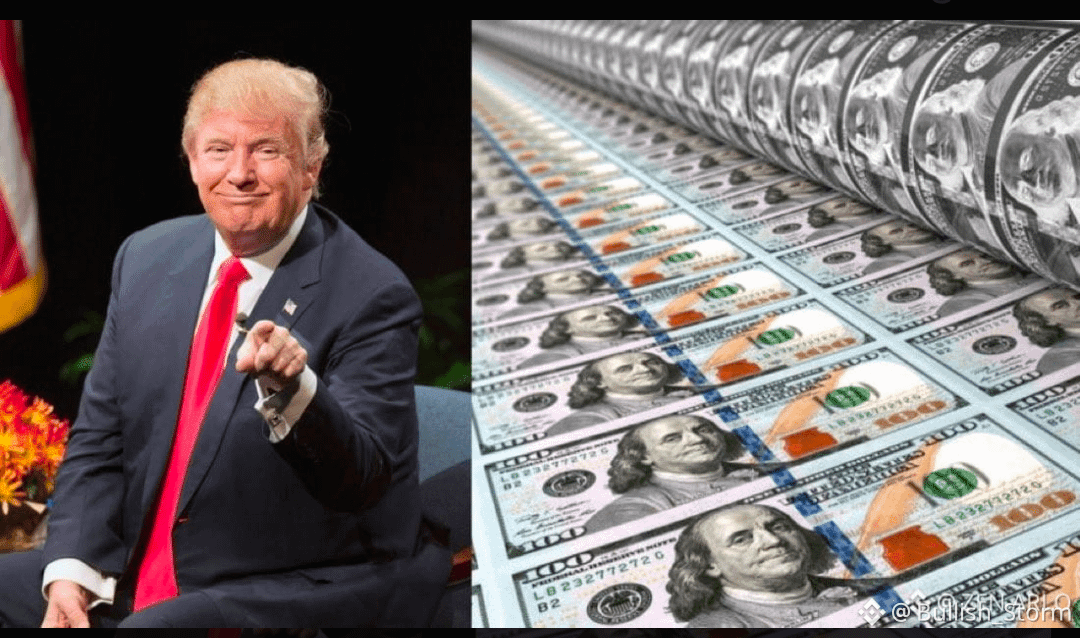
速報:トランプは、共和党が下院と上院の支配を維持するなら、大人の米国市民向けに自身が提案する「5,000ドルの配当」を再び推し進めている。
試算は非常に大きい。およそ2億4000万人の成人が対象となり、潜在的な費用は約1.2兆ドルに上るという。ロイターによると、この提案には議会の承認が必要になる一方で、資格要件や財源をめぐる疑問が残っている。
市場にとっての重要な論点は、その規模の支払いが実際に消費者へ届いた場合に何が起きるかだ。
流動性の増加は、支出、インフレ期待、国債利回り、そして最終的にはビットコインや暗号資産のようなリスク資産にまで影響し得る。
現時点で最終決定はされていない。だが、この提案が選挙公約から実際の立法へ移るなら、マクロ面での含意は大きくなる可能性がある。
#SECProposesCryptoCustodyRules
速報:トランプは、共和党が下院と上院の支配を維持するなら、大人の米国市民向けに自身が提案する「5,000ドルの配当」を再び推し進めている。
試算は非常に大きい。およそ2億4000万人の成人が対象となり、潜在的な費用は約1.2兆ドルに上るという。ロイターによると、この提案には議会の承認が必要になる一方で、資格要件や財源をめぐる疑問が残っている。
市場にとっての重要な論点は、その規模の支払いが実際に消費者へ届いた場合に何が起きるかだ。
流動性の増加は、支出、インフレ期待、国債利回り、そして最終的にはビットコインや暗号資産のようなリスク資産にまで影響し得る。
現時点で最終決定はされていない。だが、この提案が選挙公約から実際の立法へ移るなら、マクロ面での含意は大きくなる可能性がある。
#SECProposesCryptoCustodyRules
試算は非常に大きい。およそ2億4000万人の成人が対象となり、潜在的な費用は約1.2兆ドルに上るという。ロイターによると、この提案には議会の承認が必要になる一方で、資格要件や財源をめぐる疑問が残っている。
市場にとっての重要な論点は、その規模の支払いが実際に消費者へ届いた場合に何が起きるかだ。
流動性の増加は、支出、インフレ期待、国債利回り、そして最終的にはビットコインや暗号資産のようなリスク資産にまで影響し得る。
現時点で最終決定はされていない。だが、この提案が選挙公約から実際の立法へ移るなら、マクロ面での含意は大きくなる可能性がある。
#SECProposesCryptoCustodyRules
54
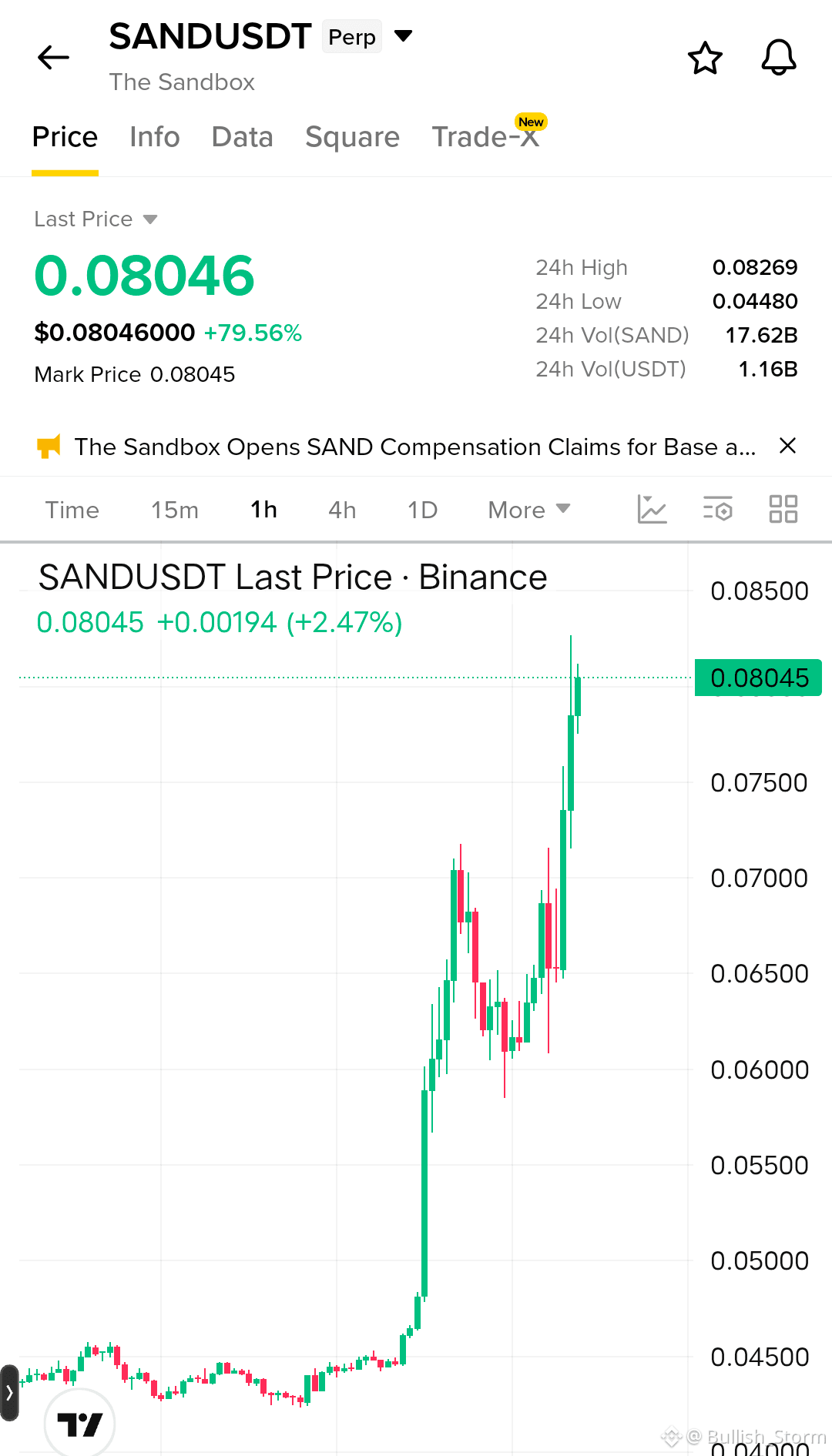
$SAND は鋭いブレイクアウトの後、急速に動いており、$0.058から$0.08269まで上昇した後、$0.079あたりで落ち着いています。
15Mの構造は依然として買い手に有利ですが、このような強烈な値動きの後にポンプを追いかけるのはリスクが高いです。私は重要な水準として$0.078を監視しています。これを維持できれば$0.083に向けてもう一段の上昇が始まる可能性がありますが、これを失うと$0.073に向けてより深い押し目が来るかもしれません。
冷静に待ち、重要な水準での反応を見ましょう。
$SAND
{future}(SANDUSDT)
#USStocksCloseHigherOnWeakJobsData #AnchorageReportedlyCuts17%Workforce #G7PlansToReleaseUpTo100MBarrelsOilDiesel #SECProposesCryptoCustodyRules
$SAND は鋭いブレイクアウトの後、急速に動いており、$0.058から$0.08269まで上昇した後、$0.079あたりで落ち着いています。
15Mの構造は依然として買い手に有利ですが、このような強烈な値動きの後にポンプを追いかけるのはリスクが高いです。私は重要な水準として$0.078を監視しています。これを維持できれば$0.083に向けてもう一段の上昇が始まる可能性がありますが、これを失うと$0.073に向けてより深い押し目が来るかもしれません。
冷静に待ち、重要な水準での反応を見ましょう。
$SAND
#USStocksCloseHigherOnWeakJobsData #AnchorageReportedlyCuts17%Workforce #G7PlansToReleaseUpTo100MBarrelsOilDiesel #SECProposesCryptoCustodyRules
15Mの構造は依然として買い手に有利ですが、このような強烈な値動きの後にポンプを追いかけるのはリスクが高いです。私は重要な水準として$0.078を監視しています。これを維持できれば$0.083に向けてもう一段の上昇が始まる可能性がありますが、これを失うと$0.073に向けてより深い押し目が来るかもしれません。
冷静に待ち、重要な水準での反応を見ましょう。
$SAND
#USStocksCloseHigherOnWeakJobsData #AnchorageReportedlyCuts17%Workforce #G7PlansToReleaseUpTo100MBarrelsOilDiesel #SECProposesCryptoCustodyRules
1
1
420
$LINK IS SHOWING BUYERS ARE BACK
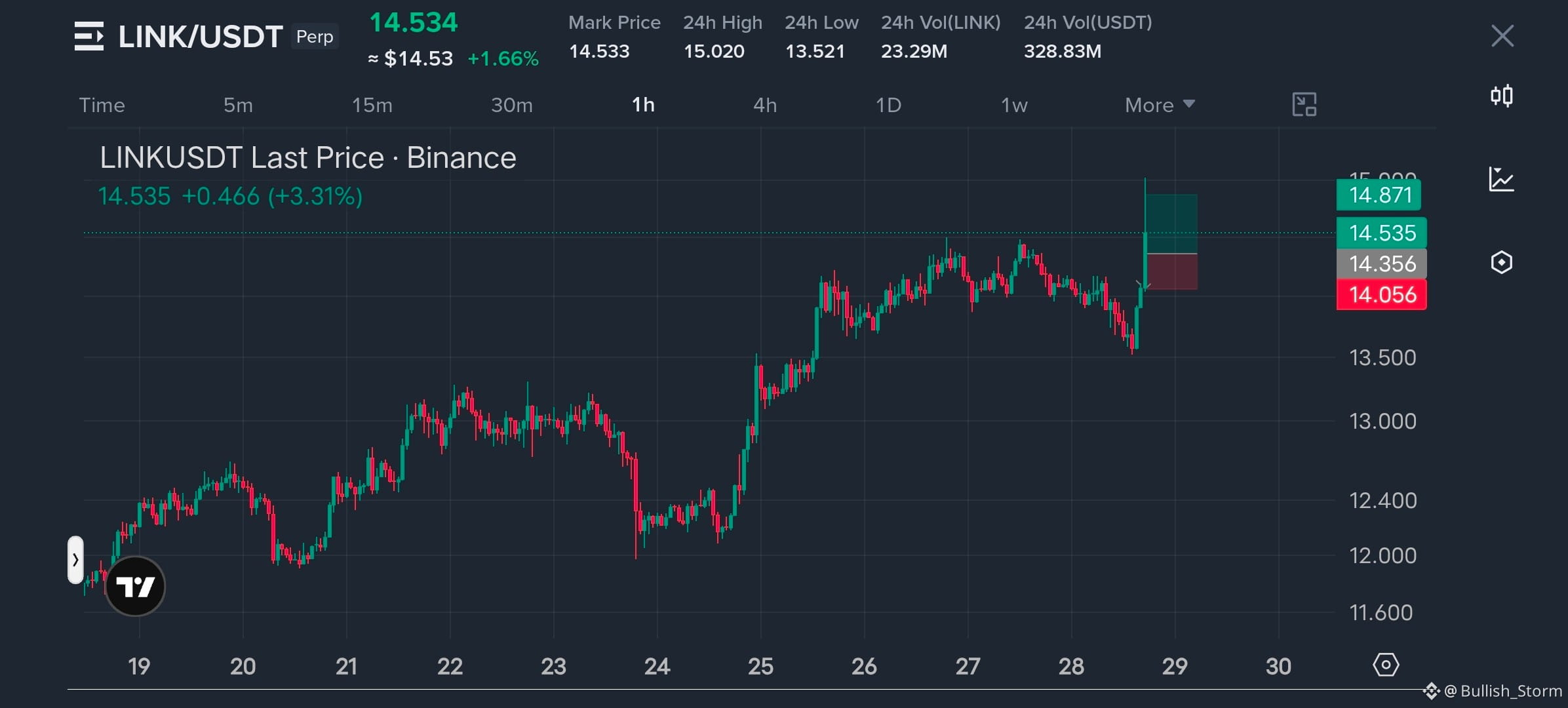
LINKは$13.47の安値から力強く反発し、確かな短期モメンタムで$14.30の水準を奪還しました。
現在、私は$14.34〜$14.37を注意深く見ています。 このレジスタンスを明確にブレイクして維持できれば、買い手がもう一段上を目指す余地が出てきます。
安値からの回復は心強いものの、追いかける前に確認が必要です。
$LINK で取引
{future}(LINKUSDT)
#QNTFallsOver40%FromMorningHigh
$LINK IS SHOWING BUYERS ARE BACK
LINKは$13.47の安値から力強く反発し、確かな短期モメンタムで$14.30の水準を奪還しました。
現在、私は$14.34〜$14.37を注意深く見ています。 このレジスタンスを明確にブレイクして維持できれば、買い手がもう一段上を目指す余地が出てきます。
安値からの回復は心強いものの、追いかける前に確認が必要です。
$LINK で取引
#QNTFallsOver40%FromMorningHigh
LINKは$13.47の安値から力強く反発し、確かな短期モメンタムで$14.30の水準を奪還しました。
現在、私は$14.34〜$14.37を注意深く見ています。 このレジスタンスを明確にブレイクして維持できれば、買い手がもう一段上を目指す余地が出てきます。
安値からの回復は心強いものの、追いかける前に確認が必要です。
$LINK で取引
#QNTFallsOver40%FromMorningHigh
87
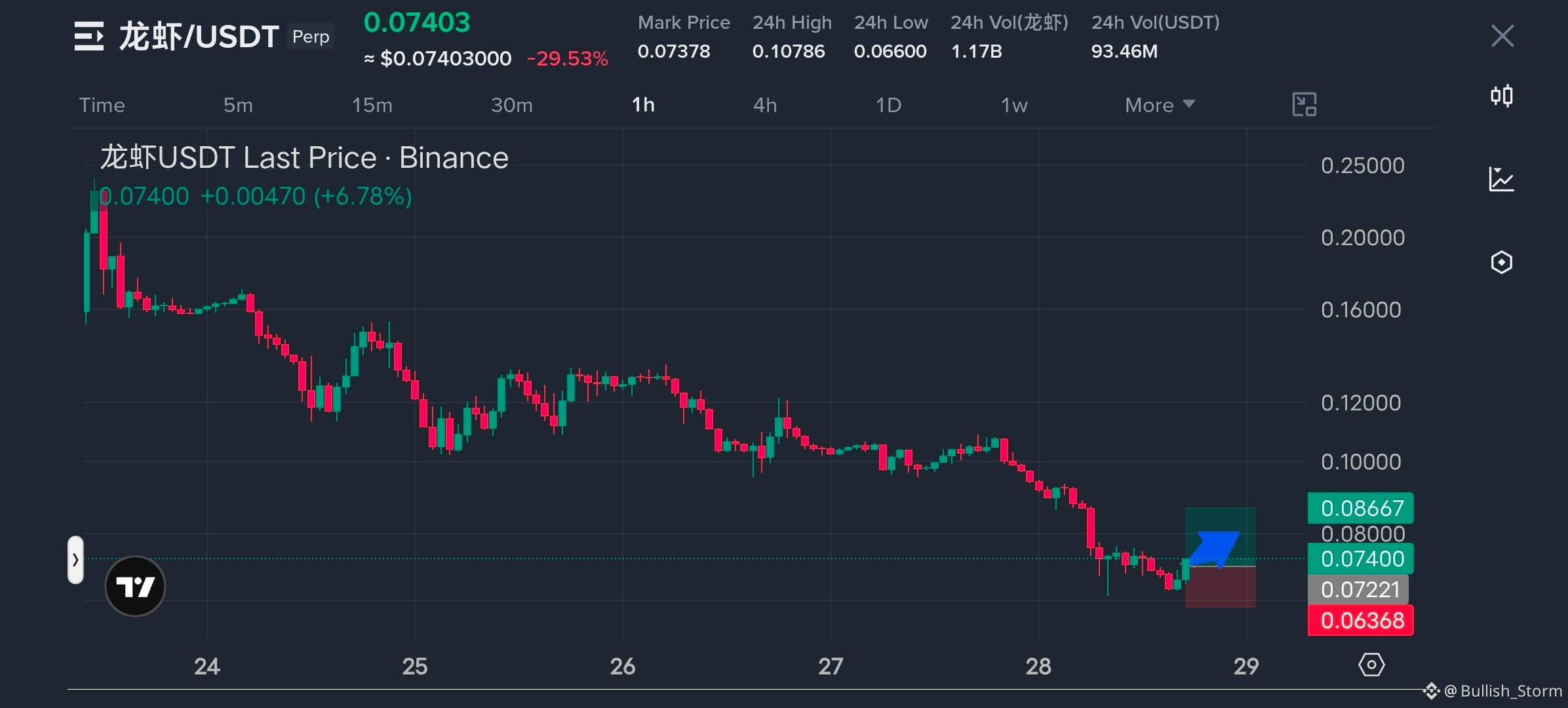
$龙虾 のセットアップは、急激な売りの後で興味深い動きになってきています。
価格は 0.10 ドル超から約 0.066 ドルまで下落し、その後安値付近で小さな基盤を形成し始めました。私は 0.074 ドル付近の回復を注視しています。ここを維持できれば、近くのレジスタンス水準に向けた余地が開ける可能性があります。
取引プラン
エントリーゾーン:0.0722 – 0.0745
目標1:0.0785
目標2:0.0820
目標3:0.0867
損切り:0.0637
このセットアップが機能する理由:
売り手が価格を強引に押し下げた後の直近安値からの反発を狙っています。ポイントは、買い手が 0.072 ドルのエリアを維持し、より高い安値を築けるかどうかです。0.0785 ドルを明確に上抜けることができれば、回復が強まり、0.082 および 0.0867 付近の次のレジスタンスゾーンが露出します。
もし価格が 0.072 ドルを割り込み、直近安値へ戻り始めた場合は、無理に取引を強行せず、見送ります。
{future}(龙虾USDT)
#ChinaMayLetAlibabaByteDanceBuyNvidiaChips #FedProposesPaymentStablecoinRules #KospiFalls2.7%SamsungSKHynixDropOver5%
$龙虾 のセットアップは、急激な売りの後で興味深い動きになってきています。
価格は 0.10 ドル超から約 0.066 ドルまで下落し、その後安値付近で小さな基盤を形成し始めました。私は 0.074 ドル付近の回復を注視しています。ここを維持できれば、近くのレジスタンス水準に向けた余地が開ける可能性があります。
取引プラン
エントリーゾーン:0.0722 – 0.0745
目標1:0.0785
目標2:0.0820
目標3:0.0867
損切り:0.0637
このセットアップが機能する理由:
売り手が価格を強引に押し下げた後の直近安値からの反発を狙っています。ポイントは、買い手が 0.072 ドルのエリアを維持し、より高い安値を築けるかどうかです。0.0785 ドルを明確に上抜けることができれば、回復が強まり、0.082 および 0.0867 付近の次のレジスタンスゾーンが露出します。
もし価格が 0.072 ドルを割り込み、直近安値へ戻り始めた場合は、無理に取引を強行せず、見送ります。
#ChinaMayLetAlibabaByteDanceBuyNvidiaChips #FedProposesPaymentStablecoinRules #KospiFalls2.7%SamsungSKHynixDropOver5%
価格は 0.10 ドル超から約 0.066 ドルまで下落し、その後安値付近で小さな基盤を形成し始めました。私は 0.074 ドル付近の回復を注視しています。ここを維持できれば、近くのレジスタンス水準に向けた余地が開ける可能性があります。
取引プラン
エントリーゾーン:0.0722 – 0.0745
目標1:0.0785
目標2:0.0820
目標3:0.0867
損切り:0.0637
このセットアップが機能する理由:
売り手が価格を強引に押し下げた後の直近安値からの反発を狙っています。ポイントは、買い手が 0.072 ドルのエリアを維持し、より高い安値を築けるかどうかです。0.0785 ドルを明確に上抜けることができれば、回復が強まり、0.082 および 0.0867 付近の次のレジスタンスゾーンが露出します。
もし価格が 0.072 ドルを割り込み、直近安値へ戻り始めた場合は、無理に取引を強行せず、見送ります。
#ChinaMayLetAlibabaByteDanceBuyNvidiaChips #FedProposesPaymentStablecoinRules #KospiFalls2.7%SamsungSKHynixDropOver5%
530
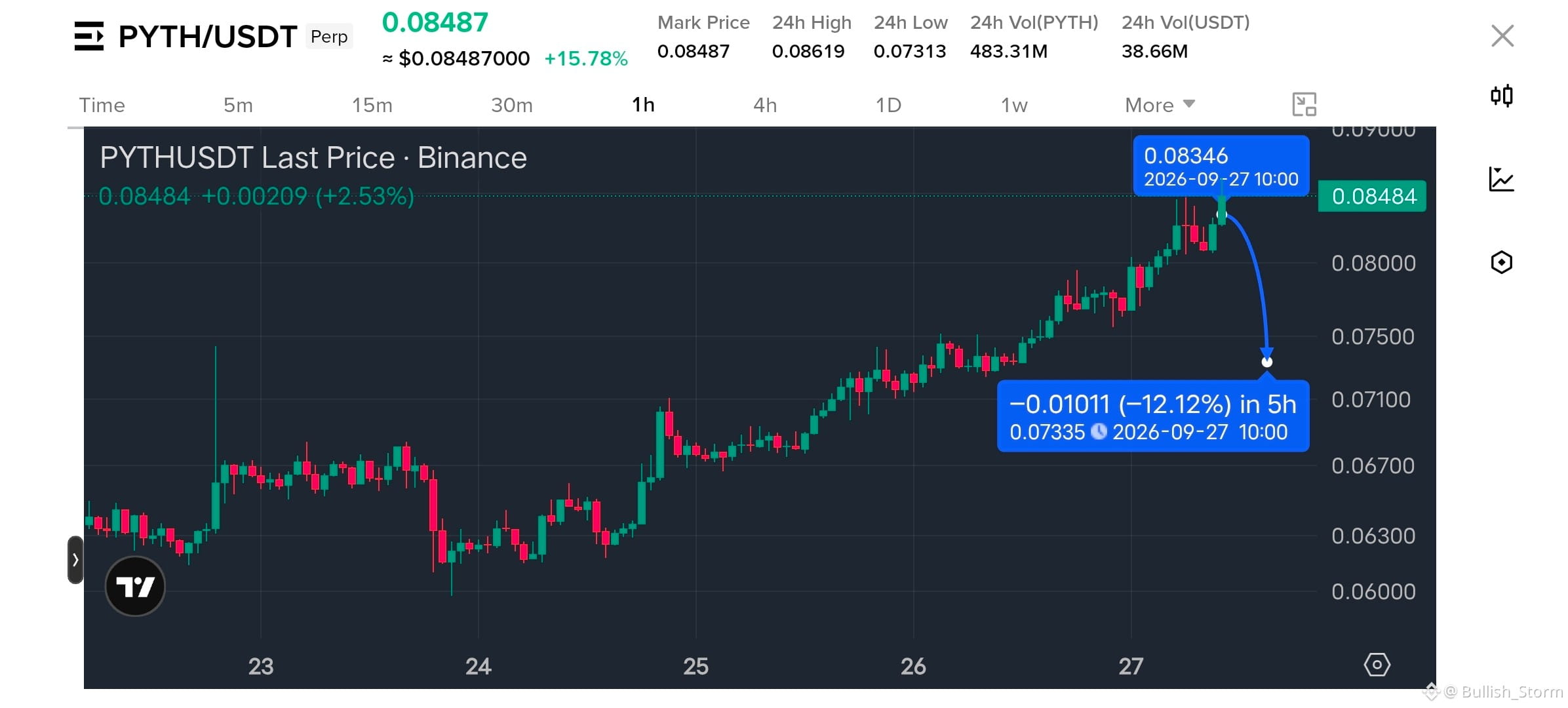
$PYTH すごい勢いで動いています ⚡
PYTHは強く上昇しており、切れ目なく高値更新と安値更新を重ねた後、$0.085の領域へ押し込んでいます。いまは買い手に明確な勢いがありますが、この急激な上昇の後は、次の動きの前に$0.0862を上抜けするか、もしくは健全な押し戻しを待っているところです。
重要なゾーンはシンプルです:$0.080–$0.082。このエリアを維持できれば強気の構造が保たれますが、失うとより深い調整(リトレース)が起きる可能性があります。
勢いは熱い — では、買い手がこの急騰を本物のブレイクアウトへつなげられるかどうかがポイントです。 👀
次の動きのために$0.0862を見ていますか?
{future}(PYTHUSDT)
$QNT
{future}(QNTUSDT)
$Q
{future}(QUSDT)
#PolymarketBankFailureBetsDrawFDICConcern #CoinMarketCapCompletesCoinglassAcquisition #CircleTetherFreezeBitgetHackerWallet #TrumpRejectsIranHormuzReopening #StrategyStriveAdd2305BitcoinThisWeek
$PYTH すごい勢いで動いています ⚡
PYTHは強く上昇しており、切れ目なく高値更新と安値更新を重ねた後、$0.085の領域へ押し込んでいます。いまは買い手に明確な勢いがありますが、この急激な上昇の後は、次の動きの前に$0.0862を上抜けするか、もしくは健全な押し戻しを待っているところです。
重要なゾーンはシンプルです:$0.080–$0.082。このエリアを維持できれば強気の構造が保たれますが、失うとより深い調整(リトレース)が起きる可能性があります。
勢いは熱い — では、買い手がこの急騰を本物のブレイクアウトへつなげられるかどうかがポイントです。 👀
次の動きのために$0.0862を見ていますか?
$QNT
$Q
#PolymarketBankFailureBetsDrawFDICConcern #CoinMarketCapCompletesCoinglassAcquisition #CircleTetherFreezeBitgetHackerWallet #TrumpRejectsIranHormuzReopening #StrategyStriveAdd2305BitcoinThisWeek
PYTHは強く上昇しており、切れ目なく高値更新と安値更新を重ねた後、$0.085の領域へ押し込んでいます。いまは買い手に明確な勢いがありますが、この急激な上昇の後は、次の動きの前に$0.0862を上抜けするか、もしくは健全な押し戻しを待っているところです。
重要なゾーンはシンプルです:$0.080–$0.082。このエリアを維持できれば強気の構造が保たれますが、失うとより深い調整(リトレース)が起きる可能性があります。
勢いは熱い — では、買い手がこの急騰を本物のブレイクアウトへつなげられるかどうかがポイントです。 👀
次の動きのために$0.0862を見ていますか?
$QNT
$Q
#PolymarketBankFailureBetsDrawFDICConcern #CoinMarketCapCompletesCoinglassAcquisition #CircleTetherFreezeBitgetHackerWallet #TrumpRejectsIranHormuzReopening #StrategyStriveAdd2305BitcoinThisWeek
452
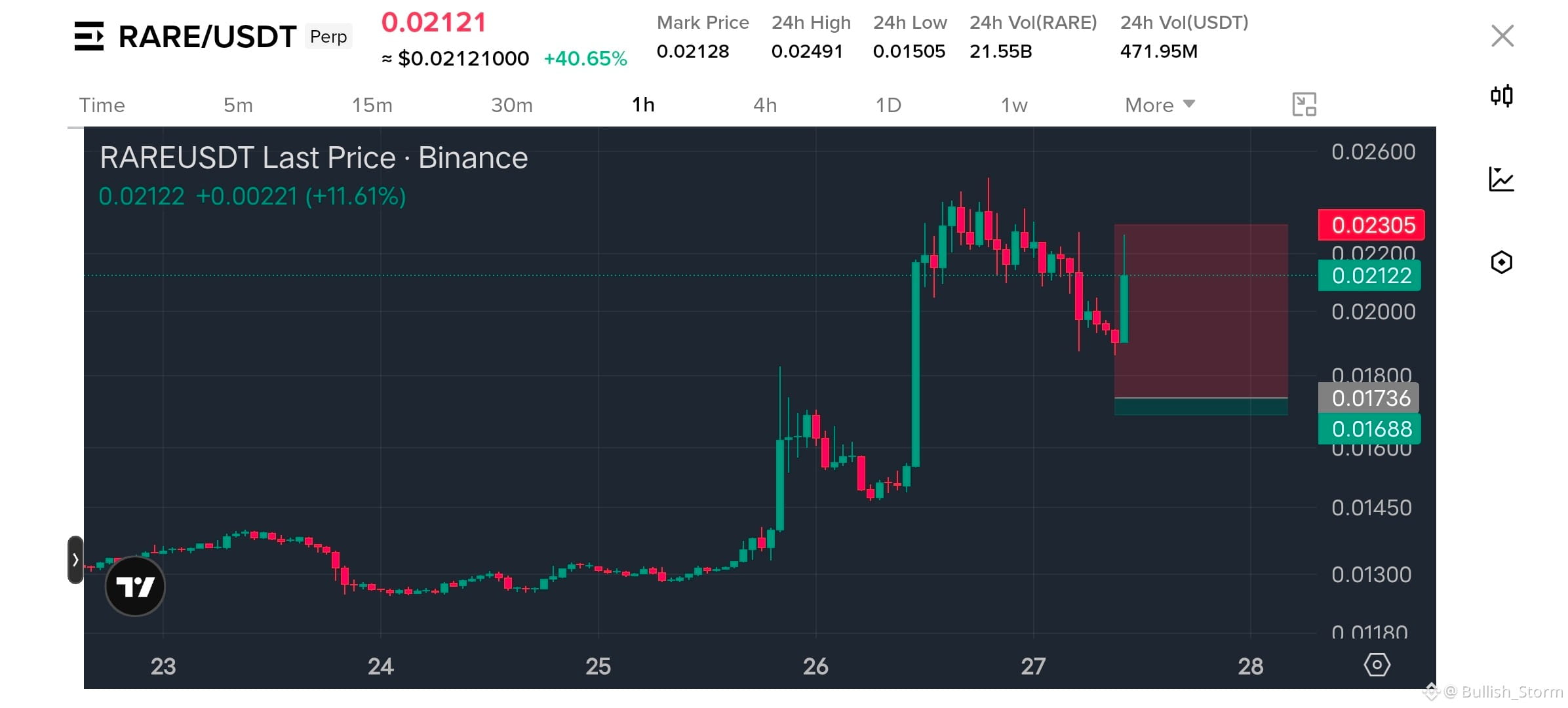
$RARE は急速に加熱しています!⚡️
押し目の後、価格が急上昇しました。買い手が$0.0200付近に戻ってきています。モメンタムが維持されれば、次の動きは爆発的になる可能性があります。
私は$0.0230を注視しています——明確なブレイクがあれば、もう一段の押しに道が開けるかもしれません。👀
$RARE
{future}(RAREUSDT)
#CoinMarketCapCompletesCoinglassAcquisition #CircleTetherFreezeBitgetHackerWallet #StrategyStriveAdd2305BitcoinThisWeek
$RARE は急速に加熱しています!⚡️
押し目の後、価格が急上昇しました。買い手が$0.0200付近に戻ってきています。モメンタムが維持されれば、次の動きは爆発的になる可能性があります。
私は$0.0230を注視しています——明確なブレイクがあれば、もう一段の押しに道が開けるかもしれません。👀
$RARE
#CoinMarketCapCompletesCoinglassAcquisition #CircleTetherFreezeBitgetHackerWallet #StrategyStriveAdd2305BitcoinThisWeek
押し目の後、価格が急上昇しました。買い手が$0.0200付近に戻ってきています。モメンタムが維持されれば、次の動きは爆発的になる可能性があります。
私は$0.0230を注視しています——明確なブレイクがあれば、もう一段の押しに道が開けるかもしれません。👀
$RARE
#CoinMarketCapCompletesCoinglassAcquisition #CircleTetherFreezeBitgetHackerWallet #StrategyStriveAdd2305BitcoinThisWeek
226
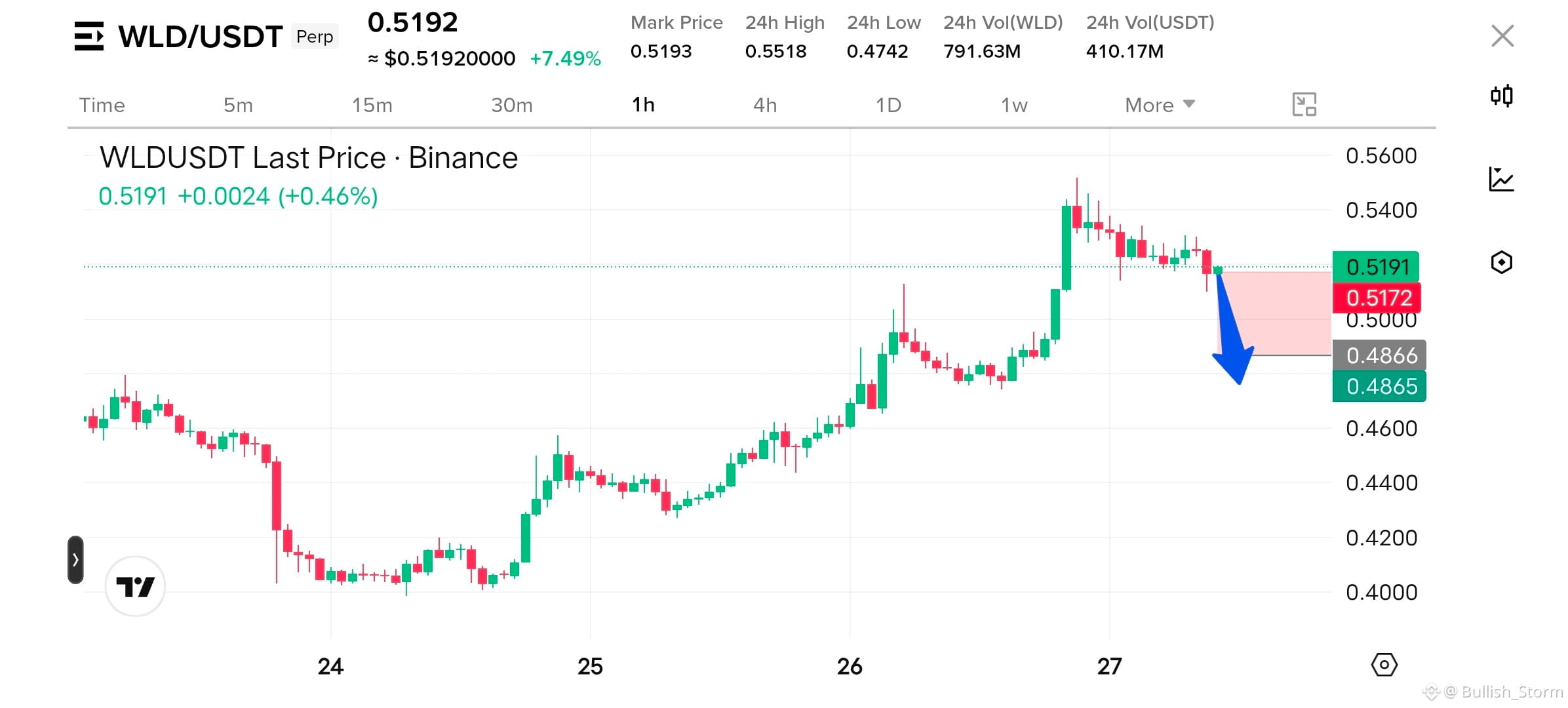
$WLD — 大幅な上昇の後、売り手が主導権を取り始めています。
WLDは$0.54付近まで押し上げられた後に跳ね返され、現在は$0.52あたりでより低い高値を形成しています。エントリーする前に、現在のサポートを下抜けるブレイクダウンを見ています。
取引セットアップ — ショート
エントリーゾーン: $0.515–$0.522
ターゲット1: $0.505
ターゲット2: $0.495
ターゲット3: $0.4865
損切り: $0.5420
このセットアップが機能する理由:
1Hチャートでは、強い上昇の後にモメンタムが冷えてきています。$0.52付近でのクリーンなリジェクション、または$0.515を確実に下抜けることを期待しています。売り手が主導権を握れば、次の下方向の目安は$0.4865あたりです。
もしWLDが$0.54を取り戻し、それを上で維持するなら、ショートは見送ります。
$WLD
{future}(WLDUSDT)
#SECSaysTokenBuybacksNotAutoSecurities #CircleMints500MUSDCOnSolana #TrumpRejectsIranHormuzReopening #StrategyStriveAdd2305BitcoinThisWeek #BitwiseFilesToListNEARETFOnNYSEArca
$WLD — 大幅な上昇の後、売り手が主導権を取り始めています。
WLDは$0.54付近まで押し上げられた後に跳ね返され、現在は$0.52あたりでより低い高値を形成しています。エントリーする前に、現在のサポートを下抜けるブレイクダウンを見ています。
取引セットアップ — ショート
エントリーゾーン: $0.515–$0.522
ターゲット1: $0.505
ターゲット2: $0.495
ターゲット3: $0.4865
損切り: $0.5420
このセットアップが機能する理由:
1Hチャートでは、強い上昇の後にモメンタムが冷えてきています。$0.52付近でのクリーンなリジェクション、または$0.515を確実に下抜けることを期待しています。売り手が主導権を握れば、次の下方向の目安は$0.4865あたりです。
もしWLDが$0.54を取り戻し、それを上で維持するなら、ショートは見送ります。
$WLD
#SECSaysTokenBuybacksNotAutoSecurities #CircleMints500MUSDCOnSolana #TrumpRejectsIranHormuzReopening #StrategyStriveAdd2305BitcoinThisWeek #BitwiseFilesToListNEARETFOnNYSEArca
WLDは$0.54付近まで押し上げられた後に跳ね返され、現在は$0.52あたりでより低い高値を形成しています。エントリーする前に、現在のサポートを下抜けるブレイクダウンを見ています。
取引セットアップ — ショート
エントリーゾーン: $0.515–$0.522
ターゲット1: $0.505
ターゲット2: $0.495
ターゲット3: $0.4865
損切り: $0.5420
このセットアップが機能する理由:
1Hチャートでは、強い上昇の後にモメンタムが冷えてきています。$0.52付近でのクリーンなリジェクション、または$0.515を確実に下抜けることを期待しています。売り手が主導権を握れば、次の下方向の目安は$0.4865あたりです。
もしWLDが$0.54を取り戻し、それを上で維持するなら、ショートは見送ります。
$WLD
#SECSaysTokenBuybacksNotAutoSecurities #CircleMints500MUSDCOnSolana #TrumpRejectsIranHormuzReopening #StrategyStriveAdd2305BitcoinThisWeek #BitwiseFilesToListNEARETFOnNYSEArca

1
381
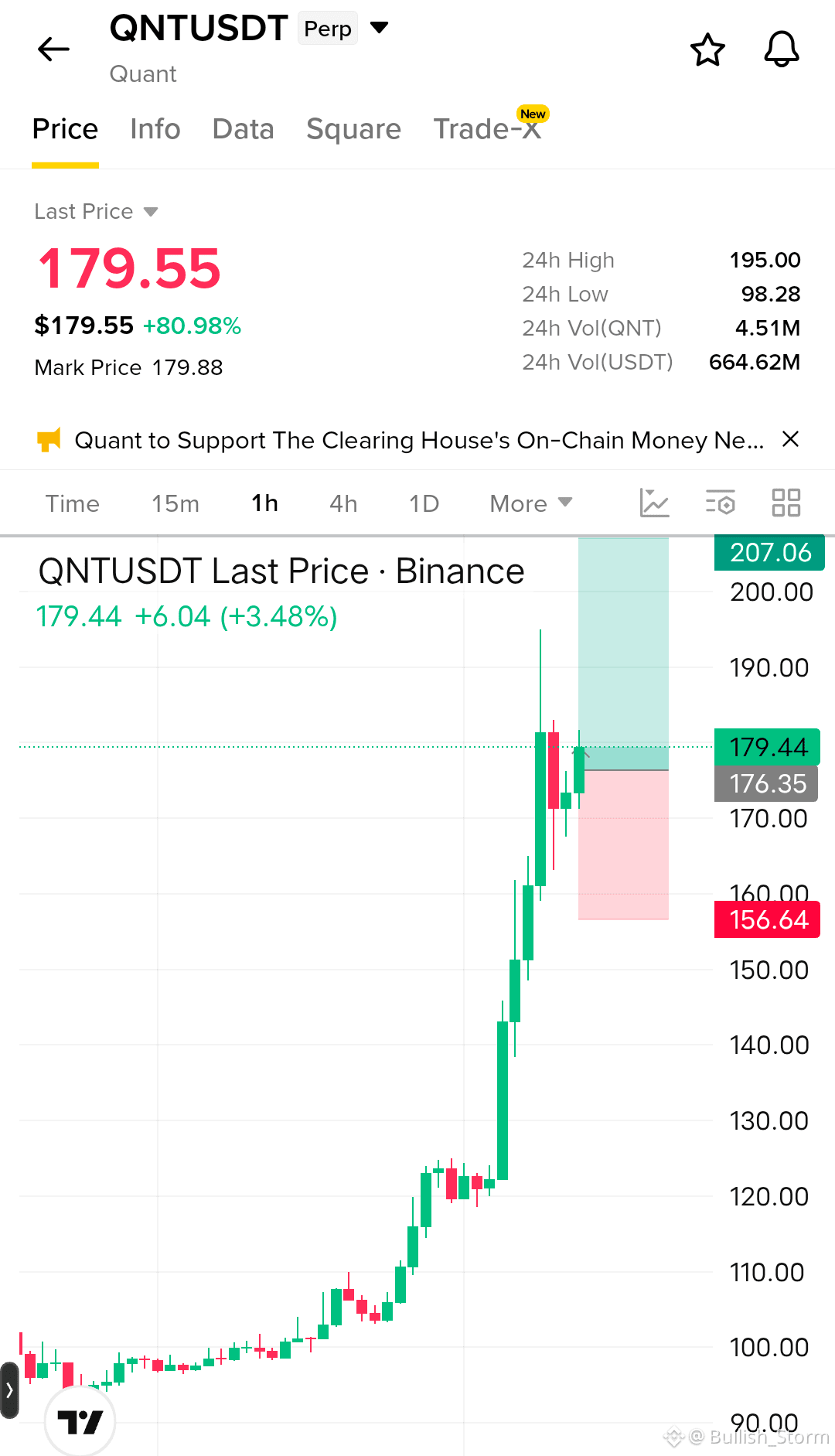
$QNT — 強いブレイクアウトだが、押し目を監視している。
QNTは$120のあたりから$195まで勢いよく上昇し、その後落ち着いています。現在の価格は約$179.55で、$176.35の水準を上回って推移しています。この水準がサポートとして機能するのを確認してから、継続を検討したいです。
取引セットアップ — ロング
エントリーゾーン: $176.35–$179.50
ターゲット1: $190
ターゲット2: $200
ターゲット3: $207.06
損切り: $156.64
このセットアップが機能する理由:
1Hの構造は、ブレイクアウトと鋭い上昇の後も強気のままです。私は$176.35を重要なリテストゾーンとして見ています。ここを維持できれば、より高値の構造が保たれ、買い手に$190–$207へ向かう余地が生まれます。スパイクを追いかけるのではなく、エントリーゾーン付近で強気の反応を待ちます。
もし$176.35が決定的に失われるなら、$156.64の無効条件を尊重して取引を見送ります。
$QNT
{future}(QNTUSDT)
#TrumpRejectsIranHormuzReopening
#CircleTetherFreezeBitgetHackerWallet
#SECSaysTokenBuybacksNotAutoSecurities
#CoinMarketCapCompletesCoinglassAcquisition
#CircleMints500MUSDCOnSolana
$QNT — 強いブレイクアウトだが、押し目を監視している。
QNTは$120のあたりから$195まで勢いよく上昇し、その後落ち着いています。現在の価格は約$179.55で、$176.35の水準を上回って推移しています。この水準がサポートとして機能するのを確認してから、継続を検討したいです。
取引セットアップ — ロング
エントリーゾーン: $176.35–$179.50
ターゲット1: $190
ターゲット2: $200
ターゲット3: $207.06
損切り: $156.64
このセットアップが機能する理由:
1Hの構造は、ブレイクアウトと鋭い上昇の後も強気のままです。私は$176.35を重要なリテストゾーンとして見ています。ここを維持できれば、より高値の構造が保たれ、買い手に$190–$207へ向かう余地が生まれます。スパイクを追いかけるのではなく、エントリーゾーン付近で強気の反応を待ちます。
もし$176.35が決定的に失われるなら、$156.64の無効条件を尊重して取引を見送ります。
$QNT
#TrumpRejectsIranHormuzReopening
#CircleTetherFreezeBitgetHackerWallet
#SECSaysTokenBuybacksNotAutoSecurities
#CoinMarketCapCompletesCoinglassAcquisition
#CircleMints500MUSDCOnSolana
QNTは$120のあたりから$195まで勢いよく上昇し、その後落ち着いています。現在の価格は約$179.55で、$176.35の水準を上回って推移しています。この水準がサポートとして機能するのを確認してから、継続を検討したいです。
取引セットアップ — ロング
エントリーゾーン: $176.35–$179.50
ターゲット1: $190
ターゲット2: $200
ターゲット3: $207.06
損切り: $156.64
このセットアップが機能する理由:
1Hの構造は、ブレイクアウトと鋭い上昇の後も強気のままです。私は$176.35を重要なリテストゾーンとして見ています。ここを維持できれば、より高値の構造が保たれ、買い手に$190–$207へ向かう余地が生まれます。スパイクを追いかけるのではなく、エントリーゾーン付近で強気の反応を待ちます。
もし$176.35が決定的に失われるなら、$156.64の無効条件を尊重して取引を見送ります。
$QNT
#TrumpRejectsIranHormuzReopening
#CircleTetherFreezeBitgetHackerWallet
#SECSaysTokenBuybacksNotAutoSecurities
#CoinMarketCapCompletesCoinglassAcquisition
#CircleMints500MUSDCOnSolana
153
🌕💛 月餅にバイナンスの雰囲気なんて出せないって誰が言った?
定番の中秋節の月餅に、バイナンス風のひねりを加えてみたよ——シンプルで洗練されていて、ちょっと多めの創造性もプラス。 🥮✨
さあ、みんながどんな作品を作るのか見てみよう!
#BinanceMidAutumn #BinanceSquareTG
$PHA
{future}(PHAUSDT)
$ARK
{future}(ARKUSDT)
$ZEC
{future}(ZECUSDT)
🌕💛 月餅にバイナンスの雰囲気なんて出せないって誰が言った?
定番の中秋節の月餅に、バイナンス風のひねりを加えてみたよ——シンプルで洗練されていて、ちょっと多めの創造性もプラス。 🥮✨
さあ、みんながどんな作品を作るのか見てみよう!
#BinanceMidAutumn #BinanceSquareTG
$PHA
$ARK
$ZEC
定番の中秋節の月餅に、バイナンス風のひねりを加えてみたよ——シンプルで洗練されていて、ちょっと多めの創造性もプラス。 🥮✨
さあ、みんながどんな作品を作るのか見てみよう!
#BinanceMidAutumn #BinanceSquareTG
$PHA
$ARK
$ZEC

521
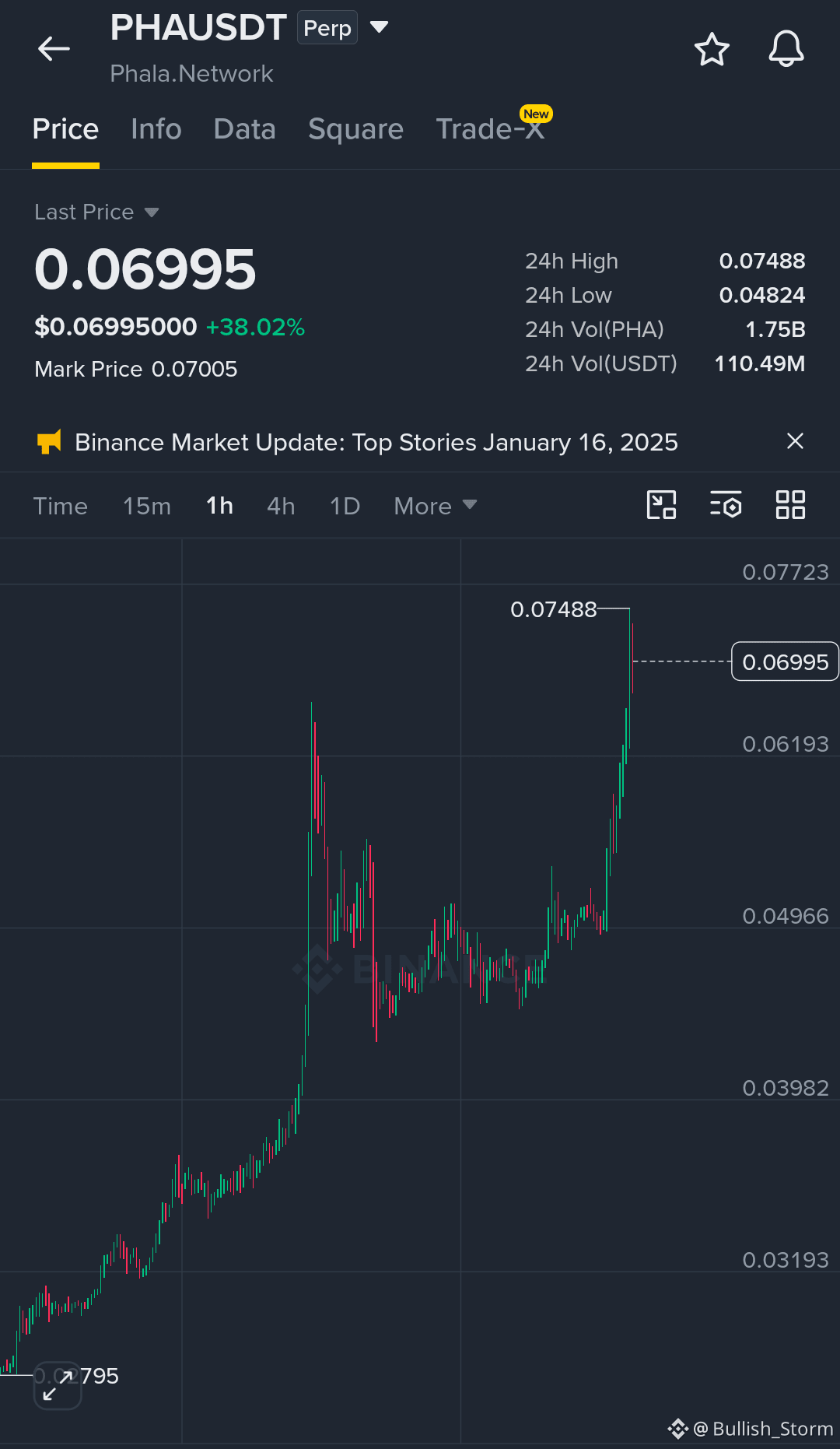
$PHA は、$0.0490〜$0.0500のレジスタンス帯を上抜けた後、強い勢いを見せています。価格は$0.07488まで到達したのち、現在$0.0700付近にあります。そのため、いま上値で追いかけてはいません。
取引セットアップ**
- エントリーゾーン: $0.0630〜$0.0660
- 指値 1: $0.0700
- 指値 2:** $0.0748
- 指値 3:** $0.0800
- 損切り:** $0.0590
エントリーゾーンまでの押し目を待ち、その後に強気の反応が出ることを見ています。価格が$0.0748を上抜けて、強い出来高を伴って定着すれば、$0.0800に向かう動きがより起こりやすくなります。
このセットアップが機能する理由は、市場が強い「高値更新」の構造を作り、買い手がブレイクアウトの領域を防衛しているからです。エントリーゾーンでは、縦に急騰した後に買うよりもリスクリワード比が良くなります。もし価格が$0.0590を下回って終値を付けた場合、強気の構造は弱まり、取引を撤退します。
リスク管理を慎重に行い、リテストなしでターゲット水準を大きく上回って動いた場合はエントリーしないでください。
$ARK
{future}(ARKUSDT)
$PHA
{future}(PHAUSDT)
$PHA は、$0.0490〜$0.0500のレジスタンス帯を上抜けた後、強い勢いを見せています。価格は$0.07488まで到達したのち、現在$0.0700付近にあります。そのため、いま上値で追いかけてはいません。
取引セットアップ**
- エントリーゾーン: $0.0630〜$0.0660
- 指値 1: $0.0700
- 指値 2:** $0.0748
- 指値 3:** $0.0800
- 損切り:** $0.0590
エントリーゾーンまでの押し目を待ち、その後に強気の反応が出ることを見ています。価格が$0.0748を上抜けて、強い出来高を伴って定着すれば、$0.0800に向かう動きがより起こりやすくなります。
このセットアップが機能する理由は、市場が強い「高値更新」の構造を作り、買い手がブレイクアウトの領域を防衛しているからです。エントリーゾーンでは、縦に急騰した後に買うよりもリスクリワード比が良くなります。もし価格が$0.0590を下回って終値を付けた場合、強気の構造は弱まり、取引を撤退します。
リスク管理を慎重に行い、リテストなしでターゲット水準を大きく上回って動いた場合はエントリーしないでください。
$ARK
$PHA
取引セットアップ**
- エントリーゾーン: $0.0630〜$0.0660
- 指値 1: $0.0700
- 指値 2:** $0.0748
- 指値 3:** $0.0800
- 損切り:** $0.0590
エントリーゾーンまでの押し目を待ち、その後に強気の反応が出ることを見ています。価格が$0.0748を上抜けて、強い出来高を伴って定着すれば、$0.0800に向かう動きがより起こりやすくなります。
このセットアップが機能する理由は、市場が強い「高値更新」の構造を作り、買い手がブレイクアウトの領域を防衛しているからです。エントリーゾーンでは、縦に急騰した後に買うよりもリスクリワード比が良くなります。もし価格が$0.0590を下回って終値を付けた場合、強気の構造は弱まり、取引を撤退します。
リスク管理を慎重に行い、リテストなしでターゲット水準を大きく上回って動いた場合はエントリーしないでください。
$ARK
$PHA
282
ログインして、さらにコンテンツを読む
厳選トピックで世界の暗号資産トレーダーの仲間入り
⚡️ 暗号資産に関する最新かつ有益な情報が見つかります。
💬 世界最大の暗号資産取引所から信頼されています。
👍 認証を受けたクリエイターから、有益なインサイトを得られます。
メール / 電話番号
トレンドトピック
BinanceLaunchesBinanceIntelligence
閲覧回数 760,608
4,730人が討論中
🚨 BINANCEが暗号資産分野にAIをさらに深く導入。
Binanceは、マーケットリサーチ、取引プロセス、暗号資産データを中心に設計された、AI搭載の新たなレイヤー「Binance Intelligence」を発表しました。
注目すべき点は?
単一のツールではないということです。
🧠 Binance AI → 市場のパーソナライズ分析、アラート、ポートフォリオ情報
⚡ Binance AI Pro → 自然言語で表現したアイデアを取引プロセスに変換
🤖 Agent OS → AIエージェントを市場、ポートフォリオ、ブロックチェーンの機能と接続
これは大きな変化です。
暗号資産プラットフォームは、トレーダーにチャートやデータを提供するだけではなくなりつつあります。
そうしたデータを解釈できるAIシステムを提供し始めているのです。
本当の問いは、
AIは今日のインジケーターやチャートのように、トレーダーの間で当たり前の存在になるのでしょうか? 👀
$BTC
$GRIFFAIN
$NMR
#BinanceLaunchesBinanceIntelligence
Jacob trade
·いいね:0件
·閲覧回数 72
BTCFallsBelow$84K
閲覧回数 36,202
124人が討論中
DubaiVARAIssuesReserveAssetAuditCircular
閲覧回数 11,425
409人が討論中