

TitanOrbit
108 投稿

TitanOrbit
報告
ユーザーをブロック
Crypto Insights | Market Trends | Smart Investing
取引を発注
低高頻度トレーダー
11.9か月
20 フォロー
51 フォロワー
63 いいね
投稿
ポートフォリオ
すべて
引用
·
--
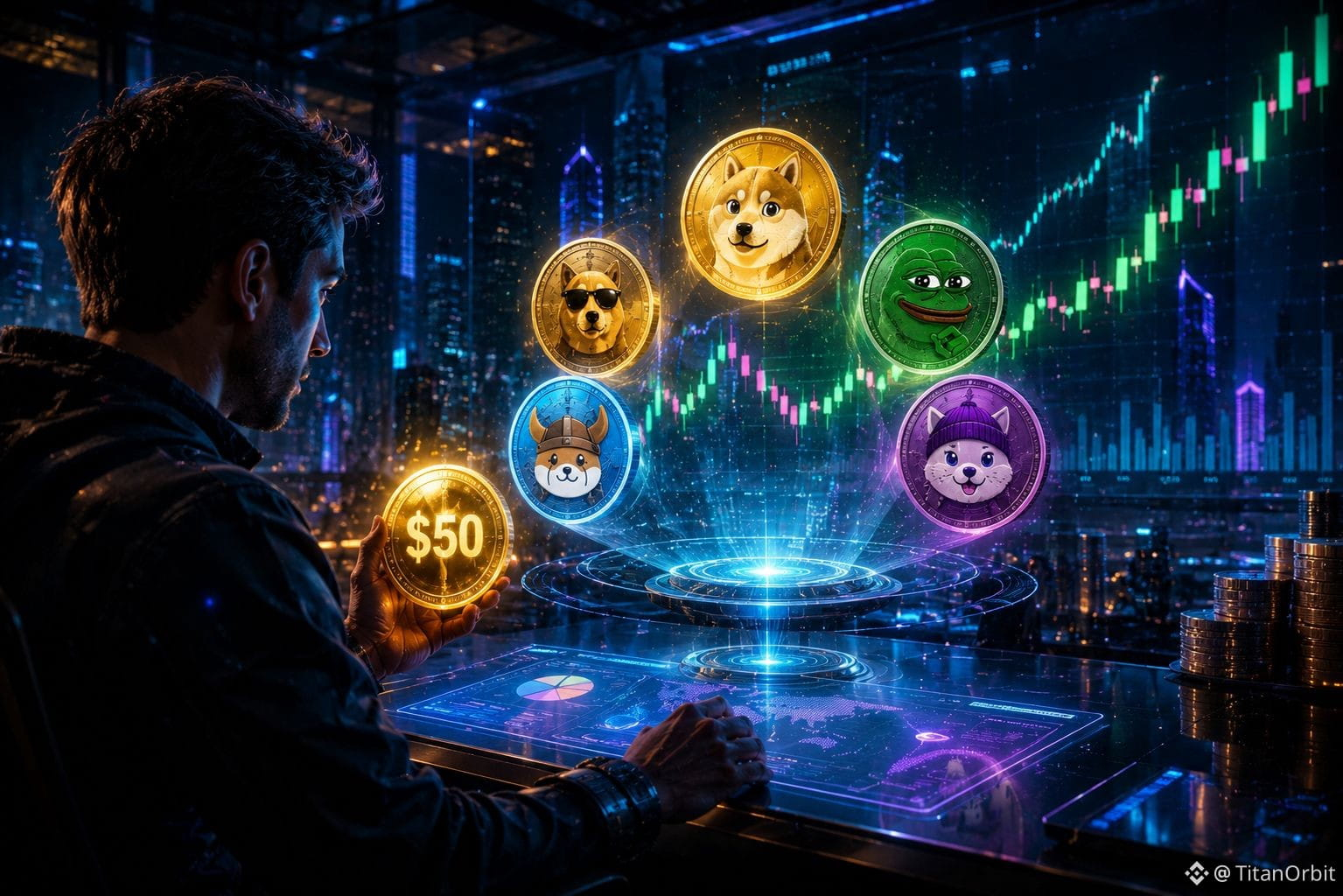
💰 もしミームコインに投資するために50ドルしかなかったらどうなる?
投稿の角度:$BTC
分散投資の概念。5つのミームコイン×10ドルの戦略。ハイリスク・ハイリターンのセクター。失ってもいい金額以上には投資しないこと。
CTA:$DOGE
どのミームコインに10ドルを割り当てる?👀
💰 もしミームコインに投資するために50ドルしかなかったらどうなる?
投稿の角度:$BTC
分散投資の概念。5つのミームコイン×10ドルの戦略。ハイリスク・ハイリターンのセクター。失ってもいい金額以上には投資しないこと。
CTA:$DOGE
どのミームコインに10ドルを割り当てる?👀
投稿の角度:$BTC
分散投資の概念。5つのミームコイン×10ドルの戦略。ハイリスク・ハイリターンのセクター。失ってもいい金額以上には投資しないこと。
CTA:$DOGE
どのミームコインに10ドルを割り当てる?👀
142
·
--
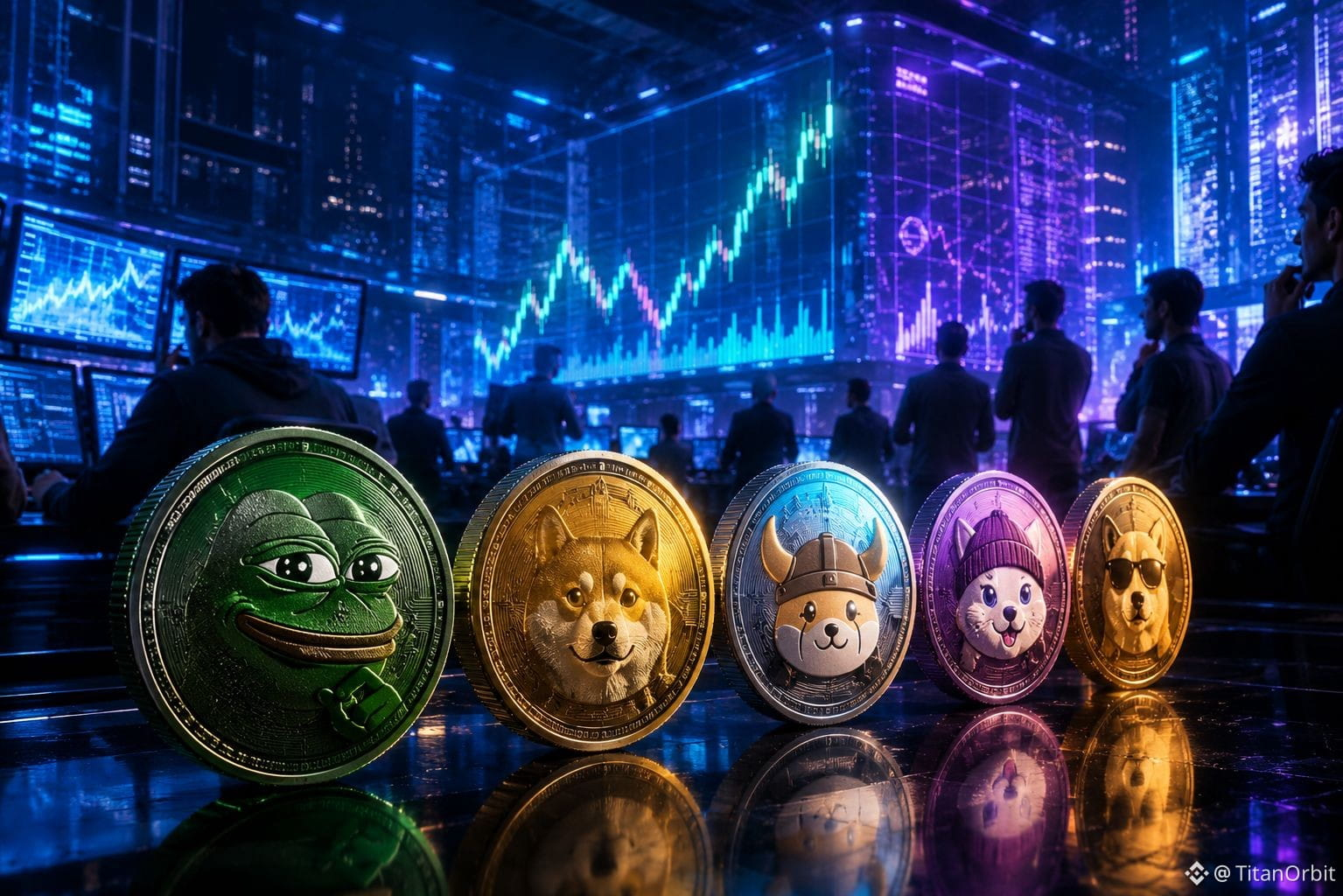
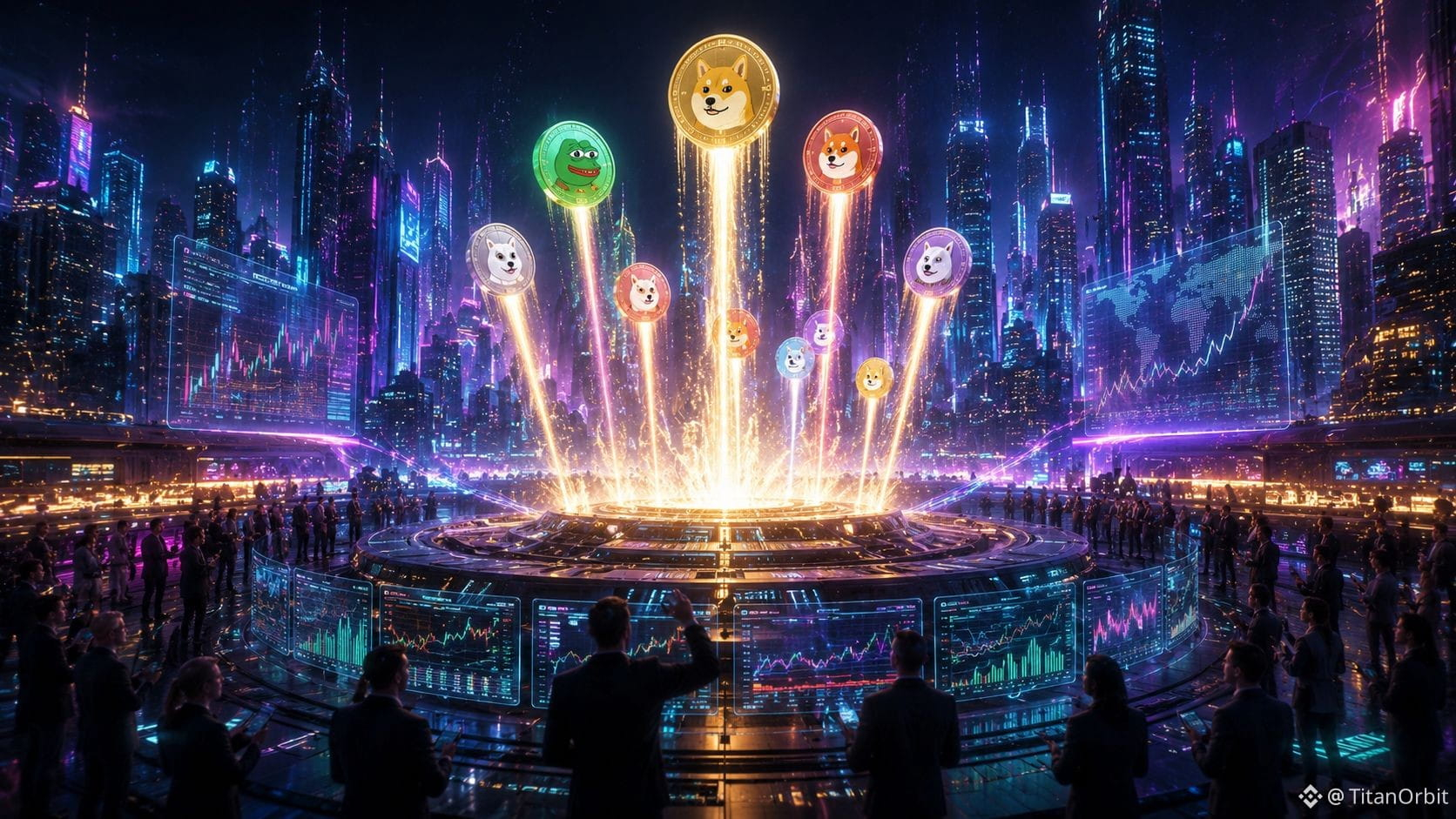
🐸 ミームコインがまた静かになってる... それが危険な時期だよ
投稿の角度:
低ボリューム期間の後は、しばしば爆発的な動きがある。ビットコインのドミナンスが遅くなると、ミームコインが注目を集めることができる。リスク管理は必須だね。$BTC
CTA:$DOGE
2026年にミームシーズンが来ると思う?🚀
#MEME #Dogecoin #BTC
🐸 ミームコインがまた静かになってる... それが危険な時期だよ
投稿の角度:
低ボリューム期間の後は、しばしば爆発的な動きがある。ビットコインのドミナンスが遅くなると、ミームコインが注目を集めることができる。リスク管理は必須だね。$BTC
CTA:$DOGE
2026年にミームシーズンが来ると思う?🚀
#MEME #Dogecoin #BTC
投稿の角度:
低ボリューム期間の後は、しばしば爆発的な動きがある。ビットコインのドミナンスが遅くなると、ミームコインが注目を集めることができる。リスク管理は必須だね。$BTC
CTA:$DOGE
2026年にミームシーズンが来ると思う?🚀
#MEME #Dogecoin #BTC
140
·
--
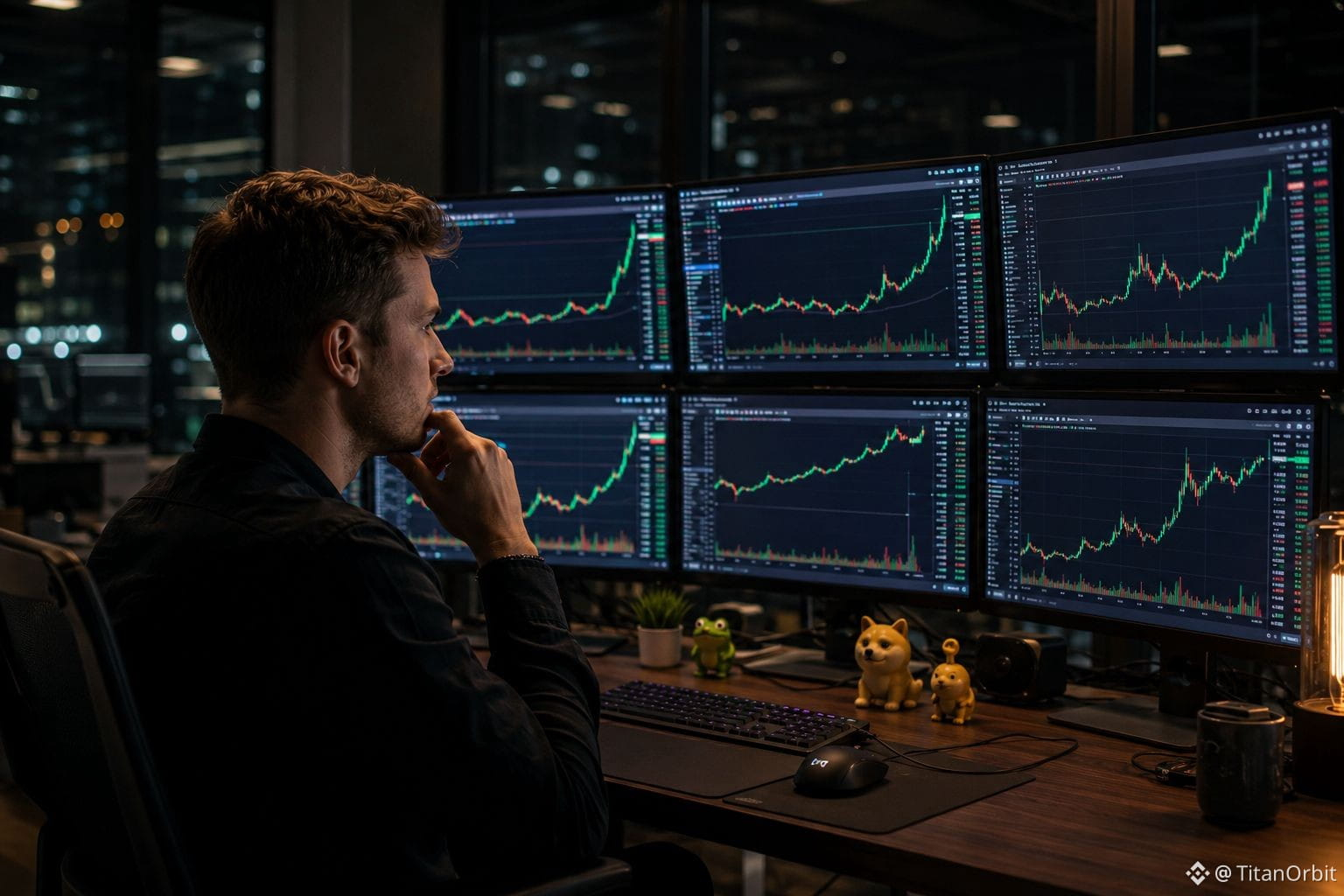
🚀 ミームコインが予期しない勝者になる可能性は?
イラン-アメリカの動向の後、みんなビットコインの話をしている...
でも、もし市場の信頼がさらに改善し続けたらどうなる? 👀
投資家がリスクを取ることにもっと快適になると、注目はビットコインからより高リスクの資産に移ることが多い — そこでミームコインが通常スポットライトを浴びる。
過去にも見たことがある:
📈 ビットコインが最初に動く
📈 アルトコインが続く
📈 ミームコインが最も投機的なプレイになることが多い
もし世界の緊張が緩和し、流動性が市場に戻ると、一部のトレーダーはミームコインが新たな勢いを得る可能性があると信じている。
もちろん、ミームコインは非常にボラティリティが高いので、リスク管理はこれまで以上に重要だ。
今どのミームコインを注目している?: $DOGE , $SHIB , $PEPE , それとも別の? 👇
#memecoins #pepe #DOGE #SHİB #Crypto #Bitcoin #Altcoins #BinanceSquare #CryptoNews
🚀 ミームコインが予期しない勝者になる可能性は?
イラン-アメリカの動向の後、みんなビットコインの話をしている...
でも、もし市場の信頼がさらに改善し続けたらどうなる? 👀
投資家がリスクを取ることにもっと快適になると、注目はビットコインからより高リスクの資産に移ることが多い — そこでミームコインが通常スポットライトを浴びる。
過去にも見たことがある:
📈 ビットコインが最初に動く
📈 アルトコインが続く
📈 ミームコインが最も投機的なプレイになることが多い
もし世界の緊張が緩和し、流動性が市場に戻ると、一部のトレーダーはミームコインが新たな勢いを得る可能性があると信じている。
もちろん、ミームコインは非常にボラティリティが高いので、リスク管理はこれまで以上に重要だ。
今どのミームコインを注目している?: $DOGE , $SHIB , $PEPE , それとも別の? 👇
#memecoins #pepe #DOGE #SHİB #Crypto #Bitcoin #Altcoins #BinanceSquare #CryptoNews
イラン-アメリカの動向の後、みんなビットコインの話をしている...
でも、もし市場の信頼がさらに改善し続けたらどうなる? 👀
投資家がリスクを取ることにもっと快適になると、注目はビットコインからより高リスクの資産に移ることが多い — そこでミームコインが通常スポットライトを浴びる。
過去にも見たことがある:
📈 ビットコインが最初に動く
📈 アルトコインが続く
📈 ミームコインが最も投機的なプレイになることが多い
もし世界の緊張が緩和し、流動性が市場に戻ると、一部のトレーダーはミームコインが新たな勢いを得る可能性があると信じている。
もちろん、ミームコインは非常にボラティリティが高いので、リスク管理はこれまで以上に重要だ。
今どのミームコインを注目している?: $DOGE , $SHIB , $PEPE , それとも別の? 👇
#memecoins #pepe #DOGE #SHİB #Crypto #Bitcoin #Altcoins #BinanceSquare #CryptoNews
140
·
--
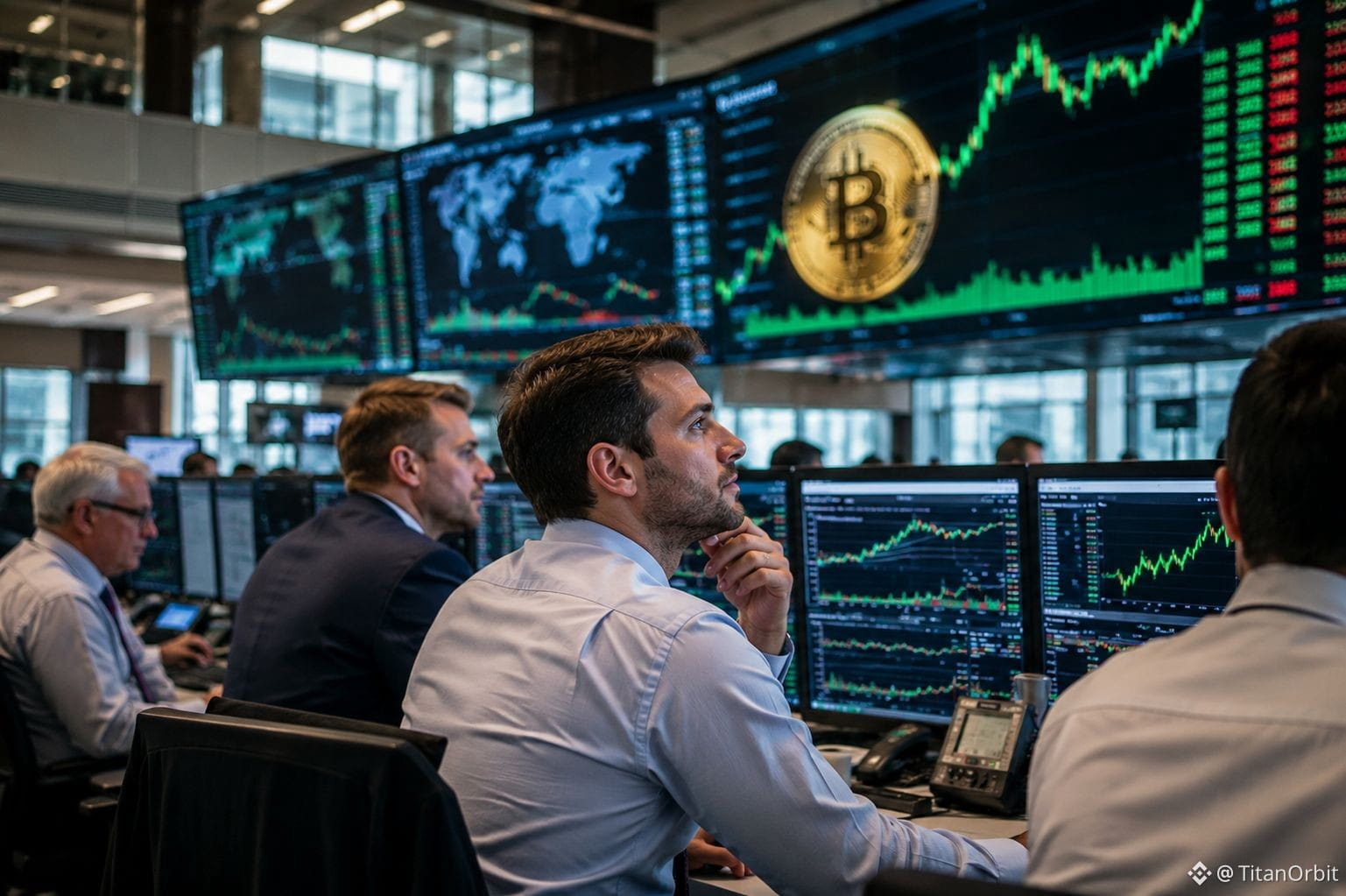
🚨 イランと米国の合意が全てを変えるとしたら?
ほとんどの人は政治に注目している。
賢い投資家はお金を見ている。👀
イランと米国の緊張が緩和され続ければ、グローバルエネルギー市場の安定性が高まる可能性がある。低い不確実性は、機関投資家がよりリスクを取ることを促すことが多く、それが $BTC のような資産に直接影響を与えることがある。
歴史的に見て、主要な地政学的イベントは投資家の行動に影響を与えてきた。不確実性が低下すると、新たな資本が金融市場に流れ込むことがよくある。
本当の質問は:
ビットコインは改善されたグローバルな安定性から利益を得るのか、それともBTCは不確実性の高い時期にパフォーマンスが良いのか?
あなたの見解を以下にシェアして!👇
#Bitcoin #BTC #CryptoNews #iran #US #Investing #BinanceSquare #CryptoMarket
🚨 イランと米国の合意が全てを変えるとしたら?
ほとんどの人は政治に注目している。
賢い投資家はお金を見ている。👀
イランと米国の緊張が緩和され続ければ、グローバルエネルギー市場の安定性が高まる可能性がある。低い不確実性は、機関投資家がよりリスクを取ることを促すことが多く、それが $BTC のような資産に直接影響を与えることがある。
歴史的に見て、主要な地政学的イベントは投資家の行動に影響を与えてきた。不確実性が低下すると、新たな資本が金融市場に流れ込むことがよくある。
本当の質問は:
ビットコインは改善されたグローバルな安定性から利益を得るのか、それともBTCは不確実性の高い時期にパフォーマンスが良いのか?
あなたの見解を以下にシェアして!👇
#Bitcoin #BTC #CryptoNews #iran #US #Investing #BinanceSquare #CryptoMarket
ほとんどの人は政治に注目している。
賢い投資家はお金を見ている。👀
イランと米国の緊張が緩和され続ければ、グローバルエネルギー市場の安定性が高まる可能性がある。低い不確実性は、機関投資家がよりリスクを取ることを促すことが多く、それが $BTC のような資産に直接影響を与えることがある。
歴史的に見て、主要な地政学的イベントは投資家の行動に影響を与えてきた。不確実性が低下すると、新たな資本が金融市場に流れ込むことがよくある。
本当の質問は:
ビットコインは改善されたグローバルな安定性から利益を得るのか、それともBTCは不確実性の高い時期にパフォーマンスが良いのか?
あなたの見解を以下にシェアして!👇
#Bitcoin #BTC #CryptoNews #iran #US #Investing #BinanceSquare #CryptoMarket
94
·
--
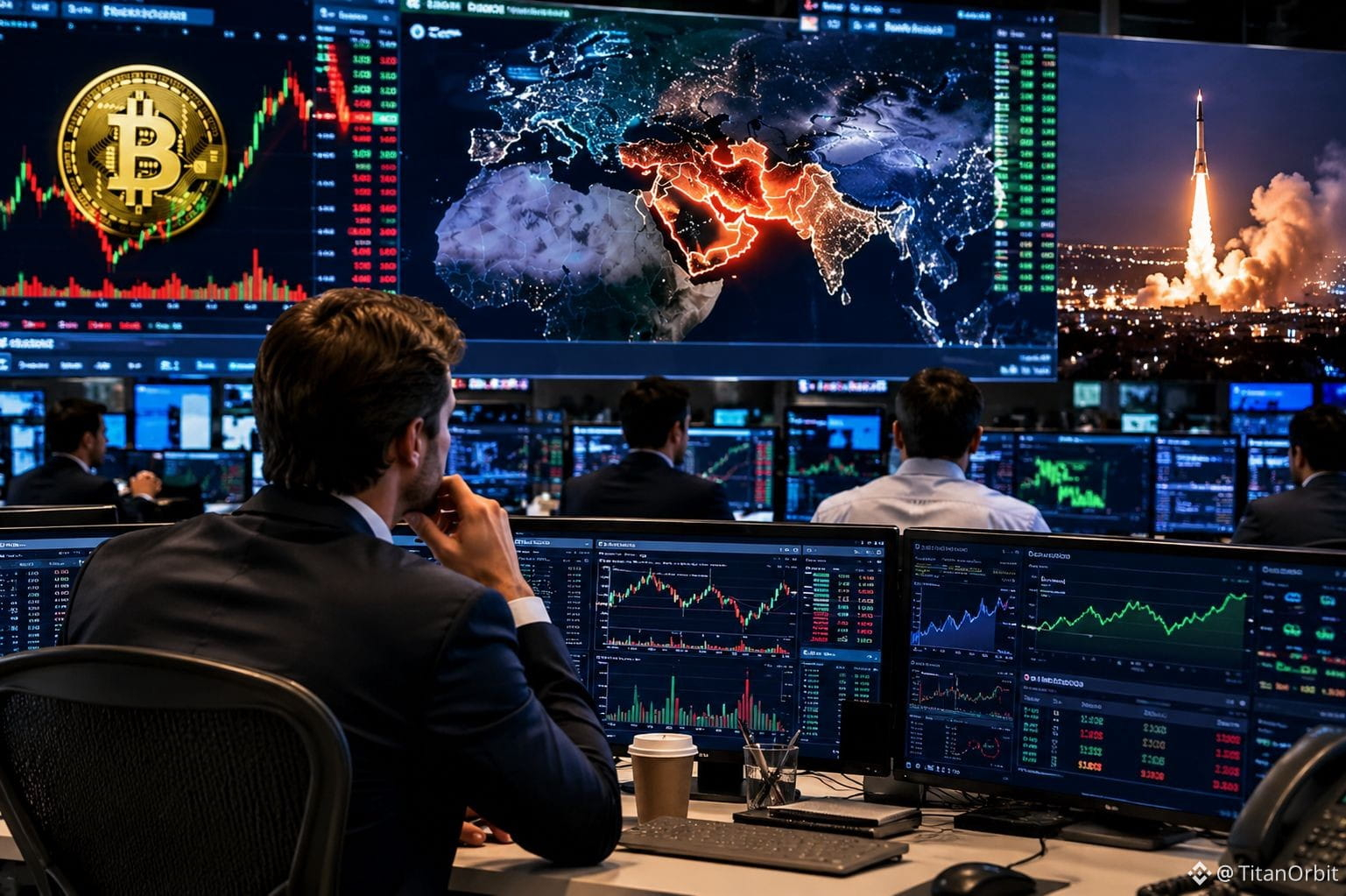
🚨 イラン・アメリカの合意は暗号通貨に隠れた強気のシグナルか?
数ヶ月の緊張の後、アメリカとイランは地政学的リスクを減少させ、グローバル市場を安定させる可能性のある枠組み合意に達したと報じられています。🌍
これが暗号通貨にとってなぜ重要なのか?$BTC
✅ 不確実性が低下すると、投資家の信頼が高まることが多い
✅ 石油市場の安定は全体的な市場センチメントを改善する可能性がある
✅ ビットコインのようなリスク資産は、グローバルな緊張が緩和されれば恩恵を受けるかもしれない
しかし、ここで大きな質問があります:$ETH
この合意はビットコインや暗号通貨にさらに資本を流入させるのか、それとも投資家は伝統的な市場に戻るのか?🤔
意見を下に書いてください!👇
#bitcoin #crypto #iran #US #BTC
🚨 イラン・アメリカの合意は暗号通貨に隠れた強気のシグナルか?
数ヶ月の緊張の後、アメリカとイランは地政学的リスクを減少させ、グローバル市場を安定させる可能性のある枠組み合意に達したと報じられています。🌍
これが暗号通貨にとってなぜ重要なのか?$BTC
✅ 不確実性が低下すると、投資家の信頼が高まることが多い
✅ 石油市場の安定は全体的な市場センチメントを改善する可能性がある
✅ ビットコインのようなリスク資産は、グローバルな緊張が緩和されれば恩恵を受けるかもしれない
しかし、ここで大きな質問があります:$ETH
この合意はビットコインや暗号通貨にさらに資本を流入させるのか、それとも投資家は伝統的な市場に戻るのか?🤔
意見を下に書いてください!👇
#bitcoin #crypto #iran #US #BTC
数ヶ月の緊張の後、アメリカとイランは地政学的リスクを減少させ、グローバル市場を安定させる可能性のある枠組み合意に達したと報じられています。🌍
これが暗号通貨にとってなぜ重要なのか?$BTC
✅ 不確実性が低下すると、投資家の信頼が高まることが多い
✅ 石油市場の安定は全体的な市場センチメントを改善する可能性がある
✅ ビットコインのようなリスク資産は、グローバルな緊張が緩和されれば恩恵を受けるかもしれない
しかし、ここで大きな質問があります:$ETH
この合意はビットコインや暗号通貨にさらに資本を流入させるのか、それとも投資家は伝統的な市場に戻るのか?🤔
意見を下に書いてください!👇
#bitcoin #crypto #iran #US #BTC
126
·
--
クリプト市場アップデート 🚀
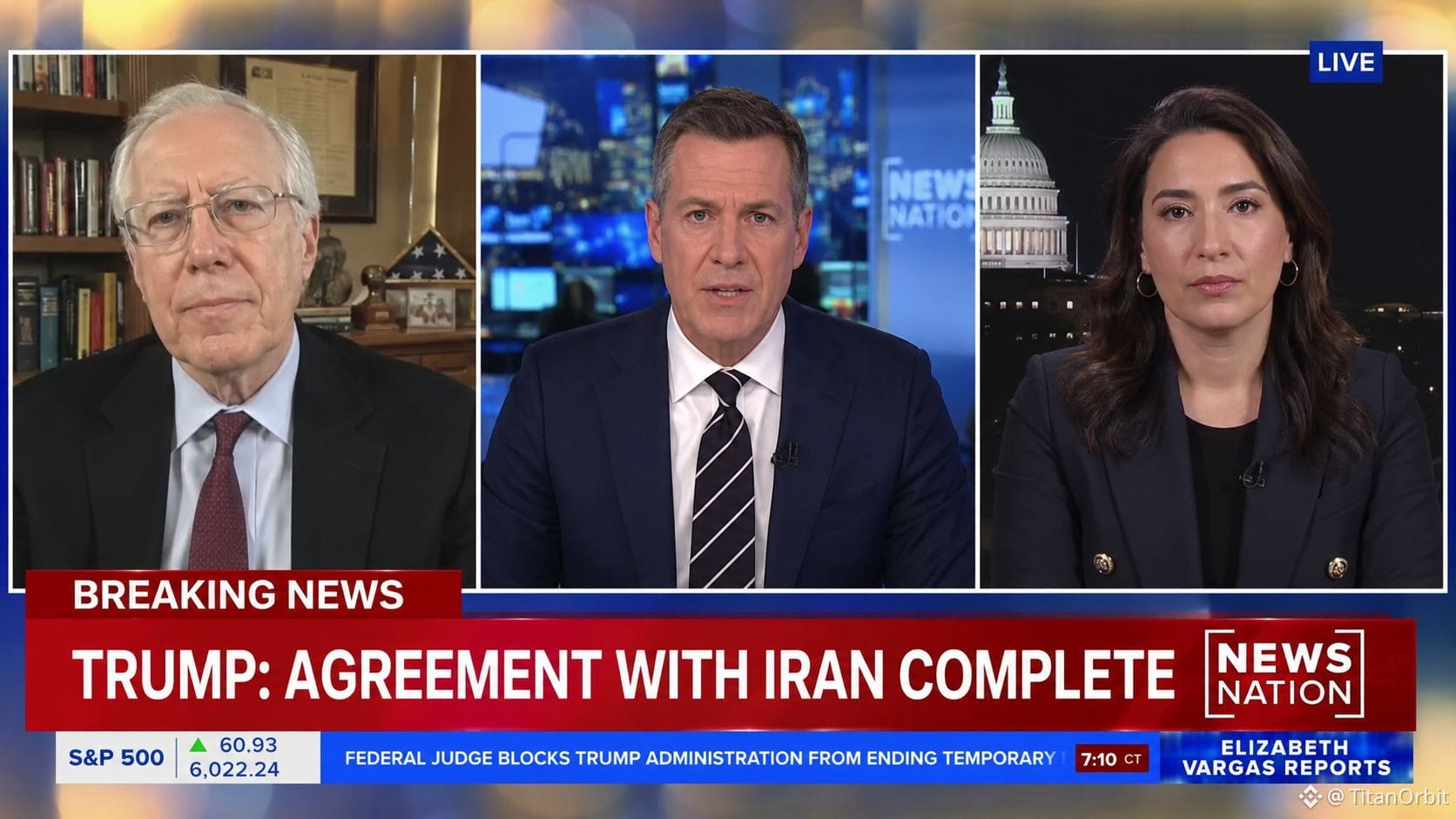
米国とイラン間の平和プロセスで大きな進展があり、グローバル市場が活気づいています。両者は覚書(MoU)を締結し、米国はホルムズ海峡の自由通行を発表し、イランへの海上封鎖を解除しました。
クリプト市場は好意的に反応しました。$BTC は2.48%上昇し、$65,642に達しました。一方、$ETH は3.65%上昇し、$1,723に達しました。投資家は、これは原油価格への圧力を軽減し、インフレ懸念を和らげる助けになる前向きな一歩だと見ています。
しかし、市場は慎重な姿勢を保っています。これは最終的な平和合意ではなく、制裁、核プログラム、経済的取り決めといった重要な問題が今後60日間で交渉される予定です。
現時点では、クリプト全体のセンチメントは強気ですが、今後の交渉の成功がビットコインや広範なデジタル資産市場の次の動きを決定する重要な役割を果たす可能性があります。
#ビットコイン #BTC #イーサリアム #ETH #クリプト #バイナンス #クリプトニュース #blockchain #trading #MarketUpdate #CryptoMarket
クリプト市場アップデート 🚀
米国とイラン間の平和プロセスで大きな進展があり、グローバル市場が活気づいています。両者は覚書(MoU)を締結し、米国はホルムズ海峡の自由通行を発表し、イランへの海上封鎖を解除しました。
クリプト市場は好意的に反応しました。$BTC は2.48%上昇し、$65,642に達しました。一方、$ETH は3.65%上昇し、$1,723に達しました。投資家は、これは原油価格への圧力を軽減し、インフレ懸念を和らげる助けになる前向きな一歩だと見ています。
しかし、市場は慎重な姿勢を保っています。これは最終的な平和合意ではなく、制裁、核プログラム、経済的取り決めといった重要な問題が今後60日間で交渉される予定です。
現時点では、クリプト全体のセンチメントは強気ですが、今後の交渉の成功がビットコインや広範なデジタル資産市場の次の動きを決定する重要な役割を果たす可能性があります。
#ビットコイン #BTC #イーサリアム #ETH #クリプト #バイナンス #クリプトニュース #blockchain #trading #MarketUpdate #CryptoMarket
米国とイラン間の平和プロセスで大きな進展があり、グローバル市場が活気づいています。両者は覚書(MoU)を締結し、米国はホルムズ海峡の自由通行を発表し、イランへの海上封鎖を解除しました。
クリプト市場は好意的に反応しました。$BTC は2.48%上昇し、$65,642に達しました。一方、$ETH は3.65%上昇し、$1,723に達しました。投資家は、これは原油価格への圧力を軽減し、インフレ懸念を和らげる助けになる前向きな一歩だと見ています。
しかし、市場は慎重な姿勢を保っています。これは最終的な平和合意ではなく、制裁、核プログラム、経済的取り決めといった重要な問題が今後60日間で交渉される予定です。
現時点では、クリプト全体のセンチメントは強気ですが、今後の交渉の成功がビットコインや広範なデジタル資産市場の次の動きを決定する重要な役割を果たす可能性があります。
#ビットコイン #BTC #イーサリアム #ETH #クリプト #バイナンス #クリプトニュース #blockchain #trading #MarketUpdate #CryptoMarket
102
·
--
🔥 すべてのミームコインが真剣なビジョンから始まるわけではない...
時には、市場が勝者を選ぶこともある。
今年の最も驚くべきミームコインのストーリーの一つが$MUBARAK だ。👀
コミュニティ主導のミームプロジェクトとして始まったものが、急速に暗号空間で注目を集め、次のブレイクアウト機会を探しているトレーダーを惹きつけた。
なぜMUBARAKがこれほど注目を集めているのか?
✅ 急速なコミュニティ成長
✅ 強力なソーシャルメディアの勢い
✅ 増加するトレーダーの関心
✅ 投機家を惹きつける高いボラティリティ
✅ ミームコイン愛好者の間での認知度の向上
ほとんどのミームコインと同様に、MUBARAKの価格アクションはコミュニティの感情や市場のホイップに大きく影響される。
つまり、機会は大きいが、リスクも同様に大きいということだ。
歴史は、情熱的なコミュニティを持つミームコインが、特に強気市場の楽観的な時期において期待を上回ることがあることを示している。
課題は、短期的なホイップを長期的な持続力から切り離すことだ。
ミームコインセクターが進化し続ける中、多くのトレーダーはMUBARAKがその勢いを維持し、市場での持続的な地位を確保できるかどうかを注視している。
💬 MUBARAKはただの短期トレンドだと思うか、それとも次のブルランで主要なミームコインになる可能性があるか?
#MUBARAK #Memecoin #Crypto #Altcoins #Trading #bitcoin
🔥 すべてのミームコインが真剣なビジョンから始まるわけではない...
時には、市場が勝者を選ぶこともある。
今年の最も驚くべきミームコインのストーリーの一つが$MUBARAK だ。👀
コミュニティ主導のミームプロジェクトとして始まったものが、急速に暗号空間で注目を集め、次のブレイクアウト機会を探しているトレーダーを惹きつけた。
なぜMUBARAKがこれほど注目を集めているのか?
✅ 急速なコミュニティ成長
✅ 強力なソーシャルメディアの勢い
✅ 増加するトレーダーの関心
✅ 投機家を惹きつける高いボラティリティ
✅ ミームコイン愛好者の間での認知度の向上
ほとんどのミームコインと同様に、MUBARAKの価格アクションはコミュニティの感情や市場のホイップに大きく影響される。
つまり、機会は大きいが、リスクも同様に大きいということだ。
歴史は、情熱的なコミュニティを持つミームコインが、特に強気市場の楽観的な時期において期待を上回ることがあることを示している。
課題は、短期的なホイップを長期的な持続力から切り離すことだ。
ミームコインセクターが進化し続ける中、多くのトレーダーはMUBARAKがその勢いを維持し、市場での持続的な地位を確保できるかどうかを注視している。
💬 MUBARAKはただの短期トレンドだと思うか、それとも次のブルランで主要なミームコインになる可能性があるか?
#MUBARAK #Memecoin #Crypto #Altcoins #Trading #bitcoin
時には、市場が勝者を選ぶこともある。
今年の最も驚くべきミームコインのストーリーの一つが$MUBARAK だ。👀
コミュニティ主導のミームプロジェクトとして始まったものが、急速に暗号空間で注目を集め、次のブレイクアウト機会を探しているトレーダーを惹きつけた。
なぜMUBARAKがこれほど注目を集めているのか?
✅ 急速なコミュニティ成長
✅ 強力なソーシャルメディアの勢い
✅ 増加するトレーダーの関心
✅ 投機家を惹きつける高いボラティリティ
✅ ミームコイン愛好者の間での認知度の向上
ほとんどのミームコインと同様に、MUBARAKの価格アクションはコミュニティの感情や市場のホイップに大きく影響される。
つまり、機会は大きいが、リスクも同様に大きいということだ。
歴史は、情熱的なコミュニティを持つミームコインが、特に強気市場の楽観的な時期において期待を上回ることがあることを示している。
課題は、短期的なホイップを長期的な持続力から切り離すことだ。
ミームコインセクターが進化し続ける中、多くのトレーダーはMUBARAKがその勢いを維持し、市場での持続的な地位を確保できるかどうかを注視している。
💬 MUBARAKはただの短期トレンドだと思うか、それとも次のブルランで主要なミームコインになる可能性があるか?
#MUBARAK #Memecoin #Crypto #Altcoins #Trading #bitcoin
323
·
--
🚀 みんながDOGE、SHIB、PEPEについて話してるけど...
でも、$BONK は今のクリプトで最も過小評価されたミームコインなのか?👀
BONKはコミュニティ主導のミームコインとしてSolanaに登場し、すぐにエコシステムで最も認知されたプロジェクトの一つになった。
なぜトレーダーたちはBONKに注目しているのか?
✅ Solanaエコシステムとの強い結びつき
✅ アクティブで忠実なコミュニティ
✅ Solanaベースのプラットフォームでの採用が増加中
✅ ミームコインラリー中の高い可視性
✅ Solanaで最も大きなミームコインの一つ
多くの短命なミームトークンとは異なり、BONKはコミュニティの関与を維持し、Solanaエコシステム内での存在感を拡大することで、 relevancyを保つことに成功している。
Solanaでのアクティビティが増えるにつれて、一部の投資家はBONKが注目と流動性の増加から利益を得る可能性があると考えている。
もちろん、ミームコインは依然として非常に投機的で、市場のセンチメントはすぐに変わる可能性がある。
それでも、別のミームコインシーズンが訪れた場合、BONKは多くのトレーダーが注意深く見守るプロジェクトの一つになるだろう。
💬 次のブルランのためにSolanaのミームコインを一つ選ばなければならないとしたら、BONKを選ぶ?それとも他のプロジェクト?
#Bonk #Solana #memecoin #crypto #altcoins #trading
🚀 みんながDOGE、SHIB、PEPEについて話してるけど...
でも、$BONK は今のクリプトで最も過小評価されたミームコインなのか?👀
BONKはコミュニティ主導のミームコインとしてSolanaに登場し、すぐにエコシステムで最も認知されたプロジェクトの一つになった。
なぜトレーダーたちはBONKに注目しているのか?
✅ Solanaエコシステムとの強い結びつき
✅ アクティブで忠実なコミュニティ
✅ Solanaベースのプラットフォームでの採用が増加中
✅ ミームコインラリー中の高い可視性
✅ Solanaで最も大きなミームコインの一つ
多くの短命なミームトークンとは異なり、BONKはコミュニティの関与を維持し、Solanaエコシステム内での存在感を拡大することで、 relevancyを保つことに成功している。
Solanaでのアクティビティが増えるにつれて、一部の投資家はBONKが注目と流動性の増加から利益を得る可能性があると考えている。
もちろん、ミームコインは依然として非常に投機的で、市場のセンチメントはすぐに変わる可能性がある。
それでも、別のミームコインシーズンが訪れた場合、BONKは多くのトレーダーが注意深く見守るプロジェクトの一つになるだろう。
💬 次のブルランのためにSolanaのミームコインを一つ選ばなければならないとしたら、BONKを選ぶ?それとも他のプロジェクト?
#Bonk #Solana #memecoin #crypto #altcoins #trading
でも、$BONK は今のクリプトで最も過小評価されたミームコインなのか?👀
BONKはコミュニティ主導のミームコインとしてSolanaに登場し、すぐにエコシステムで最も認知されたプロジェクトの一つになった。
なぜトレーダーたちはBONKに注目しているのか?
✅ Solanaエコシステムとの強い結びつき
✅ アクティブで忠実なコミュニティ
✅ Solanaベースのプラットフォームでの採用が増加中
✅ ミームコインラリー中の高い可視性
✅ Solanaで最も大きなミームコインの一つ
多くの短命なミームトークンとは異なり、BONKはコミュニティの関与を維持し、Solanaエコシステム内での存在感を拡大することで、 relevancyを保つことに成功している。
Solanaでのアクティビティが増えるにつれて、一部の投資家はBONKが注目と流動性の増加から利益を得る可能性があると考えている。
もちろん、ミームコインは依然として非常に投機的で、市場のセンチメントはすぐに変わる可能性がある。
それでも、別のミームコインシーズンが訪れた場合、BONKは多くのトレーダーが注意深く見守るプロジェクトの一つになるだろう。
💬 次のブルランのためにSolanaのミームコインを一つ選ばなければならないとしたら、BONKを選ぶ?それとも他のプロジェクト?
#Bonk #Solana #memecoin #crypto #altcoins #trading
118
·
--
🐸 PEPEは初期投資家を裕福にした...
でも、ただの hype だったのか、それともまだ成長の余地があるのか? 👀
$PEPE は、シンプルなインターネットミームを数十億ドルの資産に変え、暗号史上最も話題になったミームコインの一つになった。
PEPEが成功した理由は何か?
✅ 大規模なソーシャルメディアの注目
✅ 強いコミュニティの関与
✅ バイラルなミーム文化
✅ 高い取引ボリューム
✅ 急速な取引所上場
従来の暗号プロジェクトとは異なり、ミームコインはテクノロジーだけではなく、コミュニティの強さと市場のセンチメントに基づいて動くことが多い。
だからこそ、PEPEは爆発的な上昇の後でも注目を集め続けている。
しかし、ミームコインは極端なボラティリティでも知られている。大きな利益がすぐに得られる一方で、急激な修正も起こり得る。
多くのトレーダーにとって、重要な質問は、PEPEが過去に成功したかどうかではなく...
コミュニティが次の市場サイクルのためにその勢いを維持できるかどうかだ。
もしミームコインの熱狂が戻ってくれば、PEPEは再び注目すべき最大の名前の一つになるかもしれない。🚀
💬 あなたはPEPEがもう一度大きな上昇を迎えると思いますか、それともその最大の動きはすでに終わったと思いますか?
#pepe #memecoin #Crypto #altcoins #Bitcoin #trading
🐸 PEPEは初期投資家を裕福にした...
でも、ただの hype だったのか、それともまだ成長の余地があるのか? 👀
$PEPE は、シンプルなインターネットミームを数十億ドルの資産に変え、暗号史上最も話題になったミームコインの一つになった。
PEPEが成功した理由は何か?
✅ 大規模なソーシャルメディアの注目
✅ 強いコミュニティの関与
✅ バイラルなミーム文化
✅ 高い取引ボリューム
✅ 急速な取引所上場
従来の暗号プロジェクトとは異なり、ミームコインはテクノロジーだけではなく、コミュニティの強さと市場のセンチメントに基づいて動くことが多い。
だからこそ、PEPEは爆発的な上昇の後でも注目を集め続けている。
しかし、ミームコインは極端なボラティリティでも知られている。大きな利益がすぐに得られる一方で、急激な修正も起こり得る。
多くのトレーダーにとって、重要な質問は、PEPEが過去に成功したかどうかではなく...
コミュニティが次の市場サイクルのためにその勢いを維持できるかどうかだ。
もしミームコインの熱狂が戻ってくれば、PEPEは再び注目すべき最大の名前の一つになるかもしれない。🚀
💬 あなたはPEPEがもう一度大きな上昇を迎えると思いますか、それともその最大の動きはすでに終わったと思いますか?
#pepe #memecoin #Crypto #altcoins #Bitcoin #trading
でも、ただの hype だったのか、それともまだ成長の余地があるのか? 👀
$PEPE は、シンプルなインターネットミームを数十億ドルの資産に変え、暗号史上最も話題になったミームコインの一つになった。
PEPEが成功した理由は何か?
✅ 大規模なソーシャルメディアの注目
✅ 強いコミュニティの関与
✅ バイラルなミーム文化
✅ 高い取引ボリューム
✅ 急速な取引所上場
従来の暗号プロジェクトとは異なり、ミームコインはテクノロジーだけではなく、コミュニティの強さと市場のセンチメントに基づいて動くことが多い。
だからこそ、PEPEは爆発的な上昇の後でも注目を集め続けている。
しかし、ミームコインは極端なボラティリティでも知られている。大きな利益がすぐに得られる一方で、急激な修正も起こり得る。
多くのトレーダーにとって、重要な質問は、PEPEが過去に成功したかどうかではなく...
コミュニティが次の市場サイクルのためにその勢いを維持できるかどうかだ。
もしミームコインの熱狂が戻ってくれば、PEPEは再び注目すべき最大の名前の一つになるかもしれない。🚀
💬 あなたはPEPEがもう一度大きな上昇を迎えると思いますか、それともその最大の動きはすでに終わったと思いますか?
#pepe #memecoin #Crypto #altcoins #Bitcoin #trading

133
·
--
🔥 SHIBのバーンが再び増加中...
でも、トークンを焼くことでSHIBA INUの価格が実際に上がることができるの?🤔
$SHIB コミュニティで最も議論されているトピックの一つは、トークンバーンメカニズムです。
アイデアはシンプルです:
SHIBトークンが焼かれると、それは流通から永遠に取り除かれ、使用されたり取引されたりすることはできなくなります。
理論的には、供給が減ることで残りのトークンの価値が時間とともに高まる可能性があります。
しかし、供給は方程式の一部に過ぎません。
SHIBが長期的に大きな成長を遂げるためには、市場も以下が必要です:
✅ 強力なコミュニティサポート
✅ エコシステムの継続的な発展
✅ 投資家からの需要の増加
✅ 実世界でのユーティリティの向上
このため、多くのトレーダーはバーン率と全体のエコシステム活動の両方を観察し、バーンだけに焦点を当てることはありません。
SHIBはクリプトの中で最大のミームコインの一つであり、そのコミュニティは業界で最も活発なものの一つであり続けています。
本当の質問は:
SHIBの将来的な成長はトークンバーン、エコシステムの拡大、またはその両方の組み合わせから来るのでしょうか?🚀
💬 次のブルマーケットでのSHIBの価格予測は何ですか?
#SHIB #shibaInu #memecoin #crypto #オルトコイン #bitcoin
🔥 SHIBのバーンが再び増加中...
でも、トークンを焼くことでSHIBA INUの価格が実際に上がることができるの?🤔
$SHIB コミュニティで最も議論されているトピックの一つは、トークンバーンメカニズムです。
アイデアはシンプルです:
SHIBトークンが焼かれると、それは流通から永遠に取り除かれ、使用されたり取引されたりすることはできなくなります。
理論的には、供給が減ることで残りのトークンの価値が時間とともに高まる可能性があります。
しかし、供給は方程式の一部に過ぎません。
SHIBが長期的に大きな成長を遂げるためには、市場も以下が必要です:
✅ 強力なコミュニティサポート
✅ エコシステムの継続的な発展
✅ 投資家からの需要の増加
✅ 実世界でのユーティリティの向上
このため、多くのトレーダーはバーン率と全体のエコシステム活動の両方を観察し、バーンだけに焦点を当てることはありません。
SHIBはクリプトの中で最大のミームコインの一つであり、そのコミュニティは業界で最も活発なものの一つであり続けています。
本当の質問は:
SHIBの将来的な成長はトークンバーン、エコシステムの拡大、またはその両方の組み合わせから来るのでしょうか?🚀
💬 次のブルマーケットでのSHIBの価格予測は何ですか?
#SHIB #shibaInu #memecoin #crypto #オルトコイン #bitcoin
でも、トークンを焼くことでSHIBA INUの価格が実際に上がることができるの?🤔
$SHIB コミュニティで最も議論されているトピックの一つは、トークンバーンメカニズムです。
アイデアはシンプルです:
SHIBトークンが焼かれると、それは流通から永遠に取り除かれ、使用されたり取引されたりすることはできなくなります。
理論的には、供給が減ることで残りのトークンの価値が時間とともに高まる可能性があります。
しかし、供給は方程式の一部に過ぎません。
SHIBが長期的に大きな成長を遂げるためには、市場も以下が必要です:
✅ 強力なコミュニティサポート
✅ エコシステムの継続的な発展
✅ 投資家からの需要の増加
✅ 実世界でのユーティリティの向上
このため、多くのトレーダーはバーン率と全体のエコシステム活動の両方を観察し、バーンだけに焦点を当てることはありません。
SHIBはクリプトの中で最大のミームコインの一つであり、そのコミュニティは業界で最も活発なものの一つであり続けています。
本当の質問は:
SHIBの将来的な成長はトークンバーン、エコシステムの拡大、またはその両方の組み合わせから来るのでしょうか?🚀
💬 次のブルマーケットでのSHIBの価格予測は何ですか?
#SHIB #shibaInu #memecoin #crypto #オルトコイン #bitcoin
118
·
--
🐕 みんな次の100倍メームコインを探してるけど...
もし最大のメームコインがまだ$DOGE だったらどうする?👀
ドージコインはジョークから始まったけど、世界で最も認知された暗号通貨の一つになった。
なぜDOGEは今でも重要なのか?
✅ 巨大なグローバルコミュニティ
✅ 強いブランド認知
✅ 主要な取引所に上場
✅ 著名人による頻繁な言及
✅ 市場で最も流動性の高いメームコインの一つ
新しいメームコインがしばしば爆発して消えてしまう一方で、DOGEは複数の市場サイクルを生き残ってきた。
もちろん、メームコインは依然として非常に投機的で、価格の動きはファンダメンタルズよりも感情によって駆動されることが多い。
それでも、多くのトレーダーはDOGEをその歴史、流動性、コミュニティのサポートから「ブルーチップ」メームコインと見なしている。
大きな疑問は:
新しいメームコインのブルランが始まったら、DOGEが再びラリーをリードするのか、それとも新しいプロジェクトが注目を浴びるのか?🚀
💬 現在保有しているメームコインは何?DOGE、SHIB、PEPE、BONK、それとも他の何か?
#DOGE #Dogecoin #memecoin #Crypto #Bitcoin #altcoins
🐕 みんな次の100倍メームコインを探してるけど...
もし最大のメームコインがまだ$DOGE だったらどうする?👀
ドージコインはジョークから始まったけど、世界で最も認知された暗号通貨の一つになった。
なぜDOGEは今でも重要なのか?
✅ 巨大なグローバルコミュニティ
✅ 強いブランド認知
✅ 主要な取引所に上場
✅ 著名人による頻繁な言及
✅ 市場で最も流動性の高いメームコインの一つ
新しいメームコインがしばしば爆発して消えてしまう一方で、DOGEは複数の市場サイクルを生き残ってきた。
もちろん、メームコインは依然として非常に投機的で、価格の動きはファンダメンタルズよりも感情によって駆動されることが多い。
それでも、多くのトレーダーはDOGEをその歴史、流動性、コミュニティのサポートから「ブルーチップ」メームコインと見なしている。
大きな疑問は:
新しいメームコインのブルランが始まったら、DOGEが再びラリーをリードするのか、それとも新しいプロジェクトが注目を浴びるのか?🚀
💬 現在保有しているメームコインは何?DOGE、SHIB、PEPE、BONK、それとも他の何か?
#DOGE #Dogecoin #memecoin #Crypto #Bitcoin #altcoins
もし最大のメームコインがまだ$DOGE だったらどうする?👀
ドージコインはジョークから始まったけど、世界で最も認知された暗号通貨の一つになった。
なぜDOGEは今でも重要なのか?
✅ 巨大なグローバルコミュニティ
✅ 強いブランド認知
✅ 主要な取引所に上場
✅ 著名人による頻繁な言及
✅ 市場で最も流動性の高いメームコインの一つ
新しいメームコインがしばしば爆発して消えてしまう一方で、DOGEは複数の市場サイクルを生き残ってきた。
もちろん、メームコインは依然として非常に投機的で、価格の動きはファンダメンタルズよりも感情によって駆動されることが多い。
それでも、多くのトレーダーはDOGEをその歴史、流動性、コミュニティのサポートから「ブルーチップ」メームコインと見なしている。
大きな疑問は:
新しいメームコインのブルランが始まったら、DOGEが再びラリーをリードするのか、それとも新しいプロジェクトが注目を浴びるのか?🚀
💬 現在保有しているメームコインは何?DOGE、SHIB、PEPE、BONK、それとも他の何か?
#DOGE #Dogecoin #memecoin #Crypto #Bitcoin #altcoins
205
·
--
💰 もし今日誰かがあなたに$100をくれたら、どこに投資しますか?
すべての暗号投資家には異なる戦略があります。
安全を選ぶ人もいれば。
成長を追い求める人もいます。
そして、次のビッグチャンスを探す人もいます。
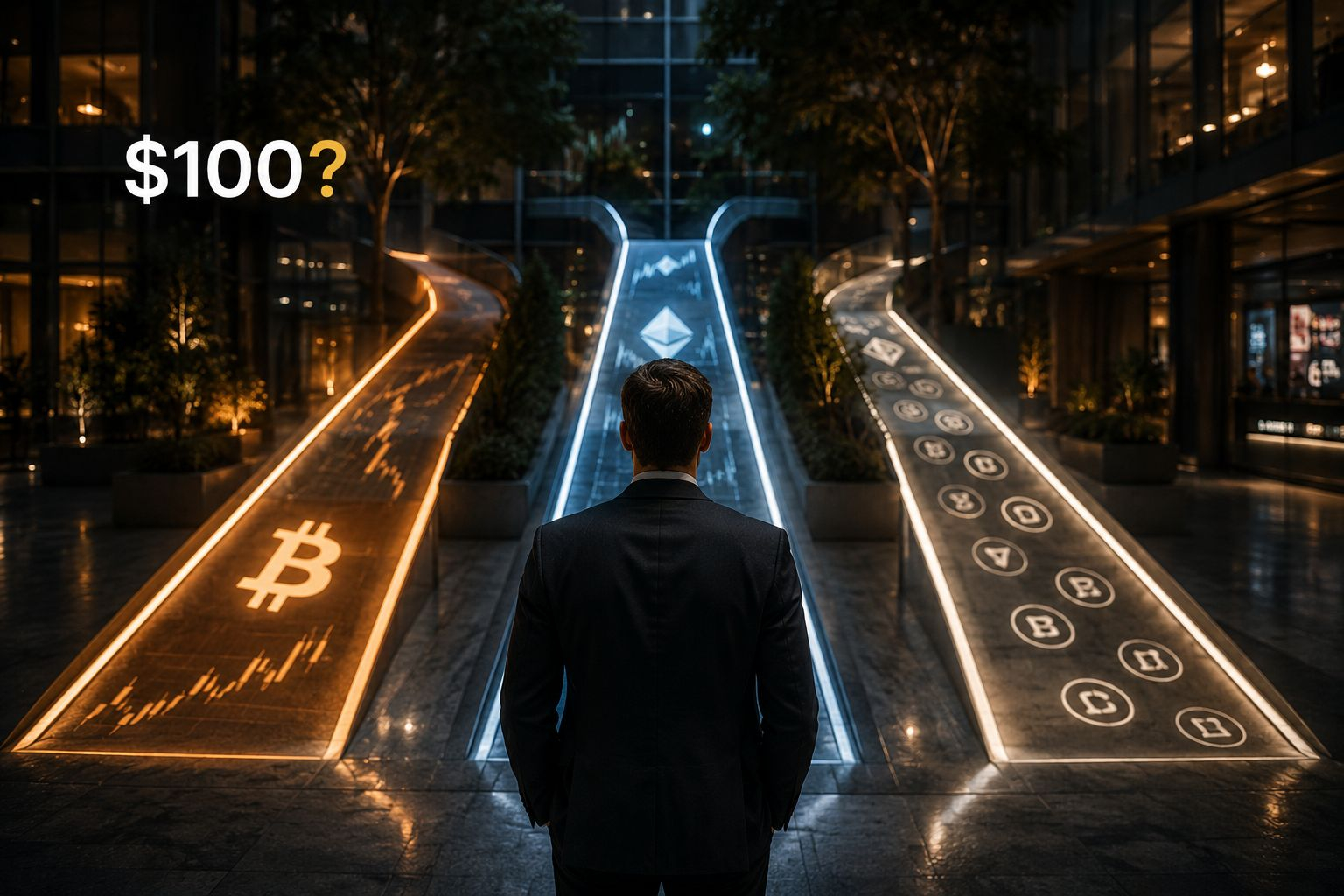
今日$100を受け取って、たった一つのオプションしか選べないとしたら:
🟠 ビットコイン ($BTC )
🔵 イーサリアム ($ETH )
🟢 アルトコイン
各選択肢にはそれぞれの利点があります。
ビットコインは市場のリーダーで、デジタルの価値保存手段と見なされることが多いです。
イーサリアムはWeb3エコシステムの大部分を支えています。
アルトコインはより高い成長ポテンシャルを提供することができますが、リスクも高くなります。
完璧な答えはありません。
最適な投資は、あなたの目標、リスク耐性、そしてタイムホライズンに依存します。
面白いことに、あなたの答えは暗号の未来に対するあなたの見方を多く明らかにすることができます。
💬 質問:
今すぐ$100を手に入れました。
どこに投資しますか?
🔹 ビットコイン (BTC)
🔹 イーサリアム (ETH)
🔹 アルトコイン
コメントであなたの選択を説明してください! 👇
#ビットコイン #BTC #Ethereum #ETH #アルトコイン #暗号 #blockchain #投資 #バイナンススクエア #CryptoCommunity
💰 もし今日誰かがあなたに$100をくれたら、どこに投資しますか?
すべての暗号投資家には異なる戦略があります。
安全を選ぶ人もいれば。
成長を追い求める人もいます。
そして、次のビッグチャンスを探す人もいます。
今日$100を受け取って、たった一つのオプションしか選べないとしたら:
🟠 ビットコイン ($BTC )
🔵 イーサリアム ($ETH )
🟢 アルトコイン
各選択肢にはそれぞれの利点があります。
ビットコインは市場のリーダーで、デジタルの価値保存手段と見なされることが多いです。
イーサリアムはWeb3エコシステムの大部分を支えています。
アルトコインはより高い成長ポテンシャルを提供することができますが、リスクも高くなります。
完璧な答えはありません。
最適な投資は、あなたの目標、リスク耐性、そしてタイムホライズンに依存します。
面白いことに、あなたの答えは暗号の未来に対するあなたの見方を多く明らかにすることができます。
💬 質問:
今すぐ$100を手に入れました。
どこに投資しますか?
🔹 ビットコイン (BTC)
🔹 イーサリアム (ETH)
🔹 アルトコイン
コメントであなたの選択を説明してください! 👇
#ビットコイン #BTC #Ethereum #ETH #アルトコイン #暗号 #blockchain #投資 #バイナンススクエア #CryptoCommunity
すべての暗号投資家には異なる戦略があります。
安全を選ぶ人もいれば。
成長を追い求める人もいます。
そして、次のビッグチャンスを探す人もいます。
今日$100を受け取って、たった一つのオプションしか選べないとしたら:
🟠 ビットコイン ($BTC )
🔵 イーサリアム ($ETH )
🟢 アルトコイン
各選択肢にはそれぞれの利点があります。
ビットコインは市場のリーダーで、デジタルの価値保存手段と見なされることが多いです。
イーサリアムはWeb3エコシステムの大部分を支えています。
アルトコインはより高い成長ポテンシャルを提供することができますが、リスクも高くなります。
完璧な答えはありません。
最適な投資は、あなたの目標、リスク耐性、そしてタイムホライズンに依存します。
面白いことに、あなたの答えは暗号の未来に対するあなたの見方を多く明らかにすることができます。
💬 質問:
今すぐ$100を手に入れました。
どこに投資しますか?
🔹 ビットコイン (BTC)
🔹 イーサリアム (ETH)
🔹 アルトコイン
コメントであなたの選択を説明してください! 👇
#ビットコイン #BTC #Ethereum #ETH #アルトコイン #暗号 #blockchain #投資 #バイナンススクエア #CryptoCommunity
30
·
--
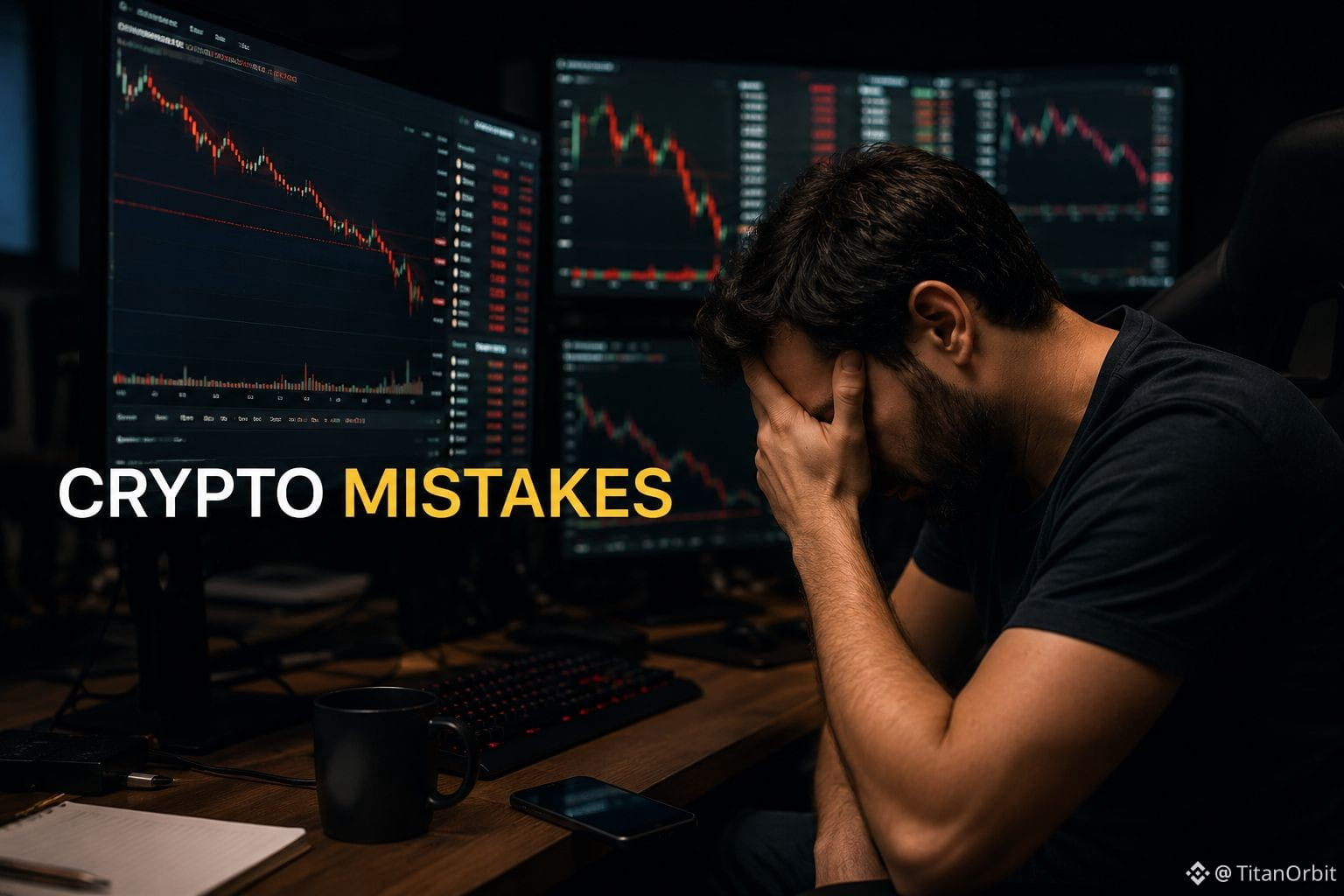
⚠️ 新しいクリプト投資家が利益を上げられない5つのミス
ほとんどの人がクリプトで損失を出すのは、悪いプロジェクトのせいではありません。
彼らは悪い決定を下すことで損失を出しています。
ここで私が何度も目にする5つの一般的なミスを紹介します:
❌ コインがすでにポンプした後に購入する
❌ リサーチではなく、ハイプに基づいて投資する
❌ 市場のディップ中にパニック売りする
❌ リスク管理を無視する
❌ 一夜にして利益を期待する
成功する投資家は、1つのシンプルな真実を理解しています:
クリプトはスプリントではない。
それは忍耐、規律、そして継続的な学びのゲームです。
目標はすべての機会を捉えることではありません。
目標は、最良のものから利益を得るために長く生き残ることです。
知識を築き、リスクを管理し、感情ではなく事実に基づいて決定を下すことに集中してください。
$BNB
長期的には、一貫性が興奮に勝ることが多いです。
$SOL
💬 質問:
どのミスが投資家に最も痛手を与えると思いますか?
🔹 FOMO購入
🔹 パニック売り
🔹 リスク管理なし
🔹 リサーチ不足
あなたの意見を下にシェアしてください! 👇
#crypto #ビットコイン #BTC #Investing #トレーディング #blockchain #バイナンススクエア #クリプト教育 #RiskManagement #Web3
⚠️ 新しいクリプト投資家が利益を上げられない5つのミス
ほとんどの人がクリプトで損失を出すのは、悪いプロジェクトのせいではありません。
彼らは悪い決定を下すことで損失を出しています。
ここで私が何度も目にする5つの一般的なミスを紹介します:
❌ コインがすでにポンプした後に購入する
❌ リサーチではなく、ハイプに基づいて投資する
❌ 市場のディップ中にパニック売りする
❌ リスク管理を無視する
❌ 一夜にして利益を期待する
成功する投資家は、1つのシンプルな真実を理解しています:
クリプトはスプリントではない。
それは忍耐、規律、そして継続的な学びのゲームです。
目標はすべての機会を捉えることではありません。
目標は、最良のものから利益を得るために長く生き残ることです。
知識を築き、リスクを管理し、感情ではなく事実に基づいて決定を下すことに集中してください。
$BNB
長期的には、一貫性が興奮に勝ることが多いです。
$SOL
💬 質問:
どのミスが投資家に最も痛手を与えると思いますか?
🔹 FOMO購入
🔹 パニック売り
🔹 リスク管理なし
🔹 リサーチ不足
あなたの意見を下にシェアしてください! 👇
#crypto #ビットコイン #BTC #Investing #トレーディング #blockchain #バイナンススクエア #クリプト教育 #RiskManagement #Web3
ほとんどの人がクリプトで損失を出すのは、悪いプロジェクトのせいではありません。
彼らは悪い決定を下すことで損失を出しています。
ここで私が何度も目にする5つの一般的なミスを紹介します:
❌ コインがすでにポンプした後に購入する
❌ リサーチではなく、ハイプに基づいて投資する
❌ 市場のディップ中にパニック売りする
❌ リスク管理を無視する
❌ 一夜にして利益を期待する
成功する投資家は、1つのシンプルな真実を理解しています:
クリプトはスプリントではない。
それは忍耐、規律、そして継続的な学びのゲームです。
目標はすべての機会を捉えることではありません。
目標は、最良のものから利益を得るために長く生き残ることです。
知識を築き、リスクを管理し、感情ではなく事実に基づいて決定を下すことに集中してください。
$BNB
長期的には、一貫性が興奮に勝ることが多いです。
$SOL
💬 質問:
どのミスが投資家に最も痛手を与えると思いますか?
🔹 FOMO購入
🔹 パニック売り
🔹 リスク管理なし
🔹 リサーチ不足
あなたの意見を下にシェアしてください! 👇
#crypto #ビットコイン #BTC #Investing #トレーディング #blockchain #バイナンススクエア #クリプト教育 #RiskManagement #Web3
28
·
--
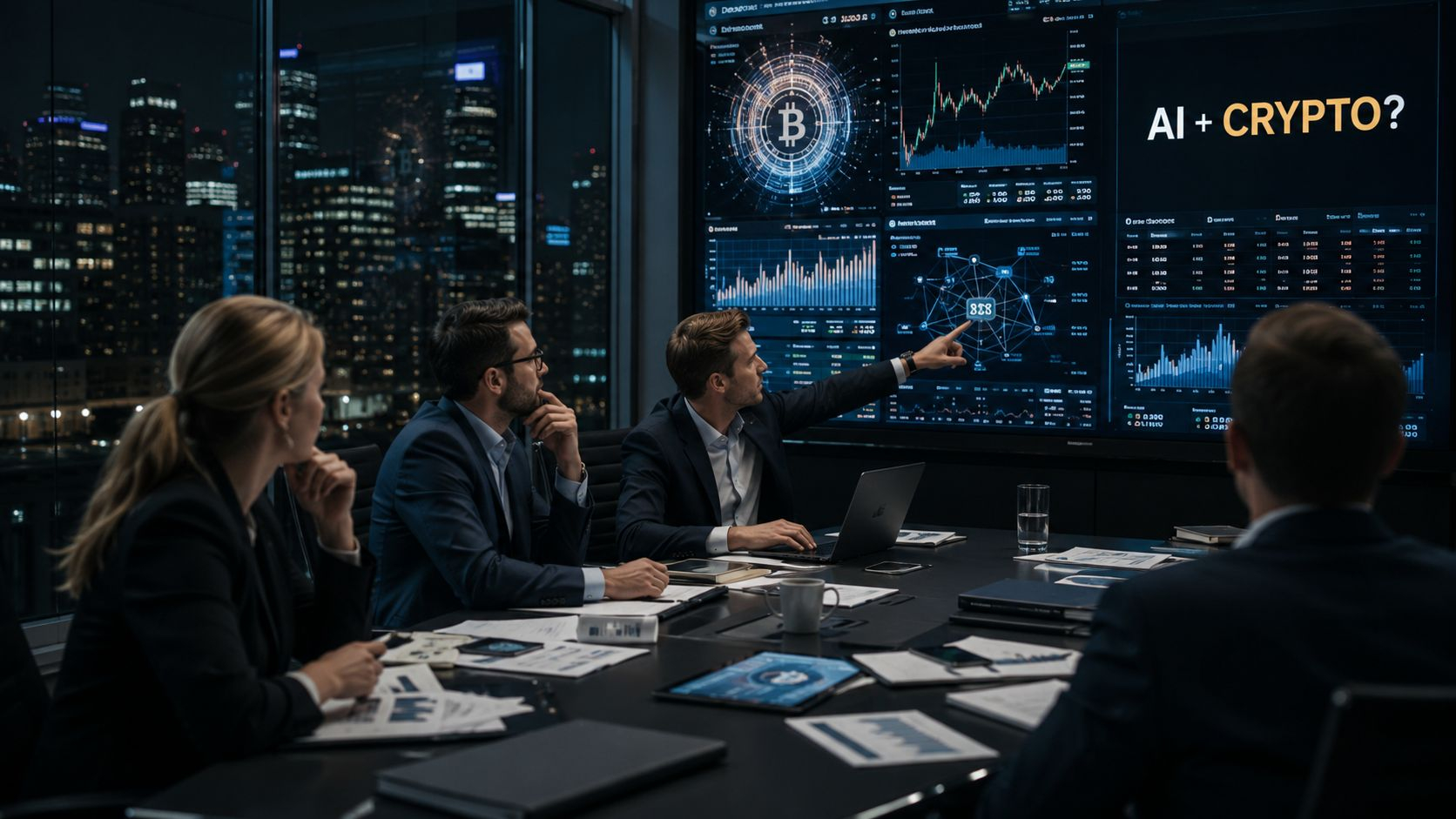
🤖 AIがインターネットを変えた… それはクリプトも変えるのか?
人工知能はすでに私たちの働き方、学び方、創造の仕方を変革しています。$BTC
今、多くの投資家が新たな疑問を抱いています:
AIはクリプトの中で最大の成長ストーリーの一つになれるのか?
AIを活用したブロックチェーンプロジェクトは次のことに取り組んでいます:
✅ 分散型コンピューティング
✅ AIデータマーケットプレイス
✅ 自動化されたスマートコントラクトソリューション
✅ 次世代Web3アプリケーション
AIの採用が世界中で加速する中、AIとブロックチェーンをつなぐプロジェクトは、投資家や開発者からの注目を集める可能性があります。$ETH
もちろん、すべてのAIコインが成功するわけではありません。
重要なのは、本物のユーティリティとハイプを分けることです。
最も強力な機会は、実際の問題を解決する技術から生まれることが多いです。
💬 質問:
どのセクターが最も未来を持っていますか?
🔹 AI + クリプト
🔹 DeFi
🔹 Web3インフラ
あなたの意見を下にシェアしてください! 👇
#AI #クリプト #ビットコイン #ブロックチェーン #Web3 #BinanceSquare #artificialintelligence #投資 #CryptoMarket #Technology
🤖 AIがインターネットを変えた… それはクリプトも変えるのか?
人工知能はすでに私たちの働き方、学び方、創造の仕方を変革しています。$BTC
今、多くの投資家が新たな疑問を抱いています:
AIはクリプトの中で最大の成長ストーリーの一つになれるのか?
AIを活用したブロックチェーンプロジェクトは次のことに取り組んでいます:
✅ 分散型コンピューティング
✅ AIデータマーケットプレイス
✅ 自動化されたスマートコントラクトソリューション
✅ 次世代Web3アプリケーション
AIの採用が世界中で加速する中、AIとブロックチェーンをつなぐプロジェクトは、投資家や開発者からの注目を集める可能性があります。$ETH
もちろん、すべてのAIコインが成功するわけではありません。
重要なのは、本物のユーティリティとハイプを分けることです。
最も強力な機会は、実際の問題を解決する技術から生まれることが多いです。
💬 質問:
どのセクターが最も未来を持っていますか?
🔹 AI + クリプト
🔹 DeFi
🔹 Web3インフラ
あなたの意見を下にシェアしてください! 👇
#AI #クリプト #ビットコイン #ブロックチェーン #Web3 #BinanceSquare #artificialintelligence #投資 #CryptoMarket #Technology
人工知能はすでに私たちの働き方、学び方、創造の仕方を変革しています。$BTC
今、多くの投資家が新たな疑問を抱いています:
AIはクリプトの中で最大の成長ストーリーの一つになれるのか?
AIを活用したブロックチェーンプロジェクトは次のことに取り組んでいます:
✅ 分散型コンピューティング
✅ AIデータマーケットプレイス
✅ 自動化されたスマートコントラクトソリューション
✅ 次世代Web3アプリケーション
AIの採用が世界中で加速する中、AIとブロックチェーンをつなぐプロジェクトは、投資家や開発者からの注目を集める可能性があります。$ETH
もちろん、すべてのAIコインが成功するわけではありません。
重要なのは、本物のユーティリティとハイプを分けることです。
最も強力な機会は、実際の問題を解決する技術から生まれることが多いです。
💬 質問:
どのセクターが最も未来を持っていますか?
🔹 AI + クリプト
🔹 DeFi
🔹 Web3インフラ
あなたの意見を下にシェアしてください! 👇
#AI #クリプト #ビットコイン #ブロックチェーン #Web3 #BinanceSquare #artificialintelligence #投資 #CryptoMarket #Technology
39
·
--
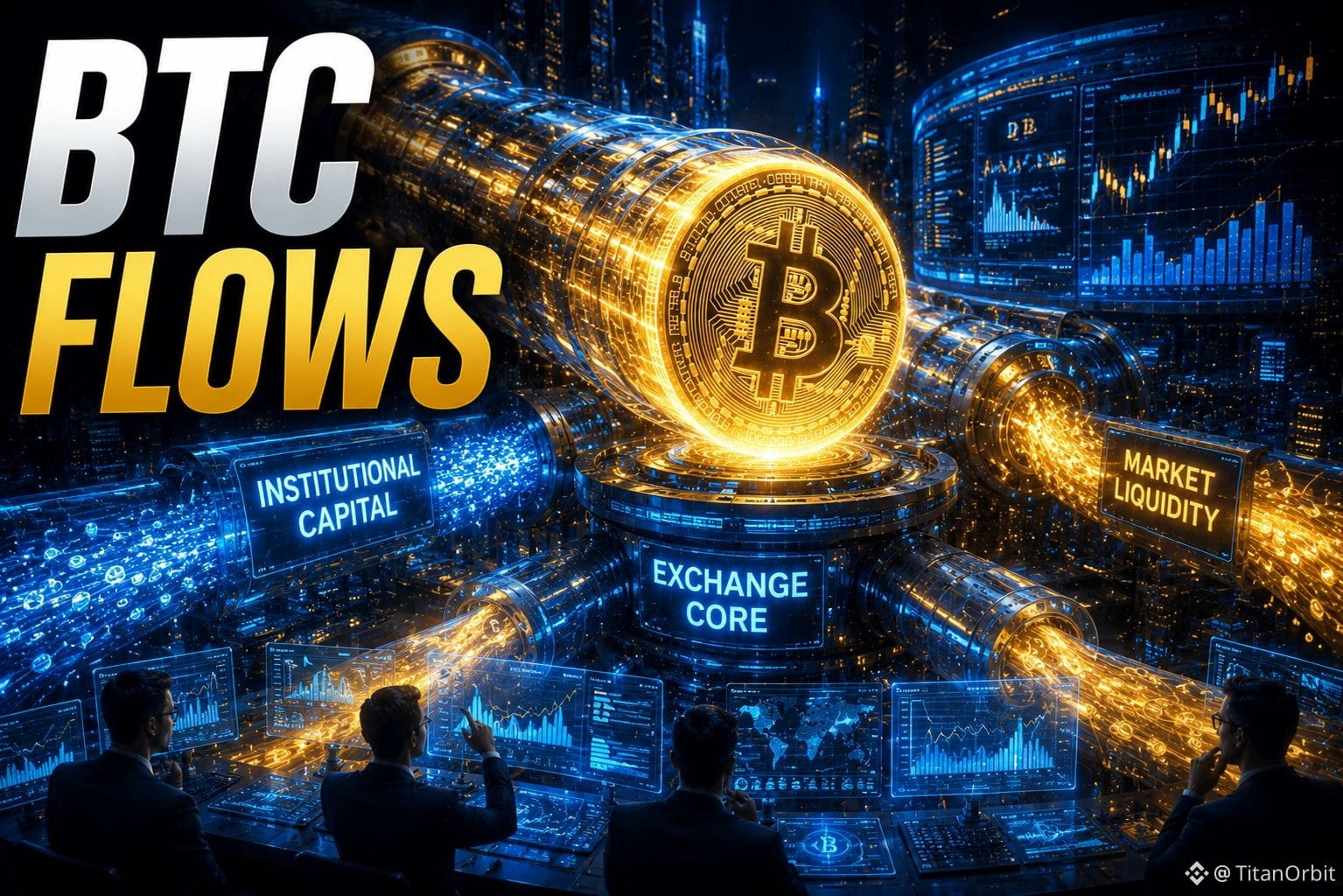
🚨 スマートマネーがビットコインの取引フローを注視中
ほとんどのトレーダーは価格に注目する。
$BTC
スマートマネーはしばしば、舞台裏で起こっていることに注目する:
ビットコインの取引フロー。
$BNB
大量のBTCが取引所に移動すると、投資家が売る準備をしていることを示唆することがある。
BTCが取引所からプライベートウォレットに移動すると、長期保有を示し、売り圧力が減少している可能性がある。
だからこそ、多くの経験豊富な投資家は価格アクションとともに取引所の流入と流出を追跡する。
注目すべきポイント:
✅ BTCの流出が増えていると、蓄積のサインかもしれない
✅ 大量の流入は売り圧力を増加させる可能性がある
✅ 取引フロートレンドは、見出しよりも市場のセンチメントを先に示すことが多い
価格は何が起こったかを教えてくれる。
マネーフローは、なぜそれが起こったのかを説明するのに役立つ。
💬 質問:
今何が起こっていると思いますか?
🔹 もっと蓄積されている
🔹 もっと売られている
🔹 まだ不確実
あなたの意見を下にシェアしてください!👇
#Bitcoin #BTC #crypto #Blockchain #BinanceSquare #trading #Investing #OnChain #CryptoMarket #Web3
🚨 スマートマネーがビットコインの取引フローを注視中
ほとんどのトレーダーは価格に注目する。
$BTC
スマートマネーはしばしば、舞台裏で起こっていることに注目する:
ビットコインの取引フロー。
$BNB
大量のBTCが取引所に移動すると、投資家が売る準備をしていることを示唆することがある。
BTCが取引所からプライベートウォレットに移動すると、長期保有を示し、売り圧力が減少している可能性がある。
だからこそ、多くの経験豊富な投資家は価格アクションとともに取引所の流入と流出を追跡する。
注目すべきポイント:
✅ BTCの流出が増えていると、蓄積のサインかもしれない
✅ 大量の流入は売り圧力を増加させる可能性がある
✅ 取引フロートレンドは、見出しよりも市場のセンチメントを先に示すことが多い
価格は何が起こったかを教えてくれる。
マネーフローは、なぜそれが起こったのかを説明するのに役立つ。
💬 質問:
今何が起こっていると思いますか?
🔹 もっと蓄積されている
🔹 もっと売られている
🔹 まだ不確実
あなたの意見を下にシェアしてください!👇
#Bitcoin #BTC #crypto #Blockchain #BinanceSquare #trading #Investing #OnChain #CryptoMarket #Web3
ほとんどのトレーダーは価格に注目する。
$BTC
スマートマネーはしばしば、舞台裏で起こっていることに注目する:
ビットコインの取引フロー。
$BNB
大量のBTCが取引所に移動すると、投資家が売る準備をしていることを示唆することがある。
BTCが取引所からプライベートウォレットに移動すると、長期保有を示し、売り圧力が減少している可能性がある。
だからこそ、多くの経験豊富な投資家は価格アクションとともに取引所の流入と流出を追跡する。
注目すべきポイント:
✅ BTCの流出が増えていると、蓄積のサインかもしれない
✅ 大量の流入は売り圧力を増加させる可能性がある
✅ 取引フロートレンドは、見出しよりも市場のセンチメントを先に示すことが多い
価格は何が起こったかを教えてくれる。
マネーフローは、なぜそれが起こったのかを説明するのに役立つ。
💬 質問:
今何が起こっていると思いますか?
🔹 もっと蓄積されている
🔹 もっと売られている
🔹 まだ不確実
あなたの意見を下にシェアしてください!👇
#Bitcoin #BTC #crypto #Blockchain #BinanceSquare #trading #Investing #OnChain #CryptoMarket #Web3
42
ログインして、さらにコンテンツを読む
厳選トピックで世界の暗号資産トレーダーの仲間入り
⚡️ 暗号資産に関する最新かつ有益な情報が見つかります。
💬 世界最大の暗号資産取引所から信頼されています。
👍 認証を受けたクリエイターから、有益なインサイトを得られます。
メール / 電話番号
トレンドトピック
ADAGains10%Above$0.27
閲覧回数 6,305
132人が討論中
$ADA は本日大きく上昇し、10%超値上がりして027前後に達し、90日間の新高値を更新しました。
取引高も10億を超えて急増しており、市場の活況を示しています。
この動きは、$ADA が6月の安値から回復を続けるなか、最近のテクニカル面の形勢がより強気に転じたことを背景としています。
現在、027~028のゾーンが注目すべき重要な水準です。上抜けが続けば、さらに上の抵抗線を目指す展開となる可能性があります。
ただし、これほど急激な日中の値動きの後は、ボラティリティが高い状態が続く可能性があります。
#ADAGains10%Above$0.27 #crypto #ADA #Cardano #crypto #Write2Earn
AbdullahAbid_7
·いいね:0件
·閲覧回数 262
ETHUp70%InQ3ButLiquidityFalls
閲覧回数 74,690
771人が討論中
EthStakingExitQueueHits2026High
閲覧回数 28,519
602人が討論中