Bitcoin’s Long Road From Zero to a Global Asset (2009 to Early 2026)
$BTC did not start as an investment. In 2009 it was closer to an idea than a currency. When the first block was mined, Bitcoin had no market price at all. There were no exchanges, no charts, no buyers and sellers. The only cost was electricity and curiosity. {spot}(BTCUSDT)
2009 to 2010: No Price, Then Pennies
Throughout 2009 Bitcoin traded at zero because there was nowhere to trade it. In 2010, informal transactions began. The famous pizza purchase in May valued Bitcoin at roughly $0.004. By mid 2010, small online markets pushed Bitcoin to around $0.08. By the end of the year, it briefly touched $0.30. Even then, it was treated as a technical experiment, not money.
2011: First Real Boom and First Crash
2011 was the first time Bitcoin showed what volatility meant. It opened the year near $0.30, ran up to around $31 by June, then collapsed hard. By the end of the year, Bitcoin was trading near $2. This single year taught early users that Bitcoin could rise fast and fall even faster.
2012: Quiet Accumulation 2012 was relatively calm. Bitcoin mostly traded between $4 and $13. The first halving happened late in the year, reducing new supply. There was no immediate explosion, but the foundation was being laid. More wallets, more miners, and more belief started to form quietly.
2013: From Double Digits to Four Figures Bitcoin entered 2013 around $13. By April it touched $266, then crashed below $70. Later that year, momentum returned. By November, Bitcoin surged past $1,000 for the first time. This was when global media started paying attention. Exchanges grew rapidly, sometimes faster than their security.
2014: Reality Check
2014 was a painful year. The Mt. Gox collapse destroyed confidence. Bitcoin fell from above $800 to near $300 and stayed weak most of the year. Many called Bitcoin dead. Developers stayed. Speculators left. Long term holders began to form.
2015: Bottom Formation
Bitcoin spent most of 2015 between $200 and $300. This was not exciting, but it was important. Infrastructure improved. Wallets became easier. New exchanges appeared. Bitcoin stopped falling and slowly stabilized.
{future}(BTCUSDT) 2016: Slow Recovery Bitcoin started 2016 near $430 and ended close to $1,000. The second halving occurred mid year. Price did not explode immediately, but momentum was clearly shifting. More people could now buy Bitcoin without technical knowledge.
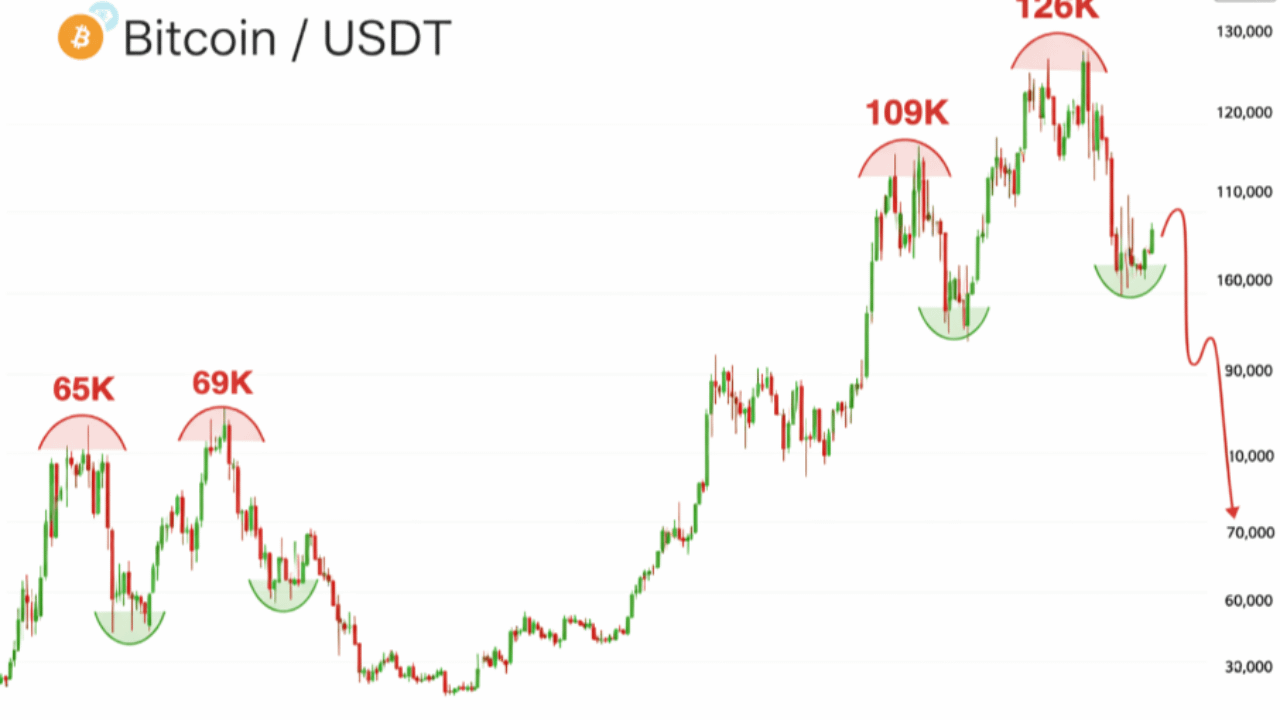
2017: The Mania Year Bitcoin began 2017 around $1,000. By December it nearly touched $20,000. Every correction was bought. New investors flooded in. Many bought without understanding what they owned. It was Bitcoin’s most emotional year so far.
2018: The Long Fall 2018 erased most of the hype. Bitcoin fell from near $20,000 to around $3,200 by December. This was one of the deepest drawdowns in its history. Projects failed. Confidence was shaken again.
2019: Relief Rally
Bitcoin rebounded in 2019, climbing from $3,200 to around $13,800 mid year before cooling off near $7,000. It showed that Bitcoin could recover, even after brutal declines.
2020: Panic Then Rebirth March 2020 saw Bitcoin crash to nearly $3,400 during global market panic. Many questioned whether Bitcoin was really different. By the end of the year, it answered. Bitcoin closed 2020 near $29,000 after aggressive monetary stimulus changed how people viewed scarce assets.
2021: Institutional Era Bitcoin opened 2021 around $29,000 and climbed to nearly $69,000 by November. Institutions entered. A country adopted Bitcoin as legal tender. Large companies added it to balance sheets. Corrections were sharp but buyers stayed active.
2022: Trust Breakdown 2022 was dominated by failures. Bitcoin fell from around $47,000 to near $15,500. Exchange collapses destroyed confidence. Long term holders increased. Short term speculation faded.
2023: Rebuilding Confidence Bitcoin recovered steadily in 2023, moving from $16,000 to above $44,000. The narrative shifted toward ETFs and institutional custody. Price action became more structured and less chaotic.
2024: New Highs and Maturity
In 2024 Bitcoin reached new all time highs above $100,000 after ETF approvals and renewed global demand. Volatility remained, but corrections were shallower than past cycles. Bitcoin behaved more like a macro asset than a fringe trade.
2025: Expansion Phase Throughout 2025, Bitcoin ranged widely but held above previous cycle highs. Institutional ownership increased. Supply on exchanges declined. Volatility compressed compared to earlier bull markets.
Early 2026: A Different Asset By early 2026, Bitcoin is no longer treated as an experiment or trend. Price cycles still exist, but the market is deeper, more liquid, and more globally distributed. What once moved on forums now moves alongside global macro narratives.
Bitcoin’s price history is not a straight line. It is a sequence of belief, doubt, panic, and rediscovery. From fractions of a cent to six figures, every rise and fall shaped how people understand money, scarcity, and trust. The journey matters as much as the number on the chart. #btc
The Internet Computer (ICP) token, launched by the DFINITY Foundation, has faced significant challenges and controversy since its inception in May 2021, leading to a highly polarized reputation in the crypto community.
Here are the primary problems and challenges associated with the ICP token:
1. Dramatic Price Crash and Investor Loss
Initial Collapse: Following a massive hype launch, ICP tokens dropped over 90% in value within their first month, falling from an all-time high over $700 to around $31.
Sustained Bearishness: The token failed to regain its initial valuation in subsequent years, dropping to an all-time low of roughly $2.87 in September 2023.
Investor Sentiment: Early retail investors felt burned by the rapid decline, with the token often cited in discussions about overhyped projects.
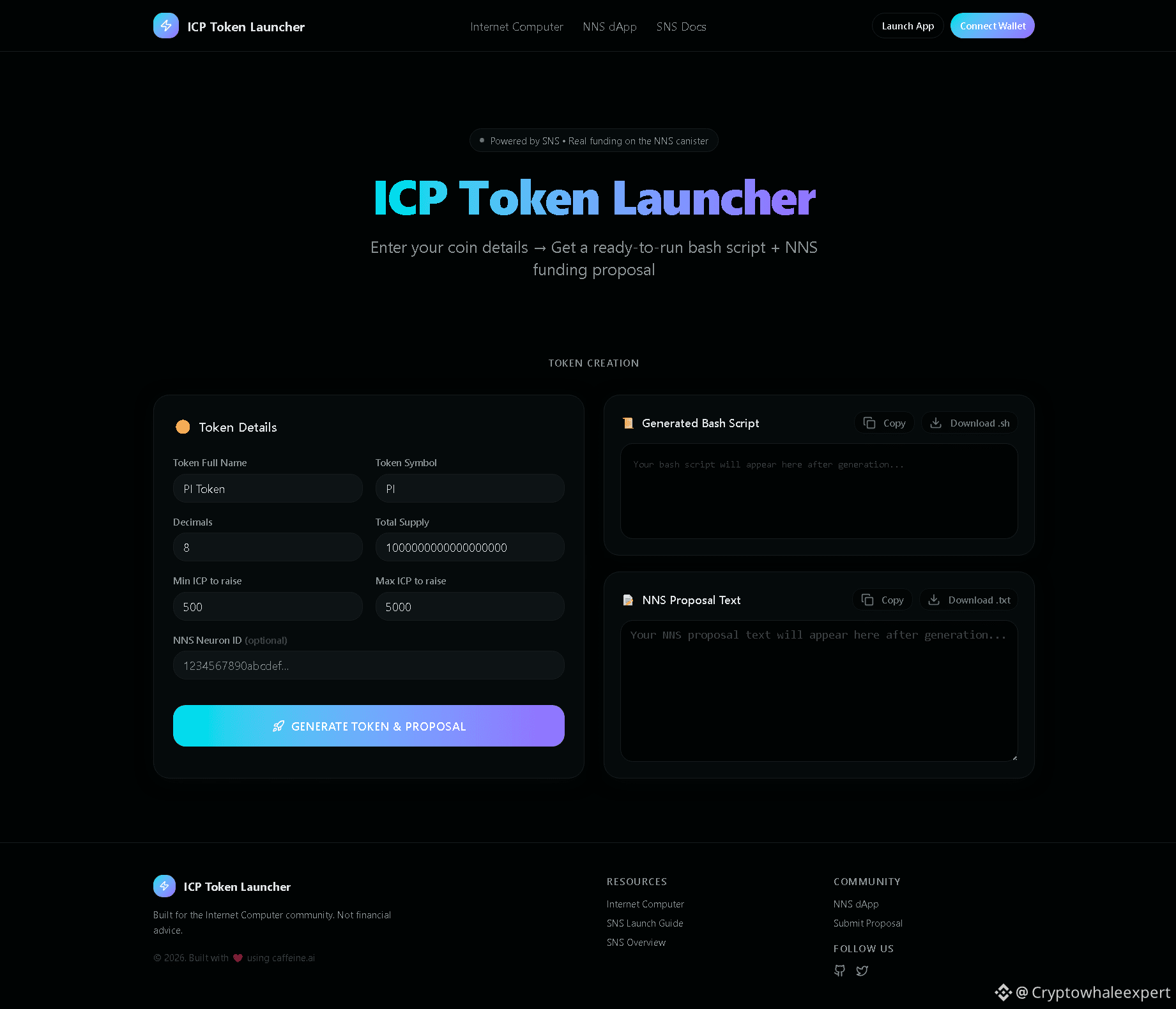
Last 14 days i tried to create a decent website on caffeine.ai i used aproximately 1000 point without getting anywhere it cant fix errors when they first occured. As soon it get a little complicated it should get data from API use data for calculations and include historical data from DB it make fail again and again. The webdesign skills is pathetic even if it get's close it can suddenly make errors or change the design from bad to worse, when trying to change a simple thing. So caffeine.ai or Motoko will not be the thing that will get ICP back on track not in near future atleast.
State StreetとGalaxy Digitalは、SWEEPと呼ばれる新しいトークン化された私募流動性ファンドを共同で開始します。このファンドは、米ドルと連動するステーブルコインであるPYUSDを使用して、投資家向けに24時間365日オンチェーンの流動性を提供し、取引の高速化、アクセスの向上、スムーズな参加を可能にします。2026年初頭にSolanaブロックチェーン上で展開される予定です。