
Paxton 1
409 投稿

Paxton 1
報告
ユーザーをブロック
Alt Trader | Marketing Maven | KOL Connector | On-Chain Degen | Bringing You Alpha on Innovative Investments.
0 フォロー
1.3K+ フォロワー
222 いいね
投稿
·
--
翻訳参照
A Token Launch You Can Actually Measure 🔍
People argue about $ENA and Jupiter on revenue, not just on charts. That is the difference between an asset you can analyse and one you can only trade.
Almost no new launch gives you that. You get a supply table, a chart and a narrative.
The six new Coinbase stock tokens on Base change what is measurable, because of what sits on the other side of the pool.
A creator launching a token on $BNKR picks the pairing asset. Every swap in that pool pays a fee, and the fee accrues to the creator denominated in that asset. Amazon, Microsoft, Strategy, SanDisk, SpaceX and Tesla are now options.
So the project's treasury is built out of its own trading activity, in a real company's stock, and all of it is visible onchain.
That gives an analyst three things to track that did not exist before:
- Fee accrual per week, read against volume, which shows whether the market is genuinely active or just wide spreads
- Treasury composition and size relative to the token's own market cap
- Whether the pair keeps trading once launch attention fades, which is the only real test of a paired market
There is a macro read here too. Volume on a crypto token quietly converting into equity exposure means flow between the two markets stops being a rotation decision and becomes a byproduct of trading.
Caveats matter. No volume means no fees. Paired pools carry liquidity risk. A stock position takes the stock's drawdowns. And a growing treasury does not make a weak project a good one.
But having something countable to check at launch beats reading supply charts and hoping.
#RWA #DeFi
A Token Launch You Can Actually Measure 🔍
People argue about $ENA and Jupiter on revenue, not just on charts. That is the difference between an asset you can analyse and one you can only trade.
Almost no new launch gives you that. You get a supply table, a chart and a narrative.
The six new Coinbase stock tokens on Base change what is measurable, because of what sits on the other side of the pool.
A creator launching a token on $BNKR picks the pairing asset. Every swap in that pool pays a fee, and the fee accrues to the creator denominated in that asset. Amazon, Microsoft, Strategy, SanDisk, SpaceX and Tesla are now options.
So the project's treasury is built out of its own trading activity, in a real company's stock, and all of it is visible onchain.
That gives an analyst three things to track that did not exist before:
- Fee accrual per week, read against volume, which shows whether the market is genuinely active or just wide spreads
- Treasury composition and size relative to the token's own market cap
- Whether the pair keeps trading once launch attention fades, which is the only real test of a paired market
There is a macro read here too. Volume on a crypto token quietly converting into equity exposure means flow between the two markets stops being a rotation decision and becomes a byproduct of trading.
Caveats matter. No volume means no fees. Paired pools carry liquidity risk. A stock position takes the stock's drawdowns. And a growing treasury does not make a weak project a good one.
But having something countable to check at launch beats reading supply charts and hoping.
#RWA #DeFi
People argue about $ENA and Jupiter on revenue, not just on charts. That is the difference between an asset you can analyse and one you can only trade.
Almost no new launch gives you that. You get a supply table, a chart and a narrative.
The six new Coinbase stock tokens on Base change what is measurable, because of what sits on the other side of the pool.
A creator launching a token on $BNKR picks the pairing asset. Every swap in that pool pays a fee, and the fee accrues to the creator denominated in that asset. Amazon, Microsoft, Strategy, SanDisk, SpaceX and Tesla are now options.
So the project's treasury is built out of its own trading activity, in a real company's stock, and all of it is visible onchain.
That gives an analyst three things to track that did not exist before:
- Fee accrual per week, read against volume, which shows whether the market is genuinely active or just wide spreads
- Treasury composition and size relative to the token's own market cap
- Whether the pair keeps trading once launch attention fades, which is the only real test of a paired market
There is a macro read here too. Volume on a crypto token quietly converting into equity exposure means flow between the two markets stops being a rotation decision and becomes a byproduct of trading.
Caveats matter. No volume means no fees. Paired pools carry liquidity risk. A stock position takes the stock's drawdowns. And a growing treasury does not make a weak project a good one.
But having something countable to check at launch beats reading supply charts and hoping.
#RWA #DeFi
1
182
·
--
翻訳参照
Gold Needs A Job 🥇
I've been watching tokenized gold grow, but I think we're focusing on the wrong milestone.
Getting gold onchain was the infrastructure win.
The bigger opportunity is turning an asset historically held for protection into something that can also produce returns.
That's what makes Theoriq Gold Vault interesting to me.
The vault keeps gold exposure while allocating across funding spreads, term yield and relative-value opportunities.
So I'm not relying on gold climbing another 10% just to generate a return.
That changes how I think about $XAUt entirely.
And with $PAXG helping establish tokenized gold as a serious onchain category, the market already has proof of demand.
Now I want to see what happens when that liquidity becomes productive.
Tokenization made gold portable.
Productive strategies could make it considerably more useful.
#Altcoin Season#
Gold Needs A Job 🥇
I've been watching tokenized gold grow, but I think we're focusing on the wrong milestone.
Getting gold onchain was the infrastructure win.
The bigger opportunity is turning an asset historically held for protection into something that can also produce returns.
That's what makes Theoriq Gold Vault interesting to me.
The vault keeps gold exposure while allocating across funding spreads, term yield and relative-value opportunities.
So I'm not relying on gold climbing another 10% just to generate a return.
That changes how I think about $XAUt entirely.
And with $PAXG helping establish tokenized gold as a serious onchain category, the market already has proof of demand.
Now I want to see what happens when that liquidity becomes productive.
Tokenization made gold portable.
Productive strategies could make it considerably more useful.
#Altcoin Season#
I've been watching tokenized gold grow, but I think we're focusing on the wrong milestone.
Getting gold onchain was the infrastructure win.
The bigger opportunity is turning an asset historically held for protection into something that can also produce returns.
That's what makes Theoriq Gold Vault interesting to me.
The vault keeps gold exposure while allocating across funding spreads, term yield and relative-value opportunities.
So I'm not relying on gold climbing another 10% just to generate a return.
That changes how I think about $XAUt entirely.
And with $PAXG helping establish tokenized gold as a serious onchain category, the market already has proof of demand.
Now I want to see what happens when that liquidity becomes productive.
Tokenization made gold portable.
Productive strategies could make it considerably more useful.
#Altcoin Season#
71
·
--
翻訳参照
Prediction Markets Are Turning Into Machine Markets 🤖
I still think most people picture prediction markets as humans clicking yes or no on a political or sports outcome.
The institutional version looks very different.
A quantitative system might watch hundreds of markets simultaneously, compare probabilities against other venues and update positions without anyone staring at a screen.
$FET has spent years betting that autonomous software will increasingly consume information and make economic decisions on its own. Trading already moved there first, and $HYPE is one of the clearest examples of a crypto-native market where machine-readable order books matter as much as the frontend.
Kalshi now brings that same requirement into prediction markets.
Its live market data is available through DoubleZero Edge, including Level 1 top-of-book and trades alongside Level 2 market depth across supported feeds. DoubleZero handles the transport through dedicated networking infrastructure rather than asking every professional user to independently build the same data pipeline from public API responses.
That changes what the market is useful for.
A probability is interesting to a human. A fast, structured stream of thousands of probabilities is useful to a machine.
Prediction markets become a different asset class once the machines arrive.
#PredictionMarkets #Altcoin Season#
Prediction Markets Are Turning Into Machine Markets 🤖
I still think most people picture prediction markets as humans clicking yes or no on a political or sports outcome.
The institutional version looks very different.
A quantitative system might watch hundreds of markets simultaneously, compare probabilities against other venues and update positions without anyone staring at a screen.
$FET has spent years betting that autonomous software will increasingly consume information and make economic decisions on its own. Trading already moved there first, and $HYPE is one of the clearest examples of a crypto-native market where machine-readable order books matter as much as the frontend.
Kalshi now brings that same requirement into prediction markets.
Its live market data is available through DoubleZero Edge, including Level 1 top-of-book and trades alongside Level 2 market depth across supported feeds. DoubleZero handles the transport through dedicated networking infrastructure rather than asking every professional user to independently build the same data pipeline from public API responses.
That changes what the market is useful for.
A probability is interesting to a human. A fast, structured stream of thousands of probabilities is useful to a machine.
Prediction markets become a different asset class once the machines arrive.
#PredictionMarkets #Altcoin Season#
I still think most people picture prediction markets as humans clicking yes or no on a political or sports outcome.
The institutional version looks very different.
A quantitative system might watch hundreds of markets simultaneously, compare probabilities against other venues and update positions without anyone staring at a screen.
$FET has spent years betting that autonomous software will increasingly consume information and make economic decisions on its own. Trading already moved there first, and $HYPE is one of the clearest examples of a crypto-native market where machine-readable order books matter as much as the frontend.
Kalshi now brings that same requirement into prediction markets.
Its live market data is available through DoubleZero Edge, including Level 1 top-of-book and trades alongside Level 2 market depth across supported feeds. DoubleZero handles the transport through dedicated networking infrastructure rather than asking every professional user to independently build the same data pipeline from public API responses.
That changes what the market is useful for.
A probability is interesting to a human. A fast, structured stream of thousands of probabilities is useful to a machine.
Prediction markets become a different asset class once the machines arrive.
#PredictionMarkets #Altcoin Season#
188
·
--
「70,000社の事業者がエージェント用ウォレットを提供した」🤝
Ramp は8月20日に x402 に接続し、1回の操作で70,000社以上のビジネス顧客を AI エージェント用ウォレットへ移しました。そして同じ週に、エージェントは $SOL だけで USDC を合計 330万ドル決済しています。
これは、1月に ASI:One を通じて Visa が後ろ盾のエージェント決済が $FET で稼働開始し、エージェントがオフラインでもユーザーのために予約、注文、支払いまで行えるようになったことを土台にしています。
つまり、エージェントの決済レールはもはやロードマップ項目ではなく、出荷済みです。
私が注目しているのは、決済の直前に来るステップです。というのも、エージェントがあなたの代わりに購入することは、あなたの代わりに交渉することでもあるからです。
その交渉には、読み取れる限りの「最大限の内部ロジック」を持ち運ばなければならず、さらにテーブル越しにエージェントに関して参照できる公開プログラムの情報も読めてしまいます。すると、静かに受け入れられる最大値がそのまま支払う価格になります。
人間はその数値を頭の中に保持できますが、公的状態で動くエージェントには保持する場所がありません。
Arcium は、このスタックのうち見落とされがちな部分だと思います。両者の上限が、ノード群のクラスター内で分割された断片として投入され、どの単一ノードもそれぞれの数値を保持しない構成でも、計算が正しい答え(マッチした価格か、成立しないか)を返せるからです。
決済自体は通常の公開トランザクションとして Solana 上で行われるため、最終価格は他の取引と同様に見えます。ただし、その背後にある上限は封印されたままです。
この計算レイヤーは2月2日から Mainnet Alpha で稼働しており、Arcium エクスプローラーではこれまでに 250万回以上の計算が実行されたことが示されています。
決済は最初に出荷されたエージェント製品で、次に私が注目しているのは交渉レイヤーです。そこにはすでに Arcium が位置しています。
#AI #Solana
「70,000社の事業者がエージェント用ウォレットを提供した」🤝
Ramp は8月20日に x402 に接続し、1回の操作で70,000社以上のビジネス顧客を AI エージェント用ウォレットへ移しました。そして同じ週に、エージェントは $SOL だけで USDC を合計 330万ドル決済しています。
これは、1月に ASI:One を通じて Visa が後ろ盾のエージェント決済が $FET で稼働開始し、エージェントがオフラインでもユーザーのために予約、注文、支払いまで行えるようになったことを土台にしています。
つまり、エージェントの決済レールはもはやロードマップ項目ではなく、出荷済みです。
私が注目しているのは、決済の直前に来るステップです。というのも、エージェントがあなたの代わりに購入することは、あなたの代わりに交渉することでもあるからです。
その交渉には、読み取れる限りの「最大限の内部ロジック」を持ち運ばなければならず、さらにテーブル越しにエージェントに関して参照できる公開プログラムの情報も読めてしまいます。すると、静かに受け入れられる最大値がそのまま支払う価格になります。
人間はその数値を頭の中に保持できますが、公的状態で動くエージェントには保持する場所がありません。
Arcium は、このスタックのうち見落とされがちな部分だと思います。両者の上限が、ノード群のクラスター内で分割された断片として投入され、どの単一ノードもそれぞれの数値を保持しない構成でも、計算が正しい答え(マッチした価格か、成立しないか)を返せるからです。
決済自体は通常の公開トランザクションとして Solana 上で行われるため、最終価格は他の取引と同様に見えます。ただし、その背後にある上限は封印されたままです。
この計算レイヤーは2月2日から Mainnet Alpha で稼働しており、Arcium エクスプローラーではこれまでに 250万回以上の計算が実行されたことが示されています。
決済は最初に出荷されたエージェント製品で、次に私が注目しているのは交渉レイヤーです。そこにはすでに Arcium が位置しています。
#AI #Solana
Ramp は8月20日に x402 に接続し、1回の操作で70,000社以上のビジネス顧客を AI エージェント用ウォレットへ移しました。そして同じ週に、エージェントは $SOL だけで USDC を合計 330万ドル決済しています。
これは、1月に ASI:One を通じて Visa が後ろ盾のエージェント決済が $FET で稼働開始し、エージェントがオフラインでもユーザーのために予約、注文、支払いまで行えるようになったことを土台にしています。
つまり、エージェントの決済レールはもはやロードマップ項目ではなく、出荷済みです。
私が注目しているのは、決済の直前に来るステップです。というのも、エージェントがあなたの代わりに購入することは、あなたの代わりに交渉することでもあるからです。
その交渉には、読み取れる限りの「最大限の内部ロジック」を持ち運ばなければならず、さらにテーブル越しにエージェントに関して参照できる公開プログラムの情報も読めてしまいます。すると、静かに受け入れられる最大値がそのまま支払う価格になります。
人間はその数値を頭の中に保持できますが、公的状態で動くエージェントには保持する場所がありません。
Arcium は、このスタックのうち見落とされがちな部分だと思います。両者の上限が、ノード群のクラスター内で分割された断片として投入され、どの単一ノードもそれぞれの数値を保持しない構成でも、計算が正しい答え(マッチした価格か、成立しないか)を返せるからです。
決済自体は通常の公開トランザクションとして Solana 上で行われるため、最終価格は他の取引と同様に見えます。ただし、その背後にある上限は封印されたままです。
この計算レイヤーは2月2日から Mainnet Alpha で稼働しており、Arcium エクスプローラーではこれまでに 250万回以上の計算が実行されたことが示されています。
決済は最初に出荷されたエージェント製品で、次に私が注目しているのは交渉レイヤーです。そこにはすでに Arcium が位置しています。
#AI #Solana
189
·
--
翻訳参照
A billion users is a big room to walk into 🚗
$TON holders know the power of distribution. A network wired straight into an app nearly a billion people already open every day. Access most chains would kill for.
The DeLorean has its own version of that reach, just built over decades instead of downloads.
40 years of films and global recognition means $DMC walks into any room already known. Pair that with TON-level distribution and the car isn't introducing itself.
Where this one's going, the audience already knows the way.
#Altcoin Season#
A billion users is a big room to walk into 🚗
$TON holders know the power of distribution. A network wired straight into an app nearly a billion people already open every day. Access most chains would kill for.
The DeLorean has its own version of that reach, just built over decades instead of downloads.
40 years of films and global recognition means $DMC walks into any room already known. Pair that with TON-level distribution and the car isn't introducing itself.
Where this one's going, the audience already knows the way.
#Altcoin Season#
$TON holders know the power of distribution. A network wired straight into an app nearly a billion people already open every day. Access most chains would kill for.
The DeLorean has its own version of that reach, just built over decades instead of downloads.
40 years of films and global recognition means $DMC walks into any room already known. Pair that with TON-level distribution and the car isn't introducing itself.
Where this one's going, the audience already knows the way.
#Altcoin Season#
1
98
·
--
翻訳参照
Guess Whos Sharing The Stage 🎤
Theoriq just signed on as a Gold Sponsor for Vault Summit Singapore taking place this October.
Morpho is hosting the event, DigiFT is co-hosting it, and Theoriq already builds directly alongside both of them in production today, not just on a conference banner.
Here's what actually connects the three names on that stage:
🏦 Morpho supplies a large share of the lending infrastructure Theoriq's own vaults run on daily
🌏 DigiFT already running a regulated money market fund pilot together with Theoriq right now
🔬 Theoriq brings the research and curation layer deciding what happens to that capital next
That's not three logos randomly sharing a banner for one afternoon.
Exactly these kinds of rooms are where $AVAX showed up consistently for years, long before institutional interest in serious infrastructure became a mainstream conversation.
Showing up in a room built entirely around vault infrastructure, right next to the people you already build with, is a very different signal than another paid booth.
I pay more attention to who a project actually sits next to than whatever the booth banner says.
#Altcoin Season# #RWA
Guess Whos Sharing The Stage 🎤
Theoriq just signed on as a Gold Sponsor for Vault Summit Singapore taking place this October.
Morpho is hosting the event, DigiFT is co-hosting it, and Theoriq already builds directly alongside both of them in production today, not just on a conference banner.
Here's what actually connects the three names on that stage:
🏦 Morpho supplies a large share of the lending infrastructure Theoriq's own vaults run on daily
🌏 DigiFT already running a regulated money market fund pilot together with Theoriq right now
🔬 Theoriq brings the research and curation layer deciding what happens to that capital next
That's not three logos randomly sharing a banner for one afternoon.
Exactly these kinds of rooms are where $AVAX showed up consistently for years, long before institutional interest in serious infrastructure became a mainstream conversation.
Showing up in a room built entirely around vault infrastructure, right next to the people you already build with, is a very different signal than another paid booth.
I pay more attention to who a project actually sits next to than whatever the booth banner says.
#Altcoin Season# #RWA
Theoriq just signed on as a Gold Sponsor for Vault Summit Singapore taking place this October.
Morpho is hosting the event, DigiFT is co-hosting it, and Theoriq already builds directly alongside both of them in production today, not just on a conference banner.
Here's what actually connects the three names on that stage:
🏦 Morpho supplies a large share of the lending infrastructure Theoriq's own vaults run on daily
🌏 DigiFT already running a regulated money market fund pilot together with Theoriq right now
🔬 Theoriq brings the research and curation layer deciding what happens to that capital next
That's not three logos randomly sharing a banner for one afternoon.
Exactly these kinds of rooms are where $AVAX showed up consistently for years, long before institutional interest in serious infrastructure became a mainstream conversation.
Showing up in a room built entirely around vault infrastructure, right next to the people you already build with, is a very different signal than another paid booth.
I pay more attention to who a project actually sits next to than whatever the booth banner says.
#Altcoin Season# #RWA

1
99
·
--
翻訳参照
Bear Market? $SUI Built A Revenue Flywheel 🔥
Most projects protect every dollar of fee revenue when markets turn ugly.
Sui deliberately made its network cheaper.
The reference gas price was cut roughly 5X in April.
Supported stablecoin transfers became free at the protocol level in May.
That could have looked like revenue suicide.
Instead, lower friction helped Sui build:
• More than $400 million in stablecoin float
• 3.6 million stablecoin-holding addresses
• Approximately $602,000 in network revenue over 30 days
Stablecoin yield now funds daily open-market SUI buybacks.
Those tokens are reinvested across DeFi, validators and ecosystem partners to support further growth.
Cheaper transactions encourage more usage.
More usage expands the stablecoin float, creating more yield that can fund additional buybacks.
Sui spent the bear market building an economic engine around activity rather than waiting for speculation to return.
I think that is some of the most serious motion happening anywhere in crypto right now.
#DeFi
Bear Market? $SUI Built A Revenue Flywheel 🔥
Most projects protect every dollar of fee revenue when markets turn ugly.
Sui deliberately made its network cheaper.
The reference gas price was cut roughly 5X in April.
Supported stablecoin transfers became free at the protocol level in May.
That could have looked like revenue suicide.
Instead, lower friction helped Sui build:
• More than $400 million in stablecoin float
• 3.6 million stablecoin-holding addresses
• Approximately $602,000 in network revenue over 30 days
Stablecoin yield now funds daily open-market SUI buybacks.
Those tokens are reinvested across DeFi, validators and ecosystem partners to support further growth.
Cheaper transactions encourage more usage.
More usage expands the stablecoin float, creating more yield that can fund additional buybacks.
Sui spent the bear market building an economic engine around activity rather than waiting for speculation to return.
I think that is some of the most serious motion happening anywhere in crypto right now.
#DeFi
Most projects protect every dollar of fee revenue when markets turn ugly.
Sui deliberately made its network cheaper.
The reference gas price was cut roughly 5X in April.
Supported stablecoin transfers became free at the protocol level in May.
That could have looked like revenue suicide.
Instead, lower friction helped Sui build:
• More than $400 million in stablecoin float
• 3.6 million stablecoin-holding addresses
• Approximately $602,000 in network revenue over 30 days
Stablecoin yield now funds daily open-market SUI buybacks.
Those tokens are reinvested across DeFi, validators and ecosystem partners to support further growth.
Cheaper transactions encourage more usage.
More usage expands the stablecoin float, creating more yield that can fund additional buybacks.
Sui spent the bear market building an economic engine around activity rather than waiting for speculation to return.
I think that is some of the most serious motion happening anywhere in crypto right now.
#DeFi
115
·
--
AIはAIを採点しますって知ってた?🤖
Theoriqが、裏側で実際にどうやって物を作っているのかに、もっと注意して見るべき新しい理由をくれました。
多くのAI製品はテストを後回しにしていて、人間が一度ちらっと見て、それ以上深く考えずに次へ進んでしまうような扱いです。
その代わりTheoriqは、研究を一連の専門化されたAIエージェントで回しています。そしてそれぞれが、仕事を1つに絞った狭い文章によるミッション(憲章)を持っています:
🧬 データエージェントは、何よりも先に、生の入力に抜けや静かな汚染がないかをチェック
🏗️ アーキテクチャエージェントは、仮説に対してテストされる実際のモデルを構築し、調整
⚔️ 対戦相手(アドバーサリー)エージェントは、純粋に他の全員の結果を攻撃し、まず最初にそれが間違っていることを証明するために存在
この最後のものが面白いところです。
その唯一の使命は、残りのチームが出すあらゆる主張を反証すること。数字を独自に再計算し、誰もが間に合ううちに見つけられなかったリーク(漏れ)を追い込むことです。
リアルな仕事を、リアルなリスクと結びつけて行うAIシステムには、まさにその評判がついて回ります。それは、AIが自分のエコシステムの中で $NEAR が築いてきた評判そのものです。
その種の説明責任を支える担保付きの価値観は、$THQ を持っている人なら誰にでも馴染みのある考え方です。ゲームへの参加がプロセスそのものにまで及び、最終的な見出しの数字だけでは終わりません。
いくつかの初期の発見は、すでにこのやり方で見つかり、正式に撤回されました。
それはシステムの欠陥ではありません。
それは、意図どおりに機能しているシステムです。
#Altcoin Season# #DeFi
AIはAIを採点しますって知ってた?🤖
Theoriqが、裏側で実際にどうやって物を作っているのかに、もっと注意して見るべき新しい理由をくれました。
多くのAI製品はテストを後回しにしていて、人間が一度ちらっと見て、それ以上深く考えずに次へ進んでしまうような扱いです。
その代わりTheoriqは、研究を一連の専門化されたAIエージェントで回しています。そしてそれぞれが、仕事を1つに絞った狭い文章によるミッション(憲章)を持っています:
🧬 データエージェントは、何よりも先に、生の入力に抜けや静かな汚染がないかをチェック
🏗️ アーキテクチャエージェントは、仮説に対してテストされる実際のモデルを構築し、調整
⚔️ 対戦相手(アドバーサリー)エージェントは、純粋に他の全員の結果を攻撃し、まず最初にそれが間違っていることを証明するために存在
この最後のものが面白いところです。
その唯一の使命は、残りのチームが出すあらゆる主張を反証すること。数字を独自に再計算し、誰もが間に合ううちに見つけられなかったリーク(漏れ)を追い込むことです。
リアルな仕事を、リアルなリスクと結びつけて行うAIシステムには、まさにその評判がついて回ります。それは、AIが自分のエコシステムの中で $NEAR が築いてきた評判そのものです。
その種の説明責任を支える担保付きの価値観は、$THQ を持っている人なら誰にでも馴染みのある考え方です。ゲームへの参加がプロセスそのものにまで及び、最終的な見出しの数字だけでは終わりません。
いくつかの初期の発見は、すでにこのやり方で見つかり、正式に撤回されました。
それはシステムの欠陥ではありません。
それは、意図どおりに機能しているシステムです。
#Altcoin Season# #DeFi
Theoriqが、裏側で実際にどうやって物を作っているのかに、もっと注意して見るべき新しい理由をくれました。
多くのAI製品はテストを後回しにしていて、人間が一度ちらっと見て、それ以上深く考えずに次へ進んでしまうような扱いです。
その代わりTheoriqは、研究を一連の専門化されたAIエージェントで回しています。そしてそれぞれが、仕事を1つに絞った狭い文章によるミッション(憲章)を持っています:
🧬 データエージェントは、何よりも先に、生の入力に抜けや静かな汚染がないかをチェック
🏗️ アーキテクチャエージェントは、仮説に対してテストされる実際のモデルを構築し、調整
⚔️ 対戦相手(アドバーサリー)エージェントは、純粋に他の全員の結果を攻撃し、まず最初にそれが間違っていることを証明するために存在
この最後のものが面白いところです。
その唯一の使命は、残りのチームが出すあらゆる主張を反証すること。数字を独自に再計算し、誰もが間に合ううちに見つけられなかったリーク(漏れ)を追い込むことです。
リアルな仕事を、リアルなリスクと結びつけて行うAIシステムには、まさにその評判がついて回ります。それは、AIが自分のエコシステムの中で $NEAR が築いてきた評判そのものです。
その種の説明責任を支える担保付きの価値観は、$THQ を持っている人なら誰にでも馴染みのある考え方です。ゲームへの参加がプロセスそのものにまで及び、最終的な見出しの数字だけでは終わりません。
いくつかの初期の発見は、すでにこのやり方で見つかり、正式に撤回されました。
それはシステムの欠陥ではありません。
それは、意図どおりに機能しているシステムです。
#Altcoin Season# #DeFi

175
·
--
仮想通貨でスケールする方法 👇
スケーリングこそ、L2ブームの背後にある価値提案のすべてです。
$ARB のようなネットワークは、イーサリアムに活動のためのさらなる余地が必要だったからこそ生まれました。
しかし、L2が自らの処理能力を証明しようと競い合う一方で、Suiはすでに総取引5.8B件を超えています。
それは、ビットコイン、イーサリアム、ハイパーリキッド、カルダノを合わせた以上だと報じられています。
では視点を引いて見てみましょう。
暗号資産は、世界の金融システムの横では誤差みたいな存在のままです。
ほとんどの伝統的な資産、機関、日常の支払いはまだオンチェーンに移行していません…。
本当の勝負は、まだ始まったばかりです。
取引件数だけではネットワークの価値は決められません。
ただ、それはインフラが実際に使われているかどうかを示します。
Suiはすでにレイヤー1であり、多くの確立したネットワークが今なお目指している規模で稼働しています。
仮に世界の金融の一部でもオンチェーンに移れば、実証済みの処理能力はますます価値を増します。
だからこそ私は、Suiの現在の市場価値が、ネットワークがすでに示してきたものを見落としているのだと思います。
Suiの今の価格が、将来において達成することのほんの一部にすぎないかもしれない…って考えると、ちょっとクレイジーですね…🧠
#Altcoin Season#
仮想通貨でスケールする方法 👇
スケーリングこそ、L2ブームの背後にある価値提案のすべてです。
$ARB のようなネットワークは、イーサリアムに活動のためのさらなる余地が必要だったからこそ生まれました。
しかし、L2が自らの処理能力を証明しようと競い合う一方で、Suiはすでに総取引5.8B件を超えています。
それは、ビットコイン、イーサリアム、ハイパーリキッド、カルダノを合わせた以上だと報じられています。
では視点を引いて見てみましょう。
暗号資産は、世界の金融システムの横では誤差みたいな存在のままです。
ほとんどの伝統的な資産、機関、日常の支払いはまだオンチェーンに移行していません…。
本当の勝負は、まだ始まったばかりです。
取引件数だけではネットワークの価値は決められません。
ただ、それはインフラが実際に使われているかどうかを示します。
Suiはすでにレイヤー1であり、多くの確立したネットワークが今なお目指している規模で稼働しています。
仮に世界の金融の一部でもオンチェーンに移れば、実証済みの処理能力はますます価値を増します。
だからこそ私は、Suiの現在の市場価値が、ネットワークがすでに示してきたものを見落としているのだと思います。
Suiの今の価格が、将来において達成することのほんの一部にすぎないかもしれない…って考えると、ちょっとクレイジーですね…🧠
#Altcoin Season#
スケーリングこそ、L2ブームの背後にある価値提案のすべてです。
$ARB のようなネットワークは、イーサリアムに活動のためのさらなる余地が必要だったからこそ生まれました。
しかし、L2が自らの処理能力を証明しようと競い合う一方で、Suiはすでに総取引5.8B件を超えています。
それは、ビットコイン、イーサリアム、ハイパーリキッド、カルダノを合わせた以上だと報じられています。
では視点を引いて見てみましょう。
暗号資産は、世界の金融システムの横では誤差みたいな存在のままです。
ほとんどの伝統的な資産、機関、日常の支払いはまだオンチェーンに移行していません…。
本当の勝負は、まだ始まったばかりです。
取引件数だけではネットワークの価値は決められません。
ただ、それはインフラが実際に使われているかどうかを示します。
Suiはすでにレイヤー1であり、多くの確立したネットワークが今なお目指している規模で稼働しています。
仮に世界の金融の一部でもオンチェーンに移れば、実証済みの処理能力はますます価値を増します。
だからこそ私は、Suiの現在の市場価値が、ネットワークがすでに示してきたものを見落としているのだと思います。
Suiの今の価格が、将来において達成することのほんの一部にすぎないかもしれない…って考えると、ちょっとクレイジーですね…🧠
#Altcoin Season#
132
·
--
無料のAIエージェント1つで、あなたのトレーディングプロセスを最適化 🤖
取引を見つけて、データを分析し、市場センチメントを確認し、リスク管理をして、実際にそれを実行する――という一連の流れは、さまざまな別ツールを行ったり来たりすることになります。
Pear Protocol の Agent Pear は、これらをすべて自然言語プロンプト1つで実行してくれます。
私は Telegram で無料のトレーディングエージェントに「今すぐ良い取引」を聞いてみたところ、「Long $SUI / Short $AVAX 」を提案してくれました。NFA。
それは、Zスコア、相関、期待される平均回帰のタイミングといった定量データに、現在のセンチメントや市場の材料(カタリスト)を組み合わせて、「なぜこのセットアップに優位性があるのか」を説明してくれました。私は SUI のアンロック(解放)スケジュールも織り込むのか気になっていましたが、ちゃんと織り込んでいました!
さらに一歩進んでいます。Agent Pear は私のリスク許容度もすでに把握しているので、取引を実行する前に「自分がどれくらいのリスクなら受け入れられるか」に合わせて、ポジション設計、サイズ、保護(プロテクション)を組み立てられます。
だからこそ、別のAIチャットボットという感じではなく、いつでも呼べる“オールインワンのトレーディング専門家”のように感じられるんです。
研究、クオンツ分析、センチメント、リスク管理、そして実行までを1つの会話で。無料で。
Agent Pear はすでに 28K+ 件の勝ちトレードがあります。これも次の集計に加わるのでしょうか! 🍐
#Altcoin Season#
無料のAIエージェント1つで、あなたのトレーディングプロセスを最適化 🤖
取引を見つけて、データを分析し、市場センチメントを確認し、リスク管理をして、実際にそれを実行する――という一連の流れは、さまざまな別ツールを行ったり来たりすることになります。
Pear Protocol の Agent Pear は、これらをすべて自然言語プロンプト1つで実行してくれます。
私は Telegram で無料のトレーディングエージェントに「今すぐ良い取引」を聞いてみたところ、「Long $SUI / Short $AVAX 」を提案してくれました。NFA。
それは、Zスコア、相関、期待される平均回帰のタイミングといった定量データに、現在のセンチメントや市場の材料(カタリスト)を組み合わせて、「なぜこのセットアップに優位性があるのか」を説明してくれました。私は SUI のアンロック(解放)スケジュールも織り込むのか気になっていましたが、ちゃんと織り込んでいました!
さらに一歩進んでいます。Agent Pear は私のリスク許容度もすでに把握しているので、取引を実行する前に「自分がどれくらいのリスクなら受け入れられるか」に合わせて、ポジション設計、サイズ、保護(プロテクション)を組み立てられます。
だからこそ、別のAIチャットボットという感じではなく、いつでも呼べる“オールインワンのトレーディング専門家”のように感じられるんです。
研究、クオンツ分析、センチメント、リスク管理、そして実行までを1つの会話で。無料で。
Agent Pear はすでに 28K+ 件の勝ちトレードがあります。これも次の集計に加わるのでしょうか! 🍐
#Altcoin Season#
取引を見つけて、データを分析し、市場センチメントを確認し、リスク管理をして、実際にそれを実行する――という一連の流れは、さまざまな別ツールを行ったり来たりすることになります。
Pear Protocol の Agent Pear は、これらをすべて自然言語プロンプト1つで実行してくれます。
私は Telegram で無料のトレーディングエージェントに「今すぐ良い取引」を聞いてみたところ、「Long $SUI / Short $AVAX 」を提案してくれました。NFA。
それは、Zスコア、相関、期待される平均回帰のタイミングといった定量データに、現在のセンチメントや市場の材料(カタリスト)を組み合わせて、「なぜこのセットアップに優位性があるのか」を説明してくれました。私は SUI のアンロック(解放)スケジュールも織り込むのか気になっていましたが、ちゃんと織り込んでいました!
さらに一歩進んでいます。Agent Pear は私のリスク許容度もすでに把握しているので、取引を実行する前に「自分がどれくらいのリスクなら受け入れられるか」に合わせて、ポジション設計、サイズ、保護(プロテクション)を組み立てられます。
だからこそ、別のAIチャットボットという感じではなく、いつでも呼べる“オールインワンのトレーディング専門家”のように感じられるんです。
研究、クオンツ分析、センチメント、リスク管理、そして実行までを1つの会話で。無料で。
Agent Pear はすでに 28K+ 件の勝ちトレードがあります。これも次の集計に加わるのでしょうか! 🍐
#Altcoin Season#

95
·
--
機関投資家向けの貸付に、欠けていたピースがついに揃いました 💰 Space and Time は Virtual Vaults(バーチャル・ボールト)をローンチし、私は機関投資家向けクレジット分野を綿密に追ってきましたが、2026年5月以前にはこれに類するものは存在していませんでした。 これまでの担保付きの機関向け貸付の選択肢は、必ずどこかでトレードオフを伴っていました。 プールド・ボールト:速いが、全員が同じ条件と同じリスク・プールを共有。 アテステーション(証明)レポート:一度は正確でも、その後は永遠に陳腐化。 三者間カストディ:検証はできるが、すべての動きのたびに3者目というコストがかかる。 Space and Time は、この3つの制約を1つのアーキテクチャで取り除きました。 $ONDO は、実世界資産を機関規模でトークン化しており、「検証された継続担保」が必須となるまさにその信用環境の中で稼働しています。 それは、成立するプロダクトと負債を分ける違いです。 借り手は自分の案件の条件に合わせてボールトを構成し、完全なカストディを保持し、Space and Time は初日からボールト状態の継続的な暗号学的証明を生成します。 貸し手はその証明を直接読み取ります。 仲介者も、レポートも、待機もありません。 閾値がいずれかを超えた瞬間、改ざん不可能なデータにもとづいてマージンコールと清算が自動で実行されます。 $AVAX は長年にわたり機関投資家向け DeFi の選択肢として定番でしたが、その最も洗練された貸付インフラでさえ、Virtual Vaults が時代遅れにしたスナップショットモデルで動いています。 アップグレードは存在します。 次に来るのは、採用(アダプション)です。 #Altcoin Season# #RWA
機関投資家向けの貸付に、欠けていたピースがついに揃いました 💰 Space and Time は Virtual Vaults(バーチャル・ボールト)をローンチし、私は機関投資家向けクレジット分野を綿密に追ってきましたが、2026年5月以前にはこれに類するものは存在していませんでした。 これまでの担保付きの機関向け貸付の選択肢は、必ずどこかでトレードオフを伴っていました。 プールド・ボールト:速いが、全員が同じ条件と同じリスク・プールを共有。 アテステーション(証明)レポート:一度は正確でも、その後は永遠に陳腐化。 三者間カストディ:検証はできるが、すべての動きのたびに3者目というコストがかかる。 Space and Time は、この3つの制約を1つのアーキテクチャで取り除きました。 $ONDO は、実世界資産を機関規模でトークン化しており、「検証された継続担保」が必須となるまさにその信用環境の中で稼働しています。 それは、成立するプロダクトと負債を分ける違いです。 借り手は自分の案件の条件に合わせてボールトを構成し、完全なカストディを保持し、Space and Time は初日からボールト状態の継続的な暗号学的証明を生成します。 貸し手はその証明を直接読み取ります。 仲介者も、レポートも、待機もありません。 閾値がいずれかを超えた瞬間、改ざん不可能なデータにもとづいてマージンコールと清算が自動で実行されます。 $AVAX は長年にわたり機関投資家向け DeFi の選択肢として定番でしたが、その最も洗練された貸付インフラでさえ、Virtual Vaults が時代遅れにしたスナップショットモデルで動いています。 アップグレードは存在します。 次に来るのは、採用(アダプション)です。 #Altcoin Season# #RWA
176
·
--
この物語の形ができあがるところ、ほとんど見逃していました 👀 $ENA は、そもそもより大きなカテゴリから抜け出していく物語に注目し始めるきっかけの一つです。何か月もの間はステーブルコインの会話の中だけに留まっていたのに、急に勢いがついて、いつの間にかステーブルコインの物語が私のタイムラインのいたるところに出ていました。今の予測市場(prediction markets)も、まさに同じ「注釈(脚注)の段階」にいると思います。もちろん多くの人は、いまトップ2の予測市場プラットフォームである Kalshi と Polymarkets の名前は聞いたことがあるでしょう。しかし最近、特にワールドカップ以降、予測市場全体の物語(ナラティブ)が伸びてきています。この伸びを私が見つけたのは、$KAITO Pro の mindshare arena(マインドシェア・アリーナ)でした。Polymarket だけで、Kaito の mindshare arena に掲載されている 30+ のプレマーケット銘柄のうち、全体のマインドシェアの 5% をすでに占めています。これは、そのカテゴリとしては小さな数字ではありません。私が最近になって知ったのは、Kaito Pulse をダウンロードすると、Polymarket が接続された後に、予測市場のトレーダーの「直近と過去の取引」が表示されるということです。単に誰かが予測したことが見えるだけではありません。特定の市場、本人のライブポジション、現在の PnL、そして彼らが実際に当たる方向へトレンドしているかどうかまでが、Xプロフィールからそのまま確認できます。かなりクールな機能で、私が「最高の」予測市場トレーダーが誰なのかを把握するのに役立ちます。予測市場について私が好きなのは、そのオーディエンス(関心層)が広告などで作られたものではないという点です。取り上げられたプラットフォームの実際の利用から自然に広がり、クリエイターたちがそれを起点にコンテンツを有機的に作り始めました。次に、あるナラティブが伸びていて、さらにそれについて投稿することであなたのアカウントも伸ばせるかもしれない、というタイミングを知りたくなったら、Kaito AI をチェックしてみてください。 #Altcoin Season# #Macro Insights#
この物語の形ができあがるところ、ほとんど見逃していました 👀 $ENA は、そもそもより大きなカテゴリから抜け出していく物語に注目し始めるきっかけの一つです。何か月もの間はステーブルコインの会話の中だけに留まっていたのに、急に勢いがついて、いつの間にかステーブルコインの物語が私のタイムラインのいたるところに出ていました。今の予測市場(prediction markets)も、まさに同じ「注釈(脚注)の段階」にいると思います。もちろん多くの人は、いまトップ2の予測市場プラットフォームである Kalshi と Polymarkets の名前は聞いたことがあるでしょう。しかし最近、特にワールドカップ以降、予測市場全体の物語(ナラティブ)が伸びてきています。この伸びを私が見つけたのは、$KAITO Pro の mindshare arena(マインドシェア・アリーナ)でした。Polymarket だけで、Kaito の mindshare arena に掲載されている 30+ のプレマーケット銘柄のうち、全体のマインドシェアの 5% をすでに占めています。これは、そのカテゴリとしては小さな数字ではありません。私が最近になって知ったのは、Kaito Pulse をダウンロードすると、Polymarket が接続された後に、予測市場のトレーダーの「直近と過去の取引」が表示されるということです。単に誰かが予測したことが見えるだけではありません。特定の市場、本人のライブポジション、現在の PnL、そして彼らが実際に当たる方向へトレンドしているかどうかまでが、Xプロフィールからそのまま確認できます。かなりクールな機能で、私が「最高の」予測市場トレーダーが誰なのかを把握するのに役立ちます。予測市場について私が好きなのは、そのオーディエンス(関心層)が広告などで作られたものではないという点です。取り上げられたプラットフォームの実際の利用から自然に広がり、クリエイターたちがそれを起点にコンテンツを有機的に作り始めました。次に、あるナラティブが伸びていて、さらにそれについて投稿することであなたのアカウントも伸ばせるかもしれない、というタイミングを知りたくなったら、Kaito AI をチェックしてみてください。 #Altcoin Season# #Macro Insights#
208
·
--
無料のAIエージェント一つで、あなたの取引プロセスを最適化 🤖 取引を見つけ、データを分析し、市場のセンチメントを確認し、リスク管理を行い、そして実際に執行する……という一連の流れは、さまざまな別ツールを行き来することになります。Pear ProtocolのAgent Pearは、自然言語のプロンプト1つでそれらをすべて実行します。 私はTelegramで無料のトレーディングエージェントに「今すぐ良い取引」を尋ねたところ、Long $SUI / Short $AVAX を提案してくれました。NFA(投資助言ではありません)。 それは、Zスコア、相関、期待される平均回帰のタイミングのようなクオンツデータに、現在のセンチメントや市場のカタリストを組み合わせて、「なぜこのセットアップに優位性があるのか」を説明しました。さらに気になったのが、SUIのアンロック(解放)スケジュールを織り込むのか?という点でしたが、きちんと織り込んでいました! そして一歩進んで、です。Agent Pearはすでに私のリスク許容度を把握しているので、実際に自分がどれくらいのリスクなら受け入れられるかに合わせて、ポジション構成、サイズ、そして保護策を組み立ててから取引を実行できます。 これが、「ただの別のAIチャットボット」ではなく、いつでも呼べるオールインワンの取引エキスパートのように感じさせる理由です。 研究、クオンツ分析、センチメント、リスク管理、そして執行を、1つの会話で。無料で。 Agent Pearはすでに28K+件の勝ちトレードがあります。この先、次の1件になるでしょうか! 🍐 #Altcoin Season#
無料のAIエージェント一つで、あなたの取引プロセスを最適化 🤖 取引を見つけ、データを分析し、市場のセンチメントを確認し、リスク管理を行い、そして実際に執行する……という一連の流れは、さまざまな別ツールを行き来することになります。Pear ProtocolのAgent Pearは、自然言語のプロンプト1つでそれらをすべて実行します。 私はTelegramで無料のトレーディングエージェントに「今すぐ良い取引」を尋ねたところ、Long $SUI / Short $AVAX を提案してくれました。NFA(投資助言ではありません)。 それは、Zスコア、相関、期待される平均回帰のタイミングのようなクオンツデータに、現在のセンチメントや市場のカタリストを組み合わせて、「なぜこのセットアップに優位性があるのか」を説明しました。さらに気になったのが、SUIのアンロック(解放)スケジュールを織り込むのか?という点でしたが、きちんと織り込んでいました! そして一歩進んで、です。Agent Pearはすでに私のリスク許容度を把握しているので、実際に自分がどれくらいのリスクなら受け入れられるかに合わせて、ポジション構成、サイズ、そして保護策を組み立ててから取引を実行できます。 これが、「ただの別のAIチャットボット」ではなく、いつでも呼べるオールインワンの取引エキスパートのように感じさせる理由です。 研究、クオンツ分析、センチメント、リスク管理、そして執行を、1つの会話で。無料で。 Agent Pearはすでに28K+件の勝ちトレードがあります。この先、次の1件になるでしょうか! 🍐 #Altcoin Season#

141
·
--
1つのアドレスが、あなたが保持しているものをすべて明らかにする 👀 エクスプローラーにアドレスを貼り付ければ、誰かの全履歴を読めてしまう。そのため$ZECはそもそもシールドプールを作りました。供給の30%以上が今はシールドされています(2024年の約8%から増加)。$XMRはその選択肢をそもそもスキップしており、送信者・受信者・金額をデフォルトで隠します。つまりどちらも支払いを保護します。ですが、あなたが接続したばかりのアプリが、その裏側にあるウォレットを読み取れてしまうと、どちらもあなたを守りません。問題はそこです。そしてそれが、一般消費者が現実のお金で払うコストになるギャップです。誰かがあなたの入力をコピーし、あなたの退出(取引)を先回り(フロントラン)するのか、あるいはあなたのサイズを見抜いてから取引してくるのか。Midnightはプライバシーをアプリ自体に組み込みます。アプリは必要な分を証明し、それ以外は公開台帳に残りません。あなたは、残高全体ではなく1つの事実を示すだけです。ここがこのカテゴリの着地点だと思います。いまは、すべてを隠すか、すべてを見せるかを選ばされているからです。小売はこの取引を10年ずっと食いつぶしてきました。そして、残高全体ではなく「1つの事実」を示せる最初のチェーンが、そのトラフィックを奪うでしょう。 #プライバシー #マクロの洞察#
1つのアドレスが、あなたが保持しているものをすべて明らかにする 👀 エクスプローラーにアドレスを貼り付ければ、誰かの全履歴を読めてしまう。そのため$ZECはそもそもシールドプールを作りました。供給の30%以上が今はシールドされています(2024年の約8%から増加)。$XMRはその選択肢をそもそもスキップしており、送信者・受信者・金額をデフォルトで隠します。つまりどちらも支払いを保護します。ですが、あなたが接続したばかりのアプリが、その裏側にあるウォレットを読み取れてしまうと、どちらもあなたを守りません。問題はそこです。そしてそれが、一般消費者が現実のお金で払うコストになるギャップです。誰かがあなたの入力をコピーし、あなたの退出(取引)を先回り(フロントラン)するのか、あるいはあなたのサイズを見抜いてから取引してくるのか。Midnightはプライバシーをアプリ自体に組み込みます。アプリは必要な分を証明し、それ以外は公開台帳に残りません。あなたは、残高全体ではなく1つの事実を示すだけです。ここがこのカテゴリの着地点だと思います。いまは、すべてを隠すか、すべてを見せるかを選ばされているからです。小売はこの取引を10年ずっと食いつぶしてきました。そして、残高全体ではなく「1つの事実」を示せる最初のチェーンが、そのトラフィックを奪うでしょう。 #プライバシー #マクロの洞察#

149
·
--
カイトの新しいポイントシステム 🔥 $KAITO は、Yapsを引退した後に、AURAで新しいポイントシステムを始めました。AURAのローンチにより、投稿量ではなく“実際の注目”を追跡する新しい仕組みが登場。これは、Xのエンゲージメント指標ではなく、カイト自身の検証データによって完全に動作しています。 $PENDLE は、市場が彼らのポイントがどれほど重要かを実際に理解するまでに、1回ではなく複数のポイント・サイクルを経ました。そして最初期の参加者は、待っていた人たちとは意味のあるほど異なる結果になったのです。 この違いは実際に重要です。スパム、大量のいいね、投稿量はAURAをまったく動かしません。動かすのは、実在して検証されたアカウントからの“注目”だけです。 現在、それを獲得し始める方法は3つあります。Pulse拡張機能をインストールすること、他の人を紹介すること、そして既存のYaps残高を変換して先行スタートすること。 ノイズではなく本当に実在するものを追跡するポイントシステムは、そうそう出てきません。そして出てきたとしても、タイムラインの他の人たちが気づく前に先に来た人ほど報われがちです。 ぼくはKaito PulseとAURAにめちゃくちゃ強気です。あなたもそうであってほしい! 始め方を知るには、彼らのXアカウントの発表をチェックしてください。 これ、将来的にカイトのエアドロップにつながる可能性もあります! #Altcoin Season# #Macro Insights#
カイトの新しいポイントシステム 🔥 $KAITO は、Yapsを引退した後に、AURAで新しいポイントシステムを始めました。AURAのローンチにより、投稿量ではなく“実際の注目”を追跡する新しい仕組みが登場。これは、Xのエンゲージメント指標ではなく、カイト自身の検証データによって完全に動作しています。 $PENDLE は、市場が彼らのポイントがどれほど重要かを実際に理解するまでに、1回ではなく複数のポイント・サイクルを経ました。そして最初期の参加者は、待っていた人たちとは意味のあるほど異なる結果になったのです。 この違いは実際に重要です。スパム、大量のいいね、投稿量はAURAをまったく動かしません。動かすのは、実在して検証されたアカウントからの“注目”だけです。 現在、それを獲得し始める方法は3つあります。Pulse拡張機能をインストールすること、他の人を紹介すること、そして既存のYaps残高を変換して先行スタートすること。 ノイズではなく本当に実在するものを追跡するポイントシステムは、そうそう出てきません。そして出てきたとしても、タイムラインの他の人たちが気づく前に先に来た人ほど報われがちです。 ぼくはKaito PulseとAURAにめちゃくちゃ強気です。あなたもそうであってほしい! 始め方を知るには、彼らのXアカウントの発表をチェックしてください。 これ、将来的にカイトのエアドロップにつながる可能性もあります! #Altcoin Season# #Macro Insights#
262
·
--
エージェントがなぜ取引したのか、証明できますか?🤯 8月19日のSpace and Timeでのあの問いは、今月読んだ何よりも刺さりました。 エージェントはミリ秒で実行されます。 しかし、読んだ価格、見えていた担保、適用したルール、評価した履歴を誰も再構築できないなら、誰かが尋ねた瞬間にその判断は弁護不能になります。 Input 01: それが読んだ価格は何だったのか。応答は実行時に消費され、書き留められることはありませんでした。 Input 02: 担保はそこにあったのか。見えていた残高は、その後何度も上書きされています。 Input 03: どのルールを適用したのか。ロジックはオフチェーンで走ったため、チェーンには結果しか記録されません。 Input 04: どんな履歴を評価したのか。参照したインデックスは再編されており、再生できません。 再構築できない取引は、守ることのできない取引です。 Space and Timeは、クエリ・データ・暗号学的な証明を一緒に保持することで、エージェントの判断が決着したずっと後でも検証可能なままにします。 すべての回答は証明とともに返ってきます。 結果だけでなく、その背後にある推論の全チェーンまで。あらゆる取引相手が永久に監査できる形で。 $VIRTUAL は、最終的に実際の資本をルーティングする自律エージェントのレールを構築しており、$TAO は、そうしたエージェントが参照する分散型インテリジェンスのレイヤーをスケールしています。 どちらも、機関投資家が何か重要なものを任せる前に必要となる、Space and Timeが提供する説明責任(アカウンタビリティ)レイヤーが不可欠です。 なぜ取引したのかを証明できないエージェントは、次の規制強化の波を生き残れません。 #Altcoin Season# #AI
エージェントがなぜ取引したのか、証明できますか?🤯 8月19日のSpace and Timeでのあの問いは、今月読んだ何よりも刺さりました。 エージェントはミリ秒で実行されます。 しかし、読んだ価格、見えていた担保、適用したルール、評価した履歴を誰も再構築できないなら、誰かが尋ねた瞬間にその判断は弁護不能になります。 Input 01: それが読んだ価格は何だったのか。応答は実行時に消費され、書き留められることはありませんでした。 Input 02: 担保はそこにあったのか。見えていた残高は、その後何度も上書きされています。 Input 03: どのルールを適用したのか。ロジックはオフチェーンで走ったため、チェーンには結果しか記録されません。 Input 04: どんな履歴を評価したのか。参照したインデックスは再編されており、再生できません。 再構築できない取引は、守ることのできない取引です。 Space and Timeは、クエリ・データ・暗号学的な証明を一緒に保持することで、エージェントの判断が決着したずっと後でも検証可能なままにします。 すべての回答は証明とともに返ってきます。 結果だけでなく、その背後にある推論の全チェーンまで。あらゆる取引相手が永久に監査できる形で。 $VIRTUAL は、最終的に実際の資本をルーティングする自律エージェントのレールを構築しており、$TAO は、そうしたエージェントが参照する分散型インテリジェンスのレイヤーをスケールしています。 どちらも、機関投資家が何か重要なものを任せる前に必要となる、Space and Timeが提供する説明責任(アカウンタビリティ)レイヤーが不可欠です。 なぜ取引したのかを証明できないエージェントは、次の規制強化の波を生き残れません。 #Altcoin Season# #AI
150
·
--
すべてのエコシステムには、それを定義づける文化的な“瞬間”が必要です。$SUI は、そのアイデンティティを書き上げているまっただ中にあります。いまここに集まってくるプロジェクトこそが、このエコシステムがどんなものになるのかを定めます。$DMC は、そのようなプロジェクトのひとつです。デロリアンIPがこのエコシステムにやって来るのは、単なる別のトークン発行ではありません。それは合図です。真剣な文化的資産がここで築くことを選んでいるということ。さらに、このエコシステムが、インフラ以上のものへと成熟していくということ。どの主要チェーンにも、その文化的レイヤーを定義づけた瞬間があります。これは、その瞬間のひとつです。#Altcoin Season#
すべてのエコシステムには、それを定義づける文化的な“瞬間”が必要です。$SUI は、そのアイデンティティを書き上げているまっただ中にあります。いまここに集まってくるプロジェクトこそが、このエコシステムがどんなものになるのかを定めます。$DMC は、そのようなプロジェクトのひとつです。デロリアンIPがこのエコシステムにやって来るのは、単なる別のトークン発行ではありません。それは合図です。真剣な文化的資産がここで築くことを選んでいるということ。さらに、このエコシステムが、インフラ以上のものへと成熟していくということ。どの主要チェーンにも、その文化的レイヤーを定義づけた瞬間があります。これは、その瞬間のひとつです。#Altcoin Season#

1
149
·
--
誰もがAIを取引しています。でも、それを所有している人はほとんどいません。多くの人はたとえば $VVV のようなものを買って、それでAIへのエクスポージャーがあると思っています。私は最初、同じように見ていましたが、すべてのAI企業が本当に必要としているものに注目し始めました。つまり、コンピュートです。本格的なGPUシステムを所有するには、通常は費用を最初に全額支払い、どこでホスティングするかを見つけ、電力・冷却・メンテナンスまで自分で対応する必要があります。B3IQは別のアプローチを提供します。専用GPUシステムに対して約30%を頭金として支払い、残りは時間をかけて返済できます。B3がそれを構築し、ホスティングし、稼働し続けます。コンピュートが必要なときは、自社のワークロードに使えます。使わないときは、余った処理能力をレンタルに出せて、収益のあなたの取り分が残額の返済に役立ちます。完全に支払い終えると、実際のマシンはあなたのものになります。ホスティングを継続することも、受け取って運用することも可能です。私たちはどのAI株やトークンが勝つかを当てようと多くの時間を費やしていますが、それらはすべて根底で同じものに依存しています。コンピュートです。 #AI #RWA
誰もがAIを取引しています。でも、それを所有している人はほとんどいません。多くの人はたとえば $VVV のようなものを買って、それでAIへのエクスポージャーがあると思っています。私は最初、同じように見ていましたが、すべてのAI企業が本当に必要としているものに注目し始めました。つまり、コンピュートです。本格的なGPUシステムを所有するには、通常は費用を最初に全額支払い、どこでホスティングするかを見つけ、電力・冷却・メンテナンスまで自分で対応する必要があります。B3IQは別のアプローチを提供します。専用GPUシステムに対して約30%を頭金として支払い、残りは時間をかけて返済できます。B3がそれを構築し、ホスティングし、稼働し続けます。コンピュートが必要なときは、自社のワークロードに使えます。使わないときは、余った処理能力をレンタルに出せて、収益のあなたの取り分が残額の返済に役立ちます。完全に支払い終えると、実際のマシンはあなたのものになります。ホスティングを継続することも、受け取って運用することも可能です。私たちはどのAI株やトークンが勝つかを当てようと多くの時間を費やしていますが、それらはすべて根底で同じものに依存しています。コンピュートです。 #AI #RWA
135
·
--
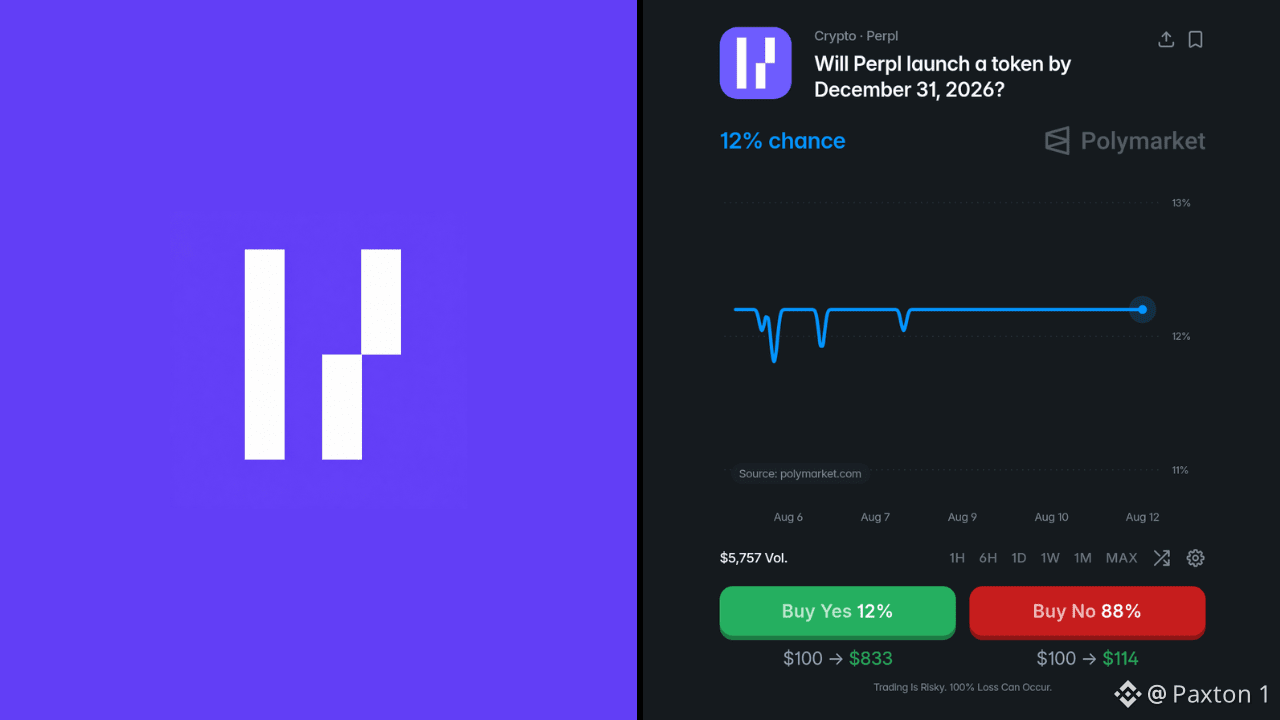
今年、Perplはトークンを発行しますか? 🚨 死んだトークンのような $DOGE や $TRUMP にしがみついて希望するより、読者向けの資金にしてしまえばいいのでは。 Perplは、先物取引の領域にポジショニングしています。そこは人が多く、実際にトークンを出す前から「トークンをロングする」と話す銘柄が多い混み合ったコーナー。 現時点での確率はわずか12%。ほぼこの期間ずっと横ばいです。 しかもこの市場はまだかなり新しい。出来高がこの薄さのうちに、早めに掴む価値があります。 まず気になるのは、このチャートが本当に死んだようにフラットなこと。 次に、死んだようにフラットだと、今まさに会話を動かす新しい材料が実はないことが多いという点。 隠れた仕掛けがあれば、このチャートのどこかで圧力が積み上がっているはずですが、まだそれが見えません。 私は今回は「No(出ない)」寄りです。本当のきっかけが見つからない限り、サプライズの賭けより、静けさを信じたい。 これはまさにPolymarketが報いるタイプの読み方です。答えもはっきりしていて、数字もきれい。 相場全体が全体的に不安定に感じるときでも、利益を見つける比較的安定した方法のひとつです。 ただ、最終的な確信度の大きさは各自で決めればいい。 #Altcoin Season#
今年、Perplはトークンを発行しますか? 🚨 死んだトークンのような $DOGE や $TRUMP にしがみついて希望するより、読者向けの資金にしてしまえばいいのでは。 Perplは、先物取引の領域にポジショニングしています。そこは人が多く、実際にトークンを出す前から「トークンをロングする」と話す銘柄が多い混み合ったコーナー。 現時点での確率はわずか12%。ほぼこの期間ずっと横ばいです。 しかもこの市場はまだかなり新しい。出来高がこの薄さのうちに、早めに掴む価値があります。 まず気になるのは、このチャートが本当に死んだようにフラットなこと。 次に、死んだようにフラットだと、今まさに会話を動かす新しい材料が実はないことが多いという点。 隠れた仕掛けがあれば、このチャートのどこかで圧力が積み上がっているはずですが、まだそれが見えません。 私は今回は「No(出ない)」寄りです。本当のきっかけが見つからない限り、サプライズの賭けより、静けさを信じたい。 これはまさにPolymarketが報いるタイプの読み方です。答えもはっきりしていて、数字もきれい。 相場全体が全体的に不安定に感じるときでも、利益を見つける比較的安定した方法のひとつです。 ただ、最終的な確信度の大きさは各自で決めればいい。 #Altcoin Season#
76
·
--
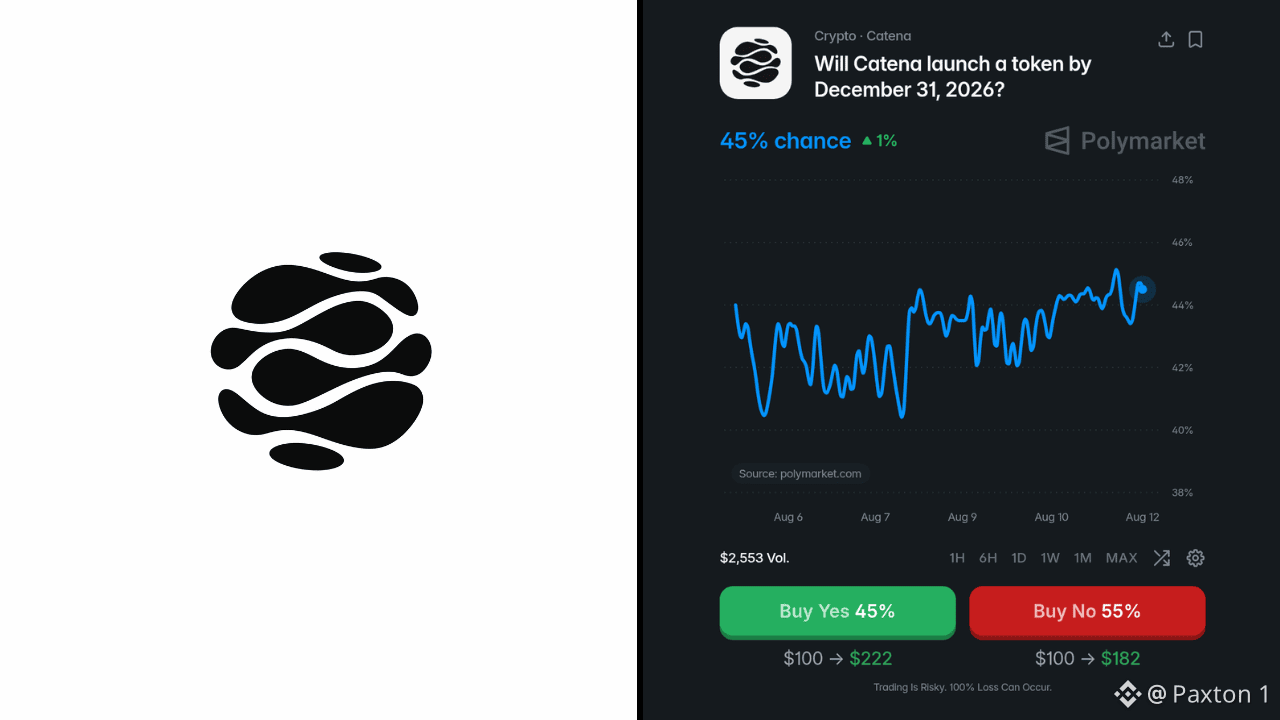
Catenaはトークンにより近いですか?🤔 Catenaは、AI駆動の取引のための決済インフラを構築していて、今年はそのニッチが本格的に注目を集めています。 人々が思うより近いのでは?実際、そうだと思います。 現時点で45%で、わずかに上昇中です。しかもこれはまだ新しい市場で、出来高は$2,553しかありません。 この薄い出来高なら、すでに目星がついているなら早めにポジションを取る価値があります。 チャートはじわじわと高値を更新し続けています。もたつきはあるものの、一定のペースで上昇してきました。 これは、明確な方向性のないまま横ばいで漂っている市場とは別の形です。 この種の「初期の確信」を資金で裏付けるトレーダーは、後から大きな出来高が出てくる前にポジションを取るためにしばしば$HYPE を頼りにします。 私はここではYes寄りです。紙の上では技術面での弱者だったとしてもです。 このような安定した推移は、ただのノイズではなく本物の蓄積を意味することが多いです。 参考までに、$DOGE もこうした初期段階の会話に同じように登場する傾向があります。 こういう読みを活かすなら、私はまだPolymarketのほうに投資判断を置きたいです。オンラインで意見を言うだけではなく。 最終的な判断はあなた次第です。 #Altcoin Season#
Catenaはトークンにより近いですか?🤔 Catenaは、AI駆動の取引のための決済インフラを構築していて、今年はそのニッチが本格的に注目を集めています。 人々が思うより近いのでは?実際、そうだと思います。 現時点で45%で、わずかに上昇中です。しかもこれはまだ新しい市場で、出来高は$2,553しかありません。 この薄い出来高なら、すでに目星がついているなら早めにポジションを取る価値があります。 チャートはじわじわと高値を更新し続けています。もたつきはあるものの、一定のペースで上昇してきました。 これは、明確な方向性のないまま横ばいで漂っている市場とは別の形です。 この種の「初期の確信」を資金で裏付けるトレーダーは、後から大きな出来高が出てくる前にポジションを取るためにしばしば$HYPE を頼りにします。 私はここではYes寄りです。紙の上では技術面での弱者だったとしてもです。 このような安定した推移は、ただのノイズではなく本物の蓄積を意味することが多いです。 参考までに、$DOGE もこうした初期段階の会話に同じように登場する傾向があります。 こういう読みを活かすなら、私はまだPolymarketのほうに投資判断を置きたいです。オンラインで意見を言うだけではなく。 最終的な判断はあなた次第です。 #Altcoin Season#
170
ログインして、さらにコンテンツを読む
厳選トピックで世界の暗号資産トレーダーの仲間入り
⚡️ 暗号資産に関する最新かつ有益な情報が見つかります。
💬 世界最大の暗号資産取引所から信頼されています。
👍 認証を受けたクリエイターから、有益なインサイトを得られます。
メール / 電話番号