
Bronu Silva 1
88 投稿
Bronu Silva 1
報告
ユーザーをブロック
Crypto Shiller, Ambassador, Marketer, #BTC, #ETH, #SOL
0 フォロー
3 フォロワー
1 いいね
投稿
翻訳参照
Consumer Crypto Is Waking Up Again 🔥
Look across $SOL and the cultural liquidity gathering around $PENGU and the opportunity becomes obvious.
The next major consumer platform may emerge from the point where creation, trading, and social interaction finally meet.
Most projects still specialise in only one part of that loop.
The real upside belongs to platforms capable of owning the entire experience.
I think the market is seriously underestimating how close Zora is getting.
More than 4,000 Custom Pairs have already been created across memes, majors, RWAs, and tokenized stocks.
Issuance has expanded beyond Base to Robinhood and Solana, with broader crosschain trading support.
Zora Agent brings trading into DMs, while Custom Pairs are heading to mobile.
Now add a leaner team, fresh leadership, renewed community incentives, and plans for buybacks and tokenholder rewards.
Execution still matters, especially after a major reset.
But this is one of those setups where the platform narrative and token narrative could finally begin strengthening each other.
If Zora improves distribution and reconnects with its community, I genuinely think it could rip.
The product has expanded far faster than the attention around it.
Zora looks primed for a much louder chapter.
#RWA #Altcoin Season#
Consumer Crypto Is Waking Up Again 🔥
Look across $SOL and the cultural liquidity gathering around $PENGU and the opportunity becomes obvious.
The next major consumer platform may emerge from the point where creation, trading, and social interaction finally meet.
Most projects still specialise in only one part of that loop.
The real upside belongs to platforms capable of owning the entire experience.
I think the market is seriously underestimating how close Zora is getting.
More than 4,000 Custom Pairs have already been created across memes, majors, RWAs, and tokenized stocks.
Issuance has expanded beyond Base to Robinhood and Solana, with broader crosschain trading support.
Zora Agent brings trading into DMs, while Custom Pairs are heading to mobile.
Now add a leaner team, fresh leadership, renewed community incentives, and plans for buybacks and tokenholder rewards.
Execution still matters, especially after a major reset.
But this is one of those setups where the platform narrative and token narrative could finally begin strengthening each other.
If Zora improves distribution and reconnects with its community, I genuinely think it could rip.
The product has expanded far faster than the attention around it.
Zora looks primed for a much louder chapter.
#RWA #Altcoin Season#
Look across $SOL and the cultural liquidity gathering around $PENGU and the opportunity becomes obvious.
The next major consumer platform may emerge from the point where creation, trading, and social interaction finally meet.
Most projects still specialise in only one part of that loop.
The real upside belongs to platforms capable of owning the entire experience.
I think the market is seriously underestimating how close Zora is getting.
More than 4,000 Custom Pairs have already been created across memes, majors, RWAs, and tokenized stocks.
Issuance has expanded beyond Base to Robinhood and Solana, with broader crosschain trading support.
Zora Agent brings trading into DMs, while Custom Pairs are heading to mobile.
Now add a leaner team, fresh leadership, renewed community incentives, and plans for buybacks and tokenholder rewards.
Execution still matters, especially after a major reset.
But this is one of those setups where the platform narrative and token narrative could finally begin strengthening each other.
If Zora improves distribution and reconnects with its community, I genuinely think it could rip.
The product has expanded far faster than the attention around it.
Zora looks primed for a much louder chapter.
#RWA #Altcoin Season#
68
翻訳参照
Some chains are built for the future. Some assets already survived one.
$APT holders back a chain engineered for what onchain activity becomes in ten years. Throughput, safety, infrastructure built ahead of the curve.
The DeLorean already survived four decades of trends.
Films, culture, generational handoffs, all of it now tokenized through $DMC . Infrastructure built for the future meets IP that already proved it lasts.
One is engineered to outlast a cycle. The other already outlasted several. 🚗
#Altcoin Season#
Some chains are built for the future. Some assets already survived one.
$APT holders back a chain engineered for what onchain activity becomes in ten years. Throughput, safety, infrastructure built ahead of the curve.
The DeLorean already survived four decades of trends.
Films, culture, generational handoffs, all of it now tokenized through $DMC . Infrastructure built for the future meets IP that already proved it lasts.
One is engineered to outlast a cycle. The other already outlasted several. 🚗
#Altcoin Season#
$APT holders back a chain engineered for what onchain activity becomes in ten years. Throughput, safety, infrastructure built ahead of the curve.
The DeLorean already survived four decades of trends.
Films, culture, generational handoffs, all of it now tokenized through $DMC . Infrastructure built for the future meets IP that already proved it lasts.
One is engineered to outlast a cycle. The other already outlasted several. 🚗
#Altcoin Season#
57
トークンを売らずにファンド・プロジェクト 💰
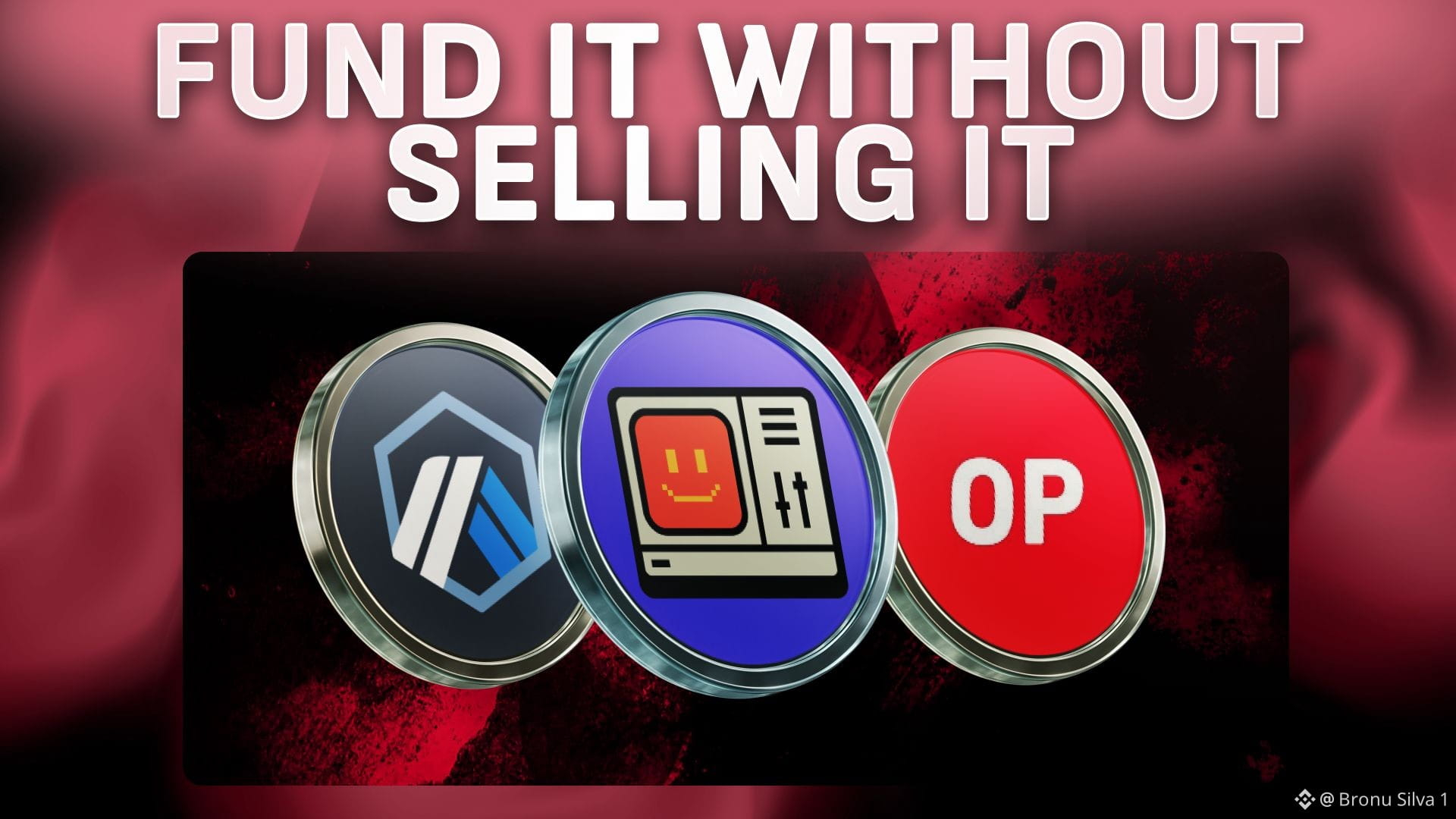
$ARB と Optimism のトレジャリー規模は莫大に見えるのに、残高の大部分がプロジェクト自身のトークンだと気づくまでです。使うということは、自分自身の市場に売り込むことを意味します。
小規模なビルダーも同じ問題を抱えていて、クッションがありません。資金調達して助成金を追うか、あるいは静かに保有供給を売ってコストを賄うしかありません。
$BNKR のストック・ペアリングは別のルートを開き、Base 上の Coinbase の新しい 6 つのストック・トークンがそれをさらに広げます。
メカニズムはシンプルです。Bankr でトークンを発行するビルダーは、流動性プールの反対側の資産を選びます。すべてのスワップに手数料がかかり、その手数料はペアになった資産建てで受け取られます。
Amazon、Microsoft、Strategy、SanDisk、SpaceX、Tesla にペアリングすれば、その市場が生み出す手数料が、その企業に対するポジションとして蓄積されていきます。
するとトレジャリーは発行ではなく使用によって成長します。コストを賄うために供給を売る人はいません。なぜなら、流入してくるお金はプロジェクト自身のトークンではなかったからです。
投資家が気にすべき理由は単純です。自分のトークンを売って資金を賄うチームは、初期市場に対して最も信頼性の高い(悪影響の)ブレーキの一つであり、それがその行為をする理由を取り除くからです。
さらに、それは RWA にとっても、保有して待つより有益な役割です。
そしてビルダーには、これまでなかった判断ができます。プロジェクトが積み上げるものは、何に向けて構築しているのかを語ります。
制約は確かにあります。手数料にはボリュームが必要なので、静かな市場では何も資金が生まれません。ペアになったプールには流動性リスクがあります。株式ポジションは株価とともに上下します。
しかし、希薄化ではなく活動によって資金提供されるビルダーこそが、この市場のより健全な形であり、そのためのツールは今まさに稼働しています。
#RWA #Base
トークンを売らずにファンド・プロジェクト 💰
$ARB と Optimism のトレジャリー規模は莫大に見えるのに、残高の大部分がプロジェクト自身のトークンだと気づくまでです。使うということは、自分自身の市場に売り込むことを意味します。
小規模なビルダーも同じ問題を抱えていて、クッションがありません。資金調達して助成金を追うか、あるいは静かに保有供給を売ってコストを賄うしかありません。
$BNKR のストック・ペアリングは別のルートを開き、Base 上の Coinbase の新しい 6 つのストック・トークンがそれをさらに広げます。
メカニズムはシンプルです。Bankr でトークンを発行するビルダーは、流動性プールの反対側の資産を選びます。すべてのスワップに手数料がかかり、その手数料はペアになった資産建てで受け取られます。
Amazon、Microsoft、Strategy、SanDisk、SpaceX、Tesla にペアリングすれば、その市場が生み出す手数料が、その企業に対するポジションとして蓄積されていきます。
するとトレジャリーは発行ではなく使用によって成長します。コストを賄うために供給を売る人はいません。なぜなら、流入してくるお金はプロジェクト自身のトークンではなかったからです。
投資家が気にすべき理由は単純です。自分のトークンを売って資金を賄うチームは、初期市場に対して最も信頼性の高い(悪影響の)ブレーキの一つであり、それがその行為をする理由を取り除くからです。
さらに、それは RWA にとっても、保有して待つより有益な役割です。
そしてビルダーには、これまでなかった判断ができます。プロジェクトが積み上げるものは、何に向けて構築しているのかを語ります。
制約は確かにあります。手数料にはボリュームが必要なので、静かな市場では何も資金が生まれません。ペアになったプールには流動性リスクがあります。株式ポジションは株価とともに上下します。
しかし、希薄化ではなく活動によって資金提供されるビルダーこそが、この市場のより健全な形であり、そのためのツールは今まさに稼働しています。
#RWA #Base
$ARB と Optimism のトレジャリー規模は莫大に見えるのに、残高の大部分がプロジェクト自身のトークンだと気づくまでです。使うということは、自分自身の市場に売り込むことを意味します。
小規模なビルダーも同じ問題を抱えていて、クッションがありません。資金調達して助成金を追うか、あるいは静かに保有供給を売ってコストを賄うしかありません。
$BNKR のストック・ペアリングは別のルートを開き、Base 上の Coinbase の新しい 6 つのストック・トークンがそれをさらに広げます。
メカニズムはシンプルです。Bankr でトークンを発行するビルダーは、流動性プールの反対側の資産を選びます。すべてのスワップに手数料がかかり、その手数料はペアになった資産建てで受け取られます。
Amazon、Microsoft、Strategy、SanDisk、SpaceX、Tesla にペアリングすれば、その市場が生み出す手数料が、その企業に対するポジションとして蓄積されていきます。
するとトレジャリーは発行ではなく使用によって成長します。コストを賄うために供給を売る人はいません。なぜなら、流入してくるお金はプロジェクト自身のトークンではなかったからです。
投資家が気にすべき理由は単純です。自分のトークンを売って資金を賄うチームは、初期市場に対して最も信頼性の高い(悪影響の)ブレーキの一つであり、それがその行為をする理由を取り除くからです。
さらに、それは RWA にとっても、保有して待つより有益な役割です。
そしてビルダーには、これまでなかった判断ができます。プロジェクトが積み上げるものは、何に向けて構築しているのかを語ります。
制約は確かにあります。手数料にはボリュームが必要なので、静かな市場では何も資金が生まれません。ペアになったプールには流動性リスクがあります。株式ポジションは株価とともに上下します。
しかし、希薄化ではなく活動によって資金提供されるビルダーこそが、この市場のより健全な形であり、そのためのツールは今まさに稼働しています。
#RWA #Base
50
翻訳参照
Tokenization's next phase is here 🧠
Across the RWA market around $XLM and $XDC attention still tends to concentrate on how many assets are issued and what they are worth.
I think this misses the harder part of bringing financial assets onchain, because creating a token establishes its digital representation, but the asset still needs ownership and transfer rules that remain attached throughout its lifecycle.
For securities, the official ownership record must also remain aligned as those assets move, this is the point where tokenization becomes financial infrastructure.
Injective is way ahead of others regarding this, as Injective Mint and Injective are now becoming an SEC-registered transfer agent, so Injective can support the complete tokenization lifecycle within one ecosystem.
It is building the infrastructure needed after issuance, where long-term institutional adoption will actually be decided 🔥
#RWA
Tokenization's next phase is here 🧠
Across the RWA market around $XLM and $XDC attention still tends to concentrate on how many assets are issued and what they are worth.
I think this misses the harder part of bringing financial assets onchain, because creating a token establishes its digital representation, but the asset still needs ownership and transfer rules that remain attached throughout its lifecycle.
For securities, the official ownership record must also remain aligned as those assets move, this is the point where tokenization becomes financial infrastructure.
Injective is way ahead of others regarding this, as Injective Mint and Injective are now becoming an SEC-registered transfer agent, so Injective can support the complete tokenization lifecycle within one ecosystem.
It is building the infrastructure needed after issuance, where long-term institutional adoption will actually be decided 🔥
#RWA
Across the RWA market around $XLM and $XDC attention still tends to concentrate on how many assets are issued and what they are worth.
I think this misses the harder part of bringing financial assets onchain, because creating a token establishes its digital representation, but the asset still needs ownership and transfer rules that remain attached throughout its lifecycle.
For securities, the official ownership record must also remain aligned as those assets move, this is the point where tokenization becomes financial infrastructure.
Injective is way ahead of others regarding this, as Injective Mint and Injective are now becoming an SEC-registered transfer agent, so Injective can support the complete tokenization lifecycle within one ecosystem.
It is building the infrastructure needed after issuance, where long-term institutional adoption will actually be decided 🔥
#RWA

66
$KAITO のマインドシェア・アリーナで「今トレンドしているもの」を把握しよう
コンテンツ制作者はいつも同じ疑問を抱えています。次に何を投稿すべき?
ほとんどの場合、KOLは他人の投稿をそのまま盗んだり、100回も見た同じアイデアを焼き直したりしています。
例として $PONS は、最近の ATH(過去最高値)到達に関する話題で何度も見かけてきました。同じ投稿が繰り返されているのです。投稿自体に問題があるわけではありませんが、私たちがそれを100回も見ているという事実があります。
Kaito AI のマインドシェア・アリーナは、その疑問を「データで検証できるもの」に変えます。
このアリーナは、プロジェクト、企業、ナラティブが競合に対してどれだけ注目を集めているかを測定します。クリエイターは暗号資産、株式、AIを調べ、複数の時間軸を比較し、マインドシェアの変化を追跡し、最も成長の速いトピックを見つけられます。
データは単なる人気ランキングにとどまりません。上昇率の高いもの、絶対値・相対値の変化、セクター単位のトレンド、地域ごとのマインドシェア、そしてスマートフォロワーの動きまで確認できます。これにより、1日限りの急騰と、継続的な注目を引き寄せるナラティブを切り分けられます。
クリエイターにとってのメリットは、より良いタイミングです。上昇中のプロジェクトは、タイムラインが飽和する前にリサーチ機会になります。下落している話題は、オーディエンスが別の場所へ移っているサインかもしれません。さらに長い時間軸では、反応投稿に終わらせるのではなく、深い教育コンテンツに値する持続的なテーマも見えてきます。
目的は、トレンドをそのままコピーすることではありません。注目がどこへ移っているのかを特定し、なぜ移っているのかを調査し、会話がまだ発展途中のうちにオリジナルの視点を加えることです。
Kaito AI は、何を扱うべきか、いつ公開するべきか、そして自分の専門性が最も価値を生み出せる場所はどこかを判断するための“インテリジェンス層”をクリエイターに提供します。
市場が何を話したいのか当てずっぽうで推測するのはやめましょう。マインドシェアを追い、Kaito AI であなたの優位性を手に入れてください。
#Altcoin Season# #Meme Alpha#
$KAITO のマインドシェア・アリーナで「今トレンドしているもの」を把握しよう
コンテンツ制作者はいつも同じ疑問を抱えています。次に何を投稿すべき?
ほとんどの場合、KOLは他人の投稿をそのまま盗んだり、100回も見た同じアイデアを焼き直したりしています。
例として $PONS は、最近の ATH(過去最高値)到達に関する話題で何度も見かけてきました。同じ投稿が繰り返されているのです。投稿自体に問題があるわけではありませんが、私たちがそれを100回も見ているという事実があります。
Kaito AI のマインドシェア・アリーナは、その疑問を「データで検証できるもの」に変えます。
このアリーナは、プロジェクト、企業、ナラティブが競合に対してどれだけ注目を集めているかを測定します。クリエイターは暗号資産、株式、AIを調べ、複数の時間軸を比較し、マインドシェアの変化を追跡し、最も成長の速いトピックを見つけられます。
データは単なる人気ランキングにとどまりません。上昇率の高いもの、絶対値・相対値の変化、セクター単位のトレンド、地域ごとのマインドシェア、そしてスマートフォロワーの動きまで確認できます。これにより、1日限りの急騰と、継続的な注目を引き寄せるナラティブを切り分けられます。
クリエイターにとってのメリットは、より良いタイミングです。上昇中のプロジェクトは、タイムラインが飽和する前にリサーチ機会になります。下落している話題は、オーディエンスが別の場所へ移っているサインかもしれません。さらに長い時間軸では、反応投稿に終わらせるのではなく、深い教育コンテンツに値する持続的なテーマも見えてきます。
目的は、トレンドをそのままコピーすることではありません。注目がどこへ移っているのかを特定し、なぜ移っているのかを調査し、会話がまだ発展途中のうちにオリジナルの視点を加えることです。
Kaito AI は、何を扱うべきか、いつ公開するべきか、そして自分の専門性が最も価値を生み出せる場所はどこかを判断するための“インテリジェンス層”をクリエイターに提供します。
市場が何を話したいのか当てずっぽうで推測するのはやめましょう。マインドシェアを追い、Kaito AI であなたの優位性を手に入れてください。
#Altcoin Season# #Meme Alpha#
コンテンツ制作者はいつも同じ疑問を抱えています。次に何を投稿すべき?
ほとんどの場合、KOLは他人の投稿をそのまま盗んだり、100回も見た同じアイデアを焼き直したりしています。
例として $PONS は、最近の ATH(過去最高値)到達に関する話題で何度も見かけてきました。同じ投稿が繰り返されているのです。投稿自体に問題があるわけではありませんが、私たちがそれを100回も見ているという事実があります。
Kaito AI のマインドシェア・アリーナは、その疑問を「データで検証できるもの」に変えます。
このアリーナは、プロジェクト、企業、ナラティブが競合に対してどれだけ注目を集めているかを測定します。クリエイターは暗号資産、株式、AIを調べ、複数の時間軸を比較し、マインドシェアの変化を追跡し、最も成長の速いトピックを見つけられます。
データは単なる人気ランキングにとどまりません。上昇率の高いもの、絶対値・相対値の変化、セクター単位のトレンド、地域ごとのマインドシェア、そしてスマートフォロワーの動きまで確認できます。これにより、1日限りの急騰と、継続的な注目を引き寄せるナラティブを切り分けられます。
クリエイターにとってのメリットは、より良いタイミングです。上昇中のプロジェクトは、タイムラインが飽和する前にリサーチ機会になります。下落している話題は、オーディエンスが別の場所へ移っているサインかもしれません。さらに長い時間軸では、反応投稿に終わらせるのではなく、深い教育コンテンツに値する持続的なテーマも見えてきます。
目的は、トレンドをそのままコピーすることではありません。注目がどこへ移っているのかを特定し、なぜ移っているのかを調査し、会話がまだ発展途中のうちにオリジナルの視点を加えることです。
Kaito AI は、何を扱うべきか、いつ公開するべきか、そして自分の専門性が最も価値を生み出せる場所はどこかを判断するための“インテリジェンス層”をクリエイターに提供します。
市場が何を話したいのか当てずっぽうで推測するのはやめましょう。マインドシェアを追い、Kaito AI であなたの優位性を手に入れてください。
#Altcoin Season# #Meme Alpha#

65
翻訳参照
This product changes institutional lending forever. 🏦
Space and Time built Virtual Vaults and I think a lot of people are still not fully understanding what it actually does so let me break it down.
Borrower side: you link your exchange accounts once, Space and Time starts proving your collateral balance continuously, you keep full custody of everything, and you get better loan terms because the information gap with your lender just closed.
Lender side: you read live cryptographically verified collateral state directly, margin calls and liquidations trigger automatically on proven data, you price risk on what is actually true right now instead of what was true last Tuesday.
Neither side waits on a third party.
Neither side has to trust the other's report.
The vault state is proven continuously by Space and Time's verified compute layer and readable by both sides simultaneously.
$SOL 's institutional DeFi ecosystem is scaling fast and the collateral verification problem is the exact wall every serious lending protocol eventually hits.
Virtual Vaults is the first product that makes that wall disappear without asking anyone on either side to give anything up.
Vaults without tradeoffs is not marketing.
It is the actual architecture.
#Altcoin Season# #RWA
This product changes institutional lending forever. 🏦
Space and Time built Virtual Vaults and I think a lot of people are still not fully understanding what it actually does so let me break it down.
Borrower side: you link your exchange accounts once, Space and Time starts proving your collateral balance continuously, you keep full custody of everything, and you get better loan terms because the information gap with your lender just closed.
Lender side: you read live cryptographically verified collateral state directly, margin calls and liquidations trigger automatically on proven data, you price risk on what is actually true right now instead of what was true last Tuesday.
Neither side waits on a third party.
Neither side has to trust the other's report.
The vault state is proven continuously by Space and Time's verified compute layer and readable by both sides simultaneously.
$SOL 's institutional DeFi ecosystem is scaling fast and the collateral verification problem is the exact wall every serious lending protocol eventually hits.
Virtual Vaults is the first product that makes that wall disappear without asking anyone on either side to give anything up.
Vaults without tradeoffs is not marketing.
It is the actual architecture.
#Altcoin Season# #RWA
Space and Time built Virtual Vaults and I think a lot of people are still not fully understanding what it actually does so let me break it down.
Borrower side: you link your exchange accounts once, Space and Time starts proving your collateral balance continuously, you keep full custody of everything, and you get better loan terms because the information gap with your lender just closed.
Lender side: you read live cryptographically verified collateral state directly, margin calls and liquidations trigger automatically on proven data, you price risk on what is actually true right now instead of what was true last Tuesday.
Neither side waits on a third party.
Neither side has to trust the other's report.
The vault state is proven continuously by Space and Time's verified compute layer and readable by both sides simultaneously.
$SOL 's institutional DeFi ecosystem is scaling fast and the collateral verification problem is the exact wall every serious lending protocol eventually hits.
Virtual Vaults is the first product that makes that wall disappear without asking anyone on either side to give anything up.
Vaults without tradeoffs is not marketing.
It is the actual architecture.
#Altcoin Season# #RWA

51
銀行は自社の帳簿をどこにも貼り付けられない 🔒
銀行はポジションをチャットボットに入れられず、病院は患者記録を入れられず、法律事務所はディスカバリー(証拠開示)を入れられない。
つまり、最も価値があるはずの仕事は、ただ単純に動かない。
$ZAMA には、そうした機関のために機密計算を構築する目的で、これまでに1.3億ドル以上が投じられている。これは、カテゴリの外の誰も語らない問題に対して資本が追いかけている、かなり大きな話だ。
そして $CC はそのもう一つの半分で、Goldman Sachs、BNP Paribas、Visa、Nasdaq が自らネットワークを稼働させながら、トークン化されたRWAのボリュームを年間4兆ドル超分決済している。
これらは、モデルを自社の帳簿に近づけられないのと同じ機関だ。
密封チップがしばらくは答えのように見えたが、問題はほとんど誰もそれを持っていないことだ。
世界の計算資源の大半は通常のGPUにあり、この作業は保証が整っているかどうかに関係なく、そこで実行されることになる。
そのギャップこそが、いまのAIトレードで私が最も面白いと感じている点だ。
誰もが計算能力に価格を付けているのに、オペレーターがその仕事を読めるかどうかを価格に織り込んでいる人はほとんどいない。
Arcium は、密封チップの代わりに暗号技術を使い、計算をノード群に分割することで、各ノードが断片を保持し、誰も入力を読み取れないようにする。
つまり普通のハードウェアで動く。これこそが、このやり方を採る最大の狙いだ。
その下にあるネットワークは、2月2日からSolana上で稼働しており、4,000ノード以上、30以上のアプリが動いていて、そこに取り組むチームはこれまでに750万ドル以上を調達している。
しかし Blackthorn は、この構想をモデルに持ち込むためのAIプロトコルであり、まだこれからだ。
銀行や病院はずっとデータを持っている。そして、データを一度も受け取らずにそれを計算する最初のネットワークが、この市場の企業側を取り込むことになる。
#AI #RWA
銀行は自社の帳簿をどこにも貼り付けられない 🔒
銀行はポジションをチャットボットに入れられず、病院は患者記録を入れられず、法律事務所はディスカバリー(証拠開示)を入れられない。
つまり、最も価値があるはずの仕事は、ただ単純に動かない。
$ZAMA には、そうした機関のために機密計算を構築する目的で、これまでに1.3億ドル以上が投じられている。これは、カテゴリの外の誰も語らない問題に対して資本が追いかけている、かなり大きな話だ。
そして $CC はそのもう一つの半分で、Goldman Sachs、BNP Paribas、Visa、Nasdaq が自らネットワークを稼働させながら、トークン化されたRWAのボリュームを年間4兆ドル超分決済している。
これらは、モデルを自社の帳簿に近づけられないのと同じ機関だ。
密封チップがしばらくは答えのように見えたが、問題はほとんど誰もそれを持っていないことだ。
世界の計算資源の大半は通常のGPUにあり、この作業は保証が整っているかどうかに関係なく、そこで実行されることになる。
そのギャップこそが、いまのAIトレードで私が最も面白いと感じている点だ。
誰もが計算能力に価格を付けているのに、オペレーターがその仕事を読めるかどうかを価格に織り込んでいる人はほとんどいない。
Arcium は、密封チップの代わりに暗号技術を使い、計算をノード群に分割することで、各ノードが断片を保持し、誰も入力を読み取れないようにする。
つまり普通のハードウェアで動く。これこそが、このやり方を採る最大の狙いだ。
その下にあるネットワークは、2月2日からSolana上で稼働しており、4,000ノード以上、30以上のアプリが動いていて、そこに取り組むチームはこれまでに750万ドル以上を調達している。
しかし Blackthorn は、この構想をモデルに持ち込むためのAIプロトコルであり、まだこれからだ。
銀行や病院はずっとデータを持っている。そして、データを一度も受け取らずにそれを計算する最初のネットワークが、この市場の企業側を取り込むことになる。
#AI #RWA
銀行はポジションをチャットボットに入れられず、病院は患者記録を入れられず、法律事務所はディスカバリー(証拠開示)を入れられない。
つまり、最も価値があるはずの仕事は、ただ単純に動かない。
$ZAMA には、そうした機関のために機密計算を構築する目的で、これまでに1.3億ドル以上が投じられている。これは、カテゴリの外の誰も語らない問題に対して資本が追いかけている、かなり大きな話だ。
そして $CC はそのもう一つの半分で、Goldman Sachs、BNP Paribas、Visa、Nasdaq が自らネットワークを稼働させながら、トークン化されたRWAのボリュームを年間4兆ドル超分決済している。
これらは、モデルを自社の帳簿に近づけられないのと同じ機関だ。
密封チップがしばらくは答えのように見えたが、問題はほとんど誰もそれを持っていないことだ。
世界の計算資源の大半は通常のGPUにあり、この作業は保証が整っているかどうかに関係なく、そこで実行されることになる。
そのギャップこそが、いまのAIトレードで私が最も面白いと感じている点だ。
誰もが計算能力に価格を付けているのに、オペレーターがその仕事を読めるかどうかを価格に織り込んでいる人はほとんどいない。
Arcium は、密封チップの代わりに暗号技術を使い、計算をノード群に分割することで、各ノードが断片を保持し、誰も入力を読み取れないようにする。
つまり普通のハードウェアで動く。これこそが、このやり方を採る最大の狙いだ。
その下にあるネットワークは、2月2日からSolana上で稼働しており、4,000ノード以上、30以上のアプリが動いていて、そこに取り組むチームはこれまでに750万ドル以上を調達している。
しかし Blackthorn は、この構想をモデルに持ち込むためのAIプロトコルであり、まだこれからだ。
銀行や病院はずっとデータを持っている。そして、データを一度も受け取らずにそれを計算する最初のネットワークが、この市場の企業側を取り込むことになる。
#AI #RWA
55
翻訳参照
Memecoins 🤝🏻 Wall Street
Think about the distance between $PEPE and $SPCX .
One is basically internet culture turned into a liquid asset. No cash flows. No traditional fundamentals. Just memes, attention, community, and identity, yet the market has assigned it billions in value.
The other represents almost the opposite philosophy: infrastructure designed to explore space, with billions in valuation.
They shouldn't belong in the same conversation.
But what if they belonged in the same pair?
That’s where Zora’s custom pairs get interesting.
Instead of waiting for an exchange, index provider, or some committee to decide which assets should sit beside each other, creators can make that decision themselves.
Meme × RWA.
Creator token × tokenized stock.
Internet culture × institutional finance.
Pick the collision, create the pair and put the idea in front of the market.
And I think THAT is the bigger idea here.
You're not just launching another token.
You're effectively making a bet that two previously unrelated corners of crypto belong together — and giving traders the opportunity to decide whether you're onto something.
Most combinations probably go nowhere.
But every genuinely new crypto narrative has a moment where something weird stops looking weird and starts looking like a category.
Custom pairs could massively lower the barrier to creating those moments.
The next narrative might not be discovered on a chart.
Someone might literally create it first 👀
And if even a handful of those experiments catch fire…Things could get very fun, very quickly.
#Altcoin Season# #RWA
Memecoins 🤝🏻 Wall Street
Think about the distance between $PEPE and $SPCX .
One is basically internet culture turned into a liquid asset. No cash flows. No traditional fundamentals. Just memes, attention, community, and identity, yet the market has assigned it billions in value.
The other represents almost the opposite philosophy: infrastructure designed to explore space, with billions in valuation.
They shouldn't belong in the same conversation.
But what if they belonged in the same pair?
That’s where Zora’s custom pairs get interesting.
Instead of waiting for an exchange, index provider, or some committee to decide which assets should sit beside each other, creators can make that decision themselves.
Meme × RWA.
Creator token × tokenized stock.
Internet culture × institutional finance.
Pick the collision, create the pair and put the idea in front of the market.
And I think THAT is the bigger idea here.
You're not just launching another token.
You're effectively making a bet that two previously unrelated corners of crypto belong together — and giving traders the opportunity to decide whether you're onto something.
Most combinations probably go nowhere.
But every genuinely new crypto narrative has a moment where something weird stops looking weird and starts looking like a category.
Custom pairs could massively lower the barrier to creating those moments.
The next narrative might not be discovered on a chart.
Someone might literally create it first 👀
And if even a handful of those experiments catch fire…Things could get very fun, very quickly.
#Altcoin Season# #RWA
Think about the distance between $PEPE and $SPCX .
One is basically internet culture turned into a liquid asset. No cash flows. No traditional fundamentals. Just memes, attention, community, and identity, yet the market has assigned it billions in value.
The other represents almost the opposite philosophy: infrastructure designed to explore space, with billions in valuation.
They shouldn't belong in the same conversation.
But what if they belonged in the same pair?
That’s where Zora’s custom pairs get interesting.
Instead of waiting for an exchange, index provider, or some committee to decide which assets should sit beside each other, creators can make that decision themselves.
Meme × RWA.
Creator token × tokenized stock.
Internet culture × institutional finance.
Pick the collision, create the pair and put the idea in front of the market.
And I think THAT is the bigger idea here.
You're not just launching another token.
You're effectively making a bet that two previously unrelated corners of crypto belong together — and giving traders the opportunity to decide whether you're onto something.
Most combinations probably go nowhere.
But every genuinely new crypto narrative has a moment where something weird stops looking weird and starts looking like a category.
Custom pairs could massively lower the barrier to creating those moments.
The next narrative might not be discovered on a chart.
Someone might literally create it first 👀
And if even a handful of those experiments catch fire…Things could get very fun, very quickly.
#Altcoin Season# #RWA
72
組み合わせ可能性は決して完成していなかった 🚨 すべての人が、トークン化のゴールとして「組み合わせ可能なオンチェーン資金」を扱っていました。ウィズダムツリーは、それが最初の一歩にすぎないと公に言い切りました。組み合わせ可能なファンドを作ることと、その組み合わせ可能性を実際に機能させることは、まったく別の問題であることが判明したのです。$NEAR はまさにこのギャップに基づいて全ての論旨を構築し、互いに別々に存在しているシステム同士をつないできました。Theoriq は、その後半の課題を扱うレイヤーであり、組み合わせ可能な資本が実際にどこへ投入されるのか、そしてどのリスク上限のもとで動くのかを決めます。聞こえるほど簡単な仕事ではありません。技術的には組み合わせ可能でも、上に乗る人たちが誰も触らないままになることはあり得ます。Theoriq は、その「つなぐ」本質を一段上にも適用し、規制されたファンドを、そのファンドに付随するルールを壊すことなく、実際のクレジット市場へと結びつけます。有用な場所へ資金をルーティングする仕組みがどこにもなく、未使用のまま滞留する資本——それは、トークン化されたファンドだけでなく、より多くの場所でよくある物語です。なぜそもそも $RENDER が存在するのか、考えたことはありますか?遊休計算資源の問題は、まったく同じです。名前が違うだけ。注目が集まるのはステップ1、実際に価値が現れるのはステップ2です。 #Altcoin Season#
組み合わせ可能性は決して完成していなかった 🚨 すべての人が、トークン化のゴールとして「組み合わせ可能なオンチェーン資金」を扱っていました。ウィズダムツリーは、それが最初の一歩にすぎないと公に言い切りました。組み合わせ可能なファンドを作ることと、その組み合わせ可能性を実際に機能させることは、まったく別の問題であることが判明したのです。$NEAR はまさにこのギャップに基づいて全ての論旨を構築し、互いに別々に存在しているシステム同士をつないできました。Theoriq は、その後半の課題を扱うレイヤーであり、組み合わせ可能な資本が実際にどこへ投入されるのか、そしてどのリスク上限のもとで動くのかを決めます。聞こえるほど簡単な仕事ではありません。技術的には組み合わせ可能でも、上に乗る人たちが誰も触らないままになることはあり得ます。Theoriq は、その「つなぐ」本質を一段上にも適用し、規制されたファンドを、そのファンドに付随するルールを壊すことなく、実際のクレジット市場へと結びつけます。有用な場所へ資金をルーティングする仕組みがどこにもなく、未使用のまま滞留する資本——それは、トークン化されたファンドだけでなく、より多くの場所でよくある物語です。なぜそもそも $RENDER が存在するのか、考えたことはありますか?遊休計算資源の問題は、まったく同じです。名前が違うだけ。注目が集まるのはステップ1、実際に価値が現れるのはステップ2です。 #Altcoin Season#
72
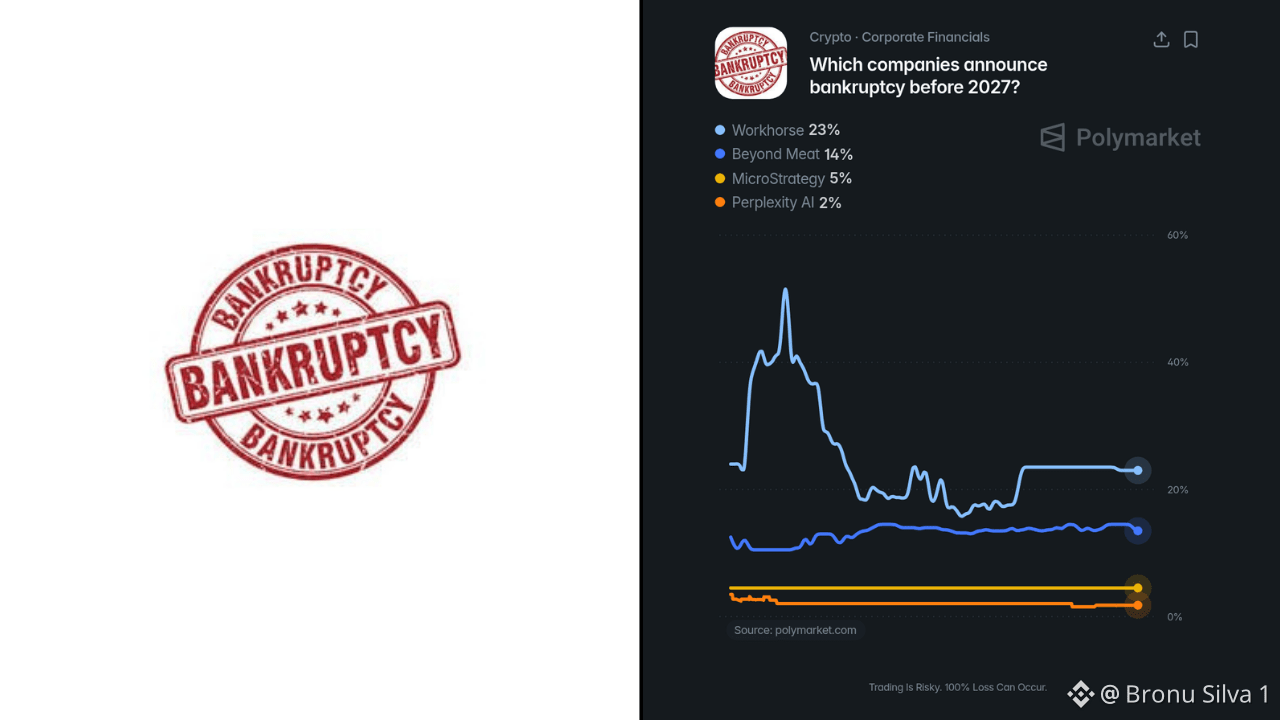
実際にどの会社が最初に倒産するのか?💀 この市場は最近、かなり手に負えないチャートの一つで、とりわけWorkhorseの序盤の急騰が目立っていた。 ここでは、4つの銘柄が今どんな位置にいるのかを示す。 🥇 Workhorse(23%)、スパイク後に大きく失速したとはいえ、依然として圧倒的な本命。 🥈 Beyond Meat(14%)、その間ずっとゆっくり着実に上昇中。 🥉 MicroStrategy(5%)、終始ほとんど床から動いていない。 🏅 Perplexity AI(2%)、初日からほぼ横ばいで、ほぼゼロ付近のままだ。 序盤に見せたWorkhorseの急騰は55%近辺まで一気に伸びたが、同じくらい急に売られて剥がされた。 それでも、ほかの3銘柄よりは十分に上に位置していて、その差はまったく埋まっていない。 私はこのリストの中でWorkhorseが最も可能性が高いと見ている。 スパイクからの失速は、「実際に首位を失った」とは同じではない。 ゆっくりと上がっていくBeyond Meatの動きが、ランキング上位へのサプライズな上昇につながるかどうか、特に注目している。 $TRUMP と $BNB はこうしたマルチ結果の市場にかなり頻繁に出てくる。ここでは複数の銘柄を取引するなら、入れておくと便利だ。 こういう市場こそ、私が「Polymarketが今まさに他を引き離して本当に先行している」と考える理由そのものだ。他のどのプラットフォームでも、まったく無関係な企業同士をこれほどきれいに同じ土俵で順位付けできない。 政治、スポーツ、企業の崩壊、暗号資産――基本的に1つのプラットフォームで全部カバーしている。 そして、ここからが本当にワクワクするところだ。もしPolymarketがすでに予測市場でリードしているのが本当なら、「その仮想(perp)取引の噂」が本当だと判明した日には何が起きるのか。 それは小さなアップグレードじゃない。文字通り一晩で別物のプラットフォームになる。 とはいえ、みんながこの4つを同じ順番で評価するわけではない。そこが面白いところでもある。 #Altcoin Season#
実際にどの会社が最初に倒産するのか?💀 この市場は最近、かなり手に負えないチャートの一つで、とりわけWorkhorseの序盤の急騰が目立っていた。 ここでは、4つの銘柄が今どんな位置にいるのかを示す。 🥇 Workhorse(23%)、スパイク後に大きく失速したとはいえ、依然として圧倒的な本命。 🥈 Beyond Meat(14%)、その間ずっとゆっくり着実に上昇中。 🥉 MicroStrategy(5%)、終始ほとんど床から動いていない。 🏅 Perplexity AI(2%)、初日からほぼ横ばいで、ほぼゼロ付近のままだ。 序盤に見せたWorkhorseの急騰は55%近辺まで一気に伸びたが、同じくらい急に売られて剥がされた。 それでも、ほかの3銘柄よりは十分に上に位置していて、その差はまったく埋まっていない。 私はこのリストの中でWorkhorseが最も可能性が高いと見ている。 スパイクからの失速は、「実際に首位を失った」とは同じではない。 ゆっくりと上がっていくBeyond Meatの動きが、ランキング上位へのサプライズな上昇につながるかどうか、特に注目している。 $TRUMP と $BNB はこうしたマルチ結果の市場にかなり頻繁に出てくる。ここでは複数の銘柄を取引するなら、入れておくと便利だ。 こういう市場こそ、私が「Polymarketが今まさに他を引き離して本当に先行している」と考える理由そのものだ。他のどのプラットフォームでも、まったく無関係な企業同士をこれほどきれいに同じ土俵で順位付けできない。 政治、スポーツ、企業の崩壊、暗号資産――基本的に1つのプラットフォームで全部カバーしている。 そして、ここからが本当にワクワクするところだ。もしPolymarketがすでに予測市場でリードしているのが本当なら、「その仮想(perp)取引の噂」が本当だと判明した日には何が起きるのか。 それは小さなアップグレードじゃない。文字通り一晩で別物のプラットフォームになる。 とはいえ、みんながこの4つを同じ順番で評価するわけではない。そこが面白いところでもある。 #Altcoin Season#
80
これがカイトのこれまでで最高のリリースかもしれません 🚀 $KAITO は「Kaito Pulse」をリリースしました。これはブラウザ拡張で、プラットフォームのアクティビティ、オンチェーンのポジション、取引所のPnL、予測市場の取引、AIサブスクリプションなどを、Xのタイムラインにそのまま取り込むものです。誰かが「自分の取引」や「到達度」について主張した内容を、ただの信じ込みではなく、実際に確認できるようにするわけです。 $MNT は直近の大きなアップグレードで、実際に大きな転換が起きました。チームが構造的な課題を解決し、コミュニティが本当に望んでいたものに手を入れたと分かるタイプのアップグレードです。カイトも同じことをやっています。 この時点で私はたくさんのカイトのリリースを見てきましたが、今回のは明らかに違っていて、価値がとても高いです。スクリーンショットを「証拠」として投稿し始めて以来、タイムライン全体が抱えてきた“信頼性の問題”そのものに取り組んでいます。 Pulseでは、ユーザーがDappやCEX/DEXを接続すると、タイムライン上で勝ち(そして負け)をアピールして、ソーシャルプルーフとして見せられます。これはタイムラインをより本物の環境にするうえで、正直かなり大きいです。 それと並行して、カイトは「Aura」を導入します。Pulseが検証するすべてのものに直結する、新しい“本当の注目度”の測り方です。まだ分かっていないものの、将来的な報酬につながる可能性がありそうです。 機能を追加するのではなく、構造的な課題を解決するプロダクトリリースはまれで、今回のそれがまさにその一つだと思います。 私はKaito Pulseに強気です。 #Altcoin Season# #Macro Insights#
これがカイトのこれまでで最高のリリースかもしれません 🚀 $KAITO は「Kaito Pulse」をリリースしました。これはブラウザ拡張で、プラットフォームのアクティビティ、オンチェーンのポジション、取引所のPnL、予測市場の取引、AIサブスクリプションなどを、Xのタイムラインにそのまま取り込むものです。誰かが「自分の取引」や「到達度」について主張した内容を、ただの信じ込みではなく、実際に確認できるようにするわけです。 $MNT は直近の大きなアップグレードで、実際に大きな転換が起きました。チームが構造的な課題を解決し、コミュニティが本当に望んでいたものに手を入れたと分かるタイプのアップグレードです。カイトも同じことをやっています。 この時点で私はたくさんのカイトのリリースを見てきましたが、今回のは明らかに違っていて、価値がとても高いです。スクリーンショットを「証拠」として投稿し始めて以来、タイムライン全体が抱えてきた“信頼性の問題”そのものに取り組んでいます。 Pulseでは、ユーザーがDappやCEX/DEXを接続すると、タイムライン上で勝ち(そして負け)をアピールして、ソーシャルプルーフとして見せられます。これはタイムラインをより本物の環境にするうえで、正直かなり大きいです。 それと並行して、カイトは「Aura」を導入します。Pulseが検証するすべてのものに直結する、新しい“本当の注目度”の測り方です。まだ分かっていないものの、将来的な報酬につながる可能性がありそうです。 機能を追加するのではなく、構造的な課題を解決するプロダクトリリースはまれで、今回のそれがまさにその一つだと思います。 私はKaito Pulseに強気です。 #Altcoin Season# #Macro Insights#
31
翻訳参照
The Best Free AI Trading Agent, Personalized To You 🧠 One reason I've been liking Agent Pear is that it remembers things like my portfolio, preferred trade size and risk preferences, so every setup can already be constructed around how I actually trade. And with the new Elfa integration, that personalization goes beyond my positions. I can save the communities I care about, KOLs or whale wallets I want to track and tokens like $TAO or $HYPE I'm watching, and Agent Pear remembers those preferences whether I'm talking to it on Telegram or desktop. Then I can set up pings around my watchlists and get real-time updates and news whenever something worth knowing happens, without spending all day searching for it myself. Why did no one tell me about this sooner? Trading gets a lot easier when you've basically got a personalized quant in your pocket working overtime for you. #Altcoin Season#
The Best Free AI Trading Agent, Personalized To You 🧠 One reason I've been liking Agent Pear is that it remembers things like my portfolio, preferred trade size and risk preferences, so every setup can already be constructed around how I actually trade. And with the new Elfa integration, that personalization goes beyond my positions. I can save the communities I care about, KOLs or whale wallets I want to track and tokens like $TAO or $HYPE I'm watching, and Agent Pear remembers those preferences whether I'm talking to it on Telegram or desktop. Then I can set up pings around my watchlists and get real-time updates and news whenever something worth knowing happens, without spending all day searching for it myself. Why did no one tell me about this sooner? Trading gets a lot easier when you've basically got a personalized quant in your pocket working overtime for you. #Altcoin Season#
41
翻訳参照
A $54B Market Still Reads Every Job 🧩 Gartner named confidential computing a top strategic technology for 2026, and the market is sized near $54B this year. Almost none of that demand has moved on-chain, because the chains competing for it publish the job they run. $SOL made execution fast and cheap enough that serious size could finally settle on-chain, and every input feeding that execution stays readable to anyone watching. $VVV built a real business on AI inference that never gets logged, which tells you the demand for unread compute is already here and already paying for it. But not logging something is a policy, and a policy is not something the customer can verify. Most technical answers run the job inside a secure enclave on the host's own chip, which just makes the chip vendor the party you trust. Side channel attacks have cracked enclaves before. Arcium split the input instead. Every job breaks into fragments across a cluster of nodes, each computing on its own share, so no machine ever holds the whole thing. The part I keep coming back to is that no chip sits anywhere in the trust model, and the result still settles onchain where anyone can check it. That has run on Mainnet Alpha since February 2, in production the whole time. A hardware bet only has to fail once. Math does not carry that failure mode. #AI #Solana
A $54B Market Still Reads Every Job 🧩 Gartner named confidential computing a top strategic technology for 2026, and the market is sized near $54B this year. Almost none of that demand has moved on-chain, because the chains competing for it publish the job they run. $SOL made execution fast and cheap enough that serious size could finally settle on-chain, and every input feeding that execution stays readable to anyone watching. $VVV built a real business on AI inference that never gets logged, which tells you the demand for unread compute is already here and already paying for it. But not logging something is a policy, and a policy is not something the customer can verify. Most technical answers run the job inside a secure enclave on the host's own chip, which just makes the chip vendor the party you trust. Side channel attacks have cracked enclaves before. Arcium split the input instead. Every job breaks into fragments across a cluster of nodes, each computing on its own share, so no machine ever holds the whole thing. The part I keep coming back to is that no chip sits anywhere in the trust model, and the result still settles onchain where anyone can check it. That has run on Mainnet Alpha since February 2, in production the whole time. A hardware bet only has to fail once. Math does not carry that failure mode. #AI #Solana
57
あなた専用の最高に無料のAIトレーディングエージェント 🧠 もうAgent Pearを気に入っている理由の1つは、私のポートフォリオや好みの取引サイズ、リスクの好みなどを覚えてくれることです。だから、どのセットアップも、実際に私が取引するやり方に合わせて最初から組み立てられています。さらに新しいElfa連携によって、そのパーソナライズは保有銘柄の枠を超えます。自分が気にしているコミュニティ、追跡したいKOLやクジラウォレット、そして $TAO や $HYPE など私が見ているトークンを保存できて、Agent PearはTelegramでもデスクトップでも、どんなときでもその好みを覚えています。次に、ウォッチリストに基づいて通知(ピング)を設定すれば、知っておく価値のあることが起きたときにリアルタイムのアップデートやニュースを受け取れます。自分で一日中探し回らなくて済むんです。なぜもっと早く教えてくれなかったの? 基本的に、あなたのために残業してくれるパーソナライズされたクオンツがポケットに入っているようなものなので、取引はかなり簡単になります。 #Altcoin Season#
あなた専用の最高に無料のAIトレーディングエージェント 🧠 もうAgent Pearを気に入っている理由の1つは、私のポートフォリオや好みの取引サイズ、リスクの好みなどを覚えてくれることです。だから、どのセットアップも、実際に私が取引するやり方に合わせて最初から組み立てられています。さらに新しいElfa連携によって、そのパーソナライズは保有銘柄の枠を超えます。自分が気にしているコミュニティ、追跡したいKOLやクジラウォレット、そして $TAO や $HYPE など私が見ているトークンを保存できて、Agent PearはTelegramでもデスクトップでも、どんなときでもその好みを覚えています。次に、ウォッチリストに基づいて通知(ピング)を設定すれば、知っておく価値のあることが起きたときにリアルタイムのアップデートやニュースを受け取れます。自分で一日中探し回らなくて済むんです。なぜもっと早く教えてくれなかったの? 基本的に、あなたのために残業してくれるパーソナライズされたクオンツがポケットに入っているようなものなので、取引はかなり簡単になります。 #Altcoin Season#
80
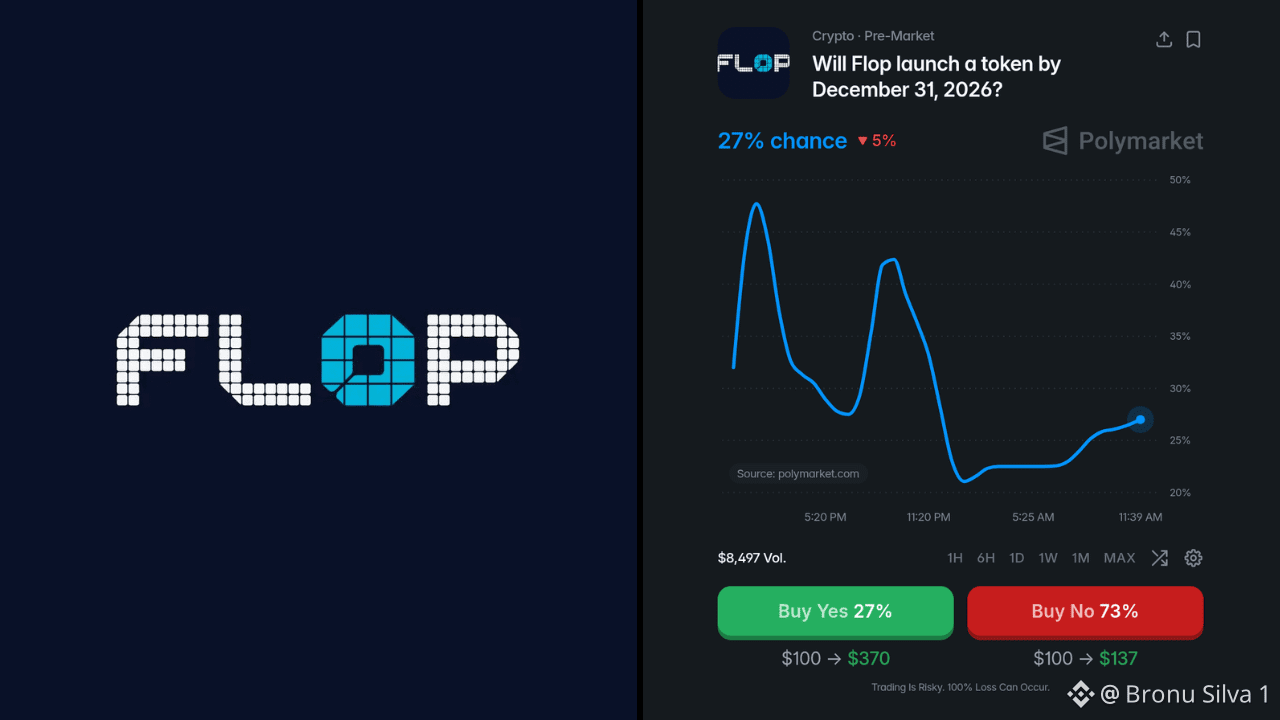
Flopは本当にトークンをローンチするのか?📉 Flopはまだ、プレマーケットの暗号資産シーンではかなり小さな名前です。ほとんどの人がまだ聞いたことのないようなプロジェクト。 現在の確率は27%で、5%下落しています。 この市場自体もまだ新しく、これまでの出来高はわずか8,497ドルです。 この薄い出来高は、すでに着地の見通しを把握しているなら、序盤からウォッチする価値があります。 もうブレイクアウトの可能性は? いえ、あまりありません。 このチャートはすでに2回試しています。序盤に48%へ向けて大きく跳ねたものの、そこから全て売られて、下限側の20%台前半まで押し戻されました。 その後もう一度試し、40%近くまで押し上げたものの、また同じくらい素早く売り戻されました。 同じような期間にこの2回の失敗が起きると、買い手が現れ続ける一方で、売り手が勝ち続けていることが多いです。 ここはNo寄りです。直近で27%まで小さく戻したとしても、それより前の2回のきれいな拒否(リジェクト)を消すことはできません。 $DOGEは、こうしたより小規模な初期段階のローンチに関する疑問に対して資金をつけることが多いです。 さらにその直後に$ARBも現れます。特に、こうした市場が注目され始めると。 Polymarketは、こういう読みを“見ているだけ”ではなく、実際に何かを得るための最も堅実な手段のように感じます。 とはいえ、最終的に選ぶのはあなたです。 #Altcoin Season#
Flopは本当にトークンをローンチするのか?📉 Flopはまだ、プレマーケットの暗号資産シーンではかなり小さな名前です。ほとんどの人がまだ聞いたことのないようなプロジェクト。 現在の確率は27%で、5%下落しています。 この市場自体もまだ新しく、これまでの出来高はわずか8,497ドルです。 この薄い出来高は、すでに着地の見通しを把握しているなら、序盤からウォッチする価値があります。 もうブレイクアウトの可能性は? いえ、あまりありません。 このチャートはすでに2回試しています。序盤に48%へ向けて大きく跳ねたものの、そこから全て売られて、下限側の20%台前半まで押し戻されました。 その後もう一度試し、40%近くまで押し上げたものの、また同じくらい素早く売り戻されました。 同じような期間にこの2回の失敗が起きると、買い手が現れ続ける一方で、売り手が勝ち続けていることが多いです。 ここはNo寄りです。直近で27%まで小さく戻したとしても、それより前の2回のきれいな拒否(リジェクト)を消すことはできません。 $DOGEは、こうしたより小規模な初期段階のローンチに関する疑問に対して資金をつけることが多いです。 さらにその直後に$ARBも現れます。特に、こうした市場が注目され始めると。 Polymarketは、こういう読みを“見ているだけ”ではなく、実際に何かを得るための最も堅実な手段のように感じます。 とはいえ、最終的に選ぶのはあなたです。 #Altcoin Season#
75
翻訳参照
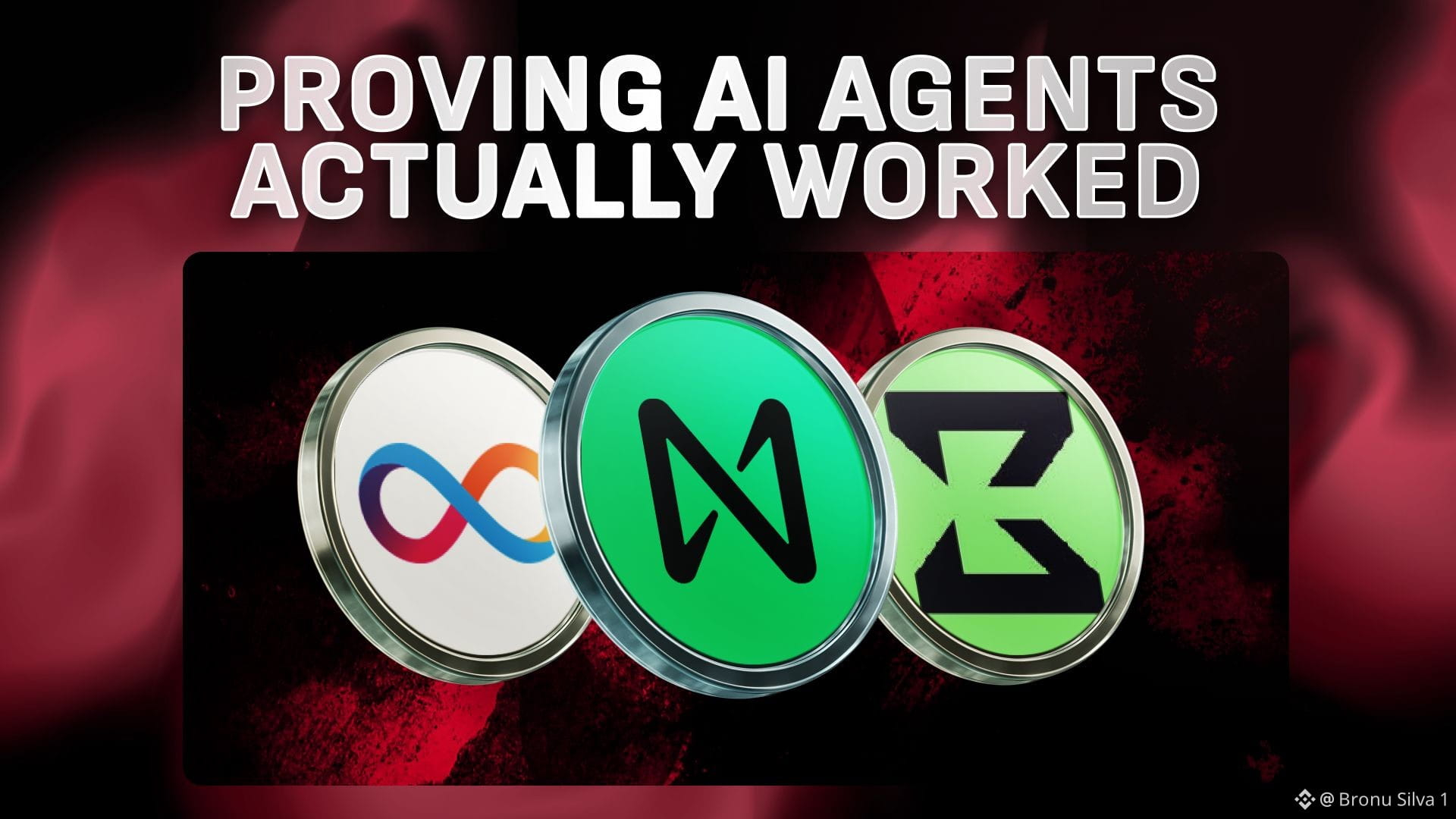
What do autonomous AI Agents really do? $NEAR is building infrastructure for AI agents that can operate across applications and interact with users without constant human input. $ICP is pushing in a similar direction, giving AI agents infrastructure to run and interact with blockchain applications. But autonomy creates a verification problem. An agent can claim it completed a task, used specific data, or followed a required process. Without a proof, the application still has to trust the claim. That gets harder when agents start interacting with each other and executing thousands of actions without human oversight. VFY adds a verification layer. zkVerify can verify proofs showing that a computation or task was executed correctly without exposing the underlying data or process. The agent executes. The proof verifies. That’s how machine-to-machine activity can become independently checkable. #Altcoin Season# #AI
What do autonomous AI Agents really do? $NEAR is building infrastructure for AI agents that can operate across applications and interact with users without constant human input. $ICP is pushing in a similar direction, giving AI agents infrastructure to run and interact with blockchain applications. But autonomy creates a verification problem. An agent can claim it completed a task, used specific data, or followed a required process. Without a proof, the application still has to trust the claim. That gets harder when agents start interacting with each other and executing thousands of actions without human oversight. VFY adds a verification layer. zkVerify can verify proofs showing that a computation or task was executed correctly without exposing the underlying data or process. The agent executes. The proof verifies. That’s how machine-to-machine activity can become independently checkable. #Altcoin Season# #AI
62
あなた専用にパーソナライズされた最高の無料AIトレーディングエージェント 🧠 私がAgent Pearを気に入っている理由のひとつは、ポートフォリオ、希望する取引サイズ、リスク嗜好などを覚えてくれることです。そのため、どの設定も「実際に自分がどう取引するか」を前提にすでに組み立てられます。さらに新しいElfaの統合によって、そのパーソナライズは保有銘柄を超えて広がります。自分が気にしているコミュニティ、追跡したいKOLやクジラウォレット、そして$TAO や $HYPE といった監視しているトークンを保存でき、Agent Pearはそれらの好みを、Telegramで話しているときでもデスクトップで使っているときでも覚えています。 それからウォッチリストの周りに通知(ピング)を設定して、何か把握しておく価値のあることが起きたら、リアルタイムのアップデートやニュースを受け取れます。自分で一日中探し回らなくても大丈夫です。なぜもっと早く誰も教えてくれなかったんでしょう? ポケットの中にパーソナライズされたクオンツが入っていて、あなたの代わりに残業してくれているようなものなので、トレードはかなり簡単になります。 pear.garden/trade #Altcoin Season#
あなた専用にパーソナライズされた最高の無料AIトレーディングエージェント 🧠 私がAgent Pearを気に入っている理由のひとつは、ポートフォリオ、希望する取引サイズ、リスク嗜好などを覚えてくれることです。そのため、どの設定も「実際に自分がどう取引するか」を前提にすでに組み立てられます。さらに新しいElfaの統合によって、そのパーソナライズは保有銘柄を超えて広がります。自分が気にしているコミュニティ、追跡したいKOLやクジラウォレット、そして$TAO や $HYPE といった監視しているトークンを保存でき、Agent Pearはそれらの好みを、Telegramで話しているときでもデスクトップで使っているときでも覚えています。 それからウォッチリストの周りに通知(ピング)を設定して、何か把握しておく価値のあることが起きたら、リアルタイムのアップデートやニュースを受け取れます。自分で一日中探し回らなくても大丈夫です。なぜもっと早く誰も教えてくれなかったんでしょう? ポケットの中にパーソナライズされたクオンツが入っていて、あなたの代わりに残業してくれているようなものなので、トレードはかなり簡単になります。 pear.garden/trade #Altcoin Season#
101
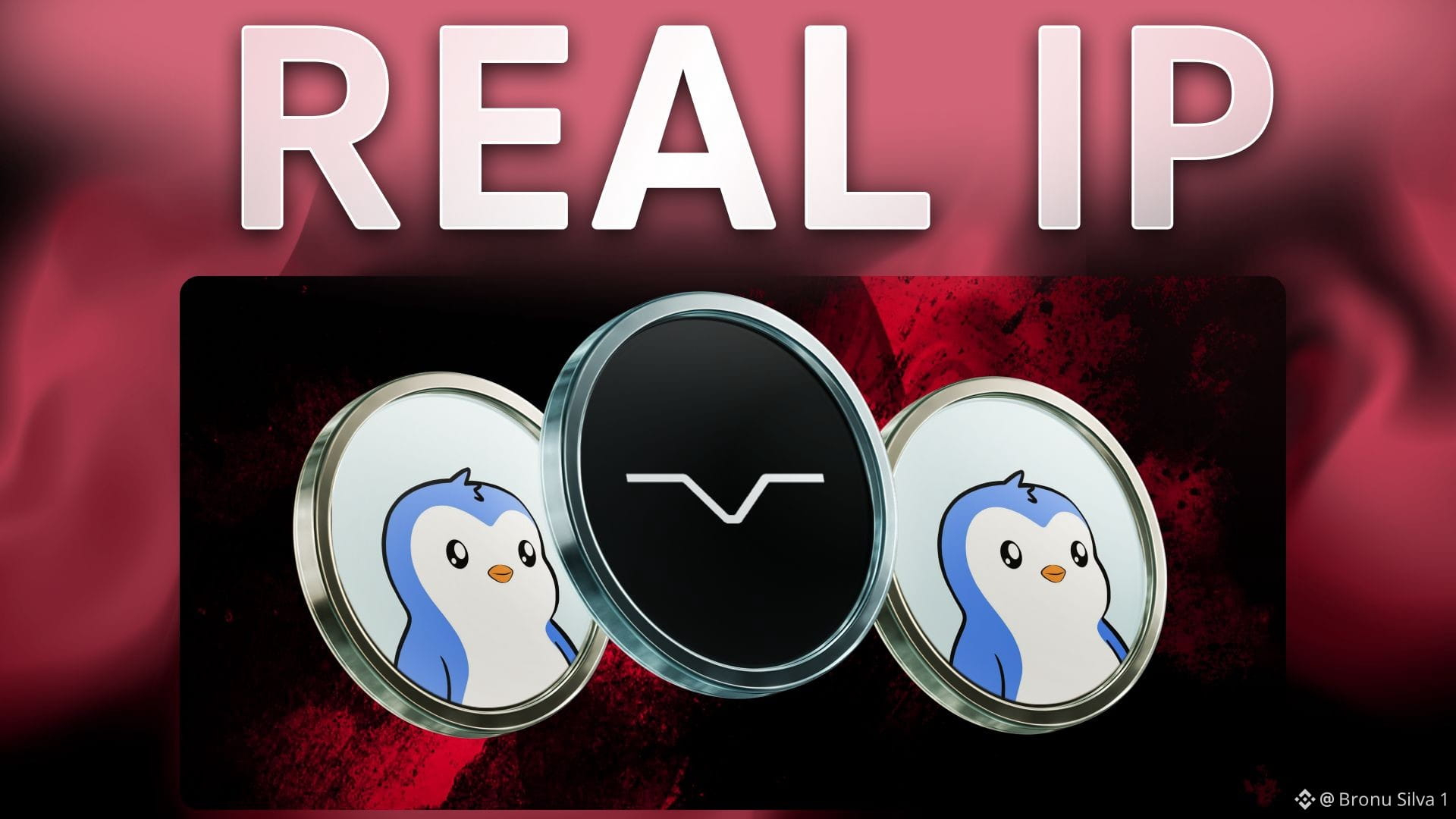
本物のHeritage IPは、効き方が違う。$DOOD のホルダーたちは、クリエイティブな文化がブランドへと育っていくのを見てきた。最も強力な資産は、輪の中で“作る”ものではないと理解している。育てるのは時間をかけてだ。デロリアンは輪の中で作られたわけではない。1981年に作られた。そしてそれ以来、ずっと文化的な重みを積み重ねてきた。映画、文化、あらゆる世代にまたがるグローバルな存在感。ひと言もなくても、どんな部屋に入っても注目を奪うような、その種の遺産。$DMC は、その遺産をトークン化している。世界でもっとも文化的に濃い自動車IP。いま、オンチェーンで利用可能に。これほど“本物”のHeritageが巡ってくることは、そう多くない。 #Altcoin Season#
本物のHeritage IPは、効き方が違う。$DOOD のホルダーたちは、クリエイティブな文化がブランドへと育っていくのを見てきた。最も強力な資産は、輪の中で“作る”ものではないと理解している。育てるのは時間をかけてだ。デロリアンは輪の中で作られたわけではない。1981年に作られた。そしてそれ以来、ずっと文化的な重みを積み重ねてきた。映画、文化、あらゆる世代にまたがるグローバルな存在感。ひと言もなくても、どんな部屋に入っても注目を奪うような、その種の遺産。$DMC は、その遺産をトークン化している。世界でもっとも文化的に濃い自動車IP。いま、オンチェーンで利用可能に。これほど“本物”のHeritageが巡ってくることは、そう多くない。 #Altcoin Season#
60
$SOL がトレンドになっているのを見つけた方法 🟣 自分のタイムラインをスクロールして気づいたわけではありません。SOLが本当に勢いを増しているのに気づいたのは、$KAITO Pro の Meta Search の中にいたときでした。そこには、アルゴリズムが表示する内容をそのまま待つのではなく、トークン周りでトップパフォーマンスの投稿を見つけるために特化したスクロールページが用意されています。どのアカウントを確認すべきか当てずっぽうで探す代わりに、私は SOL を直接検索し、それについての実際に最もパフォーマンスが高い投稿のフィードを手に入れました。表示順は、単なる新しさ(鮮度)ではなく、実際のエンゲージメントと注目度(マインドシェア)に基づいています。これは、何十ものアカウントを見て、その日のどこかで偶然関連する投稿がされていることを祈る体験とはまったく別物です。どんなナラティブが注目を動かしているのか、そしてそれを支えている具体的な投稿がどれなのかを、はっきりと見て取れました。Kaito がこの機能を作ったのは、多くの人がまだ遅い手順でトレンドを探しているからです。タイムラインを更新して、何か役に立つものが表示されるのを待つ——。Meta Search はそのステップを完全に省略します。私は、他の自分のフィードのどこにも出てくる前に SOL のトレンドを掴みました。そして「最初にそこで見たこと」と「その後、どこにでも出てくるようになったこと」の間にあるギャップこそが、このツールが作られた理由です。 #Altcoin Season# #Macro Insights#
$SOL がトレンドになっているのを見つけた方法 🟣 自分のタイムラインをスクロールして気づいたわけではありません。SOLが本当に勢いを増しているのに気づいたのは、$KAITO Pro の Meta Search の中にいたときでした。そこには、アルゴリズムが表示する内容をそのまま待つのではなく、トークン周りでトップパフォーマンスの投稿を見つけるために特化したスクロールページが用意されています。どのアカウントを確認すべきか当てずっぽうで探す代わりに、私は SOL を直接検索し、それについての実際に最もパフォーマンスが高い投稿のフィードを手に入れました。表示順は、単なる新しさ(鮮度)ではなく、実際のエンゲージメントと注目度(マインドシェア)に基づいています。これは、何十ものアカウントを見て、その日のどこかで偶然関連する投稿がされていることを祈る体験とはまったく別物です。どんなナラティブが注目を動かしているのか、そしてそれを支えている具体的な投稿がどれなのかを、はっきりと見て取れました。Kaito がこの機能を作ったのは、多くの人がまだ遅い手順でトレンドを探しているからです。タイムラインを更新して、何か役に立つものが表示されるのを待つ——。Meta Search はそのステップを完全に省略します。私は、他の自分のフィードのどこにも出てくる前に SOL のトレンドを掴みました。そして「最初にそこで見たこと」と「その後、どこにでも出てくるようになったこと」の間にあるギャップこそが、このツールが作られた理由です。 #Altcoin Season# #Macro Insights#
72
🚨 この言葉を怖がるのをやめよう デルタ・ニュートラルは、クオンツだけが理解できるようなものに聞こえますが、実はシンプルな考え方です。 どちらかの側が押しても、水平を保ち続けるシーソーを想像してください。 デルタ・ニュートラルのポジションとは、下にある資産の価格が上下しても、その価値が大きくブレないことを意味します。 金は明日ジャンプすることも下がることもあり得ますが、きちんと設計されたデルタ・ニュートラル戦略なら、どちらに転んでも本質的には気にしなくていいはずです。 これが「Theoriq Gold Vault」の考え方のすべてです。実際のリターンは別のものから生まれ、$XAUt を担保として保有しつつ、金の価格が動くのではなく、プラットフォーム間の金利差から得るのです。 ほとんどの利回り商品は、口では言わなくても、内心では市場が協力することを密かに必要としています。 この種の仕組みは、それがまったく不要です。 ただしバランスを保つには、常に小さな調整が必要です。 一度設定して放っておけるわけではありません。 その調整が機能するのは、背後にある価格データが正確で高速である場合に限られます。 そして、それこそが $LINK の役割です。 そのアップデートを見逃すと、誰もすぐには気づかないうちに、全体のバランスが傾く可能性があります。 こう見えるようになると、複雑に聞こえなくなって、ただの常識に聞こえるようになります。 #Altcoin Season# #DeFi
🚨 この言葉を怖がるのをやめよう デルタ・ニュートラルは、クオンツだけが理解できるようなものに聞こえますが、実はシンプルな考え方です。 どちらかの側が押しても、水平を保ち続けるシーソーを想像してください。 デルタ・ニュートラルのポジションとは、下にある資産の価格が上下しても、その価値が大きくブレないことを意味します。 金は明日ジャンプすることも下がることもあり得ますが、きちんと設計されたデルタ・ニュートラル戦略なら、どちらに転んでも本質的には気にしなくていいはずです。 これが「Theoriq Gold Vault」の考え方のすべてです。実際のリターンは別のものから生まれ、$XAUt を担保として保有しつつ、金の価格が動くのではなく、プラットフォーム間の金利差から得るのです。 ほとんどの利回り商品は、口では言わなくても、内心では市場が協力することを密かに必要としています。 この種の仕組みは、それがまったく不要です。 ただしバランスを保つには、常に小さな調整が必要です。 一度設定して放っておけるわけではありません。 その調整が機能するのは、背後にある価格データが正確で高速である場合に限られます。 そして、それこそが $LINK の役割です。 そのアップデートを見逃すと、誰もすぐには気づかないうちに、全体のバランスが傾く可能性があります。 こう見えるようになると、複雑に聞こえなくなって、ただの常識に聞こえるようになります。 #Altcoin Season# #DeFi
80
ログインして、さらにコンテンツを読む
厳選トピックで世界の暗号資産トレーダーの仲間入り
⚡️ 暗号資産に関する最新かつ有益な情報が見つかります。
💬 世界最大の暗号資産取引所から信頼されています。
👍 認証を受けたクリエイターから、有益なインサイトを得られます。
メール / 電話番号
トレンドトピック
BitcoinReboundsTo$79K
閲覧回数 25,956
238人が討論中
🚨 $BTC はさらに上昇しようとしています。
ビットコインは約 $78,804 で取引されており、先ほど $78K の水準を回復したことでおよそ 1.9% 上昇しています。次に注目すべきは、日中の高値である約 $78,905 です。
その水準を明確に上抜けると、$79K〜$80K へ向かう道が開ける可能性があります。もしBTCが跳ね返される場合、サポートは $78,300 あたりにあり、その次は $77,975 です。
強気筋には勢いがありますが、BTC は $78K を上回って維持する必要があります。
#Bitcoin #BTC #CryptoTrading #CryptoMarket #CryptoAnalysis
PulseON
·いいね:20件
·閲覧回数 20k
USDCOnChainVolumeTops$100Trillion
閲覧回数 23
8人が討論中
BitcoinSpotETFsNetInflow$160M
閲覧回数 955
58人が討論中