
Aether Global News
739 投稿
Aether Global News
報告
ユーザーをブロック
Get Fast News 24/7 in Binance Square Now . Watch The News Grab The Opportunity To Get In Rally First

JCTホルダー
超高頻度トレーダー
3.1年
5 フォロー
314 フォロワー
1.9K+ いいね
投稿
すべて
引用
動画
翻訳参照
Binance founder Changpeng Zhao (CZ) is urging iPhone users running iOS 18.4 through 18.7 to update immediately as the DarkSword exploit chain actively targets unpatched devices for crypto wallet credentials.
• Ecosystem-Wide Alerts: In-app and web OS-detection warnings are rolling out across Binance, Trust Wallet, Binance Wallet, PancakeSwap, CoinMarketCap, and BNB Chain to flag vulnerable devices on sight.
• Zero-Click Web Vector: Simply loading a compromised webpage in Safari lets the six-flaw exploit chain escape the browser sandbox and scan local storage, Notes, Photos, and iCloud Keychain for seed phrases—even if you never connect a wallet or sign a transaction.
• Required Patch Threshold: Apple patched the core DarkSword chain in iOS 26.3 (with current releases up to iOS 26.7.3 and iOS 27.2.1, plus iOS 18.7.12 for older XS/XR hardware).
If you keep seed phrases in mobile notes or photos on an unpatched phone, how much does a hardware wallet actually protect you once the OS itself is compromised?
$BTC $ETH $BNB
{spot}(BNBUSDT)
Binance founder Changpeng Zhao (CZ) is urging iPhone users running iOS 18.4 through 18.7 to update immediately as the DarkSword exploit chain actively targets unpatched devices for crypto wallet credentials.
• Ecosystem-Wide Alerts: In-app and web OS-detection warnings are rolling out across Binance, Trust Wallet, Binance Wallet, PancakeSwap, CoinMarketCap, and BNB Chain to flag vulnerable devices on sight.
• Zero-Click Web Vector: Simply loading a compromised webpage in Safari lets the six-flaw exploit chain escape the browser sandbox and scan local storage, Notes, Photos, and iCloud Keychain for seed phrases—even if you never connect a wallet or sign a transaction.
• Required Patch Threshold: Apple patched the core DarkSword chain in iOS 26.3 (with current releases up to iOS 26.7.3 and iOS 27.2.1, plus iOS 18.7.12 for older XS/XR hardware).
If you keep seed phrases in mobile notes or photos on an unpatched phone, how much does a hardware wallet actually protect you once the OS itself is compromised?
$BTC $ETH $BNB
63
本人確認中
翻訳参照
Justin Sun spent $45M on $WLFI only to have 595M tokens locked in a blacklisted wallet since September 2025—a stack now worth roughly $11.6M at ~$0.0196 after Friday's 53% crash, while he publicly accuses World Liberty Financial of investor fraud and demands exchange delistings.
The dispute traces back to an undisclosed blacklisting function added to the $WLFI token contract, which sparked Sun's April 2026 federal lawsuit and a May defamation countersuit from World Liberty Financial. On Nov. 28, Sun escalated the feud by alleging circular insider lending and unauthorized token sales, urging major exchanges and regulators to suspend both $WLFI and $USD1.
Despite the public call for delistings—and $USD1 briefly dipping to ~$0.94 before recovering toward $0.995—major venues have kept trading open while the California litigation remains pending.
Does a token contract with an issuer-controlled blacklist function ever recover institutional trust—or is $WLFI permanently priced as a cautionary governance case?
1
706
XRP Ledgerのネイティブ融資プロトコルは、35人のバリデーターのうち28人(80.0%)の賛成票を獲得しています。必須の14日間の有効化カウントダウンを開始するために必要な29票の特別多数まで、あと1票です。
• バリデーターの承認しきい値:LendingProtocolとLendingProtocolV1_1はいずれも28/35票にとどまっています。XRPLのコンセンサスルールが求めるのは80%を超えることですが、現在はちょうど80%です。
• ボールトのカウントダウンは開始済み:SingleAssetVault(XLS-65)はすでに11月25日に29/35票(82.86%)を獲得し、12月9日、約19:38 UTCの有効化に向けて順調に進んでいます。融資の開始が数日遅れても、ユーザーは資産を預け入れてボールトの持分を受け取れます。
• 流動性プールの準備:約8億3,700万ドル相当のXRPLステーブルコインが、現在約3,050万ドルのDeFi TVLと並存しています。ClearpoolやCicada Partnersのような機関投資家向け信用取引デスクが稼働すれば、ただちに利回り獲得の対象となります。
週末にバリデーターの29人目が賛成に転じ、12月9日のボールト稼働から数日以内に融資プロトコルの足並みがそろった場合、XRPLに大規模なステーブルコイン流動性が実際に流入するのでしょうか。それとも、主に機関投資家向けにとどまるのでしょうか?
90
マレーシアが初の現物ビットコインETFを承認。Halogenのシャリア準拠版は12月2日にBursaに上場。シャリア準拠、BitGoによるカストディ、現物BTC。$BTC #Bitcoin #ETF #Crypto 本当に現地資金を呼び込むのか、それともニッチなままなのか?
マレーシアが初の現物ビットコインETFを承認。Halogenのシャリア準拠版は12月2日にBursaに上場。シャリア準拠、BitGoによるカストディ、現物BTC。$BTC #Bitcoin #ETF #Crypto 本当に現地資金を呼び込むのか、それともニッチなままなのか?
117
英国金融行為監督機構(FCA)は、英国の個人投資家にサービスを提供する分散型金融(DeFi)プラットフォームに正式な認可を義務付ける方針です。6億3,000万ドル相当のバイナンスの侵害で流出した資金が、分散型プロトコルを通じて急速に移動したことを明確に根拠として挙げています。
決済・デジタル資産部門の責任者であるジェーン・ムーア氏は、THORChainのようなサービスを介したクロスチェーン資金洗浄の速度と規模は、従来の資産凍結の仕組みでは対応しきれないと指摘しました。11月18日に終了した協議を受けた指針案では、規制対象の取引所が、トークン化株式を含む英国の個人投資家の注文を、認可されていない海外のDeFiプロトコルに回すことも禁じられます。
最終指針は2027年1月に公表される予定です。新たな暗号資産規制は2027年10月25日に施行される予定で、これにより英国は米国やEUよりも厳格な執行方針を取ることになります。
フロントエンドに認可を義務付ければ、クロスチェーン資金洗浄を実際に阻止できるのでしょうか。それとも、英国の個人投資家を海外の非カストディアルウォレットへ押しやるだけなのでしょうか?
41
フィデリティが現物チェーンリンクETFを申請 — $LINKに必要な起爆剤となるか?
フィデリティは、純粋な現物チェーンリンクETF(ナスダックでのティッカー候補はFLNK)のS-1を提出。LINKを直接保有し、ステーキングは行いません。
• 11月25日に申請。カストディアンはAnchorage、BitGo、Coinbase。手数料と開始日はまだ未定です。
• Grayscale(GLNK、約1億1,200万ドル)とBitwise(CLNK、約4,200万ドル)はすでに運用中。合計運用資産は約1億5,400万ドルですが、両ファンドでは資金流出が続き、ピークを大きく下回っています。
• フィデリティは今週、すでに自社プラットフォームでLINKの取引を開始しました。今回のETFは同社にとって4本目の暗号資産ETF(BTC、ETH、SOLに続く)となります。
• これまでのLINKの反応は、マクロ要因による下落後に9ドル前後で小幅反発した程度。申請だけで買いが強制されるわけではありません。相場を動かすのは、実際の純設定額だけです。
大手企業の参入。シンプルな仕組み。ただし、既存のLINK ETFからは資金が流出中。新たな資金が入るのか、それともETFの器が増えるだけなのか?
あなたの見解をコメントしてください — フィデリティは本当に$LINKを動かすのか、それともこれはノイズにすぎないのか?
$LINK #Chainlink #etf #Fidelity #crypto #BinanceSquare
121
Zcash開発者、Saplingから3億ドル相当の資金移動を呼びかけ
Zcashの開発者たちは、保有者に対し、古いSaplingプライバシープールから約3億ドル相当のZECを移すよう促しています。現在も約400,000 ZECがそこに残っています。
• 共同創業者のSean BoweとDev Ojhaが率いるZakuraは、Saplingの廃止を早めたいと考えています。AIを活用したブレークスルーを含む、将来の数学の進歩によって、ペアリングベースの暗号技術が弱体化する可能性があると警告しています。
• 実際に機能する攻撃はまだ確認されていません。リスクは「非常に推測的」とされていますが、システムがまだ機能しているうちに移行するほうがよいと、チームは述べています。
• 計画では、ネットワークのアップグレードによってSaplingへの新規入金を停止する一方、出金は可能な状態を保ち、保有者がIronwood(新しいプールで、すでにプライベートZECの約85%を保有)へ移行できるようにします。
• IronwoodはHalo 2を採用しており、同じペアリングには依存していません。信頼できる攻撃の証拠が現れた場合に限り、Saplingを緊急凍結する選択肢も残されています。
• Saplingはすでに利用が低調で、最近の取引の2.6%未満(その大半はマイニング関連)にとどまっています。
プライバシーコイン業界は動向を注視しています。今すぐ移行するべきか、それとも様子を見るべきか?
$ZEC #zcash #crypto #Privacy #BinanceSquare

Follow get packet
送り主:Aether Global News
1
47
ETFからの資金流出が続いています。現物ビットコインファンドは11月だけで、すでに50億ドル超の流出となり、過去最悪の月を記録しています。IBITだけでも昨日、約3億3,000万ドルが流出しました。
ETFからの資金流出が続いています。現物ビットコインファンドは11月だけで、すでに50億ドル超の流出となり、過去最悪の月を記録しています。IBITだけでも昨日、約3億3,000万ドルが流出しました。
68
スイス初の現物ビットコインETFが、SIXで取引開始。BBITは手数料0.19%で350 BTCを保有し、CHFとUSDで取引できます。単なる別のETPではなく、真の現物商品です。$BTC #Bitcoin #ETF #Crypto 今、米国外で買っているのは誰?
スイス初の現物ビットコインETFが、SIXで取引開始。BBITは手数料0.19%で350 BTCを保有し、CHFとUSDで取引できます。単なる別のETPではなく、真の現物商品です。$BTC #Bitcoin #ETF #Crypto 今、米国外で買っているのは誰?
92
·
--
ブリッシュ
$ETH 13.4K USDT(30日間の取引)
Bit Digitalは29,825 $ETH を約1,676ドルで売却し、Galaxyからの借入額を半分に削減した。なお、ETH換算で13万4,000相当を保有している。
$ETH $BTBT.US #Ethereum #暗号資産
Bit Digitalは29,825 $ETH を約1,676ドルで売却し、Galaxyからの借入額を半分に削減した。なお、ETH換算で13万4,000相当を保有している。
$ETH $BTBT.US #Ethereum #暗号資産
$ETH $BTBT.US #Ethereum #暗号資産
36
·
--
ブリッシュ
ウクライナは、3億3,200万ドルの収益目標を掲げて暗号資産を合法化。法案は271票で可決され、2027年7月に施行される。税率18%+5%はその後。
ウクライナは、3億3,200万ドルの収益目標を掲げて暗号資産を合法化。法案は271票で可決され、2027年7月に施行される。税率18%+5%はその後。
21
ニューヨーク州司法長官、NovaTech創業者らに13億7,000万ドルの判決を確定。彼らは暗号資産で11億6,000万ドルを集めたものの、そのほとんどを取引せず、ハイチ系コミュニティを標的にしていた。
#暗号資産 #ポンジスキーム #速報
ニューヨーク州司法長官、NovaTech創業者らに13億7,000万ドルの判決を確定。彼らは暗号資産で11億6,000万ドルを集めたものの、そのほとんどを取引せず、ハイチ系コミュニティを標的にしていた。
#暗号資産 #ポンジスキーム #速報
#暗号資産 #ポンジスキーム #速報
56
Kaikoのデータによると、11月13日までの30日間で、11種類のステーブルコインの純償還額は約120億ドルに達し、USDTとUSDCはいずれも約4%減少しました。その後、供給量は安定しており、減少幅は2022年より小さくなっています。
Kaikoのデータによると、11月13日までの30日間で、11種類のステーブルコインの純償還額は約120億ドルに達し、USDTとUSDCはいずれも約4%減少しました。その後、供給量は安定しており、減少幅は2022年より小さくなっています。
79
翻訳参照
$669.2M pulled from US spot Bitcoin ETFs on Friday—with $544.7M exiting BlackRock's IBIT—marking four straight redemption days and roughly $1.8B in weekly outflows.
— Friday Net Flow: -$669.2M across US spot $BTC ETFs (fourth consecutive outflow day)
— IBIT Share: -$544.7M from BlackRock's IBIT alone, driving the bulk of redemptions
— Weekly Pressure: ~$1.8B in weekly outflows weighing on institutional ETF demand
With spot ETFs bleeding ~$1.8B for the week, are institutional redemptions still leading the tape or does dip demand step in first?
54
翻訳参照
The UK Financial Conduct Authority is moving to bar crypto exchange operators from trading against users on their own platforms starting October 25, 2027.
Under the new FCA framework and HM Treasury's November 18 amendments, qualifying cryptoasset platforms must leave market making to independent third parties rather than using proprietary capital against customers, with existing firms facing a February 28, 2027 deadline for transitional protection and offshore venues serving UK users pulled into the same regime.
Separating venue operation from house trading mirrors traditional equity market rules and forces exchanges to monitor third-party market makers while disclosing liquidity incentive schemes.
Will banning in-house market making deepen real third-party liquidity on UK order books or widen spreads when volatility spikes?
61
·
--
ブリッシュ
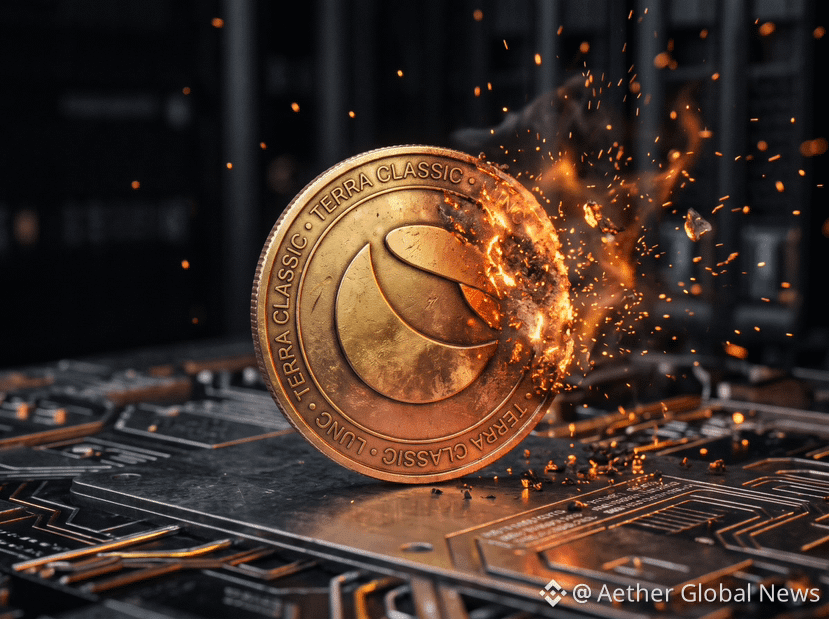
$LUNC Terra Classic($LUNC)は本日これまでに1,266万トークンを焼却し、累計焼却量は4,651億5,000万LUNCを超えました。一方、トークン価格は7日間で13.7%上昇し、約$0.0000393で推移しています。
• オンチェーン焼却エンジン:1.5%の焼却税により、すべての送金でトークンが自動的に焼却され続けており、トレーダーが延期されたBinanceの11月分手数料焼却を待つなか、流通供給量は約5.55兆に減少しています。
• ステーキングとネットワークへのコミットメント:Core v4.1.1の安定性向上アップグレード後も、供給量の約14%にあたる9,020億LUNC超がステーキングでロックされています。
• エコシステムの強気材料:バリデーターは、85,200ドルのSolidProofセキュリティ監査について積極的に投票しています。また、LUNCとUSTCにマルチチェーン流動性をもたらすことを目指し、Hyperlaneによるクロスチェーン展開についても議論が進んでいます。
Binanceが延期された11月分の焼却を実施し、SolidProof監査が承認された場合、次に$LUNC は0.000045ドルのレジスタンスを突破するでしょうか? #TerraClassic
{spot}(LUNCUSDT)
$LUNC Terra Classic($LUNC )は本日これまでに1,266万トークンを焼却し、累計焼却量は4,651億5,000万LUNCを超えました。一方、トークン価格は7日間で13.7%上昇し、約$0.0000393で推移しています。
• オンチェーン焼却エンジン:1.5%の焼却税により、すべての送金でトークンが自動的に焼却され続けており、トレーダーが延期されたBinanceの11月分手数料焼却を待つなか、流通供給量は約5.55兆に減少しています。
• ステーキングとネットワークへのコミットメント:Core v4.1.1の安定性向上アップグレード後も、供給量の約14%にあたる9,020億LUNC超がステーキングでロックされています。
• エコシステムの強気材料:バリデーターは、85,200ドルのSolidProofセキュリティ監査について積極的に投票しています。また、LUNCとUSTCにマルチチェーン流動性をもたらすことを目指し、Hyperlaneによるクロスチェーン展開についても議論が進んでいます。
Binanceが延期された11月分の焼却を実施し、SolidProof監査が承認された場合、次に$LUNC は0.000045ドルのレジスタンスを突破するでしょうか? #TerraClassic
4
517
·
--
ブリッシュ
$BTC 37.9K USDT(30日間の取引)
Krakenのカナダドル建て板でビットコインが24,250カナダドル(約16,900ドル)を記録する一方、BTC/USDは57,650ドル付近で安定していた。同じ取引所で、実に71%の価格差が生じた。Traders Union
— 自動の成行売りが、薄いカナダドル建て注文板を約14時間にわたって直撃した後、価格は急反発して80,000カナダドルを上回った
— 底値付近で約20.8 BTCが約定し、カナダドル建ての指値買い注文を出していたトレーダーは、世界の現物価格と比べて即座に約832,000ドル相当の利益を得た
— Krakenは不正侵入やマッチングエンジンの不具合を否定し、成立したすべての取引が有効であると確認した。TradingView +2
流動性の薄い現地通貨建ての注文板でこのような事態が起きた場合、取引所は約定の最終性を尊重すべきか、それとも自動成行注文による急落を取り消すべきか? $BTC #Bitcoin
52
ログインして、さらにコンテンツを読む
厳選トピックで世界の暗号資産トレーダーの仲間入り
⚡️ 暗号資産に関する最新かつ有益な情報が見つかります。
💬 世界最大の暗号資産取引所から信頼されています。
👍 認証を受けたクリエイターから、有益なインサイトを得られます。
メール / 電話番号
トレンドトピック
EvolveAtBinanceBlockchainWeek
閲覧回数 2.4M
20,325人が討論中
Binance Blockchain Weekが正式に開幕しました!🌍
11月28日〜29日、バンコクからでも遠方からでも、ライブ配信を視聴してBinance Squareで会話に参加しましょう!
イベントの見どころはこちら👇
📺 main stage liveを視聴
両日を通して、業界のスピーカーが今年のテーマ「Evolve(進化)」について、それぞれの視点を語ります。技術革新から現実世界での活用まで、暗号資産の次なる展開を探りましょう。
⚔️ 2つのトレード大会を視聴
Aster Open QualifierとBinance Trading Master Tournamentは、どちらもライブ配信されます。トレーダーたちの熱戦をぜひご覧ください。
🏆 Blockchain 100 Awards Ceremonyを視聴
「Blockchain 100」リストはコミュニティによって選ばれました。クリエイターたちと、彼らが発信するアイデアを一緒に祝いましょう!
💬 コミュニティの会話に参加
投稿に写真を添えて#EvolveAtBinanceBlockchainWeek を使い、楽しみにしていることや業界への意見、イベントでのお気に入りの瞬間をシェアしましょう。
event pageのライブ配信が始まりました!ワンクリックですべてのライブ配信を登録して、見逃さないようにしましょう👏
Binance Blockchain Week
·いいね:605件
·閲覧回数 932k
WorldLibertyActsToCutLiquidationRisk
閲覧回数 25,899
299人が討論中
LiquidHackerMoves598BTC
閲覧回数 21,036
205人が討論中