🚀 Crypto Future Outlook: BTC, XRP, SOL – Should You Hold?
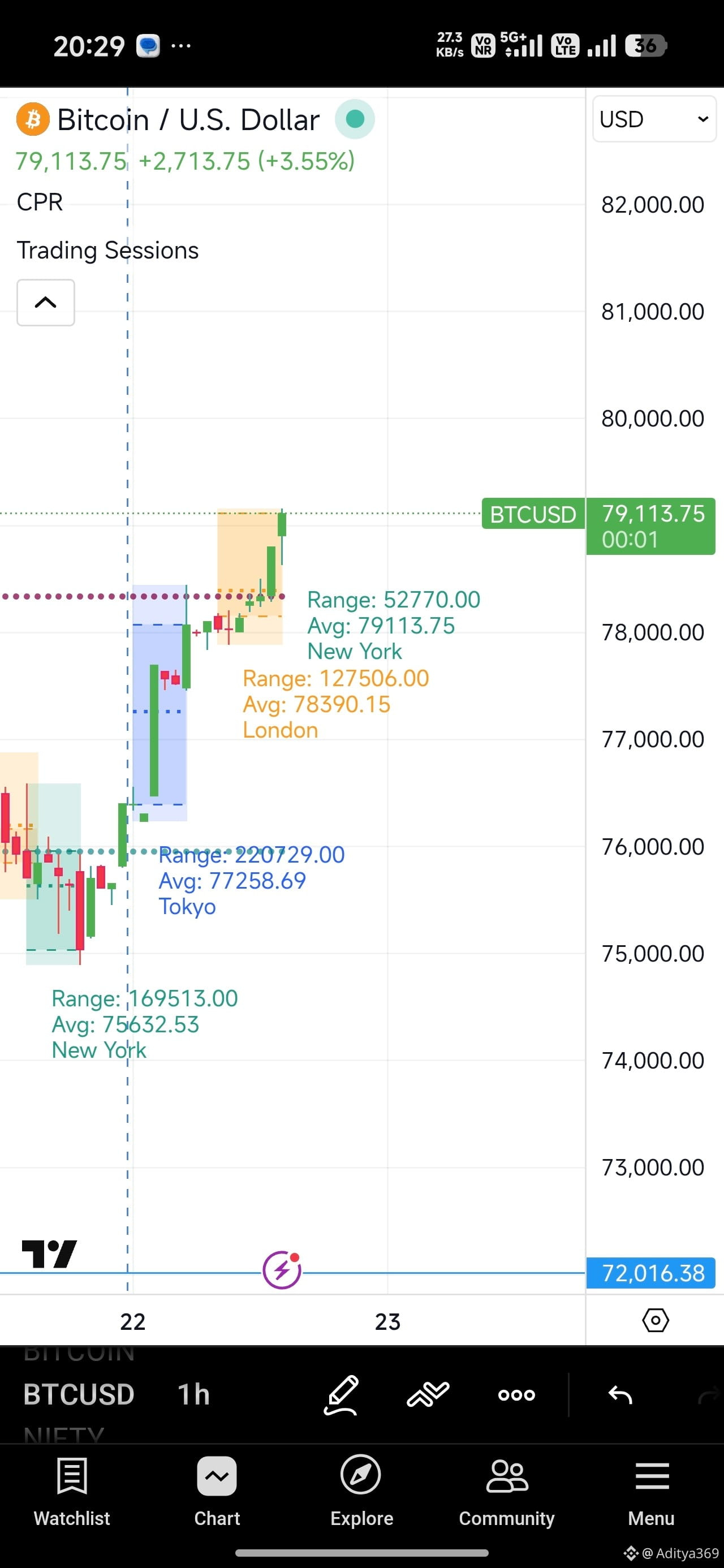
As we move deeper into this bull cycle, Bitcoin (BTC) continues to lead the charge with institutional confidence and ETF flows pushing it toward new highs. Long-term, BTC is still the safest bet for value preservation.
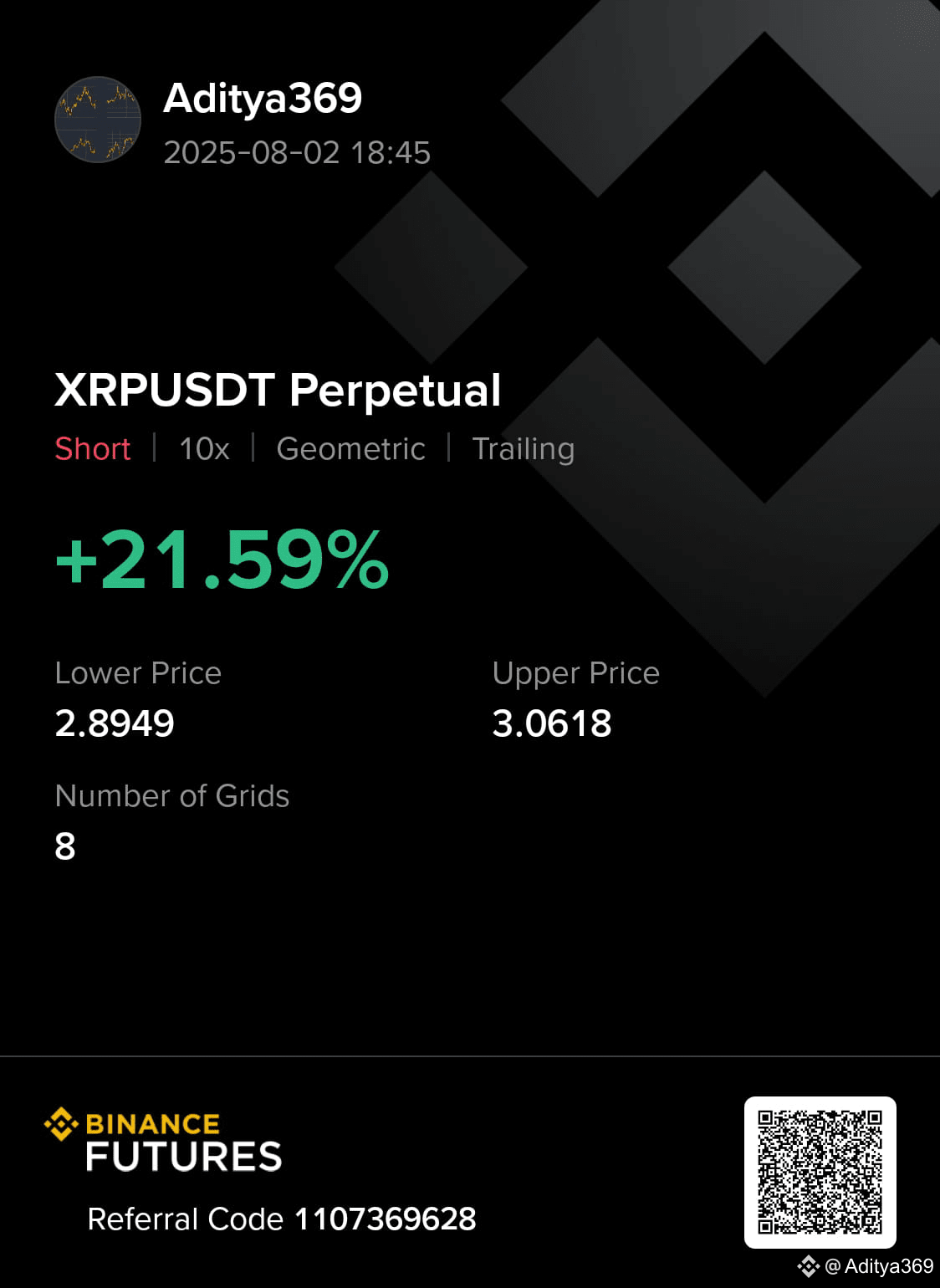
XRP, despite regulatory hurdles, is gaining momentum again. Its utility in cross-border payments is unmatched, and if global banks adopt RippleNet further, XRP could be a dark horse.
Solana (SOL) is making serious noise in the DeFi and NFT space. With lightning-fast transactions and low fees, it's positioned as a true Ethereum alternative. Developers love it—and where devs go, growth follows.
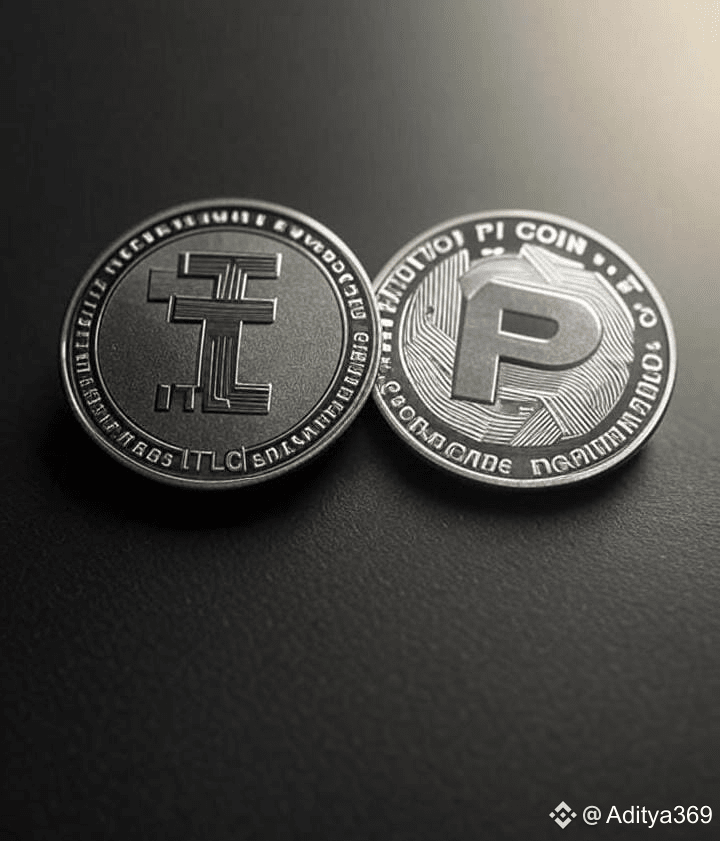
If you missed out on Pi Network mining, don’t worry—InterLink Network might be your next chance to get in early on a growing Web3 project. Launched in early 2025, InterLink is building what it calls a “Trusted Human Network,” using instant KYC, facial recognition, and AI-based ID verification to ensure only real humans can mine.
Just like Pi, you “mine” by tapping the app every few hours (about every 4 hours), but InterLink rewards you in $ITLG tokens and also gives something called HHP (Human Hash Power). You can boost your mining by inviting others or using a referral code during signup.
The app is available on Android and already crossed 1 million+ downloads, although some users reported bugs during face verification. Thankfully, recent updates claim to have fixed most of these issues.
Right now, $ITLG isn’t tradable, and there’s no market price—but early adoption could be beneficial if it launches successfully. Some users say big companies are backing it, though official confirmation is unclear.
If you’re into crypto mining and like getting in early, InterLink could be worth exploring. But as always, do your own research before diving in.
Use this Code while signup to get 1000 ITLG coins "Telugu@190419911"
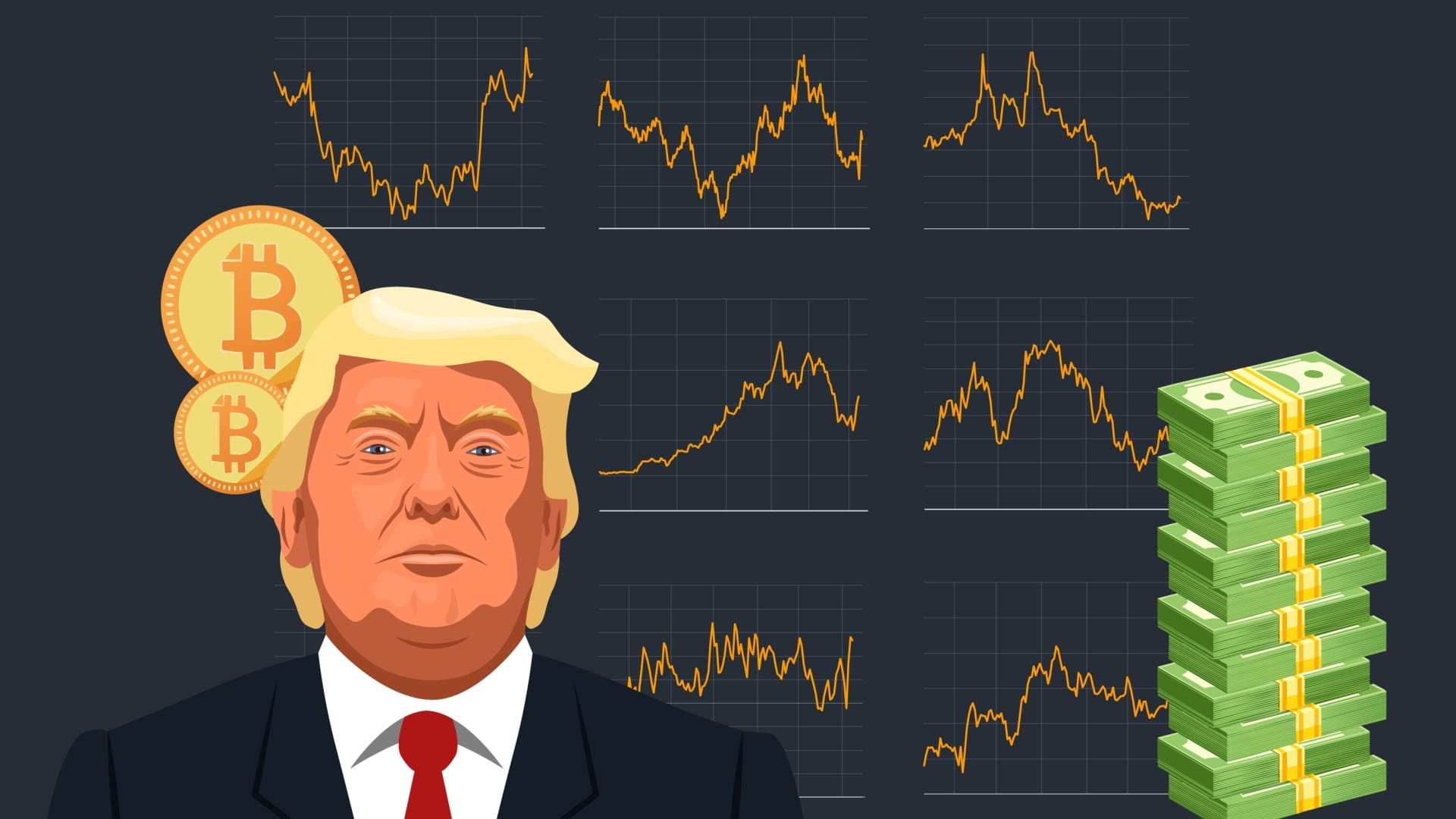
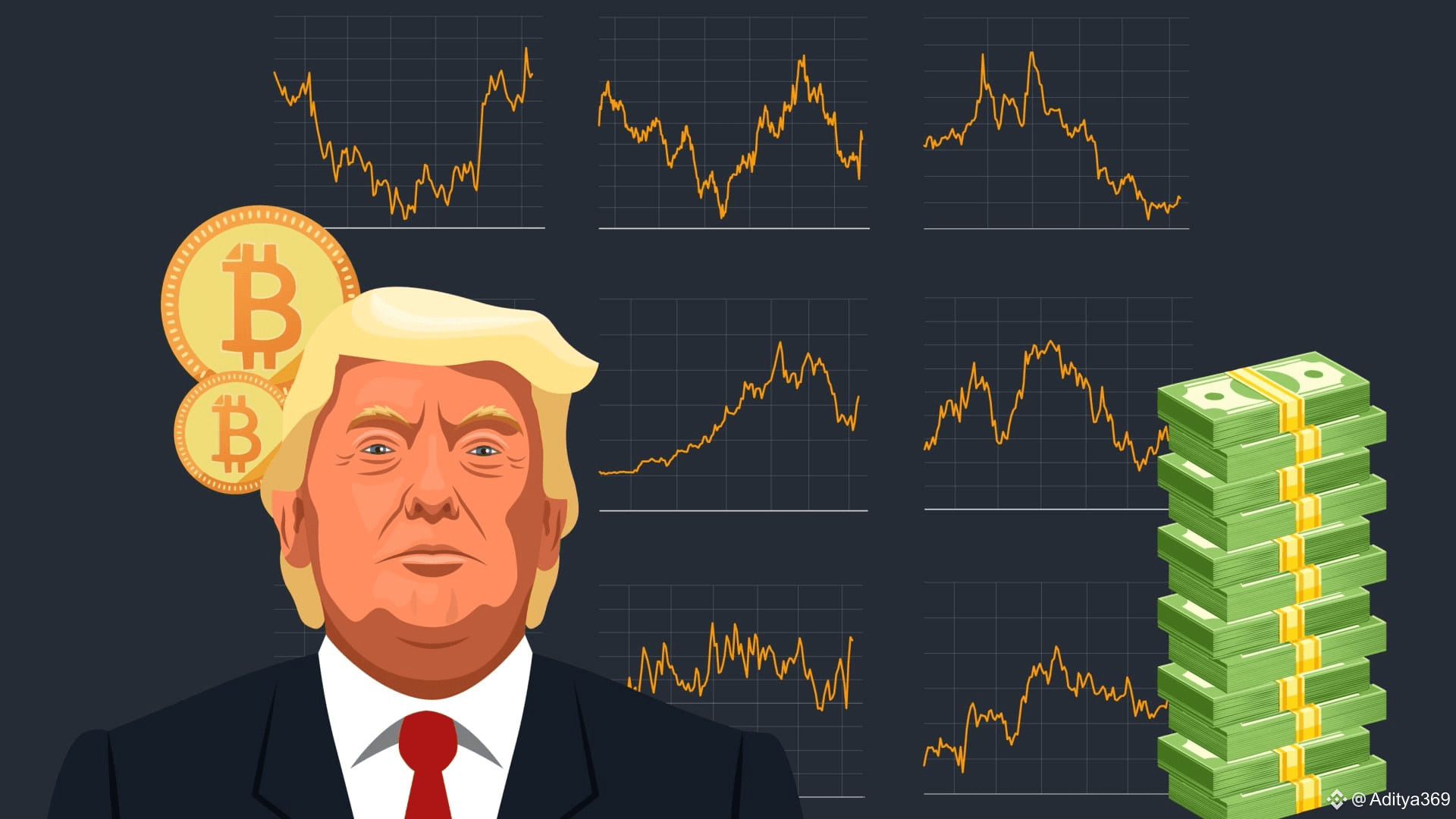
Former President Donald Trump’s renewed push for tariffs—especially the proposed 10% across-the-board import tax—could have surprising consequences beyond traditional markets. One area that’s beginning to feel the tremors is the world of crypto stablecoins.
At first glance, tariffs might seem unrelated to crypto. But here’s the catch: stablecoins, like USDT (Tether) and USDC, are pegged to the US dollar and used globally for trade, remittances, and even hedging against inflation. If Trump’s tariffs go into effect, they could trigger global trade tensions, lead to dollar volatility, and even impact dollar liquidity abroad. All of these ripple into the way stablecoins are used and trusted.
For example, if international demand for the dollar drops due to trade retaliation or a shift toward non-dollar trade settlements, it could affect how stablecoins are backed or valued. Countries might explore non-dollar-backed digital currencies or ramp up the use of central bank digital currencies (CBDCs) to reduce dependence on the dollar-based stablecoin system.
Additionally, increased tariffs can slow global trade and affect cross-border payments—two areas where stablecoins shine. That might actually drive higher usage of crypto in developing nations looking for faster, tariff-free methods of exchange.
In short, Trump’s tariffs aren’t just about cars and steel—they could alter how the world interacts with digital dollars. Whether this drives stablecoins toward more adoption or forces innovation beyond the USD peg remains to be seen. But one thing’s clear: in a world more connected by digital assets than ever, no policy moves in isolation.
Former President Donald Trump’s renewed push for tariffs—especially the proposed 10% across-the-board import tax—could have surprising consequences beyond traditional markets. One area that’s beginning to feel the tremors is the world of crypto stablecoins.
At first glance, tariffs might seem unrelated to crypto. But here’s the catch: stablecoins, like USDT (Tether) and USDC, are pegged to the US dollar and used globally for trade, remittances, and even hedging against inflation. If Trump’s tariffs go into effect, they could trigger global trade tensions, lead to dollar volatility, and even impact dollar liquidity abroad. All of these ripple into the way stablecoins are used and trusted.
For example, if international demand for the dollar drops due to trade retaliation or a shift toward non-dollar trade settlements, it could affect how stablecoins are backed or valued. Countries might explore non-dollar-backed digital currencies or ramp up the use of central bank digital currencies (CBDCs) to reduce dependence on the dollar-based stablecoin system.
Additionally, increased tariffs can slow global trade and affect cross-border payments—two areas where stablecoins shine. That might actually drive higher usage of crypto in developing nations looking for faster, tariff-free methods of exchange.
In short, Trump’s tariffs aren’t just about cars and steel—they could alter how the world interacts with digital dollars. Whether this drives stablecoins toward more adoption or forces innovation beyond the USD peg remains to be seen. But one thing’s clear: in a world more connected by digital assets than ever, no policy moves in isolation.