
BlockViz.xyz
228 投稿

BlockViz.xyz
報告
ユーザーをブロック
Crypto price and market data analysis, visualizations, and portfolio simulations. Do your own at → blockviz.xyz
0 フォロー
3 フォロワー
8 いいね
投稿
·
--
翻訳参照
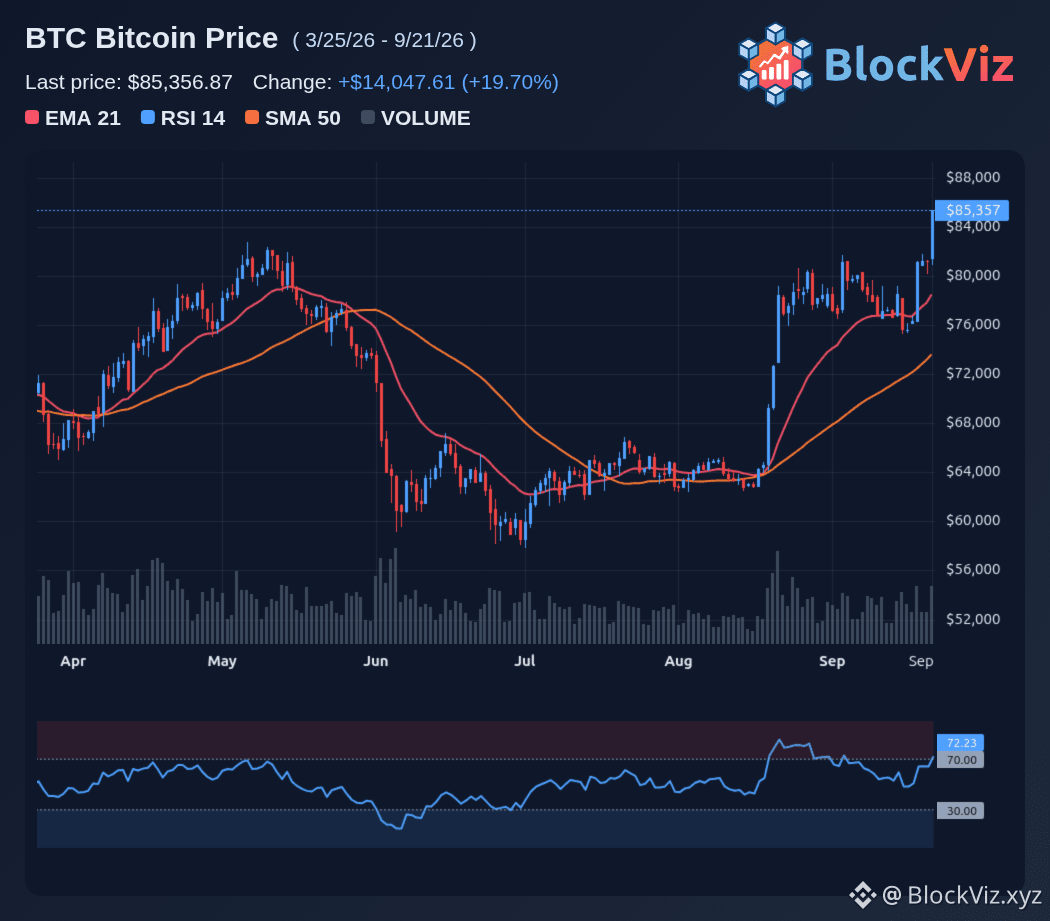
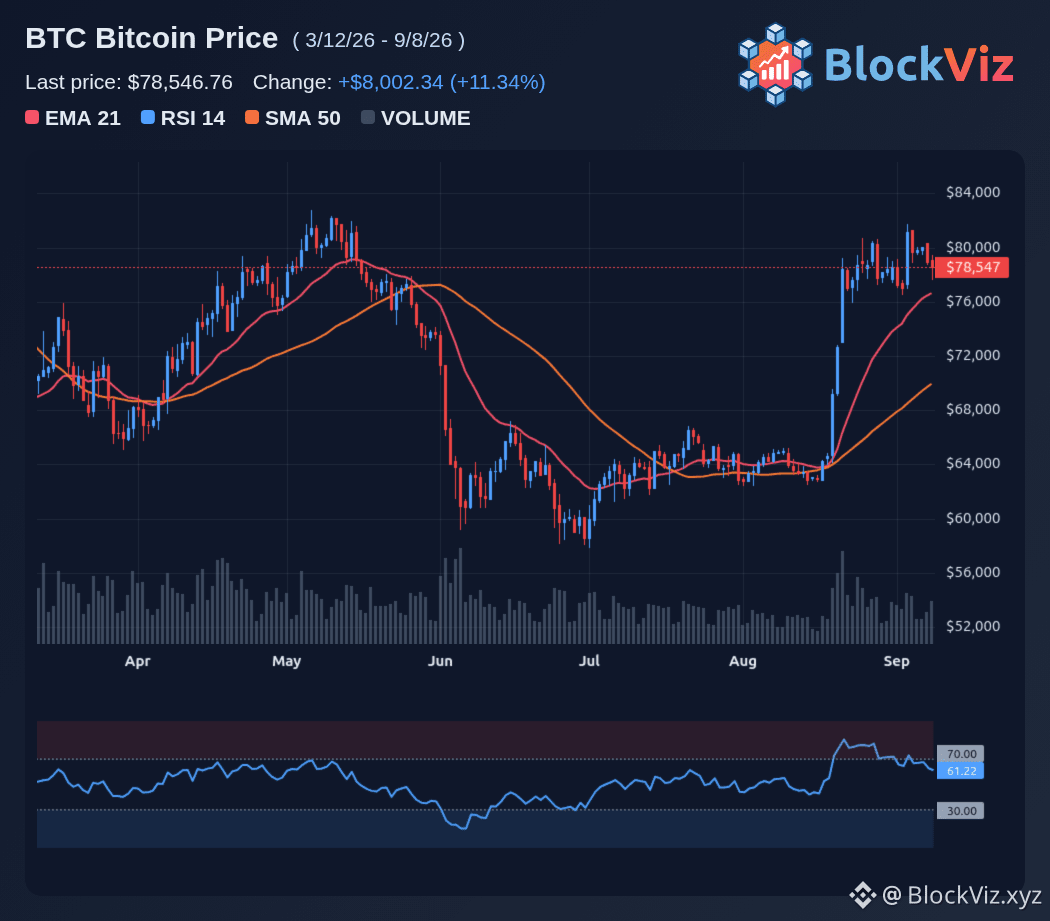
Bitcoin just closed above its 50-week moving average for the first time in 45 weeks, and history says this matters. Galaxy Research notes that in four of five completed bear markets, the first weekly reclaim of the 50W MA confirmed the cycle low was in. That is a signal that has ended 84% of bear markets, and it is flashing green now with BTC closing the week at 81,159 above the 78,788 average. The tension is whether this close is enough to call the bull market or whether we need more confirmation. Analysts are watching 83,000 as the key level that would break the lower-high pattern on the monthly chart and open the path to 90,000. A sustained move above 83,000 would align with past cycles where BTC gained 700% to 900% after breaking the 50W MA, while a failure could see a retest of 78,800 and then 74,000. For traders, the setup is clear. Hold above 80,000 and then 83,000, and the path to 90,000 opens with momentum. Lose 78,800 on a weekly close, and the signal is invalidated, with a drop toward 74,000 to 75,000 likely. The next catalysts are the September monthly candle close and any follow-through above 83,000 to confirm the trend reversal. Watch 83,000 for the breakout and 78,800 for the invalidation. A clean break and hold above 83,000 would signal the bull market has begun, while a weekly close below 78,800 would suggest the bear is not done yet. The 50W MA close is a strong signal, but it is the follow-through that will determine whether 90,000 is next or whether BTC remains stuck in its consolidation phase. $BTC
Bitcoin just closed above its 50-week moving average for the first time in 45 weeks, and history says this matters. Galaxy Research notes that in four of five completed bear markets, the first weekly reclaim of the 50W MA confirmed the cycle low was in. That is a signal that has ended 84% of bear markets, and it is flashing green now with BTC closing the week at 81,159 above the 78,788 average. The tension is whether this close is enough to call the bull market or whether we need more confirmation. Analysts are watching 83,000 as the key level that would break the lower-high pattern on the monthly chart and open the path to 90,000. A sustained move above 83,000 would align with past cycles where BTC gained 700% to 900% after breaking the 50W MA, while a failure could see a retest of 78,800 and then 74,000. For traders, the setup is clear. Hold above 80,000 and then 83,000, and the path to 90,000 opens with momentum. Lose 78,800 on a weekly close, and the signal is invalidated, with a drop toward 74,000 to 75,000 likely. The next catalysts are the September monthly candle close and any follow-through above 83,000 to confirm the trend reversal. Watch 83,000 for the breakout and 78,800 for the invalidation. A clean break and hold above 83,000 would signal the bull market has begun, while a weekly close below 78,800 would suggest the bear is not done yet. The 50W MA close is a strong signal, but it is the follow-through that will determine whether 90,000 is next or whether BTC remains stuck in its consolidation phase. $BTC
1
157
·
--
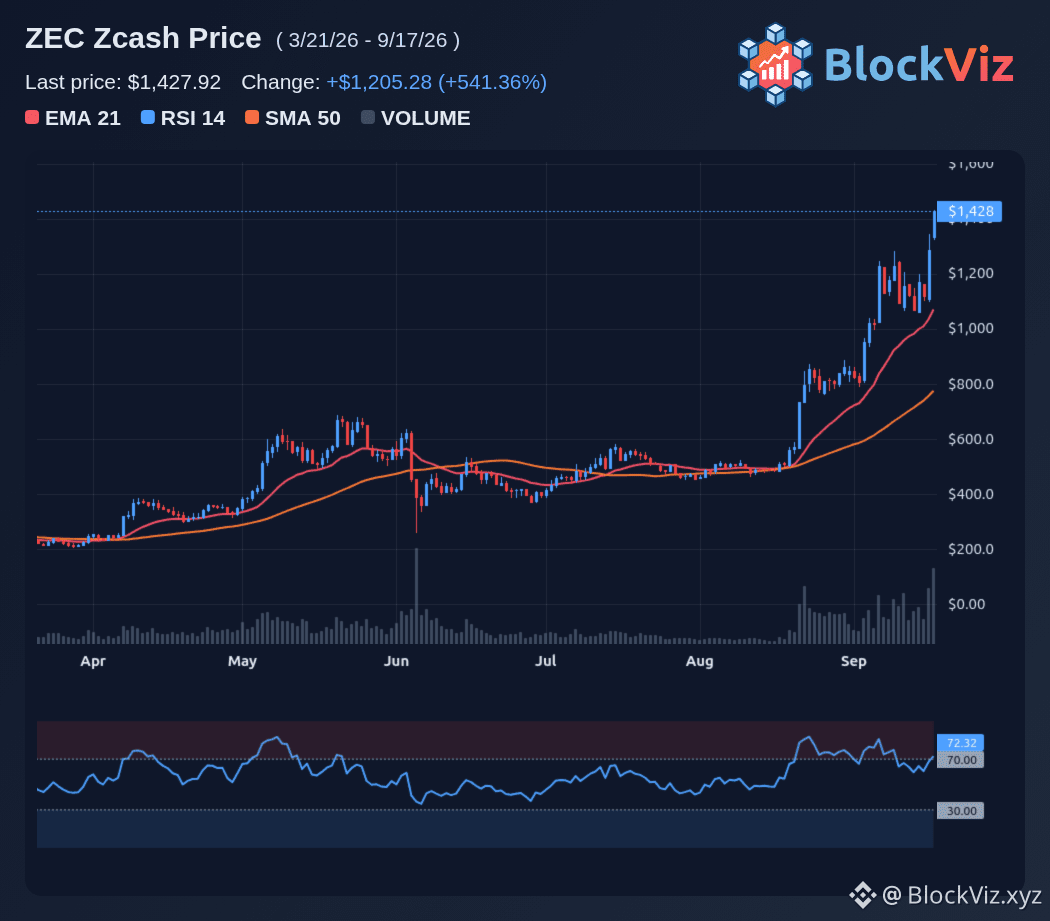
ハッカーはモネロを求め、VC(ベンチャーキャピタル)はジーキャッシュを望む。その分岐こそが、いま最も端的に「プライバシーのトレードオフ」を映し出しています。レボルートの侵害事件は、300万ドルの身代金要求とともにモネロを再び見出しに押し上げました。一方でジーキャッシュは、機関投資家の資金フロー、ETFアクセス、そしてVCのトレジャリー(保有資金)ポジショニングに乗っており、ZECは1,400に近づき、時価総額でXMRに対するリードを100億ドル超まで広げています。 この緊張関係が重要なのは、2つの資産がすでに異なる物語を語っているからです。モネロは違法な主体にとってのデフォルトのプライバシー選択で、すべての取引がプロトコルレベルで隠され、閲覧キーのオプションもありません。これにより地下経済での需要は高いまま保たれますが、規制対応の取引所は遠ざかり続けます。クラケンをはじめとするEUのプラットフォームは、すでに2027年7月のAMLR(アンチ・マネーロンダリング規則)禁止に先立ってXMRの制限を進めています。 これとは対照的に、ジーキャッシュはオプションとしてシールド取引と閲覧キーを提供し、保有者が監査人や規制当局に詳細を開示できるようにしています。まさにそのため、グレイスケールが米国上場商品の立ち上げを可能にし、マルチコイン・キャピタルやサイファーパンクのようなファンドが大きなZECポジションを構築できたのです。 トレーダーにとっての問いは、プライバシー需要がさらにZEC側へ回転するのか、それともモネロの「違法利用」ナラティブと上場廃止(デリスティング)圧力が、逆張りの仕掛け(コントラリアンなセットアップ)を生み出すのかという点です。ZECは機関投資家の流入で好成績を収めており、ZCSHプロダクトの最初の2週間で報告された純流入が3,400万を超えています。さらにTHORChainの統合とSwissBorgの上場による新たな流動性も加わっています。XMRは取引所のデリスティングや規制関連の見出しに対してより敏感ですが、それでもOTC(店頭)や非KYC(本人確認不要)取引の場で、深い流動性を確保しています。 ZECは1,400付近、そして次の1,500を見てください。さらに、1,200を下回る失敗(戻り失速)は、機関投資家の買いが冷めてきたことを示すサインになります。XMRについては、レボルートの見出しが落ち着いた後に主要なサポートを維持できるか、そして新たな…を監視してください。 $ZEC
ハッカーはモネロを求め、VC(ベンチャーキャピタル)はジーキャッシュを望む。その分岐こそが、いま最も端的に「プライバシーのトレードオフ」を映し出しています。レボルートの侵害事件は、300万ドルの身代金要求とともにモネロを再び見出しに押し上げました。一方でジーキャッシュは、機関投資家の資金フロー、ETFアクセス、そしてVCのトレジャリー(保有資金)ポジショニングに乗っており、ZECは1,400に近づき、時価総額でXMRに対するリードを100億ドル超まで広げています。 この緊張関係が重要なのは、2つの資産がすでに異なる物語を語っているからです。モネロは違法な主体にとってのデフォルトのプライバシー選択で、すべての取引がプロトコルレベルで隠され、閲覧キーのオプションもありません。これにより地下経済での需要は高いまま保たれますが、規制対応の取引所は遠ざかり続けます。クラケンをはじめとするEUのプラットフォームは、すでに2027年7月のAMLR(アンチ・マネーロンダリング規則)禁止に先立ってXMRの制限を進めています。 これとは対照的に、ジーキャッシュはオプションとしてシールド取引と閲覧キーを提供し、保有者が監査人や規制当局に詳細を開示できるようにしています。まさにそのため、グレイスケールが米国上場商品の立ち上げを可能にし、マルチコイン・キャピタルやサイファーパンクのようなファンドが大きなZECポジションを構築できたのです。 トレーダーにとっての問いは、プライバシー需要がさらにZEC側へ回転するのか、それともモネロの「違法利用」ナラティブと上場廃止(デリスティング)圧力が、逆張りの仕掛け(コントラリアンなセットアップ)を生み出すのかという点です。ZECは機関投資家の流入で好成績を収めており、ZCSHプロダクトの最初の2週間で報告された純流入が3,400万を超えています。さらにTHORChainの統合とSwissBorgの上場による新たな流動性も加わっています。XMRは取引所のデリスティングや規制関連の見出しに対してより敏感ですが、それでもOTC(店頭)や非KYC(本人確認不要)取引の場で、深い流動性を確保しています。 ZECは1,400付近、そして次の1,500を見てください。さらに、1,200を下回る失敗(戻り失速)は、機関投資家の買いが冷めてきたことを示すサインになります。XMRについては、レボルートの見出しが落ち着いた後に主要なサポートを維持できるか、そして新たな…を監視してください。 $ZEC
52
·
--
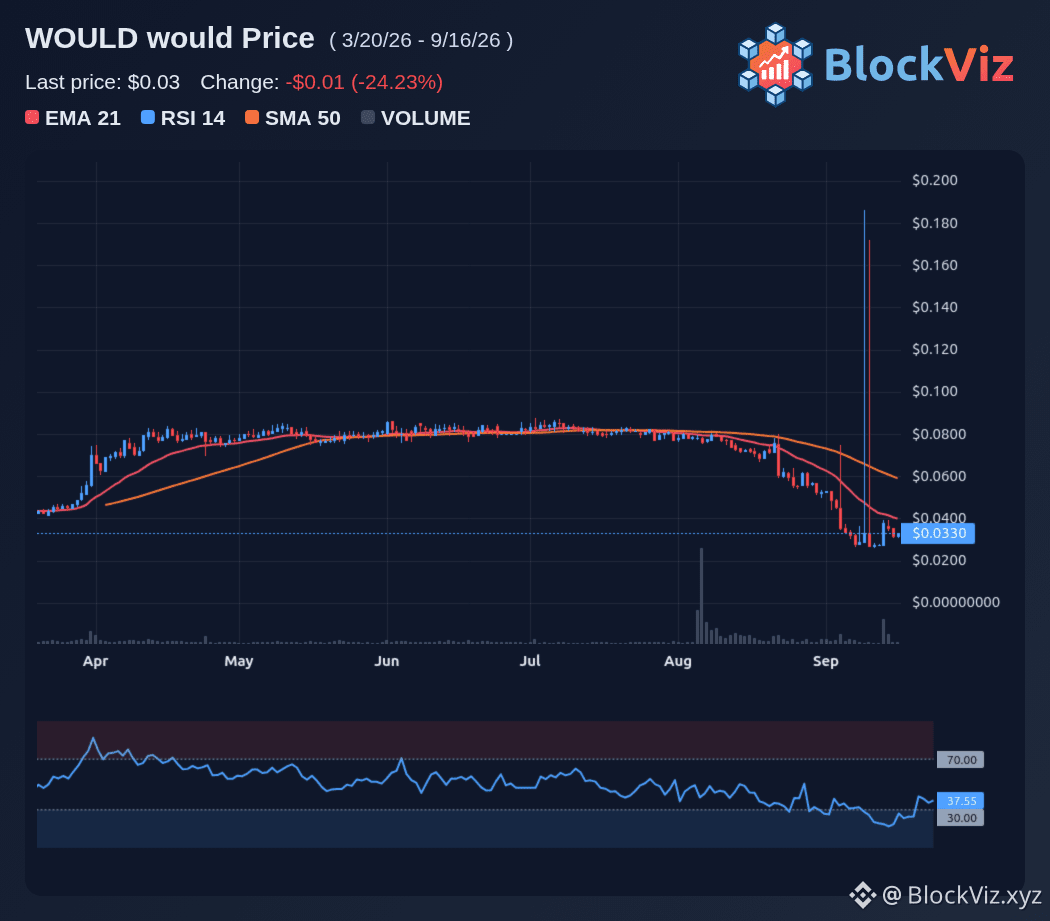
3年ぶりとなるFRBの利上げがいまや主役になっているが、仮想通貨にとっての本当のリスクは利上げそのものではない。市場は、25ベーシスポイントの動きが3.75%〜4.00%へ向かう確率を92%〜93%で織り込んでいるため、見出し(ヘッドライン)は大方予想どおりだ。BTCを7万5,000〜7万8,000のレンジから動かし得るのは、市場が想定しているよりもサプライズな「据え置き」か、「ドットプロット」および記者会見のトーンが、織り込まれている水準より強気(ハト派的でない)または弱気(ハト派的)に振れることだ。サプライズの据え置きは、より大きなショックになり得る。そうなればショート筋が素早く買い戻しを余儀なくされ、ビットコインは78,189を突破して、XRPやETHも重要なレジスタンスを同時にブレイクする可能性がある。確率的にはそれは不利だが、まさにそのため、据え置きは通常の利上げ以上にインパクトが大きくなる。より起こりやすいシナリオは、利上げを行いつつ、市場が10月または12月に向けて次の動きが来るのかどうか、ドットプロットの手掛かりを注視する展開だ。BTCはすでに、Clarity Actが60票のハードルをクリアできなかったことを受けて、8万ドル台前半から下落している。さらに一時は75,000ドルを割り込み、その後は75,500〜75,900ドル近辺で安定した。強気的なドットプロット、あるいはガイダンスが出れば、値動きが74,000ドルまで、そしてその先の70,000ドルへ延びる可能性がある。中立〜弱気(よりハト派的)な読みは、BTCが再び78,000ドルを取り戻し、もう一度80,000ドルを試しにいく助けになり得る。トレーダーは、米東部時間午後2時の決定、ドットプロットの見通し、そしてワーシュ氏の米東部時間午後2時30分の記者会見に注目すべきだ。重要な水準は下方向が74,000ドル、上方向が78,189ドル。74,000ドルを下回って終値で着地すれば強気的な読みが確定し、一方で78,189ドルを上回ってブレイクし、かつその水準を維持できれば、市場が今回の利上げを「ニュース買い」イベントとして扱っていることを示す。 $WOULD
3年ぶりとなるFRBの利上げがいまや主役になっているが、仮想通貨にとっての本当のリスクは利上げそのものではない。市場は、25ベーシスポイントの動きが3.75%〜4.00%へ向かう確率を92%〜93%で織り込んでいるため、見出し(ヘッドライン)は大方予想どおりだ。BTCを7万5,000〜7万8,000のレンジから動かし得るのは、市場が想定しているよりもサプライズな「据え置き」か、「ドットプロット」および記者会見のトーンが、織り込まれている水準より強気(ハト派的でない)または弱気(ハト派的)に振れることだ。サプライズの据え置きは、より大きなショックになり得る。そうなればショート筋が素早く買い戻しを余儀なくされ、ビットコインは78,189を突破して、XRPやETHも重要なレジスタンスを同時にブレイクする可能性がある。確率的にはそれは不利だが、まさにそのため、据え置きは通常の利上げ以上にインパクトが大きくなる。より起こりやすいシナリオは、利上げを行いつつ、市場が10月または12月に向けて次の動きが来るのかどうか、ドットプロットの手掛かりを注視する展開だ。BTCはすでに、Clarity Actが60票のハードルをクリアできなかったことを受けて、8万ドル台前半から下落している。さらに一時は75,000ドルを割り込み、その後は75,500〜75,900ドル近辺で安定した。強気的なドットプロット、あるいはガイダンスが出れば、値動きが74,000ドルまで、そしてその先の70,000ドルへ延びる可能性がある。中立〜弱気(よりハト派的)な読みは、BTCが再び78,000ドルを取り戻し、もう一度80,000ドルを試しにいく助けになり得る。トレーダーは、米東部時間午後2時の決定、ドットプロットの見通し、そしてワーシュ氏の米東部時間午後2時30分の記者会見に注目すべきだ。重要な水準は下方向が74,000ドル、上方向が78,189ドル。74,000ドルを下回って終値で着地すれば強気的な読みが確定し、一方で78,189ドルを上回ってブレイクし、かつその水準を維持できれば、市場が今回の利上げを「ニュース買い」イベントとして扱っていることを示す。 $WOULD
74
·
--
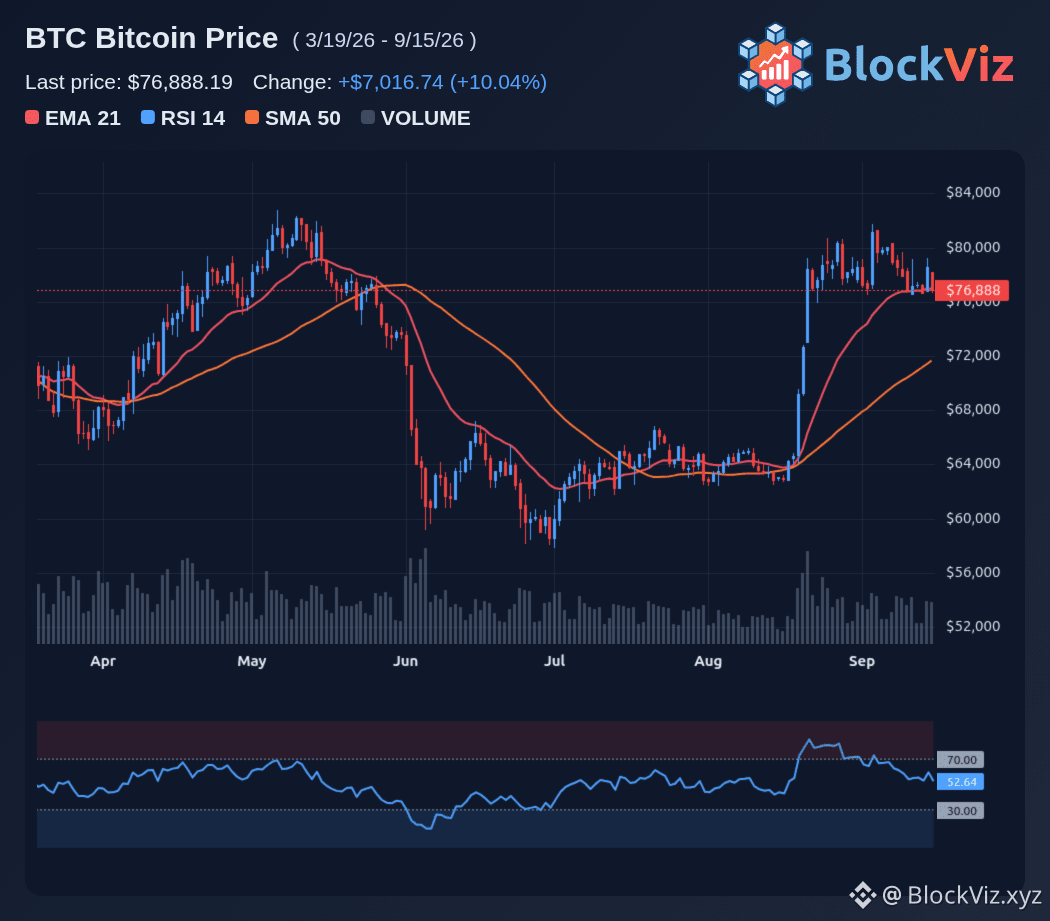
今週、非常に異なる2つの物語が衝突しています。政策面では、トランプの倫理面での譲歩により「Clarity Act(明確化法)」の確度が約32%〜34%に引き上げられ、重要な上院の採決に向けた布石が整いました。一方、フロー面では、ブラックロックのETH関連商品が20日連続の純流入を記録しており、ETHAとステーキング機能を備えたETHBが数億ドル規模の資金を集める一方、BTCのETFは4セッションで約4億6300万ドル流出し、その後は一部持ち直しました。このような乖離があるため、人々は「ウォール街は静かにETHへ傾いているのでは」と問いかけています。イーサリアムETFは先週約1億9700万ドル流入し、その後月曜日にさらに2億8100万ドル流入、ブラックロックが最大のシェアを供給しました。対照的にビットコインETFは、2026年の過去3週間で最良の流入ストリークを終え、4億6270万ドルの流出週となった一方で、IBITは9月14日に1億6000万ドルの流入を達成しています。マクロの重ね合わせが重要です。市場は9月16日のFOMCで25ベーシスポイントの利上げが高い確率で織り込まれており、そうなれば流動性が引き締まり、同時にドルが強含むことで、Clarityがセンチメントを押し上げたい思惑とちょうど逆風になります。BTCは8万ドル(82,000)近辺で何度も跳ね返され、7万7000ドル台で推移していますが、ETHは意思決定に向けて相対的な強さを見せています。トレーダーは、火曜日のクローチャー(打ち切り)結果、水曜日のFOMC決定、そしてBTCが8万〜8万2000ドルを奪還できるか、同時にETHが2500ドル超を維持できるかを注視すべきです。Clarityが前進し、FOMCが据え置きなら、BTCもETHもより高値に再評価され得ます。Clarityが停滞し、FOMCが利上げなら、マクロの逆風が支配的になり、ETHとBTCのフロー乖離が、機関投資家が本当にローテーションしているのか、それとも戦術的にポジションを取っているだけなのかを見極める重要な手がかりになります。 $BTC
今週、非常に異なる2つの物語が衝突しています。政策面では、トランプの倫理面での譲歩により「Clarity Act(明確化法)」の確度が約32%〜34%に引き上げられ、重要な上院の採決に向けた布石が整いました。一方、フロー面では、ブラックロックのETH関連商品が20日連続の純流入を記録しており、ETHAとステーキング機能を備えたETHBが数億ドル規模の資金を集める一方、BTCのETFは4セッションで約4億6300万ドル流出し、その後は一部持ち直しました。このような乖離があるため、人々は「ウォール街は静かにETHへ傾いているのでは」と問いかけています。イーサリアムETFは先週約1億9700万ドル流入し、その後月曜日にさらに2億8100万ドル流入、ブラックロックが最大のシェアを供給しました。対照的にビットコインETFは、2026年の過去3週間で最良の流入ストリークを終え、4億6270万ドルの流出週となった一方で、IBITは9月14日に1億6000万ドルの流入を達成しています。マクロの重ね合わせが重要です。市場は9月16日のFOMCで25ベーシスポイントの利上げが高い確率で織り込まれており、そうなれば流動性が引き締まり、同時にドルが強含むことで、Clarityがセンチメントを押し上げたい思惑とちょうど逆風になります。BTCは8万ドル(82,000)近辺で何度も跳ね返され、7万7000ドル台で推移していますが、ETHは意思決定に向けて相対的な強さを見せています。トレーダーは、火曜日のクローチャー(打ち切り)結果、水曜日のFOMC決定、そしてBTCが8万〜8万2000ドルを奪還できるか、同時にETHが2500ドル超を維持できるかを注視すべきです。Clarityが前進し、FOMCが据え置きなら、BTCもETHもより高値に再評価され得ます。Clarityが停滞し、FOMCが利上げなら、マクロの逆風が支配的になり、ETHとBTCのフロー乖離が、機関投資家が本当にローテーションしているのか、それとも戦術的にポジションを取っているだけなのかを見極める重要な手がかりになります。 $BTC
60
·
--
翻訳参照
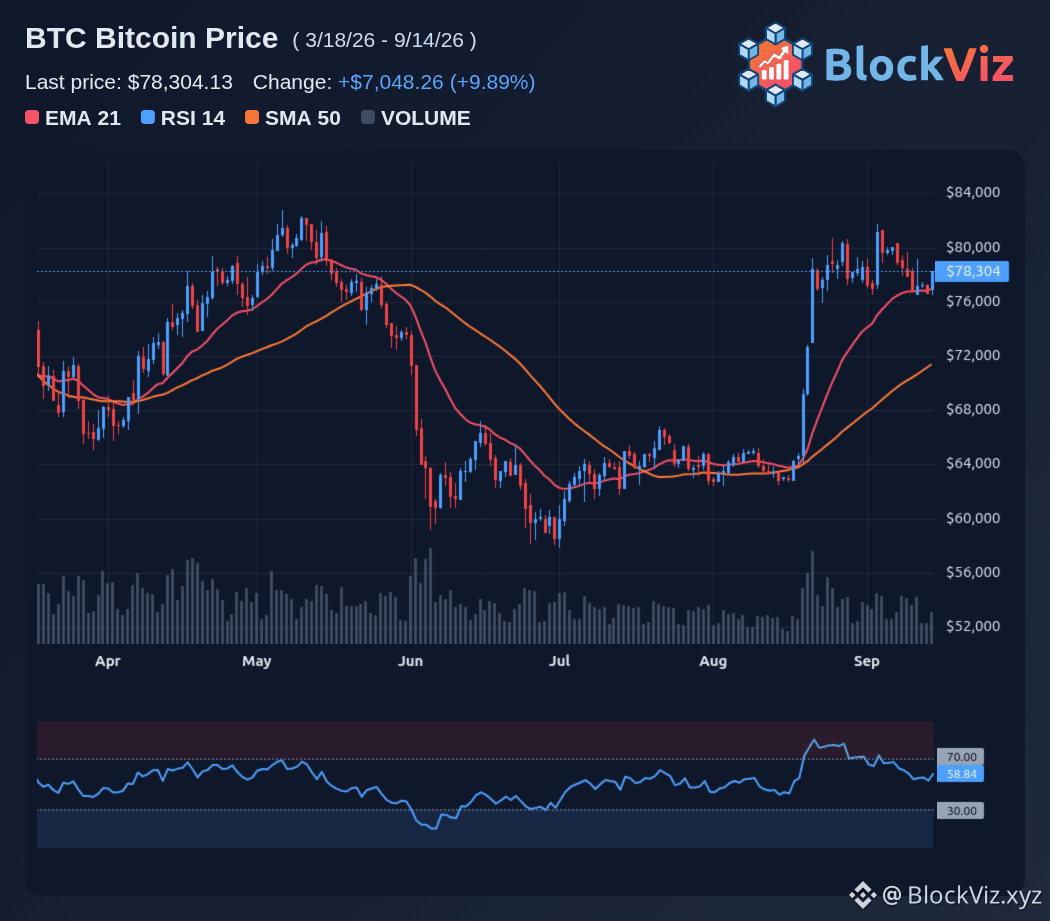
The Clarity Act just got its best political tailwind in months, but the Fed is still the bigger hammer. Trump's concession on ethics provisions has lifted the odds of the bill becoming law to around 32% on prediction markets, up from the low teens last week. A cloture vote is scheduled for Tuesday, and sponsors say they expect to clear the 60-vote threshold needed to advance debate. That is the bullish setup for crypto. If Clarity passes, it would create the first clear U.S. regulatory framework for digital assets, splitting oversight between the SEC and CFTC and potentially unlocking more institutional participation. Bernstein notes that any positive surprise is not priced in, with Bitcoin hovering near 77,700 to 80,000 and XRP up about 4% on the news. The problem is timing. The Fed meets on September 16, one day after the Senate vote, and markets are pricing a high probability of a 25 basis point rate hike. A hike would tighten liquidity, strengthen the dollar and pressure risk assets just as Clarity hopes to lift sentiment. Bitcoin has already been rejected multiple times at 82,000, and a hawkish Fed could push it back toward 77,300 and then 75,500 if Clarity fails or disappoints. Traders should watch Tuesday's cloture outcome, Wednesday's Fed decision and whether BTC can close above 82,283 before the Fed speaks. If Clarity advances and the Fed pauses or signals a dovish path, 80,000 to 82,000 could flip from resistance to support. If Clarity stalls and the Fed hikes, the macro headwind may dominate, regardless of the regulatory progress. $BTC
The Clarity Act just got its best political tailwind in months, but the Fed is still the bigger hammer. Trump's concession on ethics provisions has lifted the odds of the bill becoming law to around 32% on prediction markets, up from the low teens last week. A cloture vote is scheduled for Tuesday, and sponsors say they expect to clear the 60-vote threshold needed to advance debate. That is the bullish setup for crypto. If Clarity passes, it would create the first clear U.S. regulatory framework for digital assets, splitting oversight between the SEC and CFTC and potentially unlocking more institutional participation. Bernstein notes that any positive surprise is not priced in, with Bitcoin hovering near 77,700 to 80,000 and XRP up about 4% on the news. The problem is timing. The Fed meets on September 16, one day after the Senate vote, and markets are pricing a high probability of a 25 basis point rate hike. A hike would tighten liquidity, strengthen the dollar and pressure risk assets just as Clarity hopes to lift sentiment. Bitcoin has already been rejected multiple times at 82,000, and a hawkish Fed could push it back toward 77,300 and then 75,500 if Clarity fails or disappoints. Traders should watch Tuesday's cloture outcome, Wednesday's Fed decision and whether BTC can close above 82,283 before the Fed speaks. If Clarity advances and the Fed pauses or signals a dovish path, 80,000 to 82,000 could flip from resistance to support. If Clarity stalls and the Fed hikes, the macro headwind may dominate, regardless of the regulatory progress. $BTC
70
·
--
ハンター・バイデンは政治的なミーム合戦を、オンチェーン実験へと変えようとしている。9月9日にBase上でローンチされる総供給10億のメムコイン「LAPTOP」は、トークンの20%をエアドロップに割り当て、その対象には、TRUMPで損失を出したウォレットに加え、彼のSubstackの購読者、そしてアンドリュー・キャラハンのChannel 5のリストに載っている人たちが含まれる。狙いは明白だ。含み損を抱えるTRUMPバッッグホルダーを狙い、LAPTOPを「相手側の損失によって資金提供されたコイン」として見せる。報道によれば、TRUMPで損失を被った受け取り手向けに約2000万LAPTOPが確保されており、参加する取引所を通じて配布される一方、残りのエアドロップは初期の購読者に回る。創業者は6か月間ロックした状態で30%を保有し、さらに政治的・市場的マイルストーンに連動したイベントベースのバーン(焼却)も追加で設定されている。デゲン(強欲勢)の投票は、論理ではなく陣営ごとに割れる可能性が高い。深い損失にいるTRUMP保有者には、今こそ回復の物語が得られるかもしれないが、彼らは自分の立場をあからさまに嘲笑するために設計されたトークンであることを踏まえつつ関与を求められている。バイデンとクリプトネイティブなデゲンは、巧妙な配布メカニズムだと見なすかもしれないが、Substack購読者とアクティブなメムコイントレーダーの重なりがあるかは保証されない。トレーダーは、ローンチ時の流動性、エアドロップが直ちに売り圧力を生むのか、そしてスナップショットと請求ウィンドウが近づく中でTRUMPがどう反応するかに注目すべきだ。もしLAPTOPが強く始まり維持できれば、Baseのメムコインに対する注目と出来高を引きつける可能性がある。すぐに色あせるなら、デゲンの資金の流れがどこへ向かうかを変えるというより、政治的なパフォーマンスとして記憶されるかもしれない。 $ETH
ハンター・バイデンは政治的なミーム合戦を、オンチェーン実験へと変えようとしている。9月9日にBase上でローンチされる総供給10億のメムコイン「LAPTOP」は、トークンの20%をエアドロップに割り当て、その対象には、TRUMPで損失を出したウォレットに加え、彼のSubstackの購読者、そしてアンドリュー・キャラハンのChannel 5のリストに載っている人たちが含まれる。狙いは明白だ。含み損を抱えるTRUMPバッッグホルダーを狙い、LAPTOPを「相手側の損失によって資金提供されたコイン」として見せる。報道によれば、TRUMPで損失を被った受け取り手向けに約2000万LAPTOPが確保されており、参加する取引所を通じて配布される一方、残りのエアドロップは初期の購読者に回る。創業者は6か月間ロックした状態で30%を保有し、さらに政治的・市場的マイルストーンに連動したイベントベースのバーン(焼却)も追加で設定されている。デゲン(強欲勢)の投票は、論理ではなく陣営ごとに割れる可能性が高い。深い損失にいるTRUMP保有者には、今こそ回復の物語が得られるかもしれないが、彼らは自分の立場をあからさまに嘲笑するために設計されたトークンであることを踏まえつつ関与を求められている。バイデンとクリプトネイティブなデゲンは、巧妙な配布メカニズムだと見なすかもしれないが、Substack購読者とアクティブなメムコイントレーダーの重なりがあるかは保証されない。トレーダーは、ローンチ時の流動性、エアドロップが直ちに売り圧力を生むのか、そしてスナップショットと請求ウィンドウが近づく中でTRUMPがどう反応するかに注目すべきだ。もしLAPTOPが強く始まり維持できれば、Baseのメムコインに対する注目と出来高を引きつける可能性がある。すぐに色あせるなら、デゲンの資金の流れがどこへ向かうかを変えるというより、政治的なパフォーマンスとして記憶されるかもしれない。 $ETH

54
·
--
翻訳参照
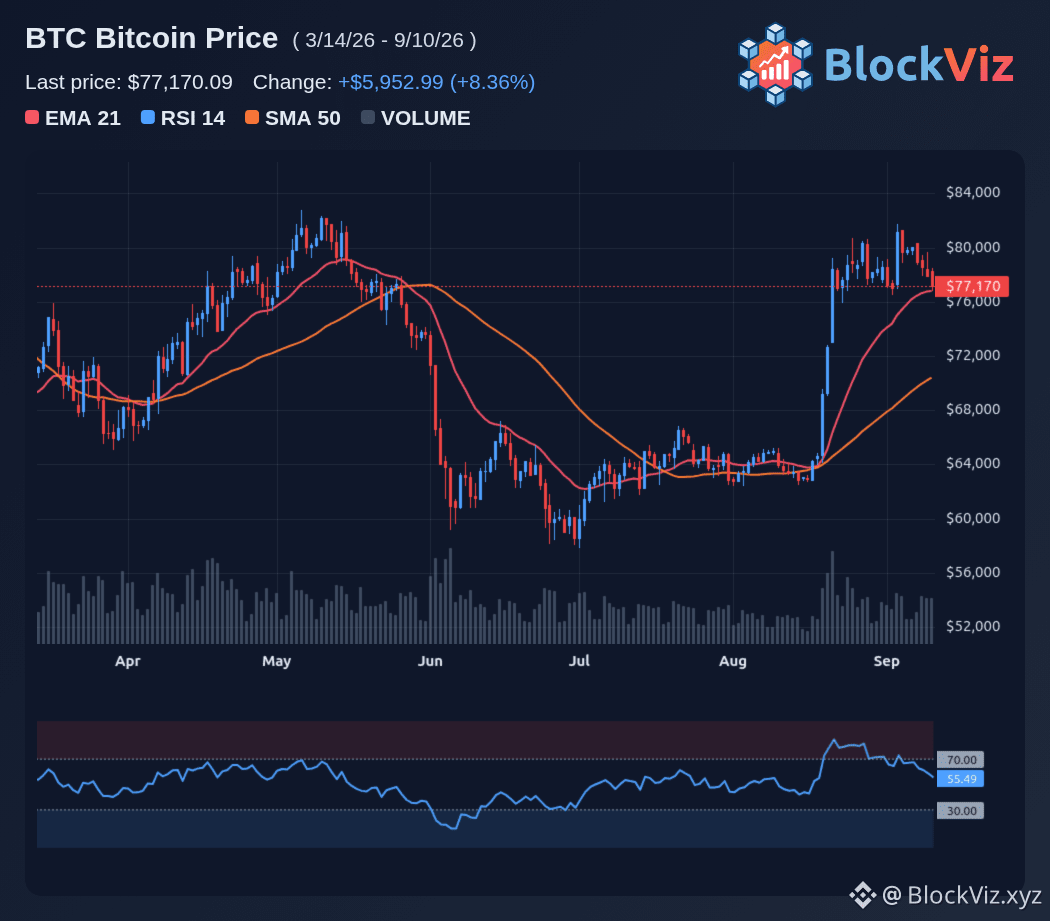
Stimulus talk is back, and the market is immediately asking whether this can replay the 2020 Bitcoin run. The setup is different this time. In 2020, fresh fiscal and monetary stimulus flooded the system while BTC was still priced around 10,000 dollars and had years of adoption ahead. Now BTC is consolidating near 80,000 to 82,000 after a strong August, with a much larger market cap and more institutional ownership. The bullish argument is that any new 1 trillion dollar stimulus package would weaken the dollar, lift inflation expectations and push investors back into hard assets. Bitcoin’s 90-day correlation with gold just hit a six-year high above 0.5, echoing the 2020 stimulus era. If liquidity expands again, the debasement trade could extend the rally toward 90,000 and then 100,000. The bearish case is that stimulus alone may not be enough. Rate expectations, Treasury yields and the dollar still matter, and BTC is no longer the small, high-beta asset it was in 2020. A stimulus headline without follow-through could produce a sell-the-news reaction, especially if price fails to break cleanly above 82,000 to 84,000. Traders should watch whether BTC can hold 80,000 as support, whether a stimulus push drives fresh ETF inflows and a weaker dollar, and whether gold and BTC continue to move together. If stimulus leads to sustained liquidity expansion, 100K is back in play. If the move fades at resistance, this may be another macro headfake rather than a 2020-style rerating. $BTC
Stimulus talk is back, and the market is immediately asking whether this can replay the 2020 Bitcoin run. The setup is different this time. In 2020, fresh fiscal and monetary stimulus flooded the system while BTC was still priced around 10,000 dollars and had years of adoption ahead. Now BTC is consolidating near 80,000 to 82,000 after a strong August, with a much larger market cap and more institutional ownership. The bullish argument is that any new 1 trillion dollar stimulus package would weaken the dollar, lift inflation expectations and push investors back into hard assets. Bitcoin’s 90-day correlation with gold just hit a six-year high above 0.5, echoing the 2020 stimulus era. If liquidity expands again, the debasement trade could extend the rally toward 90,000 and then 100,000. The bearish case is that stimulus alone may not be enough. Rate expectations, Treasury yields and the dollar still matter, and BTC is no longer the small, high-beta asset it was in 2020. A stimulus headline without follow-through could produce a sell-the-news reaction, especially if price fails to break cleanly above 82,000 to 84,000. Traders should watch whether BTC can hold 80,000 as support, whether a stimulus push drives fresh ETF inflows and a weaker dollar, and whether gold and BTC continue to move together. If stimulus leads to sustained liquidity expansion, 100K is back in play. If the move fades at resistance, this may be another macro headfake rather than a 2020-style rerating. $BTC
57
·
--
翻訳参照
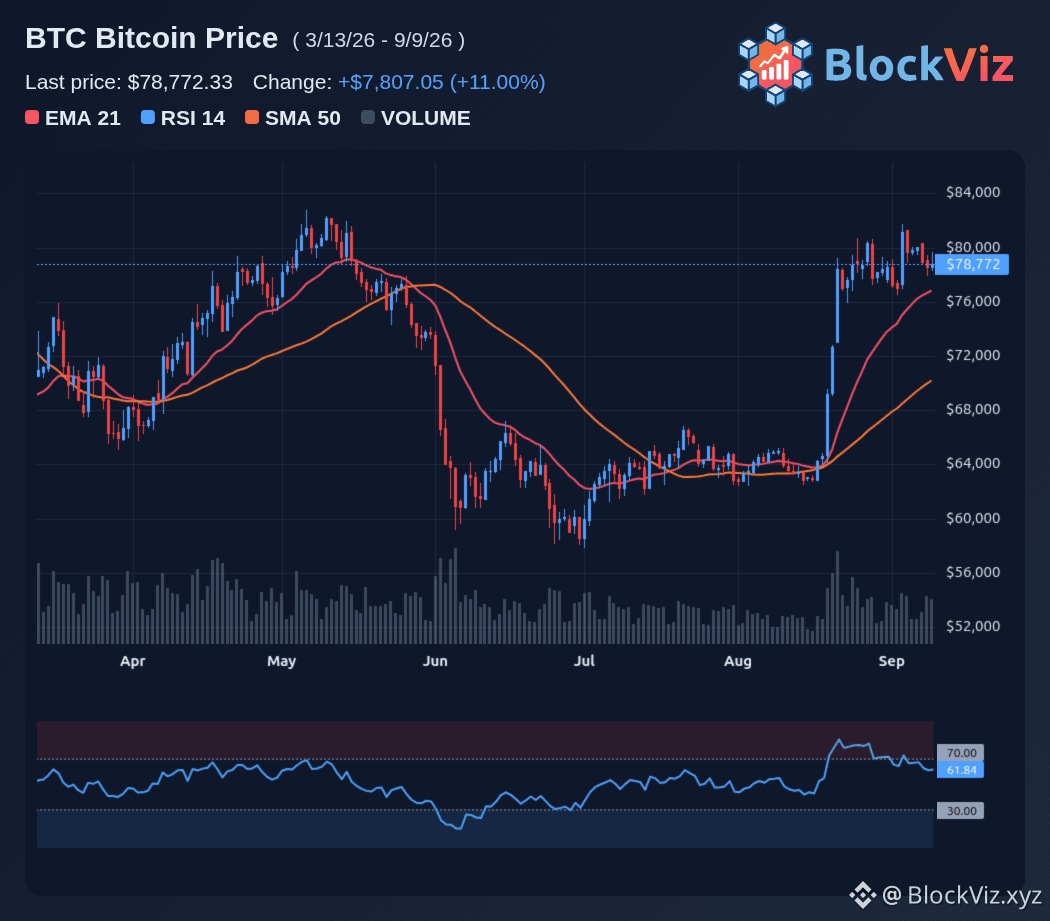
ZEC and XRP are the ones actually breaking out, but the bigger question is whether this is isolated strength or the first real push into altseason. ZEC has been the clear leader, rallying more than 16% in 24 hours and pressing the 960 to 1,000 dollar zone. A daily close above 1,000 would open a path toward 1,200, while support sits around 935. XRP is up about 10% on the week, breaking from 1.31 to a high near 1.48 and now consolidating around 1.45. A clean move through 1.48 would put 1.50 and then 1.66 back in play. The tension is in the context. Bitcoin is also strong above 80,000, and BTC dominance is still near 57 to 58%. Classic altseason usually needs BTC to stall while dominance rolls over toward 55% or lower, allowing capital to rotate more aggressively into alts. Right now this looks more like a selective breakout in ZEC and XRP than a broad handover. For altseason to be confirmed, traders should watch whether ZEC and XRP can hold gains if BTC pulls back, whether BTC dominance starts to fall, and whether breadth improves beyond privacy and large-cap names. If alts keep outperforming while BTC consolidates, the rotation case strengthens. If this fades with the next BTC dip, it was likely a tactical move, not a regime change. $XRP
ZEC and XRP are the ones actually breaking out, but the bigger question is whether this is isolated strength or the first real push into altseason. ZEC has been the clear leader, rallying more than 16% in 24 hours and pressing the 960 to 1,000 dollar zone. A daily close above 1,000 would open a path toward 1,200, while support sits around 935. XRP is up about 10% on the week, breaking from 1.31 to a high near 1.48 and now consolidating around 1.45. A clean move through 1.48 would put 1.50 and then 1.66 back in play. The tension is in the context. Bitcoin is also strong above 80,000, and BTC dominance is still near 57 to 58%. Classic altseason usually needs BTC to stall while dominance rolls over toward 55% or lower, allowing capital to rotate more aggressively into alts. Right now this looks more like a selective breakout in ZEC and XRP than a broad handover. For altseason to be confirmed, traders should watch whether ZEC and XRP can hold gains if BTC pulls back, whether BTC dominance starts to fall, and whether breadth improves beyond privacy and large-cap names. If alts keep outperforming while BTC consolidates, the rotation case strengthens. If this fades with the next BTC dip, it was likely a tactical move, not a regime change. $XRP
67
·
--
ハンター・バイデンは政治的なミーム戦争をオンチェーンの実験へと変えつつある。9月9日にBaseでローンチされる総供給10億の1B supplyメムコイン「LAPTOP」は、トークンの20%をエアドロップに割り当て、その対象にはTRUMPで損失を出したウォレットのほか、彼のSubstack購読者や、アンドリュー・キャリガンのChannel 5のリストが含まれる。狙いは明白だ。含み損のTRUMP bagholderをターゲットにし、LAPTOPを「相手側の損失で資金を得た」コインとして見せるのである。報道によれば、約2,000万LAPTOPがTRUMP損失受給者向けに確保されており、参加する取引所を通じて配布される一方、残りのエアドロップは初期の購読者に送られる。創業者は6か月間ロックした30%を保有し、さらに政治的・市場的な節目に連動したイベントベースのバーンも予定されている。ディジェン(熱狂的な投機家)の投票は、ロジックではなく陣営に沿って割れる可能性が高い。いま深い含み損にいるTRUMPホルダーには回復の物語という可能性があるが、自分の立場をあからさまに揶揄することを目的に設計されたトークンとの関与を求められている。バイデンとクリプトネイティブなディジェンは、巧妙な配布メカニズムだと見るかもしれないが、Substackの購読者とアクティブなメムコイントレーダーの重なりがあるとは限らない。トレーダーは、ローンチ時の流動性を注視すべきだ。エアドロップが即座の売り圧力を生むのか、またスナップショットとクレーム期間が近づくにつれてTRUMPがどう反応するのかを見る必要がある。もしLAPTOPが強く始まり、そのまま維持できれば、Baseのメムコイン全体に注目と出来高を引き寄せるかもしれない。もしすぐに失速するなら、これはデジェンの資金の流れを長期的に変える出来事というより、政治的な仕掛けとして記憶されることになるだろう。
ハンター・バイデンは政治的なミーム戦争をオンチェーンの実験へと変えつつある。9月9日にBaseでローンチされる総供給10億の1B supplyメムコイン「LAPTOP」は、トークンの20%をエアドロップに割り当て、その対象にはTRUMPで損失を出したウォレットのほか、彼のSubstack購読者や、アンドリュー・キャリガンのChannel 5のリストが含まれる。狙いは明白だ。含み損のTRUMP bagholderをターゲットにし、LAPTOPを「相手側の損失で資金を得た」コインとして見せるのである。報道によれば、約2,000万LAPTOPがTRUMP損失受給者向けに確保されており、参加する取引所を通じて配布される一方、残りのエアドロップは初期の購読者に送られる。創業者は6か月間ロックした30%を保有し、さらに政治的・市場的な節目に連動したイベントベースのバーンも予定されている。ディジェン(熱狂的な投機家)の投票は、ロジックではなく陣営に沿って割れる可能性が高い。いま深い含み損にいるTRUMPホルダーには回復の物語という可能性があるが、自分の立場をあからさまに揶揄することを目的に設計されたトークンとの関与を求められている。バイデンとクリプトネイティブなディジェンは、巧妙な配布メカニズムだと見るかもしれないが、Substackの購読者とアクティブなメムコイントレーダーの重なりがあるとは限らない。トレーダーは、ローンチ時の流動性を注視すべきだ。エアドロップが即座の売り圧力を生むのか、またスナップショットとクレーム期間が近づくにつれてTRUMPがどう反応するのかを見る必要がある。もしLAPTOPが強く始まり、そのまま維持できれば、Baseのメムコイン全体に注目と出来高を引き寄せるかもしれない。もしすぐに失速するなら、これはデジェンの資金の流れを長期的に変える出来事というより、政治的な仕掛けとして記憶されることになるだろう。
49
·
--
ビットコインは、最も注目されるテクニカルシグナルの1つに接近しており、その背後にある歴史は無視しがたいものがあります。50日移動平均が200日線に迫っており、過去に数回しか大きな値動きをもたらしていない“ゴールデンクロス”の可能性を作っています。2012年、2015年、2020年には、このパターンが続く1年のあいだに300%超の上昇を先行させました。とはいえ、100Kが自動的に確実になるわけではありません。BTCは強い8月の後、現在75,000〜82,000の間で値固めしていますが、98,000および100,000に向けた道筋を再び開くには、重要な材料となる81,500〜84,400のサプライゾーンを明確に上抜ける必要があります。ゴールデンクロス自体は遅行指標なので、値動きがそれを裏付ける必要があります。BTCが80,000を上回って維持し、クロスを完了させ、さらにマクロの圧力が和らぐ中で新たなETFの資金流入を呼び込めば、強気シナリオはより改善します。弱気リスクは82,000〜84,400での失敗で、その後75,000を下回って再び下落し、200日移動平均付近の72,500を試しにいくことです。トレーダーは、50日と200日の収れん(収束)を注視し、ブレイクアウトの確証として84,400を上回る日次終値が出るか、そして75,000〜76,800のサポートが維持されるかを確認すべきです。クロスが強い出来高と機関投資家のフローを伴って形成されれば、100Kは“物語”から現実的な目標へと変わります。もしレジスタンスで大きく跳ね返されるなら、このシグナルは別の「誤ったスタート」になる可能性もあります。$BTC
ビットコインは、最も注目されるテクニカルシグナルの1つに接近しており、その背後にある歴史は無視しがたいものがあります。50日移動平均が200日線に迫っており、過去に数回しか大きな値動きをもたらしていない“ゴールデンクロス”の可能性を作っています。2012年、2015年、2020年には、このパターンが続く1年のあいだに300%超の上昇を先行させました。とはいえ、100Kが自動的に確実になるわけではありません。BTCは強い8月の後、現在75,000〜82,000の間で値固めしていますが、98,000および100,000に向けた道筋を再び開くには、重要な材料となる81,500〜84,400のサプライゾーンを明確に上抜ける必要があります。ゴールデンクロス自体は遅行指標なので、値動きがそれを裏付ける必要があります。BTCが80,000を上回って維持し、クロスを完了させ、さらにマクロの圧力が和らぐ中で新たなETFの資金流入を呼び込めば、強気シナリオはより改善します。弱気リスクは82,000〜84,400での失敗で、その後75,000を下回って再び下落し、200日移動平均付近の72,500を試しにいくことです。トレーダーは、50日と200日の収れん(収束)を注視し、ブレイクアウトの確証として84,400を上回る日次終値が出るか、そして75,000〜76,800のサポートが維持されるかを確認すべきです。クロスが強い出来高と機関投資家のフローを伴って形成されれば、100Kは“物語”から現実的な目標へと変わります。もしレジスタンスで大きく跳ね返されるなら、このシグナルは別の「誤ったスタート」になる可能性もあります。$BTC
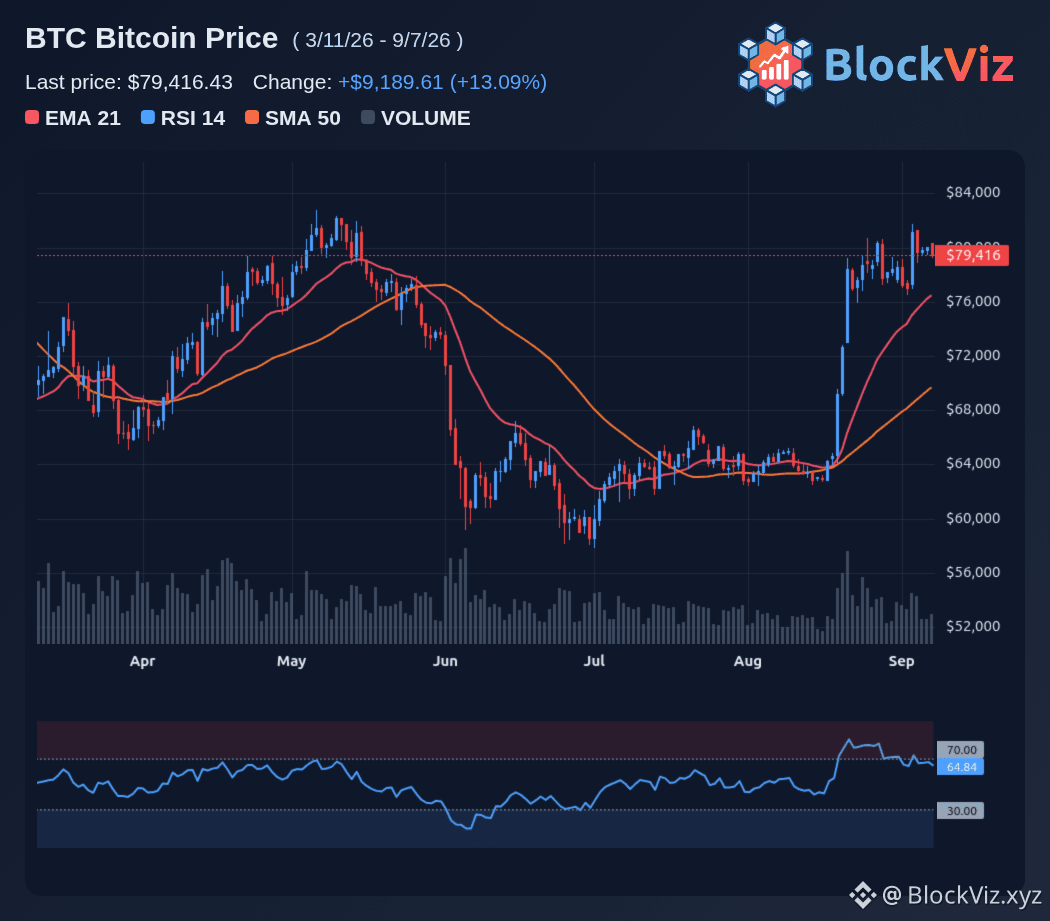
64
·
--
翻訳参照
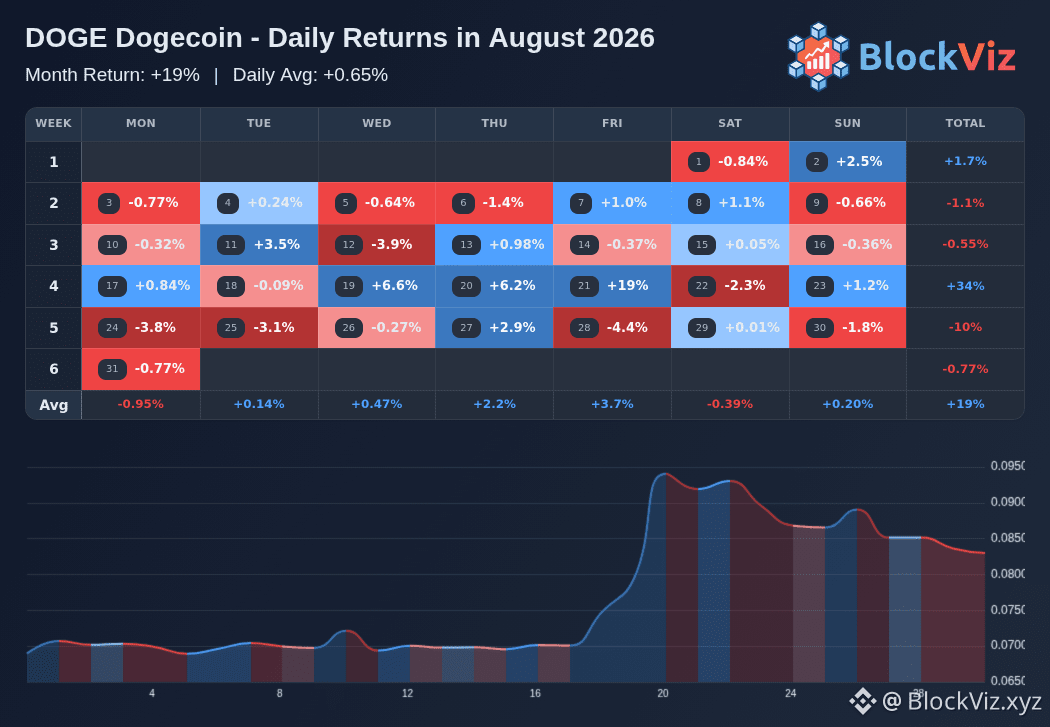
Dogecoin finished August 2026 at +19%. If you held only the best days, the return jumps to +53.0%, while missing them drops it to -22.0%. That tells you the month was driven by a handful of outsized sessions rather than smooth trend strength. The biggest upside day was 8/21/26 (+18.5%), and the roughest day was 8/28/26 (-4.4%) $DOGE
Dogecoin finished August 2026 at +19%. If you held only the best days, the return jumps to +53.0%, while missing them drops it to -22.0%. That tells you the month was driven by a handful of outsized sessions rather than smooth trend strength. The biggest upside day was 8/21/26 (+18.5%), and the roughest day was 8/28/26 (-4.4%) $DOGE
73
·
--
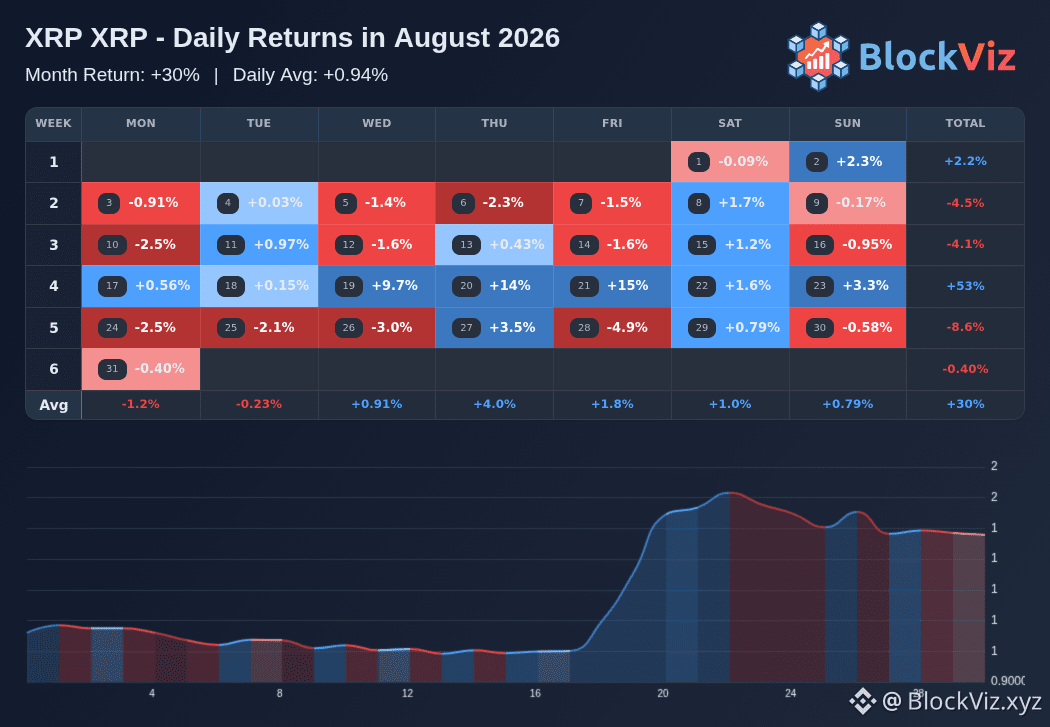
XRPは2026年8月を+30%で終えました。もし最良の日だけを保有していたなら、リターンは+66.6%に跳ね上がり、一方でそれらを逃すと-21.9%まで落ち込みます。つまりこの月は、安定したトレンドの強さというより、いくつかの突出した取引日に左右されていたということです。最も上昇した日は8/21/26(+15.0%)で、最も厳しい日は8/28/26(-4.9%)でした $XRP
XRPは2026年8月を+30%で終えました。もし最良の日だけを保有していたなら、リターンは+66.6%に跳ね上がり、一方でそれらを逃すと-21.9%まで落ち込みます。つまりこの月は、安定したトレンドの強さというより、いくつかの突出した取引日に左右されていたということです。最も上昇した日は8/21/26(+15.0%)で、最も厳しい日は8/28/26(-4.9%)でした $XRP
56
·
--
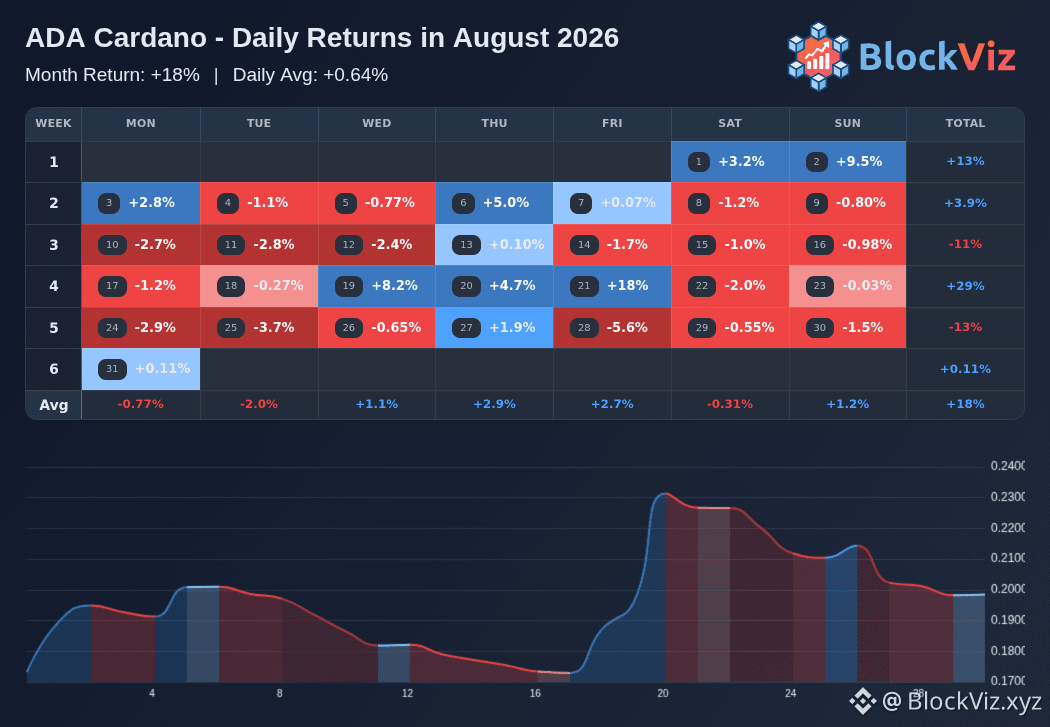
カルダノの2026年8月は18%の上昇、平均日次リターン0.64%で終わりましたが、その月の本当の物語は集中でした。期間全体を保有し続ければ、上昇幅は66.5%に達しました。最高の10日を逃すと、結果は-29.0%に反転しました。つまり、ADAのその月の特徴は明確です。上昇は滑らかな上昇ではなく、断続的に訪れました。最良の日は8/21/26に18.0%を記録し、最悪の日は8/28/26に-5.6%でした。これは、その月があらゆる値動きを狙うより、じっと保有し続けることに報いたことを思い出させます $ADA
カルダノの2026年8月は18%の上昇、平均日次リターン0.64%で終わりましたが、その月の本当の物語は集中でした。期間全体を保有し続ければ、上昇幅は66.5%に達しました。最高の10日を逃すと、結果は-29.0%に反転しました。つまり、ADAのその月の特徴は明確です。上昇は滑らかな上昇ではなく、断続的に訪れました。最良の日は8/21/26に18.0%を記録し、最悪の日は8/28/26に-5.6%でした。これは、その月があらゆる値動きを狙うより、じっと保有し続けることに報いたことを思い出させます $ADA
37
·
--
ZECとXRPが上昇ブレイクしていますが、それだけで自動的にアルトシーズン到来を意味するわけではありません。ZECが先導しており、24時間で16%以上上昇し、$960から$1,000のレンジに突入しています。日足で$1,000を上回って引ければ、次の明確な節目は$1,200になります。現時点では、サポートは$935付近です。XRPも上昇に転じ、$1.31からおよそ$1.48まで上がった後、$1.45前後で落ち着いています。$1.48をきれいに上抜ければ、まず$1.50が意識され、その後モメンタムが続けば$1.66が視野に入ります。より大きな論点は値動きの広がりです。ビットコインは依然として$80,000超を維持しており、BTCドミナンスも57%から58%付近と高止まりしています。これは通常、本格的なアルトシーズンの地合いではありません。より広範な資金循環は、BTCが一服し、ドミナンスが55%以下へ下がり始めたときに現れやすいです。現時点では、これはBTCからの全面的なバトンタッチというより、一部銘柄への選択的な強さに見えます。ZECとXRPが上昇分を維持しつつ、ビットコインが保ち合いに入り、ドミナンスが低下し始めれば、アルトシーズンの可能性は高まります。そうでなければ、これはおそらくレジーム転換ではなく、鋭い戦術的な動きに過ぎなかったということになります。$XRP
ZECとXRPが上昇ブレイクしていますが、それだけで自動的にアルトシーズン到来を意味するわけではありません。ZECが先導しており、24時間で16%以上上昇し、$960から$1,000のレンジに突入しています。日足で$1,000を上回って引ければ、次の明確な節目は$1,200になります。現時点では、サポートは$935付近です。XRPも上昇に転じ、$1.31からおよそ$1.48まで上がった後、$1.45前後で落ち着いています。$1.48をきれいに上抜ければ、まず$1.50が意識され、その後モメンタムが続けば$1.66が視野に入ります。より大きな論点は値動きの広がりです。ビットコインは依然として$80,000超を維持しており、BTCドミナンスも57%から58%付近と高止まりしています。これは通常、本格的なアルトシーズンの地合いではありません。より広範な資金循環は、BTCが一服し、ドミナンスが55%以下へ下がり始めたときに現れやすいです。現時点では、これはBTCからの全面的なバトンタッチというより、一部銘柄への選択的な強さに見えます。ZECとXRPが上昇分を維持しつつ、ビットコインが保ち合いに入り、ドミナンスが低下し始めれば、アルトシーズンの可能性は高まります。そうでなければ、これはおそらくレジーム転換ではなく、鋭い戦術的な動きに過ぎなかったということになります。$XRP
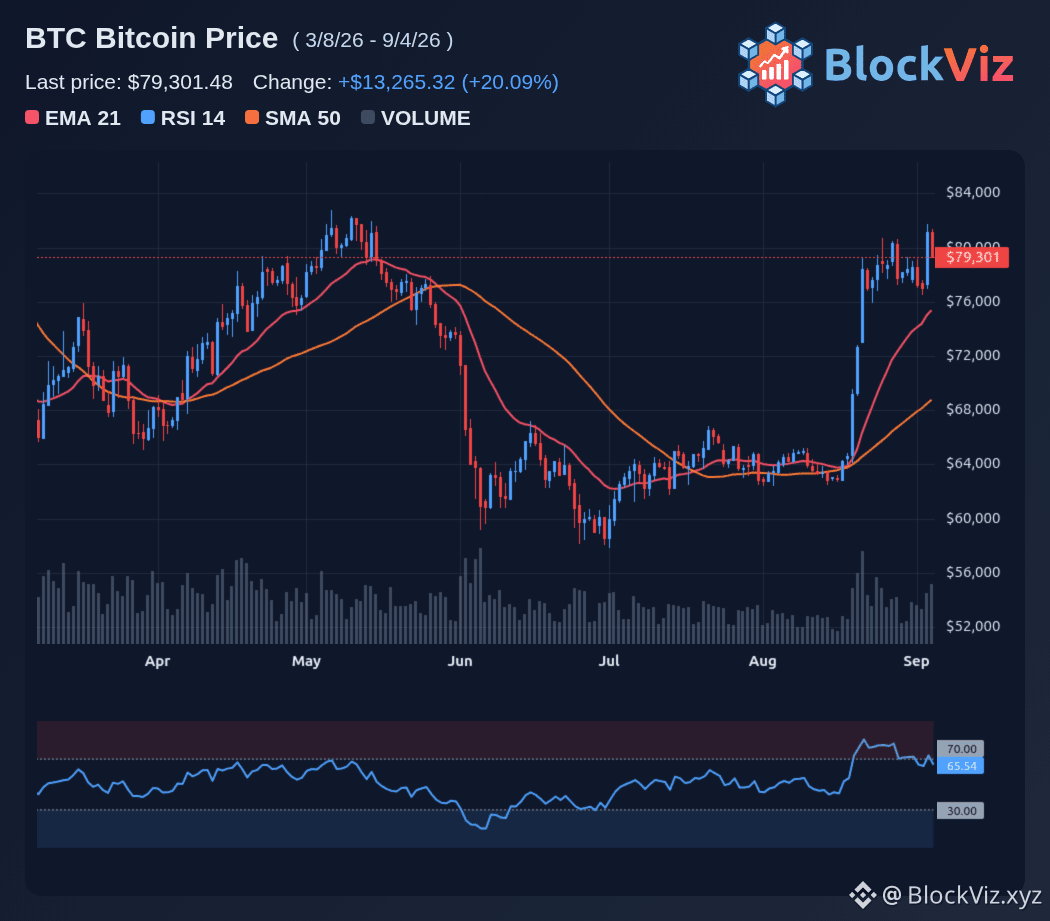
64
·
--
ETHがインデックス化された24時間比較で勝利したが、BTCを0.6%上回っただけだった。その僅差こそが本質だ。ETHは+4.56%で1位となり、BTCは+3.99%だったため、その差が本当のブレイクアウトに発展することはなかった。両方とも上昇したが、どちらも互いから大きく離れることはなかった $ETH
ETHがインデックス化された24時間比較で勝利したが、BTCを0.6%上回っただけだった。その僅差こそが本質だ。ETHは+4.56%で1位となり、BTCは+3.99%だったため、その差が本当のブレイクアウトに発展することはなかった。両方とも上昇したが、どちらも互いから大きく離れることはなかった $ETH
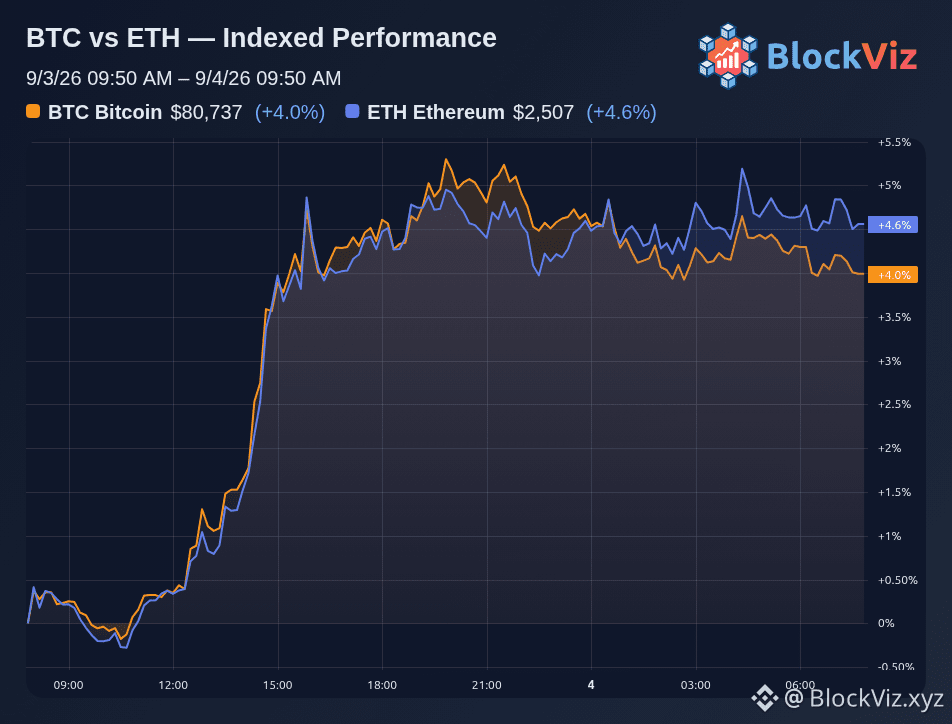
80
·
--
2026年8月はSolanaにとって非常に勢いのある月で、全体では42%上昇し、1日平均リターンは1.2%でした。変動幅は8/28/26の-4.7%から8/19/26の+10.9%まででした。際立っているのは、この動きがどれほど集中していたかです。上位10日間が、保有し続けた場合の結果を+53.7%まで押し上げた一方で、最良の日々を逃すと月間成績は-7.8%になりました。これは緩やかな上昇ではありませんでした。最も大きな急騰が重要だった月でした $SOL
2026年8月はSolanaにとって非常に勢いのある月で、全体では42%上昇し、1日平均リターンは1.2%でした。変動幅は8/28/26の-4.7%から8/19/26の+10.9%まででした。際立っているのは、この動きがどれほど集中していたかです。上位10日間が、保有し続けた場合の結果を+53.7%まで押し上げた一方で、最良の日々を逃すと月間成績は-7.8%になりました。これは緩やかな上昇ではありませんでした。最も大きな急騰が重要だった月でした $SOL
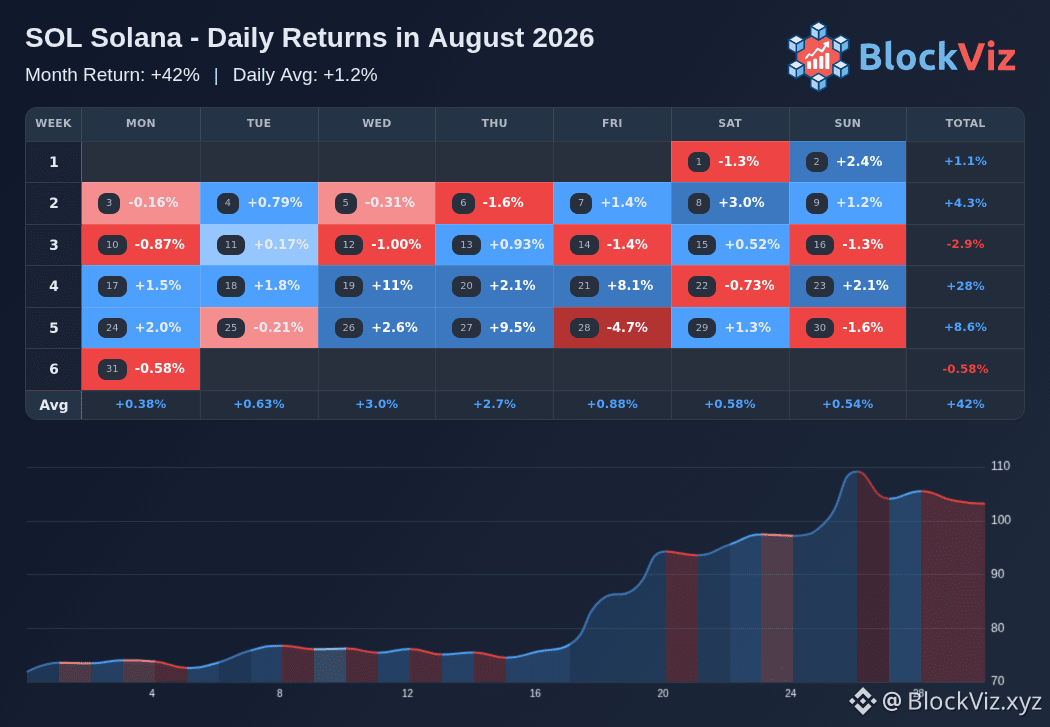
30
·
--
この期間でXRPはBTCを上回っただけでなく、さらに差を広げ続けました。 インデックス化した24時間チャートでは、XRPは4.5%上回って引けており、最大では差が4.8%に達しています。 その結果、現時点でこのBTC比較における明確なリーダーはXRPです $XRP
この期間でXRPはBTCを上回っただけでなく、さらに差を広げ続けました。 インデックス化した24時間チャートでは、XRPは4.5%上回って引けており、最大では差が4.8%に達しています。 その結果、現時点でこのBTC比較における明確なリーダーはXRPです $XRP
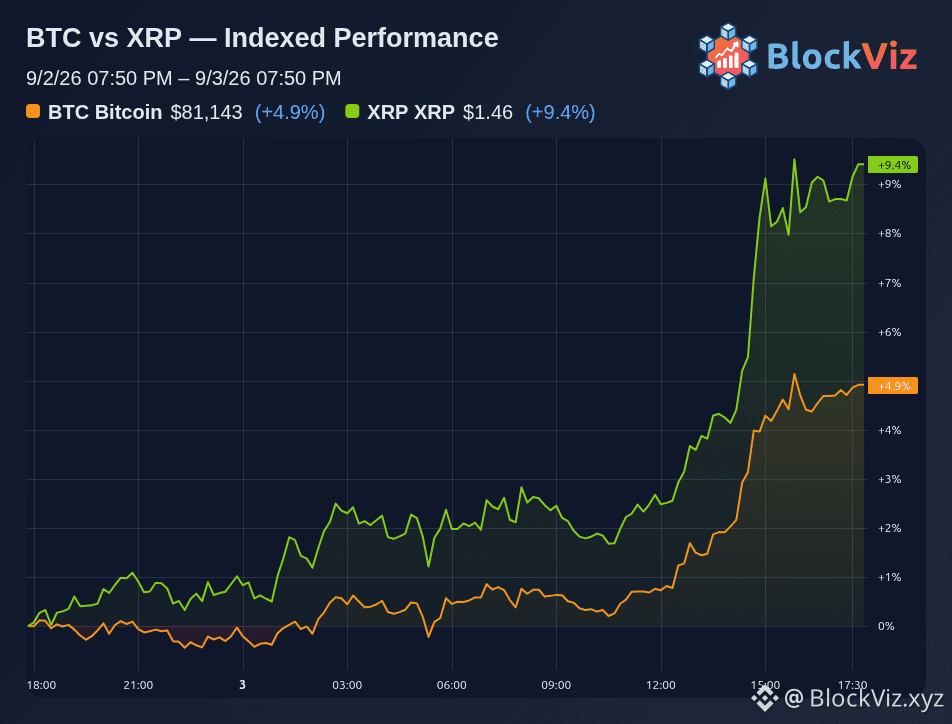
547
·
--
ビットコインはゴールデンクロスに近づいており、50日移動平均が200日移動平均を上回ろうとしています。この形はBTCの歴史の中でも数回しか現れておらず、2012年と2020年にはその前に大きな上昇局面がありました。これは強気の見出しですが、本当の試練は価格です。BTCは8月の強い上昇後、75,000から82,000の間で保ち合いを続けており、98,000と100,000が再び視野に入るには、81,500から84,400のレジスタンスゾーンを明確に上抜ける必要があります。BTCが80,000を維持し、クロスを完了させ、現物の新たな需要が見られれば、チャートの構造は改善し始めます。一方で、82,000から84,400の領域で再び押し返され、75,000を失うなら、注目は72,500付近の200日平均へと戻ります。クロスは重要ですが、価格がそれを確認してこそ意味があります。$BTC
ビットコインはゴールデンクロスに近づいており、50日移動平均が200日移動平均を上回ろうとしています。この形はBTCの歴史の中でも数回しか現れておらず、2012年と2020年にはその前に大きな上昇局面がありました。これは強気の見出しですが、本当の試練は価格です。BTCは8月の強い上昇後、75,000から82,000の間で保ち合いを続けており、98,000と100,000が再び視野に入るには、81,500から84,400のレジスタンスゾーンを明確に上抜ける必要があります。BTCが80,000を維持し、クロスを完了させ、現物の新たな需要が見られれば、チャートの構造は改善し始めます。一方で、82,000から84,400の領域で再び押し返され、75,000を失うなら、注目は72,500付近の200日平均へと戻ります。クロスは重要ですが、価格がそれを確認してこそ意味があります。$BTC
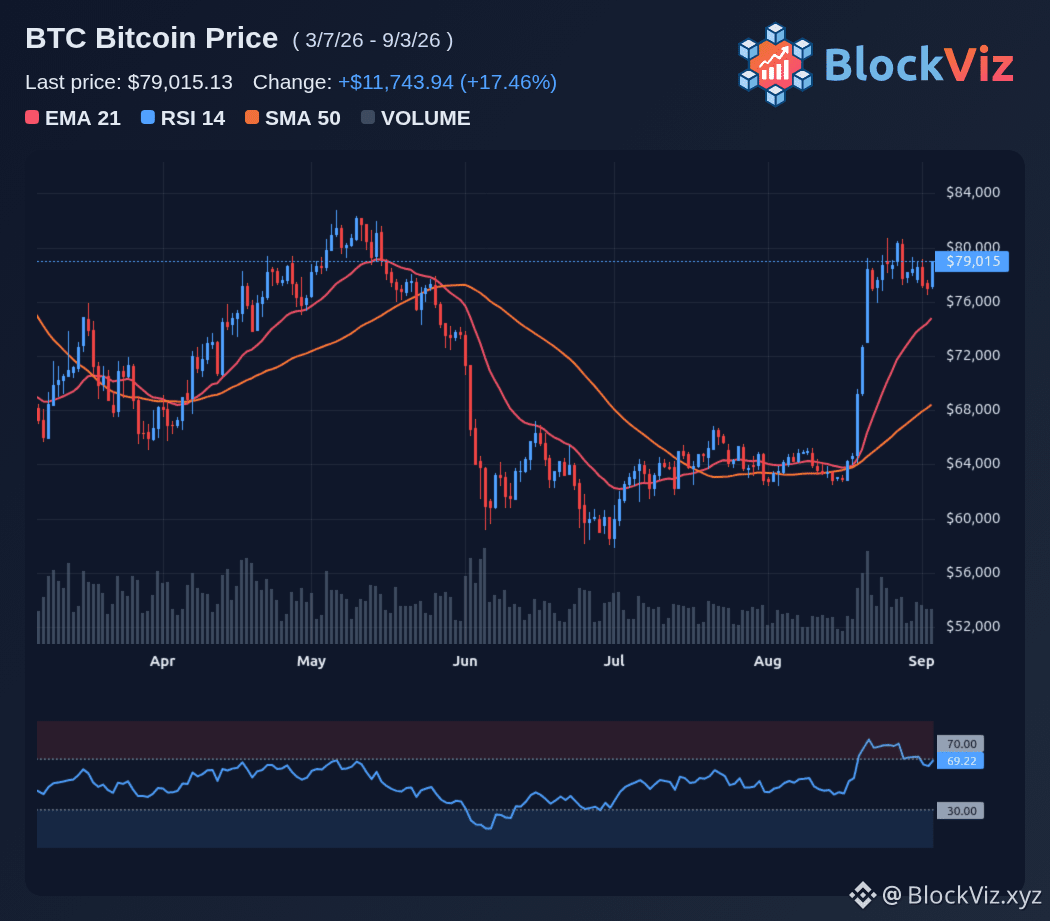
72
·
--
ARBは、この24時間の比較でETHを大きく引き離しました。期間の終わりには、ARBは18.3%上回っていた一方、ETHは-0.6%とわずかにマイナスで終わりました。差が元に戻らずに広がり続けるときは、通常そこが注目すべきポイントです $ARB
ARBは、この24時間の比較でETHを大きく引き離しました。期間の終わりには、ARBは18.3%上回っていた一方、ETHは-0.6%とわずかにマイナスで終わりました。差が元に戻らずに広がり続けるときは、通常そこが注目すべきポイントです $ARB
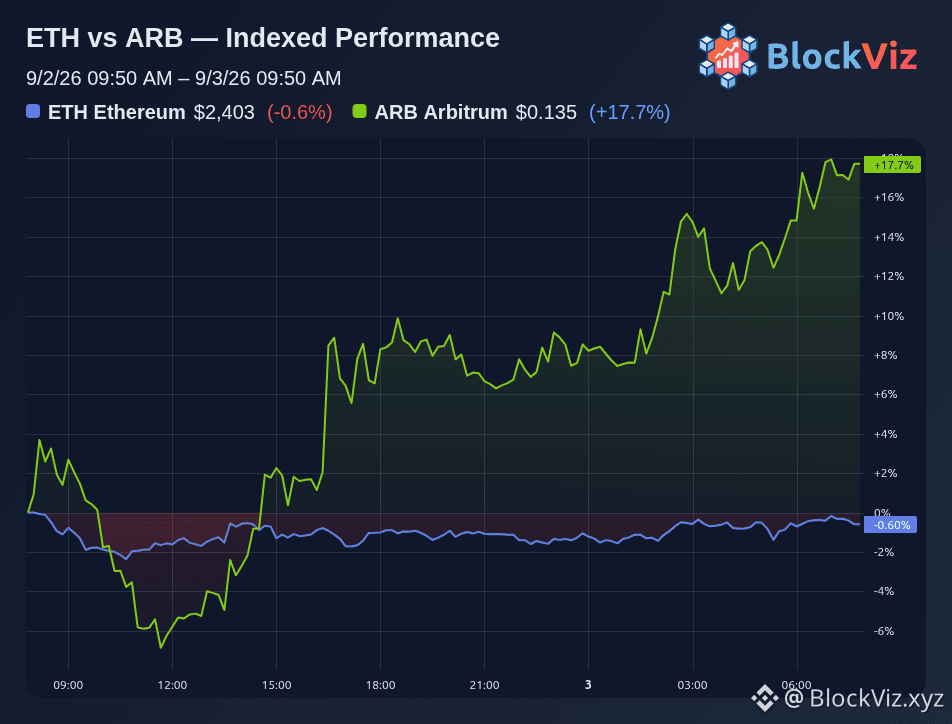
66
·
--
Ethereumは2026年8月に33%上昇し、平均日次リターンは0.98%でした。しかし、その月の上昇は非常に集中していました。上位10日だけで45.5%の値動きに相当し、それを逃すと月間は8.8%の損失になっていました。これはETHの性格をよく表しています。8月は着実に上昇し続ける相場ではなく、タイミングが重要な市場でした。8/19/26には17.3%の急騰、8/22/26には4.3%の下落といった大きな値動きもありました $ETH
Ethereumは2026年8月に33%上昇し、平均日次リターンは0.98%でした。しかし、その月の上昇は非常に集中していました。上位10日だけで45.5%の値動きに相当し、それを逃すと月間は8.8%の損失になっていました。これはETHの性格をよく表しています。8月は着実に上昇し続ける相場ではなく、タイミングが重要な市場でした。8/19/26には17.3%の急騰、8/22/26には4.3%の下落といった大きな値動きもありました $ETH
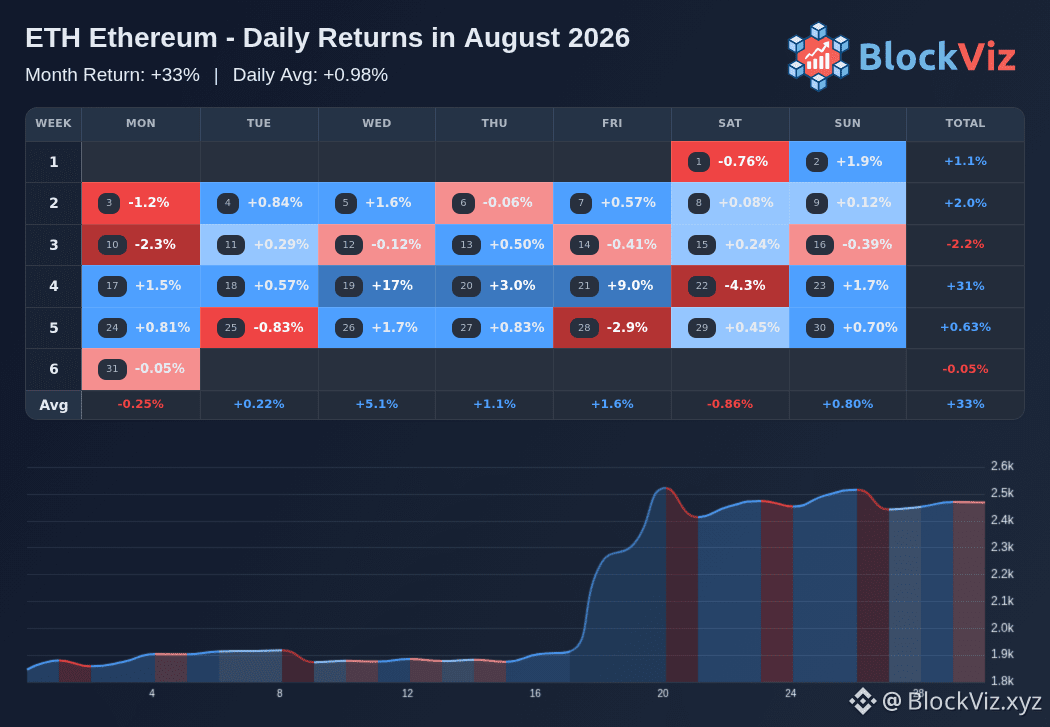
61
ログインして、さらにコンテンツを読む
厳選トピックで世界の暗号資産トレーダーの仲間入り
⚡️ 暗号資産に関する最新かつ有益な情報が見つかります。
💬 世界最大の暗号資産取引所から信頼されています。
👍 認証を受けたクリエイターから、有益なインサイトを得られます。
メール / 電話番号
トレンドトピック
XRPRises8%
閲覧回数 47
43人が討論中
#XRPRises8% $XRP
/USDT 分析💪
現在価格: $1.5140(+6.81%)
24時間 高値: 1.5743 | 24時間 安値: 1.4142
重要レベル: 次の一手の準備完了 😜😊
レジスタンス2: 1.5743
レジスタンス1: 1.5400 - 1.5500
稼働レベル: 1.5000 - 1.5150
サポート1: 1.4600 - 1.4800
サポート2: 1.3700 - 1.3900
サポート3: 1.2400 - 1.2600
強気シナリオ:
価格が1.5150を上抜けして定着した場合、
次の目標: 1.5400 - 1.5500、そして 1.5743
弱気シナリオ:
価格が1.5150を拒否した場合、
下落: 1.4600 - 1.4800、そして 1.3700 - 1.3900
注: これはテクニカル分析のみであり、投資助言ではありません。取引は自己責任でお願いします。
#Xrp🔥🔥 #crypto #trading
Crypto junaid88
·いいね:0件
·閲覧回数 36
AppleGoogleSeekStablecoinTokenizedDepositTalent
閲覧回数 18
30人が討論中
NvidiaToBuyAnother$1.5BSBEnergySharesPreIPO
閲覧回数 8
8人が討論中