

Pyramidal
199 投稿

Pyramidal
報告
ユーザーをブロック
Seeking profits for financial wealth support 🍀 following back new followers 💫
261 フォロー
459 フォロワー
245 いいね
投稿
すべて
引用
動画
·
--
誰かが4年サイクル理論がうまくいってるかって聞いてきたんだけど、
論理的に考えても頭がまとまらないんだ。
4年前と8年前のマーケットキャップやボリュームは全然違ったし、こんなサイクルが無限に続くわけがないよね?
誰かが4年サイクル理論がうまくいってるかって聞いてきたんだけど、
論理的に考えても頭がまとまらないんだ。
4年前と8年前のマーケットキャップやボリュームは全然違ったし、こんなサイクルが無限に続くわけがないよね?
論理的に考えても頭がまとまらないんだ。
4年前と8年前のマーケットキャップやボリュームは全然違ったし、こんなサイクルが無限に続くわけがないよね?
1
4
220
·
--
おはよう、バイナンスファミリー。
みんなが過剰にヒートアップしてるコイン$LUNC 、ここでストップだよ。DYOR(自分で調査しよう)みんな、無限供給ボリュームもあるから、$DOGE の方が安定性と強気のアプローチに適してる。ボラティリティを避けて、資本を守って賢くトレードしよう。
#Write2Earn #Follow_Like_Comment
{spot}(DOGEUSDT)
おはよう、バイナンスファミリー。
みんなが過剰にヒートアップしてるコイン$LUNC 、ここでストップだよ。DYOR(自分で調査しよう)みんな、無限供給ボリュームもあるから、$DOGE の方が安定性と強気のアプローチに適してる。ボラティリティを避けて、資本を守って賢くトレードしよう。
#Write2Earn #Follow_Like_Comment
みんなが過剰にヒートアップしてるコイン$LUNC 、ここでストップだよ。DYOR(自分で調査しよう)みんな、無限供給ボリュームもあるから、$DOGE の方が安定性と強気のアプローチに適してる。ボラティリティを避けて、資本を守って賢くトレードしよう。
#Write2Earn #Follow_Like_Comment

4
2
523
·
--
おはよう、バイナンスファミリー!母国の快適な天候が恋しいです。
現在、パキスタンは非常に暑く、熱中症で昨日は10人が亡くなりました。極端な気候変動の影響で、皆さんは水分補給を心がけ、午前11時から午後4時の間は日光を避けるようにしてください。
今日のトレーディングヒントは、感情をコントロールし、忍耐強く、一つの戦略に固執し、常にトレードを記録することです。皆さんはトレードを記録していますか?
もっと興味深いコンテンツをフォローして、一緒に成長しましょう。プロフィールには報酬クイズもピン留めされていますので、ぜひ自分の分をゲットしてください💰🎁
#Write2Earn #Binance #Square #like_comment_follow
おはよう、バイナンスファミリー!母国の快適な天候が恋しいです。
現在、パキスタンは非常に暑く、熱中症で昨日は10人が亡くなりました。極端な気候変動の影響で、皆さんは水分補給を心がけ、午前11時から午後4時の間は日光を避けるようにしてください。
今日のトレーディングヒントは、感情をコントロールし、忍耐強く、一つの戦略に固執し、常にトレードを記録することです。皆さんはトレードを記録していますか?
もっと興味深いコンテンツをフォローして、一緒に成長しましょう。プロフィールには報酬クイズもピン留めされていますので、ぜひ自分の分をゲットしてください💰🎁
#Write2Earn #Binance #Square #like_comment_follow
現在、パキスタンは非常に暑く、熱中症で昨日は10人が亡くなりました。極端な気候変動の影響で、皆さんは水分補給を心がけ、午前11時から午後4時の間は日光を避けるようにしてください。
今日のトレーディングヒントは、感情をコントロールし、忍耐強く、一つの戦略に固執し、常にトレードを記録することです。皆さんはトレードを記録していますか?
もっと興味深いコンテンツをフォローして、一緒に成長しましょう。プロフィールには報酬クイズもピン留めされていますので、ぜひ自分の分をゲットしてください💰🎁
#Write2Earn #Binance #Square #like_comment_follow
1
3
110
·
--

記事
暗号市場は何か大きなことをささやいている、あなたは聞いているか?カジュアルな観察者として、現在の暗号市場は妙に静かに感じるが、注意深く見ると、物事が動き始めている。
ほとんどの人が小さな価格下落でストレスを感じている間、クジラと呼ばれる大口投資家たちは実際にコインを取引所から移動させている。
通常、それは彼らがすぐに売るつもりがないことを意味する。同時に、多くの現金がサイドラインに座っており、再び飛び込むための適切な瞬間を待っている。
私にとって、これはクラッシュが来るようには見えない。むしろ、何か大きなブレイクアウトが起こる前に、物事がしばらく横ばいになる「コイリング」効果のように見える。
暗号市場は何か大きなことをささやいている、あなたは聞いているか?
カジュアルな観察者として、現在の暗号市場は妙に静かに感じるが、注意深く見ると、物事が動き始めている。
ほとんどの人が小さな価格下落でストレスを感じている間、クジラと呼ばれる大口投資家たちは実際にコインを取引所から移動させている。
通常、それは彼らがすぐに売るつもりがないことを意味する。同時に、多くの現金がサイドラインに座っており、再び飛び込むための適切な瞬間を待っている。
私にとって、これはクラッシュが来るようには見えない。むしろ、何か大きなブレイクアウトが起こる前に、物事がしばらく横ばいになる「コイリング」効果のように見える。
ほとんどの人が小さな価格下落でストレスを感じている間、クジラと呼ばれる大口投資家たちは実際にコインを取引所から移動させている。
通常、それは彼らがすぐに売るつもりがないことを意味する。同時に、多くの現金がサイドラインに座っており、再び飛び込むための適切な瞬間を待っている。
私にとって、これはクラッシュが来るようには見えない。むしろ、何か大きなブレイクアウトが起こる前に、物事がしばらく横ばいになる「コイリング」効果のように見える。
14
1
6
71
·
--

記事
2026年法に基づくパキスタンの新しい法的暗号システムが登場パキスタンは公式に暗号通貨時代に突入しました。2026年のバーチャル資産法により、中央銀行は制限から規制へと移行し、デジタル資産が正式な経済の中で運営できる道を開きました。
初めて、ライセンスを持つ暗号企業が銀行アクセスを得ることができるようになりました。これにより、取引所、ウォレット、フィンテックプラットフォームが合法的に口座を開設できるようになります。2018年の禁止令からの大きなシフトです。
新たな規制機関であるPVARAがこの分野を管理します。適切なライセンスを持つ企業のみが運営を許可され、システムがより構造化され、詐欺や違法活動のリスクが軽減されます。
2026年法に基づくパキスタンの新しい法的暗号システムが登場
パキスタンは公式に暗号通貨時代に突入しました。2026年のバーチャル資産法により、中央銀行は制限から規制へと移行し、デジタル資産が正式な経済の中で運営できる道を開きました。
初めて、ライセンスを持つ暗号企業が銀行アクセスを得ることができるようになりました。これにより、取引所、ウォレット、フィンテックプラットフォームが合法的に口座を開設できるようになります。2018年の禁止令からの大きなシフトです。
新たな規制機関であるPVARAがこの分野を管理します。適切なライセンスを持つ企業のみが運営を許可され、システムがより構造化され、詐欺や違法活動のリスクが軽減されます。
初めて、ライセンスを持つ暗号企業が銀行アクセスを得ることができるようになりました。これにより、取引所、ウォレット、フィンテックプラットフォームが合法的に口座を開設できるようになります。2018年の禁止令からの大きなシフトです。
新たな規制機関であるPVARAがこの分野を管理します。適切なライセンスを持つ企業のみが運営を許可され、システムがより構造化され、詐欺や違法活動のリスクが軽減されます。
1
5
111
·
--
記事
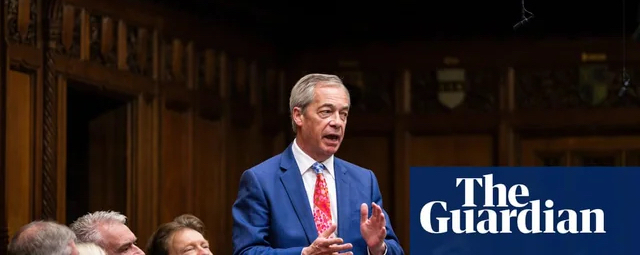
労働党の寄付取り締まりは改革UKへの打撃であり、非常に政治的な動きです結局のところ、詐欺防止のために物品の取引で暗号通貨を使用できないなら、政治団体が暗号通貨で寄付を受けることが許可される理由は見当たりません。
暗号通貨の元の送信者を正確に特定する方法はありません。確かに、ブロックチェーン上でウォレットの履歴を見ることはできますが、暗号詐欺師は特に何百ものウォレットを使い、それぞれが相互に取引を行うため、詐欺師を特定するのはほぼ不可能です。
実際、シンプルです。お金があり、異なるウォレットで少額の暗号通貨を購入し始めます。その後、これらのウォレット間で他の金額を送信して、追跡が難しい取引のチェーンを作成します。チェーンを作成したら、異なるタイミングで少額を大きなウォレットに流し込むことができます。その大きなウォレットは、他の無関係なウォレットに取引を行うことができ、さらに多くの取引を作成します。そして最終的に、政治団体に寄付するために大きな金額を蓄積します。
労働党の寄付取り締まりは改革UKへの打撃であり、非常に政治的な動きです
結局のところ、詐欺防止のために物品の取引で暗号通貨を使用できないなら、政治団体が暗号通貨で寄付を受けることが許可される理由は見当たりません。
暗号通貨の元の送信者を正確に特定する方法はありません。確かに、ブロックチェーン上でウォレットの履歴を見ることはできますが、暗号詐欺師は特に何百ものウォレットを使い、それぞれが相互に取引を行うため、詐欺師を特定するのはほぼ不可能です。
実際、シンプルです。お金があり、異なるウォレットで少額の暗号通貨を購入し始めます。その後、これらのウォレット間で他の金額を送信して、追跡が難しい取引のチェーンを作成します。チェーンを作成したら、異なるタイミングで少額を大きなウォレットに流し込むことができます。その大きなウォレットは、他の無関係なウォレットに取引を行うことができ、さらに多くの取引を作成します。そして最終的に、政治団体に寄付するために大きな金額を蓄積します。
暗号通貨の元の送信者を正確に特定する方法はありません。確かに、ブロックチェーン上でウォレットの履歴を見ることはできますが、暗号詐欺師は特に何百ものウォレットを使い、それぞれが相互に取引を行うため、詐欺師を特定するのはほぼ不可能です。
実際、シンプルです。お金があり、異なるウォレットで少額の暗号通貨を購入し始めます。その後、これらのウォレット間で他の金額を送信して、追跡が難しい取引のチェーンを作成します。チェーンを作成したら、異なるタイミングで少額を大きなウォレットに流し込むことができます。その大きなウォレットは、他の無関係なウォレットに取引を行うことができ、さらに多くの取引を作成します。そして最終的に、政治団体に寄付するために大きな金額を蓄積します。
3
245
·
--

記事
📈 市場アップデート: AIの「黄金時代」はここにあるのか?🚀2026年4月の市場は、記録的な高値と「瞬きする間に見逃す」ような急変動が入り混じったワイルドな状況だ。カジュアルな貯蓄者でもデイリートレーダーでも、今どこにお金が動いているかの詳細をお届けするよ。
AIブームは、AIリアリティになりつつある🤖
もはやチャットボットの話だけではない。今年、AIインフラストラクチャーへの支出は2兆ドルに達すると予測されている。
* トレンド: 投資家は「ハイプ」からインフラにシフトしている。AIを支える半導体やエネルギーグリッドを構築する企業が真の勝者だ。
📈 市場アップデート: AIの「黄金時代」はここにあるのか?🚀
2026年4月の市場は、記録的な高値と「瞬きする間に見逃す」ような急変動が入り混じったワイルドな状況だ。カジュアルな貯蓄者でもデイリートレーダーでも、今どこにお金が動いているかの詳細をお届けするよ。
AIブームは、AIリアリティになりつつある🤖
もはやチャットボットの話だけではない。今年、AIインフラストラクチャーへの支出は2兆ドルに達すると予測されている。
* トレンド: 投資家は「ハイプ」からインフラにシフトしている。AIを支える半導体やエネルギーグリッドを構築する企業が真の勝者だ。
AIブームは、AIリアリティになりつつある🤖
もはやチャットボットの話だけではない。今年、AIインフラストラクチャーへの支出は2兆ドルに達すると予測されている。
* トレンド: 投資家は「ハイプ」からインフラにシフトしている。AIを支える半導体やエネルギーグリッドを構築する企業が真の勝者だ。
10
1
4
80
·
--
記事
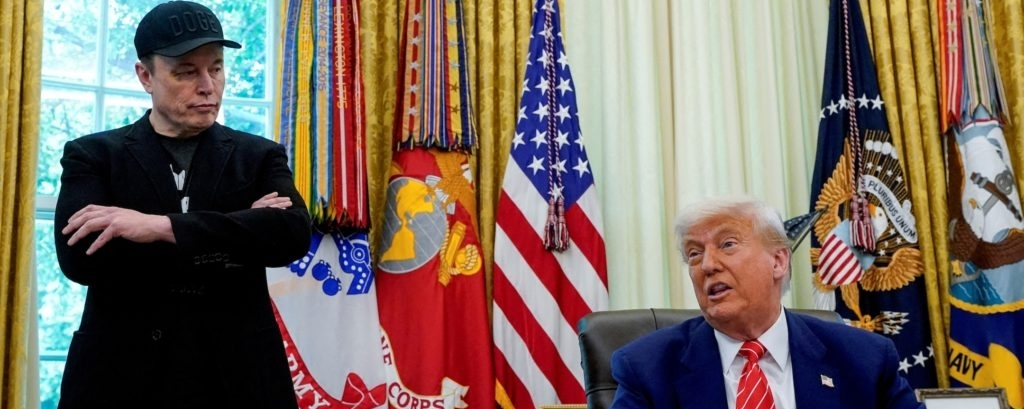
なぜ政治家や大機関が話すと暗号が真剣に受け止められるように感じるのかそれについて、私は公衆の認識を意味している。
普通の人が暗号について話すと、しばしばギャンブルや詐欺として片付けられる。しかし、政治家や銀行、ETF、大企業がそれについて話すと、突然それは金融インフラとして扱われる。
新しいテクノロジーが「正当化」されるのはそういうものなのか、それともお金が関与しているから暗号は違うのか?
私の視点
暗号の正当性への道は、単に時間や採用の問題ではなく、誰がナラティブをコントロールするかに関わっている。個人が投機すると、それはギャンブルに見える。機関が統合すると、それはインフラに見える。両方が同時に真実であり、その緊張が他のテクノロジーと比べて暗号をユニークにしている。
なぜ政治家や大機関が話すと暗号が真剣に受け止められるように感じるのか
それについて、私は公衆の認識を意味している。
普通の人が暗号について話すと、しばしばギャンブルや詐欺として片付けられる。しかし、政治家や銀行、ETF、大企業がそれについて話すと、突然それは金融インフラとして扱われる。
新しいテクノロジーが「正当化」されるのはそういうものなのか、それともお金が関与しているから暗号は違うのか?
私の視点
暗号の正当性への道は、単に時間や採用の問題ではなく、誰がナラティブをコントロールするかに関わっている。個人が投機すると、それはギャンブルに見える。機関が統合すると、それはインフラに見える。両方が同時に真実であり、その緊張が他のテクノロジーと比べて暗号をユニークにしている。
普通の人が暗号について話すと、しばしばギャンブルや詐欺として片付けられる。しかし、政治家や銀行、ETF、大企業がそれについて話すと、突然それは金融インフラとして扱われる。
新しいテクノロジーが「正当化」されるのはそういうものなのか、それともお金が関与しているから暗号は違うのか?
私の視点
暗号の正当性への道は、単に時間や採用の問題ではなく、誰がナラティブをコントロールするかに関わっている。個人が投機すると、それはギャンブルに見える。機関が統合すると、それはインフラに見える。両方が同時に真実であり、その緊張が他のテクノロジーと比べて暗号をユニークにしている。
5
187
·
--
市場分析 ビットコイン 現在の状況と一般的な構造 2026年4月23日現在、
ビットコインは明確かつ攻撃的なトレンドにあり、$77,723 USDレンジで取引されています。
今月中、この資産は$68,000レンジからスタートして15%以上の成長を積み重ねています。市場構造は強い買い圧力を示しており、浅いプルバックを伴って高値と高値を更新しています。これは、売り流動性が迅速に吸収されていることを示しています。
最近の価格動向の内訳:蓄積フェーズ 4月1-5日 市場は月初めに$66.5kと$68kの間で統合を始め、強い動きの前に下限で流動性を掃除しました。
ブレイクアウトと加速 4月8-17日 4月8日に$70kの心理的障壁が突破され、その後月の中頃にボリュームが急増しました。価格は24時間で$71kから$74k以上に跳ね上がり、4月17日には$77kの高値に達しました。
現在のアクション 4月19日に$73.8kエリアへの短く健康的なプルバックの後、価格は再び垂直のモメンタムを取り戻し、先週の高値を突破しています。
あなたはどう思いますか?
価格は再び上昇するのか、それとも下がるのか??
#MarketRebound #StrategyBTCPurchase #MarketAnalysis #Write2Earn #squarecreator
{spot}(BTCUSDT)
市場分析 ビットコイン 現在の状況と一般的な構造 2026年4月23日現在、
ビットコインは明確かつ攻撃的なトレンドにあり、$77,723 USDレンジで取引されています。
今月中、この資産は$68,000レンジからスタートして15%以上の成長を積み重ねています。市場構造は強い買い圧力を示しており、浅いプルバックを伴って高値と高値を更新しています。これは、売り流動性が迅速に吸収されていることを示しています。
最近の価格動向の内訳:蓄積フェーズ 4月1-5日 市場は月初めに$66.5kと$68kの間で統合を始め、強い動きの前に下限で流動性を掃除しました。
ブレイクアウトと加速 4月8-17日 4月8日に$70kの心理的障壁が突破され、その後月の中頃にボリュームが急増しました。価格は24時間で$71kから$74k以上に跳ね上がり、4月17日には$77kの高値に達しました。
現在のアクション 4月19日に$73.8kエリアへの短く健康的なプルバックの後、価格は再び垂直のモメンタムを取り戻し、先週の高値を突破しています。
あなたはどう思いますか?
価格は再び上昇するのか、それとも下がるのか??
#MarketRebound #StrategyBTCPurchase #MarketAnalysis #Write2Earn #squarecreator
ビットコインは明確かつ攻撃的なトレンドにあり、$77,723 USDレンジで取引されています。
今月中、この資産は$68,000レンジからスタートして15%以上の成長を積み重ねています。市場構造は強い買い圧力を示しており、浅いプルバックを伴って高値と高値を更新しています。これは、売り流動性が迅速に吸収されていることを示しています。
最近の価格動向の内訳:蓄積フェーズ 4月1-5日 市場は月初めに$66.5kと$68kの間で統合を始め、強い動きの前に下限で流動性を掃除しました。
ブレイクアウトと加速 4月8-17日 4月8日に$70kの心理的障壁が突破され、その後月の中頃にボリュームが急増しました。価格は24時間で$71kから$74k以上に跳ね上がり、4月17日には$77kの高値に達しました。
現在のアクション 4月19日に$73.8kエリアへの短く健康的なプルバックの後、価格は再び垂直のモメンタムを取り戻し、先週の高値を突破しています。
あなたはどう思いますか?
価格は再び上昇するのか、それとも下がるのか??
#MarketRebound #StrategyBTCPurchase #MarketAnalysis #Write2Earn #squarecreator
4
62
·
--
みんな一晩でブル相場に転じた感じだね。そんな時はリスクが高くなることが多い!
センチメントがすごく早くひっくり返った。みんながどこでも高値を狙ってる。通常、こういう状況が混雑する時、市場は逆の動きをするものだ。市場はよく心配の壁を登る。人々が懐疑的な時に上昇するけど、懐疑的な人たちが諦めて買いに入ると、限界の買い手がいなくなっちゃう。もし買いたい人がもう全員買ってしまったら、残された方向は下落か横ばい。人々が利益を確定し始めるからね。
これは本当の強さなのか、それともただの仕掛けなのか、気になるな?
#Write2Earn #MarketSentimentToday
みんな一晩でブル相場に転じた感じだね。そんな時はリスクが高くなることが多い!
センチメントがすごく早くひっくり返った。みんながどこでも高値を狙ってる。通常、こういう状況が混雑する時、市場は逆の動きをするものだ。市場はよく心配の壁を登る。人々が懐疑的な時に上昇するけど、懐疑的な人たちが諦めて買いに入ると、限界の買い手がいなくなっちゃう。もし買いたい人がもう全員買ってしまったら、残された方向は下落か横ばい。人々が利益を確定し始めるからね。
これは本当の強さなのか、それともただの仕掛けなのか、気になるな?
#Write2Earn #MarketSentimentToday
センチメントがすごく早くひっくり返った。みんながどこでも高値を狙ってる。通常、こういう状況が混雑する時、市場は逆の動きをするものだ。市場はよく心配の壁を登る。人々が懐疑的な時に上昇するけど、懐疑的な人たちが諦めて買いに入ると、限界の買い手がいなくなっちゃう。もし買いたい人がもう全員買ってしまったら、残された方向は下落か横ばい。人々が利益を確定し始めるからね。
これは本当の強さなのか、それともただの仕掛けなのか、気になるな?
#Write2Earn #MarketSentimentToday
133
3
15
133
·
--
時計は水曜日の夕方に迫る高リスクの締切に向かって進んでいます。空気中の緊張は非常に濃厚です。パキスタンは、米国とイランが対立している中で、壊れやすい停戦を維持しようとする大規模な外交の綱渡りの真っ只中にいます。パキスタン政府は、イスラマバードでの平和会談を主催するためにあらゆる手を尽くしていますが、状況は火薬庫のように感じられます。トランプは核の譲歩に対して強硬な姿勢を崩さず、テヘランは港を締め付ける米国の海上封鎖に激怒しています。この地域の一般市民にとって、これは単なる政治的見出しではなく、外交が勝つのか、それとも地域が全面的な紛争に逆戻りするのかを見守る神経を使う待機時間です。エネルギー価格や安全保障が混乱する可能性があります。次の24時間でドミノがどのように倒れるかが決まるように感じます。
何かが状況を引き起こした場合、市場に何が起こるかについてのあなたの考えは何ですか。
#PakistanPeaceTalks #IranUSConflict #latestupdate #EarnByWriting #BinanceSquareTalks
時計は水曜日の夕方に迫る高リスクの締切に向かって進んでいます。空気中の緊張は非常に濃厚です。パキスタンは、米国とイランが対立している中で、壊れやすい停戦を維持しようとする大規模な外交の綱渡りの真っ只中にいます。パキスタン政府は、イスラマバードでの平和会談を主催するためにあらゆる手を尽くしていますが、状況は火薬庫のように感じられます。トランプは核の譲歩に対して強硬な姿勢を崩さず、テヘランは港を締め付ける米国の海上封鎖に激怒しています。この地域の一般市民にとって、これは単なる政治的見出しではなく、外交が勝つのか、それとも地域が全面的な紛争に逆戻りするのかを見守る神経を使う待機時間です。エネルギー価格や安全保障が混乱する可能性があります。次の24時間でドミノがどのように倒れるかが決まるように感じます。
何かが状況を引き起こした場合、市場に何が起こるかについてのあなたの考えは何ですか。
#PakistanPeaceTalks #IranUSConflict #latestupdate #EarnByWriting #BinanceSquareTalks
何かが状況を引き起こした場合、市場に何が起こるかについてのあなたの考えは何ですか。
#PakistanPeaceTalks #IranUSConflict #latestupdate #EarnByWriting #BinanceSquareTalks
5
89
·
--
記事
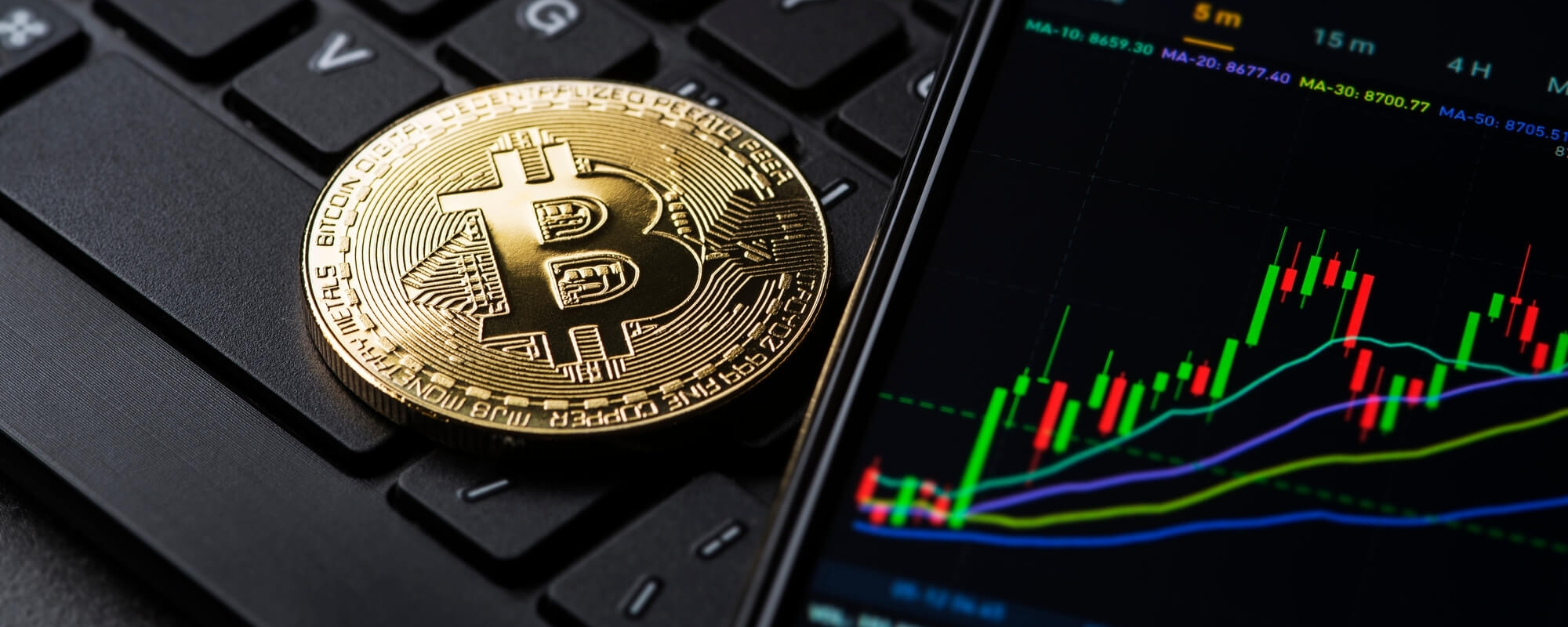
今年加熱しているトップ5の暗号通貨 賢いお金が流れている場所"2026年に注目すべき5つのホットな暗号通貨"
2026年の暗号市場はエネルギーに満ちており、ボラティリティは常にゲームの一部ですが、特定のコインはその回復力、採用、実世界でのユーティリティから際立っています。今年は暗号通貨にとって決定的な年になるでしょう。
ビットコインとイーサリアムは市場の安定性を支え、ソラナ、XRP、BNBはスピード、支払い、ユーティリティを通じて成長を促進しています。これらは安全性と上昇の可能性をバランスさせ、将来を見据える投資家にとって最もホットな選択肢となっています。
今年加熱しているトップ5の暗号通貨 賢いお金が流れている場所
"2026年に注目すべき5つのホットな暗号通貨"
2026年の暗号市場はエネルギーに満ちており、ボラティリティは常にゲームの一部ですが、特定のコインはその回復力、採用、実世界でのユーティリティから際立っています。今年は暗号通貨にとって決定的な年になるでしょう。
ビットコインとイーサリアムは市場の安定性を支え、ソラナ、XRP、BNBはスピード、支払い、ユーティリティを通じて成長を促進しています。これらは安全性と上昇の可能性をバランスさせ、将来を見据える投資家にとって最もホットな選択肢となっています。
2026年の暗号市場はエネルギーに満ちており、ボラティリティは常にゲームの一部ですが、特定のコインはその回復力、採用、実世界でのユーティリティから際立っています。今年は暗号通貨にとって決定的な年になるでしょう。
ビットコインとイーサリアムは市場の安定性を支え、ソラナ、XRP、BNBはスピード、支払い、ユーティリティを通じて成長を促進しています。これらは安全性と上昇の可能性をバランスさせ、将来を見据える投資家にとって最もホットな選択肢となっています。
2
4
164
·
--
記事
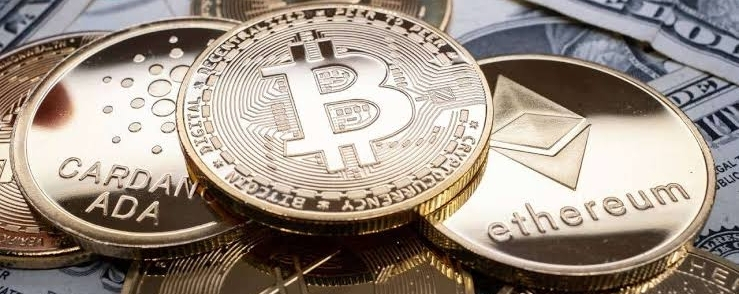
1,000倍のムーンショット:ミーム文化を暗号資産の富に変える 🚀ジョークから始まったものが、今や数十億ドル規模の資産クラスになっています。初期の$DOGE から$PEPE と$WIF の爆発的な上昇まで、ミームコインは分散型金融(DeFi)のルールを書き換えました。しかし、次のバイラルレジェンドを24時間の一過性のものからどうやって分けるのでしょうか?
ミーム経済で優位に立つことは単なる運ではなく、コミュニティの感情、流動性分析、そしてスピードに関するものです。
なぜミームコインがサイクルを支配しているのか:
バイラルネットワーク効果:"ドッグアーミー"や"フロッグネイション"のようなコミュニティは、純粋な社会的調整を通じて価値を生み出します。
1,000倍のムーンショット:ミーム文化を暗号資産の富に変える 🚀
ジョークから始まったものが、今や数十億ドル規模の資産クラスになっています。初期の$DOGE から$PEPE と$WIF の爆発的な上昇まで、ミームコインは分散型金融(DeFi)のルールを書き換えました。しかし、次のバイラルレジェンドを24時間の一過性のものからどうやって分けるのでしょうか?
ミーム経済で優位に立つことは単なる運ではなく、コミュニティの感情、流動性分析、そしてスピードに関するものです。
なぜミームコインがサイクルを支配しているのか:
バイラルネットワーク効果:"ドッグアーミー"や"フロッグネイション"のようなコミュニティは、純粋な社会的調整を通じて価値を生み出します。
ミーム経済で優位に立つことは単なる運ではなく、コミュニティの感情、流動性分析、そしてスピードに関するものです。
なぜミームコインがサイクルを支配しているのか:
バイラルネットワーク効果:"ドッグアーミー"や"フロッグネイション"のようなコミュニティは、純粋な社会的調整を通じて価値を生み出します。
1
2
508
·
--
暗号市場は停戦のニュースに迅速に反応し、主要なトークン全体に楽観主義が広がりました。 $BTC と$ETH がラリーを牽引し、トレーダーが戦争によるショートポジションを解消するにつれて上昇しました。全体の市場資本は大幅に拡大し、地政学的緊張が緩和される中での新たな信頼を反映しました。
しかし、救済ラリーはまた、暗号が世界的な出来事にどれほど敏感であるかを浮き彫りにしました。平和交渉と停戦の安定性が、この勢いが維持されるか消えるかを決定します。今のところ、停戦は一時的なブーストを提供しましたが、ボラティリティは依然として市場の特徴です。
要するに、「停戦は楽観主義の波をもたらした」、しかし持続的な安定性は、平和が続くかどうかに依存します。
暗号市場は停戦のニュースに迅速に反応し、主要なトークン全体に楽観主義が広がりました。 $BTC と$ETH がラリーを牽引し、トレーダーが戦争によるショートポジションを解消するにつれて上昇しました。全体の市場資本は大幅に拡大し、地政学的緊張が緩和される中での新たな信頼を反映しました。
しかし、救済ラリーはまた、暗号が世界的な出来事にどれほど敏感であるかを浮き彫りにしました。平和交渉と停戦の安定性が、この勢いが維持されるか消えるかを決定します。今のところ、停戦は一時的なブーストを提供しましたが、ボラティリティは依然として市場の特徴です。
要するに、「停戦は楽観主義の波をもたらした」、しかし持続的な安定性は、平和が続くかどうかに依存します。
しかし、救済ラリーはまた、暗号が世界的な出来事にどれほど敏感であるかを浮き彫りにしました。平和交渉と停戦の安定性が、この勢いが維持されるか消えるかを決定します。今のところ、停戦は一時的なブーストを提供しましたが、ボラティリティは依然として市場の特徴です。
要するに、「停戦は楽観主義の波をもたらした」、しかし持続的な安定性は、平和が続くかどうかに依存します。
4
70
·
--
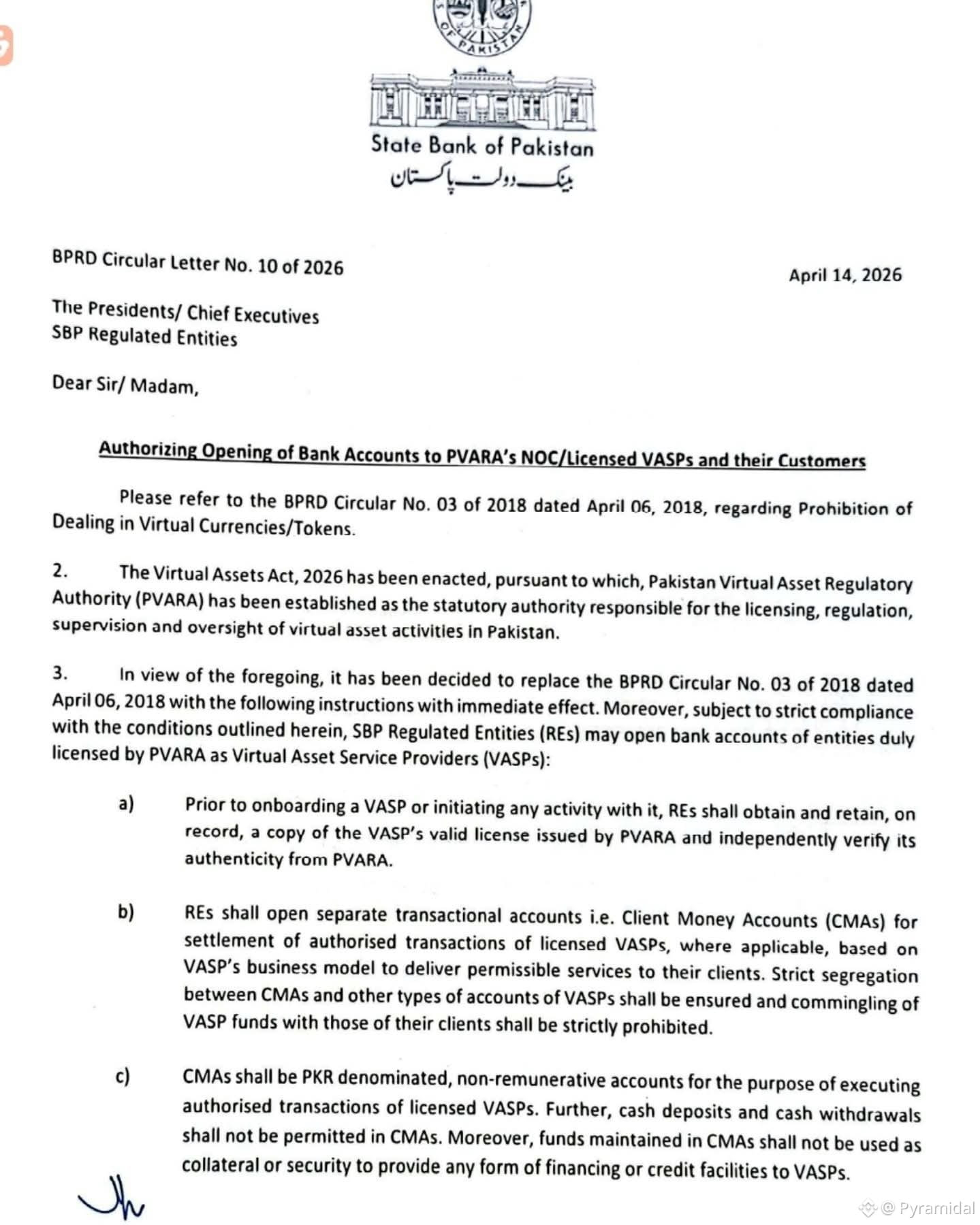
パキスタンの州立銀行の暗号に対する友好的な姿勢.,
パキスタンは暗号のゲームを変えました。
州立銀行は、今や銀行がライセンスを受けた暗号企業とそのユーザーのために口座を開設することを許可しています。
これがあなたにとって何を意味するのか:
• 暗号は法的構造に向かって動いています
規制された取引所が灰色市場の設定の代わりに見られるようになります
• 銀行は今や暗号企業と協力できます
しかし、PVARAに承認されたものだけです
• あなたの資金は別々に保管されます
顧客の資金は会社の資金と分離されなければなりません
これにより悪用のリスクが減少します
• 現金の預金または引き出しはありません
すべては銀行システム内に留まります
完全な追跡可能性
• 口座はPKRベースになります
利息はなく、あなたの暗号資金に対して貸し出しはありません
• 強力な監視
銀行は活動を追跡し、疑わしい取引を報告しなければなりません
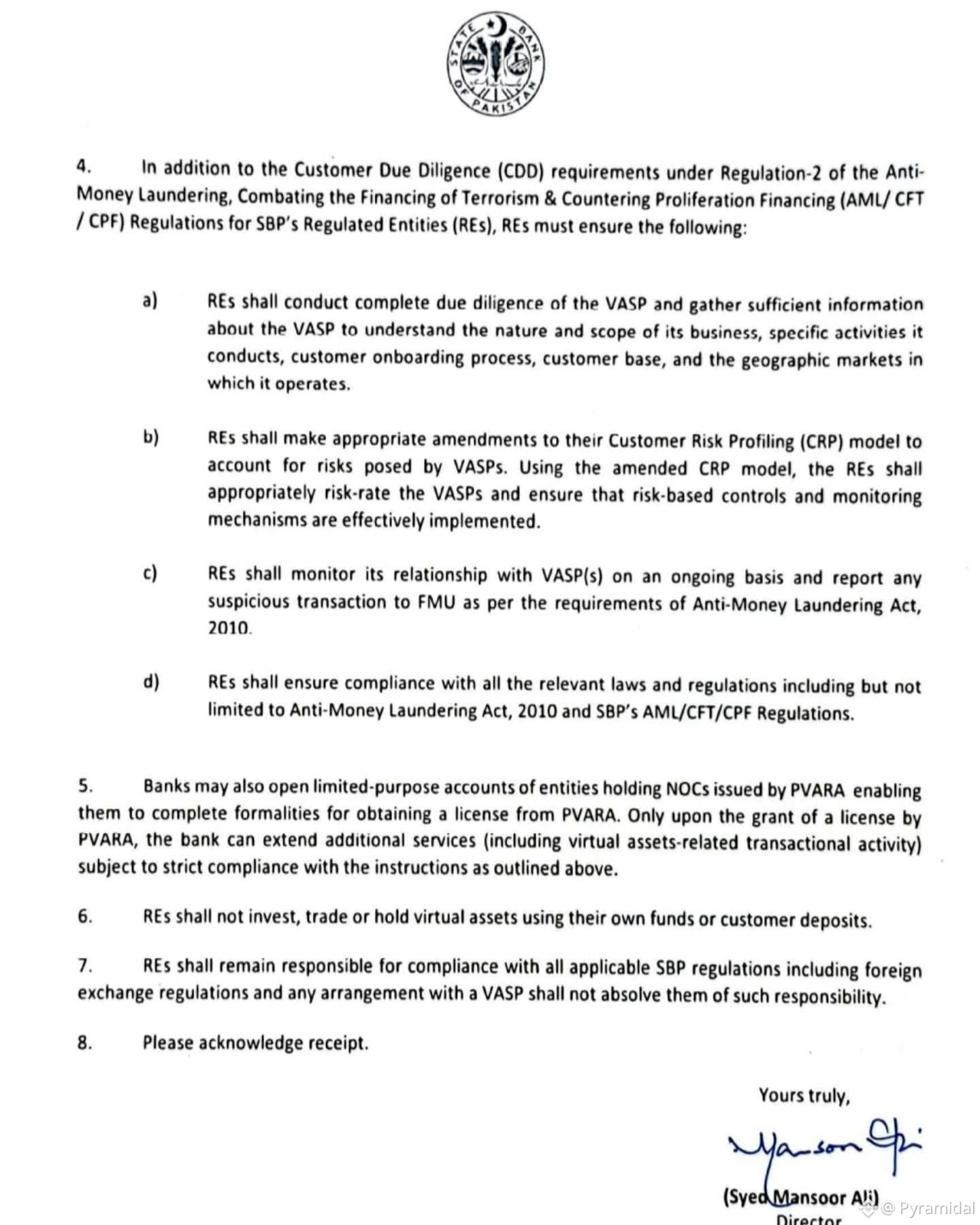
これが取引所にとって何を意味するのか:
• あなたはPVARAからライセンスを取得しなければなりません
ライセンスがなければ、銀行アクセスはありません
• 完全なコンプライアンスが必要です
AML、KYC、リスクプロファイリング、継続的な監視
• 別々の顧客資金口座が義務付けられています
会社の資金と混ぜてはいけません
• あなたは顧客の資金を貸し出しやレバレッジに使用することはできません
• あなたはもはや監視なしに自由に運営することはできません
大きなポイント:
パキスタンは暗号を禁止していません。
それは規制されたシステムに押し込んでいます。
もしあなたが暗号で取引したり構築したりしているなら、これは合法性に向けたシフトです。
荒野の西部のフェーズはすぐに終わります。
パキスタンの州立銀行の暗号に対する友好的な姿勢.,
パキスタンは暗号のゲームを変えました。
州立銀行は、今や銀行がライセンスを受けた暗号企業とそのユーザーのために口座を開設することを許可しています。
これがあなたにとって何を意味するのか:
• 暗号は法的構造に向かって動いています
規制された取引所が灰色市場の設定の代わりに見られるようになります
• 銀行は今や暗号企業と協力できます
しかし、PVARAに承認されたものだけです
• あなたの資金は別々に保管されます
顧客の資金は会社の資金と分離されなければなりません
これにより悪用のリスクが減少します
• 現金の預金または引き出しはありません
すべては銀行システム内に留まります
完全な追跡可能性
• 口座はPKRベースになります
利息はなく、あなたの暗号資金に対して貸し出しはありません
• 強力な監視
銀行は活動を追跡し、疑わしい取引を報告しなければなりません
これが取引所にとって何を意味するのか:
• あなたはPVARAからライセンスを取得しなければなりません
ライセンスがなければ、銀行アクセスはありません
• 完全なコンプライアンスが必要です
AML、KYC、リスクプロファイリング、継続的な監視
• 別々の顧客資金口座が義務付けられています
会社の資金と混ぜてはいけません
• あなたは顧客の資金を貸し出しやレバレッジに使用することはできません
• あなたはもはや監視なしに自由に運営することはできません
大きなポイント:
パキスタンは暗号を禁止していません。
それは規制されたシステムに押し込んでいます。
もしあなたが暗号で取引したり構築したりしているなら、これは合法性に向けたシフトです。
荒野の西部のフェーズはすぐに終わります。
パキスタンは暗号のゲームを変えました。
州立銀行は、今や銀行がライセンスを受けた暗号企業とそのユーザーのために口座を開設することを許可しています。
これがあなたにとって何を意味するのか:
• 暗号は法的構造に向かって動いています
規制された取引所が灰色市場の設定の代わりに見られるようになります
• 銀行は今や暗号企業と協力できます
しかし、PVARAに承認されたものだけです
• あなたの資金は別々に保管されます
顧客の資金は会社の資金と分離されなければなりません
これにより悪用のリスクが減少します
• 現金の預金または引き出しはありません
すべては銀行システム内に留まります
完全な追跡可能性
• 口座はPKRベースになります
利息はなく、あなたの暗号資金に対して貸し出しはありません
• 強力な監視
銀行は活動を追跡し、疑わしい取引を報告しなければなりません
これが取引所にとって何を意味するのか:
• あなたはPVARAからライセンスを取得しなければなりません
ライセンスがなければ、銀行アクセスはありません
• 完全なコンプライアンスが必要です
AML、KYC、リスクプロファイリング、継続的な監視
• 別々の顧客資金口座が義務付けられています
会社の資金と混ぜてはいけません
• あなたは顧客の資金を貸し出しやレバレッジに使用することはできません
• あなたはもはや監視なしに自由に運営することはできません
大きなポイント:
パキスタンは暗号を禁止していません。
それは規制されたシステムに押し込んでいます。
もしあなたが暗号で取引したり構築したりしているなら、これは合法性に向けたシフトです。
荒野の西部のフェーズはすぐに終わります。
3
45
·
--
赤い🎁パケットのギブアウェイ、あなたのをゲットしよう👇
[Redpacket link click me](https://app.binance.com/uni-qr/DxRWzWbg?utm_medium=web_share_copy)
クリックしてゲット👆
赤い🎁パケットのギブアウェイ、あなたのをゲットしよう👇
Redpacket link click me
クリックしてゲット👆
Redpacket link click me
クリックしてゲット👆
1
5
31
·
--
現在の状況では、市場は特定の方法で機能しています。
$BTC が七万ドルの価値に達すると、交換が行われます。今週の価格は以前の六万ドルから近く七万ドルに達しています。観察者にとって、購入者の身元は数値データよりも重要です。
状況を理解するために、2026年初頭のデータを見ます。価格が下がると、小口投資家は保有株を売却します。この期間に、これらの個人は62,000ユニットを売却しましたが、機関投資家は同時に69,000ユニットを取得しました。これらの企業は長期間待つため、価格は徐々に上昇しています。この行動のため、価格は66,000ドルと68,000ドルの間で安定しています。この安定性は市場の新しい特徴です。
歴史的トレンドについては、前の10年周期は終わりました。2024年以降、市場は異なる方法で振る舞います。過去の予測可能なタイミングが失われたことは明らかです。現在のリズムを分析すると、一貫性がありません。パターンはもはや信頼できません。伝統的なサイクルが終了した可能性があります。
規制を見てみると、この変化の理由がわかります。CLARITY法案が議会を通過すれば、政策はより統一されます。このシフトを促進するために、政府はETFを承認しました。ブラックロックのような企業が関与しているため、ビットコインは現在、標準的な機関資産となっています。企業は、法定通貨が購買力を失っても価値を維持するためにこれを使用しています。
現在の状況では、市場は特定の方法で機能しています。
$BTC が七万ドルの価値に達すると、交換が行われます。今週の価格は以前の六万ドルから近く七万ドルに達しています。観察者にとって、購入者の身元は数値データよりも重要です。
状況を理解するために、2026年初頭のデータを見ます。価格が下がると、小口投資家は保有株を売却します。この期間に、これらの個人は62,000ユニットを売却しましたが、機関投資家は同時に69,000ユニットを取得しました。これらの企業は長期間待つため、価格は徐々に上昇しています。この行動のため、価格は66,000ドルと68,000ドルの間で安定しています。この安定性は市場の新しい特徴です。
歴史的トレンドについては、前の10年周期は終わりました。2024年以降、市場は異なる方法で振る舞います。過去の予測可能なタイミングが失われたことは明らかです。現在のリズムを分析すると、一貫性がありません。パターンはもはや信頼できません。伝統的なサイクルが終了した可能性があります。
規制を見てみると、この変化の理由がわかります。CLARITY法案が議会を通過すれば、政策はより統一されます。このシフトを促進するために、政府はETFを承認しました。ブラックロックのような企業が関与しているため、ビットコインは現在、標準的な機関資産となっています。企業は、法定通貨が購買力を失っても価値を維持するためにこれを使用しています。
$BTC が七万ドルの価値に達すると、交換が行われます。今週の価格は以前の六万ドルから近く七万ドルに達しています。観察者にとって、購入者の身元は数値データよりも重要です。
状況を理解するために、2026年初頭のデータを見ます。価格が下がると、小口投資家は保有株を売却します。この期間に、これらの個人は62,000ユニットを売却しましたが、機関投資家は同時に69,000ユニットを取得しました。これらの企業は長期間待つため、価格は徐々に上昇しています。この行動のため、価格は66,000ドルと68,000ドルの間で安定しています。この安定性は市場の新しい特徴です。
歴史的トレンドについては、前の10年周期は終わりました。2024年以降、市場は異なる方法で振る舞います。過去の予測可能なタイミングが失われたことは明らかです。現在のリズムを分析すると、一貫性がありません。パターンはもはや信頼できません。伝統的なサイクルが終了した可能性があります。
規制を見てみると、この変化の理由がわかります。CLARITY法案が議会を通過すれば、政策はより統一されます。このシフトを促進するために、政府はETFを承認しました。ブラックロックのような企業が関与しているため、ビットコインは現在、標準的な機関資産となっています。企業は、法定通貨が購買力を失っても価値を維持するためにこれを使用しています。
3
26
·
--
今週の注目点 "和平交渉"アメリカとイランの間の"和平交渉"の可能性に関する報告は、一時的な安堵のラリーを引き起こしました。緊張緩和の確認があれば、$BTC に向けて$80,000への突破が引き起こされる可能性があります。
石油価格 石油が$120に向けて上昇し続ける場合、インフレ取引が支配する中で、暗号通貨へのさらなる圧力が予想されます。アナリストはビットコインの重要なサポートとして$68,800を注視しています。
これを下回ると、$63,000までの急激な下落につながる可能性があります。
市場は悪いニュースよりも不確実性を嫌う。安定性は戦争が終わるときではなく、"新しい常態"が価格に織り込まれるときに訪れることが多い。
今週の注目点 "和平交渉"
アメリカとイランの間の"和平交渉"の可能性に関する報告は、一時的な安堵のラリーを引き起こしました。緊張緩和の確認があれば、$BTC に向けて$80,000への突破が引き起こされる可能性があります。
石油価格 石油が$120に向けて上昇し続ける場合、インフレ取引が支配する中で、暗号通貨へのさらなる圧力が予想されます。アナリストはビットコインの重要なサポートとして$68,800を注視しています。
これを下回ると、$63,000までの急激な下落につながる可能性があります。
市場は悪いニュースよりも不確実性を嫌う。安定性は戦争が終わるときではなく、"新しい常態"が価格に織り込まれるときに訪れることが多い。
石油価格 石油が$120に向けて上昇し続ける場合、インフレ取引が支配する中で、暗号通貨へのさらなる圧力が予想されます。アナリストはビットコインの重要なサポートとして$68,800を注視しています。
これを下回ると、$63,000までの急激な下落につながる可能性があります。
市場は悪いニュースよりも不確実性を嫌う。安定性は戦争が終わるときではなく、"新しい常態"が価格に織り込まれるときに訪れることが多い。
4
18
·
--
暗号市場のトレンド2026年の暗号市場は、制度的採用、実世界資産のトークン化、そしてAI駆動のブロックチェーンソリューションの台頭によって定義されます。 $BTC は1.4兆ドル以上の時価総額で支配的であり、$ETH 、ステーブルコイン、そして$SOL やXRPのような次世代プラットフォームがその影響力を拡大し続けています。
2026年の主要な暗号市場のトレンド
1. 制度的採用と規制
* ETFと規制された製品が何十億ドルも引き寄せており、暗号通貨が伝統的な投資家にとってよりアクセスしやすくなっています。
暗号市場のトレンド
2026年の暗号市場は、制度的採用、実世界資産のトークン化、そしてAI駆動のブロックチェーンソリューションの台頭によって定義されます。 $BTC は1.4兆ドル以上の時価総額で支配的であり、$ETH 、ステーブルコイン、そして$SOL やXRPのような次世代プラットフォームがその影響力を拡大し続けています。
2026年の主要な暗号市場のトレンド
1. 制度的採用と規制
* ETFと規制された製品が何十億ドルも引き寄せており、暗号通貨が伝統的な投資家にとってよりアクセスしやすくなっています。
2026年の主要な暗号市場のトレンド
1. 制度的採用と規制
* ETFと規制された製品が何十億ドルも引き寄せており、暗号通貨が伝統的な投資家にとってよりアクセスしやすくなっています。
2
46
·
--
暗号市場の更新: BTC、ETH、およびBNBのトレンド(2025年12月)
暗号市場は2025年第4四半期の終わりに向けて、ボラティリティと統合の期間をナビゲートしています。最近の後退があったものの、全体のセンチメントは慎重に楽観的であり、機関投資家の関心と変動するマクロ経済によって推進されています。
現在の主要プレイヤーのトレンドの内訳は以下の通りです
👑 ビットコイン $BTC
機関投資家のアンカー
ビットコインは市場のリーダーとして、短期的な価格変動はあるものの、基盤を強化している兆候を示しています。
暗号市場の更新: BTC、ETH、およびBNBのトレンド(2025年12月)
暗号市場は2025年第4四半期の終わりに向けて、ボラティリティと統合の期間をナビゲートしています。最近の後退があったものの、全体のセンチメントは慎重に楽観的であり、機関投資家の関心と変動するマクロ経済によって推進されています。
現在の主要プレイヤーのトレンドの内訳は以下の通りです
👑 ビットコイン $BTC
機関投資家のアンカー
ビットコインは市場のリーダーとして、短期的な価格変動はあるものの、基盤を強化している兆候を示しています。
現在の主要プレイヤーのトレンドの内訳は以下の通りです
👑 ビットコイン $BTC
機関投資家のアンカー
ビットコインは市場のリーダーとして、短期的な価格変動はあるものの、基盤を強化している兆候を示しています。
2
27
ログインして、さらにコンテンツを読む
厳選トピックで世界の暗号資産トレーダーの仲間入り
⚡️ 暗号資産に関する最新かつ有益な情報が見つかります。
💬 世界最大の暗号資産取引所から信頼されています。
👍 認証を受けたクリエイターから、有益なインサイトを得られます。
メール / 電話番号
トレンドトピック
ADAGains10%Above$0.27
閲覧回数 11,538
162人が討論中
$ADA は本日大きく上昇し、10%超値上がりして027前後に達し、90日間の新高値を更新しました。
取引高も10億を超えて急増しており、市場の活況を示しています。
この動きは、$ADA が6月の安値から回復を続けるなか、最近のテクニカル面の形勢がより強気に転じたことを背景としています。
現在、027~028のゾーンが注目すべき重要な水準です。上抜けが続けば、さらに上の抵抗線を目指す展開となる可能性があります。
ただし、これほど急激な日中の値動きの後は、ボラティリティが高い状態が続く可能性があります。
#ADAGains10%Above$0.27 #crypto #ADA #Cardano #crypto #Write2Earn
AbdullahAbid_7
·いいね:0件
·閲覧回数 328
ETHUp70%InQ3ButLiquidityFalls
閲覧回数 130,272
962人が討論中
EthStakingExitQueueHits2026High
閲覧回数 46,339
701人が討論中